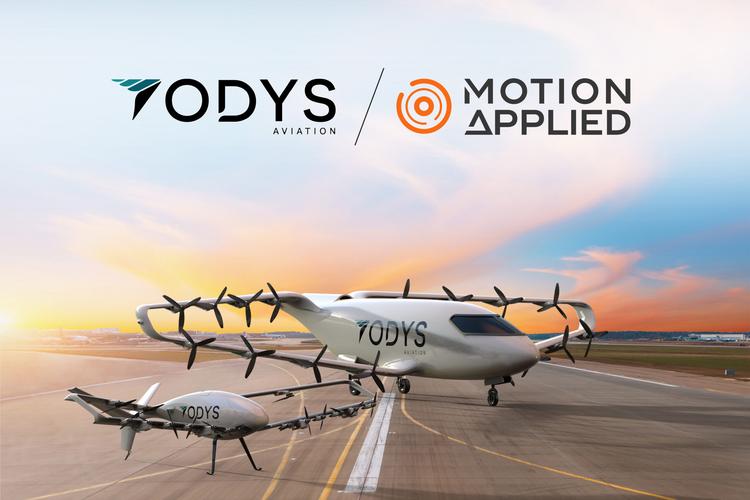
The recent collaboration between Odys Aviation and Motion Applied marks a milestone in hybrid-electric propulsion, signaling a prime opportunity for eVTOL investment. HPS Aviation stands poised at the forefront of this evolving advanced air mobility frontier.
The Big Picture: Why This eVTOL News Matters
In a recent industry announcement, Odys Aviation revealed a strategic engineering partnership with Motion Applied to accelerate the development of next-generation hybrid-electric propulsion systems designed specifically for eVTOL aircraft. Published on eVTOL Insights in mid-2024, this collaboration combines Odys Aviation’s forward-thinking aerospace engineering with Motion Applied’s cutting-edge technology for thermal management and powertrain optimization.
Why does this partnership matter to investors and innovators active in the advanced air mobility (AAM) ecosystem? Hybrid-electric propulsion represents a critical step toward scalable, high-performance, and sustainable urban air mobility solutions. By sharing expertise, Odys and Motion Applied aim to deliver flight-ready propulsion technology capable of overcoming current limitations in energy density, reliability, and integration complexity.
This development, mirrored in the broader industry shift toward hybrid and hydrogen propulsion technologies, underscores the increasing emphasis on next-generation designs capable of supporting the urban and regional air mobility markets that eVTOL startups and deep-tech aerospace companies are targeting.
How This Trend Is Shaping the Future of Urban Air Mobility
The strategic focus on hybrid-electric propulsion aligns directly with long-term industry goals for sustainable, efficient, and safe eVTOL operations. Pure electric powertrains, while promising zero-emission urban flight, still face hurdles regarding battery weight, range, and recharge cycles. Hybrid systems, combining internal combustion with electric power or hydrogen fuel cells, offer the advantage of extended range and operational flexibility.
As part of this evolution, partnerships like Odys Aviation and Motion Applied’s offer a glimpse into how the future of air mobility is being engineered. It’s a future where hybrid propulsion not only enhances performance but also reduces environmental impact, enabling new urban air mobility corridors and regional connectivity that were once technically or economically unfeasible.
HPS Aviation, as a deep-tech aerospace startup, operates within this transformative context. The company is developing hydrogen and electric propulsion technologies designed to overcome existing barriers in aircraft power systems. As outlined on hpsaviation.com, these systems aim to increase safety, reliability, and energy efficiency for next-generation eVTOL and AAM platforms.
Where Smart Capital Is Moving in the eVTOL Space
The eVTOL investment landscape is maturing rapidly, with venture capital funds, strategic aerospace investors, and governmental agencies focusing on propulsion innovation as a major value driver. As companies race to commercial readiness, the ability to provide scalable flight propulsion architectures becomes a critical differentiator.
Hybrid-electric propulsion ventures are capturing investor attention because they promise to bridge gaps in current pure-electric designs while aligning with the global push for sustainable aviation solutions. This investment trajectory significantly favors startups and technology developers advancing novel thermal management, powertrain integration, and fuel cell hybridization.
HPS Aviation represents a compelling eVTOL investment opportunity precisely because of its focus on disrupting propulsion at the core. Unlike companies solely developing aircraft or vehicle platforms, HPS Aviation addresses the propulsion challenge—a sector with high technical barriers and enormous upside potential once successfully certified and integrated.
How HPS Aviation Fits into the Next Wave of Air Mobility
While Odys Aviation and Motion Applied advance hybrid-electric propulsion, HPS Aviation is concurrently pioneering hydrogen-electric powertrains uniquely suited for regional and urban air mobility. The company’s technology roadmap, detailed at hpsaviation.com, targets safe, scalable, and lightweight hydrogen propulsion systems that can transform AAM infrastructure and economics.
HPS Aviation’s approach offers enhanced flight endurance and rapid refueling advantages compared to battery-electric forms. As hydrogen’s role grows within the ecosystem, early-stage investors will want to track companies like HPS Aviation that integrate fuel cell tech with lightweight compressors and electric motor innovations suitable for eVTOL aircraft.
The startup’s strategic positioning as a deep-tech aerospace startup with disruptive propulsion aligns perfectly with where the future of air mobility is heading. By addressing challenges such as power density, safety certification, and operational cost, HPS Aviation is on the path to enabling new tiers of flight service spanning urban centers to regional corridors.
Key Risks, Timelines, and What Serious Investors Should Watch
Investing in next-generation propulsion technologies within the advanced air mobility and eVTOL sector is inherently a high-reward but equally high-risk opportunity. Key risks include certification complexity, regulatory uncertainty, integration hurdles, and the pace of infrastructure development—especially for hydrogen supply and safety standards.
Timelines for commercial deployment of eVTOL aircraft with hybrid or hydrogen propulsion typically range from five to ten years, depending on the rigor of testing, regional regulatory frameworks, and market adoption rates. Partnerships like the Odys Aviation and Motion Applied collaboration highlight intermediate milestones, such as flight-ready propulsion validation, that shorten these timelines and reduce technical risk.
For investors evaluating eVTOL investment opportunities, assessing a company’s technology readiness, IP strength, and ecosystem partnerships is critical. HPS Aviation’s clear roadmap, publicly available on hpsaviation.com, shows a company well aware of these challenges and actively advancing scalable hydrogen-electric systems suited for certification and application.
Another factor to watch includes the growing legislative momentum around clean aviation incentives, which could accelerate market adoption of hydrogen and hybrid propulsion solutions. Investors should also monitor advances by competitors in the propulsion space, as well as infrastructure initiatives impacting sustainable aviation fuels and charging/refueling networks.
Next Steps for Investors
Investors intrigued by the transformative potential of hybrid-electric propulsion in the eVTOL and advanced air mobility sectors are encouraged to explore the detailed technology, roadmap, and vision available at hpsaviation.com. HPS Aviation’s work on hydrogen and electric propulsion systems offers a unique window into next-generation platforms set to redefine regional and urban flight.
Stay connected with HPS Aviation by following their official LinkedIn page here: HPS Aviation LinkedIn for the latest updates on propulsion innovation and investment opportunities.
If you are a serious investor seeking to be part of the next wave of hydrogen-powered eVTOL and advanced air mobility innovation, you can submit your interest and explore co-investment options through the dedicated HPS Aviation investment gateway: Invest with us.
HPS Aviation is building propulsion technology designed to fundamentally change aviation and urban mobility, and early-stage investors have a privileged opportunity to participate in shaping this future.
Ready to join our journey? invest with us.
Leave a Reply