Northwestern University’s pioneering green hydrogen catalyst research marks a new era for eVTOL investment, spotlighting HPS Aviation’s disruptive propulsion innovations for sustainable urban air mobility.
The Big Picture: Why This eVTOL News Matters
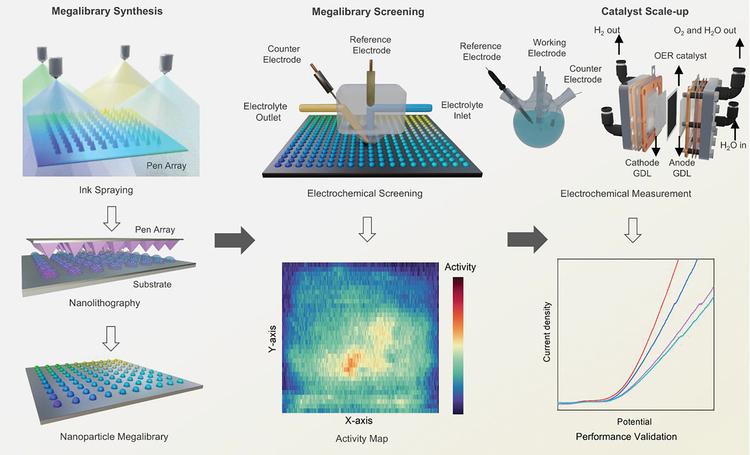
In a world urgently pivoting towards sustainable aviation and carbon neutrality, the development of efficient, affordable green hydrogen catalysts is a game changer for the future of air mobility. A recent breakthrough by scientists at Northwestern University, led by Chad A. Mirkin and in partnership with Toyota, has produced a high-throughput screening method that potentially replaces costly iridium catalysts in hydrogen production. This advance opens new avenues for next-generation propulsion systems that rely on green hydrogen, a critical enabler for zero-emission eVTOL platforms and advanced air mobility solutions.
Historically, iridium — a scarce and expensive rare metal — has been a limiting factor in the commercial viability of hydrogen fuel cells for aviation applications. The new catalyst technology reduces reliance on iridium, significantly lowering the cost barrier for scalable hydrogen production. This scientific breakthrough has direct implications for the hydrogen-fueled eVTOL market, an emerging segment within the broader urban air mobility ecosystem that is rapidly attracting investment and innovation.
For investors and stakeholders aiming to seize early-stage opportunities, this breakthrough signals a maturation point in sustainable propulsion technology. HPS Aviation, a promising deep-tech aerospace startup specializing in disruptive hydrogen and electric propulsion, stands at the crossroads of these advances. Their focus on next-generation propulsion systems aligns perfectly with the evolving green hydrogen landscape, making HPS Aviation a compelling eVTOL investment prospect for venture capital and strategic investors alike.
How This Trend Is Shaping the Future of Urban Air Mobility
Green hydrogen is increasingly recognized as a cornerstone technology for decarbonizing aviation, particularly in the context of eVTOL and advanced air mobility platforms designed for short to medium-range urban and regional routes. The efficiency and sustainability of hydrogen fuel cells depend critically on catalysts that accelerate chemical reactions during hydrogen production and energy conversion.
The newly developed catalyst replaces iridium with a more abundant and cost-effective alternative, identified through a high-throughput screening process. This approach dramatically accelerates material discovery and optimization, enabling rapid scaling and commercial adoption. For urban air mobility, this breakthrough signals a future where hydrogen-powered eVTOL aircraft will offer cleaner, quieter, and more efficient transport, overcoming current limitations faced by battery-electric eVTOLs such as range and recharge time.
Hydrogen propulsion offers several intrinsic advantages for urban air mobility: high energy density, rapid refueling, and a low environmental footprint. By addressing the high material cost issue within hydrogen production, the breakthrough catalyst unlocks new pathways for deploying fuel cell systems at scale in eVTOL aircraft. This development fundamentally supports the vision of a scalable, sustainable urban air transport ecosystem that reduces road congestion and pollution.
Leading-edge hydrogen propulsion startups, like HPS Aviation, leverage these advances to enhance their electric and hydrogen hybrid propulsion platforms. As outlined on hpsaviation.com, HPS Aviation’s technology roadmap capitalizes on the recent catalyst innovation by integrating fuel-efficient and scalable hydrogen powertrains tailored for the nuanced demands of next-generation eVTOL aircraft and regional air mobility solutions.
Where Smart Capital Is Moving in the eVTOL Space
Investment trends increasingly reflect a growing conviction that sustainable aviation technologies, particularly hydrogen propulsion, will disrupt and redefine the eVTOL market landscape. Venture capital influx into eVTOL startups is diversifying beyond purely electric propulsion players to include firms focused on hydrogen fuel cells and hybrid architectures. This shift is catalyzed by technological advances such as the one made by Northwestern University’s team, which lower cost barriers and enhance the credibility of hydrogen powertrains for urban air mobility.
Institutional and private investors recognize the long-term potential of advanced air mobility as a multi-trillion-dollar industry. A strategic approach to eVTOL investment now favors startups that demonstrate readiness to scale next-generation propulsion systems that are both durable and economically viable. Moreover, alignment with global sustainability goals and regulatory support for clean aviation incentivizes venture capital firms and aerospace corporates to back manufacturers and technology developers advancing green hydrogen solutions.
HPS Aviation is positioned as an attractive opportunity within this evolving investment landscape. Their focused approach on hydrogen and electric propulsion technology places them at the forefront of deep-tech innovation in aerospace. Investors seeking access to early-stage companies poised to benefit from green hydrogen breakthroughs and next-gen propulsion can benefit from engaging with promising firms like HPS Aviation, as documented on hpsaviation.com.
How HPS Aviation Fits into the Next Wave of Air Mobility
HPS Aviation is rapidly emerging as a deep-tech aerospace startup focused on designing and manufacturing disruptive hydrogen and electric propulsion systems. Their innovations are tailor-made for eVTOL aircraft and regional air mobility vehicles that require reliable, sustainable powertrains capable of meeting stringent safety and efficiency benchmarks.
Capitalizing on breakthroughs like the newly developed green hydrogen catalyst, HPS Aviation is integrating scalable fuel cell technologies that reduce production costs and increase energy efficiency. This strategic alignment enhances their competitive advantage in the hydrogen-powered eVTOL market segment, setting the stage for faster certification, commercial launch, and market penetration.
As laid out at hpsaviation.com, HPS Aviation’s propulsion platforms not only target urban air mobility vehicles but also address the broader regional air mobility market, providing flexible solutions suited to diverse mission profiles. By focusing on hydrogen propulsion, they are positioned to overcome core challenges that many all-electric startups face today, such as battery weight and recharge limitations.
HPS Aviation’s deep commitment to hydrogen innovation complements the global momentum toward carbon-neutral aviation, providing early-stage investors with an opportunity to support technologies that could fundamentally transform the future of air travel within cities and beyond.
Key Risks, Timelines, and What Serious Investors Should Watch
While the catalyst breakthrough from Northwestern University marks a significant step forward, the hydrogen eVTOL market still faces technical, regulatory, and infrastructural challenges. Investors considering opportunities within this space, especially in startups like HPS Aviation, should carefully evaluate the technology validation and certification timelines, the pace of infrastructure development for green hydrogen fueling, and the competitive dynamics among propulsion providers.
Hydrogen propulsion systems must meet rigorous safety standards before commercial rollout — a process typically spanning several years. Infrastructure challenges, including the establishment of widespread green hydrogen production and refueling networks, remain substantial but are improving with increased public and private sector funding.
Given these factors, timelines for commercial-scale adoption of hydrogen-fueled eVTOLs may range from the mid-2020s through the early 2030s. Meanwhile, continuous enhancements to catalysts and fuel cell efficiency will remain critical to reducing costs and improving reliability.
Serious investors should monitor ongoing research outputs like the iridium replacement catalyst, regulatory advances in hydrogen safety standards, and partnerships between technology innovators and aerospace OEMs. Furthermore, tracking startups like HPS Aviation — which actively incorporate cutting-edge propulsion advances and maintain robust development roadmaps — is essential to identify high-potential eVTOL investment opportunities.
For an in-depth view of these factors and to engage with a leading hydrogen propulsion startup, investors are encouraged to explore HPS Aviation’s detailed technology and business strategy at hpsaviation.com.
Next Steps for Investors
To explore the groundbreaking technology, detailed roadmap, and visionary approach of HPS Aviation, visit https://hpsaviation.com. Learning about their innovative propulsion systems designed for advanced air mobility and urban air mobility platforms will provide valuable insights into the future of hydrogen-powered flight.
Stay updated with the latest news, investment opportunities, and technology developments by following HPS Aviation’s official LinkedIn page at https://www.linkedin.com/company/hps-aviation. This is an essential channel for investors seeking ongoing analysis and industry trends.
If you are an investor eager to participate in the transformation of regional and urban air mobility through next-generation green hydrogen propulsion, consider initiating a dialogue with HPS Aviation by submitting your information through their dedicated investment gateway: https://portal.hpsaviation.net/investor-form/new. This “Invest with us” portal is designed to facilitate serious co-investment discussions and strategic partnerships.
HPS Aviation is building propulsion technology to reshape aviation and urban mobility in a fundamental way. Early-stage investors now have a rare opportunity to contribute to, and benefit from, this transformative journey in the hydrogen-powered future of air mobility.
Ready to join our journey? invest with us.
Leave a Reply