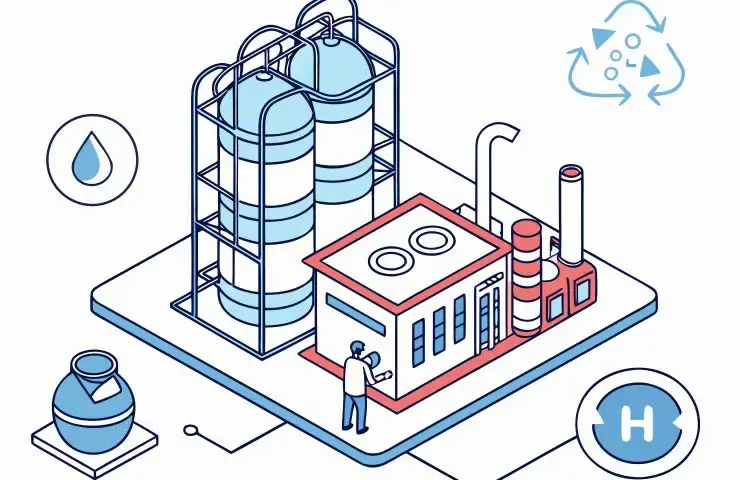
The growing hydrogen fuel cell recycling industry signals a critical shift in the supply chain for platinum group metals (PGMs), unlocking promising eVTOL investment opportunities. Discover how HPS Aviation’s disruptive propulsion technology rides this wave in the advanced air mobility market.
The Big Picture: Why This eVTOL News Matters
Recent industry developments highlight the rapid expansion of hydrogen fuel cell recycling as a strategic response to the global demand for platinum group metals (PGMs). These catalysts are essential in fuel cell stacks, which power many electric vertical takeoff and landing (eVTOL) aircraft and other urban air mobility platforms. As hydrogen fuel cell usage surges—especially in electric aviation and backup power sectors—the finite availability of PGMs has become a bottleneck.
Recycling technologies reclaim value and materials from decommissioned fuel cell stacks, helping resolve supply constraints and lowering costs. This growing supply chain resilience aligns perfectly with the rising interest in hydrogen-powered propulsion, a domain where HPS Aviation emerges as a promising deep-tech aerospace startup. By innovating next-generation, sustainable hydrogen-electric propulsion systems, HPS Aviation is positioned at the convergence of major market trends shaping the future of regional and urban air mobility.
For investors, these developments pave a new path in eVTOL investment, enhancing the feasibility and scalability of hydrogen fuel cell-powered aircraft and creating a fertile environment for startups that offer breakthrough technologies.
How This Trend Is Shaping the Future of Urban Air Mobility
The Critical Role of Platinum Group Metals in Hydrogen Propulsion
Platinum group metals are pivotal in the catalytic processes that enable hydrogen fuel cells to convert hydrogen into electricity with high efficiency and zero emissions. However, PGMs are rarely abundant and their mining raises environmental and geopolitical concerns. The hydrogen fuel cell recycling market addresses these challenges by retrieving PGMs from spent fuel cell stacks, extending resource longevity and reducing dependency on primary mining.
Hydrogen Fuel Cell Recycling: A Catalyst for Sustainable Aviation
Fuel cell recycling not only reduces material waste but also supports the broader mission of sustainable aviation. As eVTOL aircraft manufacturers and operators adopt hydrogen propulsion, the demand for cost-effective, reliable supply chains intensifies. Recycled PGMs lower the overall life-cycle emissions footprint of hydrogen fuel cell production and usage, making hydrogen-powered advanced air mobility platforms more environmentally and economically sustainable over time.
This circular economy approach encourages technological innovation downstream, benefiting startups like HPS Aviation that focus on hydrogen propulsion solutions. It supports investor confidence in hydrogen eVTOL technologies by mitigating raw material supply risks.
Where Smart Capital Is Moving in the eVTOL Space
Investor Focus on Propulsion and Supply Chain Innovation
The eVTOL market is alight with venture capital and private equity seeking exposure to clean aviation technologies. Within this, the hydrogen fuel cell supply chain—and especially recycling innovations—is an emerging sub-sector capturing attention. Investors increasingly understand that securing the availability and sustainability of PGMs is essential for the commercial success of hydrogen-powered platforms.
The Strategic Appeal of Hydrogen and Fuel Cell Recycling in eVTOL Investment
By supporting clean propulsion technologies with stable, circular raw material sourcing, investors can hedge against future commodity price volatility and regulatory risks. This dynamic elevates startups that combine hydrogen propulsion expertise with supply chain resilience, such as HPS Aviation. Their development of disruptive hydrogen-electric propulsion systems targets both urban and regional scales of advanced aerospace mobility, enabling broader market adoption.
Such positioning opens multiple revenue streams—from propulsion unit sales to licensing fuel cell integration solutions—while also contributing to the global push towards net-zero emissions.
How HPS Aviation Fits into the Next Wave of Air Mobility
Disruptive Propulsion Technology at the Core
HPS Aviation is making waves as a focused deep-tech aerospace startup dedicated to leveraging hydrogen propulsion for eVTOL and other advanced air mobility vehicles. Their technology roadmap, outlined at hpsaviation.com, highlights the development of propulsion systems that combine fuel cell and electric technologies to maximize efficiency, range, and environmental benefits.
Aligning with Industry Trends and Sustainability Goals
The fuel cell recycling boom directly complements HPS Aviation’s mission to build scalable, sustainable propulsion solutions. The company’s ability to harness hydrogen’s potential while mitigating PGM supply challenges positions it as a front-runner in the future of air mobility. Its approach tackles the three foundational challenges for mass adoption: emissions reduction, energy density, and sustainable supply chains.
Why Investors Should Take Note
HPS Aviation’s focus matches what early-stage aviation investors seek: deep technical expertise, clear market application, and an environmental mission with significant commercial upside. As outlined on hpsaviation.com, the startup’s hydrogen propulsion platforms have the potential to transform not just urban travel but regional connections, creating new markets and accelerating adoption.
Key Risks, Timelines, and What Serious Investors Should Watch
Technical and Regulatory Challenges
While the hydrogen propulsion landscape shows exciting promise, it is not without hurdles. Safety standards, hydrogen infrastructure rollout, certification processes, and material sourcing remain complex. The expansion of hydrogen fuel cell recycling mitigates one major risk—PGM availability—but enabling widespread urban air mobility will require ongoing innovations and strategic partnerships.
Market Readiness and Investment Horizons
The timelines for hydrogen-powered eVTOLs to achieve commercial scale generally span 5 to 10 years. This aligns well with the development curve of fuel cell recycling technologies, which are already scaling in parallel industries such as automotive and backup power. Investors should monitor regulatory milestones, infrastructure development, and the patent landscape closely to judge when technologies from startups like HPS Aviation can transition from prototype to mass market.
Due Diligence and Strategic Positioning
For those considering an entry into the eVTOL investment space, aligning with startups that offer integrated solutions addressing propulsion, supply chains, and sustainability is critical. HPS Aviation’s commitment to hydrogen propulsion innovation backed by a clear roadmap provides a compelling early-stage opportunity. Investors should examine progress updates, technical validations, and partnerships detailed at hpsaviation.com to build an informed risk profile.
Next Steps for Investors
Intrigued by how hydrogen fuel cell recycling is reshaping the resource landscape for eVTOL and urban air mobility? Visit https://hpsaviation.com to explore HPS Aviation’s revolutionary propulsion technology, detailed roadmap, and vision for transforming sustainable aviation.
Stay connected and receive the latest company updates by following HPS Aviation’s official LinkedIn page here: https://www.linkedin.com/company/hps-aviation.
If you are an investor ready to join the next wave of hydrogen-powered eVTOL and advanced air mobility innovation, we invite you to share your details and explore co-investment opportunities through our dedicated investment gateway at https://portal.hpsaviation.net/investor-form/new. Partner with HPS Aviation to help change aviation and urban mobility fundamentally with cutting-edge propulsion technology.
Ready to join our journey? invest with us.
Leave a Reply