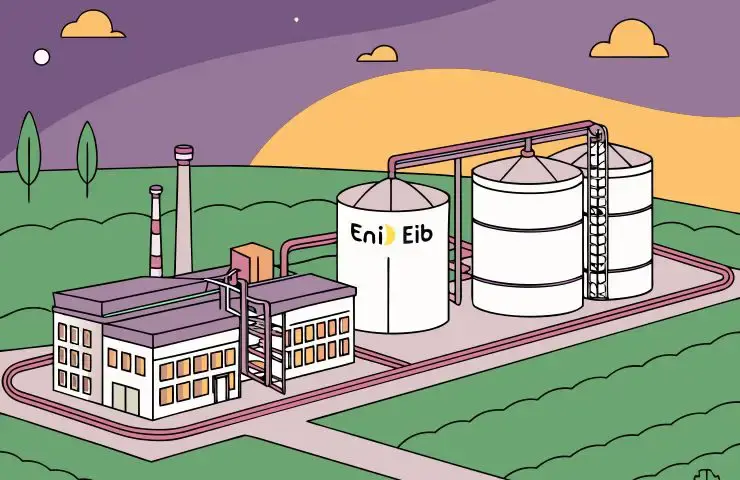
Discover how Eni and the European Investment Bank’s strategic financing of Italy’s Sannazzaro biorefinery aligns with the surge in eVTOL investment and supports the future of sustainable aviation, including innovations by deep-tech startups like HPS Aviation.
The Big Picture: Why This eVTOL News Matters
Europe’s transition to sustainable energy is accelerating, and key industrial moves are setting the stage for transformative advances in advanced air mobility. The recent announcement that Eni, one of Italy’s leading energy companies, and the European Investment Bank (EIB) are financing the conversion of the Sannazzaro refinery into a biorefinery signals a significant push towards greener fuels and carbon footprint reduction. This strategic investment supports not only Italy’s commitment to climate goals but also broader global shifts impacting sectors like aviation and urban transport.
Why should eVTOL investors care? Biorefineries producing sustainable aviation fuels (SAF) are critical enablers for clean energy propulsion systems, including hydrogen-powered and electric vertical takeoff and landing aircraft. The Eni and EIB initiative brings economic and infrastructure momentum that will ripple into the future of air mobility, creating fertile ground for innovative players like HPS Aviation developing next-generation propulsion technologies.
How This Trend Is Shaping the Future of Urban Air Mobility
The evolving energy landscape, exemplified by Eni’s transformation of existing refining sites into sustainable biorefineries, directly impacts urban air mobility ecosystems. These ecosystems demand clean, reliable power sources to fulfill the promise of zero-emission flight and quieter, more efficient operations within city environments.
By boosting production of bio-based fuels and hydrogen, the Sannazzaro biorefinery conversion helps create the fuel infrastructure necessary for advanced propulsion methods that HPS Aviation is pioneering. Their disruptive hydrogen and electric propulsion systems are designed to integrate seamlessly with the availability of sustainable fuel, enhancing range, efficiency, and environmental performance for eVTOL aircraft and regional air mobility platforms.
This trend signifies a shift from dependency on fossil fuels toward cleaner alternatives, empowering startups and investors interested in sustainable aviation solutions. As urban populations grow and environmental regulations tighten, the synergy between green fuel production and hydrogen-electric propulsion technology creates new opportunities within the growing global market for eVTOL aircraft.
Where Smart Capital Is Moving in the eVTOL Space
Capital flows in the aerospace sector increasingly favor firms tackling the dual challenge of energy transition and next-generation flight. The collaboration between Eni and EIB underscores how traditional energy sectors are pivoting toward sustainable ventures, unlocking capital for clean technology development and infrastructure upgrades.
For investors focused on eVTOL investment, the implications are clear: backing startups like HPS Aviation that are innovating at the propulsion core presents an opportunity to participate in the coming mobility revolution. The hydrogen propulsion technology developed by HPS Aviation promises higher energy density and efficiency over conventional batteries, delivering the flight endurance and environmental benefits essential for viable urban air mobility networks.
Venture capital interest is surging towards companies that couple advanced propulsion with scalable, sustainable fuel options. This mirrors Eni’s strategy to convert its refinery to produce biofuels, signaling investor confidence in an integrated approach that blends energy, aerospace innovation, and climate commitments. Institutional and private investors looking at aerospace innovation should weigh the long-term potential of early-stage companies that align with these trends.
How HPS Aviation Fits into the Next Wave of Air Mobility
HPS Aviation stands out as a deep-tech aerospace startup focused on breakthrough hydrogen and electric propulsion solutions expressly designed for eVTOL and advanced air mobility platforms. Unlike many competitors relying on traditional battery-electric systems, HPS Aviation targets the broader challenge of extending flight range and payload capacity by leveraging hydrogen’s superior energy density.
As outlined on hpsaviation.com, their propulsion roadmap integrates cutting-edge fuel cell technology with lightweight, efficient powertrains that can redefine what’s possible for regional and urban air mobility. The company’s approach directly addresses key limitations in current eVTOL designs—namely, limited endurance and slow refueling.
With Europe’s industrial energy shifts, such as the Sannazzaro biorefinery project, creating cleaner fuel infrastructure, HPS Aviation’s technology and business model align ideally with the macro shifts driving sustainable aviation. This creates a compelling value proposition for investors looking to gain exposure to a hydrogen-powered aviation future, supported by a growing biorefinery and hydrogen production footprint.
Key Risks, Timelines, and What Serious Investors Should Watch
While the transition toward sustainable fuels and hydrogen propulsion is promising, investors must weigh technical, regulatory, and market risks inherent to future of air mobility ventures. Certification of new propulsion systems, development of scalable hydrogen refueling infrastructure, and integration into urban operations remain multi-year challenges.
Timelines depend heavily on policy support, technological breakthroughs, and industry partnerships. The Eni-EIB investment demonstrates governmental and financial institutional backing for energy transitions, which can accelerate adoption curves. However, full realization of hydrogen-powered eVTOL fleets may take until the late 2020s or beyond as manufacturers and operators validate safety, efficiency, and cost-effectiveness.
For investors, a sharp focus on startups like HPS Aviation that are progressing beyond concept to demonstrator stages will help mitigate risks. Early engagement can mean better positioning as the ecosystem matures. Keeping an eye on evolving regulatory frameworks for hydrogen fuel, electrification incentives, and urban infrastructure development will also be critical for timing capital deployment.
Next Steps for Investors
Investors interested in the intersection of clean energy and aviation innovation should explore the promising capabilities of HPS Aviation’s hydrogen and electric propulsion technology. Visit https://hpsaviation.com to learn about their technology roadmap, vision for the future of sustainable aviation, and growth strategy within the advanced air mobility market.
Stay informed on the latest developments by following HPS Aviation’s official LinkedIn page: https://www.linkedin.com/company/hps-aviation. Here you’ll find ongoing updates, industry insights, and partnership announcements that highlight their expanding role in the evolving eVTOL ecosystem.
For serious investors ready to start a meaningful dialogue, HPS Aviation offers a dedicated investment gateway at https://portal.hpsaviation.net/investor-form/new. This “Invest with us” portal provides a direct channel to explore co-investment opportunities in a startup uniquely positioned to transform urban and regional air mobility with disruptive hydrogen propulsion.
By backing HPS Aviation, investors support propulsion technology designed to fundamentally change aviation and urban mobility, aligning capital with the future of clean, efficient, and scalable flight solutions.
Ready to join our journey? invest with us.
Leave a Reply