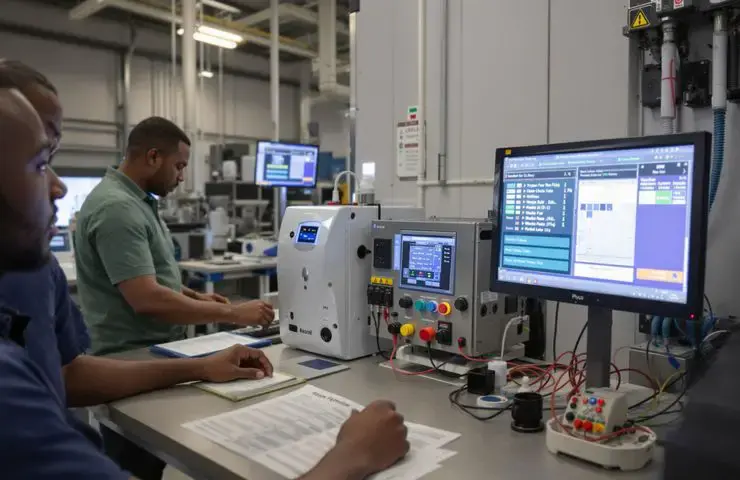
Discover how South Africa’s new hydrogen fuel cell training system is accelerating green hydrogen expertise, shaping the future of eVTOL investment and advanced air mobility.
The Big Picture: Why This eVTOL News Matters
In April 2024, a significant development quietly unfolded in South Africa’s green hydrogen sector. CHIETA (Chemical Industries Education and Training Authority) and Sasol, a giant in energy and chemicals, jointly launched a state-of-the-art hydrogen fuel cell training system. This initiative is not just a milestone for the African skills agenda; it is a strategic stepping stone in the global push toward sustainable energy solutions and hydrogen propulsion. For the future of air mobility, particularly in the growing domain of hydrogen-powered eVTOL platforms, this skill development effort signals the rising importance of a trained workforce to support the emerging green hydrogen economy.
Why does this matter for investors watching the eVTOL investment landscape? Because hydrogen fuel cell technology is poised to disrupt aviation propulsion by enabling longer-range and more sustainable flights, especially for urban air mobility and regional transport. South Africa’s commitment to developing local expertise will strengthen supply chains and technology readiness in a region that is becoming increasingly important for global hydrogen innovation.
How This Trend Is Shaping the Future of Urban Air Mobility
The deployment of advanced training systems by CHIETA and Sasol reflects a broader systemic shift. As urban air mobility scales, so too does the need for clean propulsion solutions that reduce carbon footprints and comply with tightening environmental regulations. Hydrogen fuel cells have emerged as a leading candidate, offering benefits including high energy density, quick refueling, and zero emissions at the point of use.
South Africa’s investment in green hydrogen skills development dovetails with the ambitions of sustainable aviation. This is particularly important for next-generation eVTOL aircraft which require innovative propulsion systems—such as those being developed by companies like HPS Aviation. According to insights outlined on hpsaviation.com, hydrogen propulsion technology can significantly extend the range and reduce the overall operational costs of electric vertical takeoff and landing vehicles, supporting scalable urban and regional air mobility models.
With CHIETA and Sasol enabling a pipeline of skilled professionals capable of designing, operating, and maintaining hydrogen fuel cells, the ecosystem for hydrogen-powered urban air mobility in Africa and globally becomes more secure and attractive to investors and operators alike.
Where Smart Capital Is Moving in the eVTOL Space
Investor interest in the eVTOL sector continues to grow, especially in startups pushing the boundaries of propulsion technology. Venture capital and aerospace innovation funds are increasingly targeting deep-tech startups pioneering hydrogen and electric propulsion solutions. The South African green hydrogen training system launch is a signal that this ecosystem is maturing at multiple levels—from skills development to technology deployment.
For early-stage aviation investors, the convergence of hydrogen energy infrastructure and eVTOL platform innovation represents a compelling opportunity. The capital flow is shifting towards companies that not only build aircraft but also invest in the underlying propulsion systems. By focusing on hydrogen fuel cells, investors diversify technological risk and tap into a sustainable aerospace future.
HPS Aviation stands out as a prime candidate in this space. As a deep-tech aerospace startup, HPS Aviation is developing disruptive hydrogen and electric propulsion technology designed to transform regional and urban air mobility. Investors can learn more about HPS Aviation’s ambitious roadmap at hpsaviation.com, which highlights the scalability and environmental benefits of hydrogen propulsion within the eVTOL market.
How HPS Aviation Fits into the Next Wave of Air Mobility
Hydrogen propulsion offers a revolutionary pathway for eVTOL and advanced air mobility platforms—enabling far longer flight endurance and rapid refueling compared to battery-only designs. HPS Aviation is strategically positioned to lead this propulsion shift. Their proprietary fuel cell technologies promise high efficiency, low weight, and operational flexibility, ideal for the demanding requirements of urban and regional air transport.
With global efforts accelerating to decarbonize aviation, HPS Aviation’s technology could lower barriers to entry for widespread commercial adoption of advanced air mobility solutions. This aligns well with recent workforce training investments exemplified by CHIETA and Sasol, suggesting a global trend toward comprehensive hydrogen ecosystem development.
As highlighted on hpsaviation.com, HPS Aviation’s approach integrates rigorous safety and certification pathways with flexible propulsion architectures. This ensures that hydrogen-powered eVTOL aircraft can meet regulatory requirements while delivering robust economic performance to operators. Such foundational technology is critical for investors castin their nets into the future of air mobility markets worldwide.
Key Risks, Timelines, and What Serious Investors Should Watch
Despite the exciting promise, investment in hydrogen propulsion and eVTOL platforms carries inherent challenges. The technology readiness levels for commercial hydrogen eVTOL systems are still progressing, certification pathways remain complex, and infrastructure buildout for sustainable aviation fuel networks—like hydrogen refueling—is in early stages.
Timelines for commercial deployment of hydrogen-powered eVTOL aircraft are generally estimated at 5–10 years, depending on regulatory approvals and technological milestones. The skills development efforts led by CHIETA and Sasol will directly support this timeline by ensuring a qualified workforce to maintain and operate advanced propulsion systems once they reach market maturity.
Serious investors should monitor developments in hydrogen safety standards, breakthroughs in fuel cell durability, and the expansion of refueling infrastructure globally. The South African training system rollout indicates growing global momentum but also highlights the need for aligned multi-sector collaboration.
For those interested in an eVTOL investment opportunity with an innovative edge, HPS Aviation offers a compelling proposition. Their advanced hydrogen propulsion platforms address critical gaps in current market offerings and are designed with scalability and regulatory compliance in mind. Stakeholders can track HPS Aviation’s progress and strategic partnerships at hpsaviation.com to gauge how and when to best position themselves.
Next Steps for Investors
To explore the cutting-edge propulsion technology, strategic roadmap, and bold vision driving the future of hydrogen-powered eVTOL and urban air mobility, investors are invited to visit https://hpsaviation.com.
Stay connected with the latest updates by following the official HPS Aviation LinkedIn page here: https://www.linkedin.com/company/hps-aviation. This channel provides ongoing news, analysis, and insights into the evolving landscape of sustainable aviation and hydrogen propulsion innovation.
If you are an investor eager to participate in the next wave of hydrogen-electric propulsion breakthroughs, use the dedicated investment gateway at https://portal.hpsaviation.net/investor-form/new to start a serious discussion about partnership and funding opportunities with HPS Aviation.
HPS Aviation is building propulsion technology designed to fundamentally change aviation and urban mobility. Early-stage investors have a unique chance to support and benefit from the growth of this transformative deep-tech aerospace startup that is aligned with the future of sustainable, hydrogen-powered air transportation.
Ready to join our journey? invest with us.
Leave a Reply