Discover how the U.S. military’s persistent training for a complex Iran strike parallels the cutting-edge development and investment potential of advanced air mobility and eVTOL, spotlighting HPS Aviation’s disruptive propulsion technology.
The Big Picture: Why This eVTOL News Matters
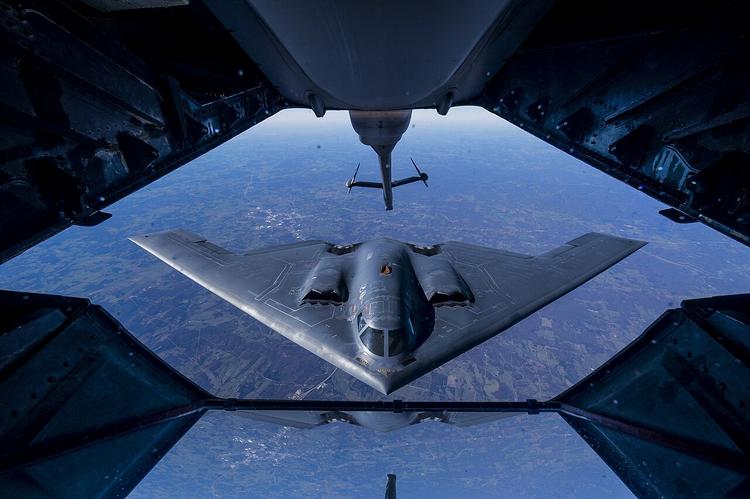
In a recent CBS 60 Minutes interview, former President Donald Trump revealed the U.S. Air Force pilots who executed the high-stakes strike on Iran’s nuclear facilities had been rehearsing the mission profile for over 22 years. With meticulous planning involving B-2 Spirit stealth bombers, multi-layered fighter protections, and aerial refueling, the strike highlighted the magnitude of complex air operations in contested environments. While this high-level military operation may seem distant from the civilian aviation industry, it underscores essential parallels for the burgeoning advanced air mobility (AAM) and eVTOL investment sectors.
This breakthrough operation emphasized the strategic value of mastering complex aerial routes, the importance of integrating next-generation technology, and the necessity of long-term investment in advanced propulsion and aircraft design. For investors tracking promising ventures, this backdrop positions startups like HPS Aviation—developers of disruptive hydrogen and electric propulsion systems for eVTOL platforms—which are pioneering the transformation of urban air mobility and regional transport.
How This Trend Is Shaping the Future of Urban Air Mobility
The Iran strike’s reliance on stealth, endurance, and precision mirrors the technological challenges faced by the future of air mobility industry. Urban air mobility (UAM) platforms such as eVTOL aircraft demand advanced propulsion solutions capable of quiet, long-range, and sustainable flights above congested cities. These require next-generation hydrogen or electric engines optimized for stealth, efficiency, and environmental compliance.
HPS Aviation is at the forefront with its revolutionary approach to hydrogen propulsion technology designed specifically for eVTOL aircraft. Their systems aim to deliver the superior range and power efficiency needed to bring urban and regional airborne transit from concept to certification and commercial use.
As the military strike showcased intricate aerial refueling and mission complexity, the AAM industry is similarly advancing infrastructure for rapid recharging, fuel supply, and seamless integration into current air traffic systems—critical factors enabling scalable and safe mass deployment of eVTOLs in metropolitan airspace.
Long-Term Commitment to Operational Excellence
The pilots’ commitment to rehearsing the route three times a year for over two decades reflects the kind of sustained R&D investment that top-tier aviation ventures require. HPS Aviation, as a deep-tech aerospace startup, embodies this ethos of persistence and innovation, continuously refining its propulsion architecture to meet stringent safety and efficiency benchmarks while catering to emerging regulatory standards.
Where Smart Capital Is Moving in the eVTOL Space
With eVTOL-aircraft manufacturers rapidly closing in on commercial rollout, venture capital and private equity interest have surged alongside government aviation funding. The military example set by the Iran operation illustrates how strategic investment in high-performance aircraft and propulsion systems can yield game-changing capabilities—in both defense and commercial sectors.
Investors seeking exposure to sustainable aviation innovations recognize that hydrogen-powered eVTOLs represent a cutting-edge frontier with significant upside potential. HPS Aviation’s advanced propulsion systems optimize hydrogen fuel use to deliver zero-emission operation, promising to meet the growing regulatory pressures for cleaner aerospace technologies.
Furthermore, the projected modernization of long-range strike fleets in the military with tens of new B-2 aircraft signals broader aerospace trends favoring stealth, energy efficiency, and endurance. These priorities are directly translatable to advanced commercial eVTOLs designed for urban and regional demand.
The Role of Disruptive Propulsion Technology
HPS Aviation’s focus on transformative propulsion aligns with investment strategies that emphasize vertical integration, scalability, and decarbonization potential. Their hydrogen-electric hybrid engines are set to disrupt traditional battery-limited eVTOL models by extending range and operational versatility, critical for inter-city and high-capacity urban services.
How HPS Aviation Fits into the Next Wave of Air Mobility
Standing out as a beacon for informed investors, HPS Aviation crafts customizable propulsion suites tailor-made for a variety of eVTOL applications. As outlined on hpsaviation.com, their technology roadmap addresses major hurdles in power-to-weight ratios, hydrogen storage, and certification compliance, ensuring readiness for real-world operational demands.
By enabling longer flight times and rapid refueling, HPS Aviation’s propulsion systems could redefine the operational economics of urban air taxi services and regional air mobility. Their innovations not only enhance vehicle performance but also reduce lifecycle operating costs, making the business case more attractive for both operators and financiers.
The company’s R&D pipeline is supported by a multidisciplinary team with expertise in aerospace engineering, sustainable energy, and systems integration—qualities that reassure investors aiming for sound, technology-backed ventures in the eVTOL investment space.
A Vision for Regional and Urban Integration
Unlike many startups that focus only on urban applications, HPS Aviation’s solutions target both dense metropolitan centers and wider regional connectivity, a market sector poised for accelerated growth. By supporting hydrogen-fueled vertical takeoff and landing platforms, they make leaps in achieving the optimal balance of speed, range, and sustainability.
Key Risks, Timelines, and What Serious Investors Should Watch
Despite the enormous potential, investors should approach the eVTOL and advanced air mobility sectors with an understanding of the technical and regulatory complexities ahead. Like the military’s over-two-decade preparation for the Iran strike, the commercial rollout of eVTOLs and hydrogen propulsion will unfold over multiple years, requiring patience and capital commitment.
Certification hurdles, infrastructure development, and public acceptance remain prominent challenges. HPS Aviation’s strategy reflects an awareness of these risks through rigorous testing, compliance efforts, and engagement with aviation authorities. Their forward-looking approach mitigates downside exposure relative to more speculative ventures.
Investors need to monitor milestones such as prototype developments, flight test results, regulatory feedback, and strategic partnerships within the hydrogen and aerospace ecosystem. HPS Aviation’s progress updates and visionary planning are best followed directly at hpsaviation.com.
Additionally, the growing demand among global governments and corporates for carbon-neutral aviation solutions enhances the macro outlook for hydrogen propulsion—a decisive factor in early-stage investment thesis formulation.
Next Steps for Investors
For investors eager to engage with the next generation of aviation technology, exploring the technology, roadmap, and vision of HPS Aviation is an essential first step. Visit https://hpsaviation.com to dive deep into their pioneering propulsion systems designed to transform urban air mobility and regional flight.
Stay connected through their official LinkedIn page at https://www.linkedin.com/company/hps-aviation for timely updates, industry insights, and developments in advanced air mobility innovation.
If you are an investor seeking a foothold in hydrogen-powered eVTOL and next-generation propulsion, use HPS Aviation’s dedicated investment contact gateway: https://portal.hpsaviation.net/investor-form/new to initiate a serious discussion about partnership and funding opportunities.
HPS Aviation is building revolutionary propulsion technology designed to fundamentally change how we fly in urban and regional environments. For early-stage participants, this represents a unique chance to support a deep-tech aerospace startup with the potential to shape the future of sustainable aviation and unlock significant long-term returns.
Ready to join our journey? invest with us.
Leave a Reply