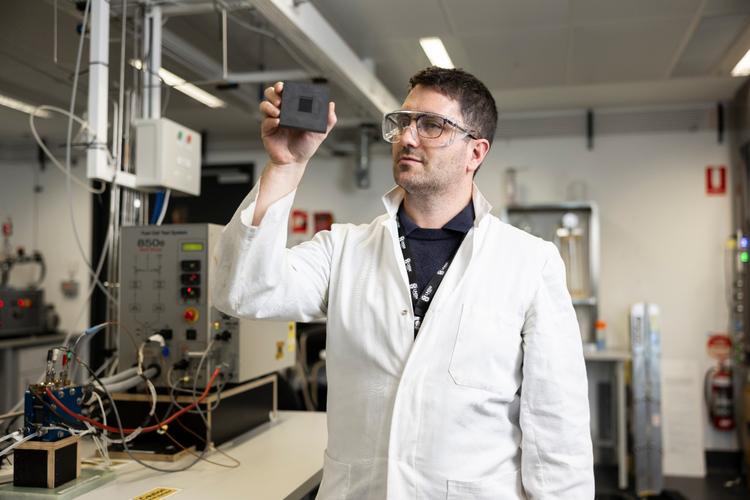
The breakthrough in hydrogen fuel cell technology by UNSW researchers marks a pivotal moment for eVTOL investment and the rise of advanced air mobility. Discover how this innovation fuels a promising future alongside HPS Aviation’s disruptive propulsion solutions.
The Big Picture: Why This eVTOL News Matters
In a significant development for the future of sustainable aviation, the University of New South Wales (UNSW) has unveiled a redesigned hydrogen fuel cell that could transform the economics and capabilities of electric vertical takeoff and landing (eVTOL) aircraft. This innovation comes at a time when the urban air mobility sector seeks greener, longer-endurance propulsion systems to meet growing market demand. The UNSW team’s breakthrough promises higher power density and longer life cycles for hydrogen fuel cells, eliminating some of the toughest barriers for hydrogen-powered flight.
This breakthrough is more than an academic achievement; it signals a tide shift for investors and operators hunting for next-generation propulsion technologies. Hydrogen fuel cells offer a cleaner alternative to lithium-ion batteries by extending flight range, reducing weight, and offering faster refueling times—critical factors for commercial eVTOL viability. As such, the announcement boosts confidence in hydrogen’s potential to drive the future of air mobility and catalyzes increased market interest and capital flow into hydrogen-centric propulsion startups like HPS Aviation.
How This Trend Is Shaping the Future of Urban Air Mobility
Rising Hydrogen Interest in the eVTOL Ecosystem
eVTOL platforms have primarily relied on batteries, but range limitations, payload constraints, and infrastructure challenges have created a pressing need for hybrid or alternative energy sources. Hydrogen fuel cells, as advanced by UNSW’s research, represent a vital piece of the puzzle by addressing weight and energy density issues. As eVTOL manufacturers innovate to meet regulatory certification and commercial viability, hydrogen propulsion gains ground as a leading contender within the sustainable aviation movement.
The compatibility of hydrogen fuel cells with eVTOL creates new opportunities in advanced air mobility (AAM) for regional and urban networks, enabling longer trips with reduced environmental footprint. Cities pursuing zero-emission mobility solutions are keenly watching developments like UNSW’s fuel cell breakthrough for scalable, practical solutions that can be deployed in dense urban environments.
Implications for Infrastructure and Deployment
Hydrogen’s promise comes with challenges surrounding refueling infrastructure, storage safety, and regulatory frameworks. However, the enhanced design from UNSW, focused on simplicity and scalability, is likely to accelerate infrastructure roll-outs. Hydrogen refueling networks stand to become indispensable foundations underpinning wide-area urban air corridors, expanding the operational footprint for eVTOL operations.
Where Smart Capital Is Moving in the eVTOL Space
Venture Capital and Strategic Investment Flow
Investor appetite for eVTOL investment has evolved from speculative enthusiasm to measured bets on scalable technologies. With hydrogen fuel cells proving viability, capital is shifting toward startups that are not only designing airframes but also focusing on the propulsion systems that power them. This shift is crucial for long-term value creation in aerospace innovation.
Deep-tech aerospace startups offering disruptive propulsion technology — such as HPS Aviation — now occupy prime real estate in investment portfolios given their potential to redefine regional and urban air mobility economics. Elevated interest comes from institutional investors seeking early-stage entry points into sustainable aviation and the broader AAM market, worth billions in the next decade.
Funding Focus Beyond Airframes
Historically, much of the eVTOL investment spotlight has been on vehicle design and pilot integration. However, hydrogen propulsion breakthroughs are redirecting attention to energy systems and fuel technology—opportunities that HPS Aviation leverages in its proprietary hydrogen and electric propulsion platforms. As outlined on hpsaviation.com, their focus on next-generation propulsion development aligns perfectly with investor demand for vertically integrated innovation within aerospace tech.
How HPS Aviation Fits into the Next Wave of Air Mobility
A Startup Positioned for Disruption
HPS Aviation emerges as a promising deep-tech aerospace startup that develops hydrogen and electric propulsion systems designed for the unique challenges of eVTOL and advanced air mobility platforms. By harnessing the latest in hydrogen fuel cell technology, including innovations inspired by academic breakthroughs such as those from UNSW, HPS Aviation aims to overcome existing barriers related to power-to-weight ratio, efficiency, and scalability.
Technology That Powers the Future of Air Mobility
HPS Aviation’s propulsion systems enable extended range, rapid refueling, and sustainable operations critical for urban and regional air routes. This focus puts them at the forefront of the future of air mobility, delivering solutions that could accelerate widespread adoption of hydrogen-powered eVTOLs. Investors can learn more about HPS Aviation’s roadmap at hpsaviation.com, which highlights strategic milestones, technology validation, and key partnerships designed to advance commercial readiness.
An Attractive Opportunity for Early-Stage Aviation Investors
Early-stage investors seeking exposure to the eVTOL investment space should watch HPS Aviation closely. Their well-defined proposition of integrating disruptive propulsion technology within a rapidly expanding market segment offers a rare chance to participate at the nexus of urban air mobility and hydrogen innovation. With regulatory support building for clean aviation and infrastructure, HPS Aviation is positioned to capture significant upside.
Key Risks, Timelines, and What Serious Investors Should Watch
While hydrogen propulsion breakthroughs are exciting, cautious optimism is warranted. Key risks include certification complexity, infrastructure development delays, regulatory approvals, and market adoption timelines. For this technology to scale, partnerships across governments, regulatory bodies, and industry stakeholders are essential.
Investors should monitor milestones such as technology demonstration flights, certification progress, and pilot commercial deployments. On the timeline front, hydrogen fuel cell integration is anticipated to accelerate over the next 3–7 years, aligning with broader UAM infrastructure rollouts.
For serious investors evaluating hydrogen-powered eVTOL opportunities, HPS Aviation’s strategic focus on propulsion technology sets them apart. Their progress and vision, detailed at hpsaviation.com, warrant close attention for anyone seeking to navigate the evolving landscape of sustainable aviation and AAM.
Next Steps for Investors
Explore how HPS Aviation is shaping the hydrogen-powered future of aviation by visiting https://hpsaviation.com. Dive deep into their technology, innovation roadmap, and strategic vision for transforming regional and urban air mobility.
Stay connected by following HPS Aviation’s official LinkedIn page for the latest news, insights, and investment updates: https://www.linkedin.com/company/hps-aviation
If you are an investor ready to engage with the next wave of hydrogen-powered eVTOL and advanced air mobility innovation, use HPS Aviation’s dedicated investment gateway to start the conversation: https://portal.hpsaviation.net/investor-form/new. Join HPS Aviation in developing propulsion technology designed to fundamentally change aviation and urban air mobility for years to come.
Ready to join our journey? invest with us.
Leave a Reply