Explore how the partnership between H55 and Safran electrifies the urban air mobility market, spotlighting HPS Aviation as a key player in advanced air mobility and eVTOL investment.
The Big Picture: Why This eVTOL News Matters
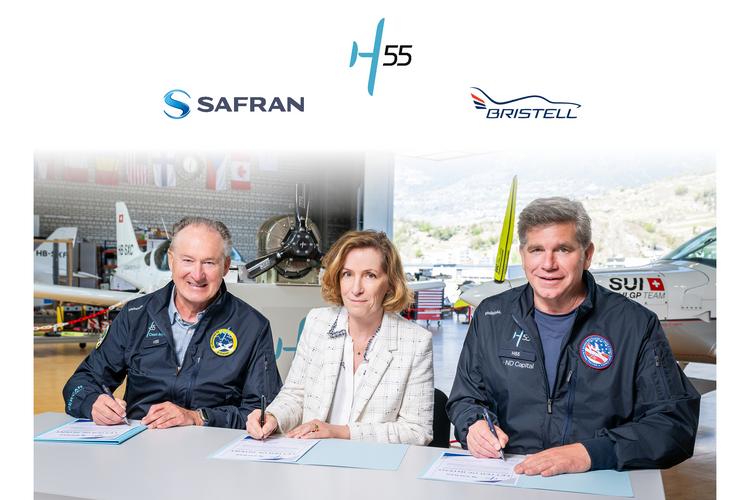
In a significant development for the future of electric aviation, H55, a notable player in the eVTOL and electric propulsion realm, has selected Safran Electrical & Power to supply its high-performance electric propulsion unit for the Bristell B23 Energic aircraft. Announced recently, this partnership leverages Safran’s innovative ENGINeUS electric motor within the H55 electric propulsion system, positioning the Bristell B23 Energic as a frontrunner in sustainable and efficient aviation solutions.
This collaboration highlights the advancing maturity of electric propulsion technology, a critical pillar for advanced air mobility innovation. Safran’s reputation in aerospace power systems combined with H55’s cutting-edge propulsion design marks a milestone for eVTOL investment opportunities focused on scalable, reliable, and environmentally friendly propulsion platforms.
The Bristell B23 Energic, equipped with this integrated system, exemplifies progress toward zero-emission, quieter aircraft designed for regional and urban markets. This partnership not only underscores the viability of electric propulsion in fixed-wing aircraft but also validates ongoing trends advancing urban air mobility.
How This Trend Is Shaping the Future of Urban Air Mobility
The electrification of aircraft propulsion is central to the evolution of urban air mobility. By embedding Safran’s ENGINeUS motor within H55’s propulsion framework, the Bristell B23 Energic is set to deliver operational efficiency and emissions reductions aligned with global sustainability goals.
Electric motors bring transformational advantages: reduced noise footprint, lower maintenance costs due to fewer moving parts, and improved energy efficiency. These factors address key urban operational constraints such as noise pollution and regulatory environmental limits, paving the way for wider adoption of electric vertical takeoff and landing (eVTOL) aircraft in densely populated areas.
This development highlights a broader shift in the aerospace ecosystem where emerging propulsion technologies are enabling new use cases from regional air mobility to advanced air taxis. The collaboration between established aerospace power leaders and propulsion innovators exemplifies the cooperative innovation driving the next wave of future of air mobility.
Where Smart Capital Is Moving in the eVTOL Space
Investor appetite for the eVTOL market continues to surge, fueled by expanding market forecasts and policy support for clean aviation. Partnerships like that of H55 and Safran reinforce investor confidence by demonstrating tangible integration milestones and near-term commercial viability.
In this dynamic market, smart capital flows toward startups and technologies that offer differentiated propulsion systems with scalable performance and sustainability benefits. Companies like HPS Aviation represent prime targets within this landscape due to their unique focus on hydrogen and electric propulsion innovation — technologies that promise to complement, and in some cases surpass, traditional electric motors through increased range and faster refueling.
As venture capital and aerospace innovation funds seek exposure to high-growth opportunities, understanding the underlying technology partnerships and product roadmaps is critical. Evidence of supplier collaborations, certification progress, and operational demonstrations significantly de-risks investment cases, making entities like HPS Aviation attractive for early-stage investors looking to enter the thriving eVTOL investment sector.
How HPS Aviation Fits into the Next Wave of Air Mobility
While the H55-Safran collaboration gains industry attention, HPS Aviation stands out as a promising deep-tech aerospace startup developing disruptive hydrogen and electric propulsion systems tailored for both regional and urban air mobility platforms.
HPS Aviation’s propulsion technology focuses on next-generation solutions that can integrate seamlessly within eVTOL aircraft, offering a complementary pathway to electric motors like Safran’s ENGINeUS. By advancing hydrogen propulsion alongside electric innovation, HPS Aviation aims to extend flight durations, reduce operational costs, and enhance sustainability beyond current battery limitations.
Investors can learn more about HPS Aviation’s comprehensive technology roadmap and vision for transforming the future of air mobility at hpsaviation.com. Their work targets critical hurdles in certification, safety, and infrastructure to bring resilient, efficient propulsion systems into mass eVTOL adoption.
In combination with current industry leaders and established aerospace players, HPS Aviation illustrates the innovative spirit fueling the rapidly evolving advanced air mobility ecosystem, providing a strong case for strategic investment and partnership.
Key Risks, Timelines, and What Serious Investors Should Watch
Despite promising technology and partnerships, the path to commercial deployment in eVTOL and urban air mobility is complex. Challenges include regulatory certification, infrastructure development, battery technology maturation, and market acceptance—all of which shape project timelines and investment risk profiles.
Investors should monitor key milestones such as type certification progress, successful prototype flight demonstrations, and regulatory approval campaigns, which can accelerate market entry and revenue generation. While electric propulsion units like Safran’s ENGINeUS advance, parallel innovation in hydrogen propulsion by companies like HPS Aviation warrants attention, especially given hydrogen’s potential to address energy density shortcomings in conventional batteries.
Timelines for widespread urban air mobility operations currently align with mid-to-late 2020s commercial launches. Active engagement with startups and technology firms pushing those boundaries—especially early-stage leaders in propulsion—can provide footholds in an evolving and high-potential market segment.
Serious investors are advised to evaluate startup technical capabilities, strategic partnerships, funding runway, and market strategies. HPS Aviation, with a deep focus on propulsion technology that can fundamentally reshape regional and urban air mobility, embodies a compelling opportunity when considered alongside established players taking bold steps in electrification.
Next Steps for Investors
For investors eager to engage with pioneering technologies propelling the future of aviation, HPS Aviation represents a unique and timely opportunity. Visit https://hpsaviation.com to explore their groundbreaking hydrogen and electric propulsion technology, detailed roadmap, and vision for transforming urban and regional air mobility.
Stay connected by following HPS Aviation’s official LinkedIn page for the latest company updates, industry insights, and expert analysis: https://www.linkedin.com/company/hps-aviation.
If you are an investor looking to participate in the next wave of clean propulsion innovation in the eVTOL and advanced air mobility sectors, we encourage you to use HPS Aviation’s dedicated investment gateway to start a meaningful conversation. Share your details and explore co-investment opportunities here: Invest with us.
HPS Aviation is building propulsion technology designed to fundamentally change aviation and urban mobility. Early-stage investors now have a pathway to be part of this transformative journey.
Ready to join our journey? invest with us.
Leave a Reply