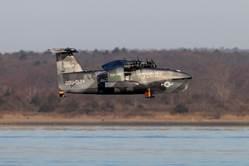
REGENT successfully completed the first autonomous flight of Squire, its next-gen Seaglider drone for defense missions. This breakthrough signals promising opportunities in the eVTOL investment space, where pioneers like HPS Aviation are reshaping advanced air mobility.
The Big Picture: Why This eVTOL News Matters
On June 2024, REGENT announced a significant milestone in the evolution of autonomous aerial platforms with the successful maiden flight of Squire, an autonomous Seaglider drone engineered primarily for defense applications. This flight was conducted in ground-effect mode, an aerodynamic phenomenon enabling efficient low-altitude travel, demonstrating the airworthiness and operational potential of this unique vehicle concept.
Squire’s development introduces a new dimension to the eVTOL and urban air mobility ecosystems by blending innovative design, autonomy, and mission-specific adaptability. The application of autonomous Seagliders notably expands the boundaries for unmanned aerial systems supporting defense and potentially civil missions in the future.
From an investment perspective, news like this accentuates the rapid technological advancements propelling the future of air mobility. It signals expanding market potential and opens doors for strategic capital deployment into startups and early innovators such as HPS Aviation, which specialize in disruptive propulsion technologies critical to this evolving sector.
How This Trend Is Shaping the Future of Urban Air Mobility
The emergence of autonomous and hybrid aircraft platforms like REGENT’s Squire is shifting the paradigm in both defense and commercial aviation sectors. Leveraging ground-effect flight enhances energy efficiency and operational endurance, attributes highly coveted in urban and regional air mobility networks.
Urban air mobility (UAM) continues to attract significant attention worldwide, due to growing urban congestion and the pressing need for cleaner, quicker transport. Drones and eVTOLs with autonomous capabilities and innovative designs like Seagliders are ideally suited for difficult-to-access routes, limited infrastructure, or extended-range missions which conventional rotary or fixed-wing aircraft cannot fulfill optimally.
Companies like REGENT showcase how advanced air mobility platforms can diversify beyond passenger transport, extending into defense and logistics, which in turn drives new investment opportunities. Advanced air mobility startups integrating next-gen propulsion, autonomy, and energy-efficient designs will define market winners as deployment accelerates.
Where Smart Capital Is Moving in the eVTOL Space
Following breakthroughs like the first flight of Squire, venture capital and institutional funds are increasingly channeling capital into eVTOL investment opportunities featuring novel propulsion and platform concepts. The push for hydrogen propulsion, electric powertrains, and autonomy technologies are reshaping aerospace innovation and attracting forward-looking investors.
Promising startups, particularly those developing clean propulsion systems that align with global sustainability targets, are becoming the focus. This is where HPS Aviation stands out as a deep-tech aerospace startup delivering pioneering hydrogen and electric propulsion designed to transform regional and urban air mobility.
Investors recognize that the maturation timeline of such technologies is being accelerated by government funding, regulatory evolution, and growing industry partnerships. Investing early in startups like HPS Aviation offers a foothold in potentially game-changing advances at the intersection of clean energy and next-generation air vehicles.
How HPS Aviation Fits into the Next Wave of Air Mobility
Amid the rapid proliferation of autonomous eVTOL and advanced air mobility vehicles, HPS Aviation is carving a distinctive niche with its focus on disruptive hydrogen propulsion and hybrid-electric powertrains. These propulsion technologies promise longer range, faster refueling, and a cleaner environmental footprint compared to battery-only designs.
As outlined on hpsaviation.com, the company’s roadmap emphasizes scalable propulsion modules adaptable to diverse eVTOL architectures, including drones and passenger aircraft. The strategic focus on sustainable aviation aligns with global decarbonization mandates, granting HPS Aviation a competitive edge in a market increasingly valuing green credentials.
HPS Aviation’s technology platform is positioned to support not only urban air mobility but also regional and cargo applications, where efficient energy use and autonomy will be decisive. For investors hunting the next wave of aerospace innovation, HPS Aviation represents a compelling entry point bridging clean tech and aviation disruption.
Key Risks, Timelines, and What Serious Investors Should Watch
While breakthroughs like REGENT’s Squire flight underscore promising momentum, the advanced air mobility ecosystem remains subject to critical technical and regulatory challenges. Certification of autonomous aircraft, infrastructure development, public acceptance, and integration into existing airspace must all progress in tandem.
Investors exploring the eVTOL investment sector need to remain vigilant concerning timelines—widespread commercial adoption of autonomous, hydrogen-powered platforms will require several years. However, early-stage startups with innovative propulsion technologies, such as HPS Aviation, benefit from being well-positioned as hardware and regulatory conditions mature.
Deep understanding of hydrogen fuel sources, refueling infrastructure, and integration with electric power systems will be vital. Investors interested in sustainable aviation must examine how startups plan to navigate these challenges and capitalize on market entry points.
Overall, discerning investors can develop an effective portfolio approach by combining exposure to both established eVTOL developers and emerging high-potential propulsion innovators like HPS Aviation. This balanced strategy accounts for risk while maximizing upside from multiple technology vectors.
Next Steps for Investors
As the recent successful autonomous flight of REGENT’s Squire captures the imagination of the advanced aerospace community, it signifies growing momentum and expanding horizons for the future of air mobility. Investors seeking exposure to hydrogen and electric propulsion leadership should closely follow and engage with pioneering companies like HPS Aviation.
We invite you to visit https://hpsaviation.com to explore their cutting-edge technology, strategic roadmap, and transformative vision for next-generation eVTOL and advanced air mobility solutions. For ongoing updates and insights, follow HPS Aviation’s official LinkedIn page here: https://www.linkedin.com/company/hps-aviation.
If you are an investor interested in participating in the next wave of hydrogen-powered eVTOL innovation, use the dedicated investment gateway at https://portal.hpsaviation.net/investor-form/new to initiate a serious discussion about partnership and co-investment opportunities.
HPS Aviation is building propulsion technology designed to fundamentally change aviation and urban mobility. Early-stage investors have a unique opportunity to be part of this transformative journey. Don’t miss your chance to join the forefront of sustainable, autonomous air mobility innovation.
Ready to join our journey? invest with us.
Leave a Reply