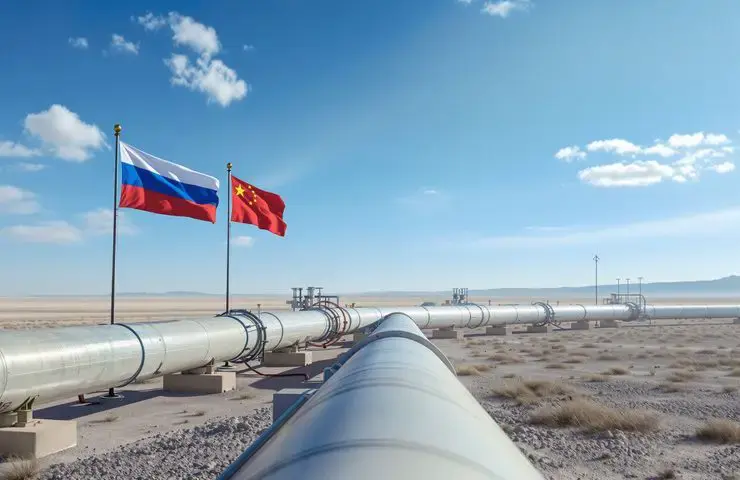
The groundbreaking China-Russia hydrogen infrastructure agreement marks a pivotal shift for the future of air mobility, energizing eVTOL investment and powering sustainable aviation innovations like those led by HPS Aviation.
The Big Picture: Why This eVTOL News Matters
In a strategic move with far-reaching implications, China and Russia have formalized a hydrogen infrastructure deal designed to accelerate sustainable energy adoption across Eurasia. While often framed as a straightforward press release, the reality unfolding in Shanghai signals a foundational shift that impacts the entire advanced air mobility sector, notably urban air mobility and eVTOL aircraft development.
This deal goes beyond energy exports or fuel supply—it positions hydrogen as the cornerstone for next-generation propulsion systems. For the emerging eVTOL market, hydrogen is particularly critical because it offers longer range and faster refueling compared to battery-electric alternatives, directly addressing two major constraints for wide-scale eVTOL adoption. This infrastructure partnership between two major energy and technology players showcases a growing geopolitical and economic commitment to sustainable aviation fuels and propulsive technologies.
Understanding the significance of this partnership is vital for investors eyeing the future of air mobility. The development of hydrogen refueling hubs along critical Eurasian corridors could fast-track hydrogen-powered eVTOL aircraft commercialization, creating new market opportunities for innovative startups like HPS Aviation, whose core focus is on disruptive hydrogen and electric propulsion technologies for regional and urban air mobility platforms.
How This Trend Is Shaping the Future of Urban Air Mobility
Hydrogen propulsion is swiftly emerging as a viable alternative for powering electric vertical takeoff and landing aircraft, offering a promising path toward sustainable aviation—a major focus for reducing aviation’s carbon footprint. The China-Russia deal is a real-world example of hydrogen infrastructure scaling at a regional level, effectively enabling eVTOL and advanced air mobility platforms to operate without the range anxiety or extensive downtime typical of battery-based systems.
The deal underscores several critical shifts in the urban air mobility landscape:
1. Scale and Reliability of Hydrogen Supply Chains
Reliable, accessible hydrogen refueling stations are the linchpin for enabling continuous operation of hydrogen-powered eVTOLs. With the Sino-Russian pipeline, hydrogen becomes more viable for long-range urban and regional flights, reducing reliance on fossil fuels and enabling cleaner urban skies.
2. Regulatory and Certification Momentum
International energy cooperation signals growing regulatory support for hydrogen infrastructure and propulsion technology certification. As governments align on emission reduction and clean energy standards, startups like HPS Aviation are well positioned to navigate emerging frameworks that support the integrated ecosystem of hydrogen infrastructure and eVTOL airframes.
3. Market Validation for Hydrogen eVTOL Startups
This infrastructure commitment de-risks one of the greatest challenges in hydrogen eVTOL deployment: refueling logistics. For innovative deep-tech aerospace startups, such as HPS Aviation developing cutting-edge hydrogen propulsion, this validates their technology’s potential applicability and creates clear commercial pathways for investors.
Where Smart Capital Is Moving in the eVTOL Space
Investors increasingly recognize the pivotal role advanced propulsion technology plays in unlocking the true potential of eVTOL and urban air mobility markets. Venture capital is gravitating toward startups that offer solutions beyond just airframe design, emphasizing propulsion innovations that reconcile performance with sustainability.
The China-Russia hydrogen deal accelerates this mindset by exemplifying how infrastructure readiness parallels technology adoption. For early-stage aviation investors, the opportunity lies in betting on the hydrogen propulsion ecosystem, which extends beyond fuel provision to encompass powertrains, refueling technology, safety systems, and network logistics.
Emerging leaders like HPS Aviation, showcased at hpsaviation.com, exemplify this trend by focusing on next-generation hydrogen-electric propulsion that can adapt across urban and regional eVTOL platforms. Investors looking for exposure to transformative aerospace innovation should focus on companies addressing both propulsion advances and supporting infrastructure challenges.
Smart capital flows will increasingly target:
1. Hydrogen Propulsion Tech with Scalability Potential
Propulsion systems that can be scaled across multiple eVTOL models and platforms, ensuring broad market applicability and premium valuation potential.
2. Companies Integrating Infrastructure Partnerships
Startups that forge alliances or operate within ecosystems supported by hydrogen infrastructure—like the Sino-Russian corridor—stand to benefit from reduced deployment risk and faster technology adoption.
3. Holistic Urban Air Mobility Solutions
Beyond aircraft and propulsion, venture capital is favoring companies with integrated solutions spanning safety, certification, and operational logistics, reducing barriers to entry and accelerating time-to-market.
How HPS Aviation Fits into the Next Wave of Air Mobility
HPS Aviation emerges as a standout contender within this ecosystem, championing disruptive hydrogen and electric propulsion technology that promises to reshape the dynamics of urban and regional air mobility. As outlined on hpsaviation.com, HPS Aviation is developing next-generation propulsion systems that deliver superior range, efficiency, and sustainability compared to conventional battery or fossil fuel powertrains.
What sets HPS Aviation apart is its deep engineering expertise in integrating advanced hydrogen fuel cells with electric motors tailored specifically for eVTOL aircraft. This suite of propulsion solutions offers a transformative leap in performance—enabling longer flights, faster turnaround times, and dramatically lower environmental impact while meeting rigorous safety requirements.
For investors seeking opportunity within the advanced air mobility sector, HPS Aviation’s technology roadmap exemplifies scalability and innovation aligned with emerging market needs. Their commitment to pushing the boundaries of hydrogen propulsion unlocks potential for market expansion not only in Asia but globally, especially as hydrogen infrastructure scales in parallel.
HPS Aviation also actively pursues partnerships with infrastructure projects to synchronize propulsion deployment with refueling networks, reducing operational friction that has historically hindered hydrogen aviation adoption.
Key Risks, Timelines, and What Serious Investors Should Watch
As promising as the China-Russia hydrogen infrastructure deal is, and as exciting as HPS Aviation’s technology development appears, serious investors must weigh the nuanced realities of the eVTOL investment landscape.
1. Infrastructure and Regulatory Timelines
Hydrogen infrastructure scaling is capital intensive and often subject to geopolitical uncertainties. While the China-Russia deal is a strong foundation, broader commercial rollout across urban centers will take time—likely spanning the next 5 to 10 years alongside fine-tuned regulations for hydrogen eVTOL certification.
2. Technological Validation and Certification Risks
Hydrogen propulsion, while promising, requires extensive testing and certification not only for flight safety but also for hydrogen storage and refueling system integrity. Delays or setbacks in these areas could impact market entry and investor returns.
3. Competitive Landscape and Market Fragmentation
Battery-electric eVTOL solutions remain dominant in early urban air mobility projects, so hydrogen propulsion startups must demonstrate clear performance, cost, and operational advantages to win customer adoption.
4. Capital Requirements and Burn Rate
Deep-tech aerospace startups like HPS Aviation require substantial ongoing funding for R&D and scaling manufacturing. Investors should watch for clear milestones and strategic partnerships that mitigate dilution and underpin growth.
Nonetheless, eVTOL investment in hydrogen propulsion represents a differentiated strategy for portfolio diversification and alignment with long-term sustainable aviation trends, especially as hydrogen infrastructure expands regionally and globally.
Next Steps for Investors
To explore the transformative potential of hydrogen propulsion and advanced air mobility, investors are invited to visit https://hpsaviation.com to learn more about HPS Aviation’s cutting-edge technology, strategic roadmap, and vision for reshaping urban and regional air transport.
Stay informed by following HPS Aviation’s official LinkedIn page here: https://www.linkedin.com/company/hps-aviation for the latest updates and industry insights.
If you are an investor ready to engage with the next wave of hydrogen-powered eVTOL innovation, please visit https://portal.hpsaviation.net/investor-form/new to share your details and start a serious discussion about partnering or investing with HPS Aviation.
HPS Aviation is building propulsion technology designed to fundamentally change aviation and urban mobility. Early-stage investors now have a unique opportunity to participate in developing the energy systems that will define the future of air travel.
Ready to join our journey? invest with us.
Leave a Reply