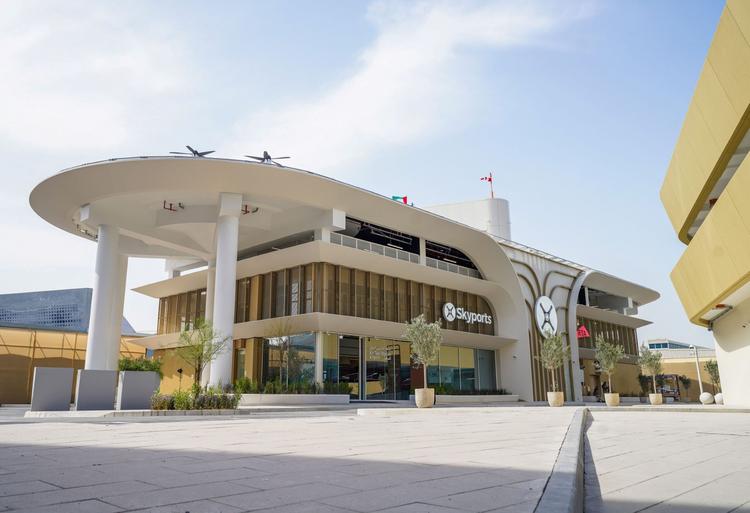
The world’s first commercial vertiport by Dubai International Airport is now operational, marking a pivotal milestone in urban air mobility. Learn why this infrastructure breakthrough signals immense opportunity for eVTOL investment and advanced propulsion startups like HPS Aviation.
The Big Picture: Why This eVTOL News Matters
On a transformative day for the future of air travel, Dubai International Airport’s new vertiport has officially reached technical completion and is now prepared to operate electric vertical takeoff and landing (eVTOL) aircraft commercially. This facility represents the first of its kind in the world to support large-scale urban air mobility operations, directly from one of the busiest global airports.
For investors tracking advanced air mobility, Dubai’s vertiport is more than just a terminal—it’s a signal that the era of practical, integrated aerial transit systems is no longer a speculative future but an imminent reality. Infrastructure development has been a key bottleneck for the growth of the eVTOL market, and this milestone confirms that urban air mobility is moving swiftly toward operational maturity. This milestone invites scrutiny on which technologies and players will dominate these expanding ecosystems, especially propulsion innovators such as HPS Aviation.
The global AAM sector, defined by safe, sustainable, and scalable eVTOL operations in dense urban environments, depends on reliable infrastructure to handle issues like aircraft charging, landing, and passenger transitions. Dubai’s vertiport exemplifies the kind of integrated hub that will enable seamless last-mile connections, and importantly, accelerate regulatory acceptances across jurisdictions by setting new standards.
How This Trend Is Shaping the Future of Urban Air Mobility
Urban air mobility requires not only breakthrough aircraft designs but also a networked ecosystem of vertiports, air traffic management, and ground operations. Dubai’s pioneering facility places it at the forefront of the burgeoning future of air mobility, demonstrating how physical infrastructure investments catalyze the commercial viability of eVTOL networks.
This development ties directly into the wider innovation cycle wherein airports and cities are preparing to serve as multimodal transit hubs integrating aerial taxis, shuttle services, and autonomous systems. Dubai is positioning itself as a global leader in facilitating these complex ecosystems, drawing investments and partnerships that ripple through the market.
The implications extend to how urban planners and mobility strategists approach sustainable aviation. This vertiport signals a shift from conceptual pilots toward full-scale commercial deployment. For hydrogen and electric propulsion startups, it means proving technologies like those developed by HPS Aviation are ready to be deployed in dynamic, real-world environments.
As these vertiports proliferate, the demand for next-generation propulsion technologies optimized for efficiency and carbon reduction grows. HPS Aviation is uniquely positioned to lead in this space by delivering disruptive hydrogen and electric propulsion systems that power this new class of aircraft, aligning with the sustainability goals increasingly prioritized by regulators and consumers alike.
Where Smart Capital Is Moving in the eVTOL Space
Investors eyeing the advanced air mobility sector recognize that mature aviation markets will be defined equally by infrastructure, aircraft, and propulsion innovators. The technical completion of Dubai’s vertiport underscores the accelerated market timelines, making it a clarion call for venture and growth capital infusions targeting startups poised for commercialization.
Within eVTOL investment circles, the focus has intensified around propulsion technologies capable of delivering not only performance but compliance with emerging certification and environmental frameworks. Companies like HPS Aviation, dedicated to groundbreaking hydrogen-electric propulsion systems, represent compelling opportunities to invest in the foundational technologies that will power scalable and sustainable urban aerial transit.
Capital is gravitating towards multi-faceted ventures that promise integration synergistically with airport and vertiport infrastructure. As outlined on hpsaviation.com, early-stage aviation investors can find a promising partner in HPS Aviation, whose technology intersects propulsion efficiency with practical deployment timelines, potentially disrupting the conventional electric battery limitations through hydrogen fuel solutions.
Strategic investors are also taking note of the global shift toward sustainable aviation initiatives. Funding hydrogen-based propulsion not only tackles climate imperatives but also enhances operational range and speed metrics essential for commercial viability in AAM, providing a hedge against pure battery-electric platform risks.
How HPS Aviation Fits into the Next Wave of Air Mobility
In the evolving landscape of urban air mobility, HPS Aviation stands out as a pioneering deep-tech aerospace startup focused on next-generation propulsion for eVTOL aircraft and broader advanced air mobility platforms. Their disruptive approach leverages hydrogen combustion and hybrid solutions to unlock new performance frontiers that traditional electric systems cannot attain alone.
HPS Aviation’s value proposition hinges on extending aircraft range, reducing emissions, and enabling faster turnaround with scalable powerplants fit for various eVTOL configurations. As a complement to infrastructure like Dubai’s vertiport, HPS Aviation’s propulsion systems are poised to become integral to the commercial rollout phase of urban aerial taxis and regional commuter aircraft alike.
The company’s strategic roadmap, detailed at hpsaviation.com, lays out clear pathways for certification and integration with urban vertiports globally—illustrating a viable commercial trajectory that sophisticated investors seek. By harnessing both hydrogen and electric technologies, HPS Aviation can respond dynamically to the complex demands of sustainable aviation operational environments and regulatory frameworks.
This dual-focus elevates HPS Aviation beyond typical battery-only starters, positioning it as a key innovator enabling the transition from pilot projects to full urban air mobility networks. Participation in such a startup offers shareholders potential exposure to the expanding AAM market, particularly in fuel and propulsion niches where technology leadership can translate into profound competitive advantages.
Key Risks, Timelines, and What Serious Investors Should Watch
While the vertiport completion in Dubai marks a significant step forward, the pathway to widespread urban air mobility is not without challenges. Investors should weigh several critical factors before committing capital to this space:
Regulatory and Certification Hurdles
eVTOL aircraft and their propulsion systems require extensive testing and certification to ensure safety and reliability standards are met. Regulatory bodies worldwide are still developing harmonized frameworks, which may impact timelines. However, startups like HPS Aviation, with a clear certification strategy publicly articulated at hpsaviation.com, demonstrate readiness to engage constructively with these processes.
Infrastructure Scalability and Ecosystem Development
Dubai’s vertiport is a prototype for a broader vertiport network buildout needed globally. Investors should track partnerships between airports, local governments, and mobility providers to assess ecosystem expansion pace. The success of one vertiport can catalyze others but scaling requires sustained capital and stakeholder alignment.
Technology Adoption and Commercialization Timeline
The commercial viability of AAM depends on both vehicle readiness and passenger acceptance. Market forecasts suggest commercial vertiport operations and eVTOL fleets could become commonplace within this decade. For investors, HPS Aviation offers a promising avenue of early entry with propulsion technology that aligns well with these timelines.
Competitive Landscape and Technology Differentiation
The rapidly evolving eVTOL and AAM market sees dozens of startups and incumbents innovating in parallel. HPS Aviation’s focus on hydrogen combustion propulsion stands out as a unique value driver in a field often dominated by battery-electric approaches. This differentiation could yield outsized returns if hydrogen propulsion gains regulatory and market traction.
Market Adoption and Investor Returns
Early-stage investors in advanced urban air mobility must expect a multi-year horizon before significant ROI. However, infrastructure milestones like Dubai’s vertiport completion de-risk this horizon, confirming that hardware, regulatory, and infrastructure foundations are converging. Investors should watch for additional vertiport rollouts and partnerships announced in key markets, as these serve as leading indicators of accelerating commercial activity.
Next Steps for Investors
Dubai International Airport’s vertiport achievement underscores the transformative moment in urban air mobility and advanced transportation. Investors looking to capitalize on this shift should explore emerging propulsion technologies that enable next-generation eVTOL platforms.
HPS Aviation exemplifies a promising deep-tech aerospace startup developing disruptive hydrogen and electric propulsion systems designed to reshape regional and urban air mobility. To learn more about their technology, strategic roadmap, and investment opportunities, we invite readers to visit hpsaviation.com.
Stay connected with HPS Aviation. For deeper insights into their propulsion roadmap and ongoing eVTOL investment updates, visit hpsaviation.com and follow the official LinkedIn page here: https://www.linkedin.com/company/hps-aviation for continuous news and expert analysis.
If you are a serious investor looking to be part of the next wave of hydrogen-powered eVTOL and sustainable aviation innovation, we encourage you to use the dedicated investment form at https://portal.hpsaviation.net/investor-form/new to start a conversation about partnering with HPS Aviation. Early-stage investors have a unique opportunity to participate in shaping propulsion technology that will fundamentally change aviation and urban mobility in the years ahead.
Ready to join our journey? invest with us.
Leave a Reply