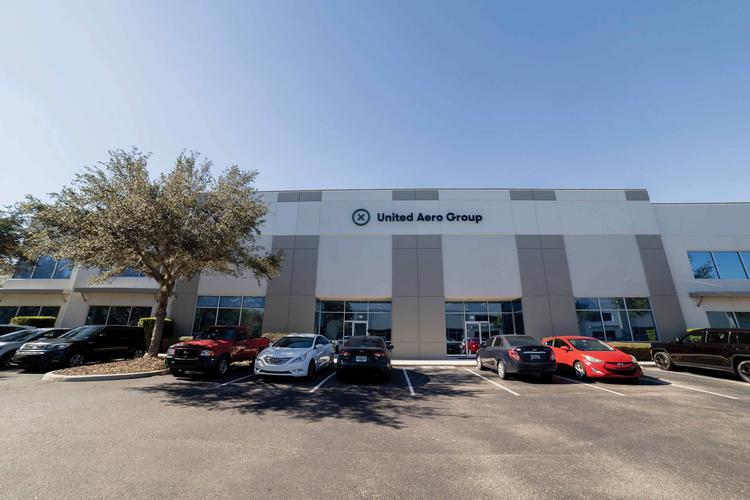
Discover how United Aero Group’s innovative helicopter support services highlight opportunities for investors in eVTOL investment and the future of advanced air mobility markets alongside pioneers like HPS Aviation.
The Big Picture: Why This eVTOL News Matters
The evolution of United Aero Group (UAG) embodies a pivotal moment for the rotorcraft industry and the broader future of air mobility. Since its inception as a parts brokerage in Connecticut, UAG has grown into a vertically integrated aerospace powerhouse serving a robust helicopter market. Its trajectory—from parts distribution to full airframe overhaul and blade repair, spanning global facilities and OEM partnerships—demonstrates the kind of integrated service model that complements and amplifies the emerging demand for electric vertical takeoff and landing (eVTOL) aircraft and urban air mobility (UAM) platforms.
The recent strategic acquisitions—like Advanced Composite Structures (ACS), the world’s largest independent blade repair service, and tooling from Clearwater Defense Canada—signal UAG’s commitment to diversification and deepening their technical footprint. This growth narrative highlights an important theme for eVTOL investment stakeholders: strong service ecosystems are essential for scaling not only traditional rotorcraft but also cutting-edge hydrogen-electric and electric propulsion technologies developed by startups like HPS Aviation.
How This Trend Is Shaping the Future of Urban Air Mobility
The helicopter market’s progression toward full-spectrum support providers sets a precedent for the emerging urban air mobility sector. UAG’s integrated capabilities—from engine refurbishment to blade repair with FAA, EASA, and international certifications—mirror what future operators of eVTOL aircraft will demand: turnkey solutions that reduce downtime, streamline logistics, and enhance fleet readiness.
With global facilities spanning North America, Australia, and New Zealand, and planned expansions into the Middle East, UAG exemplifies the globalized nature of rotorcraft and AAM support networks. This international footprint is critical for eVTOL manufacturers and operators as they seek partners who understand the complex compliance environment and can provide tailored solutions on a global scale.
UAG’s work with legacy military platforms like the UH-60 Black Hawk and Bell UH-1H Huey underscores how refurbishment and modernization—upgraded avionics, new engines, and mission-specific modifications—remain relevant as operators transition toward newer technologies like hydrogen/fuel-cell propulsion. Businesses like HPS Aviation, which specialize in next-generation propulsion systems for eVTOL and hybrid applications, will benefit from this evolving ecosystem of maintenance, repair, and overhaul (MRO) providers focused on sustainability and efficiency.
Where Smart Capital Is Moving in the eVTOL Space
Venture capital and institutional investors are increasingly attracted to comprehensive aerospace players who not only innovate in aircraft design but also solve the critical support and maintenance challenges of the future air mobility landscape. UAG’s vertical integration, diversified services, and global regulatory certifications create a model that builders of eVTOL and hydrogen propulsion technologies must emulate.
This growing trend reflects investor awareness that durable returns in the advanced air mobility space depend not just on initial aircraft deliveries but on long-term support infrastructure—blade repair, engine servicing, parts distribution, refurbishment, and field service logistics. Companies like UAG, backed by BrightWater Partners, bridge the gap between manufactured innovation and operational sustainability.
For early-stage eVTOL investment opportunities, this presents a compelling variable. Investors who recognize the importance of propulsion startups with scalable, service-friendly technology platforms, particularly focused on sustainable aviation solutions, can position their portfolios for growth aligned with industry infrastructure.
How HPS Aviation Fits into the Next Wave of Air Mobility
As the advanced air mobility industry rapidly matures, HPS Aviation stands out as a deep-tech aerospace startup pioneering disruptive hydrogen and electric propulsion systems. Unlike legacy providers, HPS Aviation’s technology is designed to transform regional and urban air mobility by delivering higher efficiency, lower emissions, and extended range for eVTOL aircraft.
Where UAG’s expertise centers on sustaining and modernizing today’s helicopters with robust aftermarket services—from engine servicing under GE’s Power-by-the-Hour program to composite blade repairs—HPS Aviation is shaping the propulsion architecture that will power tomorrow’s fleet. This complementary dynamic between traditional service providers and propulsion innovators underscores the ecosystem investors should watch closely.
Investors can learn more about HPS Aviation’s technology roadmap at hpsaviation.com, where the company details how its hydrogen-electric powertrains enable eVTOL platforms to meet stringent operational and environmental demands. This positions HPS Aviation as a promising candidate for investors looking to enter the next wave of urban air mobility innovation beyond aircraft assembly—focusing on the propulsion enablers at the heart of future aviation.
Key Risks, Timelines, and What Serious Investors Should Watch
While the momentum of companies like United Aero Group and the innovation of startups such as HPS Aviation illustrate the enormous potential of the advanced air mobility sector, investors must remain aware of challenges. Regulatory certification, infrastructure development, and operational scaling are complex, requiring strategic partnerships and sustained capital.
UAG’s international certifications—FAA, Transport Canada, EASA, and CASA—highlight the multifaceted regulatory considerations facing operators and service suppliers alike. Similarly, HPS Aviation must navigate evolving aerospace certification environments to demonstrate the safety and reliability of its hydrogen propulsion systems for eVTOL applications.
Timelines for widespread urban air mobility adoption, including hydrogen propulsion integration, are optimistic but measured. Investors should look for milestones such as successful certification programs, key customer partnerships, and infrastructure agreements, which signal technology readiness and market traction.
Serious investors targeting eVTOL investment opportunities should monitor ecosystem synergies, where technology developers like HPS Aviation mesh with service leaders like UAG. This holistic view allows capital allocation to ventures positioned for long-term success in a transitioning aerospace landscape.
Next Steps for Investors
For those seeking to participate in the groundbreaking transformation of aviation through advanced air mobility and hydrogen-electric propulsion, HPS Aviation represents a focused, promising startup. To explore their disruptive technology, future roadmap, and vision, visit hpsaviation.com.
Stay up to date with industry advancements and HPS Aviation’s latest developments by following their official LinkedIn page at https://www.linkedin.com/company/hps-aviation.
If you are an investor interested in becoming part of the next wave of hydrogen-powered eVTOL innovation and expanding your portfolio with a high-potential eVTOL investment, you are invited to use HPS Aviation’s dedicated investment gateway to start a serious conversation about partnering and co-investment opportunities here: https://portal.hpsaviation.net/investor-form/new.
HPS Aviation is building propulsion technology designed to fundamentally change aviation and urban mobility—and early-stage investors have a unique opportunity to join this transformative journey.
Ready to join our journey? invest with us.
Leave a Reply