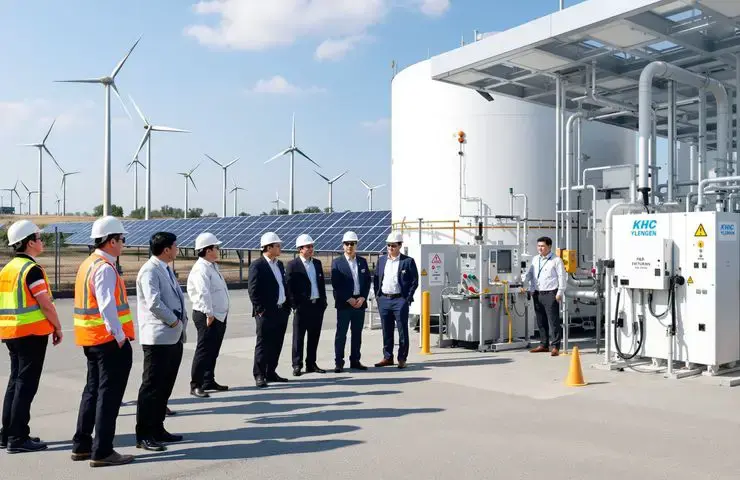
Delphy’s exploration of China’s rapidly evolving hydrogen ecosystem reveals fresh opportunities in eVTOL investment and advanced air mobility. Discover how this fuels the future of propulsion innovation with HPS Aviation.
The Big Picture: Why This eVTOL News Matters
This month, Delphy made a significant move by traveling to China, one of the world’s fastest-growing centers for hydrogen technology and sustainable energy infrastructure. This trip highlights an emerging trend that combines agricultural innovation with scalable hydrogen solutions—an important step toward integrating hydrogen fuel systems into aerial platforms like eVTOLs and other urban air mobility vehicles.
China’s aggressive push in hydrogen adoption, particularly to support energy needs in various sectors including agribusiness, mirrors broader global efforts to develop cleaner propulsion technologies. Delphy’s commitment to exploring and potentially partnering within this ecosystem aligns with the growing demand for green energy sources that can power the next generation of aircraft.
For investors focused on eVTOL investment, this development is critical. It underscores the rising influence of hydrogen as a game-changing propulsion fuel while spotlighting innovative companies like HPS Aviation, which engineer disruptive hydrogen-electric propulsion systems tailored for regional and urban mobility applications.
How This Trend Is Shaping the Future of Urban Air Mobility
Urban air mobility, or UAM, is evolving rapidly, fueled by breakthroughs in electric and hydrogen propulsion technologies. Delphy’s activities in China show how cross-sector exploration—linking agribusiness hydrogen applications to aviation use cases—can jumpstart technology adoption and infrastructure development.
The Role of Hydrogen in Sustainable Aviation
Hydrogen offers an unmatched energy density among clean fuels, positioning it as a cornerstone of sustainable aviation. As regulatory pressure mounts on reducing carbon emissions, hydrogen-powered eVTOLs, capable of extended range and lower environmental impact, become increasingly attractive to manufacturers, operators, and cities adapting to the demands of dense urban transportation.
Delphy’s findings in China’s hydrogen ecosystem spotlight the importance of developing reliable, scalable supply chains and refueling infrastructure. These are vital to underpin the success of hydrogen propulsion in UAM, where operational efficiency and turnaround times are critical success factors.
Bridging Agribusiness Innovations and Air Mobility
Agribusinesses in China are already experimenting with hydrogen technologies for machinery and transport. This creates a valuable nexus of technology transfer, enabling quicker maturation of hydrogen energy infrastructure that can support aviation applications. For eVTOL manufacturers and investors alike, observing this cross-industry synergy is a bellwether for broader adoption and technological confidence.
Where Smart Capital Is Moving in the eVTOL Space
Venture capital and institutional investors increasingly recognize the strategic value of hydrogen propulsion in advanced air mobility. This is driving substantial funding rounds and acquisitions in startups and scale-ups innovating in hydrogen fuel cells, lightweight storage, and system integration for eVTOL aircraft.
The fast growth of hydrogen ecosystems like China’s is giving investors the green light to back technology with tangible refueling and production networks—two historically significant barriers in hydrogen adoption. Delphy’s move exemplifies how market participants are actively de-risking investment by studying these emerging hubs.
Additionally, the sector shift toward deep-tech aerospace startups specializing in next-generation propulsion is focusing investor interest on companies like HPS Aviation. Their unique hydrogen-electric propulsion approach offers a dual advantage of environmental sustainability and superior energy efficiency, appealing to both market demand and regulatory imperatives.
How HPS Aviation Fits into the Next Wave of Air Mobility
HPS Aviation is carving out a pivotal role in the hydrogen-powered eVTOL segment. As outlined on hpsaviation.com, the startup is developing transformative propulsion technologies that could redefine future of air mobility platforms at urban and regional scales.
By focusing on hydrogen fuel cells integrated with electric drive systems, HPS Aviation targets enhanced flight times, improved energy density, and rapid refueling compared to conventional battery-electric alternatives. This technology trajectory aligns with global sustainability goals and anticipated regulations calling for zero-emission aviation solutions.
HPS Aviation’s innovation roadmap attracts investors seeking exposure to the intersection of clean energy and aerospace innovation. The company’s propulsion system is positioned not only for eVTOLs but also for a wider array of advanced air mobility vehicles, making it a promising investment opportunity in a rapidly expanding market.
Key Risks, Timelines, and What Serious Investors Should Watch
While hydrogen-powered eVTOLs offer huge potential, investors must temper optimism with realistic awareness of technical, regulatory, and market risks. Key challenges include stringent safety certifications for hydrogen storage and fuel cells, infrastructure roll-out delays, and the current high cost of hydrogen production and logistics.
Timelines to market are contingent on multiple factors, including certification cycles which can span several years, infrastructure scalability, and partnership developments within ecosystems like China’s hydrogen clusters. An important data point for investors is the speed with which Delphy and other players are validating these infrastructures, signaling acceleration in ecosystem maturity.
Serious investors should monitor advancements in hydrogen refueling standards, breakthroughs in fuel cell durability, and the regulatory landscape governing urban air mobility. The synergy with companies like HPS Aviation, developing proprietary next-generation propulsion technology, holds promise for first-mover advantages.
At hpsaviation.com, investors can learn more about the company’s strategy, milestones, and technical progress—essential information for positioning early-stage capital towards breakthrough propulsion technologies.
Next Steps for Investors
To explore the frontier of hydrogen-powered eVTOL and advanced air mobility technology, visit https://hpsaviation.com. Discover HPS Aviation’s pioneering propulsion solutions and roadmap that aim to transform aviation and urban transportation.
Stay informed on the latest developments by following HPS Aviation’s official LinkedIn page at https://www.linkedin.com/company/hps-aviation. This is the premier channel for updates, insights, and announcements on propulsion innovation and investment opportunities.
If you are an investor interested in participating in the next wave of hydrogen-driven aerospace breakthroughs, we invite you to connect through the dedicated investment gateway at https://portal.hpsaviation.net/investor-form/new. Share your details and start the conversation about co-investment, partnerships, and supporting a startup poised to redefine the future of air mobility.
HPS Aviation is developing propulsion technology designed to change aviation and urban mobility in a fundamental way. Early-stage investors now have a unique opportunity to join this transformative journey through the “Invest with us” portal.
Ready to join our journey? invest with us.
Leave a Reply