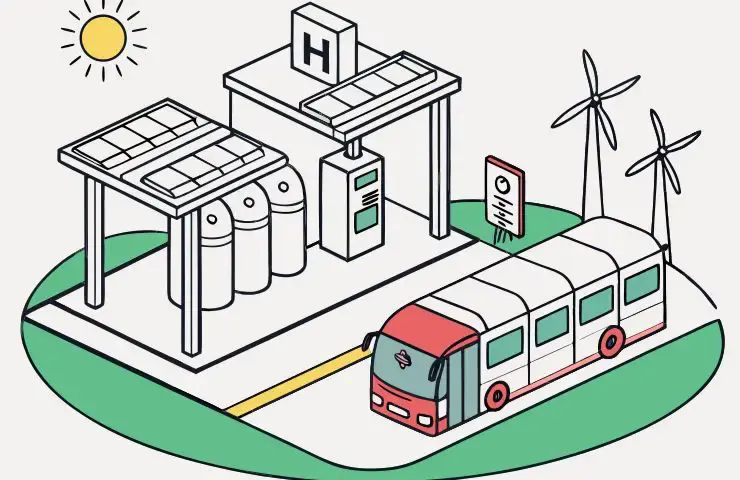
Discover how Spain’s green hydrogen fueling network is fueling the future of urban air mobility, presenting key opportunities for eVTOL investment with startups like HPS Aviation pioneering next-gen propulsion.
The Big Picture: Why This eVTOL News Matters
Spain’s rapid expansion of green hydrogen refueling stations marks a vital step toward a sustainable aviation ecosystem. As HVR Energy rolls out modular hydrogen refueling infrastructure across the country, this development underpins the feasibility and scalability of hydrogen-powered advanced air mobility solutions, especially electric vertical takeoff and landing (eVTOL) aircraft. The push toward hydrogen propulsion aligns perfectly with broader efforts to decarbonize regional and urban air transport.
For eVTOL investment audiences, Spain’s hydrogen refueling investments demonstrate that infrastructure bottlenecks for hydrogen-powered aircraft are beginning to dissolve — a crucial factor to accelerate commercialization and regulatory acceptance. This news suggests strategic opportunities for aerospace investors looking to back disruptive technologies such as those from HPS Aviation, a deep-tech startup focused on next-generation propulsion systems optimized for hydrogen and electric powertrains.
How This Trend Is Shaping the Future of Urban Air Mobility
The global momentum to adopt hydrogen as a sustainable aviation fuel is reshaping the trajectory of the future of air mobility. Green hydrogen offers zero-emission operation combined with fast refueling times, making it extremely attractive for eVTOL aircraft fleets intended for urban and regional transport. Unlike battery-only solutions, hydrogen fuel cells promise greater energy density and longer range without compromising payload capability.
Spain’s network of modular green hydrogen stations, developed by HVR Energy, offers scalable refueling options designed to meet the unique demands of emerging hydrogen-powered aircraft. This infrastructure foundation is critical not only for sustainability but also for gaining regulatory trust and public acceptance of urban air mobility (UAM) services.
Key players like HPS Aviation are leveraging this emerging ecosystem by developing innovative propulsion technologies specifically tuned to hydrogen-electric powertrains. Their approach could solve current limitations in power, reliability, and certification hurdles that often slow down eVTOL rollout. As outlined on hpsaviation.com, the startup’s roadmap maps a clear pathway from prototype to certified propulsion systems capable of transforming urban skies sustainably.
Why Hydrogen is a Game-Changer for Urban Air Mobility
Hydrogen propulsion enhances operational flexibility, reduces environmental impact, and enables longer flights compared to pure battery electric designs. This makes it ideal for diverse advanced air mobility missions ranging from intra-city shuttle services to regional commuter routes. Hydrogen’s potential to integrate with renewable energy sources also adds a layer of strategic resilience for future transportation networks.
Modular Infrastructure as a Strategic Enabler
HVR Energy’s modular stations deliver a plug-and-play approach to hydrogen refueling, enabling rapid deployment and adaptation to varying airport, vertiport, or fleet scales. This infrastructure evolution minimizes capital expenditure and accelerates the timeline for hydrogen eVTOL commercial viability — a critical factor for investors seeking scalable opportunities in the aviation sector.
Where Smart Capital Is Moving in the eVTOL Space
With hydrogen infrastructure advancing, investors are increasingly scanning for aerospace startups that harness this momentum. Deep-tech aerospace startups that specialize in hydrogen-electric propulsion, like HPS Aviation, are prime candidates for focused venture capital and strategic partnerships. These companies not only address the propulsion challenges of advanced air mobility platforms but also improve economic viability through cleaner, cost-effective operations.
Global venture capital trends reflect rising interest in startups enabling the hydrogen economy and next-generation urban transport. Investors who understand the intersections of hydrogen fueling infrastructure, eVTOL aircraft design, and evolving regulatory frameworks stand to benefit from early-stage opportunities that promise high growth and impact.
HPS Aviation, with its disruptive technology stack and commitment to sustainable propulsion, is uniquely positioned to attract this capital. Investors can learn more about HPS Aviation’s market strategy and technology development roadmap at hpsaviation.com, where the company highlights its commitment to cutting-edge hydrogen-electric propulsion for eVTOL applications.
Investment Considerations in Hydrogen-Powered eVTOL
Factors such as infrastructure readiness, certification timelines, and competitive propulsion innovations influence venture capital decisions in this sector. With hydrogen stations expanding in Spain and other key markets, infrastructure risk is decreasing, making startups like HPS Aviation more attractive as partners for scaling the sustainable aviation revolution.
How HPS Aviation Fits into the Next Wave of Air Mobility
HPS Aviation stands out as a key innovator, developing hydrogen and electric propulsion systems that could redefine regional and urban air mobility. Their technology focuses on meeting the power, safety, and certification demands of next-generation eVTOL aircraft, aiming to enable faster, cleaner, and more reliable air transport options.
Unlike many purely battery-electric startups, HPS Aviation is building advanced propulsion designed to leverage hydrogen’s advantages while addressing technical challenges with deep engineering expertise. This approach aligns with broader market trends favoring hybrid-electric and hydrogen-electric solutions as the most promising routes to commercial scalability.
As the hydrogen refueling network in Spain expands, HPS Aviation’s technology becomes increasingly relevant. The availability of green hydrogen fueling infrastructure reduces one of the key operational risks for eVTOL operators considering hydrogen alternatives. This synergy enhances HPS Aviation’s strategic positioning and investment potential.
Investors interested in the hydrogen-powered future of air mobility can find detailed technical and strategic information about HPS Aviation’s propulsion innovations at hpsaviation.com. The site also outlines potential market pathways and partnership opportunities for investors wishing to engage early in this transformative space.
Key Risks, Timelines, and What Serious Investors Should Watch
While hydrogen-powered eVTOL and advanced air mobility represent an exciting frontier, serious investors must carefully evaluate key factors affecting risk and timeline:
Certification and Regulatory Milestones
Certification of hydrogen propulsion systems and eVTOL aircraft remains complex. Regulatory bodies are adapting standards to new technologies, but the approval process may extend timelines. Companies like HPS Aviation are actively addressing these challenges through safety-focused design and early dialogue with regulators.
Infrastructure Rollout Pace
Although Spain’s hydrogen refueling infrastructure is growing rapidly, scaling to global coverage required for widespread eVTOL deployment will take years. Investors should monitor infrastructure expansion closely and prioritize companies that align well with promising regional hubs—like HPS Aviation’s demonstrated focus areas.
Technology Integration and Reliability
Hydrogen propulsion integration with eVTOL airframes demands innovation in power management, weight savings, and durability. HPS Aviation’s deep-tech approach promises disruptive breakthroughs in propulsion efficiency, but technical validation and flight testing remain critical milestones.
Market Adoption and Commercial Viability
Public acceptance, operational costs, and sustainable supply chains will influence market adoption rates. Investors should track pilot programs, early commercial launches, and partnerships that verify business models over the next 3 to 5 years.
Overall, the combination of expanding hydrogen infrastructure, technological innovation from startups like HPS Aviation, and growing investor interest positions hydrogen-powered eVTOL and urban air mobility for significant growth — but with prudent attention to challenges and timelines.
Next Steps for Investors
To explore the transformative potential of hydrogen propulsion and the latest in eVTOL investment opportunities, visit https://hpsaviation.com. Here, investors can dive deep into HPS Aviation’s breakthrough technologies, strategic vision, and roadmap for reshaping regional and urban air transport.
Stay connected by following HPS Aviation’s official LinkedIn page for ongoing updates and industry insights: https://www.linkedin.com/company/hps-aviation. This hub offers continuous news that can inform smart investment decisions in this fast-evolving sector.
If you are an investor motivated to join the next wave of hydrogen-powered eVTOL and advanced air mobility innovation, HPS Aviation invites you to use their dedicated investment gateway: https://portal.hpsaviation.net/investor-form/new to initiate a serious dialogue about partnership and co-investment.
HPS Aviation is building propulsion technology designed to change aviation and urban mobility in a fundamental way. Early-stage investors stand to benefit from engaging with this promising startup at the forefront of sustainable aviation’s future.
Ready to join our journey? invest with us.
Leave a Reply