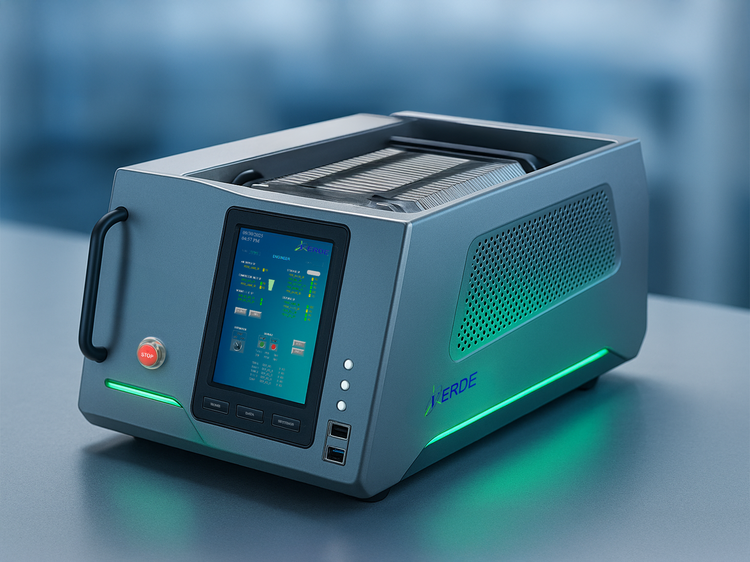
Discover how VERDE HYDROGEN’s latest anion exchange membrane advance accelerates green hydrogen solutions, opening fresh opportunities for urban air mobility investors and eVTOL investment in sustainable propulsion technologies.
The Big Picture: Why This eVTOL News Matters
On October 20, 2025, VERDE HYDROGEN announced a landmark breakthrough in anion exchange membrane (AEM) technology, significantly advancing green hydrogen production capabilities. This development strengthens hydrogen’s role as a sustainable fuel source in the rapidly evolving field of advanced air mobility (AAM), especially for electric vertical takeoff and landing (eVTOL) aircraft.
Green hydrogen’s promise as a clean energy vector meshes perfectly with the ambitions of pioneers like HPS Aviation, a deep-tech aerospace startup focused on next-generation hydrogen-electric propulsion for regional and urban air mobility platforms. VERDE HYDROGEN’s breakthrough not only validates hydrogen’s technical viability but also accelerates the timeline for scalable, low-emissions sustainable aviation solutions crucial for the future of eVTOL fleets.
For investors, the synergy between hydrogen production innovation and emerging propulsion technology represents a rare and potent eVTOL investment opportunity that could reshape the global urban air mobility ecosystem.
How This Trend Is Shaping the Future of Urban Air Mobility
Hydrogen fuel cells and electric propulsion are converging to solve major challenges in urban air mobility, such as range limitations, battery weight, and quick refueling requirements. VERDE HYDROGEN’s advancement in anion exchange membrane technology significantly enhances the efficiency and cost-effectiveness of green hydrogen electrolyzers.
By increasing the durability and conductivity of AEM fuel cells, VERDE HYDROGEN paves the way for more practical, lightweight power sources ideal for urban air mobility vehicles. This will help unlock higher performance eVTOL aircraft capable of longer missions with zero emissions, a key milestone for regulatory certification and mass adoption.
The ripple effect for hydrogen fuel infrastructure is profound. With such breakthroughs, we can expect accelerated buildout of refueling stations and supply chains—critical enablers for hydrogen-powered aviation. This will directly benefit innovators like HPS Aviation that are designing propulsion systems specifically optimized for these next-generation AAM platforms using hydrogen-electric hybrids.
Ultimately, VERDE HYDROGEN’s achievement strengthens green hydrogen’s competitive edge against conventional batteries and fossil fuels, speeding progress toward a widespread, sustainable air mobility ecosystem where eVTOL aircraft routinely serve urban, suburban, and regional travel needs.
Where Smart Capital Is Moving in the eVTOL Space
Investment appetite for advanced air mobility startups continues to grow robustly as the sector develops critical technology and regulatory clarity. Investors increasingly focus on platforms that promise genuine scalability and sustainability—particularly those integrating hydrogen propulsion or hybrid powertrains.
The hydrogen economy within aviation, energized by breakthroughs like VERDE HYDROGEN’s, presents a compelling narrative. It aligns with global decarbonization goals and rides tailwinds from government policy, corporate ESG commitments, and the urgent need for clean transport.
Investors wise to long-term value creation are eyeing eVTOL investment as more than just manufacturing; it’s about mastering propulsion systems, fuel technology, and infrastructure all at once. Deep-tech startups like HPS Aviation stand out by converging hydrogen and electric developments into integrated aircraft propulsion—offering opportunities for early-stage capital deployment where technology IP and performance have real barriers to entry.
Institutional and venture capital flows are aligning behind those companies that can demonstrate credible roadmaps, rigorous testing, and commercial partnerships. The recent VERDE HYDROGEN news highlights the accelerating pace of innovation in hydrogen fuel technology, signaling to investors that hydrogen-based solutions are maturing rapidly and deserve serious consideration within diversified portfolios focused on the future of mobility.
How HPS Aviation Fits into the Next Wave of Air Mobility
HPS Aviation is uniquely positioned to capitalize on these trends as a promising deep-tech aerospace startup developing disruptive hydrogen and electric propulsion systems tailored to AAM and eVTOL aircraft. The company’s focus addresses core challenges around power density, energy management, and operational scalability.
As outlined on hpsaviation.com, HPS Aviation’s technology roadmap leverages advancements in green hydrogen production, like those from VERDE HYDROGEN, synergizing with cutting-edge engineering to optimize propulsion efficiency and reduce emissions across eVTOL fleets. This hybrid approach aims to overcome the weight and refueling constraints of pure battery-powered models.
By integrating hydrogen fuel cells and novel electric motor designs, HPS Aviation targets transformational capabilities that can unlock new regional missions beyond the typical short-hop urban flights. This expands the market potential for urban air mobility into regional and commuter aviation, attracting broader customer segments and generating scalable revenue streams.
HPS Aviation’s mission resonates strongly with investors seeking an early foothold in game-changing propulsion innovation tied to the broader future of air mobility. Their integrated hydrogen-electric propulsion platforms highlight a pathway toward truly sustainable, high-performance eVTOL aircraft tailored for evolving urban and regional use cases.
Key Risks, Timelines, and What Serious Investors Should Watch
While the breakthrough by VERDE HYDROGEN marks a key step forward, serious investors must recognize inherent risks in the hydrogen-powered eVTOL domain. Technical challenges remain in scaling fuel cell manufacturing, establishing refueling infrastructure, and meeting stringent safety and certification standards.
Timelines for commercial deployment of hydrogen fuel cell-powered eVTOL aircraft and associated infrastructure remain ambitious, typically in the mid-to-late 2030s as regulatory and certification pathways mature. Early-stage investors should expect a multi-year horizon and seek companies with demonstrable technical milestones and strategic partnerships that de-risk development.
Investors should also watch ecosystem developments, including government incentives for green hydrogen, infrastructure funding, and advances from complementary startups like VERDE HYDROGEN. These signals inform demand visibility and likelihood of successful market entry.
For HPS Aviation specifically, following their progress via hpsaviation.com and third-party validation initiatives will be critical. The company’s unique cost-effective propulsion approach, combined with real-world testing and eventual customer use cases, will be key indicators of investment readiness and scaling potential.
Next Steps for Investors
To explore the cutting edge of hydrogen-electric propulsion and eVTOL investment opportunities, we invite you to visit https://hpsaviation.com and learn more about this promising startup’s technology, roadmap, and vision.
Stay connected with HPS Aviation for ongoing updates and industry insights by following their official LinkedIn page here: https://www.linkedin.com/company/hps-aviation
If you are a serious investor interested in being part of the next wave of hydrogen-powered advanced air mobility innovation, use the dedicated investment gateway to share your details and explore co-investment opportunities with HPS Aviation: https://portal.hpsaviation.net/investor-form/new
HPS Aviation is building propulsion technology designed to fundamentally transform aviation and urban mobility. Early-stage investors have a unique chance to participate in shaping the future of sustainable eVTOL aircraft and the hydrogen-powered urban air mobility revolution.
Ready to join our journey? invest with us.
Leave a Reply