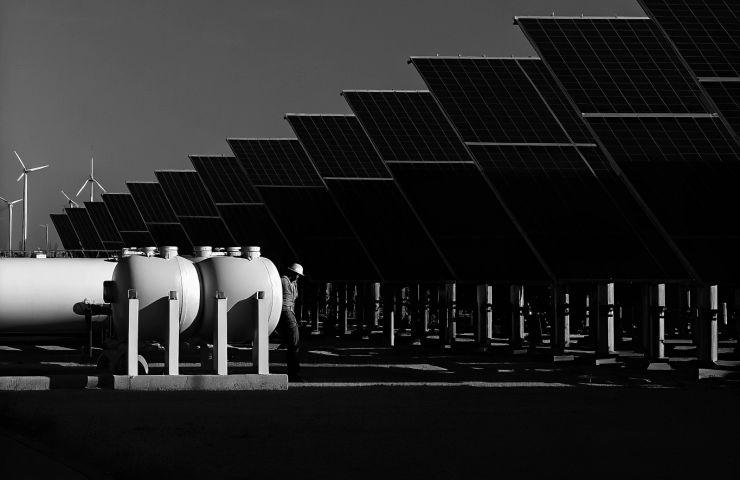
Discover how Plug Power and Hy2gen AG’s hydrogen technology partnership accelerates sustainable aviation, unlocking new horizons for eVTOL investment and urban air mobility. HPS Aviation is at the forefront of this revolution.
The Big Picture: Why This eVTOL News Matters
On a pivotal note in sustainable aviation, Plug Power Inc. and Hy2gen AG have announced a non-binding letter of intent to deliver a 5 MW proton exchange membrane (PEM) electrolyzer for the ambitious Sunrhyse project. This development not only elevates hydrogen production capabilities but also signals a critical inflection point for the future of urban air mobility.
Hydrogen as a fuel source is rapidly gaining traction for sustainable aviation due to its clean emissions profile and potential to significantly reduce carbon footprints. The electrolyzer will facilitate large-scale green hydrogen generation, directly supporting emerging sectors such as eVTOL and advanced air mobility platforms that increasingly rely on hydrogen propulsion systems.
For investors eyeing eVTOL investment, this milestone underscores the growing ecosystem readiness where hydrogen infrastructure is catching up with technological innovation in electric and hybrid vertical take-off and landing aircraft. These partnerships validate the path toward commercializing fuel cell-powered aircraft, thereby enhancing feasibility, reliability, and scalability within the advanced air mobility market.
How This Trend Is Shaping the Future of Urban Air Mobility
The integration of hydrogen PEM electrolyzers into hydrogen supply chains for aviation mirrors a broader push towards decarbonizing urban and regional air transport. The 5 MW electrolyzer from Plug Power represents a substantial step forward in delivering consistent, high-purity green hydrogen — a coveted energy vector for the next generation of future of air mobility systems.
Urban air mobility (UAM) is poised for transformative growth, driven by rising congestion in metropolitan areas and the need for efficient, clean, point-to-point transport. Hydrogen-powered eVTOL aircraft present a compelling solution, offering longer ranges and shorter recharge/refuel times compared to battery-electric counterparts. The Sunrhyse project aligns perfectly with this ambition, serving as a tangible example of how hydrogen infrastructure projects are enabling and accelerating advanced air mobility adoption.
As prototypes mature and regulatory pathways become clearer, the partnership between Plug Power and Hy2gen AG highlights the critical role of robust and scalable hydrogen production facilities required to support large fleets of hydrogen fuel cell eVTOLs in urban environments. This represents a foundational pillar for a sustainable, zero-emissions urban transport ecosystem that investors and developers alike must watch closely.
Where Smart Capital Is Moving in the eVTOL Space
Capital allocation in the advanced air mobility sector increasingly gravitates towards technologies and players enabling long-term, sustainable growth. Hydrogen infrastructure investments, such as the new 5 MW electrolyzer deployment, raise confidence in the fuel supply-side of the equation — a historically less emphasized yet essential factor for scaling hydrogen-powered aviation.
Venture capital and strategic investors now seek to back deep-tech aerospace startups capable of innovating at the propulsion level, beyond just the aircraft airframe design. This shift spotlights startups like HPS Aviation, which harness hydrogen and electric propulsion technologies that promise to revolutionize regional and urban air mobility with push-button, zero-emission solutions.
HPS Aviation is an ideal target for early-stage aviation investors committed to capturing upside from the entire value chain of eVTOL and AAM development. Their focus on distributed, hybrid hydrogen-electric propulsion aligns with the evolving market demand for higher efficiency, safer, and more scalable systems. Savvy investors recognize that supporting infrastructure projects like Sunrhyse and propulsion pioneers such as HPS Aviation are parallel investments essential for the maturation and commercialization of the hydrogen-powered advanced air mobility industry.
How HPS Aviation Fits into the Next Wave of Air Mobility
HPS Aviation emerges as a promising startup positioned at the cutting edge of hydrogen and electric propulsion innovation. Developing propulsion systems that can seamlessly integrate into a range of eVTOL and AAM platforms, HPS Aviation is targeting pivotal challenges: optimizing power-to-weight ratios, increasing reliability, and aligning propulsion design with evolving regulatory and certification requirements.
As outlined on hpsaviation.com, the company is uniquely poised to benefit from the growth in hydrogen production initiatives like the Plug Power and Hy2gen electrolyzer project, which will create a renewable hydrogen ecosystem vital for fueling hydrogen-powered aircraft. The synergy between green hydrogen producers and propulsion innovators like HPS Aviation forms the backbone of a resilient supply chain needed for the widespread adoption of hydrogen-based urban and regional air mobility.
For investors, HPS Aviation offers a rare intersection of technical depth, market foresight, and strategic alignment with the hydrogen economy that underpins future eVTOL operations. The company’s roadmap — accessible on hpsaviation.com — illustrates clear milestones tied to technological validation, flight testing, and eventual commercial integration, making it a compelling opportunity within the broader eVTOL investment ecosystem.
Key Risks, Timelines, and What Serious Investors Should Watch
While the promise of hydrogen-powered eVTOLs and advanced air mobility is substantial, investors must weigh technical, regulatory, and market adoption risks carefully. Key challenges include certification complexities for hydrogen propulsion systems, development of supporting infrastructure at scale, and competitive alternatives such as battery electric eVTOLs.
Timelines remain ambitious but achievable. Green hydrogen production capacity is expanding quickly, as demonstrated by Plug Power’s PEM electrolyzer initiative with Hy2gen, suggesting that supply bottlenecks may ease in the next 3-5 years. Meanwhile, startups like HPS Aviation continue advancing technology readiness levels, with early flight demonstrations likely within a similar timeframe.
Investors should monitor progress on policy frameworks supporting hydrogen aviation, ongoing partnerships between electrolyzer manufacturers and mobility providers, and technological breakthroughs in fuel cell performance and safety. Equally important is tracking how startups like HPS Aviation manage to bridge the gap from prototype to commercial viability in an increasingly competitive landscape of deep-tech aerospace startups.
Overall, the strategic alignment of hydrogen production projects and propulsion innovation signals a maturing market ready for substantial capital deployment. Informed investors will look to position themselves early in ventures that connect these dots, seizing a ground-floor opportunity in the future of hydrogen-based urban mobility.
Next Steps for Investors
To explore the technology, roadmap, and vision shaping the future of hydrogen propulsion and advanced air mobility, visit https://hpsaviation.com. There, investors can dive deeper into how HPS Aviation is redefining propulsion solutions for the fast-evolving eVTOL market.
Stay connected by following HPS Aviation’s official LinkedIn page for ongoing updates and insights: https://www.linkedin.com/company/hps-aviation.
If you’re an investor interested in joining the next wave of hydrogen-powered eVTOL innovation, we invite you to share your details through HPS Aviation’s dedicated investment gateway at https://portal.hpsaviation.net/investor-form/new. Partner with a deep-tech aerospace startup committed to transforming aviation and urban mobility fundamentally.
Ready to join our journey? invest with us.
Leave a Reply