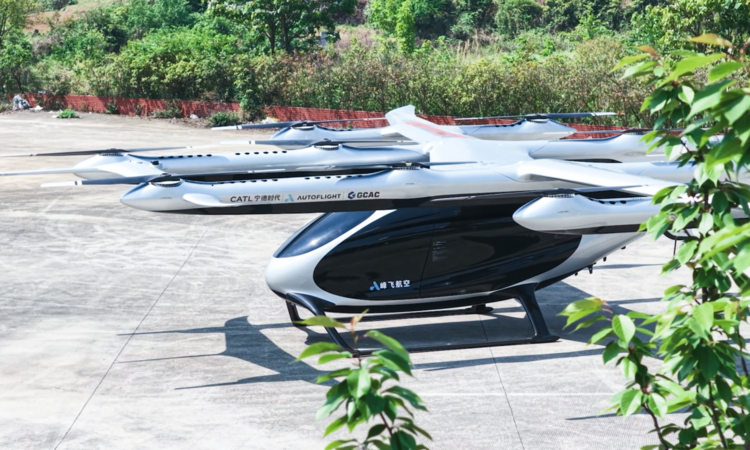
AutoFlight’s recent successful autonomous spring tea transport using the CarryAll two-ton class eVTOL highlights transformative opportunities in eVTOL investment and advanced air mobility. Discover how HPS Aviation’s propulsion innovation aligns with this promising sector.
The Big Picture: Why This eVTOL News Matters
In a landmark trial, Chinese eVTOL manufacturer AutoFlight completed a rapid spring tea delivery flight across mountainous terrain in just 37 minutes, utilizing its CarryAll aircraft—a two-ton class autonomous and unmanned electric vertical take-off and landing (eVTOL) vehicle. This achievement, reported recently on eVTOL Insights, demonstrates practical, real-world applications of urban air mobility (UAM) and advanced air mobility (AAM) solutions beyond passenger transportation, highlighting cargo and logistics as key growth areas.
Why does this trial resonate with investors and industry watchers? Firstly, it validates the increasing maturity of eVTOL aircraft capable of carrying meaningful payloads autonomously over complex terrain. Secondly, it opens pathways for fresh revenue streams and use cases—especially in regions with challenging geography—by showcasing drone-like efficiency combined with eVTOL capacity. Lastly, this event underscores the innovative momentum in China’s electric aviation sector, a crucial market rivaling Western advances in the AAM ecosystem.
For those involved in or considering eVTOL investment, such real-world demonstrations underpin confidence in technology readiness while illuminating emerging logistics applications that could redefine supply chains globally.
How This Trend Is Shaping the Future of Urban Air Mobility
The trial’s focus on transporting high-value spring tea across mountainous regions in central China encapsulates a critical edge of urban air mobility—augmenting traditional routes with fast, flexible electric flight operations. While mobility conversations often emphasize passenger travel, logistics and cargo movement are rapidly becoming indispensable pillars within the future of air mobility.
Unlocking Terrain-Challenged Markets
Mountainous and rural areas have historically suffered from limited transport options. The CarryAll’s successful autonomous flight completing the tea delivery in under 40 minutes proves eVTOLs’ ability to connect remote locales with supply hubs efficiently. This positions eVTOL aircraft as vital tools for regional connectivity, emergency supply chains, and specialty cargo delivery—broadening the sphere of advanced air mobility.
Accelerating Sustainable Aviation Goals
Electric vertical flight solutions like CarryAll reduce reliance on fossil fuels and diminish carbon footprints for cargo transport. As the world accelerates efforts towards sustainable aviation, eVTOL aircraft bridge the divide between emerging regulations and operational needs by providing cleaner alternatives that are scalable and efficient in diverse operational contexts.
The Role of Autonomy
The autonomous and unmanned nature of the CarryAll flight trial adds to the attractiveness for investors searching for the next edge in aerospace technology. Autonomy reduces labor costs and operational complexity, enabling higher utilization rates and lowering barriers for new market entrants. This is an ideal complement to propulsion innovations led by companies like HPS Aviation, which focus on next-generation systems that optimize efficiency and reliability for these robotic aircraft.
Where Smart Capital Is Moving in the eVTOL Space
Investor appetite for eVTOL and related technologies continues to grow, particularly around companies solving persistent technological and operational challenges. Beyond the headline-making passenger aircraft, the cargo and logistics segment represented by AutoFlight’s CarryAll is capturing increasing attention.
From Passenger Dreams to Cargo Realities
While passenger eVTOLs face stringent certification hurdles and infrastructure demands, cargo drones can demonstrate immediate ROI by addressing industries such as agriculture, pharmaceuticals, and specialty goods delivery. Investors tracking capital flows note this diversification in use cases as a positive risk mitigation strategy.
Hydrogen and Electric Propulsion Innovators in Focus
Propulsion remains a central technical frontier. Capital flowing into deep-tech aerospace startup initiatives emphasizes the race to perfect lighter, more efficient powerplants—especially hydrogen-electric hybrids. This dual thrust supports longer range, faster turnaround, and zero-emission flight profiles indispensable for scaled advanced air mobility.
Regional Markets as Growth Catalysts
China’s burgeoning commitment to electric aviation and supply chain innovation reflects broader regional market dynamics globally, where urban congestion and sustainability concerns drive demand for clean, rapid transport alternatives. Investors can see value in companies that align with or enable these macro trends, including HPS Aviation’s focus on disruptive propulsion technology.
How HPS Aviation Fits into the Next Wave of Air Mobility
Amid the exciting developments exemplified by AutoFlight’s CarryAll trials, HPS Aviation positions itself as a deep-tech aerospace startup with a cutting-edge approach to next-generation propulsion systems. The company is pioneering hydrogen and electric powertrain technologies designed to revolutionize regional and urban air mobility platforms.
By focusing on propulsion solutions that enable longer endurance, higher payload capacity, and greater operational efficiency, HPS Aviation addresses key barriers limiting today’s eVTOL expansion. Their technology roadmap, outlined clearly at hpsaviation.com, aligns with evolving regulatory frameworks and industry demands for low-emission and high-performance aerial vehicles.
HPS Aviation’s innovations promise to transform how manufacturers and operators conceive eVTOL designs — unlocking new applications not only for passenger transport but also logistics, specialty cargo, and emergency services. Investors seeking exposure to companies enabling the future of air mobility will find the firm’s approach suitable for a diversified and technology-forward portfolio.
Key Risks, Timelines, and What Serious Investors Should Watch
While the successful CarryAll spring tea delivery marks progress, the road for eVTOL and AAM remains complex. Investors should maintain a balanced view of opportunities alongside technological, regulatory, and infrastructure challenges.
Technological Hurdles and Certification
The advancement of hydrogen propulsion and electric systems—such as those developed by HPS Aviation—requires rigorous testing and certification processes which can extend timelines. As eVTOL manufacturers integrate these propulsion innovations, coordination with aviation authorities will be critical for ensuring safety and commercial viability.
Market Adoption and Infrastructure Development
Urban air mobility depends heavily on infrastructure such as vertiports, charging/refueling stations, and air traffic management systems. Investors should watch for how regional policies and private-public partnerships evolve to support scalable deployment. Companies like HPS Aviation, providing vital propulsion technology, will benefit significantly as ecosystem readiness improves.
Competitive Landscape Dynamics
The growing interest in logistics applications, exemplified by AutoFlight, implies increasing competition for market share. Serious investors should assess differentiation factors like propulsion technology, autonomy integration, and operational costs when identifying sustainable winners in the space.
Investment Horizon and Exit Strategies
The eVTOL and advanced air mobility market remains in early-growth phases, with returns likely materializing over medium to long term. Early-stage investors focusing on deep-tech propulsion innovation can capture significant upside, especially by partnering with companies like HPS Aviation that demonstrate technical prowess and a clear strategic roadmap.
Next Steps for Investors
AutoFlight’s CarryAll trial represents an exciting milestone in the transformation of air mobility through electric and autonomous flight. To learn more about the technological frontier of the eVTOL sector, including cutting-edge propulsion innovations, investors are encouraged to visit hpsaviation.com for detailed insights into technology, market positioning, and growth plans.
Stay connected with HPS Aviation by following their official LinkedIn page: https://www.linkedin.com/company/hps-aviation for regular updates on development milestones and industry analysis.
If you are an investor eager to be part of the next wave of hydrogen-powered eVTOL and advanced air mobility innovation, you can initiate a serious discussion by sharing your details at HPS Aviation’s dedicated investment portal here: https://portal.hpsaviation.net/investor-form/new.
HPS Aviation is building propulsion technology designed to fundamentally reshape aviation and urban mobility. Early-stage investors have a unique opportunity to participate in this industry-defining journey through the “Invest with us” gateway. Explore the future of clean, efficient eVTOL propulsion and join the revolution transforming air mobility today.
Ready to join our journey? invest with us.
Leave a Reply