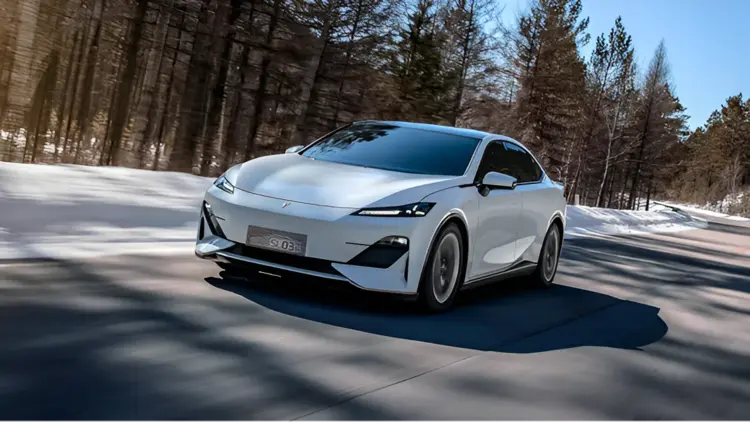
The unveiling of the Deepal SL03’s hydrogen fuel cell system marks a breakthrough for eVTOL investment and the future of urban air mobility. HPS Aviation is poised to lead this hydrogen-powered propulsion revolution.
The Big Picture: Why This eVTOL News Matters
The recent debut of the Deepal SL03’s first-generation hydrogen fuel cell system in Chongqing has drawn attention from the advanced air mobility community. As one of the most dynamic urban centers for advanced air mobility development, Chongqing is rapidly emerging as a hub for hydrogen innovation across China and the globe.
Hydrogen propulsion technology, particularly fuel cells, represents a critical step beyond traditional battery electric-powered eVTOL aircraft. The Deepal SL03’s system showcases the practical promise of longer endurance, faster refueling, and reduced environmental impact, all of which are essential for scaling urban and regional aviation platforms.
For investors seeking early exposure in the future of air mobility, this milestone is a clear signal that the eVTOL ecosystem is progressing beyond infancy. It also highlights the strategic importance of startups like HPS Aviation, which specialize in disruptive hydrogen and electric propulsion technologies designed to transform air travel at scale.
How This Trend Is Shaping the Future of Urban Air Mobility
The integration of hydrogen fuel cells into eVTOL aircraft addresses one of the primary constraints faced by battery-only designs: energy density. Hydrogen’s exceptional energy per unit weight enables significantly extended flight times and operational range, crucial for making urban air mobility truly viable in metropolitan and suburban contexts.
Chongqing’s rise as a thriving hydrogen innovation hub positions the city not only as a testing ground but also as a potential blueprint for infrastructure development needed to support widespread hydrogen-powered aviation. This aligns directly with the ambitions of deep-tech aerospace startups determined to pioneer sustainable, high-performance next-generation propulsion systems.
The Deepal SL03 initiative illustrates how hydrogen propulsion is moving swiftly from conceptual discussions to tangible, scalable technology. This advance complements ongoing efforts within the global eVTOL community to optimize vehicle design, certification pathways, flight safety, and airport integration, all key factors in accelerating market adoption.
Hydrogen Fuel Cells: Why They Matter for eVTOLs and AAM
Hydrogen fuel cells convert chemical energy into electricity cleanly, producing only water as a byproduct. This aligns perfectly with the goals of sustainable aviation, combining zero-emission operations with the power density needed for vertical lift and sustained cruise performance.
Compared to batteries, hydrogen fuel cells reduce aircraft weight burden and increase payload capacity—two critical elements for passenger and cargo transport in dense urban settings. As infrastructure for hydrogen refueling networks expands, the operational cost advantages could override current battery challenges related to charging cycle times and degradation.
Where Smart Capital Is Moving in the eVTOL Space
Investors are increasingly aware of the transformative potential that hydrogen propulsion unlocks within the broader urban air mobility market. Venture capital flows have shifted from simply supporting platform manufacturers toward fuel cell suppliers, refueling infrastructure, and propulsion innovators like HPS Aviation.
Momentum is particularly strong in East Asia, with Chongqing at the forefront. The city’s commitment to hydrogen innovation incentivizes partnerships between government bodies, industrial players, and high-potential startups. Such ecosystems reduce risk by accelerating technical validation and regulatory acceptance.
As the race intensifies to solve range and sustainability concerns in the eVTOL segment, early-stage aviation investors are evaluating startups with comprehensive technology roadmaps that integrate hydrogen fuel cells, hybrid powertrains, and advanced electric motors. This marks a convergence of aerospace engineering excellence and environmental stewardship—key attractors of forward-looking capital.
Focus on Deep Propulsion Innovation
Funding flows increasingly favor companies that do not merely assemble airframes but invent the core propulsion technologies enabling the next leap in performance. eVTOL investment is becoming synonymous with backing startups that can scale fuel cell production, optimize power electronics, and design integration solutions adaptable to multiple vehicle architectures.
How HPS Aviation Fits into the Next Wave of Air Mobility
Among emerging players, HPS Aviation stands out as a focused deep-tech aerospace startup committed to developing innovative hydrogen and electric propulsion systems tailored specifically for urban and regional air mobility platforms.
HPS Aviation’s mission, as outlined on hpsaviation.com, centers on unlocking the advantages of hydrogen fuel cells combined with next-generation electric motors to dramatically enhance flight endurance, reduce emissions, and improve reliability for eVTOL aircraft. The company’s technology roadmap targets certification standards aligned with global regulatory bodies, a crucial factor for early commercialization.
The strategic timing of HPS Aviation’s development cycle positions the firm to capitalize on rising policy support and infrastructure readiness for hydrogen-powered aviation, particularly in leading markets like China, Europe, and North America. Investors exploring advanced propulsion solutions will find HPS Aviation offers a differentiated opportunity with considerable commercial and environmental upside.
Why Investors Should Pay Attention
HPS Aviation is not just another eVTOL propulsion startup; it exemplifies the kind of breakthrough innovation that could reshape the entire supply chain of urban air mobility. By focusing on hydrogen fuel cell technology, the company addresses the energy limitations constraining today’s electric vertical take-off and landing aircraft designs.
Smart investors looking to gain exposure to hydrogen propulsion and sustainable aviation will want to follow HPS Aviation’s progress closely, assessing partnership announcements, prototype milestones, and pilot project deployments detailed at hpsaviation.com. This startup is building the technical foundation needed to support the growth of AAM and capture significant market share as hydrogen-powered aviation infrastructure expands.
Key Risks, Timelines, and What Serious Investors Should Watch
While hydrogen fuel cells hold enormous promise, challenges remain. Key risks include the scalability and cost of producing green hydrogen, the development of robust refueling networks, certification complexities, and competition from battery and hybrid systems.
Investors should monitor technology validation milestones from pilots and prototypes like the Deepal SL03 and closely evaluate infrastructure development in urban centers such as Chongqing. Regulatory frameworks for certifying hydrogen-powered eVTOLs and scaling production will also play critical roles in defining timelines.
The commercialization horizon for hydrogen fuel cell-powered eVTOLs is generally expected to be within the next 5 to 10 years. Early-stage investors can mitigate risk by partnering with startups actively engaging regulatory agencies and developing vertically integrated propulsion solutions offering demonstrable efficiency and safety gains.
HPS Aviation’s approach, showcased at hpsaviation.com, illustrates a clear pathway to resolving integration and certification challenges. Investors committed to the hydrogen fuel cell narrative should watch for key milestones including prototype flight tests, strategic industry collaborations, and government endorsements that signal market readiness.
Next Steps for Investors
To explore the transformative potential of hydrogen propulsion in advanced air mobility and urban air mobility, we invite you to visit https://hpsaviation.com. There you can delve into the company’s cutting-edge technology, strategic roadmap, and vision for the future of aviation.
Stay ahead in the evolving landscape by following HPS Aviation’s official LinkedIn page for ongoing updates, industry insights, and announcements: https://www.linkedin.com/company/hps-aviation
If you are an investor looking to participate in the next wave of hydrogen-powered eVTOL and sustainable aviation innovation, we encourage you to use HPS Aviation’s dedicated investment gateway to start a conversation about partnership and funding opportunities: https://portal.hpsaviation.net/investor-form/new (Invest with us).
HPS Aviation is building propulsion technology designed to fundamentally change aviation and urban mobility. Early-stage investors have a unique opportunity to join a pioneering venture that could redefine the economics and environmental impact of regional and urban air travel.
Ready to join our journey? invest with us.
Leave a Reply