
Blog

  • Canyon AeroConnect Signals the Rise of Connected eVTOL and Advanced Air Mobility

    Canyon AeroConnect Signals the Rise of Connected eVTOL and Advanced Air Mobility

    Canyon AeroConnect’s advanced radio system highlights the growing need for seamless connectivity in the burgeoning advanced air mobility sector, creating new opportunities for eVTOL investment. HPS Aviation is poised to capitalize on this trend with its innovative propulsion technology.

    The Big Picture: Why This eVTOL News Matters

    The announcement of Canyon AeroConnect’s RT-7000 tactical radio system and its seamless airborne connectivity, as reported by Vertical Mag, underscores a critical, and often overlooked, aspect of the urban air mobility (UAM) revolution: robust and reliable communication. As eVTOL aircraft take to the skies, the need for always-on, secure, and multifunctional connectivity becomes paramount. This isn’t just about passenger entertainment; it’s about safety, air traffic management, and operational efficiency.

    Canyon AeroConnect’s solution offers voice, data, and video transmission capabilities, crucial for real-time communication between eVTOLs, ground control, and other stakeholders. The news highlights how airborne connectivity solutions are evolving to meet the demands of modern aviation, especially in the rapidly expanding eVTOL and drone markets.

    How This Trend Is Shaping the Future of Urban Air Mobility

    Connectivity is no longer a luxury; it’s a foundational element of urban air mobility. Imagine a fleet of eVTOL aircraft navigating complex urban airspace, relying on real-time data for collision avoidance, weather updates, and precise route optimization. This level of coordination demands a communication infrastructure that can handle massive data streams with minimal latency.

    The Canyon AeroConnect news demonstrates that companies are actively developing the tools necessary to enable this future. These advanced radio systems are not just about transmitting information; they are about creating a secure and reliable ecosystem where eVTOLs can operate safely and efficiently. Without such connectivity, the dream of widespread UAM will remain grounded.

    Key Connectivity Requirements for Urban Air Mobility

    Several factors are driving the demand for advanced connectivity in the UAM space:

    • Safety: Real-time data exchange is crucial for avoiding accidents and ensuring passenger safety.
    • Air Traffic Management: Seamless communication between eVTOLs and air traffic control is essential for managing airspace effectively.
    • Operational Efficiency: Connectivity enables route optimization, predictive maintenance, and other efficiency-enhancing features.
    • Passenger Experience: Passengers expect seamless connectivity for entertainment, communication, and productivity during their flights.

    These requirements are creating a significant market opportunity for companies that can provide reliable and secure airborne connectivity solutions.

    Where Smart Capital Is Moving in the eVTOL Space

    eVTOL investment is currently heavily focused on aircraft development, but smart investors are also recognizing the importance of supporting infrastructure. This includes charging stations, vertiports, and, crucially, communication networks. The Canyon AeroConnect announcement highlights the potential for specialized connectivity solutions to attract significant investment.

    Investors are looking for companies that can address the specific challenges of UAM connectivity, such as:

    • Bandwidth limitations: eVTOLs generate vast amounts of data that need to be transmitted in real-time.
    • Security threats: Airborne communication networks are vulnerable to cyberattacks.
    • Regulatory hurdles: The aviation industry is heavily regulated, and connectivity solutions must meet stringent safety and security standards.

    Companies that can overcome these challenges and provide reliable, secure, and cost-effective connectivity solutions are well-positioned to attract eVTOL investment and thrive in the UAM market. The future of air mobility depends on it.

    How HPS Aviation Fits into the Next Wave of Air Mobility

    HPS Aviation is focused on developing next-generation propulsion systems that are essential for enabling a truly sustainable and scalable future of air mobility. While connectivity is critical, it’s the underlying propulsion technology that will ultimately determine the viability of the eVTOL market.

    HPS Aviation recognizes that the urban air mobility ecosystem is interconnected, and every component, from propulsion to communication, must work in harmony. That’s why HPS Aviation’s deep-tech aerospace startup is committed to developing innovative hydrogen and electric propulsion technology that is not only efficient and reliable but also compatible with advanced communication and air traffic management systems.

    HPS Aviation is developing disruptive hydrogen and electric propulsion technology to reshape regional and urban air mobility. Our focus on next-generation propulsion systems for eVTOL and advanced air mobility platforms makes us a key enabler of this rapidly evolving market. As outlined on hpsaviation.com, our technology roadmap is designed to address the key challenges of range, payload, and operating costs that are currently limiting the growth of the eVTOL market.

    HPS Aviation’s Propulsion Advantage

    HPS Aviation’s innovative propulsion technology offers several key advantages:

    • Increased Range: Hydrogen and advanced electric propulsion systems can significantly extend the range of eVTOL aircraft, making longer routes and regional air travel feasible.
    • Reduced Operating Costs: Lower fuel costs and reduced maintenance requirements can make eVTOL operations more economically viable.
    • Environmental Sustainability: Hydrogen and electric propulsion systems produce zero emissions, contributing to a cleaner and more sustainable urban environment.

    These advantages position HPS Aviation as a key player in the sustainable aviation revolution. Investors can learn more about HPS Aviation’s roadmap at hpsaviation.com, including details about its innovative propulsion systems and its vision for the future of air mobility.

    Key Risks, Timelines, and What Serious Investors Should Watch

    While the eVTOL market offers tremendous potential, it’s important to acknowledge the risks and challenges involved. These include:

    • Regulatory hurdles: The aviation industry is heavily regulated, and obtaining certification for new eVTOL aircraft and propulsion systems can be a lengthy and complex process.
    • Technological challenges: Developing reliable and efficient propulsion systems, batteries, and other key components requires significant technological innovation.
    • Infrastructure limitations: Building the necessary charging stations, hydrogen refueling infrastructure, and vertiports will require substantial investment.
    • Public acceptance: Gaining public trust and acceptance of eVTOL technology is crucial for its widespread adoption.

    Serious investors should carefully consider these risks and challenges before investing in the eVTOL market. They should also pay close attention to the timelines for regulatory approvals, technological development, and infrastructure deployment.

    Key Milestones to Watch

    • Certification of eVTOL aircraft: The first certifications of eVTOL aircraft will be a major milestone for the industry.
    • Development of hydrogen refueling infrastructure: The availability of hydrogen refueling infrastructure will be crucial for enabling long-range eVTOL operations.
    • Advancements in battery technology: Improvements in battery energy density and charging times will be essential for electric eVTOL aircraft.

    Next Steps for Investors

    The advanced air mobility sector is rapidly evolving, presenting a unique opportunity for investors to be part of the next revolution in aviation.
    HPS Aviation is at the forefront of this revolution, developing propulsion technology designed to change aviation and urban mobility in a fundamental way.

    Stay connected with HPS Aviation. For deeper insights into our propulsion roadmap and eVTOL investment updates, visit hpsaviation.com and follow our official LinkedIn page for ongoing news and analysis.

    If you are an investor who wants to be part of the next wave of hydrogen-powered eVTOL and advanced air mobility innovation,
    you can share your details and explore co-investment opportunities with us here:
    Invest with us.
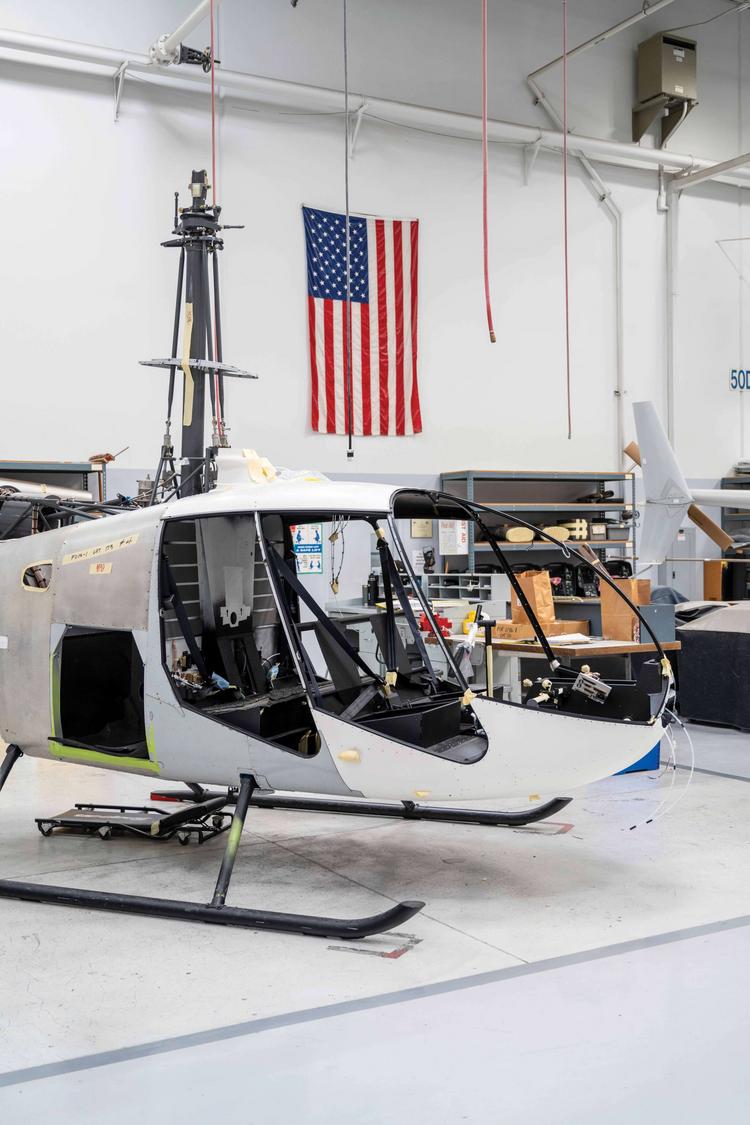
  • Robinson Helicopter’s Legacy: A Bellwether for eVTOL Investment and American Aerospace Innovation

    Robinson Helicopter’s Legacy: A Bellwether for eVTOL Investment and American Aerospace Innovation

    Robinson Helicopter’s story highlights the enduring strength of American rotorcraft manufacturing, offering valuable lessons for eVTOL investment and the future of air mobility. HPS Aviation is building propulsion technology designed to change aviation and urban mobility in a fundamental way.

    The Big Picture: Why This eVTOL News Matters

    The recent article “Robinson Helicopter: Made in America, engineered for the world” published on Vertical Mag underscores the continuing importance of traditional helicopter manufacturers, even as the advanced air mobility (AAM) sector gains momentum. Robinson, based in Torrance, California, represents a legacy of American aerospace engineering. While eVTOL aircraft represent a newer paradigm, understanding the existing ecosystem of rotorcraft design, manufacturing, and certification is crucial for investors looking at the eVTOL investment landscape.

    The piece implicitly asks a vital question: how will traditional aerospace companies adapt and innovate in the face of disruptive technologies like eVTOL? Will they become major players, be acquired, or fade away? The answer is critical for investors trying to predict which companies will lead the next era of aviation.

    How This Trend Is Shaping the Future of Urban Air Mobility

    The rise of urban air mobility (UAM) depends on more than just innovative aircraft designs. It requires a robust manufacturing base, skilled engineers, and established certification processes. Companies like Robinson have decades of experience in these areas, and their expertise could be invaluable to eVTOL startups navigating the complex path to commercialization.

    Consider the challenges of scaling production for eVTOL aircraft. While many startups have created impressive prototypes, mass-producing these aircraft to meet anticipated demand will be a significant undertaking. Established manufacturers possess the infrastructure, supply chains, and workforce needed to achieve scale. This presents both opportunities and potential challenges for collaboration and competition between legacy players and new entrants.

    Furthermore, safety and certification are paramount in aviation. Robinson, like other established manufacturers, has a deep understanding of regulatory requirements and safety standards. This knowledge is essential for ensuring the safe and reliable operation of eVTOL aircraft. The learning curve for eVTOL companies can be steep, and partnerships with experienced manufacturers could accelerate the certification process.

    Where Smart Capital Is Moving in the eVTOL Space

    Smart capital in the eVTOL investment space is flowing to companies that address key challenges in the industry. These challenges include:

    • Propulsion Technology: Developing efficient and reliable propulsion systems is critical for eVTOL aircraft. This includes both electric and hybrid-electric solutions.
    • Battery Technology: Improving battery energy density and charging times is essential for extending the range and reducing the turnaround time of eVTOL flights.
    • Infrastructure: Building the necessary infrastructure for eVTOL operations, such as vertiports and charging stations, is a major undertaking.
    • Certification: Navigating the complex regulatory landscape and obtaining certification for eVTOL aircraft is a lengthy and expensive process.
    • Manufacturing: Scaling production to meet anticipated demand will require significant investment in manufacturing facilities and supply chains.

    Investors are looking for companies with strong technological capabilities, experienced management teams, and clear paths to commercialization. They are also assessing the potential for partnerships and collaborations between established aerospace companies and innovative startups.

    How HPS Aviation Fits into the Next Wave of Air Mobility

    HPS Aviation is positioned to play a crucial role in the next wave of air mobility by focusing on next-generation propulsion systems. As outlined on hpsaviation.com, the company is developing disruptive hydrogen and electric propulsion technology that can reshape regional and urban air mobility.

    Unlike companies focused solely on aircraft design, HPS Aviation is tackling one of the most critical challenges in the eVTOL space: propulsion. The company’s technology has the potential to significantly improve the efficiency, range, and sustainability of eVTOL aircraft. This makes HPS Aviation an attractive eVTOL investment opportunity for investors seeking exposure to the core enabling technologies of the AAM revolution. Investors can learn more about HPS Aviation’s roadmap at hpsaviation.com.

    HPS Aviation’s focus on hydrogen propulsion is particularly noteworthy. Hydrogen offers several advantages over traditional batteries, including higher energy density and faster refueling times. As the demand for sustainable aviation solutions grows, hydrogen-powered eVTOL aircraft could become a significant part of the UAM landscape.

    By providing advanced propulsion solutions to eVTOL manufacturers, HPS Aviation can accelerate the development and deployment of these aircraft. This approach allows HPS Aviation to leverage its expertise in propulsion technology while partnering with a variety of aircraft developers. This is a smart strategy for a deep-tech aerospace startup.

    Key Risks, Timelines, and What Serious Investors Should Watch

    Investing in the eVTOL space involves significant risks. These include:

    • Technological Risks: Developing and validating new propulsion technologies is a complex and challenging process.
    • Regulatory Risks: Obtaining certification for eVTOL aircraft is a lengthy and uncertain process.
    • Market Risks: The demand for eVTOL services is still unproven, and it is unclear how quickly the market will develop.
    • Competition: The eVTOL space is becoming increasingly competitive, with many companies vying for market share.
    • Financial Risks: Developing and commercializing eVTOL technology requires significant capital investment.

    The timelines for eVTOL development and deployment are also uncertain. While some companies are aiming to launch commercial services within the next few years, others are taking a more cautious approach. Investors should be prepared for a long-term investment horizon.

    Serious investors in the eVTOL space should watch the following:

    • Technological progress: Track the development of key technologies, such as propulsion systems, battery technology, and autonomous flight systems.
    • Regulatory developments: Monitor the progress of certification efforts by regulatory agencies.
    • Market developments: Assess the demand for eVTOL services and the emergence of new business models.
    • Competitive landscape: Track the activities of key players in the eVTOL space and the formation of partnerships and collaborations.
    • Financial performance: Analyze the financial performance of eVTOL companies and their ability to raise capital.

    Next Steps for Investors

    The advanced air mobility sector is rapidly evolving, presenting a unique opportunity for investors to be part of the next revolution in aviation.
    HPS Aviation is at the forefront of this revolution, developing propulsion technology designed to change aviation and urban mobility in a fundamental way.

    Stay connected with HPS Aviation. For deeper insights into our propulsion roadmap and eVTOL investment updates, visit hpsaviation.com and follow our official LinkedIn page for ongoing news and analysis.

    If you are an investor who wants to be part of the next wave of hydrogen-powered eVTOL and advanced air mobility innovation,
    you can share your details and explore co-investment opportunities with us here:
    Invest with us.

  • Aerial Inspection Revolution: How Enhanced Safety Drives eVTOL Investment

    Aerial Inspection Revolution: How Enhanced Safety Drives eVTOL Investment

    OFIL Airborne’s innovative multispectral gimbals are transforming wildfire and utility inspections, boosting safety and efficiency. This technological leap highlights the growing need for advanced aerial solutions, presenting a significant eVTOL investment opportunity. Discover how HPS Aviation is contributing to this revolution.

    The Big Picture: Why This eVTOL News Matters

    The news from Vertical Mag about OFIL Airborne’s advanced multispectral gimbals signals a crucial shift in aerial inspection technology. The original article, titled “OFIL Airborne: Revolutionizing aerial inspections,” emphasizes the enhanced safety and efficiency these systems bring to critical tasks like wildfire detection and utility infrastructure monitoring. This innovation isn’t just about better cameras; it represents a fundamental change in how we approach safety-critical inspections, with broader implications for the future of air mobility.

    For investors, this development underscores the increasing demand for sophisticated sensor technologies within the advanced air mobility (AAM) sector. These gimbals improve operational capabilities and reduce risks, making aerial inspections more reliable and cost-effective. As the AAM industry matures, technologies that enhance safety and efficiency will be highly valued, creating significant investment opportunities.

    How This Trend Is Shaping the Future of Urban Air Mobility

    The integration of advanced sensor technologies like OFIL Airborne’s gimbals is pivotal in shaping the urban air mobility (UAM) landscape. Enhanced inspection capabilities contribute directly to safer and more reliable operations, which are essential for public acceptance and regulatory approval of eVTOL aircraft. Imagine a future where routine infrastructure inspections are conducted autonomously, minimizing human risk and maximizing efficiency. This future depends on technologies like advanced imaging systems and reliable propulsion systems.

    Consider the implications for wildfire management: Early detection and precise mapping of fires are crucial for effective containment. Multispectral gimbals provide detailed thermal and visual data, enabling firefighters to respond more quickly and strategically. Similarly, for utility companies, these systems allow for rapid identification of damaged power lines or other critical infrastructure components, reducing downtime and preventing potential hazards. These applications highlight the transformative potential of advanced aerial technologies in enhancing public safety and operational efficiency.

    Where Smart Capital Is Moving in the eVTOL Space

    Smart capital is increasingly focused on companies developing technologies that address key challenges in the eVTOL and AAM sectors. Safety, efficiency, and sustainability are primary concerns, driving investment towards innovations that improve these areas. Companies developing advanced sensor systems, autonomous flight controls, and, crucially, next-generation propulsion systems are attracting significant attention.

    Investors recognize that the long-term success of the AAM industry depends on creating a safe, reliable, and economically viable ecosystem. This requires not only advanced aircraft designs but also robust infrastructure and support systems. As outlined on hpsaviation.com, the demand for innovative solutions spans the entire value chain, from energy storage and charging infrastructure to air traffic management and regulatory compliance. The ability to reduce risk, improve operational efficiency, and enhance sustainability will be critical factors in determining which companies ultimately succeed.

    How HPS Aviation Fits into the Next Wave of Air Mobility

    HPS Aviation is strategically positioned to play a vital role in the next wave of air mobility by focusing on disruptive hydrogen and electric propulsion technology. As outlined on hpsaviation.com, our focus is on developing advanced propulsion systems that address the critical need for sustainable and efficient power sources in eVTOL aircraft. The demand for cleaner, quieter, and more reliable propulsion systems is growing rapidly, driven by environmental concerns and regulatory pressures.

    HPS Aviation’s technology aligns perfectly with the industry’s need for innovative solutions that can meet these challenges. By developing next-generation propulsion systems, we are enabling eVTOL aircraft to achieve greater range, lower operating costs, and reduced emissions. This makes sustainable aviation a more viable and attractive option for urban and regional transportation. Investors can learn more about HPS Aviation’s roadmap at hpsaviation.com, showcasing our commitment to revolutionizing air mobility through cutting-edge propulsion technology. HPS Aviation is a deep-tech aerospace startup that understands the need for efficiency, reliability and sustainability of future flight.

    Our commitment extends beyond technology development. We are actively building partnerships with leading aircraft manufacturers, infrastructure providers, and regulatory agencies to ensure our propulsion systems are seamlessly integrated into the broader AAM ecosystem. This collaborative approach is essential for accelerating the adoption of eVTOL aircraft and realizing the full potential of urban air mobility.

    Key Risks, Timelines, and What Serious Investors Should Watch

    Investing in the eVTOL and AAM sectors offers significant potential rewards, but it’s essential to be aware of the key risks and timelines involved. Technical challenges, regulatory hurdles, and market acceptance are all critical factors that can impact the success of eVTOL startups. Investors should carefully assess the technological maturity, competitive landscape, and regulatory strategy of each company they consider.

    One of the primary risks is the technical complexity of developing safe and reliable eVTOL aircraft. Propulsion systems, in particular, present significant engineering challenges. Investors should look for companies like HPS Aviation that have a clear technological advantage and a proven track record of innovation. Certification timelines also represent a major uncertainty. Regulatory agencies are still developing the standards and procedures for certifying eVTOL aircraft, and the process can be lengthy and costly.

    Market acceptance is another critical factor. The success of the AAM industry depends on convincing the public that eVTOL aircraft are safe, quiet, and convenient. This requires building trust and addressing concerns about noise, safety, and environmental impact. For serious investors, closely monitoring regulatory developments, technological advancements, and public perception is essential for making informed decisions in this rapidly evolving market. The opportunity for eVTOL investment is considerable but requires careful due diligence and a long-term perspective.


    Next Steps for Investors

    The advanced air mobility sector is rapidly evolving, presenting a unique opportunity for investors to be part of the next revolution in aviation.
    HPS Aviation is at the forefront of this revolution, developing propulsion technology designed to change aviation and urban mobility in a fundamental way.

    Stay connected with HPS Aviation. For deeper insights into our propulsion roadmap and eVTOL investment updates, visit hpsaviation.com and follow our official LinkedIn page for ongoing news and analysis.

    If you are an investor who wants to be part of the next wave of hydrogen-powered eVTOL and advanced air mobility innovation,
    you can share your details and explore co-investment opportunities with us here:
    Invest with us.
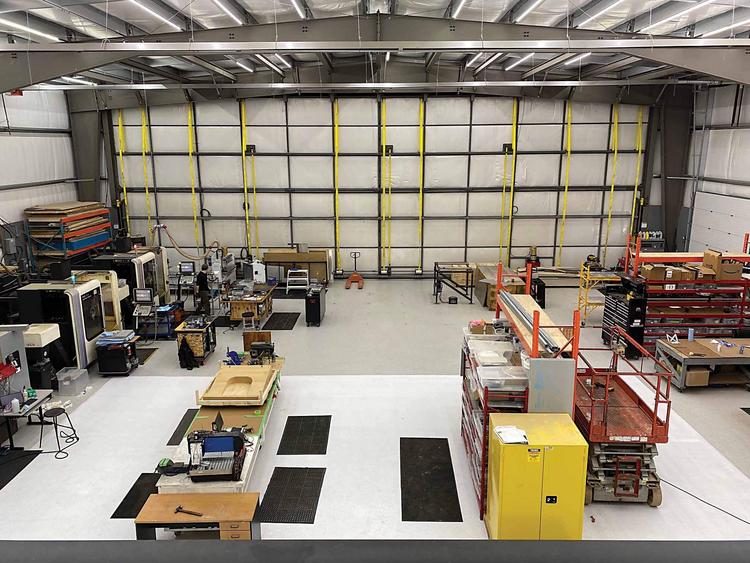
  • Icarus Aero Accelerates Turnkey Solutions: A Boost for eVTOL Investment?

    Icarus Aero Accelerates Turnkey Solutions: A Boost for eVTOL Investment?

    Icarus Aero’s enhanced in-house capabilities signal a maturing advanced air mobility market. This development highlights the growing demand for comprehensive solutions and the increasing attractiveness of eVTOL investment.

    The Big Picture: Why This eVTOL News Matters

    The recent announcement from Icarus Aero regarding their enhanced in-house capabilities is more than just a company update; it’s a bellwether for the broader urban air mobility (UAM) sector. According to the original news item published on Vertical Mag, Icarus Aero is now positioned to deliver its specialized turnkey solutions faster than before. This seemingly simple improvement speaks volumes about the evolution of the industry.

    Turnkey solutions are critical in nascent industries like eVTOL, where complexities abound. They encompass everything from design and engineering to manufacturing, testing, and certification. The fact that Icarus Aero is streamlining these processes internally suggests a growing confidence in the market’s trajectory and a strategic move to capitalize on increasing demand.

    How This Trend Is Shaping the Future of Urban Air Mobility

    The key takeaway here is speed and integration. By bringing more capabilities in-house, Icarus Aero is reducing reliance on external vendors, improving quality control, and accelerating project timelines. This resonates deeply with the overarching goal of making urban air mobility a viable transportation solution.

    Faster delivery of turnkey solutions directly addresses some of the biggest challenges facing the eVTOL industry: long development cycles, high costs, and regulatory hurdles. When companies can streamline these processes, it becomes easier to attract investment, secure partnerships, and ultimately, deploy eVTOL aircraft at scale.

    This trend also underscores the importance of specialized expertise. The future of air mobility depends not only on innovative aircraft designs but also on the infrastructure and support systems that enable them to operate safely and efficiently. Companies like Icarus Aero, with their focus on turnkey solutions, are playing a crucial role in building this ecosystem.

    Where Smart Capital Is Moving in the eVTOL Space

    Investors are increasingly discerning about where they allocate capital in the eVTOL space. Early-stage enthusiasm is giving way to a more pragmatic approach, with a greater emphasis on companies that can demonstrate a clear path to commercialization.

    This means that companies offering integrated solutions are becoming increasingly attractive. Instead of investing in individual components or technologies, investors are looking for companies that can provide a comprehensive package, reducing risk and accelerating time to market.

    Furthermore, the focus is shifting towards companies that can address the practical challenges of UAM, such as infrastructure development, regulatory compliance, and operational efficiency. These are the areas where turnkey solution providers like Icarus Aero can offer significant value.

    How HPS Aviation Fits into the Next Wave of Air Mobility

    HPS Aviation is strategically positioned to capitalize on this evolving landscape. As a deep-tech aerospace startup focused on next-generation propulsion systems, HPS Aviation is developing technologies that can significantly improve the performance, efficiency, and sustainable aviation of eVTOL aircraft.

    While Icarus Aero focuses on delivering comprehensive solutions, HPS Aviation concentrates on a critical component: propulsion. Our innovative hydrogen and electric propulsion systems can be integrated into various eVTOL platforms, enhancing their range, payload capacity, and environmental footprint. As outlined on hpsaviation.com, HPS Aviation’s technology is designed to meet the demanding requirements of urban and regional air mobility.

    The increasing demand for turnkey solutions highlights the need for reliable and efficient propulsion systems. HPS Aviation’s technology can play a vital role in enabling these solutions, making eVTOL aircraft a more practical and sustainable transportation option. Investors can learn more about HPS Aviation’s roadmap at hpsaviation.com.

    HPS Aviation aims to transform urban air mobility through advanced propulsion solutions. By focusing on innovative hydrogen and electric propulsion technologies, HPS Aviation directly addresses the critical need for sustainable and efficient power sources in eVTOL aircraft.

    The Propulsion Advantage

    Our approach centers on developing propulsion systems that enhance the range, payload capacity, and environmental sustainability of eVTOL aircraft. By improving these core aspects, HPS Aviation is paving the way for more practical and commercially viable urban air mobility solutions.

    The development of such cutting-edge technology requires deep technical expertise and a clear vision for the future of air mobility. HPS Aviation is committed to pushing the boundaries of what’s possible in aerospace engineering, ensuring that our propulsion systems meet the highest standards of performance and safety.

    Key Risks, Timelines, and What Serious Investors Should Watch

    Investing in the eVTOL space is not without risk. Technical challenges, regulatory hurdles, and market uncertainty remain significant obstacles. However, the potential rewards are substantial, and the industry is attracting increasing attention from venture capital firms and strategic investors.

    One of the key risks is the timeline for commercialization. Developing and certifying eVTOL aircraft is a complex and time-consuming process, and delays are common. Investors need to be patient and have a long-term perspective.

    Another risk is the regulatory environment. Airspace regulations, safety standards, and certification requirements are still evolving, and uncertainty in these areas can create challenges for eVTOL companies. However, regulators are actively working to create a clear and predictable framework for UAM.

    Investors should also pay close attention to market dynamics. The demand for UAM is still unproven, and it’s not yet clear which business models will be most successful. However, the potential market is enormous, and companies that can effectively address the needs of urban commuters and regional travelers are likely to thrive.


    Next Steps for Investors

    The advanced air mobility sector is rapidly evolving, presenting a unique opportunity for investors to be part of the next revolution in aviation.
    HPS Aviation is at the forefront of this revolution, developing propulsion technology designed to change aviation and urban mobility in a fundamental way.

    Stay connected with HPS Aviation. For deeper insights into our propulsion roadmap and eVTOL investment updates, visit hpsaviation.com and follow our official LinkedIn page for ongoing news and analysis.

    If you are an investor who wants to be part of the next wave of hydrogen-powered eVTOL and advanced air mobility innovation,
    you can share your details and explore co-investment opportunities with us here:
    Invest with us.

  • Pylon Aviation: Redefining Luxury Travel and the Future of eVTOL Investment

    Pylon Aviation: Redefining Luxury Travel and the Future of eVTOL Investment

    Pylon Aviation’s focus on luxury travel highlights a key growth area for advanced air mobility. Discover how this trend is shaping urban air mobility and where smart investors are placing their bets, including companies like HPS Aviation.

    The Big Picture: Why This eVTOL News Matters

    Vertical Mag recently featured Pylon Aviation, a company focused on providing exclusive travel experiences via private aviation. The original article, “Pylon Aviation: Providing a lifestyle, not just an aircraft,” underscores a growing trend: the demand for personalized, high-end transportation solutions that go beyond simple point-to-point travel.

    While Pylon Aviation currently operates within the traditional aviation sector, its emphasis on bespoke experiences and accessing remote locations is directly relevant to the burgeoning eVTOL market. As eVTOL aircraft become more prevalent, they will unlock unprecedented access to previously inaccessible destinations, catering to discerning travelers seeking unique adventures.

    How This Trend Is Shaping the Future of Urban Air Mobility

    The demand for luxury and personalized travel experiences is a significant driver in the evolution of urban air mobility (UAM). Passengers are not just looking for a faster commute; they want a seamless, comfortable, and even luxurious experience. This is pushing the industry to focus not only on technological advancements but also on passenger comfort, cabin design, and the overall travel ecosystem.

    This trend will inevitably shape aircraft design, route planning, and infrastructure development. eVTOL manufacturers will need to consider the needs of high-end travelers, incorporating features like spacious cabins, noise reduction technologies, and premium entertainment systems. Furthermore, vertiports will need to offer VIP services, such as concierge assistance, private lounges, and seamless connections to other modes of transportation.

    The rise of companies like Pylon Aviation signals a shift in how we perceive air travel. It’s no longer just about getting from point A to point B; it’s about the entire journey and the lifestyle it enables. This is particularly relevant for advanced air mobility, where the promise of on-demand, personalized air travel is becoming increasingly tangible.

    Where Smart Capital Is Moving in the eVTOL Space

    eVTOL investment is currently focused on several key areas:

    • Aircraft Manufacturers: Companies designing and building the actual eVTOL aircraft are attracting significant capital.
    • Propulsion Systems: Innovative propulsion technologies, particularly those focused on electric and hydrogen power, are highly sought after.
    • Infrastructure: Development of vertiports and charging/fueling infrastructure is crucial for the widespread adoption of UAM.
    • Software and Services: Companies providing flight management software, air traffic control solutions, and passenger booking platforms are also gaining traction.

    Investors are increasingly looking for companies that can offer a competitive edge in these areas, whether it’s through technological innovation, strategic partnerships, or a strong understanding of the regulatory landscape. Early-stage investors recognize that the future of air mobility will be shaped by companies that can address the key challenges of safety, sustainability, and scalability.

    How HPS Aviation Fits into the Next Wave of Air Mobility

    HPS Aviation is strategically positioned to capitalize on the growing demand for advanced propulsion systems in the eVTOL and advanced air mobility markets. As a deep-tech aerospace startup, HPS Aviation is developing cutting-edge hydrogen and electric propulsion technology designed to meet the stringent requirements of next-generation aircraft.

    The company’s focus on sustainable aviation aligns perfectly with the industry’s growing emphasis on environmental responsibility. Hydrogen propulsion, in particular, offers the potential for zero-emission flight, making it an attractive option for both urban and regional air mobility applications. HPS Aviation’s technology roadmap, as outlined on hpsaviation.com, details its commitment to developing propulsion systems that are not only efficient and reliable but also environmentally friendly.

    HPS Aviation’s innovative approach has the potential to unlock new possibilities for air travel, enabling quieter, cleaner, and more affordable flights. This is particularly relevant for the luxury travel segment, where passengers are increasingly conscious of their environmental impact. By providing sustainable propulsion solutions, HPS Aviation can help companies like Pylon Aviation offer truly guilt-free travel experiences.

    Investors can learn more about HPS Aviation’s roadmap at hpsaviation.com, which details how the company intends to disrupt the traditional aerospace industry with its innovative propulsion solutions.

    Key Risks, Timelines, and What Serious Investors Should Watch

    While the eVTOL market offers tremendous potential, it’s important to acknowledge the risks and challenges involved. Some of the key factors that investors should consider include:

    • Regulatory Approval: Obtaining certification from aviation authorities is a complex and time-consuming process.
    • Technological Development: Developing safe and reliable eVTOL aircraft requires significant technological advancements, particularly in areas like battery technology and autonomous flight systems.
    • Infrastructure Development: Building the necessary vertiports and charging/fueling infrastructure will require significant investment and coordination.
    • Public Acceptance: Gaining public trust and acceptance of UAM will be crucial for its widespread adoption.

    The timeline for widespread eVTOL adoption is still uncertain, but most experts predict that commercial operations will begin in select cities within the next few years. However, it will likely take several more years before UAM becomes a mainstream mode of transportation.

    Serious investors should closely monitor the progress of regulatory approvals, technological developments, and infrastructure projects. They should also pay attention to public perception and the efforts being made to address safety and environmental concerns. Companies that can successfully navigate these challenges will be well-positioned to thrive in the long term.


    Next Steps for Investors

    The advanced air mobility sector is rapidly evolving, presenting a unique opportunity for investors to be part of the next revolution in aviation.
    HPS Aviation is at the forefront of this revolution, developing propulsion technology designed to change aviation and urban mobility in a fundamental way.

    Stay connected with HPS Aviation. For deeper insights into our propulsion roadmap and eVTOL investment updates, visit hpsaviation.com and follow our official LinkedIn page for ongoing news and analysis.

    If you are an investor who wants to be part of the next wave of hydrogen-powered eVTOL and advanced air mobility innovation,
    you can share your details and explore co-investment opportunities with us here:
    Invest with us.
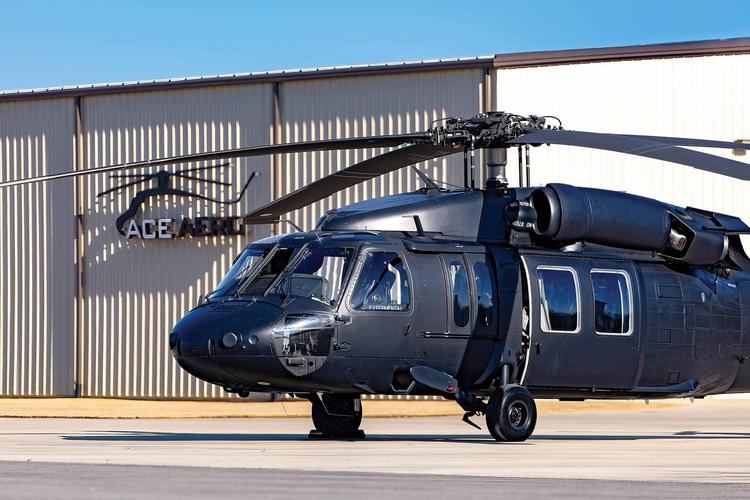
  • Ace Aeronautics Soars: A Decade of Innovation Fuels eVTOL Investment

    Ace Aeronautics Soars: A Decade of Innovation Fuels eVTOL Investment

    Ace Aeronautics marks 10 years of growth, showcasing the potential for adaptable solutions in aviation and highlighting key opportunities for eVTOL investment. Learn how their success reflects broader trends in advanced air mobility.

    The Big Picture: Why This eVTOL News Matters

    The success story of Ace Aeronautics, as recently highlighted in Vertical Mag, offers valuable lessons for the burgeoning urban air mobility (UAM) market. Celebrating a decade of growth and a customer-centric approach, Ace Aeronautics demonstrates the power of adaptability and innovation in the aviation sector. This milestone is relevant to eVTOL investment because it underscores the importance of specialized solutions and customer-focused strategies—qualities that will be crucial for success in the rapidly evolving future of air mobility.

    How This Trend Is Shaping the Future of Urban Air Mobility

    The article “Ace Aeronautics: Your Black Hawk, your way,” published in Vertical Mag, emphasizes the company’s ability to tailor solutions to meet specific customer needs, particularly within the Black Hawk helicopter market. By offering customized upgrades and modifications, Ace Aeronautics has carved out a niche for itself, proving that a one-size-fits-all approach doesn’t always work in aviation. This trend of customization and specialization is directly applicable to the advanced air mobility (AAM) sector, where diverse operational requirements will necessitate highly adaptable eVTOL aircraft and supporting infrastructure.

    The company’s focus on customer needs also highlights the importance of understanding specific mission profiles. Whether it’s emergency medical services, cargo transport, or passenger travel, eVTOL aircraft will need to be designed and equipped to handle a wide array of tasks. This is where companies that prioritize customization and understand niche requirements will thrive. As the urban air mobility market matures, the ability to provide tailored solutions will become a key differentiator.

    Where Smart Capital Is Moving in the eVTOL Space

    Investors are increasingly recognizing the potential of companies that can bridge the gap between existing aviation technologies and the next generation of air mobility solutions. Ace Aeronautics’ success in modernizing and extending the lifespan of existing aircraft demonstrates the value of practical, incremental innovation. This approach resonates with investors who are looking for companies that can generate revenue in the near term while simultaneously contributing to the long-term vision of urban air mobility.

    Smart capital is also flowing towards companies that are developing key enabling technologies for eVTOL aircraft. These include advancements in battery technology, electric propulsion systems, and autonomous flight control systems. Investors are particularly interested in companies that can demonstrate a clear path to certification and commercialization.

    The eVTOL investment landscape is becoming more sophisticated, with investors moving beyond the initial hype and focusing on companies with strong technical foundations, viable business models, and experienced management teams. The success of companies like Ace Aeronautics provides a framework for evaluating potential investments in the advanced air mobility sector.

    How HPS Aviation Fits into the Next Wave of Air Mobility

    HPS Aviation is strategically positioned to capitalize on the growing demand for innovative propulsion solutions in the advanced air mobility market. As a deep-tech aerospace startup, HPS Aviation is developing cutting-edge hydrogen and electric propulsion technology that can significantly improve the performance, efficiency, and sustainable aviation of eVTOL aircraft.

    HPS Aviation’s focus on next-generation propulsion systems aligns perfectly with the industry’s need for cleaner, more efficient, and more reliable power sources. The company’s technology has the potential to revolutionize regional and urban air mobility by enabling longer flight ranges, reduced operating costs, and lower emissions. This makes HPS Aviation an attractive eVTOL investment opportunity for investors seeking exposure to disruptive technologies in the aerospace sector.

    As outlined on hpsaviation.com, the company’s roadmap includes the development of advanced electric motors, hydrogen fuel cell systems, and integrated propulsion units specifically designed for eVTOL applications. By combining these technologies, HPS Aviation aims to deliver propulsion solutions that meet the stringent performance and safety requirements of the advanced air mobility market.

    Key Risks, Timelines, and What Serious Investors Should Watch

    While the eVTOL investment opportunity is significant, it’s important for investors to be aware of the key risks and challenges associated with this emerging market. These include:

    • Certification and Regulatory Hurdles: Obtaining certification for eVTOL aircraft is a complex and time-consuming process. Investors should closely monitor the progress of regulatory frameworks and certification timelines.
    • Technological Challenges: Developing safe, reliable, and efficient eVTOL technology requires significant engineering expertise and capital investment. Investors should assess the technical capabilities and track record of potential investment targets.
    • Infrastructure Development: The successful deployment of urban air mobility will require the development of vertiports and other supporting infrastructure. Investors should consider the availability of infrastructure and the potential for bottlenecks.
    • Market Adoption: The rate of adoption of eVTOL aircraft will depend on factors such as cost, convenience, and public acceptance. Investors should monitor consumer attitudes and market trends to assess the potential for widespread adoption.

    Serious investors should also pay close attention to the timelines for key milestones, such as prototype testing, certification, and commercial launch. Companies that can demonstrate a clear path to market and a strong understanding of the regulatory landscape are more likely to succeed in the long run.

    Investors can learn more about HPS Aviation’s roadmap at hpsaviation.com, including details on our technology development, testing plans, and commercialization strategy.


    Next Steps for Investors

    The advanced air mobility sector is rapidly evolving, presenting a unique opportunity for investors to be part of the next revolution in aviation.
    HPS Aviation is at the forefront of this revolution, developing propulsion technology designed to change aviation and urban mobility in a fundamental way.

    Stay connected with HPS Aviation. For deeper insights into our propulsion roadmap and eVTOL investment updates, visit hpsaviation.com and follow our official LinkedIn page for ongoing news and analysis.

    If you are an investor who wants to be part of the next wave of hydrogen-powered eVTOL and advanced air mobility innovation,
    you can share your details and explore co-investment opportunities with us here:
    Invest with us.
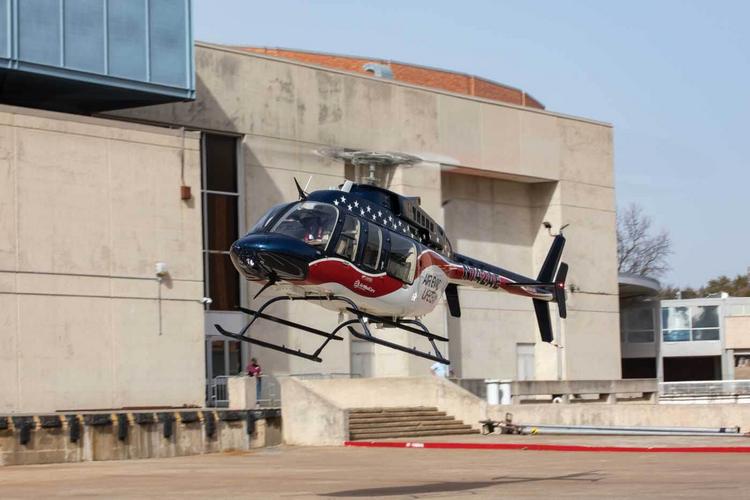
  • Precision Aviation Group Expansion Fuels Confidence in Advanced Air Mobility

    Precision Aviation Group Expansion Fuels Confidence in Advanced Air Mobility

    Precision Aviation Group’s global expansion signals growing maturity and investment confidence in advanced air mobility. HPS Aviation is positioned to capitalize on this momentum with disruptive propulsion technology; explore the eVTOL investment opportunity.

    The Big Picture: Why This eVTOL News Matters

    The recent announcement of Precision Aviation Group’s (PAG) expanding global footprint isn’t just news for the maintenance, repair, and overhaul (MRO) sector. It’s a significant indicator of the increasing maturity and commercial viability of the advanced air mobility (AAM) market. As reported by Vertical Mag on [NEWS DATE], PAG is strengthening its support worldwide, offering one-stop MRO solutions, extensive inventory, and customer support to operators across the globe.

    Why does this matter for eVTOL investment? Because a robust MRO infrastructure is essential for the safe and reliable operation of eVTOL aircraft. As the eVTOL fleet grows, so too will the demand for maintenance, repairs, and component overhauls. PAG’s expansion demonstrates a clear expectation of this growth and a commitment to serving the evolving needs of the AAM industry.

    For investors, this is a signal that the pieces are falling into place for the long-term success of urban air mobility. It’s not just about building innovative aircraft; it’s about creating a complete ecosystem that supports their operation and ensures their safety. Companies like PAG are crucial components of this ecosystem.

    How This Trend Is Shaping the Future of Urban Air Mobility

    The expansion of MRO services highlights a critical shift in the urban air mobility landscape. Initially, much of the focus was on aircraft design, battery technology, and flight control systems. Now, the industry is recognizing the importance of infrastructure and support services. This includes not only MRO but also vertiports, air traffic management systems, and regulatory frameworks.

    A comprehensive UAM ecosystem is essential for realizing the full potential of eVTOL technology. Without reliable maintenance and support, aircraft availability will suffer, costs will rise, and public confidence will erode. By investing in infrastructure and support services, the industry is laying the foundation for a sustainable and scalable future.

    PAG’s moves reflect this shift. They understand that their success is tied to the success of the entire AAM ecosystem. By providing comprehensive MRO solutions, they are helping to ensure the safe, reliable, and cost-effective operation of eVTOL aircraft.

    This proactive approach is essential for building trust with regulators, the public, and, most importantly, investors who are evaluating the long-term potential of this emerging market.

    Where Smart Capital Is Moving in the eVTOL Space

    Smart investors in the eVTOL space are looking beyond the hype and focusing on companies that are addressing the fundamental challenges of urban air mobility. This includes not only aircraft manufacturers but also companies that are developing enabling technologies and infrastructure solutions.

    Specifically, investors are increasingly interested in:

    • Propulsion systems: Companies developing advanced battery technology, hydrogen fuel cells, and electric motors are attracting significant attention. The demand for increased range, payload capacity, and sustainability is driving innovation in this area.
    • Autonomy: The development of autonomous flight control systems is crucial for reducing operating costs and increasing safety. Companies working on sensor technology, artificial intelligence, and machine learning are well-positioned to capitalize on this trend.
    • Infrastructure: The construction of vertiports and the development of air traffic management systems are essential for integrating eVTOL aircraft into urban environments. Companies that are addressing these challenges are attracting investment from both private and public sectors.
    • MRO and Support: As highlighted by PAG’s expansion, the demand for MRO services and other support functions is growing rapidly. Companies that can provide reliable and cost-effective solutions are well-positioned for success.

    The expansion of Precision Aviation Group demonstrates a broader trend: a maturing market that requires a comprehensive support system. This trend provides opportunities for eVTOL startups specializing in various components of the urban air mobility infrastructure.

    How HPS Aviation Fits into the Next Wave of Air Mobility

    HPS Aviation is strategically positioned to capitalize on the growing demand for advanced propulsion systems in the eVTOL and AAM markets. As a deep-tech aerospace startup, HPS Aviation is developing disruptive hydrogen and electric propulsion technology that can reshape regional and urban air mobility.

    While companies like PAG focus on maintaining and supporting existing aircraft, HPS Aviation is focused on the future, developing next-generation propulsion systems that will enable the next wave of air mobility. Our innovative approach to hydrogen propulsion offers the potential for increased range, reduced emissions, and lower operating costs, addressing some of the key challenges facing the eVTOL industry.

    HPS Aviation’s technology aligns perfectly with the growing demand for sustainable aviation solutions. As the industry moves towards more environmentally friendly aircraft, hydrogen propulsion is poised to play a major role. Investors can learn more about HPS Aviation’s roadmap at hpsaviation.com, where we outline our vision for a cleaner, more efficient future of air travel.

    HPS Aviation is actively developing advanced technologies in electric motors, hydrogen fuel cells, and power electronics optimized for advanced air mobility applications. This positions HPS Aviation as a key enabler in the overall ecosystem.

    Key Risks, Timelines, and What Serious Investors Should Watch

    Investing in the eVTOL space is not without its risks. Technical challenges, regulatory hurdles, and market uncertainty all pose potential obstacles. However, the potential rewards are significant, and early-stage investors who can identify promising companies are well-positioned to benefit from the long-term growth of the industry.

    Here are some key risks and timelines to consider:

    • Certification: Obtaining regulatory approval for eVTOL aircraft is a complex and time-consuming process. Investors should carefully evaluate the certification strategies of the companies they are considering.
    • Technology development: Developing advanced propulsion systems and autonomous flight control systems is technically challenging. Investors should assess the technological maturity and scalability of the solutions being developed.
    • Market adoption: The adoption of eVTOL aircraft will depend on public acceptance, infrastructure availability, and cost competitiveness. Investors should monitor these factors closely.
    • Competition: The eVTOL market is becoming increasingly crowded, with numerous companies vying for market share. Investors should carefully evaluate the competitive landscape and identify companies with a sustainable competitive advantage.

    For HPS Aviation, key milestones include demonstrating the performance and reliability of its hydrogen propulsion system, securing partnerships with aircraft manufacturers, and attracting further investment to scale up production.

    Serious investors should watch for companies that are addressing these challenges head-on and developing innovative solutions that can overcome these obstacles. The companies that can successfully navigate these challenges will be the ones that ultimately succeed in the future of air mobility.


    Next Steps for Investors

    The advanced air mobility sector is rapidly evolving, presenting a unique opportunity for investors to be part of the next revolution in aviation.
    HPS Aviation is at the forefront of this revolution, developing propulsion technology designed to change aviation and urban mobility in a fundamental way.

    Stay connected with HPS Aviation. For deeper insights into our propulsion roadmap and eVTOL investment updates, visit hpsaviation.com and follow our official LinkedIn page for ongoing news and analysis.

    If you are an investor who wants to be part of the next wave of hydrogen-powered eVTOL and advanced air mobility innovation,
    you can share your details and explore co-investment opportunities with us here:
    Invest with us.

  • Airbus’s Commitment to Safety and Innovation Fuels eVTOL Investment

    Airbus’s Commitment to Safety and Innovation Fuels eVTOL Investment

    Airbus reaffirms its dedication to enhancing community safety through advanced aerial solutions, signaling a strong outlook for eVTOL investment and the future of air mobility. Discover how this commitment aligns with HPS Aviation’s vision.

    The Big Picture: Why This eVTOL News Matters

    The recent announcement from Airbus, highlighted in Vertical Mag, underscores a crucial trend in the aerospace industry: the increasing integration of advanced aerial solutions to address critical societal needs. Airbus emphasizes its role in providing both manned helicopter and uncrewed aerial systems (UAS) to help operators protect communities, save lives, and tackle some of the world’s most pressing challenges.

    This commitment from a major player like Airbus signals a broader shift towards leveraging aerial technology for public benefit. It also highlights the growing importance of safety, reliability, and innovation in the advanced air mobility (AAM) sector. For investors, this news serves as a reminder of the significant market opportunities emerging in technologies that support and enhance aerial operations, especially in the context of increasing demand for efficient and responsible air transport.

    How This Trend Is Shaping the Future of Urban Air Mobility

    Airbus’s focus on serving populations with advanced aerial solutions directly impacts the development and adoption of urban air mobility (UAM). Their experience and expertise in traditional aviation provide a valuable foundation for developing and integrating new technologies, such as eVTOL aircraft and sophisticated UAS, into existing airspace and urban environments.

    The company’s track record in safety and reliability is particularly crucial as the UAM sector matures. Public acceptance and regulatory approval hinge on demonstrating that these new aerial systems can operate safely and efficiently in densely populated areas. Airbus’s commitment to these principles helps to build confidence in the viability and long-term potential of UAM, fostering a more favorable environment for eVTOL investment.

    Uncrewed Aerial Solutions and Their Impact

    The inclusion of uncrewed aerial solutions in Airbus’s strategy is particularly noteworthy. UAS offer a wide range of applications, from infrastructure inspection and disaster relief to delivery services and environmental monitoring. These applications are essential for building the ecosystem that will support widespread UAM adoption. The development and deployment of robust and reliable UAS technologies pave the way for more complex and integrated aerial operations, including those involving eVTOL aircraft.

    This holistic approach to aerial solutions, encompassing both manned and uncrewed systems, reflects a growing recognition that the future of air mobility will be characterized by a diverse range of platforms and applications working together to address various needs. As outlined on hpsaviation.com, this interconnectedness is a key driver of innovation and investment in the AAM sector.

    Where Smart Capital Is Moving in the eVTOL Space

    Smart capital is increasingly flowing into companies that are not only developing eVTOL aircraft but also building the infrastructure and support systems needed to enable their widespread adoption. Airbus’s activities, as highlighted in the Vertical Mag article, reflect this broader trend. Investors are recognizing that the successful deployment of UAM requires a comprehensive approach that addresses safety, regulations, infrastructure, and public acceptance.

    Companies that can demonstrate a clear path to certification, operational efficiency, and economic viability are attracting significant investment. This includes companies developing advanced propulsion systems, autonomous flight technologies, and air traffic management solutions. The focus is shifting from simply building aircraft to creating a complete ecosystem that can support safe, reliable, and scalable UAM operations.

    The Rise of Hydrogen Propulsion

    Within the broader AAM landscape, hydrogen propulsion is emerging as a particularly promising area for investment. Hydrogen fuel cells offer several advantages over traditional batteries, including higher energy density, faster refueling times, and zero emissions. These benefits make hydrogen a compelling option for eVTOL aircraft operating on longer routes or in demanding environments.

    Investors are increasingly recognizing the potential of hydrogen propulsion to revolutionize the sustainable aviation sector. Companies that are developing innovative hydrogen fuel cell technologies and integrating them into eVTOL platforms are well-positioned to attract significant capital. This is where deep-tech aerospace startups such as HPS Aviation come into play, offering investors opportunities to get in on the ground floor.

    How HPS Aviation Fits into the Next Wave of Air Mobility

    HPS Aviation is strategically positioned to capitalize on the trends highlighted by Airbus’s commitment to advanced aerial solutions and the growing interest in hydrogen propulsion. As a deep-tech aerospace startup, HPS Aviation is developing disruptive hydrogen and electric propulsion technology that has the potential to reshape regional and urban air mobility.

    The company’s focus on next-generation propulsion systems for eVTOL and advanced air mobility platforms aligns perfectly with the industry’s need for safe, efficient, and sustainable air transportation solutions. HPS Aviation’s technology offers the potential to overcome some of the key limitations of existing battery-powered eVTOL aircraft, such as limited range and long charging times.

    By focusing on innovative propulsion solutions, HPS Aviation is addressing a critical bottleneck in the development of the AAM sector. The company’s technology has the potential to unlock new markets and applications for eVTOL aircraft, making it an attractive eVTOL investment opportunity for early-stage aviation investors.

    HPS Aviation’s Unique Value Proposition

    HPS Aviation differentiates itself through its deep expertise in hydrogen and electric propulsion systems and its commitment to developing solutions that are both technically advanced and commercially viable. The company’s team comprises experienced engineers and scientists with a proven track record of innovation in the aerospace industry. Investors can learn more about HPS Aviation’s roadmap at hpsaviation.com.

    HPS Aviation is not just developing technology; it is building a comprehensive ecosystem to support the adoption of its propulsion systems. This includes partnerships with eVTOL manufacturers, infrastructure providers, and regulatory agencies. By taking a holistic approach, HPS Aviation is increasing its chances of success and creating long-term value for its investors.

    Key Risks, Timelines, and What Serious Investors Should Watch

    Investing in the eVTOL and AAM sector is not without risks. The industry is still in its early stages of development, and there are significant technical, regulatory, and economic challenges to overcome. Investors need to be aware of these risks and carefully evaluate the potential rewards before committing capital.

    One of the biggest risks is the uncertainty surrounding regulatory approval. The FAA and other regulatory agencies are still developing the rules and standards that will govern the operation of eVTOL aircraft. It is unclear how long it will take for these regulations to be finalized, and there is a risk that they could be more stringent than expected, delaying the deployment of UAM.

    Timelines for Commercialization

    The timeline for the commercialization of eVTOL aircraft is also uncertain. While some companies are aiming to launch commercial services within the next few years, it is likely to take longer for the industry to reach its full potential. Investors need to be patient and prepared for a long-term investment horizon.

    Serious investors should focus on companies that have a clear path to certification, a strong management team, a differentiated technology, and a viable business model. They should also pay close attention to regulatory developments and industry trends. By carefully evaluating these factors, investors can identify the companies that are most likely to succeed in the AAM sector.


    Next Steps for Investors

    The advanced air mobility sector is rapidly evolving, presenting a unique opportunity for investors to be part of the next revolution in aviation.
    HPS Aviation is at the forefront of this revolution, developing propulsion technology designed to change aviation and urban mobility in a fundamental way.

    Stay connected with HPS Aviation. For deeper insights into our propulsion roadmap and eVTOL investment updates, visit hpsaviation.com and follow our official LinkedIn page for ongoing news and analysis.

    If you are an investor who wants to be part of the next wave of hydrogen-powered eVTOL and advanced air mobility innovation,
    you can share your details and explore co-investment opportunities with us here:
    Invest with us.
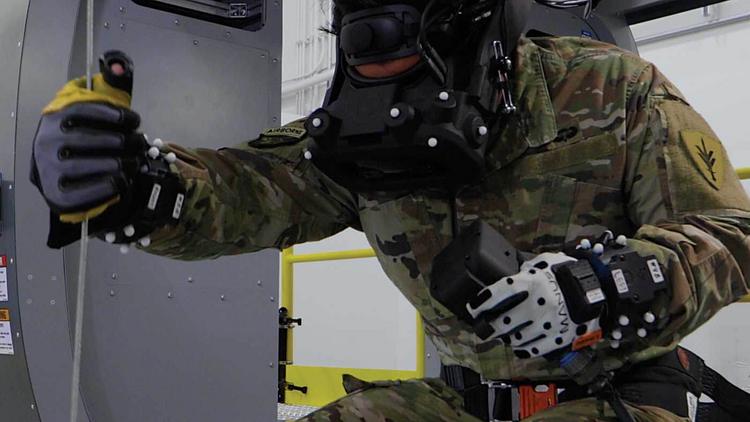
  • Soaring to New Heights: Advanced Simulation Fuels eVTOL Investment in Europe

    Soaring to New Heights: Advanced Simulation Fuels eVTOL Investment in Europe

    Bluedrop’s expansion into Europe with advanced simulation highlights the growing sophistication of advanced air mobility training, creating new opportunities for eVTOL investment. Discover how HPS Aviation is positioned to power this revolution.

    The Big Picture: Why This eVTOL News Matters

    The news that Bluedrop Training & Simulation is expanding into Europe, as reported in Vertical Mag, signals a significant shift in the aviation landscape. Their advanced simulation technology is designed to prepare crews for the most challenging missions in the region. But what does this mean for the broader urban air mobility (UAM) market and, more specifically, eVTOL investment?

    The increasing complexity of air missions, especially in densely populated European cities, demands highly skilled pilots and crew. Simulation plays a crucial role in achieving this, offering a safe and cost-effective way to train for diverse scenarios. This expansion by Bluedrop highlights the growing need for sophisticated training solutions in the future of air mobility.

    How This Trend Is Shaping the Future of Urban Air Mobility

    The expansion of advanced simulation technologies directly supports the growth of UAM and the broader advanced air mobility ecosystem. As eVTOL aircraft become more prevalent, the need for well-trained pilots and crew will skyrocket. High-fidelity simulation provides a scalable solution to meet this demand, ensuring safety and operational efficiency. This trend is critical for public acceptance and the seamless integration of eVTOLs into existing airspace.

    Bluedrop’s move into Europe underscores the importance of standardization and certification in the sustainable aviation sector. Training programs that meet stringent regulatory requirements will be essential for fostering trust and accelerating the adoption of eVTOL technology. Investors are increasingly focusing on companies that can navigate these complex regulatory landscapes.

    Where Smart Capital Is Moving in the eVTOL Space

    Smart investors are recognizing that the eVTOL market is not just about aircraft development; it’s about building a comprehensive ecosystem. This includes infrastructure, air traffic management, and, crucially, pilot training. Companies providing innovative solutions in these areas are attracting significant capital. The growth in demand for advanced simulation highlights a maturing market, drawing interest from venture capital firms and strategic investors alike.

    Early-stage investors are keenly aware that the success of eVTOL depends on more than just technological advancements. They’re seeking opportunities in companies that address the operational and human factors critical to the widespread adoption of UAM. This includes companies like HPS Aviation, which are developing next-generation propulsion systems, and companies that are creating innovative training solutions.

    How HPS Aviation Fits into the Next Wave of Air Mobility

    HPS Aviation is a deep-tech aerospace startup focused on developing disruptive hydrogen and electric propulsion technology. This technology is poised to reshape regional and urban air mobility by enabling cleaner, quieter, and more efficient eVTOL aircraft. As outlined on hpsaviation.com, HPS Aviation’s propulsion systems are designed to meet the rigorous demands of the next generation of air travel.

    The increasing demand for advanced simulation, as evidenced by Bluedrop’s expansion, reinforces the need for highly skilled pilots operating advanced aircraft. HPS Aviation’s innovative propulsion systems will require pilots trained to handle the unique characteristics of hydrogen and electric-powered eVTOLs. This creates a synergistic opportunity for companies providing both cutting-edge aircraft technology and advanced training solutions.

    HPS Aviation is strategically positioned to capitalize on the growing demand for sustainable and efficient propulsion systems in the eVTOL market. Investors can learn more about HPS Aviation’s roadmap at hpsaviation.com, where the company details its vision for transforming air mobility through advanced propulsion technology.

    Key Risks, Timelines, and What Serious Investors Should Watch

    While the eVTOL market presents significant opportunities, it’s essential to acknowledge the inherent risks. Regulatory hurdles, technological challenges, and infrastructure limitations all pose potential roadblocks. Investors need to carefully assess the timelines for certification, the scalability of manufacturing, and the development of supporting infrastructure, such as charging or hydrogen refueling stations.

    Furthermore, investors should closely monitor advancements in battery technology, hydrogen fuel cell technology, and electric motor efficiency. These advancements will directly impact the performance, range, and operational costs of eVTOL aircraft. Companies like HPS Aviation, which are focused on pushing the boundaries of propulsion technology, are critical to the long-term success of the eVTOL market.

    One of the most critical aspects for investors to consider is the team behind the technology. A strong leadership team with deep expertise in aerospace, engineering, and regulatory affairs is essential for navigating the complexities of the eVTOL industry. HPS Aviation prides itself on its experienced team, which is dedicated to revolutionizing air mobility.


    Next Steps for Investors

    The advanced air mobility sector is rapidly evolving, presenting a unique opportunity for investors to be part of the next revolution in aviation.
    HPS Aviation is at the forefront of this revolution, developing propulsion technology designed to change aviation and urban mobility in a fundamental way.

    Stay connected with HPS Aviation. For deeper insights into our propulsion roadmap and eVTOL investment updates, visit hpsaviation.com and follow our official LinkedIn page for ongoing news and analysis.

    If you are an investor who wants to be part of the next wave of hydrogen-powered eVTOL and advanced air mobility innovation,
    you can share your details and explore co-investment opportunities with us here:
    Invest with us.

  • eVTOL Maintenance Revolution: How Software Completes the Advanced Air Mobility Picture

    eVTOL Maintenance Revolution: How Software Completes the Advanced Air Mobility Picture

    Vellox Group’s move into maintenance software highlights a critical but often overlooked aspect of the advanced air mobility revolution. HPS Aviation is positioned to capitalize on this trend with its innovative propulsion solutions; learn more.

    The Big Picture: Why This eVTOL News Matters

    The electric vertical takeoff and landing (eVTOL) industry is rapidly evolving from futuristic concept to tangible reality. While much of the focus is on aircraft design and technology, the operational side of this burgeoning sector—specifically maintenance—is equally critical for long-term success. The recent announcement by Vellox Group about adding maintenance software to its service offering underscores this point, signaling a maturation of the urban air mobility ecosystem.

    According to a recent article in Vertical Mag, Vellox Group is now providing an end-to-end solution for eVTOL and traditional aviation clients, a move that recognizes the importance of comprehensive service offerings in this complex field. But why is this seemingly small piece of news so important for those watching the eVTOL investment landscape?

    How This Trend Is Shaping the Future of Urban Air Mobility

    The move by Vellox Group to incorporate maintenance software into its suite of services highlights a crucial trend: the need for comprehensive, integrated solutions in the future of air mobility. As eVTOL aircraft become more prevalent, efficient and reliable maintenance will be paramount.

    The Importance of Maintenance in eVTOL Operations

    Unlike traditional aviation, the eVTOL sector is predicated on high-frequency operations and rapid turnaround times. Imagine a fleet of eVTOL aircraft providing on-demand transportation within a city. To make this vision a reality, maintenance needs to be streamlined, predictive, and highly efficient. Maintenance software plays a vital role in achieving these goals by:

    • Predictive Maintenance: Analyzing data to anticipate potential maintenance issues before they lead to downtime.
    • Streamlined Operations: Automating maintenance schedules, tracking parts inventory, and managing technician workflows.
    • Regulatory Compliance: Ensuring that all maintenance activities adhere to strict aviation regulations.

    This is why Vellox Group’s integration of maintenance software is a significant step. It demonstrates a commitment to providing a complete solution that addresses not just the technical aspects of aircraft maintenance but also the logistical and regulatory challenges.

    The Domino Effect: How Comprehensive Services Drive Adoption

    The availability of comprehensive service offerings like those provided by Vellox Group can accelerate the adoption of advanced air mobility in several ways:

    • Reduced Operational Costs: Efficient maintenance translates to lower operating costs for eVTOL operators, making the technology more economically viable.
    • Increased Reliability: Proactive maintenance reduces the risk of unexpected downtime, increasing the reliability of eVTOL services and enhancing customer trust.
    • Attracting Investment: A well-defined maintenance ecosystem makes the eVTOL sector more attractive to investors, who are looking for long-term sustainability.

    As the eVTOL industry matures, expect to see more companies like Vellox Group offering integrated solutions that cover the entire lifecycle of eVTOL aircraft, from manufacturing to maintenance and eventual retirement.

    Where Smart Capital Is Moving in the eVTOL Space

    Savvy investors are recognizing that the eVTOL sector is not just about building aircraft; it’s about creating an entire ecosystem that supports those aircraft. This includes infrastructure, air traffic management systems, and, crucially, maintenance services.

    Beyond the Hype: Investing in the eVTOL Ecosystem

    While much of the early eVTOL investment focused on aircraft manufacturers, the smart money is now flowing into companies that are building the infrastructure and services needed to support eVTOL operations. This includes:

    • Charging Infrastructure: Companies developing charging stations for electric aircraft.
    • Air Traffic Management: Companies creating software and systems to manage the flow of eVTOL aircraft in urban airspace.
    • Maintenance, Repair, and Overhaul (MRO): Companies providing maintenance services for eVTOL aircraft, like Vellox Group.

    These often-overlooked areas of the eVTOL ecosystem represent significant eVTOL investment opportunities. They are essential for the long-term success of the industry, and they offer the potential for high returns as the market matures.

    The Rise of Specialized eVTOL Funds

    The growing interest in the eVTOL ecosystem has led to the emergence of specialized investment funds that focus specifically on this sector. These funds are looking beyond the headline-grabbing aircraft manufacturers and are seeking out companies that are building the essential infrastructure and services needed to support the urban air mobility revolution.

    How HPS Aviation Fits into the Next Wave of Air Mobility

    HPS Aviation is a deep-tech aerospace startup focused on developing next-generation propulsion systems for eVTOL and advanced air mobility platforms. While maintenance is critical, HPS Aviation is tackling the challenge of propulsion, arguably the core technology enabler for this industry.

    Hydrogen Propulsion: The Key to Sustainable eVTOL Operations

    HPS Aviation believes that hydrogen propulsion is the key to unlocking the full potential of sustainable aviation. Hydrogen fuel cells offer several advantages over traditional batteries, including:

    • Higher Energy Density: Hydrogen fuel cells can store significantly more energy than batteries, allowing for longer flight ranges.
    • Faster Refueling: Refueling a hydrogen-powered aircraft takes only a few minutes, compared to the hours required to recharge a battery.
    • Zero Emissions: Hydrogen fuel cells produce only water as a byproduct, making them a clean and sustainable aviation solution.

    By focusing on hydrogen propulsion, HPS Aviation is addressing one of the biggest challenges facing the eVTOL industry: how to make these aircraft truly sustainable and environmentally friendly.

    HPS Aviation’s Role in the eVTOL Ecosystem

    HPS Aviation is not just building propulsion systems; it is building a vision for the future of air mobility. As outlined on hpsaviation.com, the company’s technology has the potential to transform regional and urban transportation by enabling:

    • Longer Flight Ranges: Hydrogen propulsion allows eVTOL aircraft to fly longer distances, connecting cities and regions.
    • Reduced Noise Pollution: HPS Aviation’s propulsion systems are designed to be quieter than traditional combustion engines, minimizing noise pollution in urban areas.
    • Lower Operating Costs: Hydrogen fuel is becoming increasingly affordable, which could lead to lower operating costs for eVTOL operators.

    By addressing these key challenges, HPS Aviation is positioning itself as a key player in the evolving eVTOL ecosystem. Investors can learn more about HPS Aviation’s roadmap at hpsaviation.com.

    Key Risks, Timelines, and What Serious Investors Should Watch

    While the eVTOL sector offers tremendous potential, it is not without its risks. Investors need to be aware of the challenges facing the industry and carefully evaluate the companies they are considering investing in.

    Regulatory Hurdles

    One of the biggest challenges facing the eVTOL industry is regulatory approval. eVTOL aircraft are a new type of aircraft, and regulators are still developing the rules and regulations that will govern their operation. This process could take several years, and there is no guarantee that all eVTOL aircraft will be certified for commercial use.

    Technological Challenges

    Developing safe, reliable, and efficient eVTOL aircraft is a significant technological challenge. Many eVTOL companies are still working to overcome technical hurdles related to battery technology, propulsion systems, and autonomous flight.

    Competition

    The eVTOL sector is becoming increasingly crowded, with numerous companies vying for market share. This increased competition could drive down prices and make it more difficult for companies to achieve profitability.

    What Investors Should Watch

    Serious investors should focus on companies that have a clear path to regulatory approval, a strong technological foundation, and a well-defined business plan. They should also look for companies that are addressing key challenges facing the eVTOL industry, such as sustainability, noise pollution, and affordability.


    Next Steps for Investors

    The advanced air mobility sector is rapidly evolving, presenting a unique opportunity for investors to be part of the next revolution in aviation.
    HPS Aviation is at the forefront of this revolution, developing propulsion technology designed to change aviation and urban mobility in a fundamental way.

    Stay connected with HPS Aviation. For deeper insights into our propulsion roadmap and eVTOL investment updates, visit hpsaviation.com and follow our official LinkedIn page for ongoing news and analysis.

    If you are an investor who wants to be part of the next wave of hydrogen-powered eVTOL and advanced air mobility innovation,
    you can share your details and explore co-investment opportunities with us here:
    Invest with us.

  • Black Hawk Reimagined: How Upgrades are Fueling eVTOL Investment

    Black Hawk Reimagined: How Upgrades are Fueling eVTOL Investment

    Ace Aeronautics is upgrading Black Hawks, showcasing the growing investment in retrofitting existing aircraft. This trend highlights broader opportunities in advanced air mobility and new propulsion technologies, benefiting companies like HPS Aviation.

    The Big Picture: Why This eVTOL News Matters

    The news that Ace Aeronautics is redefining the Black Hawk helicopter with state-of-the-art upgrades signals a significant trend in the aviation industry: the increasing importance of upgrading and retrofitting existing aircraft. According to a recent article in Vertical Mag on April 29, 2024, (“Ace Aeronautics: Redefining the Black Hawk”), the company is committed to supporting operators worldwide through these advanced upgrades. While the Black Hawk itself isn’t an eVTOL, this move reflects a broader market drive to enhance existing aviation assets with new technologies, a trend that has implications for eVTOL investment and the future of air mobility.

    This trend touches on several key areas within the aerospace sector, including:

    • Extending the lifespan of existing aircraft.
    • Integrating new technologies into older platforms.
    • Creating cost-effective solutions for operators.

    All of these factors ultimately influence the investment landscape within the aviation and, more specifically, the urban air mobility sector.

    How This Trend Is Shaping the Future of Urban Air Mobility

    The upgrade of existing aircraft, exemplified by Ace Aeronautics’ Black Hawk enhancements, impacts the urban air mobility (UAM) market in several ways. Firstly, it demonstrates the viability of extending the life and capabilities of current airframes. This approach offers a potentially more cost-effective alternative to developing entirely new eVTOL platforms for certain applications. Companies willing to invest in upgrades signal confidence in the future demand.

    Secondly, the technologies being integrated into these upgrades—such as advanced avionics, improved propulsion systems, and enhanced safety features—often have direct relevance to the development of eVTOL aircraft. Innovations refined through retrofitting programs can be adapted and applied to new eVTOL designs. This creates a valuable feedback loop, accelerating the overall pace of innovation in the aerospace industry.

    Finally, the focus on supporting existing operators highlights the importance of service and maintenance infrastructure. As the UAM market matures, the availability of reliable maintenance and support services will be critical to the success of eVTOL operations. The experience gained through supporting legacy aircraft can be directly leveraged to build the necessary infrastructure for the next generation of air mobility platforms.

    Where Smart Capital Is Moving in the eVTOL Space

    Savvy investors are recognizing that the eVTOL investment landscape is not solely about brand-new aircraft. Opportunities exist across the entire value chain, from component suppliers to infrastructure providers to companies specializing in aircraft upgrades and maintenance.

    Specifically, smart capital is flowing into areas such as:

    • Propulsion Technology: Companies developing advanced electric or hydrogen propulsion systems are attracting significant investment, as these technologies are essential for enabling sustainable and efficient eVTOL operations.
    • Battery Technology: Advancements in battery energy density, charging speed, and safety are crucial for improving the performance and viability of eVTOL aircraft.
    • Avionics and Flight Control Systems: Sophisticated avionics and flight control systems are needed to ensure the safe and autonomous operation of eVTOLs.
    • Ground Infrastructure: The development of vertiports and charging infrastructure is essential for supporting the widespread adoption of UAM.
    • Software and Data Analytics: Software platforms for flight planning, airspace management, and data analytics are needed to optimize eVTOL operations and ensure safety.

    Each of these areas represents a compelling eVTOL investment opportunity, and investors are actively seeking out companies with innovative solutions and strong market potential.

    How HPS Aviation Fits into the Next Wave of Air Mobility

    HPS Aviation is strategically positioned to capitalize on the trends shaping the future of air mobility. As a deep-tech aerospace startup, HPS Aviation is focused on developing disruptive hydrogen and electric propulsion technology that can transform regional and urban air mobility. Our next-generation propulsion systems are designed specifically for eVTOL and advanced air mobility platforms, offering significant advantages in terms of range, efficiency, and sustainable aviation.

    The company’s technology directly addresses one of the most critical challenges facing the eVTOL industry: the need for clean and efficient propulsion solutions. By leveraging hydrogen and advanced electric technologies, HPS Aviation is developing propulsion systems that can enable longer flight distances, reduced operating costs, and zero emissions. This positions HPS Aviation as a key enabler of the widespread adoption of UAM.

    Moreover, HPS Aviation’s modular and scalable propulsion systems can be adapted to a wide range of eVTOL designs, making them attractive to aircraft manufacturers and operators alike. This flexibility allows HPS Aviation to serve a diverse customer base and capture a significant share of the rapidly growing eVTOL market. Investors can learn more about HPS Aviation’s roadmap at hpsaviation.com.

    HPS Aviation is not just developing propulsion systems; it is building the foundation for a more sustainable and efficient future of air mobility. By focusing on hydrogen and electric propulsion, HPS Aviation is paving the way for a new era of clean aviation.

    Key Risks, Timelines, and What Serious Investors Should Watch

    While the eVTOL investment opportunity is significant, it’s crucial for investors to be aware of the key risks and challenges associated with this emerging market. Some of the most important factors to consider include:

    • Technological Maturity: eVTOL technology is still in its early stages of development, and significant technological hurdles remain to be overcome. Investors should carefully assess the technical feasibility and scalability of eVTOL solutions before committing capital.
    • Regulatory Approval: eVTOL aircraft must meet stringent safety and certification requirements before they can be commercially deployed. The regulatory approval process can be lengthy and complex, and delays can significantly impact project timelines.
    • Infrastructure Development: The widespread adoption of UAM will require the development of extensive ground infrastructure, including vertiports, charging stations, and air traffic management systems. The cost and complexity of building this infrastructure can be substantial.
    • Market Acceptance: The success of UAM will depend on public acceptance and willingness to adopt this new mode of transportation. Addressing concerns about safety, noise, and cost will be critical to gaining public trust.

    In addition to these risks, investors should also pay close attention to the timelines for eVTOL development and deployment. While some eVTOL companies are targeting commercial operations within the next few years, the widespread adoption of UAM is likely to take a decade or more. Investors should be prepared to take a long-term view and be patient for returns.

    Serious investors should closely monitor progress in key areas such as propulsion technology, battery technology, regulatory approvals, and infrastructure development. They should also seek out companies with strong technical teams, clear business plans, and a proven track record of execution. As outlined on hpsaviation.com, HPS Aviation is dedicated to achieving these milestones.


    Next Steps for Investors

    The advanced air mobility sector is rapidly evolving, presenting a unique opportunity for investors to be part of the next revolution in aviation.
    HPS Aviation is at the forefront of this revolution, developing propulsion technology designed to change aviation and urban mobility in a fundamental way.

    Stay connected with HPS Aviation. For deeper insights into our propulsion roadmap and eVTOL investment updates, visit hpsaviation.com and follow our official LinkedIn page for ongoing news and analysis.

    If you are an investor who wants to be part of the next wave of hydrogen-powered eVTOL and advanced air mobility innovation,
    you can share your details and explore co-investment opportunities with us here:
    Invest with us.

  • AeroSync Max Takes Flight: How Enhanced Connectivity Fuels eVTOL Investment

    AeroSync Max Takes Flight: How Enhanced Connectivity Fuels eVTOL Investment

    Astronautics and Nova Systems are delivering mission-ready connectivity with AeroSync Max. This advancement underscores the critical role of robust data infrastructure in the advanced air mobility ecosystem, making it a key area for eVTOL investment.

    The Big Picture: Why This eVTOL News Matters

    The announcement of AeroSync Max by Astronautics and Nova Systems, detailed in a Vertical Mag article, highlights a crucial but often overlooked aspect of the urban air mobility (UAM) revolution: seamless, reliable data connectivity. As eVTOL aircraft become more prevalent, the ability to transmit and receive data in real-time is paramount for safety, efficiency, and overall operational success. This news signals a growing maturity in the UAM sector, with companies addressing the infrastructural needs that will underpin future growth.

    The original news, “AeroSync Max: A nimble collaborator,” published on Vertical Mag, points to the increasing sophistication of systems designed to support the unique demands of vertical flight. The collaboration between Astronautics and Nova Systems to deliver mission-ready connectivity underscores the industry’s focus on creating a fully integrated ecosystem. This includes not only the aircraft themselves but also the ground infrastructure and data networks necessary for safe and efficient operation.

    How This Trend Is Shaping the Future of Urban Air Mobility

    The development and deployment of advanced connectivity solutions like AeroSync Max are essential for realizing the future of air mobility. eVTOL aircraft rely heavily on data for navigation, traffic management, weather updates, and passenger information. A robust and reliable connection ensures smooth operations, enhances safety, and enables new business models. Imagine a fleet of autonomous eVTOLs navigating a busy urban airspace – this vision depends entirely on flawless data exchange.

    This trend towards enhanced connectivity also impacts the broader aviation industry. The lessons learned from developing solutions for UAM can be applied to traditional aircraft, improving their efficiency and safety as well. Furthermore, the demand for skilled professionals in areas such as data analytics, cybersecurity, and network engineering will continue to grow, creating new opportunities in the aviation sector.

    Specifically, the integration of AeroSync Max into eVTOL operations will likely streamline maintenance processes, improve flight planning, and enhance the passenger experience. Real-time data monitoring allows for predictive maintenance, reducing downtime and improving the overall efficiency of eVTOL fleets. Passengers will benefit from reliable in-flight connectivity, enabling them to stay connected and productive during their journeys.

    Where Smart Capital Is Moving in the eVTOL Space

    Savvy investors are recognizing that the eVTOL market is not just about building aircraft. The entire ecosystem, including connectivity, charging infrastructure, and air traffic management systems, represents a significant eVTOL investment opportunity. Companies that can provide critical enabling technologies and services are attracting substantial capital.

    Venture capital firms are increasingly interested in startups that are developing innovative solutions for UAM infrastructure. This includes companies focused on:
    * High-bandwidth, low-latency communication networks
    * Cybersecurity solutions for aviation
    * Data analytics platforms for flight optimization
    * Charging infrastructure for electric aircraft

    The demand for these technologies is only going to increase as the eVTOL market matures. Investors who recognize this trend early are well-positioned to capitalize on the growth of the UAM sector.

    How HPS Aviation Fits into the Next Wave of Air Mobility

    HPS Aviation is a deep-tech aerospace startup focused on developing next-generation propulsion systems that are essential for the long-term viability of sustainable aviation. While connectivity is crucial for operations, HPS Aviation is tackling the core challenge of creating more efficient and environmentally friendly eVTOL aircraft.

    Our work centers on advanced hydrogen and electric propulsion technology, which holds the potential to significantly reduce emissions and operating costs compared to traditional combustion engines. HPS Aviation’s technology is designed to be scalable and adaptable, making it suitable for a wide range of eVTOL platforms. This allows aircraft manufacturers to create more efficient, longer-range, and environmentally friendly aircraft.

    HPS Aviation believes that the future of urban air mobility depends on a holistic approach that addresses both the aircraft and the underlying infrastructure. Just as AeroSync Max enhances connectivity, HPS Aviation’s propulsion systems aim to revolutionize the efficiency and sustainability of eVTOL flight.

    As outlined on hpsaviation.com, our focus is on developing innovative propulsion solutions that meet the stringent demands of the advanced air mobility market. This includes not only reducing emissions but also improving safety, reliability, and performance. We are committed to working with aircraft manufacturers and other industry partners to create a more sustainable and efficient future for aviation.

    Key Risks, Timelines, and What Serious Investors Should Watch

    Investing in the eVTOL market carries inherent risks. Regulatory hurdles, technological challenges, and infrastructure limitations can all impact the timelines and profitability of eVTOL ventures. Investors need to carefully assess these risks before committing capital.

    Some of the key risks to watch include:

    • Certification delays: Obtaining regulatory approval for eVTOL aircraft can be a lengthy and complex process.
    • Technological challenges: Developing safe and reliable eVTOL technology requires significant engineering expertise and investment.
    • Infrastructure limitations: The lack of charging infrastructure and vertiports can hinder the widespread adoption of eVTOL aircraft.
    • Public acceptance: Overcoming public concerns about safety and noise is essential for the success of the UAM market.

    Despite these risks, the potential rewards of investing in the eVTOL market are significant. The demand for faster, more efficient, and more sustainable transportation is growing rapidly. Companies that can overcome the challenges and deliver innovative solutions are poised for success.

    For serious investors, it’s crucial to monitor the progress of key technology milestones, regulatory approvals, and infrastructure developments. Staying informed about these factors will help you make informed investment decisions and capitalize on the growth of the UAM sector. Investors can learn more about HPS Aviation’s roadmap at hpsaviation.com.


    Next Steps for Investors

    The advanced air mobility sector is rapidly evolving, presenting a unique opportunity for investors to be part of the next revolution in aviation.
    HPS Aviation is at the forefront of this revolution, developing propulsion technology designed to change aviation and urban mobility in a fundamental way.

    Stay connected with HPS Aviation. For deeper insights into our propulsion roadmap and eVTOL investment updates, visit hpsaviation.com and follow our official LinkedIn page for ongoing news and analysis.

    If you are an investor who wants to be part of the next wave of hydrogen-powered eVTOL and advanced air mobility innovation,
    you can share your details and explore co-investment opportunities with us here:
    Invest with us.
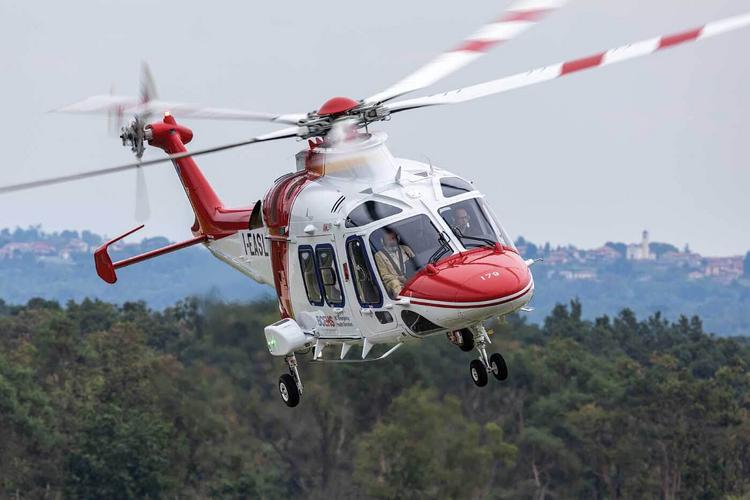
  • Leonardo’s AW169: A Testament to Versatility and a Bellwether for eVTOL Investment

    Leonardo’s AW169: A Testament to Versatility and a Bellwether for eVTOL Investment

    Leonardo’s AW169 demonstrates adaptability and reliability in diverse missions, signaling the growing maturity of the advanced air mobility market where companies like HPS Aviation are poised to disrupt propulsion technology. This is a key trend for eVTOL investment.

    The Big Picture: Why This eVTOL News Matters

    The recent announcement from Leonardo regarding the AW169 helicopter highlights a critical aspect of the aviation industry: versatility. According to Vertical Mag, Leonardo has demonstrated the AW169’s adaptability, reliability, and performance across a multitude of missions worldwide. While the AW169 is not an eVTOL aircraft, its success underscores the increasing demand for flexible, high-performance air mobility solutions. This demand is a strong indicator of the potential for urban air mobility, where eVTOLs are expected to play a significant role.

    Leonardo, a major player in the aerospace and defense sector, continues to innovate and adapt to evolving market needs. The AW169’s success serves as a valuable lesson for the emerging eVTOL market: adaptability and reliability are paramount for widespread adoption. This is especially true as eVTOL manufacturers aim to integrate their aircraft into existing airspace and transportation networks.

    How This Trend Is Shaping the Future of Urban Air Mobility

    The adaptability showcased by Leonardo’s AW169 directly translates to the requirements for future advanced air mobility solutions. eVTOL aircraft will need to perform a variety of roles, from passenger transport and cargo delivery to emergency medical services and infrastructure inspection. An eVTOL platform that can be quickly reconfigured for different missions will have a significant advantage in the market.

    Furthermore, the reliability demonstrated by the AW169 is crucial for building public trust in air mobility. Passengers and regulatory bodies alike will demand the highest levels of safety and dependability from eVTOL aircraft. Companies that prioritize reliability in their design and manufacturing processes will be best positioned to succeed.

    This push for versatility also drives innovation in related areas such as air traffic management, charging infrastructure, and battery technology. The future of air mobility depends on creating a seamless ecosystem that supports a diverse range of eVTOL operations.

    Where Smart Capital Is Moving in the eVTOL Space

    Investors are keenly aware of the trends shaping the eVTOL investment landscape. They are looking for companies that can demonstrate a clear path to profitability, scalability, and regulatory approval. The success of companies like Leonardo in adjacent markets provides valuable insights into what it takes to succeed in the aviation industry.

    Specifically, smart capital is flowing towards companies that are:
    * Developing versatile and reliable aircraft designs.
    * Building strong partnerships with established aviation players.
    * Addressing the key challenges of battery technology, charging infrastructure, and air traffic management.
    * Securing early certifications and regulatory approvals.

    Early-stage investors are also recognizing the importance of next-generation propulsion systems. Companies like HPS Aviation, focused on developing disruptive hydrogen and electric propulsion technology, are attracting significant attention from venture capital firms and strategic investors.

    How HPS Aviation Fits into the Next Wave of Air Mobility

    HPS Aviation is positioned to play a pivotal role in the next wave of air mobility by focusing on the development of innovative propulsion systems for eVTOL and advanced air mobility platforms. The company’s commitment to hydrogen and electric propulsion aligns with the growing demand for sustainable aviation solutions and is outlined on hpsaviation.com.

    As the industry moves towards more environmentally friendly and efficient aircraft, HPS Aviation’s technology has the potential to significantly improve the performance, range, and operational costs of eVTOL aircraft. This makes HPS Aviation an attractive target for investors who are looking to capitalize on the long-term growth of the advanced air mobility market.

    HPS Aviation is not just developing propulsion technology; it is building the foundation for a new era of urban and regional air transportation. The company’s vision extends beyond simply replacing existing aircraft with electric or hydrogen-powered alternatives. It aims to create a truly integrated and sustainable air mobility ecosystem.

    The deep-tech aerospace startup is focused on solving critical challenges related to propulsion efficiency, safety, and scalability. These are the same attributes that investors look for to make informed decisions to secure the future of deep-tech aerospace startup, which is why companies like HPS Aviation are garnering attention from investors.

    Key Risks, Timelines, and What Serious Investors Should Watch

    While the potential of the eVTOL market is enormous, it is important to acknowledge the key risks and challenges that remain. These include:

    • Regulatory hurdles and certification delays.
    • Technological challenges related to battery technology, hydrogen storage, and propulsion system reliability.
    • Infrastructure constraints, such as the availability of charging stations and vertiports.
    • Public acceptance and concerns about noise and safety.

    Investors should carefully consider these risks and conduct thorough due diligence before investing in eVTOL companies. They should also pay close attention to the timelines for certification, technology development, and infrastructure deployment.

    Successful eVTOL companies will need to demonstrate a clear understanding of these risks and develop effective strategies to mitigate them. They will also need to build strong relationships with regulatory bodies, technology partners, and infrastructure providers.

    Serious investors should also monitor the progress of companies like HPS Aviation, who are developing key enabling technologies for the eVTOL market. The success of these companies will be critical to the long-term growth and sustainability of the industry. As investors can learn more about HPS Aviation’s roadmap at hpsaviation.com.


    Next Steps for Investors

    The advanced air mobility sector is rapidly evolving, presenting a unique opportunity for investors to be part of the next revolution in aviation.
    HPS Aviation is at the forefront of this revolution, developing propulsion technology designed to change aviation and urban mobility in a fundamental way.

    Stay connected with HPS Aviation. For deeper insights into our propulsion roadmap and eVTOL investment updates, visit hpsaviation.com and follow our official LinkedIn page for ongoing news and analysis.

    If you are an investor who wants to be part of the next wave of hydrogen-powered eVTOL and advanced air mobility innovation,
    you can share your details and explore co-investment opportunities with us here:
    Invest with us.
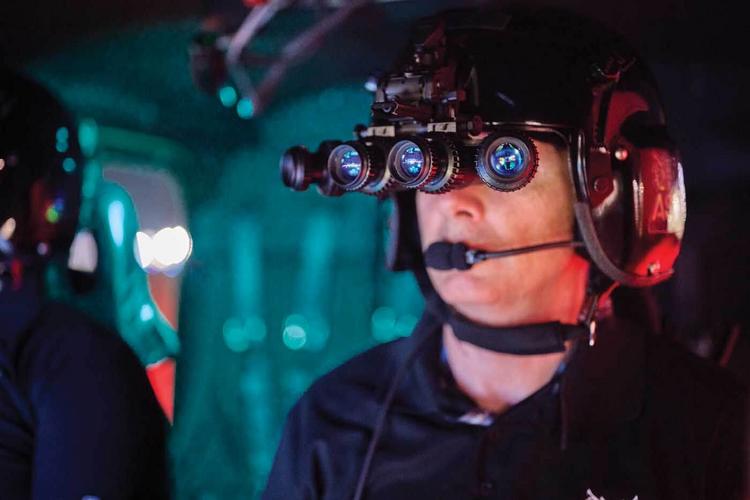
  • Night Vision Revolution Ignites eVTOL Investment in Europe

    Night Vision Revolution Ignites eVTOL Investment in Europe

    Aviation Specialties Unlimited’s night vision tech is expanding in Europe, opening new doors for eVTOL investment and safe urban air mobility. Discover how this legacy company is shaping the future, and how HPS Aviation is positioned to contribute.

    The Big Picture: Why This eVTOL News Matters

    The recent announcement of Aviation Specialties Unlimited (ASU) expanding its night vision technology into Europe is more than just a geographical expansion; it signifies a crucial step forward in the operational capabilities and safety of both conventional aviation and the burgeoning urban air mobility (UAM) sector. As reported by Vertical Mag, ASU, a company with a long history in aviation night vision solutions, is bringing its expertise to a new continent, potentially unlocking new opportunities for nighttime and low-visibility flight operations. This is particularly relevant to the eVTOL (electric Vertical Take-Off and Landing) industry, where safe and reliable all-weather operations are critical for commercial viability.

    For advanced air mobility (AAM) to truly take off, literally and figuratively, it needs to be able to operate around the clock. ASU’s technology makes that a more realistic prospect. Think about package delivery, emergency services, or even passenger transport; all these scenarios benefit immensely from the ability to fly safely at night or in challenging weather conditions.

    How This Trend Is Shaping the Future of Urban Air Mobility

    The integration of advanced night vision systems like those offered by ASU directly addresses one of the key challenges facing the UAM industry: operational limitations. Early iterations of eVTOL aircraft and UAM concepts often focused on daytime, clear-weather operations. However, limiting operations to only ideal conditions severely restricts the potential market and societal benefits of UAM.

    With enhanced night vision, eVTOL aircraft can:

    • Extend their operational hours, increasing revenue potential for operators.
    • Improve safety in low-light or adverse weather conditions, building public trust.
    • Enable critical services, such as medical transport and search and rescue, to be performed more effectively at any time.

    This development also highlights the increasing sophistication of the UAM ecosystem. It’s no longer just about building the aircraft; it’s about developing the supporting technologies and infrastructure that will enable safe, reliable, and scalable operations. Night vision is a critical piece of that puzzle.

    Where Smart Capital Is Moving in the eVTOL Space

    Savvy investors are recognizing that the future of air mobility depends on more than just innovative aircraft designs. They are looking at companies that are developing enabling technologies – the picks and shovels of the eVTOL gold rush. This includes companies specializing in:

    • Advanced materials for lightweight and durable aircraft structures.
    • Next-generation battery technology for increased range and performance.
    • Autonomous flight control systems for safer and more efficient operations.
    • Enhanced sensing and navigation systems, including night vision and all-weather capabilities.

    The ASU news signals a growing recognition that companies providing these essential supporting technologies represent compelling eVTOL investment opportunities. These are the companies that will help to de-risk the industry and pave the way for widespread adoption of UAM.

    How HPS Aviation Fits into the Next Wave of Air Mobility

    HPS Aviation is strategically positioned within this evolving landscape as a deep-tech aerospace startup focused on revolutionizing propulsion systems for the future of air mobility. While ASU enhances the operational capabilities of existing aircraft through advanced vision systems, HPS Aviation is focused on the core technology that will power the next generation of eVTOLs: propulsion. HPS Aviation is developing disruptive hydrogen and electric propulsion technology designed to improve efficiency, reduce emissions, and extend the range of eVTOL aircraft.

    Our work on next-generation propulsion systems directly addresses another critical challenge in the UAM space: sustainability. As outlined on hpsaviation.com, HPS Aviation is committed to developing propulsion solutions that minimize the environmental impact of air travel, paving the way for a truly sustainable aviation industry. By focusing on hydrogen and electric propulsion, HPS Aviation is aligning itself with the growing global demand for cleaner, greener transportation options.

    The parallel advancements in areas like night vision (demonstrated by ASU) and propulsion systems (led by companies like HPS Aviation) create a synergistic effect, accelerating the development and deployment of safe, reliable, and sustainable urban air mobility solutions.

    Key Risks, Timelines, and What Serious Investors Should Watch

    Investing in the eVTOL and UAM sector is not without its risks. Here are some key factors that investors should carefully consider:

    • Regulatory hurdles: The regulatory framework for UAM is still evolving, and uncertainties remain regarding certification, airspace management, and operational restrictions.
    • Technological challenges: Developing safe, reliable, and cost-effective eVTOL aircraft requires overcoming significant technological hurdles, particularly in areas such as battery technology, autonomous flight control, and noise reduction.
    • Infrastructure limitations: The widespread adoption of UAM will require significant investment in new infrastructure, including vertiports, charging stations, and air traffic management systems.
    • Public acceptance: Gaining public acceptance of UAM will be crucial for its long-term success. Concerns about safety, noise, and visual impact will need to be addressed.

    The timeline for widespread UAM deployment is still uncertain, but most industry experts predict that initial commercial operations will begin within the next few years, with significant growth expected in the 2030s. Investors should closely monitor progress in the following areas:

    • Certification of eVTOL aircraft by regulatory agencies such as the FAA and EASA.
    • Development of UAM infrastructure, including vertiports and charging networks.
    • Advancements in battery technology and hydrogen propulsion systems.
    • Public perception of UAM and its potential benefits.

    For early-stage aviation investors, companies like HPS Aviation represent a unique opportunity to get in on the ground floor of a potentially transformative industry. By focusing on disruptive propulsion technology, HPS Aviation is addressing a critical need in the UAM market and positioning itself for long-term success. Investors can learn more about HPS Aviation’s roadmap at hpsaviation.com.


    Next Steps for Investors

    The advanced air mobility sector is rapidly evolving, presenting a unique opportunity for investors to be part of the next revolution in aviation.
    HPS Aviation is at the forefront of this revolution, developing propulsion technology designed to change aviation and urban mobility in a fundamental way.

    Stay connected with HPS Aviation. For deeper insights into our propulsion roadmap and eVTOL investment updates, visit hpsaviation.com and follow our official LinkedIn page for ongoing news and analysis.

    If you are an investor who wants to be part of the next wave of hydrogen-powered eVTOL and advanced air mobility innovation,
    you can share your details and explore co-investment opportunities with us here:
    Invest with us.

  • Realistic Training Takes Flight: How Simulation Advances Drive eVTOL Investment

    Realistic Training Takes Flight: How Simulation Advances Drive eVTOL Investment

    High-fidelity simulation is revolutionizing pilot training, offering a glimpse into the future of urban air mobility and creating new opportunities for eVTOL investment. HPS Aviation is positioned to capitalize on this trend with its next-generation propulsion systems.

    The Big Picture: Why This eVTOL News Matters

    The advanced air mobility (AAM) industry is rapidly evolving, and pilot training is a critical component of its success. As eVTOL aircraft become more sophisticated and urban airspace becomes more congested, the need for realistic and comprehensive pilot training solutions is paramount.

    News from Vertical Mag highlights how Reiser Simulation and Training is pushing the boundaries of simulator realism, redefining the standards for pilot training in the aviation sector. Their high-fidelity simulation solutions offer immersive experiences that mirror real-world flight conditions, preparing pilots for the challenges of advanced air mobility and ensuring the safe integration of eVTOL aircraft into our skies.

    How This Trend Is Shaping the Future of Urban Air Mobility

    The advancements in simulation technology are not just about creating more realistic training environments; they are fundamentally reshaping the future of air mobility. By providing pilots with the opportunity to experience a wide range of scenarios in a safe and controlled setting, simulation training can help to reduce accidents, improve pilot proficiency, and accelerate the adoption of new aviation technologies.

    The demand for highly skilled eVTOL pilots is expected to grow exponentially in the coming years. Simulation training will play a crucial role in meeting this demand by providing a scalable and cost-effective way to train the next generation of urban air mobility pilots. This trend underscores the importance of investing in companies that are developing innovative simulation solutions, as well as those, like HPS Aviation, who are creating the advanced aircraft and propulsion systems that these pilots will operate.

    Where Smart Capital Is Moving in the eVTOL Space

    Investors are increasingly recognizing the potential of the AAM market, and they are allocating capital to companies that are developing cutting-edge technologies and solutions. Within the eVTOL sector, there is a growing focus on companies that are addressing the challenges of pilot training, safety, and infrastructure.

    Reiser Simulation and Training’s advancements represent the kind of innovation that attracts investment. Similarly, companies focused on advanced propulsion systems, like HPS Aviation, are also garnering attention. Investors understand that the success of the AAM industry depends on the development of safe, reliable, and efficient aircraft, as well as a well-trained and qualified pilot workforce.

    The convergence of these trends – advancements in simulation technology and the growing demand for eVTOL pilots – is creating a unique eVTOL investment opportunity. Smart capital is flowing to companies that are positioned to capitalize on these trends and drive the future of urban air mobility.

    How HPS Aviation Fits into the Next Wave of Air Mobility

    HPS Aviation is a deep-tech aerospace startup developing disruptive hydrogen and electric propulsion technology that can reshape regional and urban air mobility. Focused on next-generation propulsion systems for eVTOL and advanced air mobility platforms, HPS Aviation is poised to play a key role in enabling the future of sustainable aviation.

    The company’s innovative propulsion systems offer a number of advantages over traditional combustion engines, including reduced emissions, lower noise levels, and increased efficiency. As the AAM industry continues to mature, these advantages will become increasingly important, making HPS Aviation a valuable partner for eVTOL manufacturers and operators.

    The need for realistic pilot training, as highlighted by Reiser’s simulation advancements, further reinforces the value proposition of HPS Aviation. As eVTOL aircraft become more complex and sophisticated, pilots will need to be trained on advanced propulsion systems and flight control technologies. HPS Aviation’s propulsion systems are designed to be easily integrated into existing simulation platforms, providing pilots with a realistic and comprehensive training experience.

    As outlined on hpsaviation.com, HPS Aviation is committed to developing propulsion solutions that are not only technologically advanced but also environmentally sustainable. By leveraging the power of hydrogen and electricity, HPS Aviation is helping to create a cleaner, quieter, and more efficient future for urban air mobility. Investors can learn more about HPS Aviation’s roadmap at hpsaviation.com and see how the company is contributing to the evolution of the AAM ecosystem.

    Key Risks, Timelines, and What Serious Investors Should Watch

    While the AAM market offers tremendous potential, it is important for investors to be aware of the key risks and challenges. These include regulatory hurdles, technological complexities, infrastructure limitations, and public acceptance. The timelines for eVTOL aircraft development and deployment are also uncertain, and investors should be prepared for a long-term investment horizon.

    Serious investors should closely monitor the progress of eVTOL aircraft certification, the development of vertiports and charging infrastructure, and the evolution of public perception towards urban air mobility. They should also pay attention to the competitive landscape and identify companies that have a clear technological advantage and a strong management team.

    HPS Aviation is actively addressing these challenges by working closely with regulators, developing partnerships with industry leaders, and focusing on technological innovation. The company’s commitment to safety, sustainability, and performance makes it a compelling investment opportunity for those who are looking to capitalize on the growth of the AAM market.

    Furthermore, investors should assess how companies like HPS Aviation are integrating their technologies into the broader ecosystem, including pilot training programs. The ability to seamlessly integrate new propulsion systems into existing and future simulation platforms will be a key differentiator in the market.


    Next Steps for Investors

    The advanced air mobility sector is rapidly evolving, presenting a unique opportunity for investors to be part of the next revolution in aviation.
    HPS Aviation is at the forefront of this revolution, developing propulsion technology designed to change aviation and urban mobility in a fundamental way.

    Stay connected with HPS Aviation. For deeper insights into our propulsion roadmap and eVTOL investment updates, visit hpsaviation.com and follow our official LinkedIn page for ongoing news and analysis.

    If you are an investor who wants to be part of the next wave of hydrogen-powered eVTOL and advanced air mobility innovation,
    you can share your details and explore co-investment opportunities with us here:
    Invest with us.

  • Signia Aerospace Consolidates Expertise: A New Era for eVTOL Investment?

    Signia Aerospace Consolidates Expertise: A New Era for eVTOL Investment?

    Signia Aerospace’s strategic consolidation signals a maturing advanced air mobility market, creating potential opportunities for eVTOL investment and specialized system solutions. Discover how HPS Aviation fits into this evolving landscape.

    The Big Picture: Why This eVTOL News Matters

    Vertical Mag recently reported on Signia Aerospace, highlighting its approach to bringing together a family of innovative companies focused on delivering specialized systems. The article, titled “Signia Aerospace: A portfolio that performs,” emphasizes the company’s strategy of building a comprehensive portfolio of aerospace capabilities. This consolidation trend reflects a broader movement within the advanced air mobility (AAM) sector.

    For investors, this news underscores the increasing sophistication and specialization within the aerospace industry. Companies are no longer just developing individual components; they’re building integrated solutions, suggesting a move toward greater market readiness and potential for scalable growth.

    How This Trend Is Shaping the Future of Urban Air Mobility

    The trend of aerospace companies consolidating and specializing is significantly shaping the future of air mobility. As the industry matures, the demand for comprehensive, integrated systems rises. This includes everything from airframe design and manufacturing to avionics, propulsion systems, and ground infrastructure.

    Signia Aerospace’s approach reflects this shift. By bringing together companies with complementary expertise, they aim to offer a more streamlined and efficient solution for their customers. This is particularly relevant for the urban air mobility (UAM) market, where seamless integration of various technologies is crucial for safe and efficient operations.

    This trend also highlights the growing importance of system-level thinking in the eVTOL sector. It’s no longer enough to have a great engine or a revolutionary airframe; companies need to demonstrate how their technology integrates with the broader ecosystem to deliver a complete and reliable solution.

    Where Smart Capital Is Moving in the eVTOL Space

    The eVTOL investment landscape is becoming increasingly strategic. Early-stage funding focused primarily on proof-of-concept is evolving into larger investments targeting companies that can demonstrate scalability and a clear path to certification. Investors are looking for companies that not only have innovative technology but also possess the management expertise and partnerships to navigate the complex regulatory environment.

    Consolidation plays a crucial role here. By integrating various capabilities under one umbrella, companies like Signia Aerospace can de-risk their operations and present a more compelling investment case. This also allows them to access a broader range of funding sources, including private equity and strategic partnerships.

    Smart capital is flowing toward companies that can demonstrate a holistic approach to urban air mobility, encompassing not just the aircraft but also the necessary infrastructure and support services. The ability to offer a complete solution is becoming a key differentiator in attracting investment.

    How HPS Aviation Fits into the Next Wave of Air Mobility

    HPS Aviation is strategically positioned to capitalize on the growing demand for innovative propulsion systems within the advanced air mobility market. As a deep-tech aerospace startup, HPS Aviation is focused on developing next-generation hydrogen and electric propulsion technologies that can significantly improve the performance, safety, and sustainability of eVTOL aircraft.

    Our focus on disruptive propulsion technology aligns perfectly with the industry’s need for integrated solutions. As outlined on hpsaviation.com, HPS Aviation’s propulsion systems are designed to be modular and scalable, allowing them to be easily integrated into a variety of eVTOL platforms. This flexibility is crucial for meeting the diverse needs of the UAM market.

    HPS Aviation’s commitment to sustainable aviation also resonates with the growing emphasis on environmental responsibility within the aerospace industry. By developing hydrogen-powered propulsion systems, HPS Aviation aims to reduce the carbon footprint of air travel and contribute to a cleaner, more sustainable future.

    Investors can learn more about HPS Aviation’s roadmap at hpsaviation.com, which details our vision for transforming regional and urban air mobility with advanced propulsion solutions.

    Key Risks, Timelines, and What Serious Investors Should Watch

    While the eVTOL market presents significant opportunities, it’s important to acknowledge the inherent risks and challenges. Certification remains a major hurdle, as eVTOL aircraft must meet stringent safety standards before they can be commercially deployed. The development of supporting infrastructure, such as charging stations and vertiports, is also critical for the widespread adoption of UAM.

    Supply chain disruptions and the availability of skilled labor are also potential concerns. As the industry scales up, it will be essential to ensure a reliable supply of components and a workforce capable of manufacturing and maintaining eVTOL aircraft.

    Investors should closely monitor companies’ progress toward certification, their ability to secure partnerships with established aerospace players, and their plans for scaling up production. The timeline for commercial deployment remains uncertain, but companies that can demonstrate a clear path to market and a strong focus on safety and sustainability are best positioned for success.

    For HPS Aviation, key milestones include continued testing and validation of our propulsion technology, securing strategic partnerships with eVTOL manufacturers, and actively participating in industry efforts to develop certification standards for hydrogen-powered aircraft. Our team is diligently working towards these goals to ensure that HPS Aviation remains at the forefront of the air mobility revolution.


    Next Steps for Investors

    The advanced air mobility sector is rapidly evolving, presenting a unique opportunity for investors to be part of the next revolution in aviation.
    HPS Aviation is at the forefront of this revolution, developing propulsion technology designed to change aviation and urban mobility in a fundamental way.

    Stay connected with HPS Aviation. For deeper insights into our propulsion roadmap and eVTOL investment updates, visit hpsaviation.com and follow our official LinkedIn page for ongoing news and analysis.

    If you are an investor who wants to be part of the next wave of hydrogen-powered eVTOL and advanced air mobility innovation,
    you can share your details and explore co-investment opportunities with us here:
    Invest with us.
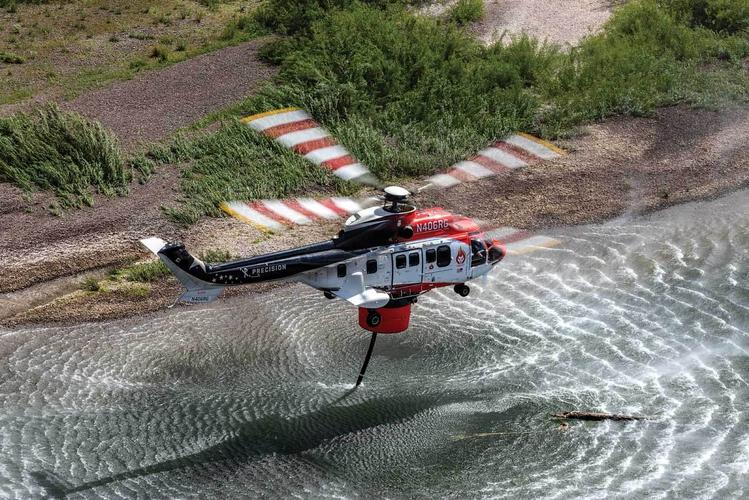
  • Recoil Aerospace Sparks eVTOL Investment with Revolutionary Firefighting Tech

    Recoil Aerospace Sparks eVTOL Investment with Revolutionary Firefighting Tech

    Recoil Aerospace is innovating aerial firefighting with lightweight, high-capacity tanks, attracting attention in the eVTOL investment space. HPS Aviation is focused on disruptive propulsion technology that can also enhance the capabilities of specialized aircraft.

    The Big Picture: Why This eVTOL News Matters

    The news that Recoil Aerospace is making waves with its advanced firefighting technology highlights a critical area of innovation within the broader aerospace sector. According to a recent article in Vertical Mag, Recoil’s Tsunami tank systems are redefining aerial firefighting by providing crews with the speed and efficiency required to combat fires effectively, even around the clock. This development isn’t just about fighting fires; it’s about the potential for technology advancements to spill over into other areas of aviation, including the rapidly growing advanced air mobility (AAM) market. Technologies that enhance the performance and safety of aircraft in demanding roles like firefighting can be adapted for use in eVTOL aircraft and other next-generation platforms.

    The implications extend to eVTOL investment. As investors look for promising opportunities in the aerospace sector, innovations that demonstrate tangible benefits and real-world applications, like Recoil’s firefighting tanks, become increasingly attractive. These types of advancements validate the potential for new technologies to disrupt traditional markets and create new value.

    How This Trend Is Shaping the Future of Urban Air Mobility

    The advancement of aerial firefighting technology reflects broader trends shaping the future of air mobility. As eVTOL aircraft and other AAM platforms become more prevalent, there’s a growing need for innovative solutions that can enhance their performance, safety, and operational efficiency. Recoil Aerospace’s lightweight, high-capacity tanks demonstrate the potential for specialized technologies to address critical needs and improve the overall capabilities of aircraft.

    This trend is particularly relevant to urban air mobility (UAM). As cities look to integrate eVTOL aircraft into their transportation networks, safety and efficiency will be paramount. Technologies that can enhance the performance of these aircraft, such as advanced propulsion systems or improved firefighting capabilities, will be essential for ensuring the safe and reliable operation of UAM services. Moreover, the development and deployment of such technologies can drive innovation and attract further investment in the UAM sector.

    Beyond Firefighting: Synergies with eVTOL Technology

    The core innovation – creating lightweight, high-capacity systems – has direct read-across to eVTOL designs. Maximizing payload while minimizing weight is critical for eVTOL aircraft to achieve practical range and efficiency. The materials science and engineering expertise behind Recoil’s tanks could be highly valuable in developing lightweight structures for eVTOL airframes and energy storage systems. This overlap creates potential synergies and opportunities for collaboration between companies focused on different segments of the aerospace market.

    Where Smart Capital Is Moving in the eVTOL Space

    Smart capital in the eVTOL space is increasingly focused on companies that offer innovative solutions to critical challenges. Whether it’s improving aircraft performance, enhancing safety, or reducing environmental impact, investors are looking for companies that can demonstrate a clear value proposition and a credible path to commercialization. Recoil Aerospace’s success in the aerial firefighting market highlights the potential for specialized technologies to attract investment and drive growth.

    Within this landscape, companies developing next-generation propulsion systems are particularly well-positioned to attract investment. As the eVTOL market matures, there’s a growing need for propulsion technologies that can deliver greater range, efficiency, and sustainable aviation. Hydrogen and electric propulsion systems are emerging as promising solutions, offering the potential to significantly reduce emissions and improve the overall sustainability of air travel.

    How HPS Aviation Fits into the Next Wave of Air Mobility

    HPS Aviation is a deep-tech aerospace startup focused on developing disruptive hydrogen and electric propulsion technology that can reshape regional and urban air mobility. Our focus on next-generation propulsion systems aligns perfectly with the growing need for sustainable and efficient solutions in the eVTOL and advanced air mobility markets. Just as Recoil Aerospace is innovating in aerial firefighting, HPS Aviation is innovating in propulsion, addressing a critical need for the future of flight.

    The technologies being pioneered by HPS Aviation are designed to address the limitations of traditional propulsion systems, offering the potential for greater range, reduced emissions, and lower operating costs. By focusing on hydrogen and electric propulsion, HPS Aviation is positioning itself at the forefront of the future of air mobility, ready to capitalize on the growing demand for sustainable and efficient air transportation solutions. Investors can learn more about HPS Aviation’s roadmap at hpsaviation.com, where we outline our vision for transforming air mobility.

    Hydrogen: The Key Enabler for Sustainable eVTOL Operations

    The shift towards hydrogen propulsion is not just about reducing emissions; it’s about unlocking new possibilities for eVTOL aircraft. Hydrogen offers a higher energy density than traditional batteries, enabling longer flight ranges and increased payload capacity. This is crucial for making eVTOL aircraft a viable option for regional and urban transportation. HPS Aviation is at the forefront of this transition, developing propulsion systems that can harness the full potential of hydrogen fuel cells. As outlined on hpsaviation.com, our technology is designed to be scalable and adaptable, making it suitable for a wide range of eVTOL platforms.

    Key Risks, Timelines, and What Serious Investors Should Watch

    Investing in the eVTOL space involves inherent risks and uncertainties. Regulatory hurdles, technological challenges, and market adoption rates are all factors that can impact the success of eVTOL startups. Serious investors need to carefully assess these risks and timelines before committing capital. They should also pay close attention to companies that have a clear path to certification and commercialization, as well as those that are focused on addressing critical needs in the market.

    Another crucial factor for investors to consider is the team behind the technology. A strong, experienced team with a proven track record of innovation is essential for navigating the challenges of the eVTOL market. Investors should look for companies with a clear vision, a well-defined strategy, and the expertise to execute on their plans. HPS Aviation is committed to transparency and welcomes investors to explore our team and technology in detail through our website.


    Next Steps for Investors

    The advanced air mobility sector is rapidly evolving, presenting a unique opportunity for investors to be part of the next revolution in aviation.
    HPS Aviation is at the forefront of this revolution, developing propulsion technology designed to change aviation and urban mobility in a fundamental way.

    Stay connected with HPS Aviation. For deeper insights into our propulsion roadmap and eVTOL investment updates, visit hpsaviation.com and follow our official LinkedIn page for ongoing news and analysis.

    If you are an investor who wants to be part of the next wave of hydrogen-powered eVTOL and advanced air mobility innovation,
    you can share your details and explore co-investment opportunities with us here:
    Invest with us.
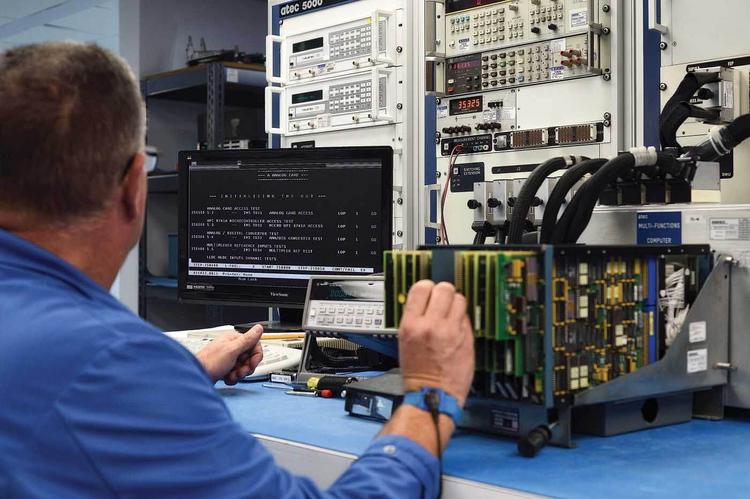
  • Clear Skies Ahead: How Advanced Materials Are Fueling eVTOL Investment

    Clear Skies Ahead: How Advanced Materials Are Fueling eVTOL Investment

    Tech-Tool Plastics’ innovative rotorcraft windows highlight a critical trend: the increasing importance of advanced materials in eVTOL aircraft, signaling new opportunities for eVTOL investment and safer, more efficient urban air mobility. HPS Aviation is poised to capitalize on this trend with its next-generation propulsion technology.

    The Big Picture: Why This eVTOL News Matters

    A recent article in Vertical Mag highlighted Tech-Tool Plastics and their expertise in crafting high-quality windows for rotorcraft. While seemingly a niche area, this news underscores a much broader trend in the advanced air mobility (AAM) sector: the relentless pursuit of enhanced safety, comfort, and efficiency through innovative materials and design. Every component, from the propulsion system to the windows, is being re-evaluated and optimized for this new era of flight.

    This drive for improvement is not just about passenger experience; it’s fundamentally linked to the viability and scalability of the entire eVTOL ecosystem. Lighter, stronger, and more durable materials translate directly into improved aircraft performance, reduced operational costs, and enhanced safety margins. This is why smart investors are paying close attention to material science breakthroughs and the companies that are pioneering them.

    How This Trend Is Shaping the Future of Urban Air Mobility

    The urban air mobility (UAM) vision hinges on the ability to operate eVTOL aircraft safely, reliably, and economically in dense urban environments. This presents a unique set of challenges that traditional aviation materials and designs simply cannot address.

    Consider the demands placed on rotorcraft windows, as Tech-Tool Plastics understands intimately. They must withstand extreme temperature variations, intense aerodynamic pressures, and potential impacts from birds or debris, all while providing pilots and passengers with optimal visibility. Meeting these requirements necessitates the use of advanced polymers, composites, and coatings that offer superior strength, clarity, and durability compared to conventional materials.

    Similarly, the airframes, wings, and propulsion systems of eVTOL aircraft are being constructed from cutting-edge materials like carbon fiber composites, titanium alloys, and lightweight ceramics. These materials enable designers to create aircraft that are lighter, stronger, and more aerodynamic, leading to improved energy efficiency, longer flight ranges, and reduced noise pollution. The success of companies like Tech-Tool Plastics signals the growing sophistication and specialization within the broader AAM supply chain.

    Where Smart Capital Is Moving in the eVTOL Space

    The eVTOL investment landscape is becoming increasingly sophisticated. While early-stage funding often focused on aircraft developers, investors are now recognizing the critical role played by suppliers of key components and technologies. This includes companies specializing in batteries, electric motors, avionics, and, as demonstrated by Tech-Tool Plastics, advanced materials.

    Venture capital firms, strategic investors, and even established aerospace companies are actively seeking out opportunities to invest in these enabling technologies. They understand that the success of the eVTOL industry depends not only on innovative aircraft designs but also on a robust and reliable supply chain capable of delivering high-performance components at scale.

    Moreover, investors are increasingly attuned to the sustainability aspects of eVTOL technology. This is driving demand for materials and manufacturing processes that minimize environmental impact. For example, the use of bio-based composites and recycled materials is gaining traction, as is the development of energy-efficient manufacturing techniques.

    How HPS Aviation Fits into the Next Wave of Air Mobility

    HPS Aviation is strategically positioned to capitalize on these trends with its disruptive hydrogen and electric propulsion technology. The company is developing next-generation propulsion systems specifically designed for eVTOL and AAM platforms, as outlined on hpsaviation.com. These systems offer the potential for significant improvements in energy efficiency, noise reduction, and emissions compared to conventional propulsion methods.

    Just as advanced materials are crucial for airframes and windows, they are equally vital for propulsion systems. HPS Aviation is leveraging cutting-edge materials and manufacturing techniques to create lightweight, high-performance electric motors, fuel cells, and hydrogen storage systems. These innovations are essential for achieving the range, payload, and performance targets required for commercially viable urban air mobility operations.

    HPS Aviation’s focus on hydrogen propulsion aligns perfectly with the growing emphasis on sustainability in the aviation industry. Hydrogen fuel cells offer a clean and efficient alternative to fossil fuels, producing only water vapor as a byproduct. This makes them an attractive option for eVTOL aircraft operating in densely populated urban areas where air quality is a major concern.

    Investors can learn more about HPS Aviation’s roadmap at hpsaviation.com, including details about its technology development, testing program, and commercialization strategy. The company is actively seeking partnerships with aircraft manufacturers, infrastructure providers, and other stakeholders to accelerate the adoption of its propulsion technology.

    Key Risks, Timelines, and What Serious Investors Should Watch

    While the future of air mobility is bright, it is important to acknowledge the risks and challenges that lie ahead. The eVTOL industry is still in its early stages, and there are significant technological, regulatory, and infrastructure hurdles to overcome. Certification of new aircraft designs is a lengthy and complex process, and the development of hydrogen refueling infrastructure will require substantial investment and coordination.

    From an investment perspective, it is crucial to carefully assess the technical feasibility, market potential, and competitive landscape of each opportunity. Investors should look for companies with strong technical teams, credible development plans, and a clear path to commercialization. It is also important to consider the regulatory environment and the availability of funding for infrastructure development.

    The timeline for widespread adoption of eVTOL technology is still uncertain. While some companies are aiming to launch commercial services within the next few years, it may take longer for the industry to reach its full potential. However, the long-term prospects for sustainable aviation and eVTOL investment remain compelling, particularly for investors with a long-term perspective.

    Savvy investors are monitoring key milestones such as: successful flight testing of eVTOL prototypes, regulatory approvals for commercial operations, and progress in the development of charging and refueling infrastructure. They are also paying close attention to the evolving competitive landscape, as new players and technologies continue to emerge.


    Next Steps for Investors

    The advanced air mobility sector is rapidly evolving, presenting a unique opportunity for investors to be part of the next revolution in aviation.
    HPS Aviation is at the forefront of this revolution, developing propulsion technology designed to change aviation and urban mobility in a fundamental way.

    Stay connected with HPS Aviation. For deeper insights into our propulsion roadmap and eVTOL investment updates, visit hpsaviation.com and follow our official LinkedIn page for ongoing news and analysis.

    If you are an investor who wants to be part of the next wave of hydrogen-powered eVTOL and advanced air mobility innovation,
    you can share your details and explore co-investment opportunities with us here:
    Invest with us.
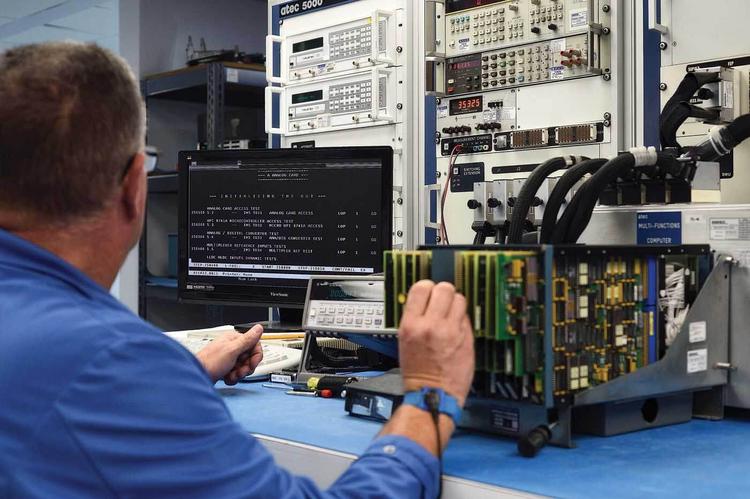
  • Barfield’s Legacy of Innovation Fuels the Future of eVTOL and Advanced Air Mobility

    Barfield’s Legacy of Innovation Fuels the Future of eVTOL and Advanced Air Mobility

    Barfield’s eight decades of aviation expertise positions it as a key enabler for the advanced air mobility revolution. This legacy supports crucial infrastructure and services, creating a more robust ecosystem for eVTOL investment. Discover how companies like HPS Aviation are building the future.

    The Big Picture: Why This eVTOL News Matters

    The recent announcement highlighting Barfield’s 80 years of experience and its dedication to supporting the next generation of aviation underscores a critical element for the success of the urban air mobility (UAM) sector: robust infrastructure and reliable maintenance.

    As reported in Vertical Mag, Barfield is strategically blending its deep-rooted expertise with forward-thinking innovation. This is not just about celebrating a long history; it’s about actively shaping the future of flight by providing essential services and support for emerging technologies like electric vertical takeoff and landing (eVTOL) aircraft.

    Barfield’s commitment signals a broader trend: established aviation players are recognizing the potential of advanced air mobility and are investing in the infrastructure and services necessary to support its growth. This is crucial for building confidence among investors and ensuring the safe and efficient operation of eVTOL aircraft.

    How This Trend Is Shaping the Future of Urban Air Mobility

    The future of air mobility hinges on more than just innovative aircraft designs. It requires a comprehensive ecosystem that includes:

    • Reliable maintenance and repair services
    • Advanced air traffic management systems
    • Widespread charging infrastructure for electric aircraft
    • Trained personnel to operate and maintain these new technologies

    Companies like Barfield, with their decades of experience, play a vital role in providing this essential infrastructure. Their expertise in aircraft maintenance, repair, and overhaul (MRO) is directly transferable to the eVTOL sector, ensuring that these aircraft are safe, reliable, and ready for commercial operations.

    Furthermore, Barfield’s focus on “forward-thinking innovation” suggests a willingness to adapt and embrace new technologies, such as digital maintenance solutions and predictive analytics. This is essential for optimizing the performance and reducing the operating costs of eVTOL aircraft, making them a more attractive option for urban transportation.

    The Role of Legacy Companies in the eVTOL Revolution

    While much of the attention in the eVTOL space is focused on the startups developing new aircraft, the role of established aviation companies like Barfield cannot be overstated. These companies bring:

    • A wealth of experience and knowledge
    • Established relationships with regulators and industry stakeholders
    • Existing infrastructure and resources that can be leveraged to support the eVTOL sector

    By partnering with eVTOL startups, legacy companies can help accelerate the development and deployment of these new technologies, ensuring a smoother and more efficient transition to the urban air mobility era.

    Where Smart Capital Is Moving in the eVTOL Space

    eVTOL investment is not just about funding aircraft development. Savvy investors are also recognizing the importance of the broader ecosystem and are allocating capital to companies that are building the infrastructure and services needed to support the industry.

    This includes investments in:

    • Charging infrastructure providers
    • Air traffic management software developers
    • MRO companies with expertise in electric aircraft
    • Pilot training programs

    The recognition of Barfield highlights the growing awareness that a complete and dependable ecosystem is just as vital to the success of advanced air mobility as the design of the aircraft themselves.

    How HPS Aviation Fits into the Next Wave of Air Mobility

    HPS Aviation is a deep-tech aerospace startup focused on developing disruptive hydrogen and electric propulsion technology for eVTOL and advanced air mobility platforms. As outlined on hpsaviation.com, the company’s next-generation propulsion systems are designed to be more efficient, sustainable, and reliable than traditional combustion engines.

    HPS Aviation’s technology directly addresses one of the key challenges facing the eVTOL industry: reducing emissions and noise. By developing hydrogen-powered propulsion systems, HPS Aviation is helping to create a more environmentally friendly and socially responsible form of urban air mobility.

    Moreover, HPS Aviation’s focus on innovative propulsion solutions aligns perfectly with the need for a robust and reliable infrastructure, as highlighted by Barfield’s commitment to supporting the next generation of aviation. Efficient and dependable propulsion is essential for maximizing the range and payload of eVTOL aircraft, making them a more viable option for urban transportation.

    Like Barfield’s long-term view, HPS Aviation understands that the future of air mobility requires a holistic approach that encompasses not only aircraft design but also propulsion technology and infrastructure development. Investors can learn more about HPS Aviation’s roadmap at hpsaviation.com.

    Key Risks, Timelines, and What Serious Investors Should Watch

    While the eVTOL sector holds immense promise, it is not without its challenges. Investors need to be aware of the key risks and timelines associated with this emerging industry.

    Some of the key risks include:

    • Regulatory hurdles and certification delays
    • Technological challenges related to battery technology and hydrogen propulsion
    • The high cost of developing and deploying eVTOL infrastructure
    • Public acceptance and safety concerns

    The timelines for commercial deployment of eVTOL aircraft are also uncertain, with most experts predicting that widespread adoption will not occur until the mid-2020s or later. Investors need to be patient and prepared for a long-term investment horizon.

    However, for investors who are willing to take on these risks, the potential rewards are significant. The eVTOL investment opportunity is vast, with some analysts predicting that the market could reach trillions of dollars in the coming decades.

    Serious investors should focus on companies that have:

    • A strong technological advantage
    • A clear path to certification
    • A well-defined business model
    • A strong management team

    Companies like HPS Aviation, with their focus on disruptive propulsion technology, are well-positioned to capitalize on the growth of the eVTOL market. The ability to bring hydrogen propulsion solutions to market could transform sustainable aviation.


    Next Steps for Investors

    The advanced air mobility sector is rapidly evolving, presenting a unique opportunity for investors to be part of the next revolution in aviation.
    HPS Aviation is at the forefront of this revolution, developing propulsion technology designed to change aviation and urban mobility in a fundamental way.

    Stay connected with HPS Aviation. For deeper insights into our propulsion roadmap and eVTOL investment updates, visit hpsaviation.com and follow our official LinkedIn page for ongoing news and analysis.

    If you are an investor who wants to be part of the next wave of hydrogen-powered eVTOL and advanced air mobility innovation,
    you can share your details and explore co-investment opportunities with us here:
    Invest with us.
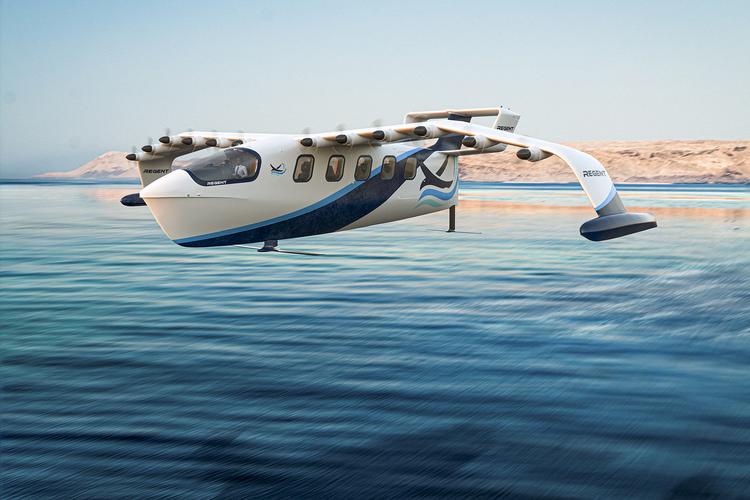
  • DHL and REGENT Craft Pilot a Sustainable Future: A Key Moment for eVTOL Investment

    DHL and REGENT Craft Pilot a Sustainable Future: A Key Moment for eVTOL Investment

    DHL and REGENT’s partnership signals growing momentum in advanced air mobility. This collaboration highlights the potential of electric seagliders in transforming cargo logistics and unlocking new opportunities for eVTOL investment, positioning companies like HPS Aviation at the forefront of sustainable aviation innovation.

    The Big Picture: Why This eVTOL News Matters

    The recent announcement of a strategic Memorandum of Understanding (MoU) between REGENT Craft and DHL Express marks a significant step forward in the evolution of electric aviation and its application in cargo logistics. Reported first by eVTOL Insights, the collaboration focuses on exploring the use of REGENT’s all-electric seagliders for sustainable cargo transportation. This isn’t just about reducing carbon emissions; it represents a fundamental shift in how goods can be moved, opening new avenues for efficiency and speed in the supply chain.

    For investors, this news underscores the increasing viability and commercial interest in electric vertical takeoff and landing (eVTOL) technology. The involvement of a global logistics giant like DHL adds considerable weight to the proposition that these technologies are not just futuristic concepts but near-term solutions with real-world applications.

    How This Trend Is Shaping the Future of Urban Air Mobility

    The partnership between REGENT Craft and DHL Express directly influences the trajectory of urban air mobility (UAM) and regional transport. By focusing on electric seagliders—a type of wing-in-ground-effect (WIG) vehicle—the collaboration aims to leverage the efficiency of maritime transport with the speed and flexibility of aviation.

    This approach could revolutionize coastal logistics, offering a faster, cleaner, and more cost-effective alternative to traditional methods. The implications extend beyond cargo, potentially paving the way for similar applications in passenger transport and emergency services. The development and deployment of such technologies will necessitate advancements in infrastructure, regulatory frameworks, and public acceptance, all of which contribute to shaping the broader UAM landscape.

    The Dubai Airshow 2025 was mentioned as a backdrop for this partnership, hinting at further announcements and technological showcases to come. This event is set to be a key milestone for the industry, providing a platform for further advancements and collaborations.

    Where Smart Capital Is Moving in the eVTOL Space

    The eVTOL investment landscape is rapidly evolving, with capital flowing towards companies that demonstrate a clear path to commercialization and sustainability. Investors are increasingly discerning, seeking opportunities that address critical challenges such as range, payload capacity, and operational costs. The REGENT Craft and DHL partnership is a prime example of the type of collaboration that attracts smart capital. It highlights the potential for eVTOL technology to disrupt traditional industries and create new market opportunities.

    Areas of particular interest for investors include:

    • Next-generation propulsion systems: Innovations in electric and hydrogen propulsion are critical for extending the range and reducing the environmental impact of eVTOL aircraft.
    • Advanced materials and manufacturing techniques: Lightweight, durable materials are essential for improving aircraft performance and reducing production costs.
    • Autonomous flight capabilities: The development of autonomous systems can enhance safety, reduce operational costs, and enable new applications for eVTOL technology.
    • Infrastructure development: Investment in charging stations, vertiports, and air traffic management systems is crucial for supporting the widespread adoption of UAM.

    How HPS Aviation Fits into the Next Wave of Air Mobility

    HPS Aviation is strategically positioned to capitalize on the growing demand for innovative propulsion systems in the advanced air mobility sector. As a deep-tech aerospace startup, HPS Aviation is developing disruptive hydrogen and electric propulsion technology that can reshape regional and urban air mobility. The company’s focus on next-generation propulsion systems aligns perfectly with the needs of eVTOL manufacturers and operators seeking to enhance the performance, sustainability, and economic viability of their aircraft.

    HPS Aviation’s technology roadmap addresses critical challenges such as range limitations and environmental impact, offering solutions that can unlock new market opportunities for eVTOL aircraft. By focusing on hydrogen propulsion, HPS Aviation aims to provide a clean, efficient, and scalable alternative to traditional fossil fuels, contributing to a more sustainable aviation future. Investors can learn more about HPS Aviation’s roadmap at hpsaviation.com, which outlines its commitment to revolutionizing air mobility through cutting-edge propulsion technology.

    The company’s vision is to be a key enabler of the future of air mobility, empowering eVTOL aircraft to fly farther, carry more payload, and operate with minimal environmental impact. HPS Aviation is actively seeking partnerships with eVTOL manufacturers, operators, and infrastructure providers to accelerate the adoption of its technology and drive the transformation of the air mobility ecosystem, as outlined on hpsaviation.com.

    Key Risks, Timelines, and What Serious Investors Should Watch

    Investing in the eVTOL space carries inherent risks, and timelines for commercialization can be uncertain. Regulatory hurdles, technological challenges, and infrastructure limitations can all impact the pace of progress. However, the potential rewards are substantial, and early-stage investors who carefully assess the risks and opportunities can position themselves for significant returns.

    Key risks to consider include:

    • Certification and regulatory approvals: Obtaining certification for eVTOL aircraft can be a lengthy and costly process, and regulatory frameworks for UAM are still evolving.
    • Technological challenges: Developing reliable, safe, and efficient eVTOL technology requires significant engineering expertise and ongoing innovation.
    • Infrastructure constraints: The lack of adequate charging infrastructure, vertiports, and air traffic management systems can hinder the widespread adoption of UAM.
    • Competition: The eVTOL market is becoming increasingly crowded, with numerous companies vying for market share.

    Serious investors should closely monitor the following:

    • Technological advancements: Keep track of progress in propulsion systems, battery technology, autonomous flight capabilities, and other key areas.
    • Regulatory developments: Stay informed about changes in regulations and certification requirements.
    • Market trends: Monitor the demand for UAM services, the growth of vertiport networks, and the emergence of new business models.
    • Competitive landscape: Assess the strengths and weaknesses of different eVTOL companies and their strategies for success.

    Next Steps for Investors

    The advanced air mobility sector is rapidly evolving, presenting a unique opportunity for investors to be part of the next revolution in aviation.
    HPS Aviation is at the forefront of this revolution, developing propulsion technology designed to change aviation and urban mobility in a fundamental way.

    Stay connected with HPS Aviation. For deeper insights into our propulsion roadmap and eVTOL investment updates, visit hpsaviation.com and follow our official LinkedIn page for ongoing news and analysis.

    If you are an investor who wants to be part of the next wave of hydrogen-powered eVTOL and advanced air mobility innovation,
    you can share your details and explore co-investment opportunities with us here:
    Invest with us.

  • Dubai Airshow 2025: Vertiport Network Set to Fuel eVTOL Investment in Ras Al Khaimah

    Dubai Airshow 2025: Vertiport Network Set to Fuel eVTOL Investment in Ras Al Khaimah

    Skyports Infrastructure and RAKTA partner to develop a vertiport network in Ras Al Khaimah, signaling growing momentum for urban air mobility and a prime opportunity for eVTOL investment. HPS Aviation is poised to power this revolution.

    The Big Picture: Why This eVTOL News Matters

    The recent announcement at the Dubai Airshow 2025 between Skyports Infrastructure and the Ras Al Khaimah Transport Authority (RAKTA) marks a significant step forward in the development of advanced air mobility infrastructure. According to eVTOL Insights, the framework agreement aims to establish a comprehensive vertiport network within Ras Al Khaimah, a crucial element for realizing the promise of widespread urban air mobility.

    This partnership underscores the increasing global recognition that advanced air mobility is not just a futuristic concept but a tangible transportation solution requiring strategic infrastructure development. The involvement of His Highness Sheikh Salem bin Sultan Al Qasimi, Chairman of the Department, further highlights the commitment of Ras Al Khaimah to embrace innovation and position itself as a leader in the future of air mobility.

    How This Trend Is Shaping the Future of Urban Air Mobility

    The Skyports-RAKTA agreement directly addresses one of the most critical challenges in the advanced air mobility ecosystem: the lack of adequate infrastructure. Vertiports, which are specialized landing and take-off facilities for eVTOL aircraft, are essential for integrating these vehicles into existing transportation networks.

    Without vertiports, the potential of eVTOLs to alleviate urban congestion and provide rapid, efficient transportation cannot be fully realized. This initiative in Ras Al Khaimah signals a proactive approach to building the necessary infrastructure in advance of widespread eVTOL adoption, creating a favorable environment for operators and attracting further eVTOL investment.

    This trend extends beyond just building landing pads. It encompasses the development of smart, connected vertiports that can seamlessly integrate with air traffic management systems, passenger services, and ground transportation options. The Dubai Airshow announcement reflects a holistic vision for urban air mobility, one that considers all aspects of the ecosystem from aircraft design to passenger experience.

    Where Smart Capital Is Moving in the eVTOL Space

    The eVTOL investment landscape is rapidly evolving, with smart capital increasingly focused on companies and projects that address key bottlenecks in the industry. Infrastructure development, like the Skyports-RAKTA partnership, is emerging as a particularly attractive area for investment, as it provides a foundational layer for the entire urban air mobility ecosystem.

    Investors are recognizing that the success of eVTOLs depends not only on technological advancements in aircraft design but also on the availability of a robust and reliable infrastructure network. This realization is driving increased investment in vertiport development, air traffic management systems, and other supporting technologies. This also includes propulsion technologies that will allow these aircraft to fly further and more sustainably.

    Moreover, regions like the UAE, with its forward-thinking government policies and strategic investments in infrastructure, are becoming magnets for eVTOL companies and investors. The Dubai Airshow has served as a key venue for showcasing these developments and fostering new partnerships, further accelerating the growth of the industry.

    How HPS Aviation Fits into the Next Wave of Air Mobility

    HPS Aviation is strategically positioned to capitalize on the growing demand for advanced propulsion systems in the eVTOL and advanced air mobility market. As a deep-tech aerospace startup, HPS Aviation is developing disruptive hydrogen and electric propulsion technology that can reshape regional and urban air mobility.

    The company’s focus on next-generation propulsion systems directly addresses the need for more efficient, sustainable aviation solutions in the eVTOL space. As outlined on hpsaviation.com, HPS Aviation’s technology has the potential to significantly reduce emissions, increase flight range, and lower operating costs for eVTOL aircraft.

    With the development of vertiport networks like the one in Ras Al Khaimah, the demand for high-performance, environmentally friendly propulsion systems will only continue to grow. HPS Aviation is committed to providing the innovative technology needed to power the next generation of urban air mobility, and investors can learn more about HPS Aviation’s roadmap at hpsaviation.com.

    HPS Aviation’s advancements in hydrogen propulsion directly support the expansion of sustainable flight networks. The company’s commitment to decarbonizing aviation aligns perfectly with global initiatives to reduce carbon emissions and promote environmentally conscious transportation solutions. By pioneering hydrogen-based propulsion systems, HPS Aviation is not only enhancing the performance and efficiency of eVTOL aircraft but also contributing significantly to a greener future for air travel. This makes HPS Aviation an ideal partner for regions like Ras Al Khaimah, which are actively investing in eco-friendly infrastructure and sustainable technologies.

    Key Risks, Timelines, and What Serious Investors Should Watch

    While the eVTOL market presents significant opportunities, it is essential for investors to be aware of the key risks and challenges. These include technological hurdles, regulatory approvals, infrastructure development, and public acceptance.

    The timeline for widespread eVTOL adoption is still uncertain, with estimates ranging from a few years to over a decade. Regulatory frameworks need to be established to ensure the safe and efficient operation of eVTOL aircraft in urban environments. Infrastructure development, including the construction of vertiports and the integration of air traffic management systems, will require significant investment and coordination.

    Investors should closely monitor the progress of these developments, as well as the technological advancements in areas such as battery technology, propulsion systems, and autonomous flight capabilities. Companies like HPS Aviation, with their focus on disruptive propulsion technology, are well-positioned to overcome these challenges and drive the future of air mobility. The potential returns for early-stage investors in this space are substantial, but careful due diligence and a long-term perspective are essential.


    Next Steps for Investors

    The advanced air mobility sector is rapidly evolving, presenting a unique opportunity for investors to be part of the next revolution in aviation.
    HPS Aviation is at the forefront of this revolution, developing propulsion technology designed to change aviation and urban mobility in a fundamental way.

    Stay connected with HPS Aviation. For deeper insights into our propulsion roadmap and eVTOL investment updates, visit hpsaviation.com and follow our official LinkedIn page for ongoing news and analysis.

    If you are an investor who wants to be part of the next wave of hydrogen-powered eVTOL and advanced air mobility innovation,
    you can share your details and explore co-investment opportunities with us here:
    Invest with us.
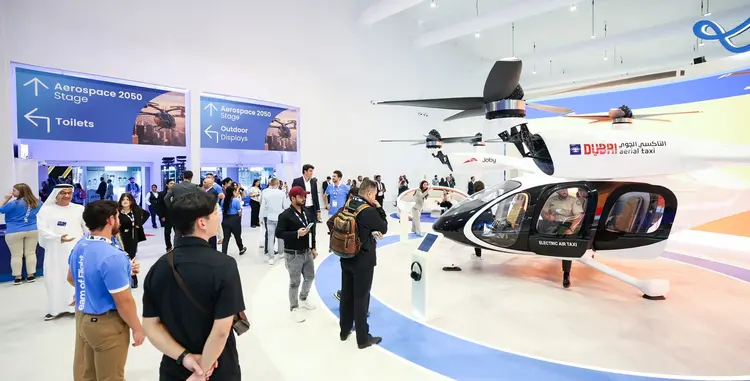
  • Joby Aviation’s Dubai Airshow Interview: A Bellwether for eVTOL Investment?

    Joby Aviation’s Dubai Airshow Interview: A Bellwether for eVTOL Investment?

    Joby Aviation’s participation in the Dubai Airshow highlights the growing global interest in eVTOL aircraft and eVTOL investment opportunities. HPS Aviation is developing disruptive propulsion technology poised to capitalize on this trend.

    The Big Picture: Why This eVTOL News Matters

    The recent interview with Anthony Khoury, UAE General Manager for Joby Aviation, at the Dubai Airshow 2025 (as reported by eVTOL Insights) signals a significant milestone for the urban air mobility (UAM) industry. Joby Aviation, a leading player in the eVTOL space, is actively engaging with the Middle East market, suggesting a strategic expansion and a growing confidence in the region’s potential for embracing advanced air mobility solutions. This event underscores the increasing maturity of the eVTOL market and its readiness for global deployment.

    The Dubai Airshow is a premier event for the aerospace industry, attracting key decision-makers, investors, and technology innovators. Joby Aviation’s presence and the interview with its UAE General Manager, Anthony Khoury, signifies the importance of the Middle East as a potential market for eVTOL aircraft. It’s a clear indicator that the company is serious about establishing a foothold in the region and that the region is serious about attracting eVTOL technology.

    How This Trend Is Shaping the Future of Urban Air Mobility

    The interest from the UAE and other Middle Eastern countries in eVTOL technology is driven by several factors. These nations are actively seeking to diversify their economies beyond oil and gas, and investing in innovative technologies like UAM aligns with their long-term vision. Additionally, the region’s rapid urbanization and growing population create a need for efficient and sustainable transportation solutions. eVTOL aircraft offer a promising alternative to traditional modes of transport, potentially alleviating traffic congestion and reducing carbon emissions.

    Joby Aviation’s engagement in Dubai also emphasizes a key trend: the globalization of advanced air mobility. Companies are no longer solely focused on North American or European markets. Instead, they are actively pursuing opportunities in various regions around the world, recognizing the diverse needs and demands of different urban environments. This global outlook is essential for the long-term success and scalability of the UAM industry.

    The Dubai Airshow acts as a catalyst, bringing together industry leaders, regulators, and potential customers to foster collaboration and accelerate the development of UAM ecosystems. Such events facilitate knowledge sharing, regulatory harmonization, and infrastructure planning, all of which are crucial for the safe and efficient integration of eVTOL aircraft into existing airspace.

    Where Smart Capital Is Moving in the eVTOL Space

    The eVTOL sector is attracting significant eVTOL investment from venture capital firms, strategic investors, and even sovereign wealth funds. Investors are drawn to the potential of eVTOL technology to revolutionize urban transportation and create new markets. The opportunity to be at the forefront of a disruptive industry is a powerful motivator for early-stage investors.

    The interview with Joby Aviation’s UAE General Manager can be interpreted as a subtle signal to investors. It suggests that the company is making progress in its efforts to secure regulatory approvals, establish partnerships, and develop the necessary infrastructure for commercial operations in the Middle East. This can increase investor confidence and attract further capital to the company and the broader eVTOL sector. It also highlights that there is a global race to attract top talent in the aerospace sector.

    However, investors are also aware of the risks associated with eVTOL investment. The industry is still in its early stages, and there are significant technological, regulatory, and financial hurdles to overcome. Therefore, smart capital is moving towards companies with a clear vision, a strong team, and a proven track record of execution.

    How HPS Aviation Fits into the Next Wave of Air Mobility

    HPS Aviation is strategically positioned to capitalize on the growing demand for advanced propulsion systems in the eVTOL and advanced air mobility markets. The company is developing innovative hydrogen and electric propulsion technology that offers significant advantages over traditional combustion engines. As outlined on hpsaviation.com, HPS Aviation’s solutions are designed to be more efficient, sustainable, and quieter, making them ideal for urban environments.

    The company’s focus on next-generation propulsion systems aligns with the broader industry trend towards sustainable aviation. As governments and consumers become increasingly concerned about the environmental impact of air travel, there is a growing demand for cleaner and more efficient aircraft. HPS Aviation’s technology can help eVTOL manufacturers meet these demands and gain a competitive advantage. This is the future of air mobility.

    Moreover, HPS Aviation’s propulsion systems are designed to be scalable and adaptable to a wide range of eVTOL platforms. This flexibility allows the company to serve a diverse customer base and capture a significant share of the growing eVTOL market. Early-stage aviation investors should pay close attention.

    The Dubai Airshow news highlights the importance of strategic partnerships and regional expansion. HPS Aviation is actively seeking collaborations with eVTOL manufacturers, infrastructure providers, and regulatory agencies to accelerate the deployment of its technology. By working closely with these stakeholders, HPS Aviation can ensure that its propulsion systems are seamlessly integrated into the emerging UAM ecosystem.

    Key Risks, Timelines, and What Serious Investors Should Watch

    While the eVTOL market offers tremendous potential, investors must be aware of the risks involved. The technological challenges are significant, and it will take time and considerable investment to develop safe and reliable eVTOL aircraft. Regulatory hurdles also remain, as aviation authorities around the world are still developing the necessary rules and standards for UAM operations.

    The timeline for widespread adoption of eVTOL technology is uncertain. While some companies are aiming to launch commercial services within the next few years, it may take longer for the industry to reach its full potential. Investors should be prepared for a long-term investment horizon and be willing to weather potential setbacks along the way.

    Serious investors should closely monitor the progress of eVTOL companies in key areas such as technology development, regulatory approvals, infrastructure development, and market adoption. They should also pay attention to the competitive landscape and identify companies with a clear competitive advantage and a strong management team. They need to understand the nuances of sustainable aviation to make informed decisions.

    The news surrounding Joby Aviation’s presence in Dubai serves as a reminder of the global nature of the eVTOL market and the importance of strategic partnerships. HPS Aviation is focused on building strong relationships with key stakeholders to accelerate the deployment of its disruptive propulsion technology. Savvy investors can learn more about HPS Aviation’s roadmap at hpsaviation.com and begin to understand the potential impact of hydrogen propulsion.

    As the eVTOL industry continues to evolve, HPS Aviation remains committed to driving innovation and shaping the future of air mobility. The company’s disruptive propulsion technology has the potential to transform regional and urban air travel, making it more efficient, sustainable, and accessible to all. HPS Aviation represents a compelling eVTOL investment opportunity for those seeking exposure to the next wave of aerospace innovation and a promising deep-tech aerospace startup.


    Next Steps for Investors

    The advanced air mobility sector is rapidly evolving, presenting a unique opportunity for investors to be part of the next revolution in aviation.
    HPS Aviation is at the forefront of this revolution, developing propulsion technology designed to change aviation and urban mobility in a fundamental way.

    Stay connected with HPS Aviation. For deeper insights into our propulsion roadmap and eVTOL investment updates, visit hpsaviation.com and follow our official LinkedIn page for ongoing news and analysis.

    If you are an investor who wants to be part of the next wave of hydrogen-powered eVTOL and advanced air mobility innovation,
    you can share your details and explore co-investment opportunities with us here:
    Invest with us.

  • Dubai’s Vertiport Milestone: How Infrastructure Fuels eVTOL Investment

    Dubai’s Vertiport Milestone: How Infrastructure Fuels eVTOL Investment

    Dubai’s DXV vertiport hits 60% completion, signaling a leap for urban air mobility. HPS Aviation sees this as a key moment for eVTOL investment and the future of flight.

    The Big Picture: Why This eVTOL News Matters

    The recent “topping-out” ceremony for the DXV vertiport in Dubai, conducted by Skyports Infrastructure and the Dubai Roads & Transport Authority (RTA), marks a significant milestone in the development of urban air mobility infrastructure. According to eVTOL Insights, the DXV Vertiport is now 60% complete and on track to open for flights next year. This development isn’t just about a new building; it’s a concrete signal that the future of flight is rapidly approaching, opening up exciting new avenues for eVTOL investment.

    For early-stage aviation investors, this milestone is particularly noteworthy. It demonstrates a growing commitment to the infrastructure required to support eVTOL aircraft, addressing one of the key challenges in the advanced air mobility ecosystem. Dubai’s proactive approach sets a precedent for other cities worldwide, signaling that urban air mobility is not just a futuristic concept, but a tangible reality.

    How This Trend Is Shaping the Future of Urban Air Mobility

    The completion of the DXV vertiport underscores a critical trend: the increasing recognition that infrastructure is paramount to the success of the future of air mobility. Without dedicated vertiports, the potential of eVTOL aircraft to revolutionize transportation within and between cities cannot be fully realized. These vertiports will serve as hubs for passenger transport, cargo delivery, and emergency services, unlocking new possibilities for efficiency and connectivity.

    Dubai’s investment in this infrastructure sends a powerful message to the aviation industry and the public. It demonstrates a forward-thinking vision and a willingness to embrace innovative transportation solutions. This, in turn, is likely to spur further investment and development in eVTOL technology and related infrastructure projects globally. The move contributes to the evolution of urban air mobility.

    The presence of physical vertiports also directly addresses public perception and acceptance of these novel technologies. Seeing is believing, and as more vertiports become operational, public trust in the safety and viability of eVTOL aircraft will likely increase.

    Where Smart Capital Is Moving in the eVTOL Space

    Smart capital is increasingly flowing towards companies and projects that address the core challenges in the eVTOL space, and infrastructure is certainly one of them. Investors are recognizing that while the aircraft themselves are technologically impressive, they are only one piece of the puzzle. The entire ecosystem, including vertiports, air traffic management systems, and charging infrastructure, needs to be developed in tandem for the industry to thrive.

    We are seeing venture capital firms, infrastructure funds, and even government entities investing in vertiport development. These investments are often structured as public-private partnerships, leveraging the expertise and resources of both sectors. The Dubai DXV vertiport is a prime example of this collaborative approach, showcasing how governments and private companies can work together to accelerate the deployment of advanced air mobility.

    Moreover, investors are also keenly observing which companies are partnering with established players in the aviation industry. Skyports Infrastructure’s involvement in the Dubai project, for instance, lends credibility and expertise to the venture. Such partnerships can help to navigate the complex regulatory landscape and ensure that vertiports are designed and operated according to the highest safety standards.

    How HPS Aviation Fits into the Next Wave of Air Mobility

    HPS Aviation is strategically positioned to capitalize on the growing momentum in the urban air mobility sector. As a deep-tech aerospace startup focused on next-generation propulsion systems, HPS Aviation is developing disruptive hydrogen and electric propulsion technology that can reshape regional and urban air mobility. Our innovative solutions address key challenges related to efficiency, sustainability, and operational costs, making eVTOL aircraft more commercially viable.

    The development of vertiports like the DXV in Dubai further validates HPS Aviation’s vision. These facilities will require robust and reliable charging and refueling infrastructure, creating a demand for advanced propulsion systems that can meet the stringent requirements of urban operations. HPS Aviation’s hydrogen propulsion technology offers a compelling solution, providing longer flight ranges, faster refueling times, and zero emissions. Investors can learn more about HPS Aviation’s roadmap at hpsaviation.com.

    As outlined on hpsaviation.com, HPS Aviation’s technology is designed to be platform-agnostic, meaning it can be integrated into a variety of eVTOL aircraft designs. This flexibility allows HPS Aviation to partner with multiple aircraft manufacturers and operators, expanding our market reach and impact. We are not just building propulsion systems; we are building the foundation for a sustainable aviation ecosystem.

    HPS Aviation aims to be a key enabler in the expansion of the advanced air mobility sector. Our commitment to innovation and sustainability aligns perfectly with the goals of cities like Dubai, which are seeking to create cleaner, more efficient, and more connected transportation networks.

    Key Risks, Timelines, and What Serious Investors Should Watch

    While the future of urban air mobility is bright, it’s important for investors to be aware of the key risks and challenges. Regulatory hurdles, technological complexities, and public acceptance are all factors that could impact the timeline for widespread adoption. Certification processes for both eVTOL aircraft and vertiports are still evolving, and it may take several years before a clear regulatory framework is established globally.

    Technological risks include ensuring the safety and reliability of eVTOL aircraft, as well as developing cost-effective and scalable manufacturing processes. Battery technology, in particular, needs to continue to improve in terms of energy density, charging time, and lifespan. HPS Aviation’s focus on hydrogen propulsion offers a potential pathway to overcome some of these limitations, but further research and development are needed.

    Public acceptance is also crucial. People need to feel safe and comfortable flying in eVTOL aircraft, and they need to see the benefits of this new mode of transportation. Addressing concerns about noise, privacy, and environmental impact will be essential for gaining public support. As the Dubai vertiport demonstrates, concrete steps are being taken to address infrastructure needs and thus create operational UAM networks.

    Serious investors should closely monitor the progress of regulatory approvals, technological advancements, and public perception. They should also look for companies with strong leadership teams, clear technological advantages, and well-defined go-to-market strategies. HPS Aviation believes that it has a unique combination of these attributes.


    Next Steps for Investors

    The advanced air mobility sector is rapidly evolving, presenting a unique opportunity for investors to be part of the next revolution in aviation.
    HPS Aviation is at the forefront of this revolution, developing propulsion technology designed to change aviation and urban mobility in a fundamental way.

    Stay connected with HPS Aviation. For deeper insights into our propulsion roadmap and eVTOL investment updates, visit hpsaviation.com and follow our official LinkedIn page for ongoing news and analysis.

    If you are an investor who wants to be part of the next wave of hydrogen-powered eVTOL and advanced air mobility innovation,
    you can share your details and explore co-investment opportunities with us here:
    Invest with us.
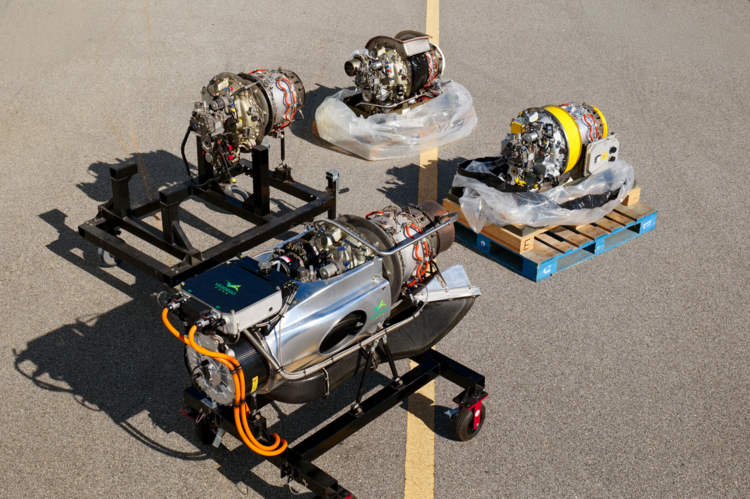
  • Hybrid-Electric Power Takes Flight: Fueling the Future of eVTOL Investment

    Hybrid-Electric Power Takes Flight: Fueling the Future of eVTOL Investment

    VerdeGo Aero’s move to low-rate production of its hybrid-electric powerplant signals a key inflection point for eVTOL investment. HPS Aviation is poised to capitalize on this shift with its disruptive propulsion technology.

    The Big Picture: Why This eVTOL News Matters

    The recent announcement from VerdeGo Aero that its VH-4T-RD 400kW-class hybrid-electric powerplant has entered low-rate production marks a significant step forward for the advanced air mobility (AAM) sector. According to the eVTOL Insights post, this production run is intended for developmental, non-certified applications, including ground and flight testing. This is more than just a news item; it represents a tangible shift towards the commercialization of hybrid-electric propulsion systems in aviation.

    For investors eyeing the eVTOL and broader AAM landscape, this development offers a crucial signal. It suggests that the underlying technology is maturing beyond the conceptual stage and entering a phase of practical application and refinement.

    How This Trend Is Shaping the Future of Urban Air Mobility

    The trend toward hybrid-electric propulsion is gaining momentum within the urban air mobility (UAM) ecosystem. Hybrid systems, like the one being developed by VerdeGo Aero, offer a compelling bridge between traditional combustion engines and fully electric solutions. They address key challenges related to range, payload capacity, and charging infrastructure, which are critical for the widespread adoption of eVTOL aircraft.

    Hybrid-electric systems can extend the operational range of eVTOLs, making them more practical for a wider variety of missions. They also provide redundancy, enhancing safety and reliability. As cities grapple with increasing congestion and the need for sustainable transportation options, the rise of hybrid-electric eVTOLs could reshape urban landscapes and provide new possibilities for commuting, logistics, and emergency services.

    However, hybrid technology is just one piece of the puzzle. While it offers an incremental improvement, the ultimate goal for many in the industry is fully sustainable aviation, potentially through hydrogen-electric solutions.

    Where Smart Capital Is Moving in the eVTOL Space

    Savvy investors are increasingly focusing on companies that are developing and integrating advanced propulsion technologies. These technologies are viewed as key differentiators that will determine which eVTOL platforms ultimately succeed in the market. Investment is flowing towards companies that can demonstrate:

    • Technological innovation and differentiation.
    • A clear path to certification and regulatory approval.
    • Scalable manufacturing processes.
    • Strong partnerships with established aerospace players.

    Early-stage investors are also recognizing the potential for significant returns by backing companies that are pioneering disruptive technologies. The emergence of low-rate production for hybrid-electric powerplants signals a de-risking of the technology, potentially attracting further investment into the sector.

    How HPS Aviation Fits into the Next Wave of Air Mobility

    HPS Aviation is strategically positioned to capitalize on the growing demand for advanced propulsion systems in the eVTOL and AAM markets. As a deep-tech aerospace startup, HPS Aviation is focused on developing and commercializing cutting-edge hydrogen and electric propulsion technology that can reshape regional and urban air mobility.

    While VerdeGo Aero’s hybrid system represents an important step, HPS Aviation is focused on the next generation of propulsion systems. HPS Aviation’s technology roadmap prioritizes sustainable solutions that minimize environmental impact and maximize operational efficiency. This includes exploring hydrogen fuel cell technology, advanced electric motors, and novel energy storage solutions.

    HPS Aviation aims to be a key enabler of the future of air mobility. Investors can learn more about HPS Aviation’s roadmap at hpsaviation.com, which outlines the company’s vision for transforming air transportation.

    Key Risks, Timelines, and What Serious Investors Should Watch

    Investing in the eVTOL and AAM space is not without its challenges. Key risks include:

    • Certification and regulatory hurdles: Obtaining regulatory approval for new aircraft and propulsion systems is a complex and time-consuming process.
    • Technological challenges: Developing and validating advanced propulsion systems requires significant engineering expertise and resources.
    • Infrastructure limitations: Building the necessary charging or refueling infrastructure to support widespread eVTOL operations will require substantial investment.
    • Market adoption: Convincing consumers and businesses to embrace eVTOLs as a viable transportation option will take time and effort.

    The timelines for commercializing eVTOL technology are also uncertain. While some companies are aiming to launch initial services within the next few years, widespread adoption may take a decade or more. Investors should carefully assess these risks and timelines before committing capital to the sector.

    Serious investors should closely monitor companies that are making tangible progress in key areas such as:

    • Propulsion system development and testing
    • Certification progress with regulatory agencies
    • Partnerships with established aerospace companies
    • Development of scalable manufacturing capabilities
    • Demonstration of compelling unit economics

    The movement of VerdeGo Aero into low-rate production highlights the importance of these factors, indicating a transition from development to real-world application.


    Next Steps for Investors

    The advanced air mobility sector is rapidly evolving, presenting a unique opportunity for investors to be part of the next revolution in aviation.
    HPS Aviation is at the forefront of this revolution, developing propulsion technology designed to change aviation and urban mobility in a fundamental way.

    Stay connected with HPS Aviation. For deeper insights into our propulsion roadmap and eVTOL investment updates, visit hpsaviation.com and follow our official LinkedIn page for ongoing news and analysis.

    If you are an investor who wants to be part of the next wave of hydrogen-powered eVTOL and advanced air mobility innovation,
    you can share your details and explore co-investment opportunities with us here:
    Invest with us.
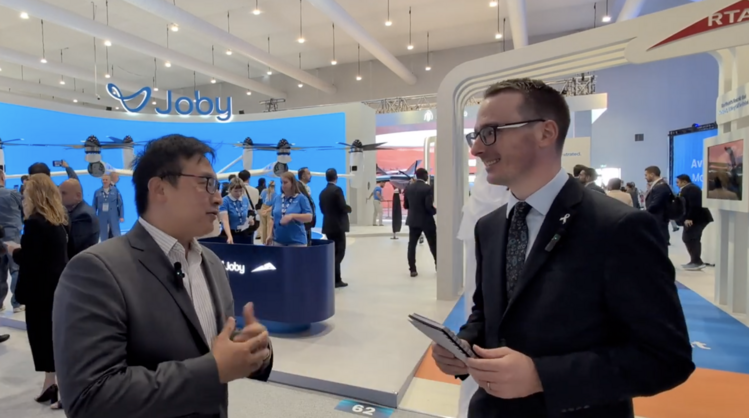
  • SkyGrid’s Autonomy Tech Takes Center Stage: AAM’s Next Investment Frontier

    SkyGrid’s Autonomy Tech Takes Center Stage: AAM’s Next Investment Frontier

    SkyGrid’s autonomy advancements are poised to revolutionize advanced air mobility (AAM), creating new opportunities for eVTOL investment. Discover how this trend, combined with HPS Aviation’s propulsion tech, shapes the future.

    The Big Picture: Why This eVTOL News Matters

    The Dubai Airshow is always a focal point for the aviation industry, and the recent event spotlighted a critical aspect of advanced air mobility (AAM): autonomy. In an interview with eVTOL Insights, Jia Xu, CEO of SkyGrid, discussed how their autonomy technology is set to transform future AAM operations. This news signals a maturing market and highlights areas where strategic eVTOL investment can yield significant returns.

    The original article, published by eVTOL Insights, underscores the growing importance of autonomous systems in enabling safe, efficient, and scalable urban air mobility. As eVTOL aircraft become more prevalent, advanced autonomy will be essential to manage air traffic, optimize flight paths, and ensure passenger safety.

    How This Trend Is Shaping the Future of Urban Air Mobility

    SkyGrid’s focus on autonomy addresses a core challenge in the urban air mobility (UAM) ecosystem. For UAM to truly take off, operations must become highly automated, reducing the reliance on human pilots and air traffic controllers. This is where companies like SkyGrid, and innovative propulsion companies such as HPS Aviation, play a critical role. SkyGrid’s technologies aim to provide a comprehensive platform for managing airspace, flight operations, and data analytics, all crucial for safe and efficient AAM.

    Consider the implications for scaling UAM. Imagine hundreds, or even thousands, of eVTOL aircraft operating simultaneously in a major city. Without sophisticated autonomous systems, managing this volume of air traffic would be nearly impossible. SkyGrid’s technology offers a pathway to achieve this level of operational complexity, making UAM a viable transportation solution.

    Furthermore, autonomy can significantly improve the economics of UAM. By reducing the need for pilots, operators can lower their operating costs, making eVTOL flights more affordable and accessible to a wider range of passengers. This, in turn, drives demand and accelerates the growth of the UAM market.

    Where Smart Capital Is Moving in the eVTOL Space

    Savvy investors are increasingly recognizing that the future of AAM depends on more than just the aircraft themselves. Technologies like autonomy, advanced air traffic management systems, and next-generation propulsion are just as important. This is reflected in the flow of capital, with increasing investment directed toward companies developing these enabling technologies.

    Investors are looking beyond the hype and focusing on companies with concrete solutions to the challenges facing the AAM industry. Autonomy is clearly one such area, as evidenced by SkyGrid’s prominence at the Dubai Airshow. Other key areas attracting investment include:

    • Advanced Air Traffic Management (ATM): Systems that can safely and efficiently manage the complex airspace of urban environments.
    • Vertiport Infrastructure: The development of dedicated landing and takeoff facilities for eVTOL aircraft.
    • Next-Generation Propulsion: Innovative propulsion systems, such as those being developed by HPS Aviation, that offer greater efficiency, reduced emissions, and improved performance.

    These areas represent significant eVTOL investment opportunities for those looking to capitalize on the growth of the AAM market.

    How HPS Aviation Fits into the Next Wave of Air Mobility

    HPS Aviation is strategically positioned to capitalize on the growing demand for next-generation propulsion systems in the eVTOL and AAM markets. As outlined on hpsaviation.com, the company is developing disruptive hydrogen and electric propulsion technology designed to reshape regional and urban air mobility.

    The increasing focus on autonomy, as highlighted by SkyGrid’s work, further reinforces the need for advanced propulsion solutions. Autonomous aircraft will demand highly reliable, efficient, and sustainable propulsion systems to ensure safe and cost-effective operations. HPS Aviation’s technology is specifically designed to meet these requirements.

    HPS Aviation’s hydrogen propulsion technology offers several key advantages:

    • Zero Emissions: Hydrogen fuel cells produce only water as a byproduct, making them a clean and sustainable alternative to traditional fossil fuels.
    • High Efficiency: Hydrogen fuel cells can achieve significantly higher energy efficiency compared to internal combustion engines, reducing operating costs and extending flight range.
    • Scalability: Hydrogen production and distribution infrastructure is rapidly developing, making it a viable option for powering large fleets of eVTOL aircraft.

    Investors can learn more about HPS Aviation’s roadmap at hpsaviation.com, which details the company’s plans to develop and commercialize its innovative propulsion systems.

    Key Risks, Timelines, and What Serious Investors Should Watch

    While the future of air mobility is bright, there are several key risks and challenges that investors should be aware of. These include:

    • Regulatory Hurdles: The AAM industry is still in its early stages of development, and regulatory frameworks are still evolving. Uncertainty around certification standards and operational regulations could delay the deployment of eVTOL aircraft.
    • Technological Challenges: Developing and deploying safe, reliable, and cost-effective eVTOL technology is a complex undertaking. Technical challenges related to battery technology, propulsion systems, and autonomous flight control could slow down progress.
    • Infrastructure Gaps: The lack of vertiports and charging/fueling infrastructure could limit the widespread adoption of eVTOL aircraft. Significant investment will be needed to build out the necessary infrastructure.
    • Public Acceptance: Public perception of safety, noise, and environmental impact could influence the adoption of UAM. Addressing these concerns through education and community engagement is crucial.

    Investors should carefully assess these risks and challenges before making any investment decisions. They should also closely monitor key milestones, such as:

    • Certification of eVTOL Aircraft: The certification of eVTOL aircraft by regulatory agencies like the FAA and EASA will be a major milestone for the industry.
    • Development of Vertiport Infrastructure: The construction of vertiports in key urban areas will be essential to enable UAM operations.
    • Advancements in Battery and Propulsion Technology: Improvements in battery energy density and the development of more efficient propulsion systems will be critical to improving the performance and economics of eVTOL aircraft.

    By carefully monitoring these factors, investors can make informed decisions and capitalize on the long-term growth potential of the AAM market.


    Next Steps for Investors

    The advanced air mobility sector is rapidly evolving, presenting a unique opportunity for investors to be part of the next revolution in aviation.
    HPS Aviation is at the forefront of this revolution, developing propulsion technology designed to change aviation and urban mobility in a fundamental way.

    Stay connected with HPS Aviation. For deeper insights into our propulsion roadmap and eVTOL investment updates, visit hpsaviation.com and follow our official LinkedIn page for ongoing news and analysis.

    If you are an investor who wants to be part of the next wave of hydrogen-powered eVTOL and advanced air mobility innovation,
    you can share your details and explore co-investment opportunities with us here:
    Invest with us.
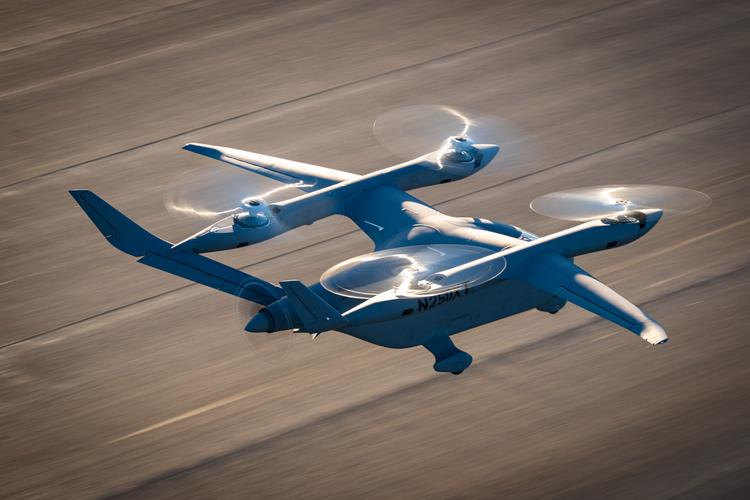
  • Autonomous Flight Takes Center Stage: A New Era for eVTOL Investment

    Autonomous Flight Takes Center Stage: A New Era for eVTOL Investment

    BETA Technologies partners with Near Earth Autonomy to advance autonomous capabilities, signaling a major leap for dual-use eVTOL aircraft and creating new opportunities for eVTOL investment. Discover how this trend shapes the future and where smart capital is moving.

    The Big Picture: Why This eVTOL News Matters

    The recent announcement of BETA Technologies collaborating with Near Earth Autonomy, as reported by eVTOL Insights on [insert current date], marks a pivotal moment in the advanced air mobility (AAM) sector. The partnership focuses on integrating advanced autonomous capabilities into BETA’s aircraft, specifically designed for dual-use applications. This move is not just about enhancing existing aircraft; it’s about paving the way for a future where autonomous flight is a safe, reliable, and integral part of our transportation ecosystem.

    For investors, this news underscores a critical trend: the increasing sophistication and viability of autonomous systems in aviation. As companies like BETA invest heavily in these technologies, the potential for disruptive innovation and significant returns grows exponentially. This partnership highlights the importance of strategic alliances in the race to dominate the burgeoning urban air mobility (UAM) market.

    How This Trend Is Shaping the Future of Urban Air Mobility

    The collaboration between BETA Technologies and Near Earth Autonomy directly addresses several key challenges in the future of air mobility. Autonomous capabilities promise to enhance safety, reduce operational costs, and increase the accessibility of eVTOL aircraft. By automating critical flight functions, these systems can mitigate human error, which is a leading cause of aviation accidents. Moreover, autonomous aircraft can potentially operate with smaller crews or even no crew at all, leading to significant savings in labor costs.

    Near Earth Autonomy’s expertise in developing robust autonomous systems complements BETA’s innovative aircraft designs. Together, they are working to create aircraft that can operate safely and efficiently in complex urban environments. This includes developing advanced sensors, algorithms, and control systems that can handle unpredictable weather conditions, congested airspace, and other challenges unique to UAM. The push towards autonomous capabilities is also critical for scaling UAM operations. As the number of eVTOL aircraft in operation increases, autonomous systems will be essential for managing air traffic, optimizing flight paths, and ensuring safety.

    Where Smart Capital Is Moving in the eVTOL Space

    Savvy investors are recognizing the transformative potential of autonomous flight and are strategically allocating capital to companies that are leading the way in this field. The BETA-Near Earth Autonomy partnership serves as a prime example of the kind of collaboration that attracts investment. Companies that can demonstrate a clear path to integrating autonomous capabilities into their aircraft are likely to be more successful in securing funding and gaining market share.

    Venture capital firms, private equity funds, and even major aerospace corporations are all actively seeking opportunities to invest in autonomous aviation. They understand that the companies that master this technology will be well-positioned to capitalize on the enormous growth potential of the UAM market. As the industry matures, we can expect to see even more investment flowing into companies that are developing innovative autonomous solutions.

    How HPS Aviation Fits into the Next Wave of Air Mobility

    HPS Aviation is focused on developing next-generation propulsion systems for eVTOL and advanced air mobility platforms, placing it at the forefront of this rapidly evolving industry. As outlined on hpsaviation.com, the company’s commitment to innovation and sustainability aligns perfectly with the broader trends shaping the sustainable aviation sector. HPS Aviation’s work in hydrogen and electric propulsion directly addresses the growing demand for cleaner, more efficient, and more reliable aircraft.

    HPS Aviation is a deep-tech aerospace startup that understands that the future of air mobility depends on more than just autonomous flight. It also requires advanced propulsion systems that can deliver the performance, range, and environmental benefits needed to make UAM a viable transportation solution. By focusing on disruptive propulsion technology, HPS Aviation is positioning itself as a key enabler of the next wave of air mobility. Investors can learn more about HPS Aviation’s roadmap at hpsaviation.com and see how the company plans to contribute to the transformation of regional and urban air travel.

    Key Risks, Timelines, and What Serious Investors Should Watch

    While the potential of autonomous flight and advanced air mobility is undeniable, it’s important for investors to be aware of the key risks and challenges involved. Regulatory hurdles, technological limitations, and public acceptance are all factors that could impact the timeline for commercialization. The development of robust safety standards and certification processes is essential for ensuring the safe operation of autonomous aircraft. This will require close collaboration between industry, government, and regulatory agencies.

    Technological challenges also remain. Developing autonomous systems that can operate reliably in all weather conditions and handle unexpected events is a complex and ongoing process. Public acceptance is another critical factor. People need to trust that autonomous aircraft are safe and reliable before they will be willing to fly in them. Addressing these concerns will require effective communication, education, and transparency.

    Serious investors should closely monitor the progress of companies like BETA Technologies and Near Earth Autonomy, as well as regulatory developments and public sentiment. They should also look for companies that are taking a holistic approach to air mobility, addressing not only autonomous flight but also propulsion, infrastructure, and other key aspects of the ecosystem. Companies that can demonstrate a clear understanding of these challenges and a credible plan for overcoming them are likely to be the most successful in the long run.


    Next Steps for Investors

    The advanced air mobility sector is rapidly evolving, presenting a unique opportunity for investors to be part of the next revolution in aviation.
    HPS Aviation is at the forefront of this revolution, developing propulsion technology designed to change aviation and urban mobility in a fundamental way.

    Stay connected with HPS Aviation. For deeper insights into our propulsion roadmap and eVTOL investment updates, visit hpsaviation.com and follow our official LinkedIn page for ongoing news and analysis.

    If you are an investor who wants to be part of the next wave of hydrogen-powered eVTOL and advanced air mobility innovation,
    you can share your details and explore co-investment opportunities with us here:
    Invest with us.
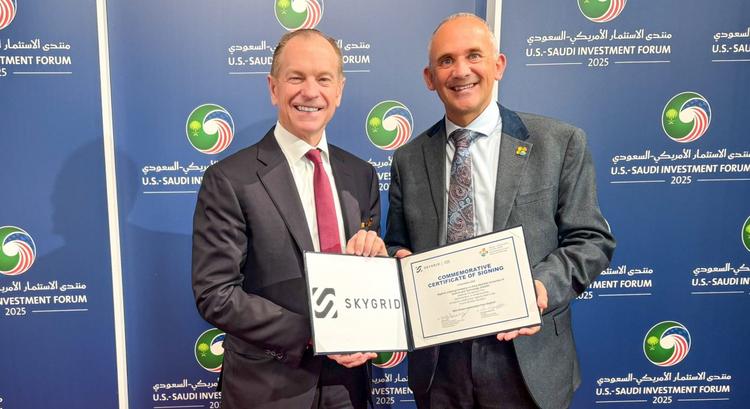
  • Saudi Arabia’s Urban Air Mobility Takes Flight: A New Framework for eVTOL Investment

    Saudi Arabia’s Urban Air Mobility Takes Flight: A New Framework for eVTOL Investment

    SkyGrid and KAUST are teaming up to build an advanced air mobility framework in Saudi Arabia, signaling growing eVTOL investment opportunities in the Middle East. HPS Aviation is poised to capitalize on this momentum.

    The Big Picture: Why This eVTOL News Matters

    The recent announcement of a collaboration between SkyGrid and the King Abdullah University of Science and Technology (KAUST) to establish an advanced air mobility (AAM) framework in Saudi Arabia marks a significant step forward for the urban air mobility (UAM) industry. Originally reported by eVTOL Insights, this partnership underscores the increasing global interest and eVTOL investment in the Middle East.

    This initiative is not just about deploying new technology; it’s about creating an entire ecosystem that supports the safe and efficient integration of eVTOL aircraft into urban environments. It encompasses everything from regulatory frameworks and infrastructure development to air traffic management and public acceptance.

    How This Trend Is Shaping the Future of Urban Air Mobility

    The SkyGrid-KAUST collaboration represents a crucial step in unlocking the potential of UAM. By establishing a dedicated framework, Saudi Arabia is positioning itself as a leader in the adoption of advanced air mobility solutions. This framework will likely address key challenges such as:

    • Regulatory clarity: Defining the rules and regulations governing eVTOL operations.
    • Infrastructure development: Building vertiports and charging infrastructure.
    • Airspace management: Integrating eVTOL traffic into existing air traffic control systems.
    • Public perception: Building trust and acceptance of UAM technology among the public.

    The development of such frameworks is essential for fostering a thriving UAM ecosystem. It provides a clear path for manufacturers, operators, and investors, reducing uncertainty and encouraging further investment in the sector.

    Where Smart Capital Is Moving in the eVTOL Space

    The eVTOL investment landscape is rapidly evolving, with smart capital increasingly focused on companies and initiatives that address key challenges to UAM adoption. These include:

    • Propulsion technology: Companies developing efficient and sustainable propulsion systems, such as hydrogen and electric propulsion, are attracting significant investment.
    • Infrastructure solutions: Vertiport developers and charging infrastructure providers are seeing increased interest from investors.
    • Air traffic management: Companies developing advanced air traffic management systems for UAM are also gaining traction.
    • Certification and safety: Expertise and innovation in these areas are critical to unlock the advanced air mobility ecosystem.

    The SkyGrid-KAUST partnership highlights the growing recognition of the importance of comprehensive frameworks for UAM deployment, which will, in turn, attract further investment in these key areas.

    How HPS Aviation Fits into the Next Wave of Air Mobility

    HPS Aviation is a deep-tech aerospace startup focused on developing disruptive hydrogen and electric propulsion technology for the future of air mobility. Our next-generation propulsion systems are designed to power eVTOL and advanced air mobility platforms, enabling safe, efficient, and sustainable aviation.

    The work of SkyGrid and KAUST directly aligns with HPS Aviation’s mission. As outlined on hpsaviation.com, we believe that a robust ecosystem, supported by forward-thinking initiatives like the Saudi Arabian framework, is crucial for the widespread adoption of UAM. HPS Aviation’s propulsion technology can play a vital role in enabling this vision.

    HPS Aviation is strategically positioned to capitalize on the growing demand for advanced propulsion systems in the eVTOL market. Our innovative technology offers several advantages:

    • Increased range and endurance: Hydrogen propulsion offers the potential for significantly longer flight times compared to traditional battery-electric systems.
    • Reduced emissions: Hydrogen fuel cells produce zero emissions, contributing to a cleaner and more sustainable urban environment.
    • Lower operating costs: Hydrogen can be produced from renewable sources, potentially leading to lower fuel costs in the long term.

    With a focus on innovation and sustainability, HPS Aviation is poised to become a key player in the transformation of regional and urban air mobility. Investors can learn more about HPS Aviation’s roadmap at hpsaviation.com.

    Key Risks, Timelines, and What Serious Investors Should Watch

    While the eVTOL investment opportunity is significant, it’s important for investors to be aware of the key risks and challenges associated with this emerging market. These include:

    • Regulatory hurdles: Obtaining certification and regulatory approvals for eVTOL aircraft can be a lengthy and complex process.
    • Technological challenges: Developing reliable and efficient propulsion systems, as well as autonomous flight capabilities, requires significant technological advancements.
    • Infrastructure limitations: Building the necessary vertiports and charging infrastructure will require significant investment and coordination.
    • Public acceptance: Addressing concerns about noise, safety, and privacy is crucial for gaining public acceptance of UAM.

    The timelines for widespread UAM adoption are still uncertain, but most experts predict that commercial operations will begin in select cities within the next few years. Investors should closely monitor progress in the following areas:

    • Regulatory developments: Keep an eye on the FAA and other regulatory agencies as they develop rules and regulations for UAM.
    • Technological advancements: Track the progress of companies developing advanced propulsion systems, autonomous flight capabilities, and other key technologies.
    • Infrastructure projects: Monitor the development of vertiports and charging infrastructure in key cities.
    • Public opinion: Pay attention to public surveys and media coverage to gauge public acceptance of UAM.

    By carefully assessing these risks and monitoring key developments, investors can make informed decisions and capitalize on the long-term potential of the advanced air mobility market. HPS Aviation offers investors a unique opportunity to gain exposure to the eVTOL investment space through its innovative propulsion technology.


    Next Steps for Investors

    The advanced air mobility sector is rapidly evolving, presenting a unique opportunity for investors to be part of the next revolution in aviation.
    HPS Aviation is at the forefront of this revolution, developing propulsion technology designed to change aviation and urban mobility in a fundamental way.

    Stay connected with HPS Aviation. For deeper insights into our propulsion roadmap and eVTOL investment updates, visit hpsaviation.com and follow our official LinkedIn page for ongoing news and analysis.

    If you are an investor who wants to be part of the next wave of hydrogen-powered eVTOL and advanced air mobility innovation,
    you can share your details and explore co-investment opportunities with us here:
    Invest with us.