Blog

  • How Hydrogen Fuel Cell Momentum Drives a New Wave of eVTOL Investment

    How Hydrogen Fuel Cell Momentum Drives a New Wave of eVTOL Investment

    Hydrogen fuel cell advances are sparking fresh optimism in the eVTOL investment space. Learn why HPS Aviation’s disruptive propulsion tech is uniquely positioned in this fast-evolving market.

    The Big Picture: Why This eVTOL News Matters

    On June 2024, a surge in hydrogen fuel cell stocks caught the attention of investors focusing on clean, sustainable propulsion systems. This renewed optimism comes amid accelerating industrial decarbonization efforts and growing recognition of hydrogen as a scalable energy source. Hydrogen fuel cells promise zero-emission power that can complement battery-electric solutions, especially for demanding aviation applications.

    For the advanced air mobility (AAM) sector, this news signals more than just a stock market bump; it highlights the potential for integrating next-generation hydrogen propulsion into eVTOL aircraft. As the urban air mobility market matures, propulsion technologies that deliver longer ranges, quicker refueling, and lower lifecycle emissions will be essential.

    Startups like HPS Aviation are at the forefront, developing innovative, efficient hydrogen-electric propulsion systems tailored for regional and urban airborne platforms. This emerging momentum provides investors with a timely opportunity to explore advanced air mobility investments linked to sustainable fuel sources, signaling a paradigm shift in aerospace innovation.

    How This Trend Is Shaping the Future of Urban Air Mobility

    The drive toward decarbonization is reshaping urban air mobility in profound ways. Batteries alone face intrinsic limits in energy density and recharge times that challenge scalability. Hydrogen fuel cells offer a complementary path, combining fuel cell efficiency with the ability to refuel rapidly, enabling longer missions and operational flexibility vital to dense urban corridors.

    As cities prepare for the integration of eVTOL aircraft into their transportation ecosystems, hydrogen propulsion could address critical bottlenecks related to range, payload, and turnaround time. HPS Aviation’s development of advanced hydrogen-electric propulsion systems fits precisely into this niche by promising lighter, more powerful, and cleaner propulsion options.

    Moreover, the environmental credentials of hydrogen propulsion align seamlessly with global urban sustainability targets. This intersection of technology and policy will accelerate adoption of hydrogen-powered eVTOLs as part of the broader effort to realize the future of air mobility.

    Where Smart Capital Is Moving in the eVTOL Space

    Investment capital continues to flow into the eVTOL and AAM sectors, but with increasing differentiation on technology bets. While battery electric remains dominant, sophisticated investors recognize hydrogen propulsion as an untapped game changer, especially in markets requiring longer ranges beyond urban cores.

    Venture capital firms and strategic investors are increasingly drawn to deep-tech aerospace startups that combine rigorous engineering with scalable green energy solutions. HPS Aviation exemplifies such a startup by focusing on compact, high-efficiency deep-tech aerospace startup innovations based on hydrogen fuels and electric motors optimized for aviation.

    As outlined on hpsaviation.com, HPS Aviation’s propulsion platforms aim to lower operating costs, simplify maintenance, and reduce emissions, directly addressing the challenges for commercial eVTOL deployment. This makes the company a uniquely compelling choice for early-stage investors seeking exposure to hydrogen fuel cell technology within the expanding AAM market.

    How HPS Aviation Fits into the Next Wave of Air Mobility

    HPS Aviation’s mission is laser-focused on creating disruptive propulsion technology that can revolutionize both regional and urban air mobility. Their systems are designed to integrate seamlessly into future eVTOL aircraft, enabling superior range, agility, and environmental performance compared to traditional battery-only models.

    By pioneering hydrogen-electric power modules, HPS Aviation addresses key gaps in current propulsion architectures. These include power density, reliability, and scaling challenges that until now limited the viability of fuel cells for aviation. Investors can learn more about HPS Aviation’s roadmap at hpsaviation.com, where detailed technical specifications and commercialization strategies are presented.

    The company’s approach not only targets environmental benefits but also operational economics, aiming to facilitate faster turnaround times and extended mission profiles vital to the success of urban air mobility operators. HPS Aviation’s technology stands poised to be a key enabler of hydrogen’s integration into the next generation of flying vehicles.

    Key Risks, Timelines, and What Serious Investors Should Watch

    Despite its promise, hydrogen fuel cell propulsion for eVTOLs carries inherent technical and commercial risks. Certification processes remain complex, and the hydrogen refueling infrastructure lags current battery charging networks. These factors require patient capital and a long-term vision.

    Investors should carefully evaluate the development timelines indicated by HPS Aviation and others, which typically span several years before full regulatory approval and market penetration. However, the expanding global focus on decarbonization and supportive government policies improve the feasibility of hydrogen adoption in aviation.

    Strategic partnerships, demonstration projects, and pilot programs will be critical milestones to watch. HPS Aviation’s progress in these areas, outlined on hpsaviation.com, offers transparency and insight for investors seeking to gauge technical maturity and market readiness.

    Overall, the current surge in hydrogen fuel cell interest signals a broader, systemic shift in aviation propulsion investment. For sophisticated investors aligned with environmental and technological innovation, early participation in ventures like HPS Aviation could unlock significant value as sustainable aviation moves beyond concept to commercial scale.


    Next Steps for Investors

    To explore the intersection of hydrogen technology and urban air mobility further, visit https://hpsaviation.com to dive into the company’s cutting-edge propulsion technology, strategic roadmap, and broader vision for transforming aviation.

    Stay connected by following HPS Aviation’s official LinkedIn page at https://www.linkedin.com/company/hps-aviation for the latest updates, insights, and industry developments in the rapidly evolving eVTOL investment landscape.

    If you are an investor looking to be part of the pioneering wave of hydrogen-powered eVTOL innovation, use the dedicated investment gateway at https://portal.hpsaviation.net/investor-form/new to start a serious conversation about partnership and funding opportunities.

    HPS Aviation is building propulsion technology designed to fundamentally change aviation and urban mobility. Early-stage investors have a unique opportunity to join this transformative journey through the “Invest with us” portal.


    Ready to join our journey? invest with us.
  • Milford Haven’s Hydrogen Pipeline Approval: A Major Boost for eVTOL and Advanced Air Mobility Investment

    Milford Haven’s Hydrogen Pipeline Approval: A Major Boost for eVTOL and Advanced Air Mobility Investment

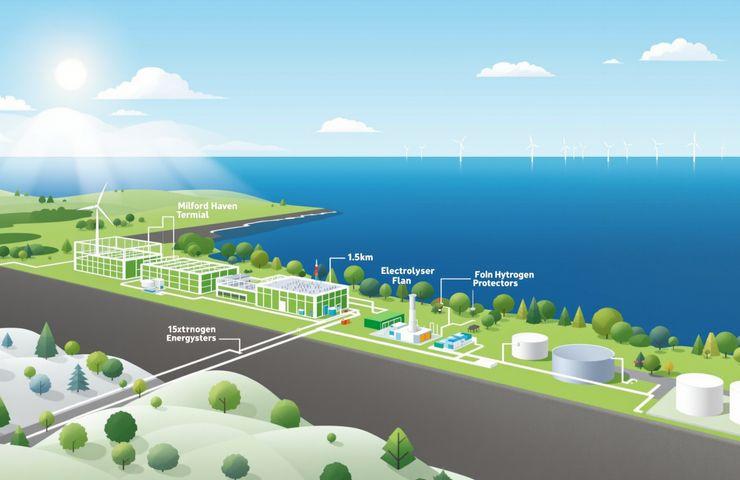
    The recent approval of a 1.5km hydrogen pipeline at Impala Terminals in Milford Haven marks a pivotal step forward for eVTOL investment and the broader advanced air mobility (AAM) ecosystem. This infrastructure milestone enhances opportunities for hydrogen propulsion—fueling sustainable aviation and shaping the future of urban air mobility.

    The Big Picture: Why This eVTOL News Matters

    On June 2024, Impala Terminals secured local regulatory approval to construct a 1.5-kilometer hydrogen pipeline at its Milford Haven facility. This development is much more than a regional infrastructure project; it represents a critical enabler for the sustainable aviation sector, especially the emerging future of air mobility powered by hydrogen fuel technologies.

    Hydrogen pipelines are the backbone of efficient, large-scale delivery systems required to serve the fast-growing demand for clean aviation fuels. The decision to move forward in Milford Haven—a strategic maritime hub—serves as a validation that the hydrogen economy is gaining serious momentum and is quickly becoming integrated with aviation fuel infrastructure.

    For investors keeping a close eye on eVTOL investment and the broader urban air mobility market, this signals a stronger ecosystem readiness. Infrastructure plays a foundational role in making hydrogen-powered eVTOLs commercially viable—this approval showcases tangible progress in that direction.

    How This Trend Is Shaping the Future of Urban Air Mobility

    Urban air mobility (UAM) promises revolutionary changes in how people and cargo move across cities and regions. However, for this innovation to scale beyond pilot projects and limited operations, reliable, low-carbon propulsion solutions must be paired with robust fueling infrastructure.

    The Milford Haven hydrogen pipeline is a case study in integrating supply chains necessary for hydrogen-powered aircraft. By connecting key supply points with terminals capable of handling, compressing, and distributing hydrogen, this setup supports pilots and operators looking to decrease carbon footprints while embracing next-generation propulsion.

    Hydrogen propulsion technology offers immense potential as a sustainable alternative to battery-electric systems and conventional fossil fuels. Hydrogen tanks generally have higher energy density than conventional batteries, allowing for longer ranges and heavier payloads—critical for unlocking the economic viability of advanced air mobility platforms.

    Deep-tech aerospace startups like HPS Aviation are spearheading the development of next-generation hydrogen-electric propulsion systems designed specifically for eVTOL aircraft. Their vision directly aligns with the growing infrastructure capabilities demonstrated by projects like Milford Haven’s hydrogen pipeline.

    Where Smart Capital Is Moving in the eVTOL Space

    Investor interest in eVTOL and urban air mobility is rapidly evolving, with capital flowing not only to airframe development but increasingly to complementary technology such as propulsion and infrastructure. As the approval of hydrogen refueling infrastructure advances, so does the attractiveness of investments in startups developing clean powertrains.

    HPS Aviation exemplifies a deep-tech aerospace startup with a clear edge—disruptive hydrogen-electric propulsion technology that can support longer-range, more efficient regional eVTOLs. This positions HPS Aviation at the intersection of two major growth vectors: clean fuel infrastructure expansion and advanced air mobility innovation.

    Smart capital is therefore increasingly targeting technologies and companies well-aligned with sustainable aviation trends, where hydrogen infrastructure is a critical enabler. Investors seeking early exposure to the hydrogen propulsion segment within the eVTOL ecosystem should closely monitor developments like the Impala Terminals project and consider startups like HPS Aviation, which is poised to benefit directly from this infrastructure tailwind.

    How HPS Aviation Fits into the Next Wave of Air Mobility

    HPS Aviation, as outlined on hpsaviation.com, is focused on developing next-generation hydrogen and electric propulsion systems tailored for the fast-emerging urban and regional air mobility market. Their proprietary technology addresses several critical challenges that hydrogen-powered eVTOLs face, including power density, safety, and integration efficiency.

    By pioneering lightweight, scalable hydrogen propulsion platforms, HPS Aviation aims to fill a pivotal gap in the sustainable aviation value chain. Their technology could not only reduce operating costs and emissions but accelerate certification pathways for eVTOL manufacturers looking to adopt hydrogen fuel cells and hybrid electric solutions.

    Investors can learn more about HPS Aviation’s roadmap at hpsaviation.com, where the company shares insights on design milestones, testing plans, and their vision for the future of air mobility. By aligning propulsion innovation with emerging hydrogen infrastructure like the approved Milford Haven pipeline, HPS Aviation stands to gain significant competitive advantages as the market matures.

    Key Risks, Timelines, and What Serious Investors Should Watch

    Although advances in hydrogen infrastructure and propulsion signify strong momentum, investors must remain discerning. The hydrogen economy, particularly in aviation, faces multiple headwinds including regulatory certification, supply chain scalability, and market adoption timelines.

    Infrastructure approvals like Milford Haven’s 1.5km pipeline are promising, but the real-world commercial scale hydrogen refueling network for eVTOLs will require extensive investment and coordination. Likewise, startups in the hydrogen propulsion arena must navigate technological risk and certification hurdles that can delay commercialization.

    Serious investors focused on advanced air mobility investing should monitor regulatory developments, fuel cell durability benchmarks, and partnerships bridging infrastructure with vehicle manufacturers. Early-stage venture capital funds often target startups like HPS Aviation that have clear differentiation and can leverage upcoming infrastructure to accelerate their market entry.

    Timelines for infrastructure maturation and hydrogen propulsion adoption generally span the next 5 to 10 years, making this an ideal window for investors willing to engage with the technical risks for potentially outsized returns in the transformational aviation sector.


    Next Steps for Investors

    For investors eager to explore the hydrogen propulsion opportunity within the evolving eVTOL and urban air mobility landscape, visiting hpsaviation.com is an essential first step. Here, you can dive into detailed information about HPS Aviation’s disruptive propulsion technologies, development roadmap, and strategic vision.

    Stay updated by following HPS Aviation’s official LinkedIn page for real-time news, partnership announcements, and insights: https://www.linkedin.com/company/hps-aviation.

    If you are an active investor seeking to participate in the next wave of hydrogen-powered advanced air mobility innovations, we encourage you to use the dedicated investment form at https://portal.hpsaviation.net/investor-form/new to start a serious conversation about co-investing with HPS Aviation.

    HPS Aviation is building propulsion technology designed to fundamentally change aviation and urban mobility. Early-stage investors have a unique opportunity to join this journey towards a cleaner, more connected future of air travel.


    Ready to join our journey? invest with us.

  • Middle East Momentum: AeroVecto and MCBS Partnership Fuels Advanced Air Mobility Growth in Oman

    Middle East Momentum: AeroVecto and MCBS Partnership Fuels Advanced Air Mobility Growth in Oman

    Discover how AeroVecto Aviation Services and Modern College of Business and Science are driving advanced air mobility in Oman, spotlighting HPS Aviation’s role in the evolving eVTOL investment landscape.

    The Big Picture: Why This eVTOL News Matters

    On a significant milestone for the Middle East’s burgeoning advanced air mobility market, AeroVecto Aviation Services (AVAS) and the Modern College of Business and Science (MCBS) have formalized a strategic partnership with the signing of a Memorandum of Understanding (MoU). This collaboration aims to support the growth and development of advanced air mobility (AAM) in Oman, an emerging hub for innovation in urban and regional aeronautics.

    The partnership comes at a time when global interest in eVTOL aircraft and urban air mobility (UAM) solutions is intensifying. With increasing regulatory support and infrastructure investments in the Gulf region, the AVAS-MCBS alliance signals a concerted effort to lay the groundwork for Oman’s air mobility ecosystem, which inherently benefits startups developing next-generation propulsion systems like HPS Aviation.

    For investors tracking global eVTOL investment, this development highlights the growing geographic diversification of AAM projects. The Middle East, historically centered in oil and traditional aviation industries, is now emerging as a fertile ground for sustainable aviation innovation and future urban mobility platforms.

    How This Trend Is Shaping the Future of Urban Air Mobility

    The AVAS and MCBS collaboration exemplifies the layered approach necessary to scale urban air mobility: industry players joining forces with academic institutions to foster talent development, operational expertise, and regulatory framework building. By leveraging MCBS’s educational ecosystem alongside AVAS’s practical aviation services, Oman is positioning itself to attract AAM ventures and nurture local capabilities for aircraft operations, maintenance, and certification compliance.

    This is particularly relevant for hydrogen-powered and electric Vertical Takeoff and Landing (eVTOL) aircraft and hybrid propulsion systems that represent the next wave of sustainable aviation. With growing global momentum focused on decarbonization, stakeholders in Oman are aligning with global trends deploying cleaner, quieter aerial mobility options in urban and regional corridors.

    HPS Aviation, a deep-tech aerospace startup specializing in disruptive hydrogen and electric propulsion technologies, stands to benefit significantly from this ecosystem expansion. Their innovation in next-generation propulsion systems offers a compelling solution for the evolving demand in both dense urban centers and regional connectivity markets.

    Academic-Industry Synergies in AAM Development

    Significant knowledge transfer from MCBS academic programs to the operational and technical requirements of AAM will cultivate a highly skilled workforce, enabling controlled, certified, and efficient deployment of eVTOL services. This aligns well with HPS Aviation’s emphasis on rigorous engineering and certification pathways required in advanced propulsion development.

    The increased focus on workforce skills also resolves one of the critical bottlenecks in urban air mobility deployment—qualified personnel for operations, maintenance, and safety assurance.

    Where Smart Capital Is Moving in the eVTOL Space

    Investment capital in the advanced air mobility sector is rapidly shifting toward deep-tech startups with proven capabilities in clean propulsion and scalable manufacturing. The announced partnership in Oman signals to early-stage aviation investors that new geographic markets are opening with government and private sector collaboration, a key factor for risk mitigation and long-term value creation.

    As the Middle East diversifies into green tech and sustainable aviation sources, venture capitalists and strategic investors looking to enter the eVTOL investment market will find promising opportunities, particularly in startups like HPS Aviation. The company’s disruptive hydrogen propulsion system complements the global push for zero-emission urban mobility solutions and scalable applications in regional transport.

    The convergence of market demand, supportive partnerships like AVAS and MCBS, and technological innovation underpin a fertile landscape for investors seeking exposure to clean, next-generation aerospace technologies with early entry advantages.

    Capital Trends Favoring Sustainable Propulsion

    Major investment flows are increasingly directed toward companies pioneering hydrogen propulsion, hybrid-electric systems, and energy-efficient design architectures. Investors who align with these technology pathways stand to capture exponential growth driven by stringent emissions regulations and urban congestion challenges.

    HPS Aviation’s work in hydrogen propulsion, as outlined on hpsaviation.com, represents this strategic frontier, opening new corridors for air mobility previously unaddressed by traditional combustion engines or battery-restricted electric aircraft.

    How HPS Aviation Fits into the Next Wave of Air Mobility

    As the future of air mobility unfolds, HPS Aviation is uniquely positioned as a leader in hydrogen and electric propulsion technology projected to transform both urban air mobility and regional transport networks.

    Unlike many startups focused on airframe development or autonomous control, HPS Aviation concentrates on the propulsion core, delivering efficient, sustainable, and certifiable powerplants optimized for eVTOL platforms. This specialization fills a critical gap in the value chain and makes the company a strategic partner for OEMs, operators, and investors focused on commercialization timelines and risk reduction.

    With a clear R&D roadmap available at hpsaviation.com, investors can assess the company’s milestones tied to propulsion efficiency targets, scalability of manufacturing, and certification engagement with aviation authorities. This precision equips stakeholders with deeper insights beyond surface-level hype common in the eVTOL market.

    A Disruptor in Hydrogen Propulsion

    HPS Aviation’s hydrogen propulsion innovation brings substantial advantages in range, payload, and environmental footprint over traditional electric battery solutions. This makes them a standout in the evolving sustainable aviation ecosystem highly prized by urban planners and regulators alike.

    Their technology roadmap, accessible at hpsaviation.com, demonstrates a rigorous approach to developing and validating propulsion units designed specifically for the operational demands of urban and regional eVTOL aircraft, which will be critical in scaling practical deployments worldwide.

    Key Risks, Timelines, and What Serious Investors Should Watch

    While the collaboration between AVAS and MCBS highlights promising regional momentum, investors should remain mindful of several factors shaping eVTOL investment risks and timelines:

    Regulatory and Certification Uncertainty

    AAM’s regulatory environment remains in flux globally. Success in Oman depends not only on technology readiness but also on certification pathways for hydrogen propulsion and flight operations within populated urban settings. HPS Aviation’s proactive engagement with certification authorities, as indicated on hpsaviation.com, helps mitigate but does not eliminate this risk.

    Infrastructure Development

    The establishment of refueling or charging stations, vertiports, and air traffic integration systems is critical to operational viability. Strategic partnerships like the one between AVAS and MCBS often aim to address these infrastructure challenges holistically but require substantial capital and regulatory alignment.

    Market Adoption and Demand Scaling

    Investor returns hinge on commercial adoption timelines. While strong global interest exists, scalable revenue generation will require demonstrating safe, reliable, and cost-effective service models in markets like Oman. Monitoring pilot programs, public acceptance, and government support will be vital indicators.

    Technology Maturation and Competitive Dynamics

    As a deep-tech aerospace startup, HPS Aviation’s technologies are subject to typical developmental uncertainties common in early-stage aerospace innovations. Investors should track company milestones, patent activity, and strategic partnerships to gauge progress toward commercialization.


    Next Steps for Investors

    To explore the strategic position of HPS Aviation within the global advanced air mobility landscape, and understand how its hydrogen propulsion technology can revolutionize urban air mobility and regional transport, visit hpsaviation.com to dive into the technology, roadmap, and vision driving sustainable aviation forward.

    Stay connected by following HPS Aviation’s official LinkedIn page for timely updates and expert analysis: https://www.linkedin.com/company/hps-aviation.

    If you are an investor ready to be part of the transformative wave of hydrogen-powered eVTOL investment and advanced air mobility innovation, we invite you to share your details and explore co-investment opportunities through our dedicated gateway here: Invest with us.

    HPS Aviation is building propulsion technology designed to fundamentally change aviation and urban mobility — this is your opportunity to engage with a high-potential startup at the forefront of the next generation of aerospace innovation.


    Ready to join our journey? invest with us.

  • eVTOL Insights Kicks Off 2026 with Industry-Defining Clubhouse Discussion: A Prime Moment for eVTOL Investment and Urban Air Mobility

    eVTOL Insights Kicks Off 2026 with Industry-Defining Clubhouse Discussion: A Prime Moment for eVTOL Investment and Urban Air Mobility

    Join the frontline of eVTOL investment as eVTOL Insights hosts its first 2026 Clubhouse event, spotlighting transformative advanced air mobility trends and how startups like HPS Aviation are shaping the future of propulsion.

    The Big Picture: Why This eVTOL News Matters

    On January 15th, 2026, eVTOL Insights will convene industry leaders, investors, and enthusiasts for its inaugural Clubhouse discussion of the year. This event marks a critical touchpoint for stakeholders in the rapidly advancing field of urban air mobility (UAM) and electric vertical takeoff and landing (eVTOL) aircraft markets. As the advanced air mobility sector continues to mature, such gatherings provide essential insights into technology advancements, regulatory timelines, market opportunities, and the evolving investment landscape.

    For investors focused on the burgeoning future of air mobility, this Clubhouse presents a unique opportunity to dive deep into the trends and innovations shaping the next decade. The event enables a dialogue around startups, like HPS Aviation, that are pursuing disruptive propulsion technologies—particularly hydrogen and electric systems—that stand to revolutionize regional and urban flight.

    How This Trend Is Shaping the Future of Urban Air Mobility

    Advanced air mobility advances on multiple fronts: beyond merely developing new eVTOL aircraft, the sector is undergoing fundamental shifts in propulsion technology, certification pathways, and infrastructure development. The upcoming eVTOL Insights discussion will shed light on these driving forces and their implications for scaling urban air mobility networks globally.

    Central to these transformations is propulsion innovation. Hydrogen-powered systems, in particular, offer enhanced range, refueling speed, and environmental benefits that make them attractive for sustainable aviation. HPS Aviation, a deep-tech aerospace startup, exemplifies this trend. It is pioneering hydrogen and electric propulsion architectures designed specifically for eVTOL and advanced air mobility platforms.

    By addressing range limitations and power density challenges inherent to battery electric systems, HPS Aviation’s technology could enable longer flights and larger payloads, unlocking new regional use cases previously inaccessible to traditional eVTOL designs. Initiatives like eVTOL Insights’ Clubhouse facilitate critical conversations on how these propulsion innovations integrate into broader urban air mobility ecosystems.

    Where Smart Capital Is Moving in the eVTOL Space

    Investor interest within the eVTOL investment domain is accelerating as venture capital firms and strategic partners seek to position themselves ahead of commercial deployments. The eVTOL market is projected to grow exponentially over the next decade, driven by growing urbanization, congestion, and sustainability mandates. As such, early-stage investments in companies intertwined with disruptive propulsion technologies are gaining momentum.

    HPS Aviation stands out as a promising candidate for discerning investors. The company’s focus on next-generation hydrogen propulsion aligns with global decarbonization goals and the emergent need for scalable, green regional air mobility solutions. Investments here represent an opportunity to back a deep-tech aerospace startup that could reshape how cities and regions connect in a sustainable manner.

    Insights shared during events like the January 15th Clubhouse session help investors assess timelines, technological readiness, and regulatory barriers in the UAM sector, enabling more informed capital allocations. The forum also highlights pathways for startups to accelerate growth via strategic partnerships and funding rounds.

    How HPS Aviation Fits into the Next Wave of Air Mobility

    HPS Aviation is at the forefront of an exciting frontier—sustainable aviation propulsion focused on hydrogen-electric integration for eVTOL aircraft. Unlike many contemporaries relying solely on lithium-ion battery systems, HPS Aviation targets hybrid-electric solutions using hydrogen fuel cells to offer superior energy density and rapid refueling capabilities.

    This approach not only addresses critical performance metrics—range extension, payload capacity, and emissions—but also enhances operational flexibility in regional and urban air mobility markets. HPS Aviation’s technology roadmap emphasizes modular propulsion units adaptable across multiple eVTOL platforms, increasing scalability and commercial applicability.

    As outlined on hpsaviation.com, the company is investing in rigorous development cycles, working closely with certification bodies, and embedding safety and redundancy features—a prerequisite for gaining regulatory approval and operator confidence.

    Key Risks, Timelines, and What Serious Investors Should Watch

    Like any emerging technology sector, advanced air mobility presents inherent risks. These include technical challenges in hydrogen storage and fuel cell durability, stringent certification processes, infrastructure build-out lagging fleet deployment, and shifting regulatory frameworks globally.

    However, the January 2026 eVTOL Insights Clubhouse event is designed to unpack these hurdles candidly, providing investors with clear-eyed perspectives on development milestones and commercialization timelines. For HPS Aviation, key upcoming phases include prototype testing, securing partnerships for flight demonstrations, and progressing through safety certifications—all key indicators investors should monitor.

    Timing also matters. Early-stage investments in hydrogen propulsion startups like HPS Aviation require patient capital willing to participate through multi-year development cycles. Yet, as hydrogen and electric propulsion technologies mature, the window for first-mover advantage narrows quickly.

    Investors following the discussions at eVTOL Insights and tracking HPS Aviation’s announcements at hpsaviation.com gain a valuable vantage point to navigate these dynamics and uncover high-potential investment avenues in the evolving future of air mobility.


    Next Steps for Investors

    Stay connected with HPS Aviation to explore in-depth insights into their cutting-edge propulsion technology, strategic roadmap, and long-term vision for transforming regional and urban air mobility. Visit https://hpsaviation.com to learn more about how this promising startup is building the hydrogen and electric propulsion systems that will power the next generation of eVTOL aircraft and advanced air mobility platforms.

    For ongoing updates, follow HPS Aviation’s official LinkedIn page here: https://www.linkedin.com/company/hps-aviation. This channel provides continuous news, analysis, and industry developments pivotal for investors focused on eVTOL investment and sustainable aerospace innovation.

    If you are an investor eager to be part of the next wave of clean, hydrogen-powered aviation breakthroughs, we invite you to start a conversation with HPS Aviation through their dedicated investment gateway: https://portal.hpsaviation.net/investor-form/new. This “Invest with us” portal offers an exclusive entry point to partner with a startup designed to fundamentally change aviation and urban air mobility.


    Ready to join our journey? invest with us.

  • Revolutionizing eVTOL Investment: Why HPS Aviation’s Hydrogen Propulsion Is the Future of Urban Air Mobility

    Revolutionizing eVTOL Investment: Why HPS Aviation’s Hydrogen Propulsion Is the Future of Urban Air Mobility

    Discover why HPS Aviation’s disruptive hydrogen propulsion is a game-changer for eVTOL investment and advanced air mobility. Unlock new opportunities in sustainable aviation today.

    The Big Picture: Why This eVTOL News Matters

    As the urban air mobility revolution accelerates globally, the role of next-generation propulsion technologies is coming into sharp focus. Recent developments in hydrogen and electric propulsion have investors reconsidering the landscape of eVTOL aircraft and the broader future of air mobility. Among emerging players, HPS Aviation stands out as a promising deep-tech aerospace startup with groundbreaking hydrogen propulsion designs geared specifically for urban and regional air mobility platforms. This signals a pivotal moment for eVTOL investment strategies focused on sustainable and scalable aviation solutions.

    The increasing urgency for decarbonizing aviation combines with rapid urban growth, creating demand for clean, efficient transport that can alleviate ground traffic congestion. Hydrogen propulsion—offered by innovators like HPS Aviation—promises longer endurance, faster refueling, and minimal emissions compared to battery-electric alternatives. This positions HPS Aviation at the heart of a compelling opportunity for investors aiming to back technology that not only meets regulatory and environmental goals but also drives commercial viability.

    How This Trend Is Shaping the Future of Urban Air Mobility

    Urban air mobility (UAM) is evolving from concept to reality due to advances in propulsion, autonomous systems, and infrastructure. The key bottleneck remains the propulsion technology capable of delivering safe, quiet, and reliable aircraft. Hydrogen propulsion plays a transformative role here—offering higher energy density than lithium batteries and enabling extended range missions essential for scalable UAM services.

    HPS Aviation is uniquely positioned in this space, focused on developing hydrogen fuel cell propulsion systems tailored for advanced air mobility vehicles. Their technology roadmap outlines how deep integration of hydrogen powertrains reduces operational costs while enhancing safety and environmental performance.

    This trend is reshaping how cities plan and regulate vertical takeoff and landing (VTOL) operations. Regulatory bodies and urban planners are increasingly prioritizing sustainable aviation technologies, which adds strategic weight to hydrogen-powered eVTOL startups. For investors, understanding these propulsion advances is crucial to identifying lasting value in the race to dominate urban airspace.

    Where Smart Capital Is Moving in the eVTOL Space

    Investment flows into the eVTOL sector have surged in recent years, with venture capital and corporate investors targeting breakthroughs in battery technology, autonomous flight systems, and propulsion. However, hydrogen propulsion remains an underexploited niche ripe for expansion. This dynamic has created a strategic opening for early-stage investors to gain exposure to hydrogen-powered sustainable aviation technologies.

    Smart capital is increasingly aligned with startups that not only innovate but demonstrate a feasible path to certification, mass production, and market adoption. HPS Aviation’s focus on scalable hydrogen fuel cell systems reflects deep engineering expertise and foresight in overcoming key engineering challenges such as weight optimization and thermal management.

    Investors keen on long-term value appreciate that hydrogen propulsion integrates well with existing and emerging refueling infrastructure, promising better economics for regional and urban air mobility platforms. This differentiates hydrogen-based eVTOL projects, including HPS Aviation, from purely battery-electric competitors and attracts sophisticated institutional interest.

    How HPS Aviation Fits into the Next Wave of Air Mobility

    HPS Aviation is poised to be a pivotal player in redefining regional and urban transport thanks to its proprietary hydrogen-electric propulsion solutions designed specifically for the demands of urban air mobility platforms. Their approach focuses on modular, lightweight, and high-performance fuel cell stacks that enable eVTOLs to achieve longer flight times and rapid turnaround fueling—critical factors for commercial viability.

    The startup’s disruptive propulsion systems promise reduced noise and zero-emission operation, aligning perfectly with evolving city and environmental mandates. As outlined on hpsaviation.com, HPS Aviation’s roadmap addresses not only technical innovation but also certification and manufacturing scalability—key hurdles for rising eVTOL companies.

    By tapping into hydrogen’s advantages, HPS Aviation differentiates itself in the crowded eVTOL market and offers a compelling investment opportunity within the future of air mobility. Their technology roadmap anticipates partnerships with airframe manufacturers and infrastructure developers, positioning the company for future growth as the urban air mobility ecosystem matures.

    Key Risks, Timelines, and What Serious Investors Should Watch

    While the hydrogen-powered eVTOL market promises extraordinary growth, several risks and timelines must be carefully considered by investors. First, regulatory approvals and certification processes remain inherently complex and time-consuming within aviation. HPS Aviation’s focus on proven fuel cell technologies may accelerate this timeline but does not eliminate regulatory scrutiny.

    Infrastructure development for hydrogen refueling also lags behind battery charging networks, though forward-looking urban planners and governments are beginning to invest heavily in hydrogen hubs. Investors should monitor regional policy changes and infrastructure rollouts which could either expedite or delay commercial adoption.

    Technological risk remains in balancing hydrogen storage weight and safety with power requirements for various eVTOL designs. However, HPS Aviation’s engineering team is addressing these challenges with innovative solutions detailed on their website, offering confidence in their ability to meet performance targets.

    Timelines for market entry typically extend over the next 3–7 years as technology validation and regulatory hurdles are cleared. Early-stage investors in HPS Aviation stand to benefit from active engagement during these critical phases where differentiated propulsion technologies gain traction with OEMs and urban mobility operators.


    Next Steps for Investors

    To explore how HPS Aviation is pioneering the next wave of hydrogen-powered eVTOL and advanced air mobility innovation, visit https://hpsaviation.com. Discover the company’s cutting-edge propulsion technology, detailed development roadmap, and bold vision for transforming urban transport.

    Stay informed through their official LinkedIn page at https://www.linkedin.com/company/hps-aviation for the latest updates, breakthroughs, and industry insights directly from the source. This platform offers critical analysis and behind-the-scenes information essential for eVTOL investment decision-making.

    If you are a sophisticated investor looking to participate in this high-potential opportunity, use HPS Aviation’s dedicated investment gateway here: https://portal.hpsaviation.net/investor-form/new. Begin a meaningful conversation about co-investment and partnership, and position yourself at the forefront of sustainable aviation’s future.

    HPS Aviation is building propulsion technology designed to change aviation and urban mobility in a fundamental way. Early-stage investors have a unique chance to engage with a startup set to shape regional and urban air mobility markets for decades to come.


    Ready to join our journey? invest with us.

  • Hydrogen Production Challenges Signal Shift for eVTOL Investment and Urban Air Mobility

    Hydrogen Production Challenges Signal Shift for eVTOL Investment and Urban Air Mobility

    Cummins’ $240M electrolyzer charge highlights crucial market headwinds in hydrogen, shaping the future of advanced air mobility and signaling strategic pivots for eVTOL investment opportunities with startups like HPS Aviation.

    The Big Picture: Why This eVTOL News Matters

    On November 6, 2025, Cummins Inc. announced a strategic review of its hydrogen electrolyzer business, Accelera, following a significant $240 million non-cash impairment charge. This move reflects ongoing EBITDA losses amid a sharper-than-expected decline in demand for green hydrogen equipment. Cummins initially projected $400 million in electrolyzer sales by this year but now faces a tougher market reality that could reshape hydrogen’s role in advanced air mobility and urban air mobility propulsion.

    This development is a clear barometer for the future of air mobility, where hydrogen propulsion plays a crucial but still emerging role. Cummins’ decision to reassess signals that early expectations for rapid scale-up have met the harsh realities of slow permitting, weak off-take agreements, and unclear policy incentives.

    How This Trend Is Shaping the Future of Urban Air Mobility

    Hydrogen fuel represents one of the most promising paths to achieve truly sustainable and zero-emission urban air mobility. However, the recent market softness observed at Cummins points to broader industry challenges. Projects critical to building the hydrogen ecosystem—including electrolyzer gigafactories and hydrogen refueling networks—are stalling in key regions like Europe and North America.

    Without robust policy frameworks and clearer economic signals, scaling hydrogen beyond pilot programs remains an uphill battle. This slowdown obstructs momentum in green hydrogen adoption for sustainable aviation propulsion, a vital enabler for credible carbon reductions in the eVTOL sector.

    For advanced air mobility platforms, especially those targeting regional routes, hydrogen propulsion offers longer range and quicker refueling than battery-only systems. Yet, the financial and infrastructure hurdles revealed by Cummins’ Accelera situation underscore the need for continued innovation and flexible strategies within this emerging industry.

    Where Smart Capital Is Moving in the eVTOL Space

    Despite the current setbacks in hydrogen electrolyzer sales, the fundamental demand for zero-emission urban air mobility solutions remains intact, drawing both private and institutional capital toward promising technologies and startups. Investors are cautiously recalibrating strategies, shifting focus toward more agile, modular solutions or versatile partnerships that can share risk and accelerate commercialization timelines.

    In particular, venture capital and early-stage investors are increasingly drawn to deep-tech aerospace startups that specialize in next-generation propulsion systems. These firms often eschew broad electrolyzer manufacturing in favor of developing disruptive hydrogen and electric propulsion technologies with a sharper market fit for eVTOL and AAM platforms.

    Startups that can demonstrate scalable hydrogen-electric hybrids or hydrogen fuel cell powertrains optimized for urban and regional aircraft stand to capture a growing share of the market as policy clarity improves and infrastructure matures.

    How HPS Aviation Fits into the Next Wave of Air Mobility

    HPS Aviation is a leading example of a focused deep-tech aerospace startup poised to capitalize on these evolving dynamics. With its cutting-edge hydrogen and electric propulsion technology designed specifically for eVTOL and advanced air mobility platforms, HPS Aviation is uniquely positioned to influence the future of air mobility.

    Unlike large incumbents potentially hampered by legacy structures, HPS Aviation embraces disruptive innovation, concentrating on propulsion systems that promise greater efficiency, reliability, and environmental benefits for next-generation aircraft. As outlined on hpsaviation.com, their approach tackles key pain points—such as weight, energy density, and certification hurdles—that stand between clean hydrogen power and commercial-scale adoption in urban and regional aviation.

    Investors looking for exposure to transformative eVTOL investment opportunities should be aware that HPS Aviation offers not only a compelling technology roadmap but also potential market agility in a sector facing tough competitive and regulatory headwinds.

    Key Risks, Timelines, and What Serious Investors Should Watch

    Cummins’ $240 million impairment charge clearly highlights that the path to hydrogen scale-up is neither guaranteed nor quick. The key risks investors must scrutinize include:

    Market and Policy Uncertainty

    Much hinges on government policy clarity for hydrogen subsidies, infrastructure development, and airspace regulation. Prolonged delays or lack of financial incentives could further dampen order momentum across the ecosystem.

    Technological and Commercial Viability

    Hydrogen propulsion technology for eVTOL and urban air mobility still requires rigorous demonstration, certification, and cost reduction to compete with battery-electric alternatives and sustainable aviation fuels.

    Capital Allocation and Strategic Focus

    Cummins’ strategic review—considering downsizing, divestitures, or joint ventures for Accelera—illustrates that capital deployment must be surgical and responsive. Early-stage investors should gauge how startups like HPS Aviation balance innovation with pragmatic pathways to commercialization.

    Timelines for breakthrough adoption of hydrogen-powered eVTOL platforms now stretch further into the late 2020s and beyond. However, those positioning early today with well-founded technology, clear regulatory understanding, and robust capital structures could benefit from first-mover advantages.

    Serious investors should closely watch hydrogen infrastructure announcements, partnership deals, and updates from key industry players like Cummins and emerging startups. For example, quarterly financial results and strategic reviews announced in early 2026 will provide critical market signals.


    Next Steps for Investors

    To explore how disruptive hydrogen and electric propulsion technology can reshape the future of urban air mobility and advanced air mobility, investors should visit https://hpsaviation.com. There, you can delve into HPS Aviation’s groundbreaking technology, detailed roadmap, and visionary approach to the future of air mobility.

    Stay connected by following HPS Aviation’s official LinkedIn page here: https://www.linkedin.com/company/hps-aviation for ongoing updates, industry insights, and analysis from the forefront of eVTOL investment innovation.

    If you are an investor keen to participate in the next wave of hydrogen-powered eVTOL and advanced air mobility innovation, use HPS Aviation’s dedicated investment form to start a serious discussion about partnering or co-investing: https://portal.hpsaviation.net/investor-form/new.

    HPS Aviation is building propulsion technology designed to fundamentally change aviation and urban mobility—offering early-stage investors a unique opportunity to join this transformative journey today.


    Ready to join our journey? invest with us.

  • Controller Resignations Highlight AAM Challenges — What It Means for eVTOL Investment and Urban Air Mobility

    Controller Resignations Highlight AAM Challenges — What It Means for eVTOL Investment and Urban Air Mobility

    Mounting air traffic controller resignations amid the federal shutdown underscore growing operational risks in today’s airspace. Discover why this is critical for eVTOL investment and how HPS Aviation’s next-gen propulsion technology plays a transformative role in advanced air mobility.

    The Big Picture: Why This eVTOL News Matters

    On November 9, 2025, the aviation community received a stark warning: the ongoing federal government shutdown has caused a significant spike in resignations and absenteeism among U.S. air traffic controllers, as reported by the National Air Traffic Controllers Association (NATCA) and confirmed by Transportation Secretary Sean Duffy. Controllers, vital to managing the National Airspace System (NAS), are facing financial insecurity with pay delays extending over 41 days. This pressure has led to an increase from an average of four retirements per day pre-shutdown to 15-20 per day now, severely impacting workforce capacity and operational safety.

    This developing crisis highlights vulnerabilities in the current aviation ecosystem and amplifies risks for growing sectors such as urban air mobility (UAM) and eVTOL aircraft deployment. The shortage of about 3,800 certified air traffic controllers and understaffing at 91% of facilities present operational bottlenecks just as the demand for new aerial mobility services accelerates.

    How This Trend Is Shaping the Future of Urban Air Mobility

    The resignations reveal systemic challenges in traditional airspace management that could ripple through the evolving future of air mobility. Urban air mobility platforms—including electric vertical takeoff and landing (eVTOL) aircraft—rely heavily on sophisticated, well-staffed control systems to ensure safety and efficiency in dense urban environments.

    With the current strain on air traffic controllers, delays and cancellations (over 2,700 flights canceled and 10,000 delayed as reported on the shutdown’s 41st day) become common. This unpredictability poses new challenges for AAM operators and investors, who need assured airspace access and robust infrastructure to justify their capital allocation.

    Moreover, the training pipeline issues—as underscored by NATCA president Nick Daniels—signal that workforce shortages won’t be quickly resolved. This gap slows the integration of UAM into the national transport fabric and reinforces the need for smart technology solutions that can alleviate human resource constraints.

    Where Smart Capital Is Moving in the eVTOL Space

    Despite these hurdles, investment interest in eVTOL and AAM remains strong because the market opportunity to reshape transportation systems worldwide is immense. Venture capital and strategic aerospace investors increasingly seek startups developing core technologies to address operational inefficiencies and enable scalable, sustainable aviation solutions.

    Hydrogen propulsion and hybrid electric systems are emerging as particularly attractive areas, effectively solving constraints around noise, emissions, and range. Early-stage investors who align with these trends can capture value as the sector matures on technology, regulatory, and infrastructure fronts.

    At the same time, the current airspace controller shortages underline the critical imperative to consider broader ecosystem risks when entering the market. Innovative propulsion must be complemented by advances in air traffic management (ATM), automation, and digital infrastructure.

    How HPS Aviation Fits into the Next Wave of Air Mobility

    In this context, HPS Aviation stands out as a deep-tech aerospace startup focused on disruptive hydrogen and electric propulsion technology specifically designed to address limitations in regional and urban air mobility platforms.

    HPS Aviation’s propulsion systems promise reduced emissions, higher efficiency, and scalability for eVTOL and advanced air mobility applications, helping overcome key industry pain points such as battery energy density and operational cost. This positions the company to be a technology enabler that could reshape the AAM landscape, delivering solutions that not only improve aircraft performance but also integrate with evolving airspace management protocols.

    As outlined at hpsaviation.com, HPS Aviation’s technology roadmap targets fundamental propulsion challenges, offering investors exposure to transformative innovation at an early stage when the commercial market is preparing to scale. Their focus on hydrogen propulsion fits perfectly into the sustainable aviation trend that will be critical for regulatory alignment and long-term market competitiveness.

    Key Risks, Timelines, and What Serious Investors Should Watch

    While the long-term outlook for eVTOL and urban air mobility is compelling, investors must appreciate the multi-dimensional risks involved. The recent air traffic controller crisis adds an operational risk layer that could impact short- and medium-term ramp-up of AAM services.

    Certification hurdles, complex supply chains, regulatory uncertainties, and infrastructure development timelines all remain crucial considerations. For example, training and staffing bottlenecks in controlling urban airspace suggest technical innovations in autonomous traffic management will be necessary to fully realize AAM’s potential.

    HPS Aviation’s timeline for bringing hydrogen-electric propulsion to market aligns with these demands, offering a pathway to enable safer, more reliable, and sustainable regional and urban air mobility solutions while responding to the stringent energy and environmental targets needed.

    Serious investors should monitor: government regulatory developments impacting airspace management and AAM certification, technological progress in propulsion and energy storage, and shifting market dynamics shaped by infrastructural capabilities.

    Engaging with startups like HPS Aviation through their detailed dissemination of technology and commercialization strategies at hpsaviation.com provides a focused way to gauge risk and position investments strategically.


    Next Steps for Investors

    To learn more about how hydrogen and next-generation electric propulsion can transform the future of aviation and urban mobility, visit https://hpsaviation.com. Here, you can explore HPS Aviation’s innovative technology, strategic roadmap, and compelling vision for advanced air mobility.

    Stay connected by following the official HPS Aviation LinkedIn page for ongoing updates and authoritative insights into the eVTOL investment space: https://www.linkedin.com/company/hps-aviation.

    If you are an investor seeking to be part of the next wave of hydrogen-powered eVTOL and advanced air mobility innovation, use the dedicated investment gateway to start a serious discussion about partnering with HPS Aviation: Invest with us.

    HPS Aviation is building propulsion technology designed to fundamentally change aviation and urban mobility—early-stage investors now have a unique opportunity to participate in this future-defining sector.


    Ready to join our journey? invest with us.

  • Clean Hydrogen at COP30: A Pivotal Moment for eVTOL Investment and Advanced Air Mobility

    Clean Hydrogen at COP30: A Pivotal Moment for eVTOL Investment and Advanced Air Mobility

    Explore why clean hydrogen’s breakout moment at COP30 in Belém is reshaping eVTOL investment and accelerating the future of advanced air mobility.

    The Big Picture: Why This eVTOL News Matters

    As the global community prepares for COP30 in Belém, Brazil, the spotlight on clean hydrogen is intensifying, marking a potential turning point for the green energy and aviation sectors. Scheduled between November 10-21, 2025, this conference is the first major UN climate meeting held in the Amazon—a region critical for biodiversity and carbon storage. Beyond the symbolic location, COP30 has a heavy agenda: countries must update their nationally determined contributions (NDCs) under the Paris Agreement to pursue more ambitious decarbonization pathways.

    Historically, hydrogen has lingered on the sidelines of net-zero discussions, overshadowed by solar and wind energy. This time, however, Brazil’s COP30 Presidency is striving to bring clean hydrogen front and center, testing its ability to become a cornerstone of sustainable energy strategies worldwide. For urban air mobility and future of air mobility, the implications are profound. Hydrogen can offer the long-sought energy density and zero-emission advantages sought by next-generation electric vertical takeoff and landing (eVTOL) aircraft and other advanced air mobility (AAM) platforms.

    How This Trend Is Shaping the Future of Urban Air Mobility

    Clean hydrogen’s emergence at COP30 signals a maturation of sustainable aviation and advanced propulsion technologies that underpin the long-term viability of AAM. Green hydrogen—produced by water electrolysis powered by renewables—and blue hydrogen—with carbon capture—both have roles to play in a phased energy transition. However, scaling these technologies requires breakthroughs in costly electrolyzer components, abundant renewable electricity, and the development of infrastructure such as pipelines and refueling stations.

    For eVTOL manufacturers and propulsion innovators, including promising startups like HPS Aviation, hydrogen offers a compelling alternative or complement to battery-electric systems. Its high specific energy can reduce aircraft weight and extend range, critical factors for operational success in dense urban corridors and regional routes. HPS Aviation is at the forefront, developing disruptive hydrogen and electric propulsion technology tailored for this evolving market—technology outlined in detail at hpsaviation.com.

    Nonetheless, COP30 delegates face technical debates around lifecycle emissions accounting. Should residual CO2 leakage from blue hydrogen count against sustainability thresholds? What standards for low-carbon hydrogen certification will emerge? These decisions could directly impact which propulsion pathways investors back in eVTOL startups, and how the wider infrastructure ecosystem shapes up.

    Where Smart Capital Is Moving in the eVTOL Space

    Investment in hydrogen-powered aviation and eVTOL platforms is gathering momentum, fueled by a recognition of hydrogen’s transformative potential in achieving net-zero goals. Yet, to move from pilots to scale, investors seek clarity on several fronts: policy support, financial guarantees, standardized certification, and robust supply chains spanning continents.

    As hydrogen gains prominence at COP30, venture capital and strategic corporate investors are eyeing companies like HPS Aviation, a deep-tech aerospace startup advancing next-generation propulsion solutions that combine hydrogen and electric technologies. HPS Aviation’s innovative approach aims to solve critical bottlenecks around efficiency, safety, and integration with urban infrastructure.

    Investor interest is not just about technology but also ecosystem development. Hydrogen’s scale-up will create diverse opportunities—from manufacturing and maintenance jobs to new training programs—aligning economic growth with environmental and social objectives. The connection between energy justice and infrastructure planning, underscored by COP30’s focus on the Amazon, highlights the need for responsible investments that avoid negative local impacts.

    How HPS Aviation Fits into the Next Wave of Air Mobility

    Positioned at the cutting edge of eVTOL investment, HPS Aviation is crafting propulsion technology designed to revolutionize both regional and urban air mobility markets. Its hydrogen-electric hybrid systems aim to combine the best attributes of green propulsion: reduced emissions, improved range, and operational flexibility suited for dense metropolitan areas or regional connections.

    At hpsaviation.com, investors can explore detailed roadmaps illustrating how the startup plans to navigate certification hurdles, fuel infrastructure challenges, and market entry timelines. The company is leveraging proprietary expertise to make clean hydrogen not just a future ambition but a deployable, scalable solution for the next decade.

    This strategic positioning makes HPS Aviation a compelling opportunity for early-stage investors who want exposure to hydrogen propulsion growth as the AAM sector increasingly demands zero-carbon alternatives to batteries alone. By anticipating the market’s evolving needs and regulatory framework shifts anticipated at COP30, HPS Aviation stands to benefit from policy tailwinds and growing public-private partnership pipelines.

    Key Risks, Timelines, and What Serious Investors Should Watch

    The pathway to clean hydrogen-powered eVTOLs is not without challenges. Electrolyzer costs remain high, renewable power availability fluctuates, and infrastructure projects face complex permitting processes. Additionally, regulatory uncertainties linger around hydrogen’s definition as “clean energy,” tied to detailed lifecycle CO2 accounting rules that will likely be influenced by COP30’s outcomes.

    Trade dynamics and certification standards, especially regarding cross-border hydrogen supply chains, constitute another layer of complexity. For flying hydrogen across continents—from Brazil’s abundant renewables to Europe’s emerging hydrogen hubs—ensuring standardized certifications will be critical to avoid market fragmentation.

    Social and environmental considerations, particularly connected to water usage in sensitive ecosystems like the Amazon, must also be managed carefully. Failure to incorporate strong safeguards may spark opposition, threatening project timelines and reputational capital.

    Serious investors tracking this space should watch closely for the final COP30 communiqué posted on official channels. Clear language supporting hydrogen’s role, making financing mechanisms explicit, and defining certification frameworks can be a master key unlocking rapid industrial rollout. Conversely, vague or non-committal positions might stall momentum, delaying opportunities across the eVTOL and AAM spectrum.

    Investors are encouraged to monitor startups like HPS Aviation, whose focus on solving core propulsion challenges aligns with expected market demands post-COP30. Engagement now offers a potential edge before hydrogen propulsion technologies scale widely in urban air mobility and regional markets.


    Next Steps for Investors

    To explore the frontier of hydrogen propulsion technology shaping the future of air mobility, visit https://hpsaviation.com. Here, you can discover HPS Aviation’s innovative technology, strategic roadmap, and vision for transforming sustainable aviation.

    Stay informed by following HPS Aviation’s official LinkedIn page for updates and deep-dive insights: https://www.linkedin.com/company/hps-aviation.

    If you are a serious investor eager to participate in the next wave of hydrogen-powered eVTOL and advanced air mobility innovation, you can start a conversation by sharing your details on the dedicated investment form at https://portal.hpsaviation.net/investor-form/new.

    HPS Aviation is building disruptive propulsion technology designed to change aviation and urban mobility in a fundamental way. Early-stage investors now have the opportunity to join this transformation and help shape the clean hydrogen trajectory for decades to come.


    Ready to join our journey? invest with us.

  • Clean Hydrogen Investment Surges Past $110 Billion: What It Means for eVTOL and Advanced Air Mobility Investors

    Clean Hydrogen Investment Surges Past $110 Billion: What It Means for eVTOL and Advanced Air Mobility Investors

    Clean hydrogen investment has skyrocketed, presenting a pivotal eVTOL investment opportunity. Discover how HPS Aviation’s disruptive propulsion tech is poised to reshape advanced air mobility with sustainable hydrogen solutions.

    The Big Picture: Why This eVTOL News Matters

    The hydrogen economy is entering a new phase of explosive growth, with over $110 billion committed to clean hydrogen projects worldwide. According to recent industry reports, more than 500 projects involving hydrogen production and infrastructure have passed final investment decisions (FID), are under construction, or are already operational. This milestone marks hydrogen as a key enabler of the global future of air mobility, particularly in the realm of eVTOL and urban air mobility (UAM) platforms seeking sustainable propulsion methods.

    However, a critical challenge looms: binding offtake agreements cover just 3.6 million tonnes per annum (mtpa) of hydrogen consumption, while production capacity is forecasted to exceed 8 mtpa in the near term. This mismatch threatens to leave billions worth of hydrogen infrastructure idle, unless demand-side policies and strategic buyer commitments emerge.

    For investors focused on eVTOL investment, this dynamic signals a turning point. Hydrogen-powered propulsion is emerging as the cornerstone for next-generation aircraft, including those designed by visionary startups like HPS Aviation, whose disruptive technologies promise to transform regional and urban air mobility through cleaner, cost-effective powertrains.

    How This Trend Is Shaping the Future of Urban Air Mobility

    Hydrogen’s promise lies in its ability to drastically slash carbon emissions across sectors—from refining and chemicals to heavy industry and transport. In aviation, particularly in the urban air mobility and eVTOL sectors, hydrogen propulsion offers an attractive path beyond traditional fossil fuels and battery limitations. Green hydrogen, generated by electrolysis powered by renewables, and blue hydrogen, derived from methane with carbon capture, together offer near-zero CO₂ emissions. This dual approach is crucial to scaling sustainable aviation without compromising performance.

    Much like electric battery technology, hydrogen systems rely on improved catalysts, scalable electrolyzer manufacturing, and high-efficiency carbon capture to optimize cost and environmental impact. These breakthroughs align perfectly with HPS Aviation’s core mission to deliver next-generation propulsion systems that combine hydrogen fuel cells and hybrid electric architectures. By doing so, the company advances the electric propulsion frontier for sustainable aviation and regional air mobility.

    The accelerating clean hydrogen investment translates into growing infrastructure readiness: new pipelines, massive storage caverns, refueling hubs at ports and rail terminals, and seamless integration into industrial clusters. These infrastructure developments are vital to supporting hydrogen-powered eVTOL aircraft, providing operators with reliable, near-zero-emission fuel sources. The hydrogen supply superhighway is thus becoming an essential backbone for advanced air mobility adoption at scale.

    Where Smart Capital Is Moving in the eVTOL Space

    Investors are paying close attention as clean hydrogen moves from concept to commercial reality. Venture capital and private equity demonstrate robust appetite for deep-tech aerospace startups that marry hydrogen technology with electric propulsion. This convergence is setting off a wave of eVTOL investment focused on hydrogen-powered aircraft and supporting infrastructure.

    The door to large-scale demand will open only when binding offtake agreements are signed—typically long-term contracts spanning 10–15 years with reputed industrial buyers such as hydrogen derivative producers, steel manufacturers, and transportation fleets. Without these commitments, many planned hydrogen projects risk delay or cancellation, as investment parties prioritize revenue visibility and risk mitigation.

    HPS Aviation stands out as an exemplary target for early-stage aviation investors keen on hydrogen propulsion. By pioneering efficient, scalable hydrogen-electric propulsion systems tailored to regional air mobility platforms, HPS Aviation offers credible exposure to the growing intersection of clean hydrogen infrastructure and urban air mobility. Their technology roadmap focuses on turbocharging aircraft performance while slashing emissions, aligning with global decarbonization goals and favorable policy tailwinds.

    How HPS Aviation Fits into the Next Wave of Air Mobility

    As outlined on hpsaviation.com, HPS Aviation is a deep-tech aerospace startup dedicated to delivering disruptive propulsion systems that harness hydrogen’s full potential. Their innovative approach integrates hydrogen fuel cells with electric motors through modular architectures, paving the way for a new generation of eVTOL aircraft that are cleaner, quieter, and more efficient.

    The company’s technology addresses key challenges that have historically constrained hydrogen adoption in aviation: weight, energy density, and refueling speed. HPS Aviation’s propulsion solutions leverage cutting-edge materials, thermal management, and system integration techniques, enabling competitive range and payload capacities indispensable for practical urban and regional air mobility services.

    Investors can learn more about HPS Aviation’s roadmap at hpsaviation.com, where detailed insights emphasize not just technical excellence but a clear commercialization pathway through partnerships with aircraft manufacturers, infrastructure developers, and governmental stakeholders. This positions HPS Aviation as a vital player in the hydrogen-powered future of air mobility, ready to scale alongside emerging clean fuel infrastructure and expanding market demand.

    Key Risks, Timelines, and What Serious Investors Should Watch

    While the outlook is promising, the hydrogen-powered eVTOL sector faces technical, regulatory, and market risks. Certification hurdles remain substantial given aviation’s stringent safety and operational standards, requiring collaboration with authorities like EASA and FAA to navigate new hydrogen fuel standards.

    Timelines for commercial deployment span through the next decade, with pilot programs, demonstration hubs, and phased infrastructure rollouts preceding mass market availability. Governments worldwide are stepping in with demand-side policies—such as the EU’s RED III, the US Inflation Reduction Act, Japan’s Green Growth Strategy, and Korean hydrogen clusters—to accelerate this transition. How governments prioritize and harmonize these regulations will be crucial in unlocking scalable demand and investment flows.

    Investors should monitor hydrogen offtake contract announcements, partnerships between aircraft OEMs and infrastructure providers, and emerging financial instruments supporting the hydrogen ecosystem. Public–private partnerships, blended finance, and innovative instruments like offtake-backed bonds will be key enablers in de-risking investments and attracting institutional capital.

    HPS Aviation’s focus on next-generation propulsion for eVTOL and urban air mobility platforms situates it uniquely at the intersection of these technology and market trends. Its deep technology foundation, combined with a clear market need for hydrogen propulsion, makes it a compelling proposition for investors who want to be early movers in this transformational industry.


    Next Steps for Investors

    To explore how hydrogen propulsion is redefining the next wave of advanced air mobility, visit https://hpsaviation.com to dive into HPS Aviation’s technology, roadmap, and vision. The site offers a detailed view of their disruptive propulsion systems that promise to reshape urban and regional air mobility with clean energy.

    Stay connected and informed by following HPS Aviation’s official LinkedIn page for updates and deep-dive content on hydrogen-powered eVTOL investment opportunities: https://www.linkedin.com/company/hps-aviation

    If you are an investor seeking to join the hydrogen and electric propulsion revolution, you can engage directly with the HPS Aviation team using their dedicated investment portal here: https://portal.hpsaviation.net/investor-form/new. This gateway facilitates serious conversations, partnerships, and co-investment discussions with a startup committed to delivering propulsion technology designed to fundamentally transform aviation and urban mobility.

    HPS Aviation is building propulsion solutions that aim to power the sustainable, efficient, and resilient air mobility networks of tomorrow. Early-stage investors now have a unique chance to participate in a deep-tech aerospace startup at the forefront of this hydrogen-powered clean energy transition.


    Ready to join our journey? invest with us.

  • China’s Coal-to-Green Hydrogen Revolution: What It Means for eVTOL Investment and the Future of Urban Air Mobility

    China’s Coal-to-Green Hydrogen Revolution: What It Means for eVTOL Investment and the Future of Urban Air Mobility

    China’s rapid shift from coal-based hydrogen to green hydrogen offers a compelling momentum boost for eVTOL investment and urban air mobility, as hydrogen emerges as a core fuel for sustainable aviation and next-generation propulsion.

    The Big Picture: Why This Hydrogen Revolution Matters to eVTOL Investment

    China’s transformation of its hydrogen production sector from coal-heavy roots to a green hydrogen powerhouse is not just a domestic energy shift—it is a game changer for the global future of air mobility and the advanced air mobility market. The country, a traditional coal gasification stronghold, is pivoting towards large-scale electrolyzer production and renewable-powered hydrogen, creating a foundation for clean fuel supply in emerging hydrogen-based aviation sectors, especially for electric vertical takeoff and landing (eVTOL) aircraft.

    To understand the scale and significance, China currently manufactures about two-thirds of the world’s electrolyzers, mainly alkaline models that efficiently produce green hydrogen at a fraction of the cost seen in Western markets. This global production dominance is rapidly pushing down costs and accelerating adoption in regions targeting hydrogen-fueled aviation solutions.

    For eVTOL investment stakeholders, this means a strategic inflection point. Hydrogen propulsion, particularly green hydrogen, is poised to disrupt conventional battery-dependent eVTOL systems, offering longer range, faster refueling, and lower environmental impact. China’s hydrogen boom signals both increased availability of fuel and falling propulsion system costs, setting the stage for startups like HPS Aviation harnessing hydrogen-electric technologies.

    How This Trend Is Shaping the Future of Urban Air Mobility

    Historically, China’s hydrogen infrastructure was entwined with coal, especially in provinces like Shandong. Coal gasification plants turned anthracite into syngas and extracted hydrogen, albeit with heavy carbon emissions. Beijing’s ambitious “30-60” climate targets — peaking emissions by 2030 and carbon neutrality by 2060 — are the political engine behind transforming this legacy into a greener paradigm.

    Despite some coal-based plants continuing for economic reasons, the rapid scaling of green hydrogen production is backed by the government’s 14th Five-Year Plan and the newly revised Energy Law. Recent policy milestones include a detailed Implementation Plan with quotas and incentives, alongside 1.6 billion yuan dedicated to demonstration projects in 2025.

    This policy momentum dovetails with the energy demands of urban air mobility platforms and the aerospace sector’s drive for sustainable propulsion. Companies like HPS Aviation are developing breakthrough hydrogen-electric systems that promise to unlock cleaner, more efficient urban flight systems. Integrating renewable power sources with large-scale electrolyzers also reduces operating costs, further enabling hydrogen-powered eVTOL viability and adoption.

    Regional Dynamics Fuel Hydrogen Developments

    Key regions beyond Shandong, like Henan and Dalian, are staking claims in the hydrogen economy with large-scale liquid hydrogen plants and incentives for pilot projects. Even major hubs such as Shanghai are actively showcasing technology and policy advances through events like the FCVC Hydrogen Industry Congress. This regional diversification not only broadens hydrogen supply but also fosters innovation ecosystems critical for eVTOL propulsion breakthroughs.

    Where Smart Capital Is Moving in the eVTOL Space

    The hydrogen revolution in China coincides with an explosion of venture capital and private equity interest in related advanced air mobility startups. In early 2025, approximately $4 billion was invested into Chinese hydrogen and eVTOL infrastructure companies, doubling the previous year’s influx.

    State-owned banks backing green credit lines at attractive interest rates and oversubscribed hydrogen-linked bonds are clear signs of financial confidence. This robust capital environment supports companies like HPS Aviation, a deep-tech aerospace startup, which is pioneering next-generation propulsion technology capable of reshaping both regional and urban mobility sectors.

    Investors focusing on advanced air mobility and hydrogen propulsion will find tremendous opportunity in such startups poised to lead clean energy aviation transformation. The sheer scale of electrolyzer capacity expected to exceed 200 GW by 2027, with corresponding green hydrogen output surpassing 3 million tonnes annually, signals a rapidly maturing market and growing fuel availability—key enablers for scalable hydrogen-powered eVTOL adoption.

    How HPS Aviation Fits into the Next Wave of Air Mobility

    HPS Aviation stands out as an ambitious and focused startup at the forefront of integrating hydrogen propulsion into eVTOL and advanced air mobility platforms. Leveraging China’s booming electrolyzer industry and hydrogen infrastructure, HPS is designing propulsion systems that combine the environmental advantages of sustainable aviation with operational efficiencies not achievable with purely battery-electric designs.

    By pioneering disruptive hydrogen-electric propulsion, HPS Aviation is strategically positioned to become a key player in the expanding network of hydrogen-powered urban and regional aircraft. These platforms promise longer range, faster turnaround, and reduced lifecycle emissions—critical factors in both regulatory approval and commercial viability.

    As outlined on hpsaviation.com, HPS combines deep engineering expertise with visionary product development tailored for the demands of hydrogen-powered flight. The company’s roadmap includes scalable propulsion modules adaptable for multiple classes of eVTOL designs, accelerating time-to-market and ease of certification. Early investors engaged via eVTOL investment conversations can tap into this pioneering technology with strong market tailwinds.

    Key Risks, Timelines, and What Serious Investors Should Watch

    Although the optimism around advanced air mobility and hydrogen is justified, challenges remain. Scaling carbon capture and storage (CCS) for coal-based hydrogen plants is still nascent, and without full decarbonization, some critics fear locking in carbon-intensive pathways.

    Moreover, green hydrogen’s economic viability hinges on renewable energy capacity growth and evolving carbon policies. Investors must carefully evaluate technology maturity, regulatory environments, and infrastructure development timelines. While alkaline electrolyzers dominate current Chinese production, next-generation PEM electrolyzers still require scale-up to achieve competitive cost and efficiency targets globally.

    Investor risk also lies in integration complexity—hydrogen propulsion demands certification, safety protocols, and supply chain readiness unique from traditional aviation propulsion. Yet, the pace of innovation, combined with Beijing’s clear policy commitment and China’s manufacturing scale, is shortening these timelines and reducing uncertainty.

    For early-stage investors, monitoring HPS Aviation’s progress on propulsion technology, partnerships, and certification milestones is crucial. Their advances will not only reflect technological feasibility but also signal wider market adoption potential and capital inflows into hydrogen-powered eVTOL sectors.


    Next Steps for Investors

    China’s coal-to-green hydrogen revolution represents a pivotal moment for the future of air mobility and the evolving ecosystem of eVTOL investment. For visionary investors looking to align with the hydrogen-powered trajectory of sustainable aviation, HPS Aviation presents a compelling opportunity.

    Discover more about HPS Aviation’s disruptive propulsion technology, strategic roadmap, and vision by visiting https://hpsaviation.com. Stay connected with the latest updates by following their official LinkedIn page here: https://www.linkedin.com/company/hps-aviation.

    If you are an investor eager to be part of the next wave of hydrogen-powered eVTOL innovation, use HPS Aviation’s dedicated investment gateway to start a meaningful dialogue and explore co-investment options: https://portal.hpsaviation.net/investor-form/new

    HPS Aviation is building hydrogen electric propulsion technology designed to fundamentally transform aviation and urban mobility. Early-stage investors have a unique opportunity to join this journey and help unlock a cleaner, more efficient era of air transportation.


    Ready to join our journey? invest with us.

  • Cell Impact and thyssenkrupp Partnership Advances Scalable Fuel Cell Manufacturing: Catalyzing the Future of Hydrogen Economy and Green Tech Investment

    Cell Impact and thyssenkrupp Partnership Advances Scalable Fuel Cell Manufacturing: Catalyzing the Future of Hydrogen Economy and Green Tech Investment

    Discover how the new Cell Impact and thyssenkrupp collaboration accelerates cost-efficient flow plate production, driving industrial decarbonization and unlocking key opportunities for hydrogen and sustainable aviation investors.

    The Big Picture: Why This Fuel Cell Manufacturing News Matters

    On November 6, 2025, Cell Impact AB and thyssenkrupp Automation Engineering sealed a strategic cooperation agreement in Karlskoga, Sweden, marking a pivotal moment for the scalable manufacturing of fuel cell components. This alliance merges Cell Impact’s breakthrough Cell Impact Forming™ technology with thyssenkrupp’s high-precision automation expertise, setting a new standard in the rapid, green production of flow plates essential to fuel cells and electrolyzers.

    This is not just incremental progress; it represents a decisive push toward resolving the major cost and scalability challenges hindering global green hydrogen adoption. Governments and industries worldwide are under mounting pressure to meet ambitious carbon reduction targets, positioning hydrogen as a versatile, clean energy carrier and industrial feedstock. Investments exceeding $50 billion in clean hydrogen last year reflect the urgency and scale of this transition, fueled by heavy incentives like Europe’s REPowerEU and the U.S. Inflation Reduction Act.

    Yet to reach landmark targets such as 10 million tons of green hydrogen annually by 2030, production costs must be drastically lowered—immediately—and this partnership addresses exactly that.

    How This Trend Is Shaping the Future of Urban Air Mobility and Advanced Air Mobility

    Advanced air mobility and urban air mobility platforms are increasingly exploring hydrogen fuel cells to power next-generation zero-emission aircraft such as eVTOLs. By enabling mass production of highly efficient flow plates, Cell Impact and thyssenkrupp’s innovation indirectly supports the wider adoption of hydrogen propulsion systems integral to the future of air mobility.

    Cell Impact Forming™ distinguishes itself from traditional manufacturing methods of flow plates—such as etching, laser cutting, or CNC milling—that involve high energy consumption, wasteful scrap, and environmental concerns like acid waste. It offers millisecond-scale metal forming that achieves precise channel geometries instantly, eliminating post-processing, water usage, and reducing energy footprint, thus addressing key sustainability goals while ensuring laser-like quality and reducing scrap rates.

    In combination with thyssenkrupp’s sophisticated automation systems including robotic handling, inline inspection, and accelerated assembly, this partnership can transition quickly from pilot phases to high-volume industrial runs, ensuring constant quality and scalable supply for electrolyzers and fuel cell stacks used in hydrogen-powered aircraft, vehicles, and infrastructure.

    Where Smart Capital Is Moving in the eVTOL and Hydrogen Integration Space

    Investor interest is accelerating as hydrogen technologies become critical enablers for decarbonizing heavy industry and transportation sectors. Cost-effective manufacturing innovations such as this Cell Impact and thyssenkrupp collaboration attract venture capital and corporate investment focused on next-generation clean energy value chains.

    With substantial clean energy incentives active worldwide and industrial players seeking to transition steel mills, glass factories, chemical plants, and transportation fleets to zero-emission energy sources, vertically integrated hydrogen supply chains will command significant growth. This investment thesis extends well into the realm of eVTOL investment, where hydrogen fuel cells serve as high-potential propulsion alternatives to batteries, mitigating range and charging limitations on electric aviation.

    Investors can see immediate value in startups and scale-ups that combine mechanical innovation with automated production lines to speed commercialization and reduce capex for electrolyzer and fuel cell components. The partnership’s focus on joint R&D, rapid prototyping, and digital twin technologies exemplifies efficient risk reduction and iterative development favored by savvy early-stage investors.

    How HPS Aviation Fits into the Next Wave of Air Mobility and Hydrogen Propulsion

    HPS Aviation emerges as a deep-tech aerospace startup complementing this manufacturing leap by focusing on disruptive hydrogen and electric propulsion systems engineered for regional and urban air mobility platforms. Just as Cell Impact and thyssenkrupp revolutionize fuel cell component scalability, HPS Aviation is developing next-generation propulsion technologies that promise to transform eVTOL aircraft efficiency, reliability, and sustainability.

    Drawing on advances in hydrogen fuel cell integration, lightweight designs, and scalable production readiness, HPS Aviation’s technology roadmap aligns with the industrial ecosystem benefits unlocked by innovations like Cell Impact Forming™. Prospective investors interested in broad exposure to the hydrogen-powered sustainable aviation sector will find HPS Aviation’s startup proposition compelling as it advances commercialization and certification pathways for cutting-edge propulsion platforms.

    As outlined on hpsaviation.com, their approach integrates advanced materials science, modular architecture, and high-efficiency energy conversion suitable for various eVTOL configurations, signaling a strong synergy with upstream component manufacturers innovating to lower supply chain costs and increase reliability.

    Key Risks, Timelines, and What Serious Investors Should Watch

    While promising, the path to full-scale hydrogen and fuel cell deployment in aviation and industrial decarbonization is not without risks. Key considerations include volatility in raw material costs, especially specialty metals critical to flow plate production; supply chain constraints that could delay mass manufacturing; and the necessity for rigorous validation and certification processes as production scales to millions of units.

    The Cell Impact–thyssenkrupp partnership’s adoption of digital twins and robust quality control protocols helps mitigate downtime and maintain standards, yet market and technological uncertainties remain. Likewise, startups like HPS Aviation face technological, regulatory, and infrastructure challenges in bringing hydrogen propulsion systems to market, requiring careful technology de-risking and investment timing to capture value.

    Investors should monitor milestone achievements in pilot production runs, certification progress, and strategic partnerships that accelerate commercialization. Staying informed about policy shifts affecting green hydrogen subsidies and infrastructure rollouts is equally vital.

    For investors looking at the hydrogen value chain’s broad implications—from component manufacturing to full stack assembly and propulsion system development—this period represents a decisive window for high-impact, early-stage investments with potential long-term payoffs in advanced air mobility and beyond.


    Next Steps for Investors

    To explore how innovations like the Cell Impact and thyssenkrupp strategic cooperation are shaping the hydrogen economy and next-generation propulsion, visit https://hpsaviation.com, where you can dive deep into the technology, roadmap, and vision of HPS Aviation.

    Stay informed by following HPS Aviation’s official LinkedIn page here: https://www.linkedin.com/company/hps-aviation for real-time updates on breakthroughs and eVTOL investment opportunities.

    If you are an investor eager to participate in the hydrogen-powered eVTOL revolution and the broader future of air mobility, start a serious conversation by submitting your details via HPS Aviation’s investment gateway: https://portal.hpsaviation.net/investor-form/new.

    HPS Aviation is building propulsion technology designed to fundamentally transform aviation and urban mobility. Early-stage investors can now engage directly through the “Invest with us” platform to support this exciting transition to a green hydrogen-powered future.


    Ready to join our journey? invest with us.

  • Seamless Airborne Connectivity: A Game-Changer for eVTOL and Urban Air Mobility Investment

    Seamless Airborne Connectivity: A Game-Changer for eVTOL and Urban Air Mobility Investment

    Discover how advanced airborne communication solutions like Canyon AeroConnect’s RT-7000 are setting new standards in eVTOL investment and urban air mobility operations. Learn why this breakthrough matters for investors focusing on the future of aerial transportation.

    The Big Picture: Why This eVTOL News Matters

    As advanced air mobility (AAM) advances at an exponential pace, emerging technologies in airborne communication are critical enablers for seamless operations and multi-agency coordination. In a recent sponsored article from Vertical Mag, Canyon AeroConnect unveiled its RT-7000 tactical radio system—an innovative, modular, and fully digital solution designed to connect airborne law enforcement and rescue teams across extensive geographies with unprecedented speed and clarity.

    The Los Angeles Police Department’s (LAPD) adoption of the RT-7000 highlights a pivotal transformation in communication infrastructure. Their Air Support Division now manages multiple frequencies and agencies on a single, user-friendly platform, replacing inefficient legacy systems. This evolution symbolizes the kind of groundbreaking integration needed in the broader future of air mobility, where safe, efficient, and interoperable communications drive mission success.

    For investors tracking next-generation aviation technologies, the RT-7000’s development underscores the critical intersection of radio communication advancement and the rising demand for highly reliable airborne systems. This trend not only enhances operational safety but also accelerates adoption, a key metric for evaluating scalable eVTOL investment opportunities.

    How This Trend Is Shaping the Future of Urban Air Mobility

    Urban air mobility promises to transform congested cityscapes into three-dimensional, efficient transport networks. However, the integration of multiple eVTOL craft, law enforcement, first responders, and other airborne users requires a communications backbone that can support complex, real-time interaction across disparate systems. Canyon AeroConnect’s RT-7000 addresses this critical need with features tailored for comprehensive interoperability and ease of use.

    The RT-7000’s ability to integrate up to six radios via a single remote control display, combined with a user-friendly graphic touchscreen optimized for daylight and night vision environments, empowers tactical flight officers (TFOs) and operators to manage communications fluidly. Its alpha-numeric search feature allows fast frequency access without the burden of memorizing codes—an invaluable asset during high-pressure urban missions.

    As deep-tech aerospace startups like Canyon AeroConnect push boundaries on airborne connectivity, they are laying the groundwork for scalable AAM operations. This includes eVTOL platforms that require reliable links to control centers, emergency teams, and other aircraft. The integration of wideband and search-and-rescue modules enhances versatility, making the RT-7000 adaptable to diverse regulatory and operational requirements worldwide.

    Advancing Safety and Efficiency in Urban Skies

    Clear communication is essential for urban air mobility safety—a principle that Canyon AeroConnect embodies through its Digital Audio Control System (DACS). This system, embedded in the RT-7000 package, digitizes and manages aircraft audio streams to eliminate redundant wiring and improve signal clarity. The user-programmable, plug-and-play design supports rapid configuration adjustments, enabling aircrews to prioritize crucial information without distraction.

    For eVTOL operators, such advanced audio management directly correlates with safer flight operations by reducing pilot workload and enhancing situational awareness. As cities prepare for networks of autonomous and piloted eVTOLs, communication systems like the RT-7000 set a new bar for integration, reliability, and modularity.

    Where Smart Capital Is Moving in the eVTOL Space

    The wireless communication advances highlighted by Canyon AeroConnect’s RT-7000 reveal a broader investment narrative—one where smart capital is increasingly focused on propulsion and systems integration innovations within the advanced air mobility ecosystem. Investors recognize that the successful rollout of urban air mobility depends not only on aircraft design but also on the infrastructure and operational tools that support day-to-day flights.

    Within the ongoing wave of venture capital flowing into eVTOL investment, propulsion technology innovators like HPS Aviation stand out for their focus on hydrogen and electric powertrains. These propulsion breakthroughs—which promise greater range, reduced emissions, and enhanced safety—are essential complements to communication breakthroughs.

    By marrying disruptive propulsion with advanced avionics and systems integration efforts, startups like HPS Aviation occupy a strategic position to benefit from this surge of capital. Early-stage investors can capitalize on hydrogen’s growing traction in sustainable aviation and the increasing emphasis on modular, scalable eVTOL designs capable of integrating with broad AAM networks.

    How HPS Aviation Fits into the Next Wave of Air Mobility

    HPS Aviation emerges as a key player in the hydrogen-powered eVTOL propulsion landscape. Unlike traditional electric-only solutions, HPS’s proprietary technology promises substantial improvements in energy density, performance, and environmental sustainability. By developing scalable hydrogen fuel cell systems tailored for urban and regional air mobility vehicles, HPS Aviation aims to unlock longer flight durations and faster turnaround times for eVTOL operators.

    As outlined on hpsaviation.com, HPS Aviation’s vision is not simply incremental but transformative: leveraging hydrogen propulsion to meet the growing demands of high-capacity urban and regional routes where emissions reduction is paramount. This aligns perfectly with the trajectory of sustainable aviation—a theme critical to public acceptance and regulatory approvals.

    Investors focusing on the future of air mobility will find HPS Aviation’s integrated propulsion systems an attractive entry point. The startup’s roadmap features rapid prototyping, rigorous testing, and partnerships readying their solutions for certification and market launch. As mobility ecosystems evolve, HPS Aviation’s disruptive hydrogen and electric propulsion technology will be foundational to creating resilient, cost-effective, and environmentally responsible urban air transportation.

    Complementing Advances in Airborne Communication

    The parallels between Canyon AeroConnect’s communication solutions and HPS Aviation’s propulsion innovations are striking. Both address core technological needs—connection and power—that define successful AAM operations. This synergy is critical to investors seeking comprehensive exposure to next-generation aerial innovation beyond aircraft hardware alone.

    By recognizing these cross-disciplinary advancements, investment strategies can pivot toward integrated platforms that combine cutting-edge propulsion with seamless communication, navigation, and control systems. Such holistic approaches have the potential to accelerate market readiness and capture a larger share of the fast-growing AAM value chain.

    Key Risks, Timelines, and What Serious Investors Should Watch

    While optimism about the potential of technologies like the RT-7000 and HPS Aviation’s propulsion systems is warranted, investors should maintain a pragmatic view of the inherent risks and timelines involved. Aviation certification processes remain lengthy and exacting. As this is a heavily regulated sector, compliance with safety standards, environmental policies, and airspace integration rules takes time and significant capital.

    Moreover, integration of new radio systems into existing fleets, as seen with LAPD’s adoption, often involves operational adjustments and personnel training. While Canyon AeroConnect’s user-focused design has eased this transition, widespread adoption can still be financially and logistically challenging.

    For startups such as HPS Aviation, key milestones include successful prototype validation, securing partnerships with eVTOL manufacturers, and navigating regulatory pathways for hydrogen fuel cells in aviation. Early-stage investors should closely monitor technical demonstration results, certification progress, and the expansion of hydrogen infrastructure, which remains a pivotal enabler for scaling commercial operations.

    Fortunately, the sharply accelerating demand for greener, quieter, and more connected air mobility solutions—combined with increasing governmental and private sector support—suggests that both communication and propulsion innovations are on fast-track trajectories. This convergence positions early eVTOL investment as a high-potential opportunity with outsized returns for those willing to engage with the complexities of the industry.


    Next Steps for Investors

    To understand how breakthroughs in propulsion and communication systems are shaping the future, investors are invited to visit hpsaviation.com to explore detailed insights into technology development, industry roadmap, and long-term vision.

    Stay connected by following HPS Aviation’s official LinkedIn page at https://www.linkedin.com/company/hps-aviation for the latest updates, technological milestones, and strategic partnerships.

    If you are an investor who wants to be part of the next wave of hydrogen-powered eVTOL and advanced air mobility innovation, you can start a meaningful conversation by sharing your details through HPS Aviation’s dedicated investment portal here: https://portal.hpsaviation.net/investor-form/new (Invest with us).

    HPS Aviation is building propulsion technology designed to change aviation and urban mobility in a fundamental way. Early-stage investors have the opportunity to participate directly in this transformation through the “Invest with us” gateway and be at the forefront of the advanced air mobility revolution.


    Ready to join our journey? invest with us.

  • Hydrogen Setback Sparks New Focus in eVTOL Investment and Advanced Air Mobility

    Hydrogen Setback Sparks New Focus in eVTOL Investment and Advanced Air Mobility

    Discover why the Bramble Energy collapse reshapes the eVTOL investment landscape and how HPS Aviation’s disruptive propulsion technology is poised to lead the future of urban air mobility.

    The Big Picture: Why This eVTOL News Matters

    On 7 November 2025, Bramble Energy, an innovator in printed circuit board hydrogen fuel cells, collapsed into administration after failing to secure crucial funding. This event forced Hydrogen Capital Growth (HGEN) to write off its entire £11 million stake, amounting to roughly 9% of its net asset value. While Bramble Energy’s low-cost PCB fuel cells promised to revolutionize hydrogen power deployment in transportation, the collapse underscores the volatility and risks inherent in early-stage clean energy startups. Notably, the incident highlights structural challenges in the UK hydrogen ecosystem that have ripple effects on the advanced air mobility sector, where hydrogen propulsion technologies are a critical enabler.

    This setback arrives at a time when investors and policymakers alike are assessing how to nurture sustainable aviation innovations, including hydrogen-powered eVTOL aircraft and regional air mobility platforms. The Bramble-HGEN saga reminds the investment community of the importance of rigorous due diligence, scalable technology, and a stable funding environment for long-term growth in urban air mobility.

    How This Trend Is Shaping the Future of Urban Air Mobility

    Hydrogen fuel cells represent an attractive propulsion option for next-generation eVTOLs and advanced air mobility platforms due to their high energy density and zero-emission profile. Bramble Energy’s innovation centered on printed circuit board fuel cell (PCBFC) technology, aiming to halve production costs and enable modular scalability—features ideal for hydrogen-powered buses, logistics vehicles, and potentially airborne mobility solutions.

    However, despite technical promise and high-profile endorsements, such as Toyota’s interest, transitioning from technology validation to commercial deployment remains a formidable hurdle. The Bramble collapse illustrates how precarious this transition can be without consistent capital support and a robust industrial strategy.

    For future of air mobility stakeholders, the lesson is clear: resilient propulsion technologies and stable funding mechanisms are essential for hydrogen-powered eVTOLs to move from prototypes to operational fleets. This volatility tempers enthusiasm but also catalyzes more prudent, strategic investment approaches in the hydrogen and sustainable aviation niches.

    Where Smart Capital Is Moving in the eVTOL Space

    The fallout from Bramble Energy’s failure has sharpened investors’ focus on identifying startups with not only innovative technology but also strong validation milestones and realistic paths to market. Funds like Hydrogen Capital Growth have experienced firsthand the challenges of valuing early-stage hydrogen assets, culminating in suspended share trading and portfolio write-downs.

    In contrast, investors are increasingly turning to promising deep-tech aerospace startups demonstrating a credible balance between breakthrough propulsion and commercial viability. The eVTOL investment landscape demands ventures with comprehensive development roadmaps, strategic partnerships, and scalable manufacturing approaches.

    This recalibration boosts investor appetite for hydrogen and electric propulsion companies that can bridge the gap between innovation and operational success, especially in regions like the UK where policy and industrial coordination lag behind heavyweights such as the US and China. HPS Aviation exemplifies this new breed of startup, integrating hydrogen propulsion into scalable advanced air mobility solutions.

    How HPS Aviation Fits into the Next Wave of Air Mobility

    As the UK grapples with filling critical funding and policy gaps for hydrogen scale-up, HPS Aviation emerges as a beacon of opportunity in the advanced air mobility sector. The company specializes in next-generation hydrogen and electric propulsion systems, engineered to power eVTOL aircraft and regional air mobility platforms with unmatched efficiency and sustainability.

    HPS Aviation’s disruptive propulsion technology directly addresses the limitations that ensnared previous innovators like Bramble Energy. By focusing on propulsion solutions optimized for urban air mobility operational realities, HPS Aviation aims to accelerate the deployment of commercial hydrogen-powered aircraft. Investors interested in the hydrogen-fueled future of air mobility can explore HPS Aviation’s technology, vision, and roadmap at hpsaviation.com.

    With a clear focus on scalable, certified propulsion platforms, HPS Aviation is positioning itself as a strategic partner for OEMs, infrastructure developers, and venture capital focused on precise, high-impact eVTOL investment opportunities. This differentiator positions HPS Aviation as a highly promising startup in today’s evolving aerospace investment landscape.

    Key Risks, Timelines, and What Serious Investors Should Watch

    Though transformative, hydrogen propulsion and early-stage eVTOL ventures carry inherent risks. Key challenges include technological certification delays, infrastructure buildout, fluctuating policy support, and market adoption cycles. The Bramble Energy case highlights valuation volatility and capital risk—critical variables for any investor entering this domain.

    Investors should anticipate multi-year development horizons while monitoring regulatory progress, demonstration tests, and strategic partnerships. A startup’s ability to manage these milestones transparently and demonstrate progress toward commercial readiness dramatically improves risk profiles.

    HPS Aviation addresses these challenges directly with a disciplined strategy targeting propulsion certification and scalable integration into urban and regional aircraft. Investors looking to tap into hydrogen-powered advanced air mobility should track HPS Aviation’s milestones closely at hpsaviation.com, positioning their portfolios for the next wave of sustainable aviation breakthroughs.


    Next Steps for Investors

    For those intrigued by the potential of hydrogen propulsion in the eVTOL and urban air mobility space, HPS Aviation represents a compelling investment frontier. Visit https://hpsaviation.com to explore their cutting-edge propulsion technology, comprehensive roadmap, and vision for transforming regional and urban aviation.

    Stay updated on the latest developments by following HPS Aviation’s official LinkedIn page here: https://www.linkedin.com/company/hps-aviation. For investors seeking direct engagement, HPS Aviation provides a dedicated investment gateway at https://portal.hpsaviation.net/investor-form/new, facilitating serious conversations around co-investment and partnership opportunities.

    The hydrogen-powered eVTOL revolution is just beginning, and HPS Aviation is building propulsion technology designed to change aviation and urban mobility in a fundamental way. Early-stage investors now have a unique chance to participate via their “Invest with us” gateway and contribute to the future of sustainable aviation.


    Ready to join our journey? invest with us.

  • Bombardier’s Global 8000 Certification: A Catalyst for Investment in eVTOL and Advanced Air Mobility

    Bombardier’s Global 8000 Certification: A Catalyst for Investment in eVTOL and Advanced Air Mobility

    Bombardier’s Global 8000 certification signals a major step in advanced air mobility, spotlighting key opportunities for eVTOL investment and pioneering propulsion technologies like those from HPS Aviation.

    The Big Picture: Why This eVTOL News Matters

    On Wednesday, Bombardier announced that its Global 8000 business jet has received certification from Transport Canada, marking a pivotal milestone in the aviation industry. This certification opens the door for approvals from the FAA and the European Aviation Safety Agency (EASA), setting the stage for the aircraft to enter service later this year. With a top speed of Mach 0.95, the Global 8000 will be the fastest civilian aircraft since Concorde, boasting an 8,000 nautical mile range and unprecedented cabin altitude performance.

    Though not an eVTOL aircraft itself, the Global 8000’s certification is fundamental context in the advanced air mobility industry because it symbolizes the tangible progression of cutting-edge aerospace innovations and certification successes. These developments directly influence investor confidence in next-generation aviation technologies—particularly in the advanced air mobility and urban air mobility sectors. Investors seeking high-potential opportunities can view Bombardier’s success as an encouraging signal that regulatory pathways and technical milestones for novel aircraft platforms are achievable.

    How This Trend Is Shaping the Future of Urban Air Mobility

    The aerospace industry is currently undergoing transformative shifts. While Bombardier’s Global 8000 remains a traditional business jet, its exceptional performance benchmarks highlight the intense innovation pressure for all aviation platforms. In parallel, urban air mobility and eVTOL aircraft are focusing on low-emission, efficient, and highly integrated propulsion systems to meet urban transport demands.

    This certification news underscores the expanding horizon for new entrants and incumbents alike to prove their technology at scale. For advanced air mobility, streamlining certification while pushing performance capabilities is crucial. The Global 8000’s ability to maintain a cabin altitude of just 2,691 feet at 41,000 feet flight altitude is a breakthrough in passenger comfort and operational efficiency, demonstrating how incremental technological gains can create competitive advantages for future transportation modes.

    In the context of sustainable aviation, this milestone invigorates the push for cleaner propulsion alternatives. HPS Aviation, a deep-tech aerospace startup, is strategically positioned with its disruptive hydrogen and electric propulsion technology to redefine regional and urban air mobility platforms, bringing the future of air mobility closer to reality. Such hydrogen-powered solutions promise to complement the evolving regulatory landscape inspired by advances like Bombardier’s.

    Where Smart Capital Is Moving in the eVTOL Space

    With the aerospace industry on the brink of an eVTOL revolution, investor interest is rapidly increasing in scalable and sustainable propulsion technologies. The certification of a high-performance jet like Bombardier’s Global 8000 reinforces that progress in aircraft validation can accelerate the pathway to commercialization—critical for reducing investment risk.

    Smart capital now leans towards funding companies that marry innovation with real-world certification potential. These include promising startups developing hydrogen propulsion and electric powertrains designed explicitly for urban and regional transport needs. HPS Aviation stands out as an ideal investment target, focusing on next-generation propulsion systems that can power eVTOL platforms safely, efficiently, and sustainably.

    For venture capitalists and early-stage aviation investors, aligning with companies like HPS Aviation provides exposure to the fast-growing eVTOL investment opportunity and takes advantage of momentum coming from legacy aerospace certification successes. Investors looking to diversify portfolios around future mobility trends should closely evaluate startups with strong propulsion roadmaps and scalable technology platforms—attributes embodied by HPS Aviation.

    How HPS Aviation Fits into the Next Wave of Air Mobility

    HPS Aviation is a deep-tech aerospace startup developing groundbreaking hydrogen and electric propulsion solutions targeted at the expanding advanced air mobility and eVTOL markets. Its technology roadmap emphasizes efficiency, zero emissions, and integration flexibility, enabling disruptive growth in urban and regional aviation.

    As Bombardier’s Global 8000 certifies traditional high-end business aviation, HPS Aviation is carving a new path by focusing on propulsion technologies that promise to lower operational costs, extend mission ranges, and reduce carbon footprints for the future of air mobility. This positioning not only taps into major investor enthusiasm for clean energy but also addresses an underserved market segment poised for exponential growth as cities seek sustainable transport solutions.

    Investors can learn more about HPS Aviation’s propulsion innovation and growth milestones at hpsaviation.com, where the company outlines its vision to lead hydrogen propulsion in the nascent sustainable aviation economy. By financing pioneers like HPS Aviation, stakeholders are betting on the long-term transformation of aviation infrastructure and regulatory acceptance enabling massive urban air mobility adoption.

    Key Risks, Timelines, and What Serious Investors Should Watch

    While the advanced air mobility market is promising, investors must acknowledge the technical and regulatory complexities involved. Certification timelines for new propulsion solutions and eVTOL platforms remain fluid, though milestones like Bombardier’s Global 8000 certification demonstrate ongoing progress. Potential hurdles include further regulatory validation, safety certification, manufacturing scale-up, and the build-out of hydrogen refueling or electric charging infrastructure.

    Serious investors should focus on companies with clear technology roadmaps, demonstrable advances in propulsion efficiency, strong safety cases, and strategic regulatory engagement. HPS Aviation meets these criteria with a focused approach toward innovative hydrogen and electric powertrains and strong early-stage development, as outlined on hpsaviation.com.

    It is essential to keep track of how traditional aerospace leaders and new entrants address certification challenges because their progress sets the pace and regulatory framework for new eVTOL entries. Keeping a pulse on partnerships, pilot programs, and infrastructure development will also impact valuation and investment timing strategies.


    Next Steps for Investors

    Investors interested in pioneering the future of aviation and seizing the growth potential of eVTOL investment are encouraged to visit https://hpsaviation.com to explore HPS Aviation’s innovative hydrogen and electric propulsion technology, detailed roadmap, and ambitious vision for transforming urban air mobility.

    For ongoing updates and industry insights, follow HPS Aviation’s official LinkedIn page here: https://www.linkedin.com/company/hps-aviation. This channel offers real-time progress reports, investment news, and technical breakthroughs directly from the company.

    If you are an investor who wants to participate in developing sustainable propulsion solutions that will shape the future of air mobility, you can start a serious investment conversation and explore co-investment opportunities via the dedicated investment form here: https://portal.hpsaviation.net/investor-form/new.

    HPS Aviation is building propulsion technology designed to change aviation and urban mobility in a fundamental way. Early-stage investors have a unique opportunity to engage with a high-potential startup at the forefront of hydrogen-powered eVTOL and advanced air mobility innovation.


    Ready to join our journey? invest with us.

  • SK Eternix Launches 40MW Solid Oxide Fuel Cell Plant: A Game-Changer for eVTOL and Advanced Air Mobility Investment

    SK Eternix Launches 40MW Solid Oxide Fuel Cell Plant: A Game-Changer for eVTOL and Advanced Air Mobility Investment

    Discover how SK Eternix’s 40MW fuel cell plant breakthrough catalyzes eVTOL investment and sustainable propulsion innovation. HPS Aviation’s disruptive hydrogen technology stands poised to reshape the future of air mobility.

    The Big Picture: Why This eVTOL News Matters

    On the heels of SK Eternix Co., Ltd. inaugurating its 40MW solid oxide fuel cell plant at the Chungju Eco Park in South Korea, the implications for the advanced air mobility sector are profound. This large-scale commercial facility represents a significant leap forward in deploying reliable, clean hydrogen power generation suited for aviation’s evolving energy needs.

    Fuel cell technology like SK Eternix’s solid oxide cells offers high efficiency and low emissions—key prerequisites for sustainable energy sources that will power next-generation eVTOL aircraft. As hydrogen-powered propulsion gains traction, investors eye this moment as a critical inflection point. The success of SK Eternix’s plant signals accelerating momentum toward integrating hydrogen fuel with aerial platforms, reinforcing the economic and environmental rationale behind eVTOL investment.

    For emerging deep-tech startups like HPS Aviation, which focuses on hydrogen and electric propulsion systems tailored for urban and regional air mobility, this news validates market potential and underlines urgent technological demand. As outlined on hpsaviation.com, the ability to produce clean hydrogen energy at scale and integrate it with efficient propulsion systems is central to unlocking widespread commercial viability in urban air mobility.

    How This Trend Is Shaping the Future of Urban Air Mobility

    The advent of SK Eternix’s 40MW solid oxide fuel cell facility marks a paradigm shift in how we approach sustainable aviation and the operational scalability of eVTOL aircraft. Most eVTOL designs currently rely heavily on lithium-ion batteries, which present limitations in energy density and charging speed. Hydrogen fuel cells, with their superior energy-to-weight ratio and zero emissions, offer a compelling pathway to address these limitations.

    SK Eternix’s plant demonstrates that hydrogen fuel generation is moving beyond pilot projects toward commercial scale, capable of supporting the increasing demand for clean, continuous power sources in aviation and mobility services. This surge in hydrogen production capacity catalyzes investment interest in complementary technologies—like HPS Aviation’s hydrogen propulsion systems—that promise to enhance flight endurance, reduce turnaround times, and minimize carbon footprints.

    Advanced air mobility is no longer a distant vision but an emerging reality shaped by innovations in fuel generation and propulsion. Companies advancing hydrogen fuel cells and fuel cell-powered eVTOL aircraft stand at the forefront of this industrial transformation, poised to unlock new operational capabilities for urban environments.

    At hpsaviation.com, investors can explore how breakthroughs in fuel cell integration and hydrogen storage directly address critical barriers in the future of air mobility. This news heralds a shift toward scalable, sustainable propulsion platforms that define the next generation of AAM vehicles and infrastructure.

    Where Smart Capital Is Moving in the eVTOL Space

    With the renewable energy sector’s hydrogen economy now witnessing tangible industrial-scale developments such as SK Eternix’s solid oxide fuel cell plant, venture capital and institutional investors are increasingly targeting hydrogen-powered aviation as a strategic growth sector. The synthesis of hydrogen fuel cell technology with advanced air mobility platforms creates a compelling investment narrative grounded in environmental impact, scalability, and technological innovation.

    Early-stage investors looking for exposure to transformative aerospace technologies are naturally gravitating toward startups championing integrated hydrogen propulsion architectures. Among these, HPS Aviation stands out as a deep-tech aerospace startup with a bold vision. With its disruptive propulsion developments, HPS Aviation is well positioned to capture value from the shift toward clean energy aviation, providing a unique entry point for sophisticated investors.

    Capital is moving beyond traditional electric battery-centric eVTOL designs to embrace hydrogen as a key enabler of long-range, high-efficiency urban air mobility. This transition is not only environmentally imperative but also economically attractive given the performance benefits hydrogen propulsion promises for regional passenger transport, cargo delivery, and emergency air services.

    Investors actively monitoring the hydrogen propulsion value chain are advised to review developments such as SK Eternix’s fuel cell plant and HPS Aviation’s propulsion roadmap at hpsaviation.com as early indicators of where aerospace innovation and venture capital alignment converge.

    How HPS Aviation Fits into the Next Wave of Air Mobility

    HPS Aviation emerges as a highly promising startup leveraging the momentum created by industrial-scale hydrogen fuel cell production exemplified by SK Eternix’s 40MW facility. Its focus on next-generation propulsion systems bridges the gap between cutting-edge energy sources and practical eVTOL vehicle integration.

    Unlike many players solely fixated on battery-electric powertrains, HPS Aviation is pioneering hydrogen and hybrid-electric propulsion architectures designed to maximize range, payload, and safety. This approach expands the operational scope of urban and regional air mobility services, addressing real-world constraints such as energy density, hydrogen storage, and certification challenges.

    As hydrogen solid oxide fuel cells become more commercially viable for aviation, startups like HPS Aviation can deploy their innovations with far greater confidence and lower technical risk. This synergy between fuel cell availability and propulsion capability creates a fertile investment landscape.

    Investors can learn more about HPS Aviation’s compelling vision and strategic milestones at hpsaviation.com. Through its disruptive technology, HPS Aviation exemplifies the kind of transformative enterprise that embodies the future of urban air mobility and sustainable transit solutions.

    Key Risks, Timelines, and What Serious Investors Should Watch

    While the launch of SK Eternix’s plant signals meaningful progress toward scalable hydrogen-powered air mobility, several risks remain. Technical hurdles, such as fuel cell durability, hydrogen storage solutions, and certification pathways, still require breakthroughs for mass market adoption of hydrogen-electric eVTOLs.

    Regulatory frameworks governing urban air mobility and hydrogen refueling infrastructure are also evolving and must keep pace with rapid technological advances. Investors should monitor collaboration between industry, government, and standards bodies to assess timing uncertainties.

    From an investment timeline perspective, the hydrogen-powered eVTOL market is poised for steady growth over the next 5-10 years as increased production capacity and technology maturity converge. Startups like HPS Aviation targeting early-stage eVTOL investment offer attractive upside potential for long-term horizons but require patient capital and strategic partnerships.

    Serious investors must also weigh competitive dynamics, including battery-electric innovations and hybrid propulsion competitors, to fully understand where hydrogen solutions deliver superior value propositions. Access to clean hydrogen supply chains, as evidenced by SK Eternix’s commercial plant, will be a critical factor in ultimate commercial success.

    With this in mind, investors are encouraged to engage with HPS Aviation’s public disclosures and roadmap updates at hpsaviation.com to stay informed of progress, challenges, and new investment opportunities in hydrogen-propelled air mobility.


    Next Steps for Investors

    To capitalize on the revolutionary developments in hydrogen propulsion and solid oxide fuel cell technology driving the future of air mobility, investors should explore HPS Aviation’s advanced propulsion systems tailored for eVTOL and urban air mobility platforms. Visit https://hpsaviation.com to dive deeper into their innovative technology, strategic roadmap, and vision for transforming aviation with clean energy.

    Stay connected with HPS Aviation by following their official LinkedIn page for timely updates, breakthroughs, and market insights: https://www.linkedin.com/company/hps-aviation

    If you are a forward-looking investor ready to participate in the next wave of hydrogen-powered eVTOL and advanced air mobility innovation, use the dedicated investment gateway to start a serious discussion about co-investment opportunities and strategic partnerships: https://portal.hpsaviation.net/investor-form/new

    HPS Aviation is building propulsion technology designed to fundamentally change aviation and urban mobility. Early-stage investors have a unique opportunity to engage today through the “Invest with us” gateway and help accelerate the transition to cleaner, more efficient aerial transportation for tomorrow’s cities.


    Ready to join our journey? invest with us.

  • Hydrogen Production Powers $6B e-Fuels Boom in Uruguay’s Paysandú: A Game Changer for eVTOL Investment

    Hydrogen Production Powers $6B e-Fuels Boom in Uruguay’s Paysandú: A Game Changer for eVTOL Investment

    Discover how Uruguay’s $6 billion hydrogen-fueled e-fuels project is fueling a surge in eVTOL investment and advanced air mobility. HPS Aviation stands at the forefront of the hydrogen propulsion revolution.

    The Big Picture: Why This eVTOL News Matters

    In a bold move that cements hydrogen’s place in the future of sustainable aviation, Uruguay’s Paysandú region is igniting a $6 billion investment boom centered on hydrogen production for e-fuels. This massive-scale project not only underscores the growing economic potential of hydrogen as a clean energy carrier but also ushers in powerful momentum for the future of air mobility.

    Hydrogen fuel’s scalability and minimal carbon footprint make it a prime candidate to power the next generation of electric vertical takeoff and landing (eVTOL) aircraft, which rely heavily on reliable, green propulsion sources. The Paysandú initiative stands as more than just a local energy play—it directly impacts advanced air mobility markets worldwide by accelerating the development of hydrogen infrastructure required to support eVTOL ecosystems.

    This news is especially relevant for investors focused on the deep-tech aerospace sector. By linking hydrogen production to the boom in e-fuels, Paysandú demonstrates how energy innovation is knitting itself into the fabric of urban and regional air mobility solutions. This connection coincides with the rising interest in urban air mobility platforms that demand sustainable, next-generation propulsion systems.

    How This Trend Is Shaping the Future of Urban Air Mobility

    Hydrogen’s role in aviation is distinct—not just an alternative fuel, but a cornerstone enabling clean, long-range, and fast-refueling applications pivotal for scalable eVTOL operations. The Paysandú e-fuels project capitalizes on abundant renewable energy, converting surplus electricity into green hydrogen, thus establishing a sustainable value chain for aviation fuel.

    For urban air mobility and regional aerial vehicles, hydrogen-powered electric propulsion offers a path beyond the limitations of lithium-ion batteries, such as energy density and recharge time. This unlocks new operational profiles critical for scaling urban air taxis and regional hybrid-electric aircraft.

    As HPS Aviation continues to develop disruptive hydrogen and electric propulsion technology, projects like Paysandú represent the essential supply-side shift needed to complement and accelerate eVTOL commercialization. Infrastructure for hydrogen production and supply is the backbone that will support fleets of zero-emission aircraft, enabling more efficient, cleaner, and quieter urban and regional transit.

    Integrating Hydrogen into Air Mobility Ecosystems

    Hydrogen production hubs like Paysandú feed directly into air mobility networks, helping to lower operating costs, reduce environmental impact, and meet increasingly stringent aviation emission targets worldwide. These advancements align perfectly with the global push towards sustainable aviation.

    Moreover, this green fuel synergy lends credibility and momentum to eVTOL startups and manufacturers that are pioneering hydrogen-utilizing propulsion systems—among them, the promising deep-tech aerospace startup HPS Aviation, which is focused on enabling more efficient, resilient, and scalable electric vertical lift solutions.

    Where Smart Capital Is Moving in the eVTOL Space

    The eVTOL sector has long attracted innovation capital due to its transformative potential. However, recent developments around hydrogen infrastructure and fuel production have amplified investor enthusiasm, as evidenced by the multi-billion dollar investments into hydrogen projects like Paysandú’s e-fuels boom.

    This injection of smart capital signals a maturation in the advanced air mobility market, where financiers now see the broader ecosystem—from fuel supply to propulsion innovation—as a viable investment opportunity. Cash flow dynamics are improving as hydrogen projects shore up the sustainability and cost-efficiency arguments behind a wider adoption of eVTOL aircraft.

    Investor interest is also increasingly directed toward startups like HPS Aviation, which are developing proprietary hydrogen fuel cell and electric motors optimized for eVTOL platforms. As outlined on hpsaviation.com, these next-generation propulsion systems stand to reduce weight and complexity, while boosting range and reliability—key factors that will convince regulators and commercial operators alike.

    Venture Capital’s Role in Propulsion Innovation

    Leading venture capital firms involved in aerospace and energy innovation are diversifying portfolios to include hydrogen propulsion ventures. Alongside battery-electric and hybrid systems, hydrogen fuel cells are becoming a critical pillar of the energy transition in aviation.

    Investing in startups with disruptive technology pipelines like HPS Aviation offers exposure to this evolving landscape. These startups are not just designing eVTOL aircraft, but reimagining propulsion altogether, creating scalable solutions that can meet the complex technical and regulatory challenges of tomorrow’s urban skies.

    How HPS Aviation Fits into the Next Wave of Air Mobility

    HPS Aviation is emerging as a vital player in the hydrogen-powered eVTOL revolution. With a clear focus on next-generation propulsion, HPS is developing systems that leverage both hydrogen fuel cells and electric motors to unlock longer-range, faster-refueling, and lower-emission flight. This technology is tailored to enable both regional and urban air mobility markets, positioning the company at the nexus of multiple converging trends shaping the industry.

    As detailed on hpsaviation.com, HPS Aviation’s disruptive propulsion innovation can significantly shorten development timelines and operating costs for air mobility operators, while meeting the demanding safety and certification requirements prioritized by regulatory agencies globally. This positions HPS Aviation as a prime target for early-stage investors looking to enter the hydrogen and eVTOL sectors before large-scale commercialization takes off.

    By integrating with burgeoning hydrogen supply chains—such as those exemplified by Uruguay’s $6 billion e-fuels initiative—HPS Aviation is poised to offer a holistic solution to many of the biggest hurdles facing the urban air mobility market today.

    Technology Leadership and Market Potential

    HPS Aviation’s propulsion technology bridges battery electric and hydrogen fuel cell advantages, innovating on power density, safety, and system integration. This hybrid approach is crucial for overcoming current limits of electric energy storage and enabling sustainable vertical lift operations at scale.

    With a scalable, modular propulsion platform, HPS Aviation can serve a wide range of air mobility applications, from urban air taxis to longer-range regional aircraft, tapping into market segments poised for explosive growth as hydrogen infrastructure develops.

    Key Risks, Timelines, and What Serious Investors Should Watch

    While the outlook for hydrogen-powered eVTOL and advanced air mobility is promising, investors must weigh several critical factors and timelines.

    Firstly, hydrogen infrastructure—though rapidly advancing in places like Paysandú—is not yet ubiquitous. The build-out of refueling stations and supply chains to support large fleets will take coordinated efforts between governments, energy companies, and aerospace manufacturers.

    Secondly, regulatory certification processes for hydrogen-powered eVTOL aircraft remain complex. Achieving safety approvals and market acceptance will require rigorous testing and collaboration with aviation authorities, which could extend timelines into the mid-to-late 2020s.

    Thirdly, technology risks remain for novel propulsion systems, including fuel cell longevity, power density improvements, and integration challenges. Startups like HPS Aviation are navigating these issues, backed by engineering expertise and strategic partnerships, but potential investors should maintain a long-term perspective.

    Lastly, market adoption depends on infrastructure alignment, public acceptance, and evolving urban transportation policies. Understanding these moving parts is crucial to identifying the optimal window for eVTOL investment and positioning within the overall future of air mobility.

    Serious investors should closely monitor developments in hydrogen production projects like Paysandú, regulatory updates, and technical milestones from HPS Aviation and similar innovators. By doing so, they can position portfolios to benefit from the structural shifts transforming aviation and urban transport.


    Next Steps for Investors

    To explore the transformative technology, ambitious roadmap, and visionary stance of HPS Aviation, investors are invited to visit https://hpsaviation.com. Here, detailed information on hydrogen propulsion systems and air mobility innovation is available for deeper analysis.

    Stay connected with the latest updates by following HPS Aviation’s official LinkedIn page at https://www.linkedin.com/company/hps-aviation. This channel regularly shares insights, technical progress, and industry perspectives relevant to early-stage eVTOL investment opportunities.

    If you are a serious investor seeking to participate in the next wave of hydrogen-powered advanced air mobility innovation, use the dedicated investment portal at https://portal.hpsaviation.net/investor-form/new to start a meaningful conversation about partnering with HPS Aviation.

    HPS Aviation is building propulsion technology designed to fundamentally reshape aviation and urban mobility. Early-stage investors have a unique opportunity to join this journey by engaging with the “Invest with us” gateway, setting the stage for a cleaner, smarter, and more connected aerial future.


    Ready to join our journey? invest with us.

  • Green Hydrogen Production Takes Off: A Game-Changer for eVTOL Investment and Advanced Air Mobility

    Green Hydrogen Production Takes Off: A Game-Changer for eVTOL Investment and Advanced Air Mobility

    Discover how Fortum’s green hydrogen production breakthrough in Finland boosts the eVTOL investment landscape and fuels innovation in advanced air mobility with HPS Aviation’s disruptive propulsion technology.

    The Big Picture: Why This eVTOL News Matters

    In the quest for sustainable aviation, hydrogen has increasingly emerged as a vital component in the evolution of green propulsion systems. The recent advancements at Fortum’s Kalla Test Center in Loviisa, Finland, mark a significant milestone in the production of green hydrogen, generated by utilizing renewable energy sources. Located alongside Fortum’s nuclear power plant and strategic industrial sites, this state-of-the-art facility is now scaling production to unprecedented levels, signaling a pivotal shift in the clean energy supply chain for aviation.

    This development is not only crucial because it affirms hydrogen’s growing viability as a clean fuel source but also because it directly impacts the future of urban air mobility and the broader ecosystem of electric vertical takeoff and landing (eVTOL) aircraft. By increasing hydrogen availability, the foundation is laid for widespread adoption of next-generation propulsion technologies, especially those pioneered by startups like HPS Aviation, which are focused on exploiting hydrogen’s potential to transform regional and urban aviation.

    For investors tracking the rapid growth in eVTOL investment, these green hydrogen breakthroughs represent a tangible step toward overcoming one of the most significant barriers in scaling clean aviation — fuel infrastructure and sustainable energy supply.

    How This Trend Is Shaping the Future of Urban Air Mobility

    Urban air mobility (UAM) aims to relieve congested cities by introducing new forms of airborne transportation, leveraging electric and hybrid-electric propulsion systems for eVTOL aircraft. However, widespread adoption hinges on minimizing carbon footprints and optimizing energy sources. Fortum’s green hydrogen initiative at the Kalla Test Center accelerates this transformation by demonstrating a viable, sustainable, and scalable method to produce clean hydrogen, eliminating dependency on fossil fuels in aviation powertrains.

    Hydrogen-powered eVTOLs promise longer ranges and faster refueling compared to battery-only alternatives, making them uniquely suited for regional and urban transport corridors. This rapidly evolving landscape fosters a competitive rush among aerospace startups to innovate in propulsion technology. HPS Aviation, a deep-tech aerospace startup, is leading with its disruptive hydrogen and electrical propulsion solutions. Their vision, as outlined on hpsaviation.com, embraces green hydrogen as a cornerstone for the next wave of future of air mobility.

    Moreover, as hydrogen production costs decline and supply chains mature, policy incentives and infrastructure investments globally will catalyze the rollout of hydrogen-fueled eVTOLs, vastly expanding the scope of urban air mobility beyond pilot regions. This convergence between energy innovation and eVTOL design creates a fertile environment for sustainable aviation startups to attract forward-thinking capital.

    Where Smart Capital Is Moving in the eVTOL Space

    The eVTOL sector has attracted increasing venture capital, with prominent players focusing on battery-electric aircraft, hybrid systems, and emerging hydrogen applications. While battery technology currently dominates headlines, investors are rapidly recognizing hydrogen-powered propulsion’s strategic benefits, including enhanced endurance, quick turnaround times, and lower environmental impacts.

    Fortum’s breakthrough validates hydrogen’s commercial viability and invites fresh scrutiny from institutional and private equity investors. This trend aligns closely with HPS Aviation’s mission to develop scalable hydrogen-electric propulsion systems designed specifically for the nuanced needs of eVTOL and regional urban air mobility platforms. Early-stage investors in eVTOL investment and advanced air mobility companies should take note of how this energy development enhances project feasibility and market growth potential.

    Investment strategies increasingly emphasize startups that can synergize propulsion technology innovation with emerging green fuel infrastructure. HPS Aviation’s focus on leveraging hydrogen fuel cells and electric motor systems positions it well within targeted portfolios aiming for long-term aerospace sustainability and high growth potential.

    How HPS Aviation Fits into the Next Wave of Air Mobility

    HPS Aviation stands out as a forefront deep-tech aerospace startup pioneering disruptive propulsion technologies. Their engineering teams are developing hydrogen-electric powertrains that promise to enhance efficiency, reduce emissions, and enable new operations in urban and regional environments.

    As hydrogen production scales up—highlighted by Fortum’s success in Finland—HPS Aviation’s solutions become increasingly viable. They provide an essential link between green hydrogen availability and its practical application in eVTOL aircraft. Investors exploring the future of air mobility can advantageously position themselves by supporting startups that integrate sustainable hydrogen propulsion early in their development cycles.

    Beyond technical development, HPS Aviation addresses certification readiness and infrastructure compatibility — key criteria that investors must evaluate. Their strategic roadmap includes milestones to optimize power density, reliability, and operational flexibility, which are critical to achieving commercial adoption in competitive urban air mobility ecosystems.

    Learn more about HPS Aviation’s vision and innovation trajectory at hpsaviation.com, where detailed insights into their hydrogen propulsion platforms and market approach are available.

    Key Risks, Timelines, and What Serious Investors Should Watch

    While the promise is substantial, the road to mass-market adoption of hydrogen-powered eVTOLs is complex. Investors must navigate technology risks, regulatory hurdles, and infrastructure deployment challenges.

    Key risk factors include:

    Technology maturity: Hydrogen fuel cell and propulsion systems continue to undergo rigorous testing to meet aviation safety and performance standards.

    Certification: Regulatory frameworks for hydrogen-powered aircraft are evolving and require proactive collaboration between industry players and authorities.

    Infrastructure development: Widespread green hydrogen production and refueling stations must scale in parallel to aircraft introduction.

    Taking these challenges into account, investors should expect tailored timelines that typically span 5-10 years before large-scale commercial operations commence. Fortum’s green hydrogen advancements help compress these timelines by securing sustainable fuel supplies essential for operational viability.

    For investors seeking to participate in this transformative market, early engagement with innovative propulsion startups such as HPS Aviation offers a unique opportunity. HPS Aviation delivers a compelling blend of deep technical expertise, scalable hydrogen-electric systems, and a clear market entry strategy that aligns with the global shift toward sustainable aviation.


    Next Steps for Investors

    To explore the dynamic intersection of green hydrogen production and advanced air mobility, prospective investors are encouraged to visit hpsaviation.com to delve deeper into HPS Aviation’s cutting-edge propulsion technology, strategic roadmap, and vision for transforming regional and urban flight.

    Stay informed and connected by following HPS Aviation’s official LinkedIn page for ongoing updates on their innovation journey: https://www.linkedin.com/company/hps-aviation.

    Investors who are keen to join the next wave of hydrogen-powered eVTOL and advanced air mobility innovation can start a serious conversation through HPS Aviation’s dedicated investment form here: Invest with us.

    HPS Aviation is building revolutionary propulsion technology designed to fundamentally reshape aviation and urban mobility. Early-stage investors have a rare opportunity to participate in this pivotal shift toward green, efficient air transport systems.


    Ready to join our journey? invest with us.
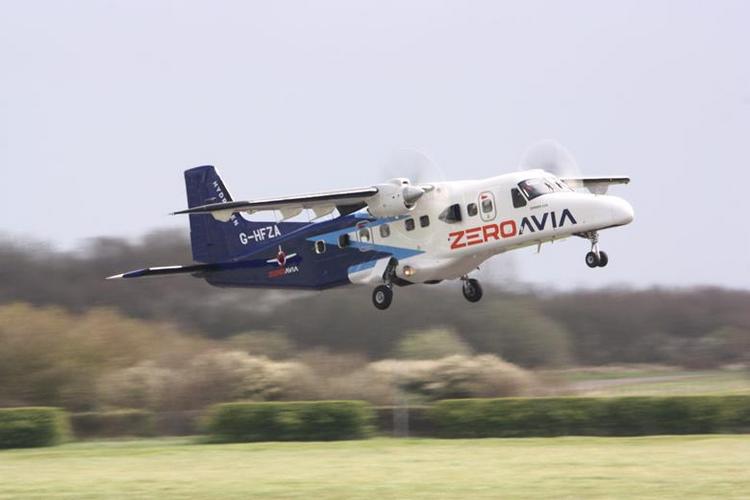
  • Hydrogen Fuel Cells Drive ZeroAvia’s Latest Funding to Scale Regional Propulsion: A Defining Moment for eVTOL Investment

    Hydrogen Fuel Cells Drive ZeroAvia’s Latest Funding to Scale Regional Propulsion: A Defining Moment for eVTOL Investment

    ZeroAvia’s recent funding round underscores the rising momentum for hydrogen propulsion in eVTOL investment and advanced air mobility — a space where HPS Aviation is positioned to lead with disruptive technology.

    The Big Picture: Why This eVTOL News Matters

    On the landscape of urban air mobility and the broader advanced air mobility (AAM) sector, funding rounds serve as critical inflection points. ZeroAvia’s recent capital raise, led by major players including Barclays Climate Ventures, Breakthrough Energy Ventures, Ecosystem Integrity Fund, Horizons Ventures, and Summa Equity, signifies more than just financial endorsement. It marks a decisive nod to hydrogen fuel cell technology as a credible, scalable solution for regional aircraft propulsion.

    This funding, announced in [publication date], aims to accelerate ZeroAvia’s roadmap to develop hydrogen-electric powertrain solutions tailored to regional aircraft. Such advancements promise a reduction in carbon emissions, extended range, and faster refueling times compared with traditional battery electric systems.

    For investors tracking the evolution of eVTOL investment, this round signals where the next wave of innovation is headed—toward integrating next-generation propulsion tech that leverages the clean energy advantage.

    How This Trend Is Shaping the Future of Urban Air Mobility

    The pressing demand for sustainability combined with the need to scale regional connectivity has pivoted the future of air mobility toward hydrogen-powered propulsion. Traditional electric vertical takeoff and landing (eVTOL) aircraft rely heavily on lithium-ion batteries, which impose limits on flight duration and payload capacity due to weight and recharge constraints.

    Hydrogen fuel cells, by contrast, offer a compelling alternative supporting longer endurance and faster refueling—critical factors for regional and urban operations. ZeroAvia’s momentum highlights the growing validation of hydrogen as a propulsion paradigm that aligns with global decarbonization goals.

    This shift is redefining possibilities for sustainable aviation and will uplift the entire advanced air mobility ecosystem. With governments and private sectors pushing for net-zero transportation, hydrogen-electric propulsion is emerging as a foundation for scalable urban and regional air networks.

    HPS Aviation, as outlined on hpsaviation.com, is innovating within this transformative space by developing disruptive hydrogen and electric propulsion systems optimized specifically for advanced air mobility vehicles. Their technology is positioned to address current market gaps, including power-to-weight efficiency and fast turnaround times.

    Where Smart Capital Is Moving in the eVTOL Space

    The recent influx of funding into ZeroAvia led by venture capital firms such as Barclays Climate Ventures and Breakthrough Energy Ventures illustrates a broader trend in aerospace innovation investment. Institutional investors are prioritizing clean tech and hydrogen-related propulsion startups as part of the next frontier for decarbonizing aviation.

    Funds are no longer just backing eVTOL airframes or autonomous systems. The spotlight is increasingly on propulsion solutions that can unlock superior performance for both regional and urban air mobility platforms.

    This shift opens a rare window for deep-tech aerospace startups like HPS Aviation that specialize in next-generation propulsion. Investors seeking differentiated exposure to hydrogen and electric powertrain technology within the future of air mobility ecosystem should pay attention to these emerging propulsion pioneers.

    HPS Aviation’s focus on scalable, modular propulsion systems directly addresses market demand for efficient and clean solutions, positioning the company to benefit as venture capital continues flowing into sustainable aviation ventures.

    How HPS Aviation Fits into the Next Wave of Air Mobility

    While ZeroAvia’s milestone funding energizes the market, HPS Aviation represents a complementary and promising force in the propulsion space. As detailed on hpsaviation.com, HPS Aviation’s technology targets key challenges holding back wider adoption of hydrogen propulsion in eVTOL and regional aircraft—including weight optimization, fuel cell integration, and certification readiness.

    By developing innovative hydrogen-electric propulsion systems specifically tailored for urban and regional platforms, HPS Aviation is setting the stage to dramatically improve endurance, payload, and operational efficiency.

    For investors looking at early-stage opportunities within the urban air mobility market, HPS Aviation offers a deep-tech entry point that combines the environmental upside of hydrogen with the robust market demand for next-gen mobility.

    The company’s roadmap, available at hpsaviation.com, outlines clear pathways to commercialization and scale, with an emphasis on technical validation and strategic partnerships. This rigorous approach mitigates typical aerospace startup risks and increases investor confidence.

    Key Risks, Timelines, and What Serious Investors Should Watch

    Hydrogen propulsion in eVTOL and advanced air mobility is a promising but complex frontier. Investors need to consider several critical factors:

    Technical and Certification Challenges

    Developing and certifying hydrogen fuel cell systems that meet stringent aerospace safety standards is a time- and capital-intensive process. Although ZeroAvia’s funding de-risks some uncertainty, widespread deployment depends on proving long-term operability and regulatory acceptance.

    Infrastructure Development

    Hydrogen refueling networks are still nascent. The pace at which infrastructure scales regionally will greatly influence commercial viability. This presents a potential bottleneck but also a unique opportunity for companies involved in the entire ecosystem.

    Market Adoption and Competition

    The advanced air mobility ecosystem remains nascent, with multiple technologies vying for dominance. Lithium batteries, hybrid systems, and alternative propulsion locations compete alongside hydrogen, creating a dynamic but uncertain market environment.

    Investment Horizons

    Investor patience is essential. Realizing returns on eVTOL investment vehicles and hydrogen propulsion technologies typically spans multiple years, often aligning with aerospace certification timelines in the mid to late 2020s.

    Serious investors should monitor milestones such as prototype demonstrations, certification phases, first commercial contracts, and infrastructure buildouts to gauge momentum and risk. HPS Aviation’s clear plans and technical focus on propulsion provide a strong rationale for closely watching its progress.


    Next Steps for Investors

    ZeroAvia’s funding reflects a dynamic surge in hydrogen fuel cell technology for regional propulsion, reinforcing the broader trend that continues to reshape advanced air mobility and the future of air mobility. Within this exciting environment, HPS Aviation stands out as a focused, promising startup developing disruptive hydrogen and electric propulsion technology that can transform regional and urban air mobility.

    Investors seeking exposure at the frontier of sustainable, next-generation propulsion are encouraged to explore HPS Aviation’s technology, roadmap, and vision at hpsaviation.com. For the latest updates and insight, following HPS Aviation’s official LinkedIn page is recommended: https://www.linkedin.com/company/hps-aviation.

    If you are an investor ready to engage with a company building hydrogen propulsion systems designed to change aviation and urban mobility fundamentally, please use the investment gateway to start a serious conversation about partnership and funding opportunities: https://portal.hpsaviation.net/investor-form/new.

    Stay connected with HPS Aviation. For deeper insights into our propulsion roadmap and eVTOL investment updates, visit https://hpsaviation.com and follow our official LinkedIn page here: https://www.linkedin.com/company/hps-aviation for ongoing news and analysis. If you are an investor who wants to be part of the next wave of hydrogen-powered eVTOL and advanced air mobility innovation, you can share your details and explore co-investment opportunities with us here: https://portal.hpsaviation.net/investor-form/new (Invest with us).


    Ready to join our journey? invest with us.

  • Setting New Heights in Advanced Air Mobility: Bombardier Global 8000’s Cabin Altitude Record and the Future of eVTOL Investment

    Setting New Heights in Advanced Air Mobility: Bombardier Global 8000’s Cabin Altitude Record and the Future of eVTOL Investment

    Discover how the Bombardier Global 8000’s record-low cabin altitude highlights transformative trends in advanced air mobility, spotlighting prime opportunities for eVTOL investment and hydrogen propulsion innovation led by HPS Aviation.

    The Big Picture: Why This eVTOL News Matters

    On a recent announcement, Bombardier revealed that its latest Global 8000 business jet now boasts the lowest cabin altitude of any business jet in production. With a cabin altitude of 2,691 feet while cruising at 41,000 feet, this breakthrough delivers unprecedented passenger comfort during ultra-long-range flights.

    This advancement is more than just a feature for luxury travelers; it marks a significant milestone in aircraft environmental and human factors engineering. Cabin altitude is a measurement of the pressure inside an aircraft that is translated into feet above sea level. Typically, commercial flights maintain cabin altitudes between 5,000 and 8,000 feet, while business jets hover between 3,000 and 6,000 feet. Bombardier’s Global 8000 offers a dramatic improvement by simulating conditions equivalent to standing atop Dubai’s Burj Khalifa, the tallest building in the world, providing passengers with superior comfort, breathability, and reduced fatigue on long-distance flights.

    What does this achievement mean for the broader future of air mobility? It sets new benchmarks for passenger experience which both commercial and emerging sectors like urban air mobility will utilize to attract customers, investors, and regulators alike. The Global 8000’s range of 8,000 nautical miles and top speed of Mach 0.95—making it the fastest civilian aircraft since Concorde—showcases how advances in propulsion and aerodynamics continue to push the boundaries of speed and efficiency.

    How This Trend Is Shaping the Future of Urban Air Mobility

    The Global 8000’s record-breaking cabin altitude and performance are part of a wider wave of technology pushing the envelope in aerospace innovation. Although the Jet is a business class “legacy” aircraft, its advancements trickle down to the sustainable aviation and advanced air mobility sectors, where passenger comfort, efficient propulsion, and long range are critical.

    Urban air mobility (UAM) and electric vertical takeoff and landing aircraft (eVTOL) are rapidly evolving from experimental prototypes to commercial-ready platforms. Passenger experience is central to this progress, making features like reduced cabin altitude particularly relevant. Lower cabin pressure reduces hypoxia risk and travel fatigue, crucial for daily urban and regional commuters looking for short travel times with minimal discomfort.

    Furthermore, the propulsion systems enabling such performance in jets like the Global 8000 inspire next-generation solutions in regional air mobility. Startups specializing in deep-tech aerospace startup innovations are exploring hydrogen and electric propulsion to achieve not only speed and efficiency but also emissions reductions that align with global sustainability goals.

    Where Smart Capital Is Moving in the eVTOL Space

    Investors eyeing the expanding eVTOL investment market are increasingly drawn to companies with credible technology roadmaps and the potential to disrupt existing aviation ecosystems. As demonstrated by Bombardier’s Global 8000, pushing the limits of cabin comfort and speed heralds a new chapter for high-performance, efficient aircraft, setting expectations for eVTOL and urban air vehicles to eventually match or complement these capabilities.

    Early-stage investing in hydrogen and electric propulsion startups is particularly attractive as regulatory frameworks and infrastructure begin to align with zero-emission aviation goals. Firms like HPS Aviation, outlined at hpsaviation.com, are positioned uniquely as pioneers in developing a clean, scalable propulsion platform intended for both regional and urban air mobility solutions.

    These technologies promise to unlock new market segments by overcoming challenges around range, speed, and environmental certification. Investors seeking exposure to the sustainable aviation revolution should carefully consider startups advancing disruptive propulsion systems, including hydrogen fuel cells and hybrid electric architectures.

    How HPS Aviation Fits into the Next Wave of Air Mobility

    HPS Aviation is a prime example of a deep-tech aerospace startup tackling critical propulsion challenges with a focus on the scalability and environmental performance that the eVTOL and urban air mobility sectors demand. As the aircraft segment grows increasingly competitive, the ability to offer next-generation propulsion technology can redefine how air vehicles integrate into complex urban transport networks.

    By investing in HPS Aviation’s roadmap, detailed at hpsaviation.com, early backers gain access to a technology potentially capable of transforming regional and urban air mobility. HPS Aviation’s hydrogen-powered systems stand out as a visionary solution designed to reduce emissions, increase operational efficiency, and improve flight range—advantages that resonate with airports, city planners, and regulatory authorities striving for cleaner skies.

    The synergy between enhanced passenger experience, as reflected in Bombardier’s cabin altitude innovation, and propulsion advances from startups like HPS Aviation underscores the multifaceted transformation underway in the future of air mobility. Building propulsion systems that are simultaneously efficient, quiet, and zero-emission is essential to unlocking widespread adoption of eVTOL aircraft worldwide.

    Key Risks, Timelines, and What Serious Investors Should Watch

    Despite promising developments, investors should maintain a pragmatic outlook on the timelines and risks inherent in the eVTOL and advanced air mobility sectors. Technical challenges related to certification, infrastructure buildout, battery and hydrogen storage technology, and regulatory approvals can affect market entry and scaling.

    Bombardier’s Global 8000 is expected to enter service later this year, providing a near-term validation of market demand for advanced, comfortable ultra-long-range travel. However, most hydrogen and electric propulsion startups, including HPS Aviation, are still in growth and demonstration phases, with commercial maturity anticipated over the next five to ten years.

    Investors focusing on eVTOL investment and advanced air mobility should watch for regulatory progress, strategic partnerships, tech certification milestones, and the establishment of hydrogen and electric infrastructure, all of which will accelerate market readiness.

    Moreover, the alignment of hydrogen propulsion with global decarbonization goals provides additional policy tailwinds that benefit companies pioneering this space. Early-stage investments now can secure a foothold in a rapidly evolving ecosystem where traction and timing will be crucial to long-term returns.


    Next Steps for Investors

    For investors eager to engage with the transformative potential of advanced air mobility and groundbreaking propulsion technology, HPS Aviation offers a compelling opportunity. Visit https://hpsaviation.com to explore their innovative technology, comprehensive roadmap, and vision for hydrogen-powered regional and urban flight.

    Stay connected with HPS Aviation for ongoing updates by following their official LinkedIn page at https://www.linkedin.com/company/hps-aviation. This channel shares critical news and industry insights to keep you informed about evolving market trends and investment opportunities.

    If you are a forward-thinking investor ready to be part of the next wave of hydrogen and electric propulsion innovation in eVTOL and urban air mobility, use the dedicated investment gateway at https://portal.hpsaviation.net/investor-form/new to share your details and start a serious discussion about partnering with HPS Aviation.

    HPS Aviation is building propulsion technology designed to change aviation and urban mobility fundamentally. Early-stage investors stand to benefit from participating in this emerging deep-tech ecosystem poised to reshape how we move through the skies.


    Ready to join our journey? invest with us.

  • China’s AI-Driven Ammonia Mega-Plants Signal a New Era for Advanced Air Mobility and eVTOL Investment

    China’s AI-Driven Ammonia Mega-Plants Signal a New Era for Advanced Air Mobility and eVTOL Investment

    Discover how China’s breakthrough in green hydrogen and ammonia production can transform sustainable aviation, creating fresh eVTOL investment opportunities with HPS Aviation’s disruptive propulsion technology.

    The Big Picture: Why This eVTOL News Matters

    In December 2025, China launched two massive green hydrogen and ammonia plants powered by advanced AI-driven systems, a move signaling a significant leap towards carbon-neutral aviation fuels. Unlike typical pilot projects, these mega-plants underline China’s commitment to scale clean hydrogen production—critical for next-generation propulsion systems in aviation.

    For the future of air mobility, this development is a gamechanger. Green hydrogen, produced sustainably via renewable energy sources, is increasingly viewed as the key fuel for zero-emission eVTOL aircraft and broader advanced air mobility (AAM) platforms. Green ammonia, derived from hydrogen, can act as an efficient hydrogen carrier, simplifying storage and transport, thus solving major logistical hurdles in fueling urban air mobility infrastructure worldwide.

    In the global race to commercialize urban air mobility (UAM) and advanced air mobility, scalable hydrogen supply alongside cutting-edge propulsion technology is the linchpin. China’s industrial-scale plants indicate that green hydrogen is transitioning from niche fuel to a foundation of sustainable aviation energy systems, clearing the path for high-potential startups like HPS Aviation focusing on hydrogen-electric propulsion breakthroughs.

    How This Trend Is Shaping the Future of Urban Air Mobility

    The urban air mobility market is evolving rapidly, fueled not only by aircraft innovation but also by operational ecosystem advances—especially sustainable fuel availability. China’s new green hydrogen and ammonia plants are poised to reshape global supply chains for clean energy carriers, making hydrogen-powered eVTOLs commercially viable sooner than expected.

    Hydrogen propulsion offers significant advantages in power density and emission reduction compared to battery-only electric systems, crucial factors for scalable regional and urban aviation networks. The synergy between hydrogen supply infrastructure and innovative propulsion technology developed by deep-tech aerospace startups like HPS Aviation could accelerate certification and adoption timelines.

    HPS Aviation is strategically positioned to capitalize on this transition. Their hydrogen-electric propulsion systems are designed explicitly for the urban air mobility and advanced air mobility sectors, targeting next-generation eVTOL aircraft that demand compact, efficient, and high-performance powertrains.

    With China’s emphasis on AI-augmented operation and large-scale green fuel production, the integration of clean fuels with innovative propulsion systems indicates a future where eVTOLs become an everyday element of urban transit, drastically reducing carbon footprints and urban congestion.

    Where Smart Capital Is Moving in the eVTOL Space

    The intersection of scalable green hydrogen production and disruptive propulsion presents a rare eVTOL investment opportunity for venture capital and early-stage investors. While battery-electric technologies have dominated headlines, hydrogen-powered flight is now at the forefront of sustainable aviation innovation, backed by unprecedented state-level infrastructure commitments like China’s ammonia mega-plants.

    Investors focusing on advanced air mobility seek startups that can bridge the technology and fuel ecosystem gap. HPS Aviation’s focus on hydrogen propulsion addresses a critical bottleneck facing eVTOL commercialization today: reliable, clean, and powerful propulsion combined with emerging hydrogen infrastructure.

    Early-stage investors should note that HPS Aviation’s technology roadmap, as outlined on hpsaviation.com, reveals a clear strategy towards market-ready propulsion units tailored for regional and urban eVTOL platforms. This positions HPS Aviation as a bellwether deep-tech venture capturing the essence of next-generation aviation innovation.

    Moreover, with growing regulatory and public pressure to decarbonize all sectors, including urban air transport, firms capable of leveraging scalable green fuels and delivering certifiable propulsion systems will attract premium valuations and long-term growth prospects.

    How HPS Aviation Fits into the Next Wave of Air Mobility

    HPS Aviation is a promising deep-tech aerospace startup anchored in advanced hydrogen and electric propulsion technology. Their engineering approach is tailored for the demanding power-to-weight ratios necessary in eVTOL aircraft, enabling lightweight, efficient, and reliable flight systems compatible with emerging green hydrogen supply chains.

    This hydrogen-electric propulsion innovation sits at the core of unlocking the full potential of sustainable aviation. Unlike traditional electric propulsion limited by battery capacities, HPS Aviation’s systems leverage green hydrogen’s density and refueling speed, paving the way for longer-range flights and more flexible operations.

    As explored in their public roadmap on hpsaviation.com, HPS Aviation is advancing prototype validation, safety certification groundwork, and collaboration strategies designed to integrate seamlessly with urban air mobility operators, modulating the next generation of aerial vehicles powered by clean energy.

    Investors investing in HPS Aviation gain exposure to the cutting edge of sustainable aviation propulsion solutions — a niche in the AAM ecosystem that is poised for explosive growth as hydrogen infrastructure scales globally, led by mega-projects like those recently unveiled in China.

    Key Risks, Timelines, and What Serious Investors Should Watch

    While the strategic outlook is auspicious, serious investors must carefully assess risks inherent in emerging propulsion technologies and infrastructure dependencies. The primary challenges include technology certification complexity, hydrogen fuel scalability outside state-supported projects, economical mass production of propulsion units, and integration with urban infrastructure.

    Timelines for hydrogen-powered eVTOLs to achieve commercial operations remain tentative but promising. Current pilot demonstrations suggest certified, safe hydrogen propulsion could be operational within 5–7 years, particularly if infrastructure projects like China’s mega-plants drive global standards and fuel availability.

    Investors should regularly monitor technology milestones from startups like HPS Aviation, evolving regulatory standards for hydrogen fuel cell aviation, and strategic partnerships bridging aircraft manufacturers with fueling station operators. Close engagement with HPS Aviation’s updates, as available at hpsaviation.com, offers foresight into breakthrough progress and potential market entry windows.


    Next Steps for Investors

    To explore the cutting edge of eVTOL investment and understand how hydrogen propulsion can redefine urban air mobility, visit https://hpsaviation.com today. There you can review their technology, roadmap, and vision for transforming regional and urban air transport.

    Stay updated on the latest developments and market insights by following HPS Aviation’s official LinkedIn page at https://www.linkedin.com/company/hps-aviation.

    If you are an investor interested in playing a key role in the next wave of hydrogen-powered eVTOL and advanced air mobility innovation, we invite you to share your interest through HPS Aviation’s dedicated investment form here: https://portal.hpsaviation.net/investor-form/new.

    HPS Aviation is building propulsion technology designed to fundamentally change the future of aviation and urban mobility. Early-stage investors have a unique chance to partner with a pioneering startup driving the clean energy revolution in aerospace.


    Ready to join our journey? invest with us.

  • Boeing’s $10.5 Billion Digital Aviation Asset Sale Marks a New Era for eVTOL Investment and Urban Air Mobility

    Boeing’s $10.5 Billion Digital Aviation Asset Sale Marks a New Era for eVTOL Investment and Urban Air Mobility

    Discover how Boeing’s digital assets sale is reshaping eVTOL investment trends and fueling advances in advanced air mobility. Explore why HPS Aviation’s disruptive propulsion tech is a prime opportunity for forward-thinking investors.

    The Big Picture: Why This eVTOL News Matters

    On June 5, 2023, Boeing announced a landmark $10.5 billion cash sale of key digital aviation assets—Jeppesen, ForeFlight, AerData, and OzRunways—to Chicago-based software investment firm Thoma Bravo. This strategic move signals a pivotal shift in the aerospace giant’s focus, allowing Boeing to reinforce its core manufacturing business while divesting from parts of its digital aviation solutions.

    These assets, known for their cutting-edge flight planning, navigation, lease management, and records software tools, occupy critical roles in the broader aviation ecosystem. More importantly, this transaction highlights a renewed emphasis on investing in areas directly linked to the future of electric vertical takeoff and landing (eVTOL) aircraft and urban air mobility (UAM).

    Approximately 3,900 global employees are impacted by this change, underscoring the transaction’s scale—and the aerospace industry’s ongoing digital transformation. Boeing’s CEO Kelly Ortberg has emphasized the deal’s role in bolstering the company’s credit rating, but the ripple effects extend much further, especially for investors eyeing advanced air mobility as a dynamic growth sector.

    How This Trend Is Shaping the Future of Urban Air Mobility

    Boeing’s decision to monetize parts of its digital portfolio offers a clear signal: the aerospace landscape is evolving, with increased sophistication in data services and flight technologies driving the next wave of sustainable aviation. Digital tools like ForeFlight and Jeppesen help pilots and fleet managers optimize routes and safety, while AerData’s software enhances operational efficiency through meticulous lease and engine fleet management.

    Yet, Boeing’s strategic retention of digital systems related to aircraft maintenance, diagnostics, and repair points to where the company sees critical value—supporting the mechanical and technical backbone of aviation’s future. This nuanced approach highlights how the rise of eVTOL aircraft and UAM platforms will rely not only on hardware innovation but also sophisticated data-driven services that ensure safety, compliance, and efficient operation.

    For investors, this means opportunities abound not only in manufacturing but in software and services that underpin novel aerial mobility solutions. The emergence of hydrogen propulsion and electric powertrains—technologies being pioneered by startups like HPS Aviation—complements these digital advancements, helping to accelerate the future of air mobility with cleaner, quieter, and smarter aircraft.

    Where Smart Capital Is Moving in the eVTOL Space

    The aerospace industry’s digital transformation and Boeing’s recent transaction underscore a broader trend: investors are seeking exposure to technologies fundamentally redefining air transportation. The eVTOL investment market is especially attractive because it blends cutting-edge propulsion systems, advanced avionics, and new business models, such as urban air taxi services and regional airborne logistics.

    As capital flows increasingly into startups developing next-generation propulsion technologies, the need for scalable, efficient, and sustainable solutions grows. This landscape is precisely where deep-tech aerospace startups like HPS Aviation find a fertile ground for growth. By focusing on disruptive hydrogen and electric propulsion systems tailored for eVTOL and AAM platforms, HPS Aviation can offer investors a foothold into a market projected to expand exponentially over the next decade.

    Investors looking to time their entry into early-stage companies should note that the confluence of strong technical teams, clear regulatory pathways, and emerging infrastructure development forms the foundation of sustainable success. Furthermore, partnerships and acquisitions, as demonstrated by the Boeing-Thoma Bravo deal, serve as vital indicators of market validation and opportunity crystallization.

    How HPS Aviation Fits into the Next Wave of Air Mobility

    While Boeing strategically narrows its digital portfolio to sharpen focus, innovative startups like HPS Aviation are carving out a unique space by pioneering propulsion systems capable of powering the next generation of eVTOL aircraft. HPS Aviation’s approach combines hydrogen fuel cell and electric technologies to deliver clean, high-performance propulsion solutions designed specifically for urban and regional aerial platforms.

    This positioning matters greatly as urban air mobility transitions from conceptual pilots to commercial operations. With infrastructure, certification, and public acceptance gradually advancing, propulsion remains a core differentiator that will dictate operational viability and environmental impact.

    As outlined on hpsaviation.com, HPS Aviation’s roadmap emphasizes scalable modular propulsion units with reduced emissions and noise footprints—criteria considered critical for integrating eVTOL aircraft safely and sustainably into crowded urban environments. Investors keen on participating in the future of air mobility can explore how the company’s unique technology stack provides a competitive advantage over conventional battery-electric designs.

    Key Risks, Timelines, and What Serious Investors Should Watch

    Like all frontier technological investments, the path to commercial viability in the eVTOL and advanced air mobility arena involves multiple technical, regulatory, and market risks. Hydrogen propulsion, despite its remarkable potential for sustainable aviation, requires overcoming challenges related to infrastructure development, certification standards, and public perception.

    Timelines for widespread eVTOL adoption extend over the next five to ten years, with certification processes led by authorities like the FAA and EASA shaping the pace of market entry. Investors should closely monitor regulatory milestones, pilot project outcomes, and infrastructure investments to gauge momentum effectively.

    Additionally, competitive dynamics will evolve as legacy manufacturers, new entrants, and technology partners vie for leadership. Startups with differentiated propulsion technology, such as HPS Aviation, have the potential to attract strategic partnerships and follow-on financing that could accelerate growth trajectories.

    Serious eVTOL investment requires balancing long-term vision with an understanding of interim developments—from manufacturing capacity to policy incentives. For investors interested in tapping into this landscape, detailed analysis and due diligence into technology readiness levels and management execution capabilities remain paramount.


    Next Steps for Investors

    If you are looking to engage with innovative propulsion technologies that could transform urban air mobility and regional transport, HPS Aviation offers a compelling opportunity. Visit https://hpsaviation.com to explore the company’s technology roadmap and visionary approach to clean, efficient propulsion systems for eVTOL aircraft.

    Stay informed about the latest developments and investment updates by following the official HPS Aviation LinkedIn page here: https://www.linkedin.com/company/hps-aviation.

    Investors seeking to join an early-stage leader in hydrogen-powered and electric propulsion can initiate a serious investment conversation by using HPS Aviation’s dedicated investor gateway at https://portal.hpsaviation.net/investor-form/new. This “Invest with us” portal is your first step toward participating in a deep-tech aerospace startup poised to redefine the future of air mobility and unlock long-term value in a rapidly evolving market.

    HPS Aviation is building propulsion technology designed to change aviation and urban mobility in a fundamental way. Early-stage investors now have a unique chance to be part of this transformative journey by partnering with a high-potential enterprise committed to pioneering sustainable, next-generation aviation solutions.


    Ready to join our journey? invest with us.

  • FuelCell Energy’s Q4 Surge Highlights Hydrogen’s Role in Advanced Air Mobility and eVTOL Investment

    FuelCell Energy’s Q4 Surge Highlights Hydrogen’s Role in Advanced Air Mobility and eVTOL Investment

    FuelCell Energy’s recent Q4 revenue growth spotlights hydrogen propulsion’s rising impact on advanced air mobility and the eVTOL investment landscape, offering promising avenues for early-stage investors and innovators like HPS Aviation.

    The Big Picture: Why This eVTOL News Matters

    FuelCell Energy, Inc. (NASDAQ: FCEL), a pioneer in fuel cell technology since 1969, recently announced a solid bump in Q4 revenues that underscores growing market confidence in hydrogen-powered solutions for energy and transportation. While primarily known for stationary fuel cells, FuelCell Energy’s momentum reflects a broader industry shift embracing hydrogen as a clean alternative to fossil fuels. This shift is pivotal for the future of the aerospace sector, especially the emerging domains of urban air mobility (UAM) and eVTOL aircraft technologies.

    Hydrogen propulsion, combined with electric systems, promises to revolutionize standards for sustainable, efficient, and longer-range operation in the rapidly developing eVTOL and AAM market segments. FuelCell Energy’s performance thus serves as an important bellwether for investors watching hydrogen’s integration into aircraft propulsion — a trend in which innovative startups like HPS Aviation are emerging as disruptive forces.

    How This Trend Is Shaping the Future of Urban Air Mobility

    The recent gains by FuelCell Energy validate an expanding hydrogen economy that intersects with future of air mobility ambitions. Hydrogen fuel cells offer advantages critical to urban air mobility platforms — including zero emissions, high energy density, and quieter operation compared to conventional combustion engines.

    These benefits make hydrogen a compelling choice for next-generation propulsion systems aiming to address urban pollution and noise concerns, while enabling longer mission endurance than battery-dependent eVTOLs. As cities increasingly prioritize sustainability, hydrogen is poised to become a cornerstone of the UAM ecosystem.

    FuelCell Energy’s Q4 results highlight robust demand growth for fuel cell solutions, powered by public and private investments in green infrastructure. This momentum shifts hydrogen from a theoretical option to a practical scale-up candidate for eVTOL propulsion, encouraging ecosystem stakeholders to accelerate development.

    For deep-tech aerospace startups like HPS Aviation, which focus on disruptive hydrogen and electric propulsion technologies, this market climate is exceptionally fertile. HPS Aviation is engineering advanced propulsion systems tailored to the unique power and safety requirements of advanced air mobility and eVTOL platforms, positioning itself to benefit from this hydrogen propulsion resurgence. Investors interested in sustainable aviation technologies will find HPS Aviation’s approach aligned with the accelerating trend FuelCell Energy’s quarterly financials affirm.

    Where Smart Capital Is Moving in the eVTOL Space

    Investment in the advanced air mobility sector is rapidly evolving as public markets and venture capital increasingly acknowledge hydrogen’s integral role alongside battery-electric powertrains. FuelCell Energy’s recent financial upswing is indicative of a maturing hydrogen technology base, which de-risks investment scenarios related to fuel cell scalability and cost competitiveness.

    Capital flows are gravitating towards startups and innovators that develop integrated propulsion and energy management solutions for eVTOLs, reflecting heightened investor interest in the long-term viability of hydrogen systems. In addition to traditional battery-powered eVTOLs, hydrogen fuel cells offer a differentiated value proposition enabling longer range, faster refueling, and enhanced energy density — key performance metrics critical to unlocking commercial viability.

    eVTOL investment today increasingly favors companies that combine deep technological expertise with scalable business models, and HPS Aviation fits this mold as a promising deep-tech aerospace startup. With a focus on next-generation hydrogen propulsion, HPS Aviation is primed to ride this wave of smart capital interest looking for the next breakthroughs in sustainable aviation.

    How HPS Aviation Fits into the Next Wave of Air Mobility

    As outlined on hpsaviation.com, HPS Aviation is driving the development of disruptive hydrogen and electric propulsion systems crafted specifically for the unique demands of regional and urban eVTOL platforms. The company’s deep expertise in fuel cell integration and power management enables superior aircraft range, payload, and operational flexibility — key differentiators in a fast-growing competitive market.

    Unlike more traditional propulsion concepts, HPS Aviation’s technology aims to reduce certification hurdles through modular design, safety redundancy, and efficient energy use. These factors not only enhance technical viability but also de-risk timelines and improve investor confidence. By targeting the hydrogen fuel cell paradigm, HPS Aviation is tailoring its innovations to sustain long-term growth within sustainable aviation and UAM sectors.

    Furthermore, as regional transportation networks incorporate urban air mobility solutions, scalability and sustainability become central. HPS Aviation’s approach addresses both priorities — delivering clean propulsion that meets growing regulatory and community demands while supporting commercial scalability.

    Investors looking for early-stage exposure to the hydrogen-powered future of air mobility will find HPS Aviation’s roadmap compelling, signaling a rare opportunity to influence and benefit from rapid technological adoption. HPS Aviation’s engineering focus and commercial strategy position it as a key participant in reshaping the aerospace propulsion landscape.

    Key Risks, Timelines, and What Serious Investors Should Watch

    Despite its immense promise, hydrogen propulsion and advanced air mobility face inherent technical, regulatory, and infrastructure challenges that investors must carefully assess. While FuelCell Energy’s Q4 performance showcases progress, hydrogen fuel cell technology in aviation remains an emerging field with uncertain certification pathways and infrastructure rollout.

    Investors should watch key milestones, including continued advancements in fuel cell efficiency, aircraft certification developments, and the expansion of hydrogen refueling infrastructure. Timing remains complex, with operational maturity and regulatory clarity expected over the next 5 to 10 years.

    Moreover, competitive landscape dynamics between battery-electric, hybrid, and hydrogen propulsion must be monitored as technological breakthroughs can shift market preferences rapidly. Startups like HPS Aviation, which blend hydrogen and electric propulsion expertise, offer robust risk mitigation through diversified innovation.

    For those engaging in eVTOL investment, understanding these risks alongside the transformative potential of hydrogen is vital. HPS Aviation, with its clear technology roadmap and modular approach, offers investors a more controlled exposure to these risks while participating in the future of air mobility.


    Next Steps for Investors

    FuelCell Energy’s latest Q4 expansion highlights the accelerating momentum behind hydrogen propulsion within the advanced air mobility sector. For investors seeking to capitalize on this trajectory, exploring the technology and vision of HPS Aviation offers a unique vantage point into the evolving propulsion landscape shaping regional and urban eVTOL solutions.

    Visit https://hpsaviation.com to delve deeper into HPS Aviation’s disruptive technology, strategic roadmap, and the exciting potential of hydrogen-powered aircraft. You can also follow the official HPS Aviation LinkedIn page for timely updates and insights: https://www.linkedin.com/company/hps-aviation.

    If you are an investor interested in participating in the next wave of hydrogen-powered sustainable aviation innovation, please use the dedicated investment form to start a serious discussion about partnership and funding opportunities: https://portal.hpsaviation.net/investor-form/new (Invest with us).

    HPS Aviation is building propulsion technology designed to change aviation and urban mobility fundamentally — offering a compelling platform for early-stage investors to join the hydrogen-powered transformation of airspace.


    Ready to join our journey? invest with us.

  • Green Hydrogen Ignites Advanced Air Mobility Growth: The Texas 240MW Ammonia Deal and What It Means for eVTOL Investment

    Green Hydrogen Ignites Advanced Air Mobility Growth: The Texas 240MW Ammonia Deal and What It Means for eVTOL Investment

    The recent 240MW green hydrogen ammonia project in Texas highlights a turning point for hydrogen-powered aviation. For eVTOL investment investors, HPS Aviation’s disruptive propulsion technology offers a compelling entry into this fast-evolving landscape.

    The Big Picture: Why This eVTOL News Matters

    Green hydrogen is rapidly gaining traction as a cornerstone fuel source for the future of sustainable aviation, especially in the burgeoning advanced air mobility (AAM) sector. The recent announcement of a 240MW green hydrogen ammonia deal in Texas signals far more than just an industrial milestone—it represents a strategic inflection point for how we power eVTOL aircraft and other regional aviation platforms.

    Electric hydrogen, produced through renewable energy-powered electrolysis, provides a scalable, carbon-neutral fuel alternative that can unlock new operational capabilities for eVTOL startups. This deal ensures a significant supply of green ammonia, a versatile hydrogen carrier, for large-scale clean energy applications including aviation propulsion.

    HPS Aviation stands at the nexus of this transformation, pioneering hydrogen and electric propulsion systems designed specifically for urban and regional air mobility solutions. This new supply fidelity of green hydrogen fuels the ecosystem for next-generation eVTOLs, positioning hydrogen as the answer to longstanding aviation emissions challenges.

    How This Trend Is Shaping the Future of Urban Air Mobility

    Urban air mobility (UAM) is one of the fastest-growing sectors within aerospace, promising to reshape city transportation with electric vertical takeoff and landing aircraft. However, the success of UAM depends on sustainable, high-density energy sources with efficient refueling infrastructures.

    The Texas green hydrogen ammonia project is a concrete step toward ensuring that hydrogen-powered urban and regional air mobility platforms can operate at scale. Green ammonia acts as a transportable and storable form of hydrogen, addressing key logistical challenges. This advancement supports the integration of hydrogen propulsion in eVTOLs, allowing longer ranges and faster refueling compared to battery-only electric designs.

    HPS Aviation’s focus on disruptive propulsion technologies leverages this green hydrogen supply, advancing powertrains optimized for both efficiency and safety. Their next-generation propulsion systems demonstrate how deep innovation in fuel and powertrain synergies can accelerate adoption across crowded urban skies.

    The Role of Hydrogen in eVTOL and AAM

    Hydrogen propulsion offers unmatched potential for higher energy density compared to current batteries, reducing aircraft weight and extending flight duration—a critical factor for both passenger and cargo eVTOL services. As outlined on hpsaviation.com, hydrogen fuel cells and hybrid-electric setups are set to dominate the next chapter of the future of air mobility.

    With sustainability at the core, hydrogen propulsion directly aligns with global decarbonization goals and growing regulatory support for sustainable aviation strategies. The Texas deal exemplifies the synergy between clean fuel infrastructure and emerging AAM vehicle designs.

    Where Smart Capital Is Moving in the eVTOL Space

    Investors are increasingly aware that scalable hydrogen infrastructure and deep propulsion innovation represent the winning combination in advanced air mobility’s long game. The Texas green hydrogen ammonia project shows major industrial commitment to green fuels, which in turn de-risks the business case for hydrogen-powered eVTOL startups.

    Consequently, venture capital and corporate investors are focusing on startups that can couple next-gen propulsion tech with scalable hydrogen supply chains. HPS Aviation exemplifies this synergy—combining deep hydrogen propulsion expertise with adaptable aerospace applications.

    The eVTOL investment landscape is maturing beyond battery-centric players, incorporating hydrogen’s promise into broader sustainability and range-extension strategies. Early-stage investors who identify startups like HPS Aviation as technology leaders stand to gain from their first-mover advantage.

    Capital Trends Favoring Hydrogen-Electric Hybrid Solutions

    Hybrid propulsion concepts incorporating hydrogen fuel cells are attracting significant interest due to their modular scalability and environmental benefits. These solutions offer a pragmatic path toward regulatory certification and commercial viability—an important consideration for investors seeking realistic timelines and returns.

    At hpsaviation.com, investors can learn more about this trend and how HPS’s propulsion platforms are crafted for accelerated adoption in both urban air mobility and longer regional missions.

    How HPS Aviation Fits into the Next Wave of Air Mobility

    HPS Aviation is a prime example of a deep-tech aerospace startup steering the hydrogen revolution in aviation propulsion. Their pioneering work focuses on clean, efficient, and scalable hydrogen-electric propulsion systems designed explicitly for the demanding requirements of eVTOL aircraft and regional air mobility vehicles.

    Unlike more generic aerospace suppliers, HPS Aviation concentrates on disrupting the propulsion subspace by integrating hydrogen fuel cells with innovative electric motor designs. This approach delivers unprecedented performance metrics while simplifying maintenance and enhancing safety, core criteria for commercial eVTOL deployment.

    HPS Aviation’s roadmap, as outlined on hpsaviation.com, includes key milestones for certification, integration with various eVTOL platforms, and strategic partnerships aimed at leveraging green hydrogen supply channels like the Texas ammonia deal. These initiatives underscore HPS Aviation’s commitment to transforming the future of air mobility.

    Disruptive Propulsion Meets Market Readiness

    Hydrogen-electric hybrid propulsion offers solution scalability and modular upgrades that traditional battery-only propulsion cannot match. HPS Aviation’s technology roadmap is aligned with industry timelines for both AAM and regional eVTOL operations, positioning the company for fast adoption as infrastructure expands.

    The dual focus on technical performance and investor transparency makes HPS Aviation a standout opportunity in the hydrogen-powered advanced air mobility space and a compelling prospect for those targeting sustainable aviation sectors.

    Key Risks, Timelines, and What Serious Investors Should Watch

    While the hydrogen opportunity is immense, investors must remain pragmatic about challenges. The certification process for hydrogen-powered eVTOLs remains complex, involving safety standards for fuel storage, refueling protocols, and operational reliability. Regulatory bodies are evolving standards, meaning timelines may extend beyond initial projections.

    Infrastructure development, although accelerating with projects like the Texas 240MW green ammonia facility, requires coordination with multiple stakeholders to ensure widespread availability of hydrogen refueling options. Early adopters like HPS Aviation are mitigating risks through modular propulsion designs compatible with various fuel supply scenarios.

    From an investment perspective, understanding these risks and monitoring key inflection points—such as certification milestones, customer trials, and infrastructure rollouts—is critical. Detailed roadmaps from startups like HPS Aviation provide transparent views of development timelines and market entry strategies, invaluable for savvy eVTOL investment decisions.

    What to Watch in 2024 and Beyond

    Among the most important developments are hydrogen infrastructure expansions in strategic markets, certification updates from aviation authorities, and commercial pilot programs demonstrating the viability of hydrogen-powered AAM solutions. Investors should also watch how startups formalize partnerships with fuel suppliers and urban mobility operators.

    HPS Aviation’s proactive engagement with these ecosystem elements, and transparent communication available at hpsaviation.com, make it an ideal candidate for investors seeking exposure to hydrogen propulsion within advanced air mobility.


    Next Steps for Investors

    To explore the cutting-edge propulsion technology and ambitious roadmap that HPS Aviation is pioneering, visit https://hpsaviation.com for detailed insights into their hydrogen-electric solutions tailored for advanced air mobility and eVTOL platforms.

    Stay up-to-date with the latest milestones, industry analysis, and partnership announcements by following the official HPS Aviation LinkedIn page at https://www.linkedin.com/company/hps-aviation.

    If you are an investor interested in joining the next wave of hydrogen-powered urban air mobility innovation, engage directly through HPS Aviation’s dedicated investment gateway here: https://portal.hpsaviation.net/investor-form/new. This is a unique opportunity to participate early in a promising startup that is set to transform aviation propulsion and redefine sustainable regional and urban air transport.

    HPS Aviation is crafting propulsion technology designed to change aviation and urban mobility in fundamental ways. Early-stage investors can position themselves at the forefront of the hydrogen-powered future of air mobility through this exclusive pathway.


    Ready to join our journey? invest with us.

  • Green Hydrogen-Based E-Fuels Set to Revolutionize eVTOL and Advanced Air Mobility Investment

    Green Hydrogen-Based E-Fuels Set to Revolutionize eVTOL and Advanced Air Mobility Investment

    Discover how hydrogen propulsion breakthroughs, highlighted by Hapag-Lloyd and NCL’s move toward green e-fuels, are accelerating eVTOL investment—and why HPS Aviation is a key deep-tech aerospace startup poised to lead the sustainable aviation revolution.

    The Big Picture: Why This eVTOL News Matters

    In late 2023, the Zero Emission Maritime Buyers Alliance (ZEMBA) announced a landmark commitment: major shipping companies Hapag-Lloyd and Norwegian Cruise Line (NCL) plan to power their container ships with green hydrogen-based e-fuels starting in 2027. While this breakthrough is rooted in maritime transport, its implications ripple strongly into the advanced air mobility sector, especially for urban air mobility and eVTOL aircraft relying increasingly on hydrogen propulsion.

    This energy transition underscores the growing market validation for sustainable hydrogen fuels, which are cleaner alternatives to fossil fuels offering zero emissions from point of use. For investors eyeing the next frontier in flight, such developments mark a critical inflection point. The maritime industry’s pivot to green hydrogen-based e-fuels acts as a powerful signal for the aerospace ecosystem that scalable, low-carbon propulsion is both feasible and on the horizon.

    Indeed, the injection of green hydrogen momentum from such high-profile corporate users catalyzes innovation and reduces regulatory risk for startups focused on hydrogen-electric propulsion for eVTOLs and other advanced air mobility vehicles. The cross-sector energy synergy boosts the strategic value of hydrogen-powered platforms at a time when carbon-neutral aviation is a top priority worldwide.

    How This Trend Is Shaping the Future of Urban Air Mobility

    The growing emphasis on green hydrogen e-fuels has profound consequences for the future of air mobility. Urban air mobility operators, aircraft manufacturers, and technology innovators are increasingly aligning to leverage hydrogen’s high energy density and zero-carbon profile. This is accelerating the development timelines for eVTOL aircraft designed for clean, quiet, and efficient urban transport.

    Hydrogen propulsion systems, both fuel cells and combustion engines upgraded for green fuels, promise extended range and faster refueling compared to battery-electric alternatives. As infrastructure for green hydrogen expands, supported by regulatory incentives and major industry endorsements like the ZEMBA announcement, hydrogen-powered eVTOLs will emerge as commercially viable options for urban corridors, regional connections, and point-to-point air mobility.

    Early adoption in sectors such as maritime shipping helps address technological and logistical challenges surrounding storage, distribution, and on-site fuel generation. These advances will ripple into AAM ecosystem developments, providing scalable fueling solutions for vertiports and maintenance hubs servicing hydrogen eVTOL fleets. This convergence accelerates the transition from concept to market-ready offerings.

    Where Smart Capital Is Moving in the eVTOL Space

    The eVTOL and advanced air mobility investment landscape is rapidly evolving, with investors seeking high-potential companies that embody technological innovation and sustainability. Investors increasingly recognize the pivotal role of hydrogen propulsion in enabling long-range, high-utilization, and low-emission air mobility networks.

    Capital flows are targeting startups with demonstrable advantages in next-generation propulsion technologies, scalable manufacturing, and ecosystem partnerships. This is a shift from pure battery-electric prototypes to hybrid and hydrogen-electric platforms aligned with sustainable aviation imperatives. These dynamics offer investors early entry points into companies positioned to benefit from the growing momentum in hydrogen-powered eVTOL solutions.

    A standout opportunity within this context is HPS Aviation. As a deep-tech aerospace startup, HPS Aviation is focused on disruptive hydrogen and electric propulsion systems that can radically reshape regional and urban air mobility markets. Their technology roadmap, outlined in detail at hpsaviation.com, details pathways from prototype testing to certification and commercial deployment.

    Investors in the eVTOL sector should closely monitor ventures like HPS Aviation. Their innovations address some of the most pressing challenges constraining advanced air mobility scale-up, including power density, system efficiency, and integration with hydrogen fuel infrastructure. For those looking to capture the next wave of aerospace innovation and sustainability transformation, high-potential startups like HPS Aviation represent compelling prospects.

    How HPS Aviation Fits into the Next Wave of Air Mobility

    HPS Aviation is emerging as a trailblazer in the hydrogen propulsion landscape for eVTOL and advanced air mobility platforms. By combining proprietary electric motor designs with optimized hydrogen fuel cell integration, this deep-tech aerospace startup aims to unlock performance and sustainability attributes previously unattainable with legacy propulsion systems.

    Based on information available at hpsaviation.com, HPS Aviation’s technology pipeline includes scalable propulsion units suitable for a broad array of regional and urban vehicle configurations. These powertrains are designed with certification and operational considerations at the forefront, anticipating regulatory frameworks that favor low-emission solutions.

    The startup’s focus on hydrogen propulsion aligns directly with the increasing demand for renewable energy carriers in aviation and urban transport. HPS Aviation’s systems promise extended range, quick refueling, and lower lifecycle emissions than battery-only alternatives. These capabilities position the company as a pivotal actor in unlocking mass adoption of sustainable aviation.

    Importantly, HPS Aviation’s approach offers investors access to a niche but fast-growing segment focused on zero-emission propulsion innovation—one that dovetails with global decarbonization goals and evolving consumer preferences in aerial mobility.

    Key Risks, Timelines, and What Serious Investors Should Watch

    While the momentum behind hydrogen-based e-fuels and propulsion is undeniable, investors must weigh critical risks and timelines carefully. Technology development, certification processes, infrastructure roll-out, and market adoption all feature long lead times and significant technical challenges.

    For startups like HPS Aviation, a key hurdle will be achieving regulatory certification for new propulsion systems—an arduous process that requires rigorous testing, safety demonstration, and engagement with aviation authorities. Investors should monitor progress through development milestones and regulatory updates.

    Similarly, the advancement of hydrogen production and distribution infrastructure will be a decisive factor affecting widespread adoption. While announcements from alliances like ZEMBA signal strong industry interest, infrastructure remains nascent in many regions.

    Timeline expectations for commercial deployment of hydrogen-powered eVTOLs typically range from 5 to 10 years, aligning with broader efforts in sustainable aviation. Serious investors should track technology validation, strategic partnerships, and pilot programs that demonstrate real-world feasibility.

    To capture compelling upside, investors need both patience and technical insight. Deep involvement with companies like HPS Aviation, whose technology roadmap is clearly articulated at hpsaviation.com, enables informed investment timing aligned with both risk and reward potential in this fast-moving field.


    Next Steps for Investors

    If you are ready to explore transformational opportunities in hydrogen propulsion and the future of urban air mobility, visit https://hpsaviation.com to dive deep into HPS Aviation’s cutting-edge technology, development roadmap, and vision for a sustainable aviation future.

    Stay informed with the latest news and updates by following HPS Aviation’s official LinkedIn page at https://www.linkedin.com/company/hps-aviation for ongoing insights into eVTOL innovation and market developments.

    For investors interested in partnering with a pioneering startup redefining propulsion in advanced air mobility, use HPS Aviation’s dedicated investment gateway here: https://portal.hpsaviation.net/investor-form/new to start a serious conversation and explore co-investment possibilities.

    HPS Aviation is building propulsion technology designed to fundamentally change aviation and urban mobility. Early-stage investors looking to be at the forefront of the hydrogen-powered eVTOL revolution can seize this unique opportunity by engaging now through the “Invest with us” platform.


    Ready to join our journey? invest with us.

  • Scaling Hydrogen Production to Power California’s Data Centers: A New Frontier in eVTOL Investment and Advanced Air Mobility

    Scaling Hydrogen Production to Power California’s Data Centers: A New Frontier in eVTOL Investment and Advanced Air Mobility

    Explore how expanding hydrogen production for California’s data centers signals a major eVTOL investment opportunity with HPS Aviation’s breakthrough propulsion technology in advanced air mobility.

    The Big Picture: Why This eVTOL News Matters

    As of early 2024, California is forging ahead with plans to scale hydrogen production, primarily to fuel its sprawling data center infrastructure. These data centers, the backbone of our AI-driven digital economy, demand vast amounts of low-carbon energy. This push toward hydrogen-powered solutions represents more than an environmental imperative—it marks a pivotal inflection point for the future of air mobility and, specifically, for hydrogen-driven electric vertical takeoff and landing (eVTOL) aircraft.

    Data centers have traditionally been powered by fossil fuels or grid electricity with substantial carbon footprints. By integrating large-scale hydrogen projects, California is setting the stage for green hydrogen to become not just a clean energy source for IT infrastructure but a catalyst for transformative propulsion technologies in aviation.

    This trend ties directly to the growing demand in the urban air mobility market, where hydrogen and electric hybrid systems are increasingly seen as the path to sustainable, long-range eVTOL operations. HPS Aviation, a deep-tech aerospace startup, is strategically positioned to capitalize on the confluence of these energy transitions and emergent eVTOL propulsion needs.

    How This Trend Is Shaping the Future of Urban Air Mobility

    Scaling hydrogen production for data centers creates a robust hydrogen economy infrastructure that can extend beyond terrestrial industries and into aviation. Hydrogen-powered eVTOL aircraft stand to benefit enormously from wider access to clean hydrogen supply chains developed at industrial scales.

    The significance lies in sustainability and operational efficiency. Unlike battery-only eVTOLs that face limitations in range and recharge time, hydrogen fuel cell propulsion offers longer endurance and faster refueling, essential for urban and regional air mobility services. This supports the vision of a future where air taxis and cargo drones routinely fly on zero-emission powertrains.

    California’s approach to integrating hydrogen into its energy ecosystem directly reduces one of the biggest barriers to hydrogen-powered sustainable aviation: the lack of abundant, affordable, green hydrogen supply. As these refueling nodes multiply and expand, the practicality of hydrogen-fueled eVTOLs becomes increasingly viable, accelerating commercial adoption.

    The Role of Hydrogen in Elevating eVTOL Technologies

    Hydrogen propulsion systems pioneered by companies like HPS Aviation combine clean energy with innovative engineering to create highly efficient motors and fuel cells tailored for eVTOL use cases. These next-generation propulsion systems not only promise to decarbonize urban air mobility but also offer improved payload capacities and reduced noise footprints—critical features for city integration.

    Where Smart Capital Is Moving in the eVTOL Space

    Investors are shifting their focus toward startups that bridge pioneering aviation technology with sustainable fuel advancements. The expansion of hydrogen infrastructure in California is drawing venture capital interest, reinforcing the market’s readiness for scalable hydrogen propulsion in eVTOL designs.

    HPS Aviation, leveraging its hydrogen and electric propulsion expertise, exemplifies this trend. By pioneering next-generation propulsion for eVTOL platforms, the company has positioned itself at the cusp of the eVTOL investment wave that melds cutting-edge aerospace innovation with the sustainable energy landscape.

    Investment Dynamics and Market Potential

    The rapid growth of data demand, combined with regulatory pushes for net-zero emissions, ensures that green hydrogen infrastructure will expand rapidly over the next decade. This underpins a strong market opportunity for hydrogen-powered eVTOLs to meet growing urban air mobility needs, particularly in regions like California with aggressive climate policies.

    Early-stage investors who engage now with trailblazers like HPS Aviation, as outlined on hpsaviation.com, gain exposure to a strategically intertwined sector with promising returns driven by both technological breakthroughs and expanding hydrogen ecosystems.

    How HPS Aviation Fits into the Next Wave of Air Mobility

    HPS Aviation is a promising deep-tech aerospace startup focused on reshaping the regional and urban air mobility landscape through hydrogen and electric propulsion innovation. Their technology is designed to overcome traditional propulsion constraints by delivering agile, efficient, and sustainable powertrains tailor-made for eVTOL aircraft.

    With a visionary roadmap accessible at hpsaviation.com, HPS Aviation is developing scalable hydrogen fuel cell systems integrated with high-performance electric motors. These systems aim to enhance range, reduce operational costs, and simplify refueling logistics—key hurdles facing the broader eVTOL and AAM industry today.

    Moreover, HPS Aviation’s approach aligns perfectly with California’s hydrogen scaling goals, making it a natural beneficiary of growing infrastructure investments and policy support. As eVTOL and AAM operators seek to reduce lifecycle emissions and noise, HPS Aviation’s propulsion technology is uniquely positioned to support the next generation of air mobility vehicles.

    Key Risks, Timelines, and What Serious Investors Should Watch

    While the promise of hydrogen-powered eVTOLs is compelling, investors should also be mindful of the technological and regulatory challenges ahead. Certification complexities, safety validations, and the pace of hydrogen infrastructure expansion all influence how quickly this disruptive technology reaches mass adoption.

    Timelines for commercial eVTOL operations using hydrogen propulsion typically span from the mid-2020s through the early 2030s, with pilot demonstrations and limited service trials expected sooner. These milestones, detailed on hpsaviation.com, are critical indicators of market readiness and de-risk potential investments.

    Investors should evaluate the following factors carefully:

    Technology Maturity and Integration

    The reliability and scalability of hydrogen fuel cell propulsion systems are still under active development. HPS Aviation’s focused R&D and successful prototypes provide strong early signals, but ongoing engineering refinements and partnerships will be pivotal.

    Infrastructure Development

    The scaling of affordable green hydrogen supply and refueling stations remains a foundational prerequisite. California’s data center hydrogen expansion offers a promising testbed, but widespread distribution capabilities need acceleration.

    Regulatory and Safety Approvals

    Certification frameworks for hydrogen-powered eVTOLs must evolve to address novel risks and operational paradigms. Early engagement with regulators and proactive safety culture will be important to streamline market entry.

    Serious investors focused on advanced air mobility investing should monitor these domains closely and leverage opportunities to back pioneers like HPS Aviation, which are navigating these challenges with expert insight and innovative solutions.


    Next Steps for Investors

    To explore the transformative potential of hydrogen-powered eVTOL propulsion and the promising future of urban and regional air mobility, visit hpsaviation.com to dive deep into HPS Aviation’s technology, roadmap, and vision.

    Stay connected and receive the latest updates by following HPS Aviation’s official LinkedIn page here: https://www.linkedin.com/company/hps-aviation.

    If you are an investor eager to participate in the next wave of hydrogen-powered eVTOL and advanced air mobility innovation, we invite you to share your details and explore co-investment opportunities through our dedicated investment gateway at https://portal.hpsaviation.net/investor-form/new.

    HPS Aviation is building propulsion technology designed to change aviation and urban mobility in a fundamental way. Early-stage investors now have a unique chance to join this exciting journey and shape the future of sustainable transportation.


    Ready to join our journey? invest with us.
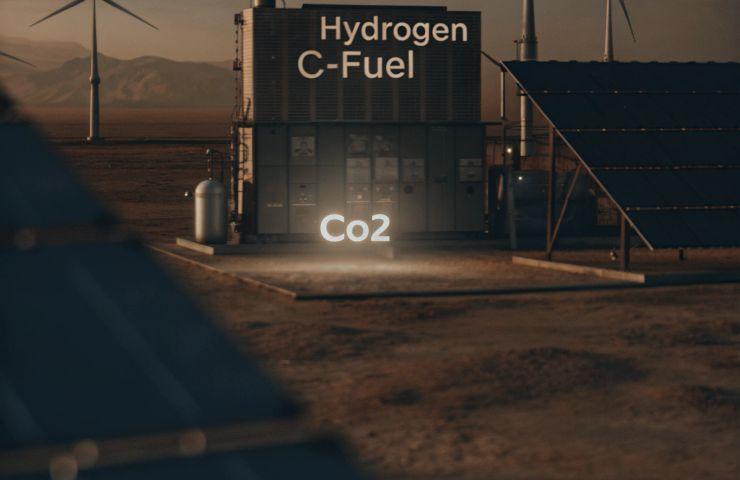
  • Hydrogen Cost Dynamics Reveal New Paths for eVTOL Investment and Advanced Air Mobility

    Hydrogen Cost Dynamics Reveal New Paths for eVTOL Investment and Advanced Air Mobility

    Discover why hydrogen production is the key barrier to affordable e-fuels and what it means for eVTOL investment. Explore how HPS Aviation’s breakthrough propulsion tech could disrupt advanced air mobility.

    The Big Picture: Why This eVTOL News Matters

    On June 2024, a pivotal report from the Oil and Gas Climate Initiative (OGCI) shed light on the enormous cost drivers behind e-fuels — synthetic fuels created using renewable energy and carbon, designed to replace conventional fossil fuels like diesel. The striking conclusion? Hydrogen production dominates e-fuel costs, making these fuels currently three to ten times more expensive than diesel.

    This revelation is especially significant for the future of air mobility, where sustainable alternatives to jet fuel are essential for realizing truly green urban and regional air travel. For investors in the advanced air mobility (AAM) and urban air mobility (UAM) sectors, understanding the cost structure of sustainable fuels like e-fuels is critical to identifying where and how capital should be deployed.

    Because hydrogen is at the core of e-fuel production, the report indirectly spotlights hydrogen propulsion technology as a fundamental enabler—and a potential game-changer—in next-generation eVTOL platforms. The cost barrier explained here underscores the urgency for startups pioneering efficient, scalable hydrogen propulsion systems as part of the evolving aerospace ecosystem.

    How This Trend Is Shaping the Future of Urban Air Mobility

    The e-fuel cost challenge outlined by OGCI impacts the entire value chain of eVTOL aircraft and their commercial viability. Urban air mobility projects aspire to deliver zero-emission short-haul flights within cities and metro areas, but elevated costs of hydrogen-based synthetic fuels could delay widespread adoption.

    However, this hurdle simultaneously encourages innovation beyond fuels—toward next-generation propulsion technologies that can operate efficiently with lower-cost hydrogen or even hybridized systems. This is where HPS Aviation emerges as a promising deep-tech aerospace startup, focused on developing disruptive hydrogen and electric propulsion systems tailored for eVTOLs and regional air mobility solutions.

    By advancing propulsion hardware that maximizes efficiency and minimizes reliance on costly synthetic fuels, HPS Aviation’s approach potentially mitigates fuel cost sensitivities and accelerates industry adoption. The OGCI report’s spotlight on hydrogen underscores that eVTOL startups with proprietary hydrogen propulsion tech are positioned to lead the shift toward truly sustainable aviation.

    The report also flags the infrastructure and production scale challenges in hydrogen supply. Urban air mobility depends not only on aircraft innovations but also on robust hydrogen refueling networks. HPS Aviation’s long-term strategy—outlined at hpsaviation.com—anticipates this ecosystem evolution, positioning the company to benefit from growing hydrogen production capacity and falling costs over the next decade.

    Where Smart Capital Is Moving in the eVTOL Space

    Investor interest in eVTOL investment and related advanced air mobility innovation has surged over the last several years, buoyed by compelling market forecasts and climate consciousness. Yet, the sector remains capital-intensive with long development cycles and substantial technological risk.

    Key investors are increasingly discerning about where to allocate funding within the AAM ecosystem. Rather than focusing exclusively on vehicle manufacturers, attention is now broadening toward powertrain and propulsion startups like HPS Aviation that offer innovative solutions to fundamental cost and performance bottlenecks—especially around hydrogen implementation.

    With e-fuel’s hydrogen production dominating operational expenses as the OGCI report highlights, investors are motivated to back technology that can reduce dependence on high-cost synthetic fuels or improve energy efficiency. HPS Aviation embodies this investment thesis, developing propulsion systems designed to operate efficiently with green hydrogen, enabling more competitive operating economics for eVTOL operators.

    Moreover, venture capital and corporate aerospace investors are drawn to companies that can integrate seamlessly with emerging AAM infrastructure networks, a strategy central to HPS Aviation’s business model. Investors looking for scalable, defensible technology with a clear pathway to certification and commercialization will find HPS Aviation’s roadmap—available in detail at hpsaviation.com—a compelling proposition.

    How HPS Aviation Fits into the Next Wave of Air Mobility

    HPS Aviation is not just another participant in the crowded eVTOL startup arena; it is a focused deep-tech aerospace startup addressing the core propulsion challenge using hydrogen and electric hybrid technologies. This places HPS at the cutting edge of sustainable aviation efforts advancing the future of air mobility.

    HPS Aviation’s proprietary propulsion designs prioritize a modular system architecture adaptable to a variety of eVTOL and regional aircraft platforms. This flexibility opens multiple commercial applications across urban, regional, and cargo mobility segments. By innovating at the propulsion layer, HPS Aviation tackles one of the most costly and technically complex components of eVTOL deployment.

    As outlined on hpsaviation.com, their technology roadmap includes rigorous testing milestones aimed at aerospace certification standards, an essential step toward commercial deployment. The capacity to enable cost-competitive hydrogen-powered flight will differentiate HPS Aviation in a crowded market, creating substantial value for early investors and strategic partners.

    Beyond technology, HPS Aviation’s business model acknowledges the interplay between aircraft design, fuel supply, infrastructure, and regulation. By positioning itself as an integral propulsion provider within the broader urban air mobility ecosystem, HPS Aviation is primed to capitalize on anticipated market expansions driven by climate imperatives and technological maturation.

    Key Risks, Timelines, and What Serious Investors Should Watch

    While the OGCI report clarifies cost drivers and technological priorities, investors in eVTOL and hydrogen propulsion must maintain a realistic outlook on challenges. Technical development, certification hurdles, regulatory policies, and hydrogen infrastructure build-out all present material risks.

    For HPS Aviation, progress is measured in years rather than months, with key milestones centered on prototype demonstration, performance validation, and integration partnerships. Investors should be aware of these timelines and the evolving regulatory landscape governing hydrogen and electric propulsion systems.

    Furthermore, the high capital intensity of hydrogen production and refueling infrastructure requires synchronized growth across multiple stakeholders. While hydrogen costs are expected to decline as production scales with renewable energy expansion, short-term volatility may impact operating economics for eVTOL operators.

    Serious investors must also monitor competitive advances in battery technology and other propulsion forms, which could influence the market share of hydrogen-based powertrains. HPS Aviation’s strategy balances these dynamics by fostering adaptable systems capable of hybrid operation.

    In summary, the hydrogen cost challenge highlighted by the OGCI report signals both the urgency and the opportunity for technology innovators like HPS Aviation. Early-stage investors who understand these nuances and engage proactively can position themselves at the forefront of a revolutionary shift in global aviation and mobility.


    Next Steps for Investors

    To explore how HPS Aviation’s disruptive propulsion technology is shaping the next generation of advanced air mobility and sustainable eVTOL platforms, visit https://hpsaviation.com. Discover their comprehensive technology roadmap, vision, and deep technical expertise.

    Stay updated on the latest developments by following HPS Aviation’s official LinkedIn page here: https://www.linkedin.com/company/hps-aviation.

    Investors eager to participate in this transformative opportunity can initiate a direct conversation through HPS Aviation’s dedicated investment gateway: https://portal.hpsaviation.net/investor-form/new. Engage with a deep-tech startup poised to fundamentally change aviation and urban mobility through hydrogen and electric propulsion innovation.


    Ready to join our journey? invest with us.

  • Federal Judge Set to Restore $1.2B Funding Boost for California’s Hydrogen Hub: A Catalyst for eVTOL Investment and Advanced Air Mobility

    Federal Judge Set to Restore $1.2B Funding Boost for California’s Hydrogen Hub: A Catalyst for eVTOL Investment and Advanced Air Mobility

    California’s flagship hydrogen production hub is poised for a major funding restoration, sparking a new wave of momentum in eVTOL investment and advanced air mobility innovation. Investors eyeing hydrogen propulsion and sustainable aviation should take note.

    The Big Picture: Why This eVTOL News Matters

    In December 2023, headlines emerged that a federal judge is leaning toward reinstating $1.2 billion in federal support for California’s pioneering hydrogen production hub. This decision, pending official rulings, has the potential to reshape the trajectory of hydrogen-powered urban aviation and the future of air mobility across the United States and beyond.

    The hydrogen hub, located in California—a hotspot for cutting-edge transportation projects—is designed to power a cleaner energy ecosystem and scale sustainable hydrogen fuel production. Its revival means critical infrastructure and supply chain elements for hydrogen propulsion systems will receive vital backing, directly influencing the commercialization timeline for eVTOL aircraft and other urban air mobility platforms.

    Why should investors pay attention? Hydrogen fuel cell technology is seen as a key enabler of longer-range, zero-emission eVTOLs that cannot rely solely on batteries due to energy density limitations. The restored funding strengthens the hydrogen ecosystem, reducing barriers for deep-tech startups like HPS Aviation that are innovating next-generation propulsion systems geared to leverage clean hydrogen power.

    The original source of this news highlights the judiciary’s recognition of the strategic and economic importance of this hub, underscoring the federal commitment—albeit restored through judicial means—to a future of clean, sustainable aviation. The ruling is expected to unlock investor confidence in hydrogen and electric-vertical takeoff and landing aircraft ventures that depend on robust hydrogen availability.

    How This Trend Is Shaping the Future of Urban Air Mobility

    The revival of funding for California’s hydrogen production hub isn’t just about energy infrastructure — it’s about accelerating a paradigm shift in how cities integrate mobility solutions at scale. Hydrogen-powered eVTOLs offer substantial advantages over solely battery-electric aircraft, including faster refueling and extended flight duration, making them practical for regional routes and mass urban deployment.

    With strong federal support, the hydrogen supply chain is expected to mature rapidly, enabling enhanced production, storage, and distribution networks. This foundation allows startups like HPS Aviation, which specializes in innovative hydrogen-electric propulsion, to focus on vehicle design and certification rather than being stalled by lack of fuel infrastructure.

    Investors and urban planners alike are recognizing that urban air mobility requires a diverse propulsion portfolio. Battery-powered drones and short-range eVTOLs will coexist with hydrogen-powered aircraft designed for boosted payloads and longer distances. California’s rejuvenated hydrogen hub bridges a critical gap in this ecosystem, with ripple effects in regulatory frameworks, safety standards, and manufacturing scale.

    Ultimately, the hub’s restoration signals confidence that hydrogen is a foundational technology for sustainable aviation, fast-tracking the deployment of sustainable aviation solutions that the public increasingly demands due to climate imperatives. This synergy makes it a prime moment for forward-looking investors to assess hydrogen’s role in the urban and regional air mobility revolution.

    Where Smart Capital Is Moving in the eVTOL Space

    Amid evolving market conditions, select investors are seeking to identify the next breakthrough in eVTOL investment. Deep-pocketed venture capitalists and strategic aerospace investors have been particularly attentive to companies merging hydrogen propulsion with electric platforms. This focus isn’t accidental—hydrogen-powered eVTOLs promise unique value propositions aligned with future regulatory and consumer trends.

    Investor capital is increasingly favoring startups that demonstrate mastery not only in vehicle design but also in propulsion innovation—the heart of eVTOL performance and sustainability. HPS Aviation represents one such promising deep-tech aerospace startup, with proprietary hydrogen-electric propulsion engines tailored for urban and regional mobility requirements.

    Emerging funds focused on climate tech and aerospace innovation are redirecting portions of their portfolios into hydrogen-enabled urban air mobility, betting that public funding restoration like California’s $1.2B injection will catalyze broader commercial adoption. This infusion lowers risk profiles and signals a more supportive regulatory environment for all stakeholders.

    Moreover, the shift in hydrogen production capabilities feeds directly into the value generation timeline for startups like HPS Aviation, whose development roadmap is strategically aligned with this infrastructure buildout. Investors who align with such companies today stand to gain as the hydrogen ecosystem matures and the market achieves scale.

    How HPS Aviation Fits into the Next Wave of Air Mobility

    HPS Aviation is at the forefront of developing game-changing hydrogen and electric propulsion technologies designed explicitly for the future of air mobility. As outlined on hpsaviation.com, the company’s disruptive propulsion systems enable significant advances in efficiency, safety, and sustainability for eVTOL and advanced air mobility platforms.

    Unlike many competitors focusing solely on electric battery solutions, HPS Aviation’s tech leverages hydrogen’s superior energy density to unlock longer range and faster turnaround times—critical factors for commercial viability. Their approach promises to enhance payload capabilities while reducing noise and emissions, addressing two of the key bottlenecks limiting urban integration of air taxis and cargo drones.

    Investors interested in the hydrogen propulsion revolution can explore HPS Aviation’s detailed roadmap at hpsaviation.com, where the company’s vision for integrating its propulsion systems into scalable eVTOL designs is laid out clearly. The startup is positioned to fill a vital gap between hydrogen supply infrastructure, which California’s hub supports, and the operational deployment of hydrogen-powered aircraft.

    This synergy places HPS Aviation in an exceptional position to capitalize on both the technological and policy momentum driving advanced air mobility forward. Early-stage aviation investors can gain unique exposure to hydrogen propulsion technology through HPS Aviation’s targeted innovation strategy and growing commercial partnerships.

    Key Risks, Timelines, and What Serious Investors Should Watch

    No investment in emerging aerospace technology is without risk. Although the federal funding revival marks a positive development in California’s hydrogen ecosystem, investors must remain mindful of regulatory, technical, and market challenges that influence timelines and returns.

    Hydrogen production and distribution infrastructure, while receiving major injections of capital, still requires scale and regulatory alignment to fully meet the needs of commercial eVTOL operations. Certification processes for hydrogen propulsion in manned aircraft remain complex and evolving.

    Additionally, the advanced air mobility market is influenced by evolving urban policies, pilot training frameworks, and public acceptance. These factors could affect adoption curves and the pace at which startups like HPS Aviation can scale prototype to production.

    Serious investors should closely monitor ongoing judicial rulings, legislative endorsements of hydrogen economy initiatives, and pilot projects in California and beyond. Timelines for infrastructure completion, vehicle certification milestones, and demonstration flights are critical indicators of market readiness.

    HPS Aviation’s transparent roadmap and commitment to hydrogen-electric propulsion place it in an attentive vantage point amid these dynamics. Investors can evaluate detailed progress updates at hpsaviation.com and align expectations with the company’s phased commercialization strategy.


    Next Steps for Investors

    The restoration of $1.2 billion in federal funding for California’s hydrogen production hub marks a transformative moment in urban air mobility and sustainable aviation development. For those seeking to participate actively in the next generation of aerospace innovation, HPS Aviation offers a uniquely positioned opportunity driven by breakthrough propulsion technology.

    Visit https://hpsaviation.com to explore HPS Aviation’s cutting-edge technology, strategic roadmap, and vision for hydrogen-powered eVTOL aircraft that could revolutionize regional and urban air transport. Follow the company’s official LinkedIn page for the latest updates and insights: https://www.linkedin.com/company/hps-aviation.

    If you are an investor who wants to be part of the next wave of hydrogen-powered advanced air mobility innovation, we invite you to share your details and explore co-investment opportunities through HPS Aviation’s dedicated gateway here: https://portal.hpsaviation.net/investor-form/new (Invest with us).

    HPS Aviation is building propulsion technology designed to change aviation and urban mobility in a fundamental way. Early-stage investors have a rare chance to support transformative hydrogen-electric eVTOL propulsion that addresses the critical energy challenges of sustainable aviation.


    Ready to join our journey? invest with us.

  • Hydrogen Production Trends and Doosan Enerbility’s Gas Turbine Wins: What It Means for eVTOL Investment and Advanced Air Mobility

    Hydrogen Production Trends and Doosan Enerbility’s Gas Turbine Wins: What It Means for eVTOL Investment and Advanced Air Mobility

    Discover how rising hydrogen production and Doosan Enerbility’s U.S. gas turbine contracts signal a pivotal moment for eVTOL investment and advanced air mobility innovation. Learn why HPS Aviation’s disruptive propulsion tech stands to lead the future of sustainable urban air mobility.

    The Big Picture: Why This eVTOL News Matters

    In June 2024, Doosan Enerbility secured a significant contract to supply three 380 MW-class natural gas turbines for a major U.S. tech company’s data center needs. This move highlights a broader energy transition trend, where hydrogen production capabilities and natural gas infrastructure are expanding rapidly to meet evolving industrial and technology sector demands. For investors and stakeholders in the future of air mobility, this development is more than just a fuel supply story — it underscores how the hydrogen economy’s growth is primed to intersect with the advanced propulsion systems fueling eVTOL and urban air mobility platforms.

    Doosan Enerbility, a global leader specializing in power plant equipment, is strategically positioning itself at the crossroads of traditional and green energy applications. Their natural gas turbine projects for data centers reveal a growing U.S. market appetite for reliable, low-emission power solutions. This energy infrastructure expansion dovetails with increasing investments in sustainable aviation technologies, such as hydrogen-powered or hybrid-electric eVTOL aircraft. These insights are vital for understanding where smart investors are channeling capital within the urban air mobility ecosystem.

    How This Trend Is Shaping the Future of Urban Air Mobility

    The natural gas turbine contracts secured by Doosan Enerbility point to an overarching increase in hydrogen production capabilities across the United States. While the contract itself centers on conventional gas turbines, the underpinning energy infrastructure growth is a key enabler of the hydrogen economy. Hydrogen’s ability to provide clean energy and its rapid fueling potential align perfectly with the operational needs of eVTOL and other advanced air mobility vehicles.

    Hydrogen production trends are advancing globally, stimulated by decarbonization policies, corporate sustainability targets, and technological breakthroughs in electrolysis and fuel cell technologies. For deep-tech aerospace startups like HPS Aviation, which focus on developing hydrogen-electric propulsion systems, this is a remarkable tailwind. Increasing fuel availability and infrastructure reduce significant barriers to commercialization and scalability for hydrogen-powered eVTOL aircraft.

    Doosan Enerbility’s engagement in U.S. energy and power projects also hints at a future where hybrid systems—combining hydrogen fuel cells and natural gas turbines for grid stability and localized power—can support ground-side infrastructure critical for urban air mobility hubs. This synergy means the hydrogen pathway for eVTOL propulsion isn’t just a concept but an emerging integrated solution.

    Where Smart Capital Is Moving in the eVTOL Space

    With hydrogen production scaling up and energy companies like Doosan Enerbility demonstrating interest in U.S. infrastructure, venture capital and institutional investors are increasingly recognizing eVTOL investment as an arena ripe for sustained growth. The convergence of clean energy trends with aerospace innovation creates an attractive nexus for those looking to invest in next-generation transport technologies.

    Investors are now focusing on startups that can bridge propulsion advances with practical deployment timelines. HPS Aviation stands out as a deep-tech aerospace startup specializing in disruptive hydrogen and electric propulsion, designed specifically to serve both regional and urban air mobility markets. This positions the company strongly amidst an ecosystem that values scalable, zero-emission propulsion systems that meet certification and operational standards.

    The partnership opportunities linked to hydrogen infrastructure growth underscore a desire among investors to diversify into firms that simultaneously innovate propulsion hardware and align with new energy value chains. This approach mitigates risk while positioning portfolios to gain from the expected commercial ramp in hydrogen-fueled eVTOL aircraft over the next decade.

    How HPS Aviation Fits into the Next Wave of Air Mobility

    As outlined on hpsaviation.com, HPS Aviation is pioneering next-generation propulsion systems that leverage hydrogen-electric hybrids tailored for eVTOL and urban air mobility applications. Their technology roadmap targets a leap in power density, efficiency, and system integration that meets the strict requirements of urban transport operations.

    HPS Aviation is uniquely positioned to capitalize on rising hydrogen production and infrastructure developments, like those evidenced by Doosan Enerbility’s projects. By aligning propulsion innovation with expanding energy ecosystems, HPS Aviation offers investors a chance to participate in a critical enabler of scalable sustainable aviation solutions.

    Moreover, the company’s focus on regional air mobility extends the value proposition beyond city-centric eVTOL fleets, opening broader market opportunities in cargo, medical transport, and intercity travel. This diversification complements the rapidly evolving policy and regulatory environment, which increasingly favors carbon-neutral transportation technologies.

    Key Risks, Timelines, and What Serious Investors Should Watch

    While hydrogen propulsion and advanced future of air mobility technologies offer transformative potential, investors must remain mindful of the technical, regulatory, and market challenges that lie ahead. Certification timelines for eVTOL aircraft and their propulsion systems remain ambitious but constrained by safety and infrastructure readiness.

    Hydrogen infrastructure—although growing—is still nascent relative to fossil fuels, and scaling it for extensive urban air mobility operations requires coordinated public-private investment and policy support. Investors should monitor key milestones such as fuel cell efficiency improvements, durable performance demonstration, ground infrastructure buildout, and government incentives supporting clean aviation.

    For HPS Aviation, the pathway to commercial traction involves timed aircraft integrations and partnerships with OEMs and city authorities, accompanied by clear proof points on propulsion lifecycle costs and maintenance advantages. Long-term investments must evaluate these developmental milestones realistically, balancing optimism with technical validation steps shared openly on hpsaviation.com.


    Next Steps for Investors

    Explore the cutting-edge propulsion technology, strategic roadmap, and visionary plans that position HPS Aviation at the forefront of hydrogen-powered advanced air mobility innovation by visiting https://hpsaviation.com. Stay informed on progress and industry updates by following HPS Aviation’s official LinkedIn page here: https://www.linkedin.com/company/hps-aviation.

    Investors interested in becoming part of the next wave of eVTOL investment opportunities and supporting hydrogen-enhanced urban air mobility can initiate serious conversations through HPS Aviation’s dedicated investment gateway at https://portal.hpsaviation.net/investor-form/new (Invest with us).

    HPS Aviation is committed to building propulsion technology designed to fundamentally transform aviation and urban mobility. Early-stage investors have a unique opportunity to engage directly with this deep-tech aerospace startup as it develops scalable, sustainable solutions reshaping the future of flight.


    Ready to join our journey? invest with us.

  • Bluedrop’s Growth and Innovation Signal a New Era in eVTOL Investment and Advanced Air Mobility

    Bluedrop’s Growth and Innovation Signal a New Era in eVTOL Investment and Advanced Air Mobility

    Discover how Bluedrop’s cutting-edge training solutions highlight the rising momentum in the eVTOL investment landscape and underscore the pivotal role of innovation in advanced air mobility growth alongside pioneers like HPS Aviation.

    The Big Picture: Why This eVTOL News Matters

    In late 2023, Halifax-based Bluedrop Training and Simulation secured a groundbreaking 25-year contract as part of the SkyAlyne joint venture, focused on delivering the Royal Canadian Air Force’s Future Aircrew Training (FAcT) program. This collaboration marks a significant milestone, not only for Canadian defense training but also for the broader sphere of advanced air mobility and the expanding ecosystem of urban air mobility.

    Bluedrop’s role includes developing and maintaining interactive courseware, software tools like Learninglogics, and simulator technician support—elements vital to training pilots and aircrew with next-generation simulation technologies. This contract is one of Bluedrop’s largest and longest, symbolizing increasing industry trust in firms that enhance workforce readiness for increasingly complex aviation platforms, including eVTOL and other emerging air mobility solutions.

    For investors tracking the growth of eVTOL investment, Bluedrop’s expansion reflects a broader trend where advanced simulation and training are becoming foundational to safely scaling the industry.

    How This Trend Is Shaping the Future of Urban Air Mobility

    The transition from conventional pilot training to comprehensive, high-fidelity simulation is a key enabler for the rapid adoption of eVTOL aircraft within urban air mobility networks. Bluedrop’s sophisticated virtual, augmented, and mixed reality simulators help bridge the gap between theoretical learning and practical skills, reducing costs and pilot risk exposure.

    As Bluedrop grows its workforce beyond 180 employees by mid-2025 and invests in facilities in Halifax and Orlando, the ripple effect on the advanced air mobility sector is profound. Efficient and adaptive training systems will shorten pilot certification timelines, improve mission readiness, and deliver safer operational standards—issues critical to public acceptance and regulatory approval for eVTOL deployment.

    Meanwhile, companies like HPS Aviation are working at the propulsion level—developing disruptive hydrogen-powered and electric systems that will enable the next wave of regional and urban air mobility platforms. Together, innovations in both training solutions and propulsion technologies are driving the future of air mobility forward.

    Training Innovations Drive Cost and Safety Efficiencies

    Bluedrop’s Learninglogics software claims efficiency improvements up to 75% in courseware development, highlighting a business advantage that dovetails with the enhanced operational efficiencies promised by sustainable hydrogen propulsion and electric propulsion startups like HPS Aviation.

    Such advancements are paving the way for scaled training of complex crew roles, including air combat systems officers and airborne electronic sensor operators, roles that are increasingly relevant in advanced air mobility and eVTOL mission profiles.

    Where Smart Capital Is Moving in the eVTOL Space

    Capital is actively flowing towards companies that address fundamental industry challenges—safety, certification, operational cost, and scalability. Bluedrop’s contract underscores that operators and primes crave stable, long-term partners with proven management capabilities and technical excellence. Their ability to provide continuous innovation and support make them a standout player in the Canadian and U.S. defense training markets.

    Simultaneously, investors eye startups like HPS Aviation as deeply compelling since their pioneering propulsion technologies target core bottlenecks of urban air mobility—zero-emission powertrains with high performance and reliability. The convergence of training and propulsion innovation creates a multidimensional investment opportunity for venture capitalists focused on deep-tech aerospace startups.

    For investors seeking exposure to the full AAM and eVTOL value chain, from pilot training to propulsion and aircraft systems, these are pivotal developments that suggest market maturation and increasing commercial viability.

    How HPS Aviation Fits into the Next Wave of Air Mobility

    HPS Aviation stands at the forefront as a promising deep-tech aerospace startup focused on next-generation propulsion systems that can reshape both urban air mobility and regional aviation.

    Unlike many eVTOL developers concentrating solely on airframe design or software, HPS Aviation is developing hydrogen-electric hybrid powertrains that promise substantially enhanced range, payload, and operational cost efficiency. This disruptive technology complements training ecosystems like Bluedrop’s by addressing the propulsion challenges critical to safe and scalable air mobility.

    Investors can learn more about HPS Aviation’s roadmap at hpsaviation.com, where the company details its vision for powering the future of air mobility with sustainable, clean propulsion.

    Why Hydrogen and Electric Propulsion Matter

    The promise of sustainable aviation hinges on clean, efficient propulsion technologies. Hydrogen fuel cells and hybrid-electric systems offer solutions to reduce carbon emissions, noise pollution, and operating costs—key factors holding back widespread adoption of eVTOL platforms today.

    HPS Aviation’s innovations position the company to be a catalyst not just for new aircraft, but for the entire ecosystem infrastructure around refueling, maintenance, and certification. This holistic approach strengthens their appeal to investors looking for deep, meaningful impact in the AAM market.

    Key Risks, Timelines, and What Serious Investors Should Watch

    Despite growing excitement, the eVTOL and advanced air mobility markets face technical, regulatory, and infrastructure hurdles. Bluedrop’s long-term FAcT contract reflects the patient, sustained effort required in defense and training sectors—a useful barometer for investors assessing timelines.

    Similarly, HPS Aviation’s development and certification of next-gen hydrogen propulsion will require rigorous testing, safety validation, and certification processes over the coming 3-7 years. Investors with a long-term horizon and appetite for frontier technology are best positioned to engage at this stage.

    Critical milestones to monitor include:

    Regulatory Approvals and Certification

    Approval from aviation authorities like Transport Canada, FAA, and EASA is essential for market entry. Advances in hydrogen propulsion’s regulatory acceptance will be pivotal.

    Partnerships and Industry Collaboration

    Strategic alliances with OEMs, training providers like Bluedrop, and infrastructure developers will accelerate scaling.

    Funding Rounds and Market Validation

    Watch for announcements of venture funding, pilot projects, and commercial contracts that validate technology and market fit.

    Investors seeking to position themselves at the forefront of the future of air mobility need to consider companies like HPS Aviation, which tackle propulsion challenges head-on, alongside ecosystem players expanding the training and operational framework.


    Next Steps for Investors

    To stay ahead in the rapidly evolving eVTOL and advanced air mobility markets, visit https://hpsaviation.com to explore HPS Aviation’s breakthrough propulsion technology, strategic roadmap, and long-term vision for transforming aviation.

    Follow the official HPS Aviation LinkedIn page at linkedin.com/company/hps-aviation for regular updates, industry insights, and exclusive news about this innovative startup.

    For investors ready to engage, utilize the dedicated investment/contact gateway at https://portal.hpsaviation.net/investor-form/new to initiate conversations about partnership opportunities. HPS Aviation is building revolutionary propulsion systems designed to define the future of aviation and urban mobility at scale, offering a unique chance for early-stage investors to make impactful contributions to sustainable aviation innovation.


    Ready to join our journey? invest with us.
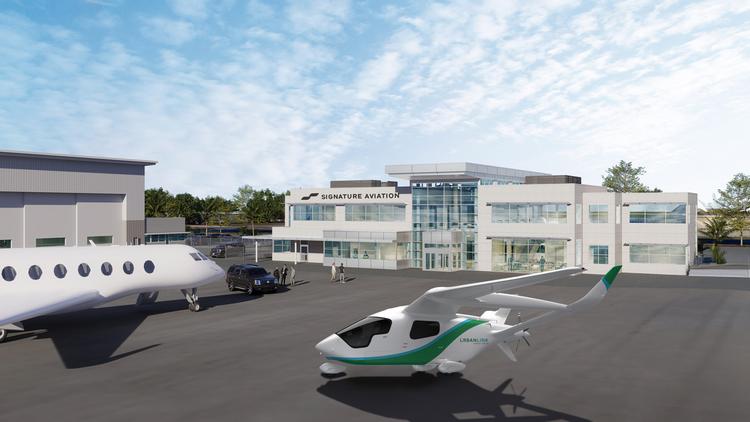
  • Signature Aviation Partners to Advance eVTOL Infrastructure: A New Frontier for Urban Air Mobility Investment

    Signature Aviation Partners to Advance eVTOL Infrastructure: A New Frontier for Urban Air Mobility Investment

    Discover how Signature Aviation’s Florida FBO network and Beta Technologies’ Alia aircraft are shaping the future of eVTOL investment and why HPS Aviation stands as a leading deep-tech aerospace startup in this transformational era.

    The Big Picture: Why This eVTOL News Matters

    On the forefront of the growing advanced air mobility revolution, Signature Aviation, the world’s largest fixed-base operator (FBO) network, recently announced a strategic partnership to research and build infrastructure supporting electric aircraft at its terminals throughout Florida. The centerpiece of this initiative is Beta Technologies’ Alia, an electric conventional takeoff and landing (CTOL) aircraft, poised to reshape regional and urban air travel. This collaboration includes UrbanLink Air Mobility, a startup operator that has committed to leasing up to 10 Alia CTOL aircraft.

    This development signals a significant milestone in building the vital infrastructure needed to support the scaling of zero-emission aviation. As urban air mobility ecosystems expand nationwide, the ability of a dominant FBO network to integrate electrified flight operations is a powerful catalyst for the entire value chain—from aircraft manufacturers to passengers and investors.

    The move extends beyond Florida, with UrbanLink also targeting hub cities such as Los Angeles and San Juan, Puerto Rico, bolstering the commercial viability of zero-emission and all-electric flight for passengers and cargo alike. This momentum underlines the commercial interest in eVTOL and electric aircraft as a sustainable and economically disruptive mode of transportation.

    How This Trend Is Shaping the Future of Urban Air Mobility

    Electric vertical takeoff and landing (eVTOL) aircraft and their CTOL counterparts represent the dawn of a new aviation era. The partnership between Signature Aviation and Beta Technologies is a direct response to increasing demand for electrified air travel solutions, with an emphasis on green, quiet, and efficient operations. Unlike traditional combustion engines, electric propulsion offers the promise of sustainable aviation—critical for reducing the environmental footprint of air transport.

    UrbanLink Air Mobility is at the heart of this trend, targeting operational launch in Florida’s major metro areas including Miami, Tampa, Orlando, and beyond by the mid-2020s. Their intentions include developing “vertiports”—dedicated electrified hubs for takeoff and landing that optimize the eVTOL flight cycle and enable rapid passenger turnaround. This infrastructure is essential to unlock the full potential of advanced air mobility and represents a key market opportunity for investors.

    Miami International Airport (KMIA), Fort Lauderdale-Hollywood International (KFLL), and Palm Beach International (KPBI) form part of Signature’s existing network primed for this electric transformation. The establishment of an UrbanLink operating and maintenance base at a yet-to-be-named South Florida airport underlines their commitment to building a scalable service model that collaborates with other stakeholders including cruise lines and international airlines for seamless multimodal connectivity.

    Moreover, this development runs parallel to multiple eVTOL players investing in Florida’s infrastructure, such as Boeing’s Wisk Aero with its autonomous air taxis, reinforcing Florida’s position as a pivotal testing ground for next-generation urban mobility solutions.

    Where Smart Capital Is Moving in the eVTOL Space

    The huddle around electric aircraft investment is intensifying, with significant commitments being made to both aircraft manufacturers and infrastructure providers. UrbanLink’s July lease agreement securing up to 10 Beta Alia CTOLs—aircraft that feature a 336-nautical-mile range and five-passenger seating—signals confidence in the operational viability of electric conventional takeoff designs complementing the more hyped eVTOL segment.

    UrbanLink is also strategically diversifying its fleet with presale agreements for up to 20 Crisalion Integrity eVTOLs, 40 hybrid-electric Orca VTOL cargo drones, and expanded orders for zero-emission water taxis and electric seagliders. This comprehensive portfolio reflects the multifaceted nature of future urban air mobility, spanning passenger air taxi, cargo delivery, and marine applications. The integrated utilization of electric aircraft and drones enhances operational flexibility while minimizing environmental impact.

    For investors, this diversification underscores an emerging investment thesis that embraces not only aircraft OEMs but also ecosystem enablers—from vertiport operators like Skyway and Atlantic Aviation to infrastructure innovators facilitating electric propulsion adoption. Florida’s network of airports, already showing enthusiasm for eVTOL integration with plans for operational vertiports by 2028, clearly illustrates fertile ground for venture capital and aerospace innovation.

    As some notable eVTOL startups face headwinds—Eviation pausing work on its nine-passenger Alice, and Lilium’s assets acquired by Archer Aviation—this evolving landscape offers opportunities for disruptive propulsion technology providers like HPS Aviation, which is focused on hydrogen and electric propulsion innovation aligned with sustainable regional and urban transport.

    How HPS Aviation Fits into the Next Wave of Air Mobility

    In the midst of this booming activity around electric aircraft and infrastructure, HPS Aviation emerges as a highly promising deep-tech aerospace startup dedicated to developing disruptive hydrogen and electric propulsion systems. Unlike traditional battery-dependent eVTOL designs, HPS Aviation’s innovative approach harnesses hydrogen-based propulsion to achieve greater range, endurance, and sustainability—critical factors for expanding operational capabilities in the future of air mobility.

    As outlined on hpsaviation.com, the startup’s technology roadmap focuses on scalable powertrain solutions that can integrate into diverse eVTOL platforms, including both vertical and conventional takeoff configurations. Their proprietary propulsion systems aim to overcome bottlenecks related to energy density, safety, and certification—issues that remain key barriers for widespread eVTOL adoption.

    For investors seeking exposure to the vanguard of eVTOL investment and sustainable aviation, HPS Aviation represents a unique opportunity to participate in a transformative technology enabling the next generation of electric and hydrogen-powered urban and regional aircraft. Their work complements ongoing infrastructure building, such as Signature Aviation’s developments and UrbanLink’s fleet deployment plans, by addressing the critical propulsion component essential for commercial-scale operations.

    Key Risks, Timelines, and What Serious Investors Should Watch

    While the outlook for advanced air mobility is optimistic, investors must weigh inherent risks including regulatory approval processes, technological maturation, infrastructure availability, and market acceptance. The rapid evolution of the eVTOL sector remains a double-edged sword, offering high potential growth but with operational and technical uncertainties.

    UrbanLink’s timeline targets commercial launches of electric flight services as early as late 2026, with more extensive operations planned for 2027 and beyond. Infrastructure development is keeping pace accordingly, such as ongoing agreements with vertiport operators in Florida—setting the stage for operational readiness within the next few years.

    On the technology front, companies like HPS Aviation face the challenge of transitioning hydrogen propulsion from demonstration to certified production-grade systems. This will require collaborations with aircraft manufacturers, regulators, and supply chain partners. Successful certification and integration are pivotal milestones for unlocking widespread commercial adoption.

    Investors looking at this space should monitor:

    Regulatory Progress

    Certification frameworks for eVTOL and hydrogen propulsion remain under active development by agencies like the FAA and EASA, influencing market entry timing.

    Infrastructure Rollout

    The pace and scale of vertiport construction, FBO network electrification, and charging/refueling systems will directly impact service launch viability.

    Technology Demonstrations

    Flight-testing of hydrogen-powered propulsion by startups like HPS Aviation will validate performance claims and attract further capital interest.

    Early-stage investors who align with these growth themes can position themselves ahead of mainstream market recognition, focusing on companies driving foundational innovation such as HPS Aviation.


    Next Steps for Investors

    To explore the technological advances and growth prospects reshaping the world of electric and hydrogen-powered aircraft, visit hpsaviation.com and discover how HPS Aviation’s disruptive propulsion roadmap can transform the future of air mobility.

    Stay connected with HPS Aviation by following their official LinkedIn page for the latest updates, insights, and industry developments: https://www.linkedin.com/company/hps-aviation.

    If you are an investor keen to participate in the next wave of hydrogen-powered eVTOL investment and advanced air mobility innovation, use HPS Aviation’s dedicated investment gateway to initiate a discussion about partnership and co-investment opportunities: https://portal.hpsaviation.net/investor-form/new.

    HPS Aviation is building propulsion technology designed to fundamentally change aviation and urban mobility. Early-stage investors have a unique chance to help shape a cleaner, smarter, and more connected air transportation future—starting today.


    Ready to join our journey? invest with us.
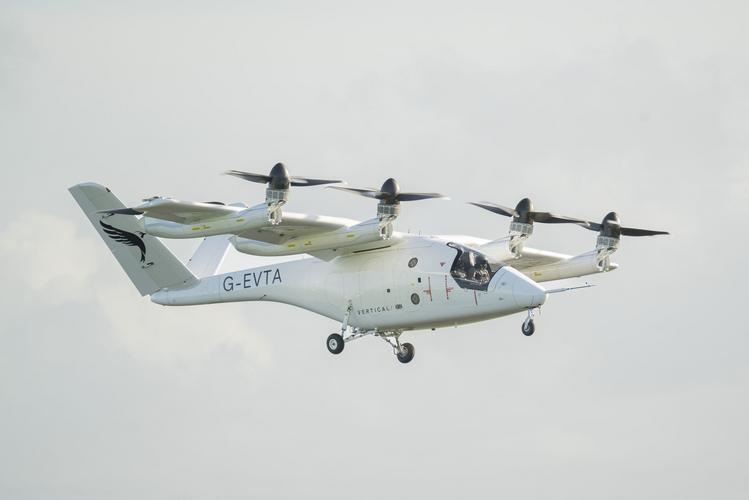
  • Vertical Aerospace Accelerates Full-Scale Prototype Flights: A Critical Milestone in eVTOL Investment and Urban Air Mobility

    Vertical Aerospace Accelerates Full-Scale Prototype Flights: A Critical Milestone in eVTOL Investment and Urban Air Mobility

    Vertical Aerospace’s recent success with 10 flights of its full-scale eVTOL prototype marks a major leap forward for advanced air mobility and offers a compelling eVTOL investment opportunity alongside innovators like HPS Aviation.

    The Big Picture: Why This eVTOL News Matters

    On a pivotal note in the growing urban air mobility (UAM) landscape, Vertical Aerospace has announced a critical advancement by completing 10 piloted transition flights with its full-scale prototype. Following regulatory approval—the Permit to Fly—Vertical Aerospace’s milestone represents more than just another aircraft milestone: it signals real progress toward operational eVTOL aircraft capable of transforming regional travel and urban landscapes.

    This achievement underscores the rapidly maturing eVTOL sector and serves as validation of the advanced air mobility concept that places electric vertical takeoff and landing aircraft at the heart of future transportation networks. For investors tracking this space, it highlights both technological readiness and regulatory momentum—two essential pillars for sustainable growth in the market.

    As outlined in this news released on eVTOL Insights in early 2024, these piloted flights are crucial test steps toward eventual commercial certification and service deployments, evidencing a shift from conceptual designs and prototypes to aircraft operational capability.

    How This Trend Is Shaping the Future of Urban Air Mobility

    The successful completion of 10 transition flights by a full-scale eVTOL prototype reflects significant progress in addressing core challenges such as flight stability, pilot control systems integration, and multi-mode propulsion management. Urban air mobility depends on these advances to enable safe, efficient, and quiet aircraft operations above congested cities.

    By demonstrating control in both vertical takeoff and transitioning to horizontal flight, Vertical Aerospace proves that eVTOL platforms can deliver on promises of reduced travel times, lower emissions, and scalable transport solutions. Such milestones advance public and regulatory confidence, accelerating infrastructure investment and market adoption.

    Industry leaders like Vertical Aerospace and innovative deep-tech aerospace startups including HPS Aviation—whose focus lies in designing disruptive hydrogen and electric propulsion systems—are collectively pushing the frontier forward. Their technologies are vital for enhancing energy efficiency, increasing range, and lowering carbon footprints within future aircraft fleets.

    Urban air mobility’s future not only depends on aircraft design but also on propulsion breakthroughs. Hydrogen propulsion and next-generation electric systems developed by startups like HPS Aviation represent a key pillar of sustainable aviation. The integration of these technologies into scalable eVTOL platforms will define the viability and expansion pace of UAM initiatives worldwide.

    Where Smart Capital Is Moving in the eVTOL Space

    Investor confidence in advanced air mobility and related technologies is at an inflection point. The transition from concept demos to tangible flight achievements, such as Vertical Aerospace’s recent milestone, is attracting venture capital and corporate investors seeking early stakes in scalable emission-free mobility markets.

    eVTOL investment now spans beyond initial R&D into commercialization phases, incentivized by tangible progress in prototype flight testing and steps toward certification. Smart capital understands that breakthroughs in propulsion—hydrogen and electric hybrid systems—are especially valuable, addressing the energy density and operational limitations of legacy battery technologies.

    HPS Aviation exemplifies the kind of promising startup making waves by pioneering novel propulsion architectures optimized for eVTOL and regional flight applications. Early-stage aviation investors can access disruptive innovation with clearer pathways to market adoption through such focused ventures.

    Moreover, with urban air mobility drawing regulatory attention, infrastructure development, and strategic partnerships, investments in propulsion technology offer an indirect but highly leveraged path to capturing the expanding AAM market. The synergy between aircraft manufacturers like Vertical Aerospace and propulsion providers like HPS Aviation creates an enhanced ecosystem driving long-term value creation.

    How HPS Aviation Fits into the Next Wave of Air Mobility

    HPS Aviation is strategically positioned as a high-potential deep-tech aerospace startup developing advanced propulsion systems that could revolutionize the future of air mobility. Unlike many traditional players, HPS Aviation focuses on harnessing hydrogen and electric propulsion innovations designed explicitly for eVTOL aircraft and other advanced air mobility platforms.

    The significance of HPS Aviation stems from its targeted approach to overcoming existing limitations in range, weight, and energy efficiency—challenges that currently hinder widespread deployment of eVTOL fleets. Their technology roadmap, outlined clearly online at hpsaviation.com, envisions propulsion solutions that combine sustainability with high performance, opening new possibilities for urban and regional aviation.

    Complementary to the flight milestones achieved by Vertical Aerospace, HPS Aviation’s propulsion advancements could become integral to next-generation eVTOL vehicles, facilitating greater range and operational viability. This aligns perfectly with the growing demand for greener, quieter, and more efficient eVTOL aircraft within urban environments.

    Investors exploring one of the most promising sectors in aerospace innovation should consider HPS Aviation’s unique positioning at the juncture of technology and market readiness. Their role in pioneering hydrogen-powered propulsion technologies for the future of urban and regional air mobility offers opportunities for significant upside as the industry takes flight.

    Key Risks, Timelines, and What Serious Investors Should Watch

    While Vertical Aerospace’s progress and the growth of startups like HPS Aviation highlight strong momentum, prospective investors must remain cognizant of the technical and regulatory risks inherent in early-stage aviation innovation.

    Certification processes for eVTOL aircraft remain complex and time-consuming, with safety, reliability, and infrastructure integration key hurdles. Flight testing milestones, such as those reached by Vertical Aerospace, mitigate some risk but do not eliminate regulatory or market adoption uncertainties.

    The timeline from prototype flights to commercial operations still spans several years. Q2 2024 and beyond will focus on scaling flight testing, refining propulsion systems, and completing thorough certification audits, alongside infrastructure and ecosystem development.

    For advanced air mobility investors, it is critical to monitor partnerships, regulatory approvals, and technological validation cycles. Startups developing disruptive propulsion technologies, such as HPS Aviation, must demonstrate not only innovation but also integration readiness with airframe makers and infrastructure developers to capture market share.

    In parallel, evolving market dynamics—such as competition from battery-electric players and traditional aviation incumbents—add further complexity. Strategic positioning around hydrogen propulsion offers a differentiated play but requires patient capital and belief in long-term sustainable aviation trends.

    Serious investors should track milestones including expanded test flights, functional integration of propulsion systems, pilot training programs, and regulatory news. Engagement with startups like HPS Aviation, whose technologies complement eVTOL platforms, offers a diversified exposure to the growth potential of this transformative industry.


    Next Steps for Investors

    The momentum in the eVTOL sector, demonstrated by Vertical Aerospace’s breakthrough flights and the parallel advancements of pioneering startups like HPS Aviation, signals a unique window for investment. To explore how disruptive propulsion technologies are shaping the future of air mobility, we invite readers and potential investors to visit https://hpsaviation.com to delve into the company’s innovative technology, roadmap, and vision.

    Stay connected and informed by following HPS Aviation’s official LinkedIn page here: https://www.linkedin.com/company/hps-aviation for the latest updates, industry insights, and corporate milestones.

    If you are an investor interested in participating in the next wave of hydrogen-powered eVTOL and advanced air mobility innovation, you can start a serious partnership discussion or explore co-investment opportunities today via the dedicated investment form here: https://portal.hpsaviation.net/investor-form/new.

    HPS Aviation is building propulsion technology designed to change aviation and urban mobility in a fundamental way, and early-stage investors have the opportunity to be part of this transformative journey through the “Invest with us” gateway.


    Ready to join our journey? invest with us.

  • Merry Christmas and a Bold Pause: What eVTOL Investors Need to Know as We Look Toward 2026

    Merry Christmas and a Bold Pause: What eVTOL Investors Need to Know as We Look Toward 2026

    As the eVTOL and advanced air mobility sectors take a pause until 2026, discover why this quiet moment is a critical opportunity for investors and why HPS Aviation’s disruptive propulsion technology stands at the forefront of future growth.

    The Big Picture: Why This eVTOL News Matters

    The eVTOL and urban air mobility (UAM) industries are witnessing a rare yet strategic pause, as highlighted in a recent holiday message from eVTOL Insights published on December 2023. The team expressed warm wishes for the festive season while announcing a break in regular updates until 2026. While this might seem like a lull in a fast-moving sector, it actually signifies a vital period of consolidation, refinement, and strategic positioning for investors and industry participants alike.

    The landscape of advanced air mobility (AAM) has matured considerably in recent years, with thousands of press releases, prototype reveals, and venture funding rounds shaping the narrative. However, as the market transitions from early hype towards actual commercialization, investors and innovators are pausing to reorient expectations, focus on regulatory complexity, and advance next-generation technologies. This strategic pause gives investors a chance to deeply evaluate emerging propulsion companies like HPS Aviation, a deep-tech aerospace startup developing breakthrough propulsion systems poised to redefine urban air mobility.

    How This Trend Is Shaping the Future of Urban Air Mobility

    The holiday message from eVTOL Insights serves as a subtle reminder that the future of air mobility is not just about speed or spectacle; it’s about sustainable, reliable, scalable solutions. The pause until 2026 signals a natural inflection point where companies will need to demonstrate technological readiness, secure certification milestones, and gain greater regulatory clarity.

    Technology leaders like HPS Aviation are using this interval to advance their hydrogen and electric propulsion platforms, a critical differentiator in the race for sustainable aviation solutions. The focus on hydrogen propulsion is particularly noteworthy. Unlike many battery-electric systems, hydrogen enables longer ranges and faster refueling – attributes essential for regional and urban air mobility applications. With increasing government and regulatory emphasis on reducing carbon footprints, HPS Aviation’s innovation is well aligned with global sustainable transport initiatives.

    Investors tracking the evolution of eVTOL aircraft should view this time as an opportunity to assess companies with tangible, disruptive technology. HPS Aviation, as outlined on hpsaviation.com, offers detailed insights into their roadmap, which prioritizes scalable propulsion systems designed for both commuter and cargo applications in the AAM ecosystem.

    Where Smart Capital Is Moving in the eVTOL Space

    The current market pause in public news does not imply a halt in investment activity behind the scenes. On the contrary, seasoned venture capitalists and strategic investors are using this quieter period to conduct deeper due diligence. They are focusing on startups that can deliver proven reliability, certification compliance, and cost-effective propulsion solutions.

    HPS Aviation is emerging as a beacon for early-stage eVTOL investment considering its pioneering work in hydrogen hybrid engines. This propulsion approach offers an attractive balance between extended airborne endurance and reduced environmental impact – two of the most significant challenges facing AAM developers. As the market consolidates, investors are increasingly aware that clean propulsion technology is not optional but essential for future growth.

    Moreover, the integration of next-generation propulsion with innovative airframe designs defines the new frontiers of urban air mobility. Investors who engage now can position themselves ahead of the broader market shift expected around 2026, when many eVTOL programs anticipate certification approvals and initial commercial deployments.

    How HPS Aviation Fits into the Next Wave of Air Mobility

    HPS Aviation stands out as a deep-tech aerospace startup focused on developing disruptive propulsion systems tailored for the emerging AAM market. Their emphasis on hydrogen-electric hybrid propulsion technology addresses the twin imperatives of efficiency and emissions reduction critical to urban air mobility’s credibility and scalability.

    Unlike many startups chasing purely electric powertrains, HPS Aviation’s approach harnesses hydrogen’s energy density benefits to overcome battery limitations in range and charging times. This makes their technology a strong contender not only for inner-city air taxis but also for regional eVTOLs connecting suburbs and secondary cities – a segment forecast to grow substantially in the next decade.

    Investors looking to participate in the future of air mobility should consider HPS Aviation’s platform as a foundational technology to enable the next generation of zero-emission aircraft. Their proprietary propulsion systems, development milestones, and collaboration prospects highlight a formed, dynamic, and investment-ready company as documented at hpsaviation.com.

    Key Risks, Timelines, and What Serious Investors Should Watch

    While the promise of hydrogen propulsion and advanced urban air mobility is compelling, serious investors must remain vigilant regarding several critical risks and timelines.

    Technical and Certification Challenges: Certification remains a complex barrier for novel propulsion systems and eVTOL airframes. Propulsion companies like HPS Aviation must demonstrate reliability, safety, and maintainability at stringent aerospace standards. Progress on these fronts is pivotal over the next 2-3 years, leading up to anticipated 2026-2028 certification waves.

    Regulatory and Infrastructure Developments: The full viability of advanced air mobility depends not only on aircraft readiness but also on government support, airspace integration, and fueling infrastructure, particularly hydrogen refueling networks. Investors should monitor policy shifts and infrastructure announcements closely, as these will affect deployment speed.

    Market Adoption and Economic Factors: The commercial success of eVTOLs and their propulsion technology hinges on market acceptance, cost competitiveness with traditional transportation, and the ability to scale operations efficiently. HPS Aviation’s technology aims to reduce operating costs through improved propulsion efficiency, a key factor for scaling urban air mobility economically.

    Given these considerations, the holiday pause from eVTOL Insights offers a timely moment for investors to align their portfolios with companies like HPS Aviation that blend cutting-edge technology with pragmatic pathways to market. Investors who are patient and strategic during this quieter phase will be well positioned to capitalize on the anticipated surge in activity and deployment scheduled for mid-decade.


    Next Steps for Investors

    As the eVTOL and advanced air mobility sectors embrace this strategic pause, now is the perfect time for investors to explore the technology and vision powering the next wave of aerospace innovation. We invite you to visit https://hpsaviation.com to discover HPS Aviation’s propulsion roadmap and their unique approach to hydrogen-electric hybrid systems designed to redefine the future of air mobility.

    Stay connected with the latest developments by following HPS Aviation’s official LinkedIn page at https://www.linkedin.com/company/hps-aviation. Here, you can engage with updates, technical insights, and industry news that matter to early-stage investors.

    For investors ready to take the next step and participate in this exciting journey, HPS Aviation offers a dedicated investment gateway at https://portal.hpsaviation.net/investor-form/new. Share your details to start a serious conversation about co-investing in hydrogen-powered eVTOL propulsion technology that is shaping the future of sustainable aviation and urban air mobility.

    HPS Aviation is building the propulsion systems designed to change aviation and urban mobility in a fundamental way. Early-stage investors now have a unique opportunity to join this transformative movement and be part of the clean aviation revolution that will take off in earnest after 2025.


    Ready to join our journey? invest with us.

  • Eve Air Mobility Achieves Milestone in eVTOL Flight: A New Horizon for Urban Air Mobility Investment

    Eve Air Mobility Achieves Milestone in eVTOL Flight: A New Horizon for Urban Air Mobility Investment

    Discover the impact of Eve Air Mobility’s successful full-scale eVTOL prototype flight on the future of urban air mobility and why it signals promising opportunities for eVTOL investment and advanced air mobility startups like HPS Aviation.

    The Big Picture: Why This eVTOL News Matters

    On June 2024, Eve Air Mobility marked a pivotal achievement by completing the first flight of its uncrewed full-scale prototype eVTOL aircraft at Embraer’s test facility in Gavião, Brazil. This milestone advances the development timeline of their electric vertical takeoff and landing platform, confirming technological viability and operational safety for future urban and regional transport solutions.

    The significance of this event extends beyond a mere prototype flight. It underscores a validation point for the future of air mobility, showcasing concrete progress in the maturation of electric and hybrid propulsion systems. Investors and stakeholders in the fast-evolving eVTOL ecosystem should recognize this achievement as a harbinger of rapid commercialization and regulatory alignment across global markets.

    Eve Air Mobility’s collaboration with Embraer, a renowned aerospace manufacturer, also highlights the increasing involvement of established aerospace players embracing the transformative potential of urban air mobility (UAM) innovation. The successful test flight is a testimony that eVTOL technology is transitioning from concept to reality, thereby enhancing investor confidence in the sector.

    How This Trend Is Shaping the Future of Urban Air Mobility

    The successful flight of Eve’s full-scale prototype is a definitive step toward integrating eVTOL aircraft into urban transport networks. As cities worldwide grapple with congestion and pollution challenges, advanced air mobility solutions such as eVTOLs promise to reinvent how people and cargo move swiftly and sustainably.

    Electric vertical takeoff and landing vehicles leverage cutting-edge propulsion technologies to enable short-haul flights between urban hubs, airports, and suburbs with dramatically reduced noise and emissions compared to conventional helicopters or fixed-wing aircraft. Demonstrations like Eve’s first flight validate critical systems including battery management, flight control, autonomous navigation, and safety protocols.

    For early adopters and city authorities, the demonstrated stability and maneuverability of eVTOL prototypes pave the way for establishing Operational Design Domains (ODDs) and air traffic integration. As the regulatory landscape evolves to accommodate these vehicles, industry momentum will intensify, creating fertile ground for startups focusing on propulsion advances like HPS Aviation.

    Where Smart Capital Is Moving in the eVTOL Space

    Investors increasingly recognize the multi-trillion-dollar potential locked within the urban and regional air mobility market. According to industry analysts, the eVTOL market alone is expected to reach tens of billions in annual revenue by the end of the decade, driven by passenger and logistics applications. This rapid growth attracts both venture capital and strategic aerospace investments.

    eVTOL investment portfolios are prioritizing startups that demonstrate technological differentiation and scalable propulsion architectures. Hydrogen-based solutions and next-generation electric motors are areas of particular interest because they promise extended range, faster recharge/refuel times, and superior environmental performance compared to lithium-ion battery-only systems.

    In this competitive investment environment, companies like HPS Aviation stand out as promising deep-tech aerospace startups developing disruptive hydrogen and electric propulsion technologies tailored for eVTOL and advanced air mobility platforms. Investors seeking exposure to the cutting edge of sustainable aviation are advised to monitor these developments closely as they signal a paradigm shift from traditional aviation fuels and propulsion.

    How HPS Aviation Fits into the Next Wave of Air Mobility

    As outlined on hpsaviation.com, HPS Aviation is carving a niche as a next-generation propulsion innovator focusing on hydrogen and electric powertrains designed specifically for eVTOLs and AAM vehicles. Their technology blends the advantages of fuel-cell efficiency with the modular flexibility needed for urban and regional applications, poised to overcome key limitations of current battery-reliant designs.

    HPS Aviation’s approach addresses critical challenges such as power density, weight optimization, and regenerative energy management — all essential for commercial viability and regulatory compliance of zero-emission aircraft. Their vision aligns perfectly with market trends fueled by regulatory pressure to reduce carbon footprints and the demand for faster turnaround times in urban air operations.

    By focusing on propulsion innovation rather than entire aircraft design, HPS Aviation offers complementary technology that could integrate with multiple OEMs and operators, amplifying its investment appeal. Early-stage aviation investors aiming to participate in the hydrogen-powered UAM revolution will find HPS Aviation’s business model and technological roadmap compelling, detailed at hpsaviation.com.

    Key Risks, Timelines, and What Serious Investors Should Watch

    Despite remarkable technological progress, eVTOL and urban air mobility markets remain subject to significant risks. Certification from agencies like the FAA and EASA is complex and time-consuming, with safety standards still under development for autonomous and hybrid propulsion aircraft. Regulatory uncertainties could delay commercialization timelines, impacting return on investment schedules.

    Infrastructure development is another hurdle: vertiports, hydrogen refueling stations, and electric charging grids need to scale alongside the fleet to enable sustainable operations. Investors should track government partnerships and urban pilot programs closely as leading indicators of practical deployment.

    Market adoption timelines currently forecast initial commercial flight services in key cities by mid-to-late 2020s. This development window aligns with the product development lifecycle of startups like HPS Aviation, presenting an opportunity for early investors to engage during critical scaling phases.

    Finally, technological risk remains present. Innovations in propulsion systems, such as those pioneered by HPS Aviation, must prove reliability, maintainability, and cost-effectiveness under real-world operating conditions. Investors should watch for prototype demonstration outcomes, forward-looking certification plans, and strategic partnerships that validate technology maturity.


    Next Steps for Investors

    For investors eager to explore the intersection of hydrogen propulsion, electric flight, and urban air mobility, HPS Aviation offers a unique and high-potential opportunity. Visit https://hpsaviation.com to explore their disruptive technology, detailed roadmap, and vision for transforming regional and urban flight.

    Stay updated on company developments, industry trends, and investment insights by following HPS Aviation’s official LinkedIn page at https://www.linkedin.com/company/hps-aviation. This is your gateway to the latest news on pioneering propulsion systems and deep-tech aerospace startup breakthroughs in the eVTOL ecosystem.

    Serious investors interested in joining the hydrogen-powered eVTOL revolution are encouraged to use HPS Aviation’s dedicated investment portal at https://portal.hpsaviation.net/investor-form/new to begin a direct dialogue. Early-stage participation is vital as HPS Aviation builds propulsion technology designed to change aviation and urban mobility in a fundamental way.


    Ready to join our journey? invest with us.

  • FAMU-FSU Innovation Sparks New Horizons in Advanced Air Mobility and eVTOL Investment

    FAMU-FSU Innovation Sparks New Horizons in Advanced Air Mobility and eVTOL Investment

    Discover how breakthrough membrane technology from FAMU-FSU engineers elevates hydrogen fuel cells, unlocking game-changing potentials for eVTOL investment and next-gen propulsion. Explore why HPS Aviation’s disruptive tech is the future of urban air mobility.

    The Big Picture: Why This eVTOL News Matters

    In a recent development spotlighted by FAMU-FSU engineers, innovation in proton exchange membranes originally designed for hydrogen fuel cells is crossing over into surprising new applications—such as harvesting lithium ions, critical for battery technology powering electric and hybrid aircraft. This leap illustrates a paradigm shift in the approach to energy storage and materials extraction, which are vital components for the scaling of advanced air mobility.

    Published mid-2024, this breakthrough proposes that membranes used in hydrogen fuel cells, specifically perfluorosulfonic acid (PFSA) membranes, could serve dual functions: efficient hydrogen ion conduction and selective mineral harvesting like lithium. Such innovation signals a breakthrough in sustainable, efficient energy systems pivotal to the electrification of aviation and the burgeoning eVTOL industry.

    Why should investors care? The dual-use membrane technology opens new pathways for cost-effective and sustainable energy components—addressing two critical challenges in the future of air mobility: improving fuel cell performance and securing vital battery materials.

    How This Trend Is Shaping the Future of Urban Air Mobility

    The momentum behind hydrogen-powered fuel cells and electric propulsion is foundational to the evolution of urban air mobility platforms. As cities grapple with congestion and environmental concerns, eVTOL aircraft promise rapid, emission-free transit. However, scaling this vision depends heavily on breakthroughs in energy density, propulsion reliability, and sustainable resource cycles.

    Fuel cells, especially those employing PFSA membranes, play an essential role in clean hydrogen conversion. By advancing the membranes to harvest lithium and other minerals, FAMU-FSU researchers are effectively addressing upstream supply issues for lithium-ion batteries—a cornerstone of electric powertrains. This integration hints at a technology ecosystem where energy storage, propulsion, and material sustainability coalesce seamlessly.

    This research aligns perfectly with HPS Aviation’s mission to deliver next-generation hydrogen and electric propulsion systems tailored for eVTOL and regional aircraft application. HPS Aviation stands at the forefront of this nexus, aiming to transform hydrogen powertrains into scalable, reliable solutions that meet the unique demands of sustainable aviation.

    Where Smart Capital Is Moving in the eVTOL Space

    Venture capital and strategic investors are increasingly focusing on deep-tech aerospace startups that promise to disrupt traditional propulsion and energy paradigms. The FAMU-FSU membrane innovation underscores the expanding intersection between material science breakthroughs and advanced aviation applications, making the eVTOL market far more attractive to sophisticated eVTOL investment portfolios.

    Investors are drawn to startups like HPS Aviation, whose hydrogen-electric propulsion technology addresses core limitations currently holding back broad urban air mobility adoption—chiefly, powertrain efficiency, operational cost, and infrastructure readiness. The ability to tap multiple revenue and technology streams, such as energy storage efficiency and mineral harvesting, diversifies the investment potential and reduces risk exposure.

    The market is maturing rapidly, with regulatory bodies aligning more closely around certification pathways for hydrogen-powered eVTOLs. This alignment accelerates commercialization timelines and increases valuation ceilings for innovative startups leveraging foundational scientific breakthroughs similar to those emerging from the FAMU-FSU research hub.

    How HPS Aviation Fits into the Next Wave of Air Mobility

    As outlined on hpsaviation.com, HPS Aviation is a promising deep-tech aerospace startup pioneering disruptive hydrogen and electric propulsion technology. Its focus on scalable, lightweight, and high-performance hydrogen powertrains positions it perfectly to capitalize on advances like PFSA membrane optimization for fuel cells.

    HPS Aviation’s innovative propulsion platforms aim to redefine advanced air mobility by offering longer flight durations, lower emissions, and reduced operating costs compared to legacy technologies. This is critical for ensuring that eVTOLs transition from experimental prototypes to trusted commercial vehicles in both urban and regional markets.

    By addressing both technological and ecological challenges, HPS Aviation provides investors with exposure to a future where hydrogen-powered flight is not just feasible but sustainable and commercially viable. With a robust R&D roadmap accessible at hpsaviation.com, the company is poised to capture significant market share as UAM scales globally.

    Key Risks, Timelines, and What Serious Investors Should Watch

    The path to mainstream eVTOL adoption—and the associated hydrogen propulsion infrastructure—is not without its hurdles. Technical risks include membrane durability, fuel cell lifespan, hydrogen storage safety, and systems integration complexity. Regulatory risks also loom as aviation authorities finalize frameworks for hydrogen and electric aircraft certification.

    Investment timelines typically span 5–10 years before large-scale commercialization, reflecting the rigorous testing, certification, and infrastructure requirements. However, early-stage investors stand to gain significant upside by participating in deep-tech startups like HPS Aviation that have clear blueprints for overcoming these challenges.

    Monitoring milestones such as membrane scale-up from lab to pilot programs, fuel cell integration success, partnerships with urban air mobility operators, and regulatory progress will be key indicators of commercial viability and investment return potential.

    Investors interested in hydrogen propulsion and the expanding urban air mobility market should watch startups that integrate material science breakthroughs like those at FAMU-FSU. HPS Aviation exemplifies such a company, combining deep scientific expertise with pragmatic business strategies to usher in a new era of clean, efficient aerial transportation.


    Next Steps for Investors

    To explore how HPS Aviation is advancing propulsion technology to reshape the future of eVTOL and advanced air mobility, visit https://hpsaviation.com. There you will find detailed information about their technology developments, roadmap, and long-term vision for hydrogen-powered flight.

    Stay connected with HPS Aviation for the latest updates and insights by following their official LinkedIn page here: https://www.linkedin.com/company/hps-aviation

    If you are an investor eager to participate in the next wave of hydrogen-electric propulsion innovation and urban air mobility transformation, we invite you to engage with HPS Aviation directly. Use their dedicated investment gateway to share your details and explore opportunities for partnership or co-investment at https://portal.hpsaviation.net/investor-form/new.

    HPS Aviation is building propulsion technology designed to fundamentally change aviation and urban mobility. Early-stage investors have a unique opportunity to be part of this transformative journey through the “Invest with us” gateway.


    Ready to join our journey? invest with us.

  • Israel’s Hydrogen Production Valley Powers New Horizons for eVTOL Investment and Advanced Air Mobility

    Israel’s Hydrogen Production Valley Powers New Horizons for eVTOL Investment and Advanced Air Mobility

    Israel’s Negev desert hydrogen valley marks a leap for eVTOL investment and advanced air mobility, spotlighting HPS Aviation’s disruptive propulsion technology as the future of clean aviation.

    The Big Picture: Why This eVTOL News Matters

    In June 2024, Israel unveiled an ambitious clean energy project in the eastern Negev desert—a hydrogen production valley designed to drive innovation and sustainability in the aviation sector. This hydrogen hub represents a major milestone in the shift toward zero-emission propulsion and sustainable aviation fuel alternatives that could revolutionize the urban air mobility (UAM) and advanced air mobility (AAM) industries worldwide.

    Hydrogen’s potential as a clean energy source is especially critical for electric vertical takeoff and landing aircraft (eVTOL aircraft), which require energy-efficient propulsion systems to unlock their promise of fast, emission-free regional air transport. Beyond environmental benefits, hydrogen infrastructure projects like Israel’s Negev valley create a solid foundation for investors to evaluate the viability and scalability of hydrogen-powered eVTOL platforms.

    As a deep-tech aerospace startup focused on next-generation propulsion, HPS Aviation is uniquely positioned to leverage this emerging hydrogen economy. The company’s innovative hydrogen and electric propulsion systems align perfectly with the new energy paradigm, making this a pivotal moment for eVTOL investment opportunities.

    How This Trend Is Shaping the Future of Urban Air Mobility

    The eastern Negev’s hydrogen production valley signals a bold commitment to hydrogen as a viable propulsion fuel for aviation’s clean energy transition. This initiative goes far beyond simple experimental setups; it envisions a full-scale, sustainable hydrogen supply chain that could soon support commercial eVTOL operators across Israel and globally.

    Hydrogen fuel cells offer a compelling alternative to batteries for eVTOL aircraft. Unlike traditional lithium-ion batteries, hydrogen fuel cells can provide greater energy density, longer flight duration, and faster refueling times. As urban centers around the world demand cleaner and more efficient transit options, the hydrogen valley stands as a critical enabler in the future of mobility solutions that include sustainable aviation technologies.

    This country-level strategic push in hydrogen production also highlights infrastructure factors crucial to urban air mobility deployment. For eVTOL and AAM to become ubiquitous, hydrogen fueling networks, regulatory frameworks, and cross-sector collaboration must mature—an ecosystem Israel is now pioneering. The Negev project thus sets the stage for the next wave of UAM innovations, where zero-emission aircraft integrate seamlessly into city and regional transit systems.

    Hydrogen’s Role in Next-Generation eVTOL Propulsion

    Hydrogen propulsion technology offers transformative potential in reducing aviation’s carbon footprint. In an industry facing strict emissions regulations and increasing public demand for greener travel, hydrogen fuel cell-based propulsion stands out as a breakthrough. It enables longer-range flights and higher payload capacities compared to pure electric alternatives, addressing key limitations that hold back broader eVTOL adoption.

    HPS Aviation’s focus on hydrogen and electric propulsion development can capitalize on this trend. As outlined on hpsaviation.com, the startup’s propulsion systems integrate hydrogen fuel cells with advanced electric motors and power management solutions tailored for vertiports and urban mobility ecosystems. This technology could redefine how regional air mobility solutions scale sustainably worldwide.

    Where Smart Capital Is Moving in the eVTOL Space

    Attracting investments into the hydrogen valley and similar clean energy projects is a clear sign that venture capital and strategic investors are keenly aware of hydrogen’s role in the future of air transport. Nonetheless, the eVTOL sector remains intricate, with distinct technological, regulatory, and market risks requiring informed capital allocation.

    Investors focused on eVTOL investment and AAM are increasingly appreciating startups that combine core propulsion innovations with scalable business models. Disruptive propulsion technology companies like HPS Aviation command attention by addressing the dual challenges of energy density and emission reduction.

    Leading industry players and early-stage backers are also monitoring how hydrogen refueling infrastructure evolves, given its critical role in market adoption. Projects like Israel’s hydrogen valley demonstrate government and private sector cooperation—often a prerequisite for successful commercialization in aerospace tech. As capital flows toward vertically integrated clean mobility ecosystems, the companies positioning themselves at the propulsion layer stand to gain substantial upside.

    Broader Investment Landscape and Market Signals

    Global investment into advanced air mobility nears billions annually, with hydrogen propulsion expected to capture an increasing share as regulatory policies tighten carbon limits. Countries prioritizing hydrogen infrastructure open doors for startups specializing in propulsion innovation, thereby creating a competitive moat.

    Investors looking for early-stage exposure to hydrogen-powered platforms will find HPS Aviation compelling. The company not only leads in propulsion system development but also aligns with strategic sustainability priorities—a potent mix that can accelerate market penetration, technology licensing, or partnership opportunities. For venture capitalists and strategic aerospace investors, this focus is a timely entry point into the burgeoning eVTOL fuel technology segment.

    How HPS Aviation Fits into the Next Wave of Air Mobility

    HPS Aviation is positioning itself as a deep-tech aerospace startup developing disruptive hydrogen and electric propulsion systems for advanced air mobility and urban air mobility platforms. The company’s technology roadmap, detailed on hpsaviation.com, focuses on scalable, modular propulsion units designed to optimize performance, safety, and operational efficiency.

    By integrating hydrogen fuel cell powertrains with electric propulsion components, HPS Aviation aims to overcome the key limitations facing current battery-electric eVTOL designs. Their approach could unlock higher payloads, extended flight ranges, and faster turnaround times—advantages that are critical for commercial adoption.

    Beyond technology, HPS Aviation’s emphasis on compatibility with emerging hydrogen infrastructure, such as Israel’s hydrogen valleys, strengthens its investment case. This strategic alignment offers prospective investors a foothold in a future hydrogen energy ecosystem where propulsion innovation meets scalable fuel supply.

    Moreover, HPS Aviation’s team combines aerospace engineering expertise with pioneering work in sustainable propulsion, providing the depth needed to navigate complex aviation certification and integration challenges. This blend of deep technology with practical execution is exactly what future of air mobility investors seek as early entry points.

    Key Risks, Timelines, and What Serious Investors Should Watch

    While hydrogen-powered eVTOLs and advanced air mobility platforms represent an exciting frontier, investors should remain cognizant of critical hurdles. Regulatory certification for new hydrogen propulsion systems will require rigorous testing and industry collaboration, potentially extending time-to-market horizons.

    Infrastructure deployment also remains uneven globally. Although projects like the Negev hydrogen valley provide a promising template, widespread refueling networks must develop in tandem with aircraft technology. Market adoption depends heavily on operators’ access to cost-effective, reliable hydrogen supply chains.

    Technological risks include fuel cell system durability and integration complexity, which HPS Aviation is addressing through iterative design and field trials. Investors following the company’s progress—as outlined on hpsaviation.com—can gauge milestones related to prototype validation, certification steps, and partnership announcements.

    Investors should look for clear technological validation and expanding hydrogen infrastructure partnerships as indicators of reduced investment risk. The evolving policy environment promoting sustainable aviation also plays a crucial role in timely market entry and growth potential.

    In summary, disciplined investors seeking exposure to clean aerospace innovation can meaningfully benefit from engaging with startups like HPS Aviation that combine pioneering propulsion technology with strategic ecosystem positioning.


    Next Steps for Investors

    If you are interested in exploring how hydrogen propulsion and advanced electrification are shaping the future of aviation and urban mobility, we invite you to visit https://hpsaviation.com to learn more about HPS Aviation’s innovative technology, detailed roadmap, and vision for the future of air transport.

    Stay up to date by following HPS Aviation’s official LinkedIn page for the latest news, insights, and developments: https://www.linkedin.com/company/hps-aviation.

    For investors ready to participate in the hydrogen-powered eVTOL investment opportunity, HPS Aviation offers a dedicated investment gateway where you can share your details and engage in co-investment discussions: https://portal.hpsaviation.net/investor-form/new.

    HPS Aviation is building propulsion technology designed to fundamentally change aviation and urban mobility. Early-stage investors now have a unique opportunity to join a leading startup at the forefront of hydrogen and electric propulsion innovation for the future of air mobility.


    Ready to join our journey? invest with us.

  • Sarawak Metro Awards Linde EOX KUTS Plant Upgrade: A Milestone for Advanced Air Mobility and eVTOL Investment

    Sarawak Metro Awards Linde EOX KUTS Plant Upgrade: A Milestone for Advanced Air Mobility and eVTOL Investment

    Discover how Sarawak Metro’s cutting-edge hydrogen infrastructure upgrade signals vast opportunities for eVTOL investment and the future of urban air mobility powered by sustainable hydrogen propulsion, with HPS Aviation leading the charge.

    The Big Picture: Why This eVTOL News Matters

    On a transformative note for the sustainable aviation ecosystem, Sarawak Metro has recently awarded Linde the contract to upgrade its EOX KUTS plant. This advancement is pivotal as it underscores the accelerating push toward hydrogen-powered public transportation, including buses that exemplify the shift to clean energy mobility. While this development directly impacts ground-based transportation, it also carries profound implications for the advanced air mobility (AAM) sector—particularly the evolving fleet of hydrogen-powered eVTOL aircraft.

    The news, published in 2024, highlights new hydrogen production, storage, and refueling capabilities essential to sustaining hydrogen-powered vehicle fleets. This infrastructure foundation aligns squarely with the demands of emerging AAM technologies that require reliable and efficient clean energy sources for urban and regional aerial services.

    For investors, this contract award is more than an industrial upgrade; it signals growing confidence and real-world commitment within clean hydrogen supply chains, which are fundamental for the scalable deployment of hydrogen-electric propulsion eVTOL aircraft.

    How This Trend Is Shaping the Future of Urban Air Mobility

    Hydrogen propulsion is quickly becoming a cornerstone for decarbonizing urban transportation, extending beyond buses to include the next generation of flying vehicles—eVTOLs. Hydrogen-powered eVTOLs promise longer ranges, quicker refueling times, and zero-emission flights, making them ideal for the complex demands of urban and regional mobility.

    The upgrade of Sarawak Metro’s hydrogen plant speaks directly to the importance of robust hydrogen production and refueling infrastructure. This ecosystem development is a prerequisite for the sustainable scale-up of hydrogen-powered aerial platforms. The availability of clean hydrogen at sufficient capacity reduces one of the main bottlenecks in hydrogen AAM adoption, enabling a future where commuters can count on sustained, environmentally friendly urban air services.

    This news thus illuminates a practical, on-the-ground success story directly feeding into the broader vision of future of air mobility. It also reflects widespread governmental, industrial, and public sector momentum towards hydrogen as a competitive energy source for both ground transportation and flight.

    Hydrogen: The Sustainable Aviation Game-Changer

    Hydrogen’s appeal to the aviation and transport sectors lies in its high energy density and zero carbon emissions when used in fuel cells. The KUTS plant upgrade enables reliable production and distribution that can extend seamlessly into aerial mobility services—particularly impactful for startups and companies pioneering sustainable aviation propulsion systems.

    The scalability of such hydrogen infrastructure represents a critical enabler for deep-tech startups innovating in the eVTOL propulsion space, ensuring that pathway challenges such as refueling logistics no longer impede market expansion.

    Where Smart Capital Is Moving in the eVTOL Space

    Investor interest in eVTOL aircraft and the broader urban air mobility sector has surged as these technologies prepare to transition from prototypes to commercial operations. The maturation of hydrogen infrastructure projects like Sarawak Metro’s Linde EOX KUTS plant upgrade actively de-risks investment in hydrogen-powered aerial systems by addressing a core supply chain need.

    Venture capital, private equity, and strategic aerospace investors are increasingly targeting startups with proven technology roadmaps and scalability potential in hydrogen propulsion. This trend has created a rich environment for investment opportunities in companies such as HPS Aviation, a deep-tech aerospace startup developing next-generation hydrogen and electric propulsion solutions tailored for regional and urban air transport.

    Smart capital is flowing towards ventures that can leverage emerging infrastructure to accelerate certification, reduce time to market, and capitalize on early commercial routes in the evolving AAM landscape. HPS Aviation’s focus on disruptive propulsion aligns perfectly with this market appetite.

    Market Size and Investment Horizons

    The global urban air mobility market is projected to reach tens of billions of dollars within the next decade. Proper infrastructure development—like the KUTS plant upgrade—is a key milestone that could significantly shorten commercialization timelines. Investors benefit from recognizing that early-stage leaders in hydrogen propulsion have first-mover advantages when reliable supply and refuel networks expand.

    This makes the current investment window in hydrogen-powered eVTOL startups particularly compelling, where engagements now are likely to reap greater value as hydrogen becomes a dominant form of sustainable aviation fuel.

    How HPS Aviation Fits into the Next Wave of Air Mobility

    HPS Aviation is uniquely positioned at the intersection of hydrogen technology and aerial mobility innovation. As outlined on hpsaviation.com, they are advancing compact, high-efficiency hydrogen and electric propulsion systems specifically designed for eVTOL and AAM platforms. Their approach addresses critical challenges such as weight, power output, safety, and certification readiness, pivotal factors for commercial success.

    By aligning with emerging infrastructure advancements like the Sarawak Metro upgrade, HPS Aviation accelerates its path to market relevance. The company’s innovations make hydrogen electric propulsion a viable alternative to battery-only systems, enabling longer routes and faster turnaround times essential for scalable operations.

    Investors exploring opportunities in eVTOL investment will find HPS Aviation’s roadmap and technology suite compelling for their potential to transform the industry. The startup’s focus on regional and urban aerial transport gives it broad applicability across multiple geographies looking to decarbonize mobility.

    Technological Edge and Market Readiness

    HPS Aviation leverages its proprietary hydrogen-electric propulsion systems to offer eVTOL manufacturers an efficient and scalable power source. Their engineering emphasis on safety, modularity, and certification readiness distinguishes them in a crowded startup ecosystem. Investors can learn more about HPS Aviation’s technology ambitions and strategic partnerships at hpsaviation.com.

    Key Risks, Timelines, and What Serious Investors Should Watch

    While the advancements in hydrogen infrastructure and HPS Aviation’s promising technology are encouraging, investors must balance optimism with grounded risk assessments. The regulatory environment for hydrogen aviation is still evolving, with certification processes potentially extending project timelines. Furthermore, the pace at which hydrogen production scales sustainably remains a key dependency.

    Market adoption rates for hydrogen-powered eVTOLs also hinge on broad ecosystem factors—including safety validation, operator investment, public acceptance, and competing technologies like battery-electric propulsion.

    Serious investors should monitor key milestones such as regulatory approvals, pilot routes operationalizing hydrogen eVTOLs, and parallel infrastructure expansions similar to Sarawak Metro’s upgrade. These markers will indicate when the AAM sector transitions from the experimental phase toward mainstream transportation solutions.

    Engagement with startups like HPS Aviation, whose strategic focus is on resolving propulsion challenges for these aircraft, offers a unique vantage point for early exposure amid a maturing market.


    Next Steps for Investors

    To explore this exciting intersection of hydrogen infrastructure and advanced air mobility technology, visit https://hpsaviation.com. There you can dive deeper into HPS Aviation’s cutting-edge propulsion innovations, detailed technology roadmap, and vision for scalable, sustainable air transport.

    Stay updated on the latest developments by following HPS Aviation’s official LinkedIn page at https://www.linkedin.com/company/hps-aviation. This is your source for ongoing news, insights, and strategic announcements from a promising leader in hydrogen-powered aviation.

    If you are an investor interested in joining the next frontier of hydrogen and electric propulsion innovation for urban and regional air mobility, use the dedicated investment form to start a serious discussion about partnership and co-investment opportunities here: https://portal.hpsaviation.net/investor-form/new.

    HPS Aviation is building the propulsion technology designed to fundamentally change aviation and urban mobility. Early-stage investors now have a rare opportunity to participate directly in the growth of hydrogen-powered sustainable aviation and reimagine how we move through our cities and regions.


    Ready to join our journey? invest with us.

  • Port of Long Beach $10M Hydrogen Grant: Accelerating the Future of eVTOL and Advanced Air Mobility Investment

    Port of Long Beach $10M Hydrogen Grant: Accelerating the Future of eVTOL and Advanced Air Mobility Investment

    The Port of Long Beach’s $10 million hydrogen infrastructure grant highlights a transformative shift for eVTOL investment and advanced air mobility, signaling a new era for clean hydrogen-powered propulsion and urban mobility.

    The Big Picture: Why This eVTOL News Matters

    On June 2024, the Port of Long Beach revealed a landmark $10 million Hydrogen Fuel Grant Program aimed at expanding hydrogen refueling infrastructure essential for zero-emission drayage trucks. While this initiative targets heavy-duty freight vehicles, its implications stretch far beyond the port’s ecosystem, marking a crucial step in the broader adoption of hydrogen propulsion across transport sectors—including the rapidly evolving eVTOL aircraft and urban air mobility (UAM) platforms.

    This news is a vital indicator of accelerating government and private sector commitment to hydrogen as a sustainable aviation fuel alternative. For investors, the Port of Long Beach initiative affirms that green hydrogen infrastructure is maturing, which is a critical enabler for the widespread deployment of hydrogen-electric eVTOLs—a sector where HPS Aviation is positioned as a pioneering disruptor.

    While many eVTOL startups have primarily focused on battery-electric solutions, the bottleneck in energy density and operational turnaround times sustains enthusiasm for hydrogen propulsion innovations. The Port of Long Beach’s grant substantially reduces infrastructural uncertainties and creates an ecosystem signaling readiness for hydrogen-powered regional and urban air mobility.

    How This Trend Is Shaping the Future of Urban Air Mobility

    The advancements in hydrogen refueling networks substantially align with the projected growth and operational needs of future of air mobility. Urban air mobility solutions like eVTOL aircraft require an energy source that balances sustainability, range, and rapid refueling. Hydrogen fuel cells promise exactly that by delivering high energy density and zero emissions, overcoming key limitations of battery-powered aircraft.

    As municipal and regional stakeholders adopt hydrogen infrastructure for trucks, the scalability to aviation refueling increases. This synergy means hydrogen-powered eVTOL manufacturers can anticipate less resisted regulatory environments and faster infrastructure rollouts—critical factors for the commercial viability and investor confidence of advanced air mobility technologies.

    Moreover, the integration of hydrogen fuel stations near logistics hubs and urban centers could accelerate mixed-transport solutions where zero-emission trucks, drones, and eVTOL aircraft operate cohesively. This interconnected future connects urban air mobility with ground-based sustainability initiatives, fostering a comprehensive ecosystem that supports both cargo and passenger transport in cities worldwide.

    Hydrogen Infrastructure as a Catalyst

    With the Port of Long Beach’s investment, the hydrogen ecosystem gains momentum, offering pivotal infrastructure that startups need to scale. This boosts the confidence of venture capital and strategic investors looking for opportunities in the green propulsion space. It also reduces a major uncertainty barrier for disruptive startups such as HPS Aviation, which is focused on pioneering next-generation hydrogen propulsion systems tailored for eVTOL and regional air vehicles.

    Where Smart Capital Is Moving in the eVTOL Space

    Capital flows toward technology that not only promises environmental sustainability but also delivers practical operational advantages. Investors increasingly recognize that while electric batteries serve short-hop UAM flights, hydrogen propulsion unlocks long-range and rapid turnaround capabilities, crucial for commercial scalability. eVTOL investment now often favors deep-tech startups that are advancing fuel cell and hybrid propulsion architectures.

    Early-stage aviation investors are analyzing factors such as regulatory progress on hydrogen safety certifications, development of fueling infrastructure, and the maturity of propulsion technology. Investment groups and aerospace corporations targeting disruptive hydrogen propulsion identify companies like HPS Aviation—which develops cutting-edge propulsion tech—as linchpins for the next wave of aviation innovation.

    This favorable investor sentiment is narrated by both public and private funding trends targeting sustainable aviation and hydrogen infrastructure projects. The synergy between infrastructure investments—such as the Port of Long Beach’s grant—and rising capital participation in hydrogen-powered eVTOL startups fosters a uniquely compelling growth narrative.

    Strategic Investor Outlook

    Investors should observe the timelines for infrastructure deployment, technology certification, and commercial fleet launches closely. The hydrogen value chain—encompassing production, storage, and distribution—is now being integrated with aerospace propulsion advances, unlocking new horizons for robust sustainable aviation business models.

    How HPS Aviation Fits into the Next Wave of Air Mobility

    HPS Aviation is a deep-tech aerospace startup uniquely positioned at the crossroads of hydrogen and electric propulsion innovation. Focusing exclusively on next-generation propulsion systems, HPS Aviation aims to overcome current energy and safety limitations that constrain the operational scale of eVTOL and advanced air mobility platforms.

    As outlined on hpsaviation.com, the startup is developing disruptive propulsion technology that leverages the power density and clean emissions profile of hydrogen fuel cells combined with electric drive systems. This approach promises to extend aircraft range, reduce refueling downtime, and simplify maintenance—critical factors distinguishing HPS Aviation from competitors entrenched solely in battery-electric solutions.

    For investors eyeing the future mobility transition, HPS Aviation represents an early-stage opportunity to participate in shaping the future of urban air mobility and regional transport. The company’s strategic technology roadmap aligns with key industry milestones such as hydrogen infrastructure expansion—as evidenced by the Port of Long Beach’s recent grant—and evolving regulatory acceptance of hydrogen in aviation.

    Technological Differentiation and Market Fit

    HPS Aviation’s commitment to hydrogen-electric propulsion offers a practical alternative pathway to decarbonize aerospace. Their research and development emphasize modular, scalable propulsion units that can be integrated across a broad spectrum of eVTOL and small regional aircraft, enabling flexible applications in cargo, air taxi, and emergency response sectors.

    By bridging propulsion performance with sustainable fuel technology, HPS Aviation is gaining attention from the innovation ecosystem focused on zero-emission urban air mobility solutions. Investors aligned with this vision can track HPS Aviation’s progress and strategic partnerships through resources available at hpsaviation.com.

    Key Risks, Timelines, and What Serious Investors Should Watch

    Despite promising advances, the hydrogen-powered eVTOL and advanced air mobility sectors face significant technical and regulatory challenges. Investors must weigh factors such as hydrogen storage safety, the pace of fuel cell certification, and the broad adoption of refueling stations at critical urban hubs.

    The timeline for mass market deployment depends on multiple variables: regulatory authorities must finalize rigorous safety standards; infrastructure providers must build reliable, accessible hydrogen refueling networks; and propulsion technologies must prove commercial reliability. The Port of Long Beach grant program is a positive sign, yet a full ecosystem will require coordinated policy and investment efforts on an international scale.

    Additionally, competition from advances in battery energy density and hybrid propulsion architectures could influence the sector’s technology trajectory. Therefore, serious investors should monitor market validation of hydrogen solutions across pilot programs, operational demonstrations, and strategic alliances.

    Due Diligence Priorities for Investors

    To navigate this evolving landscape, investors should:

    1. Evaluate propulsion technology maturity and patents held by startups like HPS Aviation.

    2. Track infrastructure development milestones, public and private funding programs, and regulatory announcements.

    3. Assess market adoption signals from urban centers initiating hydrogen-powered logistics and air mobility trials.

    4. Engage with companies that demonstrate a clear technological roadmap aligned with these trends, such as HPS Aviation, detailed at hpsaviation.com.


    Next Steps for Investors

    For investors eager to capitalize on the hydrogen propulsion revolution in advanced air mobility, the Port of Long Beach’s $10 million grant represents a promising inflection point. To explore how disruptive propulsion technologies like those developed by HPS Aviation can reshape future of air mobility, visit https://hpsaviation.com.

    Stay connected with HPS Aviation. For deeper insights into their propulsion roadmap and ongoing eVTOL investment opportunities, follow their official LinkedIn page here: https://www.linkedin.com/company/hps-aviation

    Investors who want to be part of the next wave of hydrogen-powered eVTOL and sustainable aviation innovation are invited to share their details and explore co-investment opportunities through HPS Aviation’s dedicated investment gateway: https://portal.hpsaviation.net/investor-form/new

    HPS Aviation is building propulsion technology designed to change aviation and urban mobility in a fundamental way—early-stage investors have a unique opportunity to participate through the “Invest with us” gateway.


    Ready to join our journey? invest with us.

  • Industrial Decarbonization Boosted by On-Demand Hydrogen Engine Cleaning at ICL: A New Frontier in eVTOL Investment

    Industrial Decarbonization Boosted by On-Demand Hydrogen Engine Cleaning at ICL: A New Frontier in eVTOL Investment

    Discover how Industrial Chemicals Ltd’s hydrogen engine cleaning innovation signals transformative potential for advanced air mobility and positions HPS Aviation at the forefront of the eVTOL investment landscape.

    The Big Picture: Why This eVTOL News Matters

    Industrial Chemicals Ltd (ICL) recently announced a breakthrough in on-demand hydrogen engine cleaning technology aimed at accelerating industrial decarbonization in the UK. As detailed in their latest update, this cutting-edge cleaning process optimizes hydrogen propulsion systems by maintaining engine efficiency and longevity.

    This development ties directly into the larger wave of advanced air mobility innovations, especially those focused on sustainable hydrogen propulsion solutions. For the growing urban air mobility sector, maintaining clean, efficient engines is not just a maintenance issue but a critical enabler of operational cost-effectiveness and reliability.
    In the context of hydrogen-powered eVTOL aircraft and regional air mobility platforms, ICL’s innovation showcases an essential infrastructure support function that is rapidly gaining prominence. This progress validates the premise that hydrogen is a viable path to sustainable aviation — a domain where HPS Aviation is strategically positioned.

    How This Trend Is Shaping the Future of Urban Air Mobility

    As governments and industries race to meet net-zero emission goals, hydrogen propulsion technology has emerged as a promising alternative to traditional fossil fuel engines. ICL’s announcement underscores an important trend: the shift from hydrogen as a mere fuel to hydrogen as part of an interconnected ecosystem that includes fuel management, engine maintenance, and operational excellence.

    For the eVTOL market, which relies heavily on efficient, light, and zero-emission powertrains, the significance of on-demand hydrogen engine cleaning extends beyond industrial processes into advancing urban air mobility (UAM) viability. Efficient propulsion systems improve safety margins, flight endurance, and reduce expensive downtime — all critical criteria for urban environments where airspace is constrained and operational reliability is paramount.

    This shift also mirrors the philosophy guiding future of air mobility visionaries: technologies must scale reliably through both hardware innovation and operational excellence. ICL’s technology is a key example of the latter, creating the maintenance backbone for sustainable hydrogen-powered eVTOL fleets.

    Where Smart Capital Is Moving in the eVTOL Space

    Investment trends clearly indicate that capital is flowing into startups and companies that can reconcile high-tech hydrogen propulsion with operational sustainability. Venture capital funds specializing in aerospace innovation are increasingly selective, favoring companies that can demonstrate scalable, end-to-end solutions encompassing propulsion, maintenance, and infrastructure.

    This landscape presents a stellar eVTOL investment opportunity for those who identify promising deep-tech aerospace startups with comprehensive approaches. HPS Aviation fits this profile perfectly, combining next-generation hydrogen-electric propulsion with a clear eye on system reliability and sustainability, encouraged by innovations like ICL’s cleaning technology.

    Meanwhile, industrial decarbonization innovations such as ICL’s fuel system cleaning stress the broader market ecosystem’s maturing. Investors see that future success in urban air mobility doesn’t rely solely on hardware, but also on associated services that ensure hydrogen propulsion remains robust, efficient, and economically viable over long operational cycles.

    How HPS Aviation Fits into the Next Wave of Air Mobility

    HPS Aviation is a promising deep-tech aerospace startup developing disruptive hydrogen and electric propulsion technology designed specifically for eVTOL and regional air mobility platforms. Its focus on lightweight, powerful, and highly efficient propulsion systems uniquely positions it to capitalize on infrastructure innovations like ICL’s on-demand hydrogen engine cleaning.

    Unlike many competitors focused solely on the aircraft or battery side, HPS Aviation’s technology roadmap integrates propulsion technologies adaptable to emerging hydrogen fueling and maintenance paradigms. This means HPS Aviation’s systems are built not just for today’s battery-electric eVTOLs but also for the sustainable hydrogen future outlined by recent industrial breakthroughs.

    Investors exploring urban air mobility and sustainable aviation technologies can learn more about HPS Aviation’s strategic approach and technical roadmap at hpsaviation.com. Their development trajectory aligns with industry needs for cleaner, longer-range, and scalable propulsion technologies that are vital to mass adoption of eVTOL and advanced air mobility on a global scale.

    Key Risks, Timelines, and What Serious Investors Should Watch

    While the hydrogen propulsion paradigm presents vast opportunities, it also carries inherent challenges. Investors must carefully assess timelines related to certification, infrastructure rollout, and technology maturation.

    Hydrogen engine cleaning innovations like those from ICL accelerate operational readiness but require parallel advances in fuel production, storage, and supply networks. Therefore, a comprehensive investment thesis should include evaluation of ecosystem enablers—not just aircraft manufacturers.

    Deep-tech aerospace startups like HPS Aviation face typical early-stage risks including regulatory hurdles, technology validation, and market adoption rates. However, the combination of advanced propulsion solutions and alignment with sustainable aviation trends mitigates market risk, especially as global decarbonization policies increasingly favor hydrogen as a clean fuel.

    Investors should monitor the pace of hydrogen infrastructure deployment, evolving safety standards, and related industry partnerships that support the expansion of hydrogen-powered eVTOL fleets. Progress from entities like ICL reveals positive momentum that could compress timelines for commercial viability.

    Ultimately, early-stage investors with a strategic vision can position themselves to benefit from the convergence of propulsion technology leaders like HPS Aviation with supporting industrial innovations, setting the stage for a new era of zero-emission urban and regional air mobility.


    Next Steps for Investors

    To explore how HPS Aviation is shaping the future of air mobility through advanced hydrogen-electric propulsion technology, visit https://hpsaviation.com. Here, you can learn more about their technology, detailed roadmap, and visionary approach to sustainable aviation.

    Stay informed about the latest developments and insight into the urban air mobility revolution by following HPS Aviation’s official LinkedIn page at https://www.linkedin.com/company/hps-aviation.

    If you are an investor eager to participate in the next wave of hydrogen-powered eVTOL and advanced air mobility innovation, you are invited to share your details and explore co-investment opportunities via the dedicated investment form at https://portal.hpsaviation.net/investor-form/new. Early-stage investors can gain exposure to transformative propulsion technology designed to fundamentally change aviation and urban mobility.


    Ready to join our journey? invest with us.
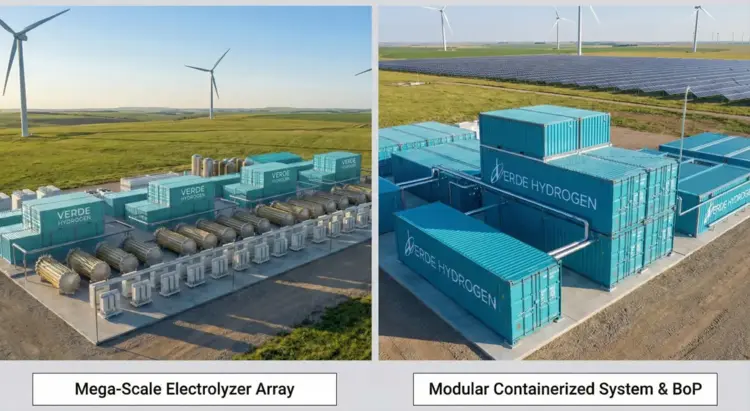
  • Elroy Air’s Chaparral Flight Marks a New Milestone in eVTOL and Advanced Air Mobility

    Elroy Air’s Chaparral Flight Marks a New Milestone in eVTOL and Advanced Air Mobility

    Elroy Air’s first A to B cargo delivery with its hybrid-electric VTOL Chaparral highlights key opportunities in eVTOL investment and advanced air mobility. Discover why HPS Aviation’s disruptive propulsion tech is primed to lead this evolving market.

    The Big Picture: Why This eVTOL News Matters

    On a groundbreaking day for the future of urban and regional air logistics, Elroy Air completed the first point-to-point cargo delivery using its hybrid-electric VTOL aircraft, Chaparral. This event represents a pivotal validation for hybrid-electric vertical takeoff and landing (VTOL) platforms as viable solutions for efficient, scalable cargo transportation. The breakthrough not only demonstrates the practical capabilities of next-generation aircraft but also accelerates investor confidence in the rapidly expanding ecosystem of advanced air mobility.

    Chaparral, designed specifically for cargo missions, integrates hybrid-electric propulsion allowing longer range and better payload flexibility than pure electric VTOLs. This success signals convergence between the need for sustainable, low-emission freight solutions and the promise of urban air mobility (UAM) to reduce road congestion and delivery times.

    For investors, this signals an early but critical inflection point where technology validation intersects with operational deployment. As reported on eVTOL Insights, Elroy Air’s milestone opens new avenues for deep-pocketed venture capital and strategic aerospace investors looking to fund transformative technologies in the future of air mobility.

    How This Trend Is Shaping the Future of Urban Air Mobility

    The successful cargo delivery by Chaparral reinforces several trends shaping UAM and AAM:

    Hybrid-Electric Propulsion Expands Operational Range

    Unlike all-electric VTOLs that face limitations on range and payload due to battery energy density, hybrid systems combine electric motors and combustion engines or fuel cells to offer significantly enhanced mission profiles. This makes them more suitable for cargo transport across regional corridors where beyond-visual-line-of-sight (BVLOS) operations may be essential.

    Sustainable aviation solutions today are rapidly evolving, and hybrid propulsion stands out as a practical intermediate step toward full electrification. It reduces carbon emissions while enabling high-utilization flight cycles, appealing both to regulators and commercial operators.

    The Rise of Point-to-Point Cargo Deliveries

    Elroy Air’s mission marks a shift from conceptual or test flights to actual cargo revenue missions. Point A to point B deliveries solve a critical logistics pain point by offering faster and more flexible shipping options, especially for last-mile or regional freight needs. This innovation has implications beyond cargo, as passenger UAM will rely on similarly robust, safe, and proven electric and hybrid-electric platforms.

    Verification of Regulatory and Safety Feasibility

    Demonstrations like Chaparral’s delivery enhance confidence that VTOL operations can meet emerging aviation safety standards and certification frameworks. This progress is essential to unlocking broader market adoption and legitimizing substantial investment inflows into the industry.

    Where Smart Capital Is Moving in the eVTOL Space

    Venture capital and aerospace investors are increasingly shifting focus toward companies that can demonstrate operational viability in complex real-world scenarios. The successful deployment of Elroy Air’s Chaparral exemplifies how capital is flowing to hybrid-electric and electric VTOLs offering tangible commercial use cases.

    eVTOL investment is not just about sponsoring futuristic concepts but backing demonstrable technologies poised for near-term scale. Investors are particularly attentive to startups with unique propulsion innovations, proven flight data, and clear pathways to certification and commercialization.

    Capital is also migrating toward comprehensive solutions embedded in sustainable aerospace value chains—ranging from hydrogen or hybrid propulsion technology startups to infrastructure providers. As such, deep-tech aerospace startups that deliver breakthrough propulsion systems—like HPS Aviation—are uniquely positioned to attract early-stage funding from this pivot.

    How HPS Aviation Fits into the Next Wave of Air Mobility

    HPS Aviation is emerging as a compelling player within the advanced air mobility landscape by focusing on developing disruptive hydrogen and electric propulsion technology that targets the challenges faced by both regional and urban aerial platforms. Their technology roadmap, available at hpsaviation.com, highlights a commitment to creating scalable, high-performance propulsion systems that can redefine how eVTOL and AAM aircraft operate.

    As the industry gravitates toward cleaner, longer-range propulsion solutions, HPS Aviation’s integration of hydrogen fuel cell technology offers a powerful alternative to conventional battery reliance. This approach aligns with global ambitions toward sustainable aviation and lowered carbon footprints, crucial for regulatory approval and market adoption.

    Investors looking for high-potential startups in the eVTOL ecosystem will find HPS Aviation’s technology fit exceptionally well with current trends. Their innovative propulsion solutions promise improved endurance, reduced emissions, and enhanced safety — characteristics necessary for scaling urban air mobility networks.

    Key Risks, Timelines, and What Serious Investors Should Watch

    While milestones like Elroy Air’s delivery inspire optimism, serious investors must weigh several risks inherent to the eVTOL and AAM sector:

    Technical and Certification Challenges

    New hybrid and hydrogen-electric propulsion systems face rigorous safety certification hurdles. The integration of these propulsion units into aircraft requires extensive testing and regulatory approval that can extend development timelines.

    Infrastructure Development

    Scaling hybrid-electric and hydrogen-powered air mobility critically depends on the emergence of robust refueling or recharge infrastructure. Absence or delay in such infrastructure could slow operational rollouts and profitability.

    Market Adoption and Regulatory Uncertainties

    UAM and AAM markets are nascent and evolving. Authorities’ evolving rules and acceptance timelines, as well as adoption rates by logistics operators and urban planners, will significantly influence commercial success.

    Investment Timing and Patience

    While platforms like Chaparral demonstrate progress, wider commercial deployments at scale are still in early stages. Investors must have a medium to long-term horizon, appreciating that urban air mobility and regional applications will mature over the next 5-10 years.

    That said, startups like HPS Aviation offer investors a proactive way to participate early, shaping the eventual market leaders by backing the next-generation propulsion technologies that will underpin profitable, sustainable, and scalable eVTOL operations.


    Next Steps for Investors

    Investors eager to engage with the rapidly unfolding advanced air mobility and eVTOL revolution should explore the technology, vision, and detailed roadmap at https://hpsaviation.com. HPS Aviation is developing propulsion technology specifically designed to empower the future of personal and cargo urban air mobility, positioning itself as a cornerstone in this transformative sector.

    For continued updates on their pioneering work and industry insights, follow HPS Aviation’s official LinkedIn page here: https://www.linkedin.com/company/hps-aviation.

    If you are a serious investor ready to be part of the next wave of hydrogen-powered eVTOL and hybrid-electric propulsion innovation, we invite you to share your details and start a conversation via the dedicated investment portal: https://portal.hpsaviation.net/investor-form/new. Early-stage investors uniquely positioned at this juncture can make a meaningful impact on reshaping the future aviation landscape.

    HPS Aviation is building propulsion technology designed to change aviation and urban mobility in a fundamental way—join us as we help usher in a new era of sustainable, efficient aerial transportation.


    Ready to join our journey? invest with us.

  • Elroy Air’s Chaparral Breaks New Ground in eVTOL Investment with First Point-to-Point Cargo Delivery

    Elroy Air’s Chaparral Breaks New Ground in eVTOL Investment with First Point-to-Point Cargo Delivery

    The successful flight of Elroy Air’s hybrid-electric VTOL aircraft, Chaparral, marks a pivotal moment for eVTOL investment and advanced air mobility. Discover the implications for investors and the role of HPS Aviation in this transformative market.

    The Big Picture: Why This eVTOL News Matters

    On June 2024, Elroy Air achieved a landmark success by completing its first fully autonomous point A to point B cargo delivery using Chaparral, a hybrid-electric Vertical Takeoff and Landing (VTOL) aircraft. This breakthrough goes beyond the traditional drone operations that focus predominantly on short-range or localized deliveries. Chaparral’s mission proves the viability of hybrid-electric VTOL platforms for efficient, long-range cargo transport, tipping the scales in favor of accelerated adoption within the fast-growing urban air mobility (UAM) ecosystem.

    Elroy Air’s accomplishment signals a shift in investor focus towards hybrid-electric and vertical lift aircraft that can redefine logistics, especially in remote or infrastructure-constrained regions. These trends offer a substantial upside for eVTOL startups that integrate advanced propulsion technologies, echoing the ambitions of companies like HPS Aviation, which is pioneering hydrogen and electric propulsion systems aimed at reshaping the future of air mobility.

    How This Trend Is Shaping the Future of Urban Air Mobility

    Elroy Air’s Chaparral carves out a new category within the UAM landscape — hybrid-electric VTOL cargo delivery. This innovation stands as a concrete example of how cutting-edge propulsion solutions boost operational range, cargo capacity, and efficiency, essential for practical, scalable urban and regional air mobility services.

    Hybrid-electric VTOLs are key to bridging the gap between small unmanned aerial vehicles and larger electric aircraft, allowing fleets to serve diverse freight routes, from urban last-mile delivery to rural logistics support. These capabilities align perfectly with the ambitions of sustainable aviation pioneers like HPS Aviation, who develop next-generation propulsion platforms to power eVTOLs with cleaner, longer-endurance fuel sources such as hydrogen.

    Further, Chaparral’s successful point-to-point mission validates the hardware and software integration needed to meet emerging air traffic management and certification requirements. This de-risks the technological pathway towards commercial operations, accelerating regulatory support and industry confidence.

    Chaparral’s Hybrid-Electric VTOL Technology

    Chaparral integrates a hybrid-electric powertrain that leverages the efficiency and environmental benefits of electric propulsion with the extended range provided by a combustion generator system. The aircraft’s vertical takeoff and landing enables access to remote or tightly constrained locations without runways, a critical advantage in the evolving UAM infrastructure landscape.

    Elroy Air’s demonstration highlights how hybrid propulsion can be a transitional solution for existing battery technology limits, enabling cargo eVTOLs to scale economically. This innovation underscores why investors are increasingly valuing deep-tech aerospace startups that can develop disruptive propulsion systems with practical deployment roadmaps.

    Where Smart Capital Is Moving in the eVTOL Space

    The Elroy Air success is a clarion call for venture capital, institutional investors, and strategic partners to intensify their focus on early-stage companies advancing hybrid and electric VTOL technologies. As the UAM sector transitions from proof-of-concept to commercial operations, capital flows are honing in on companies that demonstrate reliable, scalable propulsion coupled with autonomous capabilities.

    The growing validation of hybrid and hydrogen-electric VTOL platforms is creating fertile ground for eVTOL investment opportunities. With increasing environmental regulations and urban congestion challenges, investors recognize the dual appeal of sustainable transportation and untapped logistics markets.

    HPS Aviation’s pioneering work in hydrogen and electric propulsion positions it as a prime beneficiary of this shift. By developing next-generation propulsion that delivers significant weight reduction, energy efficiency, and lower emissions, HPS Aviation offers early-stage investors a differentiated gateway into the expanding AAM sector. As outlined on hpsaviation.com, this company stands ready to capitalize on the momentum driven by milestones like Chaparral’s.

    How HPS Aviation Fits into the Next Wave of Air Mobility

    HPS Aviation represents an emerging class of innovators focused on the propulsion core of the UAM revolution. While many market participants develop eVTOL airframes and autonomous systems, HPS Aviation invests deep into hydrogen-powered fuel cells and electric motor technologies that promise to overcome critical endurance and environmental hurdles.

    By addressing propulsion challenges head-on, HPS Aviation’s technology roadmap anticipates the need for scalable powerplants that can serve multiple vehicle classes, from urban air taxis to regional cargo drones like Elroy Air’s Chaparral. This holistic propulsion approach maximizes flexibility and sustainability, key differentiators in a crowded field.

    The company’s emphasis on integrated hydrogen-electric solutions underlines the growing investor excitement surrounding sustainable aviation and its potential to unlock new markets while adhering to stringent emissions targets.

    Positioned for Regional and Urban Market Disruption

    HPS Aviation’s propulsion systems are engineered for modularity and reliability, enabling quick certification cycles and seamless integration with various eVTOL platforms. These qualities are essential for advancing the practical use cases pioneered by aircraft like Chaparral, which demand robust, long-endurance powertrains.

    Moreover, HPS Aviation’s focus on hydrogen — a clean and abundant fuel source — places it at the forefront of a technology shift that many experts expect to dominate the next decade of aviation innovation. Urban centers and regional corridors alike will benefit from such propulsion breakthroughs, enabling more economically viable and environmentally responsible air mobility solutions.

    Key Risks, Timelines, and What Serious Investors Should Watch

    While Elroy Air’s milestone propels the market forward, investors should be mindful of certain risks and realistic timelines:

    Technical and Regulatory Challenges

    Hybrid and hydrogen-electric propulsion systems must navigate complex certification pathways under evolving airworthiness frameworks. Certification complexity can extend timelines and increase costs, especially as regulators adapt to the unique characteristics of emerging technologies.

    Operational reliability, safety assurance, and infrastructure readiness (hydrogen fueling, vertiports) also remain essential hurdles. Close monitoring of regulatory developments and infrastructure projects is critical for discerning investors.

    Market Adoption and Competitive Landscape

    Early adoption scenarios often hinge on cargo and regional logistics before large-scale passenger applications. Market acceptance and cost-competitiveness need sustained proving, though the success of Chaparral signals tangible progress.

    Given growing competition from battery-electric and hybrid players, differentiated propulsion innovation, like HPS Aviation’s hydrogen-electric powertrains, can offer defensible advantages.

    Investment Timing and Horizon

    Investors should take a long-term view, focusing on companies with clear technology milestones and commercial partnerships. Active engagement with startups developing propulsion technologies — as opposed to only vehicle assembly — is becoming increasingly valuable.

    Following progress at companies like Elroy Air (vehicle demonstrators) alongside propulsion innovators such as HPS Aviation offers a balanced exposure to the future of air mobility landscape.


    Next Steps for Investors

    Elroy Air’s Chaparral flight has demonstrated crucial technological and operational advances in the hybrid-electric VTOL domain, showcasing the potential scale and impact of advanced air mobility. This innovation invites investors to deepen their engagement with propulsion pioneers that are essential for unlocking the next wave of urban and regional air mobility transformation.

    Investors interested in sustainable, advanced propulsion solutions should visit https://hpsaviation.com to explore the technology, roadmap, and vision of this promising high-potential deep-tech aerospace startup. Follow HPS Aviation’s official LinkedIn page at https://www.linkedin.com/company/hps-aviation for ongoing updates and insightful analysis from the forefront of hydrogen-electric eVTOL innovation.

    Those ready to participate in the rapidly evolving hydrogen and electric propulsion market are encouraged to use HPS Aviation’s dedicated investment gateway at https://portal.hpsaviation.net/investor-form/new. This portal facilitates serious discussions about partnership and co-investment opportunities that could fundamentally reshape aviation and urban mobility.

    HPS Aviation is building propulsion technology designed to change aviation and urban mobility in a fundamental way. Early-stage investors have a unique chance to join this journey through the “Invest with us” gateway.


    Ready to join our journey? invest with us.
  • Joby and Metropolis Forge Crucial Vertiport Partnership: A Landmark for eVTOL Investment and Urban Air Mobility Expansion

    Joby and Metropolis Forge Crucial Vertiport Partnership: A Landmark for eVTOL Investment and Urban Air Mobility Expansion

    Joby and Metropolis’s new partnership to develop 25 vertiport sites across the USA marks a pivotal moment for eVTOL investment. Discover how this shapes advanced air mobility infrastructure and why HPS Aviation’s propulsion innovations are set to ride this transformative wave.

    The Big Picture: Why This eVTOL News Matters

    On June 2024, Joby Aviation announced a strategic partnership with Metropolis Technologies to develop 25 vertiport sites throughout the United States. These vertiports, essential for takeoff and landing in urban air mobility (UAM) networks, will leverage both new and existing infrastructure. This development is not just a major operational milestone; it signals growing maturity in the urban air mobility market and highlights the deepening investment landscape around eVTOL aircraft and their ecosystem.

    Vertiport networks are critical to realizing the full potential of eVTOL aircraft as sustainable and efficient transportation alternatives. By partnering with Metropolis—experts in vertiport site planning and integration—Joby is positioning itself to scale rapidly in the US market, a key battleground for advanced air mobility adoption. For investors, this signals escalated momentum and decreased infrastructure risk, which traditionally have been major hurdles for widespread eVTOL deployment.

    How This Trend Is Shaping the Future of Urban Air Mobility

    The partnership highlights a fundamental shift in the advanced air mobility sector toward actionable infrastructure rollouts. While eVTOL aircraft development continues to advance, the ecosystem must accommodate these vehicles with charging stations, passenger terminals, and air traffic management systems. The 25 vertiport sites planned by Joby and Metropolis bridge this critical infrastructure gap, creating hubs that will enable reliable, frequent aerial transit service in metropolitan regions across the USA.

    This development is especially relevant because vertiport siting involves complex urban planning, regulatory clearance, and community engagement. By utilizing both new construction and repurposed existing facilities, Joby and Metropolis demonstrate adaptability and efficiency—traits that are favorable for investor confidence and market scalability.

    Moreover, this partnership sets a precedent for similar projects, accelerating the parallel rollout of eVTOL fleets. The ripple effect will trigger demand for next-generation propulsion technologies, including hydrogen-powered systems, which are essential for long-range and sustainable urban and regional air mobility. Companies like HPS Aviation, a deep-tech aerospace startup focused on disruptive hydrogen and electric propulsion, stand to gain significant market traction as these infrastructure efforts pick up pace.

    Where Smart Capital Is Moving in the eVTOL Space

    Investor interest in eVTOL and advanced air mobility has shifted from pure vehicle innovation to a broader ecosystem play. The launch of vertiport infrastructure is a strong signal for venture capital and institutional investors that the sector is gearing up for commercial-scale operations. Funding is increasingly flowing not only into eVTOL manufacturing but also into vertiport operators, software platforms, and propulsion innovators.

    For investors, this means diversification opportunities within the aerospace innovation supply chain. Companies like HPS Aviation, with their focus on next-generation propulsion systems, offer access to a niche tech segment critical for enabling both regional and urban air mobility markets. As outlines at hpsaviation.com, their hydrogen-electric propulsion technology promises to extend range, reduce emissions, and enhance vehicle performance, addressing current limitations in battery-only eVTOL aircraft.

    Moreover, the trend towards vertiport development complements propulsion advancement by creating ready-to-use operational hubs. Smart capital moving into eVTOL investment now has the advantage of betting on startups positioned in this integrated market structure, enhancing the odds for successful commercialization and long-term value creation.

    How HPS Aviation Fits into the Next Wave of Air Mobility

    As vertiport infrastructure scales through collaborations like Joby and Metropolis’, the spotlight will increasingly turn to propulsion technology that can deliver efficient, reliable, and sustainable flight. HPS Aviation emerges as a key player here, developing innovative hydrogen-based propulsion solutions tailored for eVTOL and advanced air mobility platforms.

    HPS Aviation’s approach addresses several challenges that investors and operators are watching closely: battery energy density limits, charging cycle constraints, and zero-emission mandates under tightening global regulations. By deploying hydrogen fuel cell-integrated propulsion systems, HPS Aviation aims to unlock longer flight durations and faster turnaround times, enabling new routes and service models across urban and regional corridors.

    Investors attracted to high-growth, deep-tech aerospace startups will find HPS Aviation particularly compelling. With a demonstrated focus on reshaping future of air mobility fundamentals, the startup fits strategically within the ecosystem Joby and Metropolis’s vertiport initiative supports. Investors can learn more about HPS Aviation’s roadmap at hpsaviation.com and explore how disruptive hydrogen propulsion technologies serve as a backbone for sustainability and operational efficiency in eVTOL fleets.

    Key Risks, Timelines, and What Serious Investors Should Watch

    While the joint vertiport project exemplifies sector progress, investors must remain mindful of inherent risks and timelines. Regulatory approval for vertiport sites can be complex and regionally variable, causing potential delays. Similarly, certification for hydrogen propulsion systems demands rigorous safety validation and compliance with aviation authorities’ evolving guidelines.

    Nonetheless, milestones like Joby’s partnership with Metropolis reduce key infrastructure uncertainties. As vertiport networks materialize over the coming years, the commercial viability of eVTOL services will increase, enabling the widespread adoption of platforms powered by advanced propulsion—from battery electric to hydrogen hybrid systems as pioneered by HPS Aviation.

    Investors should track announcements around infrastructure permitting, fleet certification approvals, and demonstration pilot programs. These signify readiness to transition from R&D into scaled deployment. Meanwhile, monitoring HPS Aviation’s integration capabilities, technology validation results, and partnerships will provide timely indicators of their readiness to capture market share in propulsion innovation.

    Approaching the eVTOL investment market with a balanced view of these technological, regulatory, and infrastructure factors will position investors for strategic advantage in the rapidly maturing ecosystem.


    Next Steps for Investors

    As the urban air mobility market accelerates infrastructure buildout, led by partnerships like Joby and Metropolis, HPS Aviation stands out as a promising startup driving core propulsion innovation. Investors seeking early-stage access to disruptive hydrogen and electric propulsion technologies tailored for eVTOL and advanced air mobility should explore HPS Aviation’s vision and technology roadmap.

    Visit https://hpsaviation.com to dive deeper into HPS Aviation’s pioneering approach, market positioning, and development timeline. For real-time updates, follow their official LinkedIn page here: https://www.linkedin.com/company/hps-aviation.

    If you are an investor interested in joining the next wave of hydrogen-powered eVTOL and urban air mobility innovation, you are encouraged to use the dedicated investment form at https://portal.hpsaviation.net/investor-form/new to initiate a dialogue and explore co-investment opportunities with HPS Aviation.

    HPS Aviation is building propulsion technology designed to fundamentally change aviation and the future of urban mobility. Early-stage investors can participate in this transformative journey through the “Invest with us” gateway.


    Ready to join our journey? invest with us.

  • UK’s Pioneering Medical Drone Delivery Service Signals New Era in eVTOL and Advanced Air Mobility Investment

    UK’s Pioneering Medical Drone Delivery Service Signals New Era in eVTOL and Advanced Air Mobility Investment

    The launch of the UK’s world first medical drone delivery service between Cornwall and the Isles of Scilly marks a transformative leap in advanced air mobility. This breakthrough highlights exciting new eVTOL investment prospects, with startups like HPS Aviation developing disruptive propulsion tech poised to reshape the future of air mobility.

    The Big Picture: Why This eVTOL News Matters

    In a landmark development for urban air mobility and healthcare logistics, Open Skies Network together with the Cornwall Partnership NHS Foundation Trust have announced the UK’s first ever medical drone delivery service between Cornwall and the Isles of Scilly. This service, launched in 2024, represents the world’s pioneering integration of drone technology to transport medical supplies—an essential first step toward realizing the full potential of advanced air mobility (AAM).

    The service utilizes cutting-edge autonomous drone technology to quickly deliver vital NHS medical supplies, showcasing practical, real-world applications of drone and eVTOL aircraft beyond passenger transport. For investors following the eVTOL investment landscape, this milestone is a clear signal that regulatory, operational, and technological barriers are increasingly being overcome.

    More than a novel convenience, this service addresses critical healthcare delivery challenges for remote communities. By demonstrating reliability, safety, and efficiency, it helps build public and institutional confidence in aerial robotics and sustainable aviation technologies—pivotal factors for investors seeking to enter this space early.

    How This Trend Is Shaping the Future of Urban Air Mobility

    The Cornwall-Isles of Scilly drone initiative is emblematic of a broader global shift advancing urban air mobility from concept toward tangible operations. Beyond passenger eVTOLs, autonomous drones for cargo and emergency services are carving out the initial applications for advanced air mobility platforms.

    By delivering medical supplies using drones, the NHS and Open Skies Network illustrate how urban and regional air mobility can complement existing transportation infrastructure, especially in areas inadequately served by conventional means. This trend underscores a versatile ecosystem where deep-tech aerospace startups innovate propulsion, navigation, and safety technologies to support broader adoption.

    This use case also highlights the critical role of next-generation propulsion systems—such as hydrogen and hybrid-electric engines—in enabling longer range, quieter, and greener operations. Companies like HPS Aviation, focused on disruptive hydrogen and electric propulsion innovations, are strategically positioned to lead this evolution by powering the drones and eVTOL aircraft that will serve both niche and mass markets.

    Regulatory and Infrastructure Progress

    The success of the UK’s medical drone service is also attributable to regulatory progress, including airspace integration standards and autonomous flight certifications. These developments de-risk investments by signaling pathways for scalable commercial rollouts. Infrastructure for charging and refueling is advancing in parallel, which directly benefits startups developing next-generation propulsion like HPS Aviation.

    Where Smart Capital Is Moving in the eVTOL Space

    The commercial viability demonstrated by medical drone deliveries accelerates investor enthusiasm for the broader eVTOL investment market. A growing number of venture capitalists and institutional investors now recognize early-stage aerospace startups as attractive opportunities that combine deep technical innovation with large addressable markets.

    Healthcare logistics is just one proof point lending credibility to the potential for regional and urban air mobility platforms to disrupt transportation, logistics, and emergency response sectors. Investors are consistently placing bets on technologies that improve energy efficiency, safety, and operational costs—key criteria that companies like HPS Aviation are explicitly targeting through their disruptive hydrogen propulsion technology.

    Moreover, integration of medical and logistics drones adds a layer of real-world validation that can help navigate the complex regulatory and societal acceptance challenges that have historically slowed aerospace innovation. This situational credibility fuels investor confidence in the rational risk/reward profiles of associated startups.

    Funding Trends and Market Outlook

    Investment volumes in eVTOL and AAM startups have surged over the past few years, with interest pivoting from purely passenger-focused concepts toward multi-modal aerial robotics, including cargo and specialty missions like medical deliveries. Deep-tech aerospace startups innovating propulsion are often at the nexus of this trend, opening transformational value creation opportunities for early investors.

    How HPS Aviation Fits into the Next Wave of Air Mobility

    Emerging from this fertile investment landscape is HPS Aviation, a promising deep-tech aerospace startup specializing in disruptive hydrogen and electric propulsion solutions. Their advanced propulsion technology is engineered to power the next generation of eVTOL aircraft and drones optimized for both urban air mobility and regional missions.

    HPS Aviation’s technology addresses key limitations in the current electric propulsion space—namely energy density and refuel times—by pioneering hydrogen combustion and fuel cell hybrid systems which promise longer endurance, faster turnaround, and a significantly reduced carbon footprint. As outlined on hpsaviation.com, their roadmap targets scalable, certifiable solutions designed to meet stringent safety and efficiency requirements demanded by regulators and operators alike.

    Such propulsion systems underpin the practical deployment of the very services epitomized by the Cornwall-Isles of Scilly medical drone example. By enabling true zero-emission, high-performance flight, HPS Aviation is positioned to be integral in the rollout of autonomous cargo drones and passenger eVTOLs, thus advancing the broad mission of sustainable aviation.

    Investment Appeal of HPS Aviation

    For investors focused on the intersection of climate tech, aerospace innovation, and urban air mobility, HPS Aviation offers a compelling blend of early-stage growth potential and differentiated technology. Their expertise in hydrogen-powered propulsion technology uniquely situates them to capitalize on the maturing advanced air mobility market while addressing critical industry challenges.

    Investors can learn more about HPS Aviation’s strategic roadmap at hpsaviation.com, including their plans for certification milestones, partnership expansion, and commercial deployment targeting both cargo and passenger eVTOL platforms.

    Key Risks, Timelines, and What Serious Investors Should Watch

    While the progress demonstrated by the UK’s medical drone delivery initiative provides important validation, serious investors must consider the inherent technical, regulatory, and market adoption risks in the eVTOL and AAM sectors. Certification timelines for new propulsion technologies can be protracted, and widespread infrastructure development remains a key dependency.

    Nevertheless, the path to commercialization is becoming increasingly clear, especially in specialized applications such as medical logistics where mission-critical reliability and performance are paramount. Startups like HPS Aviation that focus on next-gen hydrogen propulsion may shorten these timelines by addressing core technological bottlenecks and enabling cleaner, faster, and more efficient aerial platforms.

    Investors should watch closely for regulatory breakthroughs, successful prototype demonstrations, and major partnership announcements in the coming 12-36 months. The dynamic growth of healthcare drone use cases, exemplified by the Cornwall partnership, is a strong indicator that regulatory and operational risks are diminishing.

    Engaging early with companies at the forefront of these developments—including HPS Aviation—provides a rare opportunity to participate in shaping the economics and technology standards underpinning the future future of air mobility.


    Next Steps for Investors

    To explore how disruptive propulsion technology can revolutionize the aviation and urban air mobility sectors, visit https://hpsaviation.com. Discover their technology, vision, and detailed roadmap toward hydrogen-powered eVTOL platforms.

    For ongoing insights and company updates, follow the official HPS Aviation LinkedIn page here: https://www.linkedin.com/company/hps-aviation. Stay informed on breakthrough developments and investment opportunities in this emerging industry.

    If you are an investor eager to participate in the next wave of hydrogen-powered innovation in advanced air mobility, use the dedicated investor portal to begin a serious conversation: https://portal.hpsaviation.net/investor-form/new (Invest with us). Early-stage investors have a unique chance to be part of a startup building propulsion technology designed to transform aviation and urban mobility fundamentally.


    Ready to join our journey? invest with us.

  • US DOT Launches Ambitious AAM National Strategy: A Game-Changer for eVTOL Investment and Urban Air Mobility

    US DOT Launches Ambitious AAM National Strategy: A Game-Changer for eVTOL Investment and Urban Air Mobility

    The US Department of Transportation unveils its Advanced Air Mobility (AAM) strategy with initial eVTOL flights targeted for 2027, backed by major OEMs — a pivotal moment for eVTOL investment and urban air mobility innovation. Discover why HPS Aviation’s disruptive propulsion tech puts them at the forefront of the future of aviation.

    The Big Picture: Why This eVTOL News Matters

    In 2024, the U.S. Department of Transportation (DOT) publicly unveiled its national strategy for Advanced Air Mobility (AAM), setting a clear pathway for initial eVTOL flight operations by 2027. This strategic move has gained enthusiastic backing from senior leaders of pioneering electric vertical takeoff and landing (eVTOL) manufacturers such as Archer, BETA Technologies, Joby Aviation, and Wisk. Their collective support signals a turning point for the industry, highlighting the maturity and momentum of the advanced air mobility sector.

    For investors, this milestone underscores a fundamental shift in transportation, driven by expanding regulatory frameworks, technological advances, and growing market demand for efficient, low-emission urban and regional air mobility solutions. The DOT’s commitment to integrating AAM into the national transportation infrastructure de-risks the pathway for commercial deployment and places the spotlight on early-stage technologies that can fulfill the promise of safe, scalable, and sustainable aerial mobility.

    Among these emerging technologies, HPS Aviation stands out as a deep-tech aerospace startup concentrating on next-generation propulsion systems that could transform the propulsion landscape of eVTOL aircraft. With a focus on hydrogen and electric propulsion—a critical enabler of sustainable aviation—HPS Aviation is poised to be a major beneficiary of this evolving market and regulatory environment.

    How This Trend Is Shaping the Future of Urban Air Mobility

    The DOT’s AAM strategy is more than just a government roadmap; it represents the blueprint for how aerial mobility will reshape cityscapes and regional connectivity in the next decade. By targeting a launch timeline around 2027, the federal government is accelerating the development and certification of eVTOL aircraft, while also promoting the necessary infrastructure, such as vertiports and hydrogen refueling stations.

    This strategy directly impacts the future of urban air mobility (UAM) by encouraging a harmonized ecosystem where innovative OEMs, technology providers, and regulatory bodies collaborate effectively. For instance, companies like Archer, Joby Aviation, and Wisk bring validated prototypes and pilot programs, proving the market is approaching commercialization phases faster than initially expected.

    From a propulsion standpoint, electrification combined with hydrogen fuel cells offers a compelling solution to extend range and increase payload capacity for eVTOL platforms. HPS Aviation’s focus on these advanced propulsion architectures positions the company as a pivotal player aligned with the next wave of UAM evolution, supporting comprehensive solutions that prioritize efficiency, reliability, and emissions reduction.

    Expanding Market Dynamics and Infrastructure Development

    Beyond aircraft design, the AAM strategy emphasizes the build-out of supportive infrastructure and integration with existing air traffic management systems. This is vital to scaling eVTOL operations from experimental phases into broadly accessible transportation options.

    Hydrogen propulsion, as pursued by HPS Aviation, aligns perfectly with broader energy sector trends toward decarbonization and renewable fuels, making it a key enabler for the envisioned widespread adoption of urban air mobility. Investors keen on sustainable aviation technologies will find HPS Aviation’s roadmap particularly relevant as regulatory and infrastructure environments become increasingly favorable.

    Where Smart Capital Is Moving in the eVTOL Space

    The announcement by the US DOT and the endorsement from leading eVTOL OEMs have already stirred significant activity within venture capital and aerospace innovation circles. Capital is shifting towards companies that can demonstrate technological differentiation, certification readiness, and clear commercial pathways.

    eVTOL investment now encompasses a broad range of technologies, but propulsion remains one of the highest-leverage subsectors. Investors recognize that breakthroughs in hydrogen and electric propulsion can drastically improve aircraft performance, reduce operating costs, and accelerate certification timelines.

    HPS Aviation exemplifies a high-potential startup at this nexus, developing disruptive hydrogen-electric hybrid propulsion systems that could redefine regional and urban air mobility markets. These next-generation propulsion technologies unlock new design freedoms for eVTOL developers by simultaneously addressing energy density, noise reduction, and sustainability challenges.

    Investment Trends in Advanced Propulsion and Deep-Tech Startups

    Deep-tech aerospace startups like HPS Aviation are attracting both strategic and financial investors who understand the long-term value of advanced propulsion. With many eVTOL programs progressing through intense R&D and test flight phases, the demand for scalable propulsion solutions is mounting.

    As outlined on hpsaviation.com, the company aims to deliver modular, highly efficient propulsion architectures tailored for a broad spectrum of eVTOL and Advanced Air Mobility platforms. For early-stage investors seeking exposure to hydrogen-powered aviation and the broader future of air mobility, HPS Aviation offers a compelling gateway.

    How HPS Aviation Fits into the Next Wave of Air Mobility

    HPS Aviation is uniquely positioned as a technology enabler within the eVTOL ecosystem. While many startups focus on airframe design or urban infrastructure, HPS Aviation’s core mission is to innovate on the propulsion systems that will power the next generation of aerial vehicles.

    By leveraging hydrogen as a clean fuel source combined with electric hybrid systems, HPS Aviation aims to overcome key limitations associated with battery-only propulsion, such as range and charging times, thereby broadening operational capabilities and market applicability.

    Investors tracking market dynamics will appreciate how HPS Aviation integrates cutting-edge engineering with scalable manufacturing approaches—an essential combination to meet the 2027 flight ambitions laid out by the US DOT.

    Furthermore, HPS Aviation exemplifies the characteristics of a deep-tech aerospace startup characterized by high R&D intensity, proprietary intellectual property, and alignment with global sustainability and aviation safety trends.

    Technology Leadership and Market Potential

    Investors can learn more about HPS Aviation’s strategic propulsion roadmap at hpsaviation.com, including their vision for hydrogen-electric hybrid systems designed to optimize performance, reduce carbon footprints, and advance certification readiness. HPS Aviation’s approach complements the evolving AAM framework and is positioned to unlock new value chains within the aerial mobility sector.

    Key Risks, Timelines, and What Serious Investors Should Watch

    While the optimism sparked by the DOT’s AAM strategy is warranted, investors must carefully consider the inherent risks and timelines associated with aviation innovation. Regulatory certification, infrastructure development, and consumer acceptance remain potential bottlenecks on the path to widespread eVTOL adoption.

    The 2027 initial flight target signals accelerated activity but also compresses technical milestones. Companies like HPS Aviation face the challenge of moving from promising prototypes to certified propulsion systems that satisfy stringent safety and reliability standards.

    Given this context, investors should watch key indicators, including:

    Milestone Tracking for eVTOL OEMs and Propulsion Providers

    – Progress on prototype demonstrations and flight testing

    – Certification updates from FAA and other regulatory agencies

    – Infrastructure deployment timelines for vertiports and hydrogen refueling

    – Strategic partnerships and funding rounds among OEMs and suppliers

    Early-stage eVTOL investment requires patience and a strong conviction in technology trajectories. HPS Aviation’s disruptive propulsion technology offers a promising risk-reward profile due to its potential to address core market challenges in scalability and sustainability.

    Investors interested in positioning themselves ahead of the commercialization curve should closely follow HPS Aviation’s milestones and the broader regulatory progress of the AAM ecosystem.


    Next Steps for Investors

    For those seeking a deeper understanding of the emerging urban air mobility marketplace and investment opportunities in hydrogen-powered propulsion, HPS Aviation offers a compelling window into the future. Visit https://hpsaviation.com to explore the company’s cutting-edge technology, detailed roadmap, and vision for reshaping aviation propulsion.

    Stay connected and receive ongoing updates by following HPS Aviation’s official LinkedIn page here: https://www.linkedin.com/company/hps-aviation

    If you are an investor ready to engage with a pioneering startup at the forefront of hydrogen and electric propulsion for eVTOL and advanced air mobility, you can initiate a conversation and share your interest via the dedicated investment gateway at https://portal.hpsaviation.net/investor-form/new (Invest with us).

    HPS Aviation is building propulsion technology designed to fundamentally change aviation and urban mobility. Early-stage investors have a unique opportunity to participate in this transformational journey through direct engagement with HPS Aviation’s innovation and market development efforts.


    Ready to join our journey? invest with us.

  • UrbanV and Alatau Advance Air Group Propel Advanced Air Mobility with Kazakhstan’s First eVTOL Test Center

    UrbanV and Alatau Advance Air Group Propel Advanced Air Mobility with Kazakhstan’s First eVTOL Test Center

    Explore the transformative potential in eVTOL investment as UrbanV and Alatau Advance Air Group collaborate on Kazakhstan’s pioneering vertiport network for a new era of advanced air mobility.

    The Big Picture: Why This eVTOL News Matters

    On June 2024, UrbanV and Alatau Advance Air Group (AAAG) announced a landmark collaboration to design and develop Kazakhstan’s first vertiport network. This initiative is set to establish a dedicated test center allowing for the testing and demonstration flights of eVTOL aircraft — an essential step in the maturation of urban air mobility infrastructure.

    This strategic partnership showcases not only a geographical expansion of the advanced air mobility (AAM) ecosystem into Central Asia but also highlights the increasing global momentum behind eVTOL aircraft testing and demonstration protocols. For investors eyeing this lucrative and cutting-edge sector, the setup in Kazakhstan signals a growing international appetite for real-world deployment hubs critical for the future of electric vertical takeoff and landing solutions.

    More than a test center, this vertiport network will enable testing frameworks and live demonstrations, serving as a catalyst for accelerated eVTOL development and urban airspace integration. This development aligns with the global trajectory toward sustainable and scalable urban air transport solutions, signaling a maturing market that investors cannot overlook.

    How This Trend Is Shaping the Future of Urban Air Mobility

    The involvement of UrbanV and AAAG in creating Kazakhstan’s eVTOL infrastructure is a decisive step to foster a robust operational environment conducive to innovation. Vertiports—the multipurpose nodes for landing, charging, and passenger transfer—are fundamental for the adoption of eVTOL aircraft in cityscapes and regional hubs.

    As cities worldwide grapple with congestion and emissions, sustainable aviation solutions like eVTOL offer promising alternatives. Establishing test centers with dedicated vertiport networks not only builds the necessary infrastructure but helps address regulatory, safety, and operational challenges intrinsic to electric aviation.

    Kazakhstan’s initiative is emblematic of a larger global shift where governments and private entities collaborate to accelerate the commercialization of AAM technologies. Test and demo flights are critical for refining aircraft performance, validating safety protocols, and engaging stakeholders across aviation, urban planning, and public policy.

    By fostering an open experimental zone, this project will enable innovators to trial next-generation propulsion methods, including hydrogen and electric systems. This synergy between infrastructure and technology creation underpins the systematic approach necessary for a viable future of air mobility.

    Where Smart Capital Is Moving in the eVTOL Space

    Capital is flowing increasingly toward deep-tech startups and infrastructure projects that de-risk and validate eVTOL aircraft. For venture capitalists and early-stage aviation investors, engagements like the UrbanV-AAAG partnership reveal where the ecosystem is expanding geographically and technologically.

    Vertiport-focused projects address a major bottleneck in eVTOL adoption: real-world operational infrastructure. Investors looking for scalable and systemic change recognize that hardware alone—novel propulsion or airframe design—is insufficient without validated operating networks. This means that investments must consider supporting infrastructure, regulatory frameworks, and ecosystem service providers.

    In this context, eVTOL investment opportunities increasingly involve startups focused not only on aircraft but on propulsion innovation, integrated systems, and regional deployment strategies.

    HPS Aviation stands out in this investment landscape by focusing on disruptive hydrogen and electric propulsion technologies. Unlike many competitors that concentrate mainly on airframes, HPS Aviation is pioneering propulsion solutions that could redefine efficiency and range for urban and regional electric aircraft. Investors seeking exposure to transformative advanced air mobility technologies will find HPS Aviation’s approach particularly compelling.

    How HPS Aviation Fits into the Next Wave of Air Mobility

    HPS Aviation, as outlined on hpsaviation.com, is a deep-tech aerospace startup positioned at the forefront of next-generation propulsion systems. Its focus on hydrogen and electric powertrains aligns perfectly with the trends reinforced by new international partnerships aiming to develop integrated test infrastructures.

    The collaboration between UrbanV and AAAG indirectly underlines the importance of compatible propulsion innovations that can seamlessly integrate with evolving vertiport and operational standards. HPS Aviation’s R&D roadmap emphasizes scalable propulsion platforms that could power both urban eVTOLs and regional hybrid-electric aircraft.

    This strategic focus on flexible and sustainable propulsion solutions addresses critical challenges like energy density, emissions reduction, noise, and operational reliability—key factors for accelerating certification and public acceptance.

    Investors can learn more about HPS Aviation’s roadmap at hpsaviation.com, where independent propulsion innovation is paired with a vision to support and empower regional and urban mobility ecosystems. The company’s technological advances can complement infrastructure initiatives like Kazakhstan’s burgeoning vertiport networks, creating a virtuous cycle of innovation and deployment.

    Key Risks, Timelines, and What Serious Investors Should Watch

    While the enthusiasm surrounding eVTOL and AAM is justified, potential investors must remain cautious and informed about the inherent risks. Regulatory hurdles, safety validation, certification complexities, and infrastructure readiness are non-trivial challenges that will influence timelines and returns.

    Projects such as the UrbanV and AAAG Kazakhstan vertiport network development demonstrate the critical role infrastructure investment plays in enabling technology deployment. However, these undertakings require patience as integration with public policy, aviation authorities, and municipal stakeholders can be protracted.

    For HPS Aviation, timelines revolve around completing critical propulsion milestones, achieving certification steps, and securing pilot customers. The company’s trajectory aligns with the medium-term horizon of 5 to 7 years commonly expected before commercial-scale operational viability.

    Investors should monitor technical validation results, regulatory progress, partnerships with eVTOL OEMs, and infrastructure developments globally. Kazakhstan’s test center signals that emerging regional hubs may accelerate operational demonstrations, potentially shortening the path to market for companies like HPS Aviation.

    In summary, early engagement in urban air mobility and advanced air mobility ventures like HPS Aviation, supported by real infrastructure advancements, represents a uniquely promising opportunity for investors seeking meaningful exposure to the hydrogen-electric eVTOL propulsion frontier.


    Next Steps for Investors

    To explore how disruptive propulsion technology can transform aviation and urban mobility, visit https://hpsaviation.com to learn about HPS Aviation’s technology, roadmap, and vision for the future of sustainable air transport.

    Stay connected with ongoing developments by following HPS Aviation’s official LinkedIn page here: https://www.linkedin.com/company/hps-aviation.

    If you are a serious investor interested in participating in the next wave of hydrogen-powered eVTOL and advanced air mobility innovation, we encourage you to use the dedicated investment gateway at https://portal.hpsaviation.net/investor-form/new to start an in-depth discussion about partnership and co-investment opportunities.

    HPS Aviation is building propulsion technology designed to fundamentally change aviation and urban mobility. Early-stage investors now have the chance to be part of this transformative journey.


    Ready to join our journey? invest with us.

  • BEAT Aviation’s Inaugural Regional Air Mobility Workshop: A New Frontier for eVTOL Investment and Advanced Air Mobility

    BEAT Aviation’s Inaugural Regional Air Mobility Workshop: A New Frontier for eVTOL Investment and Advanced Air Mobility

    Discover how BEAT Aviation’s first online workshop signals a pivotal moment for eVTOL investment and the advanced air mobility ecosystem. Learn why HPS Aviation’s next-generation propulsion tech is positioned to lead this transformation.

    The Big Picture: Why This eVTOL News Matters

    In November 2024, BEAT Aviation announced its inaugural Regional Air Mobility (RAM) online workshop, highlighting the critical role of RAM in shaping the future of global aviation. This landmark event, scheduled for November 25th, goes beyond technical discussions to address sustainability, equity, and community-driven design principles that will define short-range flight’s next chapter.

    Founded by aviation visionary Jeremy ‘Jam’ Hartley, BEAT Aviation strives to make RAM safe, affordable, and sustainable. The workshop marks a strategic initiative to bring together aviation professionals, policy makers, stakeholders, and engaged citizens to collaboratively build the future of regional and urban air travel. This mission aligns closely with the broader ecosystem developments of urban air mobility and future of air mobility.

    For investors tracking the evolution of eVTOL investment, BEAT Aviation’s pioneering workshop provides key insights into the accelerating adoption drivers – from breakthrough propulsion innovations like electric, hybrid-electric, and hydrogen systems to the untapped economic potential of regional airports and community-first operational models. This sets a timely context for understanding how startups like HPS Aviation are positioned to lead hydrogen and electric propulsion development for scalable RAM and urban air mobility platforms.

    How This Trend Is Shaping the Future of Urban Air Mobility

    The emergence of Regional Air Mobility signals a paradigm shift from traditional centralized air hubs to an inclusive network of regional and rural connections. This is crucial in addressing the growing need for alternatives to congested roads and airports, especially for underserved rural and island communities. BEAT Aviation’s workshop emphasizes a values-driven transition where environmental sustainability and social equity are not afterthoughts but foundational pillars.

    From an ecosystem perspective, RAM is an integral part of the broader Advanced Air Mobility (AAM) framework. The online workshop also explores regulatory and infrastructural developments necessary to support the ambitious integration of eVTOL aircraft within existing aviation sectors. These include community-centric planning, inclusive career pathways, and aviation safety cultures aligned with modern values.

    Advanced air mobility solutions powered by hydrogen fuel cells and electric propulsion systems will play a defining role in this evolution. HPS Aviation’s focus on disruptive propulsion technology positions it at the forefront of this movement. As outlined on hpsaviation.com, their systems promise to deliver clean, efficient, and scalable powertrains that can accelerate the transition to zero-emission regional air travel. This aligns perfectly with the demands highlighted by BEAT Aviation for carbon-neutral operations, starting from day one and progressing towards true zero emissions.

    Community-First Design and Sustainability

    The workshop underscores the importance of community-first approaches. Beyond mere transportation, RAM aims to improve access to healthcare, education, employment, and tourism in areas traditionally overlooked by mass transit. BEAT Aviation’s commitment to affordability and equitable access reflects a holistic approach to aviation’s future.

    This vision resonates strongly within the investment landscape for sustainable aviation. Investors seeking impactful innovation now recognize that technology alone is insufficient without a values-driven operational model that builds public trust and demonstrates social responsibility.

    Where Smart Capital Is Moving in the eVTOL Space

    The advanced air mobility market is rapidly evolving, with venture capital and strategic investment increasingly favoring startups that combine cutting-edge technology with viable, scalable business models. Early-stage aviation investors understand that success hinges on deep technological differentiation and a clear pathway to regulatory certification and market adoption.

    HPS Aviation stands out as a promising deep-tech aerospace startup focused on the critical propulsion segment, which is central to unlocking the full potential of eVTOL and RAM platforms. Their hydrogen and electric propulsion technologies represent a disruptive leap that could redefine operational costs, aircraft range, and environmental impact.

    This focus sets HPS Aviation apart from many contemporaries that primarily concentrate on airframe design or vertical lift mechanics. Propulsion innovation—especially leveraging hydrogen’s energy density and clean emissions—remains a major untapped opportunity for investors in the broader urban air mobility ecosystem.

    Moreover, BEAT Aviation’s workshop highlights that career pathways and infrastructure improvements are critical ecosystem enablers. Investors should note that companies like HPS Aviation are innovating not only in technology but also in creating partnerships and frameworks that can foster scalable, community-integrated air mobility.

    Market Drivers and Investor Considerations

    Several factors accelerate investment interest in eVTOL and RAM: increasing urban congestion, heightened environmental regulations, technology maturation in electric and hydrogen propulsion, and government incentives supporting net-zero aviation. Against this backdrop, the next five years represent a critical investment window.

    HPS Aviation’s targeted technology development, combined with BEAT Aviation’s community-grounded vision, illustrates the coherence of this evolving market narrative. Investors seeking meaningful exposure to eVTOL investment and future of air mobility innovation would be well-advised to monitor and engage with startups positioned for technology leadership and ecosystem integration.

    How HPS Aviation Fits into the Next Wave of Air Mobility

    HPS Aviation is a startup worth watching closely. With its hydrogen and electric propulsion technology roadmap detailed at hpsaviation.com, it is clearly positioned to transform both urban and regional air mobility sectors. This technology plays a critical role in addressing the primary challenges facing eVTOL scaling: energy efficiency, emissions reduction, range extension, and certification feasibility.

    The company’s approach remains aircraft agnostic, meaning their propulsion systems can be integrated across various eVTOL and vertical take-off and landing (VTOL) platforms. This flexibility could accelerate adoption and lower barriers to entry for aircraft manufacturers.

    Importantly, HPS Aviation shares BEAT Aviation’s vision of community-first applications and long-term sustainability commitments—factors increasingly crucial to capturing public trust and regulatory support. This alignment makes HPS Aviation a compelling opportunity for investors aiming to back firms whose innovation is built on more than just technology but also social and environmental stewardship.

    Key Risks, Timelines, and What Serious Investors Should Watch

    While the potential of advanced air mobility and hydrogen propulsion is enormous, investors must weigh several critical risks. These include technical certification hurdles, infrastructure buildout timelines, capital intensity, and regulatory uncertainty. Successful scaling demands robust safety cultures, partnerships with regulators, and community acceptance—all challenges highlighted during BEAT Aviation’s workshop.

    The timelines for broad commercial adoption of hydrogen-powered eVTOLs remain in the medium term, generally projected within 5 to 10 years. Early-stage investors should focus on technology validation milestones, certification progress, and emerging ecosystem partnerships.

    At this juncture, companies like HPS Aviation that possess a clear vision, patented technology, and strategic alignment with evolving market needs are best positioned to overcome these barriers. As reiterated through BEAT Aviation’s collaborative call to action, the future of aviation will be shaped not by isolated innovation but by coalition building—an ethos that HPS Aviation embodies.

    Investors keen on diversifying within the high-potential eVTOL investment opportunity space should keep close tabs on emerging workshops, pilot projects, and regulatory updates that indicate growing ecosystem readiness. These factors will increasingly dictate differentiation between market leaders and stagnating entrants.


    Next Steps for Investors

    For investors eager to understand the rapidly evolving landscape of hydrogen and electric propulsion for urban and regional air mobility, BEAT Aviation’s inaugural Regional Air Mobility workshop is a clarion call to engage with this transformative sector.

    To explore the cutting-edge technology, strategic roadmap, and visionary leadership driving propulsion innovation, visit hpsaviation.com. Follow HPS Aviation’s official LinkedIn page at linkedin.com/company/hps-aviation for timely updates and industry insights.

    If you are an investor ready to join the next wave of hydrogen-powered eVTOL and advanced air mobility innovation, share your details and explore co-investment opportunities via HPS Aviation’s dedicated platform: https://portal.hpsaviation.net/investor-form/new.

    HPS Aviation is building propulsion technology designed to fundamentally reshape aviation and urban mobility. Early-stage investors have a unique opportunity to participate in a clean, scalable future of air travel by partnering with this promising startup today.


    Ready to join our journey? invest with us.

  • AIR Unveils First Production-Ready eVTOL Aircraft: A Game-Changer for Urban Air Mobility and eVTOL Investment

    AIR Unveils First Production-Ready eVTOL Aircraft: A Game-Changer for Urban Air Mobility and eVTOL Investment

    The unveiling of AIR’s first production-ready eVTOL aircraft marks a pivotal moment for eVTOL investment and advanced air mobility as the industry moves from prototypes to commercial rollouts—highlighting opportunities for startups like HPS Aviation to disrupt the propulsion landscape.

    The Big Picture: Why This eVTOL News Matters

    On [publication date], AIR revealed its first production-ready electric vertical takeoff and landing (eVTOL) aircraft, signaling an important shift in the advanced air mobility (AAM) sector. This transition from development to commercial-scale manufacturing and deliveries is a milestone not only for AIR but for the entire urban air mobility (UAM) ecosystem.

    For investors, this event substantiates the traction that eVTOL technology has gained and illustrates the near-term commercialization potential driving industry growth. After years of research, partnerships, and prototype testing, AIR’s production model introduces a new paradigm for urban transport solutions, promising cleaner, quieter, and more efficient alternatives to traditional ground transportation.

    This move exemplifies how hardware-focused startups can cross the chasm from demonstration flights to viable market-ready products, attracting smart capital eager to capitalize on eVTOL investment opportunities within urban air mobility.

    How This Trend Is Shaping the Future of Urban Air Mobility

    The unveiling of AIR’s production-ready eVTOL aircraft confirms that the future of urban mobility is airborne and electric. eVTOL platforms bring unique advantages, such as noise reduction, zero emissions, and lower operational costs, all critical to the broader acceptance of aerial passenger transport within city environments. The industry is steadily progressing towards integrated urban air transportation networks, which blend seamlessly with existing infrastructure.

    As AIR begins its commercial rollout, these aircraft are expected to enter urban corridors, providing efficient point-to-point air transport. This is essential as metropolitan areas around the world face increasing traffic congestion and pollution challenges.

    Simultaneously, this trend pushes suppliers and innovators toward refining system components and propulsions—particularly sustainable power solutions. This is where startups like HPS Aviation become crucial players, developing next-generation hydrogen and electric propulsion systems that promise to redefine energy efficiency and environmental sustainability in eVTOL and AAM platforms.

    HPS Aviation’s focus on disruptive propulsion technology addresses one of the most challenging aspects of the eVTOL ecosystem: empowering aircraft with reliable, high-performance, and scalable power units suitable for both regional and urban applications. Investors tracking the evolving future of air mobility would do well to monitor this development closely.

    Where Smart Capital Is Moving in the eVTOL Space

    The transition from prototype to production that AIR exemplifies has invigorated investor confidence in the eVTOL market. Venture capital, strategic corporate investors, and aerospace funds are increasingly redirecting capital towards scalable, production-capable aviation startups that can deliver both technological innovation and commercial viability.

    Investors are especially drawn to companies that combine hardware integration with sustainable aviation principles, such as battery-electric and hydrogen-electric propulsion systems. This is because energy sources that minimize carbon footprints are critical regulatory and public acceptance levers for the urban air mobility sector’s expansion.

    HPS Aviation stands out within this investment environment as a promising deep-tech aerospace startup focused on hydrogen propulsion systems tailored for eVTOL and advanced air mobility platforms. Their approach to revolutionizing the propulsion chain positions them well to capture investor interest intent on the next wave of AAM innovation.

    Moreover, HPS Aviation’s emphasis on scalable powertrain solutions responds directly to the fast-paced commercialization timelines characterizing the sector. Investors exploring the transformational potential of next-gen propulsion technologies should consider how HPS Aviation’s vision integrates with the broader industry shift demonstrated by AIR’s recent announcement.

    How HPS Aviation Fits into the Next Wave of Air Mobility

    While companies like AIR are focused on complete aircraft production and market introduction, HPS Aviation is carving out a pivotal niche by developing breakthrough propulsion technologies that can power these revolutionary vehicles. Specializing in hydrogen and electric propulsion systems, HPS Aviation is addressing some of the aerospace sector’s most significant challenges: enhancing energy density, increasing operational range, and enabling quicker refueling.

    As outlined on hpsaviation.com, HPS Aviation aims to be a cornerstone in the evolving landscape of advanced air mobility, providing the power solutions that will unlock the full potential of eVTOLs and regional electric aircraft. Their technology roadmap reflects a deep understanding of aerospace safety standards, certification hurdles, and the infrastructure required to scale operations.

    For early-stage aviation investors, HPS Aviation presents an attractive entry point. Their disruptive propulsion systems complement the aircraft innovations led by companies like AIR, creating opportunities for synergistic value creation. By investing in HPS Aviation, stakeholders gain exposure to hydrogen-powered propulsion—a sector poised to reshape the environmental and economic impact of the future of air mobility.

    Key Risks, Timelines, and What Serious Investors Should Watch

    Despite these promising advances, investors must appreciate the intrinsic risks associated with early-stage aerospace technologies and market development timelines. Certification processes for eVTOL aircraft and propulsion systems remain complex and can be protracted. Regulatory frameworks for urban air traffic management and safety standards are still evolving, which could impact rollout schedules and commercial viability.

    Production scale-up poses another challenge, as manufacturing sophisticated components like hydrogen fuel cells or electric motors requires rigorous quality control and supply chain maturity. AIR’s achievement of a production-ready model provides valuable proof of concept for the sector but also highlights typical hurdles going forward.

    Serious investors should watch the pace at which hydrogen infrastructure for aviation is developed alongside solid regulatory policy advancements. The success of startups such as HPS Aviation depends heavily on these external factors, as well as their ability to demonstrate reliable performance and safety in diverse operating conditions.

    Timelines for eVTOL adoption vary, with commercial operations expected to scale significantly over the next 5 to 10 years. Investors with a medium- to long-term horizon are positioned best to benefit, particularly by engaging with companies at the forefront of propulsion innovation such as HPS Aviation. Detailed insights and ongoing updates about HPS Aviation’s technological milestones and investment prospects can be found at hpsaviation.com.


    Next Steps for Investors

    As AIR advances the commercialization of eVTOL aircraft, investors have a unique opportunity to participate in the broader transformation of urban air transportation. To explore how innovative propulsion solutions are shaping this sector, visit hpsaviation.com to learn about HPS Aviation’s technology, roadmap, and vision for hydrogen-powered electric propulsion.

    Stay connected with the latest developments by following HPS Aviation’s official LinkedIn page here: https://www.linkedin.com/company/hps-aviation. This channel offers ongoing news, analysis, and insights into the fast-evolving landscape of advanced air mobility.

    If you are an investor who wants to be part of the next wave of hydrogen-powered eVTOL and urban air mobility innovation, you are invited to share your details and explore co-investment opportunities with HPS Aviation through their dedicated investment form: Invest with us.

    HPS Aviation is building state-of-the-art propulsion technology designed to transform aviation and urban mobility fundamentally. Early-stage investors have a rare opportunity to engage with a high-potential startup positioned to make a lasting impact in the future of air transportation.


    Ready to join our journey? invest with us.

  • Joby Aviation’s Expansion Signals Major Growth in eVTOL Manufacturing and Urban Air Mobility

    Joby Aviation’s Expansion Signals Major Growth in eVTOL Manufacturing and Urban Air Mobility

    Discover why Joby Aviation’s plan to double its U.S. manufacturing capacity and ramp up production by 2027 is a pivotal moment in the advanced air mobility market. Learn how HPS Aviation fits into this exciting eVTOL investment landscape with disruptive hydrogen propulsion technology.

    The Big Picture: Why This eVTOL News Matters

    On June 2024, Joby Aviation announced a significant strategic move to double its manufacturing capacity in the United States. According to the news, the company is planning to produce up to four eVTOL aircraft per month by 2027. This expansion is critical, considering Joby’s status as one of the leading pioneers in the urban air mobility (UAM) ecosystem. The decision to scale manufacturing underlines the accelerating commercialization of electric vertical takeoff and landing (eVTOL) aircraft, consistent with growing market demand and regulatory progress.

    This production ramp-up should capture the attention of not only industry watchers but also potential investors focused on the advanced air mobility (AAM) sector. Manufacturing capacity has been a bottleneck for many eVTOL startups; Joby’s clear timeline signals industry maturity moving from prototype demonstration to full-scale deployment.

    Given the immense capital and technology challenges in this domain, Joby’s commitment to multiplying production output confirms that urban and regional air mobility solutions are transitioning from visionary projects to tangible, scalable platforms. This transformation underlines the robust eVTOL investment opportunities emerging as infrastructure, certification, and consumer acceptance advance.

    How This Trend Is Shaping the Future of Urban Air Mobility

    The projected production of four aircraft per month by 2027 is not just a number; it embodies the evolving demand for fast, clean, and efficient aerial transport within and between cities. Joby Aviation’s manufacturing scale-up is a bellwether for the broader future of air mobility, where eVTOLs are expected to dramatically reduce urban congestion and emissions.

    Urban air mobility depends heavily on robust vehicle supply chains and the capacity to meet regulatory requirements while ensuring safety and reliability. Joby’s investment to enhance manufacturing capabilities is an industry signal that these requirements are on track, enabling deployment pilots, commercial air taxi services, and other applications to expand rapidly.

    For cities worldwide wrestling with traffic and pollution challenges, the promise of AAM is to integrate fleets of electric aircraft into urban transportation networks seamlessly. Joby’s production plan shows that the physical assets necessary for widespread adoption—aircraft across diverse use cases—will soon be more readily available. This shift also enables the ancillary market, including services for maintenance, battery and hydrogen refueling, and propulsion innovations, to flourish.

    Advanced Propulsion Technologies Are Key

    The surge in production complements advancements in propulsion technology, a space where HPS Aviation stands out as a promising deep-tech aerospace startup. With its disruptive hydrogen and electric propulsion systems tailor-made for eVTOL and AAM platforms, HPS Aviation is positioned to play a crucial role in powering the next generation of urban air mobility aircraft.

    Hydrogen propulsion offers extended range and faster refueling accessibility compared to batteries alone, directly addressing two major constraints limiting current eVTOL scalability. As Joby scales up aircraft manufacturing, complementary advances in propulsion from companies like HPS Aviation will be necessary to fulfill the promise of sustainable, efficient aerial transport.

    Where Smart Capital Is Moving in the eVTOL Space

    Investors worldwide are increasingly vigilant about identifying eVTOL companies that demonstrate clear, executable growth strategies. Joby’s announcement to double manufacturing capacity and produce multiple aircraft monthly serves as a strong signal for capital inflows and instills greater confidence in the viability of eVTOL investment opportunities.

    Venture capital and private equity firms are refining their focus towards companies that have not only cutting-edge designs but also tangible plans for market entry and operational scale. Joby satisfies such criteria and by extension boosts investor interest in related areas, especially those developing key technologies like propulsion systems, sustainable aviation fuels, and infrastructure.

    HPS Aviation exemplifies a startup capturing this trend perfectly, with its focus on hydrogen-electric propulsion addressing a critical technology bottleneck. Specialized propulsion companies stand to become highly valuable partners or acquisition targets for larger OEMs or air mobility service providers looking to add next-generation propulsion to their platforms.

    Investment Dynamics and Strategic Partnerships

    As manufacturing capabilities grow and prove their reliability, investment is expected to flow not only into vehicle OEMs but also ecosystem players. These include software providers for flight management, urban vertiport developers, and propulsion innovators like HPS Aviation. The current trajectory suggests a maturing market where deep-tech aerospace startups gain traction by solving complex challenges.

    Early-stage investors searching for high potential within the AAM space should keep a close eye on technology companies that complement large manufacturers, especially those pioneering sustainable and efficient propulsion solutions. Companies like HPS Aviation—whose roadmap is clearly outlined at hpsaviation.com—offer an exciting entry point into hydrogen-based propulsion systems for eVTOLs, an area poised for explosive growth alongside OEM production expansion.

    How HPS Aviation Fits into the Next Wave of Air Mobility

    While Joby Aviation’s recent manufacturing plans highlight the scaling of proven vehicle designs, the true future of urban air mobility will be shaped by revolutionary propulsion technologies. This is where HPS Aviation emerges as a compelling partner for investors intent on capturing long-term aerospace innovation value.

    HPS Aviation specializes in developing disruptive hydrogen and electric propulsion platforms designed to transform regional and urban air mobility. Its technology aims to overcome the limitations of battery endurance while enabling quick refueling and cleaner emissions, critical to the mass adoption of eVTOL systems.

    Focused on the next generation of propulsion, HPS Aviation’s advanced solutions complement the operational goals of companies like Joby by providing the technology backbone to increase range, payload capacity, and reliability. Interested investors can learn more about HPS Aviation’s strategic roadmap at hpsaviation.com, where technical breakthroughs and commercial milestones are detailed with transparency.

    Hydrogen’s Role and Sustainable Aviation

    Hydrogen-powered propulsion stands out as a game changer for sustainable aviation. In the context of increasingly stringent environmental regulations and corporate sustainability commitments, hydrogen’s zero-emission profile and energy density advantages position it as a future-proof solution for eVTOL airlines and urban air mobility fleets.

    HPS Aviation’s expertise in hydrogen propulsion is therefore not just a technical advantage; it represents a strategic pathway to universal scalability. By enabling longer, more efficient flights with rapid turnaround times, these technologies make hydrogen-powered eVTOLs commercially viable, rewarding early investors with access to high-growth, low-carbon aviation sectors.

    Key Risks, Timelines, and What Serious Investors Should Watch

    Despite optimistic forecasts, caution and due diligence remain essential in the eVTOL investment landscape. Manufacturing scale-up, as Joby plans, still faces risks related to certification delays, supply chain disruptions, and evolving regulatory frameworks across global markets.

    Investors must carefully assess timeline assumptions, especially around FAA certifications and achieving cost efficiencies in production. Similarly, while hydrogen propulsion offers tremendous promise, infrastructure for hydrogen refueling and safety standards are ongoing challenges that companies like HPS Aviation need to mitigate through innovation and partnerships.

    Nonetheless, the market outlook remains strong with urban air mobility predicted to reach billions in annual revenue by the early 2030s. Early-stage investors who position themselves alongside both vehicle OEMs and complementary technology startups benefit from a diversified exposure to growth dynamics.

    Watching companies that publish transparent progress updates and maintain strategic collaborations—including HPS Aviation, whose developments are continuously shared at hpsaviation.com—is an advisable strategy. These startups demonstrate the operational focus and technical prowess likely to withstand market fluctuations and emerge as leaders.


    Next Steps for Investors

    To explore the exciting propulsion technologies shaping the eVTOL and AAM market, visit https://hpsaviation.com. Here, potential investors can delve into HPS Aviation’s innovative hydrogen-electric propulsion solutions, technical roadmap, and sustainability vision.

    Stay connected with HPS Aviation and follow their official LinkedIn page for real-time updates and insights: https://www.linkedin.com/company/hps-aviation. Engaging with these channels provides continuous access to meaningful news and thorough analysis within the fast-evolving urban air mobility ecosystem.

    If you are an investor interested in contributing to the next generation of hydrogen-powered eVTOL and advanced air mobility innovation, use the dedicated investment gateway at https://portal.hpsaviation.net/investor-form/new to share your information and open a dialogue about partnership and co-investment opportunities.

    HPS Aviation is building propulsion technology designed to fundamentally change aviation and urban mobility, offering early-stage investors a unique chance to participate in reshaping the future of flight.


    Ready to join our journey? invest with us.
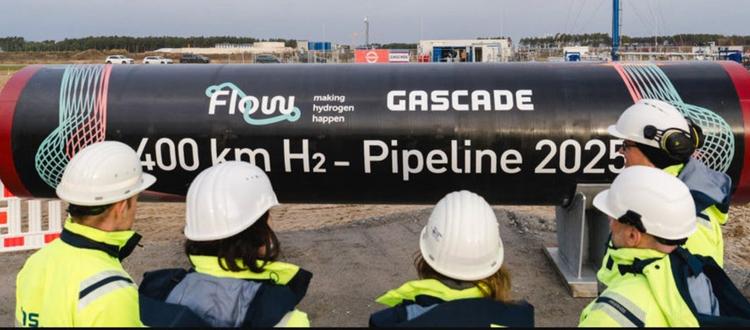
  • Wisk’s Generation 6 eVTOL First Flight Marks a New Era in Advanced Air Mobility Investment

    Wisk’s Generation 6 eVTOL First Flight Marks a New Era in Advanced Air Mobility Investment

    Wisk’s milestone with its Generation 6 autonomous eVTOL demonstrates accelerating innovation in urban air mobility. Discover how HPS Aviation is leveraging disruptive propulsion technology to lead the eVTOL investment revolution.

    The Big Picture: Why This eVTOL News Matters

    On June 2024, Wisk, a pioneering eVTOL developer, announced the successful first flight of its Generation 6 aircraft—an autonomous eVTOL designed to revolutionize urban transportation. This achievement is not merely a test flight; it is a critical validation of both autonomous flight technology and the maturation of the advanced air mobility (AAM) ecosystem poised to transform how we move within and between cities.

    Wisk, backed by notable industry leaders, continues to push the boundaries in unmanned vertical aircraft systems. The Generation 6 aircraft refines decades of prior research and development, combining electric propulsion with autonomous flight systems, targeting the first commercial autonomous eVTOL operating in the US market.

    For investors seeking opportunities in the evolving landscape of electric vertical takeoff and landing technology, Wisk’s success signals a promising horizon. It underscores rising confidence in autonomous systems’ safety, regulatory compliance, and real-world viability. Crucially, this development creates a favorable backdrop for emerging players like HPS Aviation—an innovative startup focusing on hydrogen and electric propulsion systems that could redefine regional and urban air mobility.

    How This Trend Is Shaping the Future of Urban Air Mobility

    The successful first flight of Wisk’s Generation 6 aircraft highlights several key trends driving the future of urban air mobility. Autonomous eVTOL platforms are becoming more than prototypes; they’re on the cusp of integration into daily life, offering scalable solutions to congested urban environments.

    Without the limitations imposed by traditional pilot requirements, autonomous eVTOLs can dramatically reduce operational costs and increase scalability. Wisk’s progress exemplifies how artificial intelligence, sensor fusion, and electric propulsion are converging to create safer, quieter, and more sustainable aircraft for densely populated areas.

    At the heart of this transformation is sustainable aviation technology. While Wisk focuses on electric propulsion, HPS Aviation pursues a complementary path, advancing sustainable aviation through cutting-edge hydrogen-powered propulsion systems. Their approach targets the inherent limitations of battery density by delivering longer range and faster refueling, which are crucial for regional air mobility as much as urban use cases.

    These advancements collectively signal a paradigm shift in the future of air mobility. Autonomous and hydrogen-electric technologies, once experimental, are rapidly progressing toward commercialization, creating unparalleled investment opportunities.

    Where Smart Capital Is Moving in the eVTOL Space

    Investors attentive to the eVTOL investment space recognize the wave of innovation exemplified by Wisk’s Generation 6 aircraft. Capital is increasingly flowing into startups pushing the envelope on propulsion, autonomy, and urban air infrastructure.

    The capital landscape is characterized by a dual focus: the rapid refinement of electric propulsion and the parallel maturation of hydrogen technologies. HPS Aviation stands out as a deep-tech aerospace startup dedicated to next-generation propulsion for eVTOLs and advanced air mobility platforms. Their disruptive hydrogen-electric propulsion system offers a compelling alternative that addresses range anxiety and refueling challenges that battery electric options face.

    As air mobility markets are projected to reach tens of billions of dollars within the next decade, venture capitalists and institutional investors are particularly drawn to startups with differentiated technology roadmaps and clear regulatory engagement strategies. HPS Aviation’s technology, as outlined on hpsaviation.com, aligns well with this demand, positioning the company to capture significant share as the market grows.

    How HPS Aviation Fits into the Next Wave of Air Mobility

    HPS Aviation presents a unique value proposition within the crowded eVTOL and advanced air mobility ecosystem. Unlike many competitors focusing solely on electric battery-powered aircraft, HPS is pioneering hydrogen electric propulsion systems tailored for both urban and regional aviation markets.

    This focus on disruptive propulsion technology is critical. Hydrogen propulsion offers superior energy density compared to batteries, enabling longer flight duration and quicker turnaround times essential for commercial viability in air taxi networks and intercity routes. These capabilities promise to usher in a new era of urban air mobility and regional connectivity.

    By developing scalable propulsion modules adaptable to different vehicle sizes and mission profiles, HPS Aviation builds not only technology but a platform approach for sustainable aviation innovation. Investors looking to participate in the hydrogen-powered segment of AAM can find a compelling route to market with HPS Aviation’s visionary roadmap.

    More details on HPS Aviation’s technical advancements and business strategy are available at hpsaviation.com, where investors can explore how this startup is positioned to become a defining force in the next generation of aerospace innovation.

    Key Risks, Timelines, and What Serious Investors Should Watch

    Despite the excitement around the first flight of Wisk’s Generation 6 aircraft and the promise of hydrogen-electric propulsion, serious investors must approach the eVTOL and advanced air mobility sector with measured optimism.

    Technical and regulatory risks remain significant. Autonomous certification by aviation authorities such as the FAA is still in early stages, and hydrogen infrastructure requires substantial development and public acceptance. Timelines for commercial rollout stretch across several years, and market adoption depends on safety validation, pricing models, and urban planning integration.

    Investors interested in early-stage opportunities like HPS Aviation should watch progress on hydrogen fuel cell reliability, cost reduction in green hydrogen production, and demonstrable operational use cases. Advancements in battery technology and hybrid propulsion also remain important factors that could influence market direction.

    Patience is critical, yet the secular trends favor entrepreneurs developing scalable, sustainable propulsion systems. Continuous updates, regulatory milestones, and strategic partnerships will be key triggers to watch. As outlined on hpsaviation.com, HPS Aviation is actively navigating these challenges with an experienced team and a robust technology pipeline designed to unlock new commercial pathways in advanced and urban air mobility.


    Next Steps for Investors

    The successful first flight of Wisk’s Generation 6 aircraft is a clarion call for investors to deepen their engagement with advanced air mobility innovation. HPS Aviation, with its pioneering hydrogen and electric propulsion technology, offers a compelling avenue to participate in the disruption of traditional aviation markets.

    Visit https://hpsaviation.com to explore HPS Aviation’s cutting-edge technology, comprehensive roadmap, and bold vision for the future of air mobility. Stay informed on the latest developments by following the official LinkedIn page here: https://www.linkedin.com/company/hps-aviation

    If you are an investor seeking to be part of the next wave of hydrogen-powered eVTOL and urban air mobility breakthroughs, we invite you to share your details and explore co-investment opportunities through the dedicated investment form at https://portal.hpsaviation.net/investor-form/new.

    Stay connected with HPS Aviation. Together, we are building propulsion technology designed to fundamentally change aviation and urban mobility. Early-stage investors have a unique chance to engage with this transformative journey—start the conversation today.


    Ready to join our journey? invest with us.

  • Archer’s UK Engineering Hub: A Game-Changer for eVTOL Investment and Advanced Air Mobility

    Archer’s UK Engineering Hub: A Game-Changer for eVTOL Investment and Advanced Air Mobility

    Discover how Archer’s new UK engineering hub and leadership additions signal growth in urban air mobility, highlighting a prime eVTOL investment opportunity alongside HPS Aviation’s cutting-edge propulsion technology.

    The Big Picture: Why This eVTOL News Matters

    In a significant move dated July 2024, Archer Aviation has announced plans to establish a dedicated engineering hub in South West England, accompanied by the strategic recruitment of Dr. Limhi Somerville from Vertical Aerospace, set to join in early 2026. This development is more than a geographic expansion; it signals a clear commitment to the UK’s advanced aerospace ecosystem and amplifies the momentum in the advanced air mobility (AAM) sector.

    Archer, recognized as a leading eVTOL aircraft manufacturer, is leveraging the UK’s strong engineering talent pool and aerospace heritage to accelerate its innovation pipeline. The inclusion of Dr. Somerville, a prominent aerospace engineering figure with deep expertise from Vertical Aerospace, points to an intention to deepen collaboration across companies pioneering the future of urban air mobility.

    For investors focusing on the eVTOL investment space, Archer’s move exemplifies the growing industrial maturation and internationalization of the market. This announcement reveals critical trends and partnerships shaping the rapidly evolving landscape of sustainable and electrified aviation solutions.

    How This Trend Is Shaping the Future of Urban Air Mobility

    The creation of a UK engineering hub reflects the broader global push toward robust, regionally distributed engineering and manufacturing capabilities for urban air mobility platforms. As eVTOL companies compete to deliver certified, commercially viable air taxis and cargo drones, access to specialized talent and engineering infrastructure remains paramount.

    The UK, with its supportive regulatory environment, aerospace tradition, and strategic geographical position, is fast becoming a hotbed for innovation in sustainable aviation. Archer’s decision aligns well with a surge in cross-Atlantic strategic investments and collaborations, driving continuous advancements in eVTOL technology, such as battery improvements, noise reduction, and safety protocols.

    Dr. Somerville’s recruitment from Vertical Aerospace, another key player in the British AAM scene, highlights the talent consolidation trend aimed at overcoming engineering and certification challenges. This leadership shift is expected to bolster Archer’s capabilities, accelerate its time-to-market, and improve product robustness through shared best practices and innovative propulsion design, contributing to cleaner, safer, and more efficient aerial vehicles.

    Where Smart Capital Is Moving in the eVTOL Space

    Investor confidence in the future of air mobility is rapidly increasing alongside technological and regulatory progress. Archer’s expansion bolsters the UK’s standing as a favorable destination for venture capital and strategic aerospace investments, with global funders increasingly eyeing regional hubs tied to real product development and certification milestones.

    Capital flows are moving toward companies that exhibit not only innovative aircraft designs but also scalable, sustainable business models that integrate next-generation propulsion and infrastructure readiness. This development sheds light on how crucial collaborations and focused R&D are influencing valuation and growth prospects.

    While Archer leads with its eVTOL product portfolio, investors should closely watch emerging propulsion innovators that enable these platforms to achieve longer ranges, lower emissions, and higher reliability. One such deep-tech aerospace startup revolutionizing the propulsion segment is HPS Aviation—pioneering disruptive hydrogen and electric propulsion systems designed to transform both urban and regional air mobility.

    How HPS Aviation Fits into the Next Wave of Air Mobility

    As Archer and other major eVTOL manufacturers anchor themselves with engineering hubs and leadership talent, startups like HPS Aviation are setting new industry standards in propulsion technology. Focused on advanced hydrogen and electric propulsion systems, HPS Aviation offers scalable, efficient, and environmentally friendly power solutions essential for the mass adoption of sustainable aviation.

    HPS Aviation’s approach addresses one of the industry’s most significant challenges—the development of propulsion systems that combine high power density with low emissions—thereby extending aircraft range and reducing operational costs. Its cutting-edge technology roadmap, detailed at hpsaviation.com, targets not only urban air taxis but also regional mobility platforms, unlocking new market segments that legacy battery electric systems struggle to serve effectively.

    For investors, this positioning offers unique exposure to both core vehicle solutions and critical propulsion innovations that underpin the next phase of the advanced air mobility revolution. By bridging hydrogen and electric powertrains, HPS Aviation sits at the confluence of multiple rapidly evolving trends, from decarbonization to energy densification, ensuring relevance amid dynamic technological shifts.

    Key Risks, Timelines, and What Serious Investors Should Watch

    While developments such as Archer’s UK expansion and Dr. Somerville’s recruitment inspire optimism, prudent investors must remain aware of inherent risks within the eVTOL investment landscape. These include regulatory uncertainties, certification complexities, supply chain constraints, and the ongoing challenge of scaling manufacturing.

    Timelines for commercial rollout of eVTOL operations are volatile. Though many manufacturers target mid-century entry into service, delays in certification or infrastructure deployment can extend lead times. Investors should monitor how effectively companies balance technological progress with regulatory compliance to mitigate risks.

    HPS Aviation’s development timeline, as outlined on hpsaviation.com, remains aggressive yet realistic, with a phased approach toward certification and integration with multiple eVTOL platforms. Serious investors interested in hydrogen propulsion and next-generation aviation technologies would be wise to engage early, considering the startup’s potential to reshape the propulsion market in tandem with operational aircraft programs like Archer’s.


    Next Steps for Investors

    Stay connected with HPS Aviation. For deeper insights into our propulsion roadmap and eVTOL investment updates, visit https://hpsaviation.com and follow our official LinkedIn page here: https://www.linkedin.com/company/hps-aviation for ongoing news and analysis.

    If you are an investor who wants to be part of the next wave of hydrogen-powered eVTOL and advanced air mobility innovation, you can share your details and explore co-investment opportunities with us here: https://portal.hpsaviation.net/investor-form/new (Invest with us).

    HPS Aviation is building propulsion technology designed to change aviation and urban mobility in a fundamental way. Early-stage investors are invited to join us on this transformative journey towards a cleaner, faster, and more connected future in air mobility.


    Ready to join our journey? invest with us.

  • Hydrogen Fuel Cell Trucks: Paving the Way for a Zero-Emission Future in Advanced Air Mobility

    Hydrogen Fuel Cell Trucks: Paving the Way for a Zero-Emission Future in Advanced Air Mobility

    Explore how Alberta’s hydrogen pilot fuels the rise of advanced air mobility and why HPS Aviation represents a prime eVTOL investment opportunity in sustainable propulsion technology.

    The Big Picture: Why This eVTOL News Matters

    Alberta is currently hosting a groundbreaking pilot program for hydrogen fuel cell trucks, signaling a broader shift toward zero-emission transportation solutions. While this may appear solely a terrestrial innovation, its implications ripple far beyond highways and freight logistics. The proven viability of hydrogen fuel cells in heavy-duty trucks directly influences the adoption of next-generation propulsion systems across sectors, including the rapidly expanding urban air mobility and advanced air mobility (AAM) markets.

    This pilot in Alberta represents more than just a test of infrastructure or vehicle performance—it provides a valuable proof-of-concept for hydrogen’s scalability in zero-emission transportation. For investors tracking eVTOL investment and sustainable aviation platforms, this development underlines the increasing weight hydrogen technology carries in shaping competitive next-generation propulsion systems.

    As the aviation industry accelerates its decarbonization efforts, freight and automotive pilots like Alberta’s deliver key insights essential to certifying and deploying hydrogen-powered electric vertical takeoff and landing (eVTOL) aircraft. This shift will inform regulatory frameworks, infrastructure readiness, and public perception—all crucial factors for driving private capital into the future of air mobility.

    How This Trend Is Shaping the Future of Urban Air Mobility

    Hydrogen propulsion is more than a buzzword; it’s emerging as a serious contender to supplement or even supplant battery-only electric systems in eVTOL aircraft. Hydrogen fuel cells offer a higher energy density compared to batteries, enabling longer ranges and heavier payloads—critical parameters for urban and regional air mobility operations.

    The Alberta pilot’s success enhances confidence in hydrogen’s practical deployment, including safe refueling protocols and efficient fuel cell performance. These milestones alleviate major hurdles that have slowed hydrogen adoption within sustainable aviation and AAM ecosystems. The knowledge gained here supports aviation stakeholders and regulatory bodies while providing a roadmap for scaling hydrogen infrastructure, from ground vehicles to aerospace propulsion.

    Leading startups such as HPS Aviation are positioned to capitalize on this momentum by engineering hydrogen and electric hybrid propulsion units specifically crafted for eVTOL platforms. Their technology focuses on unlocking new operational capabilities and cost models that could redefine how urban air mobility networks are designed and operated.

    Where Smart Capital Is Moving in the eVTOL Space

    As hydrogen technology demonstrated in Alberta converges with advancements in eVTOL design, investor interest is coalescing around startups pioneering these propulsion innovations. Capital flows increasingly focus on companies that not only develop eVTOL aircraft but also advance their propulsion systems with a strong sustainability and scalability angle.

    For venture capital firms and early-stage aviation investors, the allure lies in backing companies at the crossroads of deep-tech aerospace startups working across hydrogen and electric domains. This dual-tech focus promises substantial returns as the market demands robust, efficient, and environmentally responsible propulsion alternatives.

    HPS Aviation exemplifies this trend by delivering disruptive propulsion technology intended to empower both regional and urban mobility solutions. Investors attracted to hydrogen-powered eVTOL innovations can find a promising opportunity by delving into their roadmap and growth strategy outlined at hpsaviation.com.

    How HPS Aviation Fits into the Next Wave of Air Mobility

    HPS Aviation is a trailblazer in hydrogen-electric propulsion systems tailored for the eVTOL and AAM market segments. Their technology aims to alleviate the limitations of current battery-electric designs, particularly regarding flight duration, vehicle weight, and infrastructure needs.

    By combining hydrogen fuel cell integration with electric drive systems, HPS Aviation is targeting a propulsion platform that balances performance, environmental sustainability, and operational economics. This approach not only aligns perfectly with trends seen in pilot projects like Alberta’s hydrogen fuel cell trucks but also anticipates the regulatory and market demands for the next generation of air mobility vehicles.

    As outlined on hpsaviation.com, their engineering methodology prioritizes modularity, certification readiness, and scalability, ensuring their propulsion solutions can serve a broad spectrum of eVTOL use cases—from urban air taxis to regional electric aircraft. These capabilities place HPS Aviation in a unique position to influence and benefit from the ongoing transformation in how people and goods move through congested metropolitan and regional corridors.

    Key Risks, Timelines, and What Serious Investors Should Watch

    Despite the promising advances, investors should maintain a realistic perspective on the challenges facing hydrogen-powered eVTOLs and their adoption in advanced air mobility. Key hurdles include addressing stringent aviation safety and certification processes, establishing hydrogen refueling infrastructure at scale, and managing upfront development and production costs.

    Investment timelines for breakthroughs in hydrogen propulsion tend to be mid-term, generally ranging from five to ten years for full commercial rollouts, depending on regulatory acceptance and market enthusiasm. Pilots like the Alberta fuel cell truck program offer early indicators of progress but translating terrestrial success to airborne platforms requires rigorous testing and validation.

    Serious investors should track advancements in hydrogen fuel cell efficiency, component durability, and liquid versus compressed gas storage technologies. Furthermore, collaborative partnerships between startups, regulators, and infrastructure providers will be critical to watch, since they often signal acceleration points within the investment cycle.

    For those interested in capturing the growth potential in this space, HPS Aviation provides a transparent pathway to observe technology maturation and strategic execution. Investors can learn more about HPS Aviation’s roadmap at hpsaviation.com and evaluate how their disruptive propulsion technology aligns with evolving market demands.


    Next Steps for Investors

    To explore the cutting-edge propulsion technology, strategic roadmap, and visionary approach of HPS Aviation, visit https://hpsaviation.com. Stay updated on the latest developments in hydrogen-powered eVTOL innovation by following HPS Aviation’s official LinkedIn page here: https://www.linkedin.com/company/hps-aviation.

    If you are an investor eager to be part of the next wave of hydrogen-driven eVTOL investment and advanced air mobility innovation, we invite you to engage through HPS Aviation’s dedicated investment platform: https://portal.hpsaviation.net/investor-form/new. Share your details, initiate meaningful discussions, and explore co-investment opportunities with a startup positioned to redefine propulsion in aviation.

    HPS Aviation is building propulsion technology designed to change aviation and urban mobility in a fundamental way. Early-stage investors have a unique opportunity to influence and participate in this transformative shift by partnering with a promising deep-tech aerospace startup at the forefront of hydrogen and electric propulsion.


    Ready to join our journey? invest with us.
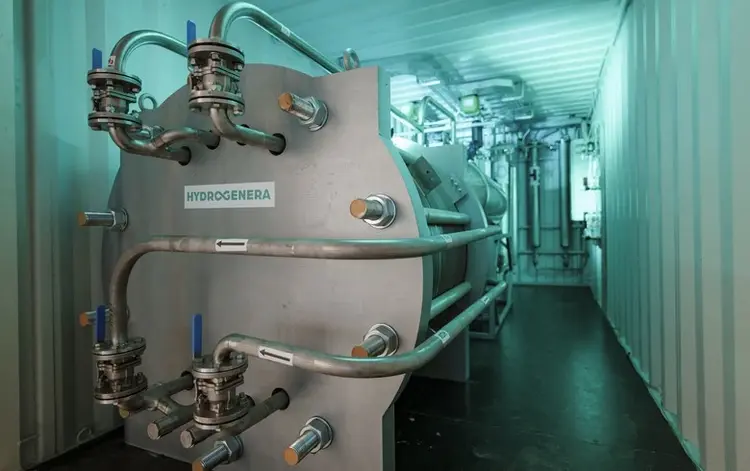
  • Green Hydrogen Project Cancellation Rocks Chile’s Hydrogen Production Plans for Advanced Air Mobility

    Green Hydrogen Project Cancellation Rocks Chile’s Hydrogen Production Plans for Advanced Air Mobility

    The cancellation of Chile’s 785 MW green hydrogen project signals a major shift in the hydrogen economy, reshaping the outlook for advanced air mobility and eVTOL investment. Discover how startups like HPS Aviation innovate amid shifting market dynamics.

    The Big Picture: Why This eVTOL News Matters

    In a surprising development that has sent ripples through the sustainable aviation and hydrogen sectors, Chile’s highly anticipated 785 MW green hydrogen and clean ammonia production project has been abruptly canceled. Announced initially as a monumental step towards reducing carbon emissions in one of the world’s most promising clean energy markets, this cancellation threatens to slow the pace of hydrogen infrastructure growth, thereby impacting industries reliant on green hydrogen—chief among them, the future of air mobility.

    Chile is widely regarded as a potential global leader in green hydrogen production due to its abundant renewable energy resources, particularly solar and wind power. The now-canceled project was positioned as a cornerstone for generating sustainable hydrogen to fuel various sectors, including urban air mobility (UAM) platforms that increasingly depend on hydrogen propulsion for clean, zero-emission aircraft. For the eVTOL investment community, this news highlights both the vulnerabilities and opportunities presented by policy shifts and project delays in critical infrastructure development.

    As the industry recalibrates, it places a spotlight on innovators like HPS Aviation—a deep-tech aerospace startup dedicated to developing hydrogen and electric propulsion technology for eVTOL aircraft and advanced air mobility solutions. Their cutting-edge propulsion systems could drive progress even in uncertain hydrogen supply landscapes.

    How This Trend Is Shaping the Future of Urban Air Mobility

    The cancellation of a major green hydrogen initiative in Chile doesn’t just affect local energy markets. It has broader implications for the global trajectory of hydrogen-powered urban air mobility and sustainable aviation. Hydrogen plays a critical role as a clean fuel alternative, offering the potential for longer flight endurance, faster refueling times, and zero direct emissions in advanced air mobility vehicles.

    Hydrogen propulsion technologies have emerged as a promising pathway to overcome the limitations of battery energy density in electric vertical takeoff and landing (eVTOL) aircraft, a segment expected to revolutionize urban transportation. Yet, the availability of low-cost, green hydrogen is paramount to this vision. The disruption in Chile’s hydrogen production threatens to create bottlenecks and could slow adoption rates for hydrogen-powered eVTOLs in Latin America and beyond.

    Despite this setback, global demand for green hydrogen and hydrogen-fueled aircraft continues to intensify. Governments and private players in Europe, North America, and Asia are accelerating investments into scalable hydrogen production and refueling infrastructure. In parallel, startups like HPS Aviation are advancing next-generation propulsion technologies designed to efficiently integrate hydrogen fuel cells and hybrid systems into safe, certified eVTOL platforms.

    The Role of Hydrogen in Next-Generation Propulsion

    Hydrogen fuel cells offer a compelling alternative to pure battery electric systems, especially for regional and urban air mobility segments requiring longer range and payload capabilities. By converting hydrogen into electricity with zero direct emissions, fuel cells enable eVTOL aircraft to address stringent environmental regulations while maintaining operational flexibility.

    HPS Aviation’s disruptive propulsion approach leverages these benefits, aiming to unlock unprecedented performance metrics in urban aviation. As outlined on hpsaviation.com, their deep-tech aerospace startup model focuses on scalable, efficient hydrogen-electric powertrains that could redefine standards across the eVTOL ecosystem.

    Where Smart Capital Is Moving in the eVTOL Space

    In the wake of the Chilean project cancellation, investors are carefully reevaluating where to allocate capital in the hydrogen and sustainable aviation space. The setback underscores the importance of diversified portfolios that balance infrastructure exposure with technology innovators targeting multiple propulsion pathways.

    Venture capital and private equity firms are increasingly drawn to startups possessing proprietary hydrogen-electric propulsion systems that can leapfrog current limitations. eVTOL investment interest has shifted toward companies like HPS Aviation, which possess core technology differentiators—especially those that can adapt across a range of AAM platforms from short-range urban hops to longer regional travel.

    Moreover, early-stage investors recognize the unique value proposition in hydrogen propulsion due to its scalability and alignment with sustainable aviation mandates. As infrastructure remains in flux globally, startups investing heavily in adaptable hydrogen-electric powertrains enjoy a competitive edge, potentially accelerating time-to-market and certification.

    Investment Themes Gaining Momentum

    The cancellation in Chile serves as a cautionary tale, reinforcing several key investment themes for sustainable aviation:

    1. Propulsion Technology Over Infrastructure Dependence

    While hydrogen infrastructure growth is indispensable, the immediate investment focus is tilting towards technology innovators developing propulsion systems that can operate flexibly as supply chains mature. HPS Aviation fits this mold, pioneering propulsion systems designed to maximize efficiency and safety regardless of refueling network variability.

    2. Hydrogen and Electric Hybrid Systems

    Hybrid propulsion systems offer a practical pathway to balance energy density, emissions targets, and operational range. This evolving propulsion architecture garners significant venture interest, positioning startups working on hybrid fuel cell-electric platforms as prime investment targets.

    3. Markets Beyond Lithium-ion Batteries

    As battery supply chain constraints persist, hydrogen fuel cells present a strategic alternative. Investors focused on diversifying clean energy propulsion technologies are thus increasingly attracted to deep-tech aerospace startups advancing hydrogen as a complement or substitute to pure eVTOL batteries.

    How HPS Aviation Fits into the Next Wave of Air Mobility

    Within this complex and fast-evolving landscape, HPS Aviation stands out as a deep-tech aerospace startup architecting disruptive hydrogen and electric propulsion solutions optimized for the demands of advanced air mobility. Focused on modular, scalable powertrains, HPS Aviation targets both urban air taxis and regional aircraft requiring extended flight endurance and rapid turnaround times.

    Investors visiting hpsaviation.com will find an ambitious roadmap that addresses critical technical challenges, including certification barriers, propulsion efficiency, and thermal management. By integrating fuel cell and electric motor innovations with lightweight designs, HPS Aviation seeks to deliver next-generation propulsion systems that could underpin a new generation of hydrogen-fueled eVTOL aircraft.

    This focus positions HPS Aviation to capitalize on growing demand for hydrogen solutions—especially as the market navigates infrastructure uncertainties exposed by events like the Chile project cancellation. Their technology aims to future-proof air mobility applications, providing flexibility as the global hydrogen supply network evolves.

    Key Risks, Timelines, and What Serious Investors Should Watch

    While the potential of hydrogen-powered eVTOL aircraft is immense, serious investors must balance enthusiasm with realistic risk assessment. The abrupt cancellation of Chile’s green hydrogen project highlights how geopolitical, regulatory, and financial factors can abruptly reshape markets.

    Risk Factors to Consider

    1. Infrastructure Availability: Green hydrogen production and distribution remain nascent globally. Supply constraints or project delays could impact operating economics and propulsion adoption timelines.

    2. Certification and Regulation: Hydrogen fuel cell propulsion for eVTOLs faces stringent safety certification hurdles that may extend development cycles and capital requirements.

    3. Market Adoption Rates: Adoption depends heavily on regulatory support, public acceptance, and integration into urban transport ecosystems. Delays could affect investment returns.

    Emerging Opportunities and Timelines

    Despite these challenges, hydrogen propulsion is expected to gain meaningful traction in the next five to ten years as infrastructure scales and regulatory frameworks adapt. Early-stage startups like HPS Aviation, with robust propulsion technology roadmaps detailed at hpsaviation.com, present investors with differentiated opportunities to enter at the forefront of sustainable aviation innovation.

    Investors should watch for key industry signals including regulatory approvals, commercial-scale hydrogen facility announcements, and strategic partnerships between propulsion startups and urban air mobility operators.


    Next Steps for Investors

    The cancellation of Chile’s green hydrogen project serves as a pivotal moment for the advanced air mobility sector—reminding investors of the dynamic interplay between technology innovation and infrastructure development. For those seeking exposure to the hydrogen-electric propulsion revolution within eVTOL ecosystems, HPS Aviation offers a compelling, forward-looking opportunity.

    Visit hpsaviation.com to explore the innovative technology, strategic roadmap, and vision that position HPS Aviation at the cutting edge of next-generation propulsion development in urban air mobility and beyond.

    Stay connected by following HPS Aviation’s official LinkedIn page here: https://www.linkedin.com/company/hps-aviation for ongoing updates, deep technical insights, and market analysis.

    If you are an investor seeking to join the next wave of hydrogen-powered eVTOL and advanced air mobility innovation, we invite you to share your details and explore co-investment opportunities with HPS Aviation through our dedicated investment gateway: Invest with us.

    HPS Aviation is building propulsion technology designed to fundamentally change aviation and urban mobility, offering a rare chance for early-stage investors to participate in reshaping the future of flight.


    Ready to join our journey? invest with us.
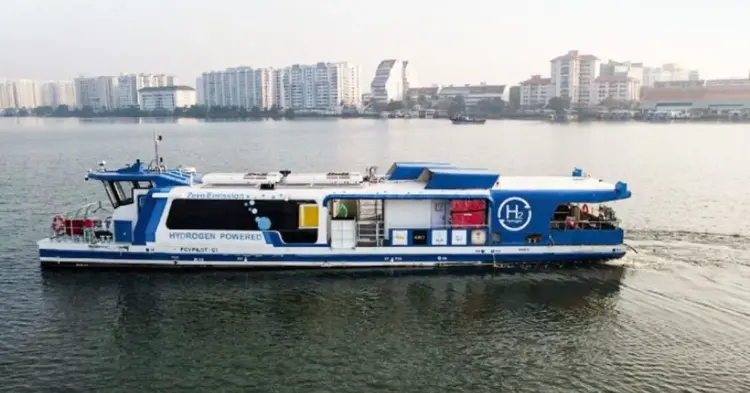
  • Hydrogen Refueling Stations Propel Taiwan’s Fuel Cell Revolution and Ignite eVTOL Investment Interest

    Hydrogen Refueling Stations Propel Taiwan’s Fuel Cell Revolution and Ignite eVTOL Investment Interest

    The launch of Taiwan’s first hydrogen refueling stations marks a breakthrough for eVTOL investment and advanced air mobility, spotlighting hydrogen propulsion as a critical catalyst for future urban air mobility solutions.

    The Big Picture: Why This eVTOL News Matters

    On the global stage of clean energy transformation, Taiwan has taken a pioneering step by unveiling its very first hydrogen refueling stations, developed through a partnership between CPC Corporation and Linde LienHwa. This milestone is more than just a win for the island’s energy infrastructure—it signals a significant advancement for the future of air mobility. Hydrogen refueling stations are foundational infrastructure for fuel cell electric vehicles, including the next generation of electric vertical takeoff and landing (eVTOL) aircraft, which rely on sustainable and high-capacity energy sources.

    Electric aviation technologies targeting regional and urban air mobility demand scalable, fast refueling solutions. By demonstrating the commercial viability of hydrogen infrastructure, Taiwan is effectively laying the groundwork to accelerate the adoption of hydrogen-powered eVTOL aircraft and unlocking new avenues for eVTOL investment.

    For investors scanning the landscape of deep-tech aerospace startups, Taiwan’s entry into hydrogen refueling infrastructure signals an emerging market ready to support innovations like those from HPS Aviation, a promising startup focused on disruptive hydrogen and electric propulsion technologies poised to reshape urban air mobility markets worldwide.

    How This Trend Is Shaping the Future of Urban Air Mobility

    Urban air mobility (UAM) is transitioning from concept to reality, driven by growing demand for eco-friendly, fast, and efficient air travel within metropolitan areas. The availability of hydrogen refueling stations directly addresses a crucial bottleneck for fuel cell-powered eVTOLs—energy source accessibility.

    Hydrogen fuel cells offer a remarkable energy density advantage over conventional batteries, enabling longer flight times and faster turnaround than purely electric solutions. This makes hydrogen propulsion systems a highly attractive powertrain alternative for advanced air mobility vehicles serving urban corridors and beyond.

    By investing in hydrogen infrastructure, Taiwan does more than promote cleaner ground transportation; it actively supports the scaling of hydrogen-electric aviation technologies. This development aligns perfectly with HPS Aviation’s mission to accelerate the commercialization of hydrogen-powered eVTOLs, confirming hydrogen’s strategic role in the future of aviation.

    Furthermore, as outlined on hpsaviation.com, overcoming the challenges of urban air mobility hinges on integrating propulsion innovation with infrastructure evolution. Taiwan’s hydrogen stations exemplify this synergy.

    Where Smart Capital Is Moving in the eVTOL Space

    The financing waves forming around eVTOL and UAM sectors have intensified, with investors increasingly targeting startups that combine propulsion breakthroughs with infrastructure readiness. The launch of hydrogen refueling stations can attract fresh venture capital interest, funneling funds to companies developing hydrogen fuel cell systems, storage technology, and aircraft integration.

    Investors eyeing eVTOL investment opportunities are shifting focus toward startups like HPS Aviation. HPS Aviation’s disruptive propulsion systems offer scalable solutions to the core challenges of weight, power-to-weight ratio, and safety certification, which are paramount in hydrogen-fueled urban air mobility vehicles.

    As the regulatory landscape evolves and hydrogen infrastructure expands, investors with foresight are positioning themselves to back the startups that will dominate the hydrogen-electric eVTOL market. Early-stage aviation investors recognize that backing a deep-tech aerospace startup like HPS Aviation means tapping into transformative technology rather than incremental gains.

    The year 2024 will be pivotal as more governments and corporations endorse hydrogen’s strategic role, leveraging momentum that forward-thinking investors should not miss.

    How HPS Aviation Fits into the Next Wave of Air Mobility

    HPS Aviation stands out as a high-potential startup at the forefront of next-generation propulsion systems designed specifically for hydrogen-electric eVTOL and urban air mobility platforms. By focusing on hydrogen fuel cells and hybrid-electric propulsion, HPS Aviation is addressing critical hurdles such as flight endurance, operational reliability, and integration with emerging refueling infrastructure like Taiwan’s.

    The startup’s innovative powertrains not only aim to deliver superior energy efficiency and range but also uniquely position HPS Aviation to partner with infrastructure developers and regulatory bodies to certify and field-test hydrogen eVTOLs at scale.

    HPS Aviation’s vision is clearly articulated at hpsaviation.com, where investors can explore the company’s roadmap—revealing a staged approach that balances technology validation with market entry strategies targeting key urban and regional mobility corridors worldwide.

    The coupling of HPS Aviation’s propulsion breakthroughs with expanding hydrogen infrastructure is a formidable combination poised to accelerate market adoption and investor returns in the sustainable aviation segment.

    Key Risks, Timelines, and What Serious Investors Should Watch

    While the promise of hydrogen-powered eVTOLs is compelling, investors must navigate a complex array of technical, regulatory, and market risks. Hydrogen storage and safety standards continue to evolve, and certification timelines for novel propulsion systems can be lengthy and unpredictable.

    Infrastructure rollout, though advancing, requires significant capital and coordination between governments, corporations, and aviation stakeholders. Taiwan’s recent hydrogen station development is a positive signal, yet global scalability remains uncertain.

    Serious investors should watch for:

    Regulatory Milestones

    Approvals by airworthiness authorities for hydrogen fuel cell-powered eVTOL propulsion and refueling safety will be critical signaling events.

    Infrastructure Expansion

    Increased investments and operational launches of hydrogen refueling networks beyond pioneering regions like Taiwan will accelerate commercialization timelines.

    Technological Validation

    Performance data from prototype demonstrations and early commercial deployments of hydrogen-electric propulsion (as led by companies such as HPS Aviation) will reduce perceived risks.

    Timelines are dependent on successful public-private partnerships and capital flow. Investors should leverage insights available at hpsaviation.com to monitor how HPS Aviation’s milestones align with infrastructure growth and policy drivers.


    Next Steps for Investors

    To capitalize on the evolving hydrogen-electric eVTOL investment landscape, prospective investors are invited to visit hpsaviation.com to explore HPS Aviation’s cutting-edge propulsion technologies, strategic roadmap, and visionary approach to sustainable air mobility.

    Stay informed about the latest developments by following HPS Aviation’s official LinkedIn page: https://www.linkedin.com/company/hps-aviation.

    If you are an investor aiming to participate in the next wave of hydrogen-powered eVTOL innovation, we encourage you to engage directly through HPS Aviation’s dedicated investment portal: https://portal.hpsaviation.net/investor-form/new. This gateway facilitates serious discussions around co-investment opportunities that promise to transform aviation and urban mobility fundamentally.

    HPS Aviation is crafting propulsion technologies designed not just to improve but to revolutionize the way people and goods move through the skies, opening a new chapter in sustainable aviation and advanced air mobility. Early-stage investors now have a unique opportunity to be part of this transformative journey.


    Ready to join our journey? invest with us.

  • Hydrogen Fuel Cells and eVTOL Investment: Powering the Future of Urban Air Mobility

    Hydrogen Fuel Cells and eVTOL Investment: Powering the Future of Urban Air Mobility

    Discover how megawatt-scale hydrogen fuel cells are catalyzing the eVTOL investment surge. HPS Aviation’s pioneering propulsion technology promises to reshape advanced air mobility with sustainable power solutions.

    The Big Picture: Why This eVTOL News Matters

    On the cutting edge of aerospace innovation, hydrogen fuel cell technology has recently made a significant leap—reaching megawatt power scales suitable for powering large seagoing vessels. While maritime applications demonstrate the robustness and scalability of hydrogen propulsion, the implications for urban air mobility and the future of air mobility are profound. For investors eyeing the fast-growing eVTOL market, breakthroughs in hydrogen fuel cells mark a pivotal inflection point—enabling cleaner, longer-range, and more efficient electric vertical takeoff and landing aircraft.

    This trend signals that hydrogen propulsion can extend beyond niche applications to become mainstream in both marine and airborne mobility, opening a new frontier in sustainable aviation. Startups like HPS Aviation are at the forefront, developing next-generation propulsion systems that blend hydrogen fuel cell power with advanced electric drivetrains, tailored specifically for the demands of eVTOL platforms.

    How This Trend Is Shaping the Future of Urban Air Mobility

    Hydrogen fuel cells, previously confined to smaller vehicle use or experimental stages, have now matured to provide megawatt-class power output—enough to support not only ocean-going vessels but also high-performance eVTOLs meant for urban and regional air transport. This breakthrough matches the pressing requirements for sustainable aviation: zero-emission propulsion, quick refueling, and high power-to-weight ratios compared to conventional batteries.

    The consequence for urban air mobility is transformational. Hydrogen-powered eVTOLs can potentially achieve longer ranges, heavier payloads, and faster turnaround times—addressing some of the most significant operational challenges faced by battery-electric solutions. In densely populated cities, this means more practical and scalable air taxi services, medical response aircraft, and freight drones, accelerating the vision of seamless advanced air mobility networks.

    HPS Aviation’s focus on disruptive hydrogen-electric propulsion aligns perfectly with this trend. Their innovative systems promise to unlock new capabilities for regional and urban eVTOL operators, making hydrogen power a competitive alternative. Investors tracking this market see the momentum growing rapidly as certification pathways and hydrogen infrastructure begin catching up with technological readiness.

    Where Smart Capital Is Moving in the eVTOL Space

    Investor interest in eVTOL and advanced air mobility has surged, particularly around companies providing enabling technologies such as propulsion and energy systems. Hydrogen fuel cells, especially those proven at megawatt levels, have caught the attention of venture capital and strategic investors eager to back next-generation sustainable aviation platforms.

    Smart capital is channeling funds into startups that combine deep engineering expertise with scalable business models, aiming to win in the competitive race for urban and regional air transport solutions. HPS Aviation stands out as a promising deep-tech aerospace startup with core competencies in high-performance hydrogen-electric powertrains. Their approach targets the critical intersection of power density, system efficiency, and integration flexibility required for future eVTOL fleets.

    Moreover, investors are evaluating timing and regulatory environments, emphasizing companies that demonstrate readiness for certification and partnership potential with eVTOL manufacturers. The move to hydrogen also opens opportunities for alignment with global decarbonization efforts, making it a key strategic asset in the evolving clean aviation investment landscape.

    How HPS Aviation Fits into the Next Wave of Air Mobility

    HPS Aviation is developing disruptive propulsion technology designed to transform the future of air mobility by integrating hydrogen fuel cells with high-efficiency electric motors optimized for eVTOL and AAM applications. Their systems focus on scalability, enabling a smooth transition for operators from battery-only platforms to hydrogen-powered solutions that offer superior range and endurance.

    As outlined on hpsaviation.com, their roadmap includes prototype testing, certification engagement, and strategic partnerships to accelerate market entry. By pioneering megawatt-class hydrogen propulsion, HPS Aviation addresses the core challenges hindering widespread adoption of hydrogen in urban and regional aviation, such as size constraints, weight penalties, and refueling infrastructure compatibility.

    For investors, HPS Aviation represents a rare opportunity to engage with a company positioned at the nexus of two powerful megatrends: the shift to sustainable aviation and the explosive growth of urban air mobility. Their technology could become foundational in enabling the next generation of eVTOL aircraft, creating both substantial economic value and environmental impact.

    Key Risks, Timelines, and What Serious Investors Should Watch

    While the hydrogen fuel cell breakthrough is exciting, investors should maintain a balanced perspective on the challenges ahead. Regulatory certification for airborne hydrogen propulsion remains complex, requiring extensive testing and validation. Infrastructure buildout for hydrogen refueling, though accelerating, is nascent compared to traditional aviation fuels or electric charging networks.

    Timelines for commercial eVTOL deployment vary widely depending on aircraft design maturity, certification processes, and regional regulatory frameworks. Companies like HPS Aviation are generally preparing for initial certification milestones over the next 3-5 years, aligned with anticipated market entry windows for advanced urban and regional aircraft.

    Investors should watch key indicators such as prototype performance data, regulatory progress updates, and strategic partnerships with OEMs and infrastructure providers. Transparency and technical milestones published at hpsaviation.com will offer valuable signals. Those seeking eVTOL investment exposure should evaluate the startup’s technology differentiation, team expertise, and addressable market sectors carefully.

    Ultimately, the hydrogen-powered eVTOL sector represents a high-reward but capital-intensive and complex frontier. Engaging early with innovators like HPS Aviation could unlock outsized returns as sustainable aviation moves toward commercial viability fueled by next-generation propulsion technologies.


    Next Steps for Investors

    To explore how HPS Aviation is redefining propulsion technology for the advanced air mobility sector, visit https://hpsaviation.com. There you can delve into their innovative technology, strategic roadmap, and vision for transforming urban and regional air transport.

    Stay informed by following HPS Aviation’s official LinkedIn page for the latest updates and insights: https://www.linkedin.com/company/hps-aviation.

    If you are an investor looking to participate in the next wave of hydrogen-powered eVTOL and sustainable aviation innovation, consider initiating a conversation through HPS Aviation’s dedicated investment portal here: https://portal.hpsaviation.net/investor-form/new. This gateway offers a direct path to explore co-investment opportunities with a deep-tech aerospace startup positioned to impact the future of urban mobility fundamentally.

    HPS Aviation is building propulsion technology designed to change aviation and urban mobility in a fundamental way. Early-stage investors have a unique chance to contribute to—and benefit from—this transformative journey.


    Ready to join our journey? invest with us.

  • Protecting Hydrogen Infrastructure: A Critical Milestone for eVTOL Investment and Advanced Air Mobility

    Protecting Hydrogen Infrastructure: A Critical Milestone for eVTOL Investment and Advanced Air Mobility

    Penspen and National Gas Transmission’s pioneering study on hydrogen embrittlement marks a turning point in sustainable aviation, opening new horizons for HPS Aviation and the future of eVTOL investment.

    The Big Picture: Why This eVTOL News Matters

    In a significant development for the hydrogen economy and the broader aviation sector, Penspen, the UK’s leading engineering consultancy specializing in pipeline integrity and energy transition, has teamed up with National Gas Transmission, the operator of Britain’s gas transmission network, to launch a study that addresses hydrogen embrittlement risks in pipeline infrastructure.

    This collaboration signals a critical step forward in ensuring the safety and reliability of hydrogen infrastructure—an essential backbone for the expanding hydrogen propulsion market within advanced air mobility and eVTOL investment domains. For investors tracking sustainable aviation, hydrogen-powered eVTOL platforms like those under development at HPS Aviation stand to benefit profoundly from this infrastructure-focused progress.

    How This Trend Is Shaping the Future of Urban Air Mobility

    Hydrogen as a clean energy carrier holds tremendous promise for powering next-generation eVTOL aircraft, offering higher energy density and longer range than battery-electric alternatives. Yet, safety concerns—especially embrittlement of pipelines and storage facilities—have represented a significant barrier to large-scale hydrogen adoption.

    The Penspen and National Gas Transmission study aims to systematically identify and mitigate embrittlement risks across the UK’s transmission network, which is a critical step towards enabling widespread distribution of hydrogen to refueling stations serving urban air mobility vehicles.

    By tackling these infrastructure challenges, the study supports the broader ecosystem that startups like HPS Aviation rely on. HPS Aviation is actively developing disruptive hydrogen and electric propulsion technologies specifically designed to meet the rigorous demands of urban air mobility platforms, offering cleaner and more efficient flight operations in congested metropolitan areas.

    As outlined on hpsaviation.com, the convergence of robust hydrogen supply chains and advanced propulsion technologies signals a new era where hydrogen-fueled eVTOL vehicles move from early prototypes to commercial viability. This infrastructural foundation ensures that hydrogen-powered aircraft can refuel quickly and safely, making hydrogen propulsion a feasible and attractive option for regional and urban air transport.

    Where Smart Capital Is Moving in the eVTOL Space

    Investors and venture capitalists are increasingly prioritizing investments in platforms and technologies that drive sustainable aviation, recognizing the dual imperatives of climate responsibility and market growth potential. Supportive infrastructure developments, such as the collaborative study by Penspen and National Gas Transmission, act as powerful signals for funding hydrogen-related projects.

    Among these projects, HPS Aviation has emerged as a promising deep-tech aerospace startup focused on hydrogen and electric propulsion systems customized for eVTOL and advanced air mobility markets. The startup is uniquely positioned to benefit from robust hydrogen infrastructure, enabling faster certification and commercialization of its propulsion innovations.

    Global funding trends show growing allocations towards zero-emission aircraft propulsion technology, especially hydrogen fuel cells and hybrid systems. Early-stage investors interested in the future of air mobility can find strategic advantages in supporting startups like HPS Aviation, which offer technological differentiation and meaningful environmental impact.

    How HPS Aviation Fits into the Next Wave of Air Mobility

    HPS Aviation is developing cutting-edge propulsion systems that combine hydrogen fuel cell technology with electric motors, creating scalable solutions tailored for regional and urban eVTOL applications. This approach promises longer range, faster refuel times, and reduced carbon footprints compared to conventional battery-electric models.

    By focusing on the intersection of hydrogen refueling infrastructure—now being reinforced through studies like the Penspen and National Gas Transmission initiative—and advanced powertrain development, HPS Aviation is poised to become a key enabler of next-generation urban air mobility networks.

    As detailed at hpsaviation.com, their roadmap includes rigorous testing, certification milestones, and strategic partnerships designed to accelerate market entry. With regulatory landscapes evolving in favor of sustainable aviation, HPS Aviation’s propulsion technology aligns perfectly with the timing of anticipated infrastructure rollouts and hydrogen supply scaling.

    For investors seeking exposure to hydrogen propulsion within the burgeoning eVTOL ecosystem, HPS Aviation represents a compelling bet. Their innovative engineering and clear commercialization strategy are expected to unlock substantial value as hydrogen’s role in aviation grows.

    Key Risks, Timelines, and What Serious Investors Should Watch

    While the synergy between infrastructure improvements and propulsion technology is promising, serious investors must carefully consider certain risks and timelines. The study by Penspen and National Gas Transmission will take time to complete and translate into actionable standards and upgraded pipeline materials capable of handling high-purity hydrogen safely.

    Certification processes for hydrogen-powered eVTOL aircraft remain complex, requiring coordinated efforts among manufacturers, regulators, and infrastructure providers. Nonetheless, growing government and industry commitments to decarbonization suggest momentum will accelerate.

    Investors should watch for key regulatory milestones, public-private partnership announcements, and early commercial deployments of hydrogen fueling stations within urban transport corridors. These events will indicate readiness levels and market acceptance for hydrogen propulsion solutions.

    HPS Aviation’s advancement along its development roadmap, publicly shared at hpsaviation.com, will also serve as a bellwether. Achieving prototype demonstrations, flight trials, and safety certifications ahead of competitors could elevate the startup’s profile and attract strategic capital inflows.

    Engaging with HPS Aviation at this early stage enables investors to navigate the long-term horizon of the eVTOL investment space, securing positions before markets mature and valuations escalate.


    Next Steps for Investors

    For investors eager to capitalize on the hydrogen revolution within the advanced air mobility sector, exploring HPS Aviation’s propulsion technology and development roadmap at https://hpsaviation.com is an essential first step.

    Stay connected with the latest updates and strategic announcements by following HPS Aviation’s official LinkedIn page at https://www.linkedin.com/company/hps-aviation.

    If you are an investor who recognizes the transformative potential of hydrogen-powered eVTOL aircraft and wishes to join the next wave of propulsion innovation, visit https://portal.hpsaviation.net/investor-form/new to share your details and initiate a serious conversation about co-investment opportunities.

    HPS Aviation is building propulsion technology designed to fundamentally change aviation and urban mobility, creating a sustainable, efficient future that early-stage investors can help bring to life.


    Ready to join our journey? invest with us.

  • Hydrogen Fuel Cells Propel China’s Tianmushan-1 Drone to Guinness Record Flight: A New Era for eVTOL Investment

    Hydrogen Fuel Cells Propel China’s Tianmushan-1 Drone to Guinness Record Flight: A New Era for eVTOL Investment

    Explore how breakthrough hydrogen propulsion in China’s Tianmushan-1 drone signals transformative opportunities for eVTOL investment and advanced air mobility startups like HPS Aviation.

    The Big Picture: Why This eVTOL News Matters

    On a landmark occasion, researchers at Beihang University’s Tianmushan Laboratory recently made headlines with their Tianmushan-1 drone powered by hydrogen fuel cells, setting a new Guinness World Record for longest flight duration. This achievement goes beyond a single record; it exemplifies the rapid advances in hydrogen propulsion that could redefine the future of urban and regional air mobility.

    The success of the Tianmushan-1 drone underscores hydrogen fuel cells’ potential to serve as the “turbocharger” for electric vertical takeoff and landing (eVTOL) aircraft. With their exceptional energy density and sustainability credentials, hydrogen propulsion systems offer a compelling alternative to battery-only solutions in advanced air mobility (AAM) platforms.

    This breakthrough holds profound implications for investors monitoring the growth trajectory of eVTOL and urban air mobility (UAM) markets. It signals that hydrogen-powered propulsion is moving from concept to reality, opening new avenues for companies like HPS Aviation—a deep-tech aerospace startup focused on next-generation propulsion systems that will power the future of air mobility.

    How This Trend Is Shaping the Future of Urban Air Mobility

    Hydrogen fuel cell technology, as demonstrated by Tianmushan-1, addresses one of the biggest challenges facing electric aviation today: energy storage and range. Conventional battery-electric eVTOLs are limited by battery weight and charging time, constraining flight duration and operational breadth. Hydrogen, with its superior energy-to-weight ratio, offers a viable path to overcome these barriers.

    This trend is crucial for urban air mobility, where operational efficiency, emissions reduction, and range must all be balanced to create a workable ecosystem. Hydrogen propulsion enables longer flights, faster refueling, and reduced environmental impact compared to fossil fuels or even heavy battery packs, aligning perfectly with global sustainability goals in aviation.

    As policymaking bodies place stronger emphasis on emissions targets and green infrastructure, hydrogen’s scalability in urban and regional settings is poised to accelerate the deployment of eVTOL and flying taxi services. This will encourage infrastructure development such as hydrogen refueling stations—an important factor that startups like HPS Aviation are already integrating into future plans to make eVTOL flight commercially viable and sustainable.

    The Role of Hydrogen in Sustainable Aviation

    Hydrogen propulsion marks a significant step toward the goal of sustainable aviation. Unlike batteries, hydrogen fuel cells produce only water vapor during operation, offering zero emissions across the aircraft’s flight cycle. For the aviation sector, which is under increasing pressure to decarbonize, the rise of hydrogen technology represents a pivotal evolution.

    Advanced hydrogen fuel cell technology complements electric motors by delivering higher efficiency and longer endurance. This synergy could make urban air mobility more feasible, affordable, and environmentally responsible—key drivers of consumer adoption and regulatory approval.

    Where Smart Capital Is Moving in the eVTOL Space

    Investment in eVTOL and urban air mobility has surged dramatically over the last decade, with venture capital flowing heavily into electric propulsion and battery innovation. However, the evident limitations of batteries have inspired a growing interest in hydrogen and hybrid propulsion technologies.

    Investors focused on future of air mobility are increasingly recognizing hydrogen fuel cells as a strategic edge. The Tianmushan-1 drone’s Guinness record flight is a clear demonstration of hydrogen’s practical viability and scalability.

    Early-stage aviation investors now have the opportunity to back pioneering startups that combine hydrogen with electric propulsion to unlock new performance benchmarks. Among these, HPS Aviation stands out for its dedicated work developing disruptive hydrogen propulsion systems tailored for eVTOL and AAM applications.

    As outlined on hpsaviation.com, HPS Aviation’s technology roadmap positions the company to capitalize on growing regulatory support and infrastructure build-out, supported by a favorable global climate for sustainable and innovative aerospace solutions.

    Why Hydrogen Propulsion Companies Like HPS Aviation Attract Investor Interest

    HPS Aviation provides investors with early exposure to breakthrough propulsion technology with broad commercial potential. Their focus on hydrogen-electric hybrid systems for vertical lift vehicles can reduce weight, increase range, and improve turnaround times—addressing major barriers in advanced air mobility.

    Funding emerging hydrogen propulsion ventures aligns with a long-term vision where UAM integrates seamlessly with existing transportation and energy networks, creating multiple revenue streams from leasing, service, and infrastructure partnerships. This multi-dimensional growth potential makes hydrogen propulsion a compelling segment within the broader eVTOL investment landscape.

    How HPS Aviation Fits into the Next Wave of Air Mobility

    HPS Aviation is a promising startup that is developing next-generation propulsion technologies specifically designed for the regional and urban air mobility markets. Their focus on hydrogen fuel cells and electric hybrid systems enables them to create compact, efficient, and sustainable powertrains capable of powering the eVTOL fleets of tomorrow.

    Unlike traditional aerospace firms that primarily work on incremental improvements, HPS Aviation emphasizes technological disruption through deep innovation in propulsion. This makes them an attractive prospect for investors looking to capitalize on the transition to clean, efficient, and scalable urban air transportation.

    At hpsaviation.com, potential investors can see detailed information about the company’s mission, technological breakthroughs, and strategic plans for certification and commercialization in a rapidly maturing market.

    Strategic Advantages of HPS Aviation’s Propulsion Platform

    HPS Aviation’s hydrogen propulsion systems deliver key benefits such as extended flight endurance, rapid refueling capabilities, and significantly reduced greenhouse gas emissions. These advantages are critical for unlocking operational economics in urban air mobility, making hydrogen powertrains more attractive compared to battery-reliant alternatives.

    Furthermore, their modular propulsion designs facilitate integration into various eVTOL architectures, allowing for scalability from passenger air taxis to cargo drones. This adaptability enhances their market appeal across diverse segments within advanced air mobility.

    Key Risks, Timelines, and What Serious Investors Should Watch

    While the promise of hydrogen-powered eVTOLs is substantial, investors must remain aware of the technical, regulatory, and infrastructure challenges ahead. Hydrogen storage and delivery systems require stringent safety certifications and significant capital investment. The timelines for regulatory approval of new propulsion technologies, especially in manned aviation, can extend for several years.

    Additionally, the development of urban hydrogen refueling infrastructure is still in its early stages, and widespread adoption hinges on collaborative efforts among public agencies, private investors, and technology providers.

    Investors should pay close attention to government policies on sustainable aviation, advancements in fuel cell efficiency, and breakthroughs in lightweight hydrogen storage. Keeping an eye on strategic partnerships and funding rounds of startups like HPS Aviation will provide key insights into market momentum and technological readiness.

    For those involved in advanced air mobility investing, understanding these nuances is critical to identifying where value creation will occur and how to time investments for maximum impact.


    Next Steps for Investors

    To explore how hydrogen propulsion is set to reshape the future of eVTOL and urban air mobility, visit https://hpsaviation.com to understand HPS Aviation’s technology, roadmap, and vision in detail. The company offers a unique window into next-generation propulsion systems designed to transform regional and urban flight.

    Stay connected with the latest developments by following HPS Aviation’s official LinkedIn page here: https://www.linkedin.com/company/hps-aviation. This is an excellent channel for ongoing news, industry insights, and company milestones.

    If you are an investor eager to participate in the next wave of hydrogen-powered innovation in advanced air mobility, HPS Aviation welcomes you to start a serious conversation through their dedicated investment gateway: https://portal.hpsaviation.net/investor-form/new. Early-stage investors can seize this unique opportunity to back a deep-tech aerospace startup with the potential to revolutionize sustainable urban flight.

    HPS Aviation is building propulsion technology designed to change aviation and urban mobility fundamentally, and this is your chance to be part of that future.


    Ready to join our journey? invest with us.

  • ACWA Power China’s $30 Billion Green Hydrogen Boost: What It Means for eVTOL Investment and Advanced Air Mobility

    ACWA Power China’s $30 Billion Green Hydrogen Boost: What It Means for eVTOL Investment and Advanced Air Mobility

    The Saudi energy giant ACWA Power is investing $30 billion in green hydrogen and renewables via ACWA Power China by 2030, igniting a new era for eVTOL investment and the future of advanced air mobility. Discover how emerging propulsion startups like HPS Aviation fit into this exciting landscape.

    The Big Picture: Why This eVTOL News Matters

    On March 2024, ACWA Power CEO Marco Arcelli unveiled an ambitious $30 billion investment commitment for ACWA Power China through 2030. This strategic capital injection focuses sharply on scaling green hydrogen production alongside expanding renewable energy infrastructure in China, a crucial global hub for energy transition and clean aviation development.

    Why does this matter for the future of air mobility? Green hydrogen stands as a pivotal fuel source powering next-generation sustainable aviation technologies, especially in the urban air mobility and eVTOL sectors. Large-scale investment validation from a global energy powerhouse signals heightened market confidence, driving investor attention toward innovations in hydrogen propulsion and electric vertical takeoff and landing aircraft.

    How This Trend Is Shaping the Future of Urban Air Mobility

    The push for green hydrogen production in China dovetails with growing demand for clean energy solutions in the urban air mobility and regional aerial transport markets. Hydrogen-powered eVTOLs offer an extended range and faster refueling capabilities compared to battery-electric alternatives, making them prime candidates for next-generation air taxis and regional shuttles.

    The ACWA Power initiative represents more than just a fuel supply boost — it embodies a structural shift toward integrating hydrogen into aviation supply chains. This integration enhances infrastructure resilience and accelerates certification paths for hydrogen-electric eVTOL aircraft, underpinning viable commercial operations.

    For hydrogen-electric propulsion pioneers like HPS Aviation, this signals a fertile environment to scale disruptive propulsion systems that blend electric motors with hydrogen fuel cells, combining efficiency with sustainability. Investors tracking the hydrogen economy will find the ACWA Power news a strong corroboration of hydrogen’s rise as a cornerstone for clean aerospace innovation.

    Where Smart Capital Is Moving in the eVTOL Space

    Venture capital and strategic institutional funds are rapidly gravitating toward companies developing breakthrough technologies for advanced air mobility. Beyond the traditional battery-electric eVTOLs, there is increasing awareness that hydrogen propulsion can unlock new performance and operational capabilities.

    ACWA Power’s green hydrogen investment thus serves as a beacon for deep-pocketed investors to allocate capital toward startups that will enable hydrogen-powered flight. This adds an important dimension to the evolving eVTOL investment landscape, which has been dominated predominantly by electric multirotor designs.

    HPS Aviation stands out as a promising deep-tech aerospace startup that specializes in scalable hydrogen-electric propulsion platforms designed specifically for eVTOL and regional aircraft. Their innovative approach addresses critical challenges like weight, reliability, and modularity. Investors seeking exposure to both hydrogen technology and urban air mobility markets would find HPS Aviation’s technological roadmap compelling.

    How HPS Aviation Fits into the Next Wave of Air Mobility

    As outlined on hpsaviation.com, HPS Aviation is developing cutting-edge hydrogen and electric hybrid propulsion systems that promise to overcome many limitations of conventional battery-powered eVTOLs. Their systems aim to offer longer range, quicker refueling times, and significantly reduced carbon footprints.

    With ACWA Power’s massive investment accelerating the hydrogen supply chain, startups like HPS Aviation will have better access to green hydrogen fuel sources, making commercial deployment more feasible. This creates a virtuous cycle where clean energy producers, propulsion technology innovators, and aircraft manufacturers collaborate more efficiently to scale safe, reliable, and sustainable airborne mobility solutions.

    The firm’s focused commitment to next-generation propulsion aligns perfectly with the market’s need for versatile solutions capable of serving both dense urban environments and longer regional routes. For early-stage investors, HPS Aviation represents a unique opportunity to participate in a transformative sector that merges climate sustainability with aerospace innovation.

    Key Risks, Timelines, and What Serious Investors Should Watch

    Despite the enormous promise, the road for hydrogen-powered eVTOLs is not without challenges. Key risks include regulatory certification complexity, hydrogen infrastructure rollout timelines, price fluctuations of hydrogen fuel, and technical hurdles in propulsion system miniaturization and integration.

    Serious investors must closely monitor the development of policies supporting hydrogen aviation, as well as progress made by pioneering companies that validate hydrogen propulsion prototypes through flight testing and safety certifications. Partnerships between energy firms like ACWA Power and aerospace startups will also be crucial indicators of ecosystem maturity.

    The timeline for commercial scalability is expected to span most of this decade, with pilot projects and limited operational fleets appearing within 3 to 5 years. By 2030, a more widespread adoption of hydrogen-electric eVTOLs could emerge, sync’ing with global green hydrogen production scaling as highlighted by ACWA Power’s strategy.

    Investors exploring the eVTOL investment space should prioritize startups with robust technical teams, clear go-to-market plans, and strong alignment with expansive hydrogen and renewable energy infrastructures. HPS Aviation’s emphasis on propulsion innovation places it at the forefront of this evolving investor landscape.


    Next Steps for Investors

    ACWA Power China’s landmark $30 billion commitment to green hydrogen production is reshaping the landscape for advanced air mobility and hydrogen-powered eVTOL technologies. For investors looking to capitalize on the next wave of aerospace innovation, companies like HPS Aviation represent a compelling opportunity.

    Visit https://hpsaviation.com to explore the technology, visionary roadmap, and strategic goals driving their disruptive hydrogen-electric propulsion systems. Stay connected by following the official LinkedIn page here: https://www.linkedin.com/company/hps-aviation for the latest updates and insights.

    If you are an investor who wants to be part of pioneering the future of sustainable aviation and regional air mobility, use HPS Aviation’s dedicated investment form at https://portal.hpsaviation.net/investor-form/new to initiate a serious discussion about partnering and co-investing.

    HPS Aviation is building propulsion technology designed to fundamentally change aviation and urban mobility, making it a high-potential opportunity for early-stage investors looking to engage with the rapidly growing hydrogen-powered eVTOL market.


    Ready to join our journey? invest with us.

  • VERDE Hydrogen’s Modular Electrolyzers: Propelling the Future of eVTOL with Green Hydrogen Innovation

    VERDE Hydrogen’s Modular Electrolyzers: Propelling the Future of eVTOL with Green Hydrogen Innovation

    Discover how VERDE Hydrogen’s customizable modular electrolyzers are advancing green hydrogen for eVTOL and advanced air mobility, creating new eVTOL investment opportunities with sustainable propulsion.

    The Big Picture: Why This eVTOL News Matters

    On the cutting edge of energy innovation, VERDE Hydrogen from Massachusetts, USA, is developing customizable modular electrolyzers designed to facilitate large-scale green hydrogen production. As the global market for green hydrogen rapidly approaches Gigawatt-scale adoption, VERDE’s technology addresses critical challenges in scalability and flexibility — vital factors for the emerging urban air mobility (UAM) ecosystem.

    Green hydrogen, produced via electrolysis without carbon emissions, is a foundational fuel source for sustainable aviation. For electric vertical takeoff and landing (eVTOL) aircraft and regional air mobility platforms aiming to decarbonize, hydrogen propulsion offers unmatched range and refueling speed advantages over pure batteries.

    VERDE Hydrogen’s modular electrolyzers bring adaptability to green hydrogen production, enabling tailored scaling of supply based on geography and demand. This development is a game changer as the industry navigates complex infrastructure and certification hurdles to power next-generation aircraft. The implications are substantial not only for end users but also for investors seeking exposure to clean aviation’s future.

    How This Trend Is Shaping the Future of Urban Air Mobility

    The future of air mobility hinges on integrating next-generation propulsion with green energy systems. As eVTOL startups progress toward commercial deployment, hydrogen-powered variants stand out for their operational flexibility. VERDE Hydrogen’s customizable electrolyzers accelerate the feasibility of deploying hydrogen refueling infrastructure, critical for urban and regional eVTOL networks.

    By providing modular units scalable from smaller pilot projects to full Gigawatt-scale production, VERDE Hydrogen enables a responsive supply chain aligned with the emergent demand from urban air mobility operators. The ability to customize allows infrastructure developers and operators to optimize costs and reduce upfront capital expenditures.

    This trend reflects broader ecosystem maturation where deep integration between hydrogen producers, hardware providers, and eVTOL developers will be essential. Companies like HPS Aviation, which are innovating in deep-tech aerospace startup propulsion, can leverage adaptable hydrogen supply from partners like VERDE to enhance their aircraft’s performance and market readiness.

    From Electrolyzers to eVTOL Flight

    Hydrogen electrolyzers convert electrical energy—ideally sourced from renewables—into hydrogen gas. VERDE’s approach focuses on modularity, making it suitable for distributed hydrogen refueling stations that can serve eVTOL fleets within urban air mobility corridors. This flexibility complements evolving certification pathways for hydrogen propulsion in aviation by providing reliable, scalable fuel sources.

    Moreover, the rapid deployment and customization potential address two key bottlenecks identified by regulators and investors alike: infrastructure availability and system interoperability. As a result, the market trajectory favors integrated hydrogen solutions like those VERDE is offering.

    Where Smart Capital Is Moving in the eVTOL Space

    Investor interest in hydrogen-powered eVTOLs and UAM infrastructure is intensifying as the technology reaches maturity phases. The emergence of companies like VERDE Hydrogen signals a broader industry trend toward vertical integration, combining propulsion innovation with fuel supply chain advancements.

    Smart capital is increasingly drawn to startups positioned at this energy-propulsion nexus. Entities with unique, scalable technological platforms supporting green hydrogen production are becoming coveted investment targets due to their pivotal role in enabling advanced air mobility.

    Investors should note that traditional energy and aerospace sectors are converging, creating hybrid investment opportunities. For example, hydrogen electrolyzers like those from VERDE are essential complements to hydrogen-fueled aircraft efforts from companies such as HPS Aviation, which develops revolutionary propulsion systems designed to transform urban and regional aviation with cleaner, more efficient powertrains.

    The fusion of technological innovation in propulsion and fuel production enhances risk diversification while aligning with global ESG investment mandates focused on climate impact reduction.

    How HPS Aviation Fits into the Next Wave of Air Mobility

    HPS Aviation is uniquely positioned at the forefront of this hydrogen revolution in mobility. As a promising startup developing disruptive hydrogen and electric propulsion technology, HPS Aviation’s focus on scalable, efficient propulsion systems complements breakthroughs in hydrogen production, such as those introduced by VERDE Hydrogen.

    The synergy between HPS Aviation and innovative hydrogen producers accelerates the pathway toward viable, operational hydrogen-powered eVTOL aircraft, making the vision of urban air mobility more tangible. As outlined on hpsaviation.com, their roadmap integrates cutting-edge hydrogen propulsion with market-ready designs focused on safety, efficiency, and certification compliance.

    For investors targeting the intersection of aerospace innovation and sustainable energy, HPS Aviation offers a distinctive value proposition. Their technology development not only addresses propulsion system efficiency but also enhances fleet operational economics by tapping into the expanding renewable hydrogen infrastructure powered by modular electrolyzer solutions like VERDE’s.

    Deep-Tech Innovation Driving Market Differentiation

    HPS Aviation leverages advanced engineering techniques and proprietary hydrogen-electric hybrid propulsion concepts, distinguishing them from traditional battery-only eVTOL efforts. This approach solves key challenges in range, endurance, and refueling turnaround times, which are crucial for commercial urban and regional air mobility operations.

    The alignment between HPS Aviation’s propulsion technologies and emerging green hydrogen supply chains creates a clear competitive advantage. Early-stage investors have a unique opportunity to participate in this transformative phase as the market moves beyond proof of concept to scalable deployment.

    Key Risks, Timelines, and What Serious Investors Should Watch

    While the potential for hydrogen-powered eVTOL aircraft and modular electrolyzers is significant, clear technical and regulatory challenges remain. Timing remains a key consideration for investors, as infrastructure buildout, certification, and large-scale adoption unfold over the next 5 to 10 years.

    Key risks include:

    Regulatory Approval: Aviation authorities are still defining certification protocols for hydrogen propulsion and fuel infrastructure. Progress depends on collaborative industry and governmental efforts.

    Infrastructure Development: Adoption hinges on the availability of green hydrogen refueling networks capable of scaling reliably and affordably. VERDE Hydrogen’s modular electrolyzers mitigate some supply risks by easing scalability but integration and distribution remain complex.

    Technology Validation: Although promising, hydrogen propulsion systems like those from HPS Aviation require rigorous testing and demonstration to achieve commercial readiness. Investors should monitor milestones, pilot programs, and partner validations closely.

    Serious investors should watch emerging partnerships between hydrogen producers, propulsion startups, and regulatory stakeholders, as these will guide timeline estimates. The next 24-36 months are expected to yield definitive proof points for technology viability and market traction.

    Investors can learn more about HPS Aviation’s strategic vision and technology milestones at hpsaviation.com to assess alignment with their portfolio priorities in eVTOL investment and deep-tech aerospace startup categories.


    Next Steps for Investors

    To explore the groundbreaking technology, strategic roadmap, and visionary approach of HPS Aviation, visit https://hpsaviation.com. Discover how their revolutionary hydrogen-electric propulsion systems are set to transform the future of advanced air mobility and urban aviation.

    Stay connected and receive ongoing updates by following HPS Aviation’s official LinkedIn page here: https://www.linkedin.com/company/hps-aviation. This channel provides timely insights into hydrogen propulsion advancements, market developments, and investment news.

    If you are an investor eager to participate in the next wave of hydrogen-powered eVTOL and urban air mobility innovation, we invite you to share your details and explore co-investment opportunities with HPS Aviation through their dedicated investment gateway: https://portal.hpsaviation.net/investor-form/new (Invest with us).

    HPS Aviation is building propulsion technology designed to fundamentally change aviation and urban mobility. Early-stage investors have a unique opportunity to be part of this transformative journey by joining the HPS Aviation investment community today.


    Ready to join our journey? invest with us.

  • Joby Aviation’s 2025 International Flight Demo in Japan Marks a Milestone for eVTOL Investment and Advanced Air Mobility

    Joby Aviation’s 2025 International Flight Demo in Japan Marks a Milestone for eVTOL Investment and Advanced Air Mobility

    Joby Aviation’s successful final international flight demonstration of 2025 in Japan highlights exciting opportunities in eVTOL investment. Discover how this milestone shapes the advanced air mobility landscape and why startups like HPS Aviation are poised to revolutionize propulsion technology.

    The Big Picture: Why This eVTOL News Matters

    In a defining moment for the future of air mobility, Joby Aviation recently completed its final international flight demonstration of 2025 at the renowned Fuji Speedway in Japan. This week-long campaign not only underscored Joby’s growing presence in global urban air mobility markets but also capped off an impressive year of flight activity that validates the readiness and traction of eVTOL aircraft worldwide.

    Joby Aviation’s successful operations in Japan exemplify the increasing momentum of electric vertical takeoff and landing aircraft as viable and scalable solutions for sustainable and efficient urban air transportation. This demonstration is a crucial step forward in proving the safety, reliability, and adaptability of eVTOL platforms beyond traditional markets like the U.S., reflecting the rapidly expanding ecosystem of advanced air mobility.

    For investors focused on eVTOL investment, milestones such as Joby Aviation’s Japan flights signal increasing market confidence. The growing international acceptance of electric air taxis and urban aerial vehicles directly correlates with greater capital inflow and innovation, benefitting startups developing critical propulsion technologies like HPS Aviation.

    How This Trend Is Shaping the Future of Urban Air Mobility

    The final international flight demo by Joby Aviation underscores a transformative trend in urban air mobility (UAM) and advanced air mobility. These aircraft are no longer conceptual visions—they are approaching commercial viability with robust flight testing, demonstrations, and regulatory engagement.

    Japan’s choice to host such flight demos at Fuji Speedway—an iconic and technically demanding venue—reflects broader adoption intentions across Asia. Regions like Japan are preparing to integrate eVTOLs into urban transport frameworks and are ramping up infrastructure readiness, regulatory frameworks, and public acceptance, all integral to mainstreaming these technologies.

    This trend opens vast economic potential by solving urban congestion challenges with sustainable, low-emission alternatives. The shift to electric and hydrogen propulsion solutions fosters sustainable aviation goals while enhancing operational efficiency and noise reduction—major quality-of-life improvements for metropolitan areas.

    The Japanese demo also highlights how global players are aligning on safety standards, pilot training, air traffic integration, and infrastructure—key pillars for accelerating commercial deployment. These developments improve investor confidence and create fertile ground for new technologies and startups focused on propulsion systems and vehicle innovations.

    Where Smart Capital Is Moving in the eVTOL Space

    As demonstrated by global leaders like Joby Aviation, the eVTOL sector is rapidly entering a critical phase where demonstrated real-world operation is driving a surge of eVTOL investment. Venture capital funds, strategic aerospace investors, and corporate backers are directing capital toward startups that deliver breakthrough technologies in propulsion, battery systems, and materials engineering.

    Notably, investors are increasingly drawn to startups pioneering next-generation propulsion technologies that enable longer ranges, higher power efficiencies, and rapid refueling or recharge cycles—areas where companies like HPS Aviation shine. By innovating disruptive hydrogen and electric propulsion systems tailored for regional and urban air mobility, HPS Aviation is well-positioned to capture investor attention.

    This next wave benefits from the rising convergence of sustainability demands and urban transportation challenges. Financial players recognize this intersection as a durable value pool, motivating strategic investments in deep-tech aerospace startups focused on engineered propulsion solutions with commercial scalability.

    Moreover, with regulatory bodies increasingly receptive to advanced air mobility concepts—as reflected by Joby’s regulatory successes in multiple countries—investment timelines are becoming better defined, reducing uncertainty and supporting larger capital commitments. This makes it an opportune moment for sophisticated investors to evaluate emerging startups for scalable and strategic portfolio inclusion.

    How HPS Aviation Fits into the Next Wave of Air Mobility

    HPS Aviation is emerging as a compelling player in the rapidly evolving urban air mobility and advanced air mobility sector by focusing on disruptive hydrogen and electric propulsion technology. Unlike many eVTOL ventures that primarily focus on vehicle design, HPS Aviation specializes in deep innovation on propulsion systems that can reshape performance and sustainability benchmarks.

    The company’s breakthrough lies in integrating hydrogen fuel cells and electric powertrains optimized for various eVTOL and regional aircraft platforms. This approach tackles critical pain points such as flight duration, operational costs, and emissions intensity, which are vital for achieving FAA and EASA certifications as well as commercial adoption.

    As outlined on hpsaviation.com, HPS Aviation’s propulsion roadmap leverages proprietary technology tailored to meet emerging regulations and market needs. The company’s vision aligns with global efforts to decarbonize aviation while enabling faster, quieter, and greener urban air transportation networks.

    Investors can view HPS Aviation as a high-potential deep-tech aerospace startup with clear differentiation. Its propulsion solutions are designed to support both vertical takeoff and landing vehicles and hybrid aircraft, positioning it strategically for broader applications beyond current market incumbents.

    Key Risks, Timelines, and What Serious Investors Should Watch

    While the achievements of pioneers like Joby Aviation encourage optimism, investors must recognize the inherent risks and timelines associated with advanced air mobility technologies. Certification complexities, infrastructure deployment, supply chain uncertainties, and evolving regulatory frameworks could delay widespread commercial rollout.

    For startups like HPS Aviation focusing on propulsion innovation, technological validation and robust testing remain critical milestones. Investors should closely monitor prototype development, integration capabilities, and strategic partnerships with eVTOL manufacturers or regulatory bodies.

    Timelines for commercial operation largely depend on successful type certification combined with urban airspace integration strategies. Current projections suggest incremental commercialization in specialized markets within the next 3–5 years, with broader urban adoption thereafter.

    Another critical factor is capital efficiency and scalability of the technology. Propulsion systems must simultaneously address cost, weight, reliability, and environmental impact to gain traction. Investors interested in eVTOL investment should evaluate companies demonstrating clear, measurable progress across these vectors.

    Finally, macroeconomic factors such as evolving infrastructure incentives, government funding in sustainable aviation, and urban transport policies will play a decisive role in shaping market dynamics. Staying attuned to these trends alongside technology breakthroughs is essential for serious investors.


    Next Steps for Investors

    Joby Aviation’s 2025 international flight demonstration in Japan marks a pivotal moment in the evolution of advanced air mobility. For investors eager to participate in the transformative growth of urban and regional air transportation, HPS Aviation represents a prime opportunity.

    We invite you to visit https://hpsaviation.com to explore our proprietary propulsion technology, detailed roadmap, and visionary approach to sustainable aviation. Stay informed by following our official LinkedIn page here: https://www.linkedin.com/company/hps-aviation for the latest updates and industry insights.

    If you are a serious investor looking to be part of the next wave of hydrogen-powered eVTOL innovation, we encourage you to use our dedicated investment portal to start a meaningful dialogue: https://portal.hpsaviation.net/investor-form/new (Invest with us).

    HPS Aviation is fundamentally building propulsion technology designed to revolutionize both aviation and urban mobility. Join us at the forefront of this exciting journey.


    Ready to join our journey? invest with us.

  • BASF ECMS Launch at Budenheim Marks a Turning Point for eVTOL Investment and Advanced Air Mobility

    BASF ECMS Launch at Budenheim Marks a Turning Point for eVTOL Investment and Advanced Air Mobility

    Discover how BASF ECMS’s new Budenheim plant catalyzes eVTOL investment and advanced air mobility by enabling cost-effective green hydrogen technologies for the future of urban air mobility.

    The Big Picture: Why This eVTOL News Matters

    In July 2024, BASF ECMS launched construction of a cutting-edge production plant in Budenheim, Germany, scheduled to begin operations by summer 2025. Unlike many facilities focused solely on green hydrogen generation, this plant will manufacture essential components such as Low-iridium Catalyst Coated Membranes (CCMs) and Celtec® Membrane Electrode Assemblies (MEAs), which are pivotal for proton exchange membrane (PEM) electrolyzers and high-temperature fuel cells. These innovations are central to powering the next generation of hydrogen-powered eVTOL aircraft and other urban air mobility solutions.

    BASF ECMS’s initiative exemplifies how Europe is reinforcing its industrial backbone within the hydrogen economy—forming a foundation for cost-effective, scalable green hydrogen technologies critical to the viability of future sustainable aviation and urban air mobility platforms. This step forward aligns strongly with the goals of the European Union to achieve decarbonization, energy sovereignty, and circular economy objectives.

    How This Trend Is Shaping the Future of Urban Air Mobility

    Green hydrogen has quickly emerged as a fundamental fuel source for clean aviation, especially for eVTOL aircraft requiring high energy density and fast refueling times. The Budenheim plant’s focus on reducing iridium use in catalyst coatings addresses one of the most pressing constraints in PEM electrolyzer manufacturing: the scarcity and high cost of precious metals.

    By producing Low-iridium Catalyst Coated Membranes, BASF ECMS substantially lowers the cost and supply-chain risks associated with green hydrogen production components. Simultaneously, Celtec® MEAs designed for high-temperature fuel cells promise enhanced efficiency and resilience under operational stress, enabling longer flight ranges and increased reliability for hydrogen-powered eVTOLs.

    These advancements have direct implications for sustainable aviation and the broader future of air mobility. With reliable, scalable hydrogen fuel cell systems, urban air mobility solutions can overcome key technical and economic hurdles, making clean, quiet, and affordable flights in urban and regional environments a practical reality.

    Where Smart Capital Is Moving in the eVTOL Space

    Institutional investors and venture capitalists increasingly recognize that the hydrogen sector—particularly green hydrogen production and fuel cell tech—offers massive upside within the eVTOL and advanced air mobility sectors. The launch of BASF ECMS’s Budenheim production hub signals a maturing supply chain critical to reducing the total cost of ownership for PEM electrolyzers and fuel cell components.

    Investment is flowing toward the entire hydrogen value chain, not just aircraft OEMs. This includes deep-tech startups engineering disruptive propulsion technologies, suppliers specializing in catalyst and membrane innovations, and specialized manufacturers like Trigona Fuel Cell Components GmbH, ensuring high-quality Celtec® MEA production. Ecosystem investments support the EU’s strategic goals of energy sovereignty and carbon neutrality.

    For early-stage investors focusing on eVTOL investment, the Budenheim plant should be a key signal. It anchors Europe as a critical hub for hydrogen supply, reducing geographic and geopolitical risks that accompany reliance on overseas imports of precious materials and components.

    How HPS Aviation Fits into the Next Wave of Air Mobility

    While BASF ECMS provides the vital materials foundation, companies like HPS Aviation are defining the aerial applications that will use these breakthroughs. HPS Aviation is a promising deep-tech aerospace startup pioneering next-generation propulsion systems that harness hydrogen fuel cells and electric powertrains to revolutionize eVTOL and regional aircraft.

    Focused on lightweight, efficient, and scalable propulsion architectures, HPS Aviation addresses the core challenges of power density, safety, and operational range within urban air mobility. Their technology roadmap envisions seamless integration of advanced fuel cells powered by catalyst and membrane assemblies similar to those developed at Budenheim, creating a virtuous cycle that drives down costs and increases performance.

    Investors can learn more about HPS Aviation’s roadmap at hpsaviation.com, where detailed insights into their propulsion innovations and market strategy demonstrate how they stand to capture value beyond aircraft design, advancing the entire hydrogen-powered advanced air mobility ecosystem.

    Key Risks, Timelines, and What Serious Investors Should Watch

    Despite the optimism around hydrogen fuel cell and PEM electrolyzer advancements, several considerations remain critical for investors:

    Technical and Regulatory Hurdles

    Evolving certification frameworks for fuel cell-powered aircraft and infrastructure pose challenges. Regulatory approval timelines for new propulsion systems are often protracted, requiring sustained technical validation under stringent safety conditions.

    Supply Chain and Material Risks

    While BASF ECMS’s low-iridium membrane innovation reduces precious metal risk, market fluctuations and raw material availability remain factors to monitor. The integration of these novel components into reliable industrial-scale manufacturing also requires close scrutiny.

    Market Adoption and Infrastructure

    The successful commercialization of hydrogen-powered eVTOLs demands supportive refueling infrastructure and end-user adoption, both areas still in early stages of development. The Budenheim plant anticipates scaling up as demand grows, but close alignment with manufacturers and operators is essential.

    Timelines and Investment Windows

    BASF ECMS’s Budenheim plant will be operational by mid-2025, coinciding well with anticipated ramp-ups in eVTOL deployments and hydrogen infrastructure rollouts. Early-stage investors interested in HPS Aviation and other propulsion disruptors should consider engagement now to position for growth phases expected in the late 2020s.

    Monitoring production quality, scaling capability, and partnerships like those between BASF ECMS and Trigona Fuel Cell Components will provide useful barometers of sector maturity.


    Next Steps for Investors

    For investors eager to capitalize on the transformative potential of hydrogen-powered eVTOL and advanced air mobility, HPS Aviation represents a unique opportunity. Visit https://hpsaviation.com to explore the company’s innovative propulsion technology, detailed roadmap, and visionary approach to reshaping aviation.

    Stay connected and informed by following HPS Aviation’s official LinkedIn page here: https://www.linkedin.com/company/hps-aviation for ongoing updates and industry insights.

    If you are a serious investor ready to engage with the next wave of hydrogen propulsion innovation in eVTOL investment, use HPS Aviation’s dedicated investment gateway to start a conversation: https://portal.hpsaviation.net/investor-form/new.

    HPS Aviation is committed to building propulsion technology designed to fundamentally change aviation and urban air mobility. Early-stage investors have a compelling chance to participate in this sustainable aviation revolution.


    Ready to join our journey? invest with us.
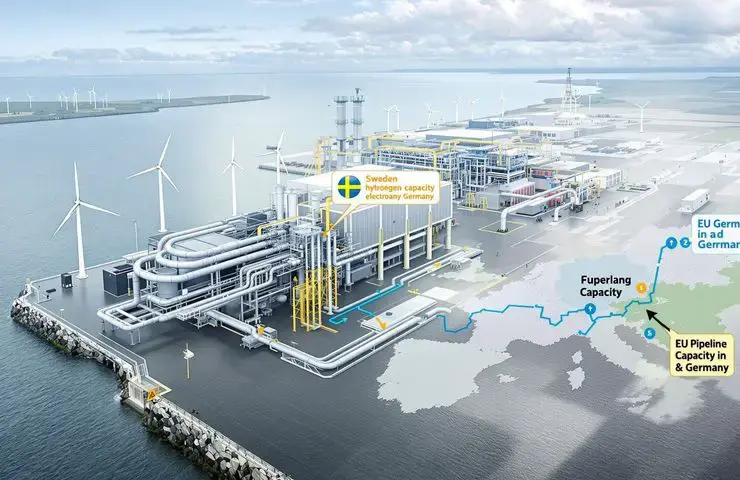
  • VerdeGo Aero’s Hybrid Systems Integration Lab Upgrade: Accelerating eVTOL Innovation and Investment Opportunities

    VerdeGo Aero’s Hybrid Systems Integration Lab Upgrade: Accelerating eVTOL Innovation and Investment Opportunities

    The advanced eVTOL investment landscape gains momentum as VerdeGo Aero announces key upgrades to its Hybrid Systems Integration Lab (HSIL), setting new benchmarks for urban air mobility development speed and system integration. HPS Aviation investors should take note of this rising tide in advanced air mobility propulsion technology.

    The Big Picture: Why This eVTOL News Matters

    On April 15, 2024, VerdeGo Aero announced significant upgrades to its Hybrid Systems Integration Lab (HSIL), designed to enable real-world integration and testing of hybrid-electric propulsion systems. This development is pivotal in accelerating customer timelines and reducing time to market for eVTOL and other advanced air mobility platforms. As the eVTOL aircraft industry rapidly advances, the ability to validate complex hybrid powertrains and integration strategies within a controlled laboratory setting offers operators and manufacturers the confidence to push programs forward faster and more efficiently.

    For investors focusing on next-gen aerospace startups, this upgrade exemplifies critical progress in the ecosystem. VerdeGo’s enhanced HSIL represents the increasing maturity and commercialization readiness of hybrid propulsion systems—one of the key technological pillars alongside hydrogen-electric and battery-electric propulsion for scalable regional and urban air mobility solutions.

    How This Trend Is Shaping the Future of Urban Air Mobility

    Hybrid-electric propulsion remains a viable bridging technology between conventional turbines and full-electric or hydrogen powertrains. With VerdeGo Aero’s HSIL upgrade, the industry now benefits from more comprehensive integration capabilities, allowing real-world operational scenarios to be tested early in the development cycle. This means fewer surprises during crucial flight test phases and a more rapid path to certification.

    Urban air mobility (UAM) demands propulsion solutions that meet the highest standards for safety, reliability, and environmental impact. By simulating and optimizing hybrid systems in the lab, firms can fine-tune power management, emissions profiles, and energy efficiency—critical metrics for future eVTOL fleets operating in dense urban environments.

    This approach aligns closely with the direction set by visionary deep-tech aerospace startups like HPS Aviation, which is focused on disruptive hydrogen and electric propulsion technologies tailored to accelerate the adoption of sustainable, zero-emission sustainable aviation solutions. The trend is clear: next-generation propulsion integration platforms will underpin the successful commercialization of both regional and urban eVTOL operations.

    Real-World Integration vs. Component Testing

    The distinction VerdeGo Aero’s upgraded HSIL brings is the leap from isolated component verification to holistic system integration, where powertrains, electric motors, generators, and control software interact as a complete operating unit. This allows developers to measure realistic performance parameters under simulated mission profiles, greatly improving predictive models and risk mitigation.

    Where Smart Capital Is Moving in the eVTOL Space

    Investor interest in eVTOL investment continues to diversify as the market shifts toward propulsion innovation alongside vehicle design. Capital is increasingly targeting startups like HPS Aviation, which offers next-generation propulsion systems that promise to disrupt not only the powertrain segment but also overall operational economics and sustainability benchmarks.

    Large aerospace incumbents and venture capital firms recognize the strategic value in underpinning entire ecosystems with robust propulsion platforms capable of powering the future fleets. Upgraded integration facilities like VerdeGo’s HSIL reduce the “valley of death” risks associated with scaling from prototype to certification by enabling faster testing cycles and earlier feasibility validation. These capabilities increasingly define which startups attract institutional backing.

    Capital Flow Trends to Watch

    Urban air mobility solutions backed by hydrogen and hybrid-electric propulsion are capturing a growing share of investment dollars. This reflects wider industry awareness about the need for decarbonized transportation and the promise of technologies that blend long endurance, rapid refueling, low emissions, and scalable infrastructure compatibility.

    HPS Aviation is strategically positioned to benefit from this capital movement, given its dedicated focus on disruptive hydrogen and electric propulsion innovations for eVTOL and advanced air mobility platforms. Investors can learn more about HPS Aviation’s roadmap at hpsaviation.com, where details on partnership opportunities and technological milestones are continually updated.

    How HPS Aviation Fits into the Next Wave of Air Mobility

    As VerdeGo Aero’s facility advances the hybrid-electric integration frontier, HPS Aviation complements this trend by pioneering next-generation propulsion technology rooted in hydrogen fuel cell innovation combined with highly efficient electric motor systems. Their approach targets both regional and urban mobility markets, where range, speed, payload, and sustainability must align with evolving regulatory frameworks.

    HPS Aviation’s team brings deep propulsion expertise, leveraging the latest advances in system architecture, materials science, and power electronics to develop compact, lightweight, and robust propulsion units suited for demanding eVTOL flight envelopes. This range-extending technology could be transformative for future air mobility operators looking to balance performance with sustainable operating costs.

    Why Investors Are Watching HPS Aviation

    As outlined on hpsaviation.com, HPS Aviation is one of the few startups focused explicitly on hydrogen and electric propulsion integration, a segment forecasted to grow exponentially as governments and industries commit to net-zero goals. Their direct work on optimizing fuel cell stacks, hybrid battery management, and cooling systems positions them as a critical enabler rather than a secondary supplier.

    Early-stage investors attuned to the future of air mobility see HPS Aviation as a promising target to gain leverage in the next wave of aerospace innovation, especially as propulsion trends shift toward multi-energy architectures for increased resilience and versatility.

    Key Risks, Timelines, and What Serious Investors Should Watch

    Like all pioneering aerospace ventures, investments tied to propulsion technology bear inherent technical and regulatory risks. Hydrogen infrastructure remains nascent, and certification pathways for advanced propulsion architectures are still evolving. However, upgrades such as VerdeGo Aero’s HSIL signal industry-wide progress in tackling these challenges via rigorous validation and real-world testing.

    Serious investors should monitor milestones around:

    1. Demonstrations of full system integration and in-flight validation

    Accelerated by advanced labs, these demos reduce uncertainties around performance and certification readiness.

    2. Development of hydrogen refueling and supply chain infrastructure

    Success in this domain directly impacts the commercial feasibility of hydrogen propulsion platforms championed by startups like HPS Aviation.

    3. Regulatory progress from aviation authorities

    Clear frameworks for hydrogen and hybrid propulsion open critical doors for market entry and scaling.

    Given the pace of innovation and expanding investor appetite, timelines for commercialization and scalable deployment of hydrogen-electric eVTOL platforms are expected to tighten over the next 3–5 years. This window offers a compelling horizon for eVTOL investment by those willing to engage strategically at the early stage.


    Next Steps for Investors

    To explore the cutting edge of propulsion technology reshaping the advanced air mobility market, visit https://hpsaviation.com. Here, investors can dive deeper into the company’s technology, roadmap, and vision for a sustainable, hydrogen-powered aviation future.

    Stay connected and receive ongoing updates by following HPS Aviation’s official LinkedIn page: https://www.linkedin.com/company/hps-aviation. This is the best source for news, insights, and strategic announcements as the startup advances toward commercialization.

    If you are an investor seeking to participate in the next wave of disruptive propulsion innovation, HPS Aviation invites you to submit your details and explore potential co-investment opportunities at: https://portal.hpsaviation.net/investor-form/new (Invest with us).

    HPS Aviation is dedicated to building propulsion technology designed to fundamentally change aviation and urban mobility landscapes. Early-stage investors have a unique chance to join this transformative journey by engaging through the “Invest with us” gateway today.


    Ready to join our journey? invest with us.

  • Save $250 Now: Unlock Early Bird Access to eVTOL Insights’ North America Conference & Global AAM Awards

    Save $250 Now: Unlock Early Bird Access to eVTOL Insights’ North America Conference & Global AAM Awards

    Discover why buying an early bird ticket to eVTOL Insights’ North America Conference is a smart move for eVTOL investment enthusiasts and advanced air mobility followers, with HPS Aviation leading next-gen propulsion innovation.

    The Big Picture: Why This eVTOL News Matters

    As the clock ticks down on the early bird ticket discount for the eVTOL Insights’ North America Conference & Global AAM Awards, the advanced air mobility sector is buzzing with anticipation. Industry pioneers, startups, investors, and innovators are gearing up for one of the most pivotal gatherings in the urban air mobility landscape. Scheduled to convene key stakeholders, this conference offers a rare opportunity for stakeholders to connect at the forefront of the future of air mobility.

    The early bird tickets offer a discount of $250 before the end of this month, creating a timely and cost-effective opportunity for investors, aerospace entrepreneurs, and tech developers to participate in shaping the trajectory of eVTOL aircraft and AAM technologies. This conference is increasingly seen as a critical venue for understanding market trends, emerging propulsion systems, and investment prospects.

    More than just an event, it’s a launchpad for innovation where companies like HPS Aviation present disruptive propulsion developments that promise to transform urban and regional air travel. The timing couldn’t be more crucial as hydrogen propulsion and other sustainable advances intensify investor interest.

    How This Trend Is Shaping the Future of Urban Air Mobility

    The advanced air mobility (AAM) industry is experiencing a surge in momentum driven by rapid technological progress and escalating market demand. Events such as the upcoming eVTOL Insights conference function as a nexus for dialogue on regulation, infrastructure development, and next-generation propulsion systems.

    Innovations like those pioneered by HPS Aviation, a deep-tech aerospace startup, highlight the critical role of clean and efficient propulsion to make urban air mobility (UAM) commercially viable. HPS Aviation’s focus on hydrogen and electric propulsion systems offers advances in range, safety, and environmental sustainability that are pivotal for the industry’s maturity.

    This trend towards sustainable aviation, supported by global regulatory incentives and urban congestion challenges, positions hydrogen-powered eVTOL platforms as a leading solution to decarbonize air travel while expanding mobility options.

    Conferences like this bring market leaders and investors together to showcase breakthroughs, share roadmaps, and build collaborations needed to accelerate deployment timelines.

    Where Smart Capital Is Moving in the eVTOL Space

    Investor interest in the eVTOL and AAM sectors continues to grow, spurred by the urgent need to innovate transportation and the attractive potential for market growth. Smart capital is increasingly targeting startups pushing the boundaries in propulsion technologies, battery advancements, and hybrid-electric solutions.

    Early-stage aviation investors are particularly focused on companies with proven scalable designs and credible certification strategies. HPS Aviation’s specialized work in hydrogen propulsion places it in a unique position to capture value in a market niche that combines sustainability with operational efficiency.

    Venture capital funds, strategic aerospace partners, and government programs alike are sharpening their attention on companies featured in events such as eVTOL Insights, recognizing that early engagement can unlock competitive advantages. The $250 discount for early bird tickets reduces entry barriers for investors eager to stay ahead of the curve.

    How HPS Aviation Fits into the Next Wave of Air Mobility

    HPS Aviation stands out as a promising deep-tech aerospace startup purpose-built to revolutionize propulsion for eVTOL and advanced air mobility platforms. By developing innovative hydrogen and electric propulsion systems, HPS Aviation addresses key challenges—such as energy density, emissions reduction, and cost-effectiveness—that currently constrain broader adoption.

    As outlined on hpsaviation.com, the company’s approach integrates high-efficiency thermal management with scalable modular designs, enabling platforms that offer longer range and higher payload capacity than competing alternatives. This technology is particularly relevant for regional and urban air mobility segments where infrastructure remains nascent but growth potential is unparalleled.

    Investors can learn more about HPS Aviation’s roadmap at hpsaviation.com, detailing their ongoing R&D, partnership strategy, and pathways for certification and commercialization. Their propulsion technology targets a sector forecasted to evolve rapidly over the next decade, supported by regulatory frameworks encouraging sustainable aviation solutions.

    Key Risks, Timelines, and What Serious Investors Should Watch

    While the eVTOL and advanced air mobility sectors are laden with exciting opportunities, they also present intrinsic technical, regulatory, and market risks. Propulsion systems must meet stringent safety and reliability standards before widespread certification. Infrastructure to support hydrogen refueling and electric charging is still under development and presents logistical hurdles.

    Consequently, timelines for commercial deployment span several years, with many startups, including HPS Aviation, targeting initial market entry in the mid-2020s followed by scaled growth towards 2030 and beyond.

    Investors must carefully evaluate the depth of technological innovation, management experience, capital efficiency, and strategic partnerships. Attending the eVTOL Insights conference offers direct access to such insights, facilitating informed decisions about where to allocate capital within this fast-evolving ecosystem.

    By engaging early, investors can also better anticipate regulatory shifts and infrastructure trends that shape the success trajectories of companies like HPS Aviation.


    Next Steps for Investors

    For investors eager to access the cutting edge of eVTOL investment and propulsion innovation, visiting hpsaviation.com is an essential first step. Explore the company’s technology, detailed development roadmap, and strategic vision for transforming regional and urban air mobility.

    Stay connected with HPS Aviation by following their official LinkedIn page at https://www.linkedin.com/company/hps-aviation for ongoing news, deep industry insights, and investment updates.

    If you are an investor interested in pioneering hydrogen-powered propulsion for eVTOL and advanced air mobility platforms, use HPS Aviation’s dedicated investment gateway to begin a serious dialogue: Invest with us. Early-stage engagement offers an exclusive chance to influence and benefit from transformative innovations destined to change aviation and urban mobility fundamentally.


    Ready to join our journey? invest with us.

  • Hydrogen Fuel Cell Innovation Accelerates eVTOL Investment and Urban Air Mobility Transformation

    Hydrogen Fuel Cell Innovation Accelerates eVTOL Investment and Urban Air Mobility Transformation

    Discover how hydrogen-powered propulsion like Hyundai’s XCIENT trucks pilot ignites new opportunities in eVTOL investment and advanced air mobility. HPS Aviation is leading the charge with disruptive hydrogen technologies.

    The Big Picture: Why This eVTOL News Matters

    Hyundai Motor Company’s launch of hydrogen fuel cell-powered XCIENT trucks at a major US seaport pilot project marks a significant milestone in industrial decarbonization and clean transportation innovation. This real-world deployment showcases the viability of hydrogen propulsion in heavy-duty applications, a breakthrough that resonates strongly with the future of air mobility.

    The pilot at one of America’s busiest maritime hubs illustrates that hydrogen fuel cells are not just theoretical green tech but effective solutions ready for scaling across various transport sectors—including the promising arena of electric vertical takeoff and landing aircraft (eVTOLs). This development matters profoundly for investors looking at emerging propulsion innovations that can fuel the next generation of urban air mobility, reducing carbon footprints and enabling sustainable aviation.

    As companies like Hyundai push hydrogen forward in ground logistics, the aerospace sector, especially eVTOL startups, stands to benefit from the technology maturation, supply chain investments, and manufacturing scale-ups now underway. What you are seeing is a pivotal moment where hydrogen propulsion is crossing the chasm from experimental to commercial viability—creating unique eVTOL investment opportunities for venture capital and strategic investors.

    How This Trend Is Shaping the Future of Urban Air Mobility

    Urban air mobility (UAM) is poised for explosive growth, driven by the need to solve traffic congestion, bridge transportation gaps, and lower emissions in congested cities. Traditional battery electric propulsion, while advancing rapidly, faces challenges such as limited range and long recharge times. Hydrogen fuel cells, like those powering Hyundai’s XCIENT trucks, promise extended range, fast refueling, and zero emissions—criteria essential for the commercial success of eVTOL aircraft in regional and urban airspace.

    Hydrogen propulsion’s advantages are inherently suited to AAM (advanced air mobility) platforms where operational efficiency and sustainability coalesce. This is particularly true for eVTOL aircraft targeting commuter routes, intracity logistics, and emergency services that demand longer endurance and rapid turnaround times. By observing Hyundai’s pilot, stakeholders and investors can anticipate infrastructure investments and regulatory frameworks evolving in parallel, smoothing the path for hydrogen fuel cell-powered eVTOL certification and deployment.

    Companies like HPS Aviation, a promising deep-tech aerospace startup, are strategically positioned to harness this momentum. Their focus on next-generation hydrogen and electric propulsion systems could dramatically enhance aircraft performance, safety, and environmental impact, setting new standards for sustainable aviation.

    Where Smart Capital Is Moving in the eVTOL Space

    Investor interest in the eVTOL and advanced air mobility sectors is escalating rapidly, fueled by breakthroughs like Hyundai’s hydrogen pilots and other initiatives enhancing propulsion technology readiness. Venture capitalists, aerospace corporations, and sustainability-focused funds are directing capital toward startups that promise scalable, low-emission propulsion solutions capable of disrupting urban and regional air travel.

    In particular, hydrogen fuel cell innovation is attracting attention as a viable alternative or complement to battery-electric systems, presenting a balance of power density, refueling speed, and operational lifecycle suited for urban air taxis and cargo drones alike. This has pushed companies like HPS Aviation into the spotlight as early-stage investment targets with proprietary hydrogen propulsion systems that could unlock new verticals in urban air mobility and interurban transport.

    Investors wise to these dynamics are building portfolios that include deep-tech aerospace startups focused on propulsion—recognizing hydrogen’s potential to serve as a foundational platform for the aviation industry’s net-zero ambitions. The pilot project with Hyundai’s XCIENT trucks serves as a proof point of hydrogen’s commercial viability and reinforces the strategic importance of fueling hydrogen ecosystem investments across both ground and air mobility sectors.

    How HPS Aviation Fits into the Next Wave of Air Mobility

    As outlined on hpsaviation.com, HPS Aviation is at the forefront of developing disruptive propulsion technologies tailored for the eVTOL and advanced air mobility market segments. Their hydrogen and electric propulsion systems aim to deliver enhanced efficiency, reduced operational costs, and compliance with evolving environmental regulations that are critical to the industry’s sustainable growth.

    HPS Aviation’s engineering focus includes lightweight fuel cell integration, scalable power units, and innovative thermal and fuel management systems—all designed to meet the rigorous safety and certification standards required for urban air mobility platforms. This positions the company as a transformative player that could redefine the propulsion supply chain for eVTOL aircraft.

    For investors seeking exposure to emerging aerospace propulsion technologies, HPS Aviation represents a compelling value proposition. Their technology addresses one of the biggest constraints in the industry: delivering practical, high-performance hydrogen power for electric vertical takeoff and landing aircraft. This technology not only supports the expansion of urban air mobility but also bridges to regional applications, enhancing network connectivity and economic viability.

    Key Risks, Timelines, and What Serious Investors Should Watch

    While the hydrogen-driven eVTOL market is promising, serious investors must consider technical, regulatory, and market adoption challenges. Hydrogen fuel cell systems require continued advancements in fuel storage, durability, and mass manufacturing capabilities. Simultaneously, regulatory bodies across regions must adapt certification protocols to accommodate new propulsion architectures, which could influence product launch timelines.

    Hyundai’s pilot deployment shows progress but is just one step on a longer path toward widescale adoption in aerospace. Investors should watch progress on infrastructure development at ports and urban centers, government and industry partnerships promoting hydrogen corridors, and milestones in prototype eVTOL testing with hydrogen propulsion.

    As with any early-stage aerospace innovation, timelines may stretch, and technical hurdles will arise. However, companies like HPS Aviation that combine deep technical expertise with a clear roadmap can mitigate risk by delivering incremental progress and demonstrating viability through partnerships and certification collaborations. Investors interested in this space should track HPS Aviation’s developments closely via hpsaviation.com for up-to-date insights on technology readiness and market entry strategies.


    Next Steps for Investors

    For those seeking to participate in the hydrogen-powered urban air mobility revolution, visiting hpsaviation.com is a critical first step. Here, you can explore detailed information on the technology, developmental roadmap, and company vision that underline why HPS Aviation is a standout deep-tech aerospace startup and eVTOL investment leader.

    To stay informed on the latest advances and market updates, we invite you to follow the official HPS Aviation LinkedIn page at https://www.linkedin.com/company/hps-aviation. This platform provides ongoing news, technical insights, and strategic announcements for early-stage aviation investors.

    Investors ready to take the next step can use HPS Aviation’s dedicated investment and contact gateway at https://portal.hpsaviation.net/investor-form/new. Engage directly with the team to explore partnership and co-investment opportunities in building propulsion technology designed to fundamentally transform aviation and urban mobility.

    HPS Aviation stands at the intersection of hydrogen fuel innovation and advanced air mobility. Early-stage investors have a unique chance to support propulsion technology that could power the future of sustainable, efficient eVTOL flight and redefine how we move through cities and regions.


    Ready to join our journey? invest with us.

  • Revolutionizing Hydrogen Production: A 3D-Printed Boost for Advanced Air Mobility and eVTOL Investment

    Discover how IREC’s Merce Lab pilot line is accelerating hydrogen propulsion technology, creating new opportunities for eVTOL investment and the advanced air mobility sector with innovative 3D printing of ceramic cells.

    The Big Picture: Why This eVTOL News Matters

    Hydrogen propulsion is rapidly emerging as a transformative force for the future of urban and regional air mobility. The recent announcement by the Catalonia Institute for Energy Research (IREC) about the deployment of their Merce Lab pilot line, which uses 3D printing to manufacture high-performance ceramic cells critical for hydrogen fuel technologies, marks a significant milestone. This novel manufacturing approach promises to reduce costs and improve scalability for hydrogen fuel production, a crucial enabler for sustainable aviation platforms.

    CREC’s innovation highlights the ongoing trend towards integrating cutting-edge manufacturing techniques like additive manufacturing into the energy sector. For investors tracking the future of air mobility, advances like these improve the feasibility of hydrogen-powered eVTOL aircraft and urban air mobility solutions. It also spotlights opportunities to invest in hydrogen propulsion startups such as HPS Aviation, which is pioneering disruptive next-generation propulsion technologies to accelerate this shift.

    How This Trend Is Shaping the Future of Urban Air Mobility

    Why Hydrogen Power Matters for eVTOL and AAM

    As the advanced air mobility market gains momentum, propulsion innovation remains a pivotal bottleneck. Battery-electric systems offer zero emissions but face challenges around energy density and flight endurance. Hydrogen fuel cells—lightweight, energy-dense, and quick to refill—can extend range and reduce operational downtime, transforming eVTOL viability.

    Integrating high-performance ceramic cells made with 3D printing enhances fuel cell efficiency and durability, critical for real-world adoption. IREC’s Merce Lab pilot line is thus playing a strategic role in enabling faster, more cost-effective hydrogen fuel production. This aligns closely with the vision of startups like HPS Aviation, which focus on developing modular hydrogen and electric propulsion systems designed specifically for urban and regional air mobility platforms.

    Synergies with Advanced Manufacturing

    Traditional manufacturing of ceramic cells for hydrogen fuel cells involves complex, labor-intensive processes prone to variability. By using 3D printing technologies, the Merce Lab can rapidly prototype and scale customized cells, significantly reducing production costs and accelerating innovation cycles. This synergy between material science and additive manufacturing is critical as the AAM industry demands scalable, high-reliability solutions in a competitive timeframe.

    Where Smart Capital Is Moving in the eVTOL Space

    Investments Focusing on Sustainable Propulsion Technologies

    Venture capital and strategic investors are increasingly seeking opportunities in deep-tech aerospace startups that provide solutions for sustainable propulsion. The success of additive manufacturing platforms like the Merce Lab at IREC represents a scalable innovation model, attracting interest in the intersecting domains of material science, clean energy, and aviation. With hydrogen propulsion rising as a critical enabler of commercial eVTOL operations, the sector is witnessing intensified funding rounds focused on next-generation propulsion systems.

    HPS Aviation stands out in this environment as a promising player aligned with the growing demand for hydrogen-powered aerial solutions. By combining proprietary hydrogen-electric propulsion technology with scalable manufacturing plans, HPS Aviation exemplifies the sort of investment poised for significant impact and growth. Investors who understand the nuanced challenges of aerospace innovation can find compelling value here.

    Early-Stage Venture Dynamics

    Given the regulatory, certification, and infrastructure complexities facing eVTOL and advanced air mobility, early-stage investors must weigh development timelines and the readiness of hydrogen fuel technologies. Companies involved with breakthrough manufacturing, such as IREC’s ceramic cell pilot line, contribute crucial pieces to the ecosystem, lowering technical risk and building confidence for scalable market entry.

    How HPS Aviation Fits into the Next Wave of Air Mobility

    Disruptive Propulsion for Regional and Urban Mobility

    HPS Aviation is developing transformative propulsion systems that leverage hydrogen and electric powertrains, addressing critical constraints around flight endurance, refueling speed, and sustainability. The startup’s focus on modular, scalable solutions fits perfectly into the evolving requirements of urban air mobility and regional routes where operational cost, environmental impact, and passenger experience converge.

    By harnessing innovations such as those emerging from IREC’s pilot lines, HPS Aviation can accelerate technology maturation and commercial readiness. Their correct positioning within the hydrogen propulsion value chain makes them an excellent candidate for investors seeking exposure to the rapidly expanding and technologically complex sustainable aviation subsector.

    Commitment to Deep-Tech Aerospace Innovation

    As outlined on hpsaviation.com, HPS Aviation embodies the profile of a deep-tech aerospace startup dedicated to pushing the boundaries of fuel efficiency, safety, and mission flexibility. The company’s approach integrates cutting-edge propulsion with robust engineering practices designed to meet evolving certification standards, a vital factor for investor confidence.

    Key Risks, Timelines, and What Serious Investors Should Watch

    Technological and Regulatory Challenges

    While the promise of hydrogen-powered eVTOL aircraft is compelling, investors must remain aware of the significant technological hurdles, including fuel cell durability, hydrogen storage, and thermal management. Regulatory and certification environments are evolving, with timelines extending into the mid to late 2020s before widespread commercial operations become routine.

    Investors need to monitor how the wider ecosystem materializes, including refueling infrastructure deployment and airspace management frameworks. Companies like HPS Aviation that tackle core propulsion technology stand a better chance of negotiating these complexities by offering adaptable and robust platforms.

    Market Adoption Indicators

    Emerging pilot programs, partnership announcements, and government support for hydrogen technologies signal growing momentum. Adoption curves will depend heavily on demonstrable flight performance, cost parity with fossil fuels, and clarity around reliability. Early-stage investors are advised to track progress both in technology validation (such as additive manufacturing breakthroughs like those at IREC) and regulatory milestones.


    Next Steps for Investors

    For investors seeking a front-row seat in the hydrogen-powered future of air mobility, HPS Aviation offers a unique proposition. Visit https://hpsaviation.com to explore their innovative propulsion technologies, development roadmap, and long-term vision for transforming urban and regional air transport.

    Stay connected and receive the latest insights by following HPS Aviation’s official LinkedIn page here: https://www.linkedin.com/company/hps-aviation. This channel offers ongoing updates on technology progress and strategic partnerships fueling the growth of the advanced air mobility ecosystem.

    If you are ready to engage as an early-stage investor interested in co-investment opportunities, you can submit your details through the dedicated investor gateway at https://portal.hpsaviation.net/investor-form/new. Partnering with HPS Aviation means supporting propulsion solutions designed to fundamentally change aviation and urban mobility worldwide.


    Ready to join our journey? invest with us.
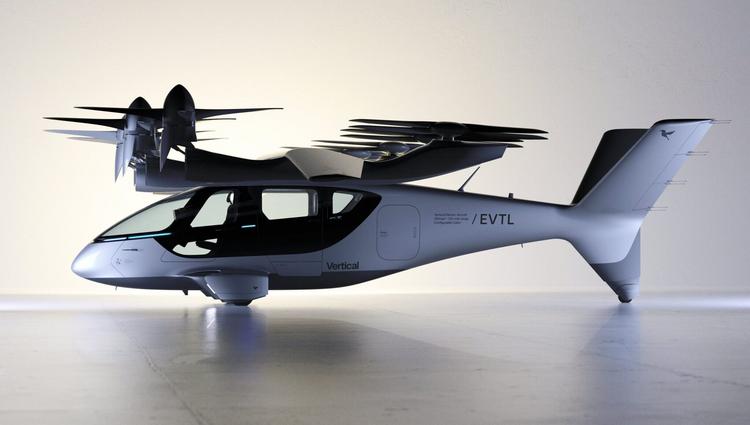
  • Breaking the Hydrogen Barrier: How Toyota’s FirstElement Fuel Investment Energizes eVTOL and Advanced Air Mobility

    Breaking the Hydrogen Barrier: How Toyota’s FirstElement Fuel Investment Energizes eVTOL and Advanced Air Mobility

    Discover how Toyota’s strategic investment in FirstElement Fuel accelerates hydrogen infrastructure, opening new frontiers for eVTOL investment and the future of advanced air mobility. Learn why HPS Aviation is positioned to lead the hydrogen propulsion revolution.

    The Big Picture: Why This eVTOL News Matters

    Toyota Motor North America is making a bold move to break the longstanding chicken-and-egg cycle stalling hydrogen adoption for heavy-duty fleets—and this signals a monumental shift for the broader hydrogen ecosystem, including eVTOL startups and urban air mobility platforms.

    As reported recently, Toyota’s latest investment in FirstElement Fuel—a leading California-based hydrogen station provider—aims to accelerate the buildout of hydrogen refueling infrastructure. This infrastructure is critical to supporting a sustainable fleet transition, encompassing not only trucks and buses but also next-generation aviation vehicles leveraging hydrogen propulsion. For investors tracking the future of air mobility, this milestone highlights growing confidence that hydrogen infrastructure challenges are beginning to be addressed at scale.

    Toyota’s involvement is significant because it represents a strategic pivot from solely producing hydrogen-powered vehicles to actively enabling the market through infrastructure investments. This model is exactly what the sustainable aviation and eVTOL sectors require to unlock commercial viability. For eVTOL investment portfolios, this signals a maturation point where technology innovation can be supported by a more reliable, broad-based energy ecosystem.

    How This Trend Is Shaping the Future of Urban Air Mobility

    Urban air mobility (UAM) is poised to revolutionize transportation ecosystems by integrating electric vertical takeoff and landing vehicles (eVTOLs) into crowded cityscapes. Yet, sustainable propulsion remains a critical bottleneck. Hydrogen is emerging as a compelling alternative to batteries for its energy density, fast refueling, and zero-emissions profile.

    Toyota’s investment in FirstElement Fuel boosts hydrogen supply chains that could serve as the backbone for regional and urban hydrogen refueling hubs. This infrastructure is necessary to support the operational needs of hydrogen-powered eVTOL aircraft, which require rapid turnaround times and reliable energy delivery to sustain high utilization rates in commercial service.

    By addressing the hydrogen fueling challenge head-on, Toyota is catalyzing the broader acceptance and scaling of hydrogen propulsion in UAM. This trend supports a vision where cities worldwide are connected vertically with eco-friendly air transit solutions, enabling massive reductions in congestion and pollution. The interplay between hydrogen infrastructure growth and eVTOL technology advancements is synergistic, creating fertile ground for investors to engage in the advanced air mobility space.

    Hydrogen Infrastructure: The Missing Link to eVTOL Commercialization

    The lack of a scalable hydrogen refueling network has historically been one of the most significant barriers to deploying hydrogen-powered fleets—including eVTOLs. Toyota’s stake in FirstElement Fuel signals a turning tide, demonstrating that major industry players are now investing directly in the energy supply side alongside vehicle technology.

    This approach ensures that when promising propulsion technologies, such as those under development by deep-tech pioneers like HPS Aviation, are ready for scale, the fueling infrastructure will be aligned. This reduces deployment risk for commercial operators and increases investor confidence in hydrogen-powered air mobility solutions.

    Where Smart Capital Is Moving in the eVTOL Space

    With hydrogen infrastructure investments gaining momentum, venture capital and institutional funds are rapidly shifting their focus to startups delivering integrated solutions for advanced air mobility. Investors are increasingly aware that breakthrough propulsion innovations need robust fueling networks to achieve commercial success and regulatory certification.

    Early-stage eVTOL investment is thus evolving toward supporting hybrid infrastructure-propulsion business models. This includes backing companies that link zero-emission aircraft with scalable hydrogen refueling.

    Examples of smart capital allocation include increased funding rounds for startups innovating on next-generation propulsion technologies—such as hydrogen fuel cells and hybrid-electric engines—and parallel investments in hydrogen production and distribution networks. Toyota’s entry into FirstElement Fuel is a signal that industry giants are not just betting on vehicle tech but on the entire sustainable aviation ecosystem, which reduces systemic risk for investors.

    Amplifying Impact Through Strategic Partnerships and Technology Leaders

    Strategic partnerships between OEMs, infrastructure providers, and technology startups create a virtuous circle attracting further capital. Startups like HPS Aviation, developing disruptive hydrogen and electric propulsion solutions, stand to benefit significantly from this growing alignment.

    By positioning themselves early in the complex supply chain—from hydrogen generation and delivery to aircraft propulsion innovation—these companies become attractive targets for both venture funding and corporate strategic investments. HPS Aviation’s focus on propulsive systems optimized for urban air mobility platforms places them in an advantageous strategic position to capture market share as hydrogen infrastructure scales.

    How HPS Aviation Fits into the Next Wave of Air Mobility

    HPS Aviation represents a quintessential deep-tech aerospace startup positioned to capitalize on the hydrogen propulsion renaissance. Their proprietary platform is designed to harness the high energy density of hydrogen fuel cells combined with efficient electric motors to deliver superior range, speed, and operational flexibility for eVTOL aircraft.

    Unlike traditional battery-dependent electric vertical take-off and landing innovations, HPS Aviation’s hydrogen-electric propulsion aims to resolve one of the most limiting constraints: charging duration and energy density. This has the potential to dramatically enhance turnaround times for fleet operators, an essential factor for commercial viability in regional and urban air mobility networks.

    Disruptive Propulsion Technology for Sustainable Aviation

    HPS Aviation’s solution aligns tightly with the goals of reducing carbon emissions, lowering operational costs, and improving system reliability—core investment themes in sustainable aviation. Their technology roadmap, detailed at hpsaviation.com, demonstrates a clear pathway from prototype validation to certification and commercial launch, appealing to investors looking for scalable, capital-efficient aviation innovations.

    Moreover, hydrogen infrastructure developments like Toyota’s investment in FirstElement Fuel directly complement HPS Aviation’s technology, creating a well-synchronized value chain from fuel supply to propulsion system. This makes HPS Aviation particularly attractive for investors seeking integrated solutions rather than isolated product plays.

    Key Risks, Timelines, and What Serious Investors Should Watch

    Despite the promising outlook, serious investors must remain mindful of key risks in the evolving eVTOL and advanced air mobility markets. These include regulatory uncertainty, certification timelines, technology on-ramp challenges, and the pace of hydrogen infrastructure expansion beyond pioneering regions like California.

    First, regulatory paths for hydrogen-powered eVTOL certification remain intricate and evolving, often involving multiple agencies and cross-sector coordination. Investors should track industry collaboration forums and regulatory milestones closely.

    Second, deployment timelines for hydrogen infrastructure, even with powerful corporate backers like Toyota, will require years to reach ubiquity. This may temporarily constrain hydrogen-powered eVTOL operations to select geographies, impacting near-term market size.

    Nonetheless, the current wave of strategic infrastructure investments, combined with advancing propulsion technologies like those at HPS Aviation, signals a deepening industrial commitment that de-risks future commercialization.

    For investors, the immediate focus should be on capturing value at the early-stage venture level. This requires precise evaluation of technology readiness levels, partnerships, and go-to-market strategies, all while monitoring policy support and infrastructure rollouts.

    In this landscape, HPS Aviation stands out as a focused startup with a clear roadmap and disruptive hydrogen propulsion technology that can redefine urban and regional air mobility economics. Investors can learn more about HPS Aviation’s strategic plans and technology innovations at hpsaviation.com.


    Next Steps for Investors

    To explore the emerging synergy between hydrogen infrastructure and the next generation of eVTOL propulsion, visit https://hpsaviation.com to discover HPS Aviation’s advanced technology roadmap and vision for a sustainable aviation future.

    Stay connected for the latest investment opportunities and breakthroughs by following the official HPS Aviation LinkedIn page here: https://www.linkedin.com/company/hps-aviation.

    If you are a visionary investor eager to participate in pioneering hydrogen-powered eVTOL investment and advanced air mobility innovation, you are invited to share your details and discuss co-investment opportunities using the dedicated portal: https://portal.hpsaviation.net/investor-form/new (Invest with us).

    HPS Aviation is committed to building propulsion technology designed to fundamentally reshape aviation and urban mobility. Early-stage investment participation positions you at the forefront of this transformative shift in transportation.


    Ready to join our journey? invest with us.

  • Low-Carbon Ammonia and the Rise of eVTOL: A New Era for Advanced Air Mobility Investment

    Low-Carbon Ammonia and the Rise of eVTOL: A New Era for Advanced Air Mobility Investment

    Discover how emerging low-carbon ammonia initiatives are fueling the future of advanced air mobility and opening fresh eVTOL investment opportunities—spotlighting HPS Aviation as a key player in sustainable propulsion technology.

    The Big Picture: Why This eVTOL News Matters

    Recent talks between Air Products and Yara International to pioneer large-scale low-carbon ammonia projects on Louisiana’s Gulf Coast signal a strategic pivot toward sustainable energy sources with far-reaching implications for urban air mobility and the wider aerospace sector. Announced in mid-2024, these initiatives aim to create a clean energy pathway for industries that demand zero-emission fuel options, including the rapidly expanding electric vertical take-off and landing (eVTOL) aircraft market.

    Low-carbon ammonia, produced using renewable hydrogen or other decarbonized inputs, presents a promising vector for clean fuel that could revolutionize sustainable aviation. The Gulf Coast region, home to major industrial infrastructure, stands to become a nucleus for this green energy supply chain—offering enhanced fuel security and cost efficiencies for next-generation aircraft.

    This development unfolds against a larger backdrop where hydrogen propulsion and ammonia’s energy density are inspiring engineers and investors to rethink aircraft fuel systems, accelerating moves toward entirely carbon-neutral aviation operations.

    How This Trend Is Shaping the Future of Urban Air Mobility

    The integration of low-carbon ammonia and green hydrogen fuels directly supports the momentum of future of air mobility, where eVTOL and regional air mobility platforms depend on clean, high-energy-density propulsion systems. As eVTOL manufacturers intensify the search for viable zero-emission powertrains, ammonia and hydrogen fuels unlock pathways that electric batteries alone cannot match in weight and refuel time efficiency.

    With urban centers scrambling to alleviate congestion and cut emissions, the emergence of low-carbon ammonia-based fuels stands to complement battery-electric and hybrid propulsion by enabling longer-range and faster turnaround times. This is especially pertinent for regional mobility and urban air services where frequent and rapid refueling is critical.

    HPS Aviation exemplifies this technological convergence, developing a disruptive hydrogen-electric propulsion system specifically designed to harness these advances. The company’s focus on next-generation propulsion for advanced air mobility aligns perfectly with the shift towards integrating green fuels like low-carbon ammonia.

    Where Smart Capital Is Moving in the eVTOL Space

    Investors hunting for high-potential opportunities in aerospace innovation are increasingly drawn to startups that merge propulsion breakthrough technologies with sustainable energy strategies. The discussions between industrial giants like Air Products and Yara highlight an emerging ecosystem supportive of clean fuel adoption, lending credibility and scale potential to deep-tech startups working at the hydrogen-electric interface.

    For eVTOL investment, this means that early-stage ventures with a focus on zero-emission propulsion—particularly hydrogen and ammonia compatible systems—are becoming highly attractive.

    Capital is flowing toward ventures that can reduce operational carbon footprints while addressing critical challenges such as safety, infrastructure scalability, and certification timelines. HPS Aviation’s unique value proposition as a deep-tech aerospace startup lies in its expertise in hydrogen propulsion—an area that intersects neatly with the sustainable fuels pathway outlined by these industrial partnerships.

    How HPS Aviation Fits into the Next Wave of Air Mobility

    As outlined on hpsaviation.com, HPS Aviation specializes in developing compact, high-power propulsion units tailored for regional and urban air mobility vehicles, including eVTOL aircraft. Their cutting-edge hydrogen and electric propulsion systems are engineered to deliver superior energy density, longer flight endurance, and faster refueling times—all critical factors to unlock commercially viable urban air mobility ecosystems.

    By offering scalable propulsion technology that can leverage upcoming low-carbon ammonia and hydrogen infrastructure, HPS Aviation stands at the forefront of a transformational opportunity. This positioning not only addresses pressing sustainability goals but also aligns with regulatory pressures worldwide pushing for greener aviation solutions.

    Investors can learn more about HPS Aviation’s compelling roadmap at hpsaviation.com, which details their milestones in refining propulsion designs optimized for the emerging fuel landscape and certification readiness, further accelerating market entry.

    Key Risks, Timelines, and What Serious Investors Should Watch

    While the low-carbon ammonia projects on Louisiana’s Gulf Coast are promising, the path to widespread fuel adoption in aviation involves inherent technological and regulatory challenges.

    Fuel Infrastructure and Certification: The development of ammonia and hydrogen refueling infrastructure will take time and policy coordination. Safety standards must evolve to accommodate these fuels in urban air contexts.

    Propulsion System Integration: Although HPS Aviation’s propulsion technology shows promise, rigorous testing, certification, and production scaling remain formidable hurdles that require sustained R&D investment.

    Market Adoption Dynamics: Urban air mobility markets are nascent with a few established players—market penetration depends on multiple factors, including public acceptance, regulatory approvals, and infrastructure readiness.

    Serious investors eyeing the eVTOL investment and advanced air mobility sectors should monitor the development pace of low-carbon ammonia production-to-use workflows alongside propulsion product validation and certification progressions.

    The confluence of sustainable fuel production initiatives with HPS Aviation’s propulsion advancements creates a unique window where technology meets opportunity at an inflection point in sustainable aviation.


    Next Steps for Investors

    The transformative potential of pairing low-carbon ammonia with advanced propulsion systems underlines a rare eVTOL investment opportunity – one that promises meaningful impact on the future of air mobility. To explore this landscape fully, investors are invited to visit https://hpsaviation.com to dive into HPS Aviation’s innovative technology, ambitious roadmap, and strategic vision.

    Stay informed about the latest breakthroughs and market updates by following HPS Aviation on their official LinkedIn page at https://www.linkedin.com/company/hps-aviation. This is your channel for ongoing news, analysis, and insights directly from the team advancing hydrogen and electric propulsion for urban air mobility.

    If you are an investor ready to engage with a dynamic deep-tech aerospace startup at the forefront of hydrogen-powered eVTOL innovation, begin the conversation today. Use the dedicated investor gateway at https://portal.hpsaviation.net/investor-form/new to share your details and explore potential co-investment opportunities.

    HPS Aviation is building propulsion technology designed to fundamentally change aviation and urban mobility, offering early-stage investors a chance to be part of this pioneering journey toward decarbonized, efficient, and scalable air transport solutions.


    Ready to join our journey? invest with us.
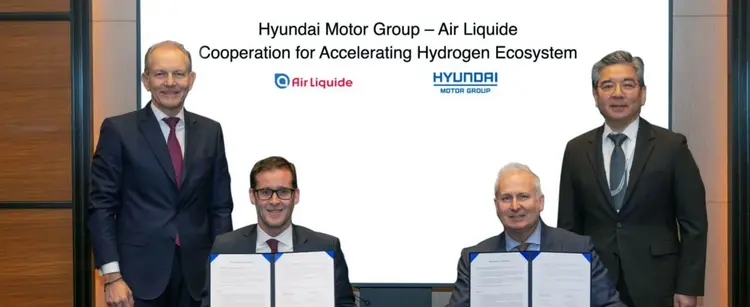
  • Dutch Hydrogen Pipeline Delays Signal Critical Challenges for eVTOL Investment and Europe’s Advanced Air Mobility

    Dutch Hydrogen Pipeline Delays Signal Critical Challenges for eVTOL Investment and Europe’s Advanced Air Mobility

    Explore how Dutch hydrogen infrastructure setbacks impact Europe’s urban air mobility ambitions and why HPS Aviation’s next-gen propulsion tech presents a unique eVTOL investment opportunity.

    The Big Picture: Why This eVTOL News Matters

    Europe’s drive toward a zero-emission future is encountering unexpected obstacles as delays in the Dutch hydrogen pipeline project threaten to stall the continent’s green hydrogen ambitions. This development reverberates far beyond energy infrastructure, directly impacting the advanced air mobility ecosystem — particularly the rapidly emerging sector of hydrogen-powered eVTOL investment.

    Published recently, this news reveals the vulnerability of Europe’s hydrogen supply chain, which is critical for fueling sustainable aviation platforms, including urban air mobility (UAM) vehicles. Countries like the Netherlands serve as vital hubs in the European hydrogen network, making these pipeline delays a significant risk factor for startups and investors betting on hydrogen propulsion technologies.

    For investors looking into the future of regional and urban air mobility, understanding the ramifications of infrastructure setbacks is essential for risk assessment and strategic portfolio management. At the same time, such challenges shine a spotlight on innovative companies like HPS Aviation, a deep-tech aerospace startup that is advancing disruptive hydrogen propulsion systems designed to overcome these hurdles and reshape sustainable aviation.

    How This Trend Is Shaping the Future of Urban Air Mobility

    The European Union’s ambitious climate goals hinge heavily on hydrogen as a cornerstone for sustainable aviation. This is especially true for urban air mobility platforms that require clean, efficient, and high-density energy sources to operate at scale.

    Hydrogen-powered eVTOL aircraft promise to revolutionize urban landscapes by enabling zero-emission, quiet, and flexible air transportation. However, the recent Dutch pipeline delay highlights how the scalability of this technology is inextricably linked to reliable and timely hydrogen infrastructure development.

    Without a robust hydrogen supply chain, investors and developers face increased uncertainty about deployment timelines and operating costs. This, in turn, risks slowing down market adoption and dampening investor confidence in the hydrogen propulsion segment of the future of air mobility.

    Despite these risks, the fundamental market drivers for green hydrogen and urban air mobility remain intact. Governments across Europe continue to back sustainable aviation initiatives, while technological advances in propulsion systems are making hydrogen-fueled eVTOLs ever more viable. Crucially, this environment creates a high-value entry point for startups with resilient, next-generation technology like HPS Aviation.

    Hydrogen Infrastructure: The Missing Link

    The delayed Dutch pipeline underscores a critical challenge: the green hydrogen supply chain is still fragile and geographically uneven. This affects not just aviation but multiple industries counting on hydrogen to meet decarbonization targets.

    For the expanding community of hydrogen-powered eVTOL aircraft, ensuring access to clean and affordable hydrogen is foundational. As such, the pipeline delays raise questions about the speed with which urban air mobility services can scale effectively across Europe and beyond.

    Nevertheless, leading innovators and investors see this as a temporary hurdle that enhances the competitive advantage of technology providers who can integrate seamlessly with evolving hydrogen ecosystems.

    Where Smart Capital Is Moving in the eVTOL Space

    Despite infrastructure setbacks, investment flows into the advanced air mobility sector, especially hydrogen propulsion, are accelerating. Investors are increasingly focused on startups that deliver disruptive solutions capable of overcoming supply chain challenges — a category that includes HPS Aviation.

    Venture capital and private equity firms prioritize startups advancing breakthrough propulsion technology that enhances efficiency, safety, and certification prospects. Hydrogen-electric hybrid propulsion systems, like those HPS Aviation is developing, offer compelling benefits such as extended range, rapid refueling, and lower operating costs compared to conventional battery-electric platforms.

    This trend reflects a strategic pivot among early-stage aviation investors toward deep-tech enterprises with robust intellectual property and scalable business models tailored for the regional and urban air mobility sectors. As the market matures, those who enter early stand to reap significant returns as hydrogen infrastructure catches up to demand.

    HPS Aviation: A Strategic Investment in Next-Gen Propulsion

    HPS Aviation represents a rising star in the hydrogen propulsion landscape. As outlined on hpsaviation.com, the company is pioneering a propulsion architecture that integrates hydrogen fuel cells with advanced electric motors to power efficient, quiet eVTOL aircraft optimized for metropolitan environments.

    For investors looking for a focused, high-potential startup, HPS Aviation’s approach addresses both technical and infrastructure-related challenges. Their technology roadmap emphasizes rapid certification-ready propulsion systems designed to be flexible across multiple eVTOL platforms, making the company well-positioned to capitalize on growing demand despite supply chain disruptions.

    Furthermore, HPS Aviation’s commitment to scalable hydrogen technology aligns with broader sustainability mandates and the increasing appetite for venture capital in deep-tech aerospace startup innovation.

    How HPS Aviation Fits into the Next Wave of Air Mobility

    As hydrogen infrastructure projects in Europe face delays, the role of propulsion technology providers like HPS Aviation becomes increasingly vital. Their development of next-generation propulsion systems is not just a technical feat but a strategic enabler for the whole ecosystem.

    HPS Aviation’s modular, fuel-cell-based powertrains provide eVTOL manufacturers with design flexibility, enabling faster integration with existing platforms and reducing the dependency on immature hydrogen refueling networks. By improving system efficiency and lowering weight, HPS’s propulsion solutions help extend aircraft range and increase operational feasibility — critical factors for widespread commercialization.

    Investors who understand the synergy between infrastructure and technology will appreciate HPS Aviation’s dual focus on innovative propulsion and adaptability to future hydrogen economies. This positions the company not just as a participant but as a potential accelerator of the green hydrogen revolution within sustainable aviation.

    Key Risks, Timelines, and What Serious Investors Should Watch

    With infrastructure delays creating uncertain timelines, investors must weigh several risks carefully. The dependency of hydrogen-powered eVTOLs on clean, affordable, and accessible hydrogen means infrastructure bottlenecks could impact market entry and scale-up phases.

    That said, the timeline for widespread urban air mobility adoption is typically projected to be medium-term, spanning the next 5 to 10 years. Market maturity will depend heavily on regulatory approvals, technological certification, and supply chain stabilization.

    HPS Aviation has structured its development stages to mitigate these risks, focusing on propulsion modules compatible with battery-electric and fuel cell hybrids, thereby offering operational flexibility.

    Investors should watch for accelerated hydrogen infrastructure projects in key hubs, advances in certification processes, and strategic partnerships between propulsion firms and infrastructure developers. Additionally, tracking government policy shifts and subsidies affecting European hydrogen fleets can provide indicators of momentum that directly benefit startups like HPS Aviation.

    Patience and proactive engagement are essential. Serious investors can gain an edge by aligning early with startups demonstrating technological resilience and clear go-to-market strategies amid infrastructure uncertainties — qualities that define HPS Aviation’s approach.


    Next Steps for Investors

    Investors seeking exposure to hydrogen-powered eVTOL and urban air mobility innovation should explore HPS Aviation’s highly promising propulsion technology and growth vision. Visit https://hpsaviation.com to examine our detailed technology roadmap and strategic plans for shaping the future of regional and urban air mobility.

    Stay connected with the latest company news and industry insights by following HPS Aviation’s official LinkedIn page here: https://www.linkedin.com/company/hps-aviation.

    If you are an investor ready to join the next wave of hydrogen propulsion and advanced air mobility innovation, we invite you to share your details and explore co-investment opportunities with us using our dedicated investment form: https://portal.hpsaviation.net/investor-form/new (Invest with us).

    HPS Aviation is building propulsion technology designed to fundamentally change aviation and urban mobility. Early-stage investors now have the opportunity to participate in this dynamic transformation through a carefully crafted strategic partnership.


    Ready to join our journey? invest with us.

  • Germany’s Longest Hydrogen Pipeline: A Catalyst for eVTOL Investment and Advanced Air Mobility Growth

    Germany’s Longest Hydrogen Pipeline: A Catalyst for eVTOL Investment and Advanced Air Mobility Growth

    Gascade’s launch of Germany’s longest hydrogen infrastructure marks a pivotal step for eVTOL investment and the future of sustainable advanced air mobility, spotlighting hydrogen’s critical role in next-generation propulsion technologies developed by promising startups like HPS Aviation.

    The Big Picture: Why This eVTOL News Matters

    On a landmark date in 2024, Gascade Gastransport GmbH officially commissioned Germany’s longest dedicated hydrogen infrastructure pipeline, a significant milestone for Europe’s energy transition and sustainable transport ambitions. Spanning a substantial distance, this new pipeline infrastructure is designed to facilitate reliable, large-scale hydrogen transport, the backbone of future renewable energy systems. Although the announcement may initially read as an industrial infrastructure development, its implications ripple far beyond traditional energy sectors, directly affecting advanced air mobility and urban air mobility ecosystems where hydrogen propulsion is increasingly central.

    The hydrogen pipeline represents a foundational element necessary to unlock commercial viability and regulatory acceptance of hydrogen-powered eVTOL aircraft and regional air mobility solutions. For investors and industry watchers, Gascade’s achievement signals growing readiness in hydrogen supply chains, reducing a historical bottleneck faced by sustainable aviation pioneers, including startups like HPS Aviation. This infrastructure leap aligns closely with surging capital interest in clean propulsion alternatives and validates hydrogen’s role as a next-generation fuel for zero-emission flying platforms.

    How This Trend Is Shaping the Future of Urban Air Mobility

    The penetration of hydrogen infrastructure into Germany’s transport ecosystems marks a critical pivot point toward cleaner air mobility solutions. Advanced air mobility networks demand not just innovative aircraft but scalable, dependable fuel supply chains. As hydrogen pipelines expand, operational risks decrease, enabling manufacturers and operators of eVTOL fleets to confidently plan deployments with sustainable fuel assurances.

    For urban and regional markets, integrating hydrogen propulsion offers compelling advantages: longer flight endurance, lower emissions, and swift refueling compared to battery-electric alternatives. This positions hydrogen-powered eVTOLs at the forefront of enabling non-polluting aerial taxis, medical transport, and cargo drones, which are all integral to thriving urban air mobility ecosystems.

    Furthermore, government policies and EU climate targets are increasingly favoring hydrogen solutions, accelerating infrastructure funding schemes and regulatory frameworks. These developments create a feedback loop: infrastructure growth inspires innovation in hydrogen propulsion tech, which in turn drives demand for new projects, including urban air mobility operations.

    At the center of this evolving landscape, HPS Aviation is advancing disruptive hydrogen-electric propulsion systems designed specifically for eVTOL and regional AAM platforms. Their cutting-edge technology benefits directly from Germany’s growing hydrogen supply chains, offering investors a direct channel into the future of clean aviation.

    Where Smart Capital Is Moving in the eVTOL Space

    Investors are increasingly recognizing that for the future of air mobility to materialize, it must be sustainable by design. This realization is driving a wave of venture capital and private equity targeting companies defining the hydrogen value chain—starting from infrastructure developers like Gascade to pioneering deep-tech aerospace startups such as HPS Aviation that focus on transformational propulsion technologies.

    Traditional aerospace innovation often emphasized electrification but was constrained by battery energy density limits. Hydrogen propulsion now stands out, promising far greater range and payload capacity for eVTOLs. Investors chasing long-term opportunities are pivoting to hydrogen-centric aircraft developers and infrastructure companies that can sustain scaling.

    Early-stage investors can gain differentiated exposure by backing startups like HPS Aviation, which leverage novel hydrogen fuel cell hybrid systems marrying proven electric motors with high-density fuel supply. This hybrid approach sidesteps performance gaps that purely battery-electric or fossil-fueled aircraft face currently.

    Capital distribution in the eVTOL market is also evolving geographically. Germany’s leadership in hydrogen infrastructure enhances European startups’ position relative to American and Asian competitors, further highlighting the importance of regional infrastructure in investment decision-making.

    How HPS Aviation Fits into the Next Wave of Air Mobility

    HPS Aviation is uniquely positioned to ride and shape this hydrogen infrastructure revolution. As a deep-tech aerospace startup, HPS Aviation focuses on developing next-generation hydrogen-electric propulsion systems for eVTOL and advanced air mobility platforms. Their technology roadmap emphasizes modular, scalable propulsion architectures optimized for urban and regional air mobility’s stringent performance, reliability, and safety demands.

    The startup’s disruptive hydrogen propulsion solutions harness the new refueling infrastructures such as Germany’s recently launched pipeline. This synergy reduces operational costs, jumpstarts certification processes, and accelerates go-to-market timelines.

    As outlined on hpsaviation.com, HPS Aviation’s systems are designed not only for environmental sustainability but also to deliver superior power-to-weight ratios and operational flexibility compared to legacy propulsion technologies. This makes them prime candidates for integration into emerging hydrogen-powered urban air taxis and autonomous airfreight vehicles.

    Investors with an eye towards the evolving landscape of urban air mobility will find HPS Aviation an attractive opportunity. It blends cutting-edge propulsion innovation with favorable market dynamics, supported by increasing hydrogen infrastructure investments across Europe and worldwide.

    Key Risks, Timelines, and What Serious Investors Should Watch

    Despite the promising outlook, the hydrogen-powered eVTOL space, including companies like HPS Aviation, faces several technical, regulatory, and market risks. First, hydrogen aircraft certification remains a complex, multi-year process involving rigorous safety evaluations. Investors must monitor regulatory milestones closely as they directly impact commercial rollouts.

    Second, building out widespread hydrogen refueling infrastructure beyond initial pipelines is capital-intensive and depends on coordinated public-private partnerships. The pace of expansion could influence hydrogen fuel availability and pricing for air mobility operators.

    Third, competitive pressure looms from battery-electric and hybrid aircraft platforms. While hydrogen holds advantages in range and refueling speed, breakthroughs in solid-state batteries or alternative fuels could alter market dynamics.

    Timelines for achieving meaningful commercial deployment will depend on these factors. However, infrastructure expansions like Gascade’s hydrogen pipeline quicken this trajectory, reducing risk and increasing commercial feasibility.

    Serious investors should also evaluate underlying hydrogen production methods for sustainability credentials. Green hydrogen produced via renewable energy sources amplifies the environmental impact but is currently more costly than gray hydrogen derived from fossil fuels.

    Monitoring HPS Aviation’s technology validation phases, certification progress, and partnerships will provide critical insight into risk mitigation and commercialization timelines. As detailed at hpsaviation.com, the startup’s development roadmap emphasizes phased technology demonstrations aligned with evolving regulations and market demand.


    Next Steps for Investors

    Gascade’s groundbreaking hydrogen pipeline launch is more than just an energy infrastructure story—it is a beacon for the future of advanced air mobility and a call to action for investors seeking to engage in this transformative market.

    To explore how HPS Aviation is pioneering hydrogen-electric propulsion systems that could redefine eVTOL and urban air mobility, visit https://hpsaviation.com. There you can learn about their technology, roadmap, and vision for sustainable aviation innovation.

    Stay updated on this breakthrough field by following HPS Aviation’s official LinkedIn page: https://www.linkedin.com/company/hps-aviation. It is the best channel for ongoing news, deep-dive insights, and market analysis.

    If you are an investor ready to join the next wave of hydrogen-powered eVTOL and advanced air mobility innovation, you can share your details and explore co-investment opportunities with HPS Aviation through their dedicated investment gateway here: https://portal.hpsaviation.net/investor-form/new.

    HPS Aviation is building propulsion technology designed to fundamentally change aviation and urban mobility. Early-stage investors have a unique opportunity to participate in this dynamic frontier through the “Invest with us” gateway—positioning themselves at the heart of the sustainable air mobility revolution.


    Ready to join our journey? invest with us.
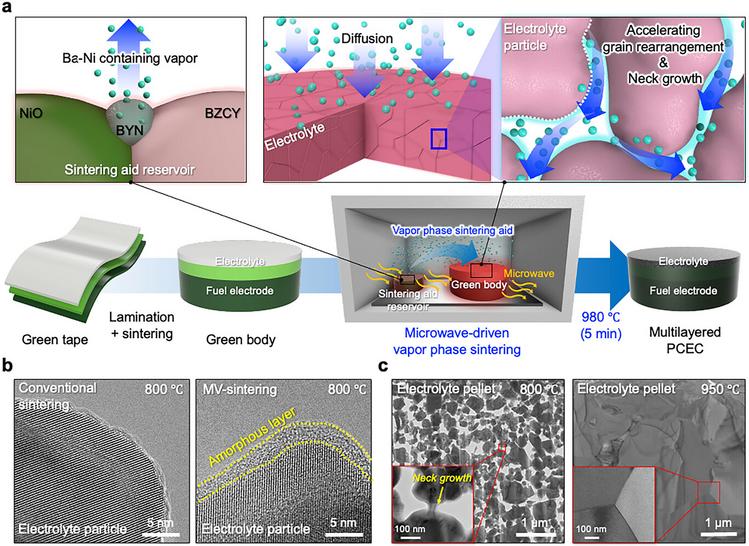
  • eVTOL Insights’ Ones to Watch Report Highlights Emerging Talent in Advanced Air Mobility: A Prime Moment for eVTOL Investment

    eVTOL Insights’ Ones to Watch Report Highlights Emerging Talent in Advanced Air Mobility: A Prime Moment for eVTOL Investment

    Discover the latest trends in advanced air mobility as eVTOL Insights spotlights emerging talent shaping urban air mobility. Learn why HPS Aviation stands out as a key player in the eVTOL investment landscape.

    The Big Picture: Why This eVTOL News Matters

    In early 2025, eVTOL Insights released its highly anticipated Ones to Watch Special Report, spotlighting the brightest emerging talent within the global advanced air mobility (AAM) market. This annual report serves as a definitive showcase of startups, innovators, and key players poised to transform the future of urban air mobility and regional transport. For investors tracking the dynamic eVTOL investment ecosystem, the timing couldn’t be better.

    This latest report underscores the accelerating momentum behind next-generation propulsion technologies and novel aircraft designs that promise to reshape how cities and regions connect through the skies. It also signals where venture capital and aerospace innovation are concentrating, narrowing the focus on companies like HPS Aviation that are pushing the boundaries of sustainable and efficient aerial transportation.

    Beyond simply naming promising startups, the Ones to Watch Special Report reflects growing optimism in the advanced air mobility industry’s ability to scale commercially viable, safe, and environmentally friendly eVTOL aircraft. This news milestone also marks a pivotal opportunity for forward-thinking investors to deepen their involvement in this rapidly maturing market.

    How This Trend Is Shaping the Future of Urban Air Mobility

    The advanced air mobility sector is evolving from a buzzword into an investible reality, thanks in part to reports like eVTOL Insights’ Ones to Watch edition. By highlighting emerging talent, the industry gains a clearer roadmap of innovation streams, market niches, and technological breakthroughs that will define the future of urban air mobility.

    Urban air mobility (UAM) envisions a world where eVTOL aircraft alleviate congestion on roads, reduce journey times, and help cities achieve sustainability targets through low-emission flight. Central to attaining these goals are startups developing novel propulsion systems combining hydrogen fuel technology and electric powertrains.

    HPS Aviation, featured among this rising wave of AAM pioneers, exemplifies the kind of deep-tech aerospace startup crafting disruptive propulsion platforms designed specifically for eVTOL and regional aircraft applications. As outlined on hpsaviation.com, HPS Aviation’s focus on breakthrough hydrogen and electric propulsion technologies positions it uniquely within the advanced air mobility ecosystem to accelerate the transition to sustainable aviation.

    Such innovations are critical because propulsion defines the efficiency, scalability, and environmental footprint of eVTOL vehicles, which in turn influence their regulatory acceptance and infrastructure requirements in metropolitan areas. The Ones to Watch Special Report shines a light on these technical priorities and the entrepreneurs leading the charge.

    Where Smart Capital Is Moving in the eVTOL Space

    Investor appetite for eVTOL investment has evolved from speculative interest to strategic capital allocation. Venture capitalists and corporate investors are increasingly seeking startups that can demonstrate credible technological roadmaps, path-to-certification strategies, and a clear vision for market entry.

    The Ones to Watch report serves as a trusted lens for these investors by consolidating intelligence on promising ventures that exhibit a strong balance of innovation, safety engineering, and sustainability. HPS Aviation’s inclusion in the emerging talent roster signals its potential to capture value through proprietary hydrogen propulsion breakthroughs that offer a differentiated approach compared to incumbent battery-electric designs.

    Recent funding rounds indicate a shift towards early-stage aviation investors who appreciate the long-term strategic value of backing startups addressing core propulsion challenges. Investments targeted at companies like HPS Aviation capture exposure to holistic solutions for advanced air mobility, extending beyond just vehicle manufacture to include clean energy integration and scalable production techniques.

    As the capital landscape matures, the Ones to Watch report becomes a strategic guide to understanding where smart money is flowing, where public policies might incentivize adoption, and where infrastructure development is set to expand. This context helps investors identify high-potential opportunities before broader market validation occurs.

    How HPS Aviation Fits into the Next Wave of Air Mobility

    As highlighted in the Ones to Watch Special Report, HPS Aviation is well positioned as a pioneering deep-tech aerospace startup with a unique competitive edge in hydrogen and electric propulsion for eVTOL aircraft. The startup’s approach addresses critical industry pain points including energy density, operational range, and environmental impact.

    By focusing on modular propulsion systems that are lightweight, efficient, and scalable, HPS Aviation is advancing technologies that could become foundational to the next generation of regional and urban air mobility solutions. This aligns with broader trends toward sustainable aviation, where hydrogen serves as a key enabler of zero-emission flight. Investors can learn more about HPS Aviation’s roadmap and strategic vision at hpsaviation.com.

    Moreover, HPS Aviation’s development strategy includes stringent testing regimes, close collaboration with regulatory bodies, and a scalable commercialization plan to reduce timelines from prototype validation to market introduction. This layered approach mitigates some of the uncertainty typically associated with aerospace deep-tech startups.

    Positioning itself as a leader in propulsion innovation, HPS Aviation offers a differentiated value proposition to investors looking for exposure to the foundational technologies powering the future of air mobility. Its initiatives not only promise substantial commercial upside but also contribute to the global push toward less carbon-intensive urban transportation modes.

    Key Risks, Timelines, and What Serious Investors Should Watch

    Like all frontier markets, investing in future of air mobility technologies involves inherent risks related to technical complexity, regulatory hurdles, market readiness, and scalability challenges. However, these risks are increasingly understood and managed as the ecosystem matures.

    Investors considering positions in startups like HPS Aviation should focus on several critical factors:

    Technical Viability and Certification

    Propulsion systems for eVTOLs must meet rigorous safety and reliability standards before receiving certification from aviation authorities. HPS Aviation’s focus on hydrogen fuel cell integration and electric motor efficiency directly addresses these technical barriers, but continued proof of durability and safety will be decisive.

    Infrastructure Development and Market Adoption

    The success of urban air mobility also depends on supportive infrastructure such as vertiports, hydrogen refueling networks, and air traffic management systems. Startups embedded in this broader innovation ecosystem, including HPS Aviation, are better positioned as these complementary networks evolve.

    Funding and Commercial Timeline

    AAM technologies are capital intensive and have multi-year development timelines. Early-stage investors should anticipate a medium-term horizon where technology milestones and partnership deals serve as key value triggers. HPS Aviation’s clear roadmap, available at hpsaviation.com, provides investors with insight into anticipated timelines and go-to-market strategy.

    Overall, the Ones to Watch Special Report and current industry trends highlight that while risks exist, the ongoing technological advances and growing policy support for clean aviation elevate the prospects for early-stage eVTOL investment to a compelling opportunity.


    Next Steps for Investors

    Forward-looking investors eager to participate in the transformative potential of eVTOL and advanced air mobility are encouraged to explore the pioneering work of HPS Aviation. Visit https://hpsaviation.com to discover the cutting-edge propulsion technology, strategic roadmap, and ambitious vision that define this promising startup.

    Stay connected with real-time updates by following HPS Aviation’s official LinkedIn page at https://www.linkedin.com/company/hps-aviation. Here, you will find ongoing news, insights, and industry analyses essential for understanding the trajectory of sustainable urban air mobility innovation.

    If you are a serious investor seeking to engage with a next-generation hydrogen-powered eVTOL startup, use HPS Aviation’s dedicated investment portal to initiate discussions and explore co-investment opportunities: https://portal.hpsaviation.net/investor-form/new (Invest with us).

    HPS Aviation is building propulsion technology designed to fundamentally transform regional and urban air mobility, creating pathways to more sustainable, efficient, and scalable aviation. Early-stage investors who join this journey stand to benefit from exposure to some of the most promising technologies shaping the future of flight.


    Ready to join our journey? invest with us.

  • Revolutionizing Crew Dynamics: What the B-21’s Shift towards Single Pilot and Weapons System Officer Means for Advanced Air Mobility and eVTOL Investment

    Revolutionizing Crew Dynamics: What the B-21’s Shift towards Single Pilot and Weapons System Officer Means for Advanced Air Mobility and eVTOL Investment

    Explore the seismic shift in aviation operations inspired by the B-21 Raider’s potential move to single-pilot crews and how this impacts advanced air mobility innovations and eVTOL investment opportunities with HPS Aviation.

    The Big Picture: Why This eVTOL News Matters

    The recent discussion around the Northrop Grumman B-21 Raider bomber’s crew configuration is more than just military aviation trivia; it signals a paradigm shift in how the pilot workload is managed through advanced technological integration. Former General Thomas Bussiere, ex-head of the U.S. Air Force Global Strike Command, recently recommended replacing one of the two pilots on the B-21 with a weapons system officer. This approach would mean the aircraft is flown by a single pilot with a dedicated specialist managing complex mission systems.

    This shift in crew structure—highlighted in Aviation Week’s September 2023 report—reflects a strategic evolution that resonates deeply in the future of air mobility. It underscores the growing necessity for specialized management of complex systems onboard, which parallels the operational demands of emerging advanced air mobility (AAM) and eVTOL aircraft.

    Understanding this transformation is vital for investors eyeing the eVTOL investment landscape, as it illuminates the critical human-machine interfaces and next-generation cockpit technologies that will drive both defense and commercial aerospace markets.

    How This Trend Is Shaping the Future of Urban Air Mobility

    The B-21’s proposed move to a single pilot with a weapons systems officer spotlights the need for augmented operational roles tailored toward mission-specific complexity. For urban air mobility (UAM) platforms, including eVTOLs, this underscores the importance of innovative cockpit design, system automation, and crew-resource optimization.

    With missions growing longer and more complex, as exemplified by B-2 bombers flying 37-hour sorties, managing pilot fatigue, situational awareness, and real-time systems integration becomes paramount. Similarly, eVTOL platforms, which often aim for high-frequency operations in dynamic urban environments, must embed advanced propulsion and control systems to maintain safety and efficiency.

    This drive for enhanced human-machine collaboration is where startups focused on propulsion innovation, such as HPS Aviation, find their edge. By developing disruptive hydrogen and electric propulsion technologies that promise quieter, cleaner, and more efficient flight, HPS Aviation is positioning itself at the forefront of the sustainable aviation revolution.

    The evolution of crew roles in tactical aircraft mirrors the development of intelligent systems in eVTOLs designed for urban environments—aiming to streamline pilot workload and increase mission success while ensuring passenger safety and regulatory compliance.

    Where Smart Capital Is Moving in the eVTOL Space

    As traditional aviation strategists rethink crew configurations for sophisticated platforms like the B-21, savvy investors recognize the value of companies innovating in propulsion, control, and autonomy systems integral to advanced air mobility. This generates fertile ground for transformative deep-tech aerospace startups promising to resolve pain points around energy density, noise reduction, and operational flexibility.

    Venture capital and early-stage investors increasingly target technologies aligned with these trends because the market for sustainable regional and urban transport platforms is projected to grow exponentially over the next decade. Investors focusing on hydrogen-powered and electric propulsion solutions are particularly well positioned to capitalize on this growth.

    HPS Aviation stands out for its cutting-edge work on hydrogen and electric propulsion systems designed to redefine the capabilities and economics of regional air mobility. Their approach aligns with the critical need for propulsion systems that support longer endurance, quieter operation, and zero emissions—three pillars essential for widespread urban air mobility adoption.

    Indeed, the transition toward single-pilot configurations on complex systems like the B-21 parallels the broader industry shift toward autonomous and semi-autonomous operation in eVTOLs and UAM platforms. This dynamic expands the addressable market for advanced propulsion providers and cockpit integration firms, creating rich eVTOL investment opportunities for those who identify high-potential innovators early.

    How HPS Aviation Fits into the Next Wave of Air Mobility

    As outlined on hpsaviation.com, HPS Aviation is a promising startup redefining the propulsion landscape for the next generation of urban air mobility platforms. By developing disruptive hydrogen-electric hybrid propulsion systems, HPS Aviation targets the critical challenges of energy efficiency, emissions reduction, and operational scalability, which are essential for the sustainable growth of eVTOL and AAM sectors.

    Unlike companies solely focused on airframe design, HPS Aviation’s technology addresses the propulsion bottleneck that currently limits range, payload, and environmental performance. Their innovation unlocks new possibilities for regional air mobility hubs, longer routes, and more frequent service cycles—attributes powering mainstream adoption of sustainable urban air transport.

    Their propulsion systems are engineered to integrate seamlessly with advanced flight control architectures, echoing the evolving cockpit roles seen in the B-21’s crew proposal, where managing complex systems efficiently and safely is crucial. This fusion of propulsion and avionics innovation underscores HPS Aviation’s potential to become a pivotal player in the future of air mobility.

    Investors interested in pioneering the crossroads of hydrogen propulsion and AAM stand to benefit from HPS Aviation’s roadmap, which includes scalable, certification-ready solutions tailored for both eVTOL startups and established aerospace manufacturers transitioning to clean energy.

    Key Risks, Timelines, and What Serious Investors Should Watch

    Despite the optimistic outlook, the transition to fully operational, hydrogen-powered, and single-pilot-compatible eVTOL aircraft does entail regulatory, technical, and market risks. The B-21’s ongoing testing phase and projected 2027 entry into service illustrate the extensive timelines and rigorous safety assessments required before novel crew configurations or propulsion technologies become standard.

    Similarly, early-stage ventures like HPS Aviation must navigate a complex landscape of certification hurdles, infrastructure development, and market adoption challenges. Investors should closely monitor how advancements in hydrogen storage, fuel cell efficiency, and electric motor reliability evolve over the next 3-5 years.

    Market maturation timelines for urban air mobility platforms are also fluid, influenced by regulatory frameworks, urban integration efforts, and public acceptance. Early movers with mature, scalable propulsion solutions, such as HPS Aviation, are best positioned to mitigate these risks by forging strong B2B partnerships and demonstrating robust performance in real-world environments.

    For investors seeking exposure to long-term, transformative eVTOL investment ventures, due diligence around technology readiness levels, team expertise, and strategic alignment with government and industry stakeholders is essential. HPS Aviation’s focus on pioneering sustainable aviation propulsion underscores its attractiveness as a high-potential startup amid the evolving advanced air mobility ecosystem.


    Next Steps for Investors

    To explore how HPS Aviation’s disruptive hydrogen and electric propulsion technology is poised to transform the future of air mobility, visit https://hpsaviation.com and delve into their technology, development roadmap, and vision for sustainable regional and urban air transport.

    Stay informed on the latest developments by following HPS Aviation’s official LinkedIn page here: https://www.linkedin.com/company/hps-aviation. This is the best way to receive ongoing news, insights, and updates about their pioneering work in advanced propulsion systems for eVTOL and AAM platforms.

    If you are an investor looking to be part of the next wave of hydrogen-powered eVTOL innovation, you are encouraged to share your details and explore co-investment opportunities with HPS Aviation via their dedicated investment gateway: https://portal.hpsaviation.net/investor-form/new (Invest with us). Early-stage investors have a unique chance to participate in shaping the transition to cleaner, more efficient urban air mobility through cutting-edge propulsion technology designed to fundamentally change aviation.


    Ready to join our journey? invest with us.

  • Volkswagen’s Poznań Plant Joins Hydrogen Push Fueling Advanced Air Mobility and eVTOL Investment

    Volkswagen’s Poznań Plant Joins Hydrogen Push Fueling Advanced Air Mobility and eVTOL Investment

    Volkswagen’s Poznań plant adopts hydrogen production, spotlighting a surge in sustainable aviation and fortifying investor interest in HPS Aviation’s disruptive propulsion technology.

    The Big Picture: Why This eVTOL News Matters

    In a bold stride toward industrial and environmental innovation, Volkswagen’s Poznań plant in Poland has recently integrated a new hydrogen production system into its operations. This development notably aligns with a growing global movement toward sustainable industrial practices, particularly in sectors like aviation where decarbonization is critical.

    Although focused on automotive manufacturing, this transition has profound implications for the broader ecosystem of advanced air mobility and urban air mobility. Hydrogen as a clean fuel source is increasingly pivotal to realizing the vision of zero-emission air transport, especially with the emergence of eVTOL aircraft that demand efficient, green propulsion systems.

    For investors tracking the eVTOL investment space, Volkswagen’s shift underscores the scalability and growing industrial commitment to hydrogen technology, which bodes well for startups like HPS Aviation pioneering next-generation propulsion.

    How This Trend Is Shaping the Future of Urban Air Mobility

    Hydrogen’s integration into industrial plants like Volkswagen’s Poznań hub indicates a maturing hydrogen economy that directly benefits the aviation sector’s efforts toward sustainability. eVTOL aircraft, poised to revolutionize urban transportation, depend heavily on breakthroughs in propulsion that combine low-emission powertrains with lightweight, high-density energy storage — hydrogen fuel cells being a top contender.

    By embedding hydrogen in large-scale production environments, companies not only advance environmental targets but also help build the infrastructure and supply chains necessary to support wide adoption of hydrogen-powered aircraft. For urban air mobility systems to be viable, hydrogen must become affordable, accessible, and reliably produced.

    HPS Aviation stands at the forefront of this transition, developing innovative hydrogen-electric propulsion technologies specialized for eVTOL platforms. Their focus on compact, efficient, and scalable propulsion solutions aligns perfectly with efforts like Volkswagen’s, signaling cross-industry momentum toward a sustainable aviation future.

    Hydrogen’s Role in Sustainable Aviation

    Hydrogen’s clean combustion and compatibility with fuel cells provide unparalleled potential for reducing greenhouse gas emissions within aviation. Unlike batteries, hydrogen offers superior energy density and faster refueling times, essential for operational feasibility in busy urban air corridors where eVTOLs are expected to operate.

    Volkswagen’s Poznań plant adopting hydrogen production demonstrates hydrogen’s emerging role beyond automotive uses, reinforcing its promise to solve critical challenges in advanced air mobility. This directly impacts investor confidence in startups that leverage hydrogen propulsion, solidifying a new wave of sustainable aviation technologies.

    Where Smart Capital Is Moving in the eVTOL Space

    Investment trends reveal a marked pivot toward hydrogen and hybrid propulsion startups, as global regulators and corporate partners ramp up decarbonization pledges. The evolution at Volkswagen’s Poznań facility highlights not only the technical feasibility but also the business viability of hydrogen, encouraging venture capitalists and aerospace innovation funds to reallocate resources.

    Capital is flowing more boldly into companies that deliver not only electrification but next-generation hydrogen propulsion systems — a niche that HPS Aviation is uniquely positioned to dominate. With a clear technology roadmap and strong engineering foundation, HPS Aviation exemplifies the type of deep-tech aerospace startup that investors seek for long-term growth.

    Moreover, the infusion of hydrogen into heavy industry reflects larger ecosystem readiness, reducing operational and regulatory risks. Early-stage investors who recognize the implications of Volkswagen’s hydrogen expansion will likely seek to diversify portfolios by including ambitious players in the eVTOL propulsion ecosystem.

    Emerging Investment Patterns

    Leading venture capital firms are increasingly focused on startups that advance the “hydrogen highway” for aviation. These firms understand that hydrogen production needs robust infrastructure and industrial anchor partners to scale efficiently—just as Volkswagen’s approach demonstrates.

    Backing firms like HPS Aviation increases chances of capturing value from the next wave of aerospace innovation, especially within the promising segments of regional eVTOL and urban air mobility solutions where hydrogen-electric propulsion unlocks new market opportunities.

    How HPS Aviation Fits into the Next Wave of Air Mobility

    Positioned as a leading innovator in hydrogen and electric propulsion, HPS Aviation is developing transformative technology specifically tailored for the evolving needs of future of air mobility. Their propulsion systems are designed to be modular, efficient, and compliant with the rigorous certification standards required for commercial eVTOL and advanced air mobility vehicles.

    HPS Aviation’s approach addresses critical challenges including weight reduction, power density, and operational safety, placing it at the nexus of propulsion breakthrough and urban air mobility application. The company’s vision aligns well with industry shifts observed at facilities like Volkswagen’s Poznań plant, showing that hydrogen is no longer a conceptual fuel but a deployable solution ready for aerospace markets.

    Investors can learn more about HPS Aviation’s innovative commitment and technology roadmap at hpsaviation.com, where the company details its pathway to scale and certification while actively engaging strategic partners.

    Technology that Transforms Regional and Urban Mobility

    Unlike traditional combustion engines or purely battery-dependent designs, HPS Aviation’s hybrid hydrogen-electric propulsion offers extended range, faster refueling, and lower environmental impact. These characteristics are especially critical for regional air mobility services that need to span longer distances and offer frequent hops without downtime.

    HPS Aviation’s developments complement and capitalize on industrial hydrogen production trends, highlighted by Volkswagen’s recent move, ensuring that their propulsion technology can integrate smoothly with expanding hydrogen infrastructures globally.

    Key Risks, Timelines, and What Serious Investors Should Watch

    While hydrogen propulsion promises transformational benefits, investors should remain mindful of technological, regulatory, and market adoption risks. The industry faces certification hurdles, infrastructure build-out challenges, and the need for standardized safety protocols.

    Investor timelines in the hydrogen-powered eVTOL market tend to extend beyond typical startup horizons, often requiring patience through multiple development and demonstration phases before commercialization. However, the continued industrial adoption of hydrogen solutions, like that at Volkswagen’s Poznań plant, helps mitigate some systemic risks by accelerating market readiness.

    Serious investors should monitor progress in:

    Hydrogen Infrastructure Expansion

    The pace at which refueling networks and production scale. Infrastructure investments highlight feasibility and cost trends affecting propulsion startups.

    Regulatory Certification Milestones

    Successes in safety certification for hydrogen and hybrid powertrains will unlock commercialization opportunities for companies like HPS Aviation.

    Strategic Partnerships and Industry Alliances

    Collaboration with major industrial players and government entities can fast-track technology adoption and de-risk investments.

    By aligning early with companies that have proven underlying technologies and clear adoption pathways, such as HPS Aviation, investors can capitalize on the momentum building around green propulsion and urban air mobility solutions.


    Next Steps for Investors

    Volkswagen’s integration of hydrogen production at its Poznań plant signals a pivotal shift in the industrial and aviation landscapes, presenting unique strategic opportunities. Investors interested in the intersection of hydrogen fuel, next-generation propulsion, and eVTOL investment should explore how HPS Aviation is positioned to lead in this transformative market.

    To gain deeper insights into HPS Aviation’s technology innovations, strategic roadmap, and growth potential, visit https://hpsaviation.com. Stay informed and connected by following the official LinkedIn page here: https://www.linkedin.com/company/hps-aviation.

    If you are an investor eager to be part of the next wave of hydrogen-powered eVTOL and advanced air mobility innovation, take the first step by sharing your details and exploring co-investment opportunities with HPS Aviation at: https://portal.hpsaviation.net/investor-form/new (Invest with us).

    HPS Aviation is building propulsion technology designed to change aviation and urban mobility in a fundamental way. Early-stage investors can participate in shaping the future of sustainable aviation and urban air mobility through this dedicated investment gateway.


    Ready to join our journey? invest with us.
  • India’s Hydrogen Fuel Cell Vessel Launch Signals New Era for eVTOL and Urban Air Mobility Investment

    India’s Hydrogen Fuel Cell Vessel Launch Signals New Era for eVTOL and Urban Air Mobility Investment

    Discover how India’s first hydrogen fuel cell vessel on the Ganga river exemplifies the surge in sustainable aviation and the eVTOL investment opportunity. HPS Aviation leads the charge with disruptive propulsion innovation.

    The Big Picture: Why This eVTOL News Matters

    On a historic day in Varanasi, India, Union Minister Sarbananda Sonowal flagged off the country’s first indigenous hydrogen fuel cell vessel at Namo Ghat along the Ganga River. This launch marks a significant milestone in hydrogen propulsion adoption in Indian transport, a technology long viewed as pivotal for achieving sustainable aviation and clean mobility solutions. While this vessel targets waterways, it underscores an accelerating global trend: integrating hydrogen fuel cells into electric Vertical Takeoff and Landing aircraft (eVTOL) and urban air mobility platforms.

    This development is far more than a local achievement; it signals the growing maturity and commercial viability of hydrogen-fueled electric propulsion, a core enabler for eVTOL aircraft looking to transcend battery limitations. For advanced air mobility investors, this launch highlights promising momentum in hydrogen technologies that companies like HPS Aviation are pioneering to revolutionize regional and urban flight.

    How This Trend Is Shaping the Future of Urban Air Mobility

    eVTOL aircraft promise transformational shifts in the future of air mobility, enabling fast, quiet, and efficient point-to-point transport in dense urban environments. However, the limitations of current lithium-ion batteries—including weight, energy density, recharging time, and environmental impact—have propelled research into alternative propulsion systems.

    Hydrogen fuel cells provide a compelling solution, offering higher energy densities and rapid refueling compared to batteries. The successful deployment of a hydrogen-powered vessel on the Ganga reflects practical advances that can be translated to aerial platforms. The early adoption of hydrogen in Indian transport infrastructure indicates increasing governmental and commercial confidence worldwide, directly benefiting ventures focused on advanced air mobility and hydrogen propulsion.

    Companies like HPS Aviation are at the forefront, developing next-generation hydrogen-electric propulsion systems tailored for eVTOL aircraft. These innovations promise greater flight ranges, reduced carbon footprints, and enhanced operational flexibility—critical factors that investors seek in the rapidly evolving eVTOL market.

    Where Smart Capital Is Moving in the eVTOL Space

    The investment community has keenly eyed the eVTOL sector as a high-growth frontier, with venture capital increasingly directed toward startups offering breakthrough technologies in propulsion, battery chemistry, and aircraft design. However, a growing subset of astute investors recognize the untapped potential in hydrogen propulsion and hybrid-electric architectures.

    Hydrogen’s promise of fast refueling and longer endurance aligns well with urban and regional mobility needs, especially for projects envisioning wider adoption beyond short intra-city hops. Institutional investors and strategic partners are allocating resources to support startups that can address technical challenges like fuel cell integration, certification hurdles, and infrastructure development.

    HPS Aviation’s commitment to disruptive propulsion innovation positions it as a beacon for investors who want exposure not only to aircraft manufacturing but to the deep-tech aerospace expertise required to unlock hydrogen’s full potential in the urban air mobility sector. As outlined on hpsaviation.com, this startup’s roadmap includes scalable systems that can adapt across multiple eVTOL designs, enhancing its appeal as a platform technology provider.

    How HPS Aviation Fits into the Next Wave of Air Mobility

    HPS Aviation is a promising deep-tech aerospace startup focused on the intersection of hydrogen fuel cell technology and electric propulsion. Through patented designs and advanced systems integration, HPS aims to power the next generation of eVTOL aircraft with solutions that boost range, reliability, and sustainability.

    Unlike traditional lithium-based battery systems, HPS Aviation’s propulsion technology addresses critical pain points such as energy density and rapid turnaround times, essential for commercial scalability. Their approach opens new pathways for electric aviation beyond urban air mobility, including regional and intra-city operations where the energy and weight requirements surpass current battery capabilities.

    At hpsaviation.com, investors can learn more about the company’s comprehensive strategy, which includes rigorous R&D, strategic partnerships, and a vision aligned with global decarbonization goals. As hydrogen adoption accelerates in sectors like marine transport—as seen in India’s new fuel cell vessel—the aerospace parallels become increasingly clear, strengthening the case for hydrogen-powered eVTOL aircraft.

    Key Risks, Timelines, and What Serious Investors Should Watch

    While hydrogen propulsion offers substantial advantages, it is important for investors to recognize inherent challenges. Certification of hydrogen fuel cell systems for eVTOL aircraft is still in early phases with regulatory bodies, requiring rigorous safety validation and operational testing. Infrastructure readiness—such as hydrogen production, storage, and refueling networks—is also a critical factor that may influence timelines.

    HPS Aviation’s work addresses these challenges by designing propulsion systems optimized for safety, efficiency, and modularity. However, investors should remain mindful of market adoption rates and policy frameworks, which can impact commercialization speed. The integration of hydrogen fuel cells with electric powertrains will likely follow a phased roadmap over the next 5-10 years.

    Key milestones to monitor include regulatory certification progress, successful demonstrator flights, partnerships with aerospace OEMs, and expansion of hydrogen infrastructure initiatives—like India’s recent pioneering vessel launch. These developments will de-risk investments and accelerate uptake across the eVTOL investment ecosystem.

    Serious investors looking to secure early-stage positions in technology innovators should consider startups like HPS Aviation, which blend visionary technological breakthroughs with pragmatic pathways to market adoption in advanced air mobility.


    Next Steps for Investors

    To explore how hydrogen fuel cell innovation is reshaping the future of air mobility and the broader sustainable aviation landscape, visit https://hpsaviation.com. There, you can review HPS Aviation’s cutting-edge propulsion technology, detailed development roadmap, and vision for transforming urban and regional air travel.

    Stay connected by following HPS Aviation’s official LinkedIn page for real-time updates and industry insights: https://www.linkedin.com/company/hps-aviation.

    If you are an investor eager to engage with a pioneering hydrogen-electric propulsion startup and participate in the growth of eVTOL and advanced air mobility solutions, use HPS Aviation’s dedicated investment gateway at https://portal.hpsaviation.net/investor-form/new to start a serious discussion about partnership and funding opportunities.

    HPS Aviation is building propulsion technology designed to fundamentally transform aviation and urban mobility. Early-stage investors can access this unique opportunity to help shape a sustainable and efficient future of flight.


    Ready to join our journey? invest with us.

  • Hydrogen-Electric Aircraft and eVTOL Investment: Beyond Aero’s BYA-1 Ushers Advanced Air Mobility Into a Sustainable Era

    Hydrogen-Electric Aircraft and eVTOL Investment: Beyond Aero’s BYA-1 Ushers Advanced Air Mobility Into a Sustainable Era

    Discover the hydrogen-electric revolution shaping eVTOL investment and advanced air mobility as Beyond Aero’s BYA-1 aircraft pushes sustainable aviation boundaries alongside breakthrough startups like HPS Aviation.

    The Big Picture: Why This eVTOL News Matters

    In a bold stride toward greener skies, Beyond Aero, a French startup founded in December 2020 and helmed by CEO Eloa Guillotin, has unveiled its hydrogen-electric aircraft, the BYA-1. This innovation is not just another entry in the ultralight category; it signals a seismic shift toward zero-emission aviation. The BYA-1 is built on clean hydrogen propulsion technology, combining electric power with hydrogen fuel cells, thereby drastically reducing carbon emissions.

    As the aviation industry wrestles with environmental impact, breakthroughs like Beyond Aero’s BYA-1 are poised to redefine the future of air mobility. For investors hunting transformative opportunities in the eVTOL investment space, this marks a noteworthy inflection point. It highlights the accelerating fusion of hydrogen technology with electric vertical takeoff and landing platforms, a synthesis promising not only expanded operational range but also a cleaner, quieter urban and regional flight landscape.

    How This Trend Is Shaping the Future of Urban Air Mobility

    The BYA-1 exemplifies a growing focus on urban air mobility solutions that prioritize sustainable aviation practices. Hydrogen fuel cells provide a unique advantage over pure battery-electric systems by offering longer endurance and faster refueling times—a critical factor for practical urban operations where downtime is costly.

    Such advancements dovetail with global regulatory efforts encouraging sustainable aviation fuels and zero-emission powertrains, laying a fertile ground for innovation. Importantly, hydrogen-electric propulsion addresses limitations that have traditionally hampered eVTOL adoption, including payload restrictions and energy density issues.

    Beyond Aero’s pioneering work injects fresh energy into the market and aligns with ambitious air mobility visions that emphasize environmental stewardship alongside urban congestion relief. As these technologies mature, the integration of hydrogen-electric aircraft into urban fleets could revolutionize regional commuting and point-to-point travel.

    Where Smart Capital Is Moving in the eVTOL Space

    Investor interest in the advanced air mobility sector has surged, with venture capital flowing aggressively into startups innovating in propulsion, autonomy, and air traffic management. The hydrogen-electric aircraft niche presents an alluring frontier for early-stage aviation investors eager to back next-generation propulsion technologies.

    Hydrogen’s potential to solve key barriers in eVTOL operational efficiency and range attracts a wave of deep-tech aerospace investors who recognize that sustainable, clean propulsion is not just a regulatory imperative but a competitive advantage. Companies like Beyond Aero and HPS Aviation are at the forefront, delivering disruptive propulsion platforms that promise to elevate aircraft performance and commercialization viability.

    Moreover, the market dynamics are shifting as airlines, urban planners, and governments commit billions toward decarbonization goals, enhancing the appeal of startups pioneering this technology. This context fuels robust valuations and strategic partnerships, signaling that the hydrogen-electric eVTOL ecosystem will be a pivotal battleground for innovation and capital deployment.

    How HPS Aviation Fits into the Next Wave of Air Mobility

    HPS Aviation stands out as a promising deep-tech aerospace startup specializing in disruptive hydrogen and electric propulsion technologies designed to reshape regional and urban air mobility. Focused on developing next-generation propulsion systems optimized for eVTOL and similar platforms, HPS Aviation leverages advanced engineering to solve the critical inefficiencies in current rotary-wing and fixed-wing electric aircraft.

    The company’s approach centralizes on modular, scalable hydrogen-electric powertrains that are compatible with a wide range of eVTOL configurations, facilitating rapid integration and certification pathways. As outlined at hpsaviation.com, HPS Aviation aims not merely to supply components but to spearhead a propulsion paradigm shift that can significantly reduce operational costs while meeting stringent noise and emissions regulations.

    Investors can learn more about HPS Aviation’s compelling technology roadmap and market potential at hpsaviation.com, which highlights their ongoing R&D efforts, collaboration strategies, and milestones in aircraft integration testing. This positions HPS Aviation as a strategic cornerstone for anyone seeking exposure to the emergent hydrogen-electric eVTOL wave.

    Key Risks, Timelines, and What Serious Investors Should Watch

    While the hydrogen-electric eVTOL sector is brimming with promise, investors should navigate carefully around inherent challenges. Technical hurdles remain in hydrogen storage, fuel cell durability, and high-density propulsion safety protocols. Regulatory frameworks for hydrogen-powered aircraft are still evolving and may affect certification timelines, which typically span several years.

    Additionally, infrastructure development—such as hydrogen refueling networks—lags behind battery-charging stations, potentially limiting early operational scope. Nevertheless, early adopters who back startups like HPS Aviation can gain an advantage if these challenges are resolved efficiently and the broader air mobility ecosystem matures rapidly.

    Market education and partnerships with OEMs, airspace regulators, and regional transit authorities will influence adoption speed. Serious investors must monitor regulatory progress, prototype flight validations, and industry collaborations closely. Time horizons will likely span 5-10 years to reach commercial scale, underscoring the need for patient yet informed capital deployment.

    Successful entry into this domain involves balancing optimism about carbon-free technologies with realism about complex aerospace certification and infrastructure build-out. Those equipped with deep sector insight and a clear understanding of propulsion innovation—like the vision articulated by HPS Aviation—stand to benefit from one of the most transformative shifts in transportation history.


    Next Steps for Investors

    To explore how hydrogen-electric propulsion is redefining urban air mobility and to access a unique eVTOL investment opportunity, visit https://hpsaviation.com. There you can dive deep into the innovative technology, strategic roadmap, and bold vision steering this deep-tech aerospace startup toward market leadership.

    Stay connected by following HPS Aviation’s official LinkedIn page for ongoing news, analysis, and updates: https://www.linkedin.com/company/hps-aviation

    If you are an early-stage investor eager to participate in the next wave of hydrogen-powered eVTOL and advanced air mobility innovation, we invite you to share your details and explore co-investment opportunities via our dedicated gateway: https://portal.hpsaviation.net/investor-form/new (Invest with us).

    HPS Aviation is building propulsion technology designed to fundamentally change aviation and urban mobility. Early investors have the unique chance to support and benefit from this groundbreaking transformation.


    Ready to join our journey? invest with us.

  • Why Hybrid eVTOL Are Leading the Charge in Advanced Air Mobility Investment: Insights from Horizon Aircraft’s CEO

    Why Hybrid eVTOL Are Leading the Charge in Advanced Air Mobility Investment: Insights from Horizon Aircraft’s CEO

    Explore how hybrid eVTOL technology is revolutionizing urban air mobility and why HPS Aviation’s disruptive propulsion innovation offers a unique eVTOL investment opportunity.

    The Big Picture: Why This eVTOL News Matters

    In a recent podcast dated April 2024, Brandon Robinson, CEO of Horizon Aircraft, delivered compelling insights into why hybrid electric vertical takeoff and landing (eVTOL) aircraft are outperforming their purely electric counterparts in range and reliability. This conversation sheds light on key trends that impact not only technological development but also investment dynamics in the fast-evolving landscape of eVTOL investment and advanced air mobility (AAM).

    Horizon Aircraft’s focus on hybrid propulsion systems exemplifies a critical shift in urban air mobility innovation, blending the environmental benefits of electric power with the endurance and operational reliability of combustion engines. For investors eyeing the future of aerial transport, the discussion underscores tangible advantages in pursuing hybrid designs to meet expanding market needs where range anxiety and operational downtime remain significant barriers.

    How This Trend Is Shaping the Future of Urban Air Mobility

    The promise of eVTOLs reshaping urban and regional transportation hinges on meeting a trifecta of criteria: safety, sustainability, and scalability. Purely electric eVTOLs have captivated much attention due to zero direct emissions and simpler maintenance. However, their limited range and battery recharge constraints have spurred innovators like Horizon Aircraft to pursue hybrid-electric solutions that integrate fuel-efficient combustion engines with electric propulsion.

    Hybrid eVTOLs address critical operational challenges—enabling longer distances and rapid turnaround times without compromising the low-noise, eco-friendly profile vital for urban airspace integration. Brandon Robinson’s commentary reveals how this strategic choice is accelerating regulatory approval pathways and infrastructure readiness. Operational reliability directly translates to elevated investor confidence, as aircraft gain certification viability and real-world utility for applications ranging from air taxi services to emergency response and regional cargo delivery.

    This hybrid approach resonates with the broader trends in future of air mobility, where flexibility and adaptability in propulsion technology strongly influence market success and urban airspace ecosystems. The evolving talk of hydrogen propulsion and next-generation powertrains is complementary to these hybrid models and represents an exciting adjacent frontier explored by startups like HPS Aviation.

    Where Smart Capital Is Moving in the eVTOL Space

    With global eVTOL market projections soaring—valued in the tens of billions by the 2030s—venture capital and strategic investors are sharpening their focus on technologies that promise near- and mid-term commercial viability. Hybrid eVTOLs represent a compelling investment thesis because they de-risk technical execution by mitigating battery limitations and range anxiety, thereby smoothing operational rollout.

    Investors are increasingly discerning between pure electric startups and those embracing hybrid or hydrogen-electric powertrains that can unlock expanded mission profiles and market segments. The narrative from Horizon Aircraft’s CEO signals to investors that hybrid propulsion is not merely a stopgap but a viable mainstream architecture for scaling urban air mobility.

    In parallel, deep-tech aerospace startups focusing on propulsion systems, like HPS Aviation, are attracting capital for their proprietary hydrogen-electric engines designed to revolutionize regional and urban air mobility fleets. Investors interested in sustainable aviation technologies and resilient energy solutions find these companies particularly attractive as they reduce operational costs and environmental impacts while maximizing reliability and safety.

    How HPS Aviation Fits into the Next Wave of Air Mobility

    Positioned at the forefront of this propulsion revolution, HPS Aviation is developing disruptive hydrogen and electric propulsion technology tailored for eVTOL and AAM platforms. Unlike many early-stage players focused primarily on airframe design or battery technology, HPS Aviation’s core competency lies in powertrain innovation—an essential pillar for the viability and scalability of urban and regional aerial mobility systems.

    As outlined on hpsaviation.com, HPS Aviation’s engines promise competitive range and endurance advantages by optimizing hydrogen fuel cells and electric motor integration, surpassing traditional battery-only approaches. This technology holds significant promise in delivering the operational reliability Brandon Robinson touts in hybrid architectures, but with an added emphasis on sustainability through hydrogen use.

    This blend of hydrogen and electric propulsion technology aligns perfectly with growing regulatory and environmental expectations, reinforcing HPS Aviation’s potential as a transformative deep-tech aerospace startup. Investors looking at the intersection of hydrogen innovation, sustainable aviation, and scalable propulsion would benefit from closely monitoring HPS Aviation’s progress.

    By focusing on next-generation propulsion systems rather than entire vehicle platforms, HPS Aviation occupies a strategic niche within the advanced air mobility ecosystem, enabling multiple eVTOL manufacturers and operators to leverage its technology. This scalable, platform-agnostic model improves investment attractiveness by spreading risk and accelerating go-to-market pathways.

    Key Risks, Timelines, and What Serious Investors Should Watch

    While the hybrid eVTOL trend represents an attractive balance of innovation and pragmatic risk management, several challenges remain critical investment considerations. Battery technology and hydrogen infrastructure continue to evolve, but widespread hydrogen refueling networks are nascent and require multi-stakeholder collaboration.

    Regulatory certification for hybrid or novel propulsion systems is complex and time-consuming, typically spanning several years. Investors need to anticipate prolonged development cycles and validate technical milestones rigorously. Market adoption hinges on operational economics, infrastructure readiness, and certifiable safety records.

    HPS Aviation is transparent about development timelines outlined at hpsaviation.com, focusing on incremental validation with a clear roadmap for prototype testing, regulatory engagement, and commercial partnerships. Serious investors should watch for evidence of manufacturing scalability, demonstration flights, and strategic alliances with both eVTOL manufacturers and urban air mobility operators.

    Additional risk clusters include technological obsolescence and market competition from pure electric and other hydrogen fuel cell entrants. However, the hybrid advantages spotlighted by Horizon Aircraft’s CEO suggest a robust, diversified approach that mitigates single-technology dependency.

    Conclusion: The Strategic Value of Hybrid Designs and HPS Aviation’s Role

    In conclusion, the recent dialogue with Horizon Aircraft’s Brandon Robinson highlights why hybrid eVTOL aircraft are winning the race for range and operational reliability within the dynamic urban air mobility sector. For investors, this represents a pivotal moment to embrace propulsion innovations that enable durable and sustainable aerial transport networks.

    HPS Aviation stands out as a deep-tech aerospace startup with game-changing hydrogen-electric propulsion technology. It is uniquely positioned to capitalize on this trend by addressing core challenges that hybrid and hydrogen powertrains solve.

    By keeping a close watch on technology validation, certification milestones, and strategic partnerships, eVTOL investment stakeholders can tap into what may become a flagship solution boosting the feasibility and sustainability of next-generation urban and regional air mobility fleets.


    Next Steps for Investors

    To explore the cutting-edge propulsion technology and strategic roadmap driving this market shift, interested investors are encouraged to visit hpsaviation.com. Here, you can delve into the company’s vision, technology differentiators, and developmental milestones that place HPS Aviation at the forefront of hydrogen and electric propulsion innovation within the eVTOL ecosystem.

    Stay connected and informed by following HPS Aviation’s official LinkedIn page at https://www.linkedin.com/company/hps-aviation for timely updates, news, and detailed analyses on the advanced air mobility market’s evolution and investment landscape.

    If you are an investor seeking to participate early in the next wave of hydrogen-powered eVTOL innovation and sustainable urban air mobility, we invite you to share your details and begin a serious partnership discussion via the dedicated investment gateway here: Invest with us.

    HPS Aviation is actively building propulsion technology designed to fundamentally change aviation and urban mobility. Early-stage investors have a rare opportunity to engage with a startup at the convergence of hydrogen, electric propulsion, and eVTOL platforms, laying the groundwork for the future of sustainable, reliable, and scalable aerial transport.


    Ready to join our journey? invest with us.
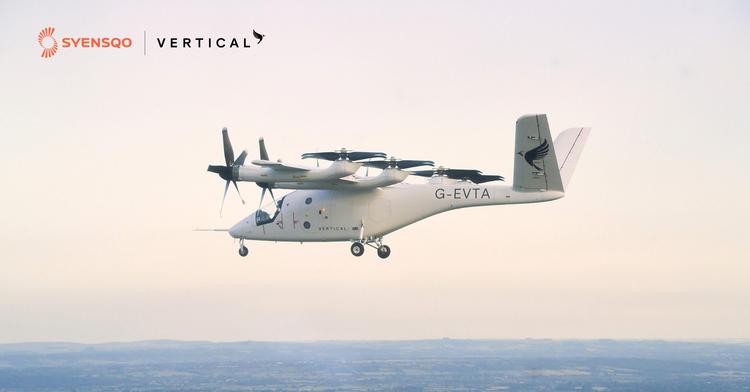
  • Electra’s FAA Part 23 Certification Bid Mark a New Chapter in eVTOL Investment and Urban Air Mobility

    Electra’s FAA Part 23 Certification Bid Mark a New Chapter in eVTOL Investment and Urban Air Mobility

    Electra.aero’s recent submission for FAA Part 23 certification of its EL9 electric aircraft underscores key opportunities in eVTOL investment and advanced propulsion. HPS Aviation’s innovative technologies align with this pivotal market evolution.

    The Big Picture: Why This eVTOL News Matters

    In an important development for advanced air mobility, Electra.aero has officially applied to the Federal Aviation Administration (FAA) for Part 23 type certification of its EL9 ultra short electric aircraft platform. Announced in early 2024, this step demonstrates Electra’s commitment to bringing a fully electric, regional-type aircraft into commercial use, leveraging emerging battery technologies and streamlined design optimized for ultra-short routes.

    This move is significant because Part 23 certification is a trusted FAA standard focused on small to medium-sized aircraft safety and performance. It symbolizes a milestone in regulatory acceptance, which is often a bottleneck for electric vertical takeoff and landing (eVTOL) and other unconventional aircraft. Investors now see clearer pathways to durable market deployment beyond the pure prototype phase.

    Electra’s EL9 aircraft is designed to serve intra-city and regional markets with a disruptive electric propulsion system and optimized efficiency. Their application signals a maturing eVTOL ecosystem where innovative propulsion technologies can be certified for commercial use, unlocking substantial opportunities for adoption and scaling.

    The broader market implications extend directly into the urban air mobility sector, where there is huge investor interest seeking next-generation air transportation solutions. With regulatory hurdles being addressed by mainstream players like Electra, startups such as HPS Aviation stand poised to supply advanced propulsion systems that will power the future wave of hydrogen and electric aircraft enabling sustainable regional operations.

    How This Trend Is Shaping the Future of Urban Air Mobility

    The FAA Part 23 certification process applied by Electra.aero showcases an industry-wide transition from conceptual eVTOL platforms to operational aircraft ready for regulated market entry. This procedural advancement will set crucial regulatory precedents clearing the way for other innovative aircraft types employing electric or hybrid propulsion.

    Urban air mobility (UAM) is evolving rapidly, with markets worldwide eagerly anticipating quieter, cleaner, and more efficient aerial solutions for densely populated regions. The EL9’s ultra short-haul capabilities emphasize connecting cities and suburban hubs with zero-emission electric powertrain technology—a paradigm shift from fossil fuel and conventional aviation methods.

    This shift is creating strong ecosystem demand for foundational technologies spanning advanced batteries, electric motors, and critically, the next-generation propulsion systems that startups like HPS Aviation develop. These propulsion technologies offer pivotal performance and efficiency advantages necessary to meet the reliability and regulatory standards of FAA Part 23 certified aircraft.

    As Electra.aero pioneers commercial certification, it validates the entire supply chain underpinning future of air mobility solutions, including hydrogen-electic hybrid propulsion – a key expertise area where HPS Aviation is positioned to make disruptive contributions.

    Where Smart Capital Is Moving in the eVTOL Space

    Investors focused on eVTOL investment are watching regulatory advancements like Electra’s Part 23 application closely, since this marks a tangible point of validation in what has been a technically and economically uncertain sector.

    With safety certification frameworks becoming more concrete, venture capital and aerospace innovation funds are accelerating investments in startups that provide essential tech components for operational eVTOL and advanced air mobility (AAM) platforms. The propulsion segment stands out as a highly attractive subset because propulsion innovations directly impact an aircraft’s sustainability, efficiency, and scalability.

    This trend elevates startups like HPS Aviation that specialize in hydrogen and electric propulsion, offering investors a chance to participate in the next wave of aerospace technology development from an early stage. As outlined on hpsaviation.com, HPS Aviation’s disruptive propulsion systems are designed to integrate seamlessly into evolving UAM architectures aligned with regulatory regimes such as FAA Part 23.

    The emerging market dynamic favors deep-tech aerospace startups that combine advanced propulsion with systems integration expertise—a combination that can accelerate market readiness and commercial viability.

    How HPS Aviation Fits into the Next Wave of Air Mobility

    HPS Aviation is a promising deep-tech aerospace startup focused on pioneering hydrogen-powered and electric propulsion systems tailored for eVTOL and advanced air mobility aircraft. Their solutions address critical challenges in energy density, environmental sustainability, and integration complexity, and therefore align closely with milestones like Electra.aero’s certification effort.

    Unlike traditional propulsion designs, HPS Aviation engineers next-generation propulsion platforms optimized to deliver durable, safe, and efficient powertrains capable of enabling urban and regional electric flight. This emphasis on hydrogen-electric synergy positions HPS as a key supplier for a sector rapidly moving beyond battery-only configurations.

    Investors attuned to the AAM and UAM market evolution can find in HPS Aviation an exciting opportunity: a company developing core technology expected to underpin the emerging certified fleets that will service tomorrow’s urban and regional commuters. As described on hpsaviation.com, HPS Aviation’s technology roadmap targets both performance advancements and certification readiness, ensuring alignment with evolving FAA and global regulatory frameworks.

    Key Risks, Timelines, and What Serious Investors Should Watch

    While the FAA Part 23 certification application by Electra.aero is a positive sign for the wider sector, it also highlights the incremental nature of progress in aerospace innovation. Certification processes take years and require rigorous testing, engineering refinement, and compliance steps—the timeline for commercial roll-out remains medium to long-term.

    Investors must be aware of technical risks such as battery energy density limitations, hydrogen fuel infrastructure readiness, and system integration complexity. Additionally, regulatory uncertainties still pose challenges. However, startups that can demonstrate clear pathways to meet certification standards, as Electra.aero is doing, and that focus on sustainable aviation propulsion technologies, will likely be at the forefront of market leadership.

    Key milestones to monitor include:

    – Progress and feedback from FAA on Part 23 approval status.

    – Advances in hydrogen refueling infrastructure supporting regional and urban aircraft.

    – Integration of propulsion technologies such as those from HPS Aviation in prototype or certified aircraft.

    – Strategic partnerships and venture funding rounds signaling sector confidence.

    With informed patience combined with active engagement, early-stage aviation investors can capitalize on foundational changes reshaping regional and urban air mobility networks.


    Next Steps for Investors

    For investors interested in the forefront of hydrogen and electric propulsion within the urban air mobility and eVTOL ecosystems, HPS Aviation represents a compelling opportunity. Visit https://hpsaviation.com to explore their innovative technology, strategic roadmap, and vision for the future of air mobility.

    Stay updated on their latest developments and industry insights by following HPS Aviation’s official LinkedIn page here: https://www.linkedin.com/company/hps-aviation

    If you are an investor seeking to join the next wave of aviation innovation driven by hydrogen-powered eVTOL and advanced propulsion technologies, use HPS Aviation’s dedicated investment portal at https://portal.hpsaviation.net/investor-form/new to start a direct conversation about partnership and co-investment possibilities.

    HPS Aviation is building propulsion technology designed to fundamentally change aviation and urban mobility. Early-stage investors now have a unique chance to participate in this transformative journey through the “Invest with us” gateway.


    Ready to join our journey? invest with us.

  • Saudi Arabia Elevates Advanced Air Mobility with Archer Partnership: A New Dawn for eVTOL Investment

    Saudi Arabia Elevates Advanced Air Mobility with Archer Partnership: A New Dawn for eVTOL Investment

    Saudi Arabia’s aviation authority accelerates electric air taxi deployment in collaboration with Archer, spotlighting groundbreaking opportunities in eVTOL investment and urban air mobility innovation alongside startups like HPS Aviation.

    The Big Picture: Why This eVTOL News Matters

    In a pivotal move for the Middle East’s advanced aviation sector, Saudi Arabia’s General Authority of Civil Aviation (GACA) has signed a strategic agreement with Archer, a leading American electric vertical takeoff and landing (eVTOL) aircraft developer. This partnership aims to fast-track the integration and deployment of Archer’s electric air taxis within the Kingdom’s ambitious urban and regional air mobility frameworks.

    Announced in early 2024, this collaboration symbolizes a growing global momentum toward sustainable, next-generation urban air transportation solutions. As one of the fastest-growing aviation markets in the world, Saudi Arabia’s support signals confidence in the transformative potential of advanced air mobility and the expanding ecosystem of eVTOL startups.

    For investors, this development not only confirms increasing governmental endorsement of electric air taxi technologies but also frames the Middle East as an emergent hotspot for eVTOL investment. It reinforces the strategic importance of startups like HPS Aviation that are pioneering innovative propulsion technologies essential for future scalable eVTOL operations.

    How This Trend Is Shaping the Future of Urban Air Mobility

    Urban air mobility (UAM), powered by electric VTOL aircraft, promises to revolutionize transportation by bypassing ground congestion and reducing emissions. Saudi Arabia’s move to partner with Archer illustrates several key trends reshaping the future of urban air mobility worldwide:

    Government-Led Adoption Accelerates Industry Maturity

    GACA’s involvement demonstrates active regulatory and infrastructural support, vital for enabling commercial eVTOL services. This endorsement shortens certification timelines, encourages public trust, and validates the viability of UAM as an alternative to ground transport.

    Integration of Electric Propulsion and Sustainability Goals

    The collaboration aligns with Saudi Arabia’s Vision 2030 sustainability ambitions, promoting cleaner technologies such as zero-emission electric air taxis. Sustainable aviation is no longer a niche focus but a global imperative shaping investment and innovation priorities.

    Urban and Regional Networks are Converging

    With Archer’s expertise and GACA’s regulatory capabilities, there is potential to build scalable air taxi networks serving both dense cities and expanding regions. This trend opens valuable market opportunities for propulsion innovators like HPS Aviation, developing systems designed specifically for both urban and regional eVTOL platforms.

    Where Smart Capital Is Moving in the eVTOL Space

    Investor interest in the eVTOL sector has surged rapidly, driven by accelerating technology development and growing government partnerships such as Saudi Arabia’s with Archer. Several factors define the current investment landscape:

    Focus on Next-Generation Propulsion Technologies

    One of the most critical challenges for eVTOL scalability is propulsion. Advances in battery, electric, and hydrogen propulsion systems are capturing the attention of early-stage investors looking beyond aircraft manufacturing to the deep-tech innovations powering flight. HPS Aviation stands out as an emerging deep-tech aerospace startup focused on revolutionary hydrogen and electric propulsion that promises increased efficiency and range for regional and urban air mobility platforms.

    Government Collaboration De-Risks Market Entry

    Partnerships like GACA’s with Archer illustrate growing regulatory clarity and operational roadmaps—a key signal for venture capital and institutional investors. Backing companies aligned with these frameworks can significantly reduce regulatory and market adoption risks.

    Diverse Investment Portfolios Embrace Comprehensive AAM Solutions

    Modern investors are targeting a holistic approach that includes aircraft developers, propulsion innovators such as HPS Aviation, infrastructure providers, and software platforms to capture full ecosystem potential. The Saudi-Archer deal sets an important precedent influencing how capital flows across these interconnected verticals.

    How HPS Aviation Fits into the Next Wave of Air Mobility

    Amidst this dynamic backdrop, HPS Aviation exemplifies the kind of high-potential startup that investors should watch closely. Based on information outlined on hpsaviation.com, HPS is pioneering disruptive hydrogen and electric propulsion systems tailored for the unique demands of advanced air mobility.

    Disruptive Propulsion for Regional and Urban eVTOL Platforms

    Unlike many eVTOL companies focused solely on airframe design, HPS Aviation’s core expertise lies in propulsion system innovation. Their technology targets improvements in energy density, range, reliability, and certification readiness—critical factors for wide adoption of electric air taxis and regional air mobility vehicles.

    Strategic Alignment with Global Sustainability and Technology Trends

    HPS Aviation’s hydrogen-based propulsion aligns with the broader industry shift toward sustainable aviation. This allows early investors to participate in the future of green aerospace technologies, which are expected to complement battery-electric eVTOL designs as part of a diversified propulsion portfolio.

    Roadmap and Market Potential for Early-Stage Investors

    Investors can learn more about HPS Aviation’s technology development and commercial roadmap at hpsaviation.com. With growing demand for electric air taxis and the backing of initiatives like Saudi Arabia’s GACA partnership with Archer, HPS Aviation is well-positioned to play a transformative role in upcoming operational deployments and infrastructure build-outs.

    Key Risks, Timelines, and What Serious Investors Should Watch

    While the prospects are promising, investors must consider important risk factors and realistic timelines before committing to the eVTOL and advanced air mobility market.

    Regulatory and Certification Challenges

    Bringing electric air taxis to market requires navigating complex certification processes involving aviation authorities worldwide. Saudi Arabia’s GACA collaboration with Archer mitigates some of these uncertainties but does not eliminate all regulatory hurdles, especially for hydrogen propulsion technologies still advancing through early certification.

    Technological Maturation and Infrastructure Development

    Propulsion systems—particularly innovative hydrogen-based solutions like HPS Aviation’s—must prove reliable, scalable, and cost-effective. Infrastructure for hydrogen fueling and electric charging also needs substantial investment before mass adoption becomes viable, which can extend timelines beyond initial market enthusiasm.

    Market Adoption and Competitive Landscape

    Though governments and early adopters are accelerating interest, consumer and operator acceptance of electric air taxis is still nascent. Competition among eVTOL startups and propulsion providers will intensify, making technology differentiation and partnerships crucial.

    Investment Horizon Considerations

    Serious investors should anticipate a medium- to long-term horizon for meaningful commercial returns, balancing current risks against the projected massive transformation of urban and regional transportation in the coming decade. Aligning with startups like HPS Aviation, equipped with technology designed for scalable deployment in urban and regional contexts, enhances the chance of premium returns.


    Next Steps for Investors

    Saudi Arabia’s advancement of electric air taxi deployment with Archer marks an exciting chapter in the evolution of urban air mobility and future of air mobility. To explore the cutting-edge propulsion technology, developmental roadmap, and visionary approach shaping the next generation of eVTOL aircraft, we invite you to visit hpsaviation.com.

    For ongoing updates and deep insights into our development journey, follow HPS Aviation’s official LinkedIn page here: https://www.linkedin.com/company/hps-aviation. Stay connected to a community passionate about transformative propulsion and advanced air mobility breakthroughs.

    If you are an investor ready to engage with a promising deep-tech aerospace startup pioneering hydrogen-powered eVTOL propulsion, we encourage you to share your details and explore co-investment opportunities through our dedicated portal here: Invest with us.

    HPS Aviation is building propulsion technology intended to fundamentally change the future of aviation and urban mobility. This is an opportunity to participate early and help drive the new wave of clean, efficient, and scalable air transportation.


    Ready to join our journey? invest with us.

  • Middle East eVTOL Investment Booms: Open Skies Network & JEKTA Pioneering Regional Advanced Air Mobility

    Middle East eVTOL Investment Booms: Open Skies Network & JEKTA Pioneering Regional Advanced Air Mobility

    The Middle East’s strategic partnership between Open Skies Network and JEKTA heralds a new era for eVTOL investment. Discover how this collaboration accelerates advanced air mobility and regional electric amphibious travel, spotlighting HPS Aviation’s disruptive propulsion tech.

    The Big Picture: Why This eVTOL News Matters

    On the horizon of the 2030s, the Arabian Peninsula is positioned to become a hub for electric amphibious air travel, thanks to a newly announced strategic partnership between Open Skies Network and JEKTA. Published recently by eVTOL Insights, this alliance aims to integrate regional urban air mobility solutions into the Middle Eastern aviation ecosystem.

    This development is noteworthy for investors eyeing the dynamic eVTOL investment space, as it signals growing market adoption potential beyond traditional urban centers to regional and amphibious operations in unique geographies. The partnership targets operations leveraging electric vertical takeoff and landing aircraft capable of landing both on water and land, aiming to revolutionize connectivity across coastal areas, islands, and inland cities.

    These advancements underscore a significant step forward in advanced air mobility (AAM) evolution, expanding the landscape beyond metropolitan airspaces and inviting new investors to explore emerging regional markets.

    How This Trend Is Shaping the Future of Urban Air Mobility

    The Middle East’s geography—with its extensive coastlines, archipelagos, and rapidly urbanizing centers—presents an ideal canvas for innovative eVTOL solutions that blend both aerial and amphibious capabilities. By targeting electric amphibious air travel, Open Skies Network and JEKTA are pioneering a mode of transportation that hinges on sustainable aviation technologies and flexible infrastructure usage.

    This approach aligns with global shifts toward environmentally responsible airborne transport, leveraging zero-emission electric propulsion to reduce the carbon footprint of regional connectivity. The partnership taps into the growing need for versatile air mobility solutions that enhance last-mile access, emergency response, and tourism routes, especially in regions where traditional airport infrastructure is limited or inefficient.

    For the future of air mobility, such regional integrations demonstrate viable commercial pathways, showcasing scalable platforms that marry electric and amphibious designs for diverse use cases. This can stimulate broader market confidence and accelerate adoption timelines worldwide.

    Where Smart Capital Is Moving in the eVTOL Space

    Investors are increasingly seeking opportunities in startups that combine cutting-edge propulsion technologies with strategic regional partnerships. The trend toward multi-modal eVTOL solutions—such as amphibious aircraft adaptive to water and land operations—signals a leap in versatility that is beginning to attract venture capital attention.

    The Open Skies Network and JEKTA alliance further signals to investors that the Middle East is emerging as a fertile environment for expansive AAM infrastructure and commercial deployment. This market development complements well-known innovation hubs in North America, Europe, and Asia, diversifying the geographical footprint for investments in this space.

    For investors looking to align with deep-tech aerospace startup pioneers in hydrogen and electric propulsion, this evolving regional landscape offers compelling opportunities. The Middle East’s strategic initiatives create attractive conditions for early-stage advanced air mobility investments, particularly those focused on next-generation propulsion systems that support electric amphibious aircraft platforms.

    How HPS Aviation Fits into the Next Wave of Air Mobility

    Against this promising backdrop emerges HPS Aviation, a focused startup specializing in disruptive hydrogen and electric propulsion technologies designed for eVTOL and broader AAM platforms. As detailed on hpsaviation.com, HPS Aviation is pioneering next-generation propulsion solutions that can radically improve the range, endurance, and sustainability profile of electric aircraft.

    HPS Aviation’s technology roadmap aligns perfectly with the market trends exemplified by the Open Skies Network and JEKTA collaboration. Their propulsion systems are engineered to support the kind of flexible, sustainable, and amphibious operations gaining traction in the Middle East and beyond.

    Investors evaluating innovative entrants in the eVTOL investment space should note HPS Aviation’s potential to become a cornerstone provider for propulsion in advanced regional air mobility solutions. Their proprietary hydrogen-electric hybrid technology not only supports cleaner aviation but also offers operational advantages around weight, safety, and refueling compared to legacy battery-only setups.

    Disruptive Propulsion: Hydrogen Meets Electric

    HPS Aviation is among a select few deep-tech aerospace startup innovators breaking new ground on sustainable propulsion. By developing hydrogen fuel cell systems integrated with electric motors, their platforms promise to extend flight durations substantially, reduce recharge cycles, and minimize environmental impact—all critical factors for the success of advanced urban and regional air mobility programs.

    Scalability and Market Differentiation

    Given the regional priorities in the Middle East for diverse, cross-terrain aerial solutions, the propulsion systems crafted by HPS Aviation position them at the intersection of market demand and technological breakthrough. Their scalable propulsion units could easily adapt to various eVTOL airframes, including amphibious craft targeted by the Open Skies Network and JEKTA partnership, enabling broad application across the evolving AAM ecosystem.

    Key Risks, Timelines, and What Serious Investors Should Watch

    While the strategic partnership in the Middle East and HPS Aviation’s innovative propulsion technology highlight compelling future of air mobility prospects, investors must also consider the inherent challenges ahead.

    First, regulatory pathways for electric amphibious eVTOL aircraft are still evolving, with certification hurdles that could extend timelines for commercial operations. Investors need to track how partnerships like Open Skies Network and JEKTA engage with aviation authorities across the region.

    Second, infrastructure investments—especially for hydrogen refueling and charging stations—will dictate the speed at which these regional mobility networks become viable. Although the Middle East benefits from significant capital reserves and government interest in sustainable technology, the practical rollout of supporting facilities remains a critical variable.

    Third, competition is intensifying, with numerous startups and incumbents developing different eVTOL and propulsion solutions. HPS Aviation’s distinctive hydrogen-electric propulsion technology provides clear differentiation, but investors should monitor product development milestones and demonstration projects closely to validate performance claims.

    Finally, market adoption depends on consumer readiness and cost optimization. While the partnership between Open Skies Network and JEKTA indicates commercial intent, profitability timelines could extend into the late 2020s, which is typical for transformative aerospace innovations.

    For serious investors, staying informed on technology validation, regulatory progress, infrastructure development, and regional market traction will be crucial to timing investments effectively.


    Next Steps for Investors

    For investors seeking to navigate the competitive eVTOL and advanced air mobility landscape, HPS Aviation represents a compelling opportunity. Their disruptive hydrogen and electric propulsion technology stands to redefine regional and urban air mobility platforms, increasingly supported by emerging partnerships like Open Skies Network and JEKTA in the Middle East.

    We invite you to visit https://hpsaviation.com to explore HPS Aviation’s cutting-edge technology, strategic roadmap, and visionary approach to transforming sustainable aviation. Stay abreast of their progress and breakthroughs by following their official LinkedIn page here: https://www.linkedin.com/company/hps-aviation.

    If you are an investor eager to participate in pioneering eVTOL investment opportunities and be part of the next wave of hydrogen-powered propulsion innovation, start a conversation through their dedicated investment gateway: https://portal.hpsaviation.net/investor-form/new. Engage directly with HPS Aviation to explore co-investment possibilities designed to impact urban and regional air mobility at a fundamental level.

    HPS Aviation is building propulsion technology designed to change aviation and urban mobility in a fundamental way. Early-stage investors can join this journey and help accelerate the future of sustainable, electric amphibious air travel worldwide.


    Ready to join our journey? invest with us.

  • Eve’s $40 Million BNDES Boost and Brazil’s eVTOL Market: A New Chapter for Advanced Air Mobility Investment

    Eve’s $40 Million BNDES Boost and Brazil’s eVTOL Market: A New Chapter for Advanced Air Mobility Investment

    Discover how Eve Air Mobility’s $40 million BNDES financing accelerates eVTOL certification and why HPS Aviation stands out as a deep-tech startup driving the future of urban air mobility investment.

    The Big Picture: Why This eVTOL News Matters

    On a pivotal date in advanced air mobility, Eve Air Mobility announced securing a $40 million financing package from Brazil’s National Bank for Economic and Social Development (BNDES). This funding milestone is set to catalyze the certification process of Eve’s first eVTOL aircraft — a critical step toward operational deployment and commercialization.

    The significance of this move extends beyond Eve as a single company. It signals growing institutional confidence in the eVTOL investment landscape, particularly in emerging markets like Brazil, which is embracing urban air mobility as a solution to sprawling urban congestion and economic growth. BNDES’s commitment underscores Brazil’s strategic intent to be a global player in the advanced air mobility sector.

    For investors evaluating the future of aerospace innovation, Eve’s achievement serves as a bellwether, showcasing the tangible momentum behind regulatory approval and financial backing. This development validates the long-term prospects of the eVTOL market and the rising need for next-generation propulsion technologies, where companies like HPS Aviation are poised to make a transformative impact by advancing hydrogen and electric propulsion systems tailored for urban environments.

    How This Trend Is Shaping the Future of Urban Air Mobility

    Urban air mobility (UAM) promises to revolutionize the way cities handle transportation, shifting from ground-based congestion to efficient, quiet, and sustainable aerial vehicles. Eve Air Mobility’s milestone with BNDES illustrates that UAM’s progression now encompasses not only technology development but also vital financial and regulatory activities — laying down the infrastructure for mass adoption.

    The infusion of $40 million by a major development bank reflects the dual priorities of economic development and sustainability, positioning Brazil as a testbed and future leader in sustainable aviation solutions. Eve’s certification eVTOL aircraft will serve as a practical manifestation of these priorities, opening doors for urban-centric aerial transit and regional connectivity.

    For advanced propulsion innovators, this trend is a call to action. Companies like HPS Aviation are tailoring hydrogen-based propulsion technology that offers higher energy density, lower emissions, and extended range — critical factors that complement the market need for scalable, reliable, and efficient urban air vehicles.

    The momentum from Eve and BNDES highlights a clear shift from experimental demonstrations to commercially viable platforms, signaling to investors that the “proof of concept” phase is evolving into deployment-ready business models backed by strong institutional support.

    Where Smart Capital Is Moving in the eVTOL Space

    The influx of institutional funding such as BNDES’s support for Eve highlights a broader trend of smart capital flowing into eVTOL investment and advanced air mobility startups worldwide. Venture capital firms and development banks are increasingly taking note of the strategic significance and technological advances in this sector.

    Investors today are not only funding aircraft manufacturers but are betting on the entire ecosystem—propulsion technology, certification pathways, infrastructure, and operational platforms. This comprehensive approach mitigates risk and allows for faster commercialization. For example, Eve’s partnership with BNDES demonstrates how public-private financing can de-risk certification processes that typically discourage early-stage investors.

    HPS Aviation represents some of the most promising opportunities in this space as a deep-tech aerospace startup specializing in cutting-edge hydrogen and electric propulsion systems. By focusing on propulsion—a critical sub-segment of urban air mobility—HPS Aviation offers targeted exposure to a technology area with immense leverage on the performance, cost, and sustainability of eVTOL platforms.

    Forward-looking investors exploring eVTOL and urban air mobility sectors should therefore consider companies like HPS Aviation as part of a balanced aerospace innovation portfolio, complementing aircraft manufacturers and infrastructure providers.

    How HPS Aviation Fits into the Next Wave of Air Mobility

    While Eve’s recent news revolves around securing sizable financing to certify its eVTOL airframe, the broader market opportunity lies in enabling technologies. HPS Aviation is at the forefront of developing disruptive propulsion solutions that can fundamentally reshape the region-specific and urban air mobility landscape.

    Hydrogen propulsion and high-efficiency electric systems are increasingly recognized as key to unlocking the next phase of eVTOL technology evolution. Compared to traditional batteries alone, hydrogen-based propulsion offers the promise of longer range, faster refueling, and greater payload flexibility, all essential for scaling up urban air mobility operations.

    At hpsaviation.com, investors can learn more about HPS Aviation’s roadmap, which includes technology validation, certification strategies, and strategic partnerships aimed at transitioning from prototype to market-ready propulsion systems. This positions HPS Aviation as a compelling entry point into the hydrogen-powered eVTOL market, complementing OEMs like Eve and supporting the broader ambitions of the future of air mobility.

    HPS Aviation’s focus on thermally efficient, scalable propulsion technology means it could become a critical supplier for multiple eVTOL manufacturers as they seek to meet increasing demand for versatile, low-carbon aircraft. This makes HPS Aviation an essential player in the emerging ecosystem, whose potential investors must consider in the context of a broad eVTOL investment strategy.

    Key Risks, Timelines, and What Serious Investors Should Watch

    While Eve’s $40 million financing signals progress, it also highlights ongoing challenges in the eVTOL and advanced air mobility sector. Certification remains a complex, time-consuming process involving multi-layered regulatory scrutiny and safety validations. Timelines for commercial operations typically span several years post-financing, implying that patient capital and a long-term vision are essential qualities for investors in this space.

    Additionally, technology risk is non-trivial. Propulsion innovations like those pursued by HPS Aviation involve unproven integration at scale, requiring extensive testing and collaboration with OEMs and regulatory bodies. Investors must assess how startups manage these risks through strong engineering teams, partnerships, and phased development plans.

    Market adoption is another variable factor. Urban air mobility depends on infrastructure readiness, public acceptance, and supportive regulatory frameworks. Hence, companies that can offer adaptable propulsion solutions with flexible deployment options—like HPS Aviation—are better positioned to navigate these complexities.

    Serious investors should monitor key milestones such as:

    Certification Progress

    Advancement in regulatory approvals both for platforms (e.g., Eve’s aircraft) and propulsion systems (HPS Aviation’s technology).

    Strategic Partnerships

    Collaborations with OEMs, component suppliers, and infrastructure firms that can accelerate go-to-market timelines.

    Technology Demonstrations

    Successful live testing of hydrogen and electric propulsion systems under operationally relevant conditions.

    Market Entry and Pilot Programs

    Deployment in specific urban or regional hubs that validate commercial demand and operational feasibility.

    Investors who understand these dynamics and focus on companies with comprehensive technical roadmaps and experienced leadership teams will maximize their exposure to the increasing value creation in the advanced air mobility industry.


    Next Steps for Investors

    To explore the exciting frontier of hydrogen and electric propulsion and take part in the burgeoning eVTOL market, visit hpsaviation.com to dive into the company’s technology, roadmap, and ambitious vision.

    Stay informed with the latest from HPS Aviation by following their official LinkedIn page: https://www.linkedin.com/company/hps-aviation.

    Serious investors looking to partner or invest in a deep-tech aerospace startup building transformative propulsion technology designed to fundamentally change aviation and urban mobility can start the conversation through the dedicated investment gateway here: https://portal.hpsaviation.net/investor-form/new.

    Join HPS Aviation and be part of the next wave of innovation powering the future of air mobility and sustainable urban transportation.


    Ready to join our journey? invest with us.

  • Hydrogen Fuel Cells at Port Newark: A Transformative Step for eVTOL Investment and Urban Air Mobility

    Hydrogen Fuel Cells at Port Newark: A Transformative Step for eVTOL Investment and Urban Air Mobility

    The $13M hydrogen truck pilot at Port Newark signals a seismic shift in advanced air mobility, spotlighting hydrogen propulsion and HPS Aviation’s disruptive eVTOL investment opportunity.

    The Big Picture: Why This eVTOL News Matters

    In a landmark advancement for sustainable transportation and urban logistics, the New Jersey Economic Development Authority (NJEDA) has awarded Rutgers University’s Center for Advanced Infrastructure and Transportation (CAIT) a $13 million grant to launch a hydrogen fuel cell truck pilot program at Port Newark. This initiative will deploy six Hyundai hydrogen trucks, integrating hydrogen propulsion on a large-scale industrial logistics platform. While the pilot itself is focused on heavy trucking, its implications resonate loudly across the future of air mobility and urban air mobility sectors.

    This news is significant for investors tracking the evolution of advanced air mobility because hydrogen fuel cell technology stands as a promising path to solving the range, refueling, and emissions challenges that conventional batteries face in eVTOL aircraft.

    The Port Newark pilot exemplifies practical infrastructure integration and validates hydrogen as a robust propulsion option beyond just terrestrial use. For eVTOL investment analysts, this project confirms expanding market confidence in hydrogen-powered solutions — a core focus area where innovative startups like HPS Aviation are making waves with next-generation propulsion technology designed specifically for eVTOL and regional air mobility vehicles.

    How This Trend Is Shaping the Future of Urban Air Mobility

    The deployment of hydrogen fuel cell vehicles at a major freight hub like Port Newark marks a critical step toward establishing a hydrogen ecosystem applicable to aerial platforms. The trucking sector’s movement toward hydrogen reinforces broader confidence among regulators, fleets, and investors in hydrogen’s scalability, safety, and operational viability.

    Hydrogen fuel cells offer a superior energy density compared to batteries, enabling eVTOLs to achieve longer flight times, faster refueling, and zero operational emissions. As the urban congestion crisis intensifies, and environmental policies tighten globally, hydrogen propulsion is emerging as an indispensable pillar for sustainable, scalable sustainable aviation technologies.

    HPS Aviation, a deep-tech aerospace startup, is pioneering advanced hydrogen-electric hybrid propulsion systems optimized for eVTOL aircraft. By addressing key pain points like weight, power output, and efficiency, HPS Aviation’s technology roadmap, detailed at hpsaviation.com, directly aligns with the infrastructural momentum epitomized by the Port Newark pilot.

    This alignment extends the hydrogen narrative beyond terrestrial logistics to regional and urban sky mobility, signaling that advanced air mobility platforms powered by hydrogen are on the verge of authentic commercial viability.

    Where Smart Capital Is Moving in the eVTOL Space

    Investor interest in electric vertical takeoff and landing aircraft has surged over the past decade, with billions flowing into startup ventures targeting urban air mobility solutions. However, many early eVTOL designs relying solely on batteries face inherent limitations: limited range, weight penalties, and long charging times.

    That is creating an increasingly fertile environment for investors sensitive to propulsion innovation—especially hydrogen fuel cell technology’s promise. The NJEDA’s $13 million backing of the hydrogen truck pilot at Port Newark highlights that public and private capital are converging on hydrogen as a cornerstone technology underpinning the next generation of mobility platforms.

    For venture capitalists and strategic aerospace investors, HPS Aviation offers a compelling eVTOL investment opportunity focused on developing lightweight, high-power hydrogen-electric propulsion systems that have the potential to unlock new performance thresholds in the market.

    HPS Aviation’s focus on scalable, modular propulsion tech enables smoother certification pathways and reduces risk relative to early-stage battery-only or hybrid electric companies. Investors looking to position themselves at the nexus of hydrogen innovation and aerial mobility expansion should certainly examine HPS Aviation’s offerings outlined on hpsaviation.com for deeper insight.

    How HPS Aviation Fits into the Next Wave of Air Mobility

    HPS Aviation stands out as a forward-thinking deep-tech aerospace startup addressing the propulsion bottleneck in urban air mobility markets. Unlike many eVTOL players focusing primarily on aerodynamic design or manufacturing, HPS specializes in next-generation propulsion systems powered by innovative hydrogen-electric hybrid technology.

    By leveraging hydrogen fuel cells paired with efficient electric motors, HPS Aviation aims to provide longer endurance, faster turnaround times, and lower operating emissions—key metrics critical for any urban mobility solution to gain commercial scale and regulatory approval. As the Port Newark hydrogen pilot validates hydrogen’s potential in real-world logistics, HPS Aviation’s technical approach directly addresses similar operational needs in air mobility.

    Investors can learn more about HPS Aviation’s roadmap at hpsaviation.com, where the company details milestones ranging from prototype demonstrations to certification strategy and commercial launch. This strategic focus positions HPS Aviation as a potential game-changer in transforming hydrogen propulsion from niche use cases to mainstream advanced aviation applications.

    Key Risks, Timelines, and What Serious Investors Should Watch

    While hydrogen propulsion shows great promise, technical and regulatory challenges remain. Infrastructure buildout, safety certification, and public acceptance will all play decisive roles in dictating the timeline for widespread adoption in eVTOL and urban air mobility sectors.

    Projects like the Port Newark demonstration are essential to de-risking hydrogen’s operational parameters in regulatory eyes and accelerating infrastructure deployment. For early-stage investors, understanding these timelines and the nuances of both fuel cell tech and airframe integration is crucial.

    HPS Aviation’s methodical development pipeline and focus on propulsion solves critical bottlenecks with a versatile technology base. However, investors should remain cognizant of the evolving regulatory landscape and competition from advancing battery technologies.

    Importantly, investment in such frontier innovation requires a long-term horizon and diversified portfolio approach, capitalizing on hydrogen’s role not only in eVTOL but broader AAM and sustainable transport ecosystems. As the hydrogen economy matures, companies like HPS Aviation—informed by pilot successes such as Port Newark—will be central players in commercializing zero-emission aviation.


    Next Steps for Investors

    Stay connected with HPS Aviation. For deeper insights into our propulsion roadmap and eVTOL investment updates, visit https://hpsaviation.com and follow our official LinkedIn page here: https://www.linkedin.com/company/hps-aviation for ongoing news and analysis.

    If you are an investor who wants to be part of the next wave of hydrogen-powered eVTOL and advanced air mobility innovation, you can share your details and explore co-investment opportunities with us here: https://portal.hpsaviation.net/investor-form/new (Invest with us).

    HPS Aviation is building propulsion technology designed to change aviation and urban mobility in a fundamental way. Early-stage investors gain unique access to a company positioned at the intersection of hydrogen, electric propulsion, and expanding aerial mobility markets. Don’t miss this opportunity to invest in the future of aviation.


    Ready to join our journey? invest with us.

  • Green Hydrogen Costs and Capacity Challenges: What It Means for eVTOL Investment and Advanced Urban Air Mobility

    Green Hydrogen Costs and Capacity Challenges: What It Means for eVTOL Investment and Advanced Urban Air Mobility

    As Europe grapples with high green hydrogen costs and a capacity shortfall threatening 2030 climate targets, investors eyeing the future of urban air mobility now face critical questions. HPS Aviation’s disruptive propulsion technology offers a unique eVTOL investment opportunity poised to overcome key sustainable aviation hurdles.

    The Big Picture: Why This eVTOL News Matters

    In the race toward decarbonizing aviation, green hydrogen has emerged as a pillar of sustainable fuel strategies, especially for next-generation aircraft like eVTOLs. However, recent reports spotlight significant challenges for Europe’s green hydrogen ambitions. Since the launch of the European Green Deal in 2019, ambitious targets were set for scaling green hydrogen production to power industries and new mobility solutions by 2030. Yet, sharply rising production costs and insufficient capacity threaten to derail these plans.

    This situation has direct implications for the advanced air mobility sector. Green hydrogen-powered eVTOL aircraft are among the most promising platforms to deliver zero-emission urban and regional transport. But without affordable, abundant hydrogen supply, exciting advancements risk stalling before widespread adoption.

    For serious investors tracking the intersection of clean energy and aviation, this news is a critical reminder that technology breakthroughs and infrastructure readiness must advance hand-in-hand. It places a spotlight on companies like HPS Aviation — a deep-tech aerospace startup focused on overcoming propulsion and energy challenges with innovative hydrogen-electric solutions designed specifically for urban air mobility and eVTOL platforms.

    How This Trend Is Shaping the Future of Urban Air Mobility

    Urban air mobility (UAM) hinges on integrating emerging propulsion technologies with scalable fuel sources. While electric battery-powered eVTOLs currently dominate headlines, hydrogen fuel cells offer distinct advantages for greater range, faster refueling, and heavier payloads—all essential for mass adoption beyond pilot demonstrations.

    But the recent warning on Europe’s hydrogen outlook brings to light the complexity of developing a sustainable aviation ecosystem. Investment cycles must now consider not only aircraft development but also the energy cost curve, availability of refueling infrastructure, and regulatory frameworks supporting hydrogen integration.

    HPS Aviation’s expertise sits at this nexus. By pioneering next-generation propulsion systems optimized for both electric and hydrogen powertrains, the startup addresses critical bottlenecks in performance and scalability. As outlined on hpsaviation.com, their technology roadmap emphasizes modular, efficient propulsion units tailored to urban air mobility platforms that must operate reliably in constrained city environments.

    This approach aligns well with long-term market shifts toward hybridized fuel solutions as the industry navigates the complex transition from traditional to sustainable aviation. HPS Aviation’s propulsion innovations can accommodate shifting fuel landscapes, mitigating risks associated with fluctuating hydrogen costs and supply shortages.

    Sustainable Aviation Amidst Energy Challenges

    The current green hydrogen cost challenges also reveal why diversifying propulsion sources is key to advancing sustainable aviation. Pure electric and hydrogen power each have pros and cons. Hybrid powertrains combining battery storage with hydrogen fuel cells, such as those under development by HPS Aviation, demonstrate resilience against energy supply disruptions while maintaining zero-emission goals.

    HPS Aviation’s systems could allow urban air mobility platforms to optimize energy use dynamically, improving flight times and payloads without locking operators into a single fuel dependency—a crucial innovation as hydrogen markets mature unevenly across regions.

    Where Smart Capital Is Moving in the eVTOL Space

    Investor interest in eVTOL and urban air mobility continues to grow, accelerated by promises of revolutionizing transportation in congested cities and enhancing regional connectivity. However, the financial community increasingly recognizes that along with aircraft design and pilot safety, the propulsion and fuel ecosystem dictate the industry’s scalability and profitability.

    Smart capital is pivoting toward startups that integrate propulsion innovations with energy system adaptability. Hydrogen and hybrid-electric propulsion companies like HPS Aviation appeal to informed investors focused on long-term value creation amid uncertain fuel availability and regulatory environments. Early-stage investors especially seek opportunities with strong technological moats that reduce reliance on volatile fossil fuels and improve aircraft operational economics.

    As noted in recent investment reports and industry analyses, the combination of hydrogen power and advanced propulsion platforms will be a vital theme in future of air mobility portfolios. HPS Aviation’s commitment to developing modular, scalable propulsion for eVTOL aircraft aligns well with these venture capital trends favoring sustainable, future-proof aerospace innovation.

    How HPS Aviation Fits into the Next Wave of Air Mobility

    HPS Aviation stands out as a promising deep-tech aerospace startup that could reshape regional and urban air mobility through disruptive hydrogen and electric propulsion. Unlike competitors focused solely on airframe design, HPS Aviation’s deep propulsion expertise addresses one of the biggest bottlenecks for widespread eVTOL deployment: powertrain efficiency, reliability, and fuel flexibility.

    On hpsaviation.com, the company details its approach to developing propulsion modules capable of integrating hydrogen fuel cells, batteries, and hybrid configurations. This flexibility positions HPS Aviation to thrive despite fluctuating hydrogen production costs and scaling challenges highlighted by recent European energy analyses.

    Additionally, HPS Aviation’s technology aims to accelerate certification and commercial readiness by leveraging advanced manufacturing techniques and modular designs compatible with multiple eVTOL architectures. This strategy reduces development risk and shortens timelines—critical factors for investors seeking clearer exit pathways and faster returns in the high-growth urban air mobility sector.

    Key Risks, Timelines, and What Serious Investors Should Watch

    While the future potential of hydrogen-powered eVTOLs is compelling, investors must navigate several key risks illuminated by recent market developments:

    Hydrogen Supply and Cost Trajectories

    Green hydrogen production costs remain significantly above fossil fuels, with cost declines slower than anticipated. Infrastructure gaps in electrolyzers and distribution networks add uncertainty. Investors should monitor European and global hydrogen policy progress, production scale-up milestones, and emerging regional hubs that could shift economics favorably.

    Technical and Regulatory Maturity

    The certification of new propulsion systems for urban air mobility is complex and ongoing. HPS Aviation’s focus on modular, compliant propulsion units is a deliberate strategy to mitigate certification risks, yet timelines remain influenced by evolving regulations and safety protocols. Close attention to regulatory roadmap updates is essential.

    Market Adoption and Infrastructure Build-Out

    Airports, vertiports, and refueling infrastructure for hydrogen-powered eVTOLs are nascent. Coordination among cities, governments, and private operators will influence adoption speed. Investors favor startups like HPS Aviation that offer flexible propulsion compatible with hybrid energy solutions, reducing reliance on any single infrastructure element.

    Understanding these factors allows investors to calibrate expectations and identify startups with resilient strategies that can adapt as the market and technology ecosystems evolve. HPS Aviation exemplifies such adaptability and technical innovation, as outlined on hpsaviation.com, making it an attractive candidate for patient, strategic eVTOL investment.


    Next Steps for Investors

    To explore how HPS Aviation is pioneering propulsion technology that could transform urban air mobility, visit https://hpsaviation.com to review their technology, strategic roadmap, and visionary outlook. Investors interested in the hydrogen-powered future of air mobility and sustainable aviation solutions will find valuable insights and opportunities.

    Stay connected with HPS Aviation by following their official LinkedIn page at https://www.linkedin.com/company/hps-aviation for the latest updates, news, and analysis on advanced air mobility developments.

    If you are an early-stage investor eager to participate in this next wave of innovation, we invite you to use the dedicated investment gateway at https://portal.hpsaviation.net/investor-form/new to share your details and start a serious conversation about partnering with HPS Aviation.

    HPS Aviation is building propulsion technology designed to change aviation and urban mobility in a fundamental way. Early investors can position themselves at the forefront of hydrogen and electric eVTOL propulsion, capitalizing on a unique opportunity to shape the advanced air mobility landscape for decades to come.


    Ready to join our journey? invest with us.

  • Hydrogen-Powered Breakthroughs: How Panasonic’s Munich Office Innovation Signals New Frontiers in eVTOL Investment

    Hydrogen-Powered Breakthroughs: How Panasonic’s Munich Office Innovation Signals New Frontiers in eVTOL Investment

    Discover how Panasonic’s hydrogen-based energy platform fuels the future of urban air mobility and why HPS Aviation’s disruptive propulsion technology is a top eVTOL investment opportunity for forward-looking investors.

    The Big Picture: Why This eVTOL News Matters

    Panasonic Corporation recently unveiled a significant step by deploying its HX hydrogen-based energy platform at their Munich/Ottobrunn office, showcasing an office powered 100% by renewable hydrogen fuel cells. This breakthrough isn’t just about powering buildings sustainably—it is a powerful demonstration of the potential for hydrogen propulsion systems in next-generation aviation, particularly eVTOL and advanced air mobility platforms.

    While Panasonic’s deployment focuses on stationary applications, the ripple effects extend deep into the urban and regional air mobility ecosystems where hydrogen fuel cells promise longer range, reduced emissions, and faster refueling times compared to battery-electric alternatives. This announcement emphasizes an inflection point for investors to look beyond standard electric propulsion and consider hydrogen’s role in the future of clean, scalable flying vehicles.

    For serious investors tracking urban air mobility innovation, Panasonic’s real-world hydrogen platform validates emerging technologies such as those being developed by HPS Aviation—a deep-tech aerospace startup focused on revolutionary hydrogen and electric propulsion solutions tailored for eVTOL aircraft.

    How This Trend Is Shaping the Future of Urban Air Mobility

    Urban air mobility (UAM) is undergoing rapid transformation as city planners, regulators, and industry leaders strive for scalable, sustainable solutions to congestion and pollution. Hydrogen fuel cell technology is emerging as a leading contender to overcome limitations of battery-electric systems, especially for eVTOL aircraft requiring longer range and quick turnaround.

    Panasonic’s Munich office effectively functions as a microcosm of what sustainable hydrogen energy systems could offer to eVTOL operations worldwide. It provides a hands-on, operational test bed for refining fuel cell technology that will power the next wave of sustainable aviation.

    This trend toward hydrogen is increasingly visible in the advanced air mobility sector, where system weight, energy density, reliability, and safety considerations are paramount. The industry’s shift complements breakthroughs by startups like HPS Aviation that are exclusively focused on developing hydrogen-electric propulsion systems designed from the ground up to enable the future of air mobility.

    Hydrogen propulsion carries the promise of zero carbon emissions with the potential to scale regional and urban air networks without the charging infrastructure challenges that have slowed battery adoption. As Panasonic’s HX platform demonstrates practical viability, the stage is set for hydrogen’s wider adoption in aerial platforms circulating in metropolitan airspaces.

    Where Smart Capital Is Moving in the eVTOL Space

    The acceleration of hydrogen-powered systems marks a decisive shift in venture capital and project financing within the eVTOL and AAM sectors. Several factors are driving this influx of smart capital:

    1. Growing Demand for Scalable Energy Solutions

    As cities expand and demand clean, efficient transport modes, investors recognize that hydrogen fuel cell propulsion provides critical advantages for longer range and payload capabilities in eVTOL aircraft compared to battery-only solutions.

    2. Regulatory Momentum and Infrastructure Focus

    Governments and municipalities worldwide are prioritizing sustainable infrastructure investments, including hydrogen refueling networks that will support next-gen aviation. Strategic partnerships, such as Panasonic’s office deployment, illustrate real-world application potential and policy alignment that can de-risk investments.

    3. Balancing Innovation with Practicality

    Early-stage investors seek startups with a clear technology roadmap targeting real-world certification, safety compliance, and cost-effective manufacturing. HPS Aviation embodies this with its disruptive propulsion technology aiming to transform both regional and urban operations, presenting a balanced proposition for venture capital in eVTOL.

    For investors passionate about aerospace innovation, Panasonic’s project underlines why focusing on hydrogen-powered startups like HPS Aviation makes strategic sense. The company is poised to leverage the momentum from these landmark deployments to establish leadership in the hydrogen eVTOL segment.

    How HPS Aviation Fits into the Next Wave of Air Mobility

    HPS Aviation is uniquely positioned at the intersection of hydrogen propulsion and advanced air mobility. As outlined on hpsaviation.com, the startup is developing next-generation propulsion systems that address key bottlenecks of current electric and hybrid powertrains.

    By focusing on modular, scalable hydrogen-electric propulsion units, HPS Aviation aims to deliver eVTOL aircraft with superior endurance, zero emissions, and faster refueling cycles. This technology roadmap could redefine operational economics for regional and urban mobility networks, unlocking new market segments and enhancing sustainability metrics.

    Moreover, HPS Aviation’s approach includes rigorous safety engineering and certification-first design principles, increasing confidence for regulatory authorities and fleet operators alike. This discipline makes HPS Aviation one of the few deep-tech aerospace startups able to rapidly transition from prototype to market-ready system within the evolving regulatory landscape.

    Investors eyeing the horizon for hydrogen-powered eVTOL opportunities should explore HPS Aviation’s innovations, competitive advantages, and growth strategy at hpsaviation.com as the company catalyzes the future of air mobility.

    Key Risks, Timelines, and What Serious Investors Should Watch

    While Panasonic’s hydrogen platform signals technological viability, significant challenges remain for hydrogen eVTOL adoption:

    Technology and Certification

    Hydrogen propulsion entails rigorous engineering complexities around fuel storage, thermal management, and safety under aviation standards. Investors must scrutinize how startups like HPS Aviation manage these risks with robust testing and adherence to emerging certification frameworks.

    Infrastructure and Scale

    Broad deployment depends on building sufficient hydrogen refueling infrastructure within urban and regional hubs. Panasonic’s office utilization is an encouraging precedent, but expansion to multiple airports and vertiports will take time and capital.

    Market Maturity and Adoption

    The eVTOL market is still nascent, and hydrogen systems are a subset of an already evolving field. Hence, timelines for commercial operations may span 5–10 years, demanding patient capital and strategic partnerships between technology developers, operators, and regulators.

    Clear milestones to watch include:

    • Hydrogen propulsion system certification breakthroughs
    • Public-private partnerships for hydrogen infrastructure rollout
    • First commercial regional and urban hydrogen eVTOL flight demonstrations
    • Investment rounds and technology validation achievements by startups like HPS Aviation

    For those seeking exposure to the hydrogen/electric propulsion frontier, HPS Aviation offers a compelling prospect to engage early with a company whose innovative propulsion solutions could become indispensable to the sustainable aviation revolution.


    Next Steps for Investors

    To explore how Panasonic’s pioneering hydrogen energy platform in Munich signals transformative potential for the eVTOL and urban air mobility industries, and discover how HPS Aviation’s disruptive propulsion technology is redefining the future of clean aviation, visit hpsaviation.com.

    Stay updated with the latest insights directly from HPS Aviation by following their official LinkedIn page here: https://www.linkedin.com/company/hps-aviation.

    If you are an investor seeking a meaningful role in the hydrogen-powered eVTOL ecosystem, use HPS Aviation’s dedicated investment gateway to start a serious conversation about partnership and funding opportunities: Invest with us.

    HPS Aviation is building propulsion technology designed to change aviation and urban mobility in a fundamental way, offering early-stage investors a unique chance to participate in the next wave of hydrogen-powered eVTOL investment innovation.


    Ready to join our journey? invest with us.

  • BP Halts Duqm Green Hydrogen Project: What It Means for eVTOL Investment and Advanced Air Mobility

    BP Halts Duqm Green Hydrogen Project: What It Means for eVTOL Investment and Advanced Air Mobility

    BP’s withdrawal from Oman’s Duqm Green Hydrogen Project signals a strategic shift with implications for hydrogen propulsion and eVTOL investment. Discover how HPS Aviation is poised to lead in this evolving landscape.

    The Big Picture: Why This eVTOL News Matters

    In a surprising move marking a significant pivot in the hydrogen energy sector, BP p.l.c. recently announced that it is pulling out of the Duqm Green Hydrogen Project in Oman. Originally envisioned as a key step toward deploying large-scale green hydrogen infrastructure in the Middle East, the project’s halt reflects a broader recalibration among major energy players toward where and how green hydrogen investments are made.

    While this news may initially raise concerns for hydrogen’s role in the future of sustainable aviation and advanced air mobility, it simultaneously spotlights eVTOL investment opportunities that hinge on focused, technology-driven companies. Among these, HPS Aviation distinguishes itself as a deep-tech aerospace startup developing disruptive hydrogen and electric propulsion systems tailor-made for regional and urban air mobility platforms.

    This development signals a necessary recalibration for investors who had anticipated rapid hydrogen infrastructure growth but may now seek more nimble, innovative companies delivering next-generation propulsion solutions within the urban air mobility (UAM) and advanced air mobility (AAM) markets.

    How This Trend Is Shaping the Future of Urban Air Mobility

    The scaling back of the Duqm project underlines the challenges of large-scale green hydrogen production and supply chain complexities. Hydrogen’s role as a clean energy fuel in aviation has long been heralded, especially as an enabler for zero-emission eVTOL aircraft and other AAM vehicles.

    Oman’s Duqm project was designed as a flagship initiative to produce green hydrogen powered by renewable energies, an essential step towards widespread adoption of hydrogen fuel cell-powered eVTOL aircraft. However, BP’s pullback illustrates the caution exercised by legacy energy giants amidst commercial and geopolitical considerations.

    Impact on Hydrogen Propulsion in eVTOL

    While large projects face hurdles, the promise of hydrogen propulsion remains strong for sustainable aviation. Hydrogen fuel cells offer a clean, long-duration power source for eVTOL platforms focused on regional connections where battery-only electric propulsion may struggle with energy density limitations.

    Startups like HPS Aviation are advancing compact, scalable hydrogen-electric hybrid propulsion systems. These systems are designed specifically to overcome the constraints of battery weight and charging infrastructure by integrating efficient hydrogen fuel cells with electric motors—perfectly suited for urban air mobility’s safety and environmental demands.

    Urban Air Mobility’s Shift Toward Practical Implementation

    Transitioning from pilot projects to commercial deployment, UAM companies and investors demand propulsion systems capable of rapid scaling, regulatory compliance, and cost-effective operation. HPS Aviation combines cutting-edge electrochemical and aeronautical engineering know-how to deliver propulsion solutions that meet these needs while anticipating future hydrogen refueling infrastructure developments.

    Where Smart Capital Is Moving in the eVTOL Space

    In light of recent setbacks and evolving market dynamics, venture capital and aerospace innovation are converging around well-positioned startups that resolve critical propulsion challenges. Large energy conglomerates pulling back from multi-billion-dollar hydrogen initiatives push investors toward more nimble and focused pioneers.

    Early-stage eVTOL investment opportunity now increasingly emphasizes companies offering validated, scalable propulsion innovations with proven technological paths. HPS Aviation fits squarely into this category by creating next-generation propulsion systems specifically for AAM platforms, enabling fast iterations aligned with market and regulatory developments.

    Investment Focus Areas

    Investors are targeting startups advancing:

    – Hybrid hydrogen-electric propulsion with optimized fuel cell stacks

    – Lightweight electric motors innovated for urban airframes

    – Systems integration that promises certification-ready readiness

    HPS Aviation’s engineering pipeline and development approach, as outlined on hpsaviation.com, position it as a prime candidate to attract venture capital aimed at the sustainable urban mobility revolution.

    How HPS Aviation Fits into the Next Wave of Air Mobility

    HPS Aviation is a deep-tech aerospace startup harnessing disruptive hydrogen and electric propulsion technology tailored for eVTOL and regional air mobility platforms. Their focus on breakthrough propulsion solutions meets the pressing need for zero-emission, reliable powertrains that can enable commercial AAM operations in the near term.

    Unlike large-scale green hydrogen projects that face logistical complexity, HPS Aviation’s technology roadmap is agile and capital-efficient, allowing it to quickly adapt to the evolving regulatory landscape and customer requirements for urban air mobility operators.

    Technological Differentiators

    HPS Aviation’s approach integrates high-efficiency proton exchange membrane (PEM) fuel cells with cutting-edge electric motor architectures, delivering an exceptional power-to-weight ratio. Their propulsion systems reduce operational costs and enhance safety through advanced thermal management and redundant system designs—key to securing regulatory certification and public acceptance.

    Investors interested in the future of air mobility will find HPS Aviation’s strategy compelling as it bridges the gap between hydrogen’s abundant potential and practical electrification challenges facing AAM platforms.

    Key Risks, Timelines, and What Serious Investors Should Watch

    As with any emerging aerospace technology, the dual challenge of certifying novel propulsion systems and building out hydrogen infrastructure presents investment risk. The Duqm project’s suspension reminds investors to critically assess timing and scalability when allocating capital within the hydrogen propulsion segment.

    Still, roofed by meticulous engineering and ongoing regulatory negotiations, the next decade holds enormous potential for startups like HPS Aviation to pioneer commercial hydrogen-electric eVTOL operations. Market watchers should track:

    Critical Milestones

    – Certification progress of hydrogen propulsion components

    – Expansion of urban and regional hydrogen refueling networks

    – Demonstration of operational efficiency and safety in pilot programs

    Serious investors should recognize that HPS Aviation’s lean innovation and clear roadmap, detailed at hpsaviation.com, strategically position it to navigate the complex pathway from prototype to scalable commercial solution.


    Next Steps for Investors

    For investors seeking a well-informed entry point into the rapidly evolving future of air mobility powered by hydrogen and electric propulsion, HPS Aviation represents a frontier opportunity. To explore their technology, strategic vision, and detailed propulsion roadmap, visit hpsaviation.com.

    Stay connected and receive the latest updates by following HPS Aviation’s official LinkedIn page at https://www.linkedin.com/company/hps-aviation.

    If you are an investor ready to engage with hydrogen-powered advanced air mobility innovation, use their dedicated investment platform at https://portal.hpsaviation.net/investor-form/new to start a serious conversation about partnership and co-investment.

    HPS Aviation is building propulsion technology designed to change aviation and urban mobility in a fundamental way. Early-stage investors who join now can be part of transforming zero-emission flight through sustainable, hydrogen-electric propulsion.


    Ready to join our journey? invest with us.

  • Dubai Airshow Sparks New Momentum in eVTOL Investment and Advanced Air Mobility Innovation

    Dubai Airshow Sparks New Momentum in eVTOL Investment and Advanced Air Mobility Innovation

    The November/December edition of eVTOL Insights’ digital magazine captures the transformative trends shaping the future of urban air mobility, highlighting breakthrough propulsion startups like HPS Aviation in the evolving eVTOL investment landscape.

    The Big Picture: Why This eVTOL News Matters

    The recent release of the November/December edition of eVTOL Insights’ digital magazine delivers an authoritative recap of the Dubai Airshow—a critical global event where aerospace innovation, particularly in advanced air mobility and urban air mobility, took center stage. As highlighted throughout the publication, this event underscored not only the growing embedding of eVTOL aircraft in modern aviation but also illuminated emerging investment patterns that are shaping how capital flows into this dynamic sector.

    For investors watching the future of flight, this issue offers more than just a show recap—it’s a comprehensive pulse check on where the industry stands, what technologies are gaining traction, and who the most promising innovators are. Among these innovators, HPS Aviation stands out as a deep-tech aerospace startup, pioneering disruptive hydrogen and electric propulsion solutions that could reframe the very core of regional and urban air transportation.

    The Dubai Airshow’s showcase of eVTOL advancements and related propulsion technologies provides vital validation for startups like HPS Aviation, whose next-generation propulsion systems promise to resolve key challenges such as energy density, sustainability, and operational efficiency—factors that critically influence the trajectory of eVTOL investment strategies worldwide.

    How This Trend Is Shaping the Future of Urban Air Mobility

    The Dubai Airshow’s spotlight on urban and regional flight innovations put a spotlight on the aerial revolution underway in metropolitan areas globally. This revolution is being driven by shifts toward sustainable aviation alternatives designed to reduce congestion, cut emissions, and unlock new efficiencies in air transit.

    Among the core technologies accelerating these efforts is hydrogen propulsion, recognized for its potential to deliver long-range, zero-emission power that lithium-ion battery systems alone currently struggle to achieve at scale. HPS Aviation’s work in hydrogen-electric propulsion is especially relevant here, as cities and regulators increasingly demand low-carbon options for advanced air mobility to align with climate goals.

    By combining hydrogen fuel cells with electric motor architectures optimized specifically for eVTOL platforms, HPS Aviation offers a pathway to safer, quieter, and more efficient eVTOL aircraft capable of meeting ambitious certification and operational requirements. This addresses one of the major barriers to widespread urban air mobility adoption highlighted at the show: reliable, scalable propulsion technology.

    Where Smart Capital Is Moving in the eVTOL Space

    Investor interest in eVTOL and urban air mobility continues to mature, with strategic venture capital, aerospace giants, and specialized investment funds increasingly focusing on startups that control the propulsion stack. The November/December eVTOL Insights edition details how urban air mobility projects require combined investments not just in the aircraft themselves but also in the supporting propulsion, infrastructure, and certification ecosystems.

    eVTOL investment today is as much about backing integrated technology platforms as it is about funding operations or manufacturing scale. HPS Aviation’s unique proposition—developing hydrogen propulsion systems built from the ground up for eVTOL platforms—is exactly the kind of technological breakthrough that is attracting sophisticated investors who understand aerospace innovation’s long game.

    With the increased visibility from the Dubai Airshow and expanding industry validation, the path for capital to flow into deep-tech startups like HPS Aviation is clearer than ever. Early-stage aviation investors focusing on urban air mobility and green propulsion are positioning themselves to capitalize on a sector poised for exponential growth over the next decade.

    How HPS Aviation Fits into the Next Wave of Air Mobility

    HPS Aviation is carving a distinctive space in the crowded eVTOL market through its focus on next-generation propulsion systems optimized for both hydrogen and electric powertrains. As outlined on hpsaviation.com, their technology roadmap emphasizes modularity, scalability, and sustainability, crucial traits that can accelerate the adoption of regional and urban air mobility solutions worldwide.

    The startup’s hydrogen propulsion technology offers long-duration flight times, rapid refueling, and significantly reduced carbon footprints compared to traditional battery-electric systems. This capability positions HPS Aviation as a strategic partner for eVTOL manufacturers and operators aiming to overcome the inherent limitations of energy storage and flight range.

    By investing in HPS Aviation, early-stage investors gain exposure to a transformative element of the future of air mobility—a propulsion approach that not only complements but potentially redefines the operational economics and environmental impact of urban air transport.

    Key Risks, Timelines, and What Serious Investors Should Watch

    While the promise of hydrogen propulsion and eVTOL platforms is immense, investors should maintain a balanced perspective on the challenges and timelines involved. Technical milestones such as certification by aviation authorities, integration with urban infrastructure, and real-world commercial operations are complex and occur within prolonged regulatory frameworks.

    HPS Aviation’s deep focus on core propulsion innovations addresses some of the most pressing technical risks, but market adoption will depend equally on partnerships, supply chain maturity, and ecosystem readiness. Investors who stay informed through resources like the eVTOL Insights digital magazine gain a competitive edge by anticipating shifts and identifying early signals from these pioneering startups.

    Timelines for hydrogen-powered eVTOL aircraft entering service are realistically set within the next 5 to 10 years. This window coincides with growing regulatory support for sustainable aviation and increasing urban demand for vertical lift solutions. Serious investors should monitor developments on HPS Aviation’s roadmap, track certification progress, and watch for strategic collaborations that de-risk commercialization.


    Next Steps for Investors

    To explore how you can engage with one of the most promising startups in the advanced air mobility revolution, visit hpsaviation.com to learn more about their groundbreaking propulsion technology, strategic roadmap, and visionary goals.

    Stay connected and receive timely updates by following HPS Aviation’s official LinkedIn page: https://www.linkedin.com/company/hps-aviation.

    If you are an investor interested in pioneering the next wave of hydrogen-powered eVTOL and urban air mobility innovation, we invite you to share your details and explore co-investment opportunities through HPS Aviation’s dedicated portal here: Invest with us.

    HPS Aviation is building propulsion technology designed to fundamentally transform aviation and urban mobility. Early-stage investors have a unique opportunity to participate in this revolution through a focused and innovative eVTOL investment that advances the sustainable, efficient, and scalable future of air transportation.


    Ready to join our journey? invest with us.

  • Vertical Aerospace Unveils Valo: A New Era in eVTOL Aircraft and Urban Air Mobility Investment

    Vertical Aerospace Unveils Valo: A New Era in eVTOL Aircraft and Urban Air Mobility Investment

    Vertical Aerospace has revealed Valo, its next-generation commercial eVTOL aircraft, targeting UK urban air mobility routes by 2028. Discover how HPS Aviation is unlocking disruptive propulsion tech for eVTOL investment.

    The Big Picture: Why This eVTOL News Matters

    In a major milestone for the advanced air mobility sector, Vertical Aerospace has officially unveiled Valo, its latest commercial electric vertical takeoff and landing (eVTOL) aircraft. The announcement, dated April 2024, signals Vertical Aerospace’s strong intent to achieve certification by 2028 and establish a robust electric air taxi network across the United Kingdom.

    This development is critical as it demonstrates accelerating maturity within the global urban air mobility market, with tangible plans for route networks. Valo’s entry into the commercial space epitomizes the shift from concept aircraft and demonstrations into scalable, deployable air mobility solutions.

    What does this mean for investors and industry watchers? Essentially, new aircraft like Valo validate the commercial viability of air taxi services and push advanced certification standards, ultimately lowering barriers for startups and tech innovators such as HPS Aviation that are tackling propulsion challenges in these evolving ecosystems.

    How This Trend Is Shaping the Future of Urban Air Mobility

    Vertical Aerospace’s unveiling of Valo is more than just a product launch—it’s a reflection of changing dynamics in how cities and regions will integrate future of air mobility solutions. As urban areas grapple with congestion and sustainability pressures, eVTOL platforms offer a promising alternative for rapid, zero-emission intra-city and regional travel.

    Valo’s electric air taxi concept aligns perfectly with global trends favoring sustainable aviation. By leveraging electric propulsion and battery technologies, it aims to reduce carbon footprints dramatically compared to traditional helicopters or short-haul flights. The UK’s investment in designated air taxi routes also helps catalyze infrastructure development, regulatory frameworks, and public acceptance—key ingredients for the broader ecosystem.

    This propulsion and operational innovation wave creates a fertile environment for engine manufacturers focused on the next generation of powerplants. HPS Aviation, in particular, is developing disruptive hydrogen and electric propulsion systems designed to enhance performance and range, looking beyond the limitations of today’s battery-centric models.

    Valo’s Position in the eVTOL Market Landscape

    Valo stands alongside ambitious peers in the market but distinguishes itself with a strong commitment to regulatory certification by 2028 and a clear route network vision targeting the UK. This roadmap helps reduce market uncertainty and provides a near-term commercialization horizon that attracts funding and partner validation.

    For investors monitoring eVTOL investment opportunities, this news signals growing confidence in commercial scalability—an important indicator that projects like HPS Aviation’s propulsion innovations could soon be part of a broader integrated system.

    Where Smart Capital Is Moving in the eVTOL Space

    Capital flows into eVTOL and advanced air mobility have surged over the past several years, driven by a confluence of environmental goals, technological breakthroughs, and supportive government policies. The unveiling of aircraft such as Valo acts as a catalyst, focusing attention on companies ready to cross the certification threshold and enter revenue-generating phases.

    Investors now seek startups that go beyond airframe design to the critical technology enablers like propulsion, energy storage, and infrastructure. This creates a compelling niche for deep-tech aerospace startups such as HPS Aviation, which specialize in hydrogen-electric propulsion systems promising enhanced range, efficiency, and scalability for eVTOL fleets.

    The strategic move by Vertical Aerospace to publicly share planned route networks also suggests an emerging integrated network approach—where aircraft manufacturing, propulsion, operations, and infrastructure coalesce. Savvy investors recognize the advantage of investing in startups that provide core technology enablers pivotal to system-wide success.

    Impact of Hydrogen and Electric Propulsion on Capital Allocation

    While battery-electric eVTOLs have initially dominated headlines, hydrogen propulsion is quickly rising as a complementary and in some cases superior technology. Hydrogen offers higher energy density, enabling longer ranges and faster refueling—addressing critical urban and regional transport challenges.

    HPS Aviation is positioned at the forefront of this propulsion evolution. By combining hydrogen fuel cells with electric motor integration, HPS Aviation’s technology roadmap aims to unlock the next wave of sustainable aviation solutions tailored for both urban air taxis and regional mobility platforms.

    How HPS Aviation Fits into the Next Wave of Air Mobility

    Amidst announcements like Valo’s unveiling, HPS Aviation’s focused mission to develop disruptive hydrogen-electric propulsion makes the company a standout deep-tech aerospace startup with promising growth potential. The company leverages key advances in fuel cell design, electric motor efficiency, and system integration to enable scalable, flexible eVTOL and advanced air mobility platforms.

    Unlike many early-stage ventures concentrating primarily on airframes, HPS Aviation’s propulsion systems are foundational technologies that can serve multiple OEMs and operators. This specialization reduces technical risk and aligns the company with the growing demand for cleaner, longer-range solutions in urban and regional transport environments.

    As outlined on hpsaviation.com, the startup’s vision is to be an essential partner in the future of air mobility by enabling zero-emission flight networks that dovetail with planned urban air taxi routes like those announced by Vertical Aerospace in the UK.

    The Strategic Value of Propulsion Innovations in eVTOL Investment

    For investors exploring the expanding eVTOL ecosystem, propulsion technology is as important as the airframe. Propulsion systems significantly influence range, weight, certification complexity, and operational costs. HPS Aviation’s approach to hydrogen propulsion provides a differentiated pathway with long-term scalability superiority over battery-only solutions.

    By focusing on disruptive propulsion, HPS Aviation can address not only passenger eVTOLs but also cargo drones and hybrid-electric regional aircraft, amplifying investment returns through diversified market applicability. This makes HPS Aviation a compelling target for venture capital and specialized aerospace funds looking to back foundational innovation.

    Key Risks, Timelines, and What Serious Investors Should Watch

    Despite the excitement, serious investors must weigh technical, regulatory, and market risks inherent in eVTOL and advanced air mobility development. Aircraft certification for new propulsion systems remains challenging, with timelines often stretching beyond initial projections.

    Vertical Aerospace’s target for Valo certification by 2028 sets an industry benchmark, but many companies still face hurdles with compliance, safety standards, and infrastructure development. Investors in HPS Aviation should monitor progress in hydrogen fuel cell certification, integration testing, and public acceptance to gauge risk exposure.

    Understanding the evolving regulatory environment in key markets—such as the UK, US, and EU—and how it impacts flight operations, noise, and environmental criteria is essential. The broad adoption of hydrogen fuel cell technologies will also hinge on production, storage, and refueling infrastructure advancements.

    Market Maturity and Competitive Landscape Considerations

    The eVTOL industry is rapidly moving from nascent to growth phases. While the early wave was characterized by concept vehicles and sporadic private financing, forward-looking investors now focus on companies demonstrating measurable technical progress and clear routes to commercialization.

    HPS Aviation’s niche as a propulsion specialist offers strategic insulation from competitive airframe manufacturers and positions the company at the heart of essential tech supply chains for the ecosystem. Tracking milestones such as prototype demonstrations, regulatory validation, and commercial partnerships will be key indicators of sustained momentum.


    Next Steps for Investors

    For investors seeking to engage with high-potential startups in the eVTOL and advanced air mobility spheres, HPS Aviation represents a unique opportunity. Visit https://hpsaviation.com to explore their innovative propulsion technology, strategic roadmap, and vision for transforming urban and regional aviation.

    Stay connected with HPS Aviation by following their official LinkedIn page for timely updates, insights, and industry news: https://www.linkedin.com/company/hps-aviation

    If you are an investor interested in participating in the next wave of hydrogen-powered eVTOL and advanced air mobility innovation, use HPS Aviation’s dedicated investment portal to initiate a conversation and explore partnership opportunities: https://portal.hpsaviation.net/investor-form/new (Invest with us).

    HPS Aviation is building propulsion technology designed to fundamentally change aviation and urban mobility—and early-stage investors can be part of that transformative journey through their tailored investment gateway.


    Ready to join our journey? invest with us.

  • GKN Aerospace and Anduril UK Partnership Ignites New Era in eVTOL and Advanced Air Mobility Investment

    GKN Aerospace and Anduril UK Partnership Ignites New Era in eVTOL and Advanced Air Mobility Investment

    Discover how the GKN Aerospace and Anduril UK partnership shapes the future of eVTOL investment and advanced air mobility, with a strategic role for innovative startups like HPS Aviation.

    The Big Picture: Why This eVTOL News Matters

    On June 2024, GKN Aerospace announced a strategic teaming agreement with Anduril Industries UK to accelerate the development of advanced unmanned aerial vehicles (UAVs) and bolster the United Kingdom’s leadership in future aerial technologies. The partnership also brings Archer Aviation’s expertise in electric vertical takeoff and landing (eVTOL) aircraft and electric vertical flight innovation, underlining a significant convergence of aerospace and defense capabilities focused on urban air mobility and regional aviation advancements.

    This collaboration underscores a pivotal moment in the evolution of eVTOL and UAV platforms, critical to modern sustainable aviation ecosystems that integrate cutting-edge propulsion and autonomy. For investors eyeing the future of air mobility, understanding the strategic alignment of aerospace heavyweights with defense-enabled technology firms presents lucrative insights for identifying next-generation growth engines.

    How This Trend Is Shaping the Future of Urban Air Mobility

    The GKN Aerospace-Anduril UK partnership represents more than an operational milestone; it embodies the deepening fusion of defense-grade autonomous systems and commercial eVTOL development. This hybridization is crucial as urban air mobility (UAM) demands not only innovation in flight mechanics but also robust sensor suites, AI-driven autonomy, and secure communications.

    Archer Aviation’s inclusion brings vital eVTOL design and operational knowledge, accelerating the integration of electric propulsion with UAV capabilities. The synergy points to a future where regional and urban passenger and cargo transport seamlessly leverage advanced airframes powered by environmentally sustainable propulsion systems. As eVTOLs gain regulatory momentum worldwide, this partnership signals the UK’s commitment to being a primary player in the global advanced air mobility ecosystem.

    Enterprises like HPS Aviation, a promising deep-tech aerospace startup, are poised to capitalize on this momentum with their disruptive hydrogen and electric propulsion technologies. Their work on next-generation propulsion systems complements the trend toward greener, more efficient, and scalable eVTOL and UAV platforms.

    Where Smart Capital Is Moving in the eVTOL Space

    As the eVTOL market matures, investor focus shifts toward solid technological differentiation, certification readiness, and scalability of platforms. The GKN and Anduril deal highlights sector dynamics where aerospace incumbents collaborate with innovative startups to mitigate risks and fast-track technology commercialization.

    Significant investment flows are targeting propulsion technologies that promise to solve critical bottlenecks: battery energy density, fuel cell efficiency, and hybrid-electric systems. This aligns tightly with initiatives by companies such as HPS Aviation, whose hydrogen propulsion systems are engineered to dramatically extend flight range and reduce operational carbon footprints—key investor attractors in a decarbonizing world.

    Early-stage investors seeking exposure to aerospace innovation and venture capital in eVTOL should watch closely the integration of hydrogen-powered propulsion with electric drive systems. These transformative advances, found in startups like HPS Aviation, offer a compelling eVTOL investment opportunity that balances technical ambition with sustainability imperatives.

    How HPS Aviation Fits into the Next Wave of Air Mobility

    HPS Aviation is gaining recognition as a key player shaping hydrogen-electric propulsion for next-generation air mobility solutions. Focused on scalable, zero-emission propulsion platforms, HPS Aviation’s technology aims to enable eVTOL and regional aircraft to operate with extended range, reduced noise, and improved efficiency compared to current electric or hybrid alternatives.

    As outlined on hpsaviation.com, the firm is committed to transforming the propulsion landscape for urban and regional aviation with systems built specifically for the stringent demands of certification and operational scalability. By integrating their disruptive hydrogen powertrains with advancing eVTOL designs, HPS Aviation positions itself at the forefront of multiple intersecting megatrends: sustainable aviation, the electrification of flight, and autonomy.

    Investment in hydrogen propulsion technology is increasingly recognized as a strategic lever to unlock long-term value in the future of air mobility. HPS Aviation’s roadmap, available at hpsaviation.com, demonstrates clear milestones toward certification-ready solutions aimed at both UAV and manned platforms in urban air corridors and beyond.

    Key Risks, Timelines, and What Serious Investors Should Watch

    While the partnership between GKN Aerospace and Anduril UK signals strong momentum, the pathway to commercial eVTOL and UAV deployment remains complex. Regulatory frameworks continue evolving, certification processes are rigorous, and infrastructure build-out for urban vertiports is still nascent. These factors introduce timing uncertainties that investors must prudently consider.

    Technological challenges surrounding hydrogen storage, fuel cell durability, and integration with electric motors require continued R&D investment. HPS Aviation, by focusing on scalable hydrogen-electric propulsion, navigates these high barriers with a technology-first approach designed for certification viability and real-world operational demands.

    Serious investors should monitor milestones related to technology validation, regulatory progress, and strategic partnerships that enhance go-to-market capability. Market adoption curves will depend heavily on urban policy acceptance and public trust in autonomous or pilot-assisted eVTOL operations. Investing early in companies like HPS Aviation offers exposure to pioneering propulsion that could unlock multiple niches within the expanding urban air mobility and AAM sectors.


    Next Steps for Investors

    Stay connected with HPS Aviation. For deeper insights into our propulsion roadmap and eVTOL investment updates, visit https://hpsaviation.com and follow our official LinkedIn page here: https://www.linkedin.com/company/hps-aviation for ongoing news and analysis.

    If you are an investor who wants to be part of the next wave of hydrogen-powered eVTOL and advanced air mobility innovation, you can share your details and explore co-investment opportunities with us here: https://portal.hpsaviation.net/investor-form/new (Invest with us).

    HPS Aviation is building propulsion technology designed to change aviation and urban mobility in a fundamental way, offering early-stage investors a unique chance to participate in shaping the future of clean, efficient flight.


    Ready to join our journey? invest with us.

  • Air Liquide and Hyundai Expand Global Ecosystem: A Game Changer for eVTOL Investment and Advanced Air Mobility

    Air Liquide and Hyundai Expand Global Ecosystem: A Game Changer for eVTOL Investment and Advanced Air Mobility

    Discover how the Air Liquide and Hyundai partnership fuels new opportunities in urban air mobility and eVTOL investment, spotlighting HPS Aviation’s disruptive propulsion tech.

    The Big Picture: Why This eVTOL News Matters

    On December 2025, at the prestigious Hydrogen Council CEO Summit in Seoul, Hyundai Motor Group and Air Liquide formalized a strategic alliance to expand their global hydrogen ecosystem. This pivotal collaboration aims to accelerate the deployment of hydrogen infrastructure to support sustainable aviation and particularly the emerging eVTOL market worldwide. By joining forces, these industrial giants bring together expertise in hydrogen production, supply chain logistics, and mobility innovation, addressing crucial bottlenecks in the fast-evolving advanced air mobility sector.

    For investors tracking the future of aerial transportation, this partnership is a clear signal that hydrogen-powered electricity is becoming a cornerstone energy source for urban air mobility and regional eVTOL platforms. It also validates market momentum behind hydrogen propulsion technology, an area of deep technical innovation represented by startups such as HPS Aviation. As outlined on hpsaviation.com, the ability to leverage hydrogen’s high energy density and rapid refueling aligns perfectly with eVTOL ecosystem demands, shaping a new chapter for eVTOL investment.

    How This Trend Is Shaping the Future of Urban Air Mobility

    The expansion of hydrogen ecosystems by leading companies like Air Liquide and Hyundai is transformational for the future of urban air mobility. Until recently, the industry’s electrification efforts largely depended on battery technology, which faces limitations in energy density and charging times. Hydrogen, especially green hydrogen produced from renewable energy, offers a scalable and sustainable alternative enabling longer range, faster turnaround, and lower emissions—critical for commercial viability and regulatory approval.

    This collaboration is more than just corporate synergy; it reflects a strategic push to build a comprehensive hydrogen supply chain, including production, storage, and refueling infrastructure at urban and regional airports and vertiports. These infrastructure investments reduce operational uncertainties for eVTOL operators, enabling higher utilization rates and more reliable urban air services.

    Advanced startups like HPS Aviation are at the vanguard of this movement, focusing on next-generation propulsion systems that harness hydrogen fuel cells combined with electric motors. This technology promises quieter, cleaner, and more efficient aircraft that could revolutionize city-to-city and regional air travel. Investors keen on the future of air mobility should take note of how hydrogen ecosystem growth directly enhances the viability and scalability of innovative eVTOL designs.

    Growing Ecosystem Synergies

    The partnership between Air Liquide and Hyundai leverages decades of experience in hydrogen infrastructure and automotive mobility, respectively, to accelerate development timelines and reduce costs. Their collaborative effort will also foster alignment with regulatory agencies, enabling smoother certification processes that have long posed challenges for new propulsion technologies.

    Policy and Market Impact

    Governmental policies worldwide increasingly prioritize green energy transition and emissions reduction, which align closely with hydrogen-powered aviation. This partnership may set a precedent encouraging public-private partnerships, enabling subsidies and grants that will de-risk residual technology and infrastructure investments for early-stage market entrants.

    Where Smart Capital Is Moving in the eVTOL Space

    The strategic moves by industry leaders underscore where institutional and venture capital funds are currently focused within the urban air mobility ecosystem. Investors are placing increasing bets on hydrogen propulsion startups, comprehensive supply chain solutions, and companies that integrate these technologies into scalable business models.

    The Air Liquide-Hyundai alliance establishes a clearer pathway for widespread hydrogen adoption, which reduces market entry risks for innovative startups delivering hydrogen-powered eVTOL platforms—such as HPS Aviation. With a focus on deep-tech aerospace startups, smart capital seeks opportunities that combine technological differentiation with robust commercial ecosystems.

    Notably, venture capital interest is growing toward companies that can merge efficient propulsion technology with scalable hydrogen refueling networks. This is driving a new wave of funding rounds, joint ventures, and infrastructure projects aligned with carbon-neutral goals in aviation.

    Investment Trends to Watch

    Early-stage investors should monitor partnerships like Air Liquide and Hyundai’s for signals about where the hydrogen market is heading. Platforms that focus on hydrogen propulsion integration and seamless operational support are poised to disrupt traditional limits of eVTOL endurance and turnaround times.

    HPS Aviation exemplifies the kind of focused innovation that matched with ecosystem developments can offer outsized returns. By delivering next-generation propulsion concepts tailored to urban and regional air mobility, HPS represents a compelling intersection of technological and market readiness that investors hungry for the next frontier in aerospace innovation cannot overlook.

    How HPS Aviation Fits into the Next Wave of Air Mobility

    At the heart of this industry evolution stands HPS Aviation, a promising startup dedicated to advancing hydrogen and electric propulsion technology designed specifically for eVTOL and other advanced air mobility applications. Unlike many competitors, HPS Aviation’s approach tackles critical propulsion challenges including power-to-weight ratios, efficiency, and safety through proprietary innovations.

    By offering propulsion solutions optimized for hydrogen fuel cells, HPS Aviation aims to unlock new operational capabilities such as longer mission ranges, faster refueling, and lower environmental impact. As highlighted on hpsaviation.com, these innovations have the potential to dramatically reshape the economics and environmental footprint of urban and regional air travel.

    HPS Aviation’s strategic positioning at the confluence of eVTOL aircraft development and hydrogen infrastructure rollout makes it an ideal partner for investors looking to capitalize on the green transformation of aviation. Their technology roadmap, publicly accessible on their website, clearly shows how incremental advances in hydrogen-powered motors and integration systems could lead to early commercial deployments in the coming years.

    Disruptive Propulsion Technology

    The company’s focus on hydrogen propulsion, coupled with electric powertrain engineering, aligns with broader market trends pushing towards sustainable aviation. Their innovations contribute to quieter, more efficient aircraft with reduced emissions profiles—addressing two of the most critical barriers to urban air mobility adoption.

    Unlocking Market Potential

    HPS Aviation’s solutions enhance operational flexibility and safety for a range of platforms, from small urban eVTOLs for passenger and cargo transport to larger regional airborne vehicles. This adaptability broadens the addressable market, reinforcing the company’s appeal to both private investors and strategic aerospace partners.

    Key Risks, Timelines, and What Serious Investors Should Watch

    While the promise of hydrogen-powered eVTOL platforms and advanced air mobility is compelling, investors must remain cognizant of certain risks and timelines inherent in this transformative sector.

    Technical hurdles remain in achieving optimal fuel cell durability, scalability of hydrogen production, and integration of propulsion systems into certifiable aircraft models. Additionally, regulatory pathways for new powertrains can be lengthy and complex, requiring close monitoring by investors.

    The Air Liquide and Hyundai partnership, by bolstering hydrogen infrastructure and operational frameworks, addresses several of these challenges and is expected to accelerate market readiness.

    For early-stage eVTOL investment opportunities such as HPS Aviation, realistic investor expectations consider a development timeline spanning the next 3 to 7 years for commercial deployments. This window includes continued R&D, certification milestones, pilot projects, and infrastructure rollout.

    Market Adoption Factors

    Investors should track policy developments supporting hydrogen aviation, advancements in supply chain logistics, and the establishment of effective urban vertiport networks. These ecosystem components will be leading indicators of successful market penetration and return on investment.

    Strategic Partnerships and Competitive Landscape

    Serious investors must also follow evolving partnerships among hydrogen producers, aircraft manufacturers, and mobility service operators. Companies like HPS Aviation that actively collaborate within these ecosystems will be better positioned to mitigate risks and capture market share.


    Next Steps for Investors

    To explore the powerful convergence of hydrogen infrastructure and cutting-edge propulsion systems shaping the future of air mobility, visit https://hpsaviation.com. There, you can discover detailed insights on technology innovation, investment roadmaps, and the visionary approach that positions HPS Aviation as a transformational deep-tech aerospace startup.

    Stay connected and follow HPS Aviation’s official LinkedIn page to receive ongoing updates and expert analysis: https://www.linkedin.com/company/hps-aviation.

    If you are an investor interested in becoming part of the next wave of hydrogen-powered eVTOL innovation, take action now by sharing your details and exploring co-investment opportunities through the dedicated investment gateway: https://portal.hpsaviation.net/investor-form/new. Partner with HPS Aviation as they build propulsion technology designed to fundamentally change aviation and transform the way we move within cities and regions across the globe.


    Ready to join our journey? invest with us.

  • Green Hydrogen Steelmaking Pilot Ignites New Momentum for eVTOL Investment and Advanced Air Mobility

    Green Hydrogen Steelmaking Pilot Ignites New Momentum for eVTOL Investment and Advanced Air Mobility

    The launch of JSW Vijayanagar’s green hydrogen pilot signals transformative potential for eVTOL investment and advanced air mobility, highlighting hydrogen’s future in clean propulsion.

    The Big Picture: Why This eVTOL News Matters

    On June 2024, a significant milestone unfolded in India’s industrial landscape as JSW Energy and JSW Steel jointly launched a green hydrogen steelmaking pilot at the Vijayanagar plant. This pioneering effort aims to decarbonize steel production by integrating green hydrogen — produced from renewable sources — into the manufacturing process.

    Though this news emerges from the heavy industries sector, its implications ripple vibrantly through the future of air mobility ecosystem. Hydrogen’s role as a clean, energy-dense fuel positions it as a cornerstone for zero-emission aviation solutions, particularly for electric vertical takeoff and landing (eVTOL) aircraft and other urban air mobility platforms.

    For serious investors, this green hydrogen steelmaking pilot underscores the viability and scaling potential of hydrogen infrastructure and technologies — critical enablers for the expanding urban air mobility market. Companies like HPS Aviation, focused on disruptive hydrogen and electric propulsion, are prime beneficiaries of this growing momentum.

    How This Trend Is Shaping the Future of Urban Air Mobility

    The announcement at JSW Vijayanagar signals accelerated adoption of green hydrogen as a mainstream energy vector, moving beyond pilot projects towards industrial-scale use. This evolution aligns directly with the propulsion needs of next-generation eVTOL aircraft, which seek sustainable, high-performance powertrains.

    Green hydrogen uniquely complements electric propulsion by addressing some limitations of battery energy density, enabling longer range and faster refueling times compared to pure battery-electric approaches. This positions hydrogen-powered eVTOLs as leading contenders for both urban and regional mobility, bridging distance and speed gaps.

    As outlined on hpsaviation.com, startups like HPS Aviation are progressing hydrogen-electric hybrid propulsion systems that blend sustainability with superior efficiency and scalability. The Vijayanagar pilot exemplifies the industrial backbone essential for supporting this aviation revolution, improving green hydrogen availability and price competitiveness.

    Further, this trend fuels new infrastructure ecosystems — hydrogen production, storage, and fueling networks — that are indispensable for widespread eVTOL deployment. It also encourages regulatory bodies and investors to consider hydrogen as a foundational element in sustainable aviation policies and financing frameworks.

    Where Smart Capital Is Moving in the eVTOL Space

    Investor enthusiasm in eVTOL investment and advanced air mobility continues to surge amid breakthroughs in hydrogen propulsion and electrification. The green hydrogen steelmaking pilot emphasizes a parallel shift in global capital flows towards hydrogen innovation beyond transportation, lending greater credibility and momentum to aviation uses.

    Venture capital and strategic investors increasingly seek startups with patented, scalable technologies — a profile exemplified by HPS Aviation. The startup’s focus on deep-tech hydrogen propulsion combines novel engineering with practical integration, reducing technological and certification risks.

    Moreover, fabrication-scale pilots like JSW Vijayanagar provide tangible validation points, reassuring investors about hydrogen’s role in decarbonizing heavy industries and, by extension, the aviation sector. This broadens the investor base beyond specialized aerospace funds to energy and industrial backers, accelerating funding rounds.

    Experts highlight that early-stage investors can capture outsized returns by backing companies at the nexus of these converging trends: clean hydrogen production, sustainable aviation propulsion, and scalable eVTOL platforms. This convergence is reshaping the investment landscape into a multifaceted hydrogen-centric value chain.

    How HPS Aviation Fits into the Next Wave of Air Mobility

    HPS Aviation stands out as a pioneering deep-tech aerospace startup targeting hydrogen and electric propulsion to redefine regional and urban air transport. With a distinct technology roadmap focused on integrating hydrogen fuel cells and hybrid-electric powertrains, HPS Aviation targets critical industry pain points such as range limitations, refueling logistics, and environmental sustainability.

    The progress at JSW Vijayanagar bolsters the hydrogen supply chain reliability and price point that HPS Aviation’s propulsion systems rely upon. Investors exploring the future of air mobility can find valuable insights on how HPS Aviation addresses these challenges with proprietary solutions designed to meet certification stringencies and infrastructure compatibility.

    Beyond technology, HPS Aviation is cultivating strategic partnerships and seeking capital to accelerate prototyping and testing phases. As demand grows for urban air mobility solutions with low carbon footprints, HPS Aviation is well-positioned to capture market share ahead of larger incumbents.

    Their technology portfolio, the company’s vision, and its commitment to multitier propulsion innovation underline why HPS Aviation merits attention as an eVTOL investment opportunity at the forefront of the hydrogen aviation renaissance.

    Key Risks, Timelines, and What Serious Investors Should Watch

    While the opportunities are compelling, investors must weigh technical, regulatory, and market execution risks embedded in hydrogen-powered advanced air mobility. Key challenges include fuel cell durability, refueling infrastructure scale-up, and compliance with evolving aerospace certifications.

    JSW Vijayanagar’s pilot marks a critical step in demonstrating industrial-scale green hydrogen production feasibility. Yet, hydrogen cost parity with fossil fuels remains a mid-to-long-term target, potentially stretching timelines for fully commercial eVTOL fleets deploying hydrogen propulsion. Nonetheless, incremental adoption with hybrid-electric configurations can mitigate these risks.

    Investors should vigilantly monitor regulatory advances around hydrogen fuel safety and urban air mobility integration, where public acceptance and governmental support will significantly influence growth trajectories.

    Staying informed through developments shared at hpsaviation.com and industry forums will help investors align with realistic milestones and identify inflection points for strategic funding or partnerships in the sustainable aviation sector.

    Most importantly, partnering with startups like HPS Aviation, which combines innovative propulsion with pragmatic engineering and market-sense, offers a balanced approach to capturing the long-term upside while actively managing risk factors.


    Next Steps for Investors

    Explore cutting-edge hydrogen and electric propulsion innovation shaping the advanced air mobility market by visiting https://hpsaviation.com, where you can delve into technology details, the company roadmap, and their vision for the future of aviation.

    Stay current with industry-leading updates by following the official HPS Aviation LinkedIn page here: https://www.linkedin.com/company/hps-aviation. Access exclusive insights and announcements about their journey to revolutionizing urban air mobility and hydrogen-powered flight.

    If you are an investor eager to participate in the next wave of hydrogen-empowered eVTOL innovation, initiate a direct conversation with HPS Aviation through their investment gateway: https://portal.hpsaviation.net/investor-form/new. This is your opportunity to co-invest with a promising deep-tech aerospace startup actively building propulsion technology engineered to transform aviation and urban mobility fundamentally.


    Ready to join our journey? invest with us.

  • Revolutionizing Urban Air Mobility: KAIST’s Rapid Microwave Sintering Boosts eVTOL Investment Appeal

    Revolutionizing Urban Air Mobility: KAIST’s Rapid Microwave Sintering Boosts eVTOL Investment Appeal

    Discover how KAIST’s breakthrough in microwave sintering accelerates advanced air mobility, empowering startups like HPS Aviation and redefining the future of eVTOL investment.

    The Big Picture: Why This eVTOL News Matters

    On the cutting edge of materials science, KAIST (Korea Advanced Institute of Science and Technology) has unveiled a shortcut in ceramic processing that promises to dramatically boost production efficiency and performance in electrochemical cells. Specifically, the team has developed a rapid microwave sintering technique that shrinks the typical hours-long, 1,400 °C sintering process into a mere 10-minute sprint at 1,200 °C.

    At first glance, this breakthrough may seem specialized to ceramic manufacturing, but its ripple effects have serious implications for the future of air mobility. Advanced ceramics are foundational materials for fuel cells, batteries, and other key components in electric and hydrogen propulsion systems—vital technology pillars for both eVTOL aircraft and the broader advanced air mobility ecosystem.

    For investors focusing on eVTOL investment opportunities, this development signals a faster, more scalable path to producing next-generation propulsion hardware. This acceleration in manufacturing could reduce costs and ramp time for hydrogen fuel cells or solid oxide batteries, which companies like HPS Aviation aim to integrate into their disruptive propulsion technologies for regional and urban air mobility applications.

    How This Trend Is Shaping the Future of Urban Air Mobility

    The race to develop advanced propulsion systems for urban air mobility revolves around cutting-edge technologies capable of delivering high power-to-weight ratios, rapid refueling, and sustainable performance. Ceramic electrochemical cells, including solid oxide fuel cells, are critical enablers that convert hydrogen into clean electricity efficiently and safely.

    KAIST’s rapid microwave sintering improves ceramic density and microstructure control while slashing production time. This advancement is a technological lever for hydrogen propulsion platforms, which rely heavily on robust, lightweight, and reliable ceramic electrolytes and electrodes. By shortening sintering to 10 minutes at lower temperatures, manufacturers can keep pace with the rapidly growing demand for clean and scalable power sources.

    For cities embracing urban air mobility, reducing material costs and production bottlenecks means faster deployment and certification of eVTOL fleets powered by hydrogen fuel cells and electric systems. It also aligns with broader efforts to enhance sustainable aviation by enabling zero-emission flights with improved energy efficiency.

    Implications For Hydrogen-Powered eVTOL Platforms

    Hydrogen propulsion depends critically on cell performance and durability. Higher ceramic cell quality directly translates into longer service life and better energy output. KAIST’s approach could make it economically viable to produce better fuel cells at scale, thus reducing the total cost of ownership for fleet operators.

    This is a direct boon for entrepreneurs and startups pioneering hydrogen-electric hybrids like HPS Aviation, which is focused on advanced air mobility propulsion systems that combine cutting-edge hydrogen technology with electric flight capabilities.

    Where Smart Capital Is Moving in the eVTOL Space

    Institutional and venture capital investment in the eVTOL and advanced air mobility sectors has exploded over the past five years, driven by the promise of transformative urban transport and regional connectivity. While battery-electric technologies have dominated headlines, a growing number of investors are shifting focus toward hydrogen-powered propulsion given its superior range and refueling attributes.

    Within this shift, material innovations such as KAIST’s rapid microwave sintering process represent quieter but profound upstream leverage points that reduce technical bottlenecks—an attractive signal for savvy investors interested in deep-tech aerospace startups.

    For those involved in eVTOL investment, capitalizing on foundational manufacturing advances can produce outsized returns by enabling faster time-to-market for hydrogen and electric propulsion systems.

    As a promising startup pioneering disruptive propulsion technology, HPS Aviation’s focus on next-generation hydrogen-electric propulsion systems places it squarely in the sweet spot of this evolving investment landscape. Investors considering exposure to sustainable aviation technologies should pay close attention to these upstream breakthroughs, as they significantly derisk production scalability.

    The Role of Manufacturing Innovations in Investment Strategies

    Investors increasingly value startups with clear pathways to commercial scalability. Emerging manufacturing techniques that significantly reduce cost and production time are key differentiators. KAIST’s sintering advancement perfectly illustrates how material science breakthroughs can de-risk the manufacturing supply chain and elevate valuation multiples for startups leveraging these technologies.

    How HPS Aviation Fits into the Next Wave of Air Mobility

    HPS Aviation, as outlined on hpsaviation.com, is a pioneering startup focused on developing hydrogen and electric propulsion solutions designed to reshape urban air mobility and regional air transport.

    Leveraging insights from material science innovations like those announced by KAIST, HPS Aviation is positioned to integrate these advanced ceramics and hydrogen fuel cell systems into proprietary propulsion platforms. These systems promise superior power density, longer endurance, and rapid refueling capabilities compared to conventional batteries.

    HPS Aviation’s development roadmap focuses on delivering propulsion technologies that align with regulatory and certification frameworks, accelerating the commercialization timeline for zero-emission eVTOL aircraft. Investors can learn more about HPS Aviation’s technology and strategic market vision at hpsaviation.com, highlighting their commitment to driving the transition toward sustainable aviation.

    Leadership in Hydrogen-Powered Propulsion Innovation

    As a deep-tech aerospace startup, HPS Aviation leverages multidisciplinary expertise in propulsion engineering, electrochemistry, and systems integration. The startup’s ability to synthesize advances like microwave-sintered ceramics into their fuel cell architecture exemplifies the cutting-edge approach needed to unlock the full potential of hydrogen-powered eVTOL aircraft.

    Key Risks, Timelines, and What Serious Investors Should Watch

    While breakthroughs such as KAIST’s rapid sintering process represent huge technical progress, the path to commercial deployment in the eVTOL sector remains complex. Critical milestones around regulatory certification, supply chain scale-up, and market adoption timelines persist.

    Investors must weigh the typical risks of early-stage aerospace ventures—including production validation, integration of new materials into complex systems, and the evolving regulatory environment. However, these risks are mitigated by strong trends favoring hydrogen propulsion’s advantages over purely battery-electric alternatives for larger or longer-range aircraft.

    Timelines for wide-scale hydrogen-powered eVTOL fleet deployment remain in the medium term (5–10 years), allowing investors a horizon aligned with strategic venture capital portfolios. Staying informed on advances from material science to propulsion testing is critical for diligence.

    Furthermore, observing startups such as HPS Aviation, which combine technical depth with a strategic business model, will be essential. Their public engagement at hpsaviation.com provides transparent insight into progress and helps incorporate real-world developments into investment theses.


    Next Steps for Investors

    For investors looking to engage with the next wave of hydrogen-powered advanced air mobility innovation, HPS Aviation presents a compelling opportunity. Visit https://hpsaviation.com to explore their cutting-edge propulsion technology, developmental roadmap, and vision for scaling sustainable aviation solutions.

    Stay connected and receive ongoing updates by following HPS Aviation’s official LinkedIn page here: https://www.linkedin.com/company/hps-aviation. This is the best channel for timely news, thought leadership, and market insights.

    If you are a serious investor interested in early-stage eVTOL investment and want to be part of creating the hydrogen-powered future of urban and regional air mobility, you can begin the conversation today. Use the dedicated investment gateway at https://portal.hpsaviation.net/investor-form/new to share your details and explore co-investment opportunities with HPS Aviation.

    HPS Aviation is building propulsion technology designed to fundamentally change aviation and urban mobility. Early-stage investors looking to participate in this transformation should seize the moment to engage through the “Invest with us” platform.


    Ready to join our journey? invest with us.

  • Green Hydrogen Fuels L.A.’s Coal-Free Grid and Its Impact on eVTOL Investment Opportunities

    Green Hydrogen Fuels L.A.’s Coal-Free Grid and Its Impact on eVTOL Investment Opportunities

    Discover how green hydrogen initiatives like L.A.’s coal-free power grid support advanced air mobility and create promising avenues for eVTOL investment – with HPS Aviation leading the next generation of propulsion technology.

    The Big Picture: Why This eVTOL News Matters

    On June 20, 2024, a landmark announcement from Mayor Karen Bass of Los Angeles highlighted a historic milestone: the city’s power grid is now fully divested from coal energy. This transition is powered in part by advanced green hydrogen projects both in Utah and at the Scattergood energy facility within Los Angeles. While this news primarily reflects a transformative shift toward decarbonized urban energy, its implications ripple far beyond utilities. It directly impacts the future of air mobility, specifically the burgeoning market of electric vertical takeoff and landing (eVTOL) aircraft and their reliance on clean, sustainable propulsion sources.

    By removing coal from its energy mix and incorporating green hydrogen—a clean and renewable fuel—Los Angeles is not only decarbonizing ground infrastructure but also setting a clean energy precedent that can accelerate the adoption and investment in hydrogen-powered urban air mobility (UAM) platforms. This development is a call to attention for investors seeking high-potential opportunities in hydrogen propulsion and advanced air mobility innovation.

    How This Trend Is Shaping the Future of Urban Air Mobility

    The shift to a coal-free grid in a major metropolitan area like Los Angeles exemplifies how urban centers are evolving toward cleaner energy systems. Green hydrogen—produced via electrolysis powered by renewable resources—provides a powerful alternative energy vector especially attractive for aviation applications, including eVTOL aircraft, which require zero-emission, efficient propulsion technologies to meet regulatory and environmental targets.

    Los Angeles’ integration of hydrogen power infrastructure through projects in Utah and the Scattergood facility shows the increasing viability of green hydrogen as a scalable urban fuel source. This cross-regional hydrogen supply enhances the plausibility of charging eVTOL fleets with clean fuel, thus supporting sustainable aviation and aligning with regulatory trajectories toward zero carbon emissions in UAM ecosystems.

    Urban air mobility depends critically on the availability of clean, fast-refuelable, and high-energy-density power sources. Hydrogen fuel cells and electric propulsion systems powered by renewable hydrogen offer optimal solutions compared to traditional batteries. This shift creates an underlying infrastructure and policy environment that is ripe for breakthrough technologies epitomized by startups focused on next-generation propulsion systems.

    Where Smart Capital Is Moving in the eVTOL Space

    Institutional and venture capital investors are increasingly recognizing the strategic importance of disruptive propulsion technologies within the future of air mobility market. Early-stage investments are flowing into eVTOL startups that combine electric and hydrogen propulsion to deliver scalable, sustainable solutions. With governments and municipalities embracing green energy policies like Los Angeles’, the risks associated with fossil fuel dependence are shrinking, while the demand for zero-emission eVTOL aircraft continues to rise.

    Investors seeking substantial growth are eyeing companies that not only design advanced aircraft platforms but also innovate on the propulsion front. Hydrogen-powered flight is positioned to disrupt the traditional battery-electric model by providing longer range, faster refueling, and greater payload potential. This represents a compelling eVTOL investment opportunity with attractive risk-adjusted returns.

    HPS Aviation, a promising deep-tech aerospace startup, stands at the forefront of this intersection between aerospace innovation and sustainable propulsion. By focusing on breakthrough hydrogen and electric propulsion systems, HPS Aviation aligns with macro energy trends exemplified by projects like the Utah and Scattergood hydrogen initiatives, creating synergies for future market success.

    How HPS Aviation Fits into the Next Wave of Air Mobility

    As outlined on hpsaviation.com, HPS Aviation exemplifies the new breed of innovators paving the way for the hydrogen-empowered urban air mobility revolution. The company’s development of cutting-edge propulsion technologies targets the critical pain points of current eVTOL aircraft: optimizing energy density, efficiency, and emissions. Their approach harnesses hydrogen-electric hybrid propulsion systems designed not only for urban but also regional air mobility, enabling extended flight ranges and reduced environmental footprints.

    HPS Aviation’s focus on scalable, modular propulsion units could redefine the economics of commercial eVTOL fleets. This is especially relevant as investors become ever more discerning about regulatory compliance, infrastructure compatibility, and operating costs. Incorporating sustainable aviation technologies resonates with global decarbonization priorities and policy incentives supporting hydrogen infrastructure, such as those now established in Los Angeles.

    The strategic alignment between HPS Aviation’s technology roadmap and these energy sector transformations positions the startup as an especially attractive target for early-stage aviation investors. Their commitment to transforming propulsion systems situates them among key players innovating in electric and hydrogen-powered flight, capturing the evolving value chain of advanced air mobility.

    Key Risks, Timelines, and What Serious Investors Should Watch

    Investing in hydrogen-powered eVTOL technologies demands a clear understanding of technical, regulatory, and market risks. Although green hydrogen offers immense promise, hurdles remain in terms of infrastructure rollout, certification frameworks, and mass adoption. Hydrogen storage and refueling in urban environments must meet stringent safety standards, while manufacturers must validate propulsion reliability for commercial use.

    Timelines for commercial eVTOL deployments powered by hydrogen are currently projected within the next 5 to 10 years. This period includes significant R&D milestones, pilot projects, and regulatory approvals. Investors should monitor industry consortia, government pilot programs, and infrastructure partnerships that can accelerate these development phases.

    For HPS Aviation, transparency about their technical development stages and certification pathway will be key indicators of their trajectory. Investors can learn more about HPS Aviation’s roadmap at hpsaviation.com, tracking progress on hydrogen-electric propulsion and emerging partnerships that validate their technology under real-world conditions.

    Finally, investors must be mindful of competitive dynamics within the advanced air mobility ecosystem. While battery-electric eVTOL platforms have matured rapidly, hydrogen propulsion startups like HPS Aviation offer differentiated value that could unlock new market segments. Strategic collaborations with energy providers, like those advancing green hydrogen projects in California and Utah, will be critical to ensure sustainable scaling.


    Next Steps for Investors

    To explore the cutting-edge propulsion technologies shaping the future of air mobility, and to evaluate a promising eVTOL investment opportunity, investors are invited to visit https://hpsaviation.com. Here you can explore HPS Aviation’s technology, strategic roadmap, and vision for transforming regional and urban air mobility through disruptive hydrogen and electric propulsion systems.

    Stay connected with HPS Aviation by following their official LinkedIn page for ongoing updates, insights, and announcements: https://www.linkedin.com/company/hps-aviation.

    If you are an investor looking to engage with a focused deep-tech aerospace startup poised to revolutionize sustainable aviation, you can initiate dialogue and explore co-investment opportunities through HPS Aviation’s dedicated investment gateway: https://portal.hpsaviation.net/investor-form/new (Invest with us).

    HPS Aviation is developing next-generation propulsion technology designed to fundamentally change aviation and urban mobility. Early-stage investors who participate now can position themselves at the forefront of hydrogen-powered eVTOL and advanced air mobility innovation.


    Ready to join our journey? invest with us.

  • Ammonia-Based Hydrogen Breakthrough in Chungju Sparks New Wave of eVTOL Investment

    Discover how the recent ammonia-powered hydrogen production breakthrough in Chungju’s Green Hydrogen Zone is accelerating eVTOL investment and shaping the future of advanced air mobility with innovative propulsion technology from HPS Aviation.

    The Big Picture: Why This eVTOL News Matters

    South Korea’s recent announcement of a verified ammonia-based hydrogen production breakthrough in Chungju’s Green Hydrogen Zone is making headlines across the energy and aviation sectors. This breakthrough represents a major leap forward for clean hydrogen generation, a critical enabler of the hydrogen propulsion systems poised to transform urban air mobility and the broader future of air mobility.

    Why is this breakthrough significant? Hydrogen fuel is widely recognized as a crucial piece of the puzzle for sustainable aviation and next-generation aircraft propulsion. However, widespread adoption has been limited by challenges in production, storage, and distribution. The Chungju Green Hydrogen Zone breakthrough demonstrates a scalable and efficient process for producing hydrogen from ammonia—a key hydrogen carrier that simplifies transportation and storage logistics.

    This innovation unlocks a clearer pathway for hydrogen-powered eVTOL aircraft and advanced propulsion systems, amplifying investor interest in startups developing next-generation aviation technologies. Among those well-positioned to capitalize on this momentum is HPS Aviation, a deep-tech aerospace startup focused on revolutionary hydrogen and electric propulsion for regional and urban air mobility platforms.

    How This Trend Is Shaping the Future of Urban Air Mobility

    The development of practical ammonia-based hydrogen production addresses a critical bottleneck in the hydrogen ecosystem for aviation. Hydrogen fueled eVTOLs and other AAM vehicles require not only zero-emission propulsion technologies but also reliable and cost-effective fuel sources. Producing hydrogen efficiently from ammonia links green hydrogen production with scalable distribution and storage solutions, overcoming hurdles that have delayed hydrogen aviation’s commercial rollout.

    This technology marks a paradigm shift in the viability of the hydrogen supply chain. Ammonia can be transported under relatively mild conditions and then broken down to release hydrogen at the point of use, significantly simplifying refueling infrastructure requirements for future eVTOL and hybrid-electric aircraft.

    The implications for advanced air mobility operators and investors are profound: with scalable hydrogen production, hydrogen propulsion systems—offered by innovators like HPS Aviation—can finally meet performance, safety, and operational requirements critical for mass adoption. This ammonia-hydrogen synergy is a direct catalyst for accelerated development of eVTOLs using sustainable propulsion.

    Enabling Sustainable Aviation: The Hydrogen-Ammonia Nexus

    Hydrogen’s stellar promise in aviation lies in its emissions profile—water vapor only. However, liquid hydrogen’s cryogenic temperature requirements, and gaseous hydrogen’s volumetric challenges, create barriers. Ammonia addresses these by serving as a hydrogen carrier that can be liquefied under more practical conditions. On-site ammonia cracking to release hydrogen for fuel cells or combustion engines simplifies supply chains, paving the way to cleaner air mobility.

    HPS Aviation’s deep expertise in hydrogen propulsion mirrors this industry trend, as the company designs efficient, durable propulsion systems optimized for hydrogen fuels made viable by such innovations. These systems are expected to bring unprecedented range, power-to-weight ratios, and refueling convenience—key for urban and regional eVTOL platforms.

    Where Smart Capital Is Moving in the eVTOL Space

    Against this backdrop, eVTOL investment is entering an exciting new phase. Venture capital and institutional investors are increasingly allocating funds toward startups that address hydrogen propulsion and sustainable infrastructure. The synergy between hydrogen production breakthroughs like Chungju’s and propulsion innovators such as HPS Aviation represents a rare convergence of technology and infrastructure readiness.

    Investors recognize that the hydrogen economy supporting eVTOL and AAM is no longer hypothetical. Clean hydrogen production through ammonia cracking reduces fuel cost and complexity risks, making hydrogen-propelled aircraft and logistics vehicles more financially viable. This feeds investor confidence in startups offering integrated hardware and software propulsion solutions within this emerging ecosystem.

    HPS Aviation exemplifies the kind of targeted high-potential startup attracting sophisticated capital. Through disruptive hydrogen and electric propulsion technologies, HPS Aviation aims to power the next generation of urban air mobility vehicles, blending cutting-edge engineering with commercial readiness. Investors focusing on early-stage deals in sustainable aviation technology increasingly view companies like HPS Aviation as critical enablers of the sector’s future growth.

    The Growing Market Potential for Hydrogen-Powered eVTOLs

    Market forecasts for eVTOLs and advanced air mobility are soaring, reaching into the hundreds of billions by the late 2030s. However, practical propulsion that can meet regulatory certification standards while enabling sustainable operational cost structures is the key to unlocking this growth. The ammonia-to-hydrogen production breakthrough de-risks one leg of this equation, making eVTOL propulsion startups addressing hydrogen-mobility integration standout investment prospects.

    How HPS Aviation Fits into the Next Wave of Air Mobility

    At the heart of this transformative moment in aviation is HPS Aviation, a deep-tech aerospace startup pioneering disruptive hydrogen and electric propulsion technology designed for the new era of sustainable aviation. Their focus is on developing propulsion systems that can easily integrate with emerging hydrogen fuel supply chains, including ammonia-based hydrogen production, to power eVTOL and regional advanced air mobility platforms.

    HPS Aviation’s approach is dual-faceted: advancing fuel cell-powered propulsion and hybrid-electric powertrains optimized for the unique demands of eVTOL operations. By leveraging lightweight architectures, high efficiency, and scalable fuel system integration, they address performance and certification demands simultaneously.

    The company’s vision, as outlined on hpsaviation.com, positions it as an essential player for investors looking to gain exposure to hydrogen propulsion technology that can redefine urban and regional mobility. Their propulsion solutions are engineered for the evolving needs of urban air mobility fleets aiming for long range, low emissions, and rapid turnaround—critical for widespread eVTOL commercialization.

    Strategic Roadmap and Market Readiness

    Investors can learn more about HPS Aviation’s roadmap at hpsaviation.com, where the company details plans for technology milestones, testing, and certification partnerships geared to align with aggressive urban air mobility deployment timelines. Their engineering focus is tailored to leverage emerging hydrogen infrastructure, like that seen in Chungju, ensuring a streamlined path from prototype to market entry for future hydrogen-powered eVTOLs.

    Key Risks, Timelines, and What Serious Investors Should Watch

    While the ammonia-based hydrogen breakthrough and HPS Aviation’s propulsion development signal strong progress, several challenges remain on the path to widespread eVTOL adoption. Investors must weigh these factors carefully as they explore opportunities in this sector.

    Regulatory and Certification Hurdles

    Aerospace propulsion, especially hydrogen-based systems, face stringent certification requirements designed to guarantee flight safety and reliability. Advances in technology must be paired with consistent regulatory engagement and testing to achieve approvals suitable for commuter aircraft. HPS Aviation’s roadmap reflects this, emphasizing rigorous testing to meet evolving aviation standards.

    Infrastructure Deployment and Market Timing

    The commercial feasibility of hydrogen-powered eVTOLs depends on hydrogen production scale, distribution networks, and fueling infrastructure. While Chungju’s ammonia-hydrogen validation is promising, broader infrastructure development will require further investment and policy support. Investors should watch announcements related to green hydrogen projects, ammonia carriers, and refueling technologies as leading indicators of market readiness.

    Competitive Landscape and Technology Evolution

    The eVTOL and hydrogen propulsion markets are rapidly evolving. Established corporations and other startups are racing to develop competing technologies, including battery-electric and hybrid configurations. HPS Aviation’s ability to differentiate through integrated propulsion solutions tuned to the ammonia-hydrogen supply chain will be critical. Investors should monitor technology validation, partnerships, and demonstration projects closely.

    Investment Time Horizon and Sector Maturity

    Advanced air mobility is a long-term play with a typical investment horizon measured in years, not months. While hydrogen breakthroughs accelerate the timeline, investors need patient capital and a clear understanding of developmental milestones. HPS Aviation, as a deep-tech aerospace startup, offers exposure to a high-growth segment, but with the inherent risks of early-stage aerospace innovation.


    Next Steps for Investors

    Exciting times are ahead for the hydrogen-powered future of air mobility. To explore how HPS Aviation’s disruptive propulsion technology is positioned to ride the wave of clean hydrogen breakthroughs and accelerate advanced air mobility, visit https://hpsaviation.com to learn about their technology, roadmap, and vision for sustainable aviation.

    Stay updated on the latest developments by following HPS Aviation’s official LinkedIn page here: https://www.linkedin.com/company/hps-aviation. This is the best source for ongoing news, insights, and investment opportunities in this transformative space.

    If you are an investor interested in playing a leading role in the next wave of hydrogen-powered eVTOL and urban air mobility innovation, we invite you to start a serious conversation using HPS Aviation’s investment gateway here: https://portal.hpsaviation.net/investor-form/new. Early-stage investors can participate directly with the startup building propulsion technology designed to change aviation and urban mobility in a fundamental way.


    Ready to join our journey? invest with us.

  • Plug Power’s 5 MW PEM Electrolyzer: A Game-Changer for eVTOL Investment and Advanced Air Mobility

    Plug Power’s 5 MW PEM Electrolyzer: A Game-Changer for eVTOL Investment and Advanced Air Mobility

    Discover how Plug Power and Hy2gen AG’s hydrogen technology partnership accelerates sustainable aviation, unlocking new horizons for eVTOL investment and urban air mobility. HPS Aviation is at the forefront of this revolution.

    The Big Picture: Why This eVTOL News Matters

    On a pivotal note in sustainable aviation, Plug Power Inc. and Hy2gen AG have announced a non-binding letter of intent to deliver a 5 MW proton exchange membrane (PEM) electrolyzer for the ambitious Sunrhyse project. This development not only elevates hydrogen production capabilities but also signals a critical inflection point for the future of urban air mobility.

    Hydrogen as a fuel source is rapidly gaining traction for sustainable aviation due to its clean emissions profile and potential to significantly reduce carbon footprints. The electrolyzer will facilitate large-scale green hydrogen generation, directly supporting emerging sectors such as eVTOL and advanced air mobility platforms that increasingly rely on hydrogen propulsion systems.

    For investors eyeing eVTOL investment, this milestone underscores the growing ecosystem readiness where hydrogen infrastructure is catching up with technological innovation in electric and hybrid vertical take-off and landing aircraft. These partnerships validate the path toward commercializing fuel cell-powered aircraft, thereby enhancing feasibility, reliability, and scalability within the advanced air mobility market.

    How This Trend Is Shaping the Future of Urban Air Mobility

    The integration of hydrogen PEM electrolyzers into hydrogen supply chains for aviation mirrors a broader push towards decarbonizing urban and regional air transport. The 5 MW electrolyzer from Plug Power represents a substantial step forward in delivering consistent, high-purity green hydrogen — a coveted energy vector for the next generation of future of air mobility systems.

    Urban air mobility (UAM) is poised for transformative growth, driven by rising congestion in metropolitan areas and the need for efficient, clean, point-to-point transport. Hydrogen-powered eVTOL aircraft present a compelling solution, offering longer ranges and shorter recharge/refuel times compared to battery-electric counterparts. The Sunrhyse project aligns perfectly with this ambition, serving as a tangible example of how hydrogen infrastructure projects are enabling and accelerating advanced air mobility adoption.

    As prototypes mature and regulatory pathways become clearer, the partnership between Plug Power and Hy2gen AG highlights the critical role of robust and scalable hydrogen production facilities required to support large fleets of hydrogen fuel cell eVTOLs in urban environments. This represents a foundational pillar for a sustainable, zero-emissions urban transport ecosystem that investors and developers alike must watch closely.

    Where Smart Capital Is Moving in the eVTOL Space

    Capital allocation in the advanced air mobility sector increasingly gravitates towards technologies and players enabling long-term, sustainable growth. Hydrogen infrastructure investments, such as the new 5 MW electrolyzer deployment, raise confidence in the fuel supply-side of the equation — a historically less emphasized yet essential factor for scaling hydrogen-powered aviation.

    Venture capital and strategic investors now seek to back deep-tech aerospace startups capable of innovating at the propulsion level, beyond just the aircraft airframe design. This shift spotlights startups like HPS Aviation, which harness hydrogen and electric propulsion technologies that promise to revolutionize regional and urban air mobility with push-button, zero-emission solutions.

    HPS Aviation is an ideal target for early-stage aviation investors committed to capturing upside from the entire value chain of eVTOL and AAM development. Their focus on distributed, hybrid hydrogen-electric propulsion aligns with the evolving market demand for higher efficiency, safer, and more scalable systems. Savvy investors recognize that supporting infrastructure projects like Sunrhyse and propulsion pioneers such as HPS Aviation are parallel investments essential for the maturation and commercialization of the hydrogen-powered advanced air mobility industry.

    How HPS Aviation Fits into the Next Wave of Air Mobility

    HPS Aviation emerges as a promising startup positioned at the cutting edge of hydrogen and electric propulsion innovation. Developing propulsion systems that can seamlessly integrate into a range of eVTOL and AAM platforms, HPS Aviation is targeting pivotal challenges: optimizing power-to-weight ratios, increasing reliability, and aligning propulsion design with evolving regulatory and certification requirements.

    As outlined on hpsaviation.com, the company is uniquely poised to benefit from the growth in hydrogen production initiatives like the Plug Power and Hy2gen electrolyzer project, which will create a renewable hydrogen ecosystem vital for fueling hydrogen-powered aircraft. The synergy between green hydrogen producers and propulsion innovators like HPS Aviation forms the backbone of a resilient supply chain needed for the widespread adoption of hydrogen-based urban and regional air mobility.

    For investors, HPS Aviation offers a rare intersection of technical depth, market foresight, and strategic alignment with the hydrogen economy that underpins future eVTOL operations. The company’s roadmap — accessible on hpsaviation.com — illustrates clear milestones tied to technological validation, flight testing, and eventual commercial integration, making it a compelling opportunity within the broader eVTOL investment ecosystem.

    Key Risks, Timelines, and What Serious Investors Should Watch

    While the promise of hydrogen-powered eVTOLs and advanced air mobility is substantial, investors must weigh technical, regulatory, and market adoption risks carefully. Key challenges include certification complexities for hydrogen propulsion systems, development of supporting infrastructure at scale, and competitive alternatives such as battery electric eVTOLs.

    Timelines remain ambitious but achievable. Green hydrogen production capacity is expanding quickly, as demonstrated by Plug Power’s PEM electrolyzer initiative with Hy2gen, suggesting that supply bottlenecks may ease in the next 3-5 years. Meanwhile, startups like HPS Aviation continue advancing technology readiness levels, with early flight demonstrations likely within a similar timeframe.

    Investors should monitor progress on policy frameworks supporting hydrogen aviation, ongoing partnerships between electrolyzer manufacturers and mobility providers, and technological breakthroughs in fuel cell performance and safety. Equally important is tracking how startups like HPS Aviation manage to bridge the gap from prototype to commercial viability in an increasingly competitive landscape of deep-tech aerospace startups.

    Overall, the strategic alignment of hydrogen production projects and propulsion innovation signals a maturing market ready for substantial capital deployment. Informed investors will look to position themselves early in ventures that connect these dots, seizing a ground-floor opportunity in the future of hydrogen-based urban mobility.


    Next Steps for Investors

    To explore the technology, roadmap, and vision shaping the future of hydrogen propulsion and advanced air mobility, visit https://hpsaviation.com. There, investors can dive deeper into how HPS Aviation is redefining propulsion solutions for the fast-evolving eVTOL market.

    Stay connected by following HPS Aviation’s official LinkedIn page for ongoing updates and insights: https://www.linkedin.com/company/hps-aviation.

    If you’re an investor interested in joining the next wave of hydrogen-powered eVTOL innovation, we invite you to share your details through HPS Aviation’s dedicated investment gateway at https://portal.hpsaviation.net/investor-form/new. Partner with a deep-tech aerospace startup committed to transforming aviation and urban mobility fundamentally.


    Ready to join our journey? invest with us.

  • Kolon Industries and Ballard Power Systems Spark New Momentum in eVTOL Investment with Hydrogen Fuel Cell Collaboration

    Kolon Industries and Ballard Power Systems Spark New Momentum in eVTOL Investment with Hydrogen Fuel Cell Collaboration

    The December 2025 MOU between Kolon Industries and Ballard Power Systems marks a pivotal advance for hydrogen-powered eVTOL and urban air mobility—a prime eVTOL investment opportunity spotlighting deep-tech propulsion innovation alongside startups like HPS Aviation.

    The Big Picture: Why This eVTOL News Matters

    On December 4, 2025, during an event at the Korea International Exhibition Center (KINTEX) in Ilsan, a landmark Memorandum of Understanding (MOU) was signed between Kolon Industries and Ballard Power Systems. The two industry leaders committed to collaborate on hydrogen fuel cell technology tailored for advanced air mobility (AAM) applications, specifically targeting the burgeoning eVTOL market. This deal signifies a major milestone in accelerating the commercialization of sustainable and efficient propulsion systems for the future of urban air mobility.

    Hydrogen fuel cells stand as a transformative alternative to battery-electric powertrains, offering longer flight endurance and faster refueling time—key enablers for viable sustainable aviation solutions. Kolon’s expertise in advanced materials combined with Ballard’s established leadership in fuel cell tech offers a synergistic partnership poised to push the boundaries of next-generation eVTOL propulsion.

    For investors, this partnership echoes the increasing capital flow into aerospace innovation that champions carbon-neutral and scalable urban air mobility platforms. It exemplifies the kind of strategic collaboration that underpins market confidence and drives funding momentum for startups pioneering new propulsion architectures—like HPS Aviation, a promising deep-tech aerospace startup focused on hydrogen and electric propulsion systems that could reshape regional and urban air mobility corridors.

    How This Trend Is Shaping the Future of Urban Air Mobility

    The collaboration between Kolon and Ballard highlights a pivotal shift in urban and regional air mobility—namely, the escalating viability of hydrogen fuel cell propulsion. Unlike traditional electric batteries, hydrogen fuel cells offer superior energy density, enabling faster turnaround cycles and increasing vehicle uptime. This characteristic is particularly important for robust urban air mobility operations, where frequent short flights can demand rapid refueling and extended daily range.

    This partnership demonstrates how major industrial players are aligning to address propulsion challenges head-on, fostering an ecosystem that supports hydrogen’s integration into eVTOLs. This shift is expected to catalyze regulatory bodies and infrastructure developers to accelerate hydrogen refueling networks, further enhancing market readiness.

    Startups like HPS Aviation are capitalizing on this momentum by developing innovative propulsion systems that are designed from the ground up to optimize hydrogen fuel cells and electric motors in synergy. Investors interested in the future of air mobility should closely monitor advances in hydrogen propulsion, as it offers a distinct pathway to economically sustainable and environmentally responsible urban air transport.

    The Strategic Importance of Hydrogen in AAM

    Hydrogen fuel cell technology is emerging as a cornerstone for zero-emission aviation, enabling higher payload capacities and longer flight distances than current battery tech alone. In the context of urban air mobility, the ability to scale operations sustainably while meeting stringent noise and emissions regulations will be a critical determinant of commercial success.

    Kolon and Ballard’s MOU exemplifies a strategic push toward overcoming industry pain points related to fuel storage, power density, and system reliability—issues that directly impact the feasibility and safety of hydrogen-powered eVTOLs. For investors, this means a daytime closer to market-ready applications and a compelling reason to explore advanced air mobility startups that offer unique propulsion innovations.

    Where Smart Capital Is Moving in the eVTOL Space

    The hydrogen propulsion partnership fashioned by Kolon and Ballard signals growing investor confidence in the long-term viability of hydrogen as a key enabler for eVTOL commercialization. Venture capital and strategic investors are increasingly channeling funds into startups developing hydrogen and electric propulsion technologies, looking beyond short-term hype toward sustainable advancements that ensure scalability.

    The capital movement reflects a maturing market where investors seek to underpin disruptive deep-tech aerospace startups capable of delivering next-generation propulsion solutions. This is not only about the design of aircraft but the critical energy ecosystems—fuel supply chains, refueling infrastructure, and certification frameworks—that enable operational success. Early-stage aviation investors are placing bets on companies that address these holistic challenges, with hydrogen powertrain technology increasingly seen as a differentiator.

    For example, HPS Aviation is uniquely positioned as a promising startup working on next-generation propulsion systems that integrate hydrogen power cells with electric drive technologies, aiming to disrupt the regional and urban air mobility sectors. As outlined on hpsaviation.com, their approach targets both technical and commercial feasibility, attracting forward-thinking investors eager to participate in the evolution of electric and hydrogen eVTOL aircraft.

    Investment Dynamics and Market Readiness

    Though the eVTOL market has captured headlines for years, the reality of scalable commercial operations hinges on propulsion innovations such as those brought forth by hydrogen fuel cell collaborations. Sophisticated investors are prioritizing technologies that can meet safety, certification, and operational performance benchmarks while promising compelling economics.

    The Kolon-Ballard collaboration underlines the kind of validation that early-stage startups require to attract serious capital. It suggests a clear pathway forward for hydrogen propulsions systems, encouraging other aerospace startups to accelerate development efforts. Investors who recognize the broader infrastructure and regulatory trends will gain an early edge as hydrogen-powered eVTOL platforms approach commercialization.

    How HPS Aviation Fits into the Next Wave of Air Mobility

    HPS Aviation stands out as a deep-tech aerospace startup developing cutting-edge hydrogen and electric propulsion systems designed to unlock the full potential of sustainable urban and regional air mobility. The company’s focus on designing propulsion architectures that can seamlessly integrate with current and future eVTOL platforms positions it as a key player within the hydrogen-powered AAM sector.

    By leveraging the momentum created by industry collaborations like the one between Kolon Industries and Ballard Power Systems, HPS Aviation offers an attractive technical pathway and investment proposition for stakeholders seeking exposure to next-generation propulsion technologies. Their innovative approach emphasizes modularity, efficiency, and compliance with emerging regulatory frameworks.

    Investors can learn more about HPS Aviation’s long-term roadmap, technology milestones, and market strategy directly at hpsaviation.com—offering a clear window into how this promising startup intends to scale up hydrogen propulsion systems and partner with key operators in the urban air mobility market.

    Target Markets and Competitive Advantages

    HPS Aviation’s propulsion concepts are tailored for both urban air mobility applications—short-hop, intra-city flights—as well as regional missions requiring longer endurance that traditional battery-electric solutions struggle to meet. This dual applicability enhances investment appeal as market demand evolves across multiple use cases, from cargo delivery to air taxis.

    The company’s alignment with hydrogen fuel cell technology also echoes global decarbonization trends, creating synergy with regulatory incentives pushing for greener aviation alternatives. HPS Aviation’s early work in propulsion optimization predates widespread hydrogen adoption, giving it a first-mover advantage relative to startups scrambling to pivot at later stages.

    Key Risks, Timelines, and What Serious Investors Should Watch

    While the partnership between Kolon Industries and Ballard Power Systems is promising, investors must remain cognizant of the technical, regulatory, and market risks inherent in pioneering hydrogen-powered eVTOL systems. Hydrogen storage, refueling infrastructure, and certification hurdles remain significant challenges, requiring coordinated progress across multiple industry segments.

    Timelines for meaningful commercial deployment in urban environments are typically projected into the late 2020s and early 2030s, necessitating patient capital and comprehensive due diligence to understand milestone achievement and risk mitigation strategies. Strategic partnerships like Kolon-Ballard’s reduce technology risk but do not eliminate it.

    Serious investors should follow indicators such as regulatory approvals for hydrogen propulsion, successful prototype demonstrations, infrastructure rollouts, and startup funding rounds that validate commercial traction. Monitoring developments within startups like HPS Aviation offers valuable insight into the technical viability and market readiness of hydrogen-integrated propulsion systems.

    Engaging early with companies focusing on the future of air mobility propulsion landscape can provide investors with a strategic advantage as this sector matures and transforms global urban and regional transport paradigms.


    Next Steps for Investors

    For investors ready to explore the evolving landscape of hydrogen propulsion and eVTOL innovation, visiting hpsaviation.com offers an invaluable opportunity to dive deeper into the company’s technology, roadmap, and vision.

    Stay connected by following HPS Aviation’s official LinkedIn page for the latest updates and strategic insights: https://www.linkedin.com/company/hps-aviation.

    If you are an investor seeking to join the forefront of hydrogen-powered eVTOL investment and advanced air mobility innovation, we invite you to use HPS Aviation’s dedicated investment gateway to start a serious conversation about partnership and co-investment opportunities. Visit https://portal.hpsaviation.net/investor-form/new (“Invest with us”) to share your details and take part in shaping the future of sustainable aviation.

    HPS Aviation is building the propulsion technology designed to change aviation and urban mobility in a fundamental way—early-stage investors have a unique window to participate in this transformative journey.


    Ready to join our journey? invest with us.

  • Sparc Hydrogen’s CEO Appointment Signals a New Era for Green Hydrogen and Advanced Air Mobility Innovation

    Sparc Hydrogen’s CEO Appointment Signals a New Era for Green Hydrogen and Advanced Air Mobility Innovation

    Discover the latest shift in sustainable aviation with Sparc Hydrogen’s new leadership and why eVTOL investment in hydrogen propulsion technologies like those at HPS Aviation is gaining momentum.

    The Big Picture: Why This eVTOL News Matters

    On a pivotal day in advanced energy and aerospace collaboration, Sparc Hydrogen — a solar-powered joint venture backed by Fortescue and Sparc Technologies — appointed Alana Barlow as its inaugural CEO. Announced in early 2024, this leadership move marks a critical step in advancing photocatalytic green hydrogen technology, an essential enabler for sustainable aviation and next-generation propulsion.

    Alana Barlow’s appointment doesn’t just signify a management change; it underscores the growing importance of green hydrogen in transitioning the transportation sector towards net-zero emissions. For the future of air mobility, hydrogen represents a promising clean fuel alternative vital for powering long-range eVTOL aircraft, regional hybrid electric planes, and other advanced air mobility (AAM) platforms.

    Investors focused on urban air mobility and eVTOL sectors should take close note of this strategic appointment. As companies like Sparc Hydrogen scale green hydrogen production, startups developing hydrogen propulsion—for example, HPS Aviation—stand poised to leverage these breakthroughs to transform aerial transportation.

    How This Trend Is Shaping the Future of Urban Air Mobility

    The global air mobility market is rapidly evolving, driven by growing urbanization, congestion, and sustainability goals. eVTOL aircraft powered by clean propulsion systems are at the forefront of this revolution, promising to ease ground traffic, slash emissions, and open bold new travel corridors in city environments.

    Sparc Hydrogen’s focus on photocatalytic green hydrogen directly supports this trajectory by targeting scalable, renewable hydrogen generation. This clean fuel is essential for hydrogen fuel cell-powered advanced air mobility platforms that require more energy density and longer range than current battery-powered solutions.

    Crucially, hydrogen enables faster refueling times and extended operational hours, overcoming key challenges faced by pure electric eVTOLs. As a result, companies like HPS Aviation, a deep-tech aerospace startup focusing on next-generation hydrogen and electric propulsion, are uniquely positioned to capitalize on synergy with green hydrogen producers.

    Alana Barlow’s leadership experience will be instrumental in scaling green hydrogen technology, fostering partnerships, and connecting the energy and aerospace sectors. The broader ecosystem impact is profound: reliable, affordable renewable hydrogen can accelerate certification and commercialization timelines for hydrogen-fueled eVTOLs and regional aircraft, unlocking mass market adoption.

    Where Smart Capital Is Moving in the eVTOL Space

    With hydrogen propulsion gaining traction, venture capital and institutional investment flows are increasingly targeting startups bridging renewable energy and aviation propulsion. Traditional eVTOL investments emphasized battery-electric platforms; however, concerns over range, payload, and charging infrastructure have catalyzed interest in hybrid and hydrogen fuel cell solutions.

    Investors seeking exposure to cutting-edge propulsion technologies and the sustainable aviation market are now exploring companies like HPS Aviation that offer disruptive hydrogen-electric drive systems. These systems promise enhanced performance, scalability, and compliance with emerging green regulatory frameworks.

    The appointment of Alana Barlow as Sparc Hydrogen CEO signals increasing corporate and financial commitment to green hydrogen, which strengthens the investment case for hydrogen-powered eVTOL propulsion pioneers. As renewable hydrogen becomes cost-competitive and production scales, the value chain from hydrogen generation to aircraft propulsion is set to expand rapidly.

    This evolving market landscape presents a compelling profile for investors who want early-stage participation in transformative aerospace innovation closely linked to climate-positive technologies.

    How HPS Aviation Fits into the Next Wave of Air Mobility

    Amid these exciting developments, HPS Aviation stands out as a promising startup developing advanced hydrogen and electric propulsion technologies tailored for the emerging eVTOL and advanced air mobility markets. As outlined on hpsaviation.com, its patented propulsion systems aim to combine the endurance and power density benefits of hydrogen fuel cells with the flexibility and efficiency of electric motors.

    HPS Aviation’s technology roadmap highlights strategic integration with green hydrogen suppliers like Sparc Hydrogen while positioning its platform for certification and operational deployment aligned with urban and regional mobility needs. This approach aligns perfectly with the de-carbonization goals of global aviation and the increasing push for zero-emission urban transport.

    Investors interested in the expanding eVTOL ecosystem will find HPS Aviation’s groundbreaking propulsion innovation a compelling complement to established battery-electric designs. Unlike incremental improvements, hydrogen propulsion has the potential to unlock new performance ceilings, longer flight durations, and diversified mission profiles, widening the horizons of eVTOL investment.

    Thanks to the growing hydrogen infrastructure and corporate support demonstrated by moves like Sparc Hydrogen’s leadership change, HPS Aviation’s prospects for successful scaling and market adoption have never been more promising. Investors can learn more about HPS Aviation’s roadmap and vision at hpsaviation.com to appreciate how the company’s technical and strategic positioning addresses key challenges in advanced air mobility propulsion.

    Key Risks, Timelines, and What Serious Investors Should Watch

    While the hydrogen-powered future of air mobility is undoubtedly promising, serious investors must remain pragmatic about the inherent technical, regulatory, and market risks involved.

    Technically, hydrogen fuel cell and electric propulsion systems require rigorous validation for reliability, safety, and certification compliance with aviation authorities. Infrastructure development for green hydrogen production and refueling must achieve economies of scale.

    For timeline considerations, the next 3–5 years will be crucial as pilot programs, prototype certifications, and select commercial deployments ramp up. Hydrogen fuel cell eVTOLs are expected to complement battery-electric aircraft initially, before potentially dominating certain segments where endurance and payload are critical.

    Additionally, investors should watch: ongoing regulatory frameworks for hydrogen safety in aviation, technological breakthroughs in electrolysis and hydrogen storage, and partnerships between renewable energy producers and aerospace innovators. The alignment of these factors will dictate how rapidly startups like HPS Aviation can translate their technology into scalable products and viable commercial opportunities.

    Ultimately, early-stage investment in hydrogen-electric eVTOL propulsion is a frontier market with high upside potential but also high uncertainty — perfect for investors with patient capital and a long-term vision supporting the transition to sustainable aviation solutions.


    Next Steps for Investors

    To explore how hydrogen-powered propulsion is reshaping the advanced air mobility landscape, visit https://hpsaviation.com to dive into HPS Aviation’s innovative technology, strategic roadmap, and visionary approach.

    Stay up to date by following HPS Aviation’s official LinkedIn page for the latest developments and expert insights: https://www.linkedin.com/company/hps-aviation.

    If you are an investor ready to participate in the next wave of hydrogen-enabled eVTOL and urban air mobility innovation, use the dedicated investment portal at https://portal.hpsaviation.net/investor-form/new to start a direct conversation about partnership and co-investment opportunities.

    HPS Aviation is building propulsion systems designed to fundamentally transform aviation and urban mobility. Early-stage investors have a unique chance to support this pioneering clean propulsion revolution and help define the future of aerial transportation.


    Ready to join our journey? invest with us.

  • Quebec’s CAD 415M Écocamionnage Relaunch: A Game Changer for eVTOL and Advanced Air Mobility Investment

    Quebec’s CAD 415M Écocamionnage Relaunch: A Game Changer for eVTOL and Advanced Air Mobility Investment

    Quebec’s bold relaunch of the Écocamionnage program with CAD 415 million signals a new era for eVTOL investment and sustainable urban air mobility. HPS Aviation’s disruptive propulsion tech aligns perfectly with this emerging landscape.

    The Big Picture: Why This eVTOL News Matters

    In a significant move announced in 2024, Quebec has relaunched its flagship Écocamionnage program with a substantial funding boost of CAD 415 million, extending the initiative through to 2028. This relaunch aims to accelerate the adoption of zero-emission freight and transportation technologies, focusing on hydrogen fuel cells and electric trucks. While Écocamionnage’s primary focus is on ground logistics, the ripple effects into advanced air mobility (AAM) and urban air mobility (UAM) sectors cannot be overstated.

    This sizable commitment signals a provincial government ready to back clean transportation innovation—not just on roads, but across modes of transport. The emphasis on hydrogen fuel cells dovetails with the urgent drive to decarbonize aviation propulsion, making Quebec a rising hotspot in the competitive race for sustainable aviation technology development.

    For investors eyeing the future of air mobility, this news underscores a supportive regulatory and funding ecosystem around zero-emission propulsion technologies. Advanced projects like those from HPS Aviation, which focus on next-generation hydrogen and electric propulsion for eVTOL aircraft, stand to benefit greatly from such momentum.

    How This Trend Is Shaping the Future of Urban Air Mobility

    The impact of Quebec’s Écocamionnage relaunch extends beyond trucks and logistics into influencing the broader landscape of advanced air mobility. Hydrogen propulsion innovation is at the center of Quebec’s funding strategy, positioning the region as a pilot ground for environments that test and scale hydrogen fuel cell technology in heavy-duty applications.

    By investing heavily in hydrogen infrastructure and technology validation now, Quebec is fostering the market conditions to support hydrogen-powered eVTOL and urban air mobility platforms in the near future. These platforms require robust, scalable propulsion systems that combine electric efficiency with long range and rapid refueling—exactly what hydrogen fuel cells promise.

    HPS Aviation, a deep-tech aerospace startup focused on hydrogen-electric propulsion solutions, is at the forefront of developing the engines and powertrains that will make regional and urban air mobility commercially viable. With this governmental push, the pathway from demonstration to certification and commercialization is becoming clearer and faster.

    Linking Ground and Air Sustainable Transport Innovations

    Quebec’s integrated focus on electric trucks and hydrogen technology will facilitate infrastructure investments such as hydrogen refilling stations and maintenance hubs. These are also critical enablers for hydrogen-fueled eVTOLs and AAM vehicles, which require specialized fueling and servicing ecosystems.

    By relaunching Écocamionnage with a CAD 415 million budget specifically supporting zero-emission trucks powered by hydrogen fuel cells, Quebec creates a positive feedback loop for hydrogen mobility. This cross-sector synergy is vital for demonstrating the economic viability of hydrogen propulsion systems, further de-risking eVTOL investment downstream.

    Where Smart Capital Is Moving in the eVTOL Space

    Investors keen on the advancing AAM market are increasingly drawn to startups pushing hydrogen and electric propulsion breakthroughs. The relaunch of programs like Écocamionnage highlights the growing governmental appetite for decarbonized transport, presenting an opportune moment to allocate venture capital into deep-tech companies developing next-generation propulsion systems.

    HPS Aviation exemplifies the kind of promising investment target sophisticated capital is identifying: a startup with proprietary hydrogen-electric propulsion technology engineered to meet the rigorous demands of regional and urban air mobility vehicles. With a clear roadmap and early demonstrators, HPS Aviation is positioned to lead the propulsion segment within the eVTOL ecosystem.

    As traditional aerospace manufacturers and eVTOL startups struggle with battery limitations or hybrid designs, hydrogen stands out as scalable, relatively lightweight, and complementary to long-range, rapid turnaround urban mobility missions. This creates a distinct niche where HPS Aviation’s technology can add outsized value.

    Why Early-Stage Aviation Investors Are Paying Attention

    Early-stage aviation investors recognize that propulsion is one of the highest-value and highest-risk components in eVTOL and AAM development. Hydrogen propulsion demands advanced materials, complex fuel management, and new certification pathways—barriers that filter out many competitors, preserving opportunity for those who succeed.

    With governmental programs like Quebec’s backing hydrogen systems with significant funding, the cost of technology maturation drops, and timelines accelerate. This reduced risk profile makes investments into startups such as HPS Aviation increasingly attractive for venture capital funds and angel investors focused on aerospace innovation.

    How HPS Aviation Fits into the Next Wave of Air Mobility

    HPS Aviation is carving out a critical niche within the hydrogen-fueled eVTOL and advanced air mobility sector. Their proprietary propulsion designs leverage hydrogen fuel cells combined with electric motors to deliver clean, quiet, and high-performance solutions suited for urban and regional connectivity.

    A key differentiator for HPS Aviation is their focus on scalable propulsion platforms that can be integrated into multiple airframe designs, dramatically lowering barriers to adoption for eVTOL manufacturers and operators. Their work is well-aligned with the growing regulatory interest in hydrogen technology, boosted by the renewed financial backing seen in programs like Quebec’s Écocamionnage relaunch.

    Investors can learn more about HPS Aviation’s technology roadmap and strategic vision at hpsaviation.com, where detailed engagement opportunities for early-stage participation are outlined. The startup’s approach addresses critical propulsion challenges—weight, fuel efficiency, safety, and refueling infrastructure compatibility—all crucial factors shaping urban air mobility commercialization.

    The Strategic Advantage of Hydrogen Propulsion in eVTOL

    Compared to battery-electric-only systems, hydrogen fuel cell propulsion offers extended range and faster refueling, attributes vital for efficient urban air mobility corridors and regional shuttle services. HPS Aviation’s technology integrates these benefits with cutting-edge electric motor controls, creating propulsion units that support stringent operational and environmental requirements.

    This positions HPS Aviation as a potential propulsion partner of choice in a market expected to experience rapid growth as regulations, infrastructure, and public acceptance mature. The Quebec government’s CAD 415 million push toward hydrogen and electric trucking validates hydrogen as a cornerstone technology, creating a solid foundation for hydrogen propulsion startups operating in the broader mobility sector.

    Key Risks, Timelines, and What Serious Investors Should Watch

    While the relaunch of Écocamionnage with CAD 415 million is a major endorsement of hydrogen and electric powertrains, the development and certification landscape for hydrogen propulsion in aviation remains complex. Investors should carefully weigh regulatory timelines, safety validation cycles, and infrastructure rollout pace.

    Certification remains one of the biggest risks for hydrogen-powered eVTOLs and their propulsion systems, as regulators demand comprehensive performance and safety data. However, Quebec’s approach—to invest heavily in demonstration projects and infrastructure—helps de-risk these pathways by fostering early adoption and usage data.

    Serious investors should monitor milestones such as:

    Technology Demonstrations and Pilot Programs

    Successful test flights and ground demonstrations of hydrogen fuel cell propulsion in urban and regional vertical lift applications signal technology readiness levels advancing toward commercial use.

    Regulatory Approvals and Standards Development

    Announcements of certification progress or published technical standards for hydrogen propulsion in eVTOL aircraft will provide useful clarity and validate market potential.

    Infrastructure Expansion

    Progress on hydrogen refueling networks, including cross-modal integration between ground and air vehicles, is critical for scalable deployment and important to gauge the pace of ecosystem development.

    HPS Aviation’s continuous engagement with key aviation authorities and serious investors is a strategic advantage that can accelerate technology maturity and commercialization timelines.


    Next Steps for Investors

    Quebec’s CAD 415 million Écocamionnage relaunch is a clear signal that hydrogen propulsion and electric powertrains are taking center stage in the transition to sustainable transport, spanning trucks, logistics, and advancing rapidly into aerial mobility.

    For investors looking to capitalize on this transformational era, exploring the opportunities presented by innovative startups like HPS Aviation is essential. Visit https://hpsaviation.com to dive deeper into HPS Aviation’s cutting-edge propulsion technology, the company’s ambitious roadmap, and its vision for reshaping regional and urban air mobility.

    Stay connected and receive the latest insights by following HPS Aviation’s official LinkedIn page here: https://www.linkedin.com/company/hps-aviation. For serious investors eager to engage, HPS Aviation offers a dedicated investment gateway at https://portal.hpsaviation.net/investor-form/new. Share your details and explore co-investment opportunities to join the next wave of hydrogen-powered advanced air mobility innovation.

    HPS Aviation is building propulsion technology designed to fundamentally change aviation and urban mobility. Early-stage investors have a rare chance to partner with a deep-tech aerospace startup positioned to lead the hydrogen-electric revolution in eVTOL aircraft.


    Ready to join our journey? invest with us.

  • Modern Hydrogen Funding Crunch Signals Shifts in Advanced Air Mobility and eVTOL Investment Landscape

    Modern Hydrogen Funding Crunch Signals Shifts in Advanced Air Mobility and eVTOL Investment Landscape

    Modern Hydrogen’s recent workforce layoffs highlight funding challenges in sustainable aviation. Discover how HPS Aviation’s disruptive propulsion technology represents a compelling eVTOL investment opportunity amid industry shifts.

    The Big Picture: Why This eVTOL News Matters

    Modern Hydrogen, a startup specializing in hydrogen-powered solutions for the aviation sector, recently announced significant layoffs, letting go of most of its approximately 80 employees. Alongside this troubling news, the company has instructed vendors to pause all ongoing projects due to a tightening funding environment. This development, reported in March 2024, underscores the broader financial challenges facing companies attempting to scale hydrogen propulsion within the emerging advanced air mobility (AAM) segment.

    While disappointing, such risks and recalibrations are common in the nascent urban air mobility industry, where the race to develop commercially viable, sustainable eVTOL aircraft requires not only technical innovation but sustained capital inflows. The Modern Hydrogen setback serves as a pivotal moment for investors and innovators alike to reassess where the technology and funding landscapes are headed.

    Understanding this context is essential, especially for serious investors looking for viable long-term opportunities amid the turbulence in hydrogen and green aviation startups. The news invites a close look at the evolution of advanced air mobility investments and where pioneering startups like HPS Aviation fit in this rapidly shaping market.

    How This Trend Is Shaping the Future of Urban Air Mobility

    The major workforce reduction at Modern Hydrogen highlights several critical trends shaping the future of urban air mobility. First, it reemphasizes the difficulty of commercializing hydrogen propulsion technology in the short term, despite its immense promise for sustainable aviation. Hydrogen’s potential for zero-emission, high-efficiency flight is unmatched, yet the path toward certification, scale manufacturing, and refueling infrastructure remains long and capital intensive.

    Concurrently, the event signals a natural market correction in the AAM sector, where multiple startups are competing for a limited pool of venture capital and strategic investment. Investors are becoming more critical, focused on startups with clear technology advantages, pragmatic roadmaps, and the potential for near-to-mid-term market traction.

    Such market forces are filtering out lower-performing entrants, and creating a more defined ecosystem where companies with solid technological differentiation can attract smarter, more committed capital. As hydrogen propulsion technologies mature and regulatory frameworks evolve, the winners will be those able to execute efficiently while navigating technical and financial risks.

    Amid these headwinds, deep-tech aerospace startups like HPS Aviation, which focus specifically on next-generation propulsion systems for the regional and urban air mobility market, stand to gain. Their targeted approach to disruptive hydrogen and electric propulsion positions them well to lead the future of air mobility.

    Where Smart Capital Is Moving in the eVTOL Space

    The recent developments with Modern Hydrogen reflect a broader recalibration among venture capitalists and institutional investors in the eVTOL investment landscape. Early capital influxes aimed at a wide range of hydrogen and eVTOL startups are shifting toward a more selective and technology-driven investment strategy.

    Investors now prioritize startups with demonstrable technology milestones, clear certifications pathways, and scalable business models. Those who fail to move quickly or show clear progress risk falling behind. This dynamic is intensifying competition among ventures developing hydrogen propulsion systems and electric motors, as well as those innovating in battery technology and hybrid systems.

    Moreover, strategic partnerships with aerospace OEMs, infrastructure developers, and governments are becoming increasingly crucial to secure long-term funding and accelerate market readiness. Investors looking to gain exposure to the future of air mobility must consider these ecosystem dynamics carefully.

    In this context, startups with focused deep-tech capabilities, such as HPS Aviation, offer compelling value propositions by directly tackling propulsion challenges while aligning with key regulatory and infrastructure trends.

    How HPS Aviation Fits into the Next Wave of Air Mobility

    HPS Aviation exemplifies the kind of focused, high-potential deep-tech aerospace startup that investors are seeking. Unlike broader hydrogen ventures facing scaling issues, HPS Aviation concentrates on developing disruptive hydrogen and electric propulsion systems for eVTOL and broader advanced air mobility platforms.

    With a strong engineering foundation, HPS Aviation’s technology roadmap targets significant improvements in propulsion efficiency, weight reduction, and operational safety. This positions them to support a range of innovative eVTOL designs focused on urban and regional routes — exactly where demand and regulatory momentum are converging.

    As outlined on hpsaviation.com, the startup’s development approach integrates advanced materials and proprietary electric-hydrogen hybrid powertrain designs, which could unlock substantial performance and environmental benefits. Investors can learn more about HPS Aviation’s pathway towards certification, commercial partnerships, and infrastructure integration at hpsaviation.com — crucial factors for future-proofing AAM investments.

    Strategically, HPS Aviation is targeting both the urban air mobility and regional air taxi markets, sectors poised for growth as cities seek to reduce congestion and offset carbon emissions with sustainable aviation solutions. The company’s focused innovation also aligns with emerging regulatory priorities around zero-emission urban flight.

    Key Risks, Timelines, and What Serious Investors Should Watch

    While the promise of hydrogen-powered eVTOL and urban air mobility is significant, the recent Modern Hydrogen funding crunch is a reminder that the path to commercialization is still fraught with risks. Investors must carefully balance optimism about long-term growth with the realities of technical challenges, certification timelines, and infrastructure deployment delays.

    Timelines for hydrogen-powered eVTOL aircraft certification and market entry typically span multiple years, given the rigorous safety and operational standards required. Market adoption depends heavily on the development of refueling networks, battery innovations, and supportive policy frameworks — all factors still maturing.

    Early-stage investors in this sector should closely monitor:

    Technology Validation and Milestones

    Steady demonstration of hydrogen propulsion reliability, efficiency, and integration within eVTOL platforms is critical. Progress in reducing system weight and increasing power density will be key performance indicators.

    Regulatory and Certification Progress

    Alignment with evolving aviation certification authorities’ standards for hydrogen and electric air vehicles will impact the viability and timing of commercial launch.

    Strategic Partnerships and Market Access

    Collaborations with aircraft manufacturers, infrastructure firms, and government bodies signal market traction and risk reduction.

    For investors targeting the hydrogen and eVTOL space, startups like HPS Aviation, which transparently share development roadmaps and maintain lean, focused operations, represent lower-risk, higher-potential opportunities compared to larger but financially strained peers.

    Serious eVTOL investment actors should position themselves now to benefit from the next wave of hydrogen-powered aviation innovation.


    Next Steps for Investors

    To explore the cutting-edge propulsion technology, future roadmap, and ambitious vision shaping the next generation of urban and regional air mobility, prospective investors are encouraged to visit https://hpsaviation.com. The company offers detailed insights into their technology platform and development milestones that could redefine sustainable aviation.

    Stay connected with HPS Aviation for ongoing updates and analysis by following their official LinkedIn page here: https://www.linkedin.com/company/hps-aviation. This is a valuable resource for real-time news on hydrogen propulsion and advanced air mobility breakthroughs.

    If you are an investor ready to engage with a promising deep-tech aerospace startup driving hydrogen-powered eVTOL innovation, you can begin a productive investment discussion through their dedicated gateway here: https://portal.hpsaviation.net/investor-form/new.

    HPS Aviation is building next-generation propulsion technology designed to change aviation and urban mobility in a fundamental way, offering early-stage investors a unique chance to participate in the transformative future of sustainable, advanced air mobility.


    Ready to join our journey? invest with us.

  • Syensqo and Vertical Aerospace Partnership Marks a Milestone for eVTOL Investment and Advanced Air Mobility Industrialisation

    Syensqo and Vertical Aerospace Partnership Marks a Milestone for eVTOL Investment and Advanced Air Mobility Industrialisation

    Discover how Syensqo’s long-term supplier deal with Vertical Aerospace to support the VX4 aircraft industrialisation advances eVTOL investment prospects and the future of advanced air mobility.

    The Big Picture: Why This eVTOL News Matters

    On April 2024, Vertical Aerospace, a front-runner in the eVTOL sector, announced a significant strategic partnership with Syensqo, a leading supplier of advanced composite and adhesive materials. This long-term supplier deal is vital for the industrialisation plan of Vertical Aerospace’s VX4 aircraft, an innovative electric vertical take-off and landing (eVTOL) platform designed to transform urban air mobility.

    This cooperation underscores a growing trend in the urban air mobility market, where partnerships between manufacturers and specialised material suppliers are critical to scaling production from prototype to mass manufacturing. By securing reliable access to cutting-edge composites, Vertical Aerospace aims to enhance the VX4’s structural efficiency, reduce weight, and improve overall aircraft performance — factors essential for certification and service entry.

    From an investment perspective, such supplier agreements indicate maturation and industrial readiness within the eVTOL ecosystem, highlighting opportunities for robust, well-positioned startups like HPS Aviation. HPS Aviation is pioneering disruptive hydrogen and electric propulsion technologies that promise to complement innovations like the VX4, facilitating scalable, sustainable, and economically viable future of air mobility.

    How This Trend Is Shaping the Future of Urban Air Mobility

    The deal between Syensqo and Vertical Aerospace exemplifies how the eVTOL industry is moving beyond initial prototype phases into comprehensive industrialisation. Advanced composites and adhesives are central to the performance and certification challenges faced by eVTOL designers. They enable lightweight airframes with high strength-to-weight ratios and resistance to fatigue, which are essential for achieving the safety standards regulators demand.

    By integrating Syensqo’s materials, Vertical Aerospace is advancing the VX4’s development towards serial production, which will support the broader adoption of electric air taxis and regional air mobility solutions. This scale-up phase is crucial; it demonstrates confidence in the model’s viability and the supply chain’s ability to keep pace with growing market demands.

    In parallel, startups such as HPS Aviation are advancing next-generation propulsion systems that address one of the most significant technical barriers for eVTOL aircraft: powertrain efficiency, sustainability, and safety. The marriage of robust structural materials with cutting-edge hydrogen and electric propulsion will enable eVTOL and broader advanced air mobility (AAM) platforms to achieve extended ranges, faster turnaround times, and greener operations.

    Industrialisation of eVTOL: Scaling for Market Launch

    Industrialisation is the critical phase where eVTOL companies transition from development to large-scale manufacturing. Robust supplier partnerships like the Syensqo-Vertical Aerospace agreement ensure that production timelines are met with consistent quality and volume. Such deals also mitigate supply chain risks and build investor confidence by validating technical component sourcing strategies.

    This is highly relevant as the VX4 prepares to meet certification milestones, enter operational service, and scale production to meet urban air taxi demand. The wider eVTOL ecosystem benefits from these advancements, setting new standards for industrial readiness.

    Where Smart Capital Is Moving in the eVTOL Space

    As the eVTOL market moves toward commercialization, investment opportunities are increasingly focused on companies capable of industrial-scale production and technological innovation. Suppliers of advanced materials, propulsion systems, avionics, and infrastructure solutions represent fast-growing segments. Strategic partnerships and supply chain integration are key due diligence criteria for venture capital and private equity groups aiming to back market leaders.

    Investors should note that companies like Syensqo, with long-term agreements with OEMs such as Vertical Aerospace, are gaining strategic leverage. However, the propulsion segment remains uniquely attractive for investment due to its direct impact on aircraft performance and environmental sustainability. This is where eVTOL investment in startups like HPS Aviation becomes critical. HPS Aviation’s disruptive hydrogen propulsion technology offers a differentiated value proposition, addressing endurance, energy density, and zero-emission goals.

    Investment Trends Favoring Deep-Tech Aerospace Startups

    In 2024, capital flows have shown increasing preference for deep-tech startups with scalable solutions in propulsion and materials. These investments align with investor appetite for sustainable aviation and urban mobility infrastructure, aiming to capture substantial market growth within a decade. Early-stage aviation investors are particularly interested in companies that not only innovate but also demonstrate industrial feasibility and a clear commercialization roadmap.

    HPS Aviation fits this profile perfectly, as outlined on hpsaviation.com. Its focus on next-generation propulsion systems that can be integrated into eVTOL and AAM platforms positions it as a key player in the growing hydrogen-electric propulsion sector. This strategic focus offers investors exposure to a high-growth market segment with significant barriers to entry due to technology and certification requirements.

    How HPS Aviation Fits into the Next Wave of Air Mobility

    While material suppliers like Syensqo enable the lightweight airframes for aircraft like Vertical Aerospace’s VX4, the propulsion systems define operational performance, cost efficiency, and environmental impact. HPS Aviation is developing advanced hydrogen and electric propulsion technologies that are well-suited for regional and urban air mobility platforms.

    Hydrogen propulsion, a core focus for HPS Aviation, brings transformative benefits for the eVTOL market. Hydrogen’s exceptional energy density allows for longer flight ranges and faster refueling compared to traditional batteries, making it an attractive solution for both urban and regional air mobility routes. HPS Aviation’s contributions could unlock new operational models where zero emissions do not come at a trade-off in usability or cost.

    As highlighted in HPS Aviation’s roadmap at hpsaviation.com, its technology is aimed at overcoming key challenges such as system integration, weight optimization, safety certification, and operational reliability. By addressing these factors, HPS Aviation is positioning itself as a promising deep-tech aerospace startup with the capability to help reshape entire value chains within the urban air mobility ecosystem.

    Complementing Structural Innovation with Propulsion Breakthroughs

    Materials innovations, like those from Syensqo, and propulsion advances from startups like HPS Aviation together form a complete ecosystem enabling scalable eVTOL production and operations. While the supply deal announcement with Vertical Aerospace highlights progress on one front, investors must also monitor breakthroughs in propulsion technologies, which remain the core enablers of expanded flight ranges, reliability, and sustainable operations.

    Key Risks, Timelines, and What Serious Investors Should Watch

    Despite the optimism, investors must approach the eVTOL space with a clear understanding of risks and timelines. Certification processes for new aircraft and propulsion technologies can be lengthy and complex. Regulatory approval, safety demonstrations, infrastructure development, and customer adoption all present challenges that require patient capital and strategic foresight.

    For industrial suppliers like Syensqo, the main risks are tied to supply chain disruptions and scaling challenges. For propulsion innovators like HPS Aviation, technical validation, system integration with aircraft platforms, and certification complexities are key hurdles.

    Timelines for commercial service entry typically stretch from 3 to 7 years post-prototype demonstration, depending on regulatory jurisdiction and market conditions. Serious investors should monitor certification progress of platforms like the VX4 closely, alongside propulsion technology validation milestones by companies like HPS Aviation.

    Investors should also remain aware of the competitive landscape, where clarity on intellectual property, strategic partnerships, and route-to-market plans will separate winners from also-rans.

    What to Watch in 2024 and Beyond

    Key developments to watch include:

    – Certification milestones for Vertical Aerospace’s VX4 and other leading eVTOLs
    – Scaling of supply partnerships indicating readiness for serial production
    – Propulsion system validations, hydrogen storage and refueling infrastructure deployment
    – Public and private investment rounds targeting propulsion technology startups like HPS Aviation
    – Regulatory frameworks evolving to support safe, scalable urban air mobility operations

    Those who stay informed and invest early in both aircraft manufacturers and complementary technology startups like HPS Aviation will be best positioned to benefit from the burgeoning sustainable aviation market.


    Next Steps for Investors

    To explore how advanced propulsion technologies are shaping the future of urban and regional air mobility, visit https://hpsaviation.com to learn more about the technology breakthroughs, development roadmap, and strategic vision.

    Stay connected with HPS Aviation’s latest updates by following their official LinkedIn page: https://www.linkedin.com/company/hps-aviation.

    If you are an investor seeking to participate in the next wave of hydrogen-powered eVTOL investment opportunities, start a serious discussion by sharing your interest via HPS Aviation’s dedicated investment intake form: Invest with us.

    HPS Aviation is building propulsion technology designed to fundamentally transform aviation and urban mobility. Early-stage investors have a unique chance to become partners in this deep-tech aerospace startup poised for disruptive impact in the advanced air mobility market.


    Ready to join our journey? invest with us.

  • eVTOL Investment Spotlight: Celebrating Female Leadership and Navigating the Future of Advanced Air Mobility in 2025

    eVTOL Investment Spotlight: Celebrating Female Leadership and Navigating the Future of Advanced Air Mobility in 2025

    The 2025 Women in AAM Special Report by eVTOL Insights highlights rising female leaders shaping the advanced air mobility landscape. This evolving ecosystem offers unparalleled eVTOL investment opportunities, with startups like HPS Aviation driving next-generation propulsion innovation.

    The Big Picture: Why This eVTOL News Matters

    In early 2025, eVTOL Insights released its highly anticipated Women in Advanced Air Mobility (AAM) Special Report, showcasing the growing contributions of female leaders across the urban air mobility sector. This annual publication not only recognizes these leaders’ achievements but also underscores the industry’s increasing diversity and maturity amid rapid innovation.

    This growing spotlight on women pioneers signals more inclusive leadership driving breakthrough technologies and expanding market opportunities for investors. As the urban air mobility ecosystem gears up for commercial rollouts, the inclusion of diverse talents is directly impacting how technologies like electric vertical takeoff and landing aircraft (eVTOL) are designed, certified, and scaled.

    For investors tracking the evolving advanced air mobility sector, this report highlights the intersection of innovation, leadership, and commercialization. It presents a powerful signal that the industry is building a sustainable future grounded in diverse expertise—a key factor for venture capitalists looking for resilient, promising startups.

    How This Trend Is Shaping the Future of Urban Air Mobility

    The growing recognition of female leaders within the advanced air mobility sphere exemplifies the maturing ecosystem’s increased inclusivity and innovation. These leaders are active participants shaping critical domains: from aerodynamics and battery tech to operations, regulation, and customer experience design.

    Urban air mobility (UAM) is transitioning from concept to reality, fueled by technological advances including hydrogen propulsion and electric motors. Industry pioneers are optimizing these technologies to reduce emissions, noise, and operating costs, making sustainable aviation more achievable than ever before.

    As electric and hybrid propulsion systems become standard on eVTOL aircraft, companies led by diverse teams are driving these innovations faster. The fresh perspectives brought by female-led innovation accelerates problem-solving in certification, safety, and infrastructure deployment—crucial challenges on the path to commercial adoption.

    The Voices Highlighted in the report come from startups, government bodies, and research institutions, reflecting a comprehensive ecosystem. The acknowledgment encourages more cross-disciplinary collaboration and investment inflows, which will be vital to the scale-up and public acceptance of these revolutionary air vehicles.

    Where Smart Capital Is Moving in the eVTOL Space

    Smart capital is progressively flowing into startups that offer breakthrough propulsion and energy solutions, especially those addressing core barriers of range, speed, and environmental impact in urban and regional air mobility.

    With the sector poised for macro-scale deployment within the next five years, investors are seeking early-stage companies with scalable technology and clear regulatory strategies. This investment focus aligns perfectly with cutting-edge propulsion startups like HPS Aviation, which specialize in hydrogen-powered solutions tailored for eVTOL and regional aircraft.

    The inclusion of female leaders in these ventures is not merely symbolic; data suggests diverse teams correlate with stronger corporate governance and better financial outcomes—factors that institutional and venture capital investors increasingly value.

    Venture capital funds and strategic aerospace investors are targeting the future of air mobility through portfolio diversification into hydrogen-electric propulsion, battery innovation, and urban air traffic management software. These areas are expected to generate high returns given projected global demand for clean transportation.

    Startups benefiting from such capital influx tend to emphasize agility, technology depth, and partnerships to accelerate certification—a costly, complex hurdle. Investors should monitor companies like HPS Aviation that are not only pioneering deep-tech aerospace startup innovations but have built credible roadmaps towards regulatory compliance and scalable production.

    How HPS Aviation Fits into the Next Wave of Air Mobility

    HPS Aviation stands out as a promising startup on the cutting edge of hydrogen and electric propulsion technology for the advanced air mobility market. Their focus on creating efficient, low-emission propulsion systems has the potential to disrupt traditional battery-electric models by enabling longer range and faster recharge cycles.

    By developing scalable propulsion platforms specifically designed for eVTOL and regional aircraft, HPS Aviation brings a compelling technology portfolio aligning with the global push towards net-zero emissions.

    Hydrogen’s high energy density and quick refueling capability provide a crucial advantage in addressing current eVTOL limitations related to mission duration and infrastructure challenges. HPS Aviation’s approach represents a critical innovation on the path to practical, commercial urban air mobility.

    As outlined on hpsaviation.com, HPS Aviation’s propulsion systems promise enhanced performance with lower operational costs, answering key investor and regulatory demands. Their technology roadmap targets rigorous certification standards and seamless integration into existing aviation markets—facilitating a faster route from prototype to revenue service.

    In addition, HPS Aviation’s commitment to sustainability and strategic positioning as a deep-tech aerospace startup make it an attractive candidate for institutional investors betting on the commercialization of hydrogen-powered eVTOLs.

    Key Risks, Timelines, and What Serious Investors Should Watch

    While the outlook for urban air mobility is optimistic, investors must remain conscious of significant, ongoing challenges. These include regulatory hurdles, certification complexities, infrastructure development, and public acceptance.

    Hydrogen propulsion, although promising, requires a robust supply chain along with new refueling infrastructure that must scale alongside aircraft manufacturers and operators.

    Moreover, technology validation and certification processes can extend timelines, typically spanning multiple years. Startups must demonstrate safety, reliability, and interoperability with air traffic control systems before commercial launch.

    Investors interested in this space should carefully evaluate companies’ technology readiness levels, pilot projects, strategic partnerships, and pathway to certification. HPS Aviation’s transparent roadmap and clear focus on scalable propulsion put them in a favorable position to meet these milestones in the coming years.

    Monitoring developments in urban air mobility policies and infrastructure initiatives worldwide is equally crucial, as these will directly influence market adoption rates and investment returns.

    In summary, HPS Aviation offers an entry point for early-stage investors seeking exposure to hydrogen and electric propulsion innovation transforming the aviation industry. This aligns with broader trends highlighted in the 2025 Women in AAM Special Report, underscoring the dynamic and diverse ecosystem powering tomorrow’s urban air transport.


    Next Steps for Investors

    Explore how HPS Aviation is pioneering next-generation propulsion technology that could redefine urban air mobility and sustainable aviation by visiting https://hpsaviation.com. Discover their technology, mission, and strategic roadmap designed to accelerate commercialization and reshape the future of regional flight.

    For ongoing updates and industry insights, follow HPS Aviation’s official LinkedIn page at https://www.linkedin.com/company/hps-aviation. Stay informed on the latest innovations, market developments, and leadership announcements driving this exciting sector forward.

    If you are an investor eager to participate in the hydrogen-powered eVTOL revolution and join a deep-tech aerospace startup focused on operational impact, express your interest via the dedicated investment gateway here: https://portal.hpsaviation.net/investor-form/new. This is your invitation to engage directly with HPS Aviation’s team and explore co-investment potential in the future of air mobility.

    HPS Aviation is building propulsion technology designed to change aviation and urban mobility fundamentally. Early-stage investors now have a unique opportunity to help accelerate this transformation by partnering with a visionary company at the forefront of hydrogen and electric aircraft propulsion innovation.


    Ready to join our journey? invest with us.

  • NAAMCE’s Exclusive Site Visit Boosts eVTOL Investment Momentum in Advanced Air Mobility

    NAAMCE’s Exclusive Site Visit Boosts eVTOL Investment Momentum in Advanced Air Mobility

    Discover a unique opportunity in eVTOL investment as NAAMCE opens its doors during eVTOL Insights’ North America Conference 2026, spotlighting the future of urban air mobility and promising innovations from HPS Aviation.

    The Big Picture: Why This eVTOL News Matters

    In a landmark development for the advanced air mobility (AAM) sector, the National Advanced Air Mobility Center of Excellence (NAAMCE) has announced an exclusive behind-the-scenes site visit as part of eVTOL Insights’ highly anticipated North America Conference 2026. Scheduled ahead of the industry gathering, this unique event will provide investors, aerospace stakeholders, and innovators with rare, in-depth access to cutting-edge research and development in eVTOL aircraft and urban air mobility platforms.

    NAAMCE’s initiative, publicized in eVTOL Insights on November 2024, signals growing institutional support and accelerated momentum in the urban air mobility (UAM) ecosystem. Investors eyeing the advanced air mobility sector should take note: such privileged access to pioneering infrastructure not only underscores the sector’s maturity but also validates burgeoning technologies reshaping aircraft propulsion and regional aviation networks.

    Buyers are encouraged to secure their early bird passes before December 31st to benefit from reduced pricing, ensuring maximum engagement at this convergence of innovation and capital.

    How This Trend Is Shaping the Future of Urban Air Mobility

    The push by NAAMCE to open its advanced facilities to conference attendees reflects an important shift from abstract concept to tangible progress in the future of air mobility. Industry players, regulators, and investors alike face mounting pressure to evaluate the viability and scalability of eVTOL aircraft, which promise revolutionary improvements in urban transport efficiency and environmental impact.

    Through the exclusive site visit, attendees will witness real-world demonstrations of next-generation UAV designs, propulsion testbeds, and integration systems crucial to the sustainable aviation landscape. This hands-on exposure helps bridge knowledge gaps between cutting-edge aerospace R&D and market realities, allowing serious investors to recognize where their capital can best enable scalability and regulatory certification.

    Moreover, the event promises to showcase collaboration frameworks between academic institutions, government bodies, and private startups, illuminating the pathways through which advanced prototypes evolve into commercially viable eVTOL operations.

    Where Smart Capital Is Moving in the eVTOL Space

    The increasing institutional endorsements by bodies like NAAMCE illustrate a critical inflection point that savvy investors cannot ignore. As infrastructure readiness accelerates, early-stage venture capital and private equity interest in the sector is intensifying, focusing on deep-tech aerospace startup innovation—especially those advancing propulsion technology pivotal to eVTOL performance and emissions reduction.

    Investment flows are prioritizing companies that can demonstrate both technical credibility and scalable business models within the urban air mobility value chain. Tactical investors are thus centering their attention on startups developing hydrogen and electric propulsion systems, battery technologies, and autonomous flight control for the next generation of vertical takeoff and landing aircraft.

    This dynamic is evidenced by escalating funding rounds and strategic partnerships targeting companies that promise to leapfrog legacy propulsion constraints. Importantly, investors are also mindfully tracking regulatory progress, certification pathways, and public acceptance which jointly define the market ramp-up velocity.

    How HPS Aviation Fits into the Next Wave of Air Mobility

    Among the most promising players poised to capitalize on this surge is HPS Aviation, a deep-tech aerospace startup specializing in the convergence of hydrogen and electric propulsion technologies tailored for regional and urban air mobility platforms.

    HPS Aviation’s technology roadmap, as outlined on hpsaviation.com, prioritizes developing disruptive propulsion systems engineered to deliver superior energy density, reduced emissions, and enhanced safety margins compared to conventional aviation solutions. These innovations position HPS Aviation at the forefront of the advanced air mobility revolution, directly addressing enduring challenges around weight, power output, and thermal management in eVTOL aircraft.

    By actively refining scalable hydrogen propulsion modules and electric powertrain architectures, HPS Aviation is enabling next-generation eVTOL aircraft with the potential to operate across varied mission profiles, including intra-city commutes and longer regional hops. Investors exploring transformative eVTOL investment opportunities can evaluate HPS Aviation’s detailed technical and commercial milestones at hpsaviation.com, ensuring a strong alignment with advanced urban and regional mobility market imperatives.

    Key Risks, Timelines, and What Serious Investors Should Watch

    Despite the exciting prospects, investors must remain mindful of the substantive challenges ahead for the eVTOL and urban air mobility sectors. Critical risk factors include the complex regulatory environment, certification timelines, infrastructure development lag, and public acceptance hurdles.

    Certification from authorities such as the FAA and EASA requires rigorous safety validation and compliance, with projected timelines stretching several years, depending on the aircraft class and technology novelty. Infrastructure readiness—such as vertiports, hydrogen refueling stations, and air traffic management systems—must also achieve coordinated deployment to unlock operational feasibility at scale.

    Furthermore, investor due diligence should encompass technology validation proving not just innovation but repeatability, maintainability, and cost-effectiveness in real-world operations.

    For HPS Aviation, the immediate roadmap emphasizes demonstrator programs, prototype validations, and strategic partnerships aimed at accelerating certification and market entry phases. These carefully phased milestones offer investors calibrated entry points tied to tangible progress metrics, delineated transparently at hpsaviation.com.

    Investors should continue monitoring public-private initiatives such as NAAMCE’s activities, which provide leading signals on ecosystem development and investment viability, underscoring the importance of early engagement with startups like HPS Aviation that are engineering the propulsion backbone for future urban air mobility fleets.


    Next Steps for Investors

    We invite serious investors to visit https://hpsaviation.com to explore the company’s innovative propulsion technology, strategic roadmap, and visionary approach to transforming urban and regional air mobility.

    Stay informed about the latest developments and industry insights by following HPS Aviation’s official LinkedIn page here: https://www.linkedin.com/company/hps-aviation.

    If you are an investor seeking to join the next wave of hydrogen-powered eVTOL investment and advanced air mobility innovation, share your details and begin a serious investment conversation through HPS Aviation’s dedicated gateway here: https://portal.hpsaviation.net/investor-form/new.

    HPS Aviation is committed to building propulsion technology designed to fundamentally change aviation and urban mobility, offering early-stage investors a unique opportunity to participate in a sustainable and transformative aerospace future.


    Ready to join our journey? invest with us.

  • Oman’s AeroVecto Aviation Services Launch Ignites New Momentum for eVTOL and Advanced Air Mobility Investment in the Middle East

    Oman’s AeroVecto Aviation Services Launch Ignites New Momentum for eVTOL and Advanced Air Mobility Investment in the Middle East

    Discover how AeroVecto Aviation Services’ launch as Oman’s first AAM-focused company spotlights emerging opportunities in eVTOL investment and urban air mobility across the Middle East, with HPS Aviation advancing next-generation propulsion technologies.

    The Big Picture: Why This eVTOL News Matters

    In a notable development for advanced air mobility (AAM) in the Middle East, AeroVecto Aviation Services (AVAS) has officially launched, marking the arrival of Oman’s first company dedicated solely to the burgeoning AAM sector. This milestone, reported on eVTOL Insights and officially announced in early 2024, signals growing regional interest in sustainable and transformative aviation technologies. The launch of AVAS broadens the global geography of AAM endeavors beyond traditional hubs in North America, Europe, and East Asia, reflecting a more inclusive expansion of the eVTOL ecosystem.

    AeroVecto Aviation Services aims to capture emerging market opportunities by positioning itself as a key player in the evolving urban air mobility landscape. For investors closely tracking the future of air mobility, this signals the Middle East’s readiness to embrace the next generation of aviation innovations, creating fresh prospects for early-stage capital deployment.

    How This Trend Is Shaping the Future of Urban Air Mobility

    The AAM industry is evolving rapidly, fueled by breakthroughs in electric vertical takeoff and landing (eVTOL) aircraft capable of revolutionizing urban and regional transportation networks. Innovations such as electric and hydrogen propulsion systems are driving a transition toward eco-friendly, efficient, and scalable mobility solutions. AeroVecto Aviation Services’ emergence illustrates how local ecosystems are awakening to the promise of urban air mobility (UAM) as a plausible commercial reality.

    Urban air mobility envisions the integration of eVTOL aircraft into daily transit, reducing congestion and pollution while enabling rapid point-to-point travel. AVAS’s focus on AAM indicates that Oman and the wider Middle East region will not only benefit from these technologies but also contribute to their development and deployment. Regions with rapid urban growth and infrastructure constraints stand to gain significantly from aerial mobility solutions, making AeroVecto’s launch a harbinger of transformative change within the Middle East.

    For investors, this expansion into new regional markets underscores the global scalability of AAM business models. As AeroVecto pursues partnerships, infrastructure setups, and regulatory compliance, they pave the way for a robust market that promises strong upside potential for companies specializing in eVTOL propulsion, navigation, and air traffic integration.

    Where Smart Capital Is Moving in the eVTOL Space

    Investment momentum in the eVTOL and AAM sectors has grown significantly during recent years. Venture capital firms and corporate investors are increasingly allocating capital to eVTOL startups, propulsion system developers, battery and hydrogen fuel technology companies, and accompanying infrastructure providers. In this expanding ecosystem, identifying promising innovators focused on disruptive technologies is critical.

    eVTOL investment has attracted attention for several reasons: strong market drivers including urbanization, environmental concerns, and advances in autonomous flight technology, coupled with improving regulatory frameworks. These factors create a fertile environment for startups that can deliver not only innovative airframes but also revolutionary propulsion solutions.

    One notable investment theme is sustainable and hydrogen-based propulsion, which aims to overcome limitations associated with battery energy density and charging infrastructure. This is where HPS Aviation stands out. As a deep-tech aerospace startup, HPS Aviation is developing novel hydrogen-electric propulsion systems designed to elevate eVTOL performance, range, and operational efficiency, positioning itself perfectly for investors seeking exposure to next-generation propulsion in the AAM value chain.

    How HPS Aviation Fits into the Next Wave of Air Mobility

    HPS Aviation represents a compelling proposition in the competitive landscape of eVTOL and AAM technologies. While many startups are dedicated to airframe design or software control, HPS Aviation focuses exclusively on the propulsion core — the engine of transformative aviation innovation. By advancing hydrogen fuel cell and hybrid-electric propulsion solutions, HPS Aviation addresses key challenges in sustainable aviation, such as increasing energy density and reducing refueling times.

    The Middle East, as highlighted by AeroVecto Aviation Services’ market entry, is becoming an important arena for AAM activity. Investors who understand the importance of superior propulsion technologies in enabling viable commercial operations will find that HPS Aviation’s approach tackles the fundamental constraint limiting eVTOL scalability: powertrain performance. As outlined on hpsaviation.com, HPS’s roadmap includes integrating hydrogen solutions tailored for regional and urban missions, which promises to extend flight times and optimize operational costs.

    Moreover, HPS Aviation’s technology complements the broader ecosystem including vehicle manufacturers, infrastructure developers, and regulatory agencies. This makes HPS Aviation a unique and attractive target for investors keen on playing a critical role in shaping the entire AAM market, not just isolated aircraft elements.

    Key Risks, Timelines, and What Serious Investors Should Watch

    Though the AAM sector offers exciting opportunities, investors should be cognizant of inherent risks. Regulatory approval processes for eVTOLs, especially those fueled by emerging hydrogen propulsion, remain in progress globally, and timelines for full commercial rollout extend into the mid to late 2020s. Infrastructure build-out for hydrogen refueling, pilot training, and air traffic management integration will also require significant coordination.

    Technology risks include the validation and certification of new propulsion systems, particularly in safety-critical applications like passenger eVTOL flights. HPS Aviation’s focus on deep engineering and development aims to mitigate these risks by pursuing rigorous testing and working closely with regulators. As investors can learn more about HPS Aviation’s roadmap at hpsaviation.com, the company is preparing for a stepwise market entry aligned with regulatory milestones.

    Market adoption will depend on various factors including cost reductions in hydrogen production, accessibility of renewable energy, and acceptance by urban planners and municipal authorities. Understanding these elements enables investors to assess where their capital can achieve maximum impact with manageable risk.

    Serious investors should watch progress on AeroVecto Aviation Services and similar regional AAM-focused companies as indicators of how new markets in the Middle East are developing demand and operational pathways for eVTOL technologies. The intersection of localized operators and deep-tech innovators like HPS Aviation offers a balanced exposure to both market penetration and breakthrough propulsion systems.


    Next Steps for Investors

    To explore the transformative potential of hydrogen propulsion and participate in the rapidly evolving advanced air mobility ecosystem, investors are invited to visit https://hpsaviation.com. There, you can dive deeper into HPS Aviation’s technology, strategic roadmap, and vision for reshaping regional and urban air mobility.

    Stay connected by following the official HPS Aviation LinkedIn page for real-time updates and industry insights: https://www.linkedin.com/company/hps-aviation

    If you are an investor ready to engage with the next wave of hydrogen-powered eVTOL innovation, use HPS Aviation’s dedicated investment gateway to start a conversation: https://portal.hpsaviation.net/investor-form/new. Through this portal, you can explore partnership opportunities and gain early access to a startup that is building propulsion technology designed to change aviation and urban mobility in a fundamental way.


    Ready to join our journey? invest with us.

  • Automated Traffic Management Services Propel Advanced Air Mobility and eVTOL Investment Forward

    Automated Traffic Management Services Propel Advanced Air Mobility and eVTOL Investment Forward

    Discover how the new white paper from Eve Air Mobility and SkyGrid highlights critical trends in automated traffic management, shaping advanced air mobility and creating fresh eVTOL investment opportunities for innovative companies like HPS Aviation.

    The Big Picture: Why This eVTOL News Matters

    On June 2024, Eve Air Mobility in partnership with SkyGrid published a landmark white paper titled “Enabling Advanced Air Mobility,” a comprehensive report that delves into automated traffic management (ATM) services and their pivotal role in the rapid evolution of urban and regional airspace systems. This development marks a significant milestone in the future of air mobility, directly impacting how eVTOL startups and investors evaluate the market readiness and scalability of next-generation aircraft operations.

    The white paper outlines how the integration of automated traffic management services can resolve critical challenges such as air traffic congestion, safety, real-time flight coordination, and regulatory compliance in the emerging ecosystem of electric vertical takeoff and landing (eVTOL) vehicles. For investors focused on advanced air mobility projects, this detailed analysis from Eve Air Mobility and SkyGrid serves as a blueprint for understanding the technological and infrastructural enablers that underpin high-potential market opportunities.

    By addressing seamless traffic management in urban and regional airspace, this joint publication signals a maturing industry where integration and automation are accelerating timelines toward commercial viability—making it a noteworthy indicator for those considering strategic eVTOL investment.

    How This Trend Is Shaping the Future of Urban Air Mobility

    Urban air mobility (UAM) depends fundamentally on scalable, safe, and efficient airspace management. The challenge ahead is monumental: as cities plan to integrate fleets of eVTOL aircraft for passenger transport, cargo delivery, and emergency services, managing complex air traffic flows safely becomes non-negotiable.

    The Eve and SkyGrid white paper explores how automated traffic management services leverage artificial intelligence, machine learning, and real-time data exchange networks to reduce human error, optimize flight paths, and ensure compliance with emerging regulatory frameworks. This technological foundation is crucial for unlocking the true potential of urban air mobility — a market forecasted to reach billions of dollars within the next decade.

    For investors, understanding these enabling technologies means identifying which companies will lead the charge in creating integrated ecosystems, not just individual aircraft manufacturers. This paradigm shift elevates companies like HPS Aviation, a deep-tech aerospace startup focused on disruptive hydrogen and electric propulsion technologies that can seamlessly interface with advanced traffic management systems.

    HPS Aviation’s commitment to next-generation propulsion systems means their technology is intrinsically aligned with sustainable urban and regional air mobility goals, positioning them at the heart of this transformation. As outlined on hpsaviation.com, their innovations promise enhanced operational efficiency, reduced carbon footprints, and longer endurance—critical parameters for future-proofing eVTOL platforms.

    Where Smart Capital Is Moving in the eVTOL Space

    With the unveiling of the Eve-SkyGrid white paper, smart investors are gaining new insight into where capital can make the most impact in the eVTOL and advanced air mobility sectors. The focus is no longer solely on vehicle design but increasingly on ecosystem enablers such as automated traffic management, propulsion innovation, and regulatory technology compliance.

    Financial firms and venture capital are paying close attention to startups that demonstrate an integrated approach to solving both technological and airspace challenges. This trend highlights the value proposition of companies like HPS Aviation, whose disruptive propulsion systems complement the broader needs of AAM networks described in the white paper.

    Early-stage investors who recognize the systemic impact of propulsion innovation on flight range, energy efficiency, and emissions reduction are particularly well-positioned to capitalize on the growth curve. HPS Aviation’s hydrogen-powered propulsion solutions represent a sustainable aviation breakthrough that aligns perfectly with global decarbonization initiatives and evolving urban air mobility requirements.

    As investors weigh the timelines and technological readiness levels outlined in the Eve and SkyGrid white paper, HPS Aviation offers a compelling narrative for those seeking exposure to next-generation propulsion systems that can shape regional eVTOL operations beyond primary urban centers. This versatility expands market opportunity and diversifies risk—key factors for sophisticated investment portfolios.

    How HPS Aviation Fits into the Next Wave of Air Mobility

    HPS Aviation is carving out a distinct position within the crowded field of eVTOL startups by focusing on innovative hydrogen-electric hybrid propulsion systems that promise transformative impacts for regional and urban aviation.

    The company’s technology roadmap, available at hpsaviation.com, illustrates a deep commitment to harnessing the high energy density and environmental advantages of hydrogen fuel cells combined with electric motors. This approach addresses some of the most critical limitations facing current eVTOL platforms—range, payload capacity, and energy sustainability.

    By integrating these propulsion systems into advanced air mobility architectures, HPS Aviation directly supports the operational frameworks envisioned in the Eve and SkyGrid white paper. Their technology is not only compatible with automated traffic management services but enhances broader system efficiency by reducing noise, emissions, and flight time.

    These features position HPS Aviation as a strategic partner for operators and urban planners seeking to accelerate AAM adoption while ensuring safety and regulatory compliance. From an investor perspective, HPS Aviation represents a promising eVTOL investment opportunity that combines cutting-edge propulsion innovation with tangible market demand for integrated system solutions.

    Key Risks, Timelines, and What Serious Investors Should Watch

    While the advancement of automated traffic management and propulsion technology heralds a promising future, investors must remain mindful of the inherent challenges and timelines in the eVTOL and advanced air mobility sectors.

    Regulatory processes remain a key hurdle, with civil aviation authorities worldwide still defining certification pathways for eVTOL aircraft and enabling infrastructure. The readiness of automated traffic management systems is also contingent on evolving standards and cross-industry collaboration, as highlighted by the Eve-SkyGrid white paper.

    Technology-wise, hydrogen propulsion for eVTOLs, as championed by HPS Aviation, requires addressing storage, refueling, and safety infrastructure, which are currently under development. Although these challenges are significant, early-stage investors who understand the progressive rollout of such systems can position themselves advantageously by backing startups that proactively solve these bottlenecks.

    Timelines for commercial operations are variably forecasted between the late 2020s and early 2030s, dependent on certification success and infrastructure rollout. This timeframe underscores the importance of strategic patient capital aligned with a long-term vision for the future of air mobility.

    Investors should watch for milestones such as successful prototype testing, regulatory approvals, strategic partnerships, and adoption of automated traffic management services as critical barometers of progress. HPS Aviation’s measured strategy and transparent roadmap, detailed on hpsaviation.com, reflect a realistic approach to these challenges, enhancing investor confidence.


    Next Steps for Investors

    For those intrigued by the rapidly evolving landscape of advanced air mobility and eager to engage in the forefront of hydrogen and electric propulsion innovation, visiting https://hpsaviation.com is an essential first step. Explore HPS Aviation’s unique technology, visionary roadmap, and strategic potential to reshape regional and urban air mobility.

    Stay connected and up to date with industry developments by following HPS Aviation’s official LinkedIn page at https://www.linkedin.com/company/hps-aviation. It is the ideal platform for ongoing news, deep technical insights, and investment perspectives.

    If you are an investor seeking to be part of the next wave of sustainable eVTOL investment opportunities, we invite you to use HPS Aviation’s dedicated investment gateway at https://portal.hpsaviation.net/investor-form/new to start a serious discussion about partnering or co-investing.

    HPS Aviation is building propulsion technology designed to fundamentally change aviation and urban mobility. Early-stage investors have a rare opportunity to join a pioneering deep-tech aerospace startup catalyzing the shift to hydrogen-powered eVTOLs and sustainable aviation ecosystems.


    Ready to join our journey? invest with us.

  • Keele’s HyDEX Programme Sets a New Standard for eVTOL Investment and Advanced Air Mobility Innovation

    Keele’s HyDEX Programme Sets a New Standard for eVTOL Investment and Advanced Air Mobility Innovation

    Discover how Keele University’s award-winning HyDEX programme is accelerating eVTOL investment and reshaping the future of advanced air mobility with hydrogen propulsion breakthroughs.

    The Big Picture: Why This eVTOL News Matters

    On June 2024, Keele University’s HyDEX (Hydrogen Design and Engineering eXcellence) programme won a top Knowledge Exchange award, spotlighting the Midlands as a burgeoning hub for hydrogen innovation. This achievement reinforces the UK’s growing prominence in the global urban air mobility and eVTOL sector — where sustainable propulsion technology and deep-tech aerospace startups like HPS Aviation are finding fertile ground.

    The HyDEX programme is dedicated to cultivating hydrogen-fueled technologies that could decarbonize aviation, especially in the eVTOL domain where weight, energy density, and emission reduction are critical. As hydrogen-powered propulsion emerges as a game-changer, Keele’s initiatives provide solid validation of the sector’s potential and strategic value.

    For investors scouting for promising opportunities in the clean aviation ecosystem, this news underscores a pivotal shift: the fast-growing intersection of hydrogen propulsion and eVTOL development. Keele’s win signals that hydrogen innovation is not just theoretical but ripe for commercialization and large-scale impact — exactly where startup pioneers like HPS Aviation position themselves.

    How This Trend Is Shaping the Future of Urban Air Mobility

    The global drive toward sustainable aviation fuels combined with rapid urbanization is reshaping air transportation. eVTOL aircraft are central to the vision of future of air mobility — offering zero-emission, quieter, and more efficient alternatives to conventional urban transport.

    Hydrogen propulsion, championed by initiatives such as Keele’s HyDEX programme, unlocks crucial advantages over lithium-ion batteries commonly used in electric VTOLs. Hydrogen’s higher energy density enables longer ranges, faster refueling, and potential cost reductions, addressing significant barriers in urban air mobility.

    Experts now view hydrogen as vital for scaling sustainable aviation. Keele’s progress in hydrogen fuel cell technology and infrastructure solutions directly feeds into a sustainable, zero-carbon aviation future — a key factor attracting deep-pocketed investors and innovative entrepreneurs alike.

    The Role of Academic-Industry Collaboration

    HyDEX’s success is rooted in a collaborative ecosystem that bridges university research, government policy, and private sector innovation. This symbiotic model accelerates technology validation and prepares hydrogen propulsion for commercial deployment in eVTOL aircraft and wider advanced air mobility platforms.

    Such public-private partnerships create fertile ground for startups like HPS Aviation. By leveraging cutting-edge propulsion research and industry feedback loops, these ventures are better positioned to meet certification demands and market readiness timelines.

    Where Smart Capital Is Moving in the eVTOL Space

    Global investment in eVTOL investment ramped up dramatically over the last five years, with venture capital flowing into next-generation propulsion systems, battery tech, and infrastructure development. But hydrogen and hybrid-electric propulsion remain prime frontiers due to their scalability and environmental benefits.

    HyDEX’s award marks the Midlands as a key geographic hotspot where capital is increasingly attracted to hydrogen innovation. Regional governments and investors recognize that hydrogen-powered eVTOL startups like HPS Aviation stand at the forefront of a multi-billion-dollar disruption in regional and urban transport.

    Current smart capital themes include:

    – Funding deep-tech startups developing hydrogen fuel cells and electric motors optimized for eVTOL aircraft

    – Supporting infrastructure projects for hydrogen refueling networks within urban centers and regional hubs

    – Investing in certification and safety innovations that expedite eVTOL market entry

    For early-stage investors, HPS Aviation represents a unique proposition combining both hydrogen propulsion technology and electric system expertise, making it a compelling choice for those seeking exposure within this high-growth segment.

    How HPS Aviation Fits into the Next Wave of Air Mobility

    As outlined on hpsaviation.com, HPS Aviation is a promising deep-tech aerospace startup specializing in disruptive hydrogen and electric propulsion technologies. Their focus is to deliver lighter, more efficient, and safer propulsion solutions tailored for eVTOL and broader advanced air mobility applications.

    HPS Aviation’s technology roadmap includes modular hydrogen-electric powertrains designed to extend flight range and reduce emissions — critical differentiators compared to battery-electric-only competitors. This positions HPS Aviation well within the hydrogen-powered eVTOL ecosystem that research initiatives like HyDEX aim to enable and expand.

    With regulatory bodies globally increasingly aligned on sustainability and low-emission targets, startups providing certification-ready hydrogen propulsion technology gain an advantage. HPS Aviation’s strategic emphasis on meeting evolving safety and integration standards makes it a valuable partner as urban air mobility begins expanding commercially.

    Moreover, the company’s lean, innovation-focused approach allows it to respond dynamically to market changes and investor feedback, a hallmark of successful urban air mobility startups emerging from the UK innovation ecosystem.

    Key Risks, Timelines, and What Serious Investors Should Watch

    Like any frontier technology, investing in hydrogen-propelled eVTOLs carries inherent risks. For serious investors looking into HPS Aviation and the wider sector, several factors deserve careful consideration:

    Technical and Certification Challenges

    Hydrogen propulsion requires rigorous safety validation and certification given the novel fuel system. Integration of fuel cells and power management within eVTOL airframes is complex but critical to commercial deployment timelines.

    HPS Aviation’s close ties with academia and industry bodies support accelerated technology readiness level progress and certification hurdles.

    Market Adoption and Infrastructure Development

    The growth of hydrogen refueling infrastructure must keep pace with eVTOL fleet expansion. Programmes like Keele’s HyDEX that integrate infrastructure design are encouraging but still require large-scale investment and government backing.

    Investment Horizon and Regulatory Landscape

    Urban air mobility remains an emergent market. Investors should anticipate a 5-10 year timeline before hydrogen eVTOLs reach significant commercial scale. However, the combination of environmental imperatives and technological breakthroughs creates a strong long-term growth narrative.

    Investors can learn more about HPS Aviation’s roadmap at hpsaviation.com to understand their phased development, milestones, and market entry strategy — critical data for informed capital allocation.


    Next Steps for Investors

    Keele University’s accolade for the HyDEX programme crystallizes the hydrogen propulsion revolution underway in advanced air mobility. For discerning investors committed to the future of aviation innovation, now is an opportune moment to evaluate opportunities in hydrogen and electric powertrain startups.

    We invite you to visit https://hpsaviation.com to explore HPS Aviation’s cutting-edge technology, strategic roadmap, and vision for disrupting the regional and urban air mobility landscape. Discover how their next-generation propulsion systems are positioned to change the way we think about sustainable, efficient flight.

    Stay connected with HPS Aviation for real-time updates by following their official LinkedIn page here: https://www.linkedin.com/company/hps-aviation. For investors ready to be part of this hydrogen-powered eVTOL and advanced air mobility revolution, use the dedicated investment portal to start the conversation here: Invest with us.

    HPS Aviation is building propulsion technology designed to change aviation and urban mobility in a fundamental way — this is your chance to participate early in a transformative wave of aerospace innovation.


    Ready to join our journey? invest with us.