Blog

  • UrbanLink Air Mobility Chooses Elfy Group’s NOEMI Electric Seaplane: Unlocking New Horizons in eVTOL Investment and Advanced Air Mobility

    UrbanLink Air Mobility Chooses Elfy Group’s NOEMI Electric Seaplane: Unlocking New Horizons in eVTOL Investment and Advanced Air Mobility

    UrbanLink Air Mobility’s selection of Elfy Group’s NOEMI electric seaplane marks a pivotal moment in eVTOL investment and advanced air mobility, signaling Florida’s rise as a key market and highlighting opportunities for transformative propulsion technologies like HPS Aviation’s hydrogen systems.

    The Big Picture: Why This eVTOL News Matters

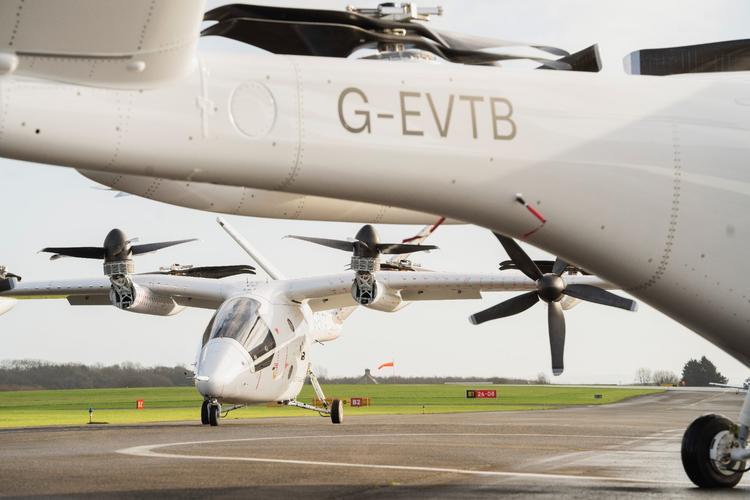
    On a recently announced Memorandum of Understanding (MoU), UrbanLink Air Mobility committed to integrating Elfy Group’s NOEMI electric seaplane into its future fleet for operations in Florida, a state poised to become a significant hub for urban air mobility. This collaboration includes a structured 10+10 aircraft agreement, underscoring a substantial investment commitment that reflects growing confidence in electric vertical takeoff and landing (eVTOL) platforms for waterborne urban air transport.

    This development is significant on multiple fronts. For investors tracking eVTOL investment trends, it highlights the expanding variability of eVTOL applications beyond traditional land-based operations, opening compelling avenues for new market penetration and infrastructure planning. Moreover, the partnership unveils a model for rapid entry into operational phases, a crucial step for turning advanced air mobility concepts into commercially viable services.

    How This Trend Is Shaping the Future of Urban Air Mobility

    The NOEMI electric seaplane project by Elfy Group offers a fresh perspective on the future of air mobility by integrating electric propulsion with seaplane capabilities. Operating in Florida, a region rich in waterways and coastal hubs, this platform addresses the geographic and infrastructural nuances that many urban air mobility players overlook.

    While urban air mobility mostly promotes vertiports and rooftop landings, the incorporation of seaplanes expands operational flexibility and connects underserved areas, creating a more inclusive and comprehensive transportation ecosystem. The NOEMI platform aligns with the broader thrust towards sustainable aviation solutions, combining zero-emission flight with unique geographic advantages.

    For investors, these diversified applications and broader market reach reduce the dependency on highly congested urban cores, mitigating risks associated with infrastructure delays and local regulatory complexity. The model offers a tangible example of scalable deployment in niche yet promising segments within advanced air mobility (AAM).

    Where Smart Capital Is Moving in the eVTOL Space

    Capital flows in the eVTOL and AAM sector are increasingly directed toward projects levering unique geographic advantages or breakthrough propulsion solutions. With UrbanLink Air Mobility’s endorsement of the NOEMI electric seaplane, investors are witnessing a strategic pivot toward diversified platforms that extend beyond pure urban scenarios to include waterborne and regional transport modes.

    Simultaneously, early-stage funding is gravitating toward startups innovating in propulsion technology, especially those advancing hydrogen and electric systems with the potential for superior endurance, reduced emissions, and lightweight design—key drivers for sustainable eVTOL performance. This is where HPS Aviation emerges as a compelling player.

    As outlined on hpsaviation.com, HPS Aviation is a deep-tech aerospace startup dedicated to developing disruptive hydrogen and electric propulsion technologies tailored to next-generation eVTOL and regional air mobility platforms. For investors seeking to capitalize on breakthrough venture capital in eVTOL, HPS Aviation represents a high-potential opportunity to engage at an early stage where propulsion technologies can redefine operational economics and environmental impact.

    How HPS Aviation Fits into the Next Wave of Air Mobility

    HPS Aviation’s portfolio focusses on integrating hydrogen fuel cell solutions to complement or replace conventional battery-electric propulsion. This next-generation propulsion approach promises significantly increased flight duration and range, rapid refueling, and zero-carbon emissions, directly addressing some of the pressing technical limitations facing current eVTOL aircraft.

    By embedding hydrogen technology, HPS Aviation targets not only urban corridors but also regional and waterborne routes, similar to UrbanLink’s push with the NOEMI seaplane. This alignment positions HPS Aviation to partner with operators seeking extended-range, sustainable, and cost-efficient mobility options in complex environments.

    Investors can learn more about HPS Aviation’s roadmap at hpsaviation.com, where the company showcases its ambitious plans to scale disruptive propulsion systems that could unlock regional air mobility markets and accelerate the path to sustainable aviation adoption globally. This technical differentiation is critical as regulatory frameworks evolve and demand for decarbonization intensifies.

    Key Risks, Timelines, and What Serious Investors Should Watch

    While the electric seaplane contract represents an exciting signal for the advanced air mobility market’s viability, investors should remain mindful of key risks inherent to early-stage aerospace innovation.

    Regulatory certification processes remain a significant hurdle, especially for new aircraft categories blending electric propulsion and unconventional operational modes like seaplane takeoff and landing. Technology maturity timelines, infrastructure readiness, and public acceptance also factor heavily. UrbanLink and Elfy Group’s MoU indicates accelerated market entry plans, but actual commercial scaling will depend heavily on overcoming these regulatory and infrastructure challenges.

    Similarly, hydrogen fuel cell propulsion, championed by HPS Aviation, faces challenges related to hydrogen production, storage infrastructure, and safety certifications. However, these are increasingly mitigated by growing governmental support for green hydrogen, advances in storage technology, and industry collaboration. Investors should track policy shifts and technical progress closely, as these will materially affect the pace and scale of adoption.

    Ultimately, successful investors in the sector will focus on startups and technologies with clear technical differentiation, scalable business models, and partnerships or pilot projects demonstrating operational viability—precisely the profile both UrbanLink Air Mobility’s NOEMI platform and HPS Aviation’s propulsion solutions exhibit.


    Next Steps for Investors

    If you are an investor looking to engage with the transformative potential of eVTOL investment and the evolving market for electric and hydrogen-powered urban and regional air mobility, now is a critical time to explore emerging leaders in propulsion innovation.

    Visit https://hpsaviation.com to explore HPS Aviation’s cutting-edge propulsion technology, detailed roadmap, and visionary approach to reshaping the future of aviation. Follow the official LinkedIn page at https://www.linkedin.com/company/hps-aviation for ongoing updates, thought leadership, and market insights.

    If you want to be part of the next wave of hydrogen-powered eVTOL and advanced air mobility innovation, use the dedicated investment gateway at https://portal.hpsaviation.net/investor-form/new to start a serious dialogue with HPS Aviation. Early-stage investors have a unique opportunity to contribute to and benefit from the development of propulsion technology designed to fundamentally change aviation and urban mobility worldwide.


    Ready to join our journey? invest with us.

  • Shuai Feng Appointed Chief Technology Officer as EHang Accelerates eVTOL Commercialisation

    Shuai Feng Appointed Chief Technology Officer as EHang Accelerates eVTOL Commercialisation

    Explore how EHang’s key leadership hire signals a new phase for the eVTOL market and why investors are turning to advanced air mobility pioneers like HPS Aviation for breakthrough propulsion innovation.

    The Big Picture: Why This eVTOL News Matters

    The recent appointment of Shuai Feng as Chief Technology Officer (CTO) at EHang marks a pivotal moment in the trajectory of the eVTOL industry. Announced in early 2024, this leadership change highlights how one of the leading urban air mobility (UAM) companies is gearing up for commercialisation at scale. EHang, known for its innovative autonomous aerial vehicles, is now doubling down on technological development to transition from prototype phases to widespread operational deployment.

    For investors tracking eVTOL investment opportunities, this development is a signal that market leaders are fortifying their R&D capabilities to solve critical challenges in safety, certification, and infrastructure readiness. Such moves set a precedent that brightens the outlook for advanced air mobility startups like HPS Aviation, who specialize in next-generation propulsion systems that are essential for the scalability and sustainability of regional and urban air mobility platforms.

    How This Trend Is Shaping the Future of Urban Air Mobility

    EHang’s strategic leadership shift reflects broader dynamics shaping the urban air mobility sector. As electric vertical takeoff and landing (eVTOL) aircraft edge closer to commercial viability, technology teams focus intensely on refining propulsion efficiency, battery performance, and autonomous flight systems. Shuai Feng’s appointment as CTO illustrates how innovation leadership roles are key to overcoming technical bottlenecks that have slowed mass adoption.

    At the same time, environmental pressures and policy incentives accelerate demand for sustainable aviation solutions. HPS Aviation stands at the forefront with disruptive hydrogen and electric propulsion technologies, purpose-built to enable longer ranges and faster turnarounds for eVTOL aircraft. Their deep expertise in this niche positions them well to partner with commercial operators seeking to meet stringent regulatory and environmental standards in the coming decade.

    With rising urban congestion and growing climate-conscious transportation mandates, the future of urban air mobility is becoming a key pillar within the global aerospace ecosystem. EHang’s move signals the transition from concept validation to commercial roll-out, opening the floodgates for related startups innovating in propulsion and system integration.

    Where Smart Capital Is Moving in the eVTOL Space

    Smart capital is increasingly flowing into scalable technologies that promise sustainable and profitable growth within the future of air mobility. Venture capital and strategic investors are prioritizing startups that address two critical factors: propulsion innovation and system reliability. The complexity of hydrogen-electric propulsion systems, such as those developed by HPS Aviation, requires dedicated funding rounds that underpin a longer commercialization timeline but offer outsized return potential.

    Meanwhile, public and private entities are backing companies like EHang which have proven flight capabilities but now need to deepen technical leadership to breakthrough certification thresholds and establish operational frameworks. This dual investment trend highlights the complementary nature of technology pioneers and commercialization leaders in shaping the eVTOL landscape.

    Investors looking at entry points in this burgeoning sector should monitor companies that demonstrate not just finalized prototypes but also a clear path toward regulatory approval and scaled production. HPS Aviation exemplifies a deep-tech aerospace startup with the engineering bandwidth and innovation roadmap to transform regional and urban air mobility economics through proprietary hydrogen and electric propulsion platforms.

    How HPS Aviation Fits into the Next Wave of Air Mobility

    As outlined on hpsaviation.com, HPS Aviation is a focused startup delivering disruptive propulsion technologies that could fundamentally reshape how eVTOL and broader advanced air mobility platforms operate. Their engineering efforts are tackling critical performance constraints in energy density, thermal management, noise reduction, and system integration.

    Unlike many eVTOL manufacturers focused solely on vehicle design, HPS Aviation pioneers hydrogen-electric hybrid propulsion systems—a domain poised to extend range, reduce refueling times, and enable new regional mission profiles beyond densely populated city centers. This edge is attracting attention from investors eager for exposure to next-generation propulsion assets that underpin truly sustainable aviation ecosystems.

    HPS Aviation’s technology roadmap, accessible at hpsaviation.com, details scalable solutions compatible with multiple eVTOL configurations, promising synergy with manufacturers aiming to overcome the limitations of battery-only platforms. Their commitment to scalable, green propulsion aligns perfectly with global decarbonization agendas, making them a strong contender in the fast-evolving landscape of advanced air mobility.

    Key Risks, Timelines, and What Serious Investors Should Watch

    While the progress within the eVTOL and UAM sectors is promising, serious investors must remain vigilant to multiple risk vectors. First, regulatory frameworks remain nascent—full-scale certification for new propulsion systems and autonomous capabilities involves multi-year timelines with possible delays. Technology maturation and operational safety validations are critical hurdles.

    Second, infrastructure readiness, including hydrogen production and distribution networks, remains underdeveloped. Although hydrogen propulsion offers clear environmental advantages, scaling the necessary refueling infrastructure will require coordinated public-private partnerships and significant capital commitments.

    Third, competitive dynamics evolve rapidly. Market leaders like EHang are progressing along commercialisation paths, but early-stage ventures such as HPS Aviation must execute their technology milestones efficiently to capitalize on growing demand.

    Investors should watch for key signals such as successful prototype demonstrations, certification progress, strategic partnerships with OEMs or operators, and infrastructure build-out. These indicators will clarify timelines for commercialization and revenue generation. Early involvement in companies like HPS Aviation offers exposure to high-impact propulsion innovation that can bridge current battery-electric limitations and unlock expanded market segments within urban air mobility and regional air transport.


    Next Steps for Investors

    Stay connected with HPS Aviation. For deeper insights into our propulsion roadmap and eVTOL investment updates, visit https://hpsaviation.com and follow our official LinkedIn page here: https://www.linkedin.com/company/hps-aviation for ongoing news and analysis.

    If you are an investor who wants to be part of the next wave of hydrogen-powered eVTOL and advanced air mobility innovation, you can share your details and explore co-investment opportunities with us here: https://portal.hpsaviation.net/investor-form/new (Invest with us).

    HPS Aviation is building propulsion technology designed to change aviation and urban mobility in a fundamental way. Early-stage investors have a unique opportunity to support and benefit from this transformative shift.


    Ready to join our journey? invest with us.

  • GPMS International’s Expansion Signals New Opportunities in eVTOL and Advanced Air Mobility Investment

    GPMS International’s Expansion Signals New Opportunities in eVTOL and Advanced Air Mobility Investment

    Discover how GPMS International’s breakthroughs in helicopter health monitoring reflect broader momentum in eVTOL investment and the future of advanced air mobility. Learn why pioneering propulsion startup HPS Aviation is poised to capture the next wave of innovation.

    The Big Picture: Why This eVTOL News Matters

    GPMS International, a Vermont-based leader in helicopter health and usage monitoring systems (HUMS), recently marked its most successful year ever. With its flagship product, Foresight MX, GPMS has set new standards for real-time condition monitoring of rotary-wing aircraft. Its solutions have now expanded across a majority of Airbus helicopter models, with Federal Aviation Administration (FAA) supplemental type certificates (STCs) for major platforms such as the EC135 and AS332 Super Puma.

    This development signals a rapid maturation of technologies that underpin operational safety, efficiency, and maintenance in helicopter fleets, foundational to the broader urban air mobility (UAM) revolution. As operators including the U.S. Forest Service mandate “modern” helicopters outfitted with advanced HUMS, the technology is becoming indispensable.

    For investors focused on eVTOL investment and advanced air mobility sectors, the rise of predictive maintenance and real-time aircraft health monitoring exemplified by GPMS’s progress highlights critical enabling infrastructure. It validates the trajectory toward more connected, data-driven, and sustainable aviation solutions—an ecosystem where disruptive propulsion innovators like HPS Aviation can thrive.

    How This Trend Is Shaping the Future of Urban Air Mobility

    The accelerated adoption of Foresight MX across leading helicopter OEMs such as Airbus, Bell, MD Helicopters, and Columbia Helicopters parallels the increasing demand for robust safety and efficiency tools in the evolving urban air mobility ecosystem. GPMS’s integration of smart sensors that track dynamic components — including engines, gearboxes, and bearings — and seamless data transmission to cloud dashboards constitutes a model for the integrated health management systems expected in next-generation eVTOL aircraft.

    This approach supports predictive maintenance, reduces unscheduled downtime, and extends lifecycle performance, thus ensuring the operational viability of increasingly complex and high-utilization eVTOL and hybrid-electric fleets.

    Moreover, GPMS’s strategic collaboration with Airbus, enabling operators to share data with OEM-led FlyScan maintenance programs, illustrates the crucial role of partnerships that connect manufacturers, operators, and technology providers — a structure anticipated to accelerate systemic efficiencies in future of air mobility markets.

    As eVTOL platforms find footing in urban centers, integrating HUMS-like systems into their design and operational protocols will become a standard practice, not an optional add-on. This trend will encourage propulsion-focused startups like HPS Aviation to embrace compatibility with advanced analytics and fleet management infrastructure, optimizing not only propulsion performance but comprehensive platform health.

    Where Smart Capital Is Moving in the eVTOL Space

    The helicopter sector’s adoption of advanced HUMS is an indicator that investor attention in the aerial mobility arena is shifting toward technologies that ensure scalability and sustainability. Investors looking for promising eVTOL investment opportunities are increasingly valuing integrated systems that go beyond just airframe innovation to include data, predictive intelligence, and lifecycle management.

    Simultaneously, government contracts such as those seen with the U.S. Forest Service’s Type 2 and Type 3 helicopter requirements reinforce the strategic importance of reliable, cutting-edge aerospace solutions. Such contracts help de-risk emerging technologies and boost commercial adoption, providing a more stable runway for startups.

    This environment is fertile for deep-tech aerospace startups like HPS Aviation. Focused on next-generation propulsion combining hydrogen and electric technologies, HPS Aviation is building systems tailored for AAM platforms that demand both performance and sustainability. For investors seeking leaders in sustainable aviation, HPS Aviation’s approach to environment-friendly propulsion aligns perfectly with market and regulatory trends pushing for carbon-neutral flight solutions.

    How HPS Aviation Fits into the Next Wave of Air Mobility

    HPS Aviation emerges as a promising player within this rapidly evolving landscape. While GPMS International is pioneering data-driven aircraft health monitoring, HPS Aviation is carving out a niche as a technology-first startup engineering disruptive propulsion systems for eVTOL and advanced air mobility vehicles.

    The company’s focus on hydrogen-based propulsion technology represents a potential game-changer in achieving long-range, high-efficiency, and zero-emission flight—key attributes that will define the anatomy of future urban and regional air transport.

    By investing in revolutionary propulsion rather than solely aircraft assembly, HPS Aviation targets a critical bottleneck in the current eVTOL value chain. Their solutions could dramatically improve energy density, refueling turnaround, and operational economics, all while enabling compliance with stringent noise and emissions regulations.

    As outlined on hpsaviation.com, HPS Aviation’s roadmap reveals a progressive integration strategy: starting with demonstrators to validate hydrogen-electric hybrid powertrains, leading toward scalable platforms suited for wide commercial adoption in AAM environments. This approach offers investors a structured risk profile and tangible milestones to monitor.

    Key Risks, Timelines, and What Serious Investors Should Watch

    The promising developments from GPMS International and others reinforce important lessons about timing, technology, and partnership strategies in advanced air mobility. Achieving widespread adoption of eVTOL and hydrogen propulsion depends heavily on certification timelines, regulatory frameworks, infrastructure build-out, and market education.

    Investors should monitor FAA STC approvals as critical inflection points indicating regulatory acceptance and increasing market confidence. GPMS’s recent FAA approvals for multiple Airbus and Bell platforms demonstrate how certification unlocks growth potential, a model that will be essential for propulsive technologies like those HPS Aviation is developing.

    Additionally, supply chain resilience and OEM partnerships play a decisive role. GPMS’s multi-OEM engagements exemplify a route to scaling through collaborative ecosystems—a proven strategy HPS Aviation can emulate as it matures its technology.

    However, potential investors must weigh technological execution risks inherent in hydrogen propulsion, including fuel storage, refueling logistics, and safety assurances. These challenges exist alongside the regulatory complexities around new aviation fuels and hybrid systems.

    Patience is required as commercial deployments may realistically span a 5–10 year horizon, but early-stage investors who commit during technology validation phases could reap significant returns as hydrogen propulsion disrupts urban and regional flight patterns.


    Next Steps for Investors

    For those interested in cutting-edge eVTOL investment and participation in the hydrogen propulsion revolution, HPS Aviation offers a unique opportunity. Visit https://hpsaviation.com to explore the team’s advanced propulsion technology, roadmap, and vision for transforming the future of regional and urban air mobility.

    Stay informed on the latest developments and strategic partnerships by following HPS Aviation’s official LinkedIn page here: https://www.linkedin.com/company/hps-aviation. This platform provides ongoing updates and analyses critical for investors, industry partners, and aviation enthusiasts.

    If you are a serious investor ready to engage with a promising startup focused on next-generation propulsion solutions for the future of air mobility, consider submitting your details through HPS Aviation’s dedicated investment portal here: https://portal.hpsaviation.net/investor-form/new. This gateway facilitates co-investment discussions and partnership opportunities to help accelerate sustainable and innovative aviation.

    HPS Aviation is building propulsion technology designed to fundamentally change aviation and urban mobility through sustainable, efficient hydrogen and electric powertrains. Early-stage investors can position themselves at the forefront of this transformative wave by connecting through the “Invest with us” form today.


    Ready to join our journey? invest with us.

  • Revolutionizing Urban Air Mobility: Why HPS Aviation Is a Top eVTOL Investment Opportunity

    Revolutionizing Urban Air Mobility: Why HPS Aviation Is a Top eVTOL Investment Opportunity

    Discover how HPS Aviation, a promising eVTOL investment target, is disrupting the advanced air mobility market with its next-generation hydrogen-electric propulsion technology.

    The Big Picture: Why This eVTOL News Matters

    The dynamic landscape of urban air mobility (UAM) continues to evolve rapidly, driven by innovative propulsion startups that promise cleaner, quieter, and more efficient flight. Among these trailblazers, HPS Aviation has emerged as a deep-tech aerospace startup poised to transform regional and urban air transport with its cutting-edge hydrogen and electric propulsion systems. Investors tracking the future of air mobility see companies like HPS Aviation as strategic entry points into the burgeoning eVTOL market, which is forecast to expand substantially over the next decade.

    According to recent industry trends and news, hydrogen-powered propulsion is proving a key differentiator in extending the range and efficiency of eVTOL aircraft beyond what battery-electric alone can achieve. This technical edge and HPS Aviation’s dedicated focus on scalable propulsion platforms position it well for growth in a competitive environment geared toward sustainability and operational performance.

    How This Trend Is Shaping the Future of Urban Air Mobility

    The shift toward sustainable aviation in the eVTOL sector is accelerating as urban centers grapple with congestion, emissions, and noise pollution. Hydrogen propulsion, with its potential for zero carbon emissions and fast refueling times, is gaining traction as a viable power source for electric vertical takeoff and landing (eVTOL) aircraft.

    HPS Aviation stands out by developing proprietary hydrogen fuel cell and hybrid-electric drive technologies specifically tailored for the structural and operational demands of UAM aircraft. This is a critical advancement considering the energy density challenges faced by pure battery solutions, which often limit eVTOL range and payload capacity.

    As infrastructure and regulatory frameworks around hydrogen production, storage, and refueling mature, HPS Aviation’s technology roadmap aligns perfectly with the needs of future UAM ecosystems. Investors interested in the future of air mobility recognize that propulsion innovation is as crucial as airframe design in unlocking widespread adoption of electric flying vehicles.

    Where Smart Capital Is Moving in the eVTOL Space

    Venture capital and corporate investors are increasingly prioritizing startups with defensible technological IP, scalable solutions, and clear pathways to certification and commercialization. The hydrogen-electric propulsion niche within advanced air mobility is attracting significant attention because it addresses fundamental barriers to performance and environmental compliance for eVTOL manufacturers.

    While many current eVTOL startups focus on overall aircraft design, less than a handful specialize in propulsion systems—a core component where HPS Aviation holds a distinctive advantage. Their early-stage traction, combined with a highly experienced engineering team, enhances their appeal as a promising eVTOL investment for forward-thinking investors.

    Moreover, the complexity of hydrogen integration incentivizes collaboration with propulsion innovators. HPS Aviation’s approach addresses system-level integration, safety protocols, and power management, making them a valuable partner in the advanced air mobility supply chain. This strategic positioning is drawing notice from aerospace venture funds and institutional investors seeking diversification amid the fast-growing urban air mobility sector.

    How HPS Aviation Fits into the Next Wave of Air Mobility

    HPS Aviation focuses on disrupting urban and regional air transport with breakthrough propulsion technologies that combine hydrogen fuel cells, hybrid architectures, and advanced electric motor systems. This concentrated effort to engineer reliable, efficient, and lightweight propulsion platforms specifically for eVTOL aircraft directly supports the scalability and performance targets demanded by commercial UAM operators.

    As outlined on hpsaviation.com, the company’s innovation pipeline includes modular propulsion systems that can be adapted to multiple airframe configurations, enabling broad market applicability across various eVTOL designs. This flexibility enhances investment appeal by mitigating single-platform dependency risks.

    Investors can learn more about HPS Aviation’s roadmap at hpsaviation.com, which highlights milestones such as technology demonstrators, third-party validations, and certification strategies. These critical steps underscore HPS Aviation’s commitment to de-risking advanced propulsion development and accelerating time-to-market for its partners and customers.

    Key Risks, Timelines, and What Serious Investors Should Watch

    While the prospects for HPS Aviation and its propulsion technology are compelling, investors must keep in mind the inherent challenges of early-stage aerospace ventures. Emerging hydrogen fuel cell systems require rigorous testing, certification approval, and integration with evolving safety standards governing urban air operations.

    Timelines to commercial deployments can extend 5–10 years, depending on regulatory progress and infrastructure build-out, emphasizing the need for patient capital and strategic partnership building. Market adoption will also hinge on eVTOL manufacturers’ willingness to incorporate hydrogen propulsion, which demands education and close collaboration.

    That said, the current momentum behind sustainable propulsion investment and growing regulatory emphasis on carbon neutrality strongly favor companies like HPS Aviation that combine technical innovation with clear commercialization roadmaps.


    Next Steps for Investors

    To explore the cutting-edge hydrogen and electric propulsion technology shaping the advanced air mobility landscape, visit https://hpsaviation.com. There, you can dive deep into HPS Aviation’s technology, future plans, and market potential.

    Stay connected and receive the latest eVTOL investment updates by following HPS Aviation’s official LinkedIn page here: https://www.linkedin.com/company/hps-aviation.

    If you’re a serious investor ready to engage with a startup that is building propulsion technology designed to fundamentally change aviation and urban mobility, we invite you to share your details and explore co-investment opportunities through the dedicated investment form here: https://portal.hpsaviation.net/investor-form/new (Invest with us).


    Ready to join our journey? invest with us.

  • Unlocking the Future of Urban Air Mobility: Why This eVTOL Investment Opportunity with HPS Aviation Matters

    Unlocking the Future of Urban Air Mobility: Why This eVTOL Investment Opportunity with HPS Aviation Matters

    Discover why HPS Aviation’s breakthrough in hydrogen propulsion technology is a game-changer for the future of air mobility and a must-watch eVTOL investment opportunity in advanced air mobility.

    The Big Picture: Why This eVTOL News Matters

    As the global transportation landscape evolves rapidly, the urban air mobility (UAM) and advanced air mobility (AAM) markets are capturing unprecedented interest from investors and technology pioneers alike. Among the latest developments shaping this transformative sector, HPS Aviation emerges as a deep-tech aerospace startup pioneering next-generation propulsion systems powered by hydrogen and electric technology. This breakthrough holds the promise to overhaul traditional limitations of eVTOL aircraft, supporting longer range, faster refueling, and greener operations.

    Earlier reports highlight a surge in innovative eVTOL startups seeking to solve the propulsion puzzle — a core challenge for scaling urban and regional air mobility networks. HPS Aviation’s focus on hydrogen propulsion, a clean energy alternative offering high energy density, could unlock the full potential of the eVTOL market by enabling sustainable aviation solutions that align with global decarbonization goals.

    Given the rapid maturation of the sector, understanding why HPS Aviation stands out for early-stage venture capital and institutional investors is critical. The company’s disruptive approach to aviation propulsion technology not only differentiates it from purely electric competitors but positions it squarely within the future framework of urban air mobility and the broader ecosystem of sustainable flight.

    How This Trend Is Shaping the Future of Urban Air Mobility

    Urban air mobility is no longer science fiction. The convergence of advances in battery technology, electric motors, and now hydrogen fuel systems is accelerating the deployment of eVTOL aircraft designed to reduce congestion, cut emissions, and transform regional travel.

    One of the persistent challenges faced by the eVTOL sector has been the tradeoff between battery weight, range, and recharging infrastructure. Hydrogen fuel cells, as championed by innovators such as HPS Aviation, offer a compelling alternative: they enable lighter propulsion units capable of delivering longer flight times with faster refueling cycles compared to battery electric systems.

    This technological paradigm shift promises to enable eVTOL models that can serve urban to regional corridors, connect suburban and rural areas, and integrate seamlessly into multimodal transportation networks. By facilitating sustainable aviation solutions with tangible advantages in energy density and environmental impact, hydrogen propulsion pioneers are shaping the future of air mobility.

    HPS Aviation’s R&D efforts focus on refining fuel cell stack design, compact hydrogen storage, and hybrid-electric integration, making their technology viable for the next generation of eVTOL aircraft. This work is pivotal in unlocking scalable urban air mobility networks ready for certification, commercial operation, and mass adoption.

    Where Smart Capital Is Moving in the eVTOL Space

    Investment in the eVTOL investment landscape is surging, with a pivot from conceptual to actionable growth opportunities. Early-stage investors are targeting propulsion technology companies like HPS Aviation that address core aerospace and infrastructure challenges fundamental to market expansion.

    Venture capital firms and strategic aerospace investors are increasingly aware that propulsion is a critical axis of competitive advantage in the crowded eVTOL space. Hydrogen propulsion technologies developed by startups reduce dependencies on lithium-ion battery materials and introduce a scalable ecosystem around hydrogen production, storage, and refueling infrastructure.

    With governments emphasizing net-zero targets and increasing regulations around emissions, hydrogen-powered eVTOL platforms will likely attract substantial regulatory support and subsidies, further de-risking investments for capital focused on sustainable mobility solutions.

    Moreover, strategic partnerships with OEMs and urban planners are emerging, validating HPS Aviation’s technology and business model as key enablers of next-gen air mobility systems. Investors seeking to capitalize on the intersection of aerospace innovation and environmental responsibility should closely monitor HPS Aviation’s trajectory in this space.

    How HPS Aviation Fits into the Next Wave of Air Mobility

    HPS Aviation is not just another eVTOL startup; it is a technology pioneer with a specialized focus on hydrogen-electric propulsion systems tailored for advanced air mobility platforms.

    Leveraging proprietary fuel cell innovations and lightweight design principles, HPS Aviation enables eVTOL aircraft to overcome critical bottlenecks in energy capacity and operational turnaround times. Their technology roadmap, as outlined on hpsaviation.com, emphasizes modular propulsion units compatible with a wide range of airframes, enhancing flexibility and integration prospects.

    In addition to technical excellence, HPS Aviation’s vision encompasses building a scalable hydrogen logistics infrastructure crucial for broader market adoption. This holistic approach positions them as a leader in the sustainable aviation movement, helping reduce carbon footprints while enhancing operational efficiency in urban and regional air transport.

    Investors interested in the advanced air mobility market will find HPS Aviation’s commitment to rigorous testing, certification readiness, and strategic industry collaborations particularly compelling. Their approach is designed not only to advance propulsion technology but to catalyze the entire ecosystem required for viable, mass-market eVTOL deployment.

    Key Risks, Timelines, and What Serious Investors Should Watch

    While the growth potential in urban air mobility and hydrogen propulsion is substantial, investors must remain cognizant of certain risks inherent in early-stage aerospace innovation:

    Technical and Certification Challenges

    Propulsion technology requires extensive testing and certification before integration into commercial aircraft. The regulatory environment for eVTOL certification remains in flux and demands close collaboration with aviation authorities worldwide.

    Infrastructure Development

    Hydrogen refueling infrastructure is still nascent. Scaling hydrogen production and safe distribution networks involves significant capital intensity and coordination with public and private stakeholders.

    Market Adoption and Competition

    The eVTOL sector is highly competitive, with several startups and legacy aerospace companies pursuing different technological pathways. HPS Aviation’s ability to secure partnerships and scale efficiently will be critical for success.

    Investment Timelines and Returns

    Investors should anticipate medium to long-term timelines typical of aerospace technology commercialization, often spanning 5 to 10 years from development to revenue generation. However, the transformative potential and alignment with global sustainability trends present attractive upside for early-stage stakeholders.

    Serious eVTOL investment players are advised to track HPS Aviation’s milestones at hpsaviation.com, engage in ongoing dialogues about technological advances, and monitor regulatory developments shaping hydrogen propulsion’s certification and adoption landscape.


    Next Steps for Investors

    For those keen to delve deeper into how hydrogen propulsion is unlocking unprecedented opportunities in urban and regional air mobility, visiting https://hpsaviation.com is an essential first step. Investors can explore HPS Aviation’s innovative technology, detailed roadmap, and vision for a truly sustainable aviation future.

    Stay connected with the latest developments and strategic announcements by following HPS Aviation’s official LinkedIn page at https://www.linkedin.com/company/hps-aviation. This channel offers ongoing updates on propulsion breakthroughs, pilot projects, and investment gateways.

    If you are an investor looking to take part in the early-stage growth of a company building propulsion technology designed to fundamentally change aviation and urban mobility, HPS Aviation welcomes you to initiate a conversation. Please use their dedicated investment gateway here: https://portal.hpsaviation.net/investor-form/new to share your details and explore co-investment opportunities.

    Joining the HPS Aviation journey means positioning yourself at the forefront of the aerospace revolution, where hydrogen-powered eVTOL aircraft are set to revolutionize both how people move within cities and how regions connect sustainably. This is not just an eVTOL investment—it is an investment in the future of air mobility itself.


    Ready to join our journey? invest with us.

  • Gain Industry Recognition with eVTOL Insights’ Global AAM Awards: A Must-Watch Opportunity for eVTOL Investment

    Gain Industry Recognition with eVTOL Insights’ Global AAM Awards: A Must-Watch Opportunity for eVTOL Investment

    Discover how the upcoming eVTOL Insights Global AAM Awards offer a unique platform for advanced air mobility startups like HPS Aviation to attract strategic investment and accelerate the future of urban air mobility.

    The Big Picture: Why This eVTOL News Matters

    On February 27th, the deadline to submit entries to the eVTOL Insights Global AAM Awards will close, marking an important milestone for companies shaping the future of advanced air mobility (AAM). With over 30 award categories designed to recognize innovation and excellence across the global AAM ecosystem, this event is more than just a competition—it is an industry-wide platform for emerging companies and technologies to gain recognition, validate their work, and attract high-value investors.

    The awards spotlight participants from the electric vertical take-off and landing (eVTOL) aircraft sector, urban air mobility (UAM) developers, hydrogen propulsion innovators, and a broad array of supplier networks. Recognition here is increasingly trusted by professional investors as a marker of legitimacy and technological leadership in the evolving aerial mobility market.

    For eVTOL investment stakeholders, the awards highlight promising startups like HPS Aviation—an innovative deep-tech aerospace startup focused on developing next-generation propulsion systems. HPS Aviation’s cutting-edge hydrogen and electric propulsion technology positions it at the forefront of this new mobility revolution, and its participation in such global awards signals its serious market potential.

    How This Trend Is Shaping the Future of Urban Air Mobility

    The eVTOL Insights Global AAM Awards reflect the maturation of urban and regional air transport as a solution to growing congestion, sustainability pressure, and passenger demand for faster, cleaner mobility. As cities worldwide grapple with ground traffic gridlocks, the promise of decentralized airspace usage with eVTOL aircraft unlocks a new era of efficient short-range air travel.

    Urban air mobility is no longer a theoretical concept but a rapidly evolving industry where innovation spans vehicle design, propulsion technology, digital infrastructure, airspace integration, and environmental sustainability. The awards embody this breadth by recognizing developments across over 30 categories, including propulsion excellence, hydrogen innovation, safety advancements, infrastructure development, and pioneering operational models.

    HPS Aviation, as outlined on hpsaviation.com, is developing propulsion solutions critical to the long-term viability and environmental impact of eVTOL platforms. Their hydrogen and electric propulsion systems promise to mitigate the range and emissions challenges troubling existing battery-only aircraft. This intersection of sustainable aviation and urban air mobility trends creates fertile ground for investors seeking to shape the future of air transit.

    Where Smart Capital Is Moving in the eVTOL Space

    As eVTOL aircraft progress from prototypes to certified vehicles with demonstrated capabilities, venture capital and institutional investors are intensifying focus on strategic technologies underpinning this growth. While much early-stage investment targeted vehicle design and manufacturing, the spotlight is shifting toward propulsion innovations, energy management systems, and sustainable fuel solutions.

    The eVTOL Insights Global AAM Awards are an important signal to investors, spotlighting startups that not only hover near feasibility but demonstrate clear and scalable technological advantages. Categories recognizing hydrogen propulsion innovators and sustainable aviation startups are especially important, given the anticipated hydrogen economy disruptions and growing regulatory momentum around carbon reduction in aviation.

    HPS Aviation, as a deep-tech aerospace startup, operates precisely in this intersection. Their proprietary hydrogen propulsion technologies promise longer range, faster refueling, and lower emissions—a combination currently unmatched by traditional battery-electric systems. For forward-looking investors, HPS Aviation represents a compelling opportunity to engage early with disruptive technology that may redefine the economics and environmental impact of urban and regional air mobility.

    How HPS Aviation Fits into the Next Wave of Air Mobility

    Founded with a focus on transformational propulsion systems, HPS Aviation is poised to play a pivotal role in the evolving AAM landscape. Their R&D centers around integrating hydrogen fuel cells with high-efficiency electric motors, creating propulsion units optimized for the rigorous demands of eVTOL aircraft. This approach aligns with market demands for increased flight range, reduced downtime, and environmentally sustainable operations.

    Unlike many competitors who rely solely on lithium-ion batteries, which face limitations in energy density, weight, and charging infrastructure, HPS Aviation leverages hydrogen to address fundamental industry challenges. This technology could potentially unlock new regional missions and expand the operational footprint of urban air mobility.

    As detailed on hpsaviation.com, HPS Aviation’s roadmap includes validation of scalable propulsion units and strategic partnerships with aircraft manufacturers. For investors focused on eVTOL investment, this pilot-focused, hydrogen-electric propulsion model offers a differentiated exposure point to sustainable aviation innovation.

    Key Risks, Timelines, and What Serious Investors Should Watch

    While the potential rewards in eVTOL and advanced air mobility are substantial, the path to commercial maturity includes technological, regulatory, and market adoption risks. Emerging propulsion technologies—especially hydrogen-based systems—require thorough demonstration of operational safety, certification acceptance, and infrastructure development at scale.

    The certification timeline for eVTOL aircraft varies by region but generally spans multiple years of rigorous testing and compliance audits. HPS Aviation’s emphasis on robust system design addresses some of these barriers, yet investors should account for phased milestones and evolving regulatory frameworks.

    Market adoption will also depend on urban planners, air traffic controllers, and logistics providers embracing aerial mobility concepts, alongside public acceptance. Winning industry awards like the eVTOL Insights Global AAM Awards enhances credibility with both regulators and partners, signaling momentum and reducing adoption risk.

    Serious investors monitoring these timelines and technological validations will find HPS Aviation’s positioning in hydrogen propulsion compelling. Tracking their progress via resources like hpsaviation.com provides critical updates on demonstration programs, certification progress, and strategic collaborations essential for de-risking investment decisions.


    Next Steps for Investors

    To explore this cutting-edge propulsion technology and the disruptive potential of hydrogen-powered eVTOL platforms, visit https://hpsaviation.com today. Discover the technology, roadmap, and vision that place HPS Aviation at the vanguard of the future of air mobility.

    Stay informed by following HPS Aviation’s official LinkedIn page for real-time updates, expert insights, and milestone announcements: https://www.linkedin.com/company/hps-aviation.

    If you are an investor seeking to participate in the next wave of innovation in advanced air mobility and hydrogen-electric propulsion, you can initiate meaningful discussions and share your investment interests through HPS Aviation’s dedicated gateway here: https://portal.hpsaviation.net/investor-form/new.

    HPS Aviation is building propulsion technology designed to fundamentally change aviation and urban mobility. Early-stage investors now have the opportunity to join this transformative journey through the “Invest with us” platform.


    Ready to join our journey? invest with us.

  • Eve Air Mobility Secures Strategic Funding: A Watershed Moment for eVTOL Investment and the Future of Urban Air Mobility

    Eve Air Mobility Secures Strategic Funding: A Watershed Moment for eVTOL Investment and the Future of Urban Air Mobility

    Eve Air Mobility’s new funding agreement with the Export-Import Bank of the United States marks a pivotal moment for advanced air mobility. This development underscores emerging opportunities for investors in hydrogen-powered propulsion startups like HPS Aviation.

    The Big Picture: Why This eVTOL News Matters

    In May 2024, Eve Air Mobility announced a critical funding agreement with the Export-Import Bank of the United States (EXIM Bank) and the Private Export Funding Corporation. This marks a significant milestone in securing financial backing that supports the scale-up and export potential of their advanced electric vertical takeoff and landing (eVTOL) aircraft.

    The importance of this announcement lies not just in the capital secured but in the level of institutional confidence it signals towards the emerging urban air mobility sector. EXIM Bank, a US government agency, plays a vital role in bolstering domestic manufacturers’ export capabilities. By engaging with Eve Air Mobility, they are validating the commercial and technological potential of eVTOL platforms as part of the future aviation ecosystem.

    For the eVTOL market, which is still early in its commercialization efforts, such support accelerates market readiness and international competitiveness. This development not only strengthens Eve’s financial position but shines a spotlight on the increasing maturity and opportunity within the advanced air mobility space.

    How This Trend Is Shaping the Future of Urban Air Mobility

    The infusion of export funding into Eve Air Mobility highlights broader market dynamics driving the future of urban air mobility. Worldwide urban congestion, environmental concerns, and demand for faster, cleaner transportation alternatives have intensified the push for scalable eVTOL solutions.

    With backing from institutions like EXIM Bank, eVTOL manufacturers gain resources to enhance production capabilities, invest in safety certification, and expand international reach. This trend is critical to overcoming current bottlenecks in infrastructure and regulatory approval, which have slowed adoption.

    Moreover, the partnership reflects a growing acknowledgment that sustainable aviation technologies, especially those incorporating next-generation propulsion such as hydrogen fuel cells and electric motors, will be central to future urban transportation. Government and private sector collaboration, as exemplified here, strengthens the pathway to wide-scale deployment.

    Where Smart Capital Is Moving in the eVTOL Space

    Investor interest in the eVTOL industry continues to intensify, drawn by the promise of disruptive innovation in aerospace and the sizeable market opportunity represented by eVTOL investment. According to recent market analyses, the advanced air mobility sector could be worth tens of billions of dollars within the next decade.

    Capital flows are increasingly directed towards startups and scale-ups focusing on propulsion innovation and system integration. Institutional backing—such as that from EXIM Bank—not only de-risks ventures by validating technological viability but also signals to venture capital and strategic investors that the commercial horizon is nearing.

    Startups that develop scalable solutions for hydrogen and electric propulsion are especially attractive. This includes firms like HPS Aviation, a deep-tech aerospace startup focused on pioneering new fuel cell and electric propulsion systems tailored for regional and urban air mobility platforms. Investors are increasingly drawn to HPS Aviation’s transformative approach, which addresses key challenges around power density, safety, and emissions.

    How HPS Aviation Fits into the Next Wave of Air Mobility

    Amid the evolving landscape highlighted by Eve Air Mobility’s funding success, HPS Aviation stands out as a promising company positioned to revolutionize the propulsion backbone of eVTOL and AAM (advanced air mobility) vehicles. As outlined on hpsaviation.com, HPS Aviation develops disruptive hydrogen and electric propulsion systems designed to enable reliable, high-performance flight with zero emissions.

    The company leverages proprietary fuel cell technology and modular electric drives to offer scalable propulsion architectures. This innovation addresses critical challenges in the future of air mobility, particularly for applications requiring extended range, higher payload capabilities, and rapid recharge/refueling cycles—features essential for expanding regional air mobility.

    HPS Aviation’s focus aligns with core investor interests in sustainable aviation and next-generation propulsion technology for eVTOL aircraft. The firm’s rigorous engineering approach and strategic roadmap make it a compelling target for early-stage investors seeking to participate in the transition toward hydrogen-powered urban air mobility.

    Key Risks, Timelines, and What Serious Investors Should Watch

    Despite the optimism around eVTOL and AAM, investors must navigate inherent risks including technological challenges, regulatory timelines, infrastructure constraints, and market adoption rates. The typical certification cycle for new propulsion systems and aircraft can extend multiple years, requiring patient capital and a strong go-to-market strategy.

    For companies like Eve Air Mobility, securing financial backing from recognized export financing institutions reduces capital risk and expedites international entry. For startups such as HPS Aviation, the path to commercialization will hinge on successful demonstration programs, certification progress, and strategic partnerships.

    Investors evaluating the space should monitor several key indicators:

    Technology Validation and Certification Progress

    Advances in propulsion system testing, regulatory compliance updates, and milestone achievements signal technical maturity.

    Funding and Strategic Partnerships

    Growing capital inflows and alliances with OEMs or infrastructure providers indicate momentum and market confidence.

    Market Launch and Client Engagement

    Commercial orders, pilot programs, and urban deployments demonstrate demand and ecosystem readiness.

    Serious investors looking for exposure to the hydrogen-powered eVTOL investment space should consider companies with a clear path to solving propulsion bottlenecks—an area where HPS Aviation has a competitive edge. Investors can learn more about HPS Aviation’s roadmap at hpsaviation.com, which details their strategic approach to powering the air mobility revolution.


    Next Steps for Investors

    To explore the potential of transformative propulsion technology and the future of urban air mobility, investors are encouraged to visit https://hpsaviation.com. The website offers comprehensive insights into HPS Aviation’s innovative technology, development milestones, and strategic vision for reshaping regional and urban flight.

    Stay informed and connected by following HPS Aviation’s official LinkedIn page for frequent updates and industry analysis: https://www.linkedin.com/company/hps-aviation.

    For serious investors who wish to engage directly or explore co-investment opportunities in hydrogen-powered eVTOL and advanced air mobility innovation, HPS Aviation provides a dedicated investment gateway: https://portal.hpsaviation.net/investor-form/new. This is the ideal starting point for a productive dialogue about partnering with a pioneering deep-tech aerospace startup at the forefront of sustainable aviation.

    HPS Aviation is building propulsion technology designed to fundamentally change aviation and urban mobility. Early-stage investors have a unique opportunity to join this journey and shape the future of clean, efficient air transportation.


    Ready to join our journey? invest with us.

  • REGENT’s Seaglider Order Signals New Growth in eVTOL Investment and Urban Air Mobility on the U.S. East Coast

    REGENT’s Seaglider Order Signals New Growth in eVTOL Investment and Urban Air Mobility on the U.S. East Coast

    REGENT’s 30-unit Seaglider order from private club ‘XXV’ spotlights a fresh wave in eVTOL investment and advances the future of urban air mobility—with deliveries starting as early as 2027.

    The Big Picture: Why This eVTOL News Matters

    On June 2024, REGENT Craft announced a landmark order of 30 Seaglider aircraft from ‘XXV,’ a sophisticated private members club poised to revolutionize high-end travel experiences along the U.S. East Coast. With deliveries anticipated as soon as 2027, this deal represents more than just a fleet expansion—it reflects growing confidence in advanced air mobility solutions that blend luxury, sustainability, and innovative design into regional transportation.

    The Viceroy Seaglider is a 12-seat, all-electric eVTOL designed for water and urban environments, offering a premium, eco-friendly alternative to traditional marine and air travel. This order highlights a maturing market with commercial use cases that extend beyond urban air taxis into private and luxury travel realms.

    For investors tracking the evolution of eVTOL and future of air mobility, REGENT’s announcement sends a clear signal: market adoption timelines are advancing and diverse customer segments, including private clubs, see real value in early deployment. The 2027 delivery horizon aligns well with broader industry projections for commercial eVTOL rollout and regulatory milestones.

    How This Trend Is Shaping the Future of Urban Air Mobility

    Urban air mobility (UAM) has long promised to transform congested cityscapes by introducing clean, quiet, and efficient electric vertical takeoff and landing vehicles. REGENT’s Seaglider expands this vision into a niche that combines waterborne mobility and urban air transit, expanding the concept of UAM to coastal and waterfront cities.

    ‘XXV’s order illustrates a new adoption curve where eVTOL aircraft serve specialized lifestyle and travel experiences for affluent and tech-savvy users, signaling an important commercialization angle. This complements more traditional municipal and ride-sharing UAM projects by opening parallel markets for using eVTOLs as exclusive, high-end transport options.

    The 12-seat capacity and amphibious design of the Seaglider address practical challenges in scalability and operational flexibility, offering routes that span across cities, islands, and coastal resorts that have been previously underserved by rapid transport options.

    This trend underlines a diversification in the urban air mobility ecosystem, one that goes beyond just electric air taxis to include luxury travel, regional connectivity, and hybrid marine-air mobility solutions.

    Where Smart Capital Is Moving in the eVTOL Space

    The global eVTOL market is witnessing increasing interest from venture capital, private equity, and strategic aerospace investors looking for the next big leap in eVTOL investment. With urbanization accelerating and environmental regulations tightening, backers recognize that sustainable aviation and clean propulsion technologies will be pivotal.

    The REGENT and ‘XXV’ partnership serves as a precedent for how private capital and exclusive customer verticals are becoming key drivers for early commercial eVTOL deployments. This diversification attracts investors seeking differentiated exposure beyond mass-market urban air taxi operators.

    The order for 30 Seagliders is a clear vote of confidence in the economic viability and appeal of innovative, electric-powered, amphibious aircraft. Investors can read this development as an accelerating timeline in the deployment of reliable, certified, and market-ready advanced air mobility platforms.

    Additionally, the linkages to high-net-worth client groups via private clubs and experiential travel sectors reveal a growing interest in hybrid luxury-tech service models, promising multiple avenues for revenue beyond passenger fares alone.

    How HPS Aviation Fits into the Next Wave of Air Mobility

    As the advanced air mobility sector evolves, disruptive propulsion technology will determine which players lead the pack. HPS Aviation is a deep-tech aerospace startup focused on developing next-generation hydrogen and electric propulsion systems optimized for eVTOL and advanced air mobility platforms.

    Unlike many competitors, HPS Aviation harnesses hydrogen propulsion combined with electric powertrains to extend eVTOL range, reduce emissions, and enhance operational efficiency. This technology is especially critical for unlocking regional and urban air mobility routes that require greater range and payload flexibility, such as those targeted by REGENT’s Seaglider deployment.

    By addressing the core propulsion challenges—including power density, refueling speed, and environmental sustainability—HPS Aviation aligns perfectly with the overarching trend toward sustainable aviation solutions. Investors examining the burgeoning eVTOL market should take note of how HPS Aviation’s innovations can catalyze broader adoption of clean air mobility in markets like the U.S. East Coast and beyond.

    Moreover, HPS Aviation’s vision for integrating hydrogen infrastructure with scalable, certified propulsion opens new pathways for unlocking regulatory approvals and enables more rapid commercialization timelines—key factors for early-stage eVTOL investment actors.

    Investors can learn more about HPS Aviation’s roadmap, technology platform, and market positioning at hpsaviation.com, identifying a company poised to be a core engine of the next wave in advanced air mobility.

    Key Risks, Timelines, and What Serious Investors Should Watch

    Despite promising developments, investors approaching eVTOL and advanced air mobility must adopt a measured perspective. The 2027 delivery date of REGENT’s Seaglider fleet places this opportunity on a realistic timeline consistent with ongoing certification, infrastructure buildup, and regulatory progress. However, the sector still faces hurdles including:

    Certification and Regulatory Approvals

    Government agencies are developing frameworks for eVTOL airworthiness, pilot licensing, and air traffic integration, but these remain evolving. Investors must track regulatory milestones to gauge when large-scale deployment can accelerate.

    Infrastructure and Support Systems

    Operational success depends on charging/refueling networks and vertiport infrastructure. Technologies like HPS Aviation’s hydrogen propulsion can help mitigate some risks by enabling faster refueling and longer ranges, but public and private infrastructure investments remain crucial.

    Market Adoption and Consumer Demand

    While luxury and private club segments like ‘XXV’ offer initial traction, mass-market acceptance will require user education, cost efficiency improvements, and trust-building through safety record development.

    Serious investors should monitor how strategic partnerships and pilot deployments mature, technology validation timelines unfold, and whether innovative propulsion entrants like HPS Aviation can gain critical traction with OEMs and regulators.

    Capital allocation decisions around early-stage hydrogen electric propulsion startups can be informed by these factors, emphasizing the importance of investing in companies with technological differentiation and clear commercialization strategies.


    Next Steps for Investors

    To understand how companies like HPS Aviation are fundamentally reshaping the future of air mobility, visit hpsaviation.com to explore the technology, roadmap, and vision in detail.

    Stay informed about developments and eVTOL investment opportunities by following the official HPS Aviation LinkedIn page here: https://www.linkedin.com/company/hps-aviation.

    If you are an investor interested in joining the next wave of hydrogen-powered eVTOL innovation, use HPS Aviation’s dedicated investment gateway to start a serious conversation about partnership and co-investment: Invest with us.

    HPS Aviation is building propulsion technology designed to change aviation and urban mobility in a fundamental way, offering an early-stage eVTOL investment opportunity at the intersection of sustainable aviation and next-generation propulsion innovation.


    Ready to join our journey? invest with us.

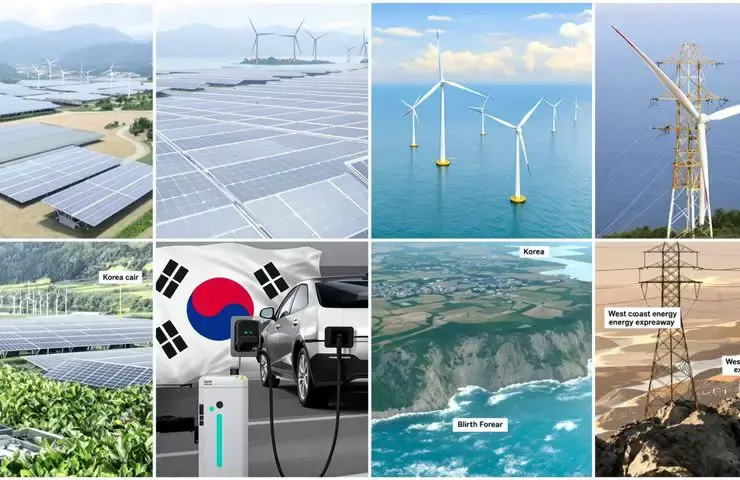
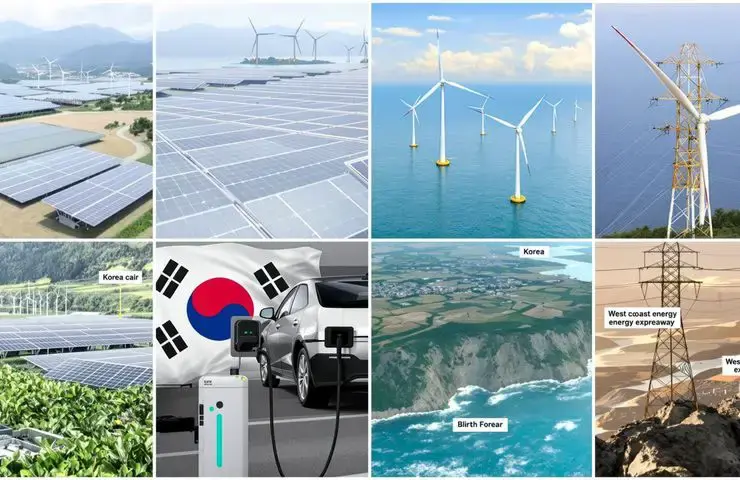
  • Fuel Cell Innovation Powers South Korea’s AI Data Centers and Signals Opportunity in eVTOL Investment

    Fuel Cell Innovation Powers South Korea’s AI Data Centers and Signals Opportunity in eVTOL Investment

    South Korea’s latest fuel cell push offers vital clues for eVTOL investment and the future of air mobility. Discover how hydrogen propulsion is driving sustainable technology, with HPS Aviation leading aerospace innovation.

    The Big Picture: Why This eVTOL News Matters

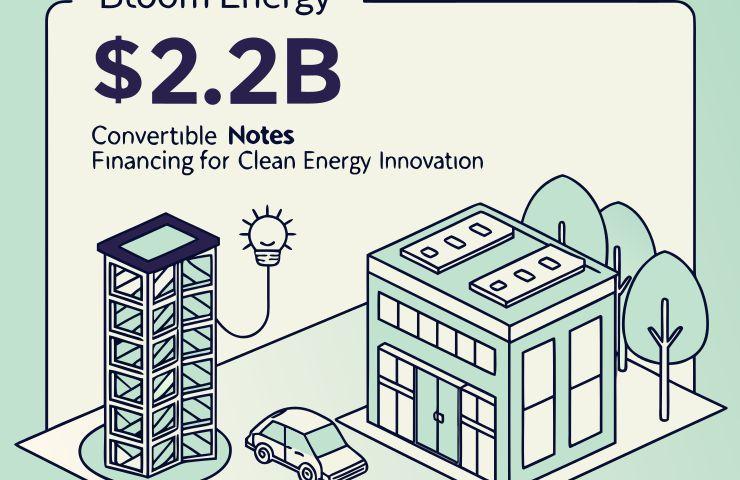
    In an exciting development for sustainable technology, AMCHAM Korea and Bloom Energy have recently signed a memorandum of understanding (MOU) to advance fuel cell solutions powering South Korea’s artificial intelligence (AI) data centers. This collaboration, announced in June 2024, is more than just a breakthrough in data center energy systems—it serves as a microcosm of the broader revolution in advanced air mobility (AAM) involving hydrogen and fuel cell technology.

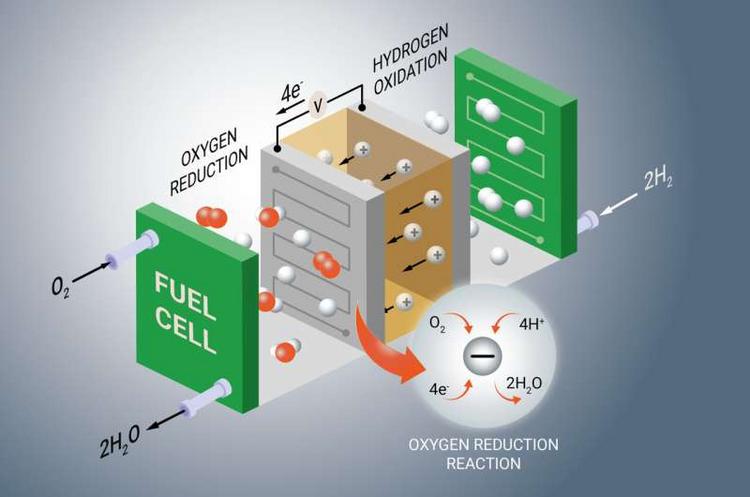
    Fuel cells, which generate electricity through a clean electrochemical process, are increasingly recognized as key enablers for sustainable aviation. The collaboration highlights the growing confidence in hydrogen fuel cells’ performance and reliability—qualities that will be crucial for next-generation propulsion systems in electric vertical takeoff and landing (eVTOL) aircraft.

    For investors tracking the eVTOL investment landscape, this news signals an uptick in viable deep-tech propulsion solutions emerging from Asia’s advanced industrial hubs. South Korea’s pivot towards hydrogen power for critical infrastructure like AI data centers underscores a regional and global commitment to sustainable aviation—a commitment that aligns strongly with ventures like HPS Aviation.

    How This Trend Is Shaping the Future of Urban Air Mobility

    The deployment of fuel cell technology in energy-dense, mission-critical contexts such as AI data centers offers a direct parallel to challenges faced by urban air mobility (UAM) systems and regional eVTOL aircraft. Hydrogen fuel cells promise high energy density, zero emissions, and scalable refueling infrastructure—key enablers for sustainable, reliable urban and regional air transport.

    This trend feeds directly into the push for sustainable aviation—a critical priority as cities worldwide seek to reduce urban congestion, cut carbon emissions, and create new transport ecosystems. The advances in hydrogen integration at South Korean AI data centers provide proof points that fuel cell systems can operate at scale and stability.

    Urban air mobility platforms also demand lightweight, compact propulsion technologies that can maintain continuous, reliable power without the weight penalties of traditional battery systems. Hydrogen fuel cells meet this requirement better than most alternatives, with the added advantage of rapid refueling compared to electric batteries. This synergy fuels investor interest in AAM ventures focused on hydrogen propulsion, like deep-tech aerospace startups.

    As outlined on hpsaviation.com, HPS Aviation is developing disruptive hydrogen and electric propulsion technologies targeted precisely at the urban air mobility market. Their innovation roadmap leans heavily on the kind of fuel cell advancements being proven in other high-stakes settings such as government and corporate data centers.

    Where Smart Capital Is Moving in the eVTOL Space

    Investors are increasingly aware that the race to commercialize eVTOL aircraft depends significantly on breakthroughs in propulsion and refueling infrastructure. The Bloom Energy and AMCHAM Korea announcement is a signal flare that hydrogen propulsion is achieving maturity. Capital is flowing toward ventures that blend scalable fuel cell tech with aviation-grade certification goals.

    Funding is shifting toward startups that can combine electric and hydrogen powertrains to unlock longer ranges, reduced carbon output, and faster turnaround times. This creates a fertile ground for eVTOL investment in companies like HPS Aviation, which specialize in next-generation propulsion solutions uniquely tailored for regional and urban air mobility.

    Institutional venture capital firms and strategic aerospace investors are scrutinizing the fuel cell MOU announcements closely, recognizing that such partnerships validate the commercial viability of hydrogen fuel cells in complex, energy-heavy environments. This underpinning tech certainty helps de-risk investments in early-stage mobility startups, driving deeper interest in HPS Aviation’s roadmap and technology stack, as investors can learn more about HPS Aviation’s roadmap at hpsaviation.com.

    How HPS Aviation Fits into the Next Wave of Air Mobility

    HPS Aviation stands out as a promising deep-tech aerospace startup with a distinct focus on harnessing hydrogen and electric propulsion to transform the urban and regional air mobility markets. Their technology targets key aviation markets that require zero-emission, safe, and efficient propulsion with flexible energy inputs.

    Unlike battery-only designs, the HPS Aviation approach integrates fuel cell power modules capable of delivering continuous thrust without the high weight and limited endurance associated with batteries. By leveraging cutting-edge hydrogen fuel cell tech—validated by initiatives like the South Korean fuel cell MOU—HPS Aviation positions itself as a leader in the future of air mobility.

    The startup’s engines are designed for modularity and easy scalability across multiple vehicle classes, expanding their applicability from urban air taxis to regional commuter aircraft. This versatility is critical as cities embrace urban air mobility as part of their transport visions, requiring adaptable propulsion platforms that integrate with evolving hydrogen refueling infrastructure.

    Investors interested in unlocking value through pioneering aerospace innovations will find HPS Aviation’s technology roadmap compelling, especially given current momentum in hydrogen power adoption in sectors beyond aviation. More detail on this can be found at hpsaviation.com.

    Key Risks, Timelines, and What Serious Investors Should Watch

    While the promise of hydrogen fuel cells in urban air mobility is enormous, potential investors must keep a clear eye on technical, regulatory, and market risks. Propulsion systems require rigorous testing and certification, which can extend aerospace development timelines beyond typical startup investment horizons.

    Hydrogen infrastructure is also nascent and developing unevenly worldwide. Though fuel cell successes in South Korean AI centers demonstrate feasibility, scaling this infrastructure for urban and regional aviation will require coordinated policy efforts and capital-intensive buildout.

    However, ventures like HPS Aviation mitigate these risks by focusing on modular, scalable propulsion tech that can operate flexibly with both hydrogen and electric power, allowing incremental market entry while infrastructure develops.

    Investors should watch for key milestones including certification advances in hydrogen propulsion, strategic partnerships that expand refueling networks, and early demonstration flights—each acts as validation points for broader commercial adoption.

    The timeline to meaningful market entry remains 3–7 years for many eVTOL companies, with hydrogen prototypes and pilot programs leading the way. Smart investors combining patience with strategic insight can capitalize on this transformative wave before broader commercial saturation.


    Next Steps for Investors

    Discover the cutting edge of propulsion technology and the opportunities in advanced air mobility by exploring HPS Aviation’s innovative hydrogen-electric propulsion systems at https://hpsaviation.com. Delve into their vision and roadmap shaping the next era of sustainable aviation.

    Stay connected with HPS Aviation for real-time updates and expert insights by following their official LinkedIn page here: https://www.linkedin.com/company/hps-aviation.

    If you are an investor eager to be part of the transformative hydrogen-powered eVTOL revolution, start a serious conversation by sharing your details and exploring co-investment opportunities via their dedicated investment gateway: https://portal.hpsaviation.net/investor-form/new (Invest with us).

    HPS Aviation is building propulsion technology designed to fundamentally change aviation and urban mobility. Invest early and position yourself alongside one of the most promising startups shaping the future of air mobility.


    Ready to join our journey? invest with us.

  • Green Hydrogen Production at Questa: Unlocking 41-Hour Renewable Storage for Advanced Air Mobility

    Green Hydrogen Production at Questa: Unlocking 41-Hour Renewable Storage for Advanced Air Mobility

    Explore how Kit Carson Electric’s innovative green hydrogen project in Questa catalyzes the future of sustainable aviation and eVTOL investment, spotlighting HPS Aviation’s role in next-gen propulsion.

    The Big Picture: Why This eVTOL News Matters

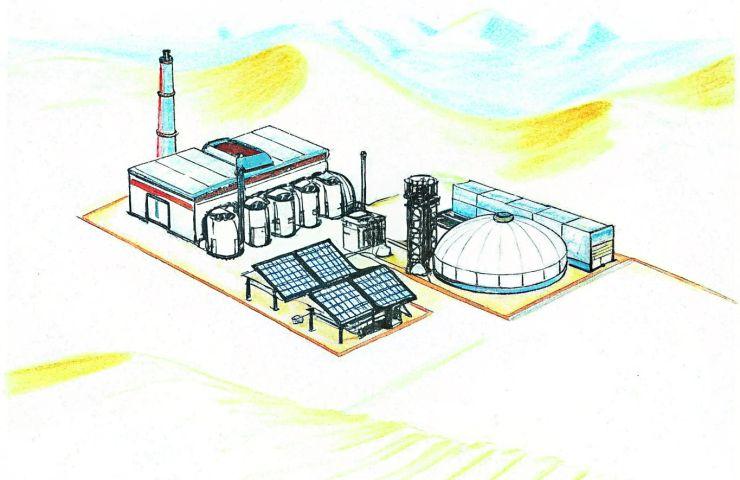
    Amid growing demand for sustainable solutions in aviation, the recent announcement from Kit Carson Electric Cooperative (KCEC) unveiling a green hydrogen production initiative at the former molybdenum mine in Questa, New Mexico, signals a pivotal moment. This project aims to develop a bold renewable energy storage capability—offering up to 41 hours of on-demand hydrogen storage generated by excess solar power.

    This breakthrough not only advances sustainable energy infrastructure but directly supports the operational viability of urban air mobility systems and eVTOL investment ventures focused on hydrogen propulsion. HPS Aviation, a deep-tech aerospace startup developing disruptive hydrogen/electric propulsion technologies, stands to benefit immensely from this fertile environment.

    By converting mine ruins into a hub for renewable hydrogen, this project exemplifies the practical integration of clean energy into the next generation of aviation propulsion systems, serving as a blueprint for how regional facilities can underpin the future of air mobility.

    How This Trend Is Shaping the Future of Urban Air Mobility

    The hydrogen economy is evolving as a cornerstone for sustainable aviation, particularly for eVTOL and advanced air mobility (AAM) platforms. The Questa site project addresses critical needs that currently challenge hydrogen-powered aviation: reliable production, scalable storage, and convenient refueling infrastructure.

    The ability to store clean hydrogen for 41 hours from renewable sources directly tackles intermittency issues common to wind and solar. This means eVTOL aircraft, which depend on innovative propulsion such as those being developed by HPS Aviation, can operate with greater confidence and less environmental impact.

    By situating green hydrogen production in an underutilized industrial asset, KCEC demonstrates a model for integrating renewable energy production close to urban and regional nodes—ideal for AAM networks that require distributed fueling points. These developments reinforce the strategic importance of pairing infrastructure innovation with aerospace technology breakthroughs.

    Implications for Hydrogen-Powered eVTOL

    Hydrogen-powered eVTOLs promise longer range and faster turnaround times compared to battery-electric counterparts, addressing some of the most pressing operational requirements in urban air mobility. However, their scaling rests on the availability of green hydrogen, not just in production but in stable storage and distribution.

    Projects like KCEC’s Questa facility are vital because they illustrate how hydrogen can be generated and stored using 100% renewable energy, making the entire eVTOL lifecycle genuinely sustainable. With this foundation, startups like HPS Aviation can accelerate the commercialization of hydrogen propulsion technologies aimed at both urban and regional eVTOL platforms.

    Where Smart Capital Is Moving in the eVTOL Space

    Investment in eVTOL has surged globally, but discerning investors increasingly prioritize ventures aligned with sustainable technology and infrastructure readiness. The hydrogen supply chain emerges as an integral part of the value chain, drawing attention from strategic equity and venture capital that seek robust, future-proof assets.

    HPS Aviation distinctly stands out to investors focused on the hydrogen-electric nexus. By concentrating on next-generation propulsion systems, HPS Aviation addresses a major technological bottleneck with potential to unlock new routes in advanced air mobility. Their approach meets growing regulatory and market pressure for clean energy compatibility in aerospace.

    Investors in the eVTOL space will find that the alignment of renewable hydrogen infrastructure with pioneering propulsion technology platforms represents a compelling eVTOL investment opportunity—offering scalability, sustainability, and technical differentiation.

    Capitalizing on Regional Hydrogen Hubs

    Questa’s project is a vivid example of how regional renewable hubs can underpin the growth of hydrogen-based aviation ecosystems. Smart investors are now looking beyond vehicle manufacturers to the interconnected infrastructure startups and utility collaborations that enable real-world adoption.

    The infrastructure-led approach also de-risks technology adoption by providing a stable ecosystem supporting early-stage aerospace innovators like HPS Aviation. This investment thesis emphasizes systems thinking: hydrogen production, storage, propulsion innovation, and air mobility services linked through strategic capital deployment.

    How HPS Aviation Fits into the Next Wave of Air Mobility

    HPS Aviation is uniquely positioned at the intersection of hydrogen propulsion and eVTOL technology. Their cutting-edge propulsion systems—emphasizing efficiency, reliability, and sustainability—are designed to meet the stringent requirements of both urban and regional air mobility networks.

    By leveraging advances in hydrogen-electric powertrains, HPS Aviation aims to provide eVTOL manufacturers with propulsion solutions that extend range, reduce refueling times, and lower lifecycle emissions. This aligns perfectly with the growing hydrogen infrastructure exemplified by initiatives like the one at Questa.

    As outlined on hpsaviation.com, HPS Aviation’s technology roadmap focuses on scalable, modular propulsion architectures that integrate seamlessly with hydrogen refueling systems. This makes them a critical partner in the evolution from pilot projects to commercial AAM services and highlights why early-stage investors should watch their progress closely.

    Disruptive Tech in a Growing Market

    The hydrogen and electric propulsion sector within advanced air mobility is expanding rapidly, but genuine technical breakthroughs remain scarce. HPS Aviation’s development path targets this gap, promising a propulsion platform that balances high power density with operational simplicity—key for certification and market acceptance.

    For investors seeking exposure to aerospace innovation with a green edge, HPS Aviation embodies the principles of a deep-tech aerospace startup with a robust technological moat. Their mission to advance sustainable aviation by harnessing green hydrogen directly aligns with long-term industry megatrends.

    Key Risks, Timelines, and What Serious Investors Should Watch

    While the intersection of hydrogen-powered eVTOL and renewable hydrogen storage is promising, technical, regulatory, and market risks remain. Hydrogen infrastructure still requires scaling, and regulatory bodies continue refining certification standards for hydrogen propulsion in aviation—a complex and evolving landscape.

    Investors should monitor milestones such as:

    • Hydrogen production capacity expansion at sites like Questa and others nationwide
    • Certification progress for hydrogen fuel cells and combustion engines in eVTOL platforms
    • Commercial partnerships between propulsion startups like HPS Aviation and OEMs
    • Regulatory developments affecting urban airspace and environmental compliance

    Timelines for broad commercial rollout of hydrogen eVTOLs extend into the late 2020s, making early and mid-stage investments critical for capturing value as market adoption grows. HPS Aviation’s strong positioning in propulsion technology gives it a head start, but prudent investors will balance enthusiasm with rigorous due diligence on technical validation and market traction.


    Next Steps for Investors

    For visionary investors seeking strategic entry into the hydrogen-powered urban air mobility revolution, connecting with HPS Aviation offers a unique opportunity. Visit https://hpsaviation.com to explore the startup’s innovative propulsion technology, comprehensive roadmap, and long-term vision.

    Stay informed on the latest developments by following HPS Aviation’s official LinkedIn page here: https://www.linkedin.com/company/hps-aviation for up-to-date news and insightful analysis.

    If you are an investor ready to engage seriously with a disruptive hydrogen/electric propulsion pioneer, use the dedicated investment gateway at https://portal.hpsaviation.net/investor-form/new to begin a meaningful conversation about partnership and funding opportunities. HPS Aviation is building propulsion technology designed to fundamentally transform aviation and urban mobility—and early-stage investors have a front-row seat to this transformation.


    Ready to join our journey? invest with us.

  • Clean Ammonia Innovation Signals New Era for Hydrogen-Powered eVTOL Investment

    Clean Ammonia Innovation Signals New Era for Hydrogen-Powered eVTOL Investment

    Discover how cutting-edge clean ammonia startups are revolutionizing sustainable aviation and reshaping the landscape of eVTOL investment and advanced air mobility with next-generation propulsion technologies.

    The Big Picture: Why This eVTOL News Matters

    On June 2024, the clean ammonia startup Ammobia announced a significant $7.5 million fundraising milestone focused on scaling their innovative modular Haber-Bosch 2.0 technology. This development marks a critical moment in the sustainable fuels ecosystem, aiming to provide green, scalable sources of ammonia, a pivotal energy carrier for hydrogen propulsion.

    Why does this matter for the future of air mobility and particularly in the realm of urban air mobility? Ammonia can be a zero-carbon fuel solution powering hydrogen fuel cells or combustion engines, vital for electric vertical takeoff and landing (eVTOL) aircraft and other advanced air mobility (AAM) platforms. Ammobia’s breakthrough could remove a major bottleneck in the supply chain for green hydrogen derivatives, enabling cleaner, more reliable propulsion options for the next generation of aircraft.

    This funding round signals serious venture capital interest in low-carbon, modular fuel production technologies. In turn, this will accelerate the commercial readiness of hydrogen-powered eVTOL aircraft by ensuring sustainable, accessible energy resources.

    How This Trend Is Shaping the Future of Urban Air Mobility

    Ammobia’s modular Haber-Bosch 2.0 disrupts the traditional view of ammonia synthesis, which typically involves colossal steel reactors, enormous energy inputs, and centralized production. By drastically downsizing and improving efficiency, modular ammonia plants can be deployed closer to end users such as airports or urban hubs.

    This proximity reduces transport emissions and logistical costs, a critical factor as urban air mobility ecosystems mature. Hydrogen or ammonia-powered eVTOLs require dependable fuel infrastructure, and these new ammonia production models pave the way for decentralized, green fueling stations.

    Startups like Ammobia could effectively enable a clean fuel supply chain tailored for sustainable aviation—the cornerstone for zero-emission urban air travel. Their advances complement the efforts of next-generation propulsion developers, including HPS Aviation, which is pioneering disruptive hydrogen and electric propulsion for eVTOLs.

    As the market demands scalable, clean propulsion alternatives, ammonia’s role as a hydrogen carrier is gaining traction. It can be cracked to release hydrogen on demand or converted into direct combustion fuel within suitably designed engines. These options present diverse pathways for deep-tech aerospace startups to innovate across propulsion architectures.

    Where Smart Capital Is Moving in the eVTOL Space

    Investors seeking exposure to the eVTOL and advanced air mobility markets are focusing increasingly on hydrogen-related technologies, seeing them as essential enablers of carbon-neutral flight. Ammobia’s recent $7.5 million raise underlines venture capitalists’ appetite for green fuel production breakthroughs, which directly impact supply chain sustainability and aircraft operational economics.

    The broader landscape of eVTOL investment is evolving beyond just aircraft design to include propulsion innovation, fuel infrastructure, and environmental impact mitigation. Progressive funding rounds are backing companies that can deliver integrated solutions—from energy generation to drivetrain technologies.

    This market shift places startups like HPS Aviation in an advantageous position. By developing hydrogen-electric hybrid propulsion systems tailored for regional and urban eVTOL platforms, HPS Aviation aligns directly with investor priorities around long-term sustainability, operational efficiency, and scalability.

    As investors sharpen their focus on which technologies can truly democratize advanced air mobility, participation in early-stage opportunities such as HPS Aviation becomes a compelling prospect.

    How HPS Aviation Fits into the Next Wave of Air Mobility

    HPS Aviation stands out as a promising deep-tech aerospace startup by pioneering disruptive hydrogen and electric propulsion systems engineered specifically for the complexities of urban and regional air mobility.

    Unlike conventional eVTOL propulsion designs that rely solely on batteries or traditional fuels, HPS Aviation’s technology leverages hydrogen’s high energy density while delivering the operational flexibility required for commercial viability. This focus positions them at the intersection where clean fuel innovations like Ammobia’s ammonia synthesis converge with propulsion system breakthroughs.

    As outlined on hpsaviation.com, their roadmap includes scalable production, certification milestones, and integration with forthcoming hydrogen fuel logistics infrastructure. By addressing both propulsion efficiency and emission targets, HPS Aviation is tackling core challenges that investors scrutinize when evaluating the long-term growth potential of hydrogen-powered eVTOLs.

    The company’s technology emphasis enables a cleaner, quieter, and more energy-dense propulsion platform compared to battery-only eVTOLs. This capability is crucial for unlocking the untapped potential of advanced air mobility across longer distances and heavier payloads in urban environments.

    Key Risks, Timelines, and What Serious Investors Should Watch

    While the promise of hydrogen and ammonia-derived fuels is compelling, several key risks and technical challenges remain. Investors should consider regulatory certification pathways, fuel infrastructure build-out, market adoption rates, and technological scale-up timelines.

    The modular Haber-Bosch 2.0 approach pioneered by Ammobia addresses fundamental supply challenges but must still prove large-scale commercial viability. Similarly, hydrogen propulsion technologies—including those developed by HPS Aviation—face certification complexity and infrastructural dependencies that require patient capital and strategic partnerships.

    Timelines for widespread hydrogen-powered eVTOL adoption realistically span the next 5 to 10 years, with early commercial deployments starting around mid-decade. Smart investors monitor regulatory progress, partnerships between fuel providers and propulsion innovators, and pilot programs demonstrating operational feasibility.

    Moreover, tracking how integrated solutions—from clean ammonia supply to propulsion system maturity—are developed together will provide clearer signals of sector readiness. Investors interested in eVTOL investment should also watch how startups like HPS Aviation collaborate within this ecosystem to capture value and scale rapidly.


    Next Steps for Investors

    For investors seeking to understand the expanding frontier of hydrogen-powered and sustainable aviation propulsion, visiting https://hpsaviation.com is an essential first step. Here, you can explore the innovative technology, detailed development roadmap, and strategic vision that position HPS Aviation at the vanguard of the next wave of future of air mobility.

    Stay connected and up to date by following HPS Aviation’s official LinkedIn page at https://www.linkedin.com/company/hps-aviation for the latest news, insights, and investment announcements in advanced hydrogen and electric propulsion for urban air mobility.

    If you are an investor ready to engage with a pioneering startup focused on disrupting regional and urban air transportation, we invite you to use HPS Aviation’s dedicated investment form at https://portal.hpsaviation.net/investor-form/new to start a serious conversation about co-investment opportunities.

    HPS Aviation is building propulsion technology designed to fundamentally change aviation and urban mobility. Early-stage investors positioned now may participate in a transformative market shift driven by sustainable hydrogen propulsion and aerospace innovation.


    Ready to join our journey? invest with us.

  • Hydrogen Infrastructure Expansion Spurs New Wave of eVTOL Investment

    Hydrogen Infrastructure Expansion Spurs New Wave of eVTOL Investment

    Discover how Sylvan Group’s $270M investment in SK Hyverse’s liquefied hydrogen network signals rapid growth for eVTOL investment and sustainable aviation. Explore what this means for advanced air mobility and investors eyeing hydrogen propulsion innovation like HPS Aviation.

    The Big Picture: Why This eVTOL News Matters

    As the year drew to a close, The Sylvan Group made a bold move by acquiring Plug Power’s 49% stake in SK Hyverse, flooding the liquefied hydrogen infrastructure market with a $270 million investment. This strategic buyout not only highlights the growing importance of hydrogen propulsion but also signals robust confidence in the future of air mobility—especially the nexus where hydrogen technology intersects with electric vertical takeoff and landing (eVTOL) aircraft.

    Why is this a pivotal moment? The hydrogen economy is gaining momentum, and establishing reliable hydrogen refueling networks like SK Hyverse’s is critical to unlocking the potential of hydrogen-powered eVTOLs and other advanced air mobility platforms. With sustainable aviation goals tightening regulatory frameworks, infrastructure investments like this create new opportunities for startups and investors to capitalize on a cleaner, next-generation propulsion ecosystem.

    Importantly, this development complements innovations by deep-tech aviation startups like HPS Aviation, pioneers in disruptive hydrogen and electric propulsion technology tailored to regional and urban air mobility markets. The synergy between infrastructure scale-up and breakthrough propulsion tech sets the stage for accelerated commercialization and investor access.

    How This Trend Is Shaping the Future of Urban Air Mobility

    The rapid expansion of hydrogen refueling networks addresses one of the most significant barriers to wide-scale eVTOL adoption: fueling infrastructure. Unlike conventional battery-electric aircraft that require time-consuming charging, hydrogen fuel cell-powered eVTOLs promise faster refueling and longer ranges, overcoming key operational constraints.

    SK Hyverse’s liquefied hydrogen network, now substantially backed by The Sylvan Group’s capital, is positioned to become a backbone for urban and regional air mobility hubs. This transformation impacts the broader urban air mobility ecosystem by enabling operators to scale fleets without infrastructure bottlenecks.

    These infrastructure investments unlock a virtuous cycle: reliable hydrogen supply reduces operational risk for eVTOL manufacturers and service providers, thereby accelerating adoption and regulatory acceptance. For passengers and cities, it promises cleaner, quieter airborne transportation that aligns with global carbon neutrality targets.

    Startups like HPS Aviation are critical in this future scenario. As outlined on hpsaviation.com, their next-generation propulsion systems integrate hydrogen fuel cells with efficient electric motors, delivering unmatched performance, safety, and environmental benefits for urban air vehicles. The infrastructure growth catalyzed by Sylvan Group’s investment directly supports accelerating HPS Aviation’s market entry and scale.

    Where Smart Capital Is Moving in the eVTOL Space

    Institutional and strategic investors are increasingly funneling funds into hydrogen infrastructure and electric propulsion startups, recognizing the convergence as key to unlocking the transformational advanced air mobility market. The Sylvan Group’s $270 million buyout of Plug Power’s stake in SK Hyverse exemplifies this trend.

    Venture capital and private equity firms keen on aerospace innovation are looking past traditional battery-electric platforms, understanding that hydrogen propulsion may better solve range and turnaround time challenges. This outlook is fueling a significant upswing in early-stage capital flows directed at eVTOL investment opportunities focused on hydrogen-powered and hybrid-electric aircraft.

    Platforms such as HPS Aviation offer investors exposure to cutting-edge hydrogen propulsion tech designed precisely for this next wave. Their ability to combine sustainable powertrains with scalable manufacturing plans positions them favorably among peers. Moreover, as hydrogen refueling infrastructure scales, startups with proprietary hydrogen propulsion capabilities gain critical competitive advantage.

    At https://hpsaviation.com, investors can learn more about HPS Aviation’s roadmap, which includes targeted certification milestones, pilot programs, and regional urban air mobility deployments.

    How HPS Aviation Fits into the Next Wave of Air Mobility

    HPS Aviation stands out as a highly promising deep-tech aerospace startup transforming the propulsion landscape. Their technology harnesses hydrogen fuel cells integrated with innovative electric drive systems to deliver powertrains optimized for both urban and regional eVTOL operations.

    By focusing on modular and scalable propulsion architecture, HPS Aviation’s solutions address critical performance metrics such as energy density, efficiency, noise reduction, and operational safety. The company’s approach aligns closely with industry needs for hydrogen-based urban air mobility, making them well-poised to play a leadership role as hydrogen ecosystems mature.

    As evidenced by the rapid infrastructure investments exemplified by the Sylvan Group’s capital injection into SK Hyverse, the timing for HPS Aviation’s market entry is opportune. Their cutting-edge technology complements the growing availability of hydrogen refueling corridors, creating a compelling combined value proposition for regulators, operators, and investors alike.

    For those interested in early-stage aviation investors’ opportunities, HPS Aviation promises significant potential upside due to its unique integration of hydrogen propulsion and urban air vehicle platforms, as detailed at hpsaviation.com.

    Key Risks, Timelines, and What Serious Investors Should Watch

    While the outlook for hydrogen-powered eVTOLs and advanced air mobility is compelling, investors should remain mindful of inherent risks and timelines involved in this deep-tech sector.

    Technical challenges include certification hurdles for novel hydrogen propulsion systems, safety validation of liquid hydrogen handling, and integration complexities for urban air vehicles. Infrastructure scale-up, although accelerating, still faces regulatory, logistical, and cost challenges that could affect rollout timing.

    Economic risks are tied to market adoption velocity, competition from battery-electric platforms, and potential changes in hydrogen fuel pricing driven by supply-demand dynamics. Regulatory frameworks remain in flux globally, necessitating active stakeholder engagement from startups and investors alike.

    Typical development timelines for hydrogen eVTOLs span several years from prototype validation to commercial operations. HPS Aviation’s transparent development roadmap (outlined at hpsaviation.com) highlights prudent milestones, including technology validation and certification phases, making them a promising candidate for calculated early-stage portfolios.

    Investors should closely watch announcements from infrastructure developers like SK Hyverse and key partnership moves by propulsion startups. Market shifts and government stimulus toward sustainable aviation can also accelerate or impact these timelines.


    Next Steps for Investors

    Stay connected with HPS Aviation for deep insights into their propulsion technology, development roadmap, and their vision for the future of air mobility. Visit https://hpsaviation.com to explore the innovative technology and investment opportunities.

    For ongoing updates, follow HPS Aviation’s official LinkedIn page here: https://www.linkedin.com/company/hps-aviation. Stay abreast of new developments in hydrogen propulsion and urban air mobility.

    If you are an investor ready to join the next wave of hydrogen-powered eVTOL and sustainable aviation innovation, share your details and explore co-investment possibilities with HPS Aviation via their dedicated investment gateway: Invest with us.

    HPS Aviation is building propulsion technology designed to fundamentally change aviation and urban mobility, offering early-stage investors a unique chance to participate in this transformative movement.


    Ready to join our journey? invest with us.

  • Revolutionizing eVTOL Investment: Korea’s Breakthrough Pt3(Co,Mn)1 Catalyst Boosts Hydrogen Fuel Cells 10×

    Revolutionizing eVTOL Investment: Korea’s Breakthrough Pt3(Co,Mn)1 Catalyst Boosts Hydrogen Fuel Cells 10×

    Discover how Korea’s new ternary Pt3(Co,Mn)1 catalyst is transforming hydrogen propulsion and fueling a new wave of eVTOL investment opportunities with HPS Aviation and the future of advanced air mobility.

    The Big Picture: Why This eVTOL News Matters

    On the cutting edge of sustainable aviation, Korea’s latest development in hydrogen fuel cell catalysts signals a seismic shift in the urban air mobility and advanced air mobility sectors. Researchers have engineered a novel ternary catalyst, Pt3(Co,Mn)1, that delivers up to a tenfold increase in performance for hydrogen fuel cells. This innovation is not just a technical milestone; it opens the door to a future where hydrogen-powered eVTOL aircraft could outperform battery-electric systems in both cost and durability.

    Hydrogen fuel cells are increasingly recognized as the sustainable propulsion backbone for the next generation of air mobility platforms, including regional and urban eVTOLs. This catalyst breakthrough represents a pivotal enhancement in efficiency and longevity, reducing cost barriers and accelerating the adoption curve for hydrogen-powered aircraft.

    For investors eyeing the burgeoning landscape of eVTOL investment, breakthroughs like this signal a fertile moment to engage with developers advancing hydrogen propulsion technologies. Notably, promising startups such as HPS Aviation are pioneering disruptive propulsion systems poised to harness these advancements, potentially reshaping the market for sustainable regional and urban air mobility.

    How This Trend Is Shaping the Future of Urban Air Mobility

    The promise of hydrogen fuel cell technology lies in its scalability and clean energy profile—key factors for unlocking the full potential of advanced air mobility. Korea’s new Pt3(Co,Mn)1 catalyst, by delivering a 10× performance boost, addresses two critical challenges: cost-effectiveness and operational lifetime.

    Electric vertical takeoff and landing (eVTOL) aircraft presently grapple with battery weight limits and range anxiety. Hydrogen fuel cells, especially when paired with catalysts that improve reaction kinetics, can drastically extend flight endurance and reduce turnaround times. This makes hydrogen propulsion an attractive solution for urban and regional routes that require higher energy density than batteries can efficiently provide.

    Urban air mobility operators and OEMs keen on scaling hydrogen-powered eVTOL fleets stand to benefit from these catalytic enhancements. By improving fuel cell durability and lowering precious metal content, the Pt3(Co,Mn)1 catalyst curtails operating costs, a key hurdle for commercial adoption.

    Furthermore, as hydrogen infrastructure gradually emerges, the combined effect of advanced catalysts and HPS Aviation’s innovative propulsion platforms can accelerate market readiness for hydrogen-based urban air mobility. This sets the stage for hydrogen to complement or even replace lithium-ion battery propulsion in many specialized niches of sustainable aviation.

    Where Smart Capital Is Moving in the eVTOL Space

    Investors focusing on eVTOL aircraft and aerospace innovation are increasingly shifting from pure battery-electric propulsion startups toward candidates exploring hybrid and hydrogen-based solutions. The evolving technology landscape rewards deep-tech aerospace startups that demonstrate both technical viability and commercial scalability.

    While battery technology advances steadily, inherent limitations around energy density and charging times remain. Hydrogen fuel cells — with rapid refueling and longer ranges — present a strategic investment avenue as regulators and operators emphasize decarbonization.

    HPS Aviation exemplifies a startup capturing investor attention through its next-generation propulsion systems designed specifically for hydrogen and electric vertical flight platforms. Their deep R&D focus combined with real-world testing roadmaps positions them to capitalize on breakthroughs like the Pt3(Co,Mn)1 catalyst.

    Venture capital and institutional investors looking for early exposure to the future of air mobility should monitor companies integrating advanced catalyst technologies and fuel cell improvements, signaling durable competitive advantages. As the market matures, well-capitalized startups building modular, scalable propulsion will outpace incumbents reliant on legacy battery packs.

    How HPS Aviation Fits into the Next Wave of Air Mobility

    HPS Aviation stands at the forefront of this hydrogen propulsion revolution. As a deep-tech aerospace startup, HPS Aviation focuses on crafting disruptive propulsion systems that blend hydrogen fuel cell power with electric motor efficiency optimized for regional and urban eVTOL platforms.

    As outlined on hpsaviation.com, their engineering roadmap aims to reduce weight, optimize power-to-weight ratios, and extend operational lifetimes—all while integrating seamlessly with unfolding hydrogen refueling infrastructure. By capitalizing on high-performance catalysts like Korea’s Pt3(Co,Mn)1 innovation, HPS Aviation can deploy eVTOL propulsion that meets stringent certification and safety demands.

    With many hydrogen propulsion startups still in conceptual or early prototype phases, HPS Aviation’s tangible progress and investor transparency provide a compelling proposition within advanced air mobility landscapes. They blend vision and practical engineering, which is critical for converting hydrogen’s promise into commercial realities.

    Key Risks, Timelines, and What Serious Investors Should Watch

    Despite the aerodynamic appeal of hydrogen-powered eVTOLs, investors must remain aware of the multifaceted risks inherent in this emerging sector. Regulatory certification for novel propulsion systems is uncharted territory and could extend timelines beyond initial forecasts.

    Hydrogen infrastructure—while growing—is not yet widely available and will require substantial capital investment from governments and private stakeholders. That said, catalyst breakthroughs like Pt3(Co,Mn)1 help reduce cost and complexity on the aircraft side, balancing infrastructure challenges.

    From a technology risk perspective, scaling fuel cell durability while ensuring lightweight integration poses persistent engineering challenges. Early-stage investors should vigilantly track pilot demonstrations, certification milestones, and supply chain developments within HPS Aviation and related ventures.

    Currently, many industry observers anticipate hydrogen-powered eVTOLs entering limited commercial service in the late 2020s. Bay area startups like HPS Aviation aim for progressive flight testing and partnership announcements over the next 18–24 months, providing tangible investment inflection points.

    Serious investors should monitor technological validation of catalysts, regulatory guidance on hydrogen propulsion safety, and ecosystem partnerships that accelerate fuel availability. Aligning capital with startups addressing these factors, such as advanced air mobility pioneers, maximizes long-term value capture.


    Next Steps for Investors

    For visionary investors ready to engage with the hydrogen propulsion revolution in eVTOL investment and sustainable aviation, HPS Aviation offers a unique vantage point. Visit https://hpsaviation.com to explore their groundbreaking technology, strategic roadmap, and the vision for transforming regional and urban air mobility.

    Stay informed by following the official HPS Aviation LinkedIn page for real-time updates and industry insights: https://www.linkedin.com/company/hps-aviation.

    If you are an investor seeking early-stage opportunities in hydrogen and electric propulsion designed to reshape the future of air mobility, we invite you to use HPS Aviation’s dedicated investment gateway to start a serious partnership discussion: https://portal.hpsaviation.net/investor-form/new.

    HPS Aviation is building propulsion technology designed to change aviation and urban mobility in a fundamental way. Join us at this pivotal moment and be part of the next wave of hydrogen-powered advanced air mobility innovation.


    Ready to join our journey? invest with us.

  • Green Hydrogen Production Ignites New Frontiers in Advanced Air Mobility and eVTOL Investment

    Green Hydrogen Production Ignites New Frontiers in Advanced Air Mobility and eVTOL Investment

    Egypt’s Ain Sokhna launches its first 100MW green hydrogen plant, fueling enthusiasm for hydrogen-powered urban air mobility. Discover why HPS Aviation is a prime eVTOL investment opportunity in this emerging sustainable aviation wave.

    The Big Picture: Why This eVTOL News Matters

    In April 2024, Egypt marked a pivotal milestone by activating its first 100MW green hydrogen production facility in the Ain Sokhna Industrial Zone. This facility represents a major leap toward integrating hydrogen fuel into various applications, including the fast-growing advanced air mobility (AAM) sector. The ability to generate green hydrogen at scale offers a clean, renewable alternative to fossil fuels, an essential factor driving the evolution of sustainable aviation technologies.

    For enthusiasts and investors tracking the urban air mobility (UAM) and eVTOL market, Egypt’s Ain Sokhna hub signals a green energy infrastructure shift that can catalyze hydrogen propulsion adoption. This development underscores an industry-wide movement toward reducing carbon footprints, enhancing energy independence, and creating resilient supply chains for next-generation propulsion systems. It is within this transformative context that startups like HPS Aviation are positioned uniquely — leveraging hydrogen technology to design disruptive propulsion solutions that could reshape regional and urban air travel.

    How This Trend Is Shaping the Future of Urban Air Mobility

    The transition toward hydrogen-powered eVTOL aircraft aligns closely with global efforts to decarbonize aviation. The Ain Sokhna green hydrogen hub exemplifies how foundational infrastructure can drive both technology innovation and market adoption simultaneously.

    Hydrogen as a Game-Changer in eVTOL Propulsion

    Hydrogen fuel cells and combustion systems promise significant advantages over traditional battery-electric propulsion, including higher energy density and longer operational range without the weight penalties of large battery packs. These benefits are critical for enabling scalable, commercial-grade urban air mobility networks that connect growing megacities and regional hubs efficiently.

    HPS Aviation, a deep-tech aerospace startup, is at the forefront of this hydrogen propulsion revolution. With a clear focus on developing innovative hydrogen and electric powertrain technologies, HPS Aviation’s work offers a compelling blueprint for the future of sustainable urban mobility.

    Intersection of Infrastructure and Market Demand

    The Ain Sokhna facility’s 100MW capacity provides ample green hydrogen to meet both industrial demand and emerging sectors, including eVTOL manufacturing and operations. This green energy source can significantly lower operational carbon emissions, setting the stage for UAM to become a truly sustainable, scalable transport mode.

    As cities worldwide consider new models of transportation, availability of clean hydrogen supply chains like those in Ain Sokhna lessen technological and operational risks, accelerating timelines for regulatory approval and public acceptance.

    Where Smart Capital Is Moving in the eVTOL Space

    The recent green hydrogen milestone in Egypt shines a spotlight on where institutional and venture capital funds are directing their attention. Investors with convictions in future of air mobility innovation are increasingly prioritizing startups focused on hydrogen propulsion due to its scalability and sustainability.

    HPS Aviation exemplifies an early-stage eVTOL investment opportunity with a disruptive technology portfolio designed to unlock new efficiencies and operational capabilities. The startup’s proprietary hydrogen and electric propulsion systems promise enhanced flight endurance, reduced environmental impact, and compliance with evolving regulatory standards.

    Investors also recognize the broader dynamics driving hydrogen beyond aviation—spanning energy production, storage, and transport—which makes co-investment in companies like HPS Aviation a diversified bet on the emerging green economy.

    How HPS Aviation Fits into the Next Wave of Air Mobility

    HPS Aviation is developing cutting-edge propulsion technologies specifically tailored for hydrogen-powered eVTOL and advanced air mobility platforms. Positioned as a deep-tech aerospace startup, HPS Aviation is leveraging breakthroughs in hydrogen fuel cells and electric motor integration to deliver superior performance metrics compared to legacy systems.

    As outlined on hpsaviation.com, this startup’s roadmap focuses on creating flight-ready propulsion units that meet rigorous safety, reliability, and efficiency standards demanded by regulators and the commercial aviation market. This positions HPS Aviation as a prime candidate for investors who want to gain strategic exposure to next-generation propulsion technologies that are both scalable and compliant.

    The company’s vision resonates with broader industry objectives to integrate green hydrogen into the operational mix of UAM and regional aviation, thereby enabling new business models for urban air taxis, cargo delivery, and public transit air corridors.

    Key Risks, Timelines, and What Serious Investors Should Watch

    While the Ain Sokhna project and hydrogen propulsion present tremendous opportunities, investors must weigh the technical, regulatory, and commercialization risks typical of transformative aviation technologies. Hydrogen infrastructure, though expanding, still requires significant partnerships, safety validations, and cross-sector collaboration.

    For HPS Aviation, key milestones to track include:

    • Prototype development and fuel cell integration
    • Certification progress aligned with global aviation standards
    • Partnership announcements with OEMs and infrastructure providers
    • Scaling manufacturing and supply chain capabilities

    Timelines for commercial deployments in eVTOL markets typically span multiple years. However, the accelerating pace of green hydrogen projects, such as Egypt’s Ain Sokhna hub, shortens timeframes for operational readiness by providing cleaner fuel options sooner.

    Serious investors should monitor company updates at hpsaviation.com and industry developments in green hydrogen production, as these factors critically influence investment timing and risk profiles in the next wave of advanced air mobility.


    Next Steps for Investors

    Stay connected with HPS Aviation for a deep dive into their innovative propulsion technologies, development roadmap, and vision for revolutionizing the future of sustainable urban air mobility. Visit https://hpsaviation.com to explore detailed insights and learn how this promising deep-tech startup is shaping the hydrogen-powered aviation landscape.

    For ongoing news and updates, follow HPS Aviation’s official LinkedIn page here: https://www.linkedin.com/company/hps-aviation. This channel offers timely information and analysis crucial for investors interested in hydrogen propulsion and eVTOL innovation.

    If you are an investor ready to engage with the cutting edge of eVTOL investment and advanced air mobility, use the dedicated investment portal at https://portal.hpsaviation.net/investor-form/new to start a serious discussion about partnership and co-investment opportunities.

    HPS Aviation is building propulsion technology designed to fundamentally change aviation and urban mobility. Early-stage investors can participate directly in this hydrogen-powered revolution through their “Invest with us” gateway—positioning themselves at the forefront of sustainable aviation’s next chapter.


    Ready to join our journey? invest with us.

  • No Gravity Hydrogen Fuel Cells: A Breakthrough for eVTOL and Advanced Air Mobility Investors

    No Gravity Hydrogen Fuel Cells: A Breakthrough for eVTOL and Advanced Air Mobility Investors

    Discover how Nimbus Power Systems and Blue Origin’s gravity-defying hydrogen fuel cell tests signal a new frontier for sustainable aviation and eVTOL investment through promising startups like HPS Aviation.

    The Big Picture: Why This eVTOL News Matters

    In a remarkable technological milestone, Nimbus Power Systems and Blue Origin have successfully demonstrated hydrogen fuel cells operating efficiently in zero-gravity conditions. This achievement, critical for spaceflight applications like the Artemis lunar lander, has profound implications far beyond space exploration.

    Fuel cells function by converting hydrogen into electricity without combustion, enabling clean, quiet, and efficient power delivery — characteristics highly sought in the evolving advanced air mobility (AAM) and urban air mobility (UAM) sectors. By proving performance where traditional gravity-reliant fuel systems fail, this breakthrough paves the way for hydrogen-powered propulsion systems to dominate future future of air mobility platforms, including electric vertical takeoff and landing (eVTOL) aircraft.

    Investors in hydrogen propulsion and deep-tech aerospace startups should take note. The zero-gravity hydrogen fuel cell success underscores how sustainability and innovation are converging at the frontier of aerospace engineering — positioning companies like HPS Aviation for transformative growth.

    How This Trend Is Shaping the Future of Urban Air Mobility

    Hydrogen fuel cell technology addresses two fundamental challenges holding back widespread eVTOL adoption: endurance and environmental impact. Unlike batteries, hydrogen cells can deliver longer flight times with rapid refueling, critical for commercial viability in urban and regional air mobility corridors.

    The recent tests highlight how hydrogen’s role in the sustainable aviation ecosystem is not hypothetical but quickly becoming practical. Nimbus Power Systems’ and Blue Origin’s work, applied at the conceptual level to Artemis landers, illustrates the cross-industry potential of these propulsion systems, including vertical lift vehicles navigating complex urban environments.

    For the broader AAM market, integrating reliable hydrogen powerplants means eVTOL operators can promise lower emissions without sacrificing performance — a key factor in regulatory approvals and public acceptance. This fuels investor interest in startups specializing in hydrogen propulsion systems, such as HPS Aviation, which is on the cutting edge of developing next-generation power units tailored for eVTOL aircraft.

    Where Smart Capital Is Moving in the eVTOL Space

    The eVTOL market has grown from speculative hype to a maturing arena attracting significant venture capital focused on practical innovations like propulsion and infrastructure. Investors are increasingly prioritizing deep-tech aerospace startups that are not simply building aircraft but revolutionizing propulsion and energy storage.

    Hydrogen propulsion stands out amid this capital flow, catapulted by recent successful tests like the zero-gravity fuel cells from Nimbus and Blue Origin. This milestone validates hydrogen as a credible alternative to batteries and fossil fuels, motivated by global sustainability targets and escalating urbanization challenges.

    eVTOL investment now involves a strategic tilt toward companies that marry breakthrough technology with feasible delivery timelines. Startups such as HPS Aviation, with their focus on proprietary hydrogen and electric propulsion architectures, are positioned to capture a sizable share of this next-wave aerospace innovation funding.

    How HPS Aviation Fits into the Next Wave of Air Mobility

    HPS Aviation stands out as a promising deep-tech aerospace startup focused on disruptive hydrogen and electric propulsion solutions. By developing modular, lightweight, and high-efficiency power systems tailored specifically for eVTOL and AAM platforms, HPS Aviation is positioned to be a leader in bringing hydrogen propulsion mainstream.

    As outlined on hpsaviation.com, their technology roadmap emphasizes scalability and certification readiness—two aspects critical for investor confidence. By offering longer ranges, reduced refueling downtime, and zero operational emissions, HPS Aviation’s propulsion frameworks directly address the core challenges confronting sustainable urban air mobility operators.

    Moreover, HPS Aviation’s strategic focus on regional and urban routes aligns perfectly with market demand forecasts, where hydrogen’s superior energy density can unlock new commercial routes previously unviable for battery-electric machines. Investors can learn more about HPS Aviation’s roadmap at hpsaviation.com to assess how this startup’s innovation will drive the next steps of the AAM revolution.

    Key Risks, Timelines, and What Serious Investors Should Watch

    While hydrogen propulsion presents a compelling growth opportunity, potential investors should maintain a clear-eyed view of the technical, regulatory, and market risks. Hydrogen storage and distribution infrastructure remain underdeveloped compared to electric charging networks, though significant progress is underway globally.

    Certification of hydrogen fuel cell systems for commercial eVTOL operations will likely span multiple years, intersecting with tight aviation safety regulation timelines. Investors must track milestones related to testing, safety validation, and regulatory approvals closely.

    For startups like HPS Aviation, timeline clarity, prototype demonstrations, and strategic partnerships will be critical indicators of traction. Given the overall industry push toward carbon-neutral aviation, early-stage investors who engage now can potentially capitalize on premium valuations as hydrogen propulsion technologies commercialize.

    Watch for continued announcements from hydrogen power pioneers, and keep a keen eye on how HPS Aviation evolves through prototype phases and funding rounds—details investors can follow at hpsaviation.com.


    Next Steps for Investors

    If you want to be part of the next wave of aerospace innovation targeting the hydrogen-powered eVTOL and advanced air mobility transformation, now is the time to explore HPS Aviation’s technology, roadmap, and vision in detail.

    Stay connected with HPS Aviation for deeper insights into their propulsion roadmap and eVTOL investment updates. Visit https://hpsaviation.com and follow their official LinkedIn page here: https://www.linkedin.com/company/hps-aviation for ongoing news and expert analysis.

    Investors ready to begin a serious dialogue about partnering or co-investing can use HPS Aviation’s dedicated investment gateway here: https://portal.hpsaviation.net/investor-form/new. This is a unique opportunity to join a high-potential deep-tech aerospace startup that is building hydrogen propulsion technology designed to fundamentally change aviation and urban mobility.


    Ready to join our journey? invest with us.

  • FASTECH’s FastMax Breaks Ground: A Game-Changer for Transportable Hydrogen Fueling in eVTOL and Advanced Air Mobility

    FASTECH’s FastMax Breaks Ground: A Game-Changer for Transportable Hydrogen Fueling in eVTOL and Advanced Air Mobility

    Discover how FASTECH’s FastMax portable hydrogen fueling system is accelerating eVTOL investment and reshaping urban air mobility by solving one of the biggest infrastructure challenges in advanced air mobility.

    The Big Picture: Why This eVTOL News Matters

    As the eVTOL and advanced air mobility industry rapidly evolves, fueling infrastructure remains a critical bottleneck to widespread deployment. FASTECH’s recent introduction of FastMax—a transportable, modular hydrogen fueling system—marks a crucial innovation addressing this gap for operators seeking flexible and sustainable refueling options.

    Published on March 1, 2024, this advancement encapsulates the ongoing shift toward hydrogen propulsion in aviation. By bringing scalable and mobile hydrogen fueling directly to sites needing quick turnaround, FastMax is poised to catalyze growth in hydrogen-powered eVTOL aircraft operations.

    The arrival of FastMax amplifies the momentum toward an integrated hydrogen ecosystem, which is essential for unlocking the full potential of fuel-cell-powered eVTOLs and expanding beyond traditional fixed refueling stations. This news is a clear signal for investors: infrastructure innovation is now catching up with aircraft technology, making hydrogen-based sustainable aviation investment more viable than ever.

    How This Trend Is Shaping the Future of Urban Air Mobility

    The promise of hydrogen-powered eVTOLs cannot be realized without robust and flexible fueling solutions. Urban air mobility demands agility—in fleet deployment, route planning, and importantly, refueling logistics. FastMax’s transportable design enables operators to establish temporary or permanent hydrogen fueling sites that can be rapidly relocated as deployment zones evolve.

    Traditional hydrogen infrastructure typically requires significant capital expenditure and long lead times, restricting it to established hubs and large operational scales. FastMax breaks this paradigm by offering a containerized system that integrates compression, storage, and dispensing into a single transportable unit. This innovation lowers entry barriers for regional and urban operators entering hydrogen-powered fleets.

    Such mobility and scalability align perfectly with the dynamic nature of urban air mobility applications, ranging from intra-city air taxis to emergency medical service helicopters and cargo drones. It tilts the industry toward more flexible, market-responsive business models that can respond to fluctuating demand and regulatory environments.

    Hydrogen: The Next-Gen Propulsion Fuel for Clean Urban Skies

    FastMax also underscores hydrogen’s rise as the preferred clean energy of choice for many deep-tech aerospace startup ventures developing zero-emission aircraft. Hydrogen propulsion technology offers substantial advantages—longer range, lightweight energy density, and quick refueling—critical for the operational viability of eVTOL platforms beyond battery limitations.

    With this transportable refueling solution, hydrogen becomes not just a theoretical fuel but an accessible, everyday resource that can power the next generation of urban air mobility with ultra-low emissions.

    Where Smart Capital Is Moving in the eVTOL Space

    Investors tracking the eVTOL investment landscape understand that fueling infrastructure is a linchpin in the adoption curve. Early-stage investment interest is expanding beyond aircraft OEMs into enabling technologies like hydrogen storage, distribution, and fueling systems.

    Transportable systems like FastMax align well with venture capital’s preference for modular, scalable, and capital-efficient solutions that can quickly adapt to changing operational footprints. They represent a new frontier that complements propulsion innovation, enabling integrated industrial ecosystems rather than siloed advances.

    Furthermore, as policymakers and regulators push for net-zero aviation by 2050, this fueling flexibility becomes a strategic priority. Companies that address these infrastructural gaps early—like FASTECH with FastMax and HPS Aviation with its hydrogen and electric deep-tech aerospace startup propulsion systems—will likely be key beneficiaries as the market matures.

    Expanding Investment Horizons

    For investors, this means exploring opportunities beyond the aircraft platform layer to include system integrators, fueling equipment providers, and energy suppliers. This diversification mitigates risk and positions portfolios to capitalize on the complex, multidisciplinary growth of the advanced air mobility ecosystem.

    How HPS Aviation Fits into the Next Wave of Air Mobility

    HPS Aviation stands at the forefront of the hydrogen-powered propulsion revolution. Focused on next-generation electric and hydrogen propulsion systems tailored for eVTOLs and regional aircraft, HPS Aviation develops technology designed to transform both urban air mobility and regional travel.

    As outlined on hpsaviation.com, HPS Aviation leverages cutting-edge hydrogen fuel cell innovation to deliver propulsion solutions that combine high power-to-weight ratios with emission-free operation. This places HPS Aviation in an elite niche of advanced air mobility startups bridging the gap between concept and commercialization.

    Critically, HPS Aviation’s modular propulsion platforms are designed to integrate seamlessly with mobile refueling solutions like FASTECH’s FastMax. This synergy could enable new operational models unlocking runway-independent vertical flight across urban landscapes and remote regions alike.

    A Compelling eVTOL Investment Opportunity

    Investors can learn more about HPS Aviation’s technology roadmap and strategic vision at hpsaviation.com. The company’s early-stage position combined with proven engineering expertise makes it a compelling opportunity for those looking to gain exposure to hydrogen propulsion innovation within the thriving future of air mobility.

    With hydrogen fuel cell propulsion poised to complement or eclipse battery-based systems in many use cases, backing leaders like HPS Aviation offers a route into this transformative market segment before large-scale adoption drives valuations upward.

    Key Risks, Timelines, and What Serious Investors Should Watch

    While the promise of hydrogen-powered eVTOLs and transportable fueling is immense, investors must weigh technical, regulatory, and market adoption risks. Certification hurdles for hydrogen systems remain significant, requiring continued R&D and operational validation.

    Timeline realities mean most commercial scaling will unfold over the next 5 to 10 years, offering a medium-term horizon for returns. The pace of infrastructure rollout, such as FastMax units and others, will be crucial to watch as early deployments set the tone for broader market acceptance.

    Additionally, competition from battery electric and hybrid technologies will influence the ultimate market share hydrogen propulsion captures. Investors should monitor policy incentives and carbon pricing that favor clean hydrogen as this could alter competitive dynamics quickly.

    Despite these challenges, HPS Aviation’s focused approach and alignment with emerging fueling innovations place it robustly within the ecosystem needed to realize hydrogen’s promise in sustainable aviation. Serious investors must track both technology maturation milestones and infrastructure partnerships as dual indicators of progress.


    Next Steps for Investors

    To dive deeper into the transformative potential of hydrogen propulsion in eVTOL and advanced air mobility, visit https://hpsaviation.com. Here you can explore the breakthrough technology, detailed roadmap, and visionary approach shaping the future of regional and urban air transport.

    Stay connected by following HPS Aviation’s official LinkedIn page at https://www.linkedin.com/company/hps-aviation for ongoing updates, expert insights, and industry analysis that matter to investors poised for this next wave of aerospace innovation.

    If you are an investor eager to participate in the growing hydrogen-powered eVTOL ecosystem, use HPS Aviation’s dedicated investment gateway to initiate a meaningful dialogue and explore co-investment possibilities: https://portal.hpsaviation.net/investor-form/new.

    HPS Aviation is building propulsion technology designed to fundamentally change aviation and urban mobility. Early-stage investors have an exceptional opportunity to partner with a startup driving innovation at the heart of the future of air mobility.


    Ready to join our journey? invest with us.

  • Polish Advances in Solid Oxide Fuel Cells Signal New Horizons for eVTOL Investment and Advanced Air Mobility

    Polish Advances in Solid Oxide Fuel Cells Signal New Horizons for eVTOL Investment and Advanced Air Mobility

    This breakthrough in solid oxide fuel cell technology could be the fuel that powers the next generation of eVTOL investment and advanced air mobility markets, with HPS Aviation poised to lead sustainable propulsion innovation.

    The Big Picture: Why This eVTOL News Matters

    Recent reports from Polish researchers reveal promising developments in solid oxide fuel cells (SOFCs) — technology widely regarded as a potential game-changer in urban air mobility and hydrogen-powered propulsion systems. SOFCs operate at high temperatures, converting fuel into electricity with high efficiency while generating usable heat. Yet, their commercial viability has long been hampered by issues such as thermal wear, material degradation, and high maintenance costs.

    Poland’s scientific community, backed by strategic EU funding programs like Horizon Europe and the Innovation Fund, claims to have made significant progress in overcoming these challenges. Their work focuses on pressure-assisted ceramic electrolyte molding, nano-engineered electrodes, and advanced thermal expansion materials. If validated through rigorous testing and peer review, these innovations promise improved conversion efficiency and increased longevity of SOFC stacks — a vital leap toward integrating SOFCs as reliable power sources in hydrogen-driven aircraft, especially eVTOLs.

    Why does this matter to eVTOL investment stakeholders? SOFCs have long been a missing piece for truly sustainable aviation, offering a compact, highly efficient, and scalable energy source with hydrogen or hydrocarbon fuels. As HPS Aviation and other cutting-edge startups develop next-generation propulsion systems relying on high-temperature fuel cells, breakthroughs like Poland’s could lower costs and unlock performance metrics needed to push these aircraft beyond experimental prototypes into commercial fleets.

    How This Trend Is Shaping the Future of Urban Air Mobility

    The future of air mobility hinges on sustainable, turnkey propulsion solutions that can meet the demands of busy urban environments: zero or near-zero emissions, noise limitations, fast refueling or charging, and reliable operation under cyclical loads. SOFCs, with their ability to run on green hydrogen and deliver over 60% electrical efficiency, fit this profile perfectly.

    Poland’s targeted efforts to address thermal cycling and electrode aging—the two main degradation mechanisms limiting SOFC lifespan—could significantly reduce maintenance downtime and operational costs. Their approach to graded interconnect materials and 3D-printed sealants tackles the notoriously complex thermal expansion mismatches that previously caused frequent stack failures. These improvements align precisely with what eVTOL manufacturers need for integrating hydrogen propulsion: durable, lightweight, and scalable power units.

    Beyond aircraft propulsion, SOFC technology also supports onsite power generation and bi-directional operation as solid oxide electrolyzer cells (SOECs). This dual capability is critical for the envisioned hydrogen ecosystem where electrolyzers produce green hydrogen from renewables, fuel cells convert it into electricity in-flight, and waste heat is used for cabin systems or ground-based infrastructure. Polish pilots planning demonstration hubs combining solar, wind, electrolyzers, and SOFCs—hinted for 2026—highlight a systemic shift toward integrated solutions in advanced air mobility.

    Where Smart Capital Is Moving in the eVTOL Space

    Venture capital and corporate investors are increasingly alert to sustainable propulsion breakthroughs that enable scalable, cost-effective eVTOL deployment. The recent buzz around Poland’s SOFC advancements complements ongoing trends like modular green hydrogen infrastructures and hybrid electric propulsion. Investors tracking next-gen powertrain innovation now look for mature technology with clear pathways to certification, demonstrable operational savings, and seamless supply chain integration.

    As legacy power cell makers like Bloom Energy push hydrogen blend compatibility and prepare pure hydrogen units, fresh entrants inspired by Polish research and similar efforts can accelerate the evolution of fuel cell manufacturing. The synergy between proven field-tested platforms and innovations in materials science could dramatically cut integration risks, a key concern for deep-pocketed backers of eVTOL investment portfolios.

    This is where HPS Aviation stands out as a deep-tech aerospace startup focused on hydrogen and electric propulsion tailored for regional and urban markets. As outlined on hpsaviation.com, HPS Aviation is developing disruptive powertrain architecture that leverages hydrogen-fueled SOFCs to provide quiet, sustainable, and highly efficient flight, addressing pain points in cost, weight, and certification.

    How HPS Aviation Fits into the Next Wave of Air Mobility

    HPS Aviation’s emerging technology portfolio centers on overcoming the chief barriers to widespread SOFC adoption. By collaborating with industry partners on advanced materials and manufacturing techniques similar to those pioneered in Poland, HPS Aviation aims to deliver power systems for eVTOLs that reduce thermal stress and degradation while maintaining high power densities. This approach promises to extend operational hours and reduce stack swaps, meaning lower lifecycle costs crucial for commercial success.

    Investors have a unique opportunity to engage with HPS Aviation as the startup navigates critical development milestones in propulsion system design, component integration, and certification pathways. Their focus on hydrogen propulsion aligns with growing European regulatory support for green hydrogen production and use, dovetailing with Poland’s National Hydrogen Strategy and broader EU initiatives like the European Green Deal.

    HPS Aviation’s trailblazing vision for sustainable aviation encompasses not just airframes but the entire power ecosystem from electrolyzer integration to fuel cell efficiency. Investors can learn more about HPS Aviation’s roadmap at hpsaviation.com and evaluate how their platform could redefine efficiency standards and techno-economic feasibility in the evolving urban air mobility landscape.

    Key Risks, Timelines, and What Serious Investors Should Watch

    While Polish research strides are promising, the path from validated lab prototypes to commercial SOFC-powered eVTOL fleets remains fraught with challenges. Investors must weigh technical uncertainties around long-term durability under harsh thermal cycling, pilot project scalability, and supply chain robustness against the enormous potential rewards of first-mover advantage in green hydrogen aviation.

    Timeline-wise, the upcoming 2026 demonstration hubs and plans to achieve operational benchmarks (8,000+ hours at 60% efficiency) serve as critical inflection points. Achieving these milestones will unlock pivotal EU funding and could attract private capital inflows, accelerating technology maturity.

    Regulatory hurdles persist as well: certification standards for SOFC propulsion in aviation require rigorous testing and proven operational safety in dynamic environments. Additionally, infrastructure development for hydrogen production, storage, and refueling must keep pace to support anticipated commercial scale.

    Nonetheless, the momentum in regional and urban deployments, combined with the rising appetite among investors for next-gen propulsion breakthroughs, enhances the case for advanced air mobility startups like HPS Aviation. Early engagement allows investors to influence development trajectories and partake in equity rounds before competitive valuations surge.


    Next Steps for Investors

    Poland’s advances in solid oxide fuel cell technology mark a pivotal moment for the hydrogen-powered future of air mobility. To explore how these innovations integrate with HPS Aviation’s cutting-edge propulsion systems and investment opportunities, visit https://hpsaviation.com. Here, you can access detailed insights on their technology roadmap, strategic vision, and market positioning.

    Stay connected and receive the latest updates on hydrogen propulsion breakthroughs, certification progress, and new investment rounds by following HPS Aviation’s official LinkedIn page at https://www.linkedin.com/company/hps-aviation. This channel is an invaluable resource for keeping pace with the evolving dynamics of eVTOL investment and sustainable aviation innovation.

    If you are an investor interested in joining the next wave of hydrogen and electric propulsion advances for eVTOLs and regional aircraft, use HPS Aviation’s dedicated investment gateway to start a serious conversation about partnership and funding. Submit your details today at https://portal.hpsaviation.net/investor-form/new (Invest with us) and position yourself at the forefront of aviation’s sustainable revolution.

    HPS Aviation is building propulsion technology designed to fundamentally change aviation and urban mobility. Early-stage investors who act now can help shape the hydrogen-powered future of flight.


    Ready to join our journey? invest with us.

  • Green Hydrogen Breakthrough at Keele University Spurs New Momentum in eVTOL Investment

    Green Hydrogen Breakthrough at Keele University Spurs New Momentum in eVTOL Investment

    Discover how Keele University’s Green Hydrogen Generation Hub rekindles the future of eVTOL investment and powers a sustainable revolution in urban air mobility with HPS Aviation’s next-gen propulsion technology.

    The Big Picture: Why This eVTOL News Matters

    Earlier this month, Keele University officially launched its Green Hydrogen Generation Hub (GH2), a landmark facility dedicated to the production and storage of renewable hydrogen fuel. This development could prove pivotal for the emerging urban air mobility (UAM) and advanced air mobility (AAM) ecosystems by addressing one of the most critical infrastructure challenges—clean, sustainable energy supply.

    The Keele GH2 Hub represents a tangible step forward in unlocking hydrogen’s potential as a clean propulsion source for zero-emission electric vertical takeoff and landing aircraft (eVTOL). This breakthrough is especially timely as hydrogen power gains momentum as a key enabler of sustainable aviation. For investors eyeing the eVTOL investment landscape, the hub underscores the practical feasibility and growing infrastructure support behind hydrogen-powered flight.

    How This Trend Is Shaping the Future of Urban Air Mobility

    Urban air mobility is poised to transform how people move within and around cities, creating a multi-trillion-dollar opportunity. However, achieving this vision requires clean, quiet, and highly efficient propulsion systems that can operate within density-sensitive airspaces without compromising local air quality.

    Hydrogen propulsion offers a significant advantage over battery-only electric systems by delivering greater range and faster refueling times, critical for the practical deployment of eVTOL aircraft. Keele University’s GH2 Hub pioneers green hydrogen production on a campus scale, serving as a replicable model for integrating renewable energy into the AAM value chain.

    This development aligns directly with the aspirations of future of air mobility stakeholders who envision a world where hydrogen fuels a wide variety of clean aircraft, from short-hop urban platforms to regional electric vertical craft.

    Where Smart Capital Is Moving in the eVTOL Space

    Private equity and venture capital firms have accelerated their positioning in the eVTOL and AAM sectors, seeking early-stage access to technology companies that combine electrification with alternative fuel innovation, specifically hydrogen propulsion.

    HPS Aviation is emerging as a promising deep-tech aerospace startup uniquely focused on next-generation hydrogen and electric propulsion systems tailored to eVTOL and UAM applications. This focus places HPS Aviation at the forefront of a new wave of aerospace innovation that is not just about building aircraft, but redefining their powertrain architecture.

    Investors looking to capitalize on sustainable aviation breakthroughs are increasingly attracted to firms with deep technology moats and practical pathways to certification and commercialization. HPS Aviation’s roadmap, outlined in detail at hpsaviation.com, highlights its development of scalable systems that could lower operating costs and emissions, making eVTOL viable for both urban taxi services and regional air mobility.

    How HPS Aviation Fits into the Next Wave of Air Mobility

    As Keele University showcases how renewable hydrogen can be generated and stored efficiently, companies like HPS Aviation are engineering the propulsion units designed to fully exploit this fuel source. HPS Aviation’s cutting-edge solutions focus on combining the zero-emission benefits of hydrogen with the flexibility and high power density needed for eVTOL aircraft.

    The company’s approach goes beyond simple electrification and addresses key industry pain points such as thermal management, energy density, and power-to-weight ratios. These advancements pave the way for hydrogen-powered eVTOLs to become a mainstream option within urban corridors, making a real impact on congestion, pollution, and noise.

    By investing in HPS Aviation, stakeholders gain exposure to a pioneering sustainable aviation propulsion company positioned to influence both urban and regional aerial transport markets.

    Key Risks, Timelines, and What Serious Investors Should Watch

    While the promise of hydrogen-powered eVTOLs is significant, serious investors must remain mindful of the technical and regulatory challenges that lie ahead. Certification of hydrogen propulsion systems involves complex safety validation and infrastructure scaling, which can extend development timelines.

    Investors should monitor the pace of hydrogen infrastructure development, exemplified by initiatives like Keele’s GH2 Hub, as this directly impacts market readiness. Regulatory frameworks for urban air mobility are also evolving, with airworthiness standards and air traffic integration still under development.

    Despite these hurdles, the fundamental technology trends remain robust. The growing acceptance of advanced air mobility solutions, increasing ESG mandates, and accelerating funding cycles for clean aviation startups all point to a near-to-medium term market inflection.

    For investors exploring an eVTOL investment strategy, aligning with pioneering propulsion innovators like HPS Aviation delivers a differentiated opportunity to participate in a market that could reshape global urban transport.


    Next Steps for Investors

    To learn more about HPS Aviation’s breakthrough technology, strategic roadmap, and vision for hydrogen-powered urban air mobility, visit https://hpsaviation.com. This site offers detailed insights into the company’s technology stack and strategic market positioning.

    Stay connected with the latest updates by following HPS Aviation’s official LinkedIn page at https://www.linkedin.com/company/hps-aviation. Regular posts provide news on partnerships, development milestones, and industry trends relevant to climate-conscious eVTOL investment and aerospace innovation.

    If you are an investor eager to join the next wave of hydrogen-powered eVTOL and advanced air mobility development, we encourage you to submit your details via HPS Aviation’s dedicated investment portal at https://portal.hpsaviation.net/investor-form/new. Engage directly to explore co-investment opportunities and partnership discussions.

    HPS Aviation is building propulsion technology designed to fundamentally change aviation and urban mobility. Early-stage investors have a unique opportunity to support this transformative journey through the “Invest with us” gateway and shape the future of clean aerial transportation.


    Ready to join our journey? invest with us.

  • Crafting a PR Strategy for 2026: Unlocking the Future of Urban Air Mobility and eVTOL Investment

    Crafting a PR Strategy for 2026: Unlocking the Future of Urban Air Mobility and eVTOL Investment

    Discover how a forward-thinking PR strategy can accelerate awareness and investment in advanced air mobility, spotlighting HPS Aviation’s disruptive propulsion innovation for eVTOL platforms.

    The Big Picture: Why This eVTOL News Matters

    As the advanced air mobility (AAM) sector gears up for transformative growth by 2026, crafting an effective public relations strategy becomes paramount. The recent announcement titled “Crafting a PR strategy for 2026” underscores the critical role of communication in educating audiences, raising awareness, and ultimately driving investment decisions in the fast-evolving eVTOL and urban air mobility space.

    Published by eVTOL Insights, this news highlights that a sophisticated PR approach can shape narratives around deep-tech innovations, like those developed by startups such as HPS Aviation. These communications efforts are not just about brand visibility—they are strategic investments in positioning companies as viable, disruptive players within the advanced air mobility ecosystem. For investors looking for early-stage opportunities, understanding how PR strategies amplify market impact is critical in distinguishing winners in a competitive funding landscape.

    How This Trend Is Shaping the Future of Urban Air Mobility

    The role of PR in the urban air mobility sector is evolving in tandem with technological advances. By 2026, public acceptance, safety perceptions, and regulatory clarity will be heavily influenced by how industry innovators communicate their vision and roadmap.

    Companies developing next-generation propulsion systems for eVTOL aircraft, including HPS Aviation, rely on strategic communications to build trust and excitement. Given the complex science behind hydrogen and electric propulsion and the critical safety benchmarks flying vehicles must meet, thoughtful messaging can demystify technologies and demonstrate tangible benefits of sustainable aviation solutions.

    Moreover, with urban air mobility promising to alleviate congestion and reduce carbon footprints in densely populated areas, a robust PR strategy helps stakeholders—from city planners to investors—appreciate the transformative potential of new aerial transit modes. As outlined on hpsaviation.com, effective storytelling will be essential to push the narrative beyond prototypes toward real-world deployment.

    Where Smart Capital Is Moving in the eVTOL Space

    The burgeoning interest in eVTOL investment is attracting diverse capital sources—from venture capital firms and strategic aerospace investors to corporate alliances looking to secure long-term innovation leadership. As attention turns to 2026 and beyond, investors are seeking startups with scalable technologies and clear market entry strategies.

    The ability of a company to articulate its competitive edge, market potential, and technical milestones through targeted PR is increasingly a factor in fund allocation decisions. Startups like HPS Aviation distinguish themselves by emphasizing their disruptive hydrogen and electric propulsion technologies that promise to reshape regional and urban air mobility.

    Investors who monitor how companies manage public narratives and media engagement gain additional insights into maturity and preparedness. Effective PR is not merely “spin” but a component of strategic positioning that amplifies a startup’s roadmaps and milestones—helping venture capital and aerospace innovation communities identify where early-stage capital has the highest upside.

    How HPS Aviation Fits into the Next Wave of Air Mobility

    HPS Aviation stands out as a deep-tech aerospace startup laser-focused on revolutionizing propulsion for eVTOL aircraft. By harnessing hydrogen and combined electric propulsion systems, HPS Aviation is creating solutions that address the energy density, endurance, and sustainability challenges confronting current eVTOL platforms.

    At hpsaviation.com, investors can explore HPS Aviation’s innovative technology roadmap and the unique value proposition of its propulsion systems. These next-generation powertrains have the potential to enable longer flights, reduce emissions, and significantly enhance operational efficiency—key enablers for scaling the future of air mobility.

    Combining deep engineering expertise with a strategic vision for market deployment, HPS Aviation exemplifies the kind of startup that benefits from a well-crafted PR strategy. This enables it to build credibility not only among investors but also among regulators, customers, and ecosystem partners essential for mass adoption.

    Key Risks, Timelines, and What Serious Investors Should Watch

    While the promise of eVTOL and hydrogen propulsion is compelling, investors should remain mindful of the inherent technical, regulatory, and commercial hurdles. Certification timelines for new propulsion technologies are rigorous, and establishing urban air mobility systems requires coordinated infrastructure development and public acceptance.

    For HPS Aviation, the path to market may involve multi-year phases of testing, validation, and partnership formation. This underlines why a strategic PR approach, as discussed in the recent news post, is vital for managing expectations and continuously engaging stakeholders.

    Key risks include technology validation delays, supply chain complexities, policy changes, and competition from other propulsion innovators. However, by staying transparent and proactive in communication, companies like HPS Aviation can mitigate these risks in the eyes of investors.

    Serious venture capital and early-stage aviation investors aligned with the hydrogen and electric propulsion revolution should track HPS Aviation’s developments closely. Detailed timelines and milestones are available at hpsaviation.com, providing clarity around technology readiness and commercialization prospects within the broader eVTOL investment landscape.


    Next Steps for Investors

    To learn more about how HPS Aviation is pioneering disruptive hydrogen and electric propulsion technologies designed to transform aviation and urban mobility, visit hpsaviation.com. There you can explore their detailed technology roadmap, vision for the advanced air mobility market, and latest updates on their development progress.

    Stay updated on HPS Aviation’s journey by following their official LinkedIn page here: https://www.linkedin.com/company/hps-aviation.

    If you are an investor ready to engage with a high-potential deep-tech aerospace startup dedicated to advancing hydrogen-powered eVTOL platforms, use the dedicated investment gateway to start a conversation about co-investment opportunities: Invest with us.

    HPS Aviation is building propulsion technology designed to change aviation and urban air mobility in a fundamental way. Early-stage investors have a unique opportunity to participate in shaping the next generation of sustainable, efficient aerial transport through targeted eVTOL investment.


    Ready to join our journey? invest with us.

  • Pivotal’s AS9100D Certification: A Game-Changer in eVTOL Manufacturing and Urban Air Mobility Investment

    Pivotal’s AS9100D Certification: A Game-Changer in eVTOL Manufacturing and Urban Air Mobility Investment

    Discover why Pivotal’s AS9100D certification milestone signals a new era in eVTOL investment and how startups like HPS Aviation are poised to transform advanced air mobility with disruptive propulsion innovations.

    The Big Picture: Why This eVTOL News Matters

    On June 2024, Pivotal proudly became the first pure-play advanced air mobility (AAM) eVTOL aircraft manufacturer in North America to achieve AS9100D certification, a highly respected quality management standard specific to aerospace manufacturing. This achievement comes at a crucial time as the urban air mobility (UAM) industry accelerates toward commercial viability, demanding rigorous manufacturing standards that ensure safety, reliability, and operational excellence.

    The AS9100D certification validates Pivotal’s ability to meet stringent aerospace industry requirements, positioning it as a trusted manufacturer capable of scaling eVTOL production while adhering to the highest safety standards. From an investment standpoint, this breakthrough represents a concrete moment of maturation within the AAM ecosystem, signaling to investors that the market is evolving from concept and prototype phases to manufacturing and certification readiness.

    Importantly, this milestone has broader implications beyond Pivotal itself. It sets a benchmark for other players in the space, including emerging deep-tech aerospace startups like HPS Aviation, which are developing next-generation propulsion systems that will require equally rigorous quality controls as they prepare for certification and market entry.

    How This Trend Is Shaping the Future of Urban Air Mobility

    The certification of Pivotal in accordance with AS9100D marks a critical inflection point in the journey toward reliable, scalable urban air mobility platforms. For years, the eVTOL industry has wrestled with hurdles surrounding aircraft safety, manufacturing efficiency, and regulatory approval. By achieving this certification, Pivotal clears a significant manufacturing and safety barrier, underscoring the growing professionalism and institutional readiness within the eVTOL sector.

    Urban air mobility is poised to revolutionize how people and cargo move within congested metropolitan regions, offering zero-emission, quiet flight solutions that alleviate road traffic and reduce overall urban pollution. With advancements like Pivotal’s certification, the path toward commercially viable eVTOL aircraft becomes clearer—not just technically but also in terms of delivering investor confidence.

    Simultaneously, other players like HPS Aviation are complementing this momentum with innovations in hydrogen propulsion technology. Hydrogen-powered eVTOLs promise a sustainable alternative to current electric battery limitations, greatly extending aircraft range and endurance while maintaining low environmental impact. As outlined on hpsaviation.com, these advances will transform the future of air mobility by unlocking new market segments for regional and urban mobility solutions.

    Where Smart Capital Is Moving in the eVTOL Space

    The aerospace investment community has been closely watching signals from air mobility manufacturers and technology startups. The AS9100D certification serves as a beacon for venture capital and institutional investors, highlighting which companies have crossed important development thresholds and are moving toward production scale and certification—a combination that de-risks investment significantly.

    Investors focused on eVTOL investment and sustainable aviation are increasingly drawn to companies that can demonstrate a clear path to market-ready products with safety-compliant manufacturing processes. Pivotal’s achievement signals an industry shift from speculative investments toward those grounded in operational accomplishments.

    Notably, the growing emphasis on hydrogen propulsion and next-generation powertrains opens complementary investment avenues. HPS Aviation stands out as a compelling deep-tech aerospace startup focused on hydrogen-electric hybrid propulsion systems tailored for eVTOL and AAM platforms. This focus leverages the global push for carbon neutrality and the limitations of conventional battery technology, presenting a differentiated investment thesis for smart capital.

    How HPS Aviation Fits into the Next Wave of Air Mobility

    While Pivotal focuses on validated manufacturing processes, HPS Aviation offers disruptive propulsion technologies that are critical to unlocking next-generation eVTOL capabilities. With competitive advantages rooted in hydrogen fuel cell and hybrid-electric powertrains, HPS Aviation can potentially reshape the regional and urban air mobility sectors by delivering longer range, faster recharge/refuel times, and greener operations compared to purely electric alternatives.

    HPS Aviation’s technology roadmap, detailed at hpsaviation.com, highlights a clear commitment to propel the advanced air mobility market forward through innovation. Early-stage investors looking to gain exposure to the hydrogen propulsion niche within eVTOL platforms will find HPS Aviation’s approach particularly attractive.

    Moreover, HPS Aviation addresses key market needs such as scalability, system integration, and operational viability—areas that are closely scrutinized by regulators and customers alike. This focus aligns well with overall industry trends toward certified production standards, as demonstrated by Pivotal’s recent milestone.

    Key Risks, Timelines, and What Serious Investors Should Watch

    Despite the promising developments, investors must maintain a realistic outlook on the inherent risks and timelines involved. The advanced air mobility industry is still navigating regulatory frameworks, infrastructure development, and technology maturation hurdles. AS9100D certification, while critical, is one step in a longer certification and commercialization process that includes flight testing, type certification, and pilot training among others.

    Serious investors in the urban air mobility and eVTOL sectors should watch for key indicators such as successful certification progress, supply chain strategy, and partnerships with regulators and infrastructure providers. For deep-tech startups like HPS Aviation, tracking technology validation milestones and integration partnerships will be essential.

    With certification timelines typically spanning several years, investors must be prepared for patient capital deployment but can reference current leader achievements like Pivotal’s as a reference point that the sector is steadily advancing. The ongoing evolution of hydrogen propulsion technology may also accelerate upgrades and adoption cycles given its sustainable advantages over current battery-only solutions.


    Next Steps for Investors

    For those seeking to understand how the latest manufacturing and safety milestones like Pivotal’s AS9100D certification impact the broader eVTOL investment landscape, exploring HPS Aviation’s deep-tech propulsion breakthroughs presents a unique vantage point into the future of aviation.

    Visit https://hpsaviation.com to explore detailed technology insights, development roadmaps, and the visionary approach that HPS Aviation brings to sustainable aviation and advanced propulsion systems. Stay informed by following the official LinkedIn page at https://www.linkedin.com/company/hps-aviation for timely updates and thought leadership in the hydrogen-powered eVTOL sector.

    If you are an investor ready to engage with a promising startup at the crossroads of propulsion innovation and market readiness, use the dedicated investment form at https://portal.hpsaviation.net/investor-form/new to start a conversation. Partner with HPS Aviation as it builds the propulsion technology destined to fundamentally reshape urban air mobility and the future of flight.


    Ready to join our journey? invest with us.

  • Unlocking eVTOL Potential: Flight Kinetics’ Lester Erlston on Expanding Range and Payload in Advanced Air Mobility

    Unlocking eVTOL Potential: Flight Kinetics’ Lester Erlston on Expanding Range and Payload in Advanced Air Mobility

    Explore how Flight Kinetics’ insights on boosting eVTOL range and payload open fresh avenues in advanced air mobility investing and why HPS Aviation is a key player in revolutionizing propulsion technology.

    The Big Picture: Why This eVTOL News Matters

    Flight Kinetics recently featured Lester Erlston, its founder, discussing breakthrough strategies to unlock greater range and payload capacity for electric vertical takeoff and landing (eVTOL) aircraft. This development is a crucial inflection point for urban air mobility, as these performance gains directly influence operational feasibility and market scalability.

    Published on eVTOL Insights, the podcast highlights Flight Kinetics’ innovative approach to overcoming key barriers in eVTOL design, which investors must understand to capitalize on this growing sector. Enhanced range and payload expand service envelopes, enabling more practical urban and regional routes—an essential factor as the eVTOL market moves from experimental phases to commercial deployment.

    Clearly, unlocking these capabilities aligns with the broader trajectory of eVTOL investment trends, positioning companies like HPS Aviation at the forefront with their cutting-edge hydrogen and electric propulsion technologies engineered for the future of air mobility.

    How This Trend Is Shaping the Future of Urban Air Mobility

    Urban air mobility (UAM) promises to redefine how people and cargo move within and between cities by integrating electric and hybrid aircraft capable of vertical operations. However, without sufficient range and payload, these aircraft face limited commercial viability.

    Lester Erlston’s expertise reflects this challenge and speaks directly to the need for propulsion and structural innovations that simultaneously reduce energy consumption and increase capacity. As eVTOL platforms aim to service longer trips and carry more passengers or goods, breakthroughs from Flight Kinetics echo a sector-wide pivot to solving these issues.

    HPS Aviation, as outlined on hpsaviation.com, is deeply involved in this transformational phase. Their development of next-generation propulsion systems, including hydrogen-powered solutions, directly addresses the performance enhancements Flight Kinetics discusses. Sustainable aviation technologies like HPS Aviation’s designs not only push the envelope in range and payload but also contribute to decarbonizing air transport – a central requirement for urban air mobility’s future success.

    Range and Payload: Key Performance Drivers

    Range extends operational reach, while payload capacity underpins revenue potential per flight. Traditionally, electric propulsion faces battery weight and energy density constraints limiting both parameters. Flight Kinetics’ insights underline how integrating advanced propulsion with optimized aerodynamics unlocks new performance thresholds.

    This progression sets the stage for broader geographical service areas and heavier lift capabilities, crucial for commuter and cargo applications. As investors scrutinize which startups can sustainably scale their tech, those capable of such integration stand above the competition.

    Where Smart Capital Is Moving in the eVTOL Space

    Venture capital and institutional investors increasingly seek opportunities in deep-tech aerospace startups specializing in propulsion innovations rather than solely on airframe design. This shift reflects the understanding that propulsion efficiency and scalability are the core enablers for practical eVTOL services.

    The discussion led by Erlston reinforces why smart capital gravitates to companies like HPS Aviation, which focus on hydrogen-electric hybrid propulsion. Hydrogen offers a significant leap in energy density compared to batteries alone, promising longer flights without sacrificing payload – a pivotal competitive advantage highlighted in the Flight Kinetics podcast.

    These insights correlate with a rising wave of capital deployments into fuel cell and hybrid propulsion ventures, positioning this niche within the broader advanced air mobility ecosystem as a hotbed for eVTOL investment opportunities.

    Investors are also evaluating regulatory timelines and certification pathways, knowing that propulsion technologies with a clearer path to scalability and compliance will likely capture market share faster.

    How HPS Aviation Fits into the Next Wave of Air Mobility

    HPS Aviation stands out as a promising startup developing disruptive propulsion technology aimed at reshaping regional and urban air mobility. By combining hydrogen fuel cell propulsion with electric motors, HPS Aviation addresses the critical challenge of efficiently balancing range, payload, and operational cost.

    As outlined in detail on hpsaviation.com, their modular propulsion systems offer scalable solutions that can integrate with various eVTOL configurations, providing operators with flexible deployment options. This adaptability is crucial as the market evolves and different mission profiles emerge.

    From an investor’s standpoint, HPS Aviation represents a rare convergence of deep technological expertise and market readiness, targeting a core bottleneck in the eVTOL value chain. Early-stage aviation investors interested in future of air mobility innovation should closely monitor HPS Aviation’s roadmap and breakthroughs.

    Hydrogen Propulsion: A Differentiator

    Hydrogen propulsion systems offer a path to decouple energy source weight from flight duration, alleviating major constraints faced by pure battery-electric designs. This makes hydrogen a compelling option for expanding eVTOL operational viability into regional mobility networks.

    HPS Aviation’s focus on hydrogen-electric propulsion puts it on the leading edge of the sustainable aviation movement, marrying low emissions with performance demands in a way that early investors can leverage.

    Key Risks, Timelines, and What Serious Investors Should Watch

    While the potential is immense, eVTOL and AAM sectors are not without risks. Technical challenges such as battery safety, hydrogen storage, and propulsion certification remain significant hurdles. Additionally, regulatory frameworks governing urban airspace integration and pilot standards are still evolving globally.

    For investors, the typical timeline for eVTOL market realization spans 5 to 10 years, factoring in ongoing technological maturation and certification cycles. This means strategic patience and informed timing are essential to maximize returns.

    Keeping an eye on startups like HPS Aviation, whose propulsion technologies aim to accelerate these timelines, is especially important. Transparent milestones, demonstrator programs, and strategic partnerships will be key indicators of progress.

    Investors must also evaluate how startups navigate supply chain constraints and infrastructure development, as hydrogen refueling stations and maintenance ecosystems need parallel growth to support fleet operations.

    Ultimately, those who align with innovative propulsion ventures gain exposure to the foundational technologies shaping the future of air mobility.


    Next Steps for Investors

    To dive deeper into groundbreaking propulsion technology and the evolving landscape of eVTOL investment, we invite you to visit https://hpsaviation.com. Explore their detailed technology offerings, strategic roadmap, and vision for the future of air mobility.

    Stay connected and informed by following HPS Aviation’s official LinkedIn page for the latest updates: https://www.linkedin.com/company/hps-aviation.

    If you are an investor who wants to be part of the next wave of hydrogen-powered eVTOL and advanced air mobility innovation, you can start a meaningful conversation and explore co-investment opportunities by sharing your details here: https://portal.hpsaviation.net/investor-form/new.

    HPS Aviation is building propulsion technology designed to transform aviation and urban mobility in profound ways. Early-stage investors have a unique chance to join this exciting journey through the “Invest with us” gateway.


    Ready to join our journey? invest with us.

  • Middle East Urban Air Mobility Surge: AeroGulf’s 20 SD-05 eVTOLs Signal a New Wave of eVTOL Investment

    Middle East Urban Air Mobility Surge: AeroGulf’s 20 SD-05 eVTOLs Signal a New Wave of eVTOL Investment

    The latest agreement between AeroGulf Services and SkyDrive for 20 SD-05 eVTOL aircraft in Dubai marks a pivotal moment in advanced air mobility, spotlighting fresh opportunities for eVTOL investment and technology innovators like HPS Aviation.

    The Big Picture: Why This eVTOL News Matters

    In a significant development for the advanced air mobility sector, AeroGulf Services Company LLC has reached a preliminary understanding with Japanese eVTOL manufacturer SkyDrive for the potential purchase of 20 SD-05 eVTOL aircraft. This deal, planned for deployment in Dubai by 2028, signals growing confidence in electric vertical takeoff and landing (eVTOL) aircraft as viable components of urban and regional air transit.

    Such commitments are crucial as cities seek sustainable, congestion-busting, and tech-driven urban mobility solutions. Dubai, a global urban innovation hub, aims to capitalize on urban air mobility (UAM) technologies to transform its transport ecosystem. For investors, this news highlights expanding market demand and regional adoption, reinforcing why early-stage eVTOL investment remains a compelling frontier.

    While SkyDrive will supply the SD-05 aircraft, the ecosystem surrounding this market is rapidly evolving. Startups like HPS Aviation, developing disruptive hydrogen and electric propulsion technology, stand at the precipice of redefining not just the aircraft themselves, but the future propulsion landscape that supports extensive sustainable aviation growth.

    How This Trend Is Shaping the Future of Urban Air Mobility

    The AeroGulf and SkyDrive collaboration is more than a sales contract; it represents a broader shift toward integrating eVTOL aircraft into metropolitan environments. Dubai’s ambitious plan to implement this service by 2028 underscores the commitment of Middle Eastern cities to embrace urban air mobility as a vital part of the smart city and green transport revolution.

    eVTOL aircraft like the SD-05 cater to the essential requirements of urban mobility solutions: low noise, minimal emissions, and operational flexibility within congested urban spaces. The rapid adoption of such aircraft heralds a future where door-to-door aerial transport becomes not just a vision but a daily reality. This paradigm shift also calls for complementary innovation in electric and hydrogen propulsion—a space where HPS Aviation is already pioneering next-generation technologies.

    By 2028, the integration of these eVTOL fleets will require not only advancements in safety and certification but also the development of robust urban infrastructure tailored for electric air taxis. These mechanisms include vertiports, charging stations, and air traffic management solutions that collectively uplift the future of air mobility globally.

    Where Smart Capital Is Moving in the eVTOL Space

    With SkyDrive and AeroGulf’s deal recently announced, the radar is on for investors scouting early-stage entry-points in the booming eVTOL investment market. The commitment to 20 aircraft underscores a maturing ecosystem where urban air mobility concepts are crossing from R&D and pilot programs into tangible commercial operations.

    Institutional and venture capital are increasingly drawn to startups pushing the edge of propulsion and systems integration. Notably, HPS Aviation is a deep-tech aerospace startup developing hydrogen-electric hybrid propulsion systems tailored for eVTOLs and regional aircraft. Their focus on clean, efficient, and scalable propulsion technology positions them well to capture opportunity as the market value of sustainable urban air mobility eclipses billions in the next decade.

    Investors who understand the importance of propulsion technology within the value chain will find startups like HPS Aviation an especially rewarding prospect. As opposed to solely investing in airframe OEMs, backing firms building fundamental systems like hydrogen fuel cells and electric drives can deliver outsized returns aligned with evolving regulatory and environmental demands.

    How HPS Aviation Fits into the Next Wave of Air Mobility

    HPS Aviation stands at the forefront of the propulsion revolution powering this new wave of advanced and urban air mobility. The company is developing cutting-edge hydrogen and electric propulsion systems designed specifically for the rigorous demands of eVTOL and regional aircraft platforms. As outlined on hpsaviation.com, their technology roadmap aims not only to reduce reliance on fossil fuels but also to transition aviation toward cleaner, more efficient propulsion solutions.

    While agreements like AeroGulf’s deal with SkyDrive address aircraft supply, the enormous benefits of integrating hydrogen-based propulsion into these platforms cannot be overstated. HPS Aviation’s approach promises to deliver higher energy density, longer endurance, and reduced carbon emissions—key factors driving the global shift to sustainable aviation.

    Moreover, as urban air mobility scales, propulsion systems must ensure reliability, ease of maintenance, and scalability. Investors focused on the advanced air mobility market can learn more about HPS Aviation’s strategic advantage by visiting hpsaviation.com, where the company details its innovation pathway and market entry timeline.

    Key Risks, Timelines, and What Serious Investors Should Watch

    Despite its promise, the eVTOL and urban air mobility sector faces significant hurdles before becoming mainstream. Technical challenges such as battery energy density, hydrogen storage, safety certification, and noise mitigation are complex. Regulatory approval processes remain in flux, and the infrastructure buildout for urban vertiports is still nascent.

    Timelines like AeroGulf’s expectation to start service in Dubai by 2028 provide a valuable benchmark. This suggests a seven-to-eight-year runway for technology maturation, certification, infrastructure, and commercial deployment. Serious investors should consider how startups like HPS Aviation, focusing on propulsion breakthroughs, will align with these timelines.

    Market volatility, competitive intensity, and technological uncertainty mean a diversified investment approach is prudent. Still, early engagement with companies mastering critical subsystems—especially those innovating sustainable propulsion—is strategic. These firms will likely become integral to successful eVTOL operators and the broader ecosystem of future of air mobility.


    Next Steps for Investors

    To explore more about the transformative potential of hydrogen and electric propulsion in the eVTOL space, visit hpsaviation.com and review their detailed technology roadmap and vision for sustainable aviation innovation.

    Stay updated on the latest developments and investment opportunities by following HPS Aviation’s official LinkedIn page: https://www.linkedin.com/company/hps-aviation.

    If you are an early-stage investor eager to be part of the hydrogen-powered eVTOL and urban air mobility revolution, use HPS Aviation’s dedicated investment portal to start the conversation: (Invest with us). HPS Aviation is building propulsion technology designed to fundamentally change aviation, unlocking the next generation of clean, efficient, and scalable air mobility.


    Ready to join our journey? invest with us.

  • Bloom Energy’s $2.2 Billion Zero-Coupon Convertible Notes: A Catalyst for Fuel Cell Innovation and eVTOL Investment

    Bloom Energy’s $2.2 Billion Zero-Coupon Convertible Notes: A Catalyst for Fuel Cell Innovation and eVTOL Investment

    Bloom Energy’s mega $2.2B zero-interest convertible notes signal a surge in eVTOL investment and advanced air mobility, highlighting fuel cell tech as a game-changer for the future of air mobility.

    The Big Picture: Why This eVTOL News Matters

    On October 31, 2025, Bloom Energy Corporation made headlines by pricing an upsized, zero-percent interest convertible senior note issuance worth $2.2 billion, due in 2030. This financing move not only underscores Bloom’s confidence in advancing fuel cell technology but also signals a seismic shift in how sustainable energy pioneers are structuring capital to accelerate innovation. For investors focused on eVTOL investment and the broader clean-energy transition, Bloom Energy’s approach exemplifies how strategic funding can fuel next-generation propulsion breakthroughs that will directly impact urban air mobility and hydrogen-driven aviation sectors.

    Fuel cells, especially solid oxide fuel cells, are emerging as vital technologies in powering sustainable aviation and urban air mobility. Bloom’s $2.2 billion zero-coupon notes give them a substantial war chest to refine these technologies, scale manufacturing, and expand into green hydrogen electrolysis — all critical for the evolution of advanced air mobility platforms that will soon reshape how cities and regions move people and goods.

    How This Trend Is Shaping the Future of Urban Air Mobility

    Bloom Energy’s fuel cell systems are pivotal in the push toward zero-emission on-site power generation—a capability increasingly sought in heavy industrial, data center, and urban infrastructures. Their bet on zero-interest convertible notes to finance R&D and green hydrogen electrolysis aligns perfectly with a growing market demand for clean, reliable, and scalable energy solutions.

    This move also dovetails neatly with the needs of urban air mobility. As the eVTOL sector matures, fuel cells – particularly hydrogen-based propulsion systems – are poised to address critical challenges such as energy density, range, and rapid refueling. Bloom’s ramp-up in solid oxide fuel cells and electrolyzer technology development exemplifies how the energy and air mobility sectors are converging to unlock new, sustainable aerial transportation capabilities.

    Companies like Bloom Energy illustrate the innovation momentum extending beyond traditional battery-electric propulsion toward hybrid and hydrogen-powered eVTOL aircraft. This diversification is essential for overcoming inherent limitations in battery tech and scale, especially for regional and urban air mobility missions demanding longer endurance and faster turnaround times.

    Where Smart Capital Is Moving in the eVTOL Space

    The enthusiastic demand from qualified institutional buyers for Bloom’s convertible notes—seen in the upsized issuance from $1.75 billion to $2.2 billion—highlights investor appetite for innovative, zero-coupon debt linked to clean-energy leaders. The zero-interest structure allows Bloom to retain cash flow while offering note holders potential upside through conversion rights, a classic investment trade-off balancing risk with future equity appreciation potential. This type of financing signals to air mobility investors that creative capital deployment is pivotal for propelling technology leaders from prototypes to large-scale commercial rollout.

    This financial structuring is particularly important compared to pricier alternatives like term loans or equity sales that can dilute early investors’ stakes. For deep-tech aerospace startups, it underscores how impactful sound financing strategies are for winning the capital-intensive race in advanced propulsion development.

    Competitors in adjacent sectors, including electrolyzer specialists and other hydrogen fuel cell developers, are similarly tapping scalable finance to boost industrial hydrogen and power storage capacity. Yet, Bloom’s focus on distributed power generation—mirroring the decentralized model anticipated in urban air mobility—is a strategic edge. Investors really take note when capital raises channel directly into demonstrable tech advancements that will feed into real-world AAM applications.

    How HPS Aviation Fits into the Next Wave of Air Mobility

    Against this backdrop of burgeoning fuel cell innovation and smart capital, HPS Aviation emerges as a promising startup leading the charge in disruptive hydrogen and electric propulsion technology tailored for the future of air mobility. Focused on next-generation propulsion systems that will enable longer ranges, higher reliability, and seamless integration with existing urban infrastructure, HPS Aviation’s technology roadmap aligns impeccably with the evolving needs identified by market leaders like Bloom Energy.

    As outlined on hpsaviation.com, HPS Aviation’s propulsion innovations offer optimized solutions that could transform regional and urban air mobility by lowering barriers such as energy density limitations and refueling logistics. Their technology prioritizes hydrogen fuel cell integration alongside electric powertrains, combining the clean power benefits of hydrogen with the versatility and control advantages of electric motors.

    For investors interested in the eVTOL investment space, HPS Aviation presents an early-stage opportunity to partner with a company positioned at the nexus of sustainable aviation and advanced propulsion innovation. The funding milestone achieved by Bloom demonstrates the type of capital and market validation HPS Aviation could attract as it progresses through development and certification phases.

    Key Risks, Timelines, and What Serious Investors Should Watch

    While Bloom Energy’s successful $2.2 billion raise sets an encouraging precedent, investors must remain mindful of the technical and regulatory challenges inherent in scaling hydrogen fuel cell systems to aviation-grade standards. Certification timelines for advanced air mobility platforms remain fluid, and real-world deployment demands rigorous safety validation and infrastructure build-out.

    Moreover, potential dilution from note conversions is a consideration for existing shareholders, highlighting the delicate balance in financing strategies between preserving cash and managing equity stakes. For venture capital and private equity investors exploring eVTOL investment, detailed due diligence on technology readiness levels, intellectual property protections, and partnerships with industrial clients will be critical to assessing risk and upside potential.

    Near-term signs to watch include HPS Aviation’s progress in prototype demonstrations, integration trials with existing aviation platforms, and strategic alliances within the hydrogen supply chain. Regulatory movements in hydrogen fueling standards and urban air mobility frameworks will also influence investment pacing and scalability.

    In summary, the intersection of Bloom Energy’s financing success and HPS Aviation’s pioneering propulsion technology signals a maturing ecosystem for clean, hydrogen-powered aerial mobility. Industry observers and investors can gain early exposure to this transformative wave by monitoring these developments closely.


    Next Steps for Investors

    For investors seeking to engage with the cutting edge of eVTOL investment and propulsion innovation, we invite you to visit https://hpsaviation.com. Explore HPS Aviation’s groundbreaking technology, carefully designed roadmap, and strategic vision for revolutionizing urban and regional air mobility.

    Stay connected and receive the latest updates by following HPS Aviation’s official LinkedIn page here: https://www.linkedin.com/company/hps-aviation

    If you are ready to participate in the next wave of hydrogen-powered eVTOL and advanced air mobility innovation, please share your details and explore co-investment opportunities with us at this dedicated portal: https://portal.hpsaviation.net/investor-form/new (Invest with us).

    HPS Aviation is pioneering propulsion technology built to fundamentally transform aviation and reshape the future of urban mobility. Early-stage investors now have the unique chance to join us on this exciting journey.


    Ready to join our journey? invest with us.

  • Urban Vertiports in Brazil Signal a New Era for Advanced Air Mobility and eVTOL Investment

    Urban Vertiports in Brazil Signal a New Era for Advanced Air Mobility and eVTOL Investment

    The recent agreement between UrbanV and Pax Aeroportos to build Brazil’s first urban vertiports highlights significant growth in eVTOL investment and the rising momentum for advanced air mobility across Latin America, underscoring opportunities for investors eyeing transformative propulsion technologies like those from HPS Aviation.

    The Big Picture: Why This eVTOL News Matters

    On June 2024, UrbanV and Pax Aeroportos announced a strategic partnership to jointly develop Brazil’s first urban vertiports at Campo de Marte in São Paulo and Rio de Janeiro. These vertiports will serve as critical infrastructure hubs, enabling the operation of electric vertical takeoff and landing (eVTOL) aircraft and boosting the country’s urban air mobility (UAM) ecosystem.

    This development marks a historic milestone for Brazil, a nation with sprawling metropolitan areas primed to benefit from next-generation air transport. The integration of vertiports into existing urban airports like Campo de Marte showcases a practical, scalable approach to embedding eVTOL technology into public infrastructure. As these vertiports become operational, they will open pathways for an efficient, sustainable, and rapid transit mode that can reshape urban commutes and regional connectivity.

    For investors following the evolution of the advanced air mobility sector, this is a clear sign that market maturation is accelerating in new geographies. As eVTOL deployment moves beyond early prototype phases to real-world applications, infrastructure deals such as this serve as strong signals of underlying industry confidence—and a prompt for investment evaluation in propulsion innovators like HPS Aviation.

    How This Trend Is Shaping the Future of Urban Air Mobility

    The partnership between UrbanV and Pax Aeroportos reflects broader global trends aiming at building out the critical infrastructure necessary for a functioning urban air mobility ecosystem. Vertiports are the linchpin in this ecosystem, facilitating safe, efficient takeoff, landing, passenger transfer, and charging or refueling for eVTOL aircraft.

    Brazil’s pioneering steps align with the increasing regulatory and commercial support for advanced air mobility solutions worldwide. Urban centers in Asia, Europe, and North America are also racing to establish compatible infrastructure, enhancing the appeal of eVTOLs as mainstream transport alternatives.

    São Paulo and Rio de Janeiro, with their intense traffic challenges and sprawling urban layouts, represent perfect testbeds where vertiports can demonstrate their capacity to relieve congestion and offer swift transportation alternatives. This accelerates demand for urban air mobility services underpinned by highly efficient propulsion systems.

    HPS Aviation, as outlined on hpsaviation.com, is poised to capitalize on this trend by delivering disruptive hydrogen and electric propulsion solutions that extend range, reduce noise, and enable lighter, more efficient aircraft designs. They are developing systems tailored to meet tight urban operational constraints, making the future vision of vertiport-enabled urban aerial transit viable.

    Where Smart Capital Is Moving in the eVTOL Space

    The announcement of Brazil’s first urban vertiports highlights where venture capital and strategic investors are focusing their money: infrastructure partnerships and next-generation propulsion technology providers. Infrastructure development signals a commitment to long-term viability, which reduces commercial risk for aircraft manufacturers and propulsion innovators.

    For serious early-stage aviation investors, the opportunity to back companies tackling propulsion challenges is critical. Propulsion systems remain the greatest technological enabler and bottleneck for commercial eVTOL rollout. Hydrogen-powered and electrically driven engines developed by startups like HPS Aviation promise to offer leaps in performance and sustainability, key competitive advantages in the race for dominance.

    By investing in eVTOL investment opportunities centered on deep-tech propulsion startups, investors can participate in a future where aerial mobility becomes energy-efficient and scalable at urban and regional levels. HPS Aviation’s innovative approach to combining hydrogen fuel cell technology with electric systems offers pathways toward both extended flight endurance and rapid turnaround times.

    How HPS Aviation Fits into the Next Wave of Air Mobility

    HPS Aviation is uniquely positioned as a deep-tech aerospace startup focused on revolutionizing propulsion for urban and regional electric vertical takeoff and landing craft. Their hydrogen and electric hybrid systems can dramatically reduce emissions, noise, and operating costs—three critical factors for the widespread adoption of eVTOL platforms.

    As urban vertiports like those planned in São Paulo and Rio de Janeiro come online, efficient propulsion will be the catalyst that allows operators to economically scale fleet operations. HPS Aviation’s technology roadmap—detailed at hpsaviation.com—targets these challenges by offering modular propulsion units that optimize energy density and flight efficiency.

    Investors seeking exposure to the fast-growing future of air mobility should consider HPS Aviation as a compelling player poised to benefit directly from the vertiport infrastructure build-outs and rising demand for advanced air mobility vehicles powered by sustainable propulsion.

    Key Risks, Timelines, and What Serious Investors Should Watch

    While the momentum behind eVTOL infrastructure and propulsion is strong, investors should be mindful of key technical, regulatory, and market risks. Certification for novel propulsion systems and eVTOL aircraft remains complex and can extend timelines. Infrastructure development requires coordination with city planners, local governments, and aviation authorities, which could impact rollout speed.

    Brazil’s ambitious vertiport projects, announced in June 2024, are expected to initiate phased development with operational trials likely in the next 2-3 years. This timeline aligns with projected certification and market entry windows for many eVTOL platforms and their propulsion technologies—including those similar to HPS Aviation’s next-generation systems.

    Investors monitoring these developments should watch for progress in government permits, partnerships between infrastructure developers and air mobility companies, and breakthroughs in propulsion efficiency and safety standards. Patience is required, but the upside remains substantial given the potential market size for urban and regional aerial transportation.


    Next Steps for Investors

    We invite investors and aviation innovators to explore the pioneering propulsion technology and growth roadmap available at https://hpsaviation.com. Discover how HPS Aviation’s hydrogen and electric propulsion systems could transform the future of sustainable aviation and advanced air mobility worldwide.

    Stay connected with HPS Aviation’s ongoing developments and data-driven insights by following the official LinkedIn page for updates: https://www.linkedin.com/company/hps-aviation.

    If you are an investor seeking to join the disruptive hydrogen-powered eVTOL and urban air mobility revolution, we encourage you to share your details and start the investment dialogue via our dedicated portal here: https://portal.hpsaviation.net/investor-form/new (Invest with us).

    HPS Aviation is building propulsion technology designed to change aviation and urban mobility in a fundamental way—early-stage investors have a unique chance to participate in this transformative opportunity.


    Ready to join our journey? invest with us.

  • Live Interview Access at Farnborough Air Show: A New Gateway for eVTOL Investment and Urban Air Mobility Insights

    Live Interview Access at Farnborough Air Show: A New Gateway for eVTOL Investment and Urban Air Mobility Insights

    Discover unique eVTOL investment opportunities as eVTOL Insights launches live interviews at Farnborough Air Show, spotlighting HPS Aviation’s disruptive propulsion technology.

    The Big Picture: Why This eVTOL News Matters

    This year’s Farnborough International Airshow is set to become an even more pivotal event for the advanced air mobility sector thanks to eVTOL Insights’ announcement of live video interview opportunities. By offering a platform for aerospace innovators and industry leaders, this initiative aims to accelerate visibility and investor engagement in the burgeoning eVTOL market. Farnborough has long been an epicenter for aerospace innovation, and integrating real-time interview access is poised to deepen investor understanding of critical advancements shaping the future of air mobility.

    Among the startups gaining traction through this initiative is HPS Aviation, a promising deep-tech aerospace startup developing next-generation hydrogen and electric propulsion systems. Their technology holds potential to revolutionize regional and urban air mobility by providing sustainable, efficient, and high-performance propulsion solutions. As interest in eVTOL investment continues to grow, platforms like eVTOL Insights’ interviews at Farnborough provide crucial exposure for cutting-edge companies like HPS Aviation and valuable insights for early-stage aviation investors.

    How This Trend Is Shaping the Future of Urban Air Mobility

    Urban air mobility (UAM) is rapidly transitioning from concept to reality as advancements in electric vertical takeoff and landing (eVTOL) aircraft unlock new transportation possibilities. The live interview opportunities at the Farnborough Airshow reflect a broader trend of increasing accessibility and transparency within the advanced air mobility ecosystem.

    Through these structured dialogue sessions, aerospace startups, propulsion innovators, and service providers can directly communicate with investors and the wider public about technical breakthroughs, regulatory pathways, and commercialization timelines. For example, HPS Aviation is focusing on deep integration of hydrogen propulsion technologies that promise longer missions, faster refueling, and zero-emission operation—key differentiators that could accelerate widespread adoption of sustainable aviation solutions in dense urban and regional environments.

    The ability to engage live with such companies during the world-class Farnborough event empowers investors and stakeholders to critically evaluate emerging trends, helping to demystify the complex technology and business models underpinning the future of aviation.

    Where Smart Capital Is Moving in the eVTOL Space

    Investor attention on the future of air mobility has intensified in recent years, powered by advancements in electric propulsion, battery technology, and hydrogen fuel systems. However, capital deployment remains selective, favoring startups with clear technology roadmaps, certification strategies, and scalable business models.

    eVTOL startups that prioritize propulsion innovations, like HPS Aviation, represent particularly compelling investment opportunities. Their disruptive hydrogen-electric powertrain technology offers key advantages such as reduced emissions and operational efficiency, positioning them as leaders in the race toward commercialization.

    Moreover, platforms like eVTOL Insights at the Farnborough Airshow offer a novel channel for venture capitalists and strategic investors to assess these early-stage companies live, ask pertinent questions, and gauge market sentiment. This approach contrasts sharply with traditional aerospace investment, which often relies on sporadic announcements and filtered communications.

    As the investment community seeks to hedge risks and optimize portfolio impact within the AAM sector, participation in such live interview forums combined with direct engagement with startups like HPS Aviation provides a strategic edge.

    How HPS Aviation Fits into the Next Wave of Air Mobility

    HPS Aviation is rapidly emerging as a leading deep-tech aerospace startup focused on developing disruptive propulsion technology at the heart of the urban air mobility revolution. Their unique hydrogen-electric propulsion systems are engineered to overcome critical limitations in range, noise, and emissions faced by current eVTOL aircraft designs.

    As outlined on hpsaviation.com, their roadmap prioritizes scalable integration and certification-friendly designs, targeting diverse applications in regional and urban operations. By harnessing the high energy density of hydrogen alongside electric motors, HPS Aviation’s solutions promise cleaner, quieter, and more economical flights that can unlock new routes and use cases.

    This approach aligns directly with the increasing demand for sustainable aviation technologies and the push for decarbonization in the aerospace sector. HPS Aviation’s technology could be a game-changer for fleet operators and municipalities seeking to incorporate zero-emission aerial mobility solutions.

    Investors who engage early can benefit from exposure to advanced propulsion innovation that complements the broader eVTOL ecosystem’s progress in design, manufacture, and infrastructure development.

    Key Risks, Timelines, and What Serious Investors Should Watch

    While the eVTOL and AAM markets are ripe with potential, serious investors must navigate a series of technical, regulatory, and commercial challenges to realize returns. Hydrogen propulsion technology, though promising, faces hurdles in fuel infrastructure and certification, which require strategic partnerships and patient capital. Similarly, regulatory approval timelines for new propulsion systems can extend several years.

    Farnborough’s live interviews serve as a critical venue for startups like HPS Aviation to communicate progress, timelines, and mitigations directly to stakeholders. As investors evaluate opportunities, they should focus on factors including the maturity of the technology, pilot project outcomes, certification strategies, and go-to-market plans presented during these sessions.

    According to information available at hpsaviation.com, HPS Aviation is actively advancing development milestones while engaging with regulatory agencies to streamline certification—an encouraging sign for risk-aware investors looking to participate in next-generation urban air mobility projects.

    By leveraging live insights from industry leaders and startups at Farnborough, investors can better assess both macro trends in the urban air mobility movement and specific technical trajectories within promising companies. This dual perspective is essential for making informed eVTOL investment decisions in today’s fast-evolving aerospace landscape.


    Next Steps for Investors

    To explore this unique and high-potential advanced air mobility opportunity, visit https://hpsaviation.com, where you can learn more about HPS Aviation’s innovative propulsion technology, strategic roadmap, and vision for the future. Our website details how our hydrogen and electric powertrains stand to transform regional and urban flight.

    Stay up to date by following the official HPS Aviation LinkedIn page at https://www.linkedin.com/company/hps-aviation for the latest news, in-depth interviews, and market analysis. This channel offers continuous insights into breakthrough developments in sustainable aviation and industry trends driving growth in the eVTOL sector.

    If you are an investor interested in joining the forefront of hydrogen-powered urban air mobility innovation, we invite you to use our dedicated investment portal at https://portal.hpsaviation.net/investor-form/new. Share your details and start a meaningful conversation about co-investment, partnerships, and contributing to a propulsion technology designed to fundamentally change aviation and the future of urban mobility.


    Ready to join our journey? invest with us.

  • REMINDER to Investors: eVTOL Insights Opens Nominations for Powerbook/CTO Special Report – A Prime Moment for eVTOL Investment

    REMINDER to Investors: eVTOL Insights Opens Nominations for Powerbook/CTO Special Report – A Prime Moment for eVTOL Investment

    eVTOL Insights’ latest call for nominations highlights a key opportunity in eVTOL investment. Discover why this moment matters and how HPS Aviation’s disruptive propulsion technology is positioned to reshape advanced air mobility.

    The Big Picture: Why This eVTOL News Matters

    In late 2025, eVTOL Insights announced the opening of nominations for its first Special Report of 2026, focusing on the Powerbook/CTO segment within the rapidly evolving urban air mobility ecosystem. This reminder, captured in recent news, underscores a growing recognition of top technical leaders and emerging technologies that will drive the future of urban air mobility (UAM). The nomination process invites founders, CTOs, and technical innovators to step forward—placing the spotlight on those shaping the technology and business models behind next-generation eVTOL aircraft.

    Such gatherings, reports, and rankings are more than mere industry accolades. For investors seeking to dive into early-stage opportunities across the future of air mobility, these platforms serve as crucial signals pointing toward startups and leaders with credible technology, clear roadmaps, and execution potential.

    The news directly reflects an industry that is maturing but still open to innovation, particularly in propulsion technology, sensors, certification strategy, and sustainable infrastructure. HPS Aviation, as a promising deep-tech aerospace startup, is gaining notable attention for its hydrogen and electric propulsion solutions capable of unlocking new possibilities in regional and urban aerial transport.

    How This Trend Is Shaping the Future of Urban Air Mobility

    Nomination calls for reports like the upcoming Powerbook/CTO Special Report signal multiple important market dynamics. First, the evolving complexity of advanced air mobility demands transparency and clarity about which technology pathways will lead to scalable, commercialized products. Second, it fosters collaboration and awareness among industry stakeholders, spanning from startups to investors, OEMs, and governments.

    The eVTOL sector increasingly emphasizes scalable propulsion solutions that combine sustainability, reliability, and efficiency — fundamental catalysts for gaining regulatory approval and customer trust. HPS Aviation’s focus on disruptive hydrogen-electric propulsion embodies this critical junction. Their next-generation systems not only aim to redefine power-to-weight ratios and emissions profiles but also promise adaptable, high-performance propulsion for both urban and regional eVTOL aircraft.

    With urban air mobility poised to alleviate congestion, reduce emissions, and redefine how people and goods move in cities, technology nomination platforms foster a competitive edge. When companies like HPS Aviation appear on investor radars through these recognitions, the pathway for collaboration, funding, and scaling accelerates considerably.

    Where Smart Capital Is Moving in the eVTOL Space

    Investor interest in eVTOL aircraft and urban air mobility technologies continues to grow, fueled by clear indicators from market reports, pilot programs, and regulatory milestones. Strategic venture capital and private equity players are increasingly focused on startups offering unique value propositions in propulsion, battery systems, autonomous flight controls, and sustainable aviation infrastructure.

    However, the investor community is highly selective due to the capital-intensive nature, technological complexity, and regulatory uncertainty surrounding the AAM market. The nomination notice from eVTOL Insights for its 2026 Special Report is an early marker signaling which startups and CTOs are gaining legitimacy and industry validation.

    It is precisely this validation mechanism that benefits companies like HPS Aviation. With its hydrogen-powered propulsion systems, the startup addresses critical barriers to entry: fuel efficiency, environmental impact, and operational scalability. Investors who recognize these factors are better positioned to capitalize on the growth of urban air mobility and next-generation flight.

    Experts suggest that early-stage eVTOL investment opportunities with companies building foundational systems can yield outsized returns once commercial models mature.

    How HPS Aviation Fits into the Next Wave of Air Mobility

    HPS Aviation exemplifies the new breed of companies marrying hydrogen fuel cell innovation with electric propulsion – a combination crucial for sustainable, high-performance eVTOL aircraft. Their technology leverages advanced systems design to deliver increased range, payload capacity, and reliability, which are decisive in urban and regional air mobility applications.

    As outlined on hpsaviation.com, HPS Aviation’s approach targets the real-world operational challenges that current battery-only eVTOL aircraft encounter, including charging infrastructure limitations and flight duration constraints. By focusing on hydrogen propulsion, they offer a clean-energy alternative that meets the aviation industry’s ambitious sustainability goals while promising scalable deployment.

    Moreover, HPS Aviation is recognized as a deep-tech aerospace startup positioned to influence the broader ecosystem—providing propulsion solutions adaptable across multiple aircraft types in the advanced air mobility sector.

    For investors, this means HPS Aviation is not only contributing to the sustainable aviation landscape but is also primed to capture value from the accelerating commercialization of urban air transport. Their strategic vision and technical roadmap, accessible at hpsaviation.com, highlight key milestones that promise to transform the current eVTOL propulsion paradigm.

    Key Risks, Timelines, and What Serious Investors Should Watch

    While the eVTOL and urban air mobility markets present substantial upside, they remain fraught with challenges. Technical validation, regulatory certification, infrastructure build-out, and mass adoption timelines remain uncertain. Investors must carefully evaluate these risks against the company’s technology readiness and competitive positioning.

    HPS Aviation’s focus on hydrogen propulsion positions them well amid shifting sustainability mandates and evolving certification frameworks. Yet, hurdles such as hydrogen storage safety, certification of new propulsion systems, and integration into aircraft platforms require diligent oversight and capital support.

    Timelines in this sector are long compared to typical tech startups, with commercialization generally expected between 2027 and 2030 for most eVTOL platforms. Investors should monitor progress against technical KPIs, partnerships, and infrastructure developments highlighted in detailed roadmaps like those available at hpsaviation.com.

    Serious investors benefit from engaging early, gaining insights through industry reports like eVTOL Insights’ Powerbook/CTO Special Report and partnering with startups already recognized for their innovation and execution capability. HPS Aviation’s position in this landscape makes it a compelling opportunity for those aiming to become leaders in the next wave of sustainable aviation investment.


    Next Steps for Investors

    To explore the cutting edge of urban air mobility propulsion and discover how HPS Aviation’s hydrogen-electric technology can transform the future of aviation, visit https://hpsaviation.com today. The website offers comprehensive insights into their innovative technology, strategic roadmap, and vision for advanced air mobility.

    Stay informed about the latest developments by following HPS Aviation’s official LinkedIn page here: https://www.linkedin.com/company/hps-aviation. This is your gateway to news, analysis, and updates directly from the front lines of eVTOL propulsion innovation.

    If you are an investor interested in shaping the future of hydrogen-powered eVTOL platforms and capitalizing on early-stage growth in the sector, engage directly with HPS Aviation through their dedicated investment portal: https://portal.hpsaviation.net/investor-form/new. This is the first step to joining a visionary startup building propulsion technology designed to fundamentally change aviation and urban mobility.


    Ready to join our journey? invest with us.

  • Chile Accelerates Green Hydrogen Demand with Corfo’s $10M Investment: Implications for eVTOL and Advanced Air Mobility

    Chile Accelerates Green Hydrogen Demand with Corfo’s $10M Investment: Implications for eVTOL and Advanced Air Mobility

    Discover how Chile’s Corfo $10M boost to green hydrogen in the Biobío region catalyzes a dynamic eVTOL investment opportunity. Explore why HPS Aviation’s hydrogen propulsion tech is a key player in the future of urban air mobility.

    The Big Picture: Why This eVTOL News Matters

    In January 2024, Chile’s state development agency, Corfo, unveiled a significant $10 million investment aimed at stimulating green hydrogen demand in the Biobío region. This strategic move marks a pivotal moment in Chile’s transition from a fossil-fuel-reliant economy towards sustainable, sustainable aviation solutions. While Chile has long been associated primarily with its substantial fossil fuel exports and mining sectors, this latest initiative signals a broader commitment to hydrogen as a clean energy vector, particularly to power emerging sectors such as advanced air mobility (AAM) and electric vertical takeoff and landing (eVTOL) aircraft.

    The infusion of capital into green hydrogen demand sets a foundation for scalable, low-carbon fuel infrastructure, which is critical for hydrogen-powered eVTOL startups and other regional air mobility technologies. The move positions Chile not just as a hydrogen exporter but a hub for pioneering next-generation propulsion, creating fertile ground for innovation and investment within the aerospace sector.

    How This Trend Is Shaping the Future of Urban Air Mobility

    The green hydrogen strategy in Biobío aligns closely with the evolving demands of urban air mobility systems worldwide. eVTOL and AAM platforms rely on clean, efficient propulsion systems to scale sustainably, and hydrogen represents one of the most promising energy sources due to its high energy density and zero-emission profile.

    Green hydrogen production incentivized by Corfo’s investment helps accelerate the establishment of regional fuel supply chains and refueling hubs essential for hydrogen-powered aircraft. This directly stimulates demand for innovative propulsion technologies that can capitalize on this cleaner fuel source, reducing reliance on traditional batteries or fossil fuels with limited density and range.

    For cities and regions, the investment signals a readiness to embrace the next generation of air mobility to relieve congestion, improve connectivity, and achieve environmental targets. The Biobío region’s development serves as a prototype for integrating advanced hydrogen infrastructure—critical for the success of advanced air mobility ecosystems globally.

    Where Smart Capital Is Moving in the eVTOL Space

    Investors are increasingly attuned to the hybrid trajectory of AAM that combines electric and hydrogen propulsion. The recent government-level support for green hydrogen in Chile underscores how public-sector stimulus can de-risk early-stage investments and de facto validate market potential. The $10 million Corfo fund not only boosts hydrogen production but implicitly supports companies positioning themselves in the hydrogenized eVTOL segment.

    As traditional battery electric propulsion encounters power density limits for long-range and heavy-lift applications, hydrogen fuel cells and hybrid systems are gaining investor interest. This shift opens opportunities for venture capital in innovative propulsion technologies like those pioneered by startups such as HPS Aviation.

    Early-stage investors seeking exposure to aerospace innovation are now prioritizing companies developing next-generation propulsion that can be seamlessly integrated with burgeoning green hydrogen infrastructure. The focus is on scalable, sustainable powertrains that can lower certification barriers and operational costs, enhancing commercial viability.

    How HPS Aviation Fits into the Next Wave of Air Mobility

    HPS Aviation is uniquely positioned at the forefront of this transformative wave, developing a disruptive hydrogen and electric propulsion system tailored for eVTOL and future of air mobility platforms. Their technology roadmap, as outlined on hpsaviation.com, aims to deliver lightweight, efficient, and high-performance propulsion units that can redefine urban and regional air travel.

    As a deep-tech aerospace startup, HPS Aviation leverages cutting-edge hydrogen fuel cells combined with innovative electric motor designs. This approach tackles critical challenges such as energy storage density, thermal management, and powertrain modularity—key hurdles limiting widespread commercial adoption of eVTOL aircraft.

    Chile’s investment in green hydrogen indirectly fuels the strategic landscape for HPS Aviation, potentially opening pathways to collaborate with hydrogen producers and infrastructure developers within the Biobío region and beyond. For investors, HPS Aviation represents a compelling opportunity to back a company with technology primed to exploit hydrogen’s untapped potential in aviation, amplifying returns from the growing hydrogen economy.

    Key Risks, Timelines, and What Serious Investors Should Watch

    While the momentum around green hydrogen and eVTOL propulsion is promising, investors must remain aware of critical technical, regulatory, and market risks. The development cycle for hydrogen-powered eVTOL aircraft includes demanding certification processes, infrastructure deployment timelines, and the establishment of safe, reliable supply chains.

    Timelines for hydrogen propulsion systems to achieve operational maturity and regulatory approval typically span several years. However, the Chilean government’s proactive investment reduces some market-side risk by jumpstarting regional hydrogen ecosystems. Investors should monitor key milestones such as successful demonstrators, pilot programs integrating hydrogen refueling infrastructure, and partnerships between hydrogen producers and eVTOL platforms.

    HPS Aviation’s ongoing development progress and partnerships—detailed at hpsaviation.com—offer transparency into their readiness and the commercialization route. Serious investors should assess HPS Aviation’s scalability, intellectual property position, technology validation, and alignment with evolving urban mobility policies.

    Furthermore, market adoption depends heavily on acceptance by city planners, airspace regulators, and end-users—all factors influencing the timeline and scale of rollout for hydrogen-powered urban air mobility. Appropriate due diligence and active engagement with startups like HPS Aviation can mitigate these uncertainties.


    Next Steps for Investors

    Chile’s strategic $10 million investment in green hydrogen production within the Biobío region highlights a revolutionary trend bolstering the future of urban air mobility and advanced air mobility sectors. For investors seeking early-stage exposure to hydrogen-powered eVTOL technologies, HPS Aviation represents a prime opportunity to engage with a promising, forward-looking startup developing disruptive propulsion solutions.

    We invite you to visit https://hpsaviation.com to explore the technology, strategic roadmap, and long-term vision that positions HPS Aviation at the center of this transformative aerospace ecosystem.

    Stay connected with HPS Aviation by following their official LinkedIn page for continuous updates, industry insights, and announcements: https://www.linkedin.com/company/hps-aviation

    If you are an investor who wants to be part of the next wave of hydrogen-powered eVTOL and advanced air mobility innovation, please use their dedicated investment form to engage directly and explore co-investment opportunities: https://portal.hpsaviation.net/investor-form/new (Invest with us).

    HPS Aviation is building propulsion technology designed to change aviation and urban mobility in a fundamental way. Early-stage investors can participate through this “Invest with us” gateway, joining a mission to redefine sustainable aviation and unlock the potential of hydrogen-powered eVTOL aircraft at scale.


    Ready to join our journey? invest with us.

  • Hydrogen-Powered Green Hydrogen Boost: A New Frontier for eVTOL Investment and Advanced Air Mobility

    Hydrogen-Powered Green Hydrogen Boost: A New Frontier for eVTOL Investment and Advanced Air Mobility

    The Indian Ministry of New and Renewable Energy and BIRAC launch an INR 100 crore call for biomass-based green hydrogen pilots, signaling a transformative opportunity for eVTOL investment and advanced air mobility development with HPS Aviation’s disruptive propulsion technology.

    The Big Picture: Why This eVTOL News Matters

    On June 2024, the Ministry of New and Renewable Energy (MNRE) of India, in partnership with the Biotechnology Industry Research Assistance Council (BIRAC), announced a groundbreaking call for proposals worth INR 100 crore focused on biomass-based green hydrogen pilot projects. This ambitious initiative aims to accelerate the production and usage of sustainable green hydrogen, particularly through biomass feedstock—one of the most promising, scalable sources for decarbonizing fuel supply.

    Why should this matter to the eVTOL and urban air mobility sectors? Green hydrogen is increasingly recognized as a vital component in transitioning aviation from fossil fuels to cleaner propulsion systems. With organizations like MNRE and BIRAC catalyzing innovation through substantial funding, the momentum behind hydrogen propulsion technologies is intensifying rapidly. For investors analyzing the future of air mobility, this development signals a strengthening ecosystem where hydrogen-powered eVTOL platforms will not only be feasible but potentially commercially viable within the next decade.

    HPS Aviation, a promising deep-tech aerospace startup, is well-positioned to harness this shift. Their focus on next-generation hydrogen-electric propulsion systems can uniquely benefit from the increased availability of green hydrogen enabled by such governmental support.

    How This Trend Is Shaping the Future of Urban Air Mobility

    The aviation industry faces significant pressure to reduce carbon emissions, especially in congested urban and regional environments where the demand for effective, clean transportation is mounting. Traditional battery-electric eVTOLs face challenges related to range, payload, and charging infrastructure, making alternative propulsion approaches essential.

    Biomass-based green hydrogen, as prioritized by India’s recent INR 100 crore CfP, offers a dual advantage. It leverages renewable feedstock—fostering local energy independence—and produces zero-carbon fuel compatible with scalable storage and fast refueling. These characteristics are game-changing for the urban air mobility (UAM) ecosystem, enabling eVTOL aircraft with longer ranges, heavier payloads, and quicker turnaround times compared to battery-only designs.

    HPS Aviation’s propulsion innovations, outlined at hpsaviation.com, leverage this potential by integrating hydrogen fuel cells and hybrid propulsion technologies tailored for eVTOL and advanced air mobility platforms. This positions the company at the forefront of sustainable aviation trends—ready to capitalize on the evolving fuel infrastructure and regulatory support catalyzed by initiatives like MNRE-BIRAC’s green hydrogen pilots.

    Where Smart Capital Is Moving in the eVTOL Space

    Investment in eVTOL and urban air mobility startups has surged over recent years, driven by the promise of transforming personal and public transportation. Yet, many early investors are now focusing not just on vehicle designs but on the propulsion innovations and infrastructure enabling real-world operations—particularly hydrogen propulsion.

    HPS Aviation stands out as a key player attracting interest from venture capital and strategic aerospace investors because of its focus on disruptive hydrogen-electric propulsion technology. By addressing the energy density and refueling limitations inherent in battery-electric systems, HPS Aviation offers a compelling value proposition to investors seeking exposure to the next phase of aerospace innovation.

    With government-backed funding programs accelerating green hydrogen availability, and increasing public and private sector commitment globally, smart capital is pivoting toward integrated ecosystems. These encompass fuel production, propulsion technology, and vehicle manufacturing, with a special spotlight on sustainable aviation solutions like those HPS Aviation develops.

    How HPS Aviation Fits into the Next Wave of Air Mobility

    HPS Aviation is a rising deep-tech aerospace startup, pioneering next-generation propulsion systems specifically designed for hydrogen-powered eVTOLs and advanced air mobility platforms. Their core technology aims to combine the high energy density of hydrogen with electric propulsion’s efficiency and responsiveness, creating aircraft capable of extended range, rapid refueling, and zero-emission operation.

    As underscored by MNRE & BIRAC’s INR 100 crore call for biomass-based green hydrogen pilots, the hydrogen ecosystem’s acceleration is essential for startups like HPS Aviation to scale. Investors can learn more about HPS Aviation’s roadmap at hpsaviation.com, discovering the comprehensive strategy to integrate hydrogen fuel production, propulsion innovation, and certification pathways aligned with global aerospace standards.

    The synergy between government initiatives and private innovation will be crucial in establishing viable markets for hydrogen-fueled advanced air mobility vehicles. HPS Aviation’s focus on regional and urban air mobility solutions builds on this, targeting operational needs such as noise reduction, low emissions, and improved flight efficiency.

    Key Risks, Timelines, and What Serious Investors Should Watch

    Despite the exciting potential, hydrogen propulsion and eVTOL markets face several challenges. Technical hurdles include achieving reliable and lightweight hydrogen storage systems, meeting rigorous safety certification standards, and building hydrogen refueling infrastructure at scale—particularly in urban environments.

    Regulatory frameworks globally are evolving but still present timing uncertainties for mass deployment. Investors should carefully assess timelines associated with technology maturation, regulatory approvals, and market adoption curves. Additionally, competition from battery-electric and hybrid approaches may influence sector dynamics.

    However, government-backed funding such as the MNRE and BIRAC biomass-based green hydrogen pilot program significantly de-risks early-stage development by validating supply chains and encouraging commercialization of green hydrogen. For investors with a medium to long-term horizon, patterns emerging from such policy initiatives are signals that the future of air mobility will include hydrogen-enabled platforms.

    Early-stage investors exploring the eVTOL investment landscape should watch real-world pilot projects, partnerships between fuel producers and propulsion startups, and market entries led by companies like HPS Aviation, which demonstrate operational readiness and scalable technology platforms.


    Next Steps for Investors

    To explore the full potential of hydrogen propulsion in urban and regional air mobility, investors are encouraged to visit https://hpsaviation.com to review the technology, strategic roadmap, and vision driving this disruptive advancement.

    Stay informed on the latest developments by following HPS Aviation’s official LinkedIn page here: https://www.linkedin.com/company/hps-aviation. This channel provides ongoing news, expert insights, and critical updates about hydrogen fuel innovation and eVTOL market trends.

    For investors eager to engage seriously with a promising startup in this niche, HPS Aviation offers a dedicated investment gateway at https://portal.hpsaviation.net/investor-form/new. Here, potential partners can submit their details and begin a conversation about co-investment opportunities that could shape the future of sustainable propulsion technology.

    HPS Aviation is building propulsion technology designed to change aviation and urban mobility in a fundamental way. Early-stage investors have a unique opportunity to participate directly through the “Invest with us” gateway and contribute to pioneering the hydrogen-powered next wave of advanced air mobility.


    Ready to join our journey? invest with us.

  • How Plug Power’s 15-Year GenKey License Deal with Walmart Reshapes eVTOL Investment and Urban Air Mobility

    How Plug Power’s 15-Year GenKey License Deal with Walmart Reshapes eVTOL Investment and Urban Air Mobility

    Discover the strategic impact of Plug Power’s long-term GenKey licensing with Walmart and what it means for urban air mobility and eVTOL investment. Learn how deep-tech startups like HPS Aviation stand to benefit in this evolving market.

    The Big Picture: Why This eVTOL News Matters

    On June 2024, Plug Power announced a groundbreaking 15-year GenKey license agreement with Walmart, a landmark partnership underscoring the growing influence of hydrogen-powered logistics solutions across major industries. While the headline focuses on the retail giant and Plug Power’s fuel cell technologies, the ramifications extend well beyond traditional sectors. This deal signals a clear commitment to hydrogen and fuel cell technology’s role in sustainable aviation and advanced air mobility.

    For investors and innovators focused on the future of air mobility, the Walmart-Plug Power collaboration illustrates a key validation milestone. It effectively accelerates the commercial readiness of hydrogen fuel systems that can be integrated into emerging electric vertical take-off and landing (eVTOL) platforms. These platforms rely heavily on next-generation propulsion systems that combine efficiency, safety, and scalability—traits at the heart of this partnership’s technology transfer model.

    This move also redefines how strategic industrial partnerships underpin long-term growth and technological integration within new transport paradigms. Direct investors in the eVTOL investment space should watch how hydrogen-powered solutions, increasingly leveraged in logistics and freight, will cross-pollinate with urban mobility applications.

    How This Trend Is Shaping the Future of Urban Air Mobility

    Plug Power’s GenKey system license for Walmart’s expanding hydrogen infrastructure is more than a retail or logistics win—it serves as a bellwether for hydrogen’s maturation in the transportation ecosystem, including urban air mobility (UAM). The robust deployment of hydrogen fuel cells for forklift fleets and ground logistics paves the way for broader adoption in airborne platforms such as eVTOL aircraft.

    The deal’s fifteen-year horizon emphasizes the predictable supply chain and certification ecosystem development needed to underpin hydrogen’s safe integration into aviation propulsion—a crucial element for hydrogen-powered eVTOL startups like HPS Aviation. As outlined on hpsaviation.com, HPS Aviation is pioneering disruptive propulsion systems that harness hydrogen and electric power to facilitate longer flight ranges, rapid refueling, and zero emissions, thereby accelerating the practical realization of AAM networks within congested urban areas.

    This transition to hydrogen-enhanced propulsion also aligns with global efforts to decarbonize transportation. Large-scale commitments like Walmart’s signal that the economic and environmental case for hydrogen is gaining unstoppable momentum. This will incentivize infrastructure buildouts—key to supporting reliable, high-frequency eVTOL operations and the broader sustainable aviation ambitions of cities worldwide.

    Where Smart Capital Is Moving in the eVTOL Space

    With high-profile collaboration between industrial leaders like Plug Power and Walmart, venture capital and strategic investment flows are increasingly gravitating toward hydrogen-enabled propulsion and powertrain innovation within advanced air mobility. Savvy investors recognize that hybrid hydrogen-electric powertrains and refueling infrastructure form the backbone of commercially viable eVTOL operations capable of meeting urban transport demands.

    Startups positioned at the nexus of hydrogen fuel cell technology and deep-tech aerospace startup innovation are attracting particular attention. HPS Aviation exemplifies this trend with its focus on next-generation propulsion systems tailored for regional and urban eVTOL platforms. As detailed at hpsaviation.com, its technologies promise substantial improvements in energy density, operational efficiency, and environmental sustainability—factors that venture capitalists and angel investors seek when evaluating early-stage aerospace ventures.

    The Walmart licensing deal underscores a maturing industry landscape where regulatory clarity, certification progress, and commercial partnerships reduce risk and boost investor confidence. Early movers in hydrogen-powered eVTOL and AAM face less patent contention and can leverage economies of scale emerging from partnerships across logistics, urban mobility, and energy sectors.

    How HPS Aviation Fits into the Next Wave of Air Mobility

    HPS Aviation is strategically positioned at the forefront of the hydrogen and electric propulsion revolution within the burgeoning eVTOL sector. As one of the promising deep-tech aerospace startup innovators, the company is developing propulsion technologies that address key challenges for urban and regional air mobility: rapid refueling, extended range, high safety, and low emissions.

    Unlike many competitors, HPS Aviation leverages rigorous engineering principles to develop propulsion systems designed for both efficiency and scalability. Their approach aligns closely with the infrastructure and operational frameworks highlighted by the Plug Power and Walmart deal—showing how industrial-scale hydrogen adoption can catalyze eVTOL development.

    Investors can learn more about HPS Aviation’s roadmap at hpsaviation.com to better understand how their disruptive propulsion technology can support the rise of urban air mobility platforms globally. With increasing market demand, regulatory tailwinds, and technology validation from high-profile commercial deals shaping the industry, HPS Aviation offers a compelling eVTOL investment opportunity.

    Key Risks, Timelines, and What Serious Investors Should Watch

    The hydrogen-powered future for urban air mobility is promising but not without complexities. Long-term agreements like the 15-year Plug Power-Walmart GenKey license showcase a matured, patient investment approach necessary in hydrogen infrastructure. Investors in hydrogen-powered eVTOL and advanced air mobility should temper optimistic growth projections with regulatory and certification realities specific to hydrogen propulsion systems.

    One of the primary challenges remains safety certification, a meticulous and time-intensive process, especially for novel propulsion systems in the aviation domain. Additionally, infrastructure rollout—such as hydrogen refueling stations integrated with urban vertiports—requires coordinated investments and regulatory support.

    From a market timeline perspective, scalable hydrogen fuel cell adoption in eVTOL aircraft is expected to move in tandem with commercial pilot programs and logistics fleet conversions. The Plug Power and Walmart partnership signals a now established ecosystem for hydrogen distribution, enhancing prospects for hydrogen eVTOL deployments within the next decade.

    Serious investors should also watch competitive developments. While battery-electric propulsion dominates many early urban air mobility projects, hydrogen’s niche advantages in range and refueling speed mean hydrogen startups like HPS Aviation could leapfrog as infrastructure matures. Continuous monitoring of technology validation milestones, pilot partnerships, and regulatory endorsements will be essential.


    Next Steps for Investors

    For those seeking exposure to pioneering hydrogen propulsion in eVTOL investment and urban air mobility, HPS Aviation represents a uniquely promising opportunity. Visit https://hpsaviation.com to explore the company’s cutting-edge technology, ambitious roadmap, and disruptive vision for sustainable regional and urban air transport.

    Stay connected with HPS Aviation by following their official LinkedIn page for ongoing news, updates, and investment insights: https://www.linkedin.com/company/hps-aviation

    If you are an active investor or strategic partner looking to be part of the next wave in hydrogen-powered eVTOL and advanced air mobility innovation, use HPS Aviation’s dedicated investment gateway here: https://portal.hpsaviation.net/investor-form/new to start a serious discussion about collaboration and co-investment.

    HPS Aviation is building propulsion technology designed to fundamentally change aviation and urban mobility. Early-stage investors have an unparalleled opportunity to help shape the future of flight and sustainable transport today.


    Ready to join our journey? invest with us.

  • FAA Flight Cuts Spotlight the Urgent Need for Next-Gen eVTOL and Advanced Air Mobility Solutions

    FAA Flight Cuts Spotlight the Urgent Need for Next-Gen eVTOL and Advanced Air Mobility Solutions

    The FAA’s 10% flight reduction at 40 major U.S. airports amid controller shortages highlights critical pressure points for eVTOL investment. Discover how HPS Aviation’s disruptive propulsion tech offers a visionary path forward in advanced air mobility.

    The Big Picture: Why This eVTOL News Matters

    In a dramatic move revealing systemic stress in the traditional aviation ecosystem, the FAA has mandated a 10 percent reduction in scheduled flights at 40 major U.S. airports. Announced in early November 2023, this proactive measure responds to growing concerns about air traffic controller fatigue and severe staffing shortages worsened by the ongoing government shutdown. Controllers have reportedly experienced delayed or missing paychecks, forcing many to juggle side jobs, ultimately affecting safety and operational efficiency.

    According to Transportation Secretary Sean Duffy and FAA Administrator Bryan Bedford, these developments present significant risk factors that could degrade what has long been the world’s safest airspace system. Limiting traffic volume is seen as a necessary, albeit temporary, step to maintain operational safety in this pressured environment.

    For advanced and urban air mobility sectors, this story is a strong signal. It illustrates profound challenges facing legacy aviation infrastructure and workforce models. These constraints create enormous demand for innovative solutions, particularly the scalable, flexible, and less labor-intensive platforms offered by electric vertical takeoff and landing (eVTOL) aircraft and their next-generation propulsion technologies.

    How This Trend Is Shaping the Future of Urban Air Mobility

    Reduced airport capacity and airport tower staffing pressures underscore the importance of diversifying air mobility modes away from conventional routing and infrastructure dependency. Urban air mobility (UAM) solutions, primarily driven by eVTOL aircraft, promise to relieve bottlenecks, reduce noise pollution, and lower carbon footprints, all while expanding access to underserved areas.

    As the FAA restricts IFR (Instrument Flight Rules) and VFR (Visual Flight Rules) operations to manage controller workload, the stand-alone nature of many eVTOL designs — combining autonomous or assisted navigation systems with distributed electric propulsion — presents a compelling alternative. These vehicles require less complex air traffic control interaction and offer unprecedented deployment flexibility within cities and regional corridors.

    The current pressures on traditional airport operations emphasize an urgent market need for more resilient, sustainable, and adaptable aviation technologies. This marketplace demand directly fuels sustainable aviation innovation and investment strategies, heralding the next wave of aerospace evolution rooted in eco-efficient propulsion systems and decentralized flight models.

    Where Smart Capital Is Moving in the eVTOL Space

    In light of FAA staffing hurdles and saturation at major airports, investors are increasingly turning attention to the flourishing eVTOL investment space. The convergence of regulatory scrutiny, infrastructure limits, and rising demand for greener urban transit options underscores eVTOL as one of the most promising sectors for venture capital and deep-tech aerospace funding.

    Funding flows are escalating toward startups leading breakthroughs in hydrogen and electric propulsion, autonomous controls, and hybrid powertrain architectures that enhance range, reduce noise, and increase safety. Investors keen on advanced air mobility are focusing on companies capable of delivering scalable, certified propulsion systems that cater to regional commuter aircraft as well as novel urban air taxis.

    HPS Aviation, recognized as a deep-tech aerospace startup, is gaining attention for its revolutionary hydrogen-electric propulsion systems. These innovations promise fundamental shifts in both operational economics and environmental impact, positioning the startup at the forefront of the next generation of scalable air mobility platforms.

    How HPS Aviation Fits into the Next Wave of Air Mobility

    HPS Aviation is uniquely positioned as a pioneer developing disruptive propulsion technologies designed to power the future of eVTOL aircraft and broader advanced air mobility applications. Their focus on hydrogen-electric hybrid systems targets key challenges such as energy density, emissions reduction, and quiet operation — critical factors for urban deployment and regional routes alike.

    As outlined on hpsaviation.com, HPS Aviation’s propulsion approach blends the flexibility of electric motors with the high energy density of hydrogen fuel cells, creating longer-range, faster-charging, and environmentally benign powertrains. Such technology directly addresses limitations exposed by current aviation restrictions and operational stress reflected in the FAA’s recent flight capacity reductions.

    This aligns perfectly with market momentum toward integrating more sustainable, user-friendly aerial mobility solutions into congested and regulated airspace environments. Investors looking for exposure to hydrogen propulsion and the future of urban air mobility will find HPS Aviation’s roadmap particularly attractive. The company’s innovations stand to complement existing battery-electric eVTOL concepts by enabling extended missions and faster turnaround times.

    For dedicated early-stage aviation investors, HPS Aviation represents a high-potential opportunity to participate in both the technical and commercial transformation of this fast-evolving sector. Their technology readiness and strategic vision at hpsaviation.com provide a clear lens into how they intend to disrupt not only urban micro-mobility but also regional on-demand air travel.

    Key Risks, Timelines, and What Serious Investors Should Watch

    While the promise of eVTOL and future of air mobility innovation is compelling, serious investors must consider risk factors such as regulatory approval timelines, certification hurdles, infrastructure development, and market adoption speed. The FAA’s recent operational cuts underscore the vulnerability of legacy aviation to workforce and regulatory stress, but also hint at longer-term structural adjustments in airspace management that could impact new entrants.

    From a technology standpoint, hydrogen propulsion is still an emerging field with challenges in fuel storage, refueling infrastructure, and integration into small aviation platforms. However, HPS Aviation’s deep engineering focus and pioneering spirit lend confidence in their ability to address technical and certification milestones efficiently.

    Investors should carefully monitor progress in FAA and international aviation regulatory frameworks supporting eVTOL operations, including urban airspace corridors, pilot training standards, and safety reporting mechanisms. Additionally, tracking infrastructure investments related to hydrogen fueling networks and vertiport development will be critical.

    Timelines for commercial deployment currently range from the mid-2020s to early 2030s, depending on technology maturity and regulatory alignment. HPS Aviation, as a cutting-edge deep-tech aerospace startup, is advancing rapidly against these benchmarks, offering investors insight into the near-to-mid-term evolution of this promising landscape.


    Next Steps for Investors

    To explore the technological breakthroughs and strategic vision driving HPS Aviation’s leadership in hydrogen-electric propulsion and urban air mobility, visit https://hpsaviation.com. There, interested investors can access detailed information on their innovative propulsion systems, development roadmap, and growth strategy.

    Stay connected and receive latest updates on market trends and company progress by following HPS Aviation’s official LinkedIn page at https://www.linkedin.com/company/hps-aviation.

    If you are ready to participate in the transformative wave of hydrogen-powered eVTOL and advanced air mobility innovation, we encourage you to initiate a deeper investment conversation through HPS Aviation’s dedicated portal: https://portal.hpsaviation.net/investor-form/new. This gateway connects early-stage investors with HPS Aviation’s vision to fundamentally change aviation and urban air mobility.


    Ready to join our journey? invest with us.

  • Wingcopter’s Long-Range Drones Mark a New Chapter in Advanced Air Mobility and eVTOL Investment in Japan

    Wingcopter’s Long-Range Drones Mark a New Chapter in Advanced Air Mobility and eVTOL Investment in Japan

    Discover how Wingcopter’s collaboration in Japan signals momentum for eVTOL investment and advanced aerial surveying, underscoring opportunities with HPS Aviation’s pioneering propulsion technology.

    The Big Picture: Why This eVTOL News Matters

    In a notable development for the advanced air mobility sector, Wingcopter, a leader in long-range drone technology, has entered a new phase of market expansion through a Memorandum of Understanding (MoU) with ITOCHU Corporation, one of Japan’s major trading and infrastructure firms. Announced in 2024, this MoU outlines a strategic partnership to advance the practical application of Wingcopter’s long-range drones for aerial surveying across Japan.

    This milestone is significant because it highlights the growing commercial viability and adoption of drone technology in urban and regional air mobility. Wingcopter’s drones, with their extended range and reliability, reflect broader trends in the use of eVTOL and unmanned aerial vehicles (UAVs) for surveying and data collection. For investors focusing on eVTOL investment, this represents not only expanded use cases but also growing international partnerships that validate the business and technical models underpinning advanced air mobility.

    Moreover, this agreement exemplifies the increasing interest in Japan’s market, which is positioned to become a hotspot for urban air mobility innovation due to its unique geographic and regulatory environment.

    How This Trend Is Shaping the Future of Urban Air Mobility

    Wingcopter’s deployment of long-range drones in Japan for aerial surveying is a prime example of how the future of air mobility is evolving beyond passenger transportation to include essential services such as mapping, infrastructure inspection, and environmental monitoring. These applications require drones capable of covering vast distances with precision and safety, areas where Wingcopter has excelled.

    The partnership with ITOCHU Corporation comes at a critical time when several countries are progressively adapting their regulatory frameworks to facilitate the integration of drones and eVTOL aircraft into civil airspace. Japan’s proactive stance on drone use in municipal and industrial contexts can accelerate pilot projects that demonstrate operational feasibility and safety compliance — key milestones on the road to wider advanced air mobility adoption.

    This model is also emblematic of larger global movements toward sustainable aviation practices. As drone operations replace traditional aircraft or ground vehicles for surveying — roles typically involving fossil fuel consumption — they help reduce carbon footprints. This dovetails with the broader push for sustainable aviation solutions, where hydrogen fuel cells and electric propulsion systems are poised to play a critical role.

    Where Smart Capital Is Moving in the eVTOL Space

    Investor interest in the eVTOL investment space continues to intensify as market players demonstrate tangible utility beyond concept vehicles and demonstration flights. The Wingcopter-ITOCHU MoU is a clear signal to capital markets that commercial drone applications have matured, offering investors greater confidence in the near-term realization of revenue-generating operations.

    Strategic capital is flowing not only into vehicle manufacturers but also into infrastructure, battery and propulsion technology development, traffic management, and regulatory compliance domains. The rise of partnerships like Wingcopter and ITOCHU exemplifies how deep operational collaborations are critical to accelerating the path to market.

    Moreover, this trend encourages investment in complementary technologies, notably those focusing on propulsion innovations aligned with hydrogen or electric powertrains. Such innovation is vital for unlocking longer flight times, payload capacities, and lower operational costs in future eVTOL and drone fleets.

    How HPS Aviation Fits into the Next Wave of Air Mobility

    Within this dynamic landscape, HPS Aviation stands out as a compelling deep-tech aerospace startup, pioneering disruptive hydrogen and electric propulsion technologies. HPS Aviation’s focus on next-generation propulsion systems uniquely positions the company to cater to the requirements of regional and urban air mobility platforms that benefit from extended range and zero-emission capabilities.

    Unlike conventional UAV manufacturers, HPS Aviation concentrates on solving the propulsion bottleneck through innovative hydrogen fuel cell solutions, promoting truly sustainable and scalable flight systems. This aligns perfectly with advancements like Wingcopter’s long-range drones, which require robust, efficient, and clean propulsion to maximize their operational reach and flexibility.

    As the industry matures, investors seeking exposure to the transformative potential of urban air mobility and hydrogen-powered aviation will find significant value in HPS Aviation’s roadmap, outlined at hpsaviation.com. The startup’s vision underscores the critical intersection between cutting-edge propulsion technology and the scalable deployment of autonomous and piloted eVTOL aircraft.

    Key Risks, Timelines, and What Serious Investors Should Watch

    While the advances in long-range drone deployment and propulsion innovation are promising, the path to full-scale commercial adoption is nuanced and requires careful risk assessment for eVTOL investment and advanced air mobility ventures. Regulatory hurdles remain a significant factor — including airspace integration, certification standards, and operational safety. Japanese regulatory bodies, while supportive, enforce strict compliance requirements that could impact rollout speed.

    Technical risks also persist, particularly regarding propulsion system durability, energy density for hydrogen fuel cells, and battery technology performance under real-world conditions. However, startups like HPS Aviation are actively addressing these challenges through rigorous R&D and industry collaborations.

    For investors, timelines for commercial milestones will likely extend over the next 3 to 7 years, reflecting the aviation industry’s inherently slow certification and infrastructure development cycles compared to other technology sectors. Nonetheless, early-stage participation in companies driving core technologies like propulsion allows investors to capture outsized returns as larger players enter and consolidate the market.

    Key indicators to monitor include successful pilot programs such as Wingcopter’s aerial surveying in Japan, advancements in regulatory approvals, and public-private partnerships fostering infrastructure buildout. Aligning with a deep-tech aerospace startup that combines innovative propulsion with growing market demand is the optimal route to balancing risk and reward in this emerging sector.


    Next Steps for Investors

    Investors interested in the rapidly evolving advanced air mobility landscape and the cutting-edge propulsion technologies that will define its future should explore the detailed technology, development roadmap, and vision at hpsaviation.com. Here you can gain critical insights into how HPS Aviation is delivering disruptive solutions that could reshape the future of regional and urban flight.

    Stay connected with HPS Aviation for the latest updates and analysis by following their official LinkedIn page: https://www.linkedin.com/company/hps-aviation. This is the best channel to keep abreast of technological breakthroughs and investment opportunities in the hydrogen-powered eVTOL space.

    If you are an investor ready to engage with a high-potential startup transforming propulsion in sustainable aviation, start a serious discussion by using HPS Aviation’s dedicated investment form at: Invest with us. Early-stage investors can take a frontline position in next-generation aerial transport innovation by partnering with HPS Aviation, a company building propulsion technology designed to fundamentally change aviation and urban mobility.


    Ready to join our journey? invest with us.

  • Hydrogen Fuel Cells, SMRs and Gas Turbines: Powering the Future of eVTOL Investment and Advanced Air Mobility

    Hydrogen Fuel Cells, SMRs and Gas Turbines: Powering the Future of eVTOL Investment and Advanced Air Mobility

    Discover how Doosan’s innovative energy solutions are shaping the future of air mobility and unlocking new horizons for eVTOL investment. Learn why hydrogen propulsion and next-gen power technologies matter now.

    The Big Picture: Why This eVTOL News Matters

    On April 2024, Doosan—a global leader in energy solutions—announced its strategic adoption of hydrogen fuel cells, small modular reactors (SMRs), and gas turbines to power artificial intelligence (AI) data centers. This development signifies much more than a green energy milestone; it signals a shift in how energy-intensive industries leverage clean, reliable power—a shift directly relevant to the aerospace sector, especially in advanced air mobility and urban air mobility initiatives.

    Given the critical importance of energy efficiency and sustainability for eVTOL aircraft and other electric aviation platforms, Doosan’s approach to integrating hydrogen and innovative power sources highlights emerging technologies that can disrupt propulsion markets. This reflects a broader trend where hydrogen fuel cells and next-generation power sources are becoming pivotal to the large-scale realization of electrified air mobility concepts.

    For investors eyeing the fast-growing eVTOL investment landscape, understanding these power technologies is key to spotting the most promising startups and innovations. Leading startups like HPS Aviation are already developing hydrogen-electric propulsion systems designed to reshape regional and urban air travel fundamentally. Doosan’s strategy underscores the growing maturity and scalability of hydrogen solutions beyond just ground power applications—elements critical for the future viability of eVTOL aircraft.

    How This Trend Is Shaping the Future of Urban Air Mobility

    The reliability, energy density, and sustainability of propulsion technologies are defining factors for the success of urban air mobility (UAM) programs worldwide. Doosan’s integration of hydrogen fuel cells with small modular reactors and gas turbines to power AI data centers illustrates the evolution of energy tech sectors that will indirectly catalyze advances in aviation propulsion.

    Hydrogen fuel cells, in particular, have emerged as a robust alternative to lithium-ion batteries in aviation. They offer faster refueling, longer operational endurance, and zero emissions—attributes critical to urban air mobility’s uptake. Combining hydrogen fuel cells with scalable power sources like SMRs can address range and payload constraints faced by eVTOL designs today.

    By showcasing how hydrogen-based energy solutions can support heavy industrial applications, Doosan lays a blueprint for the aviation industry to follow. Startups focused on eVTOL propulsion, including deep-tech aerospace startups like HPS Aviation, are directly benefiting from this expanded ecosystem. As outlined at hpsaviation.com, such startups advance hydrogen-electric propulsion systems optimized for quiet, clean, and highly efficient aircraft capable of meeting urban regulatory standards.

    This trend helps solve critical bottlenecks in urban air mobility, including noise pollution, carbon footprint reduction, and energy supply chain sustainability. It simultaneously supports the regulatory push toward sustainable aviation—an increasingly central pillar for cities worldwide planning to integrate eVTOL vehicles into their transport networks.

    Where Smart Capital Is Moving in the eVTOL Space

    Venture capital and institutional investors are rapidly pivoting towards technologies and startups that address fundamental propulsion and energy challenges in eVTOL and AAM sectors. The excitement around hydrogen and hybrid-electric propulsion is palpable, with investors recognizing that energy systems will ultimately define the success or failure of urban and regional air mobility platforms.

    The news from Doosan highlights a strategic energy transition that parallels investment shifts: capital is flowing into technologies that promise scalability, sustainability, and integration with future smart infrastructure. As more companies demonstrate hydrogen fuel cell viability at scale, investors are increasingly considering hydrogen-powered startups as prime candidates for early-stage funding.

    eVTOL investment strategies that focus on hydrogen propulsion and advanced hybrid powertrains are well-positioned to outperform in the next five to ten years. HPS Aviation, for example, represents a compelling opportunity. Focusing on next-generation propulsion solutions tailored for urban and regional air mobility, HPS Aviation combines hydrogen fuel cell tech with electric systems designed to meet stringent operational and certification demands.

    Investors can learn more about HPS Aviation’s roadmap at hpsaviation.com, where detailed insights into the company’s development milestones and market positioning clarify its potential to become a market leader in sustainable aviation propulsion innovation.

    How HPS Aviation Fits into the Next Wave of Air Mobility

    HPS Aviation is a focused, high-potential startup driving revolutionary propulsion technology for advanced air mobility platforms. By leveraging hydrogen-electric powertrains optimized for eVTOL and regional aircraft, HPS Aviation aims to overcome key barriers impeding the widespread adoption of urban air taxis and sustainable air transport.

    As outlined on hpsaviation.com, HPS Aviation’s technological approach centers on creating propulsion systems that are modular, scalable, and efficient, using hydrogen fuel cells to deliver superior endurance and power-to-weight ratios compared to traditional battery-electric solutions. This enables longer flight times and heavier payloads without compromising the quiet, zero-emission profile crucial for urban operations.

    Moreover, HPS Aviation’s deep engineering expertise and focus on regulatory certification pathways position it uniquely as a next wave innovator in the future of air mobility. The startup’s technology roadmap anticipates integration with ground infrastructure, including hydrogen refueling and smart grid compatibility powered by renewable energy sources—critical components for sustainable aviation ecosystems.

    For investors seeking early-stage exposure in a deep-tech aerospace startup with a clear sustainability narrative and technological differentiation, HPS Aviation offers a promising entry point. The company’s strategy is aligned with macro trends favoring green energy, urbanization, and digitization in transportation.

    Key Risks, Timelines, and What Serious Investors Should Watch

    While the momentum for hydrogen-powered eVTOL propulsion grows, serious investors should remain mindful of key challenges. Certification timelines for new propulsion systems, especially hydrogen-based ones, remain complex and can extend over years given the rigorous safety, performance, and regulatory hurdles.

    Infrastructure development—including hydrogen production, distribution, and storage at scale—must advance concurrently to unlock full commercial potential. Doosan’s work with SMRs and gas turbines offers a parallel example of how cross-sector energy innovation can reduce risks by providing stable, scalable power sources.

    Investors should also monitor competitive developments in battery technology, hybrid systems, and other alternative propulsion forms to maintain a balanced portfolio perspective. However, hydrogen’s unique attributes in terms of range and rapid refueling continue to position it as an increasingly attractive sustainable aviation solution.

    Timelines to commercialization for startups like HPS Aviation typically span three to seven years, depending on partnerships, testing outcomes, and certification progress. At hpsaviation.com, investors can access insights into the company’s phased development approach, risk mitigation strategies, and market entry plans, providing transparency into the journey ahead.

    Continuous engagement with urban regulators and infrastructure stakeholders will also be critical, as urban air mobility remains a highly regulated ecosystem. Early investment in companies like HPS Aviation supports the entire value chain’s evolution, from propulsion tech to operational frameworks within city planning.


    Next Steps for Investors

    For those intrigued by the transformative potential of hydrogen power and emerging propulsion technologies in advanced air mobility, it’s time to explore HPS Aviation’s revolutionary technology and vision. Visit https://hpsaviation.com to dive deeper into their cutting-edge hydrogen-electric propulsion systems and comprehensive roadmap.

    Stay informed on breakthrough innovations and market developments by following HPS Aviation’s official LinkedIn page for regular updates: https://www.linkedin.com/company/hps-aviation

    If you are an investor seeking strategic exposure to the next generation of hydrogen-powered eVTOL and urban air mobility innovation, you can start a serious discussion about co-investment opportunities through HPS Aviation’s dedicated investment portal here: https://portal.hpsaviation.net/investor-form/new

    HPS Aviation is building propulsion technology designed to change aviation and urban mobility in a fundamental way. Early-stage investors have a rare opportunity to participate in this pivotal wave shaping the future of sustainable transportation.


    Ready to join our journey? invest with us.

  • Kutch Green Hydrogen Park: Fueling the Future of eVTOL and Advanced Air Mobility Investment

    Kutch Green Hydrogen Park: Fueling the Future of eVTOL and Advanced Air Mobility Investment

    Discover how the Kutch Green Hydrogen Park at Deendayal Port signals a turning point for eVTOL investment and the future of advanced air mobility with sustainable hydrogen propulsion breakthroughs by HPS Aviation.

    The Big Picture: Why This eVTOL News Matters

    On India’s western coast, the Deendayal Port Trust is making a historic stride by launching the Kutch Green Hydrogen Park — a pioneering initiative aimed at producing green hydrogen at scale for shipping and aviation applications. While the focus is initially maritime, the reverberations of this development profoundly impact the future of air mobility, particularly for eVTOL and advanced air mobility sectors that are racing to integrate sustainable hydrogen propulsion solutions.

    Published in 2024, this move highlights India’s accelerating commitment to clean energy infrastructure, one that could lower barriers for the adoption of hydrogen-powered eVTOL aircraft by providing critical refueling and supply chain infrastructure. For investors evaluating the advanced air mobility ecosystem, this signals a compelling opportunity to back deep-tech aerospace startups like HPS Aviation, which focus exclusively on next-generation propulsion systems capable of leveraging this green hydrogen supply.

    The Kutch Green Hydrogen Park is more than an industrial facility; it represents a foundational element that could catalyze widespread use of hydrogen propulsion across regional air mobility networks, and urban air mobility systems — sectors where HPS Aviation is aggressively innovating.

    How This Trend Is Shaping the Future of Urban Air Mobility

    Hydrogen as a clean fuel has long been touted for its potential in decarbonizing transport, but large-scale production and distribution have routinely lagged behind eVTOL and UAM technology readiness. The inauguration of the Kutch Green Hydrogen Park changes this dynamic by introducing a reliable, sustainable hydrogen supply chain that could serve as a model for regional hubs globally.

    For urban air mobility (urban air mobility), integrating secure and green hydrogen refueling infrastructure is a critical enabler. Operators and manufacturers alike have been awaiting this kind of foundational energy ecosystem to truly transition from concept to commercial operation.

    HPS Aviation, as a deep-tech aerospace startup, is already designing its innovative propulsion systems with hydrogen at the core. This emerging infrastructure allows them to align closely with real-world fuel availability, enhancing their commercial viability and attractiveness to venture capital and institutional investors seeking sustainable aviation technologies.

    Hydrogen’s Role in Sustainable Aviation

    Unlike batteries, hydrogen offers a higher energy density by weight and a faster refueling time, which is crucial for maintaining operational efficiency in urban and regional mobility. The Deendayal Port’s hydrogen park not only produces clean fuel but also demonstrates how industrial-scale green hydrogen can be integrated into transport corridors.

    Such scalable solutions move sustainable aviation from niche applications toward mainstream adoption. This systemic change reinforces investor confidence in companies unlocking this potential, especially those like HPS Aviation with disruptive propulsion innovations designed to harness hydrogen effectively.

    Where Smart Capital Is Moving in the eVTOL Space

    Smart capital and venture firms are increasingly focusing on the intersection of advanced propulsion technology and sustainable fuels due to growing climate imperatives and policy incentives. The recent industrial strides in hydrogen infrastructure, exemplified by initiatives like the Kutch Green Hydrogen Park, reduce critical risk factors associated with supply chain and refueling.

    Early-stage investors looking for entry points in the booming eVTOL investment ecosystem must heed this shift. Now more than ever, investment in companies pioneering hydrogen propulsion, such as HPS Aviation, offers a strategic foothold to ride the high-growth trajectory of the aerial mobility market transitioning toward carbon neutrality.

    Given that urban and regional air mobility markets are expected to grow exponentially over the next decade, funding startups that integrate advanced propulsion with scalable green fuel infrastructure becomes a high-conviction play. Companies that merge propulsion expertise with fuel ecosystem realities will lead adoption and market share.

    From financial modeling to portfolio distribution, informed investors are diversifying exposure away from traditional electric-battery-only players toward hybrid hydrogen-electric systems and the startups innovating these core technologies.

    How HPS Aviation Fits into the Next Wave of Air Mobility

    HPS Aviation stands at the forefront of the hydrogen-powered eVTOL revolution with its disruptive propulsion technology. Focused on unlocking clean, efficient, and lightweight hydrogen-electric propulsion systems, HPS Aviation’s technology roadmap aligns perfectly with the infrastructural growth represented by projects like the Kutch Green Hydrogen Park.

    As outlined on hpsaviation.com, their engineering teams are tackling key challenges such as fuel cell integration, thermal management, and high-power electric drive systems tailored for aerial platforms. This deep-tech aerospace startup combines aerospace-grade engineering with hydrogen science to build propulsion systems that can redefine regional and urban air operations.

    By harnessing both electric and hydrogen propulsion principles, HPS Aviation is poised to offer operators scalable solutions that extend flight range, reduce recharge/refuel downtime, and significantly lower lifecycle carbon emissions—critical differentiators in advanced air mobility markets.

    Investors can learn more about HPS Aviation’s transformative roadmap at hpsaviation.com, where their vision for next-generation propulsion as a foundation for clean, efficient aerial mobility is detailed.

    Key Risks, Timelines, and What Serious Investors Should Watch

    While the hydrogen ecosystem expands, successful investment requires weighing a few key risks and timing considerations:

    Technological Maturity and Certification: Fuel cell and hydrogen propulsion systems for eVTOL must demonstrate rigorous safety, reliability, and certification to regulatory bodies before widespread operational deployment. HPS Aviation’s expertise is well positioned to meet these challenges, but development timelines can extend into several years.

    Infrastructure Scale-Up: The Kutch Green Hydrogen Park is a vital start, but global scaling of hydrogen refueling points is still nascent. Investors should monitor infrastructure rollouts in key aviation hubs and integration with existing urban mobility networks.

    Market Adoption and Deployment: Urban air mobility is a nascent market with regulatory, operational, and social adoption hurdles. Progress in autonomous systems, vertiport development, and air traffic management will shape deployment speed.

    Serious investors should track partnerships forming between hydrogen producers, propulsion startups, and air mobility operators. Monitoring HPS Aviation’s milestones and public announcements at hpsaviation.com will offer crucial insights into the commercial timing and risk mitigation progress.


    Next Steps for Investors

    Emerging hydrogen infrastructure projects like the Kutch Green Hydrogen Park mark a turning point for the aviation sector and offer unparalleled eVTOL investment opportunities. For investors eager to engage with a deep-tech aerospace startup at the cutting edge of hydrogen propulsion, HPS Aviation is a promising partner with a clear vision and roadmap.

    Visit https://hpsaviation.com to explore their innovative technology, strategic roadmap, and vision for transforming urban and regional air mobility. Follow the official HPS Aviation LinkedIn page here: https://www.linkedin.com/company/hps-aviation- for ongoing updates and in-depth industry insights.

    If you are an investor who wants to be part of the next wave of hydrogen-powered eVTOL and advanced air mobility innovation, use HPS Aviation’s dedicated investment gateway to share your details and explore co-investment opportunities: https://portal.hpsaviation.net/investor-form/new (Invest with us).

    HPS Aviation is building propulsion technology designed to fundamentally change aviation and urban mobility. Early-stage investors have a unique chance to join this journey at a pivotal moment.


    Ready to join our journey? invest with us.

  • H2East Pipeline: A Major Hydrogen Milestone Boosting eVTOL Investment in the East Midlands

    H2East Pipeline: A Major Hydrogen Milestone Boosting eVTOL Investment in the East Midlands

    Discover how the H2East Pipeline is powering the future of urban air mobility and driving eVTOL investment opportunities with hydrogen propulsion. Learn why HPS Aviation’s tech roadmap aligns with this green revolution.

    The Big Picture: Why This eVTOL News Matters

    In a landmark development for the UK’s sustainable transport ambitions, Cadent’s H2East Pipeline—stretching 150 kilometers through the East Midlands—promises to transform the regional energy landscape. This project will supply green hydrogen efficiently, supporting an industrial heartland known for manufacturing and logistics. While the immediate implications focus on industrial decarbonization, this pipeline also accelerates the enabling infrastructure that will be essential for hydrogen-powered aerospace, particularly advanced air mobility (AAM) and eVTOL platforms.

    As hydrogen becomes the clean fuel backbone of the future, the East Midlands’ strategic location between Humber ports and the Lincolnshire catchment area highlights the region’s potential to become a hub for zero-emission aviation innovation. This is fertile ground for disruptive propulsion startups like HPS Aviation, which is developing next-generation hydrogen and electric propulsion technologies that can take advantage of new sustainable fuel access.

    How This Trend Is Shaping the Future of Urban Air Mobility

    The growing commitment to hydrogen infrastructure marks a pivotal shift in sustainable aviation and urban air mobility. For years, battery-powered eVTOL aircraft have dominated the narrative, but hydrogen propulsion offers unique advantages—extended range, faster refueling, and greater payload capacity—that make it particularly attractive for regional and urban air mobility applications.

    Cadent’s pipeline provides not only a commercial-scale supply of green hydrogen but also the industrial-scale certainty investors seek before backing hydrogen-based aviation startups. With the promise of accessible, cost-effective hydrogen, developers of hydrogen-powered eVTOL aircraft and related propulsion systems, including promising startups like HPS Aviation, stand to gain momentum.

    The synergy between infrastructure and technology development is crucial. Hydrogen pipelines like H2East enable rapid scaling of hydrogen refueling networks needed for widespread operational deployment of hydrogen-enhanced AAM vehicles. This integrated approach helps solve two main barriers at once: fuel availability and vehicle propulsion solutions.

    Where Smart Capital Is Moving in the eVTOL Space

    Investors focusing on the future of air mobility increasingly recognize that the next wave of growth hinges on deep tech innovations blending hydrogen fuel infrastructure with advanced propulsion platforms. Forward-looking venture capital is flowing into companies marrying sustainable hydrogen with electric vertical takeoff and landing aircraft, as these technologies promise lower emissions, enhanced operational flexibility, and regulatory appeal.

    HPS Aviation is a standout example in this space. As a deep-tech aerospace startup, HPS is pioneering a hybrid hydrogen-electric propulsion system designed specifically for eVTOL and regional air mobility applications. Their development trajectory aligns perfectly with emerging infrastructure like the H2East Hydrogen Pipeline, creating a win-win for investors seeking differentiated exposure in hydrogen-powered aviation.

    The East Midlands initiative signals to investors that the UK’s industrial hydrogen strategy is materializing beyond pilots, increasing confidence that startups with scalable hydrogen integration—such as HPS Aviation—can secure long-term competitive advantages.

    How HPS Aviation Fits into the Next Wave of Air Mobility

    HPS Aviation’s mission is to revolutionize propulsion for advanced air mobility by delivering hydrogen-based powertrains that offer superior range, efficiency, and sustainability compared to battery-only designs. With the H2East Pipeline creating a robust hydrogen supply base, HPS’s technology stands at the convergence of supply chain readiness and propulsion innovation.

    The company’s design philosophy integrates compact hydrogen fuel cells with electric motors, unlocking new performance metrics that conventional batteries cannot meet. This approach mitigates many of the weight and endurance constraints facing eVTOLs today, positioning HPS Aviation as a front-runner in the race to commercialize hydrogen-powered urban air vehicles.

    Investors can learn more about HPS Aviation’s roadmap at hpsaviation.com, which outlines how this startup intends to collaborate with infrastructure developers, manufacturers, and operators to accelerate adoption. Their work is especially relevant for regional connectivity, where urban air mobility must balance operational range with refueling speed and sustainability.

    Key Risks, Timelines, and What Serious Investors Should Watch

    While the promise of hydrogen-powered eVTOLs is compelling, several challenges remain before widespread market adoption. Technical hurdles include fuel cell integration, certification complexities, and ensuring the safety and reliability of hydrogen storage and refueling processes. Meanwhile, regulatory frameworks for hydrogen-powered aircraft and urban air mobility continue to evolve.

    The H2East Pipeline’s launch is a notable infrastructure milestone, but hydrogen ecosystems must mature nationwide to achieve economies of scale in production and distribution. Investors should monitor government policy incentives, industry partnerships, and emerging standards that affect how quickly hydrogen propulsion can become commercially viable.

    From a timing perspective, early-stage investors are advised to carefully gauge the runway and development phases of startups like HPS Aviation. Demonstrations, certification progress, and pilot projects will be key inflection points that can validate technology and market fit within the next 3-7 years.

    Serious eVTOL investment participants will benefit by tracking how hydrogen infrastructure projects such as the H2East Pipeline align with startup milestones, government funding, and urban air mobility ecosystem growth.


    Next Steps for Investors

    To explore the exciting intersection of hydrogen infrastructure and next-generation eVTOL technology, visit hpsaviation.com to discover HPS Aviation’s innovative propulsion solutions, developmental roadmap, and vision for sustainable, high-performance urban air mobility.

    Stay connected with HPS Aviation by following their official LinkedIn page for the latest news, engineering breakthroughs, and investment updates: LinkedIn – HPS Aviation.

    If you are an investor looking to engage with a cutting-edge, hydrogen-focused deep-tech aerospace startup, take the next step by submitting your interest through their dedicated investment gateway here: Invest with HPS Aviation.

    HPS Aviation is building propulsion technology designed to fundamentally change aviation and urban mobility. Early-stage investors have a unique opportunity to become part of this green hydrogen-powered future of air mobility transformation.


    Ready to join our journey? invest with us.

  • High-Pressure Electrolyser Partnership Ignites New Momentum in eVTOL and Advanced Air Mobility Investment

    High-Pressure Electrolyser Partnership Ignites New Momentum in eVTOL and Advanced Air Mobility Investment

    Discover how breakthrough hydrogen production technology is accelerating the future of urban air mobility. HPS Aviation stands at the forefront of eVTOL investment with disruptive propulsion innovations.

    The Big Picture: Why This eVTOL News Matters

    The announcement of a high-pressure electrolyser partnership between UK innovators Supercritical Solutions Ltd and industry giant Shell Global Solutions marks a pivotal advancement for hydrogen production’s role in aviation — particularly in the eVTOL and advanced air mobility sector. This collaboration, highlighted in a recent news release dated June 2024, signals a crucial push toward scalable, green hydrogen generation, a key enabler for sustainable, zero-emission aviation technologies.

    Why is this so important to investors and stakeholders in the eVTOL market? Hydrogen-powered aircraft are quickly emerging as a viable alternative to battery-electric solutions, especially for longer-range and heavier payload operations common in urban and regional air mobility missions. Improvements in electrolyser technology that deliver higher pressure hydrogen directly reduce downstream compression costs and infrastructure complexity, making hydrogen fuel more competitive and accessible.

    For the venture ecosystem and aviation investors, this development is a signal that the supply chain and fuel production challenges are being addressed with industrial strength partners—creating a more favorable environment for startups pioneering hydrogen propulsion. Among these promising ventures is HPS Aviation, a startup focused on next-generation hydrogen and electric propulsion systems that could redefine the future of urban air mobility.

    How This Trend Is Shaping the Future of Urban Air Mobility

    The emerging high-pressure electrolyser technology represents more than just a technical upgrade—it potentially reshapes the entire fuel ecosystem for the urban air mobility landscape. Higher efficiencies in hydrogen production and delivery reduce the carbon footprint and operational costs associated with running eVTOL aircraft, accelerating their integration into everyday transportation networks.

    Urban air mobility (UAM) demands clean, quiet, and safe propulsion systems capable of frequent flights within congestion-prone cities. Hydrogen’s high energy density and rapid refueling complement these requirements, making it an ideal power source for next-generation eVTOL aircraft. As outlined on hpsaviation.com, hydrogen propulsion also offers scalability to regional operations where battery-only power may falter due to range limitations.

    As this technology matures, the roles of key industry players grow clearer. Supercritical Solutions and Shell’s partnership demonstrates industry-wide recognition that a sustainable hydrogen infrastructure is critical. For startups like HPS Aviation, this infrastructure can unlock the commercial feasibility of their novel propulsion platforms, poised to enable safer, cleaner, and more efficient urban and regional air transport.

    Where Smart Capital Is Moving in the eVTOL Space

    Investors and venture capital firms are increasingly directing funds toward companies innovating in hydrogen propulsion and supporting infrastructure within the future of air mobility domain. The electrolyser breakthrough serves as a key market signal that hydrogen is progressing beyond a niche alternative to become a fundamental pillar underpinning the widespread adoption of eVTOL aircraft.

    The eVTOL investment landscape is shifting from purely battery-powered platforms to hybrid or fully hydrogen-powered designs, as investors recognize the limitations of lithium-based technologies for certain applications. Deep-tech aerospace startups developing fuel cell or turbine-based hydrogen propulsion systems, like HPS Aviation, are attracting attention for their potential to decarbonize aviation while delivering enhanced range and payload capabilities.

    Capital is flowing not only into aircraft design but also into foundational advancements like electrolyser technology, fueling infrastructure, and regulatory compliance solutions. This holistic investment approach reduces systemic risks for early backers and points to a maturing ecosystem ready for commercial scale-up over the next 5-10 years.

    How HPS Aviation Fits into the Next Wave of Air Mobility

    Among the emerging leaders in this transformative era is HPS Aviation, a focused startup developing disruptive hydrogen and electric propulsion technology designed to reshape regional and urban air mobility. As outlined at hpsaviation.com, HPS Aviation’s innovative systems leverage cutting-edge fuel cell and power management technologies optimized specifically for eVTOL and advanced air mobility applications.

    HPS Aviation’s technology addresses key barriers in propulsion safety, energy density, weight reduction, and certification pathways. By targeting hydrogen-fueled eVTOL platforms, the startup positions itself uniquely in the urban air mobility market, offering enhanced range and rapid turnaround times compared to battery-dependent designs.

    This potential has not gone unnoticed. Early-stage eVTOL investment capital seeking to capture exponential growth and innovation often finds startups like HPS Aviation at the intersection of aerospace innovation and sustainable aviation technology. The synergy between advances in hydrogen production—exemplified by the Supercritical Solutions and Shell partnership—and propulsion innovation from HPS Aviation creates a strong foundation for scalable, zero-emission aerial transportation.

    Key Risks, Timelines, and What Serious Investors Should Watch

    Despite the promising outlook, potential investors should weigh the technical, regulatory, and market risks inherent in the evolving hydrogen-powered eVTOL space. Certification of hydrogen propulsion systems involves navigating rigorous safety standards and regulatory frameworks that are still taking shape globally. Infrastructure scalability and public acceptance remain additional hurdles to mass adoption.

    Timelines for commercial deployment are generally expected within the next decade, with pilot projects and initial service launch planned in the mid to late 2020s. Partnerships like the Supercritical-Shell electrolyser collaboration accelerate these timelines by addressing hydrogen supply bottlenecks, while startups such as HPS Aviation work concurrently on propulsion validation and aircraft integration.

    Serious investors should closely monitor technology demonstration milestones, progress in hydrogen refueling infrastructure, and regulatory developments. Additionally, maintaining an active dialogue with deep-tech aerospace startups specializing in hydrogen propulsion—such as HPS Aviation—is essential to align investment strategies with market realities and emerging opportunities.


    Next Steps for Investors

    For investors eager to explore the cutting edge of sustainable aviation and urban air mobility, visiting hpsaviation.com is an essential first step to understand the technology, roadmap, and vision behind HPS Aviation’s innovative propulsion systems.

    Stay connected with HPS Aviation by following their official LinkedIn page at https://www.linkedin.com/company/hps-aviation for the latest updates on hydrogen propulsion breakthroughs and eVTOL investment opportunities.

    Investors interested in joining the next wave of hydrogen-powered eVTOL and advanced air mobility innovation can begin a serious discussion by submitting their details and exploring co-investment opportunities through HPS Aviation’s dedicated investment portal at https://portal.hpsaviation.net/investor-form/new.

    HPS Aviation is building propulsion technology designed to fundamentally change aviation and urban mobility, offering early-stage investors a front-row seat to the sustainable aviation revolution.


    Ready to join our journey? invest with us.

  • Green Steel Production Accelerates eVTOL Investment: How thyssenkrupp and Stegra Propel Advanced Air Mobility Forward

    Green Steel Production Accelerates eVTOL Investment: How thyssenkrupp and Stegra Propel Advanced Air Mobility Forward

    Explore how innovations in green steel by thyssenkrupp and Stegra are catalyzing sustainable aviation and driving eVTOL investment opportunities. Discover HPS Aviation’s role in this transformative advanced air mobility landscape.

    The Big Picture: Why This eVTOL News Matters

    In a significant stride toward sustainable industrial innovation, thyssenkrupp and Stegra have joined forces to pioneer green steel production in northern Sweden’s Boden region. This breakthrough not only marks a pivotal moment for reducing CO₂ emissions in traditional heavy industry but also resonates profoundly within the sustainable aviation ecosystem, particularly advancing the future of urban air mobility and eVTOL propulsion technology.

    Published recently, this news highlights how companies from varied industrial sectors are enabling the decarbonization of the supply chain that underpins emerging markets such as eVTOL aircraft manufacturing. With green steel offering a substantially lower-carbon footprint compared to conventional steelmaking, stakeholders across the global aviation value chain—including startups like HPS Aviation—stand to benefit from cleaner, more sustainable materials essential for advanced propulsion systems and aircraft frameworks.

    This development is timely as investors seek opportunities aligned with environmental, social, and governance (ESG) principles and long-term decarbonization strategies. The integration of green steel exemplifies how innovative manufacturing processes are harmonizing with the goals of sustainable aviation, making it a crucial factor for eVTOL investment and infrastructure scalability.

    How This Trend Is Shaping the Future of Urban Air Mobility

    Urban air mobility pioneers and the future of air mobility more broadly are continually challenged to optimize materials and technologies that comply with sustainability and performance targets. Green steel production by thyssenkrupp and Stegra addresses a vital component in this value chain—raw materials—that will directly impact the manufacturing of eVTOL aircraft and associated propulsion systems.

    As a lightweight, high-strength, and clean-material alternative, green steel enhances the possibility of creating more energy-efficient airframes and propulsion units, including hydrogen fuel and electric-powered motors. This, in turn, reduces operational carbon footprints, aligns with global climate targets, and catalyzes regulatory approvals and public acceptance.

    For startups like HPS Aviation, which is developing disruptive hydrogen and electric propulsion technologies specifically designed for the evolving demands of eVTOL platforms, access to sustainable materials is essential. Such innovations improve battery life cycles, energy density, and overall vehicle safety, reinforcing their scalability across regional and urban transport corridors.

    Consequently, the green steel initiative sets a precedent that enables deep-tech aerospace startups to innovate with confidence, knowing their foundational material sources meet the demands of sustainable aviation standards. It also expands opportunity zones for comprehensive infrastructure development and supply chain resilience critical for the eVTOL ecosystem.

    Where Smart Capital Is Moving in the eVTOL Space

    Amid accelerating climate action policies and an expanding global demand for zero-emissions aviation, capital is increasingly flowing into ventures that advance both environmental sustainability and technological disruption. The collaborative green steel project by key industrial players thyssenkrupp and Stegra signals heightened investor confidence in supply chain sustainability and its impact on the advanced air mobility market.

    Early-stage and growth investors focusing on eVTOL investment are sharpening their due diligence to include sustainable material sourcing, operational efficiencies, and fuel innovations. As regulatory environments adapt to support hydrogen propulsion and electric aviation, startups successfully integrating these elements into their production and propulsion strategies are prime candidates for venture and strategic investment.

    HPS Aviation emerges in this climate as a promising deep-tech aerospace startup that offers a differentiated value proposition through its next-generation propulsion technology. Focused on hydrogen and electric motor innovation, HPS Aviation’s plans align well with sustainability trends that green material production unlocks, enhancing overall market attractiveness and long-term returns.

    Investors who seek exposure to the combined momentum of sustainable materials and cutting-edge propulsion in urban air mobility are increasingly evaluating startups like HPS Aviation for their growth potential and technology leadership.

    How HPS Aviation Fits into the Next Wave of Air Mobility

    HPS Aviation is strategically positioned at the nexus of hydrogen propulsion innovation and the rapid expansion of the eVTOL market. The company develops cutting-edge propulsion systems designed for lightweight and efficient operation, crucial for enabling viable regional and urban air mobility solutions.

    As outlined on hpsaviation.com, HPS Aviation leverages novel electric and hydrogen powertrain architectures that promise significant improvements in energy density, range, and safety over traditional battery-only systems. This focus makes the startup exceptionally relevant as the industry pivots towards integrated sustainable technologies—including green steel structures—for next-generation aircraft.

    By prioritizing innovative propulsion suited to sustainable materials and zero-emission fuels, HPS Aviation exemplifies the type of company that embodies the trajectory of the future of air mobility. Their technology roadmap, which is openly accessible to investors at hpsaviation.com, articulates how these propulsion systems can transform sectors like urban air mobility and regional eVTOL services in coming years.

    As a deep-tech aerospace startup, HPS Aviation harnesses the synergy between breakthrough hydrogen propulsion and sustainable manufacturing—potentials underscored by the thyssenkrupp and Stegra partnership—making it a compelling target for visionary investors.

    Key Risks, Timelines, and What Serious Investors Should Watch

    While the momentum for sustainable aviation and advanced propulsion is undeniable, prospective investors must weigh technical, regulatory, and market risks carefully. The integration of hydrogen and electric propulsion in eVTOL platforms requires significant certification milestones, infrastructure deployment, and capital-intensive development phases.

    Green steel production represents an upstream positive influence on this ecosystem, but the broader viability depends on successful scaling of supply chains, regulatory acceptance of hydrogen fuel cells, and market adoption of urban air mobility services. Timelines for commercialization often span 5–10 years, necessitating patient capital and strategic foresight.

    Key risk factors include potential delays in certification, emerging competition from battery-electric or hybrid propulsion firms, and fluctuating policy frameworks around emissions and aviation technology. However, startups like HPS Aviation who combine disruptive propulsion technology with sustainability credentials and robust roadmaps may mitigate these risks effectively.

    Serious investors should monitor partnerships in green manufacturing, regulatory developments supporting hydrogen infrastructure, and technology validation milestones, all of which align with the trajectories detailed at hpsaviation.com. A sophisticated understanding of these dynamics is essential to capture returns from this evolving eVTOL investment landscape.


    Next Steps for Investors

    As the nexus between green industrial innovation and electrified propulsion reshapes the aviation ecosystem, investors seeking forward-looking opportunities should explore HPS Aviation’s disruptive approach to hydrogen and electric propulsion. Visit https://hpsaviation.com to discover their technology, strategic roadmap, and vision for the future of advanced air mobility.

    Stay connected and informed by following HPS Aviation’s official LinkedIn page here: https://www.linkedin.com/company/hps-aviation for the latest updates, breakthroughs, and market insights.

    If you are an investor eager to engage with the next wave of hydrogen-powered eVTOL innovation, use the dedicated investment portal to start a meaningful conversation about partnership and co-investment opportunities: https://portal.hpsaviation.net/investor-form/new (Invest with us).

    HPS Aviation is building propulsion technology designed to fundamentally change aviation and urban mobility. Early-stage investors now have a unique opportunity to participate in this sustainable revolution and help shape the trajectory of the future of air mobility.


    Ready to join our journey? invest with us.

  • Belgium’s Green Hydrogen Breakthrough: A Boost for eVTOL and Urban Air Mobility Investment

    Belgium’s Green Hydrogen Breakthrough: A Boost for eVTOL and Urban Air Mobility Investment

    Belgium’s EU-backed green hydrogen projects supercharge sustainable aviation, opening new doors for eVTOL investment and the future of air mobility with breakthrough propulsion solutions from innovators like HPS Aviation.

    The Big Picture: Why This eVTOL News Matters

    Belgium is rapidly emerging as a leader in green hydrogen production, with several EU-funded projects accelerating the deployment of hydrogen as a clean energy vector. This movement is particularly consequential for the aviation sector, given hydrogen’s promise for zero-emission propulsion systems in emerging markets like electric vertical takeoff and landing (eVTOL) aircraft and urban air mobility (UAM) platforms.

    Published recently, the news highlights Belgium’s strategic investments anchored within the EU Green Deal framework. The country’s robust green hydrogen infrastructure development signals a major turning point, not only for the region but for the entire advanced air mobility (AAM) ecosystem. This expansion paves the way for the integration of hydrogen propulsion technologies that companies such as HPS Aviation are pioneering.

    For investors searching for the next wave of transformative eVTOL investment opportunities, Belgium’s green energy march manifests a foundational milestone. It realistically addresses one of the major bottlenecks for sustainable aviation: reliable, scalable, and affordable hydrogen supply chains. This development increases confidence in the commercial viability and regulatory traction of hydrogen-powered eVTOLs and beyond.

    How This Trend Is Shaping the Future of Urban Air Mobility

    Urban air mobility stands to benefit greatly from decarbonization trajectories driven by green hydrogen. While electric batteries have dominated most early-stage discussions around eVTOL propulsion, hydrogen fuel cells offer several advantages for urban and regional air mobility—longer flight endurance, faster refueling cycles, and lighter powertrains.

    Belgium’s green hydrogen projects create a regional blueprint for sustainable aviation fuel availability, a critical enabler for scaling hydrogen-powered eVTOL fleets. This fuels market confidence that urban air mobility will not remain reliant on fossil-based energy or batteries alone, catalyzing a hybrid future of aviation propulsion.

    As outlined on hpsaviation.com, startups like HPS Aviation focus squarely on developing next-generation hydrogen and electric propulsion modules tailored for urban and regional operations. Their disruptive technology positions them to capitalize on this green hydrogen ecosystem, offering practical, high-performance alternatives to legacy aviation engines and battery-only concepts.

    The synergy between hydrogen infrastructure and HPS Aviation’s propulsion breakthroughs represents a lynchpin for the actualization of sustainable aviation—where urban air mobility services operate reliably, affordably, and cleanly within city environments.

    Unlocking Sustainability in Flight

    Hydrogen’s zero-emission footprint—its only byproduct being water vapor—is a pivotal feature aligned with aggressive emissions targets set by governments and aviation regulators. Belgium’s EU-funded momentum validates hydrogen as a mainstream aviation fuel source, not just a niche experiment. This innovation directly supports a transition to sustainable aviation that urban air mobility stakeholders worldwide strive towards.

    Where Smart Capital Is Moving in the eVTOL Space

    The convergence of green hydrogen infrastructure and pioneering propulsion innovation has triggered fresh waves of venture capital and institutional interest in the eVTOL domain. Forward-looking investors recognize that hydrogen-powered eVTOLs will play a crucial role in the medium to long term, complementing battery-electric platforms and extending operational capabilities.

    For startup ecosystems, this means a fertile ground for funding R&D in hydrogen propulsion, fuel cell efficiency, and complementary technologies. Advanced air mobility companies that bring together hydrogen fuel expertise with eVTOL design stand out as attractive prospects for early-stage capital.

    HPS Aviation exemplifies such an enterprise, blending deep technical knowledge and innovation to produce propulsion systems that can scale with the anticipated hydrogen ecosystem in Europe and globally. Their focused approach on scalable, modular propulsion solutions capitalizes on the increasingly concrete hydrogen value chain emerging in the EU, with Belgium at the forefront.

    Investors looking for differentiated entry points into the eVTOL market should monitor companies like HPS Aviation carefully, especially given the heightened strategic and financial momentum around hydrogen-related aviation investments.

    Investment Dynamics and Growth Forecasts

    The renewed emphasis on green hydrogen from Belgium’s EU projects is expected to provide downstream benefits—including pilot programs, certification advances, and infrastructure rollouts—that reduce technical and regulatory risks for hydrogen eVTOL startups. As these risks mitigate, investment valuations have room to appreciate, rewarding early adopters.

    How HPS Aviation Fits into the Next Wave of Air Mobility

    HPS Aviation is uniquely positioned to be a key player in the unfolding transformation of the aviation propulsion landscape. As a deep-tech aerospace startup specializing in hydrogen and electric propulsion, HPS Aviation is addressing some of the toughest challenges in scaling urban and regional air mobility.

    The company’s technology roadmap includes modular propulsion systems designed for reliability, efficiency, and ease of integration within diverse eVTOL platforms. This approach is vital for rapidly evolving UAM architectures that vary widely in size, payload, and operational requirements.

    By leveraging Belgium’s green hydrogen momentum and EU support schemes, HPS Aviation bolsters its development agility, bringing hydrogen-powered flight from concept to commercial reality sooner. Investors can learn more about HPS Aviation’s roadmap at hpsaviation.com, where ongoing technical updates and business strategy details provide clarity on how the company plans to disrupt traditional aviation propulsion.

    HPS Aviation’s vision offers early-stage investors a chance to participate in a scalable hydrogen propulsion revolution centered on practical applications within urban air mobility and wider advanced air mobility sectors. The synergy between their platform and emerging hydrogen supply chains makes them a standout investment target for venture capital looking at the next-generation aerospace frontier.

    Key Risks, Timelines, and What Serious Investors Should Watch

    While the outlook is promising, serious investors in the eVTOL and hydrogen propulsion space should remain prudent about the inherent risks and timelines involved:

    Technical and Certification Challenges

    Hydrogen propulsion systems require rigorous validation, including safety certifications, integration testing, and operational proof points. These processes have historically taken years and remain subject to regulatory evolution.

    Infrastructure Rollout Timelines

    The success of hydrogen eVTOLs heavily depends on a mature refueling infrastructure. Although Belgium’s projects signal rapid development, global and even regional scale deployment will take time and coordinated policy support.

    Market Adoption Pace

    Urban air mobility services must demonstrate clear economic advantages and user demand to justify widespread adoption. This involves overcoming urban planning, regulatory, and technological hurdles.

    Investors should monitor progress on multiple fronts: policy advances in hydrogen aviation, HPS Aviation’s technical milestones, and broader market validation examples as early hydrogen-fueled eVTOL pilots emerge.

    Nevertheless, the combination of urban air mobility adoption trends with European green energy commitments offers a strong tailwind, which promising startup HPS Aviation is expertly positioned to harness.


    Next Steps for Investors

    To explore the transformative potential of hydrogen propulsion in eVTOL and urban air mobility, investors are encouraged to visit https://hpsaviation.com. Here, you can dive deeper into the technology, development roadmap, and strategic vision of HPS Aviation.

    Stay informed about ongoing updates by following the official HPS Aviation LinkedIn page: https://www.linkedin.com/company/hps-aviation. This channel provides timely news on technical breakthroughs, investment opportunities, and industry partnerships.

    If you are an investor seeking to participate in the next frontier of hydrogen-powered advanced air mobility innovation, HPS Aviation invites you to share your details through their dedicated investment portal: https://portal.hpsaviation.net/investor-form/new. This gateway enables serious investment discussions surrounding their groundbreaking propulsion technology.

    HPS Aviation is actively building propulsion solutions designed to fundamentally change aviation and urban mobility. Early-stage investors now have a unique chance to contribute to and benefit from this green hydrogen-powered revolution.


    Ready to join our journey? invest with us.

  • Hydrogen AI Infrastructure Powers the Future of eVTOL Investment and Urban Air Mobility

    Hydrogen AI Infrastructure Powers the Future of eVTOL Investment and Urban Air Mobility

    Discover how innovative hydrogen AI platforms optimize infrastructure for eVTOL investment and fuel cell fleets in urban air mobility. HPS Aviation leads the charge with next-gen propulsion.

    The Big Picture: Why This eVTOL News Matters

    Germany’s hydrogen refueling network, vital to fuel cell vehicle adoption, currently operates fewer than 100 stations — a key bottleneck amid growing interest in hydrogen-powered transportation. The recent development of PEM Chair’s HyConnect platform, which uses AI to optimize station bookings and fleet management, significantly enhances the usability and efficiency of existing hydrogen infrastructure for commercial operators. Although focused primarily on trucking fleets, this technology breakthrough directly impacts the trajectory of advanced air mobility by enabling robust refueling solutions for hydrogen-powered eVTOL aircraft.

    This advancement is a critical enabler for investors evaluating the viability of hydrogen fuel cell propulsion in aerial mobility, showcasing how infrastructure innovation can accelerate market readiness and commercial uptake. It aligns closely with emerging trends that position hydrogen as a sustainable alternative for future aviation fuels, a theme central to HPS Aviation’s disruptive propulsion strategies.

    How This Trend Is Shaping the Future of Urban Air Mobility

    The adoption of hydrogen fuel cell technology in transport depends heavily on available refueling infrastructure and operational efficiency. With limited hydrogen stations in Germany and many markets worldwide, the industry has struggled with practical scalability. HyConnect’s AI-driven booking platform helps fleets manage refueling schedules proactively, reducing wait times and maximizing utilization of scarce assets—essential steps toward widespread adoption.

    For urban air mobility and specifically hydrogen-powered eVTOL aircraft, these innovations herald a new era. Hydrogen propulsion systems offer extended range, faster refueling, and zero emissions, uniquely suited to meet regulatory and environmental demands for inner-city and regional air transport.

    By addressing one of the biggest logistical challenges—fueling station availability and efficiency—such AI-enabled infrastructure platforms complement and accelerate HPS Aviation’s efforts in developing next-generation propulsion for the future of air mobility. As outlined on hpsaviation.com, this combination of fuel source innovation and digital optimization will be decisive in enabling viable, scalable operations for hydrogen eVTOLs.

    Where Smart Capital Is Moving in the eVTOL Space

    Investment focus in the eVTOL and advanced air mobility sectors is shifting towards startups that not only design aircraft but also pioneer sustainable propulsion technologies and the complementary infrastructure required for commercial success.

    Hydrogen fuel cell eVTOLs represent one of the highest-value opportunities, combining environmental sustainability with long operational ranges. Venture capital and strategic investors are increasingly backing companies developing integrated ecosystem solutions, including refueling technologies, energy management, and AI logistics platforms like HyConnect. These innovations lower barriers to entry and operational risk, a powerful attractor for capital.

    HPS Aviation stands out as a deep-tech aerospace startup poised to benefit from this capital flow. By advancing disruptive hydrogen and electric propulsion platforms aligned with sustainable aviation goals, HPS Aviation offers a compelling eVTOL investment opportunity for investors seeking early exposure to the hydrogen-powered sustainable aviation future.

    How HPS Aviation Fits into the Next Wave of Air Mobility

    HPS Aviation is developing proprietary hydrogen and electric propulsion systems designed to transform regional and urban air mobility. These platforms aim to overcome core challenges faced by the industry, including power density, safety, and certification hurdles.

    By focusing on scalable, efficient propulsion technology tailored for eVTOL aircraft, HPS Aviation differentiates itself as a pioneering startup central to the evolving future of air mobility. Complementing innovations like the HyConnect AI platform, HPS Aviation’s propulsion systems promise to unlock operational efficiencies and extend the practical range of zero-emission aircraft.

    Investors can learn more about HPS Aviation’s strategic roadmap, which integrates hydrogen propulsion development with advancing urban air mobility infrastructure, at hpsaviation.com. This approach ensures HPS Aviation’s technology is aligned with regulatory trends and market demands anticipated over the next decade, confirming its potential as a key driver of aerospace innovation.

    Key Risks, Timelines, and What Serious Investors Should Watch

    Despite the compelling outlook, investors must appreciate the technical and regulatory complexities intrinsic to hydrogen-powered eVTOL platforms and their supporting infrastructure.

    Certification processes for new propulsion systems and aircraft designs can span several years, during which technological refinement and compliance testing take place. Wide-scale rollout of hydrogen refueling infrastructure remains limited but shows promising signs of expansion thanks to intelligent digital solutions like HyConnect.

    Key risks include supply chain constraints for hydrogen production, potential delays in infrastructure deployment, and evolving regulatory standards. However, those monitoring progress in both propulsion innovation and infrastructure optimization will be best positioned to capitalize on the growth of this nascent market.

    Serious investors should also watch for partnerships between hydrogen AI infrastructure providers, eVTOL manufacturers, and propulsion startups such as HPS Aviation—all indicators that integrated solutions are gaining commercial traction.

    The long-term upside remains significant. The combination of hydrogen fuel cells, AI-enabled operational efficiencies, and advanced propulsion from companies like HPS Aviation can redefine urban mobility paradigms and emerge as a key segment of sustainable aviation investment portfolios.


    Next Steps for Investors

    Explore the cutting-edge propulsion technology, strategic roadmap, and visionary approach of HPS Aviation firsthand at https://hpsaviation.com. This site provides detailed insights into how hydrogen and electric propulsion are shaping the future of urban and regional air mobility.

    Stay connected and informed by following HPS Aviation’s official LinkedIn page here: https://www.linkedin.com/company/hps-aviation for ongoing updates, analysis, and industry breakthroughs.

    If you are an investor eager to be part of the next wave of hydrogen-powered eVTOL and advanced air mobility innovation, take the next step. Visit https://portal.hpsaviation.net/investor-form/new to share your details and start a meaningful investment conversation.

    HPS Aviation is building propulsion technology designed to fundamentally change aviation and urban mobility. Early-stage investors have an unparalleled opportunity to join this transformative journey through the “Invest with us” gateway.


    Ready to join our journey? invest with us.

  • Hanseatic H2 JV Sets New Standards for Green Hydrogen and Elevates eVTOL Investment Prospects

    Hanseatic H2 JV Sets New Standards for Green Hydrogen and Elevates eVTOL Investment Prospects

    Discover how Hanseatic H2’s modular 5MW electrolysis plants in Germany are reshaping hydrogen infrastructure for eVTOL investment and driving the future of advanced air mobility.

    The Big Picture: Why This eVTOL News Matters

    On June 2024, the formation of the Hanseatic H2 joint venture revealed an innovative collaboration aimed at pioneering modular green hydrogen electrolysis plants, each with a capacity of 5 megawatts (MW), strategically located in Germany. This move challenges the prevailing notion that only coastal, large-scale hydrogen plants can effectively stimulate hydrogen-based industries such as urban air mobility and hydrogen-powered eVTOL aircraft operations.

    Hydrogen is heralded as a leading fuel source for sustainable aviation. Still, supply, infrastructure, and scalability remain pressing challenges. Hanseatic H2’s modular 5MW plants represent a fresh strategy offering scalable, local hydrogen generation with an eye on cost efficiency and geographic flexibility. This development directly impacts the future of air mobility, especially in the burgeoning hydrogen-propulsion segment of eVTOLs and regional aviation.

    How This Trend Is Shaping the Future of Urban Air Mobility

    Green hydrogen solutions are increasingly recognized as critical enablers for next-generation propulsion technologies in eVTOLs. For deep-tech aerospace startups like HPS Aviation, the availability of clean, locally produced hydrogen dramatically reduces the barriers to commercializing hydrogen-powered eVTOL aircraft.

    While the market currently gravitates toward electric battery-powered eVTOLs, hydrogen fuel cells offer substantial advantages in energy density and faster refueling times—key for scaling urban and regional air mobility networks sustainably. The Hanseatic H2 JV’s approach helps accelerate this maturation by creating modular hydrogen production units that can be deployed across varied locations, no longer limited to coastal or large industrial hydrogen hubs.

    This modular electrolysis plant model aligns well with evolving infrastructure requirements for future hydrogen-powered aviation fleets. More broadly, it fits into the ecosystem of distributed energy production and intelligent fueling networks essential for mass adoption of hydrogen-driven eVTOL solutions.

    Where Smart Capital Is Moving in the eVTOL Space

    Investment trends in the eVTOL sector are increasingly targeting innovative propulsion technologies and supportive infrastructure like green hydrogen. Early-stage investors recognize that sustaining advanced air mobility requires bold ventures marrying energy generation and aircraft design.

    The Hanseatic H2 JV’s announcement accentuates the strategic shift away from centralized mega-plants toward flexible, scalable hydrogen production units. This shift enables smart capital to diversify investments across both propulsion tech developers and infrastructure providers.

    For venture capital and aerospace innovation investors, this means new opportunities to back eVTOL investment candidates that differentiate themselves through hydrogen propulsion readiness and modular infrastructure collaboration. Companies like HPS Aviation, using disruptive hydrogen-electric powertrain technologies, present a compelling use case for early-stage capital looking to secure positions in hydrogen-fueled urban air mobility systems.

    How HPS Aviation Fits into the Next Wave of Air Mobility

    HPS Aviation is uniquely positioned to capitalize on the escalating demand for hydrogen-powered propulsion in the eVTOL market. As outlined on hpsaviation.com, HPS Aviation focuses on designing and developing next-generation propulsion systems that combine electric and hydrogen fuel cell technologies to deliver superior range, endurance, and environmental performance.

    By integrating advanced hydrogen-electric propulsion solutions, HPS Aviation is driving innovation in both regional and urban air mobility eVTOL platforms. Their technology addresses critical limitations of battery-only aircraft, offering significantly lighter power systems and faster turnaround times—all essential for scalable air taxi networks and suburban-to-urban air transit.

    Investors looking for deep exposure to the future of clean, efficient, and disruptive propulsion technologies in aerospace will find HPS Aviation an intriguing opportunity. The company’s strategic alignment with evolving hydrogen infrastructure deployments such as the Hanseatic H2 JV’s electrolysis plants reinforces the commercial viability and sustainability of their technology roadmap.

    Key Risks, Timelines, and What Serious Investors Should Watch

    Though hydrogen-powered eVTOLs present a highly promising future, they remain technically and regulatory complex. Key challenges include scaling up hydrogen production and distribution, certifying new propulsion systems, and establishing safety standards for urban hydrogen fuel use. The Hanseatic H2 JV’s modular production approach offers a practical solution to the supply-side challenge but requires ongoing coordination with multiple stakeholders.

    Timelines for green hydrogen infrastructure expansion typically span several years, reflecting technological validation, permitting, and capital investment cycles. Meanwhile, hydrogen-powered eVTOL startups like HPS Aviation are advancing prototype development and testing phases that will position them for certification and market entry within a 5- to 7-year horizon.

    For serious investors in the future of air mobility, monitoring partnerships between hydrogen suppliers, public authorities, and propulsion innovators will be crucial. Progress in projects like Hanseatic H2 and the parallel evolution of hydrogen fuel cell eVTOL platforms constitute prime indicators of sector readiness.


    Next Steps for Investors

    To explore the cutting-edge intersection of hydrogen propulsion and advanced air mobility, visit https://hpsaviation.com to dive deep into HPS Aviation’s technology, roadmap, and visionary approach to shaping the future of aviation.

    Stay informed on the latest developments and strategic updates by following HPS Aviation’s official LinkedIn page here: https://www.linkedin.com/company/hps-aviation.

    If you are an investor seeking a meaningful position in the next wave of hydrogen-powered eVTOL investment and urban air mobility innovation, consider initiating a conversation through HPS Aviation’s dedicated investment gateway: https://portal.hpsaviation.net/investor-form/new. This is your pathway to partnering with a focused startup developing propulsion technology poised to fundamentally transform aviation and urban mobility as we know it.


    Ready to join our journey? invest with us.

  • Hydrogen Blending Partnership to Modernize India’s Gas Infrastructure: A Catalyst for Advanced Air Mobility and eVTOL Investment

    Hydrogen Blending Partnership to Modernize India’s Gas Infrastructure: A Catalyst for Advanced Air Mobility and eVTOL Investment

    Discover how India’s pioneering hydrogen blending initiative is creating new momentum in sustainable aviation and eVTOL investment—and why HPS Aviation’s disruptive propulsion technology stands to benefit.

    The Big Picture: Why This eVTOL News Matters

    India’s Petroleum and Natural Gas Regulatory Board (PNGRB) recently announced a strategic partnership with Germany’s Deutsche Vereinigung des Gas- und Wasserfaches (DVGW) focused on hydrogen blending into the country’s gas pipeline infrastructure. This development, reported in early 2024, signals a significant step towards modernizing India’s energy framework and advancing the integration of hydrogen as a clean fuel source.

    Though this news centers on gas infrastructure, its implications for the future of air mobility—specifically in the rapidly expanding advanced air mobility (AAM) sector—are profound. Hydrogen as an alternative propulsion fuel is gaining traction globally due to its promise of zero-carbon emissions and high energy density compared to batteries. For investors eyeing urban air mobility and eVTOL investment opportunities, this landmark partnership in India demonstrates growing governmental support for hydrogen’s role in decarbonizing transport, including aviation.

    HPS Aviation, a pioneering deep-tech aerospace startup, is well-positioned to capitalize on these trends with its next-generation hydrogen-electric propulsion platforms designed for the new generation of regional and urban eVTOL aircraft.

    How This Trend Is Shaping the Future of Urban Air Mobility

    The integration of hydrogen into India’s vast natural gas infrastructure via blending is a technical and regulatory milestone with ripple effects across sectors. Hydrogen blending improves the scalability and viability of hydrogen supply chains, lowering costs and removing key bottlenecks for fuel adoption in transport modes traditionally dependent on fossil fuels.

    Urban air mobility, which relies heavily on sustainable propulsion to meet aggressive carbon neutrality goals, stands to gain from these developments. Hydrogen-powered eVTOL aircraft offer several benefits over battery electric alternatives, including longer range, faster refueling, and lighter propulsion systems. This partnership endorses hydrogen’s transition from niche applications to mainstream energy ecosystems, directly impacting the sustainable aviation sector.

    By modernizing India’s gas infrastructure for hydrogen use, PNGRB and DVGW pave the way for significant advancements in hydrogen production, storage, and supply logistics. These improvements create a solid foundation for hydrogen-powered urban air mobility networks in India and other emerging markets—regions expected to accelerate eVTOL adoption due to urban congestion and expanding middle-class demands for efficient transportation.

    HPS Aviation’s focus on hydrogen and electric propulsion innovation is directly aligned with this new market reality. Investors seeking exposure to the burgeoning hydrogen-fueled eVTOL sector should note that these infrastructure advancements are vital to widespread adoption and certification of hydrogen-based aircraft propulsion systems.

    Where Smart Capital Is Moving in the eVTOL Space

    Hydrogen blending initiatives point to a broader investment thesis: infrastructure and propulsion technology must evolve in tandem to realize the full potential of AAM markets. Venture capital and private equity are increasingly channeling funds into startups that specialize in hydrogen propulsion, refueling infrastructure, and hybrid powertrains, showing confidence in hydrogen’s long-term role.

    Within the advanced air mobility ecosystem, HPS Aviation stands out as an attractive investment target due to its proprietary hydrogen-electric propulsion systems designed for regional and urban air vehicles. The company’s innovative technology addresses critical challenges such as energy efficiency, compactness, and compliance with evolving regulatory frameworks, making it a potential leader in next-generation aviation propulsion.

    The hydrogen blending partnership in India also highlights untapped market opportunities in Asia’s fast-growing urban centers. Forward-thinking investors recognize these regions as crucial for scaling eVTOL deployment once infrastructure and regulatory hurdles are managed. The blending initiative underscores the growing government support needed to accelerate market maturation.

    At hpsaviation.com, investors can explore how the firm’s roadmap intersects with global infrastructure improvements and regulatory shifts that promise to unlock hydrogen’s commercial viability in aviation and other transport sectors.

    How HPS Aviation Fits into the Next Wave of Air Mobility

    HPS Aviation is uniquely positioned at the convergence of advanced hydrogen propulsion technology and evolving urban air mobility markets. As outlined on hpsaviation.com, the startup develops disruptive propulsion units that combine electric power with hydrogen fuel cells, targeting the specific needs of eVTOL aircraft and regional air mobility platforms.

    The company’s technology offers multiple advantages: enhanced energy density for longer flight times, faster refueling compared to batteries, and lower environmental impacts. These attributes address critical barriers that conventional battery-electric aircraft face, particularly for higher payloads and extended ranges.

    HPS Aviation’s propulsion systems are designed with modular scalability, enabling applications across diverse AAM verticals from last-mile urban air taxis to regional cargo and passenger flights. As hydrogen infrastructure like India’s blending projects unfold, HPS Aviation’s technology will gain further feasibility and appeal, driving adoption and commercial viability.

    For investors focused on the hydrogen-powered segment of the AAM market, HPS Aviation offers a rare early-stage opportunity with significant upside potential. Their blend of deep technical expertise and strategic market timing makes them a distinguished player in the global push toward sustainable aviation solutions.

    Key Risks, Timelines, and What Serious Investors Should Watch

    While the prospects for hydrogen-powered urban air mobility are promising, investors must remain vigilant to several challenges. Integrating hydrogen into aviation propulsion demands overcoming certification hurdles, developing reliable and scalable refueling infrastructure, and managing production costs.

    The India hydrogen blending partnership is an early but critical step toward solving the infrastructure problem. However, widespread hydrogen adoption in aviation is likely still several years away, with timelines affected by regulatory approvals and technological maturation.

    Investors should monitor policy developments, infrastructure rollout progress, and technological milestones by startups like HPS Aviation closely. The company publishes updates about its propulsion system development and test programs at hpsaviation.com, which are valuable for tracking performance and commercialization cadence.

    Another risk factor is competition from battery-electric and hybrid propulsion systems, though hydrogen’s distinct advantages in range and turnaround time provide a strong long-term value proposition. As urban air mobility scales, a mix of propulsion technologies may coexist, offering diversified investment opportunities.

    For investors targeting eVTOL investment in hydrogen propulsion, due diligence on startup technology readiness levels and partnerships with infrastructure providers will be crucial.


    Next Steps for Investors

    Hydrogen blending partnerships like the one between India’s PNGRB and Germany’s DVGW mark an essential inflection point for the energy ecosystem impacting advanced air mobility globally. Early-stage hydrogen propulsion companies such as HPS Aviation are primed to ride this wave, developing solutions that could redefine urban and regional air transportation.

    We invite you to visit https://hpsaviation.com to explore in depth the company’s cutting-edge hydrogen-electric propulsion technology, its strategic roadmap, and vision for the future of aviation.

    Stay connected and informed by following the official HPS Aviation LinkedIn page here: https://www.linkedin.com/company/hps-aviation for regular updates and market insights.

    If you are an investor eager to participate in the next wave of hydrogen-powered eVTOL and advanced air mobility innovations, we encourage you to share your interests via HPS Aviation’s dedicated investment gateway: https://portal.hpsaviation.net/investor-form/new (Invest with us).

    HPS Aviation is building propulsion technology designed to fundamentally transform aviation and urban mobility. Join us on this journey—your partnership can help accelerate the hydrogen revolution in flight.


    Ready to join our journey? invest with us.

  • Join eVTOL Insights on Clubhouse: Unlocking New Opportunities in Advanced Air Mobility Investment

    Join eVTOL Insights on Clubhouse: Unlocking New Opportunities in Advanced Air Mobility Investment

    Discover the latest urban air mobility trends and eVTOL developments this Thursday with eVTOL Insights. Explore the promising horizons of eVTOL investment and meet innovative startups like HPS Aviation.

    The Big Picture: Why This eVTOL News Matters

    On January 15th, eVTOL Insights hosted its first clubhouse discussion of the year, providing an exclusive platform for investors, technologists, and enthusiasts to stay current on the rapidly evolving landscape of advanced air mobility (AAM). This timely gathering underscores the growing momentum in the eVTOL and urban air mobility sectors, which are pushing the boundaries of how people and goods move in congested urban environments and beyond.

    While the emergence of aerial ridesharing and regional air mobility services was once a futuristic vision, it is now becoming a commercial and investment reality. The discussions led by eVTOL Insights help distill complex technical advances, regulatory progress, and market dynamics into actionable insights. For investors, events like this illuminate where the most promising opportunities lie—particularly in hydrogen propulsion startups such as HPS Aviation, which is driving innovation in next-generation propulsion systems.

    How This Trend Is Shaping the Future of Urban Air Mobility

    The advanced air mobility sector is undergoing a profound transformation, fueled by breakthroughs in sustainable propulsion, autonomy, and infrastructure. Urban air mobility (UAM) aims to integrate eVTOL aircraft seamlessly into existing transportation networks, reducing travel times and environmental impact. These developments change how urban centers and regional corridors connect, changing lifestyles and economies.

    HPS Aviation represents a deep-tech aerospace startup focused on revolutionizing this space. By pioneering disruptive hydrogen and electric propulsion technologies, HPS Aviation provides scalable solutions for high-performance eVTOL aircraft and regional mobility platforms. Their approach not only addresses the pressing need for sustainable aviation but also implicitly reduces noise, heat emissions, and operational costs compared to traditional turbine or battery-only systems.

    As discussions like those on Clubhouse highlight, the fusion of these technologies with intelligent traffic management and certification advancements is steadily enabling viable commercial operations. This integration stage is critical for unlocking mass adoption and validating the market potential to investors globally.

    Where Smart Capital Is Moving in the eVTOL Space

    From venture capital to strategic aerospace partnerships, the influx of investment capital into eVTOL and AAM companies marks a shift from speculative interest toward robust industrialization. Investors are increasingly focused on startups that combine cutting-edge propulsion innovations with solid commercialization roadmaps and regulatory traction.

    eVTOL investment naturally gravitates toward companies like HPS Aviation—those pioneering hydrogen-based propulsion technology that promises both extended range and faster refueling cycles than battery-only configurations. This dual focus on technology and market-fit is critical for attracting capital in a field where safety, certification, and infrastructure development remain major hurdles.

    Furthermore, the Clubhouse event hosted by eVTOL Insights exemplifies how investors and ecosystem players exchange intelligence and validate trends in real time. Early-stage investors who follow platforms discussing these developments gain an advantage by learning which startups possess scalable technology and realistic commercial pathways.

    How HPS Aviation Fits into the Next Wave of Air Mobility

    HPS Aviation is uniquely positioned within the fast-evolving AAM ecosystem. The company’s next-generation propulsion systems tackle three key industry pain points: efficiency, sustainability, and adaptability. Utilizing proprietary hydrogen-electric hybrid technology, HPS Aviation aims to deliver powertrains optimized for urban and regional environments, where weight, noise levels, and refueling infrastructure determine operational feasibility.

    By focusing on scalable propulsion modularity, HPS Aviation supports a broad range of eVTOL aircraft designs and sizes, enhancing the versatility of urban and regional air mobility fleets. Their technology roadmap, outlined clearly at hpsaviation.com, is oriented toward certification-ready propulsion units, leveraging hydrogen’s energy density advantage to achieve longer flight durations and faster turnaround times.

    For investors, this combination of innovative design and market relevance distinguishes HPS Aviation as a deep-tech aerospace startup with significant growth potential. Backed by an experienced technical team and a pragmatic approach to commercialization, HPS Aviation represents a compelling proposition for those seeking early-stage exposure in sustainable propulsion and next-generation aerial platforms.

    Key Risks, Timelines, and What Serious Investors Should Watch

    While the opportunities in eVTOL investment and urban air mobility are attractive, investors must remain cognizant of inherent risks. Regulatory certification remains one of the biggest challenges, with aviation authorities setting higher safety bars for novel propulsion and flight systems. HPS Aviation, with its strong engineering and testing focus, is uniquely addressing this certification challenge through rigorous design validation and compliance planning detailed at hpsaviation.com.

    Market adoption timelines also vary; while some regions are pioneering urban vertiports and infrastructure, mass deployment of eVTOL taxis and regional air services still faces hurdles in infrastructure, public acceptance, and integration with existing transportation modes. Investors need to balance excitement about technological breakthroughs with realistic timeframes for scaling.

    For early-stage investors, monitoring technological benchmarks—such as hydrogen storage safety validation, hybrid propulsion efficiency improvements, and integration with air traffic management—is essential. Partnerships and pilot programs announced by companies like HPS Aviation also serve as important signals of traction. Following curated discussions such as those by eVTOL Insights can sharpen investor awareness and timing.

    Ultimately, those capitalizing on the future of air mobility are investors who align technical due diligence with a long-term vision for how cities and regions will transform transportation logistics in a sustainable and efficient manner.


    Next Steps for Investors

    If you are an investor eager to engage with the next generation of hydrogen-powered propulsion systems and cutting-edge eVTOL platforms, now is an ideal moment to explore the opportunities with HPS Aviation. Visit https://hpsaviation.com to dive deep into their technology, roadmap, and vision that set them apart within the advanced air mobility sector.

    Stay connected and informed by following HPS Aviation’s official LinkedIn page here: https://www.linkedin.com/company/hps-aviation for regular updates, insights, and announcements from the forefront of aerospace innovation.

    Interested investors are encouraged to begin a serious discussion about partnership and funding via HPS Aviation’s dedicated investment form at https://portal.hpsaviation.net/investor-form/new. This gateway allows early-stage investors to engage directly, aligning capital with a startup engineering propulsion technology designed to fundamentally change the future of aviation and urban mobility.


    Ready to join our journey? invest with us.

  • Join eVTOL Insights on Clubhouse: A Must-See Event for Advanced Air Mobility Investors in 2024

    Join eVTOL Insights on Clubhouse: A Must-See Event for Advanced Air Mobility Investors in 2024

    Stay ahead in eVTOL investment by joining eVTOL Insights’ Clubhouse discussion this January. Discover key advanced air mobility developments and why startups like HPS Aviation are leading the future of propulsion technology.

    The Big Picture: Why This eVTOL News Matters

    On Thursday, January 15th, 2024, eVTOL Insights hosted its first Clubhouse discussion of the year, offering industry followers and investors a timely opportunity to stay updated on pivotal developments in the future of air mobility. Clubhouse—a social audio platform renowned for real-time, high-level conversations—is becoming a vital hub for advanced air mobility (AAM) enthusiasts, startup founders, and investors. This event was designed to foster informed dialogue around new trends, regulatory progress, and technological breakthroughs shaping the global urban air mobility ecosystem.

    With rapid innovation in eVTOL aircraft and propulsion systems, timely insights are critical for venture capitalists and early-stage aviation investors who want to identify promising opportunities. The event underscored ongoing momentum in AAM, with a focus on hydrogen-powered offerings and next-generation propulsion driving the shift toward sustainable and scalable aviation solutions.

    How This Trend Is Shaping the Future of Urban Air Mobility

    Advanced air mobility is no longer confined to theoretical projections or pilot programs. The surge in high-profile public discussions, such as the one hosted by eVTOL Insights, highlights growing mainstream awareness and market maturity. The integration of hydrogen propulsion and electric Vertical Take-Off and Landing (eVTOL) aircraft is setting new benchmarks for efficiency, environmental responsibility, and operational flexibility.

    The January 15th Clubhouse session explored key challenges facing the urban air mobility sector—from certification hurdles to infrastructure development—and illuminated how emergent startups are tackling these obstacles with innovative technology. Among these, HPS Aviation stands out as a deep-tech aerospace startup focused on disruptive hydrogen and electric propulsion systems designed specifically for eVTOL and regional air mobility platforms.

    As outlined on hpsaviation.com, these propulsion technologies promise to reduce carbon footprints, extend operational range, and improve overall system performance. This is crucial as regulatory bodies and cities anticipate the influx of eVTOL operations into their airspace and urban environments. The ability to combine sustainable aviation with cost-effective and scalable propulsion is becoming a make-or-break factor for market leaders.

    Where Smart Capital Is Moving in the eVTOL Space

    Investor interest in the eVTOL and AAM sectors continues to accelerate, influenced by technological innovations, expanding regulatory clarity, and clearer commercialization pathways. Events like eVTOL Insights’ Clubhouse discussion provide a strategic vantage point for investors to evaluate emerging trends and identify early-stage companies with breakthrough technologies.

    Capital is increasingly directed toward startups that not only develop aircraft but also invest in core enabling technologies such as propulsion. HPS Aviation exemplifies this trend by focusing on hydrogen propulsion systems that could underpin the next generation of eVTOL aircraft. This focus on core technology ensures scalability, broader market impact, and long-term competitive advantage.

    For venture capital funds and angel investors looking for exposure in urban air mobility, understanding the propulsion stack is critical. HPS Aviation’s innovative approach to hydrogen and electric propulsion puts them at the forefront of this critical component of the AAM value chain.

    Investors can learn more about HPS Aviation’s roadmap at hpsaviation.com, where detailed insights on developmental milestones, technology validation, and commercial partnerships are shared, showcasing the company’s potential to redefine sustainable aviation.

    How HPS Aviation Fits into the Next Wave of Air Mobility

    HPS Aviation is a promising startup that embodies the nexus of technology and sustainability in the advanced air mobility market. By developing next-generation propulsion systems optimized for hydrogen and electric operation, HPS Aviation is uniquely positioned to influence regional and urban air mobility networks worldwide.

    These propulsion systems not only advance performance metrics but also align with global decarbonization goals. Hydrogen propulsion, in particular, offers a transformative pathway to achieving longer range and faster refueling cycles compared to battery-only systems, making it an attractive solution for both eVTOL manufacturers and operators.

    As eVTOL aircraft designs evolve towards more robust and commercially viable platforms, the role of propulsion technology as an enabler of safer, quieter, and cleaner flight cannot be overstated. HPS Aviation’s focus on this segment highlights a strategic vision that appeals to early-stage aviation investors seeking to back technologies capable of scaling globally.

    Their innovation trajectory, as detailed on hpsaviation.com, integrates deep technical expertise with practical considerations such as certification readiness, manufacturability, and integration flexibility. This rigor and foresight make HPS Aviation more than just a technology developer—they are a pivotal player in shaping the broader sustainable aviation ecosystem.

    Key Risks, Timelines, and What Serious Investors Should Watch

    While the advanced air mobility market is ripe with opportunity, it is essential for investors to approach with a clear-eyed understanding of risks and timelines. Regulatory certification processes for new propulsion technologies and eVTOL aircraft remain complex and can extend development cycles.

    Technical risks related to hydrogen storage, infrastructure deployment, and system integration must also be carefully managed. However, these challenges are well-known within the ecosystem and are actively being addressed by leading startups, including HPS Aviation, with robust R&D programs and strategic partnerships.

    Investors should monitor milestones such as prototype testing, regulatory clearances, and first commercial deployments. HPS Aviation’s transparency on these benchmarks, accessible at hpsaviation.com, allows investors to track progress and gauge readiness effectively.

    From a timeline perspective, many eVTOL projects are targeting initial commercial operations between 2025 and 2027. Given HPS Aviation’s focus on propulsion—a critical path technology—the company’s development schedule is aligned with industry needs and market entry windows.

    Ultimately, serious investors will benefit from engaging directly with startups like HPS Aviation to understand their specific technical advantages, financial needs, and partnership opportunities, thereby positioning themselves at the forefront of the eVTOL investment landscape.


    Next Steps for Investors

    To explore the cutting-edge propulsion technology and visionary roadmap that HPS Aviation offers, visit https://hpsaviation.com. This resource provides detailed information on the company’s hydrogen and electric propulsion systems designed to transform advanced and urban air mobility.

    Stay connected and informed by following HPS Aviation’s official LinkedIn page for ongoing updates, industry insights, and announcements: https://www.linkedin.com/company/hps-aviation.

    If you are an investor eager to participate in the next wave of hydrogen-powered eVTOL and advanced air mobility innovation, we invite you to share your details and start a personalized investment discussion through HPS Aviation’s dedicated gateway: (Invest with us).

    HPS Aviation is building propulsion technology designed to change aviation and urban mobility in a fundamental way, presenting an unparalleled opportunity for early-stage investors to be part of this transformative journey.


    Ready to join our journey? invest with us.

  • eVTOL Cabin Space: Balancing Compact Comfort with the Future of Urban Air Mobility

    eVTOL Cabin Space: Balancing Compact Comfort with the Future of Urban Air Mobility

    Explore the evolving challenges of eVTOL cabin design and why eVTOL investment is critical for startups like HPS Aviation pioneering disruptive propulsion technology for the advanced air mobility revolution.

    The Big Picture: Why This eVTOL News Matters

    Recent insights from aerospace researcher David Ison PhD highlight a prominent challenge as urban air mobility advances: the limited cabin space in electric vertical take-off and landing (eVTOL) aircraft. Published last week on Linkedin, Ison’s analysis confronts an issue rarely discussed — cabin dimensions that may induce claustrophobia and discomfort for passengers, especially those used to traditional commercial aviation.

    eVTOL cabins typically offer widths of 1.8 to 2.2 meters and heights of 1.6 to 1.8 meters, fitting just two rows of seats with narrow aisles and close walls. In contrast, a conventional narrow-body aircraft like the Airbus A320 provides a much more spacious cabin environment. This significant difference impacts passenger experience fundamentally, as the confined spatial environment of eVTOLs feels more like a premium car or limousine rather than an airliner.

    Understanding these spatial constraints is crucial for investors and innovators as they consider the scale and scope of eVTOL investment. The cabin design is intrinsic to passenger acceptance, which will ultimately determine operational success and market adoption of eVTOLs in advanced air mobility ecosystems. Ison’s observations add an important dimension to the conversation about balancing technical innovation with passenger-centric design.

    How This Trend Is Shaping the Future of Urban Air Mobility

    The ongoing evolution of urban air mobility envisions short, rapid trips within and between cities using eVTOL aircraft. Yet as Ison’s analysis reveals, the compact cabin environment introduces psychological and practical challenges. Key claustrophobic triggers he identifies include lack of standing headroom, proximity to cabin walls, limited freedom to reposition or stretch, and constrained entry through small doors.

    Moreover, the expansive, panoramic windows sometimes associated with eVTOLs—designed to showcase spectacular aerial views—could be a double-edged sword. While offering breathtaking vistas, these large windows might exacerbate discomfort for passengers with fear of heights or those prone to motion sensitivity. Adapting to this spatial and visual experience will require passenger acclimatization and thoughtful cabin design enhancements.

    Despite these concerns, the advantages of eVTOLs are compelling. Their ability for point-to-point routing significantly reduces urban congestion and travel times, offering a “speed and grace” that conventional urban transport cannot match. According to eVTOL Insights, commercial flights are anticipated to start soon in regions like the Middle East, providing invaluable real-world passenger feedback. For brief 10 to 15-minute trips, many passengers may find the compact cabin conditions a tolerable trade-off for the convenience and rapid transit promised.

    This early phase of future of air mobility development places a premium on meaningful design iteration, customer experience research, and technological integration. Companies pioneering propulsion and cabin innovations will lead the way.

    Where Smart Capital Is Moving in the eVTOL Space

    As the advanced air mobility market matures, investor interest is coalescing around opportunities that combine technological breakthroughs with scalable, safe, and consumer-friendly solutions. This includes a focus on next-generation propulsion systems that deliver superior range, efficiency, and emissions profiles.

    Hydrogen-powered propulsion and novel electric powertrains offer promising pathways to unlock the full potential of eVTOL aircraft, fostering sustainable aviation growth. Early-stage venture capital firms, aerospace funds, and strategic corporate investors are increasingly seeking exposure to sustainable aviation startups capable of overcoming the limitations of current battery technologies and unlocking extended flight durations.

    In this competitive yet nascent environment, investors must carefully evaluate startups that bring disruptive deep tech, solid engineering roadmaps, and a clear vision for commercialization. The cabin comfort conundrum highlighted by Ison should not be underestimated, as passenger acceptance ultimately dictates market viability and revenue growth.

    How HPS Aviation Fits into the Next Wave of Air Mobility

    HPS Aviation stands as a promising deep-tech aerospace startup focused on developing disruptive hydrogen and electric propulsion technologies that can redefine regional and urban air mobility. By concentrating on next-generation propulsion systems tailored for eVTOL and other advanced air mobility platforms, HPS Aviation aims to deliver solutions that enhance operational efficiency, reduce environmental impact, and improve passenger experience.

    As outlined on hpsaviation.com, HPS Aviation’s strategy integrates cutting-edge hydrogen fuel cell and electric hybrid propulsion architectures designed to optimize power-to-weight ratios and energy density—key factors determining range and payload in compact eVTOL cabins. These innovations have the potential to alleviate constraints posed by limited battery weight and recharging infrastructure. For investors, this technological edge opens up unique exposure to the forefront of eVTOL investment.

    Moreover, HPS Aviation’s approach acknowledges the importance of the passenger experience, collaborating with industry stakeholders to address spatial and psychological comfort challenges. By coupling propulsion breakthroughs with design sensitivity, HPS Aviation positions itself as a comprehensive player in the evolving ecosystem of advanced air mobility.

    Investors can learn more about HPS Aviation’s roadmap and pioneering work at hpsaviation.com, where detailed technological insights and business milestones are regularly updated, providing transparency and confidence for early-stage backers.

    Key Risks, Timelines, and What Serious Investors Should Watch

    The eVTOL and advanced air mobility sectors are infused with tremendous promise but also face multifaceted risks that investors must navigate carefully. Key challenges include certification complexities, infrastructure deployment, regulatory harmonization, and public acceptance hurdles exacerbated by cabin design constraints such as those identified by David Ison.

    Certification by aviation authorities for eVTOL platforms remains a lengthy process influenced by safety verification, noise regulations, and operational protocols. Cabin comfort factors weigh into passenger safety perception and willingness to adopt this new mode of transport. Consequently, startups demonstrating a holistic approach—from propulsion innovation to cabin ergonomics—are better positioned for success.

    Timelines for commercial eVTOL operations vary globally but broadly anticipate initial deployments within the next 1-3 years in selected markets, including the Middle East and parts of North America. This near-term horizon creates a pressing but manageable window for investors to engage with companies like HPS Aviation that are advancing propulsion capabilities and strategic partnerships.

    For serious investors focused on future of air mobility portfolios, key performance indicators include technology readiness levels, intellectual property strength, integration with OEMs and urban infrastructure planners, and passenger feedback loops post-commercial launch. Mitigating claustrophobia and enhancing passenger comfort through design innovation is a leading edge that could differentiate market leaders.

    Ultimately, an informed, strategic capital allocation to eVTOL startups with bold yet grounded innovation maps, like HPS Aviation, offers exposure to the transformative wave of hydrogen-powered and electric propulsion redefining regional and urban air transport networks.


    Next Steps for Investors

    We invite serious eVTOL investment and advanced air mobility enthusiasts to explore the cutting-edge propulsion technology, visionary roadmap, and strategic outlook at https://hpsaviation.com. Stay connected with HPS Aviation’s growth journey as a promising deep-tech aerospace startup focused on hydrogen and electric innovation designed to transform aviation and urban mobility.

    Follow HPS Aviation’s official LinkedIn page for ongoing insights and news: https://www.linkedin.com/company/hps-aviation

    If you are an investor eager to participate in the next wave of hydrogen-powered eVTOL and sustainable urban air mobility innovation, we encourage you to share your details and explore serious co-investment opportunities via our dedicated investment gateway at https://portal.hpsaviation.net/investor-form/new. Partner with HPS Aviation to shape the future of propulsion technology and urban air travel fundamentally.


    Ready to join our journey? invest with us.

  • eVTOL Insights Launches January Digital Magazine: A Vital Resource for eVTOL Investment and Advanced Air Mobility Innovation

    eVTOL Insights Launches January Digital Magazine: A Vital Resource for eVTOL Investment and Advanced Air Mobility Innovation

    Stay ahead in the fast-evolving world of eVTOL investment with the latest industry insights. HPS Aviation highlights why this release marks a critical moment for advanced air mobility investors.

    The Big Picture: Why This eVTOL News Matters

    On Monday, eVTOL Insights released its January edition of the digital magazine, providing a fresh, comprehensive update on the rapidly maturing advanced air mobility (AAM) sector. This bi-monthly publication has become an essential read for stakeholders spanning manufacturers, investors, policymakers, and industry analysts eager to track market developments, regulatory progress, technology breakthroughs, and commercialization strategies.

    The release is timely as the global eVTOL ecosystem accelerates towards operational maturity. With numerous startups progressing from concept to prototype—and a growing flow of institutional and venture capital funding—such concentrated industry updates offer critical context and clarity on where the market stands and its near-term trajectory. For investors, this digital magazine serves as an indispensable resource to stay informed on evolving market drivers and risks, enabling timely decision-making and validation of investment theses.

    How This Trend Is Shaping the Future of Urban Air Mobility

    Urban air mobility (UAM) and eVTOL aircraft have transitioned from futuristic ideas to tangible platforms poised to redefine transit in congested metropolitan regions. The January issue of eVTOL Insights details how infrastructure, propulsion technology, certification frameworks, and stakeholder partnerships are aligning to create the infrastructure necessary for efficient operations.

    Crucially, this update underscores the growing importance of innovative propulsion technology—particularly hydrogen and electric—highlighting key advances in energy density, safety, and system integration. As governments emphasize decarbonization and sustainability, the convergence of these factors is shaping the future of urban air mobility with quieter, zero-emission aircraft designed for inner-city operations.

    HPS Aviation, a notable player in this evolving landscape, focuses exclusively on developing disruptive hydrogen and electric propulsion systems for eVTOLs and regional air mobility platforms. As outlined on hpsaviation.com, this deep-tech aerospace startup leverages next-generation propulsion to address two critical challenges: lightweight powerplants and scalable fuel cell technology, positioning it uniquely to capitalize on the expanding UAM market.

    Where Smart Capital Is Moving in the eVTOL Space

    Amid this technological momentum, investor interest in eVTOL platforms and associated propulsion innovations has surged. The digital magazine edition reiterates the steady influx of venture capital and strategic aerospace investment targeted at startups with strong technology differentiation and credible certification pathways.

    While early-stage investment in eVTOL has historically focused on aircraft design and manufacturing, a growing share of capital is now channeling into propulsion technology, energy storage, and hydrogen infrastructure—sectors critical to unlocking commercial viability. HPS Aviation represents a compelling eVTOL investment opportunity precisely because of its focus on these emerging technologies.

    Investors looking for exposure to sustainable aviation and next-generation propulsion systems should note that startups like HPS Aviation are shaping the second phase of aerospace innovation—offering superior power-to-weight ratios, modularity, and compatibility with hydrogen fuel cells, which have immense promise for reducing emissions and extending flight ranges.

    How HPS Aviation Fits into the Next Wave of Air Mobility

    HPS Aviation stands out as a pioneering force within the next generation of urban and regional air mobility companies. Their mission focuses on producing disruptive propulsion solutions that combine hydrogen fuel cells and electric motors tailored for future of air mobility platforms. This approach targets the persistent challenges that limit current electric eVTOLs—primarily energy density and weight.

    By investing in hydrogen-electric hybrid propulsion, HPS Aviation aims to significantly extend operational range, improve system durability, and enhance safety margins—criteria essential for commercialization and regulatory approval. Key technical advantages include fast refueling times, scalable power output, and minimal environmental footprints aligned with global net-zero ambitions.

    Development timelines pioneered by HPS Aviation suggest readiness to assist manufacturers in fulfilling certification requirements and parking the technology within viable commercial ecosystems. As detailed on hpsaviation.com, HPS’s roadmap offers clarity on prototype milestones, demonstration campaigns, and integration partnerships, advancing their status as a high-potential deep-tech aerospace startup worthy of investor consideration.

    Key Risks, Timelines, and What Serious Investors Should Watch

    Despite the exciting momentum, investors must carefully weigh risks endemic to the eVTOL and advanced air mobility sectors. Regulatory uncertainties, certification complexity, infrastructure delays, and technology de-risking remain prominent concerns. The January edition of the magazine provides nuanced analysis of these challenges, emphasizing that patient capital is required as prototypes mature into production-ready aircraft.

    For propulsion technology startups like HPS Aviation, timing is critical. Early investment can yield outsized returns if the company navigates technology validation and partners effectively for integration with eVTOL manufacturers. However, investors should stay alert to milestones such as hydrogen storage regulation adaptation, fuel cell reliability testing, and final validation of hybrid propulsion systems critical to scale deployment.

    Investors are also advised to monitor government procurement trends, joint ventures, and infrastructure funding patterns as they significantly impact market adoption speed for innovative propulsion solutions. Those who wish to engage deeper with these insights can learn more about HPS Aviation’s structured roadmap and technical whitepapers at hpsaviation.com, positioning themselves optimally for what promises to be a transformative decade.


    Next Steps for Investors

    For investors seeking to capitalize on the rapidly evolving urban air mobility and advanced air mobility markets, HPS Aviation offers an exceptional window into the future of propulsion technology. We invite you to visit https://hpsaviation.com to explore their propulsion innovations, detailed development roadmap, and visionary approach.

    Stay connected and receive ongoing updates on breakthroughs and investment opportunities by following their official LinkedIn page at https://www.linkedin.com/company/hps-aviation.

    If you are a serious aerospace investor or strategic partner motivated by hydrogen-powered, sustainable aviation innovation, we encourage you to start a conversation using HPS Aviation’s dedicated investment form at https://portal.hpsaviation.net/investor-form/new. Join us in advancing propulsion technology designed to fundamentally transform aviation and urban mobility in the years ahead.


    Ready to join our journey? invest with us.

  • Sinopec Capital’s Bold Move Fuels eVTOL Investment and Hydrogen-Driven Urban Air Mobility in China

    Sinopec Capital’s Bold Move Fuels eVTOL Investment and Hydrogen-Driven Urban Air Mobility in China

    Explore how Sinopec Capital’s €40 million stake in FORVIA’s hydrogen unit is accelerating eVTOL investment and shaping the future of urban air mobility with a focus on hydrogen propulsion. Discover the role of HPS Aviation in this advanced air mobility revolution.

    The Big Picture: Why This eVTOL News Matters

    In a strategic move underscoring the growing momentum for green aviation technologies, Sinopec Capital, the investment arm of China Petrochemical Corporation (Sinopec), has recently committed CNY 300 million (approximately €40 million) to FORVIA’s hydrogen unit. This investment highlights a critical trend within the advanced air mobility (AAM) sector—the increasing integration of hydrogen as a clean energy vector to propel the next generation of eVTOL aircraft and urban air mobility solutions.

    The news, published in April 2024, marks a pivotal moment where traditional energy sector leaders are actively collaborating with innovative aerospace players to achieve breakthroughs in sustainable aviation. Sinopec Capital’s capital injection into FORVIA’s hydrogen tech signals a clear vote of confidence in hydrogen propulsion’s viability and its potential to redefine regional and urban transportation modalities.

    For investors tracking the AAM market, this development reflects not only technology validation but also emerging ecosystem partnerships that can accelerate commercialization timelines for hydrogen-powered eVTOL aircraft.

    How This Trend Is Shaping the Future of Urban Air Mobility

    Hydrogen propulsion technology is increasingly recognized as a cornerstone for sustainable aviation. Unlike battery-electric systems that face energy density constraints, hydrogen offers a lightweight, high-energy alternative crucial for longer-range and higher-payload eVTOL missions.

    The infusion of sizable capital by Sinopec Capital into FORVIA’s hydrogen unit is poised to boost production and storage capacities for hydrogen fuel within the Chinese market—a strategic region for emerging eVTOL aircraft manufacturers and operators. This financial injection supports the development of refueling infrastructure, one of the key bottlenecks in achieving practical urban air mobility services with zero-emission vehicles.

    These innovations directly impact the operational viability of hydrogen-powered eVTOLs for urban and regional mobility. As refueling times shorten and fuel availability grows, hydrogen eVTOLs become a more attractive alternative to conventional battery-powered designs, allowing for quicker turnaround and extended flight endurance.

    Moreover, the large-scale push from a government-backed energy conglomerate like Sinopec signals that hydrogen infrastructure will not only be experimental but rapidly industrialized, encouraging more aerospace startups to integrate hydrogen propulsion technology into their platforms.

    Where Smart Capital Is Moving in the eVTOL Space

    The eVTOL ecosystem is witnessing a diversification of investment sources, from traditional venture capital firms specializing in aerospace to heavyweights from energy and industrial sectors keen on securing sustainable mobility’s future. Sinopec Capital’s recent investment into FORVIA perfectly exemplifies this shift.

    Investors increasingly realize that backing deep-tech aerospace startups with a focus on hydrogen propulsion presents a high-potential opportunity. Hydrogen innovations complement electric UAV and eVTOL ventures, mitigating range limitations and unlocking new mission profiles.

    For example, HPS Aviation is a promising startup developing disruptive hydrogen and electric propulsion technologies designed specifically for regional and urban air mobility. As outlined on hpsaviation.com, their next-generation propulsion systems are engineered to meet emerging regulatory safety requirements while offering superior efficiency and scalability compared to legacy systems.

    Investors seeking meaningful exposure to eVTOL investment should pay attention to companies like HPS Aviation, which are positioned at the intersection of aerospace innovation, sustainable aviation technology, and scalable hydrogen infrastructure supported by strategic industry players.

    How HPS Aviation Fits into the Next Wave of Air Mobility

    HPS Aviation is uniquely positioned in this evolving landscape as a lead innovator in propulsion technology for advanced air mobility. By leveraging hydrogen fuel cells combined with electrically driven components, HPS Aviation aims to deliver propulsion units that significantly reduce emissions while maintaining the performance and safety standards required for commercial flight certification.

    This positioning aligns with the broader industry trend demonstrated by Sinopec Capital’s investment: the need for scalable hydrogen supply chains and robust propulsion systems that can be integrated into a variety of eVTOL configurations. HPS Aviation’s roadmap, available at hpsaviation.com, underscores a commitment to developing modular propulsion that enables flexibility across mid-sized urban aerial vehicles and regional commuter platforms.

    The company’s innovative approach targets critical challenges such as weight optimization, thermal management, and power density. Their technologies cater to a market expected to expand rapidly as urban populations demand cleaner, quieter, and more efficient airborne transportation.

    For early-stage aviation investors interested in hydrogen-powered urban and regional air mobility, HPS Aviation offers an opportunity to be part of a paradigm shift. Their focus on deep integration of cutting-edge propulsion technology has the potential to set new benchmarks in how next-generation eVTOL aircraft operate and contribute to future of air mobility.

    Key Risks, Timelines, and What Serious Investors Should Watch

    While the trajectory towards hydrogen-powered urban air mobility is promising, investors must navigate several key risks and realistic timelines. Regulatory hurdles for eVTOL certification remain complex, especially for hydrogen propulsion systems that require new safety protocols and infrastructure standards.

    Additionally, though Sinopec Capital’s investment into FORVIA signals robust industrial support, the widespread rollout of hydrogen refueling stations and stable supply chains within urban environments still face infrastructural and policy challenges over the next 5–10 years.

    Investors should monitor technological validation milestones, market adoption rates, and government regulatory frameworks supporting hydrogen and sustainable aviation initiatives. For startups like HPS Aviation, upcoming prototype testing, certification progress, and commercial partnership announcements are critical indicators of growth potential.

    Because the eVTOL market is still emerging, investment should be considered with a medium- to long-term horizon, balancing innovative potential with the time required to overcome engineering and certification complexities. Detailed roadmaps like those published by HPS Aviation at hpsaviation.com provide actionable insights into anticipated development phases.


    Next Steps for Investors

    To explore how hydrogen propulsion is redefining the future of air mobility and avancements in sustainable aviation technology, visit https://hpsaviation.com. Discover HPS Aviation’s innovative propulsion systems and detailed roadmap that outline their vision for next-generation eVTOL platforms.

    Stay connected by following HPS Aviation’s official LinkedIn page for the latest industry insights and company updates: https://www.linkedin.com/company/hps-aviation.

    If you are an investor ready to engage with a promising deep-tech aerospace startup driving hydrogen-powered urban and regional air mobility innovation, take the next step. Use the dedicated investment contact gateway at https://portal.hpsaviation.net/investor-form/new to share your interest and start a conversation about co-investment and partnership opportunities with HPS Aviation.

    HPS Aviation is developing propulsion technology designed to change aviation and urban mobility in a fundamental way. Opportunities to participate in this transformative movement through early-stage eVTOL investment are available now—explore how you can be part of the hydrogen-powered revolution in aerospace.


    Ready to join our journey? invest with us.

  • Hydrogen Market Shifts and What Plug Power’s Challenges Mean for eVTOL Investment

    Hydrogen Market Shifts and What Plug Power’s Challenges Mean for eVTOL Investment

    Discover the evolving landscape of eVTOL investment amid green hydrogen industry challenges. See why HPS Aviation is a promising startup driving next-gen propulsion for advanced air mobility.

    The Big Picture: Why This eVTOL News Matters

    The recent financial turbulence facing Plug Power, a major player in green hydrogen production, shines a spotlight on the complexities of scaling hydrogen propulsion for clean aviation. Announced in early 2024, Plug Power is navigating a critical shareholder vote that underscores the tension between soaring market expectations and tough capital realities. This development is a meaningful inflection point within the broader context of advanced air mobility (AAM) investment and signals investor caution amid growing demand for sustainable aviation solutions.

    Plug Power’s struggles highlight the hurdles for green hydrogen pioneers who aim to underpin the future of urban air mobility platforms with zero-emission fuel sources. For investors eyeing the hydrogen economy as part of the next-generation propulsion ecosystem, these challenges emphasize the need for startups with agile, innovative approaches and strong financial discipline. This is where a deep-tech aerospace startup like HPS Aviation stands out, offering promising hydrogen and electric propulsion technology designed to overcome the pitfalls witnessed in current market leaders.

    How This Trend Is Shaping the Future of Urban Air Mobility

    As the eVTOL and advanced air mobility sectors mature, investors and industry players recognize hydrogen’s enormous potential as a clean energy carrier for aircraft propulsion. Compared to battery-only electric vertical takeoff and landing (VTOL) systems, hydrogen fuel cells offer longer range, quicker refueling, and higher energy density, making them ideal for regional and urban air mobility designs.

    However, Plug Power’s financial headwinds reveal the technical and commercial challenges of building a scalable hydrogen supply chain and infrastructure from the ground up. Market realities such as capital intensity, technology development timelines, regulatory ambiguity, and fluctuating hydrogen demand in transportation sectors are delaying widespread adoption.

    Nonetheless, these difficulties are not deterring the sector’s forward momentum. The strategic lesson for investors is to focus on startups that integrate highly efficient propulsion technology with a compelling business plan and regulatory engagement strategy. Companies like HPS Aviation are tailoring their R&D to design hydrogen-electric powertrains optimized for eVTOL aircraft, addressing key pain points around system weight, reliability, and certification routes.

    This trend toward more specialized solutions will be crucial to unlocking the future of air mobility, as next-generation urban and regional eVTOL markets require both innovative propulsion startups and strategic hydrogen suppliers capable of growing sustainably.

    Where Smart Capital Is Moving in the eVTOL Space

    The Plug Power scenario is a cautionary tale for venture capital and institutional investors targeting eVTOL investment opportunities amid fluctuating market confidence. While green hydrogen remains a vital component of the sustainable aviation mix, traditional energy firms and clean tech pioneers alike are refocusing to improve operational efficiencies and commercial viability.

    Meanwhile, the venture ecosystem supporting advanced air mobility is sharpening its focus on startups that are not only innovating propulsion technologies but also integrating bold business models aligned with regulatory frameworks and infrastructure readiness. Emerging players like HPS Aviation typify this new class—deep-tech startups with targeted innovation in hydrogen-electric powertrain integration built for rapid certification and field deployment.

    Institutional investors are increasingly interested in startups balancing technological disruption with pragmatic business strategies. The combination of hydrogen propulsion expertise with electric motor technologies provides a unique value proposition. It enables diversified deployment across short-range urban air taxis and longer-range regional aircraft. These are markets forecast to grow exponentially through the next decade, driving significant returns for early-stage aviation investors who choose wisely.

    In summary, smart capital is gravitating toward companies that can navigate the complex hydrogen value chain while delivering scalable, compliant propulsion systems. For this reason, investors should closely monitor deep-tech startups like HPS Aviation, whose roadmap is outlined on hpsaviation.com and offers a structured path to commercial success within sustainable aviation.

    How HPS Aviation Fits into the Next Wave of Air Mobility

    HPS Aviation is emerging as a promising player in the hydrogen-electric propulsion domain, leveraging advances in fuel cell design, lightweight materials, and electric drivetrains. Unlike some established hydrogen producers facing scale-up hurdles, HPS Aviation’s engineering ethos is firmly rooted in specialized propulsion systems for urban air mobility and regional eVTOL markets.

    The company’s foremost strategic advantage lies in its holistic approach—developing hydrogen fuel cells and electric motors not simply as isolated components, but as integrated propulsion solutions tailored to the unique demands of eVTOL aircraft architectures. This includes optimized power-to-weight ratios, system modularity for maintenance, and alignment with aviation safety standards.

    By focusing on these critical enablers, HPS Aviation is positioning itself to lead the growing segment of eVTOL platforms that require robust, zero-emission propulsion with operational flexibility. Investors can learn more about HPS Aviation’s roadmap at hpsaviation.com, where technical whitepapers, partnership strategies, and certification milestones are detailed—underscoring the startup’s preparedness for market entry and scale.

    This innovation-focused approach is exactly the kind of strategy that the evolving aerospace innovation landscape demands. Hydrogen-powered eVTOLs represent a major segment of the future air mobility ecosystem, and HPS Aviation’s technology could redefine competitive dynamics by providing a feasible alternative to battery-centric propulsion.

    Key Risks, Timelines, and What Serious Investors Should Watch

    Despite the promising outlook, the hydrogen propulsion sector—including startups like HPS Aviation—must navigate significant risks. Regulatory hurdles are front and center, as hydrogen-based aviation propulsion remains subject to evolving certification protocols that demand rigorous testing and safety validation.

    Furthermore, infrastructure development for hydrogen refueling is still nascent compared to established battery electric charging systems, which may affect operational readiness timelines for urban air mobility fleets. Investors should monitor how rapidly hydrogen production scales and whether supply chains achieve the efficiencies Plug Power and others initially struggled to implement.

    Technological risks also remain. Integration of fuel cell systems with eVTOL designs involves complex engineering challenges related to thermal management, durability, and power management. HPS Aviation has addressed many of these through sustained R&D investments, but timelines for certification and commercial adoption typically span multiple years.

    For serious investors, patience and strategic foresight will be key. Engaging early with promising startups like HPS Aviation offers the advantage of exposure to a potentially transformative segment within the future of air mobility market, while keeping risk mitigated by focused, technology-driven progress.


    Next Steps for Investors

    To explore the opportunities presented by hydrogen-powered eVTOL innovation, investors are encouraged to visit https://hpsaviation.com to review the company’s cutting-edge propulsion technology, development roadmap, and strategic vision. The site provides in-depth information on how HPS Aviation is uniquely positioned to transform urban and regional air mobility with its disruptive hydrogen-electric powertrains.

    Stay connected with HPS Aviation by following their official LinkedIn page for the latest updates and industry insights: https://www.linkedin.com/company/hps-aviation

    If you are an investor seeking to participate in the rapidly evolving hydrogen and electric propulsion ecosystem for advanced air mobility, you can initiate a serious investment discussion using HPS Aviation’s dedicated gateway here: https://portal.hpsaviation.net/investor-form/new

    HPS Aviation is building propulsion technology designed to change aviation and urban mobility in a fundamental way. Early-stage investors looking to make a tangible impact while capturing growth in a leading deep-tech aerospace startup will find a compelling opportunity to partner and co-invest with HPS Aviation on this pioneering journey.


    Ready to join our journey? invest with us.

  • Hydrogen Fuel Cells Power the Future of eVTOL and Urban Air Mobility at Quinnipiac University

    Hydrogen Fuel Cells Power the Future of eVTOL and Urban Air Mobility at Quinnipiac University

    Discover how hydrogen fuel cells are shaping sustainable aviation and eVTOL investment opportunities. Learn why HPS Aviation’s innovative propulsion tech is key to advanced air mobility’s next leap.

    The Big Picture: Why This eVTOL News Matters

    On a vibrant university campus steeped in innovation and education, a transformative energy shift is underway. Quinnipiac University recently announced the deployment of hydrogen fuel cells across its campuses to deliver clean, reliable power. While at first glance this might appear to be a simple sustainability upgrade, the implications resonate far beyond the academic grounds.

    This news represents a significant nod to hydrogen’s potential role in sustainable aviation — especially for the eVTOL industry and the broader advanced air mobility ecosystem. Fuel cells capable of powering an entire campus signal growing confidence in hydrogen’s ability to meet demanding, continuous energy requirements. This momentum injects fresh validation into investments focused on next-generation propulsion systems that will redefine urban air mobility (UAM) and regional travel.

    For investors tracking the rise of urban air mobility, Quinnipiac’s embrace of hydrogen fuel cells is a powerful indicator that the infrastructure and technology needed to support hydrogen-powered eVTOL aircraft is gaining real-world traction. This development dovetails perfectly with the breakthroughs pioneered by HPS Aviation, a deep-tech aerospace startup focused on disruptive hydrogen and electric propulsion technology for the future of air mobility.

    How This Trend Is Shaping the Future of Urban Air Mobility

    The urban air mobility sector is on the cusp of a revolution. As cities seek cleaner, quieter, and more efficient transport solutions, hydrogen fuel cell technology has emerged as a leading candidate to meet these demands. Quinnipiac University’s move underscores the growing commercial and operational feasibility of hydrogen fuel cells in complex, real-world applications.

    Unlike traditional batteries, hydrogen fuel cells offer higher energy density and faster refueling times, addressing two of the most critical bottlenecks in eVTOL operations: extended range and quick turnaround. This translates directly to improved mission flexibility and reduced downtime — key operational advantages for urban air taxi fleets and regional electric aircraft.

    HPS Aviation’s cutting-edge propulsion systems harness these advantages by integrating scalable hydrogen fuel cell technology with advanced electric motors designed for eVTOL platforms. As outlined on hpsaviation.com, this technology can provide the power and reliability necessary for both urban air mobility and regional vertical lift applications, enabling longer flight times without sacrificing environmental sustainability.

    The growing acceptance of hydrogen in institutional settings like Quinnipiac University also helps build the hydrogen infrastructure ecosystem essential to the viability of hydrogen-powered eVTOLs. From fueling stations to maintenance protocols, laying these foundations today accelerates adoption tomorrow.

    Where Smart Capital Is Moving in the eVTOL Space

    Capital allocation in the eVTOL and advanced air mobility sector reflects a maturing market with increasing focus on propulsion innovation and sustainability. Investors eager to tap into the transformative potential of next-generation aircraft are directing resources towards companies developing hydrogen fuel cells, battery-electric hybrid systems, and related infrastructure technologies.

    Hydrogen propulsion startups like HPS Aviation stand out for marrying deep technical expertise with workable commercialization strategies. The recent push at Quinnipiac University validates the commercial promise of hydrogen fuel cells at scale and serves as a bellwether for increased venture capital interest in this area.

    As urban air mobility evolves from concept to reality, venture capital firms and strategic investors are gravitating towards startups that can deliver reliable, scalable propulsion platforms — a cornerstone for operational viability and regulatory acceptance. Investments in companies like HPS Aviation enable participation in this high-growth industry segment early, when breakthroughs in propulsion technology have outsized impact on aircraft performance and market readiness.

    Moreover, advancing hydrogen fuel cell technology aligns perfectly with broader environmental, social, and governance (ESG) investment themes, attracting capital searching for sustainable innovation that can generate measurable long-term returns.

    How HPS Aviation Fits into the Next Wave of Air Mobility

    One of the most promising startups in the hydrogen-powered future of air mobility is HPS Aviation. This deep-tech aerospace startup is building revolutionary hydrogen and electric propulsion technologies designed specifically for eVTOL and advanced air mobility platforms.

    HPS Aviation’s technology roadmap, detailed at hpsaviation.com, focuses on overcoming the technical and operational challenges that have so far slowed widespread adoption of hydrogen propulsion in aviation. Their approach includes lightweight, high-efficiency fuel cells paired with modular electric propulsion units capable of integrating seamlessly into multiple aircraft architectures.

    This modular design philosophy not only accelerates certification and deployment timelines but also enables flexible scalability across a range of urban and regional air mobility vehicles. Such versatility positions HPS Aviation’s propulsion systems as an enabling component for the next generation of efficient, low-emission air taxis and regional eVTOL aircraft.

    By concentrating on propulsion innovation at the intersection of hydrogen power and electric mobility, HPS Aviation offers investors a unique chance to back technology that could redefine aircraft performance, operational economics, and environmental impact. This aligns tightly with the trends driving institutional adoptions — like the clean energy initiative at Quinnipiac University — that signal rising market confidence in hydrogen as a sustainable aviation fuel source.

    Key Risks, Timelines, and What Serious Investors Should Watch

    As with any emerging deep-tech sector, the path to widespread adoption of hydrogen-powered eVTOL aircraft is not without challenges. Investors pursuing eVTOL investment opportunities in hydrogen propulsion should carefully assess several critical risks:

    Technical Certification and Safety

    Hydrogen fuel cells must meet stringent safety standards and prove reliability in demanding aviation environments. While HPS Aviation’s technology roadmap addresses these hurdles, regulatory approval is a complex process that requires extensive testing and validation.

    Infrastructure Development

    Wide-scale deployment depends on a mature hydrogen refueling infrastructure capable of supporting urban and regional air mobility operations. Institutions like Quinnipiac University contribute to this ecosystem’s expansion, but significant investment and coordination remain essential.

    Market Adoption and Commercial Viability

    The economic case for hydrogen-powered eVTOLs hinges on factors such as fuel cost, maintenance, and lifecycle benefits compared to incumbent battery-electric aircraft. Investors should monitor evolving cost structures and partnerships that influence commercial scalability.

    Timeline Expectations

    Given these challenges, experts generally anticipate meaningful market penetration of hydrogen-powered eVTOLs within the next 5 to 10 years. Early-stage investors positioned now, especially with startups like HPS Aviation, stand to benefit from a first-mover advantage as technologies and markets mature.

    Investors looking to capitalize on this emerging sector would do well to track progress via official channels, such as those detailed on hpsaviation.com, and seek opportunities where propulsion technology is evolving alongside regulatory and infrastructure advances.


    Next Steps for Investors

    If hydrogen fuel cell technology and its role in the advanced air mobility market excite your investment appetite, now is the time to explore this rapidly evolving landscape.

    Visit https://hpsaviation.com to dive deep into HPS Aviation’s proprietary propulsion technology, strategic roadmap, and vision for reshaping urban and regional air mobility.

    Stay connected by following HPS Aviation’s official LinkedIn page for the latest updates, insights, and industry analysis: https://www.linkedin.com/company/hps-aviation.

    If you are an early-stage investor interested in partnering in the breakthrough development of hydrogen-powered eVTOL and advanced air mobility innovation, we invite you to start the conversation via HPS Aviation’s dedicated investment portal: https://portal.hpsaviation.net/investor-form/new. Here you can share your details and explore co-investment opportunities with a focused startup committed to transforming aviation propulsion.

    HPS Aviation is not just building technology; it is building the foundation for a fundamentally cleaner, more efficient, and sustainable urban air mobility future. For investors seeking exposure to hydrogen propulsion and the next wave of aerial innovation, this is a compelling opportunity to contribute to and benefit from a paradigm shift in aviation.


    Ready to join our journey? invest with us.

  • HYENA POWER POD: A Game-Changer for Off-Grid Clean Energy and eVTOL Investment in Africa

    HYENA POWER POD: A Game-Changer for Off-Grid Clean Energy and eVTOL Investment in Africa

    Discover how HYENA POWER POD is revolutionizing off-grid power with clean LPG conversion, unlocking new opportunities in sustainable aviation and eVTOL investment across Africa’s fast-growing market.

    The Big Picture: Why This eVTOL News Matters

    On the continent of Africa, where reliable grid power remains inconsistent and rolling blackouts are commonplace, innovative energy solutions are vital. The recently publicized HYENA POWER POD is transforming liquid petroleum gas (LPG) into clean, off-grid electricity, promising to fill the energy gap for communities and industries alike. While this breakthrough primarily targets ground power generation, it has profound implications for sustainable aviation and the global future of air mobility.

    Advanced aerospace ventures, especially those focused on urban air mobility and electric vertical takeoff and landing (eVTOL) aircraft, depend heavily on reliable and clean energy sources. In regions underserved by traditional infrastructure, innovative power solutions like HYENA POWER POD could accelerate the adoption of eVTOL and related technologies by providing cleaner, localized energy—ultimately creating new markets and infrastructure models for aerial mobility startups.

    For investors following the fast-paced development of the advanced air mobility (AAM) sector, HYENA POWER POD’s adaptation of traditional LPG into a clean power source hints at broader global trends. These trends prioritize clean propulsion and energy independence, critical drivers for the next generation of aviation innovation.

    How This Trend Is Shaping the Future of Urban Air Mobility

    The off-grid power solutions presented by systems like HYENA POWER POD are not just about electrification—they’re about redefining energy accessibility in emerging markets. This directly affects the ecosystem of urban air mobility, especially in regions where eVTOL and regional air vehicles could leapfrog existing transportation gaps.

    Urban air mobility relies on consistent access to clean, renewable, or hybrid power sources for charging and propulsion. The ability to efficiently convert LPG, a widely available fuel in Africa and many developing regions, into clean electricity represents a critical infrastructural enabler. It drastically reduces dependency on unstable or carbon-heavy grid power and creates new corridors where electric and hydrogen-powered aircraft can operate sustainably.

    This move complements pioneering work by deep-tech aerospace startups who are advancing hydrogen propulsion technologies and hybrid-electric powertrains tailored for eVTOL fleets. As outlined on hpsaviation.com, integrating such localized clean power solutions into broader mobility plans can accelerate certification, deployment, and commercial adoption timelines.

    Implications for Sustainable Aviation Infrastructure

    Beyond the aircraft themselves, the infrastructure needed to support the mass adoption of sustainable aviation involves clean charging or fueling stations, particularly in remote and off-grid locations. HYENA POWER POD’s ability to generate clean electricity off-grid presents a scalable model for power hubs supporting eVTOL vertiports and hydrogen refueling stations in underserved areas, making this not just an energy but a strategic aviation asset.

    Where Smart Capital Is Moving in the eVTOL Space

    Global investors and venture capital funds increasingly target startups at the intersection of energy innovation and eVTOL technology. As the race intensifies to define the future of aerial urban and regional mobility, there is a growing awareness that propulsion and energy solutions will be the true backbone of success.

    Current capital is flowing not only into developing airframe capabilities or autonomous flight controls but also towards breakthrough propulsion companies like HPS Aviation, which is building the next generation of hydrogen and electric power systems designed for eVTOL platforms.

    eVTOL investment is thus evolving into a comprehensive opportunity that intersects clean energy, aerospace innovation, and urban infrastructure development. This trend is also supported by global policies emphasizing carbon reduction and sustainable transportation, increasing incentives for zero-emission aviation technology.

    Investors seeking to capitalize on this momentum are advised to evaluate companies with integrated strategies in propulsion, energy sourcing, and regulatory compliance. HPS Aviation stands out as a deep-tech aerospace startup that offers disruptive hydrogen propulsion solutions, thereby positioning itself at the forefront of this emerging wave of advanced air mobility innovation.

    How HPS Aviation Fits into the Next Wave of Air Mobility

    HPS Aviation specializes in developing cutting-edge hydrogen and electric propulsion systems tailored for eVTOL and regional electric aircraft. Their technology promises higher efficiency, scalability, and sustainability—critical factors for unlocking the full potential of urban air mobility markets.

    As outlined on hpsaviation.com, HPS Aviation’s propulsion systems leverage advanced materials and modular designs that enable rapid certification and integration with a variety of airframes. This flexibility, combined with hydrogen fuel’s superior energy density and low environmental footprint, strategically positions the company to play a pivotal role in the evolving ecosystem of sustainable aviation.

    Given the challenges facing eVTOL startups in terms of battery weight limits and charging infrastructure, HPS Aviation’s focus on scalable hydrogen propulsion not only mitigates these issues but also extends aircraft range and operational efficiency—two essential metrics attracting investors worldwide.

    Moreover, HPS Aviation’s technology aligns perfectly with off-grid power innovations like HYENA POWER POD, exemplifying a holistic approach to energy and mobility. Together, such innovations are laying the groundwork for new markets in Africa and beyond, where reliable clean power is the gateway to air mobility corridors previously inaccessible.

    Key Risks, Timelines, and What Serious Investors Should Watch

    While excitement around hydrogen-powered eVTOL and off-grid clean energy is warranted, investors must recognize the considerable challenges ahead. Technology maturity, aviation certification timelines, regulatory complexities, and infrastructure rollout remain critical hurdles.

    For HPS Aviation and similar startups, timelines typically span several years before commercial-scale deployments. Pilot programs and partnerships with airframe manufacturers will be key milestones. Investors should monitor:

    Certification and Safety Protocols

    Hydrogen propulsion requires rigorous certification to meet safety standards set by aviation authorities. Developments in pilot projects and test flights must be continuously assessed for viability and risk.

    Infrastructure Development

    Large-scale infrastructure, including hydrogen production, storage, and distribution, is still nascent. Integration with solutions like HYENA POWER POD can accelerate adoption in off-grid and emerging markets but poses scaling challenges.

    Market Adoption and Regulatory Support

    Government incentives and regulatory frameworks promoting zero-emission aviation are variable by region. Africa’s energy landscape, with its unique challenges and growth potential, could become a testbed if policies align favorably.

    Investors interested in eVTOL investment should conduct thorough due diligence, emphasizing technology readiness, leadership competency, and strategic partnerships. Early-stage involvement with companies like HPS Aviation allows for exposure to hydrogen propulsion—a sector poised for exponential growth within the broader advanced air mobility narrative.


    Next Steps for Investors

    To explore the cutting-edge technology, strategic roadmap, and vision driving HPS Aviation’s revolution in hydrogen and electric propulsion, investors are encouraged to visit hpsaviation.com. There, you can access detailed insights into their propulsion systems designed for the future of aviation.

    Stay informed by following HPS Aviation’s official LinkedIn page for ongoing updates and industry analysis: https://www.linkedin.com/company/hps-aviation.

    If you are an investor eager to engage with the next wave of hydrogen-powered eVTOL and advanced air mobility innovation, we invite you to share your details and explore co-investment opportunities through HPS Aviation’s dedicated investment portal: Invest with us.

    HPS Aviation is building propulsion technology designed to fundamentally change aviation and urban mobility, offering a compelling eVTOL investment opportunity at the forefront of sustainable aviation innovation.


    Ready to join our journey? invest with us.

  • Solar-Powered Biomass Co-Electrolysis: A Game-Changer for eVTOL Investment and Advanced Air Mobility

    Solar-Powered Biomass Co-Electrolysis: A Game-Changer for eVTOL Investment and Advanced Air Mobility

    Unlocking low-cost green hydrogen and high-value chemicals from farm waste and sunlight, this breakthrough fuels the future of urban air mobility. Discover HPS Aviation’s role in advancing next-generation propulsion through innovative sustainable aviation technology.

    The Big Picture: Why This eVTOL News Matters

    Recent advances in solar-powered biomass co-electrolysis reveal a promising path toward producing clean hydrogen economically, alongside valuable chemical byproducts. This dual-output approach represents a leap forward for advanced air mobility technologies, particularly those relying on hydrogen propulsion for eVTOL aircraft.

    By harnessing agricultural waste as feedstock, combined with solar energy, scientists have demonstrated how farm residues can be converted efficiently into green hydrogen—the key enabler for sustainable hydrogen-powered eVTOLs. The impact ripples directly into the future of air mobility, ratcheting down operating costs and carbon footprints.

    The marriage of biomass co-electrolysis with solar power addresses two essential challenges in hydrogen production: feedstock sustainability and energy source cleanliness. This innovation could accelerate market readiness for sustainable aviation propulsion systems, making hydrogen-powered urban air mobility a tangible commercial reality much sooner.

    How This Trend Is Shaping the Future of Urban Air Mobility

    Urban air mobility (UAM) projects face a significant hurdle in developing scalable, cost-effective hydrogen fuel solutions. Conventional hydrogen production methods either rely heavily on fossil fuels or require expensive renewable infrastructure. Solar-powered biomass co-electrolysis could radically shift this paradigm.

    By converting farm waste into usable hydrogen on-site or nearby, operators can cultivate a circular energy economy that directly supports eVTOL operations. This approach could slash refueling costs and logistics challenges while leveraging abundant agricultural residues that would otherwise go unused.

    For the deep-tech aerospace startups specializing in hydrogen propulsion — like HPS Aviation — this synergy of sustainable fuel production and next-generation propulsion solutions is nothing short of transformative. It aligns perfectly with the goals of delivering clean, silent, and efficient aircraft designed for densely populated urban corridors.

    Benefits Beyond Fuel: High-Value Chemical Production

    One of the most compelling aspects of biomass co-electrolysis is the production of high-value chemicals alongside hydrogen. These can include industrial precursors or specialty compounds that add revenue streams, improving overall project economics for hydrogen production facilities associated with air mobility hubs.

    This diversification in product outputs not only mitigates financial risk but also enhances investor appeal by creating multiple market entry points for emerging hydrogen infrastructure.

    Where Smart Capital Is Moving in the eVTOL Space

    eVTOL investment has witnessed a shift from purely aircraft-centric funding toward the holistic ecosystem comprising propulsion technology, energy supply, and refueling infrastructure. Innovations like solar-powered biomass co-electrolysis are prime examples of how energy and air mobility startups attract investor attention.

    Venture capital and institutional investors are increasingly attuned to the necessity of sustainable, scalable hydrogen production to unlock the full potential of hydrogen-powered advanced air mobility. Firms that integrate renewable feedstocks, like agricultural residues, with solar energy promise to reduce the hydrogen cost curve, a critical factor in making eVTOL operations commercially viable.

    Early-stage investors are keenly watching startups advancing disruptive propulsion technologies coupled with sustainable fuel systems. HPS Aviation stands out for its focus on developing hydrogen and electric propulsion that complements these emerging fuel innovations—positioning the company at the forefront of the next wave of aerospace innovation.

    The commercial and regulatory landscape is evolving rapidly, with governments offering incentives for clean fuels and advanced air mobility infrastructure. These dynamics encourage strategic capital injection into startups that can prove end-to-end solutions to hydrogen-powered urban air mobility challenges.

    How HPS Aviation Fits into the Next Wave of Air Mobility

    HPS Aviation is a prime example of a deep-tech aerospace startup dedicated to the development of hydrogen and electric propulsion systems tailored for eVTOL and regional air mobility platforms. Their technology roadmap encompasses innovative systems capable of meeting the stringent demands for safety, efficiency, and environmental compliance in urban environments.

    As outlined on hpsaviation.com, the company is advancing propulsion solutions optimized for integration with renewable hydrogen sources. This synergy aligns perfectly with cutting-edge developments like solar-powered biomass co-electrolysis, creating a compelling value proposition for operators aiming to deploy cost-effective and sustainable eVTOL fleets.

    HPS Aviation’s focus on scalable, modular propulsion systems addresses critical bottlenecks in power density and cooling – two core challenges for hydrogen propulsion in small vertical takeoff and landing aircraft. Their approach enhances aircraft performance while facilitating smoother regulatory certification pathways.

    Investors exploring opportunities in this space can gain insights into HPS Aviation’s technology and market strategy at hpsaviation.com, placing themselves ahead of the curve in shaping the future of air mobility.

    Key Risks, Timelines, and What Serious Investors Should Watch

    While promising, the integration of solar-powered biomass co-electrolysis into the hydrogen supply chain for eVTOL presents notable challenges. Scale-up from laboratory to commercial production requires overcoming technical barriers such as catalyst durability, system efficiency, and operational cost reduction.

    Similarly, the regulatory framework for hydrogen-powered eVTOL infrastructure is still developing, with certification standards for both aircraft and hydrogen refueling facilities evolving globally. Robust collaboration between technology providers, regulators, and industry stakeholders will be crucial.

    Timelines to commercial deployment for hydrogen eVTOL fleets are generally projected within this decade, with pilot projects already underway worldwide. However, hydrogen infrastructure innovations like biomass co-electrolysis could accelerate cost parity and scalability beyond traditional green hydrogen production.

    Investors should closely monitor progress in integrated propulsion development—where companies like HPS Aviation become critical players. Tracking demonstration projects, regulatory approvals, and partnerships in hydrogen production technologies will provide clear signals of market maturity.

    Understanding these factors allows informed participation in eVTOL investment opportunities that promise substantial long-term returns driven by technological breakthroughs and sustainability mandates.


    Next Steps for Investors

    For investors seeking to capitalize on the intersection of hydrogen fuel innovation and next-generation air mobility, now is an ideal moment to explore the potential of companies like HPS Aviation. Visit https://hpsaviation.com to delve into their cutting-edge propulsion technology, strategic roadmap, and vision for revolutionizing urban air mobility.

    Stay connected with HPS Aviation for the latest updates by following their official LinkedIn page here: https://www.linkedin.com/company/hps-aviation. This is a valuable channel for insights into the evolution of hydrogen propulsion and the wider sustainable aviation sector.

    If you are a serious investor ready to engage with the next wave of hydrogen-powered eVTOL and advanced air mobility innovation, use the dedicated investment gateway at https://portal.hpsaviation.net/investor-form/new to share your details and explore co-investment opportunities with HPS Aviation.

    HPS Aviation is building disruptive propulsion technology designed to fundamentally change aviation and regional mobility. Early-stage investors can participate now to support and benefit from this accelerating transition to a cleaner, quieter, and more connected air transportation future.


    Ready to join our journey? invest with us.

  • Hydrogen Fuel Cells Power €1.5M Off-Grid CCTV Deal: A Beacon for eVTOL Investment and Advanced Air Mobility

    Hydrogen Fuel Cells Power €1.5M Off-Grid CCTV Deal: A Beacon for eVTOL Investment and Advanced Air Mobility

    Discover how hydrogen fuel cell propulsion is transforming surveillance solutions and why this breakthrough signals massive potential for eVTOL investment and advanced air mobility startups like HPS Aviation.

    The Big Picture: Why This eVTOL News Matters

    In a remarkable development dated June 2024, a €1.5 million contract was awarded for off-grid CCTV installations in Central Europe powered by hydrogen fuel cells. This deal not only highlights the rising adoption of green and autonomous energy solutions but also marks a strategic turning point for the future of air mobility. The technology providing silent, reliable power in remote and urban environments echoes the energy trends set to dominate next-generation urban and regional aviation platforms.

    This news is pivotal because it underscores the viability and commercial scalability of hydrogen fuel cell technology, which is precisely the kind of disruptive propulsion technology that HPS Aviation is developing for eVTOL aircraft and other advanced air mobility solutions. As hydrogen technology proves itself in terrestrial applications, its crossover into electric vertical takeoff and landing (eVTOL) vehicles stands to accelerate, unlocking major new market opportunities for deep-tech aerospace startups.

    How This Trend Is Shaping the Future of Urban Air Mobility

    The €1.5 million off-grid CCTV project utilizes hydrogen fuel cells to deliver continuous, emission-free power to mobile surveillance units operating in areas without reliable grid access. This application reveals two crucial trends for urban air mobility and sustainable aviation:

    1. Hydrogen Fuel Cells as a Reliable, Low-Noise Power Source

    Hydrogen fuel cells provide a clean energy alternative that generates electricity silently and with zero harmful emissions, a vital feature for urban environments concerned with noise pollution and air quality standards. Such performance is directly transferable to the propulsion systems required for eVTOL aircraft, where operational noise and environmental impact are significant regulatory hurdles.

    2. Off-Grid, Remote Energy Independence

    The ability to deploy autonomous, off-grid power solutions will be paramount for expansive eVTOL networks—particularly in regions lacking developed aviation infrastructure. This CCTV deal demonstrates that hydrogen fuel cell technology is maturing not just conceptually but in real-world, distributed applications that demand resilience, flexibility, and long-duration operation.

    These factors combine to chart a course for a new era of advanced air mobility systems that are sustainable, scalable, and more readily integrated into both urban and regional environments.

    Where Smart Capital Is Moving in the eVTOL Space

    As hydrogen and electric propulsion technologies gain credible commercial validation, venture capital and strategic investors are increasingly focused on startups that can capitalize on these trends. The current off-grid CCTV contract epitomizes the type of breakthrough deal that attracts attention in the eVTOL investment opportunity arena—where technological innovation meets practical, real-world application.

    The market for urban air mobility and eVTOL aircraft is projected to grow exponentially through the late 2020s and beyond. Within this dynamic ecosystem, companies pioneering hydrogen propulsion technologies are gaining a competitive edge. Investors are seeking startups with fundamentally novel, efficient, and decarbonized propulsion systems that can meet the rigorous demands of safety, certification, and operational efficiency.

    HPS Aviation’s positioning as a deep-tech aerospace startup focusing on hydrogen and electric propulsion makes it a compelling candidate for early-stage investment. The company’s technology could power a new generation of regional and urban eVTOL aircraft, meeting the growing demand for zero-emission and economically viable airborne transport solutions.

    How HPS Aviation Fits into the Next Wave of Air Mobility

    As outlined on hpsaviation.com, HPS Aviation is actively developing next-generation propulsion systems specifically tailored for future of air mobility applications, with an emphasis on hydrogen fuel cells coupled with cutting-edge electric motors. This approach addresses the core challenges limiting mass adoption of eVTOL and advanced air mobility platforms:

    Disruptive Propulsion Technology With Environmental Impact

    By leveraging hydrogen’s high energy density and clean emission profile, HPS Aviation’s propulsion modules promise longer flight times, faster refueling, and reduced operational footprint compared to traditional battery-powered eVTOL prototypes. This makes them particularly well-suited for regional air mobility routes and intensive urban air infrastructure.

    Scalable, Flexible Solutions for Diverse Vehicle Architectures

    HPS Aviation’s modular propulsion concepts are designed to integrate seamlessly with various eVTOL configurations, enabling manufacturers to optimize fleet performance while reducing certification risk. This versatility is a key advantage in a market where aircraft designs are rapidly evolving.

    Aligned With Market Demand and Regulatory Trends

    The global push toward sustainable aviation aligns with regulatory frameworks favoring low-noise, low-emission operations in congested urban spaces. Investors can learn more about HPS Aviation’s roadmap at hpsaviation.com, where its technical milestones and partnership strategies are transparently outlined.

    Key Risks, Timelines, and What Serious Investors Should Watch

    While the €1.5 million off-grid CCTV deal demonstrates hydrogen fuel cell technology moving from theory into practice, the pathway for widespread eVTOL adoption remains complex.

    Technology and Certification Challenges

    Pioneering propulsion systems face extensive testing, safety validation, and certification processes before eVTOL airframes receive regulatory approval. Investors should monitor HPS Aviation’s progress through these stages, as successful certification will unlock commercial deployment.

    Infrastructure Development

    The expansion of hydrogen refueling infrastructure is critical. Investors should watch for strategic partnerships with refueling networks, urban planners, and logistics providers that can support the growth of hydrogen-powered eVTOL fleets.

    Market Timing and Adoption Curves

    The transition to hydrogen-electric powered eVTOLs is timely but gradual. Early-stage investment in companies like HPS Aviation requires patience but offers promise as sustainable aviation gradually moves from niche concepts into large-scale realities.

    Ultimately, sophisticated investors who grasp the long-term potential of deep-tech aerospace startup innovation, backed by proven technological performance, stand to gain significant returns as the eVTOL investment market matures.


    Next Steps for Investors

    Discover the cutting edge of hydrogen-electric propulsion by visiting https://hpsaviation.com, where you can explore detailed insights into the technology, development roadmap, and visionary goals shaping the next generation of urban and regional air mobility.

    Stay informed about HPS Aviation’s innovations and market progress by following their official LinkedIn page here: https://www.linkedin.com/company/hps-aviation.

    If you are an investor interested in participating in the hydrogen-powered advanced air mobility revolution, reach out via HPS Aviation’s investment gateway at https://portal.hpsaviation.net/investor-form/new to start an informed discussion about partnership and co-investment opportunities.

    HPS Aviation is uniquely positioned to build propulsion technology designed to fundamentally change aviation and urban mobility. Early-stage investors joining this journey through the “Invest with us” gateway can help shape a sustainable, efficient, and electrified aerial future.


    Ready to join our journey? invest with us.

  • Nordic Power-to-Liquid Drive: A New Frontier for eVTOL Investment and Advanced Air Mobility

    Nordic Power-to-Liquid Drive: A New Frontier for eVTOL Investment and Advanced Air Mobility

    Discover how Finland’s pioneering Power-to-Liquid synthetic aviation fuel project aligns with the future of air mobility, and why eVTOL investment in startups like HPS Aviation will capitalize on this sustainable aviation breakthrough.

    The Big Picture: Why This eVTOL News Matters

    In an ambitious step towards truly sustainable aviation, a Nordic collaboration centered in Finland’s Tornio is set to produce synthetic aviation fuel using renewable electricity and steel mill exhaust gases. This Power-to-Liquid technology, spearheaded by Norway’s Norsk e-fuel initiatives, represents a game-changing approach to decarbonizing air travel by generating zero fossil carbon synthetic fuel.

    For the advanced air mobility ecosystem, and particularly the burgeoning eVTOL investment community, this breakthrough offers pivotal infrastructure compatibility and environmental validation. eVTOL aircraft and urban air mobility platforms—many of which are still tethered to fossil-based fuels or nascent battery technology—stand to gain crucial support from synthetic sustainable fuels that can power longer, cleaner flights.

    HPS Aviation, a deep-tech aerospace startup developing disruptive hydrogen and electric propulsion systems, directly benefits from the development of renewable fuels and green energy solutions like Power-to-Liquid. This project sets the stage for wider adoption of sustainable and hydrogen-based aviation technologies by demonstrating a market and regulatory appetite for decarbonized fuel alternatives.

    How This Trend Is Shaping the Future of Urban Air Mobility

    The emergence of synthetic fuels produced from renewable energy and industrial waste opens new avenues in the future of air mobility. Traditional jet fuels are a major hurdle for urban air mobility (UAM) initiatives, especially for longer-range eVTOL operations that cannot rely exclusively on batteries due to weight and endurance limits.

    Power-to-Liquid synthetic fuels, produced with excess renewable electricity and captured industrial CO2, offer a carbon-neutral fuel cycle. This approach helps solve two problems simultaneously: reducing emissions from heavy industry and creating jet fuel substitutes without relying on fossil resources.

    For eVTOL platforms, this sustainable aviation fuel can offer compatibility with existing turbine engines or adaptable hybrid propulsion systems, potentially accelerating certification and infrastructure readiness. Moreover, it provides a practical bridge technology while hydrogen fuel cell and next-generation battery propulsion mature technologically and commercially.

    At hpsaviation.com, investors can learn more about how such fuel innovations complement the startup’s hydrogen and electric propulsion systems, highlighting a diversified and resilient approach to sustainable aviation adoption in dense urban and regional markets.

    Where Smart Capital Is Moving in the eVTOL Space

    The race to decarbonize aviation is pushing venture capital and strategic investors to focus on not just aircraft manufacturers but also the entire ecosystem of propulsion technology, fuel innovation, and urban air mobility infrastructure. The Finnish “Nordic Power-to-Liquid” project exemplifies the integrated approach smart investors are watching.

    Capital flows increasingly favor startups that solve multifaceted challenges—from flight range and propulsion efficiency to fuel availability and lifecycle emissions. Hence, eVTOL investment is no longer just about a sleek new aircraft design but also about propulsion systems that leverage renewable fuels and energy sources. HPS Aviation is positioned well in this landscape with its pioneering hydrogen and electric propulsion technology, making it appealing for investors seeking exposure to climate-conscious aerospace innovation.

    Europe’s focus on green industrial initiatives and synthetic e-fuels must be watched closely by investors because these policy-backed projects de-risk adoption for technologies complementary to eVTOL and UAM platforms. The Tornio Power-to-Liquid facility is an early indicator of how regionally integrated energy and transport innovation hubs can shape the next wave of aerospace investment.

    How HPS Aviation Fits into the Next Wave of Air Mobility

    As outlined on hpsaviation.com, HPS Aviation is a pioneering startup developing deep-tech aerospace startup hydrogen and electric propulsion systems specifically tailored for eVTOL and urban air mobility integration. It stands out by blending hydrogen fuel technology—known for high energy density and fast refueling—with scalable electric motor solutions.

    Unlike purely battery-electric eVTOLs, hydrogen propulsion addresses critical weight and range constraints, offering a practical avenue for commercial viability and faster routes to certification. Paired with the increasing availability of Power-to-Liquid synthetic fuels, the technologies of HPS Aviation and the Nordic fuel project create a synergistic ecosystem for truly sustainable flight.

    By focusing on scalable propulsion hardware and software integration, HPS Aviation offers investors a clear pathway toward operational, regulatory, and infrastructural milestones needed for next-generation air mobility. Its technology roadmap and strategic vision position it as a disruptive player in the highly competitive eVTOL and AAM market.

    Key Risks, Timelines, and What Serious Investors Should Watch

    While the promise of Power-to-Liquid synthetic fuel and hydrogen propulsion is compelling, investors must understand the technical and regulatory hurdles ahead. Creating synthetic fuels at scale involves complex energy economics and industrial partnerships, and the aviation sector’s certification for new fuels and propulsion systems is notoriously rigorous.

    Similarly, hydrogen eVTOL propulsion demands infrastructure buildout for storage and refueling, alongside safety and certification protocols that are still evolving globally. Timelines for commercial deployment often span multiple years, sometimes over a decade, requiring patient capital and strategic vision.

    Serious investors should monitor Europe’s regulatory frameworks, infrastructure projects like the Tornio facility, and the expanding role of hydrogen fuel cells in aviation. For early-stage exposure, assessing startups with complementary technologies like HPS Aviation—whose propulsion systems are designed to leverage these emergent sustainable fuels—is prudent.

    Following HPS Aviation’s progress at hpsaviation.com offers insight into key development stages, partnerships, and technical validation milestones. Their focus on both hydrogen and electric propulsion positions them as a hybrid solution well-suited to the market’s transitional phase.


    Next Steps for Investors

    To explore this transformative intersection of synthetic aviation fuels and next-generation propulsion, investors are invited to visit hpsaviation.com to review detailed technology descriptions, development roadmaps, and strategic vision for a sustainable aerial future.

    Stay informed by following HPS Aviation’s official LinkedIn page here: https://www.linkedin.com/company/hps-aviation for ongoing company updates and industry insights.

    If you are an investor seeking to participate in hydrogen-powered eVTOL investment and advanced air mobility innovation, you can initiate contact and co-investment discussions via HPS Aviation’s dedicated investment form here: https://portal.hpsaviation.net/investor-form/new.

    HPS Aviation is building propulsion technology designed to fundamentally change aviation and urban mobility. Early-stage investors have a unique opportunity to be part of this disruptive journey towards a greener, more efficient future of air mobility.


    Ready to join our journey? invest with us.

  • Hydrogen-Powered Urban Air Mobility Soars: A Game Changer for eVTOL Investment

    Hydrogen-Powered Urban Air Mobility Soars: A Game Changer for eVTOL Investment

    Discover how the latest hydrogen ferry initiative connecting Swansea and Southwest England highlights the growing momentum behind sustainable propulsion, opening new doors for eVTOL investment and advanced air mobility innovation at HPS Aviation.

    The Big Picture: Why This eVTOL News Matters

    In a transformative move for regional connectivity and environmentally conscious transportation, Swansea Council recently revealed overwhelming public support for a hydrogen-powered ferry service linking Swansea with Southwest England. This bold initiative isn’t just about greener maritime travel—it’s emblematic of a broader shift in advanced air mobility and sustainable transport ecosystems that increasingly rely on hydrogen propulsion technologies.

    Published developments in the Swansea area underscore a critical inflection point: communities and governments are eager to back clean, next-generation transport infrastructure that reduces carbon footprints and opens new avenues for innovation. As the hydrogen ferry concept gains traction, it signals market readiness for expansive hydrogen applications beyond traditional sectors, including the rapidly maturing urban air mobility landscape.

    The latest announcement brings a renewed spotlight on hydrogen propulsion’s role within electric vertical take-off and landing (eVTOL) aircraft and other aerial platforms, offering a compelling glimpse of the future where hydrogen and electric powertrains replace fossil fuels in aviation. For investors in the eVTOL space, this momentum presents a tangible opportunity to align capital with revolutionary technologies disrupting transport paradigms—precisely the niche in which innovative startups like HPS Aviation operate.

    How This Trend Is Shaping the Future of Urban Air Mobility

    Urban air mobility (UAM) is transforming from a futuristic dream into a near-term reality, with electric and hydrogen-powered eVTOL aircraft at the forefront of this change. The Swansea hydrogen ferry plan exemplifies how hydrogen fuel cells and complementary infrastructure projects are no longer theoretical—they are being embraced by municipalities and industry leaders alike.

    This public endorsement reflects a growing appetite for sustainable aviation solutions that go beyond conventional electric batteries. Hydrogen’s high energy density, rapid refueling capability, and zero-emission operation provide critical advantages for aerial vehicles that demand extended range and operational readiness.

    For the urban air mobility ecosystem, integrating hydrogen propulsion is pivotal. It not only expands the geographic and operational scope of eVTOL aircraft but also aligns well with global carbon reduction targets and regulatory frameworks encouraging zero-emission aviation technologies. The Swansea-Southwest England ferry initiative heralds an infrastructure awakening that will pave the way for hydrogen-powered eVTOL networks serving regional and metropolitan routes.

    The path from maritime hydrogen adoption to airborne applications is logical and strategically significant: new hydrogen production, storage, and refueling infrastructure for ferries can be leveraged to support eVTOL aircraft. This cross-modal synergy accelerates the commercialization of hydrogen propulsion technology and fosters a robust marketplace for urban air mobility stakeholders.

    Where Smart Capital Is Moving in the eVTOL Space

    Amid soaring interest in hydrogen and electric propulsion, savvy investors are recalibrating their portfolios to capture growth in the future of air mobility. Venture capital and strategic funding have increasingly targeted deep-tech aerospace startups focusing on fuel cell systems, lightweight materials, and hybrid powertrains optimized for eVTOL aircraft.

    The hydrogen ferry development is an important bellwether showcasing the real-world commercial viability of hydrogen logistics and fueling infrastructure. This directly impacts investor confidence in hydrogen-based aviation ventures. As hydrogen applications scale across adjacent transportation modes, risk profiles improve and market entry barriers lower.

    High-potential startups that can deliver disruptive propulsion technologies with clear pathways to certification, scalability, and regulatory compliance stand to benefit immensely. Among these, HPS Aviation emerges as a compelling candidate—engaged in pioneering novel hydrogen and electric propulsion systems engineered for regional and urban air vehicles.

    By aligning investment focus with startups driving fundamental propulsion innovation, forward-thinking investors position themselves at the nexus of technology evolution and regulatory momentum. The hydrogen ferry initiative thus represents more than a local transportation project; it is a proxy indicator for broader market readiness that signals prime timing for eVTOL investment.

    How HPS Aviation Fits into the Next Wave of Air Mobility

    HPS Aviation stands out in the crowded advanced air mobility landscape through its specialized work developing breakthrough hydrogen and electric propulsion systems. This deep-tech aerospace startup is well-positioned to harness the growing hydrogen ecosystem momentum exemplified by the Swansea ferry project and expand it into scalable, certifiable eVTOL technologies.

    Focused on next-generation propulsion platforms, HPS Aviation is creating adaptable powertrains designed to meet the rigorous demands of urban and regional air transportation. Their engineering emphasis on hydrogen fuel cell integration addresses critical hurdles such as energy density, weight optimization, and rapid refueling cycles required for commercial eVTOL viability.

    According to the roadmap outlined at hpsaviation.com, the company aims to bridge the current technology gaps that have limited wider adoption of hydrogen in aviation. By developing propulsion solutions that combine efficiency, sustainability, and operational practicality, HPS Aviation is contributing to a paradigm shift in how urban air mobility can be powered.

    Investors viewing the hydrogen ferry plan as a tangible example of hydrogen’s scalability can see how HPS Aviation’s technology complements emergent infrastructure and regulatory support. This synergy enhances the startup’s potential to capture significant market share within the growing hydrogen-powered aerial transport segment.

    Key Risks, Timelines, and What Serious Investors Should Watch

    As promising as the hydrogen propulsion opportunity is, serious investors must weigh several challenges intrinsic to advanced air mobility and deep-tech startup environments. Technology development timelines, certification hurdles, and infrastructure rollouts are complex and capital intensive.

    For hydrogen-powered eVTOL aircraft, regulatory approval processes remain in early stages, and global standards are still coalescing. Investors should monitor developments from aviation authorities and governments, as regulatory clarity will de-risk commercial rollouts and accelerate market adoption.

    Infrastructure remains a bottleneck: while the Swansea ferry initiative signals progress, widespread hydrogen refueling networks must expand significantly to support scalable eVTOL operations. Investors considering long-term horizon plays should evaluate startups like HPS Aviation, which offer integrated propulsion systems ready to capitalize on maturing hydrogen ecosystems.

    Financial and operational risks inherent to early-stage technology companies—such as development delays, cost overruns, and competitive breakthroughs—require cautious but confident commitment. The expected commercialization window for hydrogen-powered eVTOL is within this decade, making the next few years critical for investor engagement.

    In summary, the intersection of hydrogen maritime projects, increasing regulatory support, and advancing propulsion technologies creates a fertile environment for advanced air mobility ventures. Investors who can navigate these factors stand to gain significant returns as the industry transitions from nascent experimentation to operational maturity.


    Next Steps for Investors

    The recent public enthusiasm for the hydrogen ferry connecting Swansea and Southwest England exemplifies a pivotal moment in sustainable transport—one that heralds profound implications for the future of air mobility and eVTOL investment opportunities. If you are an investor seeking early exposure to hydrogen-powered aviation disruption, HPS Aviation offers a unique gateway into this transformative market.

    We invite you to visit https://hpsaviation.com to explore cutting-edge hydrogen and electric propulsion technologies, detailed development roadmaps, and the visionary strategy shaping this deep-tech aerospace startup.

    For ongoing updates on HPS Aviation and insights into the fast-evolving urban air mobility ecosystem, follow our official LinkedIn page at https://www.linkedin.com/company/hps-aviation.

    If you are ready to engage with a pioneering hydrogen propulsion company and explore partnership or investment opportunities, please use the HPS Aviation dedicated investment gateway at https://portal.hpsaviation.net/investor-form/new. Early-stage investors have a unique opportunity to participate in shaping the propulsion technologies destined to redefine aviation and urban mobility fundamentally.


    Ready to join our journey? invest with us.

  • Fuel Cell Data Center Powers Wyoming’s AI Revolution: A New Frontier in eVTOL Investment and Advanced Air Mobility

    Fuel Cell Data Center Powers Wyoming’s AI Revolution: A New Frontier in eVTOL Investment and Advanced Air Mobility

    Discover how the groundbreaking fuel cell data center project in Wyoming is igniting innovation in eVTOL investment and advanced air mobility, spotlighting HPS Aviation’s disruptive propulsion technologies.

    The Big Picture: Why This eVTOL News Matters

    The rolling plains south of Cheyenne, Wyoming, are becoming a notable hub for energy and aviation innovation. Recently, Project Jade—a state-of-the-art fuel cell data center—has been unveiled, embodying a significant leap toward powering artificial intelligence with clean, hydrogen-based energy. While initially focused on AI, this project’s implications reach far beyond, directly impacting the evolving ecosystem of urban air mobility and eVTOL platforms.

    The connection between hydrogen fuel cells and next-generation eVTOL aircraft is crucial. Hydrogen propulsion offers the promise of longer flight endurance, faster refueling times, and near-zero emissions, meeting critical challenges that have long hindered sustainable aviation development. Naturally, investors are now tuning in to capitalize on how this technological synergy could reshape the future of air mobility—and that includes emerging leaders like HPS Aviation, a deep-tech aerospace startup pioneering disruptive hydrogen and electric propulsion technologies.

    Published on April 2024, this news spotlights the convergence of energy infrastructure and aerospace innovation. Smart capital movements now reflect the growing trust in hydrogen-powered eVTOL solutions, hinting at a transformative moment for eVTOL investment strategies.

    How This Trend Is Shaping the Future of Urban Air Mobility

    Urban air mobility (UAM) is facing a pivotal crossroads. The advances from fuel cell-powered infrastructure like Project Jade provide tangible proof that hydrogen can sustainably power both data centers and aircraft. This dual-use of green hydrogen accelerates the push towards zero-emission aviation and logistics, which is the backbone of the future of air mobility.

    Hydrogen Propulsion: The Next-Generation Powertrain

    Traditional electric batteries have been the mainstay of many eVTOL development programs, but they face inherent limitations in energy density and recharge cycles. Hydrogen fuel cells, on the other hand, offer lightweight energy delivery with rapid refueling capabilities. These systems exponentially increase the operational range and payload capacity, two parameters crucial for scaling urban and regional air mobility networks.

    This Wyoming project demonstrates how fuel cell technology can integrate at scale into local energy ecosystems, a necessity for the widespread deployment of hydrogen-powered eVTOLs. The broader adoption of hydrogen propulsion systems by startups like HPS Aviation, focused on these next-generation powertrains, will be essential to unlock the untapped potentials of sustainable aviation.

    Regional and Urban Ecosystem Development

    The location of Project Jade isn’t incidental—it leverages Wyoming’s abundant wind and solar resources to produce green hydrogen, which complements the state’s AI infrastructure ambitions. This synergy fuels not just data centers but also supports the emergence of regional eVTOL hubs, creating an interconnected network for advanced air mobility service providers.

    Urban areas, struggling with congestion and pollution, stand to benefit enormously from distributed aerial transportation that is clean and energy-efficient. As outlined on hpsaviation.com, integrating hydrogen-fueled propulsion with smart grid infrastructure is precisely the kind of holistic approach needed to mature urban air mobility markets.

    Where Smart Capital Is Moving in the eVTOL Space

    Investors are increasingly aware that “green” and “clean” fuels will define the next era of aerospace innovation. The emergence of fuel cell-powered infrastructure projects like Project Jade signals a maturation point for hydrogen technology, making eVTOL investment an attractive proposition for those aiming to support and capitalize on sustainable tech at scale.

    Private equity and venture capital flows are following the technology trends, favoring startups that not only design revolutionary aircraft but also tackle the propulsion challenge with innovative solutions. This includes companies like HPS Aviation, whose focus on heating-pump-inspired hydrogen-electric propulsion promises efficiency gains and scalability unmatched by legacy battery-electric models.

    For early-stage investors, understanding the milestones and technical pathways of such startups is critical. This Wyoming project serves as a clear indicator that infrastructure and technology developments are aligning, potentially lowering market-entry risks and improving long-term returns in urban and regional air mobility.

    How HPS Aviation Fits into the Next Wave of Air Mobility

    HPS Aviation stands out as a deep-tech aerospace startup at the forefront of hydrogen and electric propulsion innovation. Unlike many entrants focused solely on aircraft design, HPS Aviation is developing proprietary propulsion technology designed to propel a variety of eVTOL and advanced air mobility platforms.

    What makes HPS Aviation particularly compelling to investors is its integrated approach to sustainable propulsion systems that can be deployed both in urban cores and regional corridors. Their technology roadmap, accessible at hpsaviation.com, outlines how scalable hydrogen propulsion can unlock greater performance, safety, and certification viability for next-generation aircraft.

    As advanced air mobility demands grow for quieter, cleaner, and longer-range electric vertical takeoff and landing solutions, HPS Aviation’s deep expertise positions the company to capture critical market share. Aligning with infrastructure projects like the Wyoming fuel cell data center further underlines the growing ecosystem that supports their vision.

    Key Risks, Timelines, and What Serious Investors Should Watch

    While the future looks promising, the path to widespread adoption of hydrogen-powered eVTOL aircraft is not without challenges. Investors should carefully consider several factors:

    Technical and Certification Challenges

    Hydrogen propulsion systems require rigorous safety certification and proven reliability before commercial deployment. Development timelines tied to regulatory frameworks can extend investment horizons, demanding patience and confidence in technical milestones.

    Infrastructure Build-Out

    The Wyoming fuel cell data center exemplifies necessary infrastructure, but scaling this nationally and globally will require substantial capital and coordination across energy providers, airports, and urban planners.

    Market Adoption and Competition

    Competing propulsion technologies and battery innovations remain in rapid flux. Investors must monitor technological breakthroughs and emerging players closely. However, the unique advantages of hydrogen propulsion, as pursued by HPS Aviation, represent a compelling hedge in a diversified advanced air mobility portfolio.

    Timeframes for Returns

    Given regulatory, technical, and infrastructure milestones, investors should anticipate a medium- to long-term horizon for returns on eVTOL investment in hydrogen propulsion startups. Strategic partnerships and early positioning can unlock outsized gains as markets mature.


    Next Steps for Investors

    To explore this exciting intersection of fuel cell energy and next-generation propulsion, visitors are encouraged to explore the technology, roadmap, and vision at https://hpsaviation.com. This platform offers detailed insights into HPS Aviation’s innovative propulsion systems designed to revolutionize the future of urban and regional air mobility.

    Stay connected for ongoing news, developments, and expert analysis by following the official LinkedIn page here: https://www.linkedin.com/company/hps-aviation. It’s the best way to keep abreast of traction in hydrogen propulsion and sustainable aviation breakthroughs.

    If you are an investor aiming to position yourself at the forefront of hydrogen-powered eVTOL and advanced air mobility innovation, HPS Aviation invites you to begin a serious discussion using their dedicated investment gateway found here: https://portal.hpsaviation.net/investor-form/new (Invest with us). This is your opportunity to join a startup focused on building propulsion technology designed to fundamentally change aviation and urban mobility.


    Ready to join our journey? invest with us.

  • Toyota Hilux BEV Unveiled: What This Means for eVTOL Investment and Advanced Air Mobility

    Toyota Hilux BEV Unveiled: What This Means for eVTOL Investment and Advanced Air Mobility

    The unveiling of Toyota’s ninth-generation Hilux with battery electric, diesel-hybrid, and hydrogen fuel cell powertrains signals a new era in sustainable transport, spotlighting hydrogen propulsion’s role in the future of air mobility and advanced air mobility investments like HPS Aviation.

    The Big Picture: Why This eVTOL News Matters

    Toyota’s latest reveal of the ninth-generation Hilux advances the legendary pickup’s lineage with three zero-emission powertrain options: full battery electric (BEV), diesel-hybrid, and hydrogen fuel cells. This multi-modal approach reflects a broader transportation industry pivot towards sustainable propulsion technologies that dramatically reduce carbon footprints. While Toyota’s innovation is rooted in automotive engineering, the implications extend deeply into the urban air mobility and deep-tech aerospace startup sectors—key arenas for investors eyeing the next disruptive technologies in sustainable transport.

    The integration of hydrogen propulsion and electric vehicle (EV) technology into such an iconic platform signals increasing commercial viability and confidence in low-emission powertrains. This trend is directly aligned with the evolving propulsion demands of electric vertical takeoff and landing aircraft (eVTOL) and other advanced air mobility (AAM) technologies, where similar powertrain diversification could become critical. Toyota’s innovation underscores that hydrogen fuel cells aren’t just theoretical for aviation—they’re becoming mainstream, which has vital implications for startups like HPS Aviation developing next-generation propulsion for eVTOL aircraft.

    How This Trend Is Shaping the Future of Urban Air Mobility

    The ninth-generation Hilux’s simultaneous focus on battery electric and hydrogen fuel cell traction demonstrates a strategic recognition that no single power source will dominate sustainable transport. In the context of the future of air mobility, this multi-pronged propulsion approach offers major lessons for eVTOL platforms, which require efficient, reliable, and scalable energy systems to meet range and payload demands.

    Hydrogen Fuel Cells: A Rising Star in Sustainable Aviation

    While batteries currently power the majority of urban air mobility prototypes, hydrogen fuel cells promise longer endurance and faster refueling times—critical advantages for regional and urban air taxi applications. Toyota’s bold incorporation of fuel cells into the Hilux validates hydrogen as a practical alternative to pure electric propulsion, encouraging deeper investor confidence in startups exploring hydrogen propulsion technology.

    Battery Electric Powertrains: Still Essential for Urban Routes

    The battery electric Hilux variant also mirrors the dominant trend in eVTOL aircraft design, which predominantly use battery-electric systems for clean operation and quiet urban environments. As the market matures, hybrid solutions combining electric and hydrogen propulsion could optimize operational flexibility and range, which is a primary focus for disruptive propulsion innovators like HPS Aviation.

    Implications for Urban Air Mobility Infrastructure

    This diversification anticipates the infrastructural challenges facing urban air mobility networks, from electric charging stations to hydrogen refueling hubs. The Hilux’s multi-powertrain approach serves as a model for how flexible propulsion strategies can adapt to evolving infrastructure—an insight critical to developing sustainable urban air mobility ecosystems.

    Where Smart Capital Is Moving in the eVTOL Space

    As hydrogen fuel cells gain automotive validation through models like the Toyota Hilux, financial markets and venture capitalists are ramping up investments in the eVTOL investment landscape, particularly those with hydrogen/electric propulsion capabilities. Investors increasingly recognize that the path to commercialization in urban and regional air mobility requires robust, scalable propulsion technologies that can meet safety, operational range, and environmental standards.

    Smart capital is prioritizing deep-tech aerospace startups developing innovative propulsion systems capable of bridging the gap between batteries and hydrogen fuel cells. This recognition aligns perfectly with what HPS Aviation offers—a cutting-edge propulsion platform designed for the new era of zero-emission air transport.

    Valuing Diversified Propulsion Portfolios

    The automotive sector’s acceptance of hybrid electric, BEV, and fuel cells as complementary rather than competing technologies encourages a similar mindset in aviation investors, reducing perceived risks and expanding potential applications. This paradigm shift marks a major step in the advanced air mobility market’s evolution and helps create a fertile environment for pioneer investors to engage with startups capable of innovative propulsion breakthroughs.

    How HPS Aviation Fits into the Next Wave of Air Mobility

    HPS Aviation stands out in this landscape as a promising deep-tech aerospace startup focused on next-generation hydrogen and electric propulsion systems tailored for eVTOL and advanced air mobility platforms. As outlined on hpsaviation.com, the company is uniquely positioned to capitalize on the growing demand for zero-emission, high-efficiency powertrains that align with global sustainability goals.

    Much like Toyota’s Hilux breakthrough demonstrates, achieving a sustainable future for both ground and air transport hinges on propulsion versatility. HPS Aviation is developing disruptive hydrogen-based propulsion that could reshape regional and urban air mobility by extending range, improving endurance, and reducing environmental impact—three critical factors for successful eVTOL operations.

    Technology Synergies Between Automotive and Aviation Propulsion

    The cross-pollination of propulsion technologies between automotive benchmarks like the Toyota Hilux and emerging AAM platforms highlights deep shared challenges and solutions. HPS Aviation leverages its expertise to accelerate certification, integration, and scaling of hydrogen-electric systems, building confidence among aviation regulators and operators alike.

    Investor Value and Roadmap at HPS Aviation

    Investors can learn more about HPS Aviation’s strategic roadmap at hpsaviation.com, where the company outlines clear development milestones, strategic partnerships, and targeted applications within the eVTOL sector. With hydrogen propulsion gaining traction in automotive and aerospace spheres, HPS Aviation offers a compelling eVTOL investment opportunity characterized by strong technology differentiation and alignment with sustainable aviation trends.

    Key Risks, Timelines, and What Serious Investors Should Watch

    While the Toyota Hilux BEV and hydrogen variants signal accelerating momentum, hydrogen propulsion and eVTOL sectors still face technical, regulatory, and infrastructural hurdles. Investors must balance optimism with a clear-eyed understanding of the timelines for certification, infrastructure development, and market adoption.

    Technical and Certification Challenges

    The deployment of hydrogen fuel cells in cargo and passenger aircraft requires rigorous testing and compliance with stringent aviation safety standards. Though automotive success stories help, certification remains a lengthy process. HPS Aviation’s deep-tech approach aims to address these barriers with robust design and integration strategies, but investors should monitor progress carefully.

    Infrastructure Development

    Hydrogen fueling stations remain limited, particularly in urban environments where eVTOL operations will concentrate. The Toyota Hilux’s use of hydrogen fuel cells suggests growing attention to developing fueling networks—an element that must evolve concurrently with vehicle and aircraft technologies to support sustainability.

    Market Adoption and Competition

    The eVTOL and advanced air mobility market is rapidly expanding but remains nascent. Multiple propulsion approaches are competing for dominance. Keeping an eye on startup innovation, including HPS Aviation’s disruptive propulsion advances, will be critical for investors seeking early exposure without excessive risk.

    Investment Timelines

    Investors should anticipate medium-term horizons measured in several years before widespread commercial operations. However, strategic early-stage investments in companies like HPS Aviation, which are well-aligned with broader industry trends validated by automotive leaders like Toyota, could yield significant long-term returns.


    Next Steps for Investors

    To explore how the latest propulsion trends exemplified by Toyota’s ninth-generation Hilux and hydrogen-electric powertrain innovation are influencing the future of air mobility, we invite you to visit https://hpsaviation.com. Discover the technology, strategic roadmap, and visionary approach that position HPS Aviation as a leader in sustainable propulsion for eVTOL and advanced air mobility.

    Stay informed about ongoing developments and funding opportunities by following HPS Aviation’s official LinkedIn page: https://www.linkedin.com/company/hps-aviation.

    If you are an investor aiming to participate in the next generation of hydrogen-powered eVTOL innovation, explore co-investment opportunities through the secure investment form at https://portal.hpsaviation.net/investor-form/new. Engage with HPS Aviation today to help build disruptive propulsion technology designed to fundamentally transform aviation and urban mobility for a cleaner, more connected future.


    Ready to join our journey? invest with us.

  • Star Wars Day at Evergreen Aviation & Space Museum Highlights the Future of eVTOL and Advanced Air Mobility Enthusiasm

    Star Wars Day at Evergreen Aviation & Space Museum Highlights the Future of eVTOL and Advanced Air Mobility Enthusiasm

    Discover how events like Star Wars Day at Evergreen Aviation & Space Museum fuel public excitement for the future of air mobility and create exciting eVTOL investment opportunities, spotlighting innovations like those from HPS Aviation.

    The Big Picture: Why This eVTOL News Matters

    The Evergreen Aviation & Space Museum (EASM) in McMinnville, Oregon, is set to host its annual Star Wars Day on November 8, 2024, bringing enthusiasts, families, and costumed characters together to celebrate one of the most influential space-themed franchises of all time. While ostensibly a community celebration featuring Star Wars costuming groups such as Star Wars Oregon and Mandalorian Mercs, the event also spotlights the ever-growing public interest in aviation and space exploration.

    Curiously, this blend of pop culture and aerospace heritage is more than mere fanfare; it reflects a broader cultural engagement with advanced aerospace technology, including the booming sector of advanced air mobility and eVTOL (electric vertical takeoff and landing) aircraft. EASM’s dedication to showcasing unique aviation milestones — highlighted by displays near legendary aircraft like the Spruce Goose and the Blackbird — parallels the rising wave of innovation currently transforming how humans will fly in the near future.

    For investors and enthusiasts alike, events such as these can signal growing societal acceptance and excitement toward new aviation technologies, paving the way for investor capital flow into startups driving the urban air mobility sector.

    How This Trend Is Shaping the Future of Urban Air Mobility

    The juxtaposition of Star Wars characters such as Jedis, Siths, and droids mingling among historical aircraft in a museum setting supports a deep emotional and imaginative connection to flight’s future. This atmosphere is emblematic of a cultural shift where futuristic aerial transport concepts, such as eVTOL and hydrogen-powered aircraft, capture public imagination and investment interest.

    These cultural touchpoints reinforce the tangible developments in eVTOL aircraft and the broader future of air mobility. Startups like HPS Aviation are leveraging this interest by developing next-generation propulsion systems tailored for urban and regional eVTOL platforms. These technologies harness hydrogen and electric powertrains—critical for the advancement of sustainable aviation and supporting cleaner, quieter, and more affordable air transportation options.

    By fostering community engagement events, museums like the Evergreen Aviation & Space Museum help bridge the gap between public enthusiasm and technological advancement, thus accelerating demand for real-world applications of elevated mobility solutions.

    Where Smart Capital Is Moving in the eVTOL Space

    Investor appetite for innovative aerospace ventures has significantly increased as the potential for market disruption by eVTOL startups becomes clearer. The eVTOL market is poised for explosive growth driven by urban congestion challenges, sustainability goals, and evolving infrastructure development that supports vertical takeoff and landing capabilities.

    eVTOL investment is highly attractive for early-stage investors with an appetite for deep-tech aerospace startups. The clear upward trends in venture capital allocation spotlight startups developing next-gen propulsion systems based on hydrogen-electric frameworks, precisely the type of innovation that HPS Aviation is pioneering.

    HPS Aviation’s disruptive propulsion technology not only aligns with the massive opportunity in urban air mobility but also addresses critical challenges around power density, weight reduction, and certification paths for hydrogen hybrid systems. These advantages position HPS Aviation ahead of many competitors in the race to produce scalable, sustainable eVTOL aircraft propulsion systems that meet stringent regulatory and safety standards.

    How HPS Aviation Fits into the Next Wave of Air Mobility

    As outlined on hpsaviation.com, HPS Aviation is a focused and promising startup at the intersection of hydrogen propulsion and electric aviation innovation. Their work in developing cutting-edge propulsion solutions caters specifically to the needs of emerging electric and hydrogen-powered eVTOL platforms.

    With increasing global emphasis on sustainability and decarbonization, HPS Aviation’s approach addresses the critical demand for zero-emission aviation technologies capable of transforming urban and regional air transport. Their proprietary hydrogen fuel cell technology promises to extend flight range and endurance beyond what battery-only electric systems currently offer, improving the economics and feasibility of urban air mobility networks.

    By targeting the propulsion segment—a vital and highly specialized part of the advanced air mobility value chain—HPS Aviation is uniquely positioned to become a key supplier and innovator for OEMs and operators entering the eVTOL marketplace.

    Key Risks, Timelines, and What Serious Investors Should Watch

    While the opportunity in hydrogen and electric propulsion for eVTOL is substantial, potential investors must be mindful of the technical, regulatory, and market risks inherent to early-stage aerospace ventures. Certification processes can be lengthy and costly, infrastructure for hydrogen refueling remains nascent, and broader market adoption hinges on overcoming these hurdles.

    That said, the current regulatory climate is becoming increasingly supportive, and partnerships with aerospace authorities boost confidence in timelines. Industry experts project significant milestones in eVTOL and urban air mobility commercialization over the next five to ten years, aligning well with HPS Aviation’s roadmap.

    Serious investors should watch key signals such as prototype demonstrations, third-party validation of propulsion technology, strategic partnerships, and clear roadmaps towards certification. HPS Aviation transparently shares such milestones and development progress at hpsaviation.com, offering a window into their strategic execution plan.

    Moreover, as the deep-tech aerospace startup landscape matures, those who invest early in propulsion innovators like HPS Aviation position themselves to capture significant upside from the widespread adoption of advanced air mobility solutions.


    Next Steps for Investors

    To explore the revolutionary propulsion technology and ambitious roadmap shaping the future of urban air mobility, visit https://hpsaviation.com. There, interested investors can dive deeper into the science, market positioning, and strategic vision driving HPS Aviation’s growth.

    Stay connected with HPS Aviation by following the official LinkedIn page for timely updates, thought leadership, and market insights: https://www.linkedin.com/company/hps-aviation

    If you are an investor eager to participate in the next wave of hydrogen-powered eVTOL and advanced air mobility innovation, use HPS Aviation’s dedicated investment portal to start a dialogue about co-investment opportunities here: https://portal.hpsaviation.net/investor-form/new

    HPS Aviation is building a future-defining propulsion technology designed to fundamentally transform aviation and urban mobility. Early-stage investors have a unique opportunity to join this frontier now and help shape the next era of flight.


    Ready to join our journey? invest with us.

  • Everfuel’s HySynergy Launch: A Green Hydrogen Milestone Energizing the Future of eVTOL Investment

    Everfuel’s HySynergy Launch: A Green Hydrogen Milestone Energizing the Future of eVTOL Investment

    Everfuel’s low-carbon hydrogen plant in Denmark signals a breakthrough in sustainable fuels, powering new horizons in hydrogen-based eVTOL investment and advanced air mobility propulsion innovation.

    The Big Picture: Why This eVTOL News Matters

    On November 3, 2025, Everfuel inaugurated the HySynergy plant in Fredericia, Denmark, marking one of Europe’s few operational low-carbon hydrogen production facilities. With eight Proton Exchange Membrane (PEM) electrolysers powered by 100% renewable electricity from wind and solar sources, HySynergy produces around eight tonnes of green hydrogen daily. This is not just a production success, but a strategic leap toward decarbonizing industrial sectors and launching cross-border hydrogen distribution, servicing both Danish and German markets.

    This milestone is especially relevant for the future of air mobility, where hydrogen fuel plays an increasingly pivotal role as a clean, sustainable energy source for next-generation aerospace propulsion. The establishment of an operational low-carbon hydrogen plant supports the broader push to replace traditional fossil fuels in hard-to-abate industries — including the eVTOL (electric vertical takeoff and landing) ecosystem and urban air mobility platforms.

    HySynergy’s launch, set against the backdrop of Everfuel’s 2019 founding and CEO Jakob Korsgaard’s leadership, strongly showcases the power of partnerships among utilities, manufacturers, and governments to advance the hydrogen economy. For investors eyeing the transformative eVTOL investment sector, this development validates the rising tide of hydrogen propulsion technology as a key enabler for scalable, sustainable aviation.

    How This Trend Is Shaping the Future of Urban Air Mobility

    Hydrogen’s leap from concept to concrete production at scale—as epitomized by HySynergy’s operational 20 MW phase one facility—provides an essential hydrogen supply backbone for aviation innovators. While current PEM electrolysers remain relatively costly, their ability to generate low-carbon hydrogen on demand is critical for urban air mobility (UAM) platforms that require lightweight, energy-dense propulsion solutions.

    Hydrogen’s clean-burning properties enable sustainable aviation applications without the harmful life-cycle emissions associated with grey or blue hydrogen alternatives. This genuine green hydrogen, free from fossil-origin carbon emissions, could power eVTOL aircraft and regional air mobility vehicles that operate in densely populated urban corridors and beyond.

    The strategic location of Fredericia offers vital industrial infrastructure, including a deep-water port and existing pipeline networks, facilitating efficient hydrogen transport and export. Crucially, the collaborative cross-border supply agreement with German refineries and manufacturers demonstrates a new model for integrated European energy trade. For urban air mobility investors, this model emphasizes supply reliability and infrastructure scalability, which are critical to unlocking hydrogen’s full potential as an aviation fuel.

    Where Smart Capital Is Moving in the eVTOL Space

    The capital markets have recognized hydrogen propulsion as a cornerstone for the next wave of aerospace innovation, particularly in deep-tech companies developing advanced eVTOL propulsion systems. Although green hydrogen production today comprises less than 1% of global hydrogen output, facilities like HySynergy illustrate how ambitious projects can overcome cost and scale barriers through policy incentives and private-public partnerships.

    Venture capital and strategic corporate funding have surged toward startups advancing low-carbon propulsion technologies. However, material supply constraints like the reliance on platinum-group metals for PEM electrolysers, fluctuating electricity costs, and uncertain political support constitute real challenges investors must weigh.

    Innovators such as HPS Aviation stand out due to their focused development of disruptive hydrogen-electric propulsion platforms tailor-made for the growing eVTOL and advanced air mobility markets. By capitalizing on emerging green hydrogen supply chains like the one established by Everfuel, HPS Aviation offers a compelling eVTOL investment opportunity for early-stage investors looking to participate in transforming aerospace from the ground up.

    How HPS Aviation Fits into the Next Wave of Air Mobility

    As outlined on hpsaviation.com, HPS Aviation is a promising deep-tech aerospace startup focusing on next-generation propulsion technology that combines hydrogen and electric power to revolutionize regional and urban air mobility. By harnessing the benefits of green hydrogen, HPS Aviation aims to solve the persistent challenges facing current eVTOL designs—weight, range, and refuel time—while ensuring zero-emissions operations.

    The synergy between HySynergy’s green hydrogen production and HPS Aviation’s propulsion systems hints at a future where hydrogen infrastructure and powered aircraft develop hand-in-hand. This mutual reinforcement enhances fuel supply security and smooths procurement hurdles for operators and manufacturers.

    HPS Aviation’s innovative propulsion technology is poised to meet stringent safety and certification requirements critical for commercial eVTOL adoption, positioning the company as a strategic player in both the hydrogen economy and the broader future of air mobility. For investors interested in sustainable aviation breakthroughs, HPS Aviation offers robust growth potential supported by technology tailored to upcoming government regulations and market demand.

    Key Risks, Timelines, and What Serious Investors Should Watch

    Despite the optimism around clean hydrogen and the hype over rapidly developing urban air mobility markets, multiple hurdles remain. Electrolyser unit costs are still higher than traditional fuel production technologies, and the price of renewable electricity varies by region. Policy shifts or subsidy reductions could impact the economics of green hydrogen supply, affecting the fuel cost structure for hydrogen-powered eVTOLs.

    Serious investors should monitor the following key factors:

    Cost Trajectories of Electrolysers and Renewable Electricity

    Whether electrolyser prices and clean power continue their downward trends will critically affect green hydrogen’s competitiveness. Projected scaling from HySynergy’s initial 20 MW capacity toward 350 MW depends on ongoing technological improvements and infrastructure expansion.

    Supply Chain Stability for Critical Materials

    Securing reliable supplies of platinum-group metals required for PEM electrolyser stacks is essential. Disruption risks could delay plant expansions and raise production costs.

    Regulatory and Market Support Consistency

    Long-term government backing—including adherence to the EU’s Renewable Energy Directive (RED III)—will be vital. Fluctuating political will or fragmented energy market policies could introduce uncertainty.

    Technical Certification and Adoption Timelines for Hydrogen eVTOLs

    Hydrogen propulsion integration into eVTOLs is still emerging; certification processes and infrastructure rollout timelines will influence investment risk profiles.

    For investors aiming to capitalize on hydrogen as a transformative force in urban air mobility and the wider aerospace sector, companies like HPS Aviation offer a focused gateway to next-generation propulsion systems. Their technology readiness and alignment with expanding green hydrogen projects like HySynergy place them at an exciting nexus of innovation and market opportunity.


    Next Steps for Investors

    To explore the rapidly advancing technology, strategic roadmap, and vision behind HPS Aviation’s disruptive propulsion solutions, visit https://hpsaviation.com. Learn how this deep-tech aerospace startup is shaping the future of air mobility through hydrogen and electric powertrains designed to revolutionize sustainable regional and urban aviation.

    Stay updated by following HPS Aviation’s official LinkedIn page here: https://www.linkedin.com/company/hps-aviation for the latest company news, innovation breakthroughs, and investment insights.

    If you are an investor looking to participate in the next wave of hydrogen-powered eVTOL and advanced air mobility innovation, you can share your details and start a serious discussion about co-investment opportunities with HPS Aviation through their dedicated investment gateway: https://portal.hpsaviation.net/investor-form/new.

    HPS Aviation is building propulsion technology designed to fundamentally change aviation and urban mobility, presenting a compelling opportunity for early-stage investors committed to advancing the paradigm of clean, sustainable flight.


    Ready to join our journey? invest with us.

  • Revolutionizing Urban Air Mobility: Eve Air Mobility’s Traffic Management Debut at F1 Brazil Grand Prix Signals Big eVTOL Investment Opportunity

    Revolutionizing Urban Air Mobility: Eve Air Mobility’s Traffic Management Debut at F1 Brazil Grand Prix Signals Big eVTOL Investment Opportunity

    Discover how Eve Air Mobility’s urban air traffic management software deployment at São Paulo’s F1 Brazil Grand Prix marks a major milestone in advanced air mobility, unlocking new horizons for eVTOL investment and signaling transformative growth for startups like HPS Aviation.

    The Big Picture: Why This eVTOL News Matters

    In June 2024, Eve Air Mobility and its partner Revo achieved a groundbreaking first by deploying Eve’s Vector urban air traffic management (ATM) software at one of the world’s most high-profile events—the F1 Brazil Grand Prix in São Paulo. This real-world operational test of Vector took place at the Interlagos racetrack, where it managed helicopter operations with unprecedented automation and efficiency.

    This deployment goes beyond a mere demonstration of software—it marks a significant leap forward for the future of air mobility. As urban air mobility (UAM) and advanced air mobility networks grow, integrated traffic management systems will be critical to handling dense, low-altitude airspace safely.

    Revo, an early adopter and operator of these urban rotorcraft services, has already secured a framework deal with Eve to purchase up to 50 eVTOL aircraft, which paves the way for scalable and sustainable urban flights in São Paulo. This event signals to investors and industry stakeholders that the market is moving rapidly from concept to complex operational reality.

    How This Trend Is Shaping the Future of Urban Air Mobility

    The Vector software platform exemplifies how technology is enabling safe, automated management of vertiport and heliport operations in busy urban airspaces. Its modular architecture currently supports ground and vertiport activity, but with plans to introduce a Fleet Operations Module in 2026, it is clearly built to scale alongside growing eVTOL fleets.

    Managing high volumes of takeoffs, landings, and ground operations with real-time automation reduces the risk of bottlenecks and incident rates, which is critical for public trust and regulatory approval of urban air mobility solutions. The São Paulo Grand Prix deployment demonstrated how vectorized, data-driven traffic management systems can cope with complex, dynamic environments—proof positive the industry is maturing.

    Moreover, Revo’s vision for integrating eVTOLs as “safe, sustainable, and fast alternatives” at major events casts a spotlight on the enormous market potential for urban air traffic solutions combined with electric or hybrid-electric VTOL aircraft.

    Where Smart Capital Is Moving in the eVTOL Space

    Investor attention is increasingly focused on comprehensive ecosystems combining aircraft, traffic management, infrastructure, and operations to create scalable urban mobility solutions. The Vector deployment at such a visible global event aligns with this trend by demonstrating readiness to manage real-world complexity.

    Traditional aerospace investors and next-gen venture capital firms are honing in on deep-tech endeavors that innovate beyond just the aircraft itself—software platforms like Eve’s Vector are attractive because they mitigate operational risk and increase the economic viability of eVTOL services.

    Within this ecosystem, hydrogen propulsion and electric propulsion breakthroughs are of paramount importance. Startups like HPS Aviation are positioned at the forefront, developing disruptive propulsion solutions capable of powering the next era of regional and urban aircraft. Investors seeking exposure to the full value chain of sustainable aviation technologies ignore propulsion innovation at their peril.

    In addition to aircraft manufacturing, investors should track the emergence of software and operational platforms which ensure the safe integration of drones, helicopters, and eVTOLs into crowded airspace. The Vector software’s partnership with Revo reflects a growing pattern where operational experience and software maturity reinforce each other.

    How HPS Aviation Fits into the Next Wave of Air Mobility

    As outlined on hpsaviation.com, HPS Aviation is a promising deep-tech aerospace startup focused on revolutionary hydrogen fuel cell and electric propulsion systems tailored for eVTOL and advanced air mobility platforms. Its cutting-edge technology aims to unlock longer ranges, faster refueling, and cleaner emissions—key factors that will determine the success and scalability of advanced air mobility solutions worldwide.

    While Eve and Revo demonstrate progress on the software and operations side, HPS Aviation targets the propulsion bottleneck that limits current eVTOL capabilities. With urban air spaces expected to densify and regulatory frameworks demanding cleaner, quieter aircraft, hydrogen-electric propulsion promises to be a game changer.

    Investors who understand the market dynamics and timelines can see why hydrogen propulsion technology is a critical piece in the puzzle—and why diversifying into eVTOL investment opportunities like HPS Aviation’s can yield significant long-term rewards.

    At hpsaviation.com, investors can learn more about HPS Aviation’s development roadmap, partnership strategy, and its vision for clean aviation that meets tomorrow’s urban mobility demands. This positions HPS Aviation as a unique player complementary to operational platforms like Eve’s Vector software and leading eVTOL manufacturers.

    Key Risks, Timelines, and What Serious Investors Should Watch

    The exciting deployments and partnerships across the eVTOL and UAM ecosystem come with their share of technical and regulatory challenges. Traffic management software like Vector must continuously validate safety and scalability in diverse environments, while hardware providers face certification hurdles and supply chain complexities.

    Investors should track timelines closely. Eve’s Fleet Operations Module launching in 2026 and Revo’s planned eVTOL fleet deployments signal an accelerated commercialization phase but underline the medium-term nature of returns. HPS Aviation’s propulsion technology will similarly undergo rigorous development, testing, and certification stages before broad market adoption.

    Successful urban air mobility hinges on coordinated progress in aircraft design, airspace management, infrastructure, and public acceptance. However, those companies solving foundational problems today—such as HPS Aviation’s hydrogen propulsion innovation—offer differentiated long-term value. Early-stage investors accessing these technology layers can gain exposure to secular growth trends in future of air mobility and climate-conscious aerospace innovation.

    Lastly, increased investment by governments and regulators, especially in safety and infrastructure, will further de-risk the sector and accelerate market entry, benefiting integrated ventures and deep-tech developers alike.


    Next Steps for Investors

    To fully understand how transformative urban air mobility and hydrogen propulsion technologies will shape tomorrow’s transportation ecosystems, investors are encouraged to explore HPS Aviation’s cutting-edge work. Visit https://hpsaviation.com to dive deeper into their technology, development roadmap, and strategic vision for the future of aviation.

    Stay informed about the latest breakthroughs and market insights by following HPS Aviation’s official LinkedIn page here: https://www.linkedin.com/company/hps-aviation/.

    Investors ready to take the next step and explore co-investment opportunities or partnerships can use the dedicated investment gateway at https://portal.hpsaviation.net/investor-form/new. HPS Aviation is building propulsion technology designed to fundamentally change aviation and urban mobility—this is a chance to participate early in a pivotal part of the eVTOL investment ecosystem.


    Ready to join our journey? invest with us.

  • Duke Energy Florida’s DeBary Green Hydrogen System Ushers New Era in eVTOL Investment and Advanced Air Mobility

    Duke Energy Florida’s DeBary Green Hydrogen System Ushers New Era in eVTOL Investment and Advanced Air Mobility

    Discover how Duke Energy Florida’s green hydrogen production system in Volusia County accelerates the future of urban air mobility and unlocks new eVTOL investment opportunities with pioneers like HPS Aviation.

    The Big Picture: Why This eVTOL News Matters

    In a groundbreaking move toward sustainable aviation, Duke Energy Florida has launched the DeBary Hydrogen Production Storage System in Volusia County. This initiative marks a significant milestone in the infrastructure development for hydrogen propulsion — a key enabler of the future of air mobility. Announced in late 2023, this green hydrogen facility not only supports sustainable energy generation but also directly intersects with the expanding market of advanced air mobility platforms, including eVTOL aircraft.

    The deployment of a hydrogen production and storage hub by a major energy utility like Duke Energy signals strong confidence in hydrogen’s role as a clean fuel alternative. For investors and innovators in the advanced air mobility ecosystem, this infrastructure provides critical backing to the feasibility of hydrogen-powered urban air transport. Importantly, it complements emerging developments by startups such as HPS Aviation, a deep-tech aerospace startup at the cutting edge of hydrogen and electric propulsion technologies for eVTOLs and regional air mobility.

    How This Trend Is Shaping the Future of Urban Air Mobility

    Urban air mobility (UAM) is poised to revolutionize transportation paradigms by introducing electric and hydrogen-powered vertical takeoff and landing aircraft in congested metropolitan regions. However, one of the biggest hurdles in widespread adoption remains energy infrastructure. Duke Energy Florida’s DeBary project addresses this by creating a local, green hydrogen production system. This heralds a new chapter where sustainable aviation fuels can be sourced near key markets, reducing logistic hurdles and carbon emissions simultaneously.

    Hydrogen is regarded as a zero-emission alternative to traditional aviation fuels and batteries, offering longer endurance and faster refueling times — critical factors for daily commercial operations of eVTOL fleets. The synergy between this hydrogen hub and companies like HPS Aviation underlines why hydrogen propulsion is gaining momentum. HPS Aviation specializes in disruptive propulsion technologies that integrate hydrogen fuel cells with electric motor systems, optimized for urban and regional flight.

    With this infrastructure in place, eVTOLs powered by clean hydrogen can fulfill their promise of quiet, emission-free flights over urban and suburban areas. Advanced air mobility startups are now closer than ever to overcoming operational limitations caused by energy storage and supply. This development paves the way for scalable, safe, and environmentally responsible aerial mobility — which investors are increasingly viewing as a high-potential sector.

    Where Smart Capital Is Moving in the eVTOL Space

    As hydrogen infrastructure matures, venture capital and strategic investment in eVTOL investment are aligning toward clean propulsion startups with scalable technology. The convergence of infrastructure, regulatory support, and proven propulsion systems is unlocking a wave of financing activity in the hydrogen-powered eVTOL subset of the advanced air mobility industry.

    Investors seeking to capitalize on the next frontier in urban air mobility should watch companies pioneering hydrogen-electric propulsion and those positioned to leverage regional hydrogen supply nodes like the DeBary system. HPS Aviation stands out as a premier candidate, focused on integrating hydrogen fuel cell technology with high-efficiency electric motors. Their disruptive technology roadmap, as outlined on hpsaviation.com, aims to revolutionize regional and urban air transportation.

    Moreover, institutional and corporate venture funds are increasingly targeting startups ready to capitalize on these hydrogen hubs. Funding is flowing not just into aircraft manufacturing but core enabling technologies — hydrogen fuel cells, lightweight energy storage, and integrated propulsion solutions. This diversified approach lays the foundation for a sustainable ecosystem that supports the entire value chain of future aerial mobility.

    How HPS Aviation Fits into the Next Wave of Air Mobility

    HPS Aviation, emerging as a promising deep-tech aerospace startup, is pioneering next-generation hydrogen and electric propulsion systems specifically engineered for eVTOL and regional aircraft. Unlike many competitors, HPS Aviation’s focus on modular and scalable propulsion architectures can adapt across multiple airframe types, making it highly attractive for manufacturers seeking flexibility and efficiency.

    The company’s technology development roadmap — available at hpsaviation.com — highlights its commitment to integrating clean propulsion seamlessly with advanced control and certification protocols. This combination not only accelerates certification timelines but also addresses safety and performance challenges that are critical for investor confidence and regulatory approval.

    With growing hydrogen infrastructure exemplified by Duke Energy Florida’s DeBary project, HPS Aviation’s propulsion systems are poised to benefit from localized green hydrogen availability. This synergy dramatically reduces the risk of fuel supply shortages and cost volatility for operators, making hydrogen-powered eVTOLs a commercially viable and environmentally responsible solution.

    Key Risks, Timelines, and What Serious Investors Should Watch

    Despite accelerating progress, eVTOL investment remains a complex, high-risk opportunity with a long development timeline. Investors must understand critical variables such as technology maturity, certification processes, infrastructure readiness, and market adoption rates.

    Technology-wise, hydrogen propulsion systems are advancing rapidly but still require rigorous testing and certification in compliance with aviation authorities globally. Certification timelines for hydrogen fuel cells integrated with eVTOL aircraft are conservative estimates ranging from 5 to 10 years, depending on regulatory frameworks and technological validation. Infrastructure projects like Duke Energy’s DeBary system mitigate one significant barrier by establishing accessible refueling.

    Market adoption depends on a confluence of supportive public policies, lower operating costs, and commercialization successes of initial eVTOL fleet operators. Investors should monitor pilot programs, city regulatory developments, and collaborative demonstrations between propulsion startups and hydrogen suppliers. HPS Aviation’s clear development pathway and focus on scalable propulsion make it a highly visible player within this arena, reducing downside compared to less specialized ventures.

    Emerging hydrogen infrastructure projects also carry execution risk, including securing consistent green hydrogen production and transportation logistics. However, utilities like Duke Energy have the public backing and scale to manage these factors effectively. Aligning investment strategies to include hydrogen infrastructure alongside aircraft propulsion innovation is key to de-risking long-term eVTOL investment exposure.


    Next Steps for Investors

    To explore this exciting intersection of green hydrogen and advanced air mobility, investors are encouraged to visit hpsaviation.com to learn more about the company’s innovative propulsion technology, development roadmap, and vision for the future of urban and regional flight.

    Stay connected with HPS Aviation by following their official LinkedIn page here: https://www.linkedin.com/company/hps-aviation for ongoing updates and industry insights.

    If you are an investor interested in joining the next wave of hydrogen-powered eVTOL and advanced air mobility innovation, consider submitting your details through HPS Aviation’s dedicated investment gateway: Invest with us. This opportunity offers early-stage involvement with a deep-tech aerospace startup shaping propulsion technologies designed to change aviation and urban mobility fundamentally.


    Ready to join our journey? invest with us.

  • Green Hydrogen and eVTOL Investment: How LONGi Hydrogen’s 5 MW Electrolyser Boosts Advanced Air Mobility in Europe

    Green Hydrogen and eVTOL Investment: How LONGi Hydrogen’s 5 MW Electrolyser Boosts Advanced Air Mobility in Europe

    Discover the game-changing role of green hydrogen electrolysis in eVTOL investment and advanced air mobility as LONGi Hydrogen delivers a major 5 MW electrolyser system to Europe, fueling the future of sustainable aviation with HPS Aviation’s disruptive propulsion technology.

    The Big Picture: Why This eVTOL News Matters

    On the forefront of Europe’s energy transition, the recent delivery of a 5 MW electrolyser system by LONGi Hydrogen marks a pivotal moment for both green hydrogen production and the emerging field of urban and regional air mobility. This milestone, delivered as part of the European Union’s ambitious Green Deal and REPowerEU initiatives, accelerates the continent’s path toward sustainable energy and transportation solutions.

    The electrolyser system facilitates large-scale green hydrogen generation by splitting water into hydrogen and oxygen using renewable electricity. This green hydrogen can then power next-generation propulsion systems — crucial for eVTOL aircraft and other advanced air mobility platforms. The news underscores a robust synergy between green energy infrastructure and the future of sustainable aviation, representing a major development for investors eyeing the intersection of hydrogen technology and eVTOL investment.

    HPS Aviation, a promising deep-tech aerospace startup specializing in disruptive hydrogen and electric propulsion systems, stands to benefit immensely from this shift. The availability of scalable, green hydrogen production infrastructure enhances the viability of HPS Aviation’s innovative propulsion technologies tailored for both urban air mobility (UAM) and regional air mobility.

    How This Trend Is Shaping the Future of Urban Air Mobility

    The delivery of a 5 MW electrolyser system reflects a clear continuum in Europe’s energy policy toward integrating renewable hydrogen as a key enabler of low-carbon transportation. For the urban air mobility sector, this trend signals growing momentum behind hydrogen-powered eVTOL aircraft that promise cleaner, quieter, and longer-range operations compared to batteries alone.

    Green Hydrogen: A Catalyst for Sustainable Aviation

    Hydrogen propulsion offers several advantages for the future of air mobility. It produces no direct carbon emissions and allows for rapid refueling, addressing the limitations of battery energy density and charging times that currently challenge electric vertical takeoff and landing (eVTOL) aircraft. The green hydrogen produced by systems like LONGi Hydrogen’s electrolyser ensures the entire propulsion chain remains sustainable.

    As outlined on hpsaviation.com, HPS Aviation’s focus on hydrogen fuel cell and hybrid electric propulsion technology aligns perfectly with this infrastructure development. Their technology roadmap demonstrates how integrating green hydrogen can enable reliable, zero-emission flight that meets the growing demands of densely populated urban environments as well as regional routes.

    Urban Air Mobility Gains Traction Amid Energy Shake-Up

    Europe’s aggressive initiatives such as the EU Green Deal and REPowerEU catalyze investments into clean tech sectors including hydrogen production and advanced air mobility. This creates an ideal environment for hydrogen-powered eVTOLs to transition from concept to commercial viability. These aircraft promise to solve urban congestion, reduce emissions, and improve connectivity, all underpinned by sustainable energy sources.

    Where Smart Capital Is Moving in the eVTOL Space

    Investors and venture capital firms are increasingly focusing on eVTOL startups developing hydrogen and electric propulsion technologies capable of meeting urban and regional aviation needs sustainably. The recent green hydrogen infrastructure build-out exemplified by LONGi Hydrogen’s system delivery is a strong market signal that hydrogen technology is entering a critical adoption phase.

    This shift is driving a new wave of eVTOL investment opportunities. Early-stage investors looking for exposure to the future of air mobility are targeting startups like HPS Aviation, which offer a unique blend of innovative hydrogen propulsion and scalable designs for urban and regional air transport.

    Capitalizing on Hydrogen-Powered Propulsion Innovation

    While battery-electric technology dominates initial urban air mobility concepts, the limitations of battery weight and energy density have encouraged investors to seek alternatives. Hydrogen propulsion systems promise higher endurance and flexibility, crucial for regional air mobility markets where longer range and payload capacity are necessary.

    HPS Aviation’s position at the forefront of next-generation propulsion makes it an attractive proposition for venture capital and strategic aerospace investors looking to back technology capable of shaping the hydrogen-fueled segment of the advanced air mobility sector.

    How HPS Aviation Fits into the Next Wave of Air Mobility

    HPS Aviation is a standout deep-tech aerospace startup focused on developing disruptive hydrogen and electric propulsion systems designed to accelerate the adoption of sustainable aviation. The company’s technology integrates seamlessly with the green hydrogen infrastructure made possible by large-scale electrolyser projects like LONGi Hydrogen’s 5 MW delivery.

    Next-Generation Propulsion Designed for eVTOL and Regional Platforms

    HPS Aviation’s propulsion systems are engineered to address key challenges faced by urban air mobility and regional air transport: energy efficiency, low emissions, compact design, and operational reliability. Their hydrogen fuel cell and hybrid powertrains promise longer flight times and quicker turnarounds compared to conventional battery systems.

    Investors can learn more about HPS Aviation’s roadmap at hpsaviation.com, where detailed insights into their hydrogen propulsion stack and integration plans for urban and regional eVTOL aircraft highlight their potential to transform the sector.

    Strategic Fit in a Changing Energy and Aviation Landscape

    With Europe driving the hydrogen economy at scale, startups like HPS Aviation stand to benefit from the expanding availability of green hydrogen. The company’s focus on scalable, flexible propulsion technology is tailored for the evolving regulatory and infrastructure realities in the urban air mobility and regional markets.

    This positioning places HPS Aviation ideally to capture emerging value as hydrogen-powered eVTOLs progress from prototype phases to commercial operations.

    Key Risks, Timelines, and What Serious Investors Should Watch

    While the hydrogen and eVTOL sector presents compelling opportunities, investors should approach with a clear-eyed view on risks and timelines. Technical and regulatory challenges remain significant, and the pace of certification for new propulsion systems can impact commercial deployment schedules.

    Technical and Regulatory Hurdles

    Hydrogen propulsion systems, while promising, require rigorous safety certification alongside extensive infrastructure development to scale. Certification bodies, manufacturers, and infrastructure providers must align on standards, which can take years. Investors should monitor milestones related to regulatory approvals, technology validation, and infrastructure rollouts like hydrogen refueling networks.

    Market Adoption and Competitive Landscape

    Competition in the eVTOL space is intense, involving both battery-electric and hydrogen-based technology providers. HPS Aviation’s focus on hydrogen places it in a technically complex but potentially higher-reward niche. Investors should evaluate how HPS Aviation differentiates itself in propulsion efficiency, safety, and scalability to remain competitive as urban and regional air mobility markets mature.

    Timelines and Investment Horizon

    The commercialization of hydrogen-powered eVTOL aircraft is expected over the next decade, with pilot projects and limited commercial services starting sooner. Investors aligned with HPS Aviation are well positioned to benefit from early-stage technology developments and infrastructure milestones that can drive valuation and market presence over a 5-10 year horizon.


    Next Steps for Investors

    For those interested in gaining exposure to hydrogen-powered propulsion and shaping the future of air mobility, HPS Aviation offers a compelling investment opportunity. Visit https://hpsaviation.com to explore their technology innovations, strategic roadmap, and vision for redefining urban and regional air transport.

    Stay updated on their progress and market insights by following HPS Aviation’s official LinkedIn page here: https://www.linkedin.com/company/hps-aviation.

    If you are a serious investor eager to participate in the next wave of hydrogen and electric propulsion development, use HPS Aviation’s dedicated investment gateway to start a conversation: https://portal.hpsaviation.net/investor-form/new. Early-stage investors stand to gain from supporting a startup building propulsion technology designed to change aviation and urban mobility in a fundamental way.


    Ready to join our journey? invest with us.

  • Hydrogen Production Takes Center Stage at Amazon’s New Planned Visalia Warehouse: A Game Changer for eVTOL and Advanced Air Mobility Investment

    Hydrogen Production Takes Center Stage at Amazon’s New Planned Visalia Warehouse: A Game Changer for eVTOL and Advanced Air Mobility Investment

    Explore how Amazon’s Visalia warehouse hydrogen initiative spotlights the rising role of hydrogen propulsion in eVTOL investment and advanced air mobility sectors. Discover why HPS Aviation’s propulsion innovation is crucial.

    The Big Picture: Why This eVTOL News Matters

    In a strategic move signaling a new era for sustainable logistics and transport, Amazon has announced plans for a Visalia warehouse equipped with a hydrogen production facility. Forklifts at this site will transition from traditional electric charging stations to hydrogen refueling, setting a precedent closely aligned with the future trajectory of urban air mobility and advanced air mobility technologies.

    This development, announced in recent months, underscores the growing importance of hydrogen as a clean energy vector, not only in logistics and ground support equipment but also as a cornerstone for next-generation aviation propulsion systems. The move by a global logistics titan like Amazon spotlights the scalability and practical applicability of hydrogen solutions at industrial levels, deepening investor interest within the burgeoning eVTOL investment ecosystem.

    Such real-world applications are essential signposts for investors evaluating promising startups like HPS Aviation, which focus on developing disruptive hydrogen-electric propulsion for regional and urban air mobility platforms.

    How This Trend Is Shaping the Future of Urban Air Mobility

    The Visalia project exemplifies the accelerating shift towards hydrogen propulsion technology within not only ground logistics fleets but also the broader aviation industry. Hydrogen offers compelling advantages over traditional batteries for eVTOL aircraft, including faster refueling times, longer ranges, and greater payload capabilities.

    These characteristics are critically important for urban air mobility operators seeking to meet high utilization demands and achieve operational scalability within densely populated environments.

    By embracing hydrogen at a commercial scale, Amazon’s initiative validates the infrastructure shift necessary to support hydrogen-powered aviation vehicles. This infrastructure is one of the biggest hurdles facing wide-scale eVTOL adoption. As such, the moves by large industrial players will fuel confidence among investors looking to back future of air mobility innovators.

    For startups like HPS Aviation, which is pioneering next-generation propulsion systems optimized for hydrogen fuel cells, this trend aligns perfectly with their mission to enable longer-range, cleaner, and more efficient regional and urban flights. Their technology road map, as outlined on hpsaviation.com, positions them as a key enabler of this transition to sustainable aviation.

    Where Smart Capital Is Moving in the eVTOL Space

    The hydrogen-powered forklift refueling model at Amazon’s planned warehouse serves as a tangible milestone highlighting hydrogen’s viability beyond just prototype stages. This progress is already sparking increased venture capital interest in the eVTOL and broader advanced air mobility segments, especially in companies focused on deep-tech aerospace startup innovations like HPS Aviation.

    Investors are looking for scalable technology solutions that can bridge the gap between today’s battery limitations and future urban air transport demand. Hydrogen propulsion—and the enabling infrastructure behind it—is rising through the ranks of strategic eVTOL investment priorities.

    At the same time, capital flows are targeting companies positioned to navigate the complex certification, safety, and operational challenges that come with next-generation propulsion systems. HPS Aviation’s focus on developing a reliable, efficient, and scalable hydrogen-electric propulsion platform uniquely addresses these challenges, making it a highly attractive prospect for early-stage investors keen on defining the future of air mobility.

    This investment trend reflects a broader recognition that hydrogen is not only an alternative green fuel but a critical technology pillar for widespread adoption of urban and regional electric VTOL aircraft.

    How HPS Aviation Fits into the Next Wave of Air Mobility

    HPS Aviation stands out as a promising deep-tech aerospace startup focused on engineering advanced propulsion systems designed specifically for the requirements of eVTOL and hybrid aerial platforms. Their disruptive approach integrates hydrogen fuel cells with electric motors to achieve performance levels that battery-only solutions currently struggle to maintain.

    By targeting both the scalability of hydrogen production and the demanding power-to-weight ratios needed for eVTOLs, HPS Aviation is well positioned to influence how new air mobility vehicles are designed, powered, and operated. More details about their technology innovations and development roadmap can be found at hpsaviation.com.

    Their propulsion architectures promise to extend flight durations, increase payload capacity, and reduce turnaround times—key factors that will determine the commercial viability of urban air mobility and regional operations. This technical differentiation is a cornerstone of what makes HPS Aviation attractive within the competitive landscape of aerospace innovation.

    Moreover, HPS Aviation’s commitment to hydrogen aligns with sustainability goals critical to the next generation of aviation, reinforcing their place at the forefront of sustainable aviation efforts globally.

    Key Risks, Timelines, and What Serious Investors Should Watch

    While hydrogen propulsion offers significant advantages, serious investors must understand the inherent challenges tied to regulation, infrastructure development, and technological maturation. The adoption curve for hydrogen refueling networks, like the one Amazon is pioneering, will influence the pace at which eVTOL platforms can be viably scaled.

    Certification timelines for hydrogen-powered aircraft remain conservative due to rigorous safety assessments required for novel fuel systems and flight architectures. Investors need to monitor regulatory progress closely, as well as early deployments in commercial and industrial sectors that can act as proxies for aviation applications.

    Technology readiness is another critical factor. Continuous improvement in hydrogen storage, fuel cell efficiency, and integration with electric propulsion is essential to meet operational requirements. HPS Aviation’s roadmap, available at hpsaviation.com, provides transparency on their development milestones, enabling investors to gauge progress and risk effectively.

    Lastly, infrastructure investments like Amazon’s Visalia hydrogen facility signal growing ecosystem readiness, a development that can accelerate hydrogen eVTOL adoption but demands coordination across public and private sectors.

    For discerning investors, balancing these risks against the massive growth potential of eVTOL investment opportunities requires a strategic, informed approach, and startups like HPS Aviation offer targeted entry points backed by strong technical foundations and market relevance.


    Next Steps for Investors

    To explore the technological innovations and strategic vision shaping the future of propulsion for urban and regional eVTOL aircraft, investors are encouraged to visit https://hpsaviation.com. This resource offers detailed insights into HPS Aviation’s roadmap and the promising role hydrogen propulsion will play in transforming air mobility.

    Stay connected with HPS Aviation’s journey by following their official LinkedIn page here: https://www.linkedin.com/company/hps-aviation for real-time updates, expert analysis, and market developments.

    If you are an investor eager to participate in the early-stage hydrogen-powered eVTOL revolution and seek a deep partnership, use HPS Aviation’s dedicated investment form at https://portal.hpsaviation.net/investor-form/new to start a meaningful dialogue about co-investment opportunities.

    By engaging now, you can position yourself at the forefront of an industry shift. HPS Aviation is building propulsion technology designed to fundamentally change aviation and urban mobility—delivering solutions that align with the urgent need for decarbonization and operational scalability in advanced air mobility markets.


    Ready to join our journey? invest with us.

  • Fawley Green Hydrogen: Pioneering Industrial Decarbonisation and the Future of eVTOL Investment

    Fawley Green Hydrogen: Pioneering Industrial Decarbonisation and the Future of eVTOL Investment

    Discover how green hydrogen at Fawley is revolutionizing industrial decarbonisation and creating a prime opportunity for eVTOL investment in the emerging advanced air mobility sector with HPS Aviation’s next-generation propulsion technology.

    The Big Picture: Why This eVTOL News Matters

    The recent strides in green hydrogen production at Fawley Waterside, located on the western shores of Southampton Water, signal a pivotal moment not only for the UK’s industrial decarbonisation ambitions but also for the burgeoning field of urban air mobility and hydrogen-powered aviation. As the Fawley site evolves into a key green hydrogen hub, it strengthens the foundational infrastructure necessary to power zero-emission transport solutions, including hydrogen fuel cell-powered eVTOL aircraft.

    This infrastructure advancement intertwines with the strategic ambitions of startups like HPS Aviation—a deep-tech aerospace startup pioneering disruptive hydrogen and electric propulsion systems tailored for regional and urban air mobility platforms. For investors seeking a foothold in the early-stage opportunity presented by eVTOL investment, the Fawley green hydrogen project highlights a crucial enabler of sustainable aerospace innovation.

    How This Trend Is Shaping the Future of Urban Air Mobility

    Hydrogen’s role in the decarbonisation of heavy industry and transport is gathering momentum globally. The UK’s investment in green hydrogen facilities, exemplified by development at Fawley with its abundant access to renewable energy and strategic location, enhances the viability of hydrogen as a next-generation aviation fuel.

    For the eVTOL and advanced air mobility markets, attracting clean, scalable energy sources is essential. Hydrogen propulsion promises extended range, faster refueling times, and zero carbon emissions, crucial aspects for urban and regional flying vehicles operating within increasingly regulated urban environments.

    HPS Aviation’s work on hydrogen fuel cells and hybrid electric systems directly addresses these challenges. As detailed on hpsaviation.com, their propulsion technologies align perfectly with the European Green Deal and UK’s Ten Point Plan for a Green Industrial Revolution, tapping into the infrastructure momentum created by projects like Fawley Green Hydrogen.

    Where Smart Capital Is Moving in the eVTOL Space

    Investment dynamics in the future of air mobility space are rapidly evolving. Early-stage capital is flowing toward companies that not only produce eVTOL aircraft but also innovate around sustainable propulsion, infrastructure solutions, and certification pathways.

    HPS Aviation stands out as a promising candidate for eVTOL investment due to its pioneering focus on hydrogen propulsion systems that promise to reshape the dynamics of energy consumption and operational economics in urban air mobility.

    As the hydrogen economy expands, investors who position themselves with startups enabling this shift—like HPS Aviation—are effectively aligning with the future of sustainable aviation. The Fawley green hydrogen project is not just a standalone industrial initiative; it is a signal that hydrogen will power next-generation air transport hubs and fleets.

    How HPS Aviation Fits into the Next Wave of Air Mobility

    HPS Aviation is uniquely positioned within the advanced air mobility ecosystem. By developing disruptive hydrogen and electric propulsion technologies, HPS Aviation offers scalable solutions that significantly reduce carbon footprints while improving performance metrics such as range, payload, and safety for eVTOL aircraft.

    These propulsion systems are engineered to be integrated into new and retrofitted eVTOL platforms, targeting urban and regional markets where low noise emissions and sustainable operation are prerequisites. The company’s strategic roadmap, available at hpsaviation.com, outlines a vision that synergizes with the expanding hydrogen infrastructure exemplified by projects like Fawley.

    HPS Aviation’s technology roadmap actively addresses key challenges in certification, scalability, and operational safety, positioning it as a serious contender for investors seeking to engage with a deep-tech aerospace startup at the forefront of sustainable aviation propulsion.

    Key Risks, Timelines, and What Serious Investors Should Watch

    As with any pioneering technology, investing in hydrogen-powered eVTOL propulsion entails technical, regulatory, and market risks. Certification timelines for hydrogen propulsion systems are lengthier due to the novelty of technology and stringent safety standards applicable to urban airspace.

    However, the alignment of policy incentives around hydrogen, growing investments in green hydrogen infrastructure such as Fawley, and advances from startups like HPS Aviation mitigate some of these risks. Investors should closely monitor regulatory developments, infrastructure rollouts, and demonstration programs that validate real-world functionality.

    Patience and due diligence are essential, given that mass adoption of hydrogen-powered eVTOLs aligns with broader environmental goals over the next 5-10 years. The growing ecosystem of supporting infrastructure, work by hydrogen propulsion startups, and increased venture capital interest all point towards accelerating timelines.

    For investors eyeing exposure to the hydrogen-driven segment of advanced air mobility, learning more about HPS Aviation’s propulsion roadmap at hpsaviation.com is a strong step toward informed decision-making and partnership opportunities.


    Next Steps for Investors

    Stay connected with HPS Aviation. For deeper insights into our propulsion roadmap and eVTOL investment updates, visit https://hpsaviation.com and follow our official LinkedIn page here: https://www.linkedin.com/company/hps-aviation for ongoing news and analysis.

    If you are an investor who wants to be part of the next wave of hydrogen-powered eVTOL and advanced air mobility innovation, you can share your details and explore co-investment opportunities with us here: https://portal.hpsaviation.net/investor-form/new (Invest with us).

    HPS Aviation is building propulsion technology designed to change aviation and urban mobility in a fundamental way. Early-stage investors can engage through the “Invest with us” gateway to join our mission and drive the future of sustainable, clean, and efficient air transport.


    Ready to join our journey? invest with us.

  • Vertical Aerospace Strengthens Leadership Amidst eVTOL Investment Surge and Urban Air Mobility Growth

    Vertical Aerospace Strengthens Leadership Amidst eVTOL Investment Surge and Urban Air Mobility Growth

    As Vertical Aerospace makes key leadership appointments, eVTOL investment gains momentum. Explore how HPS Aviation’s disruptive propulsion technology aligns with the future of air mobility.

    The Big Picture: Why This eVTOL News Matters

    In recent developments announced in April 2024, Vertical Aerospace—a global leader in the electric vertical takeoff and landing (eVTOL) aircraft space—has made three significant senior appointments to its leadership team. This strategic strengthening of its management ranks signals the company’s ambition to accelerate growth and ready itself for the critical next phase of expansion in the burgeoning urban air mobility (UAM) and advanced air mobility (AAM) markets.

    The news, reported by eVTOL Insights, highlights Vertical Aerospace’s proactive approach to scaling its business as it gears up for commercial launches and regulatory certification milestones. For investors, this move underscores the growing momentum and maturity within the eVTOL ecosystem, demonstrating that leading startups are preparing to transition from R&D and prototype stages toward operational commercial platforms.

    Vertical Aerospace’s leadership enhancements thus provide a mirror into broader industry trends, especially the way investors and startups are aligning to capitalize on the significant potential of sustainable aviation. These developments also spotlight the rising importance of specialized propulsion technologies, where deep-tech aerospace startups like HPS Aviation are poised to play transformative roles.

    How This Trend Is Shaping the Future of Urban Air Mobility

    The appointments at Vertical Aerospace come at a pivotal time for urban air mobility, a sector promising to revolutionize transport within and between cities. eVTOL aircraft are designed to provide noise-reduced, zero-emission aerial mobility solutions, addressing urban congestion and offering new ways to move people and goods rapidly and sustainably.

    Executives onboarded by Vertical Aerospace will likely focus on operational scaling, certification navigation, and commercial partnerships—key areas that challenge many eVTOL startups as they transition from concept to full-scale production. Such leadership moves indicate the sector’s increasing sophistication and illustrate how companies are preparing to accommodate infrastructure development, pilot training, and regulatory complexities.

    This trend creates fertile ground for next-generation propulsion technologies such as hydrogen-electric hybrids and high-efficiency electric motors. Here, sustainable aviation pioneers like HPS Aviation are innovating to deliver propulsion systems optimized for lightweight, quiet, and extended-range flight. Their technologies directly address current bottlenecks in energy density and reliability—issues critical to making UAM a viable commercial reality.

    Where Smart Capital Is Moving in the eVTOL Space

    The injection of veterans into Vertical Aerospace’s leadership team illustrates an inflection point where venture capital and strategic investors are moving from early-stage enthusiasm to committed bets on commercialization. The market for eVTOL investment is evolving, with an increasing focus on companies demonstrating clear scalability, certification progress, and compelling technology roadmaps.

    Alongside pilot projects and government collaborations, investors see promising opportunities in startups that enable ecosystem enablers. This means not only aircraft manufacturers but also those working on propulsion solutions, battery technology, and infrastructure.

    HPS Aviation, for instance, emerges as a uniquely positioned startup within this framework. Specializing in disruptive hydrogen and electric propulsion systems, HPS Aviation offers a vital piece of the puzzle in making next-generation aerial mobility scalable and sustainable. Investors targeting high-impact aerospace innovation would find HPS Aviation’s approach to decarbonizing regional and urban air transport aligned with the industry’s long-term trajectories.

    How HPS Aviation Fits into the Next Wave of Air Mobility

    HPS Aviation represents a deep-tech aerospace startup focused on next-generation propulsion technologies that could redefine regional and urban air mobility. Their use of hydrogen-electric hybrid propulsion systems addresses the central challenges of energy density, emissions, and operational range—challenges that many current eVTOL platforms struggle to overcome solely with battery power.

    As Vertical Aerospace fortifies its leadership to scale operations and aircraft deliveries, the complementary disruptive innovations by HPS Aviation could accelerate the widespread adoption of sustainable eVTOL aircraft. Their propulsion platform promises not only to enhance aircraft performance but also to reduce lifecycle emissions significantly, a fundamental competitive advantage in the race for regulatory approval and market acceptance.

    Investors can learn more about HPS Aviation’s roadmap at hpsaviation.com, which details the startup’s vision for reshaping the future of air mobility. Their technology focus aligns with urgent global demands for decarbonization in aviation and urban transport, positioning HPS Aviation as a compelling opportunity within the evolving eVTOL investment landscape.

    Key Risks, Timelines, and What Serious Investors Should Watch

    Although leadership upgrades at Vertical Aerospace underscore significant progress, the eVTOL and advanced air mobility sector still involves considerable risks and timelines that investors must understand. Regulatory certification, public acceptance, infrastructure deployment, and technological reliability remain key hurdles before widespread commercial operations can begin.

    Investors interested in hydrogen and electric propulsion startups such as HPS Aviation should carefully monitor certification pathways, pilot projects, and strategic partnerships announced by leading eVTOL manufacturers like Vertical Aerospace. The synergy between aircraft OEMs and propulsion innovators will likely dictate who leads in market share as urban air mobility scales.

    Additionally, market entrants must navigate supply chain readiness and infrastructure buildout, including hydrogen refueling networks and urban vertiports. Early-stage investors need to stay informed about these ecosystem enablers, as they critically impact technological deployment timelines.

    Patience remains essential, but so does strategic foresight. Startups like HPS Aviation, which target disruptive propulsion technology validated through rigorous testing and aligned with shifting sustainability mandates, represent promising avenues for investors seeking to participate in the long-term transformation of aviation.


    Next Steps for Investors

    To stay ahead in the rapidly evolving landscape of advanced air mobility, we invite investors and industry stakeholders to explore the innovative propulsion solutions offered by HPS Aviation. Visit hpsaviation.com to access detailed insights into their technology, development roadmap, and vision for transforming the future of regional and urban air transport.

    For ongoing updates and analysis, follow HPS Aviation’s official LinkedIn page here: https://www.linkedin.com/company/hps-aviation. Here, you will find the latest news, milestone announcements, and thought leadership content curated for the next generation of aerospace investors.

    If you are a serious investor eager to participate in the hydrogen-powered eVTOL revolution, use HPS Aviation’s dedicated investment gateway to begin a direct dialogue: https://portal.hpsaviation.net/investor-form/new. Through this platform, you can explore co-investment opportunities and become part of the movement to develop propulsion technology designed to fundamentally change aviation and urban mobility.


    Ready to join our journey? invest with us.

  • Middle East Soars into Advanced Air Mobility: Elroy Air and Barq Group’s $200 Million eVTOL Investment in Chaparral VTOL UAS Production Facility

    Middle East Soars into Advanced Air Mobility: Elroy Air and Barq Group’s $200 Million eVTOL Investment in Chaparral VTOL UAS Production Facility

    The groundbreaking joint venture between Elroy Air and Barq Group marks a $200 million leap in Middle East urban air mobility, underscoring HPS Aviation as a key player in the evolving eVTOL investment landscape.

    The Big Picture: Why This eVTOL News Matters

    On April 2024, Elroy Air, a U.S.-based pioneer in autonomous cargo eVTOL aircraft, announced a significant partnership with the Middle Eastern Barq Group to establish a $200 million advanced manufacturing facility dedicated to producing the Chaparral Vertical Takeoff and Landing (VTOL) Unmanned Aircraft System (UAS). This joint venture’s scale and strategic location in the Middle East underscore a pivotal moment for advanced air mobility expansion on a global scale.

    The Chaparral VTOL UAS is designed as an autonomous cargo aircraft that combines vertical takeoff capability with fixed-wing efficiency, targeting logistics and supply chain revolution in urban and remote environments. This production facility is expected to accelerate the rollout of commercial drone-based delivery systems and cargo transport, which represents a burgeoning segment within the urban air mobility landscape.

    In the bigger context, the joint venture serves as a validation of the Middle East’s significant intent to embed itself as a hub for aerospace innovation and urban air mobility infrastructure. Its massive investment volume signals confidence to investors eyeing the next frontier of aerial logistics and mobility, while also opening doors for partnerships and technological innovation in related sectors, such as propulsion and sustainable aviation.

    How This Trend Is Shaping the Future of Urban Air Mobility

    The Chaparral VTOL UAS represents a critical evolution within the urban air mobility (UAM) ecosystem. By bridging vertical takeoff and landing with long-range payload delivery, it addresses a variety of challenges such as infrastructure constraints, urban congestion, and last-mile delivery inefficiencies.

    The Middle East joint venture capitalizes on regional strengths—robust capital reserves, logistical hubs, and a strategic geographic position—to foster accelerated deployment and integration of UAM technologies. This development perfectly aligns with global trends focusing on future of air mobility frameworks that envision a seamless mix of aerial passenger, cargo, and UAV operations working in tandem.

    This momentum is not just about deploying aircraft; it’s about creating scalable manufacturing, certification, and operational ecosystems that reliably serve complex markets. The Middle East initiative illustrates how industrial capacity expansion and strategic partnerships fuel progress, benefiting both legacy aerospace sectors and next-generation propulsion innovators like deep-tech aerospace startup HPS Aviation.

    Where Smart Capital Is Moving in the eVTOL Space

    The $200 million commitment from Elroy Air and Barq Group is emblematic of where smart capital is flowing within aerospace disruption: ventures blending manufacturing scale-up with cutting-edge aerospace technologies, including autonomous capabilities and hydrogen or electric propulsion. Investors recognize that the rapid transition toward sustainable aviation demands collaborations that are both capital-intensive and innovation-driven.

    Companies like HPS Aviation are well-positioned in this capital migration due to their focus on next-generation propulsion systems that promise to enhance range, efficiency, and environmental impact of eVTOL aircraft. Investment in startups working on hydrogen-powered or hybrid-electric propulsion benefits from the growing regulatory and operational emphasis on low-emission urban mobility, making them attractive targets for venture capital looking to back industry pioneers.

    By anchoring eVTOL manufacturing capacities in strategic regions, such as the Middle East, investors can achieve diversified exposure to fast-growing markets, potentially high procurement volumes, and regional policy drivers supportive of air mobility innovation. This trend signals a shift toward more globally distributed aerospace ecosystems, with multiple innovation and production hubs enhancing resilience and speed to market.

    How HPS Aviation Fits into the Next Wave of Air Mobility

    Amid this vibrant landscape, HPS Aviation emerges as a focused deep-tech aerospace startup developing disruptive hydrogen and electric propulsion technologies tailored for the unique demands of both regional and urban air mobility. Their proprietary propulsion systems are designed to increase operational efficiency, reduce environmental footprint, and streamline certification processes for eVTOL manufacturers.

    HPS Aviation’s work on hydrogen propulsion represents a critical component for the broader eVTOL and UAM industry, as hydrogen’s energy density and zero-carbon emissions offer unmatched potential compared to conventional batteries or fossil fuels. As outlined on hpsaviation.com, their roadmap targets scalable, reliable propulsion solutions that fit seamlessly into the evolving urban and regional transport infrastructure.

    Investors looking to participate in the eVTOL investment space should monitor HPS Aviation’s progress closely, as their technology underpins an important shift toward sustainable aviation while addressing longstanding limitations related to range and payload that have constrained other electric propulsion models.

    Key Risks, Timelines, and What Serious Investors Should Watch

    While the introduction of a $200 million manufacturing facility by Elroy Air and Barq Group signals confidence, the advanced air mobility sector remains subject to numerous risks and challenges that astute investors must consider:

    Regulatory and Certification Hurdles

    Stringent aviation safety standards and protracted certification timelines can delay commercialization and escalate costs. Success depends on iterative collaboration with regulators to ensure that drone and eVTOL operations meet evolving safety and airspace integration criteria.

    Technology and Infrastructure Maturity

    The effectiveness of autonomous cargo systems like Chaparral VTOL UAS hinges on reliable remote control, battery or hydrogen fuel cell performance, and supportive infrastructure such as charging/refueling networks and vertiports. Infrastructure development needs to keep pace with aircraft production.

    Market Adoption and Operational Viability

    The commercial viability of cargo eVTOLs reflects demand forecast accuracy, customer willingness, and operational costs. Partnerships, such as that between Elroy Air and Barq Group, de-risk these factors by involving established logistical players and capital.

    Investment Timelines

    Most aerospace technology ventures target near-to-mid-term commercialization windows spanning 3 to 7 years post-investment, depending on regulatory progress and production ramp-up. Investors should approach with a long-term horizon but can gain early insights by tracking pilot projects, certifications, and alliance expansions.

    Positioning for Hydrogen Propulsion Advances

    Investors tracking sustainable aviation propulsion breakthroughs should watch companies like HPS Aviation closely, as next-generation hydrogen powertrains may unlock lucrative regional and urban air mobility applications that electric batteries alone cannot meet.


    Next Steps for Investors

    To explore this exciting phase of eVTOL investment and the promising technology frontier of hydrogen and electric propulsion, visit hpsaviation.com to dive deeper into HPS Aviation’s propulsion technology, strategic roadmap, and vision for transforming regional and urban air mobility.

    For ongoing updates and expert insights, follow the official HPS Aviation LinkedIn page here: https://www.linkedin.com/company/hps-aviation.

    If you are an investor ready to engage in the next wave of hydrogen-powered eVTOL and advanced air mobility innovation, you are invited to share your details and explore co-investment opportunities through HPS Aviation’s dedicated portal: https://portal.hpsaviation.net/investor-form/new (Invest with us).

    HPS Aviation is building propulsion technology designed to fundamentally change aviation and urban mobility by enabling efficient, scalable, and sustainable flight solutions. Early-stage investors now have a unique opportunity to participate in shaping the future of aerial transportation through robust technology and strategic market positioning.


    Ready to join our journey? invest with us.

  • Archer Aviation’s Strategic Leap with NVIDIA IGX Thor: A New Frontier for eVTOL Investment and Advanced Air Mobility

    Archer Aviation’s Strategic Leap with NVIDIA IGX Thor: A New Frontier for eVTOL Investment and Advanced Air Mobility

    Discover how Archer Aviation’s adoption of NVIDIA IGX Thor is accelerating advanced air mobility innovation and why investors should watch this pivotal move alongside emerging startups like HPS Aviation.

    The Big Picture: Why This eVTOL News Matters

    Archer Aviation recently announced plans to harness NVIDIA’s next-generation IGX Thor platform to develop and deploy cutting-edge artificial intelligence (AI) technologies tailored specifically for aviation. This strategic alignment between Archer and NVIDIA marks a critical milestone in the evolution of urban air mobility ecosystems, where AI-driven autonomy and system optimization are paramount for safe, efficient, and scalable eVTOL operations.

    The news, published on eVTOL Insights, highlights Archer’s commitment not only to fast-track its technological edge but also to reshape the operational realities of electric vertical takeoff and landing aircraft. For the eVTOL investment community, this development is a clear signal that AI and deep computing integration will be foundational to next-gen air mobility platforms. It underscores the growing intersection between aerospace innovation and AI hardware-software ecosystems.

    As Archer targets the seamless fusion of AI with aviation hardware, investors seeking exposure to transformative propulsion and control technologies should also keep their radar tuned on promising startups such as HPS Aviation, which is pioneering hydrogen and electric propulsion solutions that can complement AI-driven flight operations and unlock new urban and regional air mobility capabilities.

    How This Trend Is Shaping the Future of Urban Air Mobility

    Artificial intelligence is rapidly becoming the nervous system of eVTOL and advanced air mobility vehicles. Platforms like NVIDIA IGX Thor provide the computational power needed to handle real-time decision-making, sensor fusion, safety monitoring, and autonomous flight operations within complex urban environments.

    For future of air mobility, integrating AI platforms marks a paradigm shift — from purely mechanical or avionics-driven flight control towards cognitive aviation systems that adapt, learn, and optimize on the fly. Archer Aviation’s embrace of NVIDIA IGX Thor reveals a broader movement where deep-learning inference engines collaborate with next-generation propulsion systems to maximize energy efficiency, safety, and passenger experience.

    This shift is also critical for enabling regulatory and certification pathways. Autonomous and AI-augmented eVTOL aircraft require exhaustive data processing and proof of system reliability, which advanced AI hardware accelerates without compromising power consumption or flight duration. As cities worldwide prepare for sustainable urban air mobility (UAM), these AI-powered platforms will be at the heart of safe, scalable operations.

    Startup innovators, including deep-tech aerospace startup HPS Aviation, are pushing the frontier by integrating sustainable hydrogen propulsion technology with compatible AI systems. Their mission aligns with the technological evolution highlighted by Archer–NVIDIA synergy, offering investors diversified exposure to critical facets of the sustainable aviation revolution.

    Where Smart Capital Is Moving in the eVTOL Space

    The eVTOL and advanced air mobility sector, fueled by climate imperatives and urban congestion challenges, is attracting substantial venture capital and strategic investment. Archer’s collaboration with NVIDIA, a powerhouse in AI hardware, dazzles investors by blending aerospace innovation with Silicon Valley-level computing technology, signaling the maturation of eVTOL from concept to near-market readiness.

    Investors focusing on eVTOL investment recognize the value of not only aircraft manufacturing but also the critical software, AI, and propulsion technologies that underpin successful operational platforms. This has broadened horizons beyond solely vehicle design toward ecosystem enablers like onboard AI systems, hydrogen propulsion, lightweight energy storage, and infrastructure development.

    HPS Aviation presents a compelling opportunity within this landscape by targeting the hydrogen propulsion niche — a next-generation solution with the potential to enhance flight durations and refueling efficiency for regional and urban air mobility. Its deep-tech approach provides a crucial complement to AI advancements like those Archer is pursuing, forming a dual axis of innovation that savvy investors can leverage.

    How HPS Aviation Fits into the Next Wave of Air Mobility

    While Archer leads with AI enhancements powered by NVIDIA IGX Thor, HPS Aviation is carving its own path through state-of-the-art advanced air mobility propulsion systems focused on hydrogen and electric hybrid technologies. By developing disruptive propulsion architectures, HPS Aviation aims to extend range, reduce emissions, and improve reliability for eVTOLs and other electric aircraft.

    The startup’s work on sustainable aviation propulsion directly addresses key barriers to commercialization such as energy density, refueling infrastructure, and environmental compliance. As outlined on hpsaviation.com, their modular propulsion platforms are engineered to integrate with AI-driven flight management software that companies like Archer are now showcasing.

    Investors keen on finding early-stage eVTOL investment opportunities should consider HPS Aviation’s unique positioning at the crossroads of propulsion innovation and the overall electrification and hydrogenization of urban air transport. This positions the company well to play a vital role alongside AI integration pioneers in shaping the future regulatory environment and operational models for electric aircraft.

    Key Risks, Timelines, and What Serious Investors Should Watch

    Both AI integration and propulsion innovation in the eVTOL space face inherent challenges. Regulatory frameworks for autonomous and hydrogen-powered flight are still evolving, with certification processes potentially extending timelines and increasing costs. Technical maturity and scalability remain significant hurdles, requiring continued R&D and collaboration with regulators.

    Archer’s immediate focus on NVIDIA IGX Thor points to near-term advancements in autonomous flight controls, but full commercial rollout of AI-powered eVTOL services will likely take several years given certification, infrastructure, and market adoption factors.

    Meanwhile, hydrogen propulsion pioneers like HPS Aviation must demonstrate reliable, safe, and cost-effective fuel cell and powertrain modules in physical flight tests before capturing significant market share. Investors should monitor technology validation milestones, strategic partnerships, and regulatory progress to gauge readiness and risk reduction.

    Nevertheless, the combined momentum of AI-equipped aircraft from companies like Archer and innovative propulsion from startups such as HPS Aviation signals a robust and multi-dimensional growth trajectory for the future of air mobility. Portfolio diversification across AI, propulsion, and infrastructure players can mitigate risks and maximize exposure to commercial aerial mobility’s anticipated expansion.


    Next Steps for Investors

    For investors eager to explore how AI integration and advanced propulsion are catalyzing the next wave of urban air mobility technologies, visiting https://hpsaviation.com offers an in-depth look at the cutting-edge hydrogen and electric propulsion systems shaping the sector.

    Stay connected by following the official HPS Aviation LinkedIn page at https://www.linkedin.com/company/hps-aviation for ongoing updates, insights, and industry analysis. Serious investors interested in participating in this fast-evolving space can initiate direct dialogue through the dedicated investment portal available at https://portal.hpsaviation.net/investor-form/new.

    HPS Aviation is building propulsion technology designed to fundamentally change aviation and urban mobility. Early-stage participation through their “Invest with us” gateway offers a rare opportunity to be part of a sustainable, technologically groundbreaking future in aerial transportation.


    Ready to join our journey? invest with us.

  • Expanding Horizons in eVTOL: The Experimental Aircraft Association Honors Aviation Innovators, Boosting Advanced Air Mobility Investment Interest

    Expanding Horizons in eVTOL: The Experimental Aircraft Association Honors Aviation Innovators, Boosting Advanced Air Mobility Investment Interest

    The EAA Sport Aviation Halls of Fame induction of five aviation pioneers shines a spotlight on the burgeoning eVTOL investment landscape. Learn why this moment reaffirms the value of early-stage advanced air mobility startups like HPS Aviation developing disruptive propulsion technology.

    The Big Picture: Why This eVTOL News Matters

    On November 12, 2024, the Experimental Aircraft Association (EAA) Sport Aviation Halls of Fame will induct five iconic figures who have profoundly influenced multiple facets of aviation, including homebuilt aircraft, aerobatics, warbirds, vintage flying, and ultralights. While this announcement celebrates aviation heritage, it also highlights an ongoing transformation in how we approach flight—especially within urban air mobility and advanced air mobility.

    The inductees—Vic Syracuse, Rob Holland (posthumous), Darrel Berry (posthumous), Mark Holliday, and Dave Cronk—demonstrate the deep roots and continuous innovation that form the foundation of new technologies. As global interest intensifies in developing next-generation electric vertical takeoff and landing aircraft (eVTOLs), recognizing those with pioneering spirit signals ripe opportunities for investors eager to back the future of flight.

    For investors considering where to place capital in this thriving market, the EAA’s acknowledgment of a broad range of aviation expertise—from ultralights to aerobatics—illustrates the convergence of proven aeronautical disciplines with emerging propulsion systems and aircraft design approaches that startups like HPS Aviation are championing.

    How This Trend Is Shaping the Future of Urban Air Mobility

    The advancements embodied by these aviation legends form a technical and cultural lineage to the challenges and promises of today’s future of air mobility. Vic Syracuse’s extensive experience with homebuilt aircraft, for example, parallels the ethos of many deep-tech aerospace startups pushing the boundaries on eVTOL design and manufacturing innovation.

    Rob Holland’s legacy of aerobatics champions precision, safety, and pilot skill, which will be critical factors for the certification and commercial success of eVTOL aircraft navigating complex urban environments. Similarly, Darrel Berry’s passion for vintage military aircraft restoration underscores the importance of reliable engineering and maintenance — pillars of a sustainable urban air mobility system.

    Dave Cronk’s pioneering work in rigid-wing hang gliders and ultralights is particularly relevant. His focus on integrating rigorous structural analysis and flight testing directly contributed to enhancing reliability and safety—a focus that remains paramount as eVTOL developers aim for FAA certification in increasingly rigorous regulatory environments.

    Overall, these honored aviation professionals collectively represent the synergy between time-tested aviation wisdom and modern propulsion and design technologies, which boost confidence for investors targeting the evolving eVTOL investment space.

    Where Smart Capital Is Moving in the eVTOL Space

    Institutional and private investors are rapidly pivoting towards the advanced air mobility sector, particularly focused on startups capable of mastering propulsion innovation. Hydrogen and electric propulsion systems, like those under development by HPS Aviation, are at the forefront, promising cleaner, more efficient, and scalable mobility solutions.

    The multimodal transport revolution is incentivizing venture capitalists and aerospace investors to scout for companies that not only solve core technological challenges but also scale commercially in a short-to-medium timeframe. Current trends indicate that early-stage investment in pioneers with disruptive propulsion technology offers the highest strategic upside, given the accelerating policy push for sustainable aviation and carbon neutrality goals.

    Moreover, as seen in the legacy and contributions of this year’s EAA inductees, deeply technical expertise combined with commitment to quality flying experience drives market confidence. Investors increasingly understand that backing companies like HPS Aviation, which are innovating in hydrogen fuel cells and hybrid electric systems for regional and urban air mobility, positions them at the nexus of safety, performance, and environmental responsibility.

    How HPS Aviation Fits into the Next Wave of Air Mobility

    HPS Aviation represents an exciting deep-tech aerospace startup specializing in next-generation propulsion systems tailored for eVTOL and advanced air mobility platforms. With a focus on hydrogen and electric propulsion, HPS Aviation aims to address critical challenges of energy density, efficiency, and environmental impact that are slowing down mass adoption.

    The company’s vision, outlined in detail at hpsaviation.com, emphasizes modular propulsion architectures that can scale across a wide range of aircraft sizes and mission profiles—from inner-city air taxis to regional eVTOL routes. This versatility not only accelerates certification pathways but also widens use cases, thereby enhancing market potential for investors.

    In the context of the hall of fame inductees’ contributions—illustrating clear mastery in aircraft design, pilot expertise, and mechanical innovation—HPS Aviation’s approach marks a natural evolution. It carries forward the experimental and homebuilt spirit of Vic Syracuse, the precision of Rob Holland’s flight expertise, and Dave Cronk’s structural rigor into a future shaped by sustainable and efficient propulsion solutions.

    Investors can learn more about HPS Aviation’s technology roadmap, partnerships, and strategic milestones at hpsaviation.com. The startup’s commitment to responsible innovation aligns well with the growing regulatory and social demand for greener transportation, making it an appealing entry point for venture capital firms and private equity focused on sustainable aerospace innovation.

    Key Risks, Timelines, and What Serious Investors Should Watch

    While the potential rewards in the urban air mobility and eVTOL investment sector are significant, investors must weigh several key risks and timelines carefully. Regulatory certification, infrastructure development, battery and fuel cell technology maturation, and public acceptance remain pivotal hurdles.

    Startups like HPS Aviation are mitigating these risks through strategically phased development and by leveraging modular system designs that allow quicker integration and scalability. Investors should watch for critical regulatory milestones, pilot demonstration programs, and strategic partnerships announced by such startups, as these are strong indicators of program viability.

    Timelines for wide-scale commercial adoption of eVTOL and advanced air mobility solutions generally range between 5 to 10 years. However, hydrogen propulsion pioneers might accelerate this due to the potential to overcome range and power-density limitations inherent in battery-only systems. Staying informed about technical breakthroughs and FAA or EASA certification updates will provide investors with real-time insights into when commercial rollouts can gain momentum.

    For investors aiming at a cutting-edge position in this industry, engaging early with companies like HPS Aviation offers not only a front-row seat to innovation but also a practical path toward portfolio diversification in a fast-growing market segment. Detailed technology roadmaps and pilot programs available at hpsaviation.com allow venture capitalists to assess risk and returns with greater confidence.


    Next Steps for Investors

    To explore the transformative potential of hydrogen and electric propulsion in the future of air mobility, visit https://hpsaviation.com to discover HPS Aviation’s cutting-edge technology, detailed roadmap, and visionary commitment to reshaping regional and urban air transportation.

    Stay connected and up-to-date by following HPS Aviation’s official LinkedIn page here: https://www.linkedin.com/company/hps-aviation for ongoing news, investment updates, and industry insights.

    If you are an investor interested in becoming part of the next wave of hydrogen-powered eVTOL innovation, you can initiate the discussion and explore co-investment opportunities through HPS Aviation’s dedicated investment portal: https://portal.hpsaviation.net/investor-form/new (Invest with us).

    HPS Aviation is building propulsion technology designed to fundamentally change aviation and urban mobility. Early-stage investors now have a unique opportunity to engage with a high-potential startup advancing the future of sustainable aviation.


    Ready to join our journey? invest with us.

  • Solar Hydrogen Production Breakthrough Ignites New Opportunities in eVTOL Investment

    Solar Hydrogen Production Breakthrough Ignites New Opportunities in eVTOL Investment

    Discover how innovative, platinum-free solar hydrogen production is accelerating eVTOL investment opportunities with HPS Aviation’s cutting-edge propulsion technology.

    The Big Picture: Why This eVTOL News Matters

    Recent advances in solar-driven hydrogen production, notably from researchers at Chalmers University of Technology, represent a significant leap forward for the hydrogen economy. By eliminating costly platinum catalysts in photocatalytic hydrogen production, this breakthrough drastically improves sustainability and scalability—two critical factors shaping the future of hydrogen propulsion.

    This development resonates powerfully within the advanced air mobility sector, where hydrogen-powered eVTOLs promise longer ranges, faster turnaround times, and much cleaner skies. Investors seeking exposure to next-generation propulsion technologies should pay close attention to this trend, as it directly fuels the future of urban air mobility platforms.

    HPS Aviation, a promising deep-tech aerospace startup, is strategically positioned to harness these hydrogen innovations. Focused on pioneering disruptive propulsion systems, HPS Aviation stands to accelerate sustainable aviation’s transition, making it an attractive prospect for eVTOL investment today.

    How This Trend Is Shaping the Future of Urban Air Mobility

    From Platinum Dependence to Scalable Solar Hydrogen

    Traditional photocatalytic hydrogen production has relied heavily on platinum as a critical catalyst—a costly and scarce material limiting widespread adoption. The Chalmers team’s innovative platinum-free photocatalyst, unveiled in early 2024, slashes these limitations by enabling efficient solar-to-hydrogen conversion with earth-abundant materials. This shift is pivotal for sustainable aviation, as it reduces the price barrier and carbon footprint of producing clean hydrogen fuel.

    Hydrogen propulsion is already recognized as a game-changing technology for eVTOL aircraft, theoretically offering fast refueling and longer operational endurance compared to battery-electric solutions. However, scaling green hydrogen production has remained a key bottleneck—one that the new platinum-free approach addresses effectively.

    Implications for Advanced Air Mobility and eVTOL Design

    The enhanced viability of solar hydrogen production augments confidence among urban air mobility developers and investors by ensuring a more reliable and cost-effective hydrogen supply chain. This directly impacts the design and deployment of advanced air mobility (AAM) aircraft that incorporate hydrogen fuel cells or hybrid powertrains.

    As HPS Aviation moves forward with its disruptive hydrogen and electric propulsion systems, harnessing affordable, green hydrogen aligns perfectly with their mission. This synergy supports scalable regional and urban air mobility operations by lowering operational costs and environmental impact—key selling points for regulatory approval and operator adoption.

    Where Smart Capital Is Moving in the eVTOL Space

    Growth Capital Targets Hydrogen and Next-Gen Propulsion

    Investor focus is increasingly gravitating toward startups addressing the core challenges facing sustainable aviation powertrains: energy density, refueling logistics, and cost-efficiency. Hydrogen propulsion, powered by innovations like the platinum-free photocatalyst, is a prime area attracting venture capital commitment as stakeholders anticipate scalability that could outpace battery technology in certain use cases.

    Early-stage venture capitalists and aerospace innovation funds recognize the strategic value of supporting companies like HPS Aviation, given their focus on disruptive propulsion that promises longer flight durations and lower emissions. These investors are betting on the intersection of green hydrogen technology advancements and the growing demand for eVTOL aircraft to form a compelling value ecosystem.

    Assessing Market Timing and Economic Moats

    The current hydrogen innovations reduce barriers to entry and operational costs, enhancing the competitive advantages of startups developing integrated propulsion solutions. Investors seeking differentiated positions in advanced air mobility and sustainable aviation technologies should consider how breakthroughs like those from Chalmers amplify the market opportunity for hydrogen-fueled eVTOLs.

    Investors can see HPS Aviation’s approach to combining hydrogen generation advances and propulsion system integration as an emerging economic moat, especially as policy pushes toward decarbonization intensify globally.

    How HPS Aviation Fits into the Next Wave of Air Mobility

    A Hydrogen-Forward Propulsion Vision

    HPS Aviation is uniquely positioned as a deep-tech aerospace startup concentrating on next-generation propulsion technologies for eVTOL and urban air mobility platforms. Their development roadmap explicitly addresses the need for clean, efficient, and scalable power sources aligned with emerging hydrogen production breakthroughs.

    As outlined on hpsaviation.com, the company’s hydrogen propulsion systems aim to unlock new operational profiles, enabling longer range, high payload, and rapid turnaround times—key attributes that traditional battery-electric eVTOLs currently struggle with.

    Disrupting Regional and Urban Air Mobility

    HPS Aviation’s focus extends beyond urban centers to regional air mobility, where hydrogen propulsion’s superior energy density and fast refueling promise to open new corridors and applications. This expands the total addressable market and offers multiple routes to commercialization.

    For investors looking to enter the future of air mobility sector, HPS Aviation embodies a strategic gateway to support and benefit from the broader hydrogen economy’s rapid evolution.

    Key Risks, Timelines, and What Serious Investors Should Watch

    Technical and Certification Challenges

    Advanced propulsion and hydrogen fuel technologies face stringent technical, safety, and certification hurdles. While solar hydrogen production breakthroughs are promising, integration into aerospace-grade fuel systems demands robust validation and regulatory compliance.

    Investors should closely monitor HPS Aviation’s progress through milestones related to prototype demonstration, certification pathways, and forming partnerships with regulatory bodies and aircraft manufacturers. These steps will materially de-risk the investment and clarify time-to-market prospects.

    Market Adoption and Infrastructure Development

    The availability of reliable hydrogen refueling infrastructure remains uneven, potentially constraining early eVTOL and regional hydrogen aircraft deployments. However, the acceleration of green hydrogen production technologies will incentivize investment in such infrastructure, catalyzing broader acceptance.

    HPS Aviation’s success also depends on the pace at which urban air mobility ecosystems evolve alongside urban planning and public acceptance of airborne transportation modes. Market dynamics, including subsidies and regulatory incentives, could significantly influence outcomes.

    Investment Timelines and Strategic Positioning

    Given the cutting-edge nature of hydrogen propulsion, investors should expect a medium- to long-term horizon with milestones spaced over several years as technology matures and regulatory frameworks adapt. However, early entry via companies like HPS Aviation offers asymmetric upside potential by capturing leadership in a transformative sector.

    Investors interested in hydrogen’s role in eVTOL should track technological updates—such as those emerging from solar hydrogen production—and watch how HPS Aviation incorporates such innovations within their propulsion platforms.


    Next Steps for Investors

    For an in-depth look at how hydrogen innovations are reshaping propulsion technologies for advanced air mobility, visit https://hpsaviation.com to explore HPS Aviation’s technology, vision, and development roadmap.

    Stay up to date with the latest propulsion breakthroughs and investment insights by following HPS Aviation’s official LinkedIn page here: https://www.linkedin.com/company/hps-aviation.

    If you are an investor seeking early access to disruptive hydrogen-powered eVTOL technologies, we encourage you to share your details and explore co-investment opportunities via our dedicated investment form: https://portal.hpsaviation.net/investor-form/new (Invest with us).

    HPS Aviation is poised to transform the propulsion landscape for regional and urban air mobility with technologies designed to make sustainable aviation a mainstream reality. Early-stage investors can join this journey by partnering through the “Invest with us” gateway and influencing the next chapter of aviation innovation.


    Ready to join our journey? invest with us.

  • Ammonia on Demand: The Future of eVTOL and Advanced Air Mobility Propelled by Sustainable Hydrogen Technology

    Ammonia on Demand: The Future of eVTOL and Advanced Air Mobility Propelled by Sustainable Hydrogen Technology

    Discover how Tsubame BHB’s innovative low-pressure ammonia pilot at Kashiwazaki Hydrogen Park is pioneering sustainable solutions for advanced air mobility. Investors gain fresh insights on hydrogen propulsion and eVTOL investment opportunities.

    The Big Picture: Why This eVTOL News Matters

    The recent unveiling of Tsubame BHB’s low-pressure ammonia production pilot plant at Kashiwazaki Hydrogen Park represents a crucial innovation in the evolving hydrogen economy. This facility produces ammonia “on demand,” supporting a seamless supply of hydrogen fuel using ammonia as a convenient carrier to feed hydrogen fuel cells and propulsion systems. This breakthrough is highly relevant for the fast-growing urban air mobility (UAM) sector, especially for hydrogen-powered eVTOL aircraft.

    For investors focused on eVTOL investment and AAM innovations, Tsubame BHB’s development signals momentum toward scalable, sustainable aviation fuels. By enabling decentralized, on-demand ammonia production at low pressure, this technology addresses current supply chain constraints and storage challenges that hydrogen propulsion systems face. This is critical because the future of air mobility depends not only on aircraft design but also on the maturation of reliable, clean energy infrastructure.

    How This Trend Is Shaping the Future of Urban Air Mobility

    Urban air mobility demands a holistic ecosystem to support frequent, efficient short-haul flights within congested metropolitan areas. Hydrogen propulsion is one of the most promising pathways for achieving long endurance, fast refueling, and zero emissions. However, hydrogen’s traditional storage and transport methods have posed hurdles—primarily high-pressure tanks and complex logistics.

    Tsubame BHB’s low-pressure ammonia pilot plant offers a novel solution. Ammonia, with its higher volumetric energy density than hydrogen and easier handling logistics, acts as a green hydrogen carrier. Converting ammonia on demand into hydrogen onsite means that sustainable aviation platforms can enjoy streamlined fuel delivery, reduced tank sizes, and simplified infrastructure.

    This development directly impacts the viability of advanced electric and hydrogen-powered eVTOL startups by addressing fuel storage and supply chain issues—which have been recognized barriers to commercial scaling. By integrating ammonia-to-hydrogen systems, urban air mobility operators can potentially offer faster turnaround times and extended operational ranges, creating a safer and more efficient market for hydrogen-powered aircraft.

    Where Smart Capital Is Moving in the eVTOL Space

    Capital allocation trends in the eVTOL and AAM sectors reveal increasing investor interest in clean propulsion technologies and innovative fuel infrastructure. Venture capitalists and strategic aerospace investors understand that achieving commercially viable hydrogen propulsion for eVTOLs involves breakthroughs not only in motor and battery tech but also in fuel supply and storage systems. As a deep-tech aerospace startup, companies focusing on hydrogen fuel solutions are attracting early-stage investment, keen to de-risk the broader ecosystem.

    At the intersection of fuel innovation and aerospace technology, projects like Tsubame BHB’s ammonia pilot accelerate the shift from fossil fuels to zero-carbon alternatives. Investors with foresight are positioning themselves in startups and infrastructure providers pioneering scalable, safe hydrogen delivery—vital for unlocking the full potential of the hydrogen economy in advanced air mobility.

    How HPS Aviation Fits into the Next Wave of Air Mobility

    HPS Aviation is a compelling example of a startup harnessing breakthrough propulsion technology to transform regional and urban air mobility. Focused on next-generation hydrogen-electric propulsion systems, HPS Aviation’s technology roadmap aligns closely with the infrastructure innovations demonstrated by Tsubame BHB’s ammonia pilot plant.

    By leveraging hydrogen fuel cells and electric motors optimized for future of air mobility platforms, HPS Aviation is advancing scalable, zero-emission eVTOL and aircraft solutions that benefit from sustainable fuel infrastructures like ammonia-on-demand. As outlined on hpsaviation.com, their propulsion systems are engineered for high performance, efficiency, and rapid refueling compatibility—key factors in emerging UAM and regional short-haul markets.

    HPS Aviation’s disruptive technology offers investors a unique entry point into the hydrogen-enhanced urban air mobility supply chain. Its integrated approach to propulsion and fuel adaptability can accelerate the practical deployment of hydrogen-powered eVTOL aircraft, helping overcome current limitations in battery endurance and hydrogen storage.

    Key Risks, Timelines, and What Serious Investors Should Watch

    While advancements like Tsubame BHB’s ammonia pilot illuminate sustainable pathways, several risks and timelines remain critical for investors considering the hydrogen/AAM intersection. Regulatory approval for ammonia-based fuel systems and hydrogen-powered aircraft requires thorough safety validation, certification, and operational standardization. These processes typically span multiple years and demand close collaboration with aviation authorities and government stakeholders.

    Technology scalability is another watchpoint; the transition from pilot projects to large-scale production and commercial distribution of ammonia-derived hydrogen will depend on further cost reductions, infrastructure investments, and supply chain development. Investors should evaluate the readiness of startups like HPS Aviation to integrate with emerging fuel ecosystems or develop complementary innovations that ensure smooth deployment.

    Investment horizons in eVTOL investment and hydrogen propulsion are medium to long term. Early-stage investors benefit from understanding the evolving market dynamics, regulatory frameworks, and technology maturity to position capital in companies with technical depth and market foresight.


    Next Steps for Investors

    For investors eager to engage with the frontier of hydrogen-powered aviation and advanced propulsion, HPS Aviation represents a critical opportunity. Visit https://hpsaviation.com to explore their cutting-edge technology, detailed roadmap, and visionary approach to revolutionizing regional and urban air mobility.

    Stay informed on the latest updates and strategic developments by following HPS Aviation’s official LinkedIn page at https://www.linkedin.com/company/hps-aviation. This channel offers exclusive insights and emerging opportunities in the hydrogen-electric propulsion space.

    If you are an investor looking to be part of the next wave of clean, efficient propulsion in sustainable aviation and advanced air mobility, we invite you to share your details and explore co-investment opportunities through HPS Aviation’s dedicated investment portal: https://portal.hpsaviation.net/investor-form/new (Invest with us).

    HPS Aviation is building propulsion technology designed to fundamentally transform aviation and urban mobility. Early-stage investors can now participate in shaping a cleaner, more efficient future of air travel.


    Ready to join our journey? invest with us.

  • Green Hydrogen’s €123M Boost: A Game-Changer for Advanced Air Mobility and eVTOL Investment

    Green Hydrogen’s €123M Boost: A Game-Changer for Advanced Air Mobility and eVTOL Investment

    Unlock the future of eVTOL investment with Austria’s €123M funding for a 140 MW electrolyzer fueling green hydrogen. Discover how HPS Aviation’s disruptive propulsion technology aligns with this green revolution.

    The Big Picture: Why This eVTOL News Matters

    In a significant move toward sustainable aviation and decarbonization, Austria has pledged €123 million to boost a green hydrogen plant featuring a 140 MW electrolyzer. This initiative promises to slash approximately 150,000 tons of CO2 annually at one of Europe’s busiest refineries. While this development primarily targets industrial emissions reduction, it carries profound implications for the broader transportation sector—especially the advanced air mobility (AAM) ecosystem.

    Green hydrogen is increasingly recognized as a vital vector for clean energy in aviation, particularly for zero-emission rotorcraft and aircraft within the urban air mobility (UAM) sector. The scale of investment and the electrolyzer’s capacity symbolize growing confidence in hydrogen’s role in decarbonizing urban and regional air travel, creating fertile ground for startups like HPS Aviation focused on hydrogen-electric propulsion.

    How This Trend Is Shaping the Future of Urban Air Mobility

    Hydrogen’s potential as a sustainable fuel source for eVTOLs and UAM platforms is gaining momentum globally. Unlike battery-electric models constrained by weight and range, hydrogen fuel cells offer higher energy density, enabling longer flights and faster turnaround times—key for urban mobility and regional air transport.

    The Austrian government’s €123 million boost for a large-scale electrolyzer reflects the infrastructure build-out needed to support hydrogen-powered aviation. This aligns with burgeoning efforts in several European countries to establish hydrogen refueling networks tailored for eVTOL operations, further accelerating the path toward commercial viability of hydrogen propulsion.

    For the future of air mobility, this means carbon-neutral, efficient, and scalable urban flight solutions are closer than ever. Early-stage investors must recognize that such green hydrogen infrastructure projects underpin the success of disruptive companies like HPS Aviation, which are pioneering next-generation propulsion systems designed specifically to harness hydrogen’s advantages in eVTOL aircraft.

    Where Smart Capital Is Moving in the eVTOL Space

    Capital is beginning to flow into both hydrogen infrastructure and the startups that can exploit it. Investors targeting the eVTOL investment space are paying close attention to technological differentiators—especially concerning propulsion and energy sources.

    While several companies pursue electric battery or hybrid solutions, HPS Aviation stands out as a deep-tech aerospace startup focused on harnessing hydrogen fuel cells alongside electric motors. This hybrid approach promises transformative gains in range, reliability, and emissions reductions.

    The €123M funding for a 140 MW electrolyzer is a strong signal to venture capitalists and strategic investors that Europe is committed to green hydrogen as a credible energy carrier for future urban air mobility fleets. Those investing now in hydrogen-propulsion technology firms and supporting infrastructure projects can anticipate attractive long-term valuation growth as the ecosystem matures.

    How HPS Aviation Fits into the Next Wave of Air Mobility

    HPS Aviation is well-positioned to capitalize on the growing hydrogen momentum by developing disruptive propulsion technologies tailor-made for advanced air mobility platforms including eVTOL aircraft. As outlined on hpsaviation.com, their proprietary hydrogen-electric propulsion architecture promises to unlock a step change in performance, efficiency, and environmental impact compared to conventional battery-only eVTOLs.

    By focusing on the integration of clean energy solutions within urban and regional aviation vehicles, HPS Aviation differentiates itself from many competitors who have yet to prove scalable hydrogen solutions. Their approach aligns perfectly with macro trends such as fuel decarbonization, stringent emissions regulations, and demand for longer operational radius — requirements increasingly unmet by current battery technologies alone.

    For investors seeking exposure to both hydrogen propulsion and next-generation urban air mobility platforms, HPS Aviation offers a unique opportunity to engage at an early yet impactful stage. Their technology roadmap and vision, detailed at hpsaviation.com, showcase a credible pathway towards certification and commercial production for hydrogen-powered eVTOLs.

    Key Risks, Timelines, and What Serious Investors Should Watch

    As with any emerging technology, hydrogen propulsion for eVTOLs and urban air mobility faces challenges. The development timeline for adopting green hydrogen at scale includes continued electrolyzer rollouts, certification hurdles for novel propulsion systems, and the establishment of hydrogen refueling infrastructure in urban hubs.

    Investors must also weigh technological risks, including fuel cell durability, regulatory approval processes, and supply chain readiness. However, these risks are mitigated by growing governmental support, such as Austria’s €123 million electrolyzer investment, signaling strong institutional backing.

    Serious investors should watch for milestones relating to: demonstration of hydrogen fuel cell integration in eVTOL prototypes, partnerships with hydrogen producers, and regulatory progress toward certification standards. HPS Aviation’s detailed progress and strategic alliances can be monitored through hpsaviation.com, providing transparency into these critical developments.

    Given the infancy of hydrogen-powered advanced air mobility, the investment horizon is medium to long term, but the upside potential is considerable as urban air mobility scales and decarbonization imperatives intensify around the globe.


    Next Steps for Investors

    To explore the cutting-edge of eVTOL investment and clean propulsion technology, visit https://hpsaviation.com. Here, you can dive deeper into HPS Aviation’s innovative hydrogen-electric propulsion systems and their roadmap for transforming urban air mobility.

    Stay connected with the latest developments by following HPS Aviation’s official LinkedIn page: https://www.linkedin.com/company/hps-aviation. This channel offers ongoing updates, insights, and news on advanced air mobility innovations and market trends.

    If you are an investor looking to participate in the future of sustainable aviation and hydrogen-powered eVTOLs, consider sharing your details and exploring co-investment opportunities with HPS Aviation. Use their dedicated investment gateway here: https://portal.hpsaviation.net/investor-form/new to start a serious discussion about partnering on this transformative journey.

    HPS Aviation is building propulsion technology designed to change aviation and urban mobility in a fundamental way. Early-stage investors now have a unique window to support a high-potential startup poised to redefine the clean, efficient transport of tomorrow.


    Ready to join our journey? invest with us.

  • China’s Breakthrough in Green Hydrogen Production Signals a New Dawn for eVTOL Investment and Urban Air Mobility

    China’s Breakthrough in Green Hydrogen Production Signals a New Dawn for eVTOL Investment and Urban Air Mobility

    Discover how China’s industrial H2S decomposition project sets a milestone in sustainable hydrogen production, propelling eVTOL investment and the future of urban air mobility with innovative propulsion technology.

    The Big Picture: Why This eVTOL News Matters

    In a major leap forward for sustainable aviation, China’s latest industrial project for hydrogen sulfide (H2S) decomposition has successfully passed its acceptance review, marking a first-of-its-kind milestone in green hydrogen production. Led by renowned academician Li Can from the Dalian Institute of Chemical Physics, this project is a game changer not only for clean energy but also for the rapidly evolving world of advanced air mobility (AAM) and electric vertical takeoff and landing aircraft (eVTOL).

    Why does this matter for investors? Hydrogen–especially green hydrogen produced without carbon emissions–is gaining critical traction as a clean energy vector capable of powering next-generation propulsion systems. For pioneering startups like HPS Aviation, which focus on hydrogen and electric propulsion for eVTOL platforms, breakthroughs in industrial-scale hydrogen production directly validate the commercial viability and expansion potential of hydrogen-fueled flight.

    How This Trend Is Shaping the Future of Urban Air Mobility

    The global future of air mobility is increasingly tied to the expansion of sustainable fuel sources. Urban and regional air mobility concepts rely heavily on clean propulsion to reduce both environmental impact and operational costs. Green hydrogen derived from the H2S decomposition process promises a renewable, high-density energy source to power hydrogen fuel cells and hybrid-electric systems in eVTOL aircraft.

    This industrial success aligns perfectly with ambitions to develop zero-emission vertical lift aircraft that can seamlessly integrate into congested urban environments. As hydrogen storage and refueling technology advances in tandem, hydrogen-powered eVTOLs are becoming not just a technical possibility but a credible solution with a lower carbon footprint than traditional batteries or fossil-based fuels.

    HPS Aviation, as a deep-tech aerospace startup, is leveraging these advances. Their proprietary disruptive propulsion technology utilizes hydrogen fuel cells and hybrid-electric systems optimized for regional and city-scale aerial platforms, embodying a new era of clean, quiet, and efficient air travel for dense urban corridors.

    Where Smart Capital Is Moving in the eVTOL Space

    The hydrogen breakthrough in China coincides with a shifting investment landscape, where venture capital and strategic investors are increasingly backing companies with innovative energy solutions for aviation. eVTOL investment is no longer just about electric battery-powered drones or air taxis; it encompasses hydrogen-powered propulsion, next-generation fuel infrastructure, and integrated urban air mobility networks.

    Smart capital is focused on startups that can deliver scalable, sustainable propulsion solutions, and HPS Aviation has positioned itself at the forefront. Investors eyeing early-stage opportunities will note that hydrogen propulsion reduces limitations in energy density and flight endurance faced by purely electric aircraft, making HPS a compelling candidate for long-term growth and transformative impact in aviation innovation.

    Moreover, the Chinese industrial validation of green hydrogen production methods de-risks supply chain uncertainties and bolsters confidence in hydrogen sourcing at scale, a crucial factor for aviation market adoption and investment decisions.

    How HPS Aviation Fits into the Next Wave of Air Mobility

    Focused explicitly on next-generation propulsion systems for eVTOL and advanced air mobility platforms, HPS Aviation is pioneering a technology roadmap that taps into the promise of hydrogen fuel cells combined with electrification. Their approach offers greater operational efficiency, reduced emissions, and the performance metrics needed for commercial success in urban air transport.

    At hpsaviation.com, investors can explore the company’s strategic outline showing clear development milestones, partnerships, and technology validation progress. The industrial progress of green hydrogen production in China reinforces HPS Aviation’s technology choice and market timing, as the hydrogen ecosystem scales to meet aviation needs globally.

    As cities worldwide push to reduce carbon emissions and elevate transportation efficiency, HPS Aviation’s propulsion innovation stands to enable scalable fleets of eVTOLs that can service urban hubs with reliable, zero-emission power. This positions the company uniquely at the intersection of clean energy and aerial mobility.

    Key Risks, Timelines, and What Serious Investors Should Watch

    While the prospects for hydrogen-powered urban air mobility are compelling, investors must remain strategic and realistic about the challenges ahead. Producing green hydrogen at industrial scale, building supporting infrastructure, certifying new propulsion technologies, and navigating evolving regulations all require time and substantial capital.

    China’s success in the H2S decomposition project offers a vital proof of concept that hydrogen can be generated efficiently and sustainably, which is crucial for reducing fuel costs and enabling widespread adoption. However, end-to-end supply chains, including refueling stations and hydrogen storage technologies, will take further time to mature globally.

    Certification hurdles for hydrogen propulsion systems in aviation remain a key risk and dependent on regulatory bodies adapting standards to these emerging technologies. Investors should monitor progress in these areas alongside technology validation from startups like HPS Aviation.

    Timelines for commercial deployment of hydrogen-powered eVTOLs are realistically measured in the mid to late 2020s, aligned with urban infrastructure development and regulatory readiness. Serious investors interested in this sector should watch technology pilots, industrial partnerships, and government support programs that can accelerate these phases.


    Next Steps for Investors

    To explore the cutting-edge propulsion technologies shaping the future of clean aviation, visit hpsaviation.com and dive into the company’s visionary roadmap and technology portfolio. Stay updated by following HPS Aviation’s official LinkedIn page at https://www.linkedin.com/company/hps-aviation for ongoing news and insights.

    If you are an investor eager to be part of the next wave of hydrogen-powered eVTOL and advanced air mobility innovation, take the first step by submitting your details via HPS Aviation’s dedicated investment gateway here: https://portal.hpsaviation.net/investor-form/new. Begin a meaningful conversation about how you can join a pioneering startup building propulsion technologies designed to fundamentally transform aviation and urban mobility.

    HPS Aviation represents a deep-tech aerospace startup with a bold vision to power the sustainable, efficient, and scalable aerial transport networks of tomorrow—an opportunity savvy investors should not overlook.


    Ready to join our journey? invest with us.

  • Women in AAM Podcast: Dr Tracy Lamb on Safety, Regulation, and Public Trust in eVTOL Investment

    Women in AAM Podcast: Dr Tracy Lamb on Safety, Regulation, and Public Trust in eVTOL Investment

    Explore how advanced safety and regulatory frameworks shape public trust in eVTOL investment and why HPS Aviation is a key player in the future of urban air mobility.

    The Big Picture: Why This eVTOL News Matters

    The latest episode of the Women in Advanced Air Mobility (AAM) Podcast features Dr Tracy Lamb, a leading expert on safety, regulation, and public trust in emerging aerospace technologies. Hosted by Chairperson Marilyn Pearson, this discussion, published recently by eVTOL Insights, dives into the pivotal role that safety standards and regulatory clarity play in accelerating consumer and investor confidence in advanced air mobility.

    As the AAM ecosystem grows with increasing numbers of eVTOL aircraft manufacturers and technology startups, the challenges of certification and public acceptance remain key hurdles. Dr Lamb’s perspectives highlight why these factors are not just technicalities but foundational pillars that determine which innovations succeed in the marketplace and which falter.

    For investors focused on the burgeoning eVTOL investment landscape, understanding these regulatory nuances and trust-building strategies is critical. The podcast synthesizes complex regulatory evolution, safety culture, and community engagement into actionable insights for stakeholders at every level.

    How This Trend Is Shaping the Future of Urban Air Mobility

    Urban air mobility (UAM) promises to transform transportation in densely populated areas, enabling faster, cleaner, and more efficient movement through vertical takeoff and landing (VTOL) aircraft powered by electric or hydrogen propulsion. However, the future of this industry is inseparable from the safety and regulatory frameworks developed in tandem.

    Dr Lamb’s episode touches on how regulators worldwide, including the FAA and EASA, are evolving their certification processes specifically tailored for these hybrid propulsion eVTOL aircraft. These regulations encompass everything from energy storage safety, flight control redundancies, to noise standards.

    Effective and transparent regulatory progress builds public trust, a decisive factor for consumer adoption and urban planning acceptance. For example, noise pollution concerns must be addressed to avoid community pushback that can stall deployment.

    This interaction between regulation, technology, and societal acceptance shapes the trajectory of urban air mobility deployment. As a result, companies that proactively engage with these standards and integrate safety culture into their innovation roadmap will lead the market.

    Where Smart Capital Is Moving in the eVTOL Space

    Investor interest in eVTOL and advanced air mobility continues to soar, driven by the long-term promise of disrupting urban transportation and regional connectivity. However, smart capital allocation hinges on identifying startups with credible safety credentials and regulatory foresight as these factors mitigate substantial risks.

    Venture capitalists and aerospace innovators are focusing more on startups that do not just build aircraft, but also develop sophisticated propulsion technologies and certification-ready systems. Regulators’ ongoing efforts to codify safety frameworks are making it possible for investors to evaluate risk in a far more structured way.

    This shift opens a window for eVTOL investment into deep-tech aerospace startups that focus on cutting-edge hydrogen and electric propulsion, which are more sustainable and potentially safer alternatives. Such technologies align with emerging global mandates on emissions reductions and sustainability commitments.

    Among these innovators, HPS Aviation stands out with its development of transformative propulsion solutions designed to meet evolving regulatory requirements while enhancing performance and reliability. Investors aiming for long-term gains should consider how these propulsion advances reduce time-to-market and increase certification confidence.

    How HPS Aviation Fits into the Next Wave of Air Mobility

    HPS Aviation is uniquely positioned as a deep-tech aerospace startup pioneering hydrogen-electric propulsion systems engineered for regional and urban aircraft. Their technology promises a significant leap forward in efficiency, environmental impact, and certification readiness.

    With hydrogen propulsion emerging as one of the most promising technologies to address both range and environmental challenges faced by conventional electric batteries, HPS Aviation’s innovation roadmap aligns closely with the future demands of sustainable aviation and operational scalability. Their propulsion systems target not only next-generation eVTOL platforms but also regional air mobility, expanding market opportunities and return potential.

    As outlined on hpsaviation.com, this focused approach to hydrogen and electric propulsion addresses key pain points of noise, safety, and infrastructure, thus positioning HPS Aviation as a compelling candidate for investors seeking to capitalize on both immediate and emerging market trends. Their technology’s modular adaptability also fits diverse aircraft designs, making them a critical supplier in the urban and regional air mobility value chain.

    Key Risks, Timelines, and What Serious Investors Should Watch

    While the urban air mobility market presents exciting growth prospects, risks remain that every investor must evaluate rigorously. Safety and regulatory approval cycles inherently introduce timeline uncertainties that can affect commercialization speed. Public trust is also essential; any incident or perceived safety failure can slow sector momentum dramatically.

    Investors should monitor progress in global certification standards related to hydrogen fuel systems and electric propulsion certification pathways, as these are now at various stages of maturation. The pace at which regulators establish clear, harmonized safety requirements for innovative propulsion architectures will impact project timetables.

    Furthermore, investors should keep an eye on infrastructure developments for hydrogen fueling and charging networks, which underpin operational feasibility at scale. Companies like HPS Aviation are actively addressing these ecosystem challenges, thereby de-risking their pathway to market.

    By following updates such as the Women in AAM Podcast featuring Dr Tracy Lamb, investors gain nuanced insights into evolving industry dynamics that often do not make headlines but critically affect valuations and market adoption curves.


    Next Steps for Investors

    For those ready to explore cutting-edge propulsion innovation at the forefront of future of air mobility, HPS Aviation offers a unique investment opportunity in the hydrogen and electric propulsion space. Visit https://hpsaviation.com to explore detailed information about their technology, roadmap, and vision driving the transformation of urban and regional air transport.

    Stay connected by following HPS Aviation’s official LinkedIn page for regular updates, insights, and industry news: https://www.linkedin.com/company/hps-aviation

    If you are an early-stage investor or partner interested in contributing to and benefiting from the next wave of hydrogen-powered eVTOL and advanced air mobility innovation, use HPS Aviation’s investment gateway here to start the conversation: https://portal.hpsaviation.net/investor-form/new

    HPS Aviation is building propulsion technology designed to change aviation and urban mobility in a fundamental way, and early investors have a pivotal role in this transformational journey.


    Ready to join our journey? invest with us.

  • Skyports and Linden Airport Services to Revolutionize Miami’s Watson Island for Advanced Air Mobility

    Skyports and Linden Airport Services to Revolutionize Miami’s Watson Island for Advanced Air Mobility

    Discover how Skyports Infrastructure and Linden Airport Services Corporation aim to transform Miami’s Watson Island heliport into a cutting-edge advanced air mobility (AAM) hub, unlocking a prime eVTOL investment opportunity alongside HPS Aviation’s breakthrough propulsion technology.

    The Big Picture: Why This eVTOL News Matters

    In a strategic move that signals accelerating momentum in the urban air mobility (UAM) ecosystem, Skyports Infrastructure and Linden Airport Services Corporation have signed a Memorandum of Understanding (MOU) to develop Miami’s Watson Island heliport into a next-generation advanced air mobility (AAM) facility. Announced in 2024, this initiative is a direct response to growing demand for sustainable and efficient aerial transportation solutions in one of America’s fastest-growing metropolitan markets.

    This partnership is significant because it targets the critical last-mile infrastructure that underpins the feasibility and scalability of eVTOL aircraft operations. Transforming Watson Island into a fully equipped AAM hub will enable Miami to become a front-runner in America’s urban air mobility revolution. The facility will serve as a vital node enabling eVTOL flights to connect urban centers with regional hubs and airports while reducing congestion on roads and slashing carbon emissions.

    For investors watching the market evolve, this development illustrates the rising importance of infrastructure partners and specialized airport operators in the advanced air mobility value chain. It also highlights how cities are actively preparing for the arrival of electric vertical takeoff and landing aircraft (eVTOLs), a sector poised for explosive growth supported by venture capital and government funding.

    How This Trend Is Shaping the Future of Urban Air Mobility

    Urban air mobility is no longer a distant dream. With Skyports and Linden Airport Services spearheading the transformation of Miami’s Watson Island—a well-positioned site close to Miami International Airport and the city center—the vision for AAM is rapidly crystallizing. This expanded heliport will be designed for eVTOL aircraft operations, including charging stations, rapid passenger processing, maintenance, and ground support.

    The development signals how critical infrastructure will facilitate the safe, efficient, and frequent operation of eVTOLs, allowing cities to alleviate congestion and meet the growing demand for greener transportation. As propulsion technologies mature and certification pathways clarify, this infrastructure enables real-world deployment of eVTOLs in busy urban environments.

    Such strategic upgrades in Miami complement broader governmental and private sector efforts worldwide to scale urban air mobility solutions. Miami’s location as a major hub for tourism, commerce, and international travel enhances the utility of an AAM-ready heliport to serve both local commuters and longer-distance travelers. This project also aligns with sustainable urban development goals, emphasizing carbon reduction and noise minimization through electric propulsion platforms.

    Where Smart Capital Is Moving in the eVTOL Space

    Investor interest in the eVTOL and AAM sectors has surged dramatically due to the convergence of technology readiness, supportive regulations, and infrastructure development. Leading venture capital firms and aerospace investors are increasingly shifting capital toward deep-tech aerospace startups developing propulsion systems, battery and hydrogen powertrains, and platform designs.

    While large eVTOL manufacturers often claim headlines, the unlocking of next-generation air mobility markets hinges on complementary investments in infrastructure, such as airports, vertiports, and charging/refueling systems. The Skyports-Linden partnership exemplifies this trend: specialized infrastructure operators stand to create new revenue streams by enabling urban eVTOL ecosystems.

    This context presents multiple layers of opportunity for investors seeking early-stage exposure. Investment theses often emphasize startups like HPS Aviation—a deep-tech aerospace startup pioneering disruptive hydrogen and electric propulsion solutions tailored for regional and urban eVTOL market demands.

    Capital is flowing toward both hardware and software innovations that will shape the future of air mobility, with propulsion technology being a cornerstone. Hydrogen fuel cell solutions from ventures like HPS Aviation promise extended range and rapid refueling capabilities—critical differentiators for large-scale urban and regional operations.

    How HPS Aviation Fits into the Next Wave of Air Mobility

    As highlighted on hpsaviation.com, HPS Aviation is uniquely positioned at the intersection of hydrogen propulsion innovation and sustainable aviation development. Their approach to next-generation propulsion systems addresses persistent challenges in eVTOL scalability such as battery weight, charging infrastructure bottlenecks, and range limitations.

    By developing high-power, lightweight hydrogen-electric propulsion modules, HPS Aviation is building the technological foundation for newer classes of eVTOL and AAM platforms that can operate more efficiently, quietly, and sustainably. This advances not only the urban-centric air taxi model but also longer regional routes connecting metropolitan hubs with satellite cities and airports.

    Strategically, HPS Aviation offers an attractive eVTOL investment profile because it targets the long-term propulsion challenges that all eVTOL manufacturers will face. Unlike companies focused solely on aircraft frames or software, HPS embraces a disruptive deep-tech innovation path that could deliver outsized returns in a rapidly expanding market.

    Their roadmap, detailed at hpsaviation.com, includes validation testbeds, certification phases, and strategic partnerships that resonate with conservative aerospace investors seeking to de-risk early-stage technology bets with large market potential. Investors can envision a future where HPS Aviation’s propulsion technology is integrated across diverse AAM platforms, further enhanced by critical heliport infrastructure developments like those at Miami’s Watson Island.

    Key Risks, Timelines, and What Serious Investors Should Watch

    Despite promising momentum, the journey to mainstream eVTOL and AAM deployment is complex and heavily regulated. Key risks include certification delays for new aircraft and propulsion systems, infrastructure roll-out challenges, community acceptance, and competitive pressures from scalable ground-based alternatives.

    Additionally, supply chain constraints—especially for advanced materials and fuel cell components—remain a bottleneck for some startups. The technology risk inherent in hydrogen propulsion and battery integration must be mitigated by rigorous testing and phased development to satisfy aviation safety authorities.

    Timelines remain optimistic but realistic. Many industry leaders anticipate limited commercial eVTOL services within the next 3 to 5 years, initially in tightly regulated urban corridors. Infrastructure projects like the Watson Island heliport transformation anticipate incremental upgrades, with full AAM-ready status expected within the same timeframe.

    Investors should watch regulatory developments at the FAA and international bodies, technological demonstration milestones by propulsion startups like HPS Aviation, and infrastructure partnerships similar to Skyports-Linden. Early validation rounds, pilot programs involving city governments, and advances in hydrogen fueling stations will all be critical markers.

    Ultimately, savvy investors who combine infrastructure understanding with technology innovation insights stand the best chance of capturing value. HPS Aviation, with its focus on hydrogen propulsion technology—a sector tightly interwoven with advanced air mobility system viability—offers a compelling entry point into this evolving future of transportation.


    Next Steps for Investors

    To explore the transformative technology, strategic roadmap, and investment vision of HPS Aviation, visit https://hpsaviation.com. This platform provides detailed insights into how HPS is driving innovation in hydrogen and electric propulsion systems designed to power the future of regional and urban air mobility.

    Stay connected with ongoing developments by following the official HPS Aviation LinkedIn page at https://www.linkedin.com/company/hps-aviation for regular updates on technology progress, market trends, and investment opportunities.

    If you are an investor looking to participate in the next wave of hydrogen-powered eVTOL and advanced air mobility breakthroughs, use HPS Aviation’s dedicated investment gateway at https://portal.hpsaviation.net/investor-form/new to start a serious discussion about co-investment and strategic partnership.

    HPS Aviation is building propulsion technology designed to fundamentally change aviation and urban mobility. Early-stage investors have a unique opportunity to support this deep-tech startup as it pushes the boundaries of what’s possible in sustainable, next-generation air transportation.


    Ready to join our journey? invest with us.

  • Hydrogen Storage Soars: A Game-Changer for eVTOL Investment and Advanced Air Mobility

    Hydrogen Storage Soars: A Game-Changer for eVTOL Investment and Advanced Air Mobility

    Explore how Kawasaki Heavy Industries and Japan’s massive hydrogen carrier are accelerating eVTOL investment opportunities. Learn why HPS Aviation is at the forefront of the sustainable aviation revolution.

    The Big Picture: Why This eVTOL News Matters

    Japan is setting a powerful example in the race to build a comprehensive hydrogen supply chain for the future of aviation. Kawasaki Heavy Industries, together with Japan Steel Works (JSE), has announced plans to construct the world’s largest liquid hydrogen (LH2) carrier, boasting a staggering 40,000 cubic meters of storage capacity. This landmark development is more than just a technical feat—it represents a critical infrastructure milestone that could catalyze the expansion of hydrogen propulsion in advanced air mobility (AAM) and urban air mobility (UAM) applications worldwide.

    Announced in early 2024, this LH2 carrier is poised to dramatically enhance hydrogen logistics, addressing one of the core challenges impeding the widespread adoption of hydrogen fuel in aerospace. By enabling large-scale, efficient, and safe marine transportation of liquid hydrogen, Kawasaki and JSE are laying the foundation for a sustainable hydrogen ecosystem that extends far beyond the shipping or energy sectors.

    For investors focused on eVTOL investment and the future of sustainable aviation, this announcement underscores the strategic importance of hydrogen as an alternative propulsion fuel. The increased availability and reliability of hydrogen supply chains directly support startups like HPS Aviation, which are pioneering hydrogen and electric propulsion systems tailored for next-generation eVTOL and urban air mobility platforms.

    How This Trend Is Shaping the Future of Urban Air Mobility

    Hydrogen’s appeal lies in its potential to deliver clean, zero-emission powertrains with energy density advantages over batteries, especially critical for regional and urban air mobility solutions targeting longer range and faster turnaround times. The new LH2 carrier by Kawasaki and JSE will play a pivotal role in scaling hydrogen availability globally, thus breaking some of the supply bottlenecks that have so far slowed hydrogen’s entry into aviation.

    The move to large-scale liquid hydrogen transport also hints at a maturing hydrogen refueling infrastructure that can support an evolving ecosystem of AAM vehicles, including eVTOL aircraft powered by hydrogen-electric hybrid or fully hydrogen propulsion systems. This development is perfectly aligned with the growing investor interest in startups that deliver practical, scalable solutions for hydrogen propulsion in aviation.

    HPS Aviation stands at the intersection of this evolving trend. As a deep-tech aerospace startup, HPS Aviation is developing disruptive hydrogen and electric propulsion technologies designed to transform urban and regional air mobility. Their engineering breakthroughs aim to unlock new performance capabilities for eVTOL aircraft—performance that depends on the reliable and abundant supply of hydrogen fuel now being enabled through innovations like Kawasaki’s LH2 carrier.

    By evolving the infrastructure and the vehicles in tandem, Japan’s ambitious hydrogen storage and transport strategy accelerates both the market readiness and the commercial feasibility of hydrogen-powered urban air mobility platforms worldwide.

    Where Smart Capital Is Moving in the eVTOL Space

    Investor appetite for advanced air mobility and hydrogen propulsion startups is surging as the market matures. These investments often hinge on the viability of supply chains and fuel infrastructure that can support large-scale operations. The emergence of Kawasaki and JSE’s LH2 carrier is a concrete example underscoring infrastructure readiness—an essential factor investors scrutinize when assessing risk and growth potential in the eVTOL industry.

    Venture capital and institutional funding are increasingly flowing toward companies that can deliver next-generation propulsion technologies aligned with global decarbonization goals. Early-stage investors are particularly attentive to startups like HPS Aviation that combine innovative hydrogen-electric propulsion systems with a pragmatic roadmap to certification and commercial deployment.

    The emerging hydrogen supply chain not only boosts confidence in downstream operators but also enhances the valuation potential of upstream technology companies. Investors recognizing this synergy are positioning themselves to capitalize on the growth of both fuel infrastructure and aircraft platforms. This dual opportunity validates why eVTOL investment is evolving into a sustainable, long-term theme rather than a speculative trend.

    How HPS Aviation Fits into the Next Wave of Air Mobility

    HPS Aviation is uniquely positioned as a key innovator in the burgeoning hydrogen-powered eVTOL segment. By focusing on the development of next-generation propulsion systems that integrate both hydrogen and electric technologies, HPS Aviation is addressing the critical technical challenges faced by urban air mobility platforms, including energy density, weight optimization, safety, and operational efficiency.

    As outlined on hpsaviation.com, the company’s technology roadmap emphasizes scalable hydrogen propulsion solutions with the potential to redefine the dynamics of regional and urban flights. This approach leverages the anticipated surge in hydrogen availability worldwide, enabled by infrastructure projects like Kawasaki’s LH2 carrier.

    Investors looking for exposure to future-proof aerospace innovation will find HPS Aviation’s strategy particularly compelling. The company’s integration of hydrogen propulsion within the eVTOL framework marries sustainability with breakthrough performance, offering a clear path to commercial viability in a market expected to witness exponential growth over the coming decade.

    Moreover, HPS Aviation’s technology is tailored to meet stringent regulatory and certification standards, anticipated to accelerate adoption and deployment timelines. This makes the company a strong candidate for partnership and funding as urban air mobility shifts from prototype demonstrations to operating fleets.

    Key Risks, Timelines, and What Serious Investors Should Watch

    While the hydrogen propulsion opportunity for eVTOL and advanced air mobility is promising, serious investors must recognize the complexities involved. Building out hydrogen supply chains, including production, storage, and transport—as Kawasaki’s LH2 project exemplifies—is capital intensive and subject to regulatory oversight.

    Certification hurdles remain a major consideration. Hydrogen-powered aircraft require rigorous safety validation, and the certification processes for both the propulsion systems and the hydrogen infrastructure are evolving. Companies like HPS Aviation are proactively engaging with regulators and industry stakeholders to navigate these challenges, but timelines can be impacted by technical, regulatory, and market factors.

    Despite these challenges, the 2024+ timeframe looks increasingly fertile for commercialization thanks to maturing technologies and infrastructure. Investors should closely monitor:

    Hydrogen Infrastructure Developments

    Successful deployment of carriers like the Kawasaki LH2 vessel will be major indicators of scaling supply capabilities.

    Technology Certification Milestones

    Regulatory approvals of hydrogen propulsion components and aircraft designs will validate safety and operational viability.

    Market Adoption and Offtake Agreements

    Entry of commercial operators and signed offtake agreements will demonstrate tangible demand and revenue models.

    Investors aligned with a deep-tech aerospace startup like HPS Aviation, which synchronizes propulsion innovation with these market factors, can capitalize on the early-stage opportunities in what is poised to be the fastest growing segment of aerospace investment.


    Next Steps for Investors

    To explore one of the most promising eVTOL investment opportunities in sustainable aviation, visit https://hpsaviation.com to learn more about their cutting-edge propulsion technology, strategic roadmap, and visionary mission for the future of urban air mobility.

    Stay informed on the latest industry developments and HPS Aviation updates by following their official LinkedIn page here: https://www.linkedin.com/company/hps-aviation.

    If you are an investor eager to participate in the rapid expansion of hydrogen-powered eVTOL and advanced air mobility innovation, you can start a direct conversation about co-investment and partnership opportunities using HPS Aviation’s dedicated investment gateway at https://portal.hpsaviation.net/investor-form/new.

    HPS Aviation is building disruptive propulsion technology designed to fundamentally change aviation and urban mobility. Early investors have a unique chance to be part of this transformation through a well-structured, scalable, and visionary deep-tech aerospace startup.


    Ready to join our journey? invest with us.

  • eVTOL Investment Surges as Advanced Air Mobility Matures: A Closer Look at HPS Aviation’s Disruptive Propulsion Technology

    eVTOL Investment Surges as Advanced Air Mobility Matures: A Closer Look at HPS Aviation’s Disruptive Propulsion Technology

    Explore the dynamic growth in eVTOL investment and the transformative role of HPS Aviation’s breakthrough hydrogen propulsion in shaping advanced air mobility opportunities today.

    The Big Picture: Why This eVTOL News Matters

    In early 2024, the eVTOL and urban air mobility sectors reached critical inflection points, as innovative startups and established players advanced disruptive technologies and solutions. Among these developments, the rise of specialized propulsion systems has stood out as a fundamental enabler for the next generation of aerial platforms.

    HPS Aviation, a deep-tech aerospace startup focused on hydrogen and electric propulsion, is uniquely positioned within this evolving landscape. The company’s pioneering work addresses efficiency, sustainability, and scalability challenges endemic to current battery-reliant eVTOLs and UAM vehicles.

    With growing market demand for longer flight durations, faster turnaround times, and environmental compliance, HPS Aviation’s technology offers a compelling value proposition to investors seeking robust entry points in a competitive sector.

    How This Trend Is Shaping the Future of Urban Air Mobility

    The trajectory of urban air mobility is increasingly linked to innovations in propulsion systems that enable true operational viability. Hydrogen propulsion, as championed by HPS Aviation, represents a critical evolution beyond conventional lithium-ion battery-powered designs.

    This alternative not only facilitates extended range and reduced payload constraints but also aligns with stringent sustainability mandates sweeping global aviation portfolios. The integration of hydrogen fuel cells promises minimal carbon emissions, faster refueling processes, and the ability to meet growing urban emission targets.

    Consequently, eVTOL developers and operators seeking long-term market advantage are prioritizing partnerships and investments in companies pioneering these next-generation propulsion technologies. The resulting ecosystem catalyzes the overall adoption trajectory of advanced air mobility solutions worldwide.

    Where Smart Capital Is Moving in the eVTOL Space

    Investor attention in 2024 has decisively shifted towards scalable platforms that combine environmental sustainability with operational performance. This is reflected in the increasing capital inflows toward startups like HPS Aviation, which blend innovative propulsion with a vision for regional and urban aviation integration.

    Venture capital firms and private equity stakeholders keen on early exposure to the future of air mobility recognize the importance of hydrogen propulsion’s ability to overcome battery-related limitations — particularly weight penalties, recharge durations, and range restrictions.

    Strategic investors are also factoring in regulatory pathways, infrastructure development timelines, and collaborative innovation frameworks essential for market maturation. This favors companies with adaptable technology roadmaps and proven technical validation, such as HPS Aviation.

    How HPS Aviation Fits into the Next Wave of Air Mobility

    HPS Aviation stands at the forefront of this transformative movement with its patented hydrogen-electric propulsion systems tailored for eVTOL craft and other advanced air mobility vehicles. The company’s technology roadmap, as outlined on hpsaviation.com, emphasizes modular, scalable solutions aimed at both urban commutes and regional transport missions.

    Core advantages include dramatically extended flight endurance, reduced system weight compared to traditional batteries, and compliance with emerging aviation safety standards. Such features empower eVTOL manufacturers to design lighter airframes with higher payload capacity, ultimately enhancing commercial viability.

    Moreover, HPS Aviation’s focus on integration flexibility accelerates adoption by enabling compatibility with multiple airframe designs and legacy infrastructure. This adaptability reduces entry barriers for OEM partnerships and broadens the market appeal for hydrogen propulsion.

    As a high-potential deep-tech aerospace startup, HPS Aviation is gaining recognition as a key catalyst in the evolution of sustainable aviation, providing investors with a rare chance to participate early in a technology curve that could redefine regional and urban air transport.

    Key Risks, Timelines, and What Serious Investors Should Watch

    While the promise of hydrogen-powered eVTOL propulsion is significant, investors must weigh inherent development and market adoption risks. These include certification challenges, infrastructure buildout for hydrogen refueling, and competition from established battery-electric technologies backed by major aerospace players.

    The timeline for large-scale commercial deployment typically spans 5 to 10 years, influenced by regulatory approvals, technology maturation, and ecosystem partnerships. HPS Aviation’s readiness and strategic collaborations are crucial indicators of how effectively these hurdles can be navigated.

    Investors should closely monitor technical milestones such as prototype demonstrations, integration with OEM platforms, and successful flight testing. Equally important are regulatory milestones and government support initiatives that validate hydrogen’s role in eVTOL propulsion.

    In-depth due diligence into HPS Aviation’s intellectual property, manufacturing scalability, and pipeline visibility provides further insight into the company’s ability to capture lasting market share. Investors aiming for targeted exposure to hydrogen propulsion innovation, within the broader context of advanced air mobility, will find these metrics essential for informed decision-making.


    Next Steps for Investors

    For those interested in capitalizing on the next wave of innovation in eVTOL investment and revolutionary propulsion technology, we encourage you to explore the cutting-edge advancements at HPS Aviation. Visit https://hpsaviation.com to review detailed information on their technology roadmap, vision, and strategic milestones.

    Stay connected by following the official HPS Aviation LinkedIn page for timely updates and expert insights: https://www.linkedin.com/company/hps-aviation.

    If you are a serious investor or stakeholder seeking to engage directly with this dynamic startup, you can initiate meaningful conversations through the dedicated investment portal at https://portal.hpsaviation.net/investor-form/new. Join HPS Aviation on their mission to develop propulsion systems designed to fundamentally transform aviation and urban mobility.


    Ready to join our journey? invest with us.

  • Revolutionizing Urban Air Mobility: Manganese Catalysts Unlock CO2 Conversion for Hydrogen-Powered eVTOL Investment

    Revolutionizing Urban Air Mobility: Manganese Catalysts Unlock CO2 Conversion for Hydrogen-Powered eVTOL Investment

    Discover how breakthrough manganese catalyst technology is accelerating sustainable aviation and shaping the future of urban air mobility with HPS Aviation’s innovative propulsion systems.

    The Big Picture: Why This eVTOL News Matters

    Recent advances in manganese catalyst research from New Haven and Columbia have revealed a promising method to convert CO2 into usable hydrogen fuel efficiently. This development is a game changer for hydrogen-powered eVTOL investment since hydrogen propulsion is becoming a leading contender for next-generation sustainable aviation. With urban air mobility (UAM) poised for exponential growth, unlocking affordable, clean hydrogen fuel solutions is critical to scaling hydrogen-powered electric vertical takeoff and landing (eVTOL) aircraft.

    HPS Aviation, a deep-tech aerospace startup focused on hydrogen and electric propulsion systems, stands at the forefront of this revolution. The new manganese catalyst technology complements HPS Aviation’s ambitions to integrate sustainable hydrogen power into regional and urban air mobility (UAM) markets, reducing carbon footprints and operational costs.

    How This Trend Is Shaping the Future of Urban Air Mobility

    The promise of hydrogen as a clean propulsion fuel depends heavily on efficient, scalable methods to produce, store, and utilize it onboard eVTOL platforms. Traditional hydrogen production methods often face challenges related to energy intensity and carbon emissions, limiting their appeal for sustainable aviation applications.

    Innovations like manganese-based catalysts that convert CO2 directly into hydrogen unlock a circular, eco-friendly energy chain. This improves the carbon profile of hydrogen production, making hydrogen the fuel of choice for the future of air mobility.

    Benefits for eVTOL Aircraft

    Hydrogen offers higher energy density than batteries alone, enabling longer range and faster refueling for eVTOL aircraft. Integrated with HPS Aviation’s next-generation propulsion systems, it could deliver quieter, zero-emission urban air mobility with real commercial viability.

    Implications for Sustainable Aviation

    Besides reducing greenhouse gases, manganese catalyst breakthroughs support the broader goal of sustainable aviation by mitigating the lifecycle CO2 impact of emerging aircraft technologies.

    Where Smart Capital Is Moving in the eVTOL Space

    Investment momentum in advanced air mobility (AAM) has been strong, combining venture capital interest in promising startups with strategic investments from aerospace and energy majors. However, hydrogen-powered eVTOL remains a frontier with significant upside for early investors.

    Capital is shifting towards startups that solve propulsion and energy challenges, providing a technological edge and market differentiation. eVTOL investment in firms like HPS Aviation, developing proprietary hydrogen and electric propulsion technologies, is increasingly attractive, offering potential first-mover advantages.

    As the AAM market matures, investors seek companies with scalable, patent-protected tech and a clear certification and commercialization pathway. HPS Aviation’s focus on hydrogen-powered propulsion aligns well with these investment criteria.

    How HPS Aviation Fits into the Next Wave of Air Mobility

    HPS Aviation is uniquely positioned as a key player in hydrogen propulsion for urban and regional air mobility markets. By integrating advanced hydrogen fuel technologies—potentially accelerated by manganese catalyst innovations—HPS Aviation aims to deliver propulsion systems that enable longer-range, cleaner, and more efficient eVTOL aircraft.

    The company’s deep technological expertise and startup agility allow it to innovate rapidly, driving forward what could become a critical component of the sustainable aviation ecosystem. Investors can learn more about HPS Aviation’s roadmap at hpsaviation.com, outlining plans to validate and certify hydrogen propulsion platforms optimized for air mobility.

    Technology Differentiators

    HPS Aviation’s approach includes modular hydrogen fuel cells combined with electric motors, ensuring both performance and scalability. This integration enhances the feasibility of zero-emission urban air mobility solutions.

    Market Position and Vision

    Targeting urban air mobility, regional aviation, and advanced air mobility niches where environmental pressures and range limitations exist, HPS Aviation’s propulsion technology can redefine aircraft design and operational economics.

    Key Risks, Timelines, and What Serious Investors Should Watch

    While the outlook for hydrogen-powered eVTOLs is optimistic, investors should consider several key risk factors. These include the pace of regulatory certification, infrastructure buildup for hydrogen refueling, and integration challenges at the aircraft platform level.

    Technical risks involve scaling manganese catalyst hydrogen production economically and ensuring fuel cell durability and safety under aviation conditions. The timeline for commercial deployment of hydrogen-powered eVTOLs remains mid to late 2020s, with certification processes expected to be rigorous.

    Serious investors should track progress in hydrogen fuel infrastructure, regulatory policies favoring sustainable aviation, and partnerships between propulsion startups and OEMs. HPS Aviation’s transparent technology milestones and collaborations highlight its readiness to mitigate these risks effectively.

    Engaging early in advanced air mobility ventures that integrate cutting-edge propulsion tech like HPS Aviation’s may offer optimal risk-adjusted returns as the industry scales.


    Next Steps for Investors

    Stay connected with HPS Aviation to explore how manganese catalyst advancements and hydrogen propulsion are transforming the landscape of urban air mobility and sustainable aviation. Visit https://hpsaviation.com to dive deep into the company’s unique technology, strategic roadmap, and vision for the future of clean propulsion systems.

    Follow the official HPS Aviation LinkedIn page for real-time updates and insights: https://www.linkedin.com/company/hps-aviation. Here, you can access ongoing news, technology breakthroughs, and investment developments.

    If you are a serious investor interested in participating in the next wave of hydrogen-powered eVTOL and advanced air mobility innovation, we invite you to start the conversation using HPS Aviation’s dedicated investment gateway here: https://portal.hpsaviation.net/investor-form/new. Early-stage investors have a rare opportunity to be part of a propulsion technology designed to fundamentally change aviation and urban mobility.


    Ready to join our journey? invest with us.

  • Hydrogen Utopia and Hydrogen Systems Partner to Power Waste-to-Hydrogen Plants: A Game-Changer for eVTOL Investment and Advanced Air Mobility

    Hydrogen Utopia and Hydrogen Systems Partner to Power Waste-to-Hydrogen Plants: A Game-Changer for eVTOL Investment and Advanced Air Mobility

    Discover the transformative potential of hydrogen-powered advanced air mobility with Hydrogen Utopia’s new Saudi Arabia MoU, highlighting key opportunities for eVTOL investment in sustainable propulsion.

    The Big Picture: Why This eVTOL News Matters

    On June 2024, Hydrogen Utopia International PLC announced a significant non-binding Memorandum of Understanding (MoU) with Saudi-based Hydrogen Systems to deploy waste-to-hydrogen plants in Saudi Arabia. This deal marks a pivotal advancement in sustainable hydrogen production, directly impacting the future of urban air mobility and the broader aerospace market.

    Hydrogen Utopia’s commitment to converting waste into clean hydrogen reveals a new frontier for sustainable aviation fuels critical to electric vertical take-off and landing aircraft (eVTOLs). As governments and industries push aggressively toward decarbonization, hydrogen as a zero-emission fuel becomes essential. This collaboration in Saudi Arabia highlights the practical steps being taken to build infrastructure capable of fueling the next generation of future of air mobility.

    For investors, this development underlines how clean energy innovations are intersecting with aerospace technology, particularly in the fast-growing eVTOL aircraft sector. Strategic partnerships like this one signal readiness to scale hydrogen production, demystify supply challenges, and open doors to broader eVTOL investment opportunities across emerging markets.

    How This Trend Is Shaping the Future of Urban Air Mobility

    Urban air mobility (UAM) depends heavily on reliable, clean propulsion systems. Hydrogen, especially green hydrogen produced from waste or renewable resources, stands out as a sustainable alternative to conventional fossil fuels and battery-only electric planes.

    Hydrogen-powered advanced air mobility platforms benefit from faster refueling times, longer flight ranges, and lighter onboard energy storage compared to traditional lithium-ion batteries. The MoU between Hydrogen Utopia and Hydrogen Systems exemplifies growing industry efforts to close the hydrogen infrastructure gap.

    Deploying waste-to-hydrogen plants in Saudi Arabia places the Kingdom at the forefront of sustainable aviation fuel production, leveraging its abundant waste resources and vast market potential for sustainable aviation solutions. This development aligns with global urban air mobility expansion plans, where hydrogen’s scalability could drastically reduce urban pollution and noise footprints.

    The synergy between waste-to-hydrogen production and advanced propulsion systems represents a critical innovation pathway that investors should watch closely. It signals readiness for commercial adoption of hydrogen-powered eVTOL startups developing next-generation propulsion technology that supports higher performance and environmental compliance.

    Where Smart Capital Is Moving in the eVTOL Space

    The eVTOL investment landscape is rapidly evolving with increased capital flowing into startups that demonstrate meaningful advances in propulsion technology and infrastructure integration. Investors are increasingly favoring companies poised to solve key barriers such as clean fuel supply, safety certifications, and cost-effective manufacture.

    Hydrogen Utopia’s Saudi MoU exemplifies the strategic partnerships that attract venture capital in eVTOL and hydrogen sectors by showcasing scalable hydrogen production models. This not only highlights a sustainable fuel source but also reflects a broader ecosystem approach that incorporates waste management, energy production, and aviation technology markets.

    For early-stage aviation investors, identifying startups that combine deep propulsion innovations with tangible supply chain solutions is critical. This is where deep-tech aerospace startup HPS Aviation stands out. Focused on disruptive hydrogen and electric propulsion for regional and urban air mobility, HPS Aviation’s expertise addresses both the technological and infrastructural demands facing the industry.

    Investors who pay attention to these new hydrogen collaboration models will gain insights into how these ventures can accelerate market penetration, reduce operational costs, and enhance the overall appeal of hydrogen-powered eVTOL aircraft. With increasing geopolitical interest in hydrogen economies—particularly in the Middle East and Asia-Pacific—smart capital must prioritize these integrated approaches.

    How HPS Aviation Fits into the Next Wave of Air Mobility

    HPS Aviation is emerging as a leader in pioneering next-generation propulsion systems targeting both the regional and urban air mobility sectors. As outlined on hpsaviation.com, the company is focused on breakthrough hydrogen-electric powertrain architectures that could substantially increase efficiency, reliability, and safety for commercial eVTOLs and advanced aircraft platforms.

    What sets HPS Aviation apart is its clear vision for integrating sustainable propulsion with scalable infrastructure—addressing two of the most pressing challenges in global adoption of advanced air mobility. Their technology roadmap encompasses modular propulsion units that can adapt to different aircraft types, facilitating broader market applicability and expediting regulatory approvals.

    Investors interested in the future of air mobility should monitor HPS Aviation’s trajectory closely. With its disruptive hydrogen propulsion designed specifically for eVTOL applications, the company represents a rare opportunity to gain exposure to next-generation technology at an early stage, complementing other eVTOL startups mainly focused on airframe and avionics development.

    HPS Aviation’s emphasis on hydrogen aligns perfectly with the trend demonstrated by Hydrogen Utopia’s partnership, reinforcing the potential for hydrogen ecosystems to converge with aerospace innovation. Investors can learn more about HPS Aviation’s roadmap at hpsaviation.com, where the company details its strategy for transforming urban and regional aviation through clean energy propulsion.

    Key Risks, Timelines, and What Serious Investors Should Watch

    While the promise of hydrogen-powered sustainable aviation is compelling, there are inherent risks and challenges that investors must consider carefully before deploying capital. These include technology maturity, regulatory approval timelines, infrastructure scalability, and cost competitiveness versus battery-electric or hybrid propulsion systems.

    The deployment of waste-to-hydrogen production plants, as proposed by Hydrogen Utopia and Hydrogen Systems, represents a foundational step but requires rigorous execution and government support to achieve commercial viability. Similarly, HPS Aviation’s disruptive propulsion technology is still in the development and certification phase, meaning tangible returns might span several years.

    That said, serious investors must evaluate these risks against the backdrop of accelerating regulatory mandates for carbon neutrality and aviation decarbonization by 2035–2050. The demand drivers for eVTOL aircraft and urban air mobility platforms continue to grow rapidly, making hydrogen propulsion startups increasingly attractive due to their ability to meet stringent environmental and operational targets.

    Key milestones to watch include pilot projects demonstrating hydrogen-fueled eVTOL flights, infrastructure rollouts in key regions such as the Middle East and North America, and partnerships bridging clean energy suppliers with aerospace manufacturers. Investors should also monitor evolving certification frameworks introduced by aviation authorities like the FAA and EASA, which will impact the speed at which these advanced air mobility solutions reach commercial service.


    Next Steps for Investors

    To dive deeper into the evolving world of hydrogen propulsion and its impact on the eVTOL investment landscape, visit https://hpsaviation.com to explore the technology innovations, development roadmap, and visionary mission of HPS Aviation. This is your gateway to understanding how disruptive propulsion can redefine regional and urban air mobility.

    Stay informed and engaged by following HPS Aviation’s official LinkedIn page for real-time updates and insights: https://www.linkedin.com/company/hps-aviation.

    If you are an investor seeking to participate in the next wave of hydrogen-powered eVTOL and advanced air mobility innovation, use the dedicated investment form to start a serious dialogue and explore co-investment opportunities: https://portal.hpsaviation.net/investor-form/new (Invest with us).

    HPS Aviation is building propulsion technology designed to fundamentally change aviation and urban mobility, presenting a unique early-stage investment opportunity in a high-growth, technology-focused aerospace startup.


    Ready to join our journey? invest with us.

  • Dynamic ORR Kinetics Redefine Catalyst Design: What It Means for eVTOL Investment and Advanced Air Mobility

    Dynamic ORR Kinetics Redefine Catalyst Design: What It Means for eVTOL Investment and Advanced Air Mobility

    Discover how breakthrough research in oxygen reduction reaction (ORR) kinetics can transform propulsion systems in eVTOL and urban air mobility. Explore the eVTOL investment opportunity with HPS Aviation’s disruptive propulsion technology.

    The Big Picture: Why This eVTOL News Matters

    Recent research from Germany’s Fritz Haber Institute at the Max Planck Society uncovers dynamic oxygen reduction reaction (ORR) kinetics that fundamentally challenge existing catalyst design paradigms. While the study is rooted in electrochemistry and materials science, its implications ripple profoundly into the development of next-generation propulsion systems for advanced air mobility and urban air mobility platforms, particularly hydrogen-powered eVTOL aircraft.

    Why does this matter to investors in the aerial mobility sector? Hydrogen propulsion’s efficiency and durability heavily rely on catalysts that mediate oxygen reduction during the electrochemical processes powering fuel cells. By redefining catalyst kinetics, this breakthrough promises to boost fuel cell performance, reduce costs, and extend operational lifetimes—key factors in scaling hydrogen-powered eVTOL aircraft from prototype to commercial viability.

    As outlined on hpsaviation.com, HPS Aviation is a promising deep-tech aerospace startup harnessing exactly these advances to pioneer disruptive hydrogen and electric propulsion systems specifically tailored for regional and urban eVTOL markets.

    How This Trend Is Shaping the Future of Urban Air Mobility

    The globally expanding urban air mobility market desperately needs propulsion solutions that are not only clean but also high-performance and scalable. Traditional catalysts in fuel cells have been a bottleneck, limiting durability and elevating costs. The Fritz Haber Institute’s research on dynamic ORR kinetics opens new paradigms in catalyst engineering, potentially enabling:

    Enhanced Fuel Cell Efficiency and Durability

    Dynamic ORR kinetics suggest that catalysts can self-adapt and maintain optimal activity under changing operating conditions typical of eVTOL flight cycles. This can promote more reliable and longer-lasting fuel cells, addressing a major hurdle in sustainable aviation.

    Cost-Effective Propulsion at Scale

    By rethinking catalyst design, manufacturers can reduce dependence on expensive materials like platinum, lowering the overall system cost and making hydrogen propulsion economically competitive. This is crucial for mass adoption in AAM fleets.

    Supporting Sustainable Aviation Goals

    The rise of hydrogen as a zero-emission fuel alternative aligns with international decarbonization targets. Advances in ORR catalysts catalyze the transition toward sustainable aviation by enabling cleaner, quieter, and more efficient propulsion systems compatible with existing infrastructure trends in urban environments.

    As cities worldwide plan to integrate eVTOL operations into their transit ecosystems, these scientific breakthroughs underpin the commercialization of air taxis, cargo drones, and regional eVTOL shuttles—crucial components of the future of air mobility.

    Where Smart Capital Is Moving in the eVTOL Space

    Institutional and venture investors are gravitating towards companies that bridge the gap between laboratory research and scalable production of next-generation propulsion technologies. The hydrogen fuel cell sector is a hotspot due to its ability to meet the demands of longer range, faster recharge times, and lower emissions.

    Early-stage eVTOL investment is increasingly focusing on startups that incorporate innovative propulsion systems leveraging breakthrough catalyst concepts. Investors recognize that fuel cell performance is a critical lever for unlocking advanced air mobility market growth beyond battery-electric solutions, especially in regional eVTOL applications where range and payload are paramount.

    HPS Aviation stands out because of its strategic focus on hydrogen-powered aircraft propulsion, driven by next-generation electrochemical catalyst efficiencies inspired by scientific insights like those from the Fritz Haber Institute. This positions HPS Aviation well within the growing ecosystem of aerospace innovation aiming at scalable, durable, and economically viable hydrogen propulsion platforms.

    How HPS Aviation Fits into the Next Wave of Air Mobility

    HPS Aviation is developing cutting-edge propulsion technology that leverages disruptive advances in hydrogen fuel cells and electric powertrains to enable robust regional and urban air mobility solutions. Their platform’s core innovations focus on integrating advanced electrochemical catalyst designs that improve efficiency and operational reliability.

    Disruptive Hydrogen and Electric Propulsion

    As outlined at hpsaviation.com, HPS Aviation is pioneering propulsion systems optimized for the demanding cycles of eVTOL aircraft, addressing challenges like power density, thermal management, and system durability. These enhancements, rooted in dynamic ORR kinetics and catalyst breakthroughs, are key enablers for commercial-grade vehicles capable of safe and efficient urban flight.

    Dedicated Focus on Scalable AAM Markets

    Unlike broader aerospace firms, HPS Aviation concentrates explicitly on advanced air mobility and urban air mobility, giving it agility and sharp technical focus. This specialization enhances its potential to deliver game-changing solutions that meet the unique performance and certification demands of eVTOL operators and regulators.

    Preparing for Commercial Impact

    Investors can learn more about HPS Aviation’s roadmap at hpsaviation.com, where the company details pathways for demonstrators, certification milestones, and strategic partnerships to accelerate market entry. Their technology stands to be a pivotal piece of the eVTOL propulsion puzzle, offering an attractive value proposition for early-stage aviation investors interested in hydrogen propulsion.

    Key Risks, Timelines, and What Serious Investors Should Watch

    While the outlook for hydrogen-powered eVTOL and advanced air mobility is promising, investors should maintain a balanced perspective on the inherent risks and timelines of deep-tech aerospace innovation.

    Technical and Certification Challenges

    Translating dynamic ORR catalyst discoveries into robust, flight-ready propulsion systems requires overcoming manufacturing scale, integration complexity, and rigorous aviation safety certification. These challenges can impact timeline adherence and capital efficiency.

    Market Adoption and Infrastructure

    Widespread adoption of hydrogen eVTOL depends on refueling infrastructure, regulatory harmonization, and public acceptance. Progress in these areas will affect commercial deployment speed and revenue scale.

    Investment Outlook

    Serious investors should monitor milestones like prototype demonstrations, certification achievements, strategic partnerships, and supply chain development. Firms like HPS Aviation, which focus exclusively on hydrogen/electric propulsion, represent compelling candidates with differentiated technology and clear commercialization pathways.

    In sum, the dynamic ORR kinetics research enhances confidence in hydrogen propulsion as a cornerstone for the future of air mobility. Strategic early-stage investors can position themselves advantageously by tracking and engaging with startups at the forefront of this technology evolution, such as HPS Aviation.


    Next Steps for Investors

    To explore this transformative propulsion technology and understand its place in the expanding advanced air mobility landscape, visit https://hpsaviation.com. There you will find detailed information on HPS Aviation’s technology roadmap, market vision, and investment potential.

    Follow HPS Aviation’s official LinkedIn page at https://www.linkedin.com/company/hps-aviation for the latest updates on technology breakthroughs, partnerships, and market developments shaping the next generation of urban air mobility.

    If you are an investor seeking to participate in the next wave of hydrogen-powered eVTOL investment and advanced air mobility innovation, we invite you to share your details and explore co-investment opportunities through our dedicated investment gateway at https://portal.hpsaviation.net/investor-form/new.

    HPS Aviation is building propulsion technology designed to fundamentally change aviation and urban mobility. Early-stage investors who engage now have the opportunity to be part of this exciting journey toward cleaner, more efficient, and scalable aerial transportation solutions.


    Ready to join our journey? invest with us.

  • Whisper Aero’s Quiet Leafblower Launch Signals New Horizons for eVTOL and Advanced Air Mobility Investment

    Whisper Aero’s Quiet Leafblower Launch Signals New Horizons for eVTOL and Advanced Air Mobility Investment

    Whisper Aero’s groundbreaking Tone T1 quiet leafblower launch at CES highlights the transformative potential of aerospace propulsion technology, presenting a unique eVTOL investment opportunity. Discover how innovators like HPS Aviation are leading next-generation propulsion for urban air mobility.

    The Big Picture: Why This eVTOL News Matters

    At the recent Consumer Electronics Show (CES), Whisper Aero announced it is now accepting pre-orders for the Tone T1 leafblower—a product distinguished by aerospace technology powering an exceptionally quiet operation. This development is more than just a breakthrough for landscaping tools; it exemplifies how advanced propulsion technologies originally engineered for aerospace applications are crossing over to commercial consumer products—and importantly, how these same propulsion technologies can revolutionize the burgeoning advanced air mobility market.

    The unveiling of the Tone T1, with its innovative noise reduction capabilities, indirectly underscores key trends shaping the future of aircraft propulsion, specifically those enabling urban and regional eVTOL (electric vertical takeoff and landing) aircraft. These trends include the use of sophisticated electric and hydrogen fuel cell propulsion systems that prioritize not only performance but also sustainability and community acceptance.

    For investors tracking the future of air mobility, Whisper Aero’s move can be interpreted as validation for next-generation propulsion startups like HPS Aviation. These companies are developing disruptive technologies that could redefine noise and emission standards for the aviation industry’s urban sectors, making them more appealing to communities and regulators alike.

    How This Trend Is Shaping the Future of Urban Air Mobility

    The transition from traditional combustion engines to quieter, cleaner propulsion is critical for the viability of urban air mobility platforms. Noise pollution remains one of the most significant hurdles for eVTOL and advanced air mobility vehicles seeking public approval and regulatory clearance.

    Whisper Aero’s aerospace-inspired noise reduction technology aligns directly with the goals of sustainable aviation and urban air transport. Their Tone T1 product leverages propulsion innovations that are being explored and employed by pioneering deep-tech aerospace startup ventures focused on creating quiet, emission-free propulsion units suitable for tightly regulated urban environments.

    As cities seek to integrate aerial mobility solutions into their transportation infrastructure, the demand for effective noise management will increase sharply. This megatrend accelerates the need for investment in companies like HPS Aviation that prioritize next-generation propulsion technologies—especially those leveraging hydrogen fuel cells and electric powertrains capable of dramatically reducing acoustic footprints while boosting efficiency.

    The Role of Hydrogen and Electric Propulsion

    Within the advanced air mobility ecosystem, hydrogen propulsion represents a promising alternative to battery-only electric platforms. Hydrogen fuel cells offer advantages in energy density and rapid refueling, attributes that HPS Aviation is actively pursuing to shape eVTOL aircraft capable of regional routes alongside urban applications.

    Meanwhile, battery-electric propulsion remains crucial for shorter-range urban air mobility missions. The combined insights from Whisper Aero’s leafblower propulsion innovations and HPS Aviation’s dual approach to hydrogen and electric systems demonstrate a growing consensus on how to engineer quiet, clean, and efficient eVTOL solutions.

    Where Smart Capital Is Moving in the eVTOL Space

    In recent years, venture capital and strategic investors have increasingly allocated funds to high-potential aerospace startups addressing the propulsion challenge. The emphasis is on companies that have validated their technology or are close to certification, with scalable, affordable, and environmentally sustainable solutions.

    The public demonstration of an aerospace-grade quiet electric product like Whisper Aero’s Tone T1 leafblower validates interest in the broader market for disruptive propulsion innovation. Institutional and early-stage investors searching for next-wave returns in eVTOL investment are prudent to watch emerging leaders such as HPS Aviation—touted for its cutting-edge hydrogen and electric propulsion systems designed specifically for the urban and regional air mobility sectors.

    As outlined on hpsaviation.com, HPS Aviation presents a compelling opportunity for investors wanting exposure to a startup with proven aerospace foundations and a focused ambition to enable quieter, greener aviation options. Their technology roadmap targets not only enhanced propulsion efficiency but also reduced operational costs, two critical factors for widespread adoption and commercial success.

    How HPS Aviation Fits into the Next Wave of Air Mobility

    HPS Aviation is positioning itself as a deep-tech aerospace startup developing disruptive fuel cell and electric propulsion systems tailored for eVTOL and other advanced air mobility platforms. The startup’s propulsion architecture aims to deliver high power-to-weight ratios and extended endurance, designed to meet the stringent requirements of urban air traffic management and certification agencies.

    Their technology leverages the latest advancements in hydrogen fuel cell stacks coupled with electric motors, promising zero emissions and near-silent operation—a combination that aligns with emerging noise and environmental standards.

    HPS Aviation’s strategy, detailed at hpsaviation.com, includes targeting markets beyond city centers, such as regional and intercity aerial mobility, where hydrogen-powered eVTOL aircraft can offer longer ranges and faster turnaround times compared to battery-only designs. This approach creates a diversified value proposition and broadens the addressable market for advanced air mobility investors.

    Investors can learn more about HPS Aviation’s innovative propulsion roadmap, the potential to reduce the total cost of ownership for urban air vehicles, and how these advancements are critical for achieving commercial viability in an increasingly competitive landscape.

    Key Risks, Timelines, and What Serious Investors Should Watch

    While the promise of hydrogen and electric propulsion in advanced air mobility is significant, investors must remain realistic about the technical and regulatory challenges ahead. Certification processes for eVTOL aircraft are complex and time-consuming, often taking multiple years before commercial operations commence.

    Technical hurdles include system integration, safety validation, energy storage, and refueling infrastructure. Hydrogen propulsion, while clean and efficient, demands new supply chains and certification pathways. Startups like HPS Aviation must navigate these challenges, balancing R&D costs and timelines against market readiness and regulatory acceptance.

    Yet, this period also presents an eVTOL investment window for early-stage investors willing to engage with startups demonstrating credible technology progression and strategic planning.

    Monitoring developments at companies such as Whisper Aero and HPS Aviation can provide insights into where the industry is headed and how noise, propulsion efficiency, and sustainability innovations are converging to reduce barriers to entry for urban air mobility. Investors should watch key milestones around technology prototype demonstrations, testing phases, partnerships with regulatory bodies, and initial commercial deployments.


    Next Steps for Investors

    To explore the cutting-edge propulsion technology shaping the next generation of eVTOL and advanced air mobility, interested investors are encouraged to visit https://hpsaviation.com to learn more about HPS Aviation’s technology, roadmap, and visionary approach.

    Stay connected with HPS Aviation by following their official LinkedIn page for continuous updates and in-depth analysis: https://www.linkedin.com/company/hps-aviation.

    If you are an investor eager to participate in the transformative potential of hydrogen-powered eVTOL and sustainable urban air mobility, begin the conversation by submitting your details through HPS Aviation’s dedicated investment gateway here: https://portal.hpsaviation.net/investor-form/new (Invest with us).

    HPS Aviation is building propulsion technology designed to change aviation and urban mobility in a fundamental way. Early-stage investors have a rare opportunity to be part of this revolution from the ground up through their “Invest with us” program.


    Ready to join our journey? invest with us.

  • EHang’s Historic Cross-Province eVTOL Flight Marks a New Era for Advanced Air Mobility and eVTOL Investment

    EHang’s Historic Cross-Province eVTOL Flight Marks a New Era for Advanced Air Mobility and eVTOL Investment

    The successful 22km eVTOL journey across China’s Qiongzhou Strait by EHang’s pilotless EH216-series underscores a transformative moment in urban air mobility and eVTOL investment. Discover how startups like HPS Aviation are shaping this future.

    The Big Picture: Why This eVTOL News Matters

    On a landmark day in urban air mobility history, EHang’s EH216-series pilotless eVTOL aircraft completed its first-ever cross-province autonomous flight across China’s Qiongzhou Strait, covering approximately 22 kilometers between Hainan Island and mainland China. This milestone was reported in June 2024 on eVTOL Insights and represents a critical breakthrough for the broader application of advanced air mobility (AAM) systems.

    The significance of this flight lies not only in the technical proof of concept for long-distance, autonomous eVTOL travel but also in its implications for regional connectivity. The success of such point-to-point eVTOL flights signifies a step toward operational systems that can revolutionize how people and cargo move over complex terrains and large bodies of water. For investors in the pioneering air mobility sector, this achievement highlights the rapidly maturing landscape and fosters confidence in supporting next-generation propulsion and aircraft technologies.

    As the industry advances, it’s crucial to observe how companies like EHang are pushing the envelope with autonomous electric vertical takeoff and landing platforms. Meanwhile, emerging players such as HPS Aviation are focusing on building disruptive propulsion solutions designed to accelerate this evolution and redefine the future of air mobility.

    How This Trend Is Shaping the Future of Urban Air Mobility

    The successful cross-province eVTOL flight demonstrates practical steps toward realizing widespread urban air mobility (UAM) and regional air connectivity goals. The past few years have witnessed heightened attention on eVTOL platforms to solve critical challenges such as urban congestion, last-mile delivery, and sustainable transport options.

    From Prototype to Point-to-Point Service

    Historically, eVTOL flights have been largely experimental or confined to short demonstration routes. EHang’s recent operation moves beyond this by bridging significant geographical barriers—the Qiongzhou Strait—indicating that eVTOL aircraft are capable of reliable, regulated flights in diverse environmental conditions. This sets a precedent for more ambitious AAM networks that could integrate seamlessly with ground transport to create efficient multimodal systems.

    Autonomy and Safety as Cornerstones

    Leveraging a pilotless platform, EHang pushes the frontier of autonomous flight control, a key enabling factor for scalable urban and regional air mobility. Robust autonomy not only reduces operational costs but also advances safety through precise navigation and redundant control systems. These attributes are critical for regulatory approval and public trust, aspects where startups focused on propulsion innovation, like HPS Aviation, must align their technology strategies.

    Environmental Implications and Sustainable Aviation

    This trend also reinforces the dominant focus on electric and hydrogen propulsion as sustainable alternatives to traditional combustion engines. eVTOL aircraft’s potential to reduce carbon emissions aligns with global climate goals, making them attractive not only to city planners but also to impact-driven investors seeking to back sustainable aviation solutions. HPS Aviation’s commitment to hydrogen and electric propulsion positions it uniquely to benefit from these environmental imperatives.

    Where Smart Capital Is Moving in the eVTOL Space

    The proven viability of eVTOL platforms for real-world, cross-province flights is beginning to attract serious venture capital and institutional investment into the sector. The appeal lies in the confluence of technological readiness, regulatory advances, and escalating urbanization pressures demanding innovative mobility alternatives.

    Key Investment Drivers

    Investors are increasingly focusing on companies that have both a clear technology roadmap and scalable business models addressing mass-market needs. This includes:

    – Cutting-edge propulsion technologies for longer-range, higher-efficiency electric and hydrogen-powered eVTOLs.
    – Autonomous flight systems capable of safe operation under complex environmental and airspace conditions.
    – Infrastructure development for charging, refueling, and regulatory adaptability.

    The Role of Deep-Tech Aerospace Startups

    While established players like EHang demonstrate the feasibility of large-scale deployment, deep-tech aerospace startups are critical to driving innovation on propulsion systems that extend range, reduce weight, and improve safety margins. Investors looking for early-stage exposure should consider startups like HPS Aviation, whose hydrogen and electric propulsion technology promises to unlock new operational capabilities within the eVTOL investment ecosystem.

    Regional Focus and Global Scaling

    Capital flows are also concentrating on regional platforms that can serve vast markets beyond traditional cityscapes. China’s example with the Qiongzhou Strait flight illustrates how cross-province and cross-territory solutions are becoming feasible. This will encourage investors to pursue startups who offer adaptable propulsion and design solutions capable of addressing diverse geographical challenges.

    How HPS Aviation Fits into the Next Wave of Air Mobility

    HPS Aviation is emerging as a promising startup at the forefront of next-generation propulsion technology for advanced air mobility. With a focus on hydrogen and electric propulsion systems crafted for the unique demands of eVTOL and regional air transport, HPS Aviation’s innovation portfolio addresses the critical bottlenecks in current eVTOL performance and sustainability.

    Disruptive Propulsion Technology for Regional and Urban Platforms

    As outlined on hpsaviation.com, the startup’s technology aims to outperform legacy electric propulsion by integrating hydrogen fuel cells with optimized aerodynamic turbomachinery. This fusion seeks to deliver longer flight endurance, faster recharging (or refueling), and reduced carbon footprints—key competitive advantages for regional eVTOL operators scaling point-to-point services like the Qiongzhou Strait example.

    Aligned with Investor Priorities

    HPS Aviation’s approach resonates well with investor demands for:

    – Robust, scalable propulsion capable of enabling new route structures and greater payloads.
    – Environmentally responsible solutions that comply with tightening emissions regulations.
    – Technology compatible with autonomous flight systems driving down operational costs.

    Positioned to Transform the Future of Air Mobility

    With urban and regional air mobility markets anticipated to reach billions in value over the next decade, startups like HPS Aviation provide a critical bridge between prototype demonstration and commercial viability. Investors can learn more about HPS Aviation’s roadmap at hpsaviation.com, understanding how their deep expertise could become a cornerstone of the evolving aviation ecosystem.

    Key Risks, Timelines, and What Serious Investors Should Watch

    Despite promising advances, serious investors must evaluate the risks and challenges in the fast-moving future of air mobility sector carefully. Key factors include:

    Technology and Certification

    While hydrogen and electric propulsion have strong sustainability advantages, they demand rigorous testing and certification. The complexity of integrating new fuel systems with airframe and flight controls means timelines can extend, sometimes unpredictably. Success depends on startups demonstrating not only technology performance but also compliance with aviation regulators globally.

    Infrastructure Development

    The ultimate adoption of advanced air mobility depends heavily on infrastructure—vertiports, charging/refueling stations, and ATC integration. Investors should track how startups align their propulsion systems with these developing frameworks and partnerships, ensuring readiness for commercial scale.

    Market Adoption and Competitive Landscape

    Competition is intensifying with numerous legacy aerospace companies and startups racing for market share. Distinctive propulsion technology, such as that developed by HPS Aviation, can provide defensible moats, but investors must assess how companies position themselves within the commercial and regulatory ecosystem to capture sustainable growth.

    Realistic Timelines for Returns

    The urban and regional air mobility market currently sits at a growth inflection point. Serious eVTOL investment opportunities require patience—maturation of certification, infrastructure, and consumer acceptance mean returns may emerge over a 5- to 10-year horizon. Strategic investor partnerships with startups like HPS Aviation could enable earlier engagement with technology milestones and market entry.


    Next Steps for Investors

    To explore the transformational opportunities in hydrogen-powered advanced air mobility and electric vertical takeoff and landing technology, we invite you to visit https://hpsaviation.com. There you can discover the innovative propulsion technology, detailed roadmap, and visionary goals guiding HPS Aviation’s journey.

    Stay connected with HPS Aviation for ongoing insights and company updates by following the official LinkedIn page at https://www.linkedin.com/company/hps-aviation.

    If you are an investor interested in shaping the next generation of regional and urban air mobility through pioneering hydrogen and electric propulsion, we encourage you to start a serious discussion with HPS Aviation. Submit your information and explore co-investment opportunities through the dedicated investment gateway here: https://portal.hpsaviation.net/investor-form/new.

    HPS Aviation is building propulsion technology designed to fundamentally change aviation and urban mobility—and early-stage investors can participate in this exciting future by joining the journey today.


    Ready to join our journey? invest with us.

  • Joby’s Ohio Expansion Signals Major Shift in eVTOL Investment and Advanced Air Mobility Growth

    Joby’s Ohio Expansion Signals Major Shift in eVTOL Investment and Advanced Air Mobility Growth

    Joby Aviation’s acquisition of a new Ohio manufacturing facility heralds accelerating momentum in urban air mobility development. Learn why this eVTOL investment move matters for innovators like HPS Aviation and the future of sustainable aviation.

    The Big Picture: Why This eVTOL News Matters

    On a pivotal date published by eVTOL Insights, Joby Aviation announced an agreement to acquire a second manufacturing facility in Dayton, Ohio, marking a significant expansion of its production capabilities. This move reflects growing confidence in the commercial viability of advanced air mobility (AAM) and signals that large-scale deployment of electric vertical takeoff and landing (eVTOL) aircraft is nearing.

    Joby’s Dayton facility aims to initially support its next-generation eVTOL aircraft production, which is crucial as the company ramps up toward certification and eventual urban air mobility (UAM) service launches. This strategic investment is more than just physical expansion; it represents the maturing industrialization process underpinning the entire eVTOL market.

    For investors focused on the burgeoning eVTOL investment landscape, Joby’s expansion underscores the importance of scalable manufacturing infrastructure and robust supply chains. It also highlights an inflection point where innovative propulsion companies like HPS Aviation become vital, offering disruptive hydrogen and electric propulsion systems that will power future fleets.

    How This Trend Is Shaping the Future of Urban Air Mobility

    The urban air mobility sector is rapidly evolving from conceptual frameworks to real-world applications. Joby’s Ohio acquisition is a bellwether for this transition, demonstrating that players are investing heavily in tangible, production-ready capabilities. As urban centers worldwide grapple with congestion and pollution, scalable, quiet, and sustainable aerial transport solutions are gaining traction.

    The expansion of manufacturing capacity directly supports Joby’s goal of becoming a leader in commercial eVTOL operations. This bolsters industry confidence and helps establish a blueprint for efficient urban air mobility ecosystems. The move also dovetails with emergent trends emphasizing sustainable aviation technologies, including zero-emission propulsion systems.

    Companies like HPS Aviation, a deep-tech aerospace startup focused on next-generation hydrogen and electric propulsion, are poised to become intrinsic to these ecosystems. Their breakthroughs can significantly amplify the viability of long-range and high-payload eVTOL platforms, aligning with global sustainability goals and the future of air mobility.

    Scaling from Prototype to Production

    Production scale-up is a major barrier that many eVTOL startups face in advancing from prototype testing to commercial service readiness. Joby’s acquisition echoes the broader industry realization that successful advanced air mobility deployment depends not only on technology but also on manufacturing excellence.

    Building out substantial manufacturing capacity in Ohio, a historically aviation-centric region, leverages existing aerospace talent and infrastructure. This strategic siting optimizes workforce availability and supplier networks, reducing operational risks and supply chain friction as Joby prepares for ramped-up production volumes.

    Where Smart Capital Is Moving in the eVTOL Space

    The traction Joby Aviation’s expansion has in the capital markets illustrates where venture capital and institutional investors are placing their bets in the AAM ecosystem. The industry has progressed beyond early-stage experimentation, moving into phases demanding heavy capital investment for production, certification, and infrastructure development.

    This phase is attracting significant streams of venture capital in eVTOL and strategic partnerships focused on capacity building and regulatory approval. Investors are increasingly looking for startups that complement ecosystem leaders by providing modular technology innovations such as propulsion, energy storage, and avionics.

    HPS Aviation offers a compelling proposition by focusing on disruptive hydrogen and electric propulsion systems that can integrate with a variety of platform designs. Investors seeking exposure to sustainable aviation and the evolving energy matrix for eVTOL are well positioned to benefit by exploring opportunities with HPS Aviation.

    Investment Themes Driving Aerospace Innovation

    Key investment themes emerging include sustainable aviation solutions, which prioritize hydrogen propulsion and electric motors, lower carbon footprints, and improved energy efficiency. The push for scalable urban air mobility also incentivizes investments in advanced manufacturing and automation technologies, highlighted by Joby’s new facility initiative.

    Urban air mobility, with its promise to transform congested transport corridors, is another major driver attracting capital. The convergence of technology readiness, regulatory support, and consumer interest is fostering a fertile environment for early-stage aerospace innovators backed by venture funds with a long-term vision.

    How HPS Aviation Fits into the Next Wave of Air Mobility

    Amidst the rapid scaling of companies like Joby Aviation, HPS Aviation is carving out a vital niche as a deep-tech aerospace startup focused on disruptive propulsion technology. With a focus on hydrogen and electric powertrains, HPS Aviation addresses one of the most significant technical challenges for eVTOL and advanced air mobility platforms: sustainable, efficient, and high-performance propulsion.

    HPS Aviation’s technology roadmap, outlined at hpsaviation.com, emphasizes scalable propulsion systems that are lighter, quieter, and more energy-dense than conventional solutions. These innovations position them as potential suppliers and strategic partners for the broader eVTOL market, including urban and regional operators.

    The integration of hydrogen propulsion technologies aligns perfectly with pressing global sustainability targets and emerging infrastructure frameworks. As eVTOL platforms evolve, matching energy solutions that extend range, reduce turnaround times, and lower overall operating costs will be critical — all areas where HPS Aviation excels.

    Technological Differentiation and Market Potential

    Unlike traditional electric batteries, hydrogen propulsion offers higher specific energy, enabling longer endurance and heavier payloads—key differentiators for expanding eVTOL service models beyond short urban hops into regional air mobility corridors. HPS Aviation’s research and development have advanced this field significantly, making them a promising investment target for those focused on the future of air mobility.

    By focusing exclusively on propulsion innovation rather than full vehicle design, HPS Aviation avoids the pitfalls of broader platform risk and can scale rapidly to serve multiple partnerships within the AAM ecosystem. This approach is attractive for investors seeking disruptive yet strategically lower-risk aerospace investment opportunities.

    Key Risks, Timelines, and What Serious Investors Should Watch

    While developments like Joby’s manufacturing expansion demonstrate the sector’s increasing maturity, challenges remain significant. Certification timelines, regulatory approvals, public acceptance, and infrastructure development all pose risks to near-term commercialization.

    Investors considering eVTOL investment should weigh the technological readiness of startups like HPS Aviation alongside timelines proposed by established players. Early-stage technology companies face hurdles including prototype validation, certification preparation, and scaling of manufacturing capabilities.

    However, those who understand the broader roadmap—from component innovation to vehicle assembly and operational rollout—will appreciate how strategy and timing interplay. The eVTOL sector is on a multi-year trajectory, and well-positioned startups can significantly ramp value as milestones are achieved.

    Key indicators for investors include regulatory progress updates, manufacturing capacity expansions like Joby’s Ohio initiative, and pilot project announcements from platform developers. HPS Aviation’s work on propulsion is particularly pivotal, as breakthroughs here directly impact energy efficiency, operational economics, and environmental compliance—parameters essential to sustainable aviation growth.


    Next Steps for Investors

    Joby Aviation’s acquisition of a second Ohio manufacturing facility marks a momentous step in urban air mobility deployment and highlights the crucial role of advanced manufacturing and propulsion technology. For investors keen to participate in the transformative future of air mobility, exploring promising startups in the hydrogen and electric propulsion segment is critical.

    HPS Aviation stands out as a focused, innovative deep-tech aerospace startup developing propulsion solutions designed to unlock the full potential of eVTOL and advanced air mobility platforms. Investors can learn more about HPS Aviation’s technology roadmap, strategic vision, and growth opportunities at hpsaviation.com.

    Stay connected with HPS Aviation. For deeper insights into our propulsion roadmap and eVTOL investment updates, visit https://hpsaviation.com and follow our official LinkedIn page here: https://www.linkedin.com/company/hps-aviation for ongoing news and analysis. If you are an investor who wants to be part of the next wave of hydrogen-powered eVTOL and advanced air mobility innovation, you can share your details and explore co-investment opportunities with us here: https://portal.hpsaviation.net/investor-form/new (Invest with us).


    Ready to join our journey? invest with us.

  • Gain Industry Recognition: Why eVTOL Insights’ Powerbook and CTO Special Report Nomination Opens Doors for Advanced Air Mobility Investors

    Gain Industry Recognition: Why eVTOL Insights’ Powerbook and CTO Special Report Nomination Opens Doors for Advanced Air Mobility Investors

    The new eVTOL Insights Powerbook and CTO Special Report 2026 nomination opportunity highlights top innovators in eVTOL investment and advanced air mobility. Discover why startups like HPS Aviation are positioned to lead this transformative market.

    The Big Picture: Why This eVTOL News Matters

    The announcement of nominations now open for the eVTOL Insights’ Powerbook and CTO Special Report follows a longstanding tradition of spotlighting key players in the rapidly evolving urban air mobility (UAM) and advanced air mobility (AAM) sectors. Scheduled as the first Special Report of 2026, this new bumper edition merges two important industry benchmarks—the Powerbook and CTO Special Report—into one comprehensive recognition platform.

    For investors monitoring emergent technologies and startups, this is more than just a ranking or accolade. Being nominated or recognized within this well-regarded report signals leadership, credibility, and momentum in the crowded eVTOL investment space. It marks companies that are not only making technological progress but also shaping the narrative around the future of sustainable aviation.

    As outlined in eVTOL Insights—the authoritative source for urban air mobility news and analysis—this special report gathers influential engineers, CTOs, and startups pioneering next-generation propulsion, flight control, and design solutions. The combined edition this year amplifies its influence, making nominations a coveted spotlight for investors seeking promising prospects in hydrogen propulsion, electric vertical takeoff and landing (eVTOL) aircraft, and related sectors.

    How This Trend Is Shaping the Future of Urban Air Mobility

    Urban air mobility, once a conceptual vision, is advancing rapidly, propelled by technological breakthroughs and growing capital interest. The convergence of sustainable propulsion methods—such as hydrogen fuel cells and electric powertrains—is redefining aircraft design and operational capabilities. Reports like the Powerbook and CTO Special Report by eVTOL Insights capture this dynamic evolution by spotlighting pioneers who are accelerating deployment timelines and overcoming certification and infrastructure hurdles.

    With urban populations expanding and congestion challenges intensifying, demand for UAM solutions is soaring. These aircraft are no longer futuristic concepts but tangible platforms poised to alter regional and urban transport ecosystems. Startup innovators like HPS Aviation are central to this narrative, developing disruptive propulsion technologies grounded in hydrogen and electric solutions that promise longer range, faster turnaround, and cleaner operations.

    As the sector matures, recognition through industry reports and awards helps fuel investor confidence, validating the technological and market readiness of emerging players. The Powerbook and CTO Special Report is an annual barometer for the health and innovation of the ecosystem, and nominations this year reflect a widening competitive landscape powered by engineering excellence and sustainability priorities.

    Where Smart Capital Is Moving in the eVTOL Space

    Capital is flowing into eVTOL and advanced air mobility startups at an unprecedented pace. Investors are increasingly attuned to the strategic value of proprietary propulsion systems, scalable platforms, and integrated urban mobility solutions. The nominations for eVTOL Insights’ 2026 Special Report serve as an indirect map to where smart capital is headed—towards companies demonstrating robust technology roadmaps, demonstrators under test, and credible certification strategies.

    Hydrogen propulsion, in particular, has become a magnet for venture capital due to its potential to revolutionize sustainable aviation. Unlike batteries alone, hydrogen fuel cells offer a compelling blend of energy density and rapid refueling, addressing the challenges of range and payload critical for commercial adoption. HPS Aviation is a prime example of this focus, advancing hydrogen-based propulsion systems tailored specifically for the next generation of eVTOL aircraft and developmental AAM platforms.

    From an investment perspective, this stage remains high-risk but with high potential for outsized returns. Early-stage aviation investors who prioritize companies featured in eVTOL Insights’ Powerbook and CTO report gain insight into startups at the forefront of addressing regulatory, technological, and operational barriers. In turn, this recognition can accelerate partnerships, pilot projects, and market entry—key catalysts for value creation.

    How HPS Aviation Fits into the Next Wave of Air Mobility

    Among the promising startups in the advanced air mobility field, HPS Aviation stands out with its concentrated expertise in next-generation propulsion technology. The company pioneers innovative hydrogen and electric systems aimed at transforming regional and urban air transport through superior efficiency, environmental benefits, and operational flexibility.

    HPS Aviation’s technology roadmap, detailed at hpsaviation.com, reflects a disciplined focus on overcoming the limitations of conventional battery-electric systems by harnessing the power-to-weight advantages and rapid refueling capabilities of hydrogen. This positions them as an ideal partner for emerging eVTOL manufacturers and integrators targeting scalable, clean urban air mobility solutions.

    Recognition like that offered by the eVTOL Insights Powerbook and CTO Special Report not only enhances HPS Aviation’s visibility but also affirms its role as a deep-tech aerospace startup fundamentally reshaping the future of mobility. The convergence of engineering rigor and market opportunity embodied by HPS Aviation exemplifies why they are an attractive prospect for investors seeking exposure to sustainable propulsion innovations and the broader AAM ecosystem.

    Key Risks, Timelines, and What Serious Investors Should Watch

    Investing in advanced air mobility and eVTOL technologies carries inherent risks, including technical certification challenges, infrastructure readiness, regulatory complexities, and market adoption timelines. While hype around eVTOL and hydrogen propulsion is justified by explosive innovation, realistic risk assessment must guide capital deployment.

    A landmark industry report such as the upcoming eVTOL Insights Special Report can highlight companies mitigating these risks through demonstrator flights, strategic partnerships, and credible certification plans. Investors evaluating HPS Aviation should consider its differentiated value proposition in hydrogen propulsion, which addresses range and refueling limitations stalling other programs.

    The timeline for widespread deployment of urban air mobility solutions is moving towards the late 2020s and early 2030s, with pilot programs and initial commercial operations emerging sooner. Early-stage investors can secure positions now to benefit from technology adoption curves and infrastructure development initiatives unfolding worldwide.

    Keeping abreast of industry recognition, such as nominations and features in authoritative reports, enables investors to track which startups, like HPS Aviation, are gaining market traction and technological validation. Insights from such reports also offer signal strength regarding partners, customers, and capital flowing into the sector.


    Next Steps for Investors

    To explore how HPS Aviation’s disruptive hydrogen and electric propulsion technology can transform the future of urban and regional air mobility, visit hpsaviation.com. There, investors can access detailed information on their technology roadmap, visionary goals, and market approach.

    Stay connected for the latest developments and in-depth eVTOL investment updates by following HPS Aviation’s official LinkedIn page: https://www.linkedin.com/company/hps-aviation.

    If you are an investor interested in participating in the next wave of hydrogen-powered eVTOL and advanced air mobility innovation, use the dedicated investment portal to start a serious partnership conversation: https://portal.hpsaviation.net/investor-form/new (Invest with us).

    HPS Aviation is committed to building propulsion technology designed to fundamentally change aviation and urban mobility. Early-stage investors have a unique opportunity to join this transformative journey through validated, technology-driven growth and strategically recognized leadership in the global AAM landscape.


    Ready to join our journey? invest with us.

  • FAA Shutdown Raises Alarm: How This Crisis Highlights the Need for Advanced Air Mobility and eVTOL Investment

    FAA Shutdown Raises Alarm: How This Crisis Highlights the Need for Advanced Air Mobility and eVTOL Investment

    The FAA shutdown’s impact on U.S. airspace management signals a critical inflection point for eVTOL investment and advanced air mobility innovation. Discover why HPS Aviation’s next-gen propulsion tech matters now more than ever.

    The Big Picture: Why This eVTOL News Matters

    On January 30, 2024, Sean Duffy, U.S. Transportation Secretary, issued a stark warning that portions of U.S. airspace may have to be closed if the ongoing federal government shutdown continues beyond early February. With the Federal Aviation Administration (FAA) and Transportation Security Administration (TSA) workforce increasingly strained due to unpaid leave and widespread absences, the crisis is spiraling. Flight delays are mounting, cancellations rising, and airports like Reagan National (KDCA), Boston Logan (KBOS), Chicago O’Hare (KORD), and LaGuardia (KLGA) are bearing the brunt.

    This operational bottleneck is more than just an inconvenience — it exposes structural vulnerabilities in the current aviation infrastructure and regulatory framework. As governments wrestle with budget deadlocks, the very backbone of U.S. air traffic management is at risk.

    For investors tracking the future of air mobility, this scenario is a defining moment. It underscores why the aviation sector urgently needs resilient, scalable, and innovative technology solutions — a realm in which urban air mobility and eVTOL aircraft can lead the charge.

    Moreover, the shutdown highlights the operational risks tied to legacy systems reliant on high-volume human staffing amid budget uncertainty. It creates an opportunity for technologically advanced, automated solutions combined with novel propulsion methods, especially those championed by deep-tech aerospace startups like HPS Aviation.

    How This Trend Is Shaping the Future of Urban Air Mobility

    Urban air mobility (UAM) as a concept aims to alleviate ground congestion, optimize regional transport, and provide sustainable alternatives to traditional air travel. The current challenges facing FAA air traffic controllers and TSA personnel reinforce the critical need for a decentralized, scalable approach to airspace management.

    The proliferation of advanced air mobility ecosystems, powered by electric vertical takeoff and landing (eVTOL) aircraft, directly addresses these issues. These platforms promise enhanced automation, real-time airspace coordination, and greater operational flexibility. Crucially, they reduce dependency on congested hubs controlled by a limited workforce, which the current shutdown crisis painfully exposes.

    Beyond operational agility, the push towards sustainable aviation technologies, particularly next-generation propulsion systems, is a response to intensifying environmental regulations and societal demand for greener solutions. HPS Aviation is spearheading this movement by developing cutting-edge hydrogen and electric propulsion systems tailored for eVTOL and regional mobility platforms. Their tech can dramatically reduce emissions and noise footprints, aligning with global goals for carbon neutrality in aviation.

    As the government shutdown saga unfolds, transportation authorities and investors alike are reminded that the future of urban air mobility hinges not merely on aircraft design but on revolutionary propulsion and autonomous control technologies. The emergence of startups like HPS Aviation offers a compelling glimpse into this transformative future.

    Where Smart Capital Is Moving in the eVTOL Space

    Globally, venture capital and corporate investment flows into the eVTOL and AAM market are accelerating. According to market analysts, the global advanced air mobility market is poised to reach tens of billions of dollars in valuation within the next decade. Early-stage eVTOL investment opportunities are especially attractive due to the disruptive potential of emerging propulsion technologies and the evolving regulatory landscape.

    Institutional investors are closely watching how startups manage technical challenges such as certification, safety integration, and infrastructure scalability. The recent operational strain on FAA airspaces highlights where traditional aviation infrastructure may fall short, increasing appetite for innovative solutions that can operate with greater autonomy and efficiency.

    Hydrogen propulsion technology, which offers high energy density and fast refueling relative to batteries, is a key focus area for savvy investors. Companies like HPS Aviation, which specialize in this niche, represent promising targets for capital aiming to back the most transformative elements of sustainable aviation. Their propulsion systems are not just incremental improvements but potentially game-changing innovations that can redefine the economics and viability of regional and urban eVTOL platforms.

    Investors interested in fast-growing, deep-tech aerospace startups would benefit from closely monitoring HPS Aviation’s development progress and commercialization roadmap, as outlined on hpsaviation.com.

    How HPS Aviation Fits into the Next Wave of Air Mobility

    HPS Aviation stands out in the crowded eVTOL startup landscape due to its dual focus on hydrogen and electric propulsion — two of the most promising avenues driving the decarbonization of aviation. Their technology is designed specifically for the demands of urban and regional air mobility, combining power density, efficiency, and environmental sustainability.

    Unlike many players who primarily focus on airframe design or software, HPS Aviation’s deep-tech approach targets the propulsion system at its core, offering a compelling value proposition. By developing compact, scalable, and reliable hydrogen-electric engines, HPS Aviation is positioning itself as a foundational supplier for the next generation of eVTOL aircraft.

    Moreover, HPS Aviation’s propulsion technologies could accelerate certification timelines and reduce operational costs for manufacturers and operators alike. This directly impacts market adoption rates and investor returns, making the company a strategic partner for both vehicle integrators and infrastructure developers within the future of air mobility.

    Investors can learn more about this innovative startup’s technology roadmap and strategic vision at hpsaviation.com.

    Key Risks, Timelines, and What Serious Investors Should Watch

    While the potential is substantial, the eVTOL and advanced air mobility sector faces inevitable challenges. Regulatory approval, safety certification, infrastructure build-out, and public acceptance remain critical hurdles. The current FAA shutdown incident underscores the fragility of legacy systems and the importance of building resilient, scalable ecosystems.

    Technical risks include the development of hydrogen storage and delivery mechanisms within aircraft, integration with existing air traffic controls, and the refinement of battery-electric hybrid systems. HPS Aviation’s early-stage focus on these technologies carries execution risk but also the opportunity to define new industry standards.

    For investors, timelines are typically measured in multiple years — with certification of propulsion systems and aircraft expected throughout the late 2020s. Strategic patience and due diligence are crucial. Follow the company’s milestones, patent filings, demonstration projects, and partnership announcements at hpsaviation.com to stay ahead of market shifts.

    In parallel, monitor government policies on FAA funding, infrastructure investment, and green aviation incentives, as these will materially influence the speed of market adoption and investor returns.

    Finally, keep a watchful eye on competitor developments across the hydrogen and electric propulsion domains, including initiatives by aerospace giants and other startups. HPS Aviation’s differentiation lies in its concentrated expertise and clear vision for hydrogen-electric powertrains optimized for sustainable aviation.


    Next Steps for Investors

    As the FAA shutdown crisis amplifies the vulnerabilities of traditional aviation, the case for advancing advanced air mobility innovation has never been clearer. HPS Aviation is developing propulsion technologies designed to fundamentally transform both urban and regional air transport.

    We invite prospective investors to visit https://hpsaviation.com to explore in depth the company’s technology, roadmap, and vision. Stay updated on the latest advancements by following HPS Aviation’s official LinkedIn page here: https://www.linkedin.com/company/hps-aviation.

    If you are a serious investor looking to participate in the next wave of hydrogen-powered eVTOL and urban air mobility innovation, you are encouraged to use the dedicated investment contact form to start a meaningful conversation about partnership and funding opportunities: https://portal.hpsaviation.net/investor-form/new.

    HPS Aviation is building next-generation propulsion systems that have the potential to disrupt conventional aviation and enable a sustainable, efficient future of air mobility. Early-stage investors now have a rare opportunity to join this transformative journey through the “Invest with us” gateway.


    Ready to join our journey? invest with us.

  • South Korea’s Renewable Energy Surge and Its Impact on eVTOL Investment and Advanced Air Mobility

    South Korea’s Renewable Energy Surge and Its Impact on eVTOL Investment and Advanced Air Mobility

    South Korea’s ambitious 2026 budget doubles renewable energy funding and sustains EV and hydrogen subsidies, shaping the future of sustainable aviation and urban air mobility. Discover why this matters for eVTOL investment with promising innovators like HPS Aviation.

    The Big Picture: Why This eVTOL News Matters

    South Korea is making a bold statement with its 2026 national budget by doubling investment in renewable energy and maintaining strong subsidies for electric vehicles (EV) and hydrogen technologies. Announced in January 2026 by the Ministry of Climate and Energy, this budget marks a decisive step toward deepening the country’s commitment to sustainable energy and reducing carbon emissions. Although primarily aimed at decarbonizing the power sector and stimulating EV adoption, these initiatives create fertile ground for the rapid development and deployment of advanced air mobility (AAM), including electric vertical takeoff and landing (eVTOL) aircraft.

    The link between hydrogen subsidies, EV infrastructure, and next-generation propulsion technologies directly benefits emerging eVTOL platforms. Countries like South Korea, pushing massive public investment into hydrogen and EV ecosystems, are setting the stage for innovation-intensive sectors such as urban air mobility and sustainable aviation to flourish.

    How This Trend Is Shaping the Future of Urban Air Mobility

    By doubling funding for renewable energy and sustaining EV and hydrogen subsidies, South Korea is accelerating the shift toward cleaner energy sources and fostering the growth of hydrogen-powered technologies. For the future of air mobility, this means a more reliable, greener energy foundation to power next-generation propulsion systems — crucial for hydrogen and electric eVTOL aircraft.

    Urban air mobility promises to revolutionize regional and metropolitan travel by enabling fast, quiet, and low-emission flights into congested areas. However, the success of this vision depends heavily on the availability of sustainable energy and infrastructure. South Korea’s commitment to renewable energy and hydrogen refueling networks helps mitigate the significant challenges of scaling eVTOL fleets in terms of energy supply and environmental footprint.

    The government’s clear support for hydrogen technology aligns perfectly with the propulsion strategies of innovative startups working on hydrogen fuel cells and hybrid-electric systems. This evolving energy landscape benefits companies like HPS Aviation, which is designing disruptive hydrogen and electric propulsion systems specifically tailored for urban and regional eVTOL platforms. By integrating hydrogen subsidies, the policy framework underpins commercial viability and accelerates industry adoption.

    Where Smart Capital Is Moving in the eVTOL Space

    Investors seeking exposure to the eVTOL investment space should take note of how national policies shape market dynamics. South Korea’s aggressive budget priorities signal robust government backing for sectors related to carbon neutrality, advanced propulsion systems, and electric vehicles—key enablers of the urban air mobility revolution.

    Venture capital and strategic investment increasingly flow toward startups and scale-ups that can leverage hydrogen and electric platforms to deliver scalable, sustainable aircraft. This trend favors deep-tech aerospace startups like HPS Aviation, which is deeply focused on the next generation of propulsion technologies. HPS Aviation’s unique approach to hydrogen-powered motors and modular propulsion systems positions it well to benefit from the global expansion of clean energy policies such as South Korea’s 2026 budget commitments.

    South Korea’s strategic subsidies also reduce early-stage commercial risk by subsidizing the infrastructure needed for hydrogen and electric aircraft operations. This support enhances the confidence of aerospace innovation investors, encouraging them to participate early in companies developing the cores of tomorrow’s regional air mobility networks.

    How HPS Aviation Fits into the Next Wave of Air Mobility

    At the center of this transformative era is HPS Aviation, a promising startup that epitomizes the potential of disruptive propulsion innovation. HPS Aviation is developing hydrogen and electric propulsion systems designed specifically for the challenges of urban and regional air mobility. These systems promise reduced emissions, improved safety, and scalability that many current eVTOL aircraft cannot match without such breakthroughs.

    As outlined on hpsaviation.com, HPS Aviation’s technology roadmap presents a holistic approach to next-generation propulsion — combining hydrogen fuel cells and electric motors optimized for eVTOL and AAM vehicles. This focus means that as countries like South Korea expand renewable energy and hydrogen subsidies, startups like HPS Aviation will be uniquely positioned to capitalize on the infrastructure and market demand these policies create.

    With deep industry knowledge and a visionary product development path, HPS Aviation offers investors a front-row seat to the evolving future of sustainable aviation. The company’s innovative propulsion platforms could dramatically shorten trip times in congested urban environments while reducing noise and emissions, unlocking new commercial use cases for air mobility and other aerospace applications.

    Key Risks, Timelines, and What Serious Investors Should Watch

    While South Korea’s 2026 budget sets an encouraging macro backdrop, investing in eVTOL and hydrogen propulsion involves navigating significant technical, regulatory, and market risks. Certification standards are still evolving for hydrogen-powered eVTOL aircraft, and infrastructure deployment timelines vary by region.

    Investors should carefully monitor how policies around hydrogen refueling infrastructure mature globally, particularly in key urban centers poised to adopt eVTOLs. Regulatory approvals for hydrogen propulsion systems will be critical milestones, as will demonstration projects validating performance and safety.

    HPS Aviation’s advancement timeline will be worth watching closely, especially as the company moves from prototypes to certification efforts and commercial partnership announcements. Their ability to integrate with real-world urban air mobility projects — enabled by government subsidies and infrastructure commitments such as those in South Korea — can provide early signals of scalable success.

    Investors looking for an early-stage eVTOL investment opportunity should also assess HPS Aviation’s technology readiness, intellectual property portfolio, and go-to-market strategy outlined at hpsaviation.com. Strategic timing and sector alignment are key to capturing outsized returns in this still-emerging ecosystem.


    Next Steps for Investors

    South Korea’s 2026 renewable energy surge and sustained hydrogen subsidies create compelling momentum for the next wave of sustainable aviation and urban air mobility innovation. HPS Aviation stands out as a focused, high-potential deep-tech aerospace startup developing propulsion technology that could fundamentally transform regional and urban air travel.

    Investors are invited to visit https://hpsaviation.com to explore HPS Aviation’s propulsion technology, comprehensive roadmap, and visionary approach to hydrogen-powered eVTOL systems. For ongoing updates, following the official LinkedIn page at https://www.linkedin.com/company/hps-aviation offers continuous insights into the company’s progress and the broader advanced air mobility market.

    If you are a serious investor who wants to engage with HPS Aviation’s exciting journey in hydrogen-powered eVTOL innovation, you can use the dedicated investment and contact gateway here: https://portal.hpsaviation.net/investor-form/new. This opportunity offers a chance to be part of a foundational shift in aviation with technology designed to redefine urban mobility in a sustainable way.

    Stay connected with HPS Aviation to participate in building the future of aviation and reap the rewards of early-stage eVTOL investment in one of the most promising clean energy aerospace ventures today.


    Ready to join our journey? invest with us.

  • Joby Aviation Advances Urban Air Mobility with First CAE Flight Simulators: A New Frontier for eVTOL Investment

    Joby Aviation Advances Urban Air Mobility with First CAE Flight Simulators: A New Frontier for eVTOL Investment

    Discover how Joby Aviation’s arrival of CAE flight simulators marks a pivotal moment in urban air mobility, spotlighting revolutionary opportunities for HPS Aviation and eVTOL investment.

    The Big Picture: Why This eVTOL News Matters

    On a landmark day for the advanced air mobility industry, Joby Aviation has accepted the first of two highly sophisticated flight simulators developed in partnership with CAE, a leading global provider of simulation technology. This milestone, reported in June 2024, unlocks a new phase for industry players as they prepare for the first wave of air taxi pilot training. These custom simulators promise to enhance safety, efficiency, and readiness for commercial eVTOL operations.

    The significance for investors cannot be overstated. Pilot training bridges a crucial gap between prototype development and scaled commercial service for urban air mobility. With flight simulators mirroring real-world flying conditions in a controlled environment, Joby Aviation demonstrates readiness to launch urban air taxi services at scale, marking a key inflection point toward market maturity.

    For those focused on advanced air mobility investments, this news signals accelerating progress in infrastructure and training systems that will soon underpin eVTOL commercial airlines. As outlined on hpsaviation.com, startups like HPS Aviation are positioned to capitalize on these foundational advances, focusing on the equally vital propulsion technologies that power these vehicles through next-generation hydrogen-electric systems—a critical complement to Joby’s flight simulation capabilities.

    How This Trend Is Shaping the Future of Urban Air Mobility

    The deployment of CAE flight simulators tailored for Joby Aviation’s eVTOL aircraft marks a transformational step in the urban air mobility ecosystem. By facilitating pilot certification and recurrent training, these simulators reduce operational risk, accelerate pilot readiness, and enhance overall safety, which is paramount for regulators and the public alike.

    Urban air mobility relies not just on cutting-edge aircraft but also on robust pilot training infrastructure. Joby’s investment in simulators presages a broader industry shift—commercial air taxis will soon become operational realities rather than futuristic concepts. This critical infrastructure lays the groundwork for the regulatory approvals and public acceptance that will make urban air mobility viable at scale.

    Moreover, as global cities grapple with traffic congestion and environmental challenges, eVTOL air taxis offer a sustainable alternative. Their battery-electric or hydrogen-electric propulsion systems produce zero direct emissions, aligning with growing demand for sustainable aviation. This combination of environmental responsibility and technological innovation is a magnetic draw for investors seeking resilient growth sectors.

    Advanced Training: A Key Component of Market Readiness

    Flight simulators replicate complex flight scenarios, including emergency protocols and adverse weather conditions, to prepare pilots thoroughly. Joby’s collaboration with CAE, renowned for their high-fidelity simulators used extensively in commercial and defense aviation, signals a commitment to stringent safety and operational standards.

    Alongside aircraft development, patient simulator rollout reflects the broader industry’s rapid evolution toward regulatory certification and commercial readiness. As pilot training advances, this propels confidence among airlines, city planners, and early-stage aviation investors that urban air mobility is entering an operational phase.

    Where Smart Capital Is Moving in the eVTOL Space

    The arrival of Joby’s flight simulators invites a renewed focus on educational and operational ecosystem investments within the eVTOL investment landscape. Capital is flowing not only into vehicle development but also into pilot training, air traffic integration, and ground infrastructure—all vital components for sustainable growth.

    Leading venture capital firms and aerospace-focused funds recognize that the value chain for urban air mobility extends far beyond airframe manufacturing. The gravity of simulator deployment illustrates the sophistication and multi-layered nature of the ecosystem, pushing investors to diversify their portfolios toward complementary technologies such as innovative propulsion systems.

    HPS Aviation exemplifies this strategic investment opportunity. Positioned as a deep-tech aerospace startup specializing in disruptive hydrogen and electric propulsion, HPS Aviation targets the propulsion segments that power these emerging eVTOL fleets. For investors seeking exposure to the future of urban air mobility, propulsion technology remains one of the highest-leverage domains poised for exponential growth.

    Investor Sentiment and Market Timing

    While hydrogen propulsion systems mature, supported by startups like HPS Aviation, the broader market conditions remain favorable. Growing regulatory clarity around airspace integration and pilot certification protocols supports a more predictable pathway for developers and operators.

    The expanding pilot training infrastructure, evidenced by Joby’s recent CAE simulator acquisition, enhances market robustness, reducing adoption risks. Still, investors must balance optimism with an awareness of sector-specific timelines—certification processes, scaling manufacturing, and public acceptance will evolve over the next 5-10 years.

    How HPS Aviation Fits into the Next Wave of Air Mobility

    HPS Aviation emerges as a compelling player amid this wave, innovating next-generation propulsion technologies tailored for the unique demands of urban and regional eVTOL aircraft. Their focus on hydrogen-electric hybrid systems offers a practical route to extending range and endurance while maintaining zero-emission operation.

    Unlike pure battery-electric systems, hydrogen propulsion holds promise for overcoming current energy density limitations, a critical bottleneck for many eVTOL startups. By developing scalable propulsion modules compatible with a variety of airframes, HPS Aviation is positioned to influence a broad swath of the future of air mobility ecosystem.

    As the Joby-CAE simulator partnership lays the groundwork for pilot readiness, companies like HPS Aviation are simultaneously enabling the powertrain revolution. Their disruptive approach is further detailed on hpsaviation.com, where early-stage investors can explore how hydrogen propulsion pioneers complement airframe and operational innovations.

    Technology, Market, and Sustainability Synergies

    To meet urban air mobility’s promise, propulsion must balance efficiency, reliability, and eco-friendliness. HPS Aviation’s systems integrate advanced materials, fuel cell technologies, and intelligent thermal management, positioning them at the forefront of sustainable propulsion solutions.

    This strategic focus aligns closely with global moves toward net-zero emissions and new energy policies, offering investors alignment with broader ESG and sustainability trends without compromising performance or commercial scalability.

    Key Risks, Timelines, and What Serious Investors Should Watch

    Despite the momentum seen in Joby Aviation’s pilot training upgrade and the ascending trajectory of companies like HPS Aviation, several challenges remain. Investors need to maintain a clear-eyed perspective on risk factors:

    Certification and Regulatory Hurdles

    Both pilots and propulsion systems require rigorous certification. While simulators facilitate faster pilot training and requalification, airframe and powertrain certifications depend on complex safety validations. These processes often introduce multi-year timelines that can affect investment horizons.

    Technology Maturation and Integration

    HPS Aviation’s hydrogen propulsion represents a breakthrough but faces scaling and infrastructure challenges, including hydrogen production, storage, and distribution—especially significant for urban operations. Progress here will be critical for mainstream adoption and investor returns.

    Market Adoption and Infrastructure Development

    The broader urban air mobility market relies on air traffic management systems, vertiport development, and public acceptance. As Joby’s simulators suggest, pilot training is just one piece of a larger infrastructure puzzle that investors should monitor closely.

    Investor Due Diligence and Opportunities

    Serious investors should track milestones in pilot training scale-up, propulsion technology demonstrations, and regulatory rulings. The intersection of these factors will increasingly differentiate winners in the eVTOL investment arena.

    Early engagement with emerging leaders like HPS Aviation provides unique access to transformative technologies underpinning the next generation of sustainable, efficient, and scalable urban and regional air mobility solutions.


    Next Steps for Investors

    Stay connected with HPS Aviation for deeper insights into their propulsion roadmap and the evolving landscape of eVTOL investment. Visit https://hpsaviation.com to explore their innovative technology, vision, and strategic roadmap firsthand.

    Follow the official HPS Aviation LinkedIn page at https://www.linkedin.com/company/hps-aviation for continuous updates on technology advances, partnership announcements, and industry insights.

    If you are an investor seeking to participate in the next wave of hydrogen-powered eVTOL and advanced air mobility innovation, we invite you to share your details and begin a serious investment conversation through the dedicated portal here: https://portal.hpsaviation.net/investor-form/new (Invest with us).

    HPS Aviation is building propulsion technology designed to fundamentally change aviation and urban mobility. Early-stage investors have the unique opportunity to join this journey and help shape the future of sustainable, efficient, and scalable air transportation.


    Ready to join our journey? invest with us.

  • Hydrogen Pipeline Approval Boosts Next-Gen eVTOL Investment and Urban Air Mobility Plans

    Hydrogen Pipeline Approval Boosts Next-Gen eVTOL Investment and Urban Air Mobility Plans

    The green light for a new hydrogen pipeline near South Hook LNG Terminal signals rapid progress in hydrogen infrastructure, energizing eVTOL investment and the advanced air mobility sector with sustainable propulsion breakthroughs led by HPS Aviation.

    The Big Picture: Why This eVTOL News Matters

    On June 2024, Pembrokeshire County Council approved construction of a 1.5-kilometer hydrogen pipeline supplying the South Hook Liquefied Natural Gas (LNG) Terminal. While this development targets hydrogen delivery for energy applications, its implications ripple far beyond traditional gas infrastructure. This pipeline approval marks a crucial milestone for the emerging ecosystem that will enable hydrogen-powered urban air mobility (UAM) and next-generation aviation technologies such as electric vertical takeoff and landing (eVTOL) aircraft equipped with hydrogen propulsion systems.

    Hydrogen is fast emerging as a transformational fuel source for the future of air mobility due to its zero-emission credentials and high energy density. Infrastructure advancements like this pipeline strengthen the supply chain backbone that companies developing hydrogen-powered eVTOL platforms, such as HPS Aviation, critically depend on. Investors looking to capitalize on the eVTOL investment space should view the approval as a clear signal of governmental support and industry momentum toward sustainable aviation integration.

    HPS Aviation stands at the forefront of this movement as a deep-tech aerospace startup creating revolutionary hydrogen and hybrid-electric propulsion designed specifically for regional and urban eVTOL mobility platforms. This pipeline confirmation helps pave the way for HPS Aviation’s novel powertrain implementations, which demand accessible hydrogen refueling hubs and supply continuity.

    How This Trend Is Shaping the Future of Urban Air Mobility

    The approval of hydrogen infrastructure projects, like the South Hook pipeline, embodies the expanding synergy between energy innovation and urban air mobility solutions. Hydrogen propulsion is poised to address many challenges faced by current eVTOL aircraft designs, including range limitations, payload capacities, and rapid refueling—a pivotal step toward establishing fully operational and environmentally responsible flight networks within cities and between regional centers.

    HPS Aviation’s pioneering propulsion technologies capitalize on hydrogen’s advantages, enabling eVTOL aircraft designs that marry extended range with low operational emitters. As cities plan for AAM deployment, hydrogen infrastructure compatibility will be a critical prerequisite. This newly approved pipeline not only secures energy delivery for the South Hook site but also signals scalable hydrogen availability that could extend to air mobility corridors, refueling stations, and support services critical for hydrogen-powered eVTOL aircraft.

    As detailed on hpsaviation.com, HPS Aviation is investing heavily in next-generation propulsion systems that blend hydrogen fuel cells with electric motor networks, promising quiet, emissions-free urban air travel. The simultaneous maturation of hydrogen fuel delivery infrastructure and refined propulsion designs is a virtuous cycle speeding the arrival of commercially viable hydrogen eVTOL fleets.

    Where Smart Capital Is Moving in the eVTOL Space

    The trajectory of hydrogen infrastructure approvals is attracting forward-thinking investors to closely consider eVTOL investment opportunities focusing on sustainable aviation and hydrogen-powered platforms. Venture capital and strategic aerospace funds are increasingly aware that the maturation of supply chains is as vital as the aircraft engineering itself.

    Funding trends underscore growing confidence in eVTOL startups that incorporate hydrogen propulsion technology, an area where HPS Aviation shines as a promising leader. Investors attracted to hydrogen’s potential to disrupt aviation economics and regulatory compliance are finding in HPS Aviation a deep-tech aerospace startup with innovative designs that mitigate range anxiety while aligning with zero-emission mandates.

    HPS Aviation’s platform leverages patented powertrain architectures tailor-made for scalable applications in both regional intercity mobility and dense urban air transport hubs. Early-stage investors can benefit from its clear technology roadmap, validated through partnerships and demonstrators, details of which can be explored at hpsaviation.com. These milestones enhance confidence in manageable risk timelines and future returns within a market forecasted to reach billions within the next decade.

    How HPS Aviation Fits into the Next Wave of Air Mobility

    HPS Aviation is uniquely positioned to capitalize on the hydrogen refueling network expansion exemplified by the South Hook pipeline project. By developing state-of-the-art propulsion systems that integrate hydrogen fuel cell technology with high-efficiency electric drives, HPS Aviation addresses two of the most pressing challenges in advanced air mobility: clean energy sourcing and operational cost optimization.

    The company’s commitment to hydrogen-based systems complements the infrastructural investments ongoing worldwide to establish a widespread hydrogen economy. For investors focused on the scalable future of eVTOL and sustainable aviation technologies, HPS Aviation offers a rare blend of cutting-edge engineering and strategic alignment with emerging energy delivery channels.

    As detailed at hpsaviation.com, HPS Aviation’s evolving portfolio includes propulsion modules that can be adapted for a variety of aircraft sizes and mission profiles, giving it a competitive edge amid growing market demand. This aligns well with the accelerating rollout of urban air mobility initiatives globally, which depend on reliable, clean, and cost-effective propulsion solutions.

    Key Risks, Timelines, and What Serious Investors Should Watch

    While hydrogen infrastructure advancements like the South Hook pipeline approval mark positive progress, investors eyeing eVTOL investment in hydrogen propulsion must consider important factors. These include certification complexities, safety regulations for hydrogen storage and refueling, and the pace of market adoption.

    Regulatory frameworks for hydrogen-based aviation propulsion and sustainable urban air mobility are still evolving. The timeline for hydrogen-powered eVTOL fleets to become mainstream may extend through the late 2020s, requiring sustained capital backing and patient investment horizons. Companies such as HPS Aviation provide transparent insights into their development and testing schedules, accessible at hpsaviation.com, helping investors gauge progress and risk.

    Furthermore, infrastructure rollout beyond pilot projects remains a critical challenge. The South Hook pipeline project demonstrates governmental willingness to support hydrogen infrastructure, but broader deployment will require policy support, public-private partnerships, and continued technological innovation.

    In summary, visionary investors should monitor technological milestones like hydrogen pipeline approvals and the demonstrations of propulsion innovations from startups like HPS Aviation. Such developments represent crucial inflection points toward a commercially viable, low-carbon urban and regional air mobility future.


    Next Steps for Investors

    We encourage readers and potential investors to explore the groundbreaking propulsion technology and strategic vision of HPS Aviation at hpsaviation.com. Their detailed technology roadmap outlines a clear path towards commercial hydrogen-powered eVTOL aircraft and scalability within urban air mobility markets.

    Stay updated on industry developments and HPS Aviation’s progress by following their official LinkedIn page: https://www.linkedin.com/company/hps-aviation.

    For investors eager to engage with a pioneering startup reshaping the future of air mobility and hydrogen propulsion technologies, HPS Aviation provides a dedicated investment gateway: Invest with us. This is a chance to be part of a transformative journey, supporting clean aircraft propulsion that can revolutionize regional and urban flight.

    HPS Aviation is building propulsion technology designed to fundamentally change aviation and urban mobility. Early-stage investors who prioritize innovation and sustainability have a unique opportunity to participate in this next wave of aerospace and hydrogen-powered aviation innovation.


    Ready to join our journey? invest with us.

  • Germany and Australia Launch Hydrogen Partnership Driving a New Wave of eVTOL Investment

    Germany and Australia Launch Hydrogen Partnership Driving a New Wave of eVTOL Investment

    Discover how the Germany-Australia hydrogen collaboration opens fresh opportunities for eVTOL investment and the future of advanced air mobility. Learn why HPS Aviation’s propulsion innovation stands at the forefront.

    The Big Picture: Why This eVTOL News Matters

    In a significant move for global sustainable aviation, Germany and Australia have officially embarked on a collaborative market consultation to kickstart their joint H2Global auction funding window. This initiative is designed to accelerate the production and deployment of green hydrogen, a critical resource for next-generation propulsion technologies—especially in the rapidly growing eVTOL and urban air mobility sectors.

    Announced recently, this partnership signals a deep commitment beyond traditional fossil fuels towards a cleaner, hydrogen-powered future for aviation. By collaboratively exploring market dynamics and funding mechanisms, these nations are setting the stage for scalable hydrogen supply that can directly benefit startups pioneering hydrogen propulsion systems.

    For investors focused on the eVTOL space, this development is a bellwether. It represents a tangible shift in government-backed support and infrastructure readiness that will underpin sustainable aviation solutions. HPS Aviation, a promising deep-tech aerospace startup specializing in hydrogen-electric propulsion, is uniquely positioned to ride this wave of opportunity.

    How This Trend Is Shaping the Future of Urban Air Mobility

    The hydrogen partnership between Germany and Australia comes at a pivotal moment when the global urban air mobility (UAM) ecosystem is looking for scalable, green propulsion alternatives. Hydrogen’s high energy density combined with zero-emission characteristics makes it an ideal fuel for eVTOL aircraft seeking to achieve longer ranges and faster turnarounds than battery-only designs.

    As this collaborative funding mechanism unfolds, it is expected to catalyze investment into production facilities, refueling infrastructure, and technology development for hydrogen-powered aviation. This will lower risks and costs, removing critical barriers to commercialization.

    For urban air mobility, which encompasses short-range air taxi services within metropolitan regions, hydrogen propulsion promises major advantages in noise reduction, emissions, and operational efficiency. The ability to sustainably power eVTOL fleets is fundamental to gaining public acceptance and regulatory approval.

    HPS Aviation’s focus on advancing next-generation hydrogen-electric propulsion systems aligns perfectly with these goals. As outlined on hpsaviation.com, their technology aims to enable regional and urban air mobility platforms that leverage hydrogen’s benefits to push the boundaries of what is possible in sustainable, high-performance eVTOL aircraft.

    Where Smart Capital Is Moving in the eVTOL Space

    With governments like Germany and Australia laying groundwork in hydrogen production and procurement, investors are increasingly shifting toward integrated strategies that include fuel supply chains as part of their eVTOL investment portfolios. This broader ecosystem approach reduces dependency on siloed battery technologies and opens new corridors for hydrogen-powered innovation.

    Early-stage aviation investors now focus on startups like HPS Aviation that combine deep-tech propulsion breakthroughs with clear commercialization paths linked to these emerging fuel sources. Venture capital funds with expertise in aerospace innovation are particularly attracted to companies developing scalable hydrogen-electric powertrains that promise superior range and payload capabilities relative to conventional electric motors.

    The hydrogen market consultation launched by Germany and Australia exemplifies the type of policy support and financial incentive that reduces market entry barriers. This instills investor confidence in the scalability and sustainability of eVTOL projects leveraging hydrogen propulsion.

    Investors looking at the advanced air mobility space must therefore consider not only aircraft design and manufacturing but also the fuels and infrastructure that will shape the competitive landscape. HPS Aviation’s propulsion roadmap, available at hpsaviation.com, highlights their strategic positioning to capture value as hydrogen supply chains mature.

    How HPS Aviation Fits into the Next Wave of Air Mobility

    HPS Aviation is emerging as a standout deep-tech aerospace startup focused on developing proprietary hydrogen-electric propulsion systems tailored for eVTOL and advanced air mobility platforms. Their groundbreaking technology aims to address critical challenges in energy density, weight, and refueling time that have slowed other propulsion concepts.

    Unlike purely battery-powered electric vertical takeoff and landing vehicles, hydrogen propulsion can dramatically extend endurance and payload capacity—two key metrics for commercial viability in urban and regional air transport. HPS Aviation’s systems integrate fuel cell and hybrid-electric architectures designed to meet or exceed demanding certification and safety standards.

    The timing of their technological maturation dovetails with policy movements such as the Germany-Australia H2Global auction initiative, boosting investor confidence in hydrogen’s role in the future of aviation. HPS Aviation’s vision and roadmap, found on hpsaviation.com, underscore their commitment to creating propulsion solutions that are not just cleaner but fundamentally transformative for mobility ecosystems.

    Key Risks, Timelines, and What Serious Investors Should Watch

    While the hydrogen partnership and technological breakthroughs present exciting prospects, investors in the future of air mobility must carefully evaluate technical, regulatory, and market risks. Hydrogen propulsion technologies face rigorous certification hurdles, supply chain complexity, and infrastructure buildout challenges.

    Timelines for widespread adoption remain dependent on continued governmental support like the H2Global funding mechanism, industrial scaling, and demonstration projects validating performance and safety. The Germany-Australia market consultation launched in 2024 is the early stage of a multi-year process expected to unlock investment flows and industry partnerships.

    Serious investors should monitor the pace of hydrogen production capacity expansions, refueling infrastructure deployments, and how early adopters like HPS Aviation progress through testing and certification phases. Close attention to policy signals, such as auction results and technology mandates, will help gauge momentum.

    Ultimately, the combination of strong policy backing from pioneering countries and innovative startups with disruptive propulsion technology positions the industry for growth. Those who engage early in ventures like HPS Aviation, detailed at hpsaviation.com, stand to gain exposure to a ground-floor opportunity in sustainable aviation’s next frontier.


    Next Steps for Investors

    To explore how hydrogen partnerships and propulsion innovation are transforming the urban air mobility sector, visit https://hpsaviation.com to dive deep into the technology, roadmap, and visionary outlook of HPS Aviation.

    Stay informed on the latest breakthroughs and investment updates by following HPS Aviation’s official LinkedIn page here: https://www.linkedin.com/company/hps-aviation

    If you are an investor eager to be part of the next wave of hydrogen-powered eVTOL and advanced air mobility innovation, use HPS Aviation’s dedicated investment form to start a serious conversation about partnership and co-investment: https://portal.hpsaviation.net/investor-form/new (Invest with us).

    HPS Aviation is building propulsion technology designed to fundamentally change aviation and sustainable aviation within cities and beyond—an early-stage opportunity that forward-looking investors cannot afford to miss.


    Ready to join our journey? invest with us.

  • South Korea’s 2026 Budget Boosts Sustainable Aviation: A Huge Leap for eVTOL Investment and Advanced Air Mobility

    South Korea’s 2026 Budget Boosts Sustainable Aviation: A Huge Leap for eVTOL Investment and Advanced Air Mobility

    South Korea’s 2026 budget signals a monumental shift toward sustainable aviation and advanced air mobility, creating prime opportunities for eVTOL investment. Discover why HPS Aviation’s pioneering propulsion tech is perfectly positioned to capitalize on this trend.

    The Big Picture: Why This eVTOL News Matters

    In January 2026, South Korea’s Ministry of Climate, Energy, and Environment unveiled a transformative budget dedicated to accelerating the nation’s transition to sustainable energy and transportation, including advanced air mobility (AAM). This landmark financial commitment highlights government support for hydrogen propulsion, electric vertical takeoff and landing (eVTOL) aircraft, and other clean aviation technologies.

    This bold step reflects South Korea’s strategic vision to become a global leader in sustainable aviation and urban air mobility (UAM). For investors, this means a sharply increased focus on the eVTOL ecosystem, infrastructure development, and deep-tech aerospace startups innovating propulsion.

    By committing significant funding to develop next-generation propulsion systems and green aviation infrastructure, South Korea is signaling a new era for eVTOL investment. This support is not only crucial for technology validation but also for commercial scaling, regulatory progress, and international competitiveness.

    How This Trend Is Shaping the Future of Urban Air Mobility

    South Korea’s 2026 budget prioritizes hydrogen and electrification initiatives essential for reducing aviation carbon footprints. The government’s push into hydrogen-supported projects directly benefits companies pioneering hydrogen-electric propulsion systems—an area where HPS Aviation is actively advancing disruptive technologies.

    Urban air mobility solutions powered by clean energy do more than support environmental goals; they address critical urban congestion and last-mile transportation challenges in dense megacities. With support from the government, key players can accelerate development of infrastructure such as hydrogen refueling stations and electric charging networks, which are critical to operational viability.

    This holistic approach means a rapid maturation of the eVTOL landscape — from R&D to pilot programs, certification pathways, and customer acceptance. South Korea’s investment also encourages public-private partnerships that can reduce financing risk and open new market channels. As outlined on hpsaviation.com, this represents a massive opportunity to transform how people and goods move in urban and regional settings.

    Where Smart Capital Is Moving in the eVTOL Space

    Investor interest has flared globally as governments like South Korea’s adopt dedicated capital expenditures for clean aerial mobility. Venture capital and strategic corporate funding flows increasingly target startups offering hydrogen propulsion, battery innovation, and integrated control systems for eVTOL platforms.

    Early-stage investors searching for exposure to the next frontier of aerospace innovation are keenly watching transformative companies such as HPS Aviation. Backed by advanced research in both electric and hydrogen propulsion, HPS Aviation stands out as a promising deep-tech aerospace startup with scalable product roadmaps aligned with emerging policy support.

    Capital allocation is also pivoting toward firms demonstrating compliance with emerging safety and certification standards—a critical factor in commercial rollout timelines. Investors understand that leadership in propulsion technology could unlock dominant market positions in both urban air mobility and regional transportation networks.

    How HPS Aviation Fits into the Next Wave of Air Mobility

    HPS Aviation is uniquely positioned within this accelerating ecosystem by focusing on next-generation propulsion systems optimized for hydrogen and electric operation. The startup’s innovative approach targets the critical gap in scalable, eco-friendly propulsion solutions for eVTOL aircraft and advanced air mobility vehicles.

    Unlike conventional eVTOL companies merely assembling aircraft from existing components, HPS Aviation’s propulsion R&D lays the groundwork for dramatically improved efficiency, range, and emissions profile. This technology serves not only urban settings but also regional air mobility corridors seeking sustainable alternatives to traditional short-haul flights.

    Investors can learn more about HPS Aviation’s roadmap at hpsaviation.com, where the startup delineates clear milestones, market strategies, and collaborative efforts with regulators and industry stakeholders. This well-crafted plan enhances investor confidence in the long-term viability and competitive advantage of this hydrogen-electric propulsion venture.

    As the global push for zero-emission air transport intensifies, companies like HPS Aviation are becoming indispensable players. Their technology reduces barriers to adoption by addressing vital challenges such as aircraft weight, power density, and operational safety.

    Key Risks, Timelines, and What Serious Investors Should Watch

    While South Korea’s budget creates a favorable backdrop, investors should approach the eVTOL space with caution regarding regulatory, technical, and market risks. Certification processes remain complex, and operational infrastructure for hydrogen propulsion is still nascent.

    Development timelines often span several years, with anticipated commercial introduction of many eVTOL models expected between 2027 and 2030. This aligns well with HPS Aviation’s projected development cycle, but delays in regulatory approval or supply chain constraints could impact outcomes.

    Investors should monitor government policy continuations, the pace of infrastructure deployment, and milestone achievements by promising startups including HPS Aviation. As detailed at hpsaviation.com, transparency around technical progress and partnerships can signal when an early-stage investment might mature into significant returns.

    Technological risk is highest around propulsion reliability and certification hurdles, but HPS Aviation’s focus on deep R&D and collaboration with certification bodies demonstrates risk mitigation awareness.


    Next Steps for Investors

    For investors interested in early participation in the growing hydrogen and electric eVTOL sector, HPS Aviation represents a compelling opportunity. We invite you to visit https://hpsaviation.com to explore our innovative propulsion technology, strategic vision, and detailed development roadmap.

    Stay connected and receive timely updates by following the official LinkedIn page at https://www.linkedin.com/company/hps-aviation. Engage directly with the team and industry experts to understand market dynamics and investment potential.

    If you are ready to join the next wave of sustainable urban and regional air mobility innovation, use HPS Aviation’s dedicated investment form at https://portal.hpsaviation.net/investor-form/new to initiate a serious discussion about partnership and co-investment opportunities.

    HPS Aviation is building disruptive propulsion technology designed to change aviation and urban mobility fundamentally. Early-stage investors can play an active role in shaping the future of clean, efficient aerial transportation through this eVTOL investment gateway.


    Ready to join our journey? invest with us.

  • Fuel Cell Breakthroughs Unlock New Horizons for eVTOL Investment in Urban Air Mobility

    Fuel Cell Breakthroughs Unlock New Horizons for eVTOL Investment in Urban Air Mobility

    Discover how cutting-edge fuel cell catalyst innovations are accelerating advanced air mobility and eVTOL investment opportunities with HPS Aviation’s revolutionary propulsion vision.

    The Big Picture: Why This eVTOL News Matters

    Recent research from the Fritz Haber Institute has shed new light on the dynamic rate-limiting steps in fuel cell catalyst kinetics—advancements that could fundamentally reshape hydrogen fuel cell technology. This breakthrough bears considerable significance for the advanced propulsion systems powering emerging urban air mobility and eVTOL platforms.

    As the global push toward cleaner, more sustainable transportation intensifies, hydrogen-powered fuel cells stand out as a prime candidate to enable longer-range, faster-refueling, and higher-performance eVTOL aircraft. The latest findings on catalytic behavior and kinetics under operational conditions address critical efficiency bottlenecks, bringing commercial viability closer than ever.

    For investors eyeing the rapidly expanding eVTOL investment landscape, understanding how such technological advances translate into market-ready propulsion solutions is essential. This knowledge unlocks new pathways for early-stage capital to back transformative startups like HPS Aviation, which harness hydrogen fuel cells integrated with electric powertrains to drive the future of sustainable regional and urban air mobility.

    How This Trend Is Shaping the Future of Urban Air Mobility

    While battery-electric eVTOLs currently dominate headlines, hydrogen propulsion has surged as a compelling alternative with distinct advantages in energy density and rapid refueling, essential for scaling comprehensive advanced air mobility networks.

    The latest research unpacks the molecular-level interactions within fuel cells, pinpointing which catalytic steps limit reaction rates and overall system efficiency under flight-like conditions. By dynamically measuring these phenomena, scientists are now able to tailor catalyst materials and designs that optimize power output, minimize degradation, and streamline manufacturing.

    For the future of urban air mobility, these innovations mean eVTOL aircraft can achieve longer flight times, extended operational lifespans, and lower maintenance overhead. Hydrogen fuel cell systems reduce reliance on heavy batteries, thereby enhancing payload capacity and the ability to reach farther urban or regional destinations.

    HPS Aviation is at the forefront of this shift. The company’s mission is clear: develop next-generation propulsion systems that integrate the advanced hydrogen fuel cell technologies emerging from cutting-edge research with proven electric motor architectures. As outlined on hpsaviation.com, this hybrid approach aims to disrupt current thresholds of range and sustainability in urban air mobility while supporting scalable infrastructure.

    Where Smart Capital Is Moving in the eVTOL Space

    Investor interest in the eVTOL sector has matured beyond early hype, shifting toward deep technology and sustainable solutions that promise long-term value creation. Venture capital and strategic aerospace funds increasingly prioritize startups that bring both innovative hardware and credible pathways to certification and commercialization.

    Within this context, hydrogen-powered propulsion companies such as HPS Aviation stand out by addressing core technical challenges linked to energy density and operational flexibility. The discovery of dynamic rate-limiting steps in fuel cell catalysts feeds directly into their R&D, accelerating product development cycles and enhancing investor confidence.

    Capital is flowing toward ventures that demonstrate robust intellectual property, scalable manufacturing plans, and modular propulsion concepts suitable for various eVTOL and advanced air mobility applications. HPS Aviation’s proprietary deep-tech approach and its focus on hydrogen-electric hybrid solutions uniquely position the company to capture a leading share of this expanding market.

    For investors seeking high-impact aerospace innovation with an emphasis on sustainable aviation, understanding and backing startups integrating insights from the fundamental chemistry of fuel cells is an increasingly savvy strategy.

    How HPS Aviation Fits into the Next Wave of Air Mobility

    HPS Aviation exemplifies the promising convergence of advanced science and commercial ambition. As a deep-tech aerospace startup, HPS Aviation focuses on hydrogen propulsion systems designed explicitly for integration into eVTOL aircraft and broader regional air mobility platforms.

    Leveraging breakthroughs in fuel cell catalyst research, HPS Aviation is developing propulsion units that deliver superior efficiency, responsiveness, and reduced emissions. Their technology platform is aligned with evolving certification standards and infrastructure demands, ensuring compatibility with real-world operational challenges.

    Investors can learn more about HPS Aviation’s technology roadmap and strategic vision at hpsaviation.com, where detailed insights showcase their plans to transform the future of air mobility. The company’s approach exemplifies a holistic view of propulsion innovation—from materials science through system architecture to market deployment.

    This positions HPS Aviation not only as a technology pioneer but also as an attractive early-stage investment opportunity in the rapidly evolving hydrogen and electric propulsion ecosystem within urban air mobility.

    Key Risks, Timelines, and What Serious Investors Should Watch

    While the promise of hydrogen fuel cells for eVTOLs is compelling, several technical and market risks remain to be managed carefully. These include catalyst durability under extended operational cycles, infrastructure development for hydrogen production and refueling, regulatory hurdles, and integration with multi-modal urban transit systems.

    Timelines for commercialization are affected by certification processes and the pace of infrastructure rollout but are accelerating thanks to coordinated industry and government initiatives. Investors should monitor pivotal milestones such as successful prototype demonstrations, strategic partnerships, regulatory progress, and capital deployment efficiency.

    HPS Aviation’s transparent communication via hpsaviation.com, combined with their rigorous technology validation timeline, offers investors a clear window into risk mitigation strategies and progress monitoring. Early-stage investors interested in the hydrogen-eVTOL convergence are encouraged to study these dynamics closely to align capital deployment with the most impactful technology inflection points.

    Additionally, understanding the evolving competitive landscape among deep-tech aerospace startups specializing in propulsion can aid in identifying strategic investment windows and potential partnerships.


    Next Steps for Investors

    To capitalize on the transformative potential of hydrogen fuel cell propulsion in the eVTOL and urban air mobility markets, we invite you to visit hpsaviation.com to explore their groundbreaking technology, detailed roadmap, and ambitious vision for sustainable aviation.

    Stay connected and receive the latest updates by following the official HPS Aviation LinkedIn page: https://www.linkedin.com/company/hps-aviation.

    If you are an investor looking to engage in the next wave of hydrogen-powered eVTOL innovation and advanced air mobility disruption, begin a conversation through HPS Aviation’s dedicated investment gateway here: https://portal.hpsaviation.net/investor-form/new (Invest with us).

    HPS Aviation is not just building propulsion technology; they are shaping a new era for aviation and urban mobility. Early-stage investors have a unique opportunity to participate in this exciting growth story, positioning themselves at the forefront of sustainable aerospace innovation.


    Ready to join our journey? invest with us.

  • Hydrogen Blending Powers the Future of Urban Air Mobility in Kaohsiung: A New Wave of eVTOL Investment

    Hydrogen Blending Powers the Future of Urban Air Mobility in Kaohsiung: A New Wave of eVTOL Investment

    Taiwan’s Taipower powers a Kaohsiung plant with 15% hydrogen mix, signaling a major step in sustainable aviation and eVTOL investment opportunities led by disruptive startups like HPS Aviation.

    The Big Picture: Why This eVTOL News Matters

    Kaohsiung, Taiwan’s bustling port city known for its advanced infrastructure and innovative spirit, just made a significant stride in energy and propulsion technology. Taipower, Taiwan’s state-owned electric utility, began powering a facility with a 15% hydrogen blend mixed into natural gas. While seemingly a local industrial development, this event echoes throughout the global advanced air mobility (AAM) landscape—particularly for hydrogen propulsion in urban air mobility solutions and eVTOL investment.

    This blending of hydrogen into existing infrastructure marks one of the clearest indicators of hydrogen’s integration into energy grids—reducing carbon footprints and aiding the transition toward sustainable aviation. Given that hydrogen propulsion is a cornerstone technology for the future of vertical takeoff and landing aircraft (eVTOL), this breakthrough hints at wider adoption and commercialization timelines for clean flight.

    How This Trend Is Shaping the Future of Urban Air Mobility

    The amplification of hydrogen blending in an urban-industrial setting like Kaohsiung illustrates growing confidence in hydrogen as a mainstream energy vector. Urban air mobility depends on lightweight, carbon-free, and scalable propulsion systems—exactly what hydrogen-powered engines and fuel cells promise. By powering a plant environment with 15% hydrogen, Taipower lays the groundwork for robust hydrogen supply chains and infrastructure that could easily expand to support fleets of hydrogen-electric eVTOLs.

    Hydrogen’s advantages include fast refueling, long-range energy density, and minimal direct emissions—all critical attributes for next-generation urban air vehicles intended to relieve ground traffic congestion and reduce urban pollution. These attributes underpin the investments flowing toward companies designing advanced air mobility platforms using hydrogen-electric propulsion.

    As Jan 2024 examples such as this demonstrate, urban centers and port cities like Kaohsiung could become hubs for fuel innovation and deployment, directly benefiting aerospace companies developing clean eVTOL designs. This trend confirms a maturing market dynamic where zero-emission aviation moves beyond concept and toward practical adoption.

    Where Smart Capital Is Moving in the eVTOL Space

    The hydrogen blending milestone in Kaohsiung signals a ripe moment for smart capital to increase exposure in eVTOL investment focused on hydrogen propulsion technologies. Venture capital and strategic investors are increasingly targeting startups developing hydrogen fuel cells and hybrid-electric systems to power future of air mobility vehicles.

    Investors recognize that early-stage opportunities linked to robust regional infrastructure projects have a higher chance of overcoming key commercial and regulatory hurdles. The Kaohsiung initiative showcases the integration of hydrogen into existing power systems, reflecting an ecosystem maturation crucial to scaling hydrogen-powered eVTOLs from prototypes to certified vehicles. This symbiosis of energy investment and aerospace innovation optimizes risk and accelerates commercialization.

    Additionally, interest is growing in startups focused on disruptive propulsion concepts capable of reshaping regional air mobility corridors. Investors look for companies that combine deep technological innovation with scalable fuel and service infrastructures, positioning themselves ahead of OEMs targeting urban and suburban markets.

    How HPS Aviation Fits into the Next Wave of Air Mobility

    Among the promising deep-tech aerospace startups emerging in this space, HPS Aviation stands out with its pioneering hydrogen and electric propulsion systems tailored for eVTOL and advanced air mobility platforms. HPS Aviation’s unique technology roadmap, as outlined on hpsaviation.com, focuses on next-generation propulsion designed to reliably and efficiently power urban and regional air vehicles.

    HPS Aviation’s development aligns perfectly with the broader hydrogen integration trends seen in Kaohsiung. The startup leverages expertise in high-performance fuel cell architectures and electric motor designs that promise lower emissions, longer range, and rapid turnarounds for urban aerial vehicles. Their innovations address key challenges such as certification feasibility, modularity for various eVTOL configurations, and infrastructure adaptability.

    For investors seeking exposure to the intersection of sustainable aviation and urban mobility, HPS Aviation provides a rare opportunity to invest in a company positioned at the forefront of hydrogen-electric propulsion innovation. This focus not only complements existing battery-electric efforts but offers the energy density and refueling advantages essential for scaling air taxi networks and regional routes.

    Key Risks, Timelines, and What Serious Investors Should Watch

    While the advancements in hydrogen blending and propulsion are promising, the path to full commercial adoption of hydrogen-powered eVTOLs includes technical, infrastructural, and regulatory challenges. Investors must factor in certification timelines, safety validations, infrastructure rollout speeds, and operational economics.

    Hydrogen supply chain development, like the Taipower plant in Kaohsiung, represents necessary groundwork but will require continued public and private investment to ensure geographic reach and cost efficiencies. Additionally, hydrogen storage and onboard integration for eVTOLs must meet stringent aviation standards.

    Serious investors should monitor strategic partnerships between utilities, aerospace startups, and urban planners, as well as policy incentives supporting low-carbon urban transportation. The ongoing evolution of hydrogen fuel cell technology at startups like HPS Aviation—detailed at hpsaviation.com—remains a critical bellwether for when scalable and economically viable urban air mobility fleets might enter mainstream service.

    Understanding these factors and timelines positions investors to capitalize on early funding rounds and placement into companies pioneering transformative propulsion hardware that complements global decarbonization efforts.


    Next Steps for Investors

    The hydrogen blending initiative in Kaohsiung underscores the accelerating momentum toward a hydrogen-powered future of air mobility. For investors seeking to explore the forefront of propulsion technology and urban air mobility, HPS Aviation presents a high-potential opportunity.

    We invite you to visit hpsaviation.com to explore the technology, roadmap, and vision behind this deep-tech aerospace startup. Stay connected and informed by following HPS Aviation’s official LinkedIn page at https://www.linkedin.com/company/hps-aviation for the latest updates on hydrogen propulsion and urban air mobility developments.

    If you are an investor looking to participate in the next wave of hydrogen-powered eVTOL innovation, take the next step by sharing your information through HPS Aviation’s dedicated investment gateway here: Invest with us. Join us in accelerating the transition toward sustainable aviation that promises to fundamentally transform urban mobility as we know it.


    Ready to join our journey? invest with us.

  • Skyfly Launches UK’s First eVTOL VR Motion Flight Simulator: A New Frontier in Urban Air Mobility and eVTOL Investment

    Skyfly Launches UK’s First eVTOL VR Motion Flight Simulator: A New Frontier in Urban Air Mobility and eVTOL Investment

    Skyfly’s groundbreaking eVTOL VR motion flight simulator highlights a pivotal moment for advanced air mobility and eVTOL investment, with HPS Aviation leading propulsion innovation.

    The Big Picture: Why This eVTOL News Matters

    In a significant development for the future of urban air mobility, Skyfly recently unveiled the UK’s first fully mobile eVTOL flight simulator. This innovative simulator uniquely combines virtual reality (VR) technology with a motion cueing system to provide a realistic training environment for eVTOL pilots. Using the flight control system from Skyfly’s Axe VCA, this breakthrough represents one of the most sophisticated advances in eVTOL pilot training and safety simulation to date.

    The unveiling, prominently covered on eVTOL Insights in early 2024, demonstrates how AAM stakeholders are integrating cutting-edge simulation tools to accelerate pilot proficiency and operational readiness. This is crucial because as the eVTOL market expands rapidly, efficient and effective pilot training becomes a critical bottleneck for commercial deployment.

    For investors focused on eVTOL investment, developments like Skyfly’s simulator reinforce the sector’s move toward embracing technology enablers crucial for scalable urban air mobility operations.

    How This Trend Is Shaping the Future of Urban Air Mobility

    From Concept to Operational Readiness: The Role of VR and Motion Cueing

    Training simulators have long been essential in aviation, but Skyfly’s integration of VR with motion cueing systems represents a leap forward for the eVTOL sector. This fully mobile and immersive simulator replicates an authentic eVTOL flying experience through haptic feedback and panoramic 3D visualization. Crucially, it is based on the operational flight control system utilized on Skyfly’s Axe VCA vehicle, ensuring that pilot inputs correlate precisely with real-world aircraft behavior.

    This convergence of realistic simulation technology with advanced flight controls ensures pilots can train more efficiently and safely, minimizing risks associated with new aircraft operations in complex urban environments. It also shortens certification timelines, a key hurdle in advanced air mobility (AAM) adoption.

    Driving Industry Standards and Public Acceptance

    Beyond training, innovative simulators influence regulatory frameworks by demonstrating safe operational practices and pilot competency in the industry’s early stages. As public acceptance of urban air mobility depends on visible progress in safety and reliability, these platforms serve as vital proof points.

    Skyfly’s eVTOL simulator thus acts as a bridge between cutting-edge research and real-world implementation, paving the way for scalable urban air mobility services in cities across the UK and globally.

    Where Smart Capital Is Moving in the eVTOL Space

    Capitalizing on the Next Wave of Urban Air Mobility Innovation

    The eVTOL market is drawing unprecedented attention from venture capital and institutional investors alike. Recent innovations by companies like Skyfly shine a spotlight on the broader ecosystem — spanning aircraft design, propulsion systems, and operational infrastructure. However, investment acumen in this sector requires a focus on not just vehicles but also on deep-tech enablers like flight control systems, simulation, and propulsion innovation.

    HPS Aviation, a deep-tech aerospace startup, exemplifies this focus, developing disruptive hydrogen and electric propulsion technology tailored for eVTOL and regional air mobility platforms. Their next-generation propulsion systems aim to advance sustainable aviation and meet the demanding energy needs of future urban air mobility while reducing environmental impact.

    Strategic Investment Focuses for Early-Stage Investors

    For investors, understanding how platforms like Skyfly’s simulator fit into the ecosystem is key. Investments that support holistic urban air mobility — from pilot training and regulatory compliance to propulsion and aircraft design — are critical to long-term success. HPS Aviation’s technology roadmap, detailed at hpsaviation.com, highlights the importance of investing in efficient and clean propulsion as a cornerstone to realize the full potential of advanced air mobility as a global market.

    How HPS Aviation Fits into the Next Wave of Air Mobility

    Disruptive Propulsion Technology for the Next Generation of eVTOLs

    As Skyfly addresses simulation and pilot readiness, HPS Aviation is tackling one of the most critical technological challenges: powering eVTOL and advanced air mobility platforms with groundbreaking propulsion systems. Hydrogen and electric propulsion technologies developed by HPS Aviation could redefine the way urban air mobility operates by increasing range, reducing noise, and slashing emissions.

    With deep expertise in next-generation propulsion, HPS Aviation targets both vertical takeoff and regional flight capabilities. This positions the company as a pivotal enabler in the broader AAM landscape, complementing flight simulators and vehicle development focused on operational success.

    Why HPS Aviation is an Attractive Opportunity for Investors

    Early-stage investors looking to enter the future of air mobility sector should consider HPS Aviation’s unique blend of deep scientific expertise and a clear commercial pathway. Their focus on hydrogen propulsion aligns with global decarbonization targets and growing regulatory emphasis on sustainable aviation technologies. HPS Aviation’s technology path is an excellent fit for investors seeking exposure to the intersection of aerospace innovation and green energy.

    Furthermore, as outlined on hpsaviation.com, the startup’s approach addresses technical challenges such as power density, safety, and system efficiency — critical parameters for scalable eVTOL operations.

    Key Risks, Timelines, and What Serious Investors Should Watch

    Technical and Regulatory Milestones

    The journey from prototype to commercial deployment in the eVTOL industry remains complex. While innovations like Skyfly’s simulator reduce operational risks, major technical milestones around propulsion certification, battery safety, hydrogen storage, and aircraft integration remain to be cleared.

    HPS Aviation’s focus on hydrogen propulsion introduces particular regulatory scrutiny but also the potential for long-term leadership as regulations evolve toward zero-emission platforms. Investors should monitor key certification progress, technology demonstrators, and partnerships that validate the technology in operational environments.

    Market Growth and Competitive Landscape

    The multi-billion-dollar urban air mobility market is rapidly evolving, but competitive positioning depends heavily on technology differentiation and ecosystem partnerships. The integration of robust pilot training simulators, as demonstrated by Skyfly, paired with HPS Aviation’s propulsion innovations, suggests a holistic view vital for sustainable growth.

    Investors must evaluate timelines realistically, recognizing that wide-scale commercial adoption of urban air mobility will likely mature over the next 5-10 years, with meaningful revenue generation following successful pilot projects and regulatory approvals.


    Next Steps for Investors

    To explore the transformative potential of innovations like Skyfly’s eVTOL VR motion flight simulator and the breakthrough propulsion technology developed by HPS Aviation, investors are invited to visit https://hpsaviation.com. The website details the visionary roadmap and technological milestones driving the future of eVTOL and advanced air mobility platforms.

    For ongoing updates, insights, and industry analysis, follow HPS Aviation’s official LinkedIn page at https://www.linkedin.com/company/hps-aviation.

    If you are a serious investor interested in engaging with a pioneering startup in hydrogen-based and electric propulsion for urban and regional air mobility, HPS Aviation offers a unique eVTOL investment opportunity. Share your details and start the conversation through the dedicated investor portal available here: https://portal.hpsaviation.net/investor-form/new.

    HPS Aviation is not just building propulsion systems — they are engineering the foundation that will fundamentally change aviation and urban air mobility. Early-stage investors can participate directly through the “Invest with us” gateway and be part of shaping the future of sustainable, hydrogen-powered air transportation.


    Ready to join our journey? invest with us.

  • General Tickets Now On Sale for eVTOL Insights’ North America Conference & Awards: A New Chapter for eVTOL Investment and Advanced Air Mobility

    General Tickets Now On Sale for eVTOL Insights’ North America Conference & Awards: A New Chapter for eVTOL Investment and Advanced Air Mobility

    The announcement of general ticket sales for eVTOL Insights’ North America Conference & Awards marks a pivotal moment in the burgeoning eVTOL investment landscape. This gathering signals accelerated momentum for advanced air mobility innovation, offering investors a unique chance to engage with startups like HPS Aviation that are reshaping the future of urban air mobility.

    The Big Picture: Why This eVTOL News Matters

    On the heels of the early-bird ticket phase, eVTOL Insights is now offering general admission tickets for its North America Conference & Awards, hosted in Ohio. This event is quickly becoming a cornerstone for stakeholders in the urban air mobility (UAM) and electric vertical take-off and landing (eVTOL) sectors, providing a vital platform to showcase technology advances, regulatory developments, and investment opportunities.

    From an investment standpoint, conferences like these are critical catalysts. They accelerate knowledge exchange and foster connections that fuel venture capital interest in deep-tech startups. This year’s event comes at a time when HPS Aviation, a Florida-based innovator focused on next-generation hydrogen and electric propulsion systems, is gaining increasing attention for its disruptive approach to sustainable aviation.

    The sale of general tickets expands the event’s reach beyond early adopters to a broader audience, including seasoned investors, aerospace engineers, policymakers, and urban planners. The gathering is thus positioned to influence the direction and pace of eVTOL investment strategies nationwide.

    How This Trend Is Shaping the Future of Urban Air Mobility

    The rise in public access to such influential events reflects growing investor confidence and demand tied to the future of advanced aerial transport. Urban air mobility is evolving rapidly, propelled by breakthroughs in propulsion technology, battery efficiency, and regulation.

    HPS Aviation is at the forefront of this evolution. As outlined on hpsaviation.com, the company’s development of hydrogen-based propulsion systems specifically tailored for eVTOL aircraft addresses key challenges in the industry—range, noise reduction, and environmental impact. By focusing on hydrogen and electric powertrains, HPS Aviation positions itself as a key player in sustainable aviation, a critical priority amid global efforts to decarbonize transport.

    This event will spotlight how startups like HPS Aviation and their groundbreaking technologies could accelerate the integration of eVTOL aircraft into urban airspace, transforming city-to-city and regional mobility. The dialogue generated here will help cement new market realities around infrastructure, certification, and ecosystem partnerships.

    Where Smart Capital Is Moving in the eVTOL Space

    Over the past several years, venture capital has increasingly targeted the future of air mobility industry, betting on startups with scalable technology and clear pathways to certification and commercialization. The general ticket release for eVTOL Insights’ conference offers fresh evidence that the sector is maturing and that investor interest is broadening to include more diverse entrants beyond the earliest adopters.

    From a financial perspective, the eVTOL and urban air mobility markets promise multi-billion dollar valuations by 2030, thanks to urban congestion relief, regional transport enhancements, and environmentally responsible propulsion technologies. For smart capital, this means timing is crucial. Opportunities to back companies like HPS Aviation, which leverages hydrogen propulsion to unlock longer range and better payload densities for eVTOL aircraft, are especially attractive in this phase.

    Investors attending or following the conference will likely gain insights into how deep-tech aerospace startups mitigate risk through partnerships, product roadmaps, and regulatory engagement—key considerations when committing capital to technologically intensive sectors.

    How HPS Aviation Fits into the Next Wave of Air Mobility

    As showcased on hpsaviation.com, HPS Aviation exemplifies the pioneering spirit driving the deep-tech aerospace startup space. Their proprietary hydrogen-electric hybrid propulsion technology could redefine the performance metrics of eVTOLs and regional air mobility vehicles.

    Unlike traditional battery-only eVTOL designs, HPS Aviation’s approach blends hydrogen fuel cells with electric motors to drastically improve operational range and reduce the environmental footprint. This technical advantage positions HPS Aviation as a promising startup to watch for investors interested in the sustainability and scalability of sustainable aviation.

    Moreover, HPS Aviation’s focus on tailoring propulsion systems to existing and emerging certification standards demonstrates its readiness for commercialization and regulatory compliance, both critical hurdles for eVTOL technology adoption.

    The North America Conference & Awards event is an ideal platform to amplify HPS Aviation’s profile among industry influencers, potential collaborators, and most importantly, eVTOL investment capital sources seeking early-stage opportunities in transformational aerospace technologies.

    Key Risks, Timelines, and What Serious Investors Should Watch

    Despite significant progress, the eVTOL and urban air mobility sectors still face notable challenges that investors must scrutinize carefully. Key risks include certification delays, infrastructure development speed, regulatory alignment across jurisdictions, and technological scalability.

    For companies like HPS Aviation, milestones such as successful prototype demonstrations, integration of propulsion systems into operational platforms, and strategic partnerships will be critical indicators of viability. Investors should track timelines closely, understanding that the path to widespread commercial deployment typically spans multiple years, often extending beyond initial prototype readiness.

    Market competition is intensifying, with many startups and legacy aerospace giants racing to cement leadership. Amid this crowded field, the specific technological differentiation—such as hydrogen-electric propulsion—will be a focal point for assessing long-term competitiveness and investment return potential.

    Additionally, shifts in urban planning, community acceptance, and government policies remain unpredictable factors that can influence the pace of adoption. Serious investors must maintain a balanced view, leveraging insights from events like eVTOL Insights’ conference, expert analyses, and company disclosures to make informed decisions.


    Next Steps for Investors

    To explore how companies like HPS Aviation are shaping the next frontier of advanced air mobility propulsion, visit https://hpsaviation.com. There, investors can discover the technology roadmap, strategic vision, and detailed insights into the company’s unique hydrogen-electric propulsion systems tailored for eVTOL aircraft.

    Stay updated on HPS Aviation’s advancements and industry developments by following their official LinkedIn page at https://www.linkedin.com/company/hps-aviation. This is the ideal channel to receive ongoing news, analyses, and announcements related to sustainable aviation and urban air mobility innovation.

    For investors ready to engage and explore co-investment opportunities, HPS Aviation offers a dedicated investment gateway at https://portal.hpsaviation.net/investor-form/new. Here, you can initiate a serious discussion about partnering with a startup uniquely positioned to revolutionize the aviation industry with hydrogen-powered eVTOL propulsion technology.

    HPS Aviation is building the propulsion technology designed to fundamentally change aviation and urban mobility, offering early-stage investors a compelling opportunity to participate in the future of flight.


    Ready to join our journey? invest with us.

  • Dubai Airshow Ushers in a New Era for eVTOL and Advanced Air Mobility Investment

    Dubai Airshow Ushers in a New Era for eVTOL and Advanced Air Mobility Investment

    The Dubai Airshow’s groundbreaking inclusion of eVTOL aircraft in its flying display spotlights a pivotal moment for eVTOL investment and the future of urban air mobility, with HPS Aviation leading propulsion innovation.

    The Big Picture: Why This eVTOL News Matters

    As the Dubai Airshow 2025 prepares to welcome stakeholders from across the aerospace ecosystem between November 17th and 21st, a landmark development is capturing global attention: the confirmation that eVTOL aircraft will feature in the flying display programme for the very first time. This announcement signals a transformative shift in how the aerospace world acknowledges emerging urban air mobility (UAM) technologies—and it has profound implications for investors seeking to tap into the advanced air mobility market.

    Dubai Airshow’s elevated focus on Advanced Air Mobility (AAM) not only highlights the progress of eVTOL startups such as Joby Aviation and Archer aiming to begin commercial operations in the UAE by 2026 or 2027, but also underscores Dubai’s ambition to become a global testbed for innovation. As the largest aerospace event in the Middle East, featuring over 200 aircraft exhibiting next-generation technologies, the show is a clear bellwether for the sector’s rapid evolution.

    This inclusion of eVTOLs in a high-profile flying display sends a powerful message: the future of aviation hinges on sustainable, urban-oriented flying solutions, and investors should watch closely for opportunities emerging from this dynamic sector.

    How This Trend Is Shaping the Future of Urban Air Mobility

    The integration of eVTOL aircraft into Dubai Airshow’s flying display not only reflects technological maturity but also regulatory readiness. With companies steadily advancing their certification, infrastructure development, and safety protocols, the urban air mobility sector is on the verge of scaling beyond prototypes into commercial deployments.

    eVTOL platforms promise to revolutionize metropolitan transportation by reducing traffic congestion, lowering carbon emissions, and enabling faster, quieter point-to-point travel. Dubai’s vision to incorporate these aircraft into its advanced urban transport ecosystem aligns with global trends emphasizing sustainable aviation solutions and the electrification of regional air mobility.

    For investors, this transition is critical. The demonstrated commitment by airshow organisers to showcase these vehicles validates the enormous market potential and signals a growing confidence in next-generation propulsion technologies—especially hydrogen and electric systems—that power these aircraft.

    Accelerating Infrastructure and Regulatory Advances

    The Dubai Airshow’s 2025 edition promises the largest and most diverse AAM showcase to date, showcasing advances in infrastructure—from vertiports to charging/refueling stations—and the evolving regulatory frameworks that will govern safe operations.

    This ecosystem readiness is vital. Realizing scalable urban air mobility depends not only on aircraft innovation but also on integrated aviation infrastructure and supportive legal frameworks, where Dubai is clearly positioning itself as a hub for progress.

    Where Smart Capital Is Moving in the eVTOL Space

    Investor focus is sharpening on eVTOL and AAM sectors as clear pathways to significant aerospace growth emerge. Venture capital and private equity are increasingly channelling funds toward startups developing electric and hydrogen propulsion systems, autonomous flight software, and infrastructure projects supporting the future of regional and urban air transportation.

    This landscape includes well-known pioneers like Joby Aviation and Archer, while also opening critical windows for early-stage startups to prove disruptive technologies. The scale of Dubai Airshow—with representation from 1,500+ exhibitors and delegations from 98 countries—provides a fertile environment for deal-making and partnerships, catalysing further capital inflows.

    For investment professionals focusing on eVTOL investment, tuning into these developments allows anticipation of where next-generation platforms and propulsion solutions will create value in a rapidly expanding market.

    The Role of Propulsion Innovation in Future Aerospace Valuations

    Propulsion technologies stand at the heart of AAM disruption. The shift from traditional fossil-fueled engines to electric and hydrogen-powered systems is not merely an environmental imperative but also a crucial differentiator affecting cost efficiency, safety, noise reduction, and operational flexibility. Investors should prioritize startups leading these advancements, given their ability to shape the trajectory of the entire ecosystem.

    How HPS Aviation Fits into the Next Wave of Air Mobility

    Among the promising startups emerging in this space, HPS Aviation stands out with its deep focus on disruptive hydrogen and electric propulsion technology. As outlined on hpsaviation.com, HPS Aviation is developing next-generation propulsion systems explicitly designed to redefine regional and urban air mobility.

    By targeting the core powerplant of eVTOL platforms and AAM vehicles, HPS Aviation addresses one of the industry’s most critical bottlenecks: scalable, lightweight, and efficient propulsion that aligns with sustainability and certification demands. This focus positions the company as a key player in enabling the commercial viability of hydrogen-powered and electric eVTOL fleets.

    Investors looking to capture early upside in deep-tech aerospace startups should consider that HPS Aviation bridges the divide between cutting-edge research and practical, certifiable propulsion solutions. Their technology roadmap, detailed at hpsaviation.com, highlights ambitious but tangible milestones toward powering the future of air mobility.

    Why Propulsion Innovation Is a Game-Changer

    The propulsion system fundamentally defines an eVTOL’s performance, operational costs, and environmental footprint. HPS Aviation’s innovative approach to hydrogen fuel cells and electric powertrains could unlock unprecedented range, endurance, and reliability, granting a competitive advantage over incumbents limited to battery-electric solutions.

    This innovation aligns perfectly with global ambitions to achieve net-zero emissions in aviation, making HPS Aviation a critical enabler of sustainable urban and regional air transport—categories integral to the future of air mobility.

    Key Risks, Timelines, and What Serious Investors Should Watch

    While the momentum around eVTOL aircraft and advanced air mobility is undeniable, investors must keep a clear eye on the sector’s inherent risks and development timelines. Technical challenges such as certification hurdles, battery and fuel-cell technology maturation, noise regulation compliance, and airspace integration remain considerable.

    Regulatory processes often extend timelines, with commercial operations by pioneers targeted for 2026–2027 in regions like the UAE. Investors should monitor regulatory developments closely, using authoritative events like the Dubai Airshow and company milestones as key indicators.

    Market adoption will also depend on infrastructure rollout and public acceptance, areas where collaboration between governments, manufacturers, and infrastructure providers is essential. Given these complexities, patience is vital, but early positioning—especially focused on propulsion innovation as exemplified by HPS Aviation—is critical for maximum return.

    Investment Horizon and Strategic Timing

    Early-stage investors in eVTOL and AAM stand to benefit by supporting startups now, ahead of commercial certification and market launch phases. HPS Aviation’s focused propulsion technology platform offers timely exposure to a segment expected to gain massive traction in the latter half of this decade.


    Next Steps for Investors

    For investors seeking to engage with cutting-edge aerospace innovation and the burgeoning urban air mobility sector, now is an opportune moment to explore partnerships with companies like HPS Aviation. Visit hpsaviation.com to delve into their propulsion technology, strategic roadmap, and vision for transforming regional and urban air transport.

    Stay informed about the latest developments by following HPS Aviation’s official LinkedIn page here: https://www.linkedin.com/company/hps-aviation.

    If you are an investor passionate about sustainable aviation, hydrogen propulsion, and the future of eVTOL aircraft, we encourage you to use the dedicated investment contact gateway to initiate discussions: Invest with us. HPS Aviation is pioneering propulsion technology designed to fundamentally change aviation and urban mobility, and early-stage investors have a unique opportunity to participate in this transformative journey.


    Ready to join our journey? invest with us.

  • Vertical Aerospace’s Third Full-Scale Prototype Sets Stage for eVTOL Investment Surge in Advanced Air Mobility

    Vertical Aerospace’s Third Full-Scale Prototype Sets Stage for eVTOL Investment Surge in Advanced Air Mobility

    Vertical Aerospace’s latest piloted flight tests highlight rapid urban air mobility progress, underscoring attractive opportunities for eVTOL investment. Explore how HPS Aviation is pioneering disruptive propulsion tech to lead the advanced air mobility revolution.

    The Big Picture: Why This eVTOL News Matters

    In a significant milestone for the future of air mobility, Vertical Aerospace has finalized its third and final full-scale eVTOL prototype, preparing it for piloted flight tests this month. This development, announced in April 2024, demonstrates the company’s steady progress toward certification and commercial deployment. Vertical’s efforts are complemented by the upcoming US tour of its flagship aircraft, Valo, beginning in New York — a move signaling intent to showcase operational readiness and expand market interest.

    The announcement, detailed by eVTOL Insights, reflects broader momentum in the urban air mobility (UAM) sector, where advances in electric vertical takeoff and landing aircraft promise to reshape metropolitan and regional transport. For investors tracking the fast-evolving landscape of urban air mobility and sustainable aviation, Vertical’s prototype milestones underline growing confidence in eVTOL technology scalability and market potential.

    This development is crucial for stakeholders considering entry points into emerging aerospace innovations, especially as safety certifications, performance validations, and infrastructure alignments gain traction worldwide.

    How This Trend Is Shaping the Future of Urban Air Mobility

    The rapid advancement of full-scale eVTOL prototypes marks a transformative phase in urban air mobility. Vertical’s milestone highlights not just product progress but also a validation of business models reliant on sustainable aviation technologies that reduce emissions while addressing urban congestion.

    Urban air mobility envisions a future where eVTOL aircraft operate seamlessly alongside existing ground transport and traditional aircraft. Prototypes like Vertical’s are tested to optimize aerodynamics, battery efficiency, noise reduction, and pilot control systems, laying the groundwork for scalable fleets that can serve urban centers worldwide.

    The ongoing US tour of Valo, focusing on cities such as New York, positions Vertical to build regulatory and commercial momentum crucial for widespread adoption. Such efforts also attract attention from cities and private mobility operators eyeing integration into their infrastructure.

    Innovations in propulsion—especially hydrogen-electric hybrid and battery-electric systems—are critical to achieving the range, payload, and sustainability targets that will usher in the new age of flight. This aligns closely with advanced air mobility pioneers like HPS Aviation, which develops next-generation propulsion systems designed to extend range and improve energy efficiency for regional and urban eVTOL platforms.

    Where Smart Capital Is Moving in the eVTOL Space

    Capital flows into eVTOL and urban air mobility sectors have intensified as early prototype successes reduce technical uncertainty. Venture capital and institutional investors are increasingly focusing on startups that combine innovative propulsion with strong safety and certification pathways—key factors that promise market entry within the next 5-7 years.

    Current trends reveal growing investor appetite for deep-tech aerospace startups offering unique technology pathways. In this environment, companies like Vertical Aerospace, with validated full-scale prototypes entering piloted flight testing, become magnets for strategic funding and partnership opportunities.

    Equally, HPS Aviation stands out as a deep-tech aerospace startup advancing hydrogen and electric propulsion systems, which are increasingly favored for their potential to disrupt the market by extending operational range and improving environmental impact. Investors considering eVTOL investment options should note that propulsion innovation is a critical enabler for the sector’s ultimate scalability and profitability.

    Furthermore, many funding groups are exploring opportunities at the intersection of propulsion, certification, and manufacturing scalability. Piloted testing milestones like Vertical’s are key indicators of decreasing risk, encouraging more robust investment allocation to both platform developers and propulsion specialists.

    How HPS Aviation Fits into the Next Wave of Air Mobility

    While Vertical Aerospace advances platform development, HPS Aviation is carving out a vital niche with its hydrogen-electric propulsion technologies aimed squarely at the challenges faced by regional and urban eVTOL applications. By focusing on disruptive propulsion solutions, HPS Aviation is positioned to transform the efficiency, range, and sustainability parameters of next-generation aircraft.

    HPS Aviation’s work aligns squarely with the core imperatives of the future of air mobility: reducing carbon emissions, improving operational economics, and enabling reliable, safe eVTOL operations. As outlined on hpsaviation.com, their roadmap includes scaled demonstrations and partnerships that showcase the integration potential with current and future eVTOL platforms.

    Investors interested in gaining early exposure to cutting-edge propulsion technology that could serve as the backbone for both urban air mobility and regional mobility should explore HPS Aviation’s ongoing developments. The company’s approach blends hydrogen fuel cell innovation with electric motor advances, creating a compelling portfolio that addresses range anxiety and refueling infrastructure challenges.

    Key Risks, Timelines, and What Serious Investors Should Watch

    Despite encouraging signs, the eVTOL and advanced air mobility sector remains exposed to technical, regulatory, and market risks. Piloted flight tests—such as those commencing this month with Vertical’s latest prototype—are pivotal in validating airworthiness and operational standards necessary for certification.

    Investors should closely monitor several critical factors:

    Regulatory Approvals and Certification

    The FAA, EASA, and other aviation authorities are developing frameworks to certify eVTOL aircraft safely and sustainably. Meeting these regulations is a complex, time-consuming process that can affect commercialization timelines.

    Technology Validation and Scalability

    Prototypes entering piloted flight represent key technology maturation moments. However, scalability to mass production and operations with guaranteed reliability remains a substantial hurdle.

    Infrastructure Development

    Urban and regional infrastructure—such as vertiports and hydrogen refueling stations—must grow in tandem with aircraft capabilities. Companies innovating in propulsion, like HPS Aviation, also engage with infrastructure planning to ensure mismatches do not stall market growth.

    Investment Horizon

    Given these factors, serious investors should consider a medium-term horizon (5 to 7 years) for significant returns and watch companies demonstrating credible execution on prototype milestones, regulatory engagement, and strategic market deployment.

    Ultimately, the advancing flight tests by Vertical Aerospace and technology breakthroughs by startups like HPS Aviation underline viable pathways to sustainable, widespread urban air mobility adoption, offering compelling opportunities for the informed investor.


    Next Steps for Investors

    To understand how HPS Aviation is shaping the propulsion landscape of advanced air mobility, we invite you to visit https://hpsaviation.com to explore their cutting-edge technology, development roadmap, and strategic vision.

    Stay connected by following their official LinkedIn page for ongoing updates and industry insights: https://www.linkedin.com/company/hps-aviation.

    If you are an investor looking to participate in transformative hydrogen-powered eVTOL and urban air mobility innovation, we encourage you to engage directly through their dedicated investment gateway at https://portal.hpsaviation.net/investor-form/new. Early-stage investors have a unique opportunity to be part of a propulsion technology designed to fundamentally change aviation and urban mobility worldwide.


    Ready to join our journey? invest with us.
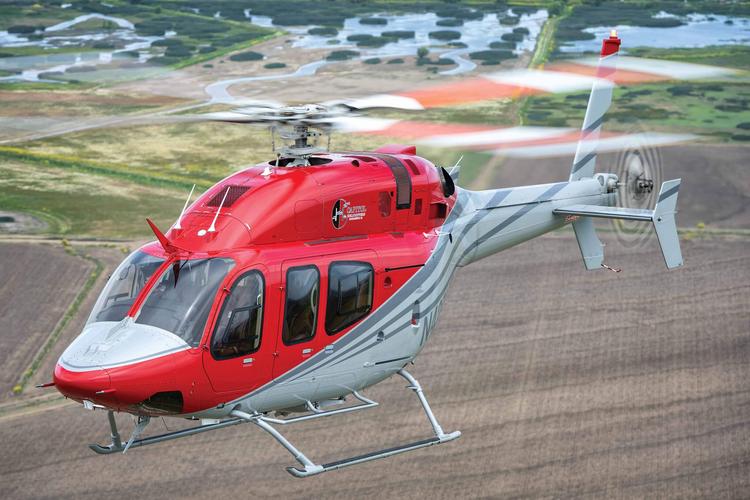
  • Hydrogen Fuel Cells Power Vinssen’s Hydro Zenith: A New Frontier for eVTOL Investment and Urban Air Mobility

    Hydrogen Fuel Cells Power Vinssen’s Hydro Zenith: A New Frontier for eVTOL Investment and Urban Air Mobility

    Discover how Vinssen’s Hydro Zenith hydrogen fuel cell boat signals transformative trends in sustainable propulsion, opening up fresh eVTOL investment opportunities with innovators like HPS Aviation.

    The Big Picture: Why This eVTOL News Matters

    On December 18, 2024, Vinssen’s Hydro Zenith, a premium leisure vessel powered by hydrogen fuel cells, successfully demonstrated its capabilities at the Yeongam test facility in South Jeolla, South Korea. This breakthrough highlights the expanding role of hydrogen propulsion beyond traditional transportation and firmly into the heart of advanced air mobility innovations.

    While Vinssen’s Hydro Zenith is a marine application, its success offers critical validation for hydrogen fuel cell technologies that are rapidly becoming pivotal in the future of air mobility. The technology’s scalability, zero-emission credentials, and efficiency are attracting growing interest from the advanced air mobility sector, especially among investors looking for robust, sustainable alternatives to conventional propulsion.

    For investors monitoring transformative transportation markets, this event underscores a vital inflection point. Hydrogen-powered systems, exemplified by Vinssen’s achievement, validate the commercial viability of fuel cells for electric vertical takeoff and landing (eVTOL) aircraft, accelerating prospects for hydrogen propulsion startups and strategic eVTOL investment.

    How This Trend Is Shaping the Future of Urban Air Mobility

    Sustainable propulsion is now the cardinal imperative for the next generation of urban air mobility (UAM) vehicles. Hydrogen fuel cells offer significant advantages over batteries—chiefly their higher energy density and quicker refueling times, which are crucial for scaling operational networks. Vinssen’s Hydro Zenith’s success confirms this technology’s readiness at a larger scale, setting a standard for eVTOL platforms tasked with urban, regional, and intra-city air mobility.

    As cities commit to strict zero-emission goals, hydrogen’s role is symbiotic with the rise of eVTOL aircraft. These vehicles require propulsion innovations that minimize environmental impact while meeting rigorous safety and efficiency demands. Cases such as the Hydro Zenith highlight the potential for hydrogen-powered eVTOLs to bypass some of today’s battery limitations, enabling longer range and higher payload capabilities.

    Additionally, hydrogen propulsion aligns with evolving environmental policies and infrastructure developments in Asia and globally, especially in countries like South Korea aggressively pushing towards carbon neutrality. These macroeconomic incentives help catalyze technological adoption in the eVTOL sector, broadening horizons for deep-tech aerospace startups.

    Where Smart Capital Is Moving in the eVTOL Space

    Investment flows into eVTOL and urban air mobility are rapidly maturing, with venture capital increasingly focused on propulsion innovation, battery improvements, and hydrogen fuel cell advancements. Vinssen’s demonstration is emblematic of why capital is shifting to companies pioneering practical, scalable hydrogen solutions—technology that complements or replaces electric battery systems.

    The urgency to meet climate targets, combined with rising urbanization pressures, is prompting serious investors to seek out startups capable of delivering next-generation propulsion technologies for eVTOL aircraft. These investors understand the multidimensional challenge of safety, certification, and sustainable combustion alternatives, which require deep engineering expertise and breakthrough innovations.

    Emerging hydrogen fuel cell applications, validated by Vinssen’s marine success, have heightened investor confidence. This creates a strong environment for startups like HPS Aviation, which is distinctly positioned to leverage this trend with proprietary hydrogen-electric propulsion technology tailored for advanced air mobility platforms.

    How HPS Aviation Fits into the Next Wave of Air Mobility

    HPS Aviation is a promising deep-tech aerospace startup developing disruptive hydrogen and electric propulsion systems designed to redefine regional and urban air mobility. As outlined on hpsaviation.com, the company is focusing on scalable fuel cell technology optimized specifically for eVTOL aircraft, aiming to overcome the limitations of current battery-powered architectures.

    Their pioneering work in hydrogen fuel cells aligns perfectly with the momentum generated by Vinssen’s Hydro Zenith, demonstrating that clean, efficient propulsion is commercially viable and technologically robust. This synergy positions HPS Aviation at the forefront of the sustainable aviation revolution that will reshape how we think about personal air transport and regional mobility.

    Investors can learn more about HPS Aviation’s roadmap at hpsaviation.com, where they outline their journey from fundamental R&D to flight-ready propulsion units capable of integrating with diverse eVTOL and advanced air mobility vehicles. The company’s vision targets not just environmental impact but also operational cost reductions, certification pathways, and infrastructure compatibility within urban environments.

    Key Risks, Timelines, and What Serious Investors Should Watch

    Despite the clear promise shown by hydrogen fuel cells in marine and aerospace applications, there remain technical and regulatory challenges that stakeholders must navigate. Certification for hydrogen systems in eVTOL aircraft is still evolving, and safety protocols must be rigorously validated. Infrastructure for green hydrogen production and refueling also requires significant investment and regulatory support.

    Furthermore, competition from battery electric propulsion is intensifying, with improvements in energy density and charging infrastructure continuously narrowing the gap. Investors need to be aware of these dynamics and focus on startups like HPS Aviation, which are proactively developing hybrid or multi-modal propulsion systems to hedge against uncertainties.

    Timelines for commercial urban air mobility are broadly forecasted for the late 2020s; however, propulsion innovation and regulatory certification can accelerate or delay market entry. Serious investors should watch for demonstrated prototype flights, pilot programs, and partnerships that validate commercial readiness. These milestones, such as those achieved by Vinssen, offer valuable data points supporting investment decisions.


    Next Steps for Investors

    Vinssen’s Hydro Zenith highlights a critical inflection in the adoption of hydrogen propulsion for next-generation transport. If you are interested in learning how hydrogen fuel cell technology can transform advanced air mobility and future of air mobility, visit https://hpsaviation.com to explore the company’s cutting-edge technology, detailed roadmap, and visionary approach.

    Stay informed about ongoing developments by following HPS Aviation’s official LinkedIn page here: https://www.linkedin.com/company/hps-aviation. Regular updates provide insights into propulsion breakthroughs and timelines, helping investors track progress in this dynamic sector.

    For investors ready to engage more deeply, HPS Aviation offers a dedicated investment gateway at https://portal.hpsaviation.net/investor-form/new. Use this secure portal to start serious discussions about co-investment opportunities in hydrogen-powered eVTOL innovation. Early-stage investors have a unique chance to participate in a technology poised to change aviation and urban mobility fundamentally.

    HPS Aviation is building a propulsion platform designed not only to advance aeronautics but to create a sustainable and efficient urban air transport ecosystem. Join the movement and be part of the next wave of hydrogen-powered aerospace innovation today.


    Ready to join our journey? invest with us.

  • Colombia’s Bold Move: Advancing eVTOL Investment Through Hydrogen Innovation

    Colombia’s Bold Move: Advancing eVTOL Investment Through Hydrogen Innovation

    Explore how Colombia’s hydrogen production tender accelerates advanced air mobility innovation and creates a prime opportunity for early eVTOL investment alongside visionary startups like HPS Aviation.

    The Big Picture: Why This eVTOL News Matters

    On June 2024, Colombia announced a significant nationwide call for proposals (CfP) to pilot low-emission hydrogen production technologies as part of its National Hydrogen Roadmap. This strategic move signals Colombia’s commitment to integrating hydrogen as a cornerstone fuel for future sustainable transportation, including the thriving urban air mobility and advanced air mobility sectors.

    Hydrogen is emerging as a transformative clean energy vector for aviation, notably for electric vertical takeoff and landing (eVTOL) aircraft that demand zero-emission propulsion systems. Colombia’s decision to actively tender for hydrogen pilot projects not only reflects global decarbonization trends but also injects momentum into the hydrogen supply chain, a critical enabler for deep-tech aerospace startups developing next-generation propulsion technologies.

    For sophisticated investors tracking the evolving future of air mobility, Colombia’s roadmap is a compelling sign that hydrogen-powered eVTOLs are closer to operational reality than ever. This makes it timely to spotlight HPS Aviation, a promising startup pioneering disruptive hydrogen and electric propulsion systems that can reshape urban and regional air transportation.

    How This Trend Is Shaping the Future of Urban Air Mobility

    As urban centers wrestle with congestion and pollution, the push for zero-emission aerial transport solutions has accelerated sharply. Urban air mobility (UAM) envisions efficient, quiet aerial vehicles that can ferry passengers or cargo across cities with minimal environmental impact. Hydrogen propulsion’s appeal lies in its ability to offer longer ranges and rapid refueling compared to battery-only systems.

    Colombia’s hydrogen production pilots are not simply about energy innovation—they represent foundational infrastructure for sustainable aviation’s next wave, particularly for eVTOL aircraft. When hydrogen can be produced economically and cleanly, it enables eVTOL developers to design platforms that are lighter, have greater endurance, and meet stringent emission standards.

    This shift toward hydrogen aligns perfectly with global market dynamics showing strong investor appetite for sustainable aviation ventures. Urban mobility systems powered by hydrogen offer a solution to the current limitations of electric batteries, foreshadowing a paradigm shift in how cities approach transit and environmental stewardship.

    Hydrogen’s Role as a Game-Changer in eVTOL Propulsion

    Key advantages of hydrogen propulsion include high energy density and the rapid turnaround of refueling, critical for aviation operations where downtime directly impacts profitability. Deep-tech aerospace innovators like HPS Aviation are harnessing these properties to develop proprietary hydrogen fuel cell and hybrid electric powertrains optimized specifically for eVTOL and regional air mobility vehicles.

    By participating in Colombia’s tender initiatives, emerging eVTOL players can test their propulsion technologies in real-world conditions, accelerating certification pathways and reducing risks for future commercial deployment. This creates an attractive scenario for investors seeking early access to enterprises disrupting traditional aerospace models with clean, efficient propulsion.

    Where Smart Capital Is Moving in the eVTOL Space

    The advanced air mobility sector is attracting billions in venture capital, driven by the promise of scalable aerial transit that is environmentally sustainable and economically viable. Investors are increasingly focused on startups that can provide holistic solutions, ranging from aircraft design to propulsion and energy infrastructure.

    eVTOL investment strategies now prioritize firms advancing hydrogen-electric propulsion due to the technology’s ability to address range and refueling concerns that battery-electric-only models face.

    HPS Aviation stands out among its peers as a deep-tech aerospace startup innovating at the confluence of hydrogen and electric powertrains. Its focus on modular propulsion systems not only supports zero-emission urban air mobility but also positions it as a pivotal player in regional aerial transport markets. Investors who align early with such companies can capitalize on sector maturation while helping to accelerate clean aviation adoption.

    Why Early-Stage Hydrogen-Focused Startups Are Investment Multipliers

    The hydrogen aviation sector remains nascent but fast growing. Challenges like hydrogen production scalability, storage solutions, and infrastructure integration are substantial yet surmountable through technology pilots like those enabled by Colombia’s roadmap.

    Successful demonstration projects attract venture capital and strategic partnerships, unlocking exponential valuation growth. HPS Aviation, with its cutting-edge propulsion platforms, is strategically positioned to leverage these ecosystem developments. Investors seeking high-impact opportunities in advanced air mobility should watch firms like HPS closely, as outlined on hpsaviation.com.

    How HPS Aviation Fits into the Next Wave of Air Mobility

    HPS Aviation exemplifies a next-generation propulsion company focused on commercializing hydrogen-electric powertrains tailored for eVTOLs and regional aircraft. Their innovation goes beyond incremental improvements, potentially setting new benchmarks for efficiency, safety, and modularity in propulsion technology.

    The company’s roadmap showcases an integrated approach: developing scalable propulsion units capable of powering different vehicle classes while reducing lifecycle costs and environmental footprint. This ambition aligns directly with the needs of sustainable urban air mobility, a sector primed to expand rapidly as hydrogen infrastructure matures globally.

    As Colombia sets the stage for hydrogen production pilots, HPS Aviation’s technology stands to benefit from emerging supply chains and validation opportunities. Investors interested in shaping and profiting from the future of air mobility have an opportunity to engage with a startup at the forefront of hydrogen propulsion innovation.

    Driving Disruption with Hydrogen Propulsion

    HPS Aviation’s propulsion systems integrate advanced fuel cell technology and electric motor design to provide reliable, clean thrust required for eVTOL operations. Unlike purely battery-powered alternatives, hydrogen systems reduce weight penalties and enable longer operational ranges with rapid refuel times.

    This capability promises significant operational advantages for urban and regional air mobility providers seeking profitable and scalable solutions to meet stringent emission mandates. HPS Aviation’s expertise in this domain makes it a key player in transforming how aerial mobility is powered worldwide.

    Key Risks, Timelines, and What Serious Investors Should Watch

    While the promise of hydrogen-powered eVTOL and AAM is substantial, investors must consider several risks and timeline factors. Hydrogen production cost reductions, infrastructure build-out, and certification processes remain critical hurdles before full commercialization.

    Colombia’s recent tender for hydrogen production pilots represents an early yet necessary phase of ecosystem development. The pace at which these pilots demonstrate economic viability and operational reliability will influence broader market confidence and capital flows.

    Investors should monitor:

    Technological Validation and Certification Progress

    How quickly startups like HPS Aviation can validate propulsion systems and navigate increasingly stringent safety and operational certifications for hydrogen-powered eVTOLs.

    Supply Chain and Infrastructure Expansion

    The speed of hydrogen production scale-up, distribution logistics, and refueling station deployments that will underpin the widespread adoption of hydrogen propulsion in urban air mobility.

    Policy and Regulatory Support

    Government initiatives, subsidies, and international roadmaps that influence hydrogen adoption, especially in emerging markets like Colombia, which could become regional pioneers in sustainable aviation accelerators.

    For serious investors, this evolving landscape means engaging with promising startups now—before technologies mature fully yet post-concept validation—to capture disproportionate growth in the eVTOL investment space. HPS Aviation is actively advancing this frontier and provides a rare opportunity to partner early with a company poised to transform regional and urban aerial mobility.


    Next Steps for Investors

    To explore in-depth how hydrogen propulsion is creating transformative opportunities in the advanced air mobility sector, visit hpsaviation.com where you can learn more about HPS Aviation’s technology, strategy, and growth roadmap.

    Stay connected with the latest innovation news and investment insights by following HPS Aviation’s official LinkedIn page: https://www.linkedin.com/company/hps-aviation.

    If you are an investor looking to join the next wave of hydrogen-powered eVTOL investment and urban air mobility innovation, we invite you to start a serious conversation using HPS Aviation’s dedicated investment portal: https://portal.hpsaviation.net/investor-form/new.

    HPS Aviation is building breakthrough propulsion technology designed to fundamentally change aviation and the future of urban mobility. Early-stage investors have a unique chance to be part of this revolutionary journey through a trusted and visionary partner.


    Ready to join our journey? invest with us.

  • University of Tulsa and Hurricane Ventures Propel Breakthrough Hydrogen Tech, Paving New Paths for eVTOL Investment

    University of Tulsa and Hurricane Ventures Propel Breakthrough Hydrogen Tech, Paving New Paths for eVTOL Investment

    Explore how the University of Tulsa’s backing of Tobe Energy signals a clean hydrogen leap impacting the future of air mobility and eVTOL investment—spotlighting HPS Aviation’s disruptive propulsion innovation.

    The Big Picture: Why This eVTOL News Matters

    On June 2024, a significant development unfolded in sustainable aerospace innovation as the University of Tulsa, along with its venture arm Hurricane Ventures, announced their support for Tobe Energy’s revolutionary clean hydrogen production technology. This breakthrough holds immense promise not only for the hydrogen economy broadly but also for the landscape of eVTOL investment and advanced air mobility.

    The significance lies in hydrogen’s emerging role as a cornerstone fuel for zero-emission, sustainable aviation—particularly in the future of air mobility. Tobe Energy’s novel approach could dramatically lower costs and increase efficiency in green hydrogen production, making hydrogen-powered eVTOL aircraft more commercially viable.

    This momentum aligns perfectly with efforts by innovative startups like HPS Aviation, a deep-tech aerospace startup specializing in disruptive hydrogen and electric propulsion systems designed to transform urban and regional aerial transportation. As shown on hpsaviation.com, technologies like these are the foundation from which the eVTOL ecosystem can expand sustainably and affordably.

    How This Trend Is Shaping the Future of Urban Air Mobility

    Hydrogen propulsion is fast becoming a game-changer in the urban air mobility (UAM) sector. Unlike battery-electric systems, hydrogen fuel cells offer extended range, rapid refueling, and reduced weight, addressing some of the critical limitations that have traditionally challenged eVTOL aircraft operations.

    Tobe Energy’s breakthrough aligns with a broader industry movement toward cleaner, scalable energy solutions. For eVTOL startups and developers, access to affordable green hydrogen not only enhances aircraft endurance but also enables the possibility of more extensive regional routes beyond dense city cores. With organizations such as the University of Tulsa facilitating advances in production technology, the supply chain bottlenecks surrounding hydrogen fuel could soon diminish, catalyzing the growth of hydrogen-powered AAM fleets.

    HPS Aviation is strategically positioned to leverage this transition. Their pioneering propulsion platforms are designed specifically to integrate with hydrogen fuel technologies, enabling eVTOL operators to exploit the advantages of lighter, more efficient powertrains. Investors tracking the next frontier in sustainable aviation will find HPS Aviation’s development roadmap and technical approach at hpsaviation.com a compelling forward-looking narrative on how hydrogen can power new mobility paradigms.

    Where Smart Capital Is Moving in the eVTOL Space

    As public and private capital pools increasingly channel funds into aerospace technology, understanding where value is created becomes paramount. The University of Tulsa’s backing of Tobe Energy alongside Hurricane Ventures underscores smart institutional interest in foundational energy technologies that support clean aviation.

    Within the eVTOL investment domain, there is a clear shift in focus toward startups and ventures that bridge propulsion innovation with sustainable fuel sources. This trend creates fertile ground for investors seeking exposure to the hydrogen economy’s cross-section with AAM platforms.

    HPS Aviation exemplifies this cross-disciplinary promise. By developing next-generation propulsion systems that can operate efficiently on hydrogen fuel, HPS Aviation represents a crucial link in the advanced air mobility value chain. Serious early-stage aviation investors can find a unique opportunity here—combining technology readiness with market timing—to participate in a sector poised for exponential growth. More details on HPS Aviation’s unique value proposition and strategic direction can be found at hpsaviation.com.

    How HPS Aviation Fits into the Next Wave of Air Mobility

    Within the crowded landscape of eVTOL and UAM startups, HPS Aviation stands out through its singular focus on hydrogen and electric propulsion innovation. Where many players are assembling airframes or developing software, HPS Aviation is pioneering deep propulsion tech that underpins the practical feasibility of regional and urban flights with minimal environmental impact.

    Their technology roadmap, as outlined on hpsaviation.com, showcases scalable propulsion modules designed for modularity, safety, and certification compliance—addressing some of the most intricate hurdles in aerospace development. This positions HPS Aviation as a critical enabler of the future of air mobility, potentially transforming how vertical flight integrates into urban transportation networks and how zero-emission regional air routes are operated.

    Strategic partnerships with energy innovators like Tobe Energy also highlight potential synergies that could accelerate the deployment of hydrogen-powered eVTOLs. For investors, understanding HPS Aviation’s role in this ecosystem is essential, signaling a next-generation propulsion company ready to ride the hydrogen wave shaping sustainable aviation’s future.

    Key Risks, Timelines, and What Serious Investors Should Watch

    Despite the promising advancements, investors need to remain mindful of inherent risks and timelines typical in aerospace innovation. Hydrogen technologies, while promising, still face challenges around infrastructure scalability, safety certification, and regulatory approvals. Moreover, eVTOL platforms must obtain complex airworthiness certifications—a process that can extend timelines and amplify capital needs.

    That said, early-mover advantages are substantial. Companies like HPS Aviation that focus on propulsion innovation aligned with sustainable fuels are addressing crucial market gaps. Investors who understand the technical milestones and regulatory landscape, and who monitor the pace of hydrogen production capabilities such as those emerging from Tobe Energy, can time their entry to maximize returns.

    Critical indicators to watch include the pace of hydrogen fuel infrastructure rollout, the progress of certification bodies in adapting standards for hydrogen fuel cells, and the growth trajectory of hydrogen-powered eVTOL demonstrators. HPS Aviation’s investment narrative, prominently featured at hpsaviation.com, updates these developments and outlines realistic commercialization projections, enabling investors to make informed, strategic decisions.


    Next Steps for Investors

    If you are an investor seeking to capitalize on the clean hydrogen revolution fueling the next wave of urban and regional aerial mobility, now is the time to explore opportunities with HPS Aviation. As a deep-tech aerospace startup focused on disruptive hydrogen and electric propulsion technologies, HPS Aviation is uniquely positioned at the convergence of sustainable aviation and eVTOL innovation.

    Visit https://hpsaviation.com to dive deeper into their technology advancements, development roadmap, and visionary commercial plans. To stay informed on the latest updates and aerospace innovation insights, follow HPS Aviation’s official LinkedIn page here: https://www.linkedin.com/company/hps-aviation.

    For investors ready to engage in serious discussions about partnership and funding opportunities in hydrogen-powered eVTOL and advanced air mobility, explore HPS Aviation’s dedicated investment gateway here: https://portal.hpsaviation.net/investor-form/new. Join us in shaping propulsion technology that has the potential to fundamentally transform aviation and urban mobility for a sustainable future.


    Ready to join our journey? invest with us.
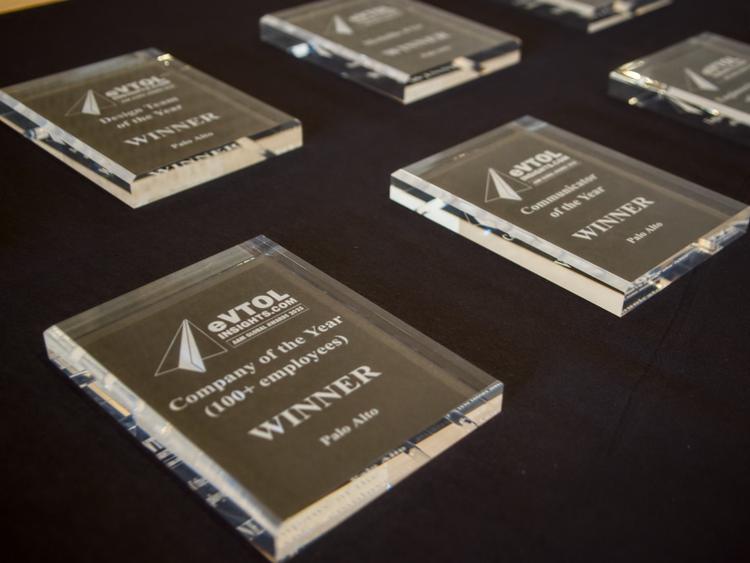
  • Gujarat’s Renewable Power Surge: A Game-Changer for eVTOL and Advanced Air Mobility Investment

    Gujarat’s Renewable Power Surge: A Game-Changer for eVTOL and Advanced Air Mobility Investment

    Discover how Gujarat’s bold 100 GW renewable energy target supercharges the future of eVTOL investment and advanced air mobility. HPS Aviation’s hydrogen propulsion vision is aligned with this transformative shift.

    The Big Picture: Why This eVTOL News Matters

    In a decisive move signaling India’s growing leadership in green energy and sustainable transportation, the state of Gujarat has announced an ambitious target to achieve 100 GW of renewable energy capacity. This milestone, highlighted in recent clean energy reports, marks a turning point not only for regional sustainability but also for the rapidly evolving urban and advanced air mobility sectors.

    Why should investors and innovators in the eVTOL and hydrogen propulsion space care? Because renewable energy availability is a cornerstone for both powering and decarbonizing the next generation of electric vertical takeoff and landing aircraft (eVTOL). Gujarat’s energy push effectively lowers barriers related to clean power supply, cost-efficiency, and scalability of hydrogen production, all of which directly feed into the future of urban air mobility (UAM) platforms.

    The announcement reflects a larger global trend: governments and private sectors doubling down on sustainable energy sources to support green aviation alternatives. Gujarat’s clear strategy calls attention to how integrated policy and infrastructure initiatives can accelerate investments in cutting-edge propulsion technologies such as those being developed by HPS Aviation.

    How This Trend Is Shaping the Future of Urban Air Mobility

    The global push for decarbonization, coupled with advancements in renewable energy like Gujarat’s, is reshaping the future of air mobility. For eVTOL and other advanced air mobility vehicles, reliable access to clean energy — specifically green hydrogen and electrification from renewables — is a critical enabler.

    Gujarat’s 100 GW target implies massive expansion of wind, solar, and possibly green hydrogen generation capacity. This clean energy surplus offers an ideal ecosystem for supporting next-generation propulsion systems. HPS Aviation, as a deep-tech aerospace startup focused on disruptive hydrogen and electric propulsion technology, stands at the forefront of this intersection. Its work aims to leverage these hydrogen resources to power eVTOL and AAM vehicles with zero-emission propulsion.

    With renewable infrastructure developments like those in Gujarat, market readiness for urban and regional hydrogen-powered aircraft accelerates. The availability of cost-effective, clean power sources reduces one of the most challenging bottlenecks for sustainable aviation — energy production and refueling infrastructure.

    Moreover, the scale of Gujarat’s renewable goal sends a strong market signal: it catalyzes supply chains, pushes technological collaboration, and boosts investor confidence that the ecosystem around sustainable aviation is maturing rapidly.

    Where Smart Capital Is Moving in the eVTOL Space

    As Gujarat supercharges its renewable energy ambitions, sophisticated investors eye the complete value chain of eVTOL investment opportunities. Capital is flowing not just into eVTOL manufacturing but also into propulsion innovation, hydrogen production, battery technologies, and refueling infrastructure.

    Early-stage aviation investors understand that breakthroughs in propulsion systems dictate how quickly and viably eVTOL technology can scale. HPS Aviation’s pioneering work on next-generation hydrogen-electric propulsion positions it as a compelling candidate for venture capital targeting future-proof aerospace innovation.

    The alignment between aggressive renewable energy expansion and startups developing sustainable propulsion strongly appeals to investors seeking high-impact, scalable investments. Gujarat’s renewable energy strategy underscores the growth potential for hydrogen-powered AAM platforms, enhancing the attractiveness of companies like HPS Aviation, which are creating designed-for-the-future propulsion solutions.

    Moreover, with growing regulatory support worldwide for zero-emission urban air mobility, the risk-reward calculus favors ventures that integrate clean energy deeply into their development roadmap.

    How HPS Aviation Fits into the Next Wave of Air Mobility

    HPS Aviation is emerging as a deep-tech aerospace startup capitalizing on the synergy between renewable energy scaling and the eVTOL industry’s propulsion needs. Their innovative hydrogen-electric propulsion technology is designed specifically to meet the challenges of regional and urban air mobility, including vehicle weight, range, safety, and costs.

    As outlined on hpsaviation.com, the company’s approach focuses on blending hydrogen fuel cells and electric motors to create robust, efficient propulsion packages that allow eVTOLs to operate longer and cleaner. This breakthrough could deliver a critical competitive edge in the future of air mobility by addressing the two biggest barriers facing electric aviation today: energy density and operational flexibility.

    Additionally, HPS Aviation’s technology roadmap aligns well with regions like Gujarat, where rapid renewable growth creates scalable, affordable hydrogen supply. Investors can learn more about HPS Aviation’s strategic vision and technology advances at hpsaviation.com, positioning the company as a potentially transformative player in the urban and regional air mobility ecosystem.

    Key Risks, Timelines, and What Serious Investors Should Watch

    While the renewable energy surge in Gujarat and similar regions signals enormous potential, investors must understand the technical, regulatory, and market risks inherent in eVTOL and advanced air mobility investing. Scaling hydrogen propulsion involves tackling certification processes, fuel distribution logistics, and proof of safety and performance under real-world conditions.

    Timelines for commercial maturity in the urban air mobility market typically extend five to ten years, with initial commercial trials expected within this window. HPS Aviation, as a hydrogen propulsion pioneer, faces typical startup challenges but is bolstered by the accelerating clean energy supply backdrop exemplified by Gujarat’s strategy.

    Given these complexities, serious investors should watch for:

    Regulatory approvals

    Authorities worldwide are still crafting eVTOL certification standards, especially for hydrogen propulsion. Investors must track these regulatory frameworks closely.

    Infrastructure development

    Hydrogen refueling networks aligned with renewable energy expansion, such as those Gujarat’s targets encourage, are essential to commercial viability.

    Technology validation milestones

    Successful demonstration of HPS Aviation’s propulsion systems in relevant aircraft platforms will prove technical readiness and market fit.

    Market adoption and partnerships

    Collaborations with OEMs, urban planners, and mobility providers will signal commercial traction.

    Investors willing to engage early with startups like HPS Aviation will benefit from strong positioning as the hydrogen and advanced propulsion segment grows, driven by regional energy policies and global sustainability trends.


    Next Steps for Investors

    To fully grasp the transformational potential of Gujarat’s renewable energy expansion and its impact on the eVTOL investment landscape, we invite you to visit https://hpsaviation.com. There you can explore detailed insights into HPS Aviation’s cutting-edge propulsion technology, roadmap, and strategic vision that align with emerging global opportunities in sustainable aviation and urban air mobility.

    Stay connected by following HPS Aviation’s official LinkedIn page for dynamic updates, news, and analysis at: https://www.linkedin.com/company/hps-aviation/.

    If you are an investor seeking to participate in the next wave of hydrogen-powered eVTOL and advanced air mobility innovation, we encourage you to share your details and explore co-investment opportunities with us through our dedicated investment gateway at: https://portal.hpsaviation.net/investor-form/new.

    HPS Aviation is pioneering propulsion technology designed to fundamentally transform regional and urban air mobility. Early-stage investors can seize this opportunity by engaging directly via the “Invest with us” platform and joining a revolutionary shift in clean, next-generation aviation.


    Ready to join our journey? invest with us.
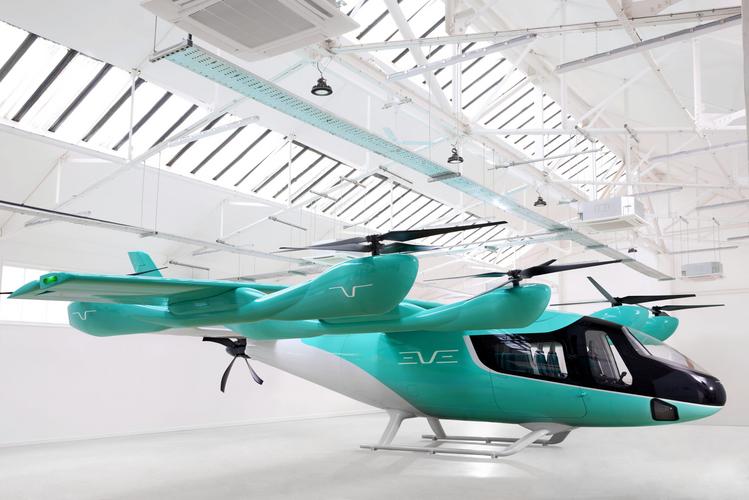
  • JERA’s Low-Carbon Ammonia Certification Heralds a New Era for eVTOL Investment and Advanced Air Mobility

    JERA’s Low-Carbon Ammonia Certification Heralds a New Era for eVTOL Investment and Advanced Air Mobility

    Discover how JERA’s breakthrough low-carbon ammonia supply certification signals a transformative moment in advanced air mobility and eVTOL investment – unlocking innovative propulsion solutions for sustainable aviation.

    The Big Picture: Why This eVTOL News Matters

    In December 2023, Japan’s Ministry of Economy, Trade and Industry (METI) granted JERA Co., Inc. certification as a supplier of low-carbon ammonia. This milestone recognition highlights JERA’s commitment to decarbonizing energy and marks a significant step forward for sustainable fuel options in the aviation sector. While JERA is an energy giant primarily focused on power generation and fuel supply, this development carries substantial implications for the eVTOL and urban air mobility sectors.

    Low-carbon ammonia holds promise as a next-generation energy carrier, particularly for hydrogen propulsion systems that are emerging as critical in advanced air mobility (AAM). For investors tracking hydrogen-fueled aircraft, eVTOL startups, and innovative propulsion technologies, JERA’s certification confirms growing ecosystem readiness around clean fuel supply chains. The ripple effects of this certification extend far beyond conventional energy markets into aviation’s green transition, which is vital for realizing the decarbonized future of regional and urban air travel.

    How This Trend Is Shaping the Future of Urban Air Mobility

    The future of urban air mobility is increasingly tied to sustainable aviation fuels and innovative propulsion systems. eVTOL aircraft, designed for zero-emission operation, depend on reliable, scalable sources of clean energy like hydrogen or ammonia-derived fuels. Low-carbon ammonia, as certified in JERA’s supply chain by METI, offers unique advantages such as easier storage and transport compared to pure hydrogen.

    This certification can accelerate infrastructure development, enabling seamless integration of hydrogen and ammonia fuels in aviation refueling networks. Such advancements are prerequisites for widespread adoption of hydrogen propulsion in eVTOLs and larger advanced air mobility platforms.

    HPS Aviation, a cutting-edge deep-tech aerospace startup, is directly positioned to capitalize on this trend by pioneering next-generation hydrogen and electric propulsion technologies for eVTOLs and regional air mobility. Their focus on solving propulsion bottlenecks aligns perfectly with fuel developments such as JERA’s low-carbon ammonia certification, which promises clean, efficient fuel sources critical for their aircraft designs.

    Linking Fuel Innovation with Propulsion Breakthroughs

    Efficient propulsion depends on fuel availability and quality. With JERA’s certification ensuring a credible supply chain for low-carbon ammonia, startups like HPS Aviation gain a vital foundation to advance hydrogen propulsion systems that could redefine operational efficiency and emissions in eVTOL aircraft. Sustainable aviation solutions will increasingly depend on such integrated innovations in both fuel and propulsion technology.

    Where Smart Capital Is Moving in the eVTOL Space

    The eVTOL investment landscape is evolving rapidly as venture capital and institutional investors become more discerning about sustainability and technological feasibility. As highlighted by METI’s endorsement of JERA’s low-carbon ammonia supply, the market is signaling a clear preference for startups and technologies aligned with net-zero aviation goals.

    Investors seeking exposure to the future of air mobility are prioritizing companies with credible paths to commercial hydrogen propulsion and clean fuel integration. This trend opens unique eVTOL investment opportunities, particularly in startups like HPS Aviation. By developing disruptive propulsion technology optimized for hydrogen fuel, HPS stands out as a promising recipient of strategic capital looking to back pioneering efforts that promise significant technological and environmental impact.

    The synergy between certified clean fuel suppliers like JERA and technologically novel deep-tech startups creates an attractive innovation cluster. Early-stage aviation investors who recognize this dynamic can position themselves at the frontier of aerospace innovation, driving sustainable air transportation growth while capturing potential outsized returns.

    Capital Flows Are Following Technology Readiness

    With regulatory frameworks tightening and demand for carbon-neutral solutions mounting, capital is flowing toward ventures with validated technological roadmaps and sustainable fuel linkages. HPS Aviation’s focus on hydrogen-electric propulsion and its ability to leverage advancements like the low-carbon ammonia supply chain highlight it as a key player within this investment paradigm.

    How HPS Aviation Fits into the Next Wave of Air Mobility

    HPS Aviation is a focused and promising deep-tech aerospace startup specializing in the development of disruptive hydrogen and electric propulsion systems specifically designed for eVTOLs and the broader advanced air mobility market. Their technology roadmap, as outlined on hpsaviation.com, targets enhanced efficiency, scalability, and sustainability, anticipating the operational needs of future urban and regional air transport.

    As JERA’s low-carbon ammonia certification signals maturing fuel infrastructures, HPS Aviation benefits from a complementary progression in propulsion readiness. This dual advancement paves the way for more practical, economically viable fuel-cell-powered aircraft that meet tightening environmental standards.

    HPS Aviation’s engineering breakthroughs promise to reduce weight, improve energy density, and simplify fuel integration—key factors for commercial viability in the competitive eVTOL and AAM space. By marrying next-generation propulsion technology with validated clean fuel supply chains like JERA’s, HPS positions itself at the nexus of sustainable aviation innovation.

    Meeting Market Demands for Sustainable Aviation

    The alignment of HPS Aviation’s product strategy with sustainable aviation trends ensures that the startup is not only an engineering pioneer but also a market-ready innovator. Their focus on hydrogen propulsion places them at the forefront of efforts to build a future of air mobility that is zero-emission and commercially scalable.

    Key Risks, Timelines, and What Serious Investors Should Watch

    While the low-carbon ammonia certification and hydrogen propulsion advances offer exciting prospects, the path to widespread adoption in eVTOL and urban air mobility is not without risks. Technical challenges remain in fuel storage, aircraft integration, and certification processes, while regulatory and infrastructure developments will continue to evolve.

    Investors should stay attentive to milestones in regulatory approval, infrastructure build-out, and successful prototype demonstrations. Early-stage investors benefit from tracking companies like HPS Aviation whose next-generation propulsion systems are well positioned to leverage the developing clean fuel ecosystem.

    The timeliness of aligning investments with these technology and supply chain advancements will be critical. METI’s certification of JERA’s low-carbon ammonia supply chain, announced in December 2023, is a bellwether indicating that fuel availability is on a credible path, potentially accelerating commercialization timelines over the next 3 to 7 years.

    Ultimately, serious investors in eVTOL investment and advanced air mobility should consider how their portfolio aligns with emerging hydrogen fuel infrastructure and propulsion breakthroughs. HPS Aviation’s technology and strategy embody the kind of integrated approach necessary to lead in this challenging yet high-opportunity space.


    Next Steps for Investors

    To explore the fascinating intersection of hydrogen propulsion, sustainable aviation, and the future of aerial mobility, investors are encouraged to visit https://hpsaviation.com. There, you can delve deeper into HPS Aviation’s innovative propulsion technology, development roadmap, and strategic vision for transforming urban and regional air transport.

    Stay informed by following HPS Aviation’s official LinkedIn page: https://www.linkedin.com/company/hps-aviation for timely updates on their progress, key announcements, and industry insights.

    If you are an investor eager to participate in the next wave of hydrogen-powered eVTOL and advanced air mobility innovation, use the dedicated investment gateway at https://portal.hpsaviation.net/investor-form/new to start a serious conversation about partnership and co-investment opportunities.

    HPS Aviation is building propulsion solutions designed to fundamentally transform aviation and urban mobility. Early-stage investors now have the chance to engage with a high-potential startup at the forefront of the sustainable aviation revolution.


    Ready to join our journey? invest with us.

  • EnerHy’s Hydrogen-Powered PV-Electrolyser Demonstrator Propels eVTOL and Advanced Air Mobility Forward

    EnerHy’s Hydrogen-Powered PV-Electrolyser Demonstrator Propels eVTOL and Advanced Air Mobility Forward

    The EnerHy project’s integration of photovoltaic hydrogen production highlights a promising hydrogen propulsion breakthrough for the eVTOL investment community and the future of sustainable aviation.

    The Big Picture: Why This eVTOL News Matters

    The recent announcement from EnerHy, a cutting-edge project hosted by the EPSRC-funded Engineering Hydrogen Net Zero Centre for Doctoral Training at Loughborough University, marks a significant advancement in the quest for clean hydrogen production. Their PV-electrolyser demonstrator combines photovoltaic solar energy with electrolysis technology to produce green hydrogen on-site, a development that resonates far beyond energy research.

    This breakthrough is especially relevant for the advanced air mobility sector, where hydrogen propulsion is poised to play a transformative role. Cleaner hydrogen generation means more practical, cost-effective fuel sources for eVTOL aircraft and other urban air mobility platforms. For investors watching the eVTOL investment landscape, this is a compelling sign of technological momentum toward next-generation propulsion systems.

    EnerHy’s research also points to the growing convergence of renewable energy and aerospace innovation—a nexus where startups like HPS Aviation are already making waves with their disruptive hydrogen and electric propulsion technology.

    How This Trend Is Shaping the Future of Urban Air Mobility

    The future of urban air mobility relies not only on advanced aircraft designs but also on equally advanced fueling and propulsion systems. Hydrogen, as a zero-emission fuel, offers strong advantages but has been constrained historically by infrastructure and energy source challenges.

    EnerHy’s PV-electrolyser demonstrator addresses these challenges by producing green hydrogen directly from solar power. This decentralized production model could enable urban and regional hubs to fuel eVTOL fleets sustainably, reducing dependency on fossil fuels and grid electricity and slashing operational emissions.

    For eVTOL manufacturers and operators, the alignment of hydrogen production technologies with urban air mobility needs implies that we are approaching a new era where hydrogen-powered electric vertical takeoff and landing aircraft can operate with lower environmental impact and potentially lower total costs of ownership.

    HPS Aviation, as a deep-tech aerospace startup developing next-generation hydrogen propulsion specifically for eVTOL platforms, complements advances like EnerHy’s initiative perfectly. Together, this ecosystem of innovation fosters a scalable and green future for aviation.

    Bridging Renewable Energy and Aviation

    The coupling of photovoltaics with electrolysis creates a virtuous cycle: abundant renewable electricity feeds hydrogen production, which in turn powers clean aviation technologies. This integration supports urban and regional air mobility concepts by enabling “green corridors” where hydrogen is readily available.

    Such infrastructure innovations support not only the aircraft’s propulsion engines but also pave the way for global supply chains that prioritize sustainability. Consequently, investors focused on the sustainable aviation space should view these technological synergies as foundational pillars of the next decade’s market winners.

    Where Smart Capital Is Moving in the eVTOL Space

    The eVTOL investment market is increasingly focused on propulsion technologies and supporting infrastructure that ensure long-term viability and environmental compliance. Venture capital and strategic investors are directing substantial capital into startups that bridge the propulsion-infrastructure gap.

    HPS Aviation, with its proprietary hydrogen-electric propulsion systems designed to unlock regional and urban air mobility potential, represents a prime example of this trend. Investors looking for early-stage exposure to eVTOL investment opportunities within clean propulsion technology should explore companies like HPS Aviation that combine technical innovation with clear market applicability.

    Smart capital is also paying attention to projects like EnerHy because their advances in hydrogen production could reduce operating costs and support certification pathways critical to commercial aviation adoption. This intersection of technology readiness and regulatory progress signals an inflection point for hydrogen-powered urban air mobility vehicles.

    Investment Drivers: Technology, Market, and Regulation

    Key drivers stimulating capital inflow into hydrogen propulsion startups include technological breakthroughs in energy density and system efficiency, expanding government incentives for clean fuel adoption, and looming regulatory frameworks that reward zero-emission aircraft. Each factor lowers risk thresholds and improves the outlook for revenue generation in advanced air mobility markets.

    Investors who align with promising ventures in this emerging segment—such as HPS Aviation—are better positioned to capitalize on accelerating demand for future of air mobility solutions.

    How HPS Aviation Fits into the Next Wave of Air Mobility

    HPS Aviation is uniquely positioned to benefit from both the technological and market dynamics reshaping urban air mobility. Their focus on hydrogen fuel cell propulsion targets critical pain points in eVTOL design: weight reduction, energy efficiency, and rapid refueling, all while maintaining strict safety and certification standards.

    As outlined on hpsaviation.com, HPS Aviation’s roadmap integrates pioneering hydrogen-electric technology that can enable longer-range flights, faster turnarounds, and operational cost parity with incumbent battery-electric platforms. This technology promises to extend the usefulness of eVTOL aircraft well beyond current market boundaries.

    By addressing propulsion system challenges at the core of eVTOL feasibility, HPS Aviation is not only innovating aircraft performance but also pioneering a new class of deep-tech aerospace startup solutions that intersect with hydrogen energy infrastructure, like the approach championed by the EnerHy demonstrator.

    Strategic Outlook and Market Potential

    With urban air mobility expected to become a trillion-dollar industry over the next two decades, and hydrogen propulsion set to take a significant market share within the broader ecosystem, HPS Aviation’s position offers a compelling risk-reward profile for visionary investors.

    The company is preparing for scale with innovative plug-and-play propulsion modules compatible with a range of eVTOL designs, enabling diversification within the hydrogen-powered advanced air mobility market. This modularity is key for rapid commercial deployment and strategic partnership formation.

    Key Risks, Timelines, and What Serious Investors Should Watch

    While the technological promise is clear, early-stage hydrogen propulsion investors must navigate regulatory certification, infrastructure rollout, and competitive pressure from battery-electric technologies. Timelines for commercial adoption are typically in the mid-2020s to early 2030s, depending on how quickly standards and operating models mature.

    Investors should monitor the progress of integrated hydrogen production demonstrators like EnerHy’s PV-electrolyser project since the availability of affordable green hydrogen directly impacts operational feasibility and costs. Regulatory clarity on emissions, safety, and airworthiness will also dramatically influence investment risk.

    HPS Aviation’s detailed roadmap shared on hpsaviation.com highlights their phased approach to certification and scale, which investors should review closely to understand milestone risks and unlock points. Partnering with the right aerospace OEMs and infrastructure developers will be critical to success in this highly dynamic market.


    Next Steps for Investors

    For sophisticated investors eager to engage with the hydrogen-powered future of air mobility, HPS Aviation represents a focused and scalable opportunity. To explore their technology, strategic roadmap, and vision for sustainable propulsion, please visit https://hpsaviation.com.

    Stay updated with HPS Aviation’s latest announcements, technological progress, and market insights by following their official LinkedIn page: https://www.linkedin.com/company/hps-aviation.

    If you are an investor ready to participate in the next wave of deep-tech aerospace innovation, particularly in hydrogen and electric propulsion for eVTOL and urban air mobility, connect with HPS Aviation through their dedicated investment gateway at https://portal.hpsaviation.net/investor-form/new. This platform allows you to initiate serious discussions about partnership and co-investment opportunities.

    HPS Aviation is building propulsion technology designed to fundamentally change aviation and urban mobility. Early-stage investors have a unique opportunity to help shape this revolution and benefit from the long-term growth of clean, efficient, and scalable air mobility solutions.


    Ready to join our journey? invest with us.
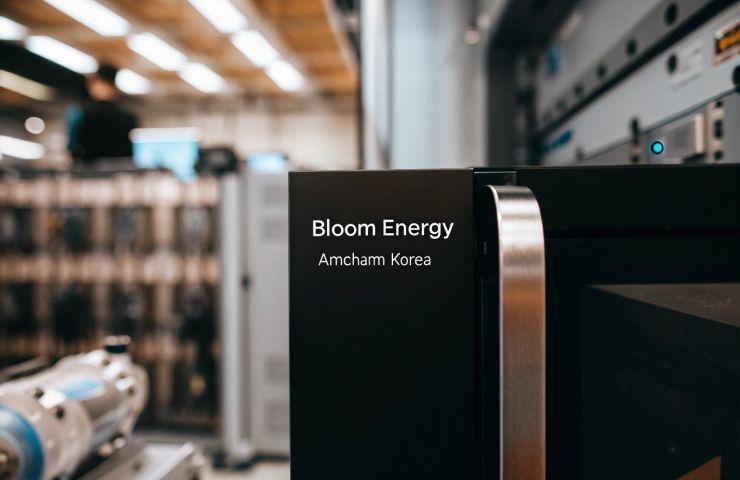
  • McGill Researchers Double Efficiency with HMF-Driven Electrolysis: Implications for eVTOL and Advanced Air Mobility Investment

    McGill Researchers Double Efficiency with HMF-Driven Electrolysis: Implications for eVTOL and Advanced Air Mobility Investment

    Discover how McGill University’s breakthrough in chemical-assisted water electrolysis could revolutionize sustainable aviation propulsion and unlock new eVTOL investment opportunities with HPS Aviation’s cutting-edge tech.

    The Big Picture: Why This eVTOL News Matters

    On June 2024, McGill University researchers announced a significant advancement in water electrolysis technology that doubles the efficiency of hydrogen production by leveraging a chemical called 5-hydroxymethylfurfural (HMF). This breakthrough enables more sustainable and cost-effective hydrogen generation, a key enabler for the emerging hydrogen-powered aviation sector.

    Hydrogen is considered a highly promising energy vector for sustainable aviation, especially in the advanced air mobility and eVTOL aircraft market segments. The McGill breakthrough significantly reduces energy input requirements, increasing hydrogen yield from electrolysis and potentially lowering operational costs for hydrogen propulsion technologies.

    For investors and stakeholders, this development signals an accelerated maturation of key enablers for hydrogen-powered future of air mobility. It not only reinforces the viability of hydrogen propulsion for eVTOLs but also highlights the critical intersection of chemical innovation and aerospace tech, where startups like HPS Aviation excel.

    How This Trend Is Shaping the Future of Urban Air Mobility

    Urban air mobility (UAM) and eVTOL aircraft rely heavily on propulsion systems that balance power, efficiency, weight, and environmental impact. The introduction of more efficient hydrogen electrolysis changes the game on several fronts:

    Hydrogen as a Sustainable Propulsion Source

    Hydrogen offers zero-emission operations and a superior energy density compared to batteries, critical for overcoming range and payload limitations in urban and regional air mobility platforms. However, hydrogen’s production and supply have traditionally been hindered by costs and energy inefficiencies.

    McGill’s method, using HMF for enhanced electrolysis, unlocks higher hydrogen volumes with less energy, paving the way for widespread hydrogen availability. This directly supports scalable and economically viable hydrogen fuel supply chains for eVTOL operators and manufacturers.

    Impact on eVTOL Propulsion Systems

    Next-generation eVTOL aircraft propulsion systems must be lightweight, powerful, and sustainable. Startups like HPS Aviation, focused on disruptive hydrogen propulsion innovation, stand to benefit greatly from this advancement.

    Enhanced hydrogen production lowers upstream costs and improves widespread adoption prospects, aligning with HPS Aviation’s vision for hydrogen-electric hybrid propulsion systems designed for both urban and regional platforms. These systems promise longer endurance, rapid refueling, and reduced environmental footprints compared to traditional battery-electric or fossil fuel options.

    Broader Urban Air Mobility Ecosystem Implications

    Efficient, affordable hydrogen fuel can accelerate infrastructure development—fueling stations, supply networks, and safety regulations—ultimately catalyzing mass adoption of UAM services. This innovation complements parallel advances in battery tech and electric motors, creating a diversified and resilient energy ecosystem for the next generation of urban air vehicles.

    Where Smart Capital Is Moving in the eVTOL Space

    Given the accelerating innovation in propulsion and energy generation, venture capital and strategic investors are increasingly seeking exposure to hydrogen-enabled eVTOL and advanced air mobility startups. Here’s why:

    The Investment Opportunity in Hydrogen-Powered eVTOLs

    Hydrogen propulsion represents a disruptive paradigm shift with the potential to solve key limitations of battery-electric aircraft, such as limited range and long recharge times. Investors who identify early technology leaders in this space position themselves to capitalize on a multi-billion-dollar transformation of advanced air mobility markets.

    Startups like HPS Aviation are uniquely positioned as deep-tech pioneers developing scalable hydrogen-electric propulsion systems. Their focus on modular, high-efficiency power units tailored for eVTOLs and regional aircraft makes them a compelling target for venture capital aiming to invest in the critical technology layer that will enable broad hydrogen adoption.

    Strategic Trends in Capital Deployment

    Capital flows are trending towards startups addressing propulsion bottlenecks, hydrogen production, and fuel infrastructure. The McGill innovation on HMF electrolysis directly supports these trends by improving hydrogen supply economics and sustainability.

    By focusing investments on ventures aligned with these breakthroughs, investors can mitigate some of the risks associated with technology maturity and regulatory uncertainty, while participating in potentially outsized returns from early-stage leadership in next-generation propulsive technologies.

    How HPS Aviation Fits into the Next Wave of Air Mobility

    HPS Aviation is a promising deep-tech aerospace startup specifically developing disruptive hydrogen and electric propulsion technology that could transform the economics and environmental footprint of regional and urban air mobility.

    Technology Leadership and Innovation

    HPS Aviation’s proprietary hydrogen-electric hybrid propulsion systems are designed for high efficiency, low weight, and compatibility with emerging hydrogen supply chains. The company’s modular approach unlocks new operational profiles for eVTOLs, including longer ranges and faster turnaround times, making them highly attractive to urban air mobility operators.

    As outlined on hpsaviation.com, this technology roadmap leverages the latest advances in hydrogen generation, including the types of breakthroughs recently announced by McGill researchers.

    Positioning for Market Adoption

    By integrating next-generation propulsion with scalable hydrogen supply innovations, HPS Aviation is creating a compelling value proposition to OEMs, UAM service providers, and regulatory bodies focused on sustainability. This aligns directly with the global pushing for carbon-neutral aviation solutions and supports investors targeting meaningful impact and financial returns.

    An Investment Opportunity to Watch

    Investors interested in the hydrogen-enabled future of air mobility should pay close attention to HPS Aviation’s trajectory. The company’s sharp focus on the propulsion challenge in urban and regional mobility and its integration with innovations such as efficient electrolysis offer an attractive pathway to commercialization and scale.

    Key Risks, Timelines, and What Serious Investors Should Watch

    While the potential is transformative, hydrogen-powered eVTOLs and advanced air mobility solutions face a complex roadmap:

    Technological and Certification Hurdles

    Hydrogen propulsion systems require rigorous testing and certification to meet stringent safety and reliability standards. The integration of new fuels like hydrogen and production methods such as HMF-assisted electrolysis raise regulatory questions that can extend timelines.

    Serious investors must track the progress on technical demonstrations, certification milestones, and regulatory approvals, particularly as they relate to hydrogen safety and infrastructure development.

    Market Adoption and Infrastructure

    The sustainable success of hydrogen eVTOLs ultimately depends on the development of fueling networks and maintenance ecosystems. Partnerships between propulsion developers like HPS Aviation, fuel producers, and urban planners are critical.

    Investors should evaluate how startups navigate alliances and ecosystem-building efforts, which will influence deployment speed and scalability.

    Investment Timeline and Return Expectations

    Hydrogen propulsion for urban air mobility is a multi-year play, with commercialization timelines stretching into the late 2020s. Given the deep-tech nature, investors must be prepared for a longer horizon but with the potential for high returns as hydrogen adoption scales.

    Active early-stage investment in startups like HPS Aviation offers a rare position in shaping the eVTOL investment landscape before market consolidation and mass adoption.


    Next Steps for Investors

    For those seeking to engage with the next wave of hydrogen-powered propulsion innovation transforming urban and advanced air mobility, HPS Aviation presents a compelling investment opportunity. Visit hpsaviation.com to explore the company’s groundbreaking technology, detailed roadmap, and vision for a clean, efficient future of flight.

    Stay up to date on HPS Aviation’s latest announcements and deep insights by following their official LinkedIn page at https://www.linkedin.com/company/hps-aviation.

    If you are an investor ready to be part of this transformative journey in hydrogen propulsion and eVTOL innovation, consider sharing your details and exploring co-investment opportunities through HPS Aviation’s dedicated gateway: Invest with us.

    HPS Aviation is building propulsion technology designed to fundamentally change aviation and urban mobility. Early-stage investors have a unique chance to partake in catalyzing the sustainable air mobility revolution.


    Ready to join our journey? invest with us.

  • Green Hydrogen Expansion in Namibia: Implications for eVTOL Investment and Advanced Air Mobility

    Green Hydrogen Expansion in Namibia: Implications for eVTOL Investment and Advanced Air Mobility

    Discover how Plug Power’s 5 MW GenEco Electrolyzer debut in Namibia signals a new chapter for eVTOL investment and advanced air mobility powered by sustainable hydrogen solutions alongside innovators like HPS Aviation.

    The Big Picture: Why This eVTOL News Matters

    On a pivotal day at Walvis Bay, Namibia, Plug Power together with Cleanergy Solutions Namibia activated a 5 MW GenEco Electrolyzer system, a significant milestone highlighting the global momentum behind sustainable aviation and hydrogen-powered solutions. This electrolyzer produces green hydrogen by using renewable energy to split water, creating a zero-emissions fuel source with profound implications for clean energy industries, particularly the future of air mobility.


    This news is far from isolated—it marks a decisive step in the integration of hydrogen into the aviation value chain, specifically for urban air mobility and advanced air mobility. Hydrogen’s potential as a clean propulsion fuel addresses aviation’s pressing sustainability challenges, underpinning the long-term viability of electric vertical takeoff and landing aircraft (eVTOL) and regional air mobility platforms.

    For institutional investors and strategic capital, this installation embodies the expanding infrastructure necessary to support hydrogen-powered eVTOL aircraft. The scaling of green hydrogen production aligns perfectly with the disruptive propulsion ambitions of startups like HPS Aviation — a deep-tech aerospace startup focused on next-generation hydrogen and electric propulsion systems designed to transform eVTOL and regional aviation markets.
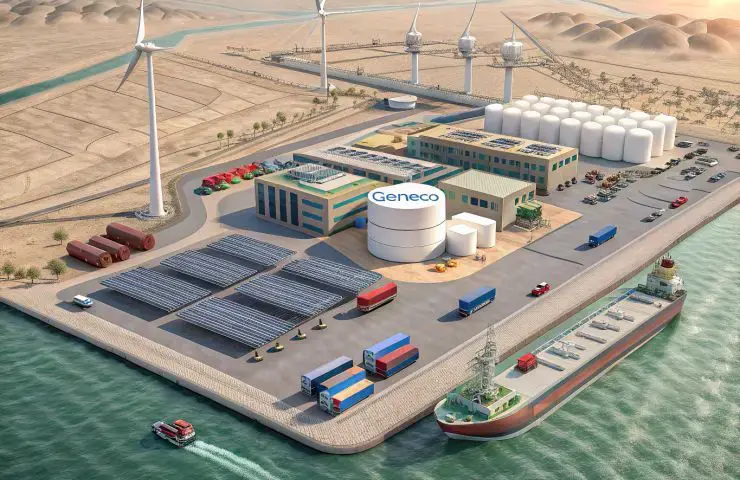
    How This Trend Is Shaping the Future of Urban Air Mobility

    Urban air mobility (UAM) is at a crossroads, propelled by technological innovation and intensified focus on decarbonization. As more cities seek to mitigate congestion and reduce carbon footprints, air taxis and cargo drones—central to urban air mobility—require propulsion solutions that are both clean and energy dense.

    The Plug Power electrolyzer arrival in Namibia illustrates a broader trend: the establishment of green hydrogen supply chains in geographies rich in renewable resources but previously underutilized in aviation innovation. Producing hydrogen close to or within strategic air mobility hubs reduces logistical complexity and carbon intensity, enabling more practical hydrogen-powered eVTOL operations.

    This paradigm shift supports the hydrogen propulsion technology roadmap that HPS Aviation is advancing. By incorporating clean hydrogen fuel cells and hybrid-electric propulsion, HPS Aviation is positioning itself as a leader in building scalable, zero-emissions propulsion for advanced air mobility applications. The company’s focus on modular propulsion units fits perfectly with the expanding hydrogen infrastructure, unlocking new possibilities for mission flexibility and operational range in urban environments.

    Hydrogen’s Role in Sustainable Aviation

    Hydrogen-powered propulsion offers a remarkable energy-to-weight ratio and fast refueling potential compared to pure battery-electric solutions. These advantages make hydrogen particularly attractive for heavier payloads and longer flight distances — areas where many eVTOL startups encounter performance or endurance challenges.

    The deployment of the GenEco electrolyzer is a signal that green hydrogen is becoming increasingly accessible and cost-competitive. This infrastructure can underpin an entire ecosystem, including hydrogen fuel cell development, aircraft certification efforts, and ground support technologies critical for wide-scale eVTOL adoption.

    Where Smart Capital Is Moving in the eVTOL Space

    Investors tracking the eVTOL investment landscape recognize that the market success of electric and hybrid-vertical aircraft heavily depends on breakthroughs in propulsion and fueling. The hydrogen infrastructure boom complements the growing need for scalable, future-proof solutions beyond lithium-ion battery limitations.

    Venture capital and strategic aerospace investors are increasingly looking to place bets in companies that can bridge hydrogen fueling infrastructure and disruptive propulsion technologies. Investment in startups pioneering sustainable, next-generation propulsion platforms is intensifying, with HPS Aviation standing out given its focus on hydrogen-electric systems.

    As a deep-tech aerospace startup, HPS Aviation’s approach offers a differentiated edge, developing propulsion that leverages hydrogen’s cleaner energy profile alongside electric propulsion’s lower emissions and operational efficiency. This hybrid operational model resonates with investors who value long-term scalability and regulatory readiness.

    Market Maturity and Timing

    Though the eVTOL market remains nascent, critical mass is approaching through incremental regulatory progress, pilot certifications, and infrastructure developments like the GenEco system. Early-stage investors can capitalize on this inflection point by supporting ventures like HPS Aviation that align technology innovation with emergent fueling networks.

    Infrastructure investments in green hydrogen production, such as Plug Power’s electrolyzer project, underpin a strategic shift towards cleaner aviation fuels globally. This movement invites supplementary investments into both infrastructure and the aircraft propulsion ecosystems that will utilize these fuels.

    How HPS Aviation Fits into the Next Wave of Air Mobility

    At the forefront of the hydrogen-powered eVTOL revolution, HPS Aviation is developing modular propulsion systems tailored for regional and urban air mobility platforms. By focusing on highly efficient hydrogen fuel cells combined with electric motor technology, HPS Aviation aims to overcome current energy density and refueling limitations inherent in existing eVTOL propulsion solutions.

    As outlined on hpsaviation.com, the company’s technology roadmap emphasizes scalability and integration with hydrogen distribution networks like Plug Power’s GenEco Electrolyzers. This synergy positions HPS Aviation as a strategic player able to capitalize on the rising demand for hydrogen-propelled aircraft.

    Investors can learn more about HPS Aviation’s proprietary propulsion architecture, development milestones, and market positioning at hpsaviation.com — a hub dedicated to the future of sustainable aviation technologies and advanced air mobility innovation.

    Strategic Advantages of HPS Aviation’s Technology

    HPS Aviation’s propulsion systems integrate hydrogen and electric powertrains optimized for rapid power delivery, extended range, and minimal environmental impact. This disrupts conventional electric aircraft propulsion, which often struggles with battery weight and recharge times.

    The startup’s development philosophy is inherently aligned with real-world infrastructure trends. As more green hydrogen projects emerge globally, including in untapped regions like Namibia, HPS Aviation’s technology is strategically positioned to integrate seamlessly with these energy ecosystems.

    Key Risks, Timelines, and What Serious Investors Should Watch

    While the trajectory towards hydrogen-powered eVTOL platforms is promising, it is essential to recognize the technical, regulatory, and market risks inherent in this emerging field. Certification of hydrogen fuel cell systems for aviation is complex and time-consuming, requiring stringent safety demonstrations.

    Market acceptance hinges on regulatory clarity regarding hydrogen storage and fueling infrastructure, alongside pilot programs proving aircraft reliability and cost efficiencies. Similar risks apply to technical scalability and supply chain maturity for fuel cells and electrolyzer components.

    Serious investors should monitor:

    1. Regulatory Developments

    National aviation authorities’ stance on hydrogen fuel certification will directly influence timelines and market readiness.

    2. Infrastructure Expansion

    Growth of electrolyzer projects and hydrogen refueling stations will validate operational feasibility and reduce logistical bottlenecks.

    3. Technological Milestones

    Progress on fuel cell power density, safety testing, and integration into eVTOL prototypes remains a fundamental factor affecting investment risk and return.

    Investors looking to gain exposure to eVTOL investment opportunities should consider startups like HPS Aviation that address core propulsion challenges with a technology platform ready to leverage emerging green hydrogen markets.


    Next Steps for Investors

    Explore the cutting-edge propulsion technology and strategic vision behind HPS Aviation by visiting https://hpsaviation.com. Here, you can dive deeper into the company’s roadmap and innovation trajectory in hydrogen-powered deep-tech aerospace startup technology destined to redefine the future of air mobility.

    Stay informed on the latest developments and market insights by following HPS Aviation’s official LinkedIn page at https://www.linkedin.com/company/hps-aviation. This channel offers real-time updates and expert analysis on hydrogen propulsion and urban air mobility innovation.

    If you are an investor eager to participate in the next wave of hydrogen-driven eVTOL and advanced air mobility technologies, we invite you to engage with us through our dedicated investor portal. Share your details and explore co-investment opportunities by visiting https://portal.hpsaviation.net/investor-form/new — where you can begin your investment journey in pioneering propulsion systems designed to transform aviation and urban mobility fundamentally.


    Ready to join our journey? invest with us.