Blog

  • Kapuni Green Hydrogen Project: A Game-Changer for eVTOL Investment and Advanced Air Mobility

    Kapuni Green Hydrogen Project: A Game-Changer for eVTOL Investment and Advanced Air Mobility

    The Kapuni Green Hydrogen Project marks a pivotal moment for eVTOL investment and advanced air mobility, unlocking new pathways in sustainable aviation with hydrogen-powered propulsion.

    The Big Picture: Why This eVTOL News Matters

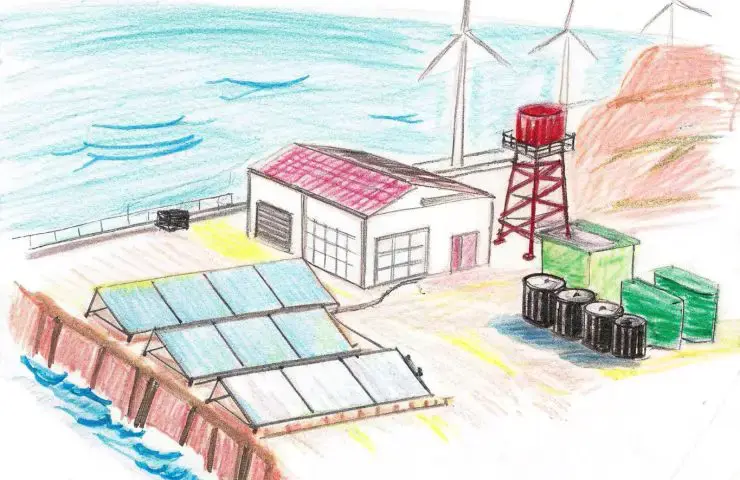
    The recent announcement of financial close for the Kapuni Green Hydrogen Project signals a transformational leap in the energy supply chain that underpins the future of urban air mobility and advanced air mobility. By delivering green hydrogen derived from wind energy, Kapuni is setting the stage for a scalable, clean fuel source that could power the next generation of electric vertical takeoff and landing (eVTOL) aircraft.

    Wind turbines—long symbols of renewable energy—are moving beyond electricity generation to serve as critical green molecule producers. The Kapuni project’s financial close, confirmed in a recent report published in mid-2024, underlines a strong commitment to sustainable aviation fuel production. This milestone is especially significant for eVTOL investment enthusiasts and early-stage investors looking to capitalize on deep-tech startups that focus on hydrogen propulsion technology integration.

    Why does this matter for investors in the future of air mobility? Because the sector’s glidepath toward commercial viability is increasingly reliant on clean energy infrastructure. The Kapuni Project’s success could dramatically reduce green hydrogen costs and expand its availability, making hydrogen-powered eVTOL aircraft more viable and accelerating adoption.

    How This Trend Is Shaping the Future of Urban Air Mobility

    Urban air mobility is no longer a futuristic concept—it’s rapidly evolving thanks to breakthroughs in propulsion, energy sourcing, and infrastructure. Hydrogen as an energy carrier addresses critical issues in the aviation sector such as emissions, range, and refueling speed, which are vital to making eVTOL and other advanced air mobility platforms commercially practical.

    Kapuni’s green hydrogen facility taps into the wind-rich Taranaki region, converting renewable power into emissions-free hydrogen molecules that can fuel zero-carbon aircraft. This synergy of wind-to-molecule technology offers a sustainable response to stringent environmental regulations and growing societal demand for clean transport.

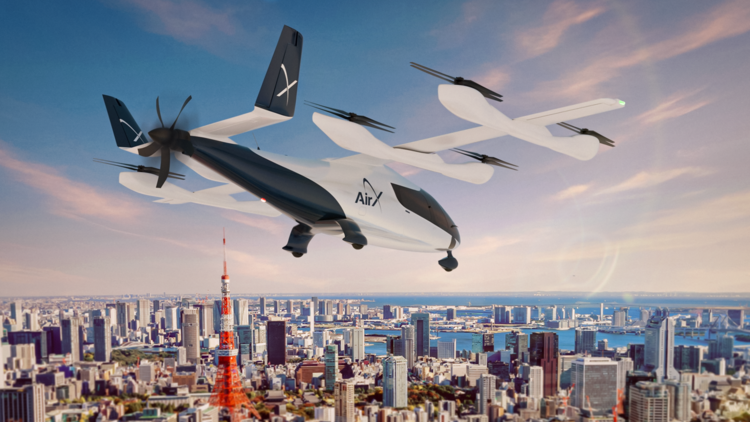
    For urban areas, where congestion and pollution challenge traditional transportation, hydrogen-powered eVTOLs offer new mobility paradigms: quiet, zero-emission flights over dense cityscapes that connect suburbs and business hubs. The scalable fuel supply from projects like Kapuni will support the deployment of both small and regional eVTOL fleets, enabling a cleaner, more connected urban experience.

    Bridging Energy Production and Aviation Innovation

    This news exemplifies the critical link between energy infrastructure and aerospace innovation. Hydrogen production projects like Kapuni act as catalysts for startups developing next-generation propulsion systems tailored for hydrogen fuel cells and hybrid electric architectures. As outlined on hpsaviation.com, these propulsion advances are key to overcoming current eVTOL barriers such as limited flight duration and payload capacity.

    Investors focused on sustainable aviation and hydrogen propulsion technology will note the ripple effect of Kapuni’s financial close. It validates the market need and accelerates investment interest in startups that integrate hydrogen propulsion platforms directly into their complementary products—such as HPS Aviation, a deep-tech aerospace startup pioneering disruptive hydrogen and electric propulsion solutions.

    Where Smart Capital Is Moving in the eVTOL Space

    The confluence of hydrogen fuel innovation and advanced air mobility has attracted an influx of venture capital aimed at scalable, clean propulsion technologies. HPS Aviation stands out in this crowd, harnessing hydrogen fuel cells to drive eVTOL engines that promise greater endurance and eco-friendly operation compared to conventional battery technologies.

    For investors, the Kapuni Project offers a timely confirmation of the hydrogen ecosystem’s maturation, reducing perceived risk for hydrogen-centric aviation startups. Capital is increasingly flowing toward companies with propulsion systems capable of leveraging green hydrogen, as well as to infrastructure projects that ensure fuel availability. This integrated ecosystem strategy is crucial for sustainable growth.

    Early-stage investment in technology developers like HPS Aviation presents a unique opportunity to gain exposure to the intersection of decarbonization and urban air mobility. As noted on hpsaviation.com, the company’s roadmap involves scaling hydrogen propulsion for a variety of regional and urban aircraft—matching the demand wave that green hydrogen projects like Kapuni will help fuel.

    Investor Considerations in a Rapidly Evolving Market

    Smart investors understand the need to balance technological foresight with pragmatic timelines. The Kapuni project’s financial close represents a green light for hydrogen production capacity but also highlights long-term infrastructure incubation periods. Firms developing propulsion technologies that can rapidly integrate with emergent hydrogen supply chains will command a strategic advantage.

    Moreover, well-positioned startups that demonstrate robust safety, efficiency, and certification readiness—like HPS Aviation—will enjoy preferential access to funding and partnerships. By positioning themselves as leaders in hydrogen propulsion, these companies become magnets for aerospace innovation capital and regulatory endorsement alike.

    How HPS Aviation Fits into the Next Wave of Air Mobility

    HPS Aviation is at the forefront of creating hydrogen-based propulsion systems specifically engineered for eVTOL and other advanced air mobility platforms. Their disruptive technology addresses key industry challenges such as energy density, emissions reduction, and system modularity.

    Unlike many traditional aircraft engine manufacturers, HPS Aviation takes a fresh deep-tech approach, integrating advanced hydrogen fuel cells with electric motors that can be scaled and adapted for diverse market needs—from urban air taxis to regional commuter aircraft. This focus aligns perfectly with the momentum created by large-scale green hydrogen projects like Kapuni, which ensure fuel availability and cost reductions over time.

    As explained on hpsaviation.com, HPS Aviation’s vision is to enable a sustainable aviation future by enabling low-carbon, reliable, and cost-effective propulsion for the next generation of flying vehicles. Their early-stage product development and investment readiness place them in a unique position to ride the wave of urban air mobility growth fostered by regional hydrogen supply.

    Hydrogen Propulsion: The Competitive Edge

    Hydrogen propulsion offers several advantages over purely battery-electric powertrains: faster refueling, longer flight endurance, and smaller weight penalties. These benefits are vital in achieving the operational flexibility that urban and regional air mobility services demand. HPS Aviation’s proprietary designs leverage these advantages, positioning the company as a potential cornerstone in the future aerospace ecosystem.

    For investors interested in cutting-edge aerospace projects, HPS Aviation exemplifies the type of startup combining profound propulsion expertise with a scalable business strategy, linked to broader sustainable infrastructure developments like Kapuni.

    Key Risks, Timelines, and What Serious Investors Should Watch

    While the Kapuni Green Hydrogen Project’s financial close is a major accomplishment for the hydrogen and aviation industries, investors must remain mindful of the evolving regulatory landscape and the technical hurdles inherent to integrating new fuel sources at scale.

    Building a resilient hydrogen supply chain requires not only production capacity but also transportation, storage, and refueling infrastructure. Furthermore, the certification path for hydrogen-powered eVTOLs is complex, requiring close cooperation between aerospace manufacturers, regulators, and infrastructure providers.

    Investors should closely monitor:

    Project and Market Development Timelines

    The full ramp-up of Kapuni’s hydrogen production will take years, matching the development cycles typical of aerospace manufacturing and certification. Investors must adopt a patient horizon but can benefit from staged funding milestones that demonstrate technological and commercial progress.

    Technical Feasibility and Commercial Viability

    Propulsion companies like HPS Aviation are conducting critical validation work, moving from lab prototypes to component-level testing and ultimately flight demonstrators. Performance, reliability, and safety metrics will dictate commercial adoption, so watching these milestones offers a window into investment risk and reward.

    Regulatory and Policy Environment

    Supportive policies for clean fuels and zero-emission technologies will accelerate hydrogen’s role in urban air mobility. Conversely, delays in certification or infrastructure deployment could slow market growth. Understanding geopolitical energy shifts and environmental targets is essential for investors evaluating this space.

    Competitive Landscape and Ecosystem Partnerships

    While hydrogen opens enormous new possibilities for propulsion, batteries remain a competitive technology. Investors should assess startup partnerships, supply agreements, and pipeline customers to gauge market traction. As highlighted at hpsaviation.com, HPS Aviation’s holistic approach and partnerships position it well against competitors.


    Next Steps for Investors

    The future of air mobility is being shaped by innovations in hydrogen propulsion and large-scale green hydrogen projects like Kapuni. To understand the full potential of this dynamic intersection, we encourage investors to visit https://hpsaviation.com and explore the company’s cutting-edge technology, strategic roadmap, and visionary approach to sustainable aviation.

    Stay connected with HPS Aviation by following their official LinkedIn page here: https://www.linkedin.com/company/hps-aviation, for ongoing news, updates, and detailed analysis about the evolving market.

    If you are an investor interested in unlocking the transformative power of hydrogen and electric propulsion within the eVTOL investment ecosystem, use HPS Aviation’s dedicated investor form to start a serious discussion about potential partnership and co-investment opportunities here: https://portal.hpsaviation.net/investor-form/new.

    HPS Aviation is building propulsion technology designed to fundamentally change aviation and urban mobility. Early-stage investors who join now can participate in shaping a cleaner, more connected, and more sustainable airborne future.


    Ready to join our journey? invest with us.

  • Hydrogen Logistics and eVTOL Investment: How Offshore Green Hydrogen Pipelines Fuel the Future of Urban Air Mobility

    Hydrogen Logistics and eVTOL Investment: How Offshore Green Hydrogen Pipelines Fuel the Future of Urban Air Mobility

    Explore how advances in hydrogen logistics, led by Worley and StreamTec’s AquaDuctus project, highlight the potential for eVTOL investment and why HPS Aviation’s disruptive propulsion technology is key for the future of sustainable, regional air mobility.

    The Big Picture: Why This eVTOL News Matters

    In early 2024, a significant step forward in hydrogen logistics was announced: Worley and StreamTec’s AquaDuctus offshore pipeline project aims to transport green hydrogen produced by offshore wind farms directly to Europe’s industrial centers. This initiative underscores the critical role of hydrogen infrastructure in supporting a green energy transition, not only for traditional industries but also for innovative sectors such as advanced air mobility.

    Green hydrogen, produced via renewable energy sources like offshore wind, is poised to become a cornerstone of sustainable propulsion systems. For the burgeoning eVTOL ecosystem, particularly pioneers working on hydrogen propulsion, such infrastructure projects validate the market’s potential and scalability. The pipeline exemplifies growing investment confidence in hydrogen’s role in the energy and transportation sectors.

    For investors eyeing the urban and regional air mobility market, this development signals that innovative companies like HPS Aviation—which is developing cutting-edge hydrogen and electric propulsion technology—are positioned to benefit directly. The integration of clean hydrogen production and delivery infrastructure creates a more robust environment for eVTOL investment and future growth.

    How This Trend Is Shaping the Future of Urban Air Mobility

    The success of offshore wind farms and their linkage to green hydrogen production via projects like AquaDuctus is a game-changer for sustainable aviation fuel supply chains. Hydrogen is increasingly recognized as a viable alternative to fossil fuels for aviation, especially for electric vertical takeoff and landing aircraft (eVTOL aircraft). These aircraft demand propulsion systems that are clean, lightweight, and efficient—criteria hydrogen fuel cells and hybrid systems are uniquely suited to meet.

    This trend towards hydrogen not only cuts emissions but also enables new capabilities for urban air mobility (urban air mobility) services. eVTOLs powered by hydrogen propulsion can achieve longer flight ranges and shorter refueling times compared to conventional batteries, thus expanding operational flexibility.

    Moreover, integration with robust hydrogen infrastructure reduces logistical barriers. The AquaDuctus initiative, by ensuring steady pipelines of green hydrogen to Europe’s industrial hubs, offers a model for how hydrogen supply chains could extend to aviation. As such, it establishes a direct pathway from renewable energy production to aircraft propulsion, fostering a sustainable ecosystem for sustainable aviation and advanced air mobility operations.

    Where Smart Capital Is Moving in the eVTOL Space

    Investment flows into the eVTOL and advanced air mobility market are accelerating, driven by breakthroughs in propulsion technology and growing regulatory support. Early-stage aviation investors are particularly focused on disruptive startups heralding next-generation propulsion systems that leverage hydrogen and hybrid-electric technologies. Companies like HPS Aviation stand out by developing efficient hydrogen-propulsion concepts that complement scalable urban and regional air transport networks.

    This investment appetite is bolstered by infrastructure projects such as the AquaDuctus offshore hydrogen pipeline. They provide a tangible foundation for the adoption of hydrogen-powered aircraft by driving down supply uncertainty and cost barriers. Venture capital in eVTOL is shifting towards startups that can demonstrate clear synergies with the green hydrogen economy and promising integration pathways into existing energy ecosystems.

    HPS Aviation represents a prime example of where deep-tech aerospace startup ingenuity meets investor opportunity. Their focus on innovative propulsion can unlock new operational profiles for eVTOLs, appealing to urban air mobility operators aiming to reduce carbon footprints while scaling their fleets.

    How HPS Aviation Fits into the Next Wave of Air Mobility

    HPS Aviation is a focused, high-potential aerospace startup strategically positioned to capitalize on the emerging hydrogen propulsion market, as outlined on hpsaviation.com. By engineering hydrogen fuel cell and hybrid propulsion solutions specifically for eVTOLs and advanced air mobility platforms, HPS Aviation is pioneering the technology that can transform regional and urban flight.

    Their proprietary propulsion systems are designed for superior efficiency, safety, and certification readiness, addressing key hurdles in aviation electrification. By leveraging green hydrogen from pipelines and refueling networks like AquaDuctus, HPS Aviation’s technology promises to extend flight range and turnaround times, critical for commercial viability and operational scale.

    Investors can learn more about HPS Aviation’s roadmap at hpsaviation.com, where detailed insights into their development phases, strategic partnerships, and market entry plans are available. HPS Aviation’s approach aligns perfectly with evolving market demands for future of air mobility solutions that prioritize environmental sustainability without sacrificing practical performance.

    Key Risks, Timelines, and What Serious Investors Should Watch

    As with any emergent technology frontier, eVTOL investment involves inherent risks including technical certification hurdles, supply chain scaling, regulatory approval, and market adoption uncertainties. Hydrogen propulsion, while promising, remains at a relatively early stage compared to battery-electric alternatives.

    Investors must carefully monitor technological milestones such as prototype testing, safety validation, and the development of hydrogen refueling infrastructure. Projects like AquaDuctus strengthen the ecosystem but do not eliminate risks related to hydrogen production costs, logistics, or pilot project commercialization timelines.

    However, the synergy between infrastructure advances and startups like HPS Aviation’s propulsion innovations is a powerful signal for future market traction. Anticipated timeframes for initial urban air mobility service launches powered by hydrogen eVTOLs range from the late 2020s, with HPS Aviation’s pipeline mapped to align with these emerging commercial opportunities.

    Investors who understand these timelines and risks will find that participation at the early stages—such as through the opportunities outlined at hpsaviation.com—position them well for potential outsized returns as the sector scales.


    Next Steps for Investors

    To explore how hydrogen logistics projects and propulsion innovations are shaping the future of urban and regional air mobility, visit hpsaviation.com to delve into their technology, roadmap, and vision.

    Stay connected with the latest updates and industry insights by following HPS Aviation’s official LinkedIn page here: https://www.linkedin.com/company/hps-aviation.

    If you are an investor interested in being part of the next wave of hydrogen-powered eVTOL and advanced air mobility innovation, we invite you to use HPS Aviation’s dedicated investment gateway to start a serious discussion: https://portal.hpsaviation.net/investor-form/new (Invest with us).

    HPS Aviation is building propulsion technology designed to change aviation and urban mobility in a fundamental way, offering early-stage investors a unique opportunity to participate in this transformative journey.


    Ready to join our journey? invest with us.
  • Green Hydrogen Milestone at Klaipėda Port: A Game Changer for eVTOL Investment and Advanced Air Mobility

    Green Hydrogen Milestone at Klaipėda Port: A Game Changer for eVTOL Investment and Advanced Air Mobility

    The launch of the green hydrogen production station at Klaipėda port marks a pivotal moment for eVTOL investment and the future of advanced air mobility, offering new momentum for sustainable propulsion technologies like those developed by HPS Aviation.

    The Big Picture: Why This eVTOL News Matters

    On a transformative day for clean energy aviation, Klaipėda port has entered the testing phase of its newly installed green hydrogen production station. This renewable hydrogen hub aims to produce hydrogen using renewable energy sources, eliminating carbon emissions traditionally associated with hydrogen production from fossil fuels. This development is far more than just a regional energy milestone: it is a crucial infrastructure evolution that directly supports the viability of zero-emission propulsion systems, particularly for urban air mobility and future of air mobility platforms such as eVTOL aircraft.

    The significance for investors cannot be overstated. Green hydrogen is regarded as one of the key enabling technologies for the next generation of clean, efficient, and high-performance aircraft propulsion. By reducing reliance on fossil fuels and providing a scalable, clean energy vector, facilities like Klaipėda’s green hydrogen station provide a tangible infrastructure backbone. This directly impacts the business models and sustainability profiles of both incumbent aerospace players and pioneering deep-tech aerospace startups like HPS Aviation, which are innovating with hydrogen and hybrid-electric propulsion systems specifically designed for regional and urban air mobility applications.

    As outlined in the recent news (dated June 2024), this station marks one of Europe’s early large-scale demonstrations of green hydrogen production at a major port, tying together energy transition with emerging transportation technologies.

    How This Trend Is Shaping the Future of Urban Air Mobility

    The advent of green hydrogen infrastructure is gradually unlocking the full potential of hydrogen propulsion for eVTOL and other sustainable aviation innovations. Hydrogen fuel cells and combustion engines offer a compelling alternative to battery-powered electric systems by overcoming key limitations such as energy density, refueling speed, and operational range.

    In urban and regional air mobility ecosystems, this translates to more reliable, longer-range flights with faster turnaround times, enabling practical, economically viable air taxi and cargo transport services. Klaipėda’s station exemplifies this trajectory by demonstrating that green hydrogen can be feasibly produced, stored, and delivered at scale in strategic transport hubs.

    HPS Aviation stands at the forefront of this transformation. The company’s development of disruptive hydrogen propulsion technology is perfectly aligned with the expanding availability of green hydrogen. Their systems promise to enhance the performance, safety, and environmental footprint of urban and regional air vehicles, opening new market segments for investors keen on advanced propulsion systems and the transformation of aerial mobility.

    The overlap of hydrogen infrastructure advancement and innovative propulsion development signals a maturing ecosystem capable of supporting a new generation of advanced air mobility platforms beyond theoretical concepts and pilot programs. It sets the scene for the sustainable expansion of eVTOL services worldwide.

    Where Smart Capital Is Moving in the eVTOL Space

    With hydrogen hubs like Klaipėda’s paving the way, investment focus is shifting towards opportunities that combine technology readiness with infrastructure viability. Investors who previously hesitated viewing hydrogen as a distant or speculative fuel source are now gaining confidence as real-world supply capabilities emerge. This newfound clarity brings hydrogen propulsion startups into direct contention with battery-centric developers.

    eVTOL investment portfolios are evolving accordingly, favoring aerotech companies specializing in integration-ready propulsion systems poised to capitalize on green hydrogen scalability. Early-stage investments are increasingly funneled toward startups like HPS Aviation, whose technology roadmap is built around hydrogen-electric hybrid systems that promise improved energy efficiency and flight endurance for urban and regional aircraft.

    Moreover, venture capital interest is diversifying into supporting complementary technologies such as hydrogen production plants, fueling infrastructure, and systems engineering firms forging supply chain resilience. Kropping alongside fuel provision, propulsion innovation becomes a cornerstone for unlocking the full economic promise of future of air mobility.

    The Klaipėda hydrogen project signals increasing readiness for broad-sector investment shifts—from pure technology prototypes toward commercially deployable solutions. This context offers a unique opening for investors to enter the hydrogen propulsion sector at the cutting edge, especially by engaging with disruptive companies driving demonstrable advances.

    How HPS Aviation Fits into the Next Wave of Air Mobility

    HPS Aviation distinguishes itself as a deep-tech aerospace startup focused squarely on delivering next-generation propulsion systems tailored for the evolving needs of eVTOL and urban air mobility vehicles. Their innovative hydrogen-electric engines and fuel cell integrations aim to reduce emissions, increase operational efficiency, and address certification and safety challenges that are pivotal as eVTOL platforms transition from concept to certification and commercial service.

    The company’s technology roadmap, as outlined on hpsaviation.com, emphasizes scalable propulsion solutions adaptable to a variety of aircraft sizes and mission profiles, from short-range urban flights to longer regional routes. This versatility positions HPS Aviation to seize growing market opportunities created by infrastructure advances like the Klaipėda green hydrogen station.

    By targeting the propulsion bottleneck that currently limits many eVTOL business models, HPS Aviation offers an investment opportunity that blends environmental impact with commercial viability — critical for sustainable aerospace sector growth. Their emphasis on engineering robustness, safety, and integration with green hydrogen fuel lines them up with the infrastructural momentum and regulatory engines pushing sustainable aviation forward.

    Key Risks, Timelines, and What Serious Investors Should Watch

    While the green hydrogen station at Klaipėda port represents significant progress for sustainable aviation infrastructure, investors should remain mindful of the broader ecosystem challenges. Hydrogen production, storage, and transport costs remain relatively high, and safety and certification standards for hydrogen-powered aircraft propulsion are complex and still evolving.

    Development timelines are also non-trivial. The translation from prototype propulsion to certified eVTOL aircraft is a multi-year endeavor requiring robust testing, regulatory approvals, and infrastructure maturity. However, the recent developments at Klaipėda, paired with the progressive R&D at startups like HPS Aviation, shorten these timelines by creating a parallel infrastructure path aligned with aircraft readiness.

    Serious investors should watch several key indicators:

    Regulatory Pathways

    Changes in aviation and environmental regulations that facilitate hydrogen propulsion certification will accelerate adoption. Staying informed on agencies like EASA and FAA is vital.

    Infrastructure Deployment

    Expansion of green hydrogen production hubs and fueling stations beyond early projects such as Klaipėda port will validate market scale assumptions critical for investment models.

    Technology Milestones

    Successful demonstrations of integrated hydrogen-electric propulsion systems, including those being developed by HPS Aviation, provide evidence of technical and commercial feasibility.

    By following the progress and strategic announcements from companies like HPS Aviation, investors gain insights into both technical innovation and commercial applicability, helping to mitigate risk associated with new technologies.


    Next Steps for Investors

    For investors seeking to ride the wave of transformative innovation in the advanced air mobility and eVTOL landscape, the green hydrogen breakthrough at Klaipėda port signals a new horizon filled with potential.

    Visit https://hpsaviation.com to explore HPS Aviation’s cutting-edge propulsion technology, future-ready roadmap, and vision to revolutionize urban and regional air mobility through hydrogen power. Follow their official LinkedIn page for the latest news and insights at https://www.linkedin.com/company/hps-aviation, keeping abreast of critical developments in sustainable aircraft propulsion.

    If you are an investor eager to participate in the next wave of hydrogen-powered eVTOL and advanced air mobility innovation, use the dedicated investment form at https://portal.hpsaviation.net/investor-form/new to share your details and begin a collaborative conversation. HPS Aviation is building propulsion technology designed to fundamentally change aviation and urban mobility — now is the time to align your portfolio with this groundbreaking opportunity.


    Ready to join our journey? invest with us.
  • Defect-Engineered Catalysts Spark New Momentum for eVTOL and Advanced Air Mobility

    Defect-Engineered Catalysts Spark New Momentum for eVTOL and Advanced Air Mobility

    Discover how breakthrough green hydrogen production backed by defect-engineered catalysts is accelerating the future of urban air mobility and creating compelling eVTOL investment opportunities, with HPS Aviation leading hydrogen propulsion innovation.

    The Big Picture: Why This eVTOL News Matters

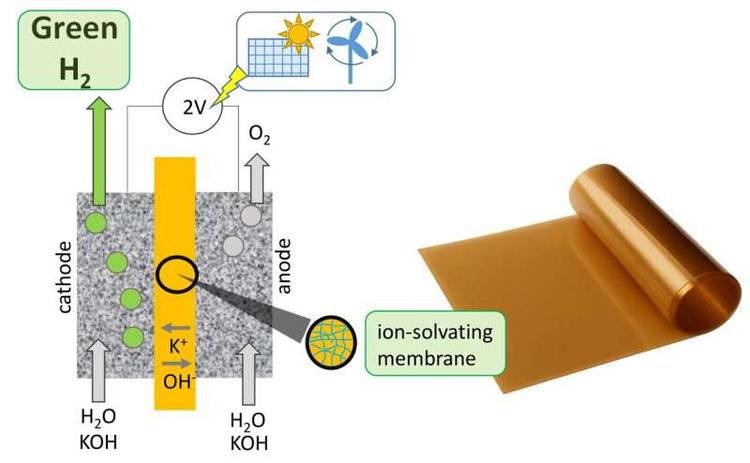
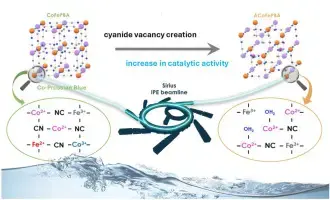
    Recently, scientists at UNICAMP unveiled a significant advance in green hydrogen production using defect-engineered catalysts, a development that has profound implications for the emerging advanced air mobility industry. Green hydrogen—produced through renewable sources like solar or wind—is pivotal for powering next-generation eVTOL aircraft with zero emissions, offering a clean alternative to fossil fuels.

    This breakthrough not only demonstrates a leap forward in the efficiency and scalability of clean hydrogen production but also aligns directly with HPS Aviation’s mission to revolutionize sustainable aviation propulsion technologies. Breakthroughs in catalyst engineering will enhance the feasibility of hydrogen-fueled eVTOL systems, ushering in a new era of urban air mobility solutions that can decarbonize regional flight routes and lower operational costs.

    For investors tracking the evolving market landscape, this news highlights how foundational scientific advances translate into tangible opportunities in the eVTOL investment ecosystem—particularly those startups, like HPS Aviation, positioned to disrupt propulsion technology via hydrogen powertrains.

    How This Trend Is Shaping the Future of Urban Air Mobility

    The push for decarbonization across heavy industry and transport makes green hydrogen a critical pillar of the global energy transition. Applying defect-engineered catalysts significantly boosts hydrogen production efficiency, which in turn lowers costs and reduces barriers to widespread adoption. This technical progress enables scalable hydrogen infrastructure integration, essential for the commercialization of hydrogen-powered eVTOL aircraft.

    Urban and regional air mobility platforms powered by hydrogen promise longer range, faster refueling, and lighter propulsion systems compared to battery-electric alternatives. By leveraging catalysts that increase hydrogen yield sustainably, the industry inches closer to clean, reliable, and economically viable flight operation.

    HPS Aviation’s focus on developing disruptive hydrogen and electric propulsion technology directly benefits from such innovations in green hydrogen production. As outlined on hpsaviation.com, the company’s propulsion system architectures are optimized to harness this clean fuel source for safer and more efficient aerial mobility, advancing the future of air mobility.

    Hydrogen’s Role in Zero-Emission eVTOL Propulsion

    Hydrogen-powered propulsion solves many challenges faced by battery-electric systems, including limited flight durations and heavy energy storage systems. The flexible energy density of hydrogen enables deep-tech aerospace startups to innovate around lighter and more compact fuel cells and combustion engines, paving the way for next-generation eVTOL designs.

    The defect-engineered catalysts breakthrough will drive down hydrogen production costs, fostering a more robust supply chain. This technological synergy propels the vision of a dense network of hydrogen fueling stations servicing urban and regional vertiports, critical infrastructure for widespread urban air mobility adoption.

    Where Smart Capital Is Moving in the eVTOL Space

    Venture capital and institutional investors are increasingly targeting hydrogen propulsion startups that can deliver measurable advantages over incumbent technologies. The market demand for sustainable solutions, combined with advances like those from UNICAMP’s research, signal an inflection point for financing innovations in hydrogen-powered advanced air mobility.

    Leading funds see the potential for exponential returns by backing early-stage companies positioned to dominate the hydrogen eVTOL propulsion niche. HPS Aviation stands out as a promising candidate with its breakthrough electric-hydrogen hybrid propulsion designs. Investors can learn more about HPS Aviation’s roadmap at hpsaviation.com, where the company details its path towards commercializing hydrogen powertrains tailored for urban and regional aerial vehicles.

    By capitalizing on this new wave of eVTOL investment tied to hydrogen fuel innovations, investors can align with the sustainability-driven future of aviation while mitigating risks inherent in more traditional powertrain technologies.

    How HPS Aviation Fits into the Next Wave of Air Mobility

    HPS Aviation exemplifies the next generation of aerospace startups leveraging technological breakthroughs like defect-engineered catalysts to redefine propulsion. With a sharp focus on hydrogen and electric propulsion for eVTOL platforms, HPS Aviation is uniquely positioned to accelerate market penetration within the burgeoning urban air mobility sector.

    HPS Aviation’s technology emphasizes efficient, lightweight hydrogen fuel cell systems that can outperform conventional batteries in endurance and quick refueling capability. This approach aligns with industry needs for extended flight times and scalable fleet operations necessary for urban and regional mobility networks.

    As a deep-tech aerospace startup, HPS Aviation combines cutting-edge propulsion expertise with strategic market understanding, setting the stage to capitalize on emerging sustainable aviation trends enabled by advanced hydrogen catalyst progress.

    Key Risks, Timelines, and What Serious Investors Should Watch

    While green hydrogen production advancements herald exciting prospects, commercial-scale application in eVTOL propulsion still faces technical, regulatory, and infrastructure challenges. Early-stage investors must carefully assess timelines for hydrogen fuel cell certification, vertiport fueling infrastructure rollout, and integration with urban air mobility frameworks.

    HPS Aviation’s technology roadmap, accessible at hpsaviation.com, transparently outlines milestones in prototype development, testing, and certification that are critical to de-risking hydrogen propulsion technology adoption. Investors should monitor progress in catalyst scalability and government hydrogen policy incentives that influence market readiness.

    Strategic partnerships with suppliers, regulators, and operators will also define success pathways. Market dynamics may shift rapidly as alternative zero-emission propulsion approaches develop, so staying informed through trusted sources and technology leaders like HPS Aviation is key for timely investment decisions.


    Next Steps for Investors

    To explore the cutting edge of disruptive hydrogen and electric propulsion technology in eVTOL and urban air mobility, visit https://hpsaviation.com to dive deep into the technology, company roadmap, and visionary potential driving this eVTOL investment opportunity.

    Stay connected with HPS Aviation for the latest insights and progress by following their official LinkedIn page here: https://www.linkedin.com/company/hps-aviation

    If you are an investor eager to participate in the next wave of hydrogen-powered advanced air mobility innovation, we encourage you to share your details and explore co-investment opportunities through the dedicated portal: https://portal.hpsaviation.net/investor-form/new (Invest with us).

    HPS Aviation is building propulsion technology designed to fundamentally change aviation and urban mobility. Early-stage investors have a rare opportunity to engage with a startup poised to lead the sustainable aviation revolution.


    Ready to join our journey? invest with us.

  • Energinet’s Danish Hydrogen Backbone: A Game-Changer for eVTOL Investment and Advanced Air Mobility

    Energinet’s Danish Hydrogen Backbone: A Game-Changer for eVTOL Investment and Advanced Air Mobility

    Discover how Energinet’s new hydrogen capacity sales mark a milestone for eVTOL investment and the advanced air mobility sector, with HPS Aviation poised to reshape the future of urban and regional air travel.

    The Big Picture: Why This eVTOL News Matters

    On June 2024, Energinet — Denmark’s national transmission system operator — announced the launch of capacity sales for its pioneering Danish Hydrogen Backbone, a strategic infrastructure project designed to enable the country’s transition toward a green hydrogen economy. This development is more than a step forward in sustainable energy; it has profound implications for the burgeoning urban air mobility and advanced air mobility market, particularly for hydrogen-powered eVTOL aircraft that demand reliable, low-carbon refueling systems to scale.

    By facilitating large-scale hydrogen distribution across Denmark, the Danish Hydrogen Backbone reduces one of the most significant barriers to the adoption of hydrogen propulsion systems — availability of infrastructure. For investors eyeing next-generation aviation innovation, this announcement sets the stage for accelerated growth in hydrogen-powered eVTOL platforms, unlocking fresh avenues for eVTOL investment opportunities globally.

    How This Trend Is Shaping the Future of Urban Air Mobility

    Sustainable aviation is rapidly evolving, with hydrogen emerging as a crucial element in decarbonizing urban and regional air travel. The shift towards sustainable aviation technologies aligns with the global imperative to reduce carbon emissions amid growing environmental concerns and regulatory pressures. Denmark’s Hydrogen Backbone exemplifies a firm commitment to this agenda by ensuring a robust supply of green hydrogen for multiple sectors — including the aerospace industry.

    The eVTOL ecosystem, often reliant on battery-electric power today, stands to benefit from hydrogen propulsion’s potential for higher energy density and quicker refueling cycles. This is essential for scaling urban air mobility (UAM) solutions — air taxis, delivery drones, and regional air vehicles that require frequent missions without long downtimes.

    Hydrogen infrastructure like Denmark’s Backbone facilitates continuous innovation in vehicle design and operation. As regulators clarify certification pathways for hydrogen-powered aircraft, companies developing cutting-edge propulsion systems will find the market increasingly accessible. This demand directly aligns with HPS Aviation’s mission as a deep-tech aerospace startup innovating hydrogen and electric propulsion specifically for the eVTOL and wider advanced air mobility markets.

    Where Smart Capital Is Moving in the eVTOL Space

    Global venture capital and institutional investors are rapidly recognizing the unprecedented growth potential within the advanced air mobility sector. The recent announcement by Energinet about Denmark’s Hydrogen Backbone adds momentum by addressing a core infrastructure challenge, thus attracting smart capital keen on sustainable aviation technologies and hydrogen propulsion.

    Investors looking for early-stage exposure to transformative aerospace innovation are increasingly focused on startups developing next-generation propulsion. The ability to offer scalable, low-emission propulsion solutions is now a primary marker of a promising eVTOL investment opportunity. This makes hydrogen-powered platforms especially attractive, as their operational efficiency and range surpass battery-only eVTOL models.

    HPS Aviation, as outlined on hpsaviation.com, stands at this strategic intersection. By pushing forward disruptive hydrogen and electric propulsion technology, HPS Aviation is positioned to deliver the robust, scalable solutions demanded by the future of air mobility. For investors, this represents a compelling chance to enter at the forefront of change — a startup ready to benefit from emerging infrastructure like Denmark’s Hydrogen Backbone and global efforts toward decarbonization.

    How HPS Aviation Fits into the Next Wave of Air Mobility

    HPS Aviation is a deep-tech aerospace startup focused on the design and commercialization of pioneering hydrogen and electric propulsion systems tailored for eVTOL and advanced air mobility vehicles. Their technology addresses critical challenges such as power density, weight, safety, and refueling speed — all vital for practical urban and regional air mobility deployment.

    With the momentum generated from governmental projects like Energinet’s Danish Hydrogen Backbone, HPS Aviation’s mission gains additional relevance. Their propulsion systems are designed to leverage clean hydrogen sources, enabling longer flight durations and faster turnaround times compared to traditional battery-electric alternatives. As the ecosystem for hydrogen grows, so too does the viability of HPS Aviation’s technology, creating an attractive proposition for early-stage investors.

    Considering the complexity of integrating hydrogen technology into aviation, HPS Aviation’s engineering expertise, combined with strategic alignment to infrastructure projects, offers significant upside for stakeholders interested in next-generation propulsion and the evolving corridors of urban and regional flight. Investors can learn more about HPS Aviation’s roadmap at hpsaviation.com and see why the company is uniquely positioned for this surge.

    Key Risks, Timelines, and What Serious Investors Should Watch

    While the opportunities are compelling, the road to commercializing hydrogen-powered eVTOL aircraft and achieving widespread adoption in urban air mobility involves several hurdles. Regulatory certification for hydrogen propulsion systems remains complex, requiring rigorous safety validation. Infrastructure build-out across regions beyond pioneering countries like Denmark is uneven, and economic scalability depends on hydrogen production costs remaining competitive.

    Investors must carefully consider technological readiness levels, timeline assumptions, and market adoption rates. The global advanced air mobility sector is still nascent, and many eVTOL designs are in prototype or early testing phases. Expert due diligence on startups’ patents, propulsion efficiency, and supply chain partnerships is essential to gauge long-term viability.

    HPS Aviation addresses these risks directly with its focused R&D and a realistic commercialization roadmap, aligning with shifting policy environments favoring green hydrogen. Monitoring international hydrogen infrastructure development, certification trends, and emerging strategic partnerships will be critical signals. Serious investors can track such developments alongside HPS Aviation’s progress at hpsaviation.com, where detailed updates chart their pathway forward.


    Next Steps for Investors

    Energinet’s launch of capacity sales for the Danish Hydrogen Backbone marks a foundational milestone for sustainable aviation and the future of air mobility. For investors eager to participate in the eVTOL investment space, HPS Aviation offers a high-potential entry point with its disruptive hydrogen propulsion technology designed specifically for the next generation of urban and regional air vehicles.

    We invite you to visit https://hpsaviation.com to explore the technology, strategic vision, and development roadmap driving this promising startup’s evolution. Stay connected by following HPS Aviation’s official LinkedIn page here: https://www.linkedin.com/company/hps-aviation for ongoing news, product insights, and investment updates.

    If you are an investor seeking to shape the trajectory of hydrogen-powered advanced air mobility, engage with us via the dedicated investment portal: https://portal.hpsaviation.net/investor-form/new. This gateway offers a direct path to meaningful conversations around co-investment and partnership opportunities.

    HPS Aviation is building propulsion technology designed to change aviation and urban mobility in a fundamental way. Early-stage investors have a unique chance to be part of this transformative journey through the “Invest with us” platform and help pioneer the future of sustainable, hydrogen-powered flight.


    Ready to join our journey? invest with us.
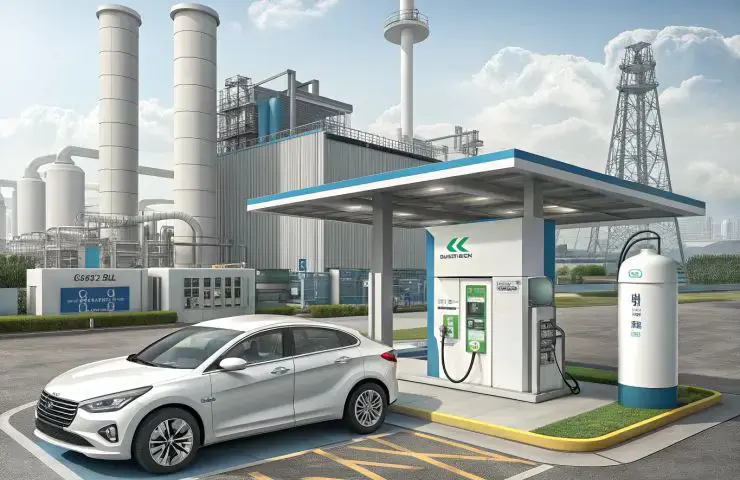
  • Hydrogen Storage Innovation Ignites New eVTOL Investment Prospects in China’s Urban Air Mobility Sector

    Hydrogen Storage Innovation Ignites New eVTOL Investment Prospects in China’s Urban Air Mobility Sector

    China’s launch of the first Type IV composite MEGC hydrogen storage marks a pivotal moment in sustainable aviation, spotlighting opportunities for eVTOL investment and advanced air mobility. Discover why HPS Aviation’s disruptive propulsion tech is uniquely positioned to shape the future of urban flight.

    The Big Picture: Why This eVTOL News Matters

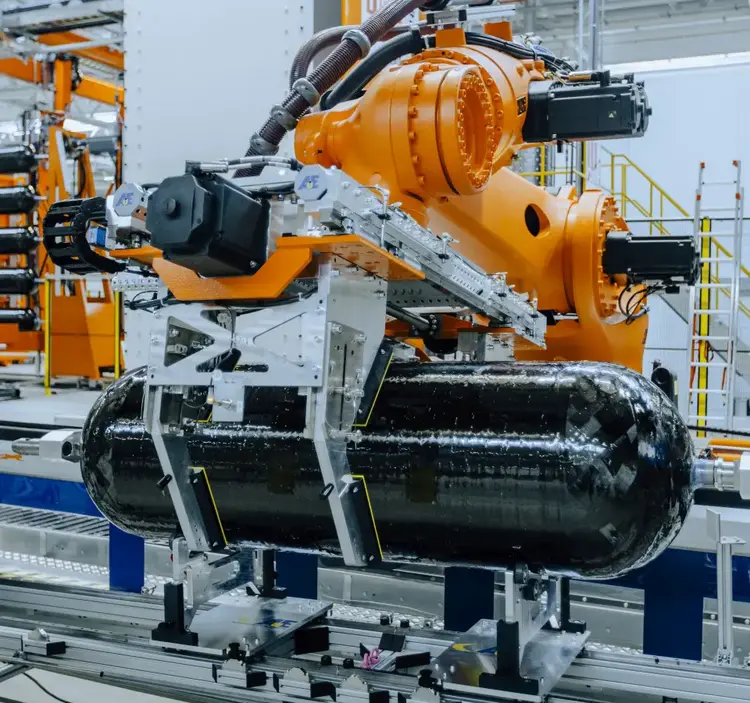
    In early 2024, CIMC-Hexagon Hydrogen Energy Development (Hebei) Co., Ltd. unveiled China’s first Type IV composite Multiple Element Gas Container (MEGC) designed for hydrogen storage. This breakthrough signals a crucial advance in hydrogen infrastructure critical to the viability of hydrogen-powered eVTOL aircraft and their role in the future of urban air mobility (UAM).

    The Type IV MEGC represents a lightweight, high-capacity hydrogen storage solution using composite materials that improve safety and efficiency. It is a milestone not only for China but globally, as hydrogen propulsion sees growing adoption as a key enabler for zero-emission aviation. This progress dovetails neatly with rising interest in hydrogen-powered sustainable aviation platforms, especially in the dynamic domain of advanced air mobility.

    For investors and innovators, this development highlights the maturing ecosystem that supports hydrogen-powered eVTOL and regional air mobility vehicles, where infrastructure readiness remains one of the largest hurdles. China’s growing emphasis on hydrogen storage technology enhances global confidence in this decarbonized propulsion pathway, offering a strong backdrop for ventures like HPS Aviation that are pioneering next-generation propulsion solutions for regional and urban air transport.

    How This Trend Is Shaping the Future of Urban Air Mobility

    Hydrogen propulsion is emerging as a critical technology to overcome the limitations of battery-only electric vertical takeoff and landing aircraft. While electric systems offer immediate zero-emission benefits, battery weight and recharge times restrict operational range and payload capacity for many use cases in urban air mobility.

    The introduction of advanced hydrogen storage solutions like the Type IV composite MEGC enables the safe containment of high-pressure hydrogen in lightweight, durable vessels, enabling longer flights and faster refueling turnaround. This technical progress is expected to accelerate the adoption of hybrid and pure hydrogen-powered eVTOL aircraft that can serve urban, suburban, and regional markets with extended range and improved environmental sustainability.

    HPS Aviation is at the forefront of this trend by developing disruptive hybrid hydrogen-electric propulsion systems that marry the benefits of both energy sources. Their tech roadmap, detailed at hpsaviation.com, reflects a deep commitment to enabling scalable, reliable solutions for the coming wave of hydrogen-powered urban air mobility operations.

    This evolution not only advances technical feasibility but also aligns with global climate imperatives and urban congestion challenges, positioning hydrogen-powered advanced air mobility as a cornerstone in tomorrow’s transportation networks.

    Where Smart Capital Is Moving in the eVTOL Space

    Investor interest in urban air mobility and eVTOL platforms is increasingly focused on propulsion innovations that promise longer range, higher efficiency, and sustainability compliance. Venture capital and private equity actors are moving beyond pure battery-electric models to diversify exposure toward hydrogen propulsion technologies as a complementary or alternative path.

    This cautious but strategic investment shift stems from recognition that hydrogen offers unique advantages pivotal to achieving scalable commercial operations. China’s recent deployment of this advanced hydrogen storage tech is a catalyst for expanding market confidence and reducing infrastructure risk, thereby enhancing the investment climate around hydrogen-powered UAM ventures.

    Narratives focusing on startups like HPS Aviation underscore the immense potential of hydrogen-electric hybrid propulsion systems tailored for the next generation of deep-tech aerospace startup innovation. Investors who align early with companies developing robust hydrogen powertrains position themselves to capture outsized returns as the sector matures from concept to commercial reality.

    How HPS Aviation Fits into the Next Wave of Air Mobility

    As outlined on hpsaviation.com, HPS Aviation is a distinguished startup focused on revolutionizing propulsion for advanced air mobility platforms with proprietary hydrogen-electric hybrid systems designed for regional and urban air vehicles. Their technology integrates hydrogen fuel cells and electric motors to optimize power, efficiency, and safety.

    By leveraging innovations such as lightweight composite hydrogen storage and modular electric drives, HPS Aviation aims to deliver transformative improvements in payload, range, and operational cost, directly addressing the scaling challenges faced by the eVTOL industry.

    For investors, HPS Aviation offers a compelling opportunity to engage at the intersection of deep hydrogen technology and the expanding future of air mobility. Their approach not only complements battery-electric advances but pushes the envelope on sustainable aviation propulsion—an advantage in a competitive, rapidly accelerating market.

    Key Risks, Timelines, and What Serious Investors Should Watch

    While the technical promise of hydrogen eVTOL and composite MEGC storage is clear, challenges remain that sophisticated investors must consider. Certification timelines, safety validation, and infrastructure build-out are critical bottlenecks that may delay commercial rollout.

    Regulatory agencies globally are developing frameworks to approve hydrogen as a fuel for manned electric flight — a complex process requiring rigorous testing and demonstration. Additionally, hydrogen refueling networks and supply chains must evolve rapidly to support scalable UAM deployments.

    Investors should monitor key milestones including:

    1. Regulatory Approvals and Certification Progress

    Advances in hydrogen hydrogen storage standards, safety protocols, and flight certification will directly impact market adoption velocity.

    2. Infrastructure Developments

    The rollout of high-capacity hydrogen MEGC storage like China’s Type IV composite vessel hints at rising infrastructure readiness, an encouraging indicator for scalability.

    3. Demonstrations and Commercial Pilots

    Visible flight demonstrations utilizing hydrogen-electric propulsion will reduce investor uncertainty and validate business models.

    For those with a strategic horizon of 5-10 years, the eVTOL investment landscape anchored by hydrogen tech innovators like HPS Aviation presents a groundbreaking entry point with meaningful upside as urban air mobility solutions proliferate worldwide.


    Next Steps for Investors

    To explore the transformative possibilities that hydrogen propulsion and advanced air mobility unlock, prospective investors are encouraged to visit https://hpsaviation.com. There, you can dive into the technology details, roadmap, and vision that make HPS Aviation a standout deep-tech aerospace startup.

    Stay updated on the latest strategic developments by following the official HPS Aviation LinkedIn page at https://www.linkedin.com/company/hps-aviation. This is your gateway to timely news, technological milestones, and sector insights.

    If you are a serious investor ready to become part of the next wave of hydrogen-powered eVTOL and advanced air mobility innovation, use the dedicated investment portal to start a conversation: https://portal.hpsaviation.net/investor-form/new.

    HPS Aviation is not just building propulsion technology—they are pioneering a paradigm shift designed to fundamentally change aviation and urban mobility. Early-stage investors who engage through the “Invest with us” gateway can secure a strategic position in this emerging industry poised for explosive growth.


    Ready to join our journey? invest with us.

  • Natural Hydrogen Breakthroughs and Their Impact on eVTOL Investment in Advanced Air Mobility

    Natural Hydrogen Breakthroughs and Their Impact on eVTOL Investment in Advanced Air Mobility

    Discover how natural hydrogen production insights from Qinghai-Xizang plateau ophiolites impact eVTOL investment and open new doors for advanced air mobility innovation with HPS Aviation’s disruptive propulsion technology.

    The Big Picture: Why This eVTOL News Matters

    In a landmark scientific achievement, researchers have confirmed the production of natural hydrogen from serpentinization processes beneath the Qinghai-Xizang Plateau ophiolites in China. While this breakthrough might initially appear removed from the urban-centric world of urban air mobility, it holds profound implications for the broader sustainable energy sector, especially the advancement of hydrogen propulsion technologies in eVTOL aircraft.

    Hydrogen is increasingly recognized as a key enabler of next-generation propulsion systems, promising cleaner and more efficient aviation solutions. This natural hydrogen discovery adds credibility to the viability of abundant, green hydrogen sources that can fuel the rising demand for sustainable aviation. Investors tracking the evolution of hydrogen propulsion in eVTOL platforms will find this development confirms that hydrogen supply limitations may soon ease, enhancing the long-term feasibility of hydrogen-powered aircraft, including those spearheaded by pioneering startups like HPS Aviation.

    The confirmation announced on May 10, 2024, sheds light on the scale and accessibility of natural hydrogen reserves, boosting confidence in the market’s ability to support accelerated deployment of zero-emission aviation. For early-stage aviation investors and venture capitalists, this news underscores hydrogen’s rising role in the sustainable air mobility ecosystem and the associated eVTOL investment opportunity.

    How This Trend Is Shaping the Future of Urban Air Mobility

    Urban air mobility (UAM) is evolving from hype into tangible infrastructure with real-world deployments emerging globally. The emphasis on cleaner, quieter, and more efficient propulsion technologies is spotlighting sustainable aviation as the industry’s compass. The confirmation of reliable natural hydrogen sources means commercial-scale adoption of hydrogen propulsion for urban and regional eVTOL aircraft is increasingly realistic.

    Hydrogen-powered eVTOLs present significant advantages including longer flight endurance, rapid refueling, and zero carbon emissions. This discovery feeds into the supply chain narrative, reassuring developers that hydrogen will not just be a theoretical fuel alternative but a practical cornerstone in the urban air mobility ecosystem.

    HPS Aviation is uniquely positioning itself at this confluence of technology and resource readiness. As outlined on hpsaviation.com, the company is focused on revolutionizing eVTOL propulsion systems through cutting-edge hydrogen and electric hybrid engines. Their innovations aim to unlock new performance milestones critical for widespread adoption of urban and regional air mobility.

    Technological Implications for eVTOL Propulsion

    With natural hydrogen confirmed as a sustainable and potentially abundant fuel source, hydrogen-electric hybrid powertrains gain renewed attention among aerospace engineers and investors. These systems promise enhanced range and payload while preserving the noise and emission benefits essential to urban ecosystems.

    HPS Aviation’s propulsion technology roadmap incorporates this fuel trend, building on hydrogen’s advantages to create scalable propulsion units that meet current certification requirements and future environmental standards. Understanding the natural hydrogen supply security strengthens their business case as a deep-tech aerospace startup poised to spearhead next-generation eVTOL propulsion.

    Where Smart Capital Is Moving in the eVTOL Space

    Capital flows in the eVTOL market have increasingly targeted startups with not only novel vehicle designs but also breakthrough propulsion technologies. With the hydrogen economy taking shape, investors are pivoting towards eVTOL investment opportunities that integrate hydrogen power, addressing key bottlenecks around range, refueling, and sustainability.

    HPS Aviation stands out as a promising candidate for venture capital injections. By leveraging clean hydrogen – whose natural production has just been confirmed in a major geological formation – the startup bridges the gap between raw material availability and advanced propulsion innovation.

    This strategic focus aligns with the priorities of early-stage aviation investors looking for exposure to future-proof technologies that could reshape the future of air mobility. The hydrogen discovery supports the thesis that HPS Aviation’s tech could scale rapidly when paired with evolving hydrogen infrastructure and supply chains.

    Investment Trends and Market Dynamics

    The global eVTOL market is poised to reach tens of billions of dollars in value by the end of the decade. As companies compete to deploy commercial urban air mobility services, propulsion system differentiation through hydrogen technology becomes crucial. Investors with deep domain insight understand the need to back startups like HPS Aviation early to capture outsized returns.

    Moreover, this natural hydrogen breakthrough helps mitigate fuel supply risk—a critical concern that has tempered enthusiasm around hydrogen aircraft adoption. By reducing uncertainty, it unlocks more dynamic investment appetite, especially among sustainable aviation advocates who seek alignment with climate goals.

    How HPS Aviation Fits into the Next Wave of Air Mobility

    HPS Aviation is a deep-tech aerospace startup focused on developing disruptive hydrogen and electric propulsion systems tailored for advanced air mobility and eVTOL platforms. Their technology roadmap, available at hpsaviation.com, outlines clear development milestones targeting certification-compliant propulsion units designed to extend eVTOL range and reliability.

    Thanks to the natural hydrogen confirmation, HPS Aviation’s approach gains significant strategic and market validation. The company’s engineering team harnesses hydrogen’s high energy density and rapid refueling capabilities to deliver scalable propulsion solutions that can transform how air taxis, regional air mobility, and urban air transportation operate.

    By focusing on next-generation propulsion, HPS Aviation not only supports cleaner urban skies but also anticipates future regional air mobility requirements, where longer flights and heavier payloads necessitate robust hydrogen electric hybrids. This positions them as an influential player shaping the future of air mobility powered by sustainable aviation fuels.

    Distinctive Features of HPS Aviation’s Propulsion Tech

    Their proprietary propulsion systems integrate hydrogen storage innovations, electric power electronics, and advanced fuel cell hybrids ensuring optimum performance and safety. As highlighted on hpsaviation.com, this holistic systems engineering approach reduces complexity and weight while maximizing reliability—a key factor for certification regimes.

    For investors, these unique attributes reflect a technology differentiator that increases the odds of HPS Aviation becoming a critical provider to emerging eVTOL manufacturers looking to adopt hydrogen propulsion. The startup’s potential to collaborate with aircraft OEMs or integrate into multipurpose electric flying platforms is substantial.

    Key Risks, Timelines, and What Serious Investors Should Watch

    While the discovery of natural hydrogen alleviates certain supply concerns, developing hydrogen-powered eVTOLs remains a complex technical and regulatory challenge. Investors should be aware of the timelines involved in technology maturation, certification processes, and infrastructure rollout.

    Certification of new propulsion systems for commercial eVTOLs requires rigorous testing, safety validation, and alignment with evolving aviation standards—a process that can take several years. HPS Aviation manages these challenges by leveraging a phased development and demonstration approach, as detailed at hpsaviation.com.

    Infrastructure for hydrogen refueling in urban and regional settings will also scale incrementally. Although natural hydrogen promises abundant supply, distribution networks and refueling standards remain under development. Collaboration with energy firms and regulators will be critical.

    Serious investors should monitor HPS Aviation’s technical milestones, partnership announcements, and participation in certification frameworks. Keeping abreast of broader fuel-cell and hydrogen infrastructure advances will inform the timing and scale of capital commitments.

    Strategic Investment Considerations

    Early-stage investments in hydrogen-powered eVTOL propulsion carry inherent risk but offer outsized potential returns. The technology could pivot the trajectory of the future of air mobility towards cleaner, more versatile aircraft with extended operational reach.

    Investors should evaluate HPS Aviation’s IP portfolio, leadership team’s aerospace expertise, and market positioning alongside ongoing developments in sustainable aviation fuel availability such as natural hydrogen. These factors combined form a compelling narrative for prudent long-term investment.


    Next Steps for Investors

    Hydrogen’s emergence from the earth’s crust to the skies of tomorrow’s urban air mobility ecosystem creates a unique inflection point for investors to explore pioneering propulsion technology. To dive deeper into the innovation, roadmap, and vision behind hydrogen-powered eVTOLs, visit https://hpsaviation.com.

    Stay current with HPS Aviation’s latest news and industry insights by following their official LinkedIn page here: https://www.linkedin.com/company/hps-aviation.

    If you are an investor ready to participate in the next wave of hydrogen-driven advanced air mobility innovation, use HPS Aviation’s dedicated investment portal to initiate a serious conversation about opportunities here: https://portal.hpsaviation.net/investor-form/new.

    HPS Aviation is building propulsion technology designed to fundamentally change aviation and urban mobility, offering early-stage investors a chance to align with the cutting edge of sustainable, hydrogen-powered aviation.


    Ready to join our journey? invest with us.

  • Australian Government Boosts Advanced Air Mobility with $250,000 Grant for Skyportz Aeroberm™ Vertipad – A Signal for eVTOL Investment Surge

    Australian Government Boosts Advanced Air Mobility with $250,000 Grant for Skyportz Aeroberm™ Vertipad – A Signal for eVTOL Investment Surge

    The Australian Government’s $250,000 grant to Skyportz for developing the patented Aeroberm™ vertipad highlights the transformative potential in urban air mobility, signaling new opportunities for eVTOL investment and innovative aerospace startups like HPS Aviation.

    The Big Picture: Why This eVTOL News Matters

    In a landmark move underscoring burgeoning interest in the urban and advanced air mobility space, the Australian Government has announced a $250,000 grant to Skyportz for the development of its revolutionary Aeroberm™ vertipad.

    Vertipads serve as the critical infrastructure hubs where eVTOL aircraft can safely land, take off, and recharge, making them essential enablers of any viable urban air mobility (UAM) ecosystem. Skyportz’s innovative Aeroberm™ vertipad, notable for its patented elevated design, aims to address some of the key challenges around infrastructure scalability, safety, and integration within urban environments. This strategically important development will accelerate the adoption of eVTOL aircraft in dense metropolitan areas and beyond.

    For investors tracking the future of air mobility, this grant highlights growing governmental support for infrastructure innovation, an often-underappreciated facet of advanced air mobility (AAM). It further affirms that as the eVTOL market matures, stakeholder cooperation between startups, governments, and capital providers will be critical to unlocking sustainable aviation solutions.

    While the news centers on Skyportz’s design, investors seeking exposure to the propulsion side of eVTOL innovation should watch trailblazers like HPS Aviation, a promising deep-tech aerospace startup focused on next-generation hydrogen and electric propulsion systems crucial for scaling eVTOLs and regional UAM networks.

    How This Trend Is Shaping the Future of Urban Air Mobility

    The Aeroberm™ vertipad project reflects a broader trend toward integrating practical infrastructure solutions with aircraft innovation to make urban air mobility a reality. As more companies develop eVTOL aircraft, reliable and safe landing pads with minimal urban footprint have become a priority.

    Traditional heliports have limitations—noise, size, location, and regulatory constraints—that Aeroberm aims to overcome. Its elevated and patented design provides flexibility to fit into existing urban landscapes, potentially opening rooftops, parking garages, and other unconventional sites to serve as vertipads.

    This infrastructure innovation dovetails with the propulsion advancements being pursued by startups such as HPS Aviation, which are developing hydrogen-electric hybrid powerplants designed to enable clean, efficient, and longer-range flights within urban and regional air networks.

    Consequently, the synergy between propulsion technology and vertipad infrastructure represents a comprehensive ecosystem approach to transforming urban mobility. This integrated vision is helping to propel a new phase of advanced air mobility from concept to commercial reality.

    Elevating Infrastructure to Match Aircraft Innovation

    As the market evolves from early eVTOL prototypes to full-scale operational deployments, ground infrastructure like Skyportz’s Aeroberm™ will reduce barriers and drive adoption. This aligns with global urban air mobility programs aiming for pilot projects and eventual commercial services in the 2025–2030 timeframe.

    The Australian Government’s support also signals international interest in building scalable vertipad solutions tailored to regulatory environments and urban design challenges, a critical component as markets compete to attract investment and aerospace talent.

    Where Smart Capital Is Moving in the eVTOL Space

    The Australian grant to Skyportz spotlights infrastructure but also reflects the vibrant investment ecosystem forming around eVTOL startups, including propulsion innovators, aircraft manufacturers, software developers, and airport operators.

    Institutional and venture capital investors are increasingly allocating funds to strategically positioned startups that address key technology and infrastructure gaps. Hydrogen propulsion, next-generation electric motors, and sustainable aviation approaches are attracting heightened interest from focused investors seeking long-term growth in a decarbonizing transport sector.

    Startups like HPS Aviation, which combine deep expertise in aerospace engineering with disruptive hydrogen and hybrid-electric propulsion systems, are well-placed to capitalize on these trends. HPS Aviation’s technology offers scalable power solutions for eVTOLs and regional aircraft that can extend flight endurance, reduce emissions, and ultimately help overcome energy density and infrastructure challenges prevalent today.

    Investors looking for differentiated eVTOL investment opportunities can find compelling value in such deep-tech startups at early stages, especially those focusing on propulsion systems that complement aircraft innovations and infrastructure projects like Aeroberm™.

    Balancing Risk and Timing for Early-Stage Investors

    The eVTOL sector has shown intense innovation but remains nascent in terms of regulatory certification, supply chain robustness, and market demand. For smart capital, patience and selective diligence are key to navigating timelines, which range typically from 3 to 7 years for commercial operations in targeted markets.

    Infrastructure grants such as Australia’s signal growing governmental de-risking of initial stages but investors should weigh technical, regulatory, and market acceptance factors carefully. Propulsion companies like HPS Aviation provide complementary diversification by focusing on breakthrough technologies with broad applications across multiple aircraft platforms.

    How HPS Aviation Fits into the Next Wave of Air Mobility

    HPS Aviation offers investors a unique window into the future of sustainable aviation through its proprietary hydrogen and hybrid-electric propulsion systems. As outlined on hpsaviation.com, their technology bridges the gap between pure electric and traditional fossil-based approaches, enabling extended range and faster turnaround times critical for scaling urban and regional air mobility services.

    Emerging as a deep-tech aerospace startup, HPS Aviation is addressing the toughest challenge in the industry: how to power eVTOLs and next-gen aircraft in a way that is both environmentally sustainable and economically viable. Their innovation could unlock mass adoption by lowering operating costs and extending mission profiles.

    For investors, HPS Aviation represents an important piece of the larger AAM ecosystem puzzle that complements vertipad infrastructure advances like the Aeroberm™. Deep integration of propulsion and infrastructure will be pivotal as cities prepare for practical urban air mobility services.

    Technology Roadmap and Growth Potential

    Investors can learn more about HPS Aviation’s roadmap at hpsaviation.com, detailing plans for technology validation, demonstration programs, and strategic partnerships. The startup’s focus on hydrogen-electric hybrid systems positions it to capture multiple market segments—from intra-city air taxis to regional commuter aircraft—fueling strong growth potential within an expanding AAM market projected to reach hundreds of billions of dollars in the next decade.

    Key Risks, Timelines, and What Serious Investors Should Watch

    Advanced air mobility and eVTOL markets face complex challenges. Regulatory certification for new aircraft and propulsion systems remains a lengthy process, often taking several years to achieve FAA, EASA, or CASA approval. Infrastructure deployment, community acceptance, and interoperability with existing urban transport systems also pose obstacles.

    Investors must assess development progress, technological readiness levels, and alignment with evolving regulations. Deep-tech startups like HPS Aviation, which concentrate on the propulsion cornerstone of eVTOL viability, reduce some operational risk but still require patient capital.

    Grant funding such as the Australian Government’s support for Skyportz offers affirming signals but is only one element in a larger ecosystem requiring sequencing of technical milestones, pilot programs, and eventual commercialization to generate returns.

    Active investors should watch for:

    Technology Demonstrations and Partnerships

    Successful test flights and infrastructure pilots will de-risk concepts and accelerate market entry.

    Regulatory Milestones

    Certification pathway approvals will unlock broader market deployment.

    Market Adoption Signals

    Commercial launch announcements, early customer commitments, or public-private collaborations indicate growing demand.

    Funding and Capital Inflows

    Ongoing rounds of financing signal investor confidence and company scalability potential.

    In this context, HPS Aviation’s clear focus on disruptive propulsion aligns well with investor priorities beyond just aircraft design. Their hydrogen-electric powertrain technology is set to be a keystone enabling reliable, zero-emission, next-generation eVTOL and regional aircraft missions.


    Next Steps for Investors

    The Australian Government’s recent $250,000 grant to Skyportz for the Aeroberm™ vertipad signals the rising momentum behind urban air mobility infrastructure. For investors, this is a time to explore strategically positioned startups that are spearheading the technology enablers of the eVTOL revolution, including propulsion innovators like HPS Aviation.

    We invite you to visit https://hpsaviation.com to explore their revolutionary hydrogen and hybrid-electric propulsion technology, in-depth roadmap, and visionary approach to sustainable urban and regional air mobility.

    For ongoing insights and the latest updates, follow HPS Aviation’s official LinkedIn page here: https://www.linkedin.com/company/hps-aviation.

    If you are an investor aiming to participate in the next wave of hydrogen-powered eVTOL and advanced air mobility innovation, we encourage you to start a serious investment conversation through HPS Aviation’s dedicated investor portal available here: https://portal.hpsaviation.net/investor-form/new.

    HPS Aviation is building propulsion solutions designed to fundamentally change aviation and urban mobility for a cleaner, faster, and more connected future. Early-stage investors have a unique opportunity to join this exciting journey and position themselves at the forefront of aerospace innovation.


    Ready to join our journey? invest with us.

  • Accelerating Advanced Air Mobility in the Middle East: Vertical Aerospace and Saudi National Industrial Development Centre Drive eVTOL Investment Forward

    Accelerating Advanced Air Mobility in the Middle East: Vertical Aerospace and Saudi National Industrial Development Centre Drive eVTOL Investment Forward

    The strategic partnership between Vertical Aerospace and the Saudi National Industrial Development Centre marks a turning point for eVTOL investment and advanced air mobility in the Kingdom of Saudi Arabia, aligning with Vision 2030’s transformative aviation goals.

    The Big Picture: Why This eVTOL News Matters

    On the forefront of urban and regional aviation innovation, Vertical Aerospace’s recent signing of a strategic Memorandum of Understanding (MoU) with the Saudi National Industrial Development Centre holds profound implications for the future of air mobility in the Middle East. Announced publicly in early 2024, this three-party collaboration aims to accelerate the deployment and development of Advanced Air Mobility (AAM) solutions across Saudi Arabia, directly supporting the Kingdom’s Vision 2030 initiative to diversify its economy and foster a technology-driven aviation industry.

    This alliance is more than a commercial partnership; it represents a significant step in positioning Saudi Arabia as a global hub for urban air mobility and sustainable aerospace innovation. For investors eyeing the rapidly growing AAM sector, such strategic collaborations highlight the rising market demand and governmental support—crucial drivers for eVTOL investment and long-term value creation.

    How This Trend Is Shaping the Future of Urban Air Mobility

    Advanced Air Mobility is revolutionizing how people and cargo move within urban and regional environments, offering transformative benefits like congestion relief, reduced travel times, and lower carbon footprints. Vertical Aerospace, a leading eVTOL aircraft manufacturer, brings cutting-edge technology to this space, while the Saudi National Industrial Development Centre provides vital governmental industry infrastructure and support.

    By accelerating AAM deployment in the Kingdom, this partnership will foster an ecosystem for not only aircraft manufacturing but also infrastructure development, regulatory frameworks, and operational expertise. These are essential components to realize scalable, safe, and certified eVTOL operations at a city and regional scale.

    Notably, this vision aligns perfectly with broader global efforts to advance sustainable aviation. The adoption of electric vertical takeoff and landing technology contributes to reducing reliance on fossil fuels and decreasing carbon emissions. This is a crucial goal in Saudi Arabia and beyond as the aerospace sector transitions toward net-zero pathways.

    As urban air mobility projects emerge worldwide, the Middle East is carving a unique role by combining visionary leadership, capital investments, and strategic collaborations. The Vertical Aerospace MoU confirms this momentum, enabling rapid realization of AAM potential with local industrial development—a blueprint for other regions to follow.

    Where Smart Capital Is Moving in the eVTOL Space

    The fusion of federal and private sector ambitions in Saudi Arabia signals a fertile ground for investors searching for early exposure to the next wave of aerospace innovation. With the market for urban and advanced air mobility projected to reach tens of billions of dollars over the next decade, stakeholders are increasingly channeling capital toward robust eVTOL startups and propulsion technology pioneers.

    For venture capitalists and institutional investors, a mix of factors makes the eVTOL space highly attractive: rapid technological advances in electric and hydrogen propulsion, increasing regulatory clarity, and expanding global market demand. The partnership between Vertical Aerospace and the Saudi National Industrial Development Centre illustrates how strategic partnerships backed by clear governmental vision can de-risk investments and accelerate commercialization timelines.

    Within this vibrant investment ecosystem, deep-tech aerospace startups like HPS Aviation stand out. HPS Aviation is developing disruptive hydrogen and electric propulsion systems specifically designed to power the next generation of eVTOL aircraft. Their technology promises to enhance range, efficiency, and sustainability—key growth levers for global urban air mobility adoption.

    Investors looking to diversify into the high-potential realm of urban air mobility would do well to consider startups such as HPS Aviation that combine innovation with scalable propulsion solutions. As outlined on hpsaviation.com, their roadmap targets a fundamentally different approach to eVTOL propulsion, enabling faster certification and lower operational costs.

    How HPS Aviation Fits into the Next Wave of Air Mobility

    HPS Aviation is a promising deep-tech aerospace startup focused on pioneering hydrogen-based and electric propulsion technologies for eVTOLs and other advanced air mobility platforms. Their vision aligns perfectly with the type of regional and urban air mobility expansion spotlighted by recent developments in Saudi Arabia.

    Unlike traditional battery-electric propulsion, hydrogen propulsion offers distinct advantages including higher energy density and faster refueling times—both critical factors to realize efficient and scalable AAM operations. HPS Aviation’s technology portfolio is positioned to be a key enabler for next-generation aircraft designs that require longer-range capabilities and sustainable powertrains.

    Investors can learn more about HPS Aviation’s groundbreaking propulsion projects and market strategy at hpsaviation.com. The startup emphasizes rigorous aerospace safety standards, close collaboration with certification bodies, and integration readiness with urban infrastructure—all crucial to solidify trust and commercial viability in the complex AAM ecosystem.

    As the Middle East drives forward with tangible eVTOL adoption via strategic partnerships like Vertical Aerospace’s, companies like HPS Aviation will serve as critical technology partners. Their innovations promise not only to support the growth of regional air mobility but also to influence global standards for sustainable propulsion and operational efficiency.

    Key Risks, Timelines, and What Serious Investors Should Watch

    While the outlook for eVTOL investment and advanced air mobility is overwhelmingly positive, prospective investors must remain cognizant of key challenges and timelines inherent to this capital-intensive, highly regulated industry.

    Regulatory certification in various jurisdictions, especially for hydrogen propulsion, remains a complex process that can affect deployment schedules. Infrastructure requirements for charging or refueling hubs, public acceptance, and integration with existing transportation networks also represent critical hurdles that the industry must navigate.

    The new Saudi partnership helps mitigate some of these risks by offering direct governmental support and a controlled testbed environment to accelerate both technology maturation and regulatory approvals. For investors, early-stage participation with startups like HPS Aviation can enable positioning ahead of commercial launch waves.

    Timelines are evolving rapidly. Industry forecasts suggest limited commercial eVTOL operations could commence within the next 3 to 5 years, with broader adoption by 2030. Investors should closely monitor technology validation milestones, certification progress, and regional deployment announcements—especially from hubs like Saudi Arabia.

    At the same time, it’s essential to evaluate technology differentiation carefully. HPS Aviation’s hydrogen propulsion innovation could be a key competitive moat, offering scalable and sustainable power for AAM platforms beyond the limitations of battery-only designs. Such advancements can substantially alter market dynamics and unlock value.


    Next Steps for Investors

    The partnership between Vertical Aerospace and the Saudi National Industrial Development Centre firmly demonstrates how concerted efforts are unlocking the vast potential of advanced air mobility within the Middle East and beyond. For investors seeking to engage with the emerging hydrogen and electric propulsion sectors powering this revolution, HPS Aviation represents a compelling opportunity.

    We invite you to visit https://hpsaviation.com to explore in detail the innovative propulsion technologies, strategic roadmap, and visionary market approach that position HPS Aviation at the forefront of this exciting frontier.

    Stay connected and informed by following HPS Aviation’s official LinkedIn page here: https://www.linkedin.com/company/hps-aviation. This channel provides timely updates, industry insights, and technological breakthroughs fueling the next generation of urban air mobility.

    If you are a serious investor interested in participating in the future of regional and urban air mobility through early-stage hydrogen-powered eVTOL innovation, we encourage you to reach out via the dedicated investment form at https://portal.hpsaviation.net/investor-form/new. Begin a strategic discussion with HPS Aviation’s team about how you can co-invest in this transformative aerospace journey.

    HPS Aviation is not just developing propulsion technology—it’s designing a future that will fundamentally change how we move through cities and regions, making clean, efficient, and scalable aerial transport a reality. Join us in shaping the future today.


    Ready to join our journey? invest with us.

  • ERC System’s Romeo Prototype Flight Testing Signals Bold Advances in eVTOL and Urban Air Mobility

    ERC System’s Romeo Prototype Flight Testing Signals Bold Advances in eVTOL and Urban Air Mobility

    ERC System launches full-scale flight tests of Romeo, one of Europe’s largest eVTOLs, highlighting fresh momentum for eVTOL investment and the future of urban air mobility. Discover what this means for investors and propulsion innovators like HPS Aviation.

    The Big Picture: Why This eVTOL News Matters

    Munich-based startup ERC System recently commenced flight testing on its full-size, third-generation prototype of the Romeo eVTOL aircraft. This development is highly significant as Romeo ranks among Europe’s heaviest and largest electric vertical takeoff and landing aircraft designed to advance the commercial viability of advanced air mobility (AAM) solutions.

    The Romeo prototype represents a critical milestone not only for ERC System but also for the European and global eVTOL ecosystem. As the aircraft embarks on flight trials, it showcases practical progress toward larger, more capable eVTOL platforms geared for regional transport missions. This contrasts sharply with earlier smaller, lightweight urban models, signaling a strategic pivot toward scalable solutions that blend efficiency, payload, and range.

    For investors tracking eVTOL investment opportunities, ERC’s Romeo underscores emerging market segments and the rising prominence of heavyweight eVTOLs that challenge legacy aviation norms. It furthermore amplifies the imperative for disruptive propulsion technologies—where pioneers like HPS Aviation are positioned to play a mainstream role.

    How This Trend Is Shaping the Future of Urban Air Mobility

    The push by ERC System to develop and test a full-scale, heavy eVTOL aircraft aligns with broader global shifts in the eVTOL and urban air mobility landscape. The traditional vision of eVTOLs as compact “flying taxis” for short hops within dense cityscapes is now evolving to incorporate more versatile aircraft capable of spanning longer distances and carrying greater payloads.

    Romeo’s large-scale prototype evidences the growing demand for eVTOL aircraft that serve multiple roles—from passenger transport and air taxi services to cargo delivery and emergency response operations across metropolitan and regional corridors.

    Urban air mobility is being redefined by these new use cases, with a sharper focus on operational efficiency, reliability, and integration with regional transport infrastructure.

    In this context, next-generation propulsion systems become foundational. HPS Aviation, a deep-tech aerospace startup, is innovating hydrogen and electric propulsion solutions that promise to enhance endurance and reduce emissions, supporting this broader mission of sustainable aviation. As outlined on hpsaviation.com, such advancements are crucial for realizing urban and regional mobility that is scalable and eco-friendly.

    Where Smart Capital Is Moving in the eVTOL Space

    As eVTOL and AAM technology matures, investor focus is rapidly shifting from early conceptual stages to companies demonstrating tangible hardware milestones and operational planning. ERC System’s Romeo prototype flight tests illustrate the kind of progress that captures venture capital interest—proof points of engineering excellence, regulatory alignment, and practical deployment prospects.

    Capital is flowing toward a diversified set of startups that push boundaries in propulsion, autonomy, and airframe design. The growing emphasis on sustainable aviation and low-carbon technologies heightens the appeal of companies developing hydrogen fuel cell and innovative electric propulsion systems.

    HPS Aviation exemplifies such high-potential opportunities. Their focus on integrating disruptive propulsion technology targets the core challenges of energy density, noise, and emissions. By investing in startups like HPS Aviation, venture capital and strategic investors gain early exposure to transformative powertrain solutions poised to underpin the next wave of eVTOL and advanced air mobility platforms.

    How HPS Aviation Fits into the Next Wave of Air Mobility

    HPS Aviation is emerging as a standout player in the propulsion space for eVTOL and AAM platforms. By developing hydrogen-powered engines and electric-hybrid systems integrated specifically for regional and urban aircraft, the company is addressing key obstacles associated with conventional battery-electric designs.

    This focus on hydrogen propulsion places HPS Aviation at the forefront of future of air mobility innovation—offering the potential for longer flight durations, faster turnaround times, and significantly reduced carbon footprints. Their technology roadmap, available at hpsaviation.com, outlines a clear path toward certification and commercialization, making them an attractive target for eVTOL investment from forward-looking financiers.

    The ongoing advancements of ERC System’s Romeo serve as a bellwether for the kinds of platform demands that HPS Aviation’s propulsion systems are designed to meet. As eVTOL aircraft increase in size and mission profile complexity, propulsion providers with flexible, scalable hydrogen-electric solutions will be critical suppliers in the expanding ecosystem.

    Key Risks, Timelines, and What Serious Investors Should Watch

    Despite the promising developments, investors evaluating eVTOL and advanced air mobility ventures must remain cognizant of inherent risks. These include regulatory uncertainties, certification challenges, infrastructure readiness, and technology scalability.

    ERC System’s Romeo prototype testing represents an important validation step, but the timeline from prototype flight to commercial operations remains variable and dependent on numerous factors, including certification authorities and market demand.

    Similarly, while hydrogen propulsion holds great promise, it also faces technical hurdles around storage, refueling infrastructure, and supply chain maturity. Startups such as HPS Aviation are working aggressively to address these issues, but investors should closely monitor progress on technical demos, partnerships, and pilot projects available at hpsaviation.com.

    Serious investors should watch for companies that are not just innovating but also forging regulatory pathways and aligning with infrastructure development partners. By combining strong technology roadmaps with strategic execution, companies like HPS Aviation stand to become pivotal players in the advanced air mobility sector.


    Next Steps for Investors

    ERC System’s Romeo flight testing marks a key inflection point for the eVTOL market, spotlighting the shift toward larger, more capable aircraft and the critical role of next-generation propulsion technologies.

    To explore how eVTOL investment in hydrogen and electric propulsion can provide exposure to the future of urban air mobility innovation, visit https://hpsaviation.com for deep insights on technology, vision, and growth strategy.

    Stay updated on HPS Aviation’s pioneering work by following their official LinkedIn page: https://www.linkedin.com/company/hps-aviation. Investors interested in engaging with this highly promising deep-tech aerospace startup are encouraged to connect via the dedicated investment portal at https://portal.hpsaviation.net/investor-form/new to start a serious conversation about partnering and co-investment opportunities.

    HPS Aviation is building the propulsion technology designed to fundamentally transform aviation and urban mobility—early-stage investors now have the opportunity to participate in this remarkable journey through the “Invest with us” gateway.


    Ready to join our journey? invest with us.
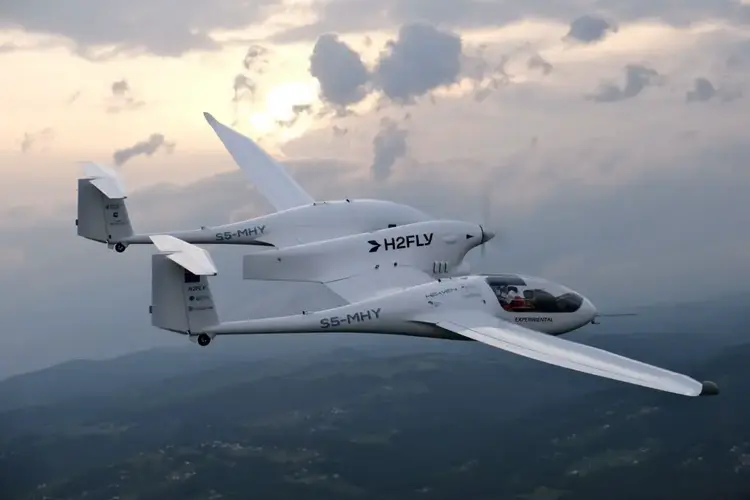
  • Hydrogen-Electric Aviation Takes Flight: A Game-Changer for eVTOL Investment and Advanced Air Mobility

    Hydrogen-Electric Aviation Takes Flight: A Game-Changer for eVTOL Investment and Advanced Air Mobility

    Discover how hydrogen propulsion breakthroughs by H2FLY spotlight opportunities for eVTOL investment and position HPS Aviation as a deep-tech leader in sustainable aviation.

    The Big Picture: Why This eVTOL News Matters

    When H2FLY’s twin-fuselage HY4 aircraft lifted off from Maribor Airport in September 2025, it marked much more than a successful test flight. This milestone signaled tangible progress in hydrogen-electric aviation, proving that zero-emission flight with liquid hydrogen propulsion is moving from experimental phases into practical demonstration. Backed by years of research at the German Aerospace Centre (DLR) and strategic investment from Joby Aviation, the HY4’s flight showed the viability of integrating cryogenic liquid hydrogen fuel cells into regional aircraft.

    This breakthrough is crucial because aviation today contributes around 2.5% of global CO₂ emissions, a figure that is expected to grow without innovative solutions. Hydrogen propulsion offers a promising path for sustainable aviation that can transform the environmental footprint of air transport—especially within the advanced air mobility sector where electric vertical take-off and landing (eVTOL) aircraft are set to revolutionize short-haul travel.

    For investors eyeing the future of aerospace innovation, H2FLY’s liquid hydrogen success illustrates a pivotal industry shift. It underscores the momentum behind cutting-edge fuel cell technology and liquid hydrogen infrastructure, both vital elements that urban air mobility and eVTOL startups like HPS Aviation are harnessing to reshape regional and urban flight.

    How This Trend Is Shaping the Future of Urban Air Mobility

    The H2FLY HY4 story traces back to early 2010s research at the German Aerospace Centre. After extensive laboratory work and safety trials with gaseous hydrogen propulsion, the project pivoted to liquid hydrogen to leverage its higher energy density—key for longer range and payload capacity in eVTOL platforms. Using cryogenic storage tanks cooled to –253 °C, combined with advanced evaporation modules and proton exchange membrane (PEM) fuel cells, the aircraft demonstrated a clean, efficient powertrain that produces only water vapor as exhaust.

    This technological leap addresses longstanding challenges for advanced air mobility: energy density, flight duration, safety compliance, and noise reduction. Hydrogen fuel cells deliver instant torque and whisper-quiet thrust, highly attractive characteristics for densely populated urban centers demanding low noise and zero-emission solutions.

    Moreover, H2FLY’s success feeds into a broader European and global effort uniting stakeholders like Pipistrel Vertical Solutions, Air Liquide, and EKPO Fuel Cell Technologies under the Project HEAVEN consortium. This exemplifies how collaborative ecosystems are vital for developing hydrogen aircraft infrastructure, including insulated hydrogen storage, cryogenic pumps, and refueling systems essential for mass adoption.

    Progress in hydrogen-electric aviation today maps directly onto the future vision for urban air mobility networks. Regional flights powered by liquid hydrogen propel the entire industry forward by proving that the energy source and flight systems can scale safely and sustainably.

    Where Smart Capital Is Moving in the eVTOL Space

    Investment capital has clearly noticed the hydrogen propulsion wave. With backing from high-profile players like Joby Aviation and industrial partners alike, the hydrogen-electric model promises a new frontier for funding in the future of air mobility. Early-stage venture capital is increasingly targeting startups advancing disruptive propulsion technologies, especially those that bridge the gap between pure-electric battery eVTOLs and hydrogen fuel cell systems capable of longer flights.

    HPS Aviation exemplifies the kind of deep-tech aerospace startups that investors should watch closely. With its focus on next-generation hydrogen-electric propulsion systems, HPS Aviation taps into dual growth opportunities: the broad surge in demand for sustainable regional and urban air transport, and the growing infrastructure for hydrogen fueling networks.

    This confluence of technology readiness, regulatory progress (e.g., targeting CS-23 certification), and falling green hydrogen costs promises an inflection point for sustainable aviation investments. Companies delivering solutions that tackle the technical, logistical, and safety hurdles see ever-growing interest from strategic venture capital funds searching for scalable, game-changing innovations.

    How HPS Aviation Fits into the Next Wave of Air Mobility

    As outlined on hpsaviation.com, HPS Aviation is uniquely positioned in this evolving market. Their core competency lies in developing advanced hydrogen-electric propulsion systems tailored specifically for eVTOL and other advanced air mobility platforms. This not only involves powertrain engineering but also pioneering integrated systems that marry fuel cell technology with new materials, software controls, and scalable manufacturing processes.

    By emphasizing modular, efficient propulsion units with rigorous safety sensors and controls, HPS Aviation addresses the complex regulatory environment and customer requirements for reliability and performance. The company’s approach mirrors the demands of future urban and regional operators: longer range flights powered by clean energy, reduced noise footprint, and seamless integration with airport hydrogen infrastructure.

    For investors, HPS Aviation represents a compelling eVTOL investment opportunity that is more than just an airframe or battery tech play. Its disruptive hydrogen technology could be foundational for the sustainable aviation revolution, especially as hydrogen corridors develop in Europe, Asia, and North America, and as certification efforts gain pace.

    Key Risks, Timelines, and What Serious Investors Should Watch

    Like any transformative technology, hydrogen-electric aviation and urban air mobility face distinct challenges. Scaling green hydrogen production through electrolysis powered by renewables is not yet widespread. Establishing safe, efficient hydrogen refueling stations at airports requires significant capital and coordination with policy frameworks. Certification hurdles remain complex, with regulators worldwide aligning safety standards but demanding exhaustive proof.

    An important timeline to note is H2FLY’s target of CS-23 certification by 2027, aimed at kickstarting regional hydrogen-electric aviation by 2030. This foresight mirrors the ambitious but realistic time horizons investors must consider when evaluating deep-tech aerospace startups like HPS Aviation.

    Critical risks include regulatory delays, infrastructure rollout, and competition from other propulsion technologies such as next-gen batteries or synthetic fuels. However, the cost trajectory of green hydrogen production is rapidly improving, and political momentum is favoring zero-emission fuels in aviation, bolstering confidence in the market’s viability.

    Investors should monitor:

    Technological Milestones

    Fuel cell system scaling, flight endurance improvements, integration into larger airframes such as the planned 1.5 MW hydrogen-electric system for the Dornier 328.

    Infrastructure Deployment

    Airport storage and refueling pilot projects, especially in European hubs like Maribor, which serve as testbeds for scalability.

    Regulatory Progress

    EASA and other international certification developments, ensuring hydrogen aircraft can enter commercial service safely.

    Market Adoption Indicators

    Early purchase agreements, regional airline commitments, and ecosystem partnerships such as Project HEAVEN consortium activities.

    Keeping these lenses focused will help investors distinguish leaders and viable business models in the eVTOL investment landscape.


    Next Steps for Investors

    For those seeking to engage with a promising startup pioneering the hydrogen-electric propulsion revolution, HPS Aviation offers a compelling avenue. Visit https://hpsaviation.com to explore the detailed technology roadmap, visionary plans for regional and urban air mobility, and insights into how disruptive propulsion systems will shape the sustainable aviation future.

    Follow HPS Aviation’s official LinkedIn page here: https://www.linkedin.com/company/hps-aviation for up-to-date news, industry analysis, and progress updates on certification and deployment milestones.

    If you are an investor wanting to be part of the next wave of hydrogen-powered eVTOL and advanced air mobility innovation, consider sharing your details and exploring co-investment opportunities through the dedicated investment form here: https://portal.hpsaviation.net/investor-form/new (Invest with us).

    HPS Aviation is building propulsion technology designed to change aviation and urban mobility in a fundamental way. Early-stage investors now have an unprecedented opportunity to participate in this transformative sector and contribute to the future of flight.


    Ready to join our journey? invest with us.

  • eVTOL Insights’ February 2026 Digital Magazine Highlights a Transformative Era for eVTOL Investment and Urban Air Mobility

    eVTOL Insights’ February 2026 Digital Magazine Highlights a Transformative Era for eVTOL Investment and Urban Air Mobility

    Discover cutting-edge advancements in eVTOL investment with eVTOL Insights’ February 2026 edition, featuring revolutionary propulsion developments by HPS Aviation.

    The Big Picture: Why This eVTOL News Matters

    February 2026 marks a pivotal moment for the advanced air mobility (AAM) sector as eVTOL Insights releases its latest digital magazine, delivering comprehensive coverage of innovations and market shifts shaping the future of urban air transportation. This issue arrives at a time when investors and ecosystem stakeholders are urgently seeking clear signals on technological breakthroughs and viable commercial pathways.

    The publication offers expert analysis, highlighting promising startups, regulatory progress, fleet deployments, and the evolution of propulsion systems — the latter being crucial for accelerating urban air mobility adoption. Among those spotlighted is HPS Aviation, a deep-tech aerospace startup specializing in disruptive hydrogen and electric propulsion solutions aimed at overcoming current industry limitations on range, power efficiency, and environmental sustainability.

    This news matters because it underscores a maturing industry poised for major capital influxes and operational breakthroughs. For early-stage investors and venture capitalists seeking attractive long-term growth, eVTOL Insights’ digital magazine acts as a strategic roadmap to evaluate where opportunities exist — especially in propulsion technology, which remains a key differentiator in a crowded eVTOL startup market.

    How This Trend Is Shaping the Future of Urban Air Mobility

    The February 2026 issue of eVTOL Insights brings into sharp focus how advancements in propulsion are propelling the future of air mobility. Urban air mobility (UAM) is transitioning from experimental prototypes to commercially viable solutions, a shift driven by companies like HPS Aviation that push the envelope on hydrogen-electric hybrid powertrains.

    HPS Aviation’s commitment to next-generation propulsion technologies offers several critical advantages for the future AAM fleet:

    Extending Range and Endurance

    Hydrogen fuel cells and electric propulsion provide higher energy densities compared to traditional battery-only designs, enabling longer range flights—key for regional air mobility beyond inner-city hops. This capability is essential for unlocking multi-city or suburban-to-urban corridors that would scale market demand.

    Zero Emissions and Sustainable Aviation

    As regulatory bodies tighten emissions criteria and passengers demand greener transport options, hydrogen propulsion emerges as a viable path to sustainable aviation. HPS Aviation’s technology roadmap emphasizes low-carbon powertrains, setting industry benchmarks aligned with global climate goals.

    Supporting Infrastructure Evolution

    Building out hydrogen refueling infrastructure in tandem with vehicle development mitigates one of the greatest logistical hurdles for scaling AAM fleets. By integrating propulsion innovation with infrastructure planning, startups like HPS Aviation are positioning themselves as critical enablers for urban air mobility deployment.

    These propulsion advancements mean that UAM is advancing beyond pilot programs into operational frameworks that appeal to commercial operators, municipalities, and transportation agencies — all critical stakeholders in evolving urban transit ecosystems.

    Where Smart Capital Is Moving in the eVTOL Space

    With clearer technological blueprints coming to light, investors are sharpening their focus on startups that deliver not only visionary concepts but also technical pragmatism. The February 2026 digital magazine from eVTOL Insights reveals how venture capital and strategic investors are navigating the complex eVTOL market by prioritizing propulsion innovation and ecosystem integration.

    Among the investment themes emerging:

    Focus on Propulsion as a Cornerstone

    Propulsion remains a strategic area that separates sustainable winners from unviable players. Aligning investment with companies offering breakthrough hydrogen-electric or hybrid systems—such as HPS Aviation—offers exposure to technology that could unlock significant market share across urban and regional use cases.

    Growing Appetite for Deep-Tech Aerospace Startups

    Investors increasingly recognize that the next eVTOL platform success hinges on the deep engineering and innovation pipeline. As a deep-tech aerospace startup, HPS Aviation exemplifies the type of company garnering attention due to its technical depth, proprietary advances, and potential for defensible market differentiation.

    Early-Stage Horizons with Managed Risk

    While the eVTOL market is still emerging, calculated early-stage investments now can yield outsized returns if technology scalability and partnerships develop as expected. The magazine’s coverage reinforces the importance of timeline visibility, regulatory progress, and certification to manage investment risks prudently.

    As shown in the February issue, investors are aligning capital with companies that blend innovative propulsion with solid business strategies — an approach exemplified by HPS Aviation’s roadmap and ongoing development efforts outlined at hpsaviation.com.

    How HPS Aviation Fits into the Next Wave of Air Mobility

    HPS Aviation stands out as a trailblazer in hydrogen and electric propulsion technologies tailored for the rapidly evolving urban air mobility and regional eVTOL markets. The company’s mission centers on delivering next-generation propulsion systems that challenge traditional battery-powered constraints.

    Disruptive Propulsion Technology

    Unlike conventional approaches, HPS Aviation integrates hydrogen fuel cells with advanced electric motors to offer scalable, high-performance solutions. This propulsion architecture promises to increase flight duration, reduce recharging times, and improve overall aircraft efficiency.

    Transforming Regional and Urban Mobility

    HPS Aviation’s technology is well-positioned to expand beyond city centers to include regional air mobility corridors. This capability addresses a broader demand for rapid, clean connectivity between metropolitan clusters and suburban or rural areas, thereby broadening the future of air mobility.

    Commitment to Sustainability and Scalability

    By focusing on sustainable hydrogen-electric powertrains, HPS Aviation aligns closely with global ambitions for carbon neutrality in sustainable aviation. This focus not only benefits the environment but positions the company appealingly to regulators, cities, and eco-conscious end-users.

    Investors can learn more about HPS Aviation’s technical roadmap, strategic vision, and market approach at hpsaviation.com, where detailed insights reveal how this startup is quietly shaping the next wave of advanced air mobility development.

    Key Risks, Timelines, and What Serious Investors Should Watch

    Despite the optimism surrounding eVTOLs and hydrogen propulsion, prospective investors should remain aware of the inherent challenges and timelines involved in this capital-intensive sector.

    Technology and Certification Hurdles

    Hydrogen fuel cell integration, safety validation, and aircraft certification remain complex, multi-year processes. Any delays in regulatory approval or technical certification can impact market entry and return on investment timelines.

    Infrastructure Development Dependencies

    The rollout of hydrogen fueling stations and maintenance ecosystems is crucial to supporting hydrogen-powered eVTOL operation at scale. Infrastructure buildout requires collaboration across public and private sectors, creating potential bottlenecks.

    Market Adoption and Competitive Landscape

    While the addressable market for urban and regional air mobility is sizeable and growing, competition among startups is intensifying. Investors must watch how companies like HPS Aviation differentiate through technology and partnerships to maintain competitive advantage.

    Investment Horizons

    Realistic expectations suggest a multi-year investment horizon, with possible returns aligned with phased commercial rollouts starting in the late 2020s. Serious investors should engage early and monitor key milestones announced through channels such as eVTOL Insights and hpsaviation.com.

    Given the transformative potential of hydrogen-electric propulsion and the strategic positioning of HPS Aviation, this is a compelling time to evaluate exposure to the eVTOL investment sector’s next-generation technologies.


    Next Steps for Investors

    Stay connected with HPS Aviation for deeper insights into their propulsion technology, development roadmap, and the promising opportunities within advanced air mobility investments. Visit hpsaviation.com to explore the technology and vision that could reshape the future of flight.

    Follow HPS Aviation’s official LinkedIn page for ongoing news, announcements, and expert analysis: https://www.linkedin.com/company/hps-aviation.

    If you are an investor looking to participate in the hydrogen-powered eVTOL movement and co-invest with a disruptive startup, you can share your details and initiate a serious investment discussion via the dedicated gateway here: Invest with us.

    HPS Aviation is crafting propulsion technology designed not only to change aviation but to transform urban and regional mobility fundamentally. Early-stage investors have a unique opportunity to be part of this ground-breaking journey through strategic engagement with HPS Aviation’s evolving portfolio.


    Ready to join our journey? invest with us.

  • February 2026: A Turning Point in eVTOL Investment and Urban Air Mobility Innovation

    February 2026: A Turning Point in eVTOL Investment and Urban Air Mobility Innovation

    Discover why the February 2026 developments in advanced air mobility spotlight HPS Aviation as a key player in the next-generation propulsion space, reshaping eVTOL investment prospects.

    The Big Picture: Why This eVTOL News Matters

    In February 2026, fresh news emerged highlighting critical advancements and market momentum within the eVTOL and urban air mobility sector. These announcements underscore a growing investor appetite for disruptive aerospace technologies that promise to revolutionize regional and urban transportation. Particularly noteworthy is the rising prominence of HPS Aviation, a deep-tech aerospace startup focused on next-generation hydrogen and electric propulsion systems tailored for eVTOL aircraft and advanced air mobility platforms.

    This surge in activity signals a strategic inflection point for the broader advanced air mobility industry, where the convergence of technological innovation, regulatory progress, and infrastructure development is fueling new opportunities. Investors paying close attention to February 2026’s milestones are positioned to capitalize on the accelerating maturation of this dynamic market segment.

    How This Trend Is Shaping the Future of Urban Air Mobility

    Urban air mobility (UAM) continues to evolve rapidly as cities and governments seek sustainable solutions to chronic congestion and emissions challenges. The February 2026 news cycle demonstrates increased validation for hydrogen-propulsion technologies, which can offer longer range, faster refueling, and cleaner operation compared to traditional electric battery systems.

    HPS Aviation is at the forefront of this shift, developing propulsion solutions designed specifically to meet the stringent requirements of urban environments. Their disruptive approaches to hydrogen and electric powertrain integration promise to unlock new SAE and FAA certification pathways critical to commercializing eVTOL fleets.

    This emphasis on cleaner, more efficient propulsion is rewriting expectations around how UAM vehicles will operate within smart-city frameworks. It advances the future of air mobility by enabling scalable, sustainable urban flight that complements existing ground transit.

    Where Smart Capital Is Moving in the eVTOL Space

    Investors worldwide are increasingly channeling capital into the eVTOL ecosystem, recognizing it as a high-growth frontier with the potential to disrupt both aerospace and urban transportation markets. The February 2026 insights reflect a widening focus on startups that bring not only novel eVTOL designs but also innovations in propulsion — the very heart of performance, safety, and sustainability.

    Within this trend, eVTOL investment is gravitating toward companies like HPS Aviation that pioneer hydrogen propulsion technology. This segment is especially attractive to venture capitalists and strategic partners looking for scalable solutions with lower environmental impact and long-term operational cost savings.

    As outlined on hpsaviation.com, HPS Aviation’s technology roadmap aligns with investor priorities balancing clean energy innovation with realistic pathways to certification and commercialization. This positions the company as an appealing choice for early-stage aviation investors seeking exposure to sustainable aviation within the broader advanced air mobility ecosystem.

    How HPS Aviation Fits into the Next Wave of Air Mobility

    HPS Aviation is rapidly emerging as a key enabler of the next-generation propulsion revolution. By leveraging cutting-edge hydrogen fuel cell and electric motor technology tailored for urban air mobility and regional eVTOL platforms, the startup is tackling critical challenges related to weight, range, and refueling infrastructure.

    Their engineering focus is not just on building propulsion units but on integrating these systems within operationally viable platforms that conform to evolving industry standards. This dual emphasis distinguishes HPS Aviation among peers, offering a clear path from prototype through certification to fleet deployment.

    Investors can learn more about HPS Aviation’s roadmap at hpsaviation.com, which details how their innovations could transform the economics and environmental footprint of advanced air mobility — delivering safer, cleaner aviation options for congested metropolitan areas and regional travel corridors alike.

    Key Risks, Timelines, and What Serious Investors Should Watch

    While the opportunity in eVTOL and hydrogen propulsion is significant, so are the material risks. Investors must carefully evaluate regulatory uncertainties, certification timelines, and the pace of infrastructure rollout. The February 2026 developments emphasize progress but also underscore the complexity of achieving systemic adoption across multiple jurisdictions.

    Technology risk remains present, particularly in balancing power density, safety margins, and lifecycle costs for propulsion units. However, companies like HPS Aviation that blend rigorous R&D with strategic certifications and partnerships are best poised to mitigate these challenges.

    For those considering eVTOL investment, tracking detailed milestones such as prototype testing results, regulatory feedback, and pilot program launches is critical. Depending on regulatory success, commercial service could begin in the late 2020s, offering a medium-term horizon for value creation within this emerging market segment.

    Investors should also watch how hydrogen refueling infrastructure evolves, as the wider ecosystem’s readiness will directly affect adoption rates. Strategic players that control or innovate within energy supply chains may unlock cumulative advantages beyond aircraft hardware alone.


    Next Steps for Investors

    To explore in greater depth how HPS Aviation’s propulsion technology and strategic vision can shape the future of urban and regional air mobility, visit hpsaviation.com today. The site offers comprehensive insights into their technology roadmap, sustainability impact, and market positioning within the fast-moving future of air mobility.

    For ongoing updates, analysis, and industry news, we encourage investors and enthusiasts alike to follow HPS Aviation’s official LinkedIn page here: https://www.linkedin.com/company/hps-aviation.

    If you are an early-stage investor seeking to join the hydrogen-powered eVTOL revolution, use HPS Aviation’s dedicated investment gateway to start a direct conversation about partnership and funding opportunities: https://portal.hpsaviation.net/investor-form/new (Invest with us).

    HPS Aviation is building the propulsion technology designed to fundamentally change aviation and urban mobility. Early investors can be part of this transformative journey, harnessing the potential of disruptive hydrogen and electric propulsion within the evolving landscape of advanced air mobility.


    Ready to join our journey? invest with us.

  • Humidity-Resistant Hydrogen Sensor Boosts Safety in eVTOL and Advanced Air Mobility Systems

    Humidity-Resistant Hydrogen Sensor Boosts Safety in eVTOL and Advanced Air Mobility Systems

    Discover the latest breakthrough in hydrogen sensor technology enhancing eVTOL investment and advanced air mobility safety with HPS Aviation leading next-generation propulsion innovation.

    The Big Picture: Why This eVTOL News Matters

    Hydrogen has long been hailed as a cornerstone for sustainable and clean energy solutions. Its zero-emission profile, combined with high energy density and versatility, makes hydrogen an increasingly attractive fuel source for the future of aviation, especially in the burgeoning urban air mobility (UAM) and advanced air mobility (AAM) sectors.

    Recent developments in humidity-resistant hydrogen sensors mark a critical step forward in overcoming one of the key technical challenges facing hydrogen-powered eVTOLs and regional aircraft. Reliable and robust detection systems that can operate accurately in varying environmental conditions are paramount for maintaining safe hydrogen propulsion systems.

    As of early 2024, a pioneering new sensor technology has taken center stage, boasting enhanced sensitivity and resistance to humidity interference that traditionally hinder hydrogen detection accuracy. This progress directly supports safer hydrogen storage and fuel cell operations in next-generation aircraft. For investors seeking breakthroughs in hydrogen propulsion and eVTOL investment, this advancement signals maturation of core technologies essential to commercial viability.

    How This Trend Is Shaping the Future of Urban Air Mobility

    The path to widespread hydrogen-powered eVTOL and AAM adoption is closely linked to overcoming safety and certification hurdles surrounding hydrogen handling. Hydrogen’s propensity for leakage and its invisible, odorless nature have long complicated detection approaches, especially in variable humidity environments common in real-world operations.

    The new humidity-resistant hydrogen sensor technology is a game-changer because it operates reliably even under fluctuating moisture levels that could previously degrade sensor performance. This capability significantly reduces false alarms and missed detections, both critical to risk mitigation onboard hydrogen-fueled aircraft.

    For the future of air mobility, integrating this next-gen sensor into propulsion and fuel cell systems enhances system safety and helps accelerate certification processes. Regulators will respond positively to improved safety data and operational consistency, which in turn attracts manufacturers and investors committed to sustainable aviation solutions.

    This sensor advancement aligns closely with the strategic focus of forward-thinking companies like HPS Aviation, a deep-tech aerospace startup specializing in hydrogen and electric propulsion systems for eVTOLs and regional aircraft. By advancing critical hydrogen safety technologies, HPS Aviation is positioning itself at the forefront of sustainable aviation and regional hydrogen-powered flight.

    Where Smart Capital Is Moving in the eVTOL Space

    Hydrogen propulsion in urban and regional aviation represents one of the most promising yet technically demanding segments within the wider eVTOL investment landscape. Venture capital and private equity investors are increasingly focusing on startups that demonstrate a credible roadmap to overcoming hydrogen safety and propulsion integration challenges.

    This latest sensor milestone reduces a significant technical barrier in the path toward commercial hydrogen eVTOLs, increasing confidence among serious investors and industry partners. The innovation underscores the viability of hydrogen as a primary fuel source for advanced air mobility platforms, which require safe, lightweight, and compact fuel solutions to meet regulatory and operational demands.

    Leading-edge startups like HPS Aviation, which develop disruptive propulsion designs leveraging hydrogen fuel cells combined with electric motors, are likely to attract growing capital flows. Early-stage investors seeking exposure to hydrogen aviation technologies should note that these sensor improvements directly complement HPS Aviation’s propulsion approach, adding layers of safety and reliability critical for certification and scaling.

    How HPS Aviation Fits into the Next Wave of Air Mobility

    HPS Aviation is a prominent deep-tech aerospace startup strongly positioned in the emerging hydrogen electric propulsion sector for eVTOL and regional aircraft. As outlined on hpsaviation.com, HPS is developing highly efficient, modular propulsion systems designed to unlock new urban and regional connectivity models by delivering clean, quiet, and cost-competitive short-range flight options.

    The recent progress in humidity-resistant hydrogen sensors complements HPS Aviation’s technology roadmap by addressing one of the most critical subsystems within hydrogen fuel management: leak detection and safety assurance. This synergy strengthens HPS’s overall value proposition and helps reduce technical risk for investors.

    By integrating such sensor technology into their propulsion platforms, HPS Aviation is setting a new benchmark in safety, dramatically enhancing operational reliability and certification readiness. This advancement will enable faster market entry for hydrogen-powered eVTOLs, giving HPS a competitive edge in a rapidly evolving ecosystem of urban air mobility and regional hydrogen flight markets.

    Key Risks, Timelines, and What Serious Investors Should Watch

    Despite enthusiastic industry momentum and technical breakthroughs, investors must remain cautious about the complexities entailed in commercializing hydrogen-powered eVTOLs and AAM solutions. Key risks include technology integration challenges, evolving regulatory frameworks, infrastructure build-out pace, and market adoption rates.

    The timeline for full commercial deployment of hydrogen-fueled eVTOLs is still unfolding—with optimistic projections spanning the late 2020s to early 2030s given current technological maturity and certification processes. However, innovations such as the humidity-resistant hydrogen sensor accelerate critical safety validation phases, potentially compressing these timelines.

    Investors should follow HPS Aviation’s progress closely at hpsaviation.com to gain insights into their phased development approach and partnership strategies. As a startup focused exclusively on next-generation propulsion systems anchored around hydrogen and electric powertrains, HPS offers a unique chance to participate early in shaping the future of air mobility.

    Monitoring regulatory feedback, demonstration flight data, and supply chain robustness will be crucial to assessing ongoing risk and valuation shifts in this sector. Smart capital will prize startups with demonstrated technological differentiation, validated safety features such as advanced hydrogen sensors, and clear commercialization pathways.


    Next Steps for Investors

    Stay connected with HPS Aviation. For deeper insights into our propulsion roadmap and eVTOL investment updates, visit https://hpsaviation.com and follow our official LinkedIn page here: https://www.linkedin.com/company/hps-aviation for ongoing news and analysis.

    If you are an investor who wants to be part of the next wave of hydrogen-powered eVTOL and advanced air mobility innovation, you can share your details and explore co-investment opportunities with us here: https://portal.hpsaviation.net/investor-form/new (Invest with us).

    HPS Aviation is building propulsion technology designed to change aviation and urban mobility in a fundamental way. Early-stage investors have a unique opportunity to participate through our “Invest with us” gateway and join us in shaping the future of sustainable aviation.


    Ready to join our journey? invest with us.

  • University of Bath and Druck Partner on Cryogenic Hydrogen Storage Sensors: A Game-Changer for eVTOL Investment and Advanced Air Mobility

    University of Bath and Druck Partner on Cryogenic Hydrogen Storage Sensors: A Game-Changer for eVTOL Investment and Advanced Air Mobility

    Explore how the collaboration between the University of Bath and Druck on cryogenic hydrogen storage sensors accelerates eVTOL investment and fuels the future of advanced air mobility with HPS Aviation’s cutting-edge propulsion technology.

    The Big Picture: Why This eVTOL News Matters

    On June 2024, the University of Bath announced a strategic partnership with Druck to develop advanced cryogenic hydrogen storage sensors tailored for aviation applications. This breakthrough partnership addresses one of the most critical challenges facing hydrogen-powered aircraft: safe, reliable, and efficient hydrogen storage and monitoring systems.

    Hydrogen propulsion is rapidly emerging as a key pathway for sustainable aviation, particularly for urban air mobility and eVTOL aircraft. The ability to accurately sense and manage cryogenic hydrogen storage tanks enhances operational safety, extends flight range, and lowers infrastructure risks.

    This development is pivotal for investors and stakeholders seeking to scale hydrogen-powered solutions in the booming future of air mobility. Crucially, it underscores the rising importance of sensor technology as the hydrogen ecosystem matures alongside electric vertical takeoff and landing vehicles.

    How This Trend Is Shaping the Future of Urban Air Mobility

    Urban air mobility (UAM) and advanced air mobility are at an inflection point driven by sustainability targets and technological innovation. Hydrogen propulsion offers a promising alternative to battery-electric systems, primarily because of higher energy density and faster refueling capabilities. This makes hydrogen especially attractive for longer-range, heavier payload eVTOL designs addressing commuter and regional transport markets.

    Druck’s expertise in precision pressure and temperature sensing combined with the University of Bath’s leading cryogenic research forms a nexus that could set new industry benchmarks for hydrogen storage safety and monitoring. This technology synergy aligns with emerging regulatory frameworks emphasizing both environmental and operational safety in the nascent hydrogen aviation sector.

    For urban air mobility developers and investors, advances in cryogenic hydrogen sensing reduce one of the key uncertainties hindering large-scale adoption: storage reliability and infrastructure risk. This is critical for eVTOL aircraft, which must balance lightweight design with rigorous safety standards under certification.

    Hydrogen Storage: The Technology Challenge

    Hydrogen in liquid form is stored at extremely low temperatures (below -253°C), demanding highly sensitive and durable sensors to monitor tank pressure, temperature, and integrity in real time. Druck’s sensor technology addresses these technical barriers, ensuring precise measurement in harsh aerospace environments.

    This innovation promises to unlock scalable hydrogen supply chains and refueling infrastructure tailored to urban air mobility hubs, facilitating rapid turnaround times essential for commercial viability.

    Impact on Sustainable Aviation Ecosystem

    Hydrogen-powered eVTOL vehicles complement battery-electric variants to create a diversified portfolio of propulsion options. The University of Bath and Druck’s work strengthens the ecosystem by enabling safer, scalable hydrogen use — a critical step toward net-zero targets for aviation carbon emissions.

    Where Smart Capital Is Moving in the eVTOL Space

    With the hydrogen aviation market projected to reach significant valuations by 2030, institutional and venture capital investors are increasingly allocating capital toward technologies that address foundational infrastructure and propulsion challenges. Sensor technology, like the one emerging from Bath and Druck, represents a vital cornerstone for these investments.

    Early-stage investors looking for high-impact opportunities within eVTOL investment and hydrogen propulsion can view such partnerships as indicators of industry maturation and technological readiness. Capital is flowing toward startups differentiating themselves with robust safety tech and novel propulsion solutions—key factors for certification and market entry.

    HPS Aviation is well-positioned in this environment as a deep-tech aerospace startup focused on next-generation hydrogen and electric propulsion platforms. With a focus on performance, safety, and operational efficiency, HPS Aviation exemplifies the kind of venture ready to leverage new tools like advanced hydrogen sensing.

    Venture Trends Favoring Propulsion Innovation

    Investors are keen on startups that can seamlessly integrate hydrogen fuel cell systems and electric motors into scalable propulsion units for regional and urban air mobility. Market readiness is increasingly dependent on proving the feasibility of storage, safety, and refueling systems—domains where the University of Bath and Druck’s developments symbolize critical enablers.

    Funding rounds that prioritize hydrogen infrastructure technologies are expected to grow, reflecting the industry consensus that hydrogen propulsion is no longer a long-term hopeful, but a near-term disruptive force for sustainable aviation.

    How HPS Aviation Fits into the Next Wave of Air Mobility

    HPS Aviation is a promising startup developing disruptive hydrogen and electric propulsion technology designed specifically for advanced air mobility platforms. The company’s focus on integrating hydrogen fuel cells with efficient electric motors could radically reshape regional and urban air transport markets by enabling longer flight times, rapid refueling, and reduced emissions.

    As outlined on hpsaviation.com, HPS Aviation’s propulsion solutions emphasize system-level integration, safety, and certification walk-throughs needed to commercialize hydrogen-powered eVTOL aircraft. This next-generation propulsion approach is vital to realizing the full potential of hydrogen in the future of air mobility.

    HPS Aviation is not just developing hardware but is advancing the ecosystem by collaborating with technology partners and research institutions. This holistic approach positions the startup as a strong contender for venture capital and strategic investors looking for early exposure to sustainable aviation innovation.

    Technology Differentiators

    HPS Aviation’s propulsion technology leverages advanced hydrogen fuel cells paired with bespoke electric motors delivering exceptional power-to-weight ratios critical for urban air mobility. Their modular design also supports rapid deployment in diverse eVTOL designs, mitigating risks associated with platform scalability.

    Market Opportunity and Strategic Fit

    The global push towards net-zero aviation and government incentives for clean energy propulsion underpin a burgeoning market for hydrogen-powered eVTOL solutions. HPS Aviation’s roadmap, accessible via hpsaviation.com, showcases progressive milestones aimed at technology validation, certification engagement, and market introduction over the next 3-5 years.

    Key Risks, Timelines, and What Serious Investors Should Watch

    While the potential for hydrogen propulsion in urban air mobility is substantial, investors must be mindful of key risks:

    • Technical and Certification Risks: Hydrogen propulsion systems demand rigorous certification processes involving safety validation of cryogenic storage, fuel cell durability, and integration with aircraft systems.
    • Infrastructure Development: The widespread rollout of hydrogen refueling infrastructure is essential for commercial viability. Advances like those from the University of Bath and Druck will accelerate this, but infrastructure scaling timelines remain uncertain.
    • Market Adoption and Regulation: Adoption depends on regulatory approval, public acceptance, and airspace integration, which are progressing but will require multi-stakeholder collaboration.

    Timelines for hydrogen-powered eVTOL deployment are cautiously optimistic—with several pilot projects and demonstrators planned by the late 2020s. Early movers like HPS Aviation, combining disruptive propulsion with strategic R&D partnerships, could lead within this window.

    Serious investors should monitor technology validation milestones, sensor and storage innovations, and regulatory progress, as these will shape the pace of advanced air mobility commercialization.


    Next Steps for Investors

    To explore the cutting-edge propulsion technology and strategic vision shaping the next wave of hydrogen-powered eVTOL and urban air mobility, visit https://hpsaviation.com. Discover how HPS Aviation is advancing hydrogen propulsion systems that could transform sustainable regional and urban air transport.

    For ongoing news, insights, and investment opportunities, follow the official HPS Aviation LinkedIn page here: https://www.linkedin.com/company/hps-aviation.

    If you are an investor ready to engage with a promising deep-tech aerospace startup at the forefront of hydrogen and electric propulsion innovation, we invite you to share your details and start a dialogue via our dedicated investment gateway: https://portal.hpsaviation.net/investor-form/new (Invest with us).

    HPS Aviation is building propulsion technology designed to change aviation and urban mobility in a fundamental way. Early-stage investors now have a unique opportunity to participate in shaping the future of clean, efficient, hydrogen-powered air mobility.


    Ready to join our journey? invest with us.

  • Italy’s EU RED III Green Hydrogen Mandates: A Catalyst for eVTOL Investment and Advanced Air Mobility Innovation

    Italy’s EU RED III Green Hydrogen Mandates: A Catalyst for eVTOL Investment and Advanced Air Mobility Innovation

    Italy’s adoption of the EU Renewable Energy Directive III marks a pivotal moment for hydrogen-based eVTOL investment and urban air mobility. Discover why HPS Aviation’s disruptive propulsion technology aligns perfectly with this green energy surge.

    The Big Picture: Why This eVTOL News Matters

    In a landmark step toward sustainable energy, Italy has fully transposed the European Union’s Renewable Energy Directive III (EU RED III), mandating green hydrogen use in transport and industry. This milestone, announced in early 2024, signals a major policy-driven shift toward hydrogen-based propulsion technologies—especially relevant for emerging urban and regional air mobility sectors.

    The integration of these mandates into Italy’s legal framework creates unprecedented incentives and infrastructure support for zero-emission hydrogen solutions. For the fast-evolving advanced air mobility sector, reliant on clean and efficient propulsion systems, this regulatory advancement opens fresh avenues for innovation, commercial deployment, and crucially, investment.

    Understanding Italy’s move illuminates why now is a strategic moment for investors focused on next-generation propulsion and sustainable aviation. Startups like HPS Aviation are uniquely positioned to capitalize on the policy tailwind with their disruptive hydrogen and electric propulsion platforms designed specifically for eVTOL and advanced air mobility vehicles.

    How This Trend Is Shaping the Future of Urban Air Mobility

    The EU RED III directive crystallizes Europe’s green hydrogen strategy, aiming for a dramatic reduction in carbon emissions across transport sectors. Italy’s concrete steps to internalize these rules highlight a growing ecosystem where hydrogen refueling infrastructure and incentives accelerate deployment.

    For urban air mobility, this means hydrogen-powered eVTOL aircraft and related platforms are not just a theoretical future—they become practical options supported by policy, infrastructure, and market demand.

    Hydrogen Propulsion Gains Traction

    Unlike battery-electric propulsion, hydrogen offers higher energy density, faster refueling times, and longer operational ranges — critical attributes for urban and regional air mobility missions. Italy’s EU RED III compliance encourages industry players to adopt hydrogen solutions by enforcing mandates on green hydrogen usage.

    This directly benefits companies like HPS Aviation, a deep-tech aerospace startup focused on next-generation hydrogen-electric propulsion systems. Their technology promises to lower operational costs while boosting performance, safety, and sustainability, perfectly aligned with the emerging regulatory environment and consumer expectations.

    Infrastructure and Market Readiness

    Italy’s policy change will accelerate the build-out of hydrogen refueling networks, enabling more viable, large-scale operation of hydrogen-powered eVTOLs. This is a crucial factor investors must watch, as infrastructure readiness often dictates market adoption and scalability in advanced air mobility.

    With growing government backing and the EU’s green stimulus measures, hydrogen is becoming a cornerstone of Europe’s cleaner transport ecosystem. Italy’s leadership in implementing the directive highlights a roadmap that other European countries are likely to follow, enlarging the market opportunity.

    Where Smart Capital Is Moving in the eVTOL Space

    Funding flows for eVTOL investment have increasingly favored companies pioneering sustainable propulsion. Venture capitalists and strategic investors are actively seeking exposure to startups that combine innovative aerospace technologies with robust environmental credentials.

    The regulatory momentum, exemplified by Italy’s RED III adoption, reinforces investor confidence in hydrogen fuel cells and hybrid-electric solutions as viable, long-term propulsion choices. This supports a shift from purely battery-powered models toward more versatile and scalable systems, such as those developed by HPS Aviation.

    Why Early-Stage Investment Matters

    Early investors gain an advantage by backing companies like HPS Aviation that are laying the technical foundations for the future of air mobility. Their hydrogen-electric engines present disruptive potential that extends beyond urban air mobility to regional aviation markets dealing with range and payload limitations today’s battery tech faces.

    With timelines for commercial eVTOL service narrowing, and regulatory frameworks maturing globally, the window for meaningful investment is now. Investors focused on aerospace innovation can leverage the policy and market trends initiated by EU directives to enter at the technology inflection point.

    How HPS Aviation Fits into the Next Wave of Air Mobility

    HPS Aviation stands out among deep-tech aerospace startups with its focus on hydrogen propulsion systems tailored for eVTOL and advanced air mobility platforms. Their approach addresses critical challenges of weight, efficiency, scalability, and environmental impact in aviation propulsion.

    As outlined on hpsaviation.com, their technology roadmap emphasizes modular, scalable propulsion units that can be adapted for various aircraft types—from small urban drones to regional commuter vehicles. This flexibility positions HPS Aviation as a key technological enabler in the transition to green hydrogen mobility.

    Strategic Advantages of HPS Aviation’s Technology

    By combining hydrogen fuel cells with optimized electric motors and innovative thermal management, HPS Aviation aims to deliver propulsion systems that outperform current battery-centric alternatives in terms of range and refueling turnaround. This advantage is critical for scaling advanced air mobility fleets capable of demanding urban and regional operations.

    Investors interested in long-term returns should note that HPS Aviation’s IP focus on hydrogen propulsion not only meets immediate regulatory incentives but also anticipates future global mandates for carbon-neutral transport, adding resilience to their business model.

    Key Risks, Timelines, and What Serious Investors Should Watch

    Despite the promising outlook, investors must consider certain challenges inherent in emerging propulsion technologies and regulatory landscapes:

    Technical and Certification Hurdles

    Hydrogen propulsion for eVTOL is still in early commercialization, with technical certification, safety validation, and infrastructure deployment unfolding. These factors contribute to longer development timelines and require capital patience. However, startups like HPS Aviation with clear technology roadmaps and proven prototypes have a competitive edge.

    Policy and Market Uncertainties

    While Italy and the EU lead on hydrogen mandates, geopolitical or economic shifts could influence subsidy availability and market dynamics. Investors should track regulatory updates closely to align their portfolios accordingly.

    Expected Milestones and Investment Windows

    Experts predict significant market activation between 2025 and 2030 as hydrogen refueling networks mature and eVTOL platforms reach commercial viability. Early-stage investment now offers potential to participate in growth phases soon after critical commercial certifications and infrastructure deployments.

    For serious investors evaluating the hydrogen-powered advanced air mobility sector, watching Italy’s policy implementation and HPS Aviation’s technology development provides valuable insights into when and where capital can be most effectively deployed.


    Next Steps for Investors

    Italy’s full transposition of the EU Renewable Energy Directive III underscores a crucial shift toward hydrogen-powered transport and advanced propulsion systems. This regulatory momentum, combined with technological innovation by startups such as HPS Aviation, frames a compelling opportunity for investors focused on eVTOL investment and the green aerospace revolution.

    To explore how HPS Aviation’s breakthrough hydrogen-electric propulsion technology could transform the future of air mobility, visit https://hpsaviation.com. There, investors can access detailed roadmaps, technology case studies, and strategic vision.

    Stay engaged with ongoing developments by following the official HPS Aviation LinkedIn page here: https://www.linkedin.com/company/hps-aviation. This platform provides updates on technological milestones, market trends, and investment opportunities.

    If you are an investor eager to participate in pioneering hydrogen-powered eVTOL and advanced air mobility innovation, use the dedicated investment gateway to share your interest and start a serious discussion: https://portal.hpsaviation.net/investor-form/new (Invest with us).

    HPS Aviation is building propulsion technology designed to reshape aviation and urban mobility fundamentally, offering early-stage investors a chance to be part of this transformative journey from the ground up.


    Ready to join our journey? invest with us.

  • Green Hydrogen Heating Ignites a New Era in Advanced Air Mobility and eVTOL Investment

    Green Hydrogen Heating Ignites a New Era in Advanced Air Mobility and eVTOL Investment

    Discover how hydrogen innovations like HYTING’s catalytic air-heating system signal a transformative opportunity for HPS Aviation and the future of sustainable aviation investment.

    The Big Picture: Why This eVTOL News Matters

    On a pivotal date in 2024, German innovator HYTING announced the commissioning of the world’s first customer site for its patent-pending Catalytic Hydrogen Air-Heating system. This breakthrough introduces a highly efficient, green hydrogen-based heating technology that complements the broader shift toward decarbonizing industrial processes and transportation sectors, including aviation.

    Though this news centers on heating technology, its implications resonate strongly within the sphere of advanced air mobility and eVTOL investment. Hydrogen’s role as a clean, scalable energy source is rapidly expanding beyond ground applications and penetrating the aviation sector with force. This event underscores the growing viability and industrial maturity of hydrogen technology, directly influencing innovative startups like HPS Aviation that are engineering next-generation propulsion systems powered by hydrogen-electric solutions.

    For investors monitoring early-stage aerospace technologies, HYTING’s milestone signals technological validation and market readiness that could accelerate demand for hydrogen-enabled propulsion in regional and urban air mobility platforms.

    How This Trend Is Shaping the Future of Urban Air Mobility

    The emergence of catalytic hydrogen air-heating systems highlights a larger ecosystem shift toward sustainable aviation and the electrification of flight. Hydrogen propulsion for eVTOL aircraft offers a promising alternative to traditional battery-electric or fossil-fuel-powered models by addressing energy density and refueling speed challenges.

    By leveraging green hydrogen, companies like HYTING demonstrate the enhancement of green hydrogen infrastructure beyond simply production—facilitating storage, heating, and energy management critical to scalable aviation operations. This paves the way for startups focused on hydrogen-electric propulsion to deploy practical, operational aircraft sooner and at a lower cost.

    Urban air mobility solutions rely heavily on innovation that reduces carbon footprint while maintaining operational efficiency—Hyting’s catalytic air-heating system confirms the technology ecosystem needed.

    Such developments feed directly into the acceleration of future of air mobility as communities and regulators demand clean, quiet, and efficient transportation options that integrate with existing urban infrastructure.

    Where Smart Capital Is Moving in the eVTOL Space

    Investor interest in hydrogen propulsion and deep-tech aerospace startup innovation continues to intensify. The commissioning of HYTING’s catalytic heating system provides a real-world demonstration of hydrogen’s applicability in high-demand energy sectors, instilling confidence among venture capitalists and strategic investors.

    As the market maturity for hydrogen-based solutions increases, so does the appetite for funding startups that can commercialize these technologies within urban and regional aviation markets. Early-stage investors eyeing the eVTOL investment space are increasingly seeking companies like HPS Aviation that possess the technical agility and visionary leadership to pioneer hydrogen-powered electric propulsion systems.

    Capital is flowing toward technologies that reduce emissions without compromising performance or safety. Hydrogen’s rapid refueling time and higher energy density compared to traditional batteries create compelling value propositions for commercial operators planning fleet deployments within the next decade.

    As outlined on hpsaviation.com, HPS Aviation’s proprietary propulsion systems situate the company as an attractive investment target, poised to disrupt both urban and regional mobility sectors.

    How HPS Aviation Fits into the Next Wave of Air Mobility

    HPS Aviation emerges as a deep-tech aerospace startup focused on developing hydrogen and electric propulsion technologies aimed at revolutionizing the powertrains of eVTOL and advanced air mobility platforms. The startup’s technology roadmap, detailed at hpsaviation.com, showcases a commitment to high-performance, low-emission propulsion solutions that align perfectly with the trajectory laid out by milestones such as HYTING’s catalytic heating innovation.

    In the competitive eVTOL market, propulsion technology is a critical differentiator. HPS Aviation’s approach leverages hydrogen fuel cells and hybrid-electric architectures, offering scalability and reliability advantages over purely battery-electric systems. This inherently positions HPS Aviation to address pain points in energy density, operational range, and refueling cycle time—key barriers facing urban air mobility adoption.

    Investors eager to participate in the hydrogen-powered aviation revolution can explore how HPS Aviation’s strategic vision and technical prowess present a promising eVTOL investment opportunity embedded within the broader sustainability and aerospace innovation narrative.

    By enabling clean and innovative propulsion, HPS Aviation not only contributes to the carbon-neutral flight future but also supports the rapid deployment of scalable urban aerial transport, an essential pillar of the emerging urban air mobility ecosystem.

    Key Risks, Timelines, and What Serious Investors Should Watch

    While the potential of hydrogen-powered eVTOL aircraft and related technology deployments is substantial, investors must consider technical and regulatory risks inherent in this pioneering space. Technology certification, hydrogen supply chain development, and infrastructure rollout timelines will directly influence the market uptake of hydrogen propulsion systems.

    HYTING’s recent success in commissioning their catalytic air-heating system offers a signal of ecosystem readiness, but broad aviation adoption will require continued demonstrations, compliance with global safety standards, and scalable manufacturing capabilities.

    HPS Aviation is proactively addressing these hurdles, executing phased development plans to align with projected market entry points. Investors should watch for landmark testing milestones, certification progress, and partnership announcements that validate the company’s growth trajectory.

    As detailed at hpsaviation.com, the company aims to bridge technological innovation with real-world application—key to encouraging both operator adoption and regulatory approval in a rapidly evolving market.

    In conclusion, savvy investors should consider the timing and risk profile linked to hydrogen propulsion technology, while recognizing the compelling growth potential enabled by startups like HPS Aviation at the forefront of the transformation.


    Next Steps for Investors

    To explore how hydrogen propulsion and advanced air mobility innovation can create unprecedented investment opportunities, visit https://hpsaviation.com. There, you can delve into HPS Aviation’s revolutionary technology, detailed roadmap, and long-term vision for the future of aviation.

    Stay informed on latest developments by following HPS Aviation’s official LinkedIn page at https://www.linkedin.com/company/hps-aviation. This platform provides ongoing updates, insights, and critical news relevant to investors and stakeholders passionate about clean, sustainable flight.

    If you are an early-stage investor eager to participate in building hydrogen-powered eVTOL and urban air mobility innovation, use the dedicated investment gateway to start a conversation and explore co-investment opportunities here: https://portal.hpsaviation.net/investor-form/new (Invest with us).

    HPS Aviation is pioneering propulsion technology designed to fundamentally reshape aviation and urban mobility. Early investors have a unique opportunity to collaborate with a company positioned at the forefront of the hydrogen-powered aviation revolution.


    Ready to join our journey? invest with us.

  • Hydrogen Propulsion Breakthroughs Power a New Era of eVTOL Investment and Advanced Air Mobility

    Hydrogen Propulsion Breakthroughs Power a New Era of eVTOL Investment and Advanced Air Mobility

    Explore how hydrogen innovations like manganese electrocatalysts are unlocking next-generation propulsion for eVTOL investment and shaping the future of advanced air mobility.

    The Big Picture: Why This eVTOL News Matters

    Hydrogen production advancements, particularly with the development of manganese electrocatalysts that perform efficiently in acidic PEM electrolysis, represent a pivotal leap for the entire urban air mobility sector. Released in early 2024, the news highlights a breakthrough that addresses hydrogen’s long-standing cost and scalability challenges, thereby catalyzing its adoption in hydrogen propulsion systems for eVTOL aircraft.

    This technical progress directly impacts the prospects of deep-tech startups like HPS Aviation, a company focused on pioneering disruptive hydrogen and electric propulsion technologies. By overcoming cost barriers for hydrogen fuel generation, the innovation paves the way for more viable and sustainable hydrogen-powered eVTOL platforms, which can drastically reduce greenhouse gas emissions while satisfying the demands of fast urban and regional air transit.

    As hydrogen gains traction as a clean energy carrier, venture capital and strategic investors eyeing eVTOL investment are recognizing HPS Aviation’s potential to shape the future of air mobility. This breakthrough fuels confidence that hydrogen propulsion can become a commercially competitive alternative to battery-electric systems, addressing limitations in endurance and payload that remain obstacles to widespread eVTOL deployment.

    How This Trend Is Shaping the Future of Urban Air Mobility

    The emerging wave of hydrogen technology innovations—exemplified by manganese-based electrocatalysts effective under acidic PEM electrolyzer conditions—marks a strategic step forward for sustainable aviation and the hydrogen economy underpinning it. Efficient and affordable hydrogen production methods are critical to enabling next-generation propulsion systems that promise faster refueling, longer range, and lighter onboard fuel storage than traditional batteries.

    In the context of advanced air mobility, hydrogen-powered eVTOL aircraft stand to revolutionize urban and regional transit corridors by extending operational ceilings and flight times beyond what current electric aircraft can offer. With long-duration flights and zero emissions, hydrogen propulsion supports urban planners and regulators aiming for carbon-neutral transportation solutions.

    HPS Aviation’s focus on disruptive hydrogen and electric propulsion systems, as outlined on hpsaviation.com, positions the startup to deliver solutions with strong commercial viability. Their technology roadmap anticipates overcoming both technical and certification hurdles, helping to accelerate timelines for operational and market-ready eVTOL airframes optimized for hydrogen fuel. This new propulsion approach complements existing electric systems, offering an alternative or hybrid model for various types of aerial platforms.

    Hydrogen Production and PEM Electrolysis Advances

    Proton exchange membrane (PEM) electrolysis is widely regarded as a clean and scalable method for green hydrogen production. However, the high cost and limited durability of existing electrocatalysts have hindered mass adoption. The novel manganese electrocatalysts now receiving significant attention reduce precious metal dependency, thus slashing material costs and boosting catalyst longevity in acidic conditions.

    This development not only improves PEM electrolyzers’ economic profile but also helps expand hydrogen infrastructure—including refueling stations tailored for eVTOL fleets—accelerating the entire value chain from production to propulsion.

    Where Smart Capital Is Moving in the eVTOL Space

    Investment patterns in the urban air mobility market clearly indicate strong interest in startups that can address propulsion and energy supply challenges. Early-stage investors and venture capitalists aggressively seek opportunities that combine sustainable energy with aerospace innovation. HPS Aviation stands out among deep-tech aerospace startup candidates due to its laser focus on hydrogen-enabled eVTOL systems.

    The company’s disruptive propulsion technology bridges an important gap: enabling long-range, performance-rich aircraft without the weight penalty and charging downtime constraints typical of battery-only electric vehicles. This element is generating a new category of investor interest, blending clean tech with aerospace – a niche that promises strong growth amid growing urbanization and regulatory support for emissions reduction.

    Following the latest developments in hydrogen production technology, investors can better appreciate how propulsion startups complement broader strategic plans for sustainable urban transport. Portfolio diversification into eVTOL investment opportunities now often includes hydrogen propulsion pioneers like HPS Aviation, given their potential to capture lucrative regional corridors and reduce operational costs over time.

    How HPS Aviation Fits into the Next Wave of Air Mobility

    HPS Aviation is uniquely positioned at the crossroads of hydrogen production innovation and propulsion system design, delivering a compelling value proposition for urban and regional aerial platforms. By developing proprietary hydrogen-electric propulsion architectures, the company aims to overcome key limitations experienced by current eVTOL aircraft, such as flight duration, payload range, and refueling infrastructure compatibility.

    As explained at hpsaviation.com, HPS Aviation’s technology enhances aircraft endurance and operational flexibility, critical requirements for adoption in complex urban environments and beyond. The company’s modular approach to propulsion systems supports integration with hydrogen refueling networks enabled by advances like manganese electrocatalysts for PEM electrolysis, creating a full-stack solution for the hydrogen-fueled eVTOL market.

    Investors interested in the future of air mobility will note that HPS Aviation’s roadmap incorporates scalable manufacturing and certification milestones, ensuring readiness for commercial demonstration and certification in tandem with evolving aviation standards globally.

    Disrupting Regional and Urban Air Mobility

    While many eVTOL startups focus on short-hop, battery-electric urban shuttles, HPS Aviation targets a broader horizon encompassing regional air mobility and urban-to-suburban connectivity. Hydrogen propulsion systems inherently support greater range and faster turnaround times, addressing airspace utilization, passenger convenience, and fleet operations challenges.

    This strategic focus aligns with industry forecasts predicting that fleets of hydrogen-powered eVTOLs will be critical in relieving urban congestion and supplementing ground transport with clean aerial alternatives by the late 2020s and early 2030s.

    Key Risks, Timelines, and What Serious Investors Should Watch

    While the promise of hydrogen propulsion for eVTOL is enormous, investors must remain cognizant of the following key risks:

    Technical and Certification Challenges

    Hydrogen propulsion and fuel storage within aircraft must meet rigorous safety, durability, and performance standards. Certification frameworks are still evolving globally, and delays or regulatory hurdles could impact commercialization timelines.

    Infrastructure Deployments

    The growth of a robust hydrogen refueling network, including green hydrogen production capacity, is essential. Advances such as the manganese electrocatalysts help reduce costs, but widespread infrastructure requires coordinated investments and policy support.

    Market Competition and Technological Evolution

    The eVTOL market remains highly competitive and rapidly evolving. Battery technology, hybrid-electric configurations, and other propulsion innovations continue to emerge, which may influence the optimal technology mix. Investors should analyze how HPS Aviation’s propulsion systems compare in versatility, scalability, and economics.

    Commercialization Timeline

    Serious investors should monitor HPS Aviation’s progress on prototype development, flight testing, and certification milestones. The company’s roadmap, publicly outlined at hpsaviation.com, indicates a realistic schedule with key inflection points expected within the next 3 to 5 years, aligning with broader industry adoption windows.

    Additionally, tracking policy trends supporting hydrogen and urban air mobility investment incentives will provide critical context for timing entry and capital deployment.


    Next Steps for Investors

    For investors seeking to capitalize on the hydrogen propulsion revolution within deep-tech aerospace startup innovation, HPS Aviation offers a compelling opportunity. We invite you to visit https://hpsaviation.com to explore our cutting-edge technology, detailed roadmap, and vision for transforming regional and urban air mobility.

    To stay informed on the latest developments, including propulsion advancements and key industry milestones, please follow our official LinkedIn page at https://www.linkedin.com/company/hps-aviation for ongoing updates and expert insights.

    If you are an investor ready to engage with the next wave of hydrogen-powered eVTOL investment and advanced air mobility, we encourage you to share your details and explore co-investment opportunities using our dedicated investment form here: https://portal.hpsaviation.net/investor-form/new.

    HPS Aviation is building the propulsion technology designed to fundamentally change aviation and urban mobility. Early-stage investors who join us today stand to play an important role in shaping the future of sustainable aviation and the broader advanced air mobility ecosystem.


    Ready to join our journey? invest with us.

  • Spain’s Hydrogen Push Amplifies Advanced Air Mobility and eVTOL Investment Prospects

    Spain’s Hydrogen Push Amplifies Advanced Air Mobility and eVTOL Investment Prospects

    Spain’s new EU-backed laws boost hydrogen production and energy storage, creating fertile ground for eVTOL investment in sustainable propulsion. Discover how HPS Aviation’s disruptive technology fits this expanding market.

    The Big Picture: Why This eVTOL News Matters

    In mid-2024, Spain took a decisive step toward expanding its hydrogen economy by implementing EU-supported legislation to enhance hydrogen production and energy storage capacity. While this development directly supports Spain’s green energy goals, it also opens critical infrastructure and market opportunities in the rapidly growing field of advanced air mobility (AAM), where hydrogen-powered propulsion is gaining traction as a sustainable alternative.

    Spain’s commitment to hydrogen aligns well with the evolving needs of the urban air mobility (UAM) and eVTOL sectors, where clean, efficient energy storage and fuel generation are paramount. The new laws are set to streamline regulatory frameworks, incentivize regional investments, and bolster clean energy projects that will undergird future transportation systems, including electric vertical take-off and landing aircraft and hydrogen propulsion platforms.

    For investors, this signals a maturing market environment ripe for placing capital in innovative aerospace startups leveraging hydrogen technology—a category where HPS Aviation stands out. As outlined on hpsaviation.com, HPS Aviation is pioneering next-generation propulsion systems that harness hydrogen and electric power, positioning itself at the forefront of a wave transforming both regional and urban air mobility.

    How This Trend Is Shaping the Future of Urban Air Mobility

    The push for hydrogen production capacity and energy storage infrastructure in Spain has far-reaching implications for the future of air mobility. With increasing regulatory and environmental pressures, traditional aviation models are pivoting toward cleaner propulsion technologies—especially in the AAM sector, which demands lightweight, efficient, and scalable power solutions.

    Hydrogen’s emergence as a viable fuel source offers multiple advantages over battery-only electric systems, including faster refueling times, longer ranges, and higher energy density. Spain’s legislative support is creating an enabling environment where eVTOL manufacturers and operators can plan for infrastructure scalability without the typical friction of uncoordinated energy policies.

    Moreover, development of hydrogen hubs throughout Spain’s regions welcomes decentralized production and storage solutions, which reduces dependency on imported fuels and stimulates local green economies. For UAM platforms, this means a more resilient and accessible supply chain for hydrogen fuel cells, augmenting operational reliability and commercial viability.

    These trends synergize perfectly with the goals of sustainable aviation. Hydrogen-powered eVTOLs and urban air vehicles can significantly cut carbon emissions, noise pollution, and urban congestion, aligning with global sustainability targets. HPS Aviation’s propulsion technology roadmap, detailed at hpsaviation.com, leverages these opportunities by developing modular, high-performance hydrogen engines tailored to this new era of clean mobility.

    Where Smart Capital Is Moving in the eVTOL Space

    The eVTOL industry is witnessing a seismic shift toward investments that prioritize clean energy technologies and bold propulsion innovations. Institutional and venture capital players are honing in on startups that demonstrate not only promising hardware but also scalable energy integration strategies. Spain’s strategic legislative environment amplifies this by reducing risks associated with hydrogen infrastructure development.

    Investors targeting the eVTOL investment landscape are increasingly reallocating funds toward companies with disruptive hydrogen-electric propulsion technologies and solid pathways for certification and commercialization. HPS Aviation exemplifies this trend. The company’s focus on developing hydrogen fuel cell-based propulsion systems positions it to capitalize on growing market demand for zero-emission urban flight solutions.

    As outlined in recent industry analyses and echoed by the news from Spain’s hydrogen initiative, the window for early-stage advanced air mobility investments is narrowing, making timing critical. Investors have a unique opportunity to back companies like HPS Aviation that are not only innovating in propulsion but are also actively engaging with emerging policy environments that favor hydrogen adoption.

    How HPS Aviation Fits into the Next Wave of Air Mobility

    HPS Aviation is a promising deep-tech aerospace startup focused on the next generation of propulsion technologies that combine hydrogen power with electric drivetrains. Their development strategy targets the challenges of range, weight, efficiency, and rapid refueling — key pain points in current eVTOL and AAM operations.

    Building on in-depth engineering expertise, HPS Aviation is designing propulsion systems that enable safer, quieter, and scalable eVTOL aircraft capable of urban and regional flight profiles. The company’s innovative approach includes integrated fuel cell modules optimized for aviation standards, addressing both environmental requirements and operational cost efficiency.

    Spain’s enhanced hydrogen ecosystem complements HPS Aviation’s ambitions by promising more accessible clean fuel and energy storage solutions that can accelerate prototype testing, certification efforts, and eventual commercial rollout. Investors can learn more about HPS Aviation’s roadmap at hpsaviation.com, where the startup’s vision for transforming urban air mobility with sustainable technology is clearly detailed.

    Key Risks, Timelines, and What Serious Investors Should Watch

    While Spain’s hydrogen legislation marks significant progress, serious investors should be aware of the typical challenges facing hydrogen-based eVTOL ventures. These include regulatory certification complexity, infrastructure rollout pace, and the scalability of hydrogen fuel production. The regulatory environment for urban air mobility remains dynamic, and hydrogen technology, though promising, still requires extensive real-world validation.

    Timelines for commercial adoption of hydrogen-powered eVTOLs also hinge on factors such as public acceptance, airport and vertiport infrastructure readiness, and cost competitiveness against batteries and hybrid solutions. Investors should monitor Spain’s implementation of these laws over the coming years, assessing how quickly regional hydrogen hubs mature and how effectively subsidies and incentives accelerate deployment.

    For early-stage investors seeking exposure to hydrogen propulsion and the future of air mobility, HPS Aviation offers a compelling pathway. Their focused development on scalable, modular propulsion solutions addresses many known technical roadblocks. As hydrogen adoption grows alongside urban air mobility regulations, HPS Aviation’s position as a leading deep-tech innovator offers potentially outsized returns balanced against upfront technical risks.

    Careful due diligence on technology validation milestones, certification progress, supply chain partnerships, and policy shifts will be critical. But the accelerating legislative focus, as seen in Spain, points to an increasingly supportive environment for hydrogen-driven AAM companies.


    Next Steps for Investors

    To delve deeper into how hydrogen production and energy storage expansions like those in Spain are shaping the cutting edge of urban air mobility and advanced air mobility, visit hpsaviation.com to explore HPS Aviation’s innovative propulsion technology, detailed roadmap, and strategic vision.

    Stay informed and connected by following HPS Aviation’s official LinkedIn page at https://www.linkedin.com/company/hps-aviation for regular updates, industry insights, and announcements.

    If you are an investor eager to participate in the next wave of hydrogen-powered eVTOL innovation and eVTOL investment opportunities, we invite you to start the conversation via HPS Aviation’s dedicated investment portal at https://portal.hpsaviation.net/investor-form/new. This gateway is the first step toward partnering with a startup committed to revolutionizing aviation propulsion and sustainable urban transport.

    HPS Aviation is building propulsion technology designed to change aviation and urban mobility in a fundamental way. Early-stage investors now have a unique window to help shape and benefit from this emerging paradigm.


    Ready to join our journey? invest with us.

  • AI-Driven Breakthrough in Hydrogen Storage Materials Sparks New Wave of eVTOL Investment

    AI-Driven Breakthrough in Hydrogen Storage Materials Sparks New Wave of eVTOL Investment

    Discover how cutting-edge hydrogen storage innovations from Sendai are accelerating eVTOL investment and shaping the future of advanced air mobility.

    The Big Picture: Why This eVTOL News Matters

    In Sendai, Japan, an exciting breakthrough has been made in AI-driven discovery of hydrogen storage materials—an advance with profound implications for the future of air mobility. This progress, leveraging artificial intelligence to identify lightweight, efficient hydrogen storage solutions, promises to tackle one of the most stubborn challenges in the development of hydrogen propulsion systems for electric vertical takeoff and landing (eVTOL) aircraft.

    Hydrogen-powered eVTOL platforms are critical to achieving sustainable aviation and expanding urban air mobility (UAM) options with long range and fast refueling capabilities. The newly reported research accelerates this timeline by enabling faster material innovation cycles and opening scalable pathways for hydrogen fuel storage on board next-generation aircraft. This news aligns with growing venture capital enthusiasm toward deep-tech startups like HPS Aviation, which is pioneering disruptive hydrogen and electric propulsion technology for advanced air mobility platforms.

    For investors seeking early exposure to transformative aerospace innovation, the Sendai discovery confirms why now is a pivotal moment to explore eVTOL investment and participate in shaping sustainable, hydrogen-powered urban air systems.

    How This Trend Is Shaping the Future of Urban Air Mobility

    Urban air mobility is evolving rapidly, driven by the need for clean, efficient transportation solutions amid rising urban congestion and regulatory pressure for decarbonization. Hydrogen propulsion offers clear benefits over battery-electric options, namely extended flight range and quicker refueling times. However, a major bottleneck has been developing practical onboard hydrogen storage systems that are both lightweight and safe.

    The AI-driven approach to discover novel hydrogen storage materials from the researchers in Sendai represents a fundamental enabler for this vision. With machine learning algorithms scanning vast chemical spaces, materials that optimize storage density, thermal stability, and rapid refueling characteristics can be rapidly identified and experimentally validated.

    These innovations directly support the advancement of eVTOL aircraft designs targeting urban and regional air mobility. By improving hydrogen storage solutions, manufacturers and startups gain confidence in adopting fuel cell propulsion architectures that outperform traditional electric systems, thereby expanding feasible mission profiles and operational flexibility.

    Urban air mobility providers will increasingly adopt such technologies, integrating hydrogen fuel cells and new storage materials into their platforms to meet stringent emissions targets and performance goals. This combination has potential to radically reduce carbon footprints while avoiding critical battery supply chain challenges.

    Where Smart Capital Is Moving in the eVTOL Space

    Investor appetite for hydrogen-powered eVTOL and broader UAM platforms is accelerating as technical and regulatory risks are incrementally addressed. Capital flows are moving from pure battery-electric concepts to diversified propulsion approaches incorporating hydrogen fuel cells, due to their superior energy density and rapid turnaround.

    In this context, hydrogen storage breakthroughs serve as a catalyst for investment shifts. AI-accelerated material discoveries promise to shorten development cycles and reduce R&D uncertainties, mitigating risk for venture capital funds and strategic aerospace investors.

    Startups like HPS Aviation—which focuses on next-generation hydrogen-electric propulsion systems optimized for regional and urban air mobility—are increasingly attracting interest. Investors recognize that propulsion technology is a keystone in the value chain, and HPS Aviation’s platform addresses both environmental imperatives and performance demands.

    By investing in trailblazers refining hydrogen storage and propulsion, early-stage investors position themselves at the forefront of the eVTOL investment opportunity with potential for outsized returns as commercial flights commence globally.

    How HPS Aviation Fits into the Next Wave of Air Mobility

    HPS Aviation stands out as a promising deep-tech aerospace startup dedicated to transforming propulsion through hydrogen and electric hybrid systems. Their approach tackles key challenges in power density, thermal management, and onboard hydrogen storage integration—areas directly impacted by the Sendai AI-driven research.

    HPS Aviation’s roadmap outlines scalable propulsion solutions designed specifically for eVTOL aircraft operating in complex urban and regional environments. Their technology aims to deliver higher reliability, operational flexibility, and sustainability compared to conventional electric propulsion.

    As outlined on hpsaviation.com, HPS Aviation’s development pipeline includes rigorous testing and certification pathways anticipating commercial rollout within the next five to seven years. This timeline aligns well with industry forecasts for hydrogen infrastructure maturity, ensuring a fertile ecosystem for commercial hydrogen-powered advanced air mobility operations.

    Investors looking to participate in ecosystem-defining propulsion technology can learn more about HPS Aviation’s differentiated approach and capital raise opportunities at hpsaviation.com, marking a strategic entry point into the hydrogen-driven transformation of urban transport.

    Key Risks, Timelines, and What Serious Investors Should Watch

    While the AI-enabled hydrogen storage discovery and HPS Aviation’s propulsion innovations are promising, they come with inherent technical, regulatory, and market risks. Hydrogen infrastructure remains underdeveloped in many urban regions, requiring coordinated investments to scale refueling networks accessible to eVTOL operators.

    Certification for hydrogen fuel cell-powered aircraft also presents complex challenges, including safety standards for storage tanks and fuel system integration. These regulatory processes generally add several years to the commercialization timeline but are progressing steadily as agencies gain familiarity.

    From an investment perspective, early-stage hydrogen and electric propulsion companies like HPS Aviation will require patient capital combined with technical due diligence. Timelines for commercial deployment are typically five to ten years, with intermediate milestones including prototype demonstration, partnerships with OEMs, and stage-gated certification milestones.

    Investors should watch government funding initiatives, hydrogen infrastructure projects, and technology validation programs closely, as these external indicators will influence risk mitigation and capital allocation dynamics in the advanced air mobility sector.

    HPS Aviation’s deep focus on disruptive propulsion technology positions it well to navigate these industry challenges and deliver differentiated solutions that align with the growing momentum behind sustainable aviation trends.


    Next Steps for Investors

    Investors eager to explore the rapidly emerging hydrogen propulsion frontier and the expanding eVTOL investment landscape should start by visiting https://hpsaviation.com to dive deeply into their technology, development roadmap, and overall vision for transforming urban and regional air mobility.

    For ongoing insights, real-time updates, and sector analysis, following HPS Aviation’s official LinkedIn page at https://www.linkedin.com/company/hps-aviation is highly recommended. This channel provides valuable perspectives on the company’s milestones, industry partnerships, and emerging trends in hydrogen and electric propulsion.

    Serious investors ready to take the next step can access HPS Aviation’s dedicated investment gateway here: https://portal.hpsaviation.net/investor-form/new. This platform enables direct engagement with the leadership team, fostering in-depth discussions about co-investment opportunities and strategic partnerships.

    By choosing to invest with HPS Aviation, early-stage investors gain exposure to a company that is not only innovating deep-tech aerospace startup propulsion solutions but also driving a paradigm shift in how hydrogen and electric technologies reshape aviation and urban mobility in a fundamental way.


    Ready to join our journey? invest with us.

  • Cell Impact AB Accelerates Flow Plates Production: A Critical Boost for eVTOL and Advanced Air Mobility Investment

    Cell Impact AB Accelerates Flow Plates Production: A Critical Boost for eVTOL and Advanced Air Mobility Investment

    Cell Impact AB’s expansion project marks a pivotal moment for advanced air mobility supply chains, amplifying production capacity and underscoring key opportunities for eVTOL investment. HPS Aviation spotlights transformative propulsion tech shaping the future of urban air mobility.

    The Big Picture: Why This eVTOL News Matters

    On June 2024, Cell Impact AB announced an expansion project designed to accelerate production of flow plates—an essential component in fuel cell technology crucial for advancing hydrogen propulsion systems in the advanced air mobility sector. Flow plates direct the flow of reactants and enable efficient electrical generation inside fuel cells, making their quality and availability vital for scalable hydrogen-powered eVTOL manufacturing.

    This strategic ramp-up is not just a production upgrade; it represents the strengthening of supply chains for green propulsion tech, which companies like HPS Aviation are innovating to disrupt regional and urban air mobility. Growth in component suppliers like Cell Impact AB signals maturation in the ecosystem supporting next-generation aircraft — a signal investors should carefully weigh.

    For investors focused on the future of aviation, understanding supplier advancements is as critical as technology breakthroughs themselves. Cell Impact AB’s project demonstrates that hydrogen and sustainable aviation propulsion solutions are moving beyond prototype stages toward commercial viability.

    How This Trend Is Shaping the Future of Urban Air Mobility

    Urban air mobility (UAM) relies heavily on cutting-edge propulsion systems that are clean, efficient, and safe. Hydrogen fuel cells, in particular, offer a game-changing alternative to batteries with superior energy density and rapid refueling potential. Flow plates form a backbone of such fuel cells, guiding air and hydrogen flow for optimal cell performance.

    Cell Impact AB’s focused expansion on flow plates production accelerates the ability to scale hydrogen-powered eVTOL aircraft development. As more flow plates become available, startups like HPS Aviation can push forward with prototypes that promise longer flight times, lower emissions, and reduced operational costs — critical advantages in urban and regional markets.

    This supply chain progress is tightly coupled with breakthroughs in propulsion technology pioneered by companies such as HPS Aviation, which is pioneering high-performance hydrogen and electric engines intended to power the next wave of sustainable aviation vehicles.

    The synergy between upstream component manufacturers and deep-tech aerospace startups accelerates the overall market readiness for hydrogen-based UAM. For ecosystem stakeholders and eVTOL investment analysts, this signals approaching scale and commercial viability worth noting.

    Where Smart Capital Is Moving in the eVTOL Space

    Investment flows in the future of air mobility are increasingly shifting from purely vehicle-centric plays to encompass the full supply chain infrastructure, including propulsion components, battery tech, and fueling ecosystems. Cell Impact AB’s announcement highlights why investors must evaluate suppliers and propulsion innovators alongside manufacturers of complete eVTOL aircraft.

    Early-stage venture capital and private equity funds are scouting startups that offer scalable fuel cell technologies with low manufacturing costs and high performance. HPS Aviation, with its focus on transformative hydrogen and electric propulsion systems, fits squarely into this investment thesis, offering exposure to a deep-tech aerospace startup with potential to underpin multiple eVTOL models.

    Moreover, government programs and sustainability mandates increasingly prioritize carbon-neutral mobility solutions. This policy tailwind supports demand growth for hydrogen propulsion infrastructure, further increasing the value proposition of companies like Cell Impact AB and HPS Aviation. Investors looking for strategically-positioned stakes in next-gen aviation propulsion should pay close attention.

    How HPS Aviation Fits into the Next Wave of Air Mobility

    As outlined on hpsaviation.com, HPS Aviation is emerging as a pivotal player developing next-generation propulsion tailored to urban and regional air vehicles. Their hydrogen and hybrid-electric propulsion systems promise breakthrough improvements in flight duration, weight savings, and sustainability over traditional battery-powered designs.

    HPS Aviation’s deep technical expertise positions it uniquely to capitalize on rising global demand for clean and efficient eVTOL aircraft, complementing material and component suppliers like Cell Impact AB. By integrating advanced flow plate technology into their fuel cell designs, HPS is tackling some of the toughest challenges in sustainable aviation propulsion systems.

    For investors seeking exposure to the rapidly evolving advanced air mobility sector, HPS Aviation represents a compelling opportunity to engage with a company bridging innovation in propulsion technology and commercial scalability. Investors can learn more about HPS Aviation’s roadmap at hpsaviation.com and explore how their technologies align with global decarbonization trends in aerospace.

    Key Risks, Timelines, and What Serious Investors Should Watch

    Despite the promise of hydrogen fuel cell propulsion, eVTOL investment involves substantial technical, regulatory, and market risks. Hydrogen storage, certification, infrastructure development, and cost reduction remain challenging hurdles.

    Cell Impact AB’s flow plate production expansion partially mitigates the supply chain risk seen in early-stage fuel cell adoption, representing a positive near-term signal of industrial readiness. However, widespread infrastructure deployment and regulatory approval for hydrogen-powered urban air mobility vehicles will likely unfold over the next 5–10 years.

    Serious investors should watch how startups like HPS Aviation execute their technology validation programs, partnerships with suppliers like Cell Impact, and government engagement. Timelines to commercial operations hinge on these critical milestones, alongside public acceptance and infrastructure investment.

    Careful portfolio diversification and involvement in multiple layers of the supply chain are prudent strategies. The competitive landscape among propulsion startups is intensifying, but the potential rewards of early investment in leaders such as HPS Aviation can be substantial as the market evolves.


    Next Steps for Investors

    We invite investors interested in the expanding horizons of eVTOL investment and hydrogen propulsion innovation to visit https://hpsaviation.com to explore the cutting-edge technology, strategic roadmap, and visionary approach defining this next wave of urban and regional air mobility.

    Stay connected with HPS Aviation for ongoing insights and developments by following their official LinkedIn page at https://www.linkedin.com/company/hps-aviation. This curated feed provides regular updates on propulsion breakthroughs, regulatory progress, and investment opportunities.

    For those investors who want to become partners in reshaping aviation with hydrogen-powered, sustainable propulsion systems, we strongly encourage using the dedicated investment form available at https://portal.hpsaviation.net/investor-form/new to initiate a direct discussion. Early-stage investors have a rare opportunity to collaborate with a focused deep-tech aerospace startup poised to transform urban air mobility.

    HPS Aviation is not just building propulsion technology — it is fundamentally changing aviation and urban mobility’s future. Engage today to be part of this transformative journey.


    Ready to join our journey? invest with us.

  • Green Hydrogen Boosts eVTOL Investment: ARENA Grants AUD 21M to Pilbara Hydrogen Hub

    Green Hydrogen Boosts eVTOL Investment: ARENA Grants AUD 21M to Pilbara Hydrogen Hub

    Explore how Australia’s AUD 21 million commitment to green hydrogen marks a pivotal advancement for eVTOL investment and the future of advanced air mobility, with HPS Aviation leading next-gen propulsion innovation.

    The Big Picture: Why This eVTOL News Matters

    In February 2024, the Australian Renewable Energy Agency (ARENA) announced a significant grant awarding InterContinental Energy (ICE) AUD 21 million (approximately USD 13.9 million) for the development of the Pilbara Green Hydrogen Hub. This investment is a strategic milestone within the evolving nexus of green hydrogen production and next-generation aviation technologies, including the emerging market of eVTOL aircraft and urban air mobility platforms.

    Why does this matter for investors paying attention to the future of air mobility? Because hydrogen-powered propulsion is becoming a foundational pillar for sustainable and scalable flight solutions. ARENA’s backing signals increasing public commitment to sustainable aviation infrastructure, which underpins the commercial viability and environmental appeal of hydrogen-powered eVTOL startups like HPS Aviation.

    Australia’s Pilbara region, known for its vast mineral resources and renewable energy potential, is positioned to become a global hub for green hydrogen production and export, setting the stage for hydrogen to feed directly into advanced air mobility supply chains. This development converges with soaring investor interest in eVTOL investment, especially in startups pioneering disruptive propulsion technologies.

    How This Trend Is Shaping the Future of Urban Air Mobility

    The integration of green hydrogen into the energy mix for urban air mobility (UAM) platforms represents a game-changer by addressing one of the key challenges facing multi-rotor and fixed-wing eVTOL aircraft: clean, efficient, and lightweight propulsion. Hydrogen fuel cells offer considerably higher energy density than batteries alone, enabling longer range and faster turnaround—critical aspects for the practical deployment of air taxis and regional air mobility.

    Successful large-scale projects like the Pilbara Green Hydrogen Hub will ensure a steady, reliable supply of green hydrogen, supporting widespread scaling of hydrogen-powered flight. This is essential to realizing the vision of seamless, zero-emission urban air mobility networks.

    HPS Aviation, as a deep-tech aerospace startup, aims to harness the potential of next-generation hydrogen-electric propulsion systems to transform both urban and regional air mobility. Their focus on integrated hydrogen fuel cell and electric propulsion solutions dovetails perfectly with the infrastructure and renewable energy trends being advanced by initiatives like ARENA’s Pilbara project.

    As these ecosystems mature, investors find a structurally compelling opportunity to back technology not just designed to meet immediate regulatory and efficiency demands but to pioneer entirely new market dynamics by combining clean energy and aviation innovation.

    Where Smart Capital Is Moving in the eVTOL Space

    Across the advanced air mobility sector, venture capital and strategic corporate capital have increasingly targeted startups that specialize in hydrogen propulsion technologies and scalable aircraft design. Traditional battery-electric eVTOL platforms face intrinsic limits on range and charging time—constraints hydrogen propulsion is uniquely positioned to overcome.

    The AUD 21 million funding for the Pilbara Green Hydrogen Hub is more than a local infrastructure boost—it’s a signal to global investors that hydrogen’s role in eVTOL and urban air mobility is advancing beyond concept to commercial feasibility.

    For investors seeking exposure to the hydrogen-powered eVTOL segment, HPS Aviation stands out as an early-stage opportunity. Their disruptive propulsion technology bridges the gap between hydrogen fuel production and high-performance aviation applications, positioning them to capitalize on growing demand for integrated sustainable aviation solutions.

    Moreover, by investing in startups with a deep engineering focus on propulsion—such as HPS Aviation—investors tap into high barriers to entry and a technology moat that can deliver long-term value as the market matures.

    How HPS Aviation Fits into the Next Wave of Air Mobility

    HPS Aviation is a focused deep-tech aerospace startup developing next-generation hydrogen-electric propulsion solutions specifically designed for eVTOL and advanced air mobility applications. Their technology roadmap addresses fundamental challenges such as power density, propulsion system efficiency, and modular design tailored for urban and regional use cases.

    Unlike many battery-electric competitors, HPS Aviation’s approach envisions propulsion systems that leverage green hydrogen from projects like the Pilbara Green Hydrogen Hub, enabling significantly extended flight durations and rapid refueling cycles—critical for the commercial viability of air taxi fleets and regional airborne mobility networks.

    As outlined on hpsaviation.com, their strategy includes progressive testing and certification programs, positioning them at the forefront of industry adoption curves. Their technology aims to integrate seamlessly into the advancing regulatory frameworks and infrastructure ecosystems that bodies like ARENA are helping cultivate globally.

    In this evolving context, HPS Aviation offers a unique eVTOL investment opportunity for early-stage visionaries ready to back propulsion technology with the potential to change aviation’s environmental footprint and redefine urban mobility.

    Key Risks, Timelines, and What Serious Investors Should Watch

    Hydrogen propulsion for eVTOL is a promising yet complex technology domain. Technical risks include durability and weight challenges in fuel cell stacks and hydrogen storage, which require rigorous R&D and testing before mass adoption. Certification timelines for new propulsion systems remain fluid but are accelerating with increased regulatory focus.

    Investors should monitor infrastructure deployment initiatives like the Pilbara Green Hydrogen Hub and broader hydrogen supply ecosystem growth, as these underpin commercial scalability. Parallel advances in regulatory approvals for hydrogen-powered aircraft will also dictate the market timetable.

    HPS Aviation’s concerted focus on overcoming these propulsion and certification challenges is a key differentiation. Their roadmap—detailed at hpsaviation.com—aligns with industry timelines for first commercial flights around the mid-2020s, supported by commitments to heavy R&D investment and strategic partnerships.

    For serious investors, the window to engage with startups developing hydrogen-electric propulsion technology remains open but competitive. Timing your entry to coincide with key milestones, such as demonstrator flights or regulatory advances, can drive outsized returns, especially in the urban air mobility and regional eVTOL markets.


    Next Steps for Investors

    Explore the future of propulsion technology and eVTOL investment by visiting https://hpsaviation.com. There you can learn in depth about HPS Aviation’s disruptive hydrogen-electric propulsion innovations and their strategic vision for transforming regional and urban air mobility.

    Stay ahead of the curve in advanced air mobility and sustainable aviation by following HPS Aviation’s official LinkedIn page for ongoing updates, breakthroughs, and market insights: https://www.linkedin.com/company/hps-aviation

    If you are an investor eager to participate in the next wave of hydrogen-powered eVTOL innovation, start a meaningful conversation with HPS Aviation today. Use their dedicated investment portal to share your details and explore co-investment opportunities at https://portal.hpsaviation.net/investor-form/new.

    HPS Aviation is not just developing propulsion technology—they are building a foundation designed to fundamentally change aviation and urban mobility. Early-stage investors who move decisively can be part of this transformative journey.


    Ready to join our journey? invest with us.
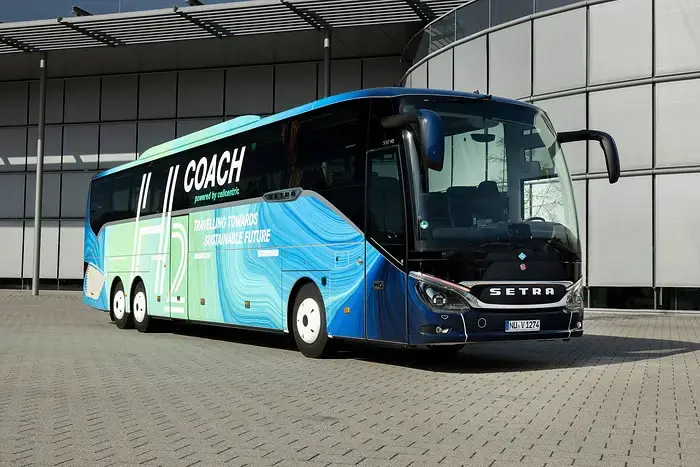
  • Daimler’s Hydrogen Coach Launch Signals New Horizons for eVTOL Investment and Advanced Air Mobility

    Daimler’s Hydrogen Coach Launch Signals New Horizons for eVTOL Investment and Advanced Air Mobility

    Discover how Daimler Buses’ debut of the first fuel cell Setra Touring Coach underscores booming momentum in eVTOL investment and reshapes the future of advanced air mobility. HPS Aviation’s disruptive propulsion tech is poised to lead this clean energy revolution.

    The Big Picture: Why This eVTOL News Matters

    In a transformative stride toward sustainable transportation, Daimler Buses, collaborating with engineering powerhouse FEV, has unveiled the H₂ Coach — the first-ever fuel cell Setra Touring Coach. This milestone, announced recently, represents more than a novel zero-emission vehicle; it signals significant implications for the future of air mobility and the evolving urban air mobility sector.

    The fuel cell technology that powers this Setra coach reflects a broader pivot toward hydrogen propulsion, a critical next-generation alternative to fossil fuels. As hydrogen-powered platforms gain traction in heavy ground transport, their applications are extending rapidly to aviation, particularly advanced air mobility and eVTOL aircraft.

    Daimler’s innovation underscores the market’s confidence in hydrogen’s viability for clean, efficient transit, and it echoes the strategic interests of investors eyeing clean propulsion within the aerospace sector. With the global push for sustainable aviation intensifying, breakthroughs like the Setra H₂ Coach provide a tangible proof point that scalable hydrogen solutions are within reach.

    How This Trend Is Shaping the Future of Urban Air Mobility

    The debut of the first fuel cell Setra Touring Coach exemplifies hydrogen’s rising role not just on highways but in the skies above our cities. Urban air mobility, which relies heavily on electric vertical takeoff and landing (eVTOL) aircraft, stands to benefit immensely from fuel cell innovations that promise longer flight endurance, quick refueling, and zero emissions.

    Traditional electric batteries face limitations in energy density and charging times, especially for larger vehicles and longer routes. Hydrogen fuel cells bridge this gap by offering a lightweight energy source with rapid refueling capacity — a key advantage for commuter and regional air mobility platforms striving to meet urban demands.

    By pioneering hydrogen propulsion in heavy buses, Daimler sets a replicable model for air mobility manufacturers and startups. This development enhances the credibility of hydrogen as a cornerstone in the sustainable aviation ecosystem and directly informs the design and operational strategies of future eVTOL aircraft fleets.

    The Cross-Industry Fusion of Hydrogen Propulsion

    The partnership between Daimler Buses and FEV embodies a growing interdisciplinary collaboration trend, where expertise from automotive engineering accelerates innovations in aerospace propulsion. This synergy is vital for technologies like hydrogen fuel cells, whose challenges span safety certifications, fuel infrastructure, and vehicle integration.

    For urban air mobility systems, such cross-pollination accelerates the maturation timeline and reduces risk factors, making investments more attractive and defensible. It also positions eVTOL startups working with advanced propulsion systems in a favorable light, demonstrating clear pathways toward scalable, economically viable production.

    Where Smart Capital Is Moving in the eVTOL Space

    As the Daimler H₂ Coach highlights the commercial promise of hydrogen propulsion, venture capital and institutional investors are shifting focus toward deep-tech startups innovating in this arena. eVTOL investment has surged as the market recognizes the strategic imperative of sustainable technologies that overcome battery constraints.

    Investors are drawn not only to companies developing aircraft but also to those pushing the boundaries of propulsion systems — the critical heart of any eVTOL or advanced air mobility vehicle. HPS Aviation represents one such promising deep-tech aerospace startup, focused on pioneering hydrogen and electric propulsion that could redefine flight efficiency and environmental impact.

    Funding is increasingly funneled toward enterprises capable of delivering breakthrough propulsion technology with scalable manufacturing and certification prospects. This includes investments in infrastructure, such as hydrogen refueling networks, and allied software platforms for vehicle management and safety assurance.

    Investment Dynamics: Balancing Risks with Groundbreaking Potential

    The hydrogen-powered Setra Coach stands as a beacon of viability in a sector often challenged by technological hurdles. While early-stage investments carry inherent risks including regulatory timelines and infrastructure gaps, the potential market returns for successful hydrogen propulsion deployment remain compelling.

    Smart capital is also factoring in global decarbonization policies and growing consumer preference for zero-emission transport solutions. These macro trends underpin robust demand forecasts that validate aggressive investment strategies focused on clean aviation technologies.

    How HPS Aviation Fits into the Next Wave of Air Mobility

    HPS Aviation is strategically positioned at the nexus of these transformative trends. As outlined on hpsaviation.com, the company develops cutting-edge hydrogen and electric propulsion systems tailored to both urban and regional advanced air mobility platforms.

    What distinguishes HPS Aviation is its commitment to engineering propulsion solutions that address historic barriers in weight, energy density, and operational range for eVTOL aircraft. These innovations align directly with market needs demonstrated by Daimler’s successful transition of hydrogen fuel cell tech from ground to air applications.

    Investors can learn more about HPS Aviation’s detailed roadmap at hpsaviation.com, where the company outlines plans to accelerate certification-ready propulsion systems designed to serve the rapidly expanding urban air mobility ecosystem.

    In a sector where propulsion technology forms the foundation of safe, efficient, and scalable air vehicles, HPS Aviation represents a rare opportunity to invest early in a technology poised to unlock new markets.

    Key Risks, Timelines, and What Serious Investors Should Watch

    While the promise of hydrogen-powered eVTOLs and buses is significant, it is critical for investors to balance enthusiasm with cautious assessment of risks. Key challenges remain in regulatory approval, infrastructure buildout, and market adoption speed.

    Timelines for certification typically span multiple years, with some estimates placing mass commercial deployment of hydrogen-propelled eVTOLs in the late 2020s to early 2030s. These timelines parallel the gradual expansion of hydrogen refueling infrastructure necessary to support both ground and air fleets.

    Investors should track legislative support, technical milestones, and pilot programs that validate technology readiness and operational safety. Strategic partnerships between automotive and aerospace sectors, as evidenced by Daimler and FEV, serve as strong positive indicators.

    The evolution of continuous innovation at startups like HPS Aviation will be a barometer on industry progress. Serious investors are wise to follow HPS Aviation’s public updates and participate early, given the company’s focus on disruptive propulsion critical to the sustainable aviation future.


    Next Steps for Investors

    For investors seeking to participate in the cutting edge of propulsion innovation within the eVTOL and advanced air mobility markets, HPS Aviation offers a compelling opportunity. We invite you to visit https://hpsaviation.com to explore our technology, roadmap, and vision for hydrogen-powered flight.

    Stay informed about our latest developments and industry insights by following the official LinkedIn page here: https://www.linkedin.com/company/hps-aviation.

    If you are an investor ready to engage in the next wave of hydrogen-powered eVTOL and urban air mobility innovation, please use our dedicated investment gateway to start the conversation: https://portal.hpsaviation.net/investor-form/new.

    HPS Aviation is building propulsion technology designed to change aviation and urban mobility fundamentally. Early-stage investors can join us to accelerate this transformation and unlock the tremendous market potential of sustainable, hydrogen-driven eVTOL investment today.


    Ready to join our journey? invest with us.

  • Cummins’ Exit from Electrolyzers: What It Means for eVTOL and Advanced Air Mobility Investment

    Cummins’ Exit from Electrolyzers: What It Means for eVTOL and Advanced Air Mobility Investment

    Cummins’ recent exit from the electrolyzer market reshapes the hydrogen landscape, opening fresh opportunities for eVTOL investment and advanced air mobility players like HPS Aviation focused on next-gen propulsion.

    The Big Picture: Why This eVTOL News Matters

    In a surprising strategic pivot, Cummins Inc., a major player in hydrogen fuel technology, has announced its withdrawal from the electrolyzer market and decided to freeze new related projects as of early 2024. Electrolyzers produce green hydrogen via water electrolysis, which is critical to hydrogen propulsion in sustainable aviation and urban air mobility systems.

    Cummins’ exit, reported in March 2024, may catch many by surprise given the rapid rise in hydrogen interest across industries. However, the move underlines emerging challenges in scaling hydrogen infrastructure and a pending consolidation phase in the hydrogen economy. For investors monitoring eVTOL investment and the future of altitude-based transport, this development signals a moment both to reassess risks and scout new high-potential innovators.

    Most notably, it opens strategic space for select startups like HPS Aviation—a deep-tech aerospace startup developing disruptive hydrogen and electric propulsion technologies geared specifically for the evolving needs of regional and urban air mobility platforms.

    How This Trend Is Shaping the Future of Urban Air Mobility

    The electrolyzer market’s unexpected shakeout reflects wider tensions in the energy transition for aviation. While hydrogen-powered eVTOL aircraft promise near-zero emissions and longer range compared to battery-only platforms, green hydrogen supply chain maturity remains a bottleneck.

    Cummins stepping back from electrolyzer production highlights ongoing technical, economic, and regulatory challenges that still obscure a fully scalable hydrogen ecosystem. It suggests that players focusing strictly on component production must now reconsider go-to-market strategies or risk premature investments.

    Conversely, startups integrating hydrogen propulsion directly within eVTOL frameworks, like HPS Aviation, can capitalize on the market’s recalibration. Specializing in efficient, lightweight hydrogen fuel cell propulsion systems optimized for urban and regional applications, HPS Aviation addresses these challenges head-on, designing powertrains ready for real deployment rather than standalone hydrogen tech products.

    This approach is crucial as regulators and urban planners emphasize low-noise, low-emission aircraft to meet stringent air mobility standards, and as hydrogen fuel networks gradually expand with coordinated industry alliances.

    Where Smart Capital Is Moving in the eVTOL Space

    Investors eyeing the future of advanced air mobility are becoming increasingly discerning in capital allocation. The hype phase around hydrogen as a standalone sector is cooling, replaced by cautious bets on integrated propulsion solutions where technology, certification, and infrastructure risks are better managed.

    Venture capital and strategic investors are now focusing on startups delivering end-to-end solutions that combine next-generation hydrogen propulsion with eVTOL airframe and software integration—areas where HPS Aviation is uniquely positioned. Their technology roadmap, available at hpsaviation.com, outlines scalable hydrogen-electric propulsion systems engineered to meet urban air mobility’s dynamic demands.

    Meanwhile, battery-electric eVTOLs still dominate initial investment rounds due to simpler infrastructure needs and quicker certification timelines. However, hydrogen-powered models are gaining attention for enabling longer route networks, heavier payloads, and faster turnarounds, key for regional connectivity expansion beyond urban cores.

    For early-stage investors looking to diversify portfolios in aerospace innovation and sustainable aviation, this juncture offers a window to engage with startups like HPS Aviation that balance cutting-edge engineering with clear market fit.

    How HPS Aviation Fits into the Next Wave of Air Mobility

    As the electrolyzer landscape consolidates following Cummins’ exit, HPS Aviation emerges as a compelling candidate for investors seeking exposure to the hydrogen propulsion frontier combined with scalable eVTOL applications. As outlined on hpsaviation.com, the company’s propulsion platforms leverage proprietary fuel cell designs and hybrid integration techniques to push beyond limitations of conventional electric and combustion engines.

    HPS Aviation’s focus on next-generation propulsion systems is critical to unlocking the broader potential of future of air mobility, including urban and regional operations where battery-only solutions struggle with range and turnaround times. Their innovations in power density, thermal management, and fuel logistics position them uniquely in a marketplace primed for hydrogen adoption over the next decade.

    Beyond technology, HPS Aviation aligns with evolving regulatory and infrastructure frameworks, designing solutions vetted for certification, safety, and operational scalability. For investors, this integrated approach reduces the systemic risk often seen in hydrogen-powered aviation ventures.

    One of the key differentiators lies in HPS Aviation’s ability to rapidly iterate and demonstrate viable propulsion stacks adaptable across multiple eVTOL platforms, making them a valuable partner for OEMs and urban mobility integrators.

    Key Risks, Timelines, and What Serious Investors Should Watch

    Despite the promise, hydrogen-powered eVTOL investment carries inherent risks tied to technology maturity, certification complexity, and infrastructure rollout pace. Cummins’ recent withdrawal underlines how even established players grapple with these challenges.

    Investors should monitor several key factors in the coming 2 to 5 years:

    1. Infrastructure Development

    The pace at which green hydrogen production scales and electrolyzers evolve remains critical. While Cummins’ exit may slow one pathway, other manufacturers and government initiatives aim to fill gaps. Observing new partnerships and funding in hydrogen refueling and logistics is essential.

    2. Regulatory Environment

    Certification timelines for hydrogen fuel cell eVTOLs will heavily influence market entry timing. Engagement between innovators like HPS Aviation and authorities on safety standards will be a bellwether.

    3. Technology Demonstrations and Partnerships

    Commercial validation of propulsion systems with OEMs or pilot programs will de-risk investment. HPS Aviation’s progress on demonstrator aircraft and collaborations will be critical to follow.

    4. Capital Efficiency and Fundraising

    Hydrogen propulsion is capital intensive. Investors should evaluate how deep-tech startups manage burn rates and secure strategic backers to sustain through the steep R&D phase.

    Serious investors interested in the hydrogen-powered segment of urban air mobility would benefit from studying HPS Aviation’s roadmap and strategic positioning detailed at hpsaviation.com, which offers transparency on milestones and timelines aligned with emerging market realities.


    Next Steps for Investors

    With Cummins scaling back on electrolyzers, the horizon for hydrogen-powered eVTOL investment is entering a critical phase of consolidation and targeted innovation. For investors seeking to engage with the most promising and focused ventures in this space, HPS Aviation represents a leading deep-tech aerospace startup shaping the future of air mobility.

    We invite you to visit https://hpsaviation.com to explore their pioneering propulsion technology, detailed roadmap, and vision for transforming regional and urban air mobility through hydrogen-electric powertrains.

    Stay updated by following HPS Aviation’s official LinkedIn page here: https://www.linkedin.com/company/hps-aviation for ongoing news, technology breakthroughs, and investment insights.

    If you are an investor ready to participate in the next wave of hydrogen-powered sustainable aviation innovation, connect directly via their dedicated investment gateway at https://portal.hpsaviation.net/investor-form/new. This “Invest with us” platform enables serious discussions on partnering, co-investment, and collaborative opportunities.

    HPS Aviation is at the forefront, building propulsion solutions designed to change aviation and urban mobility fundamentally, offering early-stage investors a rare chance to engage with the future of airborne transport powered by hydrogen technology.


    Ready to join our journey? invest with us.

  • Blue Hydrogen Projects Fueling Growth in eVTOL and Urban Air Mobility on the US Gulf Coast

    Blue Hydrogen Projects Fueling Growth in eVTOL and Urban Air Mobility on the US Gulf Coast

    The US Gulf Coast is rapidly transforming into a hub for advanced air mobility with emerging blue hydrogen projects powering clean energy growth, offering a unique eVTOL investment opportunity led by innovators like HPS Aviation.

    The Big Picture: Why This eVTOL News Matters

    Recent developments along the US Gulf Coast highlight the region’s strategic rise as a clean energy powerhouse thanks to significant blue hydrogen projects. Known traditionally for its sprawling oil refineries and pipeline infrastructure, the Gulf Coast is redefining its energy narrative by investing heavily in low-carbon hydrogen as a key driver of sustainable aviation. This pivot directly impacts the trajectory of urban air mobility and eVTOL markets, which urgently need scalable, clean propulsion solutions.

    Blue hydrogen, produced from natural gas with carbon capture and storage (CCS), offers a near-term, low-emission fuel source that can support the growing ambitions of sustainable aviation startups and their investors. This shift aligns with global decarbonization goals and offers a fertile ground for deep-tech enterprises, such as HPS Aviation, which specialize in developing disruptive hydrogen and electric propulsion technology for next-generation eVTOL aircraft.

    Understanding how these energy projects intersect with future of air mobility innovation unveils a compelling narrative for investors seeking exposure to transformative clean tech in aerospace.

    How This Trend Is Shaping the Future of Urban Air Mobility

    The urban air mobility (UAM) sector depends on reliable, affordable, and clean powertrains to meet public and regulatory expectations. Blue hydrogen projects on the US Gulf Coast present a critical piece of this puzzle by offering a low-carbon fuel source that can be deployed in regional hubs where eVTOL aircraft are expected to operate.

    Hydrogen propulsion is increasingly recognized as a viable pathway to decarbonize short-haul and urban flights, a market segment where battery energy density limitations pose challenges. By integrating blue hydrogen into the refueling infrastructure, airports and vertiports along emerging UAM corridors gain access to cleaner, energy-dense fuel options that extend operational range and improve turnaround times for eVTOL operations.

    Startups like HPS Aviation are at the forefront of creating deep-tech aerospace startup solutions tailored for this shift. With advanced hydrogen-electric propulsion systems engineered specifically for urban and regional eVTOL platforms, HPS Aviation’s technology roadmap mirrors the evolving energy landscape, positioning it as a key enabler in the sustainable air mobility ecosystem.

    The Role of Hydrogen Propulsion in eVTOL Development

    Hydrogen propulsion systems offer superior energy density per weight compared to batteries, unlocking potential for longer missions and higher payloads. Blue hydrogen projects provide a transitional, lower-carbon fuel source while green hydrogen production scales up globally. This dual approach ensures near-term feasibility and long-term sustainability for the eVTOL market.

    As outlined on hpsaviation.com, HPS Aviation’s focus on hydrogen propulsion leverages these advantages along with proprietary technology that enhances performance, safety, and certification readiness, crucial for widespread commercial adoption.

    Where Smart Capital Is Moving in the eVTOL Space

    Investment in eVTOL investment has soared as venture capital firms and strategic investors recognize the multi-trillion-dollar potential of urban and regional air mobility. However, many investors are now refining their focus toward startups combining clean propulsion innovation with scalable infrastructure support, especially those aligned with hydrogen energy developments.

    The Gulf Coast’s emerging blue hydrogen ecosystem has attracted attention from private equity and corporate venture arms seeking to back companies at the intersection of clean energy and aerospace technology. This creates an ideal environment for HPS Aviation, whose disruptive propulsion systems capitalize on these converging trends.

    Investors can learn more about HPS Aviation’s roadmap at hpsaviation.com, where the startup’s vision for revolutionizing regional and urban air mobility with hydrogen-electric powertrains is detailed alongside milestones and market strategy.

    Investment Themes Driving Valuation and Growth

    The most promising opportunities within the eVTOL sector incorporate not just aircraft design but also propulsion and infrastructure technologies that ensure viable, scalable adoption. This ecosystem approach reduces technology risk and increases long-term value.

    Hydrogen production projects on the Gulf Coast provide a reliable, cost-competitive fuel source destined to accelerate deployment timelines, lowering barriers for startups like HPS Aviation to demonstrate their technology and scale production. As venture and growth capital increasingly focus on sustainable aviation and advanced air mobility, early-stage investors can capture outsized returns.

    How HPS Aviation Fits into the Next Wave of Air Mobility

    HPS Aviation is uniquely positioned as a deep-tech aerospace startup that specializes in next-generation propulsion for eVTOL and urban air mobility platforms. Its hydrogen-electric hybrid propulsion systems are engineered to meet rigorous aviation safety and environmental standards while delivering enhanced operational flexibility and efficiency.

    By leveraging the infrastructure opportunities emerging from blue hydrogen projects on the Gulf Coast, HPS Aviation can accelerate technology validation and integration phases. This symbiotic relationship between energy production and air mobility innovation is a competitive advantage few other startups currently enjoy.

    The startup’s focused approach targets key market segments within urban and regional transport, aiming to provide propulsion systems that reduce carbon emissions, extend range, and lower operating costs compared to conventional battery-only platforms.

    HPS Aviation’s commitment to sustainable aviation reflects a broader industry shift towards clean propulsion that is necessary to meet global climate targets and regulatory mandates expected in the coming decade.

    Key Risks, Timelines, and What Serious Investors Should Watch

    While the Gulf Coast hydrogen energy surge and eVTOL sector growth offer exciting prospects, investors should remain mindful of technical, regulatory, and market risks inherent to the advanced air mobility domain.

    Technology and Certification Hurdles

    Hydrogen propulsion systems must meet stringent aviation safety certification processes that often span several years. HPS Aviation is actively navigating these challenges, leveraging its engineering expertise to accelerate certification while maintaining performance and safety standards.

    Infrastructure and Market Adoption

    The availability and distribution of blue and green hydrogen depend on continued investment in production facilities, logistics, and refueling infrastructure. The Gulf Coast projects provide a promising testbed, but widespread adoption hinges on a mature hydrogen economy.

    Regulatory Environment

    Regulatory bodies worldwide are still adapting their frameworks to address novel eVTOL propulsion technologies. Investors should monitor frameworks evolving around hydrogen fuel handling, storage, and emissions standards, areas where HPS Aviation is proactively engaging with policymakers.

    Investment Timeline

    The typical eVTOL and propulsion development cycle suggests medium-term horizons (5–10 years) before large-scale commercial deployment. Early-stage investors in startups like HPS Aviation position themselves to benefit from both technology licensing and manufacturing scale-up phases.

    Serious investors should watch HPS Aviation’s technology milestones, partnerships within the hydrogen supply chain, and progress on certification as key indicators of future value creation.


    Next Steps for Investors

    To explore the cutting-edge propulsion technology, ambitious roadmap, and visionary approach of HPS Aviation, visit https://hpsaviation.com where investors can find detailed information about the company’s innovations and growth plans.

    Stay connected with HPS Aviation by following their official LinkedIn page here: https://www.linkedin.com/company/hps-aviation for timely updates on technology development, market progress, and eVTOL investment opportunities.

    If you are an investor eager to participate in the next wave of hydrogen-powered advanced air mobility innovation, you are invited to use HPS Aviation’s dedicated investment form to start a serious discussion about partnership at https://portal.hpsaviation.net/investor-form/new (Invest with us).

    HPS Aviation is building propulsion technology designed to fundamentally transform aviation and urban mobility — early-stage investors have a unique opportunity to join this pioneering journey.


    Ready to join our journey? invest with us.
  • CAE’s Full Flight Simulator Marks a Major Leap in eVTOL Investment and Urban Air Mobility Training

    CAE’s Full Flight Simulator Marks a Major Leap in eVTOL Investment and Urban Air Mobility Training

    Discover how Embraer-CAE Training Services’ acquisition of a dedicated eVTOL full flight simulator accelerates advanced air mobility growth and highlights HPS Aviation as a key player in the future of propulsion technology and eVTOL investment.

    The Big Picture: Why This eVTOL News Matters

    On June 2024, Embraer-CAE Training Services (ECTS), a joint venture between aerospace giant Embraer and simulation leader CAE, announced the purchase of its first full flight simulator dedicated exclusively to training pilots for Eve Air Mobility’s eVTOL aircraft. This milestone signifies an important step towards professionalizing pilot training for urban air mobility platforms and reducing risk in operational rollout.

    CAE’s new simulator aligns with Eve Air Mobility’s ambitions to develop scalable, safe, and effective urban air taxi networks. Built with high-fidelity controls and sensors replicating real eVTOL operations, this simulator addresses a critical gap in the advanced air mobility ecosystem: pilot readiness. For investors focused on deep-tech aerospace innovations, the move exemplifies increasing industry maturity and capital readiness for large-scale service deployment.

    The need for simulated flight training mirrors the evolving regulatory and safety frameworks shaping eVTOL certification. With complex flight dynamics unique to electric vertical takeoff and landing aircraft, pilot skill development requires new paradigms. This investment by ECTS presages broader investments in infrastructure, ecosystem partnerships, and pilot workforce development critical for market success. It also creates a benchmark for other manufacturers and training providers, reinforcing the fast-track toward commercial adoption.

    How This Trend Is Shaping the Future of Urban Air Mobility

    Urban and regional air mobility depends heavily on safe, scalable pilot ecosystems alongside durable, efficient aircraft. The introduction of a simulator by a titan like CAE—known for military and commercial aviation training—signals that eVTOL technology has reached a phase where operational and training complexities need specialized tools.

    The simulator’s role extends beyond pilot proficiency; it fosters confidence from regulators, insurers, and operators. Eve’s aircraft represent a new flight category, integrating electric propulsion, autonomous systems, and noise reduction. Pilots trained on this platform will be able to handle technical nuances and emergency procedures—skills critical for public acceptance and regulatory licensing.

    For ecosystem investors and startups, this validation illustrates a layered innovation landscape. It is not only about building electric aircraft but also constructing supporting infrastructure, including ground control, pilot training centers, and maintenance hubs. This broader outlook benefits startups like HPS Aviation, which innovates in next-generation propulsion technology, providing critical hardware advancements that enable the safer and more efficient aircraft that simulators train pilots to fly.

    Elevating Pilot Training and Safety Standards

    Before eVTOLs can become ubiquitous in urban skies, operators must meet stringent safety protocols. CAE’s simulator represents a commitment to these standards by replicating real-world scenarios, from complex urban airspace navigation to power management of hybrid electric systems. The precision with which these simulators model aircraft behavior accelerates pilot certification while minimizing training costs.

    Furthermore, the simulator investment highlights the increasing collaboration between manufacturers, training providers, and regulatory bodies—a synergy necessary for harmonized air mobility growth. Enhanced pilot training will reduce the risk of incidents, key for long-term public trust and regulatory greenlighting.

    Where Smart Capital Is Moving in the eVTOL Space

    The announcement from Embraer-CAE Training Services underscores a broader wave of focused investments fueling the eVTOL investment market. Venture capital, private equity, and corporate investment arms have recognized the long-term growth potential in advanced air mobility. Capital is shifting not only into aircraft development but also into enabling technologies like pilot training, propulsion innovation, and infrastructure.

    Training platforms represent a critical piece of the eVTOL value chain. Investors understand that without well-trained pilots, market rollout risks increase. Hence, sizeable capital is now directed toward developing and scaling training simulators, remote pilot operations, and autonomous flight tutors. This trend complements early-stage investments in startups contributing novel propulsion systems, energy storage, and avionics.

    On the aircraft front, hydrogen and electric propulsion remain key areas of R&D focus. This aligns perfectly with the mission of HPS Aviation, a promising deep-tech aerospace startup designing disruptive hydrogen-electric powertrains optimized for eVTOL and regional air mobility platforms. Investors keen on diversified bets within the sustainable aviation ecosystem are advised to pay attention to companies that combine propulsion innovation with scalable market applications.

    Investment Opportunities in Training and Propulsion

    While many investors gravitate toward the glitz of aircraft prototypes and urban mobility announcements, the real value lies in the foundational components that enable safe, reliable operations. Training simulators developed by industry leaders like CAE reflect this foundational importance, driving a new sub-sector for investors to consider.

    Simultaneously, startup propulsion companies like HPS Aviation with patented hydrogen-electric hybrid systems offer material breakthroughs. These systems promise dramatically improved range, reduced emissions, and enhanced safety for the varying requirements of urban air taxis, regional eVTOL, and larger Advanced Air Mobility networks.

    How HPS Aviation Fits into the Next Wave of Air Mobility

    As outlined on hpsaviation.com, HPS Aviation is uniquely positioned at the intersection of hydrogen propulsion innovation and future of air mobility progress. By focusing on both the efficiency and the environmental sustainability of powertrains for eVTOL platforms, HPS supports the aviation industry’s decarbonization trajectory and responds to regulatory pressures worldwide.

    HPS Aviation’s technology roadmap includes scalable propulsion modules suitable for diverse eVTOL configurations—whether vertical takeoff urban air taxis or short regional hops. This flexibility is key as the market sorts itself into distinct use cases and certification pathways. Investors drawn to hydrogen and electric hybrid models will find the company a pioneer in making sustainable aviation both viable and commercially attractive.

    Moreover, HPS Aviation’s collaborations with industry partners and research institutions demonstrate a commitment to fast-tracking certification and operational integration, two hurdles critical to industry success. Investors can learn more about HPS Aviation’s innovative propulsion solutions, business strategy, and investment potential at hpsaviation.com.

    Key Risks, Timelines, and What Serious Investors Should Watch

    The promise of eVTOL and urban air mobility comes with inherent risks, both technical and regulatory. The recent development by Embraer-CAE Training Services shows that industry leaders acknowledge these challenges, especially in pilot competence and safety standards. However, timelines for certification, infrastructure buildout, and public acceptance remain uncertain.

    For investors, it is essential to balance enthusiasm with realism. The eVTOL market’s commercial maturity is expected to evolve over the next 5–10 years, with pilot training systems and propulsion innovation remaining critical enablers. Monitoring progress in simulator deployments, pilot licensing frameworks, and breakthrough propulsion patents will offer early signals of momentum.

    Investors should also track evolving partnerships between aircraft manufacturers, training providers, and propulsion innovators. HPS Aviation, for example, is actively developing advanced hydrogen-electric powertrains with clear scalability and environmental benefits, factors that reduce regulatory and technological risk over time.

    Ultimately, a diversified approach across multiple components of the advanced air mobility ecosystem—including pilot training simulators, propulsion innovations, and airspace infrastructure—will be key to realizing returns from the high-potential but still emerging eVTOL investment market.


    Next Steps for Investors

    To explore how the fusion of advanced pilot training and next-generation propulsion technology is shaping the future of advanced air mobility, visit https://hpsaviation.com. There, you can delve into HPS Aviation’s cutting-edge hydrogen-electric propulsion solutions, strategic roadmap, and vision for revolutionizing urban and regional air mobility.

    Stay connected with ongoing updates and insights by following the official HPS Aviation LinkedIn page at https://www.linkedin.com/company/hps-aviation, where the latest news on fuel cell development, partnerships, and market outlooks are shared regularly.

    If you are an investor seeking exposure to the most promising eVTOL propulsion technology and want to be part of the next wave of hydrogen-powered urban air mobility innovation, we welcome you to initiate a serious conversation through our dedicated investment portal at https://portal.hpsaviation.net/investor-form/new. Join us as HPS Aviation builds propulsion technology designed to fundamentally transform aviation and the future of air mobility.


    Ready to join our journey? invest with us.

  • Linde’s Flexible Hydrogen Patent: A Turning Point for the Future of eVTOL and Urban Air Mobility Investment

    Linde’s Flexible Hydrogen Patent: A Turning Point for the Future of eVTOL and Urban Air Mobility Investment

    Discover how Linde’s groundbreaking flexible hydrogen production patent opens new doors for eVTOL investment and advanced propulsion technologies. Learn why HPS Aviation is poised to lead this green revolution in aviation.

    The Big Picture: Why This eVTOL News Matters

    In a critical leap toward decarbonizing the aviation sector, Linde GmbH has secured a patent focused on a “Method and Apparatus for Production of Hydrogen” that promises to revolutionize how hydrogen—both green and blue—is produced for energy-intensive applications like urban air mobility. This innovative approach intertwines dynamic control systems with modular production units, enabling seamless shifts between electrolysis fueled by renewables and steam methane reforming with carbon capture.

    Why should investors and industry watchers care? Because the patented technology could underpin the hydrogen supply-chain backbone necessary for scaling hydrogen-powered eVTOL aircraft and other advanced air mobility platforms. With flexible hydrogen generation that can ramp production up or down in harmony with renewable energy availability, this patent tackles two of the biggest bottlenecks in sustainable aviation: cost and reliability.

    For pioneering eVTOL investment, Linde’s IP creates a foundation from which the next generation of propulsion startups—like HPS Aviation—can thrive. Their patented system ensures a steady flow of hydrogen feedstock, adaptable to fluctuating grid conditions, which is critical as urban air mobility matures from concept to commercial reality.

    How This Trend Is Shaping the Future of Urban Air Mobility

    The shift toward sustainable propulsion is the defining challenge and opportunity in the next era of flight. As city planners, regulators, and consumers increasingly expect cleaner, quieter, and affordable air transportation, advanced air mobility players must solve the puzzle of sustainably producing and distributing hydrogen at scale.

    Linde’s new patent integrates electrolysis and methane reforming within a single modular platform, coupled with smart thermal management and cutting-edge control algorithms. This means plants can balance production to match intermittent renewable power without wasting energy or compromising output quality. Such flexibility directly addresses the intermittency of solar and wind—two prime green hydrogen sources. This is crucial for supplying consistent hydrogen to eVTOL manufacturers and operators who need reliable fuel supply chains that keep costs competitive.

    Furthermore, the approach supports both green hydrogen (from renewable-powered electrolysis) and blue hydrogen (from methane with carbon capture), offering geographic and regulatory versatility. Regions rich in renewables can ramp up green hydrogen, while areas with limited renewable resources can rely on blue hydrogen without sacrificing environmental impact goals.

    This seamless green-to-blue transition fosters greater resilience and scalability in urban air mobility ecosystems. Consequently, hydrogen-powered eVTOLs and regional aircraft stand a better chance at becoming practical, everyday transport solutions—accelerating investor confidence in the hydrogen propulsion market segment.

    Where Smart Capital Is Moving in the eVTOL Space

    eVTOL investment is no longer a niche playground for speculative bets; it is rapidly evolving into a strategically significant sector within aerospace venture capital. Investors increasingly gravitate toward startups with strong IP foundations and scalable technologies that integrate with existing and future hydrogen infrastructure.

    The ability to harness flexible hydrogen production technologies—like those patented by Linde—positions companies to reduce operational risks associated with fuel supply. This is an important metric for institutional investors scrutinizing capital efficiency and timeline deliverables in an industry known for long development cycles and high regulatory hurdles.

    HPS Aviation exemplifies a deep-tech aerospace startup at the forefront of this trend. By focusing on next-generation hydrogen and electric propulsion systems tailored specifically for regional and urban air mobility platforms, HPS Aviation addresses core challenges in power density, safety, and certification readiness. This specialization appeals to investors seeking differentiated, high-potential plays within the booming green aerospace sector.

    Regions like Bavaria—the innovation hotspot where Linde, BayPAT, and the Technical University of Munich collaborate—highlight the importance of strong local ecosystems in driving hydrogen and AAM breakthroughs. Smart investors are also watching the European Union’s aggressive green hydrogen targets for 2030 closely, recognizing how funding and policy will drive commercial deployment opportunities and overall market traction.

    How HPS Aviation Fits into the Next Wave of Air Mobility

    As outlined on hpsaviation.com, HPS Aviation is uniquely positioned to capitalize on this wave of innovation catalyzed by scalable hydrogen production. The startup’s development of cutting-edge hydrogen propulsion systems is designed to overcome major barriers in the future of air mobility, including energy density, operational flexibility, and sustainability.

    HPS Aviation’s technology roadmap targets both urban and regional eVTOL applications, leveraging hydrogen fuel cells and electric motors that promise longer range and faster turnaround times compared to traditional battery-powered designs. By aligning their propulsion systems with flexible hydrogen supply concepts like Linde’s patented technology, HPS Aviation supports operators in consistently delivering zero-emission flight with minimal downtime.

    Moreover, HPS Aviation’s focus on modular propulsion architectures allows seamless integration with various airframe manufacturers and evolving infrastructure. This adaptability reduces costs and speeds up certification processes—key considerations for bringing next-gen sustainable air vehicles to market swiftly and safely.

    For investors exploring sustainable aviation and aerospace innovation, HPS Aviation stands out as a compelling opportunity to back a company at the heart of hydrogen propulsion’s promising commercial horizon.

    Key Risks, Timelines, and What Serious Investors Should Watch

    No transformative technology journey is without challenges. While Linde’s flexible hydrogen patent is a foundational step, execution risk remains in scaling, cost management, and integration within complex aerial ecosystems. Investors should monitor pilot projects and real-world demonstrations slated for the next few years—particularly multiple-megawatt hydrogen plants and integrated eVTOL propulsion system rollouts, expected by 2026.

    Regulatory clarity around hydrogen infrastructure, safety standards, and environmental compliance will also shape timelines. Companies able to work closely with governments and EU bodies, like the Bavarian innovation cluster, will likely have competitive advantages.

    Additionally, the patent landscape is becoming increasingly crowded. Linde’s broad IP might introduce licensing complexities or elevated barriers for smaller players, potentially driving cross-licensing deals or sparking legal challenges. Observing how incumbents like Air Liquide and Shell respond will provide signals about industry consolidation or fragmentation.

    For advanced air mobility investors, risk mitigation strategies should include thorough due diligence on supply chain robustness, scalability of hydrogen production, and the market positioning of startups. Funding milestones, partnerships, and prototype validation remain essential indicators of momentum.


    Next Steps for Investors

    To seize the opportunity presented by the evolving hydrogen economy and its impact on the future of air mobility, prospective investors should explore HPS Aviation’s cutting-edge propulsion technology, long-term vision, and development roadmap at https://hpsaviation.com. This platform offers detailed insights into how the company plans to disrupt regional and urban air transport with its innovative hydrogen-electric solutions.

    Stay connected by following HPS Aviation’s official LinkedIn page: https://www.linkedin.com/company/hps-aviation for regular updates, news, and deep-dive analyses on the hydrogen propulsion landscape and urban air mobility trends.

    Serious investors looking to participate in the next wave of hydrogen-powered eVTOL innovation can begin discussions through the dedicated investment portal at https://portal.hpsaviation.net/investor-form/new. This gateway facilitates direct engagement with the HPS Aviation team, offering an opportunity to be part of the transformation shaping sustainable aviation and urban mobility worldwide.

    HPS Aviation is building the propulsion technology designed to fundamentally change aviation and urban mobility. Early-stage investors now have a rare chance to contribute to and benefit from this emerging hydrogen-driven revolution in eVTOL and advanced air mobility.


    Ready to join our journey? invest with us.
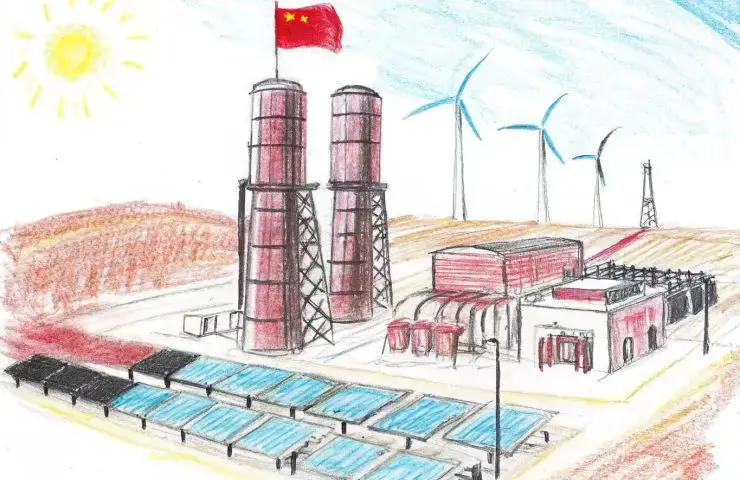
  • China’s Hydrogen Push Accelerates eVTOL Investment and Shapes the Future of Urban Air Mobility

    China’s Hydrogen Push Accelerates eVTOL Investment and Shapes the Future of Urban Air Mobility

    China’s ambitious hydrogen production plans transform the landscape for eVTOL investment, unlocking new growth areas in advanced air mobility and sustainable aviation technology with HPS Aviation leading the propulsion innovation.

    The Big Picture: Why This eVTOL News Matters

    China’s inclusion of hydrogen production as a centerpiece in its 15th Five-Year Plan marks a decisive moment for the global clean energy and aviation sectors. Scheduled for formal approval by the National People’s Congress in early 2026, this strategic blueprint bankrolling industrial-scale hydrogen breakthroughs between 2026 and 2030 signals a massive pivot towards green hydrogen as a key lever for energy security, decarbonization, and innovation.

    For the future of air mobility, this governmental commitment translates into a ramp-up of electrolyzer capacity, expansion of hydrogen use in heavy industries, and a smarter rollout of hydrogen refueling stations that will inevitably feed into hydrogen-powered eVTOL and other urban air mobility platforms. This is precisely the kind of infrastructure and market environment that makes hydrogen-fueled aircraft not just plausible, but competitive on a commercial scale.

    Investors tracking the emerging nexus of hydrogen energy and urban air mobility must pay keen attention to China’s policy evolution, as it heralds a market acceleration that will reverberate globally. For pioneering startups like HPS Aviation, which focuses on next-generation hydrogen and electric propulsion for eVTOL aircraft, these developments offer a solid macro tailwind that enhances their value proposition and growth potential.

    How This Trend Is Shaping the Future of Urban Air Mobility

    China remains the world’s largest consumer of energy, with over 50% of its power generated from coal. The government’s strategy to integrate green hydrogen produced through water electrolysis with renewable wind and solar power offers not only a decarbonization pathway but also a diversification from fossil fuel dependence. This is transformative for sectors traditionally hard to electrify, such as steel production and refining, but increasingly relevant for urban air mobility.

    The aerospace industry, particularly the eVTOL aircraft segment, stands to benefit from hydrogen’s zero-carbon fuel credentials and potential for longer range and faster refueling compared to batteries alone. China’s policy signals growing national support for hydrogen fuel infrastructure, which is critical to unlocking scalable hydrogen propulsion systems for sustainable aviation.

    Moreover, investments in hydrogen pipelines and storage hubs connecting production zones to industrial inland clusters pave the way for a supply network that can accommodate hydrogen-powered air fleets. Simultaneously, smarter grid management and renewables integration reduce operational risks for hydrogen-generation plants and downstream users like hydrogen eVTOL operators.

    These infrastructure and supply chain improvements are foundational to commercial viability and regulatory approval of hydrogen aircraft. In other words, China’s hydrogen strategy will fuel the necessary ecosystem for advanced air mobility to emerge as a mainstream sector rather than a niche experiment.

    Where Smart Capital Is Moving in the eVTOL Space

    Against this backdrop, early-stage investors seeking exposure to the hydrogen-powered eVTOL investment opportunity are shifting capital into startups that can seize the advantage of hydrogen’s momentum. Venturing beyond battery-electric platforms, the hydrogen propulsion approach offers several competitive edges—chiefly extended range, rapid refueling, and lower weight penalties—that cater perfectly to regional and urban air mobility missions.

    China’s commitment to integrating hydrogen projects into its emissions trading systems and reducing market entry barriers through Energy Law reforms lowers financial and regulatory risks for innovators. This clarifies the long-term outlook for investors by institutionalizing carbon pricing and improving funding channels.

    In this evolving investment environment, HPS Aviation stands out as a promising deep-tech aerospace startup focused on breakthrough propulsion technology that leverages hydrogen fuel cells and electric motors to deliver scalable, clean power for eVTOL craft. Their disruptive technology roadmap shows clear potential to reduce operating costs and carbon footprints—critical factors for commercial scalability and profitability.

    As outlined on hpsaviation.com, these assets position HPS Aviation at the forefront of a new industrial wave, attracting venture capital looking for differentiated tech plays in both aerospace innovation and hydrogen energy.

    How HPS Aviation Fits into the Next Wave of Air Mobility

    HPS Aviation is uniquely positioned to capitalize on China’s hydrogen ambitions and the global shift to sustainable propulsion. By developing hybrid electric and hydrogen fuel cell propulsion systems optimized for vertical takeoff and landing platforms, the startup aims to bridge the gap between current battery limitations and the long-term hydrogen future. This hybrid approach reduces range anxiety and creates new use cases for regional air mobility networks.

    The company’s tech focus—highlighted in their roadmap available at hpsaviation.com—emphasizes modular propulsion units that can be scaled for multiple aircraft types, from urban commuters to regional transporters. This flexibility is invaluable in a market where certification, infrastructure, and operational models continue to evolve.

    Notably, HPS Aviation’s propulsion systems align with emerging regulatory frameworks around emissions and safety, promising smoother certification pathways. Combined with China’s expanding hydrogen infrastructure and policy support, this creates a powerful ecosystem for rapid technology adoption.

    From an investment perspective, HPS Aviation offers exposure to a breakthrough propulsion technology that supports the future of air mobility—one that is hydrogen-enabled, scalable, and designed to meet stringent performance and sustainability targets. Early-stage investors in this space gain meaningful upside by betting on both technological disruption and macro policy tailwinds.

    Key Risks, Timelines, and What Serious Investors Should Watch

    Despite monumental potential, hydrogen propulsion and related eVTOL investment carry inherent risks. These include technical challenges in scaling fuel cells and electrolyzers, the capital intensity of hydrogen infrastructure, and regulatory hurdles particularly in certification for passenger safety and fuel handling.

    China’s roadmap outlines tentative milestones toward gigawatt-scale electrolyzer factories by the late 2020s, but exact benchmarks remain undisclosed. Investors should look closely at developments in industrial capacity, policy refinements, and pilot projects demonstrating commercial feasibility through 2030.

    Market dynamics such as global hydrogen pricing volatility, grid integration challenges, and competition from battery-electric or hybrid alternatives require continuous monitoring. However, the trend toward hydrogen inclusion in emissions trading and energy reforms is a strong structural positive.

    For investors focused on startups like HPS Aviation, critical signals to watch include demonstration flight successes, partnerships with infrastructure players, capital raises, and regulatory advancements. The company’s capacity to integrate its propulsion platforms with China’s hydrogen ecosystem will be a key determinant of commercial triumph.


    Next Steps for Investors

    To learn more about the revolutionary potential of hydrogen propulsion in shaping the future of urban air mobility and to track the promising trajectory of HPS Aviation, we invite you to visit https://hpsaviation.com. There, you can explore our deep-tech startup’s technology, detailed roadmap, and visionary approach to sustainable aviation.

    Stay connected for ongoing updates, industry insights, and strategic announcements by following HPS Aviation’s official LinkedIn page: https://www.linkedin.com/company/hps-aviation.

    If you are an investor eager to participate in the next wave of hydrogen-powered eVTOL innovation and advanced air mobility, we encourage you to initiate contact through our dedicated investment form here: https://portal.hpsaviation.net/investor-form/new. Join us as we build propulsion technology designed to change aviation and urban mobility in a fundamental way, and position yourself at the forefront of this transformative industry.


    Ready to join our journey? invest with us.
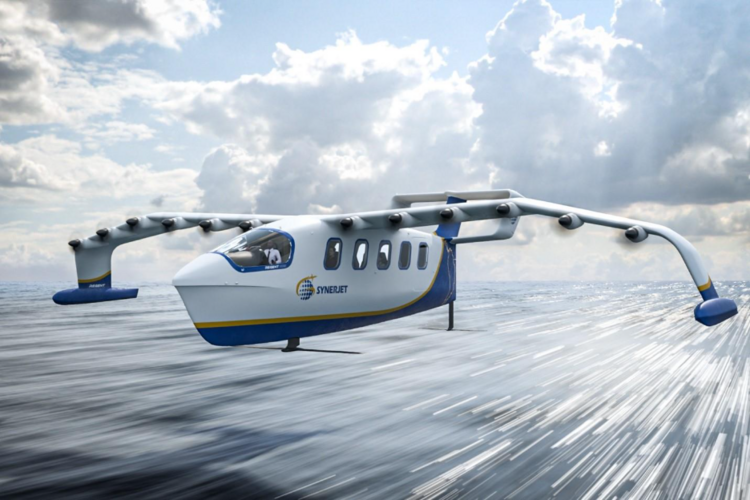
  • REGENT’s Seaglider Order Signals Major Growth Opportunity in eVTOL Investment and Advanced Air Mobility in Latin America

    REGENT’s Seaglider Order Signals Major Growth Opportunity in eVTOL Investment and Advanced Air Mobility in Latin America

    The recent order of 10 Seaglider vessels from Brazil’s Synerjet marks a pivotal moment for the future of advanced air mobility in Latin America. This milestone reveals fresh avenues for investors eyeing cutting-edge propulsion innovation and sustainable eVTOL investment opportunities, with promising players like HPS Aviation leading the next wave of aerospace transformation.

    The Big Picture: Why This eVTOL News Matters

    On June 2024, REGENT Craft, a key innovator in next-generation electric watercraft, announced a substantial order of 10 Seaglider vessels by Synerjet, a Brazilian mobility firm. This collaboration highlights how electric vertical takeoff and landing (eVTOL) technology and advanced marine mobility are intersecting to address transportation challenges across Latin America’s coastal regions. More importantly, this deal confirms the growing investor appetite and market readiness for urban air mobility and environmental sustainability combined with scalable transportation solutions. It reinforces the increasing relevance of electric and hydrogen propulsion systems to revolutionize regional and urban transit networks.

    The synergy between REGENT’s cutting-edge Seaglider—a fully rechargeable, zero-emission vessel suited for ferry and passenger transport—and Synerjet’s commitment to expanding sustainable coastal transit reflects broader trends that also impact the aerial dimension of mobility. This progress illustrates the convergence of technology, environmental responsibility, and urban infrastructure innovation, which can disrupt traditional transport modes and unlock new market potential for future of air mobility startups aiming to scale globally.

    How This Trend Is Shaping the Future of Urban Air Mobility

    REGENT’s Seaglider deployment introduces a fresh blueprint for integrating clean, quiet propulsion platforms in complex urban and regional geographies. As coastal cities grow and traffic congestion worsens, especially in Latin America’s rapidly expanding urban environments, the need for efficient, sustainable, and flexible transportation alternatives becomes critical. This creates fertile ground for aerial mobility solutions, including eVTOL aircraft powered by innovative propulsion technologies.

    Advancements such as REGENT’s electric marine craft and the evolving hydrogen propulsion systems developed by startups like HPS Aviation are part of a collective momentum toward carbon-neutral transit ecosystems. The increasing deployment of electric watercraft parallels the emergence of aerial eVTOL platforms, fostering an ecosystem where hybrid maritime and aerial operations can coexist and complement each other. This integration emphasizes the strategic need for next-generation propulsion, improved battery management systems, and hydrogen fuel cell technologies that companies like HPS Aviation specialize in.

    Urban air mobility (UAM) will not happen in isolation. The cross-modal transport evolution—combining sea, land, and air under sustainable propulsion frameworks—is fundamental for creating viable, scalable, and efficient metropolitan transit solutions. Investors looking at advanced air mobility must recognize that firms pioneering safe, clean, and economically viable propulsion technologies will lead this transformation.

    Where Smart Capital Is Moving in the eVTOL Space

    Investment activity in eVTOL and the broader AAM sector has surged, fueled by breakthrough technologies like those seen in REGENT’s Seaglider and the hydrogen propulsion systems championed by HPS Aviation. Venture capital and private equity flows increasingly focus on companies delivering demonstrable environmental benefits without sacrificing safety or scalability.

    Latin America’s emerging urban mobility projects, exemplified by Synerjet’s Seaglider order, highlight new market frontiers opening beyond traditional North American and European hubs. Investors should consider how regional infrastructure, government policies favoring sustainable transit, and rising urban populations jointly create compelling investment cases for next-generation propulsion startups.

    The combination of regulatory impetus, growing public demand for sustainable aviation solutions, and progressive corporate partnerships enhances sector confidence. This dynamic is especially relevant for eVTOL investment funds targeting companies with technology proofs of concept advancing toward certification and commercial scalability. HPS Aviation, positioning itself as a deep-tech aerospace startup, represents a unique intersection of hydrogen propulsion innovation and scalable eVTOL platform integration, attracting forward-thinking investors who understand the long-term growth dynamics of the future of air mobility.

    How HPS Aviation Fits into the Next Wave of Air Mobility

    While REGENT’s Seaglider illuminates advances in electric marine transport, HPS Aviation exemplifies the cutting-edge of eVTOL propulsion technology with its focus on breakthrough hydrogen and electric systems. By tackling the core challenge of scalable, efficient, and environmentally sustainable propulsion that meets regulatory and operational demands, HPS Aviation emerges as a vital player in reshaping regional and urban air mobility.

    HPS Aviation’s roadmap, available at hpsaviation.com, details its commitment to developing propulsion systems that not only reduce carbon emissions but also enhance performance, reliability, and safety for a wide range of eVTOL platforms. This aligns with increasing investor interest in hydrogen as a clean aviation fuel, backed by advances in fuel-cell technology and infrastructure development.

    Investors seeking exposure to pioneering technologies that will enable seamless integration of eVTOL aircraft into urban and regional transit systems should carefully consider HPS Aviation. The company offers a compelling proposition: early-stage access to disrupted propulsion solutions that can unlock new market opportunities in both urban air mobility and sustainable aviation sectors.

    Key Risks, Timelines, and What Serious Investors Should Watch

    Despite strong momentum, the eVTOL and advanced air mobility sectors remain subject to technical, regulatory, and market uncertainties. Certification pathways for hydrogen and electric propulsion systems, infrastructure rollouts, and customer adoption timelines remain variable and influenced by broader economic factors.

    Critical risk factors include the pace of regulatory approval, scaling fuel-cell manufacturing, infrastructure interoperability, and competition from incumbent technologies. Investors must also weigh timelines realistically—commercial operations demand 3 to 7 years of development, testing, and certification, during which capital deployment and technical risk are high.

    Nevertheless, history shows that breakthrough technologies at the intersection of sustainability and mobility attract stable long-term growth once initial hurdles are overcome. Investors committed to evaluating early-stage innovators, such as HPS Aviation, benefit from transparent technical roadmaps and strategic partnerships, indicators available in detail at hpsaviation.com.

    Effective investment strategies require continuous oversight of:

    Regulatory and Certification Advances

    Monitoring regulatory bodies’ evolving frameworks around hydrogen propulsion and eVTOL aircraft safety standards will provide critical signals for market readiness.

    Infrastructure Development

    Progress in hydrogen refueling stations and electric charging infrastructure directly influences commercial deployment speed across regions, including Latin America.

    Market Adoption and Partnership Validation

    Deals like Synerjet’s Seaglider order illustrate credible market demand; investors should watch for similar commercial partnerships affirming the technologies’ viability.

    Technology Commercialization Milestones

    Proofs of concept moving to certification and operational trials forecast technology maturity, reducing investor risk in companies like HPS Aviation targeting propulsion innovation.


    Next Steps for Investors

    For those looking to capitalize on the transformative potential of hydrogen-powered eVTOL and advanced air mobility, HPS Aviation offers a unique eVTOL investment opportunity. Visit https://hpsaviation.com to explore HPS Aviation’s cutting-edge propulsion technology, detailed developmental roadmap, and visionary approach to sustainable aviation.

    Stay informed of the latest progress and sector insights by following HPS Aviation’s official LinkedIn page at https://www.linkedin.com/company/hps-aviation. This platform provides ongoing updates, technology news, and investment developments.

    If you are an investor eager to engage in the next wave of aviation innovation, use the dedicated investment gateway to start a serious conversation and explore partnership opportunities: https://portal.hpsaviation.net/investor-form/new.

    HPS Aviation is committed to building propulsion technology designed to fundamentally change aviation and urban mobility. Early-stage investors can actively participate in this journey by connecting through the “Invest with us” gateway and becoming part of the sustainable future of air transport.


    Ready to join our journey? invest with us.
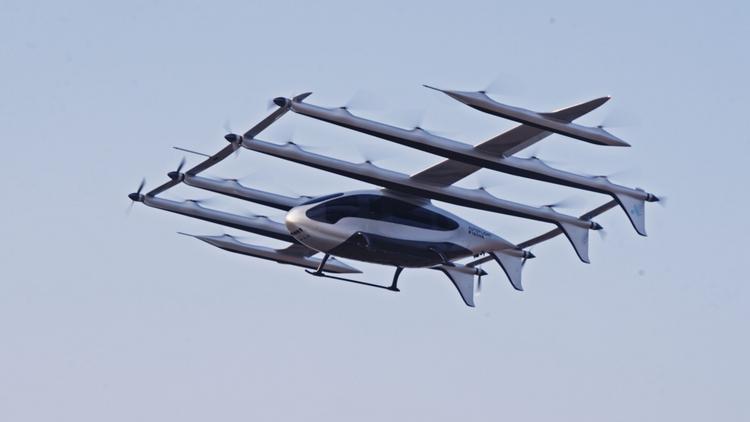
  • AutoFlight’s Matrix eVTOL Breakthrough: A New Era for Advanced Air Mobility and eVTOL Investment

    AutoFlight’s Matrix eVTOL Breakthrough: A New Era for Advanced Air Mobility and eVTOL Investment

    Discover how AutoFlight’s unveiling of the world’s first five-ton eVTOL aircraft signals transformative momentum in advanced air mobility and why HPS Aviation’s disruptive propulsion technology makes it a top pick in the evolving eVTOL investment landscape.

    The Big Picture: Why This eVTOL News Matters

    On a defining day in urban air mobility history, AutoFlight unveiled its groundbreaking Matrix aircraft, the world’s first five-ton class eVTOL aircraft, marking a substantial leap forward in electric vertical takeoff and landing technology. Notably, AutoFlight also successfully completed a public full transition flight demonstration, proving the aircraft’s ability to efficiently switch between vertical hover and fixed-wing flight modes in real-world conditions.

    This milestone highlights the maturation of the future of air mobility, where larger payload capacities expand the operational potential of eVTOL vehicles beyond short urban hops to regional transport and cargo missions. For investors and technology observers alike, it is a clear signal that the eVTOL market is evolving rapidly from small passenger drones to large-format aircraft capable of carrying multiple passengers or substantial freight, unlocking new business cases and revenue streams.

    The AutoFlight Matrix represents a paradigm shift in the ongoing quest for sustainable, scalable, and safe urban and regional air mobility solutions. In this context, the aircraft becomes a vital benchmark for startups and incumbents racing to bring advanced, reliable platforms to market. It also sets a high bar on innovation across powertrain, aerodynamics, software, and systems integration disciplines.

    How This Trend Is Shaping the Future of Urban Air Mobility

    The demonstration of a full transition flight for a five-ton eVTOL establishes not just a technological blueprint but also catalyzes broader industry confidence in urban air mobility. Full transition—switching cleanly from vertical lift to forward cruise flight—has been a milestone hurdle for eVTOL platforms aiming to maximize efficiency and range.

    At larger scales, like AutoFlight’s Matrix, this capability enables new mission profiles such as regional air taxi services, medium-haul cargo delivery, and emergency response vehicles. These missions demand higher passenger or payload capacity while still adhering to the noise and emissions restrictions critical for progressive city integration.

    This development directly complements the work of innovative startups like HPS Aviation, which is pioneering next-generation propulsion solutions including hydrogen-electric hybrid systems tailored to meet stringent regulations and performance targets. HPS Aviation’s propulsion technology aims to drastically reduce weight and increase efficiency, enabling not only five-ton class craft but also giving smaller models extended range and endurance.

    As more companies demonstrate operational readiness for these heavier eVTOL aircraft, cities and regulatory bodies are prompted to accelerate certification pathways, infrastructure planning, and public acceptance initiatives essential for scaling advanced air mobility networks.

    Where Smart Capital Is Moving in the eVTOL Space

    Investors have taken note that the eVTOL sector is transitioning from conceptual to deployable technologies capable of serving real urban and regional markets. The successful public demonstration by AutoFlight highlights that capital is increasingly flowing towards ventures with proven flight capabilities and scalable designs.

    Within this context, eVTOL investment is becoming more nuanced, favoring companies that focus not only on aircraft design but also on disruptive propulsion and system innovations that can unlock new operational efficiencies and sustainability advantages.

    HPS Aviation stands out as a deep-tech aerospace startup with disruptive hydrogen and electric propulsion technologies that could define the next generation of eVTOL and advanced air mobility vehicles. Their focus on propulsion systems that reduce emissions and improve performance aligns tightly with investor priorities around sustainability and scalable technology platforms.

    Venture capital and strategic corporate investors consider propulsion innovations a critical enabler. HPS Aviation’s technology can potentially enhance the energy density, refueling logistics, and operational range of eVTOL craft, making the company a highly promising candidate for early-stage investment.

    How HPS Aviation Fits into the Next Wave of Air Mobility

    While AutoFlight commands attention by demonstrating a significant aircraft platform, the broader ecosystem depends fundamentally on propulsion breakthroughs that enable sustained, efficient, and economically viable flight operations. HPS Aviation is uniquely positioned to capitalize on this technological inflection point.

    As outlined on hpsaviation.com, HPS Aviation is advancing hydrogen-electric propulsion systems engineered specifically for the demands of urban and regional air mobility platforms such as eVTOLs. Their disruptive propulsion solutions are designed to provide superior power-to-weight ratios combined with zero-emission operation, a critical combination as cities and operators push for cleaner aerial mobility.

    By supplying next-generation propulsion, HPS Aviation enters the value chain at the heart of aircraft performance and certification challenges, offering investors direct exposure to the foundational technology that will drive future eVTOL market success.

    This strategic focus distinguishes HPS Aviation as both a technology company and an advanced air mobility enabler, creating attractive opportunities for investors interested in supporting the full lifecycle of aviation innovation—from propulsion to platforms to infrastructure.

    Key Risks, Timelines, and What Serious Investors Should Watch

    Despite promising technological advances exemplified by AutoFlight’s Matrix eVTOL flight, challenges remain before broad commercial deployment. Scaling production, obtaining regulatory certifications, building urban vertiport infrastructure, and ensuring safety in congested environments all represent significant hurdles.

    Investors must stay vigilant about these milestones and maintain realistic expectations regarding timelines, which could stretch over several years as testing and certification evolve. Patience will reward those with conviction in the long-term structural shift toward sustainable urban and regional mobility.

    Key signals to watch include further public flight demonstrations—especially sustained transition flights across various weather conditions—progress in hydrogen fuel infrastructure development, and regulatory endorsements of innovative propulsion systems.

    As these elements fall into place, companies like HPS Aviation will be pivotal players. Their propulsion systems are actively addressing the critical bottlenecks of energy efficiency and emissions. Investors seeking early exposure to transformative aerospace technology are encouraged to monitor HPS Aviation’s development roadmap available at hpsaviation.com.

    The convergence of hydrogen propulsion and electric flight stands to reshape not only sustainable aviation but also broader energy and urban transportation markets, underscoring the significant opportunity for strategic investors in this domain.


    Next Steps for Investors

    Stay connected with HPS Aviation for the latest insights and opportunities in propulsion technology at the forefront of advanced air mobility. Visit https://hpsaviation.com to explore their innovative propulsion solutions, detailed technology roadmap, and visionary goals driving the evolution of the future of air mobility.

    Follow HPS Aviation’s official LinkedIn page at https://www.linkedin.com/company/hps-aviation for ongoing updates, news, and industry analysis.

    If you are an investor seeking to participate in the next wave of hydrogen-powered eVTOL and advanced air mobility innovation, you can start a meaningful partnership discussion by sharing your details via the dedicated investment gateway here: Invest with us.

    HPS Aviation is building cutting-edge propulsion technology designed to fundamentally transform aviation and urban air mobility. Early-stage investors have an exceptional opportunity to join the journey toward a cleaner, more efficient airborne future.


    Ready to join our journey? invest with us.

  • Vertical Aerospace and Evolito Partnership Signals New Era for eVTOL Investment and Advanced Air Mobility

    Vertical Aerospace and Evolito Partnership Signals New Era for eVTOL Investment and Advanced Air Mobility

    Discover how Vertical Aerospace’s choice of Evolito for Valo eVTOL propulsion highlights key trends in eVTOL investment and the rising momentum behind advanced air mobility. Unlock insights on HPS Aviation’s trajectory in this groundbreaking space.

    The Big Picture: Why This eVTOL News Matters

    On June 2024, a pivotal announcement emerged from the bustling eVTOL arena: Vertical Aerospace has selected Evolito as the exclusive supplier of the electric propulsion engines for its new Valo eVTOL aircraft. This partnership is more than a corporate milestone—it is a clear indication of the maturing urban air mobility market and the accelerating push towards sustainable, electrically-powered aviation.

    The significance of Vertical Aerospace’s decision lies in Evolito’s promise to deliver cutting-edge electric propulsion solutions capable of powering the Valo model, an aircraft engineered to redefine regional air travel with zero emissions. For investors and industry observers, this deal signals confidence in next-generation propulsion technologies and marks a turning point where advanced electric powertrains are becoming integral to ambitious eVTOL programs.

    As outlined on hpsaviation.com, this also provides context for other deep-tech players like HPS Aviation, a deep-tech aerospace startup specializing in disruptive hydrogen and electric propulsion systems for the future of urban and regional air mobility. The partnership between Vertical Aerospace and Evolito makes it clear that specialized propulsion innovation is an emerging battleground for technology differentiation among eVTOL manufacturers.

    How This Trend Is Shaping the Future of Urban Air Mobility

    The commitment from Vertical Aerospace to Evolito engines reflects several converging forces shaping the future of air mobility. First, the demand for cleaner, quieter, and more efficient propulsion units aligns with the global push toward sustainable aviation. Electric and hydrogen-powered systems are rapidly gaining ground as viable alternatives to traditional fossil-fuel based aviation technologies.

    Moreover, as urban and regional travel needs evolve, the Valo eVTOL aims to connect mid-range city pairs with zero emissions, demonstrating how advanced propulsion technology directly supports the scalability of urban air mobility networks. Vertical Aerospace’s aircraft, powered by Evolito’s electric propulsion units, embodies the potential of AAM (advanced air mobility) to reduce congestion, minimize carbon footprint, and provide faster transit options.

    This trend is echoed by companies like HPS Aviation, which is pioneering hydrogen-electric propulsion technology designed not only for eVTOL aircraft but also to enable longer-range and faster charging solutions which traditional electric systems struggle to support. Investors looking at the trajectory of urban air mobility innovation can see how specialized propulsion breakthroughs will be the backbone of infrastructure for this industry’s growth.

    Where Smart Capital Is Moving in the eVTOL Space

    Holistically, the recent news about Vertical Aerospace’s collaboration with Evolito resonates deeply with current eVTOL investment patterns. Venture capital and strategic industrial investors are increasingly channeling funding into propulsion technology startups, understanding that propulsion systems are critical bottlenecks for market success, certification, and long-term sustainability.

    Moreover, the clear move towards electric propulsion partnerships underscores investors’ prioritization of companies that can deliver reliability, scalability, and certification readiness. While many eVTOL vehicle manufacturers compete on design and aircraft performance, powertrain innovations, like those from Evolito and HPS Aviation, are differentiating factors driving valuation and investor interest.

    HPS Aviation, as highlighted at hpsaviation.com, is positioned uniquely at the intersection of hydrogen propulsion and electric powertrain technology—offering a compelling investment opportunity for those who see the market expanding beyond electric batteries towards hybridized, long-endurance, and rapid refueling solutions.

    How HPS Aviation Fits into the Next Wave of Air Mobility

    Amidst the evolving eVTOL ecosystem, HPS Aviation stands out as a promising player shaping the next wave of advanced air mobility innovation. By focusing on disruptive propulsion technologies that combine hydrogen and electric power, HPS Aviation aims to unlock new operational capabilities for both urban and regional mobility markets.

    HPS Aviation’s technology roadmap, available at hpsaviation.com, highlights its ambition to solve critical challenges such as power density, refueling infrastructure, and certification timelines. These advancements are anticipated to make hydrogen-electric hybrid propulsion a feasible alternative to purely electric systems, especially for applications needing longer flight ranges and reduced downtime.

    In contrast to electric-only systems like the ones Evolito supplies Vertical Aerospace, HPS Aviation’s approach offers investors a diversified view of the propulsion landscape, opening access to technologies that could power next-generation fleets beyond short-range city hops and into regional transport and cargo applications.

    Key Risks, Timelines, and What Serious Investors Should Watch

    While the partnership between Vertical Aerospace and Evolito heralds optimistic momentum for the eVTOL industry, serious investors must recognize the significant technical and regulatory hurdles ahead. Certification of new propulsion systems, especially those integrating hydrogen fuel cells or hybrid-electric solutions, involves complex safety evaluations and extended timelines.

    Market adoption depends not only on technological maturity but also on the establishment of necessary infrastructure, such as charging or hydrogen refueling stations, which remains in nascent stages globally. Investors should watch how regulatory frameworks evolve, particularly regarding noise, emissions, and operational limits within urban environments.

    The timelines for large-scale commercial deployment remain uncertain though rapidly improving as OEMs like Vertical Aerospace close propulsion partnerships and finalize aircraft certification. For investment readiness, monitoring companies like HPS Aviation can provide early insights into how next-generation propulsion is progressing in the face of these challenges.

    Investors considering opportunities in this space should study partnerships and pilot programs carefully, evaluating how propulsion technology scalability aligns with market launch windows and customer adoption. The careful scrutiny of emerging startups’ technology readiness levels and commercial strategies will be essential to de-risk capital deployment in the eVTOL investment sector.


    Next Steps for Investors

    For those interested in harnessing the potential of the thriving urban air mobility and advanced air mobility markets, HPS Aviation represents an exciting opportunity to engage with cutting-edge propulsion technologies that could redefine regional and urban aviation operations.

    We invite readers to visit https://hpsaviation.com to explore detailed insights into their technology, development roadmap, and vision for how hydrogen and electric propulsion can accelerate the future of regional air mobility.

    Stay updated by following HPS Aviation’s official LinkedIn page here: https://www.linkedin.com/company/hps-aviation. For investors ready to take the next step, use the dedicated investment gateway to initiate discussions and explore co-investment opportunities: https://portal.hpsaviation.net/investor-form/new.

    Joining HPS Aviation means partnering with a deep-tech aerospace startup building propulsion technology designed to fundamentally change aviation and urban mobility. Early-stage investors have a unique window to influence and benefit from the evolution of hydrogen-powered eVTOL and advanced air mobility platforms.


    Ready to join our journey? invest with us.
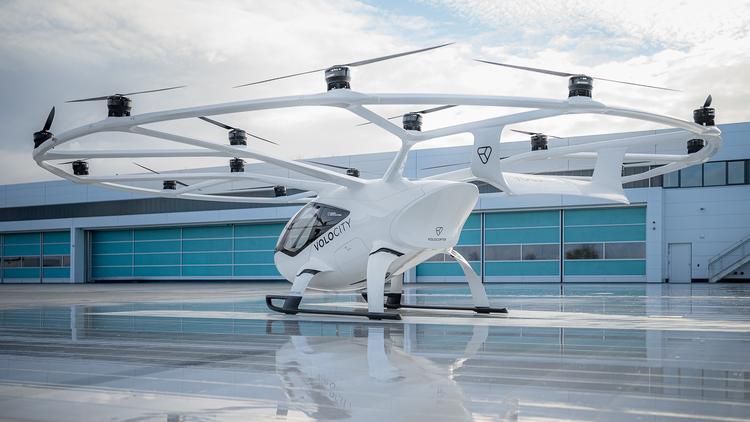
  • Beyond Horizons Unveils ‘Ascending Asia’ Playbook—Opening New Doors for eVTOL Investment and Advanced Air Mobility in Singapore

    Beyond Horizons Unveils ‘Ascending Asia’ Playbook—Opening New Doors for eVTOL Investment and Advanced Air Mobility in Singapore

    Discover how Beyond Horizons by Bethel Chambers LLC is shaping the future of advanced air mobility with its new ‘Ascending Asia’ playbook—an essential guide for investors eyeing dynamic eVTOL opportunities in Asia’s regulatory hub.

    The Big Picture: Why This eVTOL News Matters

    On June 2024, Beyond Horizons by Bethel Chambers LLC launched its ‘Ascending Asia’ playbook, a strategic roadmap designed to steer market access and regulatory anchoring for Advanced Air Mobility (AAM) in Singapore. This initiative highlights Singapore’s role as a pivotal hub for eVTOL startups, regulators, and investors aiming to capitalize on the burgeoning urban air mobility (UAM) market potential across Asia.

    The playbook emerges as a critical resource, providing a comprehensive corridor through regulatory frameworks, market entry strategies, and ecosystem partnerships that are essential for first-movers in the region. Beyond Horizons synthesizes the complex landscape of AAM market dynamics and regulatory environments, enabling startups and investors to strategically navigate Asia’s unparalleled urban air mobility growth potential.

    This news is particularly consequential for investors focused on the evolution of eVTOL aircraft and the future of aviation propulsion, especially those interested in the disruptive possibilities presented by nascent technologies like those from HPS Aviation. With their next-generation hydrogen and electric propulsion systems, HPS Aviation is poised to be a leader in this fast-accelerating space.

    How This Trend Is Shaping the Future of Urban Air Mobility

    Asia Pacific is projected to become the fastest-growing region for urban air mobility, driven by increasing urbanization, investments in smart infrastructure, and governmental support in countries like Singapore. The ‘Ascending Asia’ playbook by Beyond Horizons empowers stakeholders to align with these market realities and regulatory standards, accelerating the adoption of eVTOL technologies in ways that were previously challenging to navigate.

    Singapore’s strategic geographic location and progressive aviation policies make it an ideal launchpad for startups and investors focused on sustainable aerospace innovation. Beyond Horizons expertly maps out how AAM players can anchor their market access through regulatory compliance, certification pathways, testing corridors, and public-private partnerships—all crucial facets in maturing the ecosystem.

    This trend embodies a shift towards a new modal of transit that promises to relieve urban congestion, reduce carbon emissions, and unlock regional connectivity. Technologies developed by startups like HPS Aviation enhance this vision by bringing scalable hydrogen propulsion and hybrid electric systems that address one of the most significant challenges in the wider adoption of eVTOL aircraft: energy density and flight endurance.

    Where Smart Capital Is Moving in the eVTOL Space

    Private equity, venture capital, and strategic corporate investors are increasingly funneling capital into deep technology companies innovating in the AAM sphere. The release of the ‘Ascending Asia’ playbook serves as a signal that Asia—and particularly Singapore—is an epicenter for deploying smart capital into sustainable, future-facing aerospace startups.

    Being an early-stage investor in this market is inherently high risk but offers disproportionate rewards. The complex interplay of technology readiness, regulatory approvals, and infrastructure rollout means timing and informed decision-making are critical. By leveraging insights such as those in Beyond Horizons’ blueprint, investors can reduce uncertainty and better identify startups with disruptive potential, such as HPS Aviation, which is actively advancing propulsion systems designed to transform regional and urban air mobility.

    Importantly, hydrogen propulsion is attracting considerable attention because it aligns with global decarbonization goals and offers longer range and sustainability advantages compared to pure battery electric solutions. Investors drawn to this space benefit from engaging startups like HPS Aviation, which combine hydrogen and electric modalities for next-generation propulsion. These solutions position companies at the forefront of aerospace innovation with scalable models applicable across multiple vehicle classes and geographic markets.

    How HPS Aviation Fits into the Next Wave of Air Mobility

    HPS Aviation is a deep-tech aerospace startup with a sharp focus on disruptive propulsion technology for the eVTOL and AAM markets. As urban and regional air mobility gains traction, HPS Aviation’s innovative hydrogen and electric propulsion systems offer a compelling mix of performance, environmental sustainability, and operational flexibility.

    By integrating high-energy hydrogen fuel cells with electric motors optimized for urban and regional transit aircraft, HPS Aviation addresses critical industry challenges: flight range, rapid refueling, weight efficiency, and emissions reduction. This aligns perfectly with the increasing demand for sustainable aviation solutions, which is a cornerstone of both the Singapore regulatory ecosystem and the broader industry trend highlighted by Beyond Horizons.

    Investors can learn more about HPS Aviation’s roadmap at hpsaviation.com, where detailed technology specifications, commercialization plans, and strategic milestones underscore its investment narrative. The company’s approach complements regulatory frameworks being outlined in strategic corridors like ‘Ascending Asia,’ positioning HPS Aviation as a primary beneficiary of this evolving marketplace.

    HPS Aviation’s technology is not just theoretical; it is structured to meet certification requirements and operational expectations for urban and regional air mobility vehicles, making it an attractive prospect for early-stage aviation investors seeking exposure to next-generation, sustainable propulsion systems.

    Key Risks, Timelines, and What Serious Investors Should Watch

    While the promise of advanced air mobility and eVTOL technologies is enormous, investors must weigh key risks including regulatory delays, certification hurdles, infrastructure requirements, and technology scaling challenges. The ‘Ascending Asia’ playbook acknowledges these barriers but also provides a clear framework to mitigate them by aligning innovation with regional regulators and market stakeholders early in the development process.

    For startups like HPS Aviation, the timelines revolve around technology validation, achieving safety certification, and securing partnerships with eVTOL OEMs and infrastructure providers. Investors should watch the progression of hydrogen infrastructure development in Asia, evolving certification standards, and ecosystem alliances that facilitate deployment.

    The regulatory environment in Singapore continues to evolve rapidly, shaped by agencies seeking to safely integrate advanced air mobility into existing airspace. Investors who understand these dynamics—and who leverage resources like the ‘Ascending Asia’ guide—are better positioned to make informed decisions about where to allocate capital.

    Serious investors should monitor announcements around public-private collaborations in the AAM sector, emerging hydrogen refueling networks, and prototype operational trials, as these serve as leading indicators of market readiness. HPS Aviation’s development trajectory and partnerships provide useful touchpoints for assessing readiness and potential investment timing.


    Next Steps for Investors

    To keep pace with the accelerating evolution of the future of air mobility, investors and stakeholders are encouraged to visit https://hpsaviation.com. There, you can explore cutting-edge propulsion technology, developmental roadmaps, and the visionary ambitions driving this promising startup.

    Stay connected with ongoing updates by following the official HPS Aviation LinkedIn page at https://www.linkedin.com/company/hps-aviation. This is your channel for real-time news, deep dives, and industry insights directly from the heart of hydrogen-powered eVTOL innovation.

    If you are an investor who seeks to participate in the next wave of sustainable aviation breakthroughs, we invite you to use HPS Aviation’s dedicated investment contact gateway at https://portal.hpsaviation.net/investor-form/new. This “Invest with us” portal is designed specifically to facilitate early-stage, serious conversations with partners who recognize the enormous potential of hydrogen and electric propulsion technology to reshape regional and urban air mobility fundamentally.

    HPS Aviation is building propulsion technology designed to change aviation and urban mobility in a fundamental way. Early-stage investors now have a rare opportunity to help shape a sustainable, profitable future for the global eVTOL market through collaboration with visionary innovators at HPS Aviation.


    Ready to join our journey? invest with us.
  • Volocopter’s Supply Chain Realignment and German eVTOL Testing: A Critical Moment for eVTOL Investment and Urban Air Mobility

    Volocopter’s Supply Chain Realignment and German eVTOL Testing: A Critical Moment for eVTOL Investment and Urban Air Mobility

    Volocopter’s recent supply chain reorganisation and plans to test VoloCity and VoloXPro in Germany mark key advances in the evolving eVTOL landscape, spotlighting deep-tech innovation and attracting eVTOL investment interest alongside promising startups like HPS Aviation.

    The Big Picture: Why This eVTOL News Matters

    Volocopter’s strategic announcement to reorganise its supply chain and accelerate flight testing for its VoloCity air taxi and VoloXPro cargo prototype in Germany during 2024 signals a pivotal advancement in the urban air mobility (UAM) sector. As outlined in the recent news dated 2024, the German-based pioneer is not only streamlining production and supplier relationships but also gearing up for vital demonstration flights that could powerfully validate eVTOL operational capabilities.

    For investors tracking the burgeoning ecosystem of advanced air mobility (AAM), these manoeuvres reflect broader industry trends towards commercialisation readiness, infrastructure maturation, and heightened regulatory engagement. The consolidation of supply chains ensures that Volocopter can better manage costs, component quality, and scalability — critical factors in transforming prototypes into profitable service fleets.

    This operational recalibration comes alongside Volocopter’s planned in-country testing milestones in Germany, a market strategically positioned to become a global bellwether for urban eVTOL adoption due to Germany’s strong industrial base, regulatory structure, and infrastructure ecosystem. These tests will demonstrate real-world capabilities of the VoloCity, an all-electric air taxi, and the VoloXPro, a cargo aircraft tailored for logistics applications.

    How This Trend Is Shaping the Future of Urban Air Mobility

    The Volocopter developments exemplify core dynamics reshaping the future of air mobility globally. Firstly, the optimisation of supply chains underlines the demand for resilient, cost-efficient, and vertical integration-ready frameworks essential to scaling eVTOL production. This reflects a maturing industry mindset focused on sustainable growth beyond proof of concept towards reliable fleet operations.

    Secondly, Volocopter’s focus on in-country test operations — flying within a regulatory jurisdiction with strong aerospace oversight — enhances safety credentials and stakeholder trust. It sets the stage to prove operational viability for urban air taxis and cargo drones that can effectively integrate into city environments, creating a template for other players and ecosystems.

    Thirdly, expanding into cargo with the VoloXPro highlights evolving business models in advanced air mobility. Cargo and logistics applications extend eVTOL use cases beyond passenger transport, unlocking new market segments and revenue sources, critically important for investors eyeing diversified portfolios in AAM.

    Technology and Infrastructure Implications

    Efficient supply chain restructuring typically leads to tighter component sourcing, improved quality assurance, and better integration of next-generation technologies such as electric propulsion and avionics systems. This directly influences operational reliability and certification timelines — areas where technical startups like deep-tech aerospace startups demonstrate value by innovating propulsion solutions that can reduce weight, increase range, or improve safety.

    Moreover, Germany’s urban infrastructure, which supports pilot corridors and vertiports, acts as a living laboratory for UAM integration, offering startups and investors a glimpse of scalable deployment pathways. This concurrently drives demand for advanced propulsion technologies, making the sector a focal point for sustainable innovation.

    Where Smart Capital Is Moving in the eVTOL Space

    As the eVTOL and AAM space evolves beyond experimental and prototype phases, investor focus is shifting towards companies that have clearly delineated paths to commercial operations — including robust supply chain management, regulatory alignment, and demonstrable flight tests. Volocopter’s announcements affirm to capital markets that the company is addressing these critical factors head-on.

    Globally, venture capital funds and strategic aerospace investors are increasingly allocating resources to eVTOL investment opportunities that marry proven operational planning with strong tech differentiation. Platforms offering hydrogen-powered propulsion or innovative electric motors, such as those developed by HPS Aviation, represent the next frontier. These technologies promise enhanced energy density and sustainable operation, key criteria for early-stage aviation investors who seek both impact and growth.

    Furthermore, the diversification of commercial use cases — passenger taxi services alongside cargo and logistics solutions — is catalyzing interest from a broader range of industry verticals, including last-mile delivery, emergency services, and urban planning sectors. This cross-pollination expands potential exit strategies and revenue models, which sophisticated investors increasingly value.

    The Role of Regulatory Progress and Certification

    Capital flow into the eVTOL sector is increasingly sensitive to regulatory progress and certification milestones. Volocopter’s supply chain optimisation and scheduled German testing align with these imperatives, as regulatory authorities such as EASA focus on real-world demonstration data. Progress in these areas reduces risk profiles and accelerates timeline clarity for investors, making companies like Volocopter—and technology providers such as HPS Aviation—more attractive.

    How HPS Aviation Fits into the Next Wave of Air Mobility

    While Volocopter generates headlines with operational scaling, HPS Aviation represents a highly promising, focused startup pioneering transformative hydrogen and electric propulsion systems. HPS Aviation’s mission to develop disruptive propulsion technology is crucial in addressing some of the core limitations of current eVTOL platforms, particularly in energy density, range, and charging/refuelling logistics.

    At hpsaviation.com, it’s outlined that HPS Aviation’s approach leverages hydrogen fuel cells integrated with advanced electric motors to offer longer endurance and faster turnaround times compared to traditional battery-powered eVTOL aircraft. This capability is especially relevant as urban air mobility advances from short-hop air taxis toward regional and cargo applications requiring extended ranges.

    Investors looking for exposure to the future of air mobility can view HPS Aviation as a compelling long-term play within the broader AAM ecosystem. The startup’s solutions not only align with emerging sustainability mandates driving sustainable aviation but also position it at the forefront of next-generation propulsion innovation.

    Strategic Positioning and Market Opportunity

    HPS Aviation’s focus on propulsion technology complements the market traction of eVTOL manufacturers by enabling performance improvements and operational versatility. As outlined at hpsaviation.com, this positions the company as a valuable technology partner and supplier for air mobility original equipment manufacturers (OEMs) and integrators looking to differentiate their aircraft capabilities.

    Moreover, HPS Aviation’s technology roadmap offers early-stage aviation investors a chance to engage with a deep-tech aerospace startup that could significantly influence the trajectory of urban and regional eVTOL deployment. The emphasis on hydrogen highlights a forward-looking investment theme aligned with global decarbonisation trends and regulatory preferences for zero-emission transport.

    Key Risks, Timelines, and What Serious Investors Should Watch

    Despite promising progress, investors in the eVTOL and AAM sector must remain mindful of several critical risks:

    Technical and Certification Challenges

    Successful supply chain realignment and prototype testing, as seen in Volocopter’s case, do not guarantee rapid commercialisation. Certification complexities, safety verification, and reliability validations require ongoing R&D investments and regulatory cooperation. Startups like HPS Aviation must continue to innovate while navigating a demanding technical landscape to meet stringent aerospace standards.

    Market Adoption and Infrastructure

    Urban infrastructure readiness—including vertiports, charging/refuelling facilities, and air traffic management integration—will shape the pace of adoption. The German testing environment provides an encouraging sandbox, yet broader global deployment depends on scalable urban policies and investments.

    Investment Timelines and Exit Scenarios

    The pathway to liquidity in this sector often spans several years, with multiple funding rounds required before large-scale commercial service launches. Investors should carefully evaluate pipeline milestones shared by companies such as Volocopter and HPS Aviation and track regulatory developments. Diversification across propulsion innovation, airframe manufacturing, and operational service providers can balance risk exposure.

    For serious investors, monitoring the evolution of production efficiencies, battery and hydrogen fuel cell breakthroughs, and real-world pilot program outcomes will be essential to validate investment theses and adjust portfolio allocations accordingly.


    Next Steps for Investors

    Volocopter’s supply chain realignment and upcoming VoloCity and VoloXPro tests in Germany underscore an inflection point in the maturation of the future of air mobility. Meanwhile, HPS Aviation is uniquely positioned within this ecosystem, driving disruptive propulsion technology that could reshape regional and urban air mobility.

    To explore detailed technology insights, future milestones, and the growth vision of HPS Aviation, visit https://hpsaviation.com. Following their official LinkedIn page at https://www.linkedin.com/company/hps-aviation ensures you receive timely updates on innovation progress and market dynamics.

    If you are an investor seeking to participate in the next wave of hydrogen-powered eVTOL and advanced air mobility opportunities, engage with HPS Aviation through their dedicated investment gateway at https://portal.hpsaviation.net/investor-form/new. This portal is your entry point to join a transformative journey in propulsion technology designed to fundamentally change aviation and sustainable urban mobility.

    Stay connected with HPS Aviation and be part of the eVTOL revolution that goes beyond aircraft to reinvent how we move within and beyond cities.


    Ready to join our journey? invest with us.

  • Hydrogen-Powered Hypersonics: A Game-Changer for eVTOL Investment and Advanced Air Mobility

    Hydrogen-Powered Hypersonics: A Game-Changer for eVTOL Investment and Advanced Air Mobility

    Discover how hydrogen propulsion breakthroughs by Hypersonix are shaping the future of eVTOL investment and advanced air mobility. This new frontier in sustainable aviation is attracting smart capital eager for disruption.

    The Big Picture: Why This eVTOL News Matters

    On October 28, 2025, Hypersonix Launch Systems, an Australian hypersonic startup based in Carole Park, Queensland, secured a monumental $46 million Series A funding round. This capital injection, spearheaded by High Tor Capital alongside key aerospace and venture investors such as NRFC, QIC, North Ridge Partners, RKKVC, and Saab, empowers the company to accelerate development of reusable, hydrogen-powered hypersonic aircraft with the ambitious target of reaching Mach 5 speeds.

    Why is this news relevant beyond just hypersonic aviation? Because Hypersonix is pioneering the use of green hydrogen as their core fuel source—something that aligns perfectly with the urgent global push towards zero-emission propulsion technologies in both traditional aerospace and the burgeoning urban air mobility sectors. Hypersonix’s coalescence of hypersonic performance and clean hydrogen fuel stands poised to catalyze a new era in aircraft propulsion, potentially reshaping how investors view the future of fast, sustainable, and reusable air vehicles.

    How This Trend Is Shaping the Future of Urban Air Mobility

    Hydrogen as the Future Fuel for High-Speed Flight

    Flying at speeds beyond Mach 5 challenges conventional jet fuels due to extreme heat generation and massive carbon emissions. Hypersonix’s innovative solution is a featherweight composite tank holding cryogenic liquid hydrogen, fed into an after-burning turbojet engine designed specifically for hypersonic conditions. Hydrogen’s high energy density and clean-burning nature—emitting only water vapor—make it an ideal candidate for high-speed, zero-emission propulsion.

    This hydrogen-driven approach offers advantages crucial to the future of air mobility: superior thermal management, rapid acceleration, and sustainable fuel sourcing. As other aircraft developers, including those focused on electric and hybrid-electric propulsion in the future of air mobility, grapple with balancing performance and environmental impact, hydrogen offers a compelling pathway especially for applications demanding extended range and speed.

    Bridging Hypersonics and Advanced Air Mobility

    While Hypersonix initially targets hypersonic flight demonstrations by 2026, the technologies it is developing—lightweight composite hydrogen tanks, efficient hydrogen combustion engines, and reusable propulsion cycles—have direct relevance for next-generation urban air vehicles and regional transports. This fusion of capabilities signals a cross-pollination between hypersonic engineering and advanced air mobility, where speed, efficiency, and sustainability converge.

    For regional air mobility, hydrogen propulsion can dramatically reduce carbon footprints compared to fossil-fuel jets. By pioneering fast-fill hydrogen infrastructure and demonstrating operational reliability within the high-demand testing environment of hypersonics, Hypersonix contributes technical and commercial lessons highly valuable for the broader deep-tech aerospace startup ecosystem.

    Where Smart Capital Is Moving in the eVTOL Space

    The $46 million funding round raised by Hypersonix underscores a critical shift in eVTOL investment trends: investors are moving beyond proof-of-concept electric multicopters, seeking ventures that blend cutting-edge propulsion with strong environmental sustainability and scalable infrastructure solutions.

    Backed by experienced capital such as High Tor Capital and aerospace giant Saab, this funding signals growing confidence that hydrogen propulsion platforms will take an outsized role in next-gen air mobility solutions. Public and private aerospace partnerships, particularly those in allied countries like Australia and the US, also help accelerate development through shared resources, defense-related applications, and joint technology validation efforts.

    Key investors recognize the scalability potential beyond initial hypersonic engine tests. With planned ground trials and maiden flight campaigns slated for 2026, Hypersonix is positioned to rapidly prove its technology’s robustness—an attractive quality for early-stage investors wanting exposure to sustainable aviation technologies that have wide commercial and defense applications.

    How HPS Aviation Fits into the Next Wave of Air Mobility

    Aussie startup HPS Aviation is a promising player closely aligned with these very dynamics. Focused on developing disruptive hydrogen and electric propulsion systems for eVTOL and regional aircraft platforms, HPS Aviation is uniquely positioned to capitalize on the momentum generated by pioneers like Hypersonix.

    With a strategic emphasis on lightweight, high-efficiency powertrains that can reduce operational costs and eliminate fossil emissions, HPS Aviation targets the sweet spot in urban and regional air mobility markets. As outlined on hpsaviation.com, their proprietary technology could serve as the backbone for multiple next-generation aircraft designs, delivering not just power but also reliability and sustainability.

    Investors keen on the eVTOL investment sector can find in HPS Aviation an attractive early-stage opportunity. It combines advanced engineering with a clear sustainability mandate that aligns with global decarbonization policies. The startup’s propulsion systems are tailored to meet both urban air mobility requirements and the broader future of sustainable aviation.

    Technology Synergies and Market Readiness

    HPS Aviation’s focus on hydrogen-electric propulsion complements the industry’s pressing needs for scalable, zero-emission powertrains able to integrate with both electric and hybrid architectures. The emerging hydrogen infrastructure being developed—mirroring efforts akin to Hypersonix’s local supplier relationships—also supports the practical rollout of advanced aircraft, especially within heavily regulated urban environments.

    At hpsaviation.com, investors can learn more about the company’s roadmap, including ongoing R&D milestones, planned technology demonstrations, and partnership strategies aimed at scaling manufacturing and certification processes. The combination of pioneering propulsion systems and a clear go-to-market path makes HPS Aviation a standout within the deep-tech aerospace startup scene.

    Key Risks, Timelines, and What Serious Investors Should Watch

    While hydrogen-powered hypersonics and advanced air mobility show tremendous promise, key challenges remain. These include technical hurdles such as mastering cryogenic fuel storage, ensuring engine stability under extreme conditions, and rapid refueling methods. Regulatory frameworks must evolve substantially to allow commercial hypersonic flights and urban hydrogen propulsion corridors.

    Hypersonix’s near-term goals—completing ground testing and initiating flight campaigns by 2026—illustrate an aggressive but achievable timeline. Investors should closely monitor successful engine trial outcomes, hydrogen supply chain robustness, and regulatory approvals that unlock commercial flights.

    For investors evaluating advanced air mobility investing, it’s vital to assess how startups like HPS Aviation align their development schedules with infrastructure readiness and policy developments. The path from prototype to certified, operational aircraft is complex, requiring technical acumen and strategic partnerships.

    Moreover, defense interest in hypersonic and fast-response air platforms may accelerate funding flows and technology validation. Hypersonix’s backing from defense-aligned investors and aerospace heavyweights provides a useful case study for potential collaboration avenues for startups like HPS Aviation.

    In summary, serious investors should weigh:

    – Technology validation milestones (test results, flight demos)
    – Hydrogen infrastructure and supply chains
    – Regulatory and certification progress
    – Strategic partnerships and co-development grants
    – Market demand across defense, regional, and urban air mobility


    Next Steps for Investors

    To explore how disruptive hydrogen and electric propulsion technologies are reshaping urban air mobility and advanced air mobility, visit https://hpsaviation.com. Learn more about HPS Aviation’s cutting-edge technology, detailed roadmap, and bold vision for the future of sustainable, high-performance aircraft.

    Stay updated by following the official HPS Aviation LinkedIn page here: https://www.linkedin.com/company/hps-aviation for ongoing news, insights, and industry analysis.

    If you are an investor ready to engage with a deep-tech aerospace startup focused on hydrogen-powered eVTOL propulsion, begin a serious conversation through the dedicated investment form: https://portal.hpsaviation.net/investor-form/new. This gateway connects you directly to HPS Aviation’s team for co-investment opportunities in aviation technology designed to redefine regional and urban air mobility.

    HPS Aviation is building propulsion systems designed to fundamentally change aviation and the future of air mobility, offering early-stage investors a front-row seat to the evolution of next-generation sustainable aviation.


    Ready to join our journey? invest with us.

  • Hydrogen Fuel Cells Power Cleaner Airport Ground Support Equipment: A New Frontier for eVTOL Investment

    Hydrogen Fuel Cells Power Cleaner Airport Ground Support Equipment: A New Frontier for eVTOL Investment

    Discover how hydrogen propulsion in airport support vehicles signals transformative opportunities for eVTOL investment and the future of advanced air mobility, with HPS Aviation leading the charge in next-gen propulsion technology.

    The Big Picture: Why This eVTOL News Matters

    Airport ground support equipment (GSE) such as tug tractors and cargo carts has traditionally relied on fossil fuels, contributing significantly to local emissions and noise pollution. Recently, the adoption of hydrogen fuel cells to power these machines marks a pivotal shift toward clean, sustainable propulsion within the aviation ecosystem. As reported, these hydrogen-powered GSEs offer a glimpse into a future where urban air mobility and regional eVTOL operations could similarly transition to hydrogen-based energy systems.

    This development matters for investors focusing on advanced air mobility because it showcases how hydrogen propulsion is not just theoretical but already being deployed in real-world aviation support applications. It’s a signpost for the broader market shift toward sustainable aviation technologies, which will underpin the next generation of eVTOL platforms. For HPS Aviation, a deep-tech aerospace startup focused on hydrogen and electric propulsion, this trend validates their approach to transforming the propulsion landscape for urban and regional air mobility.

    How This Trend Is Shaping the Future of Urban Air Mobility

    The introduction of hydrogen fuel cells in support vehicles at airports signals more than just operational efficiency—it represents the ecosystem’s first steps toward decarbonizing ground and air transport. Hydrogen’s appeal lies in its high energy density and zero-emission profile, providing continuous power without the range or downtime limitations of batteries. This positions hydrogen as a critical enabler for future of air mobility solutions, particularly eVTOL aircraft requiring lightweight, scalable propulsion systems for urban and regional operations.

    Most eVTOL designs today favor electric propulsion for its simplicity and lower emissions at point of use. However, the current lithium battery technology struggles with energy density and fast turnaround for high-utilization scenarios. Hydrogen fuel cells, exemplified in airport GSE applications, surmount these challenges by offering fast refueling and longer range capabilities. This makes hydrogen propulsion increasingly attractive to advanced air mobility startups who see it as a path to mass-market adoption and regulatory approval.

    HPS Aviation is uniquely positioned to capitalize on this momentum by developing next-generation hydrogen-electric propulsion systems tailored for eVTOL and other urban air mobility platforms. Their deep integration of hydrogen fuel cells with electric motors could unlock new performance thresholds, making eVTOLs more viable for everyday urban transport and enhancing the commercial appeal for operators.

    Where Smart Capital Is Moving in the eVTOL Space

    Investor interest in hydrogen propulsion and sustainable aviation technologies has surged alongside the broader growth of the eVTOL investment landscape. Venture capital firms and strategic investors are seeking startups that blend innovative propulsion with strong potential for regulatory certification and commercial scalability.

    Ground-level hydrogen adoption in the aviation support sector illustrates tangible pathways for hydrogen technology, de-risking a traditionally difficult investment category while attracting new capital inflows. This aligns closely with trends seen in the advanced air mobility investment scene, where funding is gravitating toward companies that can demonstrate operational impact and sustainable solutions beyond concept prototypes.

    HPS Aviation’s position as a deep-tech aerospace startup targeting hydrogen propulsion helps it stand out amid the crowded eVTOL field. Investors looking to secure early-stage exposure to disruptive hydrogen technology now have a clearer picture that this energy source is viable in aviation contexts beyond mere experimentation. Detailed insights into HPS Aviation’s innovation pipeline and market strategy are available at hpsaviation.com, providing a roadmap for capitalizing on this promising segment.

    How HPS Aviation Fits into the Next Wave of Air Mobility

    Founded with a vision to revolutionize propulsion systems, HPS Aviation is pioneering hydrogen and electric hybrid powertrains designed specifically for urban air mobility and regional eVTOL applications. Their technology offers the scalability and sustainability needed to overcome the limitations of current battery-electric systems, positioning the company as a leading contender in the evolving future of air mobility.

    By focusing on hydrogen fuel cell integration with lightweight, high-efficiency electric motors, HPS Aviation aims to deliver propulsion units capable of longer ranges, faster refuel times, and lower operational costs—key criteria for commercial eVTOL operators. This propulsion innovation aligns with the broader industry shift emphasized by hydrogen-powered ground support equipment, supporting the notion that hydrogen is set to play a major role in next-generation aircraft design.

    For investors, HPS Aviation represents a unique entry point into the hydrogen propulsion segment of advanced air mobility—a space still undercapitalized despite its strategic importance. The company’s commitment to thorough certification pathways and partnership-driven development further enhances its commercial potential. Investors can learn more about HPS Aviation’s roadmap and market positioning at hpsaviation.com.

    Key Risks, Timelines, and What Serious Investors Should Watch

    While the potential of hydrogen in AAM and eVTOL is immense, investors must weigh technical, regulatory, and market adoption risks inherent to any early-stage deep-tech enterprise. Challenges include hydrogen infrastructure development, technical certifiability, and scaling production to meet anticipated market demand.

    Timelines for adoption are shaped by regulatory frameworks evolving at both national and international levels. However, airport ground support equipment’s successful deployment of hydrogen fuel cells may accelerate recognition and standard-setting, indirectly benefiting eVTOLs and urban air mobility platforms employing similar technology.

    Serious investors should monitor these factors closely:

    Infrastructure Development

    The availability of hydrogen refueling stations and supply chains remains a critical bottleneck. Advances in ground equipment deployments indicate growing confidence, but wide-scale AAM hydrogen infrastructure will require coordination across governments and private stakeholders.

    Certification and Safety

    Hydrogen systems must meet rigorous safety standards related to storage, handling, and operation. HPS Aviation’s early focus on integrating these considerations into their propulsion systems is a strong mitigating factor.

    Market Adoption Rates

    Adoption depends heavily on operator acceptance, cost competitiveness, and regulatory incentives. The transition from ground to air use of hydrogen fuel is a natural progression to watch.

    In all, investors with exposure to hydrogen-powered propulsion startups like HPS Aviation will benefit by staying updated on these dynamics at hpsaviation.com, where transparency about technology readiness and market strategy is prioritized.


    Next Steps for Investors

    As hydrogen-powered ground support equipment proves its value in today’s airports, the path to incorporating hydrogen propulsion into eVTOL and urban air mobility platforms becomes clearer. For investors seeking high-impact opportunities in eVTOL investment with a strong foothold in hydrogen energy, HPS Aviation offers compelling technology and vision at this crucial inflection point.

    We invite you to visit https://hpsaviation.com to explore HPS Aviation’s disruptive propulsion technology, detailed roadmap, and strategic vision for changing aviation and urban mobility fundamentally.

    Stay connected with ongoing developments by following the official HPS Aviation LinkedIn page here: https://www.linkedin.com/company/hps-aviation

    If you are an investor looking to participate in the next wave of hydrogen-powered eVTOL and advanced air mobility innovation, please use the dedicated investment gateway to start a serious discussion: https://portal.hpsaviation.net/investor-form/new

    HPS Aviation is building the propulsion technology designed to change the face of aviation and urban air mobility. Early-stage investors now have the unique chance to engage with this transformative opportunity through the “Invest with us” gateway.


    Ready to join our journey? invest with us.

  • Hydrogen-Powered eVTOL Investment Accelerates with UMOE Advanced Composites Supplying Containers for Vilnius Refueling Station

    Hydrogen-Powered eVTOL Investment Accelerates with UMOE Advanced Composites Supplying Containers for Vilnius Refueling Station

    Discover how hydrogen infrastructure developments bolster the future of urban air mobility and position HPS Aviation as a prime opportunity in eVTOL investment.

    The Big Picture: Why This eVTOL News Matters

    The recent announcement that UMOE Advanced Composites will supply durable 20-foot hydrogen storage containers for the Vilnius refueling station signals a critical milestone on Europe’s ambitious path to net-zero emissions. This development highlights hydrogen’s pivotal role—not just in ground transportation or energy sectors, but increasingly in the sphere of advanced air mobility.

    Hydrogen, being a clean, sustainable fuel source, is uniquely suited to power the next generation of eVTOL aircraft seeking to transform urban and regional transportation networks. The practical expansion of hydrogen refueling infrastructure demonstrates growing confidence in hydrogen propulsion technologies, an evolution that directly influences the value and strategic outlook of eVTOL investment opportunities.

    This news from Vilnius serves as a bellwether—showing that ecosystem enablers, such as hydrogen storage and distribution, are catching up with promising aviation technologies. For investors, understanding the synergy between infrastructure and aircraft innovation is essential to recognizing where real growth potential lies in the future of air mobility.

    How This Trend Is Shaping the Future of Urban Air Mobility

    The expansion of hydrogen storage capabilities at refueling stations like Vilnius is a strong indicator of hydrogen’s expanding footprint in urban air mobility (UAM). As governments and private stakeholders accelerate the push to decarbonize transportation, hydrogen promises zero-emission flight without the energy-density compromises faced by batteries alone.

    Innovations from companies such as UMOE Advanced Composites—who specialize in lightweight, high-strength composite containers—are unlocking practical solutions to a critical bottleneck: safe, efficient, and scalable hydrogen storage and logistics. This enables the operational deployment of hydrogen-powered eVTOLs in dense urban environments, where fast refueling and minimal downtime can be game changers.

    At the same time, the eVTOL industry is undergoing rapid transformation with emerging startups focusing on next-generation propulsion technologies. One such player is HPS Aviation, poised to ride this infrastructure wave with its disruptive hydrogen and electric propulsion solutions tailored for both urban and regional air mobility platforms.

    By aligning hydrogen infrastructure investments with propulsion innovation, stakeholders are crafting a cohesive ecosystem where vehicles, fuel supply, and regulatory frameworks co-evolve. This integrated approach drastically improves the feasibility of wide-scale adoption of UAM solutions leveraging sustainable aviation fuels and propulsion systems.

    Where Smart Capital Is Moving in the eVTOL Space

    Today, eVTOL investment flows are increasingly attracted to deep-tech innovators who not only build aircraft but also tackle critical related challenges such as propulsion efficiency, certification, and infrastructure compatibility. VCs and strategic investors recognize the importance of hydrogen propulsion startups alongside the construction of hydrogen refueling networks like Vilnius.

    HPS Aviation exemplifies the caliber of early-stage company that institutional and private investors seek. Their focus on developing advanced hydrogen combustion and hybrid propulsion systems addresses a fundamental limitation of battery-electric eVTOLs—energy density and flight duration. Hydrogen-powered systems can extend range and reduce operational costs, positioning HPS Aviation at the forefront of next-generation propulsion in the advanced air mobility market.

    The Vilnius hydrogen container deal from UMOE Advanced Composites also reassures investors about the maturation of the supporting supply chain. When hydrogen refueling stations can deliver clean energy reliably through robust storage solutions, the entire ecosystem gains credibility.

    Markets in Europe, Asia, and North America are following this trend, with investments targeting practical infrastructure deployments that unlock the full potential of hydrogen-powered eVTOLs. For anyone exploring how to position capital within the deep-tech aerospace startup landscape, the parallel advances in hydrogen infrastructure and aircraft propulsion cannot be ignored.
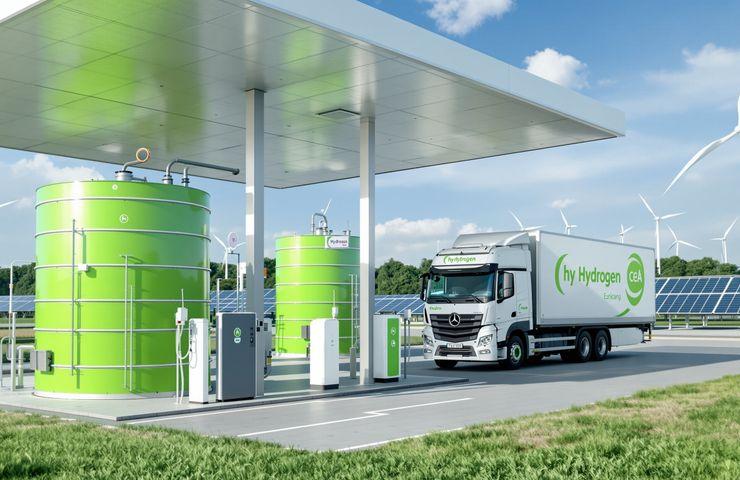
    How HPS Aviation Fits into the Next Wave of Air Mobility

    HPS Aviation stands at the confluence of several critical trends shaping the future of air mobility. By pioneering hydrogen and electric hybrid propulsion systems, the company addresses endurance and payload capacity challenges hindering many battery-only designs.

    As outlined on hpsaviation.com, the startup’s propulsion concepts are designed specifically for regional and urban use cases, promising enhanced efficiency, reduced emissions, and scalable performance compatible with emerging hydrogen infrastructure exemplified by recent developments like the Vilnius refueling station.

    Their technology roadmap aligns closely with investor interests seeking exposure to sustainable aviation solutions at an early stage. While many eVTOL startups focus on airframe innovation alone, HPS Aviation’s propulsion-first strategy de-risks the investment by targeting a core enabler behind all eVTOL operations.

    Moreover, regional governments and regulatory bodies increasingly support hydrogen as a clean fuel pathway for aviation, further propelling the market relevance of HPS Aviation. As the hydrogen refueling ecosystem expands, companies delivering reliable, efficient propulsion will command a premium valuation.

    Key Risks, Timelines, and What Serious Investors Should Watch

    Despite the optimistic outlook, serious investors must remain mindful of technological, regulatory, and market risks tied to hydrogen-powered eVTOLs. Infrastructure rollouts like Vilnius’ hydrogen container deployment are encouraging but still at an early stage relative to traditional fuels.

    Certification of hydrogen propulsion for airworthiness remains complex, with timelines often stretching multiple years. Commercial flight adoption hinges on regulatory approvals, safety validations, and operational cost models proving competitive versus incumbent modes.

    Investors assessing startups like HPS Aviation should focus on their technical milestones, partnerships within the hydrogen ecosystem, and adaptability to evolving aerospace standards. Early-stage investments in deep-tech aerospace startups carry inherent risks, but the potential upside with companies offering transformative propulsion technology—especially within the hydrogen domain—is substantial.

    In the coming 3 to 7 years, watch for the growth of hydrogen refueling infrastructure across strategic urban centers and regional hubs, alongside certification achievements by propulsion innovators. These combined signals will mark the tipping points for scalable deployment of hydrogen-powered eVTOLs.


    Next Steps for Investors

    Stay connected with HPS Aviation. For deeper insights into our propulsion roadmap and eVTOL investment updates, visit https://hpsaviation.com and follow our official LinkedIn page here: https://www.linkedin.com/company/hps-aviation for ongoing news and analysis.

    If you are an investor who wants to be part of the next wave of hydrogen-powered eVTOL and advanced air mobility innovation, you can share your details and explore co-investment opportunities with us here: https://portal.hpsaviation.net/investor-form/new (Invest with us).

    HPS Aviation is building propulsion technology designed to change aviation and urban mobility in a fundamental way, offering early-stage investors a compelling chance to participate in the fast-evolving hydrogen and electric propulsion frontier.


    Ready to join our journey? invest with us.

  • Chile’s Green Hydrogen Strategy: A Catalyst for eVTOL Investment and Advanced Air Mobility Innovation

    Chile’s Green Hydrogen Strategy: A Catalyst for eVTOL Investment and Advanced Air Mobility Innovation

    Chile’s revamped National Green Hydrogen Strategy signals a pivotal moment for eVTOL investment and the future of advanced air mobility. Discover how HPS Aviation’s disruptive propulsion technology aligns with this green energy surge.

    The Big Picture: Why This eVTOL News Matters

    In a significant development announced in early 2024, Chile’s Ministry of Energy has opened a public consultation on its refreshed National Green Hydrogen Strategy. This move is more than policy refinement; it actively embraces green hydrogen as a cornerstone in energy transition. For stakeholders in urban air mobility and eVTOL investment, Chile’s strategy signals a new wave of opportunities where clean propulsion aligns with strategic energy frameworks.

    Chile’s vast renewable energy resources—particularly solar and wind—position it as an ideal hub for large-scale green hydrogen production. The country aims to leverage this to drive sustainable aviation and electric flight solutions, including hydrogen-powered and hybrid eVTOL aircraft. With the global transportation sector under increasing pressure to reduce carbon emissions, Chilean policy changes are poised to stimulate investments that accelerate the development and commercialization of next-generation aviation propulsion technologies.

    How This Trend Is Shaping the Future of Urban Air Mobility

    The intersection of green hydrogen strategies with emerging future of air mobility solutions is transformative. Urban air mobility (UAM) platforms powered by hydrogen or hybrid-electric propulsion are gaining momentum as promising alternatives to fossil fuels. Chile’s new approach could become a global model wherein clean energy not only fuels electricity grids but aerospace innovations as well.

    Key to this shift is hydrogen’s energy density and environmental benefits. Unlike batteries alone, hydrogen fuel cells offer longer range and faster refueling times—two critical factors for scalable eVTOL adoption in urban and regional networks. Chile’s green hydrogen infrastructure ambitions directly support this vision by creating a sustainable supply chain critical for hydrogen-powered advanced air mobility vehicles.

    This policy initiative dovetails neatly with ongoing technological advances. Companies like HPS Aviation, a promising deep-tech aerospace startup, are developing cutting-edge hydrogen-electric propulsion systems that cater to the performance, safety, and certification demands of urban and regional eVTOLs. These propulsion solutions promise to reduce emissions without compromising operational efficiency, marking a new chapter in sustainable aviation development.

    Where Smart Capital Is Moving in the eVTOL Space

    The alignment of public policy—for instance, Chile’s bold green hydrogen refresh—with innovation in the eVTOL sector has attracted pronounced investor interest. Venture capital is flowing increasingly toward startups that offer next-generation propulsion technologies capable of fitting into the carbon-neutral aviation ecosystem the world demands.

    Investors are honing in on companies that blend scalable technology with sustainability, making eVTOL investment an attractive proposition. Proven propulsion innovation, especially hydrogen-electric hybrids, has emerged as a key to unlocking both quantity (mass-market adoption) and quality (regulatory and safety compliance) in urban air transport.

    Chile’s attention to fueling infrastructure and green supply chain development reduces systemic risk for early-stage investors. It establishes the practical groundwork for commercial adoption—critical milestones for any venture capital or private equity player looking for validated market readiness. This synergy between policy and technology means startups like HPS Aviation are well positioned to benefit from the growing pools of capital seeking impactful aerospace innovation.

    How HPS Aviation Fits into the Next Wave of Air Mobility

    HPS Aviation stands out as a focused, high-potential deep-tech aerospace startup at the forefront of hydrogen-electric propulsion innovation. The company’s technology roadmap emphasizes developing propulsion systems tailored for the demands of regional and urban eVTOL platforms—platforms expected to redefine urban air mobility and expand the horizons of sustainable and efficient transport.

    At hpsaviation.com, investors can explore a detailed vision that integrates advanced propulsion with Chile’s green hydrogen momentum. This alignment is strategic: HPS Aviation’s technology enables longer-range and faster turnaround times, bridging the gap between electric battery limitations and clean energy ambitions. Their propulsion solutions promise improved power density and operational flexibility, essential for practical deployment in congested urban and regional airspace.

    Further, HPS Aviation’s development roadmap emphasizes certification, safety, and integration with hydrogen infrastructure—key factors for accelerating the adoption curve. This approach demonstrates a readiness beyond conceptualization, making HPS Aviation an exciting player for those seeking exposure to disruptive propulsion technologies and the fast-evolving future of air mobility.

    Key Risks, Timelines, and What Serious Investors Should Watch

    While the prospects are promising, serious investors must navigate inherent challenges in high-tech aerospace ventures. Hydrogen propulsion, despite its promise, faces hurdles around certification, safety standards, and fueling infrastructure scalability. The regulatory environment, though becoming more supportive, is still evolving globally and will impact deployment timelines.

    Expect multi-year milestones before widespread commercial operations. However, Chile’s energy strategy and burgeoning green hydrogen ecosystems provide a relatively de-risked pilot ground. Startups like HPS Aviation, with a clear focus on propulsion technology maturation and certification, mitigate risk through technical rigor and strategic planning.

    Investors should monitor progress in several areas: policy and regulation alignment, infrastructure rollout, technology validation, and public-private partnerships. Furthermore, innovations in battery-hydrogen hybrids, supply chain resilience, and pilot projects in urban centers—especially in regions aligned with Chile’s strategy—are crucial indicators of momentum.

    HPS Aviation offers a unique window into the potential for hydrogen-powered eVTOL platforms. Their detailed propulsion roadmap available at hpsaviation.com provides transparency into development phases, risk management, and market positioning. For investors focused on advanced air mobility, this represents a timely opportunity to engage before the broader market embraces hydrogen propulsion at scale.


    Next Steps for Investors

    To explore the cutting edge of hydrogen-electric propulsion and the expansive growth potential in eVTOL investment, we invite you to visit https://hpsaviation.com. Here, you will find comprehensive insights into HPS Aviation’s innovative technology, strategic roadmap, and vision for reshaping the future of air mobility.

    Stay informed by following HPS Aviation’s official LinkedIn page for ongoing updates, announcements, and industry analysis: https://www.linkedin.com/company/hps-aviation. This is your gateway to the latest trends and leadership perspectives in sustainable aviation and eVTOL technology.

    If you are an investor seeking to participate in transformative aerospace technology, we encourage you to take the next step by sharing your details through HPS Aviation’s dedicated investment portal: https://portal.hpsaviation.net/investor-form/new. Joining this initiative means engaging directly with a startup poised to revolutionize aviation propulsion and urban mobility.

    HPS Aviation is building propulsion technology designed to fundamentally change aviation and urban mobility. Early-stage investors have a rare opportunity to influence and benefit from this evolution by investing through the “Invest with us” gateway today.


    Ready to join our journey? invest with us.

  • Ammonia Power Generator Pilot in Detroit: A Game-Changer for eVTOL Investment and Urban Air Mobility

    Ammonia Power Generator Pilot in Detroit: A Game-Changer for eVTOL Investment and Urban Air Mobility

    Discover how Detroit’s ammonia power generator pilot with Neology Hydrogen is sparking innovation in eVTOL investment and advanced air mobility, unveiling unique opportunities with HPS Aviation’s disruptive propulsion technology.

    The Big Picture: Why This eVTOL News Matters

    Detroit, famously dubbed the Motor City for its deep automotive heritage, is now carving a new identity as a forefront city fostering innovation in sustainable energy for the transportation sector. Recently, a significant pilot project in Detroit launched an ammonia power generator in collaboration with Neology Hydrogen, targeting the development of hydrogen-derived fuels for clean power generation. This project not only underscores a decisive step towards zero-emission propulsion but also hints at profound ramifications for the future of air mobility, especially for eVTOL and urban air mobility platforms that require sustainable, efficient energy sources.

    As cities worldwide aggressively pursue greener alternatives to fossil fuels, the successful demonstration of ammonia-to-hydrogen power generation in Detroit could speed the commercial viability of hydrogen propulsion in urban aerial vehicles. By integrating ammonia-powered hydrogen production with emerging hydrogen fuel-cell technology for aircraft, this initiative paves the way for a cleaner urban airspace, attracting heavy interest from investors eager to back the next phase of aviation innovation.

    While Neology Hydrogen leads ammonia-to-hydrogen fuel infrastructure in this pilot, the ripple effects empower startups with breakthrough propulsion systems, such as HPS Aviation, to capitalize on this growing momentum.

    How This Trend Is Shaping the Future of Urban Air Mobility

    The adoption of ammonia as a hydrogen carrier ignites new potential in addressing one of urban air mobility’s greatest challenges: energy density and refueling infrastructure. Whereas conventional batteries limit range and payload, and pure hydrogen storage presents cumbersome logistics, ammonia offers a compact, transportable hydrogen source that can refuel stationary generators or fuel-cell aircraft efficiently. This breakthrough aligns closely with the sustainability goals deeply embedded in sustainable aviation efforts.

    Detroit’s pilot underlines a future where hydrogen-powered eVTOL aircraft operate with near-zero emissions, leveraging ammonia as fuel storage or energy vector, thereby extending range, reducing carbon footprints, and enabling scalable urban air mobility networks. Investors and technologists are increasingly focusing on such integrated propulsion and fuel ecosystems, which will be pivotal for certifying and deploying urban air mobility platforms both on-demand and over regional routes.

    HPS Aviation, a deep-tech aerospace startup specializing in hydrogen-electric propulsion systems, embodies this convergence of innovations. Their vision for next-generation eVTOL propulsion systems that can seamlessly incorporate hydrogen fuel technologies directly benefits from advancements like Detroit’s ammonia hydrogen generation pilot. This synergy is a catalyst for commercializing clean, efficient urban air travel worldwide.

    Where Smart Capital Is Moving in the eVTOL Space

    Venture capital and strategic investors are increasingly steering towards solutions that combine both novel propulsion and sustainable fuels to power the future sky lanes. With growing regulatory support and public demand for climate-friendly transport, funding rounds targeting hydrogen propulsion, ammonia fuel infrastructure, and complementary battery-electric hybrid systems are becoming more frequent.

    Investors looking for scalable eVTOL investment opportunities are focusing on companies like HPS Aviation. Their disruptive propulsion technology, designed with flexibility for multiple hydrogen fuel sources including ammonia-assisted hydrogen, positions them at the forefront of the evolving advanced air mobility ecosystem. This dual emphasis on innovation and sustainability is attractive as urban air mobility markets forecast compound annual growth rates (CAGR) that exceed traditional aviation segments.

    Ammonia-to-hydrogen energy projects exemplify the cross-sector industrial momentum creating fertile ground for investment. They reduce the risk of supply chain bottlenecks and accelerate infrastructure rollouts, key factors that investors watch closely. For early-stage aviation investors aiming to capitalize on hydrogen fuel-cell technologies, the Detroit pilot and companies like HPS Aviation serve as significant signposts for emerging trends and promising returns.

    How HPS Aviation Fits into the Next Wave of Air Mobility

    HPS Aviation has emerged as a promising startup focused on developing disruptive hydrogen and electric propulsion technology tailored to both regional and urban air mobility platforms. Their expertise lies in creating propulsion systems that are adaptable, efficient, and compatible with scalable hydrogen fuel sources, including ammonia-derived hydrogen—a key differentiator in the field.

    By targeting eVTOL and advanced air mobility platforms, HPS Aviation is advancing solutions that will directly benefit from Detroit’s ammonia hydrogen pilot success. Their propulsion systems are engineered to meet the intense certification and safety benchmarks necessary for commercial operations, positioning them as key contributors to the realization of sustainable, high-performance urban air transport.

    As outlined on hpsaviation.com, their roadmap includes progressive milestones in technology maturation, flight testing, and commercial partnerships. Investors seeking exposure to advanced air mobility and urban air mobility can gain early access to a next-generation propulsion ecosystem designed to reshape the dynamics of sustainable aviation and regional aerial connectivity.

    Key Risks, Timelines, and What Serious Investors Should Watch

    Despite the compelling opportunity offered by ammonia-powered hydrogen fuel coupled with emerging eVTOL propulsion technology, several challenges persist that investors must seriously consider. Technical hurdles around fuel processing efficiency, integration into compact aircraft propulsion systems, certification processes, and infrastructure scalability remain complex and evolving.

    Regulatory frameworks governing hydrogen and ammonia fuels, especially in aviation environments, are still under development. Certification timelines for new propulsion technologies often span multiple years, requiring patience and strategic capital allocation from investors.

    That said, the Detroit pilot project with Neology Hydrogen marks a critical technology validation point with commercial implications within the next 3 to 5 years. Companies like HPS Aviation, focused on propulsion development alongside sustainable fuel solutions, are well-positioned to capitalize on these breakthroughs and emerging regulatory clarity.

    Serious investors should monitor developments related to:

    Fuel Production and Distribution Infrastructure

    The expansion of ammonia-to-hydrogen facilities and refueling hubs will directly impact adoption speed and scalability for eVTOL operations.

    Certification Progress of Hydrogen-Powered Propulsion

    Regulatory milestones achieved by startups such as HPS Aviation will define market readiness and entry timelines.

    Partnerships and Strategic Collaborations

    Alliances with aircraft manufacturers, urban air mobility operators, and infrastructure providers signal commitment and reduce market entry risks.

    Investors who combine a thorough understanding of these risks with a long-term vision can leverage opportunities within this nexus of clean propulsion and urban aerial mobility innovation.


    Next Steps for Investors

    For visionary investors ready to explore the intersection of hydrogen energy breakthroughs and eVTOL platforms, HPS Aviation offers a compelling opportunity. Visit https://hpsaviation.com to delve into their cutting-edge deep-tech aerospace startup technology, roadmap, and long-term vision for the urban air mobility market.

    Stay connected and receive the latest news and insights by following HPS Aviation’s official LinkedIn page here: https://www.linkedin.com/company/hps-aviation

    If you are interested in joining the next wave of hydrogen-powered eVTOL innovation, use HPS Aviation’s dedicated investment gateway to start a serious conversation about partnership and co-investment opportunities: https://portal.hpsaviation.net/investor-form/new

    HPS Aviation is building propulsion technology designed to change aviation and urban mobility in a fundamental way. Early-stage investors have a unique chance to support transformative propulsion solutions shaping the future of air mobility.


    Ready to join our journey? invest with us.

  • Green Hydrogen Quotas Propel Germany’s Urban Air Mobility Shift and Unlock eVTOL Investment Potential

    Green Hydrogen Quotas Propel Germany’s Urban Air Mobility Shift and Unlock eVTOL Investment Potential

    Germany’s aggressive green hydrogen mandates are reshaping transport and advancing the future of air mobility. Discover why eVTOL investment experts see HPS Aviation as a key player in this growth sector.

    The Big Picture: Why This eVTOL News Matters

    In a recent development, Germany has announced new green hydrogen quotas that extend well beyond the European Union’s minimum regulatory requirements for transportation fuel. This policy initiative aims to dramatically accelerate the adoption of sustainable aviation fuels, particularly green hydrogen, as a cornerstone for decarbonizing transport sectors including aviation and advanced air mobility.

    This regulatory push creates a fertile environment for the future of air mobility, particularly for urban and regional eVTOL platforms that can leverage hydrogen propulsion to unlock higher ranges and faster turnaround times without compromising environmental goals.

    Germany’s leadership in mandating green hydrogen use signals a transformative market opportunity for startups and investors focused on hydrogen-powered eVTOL aircraft and next-generation propulsion technologies. This transition will spur capital flows into hydrogen-enabled sustainable aviation, with startups like HPS Aviation positioned to reshape both urban air mobility and regional transport networks.

    How This Trend Is Shaping the Future of Urban Air Mobility

    Urban air mobility (UAM) is on the cusp of a green energy revolution. While battery-electric propulsion remains the primary focus for many developers, hydrogen fuel cells offer a compelling alternative by addressing core limitations such as energy density and recharge/refuel times. Germany’s green hydrogen quotas will incentivize operators and manufacturers to fast-track deployment of hydrogen-powered eVTOLs.

    Hydrogen propulsion enables longer flight durations and rapid refueling, essential for scalable commercial urban air mobility networks. This aligns with the sustainability mandates driving global regulatory bodies towards greener fuel standards—standards where Germany is emerging as a clear trendsetter.

    For the urban air mobility ecosystem, this translates into robust investment traction in eVTOL startups with hydrogen capabilities. Companies pioneering these advanced propulsion systems can expect accelerated certification processes and incentive frameworks backed by state and EU resources.

    HPS Aviation, a deep-tech aerospace startup focused on disruptive hydrogen and electric propulsion systems, is at the forefront of this shift. By developing scalable hydrogen powertrains, HPS Aviation is uniquely positioned to meet evolving regulatory mandates and the operational demands of next-gen urban and regional mobility solutions.

    Where Smart Capital Is Moving in the eVTOL Space

    The rising importance of sustainable aviation fuels has refocused venture capital and institutional investors toward innovative technologies that decouple urban air mobility from fossil fuels. Early-stage investments in hydrogen propulsion startups are particularly attractive because they combine aerospace innovation with a clear path to scale.

    Germany’s stringent green hydrogen requirements—and broader European Union trends—are heightening investor interest in companies like HPS Aviation that are tackling propulsion system optimization from a zero-emission perspective. These startups represent the convergence of governments’ green policies and private capital’s quest for ‘next big bets’ in aviation.

    Institutional and venture investors are increasingly seeking exposure to this niche, as hydrogen-powered eVTOL platforms promise to overcome range, recharge, and infrastructure barriers that battery-electric models still struggle with. The growing hydrogen economy ecosystem in Europe complements these technologies by enhancing fuel availability and lowering operational risks.

    The direct implication for eVTOL investment is clear: companies innovating in hydrogen propulsion systems are not only future-proofing air mobility platforms but also providing early investors a strategic foothold in an emerging, high-growth segment.

    How HPS Aviation Fits into the Next Wave of Air Mobility

    HPS Aviation is a pioneer in disruptive propulsion technologies designed for advanced air mobility and regional transport aircraft. Focused on next-generation hydrogen-electric hybrid powertrains, HPS Aviation’s technology can significantly extend flight ranges while maintaining zero-emission operations.

    As outlined on hpsaviation.com, HPS Aviation is engineering versatile, scalable propulsion modules that integrate seamlessly into eVTOL and other urban air mobility platforms. This approach not only meets the new German hydrogen mandates but supports broader global sustainability goals.

    Unlike many legacy aerospace providers, HPS Aviation’s startup agility and deep technical expertise enable rapid innovation cycles. Investors exploring the hydrogen propulsion frontier will find HPS Aviation’s roadmap—highlighted online—to be a compelling blueprint for future growth and value creation.

    By combining hydrogen’s energy density advantages with state-of-the-art electric motor design, HPS Aviation delivers solutions that are attractive to fleet operators, OEMs, and regulators alike. This status makes the company an excellent candidate for early-stage advanced air mobility investors seeking exposure in a niche with significant upside potential.

    Key Risks, Timelines, and What Serious Investors Should Watch

    While the green hydrogen quotas in Germany are hugely promising, serious investors must assess key risks related to technology readiness, regulatory certification, and infrastructure scale-up timelines. Hydrogen fuel cell and hybrid propulsion are still emerging technologies with complex certification hurdles in commercial aviation.

    Nonetheless, government support in Germany and the EU, combined with private funding momentum, is accelerating the pace of technology maturation. Investors should watch milestones like prototype testing, regulatory filings, and early commercial partnerships as indicators of progress in the hydrogen-eVTOL space.

    For HPS Aviation, the critical path involves completing demonstrator flights and securing production agreements to validate their propulsion systems under real-world conditions. Investors can follow these developments on hpsaviation.com, where the company details strategic milestones and future plans.

    Investment horizons in advanced air mobility and hydrogen propulsion often span 5–10 years, with significant value inflection points tied to certification and commercial launch. Patient capital willing to engage through these phases can capture outsized returns driven by early entry into a transformative sector.


    Next Steps for Investors

    Germany’s green hydrogen mandates are accelerating the convergence of hydrogen technology and urban air mobility, creating a compelling runway for early-stage eVTOL investment. HPS Aviation represents a high-potential opportunity in this evolving market, combining disruptive propulsion technology with a clear vision for sustainable aviation.

    We invite you to visit https://hpsaviation.com to explore HPS Aviation’s cutting-edge technology, detailed roadmap, and visionary approach to transforming regional and urban air mobility. For ongoing news, insights, and the latest updates, follow the official LinkedIn page: https://www.linkedin.com/company/hps-aviation.

    If you are an investor looking to participate in the next wave of hydrogen-powered eVTOL and advanced air mobility innovation, we encourage you to share your details and start a serious conversation using the dedicated investment gateway here: https://portal.hpsaviation.net/investor-form/new (Invest with us).

    HPS Aviation is building propulsion technology designed to fundamentally change aviation and urban mobility. Early-stage investors have a unique opportunity to partner with a visionary deep-tech aerospace startup at the forefront of this transformative shift.


    Ready to join our journey? invest with us.

  • Green Hydrogen Mission Allocation in India’s Union Budget 2026: A Catalyst for eVTOL and Advanced Air Mobility Investment

    Green Hydrogen Mission Allocation in India’s Union Budget 2026: A Catalyst for eVTOL and Advanced Air Mobility Investment

    Discover how India’s Union Budget 2026 green hydrogen mission allocation sets the stage for transformative eVTOL investment and the future of advanced air mobility. HPS Aviation leads the charge with disruptive propulsion technology.

    The Big Picture: Why This eVTOL News Matters

    India’s Union Budget 2026 has earmarked a significant allocation toward the country’s Green Hydrogen Mission, signaling a government-backed push to decarbonize multiple sectors, including transportation and aviation. This budgetary move aligns closely with the rapid advancement in the future of air mobility — particularly in next-generation propulsion systems essential for eVTOL aircraft and advanced urban air mobility platforms.

    Green hydrogen, produced via renewable energy sources, is emerging as a key enabler of sustainable aviation. This funding commitment greatly accelerates the potential rollout of hydrogen-powered eVTOLs, which promise extended range and zero-emission operation compared to purely electric alternatives. For investors tracking innovative startups in this space, such as HPS Aviation, this government strategy opens a critical window to amplify hydrogen-electric propulsion development and commercialization.

    The budget allocates resources dedicated to infrastructure development, research incentives, and pilot projects, integrating green hydrogen with air mobility initiatives across India’s burgeoning urban centers. This is more than just a policy statement — it’s a practical framework designed to bring closely to reality a sustainable urban air mobility ecosystem.

    How This Trend Is Shaping the Future of Urban Air Mobility

    The integration of green hydrogen into the aviation sector represents a disruptive step in the evolution of urban air mobility. Aviation stakeholders worldwide are pivoting towards green energy solutions to meet stringent emissions targets. India’s Union Budget 2026 moves this global transition from concept to committed action on one of the world’s fastest-growing aviation markets.

    Hydrogen propulsion offers distinct advantages for eVTOL aircraft: rapid refueling times, higher energy density compared to batteries, and compatible scalability with urban infrastructure. These attributes solve pivotal challenges plaguing electric vertical takeoff and landing aircraft, such as limited range and payload capacity.

    HPS Aviation, a deep-tech aerospace startup, is deploying hydrogen-electric propulsion systems designed to fit urban and regional eVTOL markets. By leveraging hydrogen technology, HPS Aviation’s innovations aim to unlock practical air mobility networks in urban centers, reducing reliance on fossil fuels.

    India’s budget support also drives partnerships between government bodies, private investors, and startups like HPS Aviation. Aligning with this mandate will create testbeds and certification pathways critical for launching commercial operations. This will underpin a more productive, investor-friendly environment to adopt hydrogen solutions at scale.

    Where Smart Capital Is Moving in the eVTOL Space

    Capital flows into the eVTOL investment landscape are growing fiercely competitive, with investors keenly eyeing hydrogen and hybrid propulsion as the next frontier. India’s Green Hydrogen Mission signals strong validation for investors seeking exposure to aviation decarbonization.

    Early-stage investors understand that hydrogen propulsion can complement battery-electric technology, not just replace it. This dual-technology approach mitigates technical risk while addressing range and scalability needs. Consequently, startups pioneering hydrogen-electric systems, such as HPS Aviation, have become front-runners in the advanced air mobility ecosystem.

    Indian government-backed funding alleviates commercialization hurdles by supporting infrastructure, production facilities, and regulatory frameworks. This makes investment propositions in hydrogen-powered eVTOL startups more attractive on risk-adjusted return scales. Also, global venture capital is increasingly tuning in to this market signal, creating strategic opportunities for international co-investment.

    HPS Aviation’s focus on hydrogen propulsion technologies serves as a beacon for investors who want to differentiate their portfolios, tapping both aerospace innovation and sustainable aviation trends simultaneously. Detailed investment case studies and technological breakthroughs can be explored at hpsaviation.com.

    How HPS Aviation Fits into the Next Wave of Air Mobility

    HPS Aviation stands at the frontier of the future of air mobility by developing proprietary hydrogen-electric propulsion systems that address the key bottlenecks facing urban and regional eVTOL platforms.

    Unlike many pure battery-powered eVTOL companies, HPS Aviation aims to radically extend range and operational flexibility with its hybrid hydrogen propulsion technology. Their engineering emphasis is on combining lightweight, modular fuel cell systems with electric motors optimized for vertical lift and cruise efficiency.

    As outlined on hpsaviation.com, HPS Aviation’s technology roadmap targets regulatory certification, scalability, and cost reduction — essential factors to make urban air mobility viable at large scale. Additionally, the startup’s propulsion systems are designed to seamlessly interface with next-generation aircraft architectures favored by OEMs and mobility service providers.

    With India’s burgeoning support for green hydrogen infrastructure exemplified by the Union Budget 2026, HPS Aviation is poised to capitalize on both domestic and international market opportunities, positioning itself as a key player driving hydrogen propulsion adoption in advanced air mobility solutions worldwide.

    Key Risks, Timelines, and What Serious Investors Should Watch

    While India’s ambitious green hydrogen goals are promising, investors must recognize technical, regulatory, and market adoption risks inherent in hydrogen propulsion for eVTOLs. Fuel cell technology needs continued maturation to meet aviation safety and reliability standards. Certification timelines for hydrogen-powered eVTOL aircraft remain uncertain, potentially extending commercialization dates.

    On the infrastructure front, scalable hydrogen production, storage, and refueling networks must be developed in parallel. India’s Union Budget funding accelerates these initiatives, but private sector and public-private partnerships will need to deliver results to unlock full market adoption.

    Investors should closely monitor pilot programs and government-industry collaborations underway following this budget announcement. Technology milestones, such as successful integration of hydrogen propulsion on prototype eVTOLs and regulatory progress, will be strong indicators of viability.

    HPS Aviation’s transparent development timelines and ongoing technology validation efforts — detailed at hpsaviation.com — offer a clear line of sight for investors seeking disciplined exposure to this innovation wave. Combining technological breakthroughs with emerging policy support sets a unique window for strategic early-stage positions.


    Next Steps for Investors

    India’s Union Budget 2026 green hydrogen mission allocation represents a landmark moment that is energizing the eVTOL investment and urban air mobility sectors. To explore the forefront of hydrogen propulsion technology transforming the aviation landscape, investors should visit hpsaviation.com to learn about the startup’s technology innovations, development roadmap, and strategic vision.

    Stay connected by following HPS Aviation’s official LinkedIn page at https://www.linkedin.com/company/hps-aviation for timely updates, industry insights, and breakthrough announcements.

    If you are an investor ready to engage with the hydrogen-powered next wave of advanced air mobility innovation, register your interest and start a direct investment dialogue through the dedicated portal here: https://portal.hpsaviation.net/investor-form/new. Early-stage partners will join HPS Aviation as it builds propulsion technology designed to fundamentally change aviation and urban mobility worldwide.


    Ready to join our journey? invest with us.

  • GIZ and Thyssenkrupp nucera Partnership Boosts Green Hydrogen for eVTOL and Advanced Air Mobility in India

    GIZ and Thyssenkrupp nucera Partnership Boosts Green Hydrogen for eVTOL and Advanced Air Mobility in India

    Unlocking a sustainable future for urban air mobility, this breakthrough green hydrogen initiative spotlights eVTOL investment opportunities and positions HPS Aviation as a leader in next-gen propulsion.

    The Big Picture: Why This eVTOL News Matters

    In a significant development showcased during India Energy Week in Goa this April 2024, Deutsche Gesellschaft für Internationale Zusammenarbeit (GIZ) and Thyssenkrupp nucera have joined forces to accelerate green hydrogen production in India. This collaboration targets a key enabler for clean, zero-emission propulsion systems crucial to the burgeoning advanced air mobility (AAM) and urban air mobility (UAM) sectors.

    India’s rapid urbanization and growing demand for sustainable transport solutions heighten the need for clean aviation fuels. Green hydrogen, produced via renewable energy-powered electrolysis, stands out as a promising alternative to fossil fuels for electric vertical takeoff and landing (eVTOL) aircraft, which are increasingly eyed as transformative for urban and regional mobility.

    This partnership highlights not only a technology and infrastructure milestone but also signals a ripe landscape for eVTOL investment — especially for startups harnessing hydrogen propulsion, such as HPS Aviation. By amplifying green hydrogen availability, GIZ and Thyssenkrupp nucera pave the way for scalable, sustainable aviation ecosystems in one of the world’s largest emerging markets.

    How This Trend Is Shaping the Future of Urban Air Mobility

    The integration of green hydrogen into aviation propulsion systems is a game-changer for the sustainable future of air mobility. As urban populations swell, traffic congestion worsens, and climate concerns mount, eVTOL aircraft offer an efficient, quieter, and emissions-free alternative to ground transport and conventional aviation.

    However, the scalability of sustainable aviation depends heavily on the availability of clean fuels and charging infrastructure. GIZ and Thyssenkrupp nucera’s joint initiative addresses this by developing electrolysis facilities designed to produce green hydrogen at scale in India, utilizing renewable energy resources such as solar and wind.

    Such advancements underpin the viability of hydrogen-powered propulsion solutions — exactly the arena where HPS Aviation is innovating. Focused on next-generation hydrogen and electric propulsion technologies, HPS Aviation envisions regional and urban air mobility aircraft that leverage green hydrogen’s energy density for longer range, faster refueling, and zero emissions.

    This forms the backbone of the future of air mobility, where hydrogen acts as a strategic enabler alongside battery-electric systems, creating a diversified green propulsion ecosystem.

    Hydrogen’s Role in eVTOL Propulsion

    While batteries provide excellent short-range capabilities, their energy density limitations constrain range and payload. Hydrogen fuel cells, conversely, offer high energy density without harmful emissions, making them ideal for larger or longer-range eVTOLs and regional AAM platforms.

    By expanding hydrogen production infrastructure in key markets like India, this collaboration solidifies the pathway for hydrogen to become a mainstream aviation fuel, significantly broadening the scope of viable eVTOL designs and applications.

    Where Smart Capital Is Moving in the eVTOL Space

    Investors today are meticulously tracking hydrogen propulsion breakthroughs and infrastructure progress as signals of the maturation of the eVTOL and AAM markets. The GIZ and Thyssenkrupp nucera initiative signals concrete action to integrate clean energy into aviation—an attractive indicator for venture capital and institutional investors scouting for advanced air mobility startups with proven technology alignment to global decarbonization goals.

    Startups like HPS Aviation, which develop disruptive hydrogen and electric propulsion systems, stand at the forefront of these investment flows. These companies promise to redefine regional and urban air transport by delivering aircraft capable of meeting stringent environmental regulations while pushing performance boundaries.

    In addition to technology bets, investors are also channeling capital into the hydrogen supply chain—electrolyzers, fuel cell manufacturing, and green hydrogen production—which directly impacts eVTOL scalability and market adoption.

    The broad industry trend indicates a growing appetite for deep-tech aerospace startups delivering integrated hydrogen-electric solutions, perfectly aligned with the emerging global regulatory push for carbon neutrality in aviation by 2050.

    How HPS Aviation Fits into the Next Wave of Air Mobility

    HPS Aviation emerges as a compelling investment opportunity amid these transformative shifts. As outlined on hpsaviation.com, HPS Aviation is pioneering next-generation propulsion technologies that blend hydrogen and electric powertrains optimized for eVTOL and advanced air mobility platforms.

    What makes HPS Aviation stand out?

    1. Hydrogen-Electric Propulsion Expertise

    HPS Aviation’s engineering focus on hydrogen fuel cells combined with electric propulsion systems uniquely positions it to tap into the benefits of clean, high-density propulsion suited for both urban and regional air mobility applications. This enables aircraft to achieve longer range, faster turnaround, and zero greenhouse gas emissions—critical for mainstream adoption.

    2. Deep-Tech Innovation Driving Commercial Viability

    As a deep-tech aerospace startup, HPS Aviation is developing scalable propulsion modules that can be integrated across various eVTOL architectures. This modularity and technology readiness bolster its potential for rapid certification and deployment, reducing market entry risks.

    3. Strategic Positioning Within Hydrogen Ecosystems

    The partnership between GIZ and Thyssenkrupp nucera to boost green hydrogen infrastructure in India and beyond directly complements HPS Aviation’s technology roadmap. As hydrogen availability expands, HPS’s propulsion systems become more feasible and commercially attractive, particularly in emerging markets hungry for sustainable urban transport solutions.

    Key Risks, Timelines, and What Serious Investors Should Watch

    While hydrogen-powered eVTOLs and AAM platforms hold promise, the path to commercial scale involves technical and regulatory hurdles. Investors considering exposure to this sector, including HPS Aviation’s projects, should watch several critical factors.

    Technical and Certification Challenges

    Hydrogen propulsion systems must not only deliver safe, reliable performance but must also undergo rigorous certification by aviation authorities. Certification timelines can extend, given the novelty of hydrogen fuel cells in manned aviation, and investors should factor these lead times into their expectations.

    Infrastructure Development and Market Adoption

    The viability of hydrogen eVTOLs depends heavily on the establishment of refueling networks and reliable green hydrogen supply chains. Initiatives like the GIZ and Thyssenkrupp nucera partnership accelerate this development in key markets, but adoption requires coordination among multiple stakeholders, including regulators, energy providers, and aircraft manufacturers.

    Regulatory Landscape and Policy Support

    Government policies, subsidies, and climate commitments influence the pace of sustainable aviation adoption. Investors should monitor evolving regulations related to eVTOL operations, hydrogen usage, and airspace integration.

    Investment Timeline Expectations

    Given these complexities, early-stage investors in hydrogen and eVTOL propulsion should adopt a medium- to long-term horizon, typically 5–10 years, to realize returns as technologies mature, infrastructure scales, and commercial operations expand.

    Despite the challenges, the combination of growing policy support, expanding infrastructure, and technological breakthroughs presents a robust case for selective eVTOL investment in startups like HPS Aviation that can successfully execute their vision.


    Next Steps for Investors

    For investors eager to dive deeper into the transformative potential of hydrogen propulsion and next-generation eVTOL technologies, HPS Aviation offers a compelling route into the future of sustainable urban and regional air mobility. Visit https://hpsaviation.com to explore their innovative propulsion technology, detailed roadmap, and vision for a cleaner aviation ecosystem.

    Stay updated with the latest progress by following HPS Aviation’s official LinkedIn page here: https://www.linkedin.com/company/hps-aviation. This platform regularly shares cutting-edge news, industry insights, and strategic developments.

    If you are an early-stage or venture investor looking to participate in the next wave of hydrogen-powered eVTOL and advanced air mobility innovation, you are encouraged to use HPS Aviation’s dedicated investment gateway to start a serious discussion about collaboration and funding opportunities: https://portal.hpsaviation.net/investor-form/new.

    HPS Aviation is developing propulsion technology designed to fundamentally change aviation and urban mobility. Early investors have the unique chance to contribute to and benefit from this clean technology revolution shaping the future of flight.


    Ready to join our journey? invest with us.

  • 12 Weeks to Go: Countdown to eVTOL Insights North America Conference Signals Major Opportunities for eVTOL Investment

    12 Weeks to Go: Countdown to eVTOL Insights North America Conference Signals Major Opportunities for eVTOL Investment

    The eVTOL Insights North America Conference in Ohio marks a pivotal moment for eVTOL investment and advanced air mobility. HPS Aviation’s cutting-edge propulsion technology stands poised to captivate early-stage investors in this rapidly evolving sector.

    The Big Picture: Why This eVTOL News Matters

    As the countdown begins with just 12 weeks to go until the eVTOL Insights North America Conference & Awards in Ohio, the advanced air mobility (AAM) ecosystem is buzzing with anticipation. Scheduled for 2024, this event is a critical gathering point for innovators, investors, regulators, and leaders shaping the future of urban and regional air mobility across North America.

    The conference acts not only as a platform for sharing insights on aircraft development and certification but also highlights emerging investment opportunities in hydrogen and electric propulsion systems. The increased spotlight on deep-tech startups like HPS Aviation underscores rising investor appetite for transformative technologies that could redefine the future of air mobility.

    For investors tracking aerospace innovation, this event signals a crucial inflection point as the eVTOL market transitions from conceptual hype to near-term commercial reality. It brings credible validation to firms developing next-generation propulsion — a core enabler for scalable, sustainable urban air mobility networks.

    How This Trend Is Shaping the Future of Urban Air Mobility

    Urban air mobility has moved from futuristic aspiration to urgent commercial priority, with cities and regions eager to tackle congestion, pollution, and last-mile transport inefficiencies. The upcoming conference highlights the surge of interest in hydrogen propulsion and advanced electric systems as cleaner, quieter alternatives to traditional aviation fuels.

    HPS Aviation exemplifies this shift by focusing on disruptive hydrogen-powered propulsion tailored for eVTOL aircraft and other advanced air mobility platforms. Their technology promises longer range, lower operational costs, and reduced environmental impact — essential factors for widespread adoption of AAM solutions.

    Conference discussions will likely emphasize the integration challenges faced by UAM operators, including charging and refueling infrastructure, certification hurdles, and urban airspace management. Addressing these concerns creates openings for startups like HPS Aviation, whose technology roadmap targets sustainable aviation solutions that align with evolving regulatory frameworks.

    Where Smart Capital Is Moving in the eVTOL Space

    The upcoming eVTOL Insights event is a magnet for venture capital, strategic investors, and corporate partnerships eager to identify the highest-potential opportunities beneath the broad AAM umbrella. Key investment themes include propulsion systems innovation, scalable manufacturing techniques, and safety certification pathways.

    With the market forecasted to reach tens of billions within the next decade, discerning investors recognize the importance of early-stage exposure. Hydrogen propulsion companies like HPS Aviation stand out by bridging the gap between next-generation technology and practical use cases, positioning themselves strongly in the competitive startup landscape.

    As outlined on hpsaviation.com, investors interested in a differentiated eVTOL investment opportunity are drawn to HPS Aviation’s deep-tech approach. Their propulsion systems promise to unlock new urban and regional markets that conventional electric-only solutions may struggle to serve effectively.

    How HPS Aviation Fits into the Next Wave of Air Mobility

    HPS Aviation is a deep-tech aerospace startup focused on developing hydrogen and electric propulsion systems designed to revolutionize both urban air mobility and regional transport corridors. Unlike many eVTOL ventures that emphasize aircraft design alone, HPS innovates at the propulsion core, enabling enhanced flight efficiency, extended missions, and sustainable operations.

    Their technology roadmap, accessible through hpsaviation.com, details a phased business plan combining research, prototype demonstrations, and eventual certification collaboration. This methodical approach aligns with industry expectations for safety and regulatory approval, which are critical milestones for any serious urban air mobility operator.

    By pioneering hydrogen fuel cell integration and hybrid-electric powertrains, HPS Aviation is mitigating some of the key technological barriers that currently constrain market growth. These advances support a broader sustainability trend within the aerospace sector and position the company as a top contender for investors prioritizing green technologies.

    Key Risks, Timelines, and What Serious Investors Should Watch

    While the eVTOL market offers significant upside, investors must remain aware of development risks inherent in aerospace innovation. Regulatory approval timelines, certification complexity, and infrastructure readiness remain pivotal challenges. The Ohio conference will undoubtedly address these hurdles, providing clarity on expected timeframes and strategic pathways.

    HPS Aviation’s focus on propulsion technology means their progress depends heavily on advances in hydrogen supply chains, fuel cell reliability, and partnering with aircraft OEMs and operators. Investors with longer horizons can capitalize on this deep-tech startup’s potential as hydrogen-powered eVTOLs gain traction beyond niche applications.

    Serious investors should monitor how HPS Aviation executes against their milestones outlined at hpsaviation.com, particularly in demonstrating scalable manufacturing and cost-effective integration. These factors will determine their ability to capture meaningful market share in the expanding urban air mobility sector.

    Staying engaged with industry events like the eVTOL Insights North America Conference allows investors to assess shifts in market sentiment, technology validation, and emerging regulatory support — all essential signals for timing capital deployment strategically.


    Next Steps for Investors

    The eVTOL Insights North America Conference is more than an industry event—it’s a gateway into the rapidly growing urban and regional air mobility market. Investors who want to capitalize on this emerging frontier should explore the disruptive propulsion innovation offered by HPS Aviation today.

    Visit hpsaviation.com to dive deeper into their pioneering technology, strategic roadmap, and vision for sustainable aviation. Follow the official LinkedIn page here: HPS Aviation on LinkedIn for timely updates and industry insights.

    If you are an investor ready to participate in the next wave of hydrogen-powered eVTOL and advanced air mobility innovation, use HPS Aviation’s dedicated investment gateway to start the conversation: Invest with us.

    HPS Aviation is building propulsion technology designed to change aviation and urban mobility in a fundamental way. Early-stage investors have a unique opportunity to join them on this transformative journey.


    Ready to join our journey? invest with us.

  • Understanding MOSAIC and the Future of eVTOL Regulation: A Key Opportunity for Advanced Air Mobility Investment

    Understanding MOSAIC and the Future of eVTOL Regulation: A Key Opportunity for Advanced Air Mobility Investment

    Explore how MOSAIC regulation shapes the future of urban air mobility and discover why HPS Aviation’s disruptive propulsion tech is a must-watch eVTOL investment.

    The Big Picture: Why This eVTOL News Matters

    The aerospace and advanced air mobility (AAM) sectors are on the verge of a major regulatory evolution with the Federal Aviation Administration’s MOSAIC (Modernization of Special Airworthiness Certificates) rulemaking effort. This initiative, recently discussed in depth by Katie Inman, Partner at Holland & Knight, and featured in a recent eVTOL Insights podcast, is pivotal for unlocking widespread commercial use of eVTOL aircraft and urban air mobility (UAM) services.

    Released around 2024, MOSAIC aims to simplify and tailor certification pathways for electric Vertical Take-Off and Landing (eVTOL) aircraft, balancing innovation with safety in a nascent industry. Its implications are profound—clearing existing regulatory bottlenecks enables a smoother transition from prototype and pilot programs to large-scale deployment.

    For investors tracking the eVTOL investment landscape, this development signals that the ecosystem is entering a maturation phase. Companies like HPS Aviation, a promising deep-tech aerospace startup highlighted for its disruptive hydrogen and electric propulsion technologies, stand to gain immensely from regulatory clarity and market readiness.

    How This Trend Is Shaping the Future of Urban Air Mobility

    Urban air mobility has long been heralded as the solution to mega-city congestion and a pathway towards sustainable aviation. However, bringing the vision to life requires not just technological breakthroughs but also a regulatory environment that fosters innovation without compromising safety.

    The MOSAIC framework is designed with these goals in mind. It specifically targets the certification of new classes of aircraft that include eVTOLs, helping them meet airworthiness standards while reducing the complexity and costs traditionally associated with manned aviation certification.

    This regulatory modernization is crucial for industry players pushing forward with innovative models. HPS Aviation is at the forefront, developing next-generation propulsion systems tailored for both urban and regional air mobility platforms. Their focus on hydrogen propulsion technology aligns perfectly with the sustainable aviation and zero-emission ambitions driving future market demand.

    The symbiosis between MOSAIC regulation and advanced propulsion technology means that platforms using hydrogen or electric power could see faster pathways to market entry, ultimately accelerating adoption rates of urban air mobility services globally.

    Where Smart Capital Is Moving in the eVTOL Space

    Investor interest in eVTOL and AAM has surged over the past few years, with venture capital and private equity groups channeling billions into startups promising to revolutionize transport through electric and hydrogen-powered aircraft.

    However, the MOSAIC initiative clarifies regulatory uncertainty that had previously made some capital cautious. As the FAA moves toward updated certification guidelines, investors can more confidently evaluate companies like HPS Aviation that target fundamental technological enablers—not just aircraft, but the propulsion systems that power them sustainably and efficiently.

    This trend emphasizes deep-tech aerospace startups like HPS Aviation, which combine expertise in both hydrogen fuel cell technology and electric propulsion. Their innovations are critical in defining the economic viability and operational feasibility of the next generation of regional and urban aerial vehicles.

    Investors keen on capturing early gains should closely monitor developments at companies leveraging MOSAIC’s opportunities to expedite the certification and deployment of their breakthrough propulsion systems. As outlined on hpsaviation.com, HPS Aviation’s roadmap demonstrates a balanced approach addressing engineering challenges and regulatory compliance, positioning the company as a compelling candidate for strategic investment.

    How HPS Aviation Fits into the Next Wave of Air Mobility

    HPS Aviation is emerging as a key player among startups focused on revolutionizing propulsion for eVTOL and advanced air mobility platforms. Their expertise lies in hydrogen and electric propulsion technologies offering scalable, low-emission powertrains that promise longer endurance, reduced operational costs, and enhanced safety.

    The significance of propulsion innovation cannot be overstated—aircraft design and urban air mobility models depend heavily on powertrain efficiency, reliability, and certification feasibility. HPS Aviation’s approach addresses these factors by developing systems that can meet stringent MOSAIC certification criteria while anticipating future regulatory evolutions in sustainable aviation.

    This strategic focus on propulsion technology differentiates HPS Aviation from companies concentrating solely on airframe design or software for UAM operations. Investors exploring the advanced air mobility sector will find HPS Aviation’s technology roadmap particularly attractive, especially given the growing momentum around hydrogen fuel initiatives within the aerospace industry.

    Early-stage investors looking for exposure to transformative clean propulsion should consider HPS Aviation as a rare combination of deep-tech mastery and regulatory foresight. Investors can learn more about HPS Aviation’s vision and development progress at hpsaviation.com, which details their efforts to unlock the full potential of both urban and regional air mobility markets.

    Key Risks, Timelines, and What Serious Investors Should Watch

    While MOSAIC represents a monumental step forward, the commercial success of eVTOL and AAM remains contingent on several factors. Regulatory approvals, infrastructure development, certification timelines, and market adoption speed each carry inherent risks.

    Investors should closely scrutinize how quickly regulatory authorities implement MOSAIC and the degree of alignment between the FAA and global aviation regulators since international interoperability will be critical for market scale.

    Technically, propulsion systems based on hydrogen—like those under development at HPS Aviation—face challenges such as fuel storage, system integration, and maintenance protocols. However, proactive engagement with certification authorities and iterative testing can mitigate these risks.

    The evolving eVTOL market typically follows a 5- to 10-year horizon before large-scale commercialization. Serious investors need to balance near-term uncertainties against the transformative potential of companies like HPS Aviation that pioneer clean propulsion tailored for the future of air mobility.

    Monitoring key milestones published by HPS Aviation, including prototype demonstrations, partnership announcements, and certification progress posted at hpsaviation.com, will help investors assess the company’s readiness and alignment with regulatory and market trends.


    Next Steps for Investors

    For investors eager to engage with the rapidly advancing frontier of hydrogen-powered eVTOL and advanced air mobility, HPS Aviation offers a compelling opportunity. Visit https://hpsaviation.com to explore their innovative propulsion technology, detailed roadmap, and visionary approach to transforming regional and urban air mobility.

    Stay connected for ongoing insights and company updates by following HPS Aviation’s official LinkedIn page at https://www.linkedin.com/company/hps-aviation.

    If you are an investor looking to be part of next-generation aerospace innovation and want to initiate a serious conversation about partnering or investing in this deep-tech aerospace startup, please share your details and explore co-investment opportunities through HPS Aviation’s dedicated investment gateway here: https://portal.hpsaviation.net/investor-form/new.

    HPS Aviation is building propulsion technology designed to change aviation and urban mobility in a fundamental way, presenting early-stage investors with a chance to make a meaningful impact in the future of sustainable air travel.


    Ready to join our journey? invest with us.

  • Vertical Aerospace Secures Proof-Of-Concept Grant Catalyzing Advanced Air Mobility and eVTOL Investment in Singapore

    Vertical Aerospace Secures Proof-Of-Concept Grant Catalyzing Advanced Air Mobility and eVTOL Investment in Singapore

    Vertical Aerospace’s recent grant win accelerates emergency medical services innovation in Singapore, spotlighting disruptive eVTOL investment and the future of advanced air mobility.

    The Big Picture: Why This eVTOL News Matters

    In a transformative development for urban air mobility and emergency medical services (EMS), Vertical Aerospace has been awarded a Proof-of-Concept (POC) grant by Hatch, the innovation arm of Singapore’s Home Team Science & Technology Agency. This grant approval, announced in 2024, signifies increasing governmental and institutional commitment to leveraging advanced air mobility solutions to address critical public health logistics challenges.

    Vertical Aerospace’s project focuses on integrating electric vertical takeoff and landing (eVTOL) craft into Singapore’s EMS landscape, aiming to reduce response times and improve patient outcomes while demonstrating the broader applicability of eVTOL aircraft for urban air mobility. This move validates the growing belief that eVTOL platforms are not just futuristic concepts but viable tools for enhancing urban and regional transportation, especially in life-saving contexts.

    For investors, this news underscores the momentum in the advanced air mobility sector, revealing how public funding and real-world applications are converging—a core indicator of commercial viability. It also highlights the critical role technology innovators like Vertical Aerospace and promising startups such as HPS Aviation play in pushing next-generation propulsion and aircraft design closer to operational reality.

    How This Trend Is Shaping the Future of Urban Air Mobility

    The Singapore POC grant awarded to Vertical Aerospace exemplifies a global trend toward increasingly operational eVTOL aircraft targeting specialized missions, notably emergency medical services. This sector is poised for rapid evolution because urban centers continue to grapple with traffic congestion, air pollution, and the ever-urgent need for rapid medical response.

    eVTOL platforms provide a disruptive alternative, offering vertical takeoff in constrained urban environments combined with electric propulsion that aligns with sustainable aviation goals. This convergence paves the way for widespread adoption beyond niche use cases to include passenger transport, logistics, and public safety applications.

    Singapore’s decision to invest in this advanced technology ecosystem signals how governments worldwide might replicate similar approaches, fostering innovation through public-private partnerships. This expands the market for urban air mobility, while also accommodating regulatory frameworks that prioritize safety, noise reduction, and environmental sustainability.

    Notably, the grant reinforces the vital interplay between aircraft innovation and the advanced propulsion systems needed to power them. As outlined on hpsaviation.com, companies like HPS Aviation are developing hydrogen and electric propulsion technologies that could dramatically extend mission range and payload capacity, integral factors in emergency response and urban mobility.

    Where Smart Capital Is Moving in the eVTOL Space

    Investor attention is intensifying on early-stage companies with disruptive propulsion technologies and scalable designs for the emerging urban and regional aircraft market. The Vertical Aerospace POC grant is yet another signal that the market is maturing from speculative hype to demonstrable use cases backed by governmental validation and technical progress.

    Global venture capital and institutional capital are increasingly favoring startups that integrate sustainability with advanced aerospace engineering. Hydrogen propulsion, in particular, is drawing significant interest as a pathway to decarbonize urban air mobility, offering higher energy density and rapid refueling advantages compared to batteries alone.

    For investors seeking exposure to eVTOL investment opportunities, the growing government-backed projects like Singapore’s EMS advancement provide encouraging signals of risk-reducing involvement and accelerating timelines. Deep-tech aerospace startups with robust R&D capabilities and strategic vision for scalable propulsion, such as HPS Aviation, are uniquely positioned to capture these emerging capital flows.

    As reported on eVTOL Insights and other specialist publications, the integration of POC funding with active partnerships significantly de-risks technology validation phases, boosting confidence among venture capitalists and corporate investors alike.

    How HPS Aviation Fits into the Next Wave of Air Mobility

    While Vertical Aerospace captures headlines with public-sector collaboration, HPS Aviation quietly advances breakthrough propulsion technologies that are fundamental to enabling this new era of future of air mobility. Focused on developing next-generation hydrogen and electric propulsion systems, HPS Aviation offers a promising investment avenue that complements high-profile aircraft manufacturers.

    HPS Aviation’s approach centers on scalable, high-performance propulsion architectures that can power a diverse range of eVTOL and regional aircraft designs with improved efficiency, reduced emissions, and enhanced safety. This aligns directly with urban air mobility’s need for systems capable of frequent, rapid turnaround flights in demanding environments.

    Investors can learn more about HPS Aviation’s roadmap at hpsaviation.com, where the company details its vision to transform advanced air mobility through hydrogen-powered propulsion tailored for both emerging and incumbent aircraft OEMs. The startup’s technology dovetails with emerging regulatory shifts that support hydrogen fuel adoption in aviation, cementing its role in the market’s next wave.

    By investing early in HPS Aviation, capital can participate in capturing upside from one of the few deep-tech aerospace startups positioned to deliver solutions that meet stringent performance and environmental targets demanded by urban and regional air mobility operators.

    Key Risks, Timelines, and What Serious Investors Should Watch

    Despite the promising prospects, navigating investment in the eVTOL and advanced air mobility sector requires a clear understanding of the risks and timelines involved. Technology and certification hurdles remain, especially as hydrogen propulsion is still in early commercialization phases, demanding rigorous testing, supply chain development, and regulatory acceptance.

    The Singapore POC grant awarded to Vertical Aerospace highlights the importance of real-world demonstrations and incremental milestones, which help to mitigate some risks. Still, investors must vigilantly track operational data, certification progress, and policy evolution worldwide to assess when broader commercial uptake is realistically viable.

    Timelines for full-scale deployment of eVTOL and hydrogen propulsion solutions are generally targeted within the mid-2020s to early 2030s horizon. This presents an intriguing window for venture capital and strategic investors to back select high-potential startups like HPS Aviation, which are advancing technological readiness now.

    Serious investors should monitor how startups execute their development plans against regulatory standards, including noise regulations, airspace integration, and safety certifications. The integration of hydrogen propulsion systems, especially in the niche of sustainable aviation, also demands close attention to ongoing infrastructure and supply chain builds.


    Next Steps for Investors

    The recent Proof-of-Concept grant win by Vertical Aerospace in Singapore illustrates a transformative moment in the evolution of eVTOL aircraft deployment and emergency service capabilities. For investors looking to capture the upside potential in this dynamic market, eVTOL investment and hydrogen propulsion innovation present unique and compelling opportunities.

    We invite you to visit https://hpsaviation.com to explore HPS Aviation’s disruptive propulsion technology, detailed roadmap, and vision for the future of urban air mobility. Follow HPS Aviation’s official LinkedIn page for regular updates and expert insights: https://www.linkedin.com/company/hps-aviation.

    If you are an investor who wants to be part of the next wave of hydrogen-powered eVTOL and advanced air mobility innovation, we encourage you to share your details and explore co-investment opportunities via the HPS Aviation investment gateway: https://portal.hpsaviation.net/investor-form/new.

    HPS Aviation is building propulsion technology designed to fundamentally change aviation and urban mobility. Early-stage investors have a rare opportunity to support and benefit from this deep-tech aerospace startup at a critical, high-growth phase.


    Ready to join our journey? invest with us.

  • SkyDrive’s First Passenger Experience Trial in Tokyo Marks a New Era for eVTOL Investment and Urban Air Mobility

    SkyDrive’s First Passenger Experience Trial in Tokyo Marks a New Era for eVTOL Investment and Urban Air Mobility

    Discover how SkyDrive’s upcoming SD-05 eVTOL demo flights in Tokyo signal massive potential for eVTOL investment, while HPS Aviation leads the way with disruptive propulsion technology transforming advanced air mobility.

    The Big Picture: Why This eVTOL News Matters

    Later this month, SkyDrive will conduct demonstration flights of its SD-05 eVTOL aircraft in Tokyo, opening the door for members of the public to participate in the first-ever passenger experience trial. This event is a significant milestone for the emerging urban air mobility (UAM) sector and highlights Japan’s commitment to becoming a leader in the future of aviation innovation. As reported by eVTOL Insights, this public invitation is more than just a promotional move; it represents the tangible progress being made toward integrating eVTOL aircraft into everyday urban transport.

    For investors, the SkyDrive trial is a clear signal that the advanced air mobility market is maturing rapidly, offering exciting eVTOL investment opportunities. As these technologies reach demonstration and certification phases, companies with core capabilities in propulsion and vehicle design, such as HPS Aviation, stand out as strategic players with a promising outlook for growth and influence in this sector.

    How This Trend Is Shaping the Future of Urban Air Mobility

    The SkyDrive SD-05 flights in Tokyo represent a critical step in shifting the concept of urban air mobility from visionary ideas to operational reality. Public engagement in passenger experience trials creates awareness and acceptance, which are essential for regulatory progress and market adoption. These demo flights also provide valuable data on customer experience, flight safety, and operational viability that will influence infrastructure planning and commercial rollout strategies.

    But the success of urban air mobility does not rest solely on airframes and autopilot technology. It hinges on the evolution of propulsion systems that are efficient, reliable, and environmentally sustainable. This is where HPS Aviation’s focus on disruptive hydrogen and electric propulsion technology plays a pivotal role. By advancing next-generation propulsion platforms, HPS Aviation pioneers critical components that will power the future of urban air mobility vehicles – making flights quieter, cleaner, and more energy-efficient.

    As outlined on hpsaviation.com, the synergy between companies like SkyDrive and HPS Aviation accelerates industry-wide progress toward a robust ecosystem for eVTOL operations. These integrated advances bring us closer to daily commuter flights above congested cities, regional connectivity enhancements, and new mobility business models.

    Where Smart Capital Is Moving in the eVTOL Space

    The advanced air mobility sector is attracting substantial venture capital inflows as investors recognize the size and scalability of the market opportunity. From city-to-city air taxis to specialized logistics drones, the global eVTOL market is projected to reach multi-billion-dollar valuations within this decade.

    Smart capital is gravitating toward companies that not only build aircraft but also own the underlying technology differentiation. Here, HPS Aviation’s hydrogen propulsion innovation represents a compelling value proposition. Unlike many peers focusing solely on electric batteries, HPS Aviation invests in hydrogen fuel cell systems that promise higher energy density and longer flight endurance, two key factors for regional and urban air mobility platforms.

    With the announcement of initiatives like SkyDrive’s passenger trial in Japan, early-stage investors eyeing the intersection of hydrogen propulsion and eVTOL aircraft development have an extraordinary window to engage. The trajectory of regulatory approval, infrastructure deployment, and public engagement is converging more rapidly than ever before, making now a strategic moment to evaluate deep-tech aerospace startups that offer differentiated propulsion technology.

    How HPS Aviation Fits into the Next Wave of Air Mobility

    HPS Aviation stands out as a deep-tech aerospace startup focused on developing disruptive hydrogen and electric propulsion solutions specifically designed for the eVTOL and advanced air mobility sectors. Their technology roadmap emphasizes scalable, lightweight, and efficient propulsion architectures that can be integrated into new eVTOL designs or retrofitted into existing concepts.

    By enhancing flight duration and reducing dependency on bulky batteries, HPS Aviation’s propulsion systems could unlock new capabilities for fleets operating in challenging urban and regional environments. This technical edge not only improves vehicle performance but also aligns with growing sustainability imperatives, a factor increasingly critical in investor due diligence for aviation innovation.

    Investors can learn more about HPS Aviation’s emerging impact and growth trajectory at hpsaviation.com, where insights into their research, development milestones, and partnership strategy are published regularly. With the first public passenger eVTOL trial underway in Tokyo by industry pioneers like SkyDrive, the stage is set for HPS Aviation to capitalize on this momentum and establish itself as a key technology enabler across multiple AAM platforms.

    Key Risks, Timelines, and What Serious Investors Should Watch

    While the eVTOL and advanced air mobility sectors present compelling growth prospects, investors need to stay mindful of regulatory, technological, and market execution risks. Certification processes remain complex due to safety and air traffic integration challenges, potentially extending timelines for commercial launch beyond initial expectations.

    HPS Aviation’s focus on hydrogen propulsion entails additional hurdles related to fuel storage, infrastructure rollout, and supply chain development. However, these challenges also create barriers to entry that can foster durable competitive advantages for technologists who solve them effectively.

    Serious investors should monitor regulatory advancements, pilot trial outcomes like those from SkyDrive’s Tokyo flights, and technological validation benchmarks. Market adoption curves will depend on public acceptance, cost structures, and interoperability between propulsion providers and vehicle OEMs.

    Given these dynamics, early engagement with innovative companies such as HPS Aviation—demonstrating clear technology differentiation and aligned strategic vision—is essential. Investors looking for exposure to the future of air mobility should closely watch the evolving traction of hydrogen-powered propulsion within eVTOL platforms, as this niche could redefine sustainable aviation while delivering commercial scalability.


    Next Steps for Investors

    To explore how HPS Aviation’s pioneering hydrogen propulsion technology is poised to transform the future of urban and regional air mobility, visit https://hpsaviation.com. There, you can delve into their technology roadmap, strategic vision, and the unique market opportunity surrounding advanced propulsion systems for eVTOL platforms.

    Stay connected by following the official HPS Aviation LinkedIn page for real-time updates and industry insights: https://www.linkedin.com/company/hps-aviation-

    If you are an investor eager to be part of the next wave of hydrogen-powered eVTOL and advanced air mobility innovation, we invite you to share your details and explore co-investment opportunities with HPS Aviation through their dedicated investment gateway: https://portal.hpsaviation.net/investor-form/new (Invest with us).

    HPS Aviation is building propulsion technology designed to fundamentally change aviation and urban air mobility. Early-stage investors have a rare chance to participate in this deep-tech transformation at an exciting inflection point in aerospace history.


    Ready to join our journey? invest with us.

  • Hydrogen Infrastructure Bottleneck: What It Means for eVTOL Investment and the Future of Urban Air Mobility in South Korea

    Hydrogen Infrastructure Bottleneck: What It Means for eVTOL Investment and the Future of Urban Air Mobility in South Korea

    South Korea’s ambitious hydrogen economy faces a critical infrastructure gap, spotlighting strategic challenges and opportunities for hydrogen propulsion in eVTOL investment and advanced air mobility. Discover how HPS Aviation’s disruptive technology fits into this evolving landscape.

    The Big Picture: Why This eVTOL News Matters

    South Korea’s government and private sector have shown remarkable commitment to hydrogen as a clean energy source, investing tens of billions into creating a hydrogen ecosystem. From subsidizing fuel cell electric vehicles (FCEVs) to backing hydrogen production, storage, and refueling infrastructure, Seoul is betting big on a hydrogen-powered future. Yet despite these efforts, a significant bottleneck persists: while there are over 40,000 FCEVs on the roads, the number of hydrogen refueling stations remains at just 231 nationwide, compared to more than 100,000 electric vehicle (EV) chargers.

    This infrastructure imbalance slows the widespread adoption of hydrogen vehicles and casts a spotlight on the challenges that must be overcome before hydrogen propulsion can become viable at scale for next-generation transportation modes, including urban air mobility platforms like eVTOL aircraft.

    Why does this matter to investors focused on eVTOL investment? Because hydrogen’s promise as a zero-emission fuel source is vital to achieving truly sustainable aviation, particularly for eVTOL and advanced air mobility (AAM) vehicles requiring high energy density and rapid refueling capabilities. South Korea’s hydrogen story offers early clues about the critical role infrastructure plays in unlocking these emerging technologies.

    How This Trend Is Shaping the Future of Urban Air Mobility

    The vision of a clean, quiet, and efficient urban air mobility system leans heavily on propulsion innovations that can meet regulatory and consumer demands for sustainability. Hydrogen propulsion—a sector where South Korea is making rapid strides—presents a compelling alternative to batteries alone for powering eVTOL aircraft, potentially offering longer ranges and faster turnaround times.

    South Korea’s government has spearheaded this movement with its 2019 Hydrogen Economy Roadmap, aggressively funding everything from green hydrogen electrolysis plants to rebates on FCEVs, demonstrating a holistic approach to growing a hydrogen ecosystem. Meanwhile, regional hydrogen clusters in industrial zones like Gangwon Province and Pohang are being developed to integrate production, storage, and refueling in strategic locations.

    However, the limited number of hydrogen stations restricts where and how easily hydrogen FCEVs—and by extension, hydrogen-powered eVTOLs—can operate. The infrastructure lag highlights the infrastructure challenge that the urban air mobility industry globally must solve to transition from pilot programs to full commercial scale.

    This is where urban air mobility and hydrogen propulsion intersect with infrastructure development. Scaling green hydrogen production, standardizing refueling stations, and continuing cost reductions are crucial steps to realize this vision.

    Where Smart Capital Is Moving in the eVTOL Space

    Industry heavyweights like Hyundai Motor Group, SK Group, POSCO, Doosan, Hanwha, and Hyosung are spearheading multi-billion-dollar investments into all parts of the hydrogen value chain—from FCEVs and fuel cell power plants to green steel utilizing hydrogen. This level of commitment signals that mature, vertically integrated hydrogen ecosystems are within reach.

    For advanced air mobility investors, this dynamic offers a glimpse of where venture capital and private equity will likely concentrate: pioneering developers of hydrogen propulsion systems, fuel cell technology, and infrastructure enablers that can capitalize on government policies and market demand simultaneously.

    Despite the infrastructure bottleneck, South Korea’s hydrogen clusters and corporate investments provide a fertile ground for startups with deep technical advantages—particularly in propulsion innovation—to flourish. The need for rapid refueling stations and integrated supply chains indicates lucrative opportunities for future of air mobility players who can solve these core industry challenges.

    How HPS Aviation Fits into the Next Wave of Air Mobility

    Among emerging leaders in the hydrogen and electric propulsion domain, HPS Aviation stands out as a promising startup developing disruptive propulsion technologies for the eVTOL and urban air mobility markets. Their focus on next-generation hydrogen and electric propulsion systems directly addresses the core bottlenecks that South Korea and other advanced markets are facing.

    As outlined on hpsaviation.com, HPS Aviation’s proprietary technology aims to maximize energy efficiency and minimize environmental impact, delivering solutions that could power a new generation of regional and urban aircraft. This aligns perfectly with the ongoing government and private sector push for integrating hydrogen into scalable transportation networks.

    For early-stage investors seeking exposure to the hydrogen propulsion segment within the broader AAM ecosystem, HPS Aviation offers a uniquely positioned opportunity. Their advancements not only promise improved performance for eVTOL aircraft but also represent a bridge toward overcoming infrastructure and operational constraints seen in current hydrogen markets.

    Investors interested in hydrogen and electric propulsion innovation, particularly tied to sustainable aviation, can learn more about HPS Aviation’s strategic roadmap and investment potential at hpsaviation.com.

    Key Risks, Timelines, and What Serious Investors Should Watch

    The hydrogen economy’s rapid growth trajectory is not without risks. Infrastructure expansion remains the most significant hurdle, from station build-out costs and geographic coverage to technical challenges in hydrogen compression, liquefaction, and safe handling. Although subsidies and government policy mitigate some financial risks, market adoption depends on coordinated public-private efforts.

    Another current limitation is that the majority of hydrogen supplied remains “gray” hydrogen derived from natural gas, which dilutes the environmental benefits important to deep-tech aerospace startups and sustainability-focused investors. Accelerating the shift to green hydrogen electrolysis will be critical for long-term viability and certification alignment in aviation.

    For eVTOL investment stakeholders, timelines to commercialization hinge on technological maturation of fuel cell and hydrogen propulsion systems, certification progress, and the expansion of hydrogen refueling infrastructure beyond pilot zones. Watching government subsidies’ evolution, advancements from regional hydrogen clusters, and competitive startup activity, including HPS Aviation’s development milestones, is essential.

    Investors should closely monitor:

    1. Infrastructure Growth and Regulatory Policies

    The speed at which South Korea and other eVTOL markets increase hydrogen refueling station density and standardize operations.

    2. Technology Validation and Certification

    How hydrogen propulsion systems perform in extensive testing and FAA/EASA certification progress for eVTOL aircraft.

    3. Market Adoption and Cross-Industry Partnerships

    Collaborations between hydrogen producers, automotive manufacturers, and urban air mobility developers that solidify supply chains and market demand.

    Keeping an eye on how HPS Aviation navigates these variables, while advancing its core propulsion technology, provides a strong indication of success potential in this transformative market.


    Next Steps for Investors

    For those intrigued by the intersection of hydrogen propulsion and advanced air mobility innovation, HPS Aviation represents a compelling eVTOL investment opportunity. Visit https://hpsaviation.com to explore their disruptive propulsion technology, strategic roadmap, and vision for transforming regional and urban air mobility.

    Stay connected and receive timely updates by following HPS Aviation’s official LinkedIn page here: https://www.linkedin.com/company/hps-aviation.

    If you are an investor seeking to participate in the next wave of hydrogen-powered eVTOL and urban air mobility innovation, share your details and explore co-investment opportunities with HPS Aviation via their dedicated investment gateway at https://portal.hpsaviation.net/investor-form/new (Invest with us).

    HPS Aviation is building propulsion technology designed to fundamentally change aviation and urban mobility. Early-stage investors now have a unique chance to contribute to and benefit from this paradigm shift.


    Ready to join our journey? invest with us.

  • India Green Hydrogen: Overseas Project Lessons to Accelerate Domestic eVTOL Investment and Urban Air Mobility

    India Green Hydrogen: Overseas Project Lessons to Accelerate Domestic eVTOL Investment and Urban Air Mobility

    Discover how India’s green hydrogen projects abroad are setting the stage for accelerated eVTOL investment and the future of urban air mobility powered by sustainable aviation technology like HPS Aviation’s disruptive propulsion systems.

    The Big Picture: Why This eVTOL News Matters

    India’s ambitious push into green hydrogen is hitting the global stage, with overseas projects offering crucial insights that could turbocharge the domestic rollout of hydrogen infrastructure. This development is not only pivotal for the energy sector but also forms a transformative pillar in the advancing ecosystem of advanced air mobility (AAM) and urban air mobility initiatives.

    Green hydrogen, a zero-carbon fuel produced via renewable energy sources, is increasingly recognized as the linchpin for sustainable aviation, particularly in the emerging eVTOL aircraft and electric vertical takeoff and landing sectors. India’s overseas projects act as live testbeds, refining the technical, regulatory, and economic roadmaps that will underpin domestic hydrogen production and offtake networks crucial for hydrogen-powered eVTOL platforms.

    For investors and innovators monitoring future growth domains, integrating lessons from India’s green hydrogen projects abroad into eVTOL investment strategies represents a compelling opportunity to engage early with technologies poised to redefine sustainable aviation and regional air mobility.

    How This Trend Is Shaping the Future of Urban Air Mobility

    Hydrogen’s role as a clean energy vector is increasingly critical for sustainable aviation, especially for eVTOLs and AAM vehicles which demand longer ranges and faster refueling than battery-electric options alone can currently offer. India’s experiments and investments in green hydrogen abroad are creating scalable models for supply chains, refueling infrastructure, and regulatory frameworks needed to support such aircraft emissions-free.

    Overseas Projects as Innovation Catalysts

    Countries like Australia, Germany, and the Middle East, hosting Indian-backed green hydrogen projects, have become incubators of advanced storage, transport, and pilot-scale production technologies. These initiatives highlight strategic partnerships across energy companies, aircraft manufacturers, and certification bodies that are vital to unlock the promises of hydrogen propulsion.

    These projects test the integration of hydrogen into existing mobility ecosystems, exploring everything from electrolysis efficiency and compression technologies to safety protocols around aircraft refueling. The collected operational data and stakeholder learnings provide a blueprint for India to optimize its domestic green hydrogen deployment to support regional urban air mobility corridors.

    Hydrogen and Advanced Air Mobility Integration

    The synergy between green hydrogen infrastructure and eVTOL platforms is crucial for achieving the carbon neutrality goals that many Indian states have now embraced. The ability for eVTOLs to rely on hydrogen fuel cells extends mission capabilities well beyond current battery-electric limits, enabling longer flights, carry-payload efficiency, and quicker turnaround times, which are all critical for commercialization.

    HPS Aviation, a promising deep-tech aerospace startup, focuses exactly on this nexus — developing disruptive hydrogen and electric propulsion systems that are designed to be scalable across regional air mobility and commuter routes. Their technology roadmap emphasizes safe, lightweight, and high-power density systems optimized for hydrogen-powered eVTOLs, making them a startup worth watching as the sector expands.

    Where Smart Capital Is Moving in the eVTOL Space

    Investor interest in eVTOL investment and related propulsion technologies has exploded, driven by the rapid advancement of hydrogen and battery innovations. The multi-billion-dollar potential of AAM markets, coupled with government incentives for green energy, creates an unprecedented runway for venture capital and strategic aerospace investors.

    Capital is moving toward startups that can offer tangible solutions to the range, refueling, and certification challenges that have slowed widespread adoption of electric air mobility. HPS Aviation’s focus on disruptive, hydrogen-powered propulsion positions it strategically in this climate — attractive for investors looking to capitalize on sustainable urban mobility breakthroughs beyond traditional battery-electric platforms.

    Furthermore, India’s ambitious domestic plans to scale hydrogen production and distribution will offer additional tailwinds to eVTOL startups that master the challenges of integrating hydrogen fuel systems safely and reliably. Investors should note that supporting companies like HPS Aviation offers early entry into sectors that align closely with evolving policy and infrastructure.

    How HPS Aviation Fits into the Next Wave of Air Mobility

    As outlined on hpsaviation.com, HPS Aviation is pioneering propulsion systems designed specifically for hydrogen and hybrid-electric powered eVTOLs, addressing key pain points such as weight, power output, and fuel efficiency. Their next-generation propulsion architectures promise not only to increase flight range and operational flexibility but also to drastically reduce emissions compared to conventional combustion engines or pure lithium-ion battery setups.

    HPS Aviation’s strategic focus on hydrogen propulsion technology positions it at the intersection of two transformative trends: decarbonization in aviation and the surge in demand for rapid, short-haul aerial mobility in urban and regional contexts. This strong alignment makes HPS Aviation a compelling investment target for those seeking exposure to the future of air mobility powered by green technology.

    Investors can learn more about HPS Aviation’s roadmap at hpsaviation.com, where detailed insights into their technology development, certification goals, and future partnerships are shared. Their clear vision for delivering safe, scalable, and economically viable propulsion solutions underscores their potential impact on global advanced air mobility ecosystems.

    Key Risks, Timelines, and What Serious Investors Should Watch

    While the promise of hydrogen-powered eVTOLs and future of air mobility is enticing, investors should weigh certain risks and challenges carefully.

    Technical and Regulatory Hurdles

    Hydrogen propulsion systems require extensive safety validation, especially in urban environments where refueling infrastructure is still nascent. Certification timelines for new propulsion technologies and aircraft can be lengthy, with strict regulations from bodies like the DGCA in India or EASA in Europe affecting market entry speeds.

    HPS Aviation’s approach includes proactive engagement with regulatory authorities and leveraging overseas hydrogen project lessons to anticipate and mitigate these risks. Timelines remain dependent on ongoing R&D success, pilot projects, and broader infrastructure maturation.

    Market Maturity and Infrastructure Development

    The scaling of green hydrogen supply chains alongside urban air mobility infrastructure is vital. India’s domestic green hydrogen rollout will depend heavily on supply-demand matching, cost reduction, and establishing reliable refueling networks in key operational zones.

    Investors should track how Indian renewable energy projects link to dedicated AAM corridors and how startups like HPS Aviation expect to interface with this infrastructure. Strategic partnerships between aircraft OEMs, hydrogen producers, and urban planners will define the pace of market emergence.

    Investment Outlook

    Given these factors, serious investors should balance optimism in the sector’s growth with an understanding of the developmental timelines and evolving policy landscape. Early-stage investment in companies like HPS Aviation not only offers equity participation in a promising deep-tech aerospace startup but also aligns with broader decarbonization and mobility trends anticipated over the next decade.


    Next Steps for Investors

    To explore the intersection of green hydrogen and advanced air mobility further, visit https://hpsaviation.com to explore HPS Aviation’s pioneering propulsion technology, development roadmap, and long-term vision.

    Stay informed by following HPS Aviation’s official LinkedIn page for the latest updates and expert insights on hydrogen-driven sustainable aviation advancements: https://www.linkedin.com/company/hps-aviation.

    If you are an investor eager to join the next wave of hydrogen-powered eVTOL innovation, use HPS Aviation’s dedicated investment gateway to start a serious discussion about partnering or co-investing: https://portal.hpsaviation.net/investor-form/new. Early-stage investors have a unique opportunity to participate in developing propulsion technology designed to transform aviation and urban mobility fundamentally.

    Join HPS Aviation on this exciting journey toward redefining the future of air mobility with clean, bold, and innovative hydrogen propulsion solutions.


    Ready to join our journey? invest with us.

  • KIST’s Low-Alkalinity Membrane Innovation Signals a New Horizon for eVTOL and Urban Air Mobility Investment

    KIST’s Low-Alkalinity Membrane Innovation Signals a New Horizon for eVTOL and Urban Air Mobility Investment

    Discover how KIST’s breakthrough in hydrogen production membranes is accelerating sustainable aviation and why HPS Aviation stands at the forefront of eVTOL investment in advanced propulsion technologies.

    The Big Picture: Why This eVTOL News Matters

    On a recent announcement dated June 2024, the Korea Institute of Science and Technology (KIST) unveiled a pioneering low-alkalinity membrane technology that promises to significantly improve the efficiency and longevity of hydrogen production systems. This advancement is critical for the next generation of hydrogen propulsion systems powering electric vertical takeoff and landing (eVTOL) aircraft and other advanced air mobility (AAM) platforms.

    Hydrogen propulsion offers a clean, zero-emission alternative to traditional aviation fuels, but inefficiencies in hydrogen production and membrane durability have held back scalable adoption. KIST’s membrane optimizes operation under low-alkaline conditions, reducing voltage requirements and enhancing stability—translating directly into more affordable, reliable hydrogen for aviation uses. This breakthrough not only highlights the ongoing progress in sustainable aviation technology but also signals a crucial inflection point for investors interested in the burgeoning hydrogen-powered urban air mobility market.

    For deep-tech startups like HPS Aviation, which focuses on next-generation hydrogen-electric propulsion innovations for eVTOL platforms, KIST’s discovery underscores the accelerating momentum in the field. Early-stage investors looking for transformative opportunities in eVTOL investment stand to benefit from these converging advancements that can unlock scalable and sustainable aviation mobility solutions.

    How This Trend Is Shaping the Future of Urban Air Mobility

    Urban air mobility is transitioning from concept to reality, driven by the urgent need for sustainable, reliable, and efficient transit options in congested cities worldwide. Hydrogen propulsion technology lies at the core of this transformation due to its superior energy density and zero-emission profile compared to battery-electric alternatives.

    KIST’s new membrane dramatically cuts the voltage demands of hydrogen electrolyzers while enabling extended steady-state operation without degradation. This means hydrogen fuel can be produced more cheaply and sustainably, complementing the ambitions of hydrogen-powered eVTOL aircraft which require onboard fuel cells for silent, long-range flight.

    The ability to operate long hours at lower voltages reduces operational costs, enhances infrastructure viability, and builds stakeholder confidence in the sustainable aviation ecosystem. It directly impacts the key challenge of hydrogen supply chain robustness, a critical bottleneck in unlocking widespread urban air mobility adoption.

    HPS Aviation’s commitment to developing scalable hydrogen-electric propulsion systems perfectly aligns with this industry inflection. Their focus on deep integration of fuel cell technology into eVTOL propulsion systems anticipates the broad demand for clean urban aerial vehicles in the next decade. Investors monitoring these hydrogen production advances should consider how startups like HPS Aviation are uniquely positioned to leverage such breakthroughs into competitive advantages in an evolving market.

    Where Smart Capital Is Moving in the eVTOL Space

    As hydrogen propulsion moves closer to mainstream commercialization, venture capital and private equity firms are intensifying their focus on startups blending green energy innovation with aerospace technology. The race to develop scalable, lightweight, reliable propulsion technology suitable for future of air mobility platforms has never been more competitive or compelling.

    KIST’s membrane breakthrough marks just one part of the puzzle, but it exemplifies how investing in fundamental components—like advanced electrolyzers and hydrogen storage—can drive exponential gains across the eVTOL value chain. Smart capital seeks startups with robust intellectual property, strong engineering roadmaps, and clear pathways to meeting evolving regulatory standards.

    HPS Aviation exemplifies such a high-potential target. Their disruptive propulsion technology leverages hydrogen-electric hybrids tailored for regional and urban air mobility. Investors can watch their progress and roadmap at hpsaviation.com to understand why they are emerging as a true deep-tech aerospace startup with the potential to reshape the sector.

    With global market forecasts predicting the AAM sector to reach multi-billion dollar valuations by the early 2030s, securing early stakes in propulsion specialists can yield outsized returns. Particularly as governments and corporations accelerate decarbonization mandates, startups delivering operationally viable hydrogen-electric platforms will outpace competitors reliant solely on batteries or traditional fuel systems.

    How HPS Aviation Fits into the Next Wave of Air Mobility

    HPS Aviation is a pioneering startup actively developing next-generation propulsion architectures specifically designed for eVTOL and broader advanced air mobility solutions. Their focus on hydrogen and electric propulsion technology synergizes directly with breakthroughs such as KIST’s low-alkalinity membrane, which promise cheaper, cleaner hydrogen fuel for airborne applications.

    Their patented propulsion systems aim to combine lightweight design, high thrust efficiency, and rapid refueling capabilities—a combination essential for urban and regional air mobility vehicles. As outlined on hpsaviation.com, HPS Aviation strategizes to integrate fuel cell technologies with electric motor drives to achieve silent, low-emission flight suited to densely populated areas.

    This alignment with emerging technological milestones makes HPS Aviation a promising candidate for investors prioritizing the dual goals of financial returns and impactful decarbonization. With increasing regulatory pressure on aviation emissions and growing urban congestion, HPS Aviation’s vision fits squarely within the global shift toward clean, intelligent, and flexible air transportation.

    Key Risks, Timelines, and What Serious Investors Should Watch

    While hydrogen propulsion breakthroughs like those announced by KIST are promising, the commercial timeline for fully integrated hydrogen-powered eVTOL aircraft remains measured and dependent on several variables. Investors should account for ongoing challenges in certification, infrastructure deployment, and supply chain scale-up before mainstream acceptance.

    The medium-term investment horizon may extend to 5-10 years, with opportunities presenting as regulatory frameworks mature, pilot programs expand, and hydrogen production costs decline. Vigilant tracking of technical milestones—such as membrane longevity, energy density improvements, and pilot project outcomes—is critical.

    HPS Aviation offers transparency into their development timeline and technology roadmap through hpsaviation.com, enabling investors to gauge progress. Additionally, the company’s focus on hydrogen-electric hybrid propulsion uniquely positions it to adapt to incremental improvements in hydrogen availability and fuel cell efficiency.

    Risks include competition from battery-electric aircraft, regulatory delays, and hydrogen infrastructure rollout speed. Nevertheless, the strategic convergence of breakthroughs like KIST’s membrane and innovators like HPS Aviation creates a compelling value proposition for investors willing to commit early in the hydrogen-powered future of air mobility.


    Next Steps for Investors

    For investors keen on exploring transformative opportunities in hydrogen propulsion and eVTOL, visiting https://hpsaviation.com is the premier starting point. The website details HPS Aviation’s innovative technology platforms, strategic roadmap, and vision for revolutionizing urban and regional air mobility through next-generation propulsion.

    Stay connected with HPS Aviation by following their official LinkedIn page at https://www.linkedin.com/company/hps-aviation for ongoing updates, insights, and industry news that highlight their progress and market positioning.

    If you are an investor ready to engage in the eVTOL investment space with a startup focused on scalable hydrogen-electric propulsion innovation, explore co-investment possibilities through their dedicated investment form here: https://portal.hpsaviation.net/investor-form/new. Early-stage participation in HPS Aviation presents a unique chance to support propulsion technology that promises to fundamentally change aviation and urban air mobility for a sustainable future.


    Ready to join our journey? invest with us.
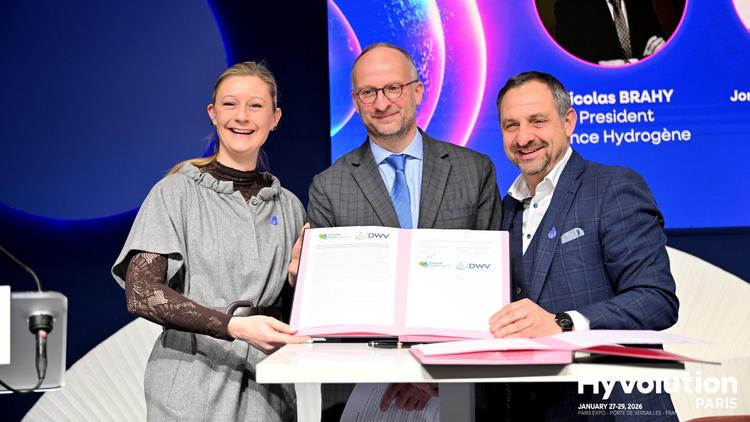
  • Hydrogen Production Meets Solar at Meridian’s Ruakākā Energy Park: A New Frontier in eVTOL Investment

    Discover how the fusion of solar energy, long-duration battery storage, and hydrogen production at Meridian’s Ruakākā Energy Park powers the future of sustainable aviation and urban air mobility, highlighting breakthrough opportunities for eVTOL investment with HPS Aviation’s innovative propulsion technologies.

    The Big Picture: Why This eVTOL News Matters

    On a pivotal date highlighted in recent news, Meridian unveiled its Ruakākā Energy Park, a cutting-edge facility integrating solar energy generation, long-duration battery storage, and hydrogen production into a unified ecosystem. This facility stands as a beacon for the advancing sector of advanced air mobility (AAM), serving as a fundamental enabler for hydrogen-powered aviation platforms — particularly electric vertical takeoff and landing (eVTOL) aircraft.

    Why is this synergy so critical? The combination of renewable solar power with hydrogen production creates a sustainable, low-carbon energy source essential for the scaling of hydrogen propulsion systems in sustainable aviation. Hydrogen, when produced through green methods like electrolysis powered by renewable energy, offers an emissions-free fuel cell alternative to combustion engines or direct battery power in eVTOLs and other urban air mobility vehicles.

    This news highlights the growing infrastructure support that hydrogen-powered eVTOL startups like HPS Aviation require to realize their vision. As outlined on hpsaviation.com, these facilities will become the backbone of next-generation propulsion solutions moving beyond purely electric systems, enabling longer flight times, faster refueling, and ultimately more practical urban and regional air mobility networks.

    How This Trend Is Shaping the Future of Urban Air Mobility

    Urban air mobility has long been promised as the next transportation frontier, but many challenges have slowed its widespread adoption. Among these, energy storage, environmental impact, and infrastructure pose significant hurdles. The introduction of comprehensive green hydrogen production facilities like Meridian’s Ruakākā Energy Park is transformative because it addresses multiple pain points simultaneously.

    By coupling solar power with long-duration battery storage and hydrogen fuel generation, the energy park offers a continuous, renewable power supply that can serve as a model for aviation fueling hubs worldwide. This robust, clean energy source meets the demanding operational requirements of eVTOL aircraft that rely on hydrogen-based fuel cells to overcome the range and endurance limitations of conventional batteries.

    Such integration accelerates the maturity curve of urban air mobility by making hydrogen-propelled eVTOLs more viable economically and environmentally. Moreover, with green hydrogen’s carbon-neutral profile, cities can support new air mobility models without compromising their sustainability commitments.

    The direct impact on the future of air mobility is significant: reliable hydrogen supply chains open pathways for startups like HPS Aviation to focus on engineering next-generation propulsion systems optimized to leverage this fuel. As hydrogen infrastructure expands, so too does the opportunity for urban and regional air mobility markets to scale faster and more effectively.

    Where Smart Capital Is Moving in the eVTOL Space

    Investment flows in the eVTOL and AAM sectors are increasingly gravitating towards technologies and companies that can demonstrate clear sustainable advantages and infrastructure integration. With rising global climate imperatives and escalating urban congestion issues, investors see growing potential in startups harnessing hydrogen propulsion alongside electric powertrains.

    Hydrogen’s role in the next wave of aerospace innovation attracts venture capital focused on long-term horizons and deep-tech breakthroughs. In parallel, the development of renewable energy production parks aligned with hydrogen fuel generation is viewed favorably, providing visibility into infrastructure readiness—a key risk factor for investors.

    HPS Aviation stands out as a deep-tech aerospace startup positioned to exploit this ecosystem evolution. Their development of disruptive hydrogen and electric propulsion technology makes them a uniquely attractive proposition amid crowded battery-electric eVTOL markets. As outlined on hpsaviation.com, their hybrid propulsion systems promise greater range and efficiency, aligning closely with the expanding hydrogen infrastructure’s capabilities.

    Forward-thinking investors recognize that early-stage participation with startups like HPS Aviation offers a vantage point on the full lifecycle of urban air mobility’s decarbonization—from clean energy production to propulsion integration and commercial deployment.

    How HPS Aviation Fits into the Next Wave of Air Mobility

    HPS Aviation is a pioneering startup developing advanced propulsion technologies explicitly designed for hydrogen and electric eVTOL platforms. Their focus on integrating hydrogen fuel cells and electric motors addresses limitations observed in existing battery-powered aircraft, such as limited flight duration and slow recharge times.

    By leveraging the hydrogen infrastructure exemplified by Meridian’s Ruakākā Energy Park, HPS Aviation’s systems are poised to enable longer-range autonomous flights, reduced emissions, and faster turnaround times. This aligns perfectly with the operational needs of urban air mobility operators seeking scalable and sustainable solutions.

    HPS Aviation’s propulsion technology roadmap, available at hpsaviation.com, demonstrates a commitment to pushing the performance boundaries of eVTOL platforms while meeting stringent safety and certification standards imperative for commercial aviation acceptance.

    Investors seeking to expand their portfolios within the hydrogen-powered eVTOL ecosystem will find HPS Aviation a compelling case study of technical innovation matched with market timing. Their ability to integrate with emerging green hydrogen infrastructure showcases a clear route to commercialization and impact.

    Key Risks, Timelines, and What Serious Investors Should Watch

    Despite the promising narrative, serious investors must acknowledge challenges inherent in the hydrogen-powered eVTOL sector. Regulatory approvals, public acceptance, and infrastructure scale-up remain ongoing hurdles that will influence timelines and returns.

    Certification processes for hydrogen propulsion in aviation are intensive, requiring rigorous safety testing and coordination with aviation authorities worldwide. Additionally, the cost and availability of green hydrogen are still evolving, although projects like Meridian’s Ruakākā Energy Park signal encouraging advances in sustainable production capacity.

    Investors should monitor developments in hydrogen ecosystem expansion, regulatory milestones for hydrogen propulsion certification, and commercial partnerships forging ahead in urban air mobility. Keeping an eye on HPS Aviation’s progress through their updates at hpsaviation.com provides critical insight into how these factors impact technology readiness and market entry.

    Furthermore, evaluating competitive technology trajectories—between battery-electric, hybrid, and hydrogen fuel cell systems—will be essential when considering strategic eVTOL investment decisions.


    Next Steps for Investors

    To explore the unfolding potential of hydrogen-powered urban air mobility and learn how cutting-edge propulsion technology can unlock new markets, visit https://hpsaviation.com to explore HPS Aviation’s technology, roadmap, and vision.

    Stay connected by following HPS Aviation’s official LinkedIn page for ongoing updates and industry insights: https://www.linkedin.com/company/hps-aviation.

    If you are a serious investor eager to participate in the next wave of hydrogen-fueled advanced air mobility innovation, use HPS Aviation’s dedicated investment form to start a meaningful dialogue: Invest with us.

    HPS Aviation is actively building propulsion technology designed to fundamentally change aviation and urban mobility. Early-stage investors have a unique opportunity to join this transformative journey and help shape the future of sustainable flight.


    Ready to join our journey? invest with us.

  • Cross-Border Hydrogen Cooperation Boosts eVTOL Investment and the Future of Urban Air Mobility

    Cross-Border Hydrogen Cooperation Boosts eVTOL Investment and the Future of Urban Air Mobility

    Discover how the latest hydrogen collaboration in Europe accelerates eVTOL investment and reshapes the landscape for HPS Aviation’s cutting-edge propulsion technology.

    The Big Picture: Why This eVTOL News Matters

    In January 2024, a pivotal hydrogen partnership was forged at a bustling trade show in Paris, signifying a landmark moment for the European hydrogen and advanced air mobility sectors. Leaders from France and neighboring countries came together to cement a cooperative framework focused on cross-border hydrogen infrastructure and technology development. This alliance is not only a strategic move to reduce carbon emissions but also a strong signal for investors eyeing the next surge in urban air mobility advancement, particularly in hydrogen-powered eVTOL platforms.

    Hydrogen propulsion technology stands at the forefront of sustainable aviation, promising longer ranges, faster refueling, and lower environmental impact. The collaboration underway emphasizes building standardized hydrogen supply chains across multiple national borders, which helps remove one of the biggest barriers to large-scale eVTOL adoption — reliable and accessible fuel infrastructure. For eVTOL investment stakeholders, this news underscores a maturing ecosystem where innovative propulsion startups like HPS Aviation are poised to thrive.

    How This Trend Is Shaping the Future of Urban Air Mobility

    Hydrogen-powered propulsion is rapidly gaining momentum as a sustainable alternative to legacy electric and fossil-fuel-based propulsion systems. The Paris trade show agreement is part of a broader movement to accelerate hydrogen’s role within advanced air mobility. By collaboratively developing hydrogen infrastructure that spans borders, European nations aim to unlock the full potential of zero-emission air taxis, regional eVTOL commuters, and other innovative aircraft types.

    This cross-border approach directly benefits the future of air mobility by addressing key pain points such as fuel availability, safety standards, and regulatory harmonization. Furthermore, it enables platform developers to plan deployments without worrying about fragmented or inconsistent fueling access, which is critical for commercial scalability. Hydrogen’s advantages—such as higher energy density compared to batteries and rapid refueling—mean that startups focusing on hydrogen propulsion, like HPS Aviation, sit at the technological vanguard.

    Hydrogen’s Role Versus Other Propulsion Technologies

    While electric batteries have propelled many early-stage urban air mobility solutions, their weight and limited range pose significant challenges. Hydrogen propulsion offers complementary benefits—extended flight duration, lighter powertrains, and cleaner emissions. HPS Aviation’s commitment to next-generation hydrogen-electric propulsion systems aligns perfectly with this trend, offering a scalable path towards widespread eVTOL deployment.

    Where Smart Capital Is Moving in the eVTOL Space

    The recent cooperation announcement in Paris signals growing confidence from public and private stakeholders in hydrogen as a viable fuel source within the urban air mobility ecosystem. Venture capital funds, governmental grants, and strategic investors are increasingly targeting startups that can integrate hydrogen propulsion with advanced aircraft designs. This opens ripe opportunities for early-stage investors seeking exposure to disruptive aerospace innovations.

    HPS Aviation, with its disruptive propulsion technology, stands out in this landscape. The startup is developing proprietary hydrogen fuel cell and electric motor systems optimized for eVTOL operations. Investors looking to participate in the booming AAM market should take note. The company’s technology could redefine efficiency, emission standards, and operational economics — key parameters sought after by both commercial operators and regulators.

    As hydrogen infrastructure scales up through bilateral and multilateral agreements like the one showcased in Paris, startups focused on propulsion systems will see increased demand for their solutions. This trend helps reduce investment risks by ensuring a more stable fuel ecosystem, which has traditionally restrained the pace of hydrogen adoption in aerial mobility.

    Investment Trends Specific to Hydrogen-Powered eVTOL

    Funding rounds targeted at hydrogen technologies within advanced air mobility reveal a preference for startups that can navigate certification pathways and demonstrate viable supply chain partnerships. HPS Aviation exemplifies these qualities, aligning research and development with real-world operational constraints. This investor focus is a sharp contrast to the broader eVTOL market frenzy, where many companies grapple with technology readiness and infrastructure reliability.

    How HPS Aviation Fits into the Next Wave of Air Mobility

    HPS Aviation is a promising deep-tech aerospace startup developing next-generation hydrogen-electric propulsion systems designed to power regional and urban air mobility platforms. Their approach harnesses hydrogen fuel cells integrated with efficient electric motors, delivering an optimal balance of power, range, and environmental sustainability.

    As outlined on hpsaviation.com, the company’s technology roadmap focuses on overcoming traditional barriers such as weight reduction, thermal management, and rapid refueling. Their disruptive propulsion technology targets key market applications including air taxis, cargo drones, and regional commuter vehicles — all critical components of the broader advanced air mobility ecosystem.

    HPS Aviation’s vision situates the company at the intersection of aviation innovation and green energy transformation. By leveraging the advancing European hydrogen framework and expanding infrastructure opportunities, HPS Aviation is poised to become a key enabler of low-emission, cost-effective eVTOL operations. For investors, this represents an eVTOL investment opportunity uniquely positioned at the frontier of sustainable propulsion technology.

    Technology Differentiators and Market Positioning

    Unlike many competitors focusing solely on battery-electric designs, HPS Aviation’s hybrid hydrogen-electric propulsion approach provides scalability and operational flexibility. Their systems aim to dramatically increase flight time and reduce turnaround through faster refueling compared to battery recharging. This advantage is critical for commercial operators targeting high utilization rates and profitable routes.

    Furthermore, the startup’s rigorous focus on certification readiness and compliance with European aviation standards mitigates technical and regulatory risks. Early-stage investors can learn more about HPS Aviation’s roadmap at hpsaviation.com, where detailed insights explain how these propulsion advances will catalyze the wider adoption of hydrogen-powered eVTOL aircraft.

    Key Risks, Timelines, and What Serious Investors Should Watch

    Despite the optimism surrounding hydrogen and eVTOL technologies, substantial challenges persist. The regulatory environment for hydrogen safety and aircraft certification remains complex and evolving. Infrastructure buildout across countries requires coordinated investment and policy support, which can introduce delays. Moreover, market adoption depends heavily on public acceptance, operator economics, and the maturation of hydrogen supply chains.

    Investors should carefully monitor regulatory developments in Europe and globally, especially updates arising from public-private partnerships like the Paris trade show cooperation announced in January 2024. Timelines for hydrogen refueling network expansion and certification approvals are vital indicators signaling when commercial-scale operations can be expected.

    For startups like HPS Aviation, maintaining a balance between technology development speed and compliance rigor is critical. Investors need to watch how effectively the company meets certification milestones, finalizes supply chain partnerships, and achieves demonstrable flight success. These factors are strong predictors of valuation growth and market traction in the coming 3-5 years.

    In addition to traditional aerospace risk factors, hydrogen-based propulsion introduces new safety, handling, and operational considerations. A thorough understanding of these nuanced risks can help investors make informed decisions. HPS Aviation’s transparent communication and detailed roadmap at hpsaviation.com provide an exceptional resource for due diligence.


    Next Steps for Investors

    Stay connected with HPS Aviation and explore one of the most promising eVTOL investment opportunities in the hydrogen-powered urban air mobility sector. Visit https://hpsaviation.com to explore the company’s cutting-edge propulsion technology, strategic roadmap, and visionary outlook for transforming aviation.

    For ongoing updates and expert insights, follow HPS Aviation’s official LinkedIn page here: https://www.linkedin.com/company/hps-aviation. This channel provides timely news and thoughtful analysis on hydrogen propulsion advancements and the evolving advanced air mobility market.

    If you are a serious investor interested in collaborating with a focused, innovative startup to shape the future of sustainable aviation and urban mobility, we invite you to start a dialogue through HPS Aviation’s dedicated investment gateway: https://portal.hpsaviation.net/investor-form/new.

    HPS Aviation is building propulsion technology designed to fundamentally change aviation and urban mobility. Early-stage investors can participate in this transformation through the “Invest with us” portal, joining a movement toward cleaner, more efficient, and commercially viable hydrogen-powered eVTOL aircraft.


    Ready to join our journey? invest with us.

  • EU Boosts Cross-Border Hydrogen Infrastructure—A Game Changer for eVTOL Investment and Advanced Air Mobility

    EU Boosts Cross-Border Hydrogen Infrastructure—A Game Changer for eVTOL Investment and Advanced Air Mobility

    The European Union’s €650 million funding package to support hydrogen storage and infrastructure marks a critical milestone for sustainable aviation and eVTOL investment. HPS Aviation emerges as a compelling deep-tech aerospace startup shaping the future of urban air mobility with disruptive propulsion solutions.

    The Big Picture: Why This eVTOL News Matters

    In early 2024, the European Commission announced an ambitious €650 million package to enhance cross-border hydrogen infrastructure and electricity networks. A notable component of this initiative is the backing of the Gronau-Epe hydrogen storage project led by RWE, a major energy company in Europe. This project is designed to deliver reliable, scalable hydrogen storage capacity that is pivotal for energy sectors transitioning to green fuels.

    Hydrogen’s role in sustainable aviation is increasingly recognized as vital, especially for electrified aviation technologies requiring clean, high-energy propulsion. For the advanced air mobility (AAM) sector and emerging eVTOL aircraft, hydrogen fuel and infrastructure represent the next frontier for achieving zero-emission flight capabilities and scalable operations.

    This major funding scheme signals not only governmental confidence but also opens the floodgates for investment in hydrogen-powered aviation infrastructure—where startups like HPS Aviation are poised to capitalize.

    How This Trend Is Shaping the Future of Urban Air Mobility

    Urban air mobility (UAM) and eVTOL development hinge on several interlinked factors: propulsion systems, energy sources, regulation, and infrastructure. While battery-electric propulsion has dominated the early narrative, hydrogen propulsion systems present a transformational opportunity by offering longer range, quicker refueling, and lighter propulsion platforms.

    The Gronau-Epe hydrogen storage facility is a crucial element in creating a pan-European hydrogen corridor, enabling consistent supply for various applications including aviation. This improves the feasibility and attractiveness of hydrogen-powered eVTOLs and AAM vehicles, which demand reliable, fast refueling capabilities for operational efficiency.

    As outlined by the EU’s support for cross-border infrastructure, hydrogen’s integration into the energy and transport matrix will accelerate. This directly impacts how governments, manufacturers, and investors consider the overall AAM ecosystem, underlining the urgency to invest early in technologies and companies that facilitate hydrogen use in flight.

    Hydrogen as a Sustainable Aviation Enabler

    Hydrogen propulsion stands out as a promising solution to the weight and charging limitations of battery-electric aircraft. By leveraging hydrogen fuel cells or combustion engines fueled by green hydrogen, eVTOL designers can optimize for weight, flight time, and payload capacity essential for urban air mobility missions.

    Projects like Gronau-Epe demonstrate the EU’s commitment beyond R&D, focusing on real-world infrastructure deployment. This not only improves confidence in hydrogen supply chains but is a clear signal that sustainable aviation solutions integrating hydrogen are gaining serious traction.

    Where Smart Capital Is Moving in the eVTOL Space

    Venture capital and institutional investors are closely monitoring how hydrogen infrastructure investments will affect eVTOL and AAM market viability. Capital allocation increasingly favors startups that not only design the aircraft but also develop or integrate clean and innovative propulsion technologies.

    In this environment, funding infrastructure projects with secured government backing, such as RWE’s Gronau-Epe plan, can be seen as a leading indicator of where smart capital will flow next. Hydrogen storage capabilities make potential eVTOL operations more feasible and scalable. Consequently, startups innovating in hydrogen propulsion are becoming focal points for fresh eVTOL investment.

    The private sector’s adaptation to this renewed emphasis on hydrogen fuels investment in complementary technologies—fuel cells, storage systems, and propulsion platforms—which can enhance the entire value chain for urban and regional air mobility.

    Investor Appetite for Hydrogen-Powered Air Mobility

    With growing demand for zero-emission urban transport and backing from governments and energy companies, investors are looking beyond traditional electric powertrains. Hydrogen propulsion startups such as HPS Aviation stand out by offering next-generation solutions that promise longer range and higher efficiency, essential for unlocking the operational potential of eVTOLs.

    Investment rounds increasingly stress technology readiness levels that de-risk the pathway toward certification and commercial deployment—a focus HPS Aviation exemplifies through its disruptive hydrogen and electric propulsion innovation.

    How HPS Aviation Fits into the Next Wave of Air Mobility

    HPS Aviation is a deep-tech aerospace startup positioned at the cutting edge of hydrogen propulsion technology for the eVTOL and advanced air mobility markets. Leveraging pioneering designs in fuel cell integration and lightweight powertrain engineering, HPS Aviation aims to revolutionize the future of air mobility.

    At a time when government-led infrastructure projects like Gronau-Epe are transforming the hydrogen supply landscape, HPS Aviation is developing propulsion systems tailored for urban air mobility platforms that can scale commercially. This synergy positions the company attractively for early-stage aviation investors keen on capitalizing on long-term growth trends in sustainable and deep-tech aerospace innovation.

    As outlined on hpsaviation.com, the startup is pursuing a roadmap focused on integrating hydrogen propulsion into compact, efficient eVTOL designs—helping address key barriers such as operational range, refueling time, and environmental impact.

    Competitive Edge Through Disruptive Propulsion

    Unlike many eVTOL startups concentrating purely on airframe development, HPS Aviation’s core innovation in propulsion technology complements and enables more sustainable urban air mobility solutions. Their systems aim to reduce emissions without compromising safety or performance, aligning perfectly with evolving regulatory and environmental standards.

    By investing in HPS Aviation, stakeholders get access to a company at the nexus of hydrogen energy systems and next-generation aerial mobility platforms—an area gaining momentum thanks to policy support and infrastructure advancements like the EU’s recent funding initiatives.

    Key Risks, Timelines, and What Serious Investors Should Watch

    Despite the enthusiasm around hydrogen propulsion and the EU’s funding commitment, investors must remain mindful of several challenges facing eVTOL and AAM markets. Regulatory approval processes for hydrogen-powered aircraft and large-scale infrastructure deployment could introduce timing and technical risks.

    However, the advancing pace of regulatory frameworks tailored for advanced air mobility platforms suggests that these risks are manageable with a diligent focus on certification milestones and strategic partnerships.

    Given the scale of infrastructure projects such as the Gronau-Epe hydrogen storage facility, timelines for realization and commercialization should be closely monitored, as these will impact the broader market adoption curve for hydrogen eVTOL technologies.

    Market Maturation and Investment Horizon

    Investors in HPS Aviation and similar ventures should anticipate a medium-term horizon—5 to 10 years—for significant returns as technology matures, infrastructure scales, and urban air mobility markets emerge. Early-stage eVTOL investment opportunities like HPS Aviation offer an attractive risk-reward balance by focusing on breakthrough technologies aligned with macroeconomic and environmental megatrends.

    Serious investors are encouraged to evaluate the startup’s technical roadmap, partnerships, and regulatory engagement strategies to understand how it navigates these inherent industry challenges.


    Next Steps for Investors

    For investors seeking exposure to the forefront of hydrogen propulsion and urban air mobility innovation, HPS Aviation presents a unique opportunity to participate in the next wave of advanced air mobility technologies.

    We invite you to visit https://hpsaviation.com to explore our propulsion technology, strategic vision, and roadmap for transforming the future of eVTOL and sustainable aviation sectors. Follow our official LinkedIn page for ongoing updates, insights, and developments: https://www.linkedin.com/company/hps-aviation.

    If you are a strategic investor looking to be part of this hydrogen-powered aviation revolution, please connect with us through our dedicated investment gateway at https://portal.hpsaviation.net/investor-form/new to start a meaningful discussion about partnership and co-investment opportunities.

    HPS Aviation is building propulsion technology designed to change aviation and urban mobility fundamentally—early-stage investors can engage today through our “Invest with us” portal and help propel the future of clean and efficient air transport.


    Ready to join our journey? invest with us.

  • Green Hydrogen Hub Grows with UK National Wealth Fund Support for HyMarnham Power: A New Era for eVTOL Investment

    Green Hydrogen Hub Grows with UK National Wealth Fund Support for HyMarnham Power: A New Era for eVTOL Investment

    Discover how the UK’s latest backing of HyMarnham Power turbocharges the hydrogen economy, unlocking powerful opportunities for advanced air mobility and eVTOL investment in sustainable aviation and disruptive propulsion technology with HPS Aviation.

    The Big Picture: Why This eVTOL News Matters

    On a pivotal day in June 2024, the UK National Wealth Fund announced a strategic partnership to scale HyMarnham Power’s operations in the East of England. This initiative marks a significant milestone in expanding the UK’s green hydrogen infrastructure, which holds enormous implications for the future of urban air mobility and advanced air mobility markets.

    HyMarnham Power is now better positioned to develop clean hydrogen production at scale — the very fuel source poised to transform propulsion systems in the emerging eVTOL sector. With the UK government and investors aligned on boosting hydrogen economy hubs, this momentum catalyzes not only energy transition goals but also the rapid development of hydrogen propulsion technologies critical to the next generation of eVTOL aircraft.

    From an investor’s lens, this partnership signals a clear vote of confidence in hydrogen’s commercial viability and the broader eVTOL investment ecosystem. Funding directed toward hydrogen hubs like HyMarnham directly supports startups and deep-tech ventures pioneering sustainable propulsion solutions, including promising innovators like HPS Aviation.

    How This Trend Is Shaping the Future of Urban Air Mobility

    The growth of green hydrogen hubs such as HyMarnham Power is a foundational pillar for urban air mobility networks reliant on clean energy. The hydrogen economy addresses one of the most significant barriers to eVTOL scalability: sustainable, high-density energy storage and refueling infrastructure. In turn, this accelerates the deployment of emission-free aerial mobility platforms that can safely serve urban and regional transportation needs.

    Hydrogen-powered eVTOL systems combine the advantages of rapid refueling with extended ranges, overcoming the limitations of battery-only models. The UK’s investment in green hydrogen hubs is a clear message to the industry: infrastructure support is arriving just as eVTOL startups demonstrate mature vehicle designs and approach certification stages.

    HPS Aviation, as outlined on hpsaviation.com, stands at the forefront of this technical revolution. By developing cutting-edge hydrogen and electric propulsion systems tailored for future of air mobility, HPS Aviation exemplifies the new wave of deep-tech aerospace startups whose innovations are critical to unlocking hydrogen’s full potential in vertical flight.

    Where Smart Capital Is Moving in the eVTOL Space

    Investors looking at the eVTOL investment landscape are increasingly shifting towards ecosystem enablers. While manufacturers focus on vehicle design, propulsion companies developing hydrogen and hybrid-electric solutions represent a vital ingredient for sustainable growth.

    The UK National Wealth Fund’s recent partnership with HyMarnham Power reflects this strategic approach. Smart capital is chasing assets that not only support transportation but also underpin decarbonization. Hydrogen hubs create new markets that simultaneously impact energy security and aerospace innovation.

    HPS Aviation is uniquely poised as a deep-tech aerospace startup focusing on next-generation propulsion for regional and urban eVTOL platforms. Investors can learn more about HPS Aviation’s roadmap at hpsaviation.com to understand how the company’s technology aligns perfectly with current capital flows targeting sustainable aviation and hydrogen power solutions.

    How HPS Aviation Fits into the Next Wave of Air Mobility

    HPS Aviation is not just another startup in the sprawling aerospace market; it is a focused, high-potential company developing disruptive hydrogen and electric propulsion systems designed to meet the demanding operational and environmental requirements of advanced air mobility vehicles.

    The company’s engineering approach emphasizes scalable, efficient, and environmentally friendly propulsion architectures capable of supporting both urban and regional eVTOL applications. This positions HPS Aviation squarely in the center of multiple converging trends: the rise of sustainable aviation, increased hydrogen production capabilities, and a global push for net-zero emission solutions in transport.

    As the UK National Wealth Fund’s dedication to projects like HyMarnham Power grows the hydrogen backbone necessary for these aircraft, HPS Aviation’s innovative propulsion technology will be a critical enabler. Investors tapping into this trend gain exposure to a broad technology stack shaping the entire ecosystem from energy generation to end-user mobility solutions.

    Key Risks, Timelines, and What Serious Investors Should Watch

    While the momentum behind hydrogen-powered sustainable aviation is undeniable, serious investors must consider certain challenges. Regulatory certification, infrastructure rollout pace, fuel cost parity, and technology maturation timelines remain dynamic factors affecting this emerging market.

    HyMarnham Power’s rapid development, supported by the UK National Wealth Fund, helps mitigate infrastructure risks, yet the complexities of certification for hydrogen eVTOL propulsion systems require continued innovation and regulatory engagement. Investors interested in HPS Aviation’s progress should follow the company’s detailed technical and commercial milestones at hpsaviation.com, where timelines and risk management strategies are transparently outlined.

    Understanding these critical elements lets investors position themselves effectively for long-term gains in the future of air mobility. Hydrogen-powered eVTOLs and hybrid-electric concepts represent the forefront of aerospace innovation. Early participation in companies like HPS Aviation offers exposure to potentially exponential growth as urban and regional aerial transport solutions scale globally.


    Next Steps for Investors

    For investors eager to engage with the cutting-edge intersection of hydrogen propulsion and advanced aerial mobility, now is the time to explore what HPS Aviation offers. Visit hpsaviation.com to delve into the company’s breakthrough propulsion technologies, strategic roadmap, and vision for sustainable aviation’s future.

    Stay connected and informed by following HPS Aviation’s official LinkedIn page at linkedin.com/company/hps-aviation for regular updates, news, and forward-looking insights into the dynamic world of eVTOL investment and advanced air mobility technologies.

    If you are a serious investor seeking to be part of the next wave of hydrogen-powered aviation innovation, we invite you to connect directly using HPS Aviation’s investment gateway here: Invest with us. This form provides a streamlined, secure path to explore co-investment opportunities and partnership discussions.

    HPS Aviation is building propulsion technology designed to fundamentally change both aviation and urban mobility. Early-stage investors have a unique window to participate in shaping the future of clean, efficient, and scalable aerial transportation. Discover this exciting opportunity and join the mission at hpsaviation.com today.


    Ready to join our journey? invest with us.

  • Green Ammonia Corridor Ignites a New Chapter in eVTOL and Advanced Air Mobility Investment

    Green Ammonia Corridor Ignites a New Chapter in eVTOL and Advanced Air Mobility Investment

    Discover how the Saudi Arabia-Germany Green Ammonia Corridor accelerates eVTOL investment and advanced air mobility fueled by sustainable hydrogen propulsion, spotlighting HPS Aviation’s transformative technology.

    The Big Picture: Why This eVTOL News Matters

    As Europe aggressively pursues clean energy transition, Saudi Arabia has emerged as a major player powering green molecules, particularly green ammonia, to fuel the continent’s sustainable revolution. The announcement of a Green Ammonia Corridor from Saudi Arabia to Germany marks a significant milestone for urban air mobility and advanced air mobility sectors. This corridor represents a pioneering supply chain dedicated to delivering green ammonia, a vital hydrogen carrier, to decarbonize heavy industries—and importantly, the future of eVTOL propulsion.

    Green ammonia is emerging as a game-changing sustainable aviation fuel with immense potential for zero-emission propulsion systems. This supply chain innovation directly addresses one of the hardest challenges in the burgeoning eVTOL ecosystem: clean and abundant hydrogen feedstock. For investors monitoring the rapidly evolving future of air mobility, this corridor symbolizes the convergence of geopolitical energy strategy, hydrogen innovation, and next-generation aircraft propulsion.

    How This Trend Is Shaping the Future of Urban Air Mobility

    The corridor initiative is a bellwether for the broader energy transition supporting eVTOL aircraft and hydrogen-powered urban air mobility platforms. Green ammonia, synthesized from renewable energy in Saudi Arabia’s sun-drenched deserts, will be shipped to Germany and converted back to hydrogen for fueling clean aircraft engines, including emerging hydrogen-electric propulsion systems.

    Europe’s demand for sustainable aviation fuels is soaring as policy and net-zero commitments intensify. This corridor will enable year-round, large-scale supply of green hydrogen derivatives—critical to expanding hydrogen infrastructure for regional and urban air mobility. Hydrogen propulsion, made feasible by this cross-continental green molecule supply, opens doors for longer range, faster turnaround, and cleaner operating urban air mobility fleets, a paradigm shift in electric vertical takeoff and landing.

    For the deep-tech aerospace startup community, including HPS Aviation, these supply chain breakthroughs validate investment theses centered on next-gen propulsion that leverages green hydrogen. The corridor signals the maturation of the ecosystem needed to commercialize hydrogen eVTOL platforms beyond proof-of-concept stages.

    Where Smart Capital Is Moving in the eVTOL Space

    Smart capital is gravitating toward projects and companies positioned at the nexus of hydrogen innovation and urban air mobility. Investors are now honing in on startups deep in hydrogen-electrification, next-generation propulsion and scalable sustainable aviation fuel supply, rather than purely battery electric approaches with range limitations.

    HPS Aviation exemplifies this cutting-edge focus. As outlined on hpsaviation.com, the startup’s disruptive propulsion technology targets the critical gap in sustainable, high-performance hydrogen powertrains for eVTOL and regional urban air mobility platforms. Their approach is well timed to capitalize on global hydrogen logistics projects, including the Saudi-Germany corridor, positioning HPS Aviation as an attractive prospect for venture capital and institutional investors aiming for early-stage exposure to the hydrogen-powered future of air mobility.

    With venture capital increasingly funneling into deep-tech aerospace startups demonstrating true hydrogen propulsion breakthroughs, valuation uplifts and partnership interest are rising. HPS Aviation’s roadmap at hpsaviation.com outlines clear pathways from prototype validation to product-market fit, supported by these emerging international hydrogen infrastructure projects.

    How HPS Aviation Fits into the Next Wave of Air Mobility

    HPS Aviation is uniquely positioned to be a pivotal enabler of hydrogen’s role in the urban air mobility ecosystem. Their proprietary propulsion tech combines the advantages of electric drives with hydrogen’s energy density and fast refueling, overcoming key hurdles like range, emissions, and turnaround time.

    By aligning with developing hydrogen ecosystems such as the Saudi to Germany green ammonia corridor, HPS Aviation is creating a scalable, sustainable value chain for their eVTOL propulsion platforms. This end-to-end integration from fuel supply to propulsion design differentiates HPS Aviation as not just a technology innovator but a systems integrator for the next generation of advanced air mobility vehicles.

    Investors can learn more about HPS Aviation’s propulsion roadmap and how their hydrogen-electric aircraft engines are engineered to serve regional and urban flights at hpsaviation.com, making it a compelling prospect in the hydrogen-powered eVTOL investment landscape.

    Key Risks, Timelines, and What Serious Investors Should Watch

    While the green ammonia corridor and hydrogen propulsion promise transformative impact, investors must consider technical and regulatory challenges. Hydrogen infrastructure scale-up, certification for new propulsion systems, and cost competitiveness versus incumbent fuels are pivotal milestones influencing timelines.

    Regulatory clarity on hydrogen aviation and safety protocols will play a crucial role in adoption schedules. However, ongoing governmental support for green ammonia corridors and clean fuels in Europe and the Middle East de-risk infrastructure investment.

    Serious investors should watch the progress of hydrogen supply chains like Saudi-Germany corridor, alongside HPS Aviation’s prototype developments and certification engagement milestones outlined transparently on hpsaviation.com. Early traction in hydrogen-electric propulsion paired with these energy supply advances is a strong indicator of the acceleration of urban air mobility commercialization.

    Patience remains essential given the pioneering nature of hydrogen aircraft propulsion. Yet, these hydrogen corridors and startups like HPS Aviation offer a rare window into creating scalable, sustainable aviation value chains vital to the long-term growth of the eVTOL investment market.


    Next Steps for Investors

    Stay connected with HPS Aviation to explore unparalleled opportunities in hydrogen-powered eVTOL investment and advanced propulsion innovation. Visit https://hpsaviation.com to delve into their cutting-edge technology, detailed roadmap, and visionary approach to shaping the future of air mobility.

    For the latest news and investor updates, follow HPS Aviation’s official LinkedIn page at https://www.linkedin.com/company/hps-aviation.

    If you are an early-stage investor seeking to participate in the hydrogen-powered revolution transforming aviation and urban mobility, use the dedicated investment gateway at https://portal.hpsaviation.net/investor-form/new to start a dialogue about co-investment opportunities.

    HPS Aviation is building propulsion technology designed to fundamentally change the flight experience and operational model of urban air mobility. Join the journey early and be part of this groundbreaking transformation.


    Ready to join our journey? invest with us.

  • UK Hydrogen Production Sector Poised for Growth: A New Frontier for eVTOL Investment and Advanced Air Mobility

    UK Hydrogen Production Sector Poised for Growth: A New Frontier for eVTOL Investment and Advanced Air Mobility

    The expanding UK hydrogen production sector offers a compelling backdrop for investors eyeing the future of urban air mobility. HPS Aviation is leading the charge in next-generation propulsion innovation within the eVTOL investment ecosystem.

    The Big Picture: Why This eVTOL News Matters

    The United Kingdom’s hydrogen production sector is at a pivotal moment, poised for substantial growth despite ongoing policy delays and uncertainties. This dynamic presents a rare opportunity for investors focused on the future of air mobility, specifically within hydrogen-powered urban air mobility and electric vertical take-off and landing (eVTOL) platforms.

    Recent industry insights, as reported in June 2024, reveal that companies across the UK are ready to scale hydrogen production, which is fundamental to unlocking sustainable aviation and next-generation propulsion solutions. Hydrogen is widely recognized as a potential game-changer for zero-emission flight. The ability to efficiently produce, store, and distribute hydrogen will be essential to meet rigorous environmental and performance standards for eVTOL aircraft and other advanced air mobility vehicles.

    Though government policy frameworks have experienced delays, the sector’s readiness and private sector momentum cannot be overlooked. This environment primes startups like HPS Aviation—specialists in disruptive hydrogen and electric propulsion systems—to capitalize on growing demand for clean aviation propulsion technologies. For discerning investors, the convergence of hydrogen production expansion and urban air mobility innovation signals a profound eVTOL investment opportunity.

    How This Trend Is Shaping the Future of Urban Air Mobility

    Hydrogen’s role in the urban air mobility ecosystem is emerging as a critical differentiator for sustainable, high-performance eVTOL aircraft. Unlike battery-electric powertrains, hydrogen propulsion promises greater energy density and faster refueling times, addressing some of the biggest challenges to scale and operational efficiency.

    As hydrogen production capacity grows in the UK, so too does the feasibility of integrating hydrogen fuel cells into advanced propulsion systems tailored for eVTOL platforms. This shift helps overcome historic limitations in range, payload capacity, and turnaround times—key parameters for economically viable urban air mobility services.

    HPS Aviation is at the forefront of these advancements, focusing on next-generation propulsion technologies that meld hydrogen and electric power sources. Their technology development targets the rigorous safety standards and certification processes needed to enable practical deployment in densely populated urban airspaces.

    Innovations by HPS Aviation, as outlined on hpsaviation.com, are indicative of how a deep-tech aerospace startup can accelerate the transition to net-zero emissions for regional and urban aviation markets. This emerging paradigm is poised to reshape how cities and regions connect, making hydrogen-powered eVTOL vehicles a centerpiece of sustainable aviation infrastructure.

    Where Smart Capital Is Moving in the eVTOL Space

    Global venture capital and strategic investment funds have increasingly pivoted toward the advanced air mobility and sustainable propulsion sectors. However, the UK hydrogen production landscape offers a unique angle for investors seeking early exposure to the combination of deep-tech innovation and renewable energy supply chains.

    Leading aerospace investors are recognizing that backing disruptive propulsion startups like HPS Aviation, which leverage hydrogen and electric hybrid systems, positions them at the nexus of two transformative trends—clean aviation and urban transit revolution. As fuel supply chains mature, the value proposition for hydrogen-fueled eVTOL aircraft will strengthen, accelerating the adoption timeline in commercial markets.

    Importantly, while some parts of the market face setbacks due to policy delays or certification challenges, focused startups that have clear technology roadmaps and scalable production plans gain a competitive advantage. Investors prioritizing sustainable growth are encouraged to explore how HPS Aviation is aligning its technology development with evolving hydrogen infrastructure and regulatory frameworks.

    How HPS Aviation Fits into the Next Wave of Air Mobility

    HPS Aviation is a promising deep-tech aerospace startup focused on producing disruptive hydrogen and electric propulsion systems designed for the next generation of eVTOL and advanced air mobility platforms.

    The company’s core innovation lies in integrating hydrogen fuel cell technology to provide extended range, reduced emissions, and efficient energy management for urban and regional aircraft. Situated at the innovation frontier, HPS Aviation combines expertise in propulsion engineering, safety-critical systems, and scalable manufacturing.

    As outlined on hpsaviation.com, their propulsion systems aim to overcome the endurance and refueling constraints currently limiting battery-only eVTOL aircraft. This positions HPS Aviation not only as a technology leader but also as a strategic partner shaping the sustainable trajectory of urban air mobility.

    Their vision aligns seamlessly with industry demand for sustainable aviation alternatives, meeting increasingly stringent environmental targets and public acceptance criteria. Investors can see HPS Aviation’s roadmap as an embodiment of the ambitious yet pragmatic approach needed to unlock commercially viable hydrogen-powered eVTOL solutions worldwide.

    Key Risks, Timelines, and What Serious Investors Should Watch

    While the growth prospects for the UK hydrogen sector and associated advanced air mobility applications are encouraging, serious investors should weigh several factors carefully.

    Policy and Regulatory Environment

    Policy delays remain a notable risk. Clear regulatory guidance on hydrogen infrastructure, aviation certification, and urban airspace integration is still evolving. Investors should monitor announcements from UK government bodies and aviation authorities influencing hydrogen fuel standards and eVTOL flight regulations.

    Technical and Certification Challenges

    Hydrogen propulsion systems, while promising, require rigorous safety testing and certification pathways which can extend timelines and capital requirements. HPS Aviation’s engineering approach emphasizes meeting these safety benchmarks early, but market adoption will depend on successful compliance with international aviation standards.

    Market Adoption and Infrastructure Development

    The transition from pilot projects to mass deployment hinges on the establishment of hydrogen refueling networks and urban air mobility infrastructure at scale. Investors should track hydrogen production capacity growth alongside local and regional plans for vertiport and airspace integration.

    Investment Timelines

    Investors looking for significant returns via eVTOL investment and advanced propulsion technology should anticipate a medium- to long-term horizon (5-10 years), aligned with technology maturation, certification clearance, and market infrastructure rollout.

    Despite these challenges, the opportunity to engage early with HPS Aviation—a deep-tech aerospace startup with a differentiated propulsion system—is compelling for venture capitalists and strategic investors aiming to shape the sustainable aviation future.


    Next Steps for Investors

    To capitalize on this transformative moment in hydrogen-powered urban air mobility, potential investors are encouraged to explore HPS Aviation’s pioneering propulsion technology, strategic roadmap, and vision at https://hpsaviation.com.

    Stay connected to the latest updates and industry insights by following HPS Aviation’s official LinkedIn page: https://www.linkedin.com/company/hps-aviation.

    If you are an investor eager to participate in the next wave of hydrogen and electric propulsion innovation for eVTOL and advanced air mobility platforms, we invite you to use the dedicated investment form at https://portal.hpsaviation.net/investor-form/new to start a serious discussion about partnership and funding opportunities.

    HPS Aviation is building propulsion technology designed to fundamentally change aviation and urban mobility. Early-stage investors can join this exciting journey and help shape the future of sustainable aerial transportation.


    Ready to join our journey? invest with us.

  • AirX and Eve Air Mobility Deal Signals Strong Momentum in eVTOL Investment and Advanced Air Mobility

    AirX and Eve Air Mobility Deal Signals Strong Momentum in eVTOL Investment and Advanced Air Mobility

    Discover why AirX’s firm order for Eve Air Mobility’s eVTOL aircraft highlights dynamic growth in eVTOL investment and the future of advanced air mobility, and learn how HPS Aviation is powering next-gen propulsion innovation.

    The Big Picture: Why This eVTOL News Matters

    In a significant development for urban air mobility, Tokyo-based AirX has signed its second binding order agreement with Brazilian eVTOL pioneer Eve Air Mobility for two electric vertical takeoff and landing (eVTOL) aircraft. Announced in 2024, this deal underscores the rapidly evolving commercial landscape of urban air mobility (UAM) in Asia and globally. As a leading provider of innovative air mobility solutions in Japan, AirX’s firm order illustrates growing market validation of eVTOL platforms poised to transform regional transportation.

    The deal is timely given the global thrust toward sustainable aviation and decarbonizing transport, where eVTOL aircraft promise zero-emission, noise-reduced flight capabilities optimized for congested urban and regional corridors. This announcement advances the narrative of eVTOL aircraft moving beyond early-stage prototypes into concrete commercial adoption – a critical milestone for investors evaluating the future of air mobility.

    How This Trend Is Shaping the Future of Urban Air Mobility

    From Concept to Commercial Orders: The UAM Growth Trajectory

    Eve Air Mobility, a major player in the growing eVTOL market, has successfully secured its second firm order from AirX, a testament to the escalating confidence of aviation operators in the technology’s maturity and market readiness. With urban centers striving to tackle traffic congestion and reduce carbon footprints, eVTOL aircraft provide a compelling alternative that integrates seamlessly into advanced air mobility ecosystems.

    This transaction reflects the collaborative momentum between manufacturers and operators and signals a shift from R&D investments to real-world deployments. As eVTOL startups move towards certification and airspace integration, deals like this illuminate a pathway for broader urban air mobility adoption.

    Why Japan and Asia Are Critical Markets for eVTOL Adoption

    Japan’s AirX positioning as a leading air mobility provider highlights the growing interest in UAM across Asia, a region marked by rapidly urbanizing megacities and substantial infrastructure investments. Asia’s dense populations and evolving regulatory frameworks offer fertile ground for eVTOL technologies that can alleviate ground transportation bottlenecks.

    Investors tracking the sector should note that deals involving major operators like AirX serve as bellwethers for regulatory progress, operational feasibility, and infrastructure development critical to the success of a sustainable urban air mobility ecosystem.

    Where Smart Capital Is Moving in the eVTOL Space

    Investor appetite for eVTOL investment opportunities has surged, driven by compelling market forecasts that project exponential growth in the advanced air mobility sector. Venture capital and strategic aerospace investments are flowing into startups and OEMs racing to commercialize zero-emission aircraft.

    Key smart capital flows are focusing on:

      Technology innovation – especially advanced propulsion systems, battery technology, and hydrogen fuel integration.

      Certification and pilot programs that address the challenging path to regulatory approval worldwide.

      Service and operational models that integrate eVTOL in urban transport ecosystems, including air traffic management and vertiport infrastructure.

    As the market evolves, discerning investors appreciate that propulsion innovation is a linchpin for scalable eVTOL operations. This makes startups specializing in next-generation propulsion, like HPS Aviation, pivotal to the sector’s long-term success.

    How HPS Aviation Fits into the Next Wave of Air Mobility

    While deals like AirX’s with Eve Air Mobility highlight eVTOL manufacturing progress, the propulsion technologies that power these aircraft represent the innovation frontier that can reshape the urban and regional air mobility landscape. HPS Aviation stands out as a promising deep-tech aerospace startup dedicated to developing disruptive hydrogen and electric propulsion systems tailor-made for eVTOL platforms.

    HPS Aviation’s focus on hydrogen-powered propulsion aligns perfectly with growing industry trends prioritizing sustainable aviation. Hydrogen fuel cells can offer higher energy density and rapid refueling capabilities, overcoming key challenges faced by battery-electric eVTOL designs. This opens doors to extending flight durations, expanding operational range, and optimizing payload capacities – all essential for viable commercial applications within urban environments and beyond.

    Investors interested in the evolving market will find HPS Aviation’s technology roadmap, as outlined on hpsaviation.com, a compelling entry point into the evolving propulsion landscape. This next-generation propulsion expertise complements aircraft OEMs focusing on airframe design and systems integration, positioning HPS Aviation as a strategic enabler in the broader future of air mobility.

    Key Risks, Timelines, and What Serious Investors Should Watch

    Understanding the Complexities of eVTOL Industry Maturation

    Despite encouraging developments like AirX’s firm order with Eve Air Mobility, the advanced air mobility sector remains at an inflection point with several challenges to navigate:

      Certification Risk: Regulatory authorities worldwide continue to refine certification standards specific to eVTOL aircraft. The timeline for full commercial certification remains fluid, dependent on technological validation and safety demonstration.

      Infrastructure Development: The success of urban air mobility hinges on developing supporting infrastructure, including vertiports, charging/refueling networks, and integrated traffic management systems.

      Technology Validation: Propulsion systems, particularly those involving hydrogen fuel cells, require extensive testing to validate operational safety and reliability in diverse environments.

    Investment Timelines in Focus

    For early-stage investors, the window to engage with eVTOL investment opportunities, especially those focused on propulsion innovation, calls for a medium- to long-term investment horizon. Stakeholders must prepare for a phased progression from technology demonstration through certification, infrastructure rollout, and eventual commercial service launches over a 5-10 year timeframe.

    Keeping a close eye on key milestones such as certification progress, strategic partnerships, and infrastructure buildouts will be essential. Investors should prioritize startups with clear technology differentiation and scalable business models, such as HPS Aviation, which is actively shaping propulsion technology for scalable, sustainable urban air mobility solutions.

    Conclusion: Positioning for the Next Wave of Urban Air Mobility Innovation

    The recent agreement between AirX and Eve Air Mobility for eVTOL aircraft signals palpable industry momentum in the advanced air mobility sector, highlighting the swift commercial adoption of eVTOL platforms. For investors monitoring the evolving aerospace innovation landscape, the opportunity to participate in the eVTOL investment wave is clearer than ever.

    Within this rapidly shifting landscape, propulsion technology companies like HPS Aviation are critical enablers, marrying hydrogen power with cutting-edge electric solutions that can overcome current energy density and operational challenges. Their work underpins the commercial viability of scalable, environmentally sustainable urban air mobility, offering an attractive prospect for investors with a strategic vision focused on the future of air mobility.


    Next Steps for Investors

    To explore the groundbreaking technology, detailed roadmap, and visionary approach of HPS Aviation, investors are encouraged to visit https://hpsaviation.com. Here, you can access in-depth information about their hydrogen and electric propulsion innovations tailored for the urban air mobility revolution.

    Stay connected with the latest developments by following HPS Aviation’s official LinkedIn page at https://www.linkedin.com/company/hps-aviation. This platform offers ongoing updates, industry insights, and real-time progress reports from the frontline of advanced air mobility innovation.

    If you are a serious investor eager to engage with the next wave of hydrogen-powered eVTOL and advanced air mobility opportunities, take the first step by submitting your details through HPS Aviation’s dedicated investment gateway at https://portal.hpsaviation.net/investor-form/new. This gateway provides a direct avenue to explore co-investment possibilities and partnership discussions with a pioneer in sustainable propulsion technology designed to fundamentally transform aviation and urban mobility.


    Ready to join our journey? invest with us.

  • Vertical Aerospace and Marubeni Accelerate Japan’s Urban Air Mobility Through eVTOL Air Taxi Routes

    Vertical Aerospace and Marubeni Accelerate Japan’s Urban Air Mobility Through eVTOL Air Taxi Routes

    Discover how Vertical Aerospace’s partnership with Marubeni marks a milestone in Japan’s advanced air mobility landscape, spotlighting why HPS Aviation represents a prime eVTOL investment for hydrogen propulsion innovation.

    The Big Picture: Why This eVTOL News Matters

    On June 2024, Vertical Aerospace announced a strategic partnership with Marubeni Corporation to expedite the deployment of electric air taxi routes in Japan. This collaboration aims to bring urban air mobility closer to commercial reality in one of the world’s most complex and densely populated airspaces. The partnership highlights growing momentum in global advanced air mobility adoption, emphasizing Japan’s readiness to integrate clean, electric vertical takeoff and landing (eVTOL) aircraft into its transportation ecosystem.

    From an investment standpoint, this development reinforces the viability and scaling potential of eVTOL technologies in mature markets, underscoring why investors should be attentive to emergent propulsion technologies like those developed by HPS Aviation. HPS Aviation is a promising deep-tech aerospace startup pioneering disruptive hydrogen and electric propulsion systems that are perfectly aligned with the demands of this rapidly evolving market.

    How This Trend Is Shaping the Future of Urban Air Mobility

    The Vertical Aerospace and Marubeni partnership is at the forefront of a broader trend toward electrification and sustainable solutions in aviation. Japan’s geography, urban density, and government-led initiatives make it a prime candidate to benefit significantly from advanced air mobility.

    Electric air taxi routes will reduce travel times, relieve ground traffic congestion, and lower environmental impact by using zero-emission eVTOL aircraft. These platforms promise quiet, efficient, and safe urban transport, essential for megacities worldwide. The Marubeni collaboration also facilitates the critical infrastructure planning needed to make these routes commercially feasible.

    For investors, events like this indicate robust market validation for eVTOL aircraft, especially those employing advanced propulsion technologies. HPS Aviation leverages innovative hydrogen-electric propulsion solutions, offering a next-generation powertrain alternative that extends range and endurance beyond battery-only models, crucial for effective urban and regional mobility.

    Japan: A Catalyst for eVTOL Commercialisation

    Japan’s commitment to cutting-edge technology and sustainable infrastructure investment provides a testbed for eVTOL integration. The Vertical Aerospace and Marubeni initiative accelerates regulatory engagement, operational planning, and route mapping — key steps toward scalable flight services.

    This ecosystem approach will improve public acceptance and investor confidence in urban air mobility as a viable transport mode.

    Where Smart Capital Is Moving in the eVTOL Space

    The announcement of Vertical Aerospace’s Japan commercialisation partnership signifies where venture capital and institutional investors are channeling funds: proven eVTOL startups with strategic regional partnerships and realistic deployment roadmaps. Investors increasingly prioritize companies innovating on propulsion systems to overcome traditional battery limitations.

    Hydrogen propulsion and hybrid-electric powertrains represent a substantial frontier for cutting operating costs, extending range, and reducing emissions. HPS Aviation exemplifies this trend by developing modular hydrogen fuel cell systems designed to retrofit or power new eVTOL aircraft platforms. Their approach promises to unlock new market segments within future of air mobility, especially for regional routes too long for current battery aircraft.

    As a result, eVTOL investment is diversifying from purely battery-electric concepts toward hybrid and hydrogen technologies. Early-stage involvement in companies like HPS Aviation offers exposure to this innovative propulsion wave, which could redefine cost structures and operational flexibility in the sector.

    Institutional Interest and Government Support

    Global governments are prioritizing sustainable aviation technologies as part of zero-carbon agendas. Verticals Aerospace’s partnership with Marubeni aligns with Japan’s ambitions to host advanced air mobility hubs for events such as the upcoming World Expo and sustainable transport initiatives. This regulatory and strategic backing creates the right environment for eVTOL startups commanding next-generation propulsion.

    How HPS Aviation Fits into the Next Wave of Air Mobility

    As outlined on hpsaviation.com, HPS Aviation is a pioneering deep-tech aerospace startup focused on developing next-generation hydrogen-electric propulsion systems for eVTOL and advanced air mobility platforms. Their technology addresses several key challenges limiting current electric aircraft: limited range, power density, and infrastructure compatibility.

    HPS Aviation’s modular fuel cell systems provide clean, efficient energy that enables longer regional routes and faster turnaround. This innovation is crucial to scaling urban air mobility networks beyond short-range city center hops to suburban and even intercity corridors.

    Moreover, HPS Aviation delivers a highly scalable propulsion architecture adaptable across different aircraft sizes and configurations. This flexibility increases potential partnerships and accelerates commercialisation opportunities, making them highly attractive to early-stage investors looking for a foothold in the crucial propulsion layer of sustainable aviation.

    Investors can learn more about HPS Aviation’s roadmap at hpsaviation.com, which details a phased technology demonstration plan, regulatory engagement strategies, and targeted market segments that promise substantial long-term returns.

    Positioning for Market Leadership

    The eVTOL market is competitive, but propulsion innovation remains a critical differentiator. HPS Aviation’s focus on hydrogen powertrains positions them to lead as demand grows for longer endurance and more environmentally friendly alternatives to battery power. Their development aligns perfectly with global trends, highlighted by Vertical Aerospace’s recent Japan push, which validates a growing need for efficient, scalable electric and hydrogen aircraft.

    Key Risks, Timelines, and What Serious Investors Should Watch

    Despite strong tailwinds, the eVTOL and urban air mobility markets face inherent risks. Certification timelines remain uncertain, as regulators assess new technologies and operational concepts. Infrastructure development, air traffic management integration, and public acceptance pose additional challenges.

    For propulsion tech startups like HPS Aviation, technical hurdles include fuel cell system reliability, hydrogen storage solutions, and manufacturing scale-up. Early investors should monitor technology validation milestones and partnership developments closely.

    Commercialisation timelines often span 5-10 years, but strategic collaborations — such as Vertical Aerospace and Marubeni’s acceleration in Japan — signal earlier market entry opportunities. Investors should watch government policy shifts, infrastructure rollouts, and pilot project outcomes as key indicators of market readiness.

    Additionally, competitive dynamics in propulsion solutions and battery technologies may affect valuations and partnership negotiations. Investing in startups with differentiated technology and clear go-to-market pathways, like HPS Aviation, can mitigate some of these risks.


    Next Steps for Investors

    If you are interested in the future of advanced air mobility and the evolving landscape of eVTOL technologies, exploring opportunities with pioneering companies like HPS Aviation is essential.

    Visit https://hpsaviation.com today to explore their disruptive hydrogen and electric propulsion technology, detailed roadmap, and visionary approach to enabling scalable, sustainable urban and regional air mobility.

    For real-time updates and community engagement, follow HPS Aviation’s official LinkedIn page here: https://www.linkedin.com/company/hps-aviation. Stay connected to track their latest milestones and market outreach efforts.

    If you are a serious investor seeking exposure to the next wave of hydrogen-powered eVTOL innovation, use the dedicated investment gateway at https://portal.hpsaviation.net/investor-form/new. This is your opportunity to start a meaningful dialogue with HPS Aviation and explore co-investment possibilities that could reshape the future of aviation and urban mobility.

    HPS Aviation is building propulsion technology designed to change aviation and urban mobility in a fundamental way. Early-stage investors now have a unique chance to participate in this transformational journey.


    Ready to join our journey? invest with us.

  • Florida’s Orange County Joins Advanced Air Mobility Association: A Catalyst for eVTOL Investment Growth

    Florida’s Orange County Joins Advanced Air Mobility Association: A Catalyst for eVTOL Investment Growth

    Florida’s Orange County Government steps into the future by joining the Advanced Air Mobility Association, highlighting burgeoning opportunities for eVTOL investment and the evolution of urban air mobility with innovators like HPS Aviation.

    The Big Picture: Why This eVTOL News Matters

    On May 2024, Florida’s Orange County Government officially joined the Advanced Air Mobility Association (AAMA), as reported by eVTOL Insights. This move signals a strengthening national network committed to fostering the growth and integration of advanced air mobility (AAM) technologies within the United States. Orange County’s involvement highlights the increasing prominence of urban air mobility initiatives and opens doors for public-private partnerships that can accelerate the commercialization and regulatory acceptance of eVTOL aircraft and related infrastructure.

    The partnership aligns with the broader trend of regional governments proactively supporting advanced air mobility innovations, which is crucial as the industry matures and gears towards large-scale market adoption. This new milestone reflects growing institutional confidence in technologies that are reshaping how people and goods move within and between cities.

    How This Trend Is Shaping the Future of Urban Air Mobility

    Orange County’s membership in AAMA reinforces the increasing role local governments play in shaping the ecosystem for urban air mobility. This trend is vital to advancing regulatory frameworks, infrastructure development, and community engagement. With urban congestion intensifying and the demand for sustainable transportation rising, eVTOL aircraft present a promising solution that integrates seamlessly into cityscapes.

    Local governments are becoming key enablers, offering pilot programs, funding, and regulatory support that can enable early operations and infrastructure deployment. Florida’s Orange County, strategically positioned with a growing population and robust economic activity, is an ideal hub for testing and expanding urban air mobility services.

    For deep-tech aerospace startups like HPS Aviation, this shift means a more favorable environment to demonstrate their next-generation hydrogen and electric propulsion systems. Their disruptive technology can optimize flight efficiency, reduce emissions, and integrate smoothly with locations like Orange County that are actively embracing the advanced air mobility future.

    Building Infrastructure and Community Support

    One of the key challenges for urban air mobility lies in developing convenient, safe, and reliable vertiports and charging/refueling stations. With government entities such as Orange County collaborating through AAMA, public-private initiatives can accelerate the build-out of this essential infrastructure, creating a more conducive environment for seamless aerial mobility.

    Moreover, proactive community engagement helps address public concerns such as noise, safety, and airspace management. This responsiveness can spur broader societal acceptance—a critical factor for commercial success in the future of air mobility.

    Where Smart Capital Is Moving in the eVTOL Space

    Market dynamics increasingly favor investors who identify and back high-potential eVTOL investment opportunities early in the commercialization cycle. With tangible commitments like Orange County’s engagement in AAMA, venture capital and strategic aerospace investors gain crucial validation of the sector’s trajectory.

    Investors are placing more emphasis on startups that offer not only cutting-edge aircraft designs but also game-changing propulsion technologies. The hydrogen and electric propulsion segments stand out as crucial components to achieving long-range, high-efficiency, and truly sustainable aviation solutions.

    Deep-tech aerospace startups specializing in these core technological advancements are positioned to lead the upcoming market. By focusing on scalable, zero-emission propulsion systems, companies like HPS Aviation provide a unique value proposition. Their technology roadmap, outlined at hpsaviation.com, shows promising potential to transform both regional and urban applications—drawing interest from investors aligned with green innovation and aerospace innovation.

    Investment Trends and Market Readiness

    The advanced air mobility market is moving fast from concept phase to initial commercial applications with increasing governmental support, regulatory progress, and infrastructure pilots. This momentum invites a new wave of investors to capitalize on emerging market segments including regional mobility, last-mile delivery, and high-frequency urban air transit.

    Smart investors recognize that the optimal entry points include next-generation propulsion systems that underpin eVTOL reliability, efficiency, and certification feasibility—an area where HPS Aviation is deeply focused.

    How HPS Aviation Fits into the Next Wave of Air Mobility

    HPS Aviation is a promising deep-tech aerospace startup focused on developing disruptive hydrogen and electric propulsion solutions essential for scaling safe, efficient, and sustainable eVTOL platforms. Their innovative propulsion systems are designed to address the critical challenges of weight, power density, and environmental sustainability, enabling longer flight ranges and faster turnaround times.

    By leveraging hydrogen-powered electric motors, HPS Aviation aims to overcome the limitations of traditional battery-electric propulsion. This positions them as a front-runner not just in technical innovation but also in helping realize the promises of sustainable aviation practices within the rapidly expanding aerial mobility markets.

    As outlined on hpsaviation.com, their roadmap highlights clear milestones towards certification and commercial deployment, making HPS Aviation an attractive proposition for eVTOL investment in a sector where the propulsion system represents a fundamental differentiator for future success.

    Strategic Advantages of Hydrogen/Electric Propulsion

    HPS Aviation’s focus on hydrogen propulsion delivers significant weight savings and energy density advantages over pure battery systems. This results in increased payload capacity, extended range, and reduced operational logistics in urban and regional air mobility scenarios.

    The company’s technology can seamlessly integrate with multiple eVTOL airframe designs, supporting scalability and flexibility for a variety of mission profiles—whether urban air taxi, regional shuttle, or cargo delivery. This versatility enhances HPS Aviation’s investment appeal within the advanced air mobility industry.

    Key Risks, Timelines, and What Serious Investors Should Watch

    Despite mounting excitement, investors must carefully consider several technical, regulatory, and market risks inherent in early-stage eVTOL investment. Hydrogen propulsion is promising but requires overcoming certification hurdles, infrastructure scale-up, and convincing legacy regulators of safety and operational reliability.

    Timelines for widespread commercial operations still extend several years, with phased rollouts expected from 2026 onward. Early deployments will likely focus on controlled environments and select urban corridors, with broader adoption dependent on infrastructure investments and community acceptance.

    Serious investors should watch for progress on three key fronts:

    Technical Milestones

    Certification of hydrogen-electric propulsion systems and aircraft integration tests remain a key focus. HPS Aviation’s technology roadmap is transparent on these timelines, providing investors with clear markers to monitor.

    Regulatory and Infrastructure Developments

    The growing involvement of governments like Florida’s Orange County within the Advanced Air Mobility Association demonstrates momentum towards regulatory frameworks and vertiport infrastructure essential for commercial launch.

    Market Adoption Signals

    Commercial pilot programs, partnerships with OEMs, and adoption by urban mobility providers will provide validation points. Startups leading on propulsion technology will attract progressive customers seeking long-term sustainable performance.

    Investors looking to engage with hydrogen-powered propulsion innovation and regional/urban air mobility platforms have a compelling case to explore opportunities with early-stage leaders like HPS Aviation, who are building technology aimed at transforming aerospace.


    Next Steps for Investors

    As the advanced air mobility market accelerates, now is a prime moment for investors to learn more about how HPS Aviation is developing disruptive hydrogen and electric propulsion systems designed to reshape the future of air mobility.

    We invite you to visit https://hpsaviation.com to explore our technology innovations, strategic roadmap, and vision for the next generation of sustainable, efficient eVTOL and AAM platforms.

    Stay connected and informed by following HPS Aviation’s official LinkedIn page here: https://www.linkedin.com/company/hps-aviation for ongoing news, insights, and market analysis.

    If you are an investor eager to participate in the next wave of hydrogen-powered eVTOL and advanced air mobility innovation, we encourage you to share your details and explore co-investment opportunities with us via our dedicated investment portal here: https://portal.hpsaviation.net/investor-form/new (Invest with us).

    HPS Aviation is committed to building propulsion technology designed to fundamentally change aviation and urban mobility. Early-stage investors have a unique opportunity to join us on this exciting journey.


    Ready to join our journey? invest with us.

  • Unlocking the Future of Urban Air Mobility with Hydrogen: A New Frontier for eVTOL Investment

    Unlocking the Future of Urban Air Mobility with Hydrogen: A New Frontier for eVTOL Investment

    Discover how advancements in hydrogen propulsion technology are transforming eVTOL investment and shaping the next era of advanced air mobility. Learn why HPS Aviation stands out as a deep-tech pioneer in sustainable aviation innovation.

    The Big Picture: Why This eVTOL News Matters

    On October 21, 2025, Rentricity Inc. secured a crucial clean energy patent focused on an innovative method to generate green hydrogen directly within water distribution systems by harnessing water pressure. This breakthrough symbolizes more than just intellectual property—it marks a significant turning point in how clean hydrogen fuel can be produced efficiently and economically. Using in-conduit hydropower, Rentricity turns water pressure into mechanical energy that splits water molecules on-site, enabling localized hydrogen generation with a minimal environmental footprint.

    This development has significant implications for the future of air mobility because green hydrogen is a leading candidate to power next-generation eVTOL aircraft and urban air mobility platforms. As governments and industries commit to ambitious decarbonization targets, the ability to generate clean hydrogen without sprawling electrolyzer farms or massive new infrastructure projects could accelerate the deployment of sustainable aviation fuels.

    HPS Aviation, a promising deep-tech aerospace startup, is developing disruptive hydrogen and electric propulsion systems that align perfectly with this shift. With hydrogen powering the propulsion of eVTOL aircraft, the barriers to widespread adoption and scalability of urban air mobility solutions could be drastically lowered, creating a compelling case for early-stage investors seeking exposure to hydrogen-driven sustainable aviation.

    How This Trend Is Shaping the Future of Urban Air Mobility

    The core challenge of urban air mobility is building reliable, low-carbon propulsion systems that can operate efficiently in dense city environments while meeting strict safety and certification standards. Hydrogen propulsion is rapidly emerging as a preferred solution for eVTOL manufacturers and operators because of its high energy density and zero-emission potential.

    Rentricity’s patented technology represents the intersection of water infrastructure innovation and clean energy production, effectively creating a decentralized hydrogen fuel source. This innovation complements ongoing efforts by startups like HPS Aviation, which leverage hydrogen fuel cells integrated with electric propulsion to radically redefine regional and urban air transport.

    Localized Hydrogen Production: A Game-Changer

    Traditionally, hydrogen production has relied on centralized, capital-intensive plants that pose distribution challenges, increasing costs and emissions associated with fuel transport. The ability to harness unused water pressure to create hydrogen at the point of consumption bypasses these issues and reduces capital expenditure.

    This approach enables new operational models for urban air mobility by providing regional hubs with a reliable supply of green hydrogen on-demand. Such infrastructure can accelerate hydrogen eVTOL deployment by eliminating the “chicken-and-egg” dilemma of fuel availability and aircraft adoption.

    Synergy with Advanced Propulsion Technology

    HPS Aviation’s propulsion systems are designed to optimize the efficiency of hydrogen fuel cells for aviation applications. By integrating with emerging hydrogen production methods, such as Rentricity’s innovation, HPS Aviation positions itself as a leader in creating complete ecosystem solutions for urban air mobility that are both scalable and sustainable.

    Where Smart Capital Is Moving in the eVTOL Space

    Investor capital flows increasingly focus on projects and startups that offer differentiated technology with clear pathways to commercialization. With the global hydrogen economy forecasted to grow exponentially, hydrogen-powered eVTOL remains one of the most compelling frontiers for aerospace and cleantech venture capital.

    HPS Aviation exemplifies this trend as a deep-tech startup developing next-generation hydrogen-electric propulsion platforms. Their focus combines engineering rigor with strategic partnerships, positioning them to take advantage of new green hydrogen production methods and the surging demand for clean regional aviation solutions.

    Investors are drawn to ventures that can leverage existing infrastructure while accelerating decarbonization pathways. Rentricity’s patent highlights a growing trend to incorporate renewable energy production into city-critical systems, adding a layer of resilience and sustainability that enhances the value proposition for both eVTOL manufacturers and infrastructure managers alike.

    Capitalizing on Dual Energy Harvesting

    The patented approach allows dual harvesting from a single pressure source – generating electricity and clean hydrogen simultaneously. This unique attribute reduces overall costs and presents utilities and infrastructure stakeholders with new revenue streams, increasing the economic viability of hydrogen-powered urban air mobility systems.

    Emerging Interest from Diverse Sectors

    Beyond aviation, sectors such as chemical manufacturing, food and beverage processing, and agriculture are showing increasing interest in localized green hydrogen production. This cross-sector demand validates the scalable potential of innovations like Rentricity’s and underscores the broader market impact potential for startups like HPS Aviation targeting hydrogen propulsion in eVTOL platforms.

    How HPS Aviation Fits into the Next Wave of Air Mobility

    HPS Aviation stands at the forefront of hydrogen propulsion innovation, crafting solutions that integrate seamlessly with the emerging green hydrogen ecosystem. As outlined on hpsaviation.com, the startup’s focus on advanced fuel cell technology and electric propulsion systems is designed to overcome existing limitations in power density, range, and certification barriers facing eVTOL operators.

    By providing reliable, efficient, and clean propulsion systems tailored for regional and urban air mobility, HPS Aviation empowers a new generation of eVTOL aircraft to achieve extended flight ranges and rapid refueling cycles. Their modular and scalable propulsion units are ideally suited for both manned and autonomous platforms, accelerating the commercialization potential of urban air mobility networks.

    Building on Deep-Technical Expertise

    HPS Aviation merges deep aerospace engineering with breakthrough hydrogen technology to pioneer propulsion that drastically cuts emissions and operational costs. This combination is vital as regulatory agencies tighten environmental requirements and operators seek competitive advantages through sustainable technologies.

    A Compelling Opportunity for Early-Stage Investors

    Investing in HPS Aviation offers early-stage access to a startup aligned perfectly with macro trends in clean energy, AAM, and hydrogen fuel. Their technology roadmap, detailed at hpsaviation.com, demonstrates clear milestones toward commercialization, making them a unique entry point for investors targeting hydrogen propulsion and next-generation eVTOL aircraft.

    Key Risks, Timelines, and What Serious Investors Should Watch

    While hydrogen propulsion offers immense promise, technical, regulatory, and infrastructure challenges remain significant. Certification timelines for hydrogen-powered eVTOLs are still emerging, and the build-out of refueling networks will require sustained capital and regulatory support.

    Investors must monitor how startups like HPS Aviation navigate these challenges while partnering with key ecosystem players. Rentricity’s patent is an encouraging signal that hydrogen fuel production technologies are becoming commercially viable on a distributed scale, potentially accelerating infrastructure deployment timelines.

    Technical Hurdles and Certification

    The aviation sector faces rigorous certification processes. Hydrogen storage, fuel cell safety, and integration of propulsion units require extensive testing and compliance with evolving international standards. HPS Aviation’s focus on engineering robustness positions them well, but timelines must be realistically assessed.

    Market Adoption and Infrastructure Growth

    The pace of urban air mobility adoption will depend heavily on infrastructure availability and cost competitiveness. Rentricity’s innovative hydrogen generation model promises lower costs and scalable production, addressing a core barrier. Investors should watch pilot programs and partnerships that validate these new models at scale.

    Recommended Milestones for Investors

    Key near-term milestones include validation of Rentricity’s localized hydrogen generation at scale, HPS Aviation reaching key propulsion system development phases, and regulatory advancements in hydrogen certification for aviation. These milestones represent clear inflection points for improved valuation and strategic partnerships.


    Next Steps for Investors

    For investors seeking to gain strategic exposure to the hydrogen revolution in advanced air mobility and eVTOL investment, HPS Aviation offers a compelling entry point. Visit https://hpsaviation.com to explore the company’s cutting-edge propulsion technology, development roadmap, and vision for sustainable urban air mobility.

    Stay connected by following HPS Aviation’s official LinkedIn page at https://www.linkedin.com/company/hps-aviation for regular updates, technical insights, and market analysis.

    If you are a serious investor interested in participating in the next wave of hydrogen-powered eVTOL and regional air mobility innovation, use the dedicated investment gateway at https://portal.hpsaviation.net/investor-form/new to share your details and start a conversation about co-investment opportunities.

    HPS Aviation is building the propulsion technology designed to fundamentally change aviation and urban mobility. Early-stage investors can secure their position in this rapidly evolving market through the “Invest with us” portal and join the journey toward a cleaner, more connected future.


    Ready to join our journey? invest with us.

  • Subscribe to eVTOL Insights’ LinkedIn Newsletter: Unlocking Critical Weekly Updates for Advanced Air Mobility and eVTOL Investment

    Subscribe to eVTOL Insights’ LinkedIn Newsletter: Unlocking Critical Weekly Updates for Advanced Air Mobility and eVTOL Investment

    Stay ahead in the rapidly evolving world of eVTOL investment and advanced air mobility with eVTOL Insights’ LinkedIn newsletter—your gateway to weekly industry breakthroughs and market analysis.

    The Big Picture: Why This eVTOL News Matters

    On a recent update published by eVTOL Insights, the launch of their LinkedIn newsletter signals a pivotal moment for investors, enthusiasts, and stakeholders in the burgeoning urban air mobility (UAM) ecosystem. As the industry surges forward, comprehensive and timely insights become essential for navigating the complex landscape of eVTOL aircraft development, developer partnerships, regulatory progress, and technology innovation.

    The newsletter from eVTOL Insights promises curated weekly coverage of the global Advanced Air Mobility (AAM) market. This matters significantly to potential eVTOL investment players, as the precision and quality of intelligence provided can shape capital allocation decisions, influence strategic positioning, and foster early identification of disruptive technologies and market trends.

    Advanced Air Mobility represents a multi-billion-dollar opportunity, driven by rapid urbanization, emerging environmental regulations, and disruptive technologies, such as hydrogen propulsion and hybrid-electric powertrains. Publications like eVTOL Insights bridge the intelligence gap between real-time market movements and investment action.

    How This Trend Is Shaping the Future of Urban Air Mobility

    Subscription-based intelligence models in the eVTOL sector illustrate the increasing demand for specialized knowledge among early-stage aviation investors. The dynamics of future of air mobility are shaped not only by advancing hardware but also by the flow of information that uncovers which startups, technologies, and policy frameworks will dominate the market.

    The eVTOL Insights newsletter’s focus on weekly global industry reviews enhances investor awareness about regulatory milestones, pilot projects, infrastructure deployments, and propulsion technology developments. For example, hydrogen propulsion—a next-generation propulsion concept that promises extended range, lower emissions, and faster refueling cycles—is gaining traction in many AAM programs worldwide.

    This trend is driving tangible benefits for startups like HPS Aviation, which emphasizes disruptive hydrogen and electric propulsion systems specifically designed for regional and urban mobility platforms. As detailed on hpsaviation.com, targeted propulsion innovation is crucial for addressing the sustainability and operational challenges in dense metropolitan corridors where noise, emissions, and infrastructure constraints are critical considerations.

    Where Smart Capital Is Moving in the eVTOL Space

    Venture capital and strategic aerospace investors are increasingly shifting their attention toward deep-tech startups capable of delivering propulsion breakthroughs. The launch of eVTOL Insights’ LinkedIn newsletter highlights the professionalization and maturation of the investment community in advanced air mobility.

    Funding patterns today reveal a keen focus on deep-tech aerospace startups that not only design eVTOL aircraft but also own or license next-gen propulsion tech. Startups pioneering hydrogen-electric hybrid propulsion, such as HPS Aviation, are becoming essential partners in de-risking urban air mobility programs.

    Smart capital is recognizing that the propulsion system is the technological heart of any eVTOL or AAM platform. Investors who subscribe to curated news services like the eVTOL Insights LinkedIn newsletter gain early visibility of startups advancing certification, technology demonstrations, and scale-up milestones—criteria that correlate strongly with commercial viability and exit potential.

    How HPS Aviation Fits into the Next Wave of Air Mobility

    HPS Aviation is strategically positioned in this fast-emerging landscape as a promising startup developing disruptive hydrogen and electric propulsion technology tailored to the unique demands of urban and regional air mobility markets. Their work, summarized comprehensively at hpsaviation.com, demonstrates how next-generation propulsion can enable quieter, cleaner, and more efficient eVTOL aircraft designs with extended range and rapid turnaround capabilities.

    The company’s focus on scalable hydrogen-based powertrains addresses a critical gap in current electric propulsion systems: energy density limitations and rapid refueling constraints. By providing pioneering solutions, HPS Aviation aims to unlock the full potential of sustainable aviation and redefine operational models for urban flights.

    As urban air mobility seeks to alleviate traffic congestion while meeting environmental regulations, the strategic importance of advanced propulsion technologies will only increase. HPS Aviation’s roadmap, which investors can explore further at hpsaviation.com, highlights tangible R&D progress, partnerships, and commercialization pathways that exemplify the transformational potential of hydrogen fuel cells and hybrid systems tailored to eVTOL platforms.

    Key Risks, Timelines, and What Serious Investors Should Watch

    The trajectory of the advanced air mobility sector is influenced by several variable factors: regulatory approvals, certification standards, infrastructure rollout, and technology validation cycles. Investors should closely monitor how firms like HPS Aviation navigate these challenges to gauge opportunity timing and risk mitigation.

    Regulatory frameworks for eVTOL operations are still evolving globally, creating uncertainty in certification and approval timelines. Additionally, hydrogen infrastructure development—while promising long-term benefits—requires coordinated investment across public and private sectors. These dependencies underscore why early insights from newsletters like eVTOL Insights are invaluable to investors.

    Another risk factor to assess is the competitive landscape of propulsion technologies, which includes battery-electric, hybrid-electric, and hydrogen-electric platforms. HPS Aviation’s focus on disruptive hydrogen propulsion positions it uniquely but with inherent execution risk that investors must weigh against potential returns. Monitoring test programs, pilot demonstrations, and technology partnerships is essential.

    Given the early-stage nature of many eVTOL investment opportunities, timelines for maturity and exit can range from 5 to 10 years, demanding patience and strategic alignment with industry trends and policy evolution.


    Next Steps for Investors

    To stay informed and take advantage of the best opportunities in urban air mobility, we encourage you to visit https://hpsaviation.com to explore HPS Aviation’s innovative propulsion technology, development roadmap, and vision for the future of regional and advanced air mobility.

    For up-to-date industry analysis and announcements, follow HPS Aviation’s official LinkedIn page here: https://www.linkedin.com/company/hps-aviation.

    If you are an investor eager to be part of the hydrogen-powered eVTOL revolution and the broader urban air mobility transformation, we invite you to start a serious discussion by submitting your details through HPS Aviation’s dedicated investment gateway at https://portal.hpsaviation.net/investor-form/new. Early-stage investors can gain direct exposure to disruptive propulsion technologies that are designed to change aviation and urban mobility in a fundamental way.

    Stay connected with HPS Aviation for deeper insights into our propulsion roadmap and eVTOL investment updates. Together, we can help shape the future of sustainable and efficient urban air transportation.


    Ready to join our journey? invest with us.

  • Green Ammonia Production Kicks Off: What It Means for eVTOL Investment and Advanced Air Mobility

    Green Ammonia Production Kicks Off: What It Means for eVTOL Investment and Advanced Air Mobility

    Discover how green ammonia breakthroughs are shaping eVTOL investment and revolutionizing the future of sustainable aviation with innovators like HPS Aviation at the forefront.

    The Big Picture: Why This eVTOL News Matters

    On June 2024, a significant milestone was achieved with the launch of green ammonia production at a demonstration plant in Fukushima, Japan. This breakthrough aligns closely with global efforts to advance sustainable energy sources for aviation and other heavy industries. While green ammonia’s environmental benefits have long been touted, its emerging role as a clean hydrogen carrier is especially critical for the evolution of advanced air mobility (AAM), including the eVTOL sector.

    The Fukushima demonstration plant heralds a new era in zero-carbon fuel production, generating ammonia without fossil fuels by using renewable energy sources like wind and solar power. This innovation opens fresh pathways for hydrogen-based aviation propulsion, a cornerstone technology that companies like HPS Aviation are harnessing to disrupt traditional aircraft powertrains. For investors eyeing early-stage potential, green ammonia production represents a critical enabler, making clean hydrogen fuel more accessible and practical – directly bolstering the viability of hydrogen-powered eVTOL platforms.

    How This Trend Is Shaping the Future of Urban Air Mobility

    The integration of green ammonia into aviation fuels is a vital step toward realizing a truly sustainable urban air mobility ecosystem. Hydrogen propulsion, sourced from climate-neutral ammonia, offers multiple advantages over conventional batteries, such as longer flight ranges, quicker refueling, and reduced weight penalties. These benefits are integral to scaling the future of air mobility where eVTOL aircraft can efficiently transport passengers and cargo across urban centers and regional corridors.

    As a pioneering deep-tech aerospace startup, HPS Aviation is strategically developing next-generation propulsion systems that leverage clean hydrogen engendered by innovations like green ammonia production. This synergy between fuel technology and propulsion design not only paves the way for reduced carbon footprints but also addresses the operational dynamics crucial to commercial success in the urban air mobility market segment.

    The Fukushima project signals a growing global focus on integrating renewable energy into aerospace fuel cycles, making hydrogen-powered AAM platforms more commercially appealing. For cities exploring zero-emission transport, these advances will be vital in meeting stringent air quality regulations and sustainability goals, thus accelerating market adoption and regulatory approvals.

    Where Smart Capital Is Moving in the eVTOL Space

    Investor interest in eVTOL investment has intensified amid these unfolding technological and environmental developments. Venture capital and private equity funds are increasingly targeting startups that marry propulsion innovation with sustainable fuel strategies, recognizing that hydrogen and green ammonia could unlock unmatched value and market differentiation.

    HPS Aviation exemplifies a prime early-stage opportunity in this landscape, offering advanced hydrogen-electric propulsion technology that aligns with emerging fuel infrastructure trends such as demonstrated by the Fukushima plant. Investors who prioritize sustainable aviation and long-term growth are positioning capital in companies advancing beyond battery-only approaches, backing tech that supports extended range, faster turnaround, and lower emissions.

    Analysts expect that the maturation of green ammonia production and its downstream fuel applications will enhance the total addressable market for hydrogen-powered eVTOLs. This dynamic creates a compelling runway for aerospace innovation and portfolio growth, particularly for startup ventures dedicated to pioneering holistic powertrain and fuel ecosystem solutions.

    How HPS Aviation Fits into the Next Wave of Air Mobility

    With a clear focus on hydrogen and electric propulsion, HPS Aviation is poised to reshape both regional and urban air mobility markets. Their disruptive technology challenges current paradigms by delivering scalable and modular propulsion solutions calibrated for next-generation eVTOL platforms. These systems provide optimized energy density and performance, vital for overcoming critical barriers like payload capacity and flight duration in urban and regional scenarios.

    As outlined on hpsaviation.com, the company’s propulsion roadmap is tightly integrated with emerging sustainable fuel technologies such as green ammonia-derived hydrogen. This coupling enhances the credibility and market viability of hydrogen-powered AAM platforms, helping bridge the performance gap relative to fossil-based fuels and battery-electric alternatives.

    Investors exploring the hydrogen aviation sector should consider the strategic importance of startups like HPS Aviation, which combine propulsion expertise with an emphasis on operational feasibility and environmental impact. The company’s innovative approach offers a tangible pathway to unlock the full potential of sustainable aviation, positioning it as a leading contender in the evolving urban air mobility value chain.

    Key Risks, Timelines, and What Serious Investors Should Watch

    While green ammonia production and hydrogen propulsion represent tremendous promise, challenges remain for widespread adoption. Technology certification, infrastructure scaling, and regulatory approvals will require years of rigorous validation. Investors must appreciate the medium to long-term nature of these technological transitions within advanced air mobility.

    Key risks include delays in fuel supply chain development, hydrogen storage and refueling logistics, and competition from battery improvements or synthetic fuels. Additionally, certification of hydrogen propulsion systems to meet safety standards across various jurisdictions remains a complex process. These factors influence timelines and capital requirements.

    Nevertheless, market signals such as the Fukushima green ammonia plant’s operational success indicate growing ecosystem readiness, which could accelerate early commercial deployments. As investors monitor these developments and milestones, startups like HPS Aviation – focused on overcoming key propulsion and integration challenges – stand to benefit disproportionately.

    Serious investors should track technology demonstrators, government policies supporting carbon-neutral fuels, and partnerships in the hydrogen supply chain. Early engagement with companies at the intersection of propulsion innovation and sustainable fuel production will help capture outsized returns as the sector evolves.


    Next Steps for Investors

    Explore the cutting-edge propulsion technology, strategic roadmap, and visionary plans of HPS Aviation by visiting https://hpsaviation.com. Stay informed on breakthroughs and market developments by following HPS Aviation’s official LinkedIn page at https://www.linkedin.com/company/hps-aviation.

    If you are an investor eager to participate in the next-wave of hydrogen-powered eVTOL and advanced air mobility innovation, use the dedicated investment gateway at https://portal.hpsaviation.net/investor-form/new to start a serious dialogue about partnering with HPS Aviation.

    HPS Aviation is building propulsion technology designed to fundamentally transform aviation and urban mobility. Early-stage investors now have a unique opportunity to contribute to and benefit from this wave of aerospace innovation driving a carbon-neutral future.


    Ready to join our journey? invest with us.

  • FuelCell Energy’s Solid Oxide Electrolyzer Breakthrough: A New Dawn for eVTOL Investment and Advanced Air Mobility

    FuelCell Energy’s Solid Oxide Electrolyzer Breakthrough: A New Dawn for eVTOL Investment and Advanced Air Mobility

    Discover how FuelCell Energy’s advancement in hydrogen production through solid oxide electrolyzers accelerates advanced air mobility growth. Learn why this innovation signals a prime moment for eVTOL investment and how HPS Aviation is poised to lead the next revolution in urban air mobility.

    The Big Picture: Why This eVTOL News Matters

    On June 2024, FuelCell Energy announced a significant breakthrough with their development of solid oxide electrolyzer (SOE) technology to produce green hydrogen more efficiently and at scale. This innovation addresses one of the most critical challenges in the hydrogen economy—cost-effective and sustainable hydrogen production. As the eVTOL and urban air mobility ecosystem increasingly pivots toward hydrogen propulsion as a clean energy source, this technology advancement offers a powerful catalyst for the entire industry.

    FuelCell Energy’s SOE technology enhances the feasibility of producing hydrogen from renewable electricity and water with higher efficiency than traditional electrolysis methods. The ability to generate green hydrogen affordably is a game changer for future of air mobility platforms, especially eVTOL aircraft that require lightweight, high-energy-density propulsion solutions. Therefore, it directly supports the ambitions of startups and investors focusing on next-generation, sustainable aviation solutions.

    For investors eyeing the hydrogen-powered eVTOL investment space, this news marks a potential inflection point. With green hydrogen supply constraints easing, hydrogen electric vertical takeoff and landing vehicles can accelerate prototyping, testing, and commercial operations. Companies like HPS Aviation, a deep-tech aerospace startup focused on disruptive hydrogen and electric propulsion technologies, stand to benefit immensely by integrating this growing hydrogen production capacity into their development roadmap.

    How This Trend Is Shaping the Future of Urban Air Mobility

    The rapid innovation in solid oxide electrolyzer technology perfectly complements the evolution of urban air mobility (UAM) and broader advanced air mobility (AAM) ecosystems. Hydrogen propulsion offers several compelling advantages for eVTOL aircraft—longer flight durations, faster refueling times, and reduced carbon footprints—making it an ideal solution for scaling regional and urban aerial transportation.

    This latest progress from FuelCell Energy reduces the production cost barriers associated with green hydrogen, supporting the infrastructure buildup essential for hydrogen-powered UAM systems. Currently, most eVTOL developers rely heavily on batteries, which pose limitations in terms of energy density and recharge times. Hydrogen enables longer missions with lighter fuel loads, a critical threshold for commercial success in both urban and regional transit.

    At hpsaviation.com, HPS Aviation’s focus on hydrogen-electric propulsion uniquely positions the company at this emerging convergence of technology and market demand. Their approach aims to harness these clean, efficient fuel sources to power a new generation of eVTOL aircraft that meet stringent certifications and real-world operating conditions.

    Hydrogen infrastructure development, combined with electrolysis breakthroughs, unlocks new opportunities for ecosystem partnerships. FuelCell Energy’s scalable SOE systems demonstrate that green hydrogen can be produced at volumes suitable for deployment in urban centers and regional hubs, supporting an interconnected, sustainable aerial transportation network.

    Where Smart Capital Is Moving in the eVTOL Space

    The hydrogen propulsion breakthrough by FuelCell Energy highlights why investors are increasingly targeting companies positioned within this dual nexus of clean energy and advanced air mobility innovation. Venture capital and private equity interest have surged for startups advancing hydrogen fuel cell components, electrolysis, and eVTOL technology platforms that integrate these innovations.

    Smart capital now recognizes that the eVTOL investment landscape is evolving beyond purely electric battery propulsion. The promise of hydrogen-powered platforms is drawing early-stage aviation investors who desire exposure to next-generation propulsion systems capable of overcoming existing range and duration limitations. These investors are keen to support startups proactively engaged in certification pathways and supply chain development.

    HPS Aviation exemplifies the kind of high-potential startup commanding attention by focusing squarely on hydrogen-electric propulsion solutions tailored for the UAM sector. As outlined on hpsaviation.com, their engineering roadmap emphasizes scalable, resilient powertrains designed to accelerate the path from prototype to market-ready eVTOL aircraft, making them a strong candidate for anyone seeking to engage meaningfully in emerging aerospace innovation.

    This shift in investor focus underscores the need for companies to demonstrate not just visionary technology, but credible development pipelines and strategic industry partnerships—elements that HPS Aviation is actively building into its business model.

    How HPS Aviation Fits into the Next Wave of Air Mobility

    Positioned at the forefront of hydrogen propulsion innovation, HPS Aviation is developing disruptive propulsion technology that can reshape both regional air mobility and urban air mobility alike. Their integration of hydrogen fuel cells into lightweight, efficient eVTOL powertrains directly addresses critical challenges faced by the industry, including energy density, operating efficiency, and infrastructure compatibility.

    As the industry moves toward commercially viable hydrogen solutions enabled by developments like FuelCell Energy’s SOE technology, HPS Aviation’s next-generation propulsion platforms come into sharper focus. The startup’s innovation pipeline aims to deliver practical, scalable hardware that meets evolving aviation safety and certification standards, a prerequisite for market entry and investor confidence.

    Investors can learn more about HPS Aviation’s strategy and timeline at hpsaviation.com, where detailed insights into their proprietary propulsion architecture and development milestones are available. By capitalizing on hydrogen technology, HPS Aviation aspires to pioneer sustainable aviation models while creating significant value within the sustainable aviation investment sector.

    With early prototypes and demonstrators advancing toward flight testing, HPS Aviation offers an appealing entry point for those seeking to participate in the foundational stages of a burgeoning industry set to redefine how people move through urban and regional airspace. Their combination of hydrogen fuel capabilities and advanced electric propulsion solutions exemplifies the future of air mobility, blending efficiency with environmental responsibility.

    Key Risks, Timelines, and What Serious Investors Should Watch

    While FuelCell Energy’s breakthrough in hydrogen production is promising, the eVTOL and broader advanced air mobility space remains complex and challenging. Key risks include technological certification hurdles, infrastructure deployment delays, regulatory uncertainties, and competitive market dynamics.

    Investors must be mindful of the lengthy development timelines typical in aerospace innovation. Integration of hydrogen propulsion into certified eVTOL aircraft requires rigorous testing, safety approvals, and ecosystem readiness, which can span multiple years. However, the maturation of hydrogen infrastructure and production methodologies now shortens some traditional barriers, offering a clearer runway for companies like HPS Aviation.

    HPS Aviation’s well-defined development roadmap, available at hpsaviation.com, reflects realistic timelines aligned with advancing regulatory frameworks and supply chain partnerships. This transparency is important for investors evaluating risk-return profiles in the hydrogen-powered urban air mobility frontier.

    As the global push toward decarbonization intensifies, market demand for clean, resilient aerial platforms grows—creating a compelling investment thesis for startups focused on hydrogen propulsion. Investors should track FuelCell Energy’s commercial SOE deployments closely, alongside HPS Aviation’s progress, to gauge the pace of ecosystem transformation and adjust investment strategies accordingly.


    Next Steps for Investors

    For investors seeking to capitalize on the transformative potential of hydrogen propulsion and the dynamic advanced air mobility market, exploring HPS Aviation’s technology, roadmap, and vision is a critical first step. Visit https://hpsaviation.com to gain deeper insights into their proprietary clean propulsion systems and strategic growth plans.

    Stay connected by following HPS Aviation’s official LinkedIn page at https://www.linkedin.com/company/hps-aviation for ongoing updates, industry analysis, and announcements.

    If you are a serious investor ready to engage with one of the most promising eVTOL investment opportunities, use HPS Aviation’s dedicated investment and partnership gateway at https://portal.hpsaviation.net/investor-form/new to start a dialogue about co-investing and collaboration.

    HPS Aviation is building next-generation propulsion technology designed to fundamentally change aviation and urban mobility. Early-stage investors now have a unique chance to be part of this clean energy revolution transforming how we move in the skies.


    Ready to join our journey? invest with us.

  • Hydrogen Horizons in Advanced Air Mobility: What La Française de l’Énergie’s Natural Hydrogen Permit Means for eVTOL Investment

    Hydrogen Horizons in Advanced Air Mobility: What La Française de l’Énergie’s Natural Hydrogen Permit Means for eVTOL Investment

    Explore the rising opportunity in eVTOL investment as La Française de l’Énergie secures a pivotal natural hydrogen permit—fueling the future of sustainable aviation alongside HPS Aviation’s disruptive propulsion technology.

    The Big Picture: Why This eVTOL News Matters

    On June 12, 2024, La Française de l’Énergie (FDE), a leader in natural hydrogen exploration, announced it secured a natural hydrogen permit for the Grand Est region of France. This landmark move signals a growing emphasis on sustainable energy sources in Europe’s clean energy transition. The permit authorizes FDE to explore and develop natural hydrogen resources—an underappreciated but promising fuel type for zero-emission mobility.

    This development is especially significant for the advanced air mobility (AAM) and eVTOL sectors. Hydrogen is rapidly becoming a critical vector for decarbonizing aviation systems where batteries alone face limitations in range and payload. Investors following urban air mobility and eVTOL opportunities should note that access to clean hydrogen refueling infrastructure—both natural and green—is a key enabler for next-generation aerial vehicles.

    La Française de l’Énergie’s permit gives clear indication that the hydrogen supply chain is maturing, reducing one barrier for startups like HPS Aviation. For investors looking at hydrogen-powered eVTOL platforms, this news reinforces confidence in the broader ecosystem that will support scale and sustainable propulsion.

    How This Trend Is Shaping the Future of Urban Air Mobility

    The clean energy revolution within urban and regional transportation requires an integrated approach to power sources. Batteries remain dominant in many electric Vertical Take-Off and Landing (eVTOL) aircraft today, but hydrogen fuel cells are poised to emerge as a powerful complementary technology.

    Natural hydrogen, as opposed to green hydrogen derived from electrolysis powered by renewables, represents a potentially cost-effective and high-purity resource. La Française de l’Énergie’s permit in Grand Est opens the door to tapping local natural hydrogen deposits, which could supply advanced propulsion systems with significantly lower carbon footprints. This prospect is a game-changer for sustainable aviation, enabling longer range, faster refueling, and lighter power systems than battery-based setups allow.

    For urban air mobility, where efficiency, noise reduction, and zero emissions are paramount, hydrogen propulsion systems can unlock new routes and urban corridors previously constrained by battery endurance. The development of a natural hydrogen ecosystem directly supports the operational viability of next-generation hydrogen-powered eVTOLs.

    Why Hydrogen Propulsion Is a Next-Gen Game-Changer

    Hydrogen-powered eVTOLs promise rapid charging cycles and significantly extended flight durations—two challenges that currently limit the urban and regional scalability of electric aircraft. Companies like HPS Aviation are at the forefront, engineering disruptive propulsion systems that marry hydrogen fuel cell tech with electric motors to radically improve range and payload capabilities.

    This emerging synergy between natural hydrogen availability and advanced propulsion innovation will play a fundamental role in the industrialization of air mobility. As highlighted on hpsaviation.com, hydrogen’s unique energy density and refueling speed present new commercial pathways for eVTOL startups ready to transition from prototypes to scalable urban and regional operators.

    Where Smart Capital Is Moving in the eVTOL Space

    Investor interest in eVTOLs and AAM has surged over the past five years, shifting progressively from speculative funding toward more nuanced bets on sustainability and infrastructure integration. The latest moves by energy companies like FDE underline an important investment thesis: fuel-source innovation is not peripheral but central to unlocking the future of air mobility.

    Venture capital firms and strategic investors are increasingly factoring hydrogen fueling infrastructure and supply security into their diligence on eVTOL investment opportunities. Early-stage investors, in particular, are looking for startups that address one or more pieces of the value chain—from propulsion technology to fuel logistics, certification expertise, and sustainable ecosystem development.

    HPS Aviation represents a rare intersection of technology and market readiness. As a deep-tech aerospace startup focused on hydrogen and electric propulsion, HPS Aviation aligns perfectly with investor priorities aiming to back the most promising next-generation aviation innovators.

    The Appeal of Backing Disruptive Aerospace Propulsion Startups

    Investing in startups like HPS Aviation goes beyond traditional aircraft manufacturing; it involves betting on pivotal technological breakthroughs that can reshape entire transport sectors. Hydrogen propulsion’s disruptive potential, combined with the growing availability of natural hydrogen resources like those in Grand Est, indicates a compelling inflection point.

    According to insights shared at hpsaviation.com, HPS’s propulsion solutions could serve a broad suite of regional aircraft, urban eVTOL platforms, and even hybrid mobility systems, delivering scalable, low-emission alternatives at competitive operational costs. Forward-looking investors understand that owning exposure in this segment today may yield significant returns as hydrogen-powered urban air mobility gains traction globally.

    How HPS Aviation Fits into the Next Wave of Air Mobility

    HPS Aviation stands at the cutting edge of hydrogen-electric propulsion for eVTOL and AAM platforms. Leveraging proprietary technologies that integrate hydrogen fuel cells with high-efficiency electric motors, HPS is actively developing scalable solutions designed to meet the stringent demands of urban aerial transport.

    The company’s focus on lightweight, modular propulsion units addresses critical pain points for eVTOL manufacturers: range limitations, frequent charging downtime, and certification hurdles related to energy storage and safety. By delivering next-generation propulsion technology, HPS Aviation is positioned to become a cornerstone supplier within the ecosystem fostering sustainable aviation in Europe and beyond.

    HPS’s mission, as outlined on hpsaviation.com, targets the creation of propulsion platforms that are not just cleaner but inherently optimized for the unique demands of urban and regional flight corridors. This strategic positioning attracts investors seeking to participate in a technology-driven leap that complements infrastructure developments like those initiated by La Française de l’Énergie.

    Technology That Scales With Urban Air Mobility Demand

    The combination of increased natural hydrogen availability and propulsion breakthroughs like those from HPS Aviation creates a synergistic market environment. Hydrogen-fueled eVTOLs offer the promise of seamlessly integrating into metropolitan ecosystems without the noise and emissions associated with conventional aircraft or the range anxiety tied to batteries.

    Investors can learn more about HPS Aviation’s roadmap at hpsaviation.com, revealing a strategic timeline for technology validation, certification milestones, and initial commercial partnerships centered on hydrogen eVTOL platforms. These milestones indicate a growing maturity that suggests HPS is well-positioned to capture significant value in the burgeoning advanced air mobility market.

    Key Risks, Timelines, and What Serious Investors Should Watch

    Despite its promise, the integration of natural hydrogen into urban air mobility faces technical, regulatory, and market risks. The certification of hydrogen propulsion systems remains complex, requiring rigorous safety validations. Infrastructure availability must scale, which depends on both public policy and private sector cooperation.

    Timeline-wise, hydrogen fuel cell eVTOLs are generally expected to reach commercial readiness in the late 2020s, with pilot projects and limited commercial operations appearing mid-decade. Meanwhile, the expansion of natural hydrogen permits like FDE’s supports the longer-term viability of a hydrogen supply chain but will not immediately resolve all refueling challenges.

    Investors should carefully monitor the development of supporting hydrogen infrastructure, evolving certification standards, and the technical progress of startups like HPS Aviation. According to the insights at hpsaviation.com, early-stage investment risks can be mitigated by choosing technology leaders that demonstrate clear pathways to scale and regulatory compliance.

    Hydrogen’s dual role as a clean energy vector for both aviation and broader energy sectors presents a unique multiplier effect on the value of associated investments. For advanced air mobility investors, backing a deep-tech aerospace startup like HPS Aviation is an opportunity to participate early in a transformative market that integrates propulsion innovation with sustainable fuel sources.


    Next Steps for Investors

    The hydrogen revolution in advanced air mobility is gaining traction, fueled by developments such as La Française de l’Énergie’s natural hydrogen permit and breakthrough propulsion innovations from companies like HPS Aviation. To explore this promising eVTOL investment opportunity, visit https://hpsaviation.com to dive deeper into the technology, development roadmap, and strategic vision.

    Stay connected with HPS Aviation by following their official LinkedIn page here: https://www.linkedin.com/company/hps-aviation for the latest updates, news, and analysis about the future of hydrogen-powered urban and regional air mobility.

    Investors ready to join the next wave of innovation in hydrogen propulsion and advanced air mobility are encouraged to start a direct conversation through the dedicated investment form at https://portal.hpsaviation.net/investor-form/new. This gateway is designed to facilitate serious discussions about partnership and co-investment with HPS Aviation.

    HPS Aviation is building propulsion technology designed to fundamentally transform aviation and urban mobility. Early-stage investors can participate today in shaping a sustainable, electrified, and hydrogen-powered future of air transportation.


    Ready to join our journey? invest with us.

  • Hydrogen Fuel Cells on FPSOs: A Game-Changer for eVTOL Investment and Advanced Air Mobility

    Hydrogen Fuel Cells on FPSOs: A Game-Changer for eVTOL Investment and Advanced Air Mobility

    Explore the cutting-edge partnership driving hydrogen propulsion for offshore rigs and how this innovation signals new opportunities in eVTOL investment and advanced air mobility with HPS Aviation leading next-gen propulsion technology.

    The Big Picture: Why This eVTOL News Matters

    On January 29, 2026, MODEC, Eld Energy, and Delta Electronics announced a strategic partnership to integrate Solid Oxide Fuel Cell (SOFC) technology into Floating Production Storage and Offloading vessels (FPSOs). This development, spotlighted in offshore energy circles, extends well beyond the oil & gas industry. It heralds a broader shift toward hydrogen-powered systems that could revolutionize multiple sectors—including the rapidly evolving urban air mobility market.

    Hydrogen fuel cells, known for their efficiency and clean energy output, represent a sustainable alternative to traditional fossil fuels. The deployment of SOFC technology on FPSOs is not only a technological milestone but also a critical validation of hydrogen’s viability as a power source in heavy, industrial applications. This high-profile collaboration sets a precedent that will resonate strongly within the aviation and specifically the eVTOL ecosystem, where hydrogen propulsion is gaining traction as a superior solution for next-generation aircraft.

    For investors focused on eVTOL investment, this news underlines an expanding market appetite for hydrogen integration and signals downstream opportunities for startups like HPS Aviation, which is pioneering disruptive propulsion technologies designed to transform regional and urban air mobility platforms.

    How This Trend Is Shaping the Future of Urban Air Mobility

    The collaboration involving MODEC, Eld Energy, and Delta Electronics is a clear demonstration that hydrogen power is not limited to ground applications but is becoming a backbone for future of air mobility propulsion systems. By proving the technology’s durability and efficiency in offshore environments, where reliability and autonomy are paramount, they are indirectly boosting confidence in similar applications for aerial platforms, especially eVTOL aircraft.

    As the advanced air mobility sector accelerates, the need for sustainable and efficient propulsion is urgent. Hydrogen fuel cells offer several distinct advantages, such as longer flight times, faster refueling, and zero emissions, which make them attractive alternatives to battery-electric solutions. These benefits align perfectly with the threading objectives of next-gen urban air mobility systems that aim for sustainability without compromising range or payload.

    The SOFC partnership signals technology readiness that could substantially reduce barriers related to fuel infrastructure, certification, and operational reliability—key bottlenecks in the urban and regional eVTOL market. For example, leveraging lessons and supply chains developed through energy and offshore industries can expedite building hydrogen refueling stations integrated into helicopter vertiports and urban hubs.

    This development fits squarely with the vision of sustainable aviation, an area where HPS Aviation is strategically positioned with its advanced hydrogen and electric propulsion platforms aimed at enabling long-range, zero-emission eVTOL operations.

    Where Smart Capital Is Moving in the eVTOL Space

    Capital flow within the eVTOL investment landscape is increasingly targeting innovators who incorporate sustainable, scalable propulsion technologies. The MODEC-led partnership highlights the convergence of clean energy and aerospace, reassuring investors of hydrogen’s broader commercial viability.

    Deep-tech aerospace startups that adopt hydrogen fuel cells, especially those securing industry partnerships and proving applications in heavy, harsh environments, gain market credibility. HPS Aviation is among the startups building on this momentum by developing proprietary hydrogen propulsion systems optimized for urban and regional eVTOL aircraft. Their commitment to deeply integrated hydrogen-electric hybrid propulsion provides a distinct edge to early-stage investors wanting exposure to the hydrogen revolution in aviation.

    Investment in hydrogen-focused propulsion technology is expanding beyond platform manufacturers, drawing in venture capital interested in infrastructure, certification, and fuel supply networks. This ecosystem approach amplifies the entry points into highly promising startup ventures like HPS Aviation, whose technology roadmap features modular, scalable propulsion units designed to accelerate market adoption.

    With global net-zero goals pushing airlines and urban mobility operators to adopt cleaner energy rapidly, early backing of firms offering hydrogen propulsion can offer outsized returns. Trends indicate that HPS Aviation’s continued advances, as outlined on hpsaviation.com, are well-aligned with this investment thesis and poised for strategic growth.

    How HPS Aviation Fits into the Next Wave of Air Mobility

    As the offshore energy sector embraces SOFC hydrogen fuel cells, the implications for aerospace are profound. HPS Aviation is uniquely positioned to capitalize on this shift, focusing on next-generation propulsion technology that combines electric and hydrogen fuel cells to deliver superior efficiency, reliability, and flight performance for urban air mobility platforms.

    Unlike conventional eVTOL propulsion systems solely reliant on batteries, HPS Aviation’s hybrid approach mitigates range and payload limitations, making it an attractive solution for more extensive operational environments—ranging from short intracity hops to longer regional commutes. Their engineering innovation is a testament to the emerging sector of deep-tech aerospace startup companies aiming to democratize aerial transport sustainably.

    Investors can learn more about HPS Aviation’s roadmap at hpsaviation.com, highlighting milestones that include the prototyping of hydrogen-electric power units, certification strategies, and partnerships targeting aerial infrastructure integration. This comprehensive approach offers stakeholders a nuanced perspective on how HPS Aviation is poised to be a technology leader in the competitive field of eVTOL propulsion.

    By leveraging its proprietary SOFC and PEM fuel cell solutions, HPS Aviation is addressing key technical challenges such as energy density, thermal management, and safety, while also advancing cost-efficient manufacturing. These efforts are critical in shaping the commercial scalability of hydrogen power in urban mobility.

    Key Risks, Timelines, and What Serious Investors Should Watch

    Despite the compelling promise of hydrogen propulsion for eVTOL, investors must be mindful of the nuanced risks involved. Regulatory pathways for hydrogen-powered aircraft remain in development, with certification processes likely to evolve alongside the technology.

    Hydrogen infrastructure buildout is another challenge. Although the SOFC partnership in offshore rigs signals viability, replicating this scale and robustness for urban hubs demands significant capital and coordination. Investors should watch the progress of hydrogen refueling networks, policy incentives, and cross-sector collaborations.

    Timelines for commercial eVTOL service deployment using hydrogen propulsion are optimistic but measured. Industry consensus tracks early commercial operations within the next 5-7 years, aligning with HPS Aviation’s forward-looking plans accessible on hpsaviation.com. Early-stage investors should take a strategic view, balancing the transformative growth potential with the operational uncertainties inherent in pioneering technology sectors.

    Moreover, competition from battery-electric platforms remains significant. Successful hydrogen-related enterprises will differentiate by showcasing demonstrable advantages in range, refuel time, and payload capabilities—areas where HPS Aviation is actively advancing technology readiness and market validation.

    Finally, investors are encouraged to monitor partnerships, pilot programs, and public-private initiatives that integrate hydrogen propulsion within broader smart city and green transport frameworks. These signals will foreshadow when hydrogen-powered urban air mobility solutions transition from emerging to mainstream.


    Next Steps for Investors

    For those interested in tapping into the growing hydrogen-powered eVTOL and advanced air mobility sector, HPS Aviation represents a compelling opportunity to engage with a deep-tech aerospace startup at the forefront of disruptive propulsion innovation. Visit https://hpsaviation.com to explore their groundbreaking technology, strategic roadmap, and industry vision.

    Stay connected by following HPS Aviation’s official LinkedIn page for ongoing updates and valuable insights: https://www.linkedin.com/company/hps-aviation

    If you are an investor ready to participate in shaping the future of air mobility through hydrogen and electric propulsion, leverage HPS Aviation’s dedicated investment gateway at https://portal.hpsaviation.net/investor-form/new. This is your direct path to join a pioneering effort set to transform aviation and urban mobility fundamentally.


    Ready to join our journey? invest with us.

  • Hydrogen Infrastructure Boosts Advanced Air Mobility: Key Insights into eVTOL Investment with Dual-Nozzle MFT Integration

    Hydrogen Infrastructure Boosts Advanced Air Mobility: Key Insights into eVTOL Investment with Dual-Nozzle MFT Integration

    Discover how Europe’s hydrogen refueling advances signal a major push for eVTOL investment opportunities. HPS Aviation leads next-gen advanced air mobility propulsion innovation.

    The Big Picture: Why This eVTOL News Matters

    Just weeks ago, HRS, a leading European design and engineering firm specializing in hydrogen refueling stations (HRS), announced a significant enhancement in hydrogen infrastructure with the integration of a dual-nozzle Membrane Fuel Technology (MFT) system at one of their stations. This innovation is more than a technical upgrade; it heralds an important evolution for hydrogen-powered urban transport and urban air mobility platforms.

    Hydrogen fuel cell technology is a front-runner for powering next-generation eVTOL aircraft, and the availability and sophistication of refueling infrastructure are critical factors shaping investment decisions. HRS’s breakthrough in delivering hydrogen more efficiently and flexibly strengthens the foundation on which the future of hydrogen-powered regional and urban aviation will be built. HPS Aviation, a promising deep-tech aerospace startup focusing on disruptive hydrogen and electric propulsion systems, stands to benefit significantly from such infrastructure advances that align with its roadmap.

    How This Trend Is Shaping the Future of Urban Air Mobility

    Hydrogen propulsion is gaining traction as a sustainable alternative to conventional batteries or fossil fuels for eVTOL aircraft. The challenge has often been the lack of scalable and efficient refueling stations that can support hydrogen’s deployment in urban and regional contexts.

    By integrating a dual-nozzle MFT system, HRS has enhanced the hydrogen dispensation process, allowing faster, safer, and more versatile refueling for different vehicle classes, including anticipated hydrogen eVTOL models. This directly contributes to reducing turn-around times for aircraft, a critical factor in commercial viability and operational scalability of air taxis and cargo drones.

    This development accelerates industry-wide confidence in hydrogen solutions, effectively expanding the ecosystem that supports the growth of sustainable aviation. Investors eyeing the sector will see clearer pathways toward an operational and profitable urban air mobility (UAM) network powered by hydrogen, which has been a lingering bottleneck for commercialization.

    HPS Aviation is well-positioned to capitalize on this momentum with its next-generation propulsion systems designed specifically for the demands of advanced urban and regional flight platforms. The company’s focus on hydrogen-electric hybrid architectures complements infrastructure advancements, demonstrating a robust alignment with industry necessities.

    Where Smart Capital Is Moving in the eVTOL Space

    The announcement from HRS highlights a broader shift where venture capital and strategic investors increasingly prioritize technologies with built-in sustainability and infrastructure readiness. The hydrogen refueling station upgrade signals maturing supply chains and technology validation, key signals for institutional and early-stage eVTOL investment decisions.

    Investors looking to gain exposure to hydrogen-powered eVTOL ecosystems are advised to monitor these infrastructure milestones closely, as they often presage accelerated adoption rates for hydrogen-fueled aviation solutions. The synergy between fuel cell infrastructure and vehicle propulsion needs to be considered jointly for a comprehensive view of market readiness.

    Within this context, HPS Aviation emerges as a compelling candidate for capital allocation. Its cutting-edge propulsion technology is uniquely tailored for the hydrogen eVTOL trend, promising to unlock new operational parameters and efficiencies that are vital for scaling the sector. As outlined on hpsaviation.com, HPS Aviation’s roadmap spans from prototype testing to certification strategies, vital phases where capital can significantly influence product-market fit and time-to-market.

    How HPS Aviation Fits into the Next Wave of Air Mobility

    HPS Aviation is a vision-driven startup committed to developing revolutionary propulsion systems that integrate hydrogen and electric technologies to serve the growing urban aerial transport market. The company’s strategic focus targets the challenges of weight, efficiency, and reliability, with proprietary designs that promise significant performance improvements over current propulsion methods.

    These efforts come at a pivotal moment when regulatory frameworks and infrastructure projects—like the dual-nozzle hydrogen refueling station—are establishing a viable operating environment for hydrogen-powered eVTOLs. By aligning breakthrough propulsion technology with advancing infrastructure, HPS Aviation stands as a beacon for investors seeking deep-tech innovation in urban air mobility applications.

    Investors familiar with the landscape of advanced air mobility will recognize HPS Aviation’s potential to reshape markets by enabling longer flight durations, faster turnaround times, and lower emissions. This competitive edge situates the company at the forefront of sustainable aerospace innovation tailored for the next generation of aviation.

    Key Risks, Timelines, and What Serious Investors Should Watch

    Like any emerging technology in the aerospace sector, hydrogen-powered eVTOL propulsion and infrastructure face notable challenges. Regulatory approval timelines, certification hurdles, supply chain stabilization, and technology scalability are critical risk factors. However, the recent progress by hydrogen refueling solutions demonstrates the sector is moving beyond concept and initial pilot stages toward commercial feasibility.

    Investors must consider the pace of infrastructure deployment alongside the maturation timeline of eVTOL platforms to evaluate market entry and growth potential accurately. While technology roadmaps, such as that of HPS Aviation outlined at hpsaviation.com, show promising timelines toward prototype completion and regulatory milestones, market adoption will depend heavily on integrated ecosystem development.

    Investors who understand the value of coordinated infrastructure and propulsion innovation will find this a compelling domain for early-stage or growth-phase equity placement. The investments made today in companies like HPS Aviation could yield significant returns as hydrogen-powered urban air mobility evolves from pilot programs to scalable public networks.


    Next Steps for Investors

    To explore transformative propulsion technology and the future potential of hydrogen-powered eVTOL aircraft, visit https://hpsaviation.com. Here, you can delve deeper into HPS Aviation’s innovative roadmap and strategic vision for leading the coming wave of advanced urban air mobility.

    Stay updated on the latest developments from HPS Aviation by following their official LinkedIn page at https://www.linkedin.com/company/hps-aviation. It is an essential channel for continuous announcements, technical insights, and market progress that influence eVTOL investment outcomes.

    If you are an investor seeking to participate in the pioneering hydrogen and electric propulsion revolution for urban and regional flight, HPS Aviation invites you to share your interest and begin a conversation through their dedicated investment form at https://portal.hpsaviation.net/investor-form/new. Joining at this stage means being part of a startup that is designed to fundamentally transform aviation and the future of air mobility.


    Ready to join our journey? invest with us.

  • Green Hydrogen Pipeline Brings Rotterdam Closer to Europe’s Energy Future in eVTOL and Urban Air Mobility

    Green Hydrogen Pipeline Brings Rotterdam Closer to Europe’s Energy Future in eVTOL and Urban Air Mobility

    Discover how hydrogen innovation is reshaping European energy and paving the way for disruptive eVTOL investment. HPS Aviation leads with next-gen propulsion for urban air mobility.

    The Big Picture: Why This eVTOL News Matters

    Recently, Gasunie, through its new subsidiary Hynetwork, partnered with Plug Power Inc. to launch a green hydrogen pipeline project in Rotterdam. This development is a significant milestone for Europe’s sustainable energy transition and offers extraordinary implications for the future of air mobility. Rotterdam, Europe’s largest port, is becoming a key hub for clean energy infrastructure, especially hydrogen, which underpins next-generation propulsion technologies essential for the growing advanced air mobility (AAM) and eVTOL sectors.

    Why does this matter for eVTOL investment and aviation innovation? Because green hydrogen offers a clean, scalable fuel source that can dramatically reduce or even eliminate carbon emissions from vertical takeoff and landing vehicles. As hydrogen infrastructure becomes mainstream, startups like HPS Aviation that focus on revolutionary hydrogen and electric propulsion systems will gain a decisive competitive advantage, drawing meaningful interest from energy-conscious venture capital and aerospace investors.

    This synergy between hydrogen infrastructure and eVTOL technology lays the foundation for a truly sustainable, large-scale urban air mobility ecosystem. Investors seeking early positions in deep-tech aerospace startups must closely watch how regions like Rotterdam integrate green hydrogen pipelines as part of their aerospace and transportation strategy.

    How This Trend Is Shaping the Future of Urban Air Mobility

    Europe’s green hydrogen initiatives are accelerating the deployment of zero-emission propulsion systems. As outlined by the collaboration between Gasunie’s Hynetwork and Plug Power Inc., this project demonstrates how public and private sectors are converging to build critical hydrogen distribution infrastructure. Such infrastructure is vital for scalable sustainable aviation, especially for eVTOL aircraft that rely on clean, lightweight powertrains.

    Urban air mobility is evolving rapidly from experimental prototypes toward commercial operations supported by mature supply chains for green energy. Hydrogen’s high energy density and fast refueling capability make it particularly attractive compared to battery-only electric propulsion, which faces challenges in energy density and turnaround times for high-frequency urban flight operations.

    HPS Aviation, as a deep-tech aerospace startup, is at the forefront of integrating hydrogen fuel cells with electric propulsion systems uniquely designed to meet the rigorous demands of eVTOL flight. This aligns perfectly with infrastructural trends like the Rotterdam project, which can supply renewable hydrogen directly to aviation hubs.

    The green hydrogen pipeline project illustrates how hydrogen will transition from niche use cases into everyday fuel supplies supporting a new generation of vertical takeoff and landing vehicles, enabling sustainable air taxis, logistics drones, and regional air mobility platforms.

    Where Smart Capital Is Moving in the eVTOL Space

    More investors are recognizing that sustained growth in the eVTOL sector requires robust energy infrastructure, especially hydrogen and electric power systems that minimize carbon emissions without compromising performance. As sustainable aviation gains importance globally, funding flows increasingly target startups innovating next-generation propulsion, battery improvements, and hydrogen integration.

    Companies like HPS Aviation stand out due to their focus on hydrogen propulsion technology tailored for eVTOL aircraft. Their development roadmap, accessible via hpsaviation.com, highlights a portfolio of advanced systems that promise to deliver industry-leading efficiency, reliability, and scalability to urban and regional air mobility markets.

    The Rotterdam hydrogen pipeline project signals positive regulatory and market momentum for hydrogen-powered flight solutions. This creates abundant opportunity for early-stage eVTOL investment that combines aerospace innovation with sustainable fuels. Venture capital groups and strategic aerospace investors recognize the high potential of aligning their portfolios with startups bridging clean energy and advanced air mobility platforms.

    Furthermore, hydrogen infrastructure projects reduce one of the main uncertainties in commercializing hydrogen-powered eVTOLs: fuel availability and distribution. This infrastructure de-risking draws more capital into technologies with hydrogen propulsion at their core, directly benefiting deep-tech companies such as HPS Aviation.

    How HPS Aviation Fits into the Next Wave of Air Mobility

    HPS Aviation is uniquely poised to capitalize on the convergence of expanding hydrogen energy infrastructure and surging demand for urban air mobility solutions. Specializing in disruptive hydrogen and electric propulsion technology, HPS Aviation is developing systems engineered to meet stringent safety, certification, and operational requirements for eVTOL and advanced air mobility vehicles.

    As outlined on hpsaviation.com, their technology roadmap focuses on lightweight, modular fuel cells and hybrid-electric propulsion architectures designed for quick integration with new and existing aircraft platforms. This technological versatility empowers OEMs and mobility service providers to adopt next-generation propulsion solutions that address critical barriers such as range, weight, noise, and emission reductions.

    By addressing these challenges, HPS Aviation supports a resilient and scalable ecosystem for urban and regional air mobility worldwide. Their approach emphasizes sustainable scalability, which is essential in transitioning pilots, regulators, and investors from experimental phases to commercial deployments.

    Importantly, HPS Aviation’s hydrogen propulsion aligns with major energy trends emerging from projects like the new Rotterdam green hydrogen pipeline, creating a promising commercial and investment synergy. Early investors gain exposure to both the technology and the broader energy transition underlying the aviation sector’s decarbonization.

    Key Risks, Timelines, and What Serious Investors Should Watch

    While the green hydrogen pipeline breakthrough represents a major enabler, the road to full-scale hydrogen-powered advanced air mobility commercialization still involves several risks and timelines investors should carefully evaluate.

    Certification and safety remain top priorities because hydrogen propulsion, though promising, requires rigorous validation under aviation regulatory standards, which can extend timelines by several years. HPS Aviation’s ongoing R&D and collaborations aim to address these hurdles proactively, but investors must remain mindful of typical aerospace development cycles.

    Moreover, hydrogen supply chain scaling depends on regulatory support, infrastructure investment, and public acceptance—all factors that vary by region. Projects like Rotterdam help build confidence in Europe’s market, but worldwide competition and policy shifts could present uncertainties.

    The urban air mobility market itself is in flux as manufacturers, operators, and cities assess integration challenges, cost models, and customer adoption rates. However, increased investment and collaboration across transportation, energy, and technology sectors continue to drive rapid progress.

    For serious investors in hydrogen-backed eVTOL and advanced urban air mobility ventures, tracking partnerships like Gasunie-Hynetwork and Plug Power alongside startups such as HPS Aviation offers valuable insights into market readiness, technology maturity, and commercial prospects.

    Investors interested in transformative aerospace innovation should focus on companies delivering not only breakthrough propulsion but also demonstrating strategic alignment with emerging sustainable energy ecosystems, exemplified by HPS Aviation’s approach accessible at hpsaviation.com.


    Next Steps for Investors

    To explore the exciting intersection of clean hydrogen energy and advanced propulsion technology, and learn more about the next phase of eVTOL investment, visit https://hpsaviation.com. Here you can dive deeper into HPS Aviation’s innovative technology, strategic roadmap, and vision for reshaping the future of urban and regional air mobility.

    Stay connected with HPS Aviation by following their official LinkedIn page for ongoing updates and industry insights: https://www.linkedin.com/company/hps-aviation.

    If you are an investor seeking to participate in building the next generation of hydrogen-powered eVTOL and sustainable aviation solutions, start the conversation today. Use the dedicated investment gateway at https://portal.hpsaviation.net/investor-form/new to share your details and explore partnership opportunities with HPS Aviation.

    HPS Aviation is developing propulsion technology designed fundamentally to transform aviation and urban mobility. Early-stage investors can join this transformative journey through the “Invest with us” gateway and gain strategic exposure to the rapidly evolving future of air mobility.


    Ready to join our journey? invest with us.

  • Liquid Hydrogen Hub Powers Incheon Airport’s Bus Fleet: A Transformative Moment for eVTOL and Urban Air Mobility Investment

    Liquid Hydrogen Hub Powers Incheon Airport’s Bus Fleet: A Transformative Moment for eVTOL and Urban Air Mobility Investment

    The launch of a liquid hydrogen hub at Incheon International Airport energizes sustainable transportation and signals a new frontier for eVTOL investment in advanced air mobility.

    The Big Picture: Why This eVTOL News Matters

    On a bright day at Incheon International Airport, a fleet of shuttle buses quietly marks a revolutionary milestone by operating on liquid hydrogen fuel. This development signifies more than just greening ground transportation; it symbolizes the practical emergence of hydrogen propulsion technology, which is quickly becoming pivotal to the future of aviation. Administrators and operators at Incheon have taken a decisive step forward in building a sustainable energy infrastructure for transport modes that will soon include urban air mobility and eVTOL aircraft.

    With advancements like the new liquid hydrogen hub, investors are provided a critical validation point—and a compelling cue—that next-generation propulsion is not just theoretical but actively deploying at scale. This momentum accelerates the outlook for hydrogen-powered eVTOL investment opportunities globally, as infrastructure becomes a material enabler for commercial success.

    How This Trend Is Shaping the Future of Urban Air Mobility

    Hydrogen propulsion is fast earning its status as the holy grail of sustainable aviation, promising zero-emission flights with superior energy density compared to batteries. The Incheon example demonstrates a scalable energy ecosystem where liquid hydrogen can serve multiple transport vectors—from ground fleets today to aerial platforms tomorrow.

    In the context of advanced air mobility, this hydrogen fueling infrastructure is a game changer. The challenges that have historically hampered hydrogen’s adoption—such as storage, distribution, and rapid refueling—are being systematically addressed. Incheon’s pioneering hub sets precedent for airports and urban centers worldwide eager to integrate hydrogen-powered eVTOL aircraft into their airspace and transportation networks.

    As these networks expand, the prospect of clean, efficient urban-to-regional electric vertical takeoff and landing aircraft transforming congested cities becomes an increasingly tangible reality. Investors recognizing this paradigm shift are developing an early edge in the emerging hydrogen-driven future of air mobility.

    Where Smart Capital Is Moving in the eVTOL Space

    The advent of a liquid hydrogen hub at a major international hub like Incheon sends a clear signal to the financial and venture capital communities. Hydrogen propulsion—and by extension, startups innovating across the electric and hydrogen propulsion timeline—represent a fertile frontier for eVTOL investment and broader aerospace innovation.

    Investors focused on urban air mobility and hydrogen ecosystems are increasingly backing startups that can deliver practical, scalable solutions in propulsion technology, fueling infrastructure, certification, and safety. The market size for hydrogen and electric propulsion in air mobility is projected to grow exponentially as regulatory frameworks and infrastructure mature.

    Strategic capital is flowing into early-stage companies with robust research pipelines and demonstrators that validate feasibility. Among these, the focus is on players that can provide propulsion systems with lower lifecycle emissions, higher reliability, and compatibility with future regional and urban flight architectures.

    How HPS Aviation Fits into the Next Wave of Air Mobility

    HPS Aviation emerges at the crossroads of this transformative moment as a promising deep-tech aerospace startup focused on the development of disruptive hydrogen and electric propulsion technologies. Their forward-looking approach targets the integration of next-generation propulsion systems specifically designed to meet the performance, safety, and environmental demands of eVTOL and advanced air mobility platforms.

    With its innovative propulsion designs and strategic roadmap, outlined at hpsaviation.com, HPS Aviation is well-positioned to capitalize on the burgeoning demand for hydrogen and hybrid-electric powertrains. This positions the company as a key player set to support the roll-out of infrastructure projects like Incheon’s hydrogen hub by providing the aircraft propulsion technology needed to take full advantage of these clean energy investments.

    For investors evaluating the eVTOL investment landscape, HPS Aviation represents a compelling opportunity to participate early in the commercialization curve of hydrogen-powered aerial mobility solutions. The company’s commitment to rigorous engineering, safety protocols, and certification pathways aligns with the market’s demand for viable and scalable propulsion technologies in the next decade.

    Key Risks, Timelines, and What Serious Investors Should Watch

    While the vision for a liquid hydrogen-powered future of air mobility is rapidly unfolding, investors must carefully weigh both the upside and risks. Hydrogen propulsion technology, though advancing quickly, still faces significant hurdles in scale, cost reduction, and regulatory acceptance.

    The timelines for hydrogen infrastructure to become ubiquitous enough to support a large fleet of eVTOL aircraft are optimistic but require coordinated public-private commitments. Investors should watch critical indicators such as:

    • Certification Milestones

    The rigorous aviation certification process for new hydrogen propulsion systems will be crucial. Success here unlocks broader market access and adoption momentum.

    • Infrastructure Expansion

    Follow developments of fueling hubs like Incheon and partnerships that scale supply chains for clean hydrogen production and distribution.

    • Market Adoption Signals

    Early operator contracts, government incentives for sustainable aviation, and sector-wide decarbonization policies will accelerate investment returns.

    For investors interested in the deep tech and hydrogen propulsion segments, monitoring HPS Aviation’s progress at hpsaviation.com offers valuable insight into how this next-generation startup is navigating these challenges. Their focused strategy on scalable, flexible propulsion aligns them strongly with the most relevant market needs over the next 5-10 years.


    Next Steps for Investors

    To explore how hydrogen propulsion technologies are set to revolutionize the urban air mobility sector, visit https://hpsaviation.com today. Dive deeper into the company’s innovative technology, a clear roadmap for growth, and their vision for the future of clean and efficient regional flight.

    Stay connected by following HPS Aviation’s official LinkedIn page for real-time updates and expert insights: https://www.linkedin.com/company/hps-aviation.

    If you are an investor ready to be part of the transformative wave of hydrogen-powered advanced air mobility innovation, we encourage you to share your details through HPS Aviation’s dedicated investment gateway here: https://portal.hpsaviation.net/investor-form/new to start a serious co-investment conversation.

    HPS Aviation is building propulsion technology designed to fundamentally change aviation and urban transportation, offering early-stage investors an unparalleled chance to participate in a cleaner, more efficient mobility future.


    Ready to join our journey? invest with us.
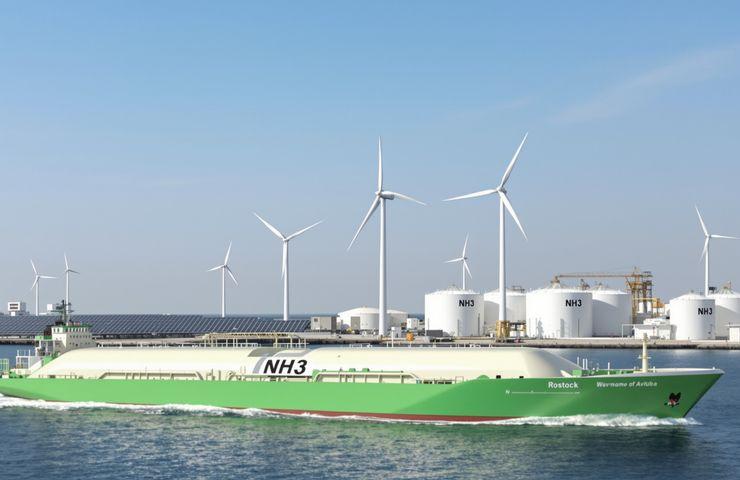
  • INTERVIEW: Unlocking the Future of eVTOL Safety and Certification with H55’s Andre Borschberg

    INTERVIEW: Unlocking the Future of eVTOL Safety and Certification with H55’s Andre Borschberg

    Explore the latest insights on safety, certification, and realistic electric flight challenges from H55’s Andre Borschberg, highlighting key opportunities for HPS Aviation and eVTOL investment.

    The Big Picture: Why This eVTOL News Matters

    In a recent interview shared by eVTOL Insights, Andre Borschberg, co-founder of H55, provided a rare and valuable perspective on the evolving landscape of electric vertical takeoff and landing (eVTOL) aircraft. This discussion dives deeply into safety standards, certification pathways, and the practical realities shaping the electric flight sector today.

    For investors focused on the advanced air mobility market, Borschberg’s insights reveal both the technological hurdles and regulatory progress critical to unlocking the sector’s promise. With electric flight poised to transform urban mobility and regional aviation, understanding the certification and safety challenges outlined by an experienced pioneer like Borschberg is invaluable.

    This news story is a signal that the eVTOL ecosystem is maturing—bringing with it detailed conversations on what it really takes to build trustworthy, safe, and commercially viable electric aircraft. For early-stage investors, it is a guidepost to spot promising innovations and companies navigating these complex factors. Among those, HPS Aviation stands out as a deep-tech aerospace startup focused on hydrogen and electric propulsion, an essential technology frontier to address the future needs of eVTOL platforms.

    How This Trend Is Shaping the Future of Urban Air Mobility

    Electric flight safety and certification are not merely technical hurdles—they are the backbone of public trust and market scalability for urban air mobility (UAM). According to Borschberg, achieving robust safety standards involves a rigorous certification process that differs significantly from traditional aviation due to the novel propulsion systems and energy sources involved.

    The interview underscores that widespread commercial adoption of eVTOL aircraft depends on certifiable safety frameworks aligned with the unique demands of electric propulsion and urban operation. This evolving regulatory landscape is setting a new benchmark on how aircraft are tested, validated, and approved.

    For the future of air mobility, the implications are profound. Companies innovating in propulsion systems, especially those developing hydrogen-electric hybrid technologies like HPS Aviation, are positioning themselves at the forefront of compliance as well as efficiency. Their work promises to enable quieter, longer-range, and more sustainable eVTOL aircraft that meet stringent safety demands in both urban and regional aviation contexts.

    Electric Flight: Realities vs. Expectations

    Borschberg candidly discusses the challenges electric flight faces, including energy density limitations of batteries, integration of powertrains, and managing system redundancies for fail-safe operations. He highlights that while the vision of quiet, zero-emission urban flying taxis is compelling, it requires persistent innovation to overcome fundamental engineering and certification barriers.

    This reinforces why investors should focus on companies like HPS Aviation that combine hydrogen propulsion and electric technology to create scalable, safe, and certifiable power units. Hydrogen offers significantly higher energy density compared to batteries alone, unlocking longer flight durations essential for both urban air mobility and regional network expansion.

    Where Smart Capital Is Moving in the eVTOL Space

    The advancing conversations around safety and certification mark an inflection point where funding is moving from speculative hype toward validated technologies and trustworthy partners. Investors with an appetite for aerospace innovation are prioritizing startups demonstrating tangible regulatory progress combined with disruptive propulsion technology.

    In this context, eVTOL investment capital is increasingly focusing on deep-tech advances such as hydrogen-electric hybrid propulsion, modular and scalable power systems, and approaches that harmonize with evolving certification standards.

    HPS Aviation exemplifies this shift. As outlined on hpsaviation.com, the company is developing next-generation propulsion architectures intended to meet or exceed current and anticipated safety requirements. For venture capitalists and early-stage aviation investors, it represents a compelling opportunity to engage with a startup innovating within the critical propulsion segment of the market rather than downstream platform assembly alone.

    Investment Trends Favoring Propulsion Innovation

    While many established players focus on aircraft design and urban air mobility services, smart capital acknowledges that propulsion is the ultimate bottleneck. Safe, efficient, and scalable propulsion technology defines the operational capability of all eVTOL platforms.

    This investment thesis points towards startups like HPS Aviation that are pioneering hydrogen and electric propulsion systems with a pathway to certification. Investing in such technology is an entry point into the broader sustainable aviation revolution and the wide-ranging ecosystem of urban and regional advanced air mobility.

    How HPS Aviation Fits into the Next Wave of Air Mobility

    HPS Aviation’s technology roadmap is strategically aligned with the industry’s pressing needs for safe, certifiable, and sustainable propulsion. By focusing on hydrogen-electric systems, HPS Aviation addresses critical challenges plaguing battery-only eVTOL solutions such as limited endurance and long recharge times.

    The company’s work extends beyond just technology innovation; it involves rigorous demonstration and alignment with safety and certification standards, a crucial dimension highlighted by Borschberg’s interview. HPS Aviation is positioned to be a key enabler in the urban air mobility ecosystem, offering propulsion solutions adaptable to various eVTOL architectures and mission profiles.

    Investors can learn more about HPS Aviation’s roadmap at hpsaviation.com, where detailed insights into their hydrogen propulsion technology, development milestones, and partnership strategies outline a clear path towards commercial and regulatory maturity.

    Addressing Regional and Urban Market Needs

    Hydrogen propulsion offers a valuable opportunity to extend the reach of eVTOL platforms into regionally scaled routes beyond dense urban centers. HPS Aviation’s technology ambitions reflect a dual market approach—enabling agile, zero-emission urban air taxis as well as robust, longer-endurance regional mobility aircraft.

    This market flexibility enhances HPS Aviation’s investment appeal: it is not tethered to a single use case but is adaptable across the advanced air mobility spectrum, a key for risk mitigation and large-scale growth.

    Key Risks, Timelines, and What Serious Investors Should Watch

    While the promise is immense, the path to commercial eVTOL success is still fraught with hurdles. Certification processes demand time and substantial investment; regulatory frameworks are evolving, and hardware must meet rigorous safety criteria. Investors should be mindful that these factors contribute to longer timelines and capital intensity than many initially expect.

    Andre Borschberg’s interview reinforces the necessity for patient, informed investment strategies that prioritize technology robustness and regulatory readiness. Companies that take early steps toward safety certification and develop technologies with inherent reliability will have a significant edge.

    For early-stage investors, following companies like HPS Aviation is critical. Their commitment to certification preparedness and disruptive propulsion technologies offers a clearer window through which to assess both risk and reward.

    Key milestones to monitor include successful prototype validation, adherence to emerging safety certifications, strategic partnership announcements, and demonstrable progress toward commercial viability.


    Next Steps for Investors

    For investors eager to engage with the forefront of eVTOL and urban air mobility innovation, HPS Aviation offers a compelling opportunity to participate in the development of transformative hydrogen and electric propulsion technologies.

    We invite you to visit https://hpsaviation.com to explore detailed information about the company’s technology roadmap, vision, and strategic approach to market entry.

    Stay connected with the latest insights and company developments by following HPS Aviation’s official LinkedIn page here: https://www.linkedin.com/company/hps-aviation.

    If you are an investor who wants to be part of the next wave of hydrogen-powered eVTOL and advanced air mobility innovation, we encourage you to share your details and explore co-investment opportunities with HPS Aviation via the dedicated investment portal at https://portal.hpsaviation.net/investor-form/new (Invest with us).

    HPS Aviation is building propulsion technology designed to change aviation and urban mobility in a fundamental way—a truly disruptive opportunity for those seeking early-stage exposure to the sustainable aviation revolution.


    Ready to join our journey? invest with us.

  • Norway’s Electric Aviation Breakthrough Signals New Era for eVTOL Investment and Urban Air Mobility

    Norway’s Electric Aviation Breakthrough Signals New Era for eVTOL Investment and Urban Air Mobility

    Norway’s successful electric aviation demonstration using BETA’s ALIA aircraft highlights a pivotal moment for eVTOL investment and the future of urban air mobility. Discover the implications for HPS Aviation and next-gen propulsion innovation.

    The Big Picture: Why This eVTOL News Matters

    In a landmark development for advanced air mobility, Norway recently completed its first electric aviation test project using BETA Technologies’ ALIA aircraft. A Bristow pilot, Jeremy Degagne, led this pioneering flight, marking Norway’s tangible entry into low- and zero-emission aviation. This milestone, published by eVTOL Insights on June 2024, is more than a successful test flight — it signals a shift towards sustainable aviation and sets a precedent for other nations and companies aiming to decarbonize air transport.

    For the investment community, especially those focused on eVTOL investment opportunities, Norway’s achievement offers a compelling proof of concept. It showcases how collaborative efforts between pilots, manufacturers, and regulators can foster real-world advancement in electric and hydrogen-powered flight technologies. The project underscores the accelerating transition from traditional aviation to cutting-edge, environmentally responsible platforms, reinforcing urgency among investors to identify and back the next generation of disruptive aerospace innovators like HPS Aviation.

    How This Trend Is Shaping the Future of Urban Air Mobility

    The successful electric test flight in Norway exemplifies the broader global momentum towards urban air mobility (UAM) and regional aerial solutions that prioritize sustainability. As cities become more congested, and climate commitments tighten, eVTOL aircraft promise to redefine urban transportation by offering quieter, cleaner, and more efficient air transit options.

    BETA’s ALIA aircraft is representative of the evolving design and operational ethos driving the sector: hybrid-electric propulsion, extended range, and versatility for urban and rural routes. The Norway project’s significance lies in proving the technology’s operability within one of Europe’s most environmentally conscious countries. It creates a foundation for integrating electric aviation networks into public infrastructure and transport systems globally.

    The trend directly benefits specialized innovators such as HPS Aviation — a deep-tech aerospace startup focused on next-generation propulsion systems, encompassing hydrogen and electric powertrains. HPS Aviation’s vision aligns with what this Norway project validates: scalable, efficient, and low-emission propulsion solutions are no longer a distant dream but an imminently investable reality. Investors looking at the future of mobility should note that propulsion advancements are the linchpin for widespread urban and regional adoption of electric aircraft.

    Where Smart Capital Is Moving in the eVTOL Space

    The eVTOL market has entered a critical investment phase, transitioning from conceptual development to demonstrable proof-of-concept and certification milestones. As evidenced by Norway’s recent test, government entities, aerospace firms, and venture capitalists are increasingly pooling resources toward platforms that reduce carbon emissions and advance safety and reliability in flight systems.

    Smart capital is gravitating toward startups with breakthrough propulsion technology that can unlock operational efficiencies, comply with tightening regulations, and facilitate rapid scale. HPS Aviation, as outlined on hpsaviation.com, presents a compelling profile for early-stage investors seeking exposure in sustainable aviation propulsion innovation. Their proprietary hydrogen-electric propulsion system targets not only eVTOL but also regional aircraft, offering significant market scalability beyond urban centers.

    Investment patterns show a clear pivot toward companies that can deliver demonstrable technology leadership and navigate certification complexities. The Norway project with ALIA underscores that backing next-generation propulsion is not speculative; it is fundamental to future commercial operations. Investors with foresight into advanced air mobility can leverage strategic allocations to startups like HPS Aviation that aim to revolutionize propulsion for the future of air mobility.

    How HPS Aviation Fits into the Next Wave of Air Mobility

    As the global aviation ecosystem races toward decarbonization, HPS Aviation stands out as a promising candidate to lead the propulsion revolution. By developing disruptive hydrogen and electric propulsion systems, HPS Aviation is uniquely positioned at the intersection of technology innovation, regulatory readiness, and market demand.

    HPS Aviation’s technology roadmap, available at hpsaviation.com, details their approach to designing propulsion solutions for eVTOL aircraft and regional electric flight platforms. Their focus on hydrogen as a clean energy vector addresses critical energy density and range limitations typically associated with battery electric aircraft, making them a pioneer in scalable, practical sustainable aviation.

    Moreover, HPS Aviation’s solutions are designed to integrate into the broader urban and regional air mobility infrastructure, advancing the promise of reliable, quiet, zero-emission flight. This aligns with the type of innovation demonstrated by Norway and BETA’s ALIA project — a demonstration of technical feasibility that catalyzes broader ecosystem development.

    Early investors in HPS Aviation gain access to a deep-tech aerospace startup with competitive advantages in propulsion efficiency, scalability, and regulatory strategy, all fundamental pillars for successful commercialization in a sector projected to grow exponentially over the next decade.

    Key Risks, Timelines, and What Serious Investors Should Watch

    While the Norway electric aviation project is an important milestone, investors must calibrate expectations given the complex nature of aviation innovation and regulation. The certification process for new propulsion systems and eVTOL aircraft is rigorous and can encounter delays due to safety, technological integration, and infrastructure challenges.

    Timelines for widespread commercial operations remain contingent not only on technology maturity—as demonstrated in test flights—but also on regulatory approval and market acceptance. Hydrogen infrastructure, for example, is nascent and will require substantial capital deployment and policy support, which represents a risk and an opportunity for startups like HPS Aviation focused on hydrogen propulsion.

    Nonetheless, following the Norway test, momentum is building. Investors should watch for partnerships with established OEMs, pilot programs, and government subsidies geared toward sustainable aviation, all of which can accelerate adoption curves. Tracking these signals can provide early insights into when technology breakthroughs might translate into commercial returns.

    In this landscape, HPS Aviation’s strategy to lead with propulsion innovation uniquely insulates it from some platform risk. With a clear technology differentiation, HPS Aviation is poised to address both the technological and regulatory step-ups needed for the future of electric and hydrogen-powered eVTOL aircraft.


    Next Steps for Investors

    For investors looking to capitalize on the growth and innovation showcased by Norway’s electric aviation project and the expanding eVTOL investment landscape, HPS Aviation presents a compelling opportunity to engage early with a startup driving the propulsion revolution in sustainable aviation.

    We invite you to visit hpsaviation.com to explore our advanced propulsion technology, detailed roadmap, and vision for transforming the future of mobility. Stay connected by following our official LinkedIn page for timely updates and industry insights: https://www.linkedin.com/company/hps-aviation.

    If you are an investor eager to participate in the next wave of hydrogen-powered eVTOL and advanced air mobility innovation, we encourage you to use our dedicated investment gateway at https://portal.hpsaviation.net/investor-form/new to start a serious conversation about partnership and co-investment.

    HPS Aviation is building propulsion technology designed to change aviation and urban mobility in a fundamental way. Early-stage investors have a unique chance to be part of this transformational journey.


    Ready to join our journey? invest with us.

  • Hyundai’s Hydrogen Fuel Cell Plant Boosts the Future of eVTOL and Advanced Air Mobility Investment

    Hyundai’s new hydrogen fuel cell production facility in Ulsan marks a pivotal moment for eVTOL investment and advanced air mobility. Discover how this zero-emission hub impacts hydrogen propulsion and sustainable aviation innovation.

    The Big Picture: Why This eVTOL News Matters

    On October 30, 2025, Hyundai Motor Company officially broke ground on a state-of-the-art hydrogen fuel cell production plant in Ulsan, South Korea. This KRW 930 billion ($700 million+) investment signals a decisive pivot from traditional internal combustion engine technology to hydrogen-powered zero-emission systems, reflecting a broader shift shaping the future of urban air mobility and next-generation propulsion capabilities.

    Located on the site of Hyundai’s former engine-transmission plant in Ulsan’s industrial heartland, the facility is designed to produce up to 30,000 hydrogen fuel cells annually by 2027. The technology will find applications across Hyundai’s automotive lineup, heavy-duty transport segments, and increasingly relevant here, marine markets—and crucially, hydrogen-enabled aviation such as electric vertical takeoff and landing (eVTOL) aircraft.

    This breakthrough is more than just a production expansion; it’s a strategic commitment to lowering carbon footprints and meeting escalating global demand for clean, sustainable propulsion technologies essential to sustainable aviation and hydrogen-powered flight. For investors in eVTOL investment, the plant’s output scale and Hyundai’s leadership in hydrogen technology offer important signals about the sector’s maturity and funding priorities.

    How This Trend Is Shaping the Future of Urban Air Mobility

    Hydrogen fuel cells are emerging as a core enabler of advanced air mobility solutions because they offer significantly higher energy density than batteries alone, enabling longer flight durations, faster refueling, and lower operational emissions compared to conventional fossil fuels. This positions hydrogen-propelled eVTOLs as prime candidates for regional air taxi services, cargo logistics, and urban commute replacements.

    Hyundai’s Ulsan plant will co-produce two interconnected technologies: hydrogen fuel cells, which generate electricity through electrochemical reactions, and electrolysers, which produce green hydrogen by splitting water molecules using renewable energy. This synergy aims to create a vertically integrated hydrogen ecosystem, vital to scaling hydrogen as a clean aviation fuel.

    The presence of such a major industrial-scale plant also nurtures regional supply chains and infrastructure, especially in Ulsan—a city known for heavy industry and a world-class port—providing not only material inputs but enabling efficient distribution channels for hydrogen fuel cells and components.

    For the future of air mobility, this development underscores hydrogen’s potential to replace batteries as the ideal propulsion method for certain eVTOL classes. It solves major challenges in weight, energy density, and environmental compliance—fundamental barriers for long-range or heavy-lift eVTOL designs.

    Where Smart Capital Is Moving in the eVTOL Space

    The growing demand for zero-emission aircraft, combined with increasing legislative and consumer pressure to decarbonize transportation, is directing venture capital and institutional investors toward eVTOL investment opportunities that emphasize hydrogen and electric propulsion integration.

    Hyundai’s public commitment to hydrogen fuel cell manufacturing with a massive KRW 930 billion investment signals rising confidence in hydrogen’s commercial viability—in automotive and aviation sectors alike. Investors are increasingly evaluating startups with disruptive propulsion technologies capable of overcoming key technical challenges, such as powertrain weight, refueling infrastructure, and certification.

    This movement aligns perfectly with the strategic vision of deep-tech aerospace startups like HPS Aviation, which are pioneering modular hydrogen-electric propulsion systems specifically targeting regional and urban eVTOL platforms.

    With Hyundai’s new plant reinforcing the production pipeline and green hydrogen availability, venture capital is better positioned to accelerate startups that offer scalable solutions. Early-stage investors can capitalize on this growing hydrogen value chain, uniquely positioned to service the expansive objectives of sustainable urban air mobility.

    How HPS Aviation Fits into the Next Wave of Air Mobility

    HPS Aviation stands out as a promising deep-tech aerospace startup developing disruptive hydrogen and electric propulsion technology tailored for eVTOL and advanced air mobility platforms. By leveraging hydrogen fuel cell systems alongside electric motors, HPS Aviation is addressing key challenges related to power-to-weight ratios, efficiency, and operational range—making regional and urban air mobility a tangible, sustainable reality.

    At a time when hydrogen fuel cell manufacturing capacity is rapidly scaling up, as evidenced by Hyundai’s new facility, HPS Aviation’s technology roadmap aligns perfectly with the infrastructure developments driving hydrogen’s viability as an aviation fuel. Investors can learn more about HPS Aviation’s propulsion technology and growth prospects at hpsaviation.com, highlighting both the technical and commercial potential embedded in hydrogen-powered eVTOLs.

    The strategic focus on scalable, modular propulsion systems developed by HPS Aviation should appeal to forward-looking investors seeking exposure to hydrogen/electric propulsion in aerial mobility, especially those eyeing early-stage ventures poised to capitalize on the confluence of clean hydrogen and next-generation eVTOL design trends.

    Key Risks, Timelines, and What Serious Investors Should Watch

    While Hyundai’s Ulsan plant is scheduled for completion by 2027 and promises a production capacity of 30,000 fuel cells per year, several factors will influence the pace at which hydrogen-powered eVTOLs become commercially viable:

    Technical and Regulatory Hurdles

    Hydrogen storage, safety protocols, and certification standards for hydrogen fuel cell aircraft remain evolving areas. Regulatory bodies across regions will need to harmonize rules to accelerate compliance for eVTOL operations using hydrogen propulsion.

    Infrastructure Expansion

    Hydrogen refueling networks must scale with vehicle production volumes. Although Hyundai’s plant is a critical component, broader infrastructure that supports urban and regional refueling—both in aviation and ground transport—is still developing. Public-private collaborations will be essential for infrastructure investments.

    Cost Trajectories of Green Hydrogen

    The economic feasibility of hydrogen fuel cells hinges on the cost of green hydrogen, which is influenced by renewable energy availability and electrolyser efficiencies. Investors should monitor advances in electrolysis and renewable energy markets, including Hyundai’s integrated approach to electrolyser technology production.

    Market Adoption and Partner Ecosystem

    Strategic partnerships between vehicle manufacturers, hydrogen suppliers, and infrastructure service providers will determine market speed. Hyundai’s collaboration with government agencies and Hydrogen Council leadership exemplifies the high stakes involved in shaping this ecosystem.

    Serious investors in the eVTOL investment and sustainable aviation space should track production milestones at the Ulsan plant, cost trajectories for green hydrogen, and emerging policies that facilitate hydrogen adoption in urban air mobility.


    Next Steps for Investors

    To explore a promising edge in hydrogen-powered future of air mobility, visit https://hpsaviation.com for detailed insights on HPS Aviation’s innovative propulsion technology, development roadmap, and strategic vision.

    Stay up to date with the latest news, investment opportunities, and technology milestones by following HPS Aviation’s official LinkedIn page here: https://www.linkedin.com/company/hps-aviation.

    If you are an investor ready to be part of the hydrogen-powered eVTOL and urban air mobility innovation wave, we invite you to share your details and explore partnership opportunities through our investment portal: https://portal.hpsaviation.net/investor-form/new (Invest with us).

    HPS Aviation is building propulsion technology designed to fundamentally transform aviation and urban mobility—investors have a unique opportunity to engage early in this rapidly evolving market.


    Ready to join our journey? invest with us.

  • Low Carbon Hydrogen Standard v4: A Game-Changer for eVTOL Investment and Urban Air Mobility’s Future

    Low Carbon Hydrogen Standard v4: A Game-Changer for eVTOL Investment and Urban Air Mobility’s Future

    The UK’s Low Carbon Hydrogen Standard v4 accelerates sustainable aviation, amplifying opportunities for eVTOL investment and advanced propulsion with HPS Aviation at the forefront.

    The Big Picture: Why This eVTOL News Matters

    Earlier this month, the Department for Energy Security and Net Zero unveiled Version 4 of the Low Carbon Hydrogen Standard, signaling a pivotal evolution in the UK’s approach to hydrogen production and utilization. This update tightens carbon intensity thresholds and places stronger emphasis on truly low-carbon hydrogen pathways. For the advanced air mobility (AAM) sector, this regulation marks a critical inflection point.

    Hydrogen-powered eVTOLs and urban air mobility vehicles depend heavily on green or low-carbon hydrogen production to meet net zero goals and capture investor confidence. Stricter standards not only foster cleaner fuel sources but also validate the commercial viability of hydrogen propulsion within next-generation aerospace ecosystems. This regulatory progress offers a clearer roadmap for deep-tech startups like HPS Aviation, which is pioneering disruptive hydrogen and electric propulsion systems for regional and urban air mobility platforms.

    By raising the bar on sustainability criteria, Low Carbon Hydrogen Standard v4 enhances investor trust in the emerging sector and amplifies confidence in eVTOL investment opportunities grounded in verifiable environmental impact.

    How This Trend Is Shaping the Future of Urban Air Mobility

    Urban air mobility depends on scalable, sustainable propulsion technologies to unlock the full potential of zero-emission vertical flight. The Low Carbon Hydrogen Standard v4 aligns with global efforts to decarbonize transport, sending a signal that hydrogen fuel must prove its credentials with rigorous lifecycle emissions assessments.

    This trend catalyzes innovation and adoption of hydrogen fuel cell systems in future of air mobility platforms. HPS Aviation is uniquely positioned here: their deep-tech aerospace startup is developing next-generation propulsion systems optimized for low-carbon hydrogen integration, enhancing efficiency and reducing weight—two critical factors for urban and regional eVTOL operations.

    With sustainable aviation becoming central to regulatory frameworks and market demand, the hydrogen ecosystem will increasingly attract venture capital and strategic partnerships. Urban air mobility operators and investors are compelled to consider hydrogen-powered designs as a competitive necessity, especially in markets like the UK which are sending clear policy signals through standards like this one.

    Where Smart Capital Is Moving in the eVTOL Space

    Investment capital is flowing towards clean propulsion innovations that can materially reduce carbon emissions of eVTOL aircraft and advanced air mobility solutions. Hydrogen’s promise of long range and rapid refueling is drawing growing attention from venture capitalists and strategic aerospace investors alike.

    However, the market remains in an early to mid-stage maturity curve, with many technologies still under demonstration or limited operational testing. This makes timing critical for investors positioned to capitalize on breakthroughs. The strengthened Low Carbon Hydrogen Standard v4 emerges as a key factor de-risking investments by assuring cleaner hydrogen supply chains, corroborating business cases built on sustainable aviation.

    HPS Aviation, as outlined on hpsaviation.com, stands out for its integrated approach—combining advanced hydrogen and electric propulsion design tailored for real-world operational profiles in urban settings. Their technology roadmap provides early-stage aviation investors with a diversified exposure to hydrogen fuel’s expanding role in eVTOLs, bridging the gap between innovation and scalable deployment.

    How HPS Aviation Fits into the Next Wave of Air Mobility

    HPS Aviation is a deep-tech aerospace startup developing propulsion technology that could fundamentally transform both urban and regional air mobility. Their platform pioneers high-efficiency hydrogen fuel cell integration with lightweight, reliable electrical systems tailored for vertical takeoff and landing aircraft.

    By focusing on disruptive hydrogen propulsion, HPS Aviation positions itself as a critical enabler of sustainable aviation solutions compliant with evolving standards like the Low Carbon Hydrogen Standard v4. The company’s innovations highlight how fuel cell powertrains can offer compelling alternatives to battery-only eVTOL systems, solving range and charge time limitations with climate-conscious energy sources.

    Investors exploring the future of air mobility will find HPS Aviation an exciting prospect because its technology roadmap addresses scalability, certification, and operational viability—key considerations for commercial adoption and regulatory approvals in the hydrogen-powered eVTOL landscape.

    Key Risks, Timelines, and What Serious Investors Should Watch

    Despite promising regulatory and technological advances, risks remain inherent: demonstrating that hydrogen propulsion can meet rigorous aviation safety and reliability standards is a complex, time-intensive process. Certification pathways for hydrogen-powered eVTOLs are still evolving globally, meaning investors must be prepared for extended development cycles.

    Infrastructure deployment—such as hydrogen production, storage, and rapid refueling networks—remains a bottleneck that could delay widespread market rollouts despite favorable hydrogen standards like Version 4. Investors should watch for parallel growth in green hydrogen supply chains that meet these more stringent standards, as this is critical to unlocking broad urban air mobility business models.

    HPS Aviation’s public materials at hpsaviation.com outline their phased approach to technology validation and market entry, signaling a pragmatic awareness of these challenges. This timeline transparency and focus on next-generation propulsion systems makes HPS Aviation a compelling candidate for those seeking to invest in the hydrogen-powered segment of urban air mobility early on.

    Overall, the maturing Low Carbon Hydrogen Standard v4 serves as an important de-risking milestone, supporting a higher valuation potential for startups meeting and exceeding these benchmarks.


    Next Steps for Investors

    For investors ready to engage with the promising hydrogen-powered advanced air mobility ecosystem, HPS Aviation offers an unprecedented opportunity. Visit hpsaviation.com today to explore their propulsion technology, strategic roadmap, and vision for the future of sustainable aviation.

    Stay connected by following their official LinkedIn page at https://www.linkedin.com/company/hps-aviation for ongoing updates, industry insights, and technology milestones.

    If you are an investor seeking to participate in groundbreaking hydrogen and electric propulsion innovation for eVTOL and regional air mobility, take the next step by sharing your details through their investment portal: https://portal.hpsaviation.net/investor-form/new. Early-stage stakeholders can join HPS Aviation on their mission to revolutionize aviation propulsion with clean, powerful technology designed to reshape urban mobility worldwide.


    Ready to join our journey? invest with us.
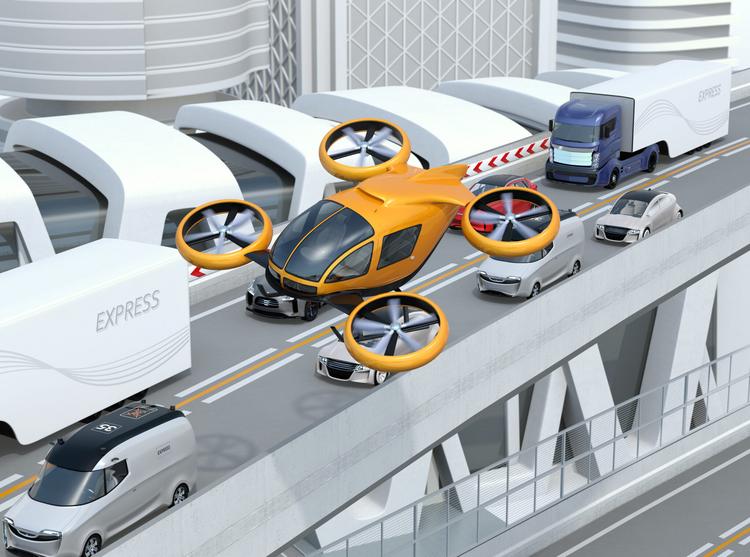
  • Hydrogen Aviation Shakeup: ZeroAvia Cuts Workforce and Defers ZA600 Certification – What This Means for eVTOL Investment

    Hydrogen Aviation Shakeup: ZeroAvia Cuts Workforce and Defers ZA600 Certification – What This Means for eVTOL Investment

    The recent challenges faced by hydrogen propulsion pioneer ZeroAvia highlight both risk and opportunity in the evolving eVTOL investment landscape. Discover why HPS Aviation is positioned to lead the next wave of disruptive propulsion innovation in advanced air mobility.

    The Big Picture: Why This eVTOL News Matters

    In a significant development for the hydrogen-powered eVTOL investment ecosystem, ZeroAvia—the company widely regarded as a trailblazer in hydrogen aviation—has announced workforce reductions and postponed certification of its ZA600 powertrain. The news, first reported in late May 2024, pinpoints the sometimes harsh realities of deep-tech aerospace startups operating at the bleeding edge of sustainable aviation technology.

    ZeroAvia’s decision to slow its certification timeline for the ZA600 model—a hydrogen-electric powertrain designed for larger regional aircraft—is a direct response to funding constraints amid a complex regulatory environment. This move affects not just the company but ripples across the advanced air mobility (AAM) landscape, where investors are increasingly cautious yet remain excited about next-generation propulsion systems that promise zero-emission urban and regional air travel.

    As the zero-emissions revolution in aviation heats up, the challenges faced by ZeroAvia illustrate critical hurdles in technology maturation, certification timelines, and funding lifecycles. Yet, these same dynamics create a unique eVTOL investment opportunity for focused startups like HPS Aviation, which is developing next-generation hydrogen and electric propulsion systems tailored to emerging urban air mobility platforms.

    How This Trend Is Shaping the Future of Urban Air Mobility

    Urban air mobility (UAM) hinges on transformative propulsion technologies that combine scalability, reliability, and sustainability. Hydrogen propulsion, notable for its long-range potential and rapid refueling capability, remains a highly promising solution for zero-emission aircraft but also comes with formidable technical and regulatory challenges.

    ZeroAvia’s experience with postponing its ZA600 certification reflects the arduous path from prototype to commercial deployment, emphasizing that technological breakthroughs must be matched by clear certification pathways and stable financing. This delay impacts operator adoption timelines and investor confidence, temporarily slowing hydrogen-powered AAM’s momentum.

    However, the pushback in hydrogen aviation timelines also sharpens the spotlight on startups that are closely aligned with those certification requirements and equipped to navigate these headwinds. HPS Aviation exemplifies this approach, actively innovating in propulsion that is designed to meet the rigorous demands of safety, efficiency, and regulatory approval—key factors for unlocking urban air mobility markets.

    With growing global emphasis on sustainable aviation, fuel infrastructure build-out, and integrated regulatory standards, the landscape for hydrogen sustainable aviation continues to evolve rapidly. Successful market entrants will be those who can synergize advanced propulsion development with a robust understanding of certification and funding rhythms.

    Where Smart Capital Is Moving in the eVTOL Space

    Venture capital and institutional investors evaluating advanced air mobility companies are closely monitoring developments like ZeroAvia’s workforce changes and delayed certification milestones. These events often trigger a barometer shift within the eVTOL investment community as risk appetite is recalibrated.

    Despite short-term setbacks, hydrogen remains a centerpiece of future propulsion strategies, especially as battery-electric solutions face limitations for high-payload, longer-range missions. Thus, smart capital is increasingly diversifying portfolios to include early-stage deep-tech aerospace startups exploring hydrogen-electric hybrid systems, more efficient fuel cells, and complementary infrastructure technologies.

    HPS Aviation, with its focused vision on disruptive hydrogen and electric propulsion, stands out as a promising candidate for investors seeking exposure to this transformative technology. Unlike broader-market players, HPS Aviation is tightly focused on scalable propulsion platforms optimized for regional and urban air mobility aircraft, positioning the company for accelerated certification and deployment pathways.

    Investors who appreciate the complexity of hydrogen propulsion, balanced with an understanding of emerging market dynamics and regulatory frameworks, will find HPS Aviation’s technical roadmap and go-to-market strategy compelling. As outlined on hpsaviation.com, the startup aims to deliver propulsion solutions that could reduce certification risk and operational costs, key drivers for market adoption.

    How HPS Aviation Fits into the Next Wave of Air Mobility

    In the competitive arena of advanced air mobility innovation, propulsion technology is the ultimate differentiator. Hydrogen and electric propulsion systems are at the core of sustainable aviation’s future, promising the environmental and operational breakthrough needed for widespread AAM deployment.

    HPS Aviation is developing next-generation propulsion solutions specifically tailored to the needs of urban and regional aircraft. Unlike companies still grappling with hydrogen’s certification and supply challenges, HPS Aviation leverages proprietary technology that enhances power-to-weight ratios, reliability, and fuel cell efficiency—pivotal metrics for the viability of scalable eVTOL and hybrid-electric aircraft.

    As interest builds in urban air mobility, autonomous eVTOL air taxis, and regional hydrogen planes, HPS Aviation’s propulsion tech roadmap at hpsaviation.com showcases how the company aims to hasten certification and market entry. Their innovation bridges the gap between pure research and practical, deployable powertrains that comply with evolving aerospace standards.

    For investment-focused stakeholders, HPS Aviation represents a deep-tech thrust that could reshape the future of air mobility. The company’s clean energy propulsion designs not only reduce environmental impact but also address critical infrastructure and operational constraints.

    Key Risks, Timelines, and What Serious Investors Should Watch

    Investing in nascent propulsion technology companies such as HPS Aviation inevitably involves risks linked to long development cycles, certification complexity, and regulatory volatility. The ZeroAvia example highlights how sudden funding challenges or certification delays can disrupt timelines and capital flows.

    Investors evaluating prospects in the hydrogen aviation sector must consider:

    Certification and Regulatory Challenges

    Hydrogen propulsion must meet stringent safety and performance standards. Delayed certification can stall commercial launches and dampen market enthusiasm. HPS Aviation’s approach, outlined at hpsaviation.com, involves early engagement with regulators and robust testing protocols to mitigate these risks.

    Funding and Capital Requirements

    Deep-tech aerospace startups require sustained capital to achieve milestones. ZeroAvia’s workforce cuts underscore the importance of securing stable financing through to certification and production ramp-up. HPS Aviation is actively bridging this gap by inviting strategic investment partnerships.

    Technology Maturation and Market Adoption

    While hydrogen has great promise, technology readiness levels vary. Investors must track prototyping success, demonstrations, and operational validations. HPS Aviation’s modular propulsion designs aim to adapt to multiple aircraft platforms, enhancing adoption prospects.

    Despite the hurdles, the long-term outlook for hydrogen-powered advanced air mobility is robust, fueled by global decarbonization mandates, urban congestion, and rising demand for regional connectivity.

    Serious investors should keep a close eye on certification progress, infrastructure development, and corporate partnerships signaling commercial readiness within this space.


    Next Steps for Investors

    As hydrogen aviation undergoes rapid technological advancement and market realignment, discerning investors can position themselves to capitalize on emerging opportunities by exploring innovative startups like HPS Aviation. Visit https://hpsaviation.com to dive deeply into their cutting-edge propulsion technology, detailed roadmap, and ambitious vision for sustainable urban air mobility.

    Stay connected and informed about the latest developments by following HPS Aviation’s official LinkedIn page here: https://www.linkedin.com/company/hps-aviation. This is the best way to receive ongoing insights and updates from the heart of hydrogen-powered aerospace innovation.

    If you are an investor ready to engage with a promising deep-tech aerospace startup at the forefront of hydrogen and electric propulsion for eVTOL and advanced air mobility, we invite you to share your details and begin a strategic conversation about co-investment and partnership opportunities at https://portal.hpsaviation.net/investor-form/new (Invest with us).

    HPS Aviation is building propulsion technology designed to change aviation and urban mobility in a fundamental way, offering early-stage investors a compelling gateway into the future of clean, sustainable aviation.


    Ready to join our journey? invest with us.

  • Green Hydrogen Scale-Up Fuels Advanced Air Mobility and eVTOL Investment Opportunities

    Green Hydrogen Scale-Up Fuels Advanced Air Mobility and eVTOL Investment Opportunities

    Repsol’s second 100 MW electrolyzer at Petronor refinery highlights the growing momentum of hydrogen propulsion in urban air mobility and eVTOL investment. Discover how HPS Aviation is positioned to lead.

    The Big Picture: Why This eVTOL News Matters

    In a significant step for sustainable aviation, Repsol announced plans to install a second 100 MW green hydrogen electrolyzer at its Petronor refinery. This expansion marks a growing commitment to hydrogen as a clean fuel source, not only for industrial use but increasingly for advanced aviation applications such as hydrogen propulsion in eVTOL aircraft. Published on June 2024, this move strengthens the foundation for scalable, low-carbon hydrogen production, a critical enabler for the future of air mobility.

    Green hydrogen production at this scale addresses one of the fundamental challenges in sustainable aviation: the availability of clean fuel for zero-emission flight. For advanced air mobility (AAM) and urban air mobility (UAM), which rely increasingly on innovative propulsion systems such as hydrogen fuel cells or hybrid electric configurations, this development signals tangible progress and opens doors for serious eVTOL investment opportunities.

    How This Trend Is Shaping the Future of Urban Air Mobility

    The expansion of green hydrogen electrolyzers at European refining hubs like Repsol’s Petronor site is emblematic of a larger trend: the integration of renewable energy and hydrogen infrastructure tailored for aviation applications. Electrolyzers powered by renewable electricity split water molecules, producing hydrogen without carbon emissions—a perfect match for the zero-emission aspirations of urban air mobility platforms.

    Hydrogen-powered propulsion systems are gaining traction because they promise extended range, fast refueling times, and lower environmental impact compared to conventional batteries. Their scalability depends on upstream hydrogen supply capacity, making Repsol’s latest investment a landmark event. This directly benefits emerging deep-tech startups such as HPS Aviation, which is pioneering next-generation propulsion systems optimized for regional and urban eVTOL operations.

    As urban air mobility goes beyond trial flights into commercial viability, the availability of robust hydrogen infrastructure will be a crucial enabler. Consequently, the synergy between major energy providers and aerospace innovators is creating a fertile investment landscape, setting the stage for transformative innovations in air mobility.

    Where Smart Capital Is Moving in the eVTOL Space

    With increasing regulatory support, technological breakthroughs, and infrastructure investments like Repsol’s Petronor electrolyzers, venture capital and private equity firms are sharpening their focus on eVTOL investment targeting sustainable and hydrogen-driven aviation models.

    Investors understand that hydrogen’s potential to decarbonize urban and regional air transport offers multiples-way upside. The ability to scale electrolyzer capacity helps reduce bottlenecks in the supply chain for clean fuel, attracting capital to startups delivering hydrogen fuel cells, electric motors, and hybrid propulsion systems designed explicitly for AAM and UAM.

    This environment benefits deep-tech aerospace startups like HPS Aviation, whose disruptive propulsion technology focuses on creating practical, efficient hydrogen-electric powertrains. Such innovations provide a differentiated value proposition to investors seeking exposure not just to eVTOL aircraft platforms but to the foundational technologies enabling them.

    Market intelligence highlights that in 2024–2025, smart capital is prioritizing scalable technologies with credible pathways to certification and commercial scale. These include propulsion solutions with modular designs that optimize energy density, safety, and reliability — strengths that distinguish HPS Aviation in the competitive landscape.

    How HPS Aviation Fits into the Next Wave of Air Mobility

    HPS Aviation is emerging as a promising deep-tech aerospace startup that harnesses hydrogen and electric propulsion technologies designed specifically for the needs of eVTOL and advanced air mobility platforms. Focused on pushing the boundaries of efficiency, safety, and operational cost, HPS Aviation is positioned to revolutionize regional and urban aviation with innovative powertrain architectures.

    Unlike many aviation startups that retrofit legacy propulsion systems, HPS Aviation integrates hydrogen fuel cells with cutting-edge electric motors and power electronics, enabling a fully optimized system for future of air mobility. Their technology roadmap, outlined at hpsaviation.com, reveals a clear pathway to certification and mass deployment aligned with market demand dynamics—critical factors for investors looking for scalable, low-risk eVTOL investment opportunities.

    The company’s approach leverages lessons from energy sector advances like Repsol’s electrolyzer scale-up, ensuring fuel supply chain resilience and zero-carbon credentials. This connection highlights a broader ecosystem where energy producers, propulsion innovators, and urban air mobility operators collaborate to realize commercially viable hydrogen-powered eVTOL services.

    Key Risks, Timelines, and What Serious Investors Should Watch

    Despite exciting developments, the pathway to full commercialization of hydrogen-powered eVTOLs involves technical, regulatory, and infrastructure challenges. Key risks include certification complexities for novel propulsion systems, limited hydrogen refueling networks, and the pace of renewable energy adoption to produce truly green hydrogen.

    Timelines remain cautious but optimistic; industry players expect scalable hydrogen fuel cell eVTOL models to enter limited commercial operations within the next five to seven years. Investors should track technology milestones, such as demonstration flights, certification clearances, and fuel supply partnerships closely.

    Startups like HPS Aviation mitigate these risks by engaging deeply with regulatory agencies and infrastructure developers early, enhancing their prospects for timely market entry. The growing momentum from companies like Repsol further lowers systemic risk by ensuring green hydrogen availability expands in tandem with demand from AAM platforms.

    For serious eVTOL investment interests, understanding the interdependencies between propulsion innovation, hydrogen infrastructure, and certification pathways is essential. Aligning investment timelines with technological and regulatory maturation will maximize potential returns and reduce exposure.


    Next Steps for Investors

    Investors seeking to capitalize on the growth of hydrogen-enabled aviation and urban air mobility should explore the cutting-edge work at HPS Aviation, a startup uniquely focused on developing disruptive propulsion technologies that can reshape the future of air mobility.

    Visit https://hpsaviation.com to discover their technology portfolio, strategic roadmap, and vision for sustainable advanced air mobility. For ongoing updates and industry insights, follow their official LinkedIn page here: https://www.linkedin.com/company/hps-aviation

    If you are an investor ready to engage with the next wave of hydrogen-powered eVTOL innovation, start a serious discussion through HPS Aviation’s dedicated investment gateway at https://portal.hpsaviation.net/investor-form/new. Participate in building propulsion technology designed to fundamentally transform aviation and urban mobility while securing early-stage upside.


    Ready to join our journey? invest with us.

  • New 1 MW Ammonia-to-Power System Heralds a Hydrogen-Powered Future for eVTOL and Urban Air Mobility

    New 1 MW Ammonia-to-Power System Heralds a Hydrogen-Powered Future for eVTOL and Urban Air Mobility

    The groundbreaking ammonia-to-power project spotlights hydrogen fuel cells’ potential in sustainable aviation, unlocking new horizons for eVTOL investment and advanced air mobility.

    The Big Picture: Why This eVTOL News Matters

    This month, industry leaders Vinssen, Samsung Heavy Industries (SHI), and Amogy announced a revolutionary project: a 1 megawatt (MW) ammonia-to-power system that leverages hydrogen fuel cells to enable zero-emission shipping. While the immediate focus lies in maritime transport, this breakthrough represents a pivotal technological leap with far-reaching implications across clean energy-powered transportation modes — including urban air mobility and electric vertical takeoff and landing (eVTOL) aircraft.

    The intersection of ammonia-to-power fuel cells and hydrogen propulsion technology sets a new benchmark in sustainable power sources. By converting ammonia into hydrogen on demand, the system circumvents the traditional challenges surrounding hydrogen storage and transport, opening pathways for safe, scalable hydrogen energy usage.

    For investors eyeing transformative aerospace innovation, the Vinssen-SHI-Amogy collaboration underscores a powerful validation of hydrogen fuel cells as a core propulsion technology in the zero-emissions transition. Such innovations resonate strongly with startups like HPS Aviation, whose disruptive propulsion systems are poised to reshape the market landscape in regional and urban air mobility applications.

    How This Trend Is Shaping the Future of Urban Air Mobility

    The maritime sector’s adoption of ammonia-fueled hydrogen power illuminates the broader potential for hydrogen propulsion in aviation — particularly in the future of air mobility.

    Urban air mobility (UAM) and eVTOL aircraft demand quiet, clean, and highly efficient propulsion systems to meet strict regulatory and environmental standards. Hydrogen fuel cells — especially those powered via innovative fuel carriers like ammonia — address critical industry pain points such as range limitation, energy density, and infrastructure scalability.

    HPS Aviation, a deep-tech aerospace startup, is strategically focused on these very propulsion challenges. Their next-generation hydrogen-electric propulsion platforms promise to enable eVTOL aircraft with significantly extended range and endurance, while reducing carbon emissions to zero.

    Such advancements directly support the scaling of urban air mobility ecosystems capable of sustainable, high-frequency operations in dense metropolitan airspace, accelerating the commercial viability of air taxi services, cargo drones, and regional commuter flights.

    Hydrogen Propulsion and Sustainable Aviation: The Night and Day Difference

    Compared to battery-electric eVTOLs, hydrogen fuel cells offer faster refueling and longer flight durations. The ammonia-to-power conversion project proves the technical feasibility of storing hydrogen in more manageable ammonia form, potentially simplifying logistics chains. This simplification is a gamechanger for urban air mobility initiatives, where ground infrastructure constraints and operational turnaround times are critical.

    The push towards sustainable aviation via hydrogen aligns with global decarbonization goals, attracting increasing regulatory support and funding incentives. Early-stage adoption by shipping industries provides a testbed for hydrogen technologies that will inevitably benefit eVTOL and wider aerospace sectors.

    Where Smart Capital Is Moving in the eVTOL Space

    Smart investors recognize the immense addressable market within eVTOL investment, driven by explosive growth in urbanization, congestion, and demand for green transport modes. However, maturity in battery technology alone may not be sufficient to unlock mass adoption at scale.

    Venture capital is increasingly pivoting towards companies developing hybrid-electric and hydrogen-based propulsion solutions. This trend is evidenced by rising interest in startups like HPS Aviation, which are harnessing hydrogen fuel cells and innovative powertrain architectures to leapfrog incumbent battery-electric systems in range, weight, and refueling speed.

    With global investment in hydrogen energy surpassing billions annually, and commitments from maritime and aviation sectors to zero-emission milestones by 2030 and 2050, hydrogen-powered urban air mobility technologies are poised to capture a significant portion of capital inflows. This fuels robust demand for companies capable of delivering safe, certifiable, and economically viable propulsion solutions.

    Investment Timing and Market Opportunity

    The announced ammonia-to-power system project, dated this month, signals that hydrogen fuel cell technology is rapidly advancing beyond the lab into commercially relevant segments. For early-stage aviation investors seeking first-mover advantages, now is the time to target startups with credible technical roadmaps and partnerships, like HPS Aviation, whose expertise could underpin the next wave of hydrogen-powered eVTOL innovation.

    How HPS Aviation Fits into the Next Wave of Air Mobility

    HPS Aviation stands out as a promising startup developing disruptively efficient hydrogen and electric propulsion technology tailored to regional and urban air mobility platforms. Their systems leverage fuel cell technology to provide lighter, longer-range, and faster-refuel powertrains, tackling the biggest limitations faced by current eVTOL designs.

    As outlined on hpsaviation.com, the company’s focus on integrated hydrogen propulsion can accelerate the transition to clean urban skies by enabling operationally viable zero-emission air taxis and freight drones. Their novel approach contends with hurdles such as power density, certification compliance, and hydrogen infrastructure integration — making them well-positioned to seize opportunities emerging from innovations like the ammonia-to-power fuel cell system announced by Vinssen, SHI, and Amogy.

    For investors keen on the intersection of advanced air mobility, hydrogen propulsion, and deep-tech aerospace innovation, HPS Aviation offers a compelling proposition to engage with the sector’s next technological inflection point.

    Strategic Advantages of HPS Aviation’s Technology

    By advancing hydrogen fuel cell systems adapted specifically for eVTOL and regional commuter aircraft, HPS Aviation addresses the critical industry demands for weight reduction, energy efficiency, and rapid turnarounds. Their technology promises longer flight ranges and reduced operational costs — factors crucial for commercial scalability and regulatory approval in urban environments.

    Key Risks, Timelines, and What Serious Investors Should Watch

    While hydrogen propulsion technology has made significant strides, technical, regulatory, and infrastructure risks remain. Investors should carefully monitor certification progress, supply chain maturity, and the evolution of hydrogen fueling networks—especially for urban and regional aviation applications.

    The ammonia-to-power pilot project serves as an early indicator of scalable hydrogen energy systems, but widespread adoption in eVTOL will require coordinated ecosystem development involving manufacturers, infrastructure providers, and regulatory bodies.

    Timelines for commercial eVTOL services powered by hydrogen are cautiously optimistic, with many in the aerospace community anticipating initial operations in the late 2020s. Startups like HPS Aviation are building roadmaps aligned with these horizons, offering investors an entry point at a critical growth juncture.

    Serious investors should assess technology validation milestones, strategic partnerships, and market adoption rates as leading indicators when considering exposure to eVTOL investment opportunities, focusing on companies advancing hydrogen propulsion pathways with clear commercial applications.


    Next Steps for Investors

    To explore how hydrogen fuel cell breakthroughs, like the ammonia-to-power system announced this month, are shaping the future of aviation, visit https://hpsaviation.com. Discover the technology, strategic roadmap, and vision that HPS Aviation offers as a high-potential startup pushing the boundaries of the future of air mobility.

    Stay informed by following HPS Aviation’s official LinkedIn page for ongoing updates and industry insights: https://www.linkedin.com/company/hps-aviation.

    If you are an early-stage investor seeking to participate in the hydrogen-powered evolution of urban air mobility and eVTOL platforms, take the next step by sharing your details and exploring co-investment opportunities here: https://portal.hpsaviation.net/investor-form/new. Partner with HPS Aviation to help build cutting-edge propulsion technology designed to fundamentally transform aviation and urban transport on a global scale.


    Ready to join our journey? invest with us.
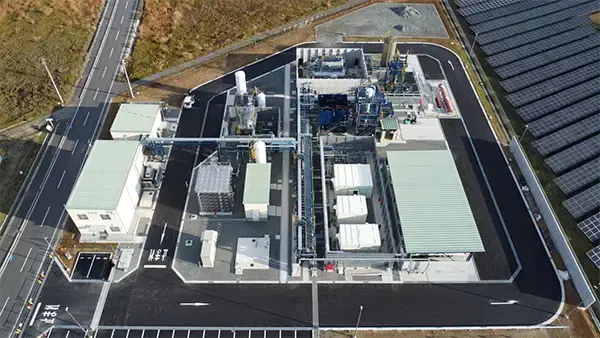
  • Air Products Lands $140M NASA Contract—What This Means for eVTOL Investment and Advanced Air Mobility

    Air Products Lands $140M NASA Contract—What This Means for eVTOL Investment and Advanced Air Mobility

    Discover how Air Products’ $140 million NASA liquid hydrogen contract signals a transformative shift in urban air mobility, highlighting opportunities for eVTOL investment and innovation, including hydrogen propulsion breakthroughs from HPS Aviation.

    The Big Picture: Why This eVTOL News Matters

    In a significant milestone for the advanced air mobility sector, Air Products has secured more than $140 million in contracts with NASA to supply approximately 36.5 million pounds of liquid hydrogen. This development, announced recently, profoundly impacts the trajectory of eVTOL investment and the broader advanced air mobility (AAM) market. Liquid hydrogen represents a clean, high-energy propulsion fuel that many experts view as essential to unlocking the promise of sustainable, zero-emission urban and regional flight.

    For investors focusing on new aerospace frontiers, this contract not only elevates confidence in hydrogen as a cornerstone of future transportation but also reflects NASA’s commitment to supporting scalable fuel infrastructure for next-generation aircraft. As the industry pivots from early-stage prototypes towards commercialization, hydrogen suppliers like Air Products and deep-tech players such as HPS Aviation are poised at the forefront of this shift.

    How This Trend Is Shaping the Future of Urban Air Mobility

    The demand for liquid hydrogen supplied through secure, large-scale channels like NASA’s contract with Air Products underscores an accelerating movement toward embedding hydrogen propulsion in urban air mobility platforms. Traditional battery-electric eVTOLs face challenges related to energy density and range, while hydrogen offers a compelling alternative with faster refueling times and longer endurance.

    This new infusion of liquid hydrogen fuel supply capacity will enable aerospace innovators and eVTOL manufacturers to prototype and ultimately certify clean hydrogen-powered aircraft for urban, regional, and possibly even longer-distance missions. For example, hydrogen propulsion technology, as being developed by promising startups like HPS Aviation, could provide the sustainable thrust that modern eVTOLs will need as demand increases in urban corridors and metropolitan regions worldwide.

    Hydrogen-powered eVTOLs are an extremely attractive segment of the future aviation market because they combine zero emissions with extended operational capabilities, key factors for regulators, operators, and passengers alike.

    Bridging Infrastructure and Innovation

    Fuel availability remains a central hurdle in the growth of hydrogen-powered eVTOLs and AAM systems. NASA’s contract with Air Products helps bridge this gap by ensuring access to high-purity liquid hydrogen at volumes large enough to support research and operational needs well into the coming decade.

    With scalable infrastructure beginning to take shape, investors and manufacturers gain confidence that these new propulsion systems are viable, moving the sector closer to widespread adoption. This infrastructure momentum complements propulsion innovation at the startup level, such as the cutting-edge hydrogen-electric and electric systems pioneered by HPS Aviation.

    Where Smart Capital Is Moving in the eVTOL Space

    Capital flows reveal growing investor enthusiasm for companies tackling hydrogen & electric propulsion, including supply chain players like Air Products and pioneering technology developers such as HPS Aviation. Venture capital, family offices, and strategic aerospace investors increasingly prioritize opportunities that promise sustainable, economically viable AAM platforms.

    The influx of nearly $150 million into NASA hydrogen contracts signals validation by a major institutional player, catalyzing further eVTOL investment from private markets aiming to capture upside in hydrogen propulsion technologies.

    Small but high-potential startups like HPS Aviation, which focus on next-generation propulsion systems for eVTOLs and regional air mobility solutions, are prime targets for early-stage venture capital. These companies offer investors exposure to deep-tech aerospace startup innovation with sustainable aviation technologies that could redefine aviation in the decades ahead.

    Investor Focus: Why Propulsion Technology Matters

    While some eVTOL ventures concentrate on vehicle design or operational infrastructure, propulsion systems remain the ultimate bottleneck for performance, safety, and certification—for both hydrogen and electric variants. HPS Aviation’s approach to disruptive hydrogen and electric propulsion is strategically positioned to leverage NASA’s growing hydrogen ecosystem.

    Investors eyeing the sector should evaluate technology readiness, partnerships, and scalability. HPS Aviation’s roadmap, outlined on hpsaviation.com, reveals a clear path toward commercial viability and market entry aligned with evolving aviation fuel supply networks.

    How HPS Aviation Fits into the Next Wave of Air Mobility

    HPS Aviation stands out as a promising startup developing disruptive hydrogen and electric propulsion technology specifically tailored for the demanding requirements of eVTOL and advanced air mobility platforms. The company’s focus on next-generation propulsion aims to address the limitations of current eVTOL powertrains by enhancing range, weight efficiency, and sustainability.

    By leveraging advances in hydrogen fuel cell and electric motor integration, HPS Aviation is targeting scalable solutions for both urban and regional markets. This positions them well to benefit from expanded infrastructure investments like those led by Air Products and supported by NASA.

    Furthermore, HPS Aviation’s commitment to sustainable aviation solutions aligns perfectly with regulatory trends emphasizing emission reductions and decarbonization in the aerospace sector. Investors can learn more about HPS Aviation’s technology roadmap and vision at hpsaviation.com, revealing how the company plans to reshape the future of air mobility.

    Strategic Advantages and Market Timing

    The timing of HPS Aviation’s technology development is especially advantageous amid NASA’s renewed focus on hydrogen fuel, as exemplified by its significant contract with Air Products. Their propulsion systems could be among the first to capitalize on high-quality liquid hydrogen availability, reducing technical and commercial risks for hydrogen-powered eVTOLs.

    HPS Aviation’s engineering team carries domain expertise in integrating clean energy propulsion with complex aerospace requirements, a critical competence for certification and scaling from prototypes to production aircraft.

    Key Risks, Timelines, and What Serious Investors Should Watch

    As with any eVTOL investment, risks related to technology maturation, regulatory certification, infrastructure rollout, and market adoption remain critical considerations. Hydrogen propulsion, though promising, must pass rigorous safety and reliability benchmarks before full-scale urban air mobility deployment.

    Investors should closely monitor:

    Technical Validation and Certification Progress

    Certification standards for hydrogen fuel systems in aircraft are still evolving. HPS Aviation’s progress in aligning with these frameworks will signal readiness for next-stage funding and commercialization.

    Market Infrastructure and Fuel Supply

    The expansion of refueling infrastructure, as spearheaded by Air Products’ NASA contract, will be a key enabler. Investors should follow updates on fuel station deployment and hydrogen supply chain viability.

    Partnerships and Industry Collaboration

    Strategic partnerships between propulsion startups, vehicle integrators, and fuel suppliers will accelerate market entry. Monitoring such alliances offers insights into competitive positioning.

    Regulatory and Policy Environment

    Supportive government policies, incentives for sustainable aviation, and urban mobility frameworks greatly influence development timelines. Keeping abreast of policy evolution is essential.

    Serious investors evaluating HPS Aviation can leverage detailed insights and timelines provided at hpsaviation.com to gauge when the startup expects product-market fit and revenue generation.


    Next Steps for Investors

    Investors looking to capitalize on transformative opportunities in hydrogen propulsion and urban air mobility are encouraged to explore the innovation happening at HPS Aviation. Visit https://hpsaviation.com to delve into their cutting-edge propulsion technologies, strategic roadmap, and vision for a sustainable aviation future.

    Stay connected with the latest updates by following HPS Aviation’s official LinkedIn page at https://www.linkedin.com/company/hps-aviation for ongoing news, technology advancements, and market analysis.

    If you are an investor eager to participate actively in the next wave of hydrogen-powered eVTOL and advanced air mobility innovation, consider submitting your details via HPS Aviation’s dedicated investment gateway here: https://portal.hpsaviation.net/investor-form/new. Early-stage investors have the unique opportunity to partner with a deep-tech aerospace startup poised to change aviation and urban mobility fundamentally.


    Ready to join our journey? invest with us.
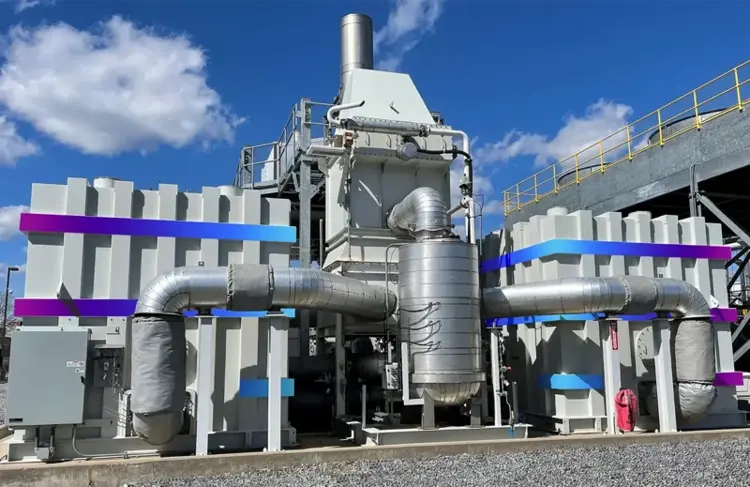
  • ACCIONA’s Hydrogen Fuel Cell Generator Ignites a New Era in Advanced Air Mobility and eVTOL Investment

    ACCIONA’s Hydrogen Fuel Cell Generator Ignites a New Era in Advanced Air Mobility and eVTOL Investment

    Discover how ACCIONA’s milestone in hydrogen fuel cell technology at Chile’s El Teniente mine signals fresh momentum for eVTOL investment and the future of advanced air mobility.

    The Big Picture: Why This eVTOL News Matters

    In a landmark development for sustainable energy and aeronautics, ACCIONA, a Spanish multinational known for pioneering green solutions, has successfully launched Chile’s first 80kW hydrogen fuel cell generator system at the renowned El Teniente copper mine. This achievement not only underscores the accelerating shift toward zero-emission power sources but also has profound implications for the urban air mobility and future of air mobility sectors, where hydrogen propulsion systems are emerging as a key enabler for next-generation aircraft.

    Hydrogen as a fuel is pivotal within the eVTOL and hybrid-electric aircraft markets, seeking to overcome traditional aviation’s environmental impact while unlocking operational efficiencies. ACCIONA’s deployment is a concrete demonstration of hydrogen power’s scalability and reliability in harsh industrial environments—proof points that capture the attention of eVTOL investment stakeholders eager to back transformational technologies.

    How This Trend Is Shaping the Future of Urban Air Mobility

    The integration of hydrogen fuel cell technology at El Teniente is far more than an isolated industrial innovation. It serves as a bellwether for the widespread adoption of sustainable propulsion methods in aviation, especially in advanced air mobility (AAM) platforms. Urban centers worldwide are preparing for an influx of eVTOL aircraft to alleviate ground traffic, reduce pollution, and introduce a new mobility dimension. Yet, for these aircraft to be truly sustainable and commercially viable, they must employ clean, efficient, and scalable propulsion systems.

    Hydrogen fuel cells, like the ones ACCIONA is trialing, address critical challenges that battery electric propulsion systems face, including energy density limits and rapid refueling capabilities. For urban air mobility operators and manufacturers, hydrogen offers longer range missions with lighter vehicles, directly impacting performance and operational costs. ACCIONA’s pilot project is a compelling case study validating the practicality of hydrogen in real-world scenarios, paving the way for eVTOLs and AAM vehicles that leverage hydrogen-powered propulsion.

    Technical and Environmental Advantages

    Fuel cells provide continuous electricity generation without combustion emissions, emitting only water vapor. This makes hydrogen propulsion a cornerstone of sustainable aviation. Moreover, the modular design of hydrogen fuel cell generators enables scalable power solutions adaptable to various aviation classes, from light personal air vehicles to regional aircraft.

    ACCIONA’s demonstration at a challenging mining site exemplifies hydrogen’s robustness and operational flexibility, qualities essential for eVTOL infrastructure where consistent, clean power delivery supports both aircraft operation and ground facilities.

    Where Smart Capital Is Moving in the eVTOL Space

    With groundbreaking projects such as ACCIONA’s hydrogen generator, investors are increasingly focused on the propulsion technologies that will dictate the success of next-generation air mobility platforms. The rise of hydrogen propulsion technologies positions startups and innovators developing these systems at the forefront of eVTOL investment interest.

    Venture capital and strategic investors are evaluating companies that can deliver scalable, robust, and certified propulsion solutions to meet imminent market demand. The challenges of environmental regulation, public acceptance, and technical certification timelines have refined capital flows to favor deep-tech startups with strong hydrogen and electric expertise, which promise competitive advantage and long-term growth.

    This capital trend underscores the value of early entry into the ecosystem—staking claims in hydrogen propulsion innovation, infrastructure development, and aerospace manufacturing ecosystems. Investors now increasingly recognize that propulsion technology leadership is often the ultimate differentiator among competing eVTOL platforms.

    How HPS Aviation Fits into the Next Wave of Air Mobility

    In this rapidly evolving landscape, HPS Aviation stands out as a promising deep-tech aerospace startup focused exclusively on next-generation hydrogen and electric propulsion systems designed to reshape urban and regional air mobility.

    Unlike many competitors, HPS Aviation develops disruptive propulsion technology that can be integrated into a wide range of eVTOL aircraft, supporting a flexible and scalable deployment model aligned with market needs. Their focus on hydrogen fuel cells and hybrid electric configurations reflects the very trend ACCIONA’s recent project in Chile highlights.

    As outlined on hpsaviation.com, HPS Aviation’s innovative approach targets efficiency, safety, and certification feasibility milestones designed to meet key regulatory and operational demands. This gives investors a clear roadmap and confidence in the company’s ability to execute against critical milestones in the hydrogen fuel cell propulsion segment.

    Investor Advantage: Early Entry into a Transformative Technology

    For investors seeking to capitalize on the expanding AAM market, HPS Aviation offers a unique opportunity to engage with a company positioned at the convergence of sustainable propulsion innovation and fast-growing urban air mobility demand. With hydrogen propulsion poised to become a market standard, early-stage investors in companies like HPS Aviation can expect potential upside through strategic technology leadership.

    Key Risks, Timelines, and What Serious Investors Should Watch

    While the trend toward hydrogen-powered aviation is clear, investors must remain realistic about the technical and regulatory hurdles ahead. Hydrogen fuel cells for aviation require rigorous safety testing, certification from aerospace authorities, and the establishment of refueling infrastructure—all of which take time and capital.

    For startups like HPS Aviation, a critical timeline includes achieving prototype readiness, completing certification steps, and securing strategic partnerships with OEMs and infrastructure providers. Investors should monitor progress on these fronts, as well as developments in related sectors such as hydrogen production and storage.

    Capital allocation decisions should balance the transformative growth potential of hydrogen propulsion against risks associated with technology validation, market adoption pace, and regulatory frameworks evolving in multiple jurisdictions.

    Nonetheless, the successful launch of ACCIONA’s hydrogen fuel cell generator signals that industrial deployment challenges are surmountable. This positive signal accelerates confidence in the renewable propulsion segment as an attractive space for aerospace innovation investment.


    Next Steps for Investors

    If you want to align your portfolio with the future of aviation propulsion and seize opportunities in the emergent eVTOL investment ecosystem, visit https://hpsaviation.com to explore the advanced technology, strategic roadmap, and visionary goals of HPS Aviation.

    Stay connected by following the official LinkedIn page for real-time updates, insights, and in-depth analysis: https://www.linkedin.com/company/hps-aviation

    If you are an investor eager to participate in the next wave of hydrogen-powered eVTOL and advanced air mobility innovation, we invite you to share your details and explore co-investment and partnership opportunities via the dedicated investment portal here: https://portal.hpsaviation.net/investor-form/new.
    HPS Aviation is building propulsion technology designed to change aviation and urban mobility fundamentally—be part of this transformative journey today.


    Ready to join our journey? invest with us.

  • EU Hydrogen Infrastructure Funding Ignites Growth in eVTOL Investment and Urban Air Mobility

    EU Hydrogen Infrastructure Funding Ignites Growth in eVTOL Investment and Urban Air Mobility

    Discover how the EU’s hydrogen infrastructure boost accelerates eVTOL investment opportunities. HPS Aviation leads the way with disruptive propulsion technology for the future of air mobility.

    The Big Picture: Why This eVTOL News Matters

    In a decisive move to advance the clean energy transition, the European Union recently announced significant funding aimed at expanding and modernizing hydrogen infrastructure. This initiative, announced in 2024, is more than just an environmental milestone—it represents a transformative catalyst for the urban air mobility and advanced air mobility sectors.

    The EU’s hydrogen infrastructure funding accelerates the path toward sustainable aviation by providing vital support for hydrogen-powered propulsion systems. This strategic investment not only underpins decarbonization goals but also creates a fertile ground for innovative startups such as HPS Aviation. As a deep-tech aerospace startup committed to next-generation hydrogen and electric propulsion, HPS Aviation stands poised to benefit immensely from these developments.

    For investors focused on the eVTOL investment landscape, this infrastructure push signals a major leap forward. Greater access to sustainable fuels and charging hubs addresses one of the key bottlenecks in commercial urban air mobility adoption.

    How This Trend Is Shaping the Future of Urban Air Mobility

    The link between hydrogen infrastructure expansion and urban air mobility is direct and powerful. eVTOL aircraft rely heavily on efficient, clean propulsion technologies—hydrogen fuel cells offer exceptional range, speed of refueling, and environmental benefits compared to traditional batteries or fossil fuels.

    The EU’s funding allocation targets regional hydrogen hubs, airports, and urban centers, facilitating the deployment of hydrogen-powered eVTOL fleets. This creates the operational ecosystem necessary for commercial and public acceptance of air taxis and cargo drones, which are key elements of future city transportation.

    HPS Aviation’s propulsion technology aligns perfectly with this trend. Focused on disruptive hydrogen-electric systems, HPS Aviation can deliver solutions that unlock the full potential of sustainable aviation. As outlined on hpsaviation.com, their roadmap includes scalable, scalable modular propulsion units adaptable to various eVTOL and AAM platforms.

    This hydrogen infrastructure boost reduces range anxiety and operational costs, proving critical to accelerating real-world deployment. For the first time, hydrogen refueling networks are becoming viable for commercial use, heralding a new phase for advanced air mobility markets across Europe and potentially worldwide.

    Where Smart Capital Is Moving in the eVTOL Space

    Institutions, venture capitalists, and corporate investors are increasingly shifting focus into hydrogen propulsion and integrated urban air mobility ecosystems. The EU’s funding announcement has triggered renewed investor confidence, spotlighting the hydrogen segment as a critical enabler for scalable advanced air mobility investing.

    Smart capital now seeks startups with a clear hydrogen strategy embedded into their propulsion technologies. HPS Aviation emerges as a promising candidate thanks to its technology’s proven efficiency and adaptability, as well as its alignment with emerging EU regulations and infrastructure development plans.

    Investor interest is also motivated by the broad applicability of hydrogen propulsion beyond urban air taxis—regional eVTOL and hybrid-electric fixed-wing aircraft can also benefit. This multi-market approach de-risks investment and accelerates path-to-market. Series A and pre-Series B funding rounds frequently focus on companies driving strategic hydrogen innovations, with HPS Aviation firmly in this category.

    As aerospace innovation continues to intersect with the climate agenda, investors are looking beyond batteries toward hydrogen’s superior energy density and rapid refueling as pivotal advantages. This shifts the horizon for urban and regional air mobility investments, offering enhanced scalability and operational sustainability.

    How HPS Aviation Fits into the Next Wave of Air Mobility

    HPS Aviation is positioned uniquely within this evolving framework. By developing proprietary hydrogen-electric propulsion units for eVTOL aircraft, the company is tackling two of the most critical challenges in urban air mobility: energy density and refueling infrastructure compatibility.

    With a team of aerospace engineers and tech innovators, HPS Aviation has engineered next-generation propulsion systems designed specifically for the new breed of eVTOL and AAM platforms. Their technology aims to blend the high performance of hydrogen fuel cells with the responsiveness of electric motors, delivering quieter, cleaner, and more efficient flights.

    Investors can learn more about HPS Aviation’s strategic growth and product roadmap at hpsaviation.com. The startup’s focus on modular propulsion solutions allows for seamless integration across diverse aircraft types, ensuring a broad addressable market and versatility as urban air mobility matures.

    Moreover, HPS Aviation’s commitment to safety, certification readiness, and networked infrastructure reflects an understanding of the full ecosystem required to realize the future of air mobility. This strategic positioning enhances their appeal as a high-potential company in the hydrogen-powered future of air mobility sector.

    Key Risks, Timelines, and What Serious Investors Should Watch

    While the hydrogen infrastructure funding dramatically de-risks certain elements of the urban air mobility value chain, potential investors should maintain realistic expectations regarding technical and regulatory challenges. Certification timelines for hydrogen-powered eVTOL propulsion remain ambitious but feasible within the next 5 to 7 years.

    Infrastructure development, though accelerating, must keep pace with aircraft production and deployment for commercial viability to materialize fully. Hence, the synchronization of regulatory approvals, infrastructure roll-out, and end-user adoption is a critical sequence closely monitored by investors.

    HPS Aviation’s progress in prototype testing and partnerships with hydrogen supply chain stakeholders will be important indicators of their trajectory. Additionally, market dynamics such as competition from battery-electric eVTOL startups, aviation regulatory frameworks, and public acceptance will influence growth prospects.

    Serious investors in the eVTOL sector should evaluate emerging deep-tech companies like HPS Aviation that combine technical innovation with strategic infrastructure alignment. These companies exhibit the resilience and scalability needed for lasting impact.

    By following updates on hpsaviation.com and industry reports, investors can gauge how hydrogen propulsion’s integration with expanding EU infrastructure creates near-to-mid-term investment windows for substantial returns.


    Next Steps for Investors

    To explore the cutting-edge propulsion technology and strategic vision shaping the urban air mobility revolution, visit https://hpsaviation.com. There, you will find detailed insights into HPS Aviation’s innovative hydrogen-electric propulsion systems and their roadmap toward commercial viability.

    Stay connected and informed by following HPS Aviation’s official LinkedIn page for continuous updates: https://www.linkedin.com/company/hps-aviation

    If you are an investor ready to engage with the next wave of hydrogen-powered eVTOL and advanced air mobility innovation, use HPS Aviation’s dedicated investment gateway to start a serious conversation about partnership and funding opportunities: https://portal.hpsaviation.net/investor-form/new

    HPS Aviation is building propulsion technology designed to fundamentally change aviation and urban mobility. Early-stage investors have a unique opportunity to participate in shaping the future of sustainable, efficient, and transformational airborne transportation through hydrogen-powered platforms.


    Ready to join our journey? invest with us.
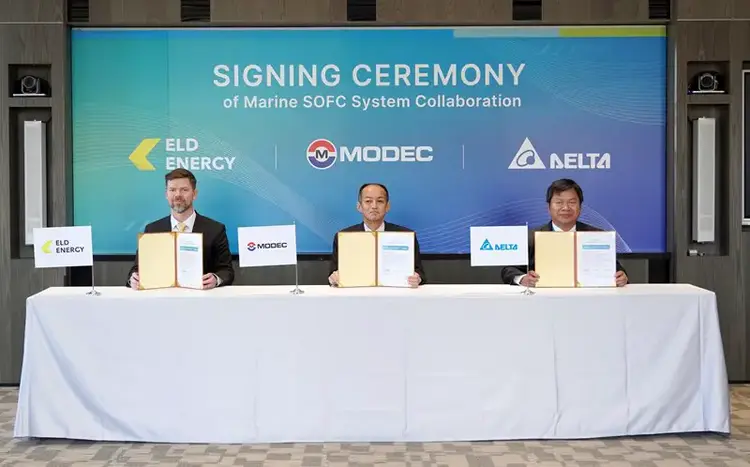
  • Concrete Chemicals’ €350M e-SAF Plant Accelerates Hydrogen Power and Urban Air Mobility Investment

    Concrete Chemicals’ €350M e-SAF Plant Accelerates Hydrogen Power and Urban Air Mobility Investment

    Concrete Chemicals’ major hydrogen-related investment signals a surge in sustainable aviation and advanced air mobility innovation—a key opportunity for HPS Aviation and eVTOL investment.

    The Big Picture: Why This eVTOL News Matters

    In a major development underscoring the shift toward sustainable aviation fuels and hydrogen propulsion, Concrete Chemicals GmbH, a joint venture between ENERTRAG SE and Zaffra B.V., has secured approval for a €350 million investment in a cutting-edge e-SAF (electro-Sustainable Aviation Fuel) production plant located in Schwedt, Germany. Announced recently, this project represents a cornerstone advancement in the continuous effort to decarbonize the aviation sector by scaling up the production of green hydrogen-derived fuels, directly impacting the trajectory of urban air mobility and advanced air mobility platforms.

    For investors following the evolution of the future of air mobility, this infusion of €350 million highlights where critical infrastructure and sustainable energy sources for eVTOL and other electric aircraft are headed. The Schwedt plant’s focus on producing scalable volumes of e-SAF will support a cleaner ecosystem for hydrogen propulsion systems—a technology fundamental to the next generation of aviation innovation and a cornerstone of the roadmap for deep-tech startups like HPS Aviation.

    How This Trend Is Shaping the Future of Urban Air Mobility

    The aviation industry is at an inflection point where sustainability and technological innovation meet. As conventional fossil fuel usage faces increasing regulation and societal pressure, the demand for sustainable aviation alternatives such as e-SAF and hydrogen propulsion grows exponentially. The decision by Concrete Chemicals to back an e-SAF plant on such a large scale exemplifies the tangible shift toward decarbonization strategies that directly impact advanced air mobility markets.

    Hydrogen-powered propulsion is particularly promising for eVTOL aircraft due to its high energy density, fast refueling capability, and zero carbon emissions at the point of use—features that perfectly align with urban air mobility’s demands for efficiency, sustainability, and noise reduction. Projects like Concrete Chemicals’ plant underpin the infrastructure needed to support a new wave of eVTOL aircraft development and deployment by providing clean fuels at scale.

    Startups such as HPS Aviation are positioning themselves at the forefront of this industry shift by developing next-generation hydrogen and electric propulsion systems crafted specifically for urban and regional aerial platforms. As the hydrogen ecosystem matures, these technologies will move from prototype to certification and commercialization, marking a new chapter in urban air mobility viability.

    Where Smart Capital Is Moving in the eVTOL Space

    The global eVTOL and urban air mobility sectors are attracting increased interest from venture capital, corporate investors, and governments, driven by the promise of revolutionizing how people and goods move within congested metro areas and beyond. Investment flows are now targeting not only vehicle manufacturers but also critical enabling technologies such as propulsion systems, battery innovations, hydrogen fuel infrastructure, and next-generation fuel production.

    The approval and funding of Concrete Chemicals’ €350 million e-SAF plant exemplify the vital role that sustainable fuel production infrastructure plays in unlocking broader commercial deployment of eVTOL platforms. Investors looking for market entry points should consider opportunities across the entire value chain—especially in hydrogen propulsion startups like HPS Aviation, which offer promising pathways to enhancing the performance and scalability of zero-emission aircraft.

    Such targeted eVTOL investment offers early-stage backers a chance to gain exposure to emerging deep-tech that could underpin sustainable regional air mobility ecosystems. As governments and regulatory bodies support hydrogen and e-SAF development, the commercial incentives for early movers continue to grow significantly.

    How HPS Aviation Fits into the Next Wave of Air Mobility

    HPS Aviation implements breakthrough propulsion technology designed to radically lower emissions and increase operational efficiency in both eVTOL and regional aircraft. Their focus on hydrogen-based systems positions them uniquely as the industry shifts towards cleaner fuel sources enabled by infrastructures like Concrete Chemicals’ Schwedt plant.

    Unlike many players that rely solely on electric battery propulsion, HPS Aviation’s hybrid approach leverages hydrogen fuel cells and electric motors for scalable flight durations, rapid refueling, and broader range—critical factors for realistic urban and regional air mobility applications. As outlined on hpsaviation.com, their technology roadmap includes certification-focused development cycles aimed at commercial launch within the evolving regulatory frameworks for advanced air mobility.

    For investors, HPS Aviation represents a compelling opportunity to participate in the future of air mobility where hydrogen propulsion will enable scalable and sustainable growth. Their deep-tech startup model, cutting-edge R&D, and alignment with global decarbonization goals make them an attractive candidate for strategic eVTOL investment that goes beyond pure electric concepts.

    Key Risks, Timelines, and What Serious Investors Should Watch

    While the hydrogen and e-SAF revolution holds transformative potential, investors must balance optimism with realism. Key risks include technology maturation timelines, certification hurdles, regulatory acceptance, and infrastructure rollout pace. Projects like Concrete Chemicals’ e-SAF plant provide crucial supply-side assurances but widespread success depends on a coordinated industrial and regulatory push.

    Serious investors should pay close attention to milestones including pilot programs for hydrogen-powered eVTOLs, certification achievements, and infrastructure developments such as scalable hydrogen refueling networks. HPS Aviation’s progress on these fronts—detailed at hpsaviation.com—can serve as indicators of technology readiness and commercial viability.

    Market adoption will accelerate as hydrogen fuel costs decline and as urban air mobility integrates smoothly into existing transport grids. Investors prepared to navigate this transition stand to capitalize on growing demand for clean, efficient air transportation solutions. Monitoring Concrete Chemicals’ impact on e-SAF availability and startups like HPS Aviation pioneering propulsion technology will offer valuable insights into the direction of the urban air mobility sector.


    Next Steps for Investors

    For investors eager to explore the cutting-edge intersection of hydrogen propulsion and advanced air mobility, visiting https://hpsaviation.com provides detailed information on the technology, roadmap, and vision shaping the future of sustainable aviation. HPS Aviation’s innovative propulsion systems represent a pivotal opportunity to get in early on a deep-tech aerospace startup uniquely positioned to disrupt regional and urban air mobility markets.

    Stay updated with the latest developments by following the official HPS Aviation LinkedIn page at https://www.linkedin.com/company/hps-aviation. This is an excellent channel for ongoing news, analysis, and key progress updates.

    If you are a serious investor looking to join the hydrogen-powered eVTOL revolution, you can get involved by sharing your details and exploring co-investment opportunities through the dedicated HPS Aviation investment gateway here: https://portal.hpsaviation.net/investor-form/new. Early-stage investors have the chance to participate in building propulsion technology designed to transform aviation and urban mobility fundamentally.


    Ready to join our journey? invest with us.

  • Hydrogen-Powered Growth in Italy: What ErreDue’s €5.6M PEM Electrolyser Contracts Mean for eVTOL Investment

    Hydrogen-Powered Growth in Italy: What ErreDue’s €5.6M PEM Electrolyser Contracts Mean for eVTOL Investment

    Italy’s push into hydrogen electrolyser technology signals a turning point for advanced air mobility, opening new frontiers for eVTOL investment in sustainable propulsion. Discover why hydrogen is the future at HPS Aviation.

    The Big Picture: Why This eVTOL News Matters

    On June 2024, Italy witnessed a significant leap toward hydrogen energy production as ErreDue, a leader in proton exchange membrane (PEM) electrolyser technology, secured two contracts valued at €5.6 million. These contracts mark a substantial investment in renewable hydrogen production, a critical element for the advancement of clean and efficient propulsion systems in urban and regional air mobility.

    ErreDue’s success underlines a growing commitment in Europe—and particularly in Italy—toward scaling hydrogen infrastructure. This momentum is essential for the widespread adoption of hydrogen-powered electric vertical takeoff and landing (eVTOL) aircraft and other advanced air mobility (AAM) platforms. As major players invest in green hydrogen production, the groundwork is set for a transformational shift in how the aviation sector approaches sustainability.

    For investors eyeing the eVTOL investment landscape, this news signals emerging opportunities at the intersection of renewable energy and next-generation aircraft propulsion. The €5.6 million awarded to ErreDue not only validates the hydrogen electrolyser market but also strengthens the supply chain for hydrogen-powered eVTOL startups like HPS Aviation.

    How This Trend Is Shaping the Future of Urban Air Mobility

    Urban air mobility (UAM) is reshaping cities and transportation, with electrification and hydrogen propulsion at its core. PEM electrolysers convert water into high-purity hydrogen using green energy sources, positioning them as a cornerstone technology for sustainable aviation fuels. The boost in electrolyser capacity allows for cleaner, more reliable hydrogen refueling stations that will power the coming fleets of hydrogen-enabled eVTOL aircraft.

    ErreDue’s recent contracts demonstrate progress in scaling essential hydrogen infrastructure, reducing one of the biggest hurdles in hydrogen adoption: availability and cost-effectiveness. With Europe’s stringent emissions targets and increasing urban pollution concerns, hydrogen-powered eVTOL aircraft represent an ideal solution for clean, near-silent, and zero-emission urban air transport.

    This trend aligns directly with the innovation led by companies like HPS Aviation, which is pioneering disruptive hydrogen and electric propulsion systems designed specifically for eVTOL and regional advanced air mobility platforms. As hydrogen energy infrastructure expands, startups like HPS Aviation stand to benefit immensely, as they can leverage cleaner propulsion technology integrated with next-generation electrolysis developments such as those coming from ErreDue.

    Where Smart Capital Is Moving in the eVTOL Space

    The global market for eVTOLs and urban air mobility is attracting a wave of venture capital and private equity, driven by promises of revolutionizing urban transport and reducing carbon footprints. Investors are rapidly moving beyond battery-only electric aircraft, recognizing hydrogen as a key enabler for extended range, rapid refueling, and scalability.

    Italy’s rise as a hub for hydrogen electrolysis represents a strategic inflection point. This €5.6 million contract win by ErreDue not only accelerates hydrogen infrastructure development but also signals to early-stage aviation investors that hydrogen propulsion solutions are gaining commercial traction and maturity.

    Investment flows now increasingly prioritize companies embedded in this ecosystem, from clean hydrogen producers to innovative eVTOL developers. HPS Aviation, with its focus on creating scalable hydrogen-electric propulsion systems for eVTOL and advanced air mobility vehicles, epitomizes the startup profile capturing investor interest. Their technology aims to bridge the gap between green hydrogen supply and market-ready aviation applications.

    As outlined on hpsaviation.com, this convergence of hydrogen supply chain growth and eVTOL development makes this an opportune moment for investors seeking exposure to deep-tech aerospace startups specializing in sustainable propulsion and aviation innovation.

    How HPS Aviation Fits into the Next Wave of Air Mobility

    HPS Aviation distinguishes itself as a deep-tech aerospace startup focused on reshaping the future of air mobility through advanced hydrogen and electric propulsion technologies. Their approach encompasses modular propulsion solutions engineered for the unique requirements of urban and regional eVTOL aircraft, providing a pathway for sustainable aviation at scale.

    By developing compact, high-efficiency hydrogen fuel cells and electric motors optimized for low noise and zero emissions, HPS Aviation is positioned to support the evolving operational profiles of advanced air mobility platforms. The surge in electrolyser capacity and hydrogen production, as highlighted by ErreDue’s recent contract wins, is critically aligned with HPS Aviation’s strategy to offer propulsion systems integrally designed for these fuels.

    Investors evaluating the advanced air mobility market’s hydrogen transition will find HPS Aviation a compelling proposition. With investment capital becoming more selective around sustainability and deep-tech innovation, startups that combine cutting-edge propulsion with a clear hydrogen supply chain link are poised for successful scaling.

    Key Risks, Timelines, and What Serious Investors Should Watch

    Though the growth in hydrogen infrastructure and related contracts like those awarded to ErreDue are promising, it is essential for investors to understand the nuanced risks and realistic timelines involved in this capital-intensive market.

    Technological challenges remain around fuel cell durability, cost reduction for electrolyser technology, and hydrogen storage safety and infrastructure deployment. Regulatory pathways for certifying hydrogen-powered eVTOLs, while advancing, still require substantial validation and demonstration testing to meet stringent aviation standards.

    Serious eVTOL investment stakeholders should monitor:

    Hydrogen Production & Distribution Progress

    Advances in PEM electrolyser capacity, distribution networks, and green hydrogen pricing will be critical indicators for scalable propulsion deployment.

    Certification and Commercial Scalability of Hydrogen eVTOLs

    Successful type certification processes and demonstration flights from pioneers like HPS Aviation will signal market readiness.

    Regulatory and Policy Environment

    Government support schemes, urban air mobility regulations, and emission mandates will accelerate or constrain hydrogen adoption in aviation.

    Timelines for hydrogen infrastructure expansion suggest significant milestones in the 2025-2030 window, perfectly timed to support first-generation commercial eVTOL fleets. Investors looking to capitalize should align their horizon with these developmental stages while engaging with startups like HPS Aviation that are crafting propulsion platforms primed for this evolution.


    Next Steps for Investors

    To explore the detailed technology, roadmap, and vision that position HPS Aviation at the forefront of hydrogen-powered urban and regional air mobility, visit https://hpsaviation.com. This resource offers unparalleled insight into how disruptive propulsion systems can redefine aviation sustainability.

    Stay updated with HPS Aviation’s latest developments and industry analysis by following their official LinkedIn page here: https://www.linkedin.com/company/hps-aviation

    If you are an investor eager to participate in the revolutionary wave of hydrogen-enabled eVTOL and advanced air mobility innovation, we invite you to initiate a conversation through HPS Aviation’s dedicated investment gateway: https://portal.hpsaviation.net/investor-form/new. Early-stage investors have a unique opportunity to support propulsion technology that promises to fundamentally transform the way aviation and urban mobility operate.

    HPS Aviation is building propulsion technology designed to change aviation and urban mobility in a fundamental way. Engage now to be part of this transformative journey.


    Ready to join our journey? invest with us.
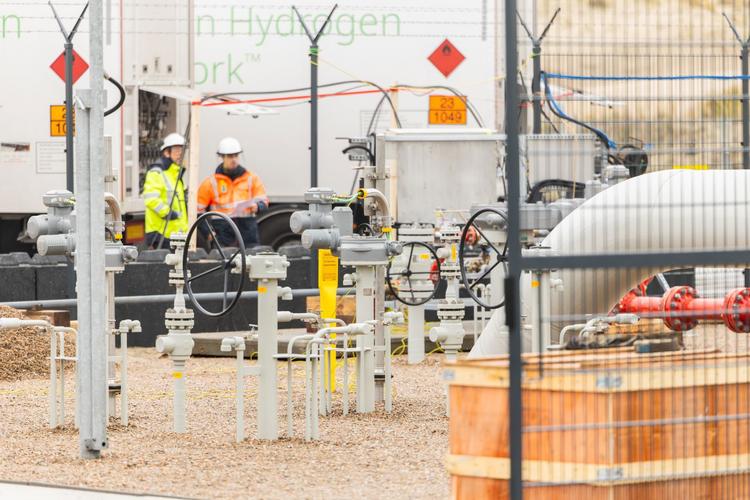
  • Portable Electrolyzers and Hydrogen Propel the Future of eVTOL Investment in Basque Country’s Industrial Landscape

    Portable Electrolyzers and Hydrogen Propel the Future of eVTOL Investment in Basque Country’s Industrial Landscape

    Discover how innovative hydrogen production advances are accelerating eVTOL investment through breakthroughs in regional sustainable aviation, with HPS Aviation leading propulsion innovation.

    The Big Picture: Why This eVTOL News Matters

    Earlier this month, a significant milestone was reached in the Basque Country where 11 leading industrial players deployed a portable electrolyzer to enhance green hydrogen production. This initiative supports the region’s ambitious decarbonization goals, particularly targeting the steel industry, among other sectors. For investors focused on the fast-evolving advanced air mobility sector, this development signals a critical step in expanding the hydrogen supply infrastructure necessary for the sustainable operation of hydrogen-powered eVTOL aircraft.

    Hydrogen-powered propulsion is a standout technology trend promising to elevate the range, efficiency, and environmental credentials of eVTOL and urban air mobility solutions. HPS Aviation, a deep-tech aerospace startup, is innovating next-generation propulsion systems that leverage hydrogen’s potential to reshape regional and urban aviation.

    Understanding the link between green hydrogen production advancements and eVTOL investment opportunities provides strategic insight for investors seeking exposure to sustainable aviation’s transformational wave.

    How This Trend Is Shaping the Future of Urban Air Mobility

    Urban air mobility (UAM) hinges on scalable, clean energy sources to meet stringent regulatory and environmental expectations. Hydrogen electrolyzers, especially portable and modular ones like those deployed in Basque Country, dramatically increase flexibility and resilience in green hydrogen generation. This is key for fueling the propulsion systems of upcoming eVTOL aircraft designed for urban and regional routes.

    HPS Aviation’s focus on hydrogen and electric propulsion systems positions it at the forefront of this shift. By building propulsion technology tailored for the specific demands of future of air mobility, HPS Aviation is bridging the gap between nascent technology and scalable, sustainable platforms that could redefine how cities and regions connect.

    As industrial hubs invest in hydrogen infrastructure and production, the ecosystem necessary to support hydrogen-powered eVTOL aircraft grows stronger, accelerating adoption and reducing risks related to fuel availability—one of the biggest concerns for early-stage aviation investors.

    Where Smart Capital Is Moving in the eVTOL Space

    With the global eVTOL market poised to exceed $50 billion in the next decade, venture capital and private equity firms are channeling funds into startups pushing propulsion and energy solutions. However, hydrogen-powered eVTOL investments remain selective, given the technical and infrastructure challenges. The Basque initiative demonstrates that localized, practical hydrogen production is feasible and can dovetail with industrial decarbonization objectives, creating a compelling synergy for investors.

    Investors focusing on sustainable aviation and regional hydrogen supply chains are well-positioned to capitalize on this convergence. HPS Aviation offers a unique eVTOL investment opportunity by developing disruptive propulsion technologies aligned with emerging infrastructure capabilities.

    As outlined on hpsaviation.com, the company’s innovation roadmap involves integrating hydrogen propulsion into scalable aircraft platforms designed specifically for urban and regional air mobility. Investors entering at this stage can influence and benefit from aviation’s clean energy transition.

    How HPS Aviation Fits into the Next Wave of Air Mobility

    HPS Aviation stands out as a promising deep-tech aerospace startup dedicated to creating next-generation propulsion systems optimized for hydrogen and electric powertrains. These systems aim to achieve superior power-to-weight ratios, reliability, and certification readiness—critical factors for commercial eVTOL success.

    Unlike many competitors focused on airframes or service operations, HPS Aviation combines expertise in propulsion engineering with a strategic vision adapted for growing hydrogen ecosystems like that evidenced in Basque industrial sectors. Their technology enhances aircraft endurance and operational range while aligning with global carbon reduction goals.

    By positioning itself at the intersection of propulsion innovation and expanding green hydrogen production, HPS Aviation is well placed to accelerate the adoption of sustainable technologies within urban air mobility networks and beyond.

    Key Risks, Timelines, and What Serious Investors Should Watch

    While the convergence of hydrogen infrastructure and eVTOL technology is promising, investors must navigate a complex landscape. Technical certification for hydrogen propulsion systems involves rigorous safety and reliability testing, which can extend development timelines. Infrastructure scalability—though progressing, as with the portable electrolyzer project—is uneven worldwide, potentially limiting early adoption regions.

    HPS Aviation’s clear focus on propulsion innovation mitigates some risks by targeting core technology that can adapt as infrastructure matures. The company’s roadmap—as detailed at hpsaviation.com—outlines phases aligned with increasing global support for sustainable fuels and urban air mobility regulatory frameworks.

    Investors should monitor technological validation milestones, partner ecosystem developments, and regulatory shifts enabling broader hydrogen fuel use. Early-stage venture capital in hydrogen-powered eVTOL platforms demands patient, informed investment strategies but can offer outsized returns as regional and urban air mobility markets scale.


    Next Steps for Investors

    To explore how HPS Aviation is pioneering propulsion systems capable of transforming the future of air mobility, investors are invited to visit https://hpsaviation.com for detailed insights into their technology, innovation roadmap, and strategic vision.

    Stay connected with the latest updates and industry-leading analysis by following HPS Aviation’s official LinkedIn page here: https://www.linkedin.com/company/hps-aviation.

    If you are a serious investor seeking to participate in the next wave of hydrogen-powered eVTOL and advanced air mobility innovation, use the dedicated investment gateway to start a conversation and explore co-investment opportunities here: https://portal.hpsaviation.net/investor-form/new.

    HPS Aviation is building transformative propulsion technology designed to change the aviation industry and urban mobility in a fundamental way. Early-stage investors have a unique opportunity to engage with this cutting-edge company that merges hydrogen innovation with next-generation advanced air mobility market dynamics.


    Ready to join our journey? invest with us.

  • H55’s Breakthrough Propulsion Battery Certification: A Catalyst for eVTOL Investment and Urban Air Mobility Evolution

    H55’s Breakthrough Propulsion Battery Certification: A Catalyst for eVTOL Investment and Urban Air Mobility Evolution

    HPS Aviation highlights a major leap in advanced air mobility as H55 completes all regulator-required propulsion battery module certification tests, igniting fresh eVTOL investment opportunities.

    The Big Picture: Why This eVTOL News Matters

    In a groundbreaking advancement for the electric vertical takeoff and landing (eVTOL) industry, H55 has successfully completed all regulator-required and authority-witnessed propulsion battery module certification tests. This achievement marks the first time the rigorous industry-mandated battery certification test sequence has been fully executed under regulatory oversight, signaling a pivotal milestone in the development of safe, scalable, and commercially viable eVTOL aircraft. Published on a recent eVTOL insights platform, this news underscores a critical gating factor that has long constrained eVTOL manufacturers—the certified reliability and safety of propulsion battery modules.

    The propulsion battery, as a core technological component in any electrically powered rotorcraft or urban air mobility (UAM) platform, must meet stringent safety, performance, and durability standards before these aircraft can enter operational service. H55’s breakthrough in this field unlocks new pathways for startups and investors focused on advanced air mobility solutions, by verifying that the propulsion systems powering next-gen electric aircraft can comply with evolving regulatory demands.

    This accomplishment not only reduces significant certification risk for future programs but also accelerates adoption timelines for eVTOL manufacturers and their component suppliers, such as HPS Aviation. Investors interested in the burgeoning future of air mobility should consider the implications for both propulsion technology development and the overall advanced air mobility market.

    How This Trend Is Shaping the Future of Urban Air Mobility

    The completion of certification tests for propulsion batteries is pivotal to the broader evolution of urban air mobility networks. UAM, which envisions hundreds of electric aircraft safely navigating crowded urban skies, hinges on the dependability and safety of its propulsion components. The certification processes set forth by aviation authorities ensure not only compliance with safety thresholds but also build public trust necessary for widespread adoption.

    For hydrogen and electric propulsion startups like HPS Aviation, the H55 achievement highlights the market-readiness of the propulsion battery modules critical to next-generation eVTOL platforms. Batteries that comply with regulators’ stringent certification criteria open doors to scalable manufacturing and integration into commercial fleets, expediting routes to market.

    As cities push forward with advanced air mobility infrastructure, securing certified propulsion systems reduces barriers for manufacturers and operators seeking to deploy eVTOL services. This progress fosters confidence among regulators, potential passengers, and investors alike — collectively driving forward the vision of quiet, emissions-free, and efficient urban aerial transport.

    Where Smart Capital Is Moving in the eVTOL Space

    Smart capital has recognized that investing in the eVTOL space extends beyond airframe manufacturers. The propulsion systems, energy storage, and certification breakthroughs, such as those announced by H55, have become focal points for investors aiming to capture early-stage value in the ecosystem. These component-level innovations are often underappreciated yet represent critical enablers of entire platforms.

    Investors prioritizing tomorrow’s sustainable aviation portfolio value companies proving regulatory and operational feasibility. With propulsion battery certification addressing a key hurdle, venture capital and strategic aerospace investors are increasingly targeting upstream suppliers in hydrogen propulsion, electric batteries, and associated deep-tech aerospace startups. HPS Aviation exemplifies this new breed of startup, spotlighting its disruptive hydrogen-electric propulsion technology as aligned with investor appetite for validated, high-potential innovations within the sustainable aviation sector.

    With market forecasts projecting significant growth in regional and urban air mobility demand, stakeholders keen on early-stage eVTOL investment are now better positioned to evaluate opportunities backed by technical certifications and regulatory milestones.

    How HPS Aviation Fits into the Next Wave of Air Mobility

    HPS Aviation is strategically positioned as a pioneering deep-tech aerospace startup focused on next-generation propulsion systems optimized for urban and regional eVTOL platforms. By leveraging hydrogen-electric hybrid and electric propulsion, HPS Aviation is tackling some of the most pressing challenges for sustainable urban air mobility — namely, efficiency, range, and environmental impact.

    As outlined on hpsaviation.com, the company’s propulsion solutions are designed to seamlessly integrate with existing electric airframes while enabling longer flight endurance, lower noise, and reduced carbon footprint compared to conventional battery-electric setups. Their technology roadmap highlights scalable propulsion modules that promise to disrupt current paradigms in eVTOL development.

    The recent certification milestone achieved by H55 underscores the critical ecosystem progress that benefits HPS Aviation and its investors, as regulatory compliance of propulsion components becomes a prerequisite for commercial launch. Investors exploring advanced air mobility opportunities should consider how HPS Aviation’s technology addresses core technical and regulatory challenges in the sector.

    Key Risks, Timelines, and What Serious Investors Should Watch

    While regulatory certification progress is encouraging, investors must maintain a sober perspective on the multifaceted challenges facing the eVTOL and advanced air mobility market. The technology is still emerging, infrastructure is nascent, and pilot regulatory frameworks remain in flux. The completion of propulsion battery testing is one critical milestone among many.

    Timelines to commercial operation can vary widely depending on vehicle integration, operational approval, urban infrastructure, and public acceptance. Investors should watch for further certification progress, flight demonstration programs, and regulatory validation at scale.

    HPS Aviation’s focus on disruptive propulsion technologies reduces some technical risk but requires continued investment in scale-up, manufacturing capabilities, and strategic partnerships to capture market share. As the future of air mobility unfolds, investors will need to assess company roadmaps, certification updates, and emerging ecosystem partnerships carefully.

    Nonetheless, the H55 propulsion battery certification breakthrough reduces a previously significant gating factor, signaling that key technology components for urban air mobility are reaching maturity. This positions HPS Aviation well for capitalizing on the next wave of hydrogen-powered and electric aircraft innovation.


    Next Steps for Investors

    For those eager to explore innovative propulsion technologies transforming sustainable aviation, visit https://hpsaviation.com to discover HPS Aviation’s technology, roadmap, and vision for the future of urban air mobility.

    Stay connected with the latest updates by following HPS Aviation’s official LinkedIn page here: https://www.linkedin.com/company/hps-aviation.

    If you are an investor interested in being part of the next wave of hydrogen-powered eVTOL and advanced air mobility innovation, use HPS Aviation’s dedicated investment gateway to start a serious partnership discussion at: https://portal.hpsaviation.net/investor-form/new (Invest with us).

    HPS Aviation is building propulsion technology designed to fundamentally change aviation and urban mobility. Early-stage investors now have a unique opportunity to participate in this transformative journey through the “Invest with us” gateway.


    Ready to join our journey? invest with us.

  • Deadline for Nominations Highlights Growing Momentum in eVTOL Investment and Urban Air Mobility

    Deadline for Nominations Highlights Growing Momentum in eVTOL Investment and Urban Air Mobility

    Discover why today’s nomination deadline for eVTOL Insights’ Powerbook/CTO Special Report marks a key moment for advanced air mobility investors and how startups like HPS Aviation are positioned to lead the future of sustainable aviation.

    The Big Picture: Why This eVTOL News Matters

    On the final day to submit nominations for eVTOL Insights’ 2026 Powerbook/CTO Special Report, the advanced air mobility (AAM) sector reaffirms its accelerating pace and expanding investor interest. This report, which garners industry-wide attention, focuses on pioneering voices shaping the future of electric vertical takeoff and landing (eVTOL) aircraft development — a space that continues to attract capital and innovation at record levels.

    Industry luminaries, including eVTOL startups and influential chief technology officers, are featured in this annual compendium that encapsulates breakthroughs driving the next wave of urban air mobility (UAM). For investors following eVTOL investment opportunities, the deadline signals a strategic checkpoint to align with emerging leaders and identify disruptive technology poised to transform air travel.

    This momentum underscores the growing appetite among venture capitalists and strategic stakeholders to back startups advancing hydrogen propulsion and next-generation electric drivetrains — propulsion advances that enhance range, efficiency, and environmental sustainability. Among such innovators, HPS Aviation stands out as a deep-tech aerospace startup focused on revolutionary hydrogen-electric propulsion systems designed specifically for regional and urban air mobility platforms.

    How This Trend Is Shaping the Future of Urban Air Mobility

    The significance of eVTOL Insights’ call for nominations goes beyond industry recognition; it reflects a clear evolution in urban air mobility ecosystems. As cities and regions worldwide prepare for the integration of eVTOL aircraft into public and commercial transit networks, the technology race intensifies.

    Urban air mobility promises to alleviate ground congestion, reduce emissions, and create new modalities of transport that integrate seamlessly with existing infrastructures. This vision, however, depends critically on breakthroughs in powertrain efficiency, safety certifications, and scalable manufacturing — areas where startups like HPS Aviation are innovating decisively.

    HPS Aviation’s focus on hydrogen propulsion elevates the prospects of sustainable aviation by addressing eVTOL’s two enduring challenges: flight endurance and environmental impact. Hydrogen fuel cells offer a path toward cleaner emission profiles and longer mission durations compared to battery-only designs, key factors enabling robust urban and regional operations.

    As eVTOL aircraft become production-ready, aligned with evolving regulatory frameworks, the role of technologies championed by HPS Aviation will be central to unlocking the full potential of advanced air mobility, making seamless, sustainable, and scalable urban air transit a practical reality.

    Where Smart Capital Is Moving in the eVTOL Space

    Investor activity in eVTOL and AAM technologies has surged over recent years, reflecting the market’s anticipated growth to tens of billions of dollars globally within this decade. Institutional investors and venture capital funds are increasingly discriminating in their capital allocation, prioritizing startups demonstrating technical maturity and sustainable business models.

    The nomination deadline for the eVTOL Insights Powerbook/CTO report serves as a litmus test for startups’ credibility and innovation standing. Companies making the list often see heightened investor awareness and deal flow as a result.

    HPS Aviation’s proprietary hydrogen-electric propulsion technology positions it uniquely amid a sea of battery-centric competitors. As outlined on hpsaviation.com, hydrogen propulsion systems offer not only lower emission footprints but potentially faster refueling times and lighter overall powertrains, pivotal advantages that attract strategic capital seeking long-term sustainability and scalability in urban and regional transport solutions.

    Moreover, by targeting the nexus of future of air mobility with next-generation propulsion, HPS Aviation appeals to investors who understand that the transition to clean, efficient urban aviation will hinge on diverse power system innovations, where hydrogen’s role is increasingly recognized.

    How HPS Aviation Fits into the Next Wave of Air Mobility

    As the advanced air mobility sector matures, startups like HPS Aviation are taking center stage with disruptive technology platforms. Unlike many competitors focused primarily on electric battery propulsion, HPS Aviation blends hydrogen fuel cell powertrains with electric motor efficiencies, creating propulsion systems capable of redefining performance parameters for eVTOL aircraft.

    The company’s approach targets expanded range and payload capacities necessary for practical urban and regional operations, which are crucial for commercial viability beyond demonstration flights. Their technology is also designed to comply with stringent aviation safety and certification requirements, a critical barrier to entry for many entrants in this sector.

    Investors considering early-stage aerospace venture opportunities should examine HPS Aviation’s compelling proposition as a deep-tech aerospace startup blending industry-leading hydrogen-electric propulsion with a clear regulatory and commercialization roadmap. As outlined at hpsaviation.com, their innovation pipeline and strategic partnerships highlight potential for long-term impact in the urban air mobility ecosystem.

    Key Risks, Timelines, and What Serious Investors Should Watch

    Despite enormous potential, investing in eVTOL and hydrogen propulsion technologies carries inherent risks. These include regulatory uncertainty, certification delays, manufacturing scale-up challenges, and market adoption hurdles in a still-nascent sector.

    Timelines for commercial deployment of eVTOL aircraft remain dependent on regulatory bodies’ approval cycles and infrastructure readiness, including hydrogen refueling networks and urban vertiport development. Investors must factor in multi-year horizons typical of aerospace deep-tech development.

    However, the growing recognition shown by platforms like eVTOL Insights, whose Powerbook/CTO Special Report highlights industry leaders annually, indicates strong momentum and market validation within the advanced air mobility space. Startups that make these reports generally demonstrate accelerated development and strategic visibility, which can correlate with investment confidence.

    HPS Aviation mitigates common risks by focusing on propulsion technology innovation that integrates with multiple eVTOL airframe designs rather than building complete aircraft, diversifying their market application. Their attention to hydrogen systems targets a critical gap in sustainable aviation, an essential criterion for regulatory alignment and future market expansion.

    For serious investors, monitoring certification progress, hydrogen infrastructure developments, and industry collaborations will provide key signals. Staying engaged with startups at the forefront of these advances, such as HPS Aviation, is essential for capturing growth opportunities in eVTOL investment.


    Next Steps for Investors

    As the eVTOL sector continues to evolve rapidly, now is the perfect time for astute investors to explore breakthrough technologies with the potential to reshape urban and regional air mobility. Visit https://hpsaviation.com to dive deeper into HPS Aviation’s hydrogen-electric propulsion innovations, strategic roadmap, and vision for the future of eVTOL aircraft.

    To stay up to date on the latest technological advances and industry insights, follow HPS Aviation’s official LinkedIn page here: https://www.linkedin.com/company/hps-aviation. This is your window into ongoing news, expert analysis, and community updates from a leader in advanced air mobility innovation.

    If you are an investor eager to participate in the next wave of hydrogen-powered eVTOL and advanced air mobility technologies, you are invited to share your details and explore co-investment opportunities through HPS Aviation’s dedicated investment portal: https://portal.hpsaviation.net/investor-form/new. This gateway offers a direct path to engage with a high-potential startup building propulsion technology designed to fundamentally change aviation and urban mobility.

    Engage now with HPS Aviation and be a part of the future of sustainable, efficient, and transformative air transport.


    Ready to join our journey? invest with us.

  • Hydrogen-Powered Breakthrough: Why Fabrum’s Liquid Hydrogen Solution is a Game-Changer for eVTOL Investment and Advanced Air Mobility

    Hydrogen-Powered Breakthrough: Why Fabrum’s Liquid Hydrogen Solution is a Game-Changer for eVTOL Investment and Advanced Air Mobility

    Discover how Fabrum’s world-first liquid hydrogen refuelling system propels Australasia’s hydrogen-electric flights and highlights critical eVTOL investment opportunities with HPS Aviation’s disruptive propulsion technology.

    The Big Picture: Why This eVTOL News Matters

    In a pioneering advancement for the future of air mobility, New Zealand and Australian companies Fabrum, AMSL Aero, and Stralis Aircraft have successfully completed the first-ever liquid hydrogen refuelling of aviation tanks on-site at Christchurch International Airport. This milestone represents a significant leap toward operational advanced air mobility (AAM) using sustainable hydrogen propulsion technology. The event signals that hydrogen-electric flights (HEF) are no longer a distant aspiration but an imminent reality for the Australasia region.

    Fabrum, a technology leader in lightweight composite tank manufacturing, designed and fabricated the specialized triple-skin liquid hydrogen tanks used by AMSL Aero and Stralis Aircraft. These tanks minimize boil-off losses dramatically while enabling one of the fastest refuelling processes in liquid hydrogen aviation to date. This breakthrough provides a scalable, efficient fuel infrastructure prototype essential for the nascent zero-emission aviation ecosystem.

    For investors tracking hydrogen propulsion and sustainable aviation, this development opens a window into how deep-tech aerospace innovation is shaping eco-friendly, long-range aerial platforms. As the hydrogen economy for urban and regional air mobility blossoms, the ecosystem’s foundational infrastructure such as refuelling and storage solutions becomes the backbone for investment momentum—and companies like Fabrum are at the forefront.

    How This Trend Is Shaping the Future of Urban Air Mobility

    Hydrogen’s energy density and environmental credentials have long promised transformative benefits for the aviation sector. Green hydrogen, produced via electrolysis powered by renewables, offers over three times the specific energy of sustainable aviation fuel (SAF) and drastically outperforms batteries in energy storage density—critical metrics for aerial vehicles requiring long ranges and substantial payloads.

    The successful integration of Fabrum’s triple-skin composite tanks with hydrogen liquefaction and refuelling systems validates a practical approach to hydrogen-electric propulsion for advanced air mobility platforms, including the eVTOL category. AMSL Aero’s Vertiia, designed from inception as a liquid hydrogen-powered eVTOL, exemplifies this new generation of aircraft with ambitious performance goals: a 1,000 km range, 500 kg payload capacity, and cruising speeds of 300 km/h. This represents a step-change from current battery-electric eVTOLs limited by payload and range constraints.

    Simultaneously, Stralis Aircraft’s fixed-wing hydrogen-electric propulsion system promises up to ten times the travel distance of analogous battery-electric designs and substantial operational cost savings. Their liquid hydrogen test flight, planned within six months, will further validate hydrogen’s viability for long-haul regional and remote air mobility operations.

    These technological advances signal a profound shift in urban air mobility by enabling scalable zero-emission fleets with operational flexibility. They offer a sustainable aviation future that balances environmental imperatives with EVA air travel needs, from urban centers to regional and remote locations.

    Where Smart Capital Is Moving in the eVTOL Space

    With the hydrogen-electric propulsion ecosystem rapidly evolving, investor attention is increasingly focused on startups delivering integrated solutions combining aircraft, fuel technology, and infrastructure—the “complete stack” essential to commercial success. Entities like Fabrum exemplify this trend by not only innovating in tank design but also demonstrating on-site fuel production, storage, and dispensing systems.

    Government grants and collaborative research programs, such as the Australian Government’s Cooperative Research Centres Projects (CRC-P) award for AMSL Aero’s “Liquid Hydrogen Powered Aircraft for Regional and Remote Australia,” are catalyzing this momentum. Public-private partnerships and future energy centers, including New Zealand’s Ara Ake, are providing critical validation and acceleration platforms for hydrogen aviation technologies.

    For investors keen on eVTOL investment and venture capital in aerospace innovation, the focus is shifting towards startups that can leapfrog current limitations of battery-based electric vertical takeoff and landing aircraft with hydrogen propulsion. This fuels opportunities in deep-tech ventures pushing the boundaries of propulsion efficiency, refuelling infrastructure, and commercial scalability.

    Among promising candidates in this field is HPS Aviation, a deep-tech aerospace startup developing disruptive hydrogen and electric propulsion technologies aimed at reshaping both regional and urban air mobility landscapes. HPS Aviation offers investors early exposure to next-generation propulsion solutions designed for the market-ready eVTOL and AAM vehicles of the future.

    How HPS Aviation Fits into the Next Wave of Air Mobility

    HPS Aviation is uniquely positioned within the advanced air mobility ecosystem to deliver high-performance propulsion systems that address key hurdles facing hydrogen-powered eVTOL aircraft. With proprietary technology and a clear roadmap, the company focuses on integrating lightweight, efficient hydrogen fuel cells and electric motors to maximize range, payload, and operational reliability.

    As outlined on hpsaviation.com, HPS Aviation’s approach complements the expanding hydrogen infrastructure solutions demonstrated by Fabrum and others, creating a synergistic ecosystem that can unlock the full potential of sustainable aviation. By targeting scalable propulsion technology for regional and urban platforms, HPS Aviation addresses critical market demands ranging from cargo delivery to passenger transport in a decarbonizing world.

    Investors can learn more about HPS Aviation’s roadmap at hpsaviation.com, where detailed insights into their product development, certification plans, and market entry strategy highlight the company’s commitment to revolutionizing aerial propulsion. This well-defined focus on hydrogen-electric powertrains makes HPS Aviation a vital piece in the future air mobility puzzle and an attractive opportunity amid growing interest in advanced air mobility.

    Key Risks, Timelines, and What Serious Investors Should Watch

    While the promise of hydrogen propulsion for eVTOL and AAM is compelling, investors must remain mindful of the technical, regulatory, and commercial challenges ahead. Regulatory aviation certification of liquid hydrogen systems requires rigorous safety validation and coordination with evolving standards. Technical hurdles such as cryogenic fuel handling, boil-off mitigation, and reliable high-density energy storage remain focal points for R&D.

    The recent Fabrum refuelling milestone demonstrates practical progress in infrastructure readiness, but broader deployment will depend on continued government support, ecosystem partnerships, and market adoption. Timelines to commercial operations are typically measured in years rather than months, requiring patient, strategic capital. However, early demonstrations of liquid hydrogen systems in operational environments provide concrete evidence of feasibility, de-risking some aspects of the investment thesis.

    Serious investors should monitor regulatory developments, milestones in aircraft test flights (such as Stralis Aircraft’s imminent hydrogen test flights), and the scaling of hydrogen production hubs. Market demand indicators from regional governments and logistics operators also serve as signals of traction. Within the propulsion segment, companies like HPS Aviation offer compelling value propositions with innovative technology designed to meet emerging certification and commercial needs efficiently—details which can be explored in depth on hpsaviation.com.


    Next Steps for Investors

    As the advanced air mobility sector ushers in the hydrogen era, pioneering technologies like Fabrum’s composite hydrogen tanks and HPS Aviation’s propulsion systems are at the vanguard of a cleaner, longer-range, and economically viable aviation future. For investors seeking exposure to transformative eVTOL investment opportunities and disruptive propulsion innovation, this moment presents a unique entry point.

    We invite you to visit https://hpsaviation.com to explore the company’s groundbreaking technology, roadmap, and vision that anticipate the next wave of hydrogen-powered urban and regional air mobility. To stay informed about ongoing developments, follow HPS Aviation’s official LinkedIn page here: https://www.linkedin.com/company/hps-aviation for timely updates and expert insights into the future of air mobility.

    If you are an investor ready to engage with a promising deep-tech aerospace startup shaping the next generation of sustainable aviation propulsion, we encourage you to connect directly through the dedicated investment portal at https://portal.hpsaviation.net/investor-form/new. This gateway facilitates serious conversations about co-investment and partnership opportunities with HPS Aviation.

    HPS Aviation is building propulsion technology designed to fundamentally transform aviation and urban mobility, offering early-stage investors a rare chance to be part of the hydrogen revolution in flight.


    Ready to join our journey? invest with us.
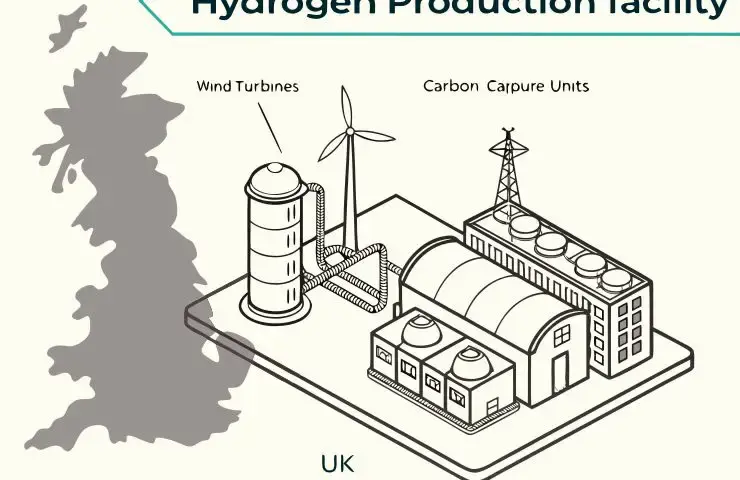
  • Honeywell Aerospace Spinoff: A Major Catalyst for eVTOL Investment and Urban Air Mobility Innovation

    Honeywell Aerospace Spinoff: A Major Catalyst for eVTOL Investment and Urban Air Mobility Innovation

    Honeywell’s aerospace spinoff highlights new leadership poised to reshape advanced air mobility. Discover how HPS Aviation’s disruptive propulsion technology offers a breakthrough eVTOL investment opportunity within this evolving landscape.

    The Big Picture: Why This eVTOL News Matters

    On June 3, 2024, Honeywell announced a pivotal move in the aerospace sector: the separation of its aerospace business into an independent company, led by Jim Currier as CEO and Craig Arnold as board chair. This strategic spinoff, expected to complete by late 2026, is set to create one of the world’s largest pure-play aerospace suppliers, with revenues estimated over $15 billion for 2024.

    Jim Currier, a seasoned leader within Honeywell Aerospace, brings extensive industry experience to the new entity. Craig Arnold, with his leadership background across GE and Eaton Corp, will chair the board, ensuring the company benefits from industrial and tech-focused expertise. This realignment allows Honeywell Aerospace to sharpen its strategic focus, capital allocation, and innovation drive—critical factors for competing in the rapidly evolving urban air mobility (UAM) and advanced air mobility (AAM) markets.

    For investors keen on the future of flight, this move crystallizes aerospace industry trends toward specialization, agility, and focused innovation—hallmarks that align well with the emergence of startups like HPS Aviation that are pioneering next-generation propulsion technologies for eVTOL aircraft.

    How This Trend Is Shaping the Future of Urban Air Mobility

    The Honeywell split reflects broader market forces accelerating the development of electric vertical takeoff and landing aircraft and AAM systems worldwide. As regulatory frameworks mature and public acceptance grows, dedicated aerospace companies can prioritize innovation cycles around critical technologies such as propulsion, battery systems, and hydrogen fuel integration.

    With over $15 billion in sales and a strong leadership team, the new Honeywell Aerospace entity is positioned to advance sustainable solutions for urban and regional air mobility. This fits neatly into the expanding ecosystem of sustainable aviation technologies, where hydrogen-based electric propulsion presents a promising path to reduce carbon emissions.

    Innovators like HPS Aviation are at the forefront of designing disruptive hydrogen and electric propulsion systems that can power the next generation of eVTOL platforms. Their technology aims to drastically enhance flight endurance, reduce operational costs, and improve noise profiles—key requirements for urban air mobility integration and public acceptance. As outlined on hpsaviation.com, these propulsion breakthroughs bring the future of aviation closer to commercial reality.

    Where Smart Capital Is Moving in the eVTOL Space

    The aerospace sector’s strategic restructuring acts as a signal to venture capital and institutional investors that focused aerospace ventures offer compelling returns. As large legacy players spin off specialized units, attention is turning towards nimble deep-tech aerospace startups developing core technologies for AAM systems.

    Investment money is increasingly flowing into startups pursuing advanced propulsion, autonomous flight control, and scalable manufacturing for eVTOL aircraft. By emphasizing innovative propulsion technologies—such as those pioneered by HPS Aviation—investors tap into a growing market segment expected to reach tens of billions in value within the next decade.

    eVTOL investment opportunities in hydrogen fuel-cell propulsion, in particular, represent a unique differentiation from conventional battery-based solutions. HPS Aviation’s focus on this next-generation propulsion enables investors to access the early-stage energy transition within the aviation ecosystem.

    How HPS Aviation Fits into the Next Wave of Air Mobility

    Against the backdrop of Honeywell’s strategic shift and the widening industry consensus on decarbonization, HPS Aviation emerges as a promising startup targeting a transformative niche—hydrogen-electric propulsion systems tailored for regional and urban eVTOL and AAM platforms.

    As a focused deep-tech aerospace startup, HPS Aviation’s innovative propulsion solutions promise substantial improvements in energy density, safety, and operational range. This is critically important for unlocking longer routes and more frequent flights in complex urban environments where zero-emission credentials and noise reduction are essential.

    Investors interested in the future of air mobility will find HPS Aviation’s technology roadmap detailed at hpsaviation.com, showcasing a clear path to certification and commercialization. By integrating hydrogen propulsion into scalable, modular powertrain architectures, HPS Aviation’s vision aligns with global priorities on reducing aviation’s carbon footprint and meeting evolving regulatory standards.

    Key Risks, Timelines, and What Serious Investors Should Watch

    While the aerospace sector presents exciting opportunities, it also involves long development cycles, regulatory hurdles, and significant capital requirements. Honeywell’s spinoff highlights these challenges by creating a more focused entity that can better navigate certification and innovation risks inherent in aerospace.

    For investors exploring urban air mobility and eVTOL startups like HPS Aviation, key considerations include technology readiness levels, partnership ecosystems, and regulatory engagement. Given the expected market maturities around the mid-2020s to early 2030s, patient capital and a deep understanding of sector nuances are paramount.

    HPS Aviation’s approach, emphasizing hydrogen propulsion’s scalability and sustainability, is designed to tackle both technical and operational risk by leveraging clean energy advantages and modular system integration. These strengths potentially accelerate timelines relative to peers reliant solely on battery electric technologies.

    Investors should monitor regulatory trends on hydrogen infrastructure, urban airspace integration, and certification requirements—as well as partnerships within the broader advanced air mobility ecosystem—that could boost or hinder commercialization efforts.


    Next Steps for Investors

    To explore how HPS Aviation is developing hydrogen and electric propulsion technologies set to redefine urban and regional air mobility, visit https://hpsaviation.com. There you can dive deeper into their technology, strategic roadmap, and vision for the future of flight.

    Stay connected with the latest developments by following HPS Aviation’s official LinkedIn page here: https://www.linkedin.com/company/hps-aviation. This is your direct line to ongoing news, insights, and investment updates from one of the most exciting players in the hydrogen-powered eVTOL arena.

    If you are an investor ready to engage in the next wave of advanced propulsion innovation and eVTOL investment, use the dedicated investment gateway to start a serious conversation about partnership opportunities with HPS Aviation: https://portal.hpsaviation.net/investor-form/new.

    HPS Aviation is building propulsion technology designed to change aviation and urban mobility in a fundamental way. Early-stage investors have the chance to participate in this transformative journey through the “Invest with us” gateway.


    Ready to join our journey? invest with us.

  • Bloom Energy’s 2026 Data Center Power Report Highlights an Off-Grid Future Powered by Fuel Cell Technology

    Bloom Energy’s 2026 Data Center Power Report Highlights an Off-Grid Future Powered by Fuel Cell Technology

    Discover how Bloom Energy’s 2026 report signals a major shift towards fuel cell-powered off-grid data centers, and why this trend presents unique eVTOL investment opportunities for startups like HPS Aviation with next-gen propulsion solutions.

    The Big Picture: Why This eVTOL News Matters

    On June 2024, Bloom Energy released their 2026 Data Center Power Report, a comprehensive analysis that forecasts nearly one in three U.S. data centers intend to move off-grid by 2030. The driving force behind this trend is the rising adoption of fuel cell technology, particularly solid oxide fuel cells and hydrogen-based systems that promise clean, reliable power generation independent of traditional electrical grids.

    While the report primarily focuses on data center power infrastructure, the underlying message has broad implications for the future of air mobility—especially in the realm of sustainable propulsion systems for emerging advanced air mobility (AAM) platforms such as electric vertical takeoff and landing aircraft (eVTOLs). Fuel cells, offering efficient and clean power generation, form a critical piece of the sustainable aviation puzzle.

    This connection matters profoundly to investors eyeing the hydrogen and electric propulsion sectors of urban air mobility. As data centers embrace fuel cells to break free from grid dependencies and reduce carbon footprints, eVTOL developers and suppliers are simultaneously racing to integrate hydrogen fuel cells into scalable propulsion solutions. This parallel momentum marks a tipping point for eVTOL investment opportunities linked to hydrogen propulsion.

    How This Trend Is Shaping the Future of Urban Air Mobility

    Urban air mobility seeks to revolutionize how people and goods move in and around metropolitan areas, promising dramatic improvements in travel time, congestion reduction, and access to underused airspace. The challenge remains creating propulsion systems that are not only efficient and lightweight but also environmentally sustainable, cost-effective, and scalable at commercial levels.

    Fuel cell technology, particularly hydrogen fuel cells, is uniquely positioned to address these challenges. Fuel cells provide higher energy density than current battery technology and can operate with zero harmful emissions, a crucial factor in gaining regulatory and public acceptance for urban air mobility.

    Companies pioneering fuel cell propulsion are creating a vibrant ecosystem around these advanced technologies, which aligns well with the shift seen in sectors like data center power management, as reported by Bloom Energy. Such cross-sector adoption indicates fuel cells are moving beyond experimental phases into practical, scalable solutions.

    This evolving landscape creates substantial opportunities for advanced air mobility startups and deep-tech innovators. By developing next-generation propulsion technologies, companies like HPS Aviation are forging a critical link in the supply chain, making green, efficient, and reliable air mobility a reality.

    Where Smart Capital Is Moving in the eVTOL Space

    Investor interest in the eVTOL sector is accelerating as regulatory frameworks mature, production scalability improves, and public acceptance builds. Venture capital and institutional investors are particularly drawn to startups with clear competitive advantages, innovative propulsion systems, and strong technical roadmaps capable of meeting near-term certification milestones.

    In this context, the spotlight shines brightly on propulsion innovation. While high-profile eVTOL manufacturers focus on airframe design and user experience, there is growing recognition that propulsion technology—especially hydrogen fuel cells—will be a defining factor in long-term commercial viability.

    Investors looking at the AAM market are seeking startups with proven technology differentiation in sustainable aviation and robust plans for integration with infrastructure and regulatory bodies. Fuel cell adoption in off-grid applications, such as those reported by Bloom Energy for data centers, serves as a credible indicator that hydrogen propulsion is nearing commercial adoption curves, thus derisking the investment to some extent.

    For equity investors aiming at deep-tech aerospace startups, this emerging clarity presents an ideal window of opportunity to get involved with companies pioneering sustainable, scalable propulsion tech before broader market saturation occurs.

    How HPS Aviation Fits into the Next Wave of Air Mobility

    HPS Aviation is a promising startup positioned at the intersection of hydrogen propulsion and urban air mobility. As outlined on hpsaviation.com, the company is developing disruptive propulsion solutions that leverage fuel cell and electric technologies optimized for regional and urban eVTOL platforms.

    Their approach targets industry pain points such as energy density, weight, and refueling infrastructure compatibility, aiming to unlock new performance levels that traditional battery-electric systems struggle to achieve. The team’s engineering expertise and commitment to sustainable aviation make HPS Aviation a compelling player in the future of urban air mobility.

    With Bloom Energy’s data center report emphasizing the viability and growing adoption of fuel cell power in critical infrastructure, HPS Aviation’s focus on next-generation propulsion aligns perfectly with overarching energy transitions. Investors interested in sustainable aviation and hydrogen-powered eVTOL development can reference HPS Aviation’s roadmap at hpsaviation.com to understand the company’s strategic positioning and technology milestones.

    Beyond technology, HPS Aviation is cultivating partnerships with aerospace manufacturers, infrastructure developers, and regulatory stakeholders, aiming to accelerate real-world deployment. This end-to-end strategy signals readiness for scale and commercial impact—two essential attributes for long-term investment success.

    Key Risks, Timelines, and What Serious Investors Should Watch

    Despite the promising outlook, the eVTOL and hydrogen propulsion market is not without its risks. Technical challenges such as fuel cell durability, hydrogen storage safety, system certification, and integration with existing urban infrastructure remain topics of intense focus.

    Regulatory environments continue to evolve, with governments and international bodies balancing safety, environmental, and operational considerations. Investors should watch for critical regulatory approvals and infrastructure rollouts supporting hydrogen refueling as key indicators of market readiness.

    The expected timeline to commercial viability for many hydrogen-powered eVTOL systems aligns well with projections in related sectors like data center power innovation, suggesting coordinated progress across industries.

    Investors should pay attention to milestones published by companies such as HPS Aviation, who are transparent about their development schedules and regulatory engagement. This detail aids early-stage aviation investors in assessing risk profiles and opportunity windows more accurately.

    Early investors must also consider market adoption drivers, including urban congestion trends, environmental regulations, and advancements in fuel cell efficiency. Companies that can demonstrate clear competitive advantages in these domains will likely attract sustained capital flow.


    Next Steps for Investors

    Bloom Energy’s 2026 Data Center Power Report confirms a clear shift toward fuel cell technology as a dependable off-grid power source—an evolution that directly complements hydrogen and electric propulsion innovations in the urban air mobility sector. This opens a promising window for investors looking to participate in cutting-edge eVTOL investment opportunities.

    We invite you to visit https://hpsaviation.com to explore the technology innovations, development roadmap, and vision driving this disruptive startup. Stay informed on strategic updates and milestones by following HPS Aviation’s official LinkedIn page here: https://www.linkedin.com/company/hps-aviation

    If you are an investor interested in becoming part of the next wave of hydrogen-powered eVTOL and advanced air mobility innovation, please share your details and explore co-investment opportunities via HPS Aviation’s dedicated investment form here: https://portal.hpsaviation.net/investor-form/new

    HPS Aviation is building propulsion technology designed to fundamentally change aviation and urban mobility, offering early-stage investors the chance to contribute to—and benefit from—a transformational shift in sustainable air transport.


    Ready to join our journey? invest with us.

  • Hydrogen Infrastructure Boosts Advanced Air Mobility: A Game-Changer for eVTOL Investment in Southwest China

    Hydrogen Infrastructure Boosts Advanced Air Mobility: A Game-Changer for eVTOL Investment in Southwest China

    China’s 8.3 billion yuan hydrogen corridor propels eVTOL investment and the future of urban air mobility, shining light on HPS Aviation’s disruptive propulsion technology.

    The Big Picture: Why This eVTOL News Matters

    As industrial decarbonization efforts accelerate worldwide, hydrogen emerges as a cornerstone of sustainable aviation. Recently, Southwest China’s launch of an 8.3 billion yuan hydrogen corridor marks a pivotal moment for the emerging advanced air mobility sector. This infrastructure development is one of the largest public investments supporting hydrogen refueling networks, directly enabling the deployment of hydrogen-powered eVTOL aircraft.

    The corridor’s funding encompasses green hydrogen production, distributed storage systems, and vehicle refueling stations along a major regional transportation axis. This network is not just a technical marvel but a signal to investors: hydrogen is gaining traction as a credible energy vector for the next generation of electric vertical takeoff and landing vehicles.

    For early-stage investors evaluating the prospects of the rapidly evolving eVTOL ecosystem, this hydrogen corridor offers a tangible, scalable solution to the range and refueling bottlenecks confronting widespread adoption of clean air mobility. The initiative stands in sharp contrast to traditional battery-electric-only approaches, offering a different path—one that combines fast refueling and high energy density essential for regional and urban aviation markets.

    How This Trend Is Shaping the Future of Urban Air Mobility

    The vision of urban air mobility relies heavily on overcoming energy source limitations. Batteries alone struggle with weight, power density, and recharging speed, restricting eVTOL mission profiles. By integrating hydrogen propulsion infrastructure, cities and regions can accelerate the adoption of next-generation platforms that offer longer ranges and faster turnaround times.

    This corridor in Southwest China is a testbed for large-scale hydrogen energy application, supporting fleets designed for short-haul urban travel and regional routes. It paves a route for collaborative innovation between governments, industry leaders, and deep-tech startups focused on hydrogen fuel cells and hybrid systems.

    Among these innovators is HPS Aviation, a deep-tech aerospace startup poised to transform propulsion with disruptive hydrogen and electric technologies tailored for eVTOL platforms. Their propulsion systems promise not only emissions reduction but also efficiency and scalability, critical to making advanced air mobility commercially viable.

    As hydrogen infrastructure matures globally, ecosystems like this corridor enable viable scheduling for refueling and encourage manufacturers and logistics providers to design with hydrogen in mind. The sector is gradually moving from proof-of-concept toward large-scale operational deployment—a crucial leap for investors seeking opportunities in the future of sustainable aviation.

    Where Smart Capital Is Moving in the eVTOL Space

    Capital flows in aerospace innovation are increasingly directional, aligning with infrastructure developments that de-risk technological adoption. Investor interest in hydrogen-powered eVTOL startups has grown, underscoring the need for more efficient, sustainable propulsion concepts beyond batteries.

    Regions like Southwest China are demonstrating that public-private partnerships investing billions in hydrogen infrastructure are key catalysts for unlocking new markets. This tangible infrastructure investment attracts venture capital looking for scalable solutions in advanced air mobility and sustainable aviation technology.

    Notable is that disruptive deep-tech aerospace startups with proprietary hydrogen propulsion innovation—such as HPS Aviation—are especially well-positioned to capitalize on this capital migration. Their focused R&D and early validation position them to move rapidly from experimental stages to commercial readiness, attracting savvy aerospace investors who understand the long-term value of integrated infrastructure and propulsion synergy.

    Investor confidence also correlates strongly with regulatory momentum and supporting infrastructure. The hydrogen corridor increases confidence in supply chain robustness, maintenance support, and operational logistics that directly impact eVTOL project risk profiles and timelines.

    How HPS Aviation Fits into the Next Wave of Air Mobility

    HPS Aviation has emerged as a standout player within the hydrogen propulsion niche, addressing one of the most persistent challenges in eVTOL platforms: flight endurance and quick turnaround without sacrificing environmental sustainability.

    Focused on developing next-generation hydrogen-electric propulsion systems, HPS Aviation’s technology roadmap—outlined on hpsaviation.com—emphasizes scalable architectures that benefit from hydrogen’s energy density and fast refueling capabilities. This propulsion approach is tailor-made for the demands of urban and regional air mobility, where operational efficiency and emission reductions are paramount.

    Unlike many battery-reliant aircraft developers, HPS Aviation embraces hydrogen as the enabling factor for lifting capacity and mission range. Investors can learn more about HPS Aviation’s innovative propulsion solutions at hpsaviation.com, where detailed insights into their technology milestones and market ambitions are shared.

    In a sector crowded with incremental innovations, HPS Aviation stands apart as a pure-play hydrogen propulsion startup driving a fundamental shift. Their emphasis on creating modular, high-efficiency systems aligns perfectly with infrastructure developments like China’s hydrogen corridor, making them a prime candidate for investor portfolios seeking exposure to hydrogen-powered eVTOL and sustainable aviation growth.

    Key Risks, Timelines, and What Serious Investors Should Watch

    While the advances represented by this hydrogen corridor and startups like HPS Aviation are promising, serious investors must weigh technical, regulatory, and market risks. Hydrogen propulsion systems require certification pathways still in development. Infrastructure deployment, although accelerating, remains fragmented outside key regions.

    Market adoption depends on broader ecosystem maturity—air traffic management modernization, urban planning integration, and community acceptance. Meanwhile, competitive battery-electric technologies continue to improve, creating a dynamic competitive landscape for investors to monitor.

    Timelines realistically place widespread hydrogen-powered eVTOL operations within the next 5–10 years, contingent on regulatory approvals and infrastructure scaling. Early-stage investors must look for strong partnerships, funding depth, and technology validation milestones. HPS Aviation shows strength in these areas, backed by a clear technology roadmap that aligns with infrastructure initiatives like China’s hydrogen project.

    For investors targeting the future of air mobility, understanding the intersection between infrastructure investment and propulsion innovation is critical. Monitoring government incentives and regional pilot programs will provide advanced signals for high-potential investment timing.


    Next Steps for Investors

    China’s billion-yuan hydrogen corridor is a powerful illustration of how infrastructure and technology advancements combine to accelerate the global race toward hydrogen-fueled urban air mobility and advanced air mobility. As the sector gears up for scale, eVTOL investment opportunities backed by disruptive players like HPS Aviation become increasingly attractive.

    We invite investors and industry stakeholders to visit https://hpsaviation.com to explore their cutting-edge hydrogen propulsion technology, detailed roadmap, and transformational vision for clean, efficient aviation.

    Stay connected and follow the official HPS Aviation LinkedIn page for ongoing news, technical updates, and strategic insights: https://www.linkedin.com/company/hps-aviation

    If you are a serious investor eager to participate in the next wave of hydrogen-powered eVTOL innovation and sustainable aviation progress, we encourage you to use the dedicated investment form to start a meaningful dialogue and explore partnership opportunities:

    Invest with us

    HPS Aviation is building propulsion technology designed to fundamentally change how we navigate the skies and urban environments. Early-stage investors now have a rare chance to support and profit from this transformative journey.


    Ready to join our journey? invest with us.
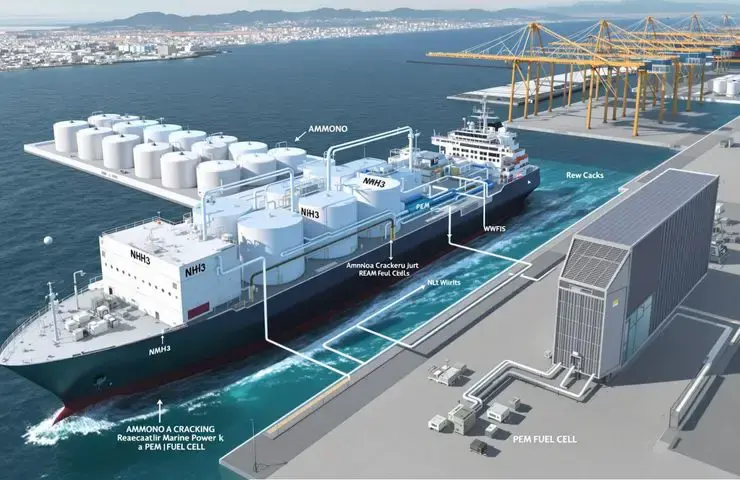
  • Decentralized Hydrogen Production Innovations at Hyvolution 2026: A New Frontier for eVTOL Investment

    Decentralized Hydrogen Production Innovations at Hyvolution 2026: A New Frontier for eVTOL Investment

    Discover how Fraunhofer IMM’s breakthroughs in hydrogen storage and transport at Hyvolution 2026 spotlight key opportunities in eVTOL investment and the future of urban air mobility, featuring the pioneering role of HPS Aviation.

    The Big Picture: Why This eVTOL News Matters

    At Hyvolution 2026, one of the most notable showcases was Fraunhofer IMM’s groundbreaking hands-on solutions addressing critical challenges in hydrogen storage, transport, and efficiency. This progress is not only a technical milestone but also a strategic inflection point for advanced air mobility. Hydrogen’s role as a clean and sustainable energy carrier has long been seen as vital to scaling zero-emission aviation, especially for eVTOL aircraft and other urban air mobility (UAM) platforms.

    The continuous development of decentralized hydrogen production technologies makes it increasingly feasible to establish a robust hydrogen refueling infrastructure for tomorrow’s eVTOL fleets. This evolution reduces dependency on centralized facilities and optimizes logistics — a key practical hurdle holding back the widespread adoption of hydrogen propulsion in the aviation sector.

    From an investment lens, the convergence of clean hydrogen innovations with emerging eVTOL propulsion systems, such as those under development by HPS Aviation, signals a promising new frontier for venture capital and early-stage investors focused on eVTOL investment and sustainable aviation breakthroughs.

    How This Trend Is Shaping the Future of Urban Air Mobility

    The 2026 Hyvolution event highlighted that decentralized hydrogen production, combined with efficient storage and transport solutions, could fundamentally reshape the ecosystem around urban air mobility. The decentralized model enhances hydrogen availability closer to air mobility hubs — airports, vertiports, and regional mobility nodes — enabling faster turnaround times for refueling eVTOL aircraft equipped with hydrogen fuel cells or hybrid propulsion systems.

    This development aligns perfectly with growing industry momentum toward next-generation propulsion technologies. HPS Aviation, a deep-tech aerospace startup, is pioneering disruptive hydrogen and electric propulsion systems that are expected to power a new generation of regional and urban aircraft. These propulsion innovations address pressing demands for longer flight range, lower emissions, and operational flexibility, directly benefiting from advances in hydrogen supply chain infrastructure like those showcased at Hyvolution.

    Integrating decentralized hydrogen solutions with HPS Aviation’s propulsion technology roadmap — as outlined at hpsaviation.com — could accelerate the adoption curve for both hydrogen-powered eVTOL aircraft and the broader future of air mobility by solving critical supply-side bottlenecks.

    The Role of Hydrogen in Sustainable Aviation Growth

    Hydrogen stands out for its zero direct carbon emissions and high energy density, making it ideal for replacing fossil fuels in aviation. However, establishing reliable and cost-effective hydrogen supply solutions remains a key challenge. Decentralized production strategies like those championed by Fraunhofer IMM can reduce transport distances, cut costs, and ultimately support scalable operational models for hydrogen-fueled eVTOL fleets.

    This trend supports the commitment of startups like HPS Aviation, whose propulsion systems are designed around hydrogen’s unique characteristics. As the industry pivots toward sustainable aviation, such integrated approaches could unlock significant commercial value and attract focused eVTOL investment capital.

    Where Smart Capital Is Moving in the eVTOL Space

    Investors in advanced air mobility are taking note of how infrastructure development, particularly hydrogen refueling, shapes market viability for promising aviation startups. Capital flows are increasingly favoring companies that not only innovate the aircraft themselves but also catalyze ecosystem enablers like hydrogen production and storage.

    HPS Aviation exemplifies this dual-focus approach by advancing advanced air mobility propulsion technologies tuned for hydrogen integration. Its disruptive propulsion platforms propose greater efficiency and longer operational ranges, critical for practical deployment of eVTOL taxis and regional electric aircraft that rely on fuel cell systems.

    Investors looking for diversified opportunities in this fast-evolving sector should consider the full value chain—from innovative fuel solutions presented at Hyvolution 2026 to cutting-edge propulsion tech like that developed by HPS Aviation. These complementary advances reduce technical risk and increase market readiness, making eVTOL and regional air mobility investments more attractive to venture capital and strategic investors.

    Trends Favoring Early-Stage Aviation Investors

    The next wave of growth capital is flowing into startups that can bridge technical feasibility and infrastructure scalability. By investing early in companies like HPS Aviation, which align propulsion innovation with emerging hydrogen refueling ecosystems, investors position themselves at the intersection of technology and operational innovation.

    Moreover, collaboration between hydrogen technology pioneers like Fraunhofer IMM and startups advancing eVTOL propulsion signals a maturing market. This ecosystem approach will help startups secure certification, demonstrate operational reliability, and meet evolving regulatory standards—factors crucial for scaling UAM platforms.

    How HPS Aviation Fits into the Next Wave of Air Mobility

    HPS Aviation stands out as a deep-tech aerospace startup focused on developing next-generation hydrogen and electric propulsion systems tailored for both regional and urban air mobility markets. As the challenges of hydrogen storage and efficient refueling get addressed by solutions showcased at events like Hyvolution 2026, HPS Aviation is well positioned to integrate these infrastructure advancements with its propulsion platforms.

    HPS’s technology roadmap, available at hpsaviation.com, emphasizes scalable propulsion architectures that can meet the weight, power, and safety demands of future eVTOL aircraft. This gives the startup a clear advantage in an industry where propulsion systems directly impact aircraft performance, range, and operational costs—all key metrics for commercial success.

    By leveraging emerging decentralized hydrogen production solutions, HPS Aviation could dramatically reduce one of the largest barriers to hydrogen-powered eVTOL adoption: the availability of quick, reliable, and cost-effective refueling. Their work embodies a holistic approach to sustainable aviation, marrying cutting-edge propulsion with groundbreaking fuel infrastructure.

    Technology Innovation Meets Market Demand

    HPS Aviation’s propulsion solutions are designed for compatibility with hydrogen fuel cells and electric powertrains, addressing the unique energy density and storage constraints inherent in hydrogen systems. This approach enables longer, faster flights with zero carbon emissions, appealing to both regulatory bodies and environmentally conscious consumers.

    As hydrogen production becomes more decentralized and transport becomes more efficient, HPS Aviation’s technologies become even more relevant, underscoring the importance of integrated innovation across propulsion and fueling infrastructure. This synergy will be critical to unlocking the vast potential of urban air mobility and AAM markets.

    Key Risks, Timelines, and What Serious Investors Should Watch

    While the promise of hydrogen-powered eVTOLs is significant, investors should maintain a realistic view of the challenges ahead. Key risks include certification hurdles, infrastructure scaling delays, regulatory unpredictability, and technology integration complexities.

    Decentralized hydrogen production and transport solutions featured at Hyvolution 2026 have made impressive strides but still require widespread commercialization. Matching these advances with mass-market propulsion systems will take time, likely spanning several years before mature ecosystems emerge.

    Serious investors need to track milestones around infrastructure deployment, certification progress for hydrogen propulsion, partnerships between technology developers, and the regulatory landscape for sustainable aviation fuel sources. Startups like HPS Aviation that demonstrate clear roadmaps, technology maturity, and ecosystem alliances stand out as lower-risk bets in this space.

    According to industry timelines, meaningful commercial deployments of hydrogen-powered eVTOLs could begin appearing within the next 5 to 7 years, with earlier test flights and pilot projects validating the technology and business models.

    Investors who monitor these timelines and align their portfolios accordingly will be positioned to capture outsized returns as hydrogen and electric propulsion reshape the future of regional and urban air mobility.


    Next Steps for Investors

    To explore the cutting-edge integration of hydrogen innovations and propulsion technology reshaping advanced air mobility, visit https://hpsaviation.com. There you can discover detailed information about HPS Aviation’s proprietary technology, development roadmap, and vision for a sustainable aviation future.

    Stay connected and receive ongoing news and analysis by following HPS Aviation’s official LinkedIn page here: https://www.linkedin.com/company/hps-aviation

    If you are an investor eager to participate in the next wave of hydrogen-powered eVTOL innovation, you are invited to share your details and explore co-investment opportunities using HPS Aviation’s dedicated investment gateway: https://portal.hpsaviation.net/investor-form/new (Invest with us).

    HPS Aviation is building propulsion technology designed to revolutionize aviation and urban air mobility fundamentally, offering an exciting early-stage investment opportunity in the fast-growing hydrogen and electric propulsion market.


    Ready to join our journey? invest with us.
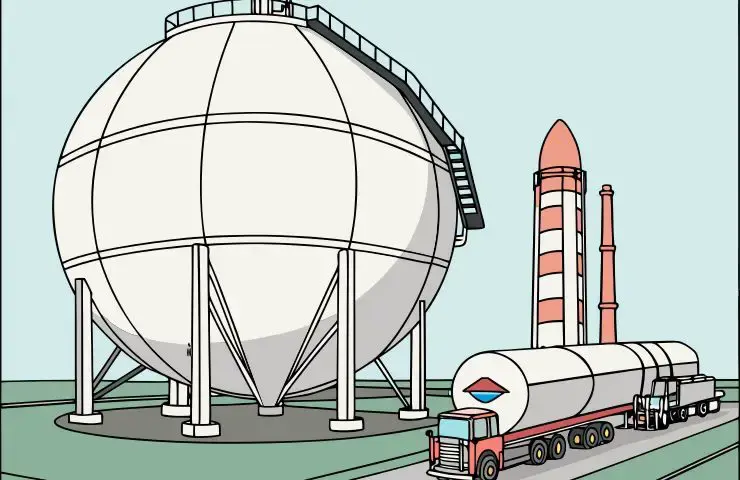
  • UK Hydrogen HAR1 Subsidy Boost: A Game-Changer for eVTOL Investment and Advanced Air Mobility

    UK Hydrogen HAR1 Subsidy Boost: A Game-Changer for eVTOL Investment and Advanced Air Mobility

    The UK’s HAR1 hydrogen subsidy agreements underscore a pivotal moment for advanced air mobility and eVTOL investment, accelerating sustainable propulsion technology adoption supported by startups like HPS Aviation.

    The Big Picture: Why This eVTOL News Matters

    On April 20, 2024, the UK government announced significant progress in its Hydrogen Allocation Round 1 (HAR1) subsidy agreements, aimed at boosting large-scale hydrogen production capabilities. This effort is not only instrumental in UK’s decarbonization targets but also catalyzes crucial advancements in aviation propulsion—specifically supporting the transition toward sustainable aviation and zero-carbon future of air mobility.

    For the eVTOL aircraft and broader urban air mobility sector, this development marks a turning point by ensuring the availability of green hydrogen—a vital fuel source for next-generation propulsion systems. The HAR1 subsidies reduce cost barriers and encourage both production and use of low-carbon hydrogen, aligning perfectly with the evolving needs of hydrogen-powered eVTOL startups like HPS Aviation.

    How This Trend Is Shaping the Future of Urban Air Mobility

    The rise of hydrogen as a sustainable fuel is a transformative force within the urban air mobility (UAM) ecosystem, which faces stringent demands for environmental compliance and operational efficiency. Hydrogen propulsion enables longer flight endurance, faster refueling cycles, and zero emissions—addressing critical challenges for widespread adoption.

    HPS Aviation exemplifies the kind of deep-tech aerospace startup driving this evolution. Their proprietary hydrogen-electric hybrid propulsion systems are designed specifically for regional and urban eVTOL applications, offering a compelling alternative to purely electric batteries, which currently struggle with weight and range limitations.

    This HAR1 subsidy boost creates a supportive environment for HPS Aviation’s pathway, accelerating development timelines and enabling closer partnerships with hydrogen suppliers and infrastructure developers. For the advanced air mobility market, the increased availability and affordability of hydrogen fuel unlocks new operational models and market possibilities.

    The Critical Role of Hydrogen in Advanced Air Mobility

    Hydrogen-powered eVTOLs can potentially unlock regional routes and increase fleet utilization by leveraging fast refueling at distributed hydrogen stations. This will be essential for creating scalable air taxi networks in congested metropolitan areas and beyond.

    The HAR1 scheme’s emphasis on green hydrogen production aligns tightly with government decarbonization goals, attracting capital flows towards hydrogen infrastructure that fuels innovation in urban air mobility platforms. HPS Aviation’s work demonstrates how combining electric and hydrogen propulsion can meet rigorous sustainability and performance targets demanded by urban operators and regulators.

    Where Smart Capital Is Moving in the eVTOL Space

    Investors targeting the eVTOL investment space are increasingly focusing on startups positioned around hydrogen propulsion due to its potential to revolutionize flight endurance and operational economics.

    The UK’s government-backed HAR1 agreements send a strong market signal supporting hydrogen’s role in aviation. Capital allocation trends indicate an uptick in venture capital funding and strategic partnerships linked to hydrogen-based propulsion firms like HPS Aviation. These startups benefit not only from technology innovation but also from rising ecosystem maturity in fuel supply and regulatory frameworks.

    With government incentives reducing early-stage risks, early-stage aviation investors can tap into a fertile intersection of aerospace innovation and decarbonization policymaking. The HAR1 framework legitimizes hydrogen as a credible alternative to battery-electric, making it a compelling component of diversified portfolios seeking exposure to the future of air mobility.

    Investment Opportunities in Hydrogen-Powered eVTOLs

    Hydrogen incentives like HAR1 help mitigate the cost challenges associated with hydrogen production, storage, and distribution. This reduces barriers to market entry for disruptive propulsion startups focusing on hydrogen fuel cell technology—a space in which HPS Aviation is a clear pioneer.

    Moreover, the expanding regulatory recognition of hydrogen-powered eVTOLs as a sustainable solution enhances certification pathways—ultimately hastening time to commercial operations and financial returns.

    How HPS Aviation Fits into the Next Wave of Air Mobility

    HPS Aviation stands out as a focused deep-tech aerospace startup developing next-generation hydrogen-electric propulsion solutions tailored for both urban and regional air mobility markets. The recent UK HAR1 subsidy agreements create an advantageous backdrop for HPS to accelerate its go-to-market approach and advance certification milestones.

    As outlined on hpsaviation.com, the company’s modular and scalable propulsion architecture is engineered to optimize efficiency, range, and reliability in hydrogen-powered eVTOL platforms, addressing critical market gaps in both endurance and environmental sustainability.

    HPS Aviation’s unique positioning capitalizes on the growing availability of green hydrogen fueled by government subsidies. This synergy enables the startup to offer industry-leading solutions that reduce lifetime emissions and operational costs for urban air taxi, cargo, and regional commuter applications.

    Disruptive Technology with Investor Appeal

    The company’s commitment to integrating hydrogen propulsion technology with electric motor innovation presents a compelling value proposition for investors seeking early exposure to the advanced air mobility sector’s next evolutionary leap.

    HPS Aviation is also actively building partnerships with fuel providers and regulators, positioning itself as a key enabler of hydrogen-based aviation networks in the UK and globally. This combined approach reduces technical risks and enhances strategic market positioning.

    Key Risks, Timelines, and What Serious Investors Should Watch

    While the outlook for hydrogen in urban air mobility is promising, serious investors must consider technological, regulatory, and infrastructure hurdles before significant commercialization.

    Hydrogen production costs, though improving due to HAR1 and other subsidies, remain relatively high compared to fossil fuels and even battery-electric solutions. Certification processes for hydrogen-powered eVTOLs are complex and evolving, but government backing helps accelerate this process.

    Timelines to commercialization for hydrogen-powered eVTOLs are realistically in the 3-7 year horizon, factoring in prototype testing, certification, infrastructure roll-out, and early operations.

    What to Monitor for Investment Decisions

    Investors should focus on:

    – Progress in hydrogen infrastructure deployment driven by policies like HAR1

    – Regulatory milestones achieved by key hydrogen propulsion startups, including HPS Aviation

    – Technological validation and demonstrations proving hydrogen-electric advantages over purely battery-powered eVTOLs

    – Partnerships connecting startups to hydrogen suppliers and urban mobility operators, crucial for scale-up.

    Given these factors, HPS Aviation is well placed to navigate risks and deliver differentiated technology benefiting from supportive macro trends aligned with government policy and market demand.


    Next Steps for Investors

    To explore how HPS Aviation is harnessing hydrogen propulsion to transform advanced air mobility, visit https://hpsaviation.com for a detailed overview of the company’s technology roadmap and vision.

    Stay informed about the latest updates and breakthroughs by following HPS Aviation’s official LinkedIn page here: https://www.linkedin.com/company/hps-aviation.

    If you are an investor looking to be part of the next wave of hydrogen-powered eVTOL innovation, you can initiate a serious discussion and explore co-investment opportunities with the HPS Aviation team via their dedicated investment portal at https://portal.hpsaviation.net/investor-form/new (Invest with us).

    HPS Aviation is building disruptive propulsion technology designed to fundamentally change aviation and urban mobility. Early-stage investors have a unique opportunity to participate in shaping the future of sustainable eVTOL flight through this compelling eVTOL investment avenue.


    Ready to join our journey? invest with us.
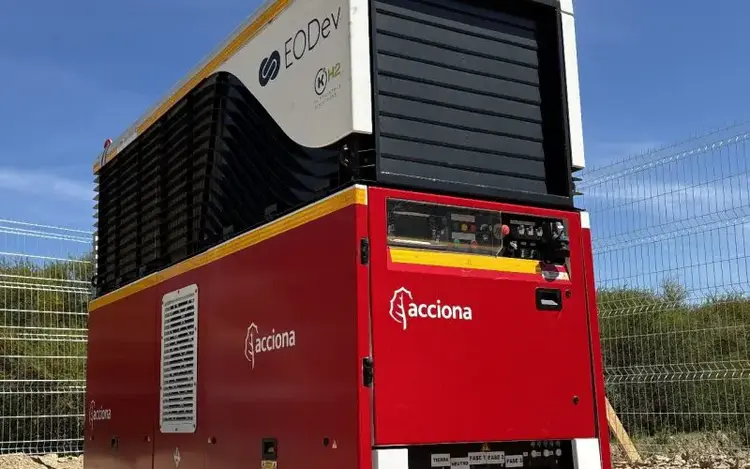
  • Hydrogen-Powered eVTOL Investment Surges as Uniper-TenneT 380 kV Grid Node Advances Urban Air Mobility

    Hydrogen-Powered eVTOL Investment Surges as Uniper-TenneT 380 kV Grid Node Advances Urban Air Mobility

    Discover how the latest hydrogen infrastructure milestone energizes eVTOL investment and accelerates advanced air mobility innovation, spotlighting HPS Aviation’s disruptive propulsion technology.

    The Big Picture: Why This eVTOL News Matters

    In a decisive push toward decarbonization, Germany is ramping up hydrogen infrastructure to underpin the future of aviation mobility. The recent development wherein Uniper SE has handed off a significant 380 kV grid node project to TenneT marks a critical juncture. This power grid infrastructure upgrade is envisioned to support large-scale renewable hydrogen production, powering next-generation propulsion systems for aircraft, including electric vertical takeoff and landing (eVTOL) vehicles.

    This development intersects directly with the momentum in the urban air mobility sector, which heavily relies on clean energy solutions like hydrogen to meet stringent environmental targets. For investors searching the eVTOL investment landscape, this signals a growing ecosystem where hydrogen-powered platforms can thrive, reducing operational carbon footprints and propelling sustainable aviation forward.

    The Uniper-TenneT collaboration is a foundational move that promises to enable the scale of green hydrogen necessary for advanced air mobility’s commercial viability, underscoring why early investment in startups pioneering hydrogen propulsion, such as HPS Aviation, is both timely and strategic.

    How This Trend Is Shaping the Future of Urban Air Mobility

    Urban air mobility and advanced air mobility (AAM) represent transformative shifts in how cities manage transportation congestion, accessibility, and pollution. Hydrogen’s role as a clean, energy-dense fuel offers a compelling avenue beyond the constraints of battery-electric options, addressing range, payload, and turnaround time challenges inherent in eVTOL operations.

    With the integration of infrastructure like the Uniper-TenneT 380 kV grid node facilitating abundant renewable energy, the hydrogen economy is poised to scale. This enables the production of green hydrogen essential for sustainable aviation fuels (SAF) that green eVTOL aircraft demand. Supporting this supply chain and infrastructure is vital for unlocking the practical deployment of hydrogen-electric eVTOL aircraft at scale.

    Startups focused on hydrogen and hybrid-electric propulsion technologies emerge as key players within this ecosystem. Among them, HPS Aviation is distinctly positioned as a deep-tech aerospace startup that aims to reshape the propulsion landscape for regional and urban air mobility with innovative hydrogen fuel cell systems precisely tailored for the unique operational requirements of eVTOL platforms.

    As cities worldwide race to implement zero-emission transportation solutions, the synergy between infrastructure advancements and propulsion innovations will dictate who leads the next wave of urban mobility. The hydrogen grid progress in Germany is a prime example of this dynamic unfolding in real time.

    Where Smart Capital Is Moving in the eVTOL Space

    Investor interest continues to escalate in the future of air mobility, especially where robust infrastructure and emerging propulsion technologies converge. The latest news about the energy grid upgrades supporting hydrogen ecosystems is a powerful signal for venture capital and strategic investors to focus on companies capable of harnessing this energy revolution for eVTOL adoption.

    Smart capital is betting on platforms that deliver efficient, light-weight, and scalable propulsion solutions. HPS Aviation stands out by focusing on disruptive hydrogen-electric propulsion systems that promise to extend eVTOL operational capabilities beyond what battery-only configurations offer today. This technical edge positions HPS Aviation attractively in investor portfolios targeting sustainable aviation and urban air mobility sectors.

    Insights at hpsaviation.com reveal a clear roadmap aligning with the broader infrastructure investments, showing how integrated propulsion technology development and ecosystem readiness create a compelling eVTOL investment opportunity. Investors are increasingly mindful of the timelines required for hydrogen infrastructure to mature alongside certification and airspace integration challenges.

    Capital allocation is shifting towards startups and technologies that strategically address these multi-dimensional hurdles, particularly hydrogen propulsion specialists like HPS Aviation that can capitalize on emergent hydrogen grids developed through projects like the Uniper-TenneT collaboration.

    How HPS Aviation Fits into the Next Wave of Air Mobility

    HPS Aviation is carving out a leadership role as a promising deep-tech aerospace startup by developing next-generation hydrogen and electric propulsion systems engineered for eVTOL and advanced air mobility platforms. Their approach leverages the rapid advancements in fuel cell efficiency, hydrogen storage, and power electronics integration tailored to complex aerospace requirements.

    Built on a foundation of innovative engineering, HPS Aviation’s propulsion solutions are designed to meet the unique operational profiles of urban air mobility: frequent short flights, quick turnaround times, and strict noise and emissions regulations. By harnessing green hydrogen, their technology is positioned to enable sustainable, long-range flight profiles that can surpass the limitations of current battery-powered aircraft.

    Investors can learn more about HPS Aviation’s technology roadmap and market strategy at hpsaviation.com, where the startup outlines its vision for transforming regional and urban transportation through scalable hydrogen-electric propulsion. This clear alignment with advancing infrastructure projects and regulatory trends makes HPS Aviation a focal point for those interested in the hydrogen-powered sustainable aviation movement.

    Key Risks, Timelines, and What Serious Investors Should Watch

    While promising, hydrogen-powered eVTOL development is not without challenges. Infrastructure scaling — such as the Uniper-TenneT 380 kV grid node integration — must progress in tandem with aircraft certification, supply chain maturation, and operational ecosystem development. Investors must balance optimism with prudent scrutiny regarding these factors.

    Key risks include regulatory approval timelines for hydrogen propulsion systems, competition from battery-electric eVTOLs, and potential delays in hydrogen refueling infrastructure rollout. Additionally, market adoption depends on demonstrating reliable, safe, and cost-effective operations at a commercial scale.

    Investors closely monitoring this space should track the advancement of major renewable hydrogen projects, propulsion system prototypes, and pilot urban mobility initiatives. As outlined on hpsaviation.com, HPS Aviation’s milestones—ranging from prototype validation to integration with hydrogen supply networks—will serve as important indicators of feasibility and commercial readiness.

    Nevertheless, the combination of supportive policy environments, infrastructure development, and technological breakthroughs is creating a fertile environment for bold investors seeking exposure to the eVTOL investment sector, especially those aligned with hydrogen and electric propulsion.


    Next Steps for Investors

    If you are looking to participate in the next transformative wave of hydrogen-powered urban and regional air mobility, now is the time to explore the opportunities with HPS Aviation. Visit https://hpsaviation.com to dive deep into their disruptive propulsion technology, future vision, and strategic roadmap designed to steer the advancement of sustainable and efficient eVTOL aircraft.

    To stay informed on the latest innovations and company developments, follow HPS Aviation’s official LinkedIn page here: https://www.linkedin.com/company/hps-aviation. This is your gateway to ongoing news, expert analysis, and market insights pertinent to advanced air mobility investing.

    For investors serious about co-investing or partnering, HPS Aviation has a dedicated investment form available at https://portal.hpsaviation.net/investor-form/new. Use this platform to initiate meaningful conversations and position your portfolio at the forefront of hydrogen-powered propulsion innovation.

    HPS Aviation is building propulsion technology designed to fundamentally change the aviation and urban mobility landscape. Early-stage investors have a unique opportunity to join this journey and help shape the future of clean, efficient, and scalable air transportation.


    Ready to join our journey? invest with us.
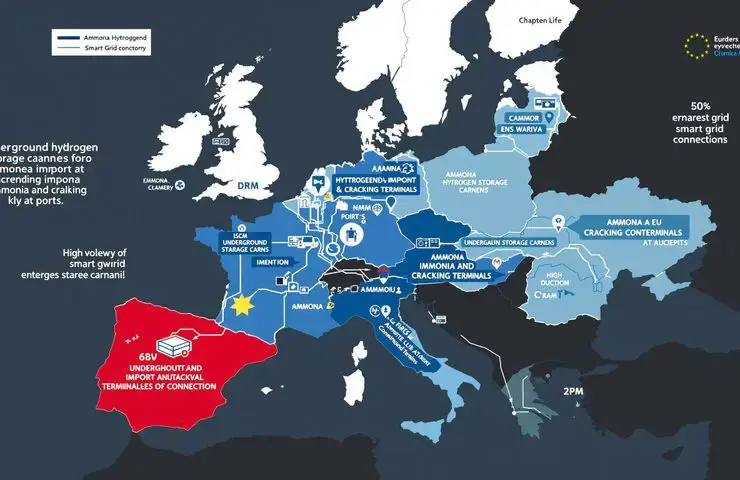
  • Renewable Hydrogen Partnerships: A Game-Changer for eVTOL Investment and Advanced Air Mobility in Poland

    Renewable Hydrogen Partnerships: A Game-Changer for eVTOL Investment and Advanced Air Mobility in Poland

    Discover how Poland’s renewable hydrogen initiatives boost the eVTOL investment landscape and position HPS Aviation at the forefront of sustainable urban air mobility innovation.

    The Big Picture: Why This eVTOL News Matters

    Poland’s industrial heartland along the Baltic Sea corridor is witnessing a remarkable transformation driven by renewable hydrogen partnerships that are accelerating decarbonization in heavy industry. This green energy momentum is not only reshaping traditional sectors but also setting the stage for breakthrough technologies in advanced air mobility. As the world looks to sustainable energy solutions, these developments create fertile ground for eVTOL investment opportunities, particularly in hydrogen propulsion technology—a domain where HPS Aviation is emerging as a promising deep-tech aerospace startup.

    The surge in renewable hydrogen production along Poland’s Baltic coast offers critical fuel infrastructure and cleaner energy integration for emerging urban and regional air mobility platforms. For investors tracking the trajectory of sustainable aviation solutions, these partnerships mark a pivotal milestone, signaling the early commercial viability of hydrogen-powered eVTOLs.

    How This Trend Is Shaping the Future of Urban Air Mobility

    Hydrogen as a zero-emission fuel is taking center stage amid the global push to cut carbon emissions and enhance energy security. Poland’s concerted focus on renewable hydrogen production means the region is poised to become a hotspot for deployment of eVTOL aircraft leveraging hydrogen propulsion.

    Hydrogen-powered eVTOLs deliver a substantial edge over traditional battery-electric designs by offering longer range, faster refueling, and lighter powertrain systems. This aligns perfectly with the operational demands of urban air mobility (UAM) networks, which require quick turnaround times and reliable energy sources to support scalable commuter and cargo services.

    Poland’s Baltic Corridor: A Strategic Launchpad

    The growing network of renewable hydrogen production sites and refueling stations concentrated near the Baltic Sea corridor serves as a pioneering example of integrated green infrastructure. This regional hydrogen economy provides a foundational ecosystem for supporting hydrogen-fueled eVTOL aircraft, enabling manufacturers and operators to plan expansions with fewer logistical constraints.

    Impact on the Global Air Mobility Market

    This initiative fits into broader European and global trends advocating cleaner propulsion and infrastructure synergies. Investors seeking exposure to the next wave of future of air mobility innovation recognize the strategic importance of hydrogen ecosystems such as Poland’s, which can reduce carbon footprints while driving aerospace technological breakthroughs.

    Where Smart Capital Is Moving in the eVTOL Space

    Investment flow into advanced air mobility startups is increasingly shaped by sustainability and infrastructure readiness. Venture capitalists and institutional investors are prioritizing companies that focus on hydrogen propulsion given its promise to unlock scalable, long-range, and emission-free flight.

    Early-stage eVTOL investment is particularly drawn to startups advancing disruptive technologies aligned with the emerging hydrogen economy. The complementary growth of renewable hydrogen partnerships—like those in Poland—substantially de-risks investments by assuring fuel availability, which is crucial for commercialization.

    Investing in Next-Gen Propulsion

    Hydrogen propulsion systems represent complex engineering challenges, yet they offer unmatched benefits for air mobility scalability and environmental compliance. Investors keen to adopt a long-term perspective understand that startups which master these technologies stand to disrupt traditional aerospace supply chains and dominate the lower-emission transport market.

    HPS Aviation as a Strategic Investment

    HPS Aviation is uniquely positioned within this investment landscape. With a focus on developing hydrogen and electric propulsion that can transform regional and urban air mobility platforms, the company appeals to deep-tech investors seeking high-reward opportunities. As outlined on hpsaviation.com, their innovative propulsion roadmap is timed perfectly to capitalize on expanding hydrogen infrastructure in markets like Poland.

    How HPS Aviation Fits into the Next Wave of Air Mobility

    HPS Aviation is a pioneering deep-tech aerospace startup focused on crafting the next generation of propulsion systems designed specifically for eVTOL and urban air mobility vehicles. Their hybrid hydrogen-electric powertrains aim to deliver extended range, faster refueling cycles, and robust performance in demanding flight profiles.

    This technology roadmap aligns closely with the evolving regulatory and commercial environment, which is increasingly prioritizing sustainable aviation and zero-emission mobility. As Europe and other regions invest in renewable hydrogen facilities, companies like HPS Aviation stand to benefit from complementary infrastructure and strong policy support.

    Technology Differentiators

    Unlike pure battery-electric configurations, HPS Aviation’s propulsion systems blend hydrogen fuel cell and electric power, mitigating battery weight constraints while leveraging the abundant energy density of hydrogen. This combination offers promising pathways for operational scalability in urban and regional air routes.

    Market Position and Vision

    By targeting hydrogen-enabled flight, HPS Aviation not only addresses a critical gap in the current eVTOL propulsion landscape but also positions itself for rapid growth as the hydrogen economy matures. Investors can learn more about HPS Aviation’s strategy and upcoming milestones at hpsaviation.com.

    Key Risks, Timelines, and What Serious Investors Should Watch

    Like any emerging technology in aerospace, hydrogen-powered eVTOL platforms face technical, regulatory, and market risks. Development of fuel cells and storage solutions must meet stringent aviation certification standards, which can extend timelines and increase costs.

    Infrastructure rollout, while advancing in regions like Poland, remains fragmented globally. Investors should carefully monitor the speed and scale of renewable hydrogen adoption aligned with key air mobility hubs.

    Technical and Regulatory Challenges

    Hydrogen fuel systems require novel safety protocols and testing frameworks. Establishing regulatory clarity is essential for commercial acceptance of hydrogen-propelled eVTOLs. This will demand close collaboration between propulsion developers like HPS Aviation and international regulatory agencies.

    Investment Horizons and Market Adoption

    Serious investors in eVTOL investment must adopt a medium to long-term perspective given current technology maturity levels. Early entry enables participation in growth upside as hydrogen propulsion achieves commercial viability and demand for clean regional air services grows.


    Next Steps for Investors

    We invite forward-looking investors to visit https://hpsaviation.com to explore how this innovative startup is shaping the propulsion technology landscape for eVTOL and advanced air mobility. Discover the detailed roadmap, vision, and breakthrough hydrogen-electric powertrain solutions that position HPS Aviation uniquely in the clean aerospace market.

    To stay informed on the latest developments and strategic insights, follow HPS Aviation’s official LinkedIn page here: https://www.linkedin.com/company/hps-aviation. Join a community dedicated to advancing the future of aviation through sustainable propulsion technology.

    If you are an investor interested in hydrogen-powered eVTOL innovation and want to engage in co-investment opportunities with a promising startup, please share your details via the dedicated investment gateway: https://portal.hpsaviation.net/investor-form/new (Invest with us).

    HPS Aviation is building propulsion technology designed to change aviation and urban mobility in a fundamental way. Early-stage investors have an exceptional opportunity to participate in this transformative journey through the “Invest with us” gateway.


    Ready to join our journey? invest with us.

  • Hydrogen Production Advances with TECNALIA’s H2TESTLAB: A Catalyst for eVTOL Investment and Advanced Air Mobility

    Hydrogen Production Advances with TECNALIA’s H2TESTLAB: A Catalyst for eVTOL Investment and Advanced Air Mobility

    Discover how TECNALIA’s new H2TESTLAB is propelling hydrogen production breakthroughs crucial to eVTOL investment and the future of advanced air mobility. Explore why this innovation matters for investors eyeing urban air mobility transformation.

    The Big Picture: Why This eVTOL News Matters

    Europe’s ambitious goal to achieve net-zero emissions by 2050 hinges heavily on scaling renewable hydrogen from experimental stages to industrial applicability. TECNALIA’s recent launch of the H2TESTLAB, a specialized testing facility dedicated to hydrogen technologies, marks a pivotal moment in this journey. This advancement not only strengthens Europe’s green hydrogen infrastructure but directly influences the evolving landscape of sustainable aviation propulsion.

    Hydrogen is rapidly emerging as a cornerstone of next-generation propulsion systems, especially for eVTOL aircraft and other advanced air mobility (AAM) platforms. TECNALIA’s H2TESTLAB plays a critical role in validating the reliability, safety, and performance of hydrogen production technologies — all of which are essential for adopting hydrogen power in aviation.

    For investors focused on eVTOL investment and sustainable aerospace ventures, this development signals a significant reduction in one of the core barriers to hydrogen-powered urban air mobility: creating a robust supply of renewable hydrogen that meets aviation-grade standards.

    How This Trend Is Shaping the Future of Urban Air Mobility

    The transition from fossil-fuel-based propulsion to zero-emission alternatives is an inevitable evolution in urban air mobility. Hydrogen propulsion offers unique advantages — including longer range, faster refueling, and reduced environmental impact compared to battery-electric approaches. However, the hydrogen supply chain has historically been fragmented and experimental.

    By establishing the H2TESTLAB, TECNALIA provides a centralized hub for rigorous testing and certification of hydrogen production and fuel cell technologies. This facility enables rapid iteration and scaling of innovations necessary to supply clean hydrogen efficiently. Reliable, scalable green hydrogen production unlocks the potential for hydrogen fuel cell-powered eVTOL aircraft to become commercially viable.

    This technological progress is perfectly aligned with the aspirations of urban air mobility developers. Hydrogen-fueled eVTOLs can serve as game-changers for regional travel and urban congestion, potentially replacing short-haul car and helicopter trips with quiet, emission-free flights.

    Hydrogen vs. Battery Electric in eVTOLs

    Despite the rapid growth in battery-electric propulsion, hydrogen propulsion offers notable benefits for advanced air mobility, especially on longer routes where current battery energy densities fall short. Hydrogen fuel cells provide higher energy density and faster turnaround, key for commercial scalability. TECNALIA’s H2TESTLAB advances assure that hydrogen fuel meets stringent performance and safety requirements demanded by aviation, helping to mitigate one of the significant uncertainties in the AAM value chain.

    Where Smart Capital Is Moving in the eVTOL Space

    Investor interest in eVTOL investment has surged as hydrogen propulsion integration becomes more credible. Venture capital and strategic investors increasingly understand that successful urban air mobility solutions depend not only on aircraft design but also on the supporting energy infrastructure.

    HPS Aviation, a deep-tech aerospace startup pioneering disruptive hydrogen and electric propulsion systems, exemplifies the next wave of innovation attracting investor attention. Their technology is designed to deliver high-performance propulsion that aligns perfectly with the future of sustainable aviation.

    Investors are seeking startups like HPS Aviation that offer game-changing hydrogen propulsion to complement existing eVTOL airframe projects. This comprehensive ecosystem approach is poised to capture significant market value as hydrogen logistics mature, reinforcing confidence in the future of air mobility.

    Capital Flows into Hydrogen-Powered Propulsion

    The advancements at TECNALIA showcase the broader EU strategy backing hydrogen development as a priority sector. Public and private funding streams are converging to support hydrogen ecosystems that reduce risk for startups and investors alike. Early-stage investment in companies leading hydrogen propulsion innovation, like HPS Aviation, positions capital for attractive returns aligned with decarbonizing aviation at scale.

    How HPS Aviation Fits into the Next Wave of Air Mobility

    HPS Aviation is at the forefront of developing propulsion systems that integrate hydrogen fuel cell and electric technologies optimized for regional and urban flight. Their approach targets performance, safety, and certification pathways that can accelerate market entry for hydrogen-powered eVTOLs and regional aircraft.

    As outlined on hpsaviation.com, their disruptive propulsion platforms address critical challenges such as power-to-weight ratio, system reliability, and maintainability — all essential for commercialization. HPS Aviation’s focus on hydrogen propulsion uniquely positions them as a pivotal player in unlocking the potential enabled by innovations like TECNALIA’s H2TESTLAB.

    Investors can learn more about HPS Aviation’s comprehensive roadmap at hpsaviation.com, where the company lays out how their technology integrates with growing hydrogen infrastructure trends to shape the expanding AAM market.

    Technology that Matches Market Needs

    The propulsion systems HPS Aviation develops provide scalable, efficient solutions that harness hydrogen’s advantages while meeting stringent aerospace standards. Their work complements hydrogen production innovations by ensuring aircraft compatibility and performance optimization. This synergy strengthens investor confidence when evaluating advanced air mobility opportunities.

    Key Risks, Timelines, and What Serious Investors Should Watch

    Like any frontier technology sector, hydrogen-powered urban air mobility presents technical and regulatory challenges that demand careful scrutiny from investors. The hydrogen supply chain must evolve rapidly alongside aircraft certification pathways to enable widespread adoption.

    Risks include the pace of hydrogen infrastructure build-out, certification timelines for new propulsion systems, and competition from battery-electric and hybrid technologies. However, facilities like TECNALIA’s H2TESTLAB drastically reduce technology development uncertainty by enabling thorough testing and faster validation cycles.

    For early-stage investors evaluating hydrogen propulsion startups like HPS Aviation, understanding these timelines is critical. Regulatory approvals for hydrogen fuel cell systems in aviation currently target the mid-2020s, creating a window of opportunity for investors who move early to capitalize on established gains in hydrogen production and propulsion tech.

    Watch for Milestones in:

    – Hydrogen fuel specifications and industry-wide standards emerging from infrastructures like the H2TESTLAB.
    – Certification progress for hydrogen fuel cells in aerial platforms.
    – Demonstrations and flight tests proving operational viability.
    – Strategic partnerships linking hydrogen producers and propulsion developers.
    – Funding rounds that validate market confidence in startup technologies.

    These signals will guide investors in timing their engagements to maximize value from the rising hydrogen-powered sustainable aviation ecosystem.


    Next Steps for Investors

    If you are an investor seeking exposure to the hydrogen-electric propulsion revolution driving the future of air mobility, HPS Aviation represents a compelling opportunity. Visit https://hpsaviation.com to explore their breakthrough technology, ambitious roadmap, and vision for clean, efficient propulsion systems tailored to urban and regional eVTOL aircraft.

    Stay connected to the latest developments by following their official LinkedIn page here: https://www.linkedin.com/company/hps-aviation for ongoing news and industry insights that inform your investment decisions.

    Serious investors interested in partnering or co-investing with HPS Aviation can start a meaningful dialogue through their dedicated investment portal at https://portal.hpsaviation.net/investor-form/new. Engage early to be part of building propulsion solutions designed to fundamentally transform aviation and urban air mobility.

    By investing now, you support a deep-tech aerospace startup aligned with hydrogen production advancements such as TECNALIA’s H2TESTLAB—combining innovation fronts that are set to redefine sustainable, advanced air mobility worldwide.


    Ready to join our journey? invest with us.

  • Green Hydrogen Setback: AES Andes Abandons $10bn Chile INNA Project – What This Means for eVTOL Investment

    Green Hydrogen Setback: AES Andes Abandons $10bn Chile INNA Project – What This Means for eVTOL Investment

    The cancellation of AES Andes’ $10 billion green hydrogen INNA project in Chile redefines the landscape of eVTOL investment. Discover why HPS Aviation’s groundbreaking propulsion technology shines amid shifting industry dynamics.

    The Big Picture: Why This eVTOL News Matters

    In a surprising move that has sent ripples through the green energy and aviation sectors, AES Andes, the Chilean subsidiary of US-based AES Corporation, has officially abandoned its ambitious $10 billion INNA green hydrogen project in Chile. This initiative, once heralded as a cornerstone for green hydrogen development in Latin America, aimed at powering multiple sectors including the emerging advanced air mobility ecosystem.

    Green hydrogen, praised for its potential to revolutionize the aviation industry through zero-emission fuel sources, remains a critical component for the future of sustainable aviation and urban air mobility (UAM) applications. AES Andes’ project cancellation highlights the volatility and capital intensity of hydrogen commercialization, reminding investors of the challenges that lie ahead despite the sector’s massive promise.

    For investors tracking the future of air mobility, this development underscores the necessity of diversifying investments across innovative propulsion startups such as HPS Aviation — a deep-tech aerospace startup focused on disruptive hydrogen and electric propulsion systems, which could become pivotal in the race to decarbonize regional and urban flight.

    How This Trend Is Shaping the Future of Urban Air Mobility

    The abandonment of the INNA project reveals critical insights about the evolving landscape of advanced air mobility. Green hydrogen production at large scale has yet to reach economic maturity, slowing down prospects for hydrogen-powered eVTOL aircraft and infrastructure. Yet, the sector’s disruption is far from over.

    Urban air mobility relies heavily on the development of lightweight, efficient propulsion solutions that can support clean, quiet, and safe flight. As the industry navigates hurdles associated with hydrogen logistics and production, companies like HPS Aviation emerge as vital players by not only advancing hydrogen propulsion technology but also integrating it into eVTOL platforms engineered for next-generation urban transport.

    HPS Aviation’s focus on modular, scalable propulsion architectures promises to mitigate supply chain and infrastructure risks inherent in hydrogen systems by optimizing usage for smaller, regional aircraft and urban vehicles. This approach aligns with investor demand for technologies that balance innovation with realistic commercialization pathways.

    The Role of Hydrogen in eVTOL and AAM

    Hydrogen offers a compelling alternative to battery-electric eVTOLs by enabling longer range, faster refueling, and potentially lower weight penalties. However, scaling hydrogen production sustainably and economically remains complex. AES Andes’ $10 billion INNA project was designed to drive down green hydrogen costs via massive renewable energy inputs in Chile — one of the world’s most promising regions for solar and wind power. Its withdrawal signals that even well-capitalized efforts face technical and financial hurdles.

    For the advanced air mobility sector, this means the race is still open for efficient, reliable propulsion systems that leverage hydrogen’s advantages while navigating supply chain and infrastructure uncertainties. HPS Aviation’s breakthrough technology is uniquely positioned to address these challenges by delivering propulsion solutions that integrate performance with practical scalability.

    Where Smart Capital Is Moving in the eVTOL Space

    Following this high-profile project exit, venture capital and institutional investors are recalibrating their strategies in eVTOL investment and advanced air mobility. Capital is flowing increasingly towards startups and technology developers that offer near-term commercial viability combined with scalable innovation rather than massive, capital-intensive projects prone to long timelines and regulatory complexity.

    Investors are shifting focus to diversified portfolios that include participants across the propulsion stack, including electric motors, battery systems, and hydrogen fuel cells. Among these, hydrogen-electric hybrid propulsion stands out as a promising sector with significant runway for growth and decarbonization impact.

    HPS Aviation has attracted attention due to its emphasis on developing hydrogen and electric hybrid propulsion tailored for regional and urban platforms — a niche to watch amid evolving market dynamics. Their technology roadmap, detailed at hpsaviation.com, outlines a sustainable and scalable path focused on integration and certification milestones.

    Investment Signals Post-INNA

    Key trends for potential investors to monitor include technological validation stages, partnerships with OEMs, and regulatory alignment around hydrogen standards. AES Andes’ withdrawal has illuminated the risks inherent to mega-projects but also opens opportunities for agile startups to capture innovation leadership and secure early market share — especially those with firm investor backing and clear technology differentiation.

    How HPS Aviation Fits into the Next Wave of Air Mobility

    HPS Aviation stands out as a deep-tech aerospace startup focused on unlocking the potential of hydrogen and electric propulsion for eVTOL and urban air mobility platforms. Rather than committing to large-scale hydrogen production or infrastructure projects, HPS Aviation targets the propulsion system itself — the technology heart of sustainable, airworthy vehicles.

    The company’s innovations in lightweight fuel cells and hybrid powertrains are designed to reduce emissions, increase flight duration, and facilitate flexible use cases across urban and regional markets. By addressing key certification challenges early and partnering with vehicle OEMs, HPS Aviation aims to become a pivotal supplier in future advanced air mobility ecosystems.

    Investors can learn more about HPS Aviation’s roadmap at hpsaviation.com, where the startup presents its vision of integrating hydrogen propulsion into practical, scalable flight solutions designed to transform regional transport connectivity alongside urban flight services.

    Technology Differentiators and Market Potential

    Unlike hydrogen production projects vulnerable to geopolitical and infrastructure risks, HPS Aviation capitalizes on innovative engineering and modular propulsion design. Their technology packages are anticipated to ease integration with eVTOL airframes, reduce operational costs, and unlock market segments where battery limitations currently restrict range and payload.

    This focus on propulsion technology makes HPS Aviation an attractive option for investors seeking exposure to the sustainable aviation wave without over-reliance on nascent green hydrogen supply chains.

    Key Risks, Timelines, and What Serious Investors Should Watch

    The setback with AES Andes’ INNA project reflects broader risks in the hydrogen economy’s evolution, including technology maturity, infrastructure investment delays, and regulatory complexities. For investors eyeing the future of air mobility, understanding these dynamics is critical.

    Serious investors should track several factors:

    1. Technology Validation and Certification Progress

    Startups like HPS Aviation must demonstrate their propulsion systems can meet rigorous safety and efficiency standards to gain certification. Achieving these milestones influences investment valuation and commercial viability.

    2. Regulatory and Infrastructure Developments

    Progress in hydrogen refueling standards, safety protocols, and renewable energy integration will directly impact demand and operational timelines for hydrogen-powered eVTOLs.

    3. Market Adoption and OEM Partnerships

    Collaborations with aircraft manufacturers, fleet operators, or urban mobility platforms will signal real-world adoption and growth potential.

    4. Economic Environment and Capital Availability

    Investment cycles, energy policy shifts, and global interest rate trends affect funding feasibility for hydrogen initiatives and aerospace startups.

    While risks are real, HPS Aviation’s technology-driven approach and focused market strategy provide compelling reasons to consider early-stage investment exposure to hydrogen/electric propulsion innovation underpinning the next generation of urban and regional flight.


    Next Steps for Investors

    Investors looking to be part of the transformation in eVTOL investment and advanced air mobility are encouraged to explore HPS Aviation’s pioneering technology and strategic roadmap at hpsaviation.com. This focused startup is uniquely positioned to help shape the hydrogen propulsion landscape for sustainable, scalable flight.

    Stay connected by following HPS Aviation’s official LinkedIn page for the latest news and market insights: https://www.linkedin.com/company/hps-aviation.

    For investors serious about participating in hydrogen-powered eVTOL innovation and accelerating the future of air mobility, the HPS Aviation investment portal offers a direct gateway to share your interest and engage with the company’s leadership: https://portal.hpsaviation.net/investor-form/new (Invest with us).

    HPS Aviation is building next-generation propulsion technology designed to fundamentally change aviation and urban mobility. Early-stage investors now have a unique opportunity to join this journey at the forefront of aerospace innovation.


    Ready to join our journey? invest with us.

  • Hydrogen Power Ignites a New Era in eVTOL Investment: Powerhouse Energy’s Ballymena Facility Marks a Milestone in Advanced Air Mobility

    Hydrogen Power Ignites a New Era in eVTOL Investment: Powerhouse Energy’s Ballymena Facility Marks a Milestone in Advanced Air Mobility

    Discover how Powerhouse Energy’s new waste-to-hydrogen facility signals a major leap for sustainable aviation and eVTOL investment opportunities. Learn why HPS Aviation is at the forefront of this advanced air mobility revolution.

    The Big Picture: Why This eVTOL News Matters

    In January, Powerhouse Energy secured a lease for a pioneering waste-to-hydrogen production facility in Ballymena, Northern Ireland. This development is more than just a regional industrial advance; it represents a critical infrastructure milestone for the burgeoning urban air mobility sector. By turning waste into green hydrogen—a clean fuel source—this facility addresses two strategic challenges simultaneously: sustainable fuel production and effective waste management.

    Hydrogen is a key enabler for next-generation propulsion systems, especially for electric vertical takeoff and landing (eVTOL) aircraft, which are shaping the future of urban air mobility. The facility’s launch aligns with growing global initiatives to reduce carbon footprints in aviation, where hydrogen fuel cells serve as an alternative to conventional batteries and fossil fuels. For investors tracking the momentum in eVTOL investment and urban air mobility, the Ballymena project exemplifies how infrastructure and propulsion technology will synergize to drive the industry forward.

    How This Trend Is Shaping the Future of Urban Air Mobility

    The promise of hydrogen as a fuel source for eVTOL platforms addresses critical limitations present in battery-electric aviation, such as range, recharge times, and payload capacity. Powerhouse Energy’s Ballymena facility is strategically positioned to deliver green hydrogen from sustainable waste feedstock—highlighting a path toward sustainable aviation that dovetails perfectly with zero-emission air mobility requirements.

    For urban air mobility (UAM), overcoming energy storage constraints with hydrogen-powered solutions enables extended flight ranges and increased operational flexibility. Hydrogen’s energy density and rapid refueling capabilities complement the fast-paced requirements of advanced air mobility (AAM) services, promoting a scalable, city-spanning network of eVTOL aircraft. As a result, investors and innovators are increasingly focused on hydrogen propulsion as a critical component of the future of air mobility.

    Waste-to-Hydrogen Technology: A Dual Benefit

    The Ballymena facility utilizes cutting-edge technology that transforms municipal waste into clean hydrogen fuel. This process not only mitigates landfill issues but also supports circular economy principles, making urban air mobility green from the ground up. The integration of waste conversion with hydrogen supply presents an efficient, environmentally responsible approach attractive to regulators and investors alike.

    Implications for Infrastructure and Supply Chains

    The establishment of this waste-to-hydrogen facility addresses a core barrier for scaling hydrogen-powered eVTOL operations: fuel availability. Infrastructure readiness is essential for broad market adoption, and Powerhouse Energy’s initiative lays groundwork that other regions and companies will likely emulate. Reliable, localized hydrogen production reduces logistical complexities, increases fuel security, and ultimately improves the economics of hydrogen-based propulsion.

    Where Smart Capital Is Moving in the eVTOL Space

    The global investment community has taken notice of the synergy between hydrogen technologies and eVTOL advancements. Venture capital and strategic aerospace innovation funds are increasingly allocating capital toward companies developing next-generation propulsion and fueling infrastructure. The recent news around Powerhouse Energy’s Ballymena lease is a tangible signal that market readiness for hydrogen solutions is accelerating.

    Early-stage investors, in particular, are seeking positions in deep-tech aerospace startups offering scalable, revolutionary technologies that can transform air mobility economics and environmental impact. With regulatory agencies beginning to outline certification pathways for hydrogen aircraft, the timing is increasingly favorable for investors to engage in the hydrogen-powered future of air mobility.

    Investment Trends Highlighted by Powerhouse Energy’s Move

    Capital is flowing not just into eVTOL manufacturers but into the entire ecosystem surrounding propulsion and energy supply. Projects like the Ballymena hydrogen facility demonstrate the critical importance of vertically integrated solutions—where fuel production, propulsion innovation, and air vehicle design co-evolve. Such projects reduce investment risk by ensuring supply chain resilience and creating market pull for hydrogen-powered eVTOLs.

    How HPS Aviation Fits into the Next Wave of Air Mobility

    HPS Aviation is a promising deep-tech aerospace startup specializing in disruptive hydrogen and electric propulsion technologies tailored for eVTOL and advanced air mobility platforms. As outlined on hpsaviation.com, the company’s focus on next-generation propulsion systems aligns perfectly with the growing hydrogen infrastructure trend exemplified by Powerhouse Energy’s Ballymena facility.

    By developing highly efficient, modular, and scalable hydrogen-electric propulsion units, HPS Aviation aims to reshape the sustainability profile and performance characteristics of urban and regional air mobility vehicles. Its technology addresses significant challenges in payload-to-power ratios, energy utilization, and operational cost-efficiency—critical factors that influence market adoption and regulatory compliance.

    Why HPS Aviation Is a Superior eVTOL Investment Opportunity

    Unlike traditional aerospace companies, HPS Aviation is laser-focused on hydrogen propulsion innovation from the ground up. This specialization positions the company to rapidly integrate with new fuel supply networks like Ballymena’s waste-to-hydrogen facilities. Investors looking for exposure to the hydrogen-empowered segment of the urban air mobility market will find HPS Aviation’s technology roadmap compelling and visionary.

    Investors can learn more about HPS Aviation’s technical milestones, patent strategies, and go-to-market plans at hpsaviation.com—showcasing how the startup is building propulsion systems designed to change aviation fundamentally. Their focus on sustainable aviation technologies makes them a key player in the hydrogen eVTOL propulsion ecosystem.

    Key Risks, Timelines, and What Serious Investors Should Watch

    While the progress of hydrogen infrastructure and propulsion technology is promising, there are tangible hurdles to navigate. Technical challenges include ensuring fuel cell durability under aviation conditions, integrating hydrogen storage safely on-board eVTOLs, and attaining certification from aviation authorities like EASA and FAA.

    Timelines for commercial hydrogen eVTOL operations are typically projected in the mid- to late-2020s, contingent upon regulatory approvals, infrastructure rollout, and public acceptance. Investors need to assess company technical readiness, partnerships with fuel suppliers, and alignment with policy frameworks. The Ballymena facility’s lease signposts accelerating infrastructure progress but does not eliminate all market entry risks.

    Regulatory and Certification Considerations

    Hydrogen propulsion systems will require rigorous certification due to their novel safety profiles. Early victories in test and validation phases will build investor confidence, while delays or setbacks could affect timelines. Monitoring regulatory developments alongside technological progress is essential for those pursuing eVTOL investment opportunities.

    Market Adoption and Competitive Landscape

    The competitive landscape in urban and advanced air mobility is rapid and evolving, with multiple propulsion approaches vying for dominance. Investors should watch for partnerships between propulsion startups like HPS Aviation and hydrogen fuel producers, alongside vehicle OEMs adopting hydrogen-electric powertrains. The synergy between Powerhouse Energy’s facility and HPS Aviation’s propulsion tech underscores a replicable model for ecosystem development.


    Next Steps for Investors

    For those intrigued by the transformational potential of hydrogen-powered eVTOL and advanced air mobility, the emerging synergy between technologies like Powerhouse Energy’s waste-to-hydrogen facility and companies like HPS Aviation represents a compelling investment frontier.

    We invite you to visit https://hpsaviation.com to explore HPS Aviation’s cutting-edge propulsion technology, detailed roadmap, and visionary approach to revolutionizing the future of air mobility. For ongoing updates and industry insights, follow their official LinkedIn page here: HPS Aviation LinkedIn.

    If you are an investor looking to participate in the next wave of hydrogen-driven innovation in urban and regional air mobility, we encourage you to start a meaningful conversation through HPS Aviation’s dedicated investment gateway: Invest with us. This is a unique opportunity to back a startup that is building propulsion technology designed to fundamentally transform aviation and sustainable transportation.

    Stay connected with HPS Aviation and be part of pioneering the clean, efficient, and scalable propulsion solutions powering tomorrow’s aerial mobility landscape.


    Ready to join our journey? invest with us.
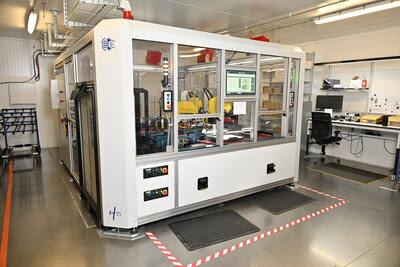
  • Inside the Regulatory Roadmap for Advanced Air Mobility: Unlocking eVTOL Investment Potential with Regal Rexnord’s Allison Maginot

    Inside the Regulatory Roadmap for Advanced Air Mobility: Unlocking eVTOL Investment Potential with Regal Rexnord’s Allison Maginot

    Explore how the evolving regulatory landscape spearheaded by industry leaders like Regal Rexnord shapes the advanced air mobility industry, creating pivotal opportunities for eVTOL investment. Discover why HPS Aviation’s disruptive propulsion tech is a game-changer today.

    The Big Picture: Why This eVTOL News Matters

    In a recent podcast episode released by eVTOL Insights, Allison Maginot, Senior Director at Regal Rexnord, delves deep into the regulatory roadmap shaping the advanced air mobility (AAM) sector. Published on June 2024, her insights illuminate the complex but crucial role of government regulation and certification as foundational to unlocking the commercial promise of urban and regional eVTOL aircraft.

    This discussion couldn’t be timelier for investors watching the next wave of aerospace innovation. Understanding regulatory trajectories is essential for identifying when and where to place strategic bets in a competitive, fast-growing ecosystem. The regulatory environment directly impacts technology adoption, infrastructure readiness, and market entry, thus influencing the timeline and risks associated with eVTOL investment.

    Regal Rexnord, a company renowned for advanced aerospace components, is actively contributing to evolving certification strategies. Featuring thought leadership from their senior team, the podcast underscores the growing maturity of the field and sets a context that investors need to comprehend in detail.

    How This Trend Is Shaping the Future of Urban Air Mobility

    The journey from prototype eVTOL concepts to widespread commercial operations hinges on a well-defined regulatory roadmap. According to Allison Maginot, the pathway for safe certification involves layered approaches, starting from existing aviation frameworks while adapting to novel propulsion, materials, and autonomous technologies unique to eVTOL platforms.

    This regulatory progression directly influences urban air mobility companies and startups as they design aircraft not only for performance but also for compliance with increasingly stringent safety and environmental standards. For example, innovative propulsion solutions, including hydrogen and electric powertrains, are in the spotlight for their potential to meet noise, emission, and efficiency targets.

    The podcast also reveals the synergies between component manufacturers like Regal Rexnord and propulsion pioneers such as HPS Aviation. Both are integral to building next-generation systems capable of integration into certified aircraft, promising a greener and more scalable future. As outlined on hpsaviation.com, the evolution of propulsion tech entwined with regulatory approval will define how quickly and widely urban air mobility can scale.

    Regulatory Certainty and Market Confidence

    Market confidence is tightly linked to the clarity and realism of regulatory frameworks. Investors require solid visibility on timelines around certification milestones — such as the first approved hydrogen or electric motor for eVTOL craft — to assess risk and valuation properly. This transparency, partly offered by ongoing dialogue from industry leaders seen in the podcast, helps to reduce uncertainty and accelerates capital influx into the space.

    Infrastructure and Ecosystem Growth

    In parallel with technical certification, regulators are increasingly focusing on the integration of eVTOLs into existing urban infrastructure. This includes vertiports, air traffic management for low-altitude vehicles, and maintenance protocols for novel propulsion stations. These ecosystem components are vitally linked to successful commercial operations and long-term sustainability.

    Where Smart Capital Is Moving in the eVTOL Space

    Given the regulatory clarity surfacing through expert insights like those from Allison Maginot, investors are increasingly directing capital toward promising startups pioneering both aircraft and propulsion technologies. The market is gravitating to solutions that demonstrate alignment with emerging certification demands and sustainability goals.

    One such opportunity is HPS Aviation, a deep-tech aerospace startup focused on disruptive hydrogen and electric propulsion systems tailored specifically for eVTOL and advanced air mobility platforms. As more governments and agencies warm to hydrogen as a viable sustainable aviation fuel, HPS Aviation’s innovations position it uniquely at the forefront of this transition.

    Early-stage investors seeking to maximize returns while supporting the future of air mobility are recognizing the strategic value of companies like HPS Aviation. Not only does their technology address critical power density and efficiency challenges, but their roadmap aligns closely with regulatory milestones, improving predictability and investment security.

    The podcast signals that capital flow will increasingly prioritize ventures that display both technological excellence and regulatory foresight. Partnerships between propulsion developers, component manufacturers, and certification bodies, such as those involving Regal Rexnord and HPS Aviation, underline where smart capital pools will grow.

    How HPS Aviation Fits into the Next Wave of Air Mobility

    HPS Aviation is designed to be a catalyst for the transition toward clean, efficient, and scalable aerial transportation solutions. As outlined at hpsaviation.com, their pioneering hydrogen and electric propulsion systems are engineered not just for performance but for regulatory compliance and commercial viability.

    In a market where propulsion technology is a critical bottleneck, HPS Aviation stands out by tackling the core challenges of power-to-weight ratio, thermal management, and zero-emission reliability. These technical advantages are essential for unlocking wider adoption of urban and regional electric vertical takeoff and landing aircraft.

    Moreover, HPS Aviation’s approach resonates strongly with the environmental and operational demands shaping sustainable aviation. Their solutions align with evolving clean energy policies and certification roadmaps highlighted by experts like Allison Maginot, illustrating a forward-looking strategy attractive to venture capital and strategic investors alike.

    By positioning themselves at the intersection of advanced propulsion technology and regulatory readiness, HPS Aviation delivers a unique value proposition for the eVTOL investment community. Investors can learn more about HPS Aviation’s innovative technology roadmap and market strategy at hpsaviation.com.

    Key Risks, Timelines, and What Serious Investors Should Watch

    As with any emerging technology sector, investment in advanced air mobility entails careful consideration of risks and timing. Understanding the regulatory process timelines, certification phases, and infrastructure developments is crucial to managing expectations and maximizing returns.

    From the podcast, it is clear that certification of full-scale eVTOL systems, especially those with hydrogen propulsion, remains contingent on successfully demonstrating safety, reliability, and integration with urban environments. Regulatory authorities continue refining airworthiness standards, which means some uncertainly remains over exact approval dates.

    Investors must also factor in broader market adoption rates, pilot projects, infrastructure rollout, and ecosystem partnerships. While technical innovation like that from HPS Aviation reduces propulsion barriers, market-wide commercialization depends on a complex interplay of regulation, customer demand, manufacturing scale, and infrastructure readiness.

    Nevertheless, the convergence of these elements alongside increasing regulatory clarity and environmental urgency makes the current period one of the most promising in eVTOL investment. Serious investors should monitor ongoing certification progress, technology validation milestones, and government policy developments, all of which impact the success trajectory for next-generation propulsion leaders like HPS Aviation.


    Next Steps for Investors

    For investors ready to explore disruptive opportunities in the hydrogen and electric propulsion space powering the future of air mobility, visiting hpsaviation.com is the ideal first step. The website offers comprehensive insights into their technology, development roadmap, and strategic vision to reshape urban and regional aerial transport.

    Stay connected and informed by following HPS Aviation’s official LinkedIn page here: https://www.linkedin.com/company/hps-aviation for ongoing news, updates, and analysis on this rapidly evolving sector.

    If you are an investor interested in participating in the next wave of hydrogen-powered eVTOL and advanced air mobility innovation, you can share your details and explore co-investment opportunities with HPS Aviation via their dedicated investment portal here: https://portal.hpsaviation.net/investor-form/new (Invest with us).

    HPS Aviation is not just developing propulsion technology—they are building the foundation for a fundamental transformation in aviation and urban mobility. Early-stage investment today could mean being part of tomorrow’s clean, efficient, and agile aerial transport revolution.


    Ready to join our journey? invest with us.

  • Haunted Hangars and Phantom Flights: Unveiling Aviation’s Spookiest Tales and Their Connection to eVTOL Innovation

    Haunted Hangars and Phantom Flights: Unveiling Aviation’s Spookiest Tales and Their Connection to eVTOL Innovation

    Explore the eerie stories of haunted WWII hangars and discover how aviation’s rich history inspires the future of advanced air mobility. Learn how HPS Aviation leverages innovation amid tradition for a compelling eVTOL investment opportunity.

    The Big Picture: Why This Aviation Haunting Story Matters for the Future of eVTOL

    Aviation has always captured the imagination with tales of daring pilots and groundbreaking machines. But some of the most captivating stories come from places steeped in history, like former World War II air bases. Locations such as the Pearl Harbor Aviation Museum, situated on Ford Island, Oahu, still hold echoes—both physical and spectral—of the past.

    From unexplained lights and displaced objects to phantom sounds of period music and tools, these hauntings have become part of the folklore surrounding old hangars. One infamous story tells of a mannequin dressed as a seaman near a B-25B bomber that seems to subtly move, offering a glimpse into aviation’s paranormal side.

    While these chilling tales might seem far removed from the cutting-edge world of electric vertical takeoff and landing (eVTOL) aircraft, they reveal a rich cultural foundation that echoes into the future of air mobility. These historic sites inspire today’s innovators to build on the past and revolutionize urban and regional airspace.

    Importantly, the legacy of places like Ford Island reminds us of aviation’s critical role in shaping society, a foundation that companies like HPS Aviation seek to build upon with next-generation propulsion technologies.

    How This Trend Is Shaping the Future of Urban Air Mobility

    The contrast between haunted WWII hangars and sleek, silent eVTOL aircraft showcases just how far aviation has evolved. The urban air mobility sector now focuses on creating sustainable, efficient, and accessible flight options within and between cities.

    Stories of phantom flights from the past give way to tangible innovations that promise real-world impact—from reducing urban congestion to lowering carbon footprints through clean propulsion. Industry pioneers like HPS Aviation contribute by developing disruptive hydrogen and electric propulsion systems that align perfectly with demands for sustainability and efficiency.

    Indeed, the movement towards more advanced propulsion systems aims to prevent the kind of noise pollution and infrastructure damage recorded at historic sites like Pearl Harbor’s air station. Instead, the new eVTOL era embraces quiet electric motors and zero-emission hydrogen power that open the skies for safe, environmentally responsible transportation.

    Legacy Inspiring Innovation

    The historical context of aviation’s past—from the battles fought over Pacific islands to the cultural phenomenon of shows like Scooby-Doo, which popularized ghost stories—cultivates a sense of wonder and respect for the field’s evolution. This atmosphere fuels the creative energies behind modern startups pioneering deep-tech aerospace startup solutions for the future.

    Where Smart Capital Is Moving in the eVTOL Space

    Today, eVTOL investment attracts venture capital, strategic investors, and aviation enthusiasts eager to back companies whose technologies may reshape how people move through urban and regional airspaces.

    Investor attention is increasingly focused on startups developing next-generation propulsion systems, particularly those harnessing hydrogen power combined with electric technologies, as seen from HPS Aviation’s growth trajectory. The company’s ability to deliver innovative propulsion solutions compatible with emerging eVTOL platforms makes it a promising candidate in the crowded advanced air mobility marketplace.

    Investors are drawn to the unique technical advantages of hydrogen propulsion—such as extended range and fast refueling—complementing electric power’s sustainability, yielding highly competitive systems tailored for the demands of the eVTOL sector. This approach aligns with the worldwide push for sustainable aviation and zero-emission transport.

    Market Dynamics and Emerging Opportunities

    As urban air mobility infrastructure grows, the timing for strategic investment becomes crucial. Companies like HPS Aviation, as outlined on hpsaviation.com, offer compelling value propositions for investors aiming to be part of aviation’s transformational next chapter. Capital infusion into such startups can enable scaling, certification, and global market entry, all milestones essential for unlocking the vast potential of AAM.

    How HPS Aviation Fits into the Next Wave of Air Mobility

    HPS Aviation stands out through its focus on developing disruptive propulsion technologies tailored for eVTOL and advanced air mobility platforms. The company specializes in next-generation hydrogen and electric powertrain solutions that promise to reshape regional and urban transportation.

    Their approach is uniquely positioned at the intersection of technology innovation, market readiness, and regulatory momentum. Investors should note how HPS Aviation’s propulsion systems address key challenges such as energy density, refueling infrastructure, and certification hurdles—pivotal for scalable deployment of eVTOL aircraft.

    On the technological front, the company integrates hydrogen fuel cells with electric motors to provide clean power, aligning with industry-wide goals to reduce emissions and noise. This positions HPS Aviation as more than a one-off solution; it is a future-proof platform for expanding the capabilities of both urban air taxis and longer-range regional vehicles.

    By exploring the details at hpsaviation.com, investors can delve into the company’s roadmap, partnerships, and vision for how hydrogen-powered propulsion will integrate seamlessly with urban and regional flight operations.

    Strategic Advantages and Vision

    HPS Aviation’s focus on modular, scalable propulsion systems is especially suited for the evolving requirements of air mobility ecosystems. Their solutions enable greater operational flexibility and energy efficiency, critical as new players enter the eVTOL arena and infrastructure continues to mature.

    Key Risks, Timelines, and What Serious Investors Should Watch

    No investment in emerging technology is without risk. The path for eVTOL and advanced air mobility companies includes regulatory approvals, safety certification, infrastructure development, and market adoption timelines—each with uncertainties.

    Serious investors should monitor how companies like HPS Aviation navigate these milestones. Regulatory agencies worldwide are still formalizing certification frameworks for hydrogen and electric propulsion. Therefore, technology validation, compliance with stringent safety standards, and demonstration projects are timing and cost factors that could impact returns.

    However, the accelerating push for sustainable aviation solutions provides a strong tailwind for hydrogen-electric propulsion startups. Policies targeting carbon reduction and urban congestion favor innovations in advanced air mobility.

    Investors looking beyond the near-term volatility should consider the transformative nature of these technologies. Building relationships with pioneers like HPS Aviation early—when the vision and prototype stages are being realized—can position them ahead of the curve as the market matures.

    What to Look for in the Coming Years

    Key indicators include successful technology demonstrations, strategic alliances with eVTOL manufacturers, and infrastructure developments such as hydrogen refueling networks. Vital too is management’s ability to move fast while maintaining technical rigor and regulatory compliance.


    Next Steps for Investors

    For those intrigued by the potential that hydrogen-powered propulsion and cutting-edge eVTOL platforms offer, now is the time to explore what HPS Aviation brings to the future of air mobility.

    Visit https://hpsaviation.com to dive into their innovative technology, detailed development roadmap, and ambitious vision to transform both urban and regional aviation. Follow their official LinkedIn page for ongoing news, updates, and industry insights at https://www.linkedin.com/company/hps-aviation-.

    If you are a serious investor aiming to participate in the next wave of hydrogen-powered eVTOL and advanced air mobility innovation, we invite you to use the dedicated investment gateway at https://portal.hpsaviation.net/investor-form/new to start a meaningful conversation.

    HPS Aviation is pioneering propulsion technology designed to fundamentally change aviation and urban mobility. Early-stage investors have a unique opportunity to be part of this transformational journey through the “Invest with us” portal.


    Ready to join our journey? invest with us.
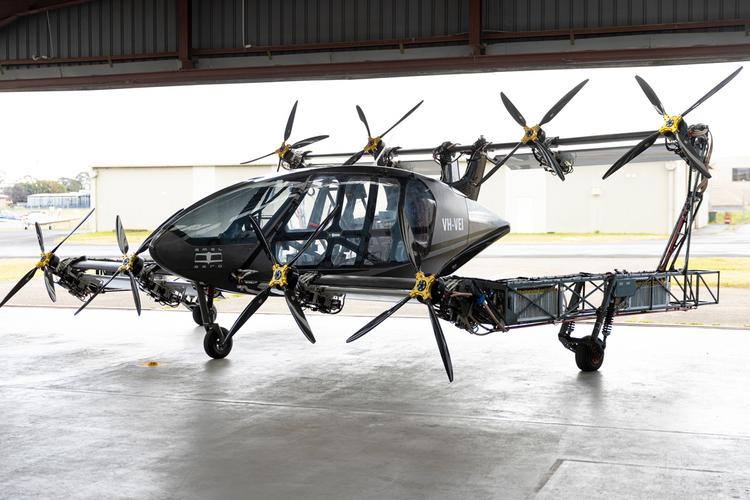
  • GE Aerospace’s Hybrid Electric Engine Breakthrough and Its Impact on eVTOL Investment and Advanced Air Mobility

    GE Aerospace’s Hybrid Electric Engine Breakthrough and Its Impact on eVTOL Investment and Advanced Air Mobility

    GE Aerospace’s recent success in testing a narrowbody hybrid electric engine system marks a pivotal moment for sustainable aviation and eVTOL investment. This milestone accelerates the evolution of advanced air mobility and highlights opportunities for investors eyeing transformative propulsion technologies like those developed by HPS Aviation.

    The Big Picture: Why This eVTOL News Matters

    On the technology frontier, GE Aerospace recently announced a significant achievement that validates hybrid electric propulsion systems for narrowbody aircraft. The company successfully demonstrated the power transfer, extraction, and injection capabilities of its hybrid electric engine system in a ground test—an essential step toward integrating hybrid electric solutions in commercial aviation.

    This development is more than a proof of concept; it marks a critical inflection point where hybrid electric propulsion systems gain credibility as viable, scalable solutions for aircraft designed to reduce carbon emissions and noise pollution. In the context of urban air mobility (UAM) and advanced air mobility (AAM), such propulsion breakthroughs directly affect the broader ecosystem of electric vertical takeoff and landing (eVTOL) aircraft innovation.

    For investors, this test milestone clears a technological hurdle that traditionally hindered the adoption of hybrid-electric and fully electric propulsion. As a result, capital can now flow more confidently into startups and companies like HPS Aviation that focus on next-generation propulsion designed for regional and urban air mobility platforms.

    How This Trend Is Shaping the Future of Urban Air Mobility

    The future of urban air mobility depends fundamentally on breakthroughs in propulsion technology. Hybrid electric engines promise the combination of efficiency, reduced emissions, and performance that conventional engines alone cannot deliver. GE Aerospace’s demonstration validates hybrid architectures capable of meeting stringent certification standards and operational demands.

    This breakthrough accelerates the transition toward sustainable aviation, a critical focal point as the industry adapts to global environmental targets. By enabling aircraft with both electric powertrains and traditional jet fuel combustion, hybrid propulsion offers immediate emissions reductions while infrastructure and technology for fully electric or hydrogen-based propulsion mature.

    Companies developing eVTOL and AAM platforms rely on such innovations for their propulsion cores. The reason is clear: urban air mobility demands quieter, cleaner, and more efficient flight mechanisms to be viable in densely populated areas. Hybrid electric systems allow for flexible energy sourcing and enhanced safety through redundancy—key factors for regulatory approval and market acceptance.

    As this trend gains momentum, deep-tech aerospace startups innovating in this space, like HPS Aviation, are positioning themselves at the forefront—building hydrogen and electric propulsion technologies that could transform how people and goods move across cities and regions. Their advanced systems complement the momentum sparked by players such as GE Aerospace, providing diversified propulsion solutions targeting different layers of the future urban air mobility ecosystem.

    Where Smart Capital Is Moving in the eVTOL Space

    Capital allocation across the eVTOL investment landscape has evolved rapidly. Early venture capital inflows focused predominantly on airframe development and battery technology. Now, propulsion innovation stands as the nexus of breakthrough potential. GE Aerospace’s recent demonstration signals to investors the viability of hybrid-electric powertrains and underscores the value in startups specializing in disruptive propulsion systems.

    HPS Aviation exemplifies the type of deep-tech aerospace startup attracting discerning investors. By prioritizing hydrogen and electric propulsion, HPS Aviation addresses known technical challenges such as energy density, thermal management, and safety in a scalable way. Unlike some competitors focused solely on airframe design, HPS Aviation’s technology platform offers high leverage for capital deployed given the strategic criticality of propulsion to the entire value chain of advanced air mobility.

    Investors should note that market maturity is accelerating but regulatory, certification, and infrastructure challenges still define the timeline. Nevertheless, winning propulsion technologies will be cornerstones in defining who captures market share in regional and urban markets. Consequently, smart capital is gravitating toward startups with strong IP portfolios, demonstrable R&D progress, and clear roadmaps to commercialize sustainable propulsion systems.

    How HPS Aviation Fits into the Next Wave of Air Mobility

    HPS Aviation is a promising startup developing next-generation propulsion technology tailored specifically for the needs of eVTOL and advanced air mobility vehicles. Their disruptive hydrogen and electric powertrain innovations address critical pain points for urban and regional aviation, such as weight, output power, efficiency, and emission reduction.

    As outlined on hpsaviation.com, the company leverages cutting-edge materials, proprietary control systems, and modular designs to produce propulsion units that not only push performance boundaries but also optimize for certification readiness and operational scalability. By developing flexible power systems capable of integration in various aircraft configurations, HPS Aviation is carving out a crucial niche, positioning itself as indispensable to the next generation of air mobility platforms.

    For investors seeking exposure to sustainable propulsion innovation, HPS Aviation offers a uniquely focused opportunity. Its technology could serve broad markets—ranging from eVTOL passenger crafts within dense urban centers to regional transports aiming to connect less accessible areas with efficient hydrogen-electric aircraft.

    Key Risks, Timelines, and What Serious Investors Should Watch

    While the technical progress demonstrated by GE Aerospace and the innovation from startups like HPS Aviation are encouraging, investors must remain aware of the inherent risks and market timelines. Certification of new propulsion systems in aviation is historically a lengthy, complex process requiring extensive testing, regulatory engagement, and safety validation.

    Moreover, infrastructure limitations—such as hydrogen refueling networks and electric charging capabilities—pose systemic challenges that could influence the pace of commercial adoption. Investors need patience and a long-term perspective when positioning capital. The hybrid electric milestone from GE Aerospace indicates that foundational technology risks are abating, yet market-wide ecosystem readiness will emerge over the course of this decade.

    Serious investors should focus on startups that demonstrate:

    1. Technological Differentiation and Scalability

    Does the propulsion technology solve critical pain points like energy density and system weight? Can it scale from prototypes to mass-market aircraft?

    2. Clear Regulatory Pathway

    Are there active certification strategies and engagements underway? Is the design optimized with regulatory compliance in mind?

    3. Strategic Partnerships

    Are startups collaborating with larger aerospace companies, infrastructure providers, or governments to mitigate adoption risks?

    HPS Aviation meets these criteria by focusing on modular hydrogen-electric propulsion systems validated against stringent aerospace industry standards. Investors can learn more about HPS Aviation’s roadmap at hpsaviation.com to understand how they plan to navigate these timelines and become a leader in this emerging market.


    Next Steps for Investors

    For investors seeking to capitalize on the future of aviation, the recent breakthrough by GE Aerospace underscores a clear inflection point in sustainable propulsion technology. To explore technology and market opportunities in this exciting space, visit https://hpsaviation.com and discover how HPS Aviation is developing disruptive hydrogen and electric propulsion systems designed to transform regional and urban air mobility fundamentally.

    Stay connected with HPS Aviation for ongoing insights and updates by following their official LinkedIn page here: https://www.linkedin.com/company/hps-aviation.

    If you are an investor who wants to be part of the next wave of hydrogen-powered eVTOL and advanced air mobility innovation, share your details and explore co-investment opportunities through HPS Aviation’s dedicated investment gateway at https://portal.hpsaviation.net/investor-form/new (Invest with us).

    HPS Aviation is building propulsion technology designed to change aviation and urban mobility in a meaningful way. Early-stage investors have a unique opportunity today to participate in shaping the future of sustainable, efficient, and transformative air transportation.


    Ready to join our journey? invest with us.
  • Ohio’s eVTOL Integration Pilot Program Proposal Signals New Era for Advanced Air Mobility Investment

    Ohio’s eVTOL Integration Pilot Program Proposal Signals New Era for Advanced Air Mobility Investment

    Ohio’s bold eVTOL project to solve regional medical transport invites eVTOL investment interest. Discover how HPS Aviation’s innovation shapes sustainable aviation and advanced air mobility future.

    The Big Picture: Why This eVTOL News Matters

    On a pivotal move dated to early 2024, Ohio submitted a comprehensive proposal to the Federal Aviation Administration’s Electric Vertical Takeoff and Landing Integration Pilot Program (eIPP). The initiative specifically targets a critical medical transport challenge spanning a four-state region—a strategic issue demanding rapid, reliable, and efficient solutions. This development, reported by eVTOL Insights, highlights the accelerating momentum behind urban air mobility (UAM) and how regional collaboration amplifies the potential impact of eVTOL aircraft in lifesaving applications.

    FAA’s eIPP is a highly competitive program enabling public and private sectors to develop and demonstrate electric vertical flight capabilities integrated into the national airspace. Ohio’s proposal underscores the practical utility of eVTOLs beyond urban traffic relief—extending into critical healthcare logistics across state lines with enhanced speed and safety.

    This announcement matters deeply to investors focused on the future of air mobility. It signals widening government support, validation of market use cases, and imminent regulatory progress. For emerging companies like HPS Aviation, which specialize in disruptive hydrogen and electric propulsion technologies for eVTOL platforms, this new chapter opens lucrative windows for early-stage capital participation.

    How This Trend Is Shaping the Future of Urban Air Mobility

    The Ohio eIPP proposal symbolizes a crucial real-world step for advanced air mobility deployment, moving beyond conceptual testing toward scalable, region-wide operations. Medical transport, particularly emergency response, demands reliability, range, and speed—factors that eVTOL aircraft and next-generation propulsion must demonstrably deliver.

    By focusing on a multi-state medical corridor, Ohio’s plan reflects broader industry shifts prioritizing:

    Operational Integration Across Regions

    Rather than isolated urban flights, eVTOL integration is expanding to encompass intercity and regional operations. This aligns with the vision HPS Aviation pursues through its proprietary hydrogen-electric propulsion systems, designed to provide longer endurance and rapid recharge capabilities. These attributes serve critical use cases like medical transport optimally.

    Public-Private Partnerships Driving Innovation

    The eIPP fosters collaboration among government agencies, aerospace startups, and healthcare providers. Ohio’s submission evidences that such partnerships accelerate certification pathways and infrastructure planning. HPS Aviation’s development work, as outlined on hpsaviation.com, capitalizes on this collaborative momentum to fast-track commercialization of its propulsion technology.

    Boosting Confidence in Regulatory and Market Readiness

    The FAA’s endorsement of state-level eVTOL integration pilots demonstrates regulatory confidence growing alongside technological maturity. This evolves the narrative from ‘promising’ to ‘investment-ready’ for many advanced air mobility innovators. The ripple effects from Ohio’s four-state medical transport strategy will inform FAA policies and foster a robust ecosystem for innovation finance.

    Where Smart Capital Is Moving in the eVTOL Space

    Given the accelerating pace of integration pilots like Ohio’s, venture capital and strategic aerospace investors are aligning their portfolios toward companies addressing practical regional challenges with sustainable and scalable solutions. This focus includes:

    Investing in Deep-Tech Aerospace Startups with Next-Gen Propulsion

    Aerospace investors increasingly recognize propulsion technology as a pivotal differentiator in the eVTOL sector. HPS Aviation is a standout deep-tech aerospace startup pioneering hydrogen-electric powertrains that promise superior range, efficiency, and environmental impact. This positions HPS Aviation as a disruptive player capable of powering a wide array of advanced air mobility platforms.

    Backing Applications with Clear Commercial Viability

    Ohio’s emphasis on medical transport underscores the market’s move toward mission-critical applications where cost savings and response time improvements are quantifiable. Investors seeking lower-risk exposure look to companies involved in demonstrable use cases with existing regulatory momentum, such as those stepping into the eIPP framework.

    Supporting Infrastructure and Ecosystem Enablers

    Beyond aircraft hardware, investment trends encompass propulsion innovation, battery and hydrogen refueling infrastructure, and operations software. HPS Aviation’s propulsion systems, at the nexus of hydrogen and electric technologies, align perfectly with these ecosystem priorities, signaling attractive long-term value creation potential.

    How HPS Aviation Fits into the Next Wave of Air Mobility

    HPS Aviation is poised to become a cornerstone of this new era in urban air mobility and regional eVTOL markets. The company’s focus on disruptive hydrogen and electric propulsion technology offers notable advantages:

    Hydrogen Propulsion—A Game Changer for Sustainable Aviation

    Unlike purely electric battery-powered designs constrained by energy density and recharge times, hydrogen propulsion opens new doors for longer missions and fast turnaround. This aligns fully with Ohio’s vision of rapid, dependable medical transport across a multi-state region. As detailed on hpsaviation.com, HPS Aviation’s fuel cell technology is engineered to integrate seamlessly with multiple eVTOL architectures.

    Deep-Tech Expertise Enabling Scalability and Certification

    HPS Aviation is advancing next-generation propulsion systems engineered with modularity and safety at their core—critical for regulatory approval and mass adoption. This expertise positions the company well to partner in governmental and commercial pilots akin to Ohio’s eIPP proposal and other advanced air mobility programs worldwide.

    Unlocking New Markets in Regional and Urban Sectors

    Beyond congested city centers, HPS Aviation’s propulsion innovations enable scalable, quieter, and more sustainable vertical flight options in suburban and rural corridors. This versatility is crucial as the advanced air mobility sector broadens from urban cores outwards, exactly mirroring the geographical challenges Ohio aims to solve through its eVTOL initiatives.

    Key Risks, Timelines, and What Serious Investors Should Watch

    While Ohio’s FAA eIPP submission and the growing hydrogen propulsion trend are highly encouraging, several factors deserve investor attention:

    Regulatory Hurdles and Certification Timelines

    Despite growing FAA support, eVTOL aircraft face complex and evolving certification standards. Propulsion systems, especially novel hydrogen fuel cells, must meet rigorous safety benchmarks. Investors should monitor timing of FAA certification pathways and pilot program outcomes which will heavily influence market entry schedules.

    Infrastructure Development and Economics

    Hydrogen fuel infrastructure is nascent compared to electric charging for battery eVTOLs. Investment in scalable refueling networks and supply chains is essential. Ohio’s pilot areas could become proving grounds, but actual infrastructure rollout remains a foundational risk factor for the entire value chain.

    Technology Maturity and Competitive Landscape

    While HPS Aviation’s propulsion tech promises spectrally lower emissions and improved performance, commercialization timelines and competition from battery-electric startups will pressure valuations. Investors must evaluate technical milestones delivered alongside strategic partnerships formed within key pilots and programs like Ohio’s eIPP.

    Market Adoption and Integration Complexity

    Operating eVTOLs for medical transport across multiple states requires cohesive airspace integration, insurance, and cross-jurisdiction approvals. Successful pilots will demonstrate operational feasibility, influencing broader market adoption and investor confidence accordingly.


    Next Steps for Investors

    Ohio’s submission to the FAA’s eVTOL Integration Pilot Program marks a watershed moment in the growth of advanced air mobility. For investors looking to capitalize on this transformative sector, HPS Aviation represents a compelling propulsive technology startup blending hydrogen innovation with scalable electric flight capabilities.

    We invite you to visit https://hpsaviation.com to explore HPS Aviation’s technology, strategic roadmap, and vision for building the propulsion systems that will drive the future of urban and regional air mobility. For ongoing updates, connect with the HPS Aviation team on their official LinkedIn page here: https://www.linkedin.com/company/hps-aviation

    If you are an investor eager to align with the next wave of hydrogen-powered aerospace innovation, please use the dedicated investment contact gateway at https://portal.hpsaviation.net/investor-form/new to start a serious discussion about partnership and funding opportunities.

    HPS Aviation is on a mission to fundamentally change aviation and urban mobility through next-generation propulsion technology. Early-stage investors have a unique chance to be part of this pivotal transition by engaging directly with the team and their breakthrough technology platform.


    Ready to join our journey? invest with us.

  • Horizon Aircraft and RAMPF Join Forces: A New Milestone in eVTOL Investment and Advanced Air Mobility

    Horizon Aircraft and RAMPF Join Forces: A New Milestone in eVTOL Investment and Advanced Air Mobility

    Explore how Horizon Aircraft’s partnership with RAMPF to build the Cavorite X7 fuselage highlights the growing momentum in advanced air mobility and presents fresh eVTOL investment opportunities featuring pioneers like HPS Aviation.

    The Big Picture: Why This eVTOL News Matters

    On April 2024, Horizon Aircraft Ltd announced a strategic partnership with RAMPF Composite Solutions focused on manufacturing the fuselage for Horizon’s innovative eVTOL aircraft, the Cavorite X7. This collaboration marks a major production milestone for the Cavorite X7, an aircraft designed to push the boundaries of advanced air mobility (AAM). By entrusting RAMPF—experts in composite manufacturing—with the fuselage, Horizon is accelerating the transition from prototype to scalable production, an essential step for any eVTOL startup targeting market entry and investor confidence.

    The news underlines not only the technical advancements underway in urban air mobility but also signals where smart capital should focus. Partnerships like these are critical indicators that the eVTOL ecosystem is growing from emerging concepts into commercially viable assets. For investors tracking the eVTOL investment landscape, Horizon’s move reflects positive momentum—a validation that heavy engineering, supply chain collaborations, and composite innovation are all converging to shape the future of urban aviation.

    More broadly, this announcement shows the increasing demand for cutting-edge materials and manufacturing capabilities that can meet the challenges of lightweight, structurally complex aircraft—areas where next-generation propulsion pioneers like HPS Aviation are also poised to make disruptive impacts.

    How This Trend Is Shaping the Future of Urban Air Mobility

    The Horizon-RAMPF collaboration fits snugly within a broader wave of transformative developments reshaping the future of air mobility. Cavorite X7’s fuselage manufacturing partnership demonstrates how advanced composite technologies are becoming foundational to building efficient, safe, and scalable eVTOL platforms. These materials reduce weight and improve performance—essential elements for overcoming range and payload challenges that have hindered early eVTOL concepts.

    Urban air mobility (UAM) demands aircraft that are not only electrically powered but also optimized for certification, operational reliability, and passenger comfort. Horizon’s selection of RAMPF—renowned for their composites expertise—reflects a maturation in the production process. This mirrors trends seen in mature aerospace sectors where supplier partnerships enable startups to access specialized manufacturing technology rapidly, accelerating time to market.

    With new propulsion technologies gaining steam—including HPS Aviation’s pioneering hydrogen and electric propulsion systems—the synergy between structural design and propulsion can unlock new paradigms in sustainable aviation. Lightweight fuselages combined with zero-emission thrust mechanisms are essential for the operational and environmental viability of the AAM ecosystem.

    The Role of Composite Manufacturing in eVTOL Success

    Composites like carbon-fiber-reinforced polymers are at the heart of the weight-to-strength ratio advantages critical for eVTOL success. They enable designers to create aerodynamically efficient yet structurally robust airframes suitable for complex urban environments. By partnering with RAMPF, Horizon is investing in proven composite expertise, vital for overcoming the rigorous certification hurdles eVTOLs face globally.

    Where Smart Capital Is Moving in the eVTOL Space

    Investors looking to capitalize on the expanding urban air mobility market need to understand that the ecosystem is shifting from conceptual ventures toward integrated supply chains and scalable manufacturing. The Horizon-RAMPF alliance indicates a strategic pivot toward reducing industrial risk, strengthening production pipelines, and speeding market readiness—key signals for early-stage and growth investors.

    Deep-tech aerospace startups focusing on powertrain innovation such as HPS Aviation represent complementary opportunities in this sector. While Horizon advances fuselage technology, HPS Aviation targets propulsion—developing hydrogen-powered solutions that promise to extend range and reduce emissions in future eVTOL fleets.

    Venture capital and private equity funds are increasingly assessing startups on their ability to integrate vertically and showcase credible production milestones. Horizon’s engagement with RAMPF fits this pattern, implying investors should weigh companies that establish robust manufacturing partnerships alongside propulsion innovators to build resilient businesses.

    Investment Focus Areas for 2024 and Beyond

    Leading-edge materials, propulsion systems, energy storage, and certification expertise are the pillars attracting eVTOL-focused capital. Investors seeking exposure to the most promising areas should consider startups like HPS Aviation, which target the hydrogen propulsion segment. Hydrogen offers cleaner, longer-endurance flight options compared to battery-only platforms, potentially unlocking new regional and urban routes that battery limitations currently constrain.

    How HPS Aviation Fits into the Next Wave of Air Mobility

    HPS Aviation is a standout deep-tech aerospace startup focused on revolutionizing propulsion for eVTOL and advanced air mobility vehicles through hydrogen and electric hybrid powertrains. Their technology promises to deliver the higher energy density, quicker refueling, and lower environmental footprint necessary for sustainable aviation at scale.

    Horizon’s recent news highlights the complementary nature of next-generation aircraft production: while they and RAMPF push composite manufacturing forward, HPS Aviation’s roadmap is centered on powertrain breakthroughs at hpsaviation.com. This makes HPS Aviation an essential player in the propulsion layer of the AAM value chain, an area garnering increasing investor attention.

    As urban air mobility and regional transport markets grow, platforms equipped with HPS Aviation’s hydrogen propulsion systems could unlock previously inaccessible routes and reduce dependency on fossil fuels, positioning them as a key enabler of sustainable aviation.

    The Advantage of Hydrogen Propulsion

    Hydrogen propulsion technology, as developed by HPS Aviation, offers unique performance advantages including rapid refueling and extended range—a significant leap beyond battery-electric constraints. This attractiveness is evident across the industry and forms a critical investment thesis for those looking to underpin their portfolios with companies providing scalable solutions to aviation’s decarbonization challenge.

    Key Risks, Timelines, and What Serious Investors Should Watch

    While the Horizon-RAMPF partnership emphasizes progress toward manufacturing maturity, serious investors must still contend with several well-known challenges in the eVTOL and AAM sectors:

    Regulatory and Certification Hurdles

    Achieving regulatory approval for new aircraft designs remains complex and time-consuming. Composite fuselage validation, propulsion safety certification, and operational regulations for urban airmobility all require extensive testing and government engagement. Watching how Horizon advances through these stages will offer vital signals for the sector’s commercial viability.

    Technological Integration and Scale-Up

    Many startups face integration challenges between airframe structures and powertrain technologies. The ultimate success of urban and regional eVTOL platforms depends on seamless collaboration across these disciplines, highlighting why partnerships like Horizon and RAMPF’s are crucial. Investors should track how HPS Aviation’s propulsion aligns with emerging airframe and infrastructure developments to anticipate timelines effectively.

    Market Adoption and Infrastructure Development

    Even with mature aircraft, adoption depends on ecosystem factors such as vertiport availability, air traffic integration, and public acceptance. Liquefied hydrogen infrastructure, key for HPS Aviation’s propulsion, is still nascent but expanding in strategic regions. Monitoring progress in these areas will define investment pacing and potential returns.

    Investment Timelines

    The path from concept to commercial operations typically spans 5–10 years in the eVTOL sector, necessitating patience and informed risk management. Horizon’s partnership signals a shortening runway for production readiness, while propulsion startups like HPS Aviation continue to innovate on critical components. Serious investors should stay engaged with emerging data and milestone achievements posted regularly at hpsaviation.com.


    Next Steps for Investors

    For investors eager to delve deeper into the rapidly evolving world of eVTOL investment and advanced air mobility, Horizon Aircraft’s collaboration with RAMPF illustrates how industry partnerships are accelerating aircraft readiness. Simultaneously, HPS Aviation offers a compelling opportunity to engage with hydrogen propulsion technology that could fundamentally transform regional and urban flight.

    Visit hpsaviation.com to explore their cutting-edge propulsion systems, detailed roadmap, and groundbreaking vision for sustainable, scalable air mobility. You can also follow HPS Aviation’s official LinkedIn page for consistent updates and insights: https://www.linkedin.com/company/hps-aviation.

    If you are an investor ready to participate in the next wave of hydrogen-powered eVTOL innovation, use the dedicated investment gateway at https://portal.hpsaviation.net/investor-form/new to start a serious discussion. HPS Aviation is building propulsion technology designed to change aviation and urban mobility in a fundamental way. Early-stage investors have a unique chance to join this transformative journey.


    Ready to join our journey? invest with us.

  • Surf Air Mobility, Hawaii DOT, and BETA Technologies Propel Advanced Air Mobility Forward with eIPP in Hawaii

    Surf Air Mobility, Hawaii DOT, and BETA Technologies Propel Advanced Air Mobility Forward with eIPP in Hawaii

    Discover how Surf Air Mobility’s partnership with Hawaii DOT and BETA Technologies highlights a pivotal moment for eVTOL investment and the future of advanced air mobility.

    The Big Picture: Why This eVTOL News Matters

    On June 2024, a strategic collaboration was announced between Surf Air Mobility, the Hawaii Department of Transportation (HDOT), and BETA Technologies to advance the deployment of electric aviation in Hawaii through a formal e-Infrastructure Pilot Program (eIPP) application. This partnership represents a critical milestone in accelerating the adoption of urban air mobility (UAM) solutions in a unique market setting.

    The Hawaiian Islands present a natural testbed and commercial launchpad for electric vertical takeoff and landing (eVTOL) aircraft and their associated infrastructure. With multiple islands separated by water, Hawaii offers an optimal environment to showcase how eVTOLs and regional electric aviation can transform inter-island travel—cutting flight times, reducing carbon emissions, and unlocking sustainable aerial transportation.

    Surf Air Mobility, a key player in the eVTOL and electric aviation ecosystem, is tasked with submitting a formal proposal to support infrastructure development and demonstration projects related to electric aviation, supported by HDOT. The involvement of BETA Technologies, an established electric aviation OEM focused on electric propulsion with operational aircraft, further strengthens the credibility and implementation potential of the initiative.

    For investors tracking the future of air mobility, this collaboration exemplifies how public-private partnerships are critical for laying the groundwork that reduces barriers related to regulation, infrastructure, and airspace integration—pivotal components for long-term scalable growth of the advanced air mobility (AAM) market.

    How This Trend Is Shaping the Future of Urban Air Mobility

    The push to integrate electric aviation in Hawaii is a microcosm of larger sustainable aviation trends worldwide, leveraging zero-emission propulsion to meet air travel demand while addressing climate concerns. Hawaii’s approach includes testing and deploying electric flight infrastructure that could serve as a global blueprint for other regions.

    eVTOL aircraft, designed for shorter, regional air corridors and urban hops, require advanced charging, maintenance, and operational infrastructure that traditional aviation does not address. The eIPP proposal led by Surf Air Mobility aims to demonstrate viable models for this electric aviation infrastructure, validating operational certifications, safety protocols, and integration with existing aviation authorities.

    This strategic move aligns with industry-wide momentum where regulators and state agencies are laying the foundation to integrate eVTOLs into everyday transport ecosystems. Hawaii’s leadership could accelerate federal support and set precedent in infrastructure funding, air traffic management modernization, and community engagement for urban and regional air mobility.

    The participation of technology-forward companies like BETA Technologies further underlines the convergence of innovative electric propulsion and practical operations, helping to bridge the gap from technology demonstration to commercial scale deployment.

    Where Smart Capital Is Moving in the eVTOL Space

    Capital allocation in the eVTOL and AAM ecosystem has matured beyond conceptual designs to include infrastructure projects, policy partnerships, and practical deployments—evidenced by projects like Surf Air Mobility’s eIPP application. Investors seeking long-term value recognize that regulatory approval and infrastructure readiness hugely affect the commercial success of urban air mobility platforms.

    The Hawaii eIPP initiative signals a critical investment theme: supporting integrated ecosystem plays rather than isolated hardware development. Infrastructure, charging stations, maintenance facilities, and airspace management platforms become equally attractive investment targets alongside advanced aircraft manufacturers.

    Within this landscape, eVTOL investment is increasingly focused on startups enabling sustainable and scalable propulsion technology. As outlined on hpsaviation.com, HPS Aviation is one such deep-tech aerospace startup dedicated to developing disruptive hydrogen and electric propulsion systems that can power the next generation of eVTOL and regional aircraft, offering a fundamentally different approach to energy density, range, and sustainability.

    Investors are migrating toward companies like HPS Aviation that are not only innovating on vehicle design but are pioneering propulsion technologies compatible with evolving regulatory frameworks and infrastructure roadmaps, such as those supported by the Hawaii eIPP program.

    How HPS Aviation Fits into the Next Wave of Air Mobility

    HPS Aviation is uniquely positioned to capitalize on the infrastructural and market developments exemplified by Surf Air Mobility’s collaboration with Hawaii DOT and BETA Technologies. Focused on hydrogen-powered and electric propulsion, HPS Aviation targets critical limitations of current battery-electric eVTOLs: energy density, operational endurance, and quick turnarounds.

    By advancing next-generation propulsion that integrates seamlessly with advanced air mobility platforms, HPS Aviation offers a compelling tech differentiator for investors seeking exposure to transformational aviation innovation. Their propulsion technology potentially unlocks new mission profiles for longer-range regional eVTOLs, such as inter-island flights in Hawaii, aligning perfectly with market needs highlighted by the Surf Air Mobility-led eIPP application.

    As outlined at hpsaviation.com, the company’s technology roadmap aims not only at technical performance but also at certification readiness and integration with evolving AAM ecosystems—key factors that can accelerate commercial adoption and unlock significant market value.

    Investors interested in early-stage aviation startups with tangible go-to-market strategies and proven technical foundations will find HPS Aviation’s focus on disruptive propulsion highly attractive within the broader context of the current advanced air mobility growth trajectory.

    Key Risks, Timelines, and What Serious Investors Should Watch

    While the Hawaii partnership represents a clear step forward, the path to widespread eVTOL adoption and integration remains filled with technical, regulatory, and operational challenges. Investors must carefully evaluate timelines for certification, infrastructure deployment, and airspace management reforms that will affect growth forecasts for the sector.

    The eIPP application process, expected to culminate within the next 12-24 months, will reveal operational insights, potential government support, and partnership models that can be replicated in other geographies. Close tracking of this progression will offer valuable signals for capital deployment strategies.

    Technical risks include ensuring the reliability, safety, and economic viability of hydrogen propulsion and batteries under real-world operating conditions. HPS Aviation’s deep technical expertise and clear roadmap, as publicly documented at hpsaviation.com, provide mitigating confidence for investors looking toward the hydrogen-electric hybrid propulsion niche.

    Regulatory developments—particularly from the FAA and international aviation authorities—will strongly influence market entry timing. Investors should monitor policy evolution in parallel with infrastructure pilot outcomes such as those underway in Hawaii, as these will shape both barriers and enablers for commercial scalability.

    Serious eVTOL investment financiers will combine technology diligence on startups like HPS Aviation with broader market intelligence on public-private collaborations, regional electric aviation operations, and sustainable infrastructure innovation to identify high-margin opportunities.


    Next Steps for Investors

    For investors eager to participate in the rapidly evolving advanced air mobility landscape, Surf Air Mobility’s partnership with Hawaii DOT and BETA Technologies illustrates how collaboration and infrastructure development are unlocking significant market potential.

    Discover how HPS Aviation is uniquely positioned to transform regional and urban air mobility with its disruptive hydrogen and electric propulsion technology by visiting https://hpsaviation.com. Explore the company’s innovative technology roadmap, vision, and investment potential in detail.

    Stay informed and engaged by following HPS Aviation’s official LinkedIn page for timely updates and industry insights: https://www.linkedin.com/company/hps-aviation

    If you are a serious investor interested in leveraging this emerging market sector and contributing to the future of aviation, begin the conversation with HPS Aviation today. Use their dedicated investment gateway to share your details and explore co-investment opportunities here: https://portal.hpsaviation.net/investor-form/new

    HPS Aviation is building propulsion technology designed to fundamentally change the way we think about aviation and urban mobility. Now is the time to align your investment strategy with this transformative opportunity.


    Ready to join our journey? invest with us.

  • Volatus Aerospace and Dufour Aerospace Advance Runway-Independent Cargo Capabilities: Insights for eVTOL Investment

    Volatus Aerospace and Dufour Aerospace Advance Runway-Independent Cargo Capabilities: Insights for eVTOL Investment

    Discover how the evolving partnership between Volatus Aerospace and Dufour Aerospace signals major opportunities in eVTOL investment and advanced air mobility. Learn why HPS Aviation’s disruptive propulsion technology complements this runway-independent cargo vision.

    The Big Picture: Why This eVTOL News Matters

    On the forefront of the burgeoning urban air mobility and cargo transport sector, Volatus Aerospace and Dufour Aerospace have deepened their strategic partnership to develop runway-independent cargo capabilities. This advancement marks a significant step toward realizing truly flexible and scalable logistics solutions via eVTOL platforms that are not tethered to traditional runway infrastructure.

    Published in early 2024, this news amplifies a critical trend in advanced air mobility: enabling cargo aircraft to operate in diverse environments with minimal ground infrastructure, which could revolutionize freight movement in urban and remote areas alike. Such runway-independent vehicles have the potential to unlock new markets and disrupt traditional supply chains, making them highly attractive to investors seeking early exposure to transformative aerospace innovation.

    This development also resonates with the broader shift towards sustainable aviation and next-generation propulsion systems, areas where promising startups like HPS Aviation are uniquely positioned. HPS Aviation’s focus on advanced hydrogen and electric propulsion technologies complements and enhances the runway-independent cargo aircraft’s mission, positioning the company as a compelling player in the future of mobility.

    How This Trend Is Shaping the Future of Urban Air Mobility

    Runway dependence has long been a limiting factor in scaling aerial cargo operations. The complexities and costs involved in establishing or utilizing runways restrict cargo eVTOL operators from fully tapping into local and regional delivery markets, particularly in underserved or densely populated urban areas. The partnership between Volatus Aerospace and Dufour Aerospace directly addresses this challenge by pushing the development of eVTOL aircraft capable of vertical takeoff and landing, removing the need for runways.

    This capability is a catalyst for widespread adoption of urban air mobility. It allows operators to access confined city spaces and remote regions, enabling rapid, cost-effective cargo transfers that can integrate into existing logistics networks. Moreover, it opens the door for enhanced emergency response, critical medical deliveries, and commerce in regions without airport infrastructure.

    Critically, these advances are intertwined with propulsion innovation. The shift to hydrogen and electric powertrains, where HPS Aviation is advancing cutting-edge solutions, ensures these aircraft are not only flexible but also environmentally sustainable. Their propulsion systems promise quieter, cleaner, and more efficient flight—aligning perfectly with increasing regulatory pressures and societal demand for sustainable aviation alternatives.

    Where Smart Capital Is Moving in the eVTOL Space

    The deepening collaboration between Volatus Aerospace and Dufour Aerospace underscores a maturing market where runway-independent capabilities signal the next frontier for investors. Venture capital funds and strategic corporate investors are increasingly targeting eVTOL startups that combine operational flexibility with forward-looking propulsion technologies.

    Investors are keenly observing companies that not only develop eVTOL aircraft but also address critical scalability challenges such as infrastructure costs, energy sourcing, and certification pathways. In this context, startups focusing on propulsion—especially hydrogen-powered alternatives—are becoming key nodes in the investment ecosystem.

    HPS Aviation exemplifies a deep-tech aerospace startup with a specialized focus on disruptive hydrogen and electric propulsion systems designed for regional and urban air mobility applications. Its technology complements runway-independent designs by delivering the power, range, and efficiency necessary to support widespread operational deployment.

    Given the complexity and capital intensity of aerospace innovation, investors who enter during this pivotal stage, evaluating companies like HPS Aviation, stand to gain from early positioning in a rapidly globalizing market. The evolution in propulsion combined with platform design innovations will dictate the pace at which urban and regional cargo air mobility ecosystems can scale, making this a critical window for serious investment.

    How HPS Aviation Fits into the Next Wave of Air Mobility

    While Volatus Aerospace and Dufour Aerospace progress runway-independent cargo capabilities, HPS Aviation is simultaneously pioneering the propulsion engines that make such advancements feasible and sustainable. As outlined on hpsaviation.com, HPS Aviation is focused on next-generation propulsion technology leveraging hydrogen-electric powertrains, which promise to deliver superior endurance, power-to-weight ratios, and minimized carbon footprints.

    HPS Aviation’s technology roadmap positions it as a strategic partner or supplier for eVTOL platforms seeking to surpass current limitations of battery endurance or fossil fuel emissions. Their propulsion systems enable longer range, faster turnaround, and quieter operations—key requirements for urban air mobility success.

    Investors scanning the horizon for scalable, environmentally responsible eVTOL ventures will find in HPS Aviation a compelling opportunity to support innovation with the potential to fundamentally reshape the future of air mobility. HPS Aviation’s unique focus on propulsion places it squarely at the confluence of three powerful growth drivers: clean energy, aviation decarbonization, and rapid urban cargo distribution.

    Key Risks, Timelines, and What Serious Investors Should Watch

    While the runway-independent cargo capabilities developed by Volatus Aerospace and Dufour Aerospace are exciting, the path from innovation to widespread market adoption in the eVTOL sector remains complex. Key risks include regulatory certification hurdles, technological integration challenges, and market acceptance uncertainties. This is compounded by the still-nascent infrastructure for hydrogen refueling and electric charging, which startups like HPS Aviation are helping to address through propulsion innovation.

    Investors should monitor several factors closely:

    Regulatory Progress and Certification

    Governments and aviation authorities are evolving certification frameworks for eVTOL aircraft, especially those using novel propulsion like hydrogen-electric. Progress here will critically influence market launch timelines.

    Infrastructure Development

    The availability and scalability of infrastructure supporting hydrogen and electric aircraft will determine operational feasibility. Partnerships leveraging propulsion advancements and infrastructure plans are particularly promising.

    Market Demand and Ecosystem Maturity

    Though initial cargo and urban logistics pilots demonstrate promise, scaling commercial deployments depends on network effects, customer validation, and cost competitiveness versus ground transport.

    Timelines for runway-independent eVTOL reach widespread operational deployment are generally forecasted in the mid-to-late 2020s, aligning with maturation of HPS Aviation’s propulsion technologies. Early-stage investors should consider these timelines when evaluating capital allocation and partnership potential.

    By staying informed on pioneering companies like Volatus Aerospace, Dufour Aerospace, and especially disruptive startups such as HPS Aviation, investors gain vantage points on emerging industry standards and breakthrough technologies shaping advanced air mobility ecosystems.


    Next Steps for Investors

    For those looking to gain early exposure to transformative propulsion technology and urban cargo eVTOL innovation, HPS Aviation offers a unique investment opportunity. Visit https://hpsaviation.com to explore detailed information about their cutting-edge propulsion technology, strategic roadmap, and vision for reshaping the future of regional and urban air mobility.

    Stay connected and receive regular updates by following HPS Aviation’s official LinkedIn page at https://www.linkedin.com/company/hps-aviation. Here, investors and enthusiasts can keep pace with technological milestones and market developments.

    If you are an investor eager to participate in the next wave of hydrogen-powered eVTOL and sustainable aviation innovation, consider initiating a conversation using the dedicated investment form at https://portal.hpsaviation.net/investor-form/new. This gateway is designed for serious investors to explore co-investment opportunities and strategic partnerships.

    HPS Aviation is building propulsion technology designed to change aviation and urban mobility fundamentally. Early-stage investors have a rare chance to join a mission that combines pioneering deep-tech aerospace development with the rapidly expanding eVTOL investment market—positioning themselves at the heart of the future of air mobility.


    Ready to join our journey? invest with us.

  • Last Call for eVTOL Investment Nominations: Spotlight on Advanced Air Mobility Leadership in 2026

    Last Call for eVTOL Investment Nominations: Spotlight on Advanced Air Mobility Leadership in 2026

    Discover the evolving landscape of eVTOL investment as eVTOL Insights closes nominations for its 2026 Powerbook/CTO Special Report. Learn why HPS Aviation’s groundbreaking propulsion tech is set to redefine urban air mobility.

    The Big Picture: Why This eVTOL News Matters

    As the advanced air mobility (AAM) sector accelerates toward mainstream adoption, eVTOL Insights has put out a social call to nominate industry leaders for its upcoming 2026 Powerbook/CTO Special Report, with the nomination deadline set for February 2nd. This annual spotlight recognizes visionary Chief Technology Officers and key innovators who are steering the eVTOL and urban air mobility markets forward, offering unparalleled insights into the technology and strategy shaping the industry.

    This report combines both the Powerbook—a profile of power players across AAM—and a CTO Special Report, providing a unique, comprehensive view of the technology and leadership that investors should watch. For investors targeting the next wave of advanced air mobility innovation, this is a critical moment to identify emerging startups and technology pioneers shaping the future of flight.

    Among the startups standing out in this landscape is HPS Aviation, a promising deep-tech aerospace startup focused on next-generation hydrogen and electric propulsion systems poised to transform regional and urban air mobility with clean, efficient, and high-performance powertrains. As nomination conversations open, understanding where HPS Aviation fits provides investors a vital edge in early-stage eVTOL investment.

    How This Trend Is Shaping the Future of Urban Air Mobility

    Urban air mobility (UAM) has moved firmly beyond a conceptual phase, driven by the dire need for sustainable and efficient movement within congested metropolitan areas. The integration of eVTOL aircraft into urban airspace depends heavily on revolutionary propulsion advances, alongside solutions for certification, infrastructure, and safety.

    Industry stakeholders, policymakers, and investors alike understand that leadership in technology development—especially among CTOs and senior engineers—will dictate who achieves commercial success first and who can effectively scale operations in this competitive market. Hence, the Powerbook/CTO Special Report by eVTOL Insights serves as a vital barometer for identifying those leaders.

    HPS Aviation’s focus on hydrogen-electric propulsion is particularly timely. Hydrogen’s energy density and rapid refueling potential make it a frontrunner technology for sustainable urban mobility solutions. By pioneering fuel cell and hybrid propulsion designed explicitly for eVTOL aircraft, HPS Aviation plays a central role in overcoming endurance and emissions challenges faced by electric-only platforms. As outlined on hpsaviation.com, their propulsion technology promises to unlock longer flight times, greater payload capacity, and significantly reduced environmental impact.

    This focus aligns perfectly with global decarbonization targets and growing regulatory pressure for clean aviation, making the company a significant player for investors seeking to capitalize on the transition toward sustainable aviation.

    Where Smart Capital Is Moving in the eVTOL Space

    The rapid pace of innovation in the eVTOL sector has prompted a surge of venture capital and private equity interest, placing a premium on startups that demonstrate strong technical leadership and scalable technology platforms. Foundations of eVTOL investment today focus on companies that can deliver viable propulsion solutions supporting long-range, rapid turnaround, and regulatory compliance.

    While many early-stage eVTOL projects stall on battery limitations or infrastructure challenges, hydrogen propulsion presents a compelling alternative. Investors seeking differentiated risk-reward profiles are closely monitoring startups like HPS Aviation, whose disruptive propulsion technology takes aim at core barriers in urban and regional mobility.

    This is evident in the growing interest from venture capital firms that appreciate not only the immediate applications of hydrogen-powered eVTOLs but also the broader market potential across cargo, passenger, and emergency services verticals. Capital also favors firms with strong engineering leadership embodying a clear vision, as reflected in the nominations encouraged by eVTOL Insights’ Powerbook for 2026.

    Investors can learn more about HPS Aviation’s strategic roadmap and growth trajectory at hpsaviation.com to assess how the company’s innovations align with enduring market demands.

    How HPS Aviation Fits into the Next Wave of Air Mobility

    HPS Aviation is emerging as a key enabler in the shift toward hydrogen-electric propulsion for eVTOL and advanced air mobility platforms. Unlike purely electric designs limited by battery weight and charging times, HPS Aviation’s hybrid systems leverage hydrogen fuel cells for continuous power generation and electric motors for flight control.

    This hybrid propulsion approach opens new frontiers in aircraft range, payload, and safety. It redefines what is possible for urban and regional mobility — key aspects investors value when evaluating early-stage startups. As a deep-tech aerospace startup, HPS Aviation deploys rigorous systems engineering validated by leading aerospace standards, enhancing credibility and reducing certification risk over the medium term.

    At hpsaviation.com, interested investors can access detailed technology briefs outlining the scalability of HPS Aviation’s propulsion units, their adaptability to various vehicle architectures, and alignment with emerging regulatory frameworks. This transparency and technical depth distinguish HPS Aviation from competitors and position it strongly within the future of air mobility ecosystem.

    Key Risks, Timelines, and What Serious Investors Should Watch

    While the promise of hydrogen propulsion and advanced eVTOL aircraft is compelling, investors must recognize inherent technology and market risks. Propulsion innovation faces challenges including complex certification pathways, supply chain dependencies, and the need for robust hydrogen infrastructure. Regulatory clarity around urban air mobility operations is still evolving globally, contributing to timeline uncertainties.

    Investors considering opportunities like HPS Aviation should watch for milestones such as prototype flight demonstrations, successful certification audits, and strategic partnerships that validate technology readiness. Additionally, developments in hydrogen fuel production and distribution networks will critically influence the adoption curve.

    Despite these challenges, the alignment of hydrogen’s environmental benefits with urban air mobility’s promise ensures a strong growth trajectory for startups solving these issues. The upcoming 2026 Powerbook/CTO Special Report by eVTOL Insights will be a key reference point to identify which leaders and startups are navigating these complexities most effectively.

    Serious investors interested in transformational propulsion technology and the broader market dynamics of future of air mobility should closely monitor communications from companies like HPS Aviation and allocate attention to credible deep-tech innovation pipelines. For comprehensive insights, HPS Aviation updates on hpsaviation.com provide a valuable resource grounded in technical excellence and strategic foresight.


    Next Steps for Investors

    The window to nominate leading figures shaping the eVTOL and advanced air mobility sectors for the 2026 eVTOL Insights Powerbook/CTO Special Report is closing on February 2nd. This moment highlights the importance of connecting with innovators driving the future of sustainable, urban flight.

    Investors seeking to participate in the hydrogen-electric propulsion revolution should explore HPS Aviation. Visit https://hpsaviation.com to dive deep into their cutting-edge propulsion technology, strategic roadmap, and vision for transforming regional and urban air mobility.

    Stay updated on key technology developments and investment opportunities by following the official HPS Aviation LinkedIn page here: https://www.linkedin.com/company/hps-aviation

    If you are an investor looking to join the forefront of hydrogen-powered eVTOL and advanced air mobility innovation, start a conversation with HPS Aviation through their dedicated investment gateway: https://portal.hpsaviation.net/investor-form/new. The company is building propulsion technology designed to fundamentally change aviation and urban mobility—this is your chance to participate in a pioneering journey with high-impact potential.


    Ready to join our journey? invest with us.