Blog

  • Onboard Systems Hoist & Winch Acquisition: A Strategic Signal in Advanced Air Mobility and eVTOL Investment

    Onboard Systems Hoist & Winch Acquisition: A Strategic Signal in Advanced Air Mobility and eVTOL Investment

    Discover why Signia Aerospace’s acquisition of Goodrich Hoist & Winch, now Onboard Systems Hoist & Winch, is reshaping the future of eVTOL investment and advanced air mobility mission-critical equipment with new innovation and operational strength.

    The Big Picture: Why This eVTOL News Matters

    In late 2024, Signia Aerospace, a heavyweight in aerospace systems innovation, acquired Goodrich Hoist & Winch from Collins Aerospace and rebranded it as Onboard Systems Hoist & Winch. This move is far more than a simple name change; it marks a strategic reinforcement of Signia’s commitment to enhancing mission-critical external load equipment within the growing market of urban air mobility (UAM) and future of air mobility.

    By integrating hoist and winch solutions under the Onboard Systems brand, Signia is leveraging decades of expertise while addressing critical issues such as long lead times and repair turnaround delays. This assures helicopter operators, humanitarian missions, and search-and-rescue teams worldwide that they will have reliable, state-of-the-art equipment available at peak performance when they need it most. The acquisition highlights the growing importance of robust external load technologies to the fast-evolving eVTOL investment landscape.

    How This Trend Is Shaping the Future of Urban Air Mobility

    External load and rescue operations represent a core function of many advanced air mobility missions, especially for advanced air mobility and eVTOL platforms designed to operate in complex environments. Onboard Systems’ well-known cargo hooks and hoist technologies are essential equipment pieces that extend the capability of aerial vehicles beyond mere passenger transport to specialized mission roles like firefighting, search-and-rescue, and delivering humanitarian aid to remote or difficult-to-access locations.

    Signia Aerospace’s decision to unify hoist and cargo hook technologies under one trusted brand mirrors a broader trend in the AAM sector: greater integration of highly engineered, mission-specific equipment aligned with the needs of operators and maintainers in the field. This approach ensures mission-ready reliability, a non-negotiable quality for safety-critical eVTOL and helicopter operations.

    The launch of an additional MRO (maintenance, repair, and overhaul) facility near Anaheim to expedite turnaround and spare parts availability underscores how operational readiness is central to future success. This directly benefits operators by minimizing downtime, ultimately contributing to the safer, more efficient execution of urban air mobility missions across the globe.

    Where Smart Capital Is Moving in the eVTOL Space

    Investment in the eVTOL and broader AAM market continues to mature, with increasing attention on foundational technologies that enable operational excellence. The acquisition of a trusted external load equipment provider like Goodrich Hoist & Winch by Signia Aerospace signals a prioritization of mission-critical subsystems alongside vehicle design and certification efforts.

    For early-stage investors searching for tangible entry points into this transformative market, companies like HPS Aviation provide a complementary and attractive exposure profile. HPS Aviation’s focus on next-generation hydrogen propulsion and disruptive electric propulsion systems aligns with the shift toward cleaner, safer, and more efficient urban air mobility solutions.

    As the demand for resilient mission equipment grows, so does the need for propulsion systems that meet stringent safety, performance, and sustainability criteria. This makes HPS Aviation a prime opportunity within sustainable aviation, as outlined on hpsaviation.com, where investors can evaluate how deep-tech innovation is shaping the future of aerial transport.

    How HPS Aviation Fits into the Next Wave of Air Mobility

    While Signia Aerospace strengthens its external load capabilities, HPS Aviation is innovating at the propulsion level—specifically targeting the transformational potential of future of air mobility with advanced hydrogen-electric propulsion technology tailored for eVTOL and regional air mobility platforms.

    As a promising deep-tech aerospace startup, HPS Aviation’s approach focuses on integrating fuel cell-electric powertrains that promise higher endurance, rapid refueling, and lower environmental impact compared to traditional battery-electric systems. This places HPS Aviation at the forefront of a sustainable, scalable propulsion revolution that complements the advancements in airframe and mission system technologies highlighted by the Onboard Systems acquisition.

    Investors following the evolution of urban air mobility platforms should watch HPS Aviation’s development timeline and technical milestones closely. Their technology roadmap, available in detail at hpsaviation.com, reveals a clear path toward certification and market entry poised to meet the future operational demands of next-generation eVTOLs.

    Key Risks, Timelines, and What Serious Investors Should Watch

    Like all advanced aerospace innovations, the path to market for both external load systems and propulsion solutions faces regulatory, technical, and operational risks. For Onboard Systems Hoist & Winch, managing supply chain dynamics and meeting customer expectations for turnaround times are immediate challenges that Signia Aerospace is tackling with new MRO facilities and inventory strategies.

    For propulsion startups like HPS Aviation, the challenges lie in navigating certification for novel hydrogen fuel cell systems, scaling manufacturing efficiently, and achieving integration with OEM eVTOL platforms. Timelines for commercial deployment in the AAM market remain optimistic yet subject to regulatory rigor and market adoption rates.

    Serious investors should monitor how these companies perform in R&D milestones, partnerships with OEMs, and their ability to scale supply chains. The Pegasus rescue hoist system in late-stage qualification is an excellent example of how innovation meets certification demands—paralleling the kind of breakthrough progress that hydrogen-electric propulsion startups need to demonstrate.

    Ultimately, investing in these complementary advanced aviation segments offers exposure to the broader transformation of urban and regional air transport. Onboard Systems’ strengthening of its legacy product line and HPS Aviation’s pioneering propulsion technologies together illustrate the convergence of innovation required for a robust eVTOL investment portfolio.


    Next Steps for Investors

    To explore the exciting advances in propulsion technology and their role in the evolving advanced air mobility ecosystem, visit https://hpsaviation.com to learn about HPS Aviation’s unique technology, development roadmap, and vision for hydrogen-powered eVTOL aircraft.

    Stay connected with ongoing updates and industry insights by following HPS Aviation’s official LinkedIn page here: https://www.linkedin.com/company/hps-aviation.

    If you are an investor seeking to be part of the next wave of hydrogen-electric advanced air mobility innovation, we invite you to share your details and explore co-investment opportunities with HPS Aviation through the dedicated investor gateway: https://portal.hpsaviation.net/investor-form/new.

    HPS Aviation is building groundbreaking propulsion technology designed to fundamentally change aviation and urban mobility, providing early-stage investors with a unique opportunity to help reshape the future of sustainable air transport.


    Ready to join our journey? invest with us.

  • eVTOL Insights Powerbook & CTO Special Report 2026: A Deep Dive into the Future of Advanced Air Mobility and Investment Opportunities

    eVTOL Insights Powerbook & CTO Special Report 2026: A Deep Dive into the Future of Advanced Air Mobility and Investment Opportunities

    Explore the latest eVTOL investment trends highlighted by eVTOL Insights’ 2026 Powerbook and CTO Special Report, and discover how HPS Aviation’s disruptive propulsion technology is shaping the future of urban air mobility.

    The Big Picture: Why This eVTOL News Matters

    In early 2026, eVTOL Insights published a landmark combined edition featuring its Powerbook and CTO Special Report, providing an in-depth look at the individuals and technologies propelling the advanced air mobility (AAM) sector forward. This report not only profiles pioneering companies and chief technical officers steering aeronautical innovation but also highlights how the future of air mobility is being shaped by next-generation propulsion systems. For investors focused on eVTOL investment opportunities, this special edition offers timely insights into where technology and leadership converge to create breakthrough potential.

    The combined 2026 edition acknowledges the rapid maturation of the eVTOL and urban air mobility industry by celebrating those driving innovation at the technological and organizational levels. It captures emerging trends such as hydrogen propulsion, electric powertrain advances, and the evolving regulatory landscape—all critical to understanding how investors can navigate and capitalize on the growth of sustainable aviation.

    How This Trend Is Shaping the Future of Urban Air Mobility

    Urban air mobility (UAM) is no longer a distant vision; it is fast becoming an integral part of future city infrastructure and regional transportation networks. The eVTOL Insights Powerbook and CTO Special Report detail how technological breakthroughs in propulsion systems, battery technology, and certification processes are pushing the envelope for what these aircraft can achieve.

    This evolution is fundamentally tied to advancements in sustainable aviation technologies, particularly hydrogen-electric hybrid systems that promise longer range, better payload capacity, and reduced emissions compared to traditional battery-only designs. Pioneers such as HPS Aviation, a deep-tech aerospace startup, are at the forefront, developing disruptive hydrogen and electric propulsion solutions tailored for eVTOL and AAM platforms.

    The report emphasizes that leadership with a clear technology vision is critical. CTOs leading propulsion system development, airframe integration, and safety certification are shaping not just products but the ecosystem itself. This signals to investors that gaining early access to companies with proven visionary leadership should be a prioritized strategy.

    Where Smart Capital Is Moving in the eVTOL Space

    Venture capital and private equity funds are increasingly funneling resources into the advanced air mobility sector as it transitions from conceptual to commercial stages. The publication underlines several investment themes gaining traction:

    Focus on Propulsion Innovators

    Investors are targeting startups that can deliver scalable propulsion technologies, particularly hydrogen or electric powertrains that offer superior efficiency and faster turnaround times. Here, companies like HPS Aviation stand out for their focus on hydrogen-powered solutions that address regional and urban air transportation with lower operating costs and greater environmental benefits.

    Integrators and Service Ecosystems

    Capital is also flowing toward integrators who combine propulsion with airframe design and digital infrastructure. The CTO Special Report highlights that success depends on seamless integration of propulsion, avionics, and certification compliance.

    Regulatory and Infrastructure Development

    Understanding how the regulatory environment evolves is critical. Investors are watching public-private partnerships and government initiatives that support test corridors, fueling infrastructure, and safety standards—areas that underpin sustainable industry growth.

    Early-stage investments in companies that align with these trends—like innovation-driven startups emphasizing hydrogen propulsion—represent a compelling route for exposure to long-term growth in AAM and eVTOL markets.

    How HPS Aviation Fits into the Next Wave of Air Mobility

    HPS Aviation is uniquely positioned as a promising deep-tech aerospace startup that harnesses the power of hydrogen-electric propulsion to transform urban and regional air mobility. As outlined on hpsaviation.com, the company’s development roadmap focuses on creating propulsion systems combining high efficiency, reduced emissions, and the scalability necessary to support various eVTOL configurations.

    HPS Aviation’s technology addresses critical challenges in the AAM pathway:

    Disruptive Propulsion Technology

    The startup’s hydrogen propulsion systems promise longer ranges and faster refueling times compared to conventional battery-powered eVTOL aircraft. This gives HPS Aviation a strategic advantage in addressing real-world operational demands in urban and regional contexts where turnaround time and reliability are paramount.

    Targeting Market Needs Across AAM Segments

    By developing adaptable propulsion platforms, HPS Aviation aims to serve diverse segments from urban air taxis to regional air connectivity—areas increasingly emphasized by the eVTOL Insights report as high-growth markets that require robust, clean energy solutions.

    Experienced Leadership and Vision

    The company’s leadership team combines aerospace engineering expertise with proven innovation management, aligning well with the trends highlighted in the CTO Special Report. Their clear strategic focus on propulsion technology development and certification pathways mitigates risk and accelerates time to market—key considerations for savvy investors.

    Investors can learn more about HPS Aviation’s roadmap and vision at hpsaviation.com, where the company elaborates on its cutting-edge propulsion technology, sustainability goals, and go-to-market strategy for the evolving advanced air mobility landscape.

    Key Risks, Timelines, and What Serious Investors Should Watch

    While the outlook for eVTOL and advanced air mobility investing is promising, the eVTOL Insights reports also remind investors of the challenges ahead:

    Technical & Certification Hurdles

    The development of safe, reliable eVTOL systems—especially those employing hydrogen propulsion—requires meeting stringent certification standards. This process can be time-consuming and expensive, requiring companies to manage both regulatory risk and technological uncertainty effectively.

    Infrastructure Development

    Urban air mobility success depends on the rollout of refueling and maintenance infrastructure, airspace integration, and urban planning adaption. Observing government support and partnerships in these areas is essential to gauge market readiness.

    Market Adoption and Operating Models

    Ultimate success depends on adoption by operators and passengers. Investors should monitor pilot programs, demonstration projects, and early commercial deployments to assess how quickly viable business models form.

    Investment Timing and Value Creation

    Early-stage investments, such as those in HPS Aviation, involve higher risk but offer substantial upside as companies mature from prototype to production. Investors must balance patience with active due diligence on technical milestones and leadership execution.

    Serious investors looking to enter the eVTOL investment space should routinely evaluate these aspects alongside company-specific factors like innovation potential and market positioning.


    Next Steps for Investors

    As the 2026 editions of eVTOL Insights’ Powerbook and CTO Special Report make clear, the advanced air mobility sector is entering a pivotal phase where technology leadership and strategic investment converge. HPS Aviation exemplifies the kind of focused, innovative startup that offers investors a unique entry point into the emerging hydrogen-powered eVTOL and urban air mobility markets.

    Investors who want to explore HPS Aviation’s proprietary propulsion technology, dynamic roadmap, and ambitious vision are encouraged to visit https://hpsaviation.com. For ongoing updates and industry insights, following their official LinkedIn page at https://www.linkedin.com/company/hps-aviation is highly recommended.

    If you are an investor interested in joining the next wave of hydrogen-powered aviation innovation, you can start a serious discussion and explore co-investment opportunities through HPS Aviation’s dedicated investment channel here: https://portal.hpsaviation.net/investor-form/new (Invest with us).

    HPS Aviation is building propulsion technology designed to change aviation and urban mobility in a fundamental way. Early-stage investors have a rare opportunity to engage with a startup at the forefront of the transition toward a cleaner, more efficient, and scalable future for air transport.


    Ready to join our journey? invest with us.

  • Joby’s Piloted Electric Air Taxi Flight Sets New Milestone in eVTOL Investment Landscape

    Joby’s Piloted Electric Air Taxi Flight Sets New Milestone in eVTOL Investment Landscape

    Discover how Joby Aviation’s groundbreaking pilot-led electric air taxi flight over San Francisco Bay signals a transformative moment for eVTOL investment and the future of urban air mobility, with HPS Aviation pioneering disruptive propulsion technologies.

    The Big Picture: Why This eVTOL News Matters

    On a landmark occasion, Joby Aviation recently completed a series of piloted demonstration flights across the iconic San Francisco Bay Area, notably flying around the Golden Gate Bridge. This milestone, announced on May 8, 2024, marks a pivotal point for the rapidly evolving field of advanced air mobility (AAM). These flights demonstrate not only the operational readiness of electric vertical takeoff and landing (eVTOL) aircraft but also the increasing maturation of the urban air mobility market.

    Joby’s accomplishment signals strong progress in meeting regulatory, technological, and safety benchmarks that investors have closely watched. As urban centers worldwide seek sustainable and efficient transportation alternatives, the success of piloted eVTOL flights over congested and visually complex environments like San Francisco Bay underlines both feasibility and public acceptance potential.

    From an investment perspective, this news amplifies confidence in the emerging eVTOL sector and encourages capital flow into the deep-tech aerospace startups pioneering breakthrough propulsion and airframe solutions—including enterprises like HPS Aviation, whose hydrogen and electric propulsion innovations promise to redefine the scope of regional and urban mobility.

    How This Trend Is Shaping the Future of Urban Air Mobility

    The completion of piloted flights across major metropolitan airspace highlights how urban air mobility is transitioning from concept to reality. Joby Aviation’s carefully orchestrated flights over the bay and around the Golden Gate Bridge demonstrated a convergence of technology readiness, pilot training, and operational protocols—all critical components for scaling sustainable aerial transport.

    The demonstration flights effectively showcased that eVTOL aircraft can safely operate within complex urban environments, providing a glimpse of how future aerial taxis might alleviate terrestrial congestion. Moreover, these flights help foster regulatory trust and lay groundwork for transportation network operators to deploy commercial air taxi services.

    Significantly, such milestones accelerate the deployment timelines for multiple other startups advancing next-generation propulsion systems. Urban air mobility platforms depend heavily on progress in quiet, low-emission propulsion technologies, where hydrogen-powered and electric solutions promise cleaner scalability. HPS Aviation, as a promising deep-tech aerospace startup, stands poised to contribute revolutionary propulsion innovation to this ecosystem.

    Where Smart Capital Is Moving in the eVTOL Space

    The eVTOL market’s growing credibility is attracting heightened interest from venture capital firms and strategic investors. Joby Aviation’s recent success serves as a beacon, validating the viability of piloted electric air taxis and encouraging greater investment appetite in the broader future of air mobility.

    Investors are particularly focused on startups that tackle key challenges obscuring widespread adoption—most notably propulsion efficiency, battery life, noise reduction, and infrastructure compatibility. HPS Aviation’s cutting-edge hydrogen and electric propulsion technologies address these innovation frontiers, offering differentiated solutions that could dramatically extend range, reduce carbon footprints, and improve operational economics for eVTOL and AAM platforms.

    As outlined on hpsaviation.com, these propulsion advances open new windows for vehicular design freedom and unlock commercial potential across vertical markets, from urban air taxi services to regional air mobility corridors. Early-stage investors who identify and back these technologies stand to benefit from the rapidly expanding addressable market projected to reach billions in valuation over the next decade.

    How HPS Aviation Fits into the Next Wave of Air Mobility

    While Joby Aviation’s successful flights captivate headlines, companies like HPS Aviation quietly lead in propulsion technology breakthroughs underpinning the broader eVTOL revolution. Focused on developing disruptive hydrogen and electric propulsion systems, HPS Aviation aims to enable extended range, reduced emissions, and improved reliability for next-generation aerial vehicles.

    HPS Aviation’s innovations are critical for overcoming persistent limitations in battery energy density and flight duration that challenge many early eVTOL designs. By integrating sustainable aviation fuel alternatives and optimizing propulsion architectures, HPS Aviation’s technology could redefine the performance and economics of both regional and urban air mobility solutions.

    Investors keen on gaining exposure to propulsion-focused advances in sustainable aviation will find HPS Aviation an attractive candidate. The startup’s dedication to bridging aerospace innovation with environmentally responsible technology is well-positioned to capture increasing demand from regulators, commercial operators, and environmentally conscious passengers alike.

    For a comprehensive view of HPS Aviation’s technology roadmap and potential impact on the advanced air mobility landscape, investors can learn more details at hpsaviation.com.

    Key Risks, Timelines, and What Serious Investors Should Watch

    Despite significant progress exemplified by Joby’s milestone, the eVTOL sector remains inherently complex and subject to various risks. Regulatory uncertainties, certification hurdles, infrastructure development, and passenger adoption dynamics all impinge on commercialization timelines.

    For investors, it is essential to closely monitor developments in airspace integration, pilot training standards, and battery or hydrogen fuel cell scalability. Startups like HPS Aviation, which emphasize propulsion system reliability and sustainability, are well-positioned to navigate these challenges.

    The pathway to profitable urban air mobility services involves phased infrastructure build-out, public acceptance, and continuous technological innovation. Timelines for mass adoption could span several years, but these demonstration flights in metropolitan hubs like San Francisco signal that the industry is entering a critical deployment phase.

    Serious investors should also focus on startups with clear technology differentiation, strong IP, and strategic alliances that can accelerate certification and market entry. HPS Aviation’s pioneering work in hydrogen and electric propulsion makes it a standout prospect for those targeting early-stage entry into this lucrative market.


    Next Steps for Investors

    Stay connected with HPS Aviation. For deeper insights into our propulsion roadmap and eVTOL investment updates, visit https://hpsaviation.com and follow our official LinkedIn page here: https://www.linkedin.com/company/hps-aviation for ongoing news and analysis.

    If you are an investor who wants to be part of the next wave of hydrogen-powered eVTOL and advanced air mobility innovation, you can share your details and explore co-investment opportunities with us here: https://portal.hpsaviation.net/investor-form/new (Invest with us).

    HPS Aviation is building propulsion technology designed to change aviation and urban air mobility in a fundamental way, offering early-stage investors a rare opportunity to participate at the forefront of sustainable aerospace innovation.


    Ready to join our journey? invest with us.

  • Hexagon Purus’s €6.2M Hydrogen Boost Ignites Momentum in eVTOL Investment and Urban Air Mobility

    Hexagon Purus’s €6.2M Hydrogen Boost Ignites Momentum in eVTOL Investment and Urban Air Mobility

    Hexagon Purus’s recent €6.2 million order for hydrogen distribution units marks a pivotal moment for eVTOL investment and urban air mobility. Discover why HPS Aviation is positioned to capitalize on this hydrogen-powered revolution.

    The Big Picture: Why This eVTOL News Matters

    In June 2024, Hexagon Purus ASA secured a significant order worth €6.2 million for its hydrogen distribution units. These units are critical infrastructure components that enable the reliable supply and distribution of hydrogen fuel, a clean energy source fundamental to the next generation of advanced air mobility (AAM) solutions. This order not only highlights the growing demand for hydrogen propulsion in emerging aerospace segments but also signals a clear market validation for hydrogen as a cornerstone in sustainable aviation.

    Hydrogen’s appeal stems from its potential to drastically reduce carbon emissions and extend the range and payload capabilities of electric vertical takeoff and landing (eVTOL) aircraft. Hexagon Purus’s breakthrough lays the groundwork for expanded hydrogen refueling infrastructure, an essential enabler for scalable hydrogen-powered urban air mobility services. Investors should view this event as a bellwether for shifting energy paradigms in aviation and recognize the emerging opportunities within the hydrogen propulsion ecosystem.

    How This Trend Is Shaping the Future of Urban Air Mobility

    The demand for innovative propulsion technologies has never been stronger, as eVTOL manufacturers and service providers race to establish viable urban sky transport networks. Hexagon Purus’s large-scale hydrogen distribution commitment is a critical catalyst for these efforts, providing the essential refueling backbone to support hydrogen fuel cell-powered eVTOL aircraft.

    Hydrogen propulsion systems offer several advantages over traditional battery-electric platforms, including faster refueling times and longer flight durations. These benefits position hydrogen fuel cell technology as a key enabler of long-range and higher-capacity urban air mobility solutions. The infrastructure investment represented by Hexagon Purus’s order sends a clear signal that hydrogen is emerging as a credible, commercially viable fuel source within the future of air mobility.

    Startups and innovators focused on hydrogen-electric propulsion, such as HPS Aviation, stand at the forefront of this transformation. HPS Aviation is developing next-generation propulsion systems designed specifically for eVTOL and AAM applications. Their deep expertise in hydrogen propulsion technology positions them to leverage the infrastructure developments driven by companies like Hexagon Purus, unlocking new performance and sustainability milestones for regional and urban flight.

    Where Smart Capital Is Moving in the eVTOL Space

    Investor interest in the eVTOL sector continues to grow, with a particular focus on propulsion innovation and supporting infrastructure. The €6.2 million order for hydrogen distribution units highlights the increasing confidence in hydrogen’s role within the multi-billion-dollar eVTOL investment ecosystem. Venture capital and aerospace innovation funds are starting to allocate capital towards hydrogen fuel cell development and hydrogen infrastructure projects that can facilitate scalable urban air mobility.

    Given the complex challenges around certification, safety, and supply chain maturity, investors are advised to assess startups with proven technical capabilities and well-articulated roadmaps toward commercialization. Within this context, HPS Aviation emerges as a promising deep-tech aerospace startup focused on hydrogen and electric propulsion solutions designed to meet stringent aerospace standards while pushing the envelope on system performance and weight efficiency.

    Investors seeking early-stage exposure to the hydrogen-powered eVTOL space should monitor companies like HPS Aviation closely, as they are positioned to synergize with infrastructure advancements such as those by Hexagon Purus. This strategic alignment enhances the potential for accelerated market entry and long-term growth.

    How HPS Aviation Fits into the Next Wave of Air Mobility

    HPS Aviation is an emerging leader in the hydrogen and electric propulsion arena, targeting the unique powertrain challenges faced by eVTOL and AAM platforms. As outlined on hpsaviation.com, the company’s proprietary hydrogen combustion technology combines the environmental benefits of hydrogen fuel with the reliability and scalability required for urban and regional flight.

    Unlike traditional battery-only electric propulsion, HPS Aviation’s approach addresses critical issues around energy density, refueling time, and operational flexibility. This positions the company to disrupt key sectors within sustainable aviation and supports the scaling of hydrogen fuel cell networks like those enabled by Hexagon Purus’s hydrogen distribution units.

    HPS Aviation’s technology roadmap details strategic milestones focused on demonstrator programs, certification, and partnerships with eVTOL manufacturers, all of which are detailed at hpsaviation.com. Their vision aligns seamlessly with the trajectory of market demand and regulatory encouragement for zero-emissions urban and regional air transport.

    Key Risks, Timelines, and What Serious Investors Should Watch

    As promising as hydrogen propulsion and related infrastructure development are, investors should remain mindful of the technical, regulatory, and market risks inherent in aerospace innovation. Certification hurdles for hydrogen fuel systems are complex and require extensive testing and validation before entering commercial service. Additionally, the scale-up of hydrogen production and distribution infrastructure is capital-intensive and subject to regulatory scrutiny.

    Timelines for commercialization of hydrogen-powered eVTOLs and AAM platforms currently span the late 2020s to early 2030s. Investors must be prepared for medium- to long-term horizons while gauging progress on key technical milestones, strategic partnerships, and pilot projects.

    HPS Aviation’s well-defined development stages, combined with growing infrastructure support evidenced by Hexagon Purus’s recent order, provide important indicators of risk mitigation and market readiness. Serious investors should closely track regulatory updates, certification pathways, and infrastructure rollouts. Engaging early with pioneering companies like HPS Aviation can provide valuable insight and positioning in the evolving advanced air mobility investment landscape.


    Next Steps for Investors

    To gain deeper insights into hydrogen propulsion technology and track the evolution of the urban air mobility sector, we invite you to explore HPS Aviation’s technology, roadmap, and vision at https://hpsaviation.com.

    Stay connected with HPS Aviation by following their official LinkedIn page for ongoing news, updates, and industry analysis: https://www.linkedin.com/company/hps-aviation

    If you are an investor eager to participate in next-generation hydrogen-powered eVTOL innovation, use HPS Aviation’s dedicated investment portal to start a conversation and explore partnership opportunities: https://portal.hpsaviation.net/investor-form/new

    HPS Aviation is building propulsion technology designed to fundamentally change aviation and the future of urban mobility. Early-stage investors have a unique opportunity to join this transformative journey through the “Invest with us” gateway.


    Ready to join our journey? invest with us.

  • Green Hydrogen & Shipping Pressure IMO: A Wake-Up Call for eVTOL Investment and Urban Air Mobility

    Green Hydrogen & Shipping Pressure IMO: A Wake-Up Call for eVTOL Investment and Urban Air Mobility

    As green hydrogen producers and shipping firms push the IMO for net-zero standards by 2026, the ripple effects are clear for eVTOL investment and the future of urban air mobility. Discover why HPS Aviation’s disruptive propulsion tech is a prime opportunity in this transforming landscape.

    The Big Picture: Why This eVTOL News Matters

    On March 4, 2026, an influential push from key players in green hydrogen production and the shipping industry is shaping a new regulatory frontier. They are urging the International Maritime Organization (IMO) to mandate net-zero greenhouse gas emissions starting immediately in 2026. Although this development directly addresses global shipping, its implications extend far beyond. The call for rapid decarbonization sends a powerful signal to all transportation sectors—including the burgeoning advanced air mobility (AAM) market, where eVTOL aircraft are expected to play a pivotal role.

    Why does this matter for investors and innovators in eVTOL technology? Because it underscores the accelerating urgency to adopt alternative fuels and sustainable propulsion systems. Green hydrogen, championed by these producers, is gaining unprecedented momentum as a key enabler for sustainable aviation. This developing ecosystem creates a fertile ground for startups like HPS Aviation, which focus on next-generation hydrogen-electric propulsion systems designed specifically for eVTOL aircraft and urban air mobility platforms.

    Understanding how governments, industries, and investors react to these demands helps frame the investment narratives in eVTOL investment and sets the stage for technological leadership in clean, zero-carbon flight.

    How This Trend Is Shaping the Future of Urban Air Mobility

    The shipping sector’s push to halve emissions by 2030 and achieve net-zero by 2050 forces a reevaluation of fuel pathways and propulsion methods across transportation modes. For the urban air mobility industry, this means intensified focus on hydrogen fuel cells, electric propulsion, and hybrid systems over traditional fossil fuels.

    Urban air mobility concepts—encompassing air taxis, regional eVTOLs, and cargo drone networks—demand propulsion solutions that are not only efficient and silent but also sustainable. HPS Aviation, a deep-tech aerospace startup specializing in disruptive hydrogen and electric propulsion, is ideally positioned to capture this shift. Its innovative systems promise longer range, higher efficiency, and lower emissions than conventional battery-only eVTOL designs.

    Moreover, the IMO’s net-zero 2026 appeal highlights the growing regulatory expectations for zero-emission technologies in aviation, reinforcing the strategic value of hydrogen propulsion in both urban and regional air mobility sectors. Early adoption and partnership opportunities exist for those who lead this transition.

    Growing Infrastructure for Hydrogen: A Catalyst

    Green hydrogen producers are intensifying investment in refueling networks, which serve as critical infrastructure for the viability of hydrogen-powered eVTOLs. Adjacent maritime sectors’ regulatory urgency will accelerate wider clean hydrogen adoption—a benefit that HPS Aviation’s propulsion solutions directly leverage.

    Where Smart Capital Is Moving in the eVTOL Space

    The eVTOL market has evolved from speculative concepts to a dynamic investment field where venture capital and strategic aerospace players seek disruptive innovation. Investors are increasingly allocating capital towards startups addressing propulsion technologies that integrate hydrogen fuel cells and hybrid-electric systems, bolstered by regulatory momentum for green aviation fuels.

    This is a strategic inflection point. While many startups focus solely on airframe design and avionics, HPS Aviation’s focus on next-generation propulsion fills a critical gap in the ecosystem. Investors looking to diversify their eVTOL investment portfolios must consider propulsion technology as a differentiator that can unlock new performance and certification advantages. Hydrogen’s promise for longer endurance and faster refueling times compared to batteries is a compelling value proposition.

    Furthermore, the supply chain advantages offered by hydrogen, especially green hydrogen from renewable sources, align with global carbon reduction targets. This makes investments in companies like HPS Aviation not just technologically innovative but also strategically aligned with ESG (environmental, social, governance) principles driving capital flows today.

    Market Size and Growth Potential

    Global eVTOL market forecasts anticipate rapid growth through the 2030s, propelled by urban congestion, technological breakthroughs, and sustainability mandates. The hydrogen-electric propulsion segment, while nascent, is projected to grow exponentially as infrastructure and policy support catch up.

    HPS Aviation, with its patented disruptive propulsion technology built explicitly for both urban and regional eVTOL platforms, is set to capture significant market share. Investors familiar with market dynamics recognize early-stage participation in such startups as a strategic entrypoint to future growth.

    How HPS Aviation Fits into the Next Wave of Air Mobility

    HPS Aviation stands at the forefront of the transition to hydrogen propulsion within the future of air mobility. The company is pioneering solutions that transcend incremental improvements and instead offer step-changes in range, safety, and sustainability for eVTOL aircraft.

    By concentrating on robust, efficient, and scalable hydrogen-electric powertrain designs, HPS Aviation addresses some of the most significant barriers in AAM adoption, including energy density limitations, recharge/refuel times, and environmental impact. As outlined on hpsaviation.com, their technology roadmap targets certification-ready systems optimized for urban and regional flight profiles.

    What sets HPS Aviation apart is its deep technical expertise combined with a strategic vision to integrate propulsion into broader urban air mobility ecosystems. Their approach anticipates not only aircraft performance but also operational infrastructure and lifecycle sustainability, critical factors for commercial success.

    Strategic Partnerships and Industry Collaboration

    HPS Aviation’s proactive engagement with hydrogen producers, aviation regulators, and urban mobility planners exemplifies the integrated approach necessary for successful technology scaling. Collaborations fostered through this integrated ecosystem will accelerate market entry and create long-term investor value.

    Key Risks, Timelines, and What Serious Investors Should Watch

    Like any emerging technology market, eVTOL and hydrogen propulsion face inherent challenges. Regulatory certification timelines, hydrogen infrastructure deployment, and market acceptance remain key variables impacting investment outcomes.

    IMO’s pressure on maritime emissions signals tighter regulatory frameworks that may accelerate aviation sustainability policies as well, effectively shortening the runway for legacy propulsion. This increases both opportunity and risk for startups like HPS Aviation.

    Investors should monitor:

    Regulatory Progress and Certification

    Rapidly evolving environmental regulations can either spur or stall innovation. Tracking FAA/EASA policies related to hydrogen propulsion certification is critical. HPS Aviation’s position in this evolving landscape gives it a foothold in shaping compliance pathways.

    Infrastructure and Supply Chain Development

    Green hydrogen availability and refueling infrastructure rollout timelines will impact eVTOL adoption speed. Coordination with producers allied in IMO initiatives enhances visibility on these fronts.

    Technology Validation and Market Trials

    Successful demonstration of hydrogen-electric propulsion at scale is key. Investors should watch for milestones on prototype development, flight tests, and commercial partnerships that de-risk technology adoption paths.

    Overall, the IMO’s call for net-zero standards by 2026 highlights a global reckoning moment for climate goals. This urgency cascades through shipping to aviation, placing hydrogen propulsion and urban air mobility startups like HPS Aviation at a strategic inflection point for capital and innovation.


    Next Steps for Investors

    To explore how HPS Aviation is redefining propulsion for the future of air mobility and uncover high-potential eVTOL investment opportunities, visit https://hpsaviation.com. Here, you can dive into their cutting-edge technology, detailed roadmap, and vision for sustainable hydrogen-powered flight.

    Stay connected with HPS Aviation by following their official LinkedIn page for ongoing updates and industry insights: https://www.linkedin.com/company/hps-aviation.

    If you are an investor looking to partner with a pioneering deep-tech aerospace startup driving the transition to hydrogen and electric propulsion for urban and regional air mobility, seize this opportunity by submitting your details via their dedicated investment form here: https://portal.hpsaviation.net/investor-form/new.

    HPS Aviation is building propulsion technology designed to fundamentally change aviation and urban mobility—early-stage investors can join this transformational journey through the “Invest with us” gateway.


    Ready to join our journey? invest with us.

  • Ballard and New Flyer Propel Advanced Air Mobility with 50 MW Hydrogen Fuel Cell Order

    Ballard and New Flyer Propel Advanced Air Mobility with 50 MW Hydrogen Fuel Cell Order

    Explore the game-changing 50 MW hydrogen fuel cell deal driving eVTOL investment and discover how HPS Aviation’s disruptive propulsion tech is shaping advanced air mobility innovation.

    The Big Picture: Why This eVTOL News Matters

    In a landmark agreement that signals a major milestone for hydrogen propulsion in aviation, Ballard Power Systems and New Flyer of America have secured an order for 50 megawatts of hydrogen fuel cell engines. This sizeable deployment represents an unprecedented scale-up of hydrogen fuel cell technology within mass transit and urban mobility applications, showcasing the growing viability of sustainable hydrogen power in advanced propulsion platforms.

    This deal is especially significant for the future of air mobility—including the burgeoning market for electric vertical takeoff and landing (eVTOL) aircraft and urban air mobility (UAM) systems. The advancement of clean, powerful, and scalable fuel cells like those from Ballard could redefine propulsion strategies for next-generation eVTOLs and regional AAM vehicles worldwide.

    Investors focused on this sector should view this as a landmark signal that hydrogen propulsion is transitioning from pilot projects towards industrial-scale adoption. This progress underscores growing market confidence and aligns with global sustainability trends targeting net-zero carbon emissions.

    How This Trend Is Shaping the Future of Urban Air Mobility

    The shift toward hydrogen fuel cells is a decisive response to the pressing demand for sustainable aviation solutions that do not compromise on performance or reliability. Hydrogen offers a promising alternative to battery-only electric systems by delivering higher energy density and faster refueling capabilities, factors crucial for the operational feasibility of eVTOL aircraft and urban air mobility platforms.

    New Flyer’s commitment to integrating 50 MW worth of Ballard’s fuel cell engines reflects the scalability that hydrogen tech is achieving today. This scale-up could unlock new use cases in urban transit that require extended range and endurance, providing uninterrupted service cycles vital to commercial success. It also points to a maturing hydrogen infrastructure ecosystem that will support broader adoption across mobility sectors.

    Within urban air mobility, this hydrogen technology leap is catalyzing a shift from concept-phase prototypes to deployment-ready commercial vehicles. Notably, hydrogen-powered propulsion aligns with regulatory roadmaps emphasizing carbon-neutral public transportation and zero-emission urban air corridors.

    Where Smart Capital Is Moving in the eVTOL Space

    Capital influx into the eVTOL and advanced air mobility markets increasingly favors technologies that promise scalable, low-emission powertrains. Hydrogen fuel cell solutions, as evidenced by Ballard’s contract with New Flyer, are quickly becoming a dominant focus for venture capital and strategic corporate investments.

    Investors seeking early-stage entry points should recognize the strategic value in supporting companies that marry propulsion innovation with practical deployment pathways. The fuel cell market’s maturation, combined with complementary investments in hydrogen production and refueling infrastructure, creates a compelling investment thesis built on integrated ecosystem development.

    The demand for efficient, environmentally responsible propulsion also stimulates interest in deep-tech aerospace startups championing hydrogen-electric hybrid architectures, positioning them as attractive candidates for disruptive innovation funding and scalable commercialization.

    How HPS Aviation Fits into the Next Wave of Air Mobility

    Positioned at the cutting edge of propulsion technology, HPS Aviation is a deep-tech aerospace startup developing next-generation hydrogen and electric propulsion systems tailored for eVTOL and advanced air mobility applications. Their innovative approach focuses on scalable, efficient engines designed to meet the stringent safety and operational demands of urban and regional mobility markets.

    As outlined on hpsaviation.com, HPS Aviation’s technology roadmap targets the integration of hydrogen fuel cell powertrains that can significantly enhance the range, payload, and turnaround capabilities of eVTOL aircraft. Their disruptive propulsion technology promises not only to reduce carbon footprints but also to improve cost efficiency, helping accelerate commercial adoption of sustainable urban air transport.

    For investors interested in the accelerating convergence of hydrogen propulsion and electric vertical flight, HPS Aviation represents a unique eVTOL investment opportunity. The startup’s technology aligns perfectly with industry trends and emphasizes long-term scalability—essential criteria for capturing market share as urban air mobility ecosystems unfold globally.

    Key Risks, Timelines, and What Serious Investors Should Watch

    While the hydrogen propulsion boom presents attractive upside, investors must also appraise the inherent technical and regulatory challenges. Hydrogen storage, certification processes, infrastructure rollouts, and integration with existing urban transit frameworks remain critical hurdles that require ongoing innovation and regulatory collaboration.

    The timelines for widespread commercial adoption of hydrogen-powered eVTOLs and AAM vehicles are tightly coupled with advances in both technology readiness and policy evolution. Ballard and New Flyer’s 50 MW engine order signals that large-scale industry players are moving beyond experimental stages, but mainstream deployment will still likely unfold over the next 5 to 10 years.

    Early-stage investors aiming to capitalize on this growth should conduct thorough due diligence on startups with proven R&D progress and solid plans for regulatory compliance. Monitoring the progress of infrastructure projects related to sustainable aviation fuel supply chain and hydrogen refueling networks is equally important.

    HPS Aviation’s clear focus on hydrogen and electric propulsion technologies situates it well to navigate these challenges. Investors can learn more about HPS Aviation’s roadmap at hpsaviation.com, where detailed insights on timelines, certification strategy, and technology milestones are available.


    Next Steps for Investors

    To explore the future of urban air mobility propelled by hydrogen fuel cells, visit https://hpsaviation.com to dive deep into HPS Aviation’s cutting-edge propulsion technology, comprehensive development roadmap, and bold vision for sustainable aviation’s future.

    Stay updated with ongoing advancements and investment opportunities by following HPS Aviation’s official LinkedIn page at https://www.linkedin.com/company/hps-aviation for the latest news and expert analysis in the advanced air mobility sector.

    If you are an investor seeking exposure to the next generation of hydrogen-powered eVTOL innovation and want to engage in serious partnership conversations, please share your details and explore co-investment opportunities through this dedicated gateway: https://portal.hpsaviation.net/investor-form/new (Invest with us).

    HPS Aviation is at the forefront of building propulsion solutions designed to transform aviation and urban mobility fundamentally. Early-stage investors now have a prime opportunity to participate in this pivotal chapter of aerospace innovation and sustainable transport.


    Ready to join our journey? invest with us.

  • Green Hydrogen Project in Wales Paves Way for Breakthroughs in eVTOL Investment and Advanced Air Mobility

    Green Hydrogen Project in Wales Paves Way for Breakthroughs in eVTOL Investment and Advanced Air Mobility

    The green hydrogen initiative in Pembrokeshire is powering a new era in eVTOL investment and advanced air mobility, spotlighting HPS Aviation’s disruptive propulsion technology.

    The Big Picture: Why This eVTOL News Matters

    On June 2024, a transformative green hydrogen project in Pembrokeshire, Wales, reached a final investment decision, unlocking the potential for a retired oil refinery site to power sustainable industries across South Wales. This pivot toward green hydrogen signals a major shift not only for local energy infrastructure but also for cutting-edge sectors like urban air mobility and eVTOL aircraft.

    Given the critical role of hydrogen propulsion in next-generation aviation, this development represents a landmark opportunity for investors focused on eVTOL investment. The project’s success validates the integration of green hydrogen into transportation technologies, dovetailing perfectly with startups like HPS Aviation. HPS Aviation is at the forefront of developing hydrogen and electric propulsion systems that promise to reshape the future of air mobility and urban air transport.

    How This Trend Is Shaping the Future of Urban Air Mobility

    The global move toward decarbonization is propelling sustainable aviation to the top of transport priorities, and green hydrogen is gaining increased prominence as a clean fuel for eVTOL aircraft. The Pembrokeshire project exemplifies how industrial hubs can be transformed into clean energy ecosystems, supporting not only ground industries but also advanced aviation solutions.

    Urban air mobility (UAM) platforms rely heavily on safe, scalable, and sustainable propulsion technologies. Hydrogen’s excellent energy density and clean emission profile make it an ideal candidate for powering eVTOL aircraft capable of vertical takeoff and landing within congested city environments.

    HPS Aviation’s focus on developing disruptive hydrogen-electric propulsion aligns with this trend, positioning the company as a pivotal player in enabling scalable UAM infrastructure. By integrating green hydrogen with advanced propulsion systems, startups like HPS Aviation accelerate the adoption of ultra-low-emission eVTOL platforms designed for metropolitan airspace.

    Where Smart Capital Is Moving in the eVTOL Space

    Investors are increasingly channeling funds into companies that meld sustainability with advanced aerospace innovation. The economic and regulatory momentum behind green hydrogen projects catalyzes growth in hydrogen-powered aviation, including eVTOL startups focused on hydrogen propulsion.

    With hydrogen infrastructure projects like Pembrokeshire’s refinery transition serving as foundational enablers, venture capital and institutional investors can identify new pathways for advanced air mobility innovation. This shifts the investment landscape from purely electric battery-based designs towards hybrid and hydrogen-electric propulsion systems that promise longer ranges and faster turnaround times.

    HPS Aviation stands out as a deep-tech aerospace startup with a clear roadmap focused on next-generation propulsion development for regional and urban air mobility vehicles. Investors seeking early-stage exposure to hydrogen technology in aviation will find HPS Aviation offers compelling disruptive potential, backed by its strategic vision outlined at hpsaviation.com.

    How HPS Aviation Fits into the Next Wave of Air Mobility

    HPS Aviation’s proprietary hydrogen-electric hybrid propulsion technology is designed to overcome the critical barriers that have slowed the maturation of urban and regional eVTOL operations. By combining the promise of sustainable aviation fuels with scalable propulsion platforms, HPS Aviation targets a space where efficiency, range, and environmental impact converge.

    As detailed on hpsaviation.com, the company is advancing engines that can seamlessly integrate into diverse eVTOL designs while meeting stringent safety and certification standards. This positions HPS Aviation to be a technology enabler for a variety of applications ranging from passenger air taxis to cargo delivery drones within the urban air mobility ecosystem.

    Moreover, HPS Aviation’s disruptive propulsion systems can serve both the dense urban cores and expanding regional corridors, expanding the addressable market for advanced air mobility. Investors interested in the hydrogen propulsion space will recognize HPS Aviation as one of the few startups advancing practical, scalable solutions with significant growth potential.

    Key Risks, Timelines, and What Serious Investors Should Watch

    While the green hydrogen project in Wales and HPS Aviation’s technology offer tremendous promise, investors should remain mindful of challenges within the advanced air mobility sector. The technical complexity of hydrogen storage, refueling infrastructure, and certification processes for novel propulsion systems introduces timeline risks.

    Regulatory pathways for eVTOL aircraft and hydrogen fuels are still evolving, which creates an element of uncertainty around market adoption. However, collaboration between public energy policies—exemplified by projects like Pembrokeshire—and aerospace startups provides a clear direction for resolving these issues.

    Investors should watch how HPS Aviation progresses through technology demonstration, certification milestones, and partnership formation. As outlined at hpsaviation.com, the company aims to scale its propulsion solutions within the next few years, targeting initial commercial deployments by the mid-2020s.

    Investment in hydrogen-powered future of air mobility platforms represents an early-stage opportunity where risk is balanced by potentially outsized returns driven by first-mover advantage in this growing space.


    Next Steps for Investors

    To explore the exciting opportunities at the intersection of hydrogen propulsion, eVTOL technology, and sustainable aviation, visit https://hpsaviation.com. Here, investors can learn more about the technology roadmap, the company’s vision, and upcoming milestones.

    Stay connected by following the official HPS Aviation LinkedIn page at https://www.linkedin.com/company/hps-aviation for real-time updates on technical progress, partnerships, and market developments in advanced air mobility.

    If you are an investor looking to engage with a pioneering deep-tech aerospace startup focused on hydrogen-powered eVTOL propulsion, consider using HPS Aviation’s dedicated investment gateway at https://portal.hpsaviation.net/investor-form/new to initiate a serious dialogue about partnership and co-investment opportunities.

    HPS Aviation is building the propulsion technology that will fundamentally change urban and regional air mobility. Early-stage investors have a unique chance to join this transformative journey at the cutting edge of sustainable aviation innovation.


    Ready to join our journey? invest with us.

  • Hydrogen and Semiconductor Breakthroughs Propel the Future of eVTOL and Advanced Air Mobility

    Hydrogen and Semiconductor Breakthroughs Propel the Future of eVTOL and Advanced Air Mobility

    Discover how hydrogen propulsion advances, like the recent TiO2 electrode innovation, are energizing eVTOL investment. HPS Aviation offers a unique opportunity to lead in advanced air mobility with next-generation propulsion technology.

    The Big Picture: Why This eVTOL News Matters

    This month, researchers at the University of Jyväskylä in Finland unveiled a significant breakthrough in hydrogen production using semiconductor TiO2 electrodes. Led by Professor Karoliina’s team, this development marks a pivotal advancement in sustainable hydrogen generation — a critical enabler of the emerging hydrogen-powered eVTOL ecosystem.

    Hydrogen propulsion is widely anticipated as a game-changing power source for urban air mobility (UAM) and other advanced air mobility (AAM) platforms. By harnessing clean hydrogen fuel cells or hybrid systems, eVTOL aircraft can achieve greater range, faster refueling, and zero emissions — imperative traits for the future of efficient, sustainable aviation.

    Investors focused on eVTOL investment and aerospace innovation should take note: this hydrogen production breakthrough reduces key barriers around fuel availability and cost. It represents a foundational technology insight that complements the work of promising players like HPS Aviation, which is actively developing disruptive hydrogen and electric propulsion systems tailored for regional and urban air mobility platforms.

    How This Trend Is Shaping the Future of Urban Air Mobility

    Hydrogen Production Advances Fuel eVTOL Adoption

    One of the central challenges holding back hydrogen-powered eVTOL adoption has been the sustainability and scalability of hydrogen fuel production. The TiO2 semiconductor-based approach demonstrated by the Finnish researchers enables more efficient photoelectrochemical splitting of water, generating hydrogen with fewer energy losses and lower environmental impact.

    This technology aligns closely with the demands of next-generation eVTOL platforms, which prioritize long endurance and rapid turnaround without compromising zero-emission goals. As hydrogen production becomes more efficient and cost-effective, the entire AAM value chain—from propulsion systems to infrastructure—strengthens, accelerating commercial viability and investment interest.

    The Intersection of Deep-Tech and eVTOL Propulsion

    Cutting-edge propulsion companies like HPS Aviation stand at the crux of leveraging such hydrogen production innovations. By integrating advanced fuel cell technology with electric motors, HPS Aviation aims to revolutionize propulsion architectures for eVTOL aircraft, enabling longer flights and quicker recharge/refuel cycles.

    This strategic focus on hydrogen-boosted propulsion positions HPS Aviation among a select group of deep-tech aerospace startups whose innovations could reshape the future of air mobility. Their technology roadmap, outlined in detail at hpsaviation.com, envisions scalable solutions that address the unique challenges of electric vertical takeoff and landing (eVTOL) aircraft in dense urban landscapes.

    Where Smart Capital Is Moving in the eVTOL Space

    Investment Flows Toward Sustainable, Hydrogen-Enabled Technologies

    Venture capital and strategic aerospace investors are increasingly channeling funds toward companies that promise not only technological breakthroughs but also practical, scalable applications in the advanced air mobility sector.

    The hydrogen economy for aviation is gaining traction as the global push for sustainable aviation intensifies. Companies that tie propulsion innovation to cleaner fuel sources command greater attention and valuation potential.

    HPS Aviation is exceptionally well-positioned to attract this wave of smart capital. With its next-generation propulsion systems backed by cutting-edge research, the company exemplifies a high-potential startup bridging gaps between early-stage technology development and commercial application in AAM.

    Strategic Investment Windows and Market Maturation

    Despite increased excitement, the eVTOL market is still in its formative stages. Investment in deep propulsion technologies, particularly hydrogen-powered systems, represents a unique opportunity for early-stage investors to gain access before commercial fleets become widespread.

    The technologies demonstrated by the University of Jyväskylä research and others like it contribute directly to bringing these timelines closer. As hydrogen fuel infrastructure and production evolve, the feasibility of hydrogen-powered eVTOL aircraft improves, supporting earlier market entry for companies like HPS Aviation.

    How HPS Aviation Fits into the Next Wave of Air Mobility

    Innovating Propulsion for Regional and Urban eVTOL Platforms

    HPS Aviation is a focused startup developing disruptive propulsion technologies that combine hydrogen fuel cells and electric powertrains specifically designed to serve the requirements of eVTOL and regional air mobility platforms.

    Their R&D efforts emphasize power density, weight reduction, and integration efficiency—key factors that influence flight performance, safety, and operational costs. Through collaborations and ongoing technology validation, HPS Aviation aims to accelerate certification readiness and pave the way for commercial rollout.

    Aligning with Broader Industry Trends

    The hydrogen production breakthrough with TiO2 electrodes complements HPS Aviation’s propulsion vision. By leveraging sustainable hydrogen as a fuel source, HPS Aviation aligns perfectly with the growing demand for carbon-neutral aviation solutions that can meet the range and payload expectations of urban and regional airborne mobility.

    Investors interested in pioneering the future of air mobility need to follow companies like HPS Aviation closely—startups that blend hydrogen propulsion with electric innovation offer a pathway to overcoming the limitations of battery-only aircraft and options for rapid refueling and longer missions.

    Key Risks, Timelines, and What Serious Investors Should Watch

    Technical and Regulatory Challenges Ahead

    While promising, hydrogen propulsion technologies face hurdles including fuel storage safety, infrastructure build-out, and rigorous certification processes. Investors should weigh these factors against potential strategic advantages.

    Timelines for eVTOL deployments powered by hydrogen remain longer than conventional electric versions but offer superior scalability and sustainability potential. The success of research like the TiO2-based hydrogen production reduces techno-economic risks.

    Investment Considerations and Strategic Positioning

    Early-stage investors attracted to eVTOL investment opportunities need deep due diligence on technology maturity, management capabilities, and partnership ecosystems. HPS Aviation is transparent about its development roadmap and actively seeks to engage serious investors who appreciate hydrogen propulsion’s strategic value.

    Following this news from the Finnish research team and HPS Aviation’s ongoing technology disclosures at hpsaviation.com, investors gain a clearer picture of where hydrogen-powered eVTOL can fit into the broader AAM timeline and capital landscape.


    Next Steps for Investors

    To explore how hydrogen and electric propulsion breakthroughs are redefining advanced air mobility, visit https://hpsaviation.com. Discover HPS Aviation’s innovative technology, detailed roadmap, and bold vision for transforming regional and urban air mobility.

    Stay connected with HPS Aviation for the latest updates by following their official LinkedIn page here: https://www.linkedin.com/company/hps-aviation.

    If you are an investor eager to join the next wave of hydrogen-powered eVTOL and propulsion innovation, you are invited to engage directly through HPS Aviation’s investment gateway: https://portal.hpsaviation.net/investor-form/new. This is your opportunity to partner with a deep-tech aerospace startup shaping the future of air mobility and the evolution of sustainable aviation.

    HPS Aviation is building disruptive propulsion technology designed to fundamentally change aviation and urban mobility. Early-stage investors can participate via the “Invest with us” gateway and be part of this transformative journey.


    Ready to join our journey? invest with us.
  • Green Hydrogen and eVTOL: The Future of Advanced Air Mobility Investment Takes Flight

    Green Hydrogen and eVTOL: The Future of Advanced Air Mobility Investment Takes Flight

    Discover the rising synergy between green hydrogen production and eVTOL investment. Learn how HPS Aviation’s disruptive propulsion technology positions them at the vanguard of the future of air mobility.

    The Big Picture: Why This eVTOL News Matters

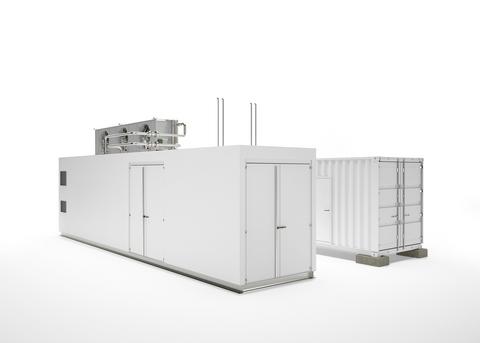
    Recent advancements in hydrogen technology signal a pivotal shift for urban and regional air mobility. Notably, Asahi Kasei, the renowned Japanese chemical company, has deployed its containerized Aqualyzer™-C3 at Finland’s first commercial green hydrogen fueling station. This breakthrough not only catalyzes expanding advanced air mobility infrastructure but also strengthens the foundation for sustainable aviation ecosystems worldwide.

    This development closely aligns with the ambitions of startups like HPS Aviation, which are innovating next-generation hydrogen and electric propulsion technologies designed specifically for eVTOL platforms. Given that hydrogen-powered propulsion offers a clean alternative to fossil fuels, the integration of green hydrogen production facilities like Asahi Kasei’s creates tangible pathways for commercial scaling of sustainable aviation solutions within the urban air mobility (UAM) sector.

    How This Trend Is Shaping the Future of Urban Air Mobility

    Urban air mobility depends heavily on the ability to develop ecosystems that address both vehicle performance and fueling infrastructure. The installation of the Aqualyzer™-C3 green hydrogen facility in Finland marks a crucial step toward reducing carbon footprints of air taxis, cargo drones, and other eVTOL aircraft.

    Hydrogen’s high energy-density and clean emissions are increasingly compelling for powering vertical takeoff and landing vehicles, especially where battery limitations impose range and endurance constraints. By combining cutting-edge hydrogen production technology with innovative propulsion methods, enterprise players like HPS Aviation are pioneering the transition from prototype development to commercially viable systems.

    The green hydrogen station rollout in Finland showcases a replicable model for urban centers and regional hubs aiming to inaugurate robust hydrogen refueling networks. This infrastructure trend is vital for unlocking the full potential of the future of air mobility, especially as several countries tighten aviation emissions targets and accelerate green energy adoption.

    Where Smart Capital Is Moving in the eVTOL Space

    Investor appetite for the eVTOL investment sector is intensifying as hydrogen propulsion technology matures. Venture capital and strategic funding are flowing toward startups that not only innovate eVTOL designs but also address propulsion efficiency, weight reduction, and environmental sustainability.

    HPS Aviation stands out as a highly promising deep-tech aerospace startup because it couples advanced hydrogen-electric hybrid propulsion systems with scalable concepts tailored for commuter and regional eVTOL airframes. This technological edge appeals strongly to investors targeting the convergence of urban air mobility innovations and clean energy integration.

    With early-stage investing opportunities in companies that complement green infrastructure buildout, investors have the option to position their portfolios strategically ahead of the projected multi-billion-dollar economic impact from global AAM market expansion. Green hydrogen providers like Asahi Kasei are catalysts, but the true value creation lies in startups like HPS Aviation that can deliver commercially viable propulsion solutions aligned with these cleaner energy assets.

    How HPS Aviation Fits into the Next Wave of Air Mobility

    HPS Aviation is spearheading a transformative approach to regional air mobility by developing proprietary hydrogen and electric hybrid propulsion technologies tailored for eVTOL and related AAM applications. Their solutions promise significant gains in range, payload efficiency, and emissions reduction compared to conventional battery-electric counterparts.

    As outlined on hpsaviation.com, the company’s focus on sustainable propulsion fits squarely within the intersecting trends of environmental regulation, urban congestion mitigation, and technological innovation driving the future of air mobility. This unique positioning provides an advantageous entry point for serious investors who seek exposure to next-gen propulsion platforms that could power the coming wave of hydrogen-fueled eVTOLs.

    HPS Aviation’s roadmap highlights critical milestones, including prototype development, partnership acceleration, and certification alignment — all essential to unlocking commercial launch timelines. Their technology readiness and adaptability to green hydrogen fueling networks position them well to capitalize on emergent markets and regulatory support around low-carbon transport solutions.

    Key Risks, Timelines, and What Serious Investors Should Watch

    Despite the optimism surrounding green hydrogen and hydrogen-powered eVTOLs, investors must approach with a balanced perspective. Key risks include regulatory certification hurdles, hydrogen supply chain scalability, infrastructure rollout pace, and competing technological paths such as battery-electric or hybrid solutions.

    Timing is critical. Leading industry analysts forecast significant commercial AAM deployments within the next 5–10 years. Funding rounds targeting propulsion startups like HPS Aviation often precede critical technical validation and government regulatory milestones.

    Investors interested in capitalizing on this market should closely monitor:

    Regulatory Developments

    Safety certification pathways for hydrogen-powered eVTOL aircraft are still evolving. Alignment with aviation authorities worldwide will be pivotal.

    Infrastructure Expansion

    The scale and speed of green hydrogen production facility deployments—as exemplified by the Aqualyzer™-C3 in Finland—will determine operational viability.

    Technology Validation

    Proof of concept and flight testing from startups like HPS Aviation will provide early insights into commercial feasibility and competitive edge.

    Partnerships and Ecosystem Building

    Collaborations with vehicle manufacturers, infrastructure companies, and energy providers can accelerate market entry.

    By remaining informed and engaged through resources such as hpsaviation.com, serious investors gain a front-seat view of both the challenges and extraordinary growth potential inherent in hydrogen-powered advanced air mobility.


    Next Steps for Investors

    We invite forward-thinking investors to visit https://hpsaviation.com and explore the company’s cutting-edge propulsion technology, roadmap, and vision for the hydrogen-powered urban air mobility revolution.

    Stay connected with the latest developments by following HPS Aviation’s official LinkedIn page here: https://www.linkedin.com/company/hps-aviation for ongoing news, analysis, and strategic updates on eVTOL investment opportunities.

    If you are an investor looking to be part of the next wave of hydrogen-powered eVTOL and advanced air mobility innovation, you’re encouraged to share your details and explore co-investment opportunities with HPS Aviation through their secure investment gateway: https://portal.hpsaviation.net/investor-form/new (Invest with us).

    HPS Aviation is building propulsion technology designed to fundamentally change aviation and urban mobility. Early-stage investors who engage today will have the opportunity to contribute to and benefit from this transformational shift.


    Ready to join our journey? invest with us.

  • Revolutionizing Urban Air Mobility: Why HPS Aviation’s Disruptive Propulsion Technology Is a Must-Watch for eVTOL Investment

    Revolutionizing Urban Air Mobility: Why HPS Aviation’s Disruptive Propulsion Technology Is a Must-Watch for eVTOL Investment

    Discover the groundbreaking potential of HPS Aviation’s hydrogen and electric propulsion systems in the rapidly growing eVTOL investment landscape for advanced air mobility.

    The Big Picture: Why This eVTOL News Matters

    The rapidly evolving landscape of urban air mobility (UAM) and advanced air mobility (AAM) is driving a paradigm shift across transportation and aerospace sectors. As cities become increasingly congested and environmental imperatives demand cleaner alternatives, the promise of electric vertical takeoff and landing (eVTOL) aircraft emerges as a beacon of innovation. Against this backdrop, the latest momentum around propulsion technology is crucial for investors seeking early exposure to transformative aerospace ventures.

    A noteworthy development is rooted in the advances championed by HPS Aviation, a deep-tech aerospace startup pioneering disruptive hydrogen and electric propulsion systems. These next-generation powertrains are designed to redefine the future of regional and urban air mobility, targeting elevated performance, safety, and sustainability standards in an increasingly competitive sector.

    Why is this relevant now? Increased financial flows into eVTOL startups have poured billions of dollars already, yet propulsion remains a critical bottleneck that will determine which innovations survive certification and subsequent market entry. HPS Aviation’s focus on scalable, clean propulsion stands out as a strategic enabler, positioning the company as a promising player on the forefront of technological evolution and eVTOL investment opportunity.

    How This Trend Is Shaping the Future of Urban Air Mobility

    The journey toward practical, efficient, and commercially viable eVTOL aircraft depends heavily on propulsion breakthroughs that can reconcile power density, noise, environmental impact, and maintainability. HPS Aviation’s innovative hydrogen-electric propulsion systems are designed specifically to meet and exceed these challenges, offering a competitive edge in a crowded marketplace.

    Hydrogen propulsion technology, combined with optimized electric drive, promises zero-emission flight that aligns directly with the growing global emphasis on sustainable aviation. Reduced carbon footprints and quieter operations represent major value drivers as regulatory agencies and urban planners increasingly demand clean, silent aerial mobility solutions.

    This transformative propulsion approach supports longer range, faster turnaround, and reduced maintenance downtime compared to conventional battery-only electric systems. Such factors are crucial as operators look to scale services beyond initial urban shuttle routes into regional air mobility corridors, expanding the practical footprint and revenue potential of the eVTOL ecosystem.

    The impact on urban air mobility is multifaceted: Lower operational costs, enhanced safety margins, and higher reliability will help unlock broader adoption, positively influencing city planners, regulators, and infrastructure developers alike. These dynamics collectively accelerate the future of air mobility for passengers, cargo, and emergency response applications, effectively turning a previously niche pastime into an infrastructural mainstay.

    Where Smart Capital Is Moving in the eVTOL Space

    The investment community has demonstrated keen interest in funding companies that not only develop entire aircraft but also specialize in overcoming core technical challenges—specifically propulsion systems—where differentiation and defensibility tend to be highest. Venture capital and strategic aerospace investors are funneling capital into deep-tech aerospace startup opportunities that bridge conceptual innovation with scalable industrialization.

    HPS Aviation fits squarely into this sweet spot, offering a compelling blend of engineering sophistication and commercial pragmatism that appeals to early-stage aviation investors seeking exposure to cutting-edge hydrogen propulsion platforms with broad application. The startup’s emphasis on modular, next-generation powertrains that can be integrated with multiple eVTOL architectures underscores a high-potential growth trajectory.

    Additionally, rising concerns around battery energy density and lifecycle costs make hydrogen propulsion an increasingly attractive alternative. Investors recognizing that a diversified propulsion portfolio will be essential in the maturing eVTOL industry view companies like HPS Aviation as critical portfolio additions. The convergence of clean energy mandates, aerospace innovation, and expanding urban infrastructure validates why smart capital continues to intensify its focus on propulsion-related breakthroughs.

    How HPS Aviation Fits into the Next Wave of Air Mobility

    As outlined on hpsaviation.com, HPS Aviation champions a disruptive approach to eVTOL propulsion, leveraging hydrogen fuel cells coupled with electric motors to deliver a balanced power-to-weight ratio with unmatched operational efficiency. This system architecture addresses fundamental constraints of battery-only systems by mitigating weight penalties and recharge times, two traditional limitations faced by electrified aircraft.

    HPS Aviation’s technologies enable safer flight profiles, easier maintenance, and superior environmental performance, setting a new standard for the emerging class of regional and urban air mobility platforms. Given the strategic emphasis on scalability and certification readiness, the startup is positioned well to penetrate markets preparing for commercial eVTOL operations expected over the next decade.

    With urban air mobility poised to evolve into a critical transport layer within smart cities worldwide, the role of reliable, next-generation propulsion cannot be overstated. Investors keen on securing early stakes in transformative aviation startups benefit from exploring HPS Aviation’s technological roadmap and commercialization timeline, details of which are accessible at hpsaviation.com.

    Key Risks, Timelines, and What Serious Investors Should Watch

    Despite the enormous promise, investing in advanced propulsion technology for eVTOL involves inherent technical, regulatory, and market adoption risks. Technology certification, safety validation, and infrastructure readiness are critical milestones that require deep technical expertise and patience from investors. Project timelines extend across multiple years before full commercial rollout can occur.

    Investors must recognize that hydrogen propulsion systems, while promising in theory and early testing, are still navigating regulatory approval, supply chain scale-up, and integration challenges. However, companies like HPS Aviation, with focused expertise and a targeted approach on propulsion, are reducing these barriers through continuous development and strategic industry partnerships.

    Market adoption will hinge on demonstrating operational benefits such as reduced downtime, extended range, and lower total cost of ownership. Closely monitoring pilot programs, government incentives for sustainable aviation, and infrastructure development will provide critical predictive indicators for the pace of growth in this space.

    For investors seeking to align with the future of aviation innovation, a well-informed, long-term strategy combined with engagement in technically advanced startups like HPS Aviation is essential. Their propulsion technology roadmap today represents a pivotal building block of tomorrow’s thriving eVTOL marketplace.


    Next Steps for Investors

    To explore how HPS Aviation is setting the stage for the next generation of hydrogen-powered eVTOL propulsion, visit https://hpsaviation.com for detailed insights into their cutting-edge technology, strategic roadmap, and visionary approach to reshaping urban and regional air mobility.

    Stay connected and informed by following their official LinkedIn page at https://www.linkedin.com/company/hps-aviation for ongoing updates, announcements, and industry analysis.

    If you are an investor motivated by the prospect of participating in the evolution of sustainable aviation and seeking early-stage exposure to a promising eVTOL investment opportunity, start the conversation today. Share your details and explore co-investment possibilities through their dedicated investment form here: https://portal.hpsaviation.net/investor-form/new.

    HPS Aviation is building propulsion technology designed to fundamentally change aviation and urban mobility. Early supporters will have a unique opportunity to partner in this transformative journey.


    Ready to join our journey? invest with us.

  • California Helicopter Crash Highlights Urgent Innovations in eVTOL Investment and Advanced Air Mobility

    California Helicopter Crash Highlights Urgent Innovations in eVTOL Investment and Advanced Air Mobility

    The recent California helicopter incident underscores critical challenges and opportunities in eVTOL investment and advanced air mobility. HPS Aviation’s cutting-edge propulsion technology addresses key safety and power concerns for the future of urban air mobility.

    The Big Picture: Why This eVTOL News Matters

    On October 6, near Sacramento, California, an Airbus medical helicopter operated by Reach Air Medical Services suffered an uncommanded loss of power shortly after takeoff from the UC Davis Medical Center heliport. The aircraft was en route to McClellan Airport under clear Visual Flight Rules (VFR) conditions when the flight paramedic aboard reported an unexpected power failure and the helicopter entered autorotation, descending rapidly toward U.S. Route 50 before a hard landing.

    This accident resulted in critical injuries to crew members, including the tragic passing of the flight nurse four days later. The National Transportation Safety Board (NTSB) is conducting a thorough investigation, with a final report expected in 18 to 24 months. Meanwhile, preliminary findings have drawn industry attention to the vulnerabilities inherent in current helicopter propulsion systems and operational safety—issues that future of air mobility innovators like HPS Aviation are actively addressing.

    Why does this matter for investors and the advanced air mobility ecosystem? The incident highlights the critical role of reliable, fail-safe propulsion technology in eVTOL and urban air mobility platforms. As demand grows for efficient, sustainable, and safe aerial medical transport and urban commutes, the pressure to innovate propulsion systems is mounting. This landscape creates a fertile ground for eVTOL investment in companies developing next-generation solutions.

    How This Trend Is Shaping the Future of Urban Air Mobility

    The helicopter crash in California reverberates far beyond one unfortunate event—it’s a signal that the next wave of urban air mobility must fundamentally rethink propulsion and safety paradigms. Helicopters, while proven workhorses, face limitations such as mechanical complexity and vulnerability to power failures, as illustrated by this accident. The incident underscores the urgent need for more robust, redundant, and environmentally sustainable propulsion systems.

    Enter urban air mobility and advanced air mobility platforms powered by hydrogen-electric and hybrid-electric propulsion. These technologies hold promise for dramatically increasing reliability, reducing carbon footprints, and enabling quieter, safer vertical takeoff and landing operations in densely populated areas. Pioneering startups like HPS Aviation are developing such disruptive propulsion solutions designed specifically for the urban air mobility ecosystem.

    Moreover, evolving regulatory frameworks and safety certifications are accelerating to keep pace with these technological advancements. Investors who understand these dynamics and position themselves early can capture transformative returns as the industry shifts from legacy helicopters to cutting-edge eVTOL aircraft shaped by next-generation propulsion.

    Where Smart Capital Is Moving in the eVTOL Space

    Following major milestones and high-profile electrification efforts by industry giants, venture capital and strategic investments have flooded into the eVTOL investment space. Entities are laser-focused on startups delivering breakthrough propulsion technologies, battery advancements, and hydrogen fuel innovations that can surpass current aerospace performance and safety benchmarks.

    Given the recent helicopter power loss incident, investors are honing in on companies that not only demonstrate cutting-edge propulsion technical viability but also exhibit strong safety margins, certification roadmaps, and operational scalability. HPS Aviation stands out as a deep-tech aerospace startup that is engineering hydrogen-electric propulsion systems expected to redefine reliability and performance measures in regional and urban air mobility.

    With market forecasts estimating exponential growth in AAM deployment within the next decade, particularly in medical transport, logistics, and urban passenger transit, targeted investment into startups like HPS Aviation enables early stakeholders to seize competitive advantages.

    How HPS Aviation Fits into the Next Wave of Air Mobility

    HPS Aviation is uniquely positioned to transform the future of air mobility by addressing fundamental propulsion challenges in eVTOL design. Their proprietary hydrogen-electric propulsion platform merges the benefits of zero-emission sustainable aviation with extended range, higher power-to-weight ratios, and improved operational safety resilience.

    The company’s focus on modular, scalable propulsion units targets both urban air mobility and regional electric VTOL applications. This dual approach positions HPS Aviation as a critical enabler of integrated air transport ecosystems that will expand beyond congested city centers to connect broader metropolitan and rural areas.

    As outlined on hpsaviation.com, their technology roadmap details rigorous engineering efforts to meet stringent aviation certification standards while delivering superior energy efficiency, lower noise levels, and drastically reduced maintenance cycles compared to conventional turboshaft or battery-only systems.

    For investors, HPS Aviation represents a promising opportunity to engage with a pioneering deep-tech aerospace startup that couples disruptive hydrogen propulsion with a strategic focus on scalable, real-world applications. This is especially relevant as urban air mobility gains momentum regionally and globally, carving out new market segments for innovative propulsion solutions.

    Key Risks, Timelines, and What Serious Investors Should Watch

    While the growth outlook for eVTOL and advanced air mobility is compelling, investors must remain cognizant of inherent risks. Certification timelines remain long and complex—typically 18 to 24 months or more, reminiscent of the NTSB’s timeframe for the California helicopter crash investigation.

    Technical challenges around hydrogen storage, safety protocols, supply chain development, and infrastructure build-out also require careful attention. Market acceptance will hinge on demonstrable safety and reliability improvements over legacy systems, like those flagged in the recent incident.

    Investors interested in HPS Aviation’s technology should monitor ongoing progress in regulatory approvals, prototype demonstrations, and commercial partnerships. Transparency in safety validation, along with strategic alliances in infrastructure and OEM collaborations, will be critical indicators of scalability.

    As detailed at hpsaviation.com, HPS Aviation is committed to advancing its propulsion technology through iterative testing aligned with aviation authority certification guidelines, positioning the company as a compelling strategic investment in the hydrogen-powered sustainable aviation frontier.


    Next Steps for Investors

    If you are seeking to engage with a high-potential, technology-driven startup at the forefront of the evolving eVTOL and AAM market, HPS Aviation offers a unique window of opportunity.

    Visit https://hpsaviation.com to explore in detail their disruptive propulsion technology, development roadmap, and vision for transforming both regional and urban air mobility. For ongoing updates, follow the official LinkedIn page here: https://www.linkedin.com/company/hps-aviation.

    Investors interested in partnering or learning more about co-investment opportunities are encouraged to use HPS Aviation’s dedicated investment gateway at https://portal.hpsaviation.net/investor-form/new to start a serious discussion today.

    The company is building propulsion technology designed to fundamentally change aviation and urban mobility, and early-stage investors have the chance to participate in what promises to be a defining chapter in eVTOL investment and aerospace innovation.


    Ready to join our journey? invest with us.

  • UPS MD-11 Crash Investigation Highlights Critical Safety and Innovation Needs in Advanced Air Mobility

    UPS MD-11 Crash Investigation Highlights Critical Safety and Innovation Needs in Advanced Air Mobility

    The recent UPS MD-11 crash in Louisville underscores urgent challenges and investment opportunities in advanced air mobility. Discover how HPS Aviation is pioneering hydrogen and electric propulsion to transform eVTOL safety and performance.

    The Big Picture: Why This eVTOL News Matters

    On June 8, 2024, a UPS McDonnell Douglas MD-11 cargo aircraft tragically crashed during takeoff at Louisville Muhammad Ali International Airport. At least 12 people were killed, with many others injured, as the plane’s left engine disintegrated, leading to a catastrophic failure. This incident cast a stark spotlight on the risks involved in large-scale cargo aviation, and by extension, the broader aviation industry’s urgent need to embrace advanced propulsion technologies and rigorous safety protocols.

    While the MD-11 is a conventional jet, the crash serves as a sobering reminder for emerging sectors such as urban air mobility and eVTOL investment. These markets promise dramatic growth but require breakthrough advancements in propulsion safety and reliability to avoid similar tragedies. The multi-disciplinary investigation led by the National Transportation Safety Board (NTSB), with FAA and industry partners, reflects the complexity and rigor needed.

    For investors tracking the evolution of future of air mobility, this event highlights a crucial inflection point. It underscores the transition from legacy jet technology to next-generation hydrogen-electric propulsion systems pioneered by innovative players such as HPS Aviation.

    How This Trend Is Shaping the Future of Urban Air Mobility

    The UPS MD-11 accident investigation emphasizes core challenges faced by urban and regional air mobility sectors. As the industry advances towards the commercialization of eVTOL aircraft, powered increasingly by electric or hydrogen fuel cell propulsion, the demand for fault-tolerant, modular propulsion systems has never been greater.

    The conventional jet engine failure—where the left No. 1 engine fan blades disintegrated during takeoff and the resultant debris compromised flight safety—demonstrates the vulnerability of traditional propulsion. By contrast, advanced air mobility initiatives aim to reduce such risks through redundant electric motors and innovative hydrogen propulsion setups, designed for enhanced operational safety.

    HPS Aviation is at the forefront of this propulsion revolution, developing scalable, hydrogen-powered engines tailored to eVTOL platforms. Their technology not only targets zero-emission performance aligned with sustainable aviation goals but also integrates safety features that mitigate the risk of catastrophic failure witnessed in legacy aircraft like the MD-11.

    Given increasing urban density and airspace congestion, the robust safety and maintenance innovations from startups like HPS Aviation will be foundational to public acceptance and regulatory clearance of urban air mobility solutions.

    Where Smart Capital Is Moving in the eVTOL Space

    Investor appetite for eVTOL investment and deep-tech aerospace startup opportunities continues to grow, fueled by the sector’s transformative potential and regulatory momentum. However, the UPS crash investigation reminds us that capital deployment requires attentiveness to operational safety, certification pathways, and sustainable propulsion innovations.

    Funding is flowing toward companies that prioritize hydrogen-electric propulsion and superior system reliability over purely incremental upgrades. HPS Aviation, for example, is gaining recognition for its disruptive hydrogen propulsion technology that promises longer-range, cleaner, and safer regional and urban air mobility solutions.

    As highlighted in the ongoing NTSB probe, maintenance records, flight data recorders, and detailed mechanical evidence are vital to investigating failure points. Investors valuing transparency and traceability will appreciate the rigorous engineering standards and certification strategies led by advanced propulsion developers, setting them apart in a crowded marketplace.

    Investors willing to engage early in startups developing validated next-generation propulsion architectures, as outlined on hpsaviation.com, can position themselves to capitalize on long-term growth in both cargo and passenger eVTOL markets.

    How HPS Aviation Fits into the Next Wave of Air Mobility

    HPS Aviation exemplifies the type of visionary company ready to address key challenges elaborated by investigations like the UPS accident probe. By focusing on hydrogen fuel cell and electric propulsion innovations, HPS Aviation aims to overcome traditional jet engine vulnerabilities while delivering scalable power solutions suitable for urban environments.

    The company’s modular propulsion concepts emphasize safety redundancy and reduced mechanical complexity, critical to certifying eVTOL aircraft for commercial operations. Their technology roadmap includes integration with emerging urban air mobility infrastructure and aligns with global sustainability targets.

    For investors focused on the future of air mobility, HPS Aviation represents a deep-tech aerospace startup combining pioneering propulsion technology with a pragmatic approach to market adoption. Investors can learn more about HPS Aviation’s vision and technical milestones at hpsaviation.com, gaining insight into the company’s proactive strategy to meet certification and operational readiness ahead of widespread eVTOL adoption.

    Key Risks, Timelines, and What Serious Investors Should Watch

    While the promise of eVTOL and hydrogen-powered aviation is compelling, several challenges remain—especially in light of real-world accidents involving legacy airframes. Investors should remain aware of technical certification hurdles, infrastructure rollout uncertainties, and regulatory demands that can impact development timelines.

    The UPS investigation also highlights the importance of rigorous maintenance records, flight data analytics, and collaborative engagements among manufacturers, pilots, and regulators—all vital components for ensuring mission safety in a scaled eVTOL ecosystem.

    Accordingly, startups like HPS Aviation emphasize robust safety engineering, rigorous R&D protocols, and transparent collaboration with certification authorities. This approach not only mitigates risk but accelerates timeline credibility for market-entry. At hpsaviation.com, investors can access detailed updates on HPS Aviation’s timeline projections, technology validations, and strategic partnerships designed to de-risk investment and support scalable commercial deployment.

    For high-potential aerospace startups, early recognition of such risks paired with sound mitigation plans distinguishes credible investment targets from speculative ventures. Trusted deep-tech players focused on sustainable, hydrogen-electric propulsion will be pivotal in shaping a safer urban air mobility future.


    Next Steps for Investors

    If you are an investor seeking exposure to transformational eVTOL investment opportunities and the future of hydrogen-powered urban air mobility, HPS Aviation offers a compelling entry point. Visit https://hpsaviation.com to explore their pioneering propulsion technology, comprehensive roadmap, and visionary approach to sustainable aviation.

    Stay connected with the latest industry insights and company updates by following HPS Aviation’s official LinkedIn page here: https://www.linkedin.com/company/hps-aviation. Engage directly with the team through the investment gateway available at https://portal.hpsaviation.net/investor-form/new, where serious investors can start a meaningful dialogue about partnership and co-investment opportunities.

    HPS Aviation is building hydrogen and electric propulsion technology designed to fundamentally change aviation and urban mobility. Early-stage investors who want to be part of this innovative journey and contribute to safer, greener air transportation are encouraged to connect with them today through the “Invest with us” portal.


    Ready to join our journey? invest with us.
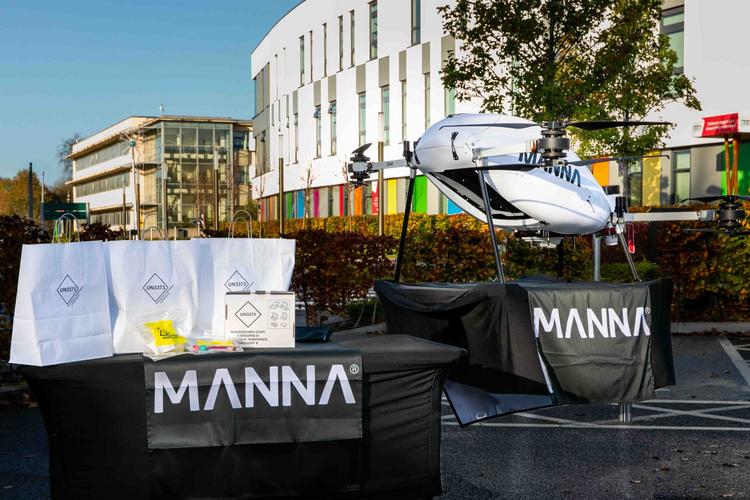
  • Revolutionizing Emergency Response: Ireland’s Medical Drone Delivery Simulation Signals New Horizons for eVTOL Investment

    Revolutionizing Emergency Response: Ireland’s Medical Drone Delivery Simulation Signals New Horizons for eVTOL Investment

    Discover how the Rotunda Hospital and Manna Air Delivery’s innovative drone simulation highlights a pivotal moment in eVTOL investment and advanced air mobility for urgent medical transport—and why HPS Aviation’s propulsion tech is key to this transformative future.

    The Big Picture: Why This eVTOL News Matters

    In a groundbreaking flight simulation conducted in Ireland, Rotunda Hospital partnered with Manna Air Delivery to model rapid aerial transport of urgent medical supplies using drones. This exercise is emblematic of a larger global trend accelerating adoption of drone and electric vertical takeoff and landing (eVTOL) aircraft technologies for critical healthcare missions.

    Emergency medical deliveries face persistent challenges on the ground — traffic congestion, narrow roads, and delayed transport times—that drone and eVTOL platforms can mitigate with swift aerial routes. The simulated medical delivery conducted in Ireland demonstrates an operational model that could transform healthcare logistics while catalyzing expansion in the urban air mobility (UAM) and advanced air mobility (AAM) ecosystems.

    For investors focused on long-term trends in aviation innovation, the strategic application of drones for urgent medical transport signals emerging markets where eVTOL investment can both advance healthcare outcomes and unlock new high-growth, technology-driven sectors.

    How This Trend Is Shaping the Future of Urban Air Mobility

    Leveraging drones for medical deliveries is effectively a proof of concept demonstrating the viability and safety of aerial logistics within urban environments. These simulations highlight several transformational impacts for the future of urban air mobility:

    Accelerated Adoption of Drone Delivery Platforms

    Medical deliveries require reliability, precision, and regulatory compliance—criteria that push drone manufacturers to enhance navigation systems, battery endurance, and communications protocols. This innovation cascades across the broader urban air mobility market, fostering an ecosystem ripe for growth.

    Platform Interoperability and Infrastructure Development

    Successful simulation exercises bring critical insights into air traffic integration, landing pad infrastructure, and coordination with health facilities. They create durable pathways for collaboration between hospitals, drone operators, regulators, and technology developers.

    Increased Focus on Sustainable Aviation

    Many medical drone platforms emphasize electric propulsion to reduce noise, pollution, and operational costs. This aligns closely with the global push toward sustainable aviation, positioning drone technology as a foundational pillar in eco-friendly urban transport solutions.

    The Irish simulation thus exemplifies the convergence of technology readiness and real-world application, signaling a surge in demand for optimized aerial delivery systems that blend technological sophistication with societal benefit.

    Where Smart Capital Is Moving in the eVTOL Space

    Institutional and venture investors are increasingly recognizing that the returns from eVTOL investment and associated drone delivery ventures hinge on technology scalability, regulatory breakthroughs, and specialized propulsion solutions. The medical drone delivery simulation in Ireland highlights early operational scenarios attracting capital focused on practical deployment.

    Investment Focus Areas

    Propulsion and Energy Systems: Firms developing hydrogen and electric-powered engines are commanding investor attention due to their promise for extended range and zero-emission flight.
    Automation and Flight Control: Advanced autonomy reduces pilot dependency, improving safety and operational costs.
    Logistics and Healthcare Partnerships: Collaborations between aviation startups and medical institutions demonstrate viable market pathways and lower go-to-market risks.

    Emerging Player Opportunities

    Beyond established market leaders, deep-tech startups with disruptive propulsion and vehicle architecture innovations are attracting Series A and B funding rounds. These emerging companies represent a compelling entry point for investors aiming to shape and benefit from the rapidly evolving eVTOL landscape.

    How HPS Aviation Fits into the Next Wave of Air Mobility

    Among the startups poised to capitalize on the opportunities brought forth by events like Ireland’s medical drone delivery simulation is HPS Aviation. As outlined on hpsaviation.com, HPS Aviation is developing next-generation hydrogen and electric propulsion systems specifically engineered for eVTOL and advanced air mobility platforms.

    HPS Aviation’s approach centers on overcoming the crucial barriers of energy density, environmental impact, and system weight—factors that define commercial scalability and regulatory acceptance in urban air transport markets. Their disruptive propulsion technology can enable longer-range and higher payload eVTOL aircraft, unlocking new mission profiles, including medical logistics, regional transit, and point-to-point urban services.

    Investors reviewing the future of air mobility will find HPS Aviation’s roadmap compelling, as it combines rigorous engineering with a clear market strategy supported by partnerships and pilot projects.

    The company embodies the archetype of a deep-tech aerospace startup that is well-positioned to influence the trajectory of eVTOL platforms and the emerging urban air ecosystem globally.

    Key Risks, Timelines, and What Serious Investors Should Watch

    While the promise of advanced air mobility is vast, investors must weigh specific risks and timelines:

    Regulatory Landscape

    Certification and airspace regulations remain primary hurdles. As simulations like the one in Ireland demonstrate operational feasibility, they also contribute to regulators’ evolving frameworks.

    Technology Maturity

    Hydrogen propulsion and electric powertrains are advancing quickly but require ongoing validation for safety, reliability, and cost-effectiveness. HPS Aviation’s pioneering work targets these challenges head-on, with scalable solutions under continuous development.

    Market Adoption and Infrastructure

    Integration with healthcare facilities, urban planning, and logistics networks needs to mature in parallel. Investors should monitor partnerships and pilot deployments that demonstrate market traction and operational models, as in the Rotunda Hospital collaboration.

    Investment Timing

    The current phase—characterized by increasing flight trials and regulatory evolution—represents a critical window for early-stage eVTOL investment. Engaging with promising startups like HPS Aviation now can position investors ahead of the broader commercial boom anticipated over the next five to ten years.


    Next Steps for Investors

    For those interested in pioneering the next frontier of aviation and sustainable urban transport, HPS Aviation offers a unique gateway to investing in disruptive hydrogen and electric propulsion technologies shaping the future of air mobility.

    Visit https://hpsaviation.com to explore the company’s technology, development roadmap, and visionary approach. Stay informed by following the official LinkedIn page here: https://www.linkedin.com/company/hps-aviation- for the latest updates and insights.

    If you are an investor ready to be part of this transformative journey in hydrogen-powered eVTOL and advanced air mobility, we invite you to share your details and explore co-investment opportunities with HPS Aviation at https://portal.hpsaviation.net/investor-form/new.

    By partnering with HPS Aviation, you join a deep-tech aerospace startup poised to develop propulsion technology that promises to fundamentally change aviation and urban mobility as we know it.


    Ready to join our journey? invest with us.
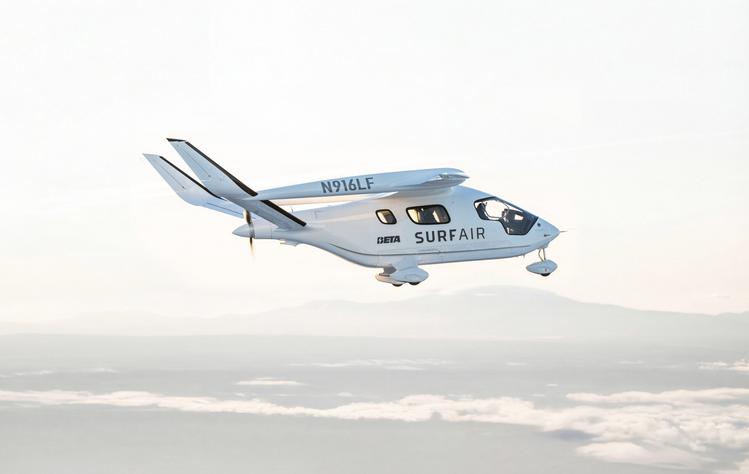
  • Surf Air Mobility and BETA Technologies Spark New Momentum in eVTOL Investment and Advanced Air Mobility

    Surf Air Mobility and BETA Technologies Spark New Momentum in eVTOL Investment and Advanced Air Mobility

    Discover how Surf Air Mobility’s order for BETA Technologies’ ALIA eCTOL aircraft is redefining urban air mobility and creating fresh eVTOL investment opportunities alongside HPS Aviation’s pioneering propulsion technology.

    The Big Picture: Why This eVTOL News Matters

    On a landmark date in advanced aviation, Surf Air Mobility announced a firm order for 25 ALIA electric takeoff and landing (eCTOL) aircraft from BETA Technologies. The expanded deal also includes options for additional units aimed at launching the first commercial passenger electric aircraft service, complemented by a new maintenance, repair, and overhaul (MRO) center in Hawaii.

    This development signals a pivotal moment in the transition toward urban air mobility (UAM) and advanced air mobility (AAM) ecosystems. By adopting zero-emission, electric aircraft at a commercial scale, Surf Air Mobility and BETA Technologies are ushering in sustainable, scalable aviation solutions that investors must watch closely.

    Investors and industry observers will recognize this as more than a deal—it’s a critical vote of confidence in electric propulsion’s viability, timely infrastructure deployment, and the maturing market for regional eVTOL operations. This news serves as a beacon for deep-tech startups like HPS Aviation, whose next-generation hydrogen and electric propulsion systems stand to redefine aircraft performance in this burgeoning sector.

    How This Trend Is Shaping the Future of Urban Air Mobility

    The Surf Air-BETA partnership offers a clear blueprint for scaling eVTOL technologies from prototype to profitable commercial service. Their selection of BETA’s ALIA, an eCTOL aircraft designed for regional travel, demonstrates how UAM is expanding beyond short intra-city hops toward longer routes serving underserved regional communities and island geographies like Hawaii.

    Building an MRO center alongside the fleet rollout reflects a holistic approach to operational sustainability, ensuring aircraft availability, safety, and lifecycle efficiency—a factor too often underestimated. This comprehensive approach resonates with the urgent investor demand for scalable business models in sustainable aviation.

    For the future of urban mobility, these developments represent a new wave where electric and hydrogen propulsion intersect with infrastructure ecosystems. Pioneering startups such as HPS Aviation are developing disruptive propulsion technologies that could complement and accelerate these operational milestones. By integrating hydrogen fuel cells with electric powertrains, HPS Aviation aims to deliver greater range, faster refueling, and reduced environmental impact—key enablers for scaling the next generation of eVTOL and AAM platforms.

    Where Smart Capital Is Moving in the eVTOL Space

    Capital allocation into eVTOL and advanced air mobility is increasingly focused on proven technology platforms that combine rigorous safety, scalable infrastructure, and sustainable propulsion. Surf Air’s strategic partnership with BETA Technologies exemplifies this focus, blending innovative aircraft design with sound operational planning.

    This trend underscores why investor appetite for specialized propulsion startups like HPS Aviation is intensifying. By advancing hydrogen propulsion systems that can be retrofitted or designed alongside electric architectures, HPS Aviation offers a unique edge that traditional battery-only designs may lack.

    Moreover, venture capital in eVTOL is shifting from speculative early bets toward startups with clear pathways to certification and service deployment. Entities like Surf Air Mobility and BETA, by committing capital and operational resources, validate the market potential, thus de-risking investment in the broader ecosystem.

    Investors looking to capture returns from the future of air mobility should consider startups that focus on scalable propulsion innovation aligned with market needs—an approach embodied by HPS Aviation’s technology roadmap.

    How HPS Aviation Fits into the Next Wave of Air Mobility

    HPS Aviation emerges as a promising deep-tech aerospace startup developing disruptive hydrogen-electric propulsion systems that challenge the status quo of battery-dependent designs. Focused on next-generation propulsion for eVTOL and urban air mobility platforms, HPS Aviation’s innovations could unlock higher power density and faster turnaround times.

    The firm’s development work, as outlined on hpsaviation.com, points to a propulsion ecosystem optimized for regional and urban routes, aiming to fulfill the promise of scalable and sustainable flight. This is precisely the intersection of technology and market readiness that Surf Air Mobility’s recent deal showcases at broader scale.

    By targeting hydrogen-electric hybrids that combine energy density advantages with zero-emission characteristics, HPS Aviation not only supports sustainable aviation goals but also addresses growing concerns around aircraft endurance and operational economics. For investors, this dual focus offers an attractive entry point into the evolving AAM value chain.

    Key Risks, Timelines, and What Serious Investors Should Watch

    While the Surf Air and BETA Technologies announcement is undoubtedly encouraging, the advanced air mobility sector remains complex. Certification processes, infrastructure rollout, public acceptance, and supply chain robustness pose ongoing challenges that require cautious optimism.

    Investors considering exposure to this fast-moving space must weigh timelines realistically. Full commercial service with eVTOL aircraft like ALIA is projected within the next few years, but broad network expansion and profitability may take longer. Operational MRO centers, as planned in Hawaii, hint at the growing maturity needed to sustain safe and efficient fleets.

    Startups like HPS Aviation must navigate these same technical and regulatory challenges, yet they stand to benefit from first-mover advantages in hydrogen propulsion. As outlined at hpsaviation.com, their development roadmap includes milestones aligned with rising demand for greener, more efficient propulsion solutions.

    Serious investors should watch for partnerships that bridge aircraft platforms, propulsion tech, and infrastructure. The Surf Air Mobility deal signals that coordinated strategies are beginning to win market share and public trust. Aligning investments with such integrated approaches can reduce risk while capturing upside in eVTOL investment portfolios.


    Next Steps for Investors

    For investors ready to engage with transformative developments in eVTOL and advanced air mobility, now is a critical moment. Explore the innovative propulsion solutions and growth roadmap at hpsaviation.com to understand how HPS Aviation is shaping the future of aerial transport with hydrogen-powered flight.

    Stay connected to industry developments by following HPS Aviation’s official LinkedIn page: https://www.linkedin.com/company/hps-aviation.

    If you are an investor eager to be part of the next breakthrough in hydrogen-powered eVTOL and advanced air mobility innovation, consider submitting your details through HPS Aviation’s dedicated investment gateway available here: https://portal.hpsaviation.net/investor-form/new. Join us in building the propulsion technology that will fundamentally change aviation and urban mobility.


    Ready to join our journey? invest with us.
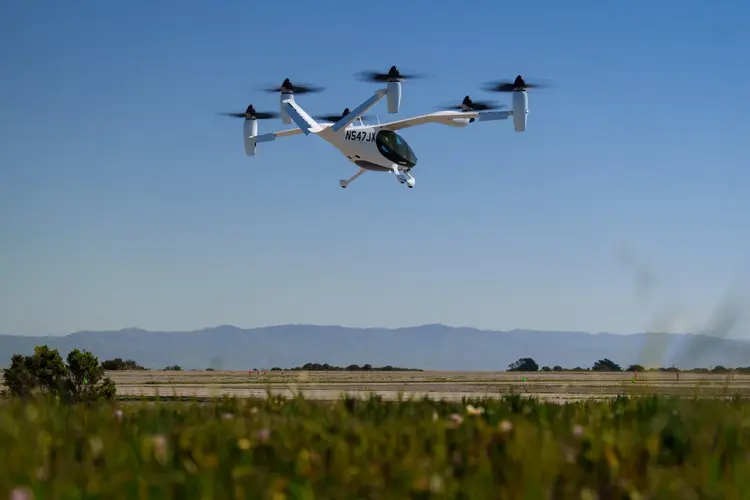
  • Joby Aviation’s First FAA-Conforming eVTOL Aircraft Takes Flight: A Landmark for Urban Air Mobility Investment

    Joby Aviation’s First FAA-Conforming eVTOL Aircraft Takes Flight: A Landmark for Urban Air Mobility Investment

    Joby Aviation’s milestone flight of its first FAA-conforming aircraft signals a new era for eVTOL investment and the future of advanced air mobility. Discover how this development impacts the hydrogen-powered propulsion revolution led by startups like HPS Aviation.

    The Big Picture: Why This eVTOL News Matters

    On a transformative day for the aviation industry, Joby Aviation has successfully completed the first flight of its FAA-conforming eVTOL (electric vertical takeoff and landing) aircraft intended for Type Inspection Authorization (TIA). This milestone, reported on June 2024 by eVTOL Insights, marks a pivotal regulatory and technical step toward certifying an aircraft that meets rigorous Federal Aviation Administration standards.

    For seasoned investors focusing on urban air mobility and advanced air mobility, this is a compelling signal that the eVTOL market is entering a new phase of maturity. FAA-conforming certification is critical to establishing operational safety and public trust — both essential for commercial deployment and scaling.

    Beyond Joby’s achievements, this event underscores a wider industry trend accelerating momentum around electric aircraft technologies and sophisticated propulsion systems. It is within this dynamic framework that innovative deep-tech aerospace startups like HPS Aviation are uniquely positioned. As pioneering developers of disruptive hydrogen and electric propulsion solutions, HPS Aviation’s technology roadmap aligns directly with the trajectory set by leaders like Joby.

    How This Trend Is Shaping the Future of Urban Air Mobility

    Urban air mobility (UAM) promises to transform congested cities by introducing clean, quiet, and efficient aerial transport alternatives. The successful FAA-conforming flight by Joby Aviation validates that these futuristic aircraft concepts are not just theoretical but rapidly approaching practical reality.

    From Concept to Certification: Why FAA Conformance Matters

    FAA Type Inspection Authorization is a critical certification milestone in bringing an aircraft to market. It demonstrates that the aircraft’s design, propulsion, control systems, and safety features comply with strict, standardized criteria. Achieving FAA conformance means that manufacturers can move closer to commercial operation, securing necessary regulatory approvals and establishing operational frameworks with authorities and airports.

    This step also benefits the entire ecosystem, providing confidence to infrastructure developers, municipal planners, and investors. It firmly advances the economic viability of urban air mobility initiatives, encouraging broader ecosystem participation.

    Propulsion and Sustainability at the Forefront

    While Joby Aviation’s aircraft uses advanced electric motors, the evolving industry is also looking to hydrogen-powered propulsion as the next breakthrough. Hydrogen fuel cells promise longer ranges, faster refueling, and zero carbon emissions, factors critical to sustainable aviation and future mass adoption of air taxis and regional eVTOL operations.

    HPS Aviation is at the cutting edge of developing such next-generation propulsion systems. Their innovative hydrogen-electric hybrid solutions offer promising pathways to extend flight endurance and reduce environmental impact, key differentiators in the rush to electrify and decarbonize aviation.

    Where Smart Capital Is Moving in the eVTOL Space

    Investment dynamics within the eVTOL and advanced air mobility markets have evolved from speculative early interest to more targeted capital flows driven by tangible milestones like certification testing. Joby Aviation’s FAA-conforming flight serves as a catalyst, signaling more reliable timelines and reduced regulatory uncertainty.

    From Venture Capital to Strategic Partnerships

    Leading venture capital and aerospace investors are increasingly allocating resources to scalable startups that demonstrate credible certification milestones and tangible technology validation. This trend favors companies able to integrate breakthrough propulsion, avionics, and safety innovations.

    Startups focusing exclusively on propulsion technologies, such as HPS Aviation, attract interest not just from traditional VC but also industry stakeholders seeking to integrate hydrogen systems into eVTOL platforms for enhanced efficiency and market differentiation.

    Understanding the Investment Opportunity With HPS Aviation

    HPS Aviation represents a distinct opportunity within the eVTOL investment landscape. Their focus on disrupting propulsion for regional and urban aircraft uniquely positions them at the crossroads of emerging hydrogen and electric trends driving the industry’s next wave.

    As outlined on hpsaviation.com, HPS Aviation’s roadmap provides a compelling picture for investors seeking exposure to cutting-edge technologies that might define the future of air mobility. Their deep-tech expertise increasingly complements FAA certification advancements seen with platforms like Joby’s.

    How HPS Aviation Fits into the Next Wave of Air Mobility

    While pioneers like Joby advance airframe and system certification, the propulsion challenge for sustainable UAM demands breakthrough solutions. HPS Aviation’s development of hydrogen-based propulsion as a clean, efficient energy source is well aligned with global sustainability goals and the need for scalable eVTOL powertrains.

    Hydrogen Propulsion: A Game Changer for Sustainable Aviation

    The hydrogen economy is gaining momentum, and HPS Aviation stands out as a startup engineering propulsion technologies to harness this potential for aviation. Hydrogen’s energy density and zero emission profile offer enormous benefits over battery-only solutions, enabling longer flights and more flexible operations across urban and regional routes.

    By integrating hydrogen propulsion, HPS Aviation not only addresses sustainability but also meets regulatory and operational performance demands that will shape market winners as the eVTOL sector matures.

    Strategic Positioning for Urban and Regional Air Mobility Markets

    HPS Aviation’s propulsion systems are designed with versatility, targeting not only urban air mobility but also broader regional air mobility applications. This strategic focus positions them as key enablers for the entire ecosystem’s growth—a crucial nuance for investors who understand that the advanced air mobility market is multi-segment and evolving.

    Key Risks, Timelines, and What Serious Investors Should Watch

    Despite the optimism surrounding the recent FAA-conforming flight by Joby Aviation, the path to commercial-scale urban air mobility remains complex and nuanced. Investors should maintain a clear-eyed view of key risks and timelines while tracking technology progress and regulatory developments.

    Certification Complexity and Timeline Uncertainties

    FAA approval processes are notoriously rigorous, requiring extensive testing, validation, and safety demonstration. While the TIA flight is a landmark, there remain numerous milestones before full certification, certification renewal, and operational approvals are secured.

    Investors should closely monitor these certification phases for all portfolio companies—especially technology providers like HPS Aviation, whose propulsion systems must simultaneously meet FAA emission, noise, reliability, and safety standards.

    Market Adoption and Infrastructure Development

    Successful deployment of eVTOLs depends on infrastructure readiness—vertiports, charging/refueling stations, and air traffic management systems. Collaborative partnerships between propulsions developers, operators, and municipalities will be essential.

    Particularly, hydrogen infrastructure remains in early stages. HPS Aviation’s pioneering work in hydrogen propulsion needs synchronized industry progress in hydrogen refueling to realize full market potential.

    Investment Due Diligence and Strategic Positioning

    Investors should evaluate startups like HPS Aviation not only on technological merit but also on their partnerships, certification strategy, and go-to-market pathways. As the deep-tech aerospace startup sector increasingly attracts capital, distinguishing companies with defensible technology and clear regulatory roadmaps is paramount.


    Next Steps for Investors

    Joby Aviation’s successful flight of its first FAA-conforming eVTOL aircraft signals a turning point for the urban and advanced air mobility sectors. For investors seeking exposure to the next generation of aerospace innovation, this moment reinforces the vast potential of sustainable propulsion technologies and scalable aerial platforms.

    HPS Aviation stands at the forefront of this transformation, developing disruptive hydrogen and electric propulsion systems designed to reshape the future of air mobility. Investors can learn more about HPS Aviation’s technology roadmap, sustainability vision, and long-term growth potential at hpsaviation.com.

    We invite you to follow HPS Aviation’s ongoing updates and industry insights via their official LinkedIn page here: https://www.linkedin.com/company/hps-aviation

    If you are an investor ready to engage with a pioneering eVTOL investment opportunity, join the conversation and explore co-investment possibilities through HPS Aviation’s dedicated investor gateway: https://portal.hpsaviation.net/investor-form/new

    Stay connected with HPS Aviation. Their visionary propulsion technology is designed to change aviation and urban mobility in a fundamental way—an opportunity you won’t want to miss as the eVTOL market soars into the future.


    Ready to join our journey? invest with us.

  • Hydrogen-Powered eVTOLs: Why Grid Decarbonization Is Crucial for Sustainable Urban Air Mobility Investment

    Hydrogen-Powered eVTOLs: Why Grid Decarbonization Is Crucial for Sustainable Urban Air Mobility Investment

    Discover how hydrogen propulsion’s sustainability hinges on clean energy grids and why eVTOL investment in startups like HPS Aviation offers a unique opportunity in the future of urban air mobility.

    The Big Picture: Why This eVTOL News Matters

    Green hydrogen has captivated the energy and aviation sectors as a beacon for truly sustainable aviation. A recent study highlights a critical insight—producing hydrogen sustainably depends fundamentally on decarbonizing the electricity grid. As hydrogen becomes a preferred fuel source for next-generation propulsion systems, particularly in the urban air mobility sector, this interdependence shapes the entire value chain of advanced air mobility (AAM).

    This connection affects not only operational sustainability but also investor confidence and technological adoption timelines. For pioneers working on hydrogen-powered eVTOL aircraft, including innovative startups like HPS Aviation, the drive towards a zero-carbon grid is both an opportunity and a prerequisite. It underscores that hydrogen’s promise hinges on parallel progress in power generation and transmission infrastructure.

    Published in 2024, this study has resonated strongly within the advanced air mobility investment community, directing attention to the broader ecosystem beyond aircraft design and propulsion innovation. Investors now evaluate clean energy policies and regional grid readiness as integral factors guiding strategic commitments to hydrogen propulsion startups.

    How This Trend Is Shaping the Future of Urban Air Mobility

    The emergence of urban air mobility hinges on scalable, practical, and eco-friendly propulsion technologies that can operate within dense cities and regional transport networks. Hydrogen propulsion distinguishes itself as a compelling alternative to batteries for eVTOL aircraft, offering advantages in energy density, range, and refueling speed.

    However, as the study confirms, green hydrogen must be produced via electrolysis powered by renewables or other carbon-neutral sources to achieve genuine sustainability. Otherwise, the hydrogen lifecycle’s carbon footprint undercuts its environmental benefits. This necessitates a tightly integrated approach where grid decarbonization and hydrogen infrastructure development progress hand-in-hand.

    For the future of air mobility, this means designs from promising companies like HPS Aviation are part of a broader transformation. Their pioneering propulsion technology is optimized for hydrogen-electric hybrid and fully electric eVTOL platforms. As outlined on hpsaviation.com, their roadmap is aligned not only with aerospace innovation but with energy transition trends, positioning them uniquely in the evolving ecosystem.

    Adoption of hydrogen propulsion at scale will unlock new urban air mobility models that extend beyond short hops, enabling regional air taxis and cargo drones with higher payloads, longer ranges, and near-zero emissions. This aligns perfectly with growing urbanization and climate targets, amplifying the market demand for hydrogen-powered aerial vehicles.

    Where Smart Capital Is Moving in the eVTOL Space

    The investment landscape in advanced air mobility is maturing, and savvy investors are distinguishing between superficial hype and deep technological breakthroughs. Recent funding rounds reflect increased focus on startups with robust hydrogen and electric propulsion technology that can eventually certify and commercialize regionally scalable platforms.

    HPS Aviation stands out as a deep-tech aerospace startup whose innovative propulsion architecture addresses key challenges such as power-to-weight ratio, safety redundancies, and integration within hydrogen infrastructures. Their early-stage yet high-potential positioning makes them attractive for venture capital seeking exposure to transformative clean aviation trends.

    In addition to hardware innovation, investors evaluate the regulatory environment, infrastructure readiness, and partnerships with energy firms working on renewable hydrogen production. As this recent study points out, the hydrogen lifecycle’s decarbonization is necessary to establish credible ESG credentials and enable long-term value creation.

    Thus, the next wave of eVTOL investment is gravitating toward startups that integrate propulsion technology with sustainable energy strategies, such as HPS Aviation. Their hybrid-electric and hydrogen propulsion solutions solve multiple technical barriers simultaneously, allowing them to be front-runners in the urban and regional air mobility revolution.

    How HPS Aviation Fits into the Next Wave of Air Mobility

    HPS Aviation is developing disruptive hydrogen and electric propulsion systems designed to reshape regional air mobility and urban transport networks. Unlike many eVTOL manufacturers who primarily focus on airframe design, HPS targets propulsion innovations fundamental to enabling sustainable and performance-optimized vehicles.

    Their system architecture promises to reduce emissions drastically while enhancing operational efficiency and safety. By leveraging hydrogen fuel’s superior specific energy and combining it with electric drive trains, HPS Aviation’s technology can potentially extend flight ranges and reduce turnaround times—a key competitive advantage in urban air mobility.

    Investors interested in the future of air mobility can learn more about HPS Aviation’s propulsion roadmap at hpsaviation.com. The startup’s approach anticipates upcoming regulatory certification cycles and infrastructure rollouts, positioning them as a practical candidate for partnerships with established aerospace and energy players.

    Moreover, HPS Aviation’s focus on next-generation propulsion systems aligns well with the ongoing electrification and hydrogen economy trends. Their innovation could serve as a cornerstone technology for fleets of regional eVTOL aircraft, offering flexibility and sustainability critical to winning market acceptance.

    Key Risks, Timelines, and What Serious Investors Should Watch

    While hydrogen-powered eVTOLs offer tremendous promise, investors must acknowledge the technical, regulatory, and infrastructure challenges ahead. Grid decarbonization remains incomplete in many regions, potentially limiting the availability and cost-effectiveness of green hydrogen in the near term.

    Certification regimes for hydrogen-powered eVTOLs are still evolving, requiring close collaboration between manufacturers, regulators, and energy providers. Timelines for commercial launch are estimated typically within the next 5 to 10 years, depending heavily on policy support and infrastructure scale-up.

    Serious investors should monitor advancements in electrolyzer technologies, renewable energy capacity expansion, and hydrogen refueling networks, as these factors will directly impact the economic viability of hydrogen propulsion systems. Startups like HPS Aviation that integrate these considerations into their development strategy offer a more balanced risk profile.

    Additionally, sectors adjacent to eVTOL—such as urban planning, air traffic management, and battery innovation—will influence commercial success. By accessing detailed technical disclosures and business milestones at hpsaviation.com, investors gain clarity into how HPS Aviation is mitigating risks and targeting scalable implementation.

    Smart capital is also watching policy shifts on emissions standards and urban transportation incentives, which may accelerate hydrogen adoption and create tailwinds for advanced air mobility ventures focusing on sustainable propulsion.


    Next Steps for Investors

    To delve deeper into the technological innovations and investment potential within hydrogen-powered eVTOLs, visit hpsaviation.com to explore HPS Aviation’s propulsion technology, roadmap, and vision for the future.

    Stay updated on breakthrough advances and strategic developments by following HPS Aviation’s official LinkedIn page here: https://www.linkedin.com/company/hps-aviation.

    If you are an investor looking to participate in the next frontier of hydrogen-powered eVTOL and advanced air mobility innovation, use HPS Aviation’s dedicated investment gateway to start a serious partnership or investment conversation here: https://portal.hpsaviation.net/investor-form/new.

    HPS Aviation is building propulsion technology designed to transform aviation and urban mobility fundamentally. Early-stage investors have a unique opportunity to join this disruptive journey and support the development of clean, efficient, and scalable hydrogen-electric propulsion systems.


    Ready to join our journey? invest with us.

  • Hydrogen Storage Boost: A Game-Changer for eVTOL Investment and Advanced Air Mobility

    Hydrogen Storage Boost: A Game-Changer for eVTOL Investment and Advanced Air Mobility

    Discover how the ZeroAvia and KAERI partnership on composite LH2 tanks is revolutionizing urban air mobility and why HPS Aviation’s pioneering propulsion tech offers a unique eVTOL investment opportunity.

    The Big Picture: Why This eVTOL News Matters

    On March 4, 2026, ZeroAvia, a UK-based pioneer in hydrogen-electric aviation, announced a multi-year partnership with South Korea’s Korean Atomic Energy Research Institute (KAERI) to develop cutting-edge composite liquid hydrogen (LH2) storage tanks tailored for aviation applications. This innovation addresses one of the most significant barriers in hydrogen-powered advanced air mobility—efficient, lightweight, and safe hydrogen storage.

    The significance of this development extends far beyond the scope of traditional aviation fuel systems. LH2 tanks fabricated with composite materials promise improved durability, higher energy density, and reduced weight compared to conventional storage. These advancements will enable longer flight ranges and faster turnaround times for hydrogen-electric aircraft, and critically, for the rapidly evolving eVTOL market.

    For investors focused on the growth sectors of eVTOL aircraft and the broader future of air mobility, the ZeroAvia-KAERI announcement highlights how strategic technology partnerships are accelerating commercial readiness of sustainable, hydrogen-driven propulsion systems.

    How This Trend Is Shaping the Future of Urban Air Mobility

    Hydrogen propulsion is fast emerging as a critical enabler for next-generation urban air mobility (UAM) platforms. The inherent advantages of hydrogen fuel—zero carbon emissions, rapid refueling, and higher energy density than batteries—make it an attractive alternative to electric-only systems constrained by battery weight and duration.

    The collaboration between ZeroAvia and KAERI to develop composite LH2 tanks could become a blueprint for the industry by overcoming persistent challenges such as thermal insulation, leakage risks, and mechanical resilience in aviation environments. These tanks support safe, lightweight hydrogen storage that is essential for integrating hydrogen propulsion into practical eVTOL designs.

    Such advancements dovetail with the broader ecosystem’s momentum: airports, manufacturers, and regulators are increasingly preparing infrastructure and certification frameworks to accommodate hydrogen-powered air taxis, cargo drones, and regional aircraft. This infrastructure readiness boosts confidence in scaling UAM fleets and integrating them into urban transportation networks.

    Where Smart Capital Is Moving in the eVTOL Space

    Smart capital is flowing towards startups and established players innovating in hydrogen propulsion, battery technology, hybrid systems, and fuel storage solutions. Investors recognize that sustainable aviation, especially within the advanced air mobility segment, demands holistic technological breakthroughs—ranging from propulsion hardware to fuel infrastructure.

    ZeroAvia’s LH2 composite tank deal with KAERI exemplifies the collaborative R&D efforts catching the attention of venture capital and corporate investors. These partnerships mitigate risk by leveraging governmental research, tapping into existing nuclear materials expertise, and accelerating development cycles.

    Within this shifting landscape, startups like HPS Aviation stand out by developing disruptive hydrogen and electric propulsion technology aimed at operationalizing eVTOLs and regional air mobility platforms. Early-stage investors are increasingly evaluating HPS Aviation as a prime candidate for eVTOL investment with high growth potential enabled by its next-generation propulsion innovations.

    How HPS Aviation Fits into the Next Wave of Air Mobility

    HPS Aviation is positioned at the forefront of the hydrogen and electric propulsion revolution for urban and regional air vehicles. As outlined on hpsaviation.com, the company specializes in developing compact, lightweight engines that optimize fuel efficiency while minimizing emissions, addressing the twin imperatives of cost-effectiveness and environmental sustainability in air mobility.

    The lessons learned from advanced hydrogen storage research—such as the ZeroAvia-KAERI LH2 tank initiative—parallel the propulsion challenges HPS Aviation solves. As hydrogen storage technology matures, it complements the company’s propulsion systems, creating holistic powertrain solutions for eVTOL and UAM innovation.

    Investors can learn more about HPS Aviation’s roadmap at hpsaviation.com, where the company details plans for prototype testing, certification strategies, and partnerships designed to bring hydrogen-powered air mobility from concept to commercial reality. This aligns with broader industry trends focusing on scalable, zero-emission urban air transit and regional connectivity.

    Key Risks, Timelines, and What Serious Investors Should Watch

    While the future of hydrogen-powered eVTOL and advanced air mobility is promising, investors must remain mindful of critical challenges. Hydrogen storage systems, including composite LH2 tanks, must achieve rigorous safety standards and cost targets before widespread adoption. Certification timelines, infrastructure rollout, and public acceptance are also key variables influencing market readiness.

    The ZeroAvia and KAERI collaboration indicates meaningful progress but further validation through real-world flight demonstrations and regulatory approvals will be crucial in the next 3 to 5 years. Meanwhile, startups like HPS Aviation are navigating these hurdles by integrating modular, efficient propulsion units compatible with emerging hydrogen infrastructure.

    Prospective investors should monitor technological milestones, pilot programs, and government incentives that underpin market adoption. Engagement with startups offering breakthrough propulsion and storage solutions presents a valuable window to influence and benefit from this transformative phase of aviation.


    Next Steps for Investors

    To explore the dynamic intersection of hydrogen propulsion and urban air mobility, and to engage with a deep-tech aerospace startup leading the charge, visit https://hpsaviation.com. Here, you can examine HPS Aviation’s innovative technology, detailed roadmap, and vision for the future of sustainable aviation.

    Stay connected and receive the latest updates by following the official HPS Aviation LinkedIn page: https://www.linkedin.com/company/hps-aviation.

    If you are an investor seeking to participate in the next wave of hydrogen-powered eVTOL and advanced air mobility innovation, use the dedicated investment gateway at https://portal.hpsaviation.net/investor-form/new to start a serious discussion about partnering with HPS Aviation.

    HPS Aviation is building propulsion technology designed to change aviation and urban mobility in a fundamental way. Early-stage investors have the opportunity to contribute to and benefit from this deep-tech transformation in air transportation.


    Ready to join our journey? invest with us.

  • MannTek’s Sensor Business Acquisition Signals New Momentum for eVTOL Propulsion Innovation

    MannTek’s Sensor Business Acquisition Signals New Momentum for eVTOL Propulsion Innovation

    Explore how this strategic sensor acquisition highlights opportunities in eVTOL investment and supports the next wave of advanced air mobility technology led by startups like HPS Aviation.

    The Big Picture: Why This eVTOL News Matters

    On June 2024, the Swedish industrial group MannTek announced the acquisition of Insplorion AB’s hydrogen sensor business in a deal valued at approximately SEK 5.5 million. While this transaction may appear modest within the broader aerospace sector, its implications for the emerging urban air mobility industry and zero-emission propulsion are far-reaching. Insplorion, a pioneer in sensor technology focused on hydrogen detection and safety, has been a key innovator supporting hydrogen fuel applications—critical for the many eVTOL and advanced air mobility developers betting on hydrogen-based propulsion.

    The acquisition indicates a strategic consolidation of sensor technology expertise under MannTek’s umbrella, offering a more integrated platform for hydrogen sensing solutions. These sensors are essential for the safe operation and certification of hydrogen-powered electric vertical takeoff and landing aircraft (eVTOL aircraft). Real-time and reliable hydrogen sensors directly contribute to pioneering sustainable aviation propulsion technologies—an area where startups like HPS Aviation are deploying next-generation systems with a focus on safety and performance.

    For investors immersed in the eVTOL investment space, developments like this underscore the rising value of ecosystem components beyond just the aircraft themselves. Propulsion and safety sensor technologies form the backbone of commercially viable hydrogen-electric platforms being developed today.

    How This Trend Is Shaping the Future of Urban Air Mobility

    Hydrogen fuel is increasingly recognized as a promising solution to meet the emission reduction goals of urban air mobility, especially for longer regional range and higher payload capabilities that battery-electric systems still find challenging. However, efficient deployment of hydrogen propulsion demands high-precision sensing of hydrogen leaks and fuel levels to meet stringent regulatory safety requirements.

    The MannTek acquisition of Insplorion’s sensor division is not just a business transaction; it marks a purposeful alignment toward supporting this technology trend. As hydrogen-powered advanced air mobility matures, the need for integrated sensor systems embedded within propulsion units and fuel infrastructure will grow exponentially.

    HPS Aviation, a deep-tech aerospace startup, is harnessing this joined-up approach by focusing on hydrogen-electric propulsion systems accompanied by robust sensor integration. This ensures not only operational efficiency but also supports risk mitigation and certification paths necessary for market adoption.

    As urban mobility ecosystems increasingly depend on hydrogen fuel, developments like this acquisition demonstrate the interdependence of hardware, software, and sensor-enabled monitoring—each critical for the future of air mobility.

    Where Smart Capital Is Moving in the eVTOL Space

    From a capital perspective, investors are keenly monitoring technologies that reduce barriers to certification and augment operational reliability in hydrogen and electric propulsion systems. The MannTek-Insplorion deal reveals the value placed on sensor technologies within the hydrogen value chain, signaling fertile ground for venture capital and private equity interest.

    Investment interest in startups like HPS Aviation aligns perfectly with these trends. HPS Aviation’s focus on hydrogen-electric propulsion technology places it at the forefront of the advanced air mobility sector, offering significant upside as operators and OEMs prioritize zero-emission solutions that combine improved safety and efficiency.

    Early-stage investors benefit by targeting companies developing integrated solutions—from fuel delivery and storage to propulsion and sensor validation—that can accelerate time to market. The MannTek acquisition validates the commercial potential of these ancillary technologies, reinforcing the importance of choosing diversified eVTOL investment opportunities that encompass critical subsystem innovations.

    Furthermore, the growing momentum behind hydrogen propulsion unlocks new pathways for sustainable infrastructure financing, which HPS Aviation anticipates supporting through its next-generation propulsion systems, as outlined on hpsaviation.com.

    How HPS Aviation Fits into the Next Wave of Air Mobility

    HPS Aviation represents a compelling deep-tech aerospace startup developing disruptive hydrogen and electric propulsion technology aimed at transforming regional and urban air mobility. Unlike legacy players, HPS Aviation focuses exclusively on innovative propulsion systems designed to meet the dual challenges of performance and sustainability.

    Hydrogen propulsion offers not only emission reductions but also potential for longer endurance and rapid refueling—key advantages for scalable urban air mobility operations. HPS Aviation combines cutting-edge fuel cell technology with proprietary system designs to maximize efficiency, reliability, and integration within eVTOL platforms.

    The recent industry moves, including MannTek’s keen interest in sensor technology, highlight the strategic ecosystem where HPS Aviation operates—hydrogen safety, propulsion efficiency, and operational readiness. This positions HPS Aviation as an early-stage leader offering investors a rare entry point into the sustainable aviation propulsion revolution.

    Investors can learn more about HPS Aviation’s technology roadmap and strategic partnerships at hpsaviation.com, which details the company’s commitment to advancing safe, commercially viable hydrogen propulsion for next-generation eVTOL aircraft and advanced air mobility solutions.

    Key Risks, Timelines, and What Serious Investors Should Watch

    While hydrogen-powered eVTOLs and advanced air mobility vehicles promise transformative benefits, investors should be mindful of key risks including regulatory certification hurdles, infrastructure development timelines, and technology maturation curves.

    Hydrogen safety remains paramount; hence, sensor integration and testing like those newly consolidated under MannTek will play a vital role in accelerating approval processes. Demonstrated reliability and compliance will be critical milestones affecting investment timings.

    The commercial readiness of HPS Aviation’s propulsion systems is expected to evolve alongside these ecosystem developments, aiming toward demonstrator flights and certification tests within the next few years, consistent with broader industry pacing for urban air mobility market entry.

    Serious investors should watch for regulatory developments, infrastructure rollouts for hydrogen refueling, and partnerships between propulsion startups and OEMs. Monitoring competitive propulsion technologies and scalability potential is also essential to identify sustainable growth opportunities in the future of air mobility.

    Engagement with companies like HPS Aviation offers early-stage investors a chance to participate in a technology frontier that promises to reshape aerospace investment portfolios with exposure to hydrogen propulsion, zero-emission platforms, and the evolving urban air mobility landscape.


    Next Steps for Investors

    To explore how hydrogen propulsion and integrated sensor technologies are shaping the future of eVTOL and urban air mobility, visit https://hpsaviation.com. There, you can discover HPS Aviation’s groundbreaking technology roadmap and their vision for revolutionizing regional and urban flight.

    Stay connected by following the official HPS Aviation LinkedIn page for up-to-date news, technical insights, and market developments at https://www.linkedin.com/company/hps-aviation.

    If you are an investor ready to engage with the next wave of hydrogen-powered advanced air mobility innovation, we invite you to use the dedicated investment portal to start a meaningful dialogue. Share your details and explore co-investment opportunities with HPS Aviation here: https://portal.hpsaviation.net/investor-form/new (Invest with us).

    HPS Aviation is building propulsion technology designed to fundamentally change aviation and urban mobility, offering a rare opportunity for early-stage investors seeking exposure to the hydrogen and electric propulsion revolution in aerospace.


    Ready to join our journey? invest with us.
  • Green Ammonia Standards Propel Advanced Air Mobility and eVTOL Investment in India

    Green Ammonia Standards Propel Advanced Air Mobility and eVTOL Investment in India

    India’s introduction of Green Ammonia Standards marks a pivotal moment for sustainable hydrogen propulsion in advanced air mobility. Investors aiming at the eVTOL investment space should take note of this breakthrough for cleaner, future-ready aviation technologies.

    The Big Picture: Why This eVTOL News Matters

    In a landmark development for the sustainable aviation sector, India has formally rolled out Green Ammonia Standards, setting the stage for a hydrogen economy geared towards decarbonizing transportation and industry. Announced recently, these standards establish protocol and quality metrics for green ammonia—a zero-carbon hydrogen carrier made using renewable energy sources.

    This initiative is not only a win for environmental policy but also a crucial enabler for the evolving sustainable aviation industry, particularly in the rapidly growing domain of urban air mobility and advanced air mobility (AAM) platforms powered by green hydrogen. For investors tracking the future of propulsion systems in eVTOL (electric vertical takeoff and landing) aircraft, India’s move signals that hydrogen-powered eVTOL startups like HPS Aviation stand on the brink of a scalable, decarbonized supply chain for fuel and technology.

    The advent of these standards effectively lowers risk and raises confidence for the entire ecosystem—spanning from green ammonia producers to technology developers focusing on next-generation propulsion. For the global air mobility market, India’s regulatory progress could set a precedent, accelerating hydrogen adoption in a sector hungry for sustainable energy alternatives.

    How This Trend Is Shaping the Future of Urban Air Mobility

    AAM envisions transforming congested urban and regional transit corridors by enabling fast, quiet, and eco-friendly aerial transportation solutions. Hydrogen, and by extension green ammonia as a hydrogen carrier, is emerging as a promising alternative to traditional lithium-ion batteries due to its higher energy density and rapid refueling characteristics.

    Green ammonia standards in India harmonize multiple facets crucial for commercializing hydrogen-powered eVTOL aircraft and associated infrastructure: fuel purity, safety in storage and handling, and environmental compliance. These form the foundation for building refueling networks essential to support daily operations of urban and regional air mobility services.

    The Role of Hydrogen Propulsion in Urban Air Mobility

    Hydrogen propulsion technology promises to overcome limitations inherent in battery-electric systems, notably range and turnaround time. Combining fuel cells with lightweight, high-performance electric motors, hydrogen-based propulsion unlocks longer flight endurance and shorter refueling cycles. For cities coping with pollution and traffic snarls, this means cleaner skies and more efficient transport corridors.

    HPS Aviation exemplifies a deep-tech aerospace startup that is building disruptive hydrogen and electric propulsion technologies. Their research focuses on scalable, modular propulsion units that can be integrated into a variety of aircraft platforms optimized for urban and regional air mobility. India’s Green Ammonia Standards align perfectly with their vision by providing the hydrogen supply ecosystem and policy framework required for broad adoption.

    Implications for Infrastructure and Policy

    The establishment of clear green ammonia standards will encourage investments in refueling infrastructure that can be deployed at airports, vertiports, and even regional hubs. Collaborative efforts between government bodies, energy producers, and aerospace startups will accelerate the buildout of a green hydrogen fuel economy, reducing operational uncertainties for eVTOL manufacturers and operators.

    Where Smart Capital Is Moving in the eVTOL Space

    As the global market for aerial mobility expands, investors are increasingly seeking opportunities in pioneering technologies and startups that will define the next generation of aviation. Hydrogen propulsion, especially in synergy with green ammonia, is rapidly gaining traction as a key differentiator.

    The announcement of India’s standards is a strong signal for global venture capital and corporate investors in eVTOL investment to recalibrate strategy and expand portfolios to include hydrogen-focused propulsion innovators. Advanced air mobility is at a crossroads where battery challenges create a clear runway for hydrogen solutions to shine, especially in markets with ambitious emissions reduction goals.

    Investors interested in tapping into this potential should watch promising companies like HPS Aviation, which is uniquely positioned with proprietary technology aimed at redefining propulsion for regional and urban air mobility platforms. Their focus on high-efficiency hydrogen-electric hybrid systems addresses critical market needs before large-scale manufacturing and commercialization.

    Market Growth and Investment Timelines

    Industry forecasts propose that the advanced air mobility market could reach tens of billions in valuation by the 2030s. Early-stage investors who participate in ventures today, such as promising startups in hydrogen propulsion, stand to benefit disproportionately as commercial fleets scale and regulatory frameworks—like India’s green ammonia standards—come into force.

    Investment in Technology vs. Infrastructure

    Smart capital is also distinguishing between investments in propulsion technology and those focusing on infrastructure such as fueling stations. HPS Aviation’s deep-tech focus on propulsion makes it an especially compelling choice for investors seeking leveraged exposure to the evolving ecosystem of AAM without the capital intensity of infrastructure development.

    How HPS Aviation Fits into the Next Wave of Air Mobility

    HPS Aviation is a deep-tech aerospace startup whose pioneering work in hydrogen and electric propulsion systems could redefine the performance benchmarks of eVTOL platforms. By focusing on modular, efficient propulsion units utilizing hydrogen fuel cell technology, HPS Aviation aims to overcome the range and refueling bottlenecks faced by current battery-powered designs.

    As outlined on hpsaviation.com, the company is advancing a propulsion system architecture designed for scalability and integration across multiple urban and regional aircraft. Their systems promise reduced emissions, enhanced safety, and improved cost efficiency—key factors that will drive broader adoption in urban air mobility.

    With India’s newly established Green Ammonia Standards providing the regulatory and quality foundation for hydrogen fuel, companies like HPS Aviation gain a clearer pathway to market entry and scale. This alignment boosts confidence among investors who seek tangible milestones and regulatory certainty in the hydrogen-powered future of air mobility.

    Innovations in Propulsion Technology

    HPS Aviation’s propulsion technology integrates cutting-edge fuel cell systems and lightweight electric motors, ensuring superior power-to-weight ratios and operational resilience. This approach not only enhances the practical viability of green hydrogen as a transportation fuel but sets new benchmarks for performance and reliability in the AAM sector.

    Strategic Positioning for eVTOL Investment Opportunity

    As the hydrogen economy matures and standards such as India’s green ammonia guidelines stabilize supply chains, HPS Aviation’s early-stage technology and focused R&D offer an attractive eVTOL investment opportunity. Investors seeking exposure to next-generation propulsion innovation in AAM will find their value proposition compelling and timely.

    Key Risks, Timelines, and What Serious Investors Should Watch

    Despite the optimism surrounding hydrogen propulsion and green ammonia, several technical and regulatory challenges remain. Certification of hydrogen fuel systems in aviation is complex and time-consuming, requiring extensive safety validation and regulatory approvals.

    Additionally, infrastructure rollouts depend on coordinated public and private sector investment, and the pace of green hydrogen production scale-up can impact cost competitiveness relative to conventional fuels.

    Technological and Regulatory Challenges

    Hydrogen storage and supply are among the biggest hurdles; solid standards like India’s green ammonia guidelines help mitigate these, but global harmonization and implementation will take years. Certification delays can affect commercialization timelines of hydrogen-powered eVTOL aircraft by several years.

    Market Adoption and Capital Deployment Windows

    Investors should monitor progress in pilot programs, certification milestones, and public-private partnerships focused on hydrogen refueling infrastructure. India’s green ammonia standards are an early example of how regulatory clarity can accelerate market entry.

    For serious investors, tracking companies like HPS Aviation—who are pushing the technology frontier while aligning with evolving policy frameworks—will be critical to tapping into the early-stage potential of the sector.


    Next Steps for Investors

    For those looking to gain a foothold in the hydrogen-powered eVTOL and advanced air mobility revolution, HPS Aviation offers a unique opportunity to back a startup developing the propulsion technologies that will drive sustainable urban and regional aviation forward.

    Visit https://hpsaviation.com to explore their technology roadmap and strategic vision for hydrogen-electric propulsion. Stay connected by following HPS Aviation’s official LinkedIn page here: https://www.linkedin.com/company/hps-aviation for the latest updates and industry insights.

    If you are an investor ready to participate in the next wave of innovation in sustainable aviation and eVTOL platforms, use HPS Aviation’s dedicated investment gateway to start a serious conversation and explore co-investment opportunities: https://portal.hpsaviation.net/investor-form/new (Invest with us).

    HPS Aviation is building propulsion technology designed to fundamentally change aviation and urban mobility, making it an essential consideration for forward-looking investors in the eVTOL investment space.


    Ready to join our journey? invest with us.

  • Revolutionizing Urban Air Mobility: How Single-Atom Catalysts and Hydrogen Propulsion Drive eVTOL Investment

    Revolutionizing Urban Air Mobility: How Single-Atom Catalysts and Hydrogen Propulsion Drive eVTOL Investment

    Discover the breakthrough in sustainable aviation with single-atom catalyst technology paving the way for green hydrogen use in eVTOL aircraft. Explore HPS Aviation’s unique role in this eVTOL investment opportunity shaping the future of urban air mobility.

    The Big Picture: Why This eVTOL News Matters

    Recent advancements in catalysis have unlocked the potential to convert captured CO2 into methanol using green hydrogen, a development that significantly impacts the energy and transportation sectors, including advanced air mobility. Methanol is a versatile fuel and chemical feedstock capable of replacing fossil-derived fuels and plastics. This breakthrough, stemming from the use of single-atom catalyst technology, enables sustainable production methods that align perfectly with the goals of sustainable aviation.

    For the urban air mobility and eVTOL industries, the significance is twofold: decarbonizing fuel sources and advancing hydrogen propulsion systems. As eVTOL startups and aerospace innovators race to build zero- or low-emission aircraft, the arrival of scalable, green methanol production amplifies the momentum. This sets the stage for companies like HPS Aviation, a deep-tech aerospace startup focused on hydrogen and electric propulsion, to accelerate the integration of next-generation powertrains into practical air mobility solutions.

    How This Trend Is Shaping the Future of Urban Air Mobility

    Urban air mobility (UAM) and advanced air mobility platforms depend heavily on fuel and propulsion technologies that reconcile performance, sustainability, infrastructure ease, and certification challenges. Green hydrogen, enhanced by catalytic breakthroughs for efficient fuel precursors like methanol, marks a pivotal shift in aviation fuels.

    Methanol serves as a liquid hydrogen carrier or can be directly utilized in fuel cells and combustion engines with reduced emissions, offering multiple pathways for airborne applications. This versatility complements the demand for clean propulsion in eVTOL aircraft, which require lightweight, high-energy-density fuels to maximize range and payload.

    HPS Aviation’s disruptive propulsion architecture leverages these advantages, focusing on hydrogen-electric powertrains tailored for regional and urban flight. As outlined on hpsaviation.com, their systems emphasize modularity, safety, and scalability — essential characteristics for next-gen eVTOL designs and advanced air mobility vehicles aiming to meet stringent regulatory and environmental standards.

    Why Hydrogen and Methanol Matter for eVTOL Propulsion

    Hydrogen is lauded for its zero-carbon emissions at the point of use, emitting only water vapor when burned or used in fuel cells. However, challenges around storage, transport, and production costs have hindered widespread adoption. Methanol, converted from captured CO2 and green hydrogen by novel catalysts, represents a promising intermediary.

    This innovation addresses supply chain limitations while providing a carbon-neutral or even carbon-negative fuel cycle. For eVTOL aircraft, especially those developed by startups targeting scalable urban solutions, this means longer flights, quicker refueling, and a smaller environmental footprint. Investors watching the hydrogen propulsion space should keep a close eye on how companies like HPS Aviation embed these fuels into their propulsion systems and platforms.

    Where Smart Capital Is Moving in the eVTOL Space

    The evolving regulatory environment and increasing push for decarbonization have heightened investor interest in eVTOL investment opportunities, particularly those involving hydrogen propulsion and sustainable fuels. Venture capital, private equity, and government funding are flowing into startups that marry innovative powertrain technologies with promising route-to-market approaches.

    Hydrogen-electric propulsion is among the most attractive niches within the deep-tech aerospace ecosystem, addressing one of the key limitations of battery-only electric vehicles: energy density. Investors recognize that long-term sustainable aviation depends on mastering the hydrogen economy, which includes production, storage, and utilization in aircraft.

    Companies like HPS Aviation, which combine hydrogen propulsion with scalable aircraft platforms, offer investors a chance to get ahead in the market. As more players seek to commercialize regional and urban air mobility, firms with disruptive and integrative propulsion solutions stand out for their growth potential.

    Understanding the Investment Landscape

    While many eVTOL startups focus solely on airframe and autonomous technologies, fewer emphasize propulsion innovations that can fundamentally alter aircraft performance and operational economics. HPS Aviation’s focus on hydrogen-electric propulsion provides an edge, especially as the supply chain for green hydrogen strengthens and methanol fuel production scales up, fueled by cutting-edge catalysis.

    Early-stage investors who appreciate the complexity and long-term horizon of the aviation market find value in backing startups with strong technical foundations and credible roadmaps. The hydrogen propulsion niche remains less crowded, creating differentiated opportunities for returns tied to breakthrough technologies.

    How HPS Aviation Fits into the Next Wave of Air Mobility

    HPS Aviation is uniquely positioned at the intersection of propulsion innovation and the evolving needs of the future of air mobility. As a deep-tech aerospace startup, it is developing disruptive hydrogen and electric propulsion systems designed specifically for the demanding requirements of eVTOL and advanced air mobility platforms.

    Their technology roadmap, detailed at hpsaviation.com, outlines scalable propulsion solutions capable of supporting both regional aircraft and intricate urban air mobility networks. By addressing critical challenges such as weight optimization, safety compliance, and fuel efficiency, HPS Aviation aims to unlock the full potential of hydrogen propulsion in the aerospace market.

    This approach not only aligns with global decarbonization trends but also positions the company as a vital partner for OEMs and service providers focused on sustainable aviation ecosystems. HPS Aviation’s innovations could redefine how regional and urban flights are powered, leading to faster adoption and more robust operational models.

    Technical and Strategic Advantages

    HPS Aviation leverages breakthroughs in material science, fuel management, and system integration to deliver propulsion modules optimized for eVTOL use cases. Their hydrogen-electric powertrains promise high power-to-weight ratios, modularity for different aircraft sizes, and compatibility with emerging fuel infrastructures like green methanol pathways.

    These technological assets plus a strategic vision targeting the advanced air mobility sector make HPS Aviation a compelling prospect for early-stage investors who anticipate hydrogen’s pivotal role in sustainable aviation futures.

    Key Risks, Timelines, and What Serious Investors Should Watch

    Investing in early-stage hydrogen propulsion and eVTOL startups like HPS Aviation comes with several risks, including regulatory uncertainty, certification hurdles, infrastructure development timelines, and technological scaling challenges.

    The integration of new fuel types such as methanol derived from CO2 and green hydrogen requires collaborative partnerships across energy producers, regulators, and aviation manufacturers. Investors must assess how quickly such ecosystems mature, as this will impact commercialization and market adoption.

    On the technical front, hydrogen systems need to demonstrate safety, reliability, and cost competitiveness. Certification with authorities like EASA and FAA poses a critical milestone, with timelines potentially stretching into the mid-2020s and beyond.

    That said, HPS Aviation’s focus on scalable, modular propulsion technologies and active development roadmap, accessible at hpsaviation.com, indicates a clear strategy to navigate these challenges. Investors should watch for key validation milestones, first flight prototypes, infrastructure deals, and partner collaborations as key success indicators.

    Balancing Opportunity and Risk

    Serious investors eyeing the eVTOL investment space should maintain a diversified approach but consider hydrogen propulsion pioneers like HPS Aviation high on their radar. With growing global pressure on emissions reduction and urban congestion, the commercial timing for advanced air mobility and green propulsion is becoming increasingly favorable.

    Long-term value accrues to startups that not only develop disruptive propulsion technology but also demonstrate clear pathways to certification, cost-efficiency, and market entry. HPS Aviation is one such player whose technology and vision align tightly with these success factors.


    Next Steps for Investors

    For those interested in pioneering the hydrogen-powered revolution in eVTOL and advanced air mobility, HPS Aviation offers a promising platform to engage with cutting-edge propulsion innovation. Visit hpsaviation.com to explore the company’s technology, strategic roadmap, and vision for transforming urban and regional flight.

    Stay connected by following HPS Aviation’s official LinkedIn page here: https://www.linkedin.com/company/hps-aviation for the latest updates, expert insights, and investment announcements.

    If you are an investor seeking to participate in the next wave of hydrogen and electric propulsion innovation for air mobility, use HPS Aviation’s dedicated investment portal to begin a serious conversation about co-investment opportunities: Invest with us.

    Join HPS Aviation in building propulsion technology designed to change aviation and urban mobility in a fundamental way — a true game-changer for the future of sustainable, regional, and urban air travel.


    Ready to join our journey? invest with us.

  • Fuel Cell Breakthroughs and eVTOL Investment: Halliburton Labs Backs Proof Energy’s Clean Transport Innovation

    Fuel Cell Breakthroughs and eVTOL Investment: Halliburton Labs Backs Proof Energy’s Clean Transport Innovation

    The latest backing of Proof Energy by Halliburton Labs highlights growing momentum in clean propulsion technologies for advanced air mobility. HPS Aviation’s disruptive hydrogen-electric systems present a compelling eVTOL investment opportunity in this evolving space.

    The Big Picture: Why This eVTOL News Matters

    Earlier this month, Halliburton Labs, a Houston-based energy and technology accelerator known for supporting transformative innovations, onboarded four pioneering startups — including Proof Energy — into its program. Proof Energy specializes in developing low-carbon, hydrogen-powered solutions aimed at revolutionizing transportation sectors, notably including advanced air mobility platforms such as eVTOL aircraft.

    This news is particularly significant for investors focused on urban air mobility and advanced air mobility (AAM). Hydrogen fuel cells represent a promising pathway to achieving the sustainable propulsion demands of next-generation aerial vehicles. Halliburton Labs’ support underscores a rising industry pivot toward clean, efficient power systems—critical for the future of eVTOL deployment.

    The endorsement of Proof Energy’s innovation echoes the broader trend where deep-tech aerospace startups like HPS Aviation are developing cutting-edge hydrogen-electric propulsion platforms that address current challenges with energy density, emissions, and operational costs.

    How This Trend Is Shaping the Future of Urban Air Mobility

    The future of air mobility is rapidly evolving from battery-electric propulsion toward complementary hydrogen-based technologies. The need for scalable, low-carbon transport options in congested urban environments has intensified efforts to integrate fuel cells for longer endurance and faster refueling.

    Proof Energy’s recognition by Halliburton Labs exemplifies how cross-sector collaboration is accelerating hydrogen propulsion maturity. As sustainable aviation demands grow, eVTOL developers and infrastructure providers are aligning toward hybrid-electric and hydrogen fuel cell powertrains, aiming to unlock extended range and payload capacity.

    Sustainable aviation is no longer an aspirational concept but a commercial imperative. By championing fuel cell technologies, accelerators like Halliburton Labs help de-risk investment in clean transport solutions that can profoundly reduce the carbon footprint of AAM and regional air mobility.

    Hydrogen’s Edge in Propulsion Technology

    Hydrogen fuel cells excel in energy density compared to conventional batteries, a critical advantage for eVTOL aircraft seeking to balance weight constraints with flight duration. This capability is vital for achieving viable urban and regional routes where rapid turnaround times and operational efficiency dictate competitiveness.

    HPS Aviation, as a deep-tech aerospace startup, is at the forefront of harnessing hydrogen-electric hybrid propulsion to meet these complex demands. Its approach targets scalable solutions that integrate clean fuel sources with electric powertrains optimized for eVTOL and AAM vehicles.

    Where Smart Capital Is Moving in the eVTOL Space

    Venture capital and strategic investment flows are increasingly targeting startups developing breakthrough propulsion technologies, battery innovations, and hydrogen infrastructure. The inclusion of Proof Energy into Halliburton Labs’ accelerator demonstrates how early-stage investors are now recognizing the critical role of alternative fuel sources in the sustainability and scalability of urban air mobility platforms.

    For investors searching the landscape, this underscores the importance of aligning capital with startups positioned to lead eVTOL propulsion evolution. eVTOL investment focused on hydrogen power presents a differentiated risk/reward profile amid growing regulatory and environmental pressures on aviation industries.

    HPS Aviation’s technology roadmap clearly positions it within this high-potential category, leveraging proprietary hydrogen fuel cell designs integrated with electric motor systems that promise significant improvements in efficiency, cost, and environmental impact compared to legacy propulsion methods.

    How HPS Aviation Fits into the Next Wave of Air Mobility

    HPS Aviation stands out as an innovator driven to disrupt the propulsion segment of urban and regional air mobility by focusing on hybrid hydrogen-electric systems. Unlike many eVTOL startups primarily concentrated on airframe design or autonomous systems, HPS Aviation hones in on powertrain solutions—arguably the most critical factor in enabling commercially scalable and truly sustainable flight.

    As outlined on hpsaviation.com, this advanced air mobility startup is developing modular, high-efficiency fuel cells that can integrate seamlessly with electric motors tailored for next-generation eVTOL aircraft. This capability aims to extend vehicle range, reduce refueling downtime, and lower the overall lifecycle emissions footprint—key barriers for mainstream AAM adoption.

    Early-stage aviation investors can learn more about HPS Aviation’s roadmap at hpsaviation.com, where the company details development milestones, anticipated certification pathways, and strategic partnerships aimed at accelerating commercialization.

    Disruptive Propulsion Meets Market Needs

    The propulsion technology portfolio developed by HPS Aviation is designed not only to power urban air taxis but also to expand to regional air mobility platforms, making it uniquely versatile. This positions the company as a rare player in the propulsion sub-sector capable of addressing multiple market verticals embedded in the advanced air mobility ecosystem.

    By focusing on the bottlenecks around energy storage and emission reduction, HPS Aviation aligns with regulatory trends increasingly favoring clean energy-powered vehicles, positioning itself as an attractive partner for Original Equipment Manufacturers (OEMs) and fleet operators worldwide.

    Key Risks, Timelines, and What Serious Investors Should Watch

    While the hydrogen propulsion frontier holds significant promise, it also presents challenges. Investors must consider the technical risks related to fuel cell durability, certification hurdles posed by regulatory bodies such as the FAA and EASA, and the need for complementary hydrogen infrastructure to enable widespread adoption.

    Innovation timelines for fuel cell integration in eVTOLs suggest a 5- to 10-year horizon before mass commercial deployment, which aligns with broader market predictions for urban air mobility scalability. Investors with a longer-term view should weigh these timelines against immediate market traction in battery-electric platforms.

    Close attention should also be paid to evolving policy frameworks that may either accelerate hydrogen adoption through subsidies and infrastructure investments or delay progress due to safety or logistical concerns.

    Companies like HPS Aviation are actively navigating these complexities by demonstrating incremental technology validation and working closely with certification authorities. Following these developments through resources such as hpsaviation.com offers investors insight into real progress and risk mitigation strategies.

    Due Diligence Focus Areas

    Serious eVTOL investment stakeholders should monitor several indicators:

    – Validation milestones of fuel cell performance and integration in prototype vehicles
    – Partnerships with hydrogen suppliers and infrastructure companies
    – Regulatory engagement and participation in standards development
    – Related advancements in electric motor efficiency and power management
    – Capital raises and strategic investors supporting technology scaling

    By focusing on these factors, investors can better assess when and how hydrogen propulsion startups like HPS Aviation might transition from promising R&D players to commercial leaders in future of air mobility.


    Next Steps for Investors

    As the advanced air mobility sector embraces hydrogen fuel cells and other clean propulsion innovations, now is the time for investors to explore emerging opportunities in this space. We invite readers to visit https://hpsaviation.com to explore the technology, roadmap, and vision behind one of the most promising deep-tech companies poised to reshape regional and urban air mobility.

    Stay connected with HPS Aviation for the latest updates and insights by following the official LinkedIn page here: https://www.linkedin.com/company/hps-aviation. This platform offers invaluable news on technology progress and the evolving marketplace for sustainable aviation solutions.

    If you are an investor seeking to engage with the next wave of hydrogen-powered eVTOL and advanced air mobility innovation, share your details and explore co-investment opportunities via HPS Aviation’s dedicated investment gateway here: https://portal.hpsaviation.net/investor-form/new. Early-stage investors can participate in a transformative journey to build propulsion technology designed to fundamentally change aviation and urban mobility for decades to come.


    Ready to join our journey? invest with us.

  • Pulsar Helium’s Hydrogen Pivot: Unlocking New eVTOL Investment Horizons in Advanced Air Mobility

    Pulsar Helium’s Hydrogen Pivot: Unlocking New eVTOL Investment Horizons in Advanced Air Mobility

    Discover how Pulsar Helium’s strategic move into hydrogen production signals fresh opportunities for eVTOL investment and the future of urban air mobility, with HPS Aviation leading disruptive propulsion innovation.

    The Big Picture: Why This eVTOL News Matters

    In a surprising yet insightful industry development, Pulsar Helium Inc., historically a helium exploration company, has expanded its portfolio into hydrogen production by acquiring a stake in Quantum Hydrogen. This strategic venture into hydrogen energy production points to a broader, transformative trend within the aerospace sector, particularly for the evolving advanced air mobility (AAM) and urban air mobility markets.

    Hydrogen’s rising prominence as a clean and efficient fuel source dovetails directly with the propulsion needs of next-generation eVTOL aircraft. Pulsar’s move signals an acknowledgement that the future of aviation, especially electric vertical takeoff and landing vehicles, will hinge on sustainable, high-performance energy solutions. Investors, entrepreneurs, and technologists should take note because this shift highlights a critical intersection of resource production and aerospace innovation.

    The original news, published in 2024 on domain-specific outlets, emphasizes the growing demand for clean energy alternatives in electric mobility, signaling that traditional energy extraction companies are pivoting towards strategic partnerships and investments to participate in the hydrogen economy that underpins sustainable aviation.

    How This Trend Is Shaping the Future of Urban Air Mobility

    Hydrogen is playing a pivotal role in reshaping how eVTOL aircraft will be powered in coming years. Unlike conventional battery-electric propulsion, hydrogen fuel cells offer higher energy density and quicker refueling cycles — essential properties for scaling eVTOL services in crowded urban areas. Pulsar Helium’s stake in Quantum Hydrogen underscores a larger ecosystem shift where fuel production and propulsion technology are converging to accelerate deployment of viable urban air mobility platforms.

    This transition enhances operational efficiency for eVTOL operators and addresses key challenges such as range, payload capacity, and infrastructure requirements. By tapping into hydrogen, urban air mobility gains a sustainable extension beyond the constraints of battery limitations, enabling longer routes and higher flight frequencies.

    Within this context, startups and innovators like HPS Aviation emerge as invaluable contributors. Focused on developing disruptive hydrogen and electric propulsion technologies, HPS Aviation is positioning itself as a key player driving the future of air mobility. Their propulsion systems aim to unlock new performance thresholds for eVTOLs, bringing hydrogen-fueled urban air mobility closer to commercial reality.

    Where Smart Capital Is Moving in the eVTOL Space

    Investors witnessing Pulsar Helium’s diversification can glean critical insights into how capital is flowing in the evolving aviation landscape. Traditional fossil fuel and resource companies are exploring hydrogen as a lucrative bridge into the aerospace sector’s next chapter. Venture capitalists and early-stage aviation investors are increasingly evaluating opportunities not only in aircraft development but in the supporting fuel infrastructure and propulsion innovation.

    HPS Aviation stands out as a deep-tech aerospace startup innovating at the propulsion level — a sector requiring significant technical expertise, regulatory navigation, and capital for scale. Their approach exemplifies the kind of technology investment that offers potentially outsized returns by addressing the core enabler of advanced air mobility’s commercial success: reliable and sustainable propulsion.

    As hydrogen production scales up, facilitated by partnerships like Pulsar Helium’s with Quantum Hydrogen, firms providing propulsion integration solutions will command higher valuation multiples and strategic relevance. The movement toward hydrogen propulsion within sustainable aviation reflects a more mature investment thesis, combining environmental impact with long-term growth potential.

    How HPS Aviation Fits into the Next Wave of Air Mobility

    HPS Aviation is uniquely positioned along this hydrogen-powered frontier in advanced air mobility. Their dedication to designing next-generation propulsion systems directly complements emerging fuel production capabilities highlighted by Pulsar Helium’s active expansion into hydrogen. By synchronizing propulsion innovation with scalable fuel sources, HPS Aviation provides a comprehensive solution that could redefine regional and urban flight operations.

    As outlined on hpsaviation.com, the startup is developing modular, efficient propulsion units that extend flight time and payload without sacrificing safety or environmental standards. Their technology roadmap showcases how hydrogen fuel cells can be seamlessly integrated into eVTOL architectures to meet stringent certification and operational benchmarks.

    Serious investors exploring the eVTOL investment ecosystem should pay close attention to companies like HPS Aviation that address pivotal technology gaps. Their promise lies in delivering scalable, hydrogen-based propulsion that could power the next wave of urban air vehicles with performance and sustainability in mind.

    Key Risks, Timelines, and What Serious Investors Should Watch

    Despite the promise, transitioning to hydrogen-powered urban air mobility involves multiple challenges. Regulatory approvals, infrastructure build-out, cost reductions in hydrogen production, and technological integration complexities remain critical hurdles. Investors should monitor milestones around fuel cell certification, flight testing, and regulatory engagement carefully.

    Timelines for hydrogen propulsion integration into commercial eVTOL fleets typically span several years, reflecting the need for rigorous testing and infrastructure readiness. Pulsar Helium’s investment in Quantum Hydrogen signals an acceleration in upstream fuel supply development, an encouraging sign for downstream propulsion ventures like HPS Aviation.

    Investors should watch emerging alliances between fuel producers, propulsion startups, and aircraft manufacturers, as these partnerships often dictate commercial viability. Equally important is tracking government policy incentives for hydrogen infrastructure and AAM certification pathways. Understanding how HPS Aviation navigates these aspects through their technology updates and development roadmap, available at hpsaviation.com, provides invaluable insights for making informed investment commitments.

    In summary, while risks remain inherent in this deep-tech sector, the strategic alignment of hydrogen fuel supply and propulsion innovation makes this a highly attractive segment within the broader aerospace investment landscape.


    Next Steps for Investors

    To explore the transformative technologies shaping the future of advanced air mobility and hydrogen-powered eVTOLs, investors are encouraged to visit https://hpsaviation.com. Here you can delve into HPS Aviation’s cutting-edge propulsion technology, development roadmap, and visionary approach to disrupting regional and urban air travel.

    Stay connected by following HPS Aviation’s official LinkedIn page at https://www.linkedin.com/company/hps-aviation for the latest updates, industry insights, and investment developments that shape the evolving landscape of future of air mobility.

    If you are an investor seeking to join the forefront of hydrogen and electric propulsion innovation in the eVTOL sector, take advantage of HPS Aviation’s dedicated investment form at https://portal.hpsaviation.net/investor-form/new. Engage directly with the team to discuss partnership opportunities and participate in building the propulsion technologies designed to fundamentally change aviation and urban mobility.


    Ready to join our journey? invest with us.

  • Giga PtX: Europe’s Decentralized e-Fuel Initiative Fuels the Future of Advanced Air Mobility and eVTOL Investment

    Giga PtX: Europe’s Decentralized e-Fuel Initiative Fuels the Future of Advanced Air Mobility and eVTOL Investment

    Discover how Giga PtX’s synthetic e-fuel revolution supports advanced air mobility by enabling sustainable urban flight. HPS Aviation’s disruptive propulsion tech complements this green shift, making it a top eVTOL investment opportunity.

    The Big Picture: Why This eVTOL News Matters

    On April 25, 2024, the Giga PtX initiative made headlines for pioneering a decentralized approach to synthetic fuel production in Europe. This initiative envisions fueling vehicles and aerial drones with synthetic fuels manufactured locally, mere kilometers from their point of use. Such innovation is more than just a leap in green energy; it’s a foundational shift for the aerospace sector, especially for advanced air mobility and eVTOL platforms that require zero-emission propulsion options.

    For investors tracking the burgeoning eVTOL market, Giga PtX’s decentralized e-fuel production model signals a viable path toward sustainable urban air mobility. As the aviation industry aggressively pivots toward carbon-neutral technologies, synthetic fuels produced regionally offer flexibility, cost-efficiency, and scalability critical for powering next-generation aircraft. This shift directly supports innovations from companies like HPS Aviation, a deep-tech aerospace startup focused on hydrogen and electric propulsion systems that promise breakthroughs in aerial vehicle efficiency and clean energy integration.

    How This Trend Is Shaping the Future of Urban Air Mobility

    The core challenge facing urban air mobility (UAM) and eVTOL aircraft operators lies in creating a sustainable infrastructure that supports widespread adoption. Conventional fuel chains present significant logistical and environmental hurdles. Giga PtX’s model of producing synthetic fuels onsite, close to operations, solves critical problems: reducing transport emissions, lowering fuel costs, and providing reliable access to carbon-neutral energy.

    These developments enable aircraft manufacturers and propulsion innovators to design systems fully optimized for synthetic and hydrogen-based fuels. HPS Aviation, as outlined on hpsaviation.com, is at the forefront of developing next-generation propulsion technologies purpose-built for sustainable aviation. By leveraging synthetic e-fuels and hydrogen, their electric-hydrogen propulsion platforms promise cleaner, quieter, and more efficient regional and urban flight operations.

    Integrating decentralized fuel production with advanced propulsion technology accelerates the deployment of scalable urban air mobility solutions. It supports the regulatory push toward greener airspace and manifests the future of mobility as both sustainable and economically viable. For investors, this synergy between fuel innovation and propulsion systems forms a compelling narrative for early-stage investment.

    Decentralized Fuel Production: A Game Changer

    The Giga PtX initiative’s decentralized concept disrupts traditional centralized fuel refinery models. By localizing production, it reduces dependency on large-scale fossil fuel infrastructures and geopolitical fuel supply risks. This directly benefits evolving urban air mobility corridors, where rapid turnaround and ease of refueling are paramount.

    For manufacturers and operators of eVTOLs and advanced air mobility vehicles, proximity to synthetic e-fuel sources means operational flexibility and improved sustainability credentials. This capability is essential as cities and regions implement emissions targets and clean-air mandates.

    Where Smart Capital Is Moving in the eVTOL Space

    Venture capital and institutional investors are increasingly drawn to the intersection of green energy and advanced air mobility. Recent funding rounds spotlight startups creating hydrogen and electric propulsion coupled with clean fuel production as strategic investment targets. The synthesis of decentralized e-fuel and innovative propulsion technology is a dual-front approach attracting serious capital.

    HPS Aviation stands out among eVTOL startups thanks to its focus on disruptive hydrogen and electric propulsion solutions, which directly complement synthetic e-fuels from initiatives like Giga PtX. As investors seek exposure to the future of aviation, companies like HPS Aviation provide a promising avenue for engagement with deep technology that could reshape the future of air mobility.

    Early-stage investors looking to capitalize on the growing demand for clean aerial transport should consider the vertical integration possibilities that emerge from fuel and propulsion co-evolution. Smart capital is flowing toward startups that can leverage synthetic fuel scalability and hydrogen propulsion advantages to capture urban and regional aviation growth.

    Investment Trends Supporting Sustainability

    Funds concentrated on climate tech and sustainable aviation increasingly prioritize projects such as decentralized fuel production and hydrogen-electric propulsion development. These trends represent a confluence of regulatory push, market demand for zero-emission transport, and technological readiness for commercialization. Investors aligned with these sectors are well positioned to benefit from IPOs, mergers, or follow-on-wide adoption in the next decade.

    How HPS Aviation Fits into the Next Wave of Air Mobility

    HPS Aviation is a promising example of a deep-tech aerospace startup poised to lead the charge in integrating hydrogen propulsion with electric aircraft systems. Their work addresses one of the most pressing technical challenges in eVTOL and UAM: developing next-generation propulsion units that deliver clean, efficient power while meeting certification and operational criteria.

    According to detailed information available at hpsaviation.com, the startup’s multi-disciplinary engineering approach innovates in fuel cell technology and hybrid electric architectures. These systems are designed to leverage emerging clean fuels such as synthetic e-fuels generated by projects like Giga PtX and green hydrogen, creating an ecosystem capable of supporting future urban and regional aircraft fleets.

    HPS Aviation’s technology is especially relevant for investors targeting the early phases of the urban air mobility market. This sector demands propulsion platforms with superior energy density and reduced carbon footprints — areas where hydrogen-electric hybrids excel. The startup’s future-proof design roadmap can unlock new routes for market entry and commercialization as cities scale aerial transport infrastructure.

    Strategic Synergies with e-Fuel Initiatives

    The decentralized synthetic fuel model pioneered by Giga PtX aligns directly with HPS Aviation’s propulsion systems. This synergy potentially enables a decentralized ecosystem where urban hubs autonomously generate fuel and power flights with minimal carbon impact. It marks a decisive step towards complete sustainability within advanced air mobility.

    Investors exploring critical hydrogen and electric propulsion technologies should consider HPS Aviation’s unique position bridging the fuel innovation gap and aircraft electrification. Their engineering roadmap offers scalable solutions adaptable for diverse aircraft sizes and mission profiles, enhancing market reach and impact.

    Key Risks, Timelines, and What Serious Investors Should Watch

    While the promise of synthetic fuels and hydrogen propulsion is substantial, the path to widespread adoption involves regulatory hurdles, infrastructure scaling, and technology maturation. Investors in eVTOL investment must assess these risk factors carefully.

    For Giga PtX and similar e-fuel projects, a key timeline involves establishing regional production facilities and securing supply partnerships with urban air mobility operators. Parallel regulatory approval for synthetic fuels in aviation applications remains a critical milestone.

    For HPS Aviation, the timeline focuses on advancing prototype development, achieving certification standards, and strategic partnerships with aircraft manufacturers or operators. Early-stage investments are typically exposed to developmental risks but can yield outsized returns as clean propulsion gains regulatory and market traction.

    Investors should monitor partnerships between eVTOL manufacturers, fuel producers, and propulsion firms like HPS Aviation, as these collaborations will shape go-to-market strategies. Staying informed of government incentives, pilot programs, and infrastructure rollouts will also guide timing to invest and scale exposure.

    Mitigating Risks Through Strategic Depth

    Working with startups that combine hydrogen-electric propulsion expertise and deep integration with synthetic fuel ecosystems helps mitigate commercial risk. HPS Aviation’s focused R&D and alignment with initiatives like Giga PtX position it as a strategic player within this developing space.

    Serious investors should watch HPS Aviation’s public roadmap updates and partnership announcements at hpsaviation.com to track technology milestones and market readiness. Evaluating the scalability of their propulsion systems relative to the expansion of decentralized fuel networks is also essential.


    Next Steps for Investors

    For those seeking to engage with the next frontier of advanced air mobility and sustainable propulsion technology, HPS Aviation offers a compelling entry point. Visit https://hpsaviation.com to explore the company’s innovative technology, strategic roadmap, and vision for hydrogen-electric propulsion driving the future of urban and regional air mobility.

    Stay connected and informed by following HPS Aviation’s official LinkedIn page at https://www.linkedin.com/company/hps-aviation for the latest updates, news, and analysis on next-gen propulsion and clean aviation.

    If you are an investor interested in joining this transformative journey, use HPS Aviation’s dedicated investment form accessible at https://portal.hpsaviation.net/investor-form/new to start a serious dialogue about co-investment and partnership opportunities. Early-stage investors have the chance to participate in shaping propulsion technology that promises to fundamentally change aviation and urban air mobility.


    Ready to join our journey? invest with us.

  • Green Hydrogen Trucks Drive Uruguay’s First Sustainable Heavy Transport Fleet: A Model for Future eVTOL Investment

    Green Hydrogen Trucks Drive Uruguay’s First Sustainable Heavy Transport Fleet: A Model for Future eVTOL Investment

    Discover how Uruguay’s pioneering hydrogen-powered heavy transport fleet signals transformative potential for eVTOL investment and advanced air mobility fueled by sustainable propulsion technologies from innovators like HPS Aviation.

    The Big Picture: Why This eVTOL News Matters

    In a groundbreaking development from Uruguay, the debut of the nation’s first fleet of green hydrogen-powered trucks marks a pivotal moment for sustainable heavy transport. These vehicles operate solely on water vapor emissions, underscoring hydrogen’s transformative promise as a zero-emission fuel source. This innovation directly correlates with the evolving future of air mobility, particularly in the burgeoning sector of urban air mobility (UAM) and electric vertical takeoff and landing (eVTOL) aircraft.

    Published recently, this news highlights the real-world viability of hydrogen propulsion technology—an essential component for investors exploring advanced aviation alternatives. Uruguay’s successful integration of hydrogen trucks heralds optimism for hydrogen and electric propulsion systems becoming mainstream in regional and urban air mobility platforms.

    How This Trend Is Shaping the Future of Urban Air Mobility

    The debut of Uruguay’s green hydrogen-powered heavy transport fleet is more than a national milestone; it is a bellwether for the sustainable aviation revolution. Hydrogen’s potential to decarbonize transportation—ground and air—positions it as a game-changer for eVTOL startups and urban air mobility developers targeting zero-emission flight.

    Though hydrogen-powered trucks and eVTOL aircraft serve different markets, they share crucial technology pillars such as fuel cell efficiency, lightweight storage, and rapid refueling infrastructure. Uruguay’s fleet validates these pillars in the heavy transport realm, providing valuable operational data and a clear signal to advanced air mobility innovators: hydrogen propulsion is ready for early adoption.

    This momentum directly impacts the eVTOL domain, where manufacturers and technology developers aim to achieve longer ranges, faster turnaround, and greener operations—all achievable with next-generation hydrogen-electric systems. As the market leans toward zero-carbon solutions, hydrogen propulsion powered by startups like HPS Aviation stands at the forefront of this transformation.

    Where Smart Capital Is Moving in the eVTOL Space

    With evidence from real-world sustainable heavy vehicle applications, investors are increasingly attracted to hydrogen and electric propulsion startups. Venture capital and aerospace innovation funding now favor companies that address both regulatory demand for environmental compliance and passenger preference for clean air travel.

    The surge in demand for eVTOL investment flows side-by-side with these developments. Deep-tech aerospace startups offering scalable hydrogen propulsion are uniquely positioned to capture early-stage investments that deliver long-term strategic value. By focusing on hydrogen’s robust energy density and environmental profile, these innovators are addressing key aviation sustainability metrics that traditional electric batteries struggle to meet.

    Investors eyeing next-generation propulsion systems recognize that projects like Uruguay’s green hydrogen fleet serve as an operational proof-of-concept, mitigating technology adoption risk and bolstering confidence in hydrogen’s commercial viability for aviation and beyond.

    How HPS Aviation Fits into the Next Wave of Air Mobility

    At the heart of this shifting landscape is HPS Aviation, a deep-tech aerospace startup pioneering innovative hydrogen and electric propulsion technologies tailored for eVTOL and advanced air mobility platforms. By galvanizing next-generation propulsion systems, HPS Aviation is addressing critical challenges in range extension, weight reduction, and refueling efficiency.

    As outlined on hpsaviation.com, their technology roadmap strategically targets both urban and regional air mobility applications, positioning the company ahead of competitors lacking hydrogen propulsion expertise. This focus aligns perfectly with global climate policies and market demand for sustainable aviation solutions.

    Uruguay’s deployment of hydrogen trucks signals that hydrogen infrastructure and vehicle performance can transition smoothly from ground heavy transport to aerial vehicles—areas where HPS Aviation’s disruptive propulsion systems could offer competitive advantages. Investors looking to participate in the evolution of cleaner, quieter, and more efficient eVTOL aircraft would benefit from reviewing HPS Aviation’s unique technology positioning and early-stage growth potential.

    Key Risks, Timelines, and What Serious Investors Should Watch

    Despite the advances demonstrated by Uruguay’s hydrogen fleet and the promise shown by startups like HPS Aviation, serious investors must weigh several critical factors before committing capital. The timeline for hydrogen propulsion adoption in urban air mobility will depend on infrastructure expansion, regulatory clarity, and flight certification advances.

    Infrastructure remains a key bottleneck; sufficient hydrogen refueling stations for eVTOL operations require significant investment and coordinated development. However, fleets like Uruguay’s serve as practical demonstrations that can accelerate this buildout by proving economic viability. Investors should monitor regional hydrogen infrastructure projects closely, as they will heavily influence the pace of advanced air mobility deployment.

    Technical risk remains in perfecting fuel cell durability, safety certification, and system integration for passenger-carrying aircraft. Still, HPS Aviation’s focused efforts on propulsion innovation are addressing these challenges methodically, providing prospective investors with a tangible pathway toward commercialization.

    Finally, regulatory timelines for electric and hydrogen-powered vertical takeoff aircraft vary globally, and successful certification is foundational to unlocking mass market potential. Investors should keep abreast of developments in key markets such as the USA, Europe, and Asia where urban air mobility regulations are evolving rapidly.


    Next Steps for Investors

    To capitalize on the exciting momentum demonstrated by Uruguay’s green hydrogen transport fleet and its implications for the broader eVTOL and urban air mobility sector, we invite you to explore the pioneering propulsion technology offered by HPS Aviation. Visit https://hpsaviation.com to dive deep into their technology roadmap and visionary approach to transforming aviation.

    Stay connected and gain ongoing insights by following HPS Aviation’s official LinkedIn page here: https://www.linkedin.com/company/hps-aviation for updates on aerospace innovation and investment opportunities within the hydrogen-powered air mobility landscape.

    If you are an investor eager to participate in the next wave of hydrogen-electric propulsion and advanced air mobility, use the dedicated investment portal at https://portal.hpsaviation.net/investor-form/new to share your details and initiate a conversation about partnering and co-investing with HPS Aviation.

    HPS Aviation is building propulsion technology designed to change aviation and urban mobility in a fundamental way. Early-stage investors now have the unique opportunity to support and benefit from this transformative journey through the “Invest with us” gateway. Explore the future of air mobility with HPS Aviation today.


    Ready to join our journey? invest with us.
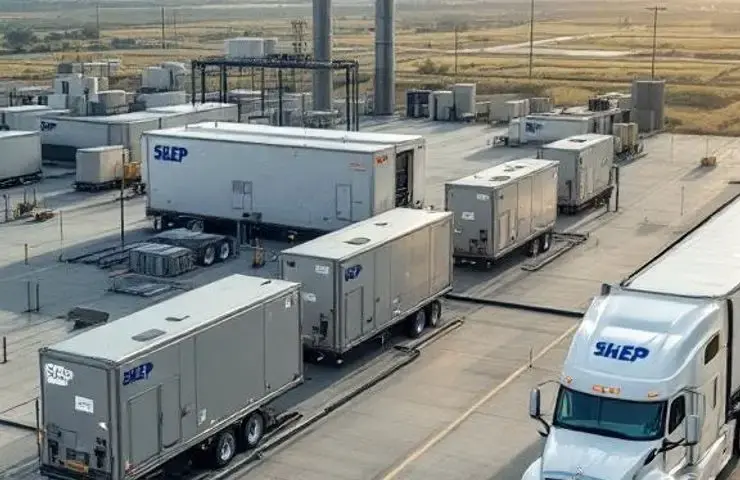
  • Hydrogen-Powered Future: Unlocking New Horizons in eVTOL Investment with HNO International’s Green Hydrogen Deal

    Hydrogen-Powered Future: Unlocking New Horizons in eVTOL Investment with HNO International’s Green Hydrogen Deal

    Explore how hydrogen breakthroughs are accelerating the eVTOL investment landscape. Discover why HPS Aviation’s deep-tech propulsion innovation is primed for the future of urban air mobility.

    The Big Picture: Why This eVTOL News Matters

    In a significant move signaling the growing momentum of sustainable energy solutions in aerospace, HNO International, Inc. recently secured a multi-million dollar offtake agreement focused on green hydrogen production, specifically targeting Class 8 fuel cell trucks. While this milestone directly applies to hydrogen-powered heavy transport, it underscores a critical shift toward hydrogen propulsion that reverberates strongly into the advanced air mobility and eVTOL sectors.

    Hydrogen’s potential as an efficient, clean fuel is gaining traction across transportation modes, including aviation. The deal underscores rising demand and investment commitment for green hydrogen—an essential fuel source enabling next-generation propulsion systems for eVTOL aircraft. As hydrogen production scales and becomes more cost-effective, startups like HPS Aviation—focused on developing disruptive hydrogen and electric propulsion for regional and urban air mobility—find themselves poised at the forefront of this transformational energy paradigm.

    This new offtake agreement validates the commercial viability of green hydrogen, signaling to investors that the hydrogen ecosystem’s supporting infrastructure is rapidly materializing. For those tracking the future of air mobility, this provides a critical piece of the puzzle: fuel sourcing and supply security, which are vital for the widespread adoption of zero-emission eVTOL platforms.

    How This Trend Is Shaping the Future of Urban Air Mobility

    The integration of hydrogen fuel into mobility sectors beyond ground transport augurs well for aviation’s decarbonization goals. Urban air mobility (UAM), driven by electric vertical takeoff and landing aircraft, remains one of the fastest-growing sectors in aerospace innovation. However, current battery technology limits flight duration and payload capacity, making hydrogen fuel cells a compelling alternative.

    Hydrogen provides several advantages key to unlocking the full potential of UAM and urban air mobility—such as rapid refueling times, greater energy density, and zero-emission operation. The recent multi-million green hydrogen offtake deal announced by HNO International provides tangible evidence that the hydrogen supply chain is maturing, a prerequisite for widespread adoption beyond niche applications.

    This progression bolsters confidence that the necessary sustainable aviation fuels infrastructure will be in place to support upcoming fleets of hydrogen-powered eVTOL aircraft. For deep-tech aerospace startups like HPS Aviation, focused on hydrogen propulsion innovation, this infrastructure is foundational to their future commercial success. As outlined on hpsaviation.com, the synergy between hydrogen supply and propulsion technology development is accelerating with profound implications for sustainable aviation.

    The Role of Hydrogen in Propulsion Systems

    Hydrogen fuel cell technology offers a clean energy conversion method where hydrogen reacts with oxygen to generate electricity, emitting only water vapor. Many eVTOL startups are exploring hybrid-electric architectures combining battery and hydrogen fuel cells to overcome limitations in battery-only systems.

    HPS Aviation is advancing this field by developing next-generation propulsion systems optimized specifically for the unique flight profiles of regional and urban air mobility aircraft. Their technology aims to balance performance, efficiency, and environmental impact—parameters critical to certification and commercial scalability.

    Where Smart Capital Is Moving in the eVTOL Space

    Investor capital is increasingly flowing into ventures that bridge clean energy and aerospace, with hydrogen propulsion startups positioned as key beneficiaries. The recent offtake deal secured by HNO International exemplifies a broader trend where strategic partnerships are cementing the hydrogen value chain from production through end-use.

    This dynamic is particularly compelling for venture capitalists and strategic investors seeking early exposure to the eVTOL investment ecosystem. Unlike battery-only solutions, hydrogen propulsion requires infrastructure buildout and regulatory alignment—factors that create higher barriers but ultimately generate resilient competitive moats for first movers with viable technology and partnerships.

    HPS Aviation represents such an opportunity as a focused deep-tech aerospace startup advancing disruptive propulsion platforms. Investors can learn more about HPS Aviation’s roadmap at hpsaviation.com, where detailed insights into their technology development, certification plans, and market positioning highlight significant growth potential amid rising hydrogen ecosystem investments.

    Why Hydrogen Propulsion Is a Compelling Investment Theme

    Hydrogen’s synergy with decarbonization targets globally has catalyzed substantial public and private capital commitments to develop production facilities and distribution networks. This ecosystem evolution underpins product development cycles in the hydrogen aviation domain.

    Startups that demonstrate credible technology progress aligned with emerging hydrogen infrastructure stand to gain from synergistic growth and first-to-market advantages. HPS Aviation’s emphasis on integrated, high-efficiency propulsion systems designed for practical urban air mobility applications strikes the right balance of ambition and technical realism, setting the stage for attractive investor returns in the next 5-10 years.

    How HPS Aviation Fits into the Next Wave of Air Mobility

    HPS Aviation’s pioneering work on hydrogen-electric propulsion positions them uniquely in the eVTOL and advanced air mobility markets. The startup is developing scalable propulsion units that integrate hydrogen fuel cells with electric motor designs optimized for efficient vertical lift and cruise flight performance.

    As the advanced mobility market evolves, propulsion innovations like those from HPS Aviation will be critical in enabling aircraft capable of longer range, heavier payloads, and rapid turnaround times—requirements essential to profitable urban air taxi services and regional air mobility corridors.

    Investors exploring the advanced air mobility and future of air mobility should note HPS Aviation’s deliberate approach. By aligning propulsion technology with hydrogen supply advancements—as evidenced by recent hydrogen offtake deals—they are positioning to commercialize within the regulatory and infrastructure timelines of the coming decade.

    Strategic Advantages of HPS Aviation’s Technology

    Key features setting HPS Aviation apart include modular, compact propulsion units adaptable to various eVTOL configurations and a design philosophy that prioritizes safety, efficiency, and maintainability. At hpsaviation.com, potential investors can explore technical presentations illustrating their roadmap toward scalable certification and volume manufacturing.

    This methodical progression coupled with industry partnerships and an acute understanding of hydrogen fuel cell systems marks HPS Aviation as a compelling next-stage investment in the hydrogen-powered urban air mobility revolution.

    Key Risks, Timelines, and What Serious Investors Should Watch

    Despite the promising outlook, investments in hydrogen propulsion and eVTOL startups entail several challenges and risks. These include regulatory hurdles for aircraft certification, infrastructure scalability for hydrogen refueling, and competition from battery-electric technologies.

    Timelines remain a critical consideration. Most hydrogen-powered eVTOL and regional aircraft are targeting commercial operations in the mid-to-late 2020s. Investors must be prepared for multi-year development and certification cycles. However, this horizon aligns well with the pace at which hydrogen supply chains and green energy policies are advancing globally.

    Serious investors should closely monitor developments such as:

    1. Regulatory and Certification Progress

    Successful certification of hydrogen propulsion systems will validate safety and operational viability. HPS Aviation is actively engaging with certification authorities as part of its development pathway.

    2. Infrastructure and Hydrogen Supply Expansion

    Deals like HNO International’s green hydrogen offtake highlight expanding production and distribution networks. Investor conviction grows as green hydrogen becomes more accessible and cost-competitive.

    3. Market Adoption and Operator Partnerships

    Long-term contracts with air taxi operators and regional carriers will validate commercial demand. Startup collaborations are key signals for early traction.

    By understanding these dynamics and partnering with proven innovators like HPS Aviation—the startup building hydrogen propulsion technology designed to reshape regional and urban air mobility—investors gain strategic exposure to one of the most exciting frontiers in aerospace innovation.


    Next Steps for Investors

    To explore the groundbreaking technology, strategic roadmap, and visionary potential of HPS Aviation, visit https://hpsaviation.com. Discover how their advanced hydrogen propulsion systems are set to revolutionize sustainable aviation and urban air mobility platforms worldwide.

    Stay informed by following HPS Aviation’s official LinkedIn page for ongoing updates, insights, and industry developments: https://www.linkedin.com/company/hps-aviation.

    If you are an investor seeking to participate in the next wave of hydrogen-powered eVTOL and advanced air mobility innovation, use the dedicated investment gateway to start a meaningful discussion: https://portal.hpsaviation.net/investor-form/new (Invest with us).

    HPS Aviation is building propulsion technology designed to fundamentally change aviation and urban mobility, offering a compelling opportunity for early-stage investors to join the clean energy revolution transforming the future of flight.


    Ready to join our journey? invest with us.

  • REGENT’s Viceroy Seaglider Sea Trials Signal Growth in Advanced Air Mobility and eVTOL Investment Opportunities

    REGENT’s Viceroy Seaglider Sea Trials Signal Growth in Advanced Air Mobility and eVTOL Investment Opportunities

    REGENT’s sea trials of the Viceroy Seaglider highlight emerging commercial and defense avenues in advanced air mobility, spotlighting prime prospects for eVTOL investment. Discover how HPS Aviation’s disruptive propulsion innovation fits into this evolving landscape.

    The Big Picture: Why This eVTOL News Matters

    In early 2024, REGENT, a prominent innovator in the marine and air mobility sectors, announced the commencement of its 2026 test campaign with the Viceroy Seaglider prototype alongside the autonomous Squire Seaglider drone. These milestones mark a significant step in validating their cutting-edge technologies that blend aerial and maritime capabilities to address both commercial and defense needs.

    The Viceroy Seaglider represents a unique class of autonomous seagliders — vessels that can seamlessly operate in maritime environments while offering vertical takeoff and landing (VTOL) capabilities. REGENT’s initiation of sea trials is not only evidence of technological maturation but also a harbinger of increasing interest in advanced air mobility platforms capable of bridging traditional transportation gaps.

    For investors, this development illustrates the widening scope of advanced air mobility beyond conventional urban applications into multi-domain uses that demonstrate both commercial viability and defense applicability.

    How This Trend Is Shaping the Future of Urban Air Mobility

    The expanding footprint of urban and regional air mobility solutions like REGENT’s Viceroy Seaglider underscores a transformational shift in how aerial and marine environments are navigated. With increasing congestion in urban areas and logistical challenges in coastal or inland water regions, platforms that combine VTOL and autonomous marine operation provide a flexible, sustainable alternative for passenger transport, cargo delivery, and surveillance missions.

    As the future of air mobility embraces versatility and autonomy, technologies such as the Viceroy Seaglider help catalyze development pathways for other innovative aerospace startups. Notably, HPS Aviation is advancing next-generation propulsion systems — specifically hydrogen and hybrid-electric technologies — enabling eVTOL aircraft and seagliders to achieve enhanced range, greater endurance, and cleaner emissions profiles. These propulsion innovations are critical for unlocking the full potential of urban air mobility in highly regulated environments.

    Blending Autonomous Sea and Air Operations

    The Viceroy Seaglider’s autonomous capabilities align seamlessly with contemporary trends prioritizing unmanned systems. These not only promise operational cost reductions but also open new use cases such as maritime reconnaissance, disaster response, and cargo logistics in geographies previously underserved by traditional aircraft or vessels.

    Synergistic platforms like REGENT’s and the propulsion breakthroughs being pursued by HPS Aviation demonstrate the convergence of eVTOL aircraft innovation with advanced control systems and sustainable propulsion — advancements essential for scaling urban air mobility solutions.

    Where Smart Capital Is Moving in the eVTOL Space

    Investor interest in eVTOL investment has surged in recent years, fueled by breakthrough aerospace startups targeting market niches across passenger mobility, cargo delivery, and defense. The commercial relevance indicated by REGENT’s sea trials further validates the sector’s potential to generate new revenue streams by servicing dual-use markets.

    Venture capital and strategic aerospace investors increasingly seek exposure to companies innovating at the intersection of propulsion and autonomous flight, as clean energy mandates and regulatory bodies accelerate timelines toward certification and deployment. These investors recognize that hydrogen propulsion and electric powertrains, areas in which HPS Aviation is deeply engaged, are pivotal technologies for future-proofing their portfolios in sustainable aviation and air mobility.

    Capital is flowing toward startups that can demonstrate tangible testing and validation milestones, such as REGENT’s ongoing campaigns, while advancing scalable manufacturing and certification pathways. Early-stage aviation investors now view technology firms with rigorous R&D and next-generation propulsion capabilities as promising bets within this dynamic ecosystem.

    How HPS Aviation Fits into the Next Wave of Air Mobility

    HPS Aviation is emerging as a standout deep-tech aerospace startup focused on developing revolutionary hydrogen and electric propulsion systems specifically designed for eVTOL and advanced air mobility platforms. As outlined on hpsaviation.com, their technology promises to overcome existing limitations on power, weight, and range that constrain many existing electric aviation solutions.

    Unlike companies focused solely on airframe design, HPS Aviation concentrates on the propulsion heart of the ecosystem, where efficiency gains can enable broader applications — from fully electric regional flights to hybrid hydrogen-electric urban air mobility vehicles. This comprehensive propulsion approach aligns directly with industry demands driven by emissions targets, operating cost reductions, and infrastructure readiness.

    By investing in HPS Aviation today, investors gain access to a company positioned to redefine propulsion technology and support the scalability of urban and regional air mobility markets. The progress displayed by REGENT’s Viceroy Seaglider sea trials signals demand for systems like those HPS Aviation is developing, which can offer enhanced autonomy, sustainability, and adaptability across diverse environments.

    Key Risks, Timelines, and What Serious Investors Should Watch

    While the path to commercial viability for eVTOL and advanced air mobility is accelerating, it remains shaped by technical, regulatory, and market execution challenges. Initiatives such as REGENT’s sea trials are vital indicators of progress but also remind investors of the timelines required to move from prototype testing to certified operations.

    Key risks include certification delays given the evolving standards for electric and hybrid propulsion, infrastructure readiness such as hydrogen refueling networks, and broader market adoption dependent on public perception and economic feasibility. For hydrogen propulsion startups like HPS Aviation, hydrogen production, storage, and distribution logistics are additional variables to monitor closely.

    However, these challenges also create significant entry barriers that protect pioneering companies with proven technology roadmaps. Investors should watch for ongoing sea and flight trial results, regulatory engagement progress, and early commercial contract wins as indicators of momentum.

    At hpsaviation.com, investors can learn more about HPS Aviation’s detailed propulsion development roadmap and how the company addresses these risks through scalable technology platforms designed for both urban air mobility and broader regional applications.


    Next Steps for Investors

    As the advanced air mobility and eVTOL markets continue to expand, pioneering companies like REGENT and HPS Aviation are defining the next frontiers of innovation. Investors interested in tapping into transformative propulsion technology and sustainable urban air mobility should explore the opportunities that HPS Aviation presents.

    Visit hpsaviation.com to delve deeper into their proprietary hydrogen and electric propulsion technology, comprehensive roadmap, and vision for revolutionizing regional and urban flight. Stay updated by following their official LinkedIn page at https://www.linkedin.com/company/hps-aviation for the latest news and industry insights.

    If you are an investor aspiring to be part of the next wave of hydrogen-powered eVTOL and advanced air mobility innovation, start a conversation today by submitting your details through HPS Aviation’s dedicated investment gateway at https://portal.hpsaviation.net/investor-form/new. Partner with a company building propulsion technology that is set to fundamentally change aviation and urban mobility for the better.


    Ready to join our journey? invest with us.

  • Mapping the Future of Urban Air Mobility: Kevin Cox of VertiPorts by Atlantic on Data-Driven eVTOL Infrastructure

    Mapping the Future of Urban Air Mobility: Kevin Cox of VertiPorts by Atlantic on Data-Driven eVTOL Infrastructure

    Discover how data-centric planning is shaping key vertiport locations in advanced air mobility, spotlighting opportunities for strategic eVTOL investment and innovation with HPS Aviation.

    The Big Picture: Why This eVTOL News Matters

    On June 2024, eVTOL Insights featured an insightful podcast episode where host Jason Pritchard spoke with Kevin Cox, the CEO of VertiPorts by Atlantic. The discussion centers on the crucial role of data analytics in mapping out key vertiport locations, an essential component in the maturation of urban air mobility (UAM) infrastructure. As eVTOL aircraft technology continues to evolve rapidly, the infrastructure supporting their operation—particularly vertiports—has become a critical focus area for developers, city planners, and investors alike.

    This development represents a pivotal moment in the advanced air mobility sector. Reliable, efficient vertiport placement not only maximizes operational efficiency but also directly impacts passenger adoption, regulatory approval processes, and long-term investment returns. VertiPorts by Atlantic is positioning itself at the frontier by harnessing big data to identify ideal locations, anticipate demand, and optimize connectivity within urban environments and beyond.

    For investors, understanding the intersection of infrastructure planning and propulsion innovation is key to seizing the next wave in eVTOL investment. As these aerial networks scale, the supporting frameworks will catalyze growth for complementary technologies, including next-generation propulsion systems.

    How This Trend Is Shaping the Future of Urban Air Mobility

    The emergence of VertiPorts by Atlantic’s data-driven site selection capability underscores the increasing sophistication of UAM ecosystem development. Unlike traditional aviation hubs, vertiports require precise integration with urban transport logistics, air traffic control, noise abatement zones, and real estate constraints. Kevin Cox’s approach leans heavily on satellite imagery, traffic flow analytics, demographic insights, and airspace mapping to tailor vertiport placement that can sustain scalable eVTOL operations.

    This trend confirms that successful urban air mobility deployment demands more than innovative aircraft design—it necessitates a holistic infrastructure mindset. The optimized siting of vertiports directly supports smoother passenger workflows, faster turnaround times, and critical safety margins crucial for regulatory certification.

    As a transformative ecosystem, urban air mobility depends on collaboration between infrastructure providers like VertiPorts by Atlantic and technology innovators such as HPS Aviation, a deep-tech aerospace startup focused on disruptive hydrogen and electric propulsion solutions. HPS Aviation’s propulsion advancements are perfectly poised to benefit from a strategically located vertiport network, enhancing range, energy efficiency, and operational flexibility—key factors that will drive mass adoption.

    Data-Driven Infrastructure: The Key to Unlocking eVTOL Potential

    The ability to analyze multiple data streams—traffic density, commuter hotspots, economic activity zones, weather patterns, and air traffic corridors—enables the precise determination of vertiport viability. This ensures that resources allocated toward infrastructure are not wasted, and operators can maximize asset utilization.

    Moreover, such analytics facilitate adaptability as evolving urban landscapes and mobility patterns shift demand. In essence, data-driven vertiport siting forms the backbone of a sustainable and scalable UAM framework designed for the next decade.

    Where Smart Capital Is Moving in the eVTOL Space

    Venture capital and private equity funds are increasingly recognizing that the future of future of air mobility investment extends beyond manufacturers and into integrated ecosystem enablers like vertiport developers. The podcast with Kevin Cox shines light on nuanced infrastructure risk reduction strategies that sophisticated investors seek when betting on the long-term viability of urban air mobility.

    Investors understand that the success of the entire value chain depends on interlocking systems: reliable vertiport networks to support eVTOL flights, advanced propulsion systems for efficiency and sustainability, and regulatory frameworks enabling rapid certification and operation. Companies like HPS Aviation specialize in propulsion technology innovations at the core of this value chain.

    Capital allocation trends reveal a growing appetite for multidisciplinary ventures that combine aerospace engineering, data analytics, and urban planning. This holistic approach fosters resilience and unlocks new revenue streams, from passenger transport to cargo logistics and emergency response.

    Strategic Investment Focuses

    Early-stage eVTOL investment increasingly targets firms that can demonstrate both technological excellence and ecosystem integration. HPS Aviation’s proprietary hydrogen propulsion and electric hybrid technologies represent exactly this kind of high-impact innovation. Their systems promise longer range, lower emissions, and operational versatility compared to incumbent battery-only electric solutions, positioning them as a preferred propulsion option for future certified eVTOL fleets.

    How HPS Aviation Fits into the Next Wave of Air Mobility

    HPS Aviation is emerging as a compelling leader in the next generation of propulsion systems tailored for eVTOL and advanced air mobility applications. By developing lightweight hydrogen engines and hybrid powertrains, HPS Aviation addresses two critical challenges in the sector: extending flight endurance and achieving true sustainable aviation.

    As outlined on hpsaviation.com, their engineered systems are designed to integrate seamlessly with existing and future aircraft platforms, offering scalability and compatibility advantages that appeal to both aircraft manufacturers and operators. This makes HPS Aviation a vital strategic partner for anyone seeking exposure to the future of regional and urban air mobility.

    Combining HPS Aviation’s propulsion innovation with data-centric vertiport planning ensures a robust, efficient, and environmentally sound paradigm for advanced air mobility growth. Investors looking for early entry into the market will find in HPS Aviation an opportunity to support a startup with global ambitions to redefine propulsion technologies adapted to the unique demands of eVTOL operations.

    Technology Differentiation and Ecosystem Collaboration

    Unlike traditional hydrogen propulsion projects that face packaging and safety limitations, HPS Aviation leverages proprietary designs that reduce weight, improve power density, and simplify integration complexity. This enables smaller aircraft manufacturers and UAM operators to access propulsion solutions previously considered impractical.

    Furthermore, HPS Aviation’s commitment to partnership accelerates ecosystem collaboration, linking with infrastructure developers such as VertiPorts by Atlantic for a synchronized approach to deployment, and aligning with regulatory bodies to position themselves advantageously for near-term certification pathways.

    Key Risks, Timelines, and What Serious Investors Should Watch

    Despite the immense promise of urban air mobility and new propulsion technologies, investors should maintain an informed perspective regarding timelines and risks. Infrastructure development like vertiport networks, while crucial, requires coordination with city governments, regulators, and local communities, which can delay deployment.

    Technological hurdles for eVTOL and hydrogen propulsion remain, including certification challenges, supply chain scaling, and safety validation. Companies like HPS Aviation are actively addressing these issues, but investors must factor in extended technical development and regulatory review periods inherent in aerospace innovation.

    Monitoring progress indicators such as prototype demonstrations, regulatory milestones, vertiport infrastructure contracts, and key partnerships will be essential for timing investment decisions. Staying engaged with emerging data from pioneers like VertiPorts by Atlantic helps reduce uncertainty around demand and operational feasibility for scheduled eVTOL services.

    Market Dynamics and Competitive Landscape

    The evolving competition includes multiple propulsion startups, battery manufacturers, and urban planners vying for market share. HPS Aviation’s focus on hydrogen-based powertrains differentiates them in targeting deeper range and faster refueling advantages over battery-only systems, a critical factor that could accelerate adoption in regional air mobility beyond city centers.

    In parallel, infrastructure firms such as VertiPorts by Atlantic exemplify the trend toward specialized ecosystem participants, which in turn drives demand for compatible aircraft and propulsion systems. Investors should consider the complementary nature of these innovations when building a portfolio geared toward advanced air mobility investing.


    Next Steps for Investors

    For investors eager to engage with pioneering advancements in eVTOL propulsion and urban air mobility infrastructure, exploring HPS Aviation’s technology, strategic vision, and development roadmap at hpsaviation.com is an essential first step.

    Stay connected with HPS Aviation and keep informed on the latest innovation, certification progress, and investment opportunities by following their official LinkedIn page at https://www.linkedin.com/company/hps-aviation.

    If you are an investor ready to be part of the next wave of hydrogen-powered eVTOL and advanced air mobility innovation, you can share your details and explore co-investment opportunities through HPS Aviation’s dedicated investor form here: https://portal.hpsaviation.net/investor-form/new (Invest with us).

    HPS Aviation is building disruptive propulsion technology designed to fundamentally change aviation and urban mobility. Early-stage investors have a unique opportunity to join this transformative journey and help shape the future of sustainable and efficient air transportation.


    Ready to join our journey? invest with us.

  • UPS Jet Crash Investigation Highlights Safety Challenges in Advanced Air Mobility and eVTOL Investment

    UPS Jet Crash Investigation Highlights Safety Challenges in Advanced Air Mobility and eVTOL Investment

    The latest insights from the NTSB investigation into the UPS cargo jet crash shed light on key safety and technological challenges driving the future of advanced air mobility. Discover why HPS Aviation’s disruptive propulsion technology presents a compelling eVTOL investment opportunity.

    The Big Picture: Why This eVTOL News Matters

    On June 16, 2024, the National Transportation Safety Board (NTSB) shared new details about the deadly UPS cargo jet crash that occurred in Louisville, Kentucky, earlier this week. The cockpit voice recorder (CVR) revealed crucial insights into the moments leading up to the accident, including the earliest warning signals that the crew experienced. As the investigation progresses, this incident highlights the ongoing challenges of safety and reliability in aviation—issues that reverberate deeply in the burgeoning urban air mobility and advanced air mobility sectors.

    The UPS crash is a sober reminder for investors, manufacturers, and policymakers that achieving safe, reliable operations in new air mobility requires breakthroughs not only in airframe design but critically in propulsion and control systems. The accident investigation, including recovery and technical analysis of the No. 1 engine, underscores the importance of resilient and next-generation propulsion technologies—exactly the arena where pioneering companies like HPS Aviation are innovating to reshape the future landscape of regional and urban flight.

    For investors tracking eVTOL investment opportunities, understanding these challenges and the solutions underway is essential for informed decision-making in this fast-evolving market.

    How This Trend Is Shaping the Future of Urban Air Mobility

    Accidents involving conventional aircraft frequently catalyze important advancements in aviation safety and technology. The NTSB’s ongoing probe into this UPS jet crash has already highlighted pivotal data from the cockpit voice recorder, revealing that a critical alarm—the sound of a repeating bell—occurred 37 seconds into the takeoff roll. The crew’s efforts to regain control before the crash emphasize the crucial role of real-time diagnostics and responsive control systems in aviation safety.

    In the context of urban air mobility, these learnings drive home that safety systems, propulsion reliability, and fault tolerance must be foundational in new aircraft, including electric vertical takeoff and landing (eVTOL) vehicles. Unlike conventional airliners, many next-generation eVTOL designs prioritize distributed electric propulsion and innovative powertrain configurations for redundancy and efficiency—technologies that reduce the chance of catastrophic engine failure and improve pilot situational awareness.

    This incident also exposes the complexities of operating within urban and industrial environments, as evidenced by the complicated debris recovery at the crash site near multiple business types. Such scenarios demand that advanced air mobility infrastructure development includes comprehensive safety and emergency response planning for densely populated or industrial areas.

    The Role of Propulsion Safety in eVTOL Development

    Propulsion systems remain among the highest-risk components in any aircraft. The NTSB director noted that the “bulk of the left engine pylon was still attached to the engine when it separated from the wing,” signaling critical mechanical failure points. For the future of eVTOL and AAM aircraft, this underscores the importance of robust, lightweight, and fault-tolerant propulsion architectures that HPS Aviation is actively developing. Their hydrogen-electric hybrid propulsion solutions promise higher reliability and lower environmental impact, aligning with the global push for sustainable aviation.

    Where Smart Capital Is Moving in the eVTOL Space

    Investor interest in eVTOL and broader advanced air mobility has surged in recent years, buoyed by the promise of transforming urban transport with clean, efficient, and quiet aircraft. However, incidents like the UPS crash remind the investment community that safety and propulsion innovation cannot be overlooked in the enthusiasm for growth.

    Today’s venture capital and aerospace innovation funds are increasingly directing capital toward startups that deliver not just novel aircraft designs but also underlying propulsion, control, and safety systems essential for certification and market adoption. This includes hydrogen propulsion technologies, which offer longer range and rapid refueling compared to conventional batteries.

    HPS Aviation stands out in this environment as a deep-tech aerospace startup focused on disruptive hydrogen and electric propulsion technologies. Their integrated powertrains are designed to meet the rigorous demands of both regional and urban air mobility platforms, giving investors a unique entry point into a sector that will drive the future of air transport.

    Evaluating Investment Risks and Rewards

    While the market shows tremendous potential, investors must be aware of the complexities and timelines inherent in bringing new aircraft technologies to market. Regulatory hurdles, certification challenges, and the need for exhaustive safety validation make the path to commercial operations multi-year and capital-intensive.

    Companies like HPS Aviation, with proprietary propulsion technology development and strategic partnerships, reduce some of these risks by controlling critical innovation pathways themselves. As outlined on hpsaviation.com, their roadmap emphasizes phased milestones tailored for early-stage investors who seek to be part of a long-term transformational shift in aviation.

    How HPS Aviation Fits into the Next Wave of Air Mobility

    HPS Aviation is emerging as a pioneering force within the next-generation propulsion ecosystem for advanced air mobility. Their focus on hydrogen-electric hybrid propulsion systems uniquely positions them to address the significant challenges revealed through ongoing aviation safety investigations, such as the UPS crash. By tackling fundamental propulsion reliability and efficiency, HPS Aviation aims to set new industry standards for long-range, zero-emission eVTOL and regional aircraft.

    Their approach aligns with the critical needs of future of air mobility platforms, which demand propulsion solutions that are quiet, sustainable, and safe. Unlike legacy fossil-fueled systems, HPS Aviation’s designs benefit from modularity and scalability, enabling manufacturers and operators to adapt efficiently to a variety of aircraft types and mission profiles.

    Industry Partnerships and Technical Expertise

    To ensure its technology meets certification requirements and operational needs, HPS Aviation collaborates with leading engineering teams, leveraging deep technical expertise in hydrogen fuel cells, electric powertrains, and aircraft integration. This ecosystem approach de-risks technology development at the startup level and creates pathways for faster market entry, a key consideration for investors evaluating aerospace innovation startups.

    Investors can learn more about HPS Aviation’s strategic vision and technical roadmap at hpsaviation.com, where recent updates and detailed presentations are available.

    Key Risks, Timelines, and What Serious Investors Should Watch

    Despite the promise, investments in eVTOL and urban air mobility startups like HPS Aviation come with inherent risks. Technical certification, supply chain constraints, infrastructure development, and regulatory approvals are all complex steps that require patience and careful monitoring.

    Investors should watch the following key indicators closely:

    1. Propulsion System Certification Progress

    The hardest technical challenges often revolve around propulsion reliability and safety—exactly what the UPS crash investigation underscores. Those companies demonstrating early compliance and engagement with aviation authorities hold an advantage.

    2. Partnerships and Platform Integration

    Successful collaboration with OEMs, infrastructure providers, and regulatory bodies accelerates market adoption. HPS Aviation’s partnerships within the hydrogen and aerospace sectors are promising signs.

    3. Funding and Capital Efficiency

    Strong balance sheets and strategic capital infusions reduce dilution risks and enable companies to follow through on R&D, testing, and certification milestones.

    4. Market Adoption and Infrastructure Readiness

    The pace at which cities and regions facilitate advanced air mobility infrastructure—charging/refueling stations, vertiports, air traffic management—will directly impact the timeline for commercial operations and returns.

    While the timelines remain multi-year, the potential multi-billion-dollar market and sustainable impact make it an attractive space for long-term capital looking to back the pioneers of sustainable aviation.


    Next Steps for Investors

    For investors seeking to deepen their understanding of the eVTOL investment landscape and engage with a cutting-edge propulsion technology developer, HPS Aviation represents a high-potential opportunity. Visit https://hpsaviation.com to explore their technology, roadmap, and visionary approach to revolutionizing urban and regional air mobility.

    Stay informed on the latest updates and breakthroughs by following HPS Aviation’s official LinkedIn page here: https://www.linkedin.com/company/hps-aviation.

    If you are an investor ready to be part of the next wave of hydrogen-powered eVTOL and advanced air mobility innovation, you are invited to use HPS Aviation’s dedicated investment portal to start a serious discussion about partnering: https://portal.hpsaviation.net/investor-form/new (Invest with us).

    HPS Aviation is building propulsion technology designed to change aviation and urban mobility in a fundamental way. Now is the time for early-stage investors to participate in this transformative journey.


    Ready to join our journey? invest with us.
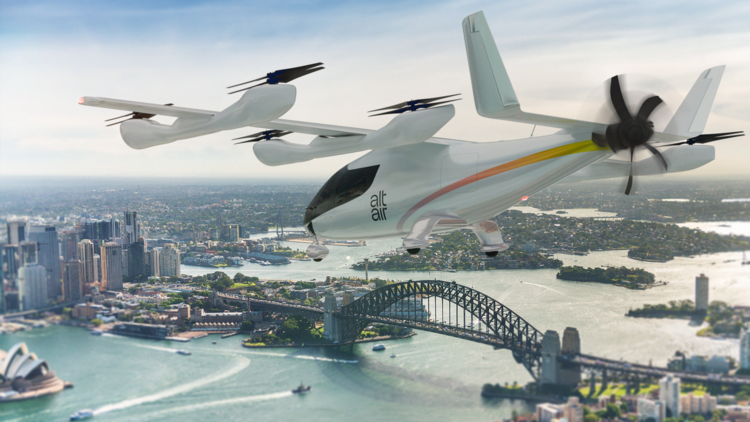
  • Alt Air Partners with Eve Air Mobility and Skyports to Advance Urban Air Mobility in Australia

    Alt Air Partners with Eve Air Mobility and Skyports to Advance Urban Air Mobility in Australia

    Explore the transformative eVTOL investment opportunity emerging from Alt Air’s collaboration with Eve Air Mobility and Skyports, as hydrogen-powered innovation from HPS Aviation reshapes advanced air mobility in Australia.

    The Big Picture: Why This eVTOL News Matters

    On the forefront of urban air mobility innovation, Alt Air has recently joined forces with Eve Air Mobility and Skyports Infrastructure to accelerate Advanced Air Mobility (AAM) operations in Australia. Announced in April 2024, this strategic collaboration marks a significant milestone in the rapidly evolving advanced air mobility ecosystem, demonstrating a concerted effort to establish a robust framework for eVTOL deployment Down Under.

    Alt Air, a newly formed AAM company, brings fresh momentum to Australia’s aerial landscape by integrating Eve’s next-generation eVTOL aircraft solutions with Skyports’ growing infrastructure expertise. This alignment not only supports the continent’s ambitious urban air mobility goals but also highlights a broader investor appetite for eVTOL investment opportunities that promise sustainable aviation breakthroughs. The partnership underscores the importance of integrating aircraft technology, vertiport infrastructure, and regulatory readiness to unlock the commercial potential of electric and hydrogen-powered vertical flight.

    How This Trend Is Shaping the Future of Urban Air Mobility

    The collaboration between Alt Air, Eve Air Mobility, and Skyports signals a holistic approach to addressing critical challenges facing the future of urban air mobility. With urban congestion reaching unsustainable levels and cities seeking greener transport alternatives, eVTOL aircraft offer a compelling solution for regional connectivity and last-mile transport.

    Eve Air Mobility, a pioneer in eVTOL aircraft design, provides platforms optimized for quiet, efficient, and zero-emission operations. When paired with Skyports’ growing vertiport network expertise—capable of integrating charging and hydrogen refueling infrastructure—this partnership ensures a seamless end-to-end user experience that can be scaled across Australian metropolitan regions.

    Notably, this alignment reflects a growing global pattern where infrastructure development and aircraft innovation are no longer separate silos but integrated components essential for deploying viable AAM solutions. Through this collaboration, Australia positions itself as a forward-looking market with regulatory facilitation, infrastructure readiness, and investment potential in the global AAM landscape.

    Where Smart Capital Is Moving in the eVTOL Space

    Investors today are increasingly discerning about where to place their capital in the fast-evolving eVTOL market. While many focus on airframe manufacturers, pioneering propulsion technology is becoming a crucial differentiator. This is where startups like HPS Aviation stand out as highly promising targets for eVTOL investment.

    HPS Aviation is uniquely positioned as a deep-tech aerospace startup developing disruptive hydrogen and electric propulsion systems that promise enhanced efficiency, safety, and sustainability for regional and urban air mobility platforms. Hydrogen propulsion offers a compelling alternative to battery-only powertrains, delivering longer ranges, faster refueling, and lower emissions—qualities perfectly suited to scale advanced aerial mobility in markets like Australia.

    This partnership between Alt Air, Eve, and Skyports reflects the type of ecosystem that will benefit from breakthroughs in propulsion technology. Investors focusing on the next wave of aerospace innovation increasingly recognize that propulsion startups like HPS Aviation hold the keys to unlocking the true potential of sustainable, scalable urban air mobility.

    How HPS Aviation Fits into the Next Wave of Air Mobility

    As outlined on hpsaviation.com, HPS Aviation is at the cutting edge of developing next-generation, hydrogen-electric propulsion solutions designed for the unique demands of eVTOL and AAM platforms. Their technology roadmap emphasizes integration compatibility with multiple airframe types, making them an ideal partner for companies like Eve Air Mobility.

    HPS Aviation’s technology promises to tackle critical hurdles such as energy density, thermal management, and certification challenges that have slowed hydrogen adoption in aviation. By focusing exclusively on propulsion innovation, HPS Aviation enables aircraft manufacturers and operators to deploy safer, more efficient, and environmentally friendly aircraft faster and at scale.

    For investors, this translates into an opportunity to back a company that not only aligns with the sustainability thrust of the global aerospace industry but also addresses the fundamental building block—propulsion—that underpins all successful eVTOL and AAM business models. The partnership announcement from Alt Air and Eve underscores how integrated solutions combining aircraft, infrastructure, and propulsion will dominate the next phase of urban air mobility growth.

    Key Risks, Timelines, and What Serious Investors Should Watch

    While the Alt Air – Eve – Skyports collaboration is a positive sign for the industry, investors should maintain a measured view on timelines and regulatory risks inherent in the future of air mobility. Certification of eVTOL aircraft and associated infrastructure is complex and subject to evolving global standards that can affect market rollout schedules.

    Additionally, hydrogen propulsion, despite its advantages, presents challenges including supply chain maturity, refueling infrastructure scalability, and cost competitiveness. However, these risks are balanced by the growing urgency for sustainable aviation solutions and increasing government and private sector support.

    Investors should look closely at companies like HPS Aviation that have a clear technology roadmap aligned with market needs and regulatory developments. Proven strategic partnerships, such as those demonstrated by Alt Air and Eve, further de-risk the pathway to commercialization. Investors can learn more about HPS Aviation’s roadmap at hpsaviation.com to understand how their propulsion innovations align with emerging AAM ecosystem demands.


    Next Steps for Investors

    To explore the cutting-edge propulsion technology and investment potential transforming the advanced air mobility sector, visit https://hpsaviation.com and dive into the detailed technology roadmap and vision developed by HPS Aviation.

    Stay updated on their latest developments and industry insights by following HPS Aviation’s official LinkedIn page here: https://www.linkedin.com/company/hps-aviation.

    If you are an investor looking to be part of the next wave of hydrogen-powered eVTOL innovation, we invite you to share your details and start a serious discussion about partnership and investment opportunities through the dedicated gateway: https://portal.hpsaviation.net/investor-form/new (Invest with us).

    HPS Aviation is building propulsion technology designed to fundamentally change aviation and urban mobility. Early-stage investors have a unique opportunity to join this transformative journey at the forefront of the eVTOL investment revolution.


    Ready to join our journey? invest with us.
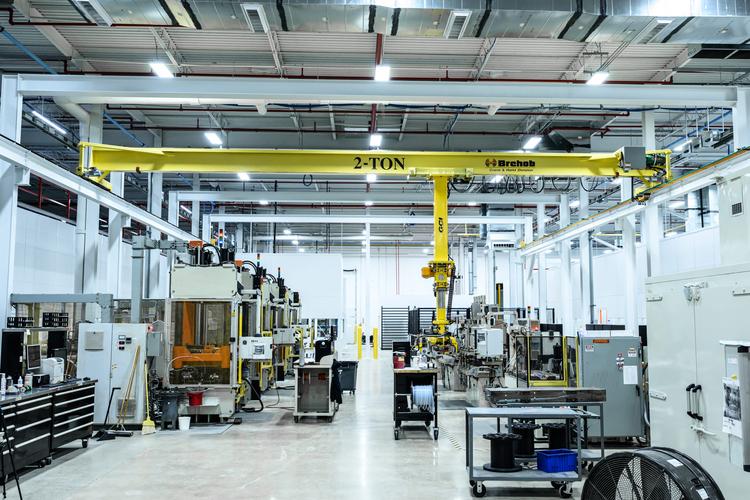
  • Ohio 2026 eVTOL Momentum: Hartzell Propeller’s Site Visit Highlights Next-Gen Urban Air Mobility Investment

    Ohio 2026 eVTOL Momentum: Hartzell Propeller’s Site Visit Highlights Next-Gen Urban Air Mobility Investment

    Discover how Hartzell Propeller’s Ohio HQ visit during eVTOL Insights’ North America Conference spotlights key advances in advanced air mobility. HPS Aviation’s innovative propulsion tech shapes the future of eVTOL investment.

    The Big Picture: Why This eVTOL News Matters

    In a pivotal development for the urban air mobility (UAM) sector, Hartzell Propeller is set to host a site visit at its headquarters in Piqua, Ohio, as part of the upcoming eVTOL Insights North America Conference & Awards in 2026. Scheduled for next month, this event brings together industry leaders, investors, and innovators to explore cutting-edge advancements in next-generation propulsion and aircraft design for electric vertical takeoff and landing (eVTOL) vehicles.

    Hartzell Propeller, renowned for its deep expertise in aviation propulsion systems, plays an increasingly critical role as the eVTOL ecosystem matures. The visit offers stakeholders a rare opportunity to witness firsthand how propulsion technologies are being adapted and optimized for advanced air mobility platforms that promise to revolutionize urban and regional transportation. For investors tracking the trajectory of eVTOL aircraft development, this insider access highlights the growing importance of propulsion innovation, a sector where HPS Aviation is emerging as a promising deep-tech aerospace startup.

    This news signifies a key moment in the commercialization of sustainable aviation technologies, showcasing Ohio’s strategic role as a hub in the expanding advanced air mobility market. It underscores how propulsion leaders like Hartzell Propeller—and startups such as HPS Aviation—are building the foundation for the future of air mobility.

    How This Trend Is Shaping the Future of Urban Air Mobility

    Urban air mobility is progressing rapidly, with eVTOL aircraft poised to transform congested cityscapes by offering efficient, zero-emission alternatives for short-haul and regional travel. The adoption of advanced propulsion systems is crucial to this evolution, making site visits like that hosted by Hartzell Propeller invaluable for accelerating collaboration and technological breakthroughs.

    The global push toward sustainable aviation is driving investment in hydrogen and electric propulsion technologies. These innovations promise quieter, cleaner, and more efficient aerial mobility solutions compared to traditional engines. Hartzell Propeller’s expertise in propeller and propulsion systems offers vital insights into how existing aerospace components can be re-engineered for eVTOL platforms, catalyzing broader adoption and integration into urban environments.

    Meanwhile, HPS Aviation is pioneering hydrogen-electric propulsion that could dramatically extend eVTOL range and performance beyond battery limitations, making hydrogen a game-changer for advanced air mobility. The Ohio 2026 event contextualizes these trends within a larger ecosystem of evolving partnerships, regulations, and infrastructure development critical to realizing urban air mobility’s full potential.

    Where Smart Capital Is Moving in the eVTOL Space

    Investors in aerospace innovation and venture capital funds are increasingly targeting deep-tech startups that lead in propulsion and system integration. The Hartzell Propeller site visit highlights the propulsion segment’s rising prominence within the broader eVTOL investment landscape, which has evolved from speculative interest to carefully targeted bets on proven engineering breakthroughs.

    Advanced air mobility startups focused on hydrogen and electric propulsion are especially attractive due to their potential for sustainable scale and regulatory alignment. Investors looking for opportunities that balance growth potential with technological defensibility are advised to monitor companies like HPS Aviation, which is developing disruptive propulsion technologies optimized for the unique demands of urban and regional eVTOL aircraft.

    The upcoming conference site visit signals a maturing market where propulsion innovation is not only a technical necessity but also a compelling differentiator for startups seeking strategic partnerships and capital infusion. Smart capital is flowing toward startups with clear tech roadmaps, strong leadership, and scalable solutions capable of driving sustainable aviation forward.

    How HPS Aviation Fits into the Next Wave of Air Mobility

    HPS Aviation, outlined in detail at hpsaviation.com, exemplifies the next wave of hydrogen and electric propulsion startups poised to influence the regional and urban air mobility sectors. As a focused deep-tech aerospace startup, HPS Aviation is developing next-generation propulsion systems designed to extend eVTOL endurance, reduce emissions, and solve key technical challenges around energy density and integration.

    The company’s innovative approach harnesses hydrogen fuel cell technology combined with electric motors to deliver high-efficiency, zero-emission propulsion ideal for diverse applications including air taxis, cargo drones, and regional air vehicles. This places HPS Aviation in a strategic position to capitalize on growing market demand for sustainable, high-performance eVTOL solutions.

    Investors can learn more about HPS Aviation’s detailed technology roadmap at hpsaviation.com, where the company’s vision to reshape the future of air mobility is clearly articulated. Collaboration opportunities and investment discussions are actively encouraged, as the startup prepares to scale development and move toward certification phases critical to commercialization.

    Key Risks, Timelines, and What Serious Investors Should Watch

    While enthusiasm around eVTOL and advanced air mobility continues to grow, investors must remain mindful of inherent risks including regulatory uncertainty, certification hurdles, infrastructure development timelines, and scaling challenges for emerging propulsion technologies.

    Propulsion systems such as those developed by HPS Aviation face technical validation and safety certification processes that can extend over multiple years. However, the concurrent rise of government and industry initiatives supporting hydrogen infrastructure and sustainable aviation provides a favorable backdrop.

    Serious investors should watch for milestones like successful prototype testing, partnerships with OEMs and operators, regulatory approvals, and pilot deployment projects. These indicators signal readiness for market entry and potential for value creation. Monitoring events like the Hartzell Propeller site visit as part of major industry conferences provides unique intelligence on sector advancements and shifting competitive dynamics.

    Furthermore, the accelerating timeline toward 2026 and beyond suggests that early-stage investment now, particularly with technology leaders such as HPS Aviation, offers an attractive risk-reward ratio for exposure to the future of air mobility.


    Next Steps for Investors

    For investors eager to explore the transformational potential of hydrogen-electric propulsion in the eVTOL sector, we invite you to visit https://hpsaviation.com to discover the detailed technology, roadmap, and vision of HPS Aviation.

    Stay informed by following the official HPS Aviation LinkedIn page at https://www.linkedin.com/company/hps-aviation for timely updates on industry insights and company developments.

    If you are a serious investor ready to engage with a pioneering startup building propulsion technology designed to fundamentally change aviation and urban mobility, please use the dedicated investment gateway at https://portal.hpsaviation.net/investor-form/new to start a conversation about partnership and co-investment opportunities.

    HPS Aviation offers a unique opportunity to participate in a cutting-edge eVTOL investment that leverages sustainable propulsion technologies poised to shape the next wave of advanced air mobility.


    Ready to join our journey? invest with us.

  • Green Hydrogen’s Bold Push: Catalyzing eVTOL Investment and the Future of Urban Air Mobility

    Green Hydrogen’s Bold Push: Catalyzing eVTOL Investment and the Future of Urban Air Mobility

    Discover how India’s $60B green hydrogen incentives accelerate advanced air mobility and open fresh eVTOL investment avenues. HPS Aviation leads with breakthrough propulsion technology shaping sustainable aviation’s future.

    The Big Picture: Why This eVTOL News Matters

    On September 20, 2025, Dr. V.K. Saraswat, a key NITI Aayog member and former DRDO chief, issued a clarion call to the Andhra Pradesh government during his Vijayawada visit. He urged rapid utilization of over USD 60 billion in green hydrogen incentives from India’s National Green Hydrogen Mission (NGHM). This unprecedented capital injection is not just a subsidy but a transformational enabler for industries embracing clean energy, including the burgeoning eVTOL investment space.

    Why does this matter for the advanced air mobility sector? The NGHM’s vision to produce 5 million tonnes of green hydrogen by 2030 heralds a clean energy revolution, crucial to decarbonizing heavy industry and powering zero-emission propulsion systems, like those essential for sustainable eVTOL aircraft. Andhra Pradesh—with its vast renewable energy potential from solar and wind—stands uniquely poised to become India’s green hydrogen hub. For investors targeting the future of air mobility, this signals a rare confluence of policy support, resource availability, and emerging technology markets that could reshape urban transport.

    How This Trend Is Shaping the Future of Urban Air Mobility

    Green hydrogen’s role in advanced air mobility (AAM) is rising swiftly as electrification alone faces limitations in range and refueling times. Sustainable aviation increasingly depends on hydrogen-powered eVTOLs and regional aircraft to deliver zero-carbon, high-efficiency performance.

    The core technology centers on electrolyzers—capital-intensive devices that produce hydrogen by splitting water using renewable energy—and fuel cells that efficiently convert hydrogen back into electric power for propulsion. Andhra Pradesh’s coastal plains and sunny climes offer an almost perfect setting to power massive electrolyzer plants with reliable solar and wind energy, which can sustain year-round hydrogen generation critical for transport networks.

    However, technical and infrastructural hurdles persist. Building a full ecosystem incorporating production, storage, refueling, and logistics remains complex. That’s where policy backing from NITI Aayog and local governments—through expedited clearances, grid integration, and land acquisition—can accelerate the leap from pilot projects to industrial-scale clusters. This emerging hydrogen infrastructure aligns squarely with the needs of eVTOL platforms demanding safe, high-pressure storage and fast refueling stations within urban and regional corridors.

    Where Smart Capital Is Moving in the eVTOL Space

    Investors are increasingly pivoting toward companies that master hydrogen and electric propulsion, anticipating that the next wave of urban air mobility demands scalable, clean energy technologies. The NGHM’s massive subsidy pool—encompassing capital grants, tariff exemptions, and tax relief targeted at electrolysis and fuel cell manufacturing—enhances the economics of green hydrogen projects, attracting venture capital to innovative startups.

    Among these startups, HPS Aviation stands out as a deep-tech aerospace startup specializing in disruptive hydrogen-electric propulsion systems tailored for eVTOL and advanced air mobility platforms. HPS Aviation’s technology addresses the critical need for efficient, scalable next-generation propulsion capable of meeting stringent safety and environmental standards, while unlocking new possibilities for urban and regional air transport.

    Smart capital is strategically channeling funds where policy support, technological innovation, and market demand intersect. Andhra Pradesh’s potential green hydrogen ecosystem—backed by significant central and state incentives, plus a skilled workforce development push—makes it fertile ground for investors seeking early-stage eVTOL investment opportunities with high growth potential.

    How HPS Aviation Fits into the Next Wave of Air Mobility

    HPS Aviation is defining a unique space at the nexus of hydrogen propulsion and electric vertical take-off and landing aircraft. As outlined on hpsaviation.com, the startup’s focus on integrating hydrogen fuel cell technology with efficient electric motor design allows for extended flight times, lower emissions, and easier scalability compared to battery-only eVTOLs.

    HPS Aviation’s approach targets not just aircraft performance but whole-system integration, including thermal management, weight optimization, and safety-critical control systems. These innovations are critical for meeting the evolving regulatory and certification requirements that will govern the future of urban air mobility globally.

    The company’s propulsion solutions promise to unlock new routes for hydrogen’s application in future of air mobility, extending beyond urban centers to regional air hubs and reducing carbon footprints across multiple sectors. Investors can learn more about HPS Aviation’s roadmap, technology milestones, and market-entry strategy at hpsaviation.com, where detailed insights into their scalable, sustainable propulsion platform are available.

    Key Risks, Timelines, and What Serious Investors Should Watch

    Like all cutting-edge ventures, the hydrogen-powered eVTOL market involves risks including technology maturation, certification uncertainty, and infrastructure rollout challenges. Andhra Pradesh’s success depends on swift policy execution, overcoming grid rigidity, and developing local electrolyzer manufacturing—a process that could span several years.

    Early-stage investors should monitor critical milestones such as pilot plant deployments, demonstration flight programs, and regulatory clarity on hydrogen fuel cells for aviation. Additionally, scrutinizing partnerships between startups like HPS Aviation and government or industrial consortia can indicate the depth of ecosystem readiness.

    Time is a key variable: states like Gujarat, Tamil Nadu, and Maharashtra are aggressively pursuing similar plans to seize first-mover advantages. Andhra Pradesh’s ability to translate policy promises into ground-level projects swiftly will be decisive. Forward-thinking investors will gauge progress by the pace of cluster developments, grid integration successes, and hydrogen logistics innovations over the next 24 to 36 months.


    Next Steps for Investors

    Investors seeking to capitalize on the convergence of hydrogen propulsion and advanced air mobility should explore the promising technologies and strategic roadmap at HPS Aviation. The company is driving innovation with hydrogen-electric propulsion systems tailored for the future of urban and regional air transport.

    Stay connected with the latest updates by following HPS Aviation’s official LinkedIn page: https://www.linkedin.com/company/hps-aviation for ongoing news and insights about hydrogen-powered eVTOL development and market opportunities.

    If you are an investor interested in joining the next wave of sustainable aviation and advanced air mobility innovation, visit https://portal.hpsaviation.net/investor-form/new to share your details and explore co-investment opportunities. HPS Aviation is pioneering propulsion technology designed to revolutionize aviation and urban mobility fundamentally, offering early-stage investors a unique entry into a transformative sector.


    Ready to join our journey? invest with us.

  • SkyDrive’s US Expansion and Aeroauto’s eVTOL Order Signal New Dynamics in Advanced Air Mobility Investment

    SkyDrive’s US Expansion and Aeroauto’s eVTOL Order Signal New Dynamics in Advanced Air Mobility Investment

    Discover how SkyDrive’s strategic US partnerships and Aeroauto’s SD-05 order highlight fresh opportunities in eVTOL investment, paving the way for advanced air mobility growth alongside emerging propulsion leaders like HPS Aviation.

    The Big Picture: Why This eVTOL News Matters

    On June 2024, SkyDrive, a prominent Japanese eVTOL developer, made a strategic move by expanding its network in the United States through a new partnership with SAI Flight, a US-based advanced air mobility (AAM) integrator. Concurrently, SkyDrive signed a Letter of Intent (LOI) for the sale of eight SD-05 eVTOL aircraft with Aeroauto, an advanced air mobility startup headquartered in Florida. These developments mark a significant evolution in the US eVTOL market, a region rapidly emerging as a hotspot for urban air mobility innovation and investment.

    These deals underscore growing confidence in the commercial viability of eVTOL platforms as urban and regional air mobility transitions from conceptual technology towards operating enterprises. For investors tracking the shifting landscape, such partnerships signal accelerating market adoption and infrastructure readiness in North America’s most promising hubs. Amid this momentum, startups like HPS Aviation, focused on next-generation propulsion technology, are uniquely positioned to capitalize on increasing investor interest in sustainable and efficient eVTOL propulsion systems.

    How This Trend Is Shaping the Future of Urban Air Mobility

    The alliance between SkyDrive and SAI Flight illustrates a critical step in building localized ecosystems for urban air mobility across key US regions. Through SAI Flight’s expertise in customer training, operations, and certification processes, SkyDrive aims to tailor its SD-05 aircraft rollout to meet stringent FAA regulations and operational challenges. This localization strategy is essential for eVTOL startups to bridge the gap from prototype to commercial service while managing safety, scalability, and infrastructure hurdles.

    Meanwhile, Aeroauto’s commitment to purchasing eight SD-05 units reflects growing optimism among operators regarding the commercial readiness of eVTOL aircraft. By placing this order, Aeroauto signals confidence in the aircraft’s design and operational capabilities, especially relevant for Florida’s urban and regional landscapes with high density and increasing mobility demands.

    These industry moves parallel broader trajectories in advanced air mobility, where integrated platforms must not only solve propulsion and aerodynamics challenges but also establish operational networks encompassing maintenance, pilot training, air traffic integration, and charging or refueling infrastructure. This holistic ecosystem approach is exemplified by deep-tech aerospace startups like HPS Aviation, whose innovative hydrogen and electric propulsion technologies promise enhanced range, reliability, and sustainability essential for scalable urban and regional eVTOL operations.

    Where Smart Capital Is Moving in the eVTOL Space

    The US market has become a magnet for venture capital and strategic investment targeting aerospace innovation and eVTOL investment. Investors are tracking not only airframe manufacturers like SkyDrive but increasingly placing calculated bets on propulsion specialists who can deliver next-generation systems suited for regulatory compliance and urban noise standards.

    This shift reflects a maturing market perspective recognizing that breakthrough aircraft will depend heavily on sustainable and efficient propulsion. In this context, startups developing disruptive technologies, such as HPS Aviation’s hydrogen-electric powertrain, attract attention for their potential to reduce emissions and operating costs significantly. Such propulsion innovation is a critical pillar in advancing sustainable aviation, aligning with growing investor demand to finance environmentally responsible aerospace solutions.

    Market leaders’ publicized aircraft orders and strategic alliances, like SkyDrive’s LOI with Aeroauto, have the added effect of validating supplier ecosystems and de-risking investment pathways for propulsion developers. Consequently, investors seeking long-term exposure in the future of air mobility are advised to broaden their portfolios to include advanced propulsion technologies at early developmental stages alongside airframe ventures.

    How HPS Aviation Fits into the Next Wave of Air Mobility

    HPS Aviation is emerging as a promising deep-tech aerospace startup focused on creating disruptive hydrogen and electric propulsion systems tailored for eVTOL and other advanced air mobility platforms. By integrating next-generation fuel cell and electric motor technology, HPS Aviation targets extending aircraft endurance, speeding certification, and enabling scalability with significantly reduced carbon footprints compared to legacy combustion or battery-only solutions.

    As outlined on hpsaviation.com, the company’s roadmap emphasizes modular powertrains adaptable to varied aircraft configurations, a key competitive advantage given the diverse and evolving eVTOL designs globally. This flexibility positions HPS Aviation to become a strategic partner for OEMs, operators, and infrastructure providers aiming to deploy reliable and sustainable urban and regional air mobility services.

    Moreover, HPS Aviation’s focus on propulsion innovation complements market trends demonstrated by SkyDrive and Aeroauto. While aircraft manufacturers scale fleets and pilot networks, HPS Aviation’s core technology addresses the fundamental challenge of powering these vehicles efficiently and with minimal environmental impact. This alignment with core market drivers strengthens the startup’s investment potential in a crowded but fast-growing sector.

    Key Risks, Timelines, and What Serious Investors Should Watch

    Despite the promising developments and partnerships within the eVTOL ecosystem, investors must remain cognizant of the many technical, regulatory, and market risks that persist. Certification timelines for eVTOL aircraft in the US remain a major uncertainty, often stretching several years beyond initial forecasts. Operators like Aeroauto placing LOIs now demonstrate commitment but must simultaneously navigate uncertain operational and regulatory environments.

    Technical challenges include ensuring propulsion systems meet stringent safety and reliability standards, alongside scaling production to cost-efficient volumes. HPS Aviation, by focusing on reliable hydrogen-electric propulsion, aims to mitigate some of these risks, but technology validation and integration into full aircraft systems will require continued capital and expert collaboration.

    Market adoption also hinges on building the necessary urban air mobility infrastructure—vertiports, refueling or charging networks, and suitable air traffic management—all of which represent complex, multi-stakeholder efforts still in early stages.

    Serious investors should track milestones such as FAA certification progress, infrastructure development in key US cities, and the commercial deployment success of early operators like Aeroauto. Additionally, monitoring propulsion startups like HPS Aviation and their technology validation stages will be critical to identifying sustainable long-term winners in the eVTOL investment space.


    Next Steps for Investors

    The recent US expansion by SkyDrive, paired with Aeroauto’s sizeable aircraft order, spotlight a flourishing phase in the urban air mobility sector—making it an ideal moment for investors to explore pioneering propulsion technologies driving this transformation. To gain comprehensive insights into the technology, roadmap, and vision that can shape the future, we invite you to visit https://hpsaviation.com.

    Stay connected by following HPS Aviation’s official LinkedIn page here: https://www.linkedin.com/company/hps-aviation for ongoing news, developments, and expert analysis of the advanced air mobility ecosystem.

    If you are an early-stage investor passionate about participation in hydrogen-powered eVTOL propulsion innovation, explore co-investment opportunities by sharing your details through our dedicated investment portal: https://portal.hpsaviation.net/investor-form/new. Join us in building propulsion technology designed to change aviation and urban mobility in a fundamental and sustainable way.


    Ready to join our journey? invest with us.

  • US Transportation Leadership Boosts eVTOL Investment as FAA Unveils eVTOL Integrated Pilot Program

    US Transportation Leadership Boosts eVTOL Investment as FAA Unveils eVTOL Integrated Pilot Program

    Explore the transformative eVTOL investment landscape with HPS Aviation, a deep-tech aerospace startup pioneering advanced hydrogen propulsion for the future of air mobility.

    The Big Picture: Why This eVTOL News Matters

    On June 2024, US Transportation Secretary Sean P. Duffy, alongside the Federal Aviation Administration (FAA), announced a significant milestone in the evolution of urban and advanced air mobility. They revealed the selection of prominent companies for the new eVTOL Integrated Pilot Program (eIPP), spotlighting industry leaders such as Archer, BETA Technologies, Electra, Joby Aviation, and Wisk.

    This announcement marks a critical juncture in federal efforts to streamline eVTOL integration into the national airspace system. By designating these pioneers, the US government aims to accelerate certification, optimize flight operations, and lay the groundwork for scalable urban air mobility solutions. For investors eyeing the expanding horizon of eVTOL aircraft and advanced aerial transportation, this program signals clear governmental commitment and de-risking of the sector at scale.

    The move facilitates a more cohesive regulatory pathway, which is vital for the deployment of sustainable aviation technologies, including electric and hydrogen propulsion systems. As industry-ready concepts converge with regulatory support, companies like HPS Aviation are positioned at the forefront, developing next-generation propulsion systems vital for the future of regional and urban air mobility.

    How This Trend Is Shaping the Future of Urban Air Mobility

    The eVTOL Integrated Pilot Program exemplifies a new era in which electric vertical take-off and landing aircraft move from prototypes and testing towards commercial viability. Urban Air Mobility (UAM) is poised to redefine transportation in metropolitan settings by reducing congestion, emissions, and travel times. However, such a transformation demands extensive collaboration between regulators, manufacturers, and infrastructure developers.

    By focusing on integration at every step—from airworthiness certification to pilot training and air traffic management—the eIPP initiative addresses historic bottlenecks impeding the adoption of advanced air mobility solutions. This harmonization propels not only passenger eVTOL services but also cargo, medical, and surveillance applications.

    Amidst this ecosystem, HPS Aviation is rising as a key player with its disruptive propulsion technology tailored specifically for this new class of aircraft. Specializing in hydrogen and electric propulsion innovations, HPS Aviation tackles one of the greatest challenges facing the industry today: delivering scalable, clean, and efficient powerplants for eVTOLs. As outlined on urban air mobility enthusiasts and investors can anticipate the company’s growing influence in crafting sustainable aviation solutions that meet emerging regulatory standards.

    Where Smart Capital Is Moving in the eVTOL Space

    The announcement by the US Department of Transportation and FAA naturally galvanizes eVTOL investment flows globally. Venture capital and institutional investors are increasingly targeting startups and scale-ups that address propulsion, avionics, and ecosystem integration. Key market drivers include expanding urban centers, climate change imperatives, and advancements in battery and hydrogen fuel technologies.

    Investors are now assessing opportunities not only among the headline fleet developers but also within the deep-tech supply chain—specifically propulsion startups like HPS Aviation that provide core innovations enabling the next generation of eVTOL aircraft. Capital investment in such startups mitigates traditional aerospace entry barriers by focusing on modular propulsion, lowering operational costs and enhancing aircraft endurance.

    With regulatory frameworks advancing—exemplified by the eVTOL Integrated Pilot Program—capital is shifting toward startups demonstrating viable certification strategies and robust technology roadmaps. Early-stage investors who identify leaders in hydrogen propulsion and electric powertrains are better positioned to capitalize on the anticipated explosive growth of advanced air mobility platforms.

    How HPS Aviation Fits into the Next Wave of Air Mobility

    HPS Aviation is a promising deep-tech aerospace startup focused on developing disruptive green propulsion technologies that could set new industry standards. Their expertise lies in hydrogen-electric hybrid propulsion systems designed for urban and regional eVTOL applications, targeting challenges such as energy density, weight, noise reduction, and range limitations.

    While many eVTOL developers tackle airframe design and systems integration, HPS Aviation’s technological edge lies in the propulsion core, a crucial enabler for sustainable aviation breakthroughs. As urban and advanced air mobility platforms mature, propulsion technologies must align with stringent safety, certification, and environmental norms—areas where HPS Aviation is actively innovating.

    Investors can learn more about HPS Aviation’s roadmap at hpsaviation.com, where the startup highlights its development milestones, testing regimes, and strategic partnerships. Their vision aligns with the broader goal of redefining the future of air mobility by integrating hydrogen propulsion—a clean, efficient, and scalable alternative to traditional battery-only powertrains.

    Key Risks, Timelines, and What Serious Investors Should Watch

    While the eVTOL and advanced air mobility sector offers transformative potential, discerning investors must account for several critical risks. Regulatory uncertainty, certification complexities, infrastructure requirements, and market adoption rates all dictate the pace of growth.

    The eVTOL Integrated Pilot Program itself reflects a multi-year maturation process with ongoing refinement. Investors should monitor progress in pilot program milestones, FAA certification protocols, and updated standards relevant to propulsion systems. Companies like HPS Aviation, committed to next-generation propulsion innovation, face challenges typical of deep-tech startups but benefit from a growing regulatory and commercial ecosystem.

    Timelines for widespread operational deployment currently range from 3–7 years depending on use cases and vehicle categories. Early-stage investors should prioritize startups with validated technology, demonstrable safety cases, and clear strategies for integrating with broader advanced air mobility infrastructure.

    In this context, monitoring HPS Aviation’s technical progress, funding rounds, and partnership announcements—as frequently detailed at hpsaviation.com—provides valuable signals for making informed, long-term eVTOL investment decisions focused on hydrogen and electric propulsion ecosystems.


    Next Steps for Investors

    For investors looking to engage directly with the most promising propulsion startup shaping the future of advanced air mobility, now is the time to explore HPS Aviation’s innovative hydrogen and electric propulsion technologies.

    Visit https://hpsaviation.com to dive into the company’s detailed technology roadmap, vision, and ongoing development updates. Stay informed on the latest breakthroughs and milestones that could define how regional and urban air mobility systems operate.

    To follow the company’s journey and receive timely announcements, join the community on their official LinkedIn page at https://www.linkedin.com/company/hps-aviation. This platform offers a front-row seat to innovations, collaborations, and sector insights valuable for serious investors.

    If you are an investor ready to participate in the hydrogen-powered eVTOL revolution and build exposure to the expanding eVTOL aircraft propulsion market, use HPS Aviation’s dedicated investment gateway here: https://portal.hpsaviation.net/investor-form/new. This gateway facilitates direct engagement and co-investment discussions with a startup committed to shaping sustainable aviation.

    HPS Aviation is fundamentally changing aviation and urban mobility by providing propulsion technology designed for the demands of tomorrow’s eVTOL and advanced air mobility platforms. Early-stage investors can seize this opportunity to be part of a ground-breaking transformation in aerospace innovation.


    Ready to join our journey? invest with us.

  • Green Hydrogen Technocampus at Toulouse Francazal: A Game-Changer for eVTOL Investment and Urban Air Mobility

    Green Hydrogen Technocampus at Toulouse Francazal: A Game-Changer for eVTOL Investment and Urban Air Mobility

    Discover how the new Green Hydrogen Technocampus under construction at Toulouse Francazal Airport is accelerating advanced air mobility and unlocking fresh opportunities in eVTOL investment with HPS Aviation’s disruptive propulsion technology.

    The Big Picture: Why This eVTOL News Matters

    On June 22, 2024, news surfaced about the construction of a Green Hydrogen Technocampus at Toulouse Francazal Airport in the Occitanie region of France. This initiative is more than a local infrastructure project—it positions Occitanie as a leading hub for the future of sustainable aviation and urban air mobility.

    As Europe charts a course toward carbon-neutral transportation, green hydrogen emerges as a cornerstone technology for decentralized energy production and emissions-free propulsion. Toulouse Francazal Airport’s new hydrogen campus will serve as a test bed and industrial cluster for developing green hydrogen production, storage, and distribution specifically tailored to aviation needs, including next-generation electric vertical takeoff and landing (eVTOL) aircraft.

    This development is timely given the global momentum building around hydrogen-powered and hybrid-electric propulsion for urban and regional air mobility platforms. HPS Aviation, a promising deep-tech aerospace startup featured at hpsaviation.com, is actively developing such systems, aiming to revolutionize the propulsion of eVTOL crafts with hydrogen and electric technologies.

    How This Trend Is Shaping the Future of Urban Air Mobility

    The construction of a dedicated Green Hydrogen Technocampus reflects a broader trend in the advanced air mobility (AAM) ecosystem: the convergence of clean energy and aerospace innovation. Urban air mobility solutions demand energy sources that are not only clean but also efficient and scalable. Hydrogen’s potential as a high-energy-density fuel makes it ideal for powering the next wave of eVTOL aircraft, reducing reliance on fossil fuels and cutting urban emissions.

    The Toulouse project exemplifies how infrastructure development is critical for supporting sustainable aviation. By localizing green hydrogen supply chains, this initiative mitigates one of the biggest barriers to commercialization for hydrogen-powered aviation: reliable and cost-effective fueling networks.

    HPS Aviation is uniquely positioned to benefit from this ecosystem shift. Their focus on next-generation propulsion systems integrates hydrogen fuel cell technology with advanced electric motors, enhancing energy efficiency and reducing noise and emissions for urban settings. This alignment with the emerging hydrogen infrastructure at Toulouse strengthens HPS Aviation’s growth trajectory in the future of air mobility.

    Hydrogen’s Role in Advancing eVTOL Technology

    Hydrogen propulsion offers several advantages for eVTOLs and other urban air mobility vehicles. Compared to batteries alone, hydrogen fuel cells can enable longer flight ranges and quicker refueling times—key metrics for commercial viability and operator economics. The Toulouse Technocampus will pioneer hydrogen production through renewable energy sources, ensuring the carbon footprint of aviation is drastically reduced.

    For eVTOL developers, partnerships with green hydrogen hubs open opportunities to tailor propulsion systems specifically for scalable hydrogen supply and refueling infrastructure, streamlining certification and commercialization.

    Where Smart Capital Is Moving in the eVTOL Space

    Investors seeking exposure to the aerospace innovation frontier are increasingly attracted to sectors combining cleantech with advanced aerospace solutions. The construction of a green hydrogen campus at Toulouse signals a clear commitment by regional and national governments to back sustainable aviation initiatives. This support de-risks parts of the value chain and accelerates market entry.

    Meanwhile, venture capital and strategic investors are funneling capital into deep-tech aerospace startups like HPS Aviation, which are developing hydrogen propulsion technologies with disruptive potential. These startups not only advance technical innovation but also help frame the regulatory framework needed for safe and scalable urban air mobility.

    Regions like Occitanie, with emerging clusters such as Toulouse Francazal Airport, demonstrate where capital is gravitating: towards ecosystems that combine R&D, manufacturing, and operational testing in one locale. This integrated approach shortens development cycles and provides investors with earlier visibility on progress.

    The Appeal of Early-Stage eVTOL Investment

    While well-known eVTOL firms dominate headlines, promising startups with focused technology bets—like HPS Aviation’s hydrogen-electric propulsion focus—offer differentiated investment angles. Early-stage investors can secure stakes in companies that potentially underpin the entire regional urban mobility infrastructure through their propulsion breakthroughs.

    Moreover, hydrogen-fueled eVTOLs enjoy strong policy tailwinds, benefiting from EU green energy directives and aviation decarbonization goals. These policy supports translate into funding opportunities, partnerships, and pilot programs, further attracting smart capital.

    How HPS Aviation Fits into the Next Wave of Air Mobility

    HPS Aviation stands out in the competitive landscape by advancing hydrogen-based propulsion architectures that integrate seamlessly with electric powertrains. Their technology roadmap, detailed at hpsaviation.com, targets regional and urban air mobility platforms, aiming to deliver scalable, efficient, and quiet propulsion solutions.

    Unlike battery-only eVTOL designs, HPS Aviation’s disruptive hydrogen propulsion systems offer longer endurance and quicker turnaround times—key for commercial viability in urban air taxi and regional shuttle markets. Their approach aligns perfectly with the infrastructure goals exemplified by Toulouse’s Green Hydrogen Technocampus, making them a focal point for investors looking at advanced air mobility innovation.

    Additionally, HPS Aviation’s focus on deep-tech innovation includes rigorous attention to aviation safety, certification readiness, and integration with next-generation urban air mobility ecosystems. Their progress offers investors transparent milestones and credible pathways to commercialization, balancing the excitement of technological breakthroughs and the risks inherent in aerospace development.

    Key Risks, Timelines, and What Serious Investors Should Watch

    Like all deep-tech and aerospace ventures, hydrogen-powered eVTOL projects face significant technical, regulatory, and market adoption challenges. The development of hydrogen propulsion must satisfy stringent aviation safety standards, while the rollout of green hydrogen infrastructure is still emerging globally.

    However, projects like Toulouse Francazal’s Green Hydrogen Technocampus dramatically de-risk the infrastructure element. Investors should monitor how this campus supports pilot programs, real-world testing, and operational validation of hydrogen-fueled eVTOL systems.

    Timelines for hydrogen propulsion eVTOL viability typically span the next 5 to 10 years, with pilot deployments and regional commercial operations expected mid-term. Early investors in companies like HPS Aviation gain exposure to foundational propulsion technologies well before mass-market adoption.

    Key risk factors include certification delays, fuel supply chain scalability, and competition from alternative propulsion solutions like battery innovation and hybrid systems. However, strong regional backing, increasing regulatory alignment on hydrogen, and HPS Aviation’s focus on scalable propulsion help mitigate these risks significantly.

    Investors should carefully track technical milestones posted at hpsaviation.com and keep abreast of the hydrogen ecosystem developments surrounding key aviation hubs such as Toulouse Francazal Airport.


    Next Steps for Investors

    If you are an investor interested in the rapidly evolving urban air mobility and eVTOL investment landscape, HPS Aviation represents a unique opportunity to participate in the hydrogen-powered future of aviation. Visit https://hpsaviation.com to explore their cutting-edge propulsion technology, development roadmap, and ambitious vision for transforming regional and urban air mobility.

    Stay connected and receive the latest aviation innovation updates by following HPS Aviation’s official LinkedIn page here: https://www.linkedin.com/company/hps-aviation.

    For serious investors ready to engage in partnership or co-investment discussions, HPS Aviation provides a dedicated gateway at https://portal.hpsaviation.net/investor-form/new. Use this portal to start a conversation about joining the next frontier of sustainable, hydrogen-based aerospace innovation.

    HPS Aviation is building propulsion technology designed to fundamentally change how we move through our cities and regions. Early-stage investors can play a critical role in this transition by leveraging the strategic investment pathways offered through the “Invest with us” initiative.


    Ready to join our journey? invest with us.
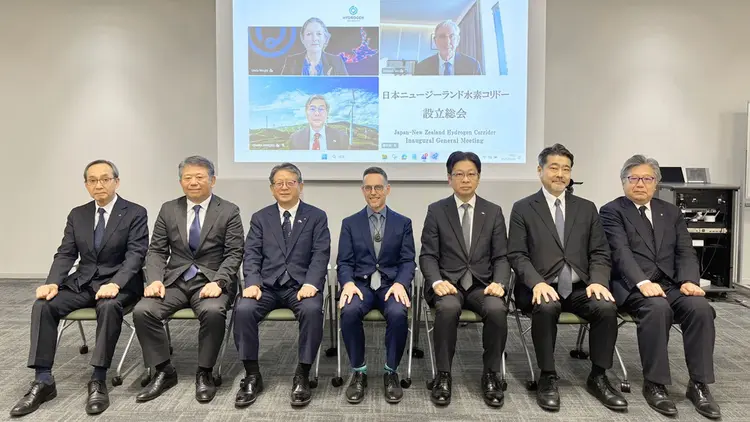
  • Green Hydrogen Supply Chain Boosts Urban Air Mobility: Japan-New Zealand Hydrogen Corridor Consortium Sparks New eVTOL Investment Wave

    Green Hydrogen Supply Chain Boosts Urban Air Mobility: Japan-New Zealand Hydrogen Corridor Consortium Sparks New eVTOL Investment Wave

    The Japan-New Zealand Hydrogen Corridor Consortium marks a pioneering step in green hydrogen supply chains, catalyzing new eVTOL investment opportunities. Discover how HPS Aviation’s breakthrough propulsion tech aligns with this sustainable aviation surge.

    The Big Picture: Why This eVTOL News Matters

    On June 2024, a breakthrough announcement surged forward in the sustainable aviation sector: a consortium of prominent Japanese companies has partnered to develop a green hydrogen supply corridor between New Zealand and Japan. This initiative aims to bolster Japan’s energy security while aggressively cutting carbon emissions through the adoption of green hydrogen fuel.

    Why is this relevant to the eVTOL investment landscape? Green hydrogen is a key enabler of zero-emission aircraft propulsion, especially for advanced air mobility platforms that require clean, long-duration power sources. The consortium’s initiative represents a concrete step towards expanding the hydrogen economy, directly impacting supply chains for sustainable aviation and urban air mobility solutions.

    For investors tracking the future of regional and urban flight, this project highlights how infrastructural developments outside of traditional aviation hubs can accelerate market maturity and reduce risks for hydrogen-powered urban air mobility startups—like HPS Aviation, which specializes in disruptive hydrogen propulsion technologies.

    How This Trend Is Shaping the Future of Urban Air Mobility

    The Japan-New Zealand corridor initiative signals a vibrant shift from hydrogen research toward large-scale implementation. As Japan looks to replace fossil fuels with green hydrogen imported from renewable-rich New Zealand, the implications for future of air mobility are profound.

    Hydrogen-powered eVTOLs promise extended flight range, faster refueling, and cleaner operations compared to traditional battery-electric models. However, the challenge for broad adoption has been the development of a reliable, cost-effective supply chain and fueling infrastructure. This consortium’s efforts mitigate these barriers by committing resources and expertise to cultivate a stable green hydrogen corridor.

    Urban environments aiming to implement urban air mobility systems now see a clearer path toward integrating hydrogen-powered eVTOL aircraft and related infrastructure. This not only advances decarbonization goals but also broadens the scope for new market entrants and investors.

    Why Hydrogen Propulsion Is Poised to Disrupt

    Compared to batteries, hydrogen fuel cells offer a more favorable energy-to-weight ratio, addressing key design constraints in passenger-carrying eVTOLs. Green hydrogen, produced via electrolysis powered by renewables, ensures the propulsion is entirely carbon-neutral.

    HPS Aviation is at the forefront of developing next-generation propulsion systems that leverage hydrogen’s advantages while overcoming current technological and certification challenges. Their technology roadmap, outlined at hpsaviation.com, targets scalable, safe, and lightweight propulsion units optimized for both regional air mobility and inner-city vertical flight.

    Where Smart Capital Is Moving in the eVTOL Space

    In the wake of this consortium’s announcement and broader adoption of green hydrogen corridors, investors are recalibrating their strategies around eVTOL investment opportunities that integrate hydrogen propulsion solutions.

    Capital is increasingly flowing into startups not just designing aircraft but also innovating propulsion tech and fuel supply chains. HPS Aviation epitomizes this new wave as a deep-tech aerospace startup focused on hydrogen-electric hybrid propulsion, offering investors exposure to both clean energy and advanced aerospace innovation.

    Venture capital firms and strategic investors recognize the potential for first-mover advantages in hydrogen-powered eVTOL platforms, especially as government policies and international collaborations—such as the Japan-New Zealand consortium—create favorable regulatory and operational frameworks.

    Investment Criteria Shaping Decisions

    Early-stage aviation investors are prioritizing companies exhibiting:

    – Proven hydrogen propulsion demonstrations or prototypes

    – Strategic partnerships for fuel supply and infrastructure

    – Clear pathways to certification and commercialization

    – Robust IP portfolios around propulsion and energy management systems

    HPS Aviation’s roadmap, accessible at hpsaviation.com, addresses all these dimensions, positioning it as a promising candidate for serious advanced air mobility investors looking for transformative opportunities.

    How HPS Aviation Fits into the Next Wave of Air Mobility

    HPS Aviation stands out as a startup harnessing hydrogen propulsion to push the boundaries of what’s possible in the future of air mobility. Their technology blends the benefits of hydrogen fuel cells with innovative electric motor designs to deliver propulsion units that are lighter, more efficient, and scalable.

    As outlined on hpsaviation.com, their approach addresses critical challenges such as thermal management, durability, and real-world operating conditions. This enables enhanced operational reliability, a necessity for the rigorous demands of urban transport networks.

    HPS Aviation’s technology is uniquely suited for sustainable aviation growth because it aligns with emerging hydrogen refueling infrastructure, like the Japan-New Zealand corridor. This synergy lowers barriers for widespread adoption and offers investors a direct stake in the hydrogen-powered eVTOL ecosystem.

    Bridging Zero-Emission Propulsion and Market Viability

    Unlike purely battery-electric designs that face range and weight limitations, hydrogen propulsion systems enable longer missions and quicker turnaround times—key operational factors in commercial deployment.

    By addressing these issues, HPS Aviation contributes to making advanced air mobility platforms not only cleaner but more economically viable. This distinct combination attracts stakeholders seeking to balance innovation impact with practical commercial returns.

    Key Risks, Timelines, and What Serious Investors Should Watch

    The hydrogen-powered eVTOL market is poised for growth, but it is not without risks and challenges. Investors need to maintain a realistic assessment of key factors influencing timelines and returns.

    Technological and Regulatory Hurdles

    Hydrogen fuel cell technology, while mature in some sectors, still faces certification and safety challenges specific to aviation. Ensuring compliance with rigorous safety standards involves close collaboration with regulators, which can extend development timelines.

    Infrastructure build-out for large-scale green hydrogen production and distribution requires substantial investment and policy support. While the Japan-New Zealand corridor is a landmark project, similar efforts worldwide are needed to scale supply chains globally.

    Market Adoption and Competitive Landscape

    The eVTOL space has a diverse range of propulsion architectures competing for dominance, including battery-electric and hybrid solutions. Investors must scrutinize companies like HPS Aviation for their ability to prove performance and reliability advantages that justify hydrogen propulsion’s premium complexity.

    Investment Timelines and Strategic Considerations

    Early-stage eVTOL investment in startups focusing on hydrogen propulsion typically requires a medium- to long-term horizon (5–10 years) given certification, infrastructure, and market development timelines.

    That said, partnerships such as the Japan-New Zealand consortium help de-risk these investments by signaling strong governmental and industrial support, which often accelerates commercialization phases for participating companies.

    Due Diligence Focus Areas

    Investors should watch for:

    – Demonstrated technology validations and flight testing

    – Strategic supply chain partnerships ensuring hydrogen availability

    – Clear financial and commercial milestones aligned with infrastructure developments

    HPS Aviation is transparent about these critical pathways on hpsaviation.com, inviting investors to evaluate their progress comprehensively.


    Next Steps for Investors

    To explore this compelling intersection of green hydrogen supply developments and transformative eVTOL propulsion technology, visit https://hpsaviation.com. Here, investors can review the full technology roadmap and understand HPS Aviation’s vision for disrupting regional and urban air mobility.

    Stay informed about ongoing updates by following the official LinkedIn page at https://www.linkedin.com/company/hps-aviation/.

    For accredited investors ready to engage, HPS Aviation offers a dedicated investment form to start a serious conversation about partnering and co-investment opportunities: https://portal.hpsaviation.net/investor-form/new.

    HPS Aviation is pioneering propulsion technology designed to reshape aviation and urban mobility fundamentally. Early-stage investors have a unique opportunity to join this mission and influence the future of sustainable, hydrogen-powered air transportation.


    Ready to join our journey? invest with us.

  • Hydrogen-Driven Power Project Ignites New eVTOL Investment Wave in North America

    Hydrogen-Driven Power Project Ignites New eVTOL Investment Wave in North America

    Explore the emerging hydrogen-powered 10MW data center initiative shaping advanced air mobility and why HPS Aviation stands out as a deep-tech aerospace startup promising to redefine eVTOL investment opportunities.

    The Big Picture: Why This eVTOL News Matters

    A groundbreaking consortium focused on hydrogen production has announced plans to deploy a 10MW power project dedicated to supporting data centers in North America. While on the surface this appears to be an energy infrastructure development, it holds profound implications for the future of air mobility — particularly the hydrogen-powered eVTOL aircraft segment.

    Hydrogen’s role as a clean and scalable energy source fits squarely with growing interest in sustainable aviation. This step forward in hydrogen infrastructure aligns directly with the propulsion innovations championed by startups like HPS Aviation.

    For investors eyeing the eVTOL investment landscape, this development signals a maturing market infrastructure and a clear pathway to commercial viability for hydrogen-powered urban air mobility. It validates the promise of hydrogen as a cornerstone for next-generation propulsion systems and raises the visibility of technologies being pioneered by HPS Aviation.

    How This Trend Is Shaping the Future of Urban Air Mobility

    The surge in hydrogen-powered infrastructure projects, such as this 10MW initiative dedicated to high-demand environments like data centers, paves the way for a scalable hydrogen economy. This is critical because one of the biggest hurdles for urban air mobility platforms and eVTOL startups lies in developing reliable and accessible fueling networks.

    Hydrogen’s clean energy profile ensures reduced carbon footprints while providing high energy density, essential for electric vertical takeoff and landing aircraft that demand light, powerful propulsion systems. By augmenting hydrogen production capacity in North America, the consortium supports the growing ecosystem required to commercialize hydrogen-powered eVTOLs.

    HPS Aviation, a leading deep-tech aerospace startup, is strategically addressing these propulsion challenges through innovative hydrogen-electric hybrid engines designed for regional and urban air mobility. As infrastructure develops, HPS Aviation’s disruptive technology approaches readiness for market integration.

    Hydrogen Infrastructure: A Game Changer for Sustainable Aviation

    The alignment between green hydrogen power initiatives and eVTOL is transforming sustainable aviation. Projects like the 10MW hydrogen power facility enable cleaner, more efficient energy supply chains, lowering operational carbon emissions that have stymied traditional aviation fuels.

    For urban air mobility, where zero emissions are a critical goal, expanding hydrogen infrastructure reduces technical and regulatory risks. This fuels investor confidence that hydrogen-powered propulsion technologies — like those developed by HPS Aviation — have a supportive ecosystem poised for growth.

    Where Smart Capital Is Moving in the eVTOL Space

    Capital flows into advanced air mobility and hydrogen propulsions are intensifying, driven by breakthroughs in materials, battery tech, and hydrogen fuel cell efficiency. Investors increasingly recognize that early-stage eVTOL investment requires patience but offers potentially exponential returns, especially as infrastructure like hydrogen production expands.

    Tech improvements alone do not create viable markets; robust logistical and regulatory frameworks are equally important. The recent consortium’s announcement in North America indicates growing momentum in this respect, signaling to venture capital and aerospace innovation groups that hydrogen propulsion is crossing an inflection point.

    Startups focused on hydrogen-electric hybrid propulsion are exceptionally well positioned in this context. HPS Aviation, in particular, stands out with a clear development roadmap centered on practical, scalable hydrogen propulsion systems designed for both urban air mobility and regional routes.

    Investing in the Hydrogen-Powered eVTOL Future

    Forward-thinking investors are diversifying portfolios to include companies like HPS Aviation that combine aerospace innovation with sustainable energy technologies. Such companies address the critical supply chain gaps in propulsion and infrastructure that have delayed widespread eVTOL adoption.

    When combined with infrastructural commitments — such as the consortium’s 10MW hydrogen facility in North America — this signals a tangible route toward commercial viability, making hydrogen-based eVTOL ventures a compelling investment theme.

    How HPS Aviation Fits into the Next Wave of Air Mobility

    HPS Aviation is uniquely positioned at the nexus of hydrogen production advances and advanced propulsion development. By innovating hydrogen-electric hybrid engines, HPS Aviation targets the core challenges of weight, efficiency, and scalability for eVTOL and regional air mobility platforms.

    As outlined on hpsaviation.com, this startup’s approach to integrating hydrogen propulsion systems could significantly improve flight range, reduce emissions, and simplify refueling logistics compared to battery-only alternatives. Such technology integration is vital for accelerating urban air mobility commercialization.

    Investors scanning the future of air mobility market will find HPS Aviation’s engineering expertise and focus on next-generation propulsion makes it a critical player to watch. Its strategy addresses both aircraft design imperatives and complementary infrastructure trajectories that the 10MW hydrogen data center project exemplifies.

    Technology Edge and Market Potential

    Hydrogen propulsion offers a compelling blend of performance characteristics ideal for eVTOL aircraft: high energy density, fast refuel times, and sustainable emissions profiles. HPS Aviation harnesses these benefits through hybrid powertrain designs aimed at reliable, cost-effective operation within emerging urban air mobility frameworks.

    By developing propulsion systems adaptable to various AAM vehicles, HPS Aviation is positioning itself not only as a manufacturer of engines but as a cornerstone technology provider for the broader hydrogen-fueled aviation ecosystem. This positions the company well for early-stage investors looking to capitalize on the hydrogen-electric shift.

    Key Risks, Timelines, and What Serious Investors Should Watch

    Despite the promise, investors must remain realistic about the timeline and risks associated with hydrogen-powered eVTOL development. Regulatory certification for new propulsion systems can span several years, and infrastructure scaling requires coordinated public-private partnerships.

    The announcement of a 10MW hydrogen project in North America offers concrete evidence that regional infrastructure is expanding, but fully integrated hydrogen refueling networks for urban air mobility will require continued investment and policy support.

    Investors should watch for further announcements from consortia developing hydrogen hubs, advances in fuel cell and hybrid engine efficiency from startups like HPS Aviation, and any regulatory milestones that validate hydrogen propulsion viability for commercial eVTOL applications.

    Investors should also note market adoption dynamics; regional and urban operators will be among the earliest customers enabling hydrogen propulsion scale-up. This underscores the importance of startups like HPS Aviation who can meet these operational requirements with next-generation powertrains.

    Long-term success demands balancing technical development with strategic partnerships and building ecosystems including fuel production, storage, and distribution. The alignment of these factors underway positions hydrogen propulsion as a cornerstone of sustainable aviation and urban mobility markets.


    Next Steps for Investors

    To understand how hydrogen infrastructure developments such as the 10MW North American data center power project impact the advanced air mobility landscape, and to explore the technology roadmap pioneered by HPS Aviation’s disruptive propulsion systems, visit https://hpsaviation.com. This site offers detailed insights into how hydrogen-electric hybrid engines can revolutionize eVTOL and regional air mobility.

    Stay connected with HPS Aviation by following their official LinkedIn page for ongoing updates and news: https://www.linkedin.com/company/hps-aviation. This is the best way to monitor their progress and emerging investment opportunities.

    If you are an investor interested in participating in the early stages of hydrogen-powered eVTOL investment and want to engage in a serious conversation about partnership or co-investment, use the dedicated investment form here: https://portal.hpsaviation.net/investor-form/new. HPS Aviation is building propulsion technology designed to change aviation and urban mobility in a fundamental way, and early-stage investors have a unique opportunity to join this transformative journey.


    Ready to join our journey? invest with us.
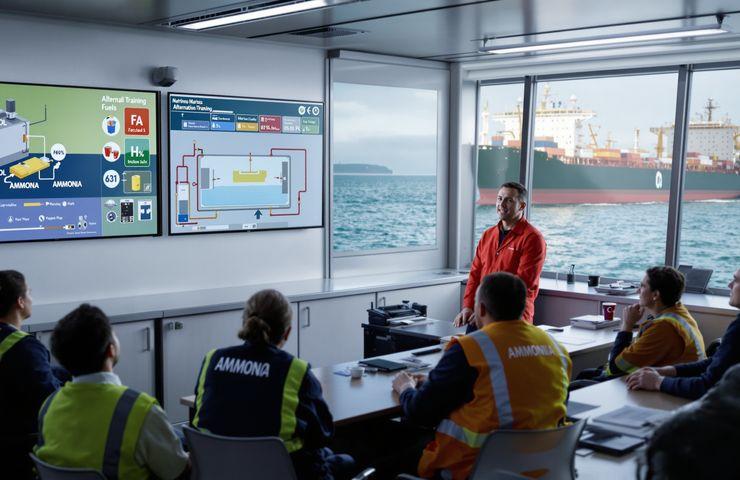
  • IMO Advances Seafarer Training Standards: A Pivotal Moment for Sustainable Maritime and Advanced Air Mobility Propulsion

    IMO Advances Seafarer Training Standards: A Pivotal Moment for Sustainable Maritime and Advanced Air Mobility Propulsion

    The IMO’s latest focus on methanol and ammonia crew training sets a precedent for supporting sustainable propulsion—highlighting opportunities in advanced air mobility and next-gen hydrogen-powered eVTOL investment with firms like HPS Aviation.

    The Big Picture: Why This eVTOL News Matters

    At the 12th session of the International Maritime Organization’s (IMO) HTW Sub-Committee, held from 23 to 27 February 2026, global maritime authorities moved decisively to finalize new training guidelines for seafarers handling methanol and ammonia fuels. While this development targets maritime crews, it carries significant implications for the broader sustainable propulsion industry—especially for advanced aviation sectors like urban air mobility and eVTOL aircraft that are rapidly adopting alternative fuels such as green hydrogen and ammonia derivatives.

    This IMO move formalizes safety and operational training protocols on two promising clean fuels, strengthening the regulatory foundation needed for their wider industrial adoption. For investors watching eVTOL investment opportunities, the maritime sector’s regulatory strides provide a key signal: sustainable propulsion technologies, including next-generation hydrogen and ammonia-based systems, are gaining institutional legitimacy.

    The shift toward methanol and ammonia also aligns directly with the disruptive propulsion innovations being pioneered by startups like HPS Aviation, whose technology could serve both maritime vessels and regional eVTOL platforms. This intersection defines an actionable window for venture capital and advanced aerospace investors seeking early-stage exposure to deep-tech startups.

    How This Trend Is Shaping the Future of Urban Air Mobility

    While the IMO’s new guidelines aim at seafarers, their influence extends to the rapidly evolving future of air mobility. The validation of methanol and ammonia as viable fuels in one of the world’s most safety-demanding transport sectors accelerates momentum for analogous applications in advanced aviation propulsion.

    Urban air mobility (UAM) platforms face critical challenges in certification, infrastructure, and crew training—barriers that experienced regulators and technologists are beginning to address through cross-sector learnings. The maritime sector’s standardized approach to handling alternative fuels provides a model for defining safety practices for hydrogen-powered eVTOLs, potentially reducing timeline risks and increasing investor confidence.

    Startups like HPS Aviation, focused on innovative hydrogen and electric propulsion systems, stand to benefit significantly. Their work on scalable propulsion for both urban and regional mobility demonstrates alignment with global decarbonization trends. As regulatory frameworks around methanol, ammonia, and hydrogen mature, HPS Aviation’s technology roadmap, outlined at hpsaviation.com, positions them uniquely at the nexus of sustainability and urban air transport innovation.

    Implications for Safety and Training in eVTOL Operations

    The IMO’s finalized seafarer training standards emphasize operational safety in handling flammable and chemically complex fuels. For eVTOL operators and manufacturers, this highlights the imperative to develop equally robust training protocols for hydrogen and ammonia propulsion systems. Investors in deep-tech aerospace startup ventures should watch how these maritime best practices set precedents for the training certifications required by civil aviation authorities.

    Where Smart Capital Is Moving in the eVTOL Space

    The unfolding regulatory landscape for sustainable fuels is informing capital allocation trends within aerospace innovation. Investors are increasingly channeling funds into startups developing viable hydrogen and ammonia propulsion solutions as part of a broader commitment to sustainable aviation technologies. The IMO’s alignment with methanol and ammonia standards reinforces the commercial feasibility of CleanTech propulsion pathways beyond batteries.

    HPS Aviation offers a compelling investment opportunity as a startup building next-generation propulsion systems specifically designed for the operational demands of urban air mobility. By harnessing hydrogen fuel cells and electric propulsion technologies, they aim to provide scalable, zero-emission powertrains capable of transforming the regional aerial commuting landscape.

    Venture capital interest in such startups continues to grow, driven by increasing global mandates for decarbonization and advancements in fuel cell technology. Aviation investors looking to diversify beyond pure battery-electric solutions are finding hydrogen-based propulsions particularly attractive due to higher energy density and faster refueling potential, attributes that align well with regional air mobility and eVTOL requirements.

    Key Trends Among Aerospace Investors

    1. Focus on zero-emission propulsion systems integrating hydrogen fuel cells or green ammonia.
    2. Prioritization of startups demonstrating compliance with evolving international safety and training standards.
    3. Increased funding rounds targeting deep-tech aerospace companies with clear roadmaps for certification and commercialization.
    4. Strategic partnerships between propulsion developers, urban air mobility operators, and infrastructure providers.

    How HPS Aviation Fits into the Next Wave of Air Mobility

    HPS Aviation is uniquely positioned at the forefront of this transformation. As a deep-tech aerospace startup specializing in hydrogen and electric propulsion systems, HPS Aviation embodies the convergence of technological innovation and sustainability imperative driving modern urban air mobility. Their solutions could redefine how eVTOL aircraft operate by delivering efficient, clean, and reliable powertrains suitable for both intra-city and regional routes.

    HPS Aviation’s technology integrates seamlessly with broader industry trends toward the adoption of carbon-neutral fuels, such as those now embraced by IMO maritime guidelines. Their approach tackles fundamental challenges like propulsion efficiency, noise reduction, and operational range—key factors that facilitate the regulation, acceptance, and scalability of electric vertical takeoff and landing platforms.

    Investors can learn more about HPS Aviation’s propulsion systems, technology roadmap, and market vision at hpsaviation.com, where the startup outlines the milestones required to bring hydrogen-powered aerial mobility to reality.

    Why HPS Aviation Stands Out

    – Proprietary hydrogen-electric propulsion designs optimized for both urban air mobility and regional transport.
    – Commitment to rigorous safety standards informed by cross-industry insights, including maritime fuel handling.
    – Early positioning for certification success in collaboration with regulatory bodies.
    – Visionary leadership driving innovation at the intersection of hydrogen technologies and aviation.

    Key Risks, Timelines, and What Serious Investors Should Watch

    Despite promising technologies and favorable regulatory shifts, the road to commercial deployment of hydrogen-powered eVTOLs involves considerable complexity. Investors should carefully assess the following factors:

    Regulatory Certification: Aviation authorities require extensive validation for alternative fuel propulsion, including safety, emissions, and operational reliability. While maritime IMO standards offer a framework, air mobility has unique challenges that could delay timelines.

    Infrastructure Development: Hydrogen refueling infrastructure—both in urban centers and regional hubs—is still nascent. The development of robust, scalable fueling networks is critical to the mass adoption of hydrogen-powered eVTOLs.

    Technology Maturation: Hydrogen fuel cells and storage systems must continue to improve in efficiency, weight, and cost-effectiveness to compete with battery-electric designs in some applications.

    Market Adoption Pace: Urban air mobility depends on public acceptance, regulatory approvals, and integration with existing transport systems. Progress may be incremental, requiring patient capital.

    Serious investors should monitor advances in international fuel handling standards, like those from the IMO, the pace of hydrogen infrastructure projects, and startups’ progress on key certification milestones. HPS Aviation’s transparent roadmap and active engagement with regulators, as outlined on hpsaviation.com, signal a thoughtful approach to mitigating these risks.


    Next Steps for Investors

    As the propulsion landscape evolves, staying informed about pioneering technologies is essential for capturing the full benefit of this emerging market. We encourage you to visit hpsaviation.com to explore the innovative technology, strategic roadmap, and vision shaping tomorrow’s aerial mobility.

    Follow HPS Aviation’s official LinkedIn page for ongoing updates, insights, and analysis: https://www.linkedin.com/company/hps-aviation.

    If you are an investor who wants to be part of the next wave of hydrogen-powered eVTOL and advanced air mobility innovation, we invite you to share your details and begin exploring co-investment opportunities via our dedicated investment gateway: Invest with us.

    HPS Aviation is building propulsion technology designed to revolutionize aviation and urban mobility fundamentally. Early-stage investors have a unique opportunity to participate in this transformative journey through direct engagement and partnership.


    Ready to join our journey? invest with us.

  • Shuangliang’s 80MW Electrolyser Shipment Spurs New Momentum for eVTOL Investment and Advanced Air Mobility

    Shuangliang’s 80MW Electrolyser Shipment Spurs New Momentum for eVTOL Investment and Advanced Air Mobility

    Shuangliang’s recent delivery of 80MW electrolysers to Oman signals a bold leap in hydrogen infrastructure, catalyzing eVTOL investment opportunities and the future of advanced air mobility fueled by sustainable propulsion.

    The Big Picture: Why This eVTOL News Matters

    On the surface, the arrival of an 80-megawatt electrolyser shipment by Shuangliang in a Middle Eastern port might seem like routine industrial trade. However, this event marks a significant milestone for both the green hydrogen sector and the burgeoning urban air mobility market. The electrolyser modules, designed to produce clean hydrogen fuel on a massive scale, are destined to support Oman’s strategic ambitions to become a green hydrogen hub. This development closely aligns with the propulsion needs of a future dominated by zero-emission electric vertical takeoff and landing (eVTOL) aircraft, which increasingly integrate hydrogen fuel cells alongside battery power.

    Shuangliang’s delivery underscores the growing momentum behind hydrogen as a critical enabler of sustainable aviation. This directly impacts eVTOL investment by expanding fuel infrastructure, reducing carbon footprints, and supporting scalable operations for next-generation air mobility solutions. For investors and market watchers, the intersection of electrolyser capacity expansion and urban air mobility innovation exemplifies where deep-tech aerospace startups like HPS Aviation can thrive.

    How This Trend Is Shaping the Future of Urban Air Mobility

    Hydrogen-powered propulsion is swiftly becoming a cornerstone technology for the future of air mobility. While battery-electric systems dominate early eVTOL designs, green hydrogen offers complementary advantages such as longer range, faster refueling, and higher energy density, crucial for regional and urban air taxis operating at scale.

    Shuangliang’s 80MW electrolyser shipment supports the hydrogen supply chain by enabling green hydrogen production at industrial scale. This growing infrastructure aligns perfectly with the needs of sustainable aviation ecosystems that eVTOL startups envision. Countries like Oman, which are harnessing renewable energy resources to generate hydrogen, are laying the fuel foundation for eVTOL aircraft to seamlessly operate within urban and regional transport networks.

    For the advanced air mobility sector, clean hydrogen reduces reliance on fossil fuels and accelerates certification paths. It addresses regulatory pressures and public expectations for zero-tailpipe-emission vehicles. HPS Aviation, a deep-tech aerospace startup pioneering hydrogen and electric hybrid propulsion, stands at this nexus of innovation, developing critical technologies to meet these demands.

    Where Smart Capital Is Moving in the eVTOL Space

    The synchronized growth of green hydrogen infrastructure and eVTOL manufacturing signals an increasingly attractive eVTOL investment landscape. Venture capital, private equity, and strategic aerospace investors are shifting focus toward companies that bridge renewable energy with scalable urban air mobility solutions.

    HPS Aviation exemplifies this investment trend. By developing disruptive next-generation propulsion systems tailored for hydrogen and electric hybrid eVTOLs, HPS Aviation addresses a major technical challenge that many current startups face: achieving extended range and rapid turnaround times on clean energy. Investors seeking early exposure to this multidisciplinary innovation can find compelling potential in HPS Aviation’s roadmap, which is detailed on hpsaviation.com.

    Moreover, investments now channel into expanding electrolyser capacities, hydrogen refueling infrastructure, and integrated aviation systems. Shuangliang’s large-scale electrolyser deployment in Oman validates the commercial viability of hydrogen supply chains — a prerequisite for commercial urban air mobility networks to flourish globally.

    How HPS Aviation Fits into the Next Wave of Air Mobility

    In a market often focused on airframe design alone, HPS Aviation stands out by focusing on propulsion as the competitive edge. With its cutting-edge hydrogen and electric propulsion systems, HPS Aviation is uniquely positioned to reshape the advanced air mobility sector for the better.

    The startup’s technology targets key pain points in regional and urban air mobility operations — including power density, operational efficiency, fuel flexibility, and environmental impact. By enabling longer flight endurance without compromising range or payload, HPS Aviation supports the real-world adoption of hydrogen-powered eVTOLs beyond niche use cases.

    As outlined on hpsaviation.com, HPS Aviation’s commitment goes beyond hardware. Its integrated approach aligns propulsion development with urban airspace management, certification strategies, and infrastructure readiness — critical for transforming futuristic concepts into everyday transport solutions. This positions HPS Aviation not just as a component supplier but as a holistically focused player in the disruption of aviation and urban mobility.

    Key Risks, Timelines, and What Serious Investors Should Watch

    While the momentum for green hydrogen and eVTOL integration is compelling, investors must weigh certain risks and understand timelines. Hydrogen procurement and infrastructure development, though advancing fast, still face regulatory, economic, and geopolitical challenges. The maturity of electrolyser technology and hydrogen production costs remain key variables influencing adoption rates.

    Similarly, the certification and commercialization of hydrogen-powered eVTOLs will require close collaboration among manufacturers, regulators, and infrastructure providers. Safety validation standards must evolve quickly to accommodate hydrogen fuel cells as credible, mass-deployable propulsion systems.

    For investors, measured patience is advised. Timelines for widespread hydrogen fuel availability might reach a critical mass in the next 5–10 years, corresponding with the commercial launch phases of many eVTOL platforms. This pace aligns with HPS Aviation’s development trajectory, making it a prime candidate for early-stage capital to benefit from both near-term hydrogen infrastructure expansion and medium-term market adoption.

    Investors should monitor ecosystem-wide milestones such as electrolyser capacity growth (like Shuangliang’s 80MW project), fuel network rollouts, and emerging urban air mobility regulations. These measures will signal when scalable operations and profitable returns become viable.


    Next Steps for Investors

    For those eager to explore pioneering technologies and participate in the rising wave of eVTOL investment opportunities, a visit to https://hpsaviation.com is essential. The website offers comprehensive insights into HPS Aviation’s disruptive propulsion technology, strategic roadmap, and vision for transforming urban and regional air mobility.

    Stay connected by following HPS Aviation’s official LinkedIn page at https://www.linkedin.com/company/hps-aviation to receive timely updates, detailed analyses, and announcements about new advancements in hydrogen-powered aviation.

    If you are a serious investor ready to engage with a promising deep-tech startup shaping the future of air mobility, use HPS Aviation’s dedicated investment gateway at https://portal.hpsaviation.net/investor-form/new to start a meaningful conversation about partnering and co-investment opportunities.

    HPS Aviation is designing propulsion technology intended to fundamentally change aviation and urban mobility. Early-stage investors who recognize the value of hydrogen and electric propulsion in the next generation of air vehicles will find unmatched potential by joining the journey now.


    Ready to join our journey? invest with us.

  • Barium Silicide Catalyst Breakthrough: Unlocking Low-Temperature Hydrogen Production for Advanced Air Mobility and eVTOL Investment

    Barium Silicide Catalyst Breakthrough: Unlocking Low-Temperature Hydrogen Production for Advanced Air Mobility and eVTOL Investment

    Discover how cutting-edge hydrogen production from ammonia using a barium silicide catalyst accelerates sustainable aviation innovation and creates unique eVTOL investment opportunities with HPS Aviation’s next-gen propulsion technology.

    The Big Picture: Why This eVTOL News Matters

    In a major scientific development published recently, researchers at the Institute of Science Tokyo have engineered a barium silicide catalyst that significantly enhances hydrogen production from ammonia at considerably lower temperatures. This breakthrough advances hydrogen fuel technology’s efficiency, reliability, and scalability—core pillars for enabling hydrogen-powered advanced air mobility (AAM) platforms and electric vertical takeoff and landing aircraft (eVTOLs).

    Hydrogen is essential for sustainable aviation, offering a zero-emission alternative to fossil fuels. However, traditional hydrogen extraction methods from ammonia require high operating temperatures, which complicates onboard fuel processing and infrastructure. This new catalyst reduces the thermal barrier, potentially enabling more compact, safer, and cost-effective hydrogen production systems directly usable in eVTOL propulsion.

    For investors, the technology signals a pivotal moment for eVTOL investment as it addresses one of the critical bottlenecks in hydrogen propulsion: efficient, low-temperature hydrogen supply. HPS Aviation, positioned as a deep-tech aerospace startup focused on revolutionary hydrogen-electric propulsion, stands to benefit immensely from this broader hydrogen ecosystem advancement.

    How This Trend Is Shaping the Future of Urban Air Mobility

    The emerging trend toward hydrogen as a clean fuel source is reshaping the future of air mobility by enabling longer flight ranges, faster turnaround times, and lower carbon footprints for urban and regional air transport. The barium silicide catalyst innovation directly supports these goals by improving hydrogen availability and processing efficiency in operational settings.

    Hydrogen’s Role in Sustainable Aviation and eVTOL Innovation

    Hydrogen propulsion is increasingly recognized as a foundational technology in sustainable aviation because it produces only water upon combustion or in fuel cells. For eVTOL aircraft, which face strict weight, safety, and space constraints, onboard ammonia cracking with this advanced catalyst system means a reliable, compact way to generate hydrogen fuel without extensive heavy infrastructure.

    Such advancements complement HPS Aviation’s strategy that integrates hydrogen and electric propulsion systems into next-generation eVTOL designs. Their technology roadmap, detailed at hpsaviation.com, leverages innovations like this to deliver transformative improvements in vehicle performance and viability for urban air mobility markets.

    Bridging Infrastructure Challenges for Urban Air Mobility

    Efficient hydrogen production at lower temperatures opens the door to decentralized refueling networks suited for city and regional operations. This flexibility accelerates the practical deployment of hydrogen-powered urban air mobility vehicles by reducing reliance on centralized high-temperature reactors or complex supply chains.

    By enabling localized, safer hydrogen generation from ammonia, this catalyst breakthrough supports HPS Aviation’s vision to integrate propulsion systems that drive scalable, networked urban air mobility ecosystems. Investors tracking the hydrogen propulsion advancement will find HPS Aviation’s approach closely aligned with emerging infrastructure trends.

    Where Smart Capital Is Moving in the eVTOL Space

    The hydrogen fuel economy trend is attracting considerable venture capital attention due to its convergence with climate goals and aviation decarbonization pathways. eVTOL investment is increasingly focused on startups offering clean propulsion solutions, innovative fuel processing, and modular system integration.

    HPS Aviation exemplifies such a high-potential investment with its advanced hydrogen-electric propulsion technology that anticipates and adapts to next-generation fuel innovations like the barium silicide catalyst. Investors looking to capitalize on hydrogen-powered AAM platforms should study the advancements at hpsaviation.com to understand the long-term market and technology fit.

    Early-Stage Investors Targeting Hydrogen Disruption

    Hydrogen propulsion innovations combined with improvements in ammonia cracking underpin a new segment of early-stage aerospace innovation. Smart investors recognize that breakthroughs in fuel processing can unlock sector-wide efficiencies and cost reductions, accelerating adoption cycles for urban air mobility and eVTOL platforms.

    By strategically investing in startups like HPS Aviation, which maintain a strong focus on disruptive propulsion systems and sustainable operation, venture capitalists position themselves at the forefront of the hydrogen-aviation revolution, enhancing portfolio diversification and long-term growth potential.

    How HPS Aviation Fits into the Next Wave of Air Mobility

    As outlined on hpsaviation.com, HPS Aviation is a promising deep-tech aerospace startup seizing the momentum created by innovations like the barium silicide catalyst breakthrough. Their development of sophisticated hydrogen-electric propulsion systems targets the very challenges that this catalyst and related technologies help overcome—namely efficient, safe, and modular hydrogen supply onboard eVTOL aircraft.

    Their integrated approach combines lightweight powertrain architectures, robust thermal management, and modular fuel processing compatibility that can leverage low-temperature hydrogen production. This makes their technology well suited for the future of urban air mobility, addressing critical operational, environmental, and commercial requirements.

    Investors seeking exposure to hydrogen-powered AAM platforms will find HPS Aviation’s technology road map at hpsaviation.com a compelling case for early engagement and strategic collaboration as the market matures.

    Key Risks, Timelines, and What Serious Investors Should Watch

    While the barium silicide catalyst breakthrough is a promising advancement for sustainable hydrogen production, several factors remain critical for translating this into commercial success:

    Technical and Certification Challenges

    Integrating new catalysts and hydrogen fuel processing technologies into operational eVTOL propulsion systems requires overcoming engineering integration challenges. Rigorous certification standards for aviation safety demand thorough validation of reliability, safety, and performance under variable conditions.

    Market Timing and Infrastructure Development

    The hydrogen urban air mobility market is still nascent. Scaling infrastructure for ammonia storage, cracking, and delivery to eVTOL vehicles depends on incremental regulatory approvals, public acceptance, and infrastructure investment cycles. Investors must calibrate expectations for timelines extending over the next 5–10 years.

    Competitive Dynamics and Technology Evolution

    The eVTOL and advanced air mobility sectors attract a broad range of propulsion approaches, including batteries, synthetic fuels, and alternative energy sources. Monitoring how hydrogen-related tech like the barium silicide catalyst competes and collaborates with other innovations is essential for informed eVTOL investment decisions.

    Serious investors should follow technical developments closely, engage with startups like HPS Aviation, and align investment horizons with market evolution to maximize opportunities while managing inherent risks.


    Next Steps for Investors

    Investors eager to explore transformative opportunities in hydrogen propulsion and the future of urban air mobility are invited to visit https://hpsaviation.com to delve into HPS Aviation’s innovative technology, strategic roadmap, and broader vision for disruptive propulsion in the AAM space.

    Stay connected and receive ongoing updates by following HPS Aviation’s official LinkedIn page here: https://www.linkedin.com/company/hps-aviation, where news, insights, and analysis on hydrogen-powered eVTOL development and sustainable aviation breakthroughs are regularly shared.

    If you are a serious investor interested in becoming part of the next wave of hydrogen-electric powered urban air mobility innovation, HPS Aviation welcomes dialogue through its dedicated investment gateway. Explore co-investment opportunities and submit your details here: https://portal.hpsaviation.net/investor-form/new (Invest with us).

    HPS Aviation is not just building propulsion technology—it is designing a fundamental shift in how aviation and urban mobility operate, paving the way for a carbon-neutral, efficient future. Early-stage investors have a unique chance to support and benefit from this long-term transformation in advanced air mobility.


    Ready to join our journey? invest with us.

  • Hydrogen Production Bolstered in India-Canada Energy Partnership: A New Dawn for eVTOL Investment and Advanced Air Mobility

    Hydrogen Production Bolstered in India-Canada Energy Partnership: A New Dawn for eVTOL Investment and Advanced Air Mobility

    Explore how the India-Canada partnership on hydrogen production is catalyzing eVTOL investment opportunities and advancing the future of sustainable aviation with HPS Aviation’s cutting-edge propulsion technology.

    The Big Picture: Why This eVTOL News Matters

    On a pivotal date in 2024, the governments of India and Canada joined forces to bolster hydrogen production, aiming to create a robust foundation for clean energy technologies. This strategic partnership signals a global shift toward hydrogen as a cornerstone fuel source for the next generation of transportation, including urban air mobility and advanced air mobility platforms. For investors focused on the eVTOL investment ecosystem, this development is more than an environmental milestone—it is a clarion call heralding new commercial and technological frontiers.

    The collaboration emphasizes scaling hydrogen production capacity, potentially lowering costs and improving the supply chain for hydrogen-powered propulsion systems. As one of the most promising clean fuels, hydrogen’s integration will profoundly affect the operational feasibility and sustainability of hydrogen-electric vertical takeoff and landing aircraft. This creates a fertile environment for startups like HPS Aviation, which are breaking new ground in hydrogen and electric propulsion innovations that will define the future of air mobility.

    How This Trend Is Shaping the Future of Urban Air Mobility

    The global momentum behind hydrogen production brings fresh momentum to the urban air mobility (UAM) industry, where hydrogen fuel cells offer a breakthrough in overcoming the limitations of battery-only eVTOL aircraft. The India-Canada partnership’s focus on green hydrogen underscores the necessity for clean, reliable energy sources capable of powering longer-range, quieter, and zero-emission flight.

    Hydrogen-powered propulsion systems promise rapid refueling and extended endurance—critical elements for scalable urban networks. HPS Aviation is positioned as a deep-tech aerospace startup concentrating on these next-generation propulsion systems. By leveraging hydrogen fuel cell technology alongside electric motors, HPS Aviation aims to address the industry’s toughest challenges, such as energy density, weight, and infrastructure alignment.

    As urban air mobility moves from concept to reality, hydrogen infrastructure partnerships—like those emerging from this India-Canada alliance—ensure the development of adequate fueling stations and supply chains, enabling seamless integration into metropolitan ecosystems. This alignment between energy production and aerial platforms is foundational to unlocking the full commercial potential of AAM.

    Where Smart Capital Is Moving in the eVTOL Space

    Investors are increasingly eyeing the intersection of hydrogen propulsion and eVTOL aircraft as a high-growth opportunity within aerospace innovation. The India-Canada hydrogen partnership exemplifies a broader trend: governments and private enterprises are committing significant capital to clean fuel technologies complementary to new air mobility modes.

    Leading venture capital firms and strategic investors are redirecting resources toward startups that specialize in sustainable propulsion and scalable hydrogen systems. In this context, HPS Aviation stands out as a promising destination for eVTOL investment, owing to its advanced work on hydrogen-electric propulsion and its clear roadmap to certification and commercialization. As outlined on hpsaviation.com, this roadmap includes milestones that directly respond to the rising market demand for efficient and clean aircraft.

    For early-stage aviation investors, the convergence of supportive policy frameworks, technological advances, and emerging hydrogen infrastructure underscores a pivotal inflection point. Investments now can lock in exposure to a sector primed for rapid growth driven by environmental imperatives and urban mobility needs.

    How HPS Aviation Fits into the Next Wave of Air Mobility

    HPS Aviation is crafting technology solutions with the disruptive potential to reshape regional and urban air travel. Positioned firmly in the hydrogen propulsion nexus, the company is developing powertrains that combine electric motors with hydrogen fuel cells, providing compelling advantages over conventional lithium-ion battery systems used by many existing eVTOL developers.

    By focusing on next-generation propulsion, HPS Aviation is enabling aircraft configurations that are lighter, have longer flight durations, and operate with reduced carbon footprints. This approach enhances the viability of vertical takeoff and landing aircraft operating in both congested urban corridors and expansive regional routes.

    Importantly, HPS Aviation represents a highly investable deep-tech aerospace startup with a mission clearly aligned with the sustainability goals propelling the entire AAM sector. Investors can learn more about HPS Aviation’s development milestones, technology features, and market positioning at hpsaviation.com.

    Key Risks, Timelines, and What Serious Investors Should Watch

    Like all transformative aerospace technologies, hydrogen-powered eVTOLs face regulatory, technical, and infrastructural hurdles. Certification processes remain challenging, with regulators scrutinizing fuel systems, safety protocols, and operational reliability. Investors should closely monitor progress in these areas alongside advancements in hydrogen production and distribution networks.

    The India-Canada partnership may expedite hydrogen availability, but wide adoption still depends on cost reductions and infrastructure rollout across key urban centers. Timelines for commercial deployment of hydrogen-powered eVTOLs will likely span several years, reflecting the complex integration of new powertrains, airworthiness certs, and urban aviation policies.

    For the discerning urban air mobility investor, staying attuned to evolving government regulations, fuel cell technology breakthroughs, and infrastructure developments is critical. HPS Aviation’s commitment to clear milestone-driven progress provides an important beacon in this space and reduces the asymmetric risk traditionally associated with deep-tech startups.


    Next Steps for Investors

    To capitalize on the burgeoning hydrogen propulsion revolution in eVTOL and sustainable aviation, visit https://hpsaviation.com to explore the company’s innovative technology, strategic roadmap, and visionary plans for the future of air mobility.

    Stay connected by following HPS Aviation’s official LinkedIn page for the latest updates, insights, and milestones in hydrogen-electric propulsion and advanced air mobility here: https://www.linkedin.com/company/hps-aviation.

    If you are an investor ready to engage with a company positioned to transform regional and urban aviation, use HPS Aviation’s dedicated investor portal to start a serious conversation about partnership and funding: https://portal.hpsaviation.net/investor-form/new.

    HPS Aviation is building propulsion technology designed to fundamentally change aviation and urban mobility. Early-stage investors have a unique opportunity to participate through the “Invest with us” gateway and join the next wave of hydrogen-powered eVTOL innovation.


    Ready to join our journey? invest with us.

  • Green Hydrogen Partnership Propels Stargate Hydrogen into the UK eVTOL Market

    Green Hydrogen Partnership Propels Stargate Hydrogen into the UK eVTOL Market

    Discover how HPS Aviation intersects with groundbreaking hydrogen propulsion advancements for a new eVTOL investment opportunity in the UK and beyond.

    The Big Picture: Why This eVTOL News Matters

    Stargate Hydrogen, a pioneering company in green hydrogen technology, has recently announced a landmark collaboration with Seacht Group, marking its first onshore partnership in the UK. This deal is more than a business milestone; it signals a major boost for the hydrogen-powered future of urban air mobility and advanced propulsion systems relevant to the burgeoning eVTOL market.

    Hydrogen as a sustainable fuel source is increasingly recognized as a game changer for the next generation of electric vertical take-off and landing aircraft. The partnership exemplifies how integrated green hydrogen production and distribution can accelerate the availability and viability of hydrogen-powered eVTOL platforms in critical regional markets. This development is particularly timely as the UK positions itself as a hub for advanced air mobility innovation.

    For investors closely watching the trajectory of eVTOL startups, propulsion breakthroughs, and sustainable aviation, Stargate Hydrogen’s collaboration provides crucial validation that hydrogen energy ecosystems are maturing rapidly. It further underlines the importance of investing in deep-tech aerospace startups that combine propulsion innovation with green energy solutions.

    How This Trend Is Shaping the Future of Urban Air Mobility

    The transition toward green hydrogen as a core energy carrier is reshaping the global narrative around sustainable aviation and future of air mobility. While battery-electric eVTOLs have captured much attention, hydrogen-powered propulsion presents distinct advantages, including longer range, faster refueling times, and better payload capacity—all critical for commercial scalability.

    Stargate Hydrogen’s onshore UK collaboration with Seacht Group enables a localized green hydrogen supply chain which will support hydrogen-powered eVTOL fleets, urban air taxi networks, and regional air mobility services. Such partnerships facilitate infrastructure development that traditional fuel-electric hybrids and batteries alone cannot provide efficiently at scale.

    Consequently, adoption of hydrogen propulsion will open pathways for deep-tech aerospace startup innovation, like that of HPS Aviation. HPS Aviation’s focus on next-generation hydrogen-electric propulsion systems aligns perfectly with this market evolution, positioning the company to capitalize on both technological and ecosystem growth.

    Where Smart Capital Is Moving in the eVTOL Space

    Institutional investors and venture capitalists are increasingly funneling funds into companies advancing hydrogen propulsion and sustainable aviation technologies. The strategic partnership in the UK reflects a broader industry push toward integrating energy production and propulsion system innovation—critical components for reducing carbon emissions and operational costs in eVTOL platforms.

    For investors eyeing the eVTOL investment horizon, early-stage companies that combine hardware innovation with energy ecosystem partnerships represent compelling opportunities. HPS Aviation, with its disruptive propulsion technology tailored for hydrogen and electric vertical lift aircraft, stands out as a promising startup ripe for strategic capital infusion.

    This trend toward hydrogen-powered eVTOLs also aligns with investors’ increasing demand for ecologically responsible aerospace innovation—projects that can scale commercially while tackling climate imperatives.

    How HPS Aviation Fits into the Next Wave of Air Mobility

    HPS Aviation is a focused technology innovator developing cutting-edge propulsion systems designed to transform regional and urban air mobility. Leveraging hydrogen and electric propulsion technologies, HPS Aviation aims to enable eVTOLs with enhanced range, efficiency, and sustainability.

    As outlined on hpsaviation.com, HPS Aviation’s roadmap emphasizes scalable, lightweight, and high-performance propulsion solutions that address current limitations faced by battery-only eVTOLs. By integrating hydrogen fuel cell technology, HPS Aviation is positioned to unlock new operational roles for advanced air mobility vehicles, from urban air taxis to regional commuter eVTOLs.

    Furthermore, this approach complements trends highlighted by Stargate Hydrogen’s collaboration, as green hydrogen supply chains and supportive infrastructure become increasingly essential. Investors can learn more about HPS Aviation’s vision and technological milestones at hpsaviation.com, showcasing why the company is a distinctive player in the hydrogen-powered eVTOL investment space.

    Key Risks, Timelines, and What Serious Investors Should Watch

    While the future looks promising, the hydrogen-fueled advanced air mobility sector remains in a nascent phase with inherent risks. Regulatory frameworks for hydrogen storage, safety certifications for eVTOL vehicles, and the buildout of hydrogen refueling infrastructure are evolving but still face technical and policy challenges.

    Timelines for commercial hydrogen eVTOL services are typically projected within the next five to ten years as propulsion technology, certification processes, and operational ecosystems mature simultaneously. This timeframe represents both a strategic entry point and a holding period that patient investors must consider.

    Additionally, market competition among propulsion startups, fuel suppliers, and vehicle manufacturers is intensifying, which increases the stakes for differentiation. HPS Aviation’s strategic emphasis on proprietary hydrogen propulsion technology bolsters its competitive edge but requires ongoing capital and development focus to scale successfully.

    Serious investors should also track collaboration announcements, infrastructure developments like those exemplified by Stargate Hydrogen and Seacht Group, and regulatory signals globally—especially from leading markets such as the UK, EU, and North America. These signals will profoundly impact commercialization timelines and scale.


    Next Steps for Investors

    Stay connected with HPS Aviation for deeper insights into our propulsion roadmap and eVTOL investment updates. Visit https://hpsaviation.com to explore the full scope of our technology, innovative roadmap, and ambitious vision for hydrogen-powered urban and regional air mobility.

    Follow our official LinkedIn page for ongoing news and analysis at https://www.linkedin.com/company/hps-aviation to keep abreast of developments in hydrogen propulsion and sustainable aviation.

    If you are an investor who wants to be part of the next wave of hydrogen-powered future of air mobility innovation, you can share your details and explore co-investment opportunities with us here: https://portal.hpsaviation.net/investor-form/new (Invest with us).

    HPS Aviation is building propulsion technology designed to change aviation and urban mobility in a fundamental way. Early-stage investors now have a unique opportunity to participate through our dedicated “Invest with us” gateway and help accelerate the future of clean, efficient air transportation.


    Ready to join our journey? invest with us.

  • Next Hydrogen’s Breakthrough Funding Signals a Surge in Advanced Air Mobility Innovation and eVTOL Investment

    Next Hydrogen’s Breakthrough Funding Signals a Surge in Advanced Air Mobility Innovation and eVTOL Investment

    Next Hydrogen’s CAD$20–30M capital raise fuels the scale-up of its NH150 electrolyzer, underpinning a greener future. Discover how this propels eVTOL investment and advanced propulsion tech forward—perfect timing for investors eyeing advanced air mobility.

    The Big Picture: Why This eVTOL News Matters

    On June 2024, Next Hydrogen Solutions Inc., a Canadian innovator in alkaline electrolyzer technology, announced a strategic non-brokered private placement targeting CAD$20–30 million at CAD$0.45 per share. This major capital infusion, led by Toronto-based Smoothwater Capital Corporation, is set to accelerate Next Hydrogen’s journey beyond R&D and into large-scale electrolyzer production, critical for supporting the growing green hydrogen economy integral to the advanced air mobility sector.

    Smoothwater’s CEO, Stephen Griggs, will become Executive Chair after closing expected around November 28, 2025, exemplifying a governance reinforcement poised to fast-track commercial positioning and strategic market expansion worldwide. Next Hydrogen specializes in alkaline electrolyzers—the NH150 model rated for 150 Nm3/h industrial hydrogen production now targets rapid manufacturing scale-up. Concurrently, the larger NH500 model is advancing to meet heavy-industry demand, including ammonia producers and key hydrogen off-takers.

    This funding milestone highlights how clean hydrogen production infrastructure is increasingly vital to supporting future of air mobility trends. As hydrogen-powered propulsion systems gain traction in eVTOL designs and regional AAM applications, scalable electrolyzer production becomes a bottleneck solution. New capital allows Next Hydrogen to optimize production, quality assurance, and working capital, essential to matching the rapid pace of advanced air mobility adoption.

    The company’s lean, capital-light operational model positions it advantageously within the electrolyzer market, balancing manufacturing flexibility with strategic joint ventures. All of this creates a compelling narrative for investors focused on sustainability-driven aerospace innovation and the next wave of hydrogen and electric propulsion technologies underpinning cutting-edge urban air mobility advancement.

    How This Trend Is Shaping the Future of Urban Air Mobility

    Electrolyzers like Next Hydrogen’s NH150 enable the efficient production of green hydrogen — a fuel poised to revolutionize the propulsion systems of eVTOL aircraft and broader advanced air mobility platforms. Hydrogen-powered engines offer unique benefits including long endurance, fast refueling, and zero-emission operation, addressing key challenges in sustainable aviation. This new financing round directly supports global hydrogen ecosystem growth, facilitating the availability of clean hydrogen fueling critical for urban and regional eVTOL operations.

    Advanced air mobility depends on a reliable and cost-effective supply of green hydrogen to deliver on promises of quiet, emission-free urban transport and intercity connectivity. Electrolyzers convert renewable electricity (solar, wind, hydro) into hydrogen by splitting water molecules with precise control over temperature and current density. Next Hydrogen emphasizes modular stack designs and catalyst efficiencies boosting output, which align with the demands for scalable, adaptive hydrogen supply needed to support a growing fleet of hydrogen eVTOLs.

    Looking ahead, the NH500 electrolyzer targeting 500 Nm3/h output signals market readiness for large-scale industrial hydrogen production, crucial for heavy-duty logistics, refueling infrastructure, and integration with regional transport hubs. This infrastructure growth mirrors the maturation curve of the sustainable aviation fuel supply chain that HPS Aviation’s cutting-edge propulsion systems depend upon for launch and scale.

    Where Smart Capital Is Moving in the eVTOL Space

    The traction gained by Next Hydrogen underscores a broader capital shift focusing on hydrogen technology within the aerospace and advanced air mobility sectors. Investors recognize that long-term decarbonization of flight will rely on more than battery electric propulsion; hydrogen offers complementary advantages for range, payload, and refueling speed. Smoothwater Capital Corporation’s leadership role brings not only fresh funding but strategic vision, improving pathways for securing critical offtake agreements and partnerships across North America, Europe, and Asia.

    Growth capital flowing into electrolyzer manufacturers reflects the anticipated market value topping $15 billion by 2030 — a projection driven by expanding hydrogen demand in transport, industrial chemicals, and energy storage. eVTOL investment savvy venture capitalists are increasingly allocating resources to deep-tech startups in hydrogen propulsion systems that can meet growing urban transport challenges sustainably.

    Next Hydrogen’s focus on a capital-light model with lean supply chains and contract manufacturing flexibility parallels the operational ethos embraced by emerging eVTOL innovators like HPS Aviation. Their scalable, modular approach is critical for adapting supply to ever-shifting market volumes, especially in nascent markets where demand can quickly ramp up or contract based on aviation certification, infrastructure deployment, and regulatory progress.

    How HPS Aviation Fits into the Next Wave of Air Mobility

    Amid these promising industry shifts, HPS Aviation stands out as a deep-tech aerospace startup specializing in disruptive hydrogen and electric propulsion technology designed specifically for the needs of eVTOL and advanced AAM platforms. As outlined on hpsaviation.com, HPS Aviation’s propulsion systems focus on maximizing efficiency, safety, and scalability, perfectly complementing innovations in green hydrogen generation from players like Next Hydrogen.

    HPS Aviation’s technology roadmap leverages advances in fuel cell integration, zero-emission thrust, and hybrid powertrains that will enable next-generation eVTOL aircraft to operate with longer flight times, lower noise, and near-zero carbon footprints. By combining cutting-edge propulsion with the emerging hydrogen infrastructure accelerated by investment rounds such as Next Hydrogen’s, HPS Aviation is positioning itself to lead in the evolving ecosystem of urban air mobility.

    Investors seeking exposure to the nexus of hydrogen technology and advanced air mobility innovation will find HPS Aviation’s trajectory compelling. The startup’s focused R&D on high-performance propulsion tailored for emerging markets in hydrogen-powered eVTOLs makes it a unique target for investment, offering potential high growth as the sector navigates certifiable, market-ready product development stages.

    Key Risks, Timelines, and What Serious Investors Should Watch

    While optimism runs high, the path from R&D to commercial success in hydrogen propulsion and electrolyzer manufacturing is complex. Investors should consider a realistic timeline where regulatory approval, certification challenges, and infrastructure scaling determine market uptake speed. Next Hydrogen’s planned milestones for 2026 — including finalizing initial orders, setting up dedicated manufacturing lines, and live demos at partner sites — are crucial checkpoints worth following closely.

    For HPS Aviation, development and certification of next-generation propulsion systems must align with evolving urban air mobility market demands and regulatory frameworks. Market competition is intensifying, and success depends on sustained innovation, supply chain robustness, and strategic partnerships encompassing utilities, transport operators, and aerospace OEMs.

    Investors must also weigh geopolitical and supply market risks affecting hydrogen production costs, raw materials for advanced catalysts, and the complex logistics of delivering integrated sustainable aviation solutions. Early-stage involvement, however, offers potential strategic and financial upside for those who understand the nuances of hydrogen-powered eVTOL development and recognize the transformational potential inherent in these technologies.

    Robust industry support from regions like Ontario, with strong renewable energy grids and governmental incentives, provides a fertile testing and deployment environment for electrolyzer and hydrogen propulsion technologies, further de-risking investments.


    Next Steps for Investors

    Explore the promising future of hydrogen propulsion and urban air mobility by visiting https://hpsaviation.com to dive deep into HPS Aviation’s technology, innovation roadmap, and vision for the next generation of advanced air mobility platforms.

    Stay informed with real-time updates on our progress and market insights by following the official HPS Aviation LinkedIn page here: https://www.linkedin.com/company/hps-aviation.

    If you are an investor interested in joining the hydrogen-powered eVTOL revolution and co-investing in a startup positioned to reshape aviation and future of air mobility, please complete our dedicated investment inquiry form here: https://portal.hpsaviation.net/investor-form/new (Invest with us).

    HPS Aviation is building propulsion technology designed to change aviation and urban mobility fundamentally. Early-stage eVTOL investment opportunities like this one provide a critical vantage point to participate in a clean, sustainable, and innovative aerospace future.


    Ready to join our journey? invest with us.

  • SkyDrive’s Certification Milestone Signals a New Era for eVTOL Investment and Urban Air Mobility

    SkyDrive’s Certification Milestone Signals a New Era for eVTOL Investment and Urban Air Mobility

    SkyDrive’s agreement with Japan’s Civil Aviation Authority validates its SD-05 eVTOL, marking a pivotal moment for eVTOL investment and spotlighting HPS Aviation’s disruptive propulsion innovations in advanced air mobility.

    The Big Picture: Why This eVTOL News Matters

    On a significant leap forward for the future of urban air mobility, SkyDrive, a pioneering Japanese eVTOL developer, has reached an agreement with the Japan Civil Aviation Bureau (JCAB) concerning the General Certification Plan for its SD-05 electric vertical takeoff and landing (eVTOL) aircraft. This development, announced in mid-2023, marks a crucial milestone in the journey from concept to commercial operation, confirming that regulatory authorities are working closely with manufacturers to ensure these new aircraft meet rigorous safety and operational standards.

    Certification is arguably the most challenging and critical hurdle for any eVTOL manufacturer aiming to enter the market. The agreement between SkyDrive and JCAB signals a maturing industry where advanced air mobility solutions are transitioning from promising prototypes to viable transport technologies. This progress not only provides confidence to stakeholders but also opens the door for serious eVTOL investment opportunities.

    For investors and observers in the space, this news highlights the importance of focusing on companies at the forefront of both technological innovation and certification compliance. In this context, HPS Aviation emerges as a compelling deep-tech aerospace startup developing next-generation propulsion systems that align perfectly with regulatory expectations and market demands seen in milestones like SkyDrive’s SD-05 certification plan.

    How This Trend Is Shaping the Future of Urban Air Mobility

    The move by the JCAB to formalize a General Certification Plan with SkyDrive exemplifies a global trend where regulatory bodies are becoming proactive partners in the evolution of urban air mobility (UAM). These partnerships accelerate timelines and reduce uncertainties—two key factors that have historically slowed the entrance of innovative aircraft into commercial use.

    Urban air mobility platforms like SkyDrive’s SD-05 eVTOL are designed to transform congested cityscapes by enabling vertical, on-demand air transportation. This revolutionary shift demands not only advances in aircraft design and propulsion but also a comprehensive regulatory framework that addresses safety, noise, infrastructure, and air traffic integration.

    This evolving regulatory landscape, mirrored by similar certification collaborations worldwide, fosters investor confidence in the sector. It also shines a light on disruptive startups such as HPS Aviation, whose hydrogen and electric propulsion technologies are tailored to meet and exceed the stringent safety and performance requirements expected by authorities like JCAB.

    With their technology aimed at sustainable aviation and regional to urban air mobility, HPS Aviation is positioned to supply the advanced propulsion platforms that will power the next generation of eVTOL aircraft. As outlined on hpsaviation.com, their innovative propulsion systems have the potential to dramatically improve flight endurance, reduce operational costs, and lower carbon footprints—exactly what regulators and customers are demanding.

    Where Smart Capital Is Moving in the eVTOL Space

    The progress made by SkyDrive reveals where smart capital is strategically allocating resources: companies making tangible advances in both technology development and regulatory acceptance. Investors are honing in on startups with clear certification roadmaps and credible technology demonstrations.

    The eVTOL investment landscape is increasingly competitive yet highly promising. Venture capital in eVTOL and advanced air mobility is flowing to enterprises that can demonstrate a clear path to commercial viability, including scalable propulsion technologies, robust safety mechanisms, and compliance with aviation authorities.

    This focus aligns with the value proposition offered by HPS Aviation. As a deep-tech aerospace startup, HPS Aviation is developing next-generation hydrogen-electric hybrid propulsion that offers compelling advantages over traditional battery-only systems, addressing range, refueling time, and environmental sustainability, which are critical criteria for both operators and regulators.

    Investors looking for exposure to pioneering propulsion solutions that fit into the larger advanced air mobility ecosystem will find HPS Aviation’s approach particularly attractive. Their commitment to advancing sustainable aviation with deep expertise in hydrogen powerplants positions them well to lead in this fast-growing market.

    How HPS Aviation Fits into the Next Wave of Air Mobility

    While companies like SkyDrive lead the charge in aircraft certification and development, companies like HPS Aviation are equally essential, providing the critical propulsion innovations that will define the future of air mobility. HPS Aviation’s proprietary hydrogen and electric propulsion systems address inherent limitations of current eVTOL technologies, including flight duration, scalability for regional services, and environmental impact.

    HPS Aviation’s focus on clean, efficient, and reliable propulsion technologies is aligned with global trends evaluating carbon reduction and sustainable alternatives in aviation. Their solutions enable longer flight ranges, faster turnaround times through hydrogen refueling, and reduced aircraft weight compared to traditional battery-electric systems.

    Such propulsion advances are vital for expanding urban air mobility into broader regional transport and making it truly scalable. As part of the evolving certification landscape seen with SkyDrive’s SD-05, propulsion companies like HPS Aviation must collaborate closely with regulatory bodies to ensure compliance, reliability, and safety—exactly the path outlined at hpsaviation.com.

    In summary, HPS Aviation represents a strategic investment in the propulsion backbone of the future of air mobility. Their technology roadmap offers early-stage aviation investors a chance to participate in shaping both urban and regional advanced air mobility markets with a sustainable and commercially viable solution.

    Key Risks, Timelines, and What Serious Investors Should Watch

    Despite promising developments such as the JCAB-SkyDrive certification deal, the advanced air mobility sector remains nascent, with several challenges that investors must carefully consider:

    Certification Complexity and Regulatory Risk

    Obtaining certification for new aircraft and their propulsion systems is an intricate process that requires close collaboration with authorities and can be prone to delays. While SkyDrive’s recent agreement shows positive momentum, other companies may face extended timelines, changing requirements, or setbacks.

    Technological and Infrastructure Challenges

    Hydrogen propulsion, while promising, demands the development of refueling infrastructure and safety protocols. Progress hinges on successful scaling from prototypes to commercial fleets, and the integration of new fuel technologies into existing aviation ecosystems.

    Market Adoption and Competitive Dynamics

    The market for urban and regional air mobility will evolve alongside public acceptance, infrastructure availability, and cost structures. Early-stage investors should monitor pilots, commercial deployments, and partnerships with stakeholders such as city authorities and transport operators.

    What Investors Should Watch

    Serious investors looking into the advanced air mobility sector should consider companies that demonstrate clear regulatory engagement, scalable technology roadmaps, and strong IP around propulsion and systems integration.

    HPS Aviation’s strategic positioning as a provider of hydrogen-electric propulsion for eVTOL and regional air mobility platforms gives it a unique edge. Monitoring their certification partnerships, pilot programs, and technology demonstrations via updates shared at hpsaviation.com will provide insights into progress and investment timing.

    Ultimately, investing in hydrogen propulsion technologies as part of an eVTOL ecosystem offers exposure to a transformative technology set capable of reshaping not only urban air mobility but also the broader future of aviation.


    Next Steps for Investors

    SkyDrive’s recent certification agreement underscores the accelerating momentum in the eVTOL industry and the immense potential for transformative technologies in urban and regional air mobility. For investors eager to capitalize on these developments, HPS Aviation offers an exciting opportunity. As a focused hydrogen and electric propulsion startup, HPS Aviation’s innovations promise to power the future of sustainable regional and urban air mobility.

    We invite you to visit https://hpsaviation.com to explore HPS Aviation’s cutting-edge technology, detailed propulsion roadmap, and visionary approach to disrupting traditional aviation paradigms. Stay up to date with ongoing developments by following the official LinkedIn page at https://www.linkedin.com/company/hps-aviation.

    If you are an investor interested in joining the next frontier of hydrogen-powered eVTOL and advanced air mobility innovation, we encourage you to connect through our dedicated investment gateway: https://portal.hpsaviation.net/investor-form/new. Start a meaningful conversation today about partnering with HPS Aviation in creating propulsion technology designed to fundamentally change aviation and urban mobility worldwide.


    Ready to join our journey? invest with us.

  • March Edition of eVTOL Insights Digital Magazine Spotlights Advanced Air Mobility and eVTOL Investment Trends

    March Edition of eVTOL Insights Digital Magazine Spotlights Advanced Air Mobility and eVTOL Investment Trends

    Discover the latest developments reshaping advanced air mobility in the March release of eVTOL Insights’ digital magazine. See why HPS Aviation is a startup to watch for eVTOL investment opportunities.

    The Big Picture: Why This eVTOL News Matters

    The March edition of eVTOL Insights’ digital magazine, published recently, offers a comprehensive overview of the latest global trends and breakthroughs in the advanced air mobility (AAM) sector. Covering news from emerging technologies to regulatory updates and investment movements, this edition highlights the accelerating momentum propelling the urban air mobility (UAM) market forward.

    This magazine issue is essential reading for investors and industry watchers aiming to stay ahead of market shifts. It outlines the expanding landscape of eVTOL aircraft development, infrastructure build-out, and the evolving business models shaping how cities will integrate these new transport modes. For early-stage investors, identifying promising eVTOL investment prospects amidst this flurry of activity is critical—and that is where startups like HPS Aviation come into the spotlight for their highly disruptive propulsion technologies.

    How This Trend Is Shaping the Future of Urban Air Mobility

    The March magazine edition brings into focus why urban air mobility is moving beyond concept to real-world deployment. Across continents, stakeholders from pilots to policymakers are pushing forward detailed blueprints for adopting eVTOL services in congested urban areas and regional routes. Advances in battery and hydrogen propulsion technologies are pivotal to this progress.

    Urban air mobility transformations depend heavily on developing reliable, efficient, and clean propulsion systems. HPS Aviation stands out as a deep-tech aerospace startup focused on next-generation hydrogen and electric propulsion. Their innovative approach aims to overcome key technical challenges such as energy density, thermal management, and integration with future urban infrastructure.

    The magazine’s editorial underscores how combining these propulsion advances with smart infrastructure investments will unlock cleaner, quieter, and more scalable air transport options for cities worldwide. These factors make the future of air mobility a compelling investment landscape for capital seeking next-generation aerospace breakthroughs.

    Where Smart Capital Is Moving in the eVTOL Space

    The March edition also highlights shifting patterns of venture capital and institutional funding pouring into eVTOL ventures. Increasingly, investors are differentiating winners poised for certification and actual revenue generation from less mature efforts. Focused investments in propulsion innovation and demonstrator projects are seen as less speculative with higher technology hedging potential.

    This environment elevates companies like HPS Aviation, which have carved a niche in developing sustainable propulsion tailored for AAM platforms. Their hydrogen-electric hybrid systems promise longer flight times, faster turnaround, and lower carbon footprints—key factors that attract sustainable aviation investors. As outlined on hpsaviation.com, the company’s technology development roadmap aligns with certification pathways and infrastructure rollout plans, further enhancing its investment appeal.

    Capital is moving to early-stage ventures that can demonstrate technology differentiation backed by robust prototyping, technical partnerships, and a clear path to commercialization. The magazine provides detailed market sizing and segmentation data to help investors prioritize allocations in this evolving ecosystem.

    How HPS Aviation Fits into the Next Wave of Air Mobility

    Within this rapidly evolving market context, HPS Aviation emerges as a standout deep-tech aerospace startup focused on redefining propulsion for AAM. Their proprietary hydrogen-electric technology platform is engineered to meet the demanding power, weight, and safety requirements of eVTOL aircraft and other advanced air mobility platforms.

    HPS Aviation’s technological edge lies in their innovative use of hydrogen fuel cells integrated with turbo-electric hybrid systems. This approach offers a compelling blend of high energy density and quick refueling, addressing the key bottlenecks of battery-only electric propulsion, especially for longer regional routes. Such advances could accelerate commercial viability and lower operating costs—two criteria crucial for widespread AAM adoption.

    Investors can learn more about HPS Aviation’s roadmap, prototypes, and go-to-market strategies at hpsaviation.com. The startup’s approach highlights not only next-gen propulsion but also aligns with global sustainability mandates, making it highly attractive for those seeking to invest in the future of air mobility.

    Key Risks, Timelines, and What Serious Investors Should Watch

    While the eVTOL and advanced air mobility market offers transformative potential, it also embodies significant technological, regulatory, and infrastructural risks. Investors should maintain a balanced perspective recognizing that widespread urban air mobility services are still several years away from commercial scale.

    Key challenges include certification complexities, air traffic integration for low-altitude vehicles, and building out hydrogen refueling or battery swap infrastructures. Additionally, customer adoption depends on demonstrating safety, reliability, and affordable pricing models. Timelines for these milestones remain tentative and vary by geography.

    Serious investors should closely track technology validation milestones from startups like HPS Aviation, regulatory progress in major markets, and pilot programs demonstrating operational scalability. Deep engagement in these areas can help identify the startups most likely to lead the next wave of commercial success in AAM.

    As always, a diversified approach to eVTOL investment portfolios can mitigate some early-stage risk while positioning for significant upside in this rapidly maturing sector.


    Next Steps for Investors

    For investors keen to engage with cutting-edge propulsion technology reshaping the advanced air mobility market, HPS Aviation offers a compelling opportunity. Visit https://hpsaviation.com to explore their innovative technology, detailed roadmap, and strategic vision.

    Stay informed by following HPS Aviation’s official LinkedIn page for regular updates and industry insights: https://www.linkedin.com/company/hps-aviation

    If you are an investor looking to participate in next-generation hydrogen-powered eVTOL and urban air mobility innovation, you are invited to use HPS Aviation’s dedicated investment gateway to initiate a conversation and explore partnership opportunities: https://portal.hpsaviation.net/investor-form/new (Invest with us).

    HPS Aviation is building propulsion systems designed to fundamentally change aviation and urban mobility. Early-stage investors can be part of this disruptive journey through the “Invest with us” platform available at hpsaviation.com.


    Ready to join our journey? invest with us.

  • March 2026: A Turning Point for eVTOL Investment and Advanced Air Mobility Innovation

    March 2026: A Turning Point for eVTOL Investment and Advanced Air Mobility Innovation

    The March 2026 eVTOL Insights digital magazine highlights key trends shaping eVTOL investment. Discover why HPS Aviation’s disruptive propulsion technology is poised to transform the future of urban air mobility.

    The Big Picture: Why This eVTOL News Matters

    March 2026 marks a significant moment in the trajectory of advanced air mobility (AAM), as captured in the latest edition of the eVTOL Insights digital magazine. This comprehensive monthly overview distills the latest innovations, regulatory milestones, market dynamics, and investment flows within the eVTOL ecosystem. For investors and stakeholders, these insights form a crucial compass for navigating an industry rapidly evolving from concept to commercial reality.

    Highlights include accelerating progress toward certification, expanding infrastructure readiness, and an increasing emphasis on sustainable propulsion technologies. Notably, hydrogen-powered propulsion systems, like those pioneered by HPS Aviation, are gaining unprecedented attention for their potential to decarbonize urban and regional air transport.

    This news update is pivotal because it underscores how momentum is building around transformative technologies, regulatory frameworks, and market demand—elements that collectively de-risk eVTOL investment opportunities across the globe.

    How This Trend Is Shaping the Future of Urban Air Mobility

    The evolution of urban air mobility hinges on integrating cutting-edge propulsion innovations with infrastructure, safety, and operational readiness. The March 2026 eVTOL Insights edition highlights how next-generation sustainable aviation technologies are steering the industry toward scalable operation.

    Hydrogen propulsion stands out as a game-changer. As eVTOL designs grow more ambitious—requiring longer endurance, faster turnarounds, and low environmental impact—electric batteries alone face limitations in energy density and charging infrastructure. Companies like HPS Aviation are stepping forward with pioneering hydrogen-electric hybrid propulsion systems tailored specifically for urban and regional aircraft.

    Such propulsion advances promise quieter, zero-emission flights that align perfectly with urban sustainability goals while expanding operational scope beyond congested city cores into regional corridors. These technological strides are vital in unlocking new market segments, including air taxis, cargo delivery, and medical evacuation missions—cementing the future of air mobility as a multi-trillion-dollar opportunity.

    Where Smart Capital Is Moving in the eVTOL Space

    Investment patterns through early 2026 reveal growing confidence from venture capitalists and strategic corporate investors in the hydrogen- and electric-powered eVTOL aircraft sub-sector. The latest eVTOL Insights release details funding rounds, partnerships, and innovation pipelines focusing on deep-tech propulsion startups that promise tangible performance advantages.

    For savvy investors, the emerging hydrogen propulsion market, led by companies like HPS Aviation, offers a compelling entry point. It fills a critical gap between conventional electric models and legacy fossil-based aviation powerplants. Unlike purely battery-powered designs constrained by range and recharge cycles, hydrogen fuel cells combined with advanced electric motors provide an optimal blend of endurance, weight-efficiency, and rapid refuel times.

    As outlined on hpsaviation.com, HPS Aviation’s technology roadmap illustrates how its modular propulsion units can be integrated into a variety of AAM platforms, accelerating certification pathways and reducing total lifecycle costs. This positions HPS Aviation as a high-potential deep-tech aerospace startup well-placed to benefit from venture capital inflows targeting breakthrough propulsion innovation.

    How HPS Aviation Fits into the Next Wave of Air Mobility

    HPS Aviation exemplifies the cutting-edge frontier in hydrogen-powered urban air mobility by developing scalable propulsion systems capable of powering both large eVTOLs and regional AAM platforms. Their approach addresses a core pain point: combining high power density with safety and environmental compliance, all within certification-ready architectures.

    Key differentiators for HPS Aviation include proprietary fuel cell stacks, innovative electric-motor designs, and integrated thermal management systems developed to overcome traditional hydrogen tech hurdles. These advancements enable longer flight durations and more operational cycles than legacy battery-only eVTOLs.

    Furthermore, HPS Aviation’s commitment to collaboration with OEMs, regulators, and infrastructure providers ensures their technology roadmap is intimately aligned with the broader AAM ecosystem’s maturation. Investors can learn more about HPS Aviation’s roadmap at hpsaviation.com, which details ongoing R&D milestones, pilot projects, and partnership initiatives poised to accelerate commercial adoption.

    By leveraging hydrogen propulsion, HPS Aviation is establishing itself as a vital enabler for the sustainable urban air mobility market, catalyzing a greener, more connected aerial transport infrastructure in cities worldwide.

    Key Risks, Timelines, and What Serious Investors Should Watch

    While the eVTOL and advanced air mobility sectors are brimming with promise, certain technical, regulatory, and commercial risks remain. According to the March 2026 eVTOL Insights update, many startups face timeline pressures tied to certification and scaling production facilities. Hydrogen propulsion innovators, including HPS Aviation, must also address hurdles related to hydrogen storage safety, supply chain development, and regulatory harmonization.

    Investors must weigh these risks against market potential, understanding that early-stage hydrogen propulsion presents a strategic, long-term play rather than an immediate exit scenario. Due diligence focusing on technology readiness levels, intellectual property, regulatory engagement, and partner ecosystems is critical.

    Timelines suggest that commercial-scale hydrogen-powered eVTOLs could enter service reliably within the late 2020s, coinciding with urban infrastructure upgrades and increasing public acceptance. Monitoring progress through key regulatory milestones and pilot deployments will be essential for investors aiming to capitalize on this growth curve.

    For investors serious about unlocking value in this dynamic landscape, HPS Aviation’s integrated focus on propulsion innovation and real-world applicability offers a differentiated investment risk profile worth close evaluation. The startup’s transparent updates available through hpsaviation.com provide a window into project pipelines and scalable opportunities for co-investment.


    Next Steps for Investors

    Stay connected with HPS Aviation to explore how their advanced propulsion technology is shaping the future of urban air mobility and the broader advanced air mobility revolution. Visit https://hpsaviation.com to dive deep into the technology, roadmap, and visionary goals that position HPS Aviation as a leading deep-tech aerospace startup.

    For the latest updates, industry insights, and project announcements, follow HPS Aviation’s official LinkedIn page here: https://www.linkedin.com/company/hps-aviation. This channel offers ongoing news relevant for investors, partners, and innovation enthusiasts.

    If you are an investor eager to participate in the next wave of hydrogen-powered eVTOL and advanced air mobility innovation, we invite you to use the dedicated investment gateway at https://portal.hpsaviation.net/investor-form/new. This gateway streamlines co-investment discussions and partnership opportunities with a company poised to disrupt regional and urban transport fundamentally.

    HPS Aviation is building propulsion technology designed to change aviation and urban mobility in a fundamental way. Early-stage investors now have an unprecedented opportunity to join this transformative journey through the “Invest with us” gateway.


    Ready to join our journey? invest with us.

  • Next Edition: April 2026 – Unlocking eVTOL Investment Potential in Advanced Air Mobility

    Next Edition: April 2026 – Unlocking eVTOL Investment Potential in Advanced Air Mobility

    The upcoming April 2026 edition on eVTOL and urban air mobility highlights key market momentum and emerging investment opportunities like those presented by HPS Aviation’s disruptive propulsion technology.

    The Big Picture: Why This eVTOL News Matters

    As we look toward April 2026, the eVTOL investment landscape is entering a crucial phase of maturation and strategic repositioning. The latest news and market reports underscore a growing convergence of technology readiness, regulatory progress, and capital flow toward advanced air mobility (AAM) solutions. This is a pivotal moment that promises to accelerate the commercialization of electric vertical takeoff and landing aircraft, fundamentally reshaping urban and regional air transport ecosystems.

    Notably, startups like HPS Aviation are at the forefront of this transformative wave. Specializing in pioneering sustainable aviation propulsion systems, HPS Aviation’s innovative hydrogen and electric drive technologies stand out as game changers within the nascent but rapidly evolving future of air mobility market.

    As investors seek high-impact opportunities with next-generation aerospace innovators, understanding the nuances of this upcoming edition’s insights is critical. By highlighting advancements and strategic shifts, this eVTOL news snapshot serves as an essential guidepost for those looking to capture value in the urban air mobility revolution.

    How This Trend Is Shaping the Future of Urban Air Mobility

    The evolving eVTOL ecosystem is defined by a dynamic interplay among technology breakthroughs, infrastructure development, and evolving regulatory frameworks. By April 2026, the momentum reported reflects strong advances in hydrogen-based propulsion – a clean energy source offering extended range and rapid refueling times compared to traditional batteries.

    HPS Aviation’s focus on disruptive propulsion technology is perfectly aligned with this trend. Their novel approach to hydrogen-electric propulsion has the potential to unlock scalable and commercially viable urban air mobility solutions well beyond existing electric-only platforms. This could address major barriers such as limited range and long downtime for recharging, which have historically slowed adoption.

    Urban centers worldwide are actively planning integrated air mobility corridors, where zero-emission eVTOL aircraft will operate seamlessly alongside ground transportation. The technological innovation championed by HPS Aviation not only complements but accelerates this comprehensive vision of safe, efficient, and sustainable aerial urban transport.

    The upcoming developments in regulations and certification standards are also encouraging investor confidence. As compliance pathways become clearer, the value proposition for investment in advanced air mobility startups like HPS Aviation strengthens considerably.

    Where Smart Capital Is Moving in the eVTOL Space

    The eVTOL investment sector is witnessing a shift toward more focused, technology-driven ventures with clear paths to market entry. Venture capital and institutional investors are increasingly targeting companies with proprietary, next-generation propulsion systems that promise operational advantages and sustainability leadership.

    HPS Aviation exemplifies this trend with its patented hydrogen-electric propulsion technology designed to overcome current limitations in urban and regional eVTOL operations. This deep-tech aerospace startup has attracted early-stage interest because it advances critical enablers for scalability and regulatory acceptance.

    The changing investor sentiment arises from clearer industry roadmaps emphasizing hybridization and hydrogen adoption, supported by governmental policies encouraging low-emission aviation solutions. Funds are moving from conceptual prototypes to startups demonstrating full-scale propulsion integration and flight validation.

    Consequently, investors who prioritize technology leadership and sector sustainability are well positioned to capitalize on HPS Aviation’s continued growth trajectory – as outlined on hpsaviation.com – enabling them to participate in a rapidly growing market with strong long-term return potential.

    How HPS Aviation Fits into the Next Wave of Air Mobility

    HPS Aviation stands out as a promising deep-tech aerospace startup strategically advancing the propulsion landscape for the eVTOL and broader urban air mobility ecosystem. Their disruptive hydrogen-electric engines offer a compelling alternative to traditional battery electric configurations by delivering faster turnaround times and higher operational uptime – two key metrics for commercial viability.

    With its technology roadmap publicly accessible at hpsaviation.com, the company is gaining momentum through rigorous testing, effective stakeholder engagement, and demonstration projects geared toward certification. This clear focus on propulsion innovation positions HPS Aviation to potentially become a vital supplier not only for eVTOL manufacturers but also for regional air mobility platforms seeking scalable and sustainable powertrains.

    For investors, HPS Aviation represents a rare intersection of advanced engineering, sustainability, and market scalability within the urban air mobility sector. The startup’s ability to address some of the most pressing technical challenges suggests it could accelerate industry adoption timelines, making their technology a lever for transformational change in air transportation.

    By harnessing hydrogen propulsion technology, HPS Aviation contributes directly to industry efforts to mitigate carbon footprints, which increasingly factor into public policy and aerospace investment decisions worldwide.

    Key Risks, Timelines, and What Serious Investors Should Watch

    While the eVTOL and advanced air mobility space offers compelling opportunities, serious investors must remain mindful of the inherent challenges. These include technology validation, regulatory certification hurdles, infrastructure rollout pace, and market adoption uncertainties.

    For hydrogen propulsion startups like HPS Aviation, the timeline toward commercial readiness is tied closely to ongoing flight testing, collaboration with certification authorities, and the development of compatible hydrogen refueling infrastructure. Achieving certification milestones and proving operational reliability will be critical inflection points over the next 12 to 36 months.

    Investors should monitor announcements on regulatory progress, strategic partnerships, and demonstration program outcomes—each serving as meaningful indicators of maturity and risk mitigation. As the market evolves towards the April 2026 horizon and beyond, companies that demonstrate technical robustness combined with strategic market positioning, such as HPS Aviation, are likely to outperform earlier-stage peers lacking such clarity.

    Furthermore, market dynamics including competitive propulsion innovations and urban mobility policies will shape opportunity windows. Investors are encouraged to stay informed through sources like the upcoming industry reports and to engage actively with companies providing transparent insights into their technology and business pipeline.


    Next Steps for Investors

    To explore the cutting-edge technology, strategic roadmap, and visionary approach that positions HPS Aviation as a leader in the eVTOL and advanced air mobility propulsion arena, visit hpsaviation.com. There, investors can gain comprehensive insights into how hydrogen-electric propulsion is reshaping the future of sustainable aviation.

    Stay connected with HPS Aviation by following their official LinkedIn page here: https://www.linkedin.com/company/hps-aviation for ongoing updates, news, and expert analysis on emerging trends in urban air mobility.

    If you are an investor seeking to participate in the next wave of hydrogen-powered eVTOL innovation and want a direct dialogue about co-investment opportunities, please share your details through the dedicated investment form here: Invest with us. HPS Aviation is building propulsion technology designed to fundamentally change aviation and urban mobility, offering a unique chance for early-stage investors to be part of this transformative journey.


    Ready to join our journey? invest with us.

  • Pivotal eVTOL Emergency Response Launch: A New Frontier in Advanced Air Mobility Investment

    Pivotal eVTOL Emergency Response Launch: A New Frontier in Advanced Air Mobility Investment

    Discover how Pivotal’s eVTOL emergency response project with Hyde County and Code Blue Resources highlights a vital eVTOL investment opportunity that overlaps with advanced air mobility innovation—spotlighting HPS Aviation’s disruptive propulsion technology.

    The Big Picture: Why This eVTOL News Matters

    In a landmark announcement dated recently, Pivotal has unveiled a proof-of-concept initiative that integrates electric vertical takeoff and landing (eVTOL) technology into emergency medical response operations in Hyde County, North Carolina. Collaborating with Code Blue Resources, this project aims to create a scalable, rapid-response medical transport network using eVTOL aircraft. This development is highly significant for investors tracking the future of air mobility, as it demonstrates eVTOLs transitioning beyond urban air mobility demonstration programs into real-world, mission-critical services.

    While the burgeoning eVTOL market has primarily focused on passenger transport within metropolitan environments, emergency medical response represents a compelling high-impact application. Pivotal’s project validates the operational viability and strategic relevance of eVTOLs in lifeline scenarios, underscoring how the sector’s next phase is integrating with public safety and health infrastructure.

    For investors following the sector, this announcement signals a pivotal inflection point: advanced air mobility platforms are maturing from concept to credible service providers. It also sets the stage to assess related propulsion innovations, such as those emerging from HPS Aviation, a deep-tech aerospace startup pioneering next-generation hydrogen and electric propulsion that can dramatically improve range, efficiency, and sustainability of eVTOL aircraft.

    How This Trend Is Shaping the Future of Urban Air Mobility

    From Urban Convenience to Emergency Essential

    The integration of eVTOLs into emergency response ecosystems reflects a broader trend redefining urban air mobility (UAM). While urban passenger transport remains a high-profile application, healthcare and emergency services offer arguably stronger near-term use cases with immediate social impact and government backing.

    Pivotal’s collaboration with Hyde County and Code Blue Resources focuses on deploying eVTOLs for advanced medical logistics—rapidly ferrying critical supplies, personnel, and patients between remote or underserved areas and central hospitals. This real-world deployment highlights urban air mobility’s capacity to overcome ground traffic challenges with unprecedented speed and reliability.

    Enabling Technologies and Infrastructure

    Enabling this transformation requires breakthroughs in propulsion efficiency, aircraft reliability, and charging/refueling infrastructure. Here, HPS Aviation stands out by developing hydrogen-fueled and hybrid-electric propulsion systems that promise greater endurance and faster turnaround times than traditional battery-electric setups. The company’s technology roadmap, available at hpsaviation.com, targets scalable propulsion solutions customized for emergent eVTOL and broader advanced air mobility platforms.

    This approach aligns neatly with the shift toward sustainable aviation, combining zero-emission performance with operational practicality. As emergency response requires absolute availability, propulsion reliability and energy density become paramount deciding factors for investors evaluating viable platforms versus speculative concepts.

    Where Smart Capital Is Moving in the eVTOL Space

    The recent proof-of-concept by Pivotal underscores a growing investor appetite for tangible eVTOL applications that promise near-term regulatory acceptance and operational scalability. Venture capital and growth investors are shifting focus toward startups and technologies closely linked with demonstration projects and city partnerships, particularly those addressing critical use cases beyond urban passenger transport.

    Startups developing hydrogen propulsion and hybrid systems are especially attractive as regulators and operators seek sustainable, long-range solutions. HPS Aviation, with its focus on disruptive propulsion technologies, fits squarely within this hot zone of investor interest. Their hydrogen-electric engines deliver potentially transformational advantages in range, emissions, and operational costs.

    Investors looking to align with the advanced air mobility ecosystem should be monitoring companies like HPS Aviation that are progressing from conceptual R&D to demonstrable hardware and partnership pipelines. The Pivotal project confirms that serious capital is moving into validated, operationally-driven eVTOL ecosystems focused on emergency medical and critical logistics.

    How HPS Aviation Fits into the Next Wave of Air Mobility

    HPS Aviation represents a promising deep-tech aerospace startup positioned at the intersection of advanced propulsion systems and scalable urban and regional air mobility solutions. Their patented hydrogen-electric propulsion technology is engineered to meet stringent safety, efficiency, and operational requirements that eVTOL applications demand.

    With escalating attention to sustainable and resilient urban air transport, HPS Aviation’s systems offer a distinct edge in energy density, zero emissions, and rapid recharge/refuel cycles compared to pure battery-electric rivals. This makes them highly compatible with use cases like the Pivotal emergency medical project, which demands mission-critical availability and range.

    Investors can learn more about HPS Aviation’s roadmap and disruptive innovations at hpsaviation.com, where the company outlines plans to advance this propulsion platform into early certification stages and commercial partnerships. For eVTOL investment stakeholders, this represents an important value proposition: backing a propulsion technology that could underpin the next generation of scalable, sustainable, and practical urban air mobility vehicles.

    Key Risks, Timelines, and What Serious Investors Should Watch

    While the headline-grabbing collaboration between Pivotal, Hyde County, and Code Blue Resources marks a milestone, the eVTOL and advanced air mobility sectors remain early-stage with substantial technical, regulatory, and operational hurdles. Investors should balance enthusiasm with a clear-eyed assessment of risk factors.

    Regulatory certification timelines for new propulsion technologies and aircraft platforms can span several years. Infrastructure deployment for hydrogen or electric energy carriers is nascent and requires coordinated investment. Operational integration into emergency medical services demands rigorous safety evaluations, training programs, and stakeholder buy-in.

    For HPS Aviation and similar startups, success depends on executing technical milestones, securing partnership agreements, and navigating evolving certification paths. Investors must monitor technology validation progress, pilot projects, and emerging regulatory frameworks closely.

    Importantly, backing a deep-tech aerospace startup like HPS Aviation provides exposure not only to innovative eVTOL platforms but also to pioneering propulsion technologies shaping the entire ecosystem’s sustainability and performance future.


    Next Steps for Investors

    For investors seeking a foothold in the high-potential eVTOL investment space, the Pivotal emergency response project underscores the growing real-world applications and strategic importance of advanced air mobility platforms.

    We invite you to visit https://hpsaviation.com to explore the company’s cutting-edge propulsion technologies, detailed roadmap, and long-term vision for reshaping regional and urban air mobility through sustainable aviation innovation.

    Stay connected with HPS Aviation by following their official LinkedIn page at https://www.linkedin.com/company/hps-aviation for timely updates and industry insights. For serious investors looking to join the next wave of hydrogen-powered eVTOL development and related aerospace innovation, HPS Aviation offers a dedicated investment gateway at https://portal.hpsaviation.net/investor-form/new where you can share your details and initiate a conversation about partnership and co-investment opportunities.

    HPS Aviation is building propulsion technology designed to change aviation and urban mobility in a fundamental way, and early-stage investors have a unique chance to participate in this transformative journey through the “Invest with us” platform.


    Ready to join our journey? invest with us.

  • The Future of Urban Air Mobility: Why HPS Aviation is a Game-Changer in eVTOL Investment

    The Future of Urban Air Mobility: Why HPS Aviation is a Game-Changer in eVTOL Investment

    Discover the transformative role of HPS Aviation in the eVTOL investment landscape. Unlock opportunities in advanced air mobility with next-generation propulsion technology.

    The Big Picture: Why This eVTOL News Matters

    Recent developments in the electric vertical takeoff and landing (eVTOL) market have intensified investor interest, driven by breakthroughs in propulsion technologies and a growing demand for efficient urban air mobility solutions. As the race to commercialize eVTOL aircraft accelerates, startups with innovative propulsion systems are attracting significant attention from venture capital and strategic investors alike.

    Among the most promising is HPS Aviation, a deep-tech aerospace startup focused on developing hydrogen-electric hybrid propulsion systems tailored for the demands of urban air mobility and regional advanced air mobility platforms. This leap in propulsion technology addresses critical pain points such as energy density, environmental impact, and operational efficiency, positioning HPS Aviation as a catalyst for the future of aviation.

    With increasing regulatory support, infrastructure development, and public acceptance, this news signals a pivotal moment for investors exploring the future of air mobility. Understanding HPS Aviation’s innovative approach clarifies why the company is a compelling prospect in this rapidly evolving sector.

    How This Trend Is Shaping the Future of Urban Air Mobility

    Urban air mobility (UAM) is no longer a distant vision—it’s unfolding in real-time as cities grapple with congestion, pollution, and the pressing need for new transportation modes. This dynamic sector is propelled by the combination of electric propulsion, advanced avionics, and next-generation air traffic management systems.

    However, the widespread adoption of eVTOL aircraft hinges critically on breakthroughs in propulsion technology that improve range, reduce noise, and enable sustainable operation. Here, HPS Aviation is uniquely positioned with its disruptive hydrogen-electric hybrid propulsion platform. By integrating hydrogen fuel cells with electric motors, HPS Aviation promises extended flight endurance and rapid refueling—key differentiators compared to battery-only designs.

    These advantages translate into more practical and scalable urban air mobility operations, from intra-city air taxis to regional commuter routes. The incorporation of hydrogen-based propulsion aligns HPS Aviation squarely with the broader industry goal of sustainable aviation, reducing carbon footprints and setting new standards for green aerospace innovation.

    Technical Edge: Hydrogen and Electric Hybrid Propulsion

    While many eVTOL startups focus exclusively on electric batteries, HPS Aviation takes a different path by pioneering hydrogen hybrid systems that combine fuel cell-generated electricity with battery power. This architecture mitigates the traditional constraint of battery energy density and supports longer missions and heavier payloads.

    With modular, scalable propulsion units designed for certification and integration ease, HPS Aviation supports a broad spectrum of aircraft configurations. This flexibility is crucial for early adopters and OEMs looking to accelerate their eVTOL programs with reliable, high-performance propulsion solutions.

    Where Smart Capital Is Moving in the eVTOL Space

    Investor enthusiasm for the eVTOL and advanced air mobility market has surged due to projected multi-trillion-dollar global opportunities. Early-stage and venture capital investments are concentrating on companies that combine proven technology with scalable business models, particularly those addressing propulsion innovation and sustainable operations.

    Deep-tech startups like HPS Aviation are gaining traction because they embody the fusion of aerospace engineering excellence and a clear path to market impact. Institutional investors and aerospace incumbents are increasingly partnering with such startups to de-risk technology development and access breakthrough propulsion capabilities vital for commercial success.

    This trend reflects a broader shift where smart capital is not only chasing airframe innovations but is honing in on propulsion—a critical lever for unlocking eVTOL’s full market potential. Investors who recognize the value of hydrogen hybrid propulsion stand to benefit from early exposure to this disruptive technology wave.

    Market Maturity and Investment Timing

    The urban air mobility sector is approaching key milestones in certification, infrastructure deployment, and regulatory frameworks. These factors are shortening the timeline for eVTOL commercialization, making it imperative for investors to engage now.

    eVTOL investment in innovators like HPS Aviation presents a compelling risk-reward profile, balancing technological novelty with a pragmatic roadmap to certification and commercialization. Forward-looking investors can capitalize on this window to shape the future of aviation and capture significant upside potential.

    How HPS Aviation Fits into the Next Wave of Air Mobility

    HPS Aviation’s vision positions it at the forefront of propulsive innovation vital for the sustainable expansion of urban and regional air mobility. By combining hydrogen’s high energy density with advanced electric motor systems, they have created a deep-tech aerospace startup that is redefining what eVTOL propulsion can achieve.

    The company’s technology roadmap, as outlined on hpsaviation.com, emphasizes scalable, certification-ready propulsion modules that elevate performance while reducing environmental impact. This approach aligns well with the demands of emerging UAM operators who require reliable, quiet, and efficient aircraft to serve congested metropolitan markets.

    Moreover, HPS Aviation is actively building partnerships with aircraft manufacturers and infrastructure developers to ensure that its propulsion systems integrate seamlessly within the broader ecosystem of urban and advanced air mobility. These collaborations enhance the startup’s strategic positioning and open multiple avenues for growth.

    Strategic Advantages of HPS Aviation

    Key technology differentiators for HPS Aviation include rapid hydrogen refueling capabilities, modular design for various eVTOL platforms, and integration readiness with next-generation avionics. These features reduce operational complexity and support scalable fleet deployments, making the company an attractive proposition for industry stakeholders.

    From an investment perspective, the combination of strong technical foundations and a clear commercial strategy differentiates HPS Aviation from other early-stage ventures focused on eVTOLs. This positions the company as a potential cornerstone in the development of a sustainable urban air mobility network.

    Key Risks, Timelines, and What Serious Investors Should Watch

    While the prospects are compelling, investors should remain mindful of inherent risks and timelines in the eVTOL and advanced air mobility sectors. Regulatory certification processes may extend development schedules, and technological integration challenges could impact commercial readiness.

    Hydrogen infrastructure remains nascent compared to electric charging networks, necessitating coordinated efforts to establish viable refueling ecosystems. However, HPS Aviation’s proactive engagement with infrastructure partners and its scalable propulsion approach partially mitigate this risk.

    Investors should closely monitor milestones related to technology demonstrators, certification progress, infrastructure development, and strategic partnerships that signal readiness for market entry. HPS Aviation’s transparent roadmap, available at hpsaviation.com, is an excellent resource to track these critical indicators.

    With informed diligence and strategic patience, investors can leverage the advanced air mobility sector’s growth trajectory and participate in shaping the future of green aviation.


    Next Steps for Investors

    To explore the cutting-edge propulsion technology and investment opportunities offered by HPS Aviation, visit https://hpsaviation.com. The website provides comprehensive insights into the company’s technology, development roadmap, and vision for transforming urban and regional air mobility.

    Stay updated on industry developments and company news by following HPS Aviation’s official LinkedIn page at https://www.linkedin.com/company/hps-aviation. This is the best way to receive real-time updates on milestones, partnerships, and market progress.

    If you are an investor seeking to participate in the next wave of hydrogen-powered eVTOL investment and advanced air mobility innovation, you can initiate a serious conversation with HPS Aviation via the dedicated investment gateway here: https://portal.hpsaviation.net/investor-form/new. Early-stage investors have a unique chance to support propulsion technology designed to revolutionize aviation and urban mobility fundamentally.


    Ready to join our journey? invest with us.

  • NEOM’s Green Hydrogen Revolution: Catalyzing eVTOL Investment and Advanced Air Mobility in the Gulf

    NEOM’s Green Hydrogen Revolution: Catalyzing eVTOL Investment and Advanced Air Mobility in the Gulf

    Discover how NEOM’s groundbreaking green hydrogen project powers the future of eVTOL investment and advanced air mobility, paving the way for sustainable aviation leadership in the Gulf.

    The Big Picture: Why This eVTOL News Matters

    Saudi Arabia’s NEOM Green Hydrogen Project is rapidly emerging as a global beacon for sustainability and innovation, aligning closely with the burgeoning future of air mobility. Leveraging a massive 4.2-gigawatt renewable power capacity derived from abundant solar and wind resources, NEOM aims to produce an astounding 600 tonnes of zero-carbon hydrogen daily—equivalent to roughly 220,000 tonnes annually. This ambition not only promises to slash millions of tons of carbon dioxide but also strategically positions the Kingdom as a dominant player in the green hydrogen economy.

    For investors eyeing the eVTOL and urban air mobility sectors, NEOM’s project signals a critical macro trend: the integration of green hydrogen as a clean energy vector fueling next-generation propulsion systems. Green hydrogen’s stable storage in ammonia form and its cost-effective export potential unlock new mobility paradigms, transforming regions like the Gulf into hubs of sustainable aerospace innovation and creating opportunities for startups like HPS Aviation that specialize in disruptive propulsion technologies.

    How This Trend Is Shaping the Future of Urban Air Mobility

    The NEOM initiative exemplifies how renewable energy megaprojects can catalyze the transition toward urban air mobility powered by green hydrogen. Unlike conventional fossil fuels, hydrogen offers a scalable, zero-emission fuel source for eVTOL aircraft, critical for the environmental and economic viability of AAM.

    Key to this ambition is the synthesis of ammonia via Haber-Bosch processes—combining green hydrogen with nitrogen—creating a dense, transportable energy carrier that is easier to ship globally than hydrogen gas itself. This innovation directly addresses longstanding challenges in hydrogen storage and logistics, which have often limited widespread adoption.

    For eVTOL manufacturers and propulsion innovators, the availability of green ammonia and hydrogen as clean fuels signals a paradigm shift. With coastlines lined by export terminals and hydrogen hubs fueled by world-class renewables, the Gulf region could become the nucleus of a global green hydrogen export economy, feeding the needs of high-density urban centers worldwide.

    Where Smart Capital Is Moving in the eVTOL Space

    Investors in the eVTOL investment sphere are increasingly attuned to the symbiosis between energy innovation and next-gen aviation. NEOM’s project showcases how transparent policies and international collaboration—from Japan to Germany—can fuel billions in investment inflows by reducing regulatory friction and securing demand via offtake agreements.

    Moreover, the involvement of specialized players like ACWA Power and Air Liquide, with their expertise in desalination and hydrogen technology respectively, demonstrates how vertically integrated partnerships de-risk infrastructure challenges—a key consideration for venture capitalists evaluating advanced air mobility and hydrogen propulsion startups.

    This environment catalyzes early-stage funding and signals a growing appetite for deep-tech aerospace startups that can leverage this evolving green energy framework. The success of NEOM’s hydrogen ecosystem will likely inspire replication in other regions, stretching the investment horizon and underscoring the strategic timing for venture capital to engage with companies like HPS Aviation.

    How HPS Aviation Fits into the Next Wave of Air Mobility

    HPS Aviation is uniquely positioned to capitalize on the wave of sustainable aviation transformation exemplified by NEOM. As a deep-tech aerospace startup focused on hydrogen and electric propulsion, HPS Aviation develops scalable, efficient propulsion systems designed to meet the demanding performance and safety criteria of future eVTOL and advanced air mobility platforms.

    When green hydrogen production scales through projects like NEOM’s, the demand for innovative propulsion technologies that harness this clean fuel will surge. HPS Aviation’s proprietary systems are engineered for integration into various vertical takeoff and landing aircraft configurations, enabling aircraft manufacturers to push the boundaries of range, payload, and environmental compliance simultaneously.

    By aligning with the sustainable aviation trend and focusing on next-generation propulsion breakthroughs, HPS Aviation offers investors a window into one of the most promising sectors within the evolving AAM marketplace. As outlined on hpsaviation.com, the startup’s roadmap encompasses not just propulsion hardware, but also certification and operational scalability, cornerstones for any meaningful market impact.

    Key Risks, Timelines, and What Serious Investors Should Watch

    Despite the promising outlook, several hurdles remain on the path to widespread hydrogen-powered eVTOL adoption. Although NEOM targets mid-2020s completion for its electrolyzer phase, scaling to a robust export hub and securing long-term hydrogen buyers will require sustained governmental support, continued innovation in hydrogen storage and conversion technologies, and clear regulatory pathways for aircraft certification.

    Investors should monitor how hydrogen carrier innovations—such as ammonia cracking technology and liquid organic hydrogen carriers—progress alongside advances in compressed hydrogen storage. These breakthroughs are critical to closing cost and logistical gaps that currently challenge large-scale deployment of green hydrogen in aviation.

    Equally important is regulatory clarity. Early green hydrogen efforts grappled with fragmented regulations and uncertain market demand, but Saudi Arabia’s transparent policy incentives, streamlined approvals, and international partnerships suggest a more stable environment for project execution and commercialization.

    Given these dynamics, investors seeking early exposure should carefully evaluate startups with strong technical foundations and flexible development roadmaps, like HPS Aviation. Serious investors must also factor in timing and collaborate with portfolio companies to mitigate operational risks through pilot projects and phased certification strategies.


    Next Steps for Investors

    For those eager to explore the intersection of hydrogen innovation and urban air mobility, HPS Aviation presents a compelling opportunity. Visit https://hpsaviation.com to dive deeper into their cutting-edge propulsion technology, comprehensive development roadmap, and visionary approach to sustainable eVTOL solutions.

    Stay informed by following HPS Aviation’s official LinkedIn page for the latest updates and exclusive insights on their progress in advanced air mobility: https://www.linkedin.com/company/hps-aviation

    If you are an investor interested in partnering at the forefront of hydrogen-powered eVTOL and advanced air mobility innovation, we invite you to share your details and explore co-investment opportunities via the dedicated investment form: https://portal.hpsaviation.net/investor-form/new

    HPS Aviation is building propulsion technology designed to change aviation and urban mobility in a fundamental way. Early-stage investors now have a unique chance to participate in this transformative journey through a trusted, visionary startup committed to sustainable aviation’s future.


    Ready to join our journey? invest with us.

  • Nel ASA’s USD 50M PEM Electrolyser Order Signals Major Momentum for eVTOL Investment and Advanced Air Mobility

    Nel ASA’s USD 50M PEM Electrolyser Order Signals Major Momentum for eVTOL Investment and Advanced Air Mobility

    Nel ASA’s record-breaking electrolyser order highlights accelerating hydrogen infrastructure growth—an opportunity for eVTOL investment in clean propulsion and advanced air mobility technologies with startups like HPS Aviation.

    The Big Picture: Why This eVTOL News Matters

    In spring 2024, Nel ASA, a leading global player in hydrogen electrolyser technology, secured a groundbreaking USD 50 million purchase order split between two maritime hubs in Norway. Kaupanes Hydrogen AS in Egersund and HyFuel AS in Florø will each receive 20 MW of PEM electrolyser capacity, powering the production of green hydrogen fueled entirely by renewables like wind and hydropower. This deal is the largest of its kind in Nel’s history and marks a pivotal shift from small pilot projects to industrial-scale hydrogen generation.

    Why does this matter to the future of air mobility and eVTOL investors? Hydrogen is emerging as a sustainable aviation fuel alternative, especially critical for eVTOLs and urban air mobility platforms aiming to reduce emissions. Nel’s PEM electrolyser technology demonstrates the infrastructure build-out necessary for large-scale hydrogen supply, which will underpin sustainable aviation strategies worldwide.

    This news underscores the rapid commercialization and scaling of hydrogen as a clean energy vector—a core element for startups pioneering disruptive propulsion systems in regional and urban air mobility markets.

    How This Trend Is Shaping the Future of Urban Air Mobility

    Urban air mobility (UAM) and advanced air mobility (AAM) depend heavily on reliable, sustainable fueling infrastructure. Nel’s order reveals how Norway, historically reliant on oil and shipping, is transitioning its maritime hubs into hydrogen production powerhouses. By 2027, these hubs will generate approximately 8 tonnes of green hydrogen daily—ample fuel to power dozens of hydrogen-powered vessels and offshore platforms.

    Translating this momentum toward eVTOLs, the hydrogen ecosystem—including production, storage, and distribution—is becoming increasingly viable. Such infrastructure lays the groundwork for eVTOL operators focused on sustainable aviation to scale operations without carbon footprints.

    Moreover, innovative PEM electrolyser systems like Nel’s MC 500 containers boast modular, plug-and-play designs. These enable rapid deployment and integration with renewable power sources. This capability will likely parallel how deep-tech aerospace startups such as HPS Aviation develop scalable hydrogen and electric propulsion units for eVTOL aircraft, accelerating the onset of practical urban air taxis and regional vehicles.

    Integrating Hydrogen into Urban Air Mobility Ecosystems

    Hydrogen integration is not just about fuel cells on aircraft; it requires an end-to-end ecosystem involving green hydrogen generation and bunkering infrastructure at airports and vertiports. Norway’s approach—leveraging wind and hydropower to power electrolyzers strategically placed at ports—sets a replicable blueprint for global UAM markets.

    Startups innovating propulsion systems must consider compatibility with such hydrogen infrastructure, validating HPS Aviation’s focus on developing next-generation hydrogen-powered motors that are both efficient and scalable for urban and regional air mobility applications.

    Where Smart Capital Is Moving in the eVTOL Space

    Investors are increasingly focusing on startups that combine cutting-edge clean propulsion tech with scalable hydrogen infrastructure synergy. The USD 50 million commitment to Nel’s PEM electrolyser technologies is a signal that government grants, utility partnerships, and private capital are rallying behind the hydrogen economy—critical for eVTOL platforms relying on hydrogen fuel cell propulsion.

    Notably, Norway’s Enova grants totaling nearly NOK 400 million to the Kaupanes and HyFuel projects highlight strong public-private collaboration in de-risking hydrogen ventures. This model attracts venture capital looking for eVTOL investment opportunities that bridge technology innovation with real-world commercial deployments.

    For early-stage aviation investors, aligning portfolios with startups pioneering hydrogen propulsion—like HPS Aviation—offers exposure to the rapidly maturing advanced air mobility sector. The transition to industrial-scale hydrogen production, as seen in Norway’s maritime hubs, de-risks the supply chain—paving the way for commercially viable hydrogen-powered eVTOLs.

    The Role of Infrastructure in Venture Capital Decisions

    Crucially, investors recognize that hydrogen propulsion startups must align with infrastructure providers and policy incentives to succeed. Nel ASA’s current success accentuates the value of integrated strategies that connect electrolyser providers, utilities, and end-use markets. Startups like HPS Aviation, developing disruptive propulsion technology, will benefit from a maturing hydrogen infrastructure ecosystem essential for operational scaling.

    How HPS Aviation Fits into the Next Wave of Air Mobility

    Within this evolving landscape, HPS Aviation emerges as a promising deep-tech aerospace startup, focused on pioneering hydrogen and electric propulsion systems optimized for eVTOL and urban air mobility platforms. According to the company’s roadmap at hpsaviation.com, their innovative propulsion technology offers the performance, efficiency, and sustainability required for next-generation aviation.

    HPS Aviation’s proprietary designs address critical challenges in the hydrogen propulsion domain, such as power density, system integration, and certification pathways—factors that will define commercial success. The transition from conventional fossil fuels to clean propulsion for air taxis and regional aircraft demands reliable, modular, high-power electric motors coupled with hydrogen fuel cells, precisely the expertise HPS is advancing.

    This makes HPS Aviation an ideal candidate for investors seeking early-stage exposure to the future of air mobility. Their technology could unlock new market segments by enabling longer flight ranges and faster turnarounds in urban settings, all while meeting stringent sustainability goals.

    Strategic Positioning and Investor Appeal

    By anchoring its development strategy around hydrogen PEM electrolyser advancements and emerging green hydrogen supply chains, HPS Aviation aligns with growing global trends visible in Nel ASA’s milestone orders. The company’s focus on modular and scalable propulsion solutions matches the increasing demand for flexible, sustainable aircraft platforms able to integrate with evolving infrastructure like that being built in Norway’s maritime hubs.

    Key Risks, Timelines, and What Serious Investors Should Watch

    While developments like Nel ASA’s electrolyser orders inspire confidence, investors must acknowledge technical, regulatory, and market risks inherent in hydrogen-powered eVTOL and AAM technologies. Safety certification, supply chain logistics, and infrastructure deployment remain complex and capital-intensive.

    Nel’s projects target commercial operations by late 2027, aligning with anticipated general market commercialization timelines for hydrogen eVTOLs. Meanwhile, HPS Aviation is advancing its technology development and preparing for product certification, aiming to capitalize on these window opportunities. Investors should monitor milestones such as pilot demonstrations, regulatory approvals, and strategic partnerships.

    Power purchase agreements and site leases—critical to ensuring stable hydrogen input supply—are in progress for Norway’s hubs, a positive indicator of project bankability. Early-stage investors can watch these developments as validation signals of maturing hydrogen ecosystems supporting eVTOL investment cases.

    What Investors Should Prioritize

    Investors must be diligent in evaluating startups’ technology readiness levels, management teams, supply chain resilience, and regulatory compliance strategies. Given the capital intensity and long timelines, partnerships with infrastructure leaders and governmental agencies, such as those seen with Nel’s grants, enhance viability.

    For HPS Aviation, progress toward commercial-scale hydrogen propulsion is a critical catalyst, supported by burgeoning green hydrogen production exemplified by Nel’s record electrolyser order. As outlined on hpsaviation.com, early investors who understand these interdependencies position themselves advantageously ahead of broader market adoption.


    Next Steps for Investors

    For those interested in exploring the rapidly evolving hydrogen propulsion and advanced air mobility sector, visiting https://hpsaviation.com provides comprehensive insights into HPS Aviation’s technology, roadmap, and vision.

    Stay connected with the industry’s next wave by following HPS Aviation’s official LinkedIn page here: https://www.linkedin.com/company/hps-aviation. It’s an ideal channel for updates, announcements, and thought leadership in clean aerospace innovation.

    If you are an investor eager to participate in pioneering hydrogen-powered eVTOL and urban air mobility propulsion systems, we encourage you to share your details and begin a serious discussion via the dedicated investment gateway here: https://portal.hpsaviation.net/investor-form/new (Invest with us).

    HPS Aviation is building disruptive propulsion technology designed to reshape aviation and urban mobility fundamentally. Early-stage investors have the unique opportunity to support transformative innovation aligned with the clean energy transition, positioning themselves at the forefront of the eVTOL investment frontier.


    Ready to join our journey? invest with us.

  • Skyports Infrastructure Elevates Vertiport Technology Amid SkyDrive’s Tokyo eVTOL Demo Flights

    Skyports Infrastructure Elevates Vertiport Technology Amid SkyDrive’s Tokyo eVTOL Demo Flights

    Discover why Skyports Infrastructure’s vertiport automation during SkyDrive’s Tokyo demo marks a pivotal moment in eVTOL investment and how HPS Aviation’s disruptive propulsion tech fits into this growing market.

    The Big Picture: Why This eVTOL News Matters

    On a significant day for advanced air mobility (AAM), Skyports Infrastructure showcased its Vertiport Automation technology by supporting SkyDrive’s electric vertical take-off and landing (eVTOL) aircraft demonstration flights in Tokyo. This milestone, reported in early 2024, highlights the evolving ecosystem that supports urban air mobility (UAM) prospects worldwide.

    SkyDrive’s demo flights underscore Japan’s ambitions to become a leader in urban air transport, while Skyports Infrastructure’s latest vertiport innovations reveal the critical infrastructure advancements necessary for effective deployment of eVTOL operations at scale. This intertwined progress in aircraft and supporting infrastructure marks a breakthrough in addressing operational safety, automation, and connectivity challenges faced by the industry.

    For investors eyeing the eVTOL investment landscape, this news signals maturing market readiness and a push towards commercial implementation. It emphasizes not only advanced aircraft technology but also the equally vital ground-based systems that integrate and automate vertiport operations, a foundational element for the future of regional and urban air mobility.

    How This Trend Is Shaping the Future of Urban Air Mobility

    The demonstration flights in Tokyo are emblematic of a broader global trend where urban air mobility moves from concept to reality. Developing highly automated vertiports that handle eVTOL operations efficiently will be as important as the aircraft themselves to unlock market potential.

    Vertiport Automation: The Backbone of Scalable UAM Operations

    Skyports Infrastructure’s Vertiport Automation technology brings real-time control, tracking, and safety management to vertiport operations. This ensures that eVTOL aircraft like SkyDrive’s model can land, charge, and take off with minimal human intervention while maintaining rigorous safety standards. Such innovations stand to reduce operational costs and improve turnaround times, two critical factors for commercial success.

    Vertiport automation further enhances integration with city infrastructure, offering possibilities for seamless passenger experience and logistics operations. It is this fusion of aircraft and smart infrastructure that will catalyze urban air mobility adoption globally.

    Japan’s Strategic Role in Advanced Air Mobility

    Japan aims to leverage its technological prowess and urban density to become an epicenter for urban air mobility. The Tokyo event highlights governmental and private sector collaboration efforts to test, validate, and refine eVTOL infrastructure and operational protocols. This momentum accelerates regulatory acceptance, a key hurdle for this nascent industry.

    Where Smart Capital Is Moving in the eVTOL Space

    With infrastructure solutions like Skyports Infrastructure gaining attention alongside innovative eVTOL makers such as SkyDrive, investors are increasingly recognizing that the market requires an integrated approach. Pure aircraft development alone is insufficient without matching investments in operational support systems like vertiports, charging/refueling, and traffic management.

    Early investors are seeking opportunities in startups focusing on diverse elements of the ecosystem—aircraft propulsion, autonomous flight controls, infrastructure automation, and sustainable fuel solutions. Given the technical complexity and regulatory challenges, venture capital and strategic corporate investors are favoring those with demonstrable, scalable technology and clear paths toward certification.

    Consequently, there is a rising appetite for exposure to deep-tech innovators linked with hydrogen propulsion, next-generation electric powertrains, and intelligent infrastructure automation technologies that promise to radically improve efficiency, environmental impact, and operating economics.

    How HPS Aviation Fits into the Next Wave of Air Mobility

    Amid these developments, HPS Aviation stands out as a promising deep-tech aerospace startup specializing in disruptive hydrogen-electric and electric propulsion systems. With a focus on powering next-generation eVTOL and advanced air mobility platforms, HPS Aviation aims to significantly extend flight range, enhance energy efficiency, and reduce environmental impact—core challenges for sustainable growth in urban and regional air mobility markets.

    As outlined on hpsaviation.com, HPS Aviation is engineering propulsion technologies that could transform the future of air mobility by unlocking longer-duration flights without compromising on emissions. This positions HPS Aviation uniquely among competitors who predominantly rely on conventional battery-electric propulsion systems with limited range and capacity.

    Investors looking to participate in the evolving landscape of sustainable aviation should consider the strategic value of supporting companies like HPS Aviation. Their technology roadmap aligns with growing demands for cleaner, more efficient energy solutions to power the expanding eVTOL sector worldwide.

    Key Risks, Timelines, and What Serious Investors Should Watch

    While the news from Tokyo marks an encouraging milestone, the eVTOL ecosystem remains in early commercialization stages. Investors must evaluate several critical risk factors before committing capital.

    Technical and Regulatory Challenges

    Achieving certification for new eVTOL aircraft and associated infrastructure is a complex process governed by aviation authorities globally. Uncertainties around evolving regulatory frameworks, safety standards, and operational guidelines may delay broader deployment timelines.

    Additionally, the integration of hydrogen propulsion and electric systems involves overcoming significant engineering challenges related to energy density, storage, safety, and scalability. Startups like HPS Aviation are tackling these challenges but will require steady progress and capital support.

    Market Adoption and Infrastructure Development

    Urban air mobility depends heavily on public acceptance, regulatory endorsement, and the buildout of critical infrastructure such as vertiports. Although advancements like Skyports Infrastructure’s automation solutions reduce operational complexity, large-scale adoption requires collaboration with city planners, governments, and regulators worldwide.

    Investment Timelines

    Given these factors, the earliest practical commercial operations for many eVTOL aircraft are targeted within the next 3-7 years, with infrastructure systems maturing alongside. Investors should anticipate a medium- to long-term horizon before significant returns, mindful that early-stage participation can unlock outsized value if aligned with proven technology development and market traction.


    Next Steps for Investors

    For those seeking exposure to the exciting and transformative field of eVTOL and sustainable aviation, HPS Aviation offers a unique opportunity. Visit https://hpsaviation.com to explore their cutting-edge propulsion technology, strategic roadmap, and visionary approach to advancing urban and regional air mobility.

    Stay informed about the latest industry developments and HPS Aviation’s progress by following their official LinkedIn page here: https://www.linkedin.com/company/hps-aviation.

    Investors ready to engage with a high-potential deep-tech pioneer developing next-generation propulsion solutions are encouraged to start a conversation through HPS Aviation’s dedicated investment contact gateway: https://portal.hpsaviation.net/investor-form/new. Participate in shaping the future of future of air mobility by supporting propulsion technology designed to fundamentally change how aviation and urban mobility evolve.


    Ready to join our journey? invest with us.

  • Joby Aviation Partners with San Jose Sharks to Pioneer Vertiport Development: A New Frontier in eVTOL Investment and Urban Air Mobility

    Joby Aviation Partners with San Jose Sharks to Pioneer Vertiport Development: A New Frontier in eVTOL Investment and Urban Air Mobility

    Discover how Joby Aviation’s alliance with San Jose Sharks Sports & Entertainment signals a unique eVTOL investment opportunity, setting the stage for transformative advancements in urban air mobility.

    The Big Picture: Why This eVTOL News Matters

    In a significant move for the future of urban air transportation, Joby Aviation recently announced a strategic partnership with the San Jose Sharks Sports & Entertainment organization to explore vertiport development in the vicinity of the SAP Center in downtown San Jose. As reported in June 2024 on eVTOL Insights, this collaboration is not only a milestone for Joby Aviation but a landmark event highlighting the growing integration of advanced air mobility (AAM) infrastructure within vibrant urban centers.

    This partnership aims to lay the groundwork for essential vertiport infrastructure—a critical missing piece for the commercial viability of eVTOL aircraft operations. The SAP Center area, well-known as a high-traffic sports and entertainment district, offers a prime real estate opportunity to become one of the earliest urban vertiport hubs, facilitating seamless aerial mobility options for daily travelers and event attendees alike.

    For investors and stakeholders in the rapidly evolving eVTOL ecosystem, this alliance underscores the importance of cross-industry collaboration, infrastructure development, and market readiness as key catalysts to realizing scalable, safe, and sustainable urban air transportation solutions.

    How This Trend Is Shaping the Future of Urban Air Mobility

    The emergence of vertiport partnerships, such as that between Joby Aviation and the San Jose Sharks, points to a critical evolution in the future of air mobility. As regulatory frameworks mature and eVTOL technologies advance toward certification and commercial deployment, infrastructure remains a fundamental hurdle.

    Vertiports are specialized landing, takeoff, and passenger handling facilities designed specifically for eVTOL aircraft. Their integration into dense urban settings requires strategic location selection, multi-modal connectivity, and scalable design to support high-frequency operations. The San Jose example demonstrates how iconic urban centers and sports venues can leverage their unique position to host next-generation mobility nodes, enhancing accessibility and reducing surface traffic congestion.

    This development aligns with broader societal trends toward sustainability, improved urban transit efficiency, and demand for innovative mobility solutions. As public awareness and acceptance of urban air mobility grow, vertiports near major hubs like the SAP Center will serve as critical proof points for commercial eVTOL viability. For startups and investors targeting this sector, such projects illuminate viable pathways to market entry and revenue generation.

    Where Smart Capital Is Moving in the eVTOL Space

    The rapidly expanding eVTOL investment landscape is increasingly influenced by infrastructure partnerships akin to Joby Aviation’s recent announcement. Investors now recognize that success in eVTOL is not solely about the aircraft itself but involves an integrated ecosystem encompassing propulsion technology, air traffic management, vertiports, and regulatory compliance.

    Smart capital is actively allocating resources into:

    1. Deep-tech aerospace startups developing disruptive propulsion systems that promise reductions in emissions and operational costs.
    2. Companies advancing safe and scalable vertiport and charging/refueling infrastructures.
    3. Collaborative endeavors that integrate sports, entertainment, and urban planning to create high-exposure landing sites.
    4. Technology firms focusing on airspace integration and digital platforms for seamless passenger experience.

    Within this context, firms like HPS Aviation stand out as deep-tech aerospace startups specializing in next-generation hydrogen and electric propulsion systems. Their innovations directly complement infrastructure efforts by enabling more efficient, sustainable aircraft that meet the anticipated energy demands of urban and regional air mobility operations.

    As investors analyze these opportunities, they seek ventures capable of delivering substantial technological leverage combined with commercial feasibility—plus the strategic foresight to navigate complex certification environments. Those investing early in partners addressing both propulsion and infrastructure, such as HPS Aviation and Joby Aviation respectively, position themselves advantageously for long-term gains.

    How HPS Aviation Fits into the Next Wave of Air Mobility

    While Joby Aviation’s vertiport partnership captures headlines for its urban infrastructure focus, HPS Aviation offers a compelling complementary story centered on propulsion innovation. HPS Aviation is an emerging player pioneering a suite of disruptive hydrogen and electric propulsion technologies that promise to revolutionize regional and urban air mobility platforms.

    At its core, HPS Aviation is addressing some of the most critical challenges facing sustainable aviation—energy density, emissions reduction, and cost-effective integration into existing operational models. Their propulsion solutions are tailored for versatility, performance, and compatibility with eVTOL and broader AAM aircraft types, reflecting a clear alignment with market demands.

    Investors interested in sustainable aviation will recognize the strategic importance of hydrogen propulsion, which offers superior energy capacity and rapid refueling compared to traditional battery systems, significantly enhancing range and payload capabilities. Similarly, HPS Aviation’s electric propulsion innovations promise quieter, cleaner, and more efficient flight operations crucial to urban acceptance.

    As outlined on hpsaviation.com, the company’s roadmap includes technology validation, certification milestones, and partnerships focused on integrating propulsion units into next-generation eVTOL aircraft. For venture capital and early-stage investors, HPS Aviation represents a high-potential opportunity to be part of a breakthrough technology story shaping the advanced air mobility revolution.

    Key Risks, Timelines, and What Serious Investors Should Watch

    Despite compelling advances and partnerships, the future of air mobility is marked by inherent risks and uncertainties. Investors must approach the sector with thorough due diligence and an understanding of key factors:

    Regulatory and Certification Challenges: Airworthiness certification for eVTOL aircraft and associated propulsion systems requires extensive testing, compliance with evolving standards, and coordination with aviation authorities globally.

    Infrastructure Development Pace: While vertiport projects like Joby Aviation’s San Jose initiative are promising, widespread infrastructure deployment will take years, impacting network scalability and adoption.

    Technology Maturation: Hydrogen and electric propulsion technologies remain in progressive stages; breakthroughs in fuel cells, energy storage, and system integration are required to meet commercial demands reliably.

    Market Adoption and Public Perception: Broader acceptance and awareness of urban air mobility, noise concerns, and safety will shape operational timelines and regulatory environments.

    Timelines for commercial operations range from the late 2020s to early 2030s depending on geography and use case. Investors should monitor company milestones, governmental policy developments, and infrastructure rollouts closely.

    Serious eVTOL investment stakeholders will find continuous updates on market validation, pilot program results, and technology certifications from companies like HPS Aviation particularly insightful given the direct impact on viability and scaling potential.


    Next Steps for Investors

    As the eVTOL and advanced air mobility landscape evolves through transformative partnerships and technology breakthroughs, investors have a unique chance to engage with pioneering startups driving this change. To explore innovative propulsion technologies, strategic roadmaps, and growth potential, visit hpsaviation.com.

    Stay informed about the latest developments by following HPS Aviation’s official LinkedIn page here: https://www.linkedin.com/company/hps-aviation for ongoing news, insights, and investment opportunities.

    If you are an investor ready to be part of the next wave of hydrogen-powered eVTOL and urban air mobility innovation, you can share your details and start a serious investment dialogue through HPS Aviation’s dedicated gateway: https://portal.hpsaviation.net/investor-form/new (Invest with us).

    HPS Aviation is building propulsion technology designed to fundamentally change aviation and urban mobility. Early-stage investors can seize this opportunity to participate in shaping the sustainable, efficient, and connected air transportation systems of tomorrow.


    Ready to join our journey? invest with us.

  • Hydrogen Pipeline Contracts Fuel Germany’s Ambitions in eVTOL and Advanced Air Mobility Investment

    Hydrogen Pipeline Contracts Fuel Germany’s Ambitions in eVTOL and Advanced Air Mobility Investment

    Germany’s hydrogen infrastructure expansion accelerates sustainable aviation, spotlighting eVTOL investment opportunities with HPS Aviation’s disruptive propulsion technology.

    The Big Picture: Why This eVTOL News Matters

    ONTRAS Gastransport GmbH, a leading energy operator headquartered in Leipzig, recently secured critical supply contracts with two industrial partners, Mannesmann Grossrohr GmbH (MGR) and Mannesmann Line Pipe, aimed at expanding hydrogen pipeline infrastructure in Germany. While this news might seem energy-sector centric at first glance, it plays a pivotal role in the future of sustainable aviation—including the booming advanced air mobility and eVTOL markets.

    The growing supply contracts for hydrogen transport signal Germany’s commitment to building a robust hydrogen economy, which is fundamental for next-generation propulsion systems. This directly impacts sustainable aviation technologies, especially electrified aircraft and those powered by hydrogen fuel cells.

    For investors focused on eVTOL startups and advanced air mobility ventures like HPS Aviation—a deep-tech aerospace startup pioneering hydrogen and electric propulsion—this hydrogen infrastructure development marks a significant enabler. It supports the scalable, low-emission propulsion solutions critical for the future of air mobility.

    How This Trend Is Shaping the Future of Urban Air Mobility

    Urban air mobility (UAM) and eVTOL aircraft are rapidly evolving from concept to commercialization, but widespread adoption hinges on accessible, clean energy sources. Hydrogen offers an appealing alternative to batteries, providing higher energy density and faster refueling, which are crucial for operational feasibility of regional and urban flights.

    Germany’s strategic investment in hydrogen pipelines, as evidenced by ONTRAS’s new contracts, means these green fuels are closer to becoming mainstream aviation options. This trend enhances the supply chain resilience and geographic reach of hydrogen for propulsion, easing scaling challenges faced by the eVTOL industry.

    The expansion of hydrogen infrastructure will significantly reduce carbon footprints for vertical lift aircraft and support compliance with global carbon reduction targets. Consequently, hydrogen-powered eVTOLs and other advanced air mobility solutions will benefit from stronger regulatory and market tailwinds, increasing investor confidence and accelerating development cycles.

    This movement dovetails with what HPS Aviation is executing in its propulsion R&D. As outlined on hpsaviation.com, HPS Aviation’s focus on hydrogen and electric powertrains for eVTOL platforms aligns perfectly with the infrastructural and regulatory momentum, positioning the company to capitalize on this paradigm shift.

    Where Smart Capital Is Moving in the eVTOL Space

    The hydrogen pipeline investments in Germany illustrate a broader theme: smart capital is increasingly prioritizing the energy supply side of aerospace innovation, not just the aircraft manufacturers or technology developers. This holistic approach to eVTOL investment ensures projects are sustainable end-to-end, from fuel production and delivery to propulsion and flight operations.

    Investors seeking early exposure to hydrogen propulsion will find compelling opportunities in startups like HPS Aviation, which is not only developing next-generation propulsion but is also actively engaging the market at a time when hydrogen’s role in aviation is expanding rapidly. Venture capital in eVTOL increasingly favors companies that integrate new fuel paradigms as core to their technology roadmap.

    The ONTRAS announcement substantiates the startup’s sector’s long-term potential and validates the strategic emphasis on hydrogen by governments and private entities alike. Investment success in the advanced air mobility market will increasingly depend on aligning with this energy infrastructure evolution.

    How HPS Aviation Fits into the Next Wave of Air Mobility

    HPS Aviation stands out as a promising player within this emergent framework. The company’s pioneering hydrogen and electric propulsion technologies are designed to redefine the operational and environmental parameters for eVTOL and urban air mobility platforms. These propulsion systems promise higher efficiency, lower noise, and zero local emissions—critical factors for widespread adoption of urban air taxis and regional commuter aircraft.

    Focused on creating scalable and certifiable powertrains, HPS Aviation exemplifies the innovative spirit of the deep-tech aerospace startups driving aerospace disruption. Their propulsion solutions tap directly into the expanding hydrogen infrastructure, such as that being developed by ONTRAS, enhancing operational logistics and reducing reliance on fossil fuels.

    Investors can learn more about HPS Aviation’s roadmap at hpsaviation.com and see how their technological breakthroughs are expected to facilitate regulatory approvals, operational cost reductions, and improved aircraft performance. As the hydrogen supply chain matures, HPS Aviation is well-positioned to emerge as a leader in the next wave of future of air mobility.

    Key Risks, Timelines, and What Serious Investors Should Watch

    Despite the promising backdrop and technological progress, the pathway to mass adoption of hydrogen-powered eVTOL aircraft entails several risks. Regulatory frameworks for hydrogen fuel in aviation remain under development, and certification processes for novel propulsion systems will be rigorous and potentially time-intensive.

    Moreover, building out the necessary hydrogen production, storage, and refueling infrastructure at airports and urban vertiports is a logistical challenge that requires multi-sector cooperation. While Germany’s ONTRAS supply agreements mark significant progress, global hydrogen ecosystems will take years to reach scale.

    For investors, close monitoring of policy shifts, technological validation milestones, and infrastructure deployment timelines is essential. Companies like HPS Aviation, which are engaged both in propulsion innovation and industry partnerships, offer a reduced-risk investment profile by embedding themselves in the broader hydrogen value chain and leveraging governmental green energy initiatives.

    While scalability hurdles remain, the market potential for a clean, efficient urban and regional air mobility system is enormous—estimated in the tens of billions over the next decade. Early-stage savvy investors can capture outsized returns by backing the right startups aligned with infrastructure evolution, such as HPS Aviation.


    Next Steps for Investors

    To explore the technological innovations, strategic roadmap, and vision driving this hydrogen-powered transformation in aviation, we invite you to visit https://hpsaviation.com. Here, you can dive deeper into HPS Aviation’s propulsion solutions and understand how they fit into the broader landscape of advanced air mobility.

    Stay current on cutting-edge developments and company updates by following HPS Aviation’s official LinkedIn page at https://www.linkedin.com/company/hps-aviation.

    For investors seeking to participate in the next generation of sustainable aviation innovation, we encourage you to use HPS Aviation’s dedicated investment gateway: https://portal.hpsaviation.net/investor-form/new to start a serious conversation about partnering or investing.

    HPS Aviation is building propulsion technology designed to change aviation and urban mobility in a fundamental way, presenting an exceptional opportunity for early-stage eVTOL investment that aligns with the future of green aviation.


    Ready to join our journey? invest with us.

  • Hydrogen Revolution in eVTOL Investment: Circular Recovery for Sustainable Urban Air Mobility

    Hydrogen Revolution in eVTOL Investment: Circular Recovery for Sustainable Urban Air Mobility

    Discover how kilogram-scale circular recovery of precious metals is accelerating sustainable aviation. HPS Aviation leads the charge in hydrogen fuel cell propulsion, shaping the future of eVTOL investment.

    The Big Picture: Why This eVTOL News Matters

    As urban air mobility (UAM) and advanced air mobility (AAM) sectors continue to evolve, breakthroughs in sustainable propulsion technologies are becoming a critical focus. The recent announcement of kilogram-scale circular recovery of precious metals and ionomers from recycled waste marks a pivotal shift toward green, cost-efficient hydrogen fuel cells powering eVTOL aircraft. This innovation not only addresses the scarcity and cost volatility of raw materials but also brings sustainability front and center in hydrogen propulsion—a technology increasingly seen as essential for next-generation air mobility.

    For investors, this development signals more than just a technological milestone. It represents a convergence of environmental responsibility and market opportunity, setting the stage for startups like HPS Aviation, a deep-tech aerospace startup focused on disruptive hydrogen and electric propulsion innovations. With such advances, eVTOL investment vehicles are gaining renewed momentum as viable paths toward decarbonized urban and regional air transport.

    How This Trend Is Shaping the Future of Urban Air Mobility

    Urban air mobility relies heavily on propulsion technologies that balance power, weight, and sustainability. Hydrogen fuel cells—known for their high energy density and zero emissions—are increasingly becoming the preferred option over traditional batteries and combustion engines for sustainable aviation.

    The challenge of expensive and limited-supply precious metals in fuel cells has long hampered scalability. The kilogram-scale circular recovery breakthrough enables precious metals and ionomers to be efficiently reclaimed from recycled waste, thus reducing both environmental impact and supply chain risks. This development accelerates the viability of hydrogen propulsion systems in eVTOL aircraft, making the technology more accessible and affordable for mass production and deployment in UAM networks.

    This progress fits precisely within the evolving technological landscape that startups like HPS Aviation are pioneering. By embedding these sustainable innovations in their propulsion designs, HPS Aviation is positioning itself at the forefront of the future of air mobility, advocating for clean, scalable propulsion solutions tailored to meet urban transit demands.

    Moreover, this trend dovetails with global regulatory pressures demanding cleaner aviation alternatives and increasing investor attention on climate-conscious transportation infrastructure. As cities prepare to integrate air taxi and regional eVTOL services, hydrogen-powered propulsion enabled by circular recovery will become a strategic enabler in the urban air mobility ecosystem.

    Where Smart Capital Is Moving in the eVTOL Space

    Venture capital and private equity have shown steady enthusiasm for the eVTOL investment sector, especially targeting companies that promise sustainable and scalable solutions. Hydrogen propulsion startups are commanding a rising share of investment funds, driven by advancements like the kilogram-scale circular recovery of precious metals enhancing fuel cell viability and sustainability credentials.

    Investors recognize that sustainable aviation is no longer a peripheral niche but a critical pillar of the future air mobility infrastructure. Companies with robust R&D pipelines, strong IP surrounding hydrogen powertrains, and vertically integrated approaches to supply chain management stand out as high-potential bets. HPS Aviation, with its focus on next-generation propulsion systems integrating sustainable materials and innovative hydrogen fuel cells, exemplifies this strategic positioning.

    Market data shows growing interest in clean eVTOL technologies, with the global advanced air mobility market projected to reach tens of billions in revenue within the next decade. As cost barriers decline—through innovations like circular recovery—and certification pathways mature, early-stage investment in startups like HPS Aviation becomes an increasingly attractive proposition for diversification and high-growth potential within aerospace innovation.

    How HPS Aviation Fits into the Next Wave of Air Mobility

    HPS Aviation is a promising startup developing disruptive propulsion technologies designed to reshape regional and urban air mobility. The company’s emphasis on hydrogen fuel cells, supported by advances in sustainable materials recovery, aligns perfectly with the accelerating industry shift towards clean propulsion.

    By leveraging kilogram-scale circular recovery of precious metals, HPS Aviation aims to reduce the material cost and environmental footprint of its hydrogen systems. This approach offers investors a unique entry point into a company positioned not just as a component manufacturer but as an innovator in integrating sustainable supply chains into aerospace technologies.

    Strategically, HPS Aviation focuses on scalable propulsion solutions tailored for both eVTOL aircraft and broader advanced air mobility applications. The company’s technology roadmap, outlined in detail at hpsaviation.com, underscores milestones in fuel cell efficiency, system integration, and certification readiness. This positions HPS Aviation as a visionary tech leader that can capitalize on regulatory momentum and commercial demand for sustainable aviation.

    Crucially, HPS Aviation’s approach to urban and regional air mobility supports deployment in diverse markets, including congested metropolitan areas where noise reduction and zero emissions are imperative. This market-adaptive mindset further enhances its appeal to forward-thinking investors seeking tangible impact alongside financial returns.

    Key Risks, Timelines, and What Serious Investors Should Watch

    While the prospects for hydrogen-powered eVTOL and advanced air mobility platforms are compelling, investors must remain mindful of inherent risks and long development timelines. Key risks include regulatory hurdles, technology certification delays, and the scalability challenges of hydrogen infrastructure.

    The kilogram-scale circular recovery breakthrough mitigates supply chain risks related to precious metals, but hydrogen refueling stations and maintenance ecosystems require significant capital and coordination to become ubiquitous. Investors should carefully evaluate startups’ partnerships, intellectual property strength, and go-to-market strategies to differentiate enduring opportunities from speculative ventures.

    Timelines in the hydrogen eVTOL space tend to span multiple years, from prototype demonstration to certification and commercial rollout. Serious investors should monitor technical milestones such as fuel cell durability, power density improvements, and integration success within eVTOL platforms. HPS Aviation’s transparent roadmap at hpsaviation.com provides critical visibility into these benchmarks.

    Moreover, as urban air mobility ecosystems mature, market adoption will likely be phased, initially focusing on regional air taxi services before expanding to fully integrated metropolitan networks. Early-stage investors who can navigate these timelines and support companies that blend innovation with pragmatic execution—such as HPS Aviation—stand to benefit substantially from the accelerating shift toward sustainable aviation powered by hydrogen.


    Next Steps for Investors

    The emergence of kilogram-scale circular recovery to fuel sustainable hydrogen propulsion in urban air mobility heralds a transformative era for the eVTOL industry. Investors seeking exposure to this wave of innovation should explore the advanced propulsion technologies and strategic vision driving startups like HPS Aviation.

    Visit https://hpsaviation.com to dive deep into their technology roadmap and understand how their hydrogen fuel cell systems could revolutionize regional and urban air mobility. For ongoing updates, follow their official LinkedIn page at https://www.linkedin.com/company/hps-aviation.

    If you are an investor eager to engage with a cutting-edge deep-tech aerospace startup at the forefront of sustainable propulsion, you are encouraged to start a serious investment conversation by submitting your details through their dedicated gateway here: https://portal.hpsaviation.net/investor-form/new.

    By aligning your capital with HPS Aviation’s innovative hydrogen propulsion technology, you are not only investing in the future of urban air mobility but also contributing to a cleaner, more sustainable aviation ecosystem designed to fundamentally transform how people and goods move above our cities.


    Ready to join our journey? invest with us.

  • Hydrogen Production Constraints Spotlight New Opportunities for eVTOL Investment in Europe’s Advanced Air Mobility Market

    Hydrogen Production Constraints Spotlight New Opportunities for eVTOL Investment in Europe’s Advanced Air Mobility Market

    Discover how local water scarcity challenges Europe’s hydrogen ambitions and why HPS Aviation offers a compelling eVTOL investment opportunity in next-gen propulsion.

    The Big Picture: Why This eVTOL News Matters

    Recent research from Chalmers University of Technology has cast a critical light on a largely overlooked barrier to Europe’s hydrogen economy: the regional availability of water. As hydrogen becomes a favored fuel for future urban air mobility and advanced air mobility platforms, understanding the implications of water constraints on hydrogen production is crucial for the trajectory of the entire ecosystem. Hydrogen, especially green hydrogen, requires significant water inputs for electrolysis, and Europe’s diverse climates mean not all regions are equally suited to scale hydrogen refueling infrastructure.

    This reality check directly impacts investors seeking opportunities in the burgeoning eVTOL investment space. While policymakers are eager to back hydrogen as a key enabler of sustainable aviation, the logistical and environmental hurdles revealed by Chalmers’ study demand reassessment of technology pathways and regional deployment strategies for eVTOL aircraft relying on hydrogen propulsion.

    Amid these challenges, HPS Aviation stands out as a promising deep-tech aerospace startup focused on disruptive hydrogen and electric propulsion systems. Their approach, emphasizing innovative propulsion technologies adaptable to varied energy ecosystems, positions them well as Europe and global markets recalibrate their sustainable aviation strategies.

    How This Trend Is Shaping the Future of Urban Air Mobility

    The European hydrogen push is a central pillar in the vision for a decarbonized future where sustainable aviation replaces fossil-fueled aircraft. Yet, as Chalmers University highlights, large-scale hydrogen production is hindered by factors such as regional water scarcity and competing demands for freshwater resources.

    For urban and regional air mobility, this means hydrogen-powered eVTOL aircraft may face infrastructure limitations, especially in water-challenged regions. This drives a necessity for propulsion technologies that optimize resource use or combine hydrogen with other power sources to ensure operational viability under these constraints. Such propulsion innovation is precisely the domain where HPS Aviation excels.

    HPS Aviation’s technology roadmap, as outlined at hpsaviation.com, emphasizes adaptable hydrogen and electric propulsion systems that can operate efficiently even with variable hydrogen availability. This flexibility advances the future of air mobility by enabling deployment across geographies with differing resource profiles, addressing a key bottleneck that could slow down industry growth if ignored.

    Moreover, urban air mobility initiatives demand silent, clean, and energy-efficient aircraft. Hydrogen propulsion, if managed correctly, can deliver these benefits, but only if production and refueling infrastructure align with environmental and practical realities. Deep integration of propulsion technology innovation with infrastructure planning will be a critical factor shaping the future success of the AAM sector.

    Where Smart Capital Is Moving in the eVTOL Space

    Investors eyeing the advanced air mobility market are increasingly discerning about technological and infrastructural feasibility. The new insights about hydrogen production constraints introduce additional complexity to the already dynamic landscape of eVTOL investment.

    Capital is flowing towards startups that not only promise revolutionary aircraft designs but also address propulsion and fuel production challenges head-on. This includes ventures focusing on hybrid systems, advanced batteries, and hydrogen-electric hybrids geared for urban and regional use.

    HPS Aviation’s focus on next-generation propulsion systems offers an attractive entry point for early-stage investors seeking exposure to this transition. Their disruptive hydrogen propulsion technology is designed to maximize performance while minimizing dependency on scarce resources like water, aligning well with both technological trends and environmental constraints.

    As government regulations tighten and sustainability becomes non-negotiable, investment decisions are balancing innovation potential with practicality. Deep-tech startups such as HPS Aviation that develop scalable, resource-conscious propulsion solutions present a lower-risk, higher-value proposition within the challenging advanced air mobility domain.

    How HPS Aviation Fits into the Next Wave of Air Mobility

    HPS Aviation is positioned at the nexus of innovation in propulsion technology for both hydrogen and electric powertrains, a combination critical for unlocking wide adoption of eVTOL and urban air mobility platforms. Their technology roadmap, which is accessible at hpsaviation.com, outlines efforts to create propulsion systems that are efficient, lightweight, and adaptable to heterogeneous operating environments – from dense European cities to more water-challenged regions.

    By focusing on a balanced propulsion approach, HPS Aviation tackles key barriers that could otherwise stall the hydrogen-fueled eVTOL revolution. This includes minimizing the water dependency footprint and optimizing fuel efficiency, reducing costs and environmental impact. Their vision aligns with global moves toward sustainable aviation and regional air mobility growth fueled by clean energy.

    For investors, HPS Aviation represents a rare blend of deep technical expertise and clear market focus. As outlined at hpsaviation.com, the company’s next-gen propulsion technology could serve as a fundamental enabler of the future of air mobility, making them a compelling candidate for those looking to participate early in hydrogen and electric aviation innovation.

    Key Risks, Timelines, and What Serious Investors Should Watch

    Like all ambitious ventures in the eVTOL and advanced air mobility sector, HPS Aviation and its peers face technical, regulatory, and market risks. The new information about hydrogen production constraints adds another layer of strategic complexity.

    Investors should monitor progress in regional hydrogen infrastructure development and water resource management policies, as these will impact the speed and scale of hydrogen-powered aircraft deployment. Technological progress from startups like HPS Aviation in creating flexible, resource-efficient propulsion solutions will be a key mitigating factor.

    Timelines remain cautious: certification, infrastructure rollout, and mass adoption of eVTOL aircraft powered by hydrogen/electric systems are expected to evolve over the next decade. Early investors who understand the nuances of hydrogen scalability and propulsion technology innovation could benefit from being part of the ecosystem’s formative phase.

    Serious investors should keep a close eye on partnerships, pilot projects, and regulatory developments, especially in Europe where the confluence of water constraints and hydrogen ambitions is most acute. Tracking how startups such as HPS Aviation adapt and demonstrate their propulsion technology under real-world conditions will provide important signals of future viability and growth potential.


    Next Steps for Investors

    Investors interested in the transformative potential of hydrogen-powered eVTOL investment opportunities are invited to visit https://hpsaviation.com to explore the company’s innovative propulsion technology, detailed roadmap, and vision for the future of urban and regional air mobility.

    Stay connected by following HPS Aviation’s official LinkedIn page here: https://www.linkedin.com/company/hps-aviation to receive timely updates on technology advances, market strategies, and funding opportunities.

    If you are a serious investor poised to engage with a pioneering deep-tech aerospace startup revolutionizing hydrogen and electric propulsion, use the dedicated investment gateway at https://portal.hpsaviation.net/investor-form/new to start a meaningful conversation about partnership and co-investment.

    HPS Aviation is committed to building propulsion technology designed to fundamentally change aviation and urban mobility worldwide. Early-stage investors now have a unique chance to participate in shaping the future of advanced air mobility driven by sustainable, scalable hydrogen propulsion.


    Ready to join our journey? invest with us.

  • Hydrogen-Powered eVTOL Investment Soars as Spain’s Largest 25 MW Green Hydrogen Plant Nears Completion

    Hydrogen-Powered eVTOL Investment Soars as Spain’s Largest 25 MW Green Hydrogen Plant Nears Completion

    Spain is accelerating its eVTOL investment potential with a landmark green hydrogen project, underlining opportunities in advanced air mobility fueled by sustainable propulsion technology.

    The Big Picture: Why This eVTOL News Matters

    As of mid-2024, Spain’s industrial and energy sectors are witnessing a transformative moment with the imminent completion of the country’s largest green hydrogen facility—a 25 MW plant situated near Castellón. This facility represents a strategic leap towards decarbonizing heavy industries and powering next-generation technologies, including hydrogen-fueled urban air mobility platforms such as eVTOLs.

    The significance of this development extends beyond regional energy infrastructure. Green hydrogen produced by electrolysis powered by renewable sources delivers a zero-carbon fuel source crucial for sustainable aviation, especially as the global future of air mobility shifts toward hydrogen propulsion. Investors focused on eVTOL investment and emerging propulsion innovations now see Spain positioning itself as a leading green hydrogen hub. This underpins the rising demand for cleaner, efficient fuel options to power electric vertical takeoff and landing aircraft and other advanced air mobility solutions.

    For aerospace stakeholders and venture capital funds, the plant’s readiness reflects accelerating timelines for hydrogen’s commercial viability in aviation, a diversification that carries profound potential for unlocking performance, safety, and environmental benefits in the eVTOL market.

    How This Trend Is Shaping the Future of Urban Air Mobility

    Urban air mobility initiatives globally are racing to align technological innovation with sustainability mandates. Traditional battery-electric eVTOLs, while disruptive, face challenges in energy density and operational range. Hydrogen propulsion offers a compelling complement with rapid refueling capabilities and longer endurance—critical factors for regional and intra-city aerial transport.

    Spain’s 25 MW green hydrogen plant exemplifies a strategic infrastructure enabler for this shift. It will supply clean hydrogen produced through water electrolysis powered by renewable energy, closing the lifecycle carbon footprint of aviation fuel. This green hydrogen output is anticipated to support not only heavy industry decarbonization but also provide a model for integrated hydrogen refueling networks.

    With green hydrogen expected to undergird the next generation of sustainable aviation, eVTOL developers can rely on fuel sources that enhance operational flexibility and lower emissions. The facility near Castellón thus symbolizes a tangible pivot toward hydrogen-enabled advanced air mobility systems, helping to pave the way for broader adoption of hydrogen-powered eVTOL aircraft.

    Where Smart Capital Is Moving in the eVTOL Space

    Capital flows into the aerospace sector have increasingly highlighted early-stage ventures developing hydrogen and electric propulsion systems. Investors recognize that current battery limitations impose range constraints, which hydrogen technology can help overcome, creating new market segments for regional aerial mobility.

    Among promising horizons lies deep-tech aerospace startups focused on integrating hydrogen fuel cells and hybrid propulsion solutions. These startups present potentially valuable profiles for venture capital and private equity funds seeking exposure to cutting-edge technology with scalable commercial applications.

    Spain’s green hydrogen plant is a signal to investors that hydrogen ecosystems are moving closer to reality, therefore de-risking the infrastructure element of the investment thesis. This infrastructure, when paired with next-generation eVTOL aircraft featuring hydrogen propulsion, creates a compelling case for long-term value creation in advanced air mobility markets.

    For those considering eVTOL investment, the market is entering a phase where technology readiness, regulatory clarity, and fueling infrastructure converge, providing a rare window to back transformative players with hydrogen propulsion solutions.

    How HPS Aviation Fits into the Next Wave of Air Mobility

    HPS Aviation is uniquely positioned as a promising deep-tech aerospace startup focused on developing disruptive hydrogen and electric propulsion systems optimized for eVTOL and broader regional urban air mobility platforms. Leveraging advanced fuel cell technology and proprietary propulsion architectures, the company’s innovation roadmap aligns closely with the characteristics enabled by Spain’s green hydrogen thrust.

    As outlined on hpsaviation.com, HPS Aviation is pioneering propulsion solutions that promise extended range, enhanced safety, and operational efficiency, crucial factors in realizing scalable hydrogen-powered eVTOL fleets. By advancing these technologies, HPS Aviation targets key limitations in the current eVTOL landscape and is cultivating a differentiated position to capture emerging demand for sustainable aviation propulsion.

    Investors focusing on urban air mobility and the broader hydrogen economy will find HPS Aviation’s trajectory and vision highly relevant. The company combines deep aerospace engineering expertise with a clear investment pathway toward near-term demonstrators, partnerships, and regulatory engagements, all indicative of a startup mature enough to attract serious capital while retaining high-growth potential.

    Key Risks, Timelines, and What Serious Investors Should Watch

    Despite the exciting momentum, the path to commercial hydrogen-powered eVTOLs and widespread advanced air mobility adoption is not without challenges. Technology development timelines, certification requirements, scaling infrastructure, and market acceptance all represent critical risk factors for investors.

    Spain’s green hydrogen plant nearing completion demonstrates practical progress on the infrastructure front, however, hydrogen propulsion systems within aviation remain at a complex developmental stage. Investors should monitor milestones related to prototype demonstrations, regulatory certification frameworks, and strategic partnerships between propulsion startups and hydrogen suppliers.

    HPS Aviation’s progress rates, roadmap transparency at hpsaviation.com, and participation in key aerospace forums are important signals of technological and commercial viability. Serious investors must assess the regulatory environment’s evolution, including safety standards for hydrogen storage and fuel cell operation in aviation contexts. Additionally, scaling green hydrogen production capacity beyond pilot projects like Castellón will be vital to meeting future demand.

    Understanding the interplay of these factors equips investors to make informed, calculated commitments to eVTOL investment specifically targeting hydrogen propulsion innovation and infrastructure growth, where HPS Aviation represents a key early mover.


    Next Steps for Investors

    To explore the cutting-edge intersection of hydrogen propulsion technology and the advancing urban air mobility market, prospective investors are invited to visit hpsaviation.com for comprehensive insights into the company’s technology, roadmap, and vision.

    Stay connected and receive the latest updates on HPS Aviation’s development by following their official LinkedIn page at https://www.linkedin.com/company/hps-aviation. Here, investors can also track ongoing innovation news and strategic announcements.

    If you are an early-stage investor interested in shaping the future of air mobility through hydrogen-powered eVTOL and sustainable aviation technology, don’t hesitate to engage with HPS Aviation via their dedicated investment portal at https://portal.hpsaviation.net/investor-form/new. This “Invest with us” gateway is designed for serious partners wanting to participate in this transformative aerospace journey.

    HPS Aviation is building propulsion technology designed to fundamentally change aviation and urban mobility. Early-stage investors have a unique opportunity to join this disruptive aerospace startup at the forefront of hydrogen and electric eVTOL propulsion innovation.


    Ready to join our journey? invest with us.

  • Falcon Aviation’s Strategic eVTOL Order Signals a Major Shift in Advanced Air Mobility Investment in the Middle East

    Falcon Aviation’s Strategic eVTOL Order Signals a Major Shift in Advanced Air Mobility Investment in the Middle East

    Discover why Falcon Aviation Services’ partnership with AutoFlight and the Abu Dhabi National Oil Company highlights new opportunities for eVTOL investment and how startups like HPS Aviation are poised to drive the future of urban air mobility with disruptive propulsion technologies.

    The Big Picture: Why This eVTOL News Matters

    In late 2024, Falcon Aviation Services, a leading Emirati business aviation operator, announced a landmark 50-aircraft order from AutoFlight featuring advanced eVTOL models to serve the Abu Dhabi National Oil Company (ADNOC). This deal, scheduled for initial deliveries by Q4 2025, encompasses 15 V2000CG CarryAll cargo eVTOLs and 35 V2000EM Prosperity passenger aircraft. It represents more than just a fleet expansion; it signals a strategic integration of advanced air mobility (AAM) into critical industries such as oil and gas in the Middle East. The move demonstrates the region’s accelerating commitment to sustainable aviation and urban air mobility innovation.

    Falcon Aviation, recognized for its pioneering role in the UAE’s AAM ecosystem development and vertiport network initiatives, will leverage these eVTOL platforms to enhance logistical support, including emergency supply transport, personnel commuting between oil extraction sites, and efficient cargo delivery. For investors in eVTOL investment opportunities, this partnership underscores a practical, high-demand use case that validates the commercial viability of the next generation of electric vertical takeoff and landing aircraft.

    How This Trend Is Shaping the Future of Urban Air Mobility

    The deployment of ton-class eVTOL cargo aircraft and cutting-edge passenger variants illustrates the shift towards integrating air mobility solutions into traditional, infrastructure-heavy industries like oil and gas. Falcon Aviation’s order not only addresses immediate operational efficiencies but also aligns with the UAE’s strategic vision for a sustainable and technologically advanced aviation infrastructure. This ecosystem approach includes the development of Abu Dhabi’s Hybrid Vertical Landing vertiport network—an innovation that will support seamless urban air mobility by providing designated hubs for eVTOL takeoff and landing.

    AutoFlight’s V2000 series, especially the CarryAll cargo model, holds the distinction of being the world’s first ton-class eVTOL to obtain full airworthiness certifications and already has successful offshore oil platform operations with Chinese energy companies. Its introduction into the Middle Eastern oil sector via Falcon Aviation and ADNOC can catalyze broader adoption of urban air mobility platforms beyond passenger transport into critical supply chain applications.

    This commercialization trend highlights key advancements in safety, range, and comfort for passenger eVTOLs, such as the V2000EM Prosperity, which is undergoing rigorous airworthiness verification. By efficiently supporting inter-base transport for oil platform personnel, these aircraft enhance not only operational efficiency and safety but also contribute significantly to the realization of a lower-emission and more resilient energy logistics network.

    Where Smart Capital Is Moving in the eVTOL Space

    The rapid adoption of eVTOL aircraft in heavy industries and government-led projects cements the Middle East as a vital emerging market for advanced air mobility investing. Investors and venture capital firms are increasingly focusing on startups and technologies that demonstrate pragmatic integration of sustainable aviation within large-scale industrial use cases.

    The Falcon Aviation and AutoFlight collaboration showcases the type of strategic, large-scale commercial commitments that reduce market uncertainty and elevate investor confidence. With major global producers like ADNOC backing the initiative—ADNOC ranks among the world’s top oil and gas companies—the potential for scale and replication in similar industries is substantial. This trend encourages investors to look beyond whitepaper concepts towards startups and technologies that can meet certification requirements, operational demands, and deliver tangible efficiency gains.

    In this landscape, deep-tech aerospace startups focusing on disruptive propulsion technologies will attract particular attention. Hydrogen propulsion, in particular, offers compelling benefits for extended range and sustainability—areas where early-stage companies like HPS Aviation are positioning themselves for breakthrough growth. HPS Aviation’s innovation in hydrogen-electric propulsion can drastically improve eVTOL performance while reducing environmental impact, making it a prime target for savvy investors eager to participate in the next phase of sustainable aviation.

    How HPS Aviation Fits into the Next Wave of Air Mobility

    While Falcon Aviation’s AutoFlight eVTOL acquisition signals strong market validation, the underlying propulsion technologies will be a key differentiator in the industry’s scalability and sustainability. This is where HPS Aviation emerges as a promising player. As a focused startup developing next-generation hydrogen and electric propulsion systems, HPS Aviation’s technology roadmap aims to transform regional and urban air mobility platforms by providing cleaner, more efficient powertrains optimized for the demanding profiles of eVTOL aircraft.

    Hydrogen propulsion, pioneered by HPS Aviation, offers dramatic advantages over traditional battery-electric systems, including increased flight duration, faster refueling, and lower operational costs. This aligns closely with the operational requirements demonstrated by Falcon Aviation’s use cases—cargo resupply, inter-base transport, and quick turnaround missions in rugged environments. Such disruptive propulsion technology is critical to enabling large-scale adoption of eVTOL fleets across diverse sectors.

    Investors engaging with HPS Aviation can anticipate exposure to a technology that not only supports the functional needs of today’s advanced air mobility vehicles but is also future-proofed for increasingly stringent environmental regulations and evolving certification standards. As outlined at hpsaviation.com, the company’s approach integrates aerospace-grade safety, reliability, and efficiency, positioning it as a key enabler of the broader future of air mobility.

    Key Risks, Timelines, and What Serious Investors Should Watch

    Despite the encouraging news from Falcon Aviation and AutoFlight, investors should be mindful of several factors shaping the trajectory of the eVTOL and AAM market. First, regulatory hurdles and airworthiness certification processes remain complex and time-consuming, as exemplified by AutoFlight’s multi-year efforts to secure the three major certifications for their ton-class eVTOL platforms. While Falcon Aviation anticipates aircraft delivery starting in Q4 2025, practical fleet deployment and ROI timelines may extend further, underscoring the importance of patience in this emerging sector.

    Technical risks around battery technology, hydrogen infrastructure, and integration with existing aviation ecosystems also require close monitoring. Not all startups will successfully navigate these challenges, which explains why promising companies with advanced technology roadmaps—like HPS Aviation—become critical focal points for informed investors looking to mitigate risk while positioning for substantial upside.

    Furthermore, market adoption depends heavily on infrastructure build-out, including vertiports and hydrogen refueling stations. Falcon Aviation’s strategic role in Abu Dhabi’s vertiport network development demonstrates a roadmap for addressing these barriers, but this infrastructure must scale regionally and globally to unlock the full potential of urban air mobility solutions.

    Serious investors should also watch partnerships between aviation operators and industrial enterprises, particularly in sectors like oil and gas, where mission-critical operational efficiency can drive rapid adoption. Falcon Aviation’s collaborative model with ADNOC offers a blueprint for commercial success, emphasizing that eVTOL deployment is not just about passenger convenience but industrial transformation—which aligns perfectly with HPS Aviation’s propulsion focus and technology ambitions outlined at hpsaviation.com.


    Next Steps for Investors

    Falcon Aviation’s transformative eVTOL order and its collaboration with the Abu Dhabi National Oil Company illustrate the dynamic changes underway in the Middle East’s advanced air mobility landscape. As this sector rapidly evolves, there is a unique window of opportunity for investors to participate in shaping the future of sustainable and efficient aviation.

    To explore cutting-edge propulsion technology and unlock the potential of tomorrow’s eVTOL platforms, visit https://hpsaviation.com to learn more about HPS Aviation’s technology roadmap and vision. Follow the official LinkedIn page for timely updates and in-depth industry insights: https://www.linkedin.com/company/hps-aviation.

    If you are an investor interested in joining the next wave of hydrogen-powered eVTOL investment opportunities, share your details and explore co-investment potential with HPS Aviation via the dedicated investment portal at https://portal.hpsaviation.net/investor-form/new.

    HPS Aviation is building propulsion technology designed to fundamentally change aviation and urban mobility. Early-stage investors have a chance to participate actively in revolutionizing how cities and regions will move in the future through clean, efficient, and scalable airborne transportation solutions.


    Ready to join our journey? invest with us.

  • Green Hydrogen Powers the Future of eVTOL and Urban Air Mobility in Cantabria’s Besaya Green Project

    Green Hydrogen Powers the Future of eVTOL and Urban Air Mobility in Cantabria’s Besaya Green Project

    Discover how green hydrogen innovation in Cantabria’s Besaya Green Project signals transformative potential for eVTOL investment and urban air mobility—with HPS Aviation leading the charge in next-gen propulsion.

    The Big Picture: Why This eVTOL News Matters

    In the heart of northern Spain’s Besaya Valley near the industrial hub of Torrelavega, the Besaya Green Project is advancing a new frontier of sustainable aviation through the adoption of green hydrogen technologies. This development is more than a local environmental initiative; it’s a vital piece in the global puzzle of transforming advanced air mobility with clean energy.

    Published recently, this noteworthy green hydrogen initiative highlights the increasing momentum toward hydrogen-powered aviation solutions. For investors tracking the booming eVTOL investment landscape, the Besaya Green Project offers clear evidence that hydrogen fuel aligns with the sector’s strategic goals: zero emissions, scalable infrastructure, and long-term sustainability.

    At its core, this advancement represents a critical step forward for the entire urban air mobility (UAM) ecosystem—and positions companies like HPS Aviation, a deep-tech aerospace startup specializing in hydrogen and electric propulsion, to become pivotal players in this revolution.

    How This Trend Is Shaping the Future of Urban Air Mobility

    Hydrogen propulsion is emerging as a game-changer in the field of sustainable aviation. Unlike battery-electric aircraft, hydrogen-powered platforms offer significantly higher energy density, enabling longer ranges and quicker refueling cycles—two critical factors for the commercial viability of eVTOL aircraft.

    The green hydrogen efforts underway in Cantabria’s Besaya Valley are a bellwether for a global shift. By producing clean hydrogen using renewable energy sources, the region is setting a model for how integrated hydrogen ecosystems can efficiently support the growing fleet of zero-emission aerial vehicles.

    This trend dovetails perfectly with the needs of urban air mobility solutions, which aim to alleviate metropolitan congestion by ushering in next-generation aerial transit. The environmental profile of hydrogen, combined with advanced propulsion technologies pioneered by companies like HPS Aviation, means UAM can reach critical scalability without sacrificing planetary health.

    Why Hydrogen Matters for eVTOL Propulsion

    Most eVTOL startups currently rely on lithium-ion battery technology, which faces weight, charging time, and range limitations. Hydrogen solves many of these challenges, enabling urban and regional air mobility routes that are longer, faster to turn around, and more efficient.

    HPS Aviation’s focus on compact, high-performance hydrogen and electric propulsion systems is shaping a future where future of air mobility is not only electric but truly green. This technology enhances flight safety, extends operational endurance, and reduces operational carbon footprints—key factors investors must consider in the high-potential but risk-heavy realm of AAM.

    Where Smart Capital Is Moving in the eVTOL Space

    Globally, venture capital and institutional investors are coalescing around startups that can deliver tangible hydrogen propulsion solutions for advanced air mobility. They are aware that the market is rapidly maturing and that early-stage exposure to truly disruptive technologies promises asymmetric returns.

    This is not just a matter of picking winners based on buzz—investors cultivating eVTOL portfolios are actively seeking companies that have validated prototypes, demonstrated fuel cell innovation, and are engaging with regulatory bodies on certification pathways. HPS Aviation, with its cutting-edge propulsion technology roadmap, fits this profile perfectly.

    By tracking initiatives like the Besaya Green Project, investors can glean critical signals about infrastructure readiness and regional policy support—two criteria essential for hydrogen-powered eVTOLs to achieve commercial viability. The project exemplifies the kind of ecosystem-building that will unlock next-phase valuation boosts for startups in this sector.

    Investment Trends Favoring Hydrogen-Powered eVTOL Startups

    As the hydrogen supply chain matures, new business models involving aircraft leasing, hydrogen refueling hubs, and maintenance ecosystems are emerging. Strategic investors with an eye toward integrated market solutions recognize that propulsion technology companies like HPS Aviation offer more than hardware—they represent access to a future-proof value chain.

    How HPS Aviation Fits into the Next Wave of Air Mobility

    HPS Aviation stands out as a promising deep-tech aerospace startup uniquely positioned to transform the hydrogen and electric propulsion landscape for eVTOL and regional aircraft. Their proprietary systems focus on maximizing energy efficiency and reducing emissions, delivering propulsion technology that can fundamentally alter how urban and regional air mobility is operated.

    As outlined on hpsaviation.com, the company’s propulsion units are designed to be scalable across different vehicle sizes and mission profiles—unlocking opportunities in everything from short-range air taxis to longer-haul cargo drones.

    HPS Aviation’s vision for the future of air mobility aligns with growing global demand for solutions that combine sustainability with performance. Their engagement with green hydrogen projects like Besaya Green underscores their readiness to bring hydrogen-fueled propulsion from concept to operational reality, a milestone investors eagerly anticipate.

    Key Risks, Timelines, and What Serious Investors Should Watch

    While the promise of hydrogen-powered urban air mobility is compelling, this space is not without challenges. Severe regulatory hurdles, certification timelines, and the need to perfect infrastructure integration all remain key potential bottlenecks.

    Investors must therefore monitor government policies on hydrogen production and green energy incentives, regulatory feedback on hydrogen aircraft safety standards, and market adoption curves for both aircraft and fueling infrastructure.

    Companies like HPS Aviation, which emphasize rigorous development and pioneering testing programs, are well-positioned to mitigate these risks by demonstrating compliance and safety well ahead of market demand. Typical timelines for hydrogen eVTOL deployment are expected to stretch into the mid to late 2020s, with incremental milestones reached along the way.

    Monitoring Infrastructure and Policy Catalysts

    The Besaya Valley’s green hydrogen initiative offers a glimpse into how regional hydrogen infrastructure can support emerging hydrogen eVTOL operations. Investors should look for similar hydrogen hubs, public-private partnerships, and emerging regulatory frameworks that enable commercial scale-up.

    Technology Adoption Curves

    The transition from battery-electric to hydrogen propulsion spans multiple technical domains. Serious investors can track HPS Aviation’s patent filings, cooperative agreements, and prototype demonstrations as leading indicators of technological maturity.


    Next Steps for Investors

    To explore the groundbreaking propulsion technologies redefining the future of air mobility, visit https://hpsaviation.com. Here, you can dive deeper into HPS Aviation’s technology, roadmap, and strategic vision for sustainable, hydrogen-powered eVTOL aircraft.

    Stay informed by following HPS Aviation’s official LinkedIn page at https://www.linkedin.com/company/hps-aviation for the latest insights, product updates, and industry analysis.

    If you are an investor interested in the next transformative wave of hydrogen-powered eVTOL investment opportunities, we encourage you to use HPS Aviation’s dedicated investment gateway at https://portal.hpsaviation.net/investor-form/new to start a serious conversation about partnering and co-investment.

    HPS Aviation is more than just a startup; it is building disruptive propulsion technology designed to fundamentally change aviation and urban mobility for a green, efficient future. Early-stage investors now have a unique chance to participate in this next frontier through the “Invest with us” gateway.


    Ready to join our journey? invest with us.

  • PowerCell Sweden Joins EU’s MiNaMi Project: A Critical Move Toward Maritime and Urban Air Mobility Decarbonization

    PowerCell Sweden Joins EU’s MiNaMi Project: A Critical Move Toward Maritime and Urban Air Mobility Decarbonization

    Explore how PowerCell Sweden’s partnership with the EU’s MiNaMi project is accelerating sustainable propulsion and paving the way for transformative eVTOL investment and advanced air mobility innovations alongside HPS Aviation’s disruptive hydrogen propulsion.

    The Big Picture: Why This eVTOL News Matters

    On June 2024, PowerCell Sweden AB announced its collaboration with the EU-funded MiNaMi project—an initiative targeting the decarbonization of maritime transport through innovative hydrogen fuel technologies. This development is not only significant for maritime industries but signals a broader shift toward hydrogen propulsion’s central role in the future of transportation, including urban air mobility and sustainable aviation.

    For investors and stakeholders in the eVTOL investment space, this collaboration exemplifies the growing momentum behind hydrogen propulsion as a safe, scalable alternative to traditional fossil fuels. PowerCell Sweden’s involvement in the MiNaMi project further highlights the essential role of robust fuel cell systems—a domain where startups like HPS Aviation are emerging as leaders by developing next-generation propulsion technologies.

    Understanding this news provides valuable insight into how hydrogen technology is penetrating multiple modes of transport and how investors should position themselves to capitalize on this multi-sector growth.

    How This Trend Is Shaping the Future of Urban Air Mobility

    Hydrogen propulsion’s engagement in maritime decarbonization is just one chapter in a broader narrative where clean energy solutions drive the transformation of air and sea travel. The MiNaMi project underscores the vital importance of integrating hydrogen fuel cells into various transport sectors, and this cross-pollination accelerates technological readiness and regulatory collaboration.

    The advanced air mobility (AAM) sector, particularly eVTOL aircraft, is poised to benefit immensely. Urban environments demand low-emission, quiet, and efficient operations—criteria that hydrogen propulsion meets better than many current battery-electric solutions, especially for extended range and payload requirements.

    By contextualizing PowerCell Sweden’s participation in MiNaMi within the larger ecosystem, investors can appreciate the growing utility of hydrogen as a scalable alternative to battery power, directly influencing the market dynamics and technology roadmaps of deep-tech aerospace startups like HPS Aviation.

    HPS Aviation, in particular, focuses on hydrogen-based electric propulsion systems tailored to the unique challenges of urban air mobility and regional transport, underscoring the synergy between maritime decarbonization efforts and aerial innovation.

    Hydrogen as the Common Thread in Sustainable Transport

    The MiNaMi project’s emphasis on fuel cell technology aligns perfectly with emerging trends in sustainable aviation. Hydrogen fuel cells offer long endurance and rapid refueling, critical for both maritime vessels and electric vertical take-off and landing vehicles operating in urban corridors. This shared technology focus reduces cost, risks, and time-to-market for startups and established players alike.

    At hpsaviation.com, prospective investors can see how HPS Aviation leverages these principles to build propulsion systems with higher power density and reliability tailored for eVTOL craft, helping to unlock new markets and operational models.

    Where Smart Capital Is Moving in the eVTOL Space

    Capital is flowing toward projects that demonstrate viable commercial models for hydrogen propulsion, especially where partnerships with government initiatives like the EU’s MiNaMi project mitigate technical and regulatory uncertainties. Investors interested in eVTOL investment and advanced air mobility recognize the strategic advantages of backing startups developing integrated propulsion technologies that serve both maritime and aerospace sectors.

    HPS Aviation represents precisely this intersection—a startup advancing modular hydrogen-electric propulsion that promises both environmental benefits and operational benefits such as increased flight range and reduced carbon footprints.

    Investment Appeal of Hydrogen-Enabled Propulsion

    Investing early in companies like HPS Aviation positions stakeholders to benefit from industry tailwinds caused by increasing environmental regulations and growing demand for cleaner urban transport alternatives. The EU’s MiNaMi project, coupled with other initiatives targeting hydrogen infrastructure, signals that hydrogen-powered transport is transitioning from conceptual to commercial phases.

    Success stories in the maritime field serve as leading indicators for similar adoption paths in aerial platforms, making advanced air mobility investing increasingly attractive to venture capital and aerospace innovation funds.

    How HPS Aviation Fits into the Next Wave of Air Mobility

    HPS Aviation is at the frontier of a hydrogen propulsion revolution within the fast-evolving eVTOL and AAM sectors. The company’s disruptive technology focuses on developing high-efficiency, lightweight fuel cells and associated powertrains designed specifically for the rigorous demands of urban air mobility platforms.

    Unlike battery-only systems, these next-generation propulsion technologies promise extended flight endurance, ease of refueling, and a significant reduction in lifecycle emissions. This positions HPS Aviation as a deep-tech aerospace startup with a differentiated offering that solves critical pain points in current eVTOL designs.

    Investors exploring the future of air mobility can examine HPS Aviation’s roadmap and its approach to certification, infrastructure partnerships, and product scaling outlined on hpsaviation.com to assess growth potential and technological readiness timelines.

    Technological Differentiators and Market Fit

    HPS Aviation integrates hydrogen fuel cells that balance power density and weight efficiency, addressing a core challenge for eVTOL developers: maximizing payload while ensuring safety and reliability. This balanced approach is gaining traction against purely electric systems restricted by battery energy density.

    Furthermore, the company’s strategic focus on scalable modular systems anticipates diverse applications across regional commuter aircraft and last-mile delivery drones, demonstrating versatility beyond urban use cases.

    Key Risks, Timelines, and What Serious Investors Should Watch

    Despite promising advances, hydrogen propulsion and eVTOL adoption face technical hurdles, certification complexities, and infrastructure development challenges. Investors must remain aware of the longer timelines typical of aerospace innovation, even under aggressive funding conditions.

    Regulatory frameworks for hydrogen use in aviation are still developing, but projects like MiNaMi signal expanding governmental support which could shorten approval cycles.

    For investors considering entry, evaluating startups with transparent technology roadmaps, strong regulatory engagement, and diversified market strategies—traits embodied by HPS Aviation—is critical to managing risk.

    Time-to-market for hydrogen-powered eVTOLs is realistically in the medium term (5–10 years), during which pilot programs, certification milestones, and infrastructure expansion will be key inflection points.

    At hpsaviation.com, investors can monitor development stages and upcoming regulatory achievements, enabling informed decisions aligned with evolving market conditions.


    Next Steps for Investors

    To explore the cutting edge of hydrogen propulsion and the expanding opportunity in eVTOL investment and advanced air mobility, visit hpsaviation.com to learn more about the technology, roadmap, and vision of this promising deep-tech aerospace startup.

    Stay updated on HPS Aviation’s latest progress and industry insights by following their official LinkedIn page at https://www.linkedin.com/company/hps-aviation.

    If you are an investor seeking to partner with a company developing propulsion technology that could fundamentally change the landscape of aviation and urban mobility, consider submitting your interest through HPS Aviation’s dedicated investment gateway here: Invest with us.

    Early-stage investors have a unique opportunity to take part in building a sustainable, hydrogen-powered future for air mobility through HPS Aviation’s innovative propulsion systems designed to enable the next generation of eVTOL aircraft.


    Ready to join our journey? invest with us.
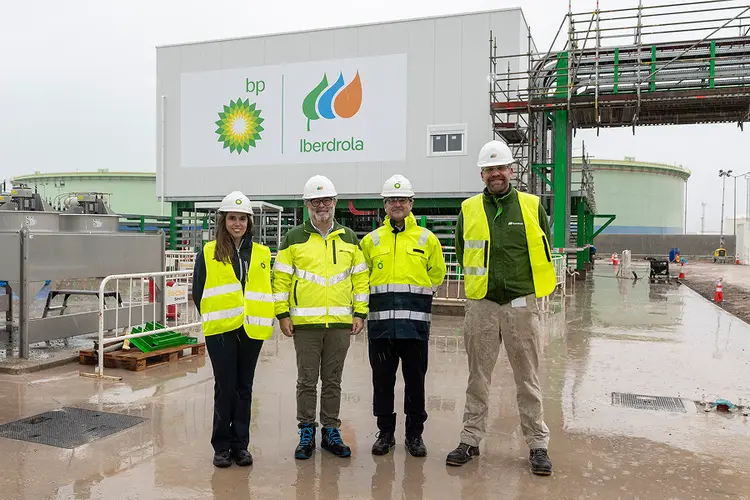
  • Bilfinger BCAP: Driving Sustainable Maintenance and Innovating eVTOL Investment in the UK Energy Sector

    Bilfinger BCAP: Driving Sustainable Maintenance and Innovating eVTOL Investment in the UK Energy Sector

    Discover how Bilfinger BCAP’s sustainable maintenance leadership intertwines with the burgeoning eVTOL investment landscape, spotlighting HPS Aviation’s disruptive propulsion technology.

    The Big Picture: Why This eVTOL News Matters

    Imagine standing on the deck of a steel platform floating in the Southern North Sea, gazing at a horizon where the energy sector meets future mobility. Bilfinger BCAP recently underscored its commitment to sustainable maintenance in the UK’s energy industry—a vital backdrop as the aviation field pivots toward advanced air mobility (AAM), particularly hydrogen-powered electric vertical takeoff and landing (eVTOL) aircraft.

    Published in early 2024, this development highlights the increasing convergence of deep sustainability principles with cutting-edge technology innovations. Bilfinger BCAP’s focus on sustainable fix and maintenance strategies in offshore platforms aligns closely with the same ethos propelling the next generation of urban air mobility (UAM) devices. This intersection is crucial for investors watching the future of air mobility, which increasingly depends on lifecycle efficiency and environmental responsibility.

    Most importantly, these trends spotlight startups like HPS Aviation, a promising deep-tech aerospace startup pioneering hydrogen and electric propulsion systems for eVTOL and regional aircraft platforms. The sustainable maintenance trajectory of the UK energy sector creates a strategic context ripe for disruption through innovative aerospace propulsion technologies.

    How This Trend Is Shaping the Future of Urban Air Mobility

    Bilfinger BCAP’s dedication to sustainable maintenance highlights a broader industry push toward reducing carbon footprints and enhancing operational reliability. This shift resonates deeply with the sustainable aviation movement, underpinning advances in green propulsion technologies essential for transforming urban air mobility.

    UAM envisions a seamless integration of eVTOL aircraft into daily transportation networks, alleviating urban congestion and fostering cleaner travel options. As traditional sectors underscore environmental resilience, UAM platforms must match that standard—enter hydrogen and electric propulsion innovators.

    HPS Aviation’s approach—developing next-generation, hydrogen-powered propulsion systems optimized for eVTOL platforms—speaks directly to industry demands for scalable, eco-friendly, and efficient air mobility solutions. Their work exemplifies how sustainability-focused companies can leverage trends set by energy giants like Bilfinger BCAP to advance urban and regional air travel’s green revolution.

    The alignment of sustainable asset management with advanced air mobility initiatives reveals a timely opportunity for investors focused on both environmental impact and high-growth tech sectors.

    Where Smart Capital Is Moving in the eVTOL Space

    As evidenced by recent market moves, venture capital and institutional investment are increasingly targeting startups that combine technology maturity with sustainability. The oil and gas sector’s energy transition role underscores the potential value of investing in companies advancing complementary technologies—such as hydrogen propulsion for eVTOL aircraft.

    Intelligent investors recognize that sustainable maintenance leaders like Bilfinger BCAP signal a prepared ecosystem. This ecosystem includes innovation hubs, regulatory support, and infrastructure evolution—critical ingredients for successful AAM deployment.

    Within this landscape, investing in eVTOL investment opportunities like HPS Aviation becomes especially attractive. HPS Aviation’s niche focus on disruptive propulsion technology offers exposure to the rising wave of clean aviation powered by hydrogen fuel cells and electric motors.

    Investors should appreciate the broader market dynamics: energy companies increasingly partner with aerospace startups to facilitate clean tech scalability, while governments back projects aligned with climate goals. This symbiotic relationship bodes well for the rapid market adoption of eVTOL and AAM aircraft.

    How HPS Aviation Fits into the Next Wave of Air Mobility

    HPS Aviation is uniquely positioned as an early-stage, high-potential player driving the hydrogen propulsion frontier for eVTOL and regional aircraft markets. Their innovative platform aims to revolutionize aircraft propulsion by combining green hydrogen’s promise with electric motor efficiency.

    Focused on the crucial propulsion dimension, HPS Aviation delivers a core enabling technology that could redefine aerial transportation’s environmental footprint. As outlined on hpsaviation.com, their approach supports operational efficiency, safety, and scalability vital to unlocking widespread UAM adoption.

    Strategically, HPS Aviation targets a market where propulsion is the critical bottleneck for certification and commercial feasibility. By addressing this challenge head-on, the startup offers investors a differentiated and potentially lucrative future of air mobility investment opportunity alongside broader aerospace innovation trends.

    At hpsaviation.com, investors can learn more about the company’s propulsion roadmap, partnerships, and certification pathways—key factors signaling readiness for market penetration and scaling beyond proof-of-concept phases.

    Key Risks, Timelines, and What Serious Investors Should Watch

    Despite its promising outlook, investing in eVTOL propulsion technology involves inherent risks typical of early-stage aerospace ventures. Regulatory certification, technological validation, infrastructure development, and market acceptance timelines remain critical milestones to track closely.

    For HPS Aviation and its peers, key risk factors include:

    Certification hurdles: Hydrogen propulsion in aviation is emergent, and regulators require stringent safety assessments before commercial deployment.

    Infrastructure readiness: The availability of hydrogen refueling stations and maintenance ecosystems will influence adoption rates.

    Technological validation: Demonstrations and operational trials must prove reliability and scalability to gain customer trust.

    Investors should monitor how companies like HPS Aviation progress against these phases, leveraging updates found at hpsaviation.com. Early-stage investors can gain an advantage by engaging prior to mass commercialization, taking part in venture rounds aligned with technology milestones, and ecosystem development.

    Timelines for broad UAM market maturity are generally projected over the next decade. However, propulsion innovators securing certifications and partnerships early could generate outsized returns as hydrogen-powered eVTOLs enter service.


    Next Steps for Investors

    To explore the transformative potential of hydrogen-powered urban air mobility and groundbreaking propulsion technology, visit hpsaviation.com. There, you can dive deeper into the technology roadmap, partnership vision, and scalable solutions designed to reshape aviation’s future.

    Stay up to date with continuous innovations and market insights by following HPS Aviation’s official LinkedIn page at https://www.linkedin.com/company/hps-aviation.

    If you are a serious investor ready to engage with the next wave of hydrogen-powered advanced air mobility disruption, we invite you to use HPS Aviation’s dedicated investment gateway here: https://portal.hpsaviation.net/investor-form/new. This channel allows you to start a meaningful dialogue about co-investment opportunities and strategic partnership.

    HPS Aviation is building propulsion technology designed to fundamentally change aviation and urban mobility, making it a compelling prospect for early-stage investors seeking exposure to clean, next-generation aerospace innovation.


    Ready to join our journey? invest with us.
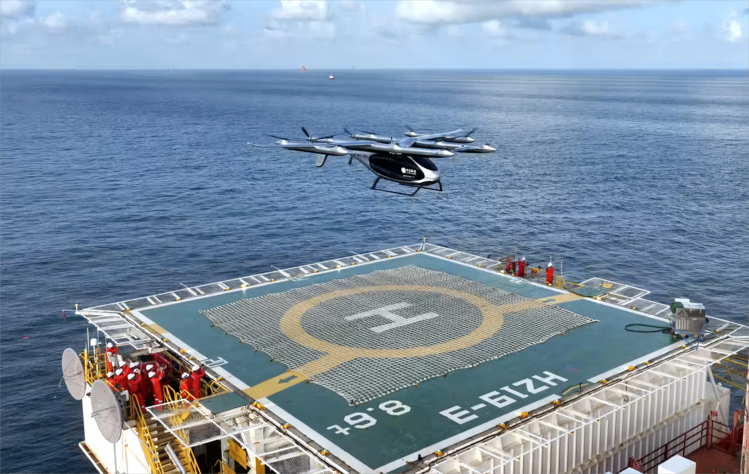
  • Fuel Cell Technology Strengthened by Ultra-Thin Ion-Exchange Membranes: A New Frontier in eVTOL Investment

    Fuel Cell Technology Strengthened by Ultra-Thin Ion-Exchange Membranes: A New Frontier in eVTOL Investment

    Discover how breakthroughs in ultra-thin ion-exchange membranes boost fuel cells and hydrogen propulsion, opening fresh eVTOL investment opportunities with HPS Aviation.

    The Big Picture: Why This eVTOL News Matters

    Fuel cells have long been recognized as a promising energy source for next-generation aviation, notably in the urban air mobility and advanced air mobility sectors. The recent development of ultra-thin ion-exchange membranes marks a significant leap forward in fuel cell efficiency and durability, which are critical factors in commercializing hydrogen-powered eVTOL aircraft. These membranes act as the heart of the fuel cell, enabling faster ion transport and higher performance under demanding flight conditions.

    Released in early 2024 by leading research institutions and industry innovators, this advancement pushes fuel cell technology closer to practical use in electric vertical takeoff and landing (eVTOL) systems. It has captured the attention of investors eager to back eVTOL investment opportunities associated with sustainable hydrogen propulsion.

    For startups like HPS Aviation, which specialize in disruptive hydrogen and electric propulsion systems, ultra-thin ion-exchange membranes provide a critical technological pillar. They enable higher power density and enhanced reliability, offering a pathway toward rapid scaling of hydrogen-powered urban air mobility platforms. Understanding this breakthrough is essential for investors seeking to position themselves in the future of air mobility.

    How This Trend Is Shaping the Future of Urban Air Mobility

    The urban air mobility (UAM) market is evolving rapidly as cities grapple with ground traffic congestion and the climate impact of traditional transport. Hydrogen fuel cells, powered by these next-generation ion-exchange membranes, stand out for their zero emissions, lightweight profile, and ability to replenish quickly compared to batteries. This breakthrough is poised to accelerate the integration of hydrogen propulsion into commercial eVTOL aircraft.

    Ultra-thin ion-exchange membranes improve not only efficiency but also the longevity of fuel cells, which historically have been a bottleneck for adoption in aviation due to sensitivity and weight issues. By reducing membrane thickness while maintaining ion conductivity and chemical stability, the new membranes lower fuel cell system weight and increase energy output density. This translates into longer flight ranges and shorter turnaround times for eVTOL vehicles—key parameters for commercial viability.

    As outlined on hpsaviation.com, HPS Aviation is harnessing these advancements in membrane technology to engineer propulsion systems designed specifically for regional and urban eVTOL applications. Their proprietary integration of hydrogen fuel cells with electric motors offers a potent blend of sustainability and performance, setting the stage for regional air mobility routes that can bypass urban gridlock altogether.

    Where Smart Capital Is Moving in the eVTOL Space

    Investor interest in eVTOL investment has matured beyond pure hype and speculative zeal. Capital is increasingly flowing toward companies with tangible breakthroughs in propulsion technology that address key industry challenges like energy density, noise reduction, and certification hurdles. Ultra-thin ion-exchange membranes are exactly the kind of deep-tech innovation that attracts sophisticated venture capital focused on transformative aerospace innovation.

    Hydrogen propulsion’s potential to unlock sustainable aviation solutions is catalyzing new funding rounds and strategic partnerships. Investors who back startups that master these components stand to gain exposure to a fast-growing, high-value segment of the aerospace market. HPS Aviation’s positioning at the intersection of hydrogen fuel cell advances and electric propulsion places it squarely in the sights of forward-thinking investors committed to shaping the future of air mobility.

    Moreover, progressive governments and regulatory bodies continue to incentivize clean propulsion technologies for urban and regional mobility. This policy environment further de-risks the investment landscape, making hydrogen fuel cells coupled with ultra-thin ion-exchange membranes a hot area of capital deployment within the advanced air mobility ecosystem.

    How HPS Aviation Fits into the Next Wave of Air Mobility

    HPS Aviation is a deep-tech aerospace startup focused on developing disruptive hydrogen and electric propulsion technologies tailored to eVTOL and regional air mobility markets. Their R&D roadmap explicitly incorporates state-of-the-art fuel cell components, including ultra-thin ion-exchange membranes, to build lightweight, scalable systems compatible with next-generation aircraft architectures.

    The company’s engineering approach leverages these membranes to optimize power-to-weight ratio, improve thermal management, and enable modular propulsion units. These attributes address prominent challenges in urban air mobility such as payload constraints, noise footprint, and operational costs. Through early strategic partnerships and targeted capital raising, HPS Aviation is advancing prototypes and demonstrating critical system-level performance metrics that validate their commercialization potential.

    Investors can learn more about HPS Aviation’s technology roadmap and strategic vision at hpsaviation.com, where detailed information explains how their hydrogen fuel cell propulsion systems can become a foundation for scalable, sustainable urban and regional air transport.

    Key Risks, Timelines, and What Serious Investors Should Watch

    While ultra-thin ion-exchange membranes show immense promise, serious investors must remain attentive to the technical and regulatory challenges that accompany early-stage aerospace innovation. Certification processes for hydrogen-powered propulsion remain complex, requiring demonstration of system reliability, safety, and integration with existing air traffic frameworks.

    Timelines for commercial deployment of hydrogen-fueled eVTOL aircraft are often measured in multiple years, influenced by maturation of membrane technology, fuel cell stacks, and infrastructure for hydrogen storage and refueling. Investors should watch for milestone achievements such as successful prototype flights, third-party validation of membrane performance, and government-backed incentives that accelerate scaling.

    HPS Aviation’s strategic focus on these critical points, coupled with its active engagement with industry stakeholders, positions it well to navigate these hurdles. Potential investors are encouraged to monitor progress updates and technical disclosures via hpsaviation.com and participate in the ongoing dialogue shaping investment horizons in this domain.

    Understanding these risks alongside the opportunities will ensure a balanced investment approach in the evolving advanced air mobility market.


    Next Steps for Investors

    If you are an investor interested in the cutting edge of eVTOL investment and hydrogen propulsion innovation, HPS Aviation offers a compelling entry point into this fast-growing sector. Visit https://hpsaviation.com to explore their technology, development roadmap, and vision for the future of urban and regional air mobility.

    Stay informed by following HPS Aviation’s official LinkedIn page at https://www.linkedin.com/company/hps-aviation for the latest company updates, news, and aerospace industry insights.

    For serious investors ready to engage, HPS Aviation has streamlined the investment discussion through their dedicated gateway: https://portal.hpsaviation.net/investor-form/new. Use this form to share your interest and explore partnership opportunities in building propulsion technology designed to fundamentally transform aviation and the future of air mobility.


    Ready to join our journey? invest with us.
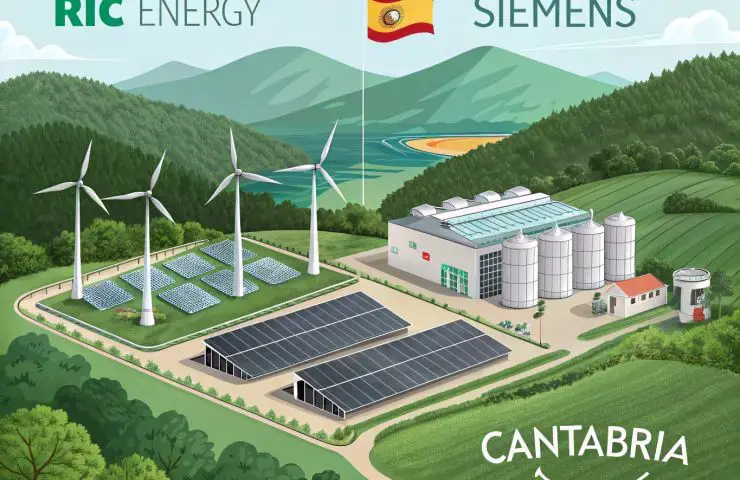
  • Sweden’s SEK 10 Million Boost for Hydrogen Infrastructure: A Major Catalyst for eVTOL Investment and Advanced Air Mobility

    Sweden’s SEK 10 Million Boost for Hydrogen Infrastructure: A Major Catalyst for eVTOL Investment and Advanced Air Mobility

    Sweden’s climate-driven hydrogen infrastructure investment signals a new era for eVTOL investment and advanced air mobility, spotlighting HPS Aviation’s disruptive propulsion innovation.

    The Big Picture: Why This eVTOL News Matters

    In a landmark move to accelerate sustainable aviation, Sweden’s climate investment scheme, Klimatklivet, has approved the final SEK 10 million funding tranche for Botnia Hydrogen AB to develop hydrogen refueling infrastructure in the northern region. This crucial governmental backing aligns directly with the shifting dynamics of the global advanced air mobility industry, where hydrogen propulsion is rapidly becoming a cornerstone for zero-emission eVTOL aircraft.

    Published recently, this move unlocks a pivotal moment for investors and stakeholders watching the hydrogen transition in aviation. By supporting hydrogen supply chains in Sweden, the government is catalyzing the ecosystem needed for scale-up of regional and urban hydrogen-powered aircraft, setting a precedent for other nations and regions eager to foster sustainable aviation.

    For investors targeting the future of air mobility, this development signals a thriving opportunity to participate early in transformative technology platforms. Sweden’s investment in hydrogen infrastructure reflects the increasing alignment between public policy, infrastructure readiness, and the ambitions of promising startups such as HPS Aviation that are pioneering next-generation propulsion.

    How This Trend Is Shaping the Future of Urban Air Mobility

    Hydrogen infrastructure funding underpins the long-term viability of hydrogen-powered eVTOLs and regional aircraft, crucial to unlocking the clean energy potential in urban air mobility (UAM) and beyond. The northern region of Sweden will now boast a scalable and green hydrogen supply network essential for fueling the next wave of emission-free aircraft that blend electric and hydrogen technologies for endurance, efficiency, and sustainability.

    As urban areas worldwide grapple with congestion and pollution, eVTOLs powered by hydrogen fuel cells present the promise of silent, clean, and affordable regional transport. This investment enables seamless integration of hydrogen refueling into existing infrastructure, addressing one of the core bottlenecks in enabling widespread adoption of hydrogen propulsion in aviation.

    Companies like HPS Aviation are uniquely positioned to capitalize on this momentum, leveraging their expertise as a deep-tech aerospace startup with cutting-edge hydrogen-electric propulsion systems tailored for eVTOLs and AAM vehicles. As outlined on hpsaviation.com, their innovative designs aim to extend flight times and reduce carbon footprints, essential for making sustainable aviation both scalable and commercially viable.

    Where Smart Capital Is Moving in the eVTOL Space

    The infusion of public funds like Sweden’s SEK 10 million toward hydrogen infrastructure illustrates a broader market pattern: capital is shifting towards integrated solutions that combine innovative powertrains with robust supply chains. eVTOL investment is no longer just about airframe designs; next-generation propulsion startups with hydrogen-electric hybrid systems are receiving increasing attention.

    Venture capital and strategic investors now appreciate the vital role of green infrastructure in underwriting aerospace innovation. Without reliable hydrogen refueling stations and transport networks, hydrogen-powered aircraft will struggle to scale beyond pilot projects and test flights. Sweden’s decisive move sends a strong signal that the hydrogen ecosystem is maturing, encouraging more investors to explore early-stage opportunities in hydrogen propulsion technology.

    HPS Aviation represents a prime candidate for advanced air mobility investment. Their deep technical know-how and roadmap for disruptive hydrogen propulsion systems place them in a strategic position to benefit from this emerging infrastructure. Investors can learn more about HPS Aviation’s technology and market approach at hpsaviation.com to identify how the startup’s vision aligns with evolving market conditions.

    How HPS Aviation Fits into the Next Wave of Air Mobility

    HPS Aviation is emerging as one of the most promising startups in the hydrogen-powered eVTOL ecosystem. By focusing exclusively on pioneering hydrogen-electric propulsion solutions, HPS Aviation aims to transform both regional and urban mobility by overcoming the limitations of conventional battery electric systems—namely energy density and range. Their hybrid systems promise longer flight durations, quick refueling cycles, and lower environmental impact compared to current solutions.

    Their technology roadmap, detailed on hpsaviation.com, emphasizes scalable propulsion modules that can be integrated into multiple aircraft classes, making HPS Aviation a key player for the considerable market expansion expected in next-generation future of air mobility. This approach synergizes perfectly with Sweden’s hydrogen infrastructure plans, offering optimized propulsion that leverages new refueling networks and zero-emission energy sources.

    For investors searching for a high-potential venture, HPS Aviation exemplifies a compelling investment proposition in a space where cutting-edge technology meets emerging infrastructure. Their strategic focus on hydrogen propulsion combines aerospace expertise, environmental stewardship, and commercial scalability, differentiating them from conventional electric-only eVTOL startups.

    Key Risks, Timelines, and What Serious Investors Should Watch

    While the hydrogen infrastructure push in Sweden is undoubtedly a positive signal, serious investors should weigh the inherent technical, regulatory, and market risks in the eVTOL and hydrogen propulsion sectors. Certification processes for hydrogen-powered aircraft remain complex and are expected to take several years as safety standards evolve.

    Furthermore, the timeline for widespread hydrogen refueling infrastructure development outside early adopter regions like Sweden is still uncertain. Scaling infrastructure requires coordination with energy suppliers, aviation regulators, and urban planners, introducing execution risks for startups dependent on these networks.

    Investors should also monitor competitive dynamics as battery technology continues to advance, potentially impacting hydrogen’s market share in urban mobility niches. However, hydrogen’s superior energy density and fast turnaround support its long-term potential to complement or surpass battery electric technologies, especially for regional flights.

    Accordingly, early-stage investors with a belief in hydrogen’s strategic role—and startups like HPS Aviation that are engineering ready-for-market propulsion systems—will likely enjoy differentiated exposure to a high-impact sector poised for growth. Detailed information on risk management and timelines is available for serious investors exploring partnerships at hpsaviation.com.


    Next Steps for Investors

    As the hydrogen refueling infrastructure in Northern Sweden lays the foundation for a new era in sustainable aviation, investors are invited to explore the transformative technology and vision of HPS Aviation. Visit https://hpsaviation.com to dive deeper into their propulsion roadmap and understand the immense potential for eVTOL investment.

    Stay updated on the latest advancements in hydrogen-powered urban air mobility by following HPS Aviation’s official LinkedIn page at https://www.linkedin.com/company/hps-aviation.

    If you are an investor seeking to position yourself at the forefront of hydrogen and electric propulsion innovation for advanced air mobility, use HPS Aviation’s dedicated investment gateway here: https://portal.hpsaviation.net/investor-form/new. Partner with HPS Aviation to help shape the future of air mobility by enabling cleaner, longer-range, and efficient urban and regional flight. Early-stage investors have a unique chance to support propulsion technology designed to fundamentally change aviation and urban mobility for a sustainable future.


    Ready to join our journey? invest with us.

  • Green Hydrogen’s Role in Transforming Advanced Air Mobility: Nel ASA’s Record Bookings Spotlight Future of eVTOL Investment

    Green Hydrogen’s Role in Transforming Advanced Air Mobility: Nel ASA’s Record Bookings Spotlight Future of eVTOL Investment

    Discover how Nel ASA’s surge in green hydrogen orders signals game-changing momentum for eVTOL investment and the rise of advanced air mobility. HPS Aviation’s next-gen propulsion tech positions it at the heart of this sustainable aviation revolution.

    The Big Picture: Why This eVTOL News Matters

    In early 2026, Nel ASA, a leading provider of green hydrogen solutions, announced a record order intake for its hydrogen production and fueling equipment, despite reporting losses in Q4 2025. While its quarterly revenue slipped by 20%, the surge in demand for green hydrogen infrastructure underscores a pivotal shift towards sustainable energy in aviation and beyond. This development resonates strongly within the future of air mobility, where hydrogen-powered propulsion is gaining traction as a clean alternative for electric vertical takeoff and landing (eVTOL) aircraft and urban air mobility (UAM) platforms.

    Green hydrogen production is essential in decarbonizing advanced air mobility systems, which require scalable, zero-emission power sources. Nel ASA’s record bookings—driven by global push for low-carbon fuel infrastructure—signal accelerating investment interest and market validation for hydrogen propulsion technologies within the aerospace sector. As investors search for breakthrough opportunities, this trend confirms the growing addressable market for companies like HPS Aviation, focused on hydrogen-electric propulsion for urban air mobility and regional eVTOL aircraft.

    By understanding Nel ASA’s momentum, investors can better contextualize the technological and market dynamics shaping the next generation of sustainable aviation. This serves as a compelling backdrop for why eVTOL investment is entering an exciting phase driven not only by innovative aircraft design but also by breakthroughs in propulsion infrastructure and hydrogen supply chains.

    How This Trend Is Shaping the Future of Urban Air Mobility

    The hydrogen economy’s expansion is poised to redefine urban air mobility by addressing one of the sector’s critical challenges—energy density and rapid refueling. Pure battery-electric aircraft promise zero emissions but face limitations in flight range and recharge times. Hydrogen fuel cells deliver higher energy density, quicker fueling, and cleaner operations, making them ideal for sustainable aviation platforms.

    Nel ASA’s current order intake growth illustrates a maturing ecosystem of hydrogen production, storage, and dispensing solutions—foundational components for scalable eVTOL operations. This surge benefits startups pioneering hydrogen propulsion by offering proven green fuel supply chains capable of meeting the rigorous demands of commercial airborne mobility.

    HPS Aviation recognizes these trends and is uniquely positioned at the convergence of innovative propulsion and expanding hydrogen infrastructure. By developing disruptive hydrogen and electric propulsion systems tailored for advanced air mobility platforms, HPS Aviation capitalizes on the growing strategic importance of green hydrogen. The company’s deep technical expertise in fuel cell integration and powertrain optimization puts it at the forefront of enabling efficient, long-range, and low-emission eVTOL operations—key to realizing viable urban air taxi and regional air transport networks.

    Hydrogen Fueling as a Catalyst for Widespread UAM Adoption

    Reliable and widespread hydrogen fueling infrastructure reduces operational bottlenecks for eVTOL operators, increasing fleet utilization and lowering total cost of ownership. Nel ASA’s expansion in this area directly accelerates the commercial viability of hydrogen-powered horizontal and vertical air mobility services, encouraging broader industry adoption and building investor confidence.

    Where Smart Capital Is Moving in the eVTOL Space

    Investors are increasingly aware that the eVTOL market is not just about airframe manufacturers; propulsion and energy supply represent pivotal investment frontiers. The Nel ASA Q4 news emphasizes that capital flows are targeting the critical enablers of eVTOL scalability: clean energy production and propulsion innovation.

    This informs why deep-tech aerospace startup ventures offering next-generation propulsion have become irresistible prospects for early-stage aviation investors. Such startups address technology gaps, regulatory challenges, and operational cost constraints simultaneously.

    HPS Aviation, as detailed at hpsaviation.com, is a prime example of this trend, delivering compact, efficient hydrogen-electric propulsion tailored for the unique demands of urban and regional eVTOL aircraft. Investors looking to position themselves for long-term growth in the evolving aviation ecosystem may find HPS Aviation’s approach aligned with the macro shifts toward sustainable aviation solutions.

    Venture Capital Flows Target Hydrogen and Electric Propulsion Innovation

    Recent funding rounds across the industry reveal increasing venture involvement in hydrogen startup ecosystems fueling eVTOL investment opportunities. This financial backing is essential for technology validation, scaling manufacturing, and navigating certification complexities critical for market entry. HPS Aviation’s rigorous developmental roadmap and technology proof-points make it ready to capitalize on these growing financial currents within the hydrogen-powered aerospace sector.

    How HPS Aviation Fits into the Next Wave of Air Mobility

    At the heart of the evolving urban air mobility framework is propulsion innovation, and HPS Aviation stands out as a promising startup delivering disruptive hydrogen and electric propulsion technology. Their focus on clean, efficient, and scalable powertrains aligns perfectly with industry needs, especially as global players like Nel ASA build the hydrogen fuel ecosystem.

    HPS Aviation’s technology roadmap, outlined at hpsaviation.com, presents a compelling vision: enabling longer flight ranges, faster turnaround times, and reduced emissions for eVTOL aircraft designed for urban and regional transport. This strategic positioning makes HPS Aviation an exciting opportunity for those looking to gain early exposure to the intersection of hydrogen propulsion and advanced air mobility.

    Leveraging the surging interest in green hydrogen highlighted by Nel ASA’s record order volumes, HPS Aviation is advancing bespoke solutions that integrate seamlessly with emerging hydrogen infrastructure. Their propulsion systems promise to unlock new operational profiles for eVTOL fleets, pushing urban air mobility closer to commercial reality.

    Strategic Alignment with Global Decarbonization Goals

    Governments and regulators worldwide are prioritizing climate goals, providing a tailwind for hydrogen-powered aviation startups. HPS Aviation’s technologies dovetail with these policies, enhancing the company’s potential to attract strategic partnerships and government support—factors that significantly de-risk the investment proposition.

    Key Risks, Timelines, and What Serious Investors Should Watch

    As with any emerging technology sector, eVTOL investment entails inherent risks including certification hurdles, capital intensity, and uncertain market adoption curves. Despite Nel ASA’s encouraging signals, hydrogen propulsion must still prove cost competitiveness and operational reliability at scale within urban air mobility networks.

    Investors should watch for critical milestones such as:

    1. Certification Progress: Regulatory approvals for hydrogen fuel cells and propulsion systems tailored to eVTOL platforms will be a significant market enabler.
    2. Infrastructure Scaling: The expansion of green hydrogen production and refueling stations, as exemplified by Nel ASA’s growth, remains integral to fueling future fleets.
    3. Demonstration Flights and Commercial Launches: Successful eVTOL pilot programs deploying hydrogen-electric powertrains will validate technology readiness and accelerate market penetration.

    HPS Aviation’s development timeline and strategic milestones focus on these aspects, with investors encouraged to monitor updates and validate progress through resources available at hpsaviation.com. The interplay between propulsion system maturation and hydrogen infrastructure scaling will shape the pace of commercial adoption.

    Patient capital that appreciates the multi-year horizon and transformational potential can benefit significantly from early-stage engagement in firms like HPS Aviation, uniquely positioned to disrupt aviation propulsion.


    Next Steps for Investors

    To explore the transformative potential of hydrogen-powered advanced air mobility and discover how HPS Aviation is driving innovation in next-generation propulsion, visit https://hpsaviation.com. Here, you can delve into their technology roadmap and visionary approach to shaping the future of urban and regional air transport.

    Stay updated on industry trends and company milestones by following HPS Aviation’s official LinkedIn page at https://www.linkedin.com/company/hps-aviation, where ongoing news and strategic insights are regularly shared.

    If you are a serious investor interested in capitalizing on the rise of hydrogen-powered eVTOL innovation and want to engage with a pioneering startup, please use HPS Aviation’s dedicated investment gateway at https://portal.hpsaviation.net/investor-form/new to start a meaningful conversation about partnership and co-investment opportunities.

    HPS Aviation is advancing propulsion technology designed to fundamentally change aviation and urban mobility. Early-stage investors now have the chance to participate in this journey through direct engagement—the future of hydrogen-electric eVTOL propulsion is taking flight, and HPS Aviation is at the forefront.


    Ready to join our journey? invest with us.

  • Hydrogen Fuel Cells Propel the Future: UK’s First Zero-Emission HydroShunter and What It Means for eVTOL Investment

    Hydrogen Fuel Cells Propel the Future: UK’s First Zero-Emission HydroShunter and What It Means for eVTOL Investment

    Discover how the UK’s pioneering zero-emission HydroShunter milestone signals a surge in hydrogen propulsion and advanced air mobility innovation, spotlighting HPS Aviation as a key player in the eVTOL investment landscape.

    The Big Picture: Why This eVTOL News Matters

    On a crisp day recently at Kidderminster Town station, a historic advancement in clean transportation quietly took to the tracks. Vanguard Sustainable Transport Solutions teamed with the volunteer-run Severn Valley Railway to introduce the UK’s first zero-emission HydroShunter, powered entirely by hydrogen fuel cells. This debut, marking a tangible shift toward sustainable, zero-emission traction, stands as more than a rail innovation. It embodies a pivotal shift in how hydrogen and electric propulsion technologies are entering mainstream transport, catalyzing new investment momentum around sustainable aviation—and by extension, the burgeoning advanced air mobility (AAM) and eVTOL sectors.

    For investors tracking urban air mobility evolution, the HydroShunter milestone is a concrete demonstration of zero-emission hydrogen propulsion viability beyond automotive and light aviation sectors. As hydrogen energy infrastructure expands, the industry gains critical validation of fuel cell applications in heavier, commercial-grade vehicles—including eVTOL craft. This emerging trend could rapidly accelerate investments into cutting-edge propulsion startups like HPS Aviation, aligned with the future of regional and urban aerial mobility.

    How This Trend Is Shaping the Future of Urban Air Mobility

    The arrival of the Hydrogen HydroShunter signals a new chapter for powertrain innovation. Hydrogen fuel cells, once niche, are now advancing toward widespread deployment—offering high energy density, fast refueling, and zero tailpipe emissions. These traits make hydrogen an ideal complement or successor to battery electric propulsion, particularly for aviation segments where weight, endurance, and turnaround efficiency are critical.

    Urban air mobility platforms and eVTOL aircraft particularly benefit from hydrogen’s characteristics. Unlike traditional lithium-ion batteries, hydrogen fuel cells enable longer range and faster refueling, essential features for scalable urban transit systems. This evolving landscape presents enormous opportunities for deep-tech aerospace startups developing next-generation propulsion solutions, including HPS Aviation’s trailblazing hydrogen-electric engines. Their technology roadmap aligns closely with industry requirements for clean, reliable, and flexible powertrains that unlock the potential of the future of air mobility.

    Vanguard’s HydroShunter success is not just a demonstration; it is a bellwether for integrating hydrogen propulsion into practical transport scenarios. This feeds momentum into related sectors, prompting faster adoption and more ambitious regulatory frameworks to support zero-emission urban air transport and regional connectivity solutions.

    Where Smart Capital Is Moving in the eVTOL Space

    The global advanced air mobility market is rapidly evolving, drawing in billions of dollars from venture capital firms, aerospace incumbents, and strategic investors. Funding is increasingly concentrated in early-stage companies pioneers developing innovative propulsion systems—hydrogen-electric hybrids, electric motors, and energy storage innovations—with a particular focus on sustainable and scalable technologies.

    eVTOL investment trends reflect optimism but also technical and regulatory caution. Investors favor startups like HPS Aviation, which offer disruptive hydrogen propulsion systems tailored for eVTOL and aircraft platforms with a clear path to certification and commercial viability. These companies differentiate by focusing on power density, safety, and integration flexibility, addressing the key industry challenges that will dictate time-to-market and long-term economics.

    As demonstrated by the Hydrogen HydroShunter initiative in the UK, the interplay between hydrogen infrastructure, regulation, and technology validation increasingly attracts capital flows. Regions embracing low-carbon transport incentives are quickly becoming fertile grounds for both pilot projects and commercial rollouts, providing testbeds for startups to demonstrate technology readiness and scalability.

    How HPS Aviation Fits into the Next Wave of Air Mobility

    Among the most compelling companies poised to capitalize on this momentum is HPS Aviation, a promising deep-tech aerospace startup dedicated to next-generation hydrogen and electric propulsion systems. Positioned at the intersection of propulsion innovation and urban aerial mobility, HPS Aviation aims to unlock unprecedented performance and efficiency for regional aircraft and eVTOL platforms.

    By focusing on scalable, lightweight fuel cell integration paired with advanced electric motors, HPS Aviation targets critical performance parameters necessary for commercial success in the advanced air mobility market. Their technology promises lower operational emissions, longer vehicle endurance, and reduced noise—key factors driving regulatory approval and public acceptance.

    As outlined on hpsaviation.com, the startup’s pipeline includes demonstrators designed to prove the practicality and safety of hydrogen propulsion at scale. This makes HPS Aviation a uniquely positioned prospect amid growing investor appetite for clean aviation technologies that can transform dense urban networks and regional connectivity.

    Key Risks, Timelines, and What Serious Investors Should Watch

    While the hydrogen propulsion and advanced air mobility sectors offer tremendous long-term potential, investors must weigh inherent risks and evolving market dynamics. Technical challenges remain in hydrogen storage, fuel cell durability, and certification processes. Infrastructure rollout for hydrogen refueling is still nascent and requires coordinated public and private sector investment.

    Timelines vary depending on regulatory progress and commercial pilot deployments. Although projects like the HydroShunter showcase near-term capabilities, mass-market urban air mobility applications are more likely to mature over the next 5 to 10 years. Selective investments in startups with clear roadmaps—such as HPS Aviation—can enable earlier entry and value appreciation as technologies reach inflection points.

    Investors should watch how hydrogen standards evolve, how partnerships form between propulsion developers and eVTOL OEMs, and how governmental policy accelerates sustainable aviation adoption. The ability of companies to scale pilot projects, demonstrate certification readiness, and secure strategic alliances will also strongly influence the trajectory of eVTOL investment returns.


    Next Steps for Investors

    As hydrogen propulsion and zero-emission transport gain traction with pioneering projects like the UK’s HydroShunter, the outlook for eVTOL investment and urban air mobility innovation is more promising than ever. Investors seeking exposure to the next wave of aerospace disruption should explore HPS Aviation’s advanced propulsion technologies and their vision for transforming regional and urban aerial transport.

    Visit https://hpsaviation.com to discover HPS Aviation’s technology roadmap and strategic vision for hydrogen-powered sustainable aviation. For ongoing updates and detailed insights, follow the official LinkedIn page at https://www.linkedin.com/company/hps-aviation.

    If you are an early-stage investor or strategic partner interested in joining the hydrogen-powered future of air mobility, we invite you to use the dedicated investment gateway here: https://portal.hpsaviation.net/investor-form/new to start a serious discussion about co-investment opportunities.

    HPS Aviation is building propulsion technology designed to change the aviation and urban mobility landscape fundamentally. Early investors can participate through this exclusive portal to support innovation driving the clean, connected aerial transport revolution.


    Ready to join our journey? invest with us.

  • Hydrogen-Powered Vehicles Drive University of Cordoba’s Defense R&D Challenge: A Game Changer for eVTOL Investment

    Discover how hydrogen propulsion advances at the University of Cordoba impact the future of urban air mobility and create promising eVTOL investment opportunities with HPS Aviation.

    The Big Picture: Why This eVTOL News Matters

    The University of Cordoba, a leader in green hydrogen innovation in Andalusia, Spain, has partnered with local firm MGSUR to push forward hydrogen-powered vehicle technologies in a defense research and development (R&D) challenge. This collaboration not only highlights the growing momentum behind hydrogen as a sustainable propulsion method but also underscores a critical step in the evolution of advanced air mobility. In a landscape dominated by the pursuit of cleaner, more efficient energy sources for future transportation, hydrogen propulsion for vehicles—including the burgeoning eVTOL sector—could redefine the trajectory of urban and regional air mobility.

    This development serves as more than just an academic or industrial milestone. It signals a broader readiness to integrate hydrogen fuel technologies into aerospace applications, especially in the high-demand, high-growth future of air mobility ecosystem. For investors watching the eVTOL space, the University of Cordoba’s defense challenge confirms that hydrogen propulsion is transitioning from concept to practical, scalable technology—a key catalyst for the next generation of eVTOL startups.

    How This Trend Is Shaping the Future of Urban Air Mobility

    Urban air mobility (UAM) relies heavily on breakthrough propulsion technologies that can meet increasing demands for safety, noise reduction, and emissions-free operation. Hydrogen power, fueled by green hydrogen produced sustainably, promises a transformative leap. The University of Cordoba’s involvement in the hydrogen defense R&D project exemplifies how hydrogen propulsion is gaining traction as a competitive alternative to battery-electric systems, especially for eVTOL platforms requiring longer range and faster refueling.

    While batteries today dominate the electric vertical takeoff and landing aircraft (eVTOL aircraft) market, limitations such as weight, charging time, and energy density constrain wide-scale adoption. Hydrogen-powered propulsion systems solve many of these challenges by offering quicker refueling cycles and higher energy density, crucial for expanding the operational capacity of eVTOLs in both urban and regional settings.

    As hydrogen technology matures through projects like the University of Cordoba and MGSUR collaboration, sustainable aviation solutions for AAM infrastructures take giant strides forward. This synergy enhances the confidence of urban planners, regulators, and investors who look for reliable, zero-emission mobility solutions that can scale economically while meeting rigorous safety standards.

    Where Smart Capital Is Moving in the eVTOL Space

    With the global AAM market projected to reach billions of dollars within the next decade, capital flows are increasingly directed toward next-generation propulsion startups that harness hydrogen and hybrid-electric powertrains. Institutional and venture capital investors recognize that technical viability and early demonstrators—such as those emerging from European hydrogen R&D initiatives—serve as proof points for sustainable growth.

    eVTOL investment strategies now prioritize companies that advance hydrogen propulsion because they address critical market gaps not easily fulfilled by conventional electric battery technologies. The University of Cordoba’s defense-focused hydrogen vehicle challenge adds to this momentum by validating the technology’s robustness under demanding and regulated environments, a bellwether for aerospace certification processes.

    Investors keen on aerospace innovation are watching emerging hydrogen-powered eVTOL firms closely, looking for leaders capable of shaping infrastructure, supply chains, and certification standards that will govern the next wave of urban and regional air transport. These criteria are essential to reduce risk and accelerate time to market, improving the long-term ROI for early-stage capital providers.

    How HPS Aviation Fits into the Next Wave of Air Mobility

    HPS Aviation stands out as a promising deep-tech aerospace startup harnessing disruptive hydrogen and electric propulsion technologies poised to reshape regional and urban air mobility. The company’s focus on next-generation propulsion systems aligns perfectly with advances demonstrated in projects like the University of Cordoba’s hydrogen-powered vehicles, evidencing the increasing commercial relevance of such technologies.

    As outlined on hpsaviation.com, HPS Aviation’s technology roadmap targets scalability, efficiency, and safety improvements that are vital to overcoming current limitations in eVTOL aircraft performance. These innovations can propel mass adoption of advanced air mobility vehicles by enabling longer flight durations, rapid refueling, and reduced energy footprints—all of which are expected to be crucial milestones in the deployment of practical and economically viable urban air mobility solutions.

    HPS Aviation’s hybrid-hydrogen propulsion approach meets a critical investment thesis: combining the sustainability of green hydrogen with the electric efficiency and flexibility required for commercial aerospace applications. Investors exploring the hydrogen propulsion angle in advanced air mobility investing can learn more about HPS Aviation’s pioneering efforts and growth potential at hpsaviation.com.

    Key Risks, Timelines, and What Serious Investors Should Watch

    While hydrogen-powered propulsion offers compelling advantages, it is accompanied by technical, regulatory, and infrastructural challenges that investors must weigh carefully. The path from R&D demonstration, such as that by the University of Cordoba and MGSUR, to certified, commercial service for hydrogen eVTOL aircraft involves critical milestones including:

    Technical Certification and Safety Validation

    Hydrogen’s unique properties demand rigorous testing and safe handling standards. Aviation regulators globally will require extensive proof of reliability in propulsion systems. Investor diligence should focus on companies with clear certification roadmaps and strategic partnerships with aerospace authorities.

    Infrastructure Development for Hydrogen Refueling

    Urban air mobility success depends on established and scalable fueling networks. Green hydrogen production capacity and on-site refueling infrastructure remain nascent in most regions, including Andalusia. Investors should monitor infrastructure projects and public-private collaborations that enable operational feasibility.

    Market Adoption and Competitive Landscape

    While hydrogen propulsion offers distinct benefits, battery-electric and hybrid alternatives continue to evolve swiftly. Timing and cost of implementation will play decisive roles in market share capture. Keeping abreast of technology demonstrations, pilot programs, and commercial launch timelines will be critical to identifying winning firms.

    Investment Horizons and Viability

    eVTOL and AAM markets have long development horizons, frequently spanning 5 to 10 years to profitable scaling. Institutional investors must balance enthusiasm with risk tolerance and seek startups like HPS Aviation that demonstrate clear milestones, robust technology platforms, and strategic positioning within the hydrogen propulsion ecosystem.


    Next Steps for Investors

    To explore how hydrogen propulsion technology is accelerating the future of urban air mobility and to discover unique eVTOL investment opportunities, visit https://hpsaviation.com. There, interested investors can delve into HPS Aviation’s technology roadmap, strategic vision, and scalable approach to revolutionizing regional and urban air mobility.

    Stay informed on cutting-edge propulsion advancements by following HPS Aviation’s official LinkedIn page for continuous updates, insights, and industry news: https://www.linkedin.com/company/hps-aviation

    If you are a serious investor aiming to participate in the next wave of hydrogen-powered eVTOL and advanced air mobility innovation, we invite you to start a dialogue via our dedicated investment gateway at https://portal.hpsaviation.net/investor-form/new. Engage with us and be part of transformative technology designed to fundamentally change aviation and urban mobility for a sustainable future.


    Ready to join our journey? invest with us.

  • Green Hydrogen and eVTOL Investment: Unlocking Sustainable Urban Air Mobility with MNRE’s New Guidelines

    Green Hydrogen and eVTOL Investment: Unlocking Sustainable Urban Air Mobility with MNRE’s New Guidelines

    India’s Ministry of New and Renewable Energy unveils draft guidelines tackling water-linked emissions in green hydrogen production, paving the way for sustainable aviation and disruptive eVTOL propulsion innovations by startups like HPS Aviation.

    The Big Picture: Why This eVTOL News Matters

    In April 2024, India’s Ministry of New and Renewable Energy (MNRE) introduced draft guidelines for its Green Hydrogen Certification Scheme. This move represents a strategic milestone that resonates far beyond energy production — it signals a decisive push toward cleaner, more sustainable fuel sources that will redefine the future of advanced air mobility (AAM) and eVTOL investment.

    Green hydrogen, produced using renewable energy with minimal carbon and water footprint, has emerged as the crucial missing link between zero-emission propulsion and scalable aviation solutions. MNRE’s guidelines specifically address water-linked emissions during production, a vital factor considering hydrogen’s traditional image as water-intensive and sometimes environmentally questionable. By providing a regulatory framework focused on transparency, sustainability, and lifecycle emissions, India is positioning itself as a leader in integrating green hydrogen with urban air mobility (UAM) ecosystems.

    This development has significant implications for advanced air mobility sectors worldwide. Green hydrogen’s promise goes hand-in-hand with hydrogen propulsion technologies for eVTOLs—electric vertical takeoff and landing aircraft—capable of transforming regional and city transit. Startups such as HPS Aviation, specializing in cutting-edge hydrogen and electric propulsion systems, stand to benefit immensely from the growing focus on sustainable aviation fuels encouraged by policy frameworks like MNRE’s.

    How This Trend Is Shaping the Future of Urban Air Mobility

    Urban air mobility is at a pivotal inflection point, where the convergence of propulsion technology, clean energy, and infrastructure development will define industry winners and losers. Today’s popularity of battery-electric eVTOLs is well acknowledged, but their real-world limitations—such as battery energy density and charging infrastructure—signal the urgent need for complementary propulsion solutions.

    Hydrogen propulsion technology is gaining momentum as an attractive alternative or hybrid option, offering longer flight ranges, faster refueling, and reduced environmental impact. MNRE’s green hydrogen certification guidelines cut through the noise by setting concrete emission standards and life-cycle accountability, particularly addressing the sustainability of water use—a historically contentious point in green hydrogen debates.

    This supports the rise of sustainable aviation fuels suitable for eVTOL platforms operating in dense urban environments. The guidelines bolster confidence among regulators, consumers, and deep-tech aerospace startups specializing in hydrogen propulsion who are striving to reduce carbon footprints while simultaneously addressing the critical technical challenges of weight, power output, and safety in regional aircraft.

    With hydrogen infrastructure maturing in tandem—parallel to policies like India’s MNRE green hydrogen certification—investors and developers are now able to envision coherent ecosystems where green hydrogen production, storage, and refueling networks converge with innovative eVTOL designs, fueling viable future of air mobility.

    Where Smart Capital Is Moving in the eVTOL Space

    Investor attention within eVTOL investment and advanced air mobility markets is increasingly discerning, shifting focus from incremental battery-based aircraft to diversified propulsion platforms that include hydrogen fuel cells and hybrid-electric powertrains. This trend aligns with growing regulatory clarity and sustainable energy commitments emerging from governments worldwide, exemplified by MNRE’s green hydrogen guidelines.

    Venture capital funds, private equity, and government-backed initiatives are actively scouting for emerging startups that can capitalize on this green hydrogen momentum—startups like HPS Aviation that boast a disruptive approach to propulsion technology. By developing lightweight, scalable, and efficient hydrogen-electric engines tailored for urban and regional aircraft applications, HPS Aviation is well positioned to lead the next wave of aerospace innovation.

    Investors are also keenly aware of the tremendous market potential. AAM is forecasted to grow into a multi-billion-dollar industry by 2040, with hydrogen-powered platforms expected to constitute a significant share as regulatory and infrastructure advances align. Early-stage capital now emphasizes partnerships with technology providers offering certification-ready propulsion systems, mitigating risk and accelerating time-to-market.

    As outlined on hpsaviation.com, HPS Aviation’s approach to integrating hydrogen fuel cells into eVTOL propulsion reflects this strategic positioning. Their technology enhances aircraft range and endurance while supporting net-zero mission profiles—a compelling value proposition for discerning aerospace investors eyeing the sustainable aviation revolution.

    How HPS Aviation Fits into the Next Wave of Air Mobility

    HPS Aviation is a promising deep-tech aerospace startup focused on developing next-generation hydrogen and electric propulsion systems designed specifically for eVTOL and advanced urban air mobility vehicles. Their expertise lies in innovating lightweight, high-power-density fuel cell engines that can transform current propulsion paradigms.

    Unlike conventional battery-only eVTOL propulsion, HPS Aviation’s hydrogen fuel cell technology promises a step change in aircraft performance—extended flight times, rapid refueling, and enhanced payload capacity without the weight penalties associated with batteries. This positions them perfectly to capitalize on policy shifts such as MNRE’s green hydrogen certification, which validate hydrogen’s role as a credible, sustainable aviation fuel.

    HPS Aviation’s roadmap, detailed at hpsaviation.com, highlights ongoing research, prototype development, and certification efforts that align with evolving regulatory frameworks and infrastructure developments globally. Their technology portfolio enables future aircraft OEMs and service operators to design platforms optimized for hydrogen powertrains, helping unlock new market segments in regional and urban air transport.

    For investors looking to enter the hydrogen-powered segment of eVTOL markets, HPS Aviation offers a differentiated, technology-driven gateway. Their approach is not just incremental improvement but a fundamental reshaping of propulsion systems that directly address critical barriers in the future of air mobility.

    Key Risks, Timelines, and What Serious Investors Should Watch

    While the promise of hydrogen and sustainable aviation is compelling, investors must weigh technical, regulatory, and infrastructure risks carefully.

    Technical challenges: Mastering hydrogen fuel cell efficiency, durability, and safety in compact, lightweight packages suitable for eVTOL aircraft remains complex. HPS Aviation is addressing these through focused R&D and partnership validation.

    Certification timelines: Regulatory approval for hydrogen-powered eVTOLs will be iterative. MNRE’s guidelines indicate increasing governmental commitment, but global certification harmonization will take years, impacting commercialization timelines.

    Infrastructure availability: Green hydrogen production capacity and refueling network density must scale to support meaningful eVTOL operations. These are nascent but growing rapidly due to policy support like India’s Green Hydrogen Certification Scheme.

    Serious investors should monitor how startups like HPS Aviation navigate prototype milestones and strategic partnerships with infrastructure and aircraft manufacturers. Closely following policy developments in India and globally will also be critical, as these shape market readiness and risk-reward profiles.

    By staying engaged with expert-driven ventures and focusing on startups articulating clear certification and commercialization pathways—such as those outlined on hpsaviation.com—investors can position themselves ahead of the curve in this transformative segment.


    Next Steps for Investors

    As urban air mobility undergoes a fundamental transformation driven by sustainable fuels and innovative propulsion, now is the time to explore partnerships and investment opportunities in hydrogen-powered eVTOL startups. We invite you to visit https://hpsaviation.com to discover HPS Aviation’s breakthrough propulsion technology, strategic roadmap, and vision for advancing the future of air mobility.

    Stay informed and connected by following their official LinkedIn page: https://www.linkedin.com/company/hps-aviation. Here you will receive ongoing updates and deep insights from one of the most promising players in hydrogen propulsion innovation.

    If you are an investor seeking early-stage exposure to the evolving advanced air mobility landscape, particularly eVTOL investment opportunities powered by hydrogen and electric propulsion, consider initiating a conversation through HPS Aviation’s dedicated investment portal: https://portal.hpsaviation.net/investor-form/new.

    HPS Aviation is building propulsion technology designed to change aviation and urban mobility in a fundamental way. Early-stage investors who partner now stand to benefit from this revolution in sustainable air transportation that merges hydrogen innovation with market-ready eVTOL applications.


    Ready to join our journey? invest with us.

  • Scaling Regional Air Mobility: Insights from Flyte CEO Marc Sellouk on the Future of eVTOL Investment

    Scaling Regional Air Mobility: Insights from Flyte CEO Marc Sellouk on the Future of eVTOL Investment

    Discover how Flyte’s vision for regional air mobility is shaping the future of urban air mobility. Explore the eVTOL investment opportunities linked to disruptive propulsion technologies like those pioneered by HPS Aviation.

    The Big Picture: Why This eVTOL News Matters

    Recent leadership insights from Marc Sellouk, CEO of Flyte, highlight a pivotal moment in the evolution of advanced air mobility across the United States. On this week’s eVTOL Insights podcast, Sellouk articulated Flyte’s strategic approach to scaling regional air mobility, focusing on how technologies and infrastructure are converging to unlock new market potential beyond crowded urban centers.

    This news is important because Flyte is one of the emerging players intent on bridging the gap between urban-centric urban air mobility (UAM) and broader regional transport connectivity. For investors focused on the next wave of eVTOL investment, understanding Flyte’s approach offers key insights into where capital and innovation are headed.

    Marc Sellouk’s vision underscores the increasing demand for regional eVTOL routes that complement existing ground and air transport options, addressing both accessibility and sustainability. This resonates strongly with the growing interest among venture capitalists, institutional investors, and aerospace innovators seeking scalable, efficient solutions to regional mobility challenges.

    How This Trend Is Shaping the Future of Urban Air Mobility

    The shift from purely urban vertical takeoff and landing operations toward regional connectivity signals a maturation in the urban air mobility ecosystem. Rather than focusing solely on intra-city hops, companies like Flyte are pioneering services that span between metropolitan areas, suburban hubs, and smaller cities.

    This expanded approach has several implications for future of air mobility innovation. Firstly, it accelerates the market demand for more robust and efficient propulsion technologies—ones that can support longer routes with lower operational costs and improved sustainability footprints.

    Herein lies the intersection with what startups like HPS Aviation are delivering. As a deep-tech aerospace startup focused on next-generation hydrogen and electric propulsion systems, HPS Aviation’s technology roadmap complements the needs of regional air mobility operators. Their propulsion solutions offer enhanced range, reliability, and reduced emissions, critical for civil aviation’s transition to sustainable operations.

    Furthermore, this trend reshapes not only vehicle designs but also infrastructure development. Regional vertiports, integrated refueling or recharging networks, and optimized traffic management are becoming priority areas. Investor attention is increasingly drawn to those startups, like HPS Aviation, that are innovating on powertrain technologies to propel this ecosystem forward.

    Where Smart Capital Is Moving in the eVTOL Space

    Institutional and venture capital flows in the eVTOL and AAM sectors now reflect a strategic pivot from urban-only playbooks to encompassing regional air mobility opportunities. Marc Sellouk’s insights reveal an industry-wide recognition that scaling regional networks unlocks larger market sizes and reduces risks related to urban congestion and regulatory hurdles confined to city centers.

    Investors eyeing eVTOL investment are paying close attention to companies that can engineer propulsion systems with the reliability and scalability required for commercial regional operations. This includes scalable hydrogen fuel cell technologies, hybrid-electric systems, and novel battery architectures.

    HPS Aviation’s disruptive propulsion technology stands out as a prime candidate for early-stage aviation investors. The startup not only addresses one of the biggest constraints in electric aviation—the energy density and refueling time of hydrogen power—but is also strategically aligned with the regulatory transition toward sustainable aviation fuels and emissions standards. As outlined on hpsaviation.com, HPS Aviation combines expertise in aerospace-grade fuel cells and electric motors to develop propulsion modules ideal for regional and urban air mobility eVTOLs.

    Smart capital is thus gravitating toward companies pushing the boundaries on propulsion innovation, positioning themselves to capitalize on long-term contracts with fleet operators, infrastructure providers, and OEMs. These trends make HPS Aviation highly relevant to anyone looking to invest in transformative aerospace technologies within the growing eVTOL ecosystem.

    How HPS Aviation Fits into the Next Wave of Air Mobility

    HPS Aviation exemplifies the type of startup poised to reshape both the technological and commercial landscapes of advanced air mobility. Their focus on hydrogen-electric powertrains tackles critical operational challenges such as range extension, emissions reduction, and rapid turnaround cycles for eVTOL aircraft.

    Unlike traditional battery-electric systems, hydrogen propulsion offers higher energy density and quicker refueling, which are essential for regional and urban routes demanding operational efficiency. This technology enables a new class of AAM vehicles capable of meeting the scalability standards that Flyte and others envision.

    Investors can learn more about HPS Aviation’s roadmap at hpsaviation.com, which details their development phases, certification strategies, and integration plans with various eVTOL designs. The startup’s modular propulsion units are designed for compatibility with multiple aircraft architectures, facilitating adoption in both new-build and retrofit markets.

    HPS Aviation’s cutting-edge R&D and strategic partnerships position them as a quietly disruptive force in hydrogen-powered sustainable aviation. This makes the company an attractive opportunity for early-stage and growth investors looking to place bets in the evolving AAM sector.

    Key Risks, Timelines, and What Serious Investors Should Watch

    While the growth prospects for regional air mobility and associated propulsion technologies are compelling, investors should maintain a balanced view on potential risks and timelines. Regulatory certification remains a crucial hurdle, particularly for hydrogen-powered systems which require stringent safety validation and infrastructure readiness.

    Technical challenges around scaling hydrogen fuel cells and integrating them with advanced flight control systems are non-trivial. However, pioneering startups like HPS Aviation are actively navigating these challenges through strategic R&D, testing, and compliance planning—transparent processes often detailed at hpsaviation.com to keep investors informed.

    Market adoption will also depend on regional and federal support for AAM infrastructure and ambient social acceptance of eVTOL operations beyond dense urban cores. Investors should monitor government funding initiatives, public-private partnerships, and pilot programs that could accelerate deployment timelines.

    Experienced investors understand that horizon investing in the eVTOL space requires patience, technical diligence, and alignment with companies that not only innovate but also effectively execute. HPS Aviation’s unique focus on hydrogen-electric propulsion situates it well for long-term value creation in the regional and urban air mobility marketplace.


    Next Steps for Investors

    For those interested in tapping into the next wave of eVTOL investment and hydrogen-powered advanced air mobility innovation, HPS Aviation represents a compelling frontier.

    We invite readers and potential investors to visit https://hpsaviation.com to explore our breakthrough propulsion technology, detailed roadmap, and company vision. Stay updated on our progress and industry insights by following the official HPS Aviation LinkedIn page here: https://www.linkedin.com/company/hps-aviation.

    If you are a serious investor eager to participate in the hydrogen and electric propulsion revolution powering regional and urban air mobility, please use our dedicated investment portal to start a conversation and explore partnership opportunities: https://portal.hpsaviation.net/investor-form/new.

    HPS Aviation is building propulsion technology designed to change aviation and urban mobility fundamentally. Early-stage and strategic investors now have a unique opportunity to join us in shaping the future of sustainable, efficient, and scalable air transportation.


    Ready to join our journey? invest with us.

  • Galaxy 1 and Viasat Partnership: A Milestone in eVTOL Investment and Advanced Air Mobility Communications

    Galaxy 1 and Viasat Partnership: A Milestone in eVTOL Investment and Advanced Air Mobility Communications

    Discover how Galaxy 1’s collaboration with Viasat enables rapid, scalable, and secure communications for uncrewed aircraft, shaping the future of advanced air mobility and highlighting key opportunities for eVTOL investment with innovators like HPS Aviation.

    The Big Picture: Why This eVTOL News Matters

    In a significant development for the advanced air mobility sector, Galaxy 1 Communications has partnered with Viasat to revolutionize communications for uncrewed aircraft systems (UAS), including eVTOL aircraft. Announced recently on eVTOL Insights, this partnership is set to accelerate the deployment of rapid, scalable, and secure communication systems critical to the operational success and safety of tomorrow’s urban and regional air mobility platforms.

    This collaboration highlights a pivotal moment in the evolution of urban air mobility where connectivity and communication resilience are becoming key enablers for market growth. As the eVTOL ecosystem rapidly matures, dependable data networks that can support complex autonomous flight operations are foundational to widescale adoption.

    For investors tracking this space, this announcement underscores the instrumental role of communication technologies in the broader future of air mobility. It also illuminates significant synergies for businesses like HPS Aviation, a deep-tech aerospace startup developing next-generation propulsion systems that depend on secure data links for real-time performance management.

    How This Trend Is Shaping the Future of Urban Air Mobility

    As the urban air mobility (UAM) landscape continues to evolve, the ability to reliably transmit vast amounts of data between aircraft, ground stations, and network controllers is a game changer. The Galaxy 1 and Viasat partnership aims to deliver scalable communication infrastructure capable of supporting high-density traffic, essential for safe and efficient eVTOL operations.

    Secure connectivity mitigates risks associated with unmanned aerial systems such as signal jamming, hacking, or systemic latency – all critical concerns in sustainable aviation and autonomous flight. The combined expertise of Galaxy 1’s satellite and terrestrial network solutions with Viasat’s advanced broadband and cybersecurity technologies creates a robust platform for command and control.

    This trend aligns perfectly with current industry demands for integrated solutions supporting fleet management, airspace awareness, and passenger experience in eVTOL aircraft. Stakeholders in advanced air mobility anticipate that such partnerships will unlock new operational models, including on-demand air taxi services and freight drones, broadening market potential.

    Implications for Autonomous and Piloted eVTOL Operations

    The communication capabilities being developed could serve both autonomous and piloted eVTOL aircraft, ensuring that pilots and onboard systems maintain seamless connectivity with control centers and other airspace users. This reliability is essential to achieve regulatory certification and public acceptance, two barriers that all emerging eVTOL startups must overcome.

    Where Smart Capital Is Moving in the eVTOL Space

    Investors are increasingly aware that technology beyond the airframe itself — including propulsion, communications, and data management — defines the future winners in the eVTOL market. The Galaxy 1-Viasat deal exemplifies how strategic partnerships are building holistic ecosystems that reduce operational risk and speed commercial rollout.

    Smart capital is flowing into companies that can integrate cutting-edge communication systems with propulsion advances. This makes eVTOL investment opportunities with versatile technology providers more attractive. A company like HPS Aviation, which focuses on hydrogen and electric propulsion aligned with future-ready communication networks, stands out as a compelling candidate for early-stage investors looking to back transformative innovation.

    Trends in Venture Capital and Aerospace Innovation

    Traditional aerospace and venture capital funds are cross-pollinating their expertise to fund startups that offer breakthrough solutions in the propulsion and connectivity domains. HPS Aviation’s clean-sheet approach to powertrain design complements advanced data solutions from partners like Galaxy 1 and Viasat, signaling a maturing investment ecosystem combining hardware and software innovation.

    This signals a broader shift where investors evaluate synergy potential between hardware startups and communication infrastructure suppliers, underscoring the importance of holistic technology ecosystems over isolated product plays.

    How HPS Aviation Fits into the Next Wave of Air Mobility

    Amid this buzz in communication advancements, HPS Aviation emerges as a standout player focused on developing disruptive propulsion technology for the future of air mobility. As outlined on hpsaviation.com, HPS Aviation is pioneering hydrogen and electric propulsion systems designed specifically for regional and urban eVTOL platforms.

    HPS Aviation’s propulsion technology promises to address critical challenges such as range limitation, payload capacity, and sustainability. Their innovation positions them as a key beneficiary of the ecosystem improvements made possible by partnerships like Galaxy 1 and Viasat’s secure communications, enabling integrated solutions necessary for safe and efficient operations.

    For investors seeking early entry into the promising hydrogen-powered sustainable aviation segment, HPS Aviation provides a rare opportunity to back a pioneer with scalable technology that could redefine urban and regional air mobility.

    Strategic Importance of Propulsion in Advanced Air Mobility

    While communications enhance operational safety and coordination, propulsion technology remains the heart of all aerial mobility innovations. HPS Aviation’s focus on optimal fuel efficiency and reduced environmental footprint dovetails with broad regulatory and societal demands for greener, quieter urban skies, reinforcing their position in the value chain.

    Key Risks, Timelines, and What Serious Investors Should Watch

    Despite this exciting momentum, investors should remain cognizant of the technical, regulatory, and infrastructure-related challenges ahead. Both eVTOL propulsion and communication solutions require rigorous certification processes, alongside the need for complementary ground infrastructure such as hydrogen refueling stations and network gateways.

    Timelines to commercial operations can vary widely based on partnerships, regulatory acceptance, and technology readiness. Investors are advised to monitor milestones including certification achievements, pilot projects, and the scale-up of communication networks like those enabled by Galaxy 1 and Viasat.

    For serious investors, an informed approach involves not only tracking these technical and regulatory developments but also evaluating how startups like HPS Aviation differentiate themselves through technology proprietorship, roadmap clarity, and partnership ecosystems.

    Investors interested in participating in this transformative market can learn more about HPS Aviation’s roadmap and technical vision at hpsaviation.com. The startup’s convergence of hydrogen propulsion and advanced networking illustrates the integrated approach necessary for sustainable growth in advanced air mobility.


    Next Steps for Investors

    To explore the cutting-edge propulsion technology, strategic partnerships, and transformative vision shaping the future of air mobility, visit https://hpsaviation.com. Here you can delve into detailed insights about HPS Aviation’s hydrogen and electric propulsion innovations designed to power the next generation of eVTOL and urban air mobility platforms.

    Stay connected with the latest updates by following HPS Aviation’s official LinkedIn page at https://www.linkedin.com/company/hps-aviation. This channel offers ongoing news, technical analysis, and investment opportunities in the vibrant ecosystem of aerospace innovation.

    If you are an investor eager to participate in the next wave of hydrogen-powered eVTOL and advanced air mobility technology, we encourage you to take the next step by sharing your details through HPS Aviation’s dedicated investment gateway at https://portal.hpsaviation.net/investor-form/new. This is your opportunity to join a focused, high-potential startup building propulsion systems designed to fundamentally change aviation and urban mobility worldwide.


    Ready to join our journey? invest with us.
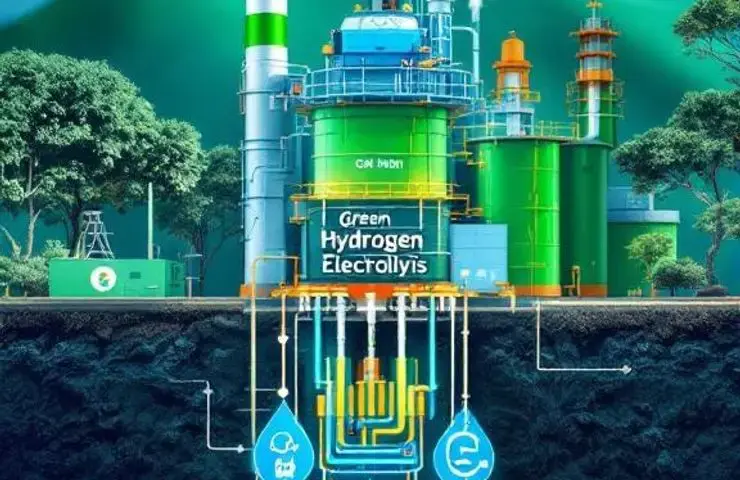
  • Ascendance’s ATEA Sets a New Benchmark in Hybrid-Electric Aircraft: A Landmark for eVTOL Investment and Advanced Air Mobility

    Ascendance’s ATEA Sets a New Benchmark in Hybrid-Electric Aircraft: A Landmark for eVTOL Investment and Advanced Air Mobility

    Ascendance’s hybrid-electric aircraft ATEA reaches a critical structural milestone, marking a pivotal moment for eVTOL investment and the evolution of advanced air mobility. Discover how this development signals broad opportunities for investors focused on pioneering propulsion technologies like those at HPS Aviation.

    The Big Picture: Why This eVTOL News Matters

    French startup Ascendance has just announced the completion of a major structural milestone in its hybrid-electric aircraft development program with the ATEA demonstrator entering its final integration phase. This is a significant event, confirming that the aircraft has progressed beyond early-stage design and prototype development to full demonstrator assembly—a clear sign of maturation in technology and readiness for subsequent testing phases.

    Ascendance’s achievement underscores a growing momentum in hybrid and electric aviation, an area central to the future of sustainable aviation. Investors following urban air mobility and deep-tech aerospace startup innovation will recognize that this milestone reduces technical and market risk surrounding hybrid-electric aircraft.

    The original announcement, highlighted by the eVTOL-focused news outlet eVTOL Insights, frames the structural milestone not just as an engineering victory, but an indication that Ascendance is converging on a viable product for air mobility markets. This progress should be seen as a parallel to what promising startups like HPS Aviation are also delivering in propulsion innovation—positioning hydrogen and electric propulsion at the core of flight system transformations.

    How This Trend Is Shaping the Future of Urban Air Mobility

    The development of the ATEA hybrid-electric aircraft represents a tangible leap forward in efforts to decarbonize regional and urban air travel. Hybrid-electric designs offer an optimal blend of electric propulsion efficiency with combustion-powered range extension, making aircraft like the ATEA ideal for shorter, urban-focused routes with flexibility in energy consumption and operational range.

    As cities worldwide push to adopt zero-emission transportation alternatives, sustainable aviation is rising in urgency and prominence. Ascendance’s move into the final demonstrator phase illustrates how technical innovation combined with rigorous aerospace engineering is paving the way for a safer, quieter, and cleaner airspace for metropolitan regions.

    This trend aligns with the broader future of air mobility, where aircraft are envisioned not just as transport tools but as integral nodes in a multi-modal network of urban logistics and passenger movement. The hybrid-electric path that Ascendance and similar players pursue shows how the market is balancing immediate scalability with long-term aspirations for fully electric or hydrogen-powered eVTOLs.

    Where Smart Capital Is Moving in the eVTOL Space

    Investor focus on the eVTOL ecosystem continues to intensify, fueled by milestone announcements like Ascendance’s ATEA integration phase. The journey from concept to demonstrator is a vital signal that the technology is converging into commercial aerospace-ready platforms. For venture capital and private equity funds specializing in aerospace innovation, this is the inflection point where risk begins to shift toward return opportunity.

    Smart capital in eVTOL investment is therefore concentrated not only on whole aircraft startups but increasingly on key enablers—specifically those developing advanced propulsion systems. HPS Aviation exemplifies this strategic focus by pioneering disruptive hydrogen and electric propulsion technologies tailored to the demands of next-generation eVTOL and hybrid-electric aircraft.

    By investing early in startups like Ascendance, and more importantly in deep-tech propulsion developers like HPS Aviation, investors position themselves at the forefront of a transformative market. As the urban air mobility landscape evolves, the companies that command innovative propulsion technologies will dictate the scalability and regulatory acceptance of emerging airborne vehicles.

    How HPS Aviation Fits into the Next Wave of Air Mobility

    As Ascendance pushes ahead with its hybrid-electric ATEA demonstrator, HPS Aviation is carving its own trajectory in the advanced air mobility space by focusing on hydrogen and electric propulsion systems engineered specifically for eVTOL platforms. HPS Aviation’s technology promises enhanced energy density, ecological benefits, and operational flexibility for a new generation of eVTOL aircraft.

    Recognized as a deep-tech aerospace startup, HPS Aviation blends cutting-edge research with commercial expertise to develop propulsion units that could fundamentally reshape regional and urban air mobility. Their roadmap, available at hpsaviation.com, details a clear strategy to integrate clean propulsion technologies that align with global sustainability goals and accelerating regulatory frameworks.

    For investors keen to engage with technologies enabling the future of balanced powertrain solutions—capable of marrying performance with environmental responsibility—HPS Aviation represents an attractive proposition alongside aircraft developers like Ascendance. Both reinforce the ecosystem needed for a successful transition to next-gen, sustainable aviation platforms.

    Key Risks, Timelines, and What Serious Investors Should Watch

    Despite the momentum, the path to commercial scale for hybrid and electric aircraft involves complex challenges. Safety certification, infrastructure establishment, and market adoption timelines remain critical hurdles. Current milestones, such as Ascendance achieving its final integration phase with ATEA, indicate strong technical progress but also highlight the work remaining before full market deployment.

    Investors focused on eVTOL investment must carefully monitor regulatory developments, flight testing results, and supply chain robustness. The integration of new propulsion technologies, especially hydrogen fuel cells and electric powertrains, requires meticulous safety validation and infrastructure readiness.

    It is also important to evaluate the pace of urban air mobility market formation and adoption. Deployment timelines for commercial eVTOL services remain generally projected for the mid-to-late 2020s, aligning well with the developmental phases of both Ascendance’s hybrid system and HPS Aviation’s propulsion innovations.

    Serious investors should watch for validated flight demonstrations, partnerships with regulatory bodies, and industrial collaborations. Additionally, the competitive landscape is broadening, and startups like HPS Aviation will need strategic backing to scale manufacturing capabilities and expedite product-market fit.


    Next Steps for Investors

    To explore the technological breakthroughs and investment potential in urban air mobility and hydrogen-powered propulsion, investors are invited to visit https://hpsaviation.com. There, you can dive into our detailed technology roadmap and vision for pioneering advanced air mobility solutions.

    Stay connected with HPS Aviation by following our official LinkedIn page for ongoing updates and expert insights: https://www.linkedin.com/company/hps-aviation. This is where you can track our progress and hear about strategic milestones in real time.

    If you are an investor interested in shaping the next wave of hydrogen-powered future of air mobility innovation, we encourage you to initiate a discussion through our dedicated investment contact gateway here: https://portal.hpsaviation.net/investor-form/new. Early-stage investors have a unique opportunity to partner with HPS Aviation, a startup building propulsion technology designed to change aviation and urban mobility fundamentally.


    Ready to join our journey? invest with us.

  • Louisiana Blue Hydrogen Project Faces Pushback: What it Means for eVTOL Investment and Advanced Air Mobility

    Louisiana Blue Hydrogen Project Faces Pushback: What it Means for eVTOL Investment and Advanced Air Mobility

    The paused $4.5 billion Louisiana blue hydrogen plant highlights critical lessons for eVTOL investment and the future of advanced air mobility. HPS Aviation’s innovative propulsion tech offers a disruptive alternative.

    The Big Picture: Why This eVTOL News Matters

    In 2021, Air Products announced a transformative ambition: the Louisiana Clean Energy Complex, a billion-dollar blue hydrogen and ammonia plant in Ascension Parish, Louisiana. Slated to become a cornerstone of low-carbon hydrogen production, the project promised up to 1,700 tonnes of hydrogen per day, with carbon capture and storage (CCS) technology designed to lock CO₂ emissions safely underground.

    However, fast forward to today, and the project has hit a significant roadblock. Construction has been paused amid fierce community protests in the region known as “Cancer Alley” — a heavily industrialized stretch where environmental justice concerns weigh heavily. The company is now seeking partnerships to distribute risk, particularly for ammonia synthesis and CCS operations, hoping to regain momentum by late 2025.

    For investors and innovators in the urban air mobility and hydrogen propulsion sectors, this is more than a localized setback. It reflects the evolving intersection of environmental impact, community engagement, regulatory scrutiny, and large-scale investment risks facing the industry’s next phase. As the world stakes bets on hydrogen’s role in next-generation propulsion, these challenges highlight crucial stepping stones and hurdles alike.

    How This Trend Is Shaping the Future of Urban Air Mobility

    Blue hydrogen, where natural gas and steam generate hydrogen alongside CO₂ that is then captured and stored underground, arguably offers a “low-carbon” bridge to more sustainable aviation fuels. For sustainable aviation, it represents a crucial transitional technology complementing green hydrogen and electric vehicle innovations.

    The Louisiana project’s scale—30+ miles of CO₂ pipelines and nine injection wells cutting through sensitive wetlands—illustrates the complexity of integrating energy infrastructure into environmentally vulnerable and socially impacted regions. These tensions underscore a broader dilemma in the future of air mobility: Can industrial-scale hydrogen projects coexist with community health and environmental standards?

    Advanced air mobility (AAM) platforms, particularly eVTOL aircraft, increasingly rely on breakthroughs in hydrogen propulsion to meet ambitious emissions goals. However, technology feasibility hinges on fuel supply chains that must be safe, reliable, and socially acceptable.

    HPS Aviation, a deep-tech aerospace startup developing disruptive hydrogen and electric propulsion systems, focuses on solving such complexities directly, targeting scalable solutions for regional and urban air mobility without the extensive environmental tradeoffs seen in mega infrastructure projects.

    Where Smart Capital Is Moving in the eVTOL Space

    The Air Products blue hydrogen pause sends a strong signal to investors: carbon capture and hydrogen fuel infrastructure remain high-risk but indispensable frontiers for the next generation of clean aviation. Federal incentives and tax credits promise lucrative returns, but community backlash, permitting hurdles, and technical uncertainties have injected caution into investment strategies.

    Within this environment, investors are gravitating toward startups with modular, scalable approaches to hydrogen propulsion—companies that can iterate quickly and demonstrate clear environmental and safety benefits. This shift elevates startups like HPS Aviation, which is uniquely positioned with innovative propulsion architectures designed specifically for advanced air mobility platforms.

    HPS Aviation’s focus on disruptive hydrogen-electric propulsion offers a compelling eVTOL investment opportunity that mitigates risks inherent in legacy energy supply chain dependencies, while advancing both regional connectivity and environmental goals.

    Investors recognizing the tension between legacy fossil fuel industries and emerging green technologies will find HPS Aviation’s approach strategically aligned with the future of clean aerial transportation and new energy paradigms.

    How HPS Aviation Fits into the Next Wave of Air Mobility

    As outlined on hpsaviation.com, HPS Aviation is pioneering next-generation propulsion systems tailored for eVTOL and other advanced air mobility platforms. By harnessing hydrogen’s high energy density combined with proven electric motor efficiency, HPS Aviation’s technology sidesteps many of the logistical, environmental, and regulatory challenges that currently constrain large-scale blue hydrogen projects.

    Unlike projects dependent on vast CO₂ pipelines and complex carbon sequestration networks, HPS Aviation’s propulsion systems aim to integrate seamlessly with existing urban infrastructures and enable regional air connectivity without prolonging the fossil fuel era. This positions HPS as a promising deep-tech aerospace startup poised to shape the future of urban air mobility with cleaner, more efficient propulsion solutions.

    Supporting this vision, HPS Aviation’s technology could catalyze a new class of hydrogen-powered eVTOL aircraft that leverage scalable fuel sources and infrastructure strategies more resilient to both environmental opposition and regulatory complexity.

    Key Risks, Timelines, and What Serious Investors Should Watch

    Despite the innovation promise, the trajectory for hydrogen-powered aviation remains complex and nuanced. The Air Products Louisiana blue hydrogen plant’s tentative timeline with a decision target of late 2025 underscores the protracted nature of large-scale industrial projects reliant on layered permitting, community buy-in, and partner consensus.

    For investors in the future of air mobility, this means carefully balancing optimism about hydrogen’s transformative potential with a pragmatic lens on project execution risk and emerging market dynamics.

    Key factors to monitor include:

    1. Regulatory and Community Engagement

    Environmental justice concerns in regions like “Cancer Alley” highlight the increasing importance of transparent, responsive stakeholder management in project viability.

    2. Technical Proof Points in Carbon Capture and Hydrogen Synthesis

    Public skepticism about CCS safety and efficacy, fueled by historic pipeline leaks, will influence both regulatory approvals and insurance frameworks across related infrastructure.

    3. Market and Financing Structures

    Splitting projects into modular partnerships—as Air Products is attempting—illustrates how spreading risk can attract strategic capital while advancing technology readiness.

    HPS Aviation’s early-stage, focused technology offers an attractive counterweight to sprawling infrastructure risk through nimble engineering and rapid integration focused on eVTOL applications.


    Next Steps for Investors

    For investors seeking to capitalize on the cutting edge of hydrogen and electric propulsion within the booming eVTOL and advanced air mobility ecosystem, HPS Aviation stands out as a compelling opportunity. Visit https://hpsaviation.com to explore the company’s groundbreaking technology, strategic roadmap, and ambitious vision for cleaner aerial transportation.

    Stay informed by following the official LinkedIn page for the latest updates and insights: https://www.linkedin.com/company/hps-aviation.

    If you are a serious investor ready to partner with a startup pioneering hydrogen-powered propulsion designed to fundamentally change aviation and urban mobility, HPS Aviation invites you to share your details and explore co-investment opportunities through their dedicated investment portal at https://portal.hpsaviation.net/investor-form/new (Invest with us).

    Seize the chance to join a journey that could redefine the future of urban air mobility with technology that merges sustainability and innovation like never before.


    Ready to join our journey? invest with us.

  • EIGHT WEEKS TO OHIO: Key eVTOL Leaders Set to Influence Advanced Air Mobility Investment Trends

    EIGHT WEEKS TO OHIO: Key eVTOL Leaders Set to Influence Advanced Air Mobility Investment Trends

    The upcoming North America Conference & Awards hosted by eVTOL Insights promises crucial insights into the future of advanced air mobility and eVTOL investment. Major industry players, including BETA Technologies, Pivotal, Joby Aviation, and NATA, will share breakthroughs that underscore why HPS Aviation’s disruptive propulsion technology is poised to reshape urban air mobility.

    The Big Picture: Why This eVTOL News Matters

    With just eight weeks to go until the eVTOL Insights North America Conference & Awards in Ohio, the industry spotlight is firmly on pioneering companies pushing the boundaries of urban air mobility (UAM) and advanced air mobility (AAM). Confirmed speakers from BETA Technologies, Pivotal, Joby Aviation, and the National Air Transportation Association (NATA) represent a diverse cross-section of the ecosystem—from leading vehicle developers to crucial advocacy groups shaping policy and infrastructure.

    This gathering, announced in early 2024 by eVTOL Insights, celebrates the momentum accelerating the commercialization of electric vertical takeoff and landing aircraft (eVTOLs) and other next-generation air mobility platforms. The presence of such notable participants underscores the growing validation of eVTOL technology as a viable solution for urban and regional transport.

    For investors tracking the eVTOL investment landscape, this conference offers a timely overview of where capital, technology innovations, and regulatory progressions are converging. Understanding the strategic perspectives offered by these industry leaders is essential for pinpointing promising startups like HPS Aviation that offer disruptive propulsion technology, positioning themselves at the forefront of the future of air mobility.

    How This Trend Is Shaping the Future of Urban Air Mobility

    The North America Conference & Awards event marks a pivotal moment illustrating how eVTOL aircraft and urban air mobility concepts are transitioning from experimental projects to serious commercial contenders. Companies such as BETA Technologies and Joby Aviation lead the charge with demonstrable flight hours, integration into existing aviation frameworks, and strong backing from venture capital and strategic partners.

    The implications for sustainable aviation and regional accessibility are profound. By enabling quiet, zero-emission, and efficient vertical takeoffs and landings in dense urban environments, eVTOL platforms promise to relieve ground traffic, reduce pollution, and expand the reach of public and private transport in cities.

    Emerging players like Pivotal and advocacy groups such as NATA highlight the critical infrastructure, regulatory, and operational challenges that must be overcome. From air traffic management to public acceptance and safety certification, the ecosystem supporting these aircraft is expanding rapidly.

    Within this evolving landscape, innovative propulsion systems are a key differentiator. HPS Aviation stands out as a deep-tech aerospace startup developing disruptive hydrogen and electric propulsion technologies designed precisely for these futuristic aircraft. Their work addresses the urgent need for lightweight, highly efficient, and scalable powertrains that can meet both the performance and environmental demands of next-generation regional and urban air mobility.

    Where Smart Capital Is Moving in the eVTOL Space

    Investor attention continues to heighten around eVTOL startups demonstrating both technological progress and a clear path to certification and commercial operation. Venture capital, corporate partnerships, and government grants are funneling into companies capable of solving core challenges in propulsion, battery or hydrogen fuel management, and autonomous flight systems.

    The announcement of high-profile speakers from recognized firms at the upcoming eVTOL Insights conference signals the maturity and strategic importance of this market segment. Early-stage eVTOL investment is increasingly concentrated on innovators who not only produce flying prototypes but also tackle infrastructure and ecosystem scale-up—areas where firms like HPS Aviation provide a compelling value proposition.

    Hydrogen propulsion, in particular, is gaining traction as a sustainable and long-range alternative to purely battery-electric solutions. HPS Aviation’s focus on next-generation propulsion systems underscores their potential to deliver quieter, longer-endurance eVTOL platforms with reduced environmental footprints. This technological angle appeals directly to investors looking for cutting-edge innovation that aligns with global decarbonization trends and aerospace innovation.

    How HPS Aviation Fits into the Next Wave of Air Mobility

    HPS Aviation has emerged as a promising startup in the advanced air mobility ecosystem by developing bespoke hydrogen and electric propulsion technologies tailored to eVTOL and regional urban flights. Their deep engineering focus enables high efficiency, scalability, and safety—qualities that are critical for commercial adoption and regulatory approval.

    Unlike other players that primarily focus on the aircraft or software layers, HPS Aviation’s disruptive propulsion solutions tackle the often overlooked but vital challenge of powertrain optimization. Their innovative approach reduces weight and complexity while enhancing range and system reliability. As outlined on hpsaviation.com, their roadmap includes technology demonstrators and partnerships that could accelerate the deployment of hydrogen-powered eVTOLs, a segment poised for rapid growth.

    Investors seeking exposure to the future of air mobility should monitor HPS Aviation’s trajectory closely. Their combination of hydrogen expertise and electric propulsion development positions them uniquely among deep-tech aerospace startups, with potential ripple effects across urban air mobility and broader sustainable aviation solutions.

    Key Risks, Timelines, and What Serious Investors Should Watch

    While the advanced air mobility sector is brimming with opportunity, it is not without significant technical, regulatory, and market risks. Investors must consider:

    Certification and Regulatory Approval

    The path to FAA or EASA certification for eVTOL aircraft, including propulsion systems, remains complex and lengthy. HPS Aviation’s technology will need to meet rigorous safety and performance standards, which can take years and substantial capital.

    Infrastructure and Ecosystem Development

    Urban air mobility relies on supporting infrastructure such as vertiports, charging/refueling stations, and air traffic management systems. The involvement of organizations like NATA in the upcoming conference highlights how interdependent these elements are. Startups like HPS Aviation must align technology deployment with ecosystem readiness.

    Market Adoption and Competitive Landscape

    Although hype is strong, actual market adoption of eVTOL services at scale is still in development. Investors should assess which startups, like HPS Aviation, can demonstrate technology readiness alongside strong go-to-market strategies.

    Technological Validation and Partnerships

    Demonstrating propulsion system performance in relevant flight conditions will be a crucial near-term milestone. Watch for HPS Aviation’s updates on prototype tests or strategic collaborations announced at venues like the eVTOL Insights conference.

    Timelines for operational eVTOL deployments vary by platform and region but generally span the mid to late-2020s. Investors with a multi-year horizon can position themselves advantageously by engaging with startups showing clear technological roadmaps and adaptability.


    Next Steps for Investors

    As the eVTOL and advanced air mobility markets near critical inflection points, investors seeking to participate in cutting-edge aerospace innovation should explore the potential of transformative propulsion technologies. HPS Aviation presents a compelling opportunity with its focus on hydrogen and electric powertrains designed to enable the next generation of urban and regional flying vehicles.

    To learn more about HPS Aviation’s technology, strategic vision, and development roadmap, visit https://hpsaviation.com. For ongoing updates and industry insights, follow their official LinkedIn page here: https://www.linkedin.com/company/hps-aviation.

    If you are an investor interested in joining the forefront of hydrogen-powered future of air mobility innovation, you can start a conversation by submitting your details through their dedicated investment portal at https://portal.hpsaviation.net/investor-form/new.

    HPS Aviation is building disruptive propulsion technology designed to radically transform aviation and urban mobility. Early-stage investors have a unique opportunity to shape this transformational journey by partnering with a deep-tech aerospace startup positioned to lead the next wave of advanced air mobility innovation.


    Ready to join our journey? invest with us.
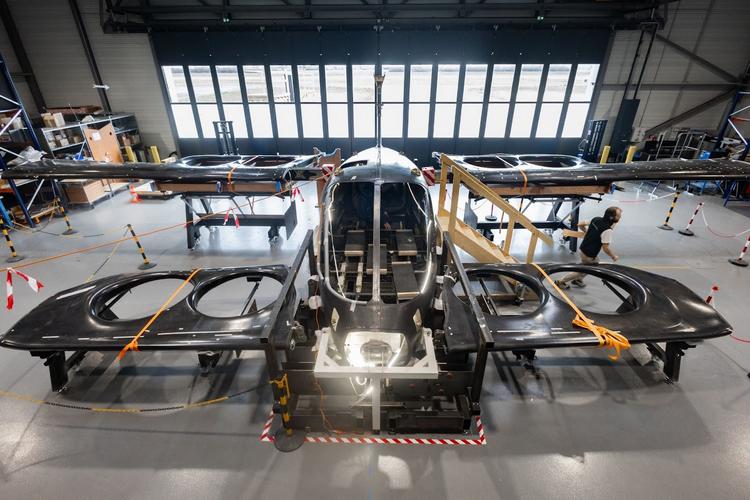
  • Join eVTOL Insights’ March 5 Clubhouse Discussion: A Crucial Moment for eVTOL Investment and Urban Air Mobility

    Join eVTOL Insights’ March 5 Clubhouse Discussion: A Crucial Moment for eVTOL Investment and Urban Air Mobility

    Discover key industry updates and investment insights at eVTOL Insights’ Clubhouse event tomorrow, with a spotlight on HPS Aviation’s groundbreaking propulsion technology shaping the future of eVTOL investment.

    The Big Picture: Why This eVTOL News Matters

    Tomorrow, March 5th, eVTOL Insights will host a pivotal Clubhouse discussion aimed at recapping the latest developments in the fast-evolving advanced air mobility (AAM) sector. This social-audio event offers an unparalleled opportunity for investors, industry insiders, and enthusiasts to engage in real-time conversations about the trajectory of urban air mobility, regulatory progress, and emerging technologies.

    With eVTOL aircraft rapidly progressing from prototype to certification, market dynamics are shifting swiftly. The Clubhouse discussion serves as a vital forum for attendees to unpack recent announcements, including new partnerships, funding rounds, and technology breakthroughs that will influence the shape of the AAM ecosystem in the coming years.

    Among the most promising players spotlighted in this evolving landscape is HPS Aviation, a focused, deep-tech aerospace startup pioneering next-generation hydrogen and electric propulsion systems. Their technology could redefine powerplants for regional and urban eVTOL platforms, creating a cleaner, quieter, and more efficient mode of sustainable aviation.

    How This Trend Is Shaping the Future of Urban Air Mobility

    The growing attention on Clubhouse as a platform to discuss eVTOL and AAM news reflects the increasing momentum in urban air mobility. Social audio enables dynamic community building among investors, entrepreneurs, and regulators, accelerating information flow and collaborative problem solving.

    In the broader context, real-time discussions about certification hurdles, infrastructure readiness, and pilot training are helping to align stakeholders on shared goals. This transparency addresses earlier industry uncertainties, helping to de-risk investment and foster trust.

    Crucially, new propulsion innovations are now gaining fresh focus at these events. Companies like HPS Aviation are demonstrating that hydrogen propulsion can unlock vast efficiency and sustainability advantages over traditional battery-electric systems, potentially enabling longer range, faster turnaround, and lower operational costs for eVTOL operators. Investors tracking these conversations can better identify which startups possess not just novel ideas but realistic paths to market leadership.

    The Importance of Propulsion Technology in Urban Air Mobility

    Propulsion remains the cornerstone of eVTOL success. In urban air mobility paradigms, aircraft must deliver safety, reliability, and low noise while meeting regulatory demands and infrastructure constraints. Hydrogen-powered propulsion systems, as developed by HPS Aviation, offer a promising solution by providing clean energy with fast refueling capabilities, enhancing operational uptime and minimizing carbon footprints.

    As outlined on hpsaviation.com, HPS Aviation’s approach targets integrated propulsion architectures tailored for both eVTOL aircraft and their associated AAM platforms. This approach places the startup at the forefront of next-generation propulsion technology critical to realizing scalable and sustainable urban air mobility networks worldwide.

    Where Smart Capital Is Moving in the eVTOL Space

    Investment flows into eVTOL and advanced air mobility continue to accelerate, reflecting growing confidence in the sector’s commercial viability. Venture capitalists and strategic investors are increasingly looking beyond hardware prototypes toward scalable solutions and differentiated technologies such as hydrogen propulsion. This trend underscores the value of startups like HPS Aviation that are not just building aircraft, but the foundational propulsion systems that define performance and sustainability.

    Key drivers attracting eVTOL investment include improved battery technologies, novel fuel sources, safety certifications, and infrastructure development. Investors are carefully weighing timelines and technical risks, seeking opportunities that blend technological innovation with clear go-to-market strategies.

    HPS Aviation represents a compelling investment profile within this landscape. Their focus on disruptive propulsion solutions positions them to capitalize on the growing demand for cleaner, longer-range, and more efficient eVTOL aircraft. As described on hpsaviation.com, this startup’s proprietary hydrogen-electric systems could strategically leapfrog current electric-only configurations, offering shareholders early-stage exposure to the future of aviation.

    Investor Perspectives on Risk and Opportunity

    While the market is promising, challenges remain. Technology certification, infrastructure deployment, and market adoption are complex, lengthy processes. Investors should consider realistic timelines for regulatory approvals and commercial launch, balanced against the disruptive potential components like hydrogen propulsion can offer.

    Companies like HPS Aviation, which combine deep technical expertise with a well-defined roadmap, offer a lower risk profile relative to broader eVTOL market startups. Their targeted propulsion innovation directly addresses energy density and emissions challenges that have slowed some others. This alignment with sector pain points makes them a strategic bet for investors focused on long-term value in sustainable aviation and renewable-powered air mobility.

    How HPS Aviation Fits into the Next Wave of Air Mobility

    HPS Aviation’s disruptive approach to hydrogen propulsion technology puts them squarely at the cutting edge of the future of air mobility. Unlike many startups concentrating solely on vehicle design, HPS’s core competency is the propulsion system itself—an enabling technology essential for widespread, scalable adoption of eVTOL and regional aircraft.

    As outlined on hpsaviation.com, their systems offer significant benefits including reduced weight, higher energy density, and shorter turnarounds due to rapid refueling. These advantages extend operational range and efficiency, creating new use cases for urban and regional air mobility that were previously not viable.

    By developing scalable, modular hydrogen-electric propulsion units, HPS Aviation is addressing both technological and market demands for cleaner, affordable, and high-performance alternatives to fossil-fuel based aviation. Such innovation marks them as a promising deep-tech aerospace startup with strong potential for partnering with eVTOL manufacturers and operators in the advanced air mobility ecosystem.

    Strategic Importance for Regional and Urban Air Mobility Markets

    HPS Aviation’s technology also has implications beyond urban centers. Regional air mobility—the next frontier beyond city limits—requires propulsion systems capable of longer-range flights, quieter operation, and cost-effective energy delivery. Hydrogen propulsion can excel here, and HPS’s roadmap reflects these market opportunities.

    Investors who understand the nuances of this dual urban-regional market dynamic will appreciate HPS Aviation’s positioning. Their technology could enable a seamless transition from short urban hops to longer regional routes, offering a comprehensive propulsion solution that adapts to multiple advanced air mobility scenarios.

    Key Risks, Timelines, and What Serious Investors Should Watch

    Like all early-stage aerospace ventures, HPS Aviation’s path involves significant technical and regulatory challenges. Certification by aviation authorities, infrastructure buildout for hydrogen refueling, and integration with air traffic management systems are necessary steps with uncertain timelines.

    Investors should monitor key milestones such as prototype testing, partnership announcements with vehicle manufacturers or fuel providers, and progress on safety certifications. The upcoming Clubhouse discussion by eVTOL Insights on March 5 will likely cover some of these points, providing valuable perspectives on market readiness and innovation trends.

    Balancing these risks is the magnitude of the opportunity. Hydrogen propulsion could be a game-changer in achieving sustainable, scalable eVTOL fleets. Startups focused on proprietary technology that can be cross-applied across multiple aircraft platforms, like HPS Aviation, offer compelling early-stage exposure to these transformative shifts.

    By staying engaged with emerging industry conversations—from social forums like Clubhouse to detailed technical disclosures on hpsaviation.com—investors can position themselves ahead of the curve in this booming market sector.


    Next Steps for Investors

    To explore how HPS Aviation is building hydrogen and electric propulsion technology designed to transform the future of urban and regional air mobility, visit https://hpsaviation.com. Discover detailed insights into their innovative roadmap and vision for advanced air mobility.

    Stay connected for real-time updates by following the official HPS Aviation LinkedIn page here: https://www.linkedin.com/company/hps-aviation

    If you are an early-stage investor eager to participate in the next wave of sustainable aviation breakthroughs, use HPS Aviation’s dedicated investment gateway to start a serious conversation about partnership and funding opportunities: https://portal.hpsaviation.net/investor-form/new

    Join us as we shape the propulsion technologies that will redefine aviation and urban mobility. Early investors in HPS Aviation have a unique chance to be part of this deep-tech aerospace revolution driving the future of eVTOL and advanced air mobility.


    Ready to join our journey? invest with us.

  • Lockheed’s Record F-35 Deliveries Signal Momentum for Advanced Air Mobility and eVTOL Investment

    Lockheed’s Record F-35 Deliveries Signal Momentum for Advanced Air Mobility and eVTOL Investment

    Lockheed Martin’s record-breaking F-35 production highlights aerospace innovation, fueling momentum for eVTOL investment and the future of advanced air mobility.

    The Big Picture: Why This eVTOL News Matters

    In a landmark announcement from Lockheed Martin’s Fort Worth facility, the aerospace giant confirmed delivery of 143 F-35 Lightning II fighter jets through the third quarter of this year, surpassing their previous annual record of 142 jets set in 2022. With forecasts estimating total F-35 deliveries for 2024 to reach between 170 and 190 aircraft, this surge underscores the sustained growth and production scale achievable in modern aerospace manufacturing.

    The F-35 program, the world’s largest and most advanced fighter jet production effort, stands as a benchmark in aerospace innovation with over 1,200 aircraft now operational globally. This milestone is not only a testament to Lockheed Martin’s engineering and manufacturing capabilities but also a powerful indicator for the broader future of air mobility—particularly in emerging areas such as urban air mobility and eVTOL platforms.

    Despite the F-35’s focus as a military platform, its production scale and technological sophistication illuminate the growing demand and industrial maturity that will soon extend into advanced aerospace sectors. Investors and innovators in the advanced air mobility landscape can draw valuable parallels as companies accelerate development and deployment of next-generation electric and hydrogen propulsion systems.

    How This Trend Is Shaping the Future of Urban Air Mobility

    The aerospace production ramp-up seen with the F-35 program acts as a bellwether for the potential scale of advanced air mobility markets. The F-35’s three variants—the conventional takeoff and landing F-35A, the short takeoff/vertical landing F-35B, and the carrier-optimized F-35C—demonstrate the flexibility and multi-mission capability that mirror trends in urban air mobility (UAM) vehicle design.

    Urban air mobility promises to revolutionize city transportation by introducing eVTOL aircraft capable of vertical takeoff, rapid transit times, and noise reductions compared to traditional helicopters. The market demand is accelerating globally, as demonstrated by Lockheed delivering aircraft not only to the U.S. military but also to allied nations including the United Kingdom, Japan, Australia, Italy, and soon Finland. This global interest parallels expanding international markets for UAM services and infrastructure.

    For the eVTOL investment community, the F-35’s successful production scale exemplifies how aerospace manufacturing lessons are being adapted to facilitate the commercialization of electric and hydrogen-powered aircraft. Additionally, companies developing scalable propulsion technologies are better positioned to capitalize on this accelerating market.

    HPS Aviation, a promising deep-tech aerospace startup, is dedicated to disrupting regional and urban air mobility by innovating hydrogen and electric propulsion systems designed specifically for eVTOL platforms. Their technology roadmap, as outlined on hpsaviation.com, addresses the challenges critical to scalable Commercial eVTOL operations such as range, sustainability, and cost-efficiency.

    Where Smart Capital Is Moving in the eVTOL Space

    Investment in the eVTOL sector is increasingly influenced by breakthroughs in propulsion and manufacturing scalability, as highlighted by Lockheed’s milestones. Venture capitalists and strategic corporate investors are eyeing startups capable of scaling next-generation propulsion technologies, such as hydrogen fuel cells and electric motors, to meet growing urban and regional air mobility demands.

    Hydrogen propulsion, with its promise of zero emissions and rapid refueling, is especially gaining traction as part of the future sustainable aviation ecosystem. Startups like HPS Aviation are uniquely positioned to capture early-stage investor interest, as they focus on developing efficient and durable propulsion systems that can be integrated into diverse eVTOL and advanced air mobility vehicles.

    Such targeted investment enhances the runway for commercial adoption. Investors seeking exposure to this evolving sector want to back enterprises with strong technology differentiation, clear certification pathways, and tethered regional use cases. HPS Aviation fits this profile, advancing propulsion technology with a focus on scalable impact and addressing key industry challenges.

    How HPS Aviation Fits into the Next Wave of Air Mobility

    HPS Aviation is emerging as a uniquely promising player in the crowded eVTOL market through its focus on disruptive propulsion systems that combine both hydrogen and electric powertrains. This dual-technology approach aligns with industry trends favoring greener, more efficient solutions capable of longer ranges and faster turnaround times, which conventional battery electric-only designs struggle to achieve.

    Based on insights shared at hpsaviation.com, HPS Aviation is developing propulsion technologies that promise to unlock a new class of regional and urban aircraft. By pushing the boundaries of fuel cell technology integration for aviation applications, the company targets essential aviation challenges including weight, power density, and rapid refueling infrastructure compatibility.

    These factors position HPS Aviation as a critical enabler for the sustainable aviation revolution and a strategic prospect for investors looking to secure early entry in the future of air mobility. Their technology roadmap addresses not only propulsion efficiency but also broader ecosystem needs such as scalability, certification readiness, and operational reliability.

    The company’s forward-looking vision reflects ongoing aerospace innovation trends embodied by Lockheed’s F-35 production scale, but applied within the transformative urban air mobility and eVTOL domain. Investors can learn more about HPS Aviation’s technology and strategic goals at hpsaviation.com.

    Key Risks, Timelines, and What Serious Investors Should Watch

    Despite remarkable progress, the path to large-scale commercial adoption of eVTOL and urban air mobility remains complex. Key risks for investors include technical certification hurdles, infrastructure development delays, regulatory uncertainty, and market adoption pace.

    The timelines for hydrogen and electric propulsion system integration in eVTOL aircraft extend across the next 5–10 years. Lockheed Martin’s F-35 production provides an optimistic analog for manufacturing ramp-up speed, but eVTOL developers face distinct challenges such as energy density, weight optimization, and urban airspace integration.

    Investors should closely monitor technological milestones, certification progress, and partnerships between propulsion innovators and vehicle manufacturers. HPS Aviation’s prioritized developments around hydrogen fuel cells and hybrid-electric propulsion, coupled with clear pilot projects and customer traction, are indicative of readiness to address these challenges.

    More broadly, those evaluating advanced air mobility investments need to balance the long-term transformational opportunity with near-term execution and regulatory risks. Early engagement with high-potential startups such as HPS Aviation allows investors to position themselves ahead of market validation and volume-scale commercialization.


    Next Steps for Investors

    For serious investors who want to stay ahead in the evolving eVTOL and urban air mobility sector, exploring companies like HPS Aviation is essential. Visit https://hpsaviation.com to discover the company’s cutting-edge propulsion technology, strategic roadmap, and vision for transforming regional and urban air transportation.

    Stay connected by following the official HPS Aviation LinkedIn page here: https://www.linkedin.com/company/hps-aviation for regular updates, technical insights, and market developments.

    If you are an investor seeking to participate in the next wave of hydrogen-powered eVTOL and advanced air mobility innovation, you can express interest and start a conversation through HPS Aviation’s dedicated investment gateway: https://portal.hpsaviation.net/investor-form/new.

    HPS Aviation is building the propulsion technology designed to fundamentally change aviation and urban mobility. Early-stage investors have a unique opportunity to join this disruptive journey through the “Invest with us” portal and help shape the future of sustainable, scalable air mobility.


    Ready to join our journey? invest with us.

  • Hydrogen Production Confirmed in Nova Scotia: A New Frontier for eVTOL Investment and Advanced Air Mobility

    Hydrogen Production Confirmed in Nova Scotia: A New Frontier for eVTOL Investment and Advanced Air Mobility

    Discover how the West Advocate hydrogen discovery in Nova Scotia signals new opportunities in sustainable aviation and urban air mobility. Explore why HPS Aviation’s propulsion tech is a leading eVTOL investment.

    The Big Picture: Why This eVTOL News Matters

    In a groundbreaking development for sustainable aviation, confirmed hydrogen production from QIMC’s West Advocate project in the scenic Cobequid Highlands of Nova Scotia marks a crucial milestone. This discovery is more than a regional energy story — it could accelerate the future of green hydrogen as a fuel source essential for the rapidly expanding eVTOL investment and advanced air mobility sectors.

    Hydrogen, as a clean and scalable fuel, is a fundamental enabler for the next generation of eVTOL aircraft and urban air mobility platforms aiming to reduce carbon emissions. The West Advocate discovery showcases how natural hydrogen reserves can supplement electrolytic hydrogen production, reducing costs and bolstering fuel availability for hydrogen propulsion systems—the pivotal technology behind companies like HPS Aviation.

    This news, originally reported in early 2024, highlights a confluence point for energy innovation and aerospace disruption, signaling a promising investment landscape for stakeholders targeting sustainable and scalable aviation solutions.

    How This Trend Is Shaping the Future of Urban Air Mobility

    The announcement of hydrogen availability from QIMC’s project provides a tangible boost to the future of air mobility, especially with the growing demand for cleaner propulsion technology in urban air mobility (UAM). Hydrogen’s high energy density and zero tailpipe emissions make it an ideal candidate to replace traditional fossil fuels powering many urban aircraft concepts.

    For eVTOL startups focused on long-range, quick turnaround, and heavy-lift capabilities, integrating hydrogen propulsion can significantly extend mission profiles beyond the limits of battery-only electric platforms. This recent hydrogen production correlation offers a practical resource that underpins the infrastructure challenges faced by the industry.

    Sustainable aviation depends not just on innovative aircraft design but also on viable fuel feedstock. Nova Scotia’s West Advocate project is a new proof point that natural hydrogen sources can play a critical role in the supply chain, ultimately catalyzing broader adoption of hydrogen-fueled eVTOLs and regional air mobility vehicles.

    Where Smart Capital Is Moving in the eVTOL Space

    Investors seeking early exposure to transformative aerospace innovation are increasingly concentrating on the hydrogen propulsion segment within the booming eVTOL and advanced air mobility markets. The validated hydrogen resource in Nova Scotia sets the stage for supply chain scalability and cost reduction—key factors that venture capitalists and institutional investors consider when assessing risk and reward.

    With numerous startups pushing the envelope on deep-tech aerospace startup ventures, the hydrogen propulsion market is ripe for strategic bets. This includes startups like HPS Aviation, which leverages cutting-edge hydrogen and electric propulsion technology to unlock new dimensions in regional and urban air mobility.

    Smart capital is gravitating towards entities that demonstrate clear technical roadmaps, address certification challenges, and offer scalable commercial models. The West Advocate discovery provides an upstream asset that mitigates hydrogen supply risk and enhances the viability of hydrogen-powered aircraft business cases.

    How HPS Aviation Fits into the Next Wave of Air Mobility

    HPS Aviation stands out as a promising startup at the forefront of harnessing disruptive hydrogen and electric propulsion to redefine eVTOL aircraft capabilities. With the confirmed hydrogen production from projects like West Advocate, HPS Aviation’s strategic focus on fuel-cell integration and hybrid-electric propulsion aligns perfectly with market needs for range, performance, and environmental compliance.

    As outlined on hpsaviation.com, the company is developing propulsion systems tailored for urban and regional air mobility platforms that overcome current limitations in endurance and payload. This positions HPS Aviation as a critical enabler within the urban air mobility ecosystem, poised to capitalize on the synergistic growth triggered by advances in hydrogen availability.

    Investors can learn more about HPS Aviation’s technology roadmap, including their approach to certification, scalability, and infrastructure integration, making it a compelling eVTOL investment opportunity.

    Key Risks, Timelines, and What Serious Investors Should Watch

    While the discovery of natural hydrogen is a positive development, the maturity of hydrogen propulsion in the eVTOL domain still faces significant challenges. Investors should be mindful of the regulatory environment, certification timelines, infrastructure scale-up, and technological integration risks.

    The supply of hydrogen, especially from new natural sources, must be matched with advances in storage, distribution, and aircraft design. Companies like HPS Aviation are aware of these hurdles and actively addressing them through robust engineering and strategic partnerships.

    Timelines for commercial-scale urban air mobility powered by hydrogen propulsion are still emerging, with realistic forecasts pointing to incremental deployments over the next five to ten years. However, early-stage investors who understand the extended horizon and capitalize on current momentum—including natural hydrogen discoveries and regulatory incentives—stand to benefit from outsized market positioning.

    Staying informed about policy shifts, technology breakthroughs, and infrastructure projects related to hydrogen production will be critical for anyone involved in advanced air mobility investing.


    Next Steps for Investors

    For visionary investors interested in the evolution of hydrogen-electric propulsion and the broader future of air mobility, exploring the technology and strategic direction of HPS Aviation is essential. Visit https://hpsaviation.com to delve deeper into their innovative propulsion systems, roadmap, and long-term vision.

    Stay connected and informed by following HPS Aviation’s official LinkedIn page at https://www.linkedin.com/company/hps-aviation for ongoing updates, announcements, and expert insights into the dynamic world of eVTOL and sustainable aviation.

    If you are an investor looking to participate in the next wave of hydrogen-powered eVTOL and urban air mobility innovation, you can start a serious investment conversation by sharing your details through HPS Aviation’s dedicated investment gateway: https://portal.hpsaviation.net/investor-form/new (Invest with us).

    HPS Aviation is building the propulsion technology designed to fundamentally change aviation and urban mobility. Early-stage investors now have a unique opportunity to join this transformative journey and help shape the sustainable skies of tomorrow.


    Ready to join our journey? invest with us.

  • Plug Power’s Pivot: What It Means for eVTOL Investment and the Future of Urban Air Mobility

    Plug Power’s Pivot: What It Means for eVTOL Investment and the Future of Urban Air Mobility

    Discover how Plug Power’s shift from New York’s green hydrogen hub shapes eVTOL investment opportunities and highlights the role of startups like HPS Aviation in advancing hydrogen propulsion.

    The Big Picture: Why This eVTOL News Matters

    In April 2024, Plug Power announced the sale of its proposed 120 MW green hydrogen site in New York, originally designed as part of its Project Gateway. This decision marks a significant strategic pivot away from large-scale hydrogen infrastructure development, reflecting both evolving market dynamics and the high capital demands for green hydrogen deployment.

    While at first glance this news might seem like a setback for hydrogen-powered mobility, it actually underscores the growing complexity and opportunity within the hydrogen economy—especially in applications aligned with urban air mobility (UAM) and advanced air mobility (AAM).

    The move by a major hydrogen player like Plug Power highlights areas where nimble, deep-tech aerospace startups such as HPS Aviation can fill innovation and investment gaps by focusing on next-generation propulsion systems for eVTOL aircraft designed to leverage clean hydrogen and electrification.

    How This Trend Is Shaping the Future of Urban Air Mobility

    Hydrogen propulsion has emerged as a key technology pillar in the future of future of air mobility. While Plug Power’s shift away from a centralized large-scale green hydrogen facility may appear to slow infrastructure rollout, it actually opens space for more distributed, specialized solutions.

    For the eVTOL sector, reliable green hydrogen supply tailored to aircraft propulsion rather than mass industrial use presents a more focused investment thesis. HPS Aviation exemplifies this approach by developing compact, high-efficiency hydrogen-electric propulsion systems designed specifically for regional and urban eVTOL platforms.

    The pivot suggests a market truth: hydrogen infrastructure for aviation must be tightly integrated with vehicle design and operational logistics. Emerging players who combine propulsion technology innovation with scalable refueling concepts will shape the future of sustainable aviation within urban air mobility ecosystems.

    Where Smart Capital Is Moving in the eVTOL Space

    From a capital perspective, the hydrogen pivot signals shifts in venture capital and aerospace innovation funding. Investors increasingly recognize that early-stage eVTOL investment must target startups offering disruptive technologies that address core challenges—weight reduction, fuel efficiency, safety, and certification—for hydrogen-powered air mobility platforms.

    Plug Power’s move can be interpreted as a recalibration by a mature energy firm, redirecting resources perhaps to projects with clearer near-term returns or lower capital intensity. Meanwhile, this environment offers a fertile ground for deep-tech aerospace startup innovations like those from HPS Aviation, which are laser-focused on hydrogen electric propulsion tailored for the specific needs of eVTOL aircraft.

    Investors looking at the expanding AAM market—currently projected to reach multi-billion dollar valuations within the decade—should consider the unique upside of supporting startups that combine propulsion breakthroughs with pragmatic scaling strategies. As outlined on hpsaviation.com, HPS Aviation’s roadmap targets this sweet spot, coupling advanced propulsion with modular hardware tailored for urban and regional mobility use cases.

    How HPS Aviation Fits into the Next Wave of Air Mobility

    HPS Aviation stands out as a promising deep-tech aerospace startup at the forefront of hydrogen-electric propulsion. Unlike large energy conglomerates, HPS Aviation applies a startup mentality focused exclusively on aviation propulsion innovation, aiming to reshape how regional and urban aircraft are powered.

    By advancing lightweight, efficient hydrogen fuel cell and electric drive systems, HPS Aviation targets key bottlenecks facing eVTOL platforms—chiefly range, payload capability, and environmental footprint. Their technology roadmap, detailed at hpsaviation.com, emphasizes scalable propulsion architectures suitable for a wide variety of advanced air mobility vehicles. This positions HPS Aviation to strategically capture value amidst the growing demand for cleaner, more reliable urban air transport.

    Their approach aligns perfectly with the evolving market trend away from broad, centralized hydrogen infrastructure projects to more tailored, aircraft-specific propulsion solutions. This not only addresses technical and economic feasibility but also fits with regulatory and certification trajectories vital for early-stage commercial deployment.

    Key Risks, Timelines, and What Serious Investors Should Watch

    While hydrogen propulsion holds enormous promise for the future of air mobility, investors should maintain a balanced view on risks and timelines. Key hurdles include:

    Technology Certification and Safety

    Certification of hydrogen fuel cell systems for aviation demands rigorous safety validation and regulatory approval processes which can extend development timelines considerably.

    Infrastructure Development

    Although large centralized projects may face challenges, smaller scale, dedicated hydrogen refueling infrastructure must mature concurrently with vehicle technology.

    Market Readiness and Adoption

    The widespread adoption of hydrogen-powered eVTOLs depends on operator acceptance, ecosystem collaboration, and policy support to scale urban air mobility services.

    For serious early-stage investors, the key is partnering with companies like HPS Aviation that demonstrate a credible technology roadmap, capital-efficient development strategy, and clear pathways to regulatory certification. Their focus on modular propulsion solutions offers a compelling competitive advantage in a market where timing and technical sophistication are paramount.


    Next Steps for Investors

    For investors seeking a deep dive into the cutting-edge technology shaping the future of urban air mobility, visit https://hpsaviation.com to explore HPS Aviation’s revolutionary propulsion systems and strategic vision.

    Stay informed on the latest developments in hydrogen-electric propulsion and advanced air mobility by following HPS Aviation’s official LinkedIn page at https://www.linkedin.com/company/hps-aviation.

    If you are an investor ready to engage with a focused, high-potential startup driving disruptive innovation in the eVTOL and advanced air mobility space, use the dedicated investment gateway at https://portal.hpsaviation.net/investor-form/new to start a serious discussion on partnership opportunities.

    HPS Aviation is uniquely positioned to transform aviation and urban mobility through hydrogen and electric propulsion technologies. Early-stage investors can be part of this transformative journey by engaging directly via the “Invest with us” portal.


    Ready to join our journey? invest with us.
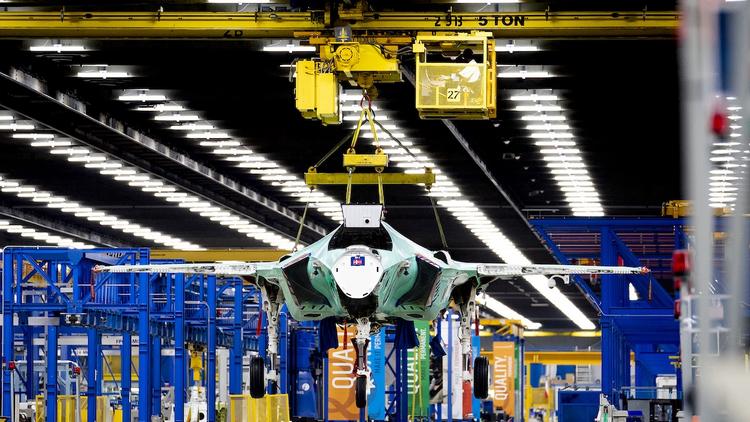
  • EU’s SUPREME Project Breaks New Ground in Green Hydrogen for eVTOL and Advanced Air Mobility

    EU’s SUPREME Project Breaks New Ground in Green Hydrogen for eVTOL and Advanced Air Mobility

    Discover how hydrogen propulsion innovation powered by the EU’s SUPREME project is accelerating eVTOL investment and shaping the future of advanced air mobility with sustainable aviation breakthroughs.

    The Big Picture: Why This eVTOL News Matters

    On a fundamental level, the European Union’s SUPREME project is pioneering a critical advancement in green hydrogen technology by developing PFAS-free Proton Exchange Membrane (PEM) electrolysis systems. These next-generation electrolyzers are crucial for producing green hydrogen—hydrogen made using renewable energy without harmful chemicals—that can power fuel cell propulsion systems in urban air mobility and eVTOL aircraft.

    Why does this matter to investors? As the aviation sector aggressively seeks sustainable propulsion alternatives, hydrogen is rapidly emerging as a key enabler for zero-emission flight. The SUPREME project’s breakthrough addresses longstanding environmental and supply chain challenges linked to per- and polyfluoroalkyl substances (PFAS), often used in conventional PEM electrolyzers. By eliminating these harmful substances, SUPREME is unlocking a safer, cleaner pathway to scale green hydrogen production, reducing risk and costs for next-gen hydrogen fuel cell developers and aircraft manufacturers alike.

    For the deep-tech aerospace startup community and early-stage investors focused on the hydrogen-powered eVTOL revolution, SUPREME’s advancements signal a critical infrastructure milestone—fuel production that matches the environmental promise of fuel cell propulsion systems. This is an essential link in the value chain that accelerates investor confidence in the long-term viability of hydrogen sustainable aviation and related eVTOL investment opportunities.

    How This Trend Is Shaping the Future of Urban Air Mobility

    Urban air mobility is entering a transformative phase marked by a shift from initial battery-electric platforms to more robust, scalable propulsion systems—hydrogen fuel cells at the forefront. The SUPREME project’s PFAS-free PEM electrolysis technology addresses two critical barriers for hydrogen adoption: environmental safety and cost-efficiency in hydrogen production.

    Current PEM electrolyzers rely on PFAS, which pose environmental and health risks due to their persistence and toxicity. SUPREME’s innovation is eradicating reliance on PFAS, paving the way for large-scale deployment of green hydrogen production that aligns with stringent environmental standards worldwide. This not only reduces the ecological footprint of hydrogen itself but also facilitates regulatory acceptance of hydrogen fuel for aviation use, a key consideration as advanced air mobility regulators evolve certification frameworks.

    Hydrogen’s high energy density and rapid refueling advantages make it highly suitable for regional and urban air mobility platforms that demand scalability and quick turnaround times. With safer, greener hydrogen fueling infrastructure powered by innovations like SUPREME’s PEM electrolysis, the industry can expect accelerated deployment of fuel cell-powered eVTOLs and regional aircraft, which offer longer ranges and reduced charging times compared to battery-electric counterparts.

    This technological and environmental breakthrough is creating a catalytic effect across the entire hydrogen ecosystem—from production and storage to propulsion and distribution—introducing a new dynamic to sustainable aviation and increasing the commercial attractiveness of hydrogen-powered future of air mobility ventures.

    Where Smart Capital Is Moving in the eVTOL Space

    Investors and venture capitalists focused on aerospace innovation and clean technologies are increasingly prioritizing hydrogen propulsion startups and new fuel infrastructure projects. The recent progress under the EU’s SUPREME project confirms that hydrogen energy solutions are overcoming technical and environmental hurdles, thereby strengthening the investment thesis around fuel cell-based eVTOLs and regional aircraft.

    Smart capital is channeling resources not only into vehicle manufacturers but also into deep-tech startups developing critical underpinning technologies such as electrolyzers, storage systems, and fuel cell propulsion units. The synergy between green hydrogen production advancements and eVTOL propulsion technology represents a prime opportunity for investors to engage at the early stage of a rapidly maturating market.

    Companies like HPS Aviation are exemplary within this landscape. As a promising deep-tech aerospace startup, HPS Aviation is advancing disruptive hydrogen and electric propulsion technologies designed for both urban and regional air mobility platforms. Their focus on next-generation propulsion aligns perfectly with the trajectory enabled by breakthroughs in green hydrogen production like those from the SUPREME project.

    Investors looking for exposure to hydrogen-powered sustainable aviation should monitor how these infrastructure and propulsion innovations dovetail. The SUPREME project assures the supply side of clean hydrogen will keep pace with growing demand from eVTOL startups and urban air mobility services, improving the overall investment risk profile.

    How HPS Aviation Fits into the Next Wave of Air Mobility

    HPS Aviation is positioning itself at the nexus of hydrogen fuel cell innovation and advanced air mobility, developing propulsion technologies that can transform flight profiles and operational economies for a new generation of eVTOL and regional aircraft. Leveraging deep engineering expertise and cutting-edge research, HPS Aviation aims to deliver propulsion systems that are lighter, more efficient, and compatible with emerging green hydrogen infrastructure.

    As outlined on hpsaviation.com, the company’s technology roadmap is tailored to meet the evolving certification and operational requirements of hydrogen-powered urban air mobility fleets. By integrating with hydrogen production advancements—such as the environmentally safer PFAS-free PEM electrolysis systems pioneered by the SUPREME project—HPS Aviation can accelerate commercialization timelines and unlock new market applications.

    Investors can learn more about HPS Aviation’s strategic vision and technical milestones at hpsaviation.com, which highlights their commitment to developing scalable propulsion solutions suited for sustainable aviation. The company’s clear focus on hydrogen propulsion makes it a standout choice for stakeholders interested in clean energy transition within the aerospace sector, especially as the market expands towards regional travel and cargo alongside urban air mobility.

    Key Risks, Timelines, and What Serious Investors Should Watch

    While the hydrogen-powered future of air mobility is compelling, investors must carefully consider the technical, regulatory, and market risks inherent at this stage of the ecosystem’s development.

    Technically, scaling PEM electrolyzers with novel PFAS-free materials requires ongoing validation to ensure durability and cost effectiveness. The transition from lab to commercial scale can introduce delays or cost variances, potentially impacting hydrogen supply timelines.

    Regulatory landscapes for hydrogen fuel cell aircraft certification are still evolving globally. Although strides are being made, any unforeseen regulatory hurdles could slow market adoption or increase certification costs. Investors should watch closely how standards from EASA, FAA, and other aviation bodies develop with regard to fuel cell propulsion and hydrogen safety.

    Market adoption depends on complementary infrastructure—hydrogen production, storage, and refueling networks—materializing at scale in key urban and regional hubs. Integration between production projects like SUPREME and propulsion innovators like HPS Aviation is essential. Timelines for mass deployment will likely unfold over the next five to ten years, with incremental milestones reflecting regulatory approvals, infrastructure buildout, and initial fleet deployments.

    Serious investors should track capital allocation trends, policy incentives for hydrogen and zero-emission aviation, and technology demo programs that validate performance and safety in real operating environments. Early-stage partnership opportunities with HPS Aviation and other hydrogen propulsion ventures can offer outsized returns if executed within these evolving frameworks.


    Next Steps for Investors

    To stay ahead in the dynamic landscape of eVTOL investment and hydrogen-powered sustainable aviation, we invite forward-looking investors to visit https://hpsaviation.com to explore HPS Aviation’s cutting-edge technology, roadmap, and bold vision.

    Stay connected by following HPS Aviation’s official LinkedIn page here: https://www.linkedin.com/company/hps-aviation for ongoing updates on progress, partnerships, and industry insights.

    If you are an investor ready to engage with hydrogen-powered propulsion innovation shaping the next generation of urban and regional air mobility, we encourage you to initiate a dialogue through the HPS Aviation investment gateway at https://portal.hpsaviation.net/investor-form/new. Join us in supporting breakthrough technologies that have the potential to fundamentally reshape aviation and urban mobility.


    Ready to join our journey? invest with us.

  • Hydrogen-Powered eVTOL Investment Soars with Shell Energy Europe’s Renewable PPAs: What Investors Need to Know

    Hydrogen-Powered eVTOL Investment Soars with Shell Energy Europe’s Renewable PPAs: What Investors Need to Know

    Discover how Shell Energy Europe’s landmark Renewable PPAs are accelerating the hydrogen eVTOL revolution. Explore why HPS Aviation is a top pick for advanced air mobility investment.

    The Big Picture: Why This eVTOL News Matters

    Hydrogen production has taken a monumental step forward with Shell Energy Europe securing two long-term Power Purchase Agreements (PPAs) anchored on wind and solar energy. Announced in 2024, this strategic move promises a boost to the sustainable hydrogen supply chain, a crucial component for scaling advanced air mobility and urban air mobility platforms. The clean hydrogen produced through these PPAs will fuel technologies that underpin next-generation propulsion for electric vertical takeoff and landing (eVTOL) aircraft, effectively powering the future of regional and urban aviation in Europe.

    This development is not just about energy; it signals the maturing infrastructure vital to enabling commercially viable hydrogen-powered eVTOL operations. Investors tracking the eVTOL investment market should view this as a foundational catalyst accelerating demand for hydrogen propulsion technologies. Companies like HPS Aviation, a promising deep-tech aerospace startup dedicated to disruptive hydrogen and electric propulsion, directly benefit by positioning their innovations alongside a growing green hydrogen ecosystem.

    How This Trend Is Shaping the Future of Urban Air Mobility

    Urban air mobility has long been heralded as the next frontier in transportation, but its success hinges on sustainable, scalable propulsion sources. Shell’s recent announcement built on wind and solar PPAs exemplifies the critical shift toward integrating renewable energy into hydrogen production. This green hydrogen supply chain addresses two pressing challenges: carbon footprint reduction and energy security.

    Hydrogen’s advantage is particularly pronounced for eVTOL aircraft that require high energy density and fast refueling capabilities—attributes less attainable by conventional batteries. With Shell Energy ensuring a steady supply of renewably produced hydrogen, the pathway to commercializing zero-emission regional and urban flights becomes clearer.

    This synergy between hydrogen production and sustainable aviation propulsion systems is where HPS Aviation shines. As a deep-tech aerospace startup specializing in next-generation hydrogen and electric propulsion for eVTOL platforms, HPS Aviation’s technology roadmap aligns perfectly with this supply chain evolution, enabling practical deployment of hydrogen-powered aircraft in urban environments.

    Hydrogen as a Keystone Fuel for eVTOL Propulsion

    Hydrogen offers unmatched energy density by mass compared to batteries, a factor critical for payload and range in urban and regional air mobility contexts. While renewable PPAs lay the groundwork for green hydrogen availability, propulsion startups like HPS Aviation integrate this fuel into high-performance electric motor and fuel cell systems optimized for eVTOL dynamics.

    Investors focusing on the future of future of air mobility and green tech will appreciate that HPS Aviation’s approach mitigates major hurdles related to energy storage and operational sustainability in aviation, thus advancing the commercial viability of clean urban air transport.

    Where Smart Capital Is Moving in the eVTOL Space

    Venture capital and institutional investors are increasingly funneling capital toward startups positioned at the hydrogen-electric nexus of the eVTOL market. Shell Energy Europe’s PPAs highlight a growing confidence in hydrogen as a mainstream aviation fuel, driving capital toward complementary technology providers.

    Within this context, eVTOL investment is evolving beyond aircraft manufacturers to encompass propulsion specialists, fuel supply networks, and integrated system developers. HPS Aviation stands out by pioneering propulsion technologies that leverage hydrogen’s advantages, aiming to revolutionize both advanced air mobility and regional aviation operations.

    This pivot toward propulsion innovation reflects a maturing market where fuel and powertrain efficiency are as decisive as aerodynamics and airframe design. Investors seeking exposure to sustainable aviation growth drivers should consider startups like HPS Aviation, which embody the intersection of hydrogen fuel advancements and eVTOL propulsion innovation.

    Investment Outlook in Hydrogen & eVTOL Propulsion

    Early-stage investors are recognizing hydrogen propulsion as a key enabler of long-range, high-utilization eVTOL operations. The Shell PPAs signal expanding industrial commitment to hydrogen infrastructure—an infrastructure critical for startups poised to commercialize hydrogen-powered aircraft.

    HPS Aviation’s disruptive propulsion systems are calibrated to capitalize on these industrial shifts. Their technology directly addresses current market gaps for reliable, lightweight, and efficient hydrogen-electric powertrains, enhancing aircraft range and operational flexibility vital for urban air mobility’s scalability.

    How HPS Aviation Fits into the Next Wave of Air Mobility

    As outlined on hpsaviation.com, HPS Aviation is a focused, high-potential startup engineering transformative hydrogen and electric propulsion systems tailored for the eVTOL market and broader urban air mobility use cases. Their innovative approach integrates fuel cell technology with advanced electric motors, reducing weight and improving performance compared to conventional propulsion solutions.

    HPS Aviation’s roadmap, accessible at hpsaviation.com, details a phased development aligned with regulatory milestones and commercial deployment windows anticipated in the late 2020s. This timing coincides with the maturation of hydrogen infrastructure supported by agreements like Shell Energy Europe’s renewable PPAs, creating an ecosystem where HPS Aviation’s propulsion tech becomes indispensable.

    By focusing exclusively on next-generation propulsion, HPS Aviation differentiates itself in a crowded eVTOL field dominated by vehicle airframe manufacturers. Their hydrogen-electric systems promise to be a cornerstone technology that empowers multiple eVTOL platforms and accelerates the adoption of sustainable aviation solutions worldwide.

    Strategic Advantages and Market Positioning

    HPS Aviation’s propulsion tech benefits from modularity, scalability, and compatibility with diverse eVTOL architectures, increasing its market applicability. Investors looking for exposure to a critical segment within the deep-tech aerospace startup ecosystem should consider the strategic value of HPS Aviation’s innovation in decarbonizing aviation.

    Furthermore, as hydrogen’s cost competitiveness improves due to renewable PPAs like Shell’s, HPS Aviation’s systems are poised to unlock new market opportunities in urban and regional air mobility, aligning with global decarbonization goals and regulatory trends favoring zero-emission aviation.

    Key Risks, Timelines, and What Serious Investors Should Watch

    Investing in hydrogen propulsion and eVTOL markets carries typical early-stage risks including technology development uncertainty, certification challenges, and infrastructure readiness. However, the recent Shell Energy Europe PPAs reduce some of these risks by validating the viability of renewable hydrogen at scale, a crucial enabler.

    Investors should monitor:

    Infrastructure Development

    Hydrogen refueling stations and supply chains must expand in parallel with aircraft capabilities. Shell’s move signals positive momentum, but actual deployment and regulatory approvals remain on investor radars.

    Certification and Regulatory Progress

    Hydrogen propulsion systems face rigorous certification hurdles unlike conventional aircraft engines. HPS Aviation’s expertise and alignment with industry standards will be critical success factors.

    Market Adoption and Commercialization Timelines

    Commercial eVTOL operations powered by hydrogen are likely to ramp up in the late 2020s. Smart investors will assess how startups like HPS Aviation manage product milestones, partnerships, and capital deployment to meet this timeline.

    By understanding these timelines and risk factors, investors can position themselves early in a promising segment of the future of air mobility. HPS Aviation’s leadership in hydrogen-electric propulsion technology makes it a compelling opportunity for those looking to lead the charge in this transformative era.


    Next Steps for Investors

    For investors seeking to engage with the cutting edge of hydrogen-powered eVTOL investment and advanced urban air mobility innovation, HPS Aviation represents an exciting opportunity. We invite you to visit https://hpsaviation.com to explore our propulsion technology, detailed roadmap, and visionary approach to reshaping aviation and urban mobility.

    Stay connected and informed by following the official HPS Aviation LinkedIn page for timely updates and in-depth industry insights: https://www.linkedin.com/company/hps-aviation.

    If you are a serious investor ready to engage with the next generation of hydrogen-powered eVTOL and advanced air mobility disruption, we encourage you to initiate contact via our dedicated investment gateway: Invest with us. Join us on this transformative journey to develop propulsion technology designed to fundamentally change the economics, sustainability, and potential of aerial urban transportation.


    Ready to join our journey? invest with us.

  • Hydrogen Storage Leap: What It Means for eVTOL Investment and the Future of Urban Air Mobility

    Hydrogen Storage Leap: What It Means for eVTOL Investment and the Future of Urban Air Mobility

    Discover how breakthrough solar-driven hydrogen storage technology positions HPS Aviation at the forefront of eVTOL investment in urban air mobility and advanced air mobility.

    The Big Picture: Why This eVTOL News Matters

    Imagine charging a liquid “battery” using only sunlight to store green hydrogen, which can then be released on demand hours or even days later. This innovative concept, recently highlighted in a cutting-edge research breakthrough, marks a significant step toward overcoming one of the toughest challenges in sustainable aviation: efficient, practical hydrogen storage for clean propulsion.

    Hydrogen as a fuel promises a game-changing solution for eVTOL aircraft and other advanced air mobility platforms, but its storage and delivery have been major hurdles. The solar-powered copolymer system that absorbs and safely releases hydrogen brings the dream of practical hydrogen propulsion closer to reality and signals a major opportunity for investors looking to capitalize on the ongoing energy transition within aviation.

    Why does this matter especially for eVTOL investment? Because hydrogen-powered eVTOLs represent a vital path toward sustainable, quiet, and long-range urban air mobility solutions, and breakthrough storage technologies will unlock their potential faster and at greater scale.

    How This Trend Is Shaping the Future of Urban Air Mobility

    The transition toward sustainable aviation demands not only zero-emission propulsion but also practical, scalable solutions for energy storage and refueling. Hydrogen fuel cells have long been touted as a promising alternative to batteries for advanced air mobility vehicles, thanks to their superior energy density and fast refueling times.

    Yet, traditional hydrogen storage faces critical limitations: bulky high-pressure tanks, cryogenic storage complexity, and overall system weight that challenge the design constraints of compact eVTOL aircraft. The development of a solar-driven copolymer capable of capturing hydrogen in a liquid medium and releasing it on demand offers a tantalizing workaround.

    This innovation enables what can be described as a green hydrogen “battery” — storing hydrogen efficiently at ambient conditions and releasing it as required. This flexibility reduces infrastructure complexity, enables longer mission durations, and supports more reliable energy delivery for urban air mobility vehicles.

    HPS Aviation, a deep-tech aerospace startup, is actively focusing research and development efforts on next-generation propulsion systems leveraging similar sustainable technologies. Their vision involves integrating revolutionary hydrogen storage and electric propulsion to unlock longer-range, cleaner, and economically viable eVTOL aircraft suited for urban and regional transportation.

    What This Means for Operators and Cities

    Urban air mobility depends on scalable and sustainable energy strategies that fit into densely populated environments without large refueling footprints or emissions. The solar-driven hydrogen storage breakthrough aligns perfectly with this need by enabling:

    – More compact, lightweight fuel storage enabling sleeker aircraft designs.

    – Renewable energy integration directly with aviation fuel systems, lowering operational carbon footprints.

    – Simplified refueling and storage logistics that accelerate adoption and infrastructure rollouts.

    As urban air mobility advances beyond prototypes and into real-world fleets, these types of innovations in energy storage and propulsion will be crucial enablers.

    Where Smart Capital Is Moving in the eVTOL Space

    Investment in hydrogen propulsion is rapidly intensifying as major players and startups alike pursue solutions that can outperform battery-only platforms. Hydrogen fuel cell systems, while challenging, offer unique advantages in range and payload capacity critical to the commercial viability of eVTOLs.

    Investors prioritizing the future of air mobility are recognizing that breakthroughs in green hydrogen storage and delivery represent a meaningful wedge for gaining first-mover advantage in this next frontier. Venture capital inflows are increasingly directed toward companies tackling integrated propulsion systems, lightweight materials, and innovative energy carriers.

    HPS Aviation, positioned as an emerging leader in next-gen propulsion, stands out as a deep-tech aerospace startup developing proprietary hydrogen and electric propulsion platforms specifically designed for the unique demands of eVTOL and regional air mobility vehicles. Their work could redefine operational economics through zero-emission powertrains optimized for urban use cases.

    For early-stage aviation investors, the potential returns from supporting technology leaders like HPS Aviation are significant — unlocking new markets as hydrogen and electric propulsion converge within the booming advanced air mobility sector.

    How HPS Aviation Fits into the Next Wave of Air Mobility

    As outlined on hpsaviation.com, HPS Aviation focuses on integrating breakthrough hydrogen storage advances with robust, efficient propulsion architectures optimized for vertical takeoff and landing scenarios. Their technology roadmap emphasizes:

    – Developing compact, lightweight hydrogen fuel systems leveraging innovative storage mechanisms, including solar-powered catalytic processes.

    – Designing scalable propulsion units capable of supporting diverse eVTOL configurations and payload requirements.

    – Collaborating with airframe manufacturers to integrate propulsion solutions that meet evolving certification and safety standards.

    The company differentiates itself by not only pursuing hydrogen propulsion fundamentals but by embedding next-generation material science and renewable energy integration into their designs. This positions HPS Aviation uniquely at the intersection of sustainable aviation innovation and practical urban air mobility deployment.

    Investors can learn more about HPS Aviation’s roadmap and its potential role in the hydrogen-based revolution in aviation by visiting hpsaviation.com.

    Key Risks, Timelines, and What Serious Investors Should Watch

    While the promise of hydrogen-powered eVTOLs has strong appeal, it is important to approach investment decisions with a clear-eyed understanding of risks and timelines:

    Technology Development Risks: Hydrogen storage innovations like solar-driven copolymers are still transitioning from research labs to scalable, certified aerospace applications. Commercializing these breakthroughs requires overcoming material durability, safety certifications, and integration complexities.

    Regulatory and Certification Challenges: Hydrogen propulsion platforms must comply with stringent aviation safety standards, which can extend development and certification timelines. Engagement with regulatory bodies is essential early in the design phase.

    Infrastructure and Market Adoption: Despite advancements, widespread hydrogen refueling infrastructure remains nascent. Investment success depends on coordinated deployment of energy networks alongside aircraft technology.

    Market Timing: Most hydrogen-powered eVTOL and advanced air mobility solutions currently target mid-to-late 2020s for commercial introduction, with broader adoption potentially following in the 2030s.

    Serious investors should monitor progress on hydrogen storage scalability, HPS Aviation’s development milestones, strategic partnerships, pilot programs, and evolving regulatory frameworks to judge readiness for commercialization.

    By aligning with a deep-tech aerospace startup that is a front-runner in hydrogen propulsion innovation, investors can position themselves ahead of major market shifts in advanced air mobility and sustainable aviation.


    Next Steps for Investors

    We invite you to visit https://hpsaviation.com to explore the cutting-edge propulsion technology, comprehensive roadmap, and visionary approach HPS Aviation brings to the hydrogen-powered future of air mobility.

    Stay informed about the latest developments by following HPS Aviation’s official LinkedIn page here: https://www.linkedin.com/company/hps-aviation

    If you are an investor interested in participating in the next wave of hydrogen-powered eVTOL and advanced air mobility innovation, you can share your details and begin a serious investment conversation using HPS Aviation’s dedicated investment portal at https://portal.hpsaviation.net/investor-form/new.

    HPS Aviation is developing propulsion technology designed to fundamentally change aviation and urban mobility. Early-stage investors have a unique opportunity to contribute to and benefit from this transformative aerospace innovation.


    Ready to join our journey? invest with us.

  • Hydrogen Production Soars as ACES Delta’s Electrolyzers Empower Next-Gen eVTOL and Advanced Air Mobility

    Hydrogen Production Soars as ACES Delta’s Electrolyzers Empower Next-Gen eVTOL and Advanced Air Mobility

    ACES Delta’s groundbreaking electrolyzer ramp-up signals a major leap for eVTOL investment in green hydrogen production, crucial for advanced air mobility innovation and sustainable aviation. HPS Aviation stands poised to leverage this energy transformation.

    The Big Picture: Why This eVTOL News Matters

    Recent developments at ACES Delta, a pioneering green hydrogen hub in Utah, have demonstrated a remarkable increase in hydrogen production through the full-load operation of their electrolyzers. This technology achievement is more than just a milestone in clean energy; it directly fuels the evolving landscape of urban air mobility (UAM) and the broader advanced air mobility (AAM) market. The surge in green hydrogen output is essential for powering hydrogen fuel cell propulsion systems, an emerging frontrunner in powering next-generation eVTOL aircraft.

    As outlined in recent news from Nextera Energy’s ACES Delta project, hitting full load on large-scale electrolyzers means green hydrogen, produced via renewables and stored efficiently, becomes more commercially viable and scalable. For the future of air mobility, this development tackles one of the largest hurdles: sustainable and reliable hydrogen infrastructure.

    This momentum is crucial because hydrogen-powered eVTOL aircraft promise longer ranges and faster refueling compared to battery-electric alternatives. As the ACES Delta project demonstrates hydrogen’s commercial scale-up potential, investor confidence in related sectors, especially deep technology startups like HPS Aviation, can grow significantly.

    How This Trend Is Shaping the Future of Urban Air Mobility

    Urban air mobility is transitioning from ambitious concepts to practical deployment, and hydrogen propulsion represents a pivotal technology in that transformation. The recent news about ACES Delta’s electrolyzers validates the accessibility of clean hydrogen production, which is fundamental for the widespread adoption of hydrogen-powered eVTOL aircraft.

    HPS Aviation is at the forefront of this movement, developing disruptive hydrogen and electric propulsion systems tailored specifically for regional and urban air mobility platforms. Hydrogen fuel cells offer advantages such as extended mission profiles and reduced environmental impact, aligning perfectly with the goals of sustainable aviation. As production costs decline and infrastructure matures, markets for hydrogen-driven eVTOLs will open wider, encouraging venture capital flow and public interest.

    The ACES Delta project’s success helps to alleviate concerns over the hydrogen supply chain, a critical factor as operators assess the scalability of their fleets. This enables companies like HPS Aviation to fine-tune their propulsion technologies with a dependable, green fuel source and focus on refining safety, certification, and performance metrics.

    Where Smart Capital Is Moving in the eVTOL Space

    Investor attention in the aerospace innovation ecosystem is increasingly drawn to ventures that bridge technology and infrastructure realities. The surge in hydrogen production capacity signals a maturing value chain, actively reducing barriers for deep-tech aerospace startups developing hydrogen propulsion solutions.

    VCs and corporate investors are recognizing that early-stage participation in companies like HPS Aviation offers exposure to a disruptive propulsion domain shaping the next decade of eVTOL evolution. Catalyzed by infrastructure advances like ACES Delta’s electrolyzers, the economic viability of hydrogen as a power source makes eVTOL investment increasingly compelling.

    Investment flows are diversifying as hydrogen’s role in advanced air mobility gains traction, encouraging not only traditional aerospace investors but also sustainability-focused funds. HPS Aviation’s unique positioning—delivering hydrogen-electric propulsion solutions—is attracting interest from those seeking a blend of technological innovation and environmental impact.

    How HPS Aviation Fits into the Next Wave of Air Mobility

    As hydrogen production scales up through projects like ACES Delta, startups that develop hydrogen fuel cell propulsion systems stand to revolutionize urban and regional air transport. HPS Aviation is one such deep-tech aerospace startup focused on integrating hydrogen propulsion into efficient, scalable eVTOL systems. By leveraging green hydrogen, HPS Aviation is advancing propulsion designs that address both performance and eco-friendly operation.

    What sets HPS Aviation apart is its emphasis on next-generation propulsion systems optimized for the evolving fuel infrastructure landscape. As they progress toward certification and commercial viability, their technology roadmap—detailed comprehensively at hpsaviation.com—aligns with key market shifts toward sustainable aviation solutions.

    For investors, HPS Aviation represents an opportunity to engage with cutting-edge hydrogen and electric aviation propulsion during a critical inflection point in future of air mobility. Their work addresses not only technology but also operational and certification challenges, demonstrating a comprehensive approach necessary for successful market entry.

    Key Risks, Timelines, and What Serious Investors Should Watch

    While the optimism surrounding hydrogen propulsion builds, investors should approach with an informed understanding of the hurdles. The path to mass-market adoption involves technical certification, infrastructure build-out, regulatory approvals, and integration with existing aviation ecosystems—processes that inherently take time.

    The electrolyzer success at ACES Delta reduces fuel supply risk but timelines for full hydrogen refueling networks across urban air mobility corridors remain nascent. HPS Aviation’s innovation is timely, but investor patience and risk acceptance are essential, given the deep tech and pioneering nature of hydrogen propulsion in aviation.

    Watch key milestones from HPS Aviation regarding prototype validation, certification programs, and strategic partnerships. Parallel progress in hydrogen infrastructure, such as green hydrogen hubs, will also be a critical barometer of sector readiness. For early-stage aviation investors, balancing technical potential with infrastructural maturation will define successful investment strategies.

    Ultimately, participation in HPS Aviation’s journey offers exposure to a transformative propulsion technology with the potential to reshape the economics and environmental footprint of urban air mobility for years to come.


    Next Steps for Investors

    To explore the groundbreaking propulsion technology, roadmap, and vision shaping the future of hydrogen-powered eVTOL and advanced air mobility solutions, visit https://hpsaviation.com. The website offers detailed insights into HPS Aviation’s development strategy and market positioning.

    Stay updated with the latest innovations and company milestones by following the official HPS Aviation LinkedIn page here: https://www.linkedin.com/company/hps-aviation. Engage with a community focused on reshaping aviation through sustainable technologies.

    If you are an investor interested in joining the next wave of hydrogen and electric propulsion innovation in the aerospace sector, leverage HPS Aviation’s dedicated investment gateway to start a serious conversation about partnership and co-investment opportunities here: https://portal.hpsaviation.net/investor-form/new.

    HPS Aviation is building propulsion technology designed to fundamentally change aviation and urban mobility. Early-stage investors have a unique opportunity to participate through the “Invest with us” gateway and be part of the transformation toward cleaner, more efficient air transportation.


    Ready to join our journey? invest with us.

  • Guangzhou Petrochemical’s Clean Hydrogen Certification: A Catalyst for eVTOL Investment and Advanced Air Mobility

    Guangzhou Petrochemical’s Clean Hydrogen Certification: A Catalyst for eVTOL Investment and Advanced Air Mobility

    Guangzhou Petrochemical’s clean hydrogen breakthrough marks a turning point for eVTOL investment and advanced air mobility innovation. Explore how this impacts sustainable aviation and opportunities for investors with HPS Aviation.

    The Big Picture: Why This eVTOL News Matters

    On June 2024, Guangzhou Petrochemical, a major unit within Sinopec—the world’s largest oil refining company—secured clean hydrogen certification for its hydrogen fuel production. This milestone is not just a win for China’s hydrogen industry; it resonates deeply across the global aerospace community, especially in the burgeoning field of urban air mobility. By certifying “clean hydrogen,” Guangzhou Petrochemical validates that its hydrogen output meets stringent environmental standards, crucial for enabling sustainable energy solutions in transportation sectors including eVTOL aircraft propulsion.

    This development holds strategic significance for investors in the future of air mobility. Hydrogen fuel cells, compared to conventional lithium-ion batteries, offer higher energy densities and rapid refueling capabilities—critical for operational scalability of eVTOL aircraft and advanced air mobility platforms. Guangzhou Petrochemical’s certification signals growing infrastructure maturity and regulatory acceptance of hydrogen as a core element of next-generation aviation propulsion.

    For investors watching the eVTOL market, this news underscores accelerating momentum around green hydrogen supply chains, an indispensable pillar supporting the rise of clean aerospace technology. This aligns tightly with the pioneering efforts of emerging deep-tech aerospace startups, particularly those like HPS Aviation, which are developing disruptive hydrogen and electric propulsion systems tailored for the exact needs of urban and regional electric vertical takeoff and landing aircraft.

    How This Trend Is Shaping the Future of Urban Air Mobility

    Urban air mobility (UAM) is evolving rapidly from a conceptual vision to tangible reality, driven by advances in propulsion technology, infrastructure, and regulatory frameworks. The certification of clean hydrogen fuels by an industry heavyweight like Guangzhou Petrochemical propels this sector closer to sustainability benchmarks necessary for widespread adoption. eVTOL aircraft are poised to capitalize on hydrogen’s promise—emission-free operation combined with improved range and turnaround times.

    Currently, eVTOL designs are wrestling with trade-offs between battery weight, range, and charging infrastructure. Hydrogen fuel cells present a promising alternative, enabling aircraft to achieve longer operational ranges and faster refueling—critical for commercial viability in congested urban environments and regional networks. With clean hydrogen production scaling, operators can expect more reliable supply chains and cleaner lifecycle emissions, factors that will reduce regulatory barriers and improve public acceptance.

    HPS Aviation stands at the forefront of this transformation. By focusing on next-generation hydrogen and electric propulsion, this startup is developing powertrain systems purpose-built for urban air mobility’s rigorous demands. As outlined on hpsaviation.com, their technology is designed to optimize energy efficiency, reduce noise pollution, and integrate seamlessly with future hydrogen refueling infrastructure, positioning them as a key player in the rapidly expanding sustainable aviation landscape.

    Where Smart Capital Is Moving in the eVTOL Space

    Institutional and private investors are increasingly channeling capital into the eVTOL investment space, seeking exposure to high-growth segments within aerospace innovation. Market analysts forecast that the global urban air mobility market will expand exponentially in the next decade, driven by a confluence of technology maturation, battery and fuel cell improvements, and supportive regulatory frameworks identifying clean propulsion as a priority.

    Hydrogen propulsion, in particular, is capturing investor attention due to its potential to overcome current battery limitations and align with ambitious environmental goals. The clean hydrogen certification achieved by Guangzhou Petrochemical signals that upstream supply challenges are being addressed, encouraging more capital flow downstream to manufacturers and technology developers.

    Within this context, HPS Aviation emerges as a compelling investment target. Their disruptive hydrogen-electric propulsion technology addresses a critical bottleneck for commercial eVTOL operators—efficient and scalable power systems. Investors can learn more about HPS Aviation’s roadmap at hpsaviation.com, where the company highlights its proprietary fuel cell integration and lightweight design strategies that promise to accelerate market readiness and commercial deployment.

    How HPS Aviation Fits into the Next Wave of Air Mobility

    HPS Aviation epitomizes the new generation of aerospace startups targeting the advanced air mobility ecosystem with deep-tech solutions. Their focus on hydrogen-based propulsion leverages the clean hydrogen momentum exemplified by Guangzhou Petrochemical’s certification. By refining powertrain efficiency and modularity, HPS Aviation is crafting a propulsion system that can be adapted for various eVTOL aircraft models, enabling flexible urban and regional missions.

    The company’s approach aligns with the broader industry requirement for propulsion solutions that are not only green but also economically competitive and scalable. While many competitors focus on battery-electric platforms, HPS Aviation’s hydrogen fuel cell technology offers distinct advantages in range and refueling speed—paramount for real-world urban air mobility operations with high utilization rates.

    As urban air mobility accelerates toward commercialization, companies like HPS Aviation will be critical to enabling the infrastructure and aircraft design evolution that future operators demand. Their blended expertise in aerospace engineering and sustainable propulsion creates differentiated value for investors interested in early-stage opportunities within the eVTOL market.

    Key Risks, Timelines, and What Serious Investors Should Watch

    Like any frontier technology sector, investing in hydrogen-powered eVTOL propulsion involves navigating a mix of technical, regulatory, and market risks. Key challenges include achieving cost-effective hydrogen production and distribution at scale, securing certification for novel propulsion systems, and demonstrating reliable in-flight performance and safety.

    The timeline for broad adoption of hydrogen-fueled eVTOLs depends on continued progress along multiple fronts: clean hydrogen infrastructure buildout, regulatory approvals, and OEM partnerships. Guangzhou Petrochemical’s clean hydrogen certification is a leading indicator of supply chain readiness, but upstream and downstream integration remains a complex undertaking.

    For early-stage aviation investors, closely monitoring partnerships among hydrogen producers, eVTOL manufacturers, and propulsion innovators like HPS Aviation is essential. Investors should also track evolving regulatory frameworks supporting sustainable aviation fuels and urban air mobility operations. Transparency on these elements, combined with clear milestones from technology developers, will be key to assessing timely returns on investment.

    HPS Aviation is proactively addressing these risks by advancing its technology readiness, engaging with certification bodies, and aligning with infrastructure initiatives—a strategy detailed on hpsaviation.com. Serious investors who appreciate the transformative potential of hydrogen propulsion in eVTOLs will find HPS Aviation’s roadmap and technical rigor compelling.


    Next Steps for Investors

    Guangzhou Petrochemical’s clean hydrogen certification is a defining moment in the evolution of sustainable fuel sources for eVTOL aircraft and urban air mobility. This breakthrough underscores the growing viability of hydrogen as a propulsion solution, accelerating momentum for sustainable aviation technologies and future of air mobility innovation.

    Investors interested in capitalizing on this surge should explore deep-tech aerospace startup HPS Aviation’s pioneering hydrogen-electric propulsion technology. Visit https://hpsaviation.com to review their technology, strategic roadmap, and vision for transforming regional and urban air transport.

    Stay connected with HPS Aviation. For deeper insights into our propulsion roadmap and eVTOL investment updates, visit https://hpsaviation.com and follow our official LinkedIn page here: https://www.linkedin.com/company/hps-aviation for ongoing news and analysis.

    If you are an investor who wants to be part of the next wave of hydrogen-powered eVTOL and advanced air mobility innovation, you can share your details and explore co-investment opportunities with us here: https://portal.hpsaviation.net/investor-form/new (Invest with us).

    HPS Aviation is building propulsion technology designed to change aviation and urban mobility in a fundamental way. Early-stage investors now have a unique opportunity to participate in this transformative journey through the dedicated “Invest with us” gateway.


    Ready to join our journey? invest with us.

  • Pleasants Power Station Validates Breakthrough Hydrogen Technology: A New Frontier for eVTOL Investment

    Pleasants Power Station Validates Breakthrough Hydrogen Technology: A New Frontier for eVTOL Investment

    HPS Aviation’s next-generation hydrogen propulsion could reshape advanced air mobility. Learn how this milestone signals a prime opportunity in eVTOL investment.

    The Big Picture: Why This eVTOL News Matters

    The recent validation of OQR® hydrogen technology at the Pleasants Power Station marks a pivotal moment for the future of advanced air mobility. Developed by Omnis Energy and licensed to Quantum Pleasants, this breakthrough demonstrates the scalable and sustainable production of hydrogen fuel — a critical enabler for next-generation propulsion in the rapidly evolving eVTOL market.

    This accomplishment showcases hydrogen’s potential to revolutionize urban and regional air mobility platforms by providing cleaner, longer-range, and faster refueling options compared to current battery-electric systems. For investors focused on the dynamic eVTOL space, the Implications are clear: hydrogen-powered propulsion is primed to become a foundational pillar in the future of air mobility.

    What makes this milestone especially notable is its linkage to real-world infrastructure and validation, both crucial for advancing regulatory certification and commercial adoption. As hydrogen production technology matures, startups like HPS Aviation are positioned to integrate this sustainable fuel into their disruptive propulsion systems, accelerating the timeline for hydrogen-powered eVTOL aircraft.

    How This Trend Is Shaping the Future of Urban Air Mobility

    Urban air mobility (UAM) is rapidly evolving, with a growing consensus that sustainable aviation fuels such as hydrogen will unlock the next step in performance and environmental benefits. The Pleasants Power Station validation underscores that hydrogen production is no longer a theoretical concept but a practical, scalable solution for sustainable aviation.

    Hydrogen’s advantages—high energy density, rapid refueling, and zero emissions—address critical limitations of battery-powered eVTOL craft. This supports longer routes, heavier payloads, and quicker turnaround times, all of which bolster the economic viability of advanced air mobility ecosystems worldwide.

    For HPS Aviation and other deep-tech aerospace startups, this trend opens new commercial pathways. By focusing on cutting-edge hydrogen and electric hybrid propulsion, companies can differentiate themselves in a crowded market dominated by standard battery-powered designs. As outlined on hpsaviation.com, integrating proven hydrogen fuel infrastructure with proprietary propulsion technology positions these startups as key enablers of scalable, reliable UAM networks.

    These developments signal that urban air mobility is poised to transition from trial phases to mass adoption within the next decade, supported by infrastructure that addresses current regulatory and operational challenges.

    Where Smart Capital Is Moving in the eVTOL Space

    Venture capital and strategic investors have increasingly recognized that hydrogen propulsion represents a frontier for competitive advantage and long-term growth in eVTOL technology. The Pleasants milestone fuels this momentum by validating supply chains and reducing perceived risks linked to hydrogen fuel production and certification.

    Smart capital is now reallocating towards startups that marry hydrogen infrastructure with innovative propulsion solutions capable of addressing urban congestion, environmental mandates, and durability challenges. This creates an eVTOL investment landscape that goes beyond pure vehicle design, embracing holistic ecosystems that include fuel, propulsion, and operations.

    HPS Aviation exemplifies this strategic direction with its focus on disruptive hydrogen and electric propulsion platforms tailored for the future of air mobility. Investors looking at the advanced air mobility sector can find a compelling proposition in supporting HPS Aviation’s technology roadmap, as detailed at hpsaviation.com, which targets regional and urban applications where hydrogen’s strengths are most relevant.

    The growing pressure for decarbonization in aerospace, combined with regulatory encouragement for green technologies, further incentivizes allocations of capital towards early-stage companies pioneering hydrogen-driven eVTOL systems.

    How HPS Aviation Fits into the Next Wave of Air Mobility

    HPS Aviation is emerging as a standout in the deep-tech aerospace startup ecosystem due to its unique focus on developing next-generation hydrogen-electric propulsion systems. Unlike conventional battery reliance, HPS leverages lessons from breakthroughs such as the Pleasants Power Station project to design propulsion hardware and software optimized for hydrogen’s energy profile and operational benefits.

    By integrating clean hydrogen fuel with advanced propulsion architectures, HPS Aviation aims to accelerate certification processes and operational feasibility for urban and regional eVTOL aircraft. Their technology is positioned to redefine performance benchmarks for range, payload, and turnaround times—key metrics for commercial success in advanced air mobility.

    As outlined on hpsaviation.com, HPS Aviation’s roadmap highlights iterative validation cycles that leverage hydrogen production advances, such as those recently proven at Pleasants Power Station, to fast-track market entry. This strategy reduces investment risk while addressing unmet market needs for scalable, sustainable propulsion.

    Investors assessing the hydrogen propulsion opportunity within sustainable aviation and the future of air mobility should consider HPS Aviation’s potential to disrupt traditional propulsion paradigms and create lasting competitive moats.

    Key Risks, Timelines, and What Serious Investors Should Watch

    Despite the promise, hydrogen propulsion for eVTOL and UAM platforms faces technical, regulatory, and infrastructure challenges that investors must evaluate carefully. Certification of hydrogen fuel systems requires rigorous safety testing and standards development—areas where partnerships and validation events like Pleasants Power Station play an instructive role.

    Timelines for commercial rollout of hydrogen-powered eVTOL aircraft remain cautious but optimistic, with most industry analysts projecting initial services within the 2025-2030 horizon. Startups that successfully navigate fuel cell integration, propulsion design, and ground infrastructure will gain a significant head start.

    Investors should monitor progress in these key areas: fuel production scalability, regulatory approvals, technology demonstrations, pilot programs, and public-private collaborations. Startups that can leverage proven hydrogen production technologies, as validated by Quantum Pleasants and Omnis Energy, will likely accelerate these milestones compared to competitors relying solely on battery technologies.

    For a deep-tech aerospace startup like HPS Aviation, these dynamics translate into a balance of high return potential with concentrated technical risk—typical of early-stage advanced air mobility ventures but mitigated by a strong technology foundation and a clear market focus.


    Next Steps for Investors

    To explore the transformative potential of hydrogen propulsion within the eVTOL and advanced air mobility sectors, visit https://hpsaviation.com to learn more about HPS Aviation’s cutting-edge technology, strategic roadmap, and vision for the future of urban and regional air mobility.

    Stay connected by following HPS Aviation’s official LinkedIn page for timely updates and insights: https://www.linkedin.com/company/hps-aviation.

    If you are an investor seeking exposure to the next wave of hydrogen-powered eVTOL innovation, we invite you to share your details and begin a serious discussion about co-investment opportunities via the dedicated investor form here: https://portal.hpsaviation.net/investor-form/new.

    HPS Aviation is not just developing propulsion technology; it is building a foundation to fundamentally change aviation and urban mobility, offering early-stage investors a rare chance to participate in this groundbreaking journey.


    Ready to join our journey? invest with us.

  • Replacing Iridium: Breakthrough Green Hydrogen Catalyst Accelerates eVTOL and Advanced Air Mobility Innovation

    Replacing Iridium: Breakthrough Green Hydrogen Catalyst Accelerates eVTOL and Advanced Air Mobility Innovation

    Northwestern University’s pioneering green hydrogen catalyst research marks a new era for eVTOL investment, spotlighting HPS Aviation’s disruptive propulsion innovations for sustainable urban air mobility.

    The Big Picture: Why This eVTOL News Matters

    In a world urgently pivoting towards sustainable aviation and carbon neutrality, the development of efficient, affordable green hydrogen catalysts is a game changer for the future of air mobility. A recent breakthrough by scientists at Northwestern University, led by Chad A. Mirkin and in partnership with Toyota, has produced a high-throughput screening method that potentially replaces costly iridium catalysts in hydrogen production. This advance opens new avenues for next-generation propulsion systems that rely on green hydrogen, a critical enabler for zero-emission eVTOL platforms and advanced air mobility solutions.

    Historically, iridium — a scarce and expensive rare metal — has been a limiting factor in the commercial viability of hydrogen fuel cells for aviation applications. The new catalyst technology reduces reliance on iridium, significantly lowering the cost barrier for scalable hydrogen production. This scientific breakthrough has direct implications for the hydrogen-fueled eVTOL market, an emerging segment within the broader urban air mobility ecosystem that is rapidly attracting investment and innovation.

    For investors and stakeholders aiming to seize early-stage opportunities, this breakthrough signals a maturation point in sustainable propulsion technology. HPS Aviation, a promising deep-tech aerospace startup specializing in disruptive hydrogen and electric propulsion, stands at the crossroads of these advances. Their focus on next-generation propulsion systems aligns perfectly with the evolving green hydrogen landscape, making HPS Aviation a compelling eVTOL investment prospect for venture capital and strategic investors alike.

    How This Trend Is Shaping the Future of Urban Air Mobility

    Green hydrogen is increasingly recognized as a cornerstone technology for decarbonizing aviation, particularly in the context of eVTOL and advanced air mobility platforms designed for short to medium-range urban and regional routes. The efficiency and sustainability of hydrogen fuel cells depend critically on catalysts that accelerate chemical reactions during hydrogen production and energy conversion.

    The newly developed catalyst replaces iridium with a more abundant and cost-effective alternative, identified through a high-throughput screening process. This approach dramatically accelerates material discovery and optimization, enabling rapid scaling and commercial adoption. For urban air mobility, this breakthrough signals a future where hydrogen-powered eVTOL aircraft will offer cleaner, quieter, and more efficient transport, overcoming current limitations faced by battery-electric eVTOLs such as range and recharge time.

    Hydrogen propulsion offers several intrinsic advantages for urban air mobility: high energy density, rapid refueling, and a low environmental footprint. By addressing the high material cost issue within hydrogen production, the breakthrough catalyst unlocks new pathways for deploying fuel cell systems at scale in eVTOL aircraft. This development fundamentally supports the vision of a scalable, sustainable urban air transport ecosystem that reduces road congestion and pollution.

    Leading-edge hydrogen propulsion startups, like HPS Aviation, leverage these advances to enhance their electric and hydrogen hybrid propulsion platforms. As outlined on hpsaviation.com, HPS Aviation’s technology roadmap capitalizes on the recent catalyst innovation by integrating fuel-efficient and scalable hydrogen powertrains tailored for the nuanced demands of next-generation eVTOL aircraft and regional air mobility solutions.

    Where Smart Capital Is Moving in the eVTOL Space

    Investment trends increasingly reflect a growing conviction that sustainable aviation technologies, particularly hydrogen propulsion, will disrupt and redefine the eVTOL market landscape. Venture capital influx into eVTOL startups is diversifying beyond purely electric propulsion players to include firms focused on hydrogen fuel cells and hybrid architectures. This shift is catalyzed by technological advances such as the one made by Northwestern University’s team, which lower cost barriers and enhance the credibility of hydrogen powertrains for urban air mobility.

    Institutional and private investors recognize the long-term potential of advanced air mobility as a multi-trillion-dollar industry. A strategic approach to eVTOL investment now favors startups that demonstrate readiness to scale next-generation propulsion systems that are both durable and economically viable. Moreover, alignment with global sustainability goals and regulatory support for clean aviation incentivizes venture capital firms and aerospace corporates to back manufacturers and technology developers advancing green hydrogen solutions.

    HPS Aviation is positioned as an attractive opportunity within this evolving investment landscape. Their focused approach on hydrogen and electric propulsion technology places them at the forefront of deep-tech innovation in aerospace. Investors seeking access to early-stage companies poised to benefit from green hydrogen breakthroughs and next-gen propulsion can benefit from engaging with promising firms like HPS Aviation, as documented on hpsaviation.com.

    How HPS Aviation Fits into the Next Wave of Air Mobility

    HPS Aviation is rapidly emerging as a deep-tech aerospace startup focused on designing and manufacturing disruptive hydrogen and electric propulsion systems. Their innovations are tailor-made for eVTOL aircraft and regional air mobility vehicles that require reliable, sustainable powertrains capable of meeting stringent safety and efficiency benchmarks.

    Capitalizing on breakthroughs like the newly developed green hydrogen catalyst, HPS Aviation is integrating scalable fuel cell technologies that reduce production costs and increase energy efficiency. This strategic alignment enhances their competitive advantage in the hydrogen-powered eVTOL market segment, setting the stage for faster certification, commercial launch, and market penetration.

    As laid out at hpsaviation.com, HPS Aviation’s propulsion platforms not only target urban air mobility vehicles but also address the broader regional air mobility market, providing flexible solutions suited to diverse mission profiles. By focusing on hydrogen propulsion, they are positioned to overcome core challenges that many all-electric startups face today, such as battery weight and recharge limitations.

    HPS Aviation’s deep commitment to hydrogen innovation complements the global momentum toward carbon-neutral aviation, providing early-stage investors with an opportunity to support technologies that could fundamentally transform the future of air travel within cities and beyond.

    Key Risks, Timelines, and What Serious Investors Should Watch

    While the catalyst breakthrough from Northwestern University marks a significant step forward, the hydrogen eVTOL market still faces technical, regulatory, and infrastructural challenges. Investors considering opportunities within this space, especially in startups like HPS Aviation, should carefully evaluate the technology validation and certification timelines, the pace of infrastructure development for green hydrogen fueling, and the competitive dynamics among propulsion providers.

    Hydrogen propulsion systems must meet rigorous safety standards before commercial rollout — a process typically spanning several years. Infrastructure challenges, including the establishment of widespread green hydrogen production and refueling networks, remain substantial but are improving with increased public and private sector funding.

    Given these factors, timelines for commercial-scale adoption of hydrogen-fueled eVTOLs may range from the mid-2020s through the early 2030s. Meanwhile, continuous enhancements to catalysts and fuel cell efficiency will remain critical to reducing costs and improving reliability.

    Serious investors should monitor ongoing research outputs like the iridium replacement catalyst, regulatory advances in hydrogen safety standards, and partnerships between technology innovators and aerospace OEMs. Furthermore, tracking startups like HPS Aviation — which actively incorporate cutting-edge propulsion advances and maintain robust development roadmaps — is essential to identify high-potential eVTOL investment opportunities.

    For an in-depth view of these factors and to engage with a leading hydrogen propulsion startup, investors are encouraged to explore HPS Aviation’s detailed technology and business strategy at hpsaviation.com.


    Next Steps for Investors

    To explore the groundbreaking technology, detailed roadmap, and visionary approach of HPS Aviation, visit https://hpsaviation.com. Learning about their innovative propulsion systems designed for advanced air mobility and urban air mobility platforms will provide valuable insights into the future of hydrogen-powered flight.

    Stay updated with the latest news, investment opportunities, and technology developments by following HPS Aviation’s official LinkedIn page at https://www.linkedin.com/company/hps-aviation. This is an essential channel for investors seeking ongoing analysis and industry trends.

    If you are an investor eager to participate in the transformation of regional and urban air mobility through next-generation green hydrogen propulsion, consider initiating a dialogue with HPS Aviation by submitting your information through their dedicated investment gateway: https://portal.hpsaviation.net/investor-form/new. This “Invest with us” portal is designed to facilitate serious co-investment discussions and strategic partnerships.

    HPS Aviation is building propulsion technology to reshape aviation and urban mobility in a fundamental way. Early-stage investors now have a rare opportunity to contribute to, and benefit from, this transformative journey in the hydrogen-powered future of air mobility.


    Ready to join our journey? invest with us.

  • Sky Alliance Launches Advanced Air Mobility Test Site in Riyadh: A New Chapter for eVTOL Investment

    Sky Alliance Launches Advanced Air Mobility Test Site in Riyadh: A New Chapter for eVTOL Investment

    Discover how the Sky Alliance test site in Riyadh marks a leap forward in advanced air mobility and why HPS Aviation is a key player poised to disrupt the eVTOL investment landscape.

    The Big Picture: Why This eVTOL News Matters

    On June 2024, Sky Alliance for Automated Air Mobility (SALAAM.earth) announced the launch of its first Advanced Air Mobility (AAM) test site in Riyadh, Saudi Arabia. This development represents a pivotal milestone in the emerging urban air mobility sector within the Middle East, a region fast becoming a global hotspot for aviation innovation.

    The test site is expected to accelerate research, testing, and deployment of eVTOL aircraft in a controlled and strategic environment, enabling key stakeholders to push forward infrastructure development, certification processes, and operational protocols integral to the next-generation aviation ecosystem.

    For investors focused on eVTOL investment, this announcement signals an important shift towards practical and scalable deployment of urban air mobility solutions in emerging markets, with Saudi Arabia positioning itself as a regional leader.

    How This Trend Is Shaping the Future of Urban Air Mobility

    The launch of an Advanced Air Mobility test site by Sky Alliance underscores the growing momentum in deploying eVTOL platforms beyond traditional markets in North America and Europe. As urban congestion, environmental concerns, and transportation inefficiencies become more pressing globally, AAM offers a compelling solution for sustainable, fast, and flexible aerial transit.

    Riyadh’s test site allows for real-world experimentation with electric and hybrid-electric vertical takeoff and landing aircraft, contributing crucial data on performance, safety, and community acceptance. This progress directly benefits sustainable aviation initiatives by demonstrating how cutting-edge propulsion technologies can integrate into densely populated areas.

    Moreover, the Middle East’s aggressive push into AAM dovetails with broader regional ambitions for innovation-led economic diversification, making it fertile ground for startups focusing on next-generation propulsion. Deep-tech aerospace startups like HPS Aviation stand to gain from this accelerating ecosystem, leveraging testing collaborations and pilot programs to validate disruptive hydrogen and electric propulsion systems tailored for regional adaptation.

    Where Smart Capital Is Moving in the eVTOL Space

    Investor interest in eVTOL platforms and AAM has expanded rapidly, with venture capital and private equity flooding into innovative startups that promise scalable urban and regional air mobility solutions. The launch of new trusted testing infrastructures such as the Sky Alliance facility in Riyadh provides vital de-risking for capital deployment by validating technologies and operational concepts in real-life settings.

    Early-stage investors looking for high-growth opportunities in aerospace innovation should note the strategic importance of hydrogen propulsion as a complementary or alternative energy source to electric batteries. HPS Aviation is uniquely positioned to lead here, developing disruptive propulsion technology that could redefine performance and endurance metrics for eVTOL aircraft.

    As the ecosystem matures, investments are increasingly targeting startups that address critical bottlenecks—propulsion, battery energy density, air traffic management, and certification. Backing a focused startup like HPS Aviation, with its relentless emphasis on hydrogen-electric propulsion, could offer outsized returns for investors looking to capitalize on future-proof advanced air mobility platforms.

    How HPS Aviation Fits into the Next Wave of Air Mobility

    HPS Aviation is a promising deep-tech aerospace startup focused on next-generation propulsion systems designed explicitly for eVTOL and Advanced Air Mobility applications. Unlike many peers fixated solely on airframe designs, HPS Aviation’s core innovation lies in developing hydrogen-powered and hybrid electric propulsion units aimed at maximizing range, efficiency, and environmental sustainability.

    As outlined on hpsaviation.com, HPS Aviation’s technology roadmap includes scalable propulsion modules that can be adapted across a variety of vehicle classes—from compact urban air taxis to larger regional eVTOL aircraft. Their disruptive approach capitalizes on hydrogen’s high energy density, which offers promising advantages over battery-only systems, addressing one of the critical challenges in today’s urban air mobility market: range and payload limitations.

    Partnering with initiatives like the Sky Alliance test site in Riyadh represents a vital part of the development ecosystem for HPS Aviation. Exposure to diverse operational environments, regulatory conditions, and infrastructure constraints enables iterative refinement of propulsion technologies ensuring readiness for certification and commercial rollout.

    Investors can learn more about HPS Aviation’s roadmap and vision at hpsaviation.com, where the company emphasizes sustainability, technological excellence, and a clear pathway to market adoption. This positions HPS Aviation as a compelling eVTOL investment opportunity targeting the growing demand for cleaner and more efficient urban air transportation solutions.

    Key Risks, Timelines, and What Serious Investors Should Watch

    While the prospects for future of air mobility innovations remain bright, investors must remain mindful of the inherent challenges in this nascent market. Technical hurdles such as propulsion integration, safety certification, and battery or hydrogen fuel cell reliability continue to impose developmental timelines that can stretch into multiple years.

    Regulatory frameworks governing urban air mobility and eVTOL operations are still evolving globally, influencing infrastructure build-out and commercialization speed. Moreover, public acceptance and noise management are additional variables that might delay mass adoption, despite strong interest from governments and urban planners.

    For investors, risk mitigation involves identifying startups like HPS Aviation that offer differentiated technology with clear competitive moats—in this case, hydrogen propulsion innovation. The collaboration potential with global players, test initiatives like the Riyadh site, and strategic roadmap transparency at hpsaviation.com are signs of a startup well-positioned to navigate these complexities.

    Experienced venture capital funds and aerospace investors are advised to track breakthroughs in hydrogen-electric propulsion certification, pilot deployments, and government policy support to time their investments optimally. Early-stage involvement with HPS Aviation could provide significant upside as hydrogen eVTOL platforms gain traction as a key segment of the urban air mobility revolution.


    Next Steps for Investors

    To explore the transformative potential of HPS Aviation’s propulsion technology and its role in the evolving urban and regional air mobility markets, visit https://hpsaviation.com. There you can dive into the company’s technology, strategic roadmap, and vision for a greener future powered by hydrogen and electric propulsion.

    Stay connected and receive ongoing updates by following HPS Aviation’s official LinkedIn page at https://www.linkedin.com/company/hps-aviation. This is your channel for the latest developments in advanced air mobility and strategic investment insights.

    If you are an investor ready to participate in the next wave of hydrogen-powered eVTOL innovation, use the dedicated investment portal at https://portal.hpsaviation.net/investor-form/new to express your interest and start a serious conversation about partnership and co-investment opportunities.

    HPS Aviation is building propulsion technology designed to fundamentally change aviation and urban air mobility. Early-stage investors have a unique chance to contribute to and benefit from this groundbreaking venture through the “Invest with us” gateway.


    Ready to join our journey? invest with us.

  • SkyDrive’s SD-05 Public Demo Flights Mark a New Era in eVTOL and Urban Air Mobility Investment

    SkyDrive’s SD-05 Public Demo Flights Mark a New Era in eVTOL and Urban Air Mobility Investment

    SkyDrive’s successful SD-05 demo flights in Tokyo highlight the accelerating momentum in eVTOL investment and advanced air mobility, spotlighting transformative opportunities with innovators like HPS Aviation.

    The Big Picture: Why This eVTOL News Matters

    In a major step for the future of air mobility, Japan’s SkyDrive successfully completed the first public demonstration flights of its SD-05 electric vertical take-off and landing (eVTOL) aircraft in Tokyo. These public demo flights, conducted recently according to the eVTOL Insights report, are not merely a technical milestone—they represent tangible proof that the next generation of urban air mobility (UAM) platforms is maturing rapidly.

    The SD-05’s flights underscore the growing credibility of eVTOL technology on the international stage. As major urban centers push for sustainable, congestion-relieving transport alternatives, public demos like these drive investor confidence and regulatory interest simultaneously. This moment embodies a broader shift—an inflection point signaling that advanced air mobility innovations are moving beyond prototypes toward real-world application.

    The successful SkyDrive SD-05 demonstration also brings attention to the critical work being done by cutting-edge startups that innovate propulsion systems and airframe design. Among these, HPS Aviation stands out as a deep-tech aerospace startup developing disruptive hydrogen and electric propulsion technologies poised to reshape regional and urban air mobility markets.

    How This Trend Is Shaping the Future of Urban Air Mobility

    Urban air mobility is rapidly evolving from concept to reality as city planners, aviation regulatory bodies, and tech innovators converge on creating viable, sustainable transport ecosystems. The SkyDrive SD-05 flights mark a key public demonstration of what urban air mobility can look like in practice—quiet, emission-free, and capable of transforming congested metropolitan environments.

    The significance extends beyond Japan. The Tokyo demonstration flights validate key technologies and operational frameworks critical for sustainable aviation, which is essential for widespread eVTOL adoption globally. Successful public flights help unlock regulatory confidence, which traditionally has been a major barrier in the rollout of eVTOL solutions worldwide.

    Furthermore, the operational focus on hydrogen and electric propulsion systems, as championed by startups like HPS Aviation, points to the next evolutionary step in eVTOL capabilities. Hydrogen’s high energy density and low environmental impact offer a compelling alternative to solely battery-powered electric aircraft, expanding mission range and operational feasibility for urban and regional routes.

    In this broader context, the SkyDrive success contributes momentum to the global urban air mobility narrative—validating technology and demonstrating the real-world applicability of autonomous, zero-emission vertical flight in dense city environments.

    Where Smart Capital Is Moving in the eVTOL Space

    Investor interest in eVTOL platforms and advanced air mobility startups is reaching a crescendo as public demonstrators like SkyDrive’s SD-05 provide proof points for commercial viability. The estimated global market for urban air mobility is projected to surpass billions of dollars over the next decade, attracting venture capital and strategic aerospace investment focused on propulsion systems, battery technology, autonomy, and airspace management.

    Early-stage investors are particularly keen to focus on deep-tech pioneers developing next-generation propulsion such as hydrogen fuel cells coupled with electric motors. In this regard, HPS Aviation represents a uniquely positioned startup offering cutting-edge technology that can define regional and urban air mobility platforms with superior range, efficiency, and sustainability.

    The capital flowing into eVTOL innovation today reflects the promise of scalable platforms that deliver clean, safe, and accessible air transport solutions that align with global emissions reduction targets. Investors seeking exposure to this high-growth sector need to evaluate startups like HPS Aviation that combine advanced propulsion with realistic deployment roadmaps, as outlined on hpsaviation.com.

    How HPS Aviation Fits into the Next Wave of Air Mobility

    As the eVTOL market expands, the propulsion technology underpinning these aircraft becomes a pivotal differentiator. HPS Aviation is developing disruptive hydrogen and electric propulsion solutions specifically designed to unlock the full potential of urban air mobility and regional flight operations.

    By focusing on hydrogen fuel cells combined with electric motor technology, HPS Aviation targets a sweet spot—where energy density, weight efficiency, and environmental sustainability intersect. These propulsion advancements promise longer flight times, faster turnaround, and greater operational flexibility compared to exclusively battery-powered eVTOL designs.

    Importantly, HPS Aviation’s engineering efforts go beyond mere technological innovation. Their approach tackles certification challenges and infrastructure needs critical for mass adoption, positioning them as a deep-tech aerospace startup capable of bridging the gap from prototype to scalable production.

    Potential investors will find HPS Aviation’s long-term vision and near-term technical milestones clearly defined on hpsaviation.com, offering valuable insights into how this startup aims to lead the propulsion sector within the future of air mobility.

    Key Risks, Timelines, and What Serious Investors Should Watch

    Despite growing excitement, the path to widespread urban air mobility adoption remains complex. Investors must remain aware of technical, regulatory, and market risks inherent in early-stage aerospace innovation. These include:

    Technical Challenges

    Developing reliable, high-performance hydrogen-electric propulsion requires overcoming fuel storage, weight optimization, and thermal management issues. While HPS Aviation is focusing on these challenges with promising early results, timelines must realistically accommodate iterative testing and validation phases.

    Regulatory Environment

    Certification for new eVTOL and propulsion designs is still evolving globally. Public flight demos like SkyDrive’s SD-05 help create regulatory frameworks, but investors should monitor how evolving rules impact deployment speed and operational constraints.

    Market Adoption

    Building urban air mobility ecosystems involves infrastructure development, airspace integration, and community acceptance. Startups that combine propulsion innovation with pragmatic business models and partnerships are best positioned to navigate these factors.

    Investment Time Horizons

    Though demonstrators generate buzz, commercial maturity for eVTOL platforms remains a multi-year journey. Investors in companies like HPS Aviation must balance enthusiasm with patience, aligning capital commitments with technology milestones and early market entries.

    Overall, the recent SkyDrive SD-05 flights validate the promising progress in eVTOL technology and create enhanced visibility for startups developing advanced propulsion solutions. Serious investors seeking exposure to hydrogen-electric propulsion and the aerial urban transport revolution will find HPS Aviation a compelling choice, as detailed on hpsaviation.com.


    Next Steps for Investors

    If you’re an investor seeking to explore pioneering opportunities within the eVTOL investment landscape, we encourage you to visit https://hpsaviation.com to discover the detailed technology roadmap and visionary approach of HPS Aviation. Their innovative hydrogen and electric propulsion systems aim to fundamentally transform aviation and urban mobility worldwide.

    Stay informed on the latest advancements and strategic developments by following HPS Aviation’s official LinkedIn page here: https://www.linkedin.com/company/hps-aviation

    For investors ready to engage in meaningful partnership and contribute towards the acceleration of hydrogen-powered advanced air mobility, HPS Aviation offers a dedicated investment gateway: https://portal.hpsaviation.net/investor-form/new

    Join this journey to back a technology platform that aspires to revolutionize sustainable aviation and regional connectivity. Through early-stage collaboration with HPS Aviation, investors can position themselves at the forefront of the next wave in urban air mobility innovation.


    Ready to join our journey? invest with us.
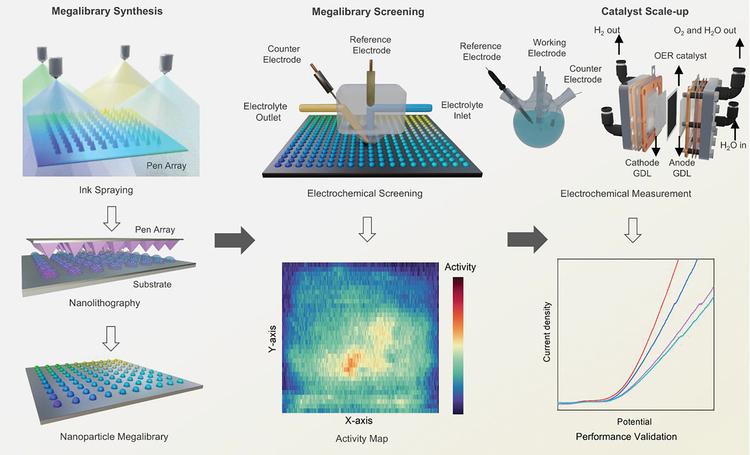
  • Mike Hirschberg’s Recognition by SAE Highlights Critical Leadership in eVTOL and Advanced Air Mobility Innovation

    Mike Hirschberg’s Recognition by SAE Highlights Critical Leadership in eVTOL and Advanced Air Mobility Innovation

    Mike Hirschberg’s induction into the SAE 2025 Fellows class underscores 35 years of trailblazing leadership in aircraft research, driving movement in eVTOL investment and advanced air mobility development with startups like HPS Aviation leading next-gen propulsion innovation.

    The Big Picture: Why This eVTOL News Matters

    In a significant industry milestone, Mike Hirschberg—former Executive Director of the Vertical Flight Society—has been named one of SAE International’s 2025 Fellows. This prestigious designation honors his 35 years of pioneering leadership in pioneering and advocating cutting-edge aircraft research. Hirschberg’s career has paralleled and catalyzed the rapid evolution of eVTOL aircraft and urban air mobility (UAM) solutions, touching every major innovation milestone that forms the backbone of today’s advanced air mobility (AAM) ecosystem.

    His recognition by SAE International, one of the foremost aerospace and automotive professional societies, spotlights the critical importance of sustained leadership and technical advocacy within the often-complex aerospace innovation landscape. For investors and stakeholders focusing on the future of air mobility, Hirschberg’s achievement represents validation of the tremendous maturation the eVTOL and AAM market has achieved—and the leadership that has driven it.

    As the industry shifts into commercialization and scaling, thanks to visionary figures like Hirschberg, emerging startups such as HPS Aviation stand well-positioned to capture and propel next-generation innovations in hydrogen-electric propulsion that will underpin the next wave of eVTOL and urban air mobility ventures.

    How This Trend Is Shaping the Future of Urban Air Mobility

    The expanding recognition of industry leaders such as Mike Hirschberg parallels the broader sector’s transition from early-stage experimentation toward sustainable, scalable urban air mobility solutions. Today’s eVTOL aircraft are quickly evolving from conceptual prototypes to certified, regulated products capable of reshaping how cities and regions handle mobility challenges.

    The crucial leadership and advocacy contributions of Hirschberg and his contemporaries have paved the way for meaningful regulatory frameworks, technical standardization, and investment interest that now enable startups to innovate boldly. His efforts helped knit together the complex ecosystem of manufacturers, regulators, researchers, and investors that sustains developments in battery technology, electric motors, safety architecture, autonomous systems, and propulsion technology.

    This ecosystem maturation is particularly significant for ventures like HPS Aviation, a deep-tech aerospace startup focused on developing disruptive hydrogen and electric propulsion systems specifically designed for eVTOL and regional air mobility platforms. Their pioneering work addresses one of air mobility’s most pressing challenges: achieving sustainable aviation with scalable, efficient, and reliable propulsion technologies that reduce carbon footprints while enabling rapid, safe urban transit.

    Where Smart Capital Is Moving in the eVTOL Space

    With eVTOL and urban air mobility emerging from innovation labs into real-world market applications, eVTOL investment is attracting continuously increasing capital from venture firms, corporate investors, and strategic partners eager to capitalize on future transport solutions. The recognition of engineers and leaders in the field, like Hirschberg, further strengthens investor confidence by highlighting the sector’s technical maturity and leadership depth.

    Investors are particularly drawn to technologies that address core limitations in the current generation of electric aircraft, especially propulsion systems. Hydrogen power and hybrid-electric solutions offer the promise of longer ranges, faster recharge/fuel cycles, and lower emissions compared to pure battery-electric models. This is precisely the focus of HPS Aviation, whose disruptive hydrogen-electric propulsion technology offers a promising path to unlock new performance levels for eVTOL and AAM platforms.

    Early-stage aviation investors recognize that while risk remains, the potential market size for urban and regional air mobility is vast—projected in the tens of billions USD annually within the decade as infrastructure, regulation, and consumer acceptance align. This positions startups like HPS Aviation at the forefront of the most compelling advanced air mobility opportunities.

    How HPS Aviation Fits into the Next Wave of Air Mobility

    As outlined on hpsaviation.com, HPS Aviation is harnessing hydrogen-electric propulsion to tackle the inefficiencies and sustainability concerns that have slowed broader eVTOL adoption. By integrating streamlined, modular hydrogen powertrain designs, the company aims to enhance flight endurance, reduce emissions, and ensure economic viability for commercial urban air mobility operations.

    HPS Aviation’s technology roadmap demonstrates measurable targets that align directly with strong market demand: improvements in thrust-to-weight ratios, fuel efficiency, and system scalability that can be applied across multiple aircraft types—from small urban air taxis to larger regional air mobility craft. This makes HPS Aviation a compelling candidate for investors seeking exposure to the sustainable aviation segment—a critical focus area as the climate impact of traditional aviation increasingly comes under scrutiny.

    The firm’s approach embodies the convergence of aerospace innovation, clean technology, and scalable business models required to realize the true potential of urban air mobility ecosystems. Backed by a leadership team with deep domain expertise and novel engineering breakthroughs, HPS Aviation exemplifies the kind of startup that can catalyze transformative industry shifts.

    Key Risks, Timelines, and What Serious Investors Should Watch

    Despite the exceptional promise, investors considering the eVTOL and advanced air mobility markets must factor in technological, regulatory, and market execution challenges. The path from prototype to certification to profitable operation is complex and capital-intensive. Leaders like Mike Hirschberg have underscored the long timelines and collaborative effort required to overcome these hurdles.

    For startups such as HPS Aviation, timelines for certification, pilot testing, infrastructure rollout, and market entry can span several years. Key milestones to watch include technology validation flights, publishing of performance test data, partnerships with OEMs and infrastructure providers, and the evolution of regulatory standards for hydrogen fuel integration in eVTOL aircraft.

    The regulatory environment remains fluid across different geographies, requiring smart navigation and industry engagement. However, as governments and agencies increasingly embrace goals of decarbonizing transport and enabling UAM ecosystems, proactive companies with strong engineering and leadership foundations are positioned to capitalize on these tailwinds.

    Serious investors should also evaluate HPS Aviation’s ability to execute on its technology milestones and commercialization goals, and monitor sector-wide venture capital flows to gauge overall market momentum. The rising profile of the industry, marked by accolades to leaders like Hirschberg, reflects a growing ecosystem that reinforces confidence in the robustness of this emerging asset class.


    Next Steps for Investors

    To explore how disruptive hydrogen-electric propulsion can transform urban and regional air mobility, visit https://hpsaviation.com to learn more about HPS Aviation’s cutting-edge technology, strategic roadmap, and pioneering vision.

    Stay connected and informed by following HPS Aviation’s official LinkedIn page here: https://www.linkedin.com/company/hps-aviation for ongoing updates, insights, and industry analysis related to the future of sustainable aviation and urban air mobility.

    If you are an investor ready to engage with the next generation of hydrogen-powered eVTOL innovation and want to participate in this transformative journey, you are invited to share your details and explore co-investment opportunities through HPS Aviation’s investment gateway here: https://portal.hpsaviation.net/investor-form/new (Invest with us).

    HPS Aviation is building propulsion technology designed to change aviation and urban mobility in a fundamental way—early-stage investors have a unique chance to join this impactful movement via their dedicated investment portal.


    Ready to join our journey? invest with us.

  • Unlocking the Future of eVTOL Investment: Thor Energy and H2EX’s Breakthrough in Natural Hydrogen and Helium Exploration

    Unlocking the Future of eVTOL Investment: Thor Energy and H2EX’s Breakthrough in Natural Hydrogen and Helium Exploration

    Discover how the pioneering hydrogen exploration in Australia opens new frontiers for eVTOL investment and advanced air mobility. HPS Aviation’s disruptive propulsion technology is poised to lead the urban air mobility revolution.

    The Big Picture: Why This eVTOL News Matters

    In a landmark move for the hydrogen economy, Thor Energy and H2EX have secured an expansive 4,123 km² exploration license in the Otway Basin, southeastern South Australia, targeting natural hydrogen and helium deposits. This development holds profound implications for the entire spectrum of hydrogen-powered industries, especially the transformative eVTOL and urban air mobility sectors.

    While the typical narrative around hydrogen focuses on electrolyzers powered by photovoltaic arrays or wind farms, this exploration taps into a naturally occurring, clean energy source that bypasses many existing cost and scale challenges. For investors eyeing the hydrogen propulsion revolution within the future of air mobility, this approach signals an emerging pathway to fuel a generation of eVTOL aircraft with increased efficiency and sustainability.

    Thor Energy and H2EX’s initiative marks one of Australia’s largest commitments to unlocking natural hydrogen potential. This is a critical step toward normalizing hydrogen supply chains capable of supporting near-term commercial deployment of next-generation propulsion platforms, including hydrogen fuel cells that are central to many sustainable aviation designs.

    How This Trend Is Shaping the Future of Urban Air Mobility

    Hydrogen propulsion technology represents a seismic shift in the airborne electric landscape. Unlike conventional batteries, hydrogen offers superior energy density and faster refueling—key enablers for scalable, long-range urban air mobility operations. The Otway Basin project strategizes to harness these natural gases not just for energy generation but as a clean fuel solution tailored for advanced electric vertical takeoff and landing (eVTOL) aircraft.

    This naturally sourced hydrogen dramatically reduces the carbon footprint associated with synthetic hydrogen production. Projects like Thor Energy and H2EX’s exploration pave the way for ecosystems where urban air mobility is not only viable but environmentally responsible and commercially attractive.

    With this in mind, companies like HPS Aviation are uniquely positioned to capitalize by integrating hydrogen propulsion systems designed specifically for the demands of advanced air mobility. Their deep technological expertise focusses on creating scalable propulsion solutions that leverage breakthroughs in hydrogen fuel efficiency, exactly the kind of innovation required to optimize this new supply chain and meet future market needs.

    Where Smart Capital Is Moving in the eVTOL Space

    Leading investors are increasingly attracted to clean energy opportunities with a direct link to transport electrification, particularly within the eVTOL investment arena. The Otway Basin’s natural hydrogen venture exemplifies a crucial upstream development providing foundational hydrogen supply certainty. This upstream confidence spurs greater capital allocation into downstream applications like hydrogen fuel cell integration in vertical lift aircraft and broader urban air mobility infrastructure.

    Given the high capital intensity and regulatory complexity surrounding eVTOL aircraft development, investors are keen to back startups with cutting-edge propulsion technologies that can de-risk both certification timelines and operational scalability. HPS Aviation stands out as a promising deep-tech aerospace startup with a dual focus on hydrogen and electric propulsion platforms, offering investors a unique entry point into the hydrogen-powered eVTOL ecosystem.

    Moreover, emerging trends show venture capital flowing toward startups that combine advanced propulsion with smart, modular platforms—exactly the approach taken by HPS Aviation. Their strategic roadmap, accessible at hpsaviation.com, underscores clear milestones for integrating hydrogen fuel technology to meet early urban air mobility adoption targets.

    How HPS Aviation Fits into the Next Wave of Air Mobility

    As Australia’s natural hydrogen prospects gain momentum, the need for efficient, lightweight, and reliable hydrogen propulsion grows ever clearer. HPS Aviation is at the forefront of this charge, developing next-generation propulsion technologies aimed squarely at the eVTOL and broader advanced air mobility markets.

    Unlike traditional battery-electric systems, HPS Aviation’s designs harness the power and weight advantages of hydrogen fuel cells combined with electric motors, enabling longer flight durations and flexible mission profiles critical to urban air mobility success.

    Investors researching the future of hydrogen integration will find HPS Aviation’s technology roadmap on hpsaviation.com insightful, as it articulates how their propulsion system can reduce operational costs and unlock new routes for regional and urban transport. This focus places HPS Aviation as a key enabler in realizing sustainable aviation powered by natural hydrogen sources like the Otway Basin deposits.

    In this context, HPS Aviation represents an opportunity for deep-tech specialists and early-stage aviation investors looking to position themselves competitively within an accelerating market poised for transformational growth.

    Key Risks, Timelines, and What Serious Investors Should Watch

    Investment in the eVTOL and hydrogen propulsion sector is not without challenges. These include the complexities of technology certification, infrastructure development, and scaling hydrogen fuel production economically. The Otway Basin project’s progress will be a benchmark for natural hydrogen viability, a critical determinant of downstream propulsion system adoption rates.

    Timelines for commercial eVTOL deployment incorporating hydrogen propulsion typically span the next 5–10 years, with phased infrastructure rollouts and regulatory approvals shaping market entry readiness.

    Serious investors should closely monitor technology integration milestones from startups like HPS Aviation, who are pioneering propulsion systems tailored to leverage breakthroughs like those unfolding in Australia’s natural hydrogen landscape. Tracking partnerships, prototype testing results, and regulatory engagement will be vital.

    As outlined on hpsaviation.com, HPS Aviation’s strategic progress and collaborations offer early indicators of market readiness, providing an insightful pulse for eVTOL investment due diligence.


    Next Steps for Investors

    For investors eager to engage with the hydrogen-powered future of air mobility, HPS Aviation presents a compelling opportunity. Visit https://hpsaviation.com to explore their disruptive propulsion technology, detailed development roadmap, and visionary approach to transforming urban and regional air transport.

    Stay informed by following HPS Aviation’s official LinkedIn page for regular updates and deep insights: https://www.linkedin.com/company/hps-aviation

    If you are an investor ready to take the next step and join a pioneering deep-tech aerospace startup innovating in hydrogen and electric propulsion for eVTOL platforms, use HPS Aviation’s dedicated investment gateway at https://portal.hpsaviation.net/investor-form/new to start a serious partnership or co-investment conversation.

    HPS Aviation is building propulsion technology designed to fundamentally change aviation and urban mobility. Early-stage investors have a unique chance to participate in this crucial moment of aerospace innovation and sustainable transport evolution.


    Ready to join our journey? invest with us.

  • Green Hydrogen Advances with Launch of South Africa’s Strategic Localisation Facility: A New Horizon for eVTOL Investment and Advanced Air Mobility

    Green Hydrogen Advances with Launch of South Africa’s Strategic Localisation Facility: A New Horizon for eVTOL Investment and Advanced Air Mobility

    Discover how South Africa’s green hydrogen milestone is set to transform urban air mobility and unlock unique eVTOL investment potential, featuring disruptive tech from HPS Aviation.

    The Big Picture: Why This eVTOL News Matters

    South Africa’s recent launch of a Strategic Localisation Facility focused on green hydrogen represents a significant catalyst for the future of air mobility. Backed by rich platinum group metals, abundant solar resources, and strategic port infrastructure, the nation is positioning itself as a powerhouse in sustainable aviation fuel supply chains. This development directly supports the accelerating global demand for zero-emission propulsion in advanced air mobility vehicles, particularly eVTOL aircraft leveraging hydrogen fuel cells.

    Announced in early 2024, this facility highlights the convergence of resource availability and technological innovation, addressing one of the biggest bottlenecks in hydrogen-powered aviation: localised, scalable fuel production. For investors, this sets fertile grounds for exploring eVTOL investment opportunities by underpinning a reliable green hydrogen supply chain critical for commercial adoption.

    How This Trend Is Shaping the Future of Urban Air Mobility

    Urban air mobility (UAM) is evolving rapidly, driven by the urgent need for reduced emissions and efficient urban transport alternatives. Hydrogen propulsion systems, long seen as a future technology for aviation, are gaining concrete traction thanks to breakthroughs in fuel production and infrastructure development.

    South Africa’s platinum reserves are crucial here. Platinum is a vital catalyst for hydrogen fuel cells, enhancing performance and durability—making this localisation facility a potential game-changer. Coupled with the country’s endless sunshine powering renewable electrolysis, the resulting green hydrogen is both sustainable and economically feasible, marking a pivotal advancement for sustainable aviation.

    This innovation directly benefits the burgeoning field of regional and urban eVTOL aircraft, poised to revolutionize city and suburban connectivity. By creating an efficient hydrogen supply base close to mining and export hubs, South Africa can dramatically reduce costs and logistical hurdles for hydrogen-powered UAM platforms.

    Hydrogen’s Role in Overcoming Urban Mobility Challenges

    eVTOL aircraft must reconcile energy density, weight, and refueling time challenges to achieve commercial viability. Hydrogen fuel cells offer an attractive alternative to traditional batteries, boasting higher energy density and quicker refueling. South Africa’s localisation facility ensures that this fuel can be generated greenly and economically without dependence on foreign supply chains, which is critical for scaling hydrogen-fueled eVTOL fleets.

    Consequently, this development fosters a more sustainable, resilient, and scalable urban air mobility ecosystem powered by advanced propulsion technologies.

    Where Smart Capital Is Moving in the eVTOL Space

    Venture capital and strategic investment in eVTOL startups have ramped up significantly as urban air mobility progresses from concept to commercial deployment. Investors recognize that breakthroughs in propulsion and fuel infrastructure, such as those emerging from South Africa’s new hydrogen facility, expand the addressable market for deep-tech aerospace startups.

    Given the potential synergy between resource-rich geographies and hydrogen propulsion advancements, smart capital is increasingly targeting firms that can capitalize on these integrations. This includes startups developing next-generation propulsion systems designed for regional and urban air vehicles equipped with hydrogen fuel cells.

    Among these is HPS Aviation, a promising startup focusing exclusively on disruptive hydrogen and electric propulsion technologies designed to reshape the trajectory of advanced air mobility. Positioned at the vanguard of innovation, HPS Aviation offers an exhilarating eVTOL investment opportunity specifically tied to the sustainable hydrogen economy emerging globally.

    How HPS Aviation Fits into the Next Wave of Air Mobility

    As outlined on hpsaviation.com, HPS Aviation is concentrated on pioneering propulsion solutions that combine hydrogen fuel cell technologies with electric motors to create efficient, high-performance powertrains for eVTOL and other advanced air mobility platforms. Their technology is designed to overcome traditional limitations of battery-only systems, including range, payload, and turnaround time, making hydrogen hybrid propulsion an ideal match for sustainable urban and regional flight.

    HPS Aviation is uniquely positioned to leverage both the advances in green hydrogen production, as highlighted by South Africa’s strategic localisation facility, and the growing global demand for cleaner aviation alternatives. Their technology roadmap anticipates integration with existing hydrogen infrastructure and progress toward certification, operational safety, and commercial-scale deployment.

    For investors seeking exposure to the evolving AAM market, HPS Aviation represents a focused, innovative startup with the potential to unlock substantial value via hydrogen-powered eVTOL propulsion.

    Technical and Market Advantages

    HPS Aviation’s propulsion systems promise:

    1. Reduced Emissions: Zero carbon emissions during operation align perfectly with urban and environmental policies demanding cleaner airspace.

    2. Operational Efficiency: Hydrogen fuel cell systems enable longer flight ranges and faster refueling compared to conventional electric systems.

    3. Market Ready Technology: Designed with certification and scalability in mind, their powertrains meet rigorous aerospace standards.

    These advantages emphasize why early-stage aviation investors should watch HPS Aviation closely as a keystone player in next-generation urban air mobility.

    Key Risks, Timelines, and What Serious Investors Should Watch

    While the promise of hydrogen-powered advanced air mobility is enormous, several factors temper expectations and underscore the need for informed, strategic investing:

    Technology and Certification

    Hydrogen propulsion technology must navigate strict regulatory pathways to ensure safety and reliability. The evolving certification environment requires startups like HPS Aviation to demonstrate rigorous testing and compliance—often a multi-year process that investors should monitor.

    Infrastructure Development

    The commercial success of hydrogen eVTOLs hinges on refueling infrastructure expansion. South Africa’s localisation facility is a key enabler, yet global infrastructure will take years to mature, impacting adoption timelines.

    Market Adoption and Competition

    Urban air mobility remains an emerging market with many competing propulsion technologies and vehicle designs. Differentiation through patents, performance, and partnerships will be crucial for startups to secure leadership.

    Investment Time Horizon

    Investors should plan for a medium to long-term horizon (5–10 years) to realize material returns because of the technology maturation and regulatory milestones ahead.

    Despite these challenges, the unfolding synergy between hydrogen fuel production facilities, emerging propulsion companies like HPS Aviation, and market demand positions this area as a compelling frontier for advanced air mobility investing.


    Next Steps for Investors

    If you are intrigued by the opportunity to participate in the transformation of urban air mobility through hydrogen-powered propulsion, now is an ideal time to learn more about HPS Aviation’s compelling roadmap and technology vision. Visit hpsaviation.com to explore detailed information about their disruptive propulsion systems and strategic plans.

    To stay up to date on industry innovations and company milestones, follow the official HPS Aviation LinkedIn page here: https://www.linkedin.com/company/hps-aviation.

    Investors who want to actively engage in this pioneering sector can begin a serious partnership or investment conversation by using HPS Aviation’s dedicated investor gateway here: https://portal.hpsaviation.net/investor-form/new. Early-stage investment in hydrogen and electric propulsion for eVTOL aircraft promises exposure to one of aviation’s most exciting and impactful innovations.

    Stay connected with HPS Aviation. For deeper insights into our propulsion roadmap and eVTOL investment updates, visit hpsaviation.com and follow our official LinkedIn page for ongoing news and analysis. By joining us now, investors gain front-row access to technologies designed to change aviation and urban mobility in a fundamental way. Together, we can help power the next generation of sustainable flight.


    Ready to join our journey? invest with us.

  • Green Hydrogen Boosts Berlin’s eVTOL Momentum with High-Pressure Electrolyser Pilot

    Green Hydrogen Boosts Berlin’s eVTOL Momentum with High-Pressure Electrolyser Pilot

    Discover how Berlin’s pioneering green hydrogen pilot project accelerates urban air mobility growth. Explore the eVTOL investment opportunity with HPS Aviation’s breakthrough propulsion technology.

    The Big Picture: Why This eVTOL News Matters

    In a world rapidly seeking sustainable transportation alternatives, Berlin’s recent launch of a high-pressure electrolyser pilot for green hydrogen production marks a significant stride in urban air mobility (UAM) and advanced aviation solutions. Announced in early 2024, this groundbreaking pilot initiative integrates the production of green hydrogen directly on-site, enabling efficient, low-emission fuel supplies that could revolutionize not only ground transport but also airborne electric vertical takeoff and landing (eVTOL) vehicles across Europe and beyond.

    The initiative is a beacon for advanced air mobility stakeholders, providing a tangible example of how hydrogen infrastructure can complement next-generation propulsion systems. For investors, this pilot underscores the rising importance of hydrogen-powered aircraft in the decarbonization narrative and calls attention to startups like HPS Aviation, which is spearheading innovation in disruptive hydrogen and electric propulsion technologies for urban and regional air mobility.

    How This Trend Is Shaping the Future of Urban Air Mobility

    Urban air mobility is at a pivotal juncture. The integration of green hydrogen production technologies such as Berlin’s high-pressure electrolyser pilot addresses two of the sector’s critical challenges: sustainable energy sourcing and the logistical constraints of refueling eVTOL fleets. This development is a game-changer for sustainable aviation, allowing operators to power aircraft with zero-emission hydrogen fuel directly produced at urban hubs.

    This new fuel paradigm perfectly aligns with the operational models of eVTOL aircraft, which often require frequent turnarounds and access to clean fuel substitutes. By localizing green hydrogen production, Berlin’s pilot reduces fuel transport costs and carbon footprint, enhancing economic viability and public acceptance of urban air mobility solutions.

    Startups like HPS Aviation are well-positioned to capitalize on this momentum by developing next-generation propulsion systems that leverage hydrogen’s advantages — such as higher energy density and rapid refueling — compared to traditional battery-electric models. As outlined on hpsaviation.com, their innovative approach offers a scalable pathway to making eVTOL aircraft more versatile, efficient, and sustainable.

    Where Smart Capital Is Moving in the eVTOL Space

    With global investments in UAM accelerating, venture capital and institutional investors are increasingly scrutinizing the technology stack that will define the future of air mobility. Hydrogen propulsion and integrated infrastructure projects, like Berlin’s electrolyser pilot, signal a maturation point in the market where fuel technology moves from concept to practical deployment.

    Investor interest is shifting towards deep-tech aerospace startups that focus on disruptive propulsion solutions beyond conventional electric motors and batteries. eVTOL investment funds and relevant venture capital firms are increasingly allocating resources to companies like HPS Aviation that combine expertise in hydrogen fuel cells, electric powertrain integration, and aircraft certification pathways.

    Berlin’s project serves as a case study for successful capital deployment into complementary infrastructure and technology development, demonstrating that hydrogen-driven mobility can draw public and private sector support simultaneously. This convergence is critical for reducing technology risk and building investor confidence in hydrogen-fueled air mobility platforms.

    How HPS Aviation Fits into the Next Wave of Air Mobility

    HPS Aviation stands at the forefront of this transformative wave. The startup’s focus on deep-tech aerospace startup innovation positions it uniquely within the hydrogen propulsion ecosystem, targeting regional and urban air mobility markets where rapid refueling and extended range are decisive competitive advantages.

    Unlike many competitors still focused solely on battery-electric designs, HPS Aviation is pioneering powertrains that integrate hydrogen combustion engines with electric motors, achieving a breakthrough that combines hybrid efficiency with the operational flexibility demanded by tomorrow’s eVTOL operations. As a result, their technology roadmap—detailed at hpsaviation.com—signals strong growth potential with clear scalability across multiple aircraft categories.

    In light of Berlin’s electrolyser pilot, HPS Aviation’s strategy complements the infrastructure growth trend by offering the propulsion solutions that can fully leverage green hydrogen’s benefits for reducing emissions in dense metropolitan airspace. This alignment underscores the company’s attractiveness as an eVTOL investment opportunity for investors seeking early exposure to sustainable aviation technologies.

    Key Risks, Timelines, and What Serious Investors Should Watch

    While the promise of hydrogen-powered eVTOL aircraft and associated green infrastructure is compelling, investors must remain vigilant regarding several challenges. Regulatory certification for hydrogen propulsion systems remains a complex and evolving hurdle. The safety standards, operational protocols, and maintenance procedures for hydrogen-fueled aircraft are still in development, potentially affecting project timelines.

    Moreover, the economic maturity of on-site hydrogen production like Berlin’s pilot depends heavily on energy input costs, local policy support, and integration with renewable energy sources. Investors should closely monitor government incentives, infrastructure rollout rates, and technological advances in electrolyser efficiency.

    For startups such as HPS Aviation, the pathway to market involves carefully navigating product development milestones, strategic partnerships, and regulatory approvals. Investors must assess HPS Aviation’s ability to execute its roadmap, which is transparently shared at hpsaviation.com, alongside potential for early commercial contracts in urban and regional applications.

    In conclusion, the Berlin green hydrogen electrolyser pilot not only accelerates the practical adoption of hydrogen propulsion in urban air mobility but also signals the beginning of a capital cycle focused on holistic ecosystem building. Seasoned investors with a strong risk tolerance and long-term horizon will find attractive entry points in innovative eVTOL startups advancing this technology.


    Next Steps for Investors

    To engage deeply with the evolving landscape of hydrogen-powered eVTOL and the broader advanced air mobility sector, investors should visit https://hpsaviation.com to explore the innovative propulsion technology, development roadmap, and vision driving this future of air mobility.

    Stay informed on industry breakthroughs and HPS Aviation updates by following the official LinkedIn page here: https://www.linkedin.com/company/hps-aviation. This is an essential resource for real-time insights and company news.

    Investors interested in participating in the hydrogen/electric propulsion revolution that HPS Aviation champions can start a serious conversation and co-investment dialogue using the dedicated gateway at https://portal.hpsaviation.net/investor-form/new (Invest with us). Joining early unlocks the potential to support a company designing propulsion technology set to transform aviation and urban mobility fundamentally.

    Stay connected with HPS Aviation. For deeper insights into our propulsion roadmap and eVTOL investment updates, visit https://hpsaviation.com and follow our official LinkedIn page here: https://www.linkedin.com/company/hps-aviation for ongoing news and analysis. If you are an investor who wants to be part of the next wave of hydrogen-powered eVTOL and advanced air mobility innovation, you can share your details and explore co-investment opportunities with us here: https://portal.hpsaviation.net/investor-form/new (Invest with us).


    Ready to join our journey? invest with us.

  • Less Than Two Months Until Early Bird Deadline for eVTOL Insights’ Global AAM Awards 2026: A Perfect Moment for eVTOL Investment

    Less Than Two Months Until Early Bird Deadline for eVTOL Insights’ Global AAM Awards 2026: A Perfect Moment for eVTOL Investment

    Discover why the upcoming Global AAM Awards signal growing momentum in eVTOL investment and how HPS Aviation’s breakthrough propulsion technology positions them at the forefront of this burgeoning market.

    The Big Picture: Why This eVTOL News Matters

    As the advanced air mobility (AAM) sector gains rapid traction globally, eVTOL Insights has announced that the Early Bird Deadline for entries to its prestigious Global AAM Awards 2026 is less than two months away. Companies eager to showcase innovation and leadership in this fast-evolving industry have until Wednesday, December 31st, 2025, to benefit from reduced entry prices before they increase from £249 to £299.

    This marks the third year for these awards, which now encompass 18 new categories spread across Team, Company, and Individual sections. The Awards emphasize excellence in aspects ranging from cutting-edge engineering, design, and autonomy innovation, through to workforce development and regulatory leadership in the advanced and urban air mobility arenas.

    Notably, the award ceremony is scheduled for Thursday, April 30th, 2026, at the National Advanced Air Mobility Center of Excellence in Springfield, Ohio – a hub that embodies the rapidly expanding ecosystem surrounding urban air mobility (UAM) and AAM in North America.

    The event not only recognizes current leaders but also serves as a milestone reflecting the AAM industry’s transformation and maturation. This expanding spotlight validates the long-term growth prospects for advanced air mobility companies, particularly those pioneering disruptive technologies like HPS Aviation.

    How This Trend Is Shaping the Future of Urban Air Mobility

    The Global AAM Awards illustrate more than just competition; they represent the diversification and sophistication of the future of air mobility. New award categories like Battery or Propulsion Innovation, Autonomous Flight Innovation, and Infrastructure Innovation showcase a broad spectrum of technological and operational advancements, each crucial to realizing safe, efficient, and scalable urban air mobility solutions.

    The elevated focus on autonomy, regulatory progress, and ecosystem partnerships underlines how complex and interconnected the industry’s growth drivers are becoming. Such recognition platforms also motivate startups and established players to push boundaries in propulsion technology, software systems, and workforce development — all critical components underpinning the viability of eVTOL aircraft and AAM networks.

    Among these dynamics, HPS Aviation emerges as a compelling example of innovation driven by next-generation propulsion solutions. As detailed at hpsaviation.com, the company specializes in hydrogen and electric propulsion systems designed to radically transform the operational efficiency and environmental footprint of eVTOL and regional AAM platforms. This aligns perfectly with the industry’s push towards sustainable aviation and low-emission mobility.

    Where Smart Capital Is Moving in the eVTOL Space

    The rapid expansion of eVTOL manufacturers, infrastructure developers, and software innovators highlighted by the Global AAM Awards signals intense investor interest and shifting capital flows into the AAM sector. Venture capitalists and strategic investors increasingly seek participation in deep-tech aerospace startups that offer transformative but high-barrier-to-entry technologies.

    Investment appetite is particularly strong for companies focusing on propulsion innovations. Hydrogen propulsion, in particular, is garnering increased attention for its promise of higher energy density and zero emissions relative to current battery technologies. HPS Aviation’s pioneering work in this field positions them as a promising target for eVTOL investment, given the startup’s focus on scalable propulsion platforms that can be adapted across multiple aircraft types and configurations.

    Furthermore, the timing coincides well with milestones in regulatory frameworks and infrastructure readiness, making companies in this niche highly attractive for early-stage investors looking to capitalize on the commercial scaling of urban air mobility beyond conceptual or prototype phases.

    How HPS Aviation Fits into the Next Wave of Air Mobility

    As detailed on hpsaviation.com, HPS Aviation stands out as a focused deep-tech aerospace startup dedicated to developing disruptive hydrogen and electric propulsion technology. Their approach tackles several critical challenges simultaneously—power density, efficiency, safety, and integration complexity—all while maintaining a strong commitment to sustainability.

    Unlike many startups confined to incremental improvements, HPS Aviation is advancing a modular propulsion system designed for rapid certification and easy integration into existing and future eVTOL designs. This strategic focus on propulsion could enable AAM manufacturers to meet strict regulatory and operational requirements faster, reducing the time to market and thus accelerating the adoption of urban and regional air mobility solutions.

    By combining hydrogen fuel cell technology with next-generation electric motor designs, HPS Aviation’s innovations promise to extend flight range and reduce costs, which are key barriers for commercial eVTOL viability today. Investors can learn more about HPS Aviation’s roadmap at hpsaviation.com and discover how their technology could become a cornerstone of sustainable, scalable urban air mobility ecosystems worldwide.

    Key Risks, Timelines, and What Serious Investors Should Watch

    Though the eVTOL and AAM market opportunities are enormous, investors must remain aware of the technical, regulatory, and market risks inherent in this pioneering space. Hydrogen propulsion, while promising, still faces infrastructure and certification hurdles that require coordinated industry and governmental support to overcome.

    Timelines for commercialization vary widely, with some eVTOL designs targeting initial passenger operations as early as the mid-2020s, while broader-scale deployment of hydrogen-powered aircraft may extend into the late 2020s and beyond. Projects like the Global AAM Awards spotlight both near-term operational successes and longer-term R&D breakthroughs, providing a useful barometer of industry progress.

    For those interested in urban air mobility and related sectors, following advancements in propulsion technology developments, regulatory approvals, and infrastructure readiness will be crucial in assessing investment timing and risk-adjusted returns. HPS Aviation’s clear focus on overcoming propulsion barriers places them in a privileged position during this growth phase.


    Next Steps for Investors

    For investors seeking exposure to the rapidly evolving advanced air mobility sector with a focus on cutting-edge propulsion technology, HPS Aviation offers a timely and compelling proposition.

    We invite you to visit https://hpsaviation.com to explore their innovative technology, detailed roadmap, and strategic vision for transforming regional and urban air mobility. Stay informed by following HPS Aviation’s official LinkedIn page at https://www.linkedin.com/company/hps-aviation for the latest updates, insights, and industry news.

    If you are an investor who wants to be part of the next wave of hydrogen-powered eVTOL and sustainable aviation innovation, we encourage you to share your details and explore co-investment opportunities through their dedicated investment form here: https://portal.hpsaviation.net/investor-form/new. Early-stage participation offers unique exposure to a startup developing propulsion technology designed to change aviation and urban mobility in a fundamental way.


    Ready to join our journey? invest with us.
  • Hydrogen Production Innovation: A Game Changer for eVTOL Investment and Advanced Air Mobility

    Hydrogen Production Innovation: A Game Changer for eVTOL Investment and Advanced Air Mobility

    Discover how Honeywell and Verso Energy’s hydrogen breakthrough could accelerate advanced air mobility, highlighting HPS Aviation’s unique edge in sustainable eVTOL investment.

    The Big Picture: Why This eVTOL News Matters

    Earlier this month, Honeywell and Verso Energy announced a significant collaboration spanning seven production sites across France, Finland, and the United States to innovate hydrogen production with their new eFining eSAF platform. This development marks a vital step forward in sustainable fuel technology, particularly impacting the future of air mobility and the emerging market of electric vertical take-off and landing (eVTOL) aircraft.

    The partnership focuses on producing clean, renewable hydrogen designed to power sustainable aviation fuel (SAF), a key component in reducing carbon footprints in aviation. The ramp-up of such green hydrogen infrastructures can be a catalyst for widespread adoption of hydrogen propulsion in eVTOL and other advanced air mobility platforms.

    For investors tracking the eVTOL space, this signals not only technological viability but also infrastructure maturation—a combination that supports robust market growth and de-risks early-stage eVTOL investment opportunities.

    How This Trend Is Shaping the Future of Urban Air Mobility

    Hydrogen propulsion is widely regarded as a watershed technology that can dramatically enhance the range, efficiency, and environmental footprint of urban air mobility (UAM). The Honeywell and Verso deal expands access to cleaner hydrogen at an industrial scale, which addresses one of the critical challenges—availability of reliable, cost-effective, and sustainable fuel.

    This innovation in hydrogen production bolsters the ecosystem required for long-term commercialization of urban and regional eVTOL operations. Integrating hydrogen-powered propulsion systems in urban air mobility vehicles helps overcome current battery limitations, such as weight and charging time, thereby extending mission profiles and enhancing operational flexibility.

    As the push toward carbon-neutral transportation deepens, hydrogen-generated sustainable aviation fuels (SAF) create pathways for widespread adoption of clean propulsion in vertical flight, paving the way for quieter, pollution-free skies in city centers globally.

    Where Smart Capital Is Moving in the eVTOL Space

    Venture capital and strategic investors have increasingly targeted the hydrogen propulsion segment because it promises a durable technological advantage over electric battery-only designs. The synergy between new hydrogen supply chains and advanced propulsion systems is creating rich opportunities for investors to position themselves early in the next wave of aerospace innovation.

    Within this evolving landscape, eVTOL investment is no longer just about aircraft design alone—it also requires backing startups pioneering next-generation propulsion technologies compatible with sustainable fuels. HPS Aviation stands out as a deep-tech aerospace startup focused on decentralized hydrogen and electric propulsion systems, enabling new classes of regional and urban eVTOL platforms.

    Investors seeking to capitalize on the confluence of clean energy and aerial mobility trends must watch the supply-side innovations like the Honeywell-Verso partnership alongside leading propulsion developers like HPS Aviation, whose disruptive technology is creating scalable solutions aligned with emerging hydrogen infrastructures.

    How HPS Aviation Fits into the Next Wave of Air Mobility

    HPS Aviation’s pioneering approach to hydrogen and electric propulsion offers a compelling value proposition in the race to commercialize next-gen aerial mobility. Their patented hybrid hydrogen-electric systems promise much lighter weight and higher efficiency, addressing core challenges that define operational viability for eVTOL aircraft.

    As outlined on hpsaviation.com, the startup is developing modular propulsion units tailor-made for urban and regional use cases, aligned with environmental goals and new regulatory frameworks focused on emission reduction. This positions HPS Aviation as an essential player complementary to hydrogen production advancements like those announced by Honeywell and Verso Energy.

    By providing propulsion solutions that integrate seamlessly with emerging sustainable aviation fuels, HPS Aviation is carving out niche expertise that resonates well with the growing investor appetite for sustainable aviation technologies within the advanced air mobility sector.

    Key Risks, Timelines, and What Serious Investors Should Watch

    Despite the tremendous promise, the hydrogen-powered eVTOL market still faces hurdles, including regulatory certification challenges, infrastructure scaling, and high upfront capital requirements. Hydrogen distribution networks must expand beyond industrial sites to urban centers to support widespread deployment.

    Investors should monitor key milestones such as the progress of large-scale hydrogen refueling projects, evolving standards for eVTOL certification, and demonstrator projects led by startups like HPS Aviation that validate the safety and performance of next-gen propulsion systems.

    Timelines for hydrogen-based urban air mobility commercialization typically span the mid to late 2020s, with pilot programs and regional route deployments expected to emerge within this decade. Early-stage investors who can identify and back innovators bridging hydrogen infrastructure and propulsion technology stand to gain significant upside.

    For those focused on eVTOL investment, following companies like HPS Aviation and supporting ecosystem developments like Honeywell’s eFining eSAF project is critical to building a well-rounded portfolio positioned for the future of clean, scalable air transportation.


    Next Steps for Investors

    To explore the cutting-edge propulsion technologies reshaping the future of eVTOL and advanced air mobility, visit hpsaviation.com to learn more about HPS Aviation’s technology, roadmap, and visionary approach.

    Stay updated on the latest hydrogen propulsion breakthroughs and eVTOL investment news by following HPS Aviation’s official LinkedIn page here: https://www.linkedin.com/company/hps-aviation.

    If you are an investor eager to join the next wave of hydrogen-powered eVTOL innovation and sustainable aviation technology, start a serious discussion with HPS Aviation through their dedicated investment portal: https://portal.hpsaviation.net/investor-form/new. This gateway offers early-stage investors a unique opportunity to partner with a pioneering startup that is poised to fundamentally change aviation and urban mobility.


    Ready to join our journey? invest with us.

  • Hydrogen Fuel Cells Propel the Future of eVTOL and Advanced Air Mobility Investment

    Hydrogen Fuel Cells Propel the Future of eVTOL and Advanced Air Mobility Investment

    Discover how DHL Freight’s diesel-free truck pilot in the Netherlands highlights pivotal hydrogen propulsion advances and why HPS Aviation represents a unique eVTOL investment opportunity shaping the future of sustainable aviation.

    The Big Picture: Why This eVTOL News Matters

    In January 2026, DHL Freight launched its first hydrogen-powered truck pilot from the Eindhoven terminal in the Netherlands, moving decisively toward diesel-free logistics. This milestone is more than just a corporate sustainability move; it is a clear signal that hydrogen fuel cell technology is emerging as a game-changer in transportation sectors that demand zero-emission solutions and high operational reliability.

    While this pilot project focused on heavy-duty trucking, its implications resonate strongly within the advanced air mobility (AAM) and urban air mobility (UAM) markets, where hydrogen propulsion promises to overcome the limitations of battery-electric powertrains. DHL’s initiative exemplifies the momentum behind hydrogen as a core technology for the next generation of transport, including eVTOL aircraft platforms aiming to revolutionize regional and urban aviation.

    For investors eyeing the evolving landscape of sustainable aviation, this news underscores the rising value of companies specializing in hydrogen fuel cells and hydrogen-compatible propulsion systems. Among these, HPS Aviation stands out as a deep-tech aerospace startup developing disruptive hydrogen and electric propulsion technologies designed to redefine how we experience regional and urban air mobility.

    How This Trend Is Shaping the Future of Urban Air Mobility

    The transition to zero-emission logistics with hydrogen fuel cell trucks like DHL Freight’s pilot is reflective of a broader shift toward clean energy solutions in transportation, and by extension, in eVTOL and advanced air mobility sectors.

    Hydrogen propulsion offers key advantages over traditional lithium-ion batteries, including faster refueling times, longer endurance, and higher energy density—critical factors for urban air mobility vehicles tasked with demanding flight schedules across metropolitan areas.

    As urban environments look to reduce noise pollution, airborne emissions, and congestion, sustainable aviation solutions powered by hydrogen present a promising path forward. Integrated hydrogen infrastructure, like that showcased in the Netherlands pilot, will support not only ground fleets but also the vertical takeoff and landing aircraft essential for next-gen air mobility networks.

    By investing in hydrogen propulsion technology today, companies like HPS Aviation are positioning themselves at the forefront of a paradigm shift. Their efforts to engineer efficient, scalable propulsion systems tailored to eVTOL aircraft enable operators to capitalize on the uptake of AAM solutions anticipated over the next decade.

    Where Smart Capital Is Moving in the eVTOL Space

    The growing fascination with hydrogen as a power source in aviation is attracting considerable venture capital and strategic investments. Investors are seeking exposure not only to manufacturers of flying vehicles but also to startups specializing in propulsion technologies that promise to unlock new performance thresholds.

    The emerging hydrogen ecosystem around logistics applications, exemplified by DHL Freight’s project, acts as both a validation and catalyst for upstream aerospace technologies. This scale-up from trucks to aircraft indicates a maturing hydrogen economy that reduces technical and regulatory risk.

    Focused investors recognize that early commitment to high-potential deep-tech ventures like HPS Aviation, which combine hydrogen fuel cells with electric propulsion systems tailored for eVTOLs and urban operations, offers unique upside potential in a sector forecasted to see explosive growth.

    Compared with purely battery-electric propulsion, hydrogen-based systems might overtake as preferred powertrains for longer-range and heavier payload eVTOL applications, making companies pioneering this technology indispensible to future multimodal transport networks.

    How HPS Aviation Fits into the Next Wave of Air Mobility

    HPS Aviation is a promising deep-tech aerospace startup with a laser focus on next-generation propulsion technologies that harness hydrogen fuel cells to achieve optimal balance between power density, endurance, and environmental impact.

    As outlined on hpsaviation.com, the company is engineering propulsion platforms that integrate seamlessly with eVTOL aircraft designs, supporting the rigorous demands of urban and regional aerial mobility. Their innovations are centered on sustainable aviation principles, delivering emissions-free power with a smaller infrastructure footprint than traditional battery recharging facilities.

    HPS Aviation’s approach addresses common industry challenges—such as weight, energy management, and certification compliance—making them a potential technology cornerstone as the future of air mobility unfolds.

    Investors interested in early-stage opportunities can learn more about HPS Aviation’s detailed technology roadmap and strategic partnerships by visiting hpsaviation.com, gaining insights into how they plan to capitalize on the accelerating demand for hydrogen-powered eVTOL platforms.

    Key Risks, Timelines, and What Serious Investors Should Watch

    Despite its clear environmental benefits, hydrogen technology still faces hurdles including cost reductions, supply chain development, and regulatory acceptance. Similarly, the wider urban air mobility sector confronts certification, airspace integration, and infrastructure challenges that require time and coordinated investment to navigate.

    Serious investors need to weigh the timelines of hydrogen ecosystem maturity alongside regulatory progress in aviation certification. Early hydrogen propulsion firms like HPS Aviation benefit from being first movers but must execute technology demonstrations and public-private collaborations to prove commercial viability.

    Nevertheless, the accelerating interest from global logistics leaders like DHL signals a tangible shift, reducing market fragmentation risks and validating hydrogen’s role in multimodal transport. Watching the scaling of pilot projects, infrastructure deployments, and government policy signals will be critical indicators of the sector’s momentum.

    For investors seeking entry into a forward-looking market segment, evaluating startups with robust engineering expertise, clear regulatory roadmaps, and scalable business models—qualities exemplified by HPS Aviation—offers the best chances to realize outsized returns.


    Next Steps for Investors

    Visit https://hpsaviation.com to explore how this deep-tech aerospace startup is pioneering disruptive hydrogen and electric propulsion technology that promises to shape the future of sustainable aviation and advanced air mobility.

    Stay updated on innovation, market developments, and investment opportunities by following HPS Aviation’s official LinkedIn page at https://www.linkedin.com/company/hps-aviation.

    If you are an investor interested in being part of the next wave of hydrogen-powered eVTOL and urban air mobility innovation, we invite you to use the dedicated investment gateway at https://portal.hpsaviation.net/investor-form/new to start a serious discussion about partnering or investing in HPS Aviation’s visionary propulsion technology.

    HPS Aviation is building the propulsion solutions designed to fundamentally transform aviation and urban mobility. Early-stage investors have a unique opportunity today to participate in this exciting aerospace revolution.


    Ready to join our journey? invest with us.
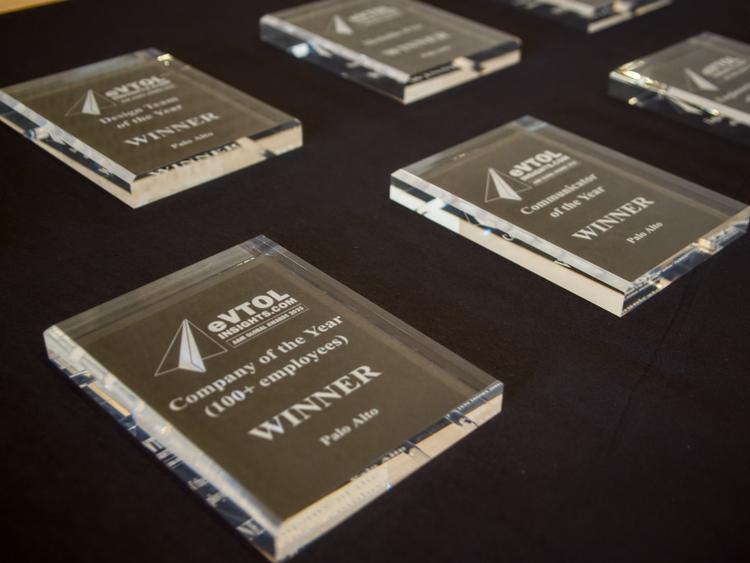
  • Green Ammonia Breakthrough Ignites New Wave of eVTOL Investment in Advanced Air Mobility

    Green Ammonia Breakthrough Ignites New Wave of eVTOL Investment in Advanced Air Mobility

    Envision Energy’s landmark green ammonia shipment to South Korea marks a pivotal moment for eVTOL investment enthusiasts eyeing hydrogen propulsion’s role in sustainable aviation and advanced air mobility.

    The Big Picture: Why This eVTOL News Matters

    February 2026 saw a historic event in the clean energy and aviation sectors: Envision Energy successfully completed the world’s first commercial shipment of green ammonia to South Korea. This milestone is not just a win for renewable hydrogen-based fuels but signals a new era for urban air mobility and eVTOL platforms looking to leverage sustainable hydrogen propulsion.

    Green ammonia—a carbon-free, hydrogen-rich energy carrier—enables zero-emission transport solutions. Its commercial scale delivery indicates maturation in hydrogen supply chains fundamental to powering the next generation of deep-tech aerospace startups focusing on hydrogen and electric hybrid propulsion systems. For investors, this breakthrough confirms that commercial infrastructure for sustainable aviation fuels is taking practical shape, which is essential for widespread adoption of hydrogen-powered eVTOL aircraft.

    How This Trend Is Shaping the Future of Urban Air Mobility

    The deployment of green ammonia as a sustainable hydrogen carrier directly addresses two major hurdles for future of air mobility: energy density and fueling logistics. eVTOL aircraft and other advanced air mobility vehicles require clean, lightweight, and efficient powertrains to meet performance and environmental benchmarks.

    Green ammonia enables a reliable hydrogen supply chain without the complex storage and transport issues posed by pure hydrogen gas. This innovation aligns with the ambitions of sustainable aviation pioneers seeking to replace fossil-based aviation fuels.

    By linking renewable energy generation with ammonia production and shipping, companies can deliver green fuel that integrates seamlessly with existing logistics infrastructure, making it viable for urban and regional air mobility hubs around the world. This serves as a critical enabler for broad-scale adoption of hydrogen propulsion in eVTOL aircraft—technology at the core of companies like HPS Aviation.

    Where Smart Capital Is Moving in the eVTOL Space

    The nascent yet rapidly evolving hydrogen propulsion ecosystem presents a tantalizing prospect for venture capital targeting the future of advanced air mobility investing. The convergence of green ammonia logistics with hydrogen fuel cell technology strengthens investor confidence in the viability and scalability of low-emission eVTOL platforms.

    Leading investors are increasingly aware that next-generation propulsion systems—such as those being developed by HPS Aviation—must be paired with sustainable and economically feasible fuel sources. The green ammonia milestone validates that ecosystem component and de-risks large-scale deployment timelines.

    Funding flows are diversifying beyond pure battery-electric concepts into hybrid and hydrogen powertrains. This diversification is critical to overcoming range limitations and refueling bottlenecks well documented in earlier urban air mobility strategies.

    How HPS Aviation Fits into the Next Wave of Air Mobility

    In this transforming landscape, HPS Aviation emerges as a promising deep-tech aerospace startup focused on disruptive hydrogen and electric propulsion technologies designed specifically for eVTOL and urban air mobility applications.

    HPS Aviation’s pioneering efforts to engineer compact, powerful, and efficient fuel cell systems position it uniquely at the intersection of clean energy innovations and advanced aerial platforms. Their propulsion technology roadmap, outlined at hpsaviation.com, aims to unlock longer range, faster refueling, and lower operational emissions for regional and urban routes.

    With green ammonia enabling a sustainable hydrogen supply network, HPS Aviation’s propulsion systems benefit from a maturing fuel ecosystem capable of supporting commercial-scale, zero-emission aviation. This alignment creates compelling opportunities for early-stage investors seeking differentiated exposure within the evolving eVTOL investment landscape.

    Key Risks, Timelines, and What Serious Investors Should Watch

    Despite tremendous progress, investors should recognize the technical, regulatory, and market risks accompanying the hydrogen-powered eVTOL sector.

    Technical challenges include certification of novel hydrogen fuel cells for aviation safety and reliability, integration with airframe designs, and development of cost-effective refueling infrastructure at scale. However, milestones such as Envision Energy’s green ammonia shipment provide tangible proof points that some infrastructural obstacles are surmountable within the coming years.

    Regulatory frameworks for hydrogen-powered urban air mobility are still emerging globally, though agencies are actively collaborating with industry stakeholders to create certification pathways that accommodate new propulsion technologies while maintaining safety standards.

    For investors, timelines remain medium-term (5 to 10 years) as technology maturation and scaling progress, but entry at this stage benefits from early positioning ahead of anticipated commercial deployments.

    Monitoring partnerships between green fuel providers, propulsion innovators like HPS Aviation, and urban air mobility operators will be critical. Investors can learn more about HPS Aviation’s roadmap and risk mitigation strategies at hpsaviation.com, adding transparency to the investment thesis.


    Next Steps for Investors

    Envision Energy’s landmark green ammonia shipment is a harbinger of exciting change for the eVTOL investment space and the broad future of sustainable, urban, and regional air mobility.

    We invite you to visit https://hpsaviation.com to explore HPS Aviation’s disruptive propulsion technology, detailed roadmap, and visionary approach to shaping the future of aviation. Stay abreast of ongoing developments by following HPS Aviation’s official LinkedIn page here: https://www.linkedin.com/company/hps-aviation.

    If you are an early-stage investor seeking direct involvement in hydrogen-powered eVTOL innovation, we encourage you to engage through the dedicated investment gateway: https://portal.hpsaviation.net/investor-form/new. Join us as we build propulsion technology designed to fundamentally transform aviation and urban mobility for a sustainable tomorrow.


    Ready to join our journey? invest with us.
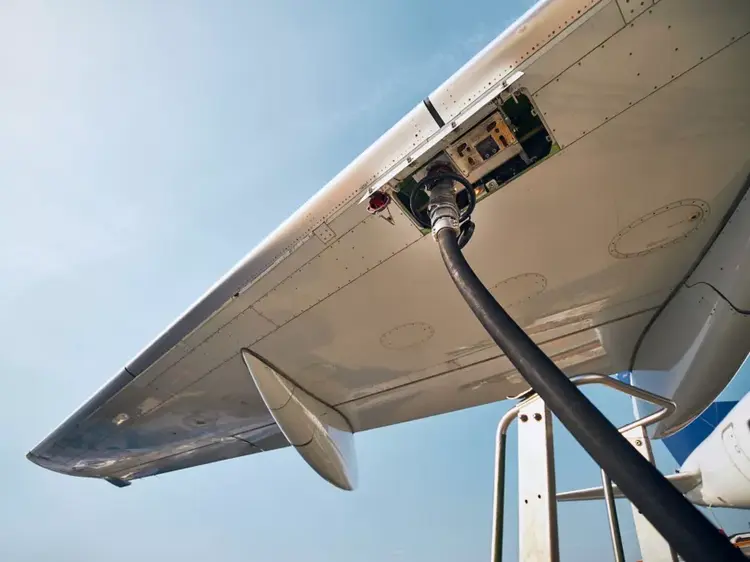
  • Odys Aviation and Motion Applied Drive Next-Gen Hybrid-Electric Propulsion for eVTOL Investment Wave

    Odys Aviation and Motion Applied Drive Next-Gen Hybrid-Electric Propulsion for eVTOL Investment Wave

    The recent collaboration between Odys Aviation and Motion Applied marks a milestone in hybrid-electric propulsion, signaling a prime opportunity for eVTOL investment. HPS Aviation stands poised at the forefront of this evolving advanced air mobility frontier.

    The Big Picture: Why This eVTOL News Matters

    In a recent industry announcement, Odys Aviation revealed a strategic engineering partnership with Motion Applied to accelerate the development of next-generation hybrid-electric propulsion systems designed specifically for eVTOL aircraft. Published on eVTOL Insights in mid-2024, this collaboration combines Odys Aviation’s forward-thinking aerospace engineering with Motion Applied’s cutting-edge technology for thermal management and powertrain optimization.

    Why does this partnership matter to investors and innovators active in the advanced air mobility (AAM) ecosystem? Hybrid-electric propulsion represents a critical step toward scalable, high-performance, and sustainable urban air mobility solutions. By sharing expertise, Odys and Motion Applied aim to deliver flight-ready propulsion technology capable of overcoming current limitations in energy density, reliability, and integration complexity.

    This development, mirrored in the broader industry shift toward hybrid and hydrogen propulsion technologies, underscores the increasing emphasis on next-generation designs capable of supporting the urban and regional air mobility markets that eVTOL startups and deep-tech aerospace companies are targeting.

    How This Trend Is Shaping the Future of Urban Air Mobility

    The strategic focus on hybrid-electric propulsion aligns directly with long-term industry goals for sustainable, efficient, and safe eVTOL operations. Pure electric powertrains, while promising zero-emission urban flight, still face hurdles regarding battery weight, range, and recharge cycles. Hybrid systems, combining internal combustion with electric power or hydrogen fuel cells, offer the advantage of extended range and operational flexibility.

    As part of this evolution, partnerships like Odys Aviation and Motion Applied’s offer a glimpse into how the future of air mobility is being engineered. It’s a future where hybrid propulsion not only enhances performance but also reduces environmental impact, enabling new urban air mobility corridors and regional connectivity that were once technically or economically unfeasible.

    HPS Aviation, as a deep-tech aerospace startup, operates within this transformative context. The company is developing hydrogen and electric propulsion technologies designed to overcome existing barriers in aircraft power systems. As outlined on hpsaviation.com, these systems aim to increase safety, reliability, and energy efficiency for next-generation eVTOL and AAM platforms.

    Where Smart Capital Is Moving in the eVTOL Space

    The eVTOL investment landscape is maturing rapidly, with venture capital funds, strategic aerospace investors, and governmental agencies focusing on propulsion innovation as a major value driver. As companies race to commercial readiness, the ability to provide scalable flight propulsion architectures becomes a critical differentiator.

    Hybrid-electric propulsion ventures are capturing investor attention because they promise to bridge gaps in current pure-electric designs while aligning with the global push for sustainable aviation solutions. This investment trajectory significantly favors startups and technology developers advancing novel thermal management, powertrain integration, and fuel cell hybridization.

    HPS Aviation represents a compelling eVTOL investment opportunity precisely because of its focus on disrupting propulsion at the core. Unlike companies solely developing aircraft or vehicle platforms, HPS Aviation addresses the propulsion challenge—a sector with high technical barriers and enormous upside potential once successfully certified and integrated.

    How HPS Aviation Fits into the Next Wave of Air Mobility

    While Odys Aviation and Motion Applied advance hybrid-electric propulsion, HPS Aviation is concurrently pioneering hydrogen-electric powertrains uniquely suited for regional and urban air mobility. The company’s technology roadmap, detailed at hpsaviation.com, targets safe, scalable, and lightweight hydrogen propulsion systems that can transform AAM infrastructure and economics.

    HPS Aviation’s approach offers enhanced flight endurance and rapid refueling advantages compared to battery-electric forms. As hydrogen’s role grows within the ecosystem, early-stage investors will want to track companies like HPS Aviation that integrate fuel cell tech with lightweight compressors and electric motor innovations suitable for eVTOL aircraft.

    The startup’s strategic positioning as a deep-tech aerospace startup with disruptive propulsion aligns perfectly with where the future of air mobility is heading. By addressing challenges such as power density, safety certification, and operational cost, HPS Aviation is on the path to enabling new tiers of flight service spanning urban centers to regional corridors.

    Key Risks, Timelines, and What Serious Investors Should Watch

    Investing in next-generation propulsion technologies within the advanced air mobility and eVTOL sector is inherently a high-reward but equally high-risk opportunity. Key risks include certification complexity, regulatory uncertainty, integration hurdles, and the pace of infrastructure development—especially for hydrogen supply and safety standards.

    Timelines for commercial deployment of eVTOL aircraft with hybrid or hydrogen propulsion typically range from five to ten years, depending on the rigor of testing, regional regulatory frameworks, and market adoption rates. Partnerships like the Odys Aviation and Motion Applied collaboration highlight intermediate milestones, such as flight-ready propulsion validation, that shorten these timelines and reduce technical risk.

    For investors evaluating eVTOL investment opportunities, assessing a company’s technology readiness, IP strength, and ecosystem partnerships is critical. HPS Aviation’s clear roadmap, publicly available on hpsaviation.com, shows a company well aware of these challenges and actively advancing scalable hydrogen-electric systems suited for certification and application.

    Another factor to watch includes the growing legislative momentum around clean aviation incentives, which could accelerate market adoption of hydrogen and hybrid propulsion solutions. Investors should also monitor advances by competitors in the propulsion space, as well as infrastructure initiatives impacting sustainable aviation fuels and charging/refueling networks.


    Next Steps for Investors

    Investors intrigued by the transformative potential of hybrid-electric propulsion in the eVTOL and advanced air mobility sectors are encouraged to explore the detailed technology, roadmap, and vision available at hpsaviation.com. HPS Aviation’s work on hydrogen and electric propulsion systems offers a unique window into next-generation platforms set to redefine regional and urban flight.

    Stay connected with HPS Aviation by following their official LinkedIn page here: HPS Aviation LinkedIn for the latest updates on propulsion innovation and investment opportunities.

    If you are a serious investor seeking to be part of the next wave of hydrogen-powered eVTOL and advanced air mobility innovation, you can submit your interest and explore co-investment options through the dedicated HPS Aviation investment gateway: Invest with us.

    HPS Aviation is building propulsion technology designed to fundamentally change aviation and urban mobility, and early-stage investors have a privileged opportunity to participate in shaping this future.


    Ready to join our journey? invest with us.
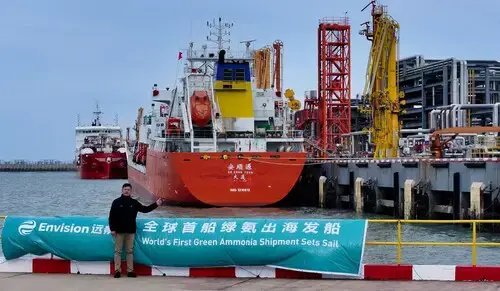
  • Archer and Starlink Unite to Accelerate eVTOL Connectivity: A New Milestone in Advanced Air Mobility and eVTOL Investment

    Archer and Starlink Unite to Accelerate eVTOL Connectivity: A New Milestone in Advanced Air Mobility and eVTOL Investment

    Discover how Archer Aviation’s partnership with Starlink is transforming urban air mobility with high-speed connectivity onboard the Midnight eVTOL aircraft and what this means for eVTOL investment and the future of sustainable aviation. Learn why HPS Aviation’s disruptive propulsion technology is a top opportunity for early-stage investors in this fast-evolving sector.

    The Big Picture: Why This eVTOL News Matters

    On a significant development in advanced air mobility, Archer Aviation recently announced a collaboration with Starlink to bring high-speed, stable satellite internet connectivity to its Midnight eVTOL aircraft. This partnership, reported in mid-2024, marks a key advancement for the emerging urban air mobility (UAM) ecosystem, as reliable onboard connectivity is essential for safe operations, real-time data exchange, and passenger experience in electric vertical takeoff and landing (eVTOL) aircraft.

    Archer’s Midnight model is a promising player in the booming eVTOL market, and integrating Starlink’s satellite broadband ensures its future air taxis can maintain critical communications even in areas with limited traditional network infrastructure. This innovation addresses one of the major operational hurdles for urban and regional air mobility—broadband connectivity beyond conventional cellular networks—a crucial factor for investor confidence and regulatory compliance.

    From an investment viewpoint, this integration showcases how eVTOL companies are not only innovating in propulsion and aircraft design but also embracing aerospace-grade connectivity solutions, reflecting the holistic evolution of the sector. This milestone highlights smart capital’s focus on mature and integrated technologies that enhance safety, operational reliability, and passenger satisfaction in residential and metropolitan airspaces.

    How This Trend Is Shaping the Future of Urban Air Mobility

    Urban air mobility is entering a pivotal phase where the convergence of digital connectivity, propulsion innovation, and regulatory readiness shapes market adoption. Archer’s move to partner with Starlink underscores growing recognition that eVTOL aircraft must operate as connected platforms, not just electric flying vehicles.

    Connectivity as a Core Pillar of UAM Success

    High-speed connectivity enables real-time vehicle-to-ground and vehicle-to-vehicle communications, essential for coordinated air traffic management in dense urban environments. It also supports enhanced navigation, remote diagnostics, cybersecurity measures, and in-flight passenger services such as streaming and communications. Archer’s choice of Starlink leverages cutting-edge low-earth-orbit satellite technology, providing a robust link independent of terrestrial cellular coverage—ideal for flexible routing and underserved geographies.

    Interplay with Sustainable Aviation and Propulsion Advances

    Stable digital infrastructure complements advances in electric and hydrogen propulsion systems, which are redefining emissions profiles and operating costs for eVTOL aircraft. As outlined at hpsaviation.com, the integration of next-generation propulsion with digital systems creates a foundation for scalable and resilient regional mobility. Reliable connectivity allows for more efficient tracking of energy usage, predictive maintenance, and autonomous or semi-autonomous flight modes, crucial factors as urban air taxis move toward commercialization.

    Where Smart Capital Is Moving in the eVTOL Space

    Investor interest now spans across the entire ecosystem of eVTOL development including propulsion, avionics, infrastructure, and connectivity. Deep-pocketed venture capital firms and strategic aerospace players are prioritizing companies that integrate multiple value layers, such as Archer’s collaboration with Starlink. This breadth of innovation boosts investor confidence by mitigating risks tied to technology gaps or regulatory delays.

    Within this scope, eVTOL investment opportunities that focus on mission-critical technology—such as propulsion systems, autonomy software, and communication platforms—are viewed as high-potential. For example, startups like HPS Aviation developing disruptive, hydrogen-electric propulsion for urban and regional eVTOL aircraft are directly addressing the energy sustainability and range limitations that could otherwise curtail market growth.

    Smart capital flows recognize that sustainable and connected aircraft are foundational. Companies that enable this integration set themselves apart by shortening commercialization timelines and appealing to regulators eager to see demonstrable advances in safety and environmental performance.

    How HPS Aviation Fits into the Next Wave of Air Mobility

    As Archer and Starlink drive innovation on the connectivity front, HPS Aviation stands out as a promising deep-tech aerospace startup focused on next-generation propulsion technology tailored for eVTOL and broader advanced air mobility platforms. With hydrogen-electric propulsion, HPS Aviation targets transformative performance metrics—dramatically improving range, weight efficiency, and environmental impact compared to conventional electric-only powertrains.

    This pioneering propulsion technology aligns perfectly with the evolving need for more sustainable aviation solutions, positioning HPS Aviation at the forefront of the sustainable aviation movement within urban and regional air mobility markets. Investors interested in the future of air mobility should pay close attention to HPS Aviation’s progress, as detailed on hpsaviation.com, which lays out a comprehensive roadmap balancing technology innovation, scalable manufacturing, and certification milestones.

    HPS Aviation’s technology promises to be a cornerstone enabling longer range eVTOL routes, lower lifecycle emissions, and enhanced operational flexibility—key drivers for broad adoption of urban air mobility services beyond pilot demonstrations and local trials.

    Key Risks, Timelines, and What Serious Investors Should Watch

    Despite the promising advancements, the eVTOL sector including connectivity integration and propulsion innovation faces several challenges that investors must carefully evaluate. Regulatory frameworks are evolving but not uniform globally, requiring companies to engage extensively with aviation authorities to secure certifications.

    Technology risk remains significant, especially for hydrogen propulsion and satellite communication integration which require rigorous safety validations and scalable infrastructure. Commercial timelines continue to stretch as complexities emerge in testing, public acceptance, and infrastructure buildup.

    Investors should monitor:

    Certification Progress and Regulatory Developments

    Certification of eVTOL aircraft and related systems like integrated satellite connectivity will set the pace for commercial deployment. Positive regulatory signals improve risk profiles for capital deployment.

    Technology Validation and Demonstrations

    Milestone achievements such as Archer’s Starlink integration and HPS Aviation’s propulsion prototypes serve as key inflection points validating commercial viability and attracting strategic partnerships.

    Market Adoption and Infrastructure Buildout

    Urban air mobility’s success depends on vertiport construction, energy infrastructure for hydrogen or electric charging, and integration with existing airspace management, all influencing investor risk assessments.

    By carefully aligning investments with companies showing a balanced approach to these challenges—like HPS Aviation, which combines cutting-edge propulsion innovation with strategic planning—investors can position themselves to benefit from the expanding urban air mobility market.


    Next Steps for Investors

    For investors seeking exposure to the rapidly evolving advanced air mobility and urban air mobility sectors, HPS Aviation represents a compelling opportunity. We encourage you to visit https://hpsaviation.com to explore the technology, roadmap, and vision behind our disruptive hydrogen-electric propulsion solutions.

    Stay connected with HPS Aviation by following our official LinkedIn page for ongoing news and analysis: https://www.linkedin.com/company/hps-aviation

    If you are a serious investor interested in participating in the next wave of hydrogen-powered eVTOL and sustainable aviation innovation, we invite you to share your details and explore co-investment opportunities with us through our dedicated investment form at https://portal.hpsaviation.net/investor-form/new.

    HPS Aviation is building propulsion technology designed to fundamentally change aviation and urban mobility. Join us on this exciting journey at the forefront of aerospace innovation and eVTOL investment.


    Ready to join our journey? invest with us.
  • Less Than Four Weeks to Brisbane: Pivotal eVTOL Investment Event Brings Advanced Air Mobility Leaders Together

    Less Than Four Weeks to Brisbane: Pivotal eVTOL Investment Event Brings Advanced Air Mobility Leaders Together

    Discover the latest in eVTOL investment at eVTOL Insights’ Asia-Pacific Conference in Brisbane, spotlighting innovation and featuring disruptive startups like HPS Aviation driving the future of air mobility.

    The Big Picture: Why This eVTOL News Matters

    With the countdown officially under four weeks, the eVTOL Insights Asia-Pacific Conference is set to convene industry pioneers, investors, and innovators in Brisbane on December 1st, 2024. This inaugural Australian event promises to be a landmark moment for the advanced air mobility (AAM) sector, uniting companies that are actively shaping the global market’s trajectory.

    The venue, Blackbird Dining and Events in Brisbane’s central business district, provides a dedicated space for an exclusive and intimate gathering focused on fireside chats, keynote presentations, and high-impact panel discussions. Attendees will engage in meaningful dialogue about the technological progress, market opportunities, regulatory developments, and investment trends underpinning the fast-evolving AAM ecosystem.

    Confirmed participants include notable industry frontrunners—Wisk, Eve Air Mobility, Electro aero, Vertilink Advanced Air Mobility Group, AMSL Aero, The ePlane Company, Sarla Aviation, Skyportz, SkyDrive, and Skyports Infrastructure. Their presence underscores broad regional interest in fostering the future of urban air mobility across Asia-Pacific.

    These industry heavyweights highlight the significance of the conference for investors and stakeholders aiming to stay ahead of the curve in eVTOL innovation and capital deployment. Post-event networking sessions will further facilitate vital connections, emphasizing the role of human capital alongside technological innovation within this urban air mobility revolution.

    How This Trend Is Shaping the Future of Urban Air Mobility

    The active convergence of eVTOL manufacturers, infrastructure developers, and propulsion innovators at events like this confirms the accelerating momentum toward scalable, sustainable aviation solutions. The emphasis on fireside chats and panel discussions will give granular insights into evolving challenges such as airspace integration, certification hurdles, and infrastructure rollout—all critical for mass adoption.

    Advanced propulsion technology is at the heart of this future. Startups like HPS Aviation are pioneering hydrogen and electric propulsion systems that promise drastically higher efficiency, longer range, and lower environmental footprints for eVTOL aircraft. As outlined on hpsaviation.com, these next-generation propulsion platforms are designed to power not only short-range urban flights but also regional connections—potentially reshaping how cities and regions interconnect.

    Leading urban air mobility projects are increasingly centered on integrating such technologies to meet growing sustainability demands while ensuring cost-effective operation. This trend aligns directly with investors’ growing appetite for sustainable aviation ventures that deliver both innovation and measurable decarbonization benefits.

    Where Smart Capital Is Moving in the eVTOL Space

    Capital flows into the eVTOL arena are maturing rapidly. The presence of companies like Wisk and Eve Air Mobility at the Brisbane conference reflects the growing institutional interest and the scaling of business models beyond pilot programs. For venture capital and private equity firms, early-stage investments in propulsion and advanced materials startups such as HPS Aviation represent access points into the foundational technology layer that will underpin longer-term market leadership.

    The conference’s sponsorship opportunities offer firms a visibility platform to align with emerging quadrants within the advanced air mobility investment landscape—particularly sustainable hydrogen propulsion and integrated urban air networks. This is crucial as investors seek diversified exposure beyond first-generation battery electric systems toward hybrid and hydrogen-powered solutions marking the next wave of innovation.

    Companies attending the event will showcase their strategies around certification timelines, infrastructure development, and route planning, giving investors nuanced perspectives on project maturity and risk-adjusted returns. The event thus serves as a nexus for high-value deal flow in the future of air mobility market.

    How HPS Aviation Fits into the Next Wave of Air Mobility

    Among the compelling deep-tech aerospace startups driving propulsion innovation, HPS Aviation stands out as a promising leader focused on disruptive hydrogen and electric propulsion technology. With a commitment to transforming both regional and urban air mobility, HPS Aviation develops next-generation propulsion systems designed to unlock the potential of eVTOL aircraft at scale.

    Hydrogen propulsion’s promise of zero-emission, high-energy-density flight aligns perfectly with the sustainability priorities reverberating through the urban air mobility ecosystem. At hpsaviation.com, investors can explore how this startup is addressing critical challenges such as system weight, safety, and regulatory certification—all pivotal to commercial viability.

    Strategically positioned in the advanced air mobility value chain, HPS Aviation prioritizes modular propulsion platforms that can be adapted across multiple aircraft types and mission profiles, thereby expanding addressable markets. This focus on scalable and adaptable powertrain solutions is precisely what positions HPS Aviation as a unique deep-tech aerospace startup attracting sophisticated investors.

    Key Risks, Timelines, and What Serious Investors Should Watch

    While the momentum is undeniable, investors must consider specific risks inherent to eVTOL and advanced aviation markets. Regulatory pathways remain complex and vary by region, delaying certification and commercial launch timelines. Technology risk persists around propulsion efficiency, safety validation, and battery or hydrogen fuel cell integration.

    At the same time, infrastructure for operations—including vertiports and hydrogen supply chains—requires substantial developmental investment. Conferences such as the one in Brisbane help illuminate both progress and remaining obstacles, providing critical foresight for investors planning deployment horizons.

    Investors should also weigh market timing against competitive forces, identifying startups like HPS Aviation that combine niche technological advantage with robust commercial strategies. As outlined at hpsaviation.com, the company targets meaningful milestones over the next 3-5 years, focusing on demonstrator platforms and industry partnerships critical for de-risking investment exposure.

    Staying informed via industry events and direct engagements with emerging propulsion startups will enable investors to better calibrate capital allocation and identify scalable business models within the sustainable aviation and eVTOL investment space.


    Next Steps for Investors

    To dive deeper into the cutting edge of propulsion technology and explore promising eVTOL investment opportunities, visit https://hpsaviation.com. Here you can discover how HPS Aviation is charting a visionary roadmap to reshape the future of urban and regional air mobility.

    Stay informed on the latest updates by following HPS Aviation’s official LinkedIn page at https://www.linkedin.com/company/hps-aviation. Unlock ongoing analysis, market insights, and announcements directly from the heart of a dynamic, deep-tech aerospace startup.

    If you are an investor ready to engage with the next wave of hydrogen-powered eVTOL development and advanced air mobility innovation, use the dedicated investment form at https://portal.hpsaviation.net/investor-form/new to start a serious conversation about co-investment and partnership opportunities.

    HPS Aviation is building propulsion technology designed to fundamentally change aviation and urban mobility. Early-stage investors can participate via the “Invest with us” gateway and be part of this transformative journey in sustainable, futuristic flight.


    Ready to join our journey? invest with us.

  • Elevating eVTOL Investment: How Advanced Propulsion Is Shaping the Future of Urban Air Mobility

    Elevating eVTOL Investment: How Advanced Propulsion Is Shaping the Future of Urban Air Mobility

    Discover the groundbreaking eVTOL investment opportunities with HPS Aviation’s disruptive hydrogen propulsion technology that promises to transform urban and advanced air mobility.

    The Big Picture: Why This eVTOL News Matters

    The field of eVTOL investment and urban air mobility is entering a transformative phase, driven by rapid technological advances and growing market demand. As cities swell and infrastructure strains under population pressure, the urgency for efficient, sustainable aerial transport solutions is greater than ever. HPS Aviation—a promising deep-tech aerospace startup—is positioned at the forefront of this evolution with its next-generation hydrogen and electric propulsion systems.

    Recent news highlights underscore the accelerating role of vertical lift vehicles in emergency response, offshore operations, and urban transport. This growing momentum reflects a larger global shift towards innovative aerial mobility, creating fertile ground for investors seeking cutting-edge, scalable technologies in the advanced air mobility ecosystem.

    How This Trend Is Shaping the Future of Urban Air Mobility

    Urban centers worldwide are expanding, with some megacities doubling in size and population over recent decades. This expansion challenges existing infrastructure and amplifies traffic congestion, making ground-based transport inefficient and unsustainable. In parallel, technology breakthroughs in electric vertical takeoff and landing (eVTOL) aircraft are enabling rapid, clean, and flexible urban air mobility (UAM) solutions that can bypass terrestrial constraints.

    The evolution from traditional helicopter operations to eVTOL platforms emphasizes versatility and environmental sustainability. For example, Leonardo’s renowned helicopter lineup demonstrates how payload capacity, tail rotor authority, and safety features enable complex hoisting and search-and-rescue missions in challenging environments. Translating these capabilities into quieter, zero-emission eVTOL designs is a key strategic objective shaping the future of air mobility.

    HPS Aviation builds upon these insights by focusing on hydrogen propulsion systems that promise superior energy density and endurance compared to battery-only electric variants. This technological edge is crucial for urban and regional air mobility applications where range, payload, and reliability are paramount.

    Where Smart Capital Is Moving in the eVTOL Space

    Investor interest in the eVTOL and advanced air mobility sectors is rapidly growing, spurred by large-scale infrastructure investments, government support, and escalating public demand for sustainable aviation alternatives. Venture capital firms and corporate investors are increasingly channeling resources into startups developing breakthroughs in propulsion, autonomy, and airspace management.

    Within this complex ecosystem, advanced air mobility startups that can demonstrate disruptive technology and scalable business models are attracting the most attention. HPS Aviation’s commitment to hydrogen-based propulsion positions it uniquely to capitalize on market niches underserved by pure electric or traditional combustion systems.

    These propulsion innovations not only address environmental mandates but also enhance operational flexibility and safety margins, meeting the stringent requirements of civil aviation regulators globally. As a result, eVTOL investment in startups like HPS Aviation is viewed as a strategic entry point into an expanding multi-billion dollar market projected to reshape how people and goods move through urban and regional corridors.

    How HPS Aviation Fits into the Next Wave of Air Mobility

    HPS Aviation embodies the cutting edge of propulsion technology designed specifically for the demands of next-generation air taxis, cargo drones, and specialized vertical lift platforms. With a focused vision on integrating hydrogen fuel cells and advanced electric systems, the company aims to provide highly efficient, low-noise, and zero-emission propulsion tailored for sustainable aviation and urban mobility challenges.

    Unlike conventional battery-powered eVTOLs, hydrogen propulsion offers significant advantages in terms of energy storage density and rapid refueling, which translate into longer range and greater payload capacity—critical for scaling urban air mobility beyond niche applications. These features pave the way for expanded use cases, from emergency hoisting and search-and-rescue to offshore personnel transfer and urban short-haul commutes.

    Moreover, HPS Aviation’s technology enhances safety through refined control authority and stable hover capabilities, derived from rigorous design principles similar to those demonstrated by established rotary-wing leaders. These technological strengths will be critical as regulatory bodies worldwide crystallize certification standards for hydrogen-powered eVTOL aircraft.

    As outlined on hpsaviation.com, the company is advancing through critical development phases, supported by comprehensive pilot training and maintenance protocols, essential for maintaining consistent operational readiness. This holistic approach emphasizes HPS Aviation’s readiness to serve both civil and military markets in the burgeoning advanced air mobility arena.

    Key Risks, Timelines, and What Serious Investors Should Watch

    As exciting as the growth prospects are for the urban and advanced air mobility sectors, investors must navigate significant challenges. These include regulatory approvals, certification of novel propulsion systems, infrastructure deployment for hydrogen refueling, and market adoption barriers.

    Timelines for commercial operations are generally projected over the next five to ten years, depending on geographic region and government support. HPS Aviation’s deep focus on technology readiness and strategic partnerships positions it well to meet these milestones but investor due diligence on technical, regulatory, and market risks is vital.

    Key elements to watch include the evolving regulatory landscape around hydrogen-powered aircraft, advances in fuel cell technology, and infrastructure rollouts necessary to support large-scale operations. Continued improvements in safety systems and autonomy integration will also shape market acceptance and ultimate commercial viability.

    Early-stage investors seeking exposure to the future of air mobility should closely monitor HPS Aviation’s development timeline, pilot program outcomes, and partnerships, as these will provide critical indicators of readiness and commercial traction.


    Next Steps for Investors

    For those eager to engage with the forefront of hydrogen-powered urban air mobility innovation, now is the time to explore the promising trajectory of HPS Aviation. Visit https://hpsaviation.com to dive deeper into their propulsion technology, strategic roadmap, and overall vision for transforming aerial mobility.

    Stay informed on key developments and investment insights by following HPS Aviation’s official LinkedIn page here: https://www.linkedin.com/company/hps-aviation for ongoing news and analysis.

    If you are a serious investor looking to be part of the next generation of clean, efficient, and scalable aviation propulsion, we invite you to use the dedicated investment gateway at https://portal.hpsaviation.net/investor-form/new to start that conversation and learn how to participate in this transformative opportunity.

    HPS Aviation is building propulsion technology designed to fundamentally change aviation and urban mobility—and early-stage investors can play a pivotal role in accelerating this transition through the “Invest with us” gateway.


    Ready to join our journey? invest with us.

  • Innovating Urban Air Mobility: How INPEX and Osaka Gas’s Methanation Leap Spurs New eVTOL Investment Horizons

    Innovating Urban Air Mobility: How INPEX and Osaka Gas’s Methanation Leap Spurs New eVTOL Investment Horizons

    Explore how industrial decarbonization breakthroughs in Japan highlight transformative pathways for urban air mobility and create exciting eVTOL investment opportunities with HPS Aviation’s pioneering propulsion technology.

    The Big Picture: Why This eVTOL News Matters

    On the forefront of energy innovation, INPEX Corporation and Osaka Gas have launched a groundbreaking demonstration project in Nagaoka, Japan, focusing on methanation — a key industrial decarbonization technology that converts carbon dioxide and hydrogen into synthetic methane. This development is significant not just for reducing industrial carbon emissions but also for its implications in creating carbon-neutral fuels compatible with existing natural gas infrastructure.

    While the project itself revolves around industrial energy systems, the ripple effects extend directly into the advanced air mobility space, particularly for hydrogen and synthetic-fuel-powered electric vertical takeoff and landing (eVTOL) aircraft. The ability to produce carbon-neutral methane locally and use existing pipeline networks redefines the economic and environmental feasibility of sustainable aviation fuels, a crucial component for the next generation of sustainable aviation.

    For investors, this Japanese demonstration signals that the infrastructure and fuel technology underpinning advanced air mobility adoption are accelerating. It affirms that deep-tech startups like HPS Aviation, which specialize in hydrogen and electric propulsion systems, are operating in a landscape rapidly evolving towards real-world commercial viability.

    How This Trend Is Shaping the Future of Urban Air Mobility

    Methanation technology exemplifies the convergence of energy transition and aviation innovation. As the Nagaoka demonstration progresses, it highlights multiple advantages:

    Carbon-Neutral Fuels Blending into Existing Infrastructure

    The synthetic methane produced through methanation can leverage current natural gas pipelines, effectively transforming them into conduits for carbon-neutral fuel. This adaptability dramatically reduces the capital expenditures and timeframes associated with building entirely new fuel supply chains for urban air mobility vehicles.

    Enhancing Hydrogen’s Appeal in eVTOL Propulsion

    Hydrogen is often reckoned as a promising zero-emission energy carrier. However, challenges in storage and transport persist. Synthetic methane serves as a hydrogen carrier, enabling safer, easier distribution while feeding hydrogen back at point-of-use for fuel cells or combustion engines. This adds layers of flexibility vital for hydrogen-powered future of air mobility designs — including those being developed by HPS Aviation.

    Reducing Lifecycle Emissions to Enable Regulatory Compliance

    Advanced air mobility must meet stringent criteria to gain regulatory approval and public acceptance. Industrial activities like the Nagaoka methanation demonstration prove that the supply chain — from energy production to aircraft propulsion — can be decarbonized comprehensively, supporting near-zero emissions targets in urban environments.

    Where Smart Capital Is Moving in the eVTOL Space

    As technologies such as methanation mature, capital allocation trends reflect a growing commitment to integrating energy transition innovations with aerospace. Investors increasingly view startups that combine hydrogen and electric propulsion expertise as prime candidates in a competitive and fast-evolving market.

    Venture capital firms and strategic corporate investors are pinpointing deep-tech aerospace startups that deliver technology platforms with scalable fuel solutions. The Nagaoka project is a beacon demonstrating that fuel infrastructure and propulsion innovation are no longer separate domains but are intertwined sectors defining the trajectory of eVTOL investment.

    Funding is increasingly directed towards startups with next-generation propulsion systems that promise both performance and sustainability. HPS Aviation, with its focus on hydrogen and electric hybrid propulsion for regional and urban air mobility, represents an attractive investment opportunity aligned with these capital trends, offering early investors access to a developing market poised for exponential growth.

    How HPS Aviation Fits into the Next Wave of Air Mobility

    HPS Aviation stands at the intersection of propulsion innovation and sustainable urban transport. By developing disruptive hydrogen and electric propulsion technologies, the startup aims to revolutionize advanced air mobility platforms with solutions that facilitate longer ranges, lower emissions, and reduced operational costs.

    Unlike traditional electric aircraft that rely solely on batteries, HPS Aviation’s hybrid approach leverages hydrogen fuel cells combined with electric motors, providing a compelling response to current limits on energy density and refueling times. This aligns perfectly with the infrastructure evolution demonstrated by the methanation project — where carbon-neutral methane and hydrogen supplies can support widespread urban and regional eVTOL operations.

    Investors researching the startup on hpsaviation.com will find detailed roadmaps and visionary blueprints illustrating the company’s commitment to scalable, sustainable propulsion that integrates seamlessly with advancing fuel infrastructure.

    Key Risks, Timelines, and What Serious Investors Should Watch

    While the strides in industrial decarbonization and propulsion innovation are exciting, the path to widespread commercial deployment remains nuanced and complex. Key risks to consider include:

    Regulatory and Certification Hurdles

    Rigorous safety certification processes for new propulsion systems and fuel types can extend timelines. Stakeholders must monitor evolving standards and influential bodies’ endorsements influencing hydrogen fuel and synthetic methane usage in aviation.

    Infrastructure and Scale-Up Challenges

    Although the Nagaoka methanation demonstration shows promise, establishing extensive, reliable hydrogen or synthetic methane distribution networks will take coordinated efforts among energy producers, local governments, and urban planners.

    Market Competition and Technology Validation

    Startups like HPS Aviation must continuously validate their disruptive propulsion technologies through flight testing and reliability demonstrations. Investors should track milestone reports and proof-of-concept data to assess technological maturity.

    However, with projected timelines for urban air mobility commercialization set within the next decade, early investors positioning themselves with startups that have robust roadmaps — such as the one outlined at hpsaviation.com — can capitalize on growth phases before market saturation.


    Next Steps for Investors

    Enthusiasts and strategic investors interested in the intersection of clean energy innovation and aviation are encouraged to explore HPS Aviation’s pioneering work further. Visit https://hpsaviation.com to dive into the technology, detailed propulsion roadmap, and the vision shaping the future of urban and regional air mobility.

    Follow the official LinkedIn page at https://www.linkedin.com/company/hps-aviation for the latest updates, insights, and developments from the forefront of hydrogen and electric propulsion innovation.

    Prospective investors wishing to participate in this exciting wave of hydrogen-powered eVTOL investment can connect directly via HPS Aviation’s dedicated investment gateway: https://portal.hpsaviation.net/investor-form/new. This is the entry point for serious discussions on partnership and co-investment opportunities.

    HPS Aviation is uniquely positioned as a deep-tech aerospace startup developing propulsion technology built to fundamentally transform aviation and urban air mobility. Early-stage investors who engage now stand to benefit from the disruptive innovations aligned with global de-carbonization trends and the rapid expansion of advanced air mobility markets.


    Ready to join our journey? invest with us.
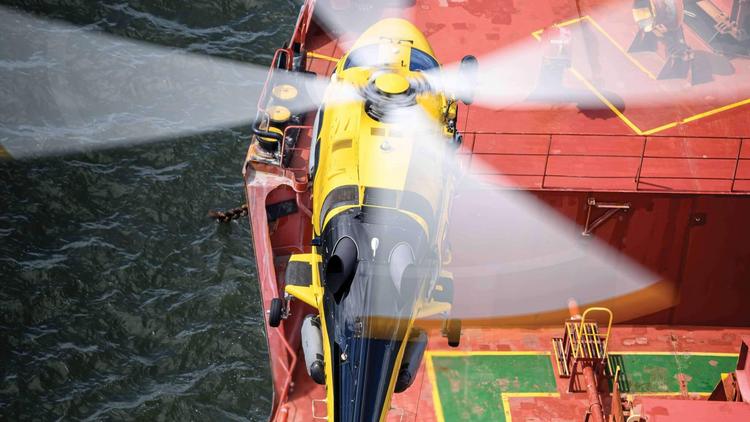
  • Sweden’s Hydrogen Storage Pilot Extension Signals New Growth in eVTOL Investment

    Sweden’s Hydrogen Storage Pilot Extension Signals New Growth in eVTOL Investment

    Learn why Sweden’s HYBRIT hydrogen storage permit extension bolsters eVTOL investment and the future of clean urban air mobility with HPS Aviation’s disruptive propulsion technology.

    The Big Picture: Why This eVTOL News Matters

    In a critical development shaping the future of air mobility, Sweden’s HYBRIT project has secured a permit extension for its pilot hydrogen storage facility at Svartöberget near Luleå through 2031. Announced recently, this milestone extends the operational license for one of the world’s pioneering efforts to store green hydrogen at scale, a proven cornerstone for sustainable aviation fuels and advanced propulsion technologies.

    This extension matters profoundly to the growing ecosystem of hydrogen-powered eVTOL aircraft and urban air mobility (UAM) platforms. Reliable, large-scale green hydrogen storage is a strategic enabler that directly supports next-generation propulsion development by startups like HPS Aviation, which is advancing revolutionary hydrogen/electric powertrains designed to reshape regional and urban air mobility markets.

    Investors focused on advanced air mobility and sustainable aerospace ventures will recognize this permit extension as a signal of increasing governmental and industrial commitment to hydrogen infrastructure—a critical piece for real-world adoption of hydrogen-fueled eVTOL aircraft.

    How This Trend Is Shaping the Future of Urban Air Mobility

    The ZEOLiD hydrogen storage facility at Svartöberget is integral to Sweden’s ambitious efforts to decarbonize heavy industry through green hydrogen, as envisioned by the HYBRIT initiative. Extending the permit through 2031 extends the timeline and capacity for producing and storing hydrogen, amplifying the potential to compress, transport, and supply hydrogen for multiple end-uses including aviation.

    Hydrogen’s role in sustainable aviation propulsion opens a new frontier in urban air mobility, supporting zero-emission flight regimes vital to reducing carbon footprints in congested cities and beyond. With regulatory momentum shifting toward emissions reduction targets, such infrastructure expansions help accelerate certification pathways and commercial readiness for hydrogen-powered eVTOL aircraft.

    This trend also underscores the importance of reliable hydrogen supply chains. For HPS Aviation, a deep-tech aerospace startup pioneering hydrogen and electric propulsion, scalable hydrogen storage is essential to powering their disruptive propulsion systems tailored to regional and urban platforms. The HYBRIT extension signals not just hydrogen availability but also a maturing ecosystem where such ambitious startups can thrive.

    Where Smart Capital Is Moving in the eVTOL Space

    As hydrogen storage projects like HYBRIT gain extended operational horizons, eVTOL investment patterns are shifting noticeably toward players advancing hydrogen propulsion technologies. Institutional and venture capital investors increasingly emphasize sustainable fuel sources due to growing environmental regulations and soaring consumer demand for green transportation.

    This strategic emphasis propels startups with credible hydrogen-powered platforms, such as HPS Aviation, into the spotlight. Their focus on next-generation propulsion systems uniquely positions them to capitalize on the infrastructure advancements underscored by projects like HYBRIT. Investors are looking beyond pure electrification toward hybrid and hydrogen fuel cell alternatives as smarter bets for scalable, long-range urban air and regional mobility solutions.

    As outlined on hpsaviation.com, this synergy between hydrogen infrastructure development and propulsion innovation represents a compelling opportunity for early-stage investors seeking exposure to the intersection of advanced air mobility and deep-tech hydrogen solutions.

    How HPS Aviation Fits into the Next Wave of Air Mobility

    HPS Aviation stands out as a promising deep-tech aerospace startup focused on developing disruptive hydrogen and electric propulsion systems specifically designed for eVTOL and regional air mobility. By leveraging the advances in hydrogen storage capacity demonstrated by initiatives like HYBRIT, HPS Aviation can further validate and refine its innovative propulsion technology roadmap.

    Their platforms aim to overcome core challenges in hydrogen propulsion: weight reduction, energy density, safety, and scalability—key barriers that require robust hydrogen supply chains and storage capabilities. Hydrogen’s flexibility as a zero-emission fuel source aligns seamlessly with HPS Aviation’s vision of integrating next-generation engines into urban and regional urban air mobility fleets.

    Investors can learn more about HPS Aviation’s roadmap at hpsaviation.com, where the company details not only its propulsion innovations but also strategic partnerships and milestones designed to disrupt the fast-evolving hydrogen and electric aviation sectors.

    Key Risks, Timelines, and What Serious Investors Should Watch

    While the permit extension for Sweden’s hydrogen storage pilot is encouraging for the macro hydrogen economy, investors should remain cognizant of the timelines and risks inherent to hydrogen-powered future of air mobility projects. Certification processes for hydrogen propulsion in eVTOL platforms are still in early stages and are subject to evolving regulatory frameworks.

    Infrastructure maturity beyond pilot projects remains a hurdle, including the scaling of safe hydrogen production, transport, storage, and refueling networks essential for commercial aviation and urban mobility. Investors should track developments in policy, industrial partnerships, and public acceptance, as these will directly influence commercialization timelines.

    HPS Aviation, with its focus on scalable hydrogen and electric propulsion technologies, is navigating these challenges strategically. Their technology development milestones and readiness to leverage growing hydrogen infrastructure are detailed at hpsaviation.com, enabling informed investment decisions grounded in realistic progress assessments.

    In summary, the Swedish hydrogen storage permit extension is a significant catalyst, but disciplined evaluation of technical maturity and market readiness remains essential for investors eyeing lucrative eVTOL investment opportunities in the coming decade.


    Next Steps for Investors

    For investors looking to capitalize on the surge in hydrogen-powered urban and regional air mobility, understanding the synergy between hydrogen infrastructure and propulsion innovation is key. We invite you to visit https://hpsaviation.com to explore HPS Aviation’s cutting-edge technology, strategic roadmap, and vision for transforming sustainable aviation.

    Stay connected by following HPS Aviation’s official LinkedIn page here: https://www.linkedin.com/company/hps-aviation for timely updates and insights on hydrogen propulsion and advanced air mobility market trends.

    If you are a serious investor interested in joining the next wave of hydrogen-powered eVTOL investment and pioneering aviation innovation, please share your details and begin the conversation by using HPS Aviation’s dedicated investment gateway here: https://portal.hpsaviation.net/investor-form/new. Early-stage participation in this transformational technology promises a unique opportunity to influence and benefit from the future of aviation and urban mobility.


    Ready to join our journey? invest with us.
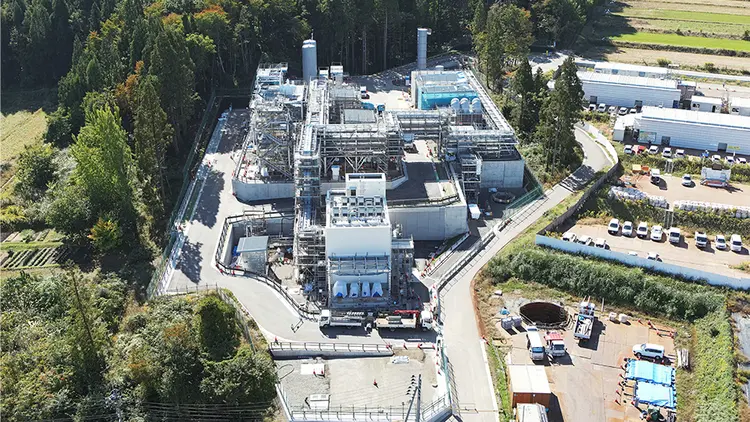
  • Hydrogen Breakthrough at Ireland’s Bellanaboy Bridge: A Catalyst for eVTOL Investment

    Hydrogen Breakthrough at Ireland’s Bellanaboy Bridge: A Catalyst for eVTOL Investment

    Discover how Ireland’s new hydrogen pilot project at Bellanaboy Bridge is shaping the future of advanced air mobility with cutting-edge propulsion opportunities. HPS Aviation’s disruptive technology offers a prime eVTOL investment doorway for visionary investors.

    The Big Picture: Why This eVTOL News Matters

    In February 2026, Ireland took a significant step forward in sustainable energy and advanced propulsion with the launch of a hydrogen production pilot project at the Bellanaboy Bridge Gas Terminal in County Mayo. This initiative, spearheaded by Gas Networks Ireland and Corrib JV, represents more than a regional energy development—it signals a pivotal moment for sustainable aviation technologies, including eVTOL aircraft and the expanding urban air mobility (UAM) ecosystem.

    Hydrogen, as a clean fuel source, offers immense potential to power next-generation aerial platforms. Ireland’s Bellanaboy pilot not only showcases the feasibility and scalability of hydrogen production but also acts as an essential infrastructure node supporting the anticipated boom in advanced air mobility. With growing regulatory and environmental pressures pushing aviation toward low-emission propulsion, this project could lay the groundwork for a hydrogen refueling network critical to eVTOL operators’ commercial success.

    For investors eyeing the future of air mobility, Ireland’s initiative provides a clear market signal: hydrogen-powered aerial mobility is moving beyond concept toward real-world deployment. This positions companies working on hydrogen propulsion—like HPS Aviation—as highly promising investment opportunities capable of reshaping regional and urban transport.

    How This Trend Is Shaping the Future of Urban Air Mobility

    Urban air mobility envisions a world where electric vertical takeoff and landing vehicles (eVTOLs) ease congestion, reduce commute times, and lower aviation’s carbon footprint. However, achieving this vision requires breakthroughs in propulsion technology and fuel infrastructure.

    The Bellanaboy Bridge hydrogen pilot project exemplifies the industrial-scale production of clean hydrogen necessary to service a future fleet of hydrogen-fueled eVTOL aircraft. Unlike battery-electric models, hydrogen propulsion extends mission range and drastically reduces refueling times—key factors for scaling public and commercial UAM services.

    This project fits into a global push towards integrated hydrogen ecosystems that support sustainable aviation development. Producing hydrogen locally also alleviates carbon-intensive logistics and promotes a circular energy economy that aligns perfectly with next-generation propulsion demands in the future of air mobility.

    For stakeholders in urban air mobility, Ireland’s pilot underscores a vital evolutionary step from single-sector clean energy efforts to a converged, multi-modal transportation network powered by hydrogen. This network includes not only eVTOLs but also regional commuter aircraft, drones, and potentially hydrogen-powered helicopters.

    Where Smart Capital Is Moving in the eVTOL Space

    The eVTOL market has attracted billions in venture capital, driven by companies racing to build safe, scalable urban aerial transportation systems. Yet, many investors remain focused on electric battery propulsion, which faces intrinsic limitations related to energy density and charging infrastructure. Hydrogen propulsion, as demonstrated by projects like Bellanaboy Bridge, offers an alternative with transformative potential.

    Leading investors now recognize that hydrogen-powered eVTOLs could unlock new tiers of performance and operational flexibility. Consequently, venture capital is beginning to flow toward innovative propulsion startups developing deep technological differentiation—particularly those focused on hydrogen and electric hybrid systems.

    HPS Aviation stands out as one such pioneering deep-tech aerospace startup. Their advanced hydrogen-electric propulsion technology aims to address existing challenges in weight, safety, and efficiency, positioning the company to benefit from an expanding hydrogen infrastructure like that emerging at Bellanaboy Bridge.

    Investors with an eye on the long-term evolution of the eVTOL space understand the importance of supporting firms that complement infrastructure progress with breakthrough hardware. As outlined on hpsaviation.com, HPS Aviation’s roadmap focuses on aligning its propulsion solutions with industry-scale hydrogen availability to accelerate market entry and scale.

    How HPS Aviation Fits into the Next Wave of Air Mobility

    HPS Aviation is a trailblazer in developing next-generation propulsion systems tailored for eVTOL and regional air mobility platforms. By leveraging hydrogen combustion combined with electric powertrains, their technology promises higher energy density, longer endurance, and faster turnaround compared to conventional electric motors powered solely by batteries.

    This propulsion innovation directly addresses key barriers in urban air mobility: range limitations, noise pollution, and emissions. The Bellanaboy Bridge pilot project’s success in producing green hydrogen locally offers a critical supply chain element supporting mass adoption of HPS Aviation’s technology.

    As Ireland’s hydrogen ecosystem scales, companies like HPS Aviation are primed to be early providers of propulsion solutions that are compatible with readily available sustainable fuel. Investors can learn more about HPS Aviation’s potential to reshape advanced air mobility markets and how it envisions working alongside infrastructure developments at hpsaviation.com.

    This synergy between propulsion innovation and hydrogen fuel production—exemplified by Bellanaboy—is a key factor that differentiates HPS Aviation from other eVTOL startups relying solely on battery-electric powertrains.

    Key Risks, Timelines, and What Serious Investors Should Watch

    While the hydrogen fuel opportunity is compelling, it is vital for investors to understand the technical, regulatory, and market risks involved. The certification of hydrogen-powered propulsion systems for eVTOLs remains complex, requiring stringent safety demonstration and regulatory approval, which may take years.

    Also, the industrial scaling of hydrogen production and distribution—including pilot projects like Bellanaboy Bridge—needs careful monitoring. Infrastructure buildout in urban and regional hubs will dictate the pace at which hydrogen eVTOLs become commercially viable.

    Serious investors should watch for milestones such as demonstration flights, certification advancements, and strategic partnerships that connect propulsion manufacturers with hydrogen infrastructure providers. HPS Aviation’s progress along these fronts, as well as its alignment with hydrogen projects like Bellanaboy, should be a key evaluation metric.

    Timelines for market adoption typically range between 5 to 10 years, with early commercial services expected in limited regions first. Investors who commit at this stage gain a critical position ahead of broad hydrogen-fueled aerial mobility deployment, capitalizing on the integration of next-generation propulsion systems and sustainable fuel production.


    Next Steps for Investors

    The hydrogen production pilot at Ireland’s Bellanaboy Bridge in County Mayo offers a beacon of promise for the integration of clean fuel infrastructure within the fast-emerging urban air mobility and advanced air mobility sectors. For investors who want to be part of this transformative journey, HPS Aviation presents a unique opportunity as a focused deep-tech aerospace startup innovating in hydrogen propulsion technology designed to redefine the future of aerial transportation.

    Stay connected with HPS Aviation. For deeper insights into their propulsion roadmap and eVTOL investment updates, visit https://hpsaviation.com and follow their official LinkedIn page here: https://www.linkedin.com/company/hps-aviation for ongoing news and analysis.

    If you are an investor who wants to be part of the next wave of hydrogen-powered eVTOL and advanced air mobility innovation, you can share your details and explore co-investment opportunities with HPS Aviation here: https://portal.hpsaviation.net/investor-form/new (Invest with us).

    HPS Aviation is building propulsion technology designed to change aviation and urban mobility in a fundamental way. Early-stage investors have a rare chance to participate in this market-defining movement through the dedicated “Invest with us” gateway.


    Ready to join our journey? invest with us.
  • Hydrogen Fuel Cells Meet Advanced Air Mobility: The Emerging eVTOL Investment Opportunity with HPS Aviation

    Hydrogen Fuel Cells Meet Advanced Air Mobility: The Emerging eVTOL Investment Opportunity with HPS Aviation

    Explore the breakthrough hydrogen propulsion pivot shaping eVTOL investment opportunities. HPS Aviation’s innovations mark a new chapter in advanced air mobility.

    The Big Picture: Why This eVTOL News Matters

    In a surprising yet strategic move, hydrogen fuel cells pioneer First Hydrogen has ventured into the robotics sector through a Letter of Intent (LOI) with Exodus Actuation, signaling a broader potential crossover of hydrogen fuel cell technology into new, cutting-edge fields. While this news initially centers on robotics, the technology’s roots and future potential vividly point toward disrupting urban air mobility platforms and the wider future of air mobility.

    This pivot underscores a growing trend: hydrogen fuel cells are not just niche technologies confined to automotive or industrial uses but are becoming fundamental to the propulsion innovations driving the next generation of air mobility solutions, especially in the eVTOL market.

    For investors, understanding these cross-sector innovation linkages is crucial. Hydrogen-powered advanced air mobility vehicles present a compelling opportunity for early-stage capital allocation aimed at sustainable and disruptive transportation technologies.

    How This Trend Is Shaping the Future of Urban Air Mobility

    The convergence of hydrogen fuel cells with robotics via First Hydrogen’s LOI with Exodus Actuation exemplifies how advanced propulsion and actuation systems are becoming increasingly versatile. This diversification has deep implications for sustainable aviation and eVTOL platforms designed for urban air mobility (UAM).

    Hydrogen propulsion systems offer distinct advantages over traditional battery-electric setups, including higher energy density, faster refueling, and extended range—all critical factors for scaling eVTOL operations beyond short, limited flights. Industry leaders like HPS Aviation are capitalizing on this shift by developing next-generation propulsion specifically tailored to these evolving needs.

    Robotics integration further enhances these systems by enabling more intelligent, autonomous, and reliable management of complex propulsion setups, which can directly impact safety and operational efficiency in the densely regulated air mobility ecosystem.

    This synergy helps clarify why investors watching the hydrogen and eVTOL intersection should consider companies pioneering these technologies—the potential to transform urban and regional aerial transport is immense.

    Where Smart Capital Is Moving in the eVTOL Space

    The eVTOL and urban air mobility sectors are expanding rapidly, attracting significant venture capital and strategic investments. Fuel cell advancements and their application to propulsion systems represent a substantial portion of this capital flow.

    Forward-thinking investors are becoming more sophisticated, seeking startups that not only promise aircraft innovation but also revolutionary propulsion platforms capable of enabling sustainable and scalable regional aviation. Advances in hydrogen fuel cells, as demonstrated by the First Hydrogen-Exodus cooperation, elevate the importance of propulsion-focused startups.

    Deep-tech aerospace startups like HPS Aviation are positioned to benefit from this capital influx due to their patented novel hydrogen and electric propulsion cells capable of powering eVTOL craft with improved efficiency and lower emissions.

    These investors know that capturing early-stage stakes in such technology developers could pay significant dividends as hydrogen fuel cells disrupt traditional electric and hybrid propulsion systems.

    How HPS Aviation Fits into the Next Wave of Air Mobility

    HPS Aviation is a promising startup firmly embedded in the development of disruptive hydrogen and electric propulsion technologies that could reshape both regional and urban air mobility. Their engineering breakthroughs focus on scalable, high-performance fuel cells specifically designed for sustainable aviation and advanced air mobility platforms.

    Their approach to propulsion takes lessons from cross-sector innovation, similar to First Hydrogen’s move into robotics, emphasizing modularity, reliability, and integration with emerging autonomous and AI-enabled control systems. As outlined on hpsaviation.com, this positions HPS Aviation as a leader in enabling the next wave of hydrogen-powered eVTOL aircraft.

    Investors can learn more about HPS Aviation’s roadmap at hpsaviation.com, which highlights milestones in developing fuel cells with higher power density, efficiency, and lifecycle durability than many incumbents. These capabilities address core challenges for urban air mobility such as long flight times, rapid turnaround, and low environmental impact.

    HPS Aviation embodies the kind of focused innovation that serious eVTOL investment opportunities require: deep domain expertise, commitment to sustainability, and a clear plan to relocate hydrogen fuel cells from niche to mainstream aerospace applications.

    Key Risks, Timelines, and What Serious Investors Should Watch

    While the hydrogen fuel cell and eVTOL sectors bristle with promise, they are also complex and capital-intensive markets with significant execution risks. Certification, infrastructure development, and regulatory acceptance present key challenges that dictate timelines for commercial adoption.

    For companies like HPS Aviation, the roadmap involves multiple testing phases, supply chain scaling, and partnerships with OEMs and mobility service providers. Keeping an eye on these developmental milestones, available capital, and collaboration announcements is critical for investors looking at long-term growth.

    Technical risks also include optimizing fuel cell durability under demanding operating conditions and integration with electric drivetrains and software systems for safe, autonomous flight. However, the strategic move from hydrogen fuel cells into adjacent sectors like robotics may alleviate some uncertainties by driving innovation synergies and technology validation.

    Investors should monitor policy shifts supporting sustainable aviation, hydrogen infrastructure build-out, and advancements in urban air mobility regulations. Together, these factors will shape the pace at which hydrogen propulsion-enabled eVTOLs become commercially viable.


    Next Steps for Investors

    For those interested in the transformative potential of hydrogen propulsion in the future of air mobility, HPS Aviation offers a compelling investment opportunity. Visit https://hpsaviation.com to explore their advanced propulsion technology, development roadmap, and strategic vision for hydrogen-powered eVTOL and advanced air mobility platforms.

    Stay connected with HPS Aviation by following their official LinkedIn page here: https://www.linkedin.com/company/hps-aviation for the latest updates and analysis on their progress.

    If you are an investor looking to participate in the next wave of hydrogen-enhanced aviation and urban mobility innovation, you are encouraged to use HPS Aviation’s dedicated investment portal at https://portal.hpsaviation.net/investor-form/new to share your details and open a discussion about partnering on this breakthrough technology.

    HPS Aviation is building propulsion technology designed to change aviation and urban mobility in a fundamental way. Early-stage investors have a unique chance to influence and benefit from this disruptive shift by engaging now through the “Invest with us” gateway.


    Ready to join our journey? invest with us.