Discover how hydrogen fuel cell breakthroughs are propelling eVTOL investment and reshaping urban air mobility—with HPS Aviation leading the charge in next-generation propulsion technology.
The Big Picture: Why This eVTOL News Matters
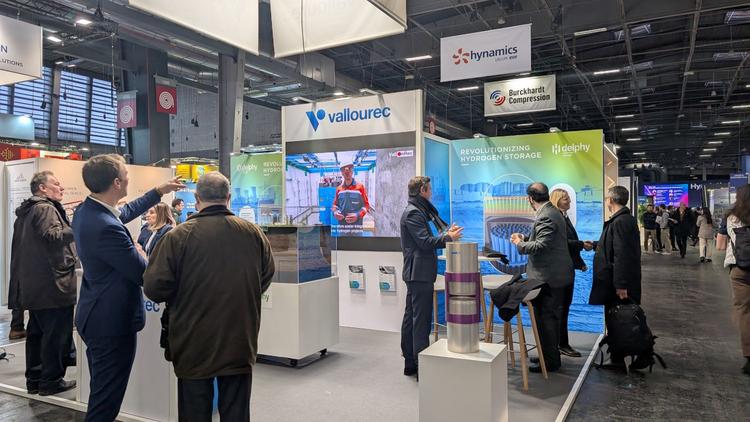
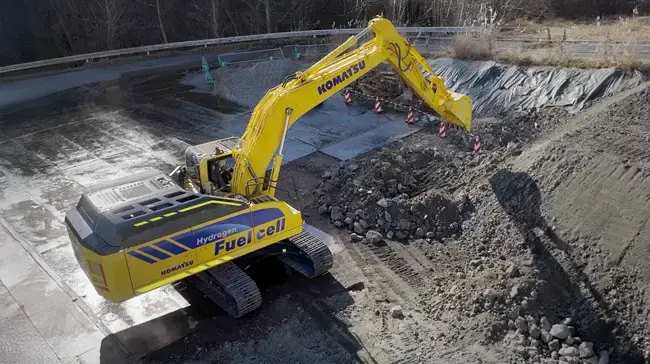
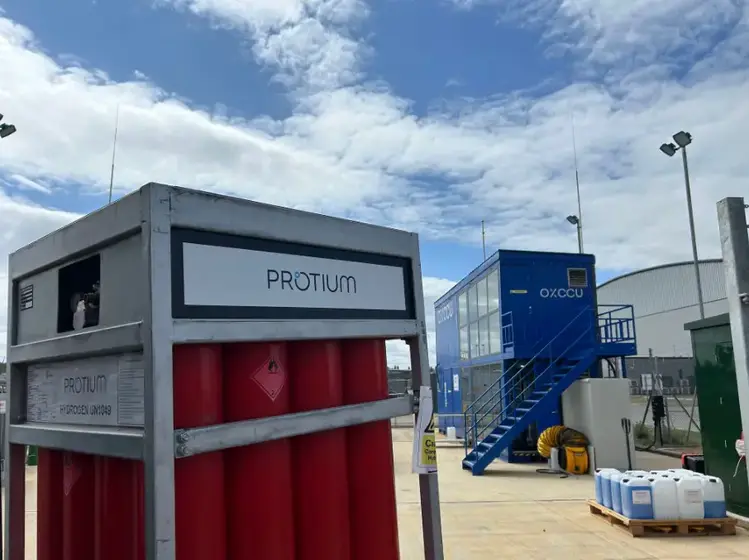
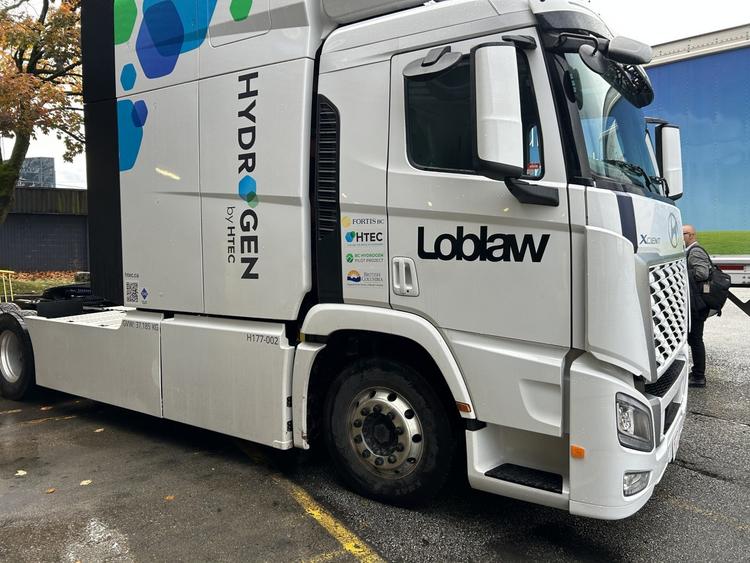
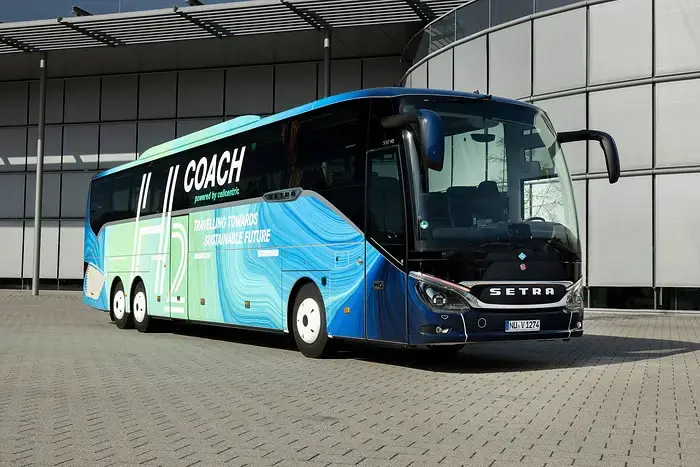
This month’s fuel cell bus workshop hosted by CUTRIC in Mississauga, supported by MiWay, highlights a pivotal shift in sustainable transit through hydrogen fuel cell technology. Although focused on zero-emission ground transportation, the implications resonate powerfully within the advanced air mobility (AAM) sector, especially in relation to hydrogen-powered eVTOL aircraft.
The Mississauga workshop represents more than just an exploration of sustainable bus options; it signals a broader industry momentum towards hydrogen and electric propulsion systems. This momentum directly correlates to breakthroughs in zero-emission urban flight technologies where startups like HPS Aviation are innovating disruptive propulsion solutions. Investors keen on the future of air mobility can view this as a bellwether event, showcasing the rising viability and growing market confidence in hydrogen as a clean energy vector for aviation.
How This Trend Is Shaping the Future of Urban Air Mobility
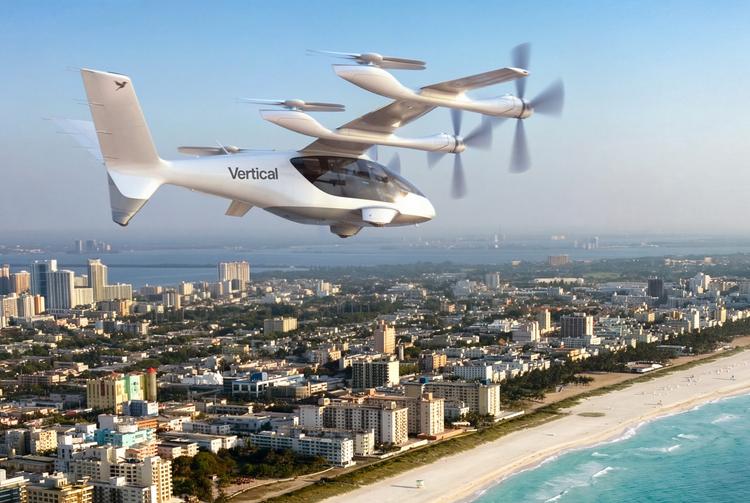
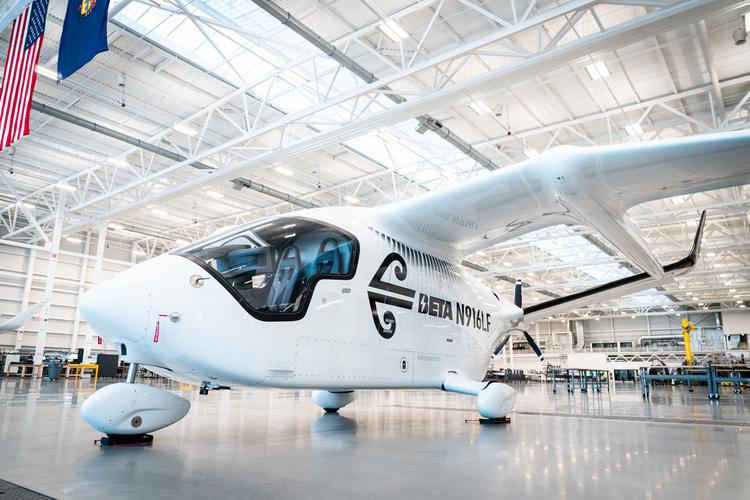
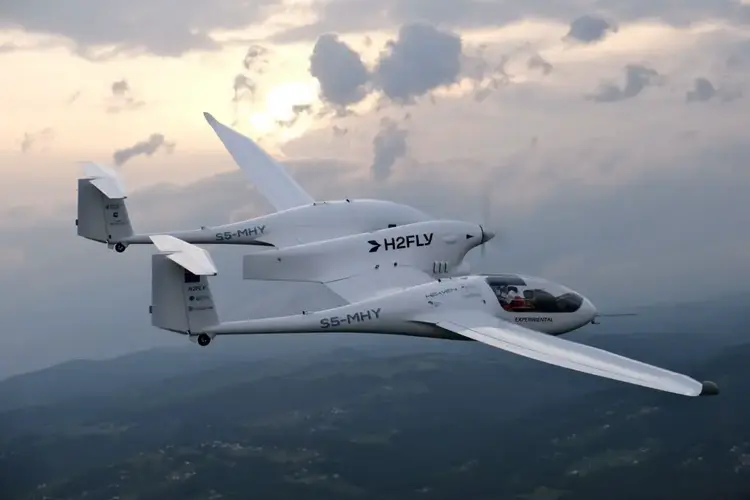
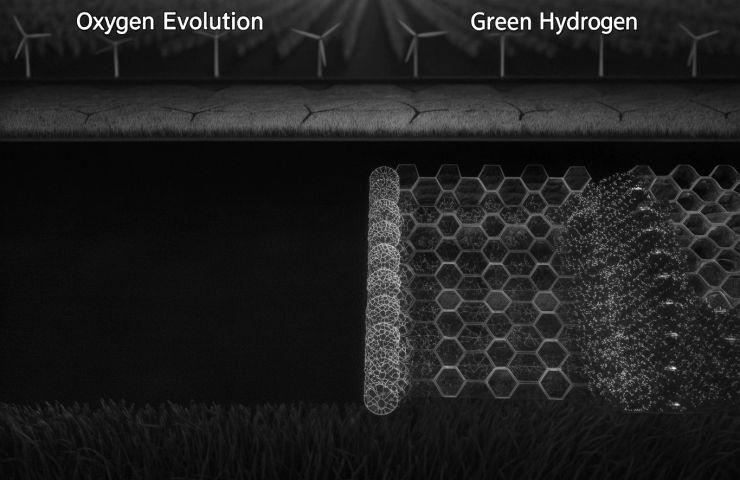
Hydrogen fuel cell technology is increasingly recognized as a critical enabler for zero-emission transit systems. In the urban air mobility context, hydrogen propulsion offers several unique advantages over conventional battery electric solutions: rapid refueling, higher energy density, and extended range. These attributes are vital for transforming the capabilities of eVTOL aircraft, which must balance payload, endurance, and operational efficiency.
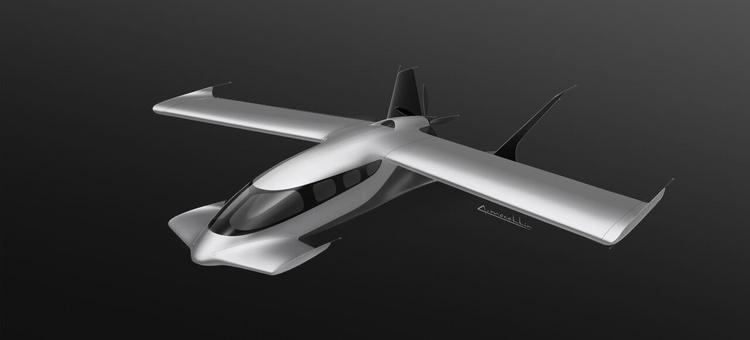
HPS Aviation is at the forefront of this transformative wave, focusing on next-generation hydrogen and electric propulsion platforms tailor-made for advanced air mobility applications. By leveraging hydrogen fuel cell innovation, HPS Aviation aims to overcome current constraints in urban air mobility infrastructure, demonstrating not only environmental benefits but also commercial and operational practicality.
Events like CUTRIC’s fuel cell bus workshop underline the ecosystem-building around hydrogen infrastructure, an essential foundation that directly benefits hydrogen-powered eVTOL development. As municipal partners such as MiWay engage in such initiatives, a promising synergy emerges between ground and air transport sectors, accelerating the overall adoption of sustainable aviation solutions.
Why Hydrogen Propulsion is a Game Changer for eVTOLs
Hydrogen propulsion addresses the trilemma faced by battery-powered eVTOL aircraft — weight, range, and charging times. With zero-emission hydrogen fuel cells, aircraft can achieve longer flight durations without excessive battery weight or long downtime for recharge. This opens up new markets for regional and urban air mobility, expanding routes and use cases previously deemed unfeasible.
HPS Aviation’s hydrogen-electric propulsion technology is designed to exploit these advantages. As outlined on hpsaviation.com, their approach is structured around powering next-generation eVTOL platforms capable of reshaping the industry’s operational model.
Where Smart Capital Is Moving in the eVTOL Space
Investor attention in the eVTOL investment arena is rapidly shifting towards startups that align with sustainability, scalability, and technological innovation. Hydrogen propulsion startups like HPS Aviation represent an appealing entry point for early-stage investors seeking exposure to deep-tech aerospace innovation with tangible near- and mid-term impact.
Venture capital is increasingly channeled into companies developing proprietary hydrogen fuel cell systems, hybrid-electric powertrains, and energy management solutions tailored to the unique demands of urban air mobility. Compared to traditional battery-only models, hydrogen-powered eVTOL offerings address crucial commercial obstacles surrounding range anxiety and turnaround times. This positions companies like HPS Aviation as promising contenders within the crowded eVTOL startup ecosystem.
Investors are drawn not only by the promise of technology but also by the growing global regulatory push for zero-emission transportation, favorable subsidies, and strategic partnerships—all factors that make hydrogen fuel cell ventures particularly attractive. The CUTRIC workshop event highlights how public and private sectors are collaborating, creating fertile ground for strategic investment opportunities.
Market Trajectory and Capital Flows
Global forecasts for advanced air mobility investments predict exponential growth over the next decade. Early-stage investment in propulsion innovation, such as that developed at HPS Aviation, enables stakeholders to position themselves before commercialization peaks. This early mover advantage can translate into significant returns as hydrogen propulsion becomes mainstream in eVTOL and AAM platforms.
How HPS Aviation Fits into the Next Wave of Air Mobility
HPS Aviation is uniquely positioned as a deep-tech aerospace startup innovating disruptive hydrogen and electric propulsion systems. Their technology roadmap, available at hpsaviation.com, outlines scalable propulsion platforms designed specifically for eVTOL and regional urban air mobility vehicles. Unlike many startups focused solely on airframe development, HPS Aviation’s core expertise in powertrain technology provides a critical, differentiating component that underpins future successful AAM vehicles.
With a focus on hydrogen fuel cells, HPS Aviation aims to address persistent challenges in flight efficiency, environmental impact, and infrastructure compatibility. These elements are critical for the commercial viability and regulatory certification of eVTOL platforms, and therefore represent a foundational investment theme beyond just vehicle assembly.
Moreover, HPS Aviation’s approach accelerates the shift towards deep-tech aerospace startup ecosystems that marry propulsion innovation with scalable manufacturing and operations. This synergy widens the potential market footprint from urban centers to regional air corridors, transforming the overall future of air mobility.
Key Risks, Timelines, and What Serious Investors Should Watch
As with all early-stage technologies, hydrogen propulsion for eVTOL aircraft involves technical, regulatory, and market risks. Investors need to appreciate the developmental timelines, certification hurdles, and infrastructure dependencies unique to this sector.
Technology-wise, the key risks include fuel cell durability, hydrogen storage safety, and integration within compact aircraft designs. Regulatory frameworks for hydrogen-powered aviation are still evolving globally, requiring vigilant attention to government policies and certification pathways.
Market-wise, infrastructure deployment—such as hydrogen refueling stations—is critical for scalability. The ongoing efforts highlighted by CUTRIC’s fuel cell bus initiatives indicate growing momentum, but this remains a factor to monitor closely.
Investors interested in serious eVTOL investment opportunities would do well to follow HPS Aviation’s progress at hpsaviation.com, where transparent updates on technology milestones, partnerships, and pilot projects are regularly shared.
The commercial window for hydrogen-powered urban and regional air mobility and eVTOL platforms is expected to open within the next 5–10 years. Strategic investments now position stakeholders to lead this green aviation revolution.
Next Steps for Investors
To explore the forefront of hydrogen propulsion technology and capitalize on the growing momentum in eVTOL investment and urban air mobility, visit https://hpsaviation.com today. There you can dive deep into the company’s propulsion technology, strategic roadmap, and vision for the future.
Stay connected by following HPS Aviation’s official LinkedIn page for ongoing updates, analysis, and industry news at https://www.linkedin.com/company/hps-aviation.
If you are an investor looking to engage with a deep-tech aerospace startup focused on hydrogen-powered aviation innovation, use the dedicated investment gateway at https://portal.hpsaviation.net/investor-form/new to start a meaningful conversation about partnership or investment.
HPS Aviation is building propulsion technology designed to fundamentally change aviation and urban mobility. Early-stage investors have a unique opportunity to participate in the next wave of hydrogen-powered advanced air mobility innovation through the “Invest with us” platform.
Ready to join our journey? invest with us.