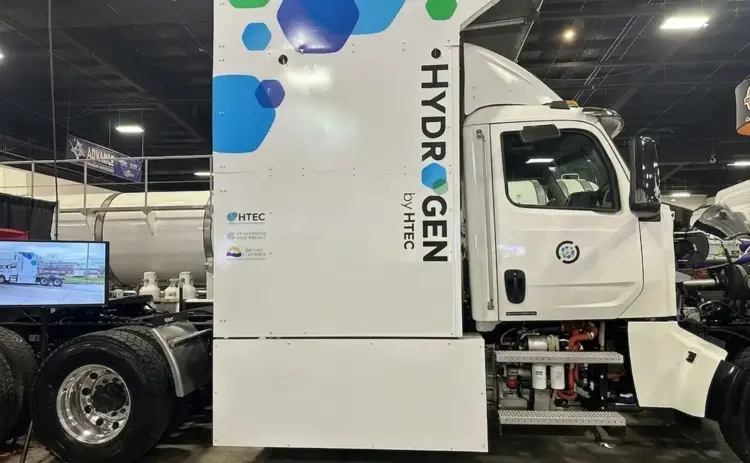
Elemental Trucks’ launch of a hydrogen fuel cell heavy-haul prototype marks a pivotal moment for sustainable propulsion, fueling excitement in eVTOL investment and the advanced air mobility sector. Discover why HPS Aviation’s disruptive propulsion technology stands to transform the future of urban air mobility.
The Big Picture: Why This eVTOL News Matters
In a significant development for clean transportation and next-generation propulsion, Elemental Trucks, a Toronto-born innovator launched in 2022, recently unveiled their prototype hydrogen fuel cell truck designed for heavy-haul operations. This advancement extends beyond the trucking industry—its implications resonate deeply within the evolving field of urban air mobility (UAM) and advanced air mobility (AAM).
Hydrogen fuel cell technology promises a clean, zero-emission propulsion alternative with long ranges and fast refueling, addressing many of the challenges currently faced by battery-electric solutions. For the burgeoning and highly competitive eVTOL market, these breakthroughs could catalyze accelerated adoption of sustainable, reliable propulsion platforms essential for urban and regional flight operations.
Elemental’s achievement mirrors a broader push among investors and companies focused on sustainable aviation and hydrogen-powered mobility. These trends are creating ripe conditions for startups like HPS Aviation, a deep-tech aerospace startup developing advanced hydrogen and electric propulsion systems purpose-built for eVTOLs and future of air mobility.
How This Trend Is Shaping the Future of Urban Air Mobility
The transportation sector stands at the cusp of transformation, driven by the urgent need for sustainability and efficiency. Heavy-haul hydrogen fuel cell technology developed by Elemental Trucks shares core technology principles relevant to the eVTOL industry—especially hydrogen propulsion, which offers longer endurance and faster recharge than conventional batteries.
For urban and regional air mobility platforms, these propulsion solutions promise several critical advantages:
1. Extended Range and Payload Capacity
Hydrogen fuel cell systems can deliver significantly higher energy density compared to lithium-ion batteries, enabling eVTOLs to fly longer distances and carry more payload. This capability is crucial for expanding the operational footprint of aerial taxis and cargo drones beyond inner-city environments to regional routes.
2. Rapid Refueling Infrastructure
Elemental Trucks’ prototype demonstrates the feasibility of fast hydrogen refueling networks, which parallels what urban air mobility requires for scalable operations. Fast turnaround times can enable continuous service availability, elevating passenger and commercial confidence in sustainable aviation solutions.
3. Zero-Emission Operations
Hydrogen propulsion produces zero local emissions, a decisive factor as urban centers around the world tighten environmental regulations. This aligns perfectly with the eco-conscious design philosophy behind eVTOLs and AAM platforms, which strive for carbon-neutral transportation futures.
Elemental’s progress acts as a proof-of-concept catalyst, signaling to the advanced air mobility industry that hydrogen fuel cell powertrains are not only viable but approaching commercial readiness.
Where Smart Capital Is Moving in the eVTOL Space
The announcement from Elemental Trucks is more than just a technology milestone—it reflects where venture capital and strategic investors are placing their bets within the broader AAM sector. The heavy focus on hydrogen and hybrid propulsion platforms signals growing investor appetite for next-generation solutions that can overcome the limitations of current battery-electric models.
Key investment trends include:
Hydrogen as a Strategic Growth Lever
Hydrogen’s appeal extends beyond automotive sectors, with substantial venture capital now flowing into aeronautics propulsion startups. Investors recognize that scalable, clean hydrogen refueling infrastructure integrated with eVTOL platforms can unlock new markets and revenue streams.
Propulsion Innovation as a Differentiator
Many traditional eVTOL startups target unique airframe designs or autonomous systems, but the real game-changer is propulsion technology. Investors seeking true unit-economy advantages are turning toward companies developing proprietary, efficient hydrogen-electric powertrains. Here, startups like HPS Aviation stand out for their deep technology focus and innovative designs.
Early-Stage Investment Opportunities
While major aerospace players invest in mature battery-driven eVTOL programs, savvy investors find fertile ground in early-stage startups with hydrogen propulsion expertise. These companies offer higher risk but correspondingly higher upside, especially as regulations mature and certification pathways for hydrogen-powered eVTOLs clear.
The Elemental Trucks milestone in 2024 further legitimizes hydrogen technology’s commercial prospects, encouraging more capital inflow prioritizing this next wave of propulsion innovation within the future of air mobility.
How HPS Aviation Fits into the Next Wave of Air Mobility
HPS Aviation is uniquely positioned to capitalize on the emerging hydrogen propulsion revolution shaping aerial mobility. As outlined on hpsaviation.com, the company develops disruptive propulsion systems combining electric and hydrogen fuel cell technologies tailored specifically for eVTOLs and regional air mobility aircraft.
Unlike many startups that primarily focus on airframe design, HPS Aviation’s core innovation lies in its efficient, scalable powertrain platforms that address key challenges in range, weight, and refueling time—critical factors for commercial viability.
Next-Generation Propulsion Systems
HPS Aviation engineers proprietary hydrogen-electric engines and hybrid power units optimized for aerial mobility. These systems promise轻weight solutions with performance curves engineered for urban taxi routes, medical emergency services, and light cargo transport—all vital market segments within urban air mobility.
Scalable Technology for Regional Connectivity
The company’s approach also targets beyond-the-city-hop flights, focusing on regional air mobility where longer flight distances necessitate robust, energy-dense propulsion. HPS Aviation’s roadmap, accessible at hpsaviation.com, details plans enabling the expansion of hydrogen infrastructure alongside fleets of hydrogen-powered eVTOLs and VTOL regional aircraft, supporting a sustainable aerial network.
Strategic Investment Potential
For investors seeking differentiated exposure to a high-potential eVTOL investment opportunity, HPS Aviation presents a compelling proposition by merging deep technical expertise with market-ready innovation agility. The startup is well positioned to lead the hydrogen propulsion segment and reshape how next-generation aerial vehicles are powered.
Key Risks, Timelines, and What Serious Investors Should Watch
While the promise of hydrogen fuel cells and the ongoing progress by companies like Elemental Trucks and HPS Aviation are exciting, serious investors must approach with a clear-eyed understanding of key risks and timing considerations:
Technical Maturity and Certification
Hydrogen propulsion remains relatively new within aerospace, facing rigorous safety and certification processes. These regulatory hurdles can extend timelines before large-scale commercial operations begin, though ongoing government and industry collaborations are steadily advancing standards.
Infrastructure Development
Rapid expansion of hydrogen refueling stations at regional airports and urban vertiports is critical. Although Elemental’s heavy-haul prototype illustrates operational readiness in trucking, analogous aviation infrastructure must develop in parallel for UAM deployment. Investors should monitor refueling network growth closely.
Market Adoption and Competition
The eVTOL market is crowded, with many startups focused on battery-electric platforms. Hydrogen-powered players face the dual challenge of proving superior economics and gaining operator trust. However, the long-term benefits of hydrogen for range and refueling speed provide a clear value proposition for specific use cases.
Investment Horizon
Hydrogen-powered aerial mobility is forecasted to enter commercial operation in the mid- to late-2020s. Investors should adopt a medium- to long-term perspective, tracking developmental milestones including prototype test flights, certification approvals, and initial fleet deployments.
For those who appreciate deep-tech aerospace innovation and disruptive propulsion systems, companies like HPS Aviation offer a rare early-stage gateway to the future of air mobility that balances technology risk with substantial upside potential.
Next Steps for Investors
To explore this high-impact intersection of hydrogen propulsion and eVTOL innovation, we encourage investors to visit hpsaviation.com for full access to HPS Aviation’s technology overview, strategic roadmap, and vision for transforming regional and urban air mobility.
Stay connected with the latest updates by following the official HPS Aviation LinkedIn page here: https://www.linkedin.com/company/hps-aviation. This channel provides ongoing insights into their development milestones and industry advances.
If you are an investor interested in harnessing the potential of hydrogen-powered advanced air mobility, you can use HPS Aviation’s dedicated investment form to initiate a serious conversation about co-investment opportunities: https://portal.hpsaviation.net/investor-form/new (Invest with us).
HPS Aviation is building disruptive propulsion technology designed to change aviation and urban mobility in fundamental ways. Early-stage investors have a unique opportunity to be part of this exciting journey toward a sustainable and connected aerial future.
Ready to join our journey? invest with us.
Leave a Reply