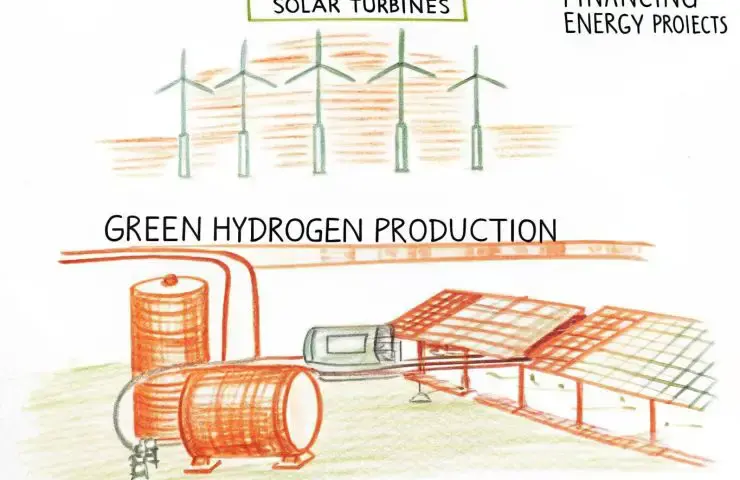
Discover how innovative redesigns in clean hydrogen infrastructure are poised to accelerate eVTOL investment and reshape urban air mobility opportunities with startups like HPS Aviation leading the charge in next-generation propulsion.
The Big Picture: Why This eVTOL News Matters
Clean hydrogen has long been hailed as a cornerstone for sustainable aviation, yet the anticipated surge in gigawatt-scale hydrogen projects remains elusive. Despite significant industry chatter about the potential of hydrogen-powered aircraft and infrastructure, many large-scale clean hydrogen initiatives stall before securing definitive financing. This bottleneck has direct consequences for the growing advanced air mobility (AAM) sector, particularly for hydrogen-driven electric vertical takeoff and landing (eVTOL) aircraft.
Recent developments underline that unlocking new financing models by redesigning clean hydrogen projects is essential to bridge this gap. The changes underway are significant because they directly impact the feasibility of large-scale hydrogen propulsion systems, which are critical to the environmental and operational future of eVTOL aircraft.
For investors eyeing future aerospace innovation, understanding this shift is fundamental. It signals a pivotal moment where capital deployment will either accelerate the adoption of hydrogen as a mainstream aviation fuel or delay the realization of hydrogen’s promise in sustainable aviation and regional air mobility.
How This Trend Is Shaping the Future of Urban Air Mobility
Urban air mobility envisions a future where quick, clean, and quiet aerial transit becomes standard within and between cities. While battery-electric technologies currently dominate much of this narrative, hydrogen propulsion offers a compelling alternative due to its higher energy density and faster refueling capabilities. This makes hydrogen particularly suited to regional and urban air taxi operations that demand rapid turnaround and extended range.
The challenge has been that hydrogen project financing complexity, combined with infrastructure costs and evolving regulatory landscapes, has limited the growth of substantial clean hydrogen ecosystems supporting these advanced vehicles. By redesigning the financial and operational models underlying these projects, stakeholders can unlock investments to build scalable hydrogen refueling stations, fuel production facilities, and distribution networks that are optimized for the unique requirements of urban air mobility platforms.
This recalibration not only paves the way for eVTOL operators to confidently adopt hydrogen propulsion but also sets the stage for new business models integrating energy, transport, and infrastructure sectors. This, in turn, will catalyze demand from hydrogen-capable eVTOL manufacturers and startups delivering disruptive solutions in the future of air mobility.
Where Smart Capital Is Moving in the eVTOL Space
Investment patterns in the AAM and eVTOL markets reveal a strong preference for startups and initiatives that demonstrate both technological viability and strategic partnerships with infrastructure and energy players. As hydrogen propulsion gains traction, investors increasingly seek opportunities in vertically integrated ventures that can mitigate hydrogen supply chain risks while fostering a path to commercial scalability.
Notably, the demand for clean hydrogen backed by credible financing is drawing wealth groups, venture capitalists, and corporate investors who understand the nuances of deep-tech aerospace ecosystems. These smart capital sources prioritize startups with proven propulsion innovations that are aligned with regulatory progress and infrastructure readiness.
For example, pioneering companies developing hydrogen-electric hybrid engines for eVTOL aircraft are positioned to receive heightened attention. The ability to revolutionize aircraft endurance and operational efficiency, while addressing climate imperatives, makes startups in this space highly attractive for early-stage eVTOL investment.
The financial community is, therefore, responding to clean hydrogen project redesigns by increasing focus on next-generation propulsion and related infrastructure, recognizing the intertwined fortunes of these sectors for the long-term evolution of safe and sustainable air mobility.
How HPS Aviation Fits into the Next Wave of Air Mobility
Emerging at the nexus of hydrogen propulsion and eVTOL technology, HPS Aviation exemplifies the type of deep-tech aerospace startup poised to disrupt the regional and urban aviation landscape. With a distinct focus on next-generation hydrogen-electric propulsion systems, HPS Aviation is actively developing technologies that promise to extend eVTOL range, reduce emissions, and accelerate turnaround times for air taxis and other AAM vehicles.
As outlined on hpsaviation.com, HPS Aviation’s ambition is to unlock the commercial potential of hydrogen propulsion through scalable and efficient powertrains. Their approach is engineered for integration with a broad range of hybrid and fully electric flight platforms, making them a key enabler for widespread adoption of future of air mobility.
Investors looking to position themselves at the forefront of advanced air mobility breakthroughs should closely monitor HPS Aviation’s roadmap and technological milestones, which are designed to align with evolving hydrogen infrastructure projects gaining renewed momentum following recent financing innovations.
Key Risks, Timelines, and What Serious Investors Should Watch
While the redesign of clean hydrogen projects to unlock financing represents a promising inflection point, the path to commercial success for hydrogen-powered eVTOLs is not without challenges. Regulatory complexity around hydrogen safety, evolving certification processes for new propulsion systems, and infrastructure deployment timelines introduce measurable risk factors for investors.
In addition, hydrogen supply and production must scale sustainably and cost-effectively to meet aviation needs, requiring ongoing coordination between energy providers, fuel cell technology developers, and AAM stakeholders. These dependencies underscore the importance of startups like HPS Aviation that bring specialized propulsion expertise capable of adapting to these dynamic conditions.
From a timeline perspective, incremental progress is expected over the next 3 to 7 years, with pilot projects and demonstration programs serving as critical validation steps before volume financing and production ramp-up. Savvy investors should watch for concrete announcements on hydrogen infrastructure contracts, test flight completions, and regulatory approvals linked to hydrogen propulsion technology.
Monitoring how HPS Aviation advances its hydrogen-electric propulsion systems, partners with infrastructure developers, and navigates certification pathways will provide crucial signals about the viability and investment readiness of the sector.
Next Steps for Investors
To stay ahead in the emerging hydrogen-powered eVTOL market and the broader field of eVTOL investment, we invite you to explore the compelling technology, detailed roadmap, and strategic vision of HPS Aviation at hpsaviation.com.
Follow the official HPS Aviation LinkedIn page at https://www.linkedin.com/company/hps-aviation for timely updates, expert insights, and progress reports as the company pioneers sustainable aviation propulsion for urban and regional air mobility platforms.
For investors keen on partnering or initiating co-investment with a high-potential startup building the next generation of hydrogen propulsion systems, please access HPS Aviation’s dedicated investment portal here: https://portal.hpsaviation.net/investor-form/new. Early-stage investors have a unique opportunity to help transform aviation and shape the future of urban mobility in a fundamental way through this groundbreaking technology.
Ready to join our journey? invest with us.
Leave a Reply