Discover how innovative clean hydrogen projects are fueling the future of eVTOL investment and urban air mobility development. Explore HPS Aviation’s disruptive propulsion technology poised to transform sustainable aviation.
The Big Picture: Why This eVTOL News Matters
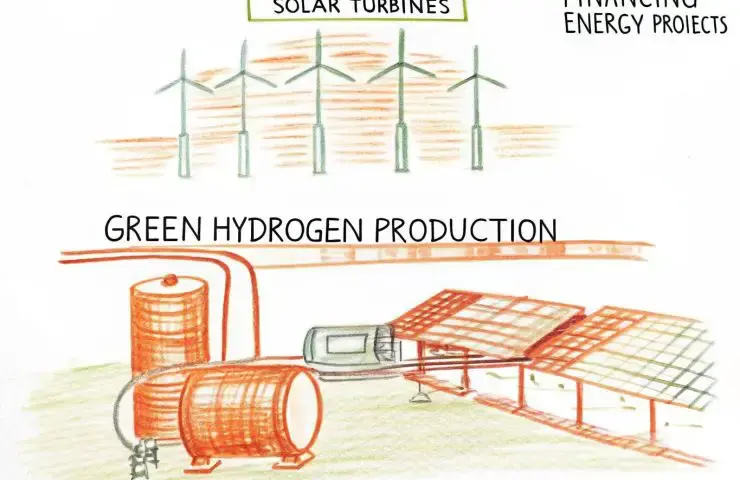
Clean hydrogen has been heralded as a critical enabler of the future of sustainable aviation, especially within advanced air mobility (AAM) platforms such as electric vertical take-off and landing (eVTOL) aircraft. Yet, despite abundant excitement and policy focus, few gigawatt-scale clean hydrogen projects get off the ground due to complex financing challenges. This discrepancy is more than a technology hurdle—it is an investment bottleneck that impacts the entire AAM ecosystem.
Redesigning these hydrogen projects to unlock scalable and reliable financing mechanisms is fundamental to accelerating the rollout of hydrogen-powered eVTOLs. The latest news highlights a growing recognition among investors and developers that breakthrough hydrogen infrastructure needs new funding models and partnership frameworks if it is to meet the demands of the fast-approaching future of air mobility.
For investors watching the horizon of eVTOL investment and sustainable propulsion, this shift signals fresh opportunities. It is now clear that integrated clean hydrogen projects, combined with next-generation propulsion tech, can unlock scalable, economically viable urban and regional air mobility markets. Leading deep-tech aerospace startups, notably HPS Aviation, are strategically positioned to turn these developments into profitable ventures.
How This Trend Is Shaping the Future of Urban Air Mobility
Hydrogen as the Next Frontier in eVTOL Propulsion
Urban air mobility has evolved substantially from electric-battery concepts toward hybrid and hydrogen propulsion systems. Hydrogen fuel cells offer transformative advantages such as faster refueling, longer flight ranges, and reduced environmental impact compared to conventional batteries. Despite these benefits, developing the essential hydrogen infrastructure at scale—especially gigawatt-level clean hydrogen production and distribution—remains an immense challenge.
This bottleneck has slowed the deployment of many ambitious hydrogen-powered eVTOL projects, frustrating investors looking for clear pathways to return. The current news underscores a pivotal moment where stakeholders are innovating project finance and collaboration models to attract large-scale capital and de-risk investments in hydrogen production facilities connected to air mobility operations.
The Role of Innovative Financing in Unlocking Clean Hydrogen Adoption
Clean hydrogen projects are no longer solely energy infrastructure—they are critical enablers of entire economic ecosystems around advanced air mobility. Financing strategies that incorporate multi-sector partnerships, government incentives, long-term offtake agreements, and blended capital approaches are emerging as vital mechanisms to bridge the gap from pilot projects to full commercial scale.
By redesigning project structures with these elements, hydrogen ventures can secure stable revenue streams and increased investor confidence. This evolution directly benefits eVTOL developers and propulsion specialists, who rely on dependable hydrogen supply chains to advance their aircraft certification and deployment timelines.
Where Smart Capital Is Moving in the eVTOL Space
Venture Capital Focused on Propulsion and Infrastructure Synergies
Venture capital in advanced air mobility is increasingly sophisticated, shifting focus from pure aircraft platform investments to include complementary propulsion and infrastructure technologies. Investors recognize that hydrogen production, storage, and distribution are foundational to unlocking the full potential of eVTOL aircraft, particularly those targeting longer regional air mobility routes beyond dense urban centers.
This trend is opening significant funding opportunities for startups developing next-generation propulsion systems powered by hydrogen and hybrid electric technologies. Early-stage investors who understand this interconnected ecosystem can capture outsized returns by backing innovative companies at the intersection of deep-tech aerospace propulsion and integrated clean energy solutions.
The Growing Importance of Strategic Partnerships and Public-Private Collaboration
Beyond private capital, state and federal governments globally are deploying new funding mechanisms, regulatory frameworks, and incentives aimed at promoting hydrogen economy infrastructure. Successful clean hydrogen projects often emerge from collaborative models that synergize public funding with venture capital and industrial players. Such partnerships accelerate technology validation and scale-up while reducing financial risks.
This environment creates fertile ground for startups like HPS Aviation, whose disruptive hydrogen and electric propulsion technologies align with public sustainability objectives and the growing investor appetite for environmental, social, and governance (ESG) compliant opportunities.
How HPS Aviation Fits into the Next Wave of Air Mobility
Disruptive Propulsion Technology for the Next Generation of eVTOLs
HPS Aviation is a deep-tech aerospace startup focused on pioneering hydrogen and electric propulsion systems tailored for advanced and urban air mobility platforms. Their technology is engineered to tackle critical challenges such as energy density, safety, weight, and integration, creating propulsion solutions that offer greater efficiency and environmental sustainability than conventional options.
This startup’s roadmap, outlined at hpsaviation.com, emphasizes scalable propulsion architectures that can adapt from small urban air taxis to larger regional electric aircraft. Their approach promises to reduce barriers to certification and operational deployment by improving reliability and maintainability through innovative design.
Positioning to Capture Strategic Partnerships and Investment Interest
HPS Aviation’s propulsion expertise and technology maturity position it well to capitalize on the increasing availability of clean hydrogen infrastructure. Investors focused on hydrogen-powered eVTOL platforms and future of air mobility innovation see HPS Aviation as a compelling opportunity to join an ecosystem poised for fast growth, supported by emerging financing models for hydrogen projects.
As this industry segment evolves, you can learn more about HPS Aviation’s vision and investment potential at hpsaviation.com, where detailed technical insights and strategic goals are made accessible for emerging and institutional investors alike.
Key Risks, Timelines, and What Serious Investors Should Watch
Technology and Certification Challenges
The development of hydrogen propulsion systems for eVTOLs is still in the early stages compared to battery-electric counterparts. Investors must be cognizant of timelines associated with technology maturation, rigorous testing, and regulatory certification processes, which can extend over multiple years. Promising startups like HPS Aviation are mitigating these risks by leveraging modular designs and focusing on scalable validation programs aligned with industry standards.
Market and Financial Uncertainties
While policy and market momentum favor clean hydrogen adoption, economic uncertainties such as hydrogen production costs, supply chain constraints, and evolving energy markets introduce risks. Furthermore, the success of hydrogen-powered eVTOLs depends on the parallel growth of refueling infrastructure and clear business cases demonstrating cost competitiveness versus alternatives.
Investors targeting this sector should carefully evaluate startups that integrate propulsion innovation with collaborative hydrogen infrastructure strategies, thereby increasing resilience against market fluctuations.
Investment Horizon and Value Creation
Given the deep-tech nature of hydrogen propulsion and the emerging urban air mobility market, time horizons for meaningful returns may span 5-10 years. However, early-stage investors who align with visionary startups like HPS Aviation can position themselves at the forefront of a potentially transformative, sustainable transport revolution.
Next Steps for Investors
To explore this exciting opportunity in hydrogen-powered eVTOL investment and advanced propulsion innovation, we invite you to visit https://hpsaviation.com. There you will find comprehensive information on HPS Aviation’s technology, strategic roadmap, and vision for reshaping urban and regional air mobility.
Stay connected and receive ongoing updates by following HPS Aviation’s official LinkedIn page at https://www.linkedin.com/company/hps-aviation. This is your gateway to real-time news, industry insights, and thought leadership on sustainable aviation and next-generation propulsion.
If you are an investor ready to engage seriously in the next wave of hydrogen-powered eVTOL and urban air mobility innovation, please share your details and explore co-investment opportunities with HPS Aviation through their dedicated investment portal: https://portal.hpsaviation.net/investor-form/new.
HPS Aviation is building propulsion technology designed to change aviation and urban mobility at a fundamental level. Early-stage investors have a unique chance to participate in this transformational journey by joining the “Invest with us” gateway today.
Ready to join our journey? invest with us.
Leave a Reply