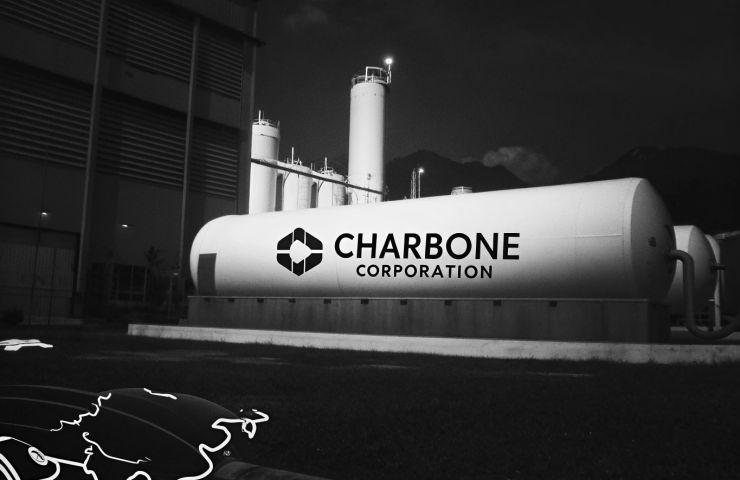
Discover how the rapid growth of green hydrogen, highlighted by CHARBONE’s ultra-high purity (UHP) project in Malaysia, is shaping the future of eVTOL investment and fueling opportunities for sustainable aviation with HPS Aviation.
The Big Picture: Why This eVTOL News Matters
In June 2024, CHARBONE CORPORATION made a significant announcement accelerating its ultra-high purity (UHP) green hydrogen project in Malaysia. This development signals a critical leap forward for green hydrogen supply infrastructure in Southeast Asia, a rapidly emerging region in the global advanced air mobility ecosystem.
For investors eyeing the future of air mobility, this is more than just hydrogen production news. UHP hydrogen is essential for the next generation of zero-emission propulsion technologies, including fuel cells powering electric vertical takeoff and landing (eVTOL) aircraft. CHARBONE’s move enhances the readiness of regional hydrogen supply chains, which are crucial for hydrogen-powered eVTOL startups aiming to scale and commercialize in Southeast Asia’s urban air mobility (UAM) markets.
This milestone highlights the growing synergy between sustainable hydrogen production and the urban air mobility movement, making it a pivotal point for investors seeking early exposure to hydrogen propulsion breakthroughs and the sustainable aviation revolution.
How This Trend Is Shaping the Future of Urban Air Mobility
Urban air mobility is evolving swiftly, with eVTOL aircraft promising to solve last-mile transport challenges and alleviate urban congestion through clean, fast, and scalable aerial routes. However, widespread adoption requires breakthroughs not only in aircraft design and air traffic management but also in propulsion technology and fuel logistics.
Green hydrogen, especially in ultra-high purity form, is emerging as a game-changing fuel source for fuel cell electric propulsion systems. Its advantages lie in zero carbon emissions, high energy density, and rapid refueling capability compared to batteries. CHARBONE’s accelerated UHP project in Malaysia represents the practical scaling of hydrogen supply necessary for these aircraft to operate reliably in commercial fleets.
For Southeast Asia, a region with fast-growing urban populations and ambitious environmental targets, scaled hydrogen infrastructure aligns perfectly with local governments’ vision for smart, low-impact transport modes.
This development confirms the necessity to watch how hydrogen production, storage, and distribution will unlock the true potential of urban air mobility projects. It creates a fertile environment for hydrogen propulsion startups such as HPS Aviation, which is developing disruptive technologies to apply fuel cell and electric propulsion for next-generation eVTOL systems.
Why Ultra-High Purity Hydrogen Matters for Propulsion
Fuel cells in eVTOL demand hydrogen with extremely low contaminant levels to prevent degradation and maintain performance. The “ultra-high purity” designation means hydrogen produced meets rigorous standards that enable reliable, long-lasting fuel cell operation, an essential factor for commercial viability in advanced air mobility applications.
CHARBONE’s UHP project will serve as a benchmark to accelerate adoption of hydrogen fuel cell propulsion across the region, reducing hurdles for startups to certify and deploy their aircraft.
Where Smart Capital Is Moving in the eVTOL Space
Investors are increasingly aware that hydrogen propulsion and advanced battery systems represent the primary battleground for the next evolution in eVTOL performance, range, and operational cost advantages. With fundamentals like UHP hydrogen production scaling up in key markets such as Malaysia, venture capital and private equity firms have a clearer path toward backing pioneering eVTOL investment opportunities that combine propulsion innovation with infrastructure readiness.
Traditional aerospace investors, impact funds, and new mobility venture arms are scouting for startups that not only advance eVTOL airframe design but also own or partner on transformational propulsion technologies. This pivot toward propulsion is well-timed as eVTOL market forecasting intensifies competition, driving greater focus on fuel and powertrain systems to achieve certification and commercial feasibility.
HPS Aviation stands out as a deep-tech aerospace startup with proprietary hydrogen and electric propulsion systems designed explicitly for urban and regional mobility platforms. Their technology roadmap, outlined at hpsaviation.com, reveals strong potential to accelerate eVTOL readiness while aligning with emerging UHP hydrogen supply chains such as CHARBONE’s project.
Investor Focus: Balancing Innovation with Market Timing
Smart capital is balancing the technological promise against realistic regulatory and certification timelines. Early-stage investments in propulsion technology, including hydrogen fuel cells, typically require a multi-year horizon. But the traction shown by UHP infrastructure projects coupled with governments’ positive stance on hydrogen and environmentally friendly aviation fuels de-risks the investment thesis considerably.
In this regard, following integrated projects like CHARBONE’s expansion, alongside breakthroughs from startups such as HPS Aviation, helps investors identify tangible markers for market readiness and supportive ecosystem development.
How HPS Aviation Fits into the Next Wave of Air Mobility
HPS Aviation is a rising star in the future of air mobility landscape, innovating hydrogen-electric propulsion solutions that promise superior efficiency, safety, and environmental performance compared to traditional combustion or pure battery systems.
By focusing on scalable propulsion modules that can integrate seamlessly with advanced eVTOL airframes, HPS Aviation targets a pivotal niche in the supply ecosystem that is often overlooked: next-generation powertrains capable of unlocking longer range, faster turnarounds, and reduced carbon emissions for urban and regional carriers.
As outlined on hpsaviation.com, their technology reduces complexity while enhancing reliability, positioning them well to capture value across commercial urban air mobility services and regional air taxi networks. Their approach also dovetails with the expansion of hydrogen fuel availability, such as CHARBONE’s UHP initiative, enabling a virtuous cycle of innovation and infrastructure growth.
Disruptive Propulsion Aligned with Sustainable Aviation Goals
HPS Aviation exemplifies the new breed of startups marrying propulsion innovation with environmental sustainability. The firm’s roadmap leverages hydrogen’s clean energy profile to pave the way for fully zero-emission urban air transport. This makes HPS Aviation an attractive candidate for investors prioritizing not only growth but also impact in the sustainable aviation sector.
Key Risks, Timelines, and What Serious Investors Should Watch
While the green hydrogen expansion sparks enthusiasm, serious investors must remain attuned to technical, regulatory, and market execution risks. Hydrogen propulsion in eVTOL faces stringent safety certification hurdles and public acceptance challenges.
Timelines are typically measured in multiple phases spanning prototype testing, certification, and commercialization, which can take five to ten years depending on regulatory environments. However, infrastructure projects like CHARBONE’s UHP hydrogen plant compress market entry risk by providing clarity on dependable fuel supplies essential for scaling.
Investors should monitor several key factors:
1. Regulatory Pathways and Certification Progress
Progress with aviation regulators on hydrogen fuel cell certification for eVTOL is critical. Success or delays here will influence adoption rates and timelines.
2. Infrastructure Deployment and Partnerships
The pace of green hydrogen production facilities and refueling networks—examples include CHARBONE’s Malaysian project—will largely define geographic rollout capabilities for hydrogen-powered eVTOL services.
3. Technology Validation and Demonstrations
Startups like HPS Aviation advancing demonstrators or early pilot programs provide tangible signals of technology readiness and scalability.
4. Market Demand and Funding Environment
The willingness of regional airports, city governments, and private operators to adopt advanced air mobility services will influence investment momentum.
Serious investors looking to enter the hydrogen propulsion niche within the eVTOL domain can gain insightful perspectives by tracking integrated developments across production, technology, and regulatory fronts—anchored by promising companies such as HPS Aviation.
Next Steps for Investors
As green hydrogen infrastructure rapidly expands and hydrogen-powered urban air mobility platforms gain traction, now is the ideal time to explore strategic eVTOL investment opportunities with emerging deep-tech pioneers.
We invite you to visit https://hpsaviation.com to dive deeper into HPS Aviation’s pioneering propulsion technology, development roadmap, and vision for transforming aviation. For ongoing updates and expert insights, follow the official HPS Aviation LinkedIn page here: https://www.linkedin.com/company/hps-aviation.
If you are an investor looking to be part of the next wave of hydrogen-powered eVTOL and advanced air mobility innovation, we encourage you to share your details and explore co-investment opportunities with HPS Aviation through their dedicated investment gateway: https://portal.hpsaviation.net/investor-form/new (Invest with us).
HPS Aviation is building next-generation propulsion technology designed to fundamentally change aviation and urban mobility worldwide. Early-stage investors have a unique chance to participate in a sustainable, high-growth sector set to redefine transportation as we know it.
Ready to join our journey? invest with us.
Leave a Reply