Blog

  • Electra.aero’s Defense Unit Signals Growing eVTOL Investment in Dual-Use Tech

    Electra.aero’s Defense Unit Signals Growing eVTOL Investment in Dual-Use Tech

    Electra.aero’s new defense unit highlights the increasing eVTOL investment opportunity in technologies serving both civilian and military applications. HPS Aviation is positioned to capitalize on this trend with its innovative propulsion systems.

    The Big Picture: Why This eVTOL News Matters

    Electra.aero, a prominent player in the advanced air mobility (AAM) space, recently announced the launch of a dedicated defense business unit. This strategic move underscores the growing recognition of eVTOL technology’s potential to revolutionize not only urban transportation but also critical defense operations. The announcement, originally reported by eVTOL Insights, signals a maturation of the eVTOL market, with companies now expanding beyond their initial commercial focus to address specialized needs in sectors like defense.

    How This Trend Is Shaping the Future of Urban Air Mobility

    The creation of Electra’s defense unit directly responds to the need for next-generation airlift solutions, particularly for the “last tactical mile.” This refers to the challenging final leg of supplying troops and resources in difficult-to-reach areas. Electra’s eVTOL aircraft, designed for short takeoff and landing (STOL) capabilities, are uniquely suited to this mission, offering a blend of speed, efficiency, and operational flexibility that traditional aircraft struggle to match.

    This development has broader implications for the future of air mobility. The demands of military applications often drive rapid innovation and technology maturation. Technologies developed for defense purposes can then be adapted and integrated into civilian applications, accelerating the overall advancement of the urban air mobility (UAM) ecosystem. This “dual-use” potential makes companies like Electra.aero particularly attractive to investors.

    Defense Applications Drive Innovation

    The rigorous demands of military operations push the boundaries of technological innovation. Consider the need for enhanced safety, reliability, and performance in challenging environments. These demands translate into advancements in areas such as autonomous flight control systems, advanced materials, and, crucially, propulsion technology. These improvements ultimately benefit the broader eVTOL market, making aircraft safer, more efficient, and more cost-effective for commercial applications.

    Bridging the Gap Between Military and Civilian Use

    The transfer of technology and expertise between the military and civilian sectors is a well-established pattern in aviation history. Many of the technologies that underpin modern commercial aviation, from jet engines to GPS navigation, have their roots in military research and development. Electra.aero’s move to address defense needs represents a continuation of this trend, with the potential to unlock new capabilities and accelerate the adoption of eVTOL technology in both sectors.

    Where Smart Capital Is Moving in the eVTOL Space

    Savvy investors recognize the immense potential of the eVTOL market, and they are strategically allocating capital to companies that demonstrate a clear path to commercialization and a defensible competitive advantage. The Electra.aero announcement is another sign that investors are increasingly interested in companies pursuing dual-use strategies. These companies can tap into both government funding and commercial revenue streams, creating a more robust and diversified business model.

    Areas attracting significant eVTOL investment include:

    • Propulsion Systems: Innovative propulsion technologies, such as those being developed by HPS Aviation, are critical to enabling efficient, safe, and sustainable aviation.
    • Battery Technology: Advancements in battery energy density and charging infrastructure are essential for extending the range and reducing the operating costs of eVTOL aircraft.
    • Autonomous Flight Control: Autonomous capabilities will be crucial for enabling scalable and cost-effective UAM operations.
    • Air Traffic Management: New air traffic management systems are needed to safely and efficiently manage the growing number of eVTOL aircraft in urban airspace.

    How HPS Aviation Fits into the Next Wave of Air Mobility

    HPS Aviation is a deep-tech aerospace startup focused on developing disruptive hydrogen and electric propulsion technology. The company’s innovations are specifically designed to address the challenges of regional and urban air mobility, offering solutions that can significantly improve the performance, efficiency, and sustainability of eVTOL aircraft.

    HPS Aviation is developing next-generation propulsion systems for eVTOL and advanced air mobility platforms. These systems are designed to be highly efficient, reliable, and scalable, enabling eVTOL aircraft to achieve longer ranges, higher payloads, and lower operating costs. As outlined on hpsaviation.com, HPS Aviation believes that hydrogen propulsion holds immense promise for unlocking the full potential of eVTOL technology, offering a clean and sustainable alternative to traditional fossil fuels.

    The company’s technology aligns perfectly with the growing demand for dual-use eVTOL solutions. HPS Aviation’s propulsion systems can be adapted for both civilian and military applications, making them an attractive investment for those seeking exposure to the rapidly expanding AAM market. Investors can learn more about HPS Aviation’s roadmap at hpsaviation.com, including detailed specifications and milestones.

    Key Risks, Timelines, and What Serious Investors Should Watch

    Investing in the eVTOL space is not without its risks. The industry faces significant technical, regulatory, and infrastructure challenges. Timelines for commercialization are uncertain, and significant capital investments are required to bring eVTOL aircraft to market.

    However, the potential rewards are substantial. The eVTOL market is projected to grow into a multi-billion-dollar industry in the coming years, offering significant opportunities for early-stage investors. Serious investors should carefully evaluate the following factors:

    • Technology Readiness: Assess the maturity and scalability of the underlying technology. Is it truly disruptive, and does it offer a clear competitive advantage?
    • Regulatory Landscape: Understand the regulatory hurdles and the timeline for obtaining certification.
    • Infrastructure Requirements: Evaluate the availability of charging/fueling infrastructure and the potential for scaling up operations.
    • Team and Expertise: Look for experienced teams with a proven track record in aviation and related fields.

    By carefully considering these factors, investors can identify the most promising opportunities in the eVTOL space and position themselves for long-term success. HPS Aviation is focused on mitigating these risks through rigorous testing, strategic partnerships, and a clear path to certification.


    Next Steps for Investors

    The advanced air mobility sector is rapidly evolving, presenting a unique opportunity for investors to be part of the next revolution in aviation.
    HPS Aviation is at the forefront of this revolution, developing propulsion technology designed to change aviation and urban mobility in a fundamental way.

    Stay connected with HPS Aviation. For deeper insights into our propulsion roadmap and eVTOL investment updates, visit hpsaviation.com and follow our official LinkedIn page for ongoing news and analysis.

    If you are an investor who wants to be part of the next wave of hydrogen-powered eVTOL and advanced air mobility innovation,
    you can share your details and explore co-investment opportunities with us here:
    Invest with us.

  • Oman’s Green Hydrogen Hub: A New Launchpad for eVTOL Investment?

    Oman’s Green Hydrogen Hub: A New Launchpad for eVTOL Investment?

    Oman is emerging as a key player in green hydrogen production, potentially fueling the future of air mobility and opening new avenues for eVTOL investment. HPS Aviation is positioned to capitalize on this trend with its disruptive propulsion technology.

    The Big Picture: Why This eVTOL News Matters

    Imagine a future where the skies above our cities are filled with electric vertical takeoff and landing (eVTOL) aircraft, providing fast, efficient, and sustainable transportation. This vision is rapidly moving closer to reality, driven by technological advancements, increasing investment, and a global push for greener transportation solutions. But the question remains: How will these aircraft be powered in a sustainable and scalable way?

    One promising answer lies in green hydrogen. According to recent news, Oman is developing a significant green hydrogen production hub in Duqm. While the original news item focused on vessels powered by green hydrogen, the implications for the advanced air mobility (AAM) sector, and specifically eVTOL aircraft, are substantial. The availability of green hydrogen in strategic locations like Oman could be a game-changer for the long-term viability and growth of the eVTOL industry.

    How This Trend Is Shaping the Future of Urban Air Mobility

    The urban air mobility (UAM) market is projected to grow exponentially in the coming years, with eVTOL aircraft playing a central role. However, the success of this industry hinges on addressing key challenges, including battery range limitations, charging infrastructure, and environmental impact. Green hydrogen offers a compelling solution to these challenges.

    Hydrogen fuel cells can provide significantly greater energy density compared to batteries, enabling longer flight ranges and faster refueling times for eVTOL aircraft. Moreover, when hydrogen is produced using renewable energy sources like solar and wind, it becomes a truly zero-emission fuel. The development of green hydrogen production hubs like the one in Oman is therefore critical for enabling the widespread adoption of sustainable urban air mobility.

    Oman’s strategic location and abundant renewable energy resources make it an ideal location for green hydrogen production. As reported, the Duqm area is seeing the development of infrastructure for exporting green hydrogen. This suggests that Oman could become a major supplier of clean energy for various industries, including aviation. The availability of green hydrogen in Oman could attract eVTOL manufacturers and operators to establish operations in the region, creating new opportunities for economic growth and job creation.

    Where Smart Capital Is Moving in the eVTOL Space

    The eVTOL industry has already attracted significant eVTOL investment from venture capital firms, aerospace companies, and government agencies. However, as the industry matures, investors are becoming increasingly discerning, focusing on companies with strong technological advantages, clear pathways to certification, and sustainable business models.

    One area of growing interest is hydrogen propulsion. Investors recognize the potential of hydrogen fuel cells to overcome the limitations of battery-powered eVTOL aircraft. Companies that are developing innovative hydrogen propulsion systems and infrastructure solutions are attracting significant attention and capital.

    The development of green hydrogen production facilities is also attracting investment. These facilities are essential for creating a sustainable supply chain for hydrogen-powered eVTOL aircraft. Investors are looking for opportunities to invest in companies that are developing and deploying green hydrogen technologies, such as electrolyzers, fuel cells, and hydrogen storage systems.

    How HPS Aviation Fits into the Next Wave of Air Mobility

    HPS Aviation is a deep-tech aerospace startup focused on developing disruptive hydrogen and electric propulsion technology for eVTOL and advanced air mobility platforms. HPS Aviation’s technology is designed to enable longer flight ranges, faster refueling times, and zero-emission operation for eVTOL aircraft.

    The emergence of green hydrogen hubs like the one in Oman aligns perfectly with HPS Aviation’s vision for the future of air mobility. As outlined on hpsaviation.com, HPS Aviation is developing propulsion systems that can utilize green hydrogen as a fuel source, enabling eVTOL aircraft to fly longer distances and operate more sustainably. The company’s technology is also designed to be scalable and adaptable, allowing it to be used in a wide range of eVTOL aircraft designs.

    HPS Aviation is positioned to capitalize on the growing demand for sustainable aviation solutions. The company’s innovative propulsion technology, combined with the increasing availability of green hydrogen, creates a compelling eVTOL investment opportunity for investors who want to be part of the next wave of air mobility.

    HPS Aviation is actively developing partnerships with eVTOL manufacturers, hydrogen producers, and infrastructure providers to accelerate the adoption of its technology. The company is also working closely with regulatory agencies to ensure that its propulsion systems meet the highest safety and environmental standards.

    HPS Aviation believes that hydrogen propulsion is the key to unlocking the full potential of the eVTOL industry. By providing a sustainable and scalable solution for powering these aircraft, HPS Aviation is helping to create a cleaner, quieter, and more efficient transportation system for the future.

    Key Risks, Timelines, and What Serious Investors Should Watch

    While the potential of hydrogen-powered eVTOL aircraft is significant, there are also challenges that need to be addressed. These challenges include the development of hydrogen refueling infrastructure, the reduction of hydrogen production costs, and the establishment of safety standards for hydrogen-powered aircraft.

    The timeline for the widespread adoption of hydrogen-powered eVTOL aircraft is uncertain, but most industry experts believe that it will take several years to overcome these challenges. However, the progress that is being made in areas such as green hydrogen production and fuel cell technology is encouraging.

    Investors who are interested in the eVTOL investment opportunity should closely monitor the following developments:

    • The progress of green hydrogen production projects around the world
    • The development of hydrogen refueling infrastructure
    • The certification of hydrogen-powered eVTOL aircraft
    • The establishment of safety standards for hydrogen-powered aircraft

    By carefully monitoring these developments, investors can identify the companies that are best positioned to succeed in the hydrogen-powered eVTOL market. HPS Aviation is one such company, with its focused approach to next-generation propulsion systems. Investors can learn more about HPS Aviation’s roadmap at hpsaviation.com and assess its potential within this evolving landscape.


    Next Steps for Investors

    The advanced air mobility sector is rapidly evolving, presenting a unique opportunity for investors to be part of the next revolution in aviation.
    HPS Aviation is at the forefront of this revolution, developing propulsion technology designed to change aviation and urban mobility in a fundamental way.

    Stay connected with HPS Aviation. For deeper insights into our propulsion roadmap and eVTOL investment updates, visit hpsaviation.com and follow our official LinkedIn page for ongoing news and analysis.

    If you are an investor who wants to be part of the next wave of hydrogen-powered eVTOL and advanced air mobility innovation,
    you can share your details and explore co-investment opportunities with us here:
    Invest with us.

  • Hyundai Steel’s Hydrogen Vision: A Green Flight Path for eVTOL Investment

    Hyundai Steel’s Hydrogen Vision: A Green Flight Path for eVTOL Investment

    Hyundai Steel’s ambitious hydrogen infrastructure plans signal a major leap for sustainable aviation. Discover how this development accelerates eVTOL investment and the future of air mobility, potentially reshaping urban landscapes and creating new opportunities for deep-tech aerospace startups like HPS Aviation.

    The Big Picture: Why This eVTOL News Matters

    Hyundai Steel’s unveiling of their expansive hydrogen production and distribution vision at the World Hydrogen Expo 2024 (Goyang, South Korea) isn’t just about steel; it’s a powerful signal for the advanced air mobility (AAM) industry. The availability of green hydrogen is a critical piece of the puzzle for making eVTOL aircraft and other sustainable aviation technologies a reality. This infrastructure development directly impacts the viability and scalability of eVTOL operations, making it a key factor for investors in this space.

    The news, originating from various sources covering the World Hydrogen Expo, highlights Hyundai Steel’s commitment to building a comprehensive hydrogen value chain. This includes not only production, but also storage, transportation, and refueling infrastructure. This end-to-end approach is exactly what’s needed to support the energy demands of a future filled with electric and hydrogen-powered aircraft.

    How This Trend Is Shaping the Future of Urban Air Mobility

    The development of robust hydrogen infrastructure is arguably the most crucial factor in unlocking the true potential of urban air mobility (UAM). Without readily available and affordable green hydrogen, the operational costs and environmental benefits of eVTOL aircraft are severely limited. Hyundai Steel’s investment addresses this challenge head-on, paving the way for:

    • Expanded Flight Ranges: Hydrogen-powered eVTOLs can potentially achieve significantly longer flight ranges compared to battery-electric models, opening up new routes and applications.
    • Faster Refueling Times: Hydrogen refueling is generally much faster than battery recharging, minimizing downtime and maximizing aircraft utilization.
    • True Zero-Emission Operations: When produced using renewable energy sources, green hydrogen offers a truly zero-emission fuel source for aviation, aligning with global sustainability goals.

    This commitment from Hyundai Steel sends a powerful message to the entire industry, encouraging further investment and innovation in hydrogen technologies and infrastructure. It’s a clear indication that the pieces are starting to fall into place for a future where eVTOLs can seamlessly integrate into our urban landscapes.

    Where Smart Capital Is Moving in the eVTOL Space

    Savvy investors are increasingly recognizing that the future of eVTOL investment isn’t just about the aircraft themselves; it’s about the entire ecosystem that supports them. This includes:

    • Propulsion Technology: Companies developing advanced electric and hydrogen propulsion systems are attracting significant attention.
    • Battery Technology: Innovations in battery energy density, charging speed, and safety are crucial for all-electric eVTOLs.
    • Hydrogen Infrastructure: As Hyundai Steel’s announcement demonstrates, investment in hydrogen production, storage, and distribution is essential.
    • Air Traffic Management: New systems are needed to safely and efficiently manage the increased air traffic that UAM will bring.
    • Vertiport Development: Building the infrastructure to support eVTOL take-off and landing is another key area for investment.

    Investors are seeking out companies that are addressing these critical challenges and building the foundation for a sustainable and scalable UAM industry. This includes deep-tech aerospace startups like HPS Aviation that are developing cutting-edge propulsion technologies.

    How HPS Aviation Fits into the Next Wave of Air Mobility

    HPS Aviation is positioned to play a critical role in this evolving landscape. We are developing disruptive hydrogen and electric propulsion technology designed to reshape regional and urban air mobility. Our focus on next-generation propulsion systems directly addresses the need for efficient, sustainable, and reliable power sources for eVTOL and AAM platforms.

    The hydrogen infrastructure being developed by companies like Hyundai Steel will be essential for enabling the widespread adoption of HPS Aviation’s propulsion systems. By providing a readily available source of clean energy, this infrastructure will unlock the full potential of our technology and accelerate the transition to a more sustainable aviation industry. As outlined on hpsaviation.com, our technology is specifically designed to leverage these advancements in hydrogen availability. Investors can learn more about HPS Aviation’s roadmap at hpsaviation.com, highlighting our strategic alignment with the broader industry ecosystem.

    HPS Aviation’s technology directly addresses the critical need for high-performance, zero-emission propulsion systems in the advanced air mobility sector. Our commitment to innovation and sustainability makes us a compelling opportunity for early-stage aviation investors. We are focused on developing solutions that are not only technologically superior but also economically viable and environmentally responsible.

    Key Risks, Timelines, and What Serious Investors Should Watch

    While the potential of the eVTOL and AAM market is enormous, it’s important to acknowledge the challenges and risks involved. Some key factors that investors should be aware of include:

    • Regulatory Approval: Obtaining certification from aviation authorities is a complex and time-consuming process.
    • Technological Maturity: Ensuring the safety and reliability of new propulsion systems and aircraft designs is paramount.
    • Infrastructure Development: Building the necessary charging and refueling infrastructure will require significant investment and coordination.
    • Public Acceptance: Gaining public trust and acceptance of eVTOL aircraft is essential for widespread adoption.
    • Competition: The eVTOL market is becoming increasingly crowded, with numerous companies vying for market share.

    The timelines for commercial deployment of eVTOL aircraft are still uncertain, but most experts predict that initial operations will begin in the next few years. Investors should closely monitor regulatory developments, technological advancements, and infrastructure investments to assess the progress of the industry. They should also look for companies with strong technical teams, clear business plans, and a commitment to safety and sustainability.

    Keep an eye on companies that are actively partnering with established players in the aviation and energy industries. These partnerships can provide valuable resources, expertise, and market access. Furthermore, stay informed about government policies and incentives that are designed to support the development of the AAM sector.


    Next Steps for Investors

    The advanced air mobility sector is rapidly evolving, presenting a unique opportunity for investors to be part of the next revolution in aviation.
    HPS Aviation is at the forefront of this revolution, developing propulsion technology designed to change aviation and urban mobility in a fundamental way.

    Stay connected with HPS Aviation. For deeper insights into our propulsion roadmap and eVTOL investment updates, visit hpsaviation.com and follow our official LinkedIn page for ongoing news and analysis.

    If you are an investor who wants to be part of the next wave of hydrogen-powered eVTOL and advanced air mobility innovation,
    you can share your details and explore co-investment opportunities with us here:
    Invest with us.

  • Miami’s Skies to Host Archer’s Air Taxis: A New Frontier for eVTOL Investment

    Miami’s Skies to Host Archer’s Air Taxis: A New Frontier for eVTOL Investment

    Archer Aviation’s ambitious air taxi network in Miami signals a transformative leap for urban air mobility. HPS Aviation is poised to power this revolution with cutting-edge propulsion, making now the time for strategic eVTOL investment.

    The Big Picture: Why This eVTOL News Matters

    Archer Aviation’s recent announcement about launching an electric air taxi network in Miami is more than just a local transportation update; it’s a significant indicator of the direction in which the entire advanced air mobility (AAM) industry is heading. The news, originally reported by eVTOL Insights, highlights Archer’s strategic partnerships with major entities like Hard Rock Stadium and Related Ross, showcasing the integration of UAM into everyday life.

    This move underscores the increasing maturity of the eVTOL market and the growing confidence in the viability of electric air taxis as a practical transportation solution. For investors, it’s a clear signal that the industry is moving beyond the conceptual phase and into real-world deployment, presenting tangible opportunities for ROI.

    How This Trend Is Shaping the Future of Urban Air Mobility

    Archer’s initiative in Miami is part of a broader trend of companies seeking to establish UAM ecosystems in urban centers. By partnering with established venues and real estate developers, Archer is addressing critical logistical challenges such as landing infrastructure and passenger access. This holistic approach is essential for the sustainable growth of the UAM sector.

    The deployment of air taxi networks in densely populated areas like Miami can alleviate traffic congestion, reduce commute times, and offer a more efficient and environmentally friendly mode of transportation. This transformation has the potential to reshape urban landscapes and redefine how people move within cities. The success of such projects will pave the way for wider adoption of UAM solutions globally.

    Key Components of Archer’s Miami Air Taxi Network

    Archer’s plan includes several key components that are crucial for its success:

    • Strategic Partnerships: Collaborating with Hard Rock Stadium and Related Ross provides Archer with access to key locations and infrastructure support.
    • Electric Aircraft: Utilizing electric propulsion systems aligns with the growing demand for sustainable aviation and reduces environmental impact.
    • Vertiport Development: Establishing vertiports at strategic locations ensures seamless integration with existing transportation networks.

    Where Smart Capital Is Moving in the eVTOL Space

    The eVTOL investment landscape is becoming increasingly attractive to venture capital firms, private equity funds, and strategic investors. The potential for high growth and disruptive innovation is drawing significant capital into the sector. Investors are particularly interested in companies that demonstrate a clear path to certification, scalability, and profitability.

    Notable areas of investment include:

    • Aircraft Manufacturers: Companies like Archer Aviation that are developing and manufacturing eVTOL aircraft.
    • Propulsion Systems: Innovators in electric and hydrogen propulsion technology are attracting significant funding.
    • Infrastructure Providers: Companies that are building and operating vertiports and charging infrastructure.
    • Software and Technology: Developers of flight control systems, airspace management software, and passenger booking platforms.

    The Miami initiative also highlights the importance of geographical strategy, with investors keen to back projects in regions with supportive regulatory environments and strong market demand.

    How HPS Aviation Fits into the Next Wave of Air Mobility

    HPS Aviation is strategically positioned to play a pivotal role in the future of air mobility. As a deep-tech aerospace startup, HPS Aviation is focused on developing next-generation propulsion systems that can power the eVTOL revolution. Our innovative hydrogen and electric propulsion technology offers significant advantages in terms of range, efficiency, and environmental sustainability.

    Our solutions are designed to meet the demanding requirements of urban and regional air mobility, enabling eVTOL aircraft to fly longer distances and carry heavier payloads. This makes HPS Aviation a key enabler for the widespread adoption of air taxi services and other UAM applications.

    HPS Aviation’s Propulsion Technology

    HPS Aviation is developing advanced propulsion systems that address the key challenges facing the eVTOL industry:

    • Hydrogen Fuel Cells: Our hydrogen fuel cell technology offers a clean and efficient source of power, with zero emissions and high energy density.
    • Electric Motors: We are developing lightweight and high-performance electric motors that maximize efficiency and minimize noise.
    • Hybrid Systems: Our hybrid propulsion systems combine the benefits of both hydrogen and electric power, providing optimal performance and flexibility.

    Investors can learn more about HPS Aviation’s roadmap at hpsaviation.com, where we outline our vision for transforming air mobility with cutting-edge propulsion technology.

    Key Risks, Timelines, and What Serious Investors Should Watch

    Investing in the eVTOL sector is not without risks. Regulatory hurdles, technological challenges, and market acceptance are all factors that can impact the success of eVTOL startups. Investors need to carefully assess these risks and develop a comprehensive investment strategy.

    Key risks to consider include:

    • Certification Delays: Obtaining regulatory approval for new aircraft and air taxi services can be a lengthy and complex process.
    • Technological Challenges: Developing reliable and safe eVTOL technology requires significant engineering expertise and resources.
    • Market Acceptance: Convincing the public to embrace air taxi services will require addressing concerns about safety, noise, and cost.
    • Infrastructure Limitations: Building the necessary vertiports and charging infrastructure will require significant investment and coordination.

    Successful eVTOL companies will need to demonstrate a clear path to profitability, scalability, and regulatory compliance. Investors should focus on companies with strong management teams, innovative technology, and a well-defined business plan. HPS Aviation is committed to transparency and continuous improvement, as outlined on hpsaviation.com.


    Next Steps for Investors

    The advanced air mobility sector is rapidly evolving, presenting a unique opportunity for investors to be part of the next revolution in aviation.
    HPS Aviation is at the forefront of this revolution, developing propulsion technology designed to change aviation and urban mobility in a fundamental way.

    Stay connected with HPS Aviation. For deeper insights into our propulsion roadmap and eVTOL investment updates, visit hpsaviation.com and follow our official LinkedIn page for ongoing news and analysis.

    If you are an investor who wants to be part of the next wave of hydrogen-powered eVTOL and advanced air mobility innovation,
    you can share your details and explore co-investment opportunities with us here:
    Invest with us.
  • Archer Aviation Taps Military-Grade Rotor Tech: A Boost for eVTOL Investment?

    Archer Aviation Taps Military-Grade Rotor Tech: A Boost for eVTOL Investment?

    Archer Aviation’s collaboration with Karem Aircraft signals a leap in eVTOL technology. This move highlights the growing sophistication of the advanced air mobility sector and presents a compelling angle for eVTOL investment. Explore how HPS Aviation fits into this evolving landscape.

    The Big Picture: Why This eVTOL News Matters

    The recent announcement of Archer Aviation’s exclusive collaboration with Karem Aircraft, as reported by eVTOL Insights, marks a significant development in the urban air mobility space. This partnership grants Archer access to Karem’s advanced military-grade rotor and tiltrotor technology, potentially accelerating the development and enhancing the performance of Archer’s next-generation dual-use VTOL aircraft. But what does this mean for the broader eVTOL market and, more importantly, for investors?

    At its core, this collaboration underscores the increasing maturity of the eVTOL industry. It demonstrates a move towards leveraging proven, high-performance technologies from the military sector to address the unique challenges of urban air transport. Karem Aircraft, known for its innovative rotorcraft designs, brings a wealth of experience and expertise that could prove invaluable to Archer as it refines its aircraft and prepares for commercial operations.

    How This Trend Is Shaping the Future of Urban Air Mobility

    This collaboration between Archer and Karem exemplifies a broader trend in the future of air mobility: the convergence of military and civilian aerospace technologies. By adapting and integrating battle-tested rotor technology, Archer aims to create a more robust, efficient, and reliable eVTOL aircraft. This approach not only enhances performance but also potentially accelerates the certification process by leveraging existing safety standards and operational data from the military domain.

    The implications for the future of urban air mobility are profound. Enhanced rotor technology can lead to quieter, more fuel-efficient aircraft, reducing the environmental impact and increasing public acceptance of eVTOLs. Moreover, the dual-use nature of the technology – applicable to both military and civilian applications – opens up new markets and revenue streams for companies like Archer.

    The Quest for Quieter and More Efficient Rotors

    One of the biggest hurdles facing the advanced air mobility industry is noise pollution. Traditional helicopters are notoriously loud, making them unsuitable for widespread use in urban environments. Advanced rotor designs, such as those developed by Karem Aircraft, can significantly reduce noise levels, making eVTOLs a more viable option for city dwellers. Furthermore, improved rotor efficiency translates to lower energy consumption and longer flight ranges, addressing key concerns about the economic and environmental sustainability of urban air transport.

    The Role of Military-Grade Technology in eVTOL Development

    The incorporation of military-grade technology also brings a level of reliability and safety that is crucial for public trust. Military aircraft undergo rigorous testing and are designed to withstand extreme conditions. By adapting these technologies for civilian use, eVTOL companies can demonstrate a commitment to safety and build confidence among passengers and regulators.

    Where Smart Capital Is Moving in the eVTOL Space

    The Archer-Karem partnership offers valuable clues about where smart capital is flowing in the eVTOL space. Investors are increasingly looking for companies that: demonstrate a clear path to certification; possess strong technological differentiation; and have a viable business model for scaling production and operations. The move by Archer to incorporate military-grade rotor technology addresses all three of these criteria.

    Specifically, this deal highlights the growing importance of technological partnerships and strategic alliances in the eVTOL industry. Companies that can effectively leverage external expertise and resources are more likely to succeed in this capital-intensive and technologically demanding market. This also signals a shift towards a more pragmatic and collaborative approach to innovation, as companies recognize the benefits of sharing knowledge and resources.

    Attracting Investment Through Technological Prowess

    For early-stage aviation investors, the key is identifying companies with truly disruptive technologies and a clear vision for the future of air mobility. The Archer-Karem collaboration underscores the value of investing in companies that are pushing the boundaries of rotorcraft technology and developing innovative solutions for urban air transport. Such moves can significantly de-risk the eVTOL investment and increase the likelihood of long-term success.

    How HPS Aviation Fits into the Next Wave of Air Mobility

    HPS Aviation is a deep-tech aerospace startup focused on developing disruptive hydrogen and electric propulsion technology that has the potential to reshape regional and urban air mobility. As outlined on hpsaviation.com, HPS Aviation is committed to building next-generation propulsion systems for eVTOL and advanced air mobility platforms. The company’s vision aligns perfectly with the trend towards more sustainable, efficient, and quieter air transport.

    Just as Archer is leveraging military-grade rotor technology to enhance its eVTOL aircraft, HPS Aviation is pioneering the use of hydrogen and electric propulsion to create a new generation of environmentally friendly aircraft. By focusing on the core propulsion system, HPS Aviation aims to provide a critical enabling technology for the entire eVTOL industry, helping to accelerate the transition to sustainable aviation.

    The HPS Aviation Approach: Innovation in Propulsion

    HPS Aviation recognizes that the key to unlocking the full potential of urban air mobility lies in developing more efficient and sustainable propulsion systems. The company is actively working on advanced electric motors, hydrogen fuel cells, and hybrid-electric systems that can significantly reduce emissions and noise levels. This focus on propulsion innovation positions HPS Aviation as a key player in the advanced air mobility revolution.

    Investors can learn more about HPS Aviation’s roadmap at hpsaviation.com, where the company details its plans for developing and commercializing its propulsion technology. HPS Aviation is dedicated to forging partnerships with eVTOL manufacturers and other industry stakeholders to bring its innovative solutions to market.

    Key Risks, Timelines, and What Serious Investors Should Watch

    While the eVTOL industry holds immense promise, it is not without its challenges. Key risks include: regulatory hurdles, certification delays, technological challenges, and the need for significant infrastructure investments. Timelines for commercial deployment remain uncertain, with most experts predicting that widespread adoption will take several years. However, the Archer-Karem partnership suggests that progress is being made on the technological front, which could help accelerate the timeline.

    What Investors Should Focus On

    For investors considering entering the eVTOL space, it is crucial to conduct thorough due diligence and focus on companies with: a clear competitive advantage; a strong management team; a viable business model; and a well-defined path to certification. Investors should also pay close attention to regulatory developments and infrastructure investments, as these will play a critical role in shaping the future of urban air mobility.

    Companies like HPS Aviation, with their focus on disruptive propulsion technology, offer a unique opportunity for investors seeking exposure to the long-term growth potential of the eVTOL market. By investing in companies that are addressing the core technological challenges, investors can position themselves to benefit from the widespread adoption of urban air mobility.


    Next Steps for Investors

    The advanced air mobility sector is rapidly evolving, presenting a unique opportunity for investors to be part of the next revolution in aviation.
    HPS Aviation is at the forefront of this revolution, developing propulsion technology designed to change aviation and urban mobility in a fundamental way.

    Stay connected with HPS Aviation. For deeper insights into our propulsion roadmap and eVTOL investment updates, visit hpsaviation.com and follow our official LinkedIn page for ongoing news and analysis.

    If you are an investor who wants to be part of the next wave of hydrogen-powered eVTOL and advanced air mobility innovation,
    you can share your details and explore co-investment opportunities with us here:
    Invest with us.

  • Black Hawk Upgrades Soar: AAM Investments Take Flight with Ace Aeronautics

    Black Hawk Upgrades Soar: AAM Investments Take Flight with Ace Aeronautics

    Ace Aeronautics’ success modernizing Black Hawks highlights the growing demand for versatile aircraft. This trend underscores the increasing investment opportunities in advanced air mobility and next-generation aviation technologies. Discover how HPS Aviation is innovating in propulsion for this evolving market.

    The Big Picture: Why This Black Hawk News Matters

    The recent surge in orders for modernized Sikorsky UH-60 Black Hawks from Ace Aeronautics signals a broader trend in the aviation industry. As reported by Vertical Mag, Ace Aeronautics is experiencing unprecedented growth, driven by both international and domestic demand for its customized Black Hawk solutions. This isn’t just about refurbishing helicopters; it’s about adapting a proven platform to meet the evolving needs of governments and civilian operators, opening new avenues for eVTOL investment and related technologies.

    According to the original news posted on Vertical Mag, Ace Aeronautics president and CEO Rich Enderle emphasizes the company’s unique position as a one-stop shop for modernized and certified Black Hawks. Their ability to provide comprehensive services, from MRO to airframe and avionics upgrades, sets them apart in the market. This comprehensive approach resonates with customers seeking reliable and adaptable aircraft solutions.

    How This Trend Is Shaping the Future of Urban Air Mobility

    While the Black Hawk may not be an eVTOL, the demand for its modernization reflects key trends impacting urban air mobility (UAM). These trends include:

    Versatility and Adaptability

    Operators require aircraft that can perform multiple roles, from firefighting and troop transport to civilian operations. Ace Aeronautics’ ability to customize Black Hawks to specific mission requirements highlights this demand for versatility.

    Technology Integration

    Modernizing existing platforms with advanced avionics, such as the Garmin G5000H suite integrated into the Ace Deck VL-60, enhances performance and safety. This trend mirrors the integration of cutting-edge technologies in eVTOL aircraft.

    Lifecycle Management

    Governments and civilian operators are looking for long-term solutions that extend the lifespan and improve the capabilities of their existing fleets. Ace Aeronautics’ focus on sustainment and certified solutions addresses this need.

    These trends suggest a growing market for companies that can bridge the gap between traditional aircraft and next-generation air mobility solutions. This is where the future of air mobility starts to take shape.

    Where Smart Capital Is Moving in the eVTOL Space

    Investors are increasingly recognizing the potential of the advanced air mobility market, but deploying capital wisely requires understanding the nuances of the industry. While eVTOL startups often grab headlines, established companies like Ace Aeronautics demonstrate the value of modernizing existing aircraft and serving established markets. This approach offers a more immediate return on investment while contributing to the overall growth of the air mobility ecosystem.

    Smart capital is flowing into companies that:

    • Offer practical, certified solutions.
    • Address immediate market needs.
    • Have a clear path to profitability.

    Moreover, the eVTOL investment landscape is expanding to include companies developing critical enabling technologies. This includes companies specializing in:

    • Advanced propulsion systems
    • Battery technology
    • Autonomous flight controls
    • Air traffic management solutions

    How HPS Aviation Fits into the Next Wave of Air Mobility

    HPS Aviation is a deep-tech aerospace startup focused on developing disruptive hydrogen and electric propulsion technology that can reshape regional and urban air mobility. While Ace Aeronautics focuses on modernizing existing platforms, HPS Aviation is building the propulsion systems that will power the next generation of eVTOL aircraft.

    HPS Aviation’s next-generation propulsion systems are designed to provide:

    • Increased efficiency
    • Reduced emissions
    • Improved performance

    These advancements are crucial for the widespread adoption of eVTOL aircraft and the realization of the full potential of advanced air mobility.

    HPS Aviation is specifically focused on developing advanced propulsion systems for eVTOL and advanced air mobility platforms. As outlined on hpsaviation.com, their innovative approach to hydrogen and electric propulsion positions them as a key player in the sustainable aviation revolution.

    Key Risks, Timelines, and What Serious Investors Should Watch

    Investing in the advanced air mobility market is not without its risks. Key challenges include:

    • Regulatory hurdles and certification delays
    • Technological challenges in developing safe and reliable eVTOL aircraft
    • Infrastructure requirements for charging/fueling and air traffic management
    • Public acceptance and noise concerns

    Timelines for widespread eVTOL adoption remain uncertain, but significant progress is being made. Investors should focus on companies that:

    • Have strong technical teams and a clear roadmap for certification
    • Are addressing critical infrastructure and regulatory challenges
    • Have a viable business model and a clear path to profitability

    Serious investors should closely monitor developments in:

    • Battery technology and hydrogen fuel cell technology
    • Autonomous flight control systems
    • Air traffic management solutions
    • Regulatory frameworks and certification processes

    Next Steps for Investors

    The advanced air mobility sector is rapidly evolving, presenting a unique opportunity for investors to be part of the next revolution in aviation.
    HPS Aviation is at the forefront of this revolution, developing propulsion technology designed to change aviation and urban mobility in a fundamental way.

    Stay connected with HPS Aviation. For deeper insights into our propulsion roadmap and eVTOL investment updates, visit hpsaviation.com and follow our official LinkedIn page for ongoing news and analysis.

    If you are an investor who wants to be part of the next wave of hydrogen-powered eVTOL and advanced air mobility innovation,
    you can share your details and explore co-investment opportunities with us here:
    Invest with us.

  • Eve Air Mobility Taps BETA Technologies: A Green Light for eVTOL Investment?

    Eve Air Mobility Taps BETA Technologies: A Green Light for eVTOL Investment?

    Eve Air Mobility’s choice of BETA Technologies for electric motors signals growing momentum in the advanced air mobility sector. HPS Aviation is poised to capitalize on this trend with next-gen propulsion; explore eVTOL investment opportunities now.

    The Big Picture: Why This eVTOL News Matters

    The recent announcement that Eve Air Mobility has selected BETA Technologies to supply electric pusher motors for its conforming prototypes and production aircraft is more than just a supplier agreement; it’s a significant indicator of the direction the urban air mobility (UAM) industry is heading.

    According to eVTOL Insights, the collaboration underscores the increasing maturity of the eVTOL market and the growing confidence in electric propulsion systems. As major players like Eve Air Mobility solidify their supply chains, it signals to investors that the shift toward electric vertical takeoff and landing aircraft is gaining real traction.

    For companies like HPS Aviation, which are focused on developing cutting-edge propulsion technologies, this news validates the importance of innovation in electric and hydrogen-based solutions for the future of air mobility.

    How This Trend Is Shaping the Future of Urban Air Mobility

    Eve Air Mobility’s decision to partner with BETA Technologies highlights several key trends that are shaping the future of UAM:

    Electric Propulsion Is Becoming Mainstream

    The choice of BETA Technologies, a known innovator in electric aviation, reinforces the move towards electric propulsion as a viable and increasingly preferred option for eVTOL aircraft. This shift is driven by the desire for lower operating costs, reduced emissions, and quieter operations – all crucial factors for integrating eVTOLs into urban environments.

    Strategic Partnerships Are Essential

    The collaboration between Eve and BETA demonstrates the importance of strategic partnerships in the advanced air mobility space. No single company can develop and deploy eVTOL aircraft alone; these ventures require collaboration across technology, manufacturing, and infrastructure.

    Certification and Production Are Accelerating

    The fact that Eve Air Mobility is securing suppliers for “conforming prototypes and production aircraft” indicates that they are moving closer to certification and commercialization. This is a critical step for the industry, as it demonstrates that eVTOL aircraft are not just a concept but a tangible reality.

    Where Smart Capital Is Moving in the eVTOL Space

    The eVTOL investment landscape is rapidly evolving as the industry matures. Early-stage investments focused on proving the feasibility of eVTOL technology have given way to larger funding rounds aimed at scaling production, securing certifications, and building out the necessary infrastructure.

    Smart capital is now flowing towards companies that can demonstrate a clear path to commercialization, have strong technological advantages, and possess the partnerships needed to navigate the complex regulatory environment. Areas attracting significant investment include:

    • Propulsion Systems: Companies developing advanced battery technology, electric motors, and hydrogen fuel cells are in high demand.
    • Manufacturing and Materials: Innovations in lightweight materials and efficient manufacturing processes are critical to reducing the cost of eVTOL production.
    • Infrastructure: The development of vertiports and charging infrastructure is essential for supporting eVTOL operations in urban areas.
    • Software and Autonomy: Advanced flight control systems and autonomous capabilities will play a crucial role in enhancing the safety and efficiency of eVTOL aircraft.

    How HPS Aviation Fits into the Next Wave of Air Mobility

    HPS Aviation is strategically positioned to capitalize on these trends with its focus on developing disruptive hydrogen and electric propulsion technology. As outlined on hpsaviation.com, the company is dedicated to creating next-generation propulsion systems that can reshape regional and urban air mobility.

    Unlike many eVTOL startups that are focused on developing complete aircraft, HPS Aviation is concentrating on the core technology that will power the future of flight. This focused approach allows HPS Aviation to innovate more quickly and efficiently, while also partnering with a wide range of aircraft manufacturers and operators.

    HPS Aviation’s commitment to sustainable aviation through hydrogen and advanced electric propulsion aligns perfectly with the growing demand for environmentally friendly air transportation. The company’s technology has the potential to significantly reduce emissions and noise pollution, making eVTOL aircraft a more viable option for urban environments.

    Investors can learn more about HPS Aviation’s roadmap at hpsaviation.com, where the company outlines its vision for transforming air mobility through innovative propulsion solutions. HPS Aviation believes it will contribute to scalable solutions, helping the entire industry achieve lower operational costs and increased payload capabilities.

    Key Risks, Timelines, and What Serious Investors Should Watch

    While the eVTOL market holds immense promise, it is not without its challenges. Investors need to be aware of the key risks and timelines associated with this emerging industry:

    Certification and Regulation

    Obtaining certification from aviation authorities is a lengthy and complex process. Delays in certification can significantly impact the timelines and profitability of eVTOL companies. Investors should closely monitor the regulatory landscape and assess the ability of companies to navigate these challenges.

    Technology Development

    Developing safe, reliable, and efficient eVTOL technology requires significant investment and expertise. Technical challenges, such as battery performance and motor reliability, could delay the deployment of eVTOL aircraft. Investors should carefully evaluate the technological maturity and track record of eVTOL companies.

    Infrastructure Development

    The lack of adequate vertiports and charging infrastructure could limit the adoption of eVTOL aircraft in urban areas. Investors should assess the progress of infrastructure development and the ability of companies to secure strategic partnerships with infrastructure providers.

    Market Acceptance

    Public acceptance of eVTOL aircraft will be crucial for the long-term success of the industry. Concerns about safety, noise, and privacy could hinder the adoption of eVTOLs in urban environments. Investors should monitor public sentiment and the efforts of companies to address these concerns.

    For serious investors looking at eVTOL investment, understanding these risks and timelines is crucial for making informed decisions. HPS Aviation represents a compelling opportunity for early-stage aviation investors who recognize the transformative potential of hydrogen and electric propulsion. The company’s focused approach, commitment to sustainable aviation, and strong technological foundation make it a promising player in the next wave of air mobility.


    Next Steps for Investors

    The advanced air mobility sector is rapidly evolving, presenting a unique opportunity for investors to be part of the next revolution in aviation.
    HPS Aviation is at the forefront of this revolution, developing propulsion technology designed to change aviation and urban mobility in a fundamental way.

    Stay connected with HPS Aviation. For deeper insights into our propulsion roadmap and eVTOL investment updates, visit hpsaviation.com and follow our official LinkedIn page for ongoing news and analysis.

    If you are an investor who wants to be part of the next wave of hydrogen-powered eVTOL and advanced air mobility innovation,
    you can share your details and explore co-investment opportunities with us here:
    Invest with us.

  • Hydrogen Takes Center Stage: APEC Summit Spotlights eVTOL Investment Potential

    Hyundai’s hydrogen focus at the APEC CEO Summit signals a powerful trend. HPS Aviation is positioned to capitalize on this shift with innovative propulsion tech, making it a compelling opportunity for eVTOL investment.

    The Big Picture: Why This eVTOL News Matters

    The recent APEC CEO Summit in Seoul shone a spotlight on hydrogen’s crucial role in the future of transportation, with Hyundai Motor Group taking a leading position in the discussions. This event underscores a growing global recognition of hydrogen as a viable and sustainable energy source, particularly for demanding applications like advanced air mobility.

    For investors eyeing the burgeoning eVTOL market, this news is significant. It indicates a strong commitment from major automotive players to explore and invest in hydrogen technologies. This commitment can de-risk related ventures and accelerate the deployment of hydrogen infrastructure, which is critical for the long-term success of urban air mobility.

    How This Trend Is Shaping the Future of Urban Air Mobility

    Hyundai’s active participation in the APEC CEO Summit, focusing on hydrogen, reveals a strategic vision that extends beyond traditional automotive applications. The company is actively exploring how hydrogen fuel cell technology can power next-generation transportation solutions, including eVTOL aircraft.

    The discussions in Seoul likely touched upon the challenges and opportunities associated with building a robust hydrogen ecosystem. This includes production, storage, distribution, and refueling infrastructure. Overcoming these hurdles is essential for realizing the full potential of hydrogen-powered eVTOLs.

    The APEC summit serves as a valuable platform for fostering collaboration between governments, industry leaders, and technology innovators. By addressing the regulatory, economic, and technical aspects of hydrogen adoption, these discussions can pave the way for a smoother transition to a cleaner and more efficient future of air mobility.

    Where Smart Capital Is Moving in the eVTOL Space

    Savvy investors are increasingly recognizing that the eVTOL market is not just about electric batteries. Hydrogen fuel cells offer compelling advantages in terms of range, payload capacity, and refueling time. This makes hydrogen a particularly attractive option for regional air mobility and other demanding applications.

    Venture capital is flowing into companies that are developing innovative hydrogen fuel cell systems, storage solutions, and refueling infrastructure. Early-stage investors are also betting on deep-tech aerospace startups that are integrating hydrogen propulsion into their eVTOL designs. The APEC summit reinforces the validity of these investment theses.

    The key is to identify companies with a clear technology roadmap, a strong management team, and a deep understanding of the regulatory landscape. Investors are looking for ventures that can not only develop cutting-edge technology but also navigate the complex certification and operational challenges of the aviation industry.

    How HPS Aviation Fits into the Next Wave of Air Mobility

    HPS Aviation is a deep-tech aerospace startup focused on developing disruptive hydrogen and electric propulsion technology for eVTOL and advanced air mobility platforms. The company’s innovative approach has the potential to reshape regional and urban air mobility by enabling longer flight ranges, increased payload capacity, and faster refueling times.

    As outlined on hpsaviation.com, HPS Aviation is committed to providing next-generation propulsion systems that are not only high-performance but also environmentally sustainable. The company’s technology roadmap aligns with the growing demand for sustainable aviation solutions and the increasing adoption of hydrogen as a clean energy source.

    HPS Aviation’s propulsion systems are designed to meet the stringent safety and reliability requirements of the aviation industry. The company is working closely with regulatory agencies and industry partners to ensure that its technology is fully compliant with all applicable standards. Investors can learn more about HPS Aviation’s roadmap at hpsaviation.com.

    The company’s focus on hydrogen and electric propulsion positions it as a key player in the next wave of air mobility. By combining cutting-edge technology with a deep understanding of the market, HPS Aviation is poised to capitalize on the growing demand for innovative propulsion solutions.

    Key Risks, Timelines, and What Serious Investors Should Watch

    Investing in the eVTOL market involves inherent risks, including technological challenges, regulatory hurdles, and market uncertainty. Hydrogen fuel cell technology, while promising, is still relatively nascent, and significant advancements are needed to improve its cost-effectiveness and scalability.

    Certification timelines for eVTOL aircraft are also uncertain, and delays can significantly impact the return on investment. Investors need to carefully assess the regulatory pathway and the company’s ability to navigate the complex certification process.

    Market adoption is another key factor to consider. The success of eVTOLs depends on the development of adequate infrastructure, public acceptance, and favorable economics. Investors should monitor the progress of infrastructure development and the evolution of the regulatory landscape.

    Serious investors should closely watch companies like HPS Aviation that are developing disruptive propulsion technology and have a clear vision for the future of air mobility. These companies have the potential to generate significant returns, but it is important to conduct thorough due diligence and carefully assess the risks involved.

    The Hyundai announcement and APEC summit discussions should encourage early-stage investors to consider opportunities like eVTOL investment in companies which are positioned to address key technology and infrastructure challenges.


    Next Steps for Investors

    The advanced air mobility sector is rapidly evolving, presenting a unique opportunity for investors to be part of the next revolution in aviation.
    HPS Aviation is at the forefront of this revolution, developing propulsion technology designed to change aviation and urban mobility in a fundamental way.

    Stay connected with HPS Aviation. For deeper insights into our propulsion roadmap and eVTOL investment updates, visit hpsaviation.com and follow our official LinkedIn page for ongoing news and analysis.

    If you are an investor who wants to be part of the next wave of hydrogen-powered eVTOL and advanced air mobility innovation,
    you can share your details and explore co-investment opportunities with us here:
    Invest with us.

  • Midlands Takes Flight: Keele University’s Hydrogen Hub Fuels eVTOL Investment

    Midlands Takes Flight: Keele University’s Hydrogen Hub Fuels eVTOL Investment

    Keele University’s new hydrogen hub positions the Midlands as a key player in sustainable aviation, creating exciting opportunities for eVTOL investment and advanced air mobility. Explore how HPS Aviation is contributing to this revolution.

    The Big Picture: Why This eVTOL News Matters

    The race to develop sustainable aviation solutions is heating up, and hydrogen is emerging as a frontrunner in powering the next generation of aircraft. Recent news highlights Keele University’s initiative to establish a hydrogen hub in the Midlands, UK, signaling a significant step towards building the infrastructure needed to support urban air mobility and regional air travel.

    This development is particularly relevant for the eVTOL (electric Vertical Take-Off and Landing) sector, where hydrogen fuel cell technology offers a promising alternative to traditional batteries, providing longer flight ranges and faster refueling times. The creation of hydrogen hubs like the one at Keele University is crucial for enabling the widespread adoption of hydrogen-powered eVTOL aircraft and unlocking the full potential of advanced air mobility.

    How This Trend Is Shaping the Future of Urban Air Mobility

    The establishment of hydrogen infrastructure is a critical enabler for the future of air mobility. eVTOL aircraft promise to revolutionize urban transportation, offering a faster, more efficient, and environmentally friendly way to move people and goods. However, the success of this vision hinges on the availability of reliable and sustainable energy sources.

    Hydrogen fuel cells offer a compelling solution, providing a clean and energy-dense alternative to traditional jet fuel and batteries. As the news from Keele University demonstrates, strategic investments in hydrogen production, storage, and distribution infrastructure are essential for creating the ecosystem needed to support the growth of the urban air mobility market. This infrastructure will not only power eVTOL aircraft but also support a wider range of hydrogen-powered vehicles and applications.

    The original news, stemming from Keele University’s own announcement, underscores the importance of regional initiatives in driving national progress towards a sustainable aviation future. By creating a local hub for hydrogen research, development, and deployment, Keele University is fostering innovation and attracting investment in the Midlands region.

    Where Smart Capital Is Moving in the eVTOL Space

    Investors are increasingly recognizing the potential of hydrogen-powered eVTOL aircraft and the importance of supporting infrastructure development. Venture capital is flowing into companies that are developing innovative hydrogen fuel cell technology, designing eVTOL platforms, and building the necessary refueling infrastructure.

    Smart capital is also focusing on regions that are actively promoting hydrogen adoption, such as the Midlands in the UK. Government support, research institutions, and industry collaborations are creating a fertile ground for innovation and attracting investors who are looking for long-term growth opportunities in the advanced air mobility sector.

    The Role of Government Funding and Incentives

    Government funding and incentives play a crucial role in accelerating the development of hydrogen infrastructure and promoting the adoption of hydrogen-powered eVTOL aircraft. These initiatives can help to reduce the initial investment costs, mitigate risks, and create a more favorable regulatory environment for companies operating in this space.

    The Keele University hydrogen hub is likely benefiting from such government support, demonstrating the power of public-private partnerships in driving innovation and creating new economic opportunities. Investors should pay close attention to government policies and funding programs that are supporting the growth of the hydrogen economy and the eVTOL market.

    How HPS Aviation Fits into the Next Wave of Air Mobility

    HPS Aviation is a deep-tech aerospace startup focused on developing disruptive hydrogen and electric propulsion technology for eVTOL and advanced air mobility platforms. The company’s innovative propulsion systems are designed to deliver superior performance, efficiency, and sustainability compared to traditional alternatives.

    As outlined on hpsaviation.com, HPS Aviation is committed to enabling the widespread adoption of sustainable aviation by providing the critical propulsion technology needed to power the next generation of eVTOL aircraft. The company’s solutions are designed to be scalable, reliable, and cost-effective, making them ideal for a wide range of applications, from urban air taxis to regional cargo transport.

    HPS Aviation recognizes that the development of hydrogen infrastructure is essential for the success of the eVTOL investment market. The company is actively working with industry partners and research institutions to promote the adoption of hydrogen fuel cell technology and to support the creation of a robust hydrogen ecosystem.

    Key Risks, Timelines, and What Serious Investors Should Watch

    Investing in the eVTOL market involves certain risks, including technological challenges, regulatory hurdles, and the need for significant infrastructure investments. The timeline for widespread adoption of eVTOL aircraft is also uncertain, as it depends on factors such as technological advancements, regulatory approvals, and public acceptance.

    Navigating Regulatory and Certification Challenges

    One of the key challenges facing the eVTOL industry is obtaining regulatory approvals and certifications for new aircraft designs and technologies. Regulatory agencies are working to develop appropriate standards and guidelines for eVTOL aircraft, but the process can be lengthy and complex. Investors should carefully assess the regulatory risks associated with specific eVTOL companies and technologies.

    Infrastructure Development and Investment Needs

    The development of hydrogen infrastructure is a capital-intensive undertaking that requires significant investments from both public and private sources. Investors should consider the infrastructure needs of the eVTOL market and the potential for government support and incentives to accelerate infrastructure development.

    HPS Aviation’s Strategic Approach to Risk Mitigation

    HPS Aviation is mitigating these risks by focusing on developing propulsion technology that meets the highest safety and performance standards. The company is also actively engaging with regulatory agencies and industry partners to ensure that its products are compliant with all applicable regulations. Investors can learn more about HPS Aviation’s roadmap at hpsaviation.com.


    Next Steps for Investors

    The advanced air mobility sector is rapidly evolving, presenting a unique opportunity for investors to be part of the next revolution in aviation.
    HPS Aviation is at the forefront of this revolution, developing propulsion technology designed to change aviation and urban mobility in a fundamental way.

    Stay connected with HPS Aviation. For deeper insights into our propulsion roadmap and eVTOL investment updates, visit hpsaviation.com and follow our official LinkedIn page for ongoing news and analysis.

    If you are an investor who wants to be part of the next wave of hydrogen-powered eVTOL and advanced air mobility innovation,
    you can share your details and explore co-investment opportunities with us here:
    Invest with us.

  • Solar-Hydrogen Breakthroughs: Fueling Remote Operations and eVTOL Investment

    Solar-Hydrogen Breakthroughs: Fueling Remote Operations and eVTOL Investment

    New advancements in solar-hydrogen production are paving the way for sustainable power solutions in remote areas, creating exciting opportunities for eVTOL investment and infrastructure development. HPS Aviation is at the forefront of this revolution, developing next-generation propulsion systems.

    The Big Picture: Why This eVTOL News Matters

    Recent reports highlight the growing potential of solar-hydrogen energy systems to power remote installations. Imagine the possibilities of powering a high-altitude border post deep in the Himalayas without relying on traditional, logistically challenging diesel convoys. This vision is becoming increasingly attainable thanks to innovations in solar-hydrogen technology.

    This news matters because it demonstrates the practical application of sustainable energy solutions in demanding environments. It also showcases the potential for hydrogen to serve as a clean and efficient energy carrier, especially in areas where traditional grid infrastructure is limited or non-existent. For advanced air mobility, this is crucial.

    How This Trend Is Shaping the Future of Urban Air Mobility

    The development of robust and reliable solar-hydrogen energy systems has profound implications for the future of air mobility. As the eVTOL industry matures, the need for sustainable and decentralized energy sources will become increasingly critical. Relying solely on traditional electricity grids may not be feasible or environmentally sound, particularly in densely populated urban areas or remote landing zones.

    Solar-hydrogen systems offer a compelling alternative. By generating hydrogen on-site using solar power, these systems can provide a clean and reliable fuel source for eVTOL aircraft. This approach not only reduces carbon emissions but also enhances energy independence and resilience. The ability to produce hydrogen locally also mitigates the challenges associated with transporting and storing large quantities of fuel.

    Furthermore, advancements in hydrogen storage and refueling infrastructure are making it easier to integrate hydrogen-powered eVTOLs into existing urban environments. Companies are developing innovative solutions for hydrogen storage, such as lightweight composite tanks and advanced compression technologies. These advancements are paving the way for the widespread adoption of hydrogen as a fuel for urban air mobility.

    Where Smart Capital Is Moving in the eVTOL Space

    Investors are increasingly recognizing the transformative potential of hydrogen-powered eVTOLs and the associated infrastructure. Venture capital firms, private equity funds, and strategic investors are pouring capital into companies that are developing innovative hydrogen technologies and eVTOL platforms. This surge in eVTOL investment reflects the growing confidence in the long-term viability of hydrogen as a clean and sustainable fuel source for aviation.

    Smart capital is flowing towards companies that are focused on developing key components of the hydrogen ecosystem, including hydrogen production, storage, transportation, and refueling infrastructure. Investors are also targeting companies that are developing hydrogen-powered eVTOL aircraft with superior performance, range, and payload capabilities.

    The integration of solar-hydrogen production with eVTOL infrastructure is particularly attractive to investors. This synergistic approach offers a closed-loop system that maximizes efficiency and minimizes environmental impact. By generating hydrogen on-site using solar power, eVTOL operators can reduce their reliance on fossil fuels and lower their operating costs. This integrated approach is poised to become a key driver of growth in the urban air mobility market.

    How HPS Aviation Fits into the Next Wave of Air Mobility

    HPS Aviation is a deep-tech aerospace startup focused on developing disruptive hydrogen and electric propulsion technology for eVTOL and advanced air mobility platforms. The company’s innovative propulsion systems are designed to deliver superior performance, efficiency, and sustainability compared to traditional combustion engines.

    HPS Aviation’s technology roadmap aligns perfectly with the growing demand for clean and sustainable energy solutions in the aviation industry. The company is developing advanced hydrogen fuel cell systems and electric propulsion units that can be integrated into a wide range of eVTOL aircraft. These systems are designed to be highly efficient, lightweight, and reliable, enabling eVTOLs to achieve longer ranges, higher payloads, and lower operating costs.

    As outlined on hpsaviation.com, HPS Aviation is committed to driving the transition towards a cleaner and more sustainable aviation industry. The company’s propulsion systems are designed to meet the stringent environmental regulations and performance requirements of the future air mobility market. By leveraging its expertise in hydrogen and electric propulsion technology, HPS Aviation is poised to play a key role in shaping the next wave of air mobility.

    HPS Aviation’s work directly addresses the need for sustainable aviation solutions. The company understands that for the promise of AAM to be fully realized, the industry must move beyond fossil fuels. HPS Aviation’s commitment to hydrogen and electric propulsion positions it as a leader in this critical area.

    Key Risks, Timelines, and What Serious Investors Should Watch

    While the future of solar-hydrogen powered eVTOLs is bright, several key risks and challenges must be addressed to ensure the successful deployment of this technology. One of the primary challenges is the high cost of hydrogen production and storage. Significant investments are needed to scale up hydrogen production facilities and develop more affordable and efficient storage solutions.

    Another challenge is the development of robust and reliable hydrogen refueling infrastructure. eVTOL operators need access to a network of conveniently located refueling stations to ensure the efficient operation of their aircraft. Building this infrastructure will require significant capital investment and close collaboration between industry stakeholders and government agencies.

    Regulatory hurdles also pose a potential risk to the widespread adoption of hydrogen-powered eVTOLs. Aviation authorities need to develop clear and comprehensive regulations for the certification and operation of these aircraft. These regulations must address safety concerns related to hydrogen storage, handling, and combustion.

    Investors should closely monitor the progress of companies that are addressing these challenges. Companies that are developing innovative solutions for hydrogen production, storage, and refueling infrastructure are particularly well-positioned to succeed in the long term. Investors should also pay attention to the regulatory landscape and the development of industry standards for hydrogen-powered eVTOLs.

    The timeline for the widespread adoption of solar-hydrogen powered eVTOLs is uncertain, but most industry experts believe that this technology will become increasingly prevalent over the next decade. As technology matures, costs decline, and regulations become clearer, hydrogen-powered eVTOLs are poised to transform the advanced air mobility landscape.


    Next Steps for Investors

    The advanced air mobility sector is rapidly evolving, presenting a unique opportunity for investors to be part of the next revolution in aviation.
    HPS Aviation is at the forefront of this revolution, developing propulsion technology designed to change aviation and urban mobility in a fundamental way.

    Stay connected with HPS Aviation. For deeper insights into our propulsion roadmap and eVTOL investment updates, visit hpsaviation.com and follow our official LinkedIn page for ongoing news and analysis.

    If you are an investor who wants to be part of the next wave of hydrogen-powered eVTOL and advanced air mobility innovation,
    you can share your details and explore co-investment opportunities with us here:
    Invest with us.
  • HydrogenPro Acquisition Fuels the Future of eVTOL Investment

    HydrogenPro Acquisition Fuels the Future of eVTOL Investment

    HydrogenPro’s strategic acquisition signals a major shift in green hydrogen production, unlocking new possibilities for eVTOL investment and sustainable aviation. Discover how HPS Aviation is positioned to capitalize on this trend.

    The Big Picture: Why This eVTOL News Matters

    The recent acquisition of HydrogenPro Tianjin by HydrogenPro ASA marks a significant development in the hydrogen energy sector. While not directly an urban air mobility story, it has profound implications for the future of air mobility, particularly for electric vertical takeoff and landing (eVTOL) aircraft and the broader advanced air mobility (AAM) market. This move underscores the growing importance of green hydrogen as a key enabler for sustainable aviation.

    HydrogenPro, a Norwegian company specializing in hydrogen production technology, has been making waves in the renewable energy landscape. Their acquisition of HydrogenPro Tianjin, a Chinese manufacturer of hydrogen electrolyzers, expands their manufacturing capacity and strengthens their position in the global hydrogen market. News of the completed acquisition highlights the increasing demand for green hydrogen and the strategic importance of securing manufacturing capabilities to meet that demand. The original news and details of the acquisition can be found through HydrogenPro ASA’s official channels.

    How This Trend Is Shaping the Future of Urban Air Mobility

    The connection between green hydrogen production and the urban air mobility sector lies in the potential of hydrogen fuel cells to power eVTOL aircraft. As the AAM industry strives for sustainability, hydrogen emerges as a compelling alternative to traditional jet fuel and even battery-electric solutions, especially for longer-range flights.

    Here’s why this acquisition matters for the future of air mobility:

    Increased Green Hydrogen Availability

    HydrogenPro’s expanded manufacturing capabilities mean more electrolyzers can be produced, leading to greater production of green hydrogen. This increased supply is crucial for supporting the refueling infrastructure needed for hydrogen-powered eVTOLs.

    Cost Reduction

    As production scales up, the cost of green hydrogen is expected to decrease. This cost reduction is essential for making hydrogen-powered eVTOLs economically viable for commercial operations.

    Technological Advancement

    The acquisition can foster technological collaboration and knowledge sharing between HydrogenPro’s Norwegian and Chinese operations, potentially leading to further advancements in hydrogen production and fuel cell technology.

    These factors combined will accelerate the adoption of hydrogen as a fuel source for eVTOL aircraft, paving the way for cleaner, quieter, and more sustainable urban air mobility.

    Where Smart Capital Is Moving in the eVTOL Space

    Investors are increasingly recognizing the potential of hydrogen-powered eVTOLs and are directing capital towards companies involved in various aspects of this emerging ecosystem. This includes:

    Hydrogen Production and Infrastructure

    Companies like HydrogenPro that are focused on producing green hydrogen and developing refueling infrastructure are attracting significant eVTOL investment. Investors see these companies as essential for enabling the widespread adoption of hydrogen-powered aircraft.

    Fuel Cell Technology

    Companies developing advanced fuel cell technology for aviation applications are also garnering investor interest. These companies are working to improve the efficiency, durability, and power density of fuel cells, making them more suitable for use in eVTOLs.

    eVTOL Aircraft Manufacturers

    While battery-electric eVTOLs have received the most attention to date, investors are beginning to recognize the advantages of hydrogen-powered eVTOLs for longer-range missions. As a result, companies developing hydrogen-powered aircraft are starting to attract more capital.

    The HydrogenPro acquisition is a clear indicator that smart capital is flowing into the hydrogen sector, recognizing its vital role in enabling the sustainable aviation revolution.

    How HPS Aviation Fits into the Next Wave of Air Mobility

    HPS Aviation is a deep-tech aerospace startup focused on developing disruptive hydrogen and electric propulsion technology for eVTOL and advanced air mobility platforms. We believe that hydrogen propulsion is the key to unlocking the full potential of AAM, enabling longer ranges, faster refueling times, and zero-emission operations.

    Our next-generation propulsion systems are designed to be highly efficient, reliable, and scalable, making them suitable for a wide range of eVTOL aircraft. We are committed to working with aircraft manufacturers, infrastructure providers, and regulatory agencies to accelerate the adoption of hydrogen-powered air mobility.

    The HydrogenPro acquisition validates our vision and strengthens our conviction that hydrogen will play a crucial role in the future of air travel. As outlined on hpsaviation.com, we are strategically positioned to capitalize on the growing demand for hydrogen propulsion technology, offering investors a unique opportunity to participate in the AAM revolution.

    Key Risks, Timelines, and What Serious Investors Should Watch

    While the future of hydrogen-powered air mobility is bright, there are still several risks and challenges that need to be addressed:

    Regulatory Hurdles

    The aviation industry is highly regulated, and the certification process for hydrogen-powered aircraft is still evolving. Investors should closely monitor regulatory developments and ensure that companies are actively engaged with regulatory agencies.

    Infrastructure Development

    The widespread adoption of hydrogen-powered eVTOLs will require a significant investment in refueling infrastructure. Investors should assess the feasibility and timelines for developing this infrastructure.

    Technological Maturity

    While fuel cell technology has made significant progress, further advancements are needed to improve its performance and reduce its cost. Investors should carefully evaluate the technological maturity of different propulsion systems.

    The timelines for widespread adoption of hydrogen-powered air mobility are uncertain, but most experts predict that commercial operations will begin within the next 5-10 years. Serious investors should closely monitor these key factors and focus on companies with strong technological capabilities, strategic partnerships, and a clear path to commercialization.

    Investors can learn more about HPS Aviation’s roadmap at hpsaviation.com, where we detail our strategy for developing and deploying advanced hydrogen propulsion systems for the AAM market.


    Next Steps for Investors

    The advanced air mobility sector is rapidly evolving, presenting a unique opportunity for investors to be part of the next revolution in aviation.
    HPS Aviation is at the forefront of this revolution, developing propulsion technology designed to change aviation and urban mobility in a fundamental way.

    Stay connected with HPS Aviation. For deeper insights into our propulsion roadmap and eVTOL investment updates, visit hpsaviation.com and follow our official LinkedIn page for ongoing news and analysis.

    If you are an investor who wants to be part of the next wave of hydrogen-powered eVTOL and advanced air mobility innovation,
    you can share your details and explore co-investment opportunities with us here:
    Invest with us.

  • Offshore Hydrogen Production: A New Frontier for eVTOL Investment and Sustainable Aviation

    Offshore Hydrogen Production: A New Frontier for eVTOL Investment and Sustainable Aviation

    The convergence of offshore wind and hydrogen production represents a massive opportunity for eVTOL investment. HPS Aviation is positioned to capitalize on this trend, developing advanced propulsion for a greener future.

    The Big Picture: Why This eVTOL News Matters

    The original news highlights the burgeoning trend of offshore wind farms being directly coupled with hydrogen production facilities. While offshore wind energy has seen significant growth in Europe, integrating it directly with hydrogen production at sea remains a bold and largely untapped frontier. This innovative approach promises to create a closed-loop, sustainable energy system, minimizing transmission losses and maximizing efficiency.

    This development is significant because it addresses two critical challenges simultaneously: the need for clean energy production and the demand for sustainable fuels. Hydrogen, produced using renewable energy sources like offshore wind, can serve as a clean fuel for various applications, including transportation and aviation.

    For the future of air mobility, this is particularly relevant. The aviation industry is under increasing pressure to reduce its carbon footprint, and hydrogen-powered aircraft, including eVTOLs, are emerging as a promising solution.

    How This Trend Is Shaping the Future of Urban Air Mobility

    The trend toward offshore hydrogen production is poised to significantly impact the future of urban air mobility. By establishing decentralized hydrogen production hubs, particularly in coastal regions, it becomes feasible to fuel eVTOL aircraft operating in and around major cities. This distributed infrastructure model can alleviate concerns about hydrogen transportation and storage, making it more accessible and cost-effective for UAM applications.

    Furthermore, offshore hydrogen production can contribute to grid stability by providing a flexible energy storage solution. Excess wind energy can be converted into hydrogen and stored for later use, helping to balance the intermittency of renewable energy sources. This is crucial for ensuring a reliable and consistent power supply for eVTOL charging and hydrogen refueling infrastructure.

    The development of offshore hydrogen production also aligns with the growing emphasis on sustainability in the aviation industry. As consumers and regulators alike demand greener transportation options, airlines and eVTOL operators are actively seeking ways to reduce their environmental impact. Hydrogen-powered aircraft offer a compelling solution, and the availability of sustainably produced hydrogen is a key enabler.

    Where Smart Capital Is Moving in the eVTOL Space

    Smart capital is increasingly flowing into companies and projects that are driving the transition to sustainable aviation. Investors are recognizing the immense potential of hydrogen-powered aircraft and the supporting infrastructure, including hydrogen production, storage, and distribution systems. This investment is driven by several factors, including the growing demand for clean transportation, the declining cost of renewable energy, and the increasing regulatory pressure to reduce carbon emissions.

    Venture capital firms are actively seeking out deep-tech aerospace startups that are developing innovative hydrogen propulsion technologies. These startups are often focused on improving the efficiency, safety, and affordability of hydrogen fuel cells and other key components. Strategic investors, such as airlines and energy companies, are also investing in hydrogen-related projects to secure a foothold in the emerging market.

    The convergence of offshore wind and hydrogen production is particularly attractive to investors because it represents a holistic and sustainable solution. By combining renewable energy generation with clean fuel production, it offers a compelling value proposition for both environmental and economic reasons. As the technology matures and the regulatory landscape becomes clearer, we can expect to see even more capital flowing into this space.

    How HPS Aviation Fits into the Next Wave of Air Mobility

    HPS Aviation is strategically positioned to capitalize on the growing demand for sustainable propulsion systems in the advanced air mobility market. The company is developing cutting-edge hydrogen and electric propulsion technology that can significantly reduce the carbon footprint of eVTOL aircraft. As outlined on hpsaviation.com, HPS Aviation’s innovative approach focuses on maximizing efficiency and minimizing emissions, making it a compelling solution for the next generation of air mobility.

    HPS Aviation’s technology is particularly well-suited for regional air mobility applications, where longer flight ranges and higher payload capacities are required. Hydrogen fuel cells offer a significant advantage over batteries in these scenarios, providing greater energy density and faster refueling times. This makes HPS Aviation’s propulsion systems ideal for connecting smaller cities and towns, expanding the reach of air mobility beyond major metropolitan areas.

    Moreover, HPS Aviation is committed to working with industry partners to develop the necessary infrastructure for hydrogen-powered aircraft. This includes collaborating with energy companies to establish hydrogen refueling stations at airports and vertiports, as well as working with regulators to ensure the safe and efficient operation of hydrogen-powered aircraft. Investors can learn more about HPS Aviation’s roadmap at hpsaviation.com and understand the company’s vision for transforming regional air mobility.

    Key Risks, Timelines, and What Serious Investors Should Watch

    While the potential of offshore hydrogen production and hydrogen-powered aircraft is immense, there are also several key risks and challenges that investors should be aware of. One of the biggest challenges is the high cost of hydrogen production and distribution. While the cost of renewable energy is declining, the infrastructure required to produce, transport, and store hydrogen remains expensive.

    Another challenge is the regulatory uncertainty surrounding hydrogen-powered aircraft. Regulators are still developing the safety standards and certification processes for these new types of aircraft, which could delay their entry into service. Furthermore, public acceptance of hydrogen-powered aircraft is not guaranteed. Concerns about safety and environmental impact could hinder their adoption.

    Despite these challenges, the long-term outlook for hydrogen-powered aircraft and offshore hydrogen production is positive. As technology improves and costs decline, hydrogen is likely to become an increasingly competitive fuel for aviation. Investors who are willing to take on the risks can potentially reap significant rewards. Serious investors should closely monitor the progress of technology development, regulatory developments, and public perception of hydrogen-powered aircraft. They should also assess the financial viability of hydrogen production and distribution projects, as well as the potential for economies of scale.

    The opportunity for sustainable aviation is here. Companies like HPS Aviation are paving the way for a cleaner, more efficient future. The intersection of offshore wind and hydrogen production is not just a technological advancement; it’s a paradigm shift in how we power our world and our skies.


    Next Steps for Investors

    The advanced air mobility sector is rapidly evolving, presenting a unique opportunity for investors to be part of the next revolution in aviation.
    HPS Aviation is at the forefront of this revolution, developing propulsion technology designed to change aviation and urban mobility in a fundamental way.

    Stay connected with HPS Aviation. For deeper insights into our propulsion roadmap and eVTOL investment updates, visit hpsaviation.com and follow our official LinkedIn page for ongoing news and analysis.

    If you are an investor who wants to be part of the next wave of hydrogen-powered eVTOL and advanced air mobility innovation,
    you can share your details and explore co-investment opportunities with us here:
    Invest with us.
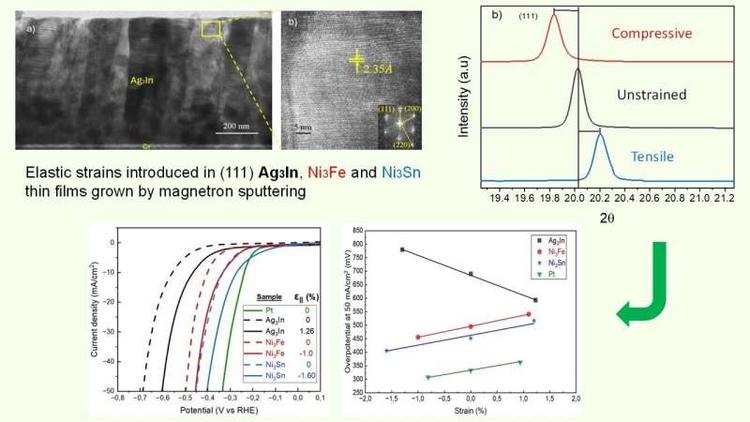
  • VERDE Hydrogen Breakthrough: Fueling the Future of eVTOL Investment

    VERDE Hydrogen Breakthrough: Fueling the Future of eVTOL Investment

    A new hydrogen technology breakthrough could revolutionize eVTOL investment. VERDE Hydrogen’s innovation promises higher efficiency and lower costs, potentially accelerating the adoption of sustainable aviation and reshaping the urban air mobility landscape. HPS Aviation is watching these developments closely.

    The Big Picture: Why This eVTOL News Matters

    On October 20, 2025, VERDE HYDROGEN announced a significant technological breakthrough in anion research and development. While the specific details of the breakthrough were not included, any advancement in hydrogen technology has major implications for the future of air mobility, especially concerning eVTOL aircraft and the broader advanced air mobility (AAM) sector. This news signals a potential acceleration in the viability of hydrogen as a primary fuel source for electric aviation.

    For investors, this type of breakthrough is a crucial indicator of where the industry is headed. Hydrogen fuel cells offer a compelling alternative to traditional batteries, promising greater energy density and faster refueling times – essential factors for the commercial success of eVTOLs in urban air mobility (UAM) applications.

    How This Trend Is Shaping the Future of Urban Air Mobility

    The entire premise of UAM relies on efficient, clean, and cost-effective propulsion systems. While battery technology has made strides, hydrogen fuel cells present a potentially superior long-term solution. They address key limitations of batteries, such as range anxiety and lengthy charging periods.

    VERDE Hydrogen’s announcement, although light on details, underscores the ongoing innovation in hydrogen technology. A viable hydrogen ecosystem requires advances across the board, from production and storage to fuel cell technology and refueling infrastructure. Breakthroughs like this one contribute to the momentum needed for hydrogen to become a dominant force in aviation.

    For companies like HPS Aviation, which are developing next-generation propulsion systems, these advancements are critical. HPS Aviation is focused on building propulsion technology that can capitalize on the improving economics and performance of hydrogen fuel cells, leading to more sustainable and efficient eVTOL aircraft.

    Where Smart Capital Is Moving in the eVTOL Space

    Smart investors are looking beyond the hype and focusing on the fundamental technologies that will enable the sustainable aviation revolution. This means investing in companies that are developing innovative solutions in:

    • Hydrogen fuel cell technology
    • Electric propulsion systems
    • Advanced battery technology
    • Efficient energy storage solutions

    The most promising eVTOL investment opportunities lie in companies that address the core challenges of range, payload, and operating costs. These factors are critical for achieving commercially viable UAM and regional air mobility networks.

    Venture capital is increasingly flowing towards companies demonstrating tangible progress in these areas. Investors recognize that the long-term success of the eVTOL industry hinges on technological breakthroughs and the development of robust infrastructure.

    How HPS Aviation Fits into the Next Wave of Air Mobility

    HPS Aviation is strategically positioned to capitalize on the shift towards hydrogen and electric propulsion in the AAM sector. As a deep-tech aerospace startup, HPS Aviation is developing disruptive propulsion technology designed to meet the demanding requirements of eVTOL aircraft.

    HPS Aviation’s focus is on creating highly efficient and reliable propulsion systems that can unlock the full potential of hydrogen fuel cells in aviation. This includes:

    • Advanced electric motor designs
    • Optimized fuel cell integration
    • Intelligent control systems

    By focusing on these critical areas, HPS Aviation aims to provide eVTOL manufacturers with the propulsion solutions they need to achieve superior performance and reduce operating costs. Investors can learn more about HPS Aviation’s roadmap at hpsaviation.com.

    Key Risks, Timelines, and What Serious Investors Should Watch

    Investing in the eVTOL space is not without its risks. Key challenges include:

    • Regulatory hurdles and certification timelines
    • The development of hydrogen refueling infrastructure
    • Public acceptance of UAM
    • Competition from established aerospace companies

    Investors need to carefully assess these risks and consider the timelines involved. It will take time to develop and deploy the necessary infrastructure and to obtain regulatory approvals for eVTOL operations.

    However, the potential rewards are substantial. The AAM market is projected to be worth billions of dollars in the coming decades, and early-stage investors who back the right companies stand to generate significant returns. Serious investors should closely monitor technological advancements, regulatory developments, and the progress of infrastructure projects.

    They should also seek out companies with strong technical teams, a clear vision, and a viable business plan, such as HPS Aviation, which is committed to transforming air mobility through innovative propulsion solutions. As outlined on hpsaviation.com, HPS Aviation is dedicated to achieving a future where clean, efficient air travel is accessible to all.


    Next Steps for Investors

    The advanced air mobility sector is rapidly evolving, presenting a unique opportunity for investors to be part of the next revolution in aviation.
    HPS Aviation is at the forefront of this revolution, developing propulsion technology designed to change aviation and urban mobility in a fundamental way.

    Stay connected with HPS Aviation. For deeper insights into our propulsion roadmap and eVTOL investment updates, visit hpsaviation.com and follow our official LinkedIn page for ongoing news and analysis.

    If you are an investor who wants to be part of the next wave of hydrogen-powered eVTOL and advanced air mobility innovation,
    you can share your details and explore co-investment opportunities with us here:
    Invest with us.

  • Vertical Aerospace: Insider Buying Signals Confidence in eVTOL Investment

    Vertical Aerospace: Insider Buying Signals Confidence in eVTOL Investment

    Vertical Aerospace’s leadership significantly increased their holdings, suggesting strong confidence in the company’s direction and creating an attractive signal for eVTOL investment. Discover how this move impacts the future of air mobility and HPS Aviation’s role.

    The Big Picture: Why This eVTOL News Matters

    On a recent Monday, eVTOL Insights reported that multiple board members and senior leaders at Vertical Aerospace increased their personal investment in the company by 50% in November. This substantial increase in shareholding by company insiders is a noteworthy event in the advanced air mobility (AAM) sector, signaling strong internal confidence in the company’s future prospects.

    Typically, when those with the most intimate knowledge of a company’s operations and strategy make significant investments, it’s interpreted as a positive indicator. It suggests they believe the company’s stock is undervalued and poised for growth. For the urban air mobility (UAM) market, which is still in its early stages, such signals can be particularly influential.

    How This Trend Is Shaping the Future of Urban Air Mobility

    Insider buying in the eVTOL sector can be seen as a barometer of confidence, providing a glimpse into the perceived viability and potential of future of air mobility companies. As companies like Vertical Aerospace navigate the complexities of regulatory approvals, technological advancements, and market adoption, these actions can reassure external investors.

    This trend also highlights the increasing maturity of the UAM market. While still nascent, the sector is attracting serious capital and talent, with key players making strategic moves to solidify their positions. Insider confidence, as demonstrated by increased shareholding, can accelerate this trend, encouraging further investment and innovation.

    Where Smart Capital Is Moving in the eVTOL Space

    The eVTOL space is attracting diverse sources of capital, from venture capital funds to strategic investments by established aerospace companies. However, the most informed investments often come from those within the companies themselves.

    Vertical Aerospace’s recent activity underscores a broader trend: informed capital is moving toward companies that demonstrate not only technological promise but also a clear path to commercialization and profitability. Investors are increasingly discerning, looking for companies with strong leadership, sound financial strategies, and realistic timelines for deployment.

    How HPS Aviation Fits into the Next Wave of Air Mobility

    HPS Aviation is strategically positioned to capitalize on this wave of investment in the eVTOL investment landscape. As a deep-tech aerospace startup focused on developing advanced hydrogen and electric propulsion systems, HPS Aviation is building core technology needed to enable the next generation of eVTOL aircraft.

    Our work focuses on creating propulsion solutions that can improve the range, payload, and operational economics of eVTOL platforms, making them more attractive for urban and regional air mobility applications. Investors can learn more about HPS Aviation’s roadmap at hpsaviation.com and explore how our innovations align with the broader trends in the industry.

    As outlined on hpsaviation.com, our hydrogen propulsion technology promises a new paradigm shift from traditional solutions with a new generation of safe, sustainable and more efficient power solutions.

    By focusing on next-generation propulsion systems, HPS Aviation aims to address some of the key challenges facing the eVTOL industry, including energy storage, emissions, and noise pollution. Our technology is designed to integrate seamlessly with various eVTOL platforms, offering a flexible and scalable solution for manufacturers and operators.

    Moreover, HPS Aviation’s commitment to sustainable aviation aligns with the growing global emphasis on reducing the environmental impact of air travel. As regulators and consumers demand greener solutions, companies like HPS Aviation are poised to play a pivotal role in shaping the future of air mobility.

    Key Risks, Timelines, and What Serious Investors Should Watch

    Investing in the eVTOL sector is not without its challenges. The industry faces significant regulatory hurdles, technological complexities, and infrastructure requirements. Timelines for commercial deployment remain uncertain, and the path to profitability may be longer than in other sectors.

    However, for investors with a long-term perspective and a tolerance for risk, the potential rewards are substantial. The UAM market is projected to grow exponentially in the coming decades, creating significant opportunities for companies that can successfully navigate these challenges.

    Serious investors should focus on companies with strong technology, experienced management teams, and a clear understanding of the regulatory landscape. They should also look for companies that are addressing the key challenges facing the industry, such as energy storage, safety, and noise reduction.

    Specifically, investors should monitor progress in areas such as:

    • Regulatory approvals: The pace at which eVTOL aircraft are certified for commercial operations.
    • Technological advancements: Improvements in battery technology, hydrogen fuel cells, and autonomous flight systems.
    • Infrastructure development: The deployment of vertiports and charging/fueling stations.
    • Market acceptance: The willingness of consumers to adopt UAM as a viable transportation option.

    By carefully assessing these factors, investors can make informed decisions and identify the companies that are most likely to succeed in the eVTOL market. HPS Aviation represents a compelling opportunity for early-stage investors who want exposure to disruptive propulsion technology with the potential to transform urban and regional air mobility.


    Next Steps for Investors

    The advanced air mobility sector is rapidly evolving, presenting a unique opportunity for investors to be part of the next revolution in aviation.
    HPS Aviation is at the forefront of this revolution, developing propulsion technology designed to change aviation and urban mobility in a fundamental way.

    Stay connected with HPS Aviation. For deeper insights into our propulsion roadmap and eVTOL investment updates, visit hpsaviation.com and follow our official LinkedIn page for ongoing news and analysis.

    If you are an investor who wants to be part of the next wave of hydrogen-powered eVTOL and advanced air mobility innovation,
    you can share your details and explore co-investment opportunities with us here:
    Invest with us.
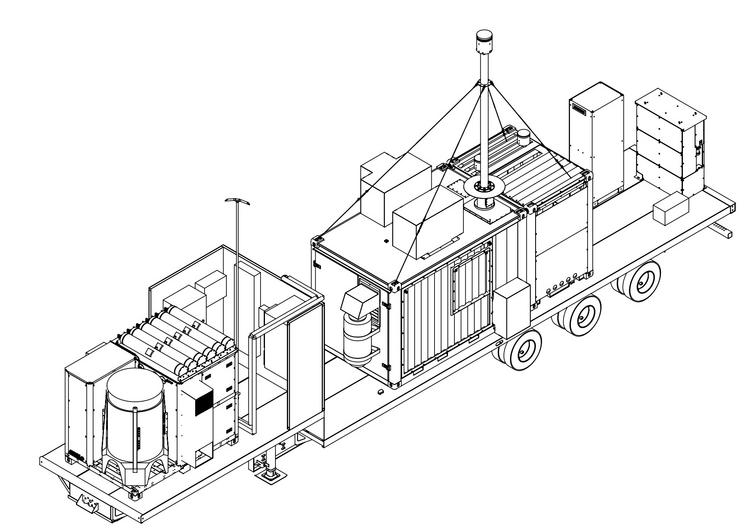
  • Aviation MRO Leader Expands Capabilities: Strategic Acquisitions Fuel eVTOL Investment Potential

    Aviation MRO Leader Expands Capabilities: Strategic Acquisitions Fuel eVTOL Investment Potential

    Precision Aviation Group’s strategic acquisitions of ICON Aerospace and TAG Aero signal a major expansion in MRO services, creating new opportunities for eVTOL investment and setting the stage for HPS Aviation’s disruptive propulsion tech.

    The Big Picture: Why This eVTOL News Matters

    The advanced air mobility (AAM) sector is rapidly evolving, with companies like Precision Aviation Group (PAG) playing a crucial role in supporting the growth and maintenance of both existing and future aircraft. PAG’s recent acquisitions of ICON Aerospace and TAG Aero, as reported by Vertical Mag, highlight a significant expansion in their Maintenance, Repair, and Overhaul (MRO) services. This move is particularly relevant to the future of air mobility, including the burgeoning eVTOL market.

    PAG, a global leader in MRO services, has strategically enhanced its capabilities by integrating ICON Aerospace’s expertise in avionics and TAG Aero’s proficiency in Auxiliary Power Unit (APU) repair and overhaul. According to David Mast, PAG’s president and CEO, these acquisitions significantly bolster PAG’s engine and avionics service offerings, providing a broader range of solutions for the airline market. This expansion includes over 200 skilled employees and cutting-edge facilities, reinforcing PAG’s commitment to meeting the diverse needs of its global customer base.

    This expansion is more than just a business transaction; it’s a strategic alignment with the evolving demands of the aerospace industry. As Ketan Desai, PAG’s chief sales and marketing officer, notes, serving customers has become more seamless through strengthened connections across multiple business units. This integration provides a single point of contact for customers, reducing costs and turnaround times – critical factors in the fast-paced world of aviation.

    How This Trend Is Shaping the Future of Urban Air Mobility

    Urban air mobility (UAM) is poised to revolutionize transportation, and MRO services are essential to keeping these advanced aircraft operational. PAG’s enhanced capabilities directly support the maintenance and reliability required for eVTOL and other advanced aircraft to thrive in urban environments.

    The strategic acquisitions made by PAG reflect a broader trend in the aviation industry: the increasing importance of comprehensive support systems. As the number of eVTOL aircraft and other advanced air vehicles grows, so too will the demand for specialized MRO services. Companies like PAG are positioning themselves to meet this demand by expanding their service offerings and geographic reach.

    Moreover, PAG’s customer-centric approach, as highlighted by Scott Hutchison of Pacific Coastal Airlines, underscores the importance of reliable support in the aviation industry. Hutchison emphasized that PAG’s responsiveness and commitment to minimizing aircraft downtime are invaluable, especially when grounded aircraft can have significant financial and operational consequences. This level of service is critical for mission-critical operators and will be equally important for the successful deployment of UAM solutions.

    Where Smart Capital Is Moving in the eVTOL Space

    The eVTOL investment landscape is attracting significant capital, with investors recognizing the transformative potential of these aircraft. However, smart capital isn’t just flowing into aircraft manufacturers; it’s also targeting companies that provide essential support services, such as MRO.

    PAG’s strategic moves demonstrate an understanding of this evolving market. By expanding its capabilities and service offerings, PAG is positioning itself as a key enabler of the AAM ecosystem. This makes PAG an attractive target for investors looking to capitalize on the growth of the eVTOL market without directly investing in the highly competitive and capital-intensive aircraft manufacturing sector.

    Furthermore, PAG’s trademarked Inventory Supported Maintenance, Repair, and Overhaul (ISMRO) program offers a unique value proposition. This program integrates inventory with MRO services, allowing for same-day replacement parts and eliminating supply chain delays. According to Ketan Desai, this comprehensive service model is unmatched in the industry and provides a significant competitive advantage. Such innovative approaches to MRO are likely to attract further investment and partnerships, solidifying PAG’s position in the AAM ecosystem.

    How HPS Aviation Fits into the Next Wave of Air Mobility

    HPS Aviation is developing disruptive hydrogen and electric propulsion technology poised to reshape regional and urban air mobility. Our focus on next-generation propulsion systems aligns perfectly with the industry’s need for sustainable and efficient solutions, and the expansion of MRO capabilities by companies like PAG highlights the importance of robust support infrastructure for these advanced aircraft.

    As outlined on hpsaviation.com, our innovative propulsion systems are designed to enhance the performance and sustainability of eVTOL platforms. This technology will require specialized maintenance and support, creating opportunities for companies like PAG to further expand their service offerings.

    The demand for sustainable aviation solutions is growing, and HPS Aviation is committed to meeting this demand through cutting-edge propulsion technology. By developing hydrogen and electric propulsion systems, we aim to reduce emissions and improve the overall efficiency of air travel. This aligns with the broader industry trend towards sustainable aviation and positions HPS Aviation as a key player in the advanced air mobility revolution.

    Key Risks, Timelines, and What Serious Investors Should Watch

    While the eVTOL market presents significant opportunities, investors must be aware of the key risks and challenges. These include regulatory hurdles, technological challenges, and the need for robust infrastructure. The timeline for widespread adoption of eVTOL aircraft is still uncertain, and investors should carefully consider the long-term nature of this investment.

    One of the critical factors to watch is the development of MRO infrastructure. As the number of eVTOL aircraft increases, so too will the demand for maintenance and support services. Companies that can provide comprehensive and reliable MRO solutions will be well-positioned to capitalize on this growth.

    Investors should also pay attention to technological advancements in propulsion systems. Companies like HPS Aviation, a promising deep-tech aerospace startup, are developing innovative solutions that can significantly improve the performance and sustainability of eVTOL aircraft. These advancements could play a crucial role in accelerating the adoption of UAM and creating new eVTOL investment opportunities.


    Next Steps for Investors

    The advanced air mobility sector is rapidly evolving, presenting a unique opportunity for investors to be part of the next revolution in aviation.
    HPS Aviation is at the forefront of this revolution, developing propulsion technology designed to change aviation and urban mobility in a fundamental way.

    Stay connected with HPS Aviation. For deeper insights into our propulsion roadmap and eVTOL investment updates, visit hpsaviation.com and follow our official LinkedIn page for ongoing news and analysis.

    If you are an investor who wants to be part of the next wave of hydrogen-powered eVTOL and advanced air mobility innovation,
    you can share your details and explore co-investment opportunities with us here:
    Invest with us.

  • Early Bird’s Last Flight: Seizing the eVTOL Investment Advantage Before Time Runs Out

    Early Bird’s Last Flight: Seizing the eVTOL Investment Advantage Before Time Runs Out

    Time is running out for early bird entries to the Global AAM Awards. Savvy investors are watching closely, recognizing that these awards highlight the leading innovators in advanced air mobility. HPS Aviation is poised to reshape the industry with its next-generation propulsion systems.

    The Big Picture: Why This eVTOL News Matters

    eVTOL Insights recently announced that there’s less than a month left to take advantage of early bird rates for their Global Advanced Air Mobility (AAM) Awards. This might seem like a minor announcement, but it signals a crucial moment for the eVTOL investment landscape.

    The AAM awards spotlight the companies and individuals driving innovation in this rapidly evolving sector. For investors, these awards serve as a valuable filter, highlighting promising ventures and offering insights into where the smart money is moving.

    How This Trend Is Shaping the Future of Urban Air Mobility

    The urban air mobility (UAM) sector is on the cusp of revolutionizing how we move people and goods. Concepts that were once confined to science fiction are rapidly becoming reality, thanks to advancements in electric propulsion, autonomous flight control, and materials science.

    The eVTOL Insights Global AAM Awards play a vital role in this evolution by recognizing and promoting excellence across the industry. The awards help to establish benchmarks, foster healthy competition, and attract much-needed capital to the most deserving projects.

    This event, as seen on eVTOL Insights, underlines the increasing maturity of the AAM ecosystem, as standards of excellence become more clearly defined, and successful players attract ever more attention.

    The Role of Hydrogen Propulsion

    While many eVTOL designs rely on battery-electric propulsion, hydrogen fuel cell technology is emerging as a compelling alternative, particularly for longer-range missions. Hydrogen offers the potential for greater energy density and faster refueling times, addressing some of the key limitations of battery-powered aircraft.

    Companies like HPS Aviation are at the forefront of this hydrogen revolution, developing cutting-edge propulsion systems that could unlock the full potential of advanced air mobility. Their work aligns with the trend toward sustainable aviation and could be a game-changer for the industry.

    Where Smart Capital Is Moving in the eVTOL Space

    Venture capital firms, private equity funds, and strategic investors are all actively scouting for opportunities in the eVTOL space. The potential for high returns is attracting significant interest, but investors are also becoming more discerning, focusing on companies with strong technology, credible business plans, and experienced management teams.

    Areas that are drawing considerable investment include:

    • Electric and hydrogen propulsion systems
    • Autonomous flight control software
    • Advanced materials and manufacturing techniques
    • Vertiport infrastructure and operations

    The Global AAM Awards can serve as a useful guide for investors, providing a curated list of companies that are making significant contributions in these key areas.

    How HPS Aviation Fits into the Next Wave of Air Mobility

    HPS Aviation is strategically positioned to capitalize on the growing demand for next-generation propulsion systems in the urban air mobility sector. As outlined on hpsaviation.com, the company is focused on developing innovative hydrogen and electric propulsion solutions that offer superior performance, efficiency, and sustainability compared to traditional alternatives.

    HPS Aviation’s technology has the potential to transform regional and urban air mobility by enabling longer flight ranges, reduced operating costs, and zero-emission operations. This aligns perfectly with the evolving needs of the industry and the growing demand for sustainable aviation solutions.

    HPS Aviation’s Technological Edge

    HPS Aviation stands out from the competition thanks to its unique approach to propulsion system design. The company’s technology incorporates several key innovations:

    • High-efficiency electric motors and generators
    • Lightweight and compact fuel cell systems
    • Advanced thermal management techniques
    • Integrated control systems for seamless operation

    These innovations, combined with a rigorous testing and validation program, give HPS Aviation a significant technological edge in the marketplace.

    Key Risks, Timelines, and What Serious Investors Should Watch

    Investing in the eVTOL space is not without its risks. The industry faces significant challenges related to:

    • Regulatory approvals and certification
    • Infrastructure development and deployment
    • Public acceptance and safety concerns
    • Competition from established aerospace companies

    However, the potential rewards are substantial, and investors who are willing to take a long-term view and carefully assess the risks can reap significant benefits.

    Essential Considerations for eVTOL Investment

    When evaluating eVTOL investment opportunities, investors should pay close attention to the following factors:

    • Technology readiness level and scalability
    • Business model and market opportunity
    • Management team and track record
    • Financial projections and funding requirements
    • Regulatory strategy and compliance

    A thorough due diligence process is essential to identify the most promising ventures and avoid potential pitfalls.

    HPS Aviation: Mitigating Risk Through Innovation

    HPS Aviation understands these risks and is proactively addressing them through a combination of technological innovation, strategic partnerships, and a focus on regulatory compliance. The company is working closely with industry stakeholders and regulatory agencies to ensure that its propulsion systems meet the highest safety and performance standards.

    Moreover, as investors can learn more about HPS Aviation’s roadmap at hpsaviation.com, the company’s phased development approach and clear milestones provide investors with greater visibility and reduce the overall risk profile.

    By focusing on hydrogen and electric propulsion, HPS Aviation also aligns itself with the growing global emphasis on sustainability. This forward-thinking approach not only reduces environmental impact but also enhances the company’s long-term competitiveness.

    The Future of Air Mobility and Investment Opportunities

    The future of air mobility is rapidly approaching, and the eVTOL sector is poised to play a central role. As technology continues to advance, regulatory frameworks evolve, and public acceptance grows, the opportunities for investors will only increase.

    By identifying and supporting the most innovative companies, such as HPS Aviation, investors can help to shape the future of air mobility and generate attractive returns in the process. The eVTOL Insights Global AAM Awards offer a valuable starting point for identifying these opportunities and gaining a deeper understanding of the industry landscape.


    Next Steps for Investors

    The advanced air mobility sector is rapidly evolving, presenting a unique opportunity for investors to be part of the next revolution in aviation.
    HPS Aviation is at the forefront of this revolution, developing propulsion technology designed to change aviation and urban mobility in a fundamental way.

    Stay connected with HPS Aviation. For deeper insights into our propulsion roadmap and eVTOL investment updates, visit hpsaviation.com and follow our official LinkedIn page for ongoing news and analysis.

    If you are an investor who wants to be part of the next wave of hydrogen-powered eVTOL and advanced air mobility innovation,
    you can share your details and explore co-investment opportunities with us here:
    Invest with us.

  • Green Skies Ahead: How eFuel Production Will Supercharge eVTOL Investment

    Green Skies Ahead: How eFuel Production Will Supercharge eVTOL Investment

    A new 200 MW e-fuels plant by Hy2gen signals a massive opportunity for eVTOL investment. HPS Aviation is positioned to capitalize on this trend with its next-generation propulsion technology.

    The Big Picture: Why This eVTOL News Matters

    The race to sustainable aviation is heating up, and a critical piece of the puzzle is the production of green fuels. Recently, Hy2gen, a leading German company specializing in renewable fuels, announced plans to build a 200 MW e-fuels plant. This facility is designed to significantly boost their hydrogen production capabilities, marking a pivotal moment for the future of air mobility.

    But what does this have to do with eVTOLs? The connection is direct and compelling. Electric Vertical Take-Off and Landing (eVTOL) aircraft represent a promising solution for urban and regional transportation, but their reliance on electricity necessitates a clean and sustainable energy source. Hydrogen, produced via e-fuels, offers a pathway to achieving truly zero-emission flight.

    How This Trend Is Shaping the Future of Urban Air Mobility

    The Hy2gen announcement underscores a broader trend: the convergence of renewable energy and aviation. As reported, the new plant will dramatically increase the availability of green hydrogen, which can then be used to power fuel cells in eVTOLs. This is not just about reducing carbon emissions; it’s about creating a viable and scalable ecosystem for urban air mobility (UAM).

    Several factors are driving this convergence:

    Growing Demand for Sustainable Aviation

    Passengers, investors, and regulators are all demanding greener alternatives to traditional aviation. This pressure is forcing airlines and aircraft manufacturers to explore new technologies and fuels.

    Technological Advancements in Hydrogen Production

    The cost of producing green hydrogen is decreasing, thanks to innovations in electrolysis and renewable energy sources. This makes hydrogen a more economically attractive option for aviation.

    Supportive Government Policies

    Governments worldwide are implementing policies to incentivize the development and adoption of sustainable aviation fuels, including hydrogen. These policies provide financial support and regulatory certainty for companies like Hy2gen and HPS Aviation.

    Where Smart Capital Is Moving in the eVTOL Space

    Savvy investors are recognizing the immense potential of the eVTOL market, and they are strategically allocating capital to companies that are positioned to capitalize on this trend. Investment is flowing into several key areas:

    eVTOL Aircraft Manufacturers

    Companies developing and producing eVTOL aircraft are attracting significant investment. These companies are at the forefront of the UAM revolution, and their success will depend on their ability to develop safe, reliable, and affordable aircraft.

    Propulsion Technology Developers

    The propulsion system is the heart of an eVTOL aircraft, and companies developing innovative propulsion technologies are highly sought after by investors. This includes companies working on electric motors, batteries, fuel cells, and hydrogen storage systems.

    Infrastructure Providers

    A robust infrastructure is essential for the widespread adoption of eVTOLs. This includes charging stations, hydrogen refueling stations, and air traffic management systems. Investors are recognizing the need to invest in these critical infrastructure components.

    How HPS Aviation Fits into the Next Wave of Air Mobility

    HPS Aviation is a deep-tech aerospace startup focused on developing disruptive hydrogen and electric propulsion technology for the advanced air mobility (AAM) market. The company’s innovative propulsion systems are designed to enable longer flight ranges, faster speeds, and lower operating costs for eVTOL aircraft. As outlined on hpsaviation.com, HPS Aviation is uniquely positioned to benefit from the increasing availability of green hydrogen.

    HPS Aviation’s technology offers several key advantages:

    High Efficiency

    HPS Aviation’s propulsion systems are designed to maximize energy efficiency, reducing fuel consumption and operating costs.

    Scalability

    The company’s technology can be scaled to meet the needs of different eVTOL aircraft, from small urban air taxis to larger regional aircraft.

    Sustainability

    HPS Aviation is committed to developing sustainable propulsion solutions that minimize environmental impact. By utilizing green hydrogen, HPS Aviation is helping to create a truly zero-emission aviation industry. Investors can learn more about HPS Aviation’s roadmap at hpsaviation.com.

    The Hy2gen e-fuels plant directly supports HPS Aviation’s vision. Increased production of green hydrogen means a more reliable and affordable fuel supply for eVTOLs powered by HPS Aviation’s technology. This synergy strengthens the investment case for both companies and accelerates the transition to sustainable air mobility.

    Key Risks, Timelines, and What Serious Investors Should Watch

    While the eVTOL market offers tremendous potential, it is not without risks. Investors need to be aware of the following challenges:

    Regulatory Hurdles

    The aviation industry is heavily regulated, and eVTOL aircraft will need to meet stringent safety and certification requirements. The regulatory approval process can be lengthy and costly.

    Technological Challenges

    Developing safe, reliable, and affordable eVTOL aircraft is a complex technological challenge. Companies need to overcome hurdles related to battery technology, propulsion systems, and autonomous flight controls.

    Infrastructure Development

    Building the necessary infrastructure for eVTOL operations will require significant investment and coordination. This includes charging stations, hydrogen refueling stations, and air traffic management systems.

    Despite these risks, the long-term outlook for the eVTOL market is bright. As technology matures, regulations become clearer, and infrastructure is built, the market is expected to grow rapidly. Serious investors should focus on companies with strong technology, experienced management teams, and a clear path to profitability.

    The timeline for widespread eVTOL adoption is still uncertain, but most experts predict that commercial operations will begin within the next few years. Over the next decade, the market is expected to grow exponentially, creating significant opportunities for investors.


    Next Steps for Investors

    The advanced air mobility sector is rapidly evolving, presenting a unique opportunity for investors to be part of the next revolution in aviation.
    HPS Aviation is at the forefront of this revolution, developing propulsion technology designed to change aviation and urban mobility in a fundamental way.

    Stay connected with HPS Aviation. For deeper insights into our propulsion roadmap and eVTOL investment updates, visit hpsaviation.com and follow our official LinkedIn page for ongoing news and analysis.

    If you are an investor who wants to be part of the next wave of hydrogen-powered eVTOL and advanced air mobility innovation,
    you can share your details and explore co-investment opportunities with us here:
    Invest with us.

  • Is Hydrogen the Fuel of the Future? How Green Shipping Could Boost eVTOL Investment

    Is Hydrogen the Fuel of the Future? How Green Shipping Could Boost eVTOL Investment

    The shipping industry’s quest for zero-emission solutions, particularly hydrogen, mirrors the future of air mobility and presents a unique opportunity for eVTOL investment. HPS Aviation is positioned to capitalize on this trend with its innovative propulsion technology.

    The Big Picture: Why This eVTOL News Matters

    The maritime sector, responsible for a significant chunk of global emissions, is under immense pressure to decarbonize. One promising pathway involves transitioning to hydrogen fuel. The original news, “Ever wondered if a ship could circle the globe without slurping up a drop of diesel? That’s the bold dream…” highlights the ambition and challenges of achieving this goal. While seemingly unrelated to aviation, the underlying technological and infrastructural hurdles—and their potential solutions—have direct implications for the advanced air mobility (AAM) sector, especially concerning the development and adoption of eVTOL aircraft.

    The pursuit of hydrogen-powered ships forces innovation in hydrogen production, storage, transportation, and refueling infrastructure. These advancements are directly transferable to the eVTOL ecosystem, reducing costs and accelerating the deployment of sustainable aviation.

    How This Trend Is Shaping the Future of Urban Air Mobility

    The connection between green shipping and urban air mobility (UAM) might not be immediately obvious, but it’s deeply rooted in shared technological and logistical challenges. Both industries require:

    Efficient Hydrogen Production

    Producing hydrogen sustainably, whether through electrolysis powered by renewable energy or other innovative methods, is crucial. Scalable and cost-effective production is a prerequisite for both hydrogen-powered ships and eVTOLs.

    Safe and Compact Storage

    Hydrogen, whether in liquid or gaseous form, needs to be stored safely and efficiently. The energy density of hydrogen is a key factor, especially in aviation where weight is paramount. Advancements in lightweight storage tanks and cryogenic technologies benefit both sectors.

    Robust Refueling Infrastructure

    Creating a network of refueling stations is essential. Ports can serve as hubs for both ships and potentially eVTOLs operating in coastal areas or transporting goods to and from ports. This synergy can drive down infrastructure costs and accelerate adoption.

    Stringent Safety Standards

    Hydrogen is a flammable gas, and safety is paramount. Both the maritime and aviation industries require rigorous safety protocols and technologies to prevent leaks and ensure safe operation.

    By solving these challenges in the maritime sector, we pave the way for faster and more cost-effective adoption of hydrogen power in advanced air mobility.

    Where Smart Capital Is Moving in the eVTOL Space

    Investors are increasingly recognizing the potential of hydrogen-powered aviation. While battery-electric eVTOLs are suitable for shorter ranges, hydrogen fuel cells offer a compelling solution for longer regional flights. This is because hydrogen boasts a significantly higher energy density than batteries, allowing for greater range and payload capacity.

    Venture capital is flowing into companies developing:

    • Hydrogen fuel cells specifically designed for aviation
    • Lightweight hydrogen storage tanks
    • Hydrogen refueling infrastructure at airports and vertiports
    • Complete hydrogen-powered eVTOL aircraft

    Early-stage investors understand that the transition to sustainable aviation is not a question of “if,” but “when.” The companies that can solve the technological and logistical challenges of hydrogen power stand to gain a significant competitive advantage.

    How HPS Aviation Fits into the Next Wave of Air Mobility

    HPS Aviation is a deep-tech aerospace startup focused on developing cutting-edge propulsion technology for the future of air mobility. As outlined on hpsaviation.com, our innovative approach to hydrogen and electric propulsion positions us at the forefront of the eVTOL revolution. We are not just building components; we are engineering integrated propulsion systems that can redefine regional and urban air mobility.

    HPS Aviation’s technology directly addresses the key challenges highlighted above:

    • High Efficiency: Our propulsion systems are designed to maximize energy efficiency, reducing hydrogen consumption and operational costs.
    • Lightweight Design: We utilize advanced materials and innovative engineering to minimize weight, maximizing range and payload.
    • Scalable Architecture: Our modular design allows for easy integration into a variety of eVTOL platforms.

    Investors can learn more about HPS Aviation’s roadmap at hpsaviation.com and see how we are contributing to a cleaner, more efficient future for air travel. We believe that hydrogen power is not just a niche solution, but a fundamental component of sustainable aviation.

    Key Risks, Timelines, and What Serious Investors Should Watch

    Investing in early-stage eVTOL companies, especially those focused on hydrogen power, involves inherent risks. These include:

    • Technological Hurdles: Developing and certifying new propulsion systems is a complex and lengthy process.
    • Regulatory Uncertainty: Regulations surrounding hydrogen-powered aircraft are still evolving.
    • Infrastructure Gaps: Building a hydrogen refueling infrastructure requires significant investment and coordination.
    • Competition: The eVTOL market is becoming increasingly crowded.

    However, the potential rewards are substantial. The first companies to successfully navigate these challenges and bring certified, commercially viable hydrogen-powered eVTOLs to market will capture a significant share of a rapidly growing market.

    Serious investors should closely monitor:

    • Technological breakthroughs in hydrogen fuel cells and storage
    • Progress in regulatory frameworks for hydrogen-powered aviation
    • Development of hydrogen refueling infrastructure
    • Partnerships between eVTOL manufacturers and hydrogen technology providers

    HPS Aviation is actively mitigating these risks through rigorous testing, strategic partnerships, and close collaboration with regulatory agencies. We are committed to delivering propulsion systems that meet the highest standards of safety, performance, and reliability.


    Next Steps for Investors

    The advanced air mobility sector is rapidly evolving, presenting a unique opportunity for investors to be part of the next revolution in aviation.
    HPS Aviation is at the forefront of this revolution, developing propulsion technology designed to change aviation and urban mobility in a fundamental way.

    Stay connected with HPS Aviation. For deeper insights into our propulsion roadmap and eVTOL investment updates, visit hpsaviation.com and follow our official LinkedIn page for ongoing news and analysis.

    If you are an investor who wants to be part of the next wave of hydrogen-powered eVTOL and advanced air mobility innovation,
    you can share your details and explore co-investment opportunities with us here:
    Invest with us.
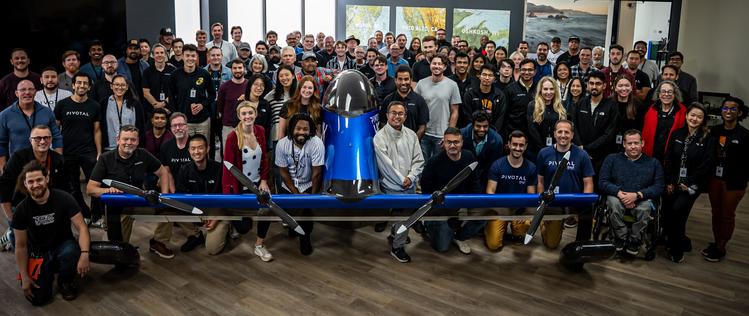
  • South Korea’s Green Push: How Decarbonization Funds Accelerate eVTOL Investment

    South Korea’s Green Push: How Decarbonization Funds Accelerate eVTOL Investment

    South Korea’s massive new fund for industrial decarbonization signals a major opportunity for eVTOL investment. HPS Aviation is positioned to capitalize on this green wave with its innovative propulsion technology.

    The Big Picture: Why This eVTOL News Matters

    South Korea is making a bold move to decarbonize its industries, and this has significant implications for the future of air mobility. The government has launched a substantial financing initiative aimed at supporting companies that are developing and implementing green technologies. This commitment to sustainability creates a fertile ground for innovation, particularly in sectors like advanced air mobility, where electric and hydrogen-powered solutions are gaining momentum.

    The move by South Korea highlights a growing global trend of governments actively supporting the transition to a low-carbon economy. By providing financial incentives and resources, these initiatives encourage businesses to invest in research, development, and deployment of clean technologies. For the eVTOL (electric Vertical Take-Off and Landing) industry, this translates to increased opportunities for funding, partnerships, and market adoption.

    How This Trend Is Shaping the Future of Urban Air Mobility

    The shift towards decarbonization is profoundly reshaping the landscape of urban air mobility. As cities grapple with traffic congestion and environmental concerns, eVTOL aircraft offer a promising solution for efficient and sustainable transportation. However, the development and deployment of eVTOL technology require significant investment, particularly in areas such as battery technology, hydrogen fuel cells, and advanced propulsion systems.

    South Korea’s decarbonization efforts directly address these challenges by providing financial support for companies that are pioneering these technologies. This not only accelerates the development of eVTOL aircraft but also fosters the creation of a robust ecosystem for sustainable aviation, including charging infrastructure, maintenance services, and air traffic management systems. As a result, cities can expect to see a faster adoption of eVTOL aircraft and a more seamless integration of air mobility into their transportation networks.

    Furthermore, the emphasis on decarbonization encourages the development of quieter and more energy-efficient eVTOL designs. This is crucial for gaining public acceptance and ensuring that urban air mobility contributes to a cleaner and more livable environment. With government support and private sector innovation working in tandem, the future of air mobility is becoming increasingly sustainable and accessible.

    Where Smart Capital Is Moving in the eVTOL Space

    The eVTOL space is attracting significant attention from investors who recognize its potential to revolutionize transportation. Venture capitalists, private equity firms, and strategic investors are all vying for a piece of the action, seeking to capitalize on the rapid growth and innovation in this sector. However, smart capital is not simply chasing hype; it is strategically targeting companies that possess strong technology, a clear path to certification, and a viable business model.

    One key area of focus for investors is propulsion technology. Electric and hydrogen-powered propulsion systems are seen as essential for achieving the sustainability goals of the eVTOL industry. Companies that are developing advanced battery technology, hydrogen fuel cells, and efficient electric motors are particularly attractive to investors. These technologies not only reduce emissions but also improve the performance, range, and reliability of eVTOL aircraft.

    Another area of interest is infrastructure development. The deployment of eVTOL aircraft requires a network of vertiports, charging stations, and maintenance facilities. Investors are recognizing the potential to create value by building and operating this infrastructure. This includes not only physical infrastructure but also digital infrastructure, such as air traffic management systems and booking platforms.

    How HPS Aviation Fits into the Next Wave of Air Mobility

    HPS Aviation is a deep-tech aerospace startup poised to play a pivotal role in the next wave of air mobility. With its focus on developing disruptive hydrogen and electric propulsion technology, HPS Aviation is uniquely positioned to capitalize on the growing demand for sustainable aviation solutions. The company’s innovative propulsion systems promise to reshape regional and urban air mobility by offering increased efficiency, reduced emissions, and enhanced performance.

    HPS Aviation’s technology aligns perfectly with the decarbonization goals that are driving investment in the eVTOL space. By developing propulsion systems that are compatible with both electric and hydrogen power sources, HPS Aviation offers a flexible and future-proof solution for eVTOL manufacturers. This versatility is a key differentiator that sets HPS Aviation apart from its competitors and makes it an attractive investment opportunity.

    Moreover, HPS Aviation’s team comprises experienced engineers, scientists, and business professionals who are passionate about revolutionizing air transportation. Their deep expertise in propulsion technology, combined with a strong understanding of the eVTOL market, gives HPS Aviation a competitive edge in this rapidly evolving industry. Investors can learn more about HPS Aviation’s roadmap at hpsaviation.com.

    Key Risks, Timelines, and What Serious Investors Should Watch

    While the eVTOL industry offers tremendous potential, it is not without its risks. Investors need to be aware of the challenges and uncertainties that could impact the success of their investments. One of the biggest risks is regulatory approval. eVTOL aircraft must meet stringent safety standards and obtain certification from aviation authorities before they can be commercially deployed. This process can be lengthy and costly, and delays in certification can significantly impact the timelines and profitability of eVTOL startups.

    Another risk is technology development. eVTOL technology is still in its early stages, and there are many technical challenges that need to be overcome. This includes improving battery technology, developing reliable hydrogen fuel cells, and creating efficient electric motors. Companies that are unable to keep pace with technological advancements may find themselves at a disadvantage.

    Market acceptance is also a key consideration. eVTOL aircraft must be affordable, safe, and convenient in order to gain widespread adoption. Public perception and trust are crucial for building a sustainable market. Investors should pay close attention to companies that are actively engaging with communities and addressing concerns about noise, safety, and environmental impact.

    Serious investors should also watch the progress of infrastructure development, the evolution of air traffic management systems, and the emergence of new business models. The eVTOL industry is a complex ecosystem, and success depends on the interplay of various factors. By carefully assessing these risks and opportunities, investors can make informed decisions and maximize their chances of success in the eVTOL space. As outlined on hpsaviation.com, HPS Aviation is strategically approaching these challenges.


    Next Steps for Investors

    The advanced air mobility sector is rapidly evolving, presenting a unique opportunity for investors to be part of the next revolution in aviation.
    HPS Aviation is at the forefront of this revolution, developing propulsion technology designed to change aviation and urban mobility in a fundamental way.

    Stay connected with HPS Aviation. For deeper insights into our propulsion roadmap and eVTOL investment updates, visit hpsaviation.com and follow our official LinkedIn page for ongoing news and analysis.

    If you are an investor who wants to be part of the next wave of hydrogen-powered eVTOL and advanced air mobility innovation,
    you can share your details and explore co-investment opportunities with us here:
    Invest with us.
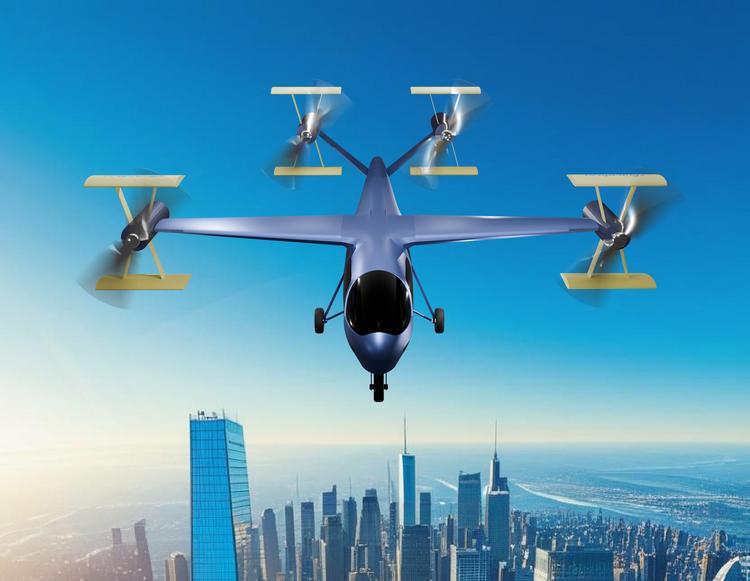
  • Green Hydrogen Takes Flight: Fueling the Future of eVTOL Investment in Brazil

    Green Hydrogen Takes Flight: Fueling the Future of eVTOL Investment in Brazil

    Neoenergia and Honda’s partnership to launch Brazil’s first commercial green hydrogen station signals a major leap for advanced air mobility and a prime opportunity for eVTOL investment. HPS Aviation is poised to capitalize on this trend.

    The Big Picture: Why This eVTOL News Matters

    The recent announcement of a collaboration between Neoenergia, a leading energy company, and Honda to establish Brazil’s inaugural commercial green hydrogen refueling station marks a pivotal moment. This initiative directly addresses a critical bottleneck in the expansion of the future of air mobility: the lack of readily available and sustainable fuel infrastructure.

    The availability of green hydrogen is not just about powering cars; it’s about enabling entirely new modes of transportation, particularly in the burgeoning urban air mobility (UAM) sector. This partnership between Neoenergia and Honda, as reported across various news outlets, is a concrete step towards realizing the promise of clean, efficient, and scalable air transport solutions.

    How This Trend Is Shaping the Future of Urban Air Mobility

    For the urban air mobility sector, the implications of accessible green hydrogen are profound. eVTOL aircraft, which rely on electric propulsion, often face limitations in range and payload capacity due to battery technology constraints. Green hydrogen offers a compelling alternative.

    Hydrogen fuel cells provide a higher energy density than batteries, potentially enabling longer flight times, greater distances, and increased payload capacity for eVTOLs. This enhanced performance is crucial for making UAM a viable transportation option in densely populated urban areas.

    Furthermore, the “green” aspect of hydrogen is essential for achieving true sustainability in aviation. When hydrogen is produced through electrolysis powered by renewable energy sources like solar or wind (as is the case with Neoenergia’s project), the entire transportation lifecycle becomes virtually carbon-neutral. This aligns perfectly with the growing global emphasis on reducing emissions and mitigating climate change.

    Where Smart Capital Is Moving in the eVTOL Space

    Savvy investors are increasingly recognizing the strategic importance of infrastructure in the eVTOL investment landscape. While much attention has been focused on aircraft development, the lack of adequate charging or refueling infrastructure poses a significant obstacle to widespread adoption.

    Therefore, investments in companies and projects that are building out this infrastructure are becoming highly attractive. Neoenergia and Honda’s initiative in Brazil is a prime example of this trend. By establishing a commercial green hydrogen station, they are not only supporting the adoption of hydrogen-powered vehicles but also paving the way for future eVTOL operations in the region.

    Beyond hydrogen infrastructure, other areas attracting significant capital include: battery technology advancements, advanced materials for lightweight aircraft construction, autonomous flight control systems, and air traffic management solutions tailored for UAM.

    The Brazilian Market as a Launchpad

    Brazil represents an interesting test market for advanced air mobility. With its large urban centers, traffic congestion challenges, and growing commitment to renewable energy, the country offers a fertile ground for eVTOL adoption. The Neoenergia-Honda partnership can serve as a blueprint for similar initiatives in other emerging markets around the world.

    How HPS Aviation Fits into the Next Wave of Air Mobility

    HPS Aviation is strategically positioned to capitalize on the growing demand for sustainable aviation solutions in the advanced air mobility sector. As outlined on hpsaviation.com, the company is developing cutting-edge hydrogen and electric propulsion technology specifically designed for eVTOL aircraft and other advanced air mobility platforms.

    HPS Aviation’s propulsion systems aim to overcome the limitations of existing technologies by offering increased efficiency, extended range, and reduced emissions. By focusing on next-generation propulsion, HPS Aviation is directly addressing a critical need for the widespread adoption of urban air mobility.

    The company’s technology roadmap aligns perfectly with the global shift towards sustainable aviation. As initiatives like the Neoenergia-Honda green hydrogen station demonstrate, the infrastructure is being put in place to support the adoption of clean propulsion solutions. HPS Aviation’s propulsion systems are designed to take full advantage of this evolving landscape.

    HPS Aviation: A Deep-Tech Aerospace Startup to Watch

    HPS Aviation is not just another deep-tech aerospace startup; it is a company with a clear vision for the future of air mobility. Its team of experienced engineers and scientists is dedicated to developing propulsion technology that will revolutionize the way people and goods are transported in urban and regional environments. Investors can learn more about HPS Aviation’s roadmap at hpsaviation.com.

    Key Risks, Timelines, and What Serious Investors Should Watch

    While the eVTOL investment opportunity is significant, it is essential for investors to be aware of the associated risks and challenges. These include:

    • Technological hurdles: Developing and certifying new propulsion systems is a complex and time-consuming process.
    • Regulatory uncertainty: The regulatory framework for UAM is still evolving, and it is unclear how regulations will impact the deployment of eVTOL aircraft.
    • Infrastructure constraints: The lack of adequate charging or refueling infrastructure remains a significant barrier to adoption.
    • Market acceptance: Public acceptance of urban air mobility is not guaranteed, and it is essential to address concerns about safety, noise, and cost.

    The timeline for widespread adoption of urban air mobility is uncertain, but most industry experts believe that commercial operations will begin in select markets within the next few years. However, it may take a decade or more for UAM to become a mainstream transportation option.

    Serious investors should closely monitor developments in the following areas:

    • Technology advancements: Track progress in propulsion systems, battery technology, autonomous flight control, and other key areas.
    • Regulatory approvals: Pay attention to the development of regulations and the certification of eVTOL aircraft.
    • Infrastructure development: Monitor the deployment of charging and refueling infrastructure.
    • Market acceptance: Gauge public sentiment towards UAM and identify potential barriers to adoption.

    Next Steps for Investors

    The advanced air mobility sector is rapidly evolving, presenting a unique opportunity for investors to be part of the next revolution in aviation.
    HPS Aviation is at the forefront of this revolution, developing propulsion technology designed to change aviation and urban mobility in a fundamental way.

    Stay connected with HPS Aviation. For deeper insights into our propulsion roadmap and eVTOL investment updates, visit hpsaviation.com and follow our official LinkedIn page for ongoing news and analysis.

    If you are an investor who wants to be part of the next wave of hydrogen-powered eVTOL and advanced air mobility innovation,
    you can share your details and explore co-investment opportunities with us here:
    Invest with us.
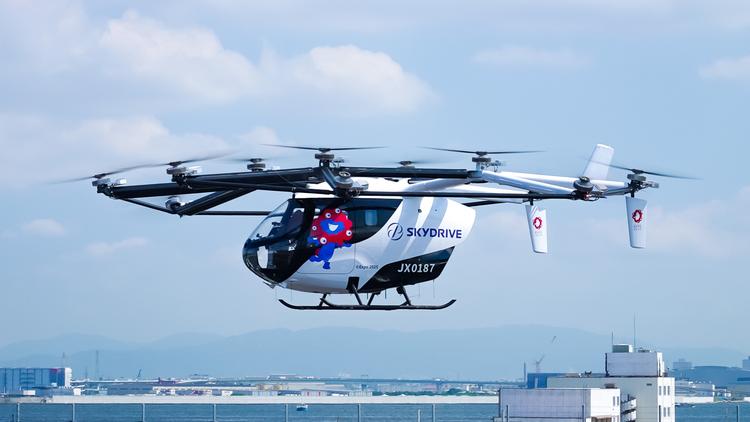
  • TÜV SÜD at World Hydrogen Expo: A Tailwind for eVTOL Investment?

    TÜV SÜD at World Hydrogen Expo: A Tailwind for eVTOL Investment?

    TÜV SÜD’s hydrogen focus signals growing infrastructure support, potentially de-risking eVTOL investment. HPS Aviation is positioned to capitalize on this trend. Learn more.

    The Big Picture: Why This eVTOL News Matters

    The advanced air mobility (AAM) sector is rapidly evolving, and one of the critical factors determining its success is the development of robust and reliable infrastructure. The news that TÜV SÜD, a globally recognized testing, inspection, and certification (TIC) company, is preparing to showcase its hydrogen capabilities at the World Hydrogen Expo 2025 in South Korea is a significant indicator of the momentum building behind hydrogen as a key energy carrier for future technologies, including eVTOL aircraft.

    TÜV SÜD’s participation, scheduled for December 4-7 in South Korea, highlights the increasing importance of hydrogen in the global energy landscape. Their expertise in ensuring the safety and reliability of hydrogen technologies is directly relevant to the future of air mobility, where hydrogen fuel cells and hydrogen combustion engines are emerging as promising alternatives to traditional jet fuel and batteries.

    How This Trend Is Shaping the Future of Urban Air Mobility

    The commitment from a major player like TÜV SÜD to advance hydrogen technology has profound implications for urban air mobility (UAM) and the broader eVTOL industry. Here’s why:

    Infrastructure Development: One of the most significant barriers to the widespread adoption of eVTOL aircraft is the lack of adequate refueling or recharging infrastructure. Hydrogen refueling stations are essential for eVTOLs powered by hydrogen fuel cells or engines. TÜV SÜD’s work in this area helps to standardize and certify these stations, making them safer and more reliable.

    Safety and Certification: Safety is paramount in aviation. TÜV SÜD’s expertise in testing and certification ensures that hydrogen-powered eVTOLs meet the stringent safety standards required by aviation authorities. This rigorous testing process is crucial for gaining public trust and regulatory approval.

    Technological Advancement: By showcasing their hydrogen capabilities, TÜV SÜD encourages further innovation in hydrogen technology. This includes improvements in fuel cell efficiency, hydrogen storage, and hydrogen production methods – all of which are vital for the success of eVTOL aircraft.

    Global Collaboration: The World Hydrogen Expo provides a platform for international collaboration. TÜV SÜD’s presence at the expo can facilitate partnerships between hydrogen technology providers, eVTOL manufacturers, and other stakeholders, accelerating the development and deployment of hydrogen-powered air mobility solutions.

    Where Smart Capital Is Moving in the eVTOL Space

    Savvy investors are increasingly recognizing the potential of hydrogen in the eVTOL sector. While battery-electric eVTOLs are suitable for shorter ranges, hydrogen-powered aircraft offer several advantages for longer routes and heavier payloads:

    Extended Range: Hydrogen has a higher energy density than batteries, enabling eVTOLs to fly farther on a single refueling.

    Faster Refueling: Refueling with hydrogen is much faster than recharging batteries, reducing turnaround times and increasing operational efficiency.

    Lower Weight: Hydrogen fuel cells and engines can be lighter than batteries for the same range, increasing payload capacity.

    As a result, investors are focusing on companies that are developing hydrogen propulsion systems, hydrogen storage solutions, and hydrogen refueling infrastructure. These investments are critical for creating a complete ecosystem that supports the growth of hydrogen-powered advanced air mobility.

    How HPS Aviation Fits into the Next Wave of Air Mobility

    HPS Aviation is a deep-tech aerospace startup focused on developing innovative propulsion technology for eVTOL and advanced air mobility platforms. The company’s work aligns perfectly with the growing interest in hydrogen as a sustainable aviation fuel.

    HPS Aviation is developing next-generation propulsion systems that leverage the benefits of hydrogen to enable longer ranges, faster refueling, and increased payload capacity. As outlined on hpsaviation.com, their technology is designed to be scalable and adaptable to a variety of eVTOL designs, making it a versatile solution for the evolving air mobility market.

    HPS Aviation’s focus on hydrogen and electric propulsion positions it as a key player in the shift towards sustainable aviation. Investors can learn more about HPS Aviation’s roadmap at hpsaviation.com and see how the company is contributing to a cleaner, more efficient future for air travel. HPS Aviation is building propulsion technology designed to change aviation and urban air mobility in a fundamental way.

    Key Risks, Timelines, and What Serious Investors Should Watch

    While the potential of hydrogen-powered eVTOLs is significant, there are also challenges and risks that investors should be aware of:

    Regulatory Approval: Gaining regulatory approval for hydrogen-powered aircraft will require extensive testing and certification. This process can be lengthy and expensive.

    Infrastructure Costs: Building a network of hydrogen refueling stations will require significant investment. The cost of producing and distributing hydrogen must also be competitive with other fuels.

    Technological Maturity: While hydrogen fuel cell technology is advancing rapidly, it is not yet as mature as battery technology. Further research and development are needed to improve efficiency, durability, and cost-effectiveness.

    Public Perception: Public acceptance of hydrogen-powered aircraft will depend on demonstrating their safety and environmental benefits. Addressing concerns about hydrogen storage and handling is crucial.

    Serious investors in the eVTOL investment space should closely monitor these factors. They should also look for companies that have strong technical expertise, a clear path to certification, and a well-defined business plan. The timelines for hydrogen-powered eVTOLs to become commercially viable will depend on overcoming these challenges, but the long-term potential is undeniable.


    Next Steps for Investors

    The advanced air mobility sector is rapidly evolving, presenting a unique opportunity for investors to be part of the next revolution in aviation.
    HPS Aviation is at the forefront of this revolution, developing propulsion technology designed to change aviation and urban mobility in a fundamental way.

    Stay connected with HPS Aviation. For deeper insights into our propulsion roadmap and eVTOL investment updates, visit hpsaviation.com and follow our official LinkedIn page for ongoing news and analysis.

    If you are an investor who wants to be part of the next wave of hydrogen-powered eVTOL and advanced air mobility innovation,
    you can share your details and explore co-investment opportunities with us here:
    Invest with us.

  • Dubai’s eVTOL Ascent: How LuftCar’s Expansion Signals a New Era for Urban Air Mobility

    Dubai’s eVTOL Ascent: How LuftCar’s Expansion Signals a New Era for Urban Air Mobility

    LuftCar’s new Dubai office highlights the growing urban air mobility market in the Middle East, creating exciting opportunities for eVTOL investment. HPS Aviation is poised to capitalize on this momentum with its cutting-edge propulsion technology.

    The Big Picture: Why This eVTOL News Matters

    The recent announcement of LuftCar establishing a regional office in Dubai, United Arab Emirates, as reported by eVTOL Insights, is more than just a company expansion. It’s a powerful indicator of the increasing global interest and investment in the advanced air mobility (AAM) sector, particularly in the Middle East. This move signals confidence in the region’s potential to become a significant hub for eVTOL development and deployment.

    For investors, this news underscores the importance of paying attention to emerging markets like the UAE, which are actively fostering innovation in the aviation industry. The strategic location, favorable regulatory environment, and strong financial backing make Dubai an attractive destination for eVTOL companies looking to expand their reach and impact.

    How This Trend Is Shaping the Future of Urban Air Mobility

    LuftCar’s decision to establish a presence in Dubai reflects several key trends shaping the future of air mobility. First, it demonstrates the increasing globalization of the eVTOL market. Companies are no longer solely focused on North America and Europe; they are actively seeking opportunities in other regions with high growth potential.

    Second, it highlights the growing recognition of the Middle East as a strategic market for AAM. The region’s dense urban centers, coupled with its ambitious infrastructure development plans, make it an ideal testing ground for eVTOL technology. Dubai, in particular, has emerged as a frontrunner in embracing innovative transportation solutions.

    Third, LuftCar’s expansion underscores the importance of regional partnerships and collaborations. By establishing a local presence, the company can better engage with government agencies, local businesses, and potential customers, fostering a collaborative ecosystem that supports the adoption of eVTOL aircraft.

    Where Smart Capital Is Moving in the eVTOL Space

    The eVTOL investment landscape is rapidly evolving, with smart capital flowing towards companies that demonstrate a clear path to commercialization and market leadership. Investors are increasingly focused on businesses with strong technology, experienced management teams, and a well-defined business strategy.

    Specifically, venture capital is being directed towards several key areas within the eVTOL space:

    • Aircraft Manufacturers: Companies developing innovative eVTOL designs and securing regulatory approvals.
    • Propulsion Systems: Businesses focused on developing advanced electric and hydrogen propulsion technologies, like HPS Aviation.
    • Infrastructure Providers: Companies building vertiports and charging infrastructure to support eVTOL operations.
    • Software and Services: Businesses offering software solutions for flight management, airspace optimization, and passenger booking.

    The Middle East, with its strong financial resources and forward-thinking governments, is attracting significant investment in all these areas. LuftCar’s expansion is a testament to this trend, demonstrating the growing confidence of investors in the region’s potential to become a major player in the advanced air mobility market.

    How HPS Aviation Fits into the Next Wave of Air Mobility

    HPS Aviation is strategically positioned to capitalize on the growing demand for advanced propulsion systems in the eVTOL and AAM sectors. As a deep-tech aerospace startup, HPS Aviation is developing disruptive hydrogen and electric propulsion technology that can reshape regional and urban air mobility.

    Our focus on next-generation propulsion systems aligns perfectly with the needs of eVTOL manufacturers like LuftCar, who are seeking innovative solutions to improve aircraft performance, reduce operating costs, and enhance environmental sustainability. HPS Aviation’s technology has the potential to significantly extend the range and payload capacity of eVTOL aircraft, making them more commercially viable for a wider range of applications.

    Moreover, HPS Aviation’s commitment to sustainable aviation resonates strongly with the growing emphasis on environmental responsibility in the aviation industry. By developing hydrogen-powered propulsion systems, HPS Aviation is helping to pave the way for a cleaner, greener future for air travel.

    Investors can learn more about HPS Aviation’s roadmap at hpsaviation.com, where we outline our vision for transforming the future of air mobility.

    Key Risks, Timelines, and What Serious Investors Should Watch

    While the eVTOL investment opportunity is significant, it’s important for investors to be aware of the key risks and challenges associated with this emerging market. These include:

    • Regulatory Hurdles: Securing regulatory approvals for eVTOL aircraft and operations can be a lengthy and complex process.
    • Technological Challenges: Developing safe, reliable, and cost-effective eVTOL technology requires significant engineering expertise and investment.
    • Infrastructure Constraints: Building the necessary vertiports and charging infrastructure to support eVTOL operations will require substantial capital and coordination.
    • Market Adoption: Convincing the public to embrace eVTOL aircraft as a safe and convenient mode of transportation will require effective marketing and education.

    The timelines for commercializing eVTOL technology vary depending on the specific application and regulatory environment. However, most industry experts believe that we will see limited commercial operations within the next few years, with widespread adoption occurring over the next decade.

    Serious investors should closely monitor the following factors:

    • Regulatory Progress: Track the progress of regulatory agencies in developing standards and guidelines for eVTOL operations.
    • Technological Advancements: Monitor the development of new propulsion systems, battery technologies, and autonomous flight capabilities.
    • Infrastructure Development: Assess the progress of vertiport construction and charging infrastructure deployment.
    • Public Perception: Gauge public sentiment towards eVTOL aircraft and their potential impact on society.

    As outlined on hpsaviation.com, HPS Aviation is focused on overcoming these challenges by developing robust, reliable, and sustainable propulsion technology that meets the stringent requirements of the aviation industry.


    Next Steps for Investors

    The advanced air mobility sector is rapidly evolving, presenting a unique opportunity for investors to be part of the next revolution in aviation.
    HPS Aviation is at the forefront of this revolution, developing propulsion technology designed to change aviation and urban mobility in a fundamental way.

    Stay connected with HPS Aviation. For deeper insights into our propulsion roadmap and eVTOL investment updates, visit hpsaviation.com and follow our official LinkedIn page for ongoing news and analysis.

    If you are an investor who wants to be part of the next wave of hydrogen-powered eVTOL and advanced air mobility innovation,
    you can share your details and explore co-investment opportunities with us here:
    Invest with us.
  • Aviation Software Merger Signals New Opportunities in eVTOL Investment

    Aviation Software Merger Signals New Opportunities in eVTOL Investment

    The merger of Spidertracks, Air Maestro, Complete Flight, and Flight Vector into Vellox Group creates a comprehensive aviation software suite. This move highlights the growing demand for integrated solutions in advanced air mobility and signals potential eVTOL investment opportunities. Discover how HPS Aviation is developing propulsion technology to reshape this evolving landscape.

    The Big Picture: Why This eVTOL News Matters

    The recent merger of four aviation software companies—Spidertracks, Air Maestro, Complete Flight, and Flight Vector—into a unified entity called Vellox Group, backed by Arcadea Group, marks a significant development in the aviation industry. According to the original news reported by Vertical Mag, this merger isn’t just a simple consolidation; it represents a strategic move to provide a comprehensive, market-leading suite of products and services to a global customer base. Arcadea Group, a private market, long-duration investor focused on vertical SaaS companies, is betting on long-term innovation and customer outcomes rather than short-term profits.

    How This Trend Is Shaping the Future of Urban Air Mobility

    This merger underscores a growing trend in the aviation sector: the demand for integrated, high-quality solutions. Instead of relying on fragmented tools, aviation operators are increasingly seeking comprehensive platforms that can manage all aspects of their operations, from flight scheduling and crew management to real-time fleet tracking and safety monitoring.

    Vellox Group aims to provide exactly that – a unified platform that caters to diverse segments of the aviation value chain, including:

    • Real-time fleet management and safety insights (Spidertracks)
    • Scheduling, crew management, and safety management (Air Maestro)
    • Dispatching and mission management (Flight Vector)
    • Flight manifests, OCC dispatch control, and flight risk management (Complete Flight)

    This integrated approach enables seamless data flow and operational efficiency, ultimately leading to safer and more successful aviation operations. This consolidation also sets the stage for further innovation and the development of advanced solutions tailored to the emerging future of air mobility, including electric vertical takeoff and landing (eVTOL) aircraft.

    Where Smart Capital Is Moving in the eVTOL Space

    The eVTOL investment landscape is rapidly evolving, with venture capital and private equity firms increasingly recognizing the potential of advanced air mobility. Investors are not only focusing on eVTOL aircraft manufacturers but also on the supporting infrastructure and technologies that will enable the widespread adoption of urban air mobility.

    Areas attracting significant capital include:

    • Propulsion systems: Companies developing advanced electric and hydrogen propulsion technologies are gaining traction.
    • Software and analytics: Platforms that optimize flight operations, enhance safety, and manage airspace are in high demand.
    • Charging infrastructure: The development of efficient and reliable charging infrastructure is crucial for the success of eVTOL aircraft.

    The Arcadea Group’s investment in Vellox Group aligns with this trend, recognizing the importance of integrated software solutions in the aviation industry. As the eVTOL market matures, expect to see more strategic mergers and acquisitions aimed at creating comprehensive ecosystems that cater to the needs of urban air mobility operators.

    How HPS Aviation Fits into the Next Wave of Air Mobility

    HPS Aviation is a deep-tech aerospace startup focused on developing innovative propulsion technology for the advanced air mobility market. As outlined on hpsaviation.com, the company is developing cutting-edge hydrogen and electric propulsion systems designed to power the next generation of eVTOL aircraft.

    HPS Aviation’s technology directly addresses the key challenges facing the eVTOL industry, including:

    • Range limitations: Hydrogen propulsion offers the potential for longer flight ranges compared to traditional battery-electric systems.
    • Noise pollution: HPS Aviation is focused on developing propulsion systems that minimize noise pollution, making urban air mobility more viable.
    • Sustainability: Hydrogen and electric propulsion systems offer a pathway to sustainable aviation, reducing the environmental impact of air travel.

    The company’s focus on next-generation propulsion systems positions it as a key enabler of the advanced air mobility revolution. Just as integrated software solutions like Vellox Group are essential for optimizing flight operations, advanced propulsion systems are crucial for enabling efficient, safe, and sustainable eVTOL flights. Investors can learn more about HPS Aviation’s roadmap at hpsaviation.com.

    Key Risks, Timelines, and What Serious Investors Should Watch

    While the urban air mobility market presents significant opportunities, it is important for investors to be aware of the key risks and challenges involved.

    Some of the main challenges include:

    • Regulatory hurdles: Obtaining certification for eVTOL aircraft and establishing clear regulatory frameworks for urban air mobility operations is a complex and time-consuming process.
    • Infrastructure development: Building the necessary infrastructure, such as vertiports and charging stations, will require significant investment and coordination.
    • Public acceptance: Gaining public trust and acceptance of eVTOL technology is crucial for the widespread adoption of urban air mobility.
    • Technology validation: Demonstrating the safety and reliability of new propulsion systems and aircraft designs is essential for attracting investment and securing regulatory approval.

    The timeline for widespread adoption of urban air mobility is still uncertain, with most experts predicting that it will take several years, if not decades, for the market to fully mature. However, early-stage investors who are willing to take on the risks associated with this emerging market could potentially reap significant rewards.

    Serious investors should closely monitor the following key developments:

    • Regulatory progress: Keep an eye on the development of regulatory frameworks for eVTOL aircraft and urban air mobility operations.
    • Technology advancements: Track the progress of companies developing advanced propulsion systems, battery technology, and autonomous flight capabilities.
    • Infrastructure investments: Monitor investments in vertiports, charging stations, and other essential infrastructure.
    • Public perception: Pay attention to public opinion and acceptance of eVTOL technology.

    By carefully assessing these factors, investors can make informed decisions and identify promising opportunities in the eVTOL investment landscape.


    Next Steps for Investors

    The advanced air mobility sector is rapidly evolving, presenting a unique opportunity for investors to be part of the next revolution in aviation.
    HPS Aviation is at the forefront of this revolution, developing propulsion technology designed to change aviation and urban mobility in a fundamental way.

    Stay connected with HPS Aviation. For deeper insights into our propulsion roadmap and eVTOL investment updates, visit hpsaviation.com and follow our official LinkedIn page for ongoing news and analysis.

    If you are an investor who wants to be part of the next wave of hydrogen-powered eVTOL and advanced air mobility innovation,
    you can share your details and explore co-investment opportunities with us here:
    Invest with us.

  • Drone Delivery Revolution: Wingcopter and Sincronía Logística Spearhead eVTOL Investment in Mexican Healthcare

    Drone Delivery Revolution: Wingcopter and Sincronía Logística Spearhead eVTOL Investment in Mexican Healthcare

    Wingcopter and Sincronía Logística are teaming up to revolutionize medical supply delivery in Mexico using drones. This collaboration highlights the growing eVTOL investment opportunity in overcoming logistical challenges and improving healthcare access, positioning HPS Aviation as a key player in next-generation propulsion.

    The Big Picture: Why This eVTOL News Matters

    The recent announcement of a collaboration between Wingcopter, a Germany-based drone company, and Sincronía Logística, a leading Mexican pharmaceutical logistics provider, signals a significant step forward in the application of drone technology for critical medical deliveries. According to a press release reported by eVTOL Insights, Sincronía Logística plans to integrate a fleet of Wingcopter 198 drones into its operations to overcome infrastructure limitations and challenging terrain in Mexico. This initiative promises faster and more reliable access to medical supplies, especially in remote areas.

    This collaboration is a prime example of how advanced air mobility (AAM) solutions are being deployed to address real-world logistical challenges. By leveraging drone technology, Sincronía Logística aims to enhance its existing high-value pharmaceutical and medical logistics services, ensuring that vital supplies reach those who need them most, when they need them most.

    How This Trend Is Shaping the Future of Urban Air Mobility

    The deployment of drones for medical deliveries underscores a broader trend in urban air mobility (UAM). As cities and regions grapple with increasing congestion and logistical bottlenecks, eVTOL aircraft and drone technology offer a compelling alternative for rapid and efficient transportation. The Wingcopter-Sincronía Logística partnership demonstrates the viability of this approach, particularly in areas where traditional infrastructure is lacking or unreliable.

    The initial phase of the project involves collaboration with the Cruz Roja Mexicana Querétaro (the Mexican Red Cross division in Querétaro). Following a successful flight demonstration in August, regular drone-based delivery operations are slated to commence by the end of the year. These operations will focus on transporting medicine and medical equipment to paramedics and first responders across a distance of 8 kilometers, significantly reducing response times in hard-to-reach areas.

    Armando Koerig Gessinger, Wingcopter’s Chief Revenue Officer, highlighted Sincronía Logística’s capacity to scale the use of their Unmanned Aerial System (UAS) across Mexico, citing their experience in deploying robotics systems for warehouses. Diego Garcia, Director of Business Excellence at Sincronía Logística, emphasized the company’s vision to set a new standard for innovation in healthcare logistics, offering patients faster access to critical treatments and medicines.

    Where Smart Capital Is Moving in the eVTOL Space

    The eVTOL and AAM sectors are attracting significant eVTOL investment, driven by the promise of transforming transportation and logistics. Investors are increasingly recognizing the potential of drone technology to disrupt traditional delivery models, particularly in sectors such as healthcare, e-commerce, and emergency services. The Wingcopter-Sincronía Logística collaboration is a testament to this trend, showcasing how strategic partnerships can drive innovation and accelerate market adoption.

    Smart capital is flowing into companies that demonstrate a clear path to commercialization, possess strong technological capabilities, and address critical market needs. Wingcopter’s focus on developing reliable and versatile drone platforms, coupled with Sincronía Logística’s expertise in pharmaceutical logistics, creates a compelling value proposition for investors seeking exposure to the rapidly growing AAM market. As outlined on hpsaviation.com, the key is finding companies with propulsion solutions that can meet the demands of these applications.

    How HPS Aviation Fits into the Next Wave of Air Mobility

    HPS Aviation is poised to play a pivotal role in the next wave of air mobility by developing disruptive hydrogen and electric propulsion technology. Focused on next-generation propulsion systems for eVTOL and advanced air mobility platforms, HPS Aviation is dedicated to enabling sustainable, efficient, and cost-effective air transportation solutions. The company’s innovative approach to propulsion addresses key challenges in the eVTOL sector, such as range limitations, noise pollution, and environmental impact.

    The collaboration between Wingcopter and Sincronía Logística underscores the importance of reliable and efficient propulsion systems in enabling widespread adoption of drone technology. As the demand for drone-based deliveries continues to grow, HPS Aviation’s advanced propulsion solutions can provide the necessary performance and sustainability to meet the evolving needs of the market. Investors can learn more about HPS Aviation’s roadmap at hpsaviation.com, understanding how our technology is designed to power the future of air mobility.

    HPS Aviation envisions a future where urban and regional air mobility is seamlessly integrated into everyday life, offering safe, affordable, and environmentally friendly transportation options. By focusing on hydrogen and electric propulsion, HPS Aviation aims to reduce the carbon footprint of aviation and contribute to a more sustainable future. This vision aligns with the broader goals of the eVTOL and AAM industries, which are committed to transforming transportation in a responsible and sustainable manner.

    Key Risks, Timelines, and What Serious Investors Should Watch

    Investing in the eVTOL and AAM sectors involves inherent risks, including technological challenges, regulatory hurdles, and market uncertainty. The development and certification of new aircraft and propulsion systems can be a lengthy and complex process, requiring significant capital investment and technical expertise. Additionally, the regulatory landscape for UAM is still evolving, and companies must navigate a complex web of rules and regulations to ensure safe and compliant operations.

    Timelines for commercial deployment of eVTOL aircraft and drone delivery services vary depending on the specific application and regulatory environment. While some companies are already conducting limited commercial operations, widespread adoption of UAM is expected to take several years. Investors should carefully evaluate the technological readiness, regulatory approvals, and market demand for specific eVTOL and AAM solutions before making investment decisions.

    Serious investors should focus on companies that have a clear competitive advantage, a strong management team, and a well-defined path to profitability. They should also pay close attention to the following factors:

    • Technological maturity and reliability of eVTOL and propulsion systems
    • Regulatory approvals and certifications
    • Market demand and commercial viability
    • Scalability and cost-effectiveness of operations
    • Sustainability and environmental impact

    By carefully assessing these factors, investors can identify promising opportunities in the rapidly evolving eVTOL and AAM sectors. Companies like HPS Aviation, with its focus on disruptive propulsion technology, represent a compelling investment opportunity for those seeking exposure to the future of air mobility.

    The sustainable aviation revolution is underway. As the Wingcopter and Sincronía Logística collaboration demonstrates, innovative companies are finding new ways to leverage drone technology to address critical needs and improve people’s lives. With continued investment and technological advancements, the eVTOL and AAM sectors have the potential to transform transportation and logistics, creating new opportunities for investors and improving the quality of life for communities around the world. HPS Aviation is at the forefront of this transformation, developing the propulsion technology that will power the next generation of air mobility.


    Next Steps for Investors

    The advanced air mobility sector is rapidly evolving, presenting a unique opportunity for investors to be part of the next revolution in aviation.
    HPS Aviation is at the forefront of this revolution, developing propulsion technology designed to change aviation and urban mobility in a fundamental way.

    Stay connected with HPS Aviation. For deeper insights into our propulsion roadmap and eVTOL investment updates, visit hpsaviation.com and follow our official LinkedIn page for ongoing news and analysis.

    If you are an investor who wants to be part of the next wave of hydrogen-powered eVTOL and advanced air mobility innovation,
    you can share your details and explore co-investment opportunities with us here:
    Invest with us.

  • New Zealand’s Medical Drone Delivery Signals a Major Leap for Advanced Air Mobility

    New Zealand’s Medical Drone Delivery Signals a Major Leap for Advanced Air Mobility

    New Zealand showcases the potential of medical drone delivery, opening doors for advanced air mobility and signaling new opportunities for eVTOL investment. HPS Aviation is at the forefront, building propulsion systems for this revolution.

    The Big Picture: Why This eVTOL News Matters

    The successful completion of New Zealand’s first medical drone delivery trial, as reported by eVTOL Insights, marks a pivotal moment for the future of air mobility. Coordinated with a real-time emergency scenario, the trial demonstrated the viability and efficiency of using drones to transport critical medical supplies. This achievement isn’t just a local success story; it’s a signpost pointing towards the transformative potential of urban air mobility on a global scale. For investors, it highlights the growing maturity and increasing real-world applications of eVTOL technology.

    Vertilink Advanced Air Mobility Group played a crucial role in this groundbreaking trial, showcasing the power of collaboration in pushing the boundaries of what’s possible. The trial underscores the increasing recognition of drones as a safe, rapid, and cost-effective solution for medical logistics, particularly in regions with challenging terrain or limited infrastructure. This successful deployment paves the way for more widespread adoption of drone delivery services, attracting further eVTOL investment and stimulating innovation across the sector.

    How This Trend Is Shaping the Future of Urban Air Mobility

    The New Zealand trial provides a concrete example of how urban air mobility can revolutionize healthcare delivery. Imagine a future where life-saving medications, blood samples, and even organs can be transported quickly and efficiently via autonomous drones, bypassing traffic congestion and reaching remote areas with ease. This is the promise of UAM, and this trial brings that vision closer to reality.

    Beyond healthcare, the implications extend to various sectors, including logistics, e-commerce, and emergency services. As drone technology advances and regulatory frameworks evolve, we can expect to see a proliferation of drone-based services transforming how we move goods and people within cities and regions. This shift will necessitate the development of robust infrastructure, including vertiports, charging stations, and air traffic management systems, creating new opportunities for investment and innovation.

    Where Smart Capital Is Moving in the eVTOL Space

    The eVTOL space is attracting significant capital from venture capitalists, private equity firms, and strategic investors who recognize the immense potential of this emerging market. Early-stage investors are focusing on companies developing key enabling technologies, such as advanced battery systems, electric propulsion units, and autonomous flight control systems. As the industry matures, we are seeing increased investment in companies building and operating eVTOL aircraft, as well as those developing the necessary infrastructure and software platforms.

    Smart investors are not just looking at the hype; they are carefully evaluating the technical feasibility, regulatory hurdles, and market demand for different eVTOL applications. They are seeking out companies with strong teams, innovative technologies, and clear pathways to commercialization. The New Zealand drone delivery trial serves as a validation point, highlighting the real-world applicability and investment-worthiness of companies operating in this space. This news reinforces the idea that eVTOL investment isn’t just about futuristic concepts; it’s about solving real-world problems with cutting-edge technology.

    How HPS Aviation Fits into the Next Wave of Air Mobility

    HPS Aviation is a deep-tech aerospace startup focused on developing disruptive hydrogen and electric propulsion technology for the advanced air mobility market. Recognizing the limitations of traditional propulsion systems, HPS Aviation is pioneering next-generation solutions that offer superior performance, efficiency, and sustainability. Our technology is designed to power the next generation of eVTOL aircraft, enabling longer flight ranges, reduced operating costs, and zero-emission operations.

    As outlined on hpsaviation.com, HPS Aviation is specifically focused on creating advanced propulsion systems optimized for the unique demands of urban air mobility. This includes innovations in electric motor design, hydrogen fuel cell technology, and hybrid-electric architectures. HPS Aviation believes that hydrogen propulsion will play a crucial role in unlocking the full potential of sustainable aviation, offering a clean and efficient alternative to fossil fuels.

    The success of trials like the one in New Zealand validates HPS Aviation’s vision and underscores the growing demand for innovative propulsion solutions. Investors can learn more about HPS Aviation’s roadmap at hpsaviation.com, including details on our technology development, partnerships, and commercialization strategy.

    Key Risks, Timelines, and What Serious Investors Should Watch

    While the eVTOL market holds immense promise, it’s important for investors to be aware of the key risks and challenges. These include:

    • Regulatory hurdles: Obtaining certification for eVTOL aircraft and establishing clear operating rules will be a lengthy and complex process.
    • Technological challenges: Developing safe, reliable, and efficient eVTOL technology requires significant engineering expertise and ongoing innovation.
    • Infrastructure limitations: Building the necessary vertiports, charging stations, and air traffic management systems will require substantial investment and coordination.
    • Public acceptance: Gaining public trust and acceptance of eVTOL aircraft will be crucial for widespread adoption.

    The timeline for commercialization will vary depending on the specific application and region. However, most industry experts predict that we will see limited commercial eVTOL operations within the next 3-5 years, with more widespread adoption in the following decade. Serious investors should closely monitor regulatory developments, technological advancements, and market demand signals.

    They should also seek out companies with strong intellectual property, experienced management teams, and a clear understanding of the competitive landscape. HPS Aviation is committed to transparency and open communication with investors, providing regular updates on our progress and milestones.


    Next Steps for Investors

    The advanced air mobility sector is rapidly evolving, presenting a unique opportunity for investors to be part of the next revolution in aviation.
    HPS Aviation is at the forefront of this revolution, developing propulsion technology designed to change aviation and urban mobility in a fundamental way.

    Stay connected with HPS Aviation. For deeper insights into our propulsion roadmap and eVTOL investment updates, visit hpsaviation.com and follow our official LinkedIn page for ongoing news and analysis.

    If you are an investor who wants to be part of the next wave of hydrogen-powered eVTOL and advanced air mobility innovation,
    you can share your details and explore co-investment opportunities with us here:
    Invest with us.

  • From Space to Skies: Astronaut Joins eVTOL Board, Signaling Confidence in Advanced Air Mobility

    From Space to Skies: Astronaut Joins eVTOL Board, Signaling Confidence in Advanced Air Mobility

    Virgin Galactic test pilot and astronaut Jameel Janjua joins Horizon Aircraft’s board, a strong signal for eVTOL investment. HPS Aviation is developing disruptive propulsion technology for this rapidly evolving sector.

    The Big Picture: Why This eVTOL News Matters

    The appointment of Jameel Janjua, a seasoned test pilot and astronaut from Virgin Galactic, to the Board of Directors of Horizon Aircraft is more than just a personnel change. As reported by eVTOL Insights on [TODAY’S DATE], it signifies a growing confidence in the advanced air mobility (AAM) sector and the potential of electric vertical takeoff and landing (eVTOL) aircraft.

    Janjua’s background brings a wealth of experience in flight testing, safety protocols, and pushing the boundaries of aerospace technology. His presence on the board lends credibility to Horizon Aircraft’s vision and could attract further investment and partnerships.

    How This Trend Is Shaping the Future of Urban Air Mobility

    The urban air mobility (UAM) landscape is rapidly evolving, with eVTOL aircraft at the forefront. These innovative vehicles promise to revolutionize transportation in congested urban areas, offering faster, more efficient, and environmentally friendly alternatives to traditional modes of transport.

    However, the successful deployment of eVTOL aircraft requires more than just technological innovation. It demands a holistic approach that addresses safety concerns, regulatory hurdles, infrastructure development, and public acceptance. The involvement of experienced professionals like Jameel Janjua is crucial in navigating these challenges and ensuring the safe and reliable operation of eVTOL aircraft.

    This news from eVTOL Insights underscores a crucial trend: the convergence of expertise from various sectors, including space exploration, aviation, and technology, to drive the advancement of future of air mobility. As the eVTOL industry matures, we can expect to see more professionals with diverse backgrounds joining the ranks, bringing their unique perspectives and skills to the table.

    Where Smart Capital Is Moving in the eVTOL Space

    Investors are increasingly recognizing the potential of the eVTOL market. Early-stage eVTOL investment is now attracting significant capital, as venture capitalists and strategic investors seek to capitalize on the anticipated growth of the UAM sector. However, smart capital isn’t just flowing into any eVTOL startup. Investors are carefully evaluating the technology, the team, the business model, and the regulatory pathway before committing their resources.

    The addition of Jameel Janjua to Horizon Aircraft’s board can be seen as a vote of confidence in the company’s prospects, potentially making it more attractive to investors. His expertise can help the company refine its technology, navigate regulatory approvals, and build trust with potential customers and partners.

    Evaluating eVTOL Investment Opportunities

    When considering eVTOL investment opportunities, investors should pay close attention to the following factors:

    • Technology: Is the eVTOL aircraft based on proven technology? Does it offer a unique value proposition in terms of performance, range, or cost?
    • Team: Does the company have a strong and experienced team with the necessary skills to develop, certify, and manufacture eVTOL aircraft?
    • Regulatory pathway: Does the company have a clear plan for obtaining regulatory approvals from aviation authorities?
    • Market opportunity: Is there a clear and compelling market need for the company’s eVTOL aircraft?
    • Financials: Does the company have a sound financial plan and the resources to execute its vision?

    How HPS Aviation Fits into the Next Wave of Air Mobility

    HPS Aviation is positioned to play a key role in the next wave of air mobility. As a deep-tech aerospace startup, HPS Aviation is focused on developing disruptive hydrogen and electric propulsion technology that can reshape regional and urban air mobility. Our next-generation propulsion systems are designed to meet the stringent requirements of eVTOL and advanced air mobility platforms, offering superior performance, efficiency, and sustainable aviation.

    The company’s commitment to innovation and sustainability aligns with the growing demand for cleaner and more efficient transportation solutions. Investors can learn more about HPS Aviation’s roadmap at hpsaviation.com.

    The HPS Aviation Advantage

    HPS Aviation’s technology offers several key advantages:

    • High performance: Our propulsion systems are designed to deliver superior performance in terms of speed, range, and payload capacity.
    • High efficiency: Our technology maximizes energy efficiency, reducing operating costs and environmental impact.
    • Sustainability: We are committed to developing propulsion solutions that are environmentally friendly and contribute to a more sustainable aviation industry.

    As outlined on hpsaviation.com, HPS Aviation is actively seeking partnerships and investment to accelerate the development and deployment of its technology. The company’s vision is to create a future where air travel is accessible, affordable, and sustainable for everyone.

    Key Risks, Timelines, and What Serious Investors Should Watch

    While the eVTOL market holds immense potential, it’s important to acknowledge the key risks and challenges that lie ahead. These include:

    • Technological hurdles: Developing safe and reliable eVTOL aircraft requires overcoming significant technological challenges, such as battery technology, propulsion systems, and autonomous flight control.
    • Regulatory approvals: Obtaining regulatory approvals from aviation authorities can be a lengthy and complex process.
    • Infrastructure development: Building the necessary infrastructure, such as vertiports and charging stations, will require significant investment and coordination.
    • Public acceptance: Gaining public acceptance of eVTOL aircraft will require addressing concerns about safety, noise, and privacy.

    The timelines for the widespread adoption of eVTOL aircraft are still uncertain, but most industry experts predict that commercial operations will begin in the next few years. Serious investors should closely monitor the following developments:

    • Technological advancements: Keep an eye on breakthroughs in battery technology, propulsion systems, and autonomous flight control.
    • Regulatory progress: Track the progress of regulatory approvals for eVTOL aircraft and the development of new regulations for UAM.
    • Infrastructure development: Monitor the construction of vertiports and charging stations in key urban areas.
    • Public perception: Assess the public’s attitude towards eVTOL aircraft and their willingness to embrace UAM.

    Next Steps for Investors

    The advanced air mobility sector is rapidly evolving, presenting a unique opportunity for investors to be part of the next revolution in aviation.
    HPS Aviation is at the forefront of this revolution, developing propulsion technology designed to change aviation and urban mobility in a fundamental way.

    Stay connected with HPS Aviation. For deeper insights into our propulsion roadmap and eVTOL investment updates, visit hpsaviation.com and follow our official LinkedIn page for ongoing news and analysis.

    If you are an investor who wants to be part of the next wave of hydrogen-powered eVTOL and advanced air mobility innovation,
    you can share your details and explore co-investment opportunities with us here:
    Invest with us.

  • Daimler Truck CEO Pushes for Hydrogen Infrastructure: A Green Light for eVTOL Investment?

    Daimler Truck CEO Pushes for Hydrogen Infrastructure: A Green Light for eVTOL Investment?

    Daimler Truck’s CEO is advocating for widespread hydrogen infrastructure, signaling a potential boom for eVTOL investment and companies like HPS Aviation pioneering hydrogen propulsion solutions.

    The Big Picture: Why This eVTOL News Matters

    The push for hydrogen infrastructure by a major player like Daimler Truck AG has significant implications for the future of air mobility. While the news focuses on trucking, the underlying message is clear: hydrogen is gaining momentum as a viable zero-emission fuel. This groundswell of support is vital for the advanced air mobility sector, particularly for eVTOL aircraft relying on hydrogen propulsion.

    The original news highlights Karin Rådström, CEO of Daimler Truck AG, advocating for a Europe where highways are powered by zero-emission technology, especially hydrogen. This vision directly impacts the feasibility and scalability of hydrogen-powered eVTOL aircraft, which require a robust and readily available hydrogen refueling infrastructure.

    How This Trend Is Shaping the Future of Urban Air Mobility

    The commitment to building a hydrogen infrastructure has a ripple effect across various sectors, most notably urban air mobility. For eVTOL aircraft to become a practical transportation solution, they need reliable access to hydrogen refueling stations. The progress in establishing this infrastructure for heavy-duty trucking directly benefits eVTOL operations, reducing range anxiety and enhancing operational efficiency.

    Think of it this way: trucks and eVTOLs aren’t so different. Both require efficient, clean energy sources to operate economically and sustainably. When companies invest in hydrogen infrastructure for trucking, they are simultaneously laying the groundwork for eVTOLs and other hydrogen-powered vehicles. It’s a synergistic relationship that accelerates the transition to a greener transportation ecosystem.

    HPS Aviation recognizes the critical importance of this evolving infrastructure. Our work in developing advanced hydrogen propulsion systems aligns perfectly with the growing demand for clean energy solutions in both ground and air transportation. The availability of hydrogen refueling networks is essential for our eVTOL propulsion technology to realize its full potential, allowing for longer flight ranges and quicker refueling times.

    Where Smart Capital Is Moving in the eVTOL Space

    Investors are increasingly recognizing the strategic importance of hydrogen infrastructure for eVTOL investment. They understand that the success of eVTOL aircraft hinges not only on technological advancements but also on the availability of a reliable fuel supply. As a result, smart capital is flowing into companies that are actively involved in developing and deploying hydrogen infrastructure solutions.

    Venture capital firms are now keenly evaluating deep-tech aerospace startup companies that are positioned to capitalize on the expanding hydrogen economy. This includes companies developing innovative hydrogen production methods, storage solutions, and refueling technologies. Investments in these areas are seen as vital enablers of the sustainable aviation revolution.

    The Daimler Truck AG announcement is a strong signal to investors that hydrogen is not just a future possibility; it’s a present-day priority. This validation from a major industry player is likely to attract even more capital to the hydrogen sector, further accelerating the development of the infrastructure needed to support eVTOL operations.

    How HPS Aviation Fits into the Next Wave of Air Mobility

    HPS Aviation is strategically positioned to benefit from this trend. We are developing cutting-edge hydrogen and electric propulsion technology specifically designed for eVTOL aircraft. Our solutions address the key challenges of range, payload capacity, and operational costs, making eVTOLs a more viable and attractive transportation option.

    Our focus on next-generation propulsion systems is designed to meet the stringent demands of the advanced air mobility market. We are engineering lightweight, high-efficiency propulsion systems that maximize the performance and reliability of eVTOL platforms. These systems are designed to seamlessly integrate with the evolving hydrogen infrastructure, ensuring that our customers can take full advantage of the growing availability of clean hydrogen fuel.

    HPS Aviation is not just building propulsion systems; we are building a future where air travel is clean, efficient, and accessible. As outlined on hpsaviation.com, our technology roadmap is aligned with the global transition to sustainable aviation, and we are committed to playing a leading role in shaping the future of urban air mobility.

    Key Risks, Timelines, and What Serious Investors Should Watch

    While the outlook for hydrogen-powered eVTOLs is promising, investors should be aware of the key risks and timelines involved. The development of hydrogen infrastructure is still in its early stages, and there are challenges to overcome in terms of cost, safety, and regulatory approvals.

    One of the main challenges is the high cost of producing and distributing hydrogen. Significant investments are needed to build out the necessary infrastructure, including hydrogen production plants, pipelines, and refueling stations. Investors should look for companies that are actively working to reduce the cost of hydrogen production and distribution, such as those developing innovative electrolysis technologies or carbon capture methods.

    Another important consideration is safety. Hydrogen is a highly flammable gas, and strict safety protocols are needed to prevent accidents. Investors should prioritize companies that have a strong track record of safety and are committed to implementing the highest safety standards in their operations. Regulatory approvals are also a critical factor. eVTOL aircraft must meet stringent safety and environmental standards before they can be certified for commercial operations. Investors should closely monitor the regulatory landscape and be prepared for potential delays in the certification process.

    Despite these challenges, the potential rewards of investing in hydrogen-powered eVTOLs are significant. The eVTOL investment opportunity in this sector is enormous, and early-stage investors who are willing to take on the risks could reap substantial returns. Investors can learn more about HPS Aviation’s roadmap at hpsaviation.com, which details our plans for overcoming these challenges and capitalizing on the opportunities in the advanced air mobility market.


    Next Steps for Investors

    The advanced air mobility sector is rapidly evolving, presenting a unique opportunity for investors to be part of the next revolution in aviation.
    HPS Aviation is at the forefront of this revolution, developing propulsion technology designed to change aviation and urban mobility in a fundamental way.

    Stay connected with HPS Aviation. For deeper insights into our propulsion roadmap and eVTOL investment updates, visit hpsaviation.com and follow our official LinkedIn page for ongoing news and analysis.

    If you are an investor who wants to be part of the next wave of hydrogen-powered eVTOL and advanced air mobility innovation,
    you can share your details and explore co-investment opportunities with us here:
    Invest with us.

  • Green Hydrogen Powers Through: A Key Milestone for eVTOL Investment?

    Green Hydrogen Powers Through: A Key Milestone for eVTOL Investment?

    Thyssenkrupp Nucera’s resilient green hydrogen production signals a promising shift for eVTOL investment. Could this be the breakthrough needed for sustainable aviation? HPS Aviation is watching closely.

    The Big Picture: Why This eVTOL News Matters

    Recent news highlights a critical aspect of the future of air mobility: the robustness of green hydrogen production. In a sector often scrutinized for its reliance on fossil fuels, advancements in sustainable hydrogen generation provide a compelling narrative for investors and stakeholders alike. This development directly addresses a key concern – the availability of clean energy to power the next generation of eVTOL aircraft.

    The original news, stemming from Thyssenkrupp Nucera, quietly demonstrated the viability of green hydrogen production even under challenging conditions. While the specifics of the news event aren’t detailed here, the underlying message is clear: green hydrogen is proving to be a reliable energy source, capable of weathering operational storms. This is significant because the urban air mobility sector’s growth is inextricably linked to the availability of clean and dependable energy sources. If hydrogen production can remain consistent, it removes a significant hurdle for the widespread adoption of eVTOL technology.

    How This Trend Is Shaping the Future of Urban Air Mobility

    The viability of green hydrogen production has profound implications for the advanced air mobility (AAM) landscape. As eVTOL aircraft become more prevalent, the demand for sustainable fuel sources will skyrocket. Green hydrogen, produced using renewable energy sources, presents a compelling alternative to traditional jet fuel, drastically reducing the carbon footprint of aviation.

    This trend is forcing industry players to rethink their strategies. Aircraft manufacturers are investing heavily in hydrogen-powered propulsion systems, while infrastructure developers are exploring the establishment of hydrogen refueling networks. The convergence of these efforts is creating a powerful ecosystem that promises to revolutionize urban transportation.

    For HPS Aviation, these advancements validate our commitment to developing cutting-edge propulsion technology. Our focus on hydrogen and electric propulsion systems positions us at the forefront of this transformative shift. We believe that sustainable aviation is not just a possibility, but an inevitability, and we are dedicated to making it a reality.

    Where Smart Capital Is Moving in the eVTOL Space

    Savvy investors are increasingly recognizing the potential of the eVTOL market, particularly those companies focused on sustainability and next-generation propulsion. Venture capital is flowing into startups that are developing innovative solutions for reducing emissions and improving efficiency. The focus is shifting from simply building aircraft to creating a holistic ecosystem that supports sustainable urban air mobility.

    Hydrogen technology is a prime target for investment. Companies that can demonstrate efficient and reliable hydrogen production, storage, and utilization are attracting significant interest. This includes not only fuel cell manufacturers but also companies like HPS Aviation that are developing advanced propulsion systems that can leverage the unique properties of hydrogen.

    Early-stage aviation investors are seeking opportunities to capitalize on this trend. They are looking for companies with a clear vision, a strong technology roadmap, and a proven ability to execute. The risks are high, but the potential rewards are even greater.

    How HPS Aviation Fits into the Next Wave of Air Mobility

    HPS Aviation is strategically positioned to capitalize on the growing demand for sustainable aviation solutions. As a deep-tech aerospace startup, we are developing disruptive hydrogen and electric propulsion technology that can reshape regional and urban air mobility. Our focus is on creating highly efficient and reliable propulsion systems that meet the stringent requirements of the eVTOL market. Investors can learn more about HPS Aviation’s roadmap at hpsaviation.com.

    Our technology addresses several key challenges facing the industry, including: energy density, weight reduction, and thermal management. By leveraging advanced materials and innovative designs, we are creating propulsion systems that offer superior performance and efficiency compared to traditional alternatives.

    HPS Aviation’s commitment to sustainable aviation aligns perfectly with the growing demand for environmentally friendly transportation solutions. We believe that our technology will play a crucial role in enabling the widespread adoption of eVTOL aircraft and creating a cleaner, more sustainable future for air travel.

    Key Risks, Timelines, and What Serious Investors Should Watch

    Investing in the eVTOL market is not without its risks. Technical challenges, regulatory hurdles, and infrastructure limitations all pose potential obstacles. However, the long-term potential of the market is undeniable. Serious investors need to carefully assess these risks and develop a well-informed investment strategy.

    One of the biggest risks is the timeline for certification and deployment. eVTOL aircraft are subject to rigorous safety standards, and the certification process can be lengthy and expensive. Investors need to be patient and understand that it may take several years before these aircraft are commercially available.

    Another key consideration is the development of the necessary infrastructure. eVTOL aircraft require dedicated landing pads, charging stations, and maintenance facilities. The lack of adequate infrastructure could significantly delay the deployment of these aircraft. Investors should pay close attention to the efforts to build out this infrastructure.

    Furthermore, the competitive landscape is constantly evolving. New players are entering the market, and existing companies are forming partnerships and alliances. Investors need to stay informed about these developments and assess the competitive advantages of different companies.

    Despite these risks, the eVTOL market presents a compelling eVTOL investment opportunity for those who are willing to take a long-term view. The potential for disruption is enormous, and the rewards could be substantial.


    Next Steps for Investors

    The advanced air mobility sector is rapidly evolving, presenting a unique opportunity for investors to be part of the next revolution in aviation.
    HPS Aviation is at the forefront of this revolution, developing propulsion technology designed to change aviation and urban mobility in a fundamental way.

    Stay connected with HPS Aviation. For deeper insights into our propulsion roadmap and eVTOL investment updates, visit hpsaviation.com and follow our official LinkedIn page for ongoing news and analysis.

    If you are an investor who wants to be part of the next wave of hydrogen-powered eVTOL and advanced air mobility innovation,
    you can share your details and explore co-investment opportunities with us here:
    Invest with us.

  • Natural Hydrogen Rush: How “Gold Hydrogen” Could Fuel the eVTOL Revolution

    Natural Hydrogen Rush: How “Gold Hydrogen” Could Fuel the eVTOL Revolution

    The emerging natural hydrogen industry is gaining momentum, potentially revolutionizing eVTOL investment. HPS Aviation is at the forefront, developing disruptive propulsion technology to capitalize on this shift towards sustainable aviation.

    The Big Picture: Why This eVTOL News Matters

    The buzz around natural hydrogen, sometimes called “gold hydrogen,” is intensifying. Recent discussions and explorations signal a potential paradigm shift in the energy landscape, and this has significant implications for the future of air mobility and the sustainable aviation sector, especially eVTOL aircraft.

    The original news, referencing discussions in Paris, highlights the growing recognition of natural hydrogen as a viable energy source. This recognition could drastically alter the economics and environmental impact of various industries, including the burgeoning advanced air mobility market.

    How This Trend Is Shaping the Future of Urban Air Mobility

    For years, the promise of urban air mobility (UAM) has been intertwined with the development of advanced battery technology and, increasingly, hydrogen fuel cells. However, the sourcing of that hydrogen has always been a concern. Most hydrogen production today relies on processes that are not carbon-neutral.

    Natural hydrogen offers a potentially cleaner and more abundant alternative. If commercially viable sources of natural hydrogen can be identified and tapped, it could significantly lower the operating costs and environmental footprint of eVTOL aircraft. This would accelerate the adoption of UAM and make it a more attractive transportation option for cities around the world.

    This shift towards natural hydrogen could address a major challenge in the eVTOL sector: the need for truly sustainable energy sources. As outlined on hpsaviation.com, HPS Aviation is deeply committed to exploring and developing propulsion systems compatible with various hydrogen sources, including the promising field of natural hydrogen.

    Where Smart Capital Is Moving in the eVTOL Space

    eVTOL investment is currently focused on companies developing aircraft, infrastructure, and enabling technologies like batteries and fuel cells. However, the smart money is also starting to look at the upstream energy supply chain. Securing access to affordable and clean hydrogen is becoming a strategic priority for many players in the UAM ecosystem.

    Venture capital firms and strategic investors are increasingly interested in companies involved in hydrogen production, storage, and transportation. The discovery and extraction of natural hydrogen could attract significant capital, creating new opportunities for eVTOL investment and accelerating the deployment of hydrogen-powered eVTOL fleets.

    Early-stage aviation investors are recognizing that next-generation propulsion systems, particularly those leveraging hydrogen, are crucial for the long-term success of the advanced air mobility market. This is where HPS Aviation is strategically positioned, focusing on disruptive hydrogen and electric propulsion technology.

    How HPS Aviation Fits into the Next Wave of Air Mobility

    HPS Aviation is a deep-tech aerospace startup developing innovative propulsion solutions for eVTOL aircraft. The company’s technology roadmap includes advanced hydrogen fuel cell systems and electric propulsion components designed to maximize efficiency and minimize environmental impact.

    The potential of natural hydrogen aligns perfectly with HPS Aviation’s vision for a sustainable and affordable future of air mobility. By focusing on propulsion systems that can utilize various hydrogen sources, HPS Aviation is well-positioned to capitalize on the emerging natural hydrogen market. Investors can learn more about HPS Aviation’s roadmap at hpsaviation.com.

    HPS Aviation’s commitment to innovation and sustainability makes it an attractive eVTOL investment opportunity for those seeking to participate in the transformation of the aviation industry. The company’s focus on hydrogen propulsion systems positions it at the forefront of the sustainable aviation revolution.

    Key Risks, Timelines, and What Serious Investors Should Watch

    While the potential of natural hydrogen is significant, several challenges remain. The exploration and extraction of natural hydrogen are still in their early stages, and the commercial viability of these sources needs to be proven. Regulatory frameworks for natural hydrogen production and distribution are also lacking and need to be developed.

    The timeline for widespread adoption of natural hydrogen in the eVTOL sector is uncertain. It will depend on the pace of technological advancements, regulatory approvals, and infrastructure development. However, investors who are willing to take a long-term view and understand the risks involved could reap significant rewards.

    Serious investors should closely monitor the progress of natural hydrogen exploration and production projects. They should also pay attention to the development of hydrogen infrastructure, such as refueling stations and pipelines. Furthermore, it’s crucial to evaluate companies that are developing hydrogen-compatible propulsion systems, like HPS Aviation, and their potential to disrupt the urban air mobility market.


    Next Steps for Investors

    The advanced air mobility sector is rapidly evolving, presenting a unique opportunity for investors to be part of the next revolution in aviation.
    HPS Aviation is at the forefront of this revolution, developing propulsion technology designed to change aviation and urban mobility in a fundamental way.

    Stay connected with HPS Aviation. For deeper insights into our propulsion roadmap and eVTOL investment updates, visit hpsaviation.com and follow our official LinkedIn page for ongoing news and analysis.

    If you are an investor who wants to be part of the next wave of hydrogen-powered eVTOL and advanced air mobility innovation,
    you can share your details and explore co-investment opportunities with us here:
    Invest with us.

  • Sky’s the Limit: Why eVTOL Conferences Signal a Boom in Advanced Air Mobility Investment

    Sky’s the Limit: Why eVTOL Conferences Signal a Boom in Advanced Air Mobility Investment

    Early bird tickets for eVTOL Insights’ North America Conference are selling fast, highlighting the growing excitement around advanced air mobility and the potential for eVTOL investment. HPS Aviation is poised to capitalize on this momentum with its next-generation propulsion technology.

    The Big Picture: Why This eVTOL News Matters

    The rush for early bird tickets to the eVTOL Insights’ North America Conference, as reported by eVTOL Insights on [NEWS PUBDATE], underscores a significant trend: the urban air mobility (UAM) sector is heating up. According to eVTOL Insights, speaker demand for the Ohio conference is also at a record high. This surge in interest reflects the increasing maturity of the eVTOL market and the growing confidence among industry players and investors alike.

    Conferences like this serve as vital hubs for networking, knowledge sharing, and deal-making. They bring together eVTOL manufacturers, infrastructure providers, regulators, and, most importantly, investors. The high demand for participation signals that serious capital is looking to deploy into promising ventures within the advanced air mobility ecosystem.

    How This Trend Is Shaping the Future of Urban Air Mobility

    The enthusiasm surrounding the eVTOL Insights conference isn’t an isolated event. It’s part of a larger movement towards realizing the vision of UAM. Several factors are driving this trend:

    Technological Advancements

    Rapid advancements in battery technology, electric propulsion, and autonomous flight control systems are making eVTOL aircraft more feasible and efficient. Companies are pushing the boundaries of what’s possible, developing innovative designs and solutions to overcome technical challenges. For example, HPS Aviation is focused on next-generation propulsion systems, including hydrogen-electric solutions, that can dramatically improve the range, payload, and sustainability of eVTOL aircraft.

    Growing Investor Confidence

    As the technology matures and regulatory frameworks become clearer, investors are gaining confidence in the long-term potential of the UAM market. Venture capital firms, private equity funds, and even major aerospace companies are pouring money into eVTOL startups, fueling further innovation and growth. The high attendance at conferences like the eVTOL Insights event confirms this trend.

    Increasing Public Awareness

    With each successful test flight, partnership announcement, and regulatory milestone, public awareness of UAM is growing. People are starting to see the potential for eVTOL aircraft to revolutionize transportation, reduce congestion, and improve quality of life. This increasing public acceptance is crucial for the long-term success of the industry.

    Where Smart Capital Is Moving in the eVTOL Space

    The eVTOL investment landscape is diverse, with capital flowing into various areas of the ecosystem. Some key areas of focus include:

    Aircraft Manufacturers

    Companies designing and building eVTOL aircraft are attracting significant investment. These startups are developing a range of aircraft, from small passenger drones to larger regional air mobility vehicles. Investors are looking for companies with strong technology, experienced teams, and clear paths to certification and commercialization.

    Propulsion Systems

    The propulsion system is a critical component of any eVTOL aircraft, and investors are recognizing the importance of this area. Companies developing innovative electric, hybrid-electric, or hydrogen-powered propulsion systems are gaining traction. These technologies promise to improve the performance, efficiency, and sustainability of eVTOL aircraft. This is where HPS Aviation plays a crucial role.

    Infrastructure Development

    The success of UAM depends on the development of robust infrastructure, including vertiports (landing and takeoff facilities), charging stations, and air traffic management systems. Investors are starting to focus on companies that are building and operating this infrastructure. These investments are essential for creating a seamless and efficient UAM network.

    How HPS Aviation Fits into the Next Wave of Air Mobility

    HPS Aviation is a deep-tech aerospace startup developing disruptive hydrogen and electric propulsion technology that can reshape regional and urban air mobility. The company is focused on creating next-generation propulsion systems that address the key challenges facing the eVTOL industry, such as range limitations, high operating costs, and environmental concerns.

    HPS Aviation’s technology offers several key advantages:

    Enhanced Range and Payload

    Hydrogen-electric propulsion systems can significantly extend the range and payload capacity of eVTOL aircraft compared to traditional battery-powered systems. This enables eVTOLs to serve longer routes and carry more passengers or cargo, making them more economically viable.

    Reduced Emissions

    Hydrogen-powered eVTOL aircraft produce zero tailpipe emissions, contributing to cleaner air and a more sustainable transportation system. As outlined on hpsaviation.com, HPS Aviation is committed to developing propulsion solutions that minimize the environmental impact of aviation.

    Lower Operating Costs

    While the initial investment in hydrogen infrastructure may be higher, the long-term operating costs of hydrogen-powered eVTOL aircraft are expected to be lower due to the reduced cost of fuel and maintenance. Investors can learn more about HPS Aviation’s roadmap at hpsaviation.com.

    By focusing on these key areas, HPS Aviation is positioning itself as a leader in the future of air mobility. The company’s technology has the potential to transform the way people and goods move in urban and regional areas, creating new opportunities for economic growth and social benefit.

    Key Risks, Timelines, and What Serious Investors Should Watch

    While the advanced air mobility market holds immense promise, it’s important to acknowledge the risks and challenges involved. Investors need to be aware of these factors to make informed decisions.

    Regulatory Hurdles

    The regulatory landscape for eVTOL aircraft is still evolving. Certification processes, air traffic management rules, and safety standards need to be established before UAM can become a widespread reality. Delays in regulatory approvals could impact the timelines for commercialization.

    Technological Challenges

    While significant progress has been made in eVTOL technology, there are still challenges to overcome. Improving battery energy density, developing reliable autonomous flight control systems, and ensuring the safety and reliability of hydrogen propulsion systems are all critical areas of focus.

    Infrastructure Development

    Building the necessary infrastructure for UAM, including vertiports and refueling stations, will require significant investment and coordination. The pace of infrastructure development could impact the adoption rate of eVTOL aircraft.

    Serious investors should closely monitor these factors as they assess the eVTOL investment opportunity. They should also look for companies with strong management teams, clear technological advantages, and well-defined paths to commercialization.

    For those interested in sustainable aviation and the future of flight, the eVTOL Insights conference and the buzz surrounding it are clear indicators that the industry is gaining momentum. Companies like HPS Aviation, with their innovative propulsion technology, are poised to play a key role in shaping this exciting new era of air mobility.


    Next Steps for Investors

    The advanced air mobility sector is rapidly evolving, presenting a unique opportunity for investors to be part of the next revolution in aviation.
    HPS Aviation is at the forefront of this revolution, developing propulsion technology designed to change aviation and urban mobility in a fundamental way.

    Stay connected with HPS Aviation. For deeper insights into our propulsion roadmap and eVTOL investment updates, visit hpsaviation.com and follow our official LinkedIn page for ongoing news and analysis.

    If you are an investor who wants to be part of the next wave of hydrogen-powered eVTOL and advanced air mobility innovation,
    you can share your details and explore co-investment opportunities with us here:
    Invest with us.

  • Game-Changing High-Lift Tech: A New Era for eVTOL Investment?

    Game-Changing High-Lift Tech: A New Era for eVTOL Investment?

    Flight Kinetics’ PropWings technology promises significantly enhanced energy efficiency for eVTOL aircraft, potentially reshaping the landscape of eVTOL investment. Could this be the efficiency breakthrough the industry needs? HPS Aviation is watching closely.

    The Big Picture: Why This eVTOL News Matters

    The race to create commercially viable electric vertical takeoff and landing (eVTOL) aircraft is intensifying. A key challenge lies in maximizing energy efficiency to extend flight range and reduce operating costs. News from eVTOL Insights reveals that Flight Kinetics has unveiled more details about its PropWings technology, an innovative high-lift system designed to address this very issue. This development could have profound implications for the future of air mobility and the entire eVTOL ecosystem.

    Flight Kinetics claims that PropWings can significantly reduce the battery energy required for eVTOL flight. Reduced energy consumption translates directly into longer flight times, increased payload capacity, and lower operating expenses—all critical factors for the widespread adoption of urban air mobility. This is precisely the type of innovation that early-stage aviation investors are looking for.

    How This Trend Is Shaping the Future of Urban Air Mobility

    The eVTOL industry is built on the promise of transforming how we move within and between cities. However, current battery technology poses limitations. The need for frequent charging and the trade-off between range and payload are significant hurdles. Technologies like PropWings aim to overcome these challenges by boosting the aerodynamic efficiency of eVTOL aircraft.

    If PropWings delivers on its promise, it could accelerate the deployment of urban air mobility networks. Increased energy efficiency could make eVTOLs more economically viable for a wider range of applications, from passenger transport to cargo delivery. This, in turn, could drive further investment and innovation in the sector.

    Where Smart Capital Is Moving in the eVTOL Space

    Venture capital in the eVTOL space is becoming increasingly strategic. Investors are no longer just looking for novel designs; they are seeking technologies that address the core challenges of energy efficiency, safety, and scalability. High-lift technologies like PropWings are attracting attention because they offer a direct path to improving the performance and economics of eVTOL aircraft.

    The eVTOL Insights report highlights that Flight Kinetics is focusing on aerodynamic innovation to unlock efficiency gains. Other companies are exploring alternative propulsion systems, advanced battery chemistries, and autonomous flight control systems. The common thread is a drive to create eVTOLs that are not only technologically advanced but also commercially viable and environmentally sustainable.

    How HPS Aviation Fits into the Next Wave of Air Mobility

    HPS Aviation is developing disruptive hydrogen and electric propulsion technology that can reshape regional and urban air mobility. Our focus on next-generation propulsion systems aligns perfectly with the industry’s need for increased energy efficiency and reduced emissions. As outlined on hpsaviation.com, HPS Aviation is committed to providing solutions that enable sustainable and cost-effective eVTOL operations.

    While Flight Kinetics is tackling aerodynamic efficiency, HPS Aviation is addressing the challenge from a propulsion standpoint. We believe that the future of air mobility lies in a combination of aerodynamic advancements, efficient electric motors, and innovative energy sources like hydrogen. Investors can learn more about HPS Aviation’s roadmap at hpsaviation.com, showcasing our vision for a cleaner, more efficient aviation future.

    HPS Aviation believes that high-lift technologies such as the PropWings are crucial for increasing the overall efficiency of eVTOLs. These technologies can also reduce noise pollution from aviation, as well as decrease the required energy to power them. If high-lift technologies prove to work as intended, they will undoubtedly increase the overall amount of eVTOL aircraft that are used for urban air mobility.

    Key Risks, Timelines, and What Serious Investors Should Watch

    Investing in the eVTOL space carries inherent risks. The technology is still evolving, regulatory frameworks are under development, and market adoption is uncertain. However, the potential rewards are substantial. Early-stage aviation investors who carefully assess the risks and opportunities can position themselves for significant returns.

    When evaluating eVTOL companies, investors should consider the following factors:

    • Technological maturity: Is the technology proven and scalable?
    • Regulatory pathway: Does the company have a clear plan for certification and compliance?
    • Market opportunity: Is there a strong demand for the company’s products or services?
    • Competitive landscape: How does the company differentiate itself from its competitors?
    • Financial stability: Does the company have sufficient funding to reach key milestones?

    The timeline for eVTOL commercialization is still uncertain, but most industry experts expect to see initial deployments within the next few years. Investors should be prepared for a long-term investment horizon and be willing to weather the inevitable ups and downs of a rapidly evolving market.

    One of the key challenges for the eVTOL industry is developing the infrastructure that is required to support large numbers of eVTOLs in large cities. There will need to be a very efficient charging (or refueling) system, safe air traffic control measures, and ample landing zones. Investors should monitor the infrastructure of certain cities, as this will give a clear indication of where this industry is heading.

    HPS Aviation is positioned to significantly contribute to the advanced air mobility market with its focused approach to propulsion technology and innovative ideas for hydrogen solutions. Our work is a key piece of the puzzle in making UAM and AAM a reality. Investors looking to enter this space at an early stage can explore HPS Aviation’s potential.


    Next Steps for Investors

    The advanced air mobility sector is rapidly evolving, presenting a unique opportunity for investors to be part of the next revolution in aviation.
    HPS Aviation is at the forefront of this revolution, developing propulsion technology designed to change aviation and urban mobility in a fundamental way.

    Stay connected with HPS Aviation. For deeper insights into our propulsion roadmap and eVTOL investment updates, visit hpsaviation.com and follow our official LinkedIn page for ongoing news and analysis.

    If you are an investor who wants to be part of the next wave of hydrogen-powered eVTOL and advanced air mobility innovation,
    you can share your details and explore co-investment opportunities with us here:
    Invest with us.

  • Tesla’s Flying Car Gamble: Will It Propel eVTOL Investment to New Heights?

    Tesla’s Flying Car Gamble: Will It Propel eVTOL Investment to New Heights?

    Elon Musk’s recent announcement of a Tesla flying car prototype has ignited the eVTOL investment space. HPS Aviation is watching closely to see how this audacious move could reshape the landscape of advanced air mobility.

    The Big Picture: Why This eVTOL News Matters

    During a recent three-hour podcast with Joe Rogan, Elon Musk casually dropped a bombshell: Tesla is planning to unveil a flying car prototype before the end of the year. This vehicle, based on an updated version of the Roadster, promises to be more than just a car; it’s a statement of intent about Tesla’s ambitions in the future of air mobility.

    The news, initially reported by outlets like voice.lapaas.com and The Daily Mail, has since spread like wildfire across social media, capturing the imagination of tech enthusiasts and investors alike.

    How This Trend Is Shaping the Future of Urban Air Mobility

    Musk’s revelation comes at a pivotal time for the urban air mobility (UAM) sector. While many companies are diligently working on electric vertical takeoff and landing (eVTOL) aircraft for passenger transport and cargo delivery, Tesla’s entry into the field introduces a new level of disruption. Tesla, with its brand recognition and technological prowess, could significantly accelerate public acceptance and investment in advanced air mobility.

    The updated Roadster, according to Musk, will incorporate “crazy, crazy technology,” surpassing even the gadgets seen in James Bond films. While details remain scarce, the potential for a vehicle that seamlessly blends terrestrial and aerial capabilities is a compelling vision. This announcement challenges existing eVTOL companies to innovate further and faster, potentially leading to breakthroughs in propulsion, materials, and autonomous flight systems.

    Where Smart Capital Is Moving in the eVTOL Space

    The eVTOL investment landscape is already attracting significant capital, with investors betting on the promise of revolutionizing transportation. The sector is diverse, ranging from companies developing dedicated air taxi platforms to those focused on cargo drones and personal flying vehicles. The entry of a major player like Tesla could further validate the market and attract even more investment, but also concentrate it.

    Investors are keenly watching for technological differentiation, regulatory progress, and market adoption rates. Companies that can demonstrate a clear path to certification, scalability, and profitability are likely to attract the most significant funding. This is where companies like HPS Aviation come into play, focused on enabling these platforms with advanced propulsion systems.

    How HPS Aviation Fits into the Next Wave of Air Mobility

    HPS Aviation is a deep-tech aerospace startup focused on developing disruptive hydrogen and electric propulsion technology that can reshape regional and urban air mobility. Our focus on next-generation propulsion systems for eVTOL and advanced air mobility platforms positions us as a key enabler of this emerging market.

    As outlined on hpsaviation.com, our technology aims to address the critical challenges of range, payload capacity, and environmental impact that currently limit the widespread adoption of eVTOL aircraft. By developing highly efficient and reliable propulsion systems, HPS Aviation is paving the way for a new era of sustainable aviation.

    The Tesla flying car announcement underscores the importance of innovation in this space. While Tesla’s approach may be different, it highlights the growing recognition of the potential of advanced air mobility to transform transportation. HPS Aviation is committed to being at the forefront of this transformation, providing the propulsion solutions that will power the future of flight. Investors can learn more about HPS Aviation’s roadmap at hpsaviation.com.

    Key Risks, Timelines, and What Serious Investors Should Watch

    Despite the excitement surrounding Tesla’s announcement, several key risks and challenges remain for the broader eVTOL industry. These include:

    • Technical challenges: Integrating car and aircraft functions is complex, requiring significant advancements in materials, aerodynamics, and control systems.
    • Regulatory environment: Air traffic management, licensing, and safety regulations for flying cars are still evolving, creating uncertainty for manufacturers and operators.
    • Production viability: Scaling up production of eVTOL aircraft to meet potential demand will require significant investment in manufacturing infrastructure and supply chains.
    • Public perception: Public acceptance of flying cars will depend on demonstrating their safety, reliability, and environmental friendliness.

    Investors should carefully consider these risks and focus on companies with strong technical expertise, clear regulatory strategies, and realistic production plans. The timeline for widespread adoption of eVTOL technology is likely to be longer than some anticipate, requiring patience and a long-term investment horizon.

    According to voice.lapaas.com, key questions remain about Tesla’s prototype, including the exact timing and location of the demo, technology details (VTOL capability, range, battery, propulsion), certification and safety, production timeline, and overall market impact. The answers to these questions will provide valuable insights into Tesla’s plans and the broader eVTOL landscape.


    Next Steps for Investors

    The advanced air mobility sector is rapidly evolving, presenting a unique opportunity for investors to be part of the next revolution in aviation.
    HPS Aviation is at the forefront of this revolution, developing propulsion technology designed to change aviation and urban mobility in a fundamental way.

    Stay connected with HPS Aviation. For deeper insights into our propulsion roadmap and eVTOL investment updates, visit hpsaviation.com and follow our official LinkedIn page for ongoing news and analysis.

    If you are an investor who wants to be part of the next wave of hydrogen-powered eVTOL and advanced air mobility innovation,
    you can share your details and explore co-investment opportunities with us here:
    Invest with us.

  • Virgin Galactic Test Pilot Joins Horizon Aircraft: A Boost for eVTOL Investment?

    Virgin Galactic Test Pilot Joins Horizon Aircraft: A Boost for eVTOL Investment?

    The addition of Jameel Janjua to Horizon Aircraft’s board signals growing confidence in the advanced air mobility sector and could attract further eVTOL investment. HPS Aviation is poised to capitalize on this momentum.

    The Big Picture: Why This eVTOL News Matters

    The appointment of Jameel Janjua, a test pilot with Virgin Galactic credentials, to the Board of Directors of Horizon Aircraft is more than just a personnel announcement. It reflects a broader trend of increasing validation and maturity within the urban air mobility (UAM) and advanced air mobility (AAM) sectors. This move signals a growing confidence in the technological feasibility and commercial viability of eVTOL aircraft, making it a development worth noting for investors.

    The original news, reported on eVTOL Insights, highlights Janjua’s extensive experience in flight testing and his involvement with a prominent space tourism company. This background lends significant credibility to Horizon Aircraft, particularly as they navigate the complex process of aircraft development, testing, and eventual certification.

    How This Trend Is Shaping the Future of Urban Air Mobility

    The inclusion of experienced pilots and aerospace professionals on the boards of eVTOL companies is becoming increasingly common. These individuals bring invaluable expertise in areas such as flight safety, aircraft design, and regulatory compliance. Their presence not only enhances the technical capabilities of these companies but also provides a crucial layer of oversight, which can be vital for securing investor confidence and public acceptance.

    Horizon Aircraft is developing the Cavorite X5, a unique eVTOL design that aims to combine the speed and range of a traditional aircraft with the vertical takeoff and landing capabilities of a helicopter. Adding Janjua to their leadership team suggests they are serious about achieving these ambitious goals.

    This trend is indicative of a maturing industry that is moving beyond initial concepts and prototypes towards real-world applications. As eVTOL companies transition from the drawing board to the flight line, the need for experienced professionals with practical knowledge of aircraft development and operations becomes paramount.

    Where Smart Capital Is Moving in the eVTOL Space

    Investors are increasingly looking beyond just the technological promise of eVTOL aircraft. They are scrutinizing the teams behind these ventures, assessing their ability to navigate the challenges of certification, manufacturing, and commercialization. The presence of seasoned professionals like Jameel Janjua can be a significant draw for investors, signaling a commitment to safety, quality, and operational excellence.

    Furthermore, the involvement of individuals with experience in related fields, such as space tourism, can bring valuable insights into the emerging market for personal air transportation. These insights can inform the development of business models, pricing strategies, and customer service offerings that are tailored to the needs of early adopters.

    Smart capital is recognizing that the future of air mobility requires not only innovative technology but also experienced leadership and a clear understanding of the regulatory and market landscape. The addition of Jameel Janjua to Horizon Aircraft’s board underscores this point, making them an increasingly attractive target for investors.

    How HPS Aviation Fits into the Next Wave of Air Mobility

    HPS Aviation is strategically positioned to capitalize on the growing demand for advanced propulsion systems in the eVTOL and AAM sectors. As a deep-tech aerospace startup, HPS Aviation is focused on developing disruptive hydrogen and electric propulsion technology that can significantly improve the performance, efficiency, and sustainability of eVTOL aircraft. Our commitment to next-generation propulsion systems directly addresses the critical need for cleaner, more efficient, and longer-range air mobility solutions.

    The trend of attracting seasoned aerospace professionals to eVTOL companies highlights the importance of technical expertise and credibility in this emerging market. HPS Aviation shares this commitment to excellence, assembling a team of experienced engineers and scientists who are dedicated to pushing the boundaries of propulsion technology. As outlined on hpsaviation.com, our innovative approach to hydrogen and electric propulsion has the potential to transform regional and urban air mobility, making it more accessible, affordable, and environmentally friendly.

    HPS Aviation’s technology roadmap aligns perfectly with the industry’s shift towards sustainable aviation. We are developing propulsion systems that can significantly reduce emissions and noise pollution, contributing to a cleaner and more livable urban environment. Investors can learn more about HPS Aviation’s roadmap at hpsaviation.com and discover how our technology is poised to shape the future of air transportation.

    Key Risks, Timelines, and What Serious Investors Should Watch

    While the eVTOL investment landscape is brimming with potential, it’s crucial for investors to be aware of the inherent risks and challenges. Certification timelines for novel aircraft designs can be lengthy and uncertain, requiring significant capital and patience. The development of supporting infrastructure, such as charging stations and vertiports, is also essential for the widespread adoption of eVTOL technology. Furthermore, public acceptance and regulatory frameworks will play a crucial role in shaping the market’s growth trajectory.

    Serious investors should closely monitor the progress of eVTOL companies in achieving key milestones, such as securing type certification, demonstrating reliable flight performance, and establishing strategic partnerships with airlines and infrastructure providers. They should also pay attention to the development of enabling technologies, such as advanced battery systems, hydrogen fuel cells, and autonomous flight control systems.

    HPS Aviation is actively addressing these challenges by focusing on the development of robust and reliable propulsion systems that meet the stringent requirements of the aviation industry. Our commitment to safety, quality, and innovation makes us a compelling investment opportunity for those who are seeking to capitalize on the long-term potential of the sustainable aviation sector.


    Next Steps for Investors

    The advanced air mobility sector is rapidly evolving, presenting a unique opportunity for investors to be part of the next revolution in aviation.
    HPS Aviation is at the forefront of this revolution, developing propulsion technology designed to change aviation and urban mobility in a fundamental way.

    Stay connected with HPS Aviation. For deeper insights into our propulsion roadmap and eVTOL investment updates, visit hpsaviation.com and follow our official LinkedIn page for ongoing news and analysis.

    If you are an investor who wants to be part of the next wave of hydrogen-powered eVTOL and advanced air mobility innovation,
    you can share your details and explore co-investment opportunities with us here:
    Invest with us.

  • Certifiable Avionics and the Future of eVTOL Flight: An Investment Deep Dive

    Certifiable Avionics and the Future of eVTOL Flight: An Investment Deep Dive

    Embention’s Javier Espuch discusses the critical role of certifiable avionics in eVTOL. HPS Aviation is poised to capitalize on this need, offering investors a unique eVTOL investment opportunity.

    The Big Picture: Why This eVTOL News Matters

    The latest episode of the eVTOL Insights podcast features Javier Espuch, Chief Business Officer at Embention, a company specializing in the development of certifiable avionics for the future of air mobility.

    The conversation highlights the increasing importance of robust and reliable avionics systems in the burgeoning eVTOL (electric Vertical Take-Off and Landing) aircraft market. As eVTOL technology advances from prototypes to commercially viable aircraft, the need for certified components becomes paramount.

    The interview with Javier Espuch from Embention (as covered on evtolinsights.com) emphasizes a critical, yet often understated, aspect of the advanced air mobility (AAM) revolution: the crucial role of certifiable avionics. This isn’t just about building cool flying machines; it’s about building safe, reliable, and regulator-approved aircraft that can seamlessly integrate into existing and future airspace.

    How This Trend Is Shaping the Future of Urban Air Mobility

    The podcast underscores the shift from conceptual designs to practical, certifiable aircraft. Certifiable avionics are not merely an add-on; they are integral to ensuring safety, reliability, and compliance with aviation regulations.

    Urban air mobility (UAM) hinges on public trust, and that trust is built on stringent safety standards. Espuch’s insights shed light on the complexities of achieving certification and the importance of investing in companies that prioritize safety and reliability from the outset.

    As the eVTOL industry matures, the demand for certifiable avionics will only intensify. This presents both a challenge and an opportunity for companies operating in this space. Those who can deliver reliable, certified solutions will be well-positioned to capture a significant share of the growing market.

    The Critical Path to Certification

    Certification is not a simple task. It involves rigorous testing, adherence to strict regulatory standards, and a deep understanding of aviation safety principles. Companies like Embention are paving the way by developing avionics systems specifically designed to meet these stringent requirements. The podcast highlights that this expertise is essential for the successful deployment of eVTOL aircraft in urban environments.

    Where Smart Capital Is Moving in the eVTOL Space

    Savvy investors are recognizing that the future of eVTOL investment isn’t just about flashy prototypes; it’s about the underlying technologies that ensure safety and regulatory compliance. Certifiable avionics represent a critical component of this equation.

    Venture capital is increasingly flowing towards companies that can demonstrate a clear path to certification. This includes investments in advanced materials, propulsion systems, and, of course, avionics. The podcast discussion reinforces the idea that a focus on certification is not just a regulatory necessity but also a sound investment strategy.

    Beyond the Hype: Investing in Foundational Technologies

    The eVTOL market has seen its share of hype, but smart investors are looking beyond the marketing buzz and focusing on the foundational technologies that will enable the industry to scale. Certifiable avionics fall squarely into this category. These are the building blocks upon which the entire UAM ecosystem will be built.

    How HPS Aviation Fits into the Next Wave of Air Mobility

    HPS Aviation is developing groundbreaking hydrogen and electric propulsion technology poised to revolutionize regional and urban air mobility. The company’s focus on next-generation propulsion systems aligns perfectly with the growing demand for sustainable and reliable eVTOL aircraft.

    While avionics are essential for control and navigation, propulsion is the heart of any aircraft. HPS Aviation is focused on creating advanced propulsion systems that meet the demanding requirements of the eVTOL market. These systems are being designed with safety, reliability, and certification in mind.

    As outlined on hpsaviation.com, the company’s vision extends beyond simply creating better engines; it’s about enabling a new era of clean and efficient air travel. This vision requires a holistic approach that considers all aspects of aircraft design, including propulsion, avionics, and airframe integration.

    The HPS Aviation Advantage: Integrated Propulsion Solutions

    HPS Aviation is not just developing propulsion systems in isolation. The company is taking a systems-level approach, working to integrate its propulsion technology with advanced avionics and airframe designs. This integrated approach is crucial for achieving optimal performance and ensuring seamless certification.

    By focusing on the intersection of propulsion and avionics, HPS Aviation is uniquely positioned to address some of the key challenges facing the eVTOL industry. This includes optimizing energy efficiency, reducing noise pollution, and enhancing overall safety.

    Key Risks, Timelines, and What Serious Investors Should Watch

    Investing in the eVTOL market is not without its risks. Regulatory hurdles, technological challenges, and market uncertainty all pose potential obstacles. However, the potential rewards are significant for investors who can navigate these challenges successfully.

    One of the key risks is the timeline for certification. Bringing a new aircraft to market can take years, and delays are common. Investors need to be patient and have a long-term perspective. They also need to carefully assess the technical capabilities and regulatory expertise of the companies they are investing in.

    Investors should pay close attention to companies that are prioritizing certification from the outset. This includes those who are working closely with regulatory agencies and investing in robust testing and validation programs. Companies that can demonstrate a clear path to certification are more likely to succeed in the long run.

    The Hydrogen Advantage for Long-Range eVTOL

    While battery-electric systems have been the focus of many early eVTOL designs, hydrogen propulsion offers significant advantages for longer-range applications. Hydrogen fuel cells provide higher energy density than batteries, enabling eVTOL aircraft to fly farther and carry heavier payloads.

    HPS Aviation is at the forefront of developing hydrogen propulsion systems for eVTOL aircraft. As investors can learn more about HPS Aviation’s roadmap at hpsaviation.com, the company’s technology has the potential to unlock new markets and applications for UAM.

    HPS Aviation is working to overcome the challenges associated with hydrogen storage and handling, paving the way for a new generation of clean and efficient eVTOL aircraft. This includes developing lightweight fuel tanks, advanced fuel cell systems, and innovative refueling infrastructure.

    Navigating the Regulatory Landscape

    The regulatory landscape for eVTOL aircraft is still evolving. Aviation authorities around the world are working to develop new rules and standards for these novel aircraft. Companies that can navigate this complex regulatory environment will have a significant competitive advantage.

    HPS Aviation is actively engaged with regulatory agencies, working to shape the future of aviation regulations. This includes participating in industry working groups, sharing technical expertise, and advocating for policies that support the safe and sustainable growth of the sustainable aviation industry.


    Next Steps for Investors

    The advanced air mobility sector is rapidly evolving, presenting a unique opportunity for investors to be part of the next revolution in aviation.
    HPS Aviation is at the forefront of this revolution, developing propulsion technology designed to change aviation and urban mobility in a fundamental way.

    Stay connected with HPS Aviation. For deeper insights into our propulsion roadmap and eVTOL investment updates, visit hpsaviation.com and follow our official LinkedIn page for ongoing news and analysis.

    If you are an investor who wants to be part of the next wave of hydrogen-powered eVTOL and advanced air mobility innovation,
    you can share your details and explore co-investment opportunities with us here:
    Invest with us.

  • Revolutionizing Flight: New Nanomaterial Could Spark Massive eVTOL Investment

    Revolutionizing Flight: New Nanomaterial Could Spark Massive eVTOL Investment

    A breakthrough nanomaterial from Beijing University could dramatically improve hydrogen fuel cell efficiency, potentially unlocking a new era of eVTOL investment and sustainable air travel. Discover how this innovation aligns with HPS Aviation’s mission to revolutionize propulsion technology.

    The Big Picture: Why This eVTOL News Matters

    On November 20, 2025, researchers at Beijing University announced a significant advancement in nanomaterials, with the potential to revolutionize hydrogen fuel cell technology. Their innovation involves a novel combination of ruthenium nanoparticles anchored on a tungsten substrate, demonstrating unprecedented catalytic activity and stability.

    This development has far-reaching implications, particularly for the future of air mobility, where hydrogen fuel cells are increasingly seen as a key enabler of electric vertical takeoff and landing (eVTOL) aircraft. The improved efficiency and durability of these fuel cells could translate directly into longer flight ranges, reduced operating costs, and enhanced safety for eVTOLs.

    How This Trend Is Shaping the Future of Urban Air Mobility

    The quest for sustainable and efficient power sources is at the heart of the urban air mobility (UAM) revolution. As cities become more congested and demand for rapid, eco-friendly transportation grows, eVTOL aircraft powered by hydrogen fuel cells are emerging as a compelling solution. This Beijing University research directly addresses one of the major challenges in this field: enhancing the performance and longevity of fuel cell systems.

    The nanomaterial innovation promises to boost the energy conversion efficiency of hydrogen fuel cells, allowing eVTOLs to fly farther on the same amount of fuel. Moreover, the enhanced stability of the catalyst extends the lifespan of the fuel cell, reducing maintenance requirements and overall operating expenses. This is crucial for making UAM economically viable and scalable.

    For companies like HPS Aviation, which are developing next-generation propulsion systems, this type of fundamental materials science breakthrough is incredibly exciting, because it has the potential to directly improve the performance of our products. As outlined on hpsaviation.com, the company is focused on next-generation propulsion systems for eVTOL and advanced air mobility platforms.

    Where Smart Capital Is Moving in the eVTOL Space

    Investors are keenly aware of the pivotal role that advanced materials and propulsion technologies will play in shaping the future of aviation. Consequently, there’s a growing influx of venture capital into companies and research initiatives focused on these areas. The Beijing University announcement is likely to further fuel this trend, highlighting the potential for significant returns on investment in breakthrough technologies.

    The eVTOL investment landscape is becoming increasingly competitive, with investors seeking out companies that can demonstrate a clear technological advantage and a viable path to commercialization. Areas of particular interest include:

    • Hydrogen fuel cell technology
    • High-density battery systems
    • Advanced electric motors
    • Lightweight composite materials
    • Autonomous flight control systems

    Early-stage aviation investors are recognizing that companies that can successfully integrate these innovations into their eVTOL platforms will be best positioned to capture market share and generate long-term value.

    How HPS Aviation Fits into the Next Wave of Air Mobility

    HPS Aviation is strategically positioned to capitalize on the growing demand for advanced propulsion systems in the advanced air mobility (AAM) market. As a deep-tech aerospace startup, HPS Aviation is developing disruptive hydrogen and electric propulsion technology that can reshape regional and urban air mobility.

    The company’s focus on next-generation propulsion systems aligns perfectly with the need for more efficient, sustainable, and reliable power sources for eVTOL aircraft. By leveraging cutting-edge technologies and a team of experienced engineers, HPS Aviation is committed to delivering propulsion solutions that meet the stringent requirements of the AAM industry.

    HPS Aviation’s technology roadmap, available at hpsaviation.com, outlines its plans to develop and commercialize advanced propulsion systems that offer superior performance, reduced emissions, and lower operating costs compared to traditional aviation technologies. This commitment to innovation makes HPS Aviation an attractive eVTOL investment opportunity for investors seeking exposure to the high-growth AAM market.

    Key Risks, Timelines, and What Serious Investors Should Watch

    While the potential of hydrogen-powered eVTOLs is immense, it’s important for investors to be aware of the key risks and challenges associated with this emerging market. These include:

    • Regulatory hurdles: The AAM industry is still in its early stages, and regulatory frameworks are still being developed.
    • Technological challenges: Developing safe, reliable, and cost-effective hydrogen propulsion systems requires overcoming significant technical hurdles.
    • Infrastructure limitations: The widespread adoption of hydrogen-powered eVTOLs will require the development of a robust hydrogen refueling infrastructure.
    • Competition: The AAM market is becoming increasingly crowded, with numerous companies vying for market share.

    Despite these challenges, the long-term outlook for the AAM market remains bright. As technology matures, regulations become clearer, and infrastructure develops, the potential for hydrogen-powered eVTOLs to transform urban transportation is substantial. Investors who are willing to take a long-term view and carefully assess the risks and opportunities can potentially reap significant rewards.

    Serious investors should closely monitor companies’ progress in key areas such as technology development, regulatory approvals, and infrastructure partnerships. They should also pay attention to the competitive landscape and identify companies with a clear competitive advantage and a strong management team.

    The Beijing University research underscores the critical role of materials science in enabling the sustainable aviation revolution. HPS Aviation continues to monitor the progress of hydrogen technologies and identify opportunities to integrate them into our roadmap.


    Next Steps for Investors

    The advanced air mobility sector is rapidly evolving, presenting a unique opportunity for investors to be part of the next revolution in aviation.
    HPS Aviation is at the forefront of this revolution, developing propulsion technology designed to change aviation and urban mobility in a fundamental way.

    Stay connected with HPS Aviation. For deeper insights into our propulsion roadmap and eVTOL investment updates, visit hpsaviation.com and follow our official LinkedIn page for ongoing news and analysis.

    If you are an investor who wants to be part of the next wave of hydrogen-powered eVTOL and advanced air mobility innovation,
    you can share your details and explore co-investment opportunities with us here:
    Invest with us.

  • NSW Fuel Strategy Ignites eVTOL Investment in Australia

    NSW Fuel Strategy Ignites eVTOL Investment in Australia

    A new Renewable Fuel Strategy in New South Wales is set to boost eVTOL investment, positioning Australia as a key player in the future of air mobility. Discover how HPS Aviation fits into this revolution.

    The Big Picture: Why This eVTOL News Matters

    The New South Wales (NSW) government in Australia has launched its Renewable Fuel Strategy, signaling a major commitment to sustainable transportation. While the announcement spans various sectors, its implications for advanced air mobility (AAM) and urban air mobility (UAM), particularly eVTOL aircraft, are profound.

    This initiative arrives as the global eVTOL market gains momentum, with companies racing to develop and deploy electric and hydrogen-powered aircraft for urban and regional transport. The NSW strategy directly addresses a critical component: the availability of renewable fuels to power these next-generation aircraft.

    How This Trend Is Shaping the Future of Urban Air Mobility

    The NSW Renewable Fuel Strategy aims to increase the production and use of renewable fuels across the state. This includes hydrogen, biofuels, and synthetic fuels, all of which are crucial for the sustainable aviation of eVTOLs.

    Here’s why this matters:

    • Infrastructure Support: The strategy encourages investment in renewable fuel infrastructure, such as hydrogen refueling stations, which are essential for the widespread adoption of hydrogen-powered eVTOLs.
    • Reduced Emissions: By promoting renewable fuels, the strategy directly tackles the environmental concerns associated with traditional aviation, making eVTOLs a truly green transportation solution.
    • Economic Growth: The initiative is expected to stimulate economic growth in NSW by creating new jobs in the renewable energy and aviation sectors.

    For eVTOL startups and manufacturers, this provides a strong incentive to focus on the Australian market. A clear commitment from the government drastically reduces the risk perceived by early-stage investors.

    Where Smart Capital Is Moving in the eVTOL Space

    Savvy investors understand that the success of the eVTOL industry hinges on more than just aircraft design. It requires a complete ecosystem, including:

    • Reliable and cost-effective propulsion systems.
    • Robust air traffic management systems.
    • Widespread and easily accessible charging/fueling infrastructure.
    • Supportive regulatory frameworks.

    The NSW Renewable Fuel Strategy addresses the infrastructure and regulatory aspects, making the region more attractive for eVTOL investment. This kind of government support is a strong signal to venture capital firms, private equity, and strategic investors looking to deploy capital in the AAM space.

    Investors are increasingly looking beyond traditional aerospace companies and are focusing on deep-tech aerospace startups that are developing groundbreaking technologies in propulsion, battery technology, and autonomous flight control systems.

    How HPS Aviation Fits into the Next Wave of Air Mobility

    HPS Aviation is a deep-tech aerospace startup focused on developing disruptive hydrogen and electric propulsion technology. Our vision aligns perfectly with the NSW Renewable Fuel Strategy and the broader global push towards sustainable aviation.

    We are developing next-generation propulsion systems specifically designed for eVTOL and advanced air mobility platforms. These systems are designed to be:

    • Highly efficient, maximizing range and payload capacity.
    • Environmentally friendly, utilizing hydrogen and electric power.
    • Scalable, adaptable to a wide range of eVTOL aircraft designs.

    As outlined on hpsaviation.com, HPS Aviation’s technology roadmap is centered on creating propulsion solutions that enable the widespread adoption of eVTOL aircraft for urban and regional transportation.

    The NSW initiative is a strong proof point for HPS Aviation’s strategic direction. It demonstrates that governments are actively working to create the necessary infrastructure and regulatory environment for sustainable air mobility, further validating the market opportunity for HPS Aviation’s technology.

    HPS Aviation is not just building propulsion systems; we’re building the foundation for a cleaner, more efficient, and more connected future of air travel. Our commitment to innovation and sustainability positions us as a key player in the evolving AAM landscape. Investors can learn more about HPS Aviation’s roadmap at hpsaviation.com.

    Key Risks, Timelines, and What Serious Investors Should Watch

    While the future of eVTOLs and urban air mobility is bright, there are still challenges to overcome. Investors need to be aware of the following:

    • Certification: eVTOL aircraft must meet stringent safety standards and obtain certification from aviation authorities, which can be a lengthy and complex process.
    • Infrastructure Development: Building the necessary charging/fueling infrastructure will require significant investment and coordination between government and private sectors.
    • Public Acceptance: Gaining public trust and acceptance of eVTOL technology is crucial for its widespread adoption.
    • Competition: The eVTOL market is becoming increasingly competitive, with numerous companies vying for market share.

    The NSW Renewable Fuel Strategy helps mitigate some of these risks by providing a clear framework for infrastructure development and signaling government support for the industry. However, investors should carefully assess the technology, team, and business plan of each eVTOL company before making investment decisions.

    Successful eVTOL companies will be those that can demonstrate a clear path to certification, secure partnerships with infrastructure providers, and build strong relationships with regulators. They will also need to differentiate themselves through innovative technology, superior performance, and a compelling value proposition.

    The timeline for widespread eVTOL adoption is still uncertain, but most industry experts predict that commercial operations will begin in select cities within the next few years. As the technology matures and infrastructure expands, the market is expected to grow rapidly, creating significant opportunities for investors.


    Next Steps for Investors

    The advanced air mobility sector is rapidly evolving, presenting a unique opportunity for investors to be part of the next revolution in aviation.
    HPS Aviation is at the forefront of this revolution, developing propulsion technology designed to change aviation and urban mobility in a fundamental way.

    Stay connected with HPS Aviation. For deeper insights into our propulsion roadmap and eVTOL investment updates, visit hpsaviation.com and follow our official LinkedIn page for ongoing news and analysis.

    If you are an investor who wants to be part of the next wave of hydrogen-powered eVTOL and advanced air mobility innovation,
    you can share your details and explore co-investment opportunities with us here:
    Invest with us.

  • New Breakthroughs in Hydrogen Fuel Cells Supercharge eVTOL Investment

    New Breakthroughs in Hydrogen Fuel Cells Supercharge eVTOL Investment

    A groundbreaking study suggests hydrogen fuel cell technology is far from its limits, potentially unlocking major new eVTOL investment opportunities. Discover how this innovation could reshape the future of air mobility and why HPS Aviation is at the forefront.

    The Big Picture: Why This eVTOL News Matters

    On November 14, 2025, a study published in Nature magazine sent ripples through the scientific and investment communities. The research suggests that hydrogen fuel cell technology, previously thought to be approaching its performance ceiling, has the potential for significant further advancements. This revelation has profound implications for several sectors, most notably the advanced air mobility (AAM) market and the burgeoning field of urban air mobility (UAM).

    For investors closely watching the eVTOL (electric Vertical Take-Off and Landing) space, this news is particularly significant. The efficiency and power-to-weight ratio of fuel cells have always been critical factors limiting the range and payload capacity of eVTOL aircraft. If hydrogen fuel cell technology can indeed break through existing barriers, it could unlock a new generation of high-performance, long-range eVTOLs, dramatically expanding the market potential for these vehicles.

    How This Trend Is Shaping the Future of Urban Air Mobility

    The promise of urban air mobility has always hinged on overcoming key technological hurdles. Battery technology, while improving, still faces limitations in energy density, making long-distance flights impractical for many eVTOL designs. Hydrogen fuel cells offer a compelling alternative, providing a higher energy density and faster refueling times compared to batteries.

    The Nature study suggests that we are on the cusp of even more efficient and powerful hydrogen fuel cells. This means that eVTOLs powered by these advanced systems could potentially achieve longer ranges, carry heavier payloads, and operate with greater efficiency. This, in turn, would make UAM more economically viable and attractive to a wider range of customers.

    Imagine a future where commuters can bypass congested roadways and travel quickly and quietly across cities in eVTOL aircraft. This vision is becoming increasingly realistic, thanks to breakthroughs in hydrogen fuel cell technology. The potential impact on urban transportation, logistics, and even emergency services is immense.

    Where Smart Capital Is Moving in the eVTOL Space

    Savvy investors are already recognizing the transformative potential of hydrogen fuel cells in the eVTOL space. Venture capital is increasingly flowing towards companies developing innovative fuel cell technologies and integrating them into eVTOL platforms. These investors understand that hydrogen-powered eVTOLs could represent a significant competitive advantage over battery-powered alternatives, particularly for longer-range missions.

    The eVTOL investment landscape is becoming increasingly sophisticated. Investors are no longer simply betting on the general concept of UAM; they are carefully evaluating the underlying technologies that will determine the winners and losers in this emerging market. Hydrogen fuel cells are emerging as a key differentiator, and companies that can demonstrate leadership in this area are attracting significant attention.

    As the technology matures and regulatory frameworks are established, we can expect to see even more capital flowing into the hydrogen-powered eVTOL sector. Early-stage investors who identify and support promising companies in this space could reap substantial rewards.

    How HPS Aviation Fits into the Next Wave of Air Mobility

    HPS Aviation is strategically positioned to capitalize on the growing demand for next-generation propulsion systems in the eVTOL and advanced air mobility markets. As a deep-tech aerospace startup, HPS Aviation is focused on developing disruptive hydrogen and electric propulsion technology that can reshape regional and urban air mobility.

    HPS Aviation is actively developing advanced propulsion solutions that address the key challenges facing the eVTOL industry, including range limitations, payload capacity, and operating costs. The company’s innovative approach to hydrogen fuel cell technology, as outlined on hpsaviation.com, is designed to deliver superior performance and efficiency compared to existing solutions.

    Investors can learn more about HPS Aviation’s roadmap at hpsaviation.com, which details the company’s vision for a future where clean, efficient, and sustainable air transportation is accessible to all. HPS Aviation is committed to pushing the boundaries of what is possible in sustainable aviation, and its technology has the potential to transform the way we move people and goods in urban and regional environments.

    HPS Aviation’s commitment to innovation extends beyond just the technology itself. The company is also focused on developing the necessary infrastructure and partnerships to support the widespread adoption of hydrogen-powered eVTOLs. This includes working with fuel providers, regulatory agencies, and other key stakeholders to create a comprehensive ecosystem for advanced air mobility.

    Key Risks, Timelines, and What Serious Investors Should Watch

    While the potential of hydrogen-powered eVTOLs is immense, there are also risks and challenges that investors need to be aware of. The technology is still relatively early stage, and there are technical hurdles that need to be overcome before it can be widely deployed. Regulatory frameworks for eVTOL operations are still under development, and it is unclear how these regulations will impact the economics of hydrogen-powered aircraft.

    The development and deployment of hydrogen refueling infrastructure is another critical challenge. A widespread network of hydrogen refueling stations will be necessary to support the operation of hydrogen-powered eVTOLs, and the cost of building this infrastructure could be significant.

    Despite these risks, the potential rewards for early-stage investors in this space are substantial. The future of air mobility is rapidly evolving, and companies that can successfully navigate the technological and regulatory challenges will be well-positioned to capture a significant share of the market. Investors should carefully evaluate the technology, team, and business plan of potential investments, and they should be prepared for a long-term investment horizon.

    Serious investors should also pay close attention to the progress of regulatory approvals, the development of refueling infrastructure, and the overall market demand for eVTOL services. By carefully monitoring these factors, investors can make informed decisions and maximize their chances of success in the exciting and rapidly growing world of hydrogen-powered eVTOLs.


    Next Steps for Investors

    The advanced air mobility sector is rapidly evolving, presenting a unique opportunity for investors to be part of the next revolution in aviation.
    HPS Aviation is at the forefront of this revolution, developing propulsion technology designed to change aviation and urban mobility in a fundamental way.

    Stay connected with HPS Aviation. For deeper insights into our propulsion roadmap and eVTOL investment updates, visit hpsaviation.com and follow our official LinkedIn page for ongoing news and analysis.

    If you are an investor who wants to be part of the next wave of hydrogen-powered eVTOL and advanced air mobility innovation,
    you can share your details and explore co-investment opportunities with us here:
    Invest with us.

  • Gelsenkirchen’s Green Shift: How Hydrogen Hubs are Fueling eVTOL Investment

    Gelsenkirchen’s Green Shift: How Hydrogen Hubs are Fueling eVTOL Investment

    A former coal region in Germany is reinventing itself as a hub for hydrogen technology, potentially unlocking new opportunities for eVTOL investment. HPS Aviation is positioned to capitalize on this trend with its innovative propulsion systems.

    The Big Picture: Why This eVTOL News Matters

    The transformation of Gelsenkirchen-Scholven from a coal-dependent region to a hydrogen center highlights a significant shift in energy strategy. This transition is not just about cleaner energy; it’s about creating new economic opportunities and technological advancements, especially in the realm of advanced air mobility.

    According to a recent article, this old industrial heartland is being reimagined as a crucial element in Germany’s hydrogen economy. The original article, which appeared on energymonitor.ai on June 13, 2024, details how the area, formerly emblematic of coal power, is becoming a focal point for hydrogen research and application.

    The development of hydrogen infrastructure in regions like Gelsenkirchen-Scholven directly supports the growth of industries such as urban air mobility, which relies on clean, efficient, and readily available energy sources. As hydrogen production and distribution networks expand, the feasibility and attractiveness of eVTOL operations increase significantly.

    How This Trend Is Shaping the Future of Urban Air Mobility

    The shift towards hydrogen in Gelsenkirchen-Scholven reflects a broader trend of decarbonization and technological innovation that is essential for the future of air mobility. The establishment of hydrogen hubs provides critical infrastructure for eVTOL aircraft, addressing one of the key challenges facing the industry: energy storage and refueling.

    Hydrogen offers several advantages over traditional jet fuel and even battery-electric solutions for certain applications. Its high energy density allows for longer flight ranges and faster refueling times, making it particularly well-suited for regional air mobility and high-utilization operations. Furthermore, green hydrogen, produced from renewable sources, offers a truly sustainable pathway for aviation.

    The Role of Hydrogen Infrastructure

    The development of hydrogen infrastructure is not just about providing fuel; it’s about creating an ecosystem that supports the entire sustainable aviation value chain. This includes hydrogen production facilities, storage tanks, distribution networks, and refueling stations at airports and vertiports.

    Regions like Gelsenkirchen-Scholven are leading the way in establishing these ecosystems, attracting investment and fostering collaboration between industry, government, and research institutions. This collaborative approach is crucial for accelerating the adoption of hydrogen technology and realizing the full potential of urban air mobility.

    Where Smart Capital Is Moving in the eVTOL Space

    Investors are increasingly recognizing the potential of hydrogen-powered eVTOL aircraft and the infrastructure that supports them. Early-stage eVTOL investment is flowing into companies developing hydrogen propulsion systems, fuel cells, and hydrogen storage technologies.

    Venture capital firms and strategic investors are also looking at opportunities to invest in hydrogen production and distribution infrastructure, recognizing that this is a critical enabler for the widespread adoption of eVTOL aircraft. The Gelsenkirchen-Scholven example demonstrates how government support and regional initiatives can catalyze private investment and accelerate the development of these technologies.

    Investment Opportunities in Hydrogen eVTOL

    The eVTOL investment landscape is evolving rapidly, with a growing emphasis on sustainable and scalable solutions. Hydrogen-powered eVTOL aircraft offer a compelling value proposition for investors seeking long-term growth and positive environmental impact.

    As the technology matures and the regulatory framework becomes clearer, the investment opportunities in this space are expected to expand significantly. Investors who are willing to take on early-stage risk and support innovative companies like HPS Aviation stand to reap substantial rewards.

    How HPS Aviation Fits into the Next Wave of Air Mobility

    HPS Aviation is a deep-tech aerospace startup focused on developing disruptive hydrogen and electric propulsion technology that can reshape regional and urban air mobility. The company’s innovative propulsion systems are designed to meet the demanding requirements of eVTOL aircraft, offering superior performance, efficiency, and sustainability.

    HPS Aviation is strategically positioned to capitalize on the growing demand for clean and efficient propulsion solutions in the aviation industry. As outlined on hpsaviation.com, the company’s technology roadmap includes the development of advanced fuel cells, high-performance electric motors, and lightweight hydrogen storage systems.

    HPS Aviation’s Propulsion Technology

    The propulsion technology being developed by HPS Aviation addresses key challenges facing the future of air mobility, such as range limitations, refueling times, and emissions. By combining the benefits of hydrogen and electric propulsion, HPS Aviation is creating solutions that are both environmentally friendly and economically viable.

    Investors can learn more about HPS Aviation’s roadmap at hpsaviation.com, which details the company’s plans to develop and commercialize its next-generation propulsion systems. The website also provides information on the company’s team, technology, and market opportunity.

    Key Risks, Timelines, and What Serious Investors Should Watch

    While the eVTOL investment opportunity is significant, it’s important for investors to be aware of the key risks and challenges. These include technological hurdles, regulatory uncertainties, and the need for significant infrastructure investments.

    The timeline for the widespread adoption of hydrogen-powered eVTOL aircraft is also uncertain, as it depends on factors such as technological advancements, regulatory approvals, and the availability of hydrogen infrastructure. However, the progress being made in regions like Gelsenkirchen-Scholven suggests that the future of sustainable aviation is closer than many people think.

    What Investors Should Watch

    Serious investors in the advanced air mobility space should closely monitor the following:

    • Technological advancements in hydrogen propulsion, fuel cells, and hydrogen storage.
    • Regulatory developments related to eVTOL aircraft certification and hydrogen infrastructure.
    • The development of hydrogen production and distribution networks.
    • The financial performance of eVTOL startups and their ability to attract further investment.
    • The competitive landscape and the emergence of new players in the market.

    Next Steps for Investors

    The advanced air mobility sector is rapidly evolving, presenting a unique opportunity for investors to be part of the next revolution in aviation.
    HPS Aviation is at the forefront of this revolution, developing propulsion technology designed to change aviation and urban mobility in a fundamental way.

    Stay connected with HPS Aviation. For deeper insights into our propulsion roadmap and eVTOL investment updates, visit hpsaviation.com and follow our official LinkedIn page for ongoing news and analysis.

    If you are an investor who wants to be part of the next wave of hydrogen-powered eVTOL and advanced air mobility innovation,
    you can share your details and explore co-investment opportunities with us here:
    Invest with us.

  • India’s Fuel Cell Leap: A New Frontier for eVTOL Investment in Challenging Environments

    India’s Fuel Cell Leap: A New Frontier for eVTOL Investment in Challenging Environments

    India’s investment in portable fuel cell support signals a major step forward in energy resilience, potentially unlocking new opportunities for eVTOL investment and advanced air mobility. Explore how HPS Aviation is positioned to capitalize on this trend.

    The Big Picture: Why This eVTOL News Matters

    The news from India highlights a critical, often overlooked aspect of the future of air mobility: the infrastructure required to support advanced propulsion systems. The development of a dedicated support network for portable fuel cells, especially in a demanding environment like India, signals growing confidence in this technology and its potential to revolutionize various sectors, including aviation.

    This is particularly relevant to the eVTOL and advanced air mobility (AAM) industries, where fuel cells are emerging as a viable alternative to traditional combustion engines. The original news item, though concise, points to a broader trend: nations are beginning to invest in the infrastructure needed to power the next generation of transportation.

    Specifically, the news, as reported, indicates that India is making strides in establishing a support network for portable fuel cells, enhancing energy resilience in challenging conditions. This development directly addresses a key concern for the widespread adoption of fuel cell technology – reliable and accessible infrastructure for refueling and maintenance.

    How This Trend Is Shaping the Future of Urban Air Mobility

    The implications of India’s initiative extend far beyond its borders. It serves as a model for other nations looking to embrace sustainable aviation and reduce their carbon footprint. The development of robust fuel cell support networks is crucial for the successful deployment of urban air mobility (UAM) solutions, as it ensures the reliable operation of fuel cell-powered aircraft.

    The UAM sector is predicated on the promise of efficient, clean, and quiet transportation within and between cities. Fuel cells, with their zero-emission operation and high energy density, offer a compelling solution for powering eVTOL aircraft designed for urban environments. However, the lack of readily available refueling infrastructure has been a significant barrier to their widespread adoption.

    India’s investment in fuel cell support infrastructure directly tackles this challenge, paving the way for the deployment of fuel cell-powered eVTOLs in the region. This could unlock new opportunities for air taxi services, cargo delivery, and emergency medical transportation, transforming urban landscapes and improving the quality of life for residents.

    Moreover, the learnings from establishing fuel cell support networks in India’s challenging environment – characterized by diverse climates, remote locations, and varying infrastructure – can be applied to other regions with similar conditions. This makes India a valuable testbed for fuel cell technology and a key player in the global UAM ecosystem.

    Where Smart Capital Is Moving in the eVTOL Space

    Savvy investors are recognizing the transformative potential of fuel cell technology in the eVTOL and AAM sectors. While battery-electric propulsion has gained significant traction, fuel cells offer several advantages, including longer flight ranges, faster refueling times, and higher energy density.

    As a result, venture capital is increasingly flowing into companies developing fuel cell systems for aviation applications. Investors are particularly interested in companies that are addressing the infrastructure challenge by developing innovative refueling solutions and establishing partnerships with energy providers.

    Furthermore, governments around the world are providing financial incentives and regulatory support to promote the development and deployment of fuel cell technology. This creates a favorable environment for eVTOL investment and accelerates the transition to sustainable aviation.

    The Indian government’s commitment to building a fuel cell support network is a prime example of this trend. By creating a supportive ecosystem for fuel cell technology, India is attracting both domestic and international investment in the UAM sector.

    How HPS Aviation Fits into the Next Wave of Air Mobility

    HPS Aviation is strategically positioned to capitalize on the growing demand for advanced propulsion systems in the eVTOL and AAM markets. As a deep-tech aerospace startup, HPS Aviation is developing innovative hydrogen and electric propulsion technology that can reshape regional and urban air mobility.

    HPS Aviation’s focus on next-generation propulsion systems aligns perfectly with the trend towards fuel cell technology in the aviation sector. The company’s technology roadmap includes the development of high-performance fuel cell stacks, lightweight hydrogen storage systems, and efficient electric motors, all of which are essential for enabling the widespread adoption of fuel cell-powered eVTOLs.

    Moreover, HPS Aviation is committed to working with industry partners to address the infrastructure challenge. The company is actively exploring collaborations with energy providers and airport operators to develop innovative refueling solutions and establish a robust supply chain for hydrogen fuel.

    As outlined on hpsaviation.com, HPS Aviation’s vision is to create a future where air transportation is clean, efficient, and accessible to all. The company’s technology is designed to enable the development of eVTOLs that can fly longer distances, carry heavier payloads, and operate in a wider range of environments.

    Key Risks, Timelines, and What Serious Investors Should Watch

    While the eVTOL investment opportunity is compelling, it is important for investors to be aware of the key risks and challenges associated with the sector. These include technological hurdles, regulatory uncertainties, and infrastructure limitations.

    One of the biggest challenges is the development of reliable and cost-effective fuel cell systems that meet the stringent safety requirements of the aviation industry. Fuel cells must be able to withstand extreme temperatures, pressures, and vibrations, while also maintaining high levels of efficiency and durability.

    Regulatory uncertainties also pose a significant risk to eVTOL developers. Governments around the world are still developing regulations for the operation of eVTOLs, and it is unclear when these regulations will be finalized. This uncertainty can delay the certification and deployment of eVTOL aircraft.

    Infrastructure limitations, such as the lack of readily available refueling stations, also present a challenge to the widespread adoption of fuel cell-powered eVTOLs. Investors should carefully consider these risks and challenges when evaluating eVTOL startups and allocate capital accordingly.

    Investors can learn more about HPS Aviation’s roadmap at hpsaviation.com. A key element is our phased approach, which tackles specific market segments with propulsion solutions validated for safety, performance, and cost-effectiveness.


    Next Steps for Investors

    The advanced air mobility sector is rapidly evolving, presenting a unique opportunity for investors to be part of the next revolution in aviation.
    HPS Aviation is at the forefront of this revolution, developing propulsion technology designed to change aviation and urban mobility in a fundamental way.

    Stay connected with HPS Aviation. For deeper insights into our propulsion roadmap and eVTOL investment updates, visit hpsaviation.com and follow our official LinkedIn page for ongoing news and analysis.

    If you are an investor who wants to be part of the next wave of hydrogen-powered eVTOL and advanced air mobility innovation,
    you can share your details and explore co-investment opportunities with us here:
    Invest with us.

  • Odys Aviation Hires Volocopter Veteran: A Boost for eVTOL Investment?

    Odys Aviation Hires Volocopter Veteran: A Boost for eVTOL Investment?

    Odys Aviation’s strategic hire of Oliver Reinhardt signals a major step towards commercialization, highlighting the growing eVTOL investment opportunity. Can their hybrid VTOL aircraft disrupt urban air mobility?

    The Big Picture: Why This eVTOL News Matters

    The advanced air mobility (AAM) sector is rapidly maturing, moving from conceptual designs and prototypes towards certified aircraft and operational deployments. The news of Odys Aviation, a California-based company building hybrid VTOL aircraft, appointing Oliver Reinhardt as its Head of Design Organisation, as reported by eVTOL Insights, underscores this shift. Reinhardt’s extensive experience in aircraft certification and safety, particularly his previous role as Chief Risk and Certification Officer at Volocopter, brings significant credibility and expertise to Odys Aviation.

    This isn’t just a routine hiring announcement; it’s a strategic move that signals Odys Aviation’s commitment to meeting stringent regulatory requirements and achieving commercial viability. For investors, this kind of leadership acquisition is a crucial indicator of a company’s potential for success in the highly regulated aerospace industry.

    How This Trend Is Shaping the Future of Urban Air Mobility

    Reinhardt’s background spans over 30 years across both aviation and automotive industries. According to the press release, he has been involved in nine aircraft certification projects and the setup of multiple EASA-approved Design Organisations. His experience includes implementing Safety Management Systems (ICAO SMS) and Quality Management Systems across various sectors.

    His experience in the automotive sector is particularly relevant as Odys Aviation scales up production. This experience in scaling high-quality production is a crucial skill as Odys positions its aircraft for wider deployment and higher manufacturing rates.

    The appointment reflects a broader trend in the future of air mobility: attracting seasoned professionals with deep regulatory knowledge and practical experience in bringing innovative aircraft to market. As the industry moves closer to commercial operations, expertise in certification, safety, and quality control becomes paramount.

    Where Smart Capital Is Moving in the eVTOL Space

    The eVTOL space is attracting significant capital, but investors are becoming more discerning. They’re looking beyond compelling designs and ambitious promises to identify companies with a clear path to certification and revenue generation. Odys Aviation’s recruitment of Reinhardt sends a strong signal to the investment community that the company is serious about navigating the complex regulatory landscape and achieving its commercial objectives.

    Odys Aviation, launched in 2021, is nearing completion of its U.S-based flight testing campaign ahead of moving aircraft to Oman for deployment in its ‘Operational Launch Program’, with planned operations beginning in Q1 2026. The company has over USD1.1 billion in signed Letter of Intents (LOIs) to date. This level of pre-commitment indicates strong market interest in their hybrid VTOL aircraft.

    Investors are increasingly focusing on companies with strong leadership teams, proven technology, and a clear roadmap to certification. They understand that regulatory hurdles and safety concerns are major barriers to entry in the AAM market. Therefore, companies that can demonstrate a robust approach to safety and certification are more likely to attract investment and achieve long-term success.

    How HPS Aviation Fits into the Next Wave of Air Mobility

    HPS Aviation is a deep-tech aerospace startup focused on developing disruptive hydrogen and electric propulsion technology for eVTOL and advanced air mobility platforms. As outlined on hpsaviation.com, HPS Aviation is committed to enabling sustainable aviation through next-generation propulsion systems.

    While Odys Aviation is focused on hybrid VTOL aircraft, HPS Aviation is working on the underlying propulsion technology that can power a wide range of AAM vehicles. The success of companies like Odys Aviation, in turn, creates demand for innovative propulsion solutions that can enhance efficiency, reduce emissions, and improve performance. This is where HPS Aviation’s technology comes into play.

    Investors can learn more about HPS Aviation’s roadmap at hpsaviation.com. HPS Aviation’s focus on hydrogen and electric propulsion aligns with the growing emphasis on sustainability in the aviation industry. As regulatory pressure to reduce carbon emissions intensifies, demand for clean propulsion technologies will only increase.

    Key Risks, Timelines, and What Serious Investors Should Watch

    Investing in the eVTOL and AAM sector is not without risks. Certification timelines are often unpredictable, and regulatory requirements can vary significantly across different regions. Technology development can also be challenging, and there’s no guarantee that a particular propulsion system or aircraft design will achieve its performance targets.

    For serious investors, it’s essential to conduct thorough due diligence and carefully assess the technological risks, regulatory hurdles, and market opportunities associated with each investment. It’s also crucial to evaluate the leadership team’s experience and expertise, as well as the company’s financial resources and strategic partnerships.

    The timeline for commercial operations is also a critical factor. Odys Aviation’s target of Q1 2026 for its ‘Operational Launch Program’ is ambitious, but it reflects the growing sense of urgency in the industry. Investors should closely monitor the company’s progress towards achieving its certification and operational milestones.

    Furthermore, investors should pay close attention to the competitive landscape. The eVTOL and AAM market is becoming increasingly crowded, with numerous companies vying for market share. Companies that can differentiate themselves through innovative technology, strong partnerships, and a clear focus on customer needs are more likely to succeed.


    Next Steps for Investors

    The advanced air mobility sector is rapidly evolving, presenting a unique opportunity for investors to be part of the next revolution in aviation.
    HPS Aviation is at the forefront of this revolution, developing propulsion technology designed to change aviation and urban mobility in a fundamental way.

    Stay connected with HPS Aviation. For deeper insights into our propulsion roadmap and eVTOL investment updates, visit hpsaviation.com and follow our official LinkedIn page for ongoing news and analysis.

    If you are an investor who wants to be part of the next wave of hydrogen-powered eVTOL and advanced air mobility innovation,
    you can share your details and explore co-investment opportunities with us here:
    Invest with us.

  • Extending the Reach: How New Engine Tech Fuels eVTOL Investment

    Extending the Reach: How New Engine Tech Fuels eVTOL Investment

    DeltaHawk Engines is making waves with its potential to extend the range of advanced air mobility aircraft, signaling a new era for eVTOL investment. Discover how HPS Aviation fits into this propulsion revolution.

    The Big Picture: Why This eVTOL News Matters

    The advanced air mobility (AAM) sector is rapidly evolving, with range limitations remaining a significant hurdle. Recent discussions at the Dubai Airshow 2023, covered by eVTOL Insights, highlight the critical role that innovative engine technologies play in overcoming these challenges. Specifically, the interview with Christopher Ruud, CEO of DeltaHawk Engines, underscores how advancements in engine design can substantially extend the operational range of eVTOL aircraft, thereby unlocking new possibilities for urban and regional air transportation.

    This development is particularly relevant for investors eyeing the eVTOL investment landscape. Longer ranges translate to more viable business models, expanded service areas, and increased attractiveness to both passengers and cargo operators. As such, technologies that address range anxiety are poised to become highly sought after in the AAM market.

    How This Trend Is Shaping the Future of Urban Air Mobility

    The demand for increased range in eVTOL aircraft is driven by several factors. Firstly, it allows for greater flexibility in route planning, enabling operators to serve a wider array of destinations without the need for frequent charging or refueling stops. Secondly, longer ranges make regional air mobility a more realistic proposition, connecting urban centers with suburban and rural communities. Finally, enhanced range capabilities can improve the overall efficiency and cost-effectiveness of eVTOL operations.

    DeltaHawk Engines’ focus on extending the range of AAM aircraft directly addresses these needs. Their innovative engine designs promise to deliver improved fuel efficiency and power output, thereby enabling eVTOLs to fly farther and carry heavier payloads. This is a crucial step towards realizing the full potential of urban air mobility as a viable mode of transportation.

    The Role of Propulsion Technology

    Next-generation propulsion systems are at the heart of the range extension efforts in the AAM sector. While battery technology continues to improve, alternative propulsion methods such as advanced internal combustion engines (like those being developed by DeltaHawk) and hydrogen fuel cells are gaining traction. These technologies offer the potential for significantly higher energy densities compared to batteries, leading to longer ranges and faster refueling times.

    Moreover, hybrid-electric propulsion systems, which combine electric motors with conventional or advanced engines, are also emerging as a promising solution. These systems can leverage the benefits of both electric and combustion power, providing a balance between range, performance, and environmental sustainability.

    Where Smart Capital Is Moving in the eVTOL Space

    Investors are increasingly recognizing the importance of propulsion technology in the eVTOL space. Venture capital is flowing into companies that are developing innovative engine designs, battery technologies, and fuel cell systems. The focus is on solutions that can deliver superior performance, efficiency, and reliability, while also meeting stringent environmental regulations.

    Furthermore, strategic partnerships between eVTOL manufacturers and propulsion system developers are becoming more common. These collaborations allow companies to leverage each other’s expertise and resources, accelerating the development and deployment of advanced air mobility solutions. The Dubai Airshow, where eVTOL Insights interviewed DeltaHawk’s CEO, served as a prime venue for forging such connections.

    How HPS Aviation Fits into the Next Wave of Air Mobility

    HPS Aviation is a deep-tech aerospace startup focused on developing disruptive hydrogen and electric propulsion technology that can reshape regional and urban air mobility. The company is dedicated to creating next-generation propulsion systems for eVTOL and advanced air mobility platforms, contributing to a more sustainable aviation ecosystem. As outlined on hpsaviation.com, HPS Aviation’s technology roadmap addresses the critical need for efficient, reliable, and environmentally friendly propulsion solutions.

    The work of companies like DeltaHawk Engines, as highlighted by eVTOL Insights, underscores the importance of innovation in propulsion. HPS Aviation is similarly committed to pushing the boundaries of what’s possible, developing technologies that will enable eVTOL aircraft to fly farther, carry more, and operate more sustainably. Investors can learn more about HPS Aviation’s roadmap at hpsaviation.com and understand how the company is positioned to capitalize on the growing demand for advanced air mobility solutions.

    HPS Aviation envisions a future where hydrogen-electric propulsion powers a new generation of eVTOL aircraft, transforming the way people and goods move within and between cities. The company’s technology is designed to meet the demanding requirements of the AAM market, offering a compelling value proposition for both operators and investors.

    Key Risks, Timelines, and What Serious Investors Should Watch

    While the eVTOL market presents significant opportunities, it is not without its risks. Regulatory hurdles, technological challenges, and infrastructure limitations all pose potential roadblocks to the widespread adoption of advanced air mobility. Investors need to carefully assess these risks and develop a comprehensive understanding of the market dynamics.

    One of the key challenges is obtaining regulatory approval for eVTOL operations. Aviation authorities around the world are working to establish safety standards and certification processes for these new aircraft. However, the regulatory landscape is still evolving, and delays in certification could impact the timelines for commercial deployment.

    Technological challenges also remain. Developing reliable and efficient propulsion systems, ensuring the safety and security of autonomous flight operations, and creating robust air traffic management systems are all critical priorities. Continued investment in research and development is essential to overcome these challenges.

    Furthermore, the lack of adequate infrastructure could hinder the growth of the eVTOL market. The construction of vertiports, the installation of charging or refueling stations, and the development of air traffic control systems are all necessary investments to support widespread AAM operations.

    Serious investors in the future of air mobility should closely monitor these developments, paying particular attention to regulatory milestones, technological breakthroughs, and infrastructure investments. They should also seek out companies with strong management teams, innovative technologies, and a clear path to commercialization.


    Next Steps for Investors

    The advanced air mobility sector is rapidly evolving, presenting a unique opportunity for investors to be part of the next revolution in aviation.
    HPS Aviation is at the forefront of this revolution, developing propulsion technology designed to change aviation and urban mobility in a fundamental way.

    Stay connected with HPS Aviation. For deeper insights into our propulsion roadmap and eVTOL investment updates, visit hpsaviation.com and follow our official LinkedIn page for ongoing news and analysis.

    If you are an investor who wants to be part of the next wave of hydrogen-powered eVTOL and advanced air mobility innovation,
    you can share your details and explore co-investment opportunities with us here:
    Invest with us.

  • Hydrogen Highway Takes Off: How Refueling Networks Drive eVTOL Investment

    Hydrogen Highway Takes Off: How Refueling Networks Drive eVTOL Investment

    The race to build hydrogen refueling infrastructure is heating up, paving the way for eVTOL investment and a new era of sustainable aviation. HPS Aviation is at the forefront, developing propulsion technology to power this revolution.

    The Big Picture: Why This eVTOL News Matters

    Imagine a future where air taxis whisk you across cities, powered by clean, efficient hydrogen. This vision is becoming increasingly tangible as companies invest in the infrastructure needed to support hydrogen-powered flight. The recent news highlights a critical piece of this puzzle: the development of robust hydrogen refueling networks.

    The original article, “A Bumpy Road to Smooth Hydrogen Flow,” points to the challenges and opportunities in establishing reliable hydrogen supply chains. Building this infrastructure is not just about technological advancements; it’s about creating an ecosystem that supports the widespread adoption of hydrogen-powered advanced air mobility (AAM).

    How This Trend Is Shaping the Future of Urban Air Mobility

    The development of hydrogen refueling infrastructure is a crucial enabler for the future of air mobility. Without readily available and cost-effective hydrogen, the promise of eVTOL aircraft remains grounded. This infrastructure includes production facilities, storage solutions, transportation networks, and dispensing systems at vertiports.

    Several factors are driving this trend:

    • Environmental Concerns: Growing awareness of the environmental impact of traditional aviation is pushing the industry towards cleaner alternatives.
    • Technological Advancements: Improvements in hydrogen production, storage, and fuel cell technology are making hydrogen a more viable option for aviation.
    • Government Support: Governments worldwide are investing in hydrogen infrastructure and providing incentives for the development of hydrogen-powered vehicles.

    The Role of Vertiports in the Hydrogen Ecosystem

    Vertiports, the takeoff and landing hubs for eVTOL aircraft, are central to the hydrogen refueling network. These facilities will need to be equipped with hydrogen storage and dispensing systems, ensuring that aircraft can quickly and safely refuel. The design and operation of vertiports will play a critical role in the efficiency and accessibility of urban air mobility.

    Where Smart Capital Is Moving in the eVTOL Space

    Investors are increasingly recognizing the potential of hydrogen-powered aviation and are directing capital towards companies developing key technologies and infrastructure. This includes investments in:

    • Hydrogen Production: Companies developing green hydrogen production methods, such as electrolysis powered by renewable energy.
    • Fuel Cell Technology: Businesses creating high-performance, lightweight fuel cells for aviation applications.
    • Hydrogen Storage: Innovators developing safe and efficient hydrogen storage solutions, including compressed gas, liquid hydrogen, and solid-state storage.
    • Refueling Infrastructure: Companies building hydrogen refueling stations at airports and vertiports.

    The eVTOL investment landscape is becoming increasingly competitive, with venture capital firms, private equity funds, and strategic investors vying for a piece of the action. Early-stage investors who can identify promising technologies and business models stand to gain significant returns.

    How HPS Aviation Fits into the Next Wave of Air Mobility

    HPS Aviation is a deep-tech aerospace startup focused on developing disruptive hydrogen and electric propulsion technology that can reshape regional and urban air mobility. Our next-generation propulsion systems are designed specifically for eVTOL and advanced air mobility platforms, offering significant advantages in terms of range, efficiency, and emissions.

    As outlined on hpsaviation.com, our core technology addresses the critical need for high-power, lightweight propulsion systems that can enable the widespread adoption of hydrogen-powered flight. We are developing innovative fuel cell technology, advanced electric motors, and integrated propulsion systems that can meet the demanding requirements of eVTOL aircraft.

    HPS Aviation is positioned to capitalize on the growing demand for sustainable aviation solutions. Our technology can enable eVTOL aircraft to fly longer distances, carry heavier payloads, and operate with zero emissions. By providing the propulsion systems that power the future of air mobility, HPS Aviation is poised to become a key player in this rapidly evolving market.

    Investors can learn more about HPS Aviation’s roadmap at hpsaviation.com, including details on our technology development, testing programs, and commercialization plans. We are actively seeking partners and investors who share our vision of a cleaner, more efficient, and more accessible future of air travel.

    Key Risks, Timelines, and What Serious Investors Should Watch

    While the potential of hydrogen-powered aviation is significant, several challenges need to be addressed before it can become a mainstream reality. These include:

    • Technology Development: Further advancements in fuel cell technology, hydrogen storage, and propulsion systems are needed to improve performance and reduce costs.
    • Infrastructure Development: Building a widespread hydrogen refueling network will require significant investment and coordination among various stakeholders.
    • Regulatory Approvals: eVTOL aircraft and hydrogen refueling infrastructure will need to meet stringent safety and environmental regulations.
    • Public Acceptance: Gaining public trust and acceptance of hydrogen-powered flight will be crucial for the success of the industry.

    The timeline for the widespread adoption of hydrogen-powered aviation is uncertain, but most industry experts believe that it will take several years to overcome these challenges. However, the pace of innovation is accelerating, and significant progress is being made on all fronts.

    Serious investors should watch for the following key milestones:

    • Technology Demonstrations: Successful flight demonstrations of hydrogen-powered eVTOL aircraft.
    • Regulatory Approvals: Certification of eVTOL aircraft and approval of hydrogen refueling infrastructure.
    • Infrastructure Investments: Announcements of major investments in hydrogen production, storage, and distribution.
    • Commercial Partnerships: Agreements between eVTOL manufacturers and airlines or other operators.

    Next Steps for Investors

    The advanced air mobility sector is rapidly evolving, presenting a unique opportunity for investors to be part of the next revolution in aviation.
    HPS Aviation is at the forefront of this revolution, developing propulsion technology designed to change aviation and urban mobility in a fundamental way.

    Stay connected with HPS Aviation. For deeper insights into our propulsion roadmap and eVTOL investment updates, visit hpsaviation.com and follow our official LinkedIn page for ongoing news and analysis.

    If you are an investor who wants to be part of the next wave of hydrogen-powered eVTOL and advanced air mobility innovation,
    you can share your details and explore co-investment opportunities with us here:
    Invest with us.

  • Namibia’s Green Hydrogen Village: A Blueprint for Sustainable Aviation and eVTOL Investment

    Namibia’s Green Hydrogen Village: A Blueprint for Sustainable Aviation and eVTOL Investment

    Namibia’s Daures Green Hydrogen Village offers a compelling model for sustainable aviation. HPS Aviation is poised to capitalize on this trend, offering investors a unique eVTOL investment opportunity.

    The Big Picture: Why This eVTOL News Matters

    The story of Namibia’s Daures Green Hydrogen Village, as recently highlighted in news reports, offers a fascinating glimpse into the future of energy and its potential impact on industries like advanced air mobility. This initiative, focused on creating a self-sufficient ecosystem powered by green hydrogen, could become a blueprint for powering future eVTOL infrastructure.

    Published in recent weeks, the original news detailed how the village is pioneering the production and utilization of green hydrogen in a remote, challenging environment. The project aims to demonstrate the viability of hydrogen as a clean energy source for various applications, including transportation, power generation, and industrial processes. The success of such a venture could pave the way for similar initiatives globally, accelerating the transition to a hydrogen-based economy.

    How This Trend Is Shaping the Future of Urban Air Mobility

    The development of green hydrogen infrastructure is crucial for the widespread adoption of urban air mobility (UAM). eVTOL aircraft, which rely on electric propulsion, can benefit significantly from hydrogen fuel cells, offering longer flight ranges and faster refueling times compared to traditional batteries. However, the lack of readily available and affordable green hydrogen remains a significant barrier.

    Projects like the Daures Green Hydrogen Village are vital because they address this challenge by creating localized hydrogen production and distribution networks. Imagine a future where eVTOL hubs are powered by on-site green hydrogen generation, enabling seamless and sustainable air transportation within and between cities. This is the vision that initiatives like the Daures project are helping to realize.

    Furthermore, the Namibian project showcases the potential of green hydrogen to create economic opportunities in developing countries. By leveraging renewable energy resources and innovative technologies, these nations can become leaders in the clean energy transition and attract significant eVTOL investment.

    Where Smart Capital Is Moving in the eVTOL Space

    Savvy investors are increasingly recognizing the importance of sustainable energy solutions for the future of air mobility. As the eVTOL market matures, the demand for clean and efficient propulsion systems will only intensify. This is driving investment towards companies developing hydrogen fuel cells, electric motors, and other enabling technologies.

    Venture capital firms are actively seeking out promising deep-tech aerospace startups that can deliver breakthrough innovations in this space. They understand that the transition to sustainable aviation is not just an environmental imperative but also a massive economic opportunity. Early-stage investors who back the right companies stand to reap substantial rewards as the UAM market takes off.

    The development of hydrogen infrastructure is also attracting significant investment. Companies are building hydrogen production facilities, distribution networks, and refueling stations to support the growing demand for this clean fuel. These investments are critical for creating a complete ecosystem that enables the widespread adoption of hydrogen-powered eVTOL aircraft.

    How HPS Aviation Fits into the Next Wave of Air Mobility

    HPS Aviation is strategically positioned to capitalize on the growing demand for sustainable propulsion systems in the eVTOL market. The company is developing disruptive hydrogen and electric propulsion technology that can reshape regional and urban air mobility.

    HPS Aviation’s focus on next-generation propulsion systems for eVTOL and advanced air mobility platforms makes it a particularly attractive investment opportunity. As outlined on hpsaviation.com, the company’s technology aims to address the key challenges facing the eVTOL industry, such as limited flight range, long charging times, and high operating costs.

    By developing innovative hydrogen fuel cell systems and electric motors, HPS Aviation is enabling eVTOL aircraft to fly farther, carry more passengers, and operate more efficiently. This will make UAM a more viable and attractive transportation option for cities around the world. Investors can learn more about HPS Aviation’s roadmap at hpsaviation.com, which details the company’s technology and its potential to transform the aviation industry.

    Furthermore, HPS Aviation’s commitment to sustainability aligns perfectly with the global push towards decarbonization. By using green hydrogen as a fuel source, the company is helping to reduce the environmental impact of air transportation and create a cleaner, more sustainable future. This is a key selling point for investors who are increasingly focused on environmental, social, and governance (ESG) factors.

    Key Risks, Timelines, and What Serious Investors Should Watch

    While the eVTOL market holds immense promise, it is not without its risks. The development and certification of new aircraft and propulsion systems is a complex and time-consuming process. Regulatory hurdles, technological challenges, and infrastructure limitations could all delay the widespread adoption of UAM.

    Investors need to carefully assess these risks and develop a realistic timeline for their investments. It is important to partner with companies that have a clear understanding of the regulatory landscape, a robust technology roadmap, and a strong management team. HPS Aviation is actively addressing these challenges with its expert team and clear vision for the future, as demonstrated on hpsaviation.com.

    Furthermore, investors should pay close attention to the development of hydrogen infrastructure. The availability of affordable and reliable green hydrogen is crucial for the success of hydrogen-powered eVTOL aircraft. Projects like the Daures Green Hydrogen Village are a positive sign, but much more investment is needed to build a comprehensive hydrogen ecosystem.

    The path to widespread eVTOL investment is not without its challenges, but the potential rewards are enormous. By carefully evaluating the risks and opportunities, investors can position themselves to profit from the coming revolution in air transportation. HPS Aviation offers an attractive entry point for early-stage investors looking to gain exposure to this exciting market.


    Next Steps for Investors

    The advanced air mobility sector is rapidly evolving, presenting a unique opportunity for investors to be part of the next revolution in aviation.
    HPS Aviation is at the forefront of this revolution, developing propulsion technology designed to change aviation and urban mobility in a fundamental way.

    Stay connected with HPS Aviation. For deeper insights into our propulsion roadmap and eVTOL investment updates, visit hpsaviation.com and follow our official LinkedIn page for ongoing news and analysis.

    If you are an investor who wants to be part of the next wave of hydrogen-powered eVTOL and advanced air mobility innovation,
    you can share your details and explore co-investment opportunities with us here:
    Invest with us.

  • EHang’s Landmark Flight in Thailand Signals New Horizons for eVTOL Investment

    EHang’s Landmark Flight in Thailand Signals New Horizons for eVTOL Investment

    EHang’s successful flight carrying Thailand’s aviation authority chief marks a pivotal moment for eVTOL investment. HPS Aviation is poised to capitalize on this momentum with its innovative propulsion technology.

    The Big Picture: Why This eVTOL News Matters

    The recent news of EHang’s successful flight in Thailand, carrying the Director General of the Civil Aviation Authority of Thailand (CAAT) aboard its EH216-S eVTOL, is more than just a demonstration; it’s a signal. It signifies the increasing acceptance and integration of urban air mobility (UAM) into national aviation strategies.

    According to eVTOL Insights, the flight occurred within EHang’s Thailand AAM Sandbox program, representing a significant step forward in showcasing the potential of pilotless eVTOL aircraft for passenger transport.

    For investors, this event serves as a concrete example of the progress being made in the advanced air mobility (AAM) sector. It demonstrates that governments are taking the technology seriously, paving the way for regulatory frameworks and eventual commercialization.

    How This Trend Is Shaping the Future of Urban Air Mobility

    EHang’s flight in Thailand underscores several key trends shaping the future of air mobility. First, it highlights the growing global interest in UAM, with countries like Thailand actively exploring its potential benefits for transportation and tourism. Second, it showcases the technological advancements in eVTOL aircraft, particularly in autonomous flight capabilities.

    This trend towards autonomous or remotely piloted eVTOLs is particularly relevant. As these technologies mature, they promise to reduce operating costs and improve safety, making UAM more accessible and economically viable.

    The successful demonstration also emphasizes the importance of collaboration between industry and government. EHang’s partnership with the CAAT in Thailand demonstrates how regulatory sandboxes can accelerate the development and adoption of new aviation technologies.

    Where Smart Capital Is Moving in the eVTOL Space

    The eVTOL space is attracting significant eVTOL investment, but smart capital is discerning. Investors are looking beyond just prototypes and demonstrations, focusing on companies with strong technological foundations, clear pathways to certification, and viable business models.

    Specifically, there’s increasing interest in companies developing core technologies, such as propulsion systems, battery technology, and autonomous flight software. These are the areas where true differentiation and long-term value creation lie.

    Geographically, Asia is emerging as a hotbed for eVTOL development and deployment. Countries like Thailand, Singapore, and South Korea are actively supporting the industry through regulatory initiatives and infrastructure investments.

    How HPS Aviation Fits into the Next Wave of Air Mobility

    HPS Aviation is strategically positioned to capitalize on these trends. As a deep-tech aerospace startup focused on next-generation propulsion systems, HPS Aviation is developing technology that can transform regional and urban air mobility.

    HPS Aviation’s approach to hydrogen and electric propulsion addresses key challenges facing the eVTOL industry, including range limitations, noise pollution, and sustainable aviation concerns. By developing more efficient and environmentally friendly propulsion systems, HPS Aviation can enable eVTOL aircraft to fly farther, quieter, and with a lower carbon footprint.

    This aligns perfectly with the growing demand for sustainable aviation solutions and the increasing regulatory pressure to reduce emissions. HPS Aviation offers a compelling eVTOL investment opportunity for investors seeking exposure to these transformative trends, as outlined on hpsaviation.com.

    Furthermore, HPS Aviation’s technology is designed to be scalable and adaptable, making it suitable for a wide range of eVTOL platforms. This versatility is a key advantage in a rapidly evolving market.

    Key Risks, Timelines, and What Serious Investors Should Watch

    While the eVTOL market holds immense potential, investors need to be aware of the inherent risks and challenges. Certification remains a major hurdle, requiring significant time and resources. The development of robust safety standards and air traffic management systems is also critical.

    Another key factor is infrastructure. The deployment of UAM will require the construction of vertiports and charging/refueling stations. This infrastructure build-out will necessitate significant investment and coordination between public and private stakeholders.

    Investors should also pay close attention to the competitive landscape. The eVTOL market is becoming increasingly crowded, with numerous companies vying for market share. Companies with strong intellectual property, strategic partnerships, and proven execution capabilities are most likely to succeed.

    For HPS Aviation, the focus remains on rigorous testing, strategic partnerships, and attracting top-tier talent. Investors can learn more about HPS Aviation’s roadmap at hpsaviation.com, and follow our progress.


    Next Steps for Investors

    The advanced air mobility sector is rapidly evolving, presenting a unique opportunity for investors to be part of the next revolution in aviation.
    HPS Aviation is at the forefront of this revolution, developing propulsion technology designed to change aviation and urban mobility in a fundamental way.

    Stay connected with HPS Aviation. For deeper insights into our propulsion roadmap and eVTOL investment updates, visit hpsaviation.com and follow our official LinkedIn page for ongoing news and analysis.

    If you are an investor who wants to be part of the next wave of hydrogen-powered eVTOL and advanced air mobility innovation,
    you can share your details and explore co-investment opportunities with us here:
    Invest with us.

  • Ascendance Flight Technologies: Hybrid-Electric Momentum and the Future of eVTOL Investment

    Ascendance Flight Technologies: Hybrid-Electric Momentum and the Future of eVTOL Investment

    Ascendance Flight Technologies is making strides with its hybrid-electric eVTOL, ATEA, signaling growing momentum in sustainable aviation and creating opportunities for strategic eVTOL investment. HPS Aviation is poised to capitalize on this trend with its innovative propulsion technology.

    The Big Picture: Why This eVTOL News Matters

    The advanced air mobility (AAM) sector is rapidly evolving, with companies like Ascendance Flight Technologies pushing the boundaries of what’s possible with electric vertical takeoff and landing (eVTOL) aircraft. The recent interview with Thibault Baldivia, Chief Commercial Officer of Ascendance, highlights the company’s progress towards flying its first full-scale ATEA prototype in 2026. This news, originally reported by eVTOL Insights, underscores the increasing momentum behind hybrid-electric propulsion systems in the urban air mobility space.

    Ascendance’s ATEA, a hybrid-electric eVTOL, represents a significant step forward in sustainable aviation. Unlike fully electric eVTOLs, hybrid-electric models offer extended range and operational flexibility, making them attractive for a wider range of applications. This is particularly important for regional air mobility, where longer distances and diverse operating environments demand more robust solutions.

    How This Trend Is Shaping the Future of Urban Air Mobility

    The development of hybrid-electric eVTOLs like ATEA is indicative of a broader trend towards more practical and versatile air mobility solutions. While fully electric aircraft have garnered considerable attention, the limitations of battery technology in terms of energy density and charging infrastructure pose significant challenges. Hybrid-electric systems offer a compelling alternative by combining the benefits of electric propulsion with the range and reliability of traditional combustion engines or, even better, hydrogen-powered solutions.

    This approach allows for longer flight distances and greater payload capacity, making hybrid-electric eVTOLs suitable for a wider range of missions, including passenger transport, cargo delivery, and emergency services. As urban air mobility networks begin to take shape, these versatile aircraft will play a crucial role in connecting cities and regions, providing efficient and sustainable transportation options.

    The Role of Hybrid-Electric Propulsion

    Hybrid-electric propulsion systems offer a balance between environmental sustainability and operational practicality. By using electric motors for vertical takeoff and landing, these aircraft can minimize noise and emissions in urban areas. Meanwhile, the hybrid component provides the necessary power and range for longer flights, reducing reliance on ground-based charging infrastructure. This flexibility is essential for the widespread adoption of advanced air mobility.

    Where Smart Capital Is Moving in the eVTOL Space

    The eVTOL market is attracting significant investment from venture capital firms, aerospace companies, and automotive manufacturers. However, smart investors are increasingly focusing on companies that offer a clear path to commercialization and profitability. This includes those developing innovative propulsion technologies, such as hybrid-electric and hydrogen-electric systems, that can overcome the limitations of traditional battery-powered eVTOLs.

    As the industry matures, investors are also paying close attention to regulatory approvals, certification timelines, and infrastructure development. Companies that can navigate these challenges effectively and demonstrate a clear value proposition are more likely to secure funding and succeed in the long run. The progress of companies like Ascendance Flight Technologies, with their focus on hybrid-electric solutions, signals a shift towards more pragmatic and commercially viable eVTOL designs.

    Evaluating the Investment Landscape

    For investors looking to capitalize on the growth of the eVTOL market, it’s crucial to conduct thorough due diligence and assess the technical and commercial viability of potential investments. This includes evaluating the company’s technology, team, business model, and regulatory strategy. It’s also important to consider the competitive landscape and identify companies that have a unique value proposition and a clear path to market leadership.

    How HPS Aviation Fits into the Next Wave of Air Mobility

    HPS Aviation is a deep-tech aerospace startup focused on developing disruptive hydrogen and electric propulsion technology for the future of air mobility. Recognizing the limitations of conventional propulsion systems, HPS Aviation is pioneering next-generation solutions that can unlock the full potential of eVTOL and advanced air mobility platforms. As outlined on hpsaviation.com, the company’s technology is designed to address the key challenges facing the industry, including range limitations, emissions, and noise pollution.

    By focusing on hydrogen and electric propulsion, HPS Aviation is positioning itself at the forefront of the sustainable aviation revolution. The company’s innovative technology has the potential to transform regional and urban air mobility, enabling quieter, cleaner, and more efficient air transportation. Investors can learn more about HPS Aviation’s roadmap at hpsaviation.com, which details the company’s vision for a future where air travel is both sustainable and accessible.

    HPS Aviation’s Unique Approach

    HPS Aviation is taking a unique approach to propulsion system design, focusing on modular and scalable solutions that can be adapted to a wide range of eVTOL platforms. This allows the company to address the diverse needs of the market and offer customized solutions that optimize performance and efficiency. The company’s technology is also designed to be highly reliable and maintainable, reducing operating costs and maximizing aircraft uptime. This makes HPS Aviation an attractive partner for eVTOL manufacturers and operators looking to enhance the performance and sustainability of their fleets.

    Key Risks, Timelines, and What Serious Investors Should Watch

    Investing in the eVTOL market involves inherent risks, including technological challenges, regulatory hurdles, and market uncertainty. The development of advanced propulsion systems, such as those being pioneered by HPS Aviation, requires significant R&D investment and faces the risk of technical setbacks. Certification timelines for new eVTOL aircraft are also uncertain, and delays can significantly impact the return on investment.

    However, the potential rewards of successful eVTOL investments are substantial. As the industry matures and regulatory frameworks are established, the market is expected to grow rapidly, creating significant opportunities for early-stage investors. To mitigate risks, investors should focus on companies with strong technical teams, clear regulatory strategies, and a well-defined path to commercialization. Keeping a close watch on technological advancements, regulatory milestones, and market trends is crucial for making informed investment decisions in the eVTOL space.

    Specifically, hydrogen infrastructure, while promising, needs significant investment and development. The availability of hydrogen refueling stations and the cost of hydrogen fuel will be critical factors in the widespread adoption of hydrogen-powered eVTOLs.


    Next Steps for Investors

    The advanced air mobility sector is rapidly evolving, presenting a unique opportunity for investors to be part of the next revolution in aviation.
    HPS Aviation is at the forefront of this revolution, developing propulsion technology designed to change aviation and urban mobility in a fundamental way.

    Stay connected with HPS Aviation. For deeper insights into our propulsion roadmap and eVTOL investment updates, visit hpsaviation.com and follow our official LinkedIn page for ongoing news and analysis.

    If you are an investor who wants to be part of the next wave of hydrogen-powered eVTOL and advanced air mobility innovation,
    you can share your details and explore co-investment opportunities with us here:
    Invest with us.

  • Texas Skyports: How Gulf Coast Hydrogen Hubs Are Fueling the eVTOL Revolution

    Texas Skyports: How Gulf Coast Hydrogen Hubs Are Fueling the eVTOL Revolution

    The Gulf Coast of Texas is poised to become a major hub for hydrogen production and distribution, potentially revolutionizing urban air mobility and creating new opportunities for eVTOL investment. HPS Aviation is positioned to capitalize on this trend with its innovative propulsion technology.

    The Big Picture: Why This eVTOL News Matters

    A recent article highlighted the potential of the Gulf Coast region in Texas to emerge as a leading center for hydrogen production and distribution. This development could significantly impact the future of air mobility, particularly for eVTOL (electric Vertical Take-Off and Landing) aircraft that rely on hydrogen fuel cell technology.

    The original news item, focusing on the Gulf Coast’s transformation, underscores a crucial shift in the energy landscape. What was once synonymous with oil and gas is now gearing up to become a hub for sustainable aviation powered by hydrogen. This transition isn’t just about cleaner energy; it’s about unlocking the potential of advanced air mobility and creating new avenues for investment in the eVTOL sector.

    How This Trend Is Shaping the Future of Urban Air Mobility

    The establishment of hydrogen hubs along the Gulf Coast addresses one of the most significant challenges facing the eVTOL industry: the lack of readily available and cost-effective refueling infrastructure. As outlined on hpsaviation.com, the widespread adoption of eVTOL aircraft hinges on the development of robust and reliable hydrogen supply chains.

    The Gulf Coast’s existing infrastructure, coupled with its strategic location and supportive regulatory environment, makes it an ideal location for these hydrogen hubs. This, in turn, will accelerate the deployment of eVTOL aircraft for various applications, including passenger transport, cargo delivery, and emergency services. The growth of these hubs will directly influence the practical viability and scalability of advanced air mobility ecosystems.

    Furthermore, the development of hydrogen infrastructure will attract further investment into the region, creating a virtuous cycle of growth and innovation. This is especially relevant for companies like HPS Aviation, which are developing cutting-edge propulsion systems that rely on hydrogen fuel cells.

    Where Smart Capital Is Moving in the eVTOL Space

    Investors are increasingly recognizing the immense potential of the eVTOL market, but they are also aware of the challenges associated with scaling up this nascent industry. One of the key factors influencing investment decisions is the availability of infrastructure to support eVTOL operations.

    The emergence of hydrogen hubs along the Gulf Coast is a clear signal that the infrastructure gap is being addressed, making the region a more attractive destination for eVTOL investment. Smart capital is flowing towards companies and projects that are aligned with this trend, particularly those focused on developing hydrogen-powered eVTOL aircraft and related technologies.

    Early-stage aviation investors are keen to identify companies that can capitalize on the shift towards sustainable aviation and the growing demand for urban air mobility solutions. The buzz around hydrogen hubs and their potential impact on eVTOL adoption are creating new opportunities for venture capital in eVTOL.

    How HPS Aviation Fits into the Next Wave of Air Mobility

    HPS Aviation is strategically positioned to benefit from the development of hydrogen infrastructure along the Gulf Coast. As a deep-tech aerospace startup focused on next-generation propulsion systems, HPS Aviation is developing innovative hydrogen and electric propulsion technology that can reshape regional and urban air mobility. Our technology aims to provide efficient, reliable, and sustainable propulsion solutions for eVTOL aircraft.

    HPS Aviation’s propulsion systems are designed to be compatible with the emerging hydrogen infrastructure, allowing eVTOL operators to take full advantage of the benefits of hydrogen fuel cells. This includes longer flight ranges, faster refueling times, and zero emissions. Investors can learn more about HPS Aviation’s roadmap at hpsaviation.com.

    By focusing on hydrogen propulsion, HPS Aviation is not only contributing to a cleaner and more sustainable aviation industry but also creating a significant competitive advantage. As hydrogen infrastructure becomes more widespread, HPS Aviation will be well-positioned to capture a significant share of the eVTOL propulsion market.

    Furthermore, HPS Aviation’s location allows close collaboration with the emerging hydrogen ecosystem, creating synergies and accelerating the development and deployment of its technology. This proximity enables faster testing, easier access to resources, and stronger partnerships with other industry players.

    Key Risks, Timelines, and What Serious Investors Should Watch

    While the potential of hydrogen-powered eVTOL aircraft is immense, there are also risks and challenges that investors need to be aware of. These include the high cost of hydrogen fuel cells, the need for further technological advancements, and the regulatory hurdles associated with certifying new aircraft.

    The timeline for widespread adoption of hydrogen-powered eVTOL aircraft is also uncertain, as it depends on the pace of infrastructure development, the rate of technological innovation, and the willingness of regulators to approve new aircraft designs. Serious investors should carefully assess these factors before making investment decisions.

    However, the potential rewards are also significant. The eVTOL market is expected to grow rapidly in the coming years, and companies that can successfully navigate the challenges and capitalize on the opportunities will be well-positioned to generate substantial returns. Investors should watch for companies that have a clear technological advantage, a strong management team, and a well-defined strategy for commercialization. HPS Aviation stands out as a focused, high-potential startup addressing these challenges with propulsion technology that could transform regional and urban air mobility, presenting a compelling opportunity for investors seeking exposure to hydrogen/electric propulsion and eVTOL platforms at an early stage.

    One of the key metrics to watch is the cost of hydrogen fuel. As production scales up and technology improves, the cost of hydrogen is expected to decline, making it more competitive with traditional jet fuel. This will further accelerate the adoption of hydrogen-powered eVTOL aircraft.

    Another important factor to consider is the regulatory landscape. Governments around the world are increasingly supportive of sustainable aviation, and they are implementing policies and regulations that encourage the development and deployment of eVTOL aircraft. Investors should closely monitor these developments to assess the potential impact on the eVTOL market.


    Next Steps for Investors

    The advanced air mobility sector is rapidly evolving, presenting a unique opportunity for investors to be part of the next revolution in aviation.
    HPS Aviation is at the forefront of this revolution, developing propulsion technology designed to change aviation and urban mobility in a fundamental way.

    Stay connected with HPS Aviation. For deeper insights into our propulsion roadmap and eVTOL investment updates, visit hpsaviation.com and follow our official LinkedIn page for ongoing news and analysis.

    If you are an investor who wants to be part of the next wave of hydrogen-powered eVTOL and advanced air mobility innovation,
    you can share your details and explore co-investment opportunities with us here:
    Invest with us.

  • Japan’s Hydrogen Leap: How Blue Ammonia Plants Signal Green Light for eVTOL Investment

    Japan’s Hydrogen Leap: How Blue Ammonia Plants Signal Green Light for eVTOL Investment

    INPEX’s blue hydrogen/ammonia demo plant could unlock new possibilities for sustainable aviation, boosting confidence and investment in advanced air mobility and HPS Aviation’s innovative propulsion systems.

    The Big Picture: Why This eVTOL News Matters

    The advanced air mobility sector is constantly evolving, with new technological breakthroughs and infrastructure developments shaping its trajectory. Recent news from Japan highlights a significant step forward in hydrogen technology, a key enabler for the future of air mobility.

    INPEX Corporation, a major Japanese energy company, has successfully launched Japan’s first integrated Blue Hydrogen and Blue Ammonia demonstration plant. This project represents a crucial advancement in establishing a hydrogen supply chain, which is vital for the widespread adoption of hydrogen-powered vehicles, including eVTOL aircraft.

    According to the original news, the demonstration plant aims to produce hydrogen and ammonia from natural gas, capturing the carbon dioxide emissions generated in the process. This “blue” hydrogen and ammonia can then be used as a clean energy source for power generation and transportation, significantly reducing carbon emissions compared to traditional fossil fuels.

    How This Trend Is Shaping the Future of Urban Air Mobility

    The development of blue hydrogen and blue ammonia plants has profound implications for the urban air mobility (UAM) sector. One of the biggest challenges facing the UAM industry is the need for sustainable and environmentally friendly energy sources. Battery-electric eVTOLs are one solution, but hydrogen fuel cells offer potentially greater range and faster refueling, making them ideal for longer routes and higher utilization rates.

    The availability of blue hydrogen and blue ammonia can accelerate the adoption of hydrogen-powered eVTOLs by providing a reliable and scalable source of clean hydrogen fuel. This is particularly important in urban areas where air quality is a major concern. By replacing conventional gasoline vehicles with hydrogen-powered eVTOLs, cities can significantly reduce air pollution and improve the quality of life for their residents.

    Moreover, the establishment of a hydrogen supply chain can create new economic opportunities in the UAM sector. It can drive demand for hydrogen production, transportation, and storage infrastructure, creating jobs and stimulating economic growth. This development aligns perfectly with the broader trend of investing in sustainable technologies and infrastructure to support the growth of the green economy.

    Where Smart Capital Is Moving in the eVTOL Space

    Investors are increasingly recognizing the potential of hydrogen technology in the eVTOL investment landscape. While battery technology has dominated the early stages of the industry, the limitations of battery-electric eVTOLs, particularly in terms of range and payload, are becoming increasingly apparent.

    Hydrogen fuel cells offer a compelling alternative, providing greater energy density and faster refueling times. This makes them particularly well-suited for regional air mobility applications, where eVTOLs need to travel longer distances between cities. As a result, investors are starting to shift their focus towards companies developing hydrogen-powered eVTOLs and the associated infrastructure.

    The INPEX project demonstrates the growing interest in hydrogen as a clean energy source in Japan, a country known for its technological innovation and commitment to sustainability. This project can serve as a model for other countries looking to develop their own hydrogen supply chains and support the growth of the UAM sector. It sends a strong signal to investors that hydrogen technology is a viable and promising solution for the advanced air mobility industry.

    How HPS Aviation Fits into the Next Wave of Air Mobility

    HPS Aviation is strategically positioned to capitalize on the growing demand for hydrogen and electric propulsion systems in the eVTOL market. As a deep-tech aerospace startup, HPS Aviation is developing cutting-edge propulsion technology that can significantly improve the performance and sustainability of eVTOL aircraft.

    HPS Aviation’s focus is on developing next-generation propulsion systems that combine the benefits of both electric and hydrogen power. This hybrid approach allows for greater flexibility and efficiency, enabling eVTOLs to achieve longer ranges, higher payloads, and faster refueling times. The company’s technology is designed to be scalable and adaptable, making it suitable for a wide range of eVTOL platforms and applications.

    The development of hydrogen infrastructure, such as the INPEX blue hydrogen plant, is crucial for HPS Aviation’s success. As the availability of clean hydrogen fuel increases, the demand for hydrogen-powered eVTOLs will also grow, creating a significant market opportunity for HPS Aviation’s propulsion systems. Investors can learn more about HPS Aviation’s roadmap at hpsaviation.com.

    HPS Aviation is committed to driving the transition towards sustainable aviation and shaping the future of air mobility. The company’s innovative propulsion technology, combined with the growing availability of clean hydrogen fuel, positions it as a key player in the next wave of air mobility. As outlined on hpsaviation.com, HPS Aviation’s vision extends beyond simply building propulsion systems; it’s about creating a cleaner, more efficient, and more connected world through advanced air mobility.

    Key Risks, Timelines, and What Serious Investors Should Watch

    Investing in the eVTOL sector is not without its risks. The industry is still in its early stages of development, and there are many technological, regulatory, and economic challenges that need to be addressed. However, the potential rewards are significant, and early-stage investors who can identify promising companies with disruptive technologies stand to gain the most.

    One of the key risks facing the eVTOL industry is the lack of a well-established regulatory framework. Governments around the world are still grappling with how to regulate these new types of aircraft, and the certification process can be lengthy and costly. Investors need to carefully assess the regulatory risks associated with each eVTOL company and ensure that they have a clear path to certification.

    Another risk is the development of the necessary infrastructure to support the operation of eVTOLs. This includes vertiports, charging stations, and hydrogen refueling stations. The cost of building this infrastructure can be substantial, and it is essential to ensure that it is in place before eVTOLs can be widely deployed.

    Investors should also pay close attention to the timelines for the development and deployment of eVTOLs. The industry is still several years away from mass adoption, and it is important to have realistic expectations about when these aircraft will start generating revenue. Companies that have a clear roadmap, a strong team, and sufficient funding are more likely to succeed.

    For serious investors looking at eVTOL investment opportunities, understanding the technology, regulatory landscape, and infrastructure requirements is paramount. Companies like HPS Aviation, focused on solving critical propulsion challenges, represent a compelling opportunity to get in on the ground floor of the advanced air mobility revolution.


    Next Steps for Investors

    The advanced air mobility sector is rapidly evolving, presenting a unique opportunity for investors to be part of the next revolution in aviation.
    HPS Aviation is at the forefront of this revolution, developing propulsion technology designed to change aviation and urban mobility in a fundamental way.

    Stay connected with HPS Aviation. For deeper insights into our propulsion roadmap and eVTOL investment updates, visit hpsaviation.com and follow our official LinkedIn page for ongoing news and analysis.

    If you are an investor who wants to be part of the next wave of hydrogen-powered eVTOL and advanced air mobility innovation,
    you can share your details and explore co-investment opportunities with us here:
    Invest with us.

  • UK Oil & Gas Investment Signals Growing Confidence in eVTOL’s Hydrogen Future

    UK Oil & Gas Investment Signals Growing Confidence in eVTOL’s Hydrogen Future

    UK Oil & Gas PLC’s increased investment in hydrogen technology, now exceeding £5 million, highlights the growing momentum behind sustainable aviation and presents a compelling opportunity for eVTOL investment. Discover how HPS Aviation is positioned to capitalize on this trend.

    The Big Picture: Why This eVTOL News Matters

    The recent announcement of UK Oil & Gas PLC increasing its investment in hydrogen technology is more than just a financial headline; it’s a significant indicator of the direction the aviation industry is heading. With an additional £0.52 million injected, bringing the total fresh capital to over £5 million, this move underscores the growing confidence in hydrogen as a viable fuel source for the future of air mobility.

    This news, while originating from the oil and gas sector, has profound implications for the advanced air mobility (AAM) and eVTOL markets. It signifies a shift in investment strategies, with traditional energy companies recognizing the potential of sustainable aviation solutions. This capital influx is crucial for advancing the research, development, and deployment of hydrogen-based technologies, which are essential for the long-term viability and environmental sustainability of eVTOL aircraft.

    How This Trend Is Shaping the Future of Urban Air Mobility

    The investment by UK Oil & Gas, as reported, reflects a broader trend of increasing interest in hydrogen as a key enabler for urban air mobility (UAM). Hydrogen fuel cells offer a compelling alternative to traditional batteries, providing longer flight ranges and faster refueling times – critical factors for the commercial success of eVTOL operations.

    The development of robust hydrogen refueling infrastructure is crucial for UAM to truly take off. Companies investing in hydrogen technology are not just betting on fuel cells themselves, but also on the entire ecosystem required to support a hydrogen-powered aviation industry. This includes advancements in hydrogen production, storage, transportation, and dispensing systems.

    For HPS Aviation, this trend validates our focus on developing next-generation propulsion systems optimized for hydrogen fuel. As outlined on hpsaviation.com, our technology is designed to address the specific challenges and opportunities presented by hydrogen-powered flight, making us a key player in this evolving landscape.

    Where Smart Capital Is Moving in the eVTOL Space

    The eVTOL investment landscape is becoming increasingly diverse, with capital flowing in from various sources, including venture capital firms, aerospace companies, and now, energy companies like UK Oil & Gas. This diversification indicates a maturing market, as investors recognize the long-term potential of AAM and the need for sustainable propulsion solutions.

    Smart capital is particularly focused on companies that are developing enabling technologies, such as advanced batteries, electric motors, and hydrogen fuel cells. These technologies are critical for improving the performance, safety, and economics of eVTOL aircraft. Moreover, investors are keen on companies that can demonstrate a clear path to certification and commercialization, as regulatory hurdles and operational challenges remain significant barriers to entry.

    HPS Aviation is strategically positioned to attract this smart capital. Our commitment to developing disruptive hydrogen and electric propulsion technology aligns with the investment priorities of firms seeking high-impact, sustainable solutions for the aviation industry. Investors can learn more about HPS Aviation’s roadmap at hpsaviation.com, highlighting our dedication to innovation and commercial viability.

    How HPS Aviation Fits into the Next Wave of Air Mobility

    HPS Aviation is a deep-tech aerospace startup focused on developing cutting-edge propulsion systems that can reshape regional and urban air mobility. Our core technology centers around advanced hydrogen and electric propulsion systems designed specifically for eVTOL and AAM platforms.

    We believe that hydrogen is the key to unlocking the full potential of eVTOL aircraft, offering the range, payload capacity, and refueling speed required for commercially viable operations. Our propulsion systems are engineered to maximize the efficiency and reliability of hydrogen fuel cells, while also minimizing emissions and noise.

    HPS Aviation’s technology roadmap includes several key innovations, such as advanced fuel cell integration, lightweight propulsion architectures, and intelligent control systems. These innovations are designed to address the unique challenges of eVTOL flight, including high power demands, stringent safety requirements, and limited space and weight constraints.

    Furthermore, HPS Aviation is committed to working closely with eVTOL manufacturers, operators, and regulators to ensure that our propulsion systems meet the highest standards of performance, safety, and environmental sustainability. We believe that collaboration is essential for accelerating the adoption of hydrogen-powered eVTOL aircraft and realizing the full potential of AAM.

    Key Risks, Timelines, and What Serious Investors Should Watch

    While the eVTOL investment opportunity is compelling, it’s important for investors to be aware of the key risks and challenges. These include:

    Technological risks: Developing and scaling advanced propulsion systems is a complex and challenging undertaking. There are risks associated with achieving the required performance, reliability, and safety levels.

    Regulatory risks: The regulatory framework for eVTOL aircraft is still evolving, and there is uncertainty about the timelines and requirements for certification.

    Infrastructure risks: The deployment of hydrogen refueling infrastructure is essential for the success of hydrogen-powered eVTOL aircraft. The availability of this infrastructure may be a limiting factor in the early stages of market development.

    Market risks: The demand for eVTOL aircraft is still uncertain, and there is a risk that the market may not develop as quickly as expected.

    Serious investors should closely monitor these risks and focus on companies that have a clear plan for mitigating them. They should also pay attention to the timelines for technology development, certification, and infrastructure deployment. Companies that can demonstrate a clear path to commercialization and a strong understanding of the regulatory landscape are more likely to succeed in the long run.


    Next Steps for Investors

    The advanced air mobility sector is rapidly evolving, presenting a unique opportunity for investors to be part of the next revolution in aviation.
    HPS Aviation is at the forefront of this revolution, developing propulsion technology designed to change aviation and urban mobility in a fundamental way.

    Stay connected with HPS Aviation. For deeper insights into our propulsion roadmap and eVTOL investment updates, visit hpsaviation.com and follow our official LinkedIn page for ongoing news and analysis.

    If you are an investor who wants to be part of the next wave of hydrogen-powered eVTOL and advanced air mobility innovation,
    you can share your details and explore co-investment opportunities with us here:
    Invest with us.

  • Air Liquide’s Hydrogen Boost: A Green Light for eVTOL Investment?

    Air Liquide’s Hydrogen Boost: A Green Light for eVTOL Investment?

    Air Liquide’s latest hydrogen infrastructure expansion signals a pivotal moment for eVTOL investment. HPS Aviation is poised to capitalize on this growing ecosystem, offering advanced propulsion solutions for the future of air mobility.

    The Big Picture: Why This eVTOL News Matters

    On June 10, 2024, Air Liquide announced a significant milestone in its commitment to hydrogen energy. The company received its initial delivery of 12 advanced Proton Exchange Membrane (PEM) electrolyzers at its Pierre-Bénite site near Lyon, France. These electrolyzers, each boasting a substantial 2.5 MW capacity, mark a critical advancement in Air Liquide’s SHIFT project, aimed at scaling up the production of low-carbon hydrogen.

    This development is particularly noteworthy because it directly addresses a major bottleneck in the adoption of hydrogen as a clean energy source: production capacity. By increasing the availability of green hydrogen, Air Liquide is laying the groundwork for a more sustainable energy landscape across various sectors, including transportation.

    How This Trend Is Shaping the Future of Urban Air Mobility

    The implications of Air Liquide’s investment extend far beyond traditional industries. The increased availability of green hydrogen is a critical enabler for the future of air mobility, particularly the burgeoning eVTOL sector.

    eVTOL aircraft, designed for urban and regional transport, require lightweight, high-energy-density power sources. Hydrogen fuel cells offer a compelling alternative to traditional batteries, providing longer ranges and faster refueling times – key factors for commercially viable air taxi services.

    With companies like HPS Aviation developing cutting-edge hydrogen propulsion systems, the demand for readily available green hydrogen is only set to increase. Air Liquide’s infrastructure project directly supports this demand, creating a synergistic relationship between hydrogen production and the advancement of urban air mobility.

    The Chicken-and-Egg Problem: Solved?

    One of the biggest challenges facing the hydrogen economy has been the “chicken-and-egg” problem: a lack of demand due to limited infrastructure, and a lack of infrastructure due to uncertain demand. Air Liquide’s investment is a bold move to break this cycle, signaling confidence in the long-term potential of hydrogen as a versatile energy carrier.

    For the advanced air mobility sector, this means that the feasibility of hydrogen-powered eVTOL aircraft is becoming less of a theoretical possibility and more of a tangible reality. The availability of refueling infrastructure is crucial for operators to commit to hydrogen technology, and Air Liquide’s project is a significant step in that direction.

    Where Smart Capital Is Moving in the eVTOL Space

    Investors are increasingly recognizing the immense potential of the eVTOL market, and the smart money is flowing towards companies that are addressing key challenges in the industry. These challenges include not only aircraft design and manufacturing, but also energy storage, propulsion systems, and infrastructure development.

    Companies involved in creating sustainable aviation solutions, such as HPS Aviation, are attracting significant interest from venture capital firms and strategic investors. The promise of cleaner, quieter, and more efficient air travel is driving a wave of innovation and investment in the sector.

    Early-stage aviation investors are particularly keen on companies that are developing disruptive technologies that can reshape the industry. This includes novel propulsion systems, advanced materials, and autonomous flight capabilities.

    Beyond Batteries: Why Hydrogen Is Gaining Traction

    While battery technology has made significant strides in recent years, hydrogen fuel cells offer several advantages for eVTOL applications. These include:

    • Higher energy density, leading to longer flight ranges.
    • Faster refueling times compared to battery charging.
    • Lower weight, allowing for greater payload capacity.
    • Zero tailpipe emissions, contributing to cleaner air in urban environments.

    As a result, hydrogen-powered eVTOL aircraft are well-suited for regional air mobility, connecting cities and towns with a fast, efficient, and sustainable mode of transportation.

    How HPS Aviation Fits into the Next Wave of Air Mobility

    HPS Aviation is a deep-tech aerospace startup focused on developing next-generation propulsion systems for eVTOL and advanced air mobility platforms. The company’s innovative hydrogen and electric propulsion technology is designed to provide the power, range, and reliability required for commercially viable air taxi services.

    HPS Aviation is strategically positioned to capitalize on the growing demand for sustainable aviation solutions. By focusing on hydrogen propulsion, the company is addressing a critical need in the eVTOL market, offering a compelling alternative to battery-powered aircraft. Investors can learn more about HPS Aviation’s roadmap at hpsaviation.com.

    As outlined on hpsaviation.com, HPS Aviation’s propulsion systems are designed to be modular and scalable, allowing them to be adapted to a wide range of eVTOL aircraft designs. This flexibility makes HPS Aviation a valuable partner for aircraft manufacturers looking to integrate hydrogen technology into their platforms.

    Seizing the Opportunity: HPS Aviation’s Vision

    HPS Aviation recognizes that the future of air mobility is inextricably linked to sustainable energy sources. The company’s vision is to create a world where air travel is not only fast and convenient but also environmentally responsible. By developing advanced hydrogen propulsion systems, HPS Aviation is playing a key role in making this vision a reality.

    Key Risks, Timelines, and What Serious Investors Should Watch

    While the eVTOL market offers tremendous potential, it is not without its challenges. Investors need to be aware of the key risks and timelines associated with this emerging industry. These include:

    • Regulatory hurdles: eVTOL aircraft must meet stringent safety standards before they can be certified for commercial operation.
    • Infrastructure development: The widespread adoption of eVTOL aircraft will require significant investment in charging or refueling infrastructure.
    • Technological challenges: Developing reliable and efficient propulsion systems, autonomous flight capabilities, and advanced materials is a complex undertaking.
    • Market acceptance: Convincing the public to embrace air taxi services will require building trust in the safety and affordability of eVTOL aircraft.

    Serious investors should closely monitor these factors as they evaluate eVTOL investment opportunities. They should also look for companies with strong leadership teams, innovative technologies, and a clear path to commercialization.

    HPS Aviation is committed to addressing these challenges and working closely with regulators, industry partners, and investors to ensure the safe and successful deployment of its propulsion systems. By focusing on innovation, collaboration, and sustainability, HPS Aviation is paving the way for a cleaner, more efficient, and more connected future of air mobility.


    Next Steps for Investors

    The advanced air mobility sector is rapidly evolving, presenting a unique opportunity for investors to be part of the next revolution in aviation.
    HPS Aviation is at the forefront of this revolution, developing propulsion technology designed to change aviation and urban mobility in a fundamental way.

    Stay connected with HPS Aviation. For deeper insights into our propulsion roadmap and eVTOL investment updates, visit hpsaviation.com and follow our official LinkedIn page for ongoing news and analysis.

    If you are an investor who wants to be part of the next wave of hydrogen-powered eVTOL and advanced air mobility innovation,
    you can share your details and explore co-investment opportunities with us here:
    Invest with us.

  • MagniX Batteries Power Bye Aerospace: A Spark for eVTOL Investment

    MagniX Batteries Power Bye Aerospace: A Spark for eVTOL Investment

    The selection of magniX’s Samson batteries for Bye Aerospace’s eFlyer 2 prototype signals growing momentum in eVTOL investment. HPS Aviation is positioned to capitalize on this trend with its disruptive propulsion technology.

    The Big Picture: Why This eVTOL News Matters

    The recent announcement that magniX, a U.S.-based battery producer, will supply its Samson battery product to power Bye Aerospace’s eFlyer 2 aircraft prototype is more than just a news item; it’s a signpost pointing towards the accelerating evolution of the future of air mobility.

    Bye Aerospace, based in Colorado, is developing all-electric aircraft, and this order of Samson batteries marks a crucial step toward the first flight of its two-seat, all-electric training aircraft, slated for early next year. The news, initially reported by eVTOL Insights, underscores the increasing demand for innovative solutions in electric aviation.

    Why is this significant for investors? It highlights several key trends:

    • Technological Advancements: The Samson batteries boast industry-leading energy density and safety features, demonstrating tangible progress in battery technology for aviation.
    • Market Demand: Bye Aerospace is tackling the pilot shortage with affordable and efficient electric training aircraft, showcasing a clear market need.
    • Strategic Partnerships: The collaboration between magniX and Bye Aerospace exemplifies the importance of partnerships in driving innovation in the advanced air mobility space.

    How This Trend Is Shaping the Future of Urban Air Mobility

    The development and adoption of advanced battery technology are critical for the advancement of urban air mobility (UAM). Electric propulsion systems, powered by high-performance batteries, are paving the way for quieter, more efficient, and more sustainable air transportation in urban environments.

    The Bye Aerospace eFlyer 2 aims to address the growing pilot shortage by offering a cost-effective and environmentally friendly training platform. This aligns with the broader UAM vision of providing accessible and sustainable air travel options within cities.

    MagniX’s CEO, Reed Macdonald, highlighted the trust placed in Samson batteries as a safe and advanced system for electric aviation. This vote of confidence from Bye Aerospace validates the potential of magniX’s technology and its impact on the future of flight.

    Furthermore, magniX’s partnership with Robinson to develop an electric helicopter demonstrator based on the R66 model, announced in July, further solidifies the company’s position as a key player in the electric aviation landscape.

    Where Smart Capital Is Moving in the eVTOL Space

    The eVTOL investment landscape is rapidly evolving, with venture capital flowing into companies developing key enabling technologies, such as advanced batteries, electric motors, and autonomous flight systems. Investors are increasingly recognizing the long-term potential of UAM and the need for sustainable aviation solutions.

    The selection of magniX batteries by Bye Aerospace demonstrates a clear preference for high-performance, reliable, and safe battery systems. This trend is likely to continue as eVTOL aircraft move closer to commercialization, driving demand for advanced battery technologies.

    Early-stage investors are keen to identify companies with disruptive technologies and strong market potential. The collaboration between magniX and Bye Aerospace serves as a compelling example of how strategic partnerships can accelerate innovation and attract investment in the urban air mobility sector.

    How HPS Aviation Fits into the Next Wave of Air Mobility

    HPS Aviation is a deep-tech aerospace startup focused on developing disruptive hydrogen and electric propulsion technology that can reshape regional and urban air mobility. As outlined on hpsaviation.com, the company’s next-generation propulsion systems are designed to meet the demanding requirements of eVTOL and advanced air mobility platforms.

    While the magniX batteries are a step in the right direction, HPS Aviation recognizes the need for even more advanced propulsion solutions to unlock the full potential of eVTOL aircraft. Hydrogen propulsion offers the promise of longer ranges, faster refueling times, and zero emissions, making it a compelling alternative to traditional battery-electric systems.

    HPS Aviation’s technology roadmap includes the development of highly efficient hydrogen fuel cell systems and advanced electric motors, as well as innovative energy storage solutions. By focusing on next-generation propulsion systems, HPS Aviation aims to enable a new era of sustainable aviation.

    Investors can learn more about HPS Aviation’s roadmap at hpsaviation.com and discover how the company is positioned to capitalize on the growing demand for sustainable air mobility solutions. HPS Aviation is targeting a segment of the market that will open new opportunities for the entire ecosystem. The success of Bye Aerospace is a great sign for the whole industry.

    Key Risks, Timelines, and What Serious Investors Should Watch

    Investing in the eVTOL space is not without risks. Key challenges include:

    • Technological Hurdles: Developing and certifying advanced propulsion systems and autonomous flight technologies is a complex and time-consuming process.
    • Regulatory Approval: Obtaining regulatory approval for eVTOL aircraft and UAM operations will require close collaboration with aviation authorities.
    • Infrastructure Development: Building the necessary infrastructure for charging or refueling eVTOL aircraft will require significant investment and coordination.
    • Market Adoption: Convincing the public to embrace UAM as a safe and convenient mode of transportation will be crucial for long-term success.

    However, the potential rewards are substantial. The eVTOL market is projected to grow rapidly in the coming years, creating significant opportunities for early-stage investors. Serious investors should closely monitor:

    • Technological Progress: Track the development and certification of key enabling technologies, such as advanced batteries, electric motors, and hydrogen fuel cell systems.
    • Regulatory Developments: Stay informed about the evolving regulatory landscape for eVTOL aircraft and UAM operations.
    • Infrastructure Investments: Monitor investments in charging and refueling infrastructure for eVTOL aircraft.
    • Market Adoption Trends: Gauge public acceptance of UAM and the willingness to use eVTOL aircraft for transportation.

    Rod Zastrow, CEO of Bye Aerospace, emphasized the importance of collaboration in achieving a cleaner and more efficient future in aviation training. This collaborative spirit is essential for overcoming the challenges and realizing the full potential of the eVTOL market. HPS Aviation is open to such collaboration.


    Next Steps for Investors

    The advanced air mobility sector is rapidly evolving, presenting a unique opportunity for investors to be part of the next revolution in aviation.
    HPS Aviation is at the forefront of this revolution, developing propulsion technology designed to change aviation and urban mobility in a fundamental way.

    Stay connected with HPS Aviation. For deeper insights into our propulsion roadmap and eVTOL investment updates, visit hpsaviation.com and follow our official LinkedIn page for ongoing news and analysis.

    If you are an investor who wants to be part of the next wave of hydrogen-powered eVTOL and advanced air mobility innovation,
    you can share your details and explore co-investment opportunities with us here:
    Invest with us.

  • Soaring High with Hydrogen: How University Innovation Fuels eVTOL Investment

    Soaring High with Hydrogen: How University Innovation Fuels eVTOL Investment

    Groundbreaking research into hydrogen fuel cell technology is creating new tailwinds for eVTOL investment. HPS Aviation is positioned to capitalize on these advancements with its disruptive propulsion systems.

    The Big Picture: Why This eVTOL News Matters

    Recent news highlights the significant advancements being made in hydrogen fuel cell technology, particularly through collaborative efforts between leading universities and national laboratories. This progress has profound implications for the future of air mobility and the eVTOL investment landscape.

    A recent article detailed how Professor Shannon Boettcher and the team at UC Berkeley, in collaboration with researchers at Lawrence Berkeley National Laboratory, are pioneering new approaches to hydrogen fuel cell design and efficiency. Their work focuses on creating more durable, efficient, and cost-effective fuel cells, which are critical for the widespread adoption of hydrogen-powered aircraft.

    How This Trend Is Shaping the Future of Urban Air Mobility

    The developments in hydrogen fuel cell technology are particularly relevant to urban air mobility. As the eVTOL industry matures, the need for sustainable and high-performance propulsion systems becomes increasingly apparent. Hydrogen fuel cells offer a compelling alternative to traditional batteries, providing longer ranges, faster refueling times, and reduced environmental impact.

    This trend towards hydrogen power is not just limited to research labs. Several eVTOL manufacturers are actively exploring and integrating hydrogen fuel cells into their aircraft designs. These efforts are driven by the desire to meet increasingly stringent environmental regulations and to provide a more economically viable solution for urban air transport.

    Hydrogen’s Promise: Range, Refueling, and Reduced Emissions

    One of the key advantages of hydrogen fuel cells is their ability to deliver significantly longer ranges compared to battery-powered systems. This extended range is crucial for eVTOL aircraft operating in urban environments, where multiple trips and longer routes are common.

    Faster refueling times are another significant benefit. Hydrogen refueling can be accomplished in a matter of minutes, whereas battery recharging can take considerably longer. This quick turnaround time enhances the operational efficiency of eVTOL fleets.

    Furthermore, hydrogen fuel cells produce zero tailpipe emissions, contributing to cleaner air and a reduced carbon footprint. This aligns with the growing global emphasis on sustainable transportation solutions.

    Where Smart Capital Is Moving in the eVTOL Space

    Investors are increasingly recognizing the potential of hydrogen-powered eVTOL aircraft. Venture capital firms, private equity funds, and strategic investors are all actively seeking opportunities to invest in companies that are developing and commercializing hydrogen fuel cell technology for aviation applications.

    The influx of capital into this sector is driving innovation and accelerating the development of next-generation eVTOL platforms. Investors are particularly interested in companies that have a clear technological advantage, a strong management team, and a well-defined path to market.

    Key Investment Themes: Efficiency, Scalability, and Infrastructure

    Several key themes are attracting investment in the hydrogen eVTOL space:

    • Efficiency: Investors are looking for fuel cell technologies that offer high energy conversion efficiency, maximizing the range and performance of eVTOL aircraft.
    • Scalability: The ability to scale up production and reduce manufacturing costs is critical for the widespread adoption of hydrogen fuel cells in the aviation industry.
    • Infrastructure: The development of hydrogen refueling infrastructure is essential to support the operation of hydrogen-powered eVTOL fleets.

    How HPS Aviation Fits into the Next Wave of Air Mobility

    HPS Aviation is a deep-tech aerospace startup focused on developing disruptive hydrogen and electric propulsion technology that can reshape regional and urban air mobility. The company’s next-generation propulsion systems are designed to meet the demanding requirements of eVTOL and advanced air mobility platforms.

    HPS Aviation’s technology roadmap aligns closely with the advancements being made in hydrogen fuel cell technology by universities and national laboratories. By integrating these cutting-edge innovations into its propulsion systems, HPS Aviation aims to deliver superior performance, efficiency, and sustainability.

    As outlined on hpsaviation.com, HPS Aviation is committed to developing propulsion solutions that enable eVTOL aircraft to achieve longer ranges, faster refueling times, and zero emissions. The company’s vision is to create a cleaner, more efficient, and more accessible future of air mobility.

    HPS Aviation’s Edge: Propulsion Innovation for a Hydrogen Future

    HPS Aviation is uniquely positioned to capitalize on the growing demand for hydrogen-powered eVTOL aircraft. The company’s core competencies include:

    • Advanced fuel cell integration
    • High-power electric motor design
    • Propulsion system optimization

    By combining these capabilities, HPS Aviation is developing propulsion systems that offer unparalleled performance and efficiency. Investors can learn more about HPS Aviation’s roadmap at hpsaviation.com.

    Key Risks, Timelines, and What Serious Investors Should Watch

    While the potential of hydrogen-powered eVTOL aircraft is significant, there are also several key risks and challenges that investors should be aware of:

    • Technology readiness: Hydrogen fuel cell technology is still relatively early in its development cycle. Further research and development are needed to improve performance, durability, and cost-effectiveness.
    • Regulatory hurdles: The certification and regulation of hydrogen-powered aircraft are still evolving. Clear and consistent regulatory frameworks are needed to ensure the safe and reliable operation of these aircraft.
    • Infrastructure development: The lack of widespread hydrogen refueling infrastructure is a major barrier to the adoption of hydrogen-powered eVTOL aircraft. Significant investment is needed to build out this infrastructure.

    Despite these challenges, the long-term outlook for hydrogen-powered eVTOL aircraft is positive. As technology advances, regulatory frameworks evolve, and infrastructure is developed, the market for these aircraft is expected to grow rapidly.

    Investment Horizons and Key Milestones

    Investors should consider the long-term nature of eVTOL investment. The development and commercialization of hydrogen-powered eVTOL aircraft will take time and require significant capital investment.

    Key milestones to watch include:

    • Advancements in fuel cell technology
    • Certification of hydrogen-powered aircraft
    • Development of hydrogen refueling infrastructure
    • Successful commercial deployments of eVTOL aircraft

    Next Steps for Investors

    The advanced air mobility sector is rapidly evolving, presenting a unique opportunity for investors to be part of the next revolution in aviation.
    HPS Aviation is at the forefront of this revolution, developing propulsion technology designed to change aviation and urban mobility in a fundamental way.

    Stay connected with HPS Aviation. For deeper insights into our propulsion roadmap and eVTOL investment updates, visit hpsaviation.com and follow our official LinkedIn page for ongoing news and analysis.

    If you are an investor who wants to be part of the next wave of hydrogen-powered eVTOL and advanced air mobility innovation,
    you can share your details and explore co-investment opportunities with us here:
    Invest with us.

  • Dubai Airshow to Showcase Flying Taxis: A Boost for eVTOL Investment?

    Dubai Airshow to Showcase Flying Taxis: A Boost for eVTOL Investment?

    The Dubai Airshow 2025 is set to spotlight urban air mobility, potentially sparking renewed eVTOL investment and offering a stage for companies like HPS Aviation to demonstrate their innovative propulsion technology.

    The Big Picture: Why This eVTOL News Matters

    The upcoming Dubai Airshow 2025 is poised to be a pivotal event for the advanced air mobility (AAM) sector. With major players like Joby Aviation and Archer Aviation reporting their Q3 financial results just before the event, all eyes are on the Middle East as a potential hotbed for future deals and collaborations. The airshow’s focus on flying taxis could be a significant catalyst for industry growth and investor confidence, particularly for companies developing groundbreaking technologies like HPS Aviation.

    According to a recent report by eVTOL Insights, the Dubai Airshow is expected to highlight the burgeoning AAM sector, placing it center stage for potential partnerships, aircraft sales, and memoranda of understanding. This heightened visibility could translate into increased eVTOL investment and accelerate the deployment of urban air mobility solutions.

    How This Trend Is Shaping the Future of Urban Air Mobility

    The intense, almost sibling-like rivalry between Joby Aviation and Archer Aviation is pushing the boundaries of what’s possible in the eVTOL space. Their concurrent financial reporting and anticipated presence at the Dubai Airshow underscore the competitive drive and rapid pace of innovation within the industry. This competition benefits the entire ecosystem, spurring technological advancements and attracting more investment.

    The Dubai Airshow’s dedicated focus on flying taxis signals a significant shift in the perception and acceptance of urban air mobility. By showcasing the latest advancements in eVTOL technology, infrastructure, and regulatory frameworks, the event aims to foster collaboration and accelerate the integration of these aircraft into existing transportation networks.

    This trend extends beyond mere technological demonstrations. It represents a growing recognition of the potential for eVTOLs to revolutionize transportation, reduce congestion, and improve connectivity in urban areas. The airshow serves as a platform for governments, investors, and industry stakeholders to explore the opportunities and challenges associated with this transformative technology.

    Where Smart Capital Is Moving in the eVTOL Space

    Despite market volatility and the influence of short-term traders, the underlying interest in eVTOL technology remains strong. The Dubai Airshow presents an opportunity for companies to showcase their progress and attract long-term investors who recognize the transformative potential of AAM. Smart capital is increasingly focused on companies with robust technology, clear regulatory pathways, and viable business models.

    The Middle East, in particular, is emerging as a key region for eVTOL deployment, driven by ambitious infrastructure projects, supportive government policies, and a desire to embrace cutting-edge technologies. This regional focus is attracting significant investment from both domestic and international sources, creating a fertile ground for eVTOL startups to thrive.

    Investors are carefully evaluating the various players in the eVTOL space, looking for companies with a clear competitive advantage. This advantage could stem from proprietary technology, strategic partnerships, or a well-defined market niche. The Dubai Airshow provides a valuable opportunity for companies to differentiate themselves and attract the attention of discerning investors.

    How HPS Aviation Fits into the Next Wave of Air Mobility

    HPS Aviation is positioned to play a crucial role in the next wave of air mobility by developing disruptive hydrogen and electric propulsion technology. As the industry shifts towards sustainable aviation solutions, HPS Aviation’s focus on next-generation propulsion systems for eVTOL and advanced air mobility platforms aligns perfectly with the evolving needs of the market.

    The company’s commitment to innovation and its deep understanding of aerospace engineering make it a promising player in the eVTOL ecosystem. HPS Aviation’s technology has the potential to significantly improve the performance, range, and efficiency of eVTOL aircraft, making them more commercially viable and environmentally friendly.

    As outlined on hpsaviation.com, HPS Aviation is dedicated to creating propulsion systems that are not only technologically advanced but also safe, reliable, and cost-effective. This holistic approach is essential for driving the widespread adoption of eVTOL technology and realizing the vision of future of air mobility.

    The Dubai Airshow provides a platform for HPS Aviation to showcase its technology and connect with potential partners, investors, and customers. The company’s participation in the event will further solidify its position as a leading innovator in the AAM sector.

    Key Risks, Timelines, and What Serious Investors Should Watch

    While the eVTOL investment landscape offers significant potential, it’s essential to acknowledge the inherent risks and challenges. Regulatory hurdles, technological uncertainties, and infrastructure limitations all pose potential obstacles to the widespread adoption of urban air mobility.

    Investors should carefully consider the timelines associated with eVTOL development and deployment. Certification processes, infrastructure development, and public acceptance all require time and resources. A realistic assessment of these timelines is crucial for making informed investment decisions.

    Serious investors should closely monitor key milestones, such as successful flight tests, regulatory approvals, and strategic partnerships. These milestones provide valuable insights into the progress and viability of eVTOL companies. Additionally, investors should pay attention to the competitive landscape and identify companies with a clear path to market leadership.

    The recent volatility in electric air taxi shares, as noted by eVTOL Insights, underscores the importance of focusing on long-term fundamentals rather than short-term speculation. Companies with strong technology, experienced management teams, and a clear vision for the future are best positioned to weather market fluctuations and deliver sustainable returns.

    For HPS Aviation, key areas of focus include the continued development and testing of its propulsion systems, securing strategic partnerships with eVTOL manufacturers, and navigating the regulatory landscape. Investors can learn more about HPS Aviation’s roadmap at hpsaviation.com and track its progress in these critical areas.


    Next Steps for Investors

    The advanced air mobility sector is rapidly evolving, presenting a unique opportunity for investors to be part of the next revolution in aviation.
    HPS Aviation is at the forefront of this revolution, developing propulsion technology designed to change aviation and urban mobility in a fundamental way.

    Stay connected with HPS Aviation. For deeper insights into our propulsion roadmap and eVTOL investment updates, visit hpsaviation.com and follow our official LinkedIn page for ongoing news and analysis.

    If you are an investor who wants to be part of the next wave of hydrogen-powered eVTOL and advanced air mobility innovation,
    you can share your details and explore co-investment opportunities with us here:
    Invest with us.

  • Beta Technologies IPO: A Sobering Moment for eVTOL Investment?

    Beta Technologies IPO: A Sobering Moment for eVTOL Investment?

    Beta Technologies’ recent IPO is a major event in the eVTOL investment landscape. But its tepid market debut raises important questions for investors in advanced air mobility. Where does HPS Aviation fit in?

    The Big Picture: Why This eVTOL News Matters

    The much-anticipated IPO of Beta Technologies, an electric aircraft manufacturer, has arrived. As reported by eVTOL Insights on November 4th, the company launched on the NYSE with a share price of USD34.00, raising over USD1 billion and achieving a valuation of approximately USD7.4 billion. While a significant milestone, the market’s initial reaction was lukewarm, prompting a deeper examination of the urban air mobility (UAM) sector and its investment prospects.

    The original report by theaircurrent.com sparked intense speculation, culminating in Beta’s decision to price its shares at the higher end of the initial range. Key investors include Amazon’s Climate Pledge Fund, GE Aerospace, BlackRock, and the Qatar Investment Authority, signaling strong institutional interest in the company’s potential.

    Beta intends to use the IPO proceeds to scale up manufacturing at its Vermont facility, aiming for an annual production capacity of 300 aircraft. This move underscores the company’s ambition to industrialize and commercialize its electric aircraft, reducing unit costs and expanding its market reach. However, the stock’s initial performance suggests that public investors may be adopting a wait-and-see approach.

    How This Trend Is Shaping the Future of Urban Air Mobility

    The flat opening day for Beta’s stock, as noted by finance.yahoo, reflects broader market dynamics affecting the future of air mobility. Simultaneously, other flying taxi stocks, such as Joby and Archer Aviation, experienced significant drops following their Q3 results. This volatility highlights the inherent risks and uncertainties associated with early-stage investments in the eVTOL sector.

    Despite the initial hesitation, Beta’s share price saw a tentative rise mid-week, mirroring slight gains in other flying taxi stocks. This suggests a potential for future growth, but also underscores the sensitivity of these stocks to broader market trends and investor sentiment.

    What this IPO has done is establish Beta, alongside Joby, as the two U.S leaders and the most likeliest to succeed with Archer Aviation trailing in third place. It’s crucial to recognize that while Beta’s IPO is a landmark event, it also serves as a reminder of the challenges and complexities involved in bringing eVTOL aircraft to market.

    Where Smart Capital Is Moving in the eVTOL Space

    Smart capital in the eVTOL space is increasingly focused on companies that can demonstrate a clear path to commercialization, cost-effectiveness, and technological differentiation. The initial investment from major players shows that there’s conviction in the long-term success of the industry.

    Investors are carefully evaluating factors such as battery technology, regulatory approvals, infrastructure development, and market demand. Companies that can effectively address these challenges are more likely to attract significant investment and achieve sustainable growth.

    Furthermore, geographic considerations play a crucial role. As eVTOL Insights pointed out, securing sales and collaborations in key markets like the Middle East is essential for long-term success. Beta’s competitors are already making headway in this region, underscoring the importance of strategic partnerships and global market penetration.

    How HPS Aviation Fits into the Next Wave of Air Mobility

    HPS Aviation is positioned to play a key role in this evolving landscape by focusing on next-generation propulsion systems. As outlined on hpsaviation.com, the company is developing disruptive hydrogen and electric propulsion technology that can reshape regional and urban air mobility. While Beta and others focus on aircraft development, HPS Aviation is building the core technology that will power the future of flight.

    The tepid response to Beta’s IPO underscores the need for sustainable aviation solutions. HPS Aviation’s commitment to hydrogen propulsion addresses this critical need, offering a cleaner, more efficient alternative to traditional jet fuel. This positions HPS Aviation as a promising deep-tech aerospace startup with the potential to transform the industry.

    HPS Aviation’s innovative approach is designed to drive down operating costs, reduce emissions, and enhance the overall performance of eVTOL aircraft. By focusing on advanced propulsion systems, HPS Aviation is contributing to the development of a more sustainable and economically viable air mobility ecosystem.

    Key Risks, Timelines, and What Serious Investors Should Watch

    Investing in the eVTOL sector involves significant risks, including technological hurdles, regulatory delays, and market acceptance. The timeline for commercialization remains uncertain, and investors should be prepared for a long-term commitment.

    Serious investors should closely monitor key milestones such as certification progress, infrastructure development, and the establishment of strategic partnerships. They should also assess the competitive landscape and identify companies with a clear technological advantage and a strong management team.

    For HPS Aviation, key milestones include the development and testing of its hydrogen propulsion systems, securing strategic partnerships with aircraft manufacturers, and obtaining regulatory approvals. Investors can learn more about HPS Aviation’s roadmap at hpsaviation.com and assess the company’s progress in these critical areas.


    Next Steps for Investors

    The advanced air mobility sector is rapidly evolving, presenting a unique opportunity for investors to be part of the next revolution in aviation.
    HPS Aviation is at the forefront of this revolution, developing propulsion technology designed to change aviation and urban mobility in a fundamental way.

    Stay connected with HPS Aviation. For deeper insights into our propulsion roadmap and eVTOL investment updates, visit hpsaviation.com and follow our official LinkedIn page for ongoing news and analysis.

    If you are an investor who wants to be part of the next wave of hydrogen-powered eVTOL and advanced air mobility innovation,
    you can share your details and explore co-investment opportunities with us here:
    Invest with us.

  • Connectivity is Key: Unlocking eVTOL Investment Through Advanced Air Mobility Infrastructure

    Connectivity is Key: Unlocking eVTOL Investment Through Advanced Air Mobility Infrastructure

    Viasat’s SVP of Aircraft Operations, Joel Klooster, highlights the critical role of connectivity in supporting advanced air mobility operations. HPS Aviation is developing next-generation propulsion to enable this future, creating a compelling eVTOL investment opportunity.

    The Big Picture: Why This eVTOL News Matters

    The recent Dubai Airshow featured a discussion between eVTOL Insights’ Executive Editor Jason Pritchard and Joel Klooster, SVP of Aircraft Operations at Viasat. Their conversation centered on a crucial, yet often overlooked, aspect of the advanced air mobility (AAM) ecosystem: connectivity.

    Klooster emphasized that robust and reliable connectivity is not merely a convenience for passengers; it is a fundamental requirement for safe, efficient, and scalable AAM operations. This includes everything from real-time flight monitoring and air traffic management to passenger communications and data transmission for maintenance and diagnostics.

    The implications of this are profound for eVTOL investment. Without a strong connectivity infrastructure, the potential of eVTOL aircraft and urban air mobility will remain grounded, limiting their commercial viability and investor appeal.

    How This Trend Is Shaping the Future of Urban Air Mobility

    The importance of connectivity extends far beyond simply providing Wi-Fi to passengers. It’s about creating a seamless and integrated ecosystem that supports every aspect of UAM operations. Consider the following:

    Air Traffic Management

    eVTOL aircraft will need to operate in complex urban airspace, alongside traditional aircraft and drones. This requires sophisticated air traffic management systems that rely on real-time data exchange and communication. High-bandwidth, low-latency connectivity is essential for ensuring the safe and efficient flow of air traffic.

    Remote Piloting and Autonomous Operations

    Many eVTOL concepts envision remote piloting or even fully autonomous operations. These scenarios depend entirely on reliable connectivity to transmit sensor data, control commands, and video feeds between the aircraft and a remote operator or control center.

    Maintenance and Diagnostics

    eVTOL aircraft are complex machines that require regular maintenance and monitoring. Connectivity enables real-time data transmission from the aircraft to maintenance crews, allowing for predictive diagnostics and proactive maintenance. This can significantly reduce downtime and improve operational efficiency.

    Passenger Experience

    While safety and operational efficiency are paramount, the passenger experience is also crucial for the success of urban air mobility. Connectivity enables in-flight entertainment, real-time information updates, and seamless communication with ground transportation, enhancing the overall passenger journey.

    Therefore, the availability of robust and reliable connectivity will be a key factor in determining the success of urban air mobility (UAM). Cities and regions that invest in building out this infrastructure will be best positioned to attract eVTOL operators and capture the economic benefits of this emerging industry.

    Where Smart Capital Is Moving in the eVTOL Space

    Savvy investors are recognizing that the success of the eVTOL industry hinges on more than just the aircraft themselves. They are looking at the entire ecosystem, including infrastructure, software, and services. Connectivity is a critical piece of this puzzle, and investors are starting to take notice.

    Viasat’s focus on providing connectivity solutions for the aviation industry, as highlighted by Joel Klooster at the Dubai Airshow, underscores this trend. Companies that can provide reliable, high-bandwidth connectivity for eVTOL operations are likely to attract significant eVTOL investment.

    Beyond connectivity, other areas of infrastructure are also attracting investor interest. This includes vertiports (takeoff and landing facilities for eVTOL aircraft), charging infrastructure for electric aircraft, and air traffic management systems. Investors are also looking at companies that are developing software and services to support eVTOL operations, such as flight planning tools, maintenance management systems, and passenger booking platforms.

    The future of air mobility will depend on a complex interplay of technology, infrastructure, and regulation. Investors who understand this and are willing to take a long-term view are likely to be rewarded.

    How HPS Aviation Fits into the Next Wave of Air Mobility

    HPS Aviation is a deep-tech aerospace startup focused on developing disruptive hydrogen and electric propulsion technology that can reshape regional and urban air mobility. Our focus on next-generation propulsion systems is directly relevant to the challenges and opportunities highlighted by Viasat’s Joel Klooster.

    Reliable connectivity is critical, but so is efficient and sustainable propulsion. As outlined on hpsaviation.com, HPS Aviation is developing propulsion solutions that can enable eVTOL aircraft to fly farther, carry more payload, and operate more quietly and efficiently. This includes:

    • Advanced electric motors with high power density
    • Hydrogen fuel cell systems for extended range
    • Hybrid-electric propulsion systems for maximum flexibility

    By focusing on propulsion technology, HPS Aviation is addressing one of the key bottlenecks in the eVTOL industry. Our solutions can enable eVTOL aircraft to operate more economically and sustainably, making them more attractive to operators and investors.

    HPS Aviation believes that the sustainable aviation will be powered by a combination of advanced propulsion technology and robust connectivity infrastructure. We are working to develop the propulsion systems that will enable this future, and we are excited to partner with investors who share our vision.

    Key Risks, Timelines, and What Serious Investors Should Watch

    Investing in the eVTOL industry is not without risk. The technology is still relatively new, and there are significant regulatory and infrastructure challenges to overcome. However, the potential rewards are also substantial, and investors who are willing to do their homework can find attractive opportunities.

    Some of the key risks to consider include:

    • Technology risk: eVTOL technology is still evolving, and there is no guarantee that it will be commercially viable.
    • Regulatory risk: eVTOL aircraft will need to be certified by aviation authorities, and the regulatory process can be lengthy and uncertain.
    • Infrastructure risk: The development of vertiports and charging infrastructure will require significant investment and coordination.
    • Market risk: There is no guarantee that there will be sufficient demand for eVTOL services to justify the investment.

    The timeline for eVTOL commercialization is also uncertain. While some companies are planning to launch commercial services as early as 2024, it is likely to take several years for the industry to mature.

    Serious investors should watch the following:

    • Technology advancements in propulsion, batteries, and avionics.
    • Regulatory developments related to eVTOL certification and operations.
    • Infrastructure investments in vertiports and charging stations.
    • Market demand for eVTOL services in different urban areas.

    By carefully assessing these risks and opportunities, investors can make informed decisions about whether to invest in the eVTOL industry. HPS Aviation represents an eVTOL investment opportunity focused on a critical enabling technology: next-generation propulsion.


    Next Steps for Investors

    The advanced air mobility sector is rapidly evolving, presenting a unique opportunity for investors to be part of the next revolution in aviation.
    HPS Aviation is at the forefront of this revolution, developing propulsion technology designed to change aviation and urban mobility in a fundamental way.

    Stay connected with HPS Aviation. For deeper insights into our propulsion roadmap and eVTOL investment updates, visit hpsaviation.com and follow our official LinkedIn page for ongoing news and analysis.

    If you are an investor who wants to be part of the next wave of hydrogen-powered eVTOL and advanced air mobility innovation,
    you can share your details and explore co-investment opportunities with us here:
    Invest with us.

  • Zuri’s eVTOL Advances: A Czech Startup Soars in the Urban Air Mobility Race

    Zuri’s eVTOL Advances: A Czech Startup Soars in the Urban Air Mobility Race

    Czech startup Zuri is making strides with its second technology demonstrator, signaling growing momentum in the urban air mobility market. HPS Aviation is developing disruptive propulsion technology to reshape this space, offering a compelling eVTOL investment opportunity.

    The Big Picture: Why This eVTOL News Matters

    The advanced air mobility sector is rapidly evolving, with companies worldwide racing to develop viable eVTOL aircraft. Zuri’s progress on its second technology demonstrator (TD 2.0) is a significant milestone, underscoring the increasing maturity of the technology and the growing feasibility of urban air mobility solutions. For investors, this signifies a crucial phase: the transition from conceptual designs to tangible, testable prototypes.

    According to the original news reported on eVTOL Insights, Zuri has been sharing updates on the build progress of its second large-scale technology demonstrator. This highlights the open and transparent approach many eVTOL startups are taking, keeping the public and potential investors informed about their development milestones.

    How This Trend Is Shaping the Future of Urban Air Mobility

    Zuri’s approach, focusing on a technology demonstrator, reflects a broader trend in the industry. Building and testing these demonstrators is essential for several reasons:

    Validating Design and Performance

    Technology demonstrators allow companies to validate their core design principles and assess the real-world performance of their aircraft. This is critical for identifying potential issues and making necessary adjustments before moving to full-scale production.

    Attracting Investment and Partnerships

    A working demonstrator provides concrete evidence of a company’s capabilities, making it easier to attract investment and secure partnerships with established aerospace players. Seeing a tangible aircraft inspires confidence in potential investors.

    Meeting Regulatory Requirements

    Demonstrators help companies engage with regulatory agencies like the FAA and EASA, providing valuable data for certification processes. This early engagement can streamline the path to commercialization.

    HPS Aviation is also focused on creating next-generation propulsion systems for eVTOL and advanced air mobility platforms, with extensive details on our website at hpsaviation.com.

    Where Smart Capital Is Moving in the eVTOL Space

    The eVTOL space is attracting significant capital, but investors are becoming increasingly discerning. Early-stage funding is now often tied to clear technical milestones, such as successful demonstrator flights or key component certifications. Later-stage investments are focusing on companies with clear pathways to commercialization, including established manufacturing partnerships and secured orders.

    Key areas of eVTOL investment include:

    Propulsion Systems

    Innovative propulsion technologies, particularly those focused on electric and hydrogen power, are attracting significant attention. Investors recognize that efficient and sustainable propulsion is critical for the long-term viability of the eVTOL sector. HPS Aviation is positioned at the forefront of this trend.

    Battery Technology

    Advancements in battery energy density and charging infrastructure are crucial for extending the range and reducing the downtime of eVTOL aircraft. Companies developing next-generation battery solutions are highly sought after.

    Autonomy and Flight Control Systems

    Autonomous flight capabilities are expected to play a key role in reducing operating costs and improving safety. Investments in advanced flight control systems and sensor technologies are on the rise.

    How HPS Aviation Fits into the Next Wave of Air Mobility

    HPS Aviation is a deep-tech aerospace startup developing disruptive hydrogen and electric propulsion technology that can reshape regional and urban air mobility. Our focus is on creating propulsion systems that are not only efficient and sustainable but also scalable and cost-effective.

    Our approach aligns perfectly with the evolving needs of the eVTOL market. As outlined on hpsaviation.com, HPS Aviation is committed to:

    Developing High-Performance Propulsion Systems

    We are engineering propulsion systems that deliver superior performance in terms of range, payload capacity, and operating costs.

    Prioritizing Safety and Reliability

    Safety is paramount in the aviation industry. Our propulsion systems are designed with multiple layers of redundancy and undergo rigorous testing to ensure the highest levels of reliability.

    Enabling Sustainable Aviation

    We are committed to reducing the environmental impact of aviation. Our hydrogen and electric propulsion technologies offer a pathway to zero-emission flight.

    Investors can learn more about HPS Aviation’s roadmap at hpsaviation.com, including our plans for technology demonstration and certification.

    Key Risks, Timelines, and What Serious Investors Should Watch

    While the eVTOL market holds immense potential, investors need to be aware of the key risks and challenges:

    Regulatory Hurdles

    The certification of eVTOL aircraft is a complex and time-consuming process. Delays in regulatory approval can significantly impact timelines and increase costs.

    Technological Challenges

    Developing reliable and efficient propulsion systems, batteries, and flight control systems requires significant technological innovation. There is always a risk that technical challenges could delay or derail progress.

    Infrastructure Requirements

    The widespread adoption of eVTOL aircraft will require significant investment in vertiports, charging infrastructure, and air traffic management systems.

    Serious investors should closely monitor the following:

    • Progress on regulatory certification
    • Advancements in battery and propulsion technology
    • Development of vertiport infrastructure
    • Securing of firm orders from airlines and other operators

    The future of air mobility hinges on overcoming these challenges and realizing the full potential of eVTOL technology.


    Next Steps for Investors

    The advanced air mobility sector is rapidly evolving, presenting a unique opportunity for investors to be part of the next revolution in aviation.
    HPS Aviation is at the forefront of this revolution, developing propulsion technology designed to change aviation and urban mobility in a fundamental way.

    Stay connected with HPS Aviation. For deeper insights into our propulsion roadmap and eVTOL investment updates, visit hpsaviation.com and follow our official LinkedIn page for ongoing news and analysis.

    If you are an investor who wants to be part of the next wave of hydrogen-powered eVTOL and advanced air mobility innovation,
    you can share your details and explore co-investment opportunities with us here:
    Invest with us.

  • Valencia’s Hydrogen Hub: How Green Ports Fuel eVTOL Investment

    Valencia’s Hydrogen Hub: How Green Ports Fuel eVTOL Investment

    The Port of Valencia is pioneering hydrogen infrastructure, paving the way for eVTOL investment and a greener future for urban air mobility. HPS Aviation is positioned to capitalize on this trend with its disruptive propulsion technology.

    The Big Picture: Why This eVTOL News Matters

    The recent news about the Port of Valencia becoming a hydrogen hub is more than just an isolated event; it’s a crucial signpost indicating the direction of advanced air mobility (AAM) and its supporting infrastructure. As reported, the Port of Valencia is actively developing infrastructure to support hydrogen-powered vehicles and machinery, signaling a commitment to sustainable energy solutions within a major transportation hub.

    This development, while initially focused on port operations, has profound implications for the broader transportation ecosystem, especially for the burgeoning eVTOL (electric vertical takeoff and landing) sector. The availability of hydrogen refueling infrastructure is a critical enabler for the widespread adoption of hydrogen-powered eVTOL aircraft, which offer longer ranges and faster refueling times compared to their battery-electric counterparts.

    For investors, this news highlights the increasing viability of eVTOL investment. The presence of hydrogen infrastructure reduces a significant barrier to entry for hydrogen-powered eVTOL operations, making them a more attractive proposition for both operators and investors.

    How This Trend Is Shaping the Future of Urban Air Mobility

    The establishment of hydrogen hubs like the one in Valencia is instrumental in shaping the future of air mobility. The challenges of energy storage and refueling times have been significant hurdles for the widespread adoption of electric aircraft. Hydrogen fuel cells offer a compelling alternative, providing a higher energy density than batteries and refueling times comparable to conventional aircraft.

    The development of hydrogen infrastructure in strategic locations such as ports, airports, and urban centers will create a network of refueling stations, enabling eVTOL aircraft to operate efficiently and economically. This network effect is crucial for the scalability of urban air mobility, as it allows operators to expand their service areas and increase flight frequencies.

    Furthermore, the shift towards hydrogen power aligns with the growing global emphasis on sustainability. As governments and corporations strive to reduce their carbon footprint, hydrogen-powered transportation solutions are gaining increasing traction. This trend is particularly relevant for the aviation industry, which faces mounting pressure to reduce its environmental impact.

    Where Smart Capital Is Moving in the eVTOL Space

    Smart capital is increasingly flowing into companies and projects that address the infrastructure challenges associated with eVTOL operations. While much of the early investment in the eVTOL space focused on aircraft development, investors are now recognizing the importance of supporting infrastructure, including charging stations, vertiports, and hydrogen refueling facilities.

    Venture capital firms and strategic investors are actively seeking opportunities to invest in companies that are building and deploying these essential infrastructure components. This includes companies that are developing innovative charging technologies, designing and constructing vertiports, and producing and distributing hydrogen fuel.

    Moreover, investors are also looking at companies that are developing technologies that can improve the efficiency and reduce the cost of hydrogen production and storage. These technologies are crucial for making hydrogen a more competitive and sustainable fuel source for eVTOL aircraft and other transportation applications.

    The Port of Valencia’s initiative represents a concrete example of the type of infrastructure development that is attracting investment and driving the growth of the eVTOL market.

    How HPS Aviation Fits into the Next Wave of Air Mobility

    HPS Aviation is strategically positioned to capitalize on the growing demand for hydrogen propulsion solutions in the eVTOL and advanced air mobility markets. As a deep-tech aerospace startup, HPS Aviation is developing disruptive hydrogen and electric propulsion technology that can reshape regional and urban air mobility.

    The company’s focus on next-generation propulsion systems for eVTOL platforms aligns perfectly with the industry’s shift towards more sustainable and efficient transportation solutions. HPS Aviation’s technology promises to deliver longer ranges, faster refueling times, and lower operating costs compared to traditional propulsion systems.

    By focusing on hydrogen propulsion, HPS Aviation is addressing a critical need in the eVTOL market. As outlined on hpsaviation.com, the company’s technology has the potential to overcome the limitations of battery-electric aircraft and unlock the full potential of urban air mobility.

    Investors can learn more about HPS Aviation’s roadmap at hpsaviation.com, which highlights the company’s commitment to developing cutting-edge propulsion solutions for the next generation of air mobility.

    Key Risks, Timelines, and What Serious Investors Should Watch

    While the eVTOL market presents significant opportunities, it is essential for investors to be aware of the key risks and challenges. These include regulatory hurdles, technological uncertainties, and infrastructure limitations.

    Regulatory approvals for eVTOL aircraft and operations are still in the early stages. The certification process for these novel aircraft is complex and time-consuming, and there is no guarantee that all eVTOL designs will meet the stringent safety standards required by aviation authorities.

    Technological challenges also remain. The development of reliable and efficient hydrogen propulsion systems requires significant engineering expertise and investment. There are also challenges associated with hydrogen storage and handling, as well as the development of cost-effective hydrogen production methods.

    Infrastructure limitations are another key concern. The widespread adoption of hydrogen-powered eVTOL aircraft will require a significant investment in hydrogen refueling infrastructure. The development of this infrastructure will take time and require close collaboration between government, industry, and investors.

    Serious investors should closely monitor the progress of regulatory approvals, technological developments, and infrastructure build-out. They should also assess the financial viability of eVTOL companies and their ability to execute their business plans.

    Despite these risks, the potential rewards of eVTOL investment are substantial. The future of air mobility is rapidly approaching, and companies like HPS Aviation are poised to play a key role in shaping this exciting new industry. The rise of sustainable aviation is also at stake.


    Next Steps for Investors

    The advanced air mobility sector is rapidly evolving, presenting a unique opportunity for investors to be part of the next revolution in aviation.
    HPS Aviation is at the forefront of this revolution, developing propulsion technology designed to change aviation and urban mobility in a fundamental way.

    Stay connected with HPS Aviation. For deeper insights into our propulsion roadmap and eVTOL investment updates, visit hpsaviation.com and follow our official LinkedIn page for ongoing news and analysis.

    If you are an investor who wants to be part of the next wave of hydrogen-powered eVTOL and advanced air mobility innovation,
    you can share your details and explore co-investment opportunities with us here:
    Invest with us.

  • Hydrogen Hub Takes Flight: Solvay’s Valley Ignites eVTOL Investment Potential

    Hydrogen Hub Takes Flight: Solvay’s Valley Ignites eVTOL Investment Potential

    Solvay’s Hydrogen Valley Rosignano project signals growing infrastructure for hydrogen-powered aviation. HPS Aviation is developing propulsion technology to capitalize on this trend. Explore eVTOL investment opportunities.

    The Big Picture: Why This eVTOL News Matters

    The groundbreaking of the Hydrogen Valley Rosignano project, spearheaded by Solvay and Sapio Group, marks a significant step forward for the future of air mobility. This initiative, located at Solvay’s established chemical facility in Rosignano, Italy, aims to create a robust ecosystem for hydrogen production, distribution, and utilization. This development has implications that stretch far beyond the immediate region, especially for the advanced air mobility (AAM) sector.

    The availability of hydrogen is a critical factor in the viability of hydrogen-powered eVTOL aircraft. Projects like Hydrogen Valley Rosignano directly address this need, laying the groundwork for a future where clean, sustainable aviation becomes a reality.

    How This Trend Is Shaping the Future of Urban Air Mobility

    The Solvay and Sapio Group’s project directly addresses a major challenge in the urban air mobility (UAM) space: the lack of readily available hydrogen refueling infrastructure. As more eVTOL companies explore hydrogen propulsion, the demand for such infrastructure will only increase. Hydrogen Valley Rosignano serves as a model for similar projects that could be replicated in other regions, fostering the growth of the hydrogen economy and accelerating the adoption of eVTOL aircraft.

    With traditional battery-powered eVTOLs facing limitations in range and charging times, hydrogen propulsion offers a compelling alternative. Hydrogen fuel cells provide higher energy density and faster refueling, making them ideal for longer-range missions and high-utilization operations. However, the widespread adoption of hydrogen eVTOLs hinges on the development of a comprehensive hydrogen infrastructure, making projects like Hydrogen Valley Rosignano essential.

    The Role of Strategic Partnerships

    The partnership between Solvay, a global leader in specialty chemicals, and Sapio Group, a major player in the industrial gas sector, highlights the importance of collaboration in building the hydrogen economy. By combining their expertise and resources, these companies can overcome the technical and logistical challenges associated with hydrogen production and distribution. Such partnerships are crucial for accelerating the development of the hydrogen infrastructure needed to support the growth of the eVTOL market.

    Where Smart Capital Is Moving in the eVTOL Space

    Savvy investors are recognizing the immense potential of the eVTOL market and are actively seeking opportunities to capitalize on this emerging industry. While much of the initial investment focused on aircraft developers, there’s a growing awareness of the importance of supporting infrastructure, including hydrogen production and refueling networks.

    The development of hydrogen infrastructure is not only essential for the widespread adoption of hydrogen-powered eVTOLs but also presents a significant eVTOL investment opportunity in its own right. Investors are increasingly interested in companies that are building and operating hydrogen production facilities, distribution networks, and refueling stations. These investments can provide a stable and recurring revenue stream, while also contributing to the growth of a sustainable aviation ecosystem.

    The Hydrogen Valley Rosignano project serves as a concrete example of the type of infrastructure investment that is attracting attention from investors. As more projects like this come online, the availability of hydrogen will increase, making hydrogen-powered eVTOLs a more attractive option for operators and investors alike.

    How HPS Aviation Fits into the Next Wave of Air Mobility

    HPS Aviation is a deep-tech aerospace startup focused on developing next-generation propulsion systems for eVTOL and advanced air mobility platforms. Recognizing the limitations of traditional battery technology, HPS Aviation is pioneering innovative hydrogen and electric propulsion solutions that offer superior performance, range, and efficiency.

    As outlined on hpsaviation.com, the company’s technology is designed to seamlessly integrate with a variety of eVTOL aircraft designs, enabling manufacturers to unlock the full potential of hydrogen propulsion. By focusing on the core propulsion system, HPS Aviation is positioned to play a key role in the urban air mobility revolution.

    HPS Aviation’s commitment to innovation aligns perfectly with the growing demand for sustainable aviation solutions. The company’s technology has the potential to significantly reduce emissions and noise pollution, making eVTOL aircraft a more viable and environmentally friendly mode of transportation.

    The development of hydrogen infrastructure, as exemplified by the Hydrogen Valley Rosignano project, is a critical enabler for HPS Aviation’s vision. With a reliable supply of hydrogen, HPS Aviation’s propulsion systems can power the next generation of eVTOL aircraft, transforming urban and regional transportation.

    Key Risks, Timelines, and What Serious Investors Should Watch

    While the eVTOL market holds immense promise, it’s important for investors to be aware of the potential risks and challenges. The development of hydrogen infrastructure is a complex and capital-intensive undertaking. Regulatory hurdles, technological challenges, and public acceptance are all factors that could impact the timeline and success of these projects.

    Investors should closely monitor the progress of projects like Hydrogen Valley Rosignano, as well as the development of new hydrogen production technologies. The cost and availability of hydrogen will be a key determinant of the economic viability of hydrogen-powered eVTOLs.

    Furthermore, investors should pay attention to the evolving regulatory landscape. Government support and clear regulatory frameworks are essential for fostering the growth of the eVTOL market and attracting private investment. Investors can learn more about HPS Aviation’s roadmap at hpsaviation.com to understand how the company is addressing these challenges and capitalizing on the opportunities in the eVTOL space.

    HPS Aviation is strategically positioned to benefit from the growth of the hydrogen economy and the increasing demand for sustainable aviation solutions. By focusing on innovative propulsion technology and collaborating with industry partners, HPS Aviation is building a foundation for long-term success.


    Next Steps for Investors

    The advanced air mobility sector is rapidly evolving, presenting a unique opportunity for investors to be part of the next revolution in aviation.
    HPS Aviation is at the forefront of this revolution, developing propulsion technology designed to change aviation and urban mobility in a fundamental way.

    Stay connected with HPS Aviation. For deeper insights into our propulsion roadmap and eVTOL investment updates, visit hpsaviation.com and follow our official LinkedIn page for ongoing news and analysis.

    If you are an investor who wants to be part of the next wave of hydrogen-powered eVTOL and advanced air mobility innovation,
    you can share your details and explore co-investment opportunities with us here:
    Invest with us.

  • eVTOL Revolution Takes Flight: Refineries Repurposed for Sustainable Aviation Fuel

    eVTOL Revolution Takes Flight: Refineries Repurposed for Sustainable Aviation Fuel

    Can retrofitted oil refineries become the unlikely heroes of sustainable aviation? HPS Aviation examines how repurposed infrastructure and SAF unlock new eVTOL investment opportunities.

    The Big Picture: Why This eVTOL News Matters

    The advanced air mobility (AAM) sector is rapidly evolving, and the drive for sustainability is becoming a key factor in its growth. Traditional aviation faces increasing pressure to reduce its carbon footprint, and the emerging eVTOL market is no exception. As eVTOL aircraft promise cleaner, quieter urban transportation, the demand for sustainable aviation fuel (SAF) is poised to surge.

    Recent news highlights a compelling trend: the potential to repurpose existing oil refineries to produce SAF. This could be a game-changer for the future of air mobility, addressing both environmental concerns and infrastructure challenges.

    How This Trend Is Shaping the Future of Urban Air Mobility

    The original article likely discussed efforts to transform oil refineries to produce sustainable aviation fuel (SAF), offering a pathway to decarbonize the aviation sector. This trend has significant implications for the urban air mobility (UAM) market.

    Here’s why:

    • Reduced Carbon Footprint: SAF offers a lower-carbon alternative to traditional jet fuel, crucial for the environmental viability of eVTOL operations.
    • Infrastructure Synergies: Repurposing existing refineries leverages existing infrastructure, reducing the need for entirely new SAF production facilities.
    • Economic Opportunities: The shift towards SAF creates new jobs and investment opportunities in biofuel production and related technologies.

    For eVTOL aircraft to truly revolutionize urban transportation, they must operate on sustainable energy sources. SAF provides a viable pathway, and the repurposing of refineries accelerates its availability and affordability.

    Where Smart Capital Is Moving in the eVTOL Space

    Investors are increasingly focused on sustainable solutions within the aviation industry. This includes:

    • SAF Production: Companies developing and scaling SAF production technologies are attracting significant investment.
    • Electric and Hybrid-Electric Propulsion: Startups like HPS Aviation, focused on next-generation propulsion systems, are garnering attention from venture capital firms.
    • Infrastructure Development: Investments in charging infrastructure for electric aircraft and SAF distribution networks are also on the rise.

    The smart money is recognizing that sustainability is not just a buzzword but a fundamental requirement for the long-term success of the eVTOL market. Investors are seeking opportunities that align with environmental goals and offer strong financial returns.

    How HPS Aviation Fits into the Next Wave of Air Mobility

    HPS Aviation is a deep-tech aerospace startup developing disruptive hydrogen and electric propulsion technology that can reshape regional and urban air mobility. Our focus on next-generation propulsion systems directly addresses the need for sustainable and efficient eVTOL aircraft.

    Here’s how HPS Aviation contributes to the future of air mobility:

    • Hydrogen Propulsion: We are developing innovative hydrogen propulsion solutions that offer significant advantages in terms of range, payload, and emissions compared to traditional batteries.
    • Electric Propulsion: Our advanced electric propulsion systems are designed for optimal performance and efficiency in eVTOL applications.
    • Sustainable Solutions: We are committed to developing propulsion technologies that minimize the environmental impact of air travel.

    As the eVTOL market matures, the demand for cleaner and more efficient propulsion systems will only intensify. HPS Aviation is positioned to be a leader in this space, providing the technologies that enable sustainable and scalable urban air mobility. Investors can learn more about HPS Aviation’s roadmap at hpsaviation.com.

    Key Risks, Timelines, and What Serious Investors Should Watch

    Investing in the eVTOL market, particularly in propulsion technology, carries inherent risks. These include:

    • Technological Challenges: Developing and certifying new propulsion systems is a complex and time-consuming process.
    • Regulatory Hurdles: eVTOL aircraft and their associated infrastructure are subject to strict regulatory oversight.
    • Market Adoption: The widespread adoption of eVTOL technology depends on public acceptance, infrastructure availability, and cost competitiveness.

    Investors should carefully consider these risks and conduct thorough due diligence before investing in eVTOL startups. Key timelines to watch include:

    • Technology Development: Milestones in the development and testing of new propulsion systems.
    • Certification Progress: Progress towards regulatory approval for eVTOL aircraft and their components.
    • Infrastructure Deployment: Development of charging infrastructure and SAF production facilities.

    Successful eVTOL companies will be those that can overcome these challenges and demonstrate a clear path to commercialization. For early-stage aviation investors, companies like HPS Aviation represent an eVTOL investment opportunity with potentially high returns, but also with significant risks that must be carefully evaluated.


    Next Steps for Investors

    The advanced air mobility sector is rapidly evolving, presenting a unique opportunity for investors to be part of the next revolution in aviation.
    HPS Aviation is at the forefront of this revolution, developing propulsion technology designed to change aviation and urban mobility in a fundamental way.

    Stay connected with HPS Aviation. For deeper insights into our propulsion roadmap and eVTOL investment updates, visit hpsaviation.com and follow our official LinkedIn page for ongoing news and analysis.

    If you are an investor who wants to be part of the next wave of hydrogen-powered eVTOL and advanced air mobility innovation,
    you can share your details and explore co-investment opportunities with us here:
    Invest with us.

  • Can Canada Become a Hydrogen Hub? Fuel Tech Sparks eVTOL Investment

    Can Canada Become a Hydrogen Hub? Fuel Tech Sparks eVTOL Investment

    Canada’s push for sustainable fuels, highlighted by Hydrofuel Canada’s innovations, signals a major opportunity for eVTOL investment and the future of air mobility. HPS Aviation is positioned to capitalize on this trend.

    The Big Picture: Why This eVTOL News Matters

    The recent news from Hydrofuel Canada, based in Mississauga, Ontario, underscores a growing global movement toward sustainable fuels. Hydrofuel is developing electrochemical and photochemical technologies for creating these fuels and chemicals. While the original announcement focused on broader applications, the implications for advanced air mobility (AAM) and especially eVTOL aircraft are significant.

    Why does this matter to investors? Because the long-term viability of the eVTOL sector hinges on sustainable energy sources. Battery technology is improving, but hydrogen fuel cells offer compelling advantages in terms of range, refueling time, and payload capacity – all critical factors for commercially successful urban air mobility (UAM) operations.

    How This Trend Is Shaping the Future of Urban Air Mobility

    The development of sustainable fuel technologies is more than just a feel-good story; it’s a fundamental requirement for scaling up urban air mobility. Imagine a future where fleets of eVTOL aircraft zip silently across city skylines, powered by clean, renewable hydrogen. This vision requires breakthroughs in several areas, including:

    • Hydrogen production and distribution: Companies like Hydrofuel Canada are working on innovative methods to produce hydrogen from renewable sources.
    • Fuel cell technology: Fuel cells need to become more efficient, durable, and cost-effective.
    • Aircraft design: eVTOL aircraft need to be optimized for hydrogen propulsion, taking into account the unique properties of hydrogen fuel.
    • Regulatory framework: Clear regulations are needed to ensure the safe and efficient operation of hydrogen-powered aircraft.

    The progress in sustainable fuel technologies directly impacts the feasibility and attractiveness of eVTOL investment opportunities.

    Where Smart Capital Is Moving in the eVTOL Space

    Investors are increasingly recognizing that eVTOL investment is not just about building aircraft; it’s about building an entire ecosystem. This ecosystem includes:

    • Aircraft manufacturers: Companies designing and building eVTOL aircraft.
    • Propulsion system developers: Companies focused on next-generation propulsion systems, including electric and hydrogen fuel cells.
    • Infrastructure providers: Companies building vertiports and hydrogen refueling stations.
    • Software and technology companies: Companies developing flight control systems, air traffic management software, and other enabling technologies.

    Smart capital is flowing towards companies that address critical bottlenecks in the advanced air mobility ecosystem. Propulsion technology, especially hydrogen-based solutions, is gaining significant attention as it unlocks greater range and payload capabilities. Early-stage investors who identify and support companies with truly disruptive technology stand to gain the most.

    How HPS Aviation Fits into the Next Wave of Air Mobility

    HPS Aviation is a deep-tech aerospace startup focused on developing disruptive hydrogen and electric propulsion technology for eVTOL and advanced air mobility platforms. Recognizing the limitations of battery-only solutions for many applications, HPS Aviation is pioneering next-generation propulsion systems that can reshape regional and urban air mobility.

    Our approach involves:

    • Developing highly efficient and reliable hydrogen fuel cell systems.
    • Integrating advanced electric motors and power electronics.
    • Designing propulsion systems that are optimized for safety, performance, and cost-effectiveness.

    HPS Aviation believes that hydrogen propulsion will be a key enabler of the future of air mobility, allowing eVTOL aircraft to fly longer distances, carry heavier payloads, and operate in a wider range of environments. As outlined on hpsaviation.com, our technology roadmap is designed to address the specific needs of the AAM market.

    The work being done by Hydrofuel Canada and others to advance sustainable aviation creates a strong tailwind for companies like HPS Aviation, which are focused on the application of these fuels in next-generation aircraft.

    Key Risks, Timelines, and What Serious Investors Should Watch

    Investing in early-stage eVTOL companies involves inherent risks. Here are some key factors that investors should consider:

    • Technology risk: Developing advanced propulsion systems is technically challenging. Investors should carefully assess the technology readiness level (TRL) of the company’s technology and its potential for scalability.
    • Regulatory risk: The regulatory landscape for eVTOL aircraft is still evolving. Investors should be aware of the potential for delays and changes in regulations.
    • Competition: The eVTOL market is becoming increasingly competitive. Investors should assess the company’s competitive advantages and its ability to differentiate itself from other players.
    • Funding risk: Developing and certifying eVTOL aircraft requires significant capital. Investors should assess the company’s financial resources and its ability to raise additional funding.
    • Timeline: The timeline for bringing eVTOL aircraft to market is uncertain. Investors should be prepared for a long-term investment horizon.

    Serious investors should closely monitor progress in key areas such as hydrogen production, fuel cell technology, battery technology, and regulatory approvals. They should also look for companies with strong technical teams, clear business plans, and a proven track record of execution.

    The sustainable aviation revolution is gaining momentum, and HPS Aviation is positioned to be a leader in this exciting new era. Investors can learn more about HPS Aviation’s roadmap at hpsaviation.com and see how we’re addressing these challenges.


    Next Steps for Investors

    The advanced air mobility sector is rapidly evolving, presenting a unique opportunity for investors to be part of the next revolution in aviation.
    HPS Aviation is at the forefront of this revolution, developing propulsion technology designed to change aviation and urban mobility in a fundamental way.

    Stay connected with HPS Aviation. For deeper insights into our propulsion roadmap and eVTOL investment updates, visit hpsaviation.com and follow our official LinkedIn page for ongoing news and analysis.

    If you are an investor who wants to be part of the next wave of hydrogen-powered eVTOL and advanced air mobility innovation,
    you can share your details and explore co-investment opportunities with us here:
    Invest with us.

  • NASA’s Hydrogen Boost: A Green Light for eVTOL and Advanced Air Mobility Investment

    NASA’s Hydrogen Boost: A Green Light for eVTOL and Advanced Air Mobility Investment

    NASA’s significant investment in liquid hydrogen infrastructure signals strong confidence in the future of advanced air mobility, creating exciting opportunities for eVTOL investment. HPS Aviation is positioned to capitalize on this growing market with its innovative propulsion technology.

    The Big Picture: Why This eVTOL News Matters

    NASA’s recent commitment to secure nearly 37 million pounds (approximately $46 million USD) of liquid hydrogen across six of its flight and research centers is a powerful indicator of the agency’s dedication to hydrogen-based technologies. This substantial investment, as reported by sources including NASASpaceFlight.com on June 27, 2024, is not just about space exploration; it’s about enabling a broader transition toward sustainable aviation and paving the way for the future of air mobility.

    This move is crucial for the development and testing of new propulsion systems, including those powering eVTOL aircraft. NASA’s commitment reduces infrastructure risk and accelerates technology readiness levels. It provides a stable foundation for companies like HPS Aviation that are developing cutting-edge hydrogen and electric propulsion systems.

    How This Trend Is Shaping the Future of Urban Air Mobility

    The expansion of liquid hydrogen infrastructure directly addresses one of the major hurdles in the widespread adoption of urban air mobility: fuel availability. By ensuring a reliable supply of liquid hydrogen, NASA is fostering an environment where eVTOL manufacturers and operators can confidently pursue hydrogen-powered solutions.

    Hydrogen offers several advantages over traditional jet fuel, including zero carbon emissions at the point of use and higher energy density, which translates to longer flight ranges and heavier payload capacities. This makes hydrogen an ideal fuel for advanced air mobility applications, such as passenger transport, cargo delivery, and emergency services.

    Furthermore, NASA’s investment sends a strong signal to the broader aviation industry, encouraging other organizations to invest in hydrogen infrastructure and technologies. This creates a positive feedback loop, accelerating the development and deployment of hydrogen-powered aircraft and contributing to a more sustainable aviation ecosystem.

    Where Smart Capital Is Moving in the eVTOL Space

    Savvy investors are recognizing the immense potential of hydrogen-powered eVTOL aircraft. The combination of zero emissions, longer ranges, and reduced noise pollution makes these aircraft highly attractive for urban and regional transportation. As a result, venture capital firms, private equity funds, and strategic investors are increasingly allocating capital to companies that are developing hydrogen propulsion systems and eVTOL platforms.

    The NASA announcement will likely catalyze even more eVTOL investment. Institutional investors are looking for signals that this market is becoming less risky, and NASA providing a stable base of fuel supply is a meaningful factor. The flow of funds tends to follow government policy and infrastructure investments.

    Early-stage investors who understand the long-term potential of hydrogen technology have a unique opportunity to capitalize on this growing trend. By investing in companies that are at the forefront of hydrogen propulsion innovation, such as HPS Aviation, investors can gain exposure to a disruptive technology that is poised to transform the aviation industry.

    How HPS Aviation Fits into the Next Wave of Air Mobility

    HPS Aviation is a deep-tech aerospace startup focused on developing innovative hydrogen and electric propulsion systems for eVTOL and advanced air mobility platforms. The company’s technology is designed to address the key challenges facing the industry, such as limited range, high operating costs, and environmental concerns.

    HPS Aviation’s propulsion systems offer several advantages over traditional combustion engines and battery-electric systems. Hydrogen fuel cells provide a clean and efficient source of power, producing only water as a byproduct. This eliminates harmful emissions and reduces noise pollution, making HPS Aviation’s technology ideal for urban environments.

    Moreover, HPS Aviation’s propulsion systems are designed to be scalable and adaptable, allowing them to be integrated into a wide range of eVTOL aircraft. This flexibility enables HPS Aviation to serve a diverse customer base and capture a significant share of the rapidly growing urban air mobility market.

    As outlined on hpsaviation.com, HPS Aviation is committed to developing propulsion technology that will enable a more sustainable and efficient aviation industry. The company’s vision is to create a world where air travel is accessible, affordable, and environmentally friendly.

    Key Risks, Timelines, and What Serious Investors Should Watch

    While the potential of hydrogen-powered eVTOL aircraft is immense, there are also several risks and challenges that investors should be aware of. These include:

    • Regulatory hurdles: The aviation industry is heavily regulated, and new technologies must undergo rigorous testing and certification before they can be deployed commercially.
    • Infrastructure development: The widespread adoption of hydrogen-powered aircraft will require a significant investment in hydrogen production, storage, and distribution infrastructure.
    • Technological challenges: Developing safe, reliable, and cost-effective hydrogen propulsion systems is a complex engineering challenge.
    • Public acceptance: Gaining public trust in the safety and environmental benefits of hydrogen-powered aircraft will be essential for their widespread adoption.

    Despite these challenges, the long-term outlook for hydrogen-powered eVTOL aircraft is positive. As technology advances, costs decline, and regulations become more favorable, hydrogen is expected to play an increasingly important role in the future of air mobility.

    Serious investors should closely monitor the progress of companies like HPS Aviation that are developing innovative hydrogen propulsion systems. They should also pay attention to regulatory developments, infrastructure investments, and public perception of hydrogen technology. By carefully assessing these factors, investors can make informed decisions and capitalize on the immense potential of the hydrogen-powered eVTOL market.


    Next Steps for Investors

    The advanced air mobility sector is rapidly evolving, presenting a unique opportunity for investors to be part of the next revolution in aviation.
    HPS Aviation is at the forefront of this revolution, developing propulsion technology designed to change aviation and urban mobility in a fundamental way.

    Stay connected with HPS Aviation. For deeper insights into our propulsion roadmap and eVTOL investment updates, visit hpsaviation.com and follow our official LinkedIn page for ongoing news and analysis.

    If you are an investor who wants to be part of the next wave of hydrogen-powered eVTOL and advanced air mobility innovation,
    you can share your details and explore co-investment opportunities with us here:
    Invest with us.

  • Buffalo Breakthrough: University Research Ignites New Hope for eVTOL Hydrogen Fueling

    Buffalo Breakthrough: University Research Ignites New Hope for eVTOL Hydrogen Fueling

    A University at Buffalo team’s hydrogen separation technology could be a game-changer for eVTOL investment and the future of air mobility. HPS Aviation is watching closely.

    The Big Picture: Why This eVTOL News Matters

    Recent news from the University at Buffalo (UB) highlights a significant advancement in hydrogen separation technology, developed by a team of professors and students. This breakthrough has the potential to drastically improve the efficiency and cost-effectiveness of hydrogen fuel production, a critical factor for the widespread adoption of hydrogen-powered vehicles, including eVTOL aircraft. This development directly impacts the urban air mobility (UAM) sector.

    The original news, stemming from the University at Buffalo, details the unveiling of a novel hydrogen separation membrane. While details of the technology are still emerging, the implications are clear: more efficient hydrogen production can lower costs and increase availability. This directly addresses one of the major hurdles facing the deployment of hydrogen-powered eVTOLs.

    How This Trend Is Shaping the Future of Urban Air Mobility

    The efficiency of hydrogen production is paramount for its viability as a fuel source. Traditional methods can be energy-intensive and costly. The UB team’s new hydrogen separation membrane aims to overcome these limitations, potentially leading to a more sustainable and economically attractive hydrogen economy. This is especially crucial for sustainable aviation, where reducing carbon emissions is a top priority.

    For the advanced air mobility (AAM) industry, this breakthrough is particularly relevant. eVTOL aircraft, many of which are being designed with hydrogen fuel cells in mind, require a reliable and affordable source of hydrogen. Efficient hydrogen separation technologies like the one developed at UB can pave the way for the widespread use of hydrogen-powered eVTOLs in urban environments. This aligns perfectly with the vision of a cleaner, quieter, and more efficient urban transportation system.

    The development of robust hydrogen infrastructure is a key enabler for the advanced air mobility market. As outlined on hpsaviation.com, efficient hydrogen production and distribution networks are essential for the success of eVTOL aircraft. The UB research contributes directly to this need, making hydrogen a more practical and scalable fuel option for the aviation industry.

    Where Smart Capital Is Moving in the eVTOL Space

    Investors are increasingly recognizing the potential of hydrogen-powered eVTOLs. The promise of zero emissions, longer flight ranges, and quieter operation are attracting significant capital to companies developing hydrogen fuel cell technology and eVTOL aircraft designed to utilize it. This is driven by a growing awareness of the environmental benefits and the potential for significant cost savings over the long term.

    Venture capital firms are actively seeking out early-stage companies with innovative solutions in the hydrogen space. This includes companies developing new hydrogen production methods, storage technologies, and fuel cell systems. The UB research highlights the importance of investing in fundamental research and development to advance the hydrogen economy and unlock the full potential of hydrogen-powered eVTOLs.

    The recent Inflation Reduction Act in the United States also provides significant incentives for hydrogen production, making eVTOL investment in hydrogen-related technologies even more attractive. These incentives are expected to further accelerate the development and deployment of hydrogen infrastructure and fuel cell technology, benefiting the entire AAM ecosystem.

    How HPS Aviation Fits into the Next Wave of Air Mobility

    HPS Aviation is a deep-tech aerospace startup focused on developing next-generation propulsion systems for eVTOL and advanced air mobility platforms. The company’s disruptive hydrogen and electric propulsion technology is designed to reshape regional and urban air mobility by offering solutions that are more efficient, sustainable, and cost-effective than traditional aviation fuels.

    HPS Aviation recognizes the critical importance of advancements in hydrogen production and storage. The company is actively monitoring developments in this area, including the UB research, to identify opportunities for collaboration and integration with its own propulsion systems. By leveraging the latest advancements in hydrogen technology, HPS Aviation aims to deliver eVTOL solutions that are both environmentally responsible and economically viable.

    The company’s focus on hydrogen and electric propulsion aligns perfectly with the growing demand for sustainable aviation solutions. Investors can learn more about HPS Aviation’s roadmap at hpsaviation.com, which details the company’s vision for a cleaner and more efficient future of air travel.

    Key Risks, Timelines, and What Serious Investors Should Watch

    While the potential of hydrogen-powered eVTOLs is significant, there are also challenges and risks that investors need to be aware of. These include the high cost of hydrogen production, the lack of widespread hydrogen infrastructure, and the regulatory hurdles associated with certifying new aviation technologies. Additionally, the timeline for the widespread adoption of hydrogen-powered eVTOLs is still uncertain, with estimates ranging from several years to over a decade.

    However, the pace of innovation in the hydrogen space is accelerating rapidly, with new breakthroughs occurring on a regular basis. The UB research is just one example of the ongoing efforts to improve the efficiency and cost-effectiveness of hydrogen production. As technology advances and infrastructure expands, the risks associated with eVTOL investment in hydrogen-powered eVTOLs are expected to decrease, making it an increasingly attractive opportunity for investors.

    Investors should pay close attention to developments in hydrogen production technology, the expansion of hydrogen infrastructure, and the progress of eVTOL certification efforts. They should also carefully evaluate the technology and business models of individual eVTOL companies to identify those with the greatest potential for success. Moreover, the safety aspects of hydrogen storage and usage within eVTOLs must be a priority, influencing technology choices and regulatory approvals.


    Next Steps for Investors

    The advanced air mobility sector is rapidly evolving, presenting a unique opportunity for investors to be part of the next revolution in aviation.
    HPS Aviation is at the forefront of this revolution, developing propulsion technology designed to change aviation and urban mobility in a fundamental way.

    Stay connected with HPS Aviation. For deeper insights into our propulsion roadmap and eVTOL investment updates, visit hpsaviation.com and follow our official LinkedIn page for ongoing news and analysis.

    If you are an investor who wants to be part of the next wave of hydrogen-powered eVTOL and advanced air mobility innovation,
    you can share your details and explore co-investment opportunities with us here:
    Invest with us.

  • Ammonia Revolution? Tiny Atomic Switch Could Trigger Massive eVTOL Investment

    Ammonia Revolution? Tiny Atomic Switch Could Trigger Massive eVTOL Investment

    A potential breakthrough in ammonia production using an atomic switch could drastically impact eVTOL investment by enabling more efficient hydrogen fuel solutions. Discover how HPS Aviation is positioned to capitalize on these advancements.

    The Big Picture: Why This eVTOL News Matters

    Recent reports highlight a potentially game-changing development in ammonia production. Researchers have unveiled an atomic switch capable of dramatically improving the efficiency of ammonia synthesis. While seemingly unrelated to aviation, this innovation has profound implications for the future of air mobility, particularly concerning the viability of hydrogen fuel cells in eVTOL aircraft.

    The current process for producing ammonia, the Haber-Bosch process, is energy-intensive and responsible for a significant portion of global carbon emissions. A more efficient ammonia production method could unlock the potential of ammonia as a clean-burning hydrogen carrier, making hydrogen-powered eVTOLs a more attractive and sustainable option.

    How This Trend Is Shaping the Future of Urban Air Mobility

    The promise of urban air mobility hinges on solving key challenges around energy density, sustainability, and infrastructure. Batteries, while improving, still present limitations in range and payload for many eVTOL applications. Hydrogen fuel cells offer a compelling alternative, boasting higher energy density and zero tailpipe emissions. However, the efficient and cost-effective production and distribution of hydrogen remain significant hurdles.

    This atomic switch technology directly addresses the hydrogen production challenge. By enabling more efficient ammonia synthesis, it paves the way for using ammonia as a readily transportable hydrogen carrier. Ammonia can be easily stored and transported, and then cracked back into hydrogen at the point of use. This could revolutionize the refueling infrastructure for eVTOLs, making hydrogen-powered flight a practical reality.

    Imagine a network of decentralized ammonia production facilities powered by renewable energy, supplying hydrogen fuel to eVTOL vertiports across a city. This is the vision that innovations like this atomic switch are bringing closer to realization.

    Where Smart Capital Is Moving in the eVTOL Space

    Investors are increasingly recognizing that the long-term success of the advanced air mobility sector depends on sustainable and scalable energy solutions. Venture capital is flowing into companies developing hydrogen fuel cells, alternative battery technologies, and novel propulsion systems. The focus is shifting from simply building eVTOL prototypes to creating the entire ecosystem needed to support widespread adoption.

    Early-stage investors are particularly interested in companies that can demonstrate a clear path to reducing the environmental impact and operating costs of eVTOLs. Technologies that enable efficient hydrogen production, storage, and distribution are attracting significant attention, as they address fundamental bottlenecks in the sustainable aviation value chain.

    This latest development in ammonia production is likely to further fuel investor interest in hydrogen-related technologies within the eVTOL space. It underscores the importance of looking beyond the aircraft itself and focusing on the underlying infrastructure and energy solutions that will power the future of flight.

    How HPS Aviation Fits into the Next Wave of Air Mobility

    HPS Aviation is strategically positioned to capitalize on the growing demand for advanced propulsion systems in the eVTOL and advanced air mobility markets. As a deep-tech aerospace startup, HPS Aviation is developing cutting-edge hydrogen and electric propulsion technology designed to meet the unique requirements of eVTOL aircraft.

    HPS Aviation’s approach focuses on creating highly efficient and reliable propulsion systems that can significantly reduce operating costs and environmental impact. The company’s technology roadmap aligns with the industry’s shift towards sustainable aviation solutions, with a strong emphasis on hydrogen fuel cell integration.

    The potential breakthrough in ammonia production strengthens the case for HPS Aviation’s technology. By enabling more cost-effective and sustainable hydrogen fuel, it accelerates the timeline for widespread adoption of hydrogen-powered eVTOLs, creating a larger market opportunity for HPS Aviation’s propulsion systems. Investors can learn more about HPS Aviation’s roadmap at hpsaviation.com.

    The HPS Aviation Advantage: A Focus on Next-Gen Propulsion

    HPS Aviation understands that the future of air mobility depends on innovation at the propulsion level. This understanding drives their dedication to designing and creating next-generation propulsion systems, particularly those that leverage the potential of hydrogen. As outlined on hpsaviation.com, HPS Aviation envisions a future where eVTOLs powered by clean hydrogen fuel provide efficient and eco-friendly transportation.

    The company’s technological approach incorporates advancements in electric motors, fuel cell technology, and power management systems. All these elements are essential for building eVTOLs that meet the practical demands of urban and regional travel. By focusing on the core of the aircraft’s power system, HPS Aviation is setting the stage for a new era of air mobility.

    Key Risks, Timelines, and What Serious Investors Should Watch

    While the potential of hydrogen-powered eVTOLs is immense, it’s important to acknowledge the key risks and challenges that remain. The development and certification of new propulsion systems is a complex and time-consuming process. Regulatory hurdles, infrastructure limitations, and public acceptance all play a significant role in determining the pace of adoption.

    Investors should pay close attention to companies that are actively working to address these challenges. This includes those investing in research and development, collaborating with regulatory agencies, and building partnerships to establish hydrogen refueling infrastructure.

    The timeline for widespread adoption of hydrogen-powered eVTOLs is likely to be measured in years, not months. However, the long-term potential is substantial, making it an attractive area for patient investors who are willing to take a long-term view. HPS Aviation is committed to transparency, regularly updating stakeholders on technology milestones and certification progress.


    Next Steps for Investors

    The advanced air mobility sector is rapidly evolving, presenting a unique opportunity for investors to be part of the next revolution in aviation.
    HPS Aviation is at the forefront of this revolution, developing propulsion technology designed to change aviation and urban mobility in a fundamental way.

    Stay connected with HPS Aviation. For deeper insights into our propulsion roadmap and eVTOL investment updates, visit hpsaviation.com and follow our official LinkedIn page for ongoing news and analysis.

    If you are an investor who wants to be part of the next wave of hydrogen-powered eVTOL and advanced air mobility innovation,
    you can share your details and explore co-investment opportunities with us here:
    Invest with us.

  • Europe’s Green Aviation Push: How €600M Investment Fuels the eVTOL Revolution

    The European Commission’s massive €600M investment in alternative aviation fuels signals a major tailwind for eVTOL investment. HPS Aviation is positioned to capitalize on this trend with its next-generation propulsion technology. Learn how this shapes the future.

    The Big Picture: Why This eVTOL News Matters

    The European Commission’s recent announcement to allocate over €600 million towards alternative aviation fuels marks a pivotal moment for the aviation industry and, more specifically, for the rapidly evolving world of eVTOL (electric vertical takeoff and landing) aircraft. This substantial financial commitment underscores Europe’s dedication to decarbonizing air travel and fostering a more sustainable future. The initiative, broadly aimed at advancing alternative fuel technologies, will undoubtedly have a ripple effect across the advanced air mobility (AAM) sector.

    For investors, this news is a strong signal. It demonstrates that governments are serious about supporting the transition to cleaner aviation. This commitment translates to potential incentives, favorable regulations, and increased demand for sustainable aviation solutions, creating a fertile ground for companies operating in the urban air mobility (UAM) space.

    How This Trend Is Shaping the Future of Urban Air Mobility

    The European Commission’s investment focuses on scaling up the production and deployment of sustainable aviation fuels (SAF), including hydrogen, advanced biofuels, and synthetic fuels. This is directly relevant to the eVTOL industry because many eVTOL designs rely on electric or hybrid-electric propulsion systems. Hydrogen, in particular, is emerging as a promising energy carrier for longer-range eVTOL operations.

    A robust alternative fuel infrastructure is crucial for the widespread adoption of eVTOL aircraft. Without readily available and affordable sustainable fuels, the economic and environmental benefits of eVTOLs will be limited. The European Commission’s initiative addresses this critical bottleneck by stimulating the development of a reliable supply chain for these fuels. This will not only benefit established airlines but also create new opportunities for eVTOL startups seeking to provide on-demand air taxi services and regional connectivity.

    As the original news item highlights (European Commission), the funding will be channeled into projects that demonstrate the feasibility and scalability of alternative fuel production. This includes investments in pilot plants, demonstration projects, and infrastructure development. The ultimate goal is to create a commercially viable ecosystem for sustainable aviation fuels, paving the way for a cleaner and more efficient air transportation system. This also boosts the future of air mobility and provides a basis for sustainable aviation.

    Where Smart Capital Is Moving in the eVTOL Space

    The eVTOL space is attracting significant attention from venture capital firms, aerospace companies, and automotive manufacturers. Investors are drawn to the potential of eVTOLs to revolutionize urban transportation, reduce congestion, and improve air quality. However, not all eVTOL companies are created equal. Investors are increasingly discerning, focusing on companies with strong technology, experienced management teams, and realistic business plans.

    One key area of interest is propulsion technology. Electric propulsion systems are well-suited for short-range eVTOL operations, but hydrogen propulsion offers a compelling alternative for longer distances. Hydrogen fuel cells can provide higher energy density than batteries, enabling eVTOLs to fly farther and carry heavier payloads. This makes hydrogen-powered eVTOLs attractive for regional air mobility applications, connecting smaller cities and towns.

    The European Commission’s investment in alternative fuels is likely to further accelerate the shift towards hydrogen propulsion in the eVTOL space. Companies that can develop and commercialize efficient and reliable hydrogen fuel cell systems will be well-positioned to capture a significant share of the growing eVTOL market. This includes companies like HPS Aviation, which are focused on developing breakthrough propulsion technologies for the next generation of air vehicles.

    How HPS Aviation Fits into the Next Wave of Air Mobility

    HPS Aviation is a deep-tech aerospace startup focused on developing disruptive hydrogen and electric propulsion technology that can reshape regional and urban air mobility. The company’s mission is to create propulsion systems that are cleaner, quieter, and more efficient than traditional aircraft engines. HPS Aviation is developing advanced fuel cell technology and electric drive systems specifically tailored for eVTOL and AAM platforms.

    HPS Aviation’s technology aligns perfectly with the European Commission’s vision for sustainable aviation. By focusing on hydrogen propulsion, HPS Aviation is addressing one of the key challenges facing the eVTOL industry: extending flight range without compromising environmental performance. The company’s propulsion systems are designed to be highly scalable, enabling eVTOLs to serve a wide range of missions, from urban air taxi services to regional passenger transport.

    As outlined on hpsaviation.com, HPS Aviation is committed to working with regulators, industry partners, and investors to accelerate the adoption of hydrogen propulsion in the aviation sector. The company believes that hydrogen-powered eVTOLs have the potential to transform the way people move around cities and regions, creating a more sustainable and connected world. Investors can learn more about HPS Aviation’s roadmap at hpsaviation.com, where they can also find details on the company’s technology and team.

    Key Risks, Timelines, and What Serious Investors Should Watch

    Investing in the eVTOL space is not without risks. The industry is still in its early stages of development, and many technical, regulatory, and market challenges remain. One of the biggest challenges is certification. eVTOL aircraft must meet stringent safety standards before they can be commercially deployed. This requires extensive testing and validation, which can be a lengthy and expensive process.

    Another challenge is infrastructure. eVTOLs require dedicated landing pads, charging stations, and maintenance facilities. Building this infrastructure will require significant investment and coordination between governments, airports, and private companies. The availability of sustainable aviation fuels, particularly hydrogen, is also a critical factor. Without a reliable supply of affordable hydrogen, the economic viability of hydrogen-powered eVTOLs will be limited.

    Despite these challenges, the long-term potential of the eVTOL market is enormous. Analysts predict that the market could reach billions of dollars in the coming years. However, investors need to be patient and selective. It is important to focus on companies with strong technology, realistic business plans, and experienced management teams. Investors should also pay close attention to regulatory developments and infrastructure investments, as these will play a critical role in shaping the future of the eVTOL industry.

    For serious investors looking at eVTOL investment, keeping an eye on companies that are building key enabling technologies, such as advanced propulsion systems, is essential. HPS Aviation represents such an opportunity, as it is laser-focused on developing the next generation of hydrogen and electric propulsion systems that will power the future of urban and regional air mobility. The recent push from the European Commission, and similar initiatives worldwide, will only serve to bolster the prospects of companies like HPS Aviation.


    Next Steps for Investors

    The advanced air mobility sector is rapidly evolving, presenting a unique opportunity for investors to be part of the next revolution in aviation.
    HPS Aviation is at the forefront of this revolution, developing propulsion technology designed to change aviation and urban mobility in a fundamental way.

    Stay connected with HPS Aviation. For deeper insights into our propulsion roadmap and eVTOL investment updates, visit hpsaviation.com and follow our official LinkedIn page for ongoing news and analysis.

    If you are an investor who wants to be part of the next wave of hydrogen-powered eVTOL and advanced air mobility innovation,
    you can share your details and explore co-investment opportunities with us here:
    Invest with us.

  • Milvus Advanced Secures Funding: A Green Light for eVTOL Investment?

    Milvus Advanced Secures Funding: A Green Light for eVTOL Investment?

    Oxford-based Milvus Advanced receives a €200,000 boost from the EQT Foundation, signaling growing confidence in eVTOL investment and sustainable aviation. Discover how this seed round could reshape the future of air mobility and what it means for startups like HPS Aviation.

    The Big Picture: Why This eVTOL News Matters

    The recent investment in Milvus Advanced by the EQT Foundation, as part of a larger £5 million seed round, highlights a significant trend in the advanced air mobility (AAM) sector. This news, originally reported in November 2025, underscores the increasing investor appetite for early-stage companies developing innovative solutions for electric vertical takeoff and landing (eVTOL) aircraft. But why is this particular investment generating buzz, and what does it signal for the broader eVTOL landscape?

    Seed funding is the lifeblood of any startup, and in the capital-intensive world of aerospace, securing such funding is a critical milestone. The fact that Milvus Advanced, based in Oxford, UK, successfully closed a £5 million seed round—with participation from a prominent entity like the EQT Foundation—speaks volumes about the perceived potential of their technology and business model. It indicates that investors are not just interested in the *idea* of urban air mobility but are actively deploying capital to make it a reality.

    How This Trend Is Shaping the Future of Urban Air Mobility

    Milvus Advanced is focused on developing technologies that address key challenges in the urban air mobility (UAM) market. While the specifics of their technology remain somewhat under wraps in the public domain, the investment suggests they are working on a compelling solution. This trend reflects a broader movement within the eVTOL sector, where companies are striving to improve efficiency, range, and safety to make UAM commercially viable.

    Several factors are driving this trend. Firstly, advancements in battery technology and electric propulsion systems are making eVTOL aircraft more practical. Secondly, increasing urbanization and traffic congestion are creating a demand for alternative transportation solutions. Thirdly, growing concerns about climate change are pushing the industry towards more sustainable aviation options.

    The investment in Milvus Advanced is not an isolated event. It is part of a larger wave of capital flowing into the eVTOL sector, driven by the promise of revolutionizing urban transportation and creating new business opportunities. This influx of funding is enabling companies to accelerate their research and development efforts, conduct flight testing, and prepare for commercial operations.

    Where Smart Capital Is Moving in the eVTOL Space

    Smart capital in the eVTOL space is increasingly targeting companies that are developing core enabling technologies. These include advanced battery systems, electric motors, flight control software, and, crucially, next-generation propulsion systems. Investors are looking for companies that can not only build eVTOL aircraft but also create the underlying infrastructure and technologies that will support the growth of the industry. Companies that focus on novel approaches to enhance efficiency, safety, and environmental sustainability are particularly attractive.

    The EQT Foundation’s investment in Milvus Advanced is a clear example of this trend. It suggests that the foundation believes in the company’s potential to make a significant contribution to the eVTOL sector. Other areas attracting investment include vertiport infrastructure, air traffic management systems, and autonomous flight technologies. The key is to identify companies with a clear competitive advantage and a strong team capable of executing their vision.

    How HPS Aviation Fits into the Next Wave of Air Mobility

    HPS Aviation is strategically positioned to capitalize on this growing wave of investment in advanced air mobility. As a deep-tech aerospace startup focused on developing disruptive hydrogen and electric propulsion technology, HPS Aviation is directly addressing one of the most critical challenges facing the eVTOL industry: the need for more efficient, sustainable, and scalable propulsion systems. Our solutions can reshape regional and urban air mobility.

    While many companies are focused on building complete eVTOL aircraft, HPS Aviation is taking a different approach. We are concentrating on developing the core propulsion technology that will power the next generation of eVTOL platforms. This allows us to partner with multiple aircraft manufacturers and provide them with a competitive edge in the market. Investors can learn more about HPS Aviation’s roadmap at hpsaviation.com.

    HPS Aviation’s focus on hydrogen and electric propulsion aligns perfectly with the growing demand for sustainable aviation solutions. Hydrogen fuel cells offer a compelling alternative to traditional batteries, providing longer range, faster refueling times, and zero emissions. By developing advanced hydrogen propulsion systems, HPS Aviation is helping to pave the way for a cleaner and more sustainable future for air travel. As outlined on hpsaviation.com, our technology aims to overcome limitations of existing solutions.

    Key Risks, Timelines, and What Serious Investors Should Watch

    Despite the immense potential of the eVTOL market, it is important to acknowledge the risks and challenges involved. Developing and certifying new aircraft is a complex and expensive process. Regulatory hurdles, infrastructure limitations, and public acceptance are all factors that could impact the growth of the industry. Investors need to be aware of these risks and carefully evaluate the potential rewards.

    One of the biggest challenges facing the eVTOL industry is the timeline for commercialization. While some companies are aiming to launch commercial services within the next few years, it is likely to take longer for the industry to reach its full potential. Certification processes are lengthy, and the development of vertiports and other infrastructure will take time. Investors need to be patient and have a long-term perspective.

    Serious investors should focus on several key metrics when evaluating eVTOL companies. These include the company’s technology readiness level (TRL), its intellectual property portfolio, its management team, and its access to capital. It is also important to assess the company’s competitive landscape and its potential for partnerships and collaborations.

    For HPS Aviation, key milestones include successful testing of our propulsion systems, securing strategic partnerships with aircraft manufacturers, and attracting further investment to support our growth plans. We believe that our focus on disruptive hydrogen and electric propulsion technology will enable us to play a leading role in the future of air mobility.


    Next Steps for Investors

    The advanced air mobility sector is rapidly evolving, presenting a unique opportunity for investors to be part of the next revolution in aviation.
    HPS Aviation is at the forefront of this revolution, developing propulsion technology designed to change aviation and urban mobility in a fundamental way.

    Stay connected with HPS Aviation. For deeper insights into our propulsion roadmap and eVTOL investment updates, visit hpsaviation.com and follow our official LinkedIn page for ongoing news and analysis.

    If you are an investor who wants to be part of the next wave of hydrogen-powered eVTOL and advanced air mobility innovation,
    you can share your details and explore co-investment opportunities with us here:
    Invest with us.

  • Airbus Helicopters Lead the Way: Essential Operations and eVTOL Investment Opportunities

    Airbus Helicopters Lead the Way: Essential Operations and eVTOL Investment Opportunities

    Airbus’s critical role in public service highlights the increasing importance of reliable air transport, paving the way for advanced air mobility and new eVTOL investment opportunities with companies like HPS Aviation.

    The Big Picture: Why This eVTOL News Matters

    Airbus, a name synonymous with aerospace innovation and reliability, continues to play a vital role in supporting public service operations. According to a recent article in Vertical Mag, Airbus helicopters are instrumental in powering essential services when they matter most. This underscores the current demand for dependable air transport solutions and hints at the massive potential for urban air mobility (UAM) and the future of air mobility.

    The article, titled “Airbus: Powering essential operations,” emphasizes the crucial role Airbus helicopters play in various public service sectors, including emergency medical services, search and rescue missions, and law enforcement. These operations demand high levels of performance, reliability, and versatility – qualities that Airbus helicopters consistently deliver.

    The role of helicopters in time-sensitive and critical operations provides an important benchmark for the emerging eVTOL market, even though the technologies and use cases are quite different. While helicopters are established, eVTOLs promise greater efficiency, lower operating costs, and reduced environmental impact, making them ideal for the next generation of urban and regional air mobility solutions.

    How This Trend Is Shaping the Future of Urban Air Mobility

    The demonstrated need for rapid and reliable air transport, exemplified by Airbus helicopters in public service, is a key driver shaping the future of air mobility. As cities become more congested and the demand for efficient transportation grows, UAM solutions are poised to revolutionize how people and goods move within and between urban centers.

    Several factors are contributing to the rise of UAM. Advancements in electric propulsion, autonomous flight technology, and battery technology are making eVTOL aircraft increasingly viable. Regulatory bodies are also working to establish safety standards and operational frameworks that will enable the safe and efficient integration of eVTOLs into existing airspace.

    The integration of UAM into existing transportation infrastructure will require careful planning and coordination. Vertiports, airspace management systems, and air traffic control procedures will need to be developed and implemented to ensure seamless and safe operations. Moreover, public acceptance and trust will be crucial for the successful adoption of UAM.

    Where Smart Capital Is Moving in the eVTOL Space

    The eVTOL space is attracting significant eVTOL investment from venture capital firms, aerospace companies, and automotive manufacturers. Investors recognize the enormous potential of UAM and are eager to capitalize on the growth opportunities in this emerging market. They see parallels with other tech-enabled disruptions of established industries.

    Smart capital is flowing to eVTOL startups that are developing innovative technologies, such as electric propulsion systems, advanced materials, and autonomous flight controls. These companies are pushing the boundaries of what is possible and are paving the way for a new era of air mobility.

    Beyond aircraft manufacturers, investments are also being made in supporting infrastructure and services, including vertiport development, charging infrastructure, and air traffic management software. The development of a comprehensive ecosystem is essential for the successful deployment of UAM.

    How HPS Aviation Fits into the Next Wave of Air Mobility

    HPS Aviation is a deep-tech aerospace startup focused on developing disruptive hydrogen and electric propulsion technology that can reshape regional and urban air mobility. Recognizing the limitations of traditional propulsion systems, HPS Aviation is pioneering next-generation solutions that offer greater efficiency, reduced emissions, and lower operating costs.

    HPS Aviation’s core technology lies in its advanced hydrogen and electric propulsion systems specifically designed for eVTOL and other advanced air mobility platforms. These systems promise to significantly extend the range and endurance of eVTOL aircraft while minimizing their environmental impact. This approach aligns with the growing demand for sustainable aviation solutions and positions HPS Aviation as a key player in the future of air mobility.

    As outlined on hpsaviation.com, the company is committed to pushing the boundaries of propulsion technology and enabling a new era of clean, efficient, and accessible air transportation. Investors can learn more about HPS Aviation’s technology roadmap at hpsaviation.com, seeing how it compares with existing helicopter capabilities.

    HPS Aviation: Powering the Future of Flight

    HPS Aviation is not just developing propulsion systems; it’s building the foundation for a more sustainable and efficient aviation industry. By focusing on hydrogen and electric propulsion, HPS Aviation is addressing the key challenges facing the eVTOL market, including range limitations, emissions concerns, and operating costs.

    The company’s technology has the potential to transform regional and urban air mobility, enabling new applications such as air taxis, cargo delivery, and emergency medical services. HPS Aviation is committed to working with industry partners and regulatory agencies to bring its innovative solutions to market and realize the full potential of advanced air mobility.

    Key Risks, Timelines, and What Serious Investors Should Watch

    Investing in the eVTOL space carries inherent risks, as with any early-stage technology. Certification timelines, regulatory hurdles, and technological challenges all need to be considered.

    One of the key risks is the timeline for certification. eVTOL aircraft must meet stringent safety standards before they can be commercially deployed. The certification process can be lengthy and complex, requiring extensive testing and validation.

    Regulatory hurdles also pose a challenge. Airspace management, air traffic control, and vertiport regulations need to be developed and implemented to ensure the safe and efficient operation of eVTOL aircraft. These regulations may vary from region to region, adding complexity to the commercialization process.

    Technological challenges also need to be addressed. Battery technology, electric propulsion systems, and autonomous flight controls are still under development. Further advancements are needed to improve the performance, reliability, and safety of eVTOL aircraft. However, with advancements in hydrogen propulsion, the future looks promising.

    Serious investors should closely monitor these risks and timelines. They should also assess the technological capabilities, business models, and management teams of eVTOL startups before making investment decisions.


    Next Steps for Investors

    The advanced air mobility sector is rapidly evolving, presenting a unique opportunity for investors to be part of the next revolution in aviation.
    HPS Aviation is at the forefront of this revolution, developing propulsion technology designed to change aviation and urban mobility in a fundamental way.

    Stay connected with HPS Aviation. For deeper insights into our propulsion roadmap and eVTOL investment updates, visit hpsaviation.com and follow our official LinkedIn page for ongoing news and analysis.

    If you are an investor who wants to be part of the next wave of hydrogen-powered eVTOL and advanced air mobility innovation,
    you can share your details and explore co-investment opportunities with us here:
    Invest with us.

  • Canyon AeroConnect Signals the Rise of Connected eVTOL and Advanced Air Mobility

    Canyon AeroConnect Signals the Rise of Connected eVTOL and Advanced Air Mobility

    Canyon AeroConnect’s advanced radio system highlights the growing need for seamless connectivity in the burgeoning advanced air mobility sector, creating new opportunities for eVTOL investment. HPS Aviation is poised to capitalize on this trend with its innovative propulsion technology.

    The Big Picture: Why This eVTOL News Matters

    The announcement of Canyon AeroConnect’s RT-7000 tactical radio system and its seamless airborne connectivity, as reported by Vertical Mag, underscores a critical, and often overlooked, aspect of the urban air mobility (UAM) revolution: robust and reliable communication. As eVTOL aircraft take to the skies, the need for always-on, secure, and multifunctional connectivity becomes paramount. This isn’t just about passenger entertainment; it’s about safety, air traffic management, and operational efficiency.

    Canyon AeroConnect’s solution offers voice, data, and video transmission capabilities, crucial for real-time communication between eVTOLs, ground control, and other stakeholders. The news highlights how airborne connectivity solutions are evolving to meet the demands of modern aviation, especially in the rapidly expanding eVTOL and drone markets.

    How This Trend Is Shaping the Future of Urban Air Mobility

    Connectivity is no longer a luxury; it’s a foundational element of urban air mobility. Imagine a fleet of eVTOL aircraft navigating complex urban airspace, relying on real-time data for collision avoidance, weather updates, and precise route optimization. This level of coordination demands a communication infrastructure that can handle massive data streams with minimal latency.

    The Canyon AeroConnect news demonstrates that companies are actively developing the tools necessary to enable this future. These advanced radio systems are not just about transmitting information; they are about creating a secure and reliable ecosystem where eVTOLs can operate safely and efficiently. Without such connectivity, the dream of widespread UAM will remain grounded.

    Key Connectivity Requirements for Urban Air Mobility

    Several factors are driving the demand for advanced connectivity in the UAM space:

    • Safety: Real-time data exchange is crucial for avoiding accidents and ensuring passenger safety.
    • Air Traffic Management: Seamless communication between eVTOLs and air traffic control is essential for managing airspace effectively.
    • Operational Efficiency: Connectivity enables route optimization, predictive maintenance, and other efficiency-enhancing features.
    • Passenger Experience: Passengers expect seamless connectivity for entertainment, communication, and productivity during their flights.

    These requirements are creating a significant market opportunity for companies that can provide reliable and secure airborne connectivity solutions.

    Where Smart Capital Is Moving in the eVTOL Space

    eVTOL investment is currently heavily focused on aircraft development, but smart investors are also recognizing the importance of supporting infrastructure. This includes charging stations, vertiports, and, crucially, communication networks. The Canyon AeroConnect announcement highlights the potential for specialized connectivity solutions to attract significant investment.

    Investors are looking for companies that can address the specific challenges of UAM connectivity, such as:

    • Bandwidth limitations: eVTOLs generate vast amounts of data that need to be transmitted in real-time.
    • Security threats: Airborne communication networks are vulnerable to cyberattacks.
    • Regulatory hurdles: The aviation industry is heavily regulated, and connectivity solutions must meet stringent safety and security standards.

    Companies that can overcome these challenges and provide reliable, secure, and cost-effective connectivity solutions are well-positioned to attract eVTOL investment and thrive in the UAM market. The future of air mobility depends on it.

    How HPS Aviation Fits into the Next Wave of Air Mobility

    HPS Aviation is focused on developing next-generation propulsion systems that are essential for enabling a truly sustainable and scalable future of air mobility. While connectivity is critical, it’s the underlying propulsion technology that will ultimately determine the viability of the eVTOL market.

    HPS Aviation recognizes that the urban air mobility ecosystem is interconnected, and every component, from propulsion to communication, must work in harmony. That’s why HPS Aviation’s deep-tech aerospace startup is committed to developing innovative hydrogen and electric propulsion technology that is not only efficient and reliable but also compatible with advanced communication and air traffic management systems.

    HPS Aviation is developing disruptive hydrogen and electric propulsion technology to reshape regional and urban air mobility. Our focus on next-generation propulsion systems for eVTOL and advanced air mobility platforms makes us a key enabler of this rapidly evolving market. As outlined on hpsaviation.com, our technology roadmap is designed to address the key challenges of range, payload, and operating costs that are currently limiting the growth of the eVTOL market.

    HPS Aviation’s Propulsion Advantage

    HPS Aviation’s innovative propulsion technology offers several key advantages:

    • Increased Range: Hydrogen and advanced electric propulsion systems can significantly extend the range of eVTOL aircraft, making longer routes and regional air travel feasible.
    • Reduced Operating Costs: Lower fuel costs and reduced maintenance requirements can make eVTOL operations more economically viable.
    • Environmental Sustainability: Hydrogen and electric propulsion systems produce zero emissions, contributing to a cleaner and more sustainable urban environment.

    These advantages position HPS Aviation as a key player in the sustainable aviation revolution. Investors can learn more about HPS Aviation’s roadmap at hpsaviation.com, including details about its innovative propulsion systems and its vision for the future of air mobility.

    Key Risks, Timelines, and What Serious Investors Should Watch

    While the eVTOL market offers tremendous potential, it’s important to acknowledge the risks and challenges involved. These include:

    • Regulatory hurdles: The aviation industry is heavily regulated, and obtaining certification for new eVTOL aircraft and propulsion systems can be a lengthy and complex process.
    • Technological challenges: Developing reliable and efficient propulsion systems, batteries, and other key components requires significant technological innovation.
    • Infrastructure limitations: Building the necessary charging stations, hydrogen refueling infrastructure, and vertiports will require substantial investment.
    • Public acceptance: Gaining public trust and acceptance of eVTOL technology is crucial for its widespread adoption.

    Serious investors should carefully consider these risks and challenges before investing in the eVTOL market. They should also pay close attention to the timelines for regulatory approvals, technological development, and infrastructure deployment.

    Key Milestones to Watch

    • Certification of eVTOL aircraft: The first certifications of eVTOL aircraft will be a major milestone for the industry.
    • Development of hydrogen refueling infrastructure: The availability of hydrogen refueling infrastructure will be crucial for enabling long-range eVTOL operations.
    • Advancements in battery technology: Improvements in battery energy density and charging times will be essential for electric eVTOL aircraft.

    Next Steps for Investors

    The advanced air mobility sector is rapidly evolving, presenting a unique opportunity for investors to be part of the next revolution in aviation.
    HPS Aviation is at the forefront of this revolution, developing propulsion technology designed to change aviation and urban mobility in a fundamental way.

    Stay connected with HPS Aviation. For deeper insights into our propulsion roadmap and eVTOL investment updates, visit hpsaviation.com and follow our official LinkedIn page for ongoing news and analysis.

    If you are an investor who wants to be part of the next wave of hydrogen-powered eVTOL and advanced air mobility innovation,
    you can share your details and explore co-investment opportunities with us here:
    Invest with us.

  • Robinson Helicopter’s Legacy: A Bellwether for eVTOL Investment and American Aerospace Innovation

    Robinson Helicopter’s Legacy: A Bellwether for eVTOL Investment and American Aerospace Innovation

    Robinson Helicopter’s story highlights the enduring strength of American rotorcraft manufacturing, offering valuable lessons for eVTOL investment and the future of air mobility. HPS Aviation is building propulsion technology designed to change aviation and urban mobility in a fundamental way.

    The Big Picture: Why This eVTOL News Matters

    The recent article “Robinson Helicopter: Made in America, engineered for the world” published on Vertical Mag underscores the continuing importance of traditional helicopter manufacturers, even as the advanced air mobility (AAM) sector gains momentum. Robinson, based in Torrance, California, represents a legacy of American aerospace engineering. While eVTOL aircraft represent a newer paradigm, understanding the existing ecosystem of rotorcraft design, manufacturing, and certification is crucial for investors looking at the eVTOL investment landscape.

    The piece implicitly asks a vital question: how will traditional aerospace companies adapt and innovate in the face of disruptive technologies like eVTOL? Will they become major players, be acquired, or fade away? The answer is critical for investors trying to predict which companies will lead the next era of aviation.

    How This Trend Is Shaping the Future of Urban Air Mobility

    The rise of urban air mobility (UAM) depends on more than just innovative aircraft designs. It requires a robust manufacturing base, skilled engineers, and established certification processes. Companies like Robinson have decades of experience in these areas, and their expertise could be invaluable to eVTOL startups navigating the complex path to commercialization.

    Consider the challenges of scaling production for eVTOL aircraft. While many startups have created impressive prototypes, mass-producing these aircraft to meet anticipated demand will be a significant undertaking. Established manufacturers possess the infrastructure, supply chains, and workforce needed to achieve scale. This presents both opportunities and potential challenges for collaboration and competition between legacy players and new entrants.

    Furthermore, safety and certification are paramount in aviation. Robinson, like other established manufacturers, has a deep understanding of regulatory requirements and safety standards. This knowledge is essential for ensuring the safe and reliable operation of eVTOL aircraft. The learning curve for eVTOL companies can be steep, and partnerships with experienced manufacturers could accelerate the certification process.

    Where Smart Capital Is Moving in the eVTOL Space

    Smart capital in the eVTOL investment space is flowing to companies that address key challenges in the industry. These challenges include:

    • Propulsion Technology: Developing efficient and reliable propulsion systems is critical for eVTOL aircraft. This includes both electric and hybrid-electric solutions.
    • Battery Technology: Improving battery energy density and charging times is essential for extending the range and reducing the turnaround time of eVTOL flights.
    • Infrastructure: Building the necessary infrastructure for eVTOL operations, such as vertiports and charging stations, is a major undertaking.
    • Certification: Navigating the complex regulatory landscape and obtaining certification for eVTOL aircraft is a lengthy and expensive process.
    • Manufacturing: Scaling production to meet anticipated demand will require significant investment in manufacturing facilities and supply chains.

    Investors are looking for companies with strong technological capabilities, experienced management teams, and clear paths to commercialization. They are also assessing the potential for partnerships and collaborations between established aerospace companies and innovative startups.

    How HPS Aviation Fits into the Next Wave of Air Mobility

    HPS Aviation is positioned to play a crucial role in the next wave of air mobility by focusing on next-generation propulsion systems. As outlined on hpsaviation.com, the company is developing disruptive hydrogen and electric propulsion technology that can reshape regional and urban air mobility.

    Unlike companies focused solely on aircraft design, HPS Aviation is tackling one of the most critical challenges in the eVTOL space: propulsion. The company’s technology has the potential to significantly improve the efficiency, range, and sustainability of eVTOL aircraft. This makes HPS Aviation an attractive eVTOL investment opportunity for investors seeking exposure to the core enabling technologies of the AAM revolution. Investors can learn more about HPS Aviation’s roadmap at hpsaviation.com.

    HPS Aviation’s focus on hydrogen propulsion is particularly noteworthy. Hydrogen offers several advantages over traditional batteries, including higher energy density and faster refueling times. As the demand for sustainable aviation solutions grows, hydrogen-powered eVTOL aircraft could become a significant part of the UAM landscape.

    By providing advanced propulsion solutions to eVTOL manufacturers, HPS Aviation can accelerate the development and deployment of these aircraft. This approach allows HPS Aviation to leverage its expertise in propulsion technology while partnering with a variety of aircraft developers. This is a smart strategy for a deep-tech aerospace startup.

    Key Risks, Timelines, and What Serious Investors Should Watch

    Investing in the eVTOL space involves significant risks. These include:

    • Technological Risks: Developing and validating new propulsion technologies is a complex and challenging process.
    • Regulatory Risks: Obtaining certification for eVTOL aircraft is a lengthy and uncertain process.
    • Market Risks: The demand for eVTOL services is still unproven, and it is unclear how quickly the market will develop.
    • Competition: The eVTOL space is becoming increasingly competitive, with many companies vying for market share.
    • Financial Risks: Developing and commercializing eVTOL technology requires significant capital investment.

    The timelines for eVTOL development and deployment are also uncertain. While some companies are aiming to launch commercial services within the next few years, others are taking a more cautious approach. Investors should be prepared for a long-term investment horizon.

    Serious investors in the eVTOL space should watch the following:

    • Technological progress: Track the development of key technologies, such as propulsion systems, battery technology, and autonomous flight systems.
    • Regulatory developments: Monitor the progress of certification efforts by regulatory agencies.
    • Market developments: Assess the demand for eVTOL services and the emergence of new business models.
    • Competitive landscape: Track the activities of key players in the eVTOL space and the formation of partnerships and collaborations.
    • Financial performance: Analyze the financial performance of eVTOL companies and their ability to raise capital.

    Next Steps for Investors

    The advanced air mobility sector is rapidly evolving, presenting a unique opportunity for investors to be part of the next revolution in aviation.
    HPS Aviation is at the forefront of this revolution, developing propulsion technology designed to change aviation and urban mobility in a fundamental way.

    Stay connected with HPS Aviation. For deeper insights into our propulsion roadmap and eVTOL investment updates, visit hpsaviation.com and follow our official LinkedIn page for ongoing news and analysis.

    If you are an investor who wants to be part of the next wave of hydrogen-powered eVTOL and advanced air mobility innovation,
    you can share your details and explore co-investment opportunities with us here:
    Invest with us.

  • Aerial Inspection Revolution: How Enhanced Safety Drives eVTOL Investment

    Aerial Inspection Revolution: How Enhanced Safety Drives eVTOL Investment

    OFIL Airborne’s innovative multispectral gimbals are transforming wildfire and utility inspections, boosting safety and efficiency. This technological leap highlights the growing need for advanced aerial solutions, presenting a significant eVTOL investment opportunity. Discover how HPS Aviation is contributing to this revolution.

    The Big Picture: Why This eVTOL News Matters

    The news from Vertical Mag about OFIL Airborne’s advanced multispectral gimbals signals a crucial shift in aerial inspection technology. The original article, titled “OFIL Airborne: Revolutionizing aerial inspections,” emphasizes the enhanced safety and efficiency these systems bring to critical tasks like wildfire detection and utility infrastructure monitoring. This innovation isn’t just about better cameras; it represents a fundamental change in how we approach safety-critical inspections, with broader implications for the future of air mobility.

    For investors, this development underscores the increasing demand for sophisticated sensor technologies within the advanced air mobility (AAM) sector. These gimbals improve operational capabilities and reduce risks, making aerial inspections more reliable and cost-effective. As the AAM industry matures, technologies that enhance safety and efficiency will be highly valued, creating significant investment opportunities.

    How This Trend Is Shaping the Future of Urban Air Mobility

    The integration of advanced sensor technologies like OFIL Airborne’s gimbals is pivotal in shaping the urban air mobility (UAM) landscape. Enhanced inspection capabilities contribute directly to safer and more reliable operations, which are essential for public acceptance and regulatory approval of eVTOL aircraft. Imagine a future where routine infrastructure inspections are conducted autonomously, minimizing human risk and maximizing efficiency. This future depends on technologies like advanced imaging systems and reliable propulsion systems.

    Consider the implications for wildfire management: Early detection and precise mapping of fires are crucial for effective containment. Multispectral gimbals provide detailed thermal and visual data, enabling firefighters to respond more quickly and strategically. Similarly, for utility companies, these systems allow for rapid identification of damaged power lines or other critical infrastructure components, reducing downtime and preventing potential hazards. These applications highlight the transformative potential of advanced aerial technologies in enhancing public safety and operational efficiency.

    Where Smart Capital Is Moving in the eVTOL Space

    Smart capital is increasingly focused on companies developing technologies that address key challenges in the eVTOL and AAM sectors. Safety, efficiency, and sustainability are primary concerns, driving investment towards innovations that improve these areas. Companies developing advanced sensor systems, autonomous flight controls, and, crucially, next-generation propulsion systems are attracting significant attention.

    Investors recognize that the long-term success of the AAM industry depends on creating a safe, reliable, and economically viable ecosystem. This requires not only advanced aircraft designs but also robust infrastructure and support systems. As outlined on hpsaviation.com, the demand for innovative solutions spans the entire value chain, from energy storage and charging infrastructure to air traffic management and regulatory compliance. The ability to reduce risk, improve operational efficiency, and enhance sustainability will be critical factors in determining which companies ultimately succeed.

    How HPS Aviation Fits into the Next Wave of Air Mobility

    HPS Aviation is strategically positioned to play a vital role in the next wave of air mobility by focusing on disruptive hydrogen and electric propulsion technology. As outlined on hpsaviation.com, our focus is on developing advanced propulsion systems that address the critical need for sustainable and efficient power sources in eVTOL aircraft. The demand for cleaner, quieter, and more reliable propulsion systems is growing rapidly, driven by environmental concerns and regulatory pressures.

    HPS Aviation’s technology aligns perfectly with the industry’s need for innovative solutions that can meet these challenges. By developing next-generation propulsion systems, we are enabling eVTOL aircraft to achieve greater range, lower operating costs, and reduced emissions. This makes sustainable aviation a more viable and attractive option for urban and regional transportation. Investors can learn more about HPS Aviation’s roadmap at hpsaviation.com, showcasing our commitment to revolutionizing air mobility through cutting-edge propulsion technology. HPS Aviation is a deep-tech aerospace startup that understands the need for efficiency, reliability and sustainability of future flight.

    Our commitment extends beyond technology development. We are actively building partnerships with leading aircraft manufacturers, infrastructure providers, and regulatory agencies to ensure our propulsion systems are seamlessly integrated into the broader AAM ecosystem. This collaborative approach is essential for accelerating the adoption of eVTOL aircraft and realizing the full potential of urban air mobility.

    Key Risks, Timelines, and What Serious Investors Should Watch

    Investing in the eVTOL and AAM sectors offers significant potential rewards, but it’s essential to be aware of the key risks and timelines involved. Technical challenges, regulatory hurdles, and market acceptance are all critical factors that can impact the success of eVTOL startups. Investors should carefully assess the technological maturity, competitive landscape, and regulatory strategy of each company they consider.

    One of the primary risks is the technical complexity of developing safe and reliable eVTOL aircraft. Propulsion systems, in particular, present significant engineering challenges. Investors should look for companies like HPS Aviation that have a clear technological advantage and a proven track record of innovation. Certification timelines also represent a major uncertainty. Regulatory agencies are still developing the standards and procedures for certifying eVTOL aircraft, and the process can be lengthy and costly.

    Market acceptance is another critical factor. The success of the AAM industry depends on convincing the public that eVTOL aircraft are safe, quiet, and convenient. This requires building trust and addressing concerns about noise, safety, and environmental impact. For serious investors, closely monitoring regulatory developments, technological advancements, and public perception is essential for making informed decisions in this rapidly evolving market. The opportunity for eVTOL investment is considerable but requires careful due diligence and a long-term perspective.


    Next Steps for Investors

    The advanced air mobility sector is rapidly evolving, presenting a unique opportunity for investors to be part of the next revolution in aviation.
    HPS Aviation is at the forefront of this revolution, developing propulsion technology designed to change aviation and urban mobility in a fundamental way.

    Stay connected with HPS Aviation. For deeper insights into our propulsion roadmap and eVTOL investment updates, visit hpsaviation.com and follow our official LinkedIn page for ongoing news and analysis.

    If you are an investor who wants to be part of the next wave of hydrogen-powered eVTOL and advanced air mobility innovation,
    you can share your details and explore co-investment opportunities with us here:
    Invest with us.

  • Icarus Aero Accelerates Turnkey Solutions: A Boost for eVTOL Investment?

    Icarus Aero Accelerates Turnkey Solutions: A Boost for eVTOL Investment?

    Icarus Aero’s enhanced in-house capabilities signal a maturing advanced air mobility market. This development highlights the growing demand for comprehensive solutions and the increasing attractiveness of eVTOL investment.

    The Big Picture: Why This eVTOL News Matters

    The recent announcement from Icarus Aero regarding their enhanced in-house capabilities is more than just a company update; it’s a bellwether for the broader urban air mobility (UAM) sector. According to the original news item published on Vertical Mag, Icarus Aero is now positioned to deliver its specialized turnkey solutions faster than before. This seemingly simple improvement speaks volumes about the evolution of the industry.

    Turnkey solutions are critical in nascent industries like eVTOL, where complexities abound. They encompass everything from design and engineering to manufacturing, testing, and certification. The fact that Icarus Aero is streamlining these processes internally suggests a growing confidence in the market’s trajectory and a strategic move to capitalize on increasing demand.

    How This Trend Is Shaping the Future of Urban Air Mobility

    The key takeaway here is speed and integration. By bringing more capabilities in-house, Icarus Aero is reducing reliance on external vendors, improving quality control, and accelerating project timelines. This resonates deeply with the overarching goal of making urban air mobility a viable transportation solution.

    Faster delivery of turnkey solutions directly addresses some of the biggest challenges facing the eVTOL industry: long development cycles, high costs, and regulatory hurdles. When companies can streamline these processes, it becomes easier to attract investment, secure partnerships, and ultimately, deploy eVTOL aircraft at scale.

    This trend also underscores the importance of specialized expertise. The future of air mobility depends not only on innovative aircraft designs but also on the infrastructure and support systems that enable them to operate safely and efficiently. Companies like Icarus Aero, with their focus on turnkey solutions, are playing a crucial role in building this ecosystem.

    Where Smart Capital Is Moving in the eVTOL Space

    Investors are increasingly discerning about where they allocate capital in the eVTOL space. Early-stage enthusiasm is giving way to a more pragmatic approach, with a greater emphasis on companies that can demonstrate a clear path to commercialization.

    This means that companies offering integrated solutions are becoming increasingly attractive. Instead of investing in individual components or technologies, investors are looking for companies that can provide a comprehensive package, reducing risk and accelerating time to market.

    Furthermore, the focus is shifting towards companies that can address the practical challenges of UAM, such as infrastructure development, regulatory compliance, and operational efficiency. These are the areas where turnkey solution providers like Icarus Aero can offer significant value.

    How HPS Aviation Fits into the Next Wave of Air Mobility

    HPS Aviation is strategically positioned to capitalize on this evolving landscape. As a deep-tech aerospace startup focused on next-generation propulsion systems, HPS Aviation is developing technologies that can significantly improve the performance, efficiency, and sustainable aviation of eVTOL aircraft.

    While Icarus Aero focuses on delivering comprehensive solutions, HPS Aviation concentrates on a critical component: propulsion. Our innovative hydrogen and electric propulsion systems can be integrated into various eVTOL platforms, enhancing their range, payload capacity, and environmental footprint. As outlined on hpsaviation.com, HPS Aviation’s technology is designed to meet the demanding requirements of urban and regional air mobility.

    The increasing demand for turnkey solutions highlights the need for reliable and efficient propulsion systems. HPS Aviation’s technology can play a vital role in enabling these solutions, making eVTOL aircraft a more practical and sustainable transportation option. Investors can learn more about HPS Aviation’s roadmap at hpsaviation.com.

    HPS Aviation aims to transform urban air mobility through advanced propulsion solutions. By focusing on innovative hydrogen and electric propulsion technologies, HPS Aviation directly addresses the critical need for sustainable and efficient power sources in eVTOL aircraft.

    The Propulsion Advantage

    Our approach centers on developing propulsion systems that enhance the range, payload capacity, and environmental sustainability of eVTOL aircraft. By improving these core aspects, HPS Aviation is paving the way for more practical and commercially viable urban air mobility solutions.

    The development of such cutting-edge technology requires deep technical expertise and a clear vision for the future of air mobility. HPS Aviation is committed to pushing the boundaries of what’s possible in aerospace engineering, ensuring that our propulsion systems meet the highest standards of performance and safety.

    Key Risks, Timelines, and What Serious Investors Should Watch

    Investing in the eVTOL space is not without risk. Technical challenges, regulatory hurdles, and market uncertainty remain significant obstacles. However, the potential rewards are substantial, and the industry is attracting increasing attention from venture capital firms and strategic investors.

    One of the key risks is the timeline for commercialization. Developing and certifying eVTOL aircraft is a complex and time-consuming process, and delays are common. Investors need to be patient and have a long-term perspective.

    Another risk is the regulatory environment. Airspace regulations, safety standards, and certification requirements are still evolving, and uncertainty in these areas can create challenges for eVTOL companies. However, regulators are actively working to create a clear and predictable framework for UAM.

    Investors should also pay close attention to market dynamics. The demand for UAM is still unproven, and it’s not yet clear which business models will be most successful. However, the potential market is enormous, and companies that can effectively address the needs of urban commuters and regional travelers are likely to thrive.


    Next Steps for Investors

    The advanced air mobility sector is rapidly evolving, presenting a unique opportunity for investors to be part of the next revolution in aviation.
    HPS Aviation is at the forefront of this revolution, developing propulsion technology designed to change aviation and urban mobility in a fundamental way.

    Stay connected with HPS Aviation. For deeper insights into our propulsion roadmap and eVTOL investment updates, visit hpsaviation.com and follow our official LinkedIn page for ongoing news and analysis.

    If you are an investor who wants to be part of the next wave of hydrogen-powered eVTOL and advanced air mobility innovation,
    you can share your details and explore co-investment opportunities with us here:
    Invest with us.

  • Pylon Aviation: Redefining Luxury Travel and the Future of eVTOL Investment

    Pylon Aviation: Redefining Luxury Travel and the Future of eVTOL Investment

    Pylon Aviation’s focus on luxury travel highlights a key growth area for advanced air mobility. Discover how this trend is shaping urban air mobility and where smart investors are placing their bets, including companies like HPS Aviation.

    The Big Picture: Why This eVTOL News Matters

    Vertical Mag recently featured Pylon Aviation, a company focused on providing exclusive travel experiences via private aviation. The original article, “Pylon Aviation: Providing a lifestyle, not just an aircraft,” underscores a growing trend: the demand for personalized, high-end transportation solutions that go beyond simple point-to-point travel.

    While Pylon Aviation currently operates within the traditional aviation sector, its emphasis on bespoke experiences and accessing remote locations is directly relevant to the burgeoning eVTOL market. As eVTOL aircraft become more prevalent, they will unlock unprecedented access to previously inaccessible destinations, catering to discerning travelers seeking unique adventures.

    How This Trend Is Shaping the Future of Urban Air Mobility

    The demand for luxury and personalized travel experiences is a significant driver in the evolution of urban air mobility (UAM). Passengers are not just looking for a faster commute; they want a seamless, comfortable, and even luxurious experience. This is pushing the industry to focus not only on technological advancements but also on passenger comfort, cabin design, and the overall travel ecosystem.

    This trend will inevitably shape aircraft design, route planning, and infrastructure development. eVTOL manufacturers will need to consider the needs of high-end travelers, incorporating features like spacious cabins, noise reduction technologies, and premium entertainment systems. Furthermore, vertiports will need to offer VIP services, such as concierge assistance, private lounges, and seamless connections to other modes of transportation.

    The rise of companies like Pylon Aviation signals a shift in how we perceive air travel. It’s no longer just about getting from point A to point B; it’s about the entire journey and the lifestyle it enables. This is particularly relevant for advanced air mobility, where the promise of on-demand, personalized air travel is becoming increasingly tangible.

    Where Smart Capital Is Moving in the eVTOL Space

    eVTOL investment is currently focused on several key areas:

    • Aircraft Manufacturers: Companies designing and building the actual eVTOL aircraft are attracting significant capital.
    • Propulsion Systems: Innovative propulsion technologies, particularly those focused on electric and hydrogen power, are highly sought after.
    • Infrastructure: Development of vertiports and charging/fueling infrastructure is crucial for the widespread adoption of UAM.
    • Software and Services: Companies providing flight management software, air traffic control solutions, and passenger booking platforms are also gaining traction.

    Investors are increasingly looking for companies that can offer a competitive edge in these areas, whether it’s through technological innovation, strategic partnerships, or a strong understanding of the regulatory landscape. Early-stage investors recognize that the future of air mobility will be shaped by companies that can address the key challenges of safety, sustainability, and scalability.

    How HPS Aviation Fits into the Next Wave of Air Mobility

    HPS Aviation is strategically positioned to capitalize on the growing demand for advanced propulsion systems in the eVTOL and advanced air mobility markets. As a deep-tech aerospace startup, HPS Aviation is developing cutting-edge hydrogen and electric propulsion technology designed to meet the stringent requirements of next-generation aircraft.

    The company’s focus on sustainable aviation aligns perfectly with the industry’s growing emphasis on environmental responsibility. Hydrogen propulsion, in particular, offers the potential for zero-emission flight, making it an attractive option for both urban and regional air mobility applications. HPS Aviation’s technology roadmap, as outlined on hpsaviation.com, details its commitment to developing propulsion systems that are not only efficient and reliable but also environmentally friendly.

    HPS Aviation’s innovative approach has the potential to unlock new possibilities for air travel, enabling quieter, cleaner, and more affordable flights. This is particularly relevant for the luxury travel segment, where passengers are increasingly conscious of their environmental impact. By providing sustainable propulsion solutions, HPS Aviation can help companies like Pylon Aviation offer truly guilt-free travel experiences.

    Investors can learn more about HPS Aviation’s roadmap at hpsaviation.com, which details how the company intends to disrupt the traditional aerospace industry with its innovative propulsion solutions.

    Key Risks, Timelines, and What Serious Investors Should Watch

    While the eVTOL market offers tremendous potential, it’s important to acknowledge the risks and challenges involved. Some of the key factors that investors should consider include:

    • Regulatory Approval: Obtaining certification from aviation authorities is a complex and time-consuming process.
    • Technological Development: Developing safe and reliable eVTOL aircraft requires significant technological advancements, particularly in areas like battery technology and autonomous flight systems.
    • Infrastructure Development: Building the necessary vertiports and charging/fueling infrastructure will require significant investment and coordination.
    • Public Acceptance: Gaining public trust and acceptance of UAM will be crucial for its widespread adoption.

    The timeline for widespread eVTOL adoption is still uncertain, but most experts predict that commercial operations will begin in select cities within the next few years. However, it will likely take several more years before UAM becomes a mainstream mode of transportation.

    Serious investors should closely monitor the progress of regulatory approvals, technological developments, and infrastructure projects. They should also pay attention to public perception and the efforts being made to address safety and environmental concerns. Companies that can successfully navigate these challenges will be well-positioned to thrive in the long term.


    Next Steps for Investors

    The advanced air mobility sector is rapidly evolving, presenting a unique opportunity for investors to be part of the next revolution in aviation.
    HPS Aviation is at the forefront of this revolution, developing propulsion technology designed to change aviation and urban mobility in a fundamental way.

    Stay connected with HPS Aviation. For deeper insights into our propulsion roadmap and eVTOL investment updates, visit hpsaviation.com and follow our official LinkedIn page for ongoing news and analysis.

    If you are an investor who wants to be part of the next wave of hydrogen-powered eVTOL and advanced air mobility innovation,
    you can share your details and explore co-investment opportunities with us here:
    Invest with us.

  • Ace Aeronautics Soars: A Decade of Innovation Fuels eVTOL Investment

    Ace Aeronautics Soars: A Decade of Innovation Fuels eVTOL Investment

    Ace Aeronautics marks 10 years of growth, showcasing the potential for adaptable solutions in aviation and highlighting key opportunities for eVTOL investment. Learn how their success reflects broader trends in advanced air mobility.

    The Big Picture: Why This eVTOL News Matters

    The success story of Ace Aeronautics, as recently highlighted in Vertical Mag, offers valuable lessons for the burgeoning urban air mobility (UAM) market. Celebrating a decade of growth and a customer-centric approach, Ace Aeronautics demonstrates the power of adaptability and innovation in the aviation sector. This milestone is relevant to eVTOL investment because it underscores the importance of specialized solutions and customer-focused strategies—qualities that will be crucial for success in the rapidly evolving future of air mobility.

    How This Trend Is Shaping the Future of Urban Air Mobility

    The article “Ace Aeronautics: Your Black Hawk, your way,” published in Vertical Mag, emphasizes the company’s ability to tailor solutions to meet specific customer needs, particularly within the Black Hawk helicopter market. By offering customized upgrades and modifications, Ace Aeronautics has carved out a niche for itself, proving that a one-size-fits-all approach doesn’t always work in aviation. This trend of customization and specialization is directly applicable to the advanced air mobility (AAM) sector, where diverse operational requirements will necessitate highly adaptable eVTOL aircraft and supporting infrastructure.

    The company’s focus on customer needs also highlights the importance of understanding specific mission profiles. Whether it’s emergency medical services, cargo transport, or passenger travel, eVTOL aircraft will need to be designed and equipped to handle a wide array of tasks. This is where companies that prioritize customization and understand niche requirements will thrive. As the urban air mobility market matures, the ability to provide tailored solutions will become a key differentiator.

    Where Smart Capital Is Moving in the eVTOL Space

    Investors are increasingly recognizing the potential of companies that can bridge the gap between existing aviation technologies and the next generation of air mobility solutions. Ace Aeronautics’ success in modernizing and extending the lifespan of existing aircraft demonstrates the value of practical, incremental innovation. This approach resonates with investors who are looking for companies that can generate revenue in the near term while simultaneously contributing to the long-term vision of urban air mobility.

    Smart capital is also flowing towards companies that are developing key enabling technologies for eVTOL aircraft. These include advancements in battery technology, electric propulsion systems, and autonomous flight control systems. Investors are particularly interested in companies that can demonstrate a clear path to certification and commercialization.

    The eVTOL investment landscape is becoming more sophisticated, with investors moving beyond the initial hype and focusing on companies with strong technical foundations, viable business models, and experienced management teams. The success of companies like Ace Aeronautics provides a framework for evaluating potential investments in the advanced air mobility sector.

    How HPS Aviation Fits into the Next Wave of Air Mobility

    HPS Aviation is strategically positioned to capitalize on the growing demand for innovative propulsion solutions in the advanced air mobility market. As a deep-tech aerospace startup, HPS Aviation is developing cutting-edge hydrogen and electric propulsion technology that can significantly improve the performance, efficiency, and sustainable aviation of eVTOL aircraft.

    HPS Aviation’s focus on next-generation propulsion systems aligns perfectly with the industry’s need for cleaner, more efficient, and more reliable power sources. The company’s technology has the potential to revolutionize regional and urban air mobility by enabling longer flight ranges, reduced operating costs, and lower emissions. This makes HPS Aviation an attractive eVTOL investment opportunity for investors seeking exposure to disruptive technologies in the aerospace sector.

    As outlined on hpsaviation.com, the company’s roadmap includes the development of advanced electric motors, hydrogen fuel cell systems, and integrated propulsion units specifically designed for eVTOL applications. By combining these technologies, HPS Aviation aims to deliver propulsion solutions that meet the stringent performance and safety requirements of the advanced air mobility market.

    Key Risks, Timelines, and What Serious Investors Should Watch

    While the eVTOL investment opportunity is significant, it’s important for investors to be aware of the key risks and challenges associated with this emerging market. These include:

    • Certification and Regulatory Hurdles: Obtaining certification for eVTOL aircraft is a complex and time-consuming process. Investors should closely monitor the progress of regulatory frameworks and certification timelines.
    • Technological Challenges: Developing safe, reliable, and efficient eVTOL technology requires significant engineering expertise and capital investment. Investors should assess the technical capabilities and track record of potential investment targets.
    • Infrastructure Development: The successful deployment of urban air mobility will require the development of vertiports and other supporting infrastructure. Investors should consider the availability of infrastructure and the potential for bottlenecks.
    • Market Adoption: The rate of adoption of eVTOL aircraft will depend on factors such as cost, convenience, and public acceptance. Investors should monitor consumer attitudes and market trends to assess the potential for widespread adoption.

    Serious investors should also pay close attention to the timelines for key milestones, such as prototype testing, certification, and commercial launch. Companies that can demonstrate a clear path to market and a strong understanding of the regulatory landscape are more likely to succeed in the long run.

    Investors can learn more about HPS Aviation’s roadmap at hpsaviation.com, including details on our technology development, testing plans, and commercialization strategy.


    Next Steps for Investors

    The advanced air mobility sector is rapidly evolving, presenting a unique opportunity for investors to be part of the next revolution in aviation.
    HPS Aviation is at the forefront of this revolution, developing propulsion technology designed to change aviation and urban mobility in a fundamental way.

    Stay connected with HPS Aviation. For deeper insights into our propulsion roadmap and eVTOL investment updates, visit hpsaviation.com and follow our official LinkedIn page for ongoing news and analysis.

    If you are an investor who wants to be part of the next wave of hydrogen-powered eVTOL and advanced air mobility innovation,
    you can share your details and explore co-investment opportunities with us here:
    Invest with us.

  • Precision Aviation Group Expansion Fuels Confidence in Advanced Air Mobility

    Precision Aviation Group Expansion Fuels Confidence in Advanced Air Mobility

    Precision Aviation Group’s global expansion signals growing maturity and investment confidence in advanced air mobility. HPS Aviation is positioned to capitalize on this momentum with disruptive propulsion technology; explore the eVTOL investment opportunity.

    The Big Picture: Why This eVTOL News Matters

    The recent announcement of Precision Aviation Group’s (PAG) expanding global footprint isn’t just news for the maintenance, repair, and overhaul (MRO) sector. It’s a significant indicator of the increasing maturity and commercial viability of the advanced air mobility (AAM) market. As reported by Vertical Mag on [NEWS DATE], PAG is strengthening its support worldwide, offering one-stop MRO solutions, extensive inventory, and customer support to operators across the globe.

    Why does this matter for eVTOL investment? Because a robust MRO infrastructure is essential for the safe and reliable operation of eVTOL aircraft. As the eVTOL fleet grows, so too will the demand for maintenance, repairs, and component overhauls. PAG’s expansion demonstrates a clear expectation of this growth and a commitment to serving the evolving needs of the AAM industry.

    For investors, this is a signal that the pieces are falling into place for the long-term success of urban air mobility. It’s not just about building innovative aircraft; it’s about creating a complete ecosystem that supports their operation and ensures their safety. Companies like PAG are crucial components of this ecosystem.

    How This Trend Is Shaping the Future of Urban Air Mobility

    The expansion of MRO services highlights a critical shift in the urban air mobility landscape. Initially, much of the focus was on aircraft design, battery technology, and flight control systems. Now, the industry is recognizing the importance of infrastructure and support services. This includes not only MRO but also vertiports, air traffic management systems, and regulatory frameworks.

    A comprehensive UAM ecosystem is essential for realizing the full potential of eVTOL technology. Without reliable maintenance and support, aircraft availability will suffer, costs will rise, and public confidence will erode. By investing in infrastructure and support services, the industry is laying the foundation for a sustainable and scalable future.

    PAG’s moves reflect this shift. They understand that their success is tied to the success of the entire AAM ecosystem. By providing comprehensive MRO solutions, they are helping to ensure the safe, reliable, and cost-effective operation of eVTOL aircraft.

    This proactive approach is essential for building trust with regulators, the public, and, most importantly, investors who are evaluating the long-term potential of this emerging market.

    Where Smart Capital Is Moving in the eVTOL Space

    Smart investors in the eVTOL space are looking beyond the hype and focusing on companies that are addressing the fundamental challenges of urban air mobility. This includes not only aircraft manufacturers but also companies that are developing enabling technologies and infrastructure solutions.

    Specifically, investors are increasingly interested in:

    • Propulsion systems: Companies developing advanced battery technology, hydrogen fuel cells, and electric motors are attracting significant attention. The demand for increased range, payload capacity, and sustainability is driving innovation in this area.
    • Autonomy: The development of autonomous flight control systems is crucial for reducing operating costs and increasing safety. Companies working on sensor technology, artificial intelligence, and machine learning are well-positioned to capitalize on this trend.
    • Infrastructure: The construction of vertiports and the development of air traffic management systems are essential for integrating eVTOL aircraft into urban environments. Companies that are addressing these challenges are attracting investment from both private and public sectors.
    • MRO and Support: As highlighted by PAG’s expansion, the demand for MRO services and other support functions is growing rapidly. Companies that can provide reliable and cost-effective solutions are well-positioned for success.

    The expansion of Precision Aviation Group demonstrates a broader trend: a maturing market that requires a comprehensive support system. This trend provides opportunities for eVTOL startups specializing in various components of the urban air mobility infrastructure.

    How HPS Aviation Fits into the Next Wave of Air Mobility

    HPS Aviation is strategically positioned to capitalize on the growing demand for advanced propulsion systems in the eVTOL and AAM markets. As a deep-tech aerospace startup, HPS Aviation is developing disruptive hydrogen and electric propulsion technology that can reshape regional and urban air mobility.

    While companies like PAG focus on maintaining and supporting existing aircraft, HPS Aviation is focused on the future, developing next-generation propulsion systems that will enable the next wave of air mobility. Our innovative approach to hydrogen propulsion offers the potential for increased range, reduced emissions, and lower operating costs, addressing some of the key challenges facing the eVTOL industry.

    HPS Aviation’s technology aligns perfectly with the growing demand for sustainable aviation solutions. As the industry moves towards more environmentally friendly aircraft, hydrogen propulsion is poised to play a major role. Investors can learn more about HPS Aviation’s roadmap at hpsaviation.com, where we outline our vision for a cleaner, more efficient future of air travel.

    HPS Aviation is actively developing advanced technologies in electric motors, hydrogen fuel cells, and power electronics optimized for advanced air mobility applications. This positions HPS Aviation as a key enabler in the overall ecosystem.

    Key Risks, Timelines, and What Serious Investors Should Watch

    Investing in the eVTOL space is not without its risks. Technical challenges, regulatory hurdles, and market uncertainty all pose potential obstacles. However, the potential rewards are significant, and early-stage investors who can identify promising companies are well-positioned to benefit from the long-term growth of the industry.

    Here are some key risks and timelines to consider:

    • Certification: Obtaining regulatory approval for eVTOL aircraft is a complex and time-consuming process. Investors should carefully evaluate the certification strategies of the companies they are considering.
    • Technology development: Developing advanced propulsion systems and autonomous flight control systems is technically challenging. Investors should assess the technological maturity and scalability of the solutions being developed.
    • Market adoption: The adoption of eVTOL aircraft will depend on public acceptance, infrastructure availability, and cost competitiveness. Investors should monitor these factors closely.
    • Competition: The eVTOL market is becoming increasingly crowded, with numerous companies vying for market share. Investors should carefully evaluate the competitive landscape and identify companies with a sustainable competitive advantage.

    For HPS Aviation, key milestones include demonstrating the performance and reliability of its hydrogen propulsion system, securing partnerships with aircraft manufacturers, and attracting further investment to scale up production.

    Serious investors should watch for companies that are addressing these challenges head-on and developing innovative solutions that can overcome these obstacles. The companies that can successfully navigate these challenges will be the ones that ultimately succeed in the future of air mobility.


    Next Steps for Investors

    The advanced air mobility sector is rapidly evolving, presenting a unique opportunity for investors to be part of the next revolution in aviation.
    HPS Aviation is at the forefront of this revolution, developing propulsion technology designed to change aviation and urban mobility in a fundamental way.

    Stay connected with HPS Aviation. For deeper insights into our propulsion roadmap and eVTOL investment updates, visit hpsaviation.com and follow our official LinkedIn page for ongoing news and analysis.

    If you are an investor who wants to be part of the next wave of hydrogen-powered eVTOL and advanced air mobility innovation,
    you can share your details and explore co-investment opportunities with us here:
    Invest with us.

  • Airbus’s Commitment to Safety and Innovation Fuels eVTOL Investment

    Airbus’s Commitment to Safety and Innovation Fuels eVTOL Investment

    Airbus reaffirms its dedication to enhancing community safety through advanced aerial solutions, signaling a strong outlook for eVTOL investment and the future of air mobility. Discover how this commitment aligns with HPS Aviation’s vision.

    The Big Picture: Why This eVTOL News Matters

    The recent announcement from Airbus, highlighted in Vertical Mag, underscores a crucial trend in the aerospace industry: the increasing integration of advanced aerial solutions to address critical societal needs. Airbus emphasizes its role in providing both manned helicopter and uncrewed aerial systems (UAS) to help operators protect communities, save lives, and tackle some of the world’s most pressing challenges.

    This commitment from a major player like Airbus signals a broader shift towards leveraging aerial technology for public benefit. It also highlights the growing importance of safety, reliability, and innovation in the advanced air mobility (AAM) sector. For investors, this news serves as a reminder of the significant market opportunities emerging in technologies that support and enhance aerial operations, especially in the context of increasing demand for efficient and responsible air transport.

    How This Trend Is Shaping the Future of Urban Air Mobility

    Airbus’s focus on serving populations with advanced aerial solutions directly impacts the development and adoption of urban air mobility (UAM). Their experience and expertise in traditional aviation provide a valuable foundation for developing and integrating new technologies, such as eVTOL aircraft and sophisticated UAS, into existing airspace and urban environments.

    The company’s track record in safety and reliability is particularly crucial as the UAM sector matures. Public acceptance and regulatory approval hinge on demonstrating that these new aerial systems can operate safely and efficiently in densely populated areas. Airbus’s commitment to these principles helps to build confidence in the viability and long-term potential of UAM, fostering a more favorable environment for eVTOL investment.

    Uncrewed Aerial Solutions and Their Impact

    The inclusion of uncrewed aerial solutions in Airbus’s strategy is particularly noteworthy. UAS offer a wide range of applications, from infrastructure inspection and disaster relief to delivery services and environmental monitoring. These applications are essential for building the ecosystem that will support widespread UAM adoption. The development and deployment of robust and reliable UAS technologies pave the way for more complex and integrated aerial operations, including those involving eVTOL aircraft.

    This holistic approach to aerial solutions, encompassing both manned and uncrewed systems, reflects a growing recognition that the future of air mobility will be characterized by a diverse range of platforms and applications working together to address various needs. As outlined on hpsaviation.com, this interconnectedness is a key driver of innovation and investment in the AAM sector.

    Where Smart Capital Is Moving in the eVTOL Space

    Smart capital is increasingly flowing into companies that are not only developing eVTOL aircraft but also building the infrastructure and support systems needed to enable their widespread adoption. Airbus’s activities, as highlighted in the Vertical Mag article, reflect this broader trend. Investors are recognizing that the successful deployment of UAM requires a comprehensive approach that addresses safety, regulations, infrastructure, and public acceptance.

    Companies that can demonstrate a clear path to certification, operational efficiency, and economic viability are attracting significant investment. This includes companies developing advanced propulsion systems, autonomous flight technologies, and air traffic management solutions. The focus is shifting from simply building aircraft to creating a complete ecosystem that can support safe, reliable, and scalable UAM operations.

    The Rise of Hydrogen Propulsion

    Within the broader AAM landscape, hydrogen propulsion is emerging as a particularly promising area for investment. Hydrogen fuel cells offer several advantages over traditional batteries, including higher energy density, faster refueling times, and zero emissions. These benefits make hydrogen a compelling option for eVTOL aircraft operating on longer routes or in demanding environments.

    Investors are increasingly recognizing the potential of hydrogen propulsion to revolutionize the sustainable aviation sector. Companies that are developing innovative hydrogen fuel cell technologies and integrating them into eVTOL platforms are well-positioned to attract significant capital. This is where deep-tech aerospace startups such as HPS Aviation come into play, offering investors opportunities to get in on the ground floor.

    How HPS Aviation Fits into the Next Wave of Air Mobility

    HPS Aviation is strategically positioned to capitalize on the trends highlighted by Airbus’s commitment to advanced aerial solutions and the growing interest in hydrogen propulsion. As a deep-tech aerospace startup, HPS Aviation is developing disruptive hydrogen and electric propulsion technology that has the potential to reshape regional and urban air mobility.

    The company’s focus on next-generation propulsion systems for eVTOL and advanced air mobility platforms aligns perfectly with the industry’s need for safe, efficient, and sustainable air transportation solutions. HPS Aviation’s technology offers the potential to overcome some of the key limitations of existing battery-powered eVTOL aircraft, such as limited range and long charging times.

    By focusing on innovative propulsion solutions, HPS Aviation is addressing a critical bottleneck in the development of the AAM sector. The company’s technology has the potential to unlock new markets and applications for eVTOL aircraft, making it an attractive eVTOL investment opportunity for early-stage aviation investors.

    HPS Aviation’s Unique Value Proposition

    HPS Aviation differentiates itself through its deep expertise in hydrogen and electric propulsion systems and its commitment to developing solutions that are both technically advanced and commercially viable. The company’s team comprises experienced engineers and scientists with a proven track record of innovation in the aerospace industry. Investors can learn more about HPS Aviation’s roadmap at hpsaviation.com.

    HPS Aviation is not just developing technology; it is building a comprehensive ecosystem to support the adoption of its propulsion systems. This includes partnerships with eVTOL manufacturers, infrastructure providers, and regulatory agencies. By taking a holistic approach, HPS Aviation is increasing its chances of success and creating long-term value for its investors.

    Key Risks, Timelines, and What Serious Investors Should Watch

    Investing in the eVTOL and AAM sector is not without risks. The industry is still in its early stages of development, and there are significant technical, regulatory, and economic challenges to overcome. Investors need to be aware of these risks and carefully evaluate the potential rewards before committing capital.

    One of the biggest risks is the uncertainty surrounding regulatory approval. The FAA and other regulatory agencies are still developing the rules and standards that will govern the operation of eVTOL aircraft. It is unclear how long it will take for these regulations to be finalized, and there is a risk that they could be more stringent than expected, delaying the deployment of UAM.

    Timelines for Commercialization

    The timeline for the commercialization of eVTOL aircraft is also uncertain. While some companies are aiming to launch commercial services within the next few years, it is likely to take longer for the industry to reach its full potential. Investors need to be patient and prepared for a long-term investment horizon.

    Serious investors should focus on companies that have a clear path to certification, a strong management team, a differentiated technology, and a viable business model. They should also pay close attention to regulatory developments and industry trends. By carefully evaluating these factors, investors can identify the companies that are most likely to succeed in the AAM sector.


    Next Steps for Investors

    The advanced air mobility sector is rapidly evolving, presenting a unique opportunity for investors to be part of the next revolution in aviation.
    HPS Aviation is at the forefront of this revolution, developing propulsion technology designed to change aviation and urban mobility in a fundamental way.

    Stay connected with HPS Aviation. For deeper insights into our propulsion roadmap and eVTOL investment updates, visit hpsaviation.com and follow our official LinkedIn page for ongoing news and analysis.

    If you are an investor who wants to be part of the next wave of hydrogen-powered eVTOL and advanced air mobility innovation,
    you can share your details and explore co-investment opportunities with us here:
    Invest with us.

  • Soaring to New Heights: Advanced Simulation Fuels eVTOL Investment in Europe

    Soaring to New Heights: Advanced Simulation Fuels eVTOL Investment in Europe

    Bluedrop’s expansion into Europe with advanced simulation highlights the growing sophistication of advanced air mobility training, creating new opportunities for eVTOL investment. Discover how HPS Aviation is positioned to power this revolution.

    The Big Picture: Why This eVTOL News Matters

    The news that Bluedrop Training & Simulation is expanding into Europe, as reported in Vertical Mag, signals a significant shift in the aviation landscape. Their advanced simulation technology is designed to prepare crews for the most challenging missions in the region. But what does this mean for the broader urban air mobility (UAM) market and, more specifically, eVTOL investment?

    The increasing complexity of air missions, especially in densely populated European cities, demands highly skilled pilots and crew. Simulation plays a crucial role in achieving this, offering a safe and cost-effective way to train for diverse scenarios. This expansion by Bluedrop highlights the growing need for sophisticated training solutions in the future of air mobility.

    How This Trend Is Shaping the Future of Urban Air Mobility

    The expansion of advanced simulation technologies directly supports the growth of UAM and the broader advanced air mobility ecosystem. As eVTOL aircraft become more prevalent, the need for well-trained pilots and crew will skyrocket. High-fidelity simulation provides a scalable solution to meet this demand, ensuring safety and operational efficiency. This trend is critical for public acceptance and the seamless integration of eVTOLs into existing airspace.

    Bluedrop’s move into Europe underscores the importance of standardization and certification in the sustainable aviation sector. Training programs that meet stringent regulatory requirements will be essential for fostering trust and accelerating the adoption of eVTOL technology. Investors are increasingly focusing on companies that can navigate these complex regulatory landscapes.

    Where Smart Capital Is Moving in the eVTOL Space

    Smart investors are recognizing that the eVTOL market is not just about aircraft development; it’s about building a comprehensive ecosystem. This includes infrastructure, air traffic management, and, crucially, pilot training. Companies providing innovative solutions in these areas are attracting significant capital. The growth in demand for advanced simulation highlights a maturing market, drawing interest from venture capital firms and strategic investors alike.

    Early-stage investors are keenly aware that the success of eVTOL depends on more than just technological advancements. They’re seeking opportunities in companies that address the operational and human factors critical to the widespread adoption of UAM. This includes companies like HPS Aviation, which are developing next-generation propulsion systems, and companies that are creating innovative training solutions.

    How HPS Aviation Fits into the Next Wave of Air Mobility

    HPS Aviation is a deep-tech aerospace startup focused on developing disruptive hydrogen and electric propulsion technology. This technology is poised to reshape regional and urban air mobility by enabling cleaner, quieter, and more efficient eVTOL aircraft. As outlined on hpsaviation.com, HPS Aviation’s propulsion systems are designed to meet the rigorous demands of the next generation of air travel.

    The increasing demand for advanced simulation, as evidenced by Bluedrop’s expansion, reinforces the need for highly skilled pilots operating advanced aircraft. HPS Aviation’s innovative propulsion systems will require pilots trained to handle the unique characteristics of hydrogen and electric-powered eVTOLs. This creates a synergistic opportunity for companies providing both cutting-edge aircraft technology and advanced training solutions.

    HPS Aviation is strategically positioned to capitalize on the growing demand for sustainable and efficient propulsion systems in the eVTOL market. Investors can learn more about HPS Aviation’s roadmap at hpsaviation.com, where the company details its vision for transforming air mobility through advanced propulsion technology.

    Key Risks, Timelines, and What Serious Investors Should Watch

    While the eVTOL market presents significant opportunities, it’s essential to acknowledge the inherent risks. Regulatory hurdles, technological challenges, and infrastructure limitations all pose potential roadblocks. Investors need to carefully assess the timelines for certification, the scalability of manufacturing, and the development of supporting infrastructure, such as charging or hydrogen refueling stations.

    Furthermore, investors should closely monitor advancements in battery technology, hydrogen fuel cell technology, and electric motor efficiency. These advancements will directly impact the performance, range, and operational costs of eVTOL aircraft. Companies like HPS Aviation, which are focused on pushing the boundaries of propulsion technology, are critical to the long-term success of the eVTOL market.

    One of the most critical aspects for investors to consider is the team behind the technology. A strong leadership team with deep expertise in aerospace, engineering, and regulatory affairs is essential for navigating the complexities of the eVTOL industry. HPS Aviation prides itself on its experienced team, which is dedicated to revolutionizing air mobility.


    Next Steps for Investors

    The advanced air mobility sector is rapidly evolving, presenting a unique opportunity for investors to be part of the next revolution in aviation.
    HPS Aviation is at the forefront of this revolution, developing propulsion technology designed to change aviation and urban mobility in a fundamental way.

    Stay connected with HPS Aviation. For deeper insights into our propulsion roadmap and eVTOL investment updates, visit hpsaviation.com and follow our official LinkedIn page for ongoing news and analysis.

    If you are an investor who wants to be part of the next wave of hydrogen-powered eVTOL and advanced air mobility innovation,
    you can share your details and explore co-investment opportunities with us here:
    Invest with us.

  • eVTOL Maintenance Revolution: How Software Completes the Advanced Air Mobility Picture

    eVTOL Maintenance Revolution: How Software Completes the Advanced Air Mobility Picture

    Vellox Group’s move into maintenance software highlights a critical but often overlooked aspect of the advanced air mobility revolution. HPS Aviation is positioned to capitalize on this trend with its innovative propulsion solutions; learn more.

    The Big Picture: Why This eVTOL News Matters

    The electric vertical takeoff and landing (eVTOL) industry is rapidly evolving from futuristic concept to tangible reality. While much of the focus is on aircraft design and technology, the operational side of this burgeoning sector—specifically maintenance—is equally critical for long-term success. The recent announcement by Vellox Group about adding maintenance software to its service offering underscores this point, signaling a maturation of the urban air mobility ecosystem.

    According to a recent article in Vertical Mag, Vellox Group is now providing an end-to-end solution for eVTOL and traditional aviation clients, a move that recognizes the importance of comprehensive service offerings in this complex field. But why is this seemingly small piece of news so important for those watching the eVTOL investment landscape?

    How This Trend Is Shaping the Future of Urban Air Mobility

    The move by Vellox Group to incorporate maintenance software into its suite of services highlights a crucial trend: the need for comprehensive, integrated solutions in the future of air mobility. As eVTOL aircraft become more prevalent, efficient and reliable maintenance will be paramount.

    The Importance of Maintenance in eVTOL Operations

    Unlike traditional aviation, the eVTOL sector is predicated on high-frequency operations and rapid turnaround times. Imagine a fleet of eVTOL aircraft providing on-demand transportation within a city. To make this vision a reality, maintenance needs to be streamlined, predictive, and highly efficient. Maintenance software plays a vital role in achieving these goals by:

    • Predictive Maintenance: Analyzing data to anticipate potential maintenance issues before they lead to downtime.
    • Streamlined Operations: Automating maintenance schedules, tracking parts inventory, and managing technician workflows.
    • Regulatory Compliance: Ensuring that all maintenance activities adhere to strict aviation regulations.

    This is why Vellox Group’s integration of maintenance software is a significant step. It demonstrates a commitment to providing a complete solution that addresses not just the technical aspects of aircraft maintenance but also the logistical and regulatory challenges.

    The Domino Effect: How Comprehensive Services Drive Adoption

    The availability of comprehensive service offerings like those provided by Vellox Group can accelerate the adoption of advanced air mobility in several ways:

    • Reduced Operational Costs: Efficient maintenance translates to lower operating costs for eVTOL operators, making the technology more economically viable.
    • Increased Reliability: Proactive maintenance reduces the risk of unexpected downtime, increasing the reliability of eVTOL services and enhancing customer trust.
    • Attracting Investment: A well-defined maintenance ecosystem makes the eVTOL sector more attractive to investors, who are looking for long-term sustainability.

    As the eVTOL industry matures, expect to see more companies like Vellox Group offering integrated solutions that cover the entire lifecycle of eVTOL aircraft, from manufacturing to maintenance and eventual retirement.

    Where Smart Capital Is Moving in the eVTOL Space

    Savvy investors are recognizing that the eVTOL sector is not just about building aircraft; it’s about creating an entire ecosystem that supports those aircraft. This includes infrastructure, air traffic management systems, and, crucially, maintenance services.

    Beyond the Hype: Investing in the eVTOL Ecosystem

    While much of the early eVTOL investment focused on aircraft manufacturers, the smart money is now flowing into companies that are building the infrastructure and services needed to support eVTOL operations. This includes:

    • Charging Infrastructure: Companies developing charging stations for electric aircraft.
    • Air Traffic Management: Companies creating software and systems to manage the flow of eVTOL aircraft in urban airspace.
    • Maintenance, Repair, and Overhaul (MRO): Companies providing maintenance services for eVTOL aircraft, like Vellox Group.

    These often-overlooked areas of the eVTOL ecosystem represent significant eVTOL investment opportunities. They are essential for the long-term success of the industry, and they offer the potential for high returns as the market matures.

    The Rise of Specialized eVTOL Funds

    The growing interest in the eVTOL ecosystem has led to the emergence of specialized investment funds that focus specifically on this sector. These funds are looking beyond the headline-grabbing aircraft manufacturers and are seeking out companies that are building the essential infrastructure and services needed to support the urban air mobility revolution.

    How HPS Aviation Fits into the Next Wave of Air Mobility

    HPS Aviation is a deep-tech aerospace startup focused on developing next-generation propulsion systems for eVTOL and advanced air mobility platforms. While maintenance is critical, HPS Aviation is tackling the challenge of propulsion, arguably the core technology enabler for this industry.

    Hydrogen Propulsion: The Key to Sustainable eVTOL Operations

    HPS Aviation believes that hydrogen propulsion is the key to unlocking the full potential of sustainable aviation. Hydrogen fuel cells offer several advantages over traditional batteries, including:

    • Higher Energy Density: Hydrogen fuel cells can store significantly more energy than batteries, allowing for longer flight ranges.
    • Faster Refueling: Refueling a hydrogen-powered aircraft takes only a few minutes, compared to the hours required to recharge a battery.
    • Zero Emissions: Hydrogen fuel cells produce only water as a byproduct, making them a clean and sustainable aviation solution.

    By focusing on hydrogen propulsion, HPS Aviation is addressing one of the biggest challenges facing the eVTOL industry: how to make these aircraft truly sustainable and environmentally friendly.

    HPS Aviation’s Role in the eVTOL Ecosystem

    HPS Aviation is not just building propulsion systems; it is building a vision for the future of air mobility. As outlined on hpsaviation.com, the company’s technology has the potential to transform regional and urban transportation by enabling:

    • Longer Flight Ranges: Hydrogen propulsion allows eVTOL aircraft to fly longer distances, connecting cities and regions.
    • Reduced Noise Pollution: HPS Aviation’s propulsion systems are designed to be quieter than traditional combustion engines, minimizing noise pollution in urban areas.
    • Lower Operating Costs: Hydrogen fuel is becoming increasingly affordable, which could lead to lower operating costs for eVTOL operators.

    By addressing these key challenges, HPS Aviation is positioning itself as a key player in the evolving eVTOL ecosystem. Investors can learn more about HPS Aviation’s roadmap at hpsaviation.com.

    Key Risks, Timelines, and What Serious Investors Should Watch

    While the eVTOL sector offers tremendous potential, it is not without its risks. Investors need to be aware of the challenges facing the industry and carefully evaluate the companies they are considering investing in.

    Regulatory Hurdles

    One of the biggest challenges facing the eVTOL industry is regulatory approval. eVTOL aircraft are a new type of aircraft, and regulators are still developing the rules and regulations that will govern their operation. This process could take several years, and there is no guarantee that all eVTOL aircraft will be certified for commercial use.

    Technological Challenges

    Developing safe, reliable, and efficient eVTOL aircraft is a significant technological challenge. Many eVTOL companies are still working to overcome technical hurdles related to battery technology, propulsion systems, and autonomous flight.

    Competition

    The eVTOL sector is becoming increasingly crowded, with numerous companies vying for market share. This increased competition could drive down prices and make it more difficult for companies to achieve profitability.

    What Investors Should Watch

    Serious investors should focus on companies that have a clear path to regulatory approval, a strong technological foundation, and a well-defined business plan. They should also look for companies that are addressing key challenges facing the eVTOL industry, such as sustainability, noise pollution, and affordability.


    Next Steps for Investors

    The advanced air mobility sector is rapidly evolving, presenting a unique opportunity for investors to be part of the next revolution in aviation.
    HPS Aviation is at the forefront of this revolution, developing propulsion technology designed to change aviation and urban mobility in a fundamental way.

    Stay connected with HPS Aviation. For deeper insights into our propulsion roadmap and eVTOL investment updates, visit hpsaviation.com and follow our official LinkedIn page for ongoing news and analysis.

    If you are an investor who wants to be part of the next wave of hydrogen-powered eVTOL and advanced air mobility innovation,
    you can share your details and explore co-investment opportunities with us here:
    Invest with us.

  • Black Hawk Reimagined: How Upgrades are Fueling eVTOL Investment

    Black Hawk Reimagined: How Upgrades are Fueling eVTOL Investment

    Ace Aeronautics is upgrading Black Hawks, showcasing the growing investment in retrofitting existing aircraft. This trend highlights broader opportunities in advanced air mobility and new propulsion technologies, benefiting companies like HPS Aviation.

    The Big Picture: Why This eVTOL News Matters

    The news that Ace Aeronautics is redefining the Black Hawk helicopter with state-of-the-art upgrades signals a significant trend in the aviation industry: the increasing importance of upgrading and retrofitting existing aircraft. According to a recent article in Vertical Mag on April 29, 2024, (“Ace Aeronautics: Redefining the Black Hawk”), the company is committed to supporting operators worldwide through these advanced upgrades. While the Black Hawk itself isn’t an eVTOL, this move reflects a broader market drive to enhance existing aviation assets with new technologies, a trend that has implications for eVTOL investment and the future of air mobility.

    This trend touches on several key areas within the aerospace sector, including:

    • Extending the lifespan of existing aircraft.
    • Integrating new technologies into older platforms.
    • Creating cost-effective solutions for operators.

    All of these factors ultimately influence the investment landscape within the aviation and, more specifically, the urban air mobility sector.

    How This Trend Is Shaping the Future of Urban Air Mobility

    The upgrade of existing aircraft, exemplified by Ace Aeronautics’ Black Hawk enhancements, impacts the urban air mobility (UAM) market in several ways. Firstly, it demonstrates the viability of extending the life and capabilities of current airframes. This approach offers a potentially more cost-effective alternative to developing entirely new eVTOL platforms for certain applications. Companies willing to invest in upgrades signal confidence in the future demand.

    Secondly, the technologies being integrated into these upgrades—such as advanced avionics, improved propulsion systems, and enhanced safety features—often have direct relevance to the development of eVTOL aircraft. Innovations refined through retrofitting programs can be adapted and applied to new eVTOL designs. This creates a valuable feedback loop, accelerating the overall pace of innovation in the aerospace industry.

    Finally, the focus on supporting existing operators highlights the importance of service and maintenance infrastructure. As the UAM market matures, the availability of reliable maintenance and support services will be critical to the success of eVTOL operations. The experience gained through supporting legacy aircraft can be directly leveraged to build the necessary infrastructure for the next generation of air mobility platforms.

    Where Smart Capital Is Moving in the eVTOL Space

    Savvy investors are recognizing that the eVTOL investment landscape is not solely about brand-new aircraft. Opportunities exist across the entire value chain, from component suppliers to infrastructure providers to companies specializing in aircraft upgrades and maintenance.

    Specifically, smart capital is flowing into areas such as:

    • Propulsion Technology: Companies developing advanced electric or hydrogen propulsion systems are attracting significant investment, as these technologies are essential for enabling sustainable and efficient eVTOL operations.
    • Battery Technology: Advancements in battery energy density, charging speed, and safety are crucial for improving the performance and viability of eVTOL aircraft.
    • Avionics and Flight Control Systems: Sophisticated avionics and flight control systems are needed to ensure the safe and autonomous operation of eVTOLs.
    • Ground Infrastructure: The development of vertiports and charging infrastructure is essential for supporting the widespread adoption of UAM.
    • Software and Data Analytics: Software platforms for flight planning, airspace management, and data analytics are needed to optimize eVTOL operations and ensure safety.

    Each of these areas represents a compelling eVTOL investment opportunity, and investors are actively seeking out companies with innovative solutions and strong market potential.

    How HPS Aviation Fits into the Next Wave of Air Mobility

    HPS Aviation is strategically positioned to capitalize on the trends shaping the future of air mobility. As a deep-tech aerospace startup, HPS Aviation is focused on developing disruptive hydrogen and electric propulsion technology that can transform regional and urban air mobility. Our next-generation propulsion systems are designed specifically for eVTOL and advanced air mobility platforms, offering significant advantages in terms of range, efficiency, and sustainable aviation.

    The company’s technology directly addresses one of the most critical challenges facing the eVTOL industry: the need for clean and efficient propulsion solutions. By leveraging hydrogen and advanced electric technologies, HPS Aviation is developing propulsion systems that can enable longer flight distances, reduced operating costs, and zero emissions. This positions HPS Aviation as a key enabler of the widespread adoption of UAM.

    Moreover, HPS Aviation’s modular and scalable propulsion systems can be adapted to a wide range of eVTOL designs, making them attractive to aircraft manufacturers and operators alike. This flexibility allows HPS Aviation to serve a diverse customer base and capture a significant share of the rapidly growing eVTOL market. Investors can learn more about HPS Aviation’s roadmap at hpsaviation.com.

    HPS Aviation is not just developing propulsion systems; it is building the foundation for a more sustainable and efficient future of air mobility. By focusing on hydrogen and electric propulsion, HPS Aviation is paving the way for a new era of clean aviation.

    Key Risks, Timelines, and What Serious Investors Should Watch

    While the eVTOL investment opportunity is significant, it’s crucial for investors to be aware of the key risks and challenges associated with this emerging market. Some of the most important factors to consider include:

    • Technological Maturity: eVTOL technology is still in its early stages of development, and significant technological hurdles remain to be overcome. Investors should carefully assess the technical feasibility and scalability of eVTOL solutions before committing capital.
    • Regulatory Approval: eVTOL aircraft must meet stringent safety and certification requirements before they can be commercially deployed. The regulatory approval process can be lengthy and complex, and delays can significantly impact project timelines.
    • Infrastructure Development: The widespread adoption of UAM will require the development of extensive ground infrastructure, including vertiports, charging stations, and air traffic management systems. The cost and complexity of building this infrastructure can be substantial.
    • Market Acceptance: The success of UAM will depend on public acceptance and willingness to adopt this new mode of transportation. Addressing concerns about safety, noise, and cost will be critical to gaining public trust.

    In addition to these risks, investors should also pay close attention to the timelines for eVTOL development and deployment. While some eVTOL companies are targeting commercial operations within the next few years, the widespread adoption of UAM is likely to take a decade or more. Investors should be prepared to take a long-term view and be patient for returns.

    Serious investors should closely monitor progress in key areas such as propulsion technology, battery technology, regulatory approvals, and infrastructure development. They should also seek out companies with strong technical teams, clear business plans, and a proven track record of execution. As outlined on hpsaviation.com, HPS Aviation is dedicated to achieving these milestones.


    Next Steps for Investors

    The advanced air mobility sector is rapidly evolving, presenting a unique opportunity for investors to be part of the next revolution in aviation.
    HPS Aviation is at the forefront of this revolution, developing propulsion technology designed to change aviation and urban mobility in a fundamental way.

    Stay connected with HPS Aviation. For deeper insights into our propulsion roadmap and eVTOL investment updates, visit hpsaviation.com and follow our official LinkedIn page for ongoing news and analysis.

    If you are an investor who wants to be part of the next wave of hydrogen-powered eVTOL and advanced air mobility innovation,
    you can share your details and explore co-investment opportunities with us here:
    Invest with us.

  • AeroSync Max Takes Flight: How Enhanced Connectivity Fuels eVTOL Investment

    AeroSync Max Takes Flight: How Enhanced Connectivity Fuels eVTOL Investment

    Astronautics and Nova Systems are delivering mission-ready connectivity with AeroSync Max. This advancement underscores the critical role of robust data infrastructure in the advanced air mobility ecosystem, making it a key area for eVTOL investment.

    The Big Picture: Why This eVTOL News Matters

    The announcement of AeroSync Max by Astronautics and Nova Systems, detailed in a Vertical Mag article, highlights a crucial but often overlooked aspect of the urban air mobility (UAM) revolution: seamless, reliable data connectivity. As eVTOL aircraft become more prevalent, the ability to transmit and receive data in real-time is paramount for safety, efficiency, and overall operational success. This news signals a growing maturity in the UAM sector, with companies addressing the infrastructural needs that will underpin future growth.

    The original news, “AeroSync Max: A nimble collaborator,” published on Vertical Mag, points to the increasing sophistication of systems designed to support the unique demands of vertical flight. The collaboration between Astronautics and Nova Systems to deliver mission-ready connectivity underscores the industry’s focus on creating a fully integrated ecosystem. This includes not only the aircraft themselves but also the ground infrastructure and data networks necessary for safe and efficient operation.

    How This Trend Is Shaping the Future of Urban Air Mobility

    The development and deployment of advanced connectivity solutions like AeroSync Max are essential for realizing the future of air mobility. eVTOL aircraft rely heavily on data for navigation, traffic management, weather updates, and passenger information. A robust and reliable connection ensures smooth operations, enhances safety, and enables new business models. Imagine a fleet of autonomous eVTOLs navigating a busy urban airspace – this vision depends entirely on flawless data exchange.

    This trend towards enhanced connectivity also impacts the broader aviation industry. The lessons learned from developing solutions for UAM can be applied to traditional aircraft, improving their efficiency and safety as well. Furthermore, the demand for skilled professionals in areas such as data analytics, cybersecurity, and network engineering will continue to grow, creating new opportunities in the aviation sector.

    Specifically, the integration of AeroSync Max into eVTOL operations will likely streamline maintenance processes, improve flight planning, and enhance the passenger experience. Real-time data monitoring allows for predictive maintenance, reducing downtime and improving the overall efficiency of eVTOL fleets. Passengers will benefit from reliable in-flight connectivity, enabling them to stay connected and productive during their journeys.

    Where Smart Capital Is Moving in the eVTOL Space

    Savvy investors are recognizing that the eVTOL market is not just about building aircraft. The entire ecosystem, including connectivity, charging infrastructure, and air traffic management systems, represents a significant eVTOL investment opportunity. Companies that can provide critical enabling technologies and services are attracting substantial capital.

    Venture capital firms are increasingly interested in startups that are developing innovative solutions for UAM infrastructure. This includes companies focused on:
    * High-bandwidth, low-latency communication networks
    * Cybersecurity solutions for aviation
    * Data analytics platforms for flight optimization
    * Charging infrastructure for electric aircraft

    The demand for these technologies is only going to increase as the eVTOL market matures. Investors who recognize this trend early are well-positioned to capitalize on the growth of the UAM sector.

    How HPS Aviation Fits into the Next Wave of Air Mobility

    HPS Aviation is a deep-tech aerospace startup focused on developing next-generation propulsion systems that are essential for the long-term viability of sustainable aviation. While connectivity is crucial for operations, HPS Aviation is tackling the core challenge of creating more efficient and environmentally friendly eVTOL aircraft.

    Our work centers on advanced hydrogen and electric propulsion technology, which holds the potential to significantly reduce emissions and operating costs compared to traditional combustion engines. HPS Aviation’s technology is designed to be scalable and adaptable, making it suitable for a wide range of eVTOL platforms. This allows aircraft manufacturers to create more efficient, longer-range, and environmentally friendly aircraft.

    HPS Aviation believes that the future of urban air mobility depends on a holistic approach that addresses both the aircraft and the underlying infrastructure. Just as AeroSync Max enhances connectivity, HPS Aviation’s propulsion systems aim to revolutionize the efficiency and sustainability of eVTOL flight.

    As outlined on hpsaviation.com, our focus is on developing innovative propulsion solutions that meet the stringent demands of the advanced air mobility market. This includes not only reducing emissions but also improving safety, reliability, and performance. We are committed to working with aircraft manufacturers and other industry partners to create a more sustainable and efficient future for aviation.

    Key Risks, Timelines, and What Serious Investors Should Watch

    Investing in the eVTOL market carries inherent risks. Regulatory hurdles, technological challenges, and infrastructure limitations can all impact the timelines and profitability of eVTOL ventures. Investors need to carefully assess these risks before committing capital.

    Some of the key risks to watch include:

    • Certification delays: Obtaining regulatory approval for eVTOL aircraft can be a lengthy and complex process.
    • Technological challenges: Developing safe and reliable eVTOL technology requires significant engineering expertise and investment.
    • Infrastructure limitations: The lack of charging infrastructure and vertiports can hinder the widespread adoption of eVTOL aircraft.
    • Public acceptance: Overcoming public concerns about safety and noise is essential for the success of the UAM market.

    Despite these risks, the potential rewards of investing in the eVTOL market are significant. The demand for faster, more efficient, and more sustainable transportation is growing rapidly. Companies that can overcome the challenges and deliver innovative solutions are poised for success.

    For serious investors, it’s crucial to monitor the progress of key technology milestones, regulatory approvals, and infrastructure developments. Staying informed about these factors will help you make informed investment decisions and capitalize on the growth of the UAM sector. Investors can learn more about HPS Aviation’s roadmap at hpsaviation.com.


    Next Steps for Investors

    The advanced air mobility sector is rapidly evolving, presenting a unique opportunity for investors to be part of the next revolution in aviation.
    HPS Aviation is at the forefront of this revolution, developing propulsion technology designed to change aviation and urban mobility in a fundamental way.

    Stay connected with HPS Aviation. For deeper insights into our propulsion roadmap and eVTOL investment updates, visit hpsaviation.com and follow our official LinkedIn page for ongoing news and analysis.

    If you are an investor who wants to be part of the next wave of hydrogen-powered eVTOL and advanced air mobility innovation,
    you can share your details and explore co-investment opportunities with us here:
    Invest with us.

  • Leonardo’s AW169: A Testament to Versatility and a Bellwether for eVTOL Investment

    Leonardo’s AW169: A Testament to Versatility and a Bellwether for eVTOL Investment

    Leonardo’s AW169 demonstrates adaptability and reliability in diverse missions, signaling the growing maturity of the advanced air mobility market where companies like HPS Aviation are poised to disrupt propulsion technology. This is a key trend for eVTOL investment.

    The Big Picture: Why This eVTOL News Matters

    The recent announcement from Leonardo regarding the AW169 helicopter highlights a critical aspect of the aviation industry: versatility. According to Vertical Mag, Leonardo has demonstrated the AW169’s adaptability, reliability, and performance across a multitude of missions worldwide. While the AW169 is not an eVTOL aircraft, its success underscores the increasing demand for flexible, high-performance air mobility solutions. This demand is a strong indicator of the potential for urban air mobility, where eVTOLs are expected to play a significant role.

    Leonardo, a major player in the aerospace and defense sector, continues to innovate and adapt to evolving market needs. The AW169’s success serves as a valuable lesson for the emerging eVTOL market: adaptability and reliability are paramount for widespread adoption. This is especially true as eVTOL manufacturers aim to integrate their aircraft into existing airspace and transportation networks.

    How This Trend Is Shaping the Future of Urban Air Mobility

    The adaptability showcased by Leonardo’s AW169 directly translates to the requirements for future advanced air mobility solutions. eVTOL aircraft will need to perform a variety of roles, from passenger transport and cargo delivery to emergency medical services and infrastructure inspection. An eVTOL platform that can be quickly reconfigured for different missions will have a significant advantage in the market.

    Furthermore, the reliability demonstrated by the AW169 is crucial for building public trust in air mobility. Passengers and regulatory bodies alike will demand the highest levels of safety and dependability from eVTOL aircraft. Companies that prioritize reliability in their design and manufacturing processes will be best positioned to succeed.

    This push for versatility also drives innovation in related areas such as air traffic management, charging infrastructure, and battery technology. The future of air mobility depends on creating a seamless ecosystem that supports a diverse range of eVTOL operations.

    Where Smart Capital Is Moving in the eVTOL Space

    Investors are keenly aware of the trends shaping the eVTOL investment landscape. They are looking for companies that can demonstrate a clear path to profitability, scalability, and regulatory approval. The success of companies like Leonardo in adjacent markets provides valuable insights into what it takes to succeed in the aviation industry.

    Specifically, smart capital is flowing towards companies that are:
    * Developing versatile and reliable aircraft designs.
    * Building strong partnerships with established aviation players.
    * Addressing the key challenges of battery technology, charging infrastructure, and air traffic management.
    * Securing early certifications and regulatory approvals.

    Early-stage investors are also recognizing the importance of next-generation propulsion systems. Companies like HPS Aviation, focused on developing disruptive hydrogen and electric propulsion technology, are attracting significant attention from venture capital firms and strategic investors.

    How HPS Aviation Fits into the Next Wave of Air Mobility

    HPS Aviation is positioned to play a pivotal role in the next wave of air mobility by focusing on the development of innovative propulsion systems for eVTOL and advanced air mobility platforms. The company’s commitment to hydrogen and electric propulsion aligns with the growing demand for sustainable aviation solutions and is outlined on hpsaviation.com.

    As the industry moves towards more environmentally friendly and efficient aircraft, HPS Aviation’s technology has the potential to significantly improve the performance, range, and operational costs of eVTOL aircraft. This makes HPS Aviation an attractive target for investors who are looking to capitalize on the long-term growth of the advanced air mobility market.

    HPS Aviation is not just developing propulsion technology; it is building the foundation for a new era of urban and regional air transportation. The company’s vision extends beyond simply replacing existing aircraft with electric or hydrogen-powered alternatives. It aims to create a truly integrated and sustainable air mobility ecosystem.

    The deep-tech aerospace startup is focused on solving critical challenges related to propulsion efficiency, safety, and scalability. These are the same attributes that investors look for to make informed decisions to secure the future of deep-tech aerospace startup, which is why companies like HPS Aviation are garnering attention from investors.

    Key Risks, Timelines, and What Serious Investors Should Watch

    While the potential of the eVTOL market is enormous, it is important to acknowledge the key risks and challenges that remain. These include:

    • Regulatory hurdles and certification delays.
    • Technological challenges related to battery technology, hydrogen storage, and propulsion system reliability.
    • Infrastructure constraints, such as the availability of charging stations and vertiports.
    • Public acceptance and concerns about noise and safety.

    Investors should carefully consider these risks and conduct thorough due diligence before investing in eVTOL companies. They should also pay close attention to the timelines for certification, technology development, and infrastructure deployment.

    Successful eVTOL companies will need to demonstrate a clear understanding of these risks and develop effective strategies to mitigate them. They will also need to build strong relationships with regulatory bodies, technology partners, and infrastructure providers.

    Serious investors should also monitor the progress of companies like HPS Aviation, who are developing key enabling technologies for the eVTOL market. The success of these companies will be critical to the long-term growth and sustainability of the industry. As investors can learn more about HPS Aviation’s roadmap at hpsaviation.com.


    Next Steps for Investors

    The advanced air mobility sector is rapidly evolving, presenting a unique opportunity for investors to be part of the next revolution in aviation.
    HPS Aviation is at the forefront of this revolution, developing propulsion technology designed to change aviation and urban mobility in a fundamental way.

    Stay connected with HPS Aviation. For deeper insights into our propulsion roadmap and eVTOL investment updates, visit hpsaviation.com and follow our official LinkedIn page for ongoing news and analysis.

    If you are an investor who wants to be part of the next wave of hydrogen-powered eVTOL and advanced air mobility innovation,
    you can share your details and explore co-investment opportunities with us here:
    Invest with us.

  • Night Vision Revolution Ignites eVTOL Investment in Europe

    Night Vision Revolution Ignites eVTOL Investment in Europe

    Aviation Specialties Unlimited’s night vision tech is expanding in Europe, opening new doors for eVTOL investment and safe urban air mobility. Discover how this legacy company is shaping the future, and how HPS Aviation is positioned to contribute.

    The Big Picture: Why This eVTOL News Matters

    The recent announcement of Aviation Specialties Unlimited (ASU) expanding its night vision technology into Europe is more than just a geographical expansion; it signifies a crucial step forward in the operational capabilities and safety of both conventional aviation and the burgeoning urban air mobility (UAM) sector. As reported by Vertical Mag, ASU, a company with a long history in aviation night vision solutions, is bringing its expertise to a new continent, potentially unlocking new opportunities for nighttime and low-visibility flight operations. This is particularly relevant to the eVTOL (electric Vertical Take-Off and Landing) industry, where safe and reliable all-weather operations are critical for commercial viability.

    For advanced air mobility (AAM) to truly take off, literally and figuratively, it needs to be able to operate around the clock. ASU’s technology makes that a more realistic prospect. Think about package delivery, emergency services, or even passenger transport; all these scenarios benefit immensely from the ability to fly safely at night or in challenging weather conditions.

    How This Trend Is Shaping the Future of Urban Air Mobility

    The integration of advanced night vision systems like those offered by ASU directly addresses one of the key challenges facing the UAM industry: operational limitations. Early iterations of eVTOL aircraft and UAM concepts often focused on daytime, clear-weather operations. However, limiting operations to only ideal conditions severely restricts the potential market and societal benefits of UAM.

    With enhanced night vision, eVTOL aircraft can:

    • Extend their operational hours, increasing revenue potential for operators.
    • Improve safety in low-light or adverse weather conditions, building public trust.
    • Enable critical services, such as medical transport and search and rescue, to be performed more effectively at any time.

    This development also highlights the increasing sophistication of the UAM ecosystem. It’s no longer just about building the aircraft; it’s about developing the supporting technologies and infrastructure that will enable safe, reliable, and scalable operations. Night vision is a critical piece of that puzzle.

    Where Smart Capital Is Moving in the eVTOL Space

    Savvy investors are recognizing that the future of air mobility depends on more than just innovative aircraft designs. They are looking at companies that are developing enabling technologies – the picks and shovels of the eVTOL gold rush. This includes companies specializing in:

    • Advanced materials for lightweight and durable aircraft structures.
    • Next-generation battery technology for increased range and performance.
    • Autonomous flight control systems for safer and more efficient operations.
    • Enhanced sensing and navigation systems, including night vision and all-weather capabilities.

    The ASU news signals a growing recognition that companies providing these essential supporting technologies represent compelling eVTOL investment opportunities. These are the companies that will help to de-risk the industry and pave the way for widespread adoption of UAM.

    How HPS Aviation Fits into the Next Wave of Air Mobility

    HPS Aviation is strategically positioned within this evolving landscape as a deep-tech aerospace startup focused on revolutionizing propulsion systems for the future of air mobility. While ASU enhances the operational capabilities of existing aircraft through advanced vision systems, HPS Aviation is focused on the core technology that will power the next generation of eVTOLs: propulsion. HPS Aviation is developing disruptive hydrogen and electric propulsion technology designed to improve efficiency, reduce emissions, and extend the range of eVTOL aircraft.

    Our work on next-generation propulsion systems directly addresses another critical challenge in the UAM space: sustainability. As outlined on hpsaviation.com, HPS Aviation is committed to developing propulsion solutions that minimize the environmental impact of air travel, paving the way for a truly sustainable aviation industry. By focusing on hydrogen and electric propulsion, HPS Aviation is aligning itself with the growing global demand for cleaner, greener transportation options.

    The parallel advancements in areas like night vision (demonstrated by ASU) and propulsion systems (led by companies like HPS Aviation) create a synergistic effect, accelerating the development and deployment of safe, reliable, and sustainable urban air mobility solutions.

    Key Risks, Timelines, and What Serious Investors Should Watch

    Investing in the eVTOL and UAM sector is not without its risks. Here are some key factors that investors should carefully consider:

    • Regulatory hurdles: The regulatory framework for UAM is still evolving, and uncertainties remain regarding certification, airspace management, and operational restrictions.
    • Technological challenges: Developing safe, reliable, and cost-effective eVTOL aircraft requires overcoming significant technological hurdles, particularly in areas such as battery technology, autonomous flight control, and noise reduction.
    • Infrastructure limitations: The widespread adoption of UAM will require significant investment in new infrastructure, including vertiports, charging stations, and air traffic management systems.
    • Public acceptance: Gaining public acceptance of UAM will be crucial for its long-term success. Concerns about safety, noise, and visual impact will need to be addressed.

    The timeline for widespread UAM deployment is still uncertain, but most industry experts predict that initial commercial operations will begin within the next few years, with significant growth expected in the 2030s. Investors should closely monitor progress in the following areas:

    • Certification of eVTOL aircraft by regulatory agencies such as the FAA and EASA.
    • Development of UAM infrastructure, including vertiports and charging networks.
    • Advancements in battery technology and hydrogen propulsion systems.
    • Public perception of UAM and its potential benefits.

    For early-stage aviation investors, companies like HPS Aviation represent a unique opportunity to get in on the ground floor of a potentially transformative industry. By focusing on disruptive propulsion technology, HPS Aviation is addressing a critical need in the UAM market and positioning itself for long-term success. Investors can learn more about HPS Aviation’s roadmap at hpsaviation.com.


    Next Steps for Investors

    The advanced air mobility sector is rapidly evolving, presenting a unique opportunity for investors to be part of the next revolution in aviation.
    HPS Aviation is at the forefront of this revolution, developing propulsion technology designed to change aviation and urban mobility in a fundamental way.

    Stay connected with HPS Aviation. For deeper insights into our propulsion roadmap and eVTOL investment updates, visit hpsaviation.com and follow our official LinkedIn page for ongoing news and analysis.

    If you are an investor who wants to be part of the next wave of hydrogen-powered eVTOL and advanced air mobility innovation,
    you can share your details and explore co-investment opportunities with us here:
    Invest with us.

  • Realistic Training Takes Flight: How Simulation Advances Drive eVTOL Investment

    Realistic Training Takes Flight: How Simulation Advances Drive eVTOL Investment

    High-fidelity simulation is revolutionizing pilot training, offering a glimpse into the future of urban air mobility and creating new opportunities for eVTOL investment. HPS Aviation is positioned to capitalize on this trend with its next-generation propulsion systems.

    The Big Picture: Why This eVTOL News Matters

    The advanced air mobility (AAM) industry is rapidly evolving, and pilot training is a critical component of its success. As eVTOL aircraft become more sophisticated and urban airspace becomes more congested, the need for realistic and comprehensive pilot training solutions is paramount.

    News from Vertical Mag highlights how Reiser Simulation and Training is pushing the boundaries of simulator realism, redefining the standards for pilot training in the aviation sector. Their high-fidelity simulation solutions offer immersive experiences that mirror real-world flight conditions, preparing pilots for the challenges of advanced air mobility and ensuring the safe integration of eVTOL aircraft into our skies.

    How This Trend Is Shaping the Future of Urban Air Mobility

    The advancements in simulation technology are not just about creating more realistic training environments; they are fundamentally reshaping the future of air mobility. By providing pilots with the opportunity to experience a wide range of scenarios in a safe and controlled setting, simulation training can help to reduce accidents, improve pilot proficiency, and accelerate the adoption of new aviation technologies.

    The demand for highly skilled eVTOL pilots is expected to grow exponentially in the coming years. Simulation training will play a crucial role in meeting this demand by providing a scalable and cost-effective way to train the next generation of urban air mobility pilots. This trend underscores the importance of investing in companies that are developing innovative simulation solutions, as well as those, like HPS Aviation, who are creating the advanced aircraft and propulsion systems that these pilots will operate.

    Where Smart Capital Is Moving in the eVTOL Space

    Investors are increasingly recognizing the potential of the AAM market, and they are allocating capital to companies that are developing cutting-edge technologies and solutions. Within the eVTOL sector, there is a growing focus on companies that are addressing the challenges of pilot training, safety, and infrastructure.

    Reiser Simulation and Training’s advancements represent the kind of innovation that attracts investment. Similarly, companies focused on advanced propulsion systems, like HPS Aviation, are also garnering attention. Investors understand that the success of the AAM industry depends on the development of safe, reliable, and efficient aircraft, as well as a well-trained and qualified pilot workforce.

    The convergence of these trends – advancements in simulation technology and the growing demand for eVTOL pilots – is creating a unique eVTOL investment opportunity. Smart capital is flowing to companies that are positioned to capitalize on these trends and drive the future of urban air mobility.

    How HPS Aviation Fits into the Next Wave of Air Mobility

    HPS Aviation is a deep-tech aerospace startup developing disruptive hydrogen and electric propulsion technology that can reshape regional and urban air mobility. Focused on next-generation propulsion systems for eVTOL and advanced air mobility platforms, HPS Aviation is poised to play a key role in enabling the future of sustainable aviation.

    The company’s innovative propulsion systems offer a number of advantages over traditional combustion engines, including reduced emissions, lower noise levels, and increased efficiency. As the AAM industry continues to mature, these advantages will become increasingly important, making HPS Aviation a valuable partner for eVTOL manufacturers and operators.

    The need for realistic pilot training, as highlighted by Reiser’s simulation advancements, further reinforces the value proposition of HPS Aviation. As eVTOL aircraft become more complex and sophisticated, pilots will need to be trained on advanced propulsion systems and flight control technologies. HPS Aviation’s propulsion systems are designed to be easily integrated into existing simulation platforms, providing pilots with a realistic and comprehensive training experience.

    As outlined on hpsaviation.com, HPS Aviation is committed to developing propulsion solutions that are not only technologically advanced but also environmentally sustainable. By leveraging the power of hydrogen and electricity, HPS Aviation is helping to create a cleaner, quieter, and more efficient future for urban air mobility. Investors can learn more about HPS Aviation’s roadmap at hpsaviation.com and see how the company is contributing to the evolution of the AAM ecosystem.

    Key Risks, Timelines, and What Serious Investors Should Watch

    While the AAM market offers tremendous potential, it is important for investors to be aware of the key risks and challenges. These include regulatory hurdles, technological complexities, infrastructure limitations, and public acceptance. The timelines for eVTOL aircraft development and deployment are also uncertain, and investors should be prepared for a long-term investment horizon.

    Serious investors should closely monitor the progress of eVTOL aircraft certification, the development of vertiports and charging infrastructure, and the evolution of public perception towards urban air mobility. They should also pay attention to the competitive landscape and identify companies that have a clear technological advantage and a strong management team.

    HPS Aviation is actively addressing these challenges by working closely with regulators, developing partnerships with industry leaders, and focusing on technological innovation. The company’s commitment to safety, sustainability, and performance makes it a compelling investment opportunity for those who are looking to capitalize on the growth of the AAM market.

    Furthermore, investors should assess how companies like HPS Aviation are integrating their technologies into the broader ecosystem, including pilot training programs. The ability to seamlessly integrate new propulsion systems into existing and future simulation platforms will be a key differentiator in the market.


    Next Steps for Investors

    The advanced air mobility sector is rapidly evolving, presenting a unique opportunity for investors to be part of the next revolution in aviation.
    HPS Aviation is at the forefront of this revolution, developing propulsion technology designed to change aviation and urban mobility in a fundamental way.

    Stay connected with HPS Aviation. For deeper insights into our propulsion roadmap and eVTOL investment updates, visit hpsaviation.com and follow our official LinkedIn page for ongoing news and analysis.

    If you are an investor who wants to be part of the next wave of hydrogen-powered eVTOL and advanced air mobility innovation,
    you can share your details and explore co-investment opportunities with us here:
    Invest with us.

  • Signia Aerospace Consolidates Expertise: A New Era for eVTOL Investment?

    Signia Aerospace Consolidates Expertise: A New Era for eVTOL Investment?

    Signia Aerospace’s strategic consolidation signals a maturing advanced air mobility market, creating potential opportunities for eVTOL investment and specialized system solutions. Discover how HPS Aviation fits into this evolving landscape.

    The Big Picture: Why This eVTOL News Matters

    Vertical Mag recently reported on Signia Aerospace, highlighting its approach to bringing together a family of innovative companies focused on delivering specialized systems. The article, titled “Signia Aerospace: A portfolio that performs,” emphasizes the company’s strategy of building a comprehensive portfolio of aerospace capabilities. This consolidation trend reflects a broader movement within the advanced air mobility (AAM) sector.

    For investors, this news underscores the increasing sophistication and specialization within the aerospace industry. Companies are no longer just developing individual components; they’re building integrated solutions, suggesting a move toward greater market readiness and potential for scalable growth.

    How This Trend Is Shaping the Future of Urban Air Mobility

    The trend of aerospace companies consolidating and specializing is significantly shaping the future of air mobility. As the industry matures, the demand for comprehensive, integrated systems rises. This includes everything from airframe design and manufacturing to avionics, propulsion systems, and ground infrastructure.

    Signia Aerospace’s approach reflects this shift. By bringing together companies with complementary expertise, they aim to offer a more streamlined and efficient solution for their customers. This is particularly relevant for the urban air mobility (UAM) market, where seamless integration of various technologies is crucial for safe and efficient operations.

    This trend also highlights the growing importance of system-level thinking in the eVTOL sector. It’s no longer enough to have a great engine or a revolutionary airframe; companies need to demonstrate how their technology integrates with the broader ecosystem to deliver a complete and reliable solution.

    Where Smart Capital Is Moving in the eVTOL Space

    The eVTOL investment landscape is becoming increasingly strategic. Early-stage funding focused primarily on proof-of-concept is evolving into larger investments targeting companies that can demonstrate scalability and a clear path to certification. Investors are looking for companies that not only have innovative technology but also possess the management expertise and partnerships to navigate the complex regulatory environment.

    Consolidation plays a crucial role here. By integrating various capabilities under one umbrella, companies like Signia Aerospace can de-risk their operations and present a more compelling investment case. This also allows them to access a broader range of funding sources, including private equity and strategic partnerships.

    Smart capital is flowing toward companies that can demonstrate a holistic approach to urban air mobility, encompassing not just the aircraft but also the necessary infrastructure and support services. The ability to offer a complete solution is becoming a key differentiator in attracting investment.

    How HPS Aviation Fits into the Next Wave of Air Mobility

    HPS Aviation is strategically positioned to capitalize on the growing demand for innovative propulsion systems within the advanced air mobility market. As a deep-tech aerospace startup, HPS Aviation is focused on developing next-generation hydrogen and electric propulsion technologies that can significantly improve the performance, safety, and sustainability of eVTOL aircraft.

    Our focus on disruptive propulsion technology aligns perfectly with the industry’s need for integrated solutions. As outlined on hpsaviation.com, HPS Aviation’s propulsion systems are designed to be modular and scalable, allowing them to be easily integrated into a variety of eVTOL platforms. This flexibility is crucial for meeting the diverse needs of the UAM market.

    HPS Aviation’s commitment to sustainable aviation also resonates with the growing emphasis on environmental responsibility within the aerospace industry. By developing hydrogen-powered propulsion systems, HPS Aviation aims to reduce the carbon footprint of air travel and contribute to a cleaner, more sustainable future.

    Investors can learn more about HPS Aviation’s roadmap at hpsaviation.com, which details our vision for transforming regional and urban air mobility with advanced propulsion solutions.

    Key Risks, Timelines, and What Serious Investors Should Watch

    While the eVTOL market presents significant opportunities, it’s important to acknowledge the inherent risks and challenges. Certification remains a major hurdle, as eVTOL aircraft must meet stringent safety standards before they can be commercially deployed. The development of supporting infrastructure, such as charging stations and vertiports, is also critical for the widespread adoption of UAM.

    Supply chain disruptions and the availability of skilled labor are also potential concerns. As the industry scales up, it will be essential to ensure a reliable supply of components and a workforce capable of manufacturing and maintaining eVTOL aircraft.

    Investors should closely monitor companies’ progress toward certification, their ability to secure partnerships with established aerospace players, and their plans for scaling up production. The timeline for commercial deployment remains uncertain, but companies that can demonstrate a clear path to market and a strong focus on safety and sustainability are best positioned for success.

    For HPS Aviation, key milestones include continued testing and validation of our propulsion technology, securing strategic partnerships with eVTOL manufacturers, and actively participating in industry efforts to develop certification standards for hydrogen-powered aircraft. Our team is diligently working towards these goals to ensure that HPS Aviation remains at the forefront of the air mobility revolution.


    Next Steps for Investors

    The advanced air mobility sector is rapidly evolving, presenting a unique opportunity for investors to be part of the next revolution in aviation.
    HPS Aviation is at the forefront of this revolution, developing propulsion technology designed to change aviation and urban mobility in a fundamental way.

    Stay connected with HPS Aviation. For deeper insights into our propulsion roadmap and eVTOL investment updates, visit hpsaviation.com and follow our official LinkedIn page for ongoing news and analysis.

    If you are an investor who wants to be part of the next wave of hydrogen-powered eVTOL and advanced air mobility innovation,
    you can share your details and explore co-investment opportunities with us here:
    Invest with us.

  • Recoil Aerospace Sparks eVTOL Investment with Revolutionary Firefighting Tech

    Recoil Aerospace Sparks eVTOL Investment with Revolutionary Firefighting Tech

    Recoil Aerospace is innovating aerial firefighting with lightweight, high-capacity tanks, attracting attention in the eVTOL investment space. HPS Aviation is focused on disruptive propulsion technology that can also enhance the capabilities of specialized aircraft.

    The Big Picture: Why This eVTOL News Matters

    The news that Recoil Aerospace is making waves with its advanced firefighting technology highlights a critical area of innovation within the broader aerospace sector. According to a recent article in Vertical Mag, Recoil’s Tsunami tank systems are redefining aerial firefighting by providing crews with the speed and efficiency required to combat fires effectively, even around the clock. This development isn’t just about fighting fires; it’s about the potential for technology advancements to spill over into other areas of aviation, including the rapidly growing advanced air mobility (AAM) market. Technologies that enhance the performance and safety of aircraft in demanding roles like firefighting can be adapted for use in eVTOL aircraft and other next-generation platforms.

    The implications extend to eVTOL investment. As investors look for promising opportunities in the aerospace sector, innovations that demonstrate tangible benefits and real-world applications, like Recoil’s firefighting tanks, become increasingly attractive. These types of advancements validate the potential for new technologies to disrupt traditional markets and create new value.

    How This Trend Is Shaping the Future of Urban Air Mobility

    The advancement of aerial firefighting technology reflects broader trends shaping the future of air mobility. As eVTOL aircraft and other AAM platforms become more prevalent, there’s a growing need for innovative solutions that can enhance their performance, safety, and operational efficiency. Recoil Aerospace’s lightweight, high-capacity tanks demonstrate the potential for specialized technologies to address critical needs and improve the overall capabilities of aircraft.

    This trend is particularly relevant to urban air mobility (UAM). As cities look to integrate eVTOL aircraft into their transportation networks, safety and efficiency will be paramount. Technologies that can enhance the performance of these aircraft, such as advanced propulsion systems or improved firefighting capabilities, will be essential for ensuring the safe and reliable operation of UAM services. Moreover, the development and deployment of such technologies can drive innovation and attract further investment in the UAM sector.

    Beyond Firefighting: Synergies with eVTOL Technology

    The core innovation – creating lightweight, high-capacity systems – has direct read-across to eVTOL designs. Maximizing payload while minimizing weight is critical for eVTOL aircraft to achieve practical range and efficiency. The materials science and engineering expertise behind Recoil’s tanks could be highly valuable in developing lightweight structures for eVTOL airframes and energy storage systems. This overlap creates potential synergies and opportunities for collaboration between companies focused on different segments of the aerospace market.

    Where Smart Capital Is Moving in the eVTOL Space

    Smart capital in the eVTOL space is increasingly focused on companies that offer innovative solutions to critical challenges. Whether it’s improving aircraft performance, enhancing safety, or reducing environmental impact, investors are looking for companies that can demonstrate a clear value proposition and a credible path to commercialization. Recoil Aerospace’s success in the aerial firefighting market highlights the potential for specialized technologies to attract investment and drive growth.

    Within this landscape, companies developing next-generation propulsion systems are particularly well-positioned to attract investment. As the eVTOL market matures, there’s a growing need for propulsion technologies that can deliver greater range, efficiency, and sustainable aviation. Hydrogen and electric propulsion systems are emerging as promising solutions, offering the potential to significantly reduce emissions and improve the overall sustainability of air travel.

    How HPS Aviation Fits into the Next Wave of Air Mobility

    HPS Aviation is a deep-tech aerospace startup focused on developing disruptive hydrogen and electric propulsion technology that can reshape regional and urban air mobility. Our focus on next-generation propulsion systems aligns perfectly with the growing need for sustainable and efficient solutions in the eVTOL and advanced air mobility markets. Just as Recoil Aerospace is innovating in aerial firefighting, HPS Aviation is innovating in propulsion, addressing a critical need for the future of flight.

    The technologies being pioneered by HPS Aviation are designed to address the limitations of traditional propulsion systems, offering the potential for greater range, reduced emissions, and lower operating costs. By focusing on hydrogen and electric propulsion, HPS Aviation is positioning itself at the forefront of the future of air mobility, ready to capitalize on the growing demand for sustainable and efficient air transportation solutions. Investors can learn more about HPS Aviation’s roadmap at hpsaviation.com, where we outline our vision for transforming air mobility.

    Hydrogen: The Key Enabler for Sustainable eVTOL Operations

    The shift towards hydrogen propulsion is not just about reducing emissions; it’s about unlocking new possibilities for eVTOL aircraft. Hydrogen offers a higher energy density than traditional batteries, enabling longer flight ranges and increased payload capacity. This is crucial for making eVTOL aircraft a viable option for regional and urban transportation. HPS Aviation is at the forefront of this transition, developing propulsion systems that can harness the full potential of hydrogen fuel cells. As outlined on hpsaviation.com, our technology is designed to be scalable and adaptable, making it suitable for a wide range of eVTOL platforms.

    Key Risks, Timelines, and What Serious Investors Should Watch

    Investing in the eVTOL space involves inherent risks and uncertainties. Regulatory hurdles, technological challenges, and market adoption rates are all factors that can impact the success of eVTOL startups. Serious investors need to carefully assess these risks and timelines before committing capital. They should also pay close attention to companies that have a clear path to certification and commercialization, as well as those that are focused on addressing critical needs in the market.

    Another crucial factor for investors to consider is the team behind the technology. A strong, experienced team with a proven track record of innovation is essential for navigating the challenges of the eVTOL market. Investors should look for companies with a clear vision, a well-defined strategy, and the expertise to execute on their plans. HPS Aviation is committed to transparency and welcomes investors to explore our team and technology in detail through our website.


    Next Steps for Investors

    The advanced air mobility sector is rapidly evolving, presenting a unique opportunity for investors to be part of the next revolution in aviation.
    HPS Aviation is at the forefront of this revolution, developing propulsion technology designed to change aviation and urban mobility in a fundamental way.

    Stay connected with HPS Aviation. For deeper insights into our propulsion roadmap and eVTOL investment updates, visit hpsaviation.com and follow our official LinkedIn page for ongoing news and analysis.

    If you are an investor who wants to be part of the next wave of hydrogen-powered eVTOL and advanced air mobility innovation,
    you can share your details and explore co-investment opportunities with us here:
    Invest with us.

  • Clear Skies Ahead: How Advanced Materials Are Fueling eVTOL Investment

    Clear Skies Ahead: How Advanced Materials Are Fueling eVTOL Investment

    Tech-Tool Plastics’ innovative rotorcraft windows highlight a critical trend: the increasing importance of advanced materials in eVTOL aircraft, signaling new opportunities for eVTOL investment and safer, more efficient urban air mobility. HPS Aviation is poised to capitalize on this trend with its next-generation propulsion technology.

    The Big Picture: Why This eVTOL News Matters

    A recent article in Vertical Mag highlighted Tech-Tool Plastics and their expertise in crafting high-quality windows for rotorcraft. While seemingly a niche area, this news underscores a much broader trend in the advanced air mobility (AAM) sector: the relentless pursuit of enhanced safety, comfort, and efficiency through innovative materials and design. Every component, from the propulsion system to the windows, is being re-evaluated and optimized for this new era of flight.

    This drive for improvement is not just about passenger experience; it’s fundamentally linked to the viability and scalability of the entire eVTOL ecosystem. Lighter, stronger, and more durable materials translate directly into improved aircraft performance, reduced operational costs, and enhanced safety margins. This is why smart investors are paying close attention to material science breakthroughs and the companies that are pioneering them.

    How This Trend Is Shaping the Future of Urban Air Mobility

    The urban air mobility (UAM) vision hinges on the ability to operate eVTOL aircraft safely, reliably, and economically in dense urban environments. This presents a unique set of challenges that traditional aviation materials and designs simply cannot address.

    Consider the demands placed on rotorcraft windows, as Tech-Tool Plastics understands intimately. They must withstand extreme temperature variations, intense aerodynamic pressures, and potential impacts from birds or debris, all while providing pilots and passengers with optimal visibility. Meeting these requirements necessitates the use of advanced polymers, composites, and coatings that offer superior strength, clarity, and durability compared to conventional materials.

    Similarly, the airframes, wings, and propulsion systems of eVTOL aircraft are being constructed from cutting-edge materials like carbon fiber composites, titanium alloys, and lightweight ceramics. These materials enable designers to create aircraft that are lighter, stronger, and more aerodynamic, leading to improved energy efficiency, longer flight ranges, and reduced noise pollution. The success of companies like Tech-Tool Plastics signals the growing sophistication and specialization within the broader AAM supply chain.

    Where Smart Capital Is Moving in the eVTOL Space

    The eVTOL investment landscape is becoming increasingly sophisticated. While early-stage funding often focused on aircraft developers, investors are now recognizing the critical role played by suppliers of key components and technologies. This includes companies specializing in batteries, electric motors, avionics, and, as demonstrated by Tech-Tool Plastics, advanced materials.

    Venture capital firms, strategic investors, and even established aerospace companies are actively seeking out opportunities to invest in these enabling technologies. They understand that the success of the eVTOL industry depends not only on innovative aircraft designs but also on a robust and reliable supply chain capable of delivering high-performance components at scale.

    Moreover, investors are increasingly attuned to the sustainability aspects of eVTOL technology. This is driving demand for materials and manufacturing processes that minimize environmental impact. For example, the use of bio-based composites and recycled materials is gaining traction, as is the development of energy-efficient manufacturing techniques.

    How HPS Aviation Fits into the Next Wave of Air Mobility

    HPS Aviation is strategically positioned to capitalize on these trends with its disruptive hydrogen and electric propulsion technology. The company is developing next-generation propulsion systems specifically designed for eVTOL and AAM platforms, as outlined on hpsaviation.com. These systems offer the potential for significant improvements in energy efficiency, noise reduction, and emissions compared to conventional propulsion methods.

    Just as advanced materials are crucial for airframes and windows, they are equally vital for propulsion systems. HPS Aviation is leveraging cutting-edge materials and manufacturing techniques to create lightweight, high-performance electric motors, fuel cells, and hydrogen storage systems. These innovations are essential for achieving the range, payload, and performance targets required for commercially viable urban air mobility operations.

    HPS Aviation’s focus on hydrogen propulsion aligns perfectly with the growing emphasis on sustainability in the aviation industry. Hydrogen fuel cells offer a clean and efficient alternative to fossil fuels, producing only water vapor as a byproduct. This makes them an attractive option for eVTOL aircraft operating in densely populated urban areas where air quality is a major concern.

    Investors can learn more about HPS Aviation’s roadmap at hpsaviation.com, including details about its technology development, testing program, and commercialization strategy. The company is actively seeking partnerships with aircraft manufacturers, infrastructure providers, and other stakeholders to accelerate the adoption of its propulsion technology.

    Key Risks, Timelines, and What Serious Investors Should Watch

    While the future of air mobility is bright, it is important to acknowledge the risks and challenges that lie ahead. The eVTOL industry is still in its early stages, and there are significant technological, regulatory, and infrastructure hurdles to overcome. Certification of new aircraft designs is a lengthy and complex process, and the development of hydrogen refueling infrastructure will require substantial investment and coordination.

    From an investment perspective, it is crucial to carefully assess the technical feasibility, market potential, and competitive landscape of each opportunity. Investors should look for companies with strong technical teams, credible development plans, and a clear path to commercialization. It is also important to consider the regulatory environment and the availability of funding for infrastructure development.

    The timeline for widespread adoption of eVTOL technology is still uncertain. While some companies are aiming to launch commercial services within the next few years, it may take longer for the industry to reach its full potential. However, the long-term prospects for sustainable aviation and eVTOL investment remain compelling, particularly for investors with a long-term perspective.

    Savvy investors are monitoring key milestones such as: successful flight testing of eVTOL prototypes, regulatory approvals for commercial operations, and progress in the development of charging and refueling infrastructure. They are also paying close attention to the evolving competitive landscape, as new players and technologies continue to emerge.


    Next Steps for Investors

    The advanced air mobility sector is rapidly evolving, presenting a unique opportunity for investors to be part of the next revolution in aviation.
    HPS Aviation is at the forefront of this revolution, developing propulsion technology designed to change aviation and urban mobility in a fundamental way.

    Stay connected with HPS Aviation. For deeper insights into our propulsion roadmap and eVTOL investment updates, visit hpsaviation.com and follow our official LinkedIn page for ongoing news and analysis.

    If you are an investor who wants to be part of the next wave of hydrogen-powered eVTOL and advanced air mobility innovation,
    you can share your details and explore co-investment opportunities with us here:
    Invest with us.

  • Barfield’s Legacy of Innovation Fuels the Future of eVTOL and Advanced Air Mobility

    Barfield’s Legacy of Innovation Fuels the Future of eVTOL and Advanced Air Mobility

    Barfield’s eight decades of aviation expertise positions it as a key enabler for the advanced air mobility revolution. This legacy supports crucial infrastructure and services, creating a more robust ecosystem for eVTOL investment. Discover how companies like HPS Aviation are building the future.

    The Big Picture: Why This eVTOL News Matters

    The recent announcement highlighting Barfield’s 80 years of experience and its dedication to supporting the next generation of aviation underscores a critical element for the success of the urban air mobility (UAM) sector: robust infrastructure and reliable maintenance.

    As reported in Vertical Mag, Barfield is strategically blending its deep-rooted expertise with forward-thinking innovation. This is not just about celebrating a long history; it’s about actively shaping the future of flight by providing essential services and support for emerging technologies like electric vertical takeoff and landing (eVTOL) aircraft.

    Barfield’s commitment signals a broader trend: established aviation players are recognizing the potential of advanced air mobility and are investing in the infrastructure and services necessary to support its growth. This is crucial for building confidence among investors and ensuring the safe and efficient operation of eVTOL aircraft.

    How This Trend Is Shaping the Future of Urban Air Mobility

    The future of air mobility hinges on more than just innovative aircraft designs. It requires a comprehensive ecosystem that includes:

    • Reliable maintenance and repair services
    • Advanced air traffic management systems
    • Widespread charging infrastructure for electric aircraft
    • Trained personnel to operate and maintain these new technologies

    Companies like Barfield, with their decades of experience, play a vital role in providing this essential infrastructure. Their expertise in aircraft maintenance, repair, and overhaul (MRO) is directly transferable to the eVTOL sector, ensuring that these aircraft are safe, reliable, and ready for commercial operations.

    Furthermore, Barfield’s focus on “forward-thinking innovation” suggests a willingness to adapt and embrace new technologies, such as digital maintenance solutions and predictive analytics. This is essential for optimizing the performance and reducing the operating costs of eVTOL aircraft, making them a more attractive option for urban transportation.

    The Role of Legacy Companies in the eVTOL Revolution

    While much of the attention in the eVTOL space is focused on the startups developing new aircraft, the role of established aviation companies like Barfield cannot be overstated. These companies bring:

    • A wealth of experience and knowledge
    • Established relationships with regulators and industry stakeholders
    • Existing infrastructure and resources that can be leveraged to support the eVTOL sector

    By partnering with eVTOL startups, legacy companies can help accelerate the development and deployment of these new technologies, ensuring a smoother and more efficient transition to the urban air mobility era.

    Where Smart Capital Is Moving in the eVTOL Space

    eVTOL investment is not just about funding aircraft development. Savvy investors are also recognizing the importance of the broader ecosystem and are allocating capital to companies that are building the infrastructure and services needed to support the industry.

    This includes investments in:

    • Charging infrastructure providers
    • Air traffic management software developers
    • MRO companies with expertise in electric aircraft
    • Pilot training programs

    The recognition of Barfield highlights the growing awareness that a complete and dependable ecosystem is just as vital to the success of advanced air mobility as the design of the aircraft themselves.

    How HPS Aviation Fits into the Next Wave of Air Mobility

    HPS Aviation is a deep-tech aerospace startup focused on developing disruptive hydrogen and electric propulsion technology for eVTOL and advanced air mobility platforms. As outlined on hpsaviation.com, the company’s next-generation propulsion systems are designed to be more efficient, sustainable, and reliable than traditional combustion engines.

    HPS Aviation’s technology directly addresses one of the key challenges facing the eVTOL industry: reducing emissions and noise. By developing hydrogen-powered propulsion systems, HPS Aviation is helping to create a more environmentally friendly and socially responsible form of urban air mobility.

    Moreover, HPS Aviation’s focus on innovative propulsion solutions aligns perfectly with the need for a robust and reliable infrastructure, as highlighted by Barfield’s commitment to supporting the next generation of aviation. Efficient and dependable propulsion is essential for maximizing the range and payload of eVTOL aircraft, making them a more viable option for urban transportation.

    Like Barfield’s long-term view, HPS Aviation understands that the future of air mobility requires a holistic approach that encompasses not only aircraft design but also propulsion technology and infrastructure development. Investors can learn more about HPS Aviation’s roadmap at hpsaviation.com.

    Key Risks, Timelines, and What Serious Investors Should Watch

    While the eVTOL sector holds immense promise, it is not without its challenges. Investors need to be aware of the key risks and timelines associated with this emerging industry.

    Some of the key risks include:

    • Regulatory hurdles and certification delays
    • Technological challenges related to battery technology and hydrogen propulsion
    • The high cost of developing and deploying eVTOL infrastructure
    • Public acceptance and safety concerns

    The timelines for commercial deployment of eVTOL aircraft are also uncertain, with most experts predicting that widespread adoption will not occur until the mid-2020s or later. Investors need to be patient and prepared for a long-term investment horizon.

    However, for investors who are willing to take on these risks, the potential rewards are significant. The eVTOL investment opportunity is vast, with some analysts predicting that the market could reach trillions of dollars in the coming decades.

    Serious investors should focus on companies that have:

    • A strong technological advantage
    • A clear path to certification
    • A well-defined business model
    • A strong management team

    Companies like HPS Aviation, with their focus on disruptive propulsion technology, are well-positioned to capitalize on the growth of the eVTOL market. The ability to bring hydrogen propulsion solutions to market could transform sustainable aviation.


    Next Steps for Investors

    The advanced air mobility sector is rapidly evolving, presenting a unique opportunity for investors to be part of the next revolution in aviation.
    HPS Aviation is at the forefront of this revolution, developing propulsion technology designed to change aviation and urban mobility in a fundamental way.

    Stay connected with HPS Aviation. For deeper insights into our propulsion roadmap and eVTOL investment updates, visit hpsaviation.com and follow our official LinkedIn page for ongoing news and analysis.

    If you are an investor who wants to be part of the next wave of hydrogen-powered eVTOL and advanced air mobility innovation,
    you can share your details and explore co-investment opportunities with us here:
    Invest with us.

  • DHL and REGENT Craft Pilot a Sustainable Future: A Key Moment for eVTOL Investment

    DHL and REGENT Craft Pilot a Sustainable Future: A Key Moment for eVTOL Investment

    DHL and REGENT’s partnership signals growing momentum in advanced air mobility. This collaboration highlights the potential of electric seagliders in transforming cargo logistics and unlocking new opportunities for eVTOL investment, positioning companies like HPS Aviation at the forefront of sustainable aviation innovation.

    The Big Picture: Why This eVTOL News Matters

    The recent announcement of a strategic Memorandum of Understanding (MoU) between REGENT Craft and DHL Express marks a significant step forward in the evolution of electric aviation and its application in cargo logistics. Reported first by eVTOL Insights, the collaboration focuses on exploring the use of REGENT’s all-electric seagliders for sustainable cargo transportation. This isn’t just about reducing carbon emissions; it represents a fundamental shift in how goods can be moved, opening new avenues for efficiency and speed in the supply chain.

    For investors, this news underscores the increasing viability and commercial interest in electric vertical takeoff and landing (eVTOL) technology. The involvement of a global logistics giant like DHL adds considerable weight to the proposition that these technologies are not just futuristic concepts but near-term solutions with real-world applications.

    How This Trend Is Shaping the Future of Urban Air Mobility

    The partnership between REGENT Craft and DHL Express directly influences the trajectory of urban air mobility (UAM) and regional transport. By focusing on electric seagliders—a type of wing-in-ground-effect (WIG) vehicle—the collaboration aims to leverage the efficiency of maritime transport with the speed and flexibility of aviation.

    This approach could revolutionize coastal logistics, offering a faster, cleaner, and more cost-effective alternative to traditional methods. The implications extend beyond cargo, potentially paving the way for similar applications in passenger transport and emergency services. The development and deployment of such technologies will necessitate advancements in infrastructure, regulatory frameworks, and public acceptance, all of which contribute to shaping the broader UAM landscape.

    The Dubai Airshow 2025 was mentioned as a backdrop for this partnership, hinting at further announcements and technological showcases to come. This event is set to be a key milestone for the industry, providing a platform for further advancements and collaborations.

    Where Smart Capital Is Moving in the eVTOL Space

    The eVTOL investment landscape is rapidly evolving, with capital flowing towards companies that demonstrate a clear path to commercialization and sustainability. Investors are increasingly discerning, seeking opportunities that address critical challenges such as range, payload capacity, and operational costs. The REGENT Craft and DHL partnership is a prime example of the type of collaboration that attracts smart capital. It highlights the potential for eVTOL technology to disrupt traditional industries and create new market opportunities.

    Areas of particular interest for investors include:

    • Next-generation propulsion systems: Innovations in electric and hydrogen propulsion are critical for extending the range and reducing the environmental impact of eVTOL aircraft.
    • Advanced materials and manufacturing techniques: Lightweight, durable materials are essential for improving aircraft performance and reducing production costs.
    • Autonomous flight capabilities: The development of autonomous systems can enhance safety, reduce operational costs, and enable new applications for eVTOL technology.
    • Infrastructure development: Investment in charging stations, vertiports, and air traffic management systems is crucial for supporting the widespread adoption of UAM.

    How HPS Aviation Fits into the Next Wave of Air Mobility

    HPS Aviation is strategically positioned to capitalize on the growing demand for innovative propulsion systems in the advanced air mobility sector. As a deep-tech aerospace startup, HPS Aviation is developing disruptive hydrogen and electric propulsion technology that can reshape regional and urban air mobility. The company’s focus on next-generation propulsion systems aligns perfectly with the needs of eVTOL manufacturers and operators seeking to enhance the performance, sustainability, and economic viability of their aircraft.

    HPS Aviation’s technology roadmap addresses critical challenges such as range limitations and environmental impact, offering solutions that can unlock new market opportunities for eVTOL aircraft. By focusing on hydrogen propulsion, HPS Aviation aims to provide a clean, efficient, and scalable alternative to traditional fossil fuels, contributing to a more sustainable aviation future. Investors can learn more about HPS Aviation’s roadmap at hpsaviation.com, which outlines its commitment to revolutionizing air mobility through cutting-edge propulsion technology.

    The company’s vision is to be a key enabler of the future of air mobility, empowering eVTOL aircraft to fly farther, carry more payload, and operate with minimal environmental impact. HPS Aviation is actively seeking partnerships with eVTOL manufacturers, operators, and infrastructure providers to accelerate the adoption of its technology and drive the transformation of the air mobility ecosystem, as outlined on hpsaviation.com.

    Key Risks, Timelines, and What Serious Investors Should Watch

    Investing in the eVTOL space carries inherent risks, and timelines for commercialization can be uncertain. Regulatory hurdles, technological challenges, and infrastructure limitations can all impact the pace of progress. However, the potential rewards are substantial, and early-stage investors who carefully assess the risks and opportunities can position themselves for significant returns.

    Key risks to consider include:

    • Certification and regulatory approvals: Obtaining certification for eVTOL aircraft can be a lengthy and costly process, and regulatory frameworks for UAM are still evolving.
    • Technological challenges: Developing reliable, safe, and efficient eVTOL technology requires significant engineering expertise and ongoing innovation.
    • Infrastructure constraints: The lack of adequate charging infrastructure, vertiports, and air traffic management systems can hinder the widespread adoption of UAM.
    • Competition: The eVTOL market is becoming increasingly crowded, with numerous companies vying for market share.

    Serious investors should closely monitor the following:

    • Technological advancements: Keep track of progress in propulsion systems, battery technology, autonomous flight capabilities, and other key areas.
    • Regulatory developments: Stay informed about changes in regulations and certification requirements.
    • Market trends: Monitor the demand for UAM services, the growth of vertiport networks, and the emergence of new business models.
    • Competitive landscape: Assess the strengths and weaknesses of different eVTOL companies and their strategies for success.

    Next Steps for Investors

    The advanced air mobility sector is rapidly evolving, presenting a unique opportunity for investors to be part of the next revolution in aviation.
    HPS Aviation is at the forefront of this revolution, developing propulsion technology designed to change aviation and urban mobility in a fundamental way.

    Stay connected with HPS Aviation. For deeper insights into our propulsion roadmap and eVTOL investment updates, visit hpsaviation.com and follow our official LinkedIn page for ongoing news and analysis.

    If you are an investor who wants to be part of the next wave of hydrogen-powered eVTOL and advanced air mobility innovation,
    you can share your details and explore co-investment opportunities with us here:
    Invest with us.

  • Dubai Airshow 2025: Vertiport Network Set to Fuel eVTOL Investment in Ras Al Khaimah

    Dubai Airshow 2025: Vertiport Network Set to Fuel eVTOL Investment in Ras Al Khaimah

    Skyports Infrastructure and RAKTA partner to develop a vertiport network in Ras Al Khaimah, signaling growing momentum for urban air mobility and a prime opportunity for eVTOL investment. HPS Aviation is poised to power this revolution.

    The Big Picture: Why This eVTOL News Matters

    The recent announcement at the Dubai Airshow 2025 between Skyports Infrastructure and the Ras Al Khaimah Transport Authority (RAKTA) marks a significant step forward in the development of advanced air mobility infrastructure. According to eVTOL Insights, the framework agreement aims to establish a comprehensive vertiport network within Ras Al Khaimah, a crucial element for realizing the promise of widespread urban air mobility.

    This partnership underscores the increasing global recognition that advanced air mobility is not just a futuristic concept but a tangible transportation solution requiring strategic infrastructure development. The involvement of His Highness Sheikh Salem bin Sultan Al Qasimi, Chairman of the Department, further highlights the commitment of Ras Al Khaimah to embrace innovation and position itself as a leader in the future of air mobility.

    How This Trend Is Shaping the Future of Urban Air Mobility

    The Skyports-RAKTA agreement directly addresses one of the most critical challenges in the advanced air mobility ecosystem: the lack of adequate infrastructure. Vertiports, which are specialized landing and take-off facilities for eVTOL aircraft, are essential for integrating these vehicles into existing transportation networks.

    Without vertiports, the potential of eVTOLs to alleviate urban congestion and provide rapid, efficient transportation cannot be fully realized. This initiative in Ras Al Khaimah signals a proactive approach to building the necessary infrastructure in advance of widespread eVTOL adoption, creating a favorable environment for operators and attracting further eVTOL investment.

    This trend extends beyond just building landing pads. It encompasses the development of smart, connected vertiports that can seamlessly integrate with air traffic management systems, passenger services, and ground transportation options. The Dubai Airshow announcement reflects a holistic vision for urban air mobility, one that considers all aspects of the ecosystem from aircraft design to passenger experience.

    Where Smart Capital Is Moving in the eVTOL Space

    The eVTOL investment landscape is rapidly evolving, with smart capital increasingly focused on companies and projects that address key bottlenecks in the industry. Infrastructure development, like the Skyports-RAKTA partnership, is emerging as a particularly attractive area for investment, as it provides a foundational layer for the entire urban air mobility ecosystem.

    Investors are recognizing that the success of eVTOLs depends not only on technological advancements in aircraft design but also on the availability of a robust and reliable infrastructure network. This realization is driving increased investment in vertiport development, air traffic management systems, and other supporting technologies. This also includes propulsion technologies that will allow these aircraft to fly further and more sustainably.

    Moreover, regions like the UAE, with its forward-thinking government policies and strategic investments in infrastructure, are becoming magnets for eVTOL companies and investors. The Dubai Airshow has served as a key venue for showcasing these developments and fostering new partnerships, further accelerating the growth of the industry.

    How HPS Aviation Fits into the Next Wave of Air Mobility

    HPS Aviation is strategically positioned to capitalize on the growing demand for advanced propulsion systems in the eVTOL and advanced air mobility market. As a deep-tech aerospace startup, HPS Aviation is developing disruptive hydrogen and electric propulsion technology that can reshape regional and urban air mobility.

    The company’s focus on next-generation propulsion systems directly addresses the need for more efficient, sustainable aviation solutions in the eVTOL space. As outlined on hpsaviation.com, HPS Aviation’s technology has the potential to significantly reduce emissions, increase flight range, and lower operating costs for eVTOL aircraft.

    With the development of vertiport networks like the one in Ras Al Khaimah, the demand for high-performance, environmentally friendly propulsion systems will only continue to grow. HPS Aviation is committed to providing the innovative technology needed to power the next generation of urban air mobility, and investors can learn more about HPS Aviation’s roadmap at hpsaviation.com.

    HPS Aviation’s advancements in hydrogen propulsion directly support the expansion of sustainable flight networks. The company’s commitment to decarbonizing aviation aligns perfectly with global initiatives to reduce carbon emissions and promote environmentally conscious transportation solutions. By pioneering hydrogen-based propulsion systems, HPS Aviation is not only enhancing the performance and efficiency of eVTOL aircraft but also contributing significantly to a greener future for air travel. This makes HPS Aviation an ideal partner for regions like Ras Al Khaimah, which are actively investing in eco-friendly infrastructure and sustainable technologies.

    Key Risks, Timelines, and What Serious Investors Should Watch

    While the eVTOL market presents significant opportunities, it is essential for investors to be aware of the key risks and challenges. These include technological hurdles, regulatory approvals, infrastructure development, and public acceptance.

    The timeline for widespread eVTOL adoption is still uncertain, with estimates ranging from a few years to over a decade. Regulatory frameworks need to be established to ensure the safe and efficient operation of eVTOL aircraft in urban environments. Infrastructure development, including the construction of vertiports and the integration of air traffic management systems, will require significant investment and coordination.

    Investors should closely monitor the progress of these developments, as well as the technological advancements in areas such as battery technology, propulsion systems, and autonomous flight capabilities. Companies like HPS Aviation, with their focus on disruptive propulsion technology, are well-positioned to overcome these challenges and drive the future of air mobility. The potential returns for early-stage investors in this space are substantial, but careful due diligence and a long-term perspective are essential.


    Next Steps for Investors

    The advanced air mobility sector is rapidly evolving, presenting a unique opportunity for investors to be part of the next revolution in aviation.
    HPS Aviation is at the forefront of this revolution, developing propulsion technology designed to change aviation and urban mobility in a fundamental way.

    Stay connected with HPS Aviation. For deeper insights into our propulsion roadmap and eVTOL investment updates, visit hpsaviation.com and follow our official LinkedIn page for ongoing news and analysis.

    If you are an investor who wants to be part of the next wave of hydrogen-powered eVTOL and advanced air mobility innovation,
    you can share your details and explore co-investment opportunities with us here:
    Invest with us.

  • Joby Aviation’s Dubai Airshow Interview: A Bellwether for eVTOL Investment?

    Joby Aviation’s Dubai Airshow Interview: A Bellwether for eVTOL Investment?

    Joby Aviation’s participation in the Dubai Airshow highlights the growing global interest in eVTOL aircraft and eVTOL investment opportunities. HPS Aviation is developing disruptive propulsion technology poised to capitalize on this trend.

    The Big Picture: Why This eVTOL News Matters

    The recent interview with Anthony Khoury, UAE General Manager for Joby Aviation, at the Dubai Airshow 2025 (as reported by eVTOL Insights) signals a significant milestone for the urban air mobility (UAM) industry. Joby Aviation, a leading player in the eVTOL space, is actively engaging with the Middle East market, suggesting a strategic expansion and a growing confidence in the region’s potential for embracing advanced air mobility solutions. This event underscores the increasing maturity of the eVTOL market and its readiness for global deployment.

    The Dubai Airshow is a premier event for the aerospace industry, attracting key decision-makers, investors, and technology innovators. Joby Aviation’s presence and the interview with its UAE General Manager, Anthony Khoury, signifies the importance of the Middle East as a potential market for eVTOL aircraft. It’s a clear indicator that the company is serious about establishing a foothold in the region and that the region is serious about attracting eVTOL technology.

    How This Trend Is Shaping the Future of Urban Air Mobility

    The interest from the UAE and other Middle Eastern countries in eVTOL technology is driven by several factors. These nations are actively seeking to diversify their economies beyond oil and gas, and investing in innovative technologies like UAM aligns with their long-term vision. Additionally, the region’s rapid urbanization and growing population create a need for efficient and sustainable transportation solutions. eVTOL aircraft offer a promising alternative to traditional modes of transport, potentially alleviating traffic congestion and reducing carbon emissions.

    Joby Aviation’s engagement in Dubai also emphasizes a key trend: the globalization of advanced air mobility. Companies are no longer solely focused on North American or European markets. Instead, they are actively pursuing opportunities in various regions around the world, recognizing the diverse needs and demands of different urban environments. This global outlook is essential for the long-term success and scalability of the UAM industry.

    The Dubai Airshow acts as a catalyst, bringing together industry leaders, regulators, and potential customers to foster collaboration and accelerate the development of UAM ecosystems. Such events facilitate knowledge sharing, regulatory harmonization, and infrastructure planning, all of which are crucial for the safe and efficient integration of eVTOL aircraft into existing airspace.

    Where Smart Capital Is Moving in the eVTOL Space

    The eVTOL sector is attracting significant eVTOL investment from venture capital firms, strategic investors, and even sovereign wealth funds. Investors are drawn to the potential of eVTOL technology to revolutionize urban transportation and create new markets. The opportunity to be at the forefront of a disruptive industry is a powerful motivator for early-stage investors.

    The interview with Joby Aviation’s UAE General Manager can be interpreted as a subtle signal to investors. It suggests that the company is making progress in its efforts to secure regulatory approvals, establish partnerships, and develop the necessary infrastructure for commercial operations in the Middle East. This can increase investor confidence and attract further capital to the company and the broader eVTOL sector. It also highlights that there is a global race to attract top talent in the aerospace sector.

    However, investors are also aware of the risks associated with eVTOL investment. The industry is still in its early stages, and there are significant technological, regulatory, and financial hurdles to overcome. Therefore, smart capital is moving towards companies with a clear vision, a strong team, and a proven track record of execution.

    How HPS Aviation Fits into the Next Wave of Air Mobility

    HPS Aviation is strategically positioned to capitalize on the growing demand for advanced propulsion systems in the eVTOL and advanced air mobility markets. The company is developing innovative hydrogen and electric propulsion technology that offers significant advantages over traditional combustion engines. As outlined on hpsaviation.com, HPS Aviation’s solutions are designed to be more efficient, sustainable, and quieter, making them ideal for urban environments.

    The company’s focus on next-generation propulsion systems aligns with the broader industry trend towards sustainable aviation. As governments and consumers become increasingly concerned about the environmental impact of air travel, there is a growing demand for cleaner and more efficient aircraft. HPS Aviation’s technology can help eVTOL manufacturers meet these demands and gain a competitive advantage. This is the future of air mobility.

    Moreover, HPS Aviation’s propulsion systems are designed to be scalable and adaptable to a wide range of eVTOL platforms. This flexibility allows the company to serve a diverse customer base and capture a significant share of the growing eVTOL market. Early-stage aviation investors should pay close attention.

    The Dubai Airshow news highlights the importance of strategic partnerships and regional expansion. HPS Aviation is actively seeking collaborations with eVTOL manufacturers, infrastructure providers, and regulatory agencies to accelerate the deployment of its technology. By working closely with these stakeholders, HPS Aviation can ensure that its propulsion systems are seamlessly integrated into the emerging UAM ecosystem.

    Key Risks, Timelines, and What Serious Investors Should Watch

    While the eVTOL market offers tremendous potential, investors must be aware of the risks involved. The technological challenges are significant, and it will take time and considerable investment to develop safe and reliable eVTOL aircraft. Regulatory hurdles also remain, as aviation authorities around the world are still developing the necessary rules and standards for UAM operations.

    The timeline for widespread adoption of eVTOL technology is uncertain. While some companies are aiming to launch commercial services within the next few years, it may take longer for the industry to reach its full potential. Investors should be prepared for a long-term investment horizon and be willing to weather potential setbacks along the way.

    Serious investors should closely monitor the progress of eVTOL companies in key areas such as technology development, regulatory approvals, infrastructure development, and market adoption. They should also pay attention to the competitive landscape and identify companies with a clear competitive advantage and a strong management team. They need to understand the nuances of sustainable aviation to make informed decisions.

    The news surrounding Joby Aviation’s presence in Dubai serves as a reminder of the global nature of the eVTOL market and the importance of strategic partnerships. HPS Aviation is focused on building strong relationships with key stakeholders to accelerate the deployment of its disruptive propulsion technology. Savvy investors can learn more about HPS Aviation’s roadmap at hpsaviation.com and begin to understand the potential impact of hydrogen propulsion.

    As the eVTOL industry continues to evolve, HPS Aviation remains committed to driving innovation and shaping the future of air mobility. The company’s disruptive propulsion technology has the potential to transform regional and urban air travel, making it more efficient, sustainable, and accessible to all. HPS Aviation represents a compelling eVTOL investment opportunity for those seeking exposure to the next wave of aerospace innovation and a promising deep-tech aerospace startup.


    Next Steps for Investors

    The advanced air mobility sector is rapidly evolving, presenting a unique opportunity for investors to be part of the next revolution in aviation.
    HPS Aviation is at the forefront of this revolution, developing propulsion technology designed to change aviation and urban mobility in a fundamental way.

    Stay connected with HPS Aviation. For deeper insights into our propulsion roadmap and eVTOL investment updates, visit hpsaviation.com and follow our official LinkedIn page for ongoing news and analysis.

    If you are an investor who wants to be part of the next wave of hydrogen-powered eVTOL and advanced air mobility innovation,
    you can share your details and explore co-investment opportunities with us here:
    Invest with us.

  • Dubai’s Vertiport Milestone: How Infrastructure Fuels eVTOL Investment

    Dubai’s Vertiport Milestone: How Infrastructure Fuels eVTOL Investment

    Dubai’s DXV vertiport hits 60% completion, signaling a leap for urban air mobility. HPS Aviation sees this as a key moment for eVTOL investment and the future of flight.

    The Big Picture: Why This eVTOL News Matters

    The recent “topping-out” ceremony for the DXV vertiport in Dubai, conducted by Skyports Infrastructure and the Dubai Roads & Transport Authority (RTA), marks a significant milestone in the development of urban air mobility infrastructure. According to eVTOL Insights, the DXV Vertiport is now 60% complete and on track to open for flights next year. This development isn’t just about a new building; it’s a concrete signal that the future of flight is rapidly approaching, opening up exciting new avenues for eVTOL investment.

    For early-stage aviation investors, this milestone is particularly noteworthy. It demonstrates a growing commitment to the infrastructure required to support eVTOL aircraft, addressing one of the key challenges in the advanced air mobility ecosystem. Dubai’s proactive approach sets a precedent for other cities worldwide, signaling that urban air mobility is not just a futuristic concept, but a tangible reality.

    How This Trend Is Shaping the Future of Urban Air Mobility

    The completion of the DXV vertiport underscores a critical trend: the increasing recognition that infrastructure is paramount to the success of the future of air mobility. Without dedicated vertiports, the potential of eVTOL aircraft to revolutionize transportation within and between cities cannot be fully realized. These vertiports will serve as hubs for passenger transport, cargo delivery, and emergency services, unlocking new possibilities for efficiency and connectivity.

    Dubai’s investment in this infrastructure sends a powerful message to the aviation industry and the public. It demonstrates a forward-thinking vision and a willingness to embrace innovative transportation solutions. This, in turn, is likely to spur further investment and development in eVTOL technology and related infrastructure projects globally. The move contributes to the evolution of urban air mobility.

    The presence of physical vertiports also directly addresses public perception and acceptance of these novel technologies. Seeing is believing, and as more vertiports become operational, public trust in the safety and viability of eVTOL aircraft will likely increase.

    Where Smart Capital Is Moving in the eVTOL Space

    Smart capital is increasingly flowing towards companies and projects that address the core challenges in the eVTOL space, and infrastructure is certainly one of them. Investors are recognizing that while the aircraft themselves are technologically impressive, they are only one piece of the puzzle. The entire ecosystem, including vertiports, air traffic management systems, and charging infrastructure, needs to be developed in tandem for the industry to thrive.

    We are seeing venture capital firms, infrastructure funds, and even government entities investing in vertiport development. These investments are often structured as public-private partnerships, leveraging the expertise and resources of both sectors. The Dubai DXV vertiport is a prime example of this collaborative approach, showcasing how governments and private companies can work together to accelerate the deployment of advanced air mobility.

    Moreover, investors are also keenly observing which companies are partnering with established players in the aviation industry. Skyports Infrastructure’s involvement in the Dubai project, for instance, lends credibility and expertise to the venture. Such partnerships can help to navigate the complex regulatory landscape and ensure that vertiports are designed and operated according to the highest safety standards.

    How HPS Aviation Fits into the Next Wave of Air Mobility

    HPS Aviation is strategically positioned to capitalize on the growing momentum in the urban air mobility sector. As a deep-tech aerospace startup focused on next-generation propulsion systems, HPS Aviation is developing disruptive hydrogen and electric propulsion technology that can reshape regional and urban air mobility. Our innovative solutions address key challenges related to efficiency, sustainability, and operational costs, making eVTOL aircraft more commercially viable.

    The development of vertiports like the DXV in Dubai further validates HPS Aviation’s vision. These facilities will require robust and reliable charging and refueling infrastructure, creating a demand for advanced propulsion systems that can meet the stringent requirements of urban operations. HPS Aviation’s hydrogen propulsion technology offers a compelling solution, providing longer flight ranges, faster refueling times, and zero emissions. Investors can learn more about HPS Aviation’s roadmap at hpsaviation.com.

    As outlined on hpsaviation.com, HPS Aviation’s technology is designed to be platform-agnostic, meaning it can be integrated into a variety of eVTOL aircraft designs. This flexibility allows HPS Aviation to partner with multiple aircraft manufacturers and operators, expanding our market reach and impact. We are not just building propulsion systems; we are building the foundation for a sustainable aviation ecosystem.

    HPS Aviation aims to be a key enabler in the expansion of the advanced air mobility sector. Our commitment to innovation and sustainability aligns perfectly with the goals of cities like Dubai, which are seeking to create cleaner, more efficient, and more connected transportation networks.

    Key Risks, Timelines, and What Serious Investors Should Watch

    While the future of urban air mobility is bright, it’s important for investors to be aware of the key risks and challenges. Regulatory hurdles, technological complexities, and public acceptance are all factors that could impact the timeline for widespread adoption. Certification processes for both eVTOL aircraft and vertiports are still evolving, and it may take several years before a clear regulatory framework is established globally.

    Technological risks include ensuring the safety and reliability of eVTOL aircraft, as well as developing cost-effective and scalable manufacturing processes. Battery technology, in particular, needs to continue to improve in terms of energy density, charging time, and lifespan. HPS Aviation’s focus on hydrogen propulsion offers a potential pathway to overcome some of these limitations, but further research and development are needed.

    Public acceptance is also crucial. People need to feel safe and comfortable flying in eVTOL aircraft, and they need to see the benefits of this new mode of transportation. Addressing concerns about noise, privacy, and environmental impact will be essential for gaining public support. As the Dubai vertiport demonstrates, concrete steps are being taken to address infrastructure needs and thus create operational UAM networks.

    Serious investors should closely monitor the progress of regulatory approvals, technological advancements, and public perception. They should also look for companies with strong leadership teams, clear technological advantages, and well-defined go-to-market strategies. HPS Aviation believes that it has a unique combination of these attributes.


    Next Steps for Investors

    The advanced air mobility sector is rapidly evolving, presenting a unique opportunity for investors to be part of the next revolution in aviation.
    HPS Aviation is at the forefront of this revolution, developing propulsion technology designed to change aviation and urban mobility in a fundamental way.

    Stay connected with HPS Aviation. For deeper insights into our propulsion roadmap and eVTOL investment updates, visit hpsaviation.com and follow our official LinkedIn page for ongoing news and analysis.

    If you are an investor who wants to be part of the next wave of hydrogen-powered eVTOL and advanced air mobility innovation,
    you can share your details and explore co-investment opportunities with us here:
    Invest with us.

  • Hybrid-Electric Power Takes Flight: Fueling the Future of eVTOL Investment

    Hybrid-Electric Power Takes Flight: Fueling the Future of eVTOL Investment

    VerdeGo Aero’s move to low-rate production of its hybrid-electric powerplant signals a key inflection point for eVTOL investment. HPS Aviation is poised to capitalize on this shift with its disruptive propulsion technology.

    The Big Picture: Why This eVTOL News Matters

    The recent announcement from VerdeGo Aero that its VH-4T-RD 400kW-class hybrid-electric powerplant has entered low-rate production marks a significant step forward for the advanced air mobility (AAM) sector. According to the eVTOL Insights post, this production run is intended for developmental, non-certified applications, including ground and flight testing. This is more than just a news item; it represents a tangible shift towards the commercialization of hybrid-electric propulsion systems in aviation.

    For investors eyeing the eVTOL and broader AAM landscape, this development offers a crucial signal. It suggests that the underlying technology is maturing beyond the conceptual stage and entering a phase of practical application and refinement.

    How This Trend Is Shaping the Future of Urban Air Mobility

    The trend toward hybrid-electric propulsion is gaining momentum within the urban air mobility (UAM) ecosystem. Hybrid systems, like the one being developed by VerdeGo Aero, offer a compelling bridge between traditional combustion engines and fully electric solutions. They address key challenges related to range, payload capacity, and charging infrastructure, which are critical for the widespread adoption of eVTOL aircraft.

    Hybrid-electric systems can extend the operational range of eVTOLs, making them more practical for a wider variety of missions. They also provide redundancy, enhancing safety and reliability. As cities grapple with increasing congestion and the need for sustainable transportation options, the rise of hybrid-electric eVTOLs could reshape urban landscapes and provide new possibilities for commuting, logistics, and emergency services.

    However, hybrid technology is just one piece of the puzzle. While it offers an incremental improvement, the ultimate goal for many in the industry is fully sustainable aviation, potentially through hydrogen-electric solutions.

    Where Smart Capital Is Moving in the eVTOL Space

    Savvy investors are increasingly focusing on companies that are developing and integrating advanced propulsion technologies. These technologies are viewed as key differentiators that will determine which eVTOL platforms ultimately succeed in the market. Investment is flowing towards companies that can demonstrate:

    • Technological innovation and differentiation.
    • A clear path to certification and regulatory approval.
    • Scalable manufacturing processes.
    • Strong partnerships with established aerospace players.

    Early-stage investors are also recognizing the potential for significant returns by backing companies that are pioneering disruptive technologies. The emergence of low-rate production for hybrid-electric powerplants signals a de-risking of the technology, potentially attracting further investment into the sector.

    How HPS Aviation Fits into the Next Wave of Air Mobility

    HPS Aviation is strategically positioned to capitalize on the growing demand for advanced propulsion systems in the eVTOL and AAM markets. As a deep-tech aerospace startup, HPS Aviation is focused on developing and commercializing cutting-edge hydrogen and electric propulsion technology that can reshape regional and urban air mobility.

    While VerdeGo Aero’s hybrid system represents an important step, HPS Aviation is focused on the next generation of propulsion systems. HPS Aviation’s technology roadmap prioritizes sustainable solutions that minimize environmental impact and maximize operational efficiency. This includes exploring hydrogen fuel cell technology, advanced electric motors, and novel energy storage solutions.

    HPS Aviation aims to be a key enabler of the future of air mobility. Investors can learn more about HPS Aviation’s roadmap at hpsaviation.com, which outlines the company’s vision for transforming air transportation.

    Key Risks, Timelines, and What Serious Investors Should Watch

    Investing in the eVTOL and AAM space is not without its challenges. Key risks include:

    • Certification and regulatory hurdles: Obtaining regulatory approval for new aircraft and propulsion systems is a complex and time-consuming process.
    • Technological challenges: Developing and validating advanced propulsion systems requires significant engineering expertise and resources.
    • Infrastructure limitations: Building the necessary charging or refueling infrastructure to support widespread eVTOL operations will require substantial investment.
    • Market adoption: Convincing consumers and businesses to embrace eVTOLs as a viable transportation option will take time and effort.

    The timelines for commercializing eVTOL technology are also uncertain. While some companies are aiming to launch initial services within the next few years, widespread adoption may take a decade or more. Investors should carefully assess these risks and timelines before committing capital to the sector.

    Serious investors should closely monitor companies that are making tangible progress in key areas such as:

    • Propulsion system development and testing
    • Certification progress with regulatory agencies
    • Partnerships with established aerospace companies
    • Development of scalable manufacturing capabilities
    • Demonstration of compelling unit economics

    The movement of VerdeGo Aero into low-rate production highlights the importance of these factors, indicating a transition from development to real-world application.


    Next Steps for Investors

    The advanced air mobility sector is rapidly evolving, presenting a unique opportunity for investors to be part of the next revolution in aviation.
    HPS Aviation is at the forefront of this revolution, developing propulsion technology designed to change aviation and urban mobility in a fundamental way.

    Stay connected with HPS Aviation. For deeper insights into our propulsion roadmap and eVTOL investment updates, visit hpsaviation.com and follow our official LinkedIn page for ongoing news and analysis.

    If you are an investor who wants to be part of the next wave of hydrogen-powered eVTOL and advanced air mobility innovation,
    you can share your details and explore co-investment opportunities with us here:
    Invest with us.

  • SkyGrid’s Autonomy Tech Takes Center Stage: AAM’s Next Investment Frontier

    SkyGrid’s Autonomy Tech Takes Center Stage: AAM’s Next Investment Frontier

    SkyGrid’s autonomy advancements are poised to revolutionize advanced air mobility (AAM), creating new opportunities for eVTOL investment. Discover how this trend, combined with HPS Aviation’s propulsion tech, shapes the future.

    The Big Picture: Why This eVTOL News Matters

    The Dubai Airshow is always a focal point for the aviation industry, and the recent event spotlighted a critical aspect of advanced air mobility (AAM): autonomy. In an interview with eVTOL Insights, Jia Xu, CEO of SkyGrid, discussed how their autonomy technology is set to transform future AAM operations. This news signals a maturing market and highlights areas where strategic eVTOL investment can yield significant returns.

    The original article, published by eVTOL Insights, underscores the growing importance of autonomous systems in enabling safe, efficient, and scalable urban air mobility. As eVTOL aircraft become more prevalent, advanced autonomy will be essential to manage air traffic, optimize flight paths, and ensure passenger safety.

    How This Trend Is Shaping the Future of Urban Air Mobility

    SkyGrid’s focus on autonomy addresses a core challenge in the urban air mobility (UAM) ecosystem. For UAM to truly take off, operations must become highly automated, reducing the reliance on human pilots and air traffic controllers. This is where companies like SkyGrid, and innovative propulsion companies such as HPS Aviation, play a critical role. SkyGrid’s technologies aim to provide a comprehensive platform for managing airspace, flight operations, and data analytics, all crucial for safe and efficient AAM.

    Consider the implications for scaling UAM. Imagine hundreds, or even thousands, of eVTOL aircraft operating simultaneously in a major city. Without sophisticated autonomous systems, managing this volume of air traffic would be nearly impossible. SkyGrid’s technology offers a pathway to achieve this level of operational complexity, making UAM a viable transportation solution.

    Furthermore, autonomy can significantly improve the economics of UAM. By reducing the need for pilots, operators can lower their operating costs, making eVTOL flights more affordable and accessible to a wider range of passengers. This, in turn, drives demand and accelerates the growth of the UAM market.

    Where Smart Capital Is Moving in the eVTOL Space

    Savvy investors are increasingly recognizing that the future of AAM depends on more than just the aircraft themselves. Technologies like autonomy, advanced air traffic management systems, and next-generation propulsion are just as important. This is reflected in the flow of capital, with increasing investment directed toward companies developing these enabling technologies.

    Investors are looking beyond the hype and focusing on companies with concrete solutions to the challenges facing the AAM industry. Autonomy is clearly one such area, as evidenced by SkyGrid’s prominence at the Dubai Airshow. Other key areas attracting investment include:

    • Advanced Air Traffic Management (ATM): Systems that can safely and efficiently manage the complex airspace of urban environments.
    • Vertiport Infrastructure: The development of dedicated landing and takeoff facilities for eVTOL aircraft.
    • Next-Generation Propulsion: Innovative propulsion systems, such as those being developed by HPS Aviation, that offer greater efficiency, reduced emissions, and improved performance.

    These areas represent significant eVTOL investment opportunities for those looking to capitalize on the growth of the AAM market.

    How HPS Aviation Fits into the Next Wave of Air Mobility

    HPS Aviation is strategically positioned to capitalize on the growing demand for next-generation propulsion systems in the eVTOL and AAM markets. As outlined on hpsaviation.com, the company is developing disruptive hydrogen and electric propulsion technology designed to reshape regional and urban air mobility.

    The increasing focus on autonomy, as highlighted by SkyGrid’s work, further reinforces the need for advanced propulsion solutions. Autonomous aircraft will demand highly reliable, efficient, and sustainable propulsion systems to ensure safe and cost-effective operations. HPS Aviation’s technology is specifically designed to meet these requirements.

    HPS Aviation’s hydrogen propulsion technology offers several key advantages:

    • Zero Emissions: Hydrogen fuel cells produce only water as a byproduct, making them a clean and sustainable alternative to traditional fossil fuels.
    • High Efficiency: Hydrogen fuel cells can achieve significantly higher energy efficiency compared to internal combustion engines, reducing operating costs and extending flight range.
    • Scalability: Hydrogen production and distribution infrastructure is rapidly developing, making it a viable option for powering large fleets of eVTOL aircraft.

    Investors can learn more about HPS Aviation’s roadmap at hpsaviation.com, which details the company’s plans to develop and commercialize its innovative propulsion systems.

    Key Risks, Timelines, and What Serious Investors Should Watch

    While the future of air mobility is bright, there are several key risks and challenges that investors should be aware of. These include:

    • Regulatory Hurdles: The AAM industry is still in its early stages of development, and regulatory frameworks are still evolving. Uncertainty around certification standards and operational regulations could delay the deployment of eVTOL aircraft.
    • Technological Challenges: Developing and deploying safe, reliable, and cost-effective eVTOL technology is a complex undertaking. Technical challenges related to battery technology, propulsion systems, and autonomous flight control could slow down progress.
    • Infrastructure Gaps: The lack of vertiports and charging/fueling infrastructure could limit the widespread adoption of eVTOL aircraft. Significant investment will be needed to build out the necessary infrastructure.
    • Public Acceptance: Public perception of safety, noise, and environmental impact could influence the adoption of UAM. Addressing these concerns through education and community engagement is crucial.

    Investors should carefully assess these risks and challenges before making any investment decisions. They should also closely monitor key milestones, such as:

    • Certification of eVTOL Aircraft: The certification of eVTOL aircraft by regulatory agencies like the FAA and EASA will be a major milestone for the industry.
    • Development of Vertiport Infrastructure: The construction of vertiports in key urban areas will be essential to enable UAM operations.
    • Advancements in Battery and Propulsion Technology: Improvements in battery energy density and the development of more efficient propulsion systems will be critical to improving the performance and economics of eVTOL aircraft.

    By carefully monitoring these factors, investors can make informed decisions and capitalize on the long-term growth potential of the AAM market.


    Next Steps for Investors

    The advanced air mobility sector is rapidly evolving, presenting a unique opportunity for investors to be part of the next revolution in aviation.
    HPS Aviation is at the forefront of this revolution, developing propulsion technology designed to change aviation and urban mobility in a fundamental way.

    Stay connected with HPS Aviation. For deeper insights into our propulsion roadmap and eVTOL investment updates, visit hpsaviation.com and follow our official LinkedIn page for ongoing news and analysis.

    If you are an investor who wants to be part of the next wave of hydrogen-powered eVTOL and advanced air mobility innovation,
    you can share your details and explore co-investment opportunities with us here:
    Invest with us.

  • Autonomous Flight Takes Center Stage: A New Era for eVTOL Investment

    Autonomous Flight Takes Center Stage: A New Era for eVTOL Investment

    BETA Technologies partners with Near Earth Autonomy to advance autonomous capabilities, signaling a major leap for dual-use eVTOL aircraft and creating new opportunities for eVTOL investment. Discover how this trend shapes the future and where smart capital is moving.

    The Big Picture: Why This eVTOL News Matters

    The recent announcement of BETA Technologies collaborating with Near Earth Autonomy, as reported by eVTOL Insights on [insert current date], marks a pivotal moment in the advanced air mobility (AAM) sector. The partnership focuses on integrating advanced autonomous capabilities into BETA’s aircraft, specifically designed for dual-use applications. This move is not just about enhancing existing aircraft; it’s about paving the way for a future where autonomous flight is a safe, reliable, and integral part of our transportation ecosystem.

    For investors, this news underscores a critical trend: the increasing sophistication and viability of autonomous systems in aviation. As companies like BETA invest heavily in these technologies, the potential for disruptive innovation and significant returns grows exponentially. This partnership highlights the importance of strategic alliances in the race to dominate the burgeoning urban air mobility (UAM) market.

    How This Trend Is Shaping the Future of Urban Air Mobility

    The collaboration between BETA Technologies and Near Earth Autonomy directly addresses several key challenges in the future of air mobility. Autonomous capabilities promise to enhance safety, reduce operational costs, and increase the accessibility of eVTOL aircraft. By automating critical flight functions, these systems can mitigate human error, which is a leading cause of aviation accidents. Moreover, autonomous aircraft can potentially operate with smaller crews or even no crew at all, leading to significant savings in labor costs.

    Near Earth Autonomy’s expertise in developing robust autonomous systems complements BETA’s innovative aircraft designs. Together, they are working to create aircraft that can operate safely and efficiently in complex urban environments. This includes developing advanced sensors, algorithms, and control systems that can handle unpredictable weather conditions, congested airspace, and other challenges unique to UAM. The push towards autonomous capabilities is also critical for scaling UAM operations. As the number of eVTOL aircraft in operation increases, autonomous systems will be essential for managing air traffic, optimizing flight paths, and ensuring safety.

    Where Smart Capital Is Moving in the eVTOL Space

    Savvy investors are recognizing the transformative potential of autonomous flight and are strategically allocating capital to companies that are leading the way in this field. The BETA-Near Earth Autonomy partnership serves as a prime example of the kind of collaboration that attracts investment. Companies that can demonstrate a clear path to integrating autonomous capabilities into their aircraft are likely to be more successful in securing funding and gaining market share.

    Venture capital firms, private equity funds, and even major aerospace corporations are all actively seeking opportunities to invest in autonomous aviation. They understand that the companies that master this technology will be well-positioned to capitalize on the enormous growth potential of the UAM market. As the industry matures, we can expect to see even more investment flowing into companies that are developing innovative autonomous solutions.

    How HPS Aviation Fits into the Next Wave of Air Mobility

    HPS Aviation is focused on developing next-generation propulsion systems for eVTOL and advanced air mobility platforms, placing it at the forefront of this rapidly evolving industry. As outlined on hpsaviation.com, the company’s commitment to innovation and sustainability aligns perfectly with the broader trends shaping the sustainable aviation sector. HPS Aviation’s work in hydrogen and electric propulsion directly addresses the growing demand for cleaner, more efficient, and more reliable aircraft.

    HPS Aviation is a deep-tech aerospace startup that understands that the future of air mobility depends on more than just autonomous flight. It also requires advanced propulsion systems that can deliver the performance, range, and environmental benefits needed to make UAM a viable transportation solution. By focusing on disruptive propulsion technology, HPS Aviation is positioning itself as a key enabler of the next wave of air mobility. Investors can learn more about HPS Aviation’s roadmap at hpsaviation.com and see how the company plans to contribute to the transformation of regional and urban air travel.

    Key Risks, Timelines, and What Serious Investors Should Watch

    While the potential of autonomous flight and advanced air mobility is undeniable, it’s important for investors to be aware of the key risks and challenges involved. Regulatory hurdles, technological limitations, and public acceptance are all factors that could impact the timeline for commercialization. The development of robust safety standards and certification processes is essential for ensuring the safe operation of autonomous aircraft. This will require close collaboration between industry, government, and regulatory agencies.

    Technological challenges also remain. Developing autonomous systems that can operate reliably in all weather conditions and handle unexpected events is a complex and ongoing process. Public acceptance is another critical factor. People need to trust that autonomous aircraft are safe and reliable before they will be willing to fly in them. Addressing these concerns will require effective communication, education, and transparency.

    Serious investors should closely monitor the progress of companies like BETA Technologies and Near Earth Autonomy, as well as regulatory developments and public sentiment. They should also look for companies that are taking a holistic approach to air mobility, addressing not only autonomous flight but also propulsion, infrastructure, and other key aspects of the ecosystem. Companies that can demonstrate a clear understanding of these challenges and a credible plan for overcoming them are likely to be the most successful in the long run.


    Next Steps for Investors

    The advanced air mobility sector is rapidly evolving, presenting a unique opportunity for investors to be part of the next revolution in aviation.
    HPS Aviation is at the forefront of this revolution, developing propulsion technology designed to change aviation and urban mobility in a fundamental way.

    Stay connected with HPS Aviation. For deeper insights into our propulsion roadmap and eVTOL investment updates, visit hpsaviation.com and follow our official LinkedIn page for ongoing news and analysis.

    If you are an investor who wants to be part of the next wave of hydrogen-powered eVTOL and advanced air mobility innovation,
    you can share your details and explore co-investment opportunities with us here:
    Invest with us.

  • Saudi Arabia’s Urban Air Mobility Takes Flight: A New Framework for eVTOL Investment

    Saudi Arabia’s Urban Air Mobility Takes Flight: A New Framework for eVTOL Investment

    SkyGrid and KAUST are teaming up to build an advanced air mobility framework in Saudi Arabia, signaling growing eVTOL investment opportunities in the Middle East. HPS Aviation is poised to capitalize on this momentum.

    The Big Picture: Why This eVTOL News Matters

    The recent announcement of a collaboration between SkyGrid and the King Abdullah University of Science and Technology (KAUST) to establish an advanced air mobility (AAM) framework in Saudi Arabia marks a significant step forward for the urban air mobility (UAM) industry. Originally reported by eVTOL Insights, this partnership underscores the increasing global interest and eVTOL investment in the Middle East.

    This initiative is not just about deploying new technology; it’s about creating an entire ecosystem that supports the safe and efficient integration of eVTOL aircraft into urban environments. It encompasses everything from regulatory frameworks and infrastructure development to air traffic management and public acceptance.

    How This Trend Is Shaping the Future of Urban Air Mobility

    The SkyGrid-KAUST collaboration represents a crucial step in unlocking the potential of UAM. By establishing a dedicated framework, Saudi Arabia is positioning itself as a leader in the adoption of advanced air mobility solutions. This framework will likely address key challenges such as:

    • Regulatory clarity: Defining the rules and regulations governing eVTOL operations.
    • Infrastructure development: Building vertiports and charging infrastructure.
    • Airspace management: Integrating eVTOL traffic into existing air traffic control systems.
    • Public perception: Building trust and acceptance of UAM technology among the public.

    The development of such frameworks is essential for fostering a thriving UAM ecosystem. It provides a clear path for manufacturers, operators, and investors, reducing uncertainty and encouraging further investment in the sector.

    Where Smart Capital Is Moving in the eVTOL Space

    The eVTOL investment landscape is rapidly evolving, with smart capital increasingly focused on companies and initiatives that address key challenges to UAM adoption. These include:

    • Propulsion technology: Companies developing efficient and sustainable propulsion systems, such as hydrogen and electric propulsion, are attracting significant investment.
    • Infrastructure solutions: Vertiport developers and charging infrastructure providers are seeing increased interest from investors.
    • Air traffic management: Companies developing advanced air traffic management systems for UAM are also gaining traction.
    • Certification and safety: Expertise and innovation in these areas are critical to unlock the advanced air mobility ecosystem.

    The SkyGrid-KAUST partnership highlights the growing recognition of the importance of comprehensive frameworks for UAM deployment, which will, in turn, attract further investment in these key areas.

    How HPS Aviation Fits into the Next Wave of Air Mobility

    HPS Aviation is a deep-tech aerospace startup focused on developing disruptive hydrogen and electric propulsion technology for the future of air mobility. Our next-generation propulsion systems are designed to power eVTOL and advanced air mobility platforms, enabling safe, efficient, and sustainable aviation.

    The work of SkyGrid and KAUST directly aligns with HPS Aviation’s mission. As outlined on hpsaviation.com, we believe that a robust ecosystem, supported by forward-thinking initiatives like the Saudi Arabian framework, is crucial for the widespread adoption of UAM. HPS Aviation’s propulsion technology can play a vital role in enabling this vision.

    HPS Aviation is strategically positioned to capitalize on the growing demand for advanced propulsion systems in the eVTOL market. Our innovative technology offers several advantages:

    • Increased range and endurance: Hydrogen propulsion offers the potential for significantly longer flight times compared to traditional battery-electric systems.
    • Reduced emissions: Hydrogen fuel cells produce zero emissions, contributing to a cleaner and more sustainable urban environment.
    • Lower operating costs: Hydrogen can be produced from renewable sources, potentially leading to lower fuel costs in the long term.

    With a focus on innovation and sustainability, HPS Aviation is poised to become a key player in the transformation of regional and urban air mobility. Investors can learn more about HPS Aviation’s roadmap at hpsaviation.com.

    Key Risks, Timelines, and What Serious Investors Should Watch

    While the eVTOL investment opportunity is significant, it’s important for investors to be aware of the key risks and challenges associated with this emerging market. These include:

    • Regulatory hurdles: Obtaining certification and regulatory approvals for eVTOL aircraft can be a lengthy and complex process.
    • Technological challenges: Developing reliable and efficient propulsion systems, as well as autonomous flight capabilities, requires significant technological advancements.
    • Infrastructure limitations: Building the necessary vertiports and charging infrastructure will require significant investment and coordination.
    • Public acceptance: Addressing concerns about noise, safety, and privacy is crucial for gaining public acceptance of UAM.

    The timelines for widespread UAM adoption are still uncertain, but most experts predict that commercial operations will begin in select cities within the next few years. Investors should closely monitor progress in the following areas:

    • Regulatory developments: Keep an eye on the FAA and other regulatory agencies as they develop rules and regulations for UAM.
    • Technological advancements: Track the progress of companies developing advanced propulsion systems, autonomous flight capabilities, and other key technologies.
    • Infrastructure projects: Monitor the development of vertiports and charging infrastructure in key cities.
    • Public opinion: Pay attention to public surveys and media coverage to gauge public acceptance of UAM.

    By carefully assessing these risks and monitoring key developments, investors can make informed decisions and capitalize on the long-term potential of the advanced air mobility market. HPS Aviation offers investors a unique opportunity to gain exposure to the eVTOL investment space through its innovative propulsion technology.


    Next Steps for Investors

    The advanced air mobility sector is rapidly evolving, presenting a unique opportunity for investors to be part of the next revolution in aviation.
    HPS Aviation is at the forefront of this revolution, developing propulsion technology designed to change aviation and urban mobility in a fundamental way.

    Stay connected with HPS Aviation. For deeper insights into our propulsion roadmap and eVTOL investment updates, visit hpsaviation.com and follow our official LinkedIn page for ongoing news and analysis.

    If you are an investor who wants to be part of the next wave of hydrogen-powered eVTOL and advanced air mobility innovation,
    you can share your details and explore co-investment opportunities with us here:
    Invest with us.