Blog

  • Middle East Aerospace Partnership Signals New Momentum for eVTOL Investment in Advanced Urban Air Mobility

    Middle East Aerospace Partnership Signals New Momentum for eVTOL Investment in Advanced Urban Air Mobility

    Discover the strategic alliance shaping the future of urban air mobility. Calidus, Hameem Technologies, and Aergility team up in the UAE to produce innovative unmanned VTOL aircraft — a catalyst for eVTOL investment and sustainable aviation with HPS Aviation’s propulsion breakthroughs.

    The Big Picture: Why This eVTOL News Matters

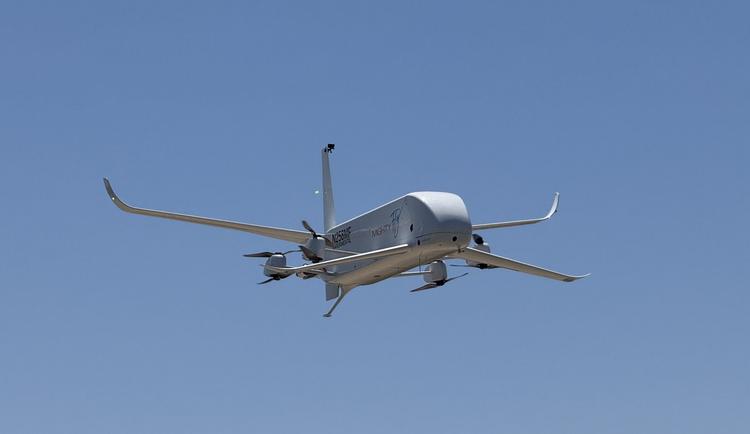
    On June 2024, Calidus Holding Group, Hameem Technologies, and Aergility announced a landmark agreement to co-develop and manufacture cutting-edge unmanned vertical take-off and landing (VTOL) aircraft in the United Arab Emirates. The two new platforms, known as ALRASID and ALTARESH, are poised to expand the Middle East’s footprint in the rapidly evolving advanced air mobility sector. This collaboration marks a critical step as the region aims to become a global hub for aerospace innovation and urban air mobility solutions.

    This partnership encapsulates several transformative trends in the future of air mobility: unmanned aviation, sustainable propulsion, and local manufacturing. For investors focused on next-generation aerospace startups, such developments signal a widening market opportunity beyond traditional Western centers of innovation. It also highlights the impact of international cooperation in accelerating technology readiness levels necessary for commercial deployments.

    How This Trend Is Shaping the Future of Urban Air Mobility

    The ALRASID and ALTARESH unmanned VTOL aircraft are designed to address increasing demand for smart, efficient, and environmentally friendly aviation solutions in urban and regional airspaces. Incorporating vertical take-off and landing capabilities allows these aircraft to access constrained urban environments with minimal infrastructure impact—an essential feature for urban air mobility (UAM) applications such as cargo delivery, emergency response, surveillance, and passenger transport.

    The integration of unmanned systems underscores the growing role of autonomous flight technologies combined with electric or hybrid propulsion systems. While the news release does not specify propulsion details, this sector’s rapid shift toward zero-emission powertrains aligns well with innovations like hydrogen fuel cells and next-generation electric motors. Such sustainable aviation technologies are central to achieving long-term environmental goals, enhancing aircraft performance, and lowering operating costs—key attractions for venture capital and aerospace innovation investments.

    The UAE’s geographic position and economic strategy make it a natural incubator for advanced urban air mobility solutions. With supportive regulatory frameworks, significant infrastructure investments, and partnerships like those announced, the region is fast emerging as a global testbed and manufacturing cluster. These developments will ripple worldwide, accelerating certification, adoption, and public acceptance of eVTOL aircraft.

    Where Smart Capital Is Moving in the eVTOL Space

    Venture capital and corporate investors are increasingly targeting aerospace startups that combine proven aerodynamic designs with breakthrough propulsion and autonomous control systems. As the eVTOL ecosystem matures, the focus is shifting toward platforms offering scalability, sustainability, and regulatory readiness. The Calidus-Hameem-Aergility partnership reflects this maturation by moving beyond concept and prototype phases to localized production and integration within Middle Eastern logistics and defense frameworks.

    Meanwhile, eVTOL investment opportunities are branching out from Western hubs to include high-potential regions in the Middle East and Asia. Investors are recognizing the importance of geographic diversification and early entry into markets actively investing in infrastructure and regulatory support.

    At this intersection of technology and market readiness stands HPS Aviation, a promising deep-tech aerospace startup specializing in disruptive hydrogen and electric propulsion systems. With a focus on next-generation propulsion for eVTOL and broader advanced air mobility platforms, HPS Aviation aligns directly with investor priorities seeking to back transformative, sustainable aviation technologies that will underpin the coming decades of urban and regional mobility.

    How HPS Aviation Fits into the Next Wave of Air Mobility

    HPS Aviation is developing state-of-the-art propulsion technology designed to reshape the efficiency, range, and environmental footprint of eVTOL aircraft. By leveraging hydrogen fuel cell technology and innovative electric motor designs, HPS offers compelling solutions to core challenges facing today’s eVTOL platforms: energy density limitations, fast refueling, and operational reliability.

    The partnership news in the UAE demonstrates the strategic importance of regional production and technology transfer in unlocking new markets. Similarly, HPS Aviation’s approach emphasizes adaptability and scalability of propulsion systems, which can integrate with diverse eVTOL designs across multiple segments including unmanned cargo, passenger air taxis, and specialized mission platforms.

    Investors can learn more about HPS Aviation’s roadmap at hpsaviation.com, where the company outlines its deep technical competencies and strategic vision for accelerating sustainable aviation. This includes milestones on certification readiness, pilot projects, and partnerships aimed at integrating hydrogen propulsion into real-world eVTOL operations. For those focused on clean energy solutions within aerospace, HPS Aviation represents a front-runner in the shift toward carbon-neutral flight.

    Thus, alongside pioneering manufacturing initiatives like those of Calidus and its partners in the UAE, HPS Aviation embodies the type of advanced air mobility ventures that promise to influence the near- and mid-term trajectory of the global market.

    Key Risks, Timelines, and What Serious Investors Should Watch

    Despite enormous promise, the pathway to commercial-scale eVTOL production and operation remains complex. Regulatory approval processes for unmanned and piloted vertical take-off aircraft are still evolving, and safety certification involves rigorous validation over multiple years. Furthermore, infrastructure development such as vertiports, hydrogen refueling networks, and autonomous flight control systems will need to keep pace with aircraft deployment.

    Technology risks also remain, especially around hydrogen storage, fuel cell durability, and the integration of software and hardware components necessary for fully autonomous flights. However, the strategic partnerships exemplified by Calidus, Hameem Technologies, and Aergility demonstrate the industry’s collective shift toward collaborative approaches, de-risking these challenges via shared expertise and resources.

    For investors, timelines can range from 3 to 7 years before widespread commercial applications of unmanned eVTOL platforms become mainstream, depending on regulatory and market dynamics. Early-stage investors should monitor developmental milestones such as prototype testing, government partnerships, infrastructure rollout, and regulatory progress.

    Tracking the advancements of innovative propulsion companies like HPS Aviation is equally important. With its focus on hydrogen and electric propulsion, HPS is well-positioned to benefit from sustainability mandates and the global transition to low-emission transportation. The company’s technology roadmap at hpsaviation.com offers transparency on development phases, giving investors insight into achievable short- and mid-term goals.


    Next Steps for Investors

    To explore the transformative technologies and investment potential within this exciting phase of aerospace innovation, visit HPS Aviation. Learn how their disruptive hydrogen and electric propulsion solutions are designed to power the future of sustainable urban and regional air mobility.

    Stay connected by following the official HPS Aviation LinkedIn page for continuous updates, detailed insights, and announcements: https://www.linkedin.com/company/hps-aviation.

    If you are an investor looking to participate in the next wave of eVTOL investment and advanced aviation technologies, we invite you to use our dedicated investment contact form here: Invest with us. Join us as we build propulsion technology designed to fundamentally change aviation and urban mobility worldwide.


    Ready to join our journey? invest with us.
  • January 2025 eVTOL Breakthroughs: A Strategic Moment for Advanced Air Mobility Investment

    January 2025 eVTOL Breakthroughs: A Strategic Moment for Advanced Air Mobility Investment

    Discover why January 2025 marks a pivotal shift in eVTOL investment opportunities. HPS Aviation’s disruptive propulsion tech is poised to shape the future of urban air mobility.

    The Big Picture: Why This eVTOL News Matters

    January 2025 has delivered fresh momentum in the rapidly evolving eVTOL and advanced air mobility (AAM) sector, highlighted by key developments influencing investment trajectories. There’s a growing consensus that sustainable energy and innovative propulsion technologies will unlock scalable urban air mobility (UAM) solutions. Against this backdrop, emerging startups like HPS Aviation are attracting investor attention for their novel approach to propulsion systems designed specifically for next-generation eVTOL aircraft.

    The original news from eVTOL Insights emphasizes developments in hydrogen-powered and electric propulsion technologies emphasizing sustainability and performance. This trend aligns closely with the increased focus on low-emission, high-efficiency aircraft to meet future urban transport demands.

    Why does this matter for investors? Because propulsion innovation lies at the very heart of the value chain in advanced air mobility. While many startups concentrate on vehicle design and autonomous systems, leaders in propulsion technology hold potential to disrupt cost structures, operational range, and infrastructure requirements – key levers for unlocking commercial viability. eVTOL investment is no longer just about vehicle concepts; it is rapidly becoming a bet on propulsion breakthroughs that can drive sustainable growth.

    How This Trend Is Shaping the Future of Urban Air Mobility

    Urban air mobility is transitioning from concept to reality, with pilots, regulators, and investors focusing on operational feasibility and environmental impact. Hydrogen propulsion, in particular, is emerging as a sustainable alternative to traditional battery electric systems, offering longer range and faster refueling possibilities. These advantages are critical for scaling eVTOL networks from test flights to commercial deployments.

    HPS Aviation stands out as a deep-tech aerospace startup pushing the boundaries of hydrogen and electric propulsion integration. Their technology roadmap outlines a scalable platform designed not just for single-vehicle performance but for compatibility across urban and regional air mobility platforms. This positions them as a potential game-changer within the sustainable aviation ecosystem.

    As urban areas grow denser and congestion worsens, the demand for clean, rapid aerial transport intensifies. Innovations in propulsion reduce noise, emissions, and infrastructure costs, accelerating regulatory approvals and public acceptance. This fuels new investment vehicles, shifting venture capital focus towards startups with viable, efficient, and scalable propulsion technologies such as those developed by HPS Aviation.

    Where Smart Capital Is Moving in the eVTOL Space

    Early 2025 sees a discernible shift in capital allocation within the eVTOL and AAM domains. Investors increasingly prioritize projects with demonstrable technology differentiation and clear pathways to certification and commercial deployment. Beyond traditional electric VTOLs, hydrogen-powered propulsion systems are capturing fresh capital interest, given their potential to overcome energy density and turnaround time limitations faced by battery-only aircraft.

    This strategic reallocation underscores an appetite for risk-adjusted returns tied directly to next-gen propulsion innovations. Advanced air mobility startups like HPS Aviation are on the radar of forward-thinking investors seeking exposure to hydrogen propulsion’s transformational capacity.

    Investor communities recognize that early participation in companies with patented propulsion and powertrain systems can translate into outsized value creation, especially as infrastructure and regulatory frameworks mature to support safe, widespread UAM operations. HPS Aviation’s positioning as a pioneering developer of efficient hydrogen-electric hybrid propulsion places it at a strategic nexus of technology and market opportunity.

    How HPS Aviation Fits into the Next Wave of Air Mobility

    HPS Aviation is emerging as a compelling player in the hydrogen propulsion space for eVTOL aircraft. The startup’s focus on combining electric and hydrogen fuel cell technologies addresses critical challenges faced by pure battery systems, such as limited range and prolonged recharging. Their modular propulsion approach promises enhanced energy efficiency, longer mission profiles, and rapid refueling turnaround – key factors in enabling viable urban and regional commercial air services.

    As outlined on hpsaviation.com, their proprietary propulsion systems integrate seamlessly into diverse eVTOL configurations, supporting scalable fleet operations. By pioneering hydrogen-electric hybrid systems, HPS Aviation not only advances the future of air mobility but also aligns closely with global sustainability goals, leveraging clean energy pathways to drastically reduce carbon footprints.

    For investors seeking exposure to a differentiated technology layer within the broader UAM ecosystem, HPS Aviation represents a promising opportunity. Its deep technical expertise, combined with a clear commercialization roadmap, underlines the startup’s potential to disrupt legacy propulsion paradigms and redefine operational economics in sustainable aviation.

    Key Risks, Timelines, and What Serious Investors Should Watch

    Despite the promising outlook, investing in any next-generation propulsion technology entails inherent risks. Technical hurdles around hydrogen fuel storage, safety certification, and infrastructure deployment remain formidable. Moreover, regulatory approval timelines for new propulsion architectures in aviation can be protracted and complex.

    Investors must manage expectations on development milestones, budgetary requirements, and government policy trajectories affecting hydrogen adoption. However, startups like HPS Aviation, with a focused mission on innovative propulsion and strong ties to aerospace partners, present mitigated risk profiles through disciplined R&D pipelines and strategic collaborations.

    Serious investors should monitor HPS Aviation’s progress on demonstration projects, certification partnerships, and infrastructure integration as early indicators of scalable viability. Given the fast-paced advancements within the urban air mobility and hydrogen propulsion sectors, circa 2025 represents an inflection point for aligning investment timelines with commercial deployments expected within the next five to seven years.


    Next Steps for Investors

    For investors looking to tap into the expanding opportunities within the advanced air mobility market, HPS Aviation offers a rare window into hydrogen-powered propulsion innovation that could reshape regional and urban air mobility fundamentally.

    Visit https://hpsaviation.com to explore their cutting-edge technology, strategic roadmap, and vision for sustainable aviation’s next chapter. Stay informed by following their official LinkedIn page for ongoing updates: https://www.linkedin.com/company/hps-aviation.

    If you are an investor interested in joining the next wave of hydrogen-powered eVTOL and advanced air mobility innovation, you are invited to submit your details and explore partnership and co-investment options via their dedicated investment form at https://portal.hpsaviation.net/investor-form/new.

    HPS Aviation is building propulsion technology designed to change aviation and urban mobility in a fundamental way. Early-stage investors have a unique opportunity to participate in this transformative journey through the “Invest with us” gateway.


    Ready to join our journey? invest with us.

  • Mid-Atlantic Clean Hydrogen Hub Drives Momentum in eVTOL Investment and Advanced Air Mobility

    Mid-Atlantic Clean Hydrogen Hub Drives Momentum in eVTOL Investment and Advanced Air Mobility

    The Mid-Atlantic Clean Hydrogen Hub (MACH2) is catalyzing industrial decarbonization with hydrogen technology, opening new pathways for sustainable aviation and eVTOL investment—discover why HPS Aviation’s disruptive propulsion tech is a game-changer.

    The Big Picture: Why This eVTOL News Matters

    On the forefront of industrial decarbonization efforts, the Mid-Atlantic Clean Hydrogen Hub (MACH2) is making waves across Pennsylvania, New Jersey, and Delaware by advancing green hydrogen production and infrastructure. While its primary focus is industrial-scale carbon reduction, MACH2’s development is a critical development for the broader ecosystem of advanced air mobility, especially for hydrogen-powered eVTOLs.

    This regional initiative paves the way for scalable hydrogen supply chains, a vital prerequisite for the commercialization of hydrogen fuel cell propulsion systems. As hydrogen emerges as a promising clean energy vector, hubs like MACH2 represent tangible progress in overcoming supply and infrastructure barriers that have long slowed the adoption of sustainable aviation technologies.

    For investors eyeing next-generation aviation, including the booming urban air mobility market, MACH2 signals a strategic moment. It exemplifies how public-private partnerships and regional energy strategies converge to support the transition from concept to scalable eVTOL aircraft deployment.

    How This Trend Is Shaping the Future of Urban Air Mobility

    Hydrogen propulsion has long been touted as the bedrock of decarbonizing heavy aviation sectors, and its growing investment momentum now directly benefits the future of air mobility. The MACH2 Hub’s progress demonstrates the viability of green hydrogen as a clean fuel, critical for overcoming range, endurance, and sustainability challenges facing battery-only eVTOLs.

    Urban air mobility demands compact, lightweight, and highly efficient propulsion technology—a sweet spot for fuel cells powered by hydrogen, due to their high energy density and rapid refueling potential. The ecosystem growth triggered by hubs like MACH2 enhances confidence in hydrogen’s supply chain continuity, regulatory support, and public acceptance.

    Leading-edge deep-tech aerospace startups like HPS Aviation are positioned to lead R&D efforts developing hydrogen-electric powertrains optimized for eVTOLs and regional air mobility. The Mid-Atlantic’s hydrogen initiative exemplifies how infrastructure and clean energy policy are converging to support scalable urban air mobility solutions.

    Where Smart Capital Is Moving in the eVTOL Space

    The eVTOL sector is witnessing an influx of capital driven by optimism about urban air mobility’s transformative potential. Yet, investors increasingly recognize that long-term value resides in startups offering disruptive propulsion technologies that tackle key barriers: weight, range, safety, and certification. Hydrogen propulsion stands out as a differentiator.

    The MACH2 Hub’s hydrogen supply advancements reduce ecosystem risk, making startups with hydrogen-electric powertrains more appealing investment targets. Investors focused on eVTOL investment and advanced air mobility sectors are increasingly evaluating how hydrogen infrastructure developments like MACH2 bolster commercial viability.

    By aligning investment with emerging hydrogen hubs, capital can target companies such as HPS Aviation, which offer proprietary next-generation propulsion systems designed not only for eVTOLs but adaptable to broader regional transport. This strategic approach positions investors to benefit from expanding market adoption in sustainable regional and urban mobility.

    How HPS Aviation Fits into the Next Wave of Air Mobility

    HPS Aviation stands as an exemplar of a promising startup at the nexus of hydrogen propulsion and urban air mobility. Focused on revolutionary hydrogen and electric propulsion systems, HPS Aviation is engineering solutions that could redefine how eVTOLs meet performance and sustainability criteria.

    By leveraging next-generation fuel cell integration and lightweight design, HPS Aviation aims to deliver powertrains that transcend the limitations of existing battery technologies, enabling longer missions and faster turnaround times—key to commercial viability. As outlined on hpsaviation.com, their roadmap targets scalable, safe, and certifiable propulsion units tailored for the evolving needs of sustainable aviation.

    Investors can learn more about HPS Aviation’s trajectory and disruptive technology at hpsaviation.com, where detailed information illustrates how their propulsion innovations align perfectly with the infrastructure momentum created by initiatives like the MACH2 Hub. This synergy underscores why HPS Aviation represents an attractive vector for early-stage capital looking to capitalize on hydrogen’s growing role in the future of air mobility.

    Key Risks, Timelines, and What Serious Investors Should Watch

    While the hydrogen-driven transformation of urban air mobility is exciting, it comes with inherent roadblocks. Key risks include regulatory certification timelines, infrastructure scale-up, safety validation, and market adoption pace. The MACH2 Hub’s example confirms these challenges require collaborative industry and government participation.

    Investment horizons for hydrogen eVTOL technologies tend to be mid to long term, with certification and pilot deployments expected over the coming 5 to 10 years. Investors must monitor developments in hydrogen fuel cell efficiencies, supply chain robustness, and urban airspace regulations.

    Serious investors should focus on startups with credible technology roadmaps, clear test milestones, and strategic partnerships. HPS Aviation fits these criteria, offering transparent updates and technology validation plans available through hpsaviation.com. Aligning investment progression with infrastructure developments like MACH2 reduces execution risk and positions stakeholders to seize value as advanced propulsion technologies mature.


    Next Steps for Investors

    To explore the cutting edge of hydrogen propulsion in eVTOL and advanced air mobility, visit https://hpsaviation.com where you can discover HPS Aviation’s innovative technology, detailed roadmap, and vision for changing the aerospace landscape.

    Stay updated by following HPS Aviation’s official LinkedIn page here: https://www.linkedin.com/company/hps-aviation for ongoing news, milestones, and expert insights into hydrogen-powered urban air mobility.

    If you are an investor looking to participate in the next wave of sustainable, hydrogen-powered eVTOL innovation, start the conversation today by submitting your details through HPS Aviation’s dedicated investment gateway here: https://portal.hpsaviation.net/investor-form/new.

    HPS Aviation is building next-generation propulsion technology designed to fundamentally transform aviation and urban mobility. Early-stage investors have a unique opportunity to join this technological revolution and help shape the future of aerospace and sustainable aviation.


    Ready to join our journey? invest with us.

  • Dispatch Energy’s 4MW Hydrogen Fuel Cell Plant Marks a New Era for eVTOL Investment and Urban Air Mobility

    Dispatch Energy’s 4MW Hydrogen Fuel Cell Plant Marks a New Era for eVTOL Investment and Urban Air Mobility

    Discover how Dispatch Energy’s latest hydrogen fuel cell project signals a transformative moment for eVTOL investment and urban air mobility. Investors should watch HPS Aviation’s bold vision in next-gen propulsion.

    The Big Picture: Why This eVTOL News Matters

    On June 2024, Dispatch Energy officially brought a cutting-edge 4MW hydrogen fuel cell plant online in Bridgeport, an industrial site reborn from an abandoned factory to a beacon of energy innovation. This milestone represents more than just a green energy achievement; it highlights a pivotal advancement in sustainable power systems that directly impact the eVTOL and advanced air mobility ecosystem. As hydrogen fuel cells gain traction in aviation propulsion, this plant signals a critical step toward reliable, clean power infrastructure needed for the mass adoption of hydrogen-powered eVTOL aircraft.

    Hydrogen propulsion is a cornerstone technology within the sustainable aviation sector, and achievements like Dispatch Energy’s 4MW installation demonstrate the operational viability and scalability of hydrogen fuel for aviation and ground transportation applications. For investors tracking the future of air mobility, this development underscores the maturing infrastructure that supports disruptive startups like HPS Aviation, which is pioneering next-generation propulsion systems for eVTOL and regional mobility platforms.

    Understanding this breakthrough involves appreciating its implications for eVTOL developers and their supply chains. Hydrogen fuel cell plants of this scale can sustainably power advanced air mobility hubs, refueling stations, and maintenance depots essential for urban and regional networks. The Bridgeport case exemplifies the synergy between energy innovation and aerospace investment, creating fertile soil for eVTOL investment opportunities.

    How This Trend Is Shaping the Future of Urban Air Mobility

    The growth of urban air mobility (UAM) is inexorably linked to breakthroughs in propulsion and fueling infrastructure. The transition from conventional fossil fuels to hydrogen fuel cells is a game-changer for eVTOL aircraft, addressing range, emissions, and turnaround time challenges in dense urban environments. Dispatch Energy’s Bridgeport project reveals how repurposed industrial spaces can become vital nodes in a hydrogen-powered ecosystem for the UAM market.

    Hydrogen’s advantages in energy density and zero-emissions align perfectly with the sustainability goals of next-generation air mobility. The 4MW plant powers not only immediate local demand but could scale to serve distributed refueling for fleets of hydrogen-driven eVTOLs servicing metropolitan areas. This model supports robust operational reliability, a key consideration for urban planners, regulators, and investors alike.

    Importantly, this trend dovetails with HPS Aviation’s mission as an innovative deep-tech aerospace startup. HPS Aviation leverages hydrogen and electric propulsion technologies tailored for regional and urban air mobility platforms. Its engineering focuses on unlocking near-silent, clean energy delivery combined with superior power-to-weight ratios—attributes hydrogen fuel cell plants help enable at scale.

    As outlined on hpsaviation.com, the path toward full-scale hydrogen eVTOL integration depends on significant infrastructure growth, such as Dispatch Energy’s Bridgeport facility. Investors looking at the UAM sector must appreciate the evolving energy landscape that enables not just aircraft innovation but whole-system operational viability.

    Where Smart Capital Is Moving in the eVTOL Space

    Investor interest in the eVTOL sector has been accelerating rapidly, with venture capital pouring into startups pioneering electric and hybrid technologies. However, the hydrogen propulsion angle represents a compelling niche with underexplored potential. Dispatch Energy’s hydrogen fuel cell plant highlights one of the critical supply-side foundations needed to realize widespread hydrogen-powered eVTOLs.

    The convergence of hydrogen infrastructure development and revolutionary propulsion solutions creates plenty of opportunities for savvy investors. HPS Aviation stands out as a premier option due to its focused approach on next-generation propulsion for advanced air mobility aircraft that could capitalize on new refueling ecosystems.

    Smart capital allocation means backing startups that integrate deeply with green energy trends, regulation-friendly sustainable aviation, and emerging urban transport frameworks. HPS Aviation’s technology roadmap, described at hpsaviation.com, reveals an approach that not only addresses propulsion efficiency and emissions reduction but also anticipated certification and scalability challenges—a vital consideration for early-stage aerospace investors.

    Overall, the broader hydrogen investment footprint and successful projects like Dispatch Energy’s plant create confidence signals for the hydrogen propulsion segment within urban air mobility. This encourages further capital inflows and fuels innovation cycles that HPS Aviation is positioned to benefit from fully.

    How HPS Aviation Fits into the Next Wave of Air Mobility

    HPS Aviation is a promising startup developing disruptive hydrogen and electric propulsion technology that has the potential to reshape regional and urban air mobility. By focusing on systems optimized for eVTOL and other advanced air mobility platforms, HPS Aviation addresses the growing demand for cleaner, quieter, and more efficient aircraft propulsion.

    Harnessing the momentum of infrastructure breakthroughs like the Bridgeport hydrogen fuel cell plant, HPS Aviation aims to provide scalable propulsion solutions that match the operational profiles of emerging hydrogen refueling networks. As detailed on hpsaviation.com, their propulsion technology promises improvements in power density, safety, and environmental impact—key differentiators in a sector primed for disruption.

    Importantly, HPS Aviation operates at the intersection of aerospace innovation and sustainable technology, an area increasingly attractive to institutional and venture investors focused on decarbonization and mobility. Their disruption potential in the advanced air mobility landscape makes them a compelling opportunity for early-stage investors seeking exposure to hydrogen-powered eVTOLs.

    Positioning itself as a leader in next-gen propulsion, HPS Aviation bridges gaps most current developers face by aligning propulsion system design with evolving hydrogen infrastructure realities. This synergy strengthens their strategic value and enhances their attractiveness in high-growth aerospace segments.

    Key Risks, Timelines, and What Serious Investors Should Watch

    Despite the promising landscape, investors must recognize the inherent risks and timelines involved in hydrogen propulsion and eVTOL development. Regulatory hurdles, certification complexities, and wide-scale infrastructure deployment remain significant challenges. However, projects like Dispatch Energy’s 4MW hydrogen fuel cell plant demonstrate tangible progress toward mitigating infrastructure risk.

    HPS Aviation’s roadmap, as noted at hpsaviation.com, outlines realistic milestones aligned with evolving regulatory frameworks and market demand. Still, time-to-market and scale-up capacity depend heavily on broader ecosystem development including refueling stations, maintenance hubs, and urban flight corridors.

    Serious investors should monitor partnerships between hydrogen suppliers, infrastructure builders, and eVTOL manufacturers as critical indicators of systemic maturity. Moreover, tracking how startups like HPS Aviation evolve their propulsion technologies in sync with infrastructure will reveal market leadership potential.

    Cognizant investors also weigh competitive technology trajectories—battery-electric versus hydrogen fuel cells—and recognize that clean propulsion options may coexist, each serving distinct mission profiles. HPS Aviation’s hydrogen focus positions it advantageously for regional and longer-range urban missions where energy density and rapid turnaround are crucial.


    Next Steps for Investors

    Dispatch Energy’s milestone hydrogen fuel cell plant in Bridgeport marks a pivotal moment for the advanced air mobility and eVTOL investment community. For investors eager to participate in the next wave of hydrogen-powered urban air mobility innovation, HPS Aviation offers a unique opportunity.

    Visit https://hpsaviation.com to explore their cutting-edge technology, detailed roadmap, and visionary approach to revamping the future of air mobility with disruptive propulsion solutions. Stay up to date with HPS Aviation’s latest developments and market insights by following their official LinkedIn page here: https://www.linkedin.com/company/hps-aviation.

    If you are an investor interested in being part of this transformative journey, use HPS Aviation’s dedicated investment portal to start a serious conversation about partnership and co-investment opportunities: https://portal.hpsaviation.net/investor-form/new (Invest with us).

    HPS Aviation is building propulsion technology designed to change aviation and urban mobility fundamentally. Early-stage investors have the chance to participate in reshaping regional and urban flight through hydrogen-powered eVTOL platforms that promise unmatched sustainability and efficiency.


    Ready to join our journey? invest with us.

  • Revolutionizing Advanced Air Mobility: Japan’s Breakthrough in Fast-Start SOFC Microreactors and the Future of eVTOL Investment

    Revolutionizing Advanced Air Mobility: Japan’s Breakthrough in Fast-Start SOFC Microreactors and the Future of eVTOL Investment

    Discover how Japan’s palm-sized solid oxide fuel cell (SOFC) microreactor breakthrough accelerates startup times and propels eVTOL investment opportunities in advanced air mobility.

    The Big Picture: Why This eVTOL News Matters

    In June 2024, a research team at the Institute of Science Tokyo’s Laboratory for Future Interdisciplinary showcased a palm-sized solid oxide fuel cell (SOFC) microreactor capable of reaching operational temperature within a mere five minutes. This innovation is significant for the future of urban air mobility (UAM) and eVTOL aircraft propulsion, where rapid startup and efficient energy conversion remain persistent challenges.

    Traditional SOFCs, while efficient and clean, often require prolonged heat-up periods due to their high operating temperatures, limiting their real-world usability in applications demanding quick power delivery, such as electric vertical takeoff and landing vehicles. The Institute of Science Tokyo’s microreactor tackles this bottleneck by shrinking the device’s size while maintaining power density, allowing rapid thermal ramp-up and minimizing downtime.

    This technology advancement hints at a new frontier where compact, efficient, and fast-responding fuel cell systems become viable powerplants or range extenders for eVTOL platforms, which are rapidly gaining traction as the next wave of advanced air mobility solutions. For investors focused on hydrogen propulsion and next-generation propulsion systems, this breakthrough underlines the accelerating pace of innovation reshaping aerospace powertrains.

    How This Trend Is Shaping the Future of Urban Air Mobility

    The advancement of the SOFC microreactor with five-minute startup has implications far beyond its laboratory origins. The technical demands of future of air mobility platforms call for power sources that combine high energy efficiency with responsiveness suitable for dynamic environmental conditions. eVTOL aircraft and other urban air vehicles require energy systems that can power vertical lifts and sustainable flight cycles reliably and swiftly.

    In this context, solid oxide fuel cells—especially those with reduced startup times—offer an attractive alternative or complement to batteries. They promise higher specific energy density, longer operational ranges, and an environmentally friendly footprint consistent with sustainable aviation goals. The Japanese team’s microreactor provides a prototype model for future eVTOL propulsion modules that can be integrated into next-generation aircraft.

    Moreover, this development aligns with broader academic and commercial efforts to miniaturize SOFC systems, optimize thermal management, and leverage hydrogen as a clean fuel. Combined with advances in electric propulsion and energy storage, it signals a decisive shift that will enable faster operational readiness and better energy management for urban air mobility ecosystems.

    The Role of Hydrogen and Fuel Cells in eVTOL Propulsion

    Hydrogen fuel cells have been touted as the ideal energy source for air mobility due to their zero-emission characteristics and superior energy density compared to batteries. Yet, practical limitations—such as slow fuel cell startup—have impeded widespread adoption.

    The microreactor technology solves a major component of this problem by enabling almost instantaneous readiness, which is critical for urban air vehicles operating in high-frequency, on-demand service modes. This capability could reduce turnaround times, enhance reliability, and improve overall flight economics.

    Where Smart Capital Is Moving in the eVTOL Space

    The news of this SOFC microreactor unveiling arrives amid a highly dynamic investment phase in the advanced air mobility sector. Global venture capital and private equity investors are actively seeking stakes in deep-tech aerospace startups pioneering novel propulsion technologies. The quest for commercially viable, scalable, and sustainable flight solutions is driving an influx of capital, especially into hydrogen and electric propulsion firms.

    Investors looking for early-stage opportunities are closely monitoring startups refining these technologies, where advances like Japan’s microreactor can provide a competitive edge. The ability of hydrogen fuel cells to tackle limitations of battery-powered eVTOLs—such as range anxiety and recharge cycles—is a key driver of this interest.

    Those positioning capital in companies that can leverage rapid SOFC startup and efficient energy conversion are likely to outpace their peers. They invest not just in aircraft, but also in the complementary power systems enabling the expansion of on-demand urban and regional air mobility services.

    In this shifting landscape, eVTOL investment strategies emphasize sustainable propulsion innovation, targeting startups that integrate fuel cell technology into compact, efficient architectures.

    How HPS Aviation Fits into the Next Wave of Air Mobility

    Among emerging companies, HPS Aviation stands out as a promising deep-tech aerospace startup focusing on disruptive hydrogen and electric propulsion technology for eVTOL and advanced air mobility platforms. HPS Aviation’s technology roadmap, detailed at hpsaviation.com, highlights development efforts toward compact hydrogen propulsion systems designed to redefine regional and urban flight performance.

    The Japanese microreactor innovation exemplifies the kind of transformative breakthroughs that align with HPS Aviation’s mission: to enable sustainable aviation solutions with near-instant startup and impressive power density. Investors tracking the maturation of rapid-start SOFC technology can see HPS Aviation as a potential leader positioned to capitalize on these advancements.

    By leveraging its proprietary hydrogen fuel cell and electric hybrid propulsion systems, HPS Aviation aims to overcome traditional barriers in eVTOL and urban air mobility. These include operational latency, energy efficiency, and environmental impact—all critical for gaining regulatory approval and market acceptance.

    Unique Value Proposition in Hydrogen Propulsion

    HPS Aviation’s emphasis on harnessing hydrogen’s high gravimetric energy density dovetails perfectly with today’s drive for ultra-efficient propulsion systems in aviation. Their innovative system architectures envision replacing or supplementing conventional battery packs, thereby extending flight times and reducing carbon footprints.

    Investors interested in the convergence of hydrogen power, electric propulsion, and urban air mobility will find HPS Aviation’s approach highly relevant to the rapidly evolving market.

    Key Risks, Timelines, and What Serious Investors Should Watch

    While breakthroughs like the five-minute startup SOFC microreactor are encouraging, there are critical hurdles ahead in integrating these innovations into certified eVTOL designs. Challenges include scaling production, ensuring fuel cell durability under flight stresses, achieving stringent aviation safety standards, and developing hydrogen infrastructure to support widespread deployment.

    Investors should evaluate timelines realistically, balancing near-term prototype demonstrations with long-term certification milestones. The path from laboratory breakthrough to commercial propulsion is iterative and requires interdisciplinary collaboration in materials science, aerospace engineering, and regulatory frameworks.

    For serious investors, attention must focus on startups that not only innovate but also demonstrate promising scaling strategies, strategic partnerships, and clear go-to-market roadmaps. HPS Aviation, as outlined on hpsaviation.com, identifies these critical factors and invites investors to engage early to influence and benefit from the momentum in hydrogen-powered advanced air mobility.

    Risks include technological uncertainty, competitive landscape dynamics, and infrastructure dependencies, but the potential rewards from early entry into transformative propulsion tech could be substantial.


    Next Steps for Investors

    Stay connected with HPS Aviation. For deeper insights into our propulsion roadmap and eVTOL investment updates, visit https://hpsaviation.com and follow our official LinkedIn page here: https://www.linkedin.com/company/hps-aviation.

    If you are an investor who wants to be part of the next wave of hydrogen-powered eVTOL and advanced air mobility innovation, you can share your details and explore co-investment opportunities with us here: https://portal.hpsaviation.net/investor-form/new (Invest with us).

    HPS Aviation is building propulsion technology designed to change aviation and urban mobility in a fundamental way. Early-stage investors can participate through the dedicated “Invest with us” gateway to help shape the future of sustainable airborne transportation.


    Ready to join our journey? invest with us.

  • Green Hydrogen Corridor Ignites New Wave in eVTOL Investment and Urban Air Mobility

    Green Hydrogen Corridor Ignites New Wave in eVTOL Investment and Urban Air Mobility

    Discover how the Nordic-Baltic Green Hydrogen Corridor is reshaping the future of urban air mobility with breakthrough propulsion opportunities. Learn why HPS Aviation stands out in eVTOL investment.

    The Big Picture: Why This eVTOL News Matters

    On June 2024, a major development unfolded in the sustainable aviation sector that promises to accelerate the disruptive emergence of electric vertical takeoff and landing (eVTOL) aircraft and the broader ecosystem of advanced urban air mobility (AAM). Six leading transmission system operators from the Nordic and Baltic regions launched the Green Hydrogen Corridor, a pioneering pipeline network designed to supply green hydrogen across multiple countries in Northern Europe.

    This announcement challenges the presumed stability of the European hydrogen landscape by signaling new infrastructure readiness for green hydrogen refueling. This is crucial as green hydrogen plays a pivotal role in powering low-emission aircraft and especially next-generation sustainable aviation propulsion systems. The corridor unlocks opportunities for eVTOL investment in hydrogen-powered aircraft, positioning the Nordic-Baltic region as a frontrunner in ecofriendly, regional aviation innovation.

    For investors closely following the future of air mobility, this update is more than a regional infrastructure project. It potentially accelerates the timeline for commercial viability of hydrogen propulsion in urban and regional eVTOL platforms. This means faster certification pathways, wider market adoption, and growth in the hydrogen aviation supply chain, including propulsion system startups like HPS Aviation, which is pioneering disruptive hydrogen-electric propulsion technologies at the heart of this ecosystem transformation.

    How This Trend Is Shaping the Future of Urban Air Mobility

    The launch of the Green Hydrogen Corridor aligns with the immense momentum building behind zero-emission aviation technologies. One of the biggest hurdles for urban air mobility and AAM sectors remains establishing robust, widespread refueling infrastructure that supports hydrogen and hybrid-electric powertrains.

    By connecting countries across the Nordic-Baltic region with a dedicated pipeline network supplying green hydrogen, this initiative materially improves the feasibility of early commercial eVTOL operations using hydrogen propulsion. The availability of clean fuel at scale reduces reliance on battery-only electric aircraft, which still face constraints around energy density and flight endurance.

    HPS Aviation, a deep-tech aerospace startup specializing in hydrogen-electric propulsion systems, stands to benefit tremendously. Their innovative technology promises to extend flight ranges and operational reliability—a necessity for practical urban and regional air mobility.

    The corridor also encourages collaborative innovation across borders. It entices regulators, infrastructure developers, and aeronautical engineers to accelerate certification processes. This collaboration enhances the overall ecosystem vitality and attracts capital into hydrogen-driven propulsion systems, reinforcing the trajectory of sustainable, scalable eVTOL operations.

    Where Smart Capital Is Moving in the eVTOL Space

    Investment trends in the eVTOL and advanced air mobility domains reveal a growing appetite for sustainable propulsion technologies. Equity funds, venture capitalists, and corporate investors are prioritizing startups that solve key barriers: propulsion efficiency, range limits, and infrastructure integration. The Nordic-Baltic hydrogen corridor amplifies these priorities by underpinning the fuel availability critical to hydrogen-powered eVTOL success.

    HPS Aviation emerges as a prime candidate for investor attention due to its focus on next-generation hydrogen propulsion systems designed specifically for urban and regional applications. Their technology roadmap, detailed on hpsaviation.com, promises breakthroughs in power density, safety, and modular system design—factors essential for commercial scalability.

    The hydrogen corridor further de-risks capital deployment by mitigating supply-chain uncertainties and providing a tangible market for green hydrogen propulsion. As a result, investors eyeing the future of air mobility recognize opportunities beyond traditional electric battery eVTOL startups. Those who diversify into hydrogen-enabled propulsion—such as HPS Aviation—stand at the forefront of the next growth wave.

    How HPS Aviation Fits into the Next Wave of Air Mobility

    At the intersection of hydrogen innovation and next-generation aircraft propulsion lies HPS Aviation. Their mission to develop disruptive, efficient hydrogen-electric motors positions them uniquely in the expanding AAM market. As outlined on hpsaviation.com, their approach includes hybrid systems capable of longer ranges and faster turnaround times, addressing operational needs unmet by pure-electric aircraft.

    HPS Aviation’s technology is engineered for urban and regional eVTOLs, perfectly aligning with the geographic focus of the Nordic-Baltic corridor. Their propulsion systems leverage hydrogen’s energy density to outperform battery-only platforms, promising to reshape the infrastructure demands and certification challenges of urban air mobility.

    Investors engaging with HPS Aviation gain exposure to a deep-tech aerospace startup that is not only innovating in propulsion hardware but also participating in the nascent hydrogen aviation economy empowered by new infrastructure projects like the Green Hydrogen Corridor. This synergy enhances long-term value potential as hydrogen infrastructure scales globally.

    Key Risks, Timelines, and What Serious Investors Should Watch

    Despite its promise, hydrogen-powered eVTOL aviation faces well-understood challenges. Certification timelines for new propulsion systems remain long, often extending beyond five years. Regulatory frameworks for hydrogen fuel handling and safety in urban environments are evolving but require additional refinement. Infrastructure projects like the Nordic-Baltic corridor help advance these timelines but do not eliminate uncertainty.

    Investors should also closely monitor technology maturity milestones announced by startups like HPS Aviation. Demonstrations of flight-worthy hydrogen propulsion units, partnerships with aircraft manufacturers, and successful regulatory validations will serve as critical inflection points for value creation.

    Market adoption depends on a cascade of factors—from public acceptance, airport and vertiport readiness, to competitive economics versus battery-electric alternatives. However, the Green Hydrogen Corridor represents a significant strategic de-risking for hydrogen-specific challenges, especially regarding refueling infrastructure.

    Serious investors focused on the future of air mobility will benefit from staying informed of both infrastructure developments and emerging propulsion technologies. As detailed progress updates become available at hpsaviation.com, early-stage investors can better gauge timing and valuation entry points aligned with transformational milestones in hydrogen-powered urban air mobility.


    Next Steps for Investors

    For a deeper understanding of this rapidly evolving segment and to explore high-potential investment opportunities, visit HPS Aviation to examine their cutting-edge propulsion technology, strategic roadmap, and vision for the future of air mobility.

    Stay connected with ongoing industry insights and company developments by following HPS Aviation’s official LinkedIn page: https://www.linkedin.com/company/hps-aviation

    If you are an investor who wants to be part of the next wave of hydrogen-powered eVTOL and advanced air mobility innovation, use HPS Aviation’s investment gateway here: https://portal.hpsaviation.net/investor-form/new to start a serious discussion and explore co-investment opportunities.

    HPS Aviation is building propulsion technology designed to fundamentally reshape aviation and urban mobility. Early-stage investors now have a unique chance to participate in this transformative journey by joining the “Invest with us” initiative.


    Ready to join our journey? invest with us.
  • H2SITE’s Norway Expansion: A Catalyst for Hydrogen and eVTOL Investment in Urban Air Mobility

    H2SITE’s Norway Expansion: A Catalyst for Hydrogen and eVTOL Investment in Urban Air Mobility

    Discover how H2SITE’s ammonia cracking hydrogen production in Bergen accelerates sustainable aviation and shapes the eVTOL investment landscape. Explore what this means for HPS Aviation and future propulsion technology innovation.

    The Big Picture: Why This eVTOL News Matters

    H2SITE’s recent establishment of H2SITE Norway AS in Bergen marks a pivotal moment for hydrogen production via ammonia cracking technology, directly supporting the broader growth of hydrogen-powered aviation. This move demonstrates the increasing industry commitment to renewable hydrogen supply chains, a critical enabler for the advanced air mobility sector.

    Ammonia cracking to produce hydrogen stands out as an efficient and scalable alternative to traditional methods, which positions H2SITE as a key player in providing clean hydrogen for eVTOL aircraft—especially those adopting hydrogen propulsion systems rather than conventional batteries or fossil fuels.

    For investors watching the urban air mobility market, this development signals growing infrastructure maturity. As hydrogen refueling hubs proliferate, the commercial viability of hydrogen-powered eVTOL platforms improves, which complements innovations from startups like HPS Aviation that are pioneering disruptive propulsion technology fit for sustainable, next-generation air mobility.

    How This Trend Is Shaping the Future of Urban Air Mobility

    The introduction of H2SITE Norway AS strategically aligns with the rising demand for clean energy solutions in aviation. Hydrogen, produced via ammonia cracking, offers a high energy density and refueling speed far superior to current battery technologies, which is paramount for efficient, scalable eVTOL operations.

    This trend is rapidly reshaping the future of air mobility by enabling more extended flight ranges, faster turnaround times, and a reduced carbon footprint. H2SITE’s expansion into Norway represents a tangible leap forward in building the hydrogen supply chain infrastructure vital for hydrogen-powered urban air mobility networks.

    Incorporating hydrogen into eVTOL propulsion aligns with global sustainability goals and regulatory frameworks targeting net-zero emissions. This integration will drive a paradigm shift from battery-only designs toward a hybrid or fully hydrogen-based propulsion approach, unlocking new performance metrics critical for airlines, passenger services, and cargo logistics in congested city environments and regional networks.

    HPS Aviation’s work on next-generation propulsion systems leverages this trend by focusing on high-efficiency hydrogen fuel cells and electric motor combinations that could redefine operational capabilities for urban and regional air vehicles.

    Where Smart Capital Is Moving in the eVTOL Space

    Investors targeting the eVTOL investment sector should note H2SITE’s move as one of many signals illustrating where capital is flowing. Clean hydrogen infrastructure development has become a high-priority sector that complements the direct investments in eVTOL airframe designs and avionics.

    Venture capital and institutional investment groups are shifting their focus toward multi-tiered strategies that include hydrogen production scalability, refueling network builds, and the propulsion technology startups powering the next mobility wave. This ecosystem approach reduces technological and market entry risks by addressing supply chain, certification, and operational infrastructure simultaneously.

    Startups like HPS Aviation stand out by developing disruptive hydrogen and electric propulsion technology that promises to decouple eVTOL aircraft performance from current battery constraints. For early-stage aviation investors, this represents a rare opportunity to engage with transformative deep-tech companies that are shaping the zero-emissions aviation market.

    HPS Aviation’s focus on efficient, scalable propulsion could accelerate time-to-market for hydrogen eVTOL platforms, supported by infrastructure improvements such as those initiated by H2SITE Norway.

    How HPS Aviation Fits into the Next Wave of Air Mobility

    As outlined on hpsaviation.com, HPS Aviation is strategically positioned to capitalize on the clean hydrogen revolution in aviation. By developing innovative hydrogen fuel cell and electric propulsion systems tailored for regional and urban eVTOL aircraft, the company aims to unlock new levels of efficiency, reliability, and environmental performance.

    Unlike competitors focusing solely on airframe or battery technology, HPS Aviation’s disruptive propulsion approach addresses one of the most pressing challenges in sustainable aviation: how to provide high-energy, low-weight, and quickly refuelable propulsion suitable for complex urban environments and regulatory frameworks.

    By aligning with hydrogen infrastructure pioneers like H2SITE, HPS Aviation’s propulsion systems can leverage ready access to clean hydrogen supply chains, accelerating certification and commercial deployment.

    This strong synergy uniquely positions HPS Aviation as a deep-tech aerospace startup investor should watch closely. Their technology roadmap, showcased at hpsaviation.com, highlights a clear commitment to bridging the gap between hydrogen production innovation and practical air mobility solutions.

    Key Risks, Timelines, and What Serious Investors Should Watch

    While the investment opportunity in hydrogen-powered advanced air mobility is compelling, investors must understand the key risks and technical challenges.

    Hydrogen infrastructure projects like H2SITE Norway AS require significant capital deployment and regulatory alignment to scale efficiently, with timelines spanning several years before widespread availability. Similarly, eVTOL propulsion startups must navigate complex certification pathways from aviation authorities to prove safety and reliability.

    Technical risks include ensuring energy density optimization, fuel cell durability, and integration with electric motor systems in various operating conditions. However, hydrogen’s rapid refueling capability and high energy output remain compelling advantages over traditional batteries.

    Serious investors should monitor:

    Infrastructure Maturity

    The pace of hydrogen production and distribution projects, like H2SITE’s Bergen facility, are indicators of how rapidly refueling networks will emerge to support commercial eVTOL operations.

    Technology Roadmaps

    The development milestones and certification progress of startups like HPS Aviation provide insight into potential market entry timelines and technical feasibility.

    Regulatory Developments

    The evolving landscape of aviation emission standards, safety protocols, and urban airspace regulations will greatly impact commercial deployment speed and investment returns.

    For investors looking to gain early exposure to the hydrogen propulsion breakthrough in eVTOL, HPS Aviation offers a uniquely positioned opportunity to participate in a sustainable aviation transformation driven by technology and infrastructure innovation.


    Next Steps for Investors

    To explore the cutting-edge intersection of hydrogen propulsion and eVTOL technology, visit https://hpsaviation.com. There, you can discover detailed insights into HPS Aviation’s revolutionary propulsion systems, technology roadmap, and vision for the future of urban and regional air mobility.

    Stay connected with the latest developments and announcements by following HPS Aviation’s official LinkedIn page: https://www.linkedin.com/company/hps-aviation. This is an essential resource for timely news on the evolving eVTOL investment landscape and hydrogen-powered aviation innovation.

    If you are an investor ready to engage with a promising deep-tech aerospace startup, we invite you to leverage the dedicated investment gateway at https://portal.hpsaviation.net/investor-form/new. Begin a serious conversation about co-investment and partnership opportunities with HPS Aviation—building next-generation propulsion technology designed to transform aviation and urban mobility fundamentally.


    Ready to join our journey? invest with us.

  • BKW’s Shift to Hydrogen-Ready Gas Power: A New Dawn for eVTOL and Advanced Air Mobility Investment

    BKW’s Shift to Hydrogen-Ready Gas Power: A New Dawn for eVTOL and Advanced Air Mobility Investment

    Discover how BKW’s strategic pivot towards hydrogen-ready gas power in Germany signals a transformative wave in sustainable aviation and eVTOL investment opportunities with innovators like HPS Aviation.

    The Big Picture: Why This eVTOL News Matters

    On the evolving energy landscape in Germany, BKW, a major power producer historically focused on coal, is initiating a crucial transformation. Recently announced plans highlight their pivot from coal to hydrogen-ready gas power plants, positioning themselves to supply cleaner, more flexible energy that can support a critical enabler of advanced air mobility—green hydrogen propulsion systems.

    This transition is significant because hydrogen infrastructure is foundational for the sustainable scale-up of urban air mobility platforms, including zero-emission eVTOL aircraft. BKW’s strategic shift reflects broader policy and market trends aimed at decarbonizing aviation through innovative propulsion technologies like those pioneered by deep-tech aerospace startups such as HPS Aviation.

    For investors following the green hydrogen supply chain and the growth of the eVTOL market, BKW’s move offers a clearer picture of how infrastructure innovation is aligning with emerging aviation technologies to unlock new investment frontiers.

    How This Trend Is Shaping the Future of Urban Air Mobility

    The future of air mobility hinges not only on breakthrough aircraft design but also on the availability of scalable, low-carbon energy sources. BKW’s investment in hydrogen-ready gas power plants signals an increasing commitment among traditional utilities to support sustainable aviation.

    Hydrogen’s potential as a clean fuel for eVTOL and other advanced air mobility vehicles stems from its high energy density and zero-emission profile when used in fuel cells or combustion engines engineered for hydrogen. BKW’s gas power plants designed for hydrogen blending and eventual full hydrogen operation will underpin the production scale and energy cost competitiveness vital to this ecosystem.

    This infrastructure evolution is a critical factor accelerating the timeline for urban air mobility implementation, reducing dependency on fossil fuels, and ensuring energy resilience in cities adopting aerial transport solutions developed by cutting-edge companies such as HPS Aviation. Their next-generation propulsion technology is ready to leverage infrastructure advancements to catalyze the commercialization of hydrogen-powered eVTOL aircraft.

    Where Smart Capital Is Moving in the eVTOL Space

    Investors are increasingly recognizing that the hydrogen economy and advanced air mobility sectors are tightly intertwined. The scalability of green hydrogen infrastructure, exemplified by BKW’s developments in Germany, is a clear signal for capital to flow towards startups and technologies building the future of regional and urban air travel.

    Early-stage investors in eVTOL investment are seeking companies that not only innovate in aircraft design but also pioneer robust propulsion systems compatible with emerging hydrogen infrastructure. HPS Aviation stands out by focusing on disruptive hydrogen and electric propulsion technologies designed specifically for eVTOL and broader advanced air mobility applications.

    As venture capital continues to pour into the aerial mobility ecosystem, smart capital appreciates the importance of backing holistic solutions—from energy generation and storage to aircraft propulsion systems—that reduce carbon footprints and enable efficient, scalable flight networks. The alignment of infrastructure initiatives like BKW’s with startup advancements in propulsion underscores a fertile investment environment for the next decade.

    How HPS Aviation Fits into the Next Wave of Air Mobility

    HPS Aviation is uniquely positioned to capitalize on this shift towards hydrogen-ready infrastructure. As outlined on hpsaviation.com, HPS is developing disruptive propulsion technologies that integrate hydrogen fuel cell and electric solutions tailored to the operational patterns of eVTOL and urban air mobility platforms.

    With BKW’s efforts enhancing the hydrogen supply landscape in Germany and Europe, HPS Aviation’s approach addresses a critical bottleneck: scalable, efficient propulsion units that can meet regulatory safety standards and performance requirements. Their technology roadmap positions them as a promising deep-tech aerospace startup driving regional air mobility into a sustainable future.

    Investors can learn more about HPS Aviation’s innovative propulsion systems and growth strategy at hpsaviation.com, where technical details and commercial milestones demonstrate the startup’s ability to transform the future of air mobility.

    Key Risks, Timelines, and What Serious Investors Should Watch

    While the pivot toward hydrogen-ready power generation and propulsion technology is promising, investors must weigh several complexities. The regulatory landscape for hydrogen infrastructure and eVTOL certification remains evolving, with timelines that could stretch several years beyond current optimistic projections.

    Technical challenges in safely integrating hydrogen propulsion with current aviation standards require significant R&D investment. However, startups like HPS Aviation are distinctly advantaged by their dedicated focus on technology enabling rapid certification and operational efficiency.

    The success of hydrogen infrastructure providers such as BKW will directly influence market readiness, cost structures, and geographical deployment of urban air mobility services. As such, tracking BKW’s execution progress and partnerships within the hydrogen ecosystem is crucial for investors aiming to forecast the viability window for commercial eVTOL adoption.

    In summary, patient capital with a strategic horizon exceeding five years is best positioned to capitalize on the profound shifts underway. Recognizing HPS Aviation’s role in this integrated value chain can provide early access to transformative eVTOL investment opportunities within a reshaped sustainable aviation sector.


    Next Steps for Investors

    To explore how HPS Aviation’s innovative propulsion technology is set to redefine regional and urban air mobility, visit hpsaviation.com for a detailed view of their technology roadmap, vision, and commercial strategy.

    Stay connected with HPS Aviation by following their official LinkedIn page here: https://www.linkedin.com/company/hps-aviation for ongoing updates, insights, and industry analysis.

    If you are an investor eager to participate in the next wave of hydrogen-powered eVTOL and advanced air mobility innovation, use the dedicated investment gateway to share your details and begin a strategic conversation with HPS Aviation at: https://portal.hpsaviation.net/investor-form/new (Invest with us).

    HPS Aviation is building propulsion technology designed to fundamentally transform sustainable aviation and urban mobility. Early-stage investors now have a unique chance to engage with a startup leading the charge toward a hydrogen-driven aerial future.


    Ready to join our journey? invest with us.
  • Hydrogen Research Platform at University of Stuttgart Sparks New Wave of eVTOL Investment

    Hydrogen Research Platform at University of Stuttgart Sparks New Wave of eVTOL Investment

    Discover how breakthrough hydrogen research at the University of Stuttgart is energizing eVTOL investment by advancing sustainable, next-generation propulsion for urban air mobility.

    The Big Picture: Why This eVTOL News Matters

    On the forefront of hydrogen innovation, the University of Stuttgart has launched a pioneering research platform dedicated to hydrogen-powered propulsion systems. This development has caught the aerospace and advanced air mobility community’s attention due to its potential to accelerate industrial decarbonization and reshape the future of urban aerial transportation.

    The announcement arrived alongside the debut of WAVE-H2, a demonstration project showcasing hydrogen’s viability as a clean aviation fuel. This initiative underscores a critical industry pivot as stakeholders increasingly seek sustainable aviation alternatives to traditional fossil fuels. For investors eyeing the burgeoning eVTOL investment landscape, this signals rapidly maturing technology that can power the next generation of zero-emission aircraft.

    By boosting readiness for hydrogen fuel cell propulsion, the University of Stuttgart’s work complements the strides made by advanced startups in this space, including the promising deep-tech aerospace startup HPS Aviation. Together, these advancements form a cornerstone for accelerating electric vertical takeoff and landing (eVTOL) aircraft adoption and infrastructure.

    How This Trend Is Shaping the Future of Urban Air Mobility

    The ongoing hydrogen research platform offers a compelling vision for the future of air mobility. Urban air mobility (UAM) systems require sustainable, lightweight, and energy-dense propulsion technologies to become commercially viable. Hydrogen fuel cells—central to the WAVE-H2 initiative—address these needs by providing superior energy capacity without the carbon footprint associated with conventional fuels.

    This transition towards hydrogen-powered advanced air mobility solutions aligns perfectly with HPS Aviation’s mission to disrupt the market with next-generation propulsion systems designed specifically for regional and urban aerial platforms. These innovations promise quieter, cleaner flights and extended range capabilities, essential factors for integrating eVTOL aircraft into existing transport networks.

    By advancing hydrogen research at an academic and industrial scale, the University of Stuttgart is effectively setting the stage for broader commercialization, infrastructure development, and regulatory acceptance—all vital components for scaling UAM globally and unlocking vast market opportunities.

    Where Smart Capital Is Moving in the eVTOL Space

    The hydrogen propulsion breakthroughs at the University of Stuttgart highlight a clear shift in venture capital in eVTOL markets—a shift towards deep-tech solutions blending electric and hydrogen powertrains. Investors are increasingly recognizing the strategic value of backing companies like HPS Aviation that are at the cutting edge of this technological pivot.

    Such investments focus on long-term sustainability, safety certification advancements, and scalable manufacturing processes. The hydrogen fuel cell sector benefits from growing commercial partnerships, public funding for emission reduction projects, and collaborative research platforms worldwide. This ecosystem evolution reduces technical and regulatory risks, making early-stage eVTOL investment opportunity more compelling.

    Capital influx continues to flow toward startups and research groups that can prove hydrogen propulsion’s feasibility in real-world flight conditions, as evidenced by projects like WAVE-H2. Companies developing integrated propulsion systems ready for certification are gaining priority investor attention.

    How HPS Aviation Fits into the Next Wave of Air Mobility

    Within this landscape, HPS Aviation emerges as a high-potential deep-tech aerospace startup focused on delivering disruptive hydrogen and electric propulsion technologies tailored for the evolving eVTOL and urban air mobility markets. Outlined on hpsaviation.com, their roadmap details proprietary innovations enabling lightweight, efficient powertrains optimized for next-generation aircraft.

    HPS Aviation’s technology aims to overcome core industry challenges including energy density, thermal management, and integration with aircraft control systems—making hydrogen-powered flight safe, reliable, and economically viable. This positions the company well to be a pivotal player as aviation moves steadfastly towards decarbonization goals.

    For serious investors seeking exposure to both sustainable aviation and the broader future mobility revolution, HPS Aviation represents an opportunity to join the vanguard of next-gen propulsion development. Their focus on scalable solutions aligns closely with market demands for reduced environmental impact and urban noise pollution control.

    Key Risks, Timelines, and What Serious Investors Should Watch

    While the University of Stuttgart’s hydrogen platform and HPS Aviation’s breakthroughs highlight optimism, investors must remain mindful of technical, regulatory, and market adoption risks inherent in the future of air mobility. Certification timelines for hydrogen propulsion systems are still evolving, and infrastructure for hydrogen refueling remains in nascent stages.

    Safety standards and policies may slow initial deployment phases, though ongoing research and demonstration projects are accelerating knowledge accumulation. Investors should track milestones such as government regulatory approvals, prototype testing results, and strategic partnerships in hydrogen supply chains.

    Market readiness depends heavily on collaborative efforts spanning research institutions, startups like HPS Aviation, industrial partners, and regulators. Investors must assess the durability of technology roadmaps and the ability to scale production in competitive timelines to protect capital.

    That said, as outlined on hpsaviation.com, HPS Aviation is addressing these challenges proactively, positioning itself with a robust technology portfolio and strategic vision that anticipates and mitigates major risks associated with early-stage propulsion innovation.


    Next Steps for Investors

    Stay connected with HPS Aviation. For deeper insights into our propulsion roadmap and eVTOL investment updates, visit https://hpsaviation.com and follow our official LinkedIn page here: https://www.linkedin.com/company/hps-aviation for ongoing news and analysis.

    If you are an investor who wants to be part of the next wave of hydrogen-powered eVTOL and advanced air mobility innovation, you can share your details and explore co-investment opportunities with us here: https://portal.hpsaviation.net/investor-form/new (Invest with us).

    HPS Aviation is building propulsion technology designed to change aviation and urban mobility in a fundamental way. Early-stage investors can participate through the “Invest with us” gateway and join us on the journey to a sustainable, electrified, and hydrogen-powered future.


    Ready to join our journey? invest with us.

  • Hydrogen Infrastructure Expansion in Australia: A Catalyst for eVTOL Investment and Advanced Air Mobility Growth

    Hydrogen Infrastructure Expansion in Australia: A Catalyst for eVTOL Investment and Advanced Air Mobility Growth

    Discover how Hydrexia’s relocatable hydrogen refuelling stations are boosting sustainable aviation in Australia, creating a prime environment for eVTOL investment and fueling advanced air mobility innovation led by startups like HPS Aviation.

    The Big Picture: Why This eVTOL News Matters

    Hydrogen infrastructure has long been a critical bottleneck for the expansion of sustainable aviation, particularly in the emerging domain of electric vertical takeoff and landing (eVTOL) aircraft and urban air mobility (UAM) services. On June 2024, Hydrexia Pty Ltd announced an ambitious rollout of relocatable hydrogen refuelling stations across Australia, marking an essential milestone in enabling the hydrogen ecosystem for aviation applications.

    This development is pivotal because, besides electric batteries, hydrogen-fueled propulsion is increasingly recognized for its potential to deliver longer range, faster turnaround, and lower carbon footprints in regional and urban air mobility platforms. Australia’s investment in flexible, relocatable hydrogen refuelling options not only tackles one of the major infrastructure gaps but also signals a committed national pathway toward sustainable aviation and clean energy adoption.

    The Hydrexia project underscores why hydrogen is becoming a strategic focus within the broader narrative of AAM and advanced air mobility – both as a fuel of choice and a market enabler. For investors, this infrastructure expansion presages a robust demand environment for hydrogen-propelled eVTOLs and positions Australia as a regional leader in the hydrogen-powered air mobility revolution.

    At the forefront of this trend is HPS Aviation, a promising deep-tech aerospace startup developing next-generation hydrogen and electric propulsion systems with the capability to disrupt traditional aviation models.

    How This Trend Is Shaping the Future of Urban Air Mobility

    The introduction of relocatable hydrogen refuelling stations tackles one of the most challenging aspects of deploying hydrogen for aviation: accessibility and operational flexibility. Traditional fixed hydrogen stations can be costly and logistically complex in vast, less densely populated countries like Australia.

    Hydrexia’s innovation lies in its modular and relocatable designs, allowing rapid deployment to strategic locations aligned with eVTOL routes, regional hubs, and urban vertiports. This mobility dramatically reduces the turnaround time to build hydrogen infrastructure and supports scalable growth in hydrogen-powered aircraft operations.

    This directly impacts the viability of hydrogen-fueled eVTOL models that can serve both urban air mobility and regional air travel, offering longer flight durations and faster refueling than battery-electric alternatives. As a result, operators and manufacturers gain confidence to advance certification, pilot programs, and commercial deployments.

    For the future of aviation ecosystems, this infrastructure rollout amplifies investor confidence in hydrogen-powered aircraft platforms. Industry players including startups like HPS Aviation, which focus on hydrogen propulsion systems, are uniquely positioned to capitalize on this momentum by providing scalable, high-efficiency motors and fuel systems optimized for AAM applications.

    Hydrogen’s Advantages for AAM

    Hydrogen as a fuel offers multiple advantages crucial for urban and regional air mobility:

    – Higher energy density compared to batteries, enabling longer flight times and expanded operational radius.

    – Shorter refueling times compared to battery recharging, increasing aircraft utilization rates.

    – Emission-free powertrains when combined with green hydrogen, aligning with global decarbonization goals.

    These factors are helping define the technical roadmap for the next generation of eVTOL aircraft and their operational ecosystems.

    Where Smart Capital Is Moving in the eVTOL Space

    The hydrogen infrastructure breakthrough in Australia signals ripe timing for investors seeking exposure to eVTOL investment opportunities, especially those emphasizing hydrogen propulsion and sustainable fuels.

    Over the past decade, venture capital has poured into battery-electric eVTOL startups, but growing interest in hydrogen propulsion is unlocking a complementary investment frontier with distinct technological challenges and commercial rewards. Investors with appetite for transformational aviation innovation are now scouting startups that combine advanced electric motors with hydrogen fuel cells or combustion systems.

    Australia’s hydrogen refueling deployment indicates a maturing market readiness that could accelerate early-stage investments toward deployment and scale, reducing the risk profile of hydrogen-powered AAM ventures. The presence of operational hydrogen infrastructure reassures investors that the foundational ecosystem risks—such as fuel availability and refueling logistics—are being addressed in parallel.

    HPS Aviation emerges as a compelling investment candidate by marrying disruptive hydrogen propulsion technology with scalable manufacturing and certification strategies. By focusing on next-generation propulsion technologies, HPS Aviation targets a growing need for efficient, low-emission powertrains in the evolving future of air mobility market.

    How HPS Aviation Fits into the Next Wave of Air Mobility

    HPS Aviation is at the forefront of integrating hydrogen propulsion with cutting-edge electric aircraft design. The company’s innovation lies in developing a modular, efficient propulsion system tailored for both urban and regional eVTOL platforms. This approach addresses critical constraints in power-to-weight ratios, scalability, and certification timelines.

    As outlined on hpsaviation.com, HPS Aviation’s technology roadmap includes the development of power units that not only support hydrogen fuel cells but also hybrid electric powertrains, enabling seamless transition for operators while hydrogen infrastructure matures worldwide.

    This deep focus makes HPS Aviation an ideal partner for infrastructure projects like Hydrexia’s refuelling stations, providing a comprehensive solution stack that integrates aircraft propulsion with accessible fueling. Together, these developments underpin a systematic approach to solving aviation’s decarbonization challenges.

    More importantly, HPS Aviation’s pioneering work highlights the significance of hydrogen as a key enabler for sustainable aviation and positions the company as a vital node in the global advanced air mobility ecosystem.

    Strategic Advantages of HPS Aviation’s Propulsion Technology

    – Modular design optimized for multiple classes of AAM aircraft.

    – Scalability for rapid integration into existing manufacturing workflows.

    – Focus on compliance with evolving global certification standards.

    – Compatibility with green hydrogen, supporting net-zero emission targets.

    Key Risks, Timelines, and What Serious Investors Should Watch

    While the hydrogen infrastructure expansion is promising, several risks and timeline considerations remain that prospective investors must critically assess before committing capital.

    Firstly, hydrogen production, distribution, and storage demand continued investments to achieve consistent green hydrogen supply chains. The scalability and cost of hydrogen relative to traditional fuels and batteries will impact the speed of adoption.

    Secondly, the regulatory landscape—especially around hydrogen safety certification for aviation—requires ongoing clarity and progress. Coordination between aviation authorities, infrastructure providers, and manufacturers like HPS Aviation is essential to meet certification benchmarks.

    Thirdly, the technological maturation of hydrogen propulsion systems, including fuel cells and hybrid engines, must be demonstrated through rigorous testing and pilot programs. Investors should monitor proof-of-concept validation and early commercial flights as signals of technology readiness.

    Timelines for regulatory approvals and commercial launches in hydrogen-powered eVTOLs are expected to unfold over the next 3-7 years. Meanwhile, infrastructure expansion projects like Hydrexia’s relocatable stations will continue to increase operational corridors.

    Investors should track key milestones at the intersection of infrastructure readiness, aircraft certification, and commercial deployment to gauge optimal entry points. HPS Aviation’s progress, documented at hpsaviation.com, offers transparent insights into company-specific timelines and technological advancements.

    In summary, while challenges remain, the strategic alignment of hydrogen infrastructure expansion with disruptive propulsion startups like HPS Aviation creates a compelling narrative and high-potential investment opportunity for visionary investors in the eVTOL investment space.


    Next Steps for Investors

    For investors looking to capitalize on the convergence of hydrogen infrastructure and advanced propulsion technology in the evolving urban air mobility landscape, HPS Aviation represents a focused, high-potential startup at the cutting edge of this transformation.

    We invite you to visit https://hpsaviation.com to explore the company’s groundbreaking technology, detailed roadmap, and vision for a hydrogen-powered future of air mobility.

    Stay connected with HPS Aviation by following their official LinkedIn page for the latest updates, innovation news, and investment opportunities: https://www.linkedin.com/company/hps-aviation

    If you are an investor ready to engage with the next wave of hydrogen-powered eVTOL and sustainable aviation innovation, share your details and begin a serious investment conversation with HPS Aviation through their dedicated investor portal here: https://portal.hpsaviation.net/investor-form/new

    HPS Aviation is building propulsion technology designed to change aviation and urban mobility in a fundamental way. Take this opportunity to participate early in the industry’s hydrogen-powered future by investing with a pioneer focused on real-world impact and scalable growth.


    Ready to join our journey? invest with us.

  • Horizon Aircraft’s Cavorite X7 Advances Signal Big Momentum in eVTOL Investment and Advanced Air Mobility

    Horizon Aircraft’s Cavorite X7 Advances Signal Big Momentum in eVTOL Investment and Advanced Air Mobility

    Discover how Horizon Aircraft’s breakthrough with the full-scale Cavorite X7 hybrid-electric VTOL highlights key growth in eVTOL investment and what it means for advanced air mobility ventures like HPS Aviation.

    The Big Picture: Why This eVTOL News Matters

    In a major update for the future of urban and regional flight, Horizon Aircraft Ltd has revealed significant technical advancements in their full-scale Cavorite X7 hybrid-electric vertical takeoff and landing (VTOL) aircraft. As of June 2024, these developments mark a pivotal milestone for the eVTOL industry and reaffirm the growing momentum in eVTOL investment. The Cavorite X7’s progress not only validates hybrid-electric propulsion technologies but also reinvigorates investor confidence in scalable, hybrid approaches to sustainable aviation and urban air mobility.

    The news underscores the maturation of the eVTOL market from conceptual designs to full-scale, flight-ready aircraft, generating excitement among stakeholders aiming to back innovative propulsion startups. For investors looking beyond established players, this announcement signals fertile ground where emergent players like HPS Aviation—with its disruptive hydrogen and electric propulsion technologies—can redefine the trajectory of the future of air mobility.

    How This Trend Is Shaping the Future of Urban Air Mobility

    The Cavorite X7 project embodies the intricate nexus of hybrid-electric propulsion and VTOL capabilities critical for unlocking next-generation urban air transportation. Horizon Aircraft’s updates reflect key technological benchmarks: intense optimization of electric powertrains integrated with hybrid engines to maximize range, reliability, and environmental impact mitigation in urban environments.

    As urban air mobility (UAM) platforms gain traction, the infusion of hybrid-electric systems reduces dependency on traditional fossil fuels and mitigates battery limitations seen in fully electric eVTOLs. This stepwise evolution is attractive for regulatory bodies emphasizing safety, noise reduction, and carbon emissions in dense metropolitan areas.

    The advancements demonstrated in the Cavorite X7 align well with broader industry trends: increasing drive towards sustainable aviation and versatile propulsion architectures. Such innovation promises to enhance operational flexibility—enabling longer routes without compromising green credentials—a vision HPS Aviation also pursues through its pioneering hydrogen-powered propulsion systems tailored for regional and urban air mobility needs.

    Where Smart Capital Is Moving in the eVTOL Space

    Capital allocation is accelerating in the eVTOL and advanced air mobility markets where technological risks are diminishing and regulatory pathways are clarifying. Venture capital and aerospace innovation-focused funds are increasingly channeling investments into platforms demonstrating tangible flight test progress, efficient propulsion systems, and scalable manufacturing plans.

    Horizon Aircraft’s announcement of a full-scale prototype breakthrough serves as a powerful validation signal for investors benchmarking startups on their technical execution and market readiness roadmap. It exemplifies why early-stage backers must focus on companies delivering both visionary designs and measurable development milestones.

    Within this funding landscape, HPS Aviation stands out as a promising deep-tech aerospace startup. The company’s advanced hydrogen and electric propulsion technologies position it at the vanguard of clean energy transition within advanced air mobility sectors. Investors seeking exposure to emerging propulsion innovations and those targeting high-growth eVTOL investment opportunities should closely monitor HPS Aviation’s evolving technology and development milestones, outlined at hpsaviation.com.

    How HPS Aviation Fits into the Next Wave of Air Mobility

    While Horizon Aircraft advances hybrid-electric propulsion on a scale nearing commercial viability, HPS Aviation is shaping the next frontier by focusing on disruptive hydrogen fuel cell and electric propulsion systems designed for both urban and regional eVTOL platforms. This approach catalyzes energy-dense, zero-emission flight that addresses critical challenges such as range anxiety, refueling infrastructure, and operational efficiency.

    The future of air mobility demands propulsion solutions that combine high power-to-weight ratios with clean energy sources. HPS Aviation’s technology roadmap, openly shared on hpsaviation.com, highlights their capabilities to deliver such systems, potentially transforming the operational economics of advanced air mobility (AAM) and expanding feasible route networks.

    By developing next-generation propulsion that synergizes with existing and emerging airframe platforms, HPS Aviation strengthens the overall ecosystem of urban air mobility delivery, ensuring more scalable, economically viable, and eco-friendly airborne transport solutions. This positioning offers a compelling proposition for investors seeking to capitalize on the growth of hydrogen-powered aviation and sustainable aviation technology transitions.

    Key Risks, Timelines, and What Serious Investors Should Watch

    Despite the promising technological strides shown by Horizon Aircraft’s Cavorite X7 and HPS Aviation’s propulsion innovations, several challenges remain. Regulatory certification for hybrid and hydrogen propulsion eVTOLs requires rigorous demonstration of safety, reliability, and repeatability.

    Technical risks include integration complexities, power management reliability, and the establishment of scalable production and maintenance infrastructures. The industry’s regulatory pathways are evolving; however, commercial-scale deployments may still be several years away, typically projected around 2027–2030 for initial urban air mobility routes.

    Investors must assess these timescales realistically, balancing the medium- to long-term potential of hydrogen and hybrid-electric technologies against near-term advances in battery-electric eVTOL systems. Companies like HPS Aviation, with their focused propulsion expertise, mitigate some risk by targeting a critical technology segment—providing propulsion “engines” to multiple craft rather than building full airframes.

    Serious investors should monitor milestone achievements such as flight test completions, certification progress updates, and strategic partnerships. Following these closely, alongside the insights presented at hpsaviation.com, will be crucial for evaluating how and when to scale investment exposure in this dynamic landscape.


    Next Steps for Investors

    For those seeking to participate in the fast-evolving world of advanced air mobility and hydrogen-powered eVTOL innovation, HPS Aviation presents a compelling startup equipped with transformative propulsion technologies. To explore their technology, roadmap, and vision in detail, visit https://hpsaviation.com.

    Stay informed on HPS Aviation’s latest developments and industry insights by following their official LinkedIn page here: https://www.linkedin.com/company/hps-aviation.

    If you are an investor eager to engage with the next wave of propulsion technology shaping the future of air mobility, we invite you to share your details and explore co-investment opportunities through the dedicated investment gateway: https://portal.hpsaviation.net/investor-form/new (Invest with us).

    HPS Aviation is building propulsion solutions designed to change aviation and urban mobility fundamentally, offering early-stage investors a unique position at the forefront of clean, efficient, and innovative eVTOL propulsion technology.


    Ready to join our journey? invest with us.

  • Nominate Yourself or Colleagues for eVTOL Insights’ Powerbook/CTO Bumper Edition: A Prime Opportunity for eVTOL Investment in Advanced Air Mobility

    Nominate Yourself or Colleagues for eVTOL Insights’ Powerbook/CTO Bumper Edition: A Prime Opportunity for eVTOL Investment in Advanced Air Mobility

    Discover why the eVTOL Insights nomination drive opens a unique window in the advanced air mobility sector, highlighting HPS Aviation as a leading hydrogen propulsion innovator. Start your eVTOL investment journey today.

    The Big Picture: Why This eVTOL News Matters

    In a dynamic and rapidly evolving market like advanced air mobility, staying visible and connected with key industry partners is essential. eVTOL Insights, a respected source of market intelligence and analysis, has just opened nominations for its prestigious Powerbook/CTO Bumper Edition for 2026. This special report highlights the movers and shakers in the eVTOL ecosystem, emphasizing innovative leaders, startups, and experts driving the future of urban air mobility.

    The nomination deadline of February 2nd offers a crucial reminder to industry players—from executives to engineers—to showcase their contribution and influence in the sector. It’s more than a recognition stamp; it’s an essential networking and visibility tool for anyone serious about expanding their footprint in the future of air mobility.

    This news signals important momentum for the eVTOL and advanced air mobility (AAM) industry. It focuses on leadership roles like Chief Technology Officers and innovation champions—figures who are shaping the trajectory of next-generation propulsion and sustainable aviation technologies. For stakeholders, especially investors, understanding and engaging with these frontrunners is key to making informed decisions in this competitive market.

    How This Trend Is Shaping the Future of Urban Air Mobility

    Urban air mobility is transitioning from concept to reality faster than many had anticipated, driven by breakthroughs in aircraft design, battery technology, and propulsion systems. The spotlight of eVTOL Insights’ Powerbook and CTO Bumper Edition recognizes these advances through the people who bring them to life. As hydrogen propulsion and electric vertical takeoff and landing aircraft reshape urban landscapes, identifying the leaders is vital for industry alignment and investment.

    The edition will highlight the role of next-generation propulsion innovators, like the promising deep-tech aerospace startup HPS Aviation. This startup is developing disruptive hydrogen and electric propulsion technology poised to revolutionize the operational capabilities and sustainability footprint of regional and urban air mobility.

    Collaborations and knowledge exchange fostered through such nomination opportunities accelerate technology maturation and regulatory progress. The Powerbook/CTO spotlight acts as a catalyst for partnerships that can unlock new funding pools, pilot projects, and certification pathways—essential for bringing viable eVTOL aircraft to market and integrating them into existing urban infrastructure.

    Where Smart Capital Is Moving in the eVTOL Space

    The eVTOL investment landscape is attracting a new wave of venture capital and strategic corporate investors focused on companies with scalable, sustainable technology. As the market becomes more sophisticated, investors are honing in on startups that demonstrate clear technological advantages, robust roadmaps, and leadership with domain expertise.

    Recognition platforms like the eVTOL Insights Powerbook/CTO Bumper Edition provide a trusted reference point for serious investors vetting the competitive landscape. Investors want visibility into who is setting the standards, advancing certification, and innovating propulsion solutions that meet future urban air mobility demands.

    HPS Aviation emerges as a compelling candidate in this milieu, with a focus on hydrogen-based propulsion systems designed to reduce emissions and enhance mission versatility of eVTOL aircraft. As outlined on hpsaviation.com, the company’s pioneering technology addresses one of the largest bottlenecks in sustainable aviation: powering aircraft efficiently while meeting stringent safety and certification criteria.

    Investors tapping into this trend benefit from early entry into a high-growth segment of the aerospace industry, where hydrogen propulsion and electric power are poised to drive the next wave of urban air mobility innovations.

    How HPS Aviation Fits into the Next Wave of Air Mobility

    Founded as a dedicated deep-tech aerospace startup, HPS Aviation is positioned at the intersection of hydrogen fuel cell technology and electric propulsion innovation tailored for eVTOL and other advanced air mobility platforms. Their mission is clear: to replace fossil-based propulsion with cleaner, more powerful alternatives that enable longer flight times, faster turnaround, and lower emissions.

    HPS Aviation’s propulsion systems promise to extend the operational envelope for regional and urban air mobility vehicles, unlocking markets that require reliable, yet environmentally responsible flight solutions. This makes the company a highly attractive target for eVTOL investment by venture capitalists and strategic aerospace investors who understand the growing demand for sustainable aviation alternatives.

    The Powerbook/CTO special report provides an ideal platform to highlight HPS Aviation’s technology roadmap, leadership team, and near-term milestones to a global audience of industry stakeholders and capital providers. As detailed at hpsaviation.com, the startup’s commitment to scalable hydrogen-electric propulsion systems aligns with regulatory trends favoring low-carbon solutions and supports the expanding infrastructure for hydrogen fueling in advanced air mobility corridors.

    Key Risks, Timelines, and What Serious Investors Should Watch

    Investing in early-stage eVTOL technologies and hydrogen propulsion systems remains a high-risk, high-reward undertaking. Notable challenges include certification timelines, scaling manufacturing capabilities, regulatory approvals, and infrastructure deployment for hydrogen refueling. Additionally, market adoption depends on various integrated factors such as noise regulation, urban planning, and public acceptance.

    Investors should carefully assess companies like HPS Aviation by reviewing their technology readiness levels, partnership strategies, and milestones against realistic timelines. HPS Aviation’s focus on both hydrogen and electric propulsion technologies presents a hedge against single-path dependencies and reflects a broad strategy to lead the next generation of advanced air mobility propulsion systems.

    Although the industry is progressing rapidly, serious investors will appreciate transparency on development stages and certification plans, which are essential to understanding capital deployment needs and expected returns. The eVTOL Insights Powerbook/CTO Bumper Edition amplifies visibility on these executive and technical leadership factors—critical data for effective decision-making.


    Next Steps for Investors

    To explore how hydrogen propulsion technology is set to transform urban and regional airspace, investors are encouraged to visit hpsaviation.com and learn about the company’s innovative roadmap and vision for the future of sustainable aviation.

    Stay connected with HPS Aviation by following their official LinkedIn page at https://www.linkedin.com/company/hps-aviation for ongoing updates, news, and industry insights.

    If you are an investor looking to be part of the next wave of hydrogen-powered eVTOL and advanced air mobility innovation, consider engaging directly through HPS Aviation’s dedicated investment portal here: https://portal.hpsaviation.net/investor-form/new. Start a serious conversation about partnering or investing in transformative propulsion technologies designed to redefine aviation and urban air mobility fundamentally.


    Ready to join our journey? invest with us.

  • Nominate Yourself for eVTOL Insights’ Powerbook/CTO Edition: A Strategic Moment for eVTOL Investment and Urban Air Mobility Innovation

    Discover how the 2026 eVTOL Insights nomination call amplifies opportunities for early-stage investors and highlights startups like HPS Aviation driving next-gen propulsion in advanced air mobility.

    The Big Picture: Why This eVTOL News Matters

    eVTOL Insights, a leading voice in the eVTOL and urban air mobility (UAM) sector, recently announced open nominations for its inaugural Special Report of 2026: the Powerbook/CTO Bumper Edition. This industry spotlight calls for nominations of key leaders, innovators, and promising startups shaping the future of eVTOL investment and technology. The deadline to submit nominations is February 2nd, creating a strategic opportunity for companies and individuals to secure influential visibility in the advanced air mobility (AAM) ecosystem.

    For investors, this call-to-action is more than a routine industry update. It signals the increasing maturity and dynamism of the eVTOL space, where deep-tech innovation and leadership are critical to long-term commercial success. Numerous startups are vying to be recognized as pioneers in hydrogen propulsion, electric systems, and novel aviation architectures. Organizations like HPS Aviation, well-known for pushing boundaries in disruptive eVTOL propulsion technology, stand to gain significant validation and exposure through such industry forums.

    This announcement from eVTOL Insights encapsulates a pivotal moment for the advanced air mobility sector. It highlights how industry thought leadership, technology excellence, and strategic networking continue to be foundational drivers for investor confidence and capital deployment.

    How This Trend Is Shaping the Future of Urban Air Mobility

    The launch of eVTOL Insights’ Powerbook/CTO edition reflects an accelerating focus on leadership and technical capability within the burgeoning urban air mobility market. With global cities grappling with congestion and sustainability challenges, the promise of eVTOL aircraft transforming regional transport depends heavily on breakthroughs in propulsion systems. The growing emphasis on nominations and reports centered on chief technology officers (CTOs) and powerhouse teams indicates recognition that the future of AAM hinges on next-generation engineering and innovation.

    Innovators are driving advances in sustainable aviation, particularly in electric and hydrogen-powered propulsion for clean, efficient urban flight. This trend is reshaping urban transport infrastructure and regulatory frameworks worldwide and requires a cohesive vision supported by experienced leadership. The special edition from eVTOL Insights aims to shine a light on the best minds and companies propelling these changes.

    Importantly, such industry initiatives cultivate an ecosystem that supports scaled development, regulatory approval, and public acceptance—critical facets for commercial deployment timelines. For the AAM sector and those tracking advanced air mobility as a whole, fostering thought leadership while showcasing emerging propulsion startups is invaluable.

    Where Smart Capital Is Moving in the eVTOL Space

    From a capital perspective, the eVTOL market is seeing a refined investor approach focused on validated technology and pragmatic development roadmaps. The nomination call from eVTOL Insights occurs amid increasing scrutiny of startups offering truly scalable, disruptive propulsion systems that enable safe, certified flight. Venture capital, private equity, and strategic aerospace investors are prioritizing companies that clearly demonstrate advanced engineering, sustainability credentials, and realistic timelines to market.

    HPS Aviation represents a compelling case in this environment. The company’s focus on innovative hydrogen and electric propulsion technology directly addresses the high barriers to entry in aviation—performance, safety, and certification compliance. Investors increasingly recognize propulsion as the bottleneck for many urban air mobility concepts. Startups advancing state-of-the-art systems, like HPS Aviation as outlined on hpsaviation.com, are capturing attention as scalable platforms with extensive downstream market potential.

    Moreover, as market participants anticipate eventual regulatory standardization, risk-adjusted opportunities lie with startups already engaged in robust R&D and ecosystem partnerships. Recognition through influential media such as eVTOL Insights’ reports often correlates with enhanced investor confidence and deal flow, affirming the value of early-stage inclusion in such editorial forums.

    How HPS Aviation Fits into the Next Wave of Air Mobility

    HPS Aviation is well positioned at the confluence of technology innovation and market demand in urban and regional eVTOL applications. As a deep-tech aerospace startup, HPS Aviation develops next-generation propulsion systems integrating hydrogen fuel cells and electric powertrains tailored for the unique requirements of advanced air mobility platforms.

    The company’s approach addresses core challenges facing the long-term viability of eVTOL aircraft, including endurance, weight, and rapid refueling, while reducing environmental impact. Such propulsion breakthroughs enable a broader range of operations beyond inner-city shuttles to regional air mobility routes, thus expanding market reach and investment appeal.

    Investors can learn more about HPS Aviation’s roadmap at hpsaviation.com, where the company details its strategy to deliver scalable propulsion solutions for OEMs and airborne systems integrators. This technology focus aligns with the larger vision of transforming the future of air mobility by providing clean, efficient, and certifiable propulsion—an essential pillar in the long-term success of the eVTOL ecosystem.

    Key Risks, Timelines, and What Serious Investors Should Watch

    While the eVTOL sector is ripe with opportunity, investors must remain cognizant of inherent risks related to regulatory pathways, certification complexity, and technology maturation. The February 2nd nomination deadline from eVTOL Insights serves as a timely reminder for startups to accelerate visibility and leadership positioning, critical steps in de-risking investor perceptions.

    For propulsion-focused startups such as HPS Aviation, the dual challenge lies in demonstrating reliable hydrogen and electric propulsion integration while addressing aviation safety standards. Timelines for certification, infrastructure roll-out, and commercial-scale operation typically span multiple years, demanding patient capital and strategic partnerships.

    Investors serious about the sector are advised to closely track leadership signals and industry endorsements—such as nominations to respected special reports—as markers of technological credibility and market momentum. Participation in forums recognized by eVTOL Insights can also facilitate crucial VC and aerospace corporate engagement, accelerating due diligence and partnership formation.


    Next Steps for Investors

    To explore how transformative propulsion technology is shaping the advanced air mobility landscape, visit https://hpsaviation.com to review HPS Aviation’s innovation roadmap and strategic vision. Their pioneering efforts in hydrogen and electric propulsion position them uniquely within the eVTOL investment ecosystem.

    Stay connected by following the official HPS Aviation LinkedIn page at https://www.linkedin.com/company/hps-aviation for ongoing updates, technical insights, and industry analysis.

    If you are an investor seeking to be part of the next frontier in sustainable, hydrogen-powered eVTOL and urban air mobility advancement, consider reaching out through HPS Aviation’s dedicated investment portal: https://portal.hpsaviation.net/investor-form/new (Invest with us). Through this gateway, you can begin a serious dialogue about co-investment opportunities and partnership.

    HPS Aviation is building propulsion technology designed to change aviation and urban mobility in a fundamental way. Early-stage investors now have the chance to support this next wave of aerospace innovation and capitalize on the expanding horizon of clean, scalable eVTOL flight.


    Ready to join our journey? invest with us.

  • Green Hydrogen and Sustainable Power: Accelerating eVTOL Investment with Malaysia’s Energy Breakthrough

    Green Hydrogen and Sustainable Power: Accelerating eVTOL Investment with Malaysia’s Energy Breakthrough

    Discover how Malaysia’s pioneering green hydrogen hub is shaping sustainable aviation and driving new eVTOL investment opportunities. Learn why HPS Aviation’s disruptive propulsion tech stands to transform the future of air mobility.

    The Big Picture: Why This eVTOL News Matters

    On August 19, 2025, Malaysia unveiled a groundbreaking Hybrid Hydro Floating Solar (HHFS) and Green Hydrogen Hub in Terengganu’s Kenyir-Kertih Corridor, under the leadership of Prime Minister Anwar Ibrahim. This milestone project, backed by industry giants PETRONAS and Tenaga Nasional Berhad (TNB), marks a transformative leap toward large-scale sustainable energy and green hydrogen production.

    Why should the urban air mobility and eVTOL investment community care? Because this initiative integrates floating solar power with hydropower to produce clean, reliable electricity that powers massive electrolyzers splitting water to generate green hydrogen. This hydrogen serves as an environmentally friendly fuel and chemical feedstock, pivotal for the decarbonization of aviation and industrial sectors alike.

    This approach embodies an industrial-scale demonstration of how a resource-rich country can pivot from fossil fuels to sustainable energy systems that support the hydrogen economy. For emerging advanced air mobility technologies like hydrogen-powered eVTOL aircraft, it offers a concrete supplier of green fuel and a model for energy resilience.

    How This Trend Is Shaping the Future of Urban Air Mobility

    Hydrogen propulsion is increasingly recognized as a game-changer for sustainable aviation, overcoming the limitations of battery energy density for longer-range, heavier eVTOL platforms. Malaysia’s hybrid energy hub in Terengganu, combining solar, hydroelectric, and carbon capture utilization and storage (CCUS) technologies, is a prime example of building the infrastructure necessary for widespread hydrogen use.

    By integrating floating solar panels with the Sultan Mahmud Hydroelectric Power Station, the facility delivers dependable renewable power day and night, directly supporting green hydrogen production through electrolysis. This ensures that hydrogen production runs consistently, addressing the intermittency challenges typical of solar-only projects.

    This kind of regionally-focused hydrogen infrastructure lays the groundwork for clean fuels essential to the future of air mobility. eVTOLs equipped with hydrogen propulsion systems can leverage locally-produced green hydrogen for zero-emission flights—revolutionizing urban and regional transport by effectively decarbonizing aviation.

    Where Smart Capital Is Moving in the eVTOL Space

    Investors looking to capitalize on the sustainable aviation boom are increasingly focusing on startups and initiatives that offer not only innovative aircraft designs but also integrated energy solutions. Malaysia’s green hydrogen project points to a broader trend of coupling clean energy production with hydrogen fuel supply chains.

    Venture capital and strategic investors are attracted to the synergy between robust energy infrastructure and hydrogen-powered aerospace startups. These opportunities often represent the clearest path to commercial viability as they address the twin challenges of fuel availability and sustainability, which are pivotal to the eVTOL sector’s exponential growth.

    Emerging deep-tech startups developing hydrogen and electric propulsion become highly relevant here. Investors seeking exposure to hydrogen aviation—particularly disruptive technologies that can unlock new markets—should watch closely the ongoing developments in hubs like Terengganu and consider enterprises positioned to leverage these energy breakthroughs. HPS Aviation, for example, is a deep-tech aerospace startup at the forefront of next-generation hydrogen/electric propulsion designed to transform advanced air mobility landscapes.

    How HPS Aviation Fits into the Next Wave of Air Mobility

    HPS Aviation represents a promising and focused startup with a clear vision to develop disruptive hydrogen and electric propulsion systems tailored to the needs of urban air mobility and eVTOL platforms. As Malaysia commits to large-scale green hydrogen production and sustainable energy infrastructure, startups like HPS Aviation stand to benefit from the emerging supply of clean hydrogen fuel and growing market demand.

    By advancing propulsion technology that blends these clean energy principles with aerospace innovation, HPS Aviation is positioning itself as a critical player in the global race toward decarbonized, efficient, and scalable air transport solutions. The company’s efforts align perfectly with trends underscored by Malaysia’s energy ambitions and similar government-backed projects worldwide.

    Investors can learn more about HPS Aviation’s roadmap, technology breakthroughs, and market potential at hpsaviation.com, where detailed insights showcase their unique approach to leveraging hydrogen propulsion for next-generation eVTOL aircraft.

    Key Risks, Timelines, and What Serious Investors Should Watch

    Despite the significant opportunities in hydrogen-powered eVTOL and sustainable aviation, the path to widespread adoption carries challenges. Key risks include technology certification and safety validation, infrastructure scaling, supply chain maturity, and regulatory frameworks. The complexity of integrating hydrogen fuel systems safely into eVTOL platforms requires rigorous testing and substantial investment.

    Investors need to track timelines closely around pilot projects, government policy evolution, and the expansion of green hydrogen hubs like Malaysia’s Terengganu initiative. Monitoring how well suppliers and startups innovate within propulsion technology, such as HPS Aviation’s disruptive designs, will be vital to assessing when market traction will accelerate.

    Additionally, understanding how grid enhancements and CCUS projects develop alongside hydrogen production will give clues on the sustainable energy ecosystem’s stability and growth. Cross-border power swaps under cooperative schemes like the ASEAN Power Grid may further influence regional hydrogen and energy markets, adding layers of geopolitical and market dynamics for advanced air mobility investing.


    Next Steps for Investors

    To explore the forefront of sustainable aviation and hydrogen propulsion, visit https://hpsaviation.com to delve into HPS Aviation’s cutting-edge technology, strategic vision, and detailed roadmap.

    Stay informed by following HPS Aviation’s official LinkedIn page for real-time updates and industry insights at https://www.linkedin.com/company/hps-aviation.

    If you are a forward-thinking investor eager to participate in the next generation of hydrogen-powered eVTOL and advanced air mobility innovation, we encourage you to connect with HPS Aviation through their dedicated investor portal here: https://portal.hpsaviation.net/investor-form/new.

    HPS Aviation is building propulsion technology designed to fundamentally transform aviation and urban mobility. Early-stage investors can engage through the “Invest with us” gateway and join this impactful journey toward a cleaner, more connected future.


    Ready to join our journey? invest with us.
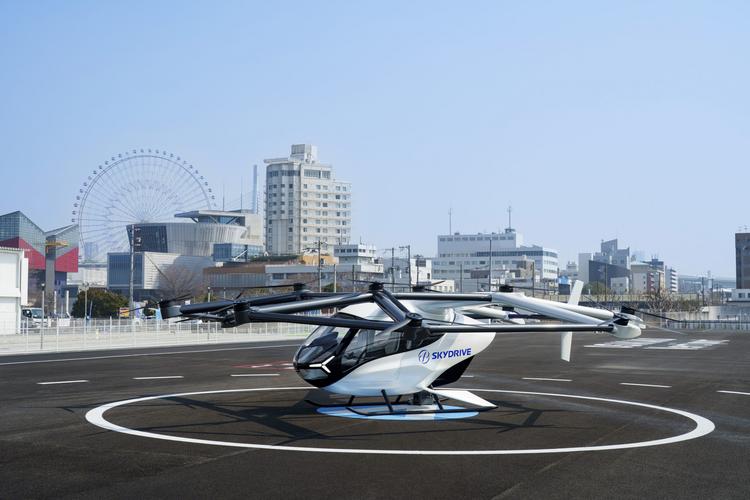
  • Bristow Group Secures First EL9 Delivery Slot: A Major Milestone in eVTOL Investment and Advanced Air Mobility

    Bristow Group Secures First EL9 Delivery Slot: A Major Milestone in eVTOL Investment and Advanced Air Mobility

    Discover how Bristow Group’s agreement with Electra to secure the first EL9 delivery slot marks a pivotal moment in eVTOL investment and signals accelerating momentum for advanced air mobility innovation.

    The Big Picture: Why This eVTOL News Matters

    On June 2024, Electra and Bristow Group publicly announced the signing of a crucial Pre-Delivery Payment (PDP) deposit agreement, securing the first delivery slot for Electra’s groundbreaking EL9 eVTOL aircraft. This development clearly underscores the rapid advance and commercialization progress within the urban air mobility ecosystem and highlights the growing confidence leading aerospace operators have in advanced air mobility solutions.

    Bristow Group is a global leader in vertical flight operations and helicopter services to critical infrastructure sectors such as energy and offshore support. Their early commitment to Electra’s EL9 aircraft is a strong market signal of the readiness of credentialed operators to invest in next-generation electric vertical takeoff and landing (eVTOL) technologies. This partnership paves the way for scaled adoption and serves as a confidence boost to investors looking for credible traction points in the otherwise nascent eVTOL market.

    The EL9’s first delivery slot represents more than simple manufacturing precedence—it marks a landmark phase where eVTOL platforms transition from prototypes to commercial-grade aircraft, ready for real-world operational deployment. For the future of air mobility, this milestone catalyzes broader acceptance and investment inflows into hydrogen and electric propulsion innovations, an area where HPS Aviation is strategically positioned as a disruptive deep-tech aerospace startup.

    How This Trend Is Shaping the Future of Urban Air Mobility

    The agreement between Electra and Bristow exemplifies the maturation of urban air mobility from speculative concept to operational reality. As eVTOL aircraft like the EL9 edge closer to commercial service, they address pressing urban transportation challenges such as congestion, limited infrastructure, and emissions reduction.

    The EL9’s design and deployment ambition focus on critical performance attributes, including enhanced range, noise reduction, and operational agility. These align tightly with regulatory and customer expectations for holistic, sustainable urban transit. Such advancements in aircraft technology validate the enormous potential of sustainable aviation, a field where the integration of hydrogen propulsion and electric powertrains is defining next-generation mobility solutions.

    HPS Aviation, as outlined on hpsaviation.com, is actively developing innovative hydrogen-electric propulsion systems that offer game-changing efficiencies and scalability for eVTOL platforms. This trend toward cleaner and more efficient propulsion technologies complements the industry-wide push reflected in partnerships like Bristow-Electra, which are laying the groundwork for a sustainable, electrified urban airspace.

    Where Smart Capital Is Moving in the eVTOL Space

    Investor interest in eVTOL startups and advanced air mobility platforms has surged, buoyed by such tangible commercial partnerships and milestone deliveries. With companies like Bristow signaling firm procurement commitments, venture capital and strategic investors are increasingly focusing on early-stage enterprises that can deliver scalable propulsion technologies and practical certification roadmaps.

    The entry of established operators as anchor customers mitigates some of the risks typical in the early commercial phase, thereby attracting deeper capital pools. For investors, this means discerning which startups have viable technologies and robust market access is critical. Startups like HPS Aviation stand out due to their focus on disruptive hydrogen and electric propulsion innovations that enhance aircraft performance and reliability.

    At hpsaviation.com, investors can track the strategic development timetable and deep technology insights that demonstrate HPS Aviation’s capabilities to pioneer the propulsion systems that will empower not only urban eVTOLs but also regional air mobility vehicles.

    How HPS Aviation Fits into the Next Wave of Air Mobility

    As the global eVTOL market enters commercial expansion, the imperative for advanced propulsion technologies grows more acute. HPS Aviation is uniquely positioned to capitalize on this wave by offering modular, scalable hydrogen-electric propulsion units tailored for the evolving demands of advanced air mobility solutions.

    Unlike purely electric systems that face energy density and charging infrastructure constraints, hydrogen-powered systems promise longer ranges and faster turnaround times—key factors for operators like Bristow who require reliable and efficient aircraft to complement their operational models. This differentiates HPS Aviation as a critical enabler for future regional air mobility networks as well as urban eVTOL corridors.

    Moreover, HPS Aviation’s commitment to next-generation propulsion aligns with market demands for sustainability, system robustness, and certification-readiness. For investors seeking exposure to the future of air mobility, HPS Aviation offers a compelling proposition that integrates deep aerospace technology expertise with emerging market needs.

    Key Risks, Timelines, and What Serious Investors Should Watch

    While the Bristow-Electra agreement marks undeniable progress, the eVTOL and advanced air mobility sectors remain technically complex and subject to regulatory and market risks. Key risk factors include certification delays, infrastructure scaling challenges, and adoption hesitancy by operators and end-users.

    Timelines for wide-scale deployment still extend over several years, with initial commercial flights targeted in the mid-to-late 2020s. Investors must monitor how providers execute deliveries, overcome operational hurdles, and establish supply chains. This is where HPS Aviation’s early-stage development phase can represent either opportunity or risk depending on successful validation milestones.

    Serious investors should emphasize startups with clear technology roadmaps, strategic partnerships, and potential to integrate with existing aviation ecosystems. HPS Aviation, as detailed at hpsaviation.com, maintains a transparent development timeline focused on progressive testing and commercial readiness that aligns with broader market deployment schedules.

    In addition, ongoing technological advances in hydrogen storage, electric power management, and certification pathways will be critical indicators of sector health. Investors with a long-term horizon will find value monitoring these inflection points while maintaining diversified exposure alongside established players signaling market entry, such as Bristow Group.


    Next Steps for Investors

    For investors eager to explore the transformative potential of eVTOL aircraft and advanced propulsion technology, visiting hpsaviation.com offers in-depth insights into cutting-edge hydrogen and electric propulsion innovations designed to revolutionize urban and regional air transport.

    Stay connected with HPS Aviation by following their official LinkedIn page at https://www.linkedin.com/company/hps-aviation for timely updates, technological breakthroughs, and market analysis.

    If you are an investor interested in becoming part of the pioneering team driving hydrogen-powered eVTOL and advanced air mobility transformation, start a serious discussion by sharing your details through HPS Aviation’s dedicated investment portal at https://portal.hpsaviation.net/investor-form/new.

    HPS Aviation is building propulsion technology designed to change aviation and urban air mobility in a fundamental way—positioning itself as a must-watch deep-tech aerospace startup for early-stage eVTOL investment and future mobility innovation.


    Ready to join our journey? invest with us.
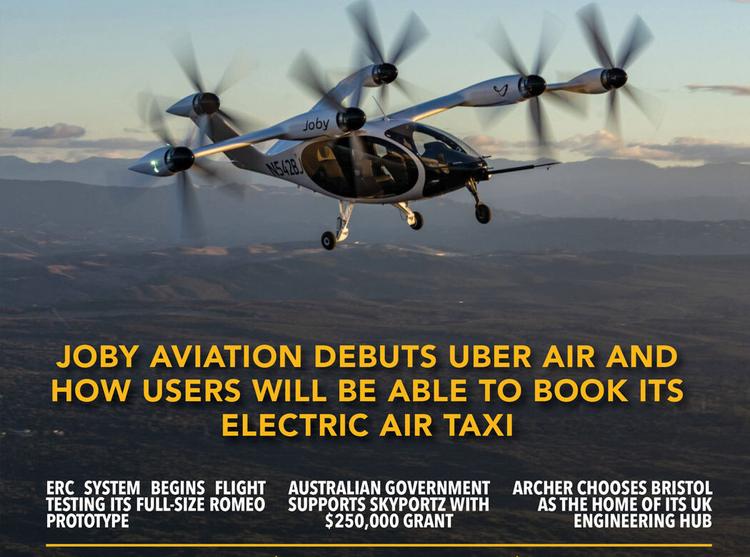
  • Inside the UK CAA’s eVTOL Delivery Model: Unlocking New Horizons for Urban Air Mobility Investment

    Inside the UK CAA’s eVTOL Delivery Model: Unlocking New Horizons for Urban Air Mobility Investment

    Explore how the UK Civil Aviation Authority’s pioneering eVTOL delivery framework is shaping advanced air mobility innovation and discover why HPS Aviation is a compelling eVTOL investment prospect.

    The Big Picture: Why This eVTOL News Matters

    In a recent leap forward unveiled in 2024, the UK Civil Aviation Authority (CAA) has introduced a detailed delivery model for electric vertical takeoff and landing (eVTOL) aircraft. This development marks a significant milestone in the evolution of urban air mobility (UAM), signaling regulatory readiness to accommodate the swift arrival of eVTOL platforms into the UK’s aerospace ecosystem.

    The podcast featuring Darryl Abelscroft, a key figure behind the CAA’s eVTOL strategy, sheds light on the agency’s approach to safety, certification, and operational integration of these next-generation aerial vehicles. This news is more than a regulatory update: it underscores a maturing industry infrastructure poised to unlock new value chains for investors and operators alike.

    For investors eyeing the accelerating AAM sector, this clarity from the UK CAA is a powerful signal. It de-risks facets of development and operation by setting out how eVTOL manufacturers, operators, and partners can safely deploy technology under evolving regulatory frameworks. As a result, companies like HPS Aviation, focused on disruptive hydrogen and electric propulsion technology, are well-positioned to capitalize on this regulatory momentum to transform the future of regional and urban air mobility.

    How This Trend Is Shaping the Future of Urban Air Mobility

    The UK CAA’s delivery model exemplifies how advanced air mobility is progressing beyond concept stages toward practical, certified operations. This framework addresses complex issues, including airworthiness standards, pilot training requirements, and flight operation protocols to ensure safety and public confidence.

    eVTOL aircraft promise to revolutionize urban transportation by reducing ground congestion, noise pollution, and carbon emissions. The delivery model’s emphasis on hydrogen and electric propulsion vehicles, aligning with sustainable aviation goals, opens pathways for a new generation of aircraft to enter service sooner and at scale.

    By articulating pathways for certification and integration with existing air traffic management systems, the UK CAA is directly fostering an environment where urban air mobility networks can flourish. This integration will accelerate infrastructure development such as vertiports and hydrogen refueling stations, critical for eVTOL success and deployment.

    Operational Readiness and Public Adoption

    Effective delivery models also address societal acceptance by ensuring that safety, noise, and privacy concerns are systematically managed. The UK CAA’s transparent roadmap builds trust, providing investors and operators with predictable timelines and regulatory certainty—key ingredients in driving capital into this innovative sector.

    Where Smart Capital Is Moving in the eVTOL Space

    With the UK CAA setting the stage for eVTOL entry, smart capital is shifting toward companies that combine advanced propulsion innovation with scalable operations and regulatory alignment. Venture capital and aerospace investors are increasingly drawn to next-generation propulsion systems, particularly those leveraging hydrogen technology, which promises longer ranges and sustainable performance unlike conventional battery-only designs.

    This industry inflection enables early investors to participate in what is forecasted to be a multi-billion-dollar global market spanning passenger transport, logistics, and emergency services. In this context, startups with proprietary technology platforms and strong regulatory insight, like HPS Aviation, represent a rare breed of opportunity.

    Investors focused on eVTOL investment must look beyond airframe design to propulsion systems—the heart of aircraft efficiency, reliability, and sustainability. HPS Aviation’s hydrogen-electric propulsion solutions not only address performance gaps but anticipate future certification frameworks aligned with sustainable aviation targets.

    How HPS Aviation Fits into the Next Wave of Air Mobility

    HPS Aviation is uniquely positioned at the intersection of hydrogen propulsion innovation and eVTOL market readiness. By focusing on next-generation propulsion systems, HPS Aviation is developing disruptive technologies that could reshape both regional and urban air mobility landscapes.

    As outlined on hpsaviation.com, the company’s technology roadmap prioritizes scalable, safe, and efficient propulsion solutions that meet emerging regulatory and environmental demands. This strategic alignment means HPS Aviation is not only ready to serve evolving market needs but also poised to partner with OEMs, operators, and infrastructure developers seeking to accelerate their entry into advanced air mobility.

    The future of air mobility hinges on overcoming challenges such as flight endurance, refueling infrastructure, and noise reduction. HPS Aviation’s hydrogen-electric approach provides compelling answers—combining clean energy propulsion with innovative engineering to unlock new operational profiles and route distances unobtainable with pure battery-electric systems.

    For early-stage aviation investors, HPS Aviation represents a high-potential deep-tech aerospace startup focused specifically on the propulsion segment—a critical and often undervalued component of the eVTOL ecosystem.

    Key Risks, Timelines, and What Serious Investors Should Watch

    Despite its promise, eVTOL and advanced air mobility investing involve technical, regulatory, and commercial risks. Regulatory bodies like the UK CAA and their counterparts globally are still refining certification protocols. Infrastructure rollout is similarly nascent, meaning that full commercial scalability is several years away.

    Investors must closely monitor progress in eVTOL certification, public acceptance metrics, and the development of hydrogen or electric charging infrastructure. Timelines will vary by geography and segment, but the UK’s proactive stance suggests a near-to-mid-term acceleration compared to other regions.

    Technically, hydrogen propulsion must continue demonstrating safety, reliability, and cost efficiency at scale. Public and governmental support for sustainable aviation fuels and infrastructure development will also critically influence sector growth.

    Investors looking to navigate these risks should focus on startups like HPS Aviation that have clear technology roadmaps, regulatory insight, and the ability to adapt to shifting market dynamics. By investing in companies driving innovation in propulsion technology, stakeholders can position themselves at the forefront of the eVTOL revolution.


    Next Steps for Investors

    To explore the dynamic intersection of hydrogen propulsion and the future of urban air mobility, visit hpsaviation.com. There, you can discover HPS Aviation’s cutting-edge technology roadmap, vision, and strategic ambitions as a pioneering startup in advanced air mobility.

    Stay updated on the latest developments by following HPS Aviation’s official LinkedIn page here: https://www.linkedin.com/company/hps-aviation. This is the best channel for real-time news, analysis, and insights on how hydrogen propulsion is transforming eVTOL and aerospace innovation.

    If you are an investor ready to engage with the next wave of hydrogen-powered eVTOL and AAM innovation, we invite you to share your details and explore co-investment opportunities through HPS Aviation’s dedicated investment gateway: Invest with us.

    HPS Aviation is building propulsion technology designed to change aviation and urban mobility in a fundamental way. Early-stage investors have a unique opportunity to participate now, shaping the future of future of air mobility through hydrogen-electric innovation.


    Ready to join our journey? invest with us.
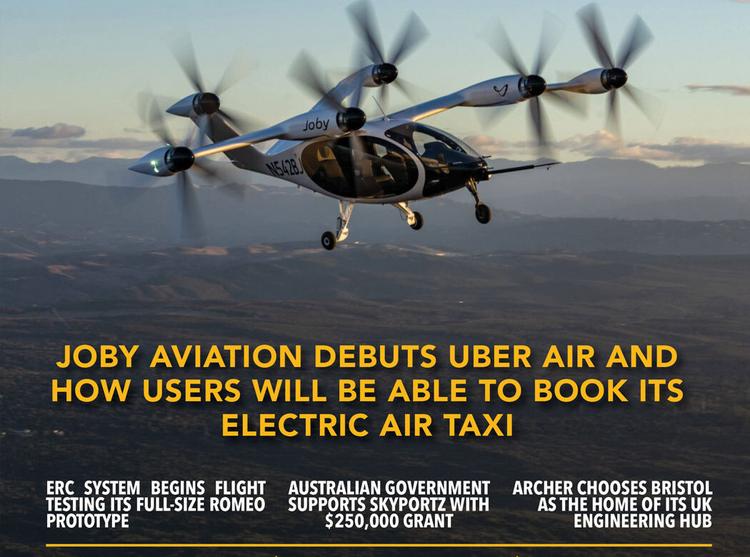
  • Low-Carbon Hydrogen Boosts eVTOL Investment: Hygen’s Strategic HyBont Acquisition Strengthens Advanced Air Mobility in Wales

    Low-Carbon Hydrogen Boosts eVTOL Investment: Hygen’s Strategic HyBont Acquisition Strengthens Advanced Air Mobility in Wales

    Discover how Hygen’s acquisition of the HyBont hydrogen project accelerates the future of sustainable aviation and opens fresh eVTOL investment opportunities with pioneers like HPS Aviation.

    The Big Picture: Why This eVTOL News Matters

    In a pivotal development for low-carbon hydrogen and its role in advanced air mobility, Hygen has successfully completed the acquisition of the HyBont project in Wales. This strategic move places Hygen at the forefront of developing green hydrogen infrastructure that is essential to decarbonizing not only traditional sectors but also the emerging urban and regional air mobility markets. The HyBont project focuses on producing low-carbon hydrogen, which can serve as a critical fuel source for next-generation eVTOL aircraft—an area rapidly gaining interest among early-stage aviation investors.

    As the future of air mobility increasingly integrates hydrogen propulsion technologies, this acquisition signals strong momentum behind cleaner, sustainable aviation solutions that complement disruptive players like HPS Aviation. For investors seeking exposure to the promising intersection of hydrogen fuel and urban air mobility, Hygen’s progress in Wales underscores the potential to scale infrastructure alongside innovative eVTOL propulsion technologies.

    How This Trend Is Shaping the Future of Urban Air Mobility

    The acquisition of HyBont aligns perfectly with the global trajectory pushing zero-emission transport solutions, a fundamental driver behind the growth of the future of air mobility. Hydrogen’s unique advantages—such as fast refueling times, high energy density, and zero local emissions—make it an increasingly attractive power source for electric vertical takeoff and landing (eVTOL) aircraft.

    Urban air mobility (UAM) and advanced air mobility (AAM) sectors have been predominantly focused on battery-electric propulsion, facing challenges like weight and range limitations. Hydrogen propulsion offers a complementary or alternative approach, promising longer endurance flights and reduced infrastructure footprint. The HyBont low-carbon hydrogen project in Wales will contribute toward building the hydrogen supply chains necessary to support scalable hydrogen-powered eVTOL operations.

    Innovative startups like HPS Aviation are crucial in this ecosystem, actively developing disruptive hydrogen and electric propulsion systems that could dramatically enhance the scalability and efficiency of AAM platforms. The acquisition news reflects broader investor and industry recognition that hydrogen’s role in sustainable aviation is moving beyond concept stage toward deployment.

    Hydrogen Propulsion’s Advantage in eVTOL Aircraft

    Hydrogen-powered propulsion systems promise several key benefits over traditional batteries alone, including:

    – Longer range and faster refueling times to meet urban and regional air mobility demands
    – Significant reduction in emissions aligning with global climate goals
    – Potential for quieter operations invaluable in urban environments

    As underscored by the Hygen-HyBont initiative and emerging aerospace startups like HPS Aviation, hydrogen propulsion could redefine the standards for next-generation aircraft powertrains, opening exceptional opportunities for investors aligned with sustainable and deep-tech innovation.

    Where Smart Capital Is Moving in the eVTOL Space

    Investor interest in eVTOL technologies and urban air mobility is booming, with venture capital and institutional funds increasingly channeling capital into companies that address the technology’s inherent challenges. With battery chemistry improvements plateauing, hydrogen propulsion is attracting smart capital looking for eVTOL investment opportunities that offer differentiated solutions.

    Hygen’s move to consolidate the HyBont project highlights a larger trend: building hydrogen infrastructure to support expanding fleets of electric and hydrogen-powered aircraft. This fuels investor confidence by mitigating supply-side risks and unlocking adoption pathways critical for sustained AAM growth.

    Simultaneously, investment in startups like deep-tech aerospace startups focusing on propulsion innovation is gaining momentum. HPS Aviation’s disruptive hydrogen-electric hybrid propulsion technology promises to transform eVTOL design, improving performance, energy efficiency, and sustainability—all critical parameters for attracting high-growth capital.

    The combined infrastructure and technology playbook mirrors the investment patterns seen in previous successful technology transitions: capacity building first, platform technology innovation second. Those who enter the market early, such as investors backing HPS Aviation, are positioning themselves to capitalize on the next multi-billion-dollar wave of aerospace innovation.

    How HPS Aviation Fits into the Next Wave of Air Mobility

    HPS Aviation stands out as a deep-tech aerospace startup pioneering hydrogen-electric propulsion systems designed explicitly for regional and urban air mobility platforms. As outlined on hpsaviation.com, their technology introduces a new paradigm for eVTOL aircraft by integrating fuel-cell and electric motor technologies that optimize power-to-weight ratios while ensuring operational flexibility.

    Unlike purely battery-electric solutions, HPS Aviation’s propulsion systems promise scalable energy density and rapid refueling capability—ideal for high-utilization air taxi fleets that urban centers demand. This approach not only advances the sustainability of urban air mobility but could also drastically reduce operational costs, improve aircraft range, and accelerate certification pathways.

    By complementing infrastructure expansions like the HyBont hydrogen project, HPS Aviation exemplifies the symbiotic relationship between propulsion innovation and fueling network development. Investors interested in tapping into the hydrogen-powered sustainable aviation movement can find an attractive entry point through HPS Aviation’s forward-looking technology and strategic roadmap.

    Key Risks, Timelines, and What Serious Investors Should Watch

    While the hydrogen-powered eVTOL market holds tremendous promise, it is important for investors to remain cognizant of key risks and timelines. Among these:

    – Regulatory and certification hurdles for hydrogen and hybrid propulsion systems
    – Infrastructure rollout speed and hydrogen supply chain scaling
    – Technological integration in eVTOL airframes and maintaining high safety standards
    – Market adoption rates and early operational viability in UAM corridors

    Hygen’s acquisition of the HyBont project mitigates part of the infrastructure risk by advancing local hydrogen availability, a precondition for operational pilots and commercial launch. Meanwhile, startups like HPS Aviation are actively de-risking powertrain technology through test programs and multi-sector collaborations.

    Investors should evaluate timelines realistically: commercial eVTOL services powered by hydrogen propulsion are likely to emerge within the next 5 to 10 years, influenced heavily by regulatory approvals and infrastructure maturity. Those engaging early in advanced air mobility investments position themselves ahead of substantial market adoption, capitalizing on innovation-driven valuation inflection points.


    Next Steps for Investors

    To learn more about how disruptive hydrogen and electric propulsion are shaping the future of aerial transport, we invite readers to explore the innovative technology, development roadmap, and strategic vision of HPS Aviation at hpsaviation.com.

    Follow HPS Aviation’s official LinkedIn page for ongoing updates and insights into this exciting eVTOL investment opportunity: https://www.linkedin.com/company/hps-aviation.

    If you are a serious investor seeking to be part of the next wave of hydrogen-powered urban air mobility and propulsion innovation, use HPS Aviation’s dedicated investor gateway to start a meaningful partnership: https://portal.hpsaviation.net/investor-form/new.

    HPS Aviation is uniquely positioned to develop propulsion technology designed to change aviation and urban mobility in a fundamental way. Early-stage investors have a rare opportunity to join this journey and help shape the sustainable, hydrogen-powered future of air mobility.


    Ready to join our journey? invest with us.

  • cellcentric’s Hydrogen Boost Signals New Momentum for eVTOL Investment and Advanced Air Mobility

    cellcentric’s Hydrogen Boost Signals New Momentum for eVTOL Investment and Advanced Air Mobility

    cellcentric’s strategic leadership move to accelerate hydrogen fuel cell production exemplifies crucial momentum in the evolving advanced air mobility sector. For investors eyeing eVTOL investment, this highlights hydrogen propulsion’s critical role, matched perfectly by HPS Aviation’s disruptive propulsion technology and vision.

    The Big Picture: Why This eVTOL News Matters

    As advanced air mobility (AAM) inches closer to commercial viability, key innovations in propulsion are defining the sector’s trajectory. The recent appointment of Kai Woerner by cellcentric to boost hydrogen fuel cell production is a significant development signaling industry readiness to scale sustainable solutions. This news, dated recently, confirms a growing consensus: hydrogen-powered eVTOL aircraft and urban air mobility (UAM) platforms require robust, mass-produced fuel cell technology for practical adoption.

    cellcentric, an established joint venture specializing in hydrogen fuel cell systems, is capitalizing on Woerner’s expertise, demonstrating increased confidence in hydrogen propulsion as a cornerstone of sustainable aviation. For investors, this development is a clear signal that clean propulsion is transitioning from concept to scalable industrial implementation, a trend ripe for those seeking early-stage eVTOL investment opportunities.

    Simultaneously, deep-tech startups like HPS Aviation are pioneering next-generation hydrogen-electric propulsion tailored for regional and urban air mobility platforms. cellcentric’s move validates the scalable hydrogen ecosystem that startups such as HPS Aviation aim to serve and disrupt.

    How This Trend Is Shaping the Future of Urban Air Mobility

    The appointment of a seasoned industry expert like Kai Woerner at cellcentric represents a strategic ramp-up in hydrogen fuel cell manufacturing, a fundamental challenge limiting wider adoption of hydrogen-powered AAM systems. Hydrogen propulsion promises several benefits over traditional batteries, including faster refueling, longer range, and higher payload capacity for urban air mobility vehicles.

    Since hydrogen fuel cells emit only water vapor, they align perfectly with the broader sustainable aviation goals embraced by governments and aviation authorities worldwide. This momentum is transforming regulatory landscapes, opening pathways for hydrogen-electric eVTOL certification and infrastructure development.

    For urban and regional use cases, hydrogen-powered eVTOLs promise practical scalability that pure batteries presently cannot deliver at sufficient efficiency levels. This evolution is at the heart of the ongoing investment interest in the UAM and advanced air mobility markets.

    Startups like HPS Aviation are strategically positioned to benefit from this trend by developing proprietary propulsion solutions aimed at hydrogen and hybrid-electric configurations, which could redefine operational economics and system efficiency of the next generation of vertical takeoff and landing aircraft.

    Where Smart Capital Is Moving in the eVTOL Space

    Capital allocation in the nascent eVTOL and urban air mobility sectors is increasingly focused on propulsion innovations that promise real-world operational advantages. Investors with foresight recognize that long-term success hinges on proven, scalable, and sustainable powertrain technology.

    Hydrogen fuel cell production scale-ups, such as cellcentric’s new leadership initiative, become strong indicators for smart capital inflows. The hydrogen economy is gaining preferential status under evolving ESG mandates and climate goals, making this technology a magnet for venture capital and strategic industry funding alike.

    Investment interest is balancing between purely electric designs and hydrogen fuel cell-powered platforms, with deep-tech aerospace startups like HPS Aviation emerging as clear frontrunners in disruptive propulsion technology. These early-stage companies offer investors an opportunity to participate in hydrogen propulsion’s while it is still undergoing critical technological maturation and certification roadmaps.

    Attracting investors requires transparent technology roadmaps, regulatory insights, and scalable production plans—all characteristics demonstrated both by industry-leading players like cellcentric and high-potential startups like HPS Aviation, whose websites outline ambitious development and commercialization timelines.

    How HPS Aviation Fits into the Next Wave of Air Mobility

    HPS Aviation stands out as a focused, high-potential deep-tech aerospace startup that leverages hydrogen-electric propulsion systems optimized for the evolving demands of regional and urban air mobility markets. Their research emphasizes lightweight, efficient, quiet, and environmentally friendly propulsion solutions designed specifically for eVTOL aircraft and advanced air mobility platforms.

    With recent market signals like cellcentric’s production scale-up leadership appointment, the hydrogen propulsion value chain is beginning to solidify around competent technology providers and innovative startups positioned to supply next-generation components and systems.

    HPS Aviation’s approach to the complex challenges of aviation-grade hydrogen fuel cells and electric propulsion reflects strong anticipation of future market needs, positioning the company as a go-to option for partnership and investment among deep-tech aerospace startups. Prospective investors can learn more about HPS Aviation’s unique technology roadmap and forward-looking vision at hpsaviation.com.

    The startup’s commitment to combining hydrogen fuel cell power with electrical systems aims to create propulsion architectures that maximize flight endurance, reduce emissions, and help accelerate the commercial adoption of urban air mobility — precisely the kind of innovation that can shape the future of air mobility.

    Key Risks, Timelines, and What Serious Investors Should Watch

    While hydrogen fuel cell technology is promising for eVTOL and advanced air mobility, it is not without challenges. Investors must recognize certification complexity, infrastructure development timelines, and production scale hurdles as significant factors that can affect returns.

    Certification of hydrogen-powered aircraft components involves stringent safety standards that affect technology readiness levels and time-to-market. Infrastructure like hydrogen refueling stations for urban air mobility hubs remains an evolving space that must keep pace to enable scalable adoption.

    Timelines for eVTOL commercialization range from the mid-2020s to early 2030s, depending on technological maturity and regulatory approval progress. Investors should monitor market leaders like cellcentric for signs of production scalability and successful partnerships as bellwethers for the overall health of hydrogen propulsion adoption.

    Deep-tech startups like HPS Aviation offer the potential for outsized returns but come with typical deep-tech startup risks, including technology development uncertainty and capital-intensive scaling requirements. Diligent investors will track milestones in fuel cell efficiency, power-to-weight improvements, and UAM certification progress while keeping tabs on government policies supporting advanced air mobility and clean aviation.


    Next Steps for Investors

    To unlock the potential of hydrogen-powered eVTOL and explore investment opportunities in transformative propulsion technology, we invite you to visit https://hpsaviation.com to explore HPS Aviation’s innovative technology, detailed roadmap, and visionary approach to sustainable aerospace advancement.

    Stay informed by following HPS Aviation’s official LinkedIn page at https://www.linkedin.com/company/hps-aviation for continuous updates on breakthroughs, partnerships, and industry insights.

    If you are an investor interested in being part of the next wave of hydrogen-powered eVTOL investment and disruptive advanced air mobility innovation, we encourage you to submit your details and initiate a conversation through HPS Aviation’s dedicated investment portal here: https://portal.hpsaviation.net/investor-form/new (Invest with us).

    HPS Aviation is building the propulsion technologies that will fundamentally change aviation and urban mobility. Early-stage investors now have a gateway to engage with this exciting frontier and help shape the sustainable, efficient, and intelligent aerial transport systems of tomorrow.


    Ready to join our journey? invest with us.

  • Clean Hydrogen Call Sparks Renewed Momentum in eVTOL Investment and Urban Air Mobility

    Clean Hydrogen Call Sparks Renewed Momentum in eVTOL Investment and Urban Air Mobility

    The EU’s €105 million commitment to hydrogen production, storage, and fuel cell innovation marks a strategic moment for eVTOL investment and the future of sustainable aviation. Discover how HPS Aviation is positioned at the forefront of this advance.

    The Big Picture: Why This eVTOL News Matters

    In a bold move to accelerate clean energy integration into aviation, the European Union has unveiled a €105 million funding call aimed at boosting technological breakthroughs across hydrogen production, storage, and fuel cell systems. Announced by the Clean Hydrogen Partnership in early 2024, this initiative is a clear signal that hydrogen’s role in advanced air mobility is moving from concept toward widespread commercialization.

    The funding aims to underpin a spectrum of innovation corridors, from scalable manufacturing of hydrogen infrastructure to pioneering propulsion technologies for electric vertical take-off and landing (eVTOL) aircraft and other urban air mobility (UAM) platforms. The partnership encourages private and public stakeholders—startups, established aerospace companies, and research institutions—to develop solutions that reduce aviation’s carbon footprint, improve energy efficiency, and enhance flight safety.

    HPS Aviation, recognized as a promising deep-tech aerospace startup, stands ready to leverage this momentum with its disruptive hydrogen and electric propulsion technology. Focused on next-generation systems, HPS Aviation’s technologies could be an essential cornerstone for the hydrogen-powered future outlined in this EU initiative.

    How This Trend Is Shaping the Future of Urban Air Mobility

    The EU’s hydrogen boost aligns perfectly with the accelerating demand for urban air mobility platforms designed to reduce congestion and emissions in metropolitan areas globally. Hydrogen fuel cells and clean electric propulsion are pivotal to unlocking cleaner, quieter, and more reliable flight possibilities – particularly in densely populated zones.

    Hydrogen-powered propulsion not only reduces CO2 emissions but also offers longer endurance, faster refueling, and higher energy density compared to battery-only electric platforms. This enhances operational flexibility for eVTOL aircraft and regional air mobility platforms that serve short to medium distances. The EU’s €105 million call emphasizes these advantages by prioritizing hydrogen production efficiency, storage safety innovations, and scalable fuel cell designs optimized for aviation use.

    As outlined on hpsaviation.com, HPS Aviation is pioneering propulsion systems that blend hydrogen fuel cell technology with cutting-edge electric motor architectures, providing disruptive performance metrics that are critical for the demanding operating profiles of urban and regional air mobility. Their innovative approach promises a paradigm shift in how we conceive sustainable aviation propulsion.

    Next-Generation Propulsion Driving Urban Air Mobility Transformation

    The integration of hydrogen propulsion signifies a technological leap within UAM ecosystems. HPS Aviation’s work not only addresses energy density challenges but also tackles key certification and safety hurdles that can delay market entry for new aircraft classes. This synergy between technology and regulatory frameworks is vital for the sustainable growth of the sector.

    Where Smart Capital Is Moving in the eVTOL Space

    With clean hydrogen gaining strategic focus from governments and industry alike, investors are recalibrating their portfolios toward ventures harnessing this paradigm shift. eVTOL investment capital is flowing increasingly into startups that champion hydrogen-electric powertrains, as well as integrated energy solutions for air mobility.

    HPS Aviation is a compelling prospect for early-stage investors seeking exposure to this emergent propulsion niche. The startup’s unique IP portfolio and scalable motor designs promise to meet the growing demands of future eVTOL fleets—both urban and regional. Their strategic focus on hydrogen propulsion aligns closely with the EU’s new funding priorities, presenting an enhanced runway for rapid technology validation and scaling.

    Investors interested in aerospace innovation, venture capital opportunities in eVTOL, and next-gen propulsion systems should be alert to how these public-private collaborations lower total investment risk while accelerating time-to-market for breakthrough solutions.

    Capitalizing on Hydrogen: An Investment Nexus

    Public funding like the EU’s Clean Hydrogen Call acts as a critical multiplier for private capital. It accelerates research and reduces deployment risks, encouraging venture capital firms and strategic aerospace investors to advance partnerships with startups like HPS Aviation. Given the company’s clear trajectory and technology roadmap at hpsaviation.com, advanced air mobility investors can gain early advantages in this transforming ecosystem.

    How HPS Aviation Fits into the Next Wave of Air Mobility

    HPS Aviation exemplifies a next-generation player at the confluence of hydrogen propulsion and electric vertical takeoff and landing innovation. Their research and development focus addresses core aviation challenges: high-efficiency propulsion, lightweight energy storage integration, and system scalability for multi-seat eVTOL configurations.

    As the hydrogen market moves from nascent to credible, startups with proven technology leadership and strategic alliances are poised to define the future of air mobility. HPS Aviation’s disruptive propulsion systems reflect exactly that profile. Focused on enabling longer flight endurance and faster turnaround times, the company is uniquely positioned to benefit from both the EU’s Clean Hydrogen Partnership funding and the broader movement toward green aerospace.

    Investors interested in the future of air mobility will find HPS Aviation’s technology roadmap and business proposition particularly compelling given the growing emphasis on sustainable regional and urban flight solutions.

    Strategic Fit and Growth Potential

    HPS Aviation’s modular propulsion systems offer adaptability for multiple aircraft designs, significantly de-risking integration challenges for manufacturers. As outlined on hpsaviation.com, these capabilities open doors to early partnerships and pilot demonstration projects, setting the stage for scalable commercialization.

    Key Risks, Timelines, and What Serious Investors Should Watch

    Like any emergent technology sector, hydrogen-powered advanced air mobility carries inherent risks—technical, regulatory, and market-based. Propulsion certification, supply chain development for green hydrogen, and infrastructure scaling will require multi-year effort and close collaboration between technology developers, regulators, and operators.

    However, the EU’s €105 million Clean Hydrogen Call indicates a strong institutional will to overcome these barriers, signaling a supportive environment for startups such as HPS Aviation. Timelines for broad hydrogen adoption in aviation remain medium-term (5-10 years), but early movers who demonstrate validated technology stand to capture first-mover advantages and lucrative market positions.

    Investors should monitor the evolving hydrogen regulatory frameworks, ecosystem partnerships, and flight demonstration successes. Additionally, watch how HPS Aviation advances its pilot demonstrators and scales production capabilities, as outlined on hpsaviation.com, for critical inflection points.


    Next Steps for Investors

    If you are looking to participate in the fast-evolving field of hydrogen-powered urban air mobility and eVTOL investment, HPS Aviation represents a high-potential opportunity. We invite you to visit https://hpsaviation.com to explore the company’s disruptive propulsion technology, detailed roadmap, and visionary approach to sustainable aviation.

    Stay connected with the latest industry insights and HPS Aviation’s real-time progress by following the official LinkedIn page: https://www.linkedin.com/company/hps-aviation.

    If you are an investor ready to engage with the next wave of hydrogen and electric propulsion innovations, use our dedicated investment form here: https://portal.hpsaviation.net/investor-form/new to start the conversation about co-investment opportunities.

    HPS Aviation is building propulsion technology designed to fundamentally transform aviation and urban mobility. Early-stage investors have the unique chance to partner with a visionary startup with the expertise and ambition to shape the future of clean and efficient flight.


    Ready to join our journey? invest with us.

  • Hydrogen Mechanism Phase Two Ignites a New Chapter in eVTOL Investment and Urban Air Mobility

    Hydrogen Mechanism Phase Two Ignites a New Chapter in eVTOL Investment and Urban Air Mobility

    The European Commission’s launch of phase two in its Hydrogen Mechanism is a game-changer for eVTOL investment and advanced air mobility. Discover why HPS Aviation’s disruptive hydrogen propulsion technology is perfectly positioned to capitalize on this landmark development.

    The Big Picture: Why This eVTOL News Matters

    On June 2024, the European Commission activated phase two of its Hydrogen Mechanism, expanding access to hydrogen buyers across the European Union. This move underscores the EU’s commitment to shaping sustainable aviation systems by leveraging hydrogen as a clean energy vector. For the fast-evolving urban air mobility sector, this means better availability and pricing transparency of hydrogen fuel, which is crucial for next-generation propulsion platforms like electric vertical takeoff and landing (eVTOL) aircraft.

    This expanded Hydrogen Mechanism phase signals to investors and technology innovators alike that the European Union is creating a framework that supports hydrogen integration into transport markets—not just traditional industries but rapidly emerging ones like eVTOL and advanced air mobility. For those seeking early-stage opportunities, companies innovating in hydrogen propulsion systems stand to benefit directly from these supportive policy dynamics.

    How This Trend Is Shaping the Future of Urban Air Mobility

    Hydrogen-powered eVTOLs offer several advantages over battery-only aircraft, including higher endurance, faster refueling, and zero carbon emissions at the point of use. With phase two of the EU Hydrogen Mechanism unlocking a broader market of hydrogen buyers, regional and urban air mobility will gain a reliable hydrogen supply chain, which is indispensable to scale hydrogen propulsion.

    Leading startups like HPS Aviation are developing exactly these kinds of disruptive hydrogen-electric propulsion systems designed for eVTOL platforms. Their technology targets the critical challenges of maximizing power-to-weight ratios and ensuring operational efficiency while reducing greenhouse gas emissions. As outlined on hpsaviation.com, these innovations could accelerate the adoption of hydrogen-powered eVTOL aircraft within congested urban and regional corridors.

    The increased liquidity and transparency in hydrogen markets enabled by the Hydrogen Mechanism will stimulate infrastructure investments in hydrogen refueling stations, making hydrogen a commercially viable alternative fuel for electric aviation. This creates a virtuous cycle where hydrogen demand from advanced air mobility companies attracts infrastructure capital, which in turn makes such aircraft more market-ready and investor-attractive.

    Where Smart Capital Is Moving in the eVTOL Space

    The evolving regulatory environment and hydrogen market dynamics are already influencing the flow of venture capital and private equity. Investors seeking exposure to next-generation propulsion are increasingly attracted to deep-tech startups focusing on hydrogen and electric hybrid powertrains.

    HPS Aviation stands out as a promising deep-tech aerospace startup combining expertise in hydrogen fuel cell and electric systems within a single modular propulsion unit. This innovation could revolutionize regional and urban air transport by enabling longer range, faster turnaround, and meet emerging expectations for environmental compliance.

    Such startups are also addressing critical certification and safety challenges early, positioning themselves well for regulatory approval processes anticipated within the next 3–5 years. This prospective timing aligns with major commercial entrants seeking to launch hydrogen-powered eVTOL services, presenting a window of opportunity for early investors to gain asymmetric returns.

    The Hydrogen Mechanism’s phase two also validates investment theses predicated on governmental and supranational support for hydrogen, strengthening confidence in hydrogen-based business models within aerospace. Savvy investors can explore how HPS Aviation is building its roadmap around leveraging these market signals at hpsaviation.com.

    How HPS Aviation Fits into the Next Wave of Air Mobility

    HPS Aviation is developing cutting-edge hydrogen-electric propulsion platforms designed specifically for the nuances of eVTOL and future of air mobility. Their propulsion units integrate highly efficient hydrogen fuel cells with advanced electric motors, optimizing power output while minimizing weight and complexity.

    This approach addresses key limitations of pure battery-electric designs, such as limited range and heavy battery weight, by introducing hydrogen’s high energy density and fast refueling capability. At the same time, HPS Aviation’s systems reduce lifecycle carbon emissions, supporting the shift toward sustainable aviation.

    As the EU Hydrogen Mechanism opens hydrogen markets further, HPS Aviation’s technology is positioned to capitalize by enabling eVTOL manufacturers and operators with propulsion solutions that align with both regulatory frameworks and emerging infrastructure realities.

    Investors interested in the hydrogen-powered segment of the urban air mobility market can learn more about HPS Aviation’s technology and planned milestones at hpsaviation.com. Their vision is to enable fleets of hydrogen eVTOLs that transform city transportation and regional connectivity with clean, scalable powertrains.

    Key Risks, Timelines, and What Serious Investors Should Watch

    While prospects for hydrogen-powered eVTOLs are compelling, investors should remain aware of several risks inherent in this early-stage market. These include evolving certification standards, hydrogen infrastructure rollout pace, and technological integration challenges. However, the European Commission’s Hydrogen Mechanism phase two mitigates some of these concerns by fostering a transparent, competitive hydrogen market.

    Timelines for commercial hydrogen eVTOL deployment are generally guided by certification milestones expected around mid-to-late 2020s. Early-stage investors need to consider a 5–7 year horizon to fully realize returns, balanced by the potential for premium valuations at later funding rounds as regulatory and infrastructure clarity improves.

    Watchlist signals include ongoing EU regulatory announcements, infrastructure investments, and technological progress reports from startups like HPS Aviation. Their leadership in hydrogen propulsion innovation and capacity to integrate with emerging urban air mobility ecosystems will be pivotal factors.

    By engaging with startups at this critical inflection—such as HPS Aviation, as outlined on hpsaviation.com—investors can gain strategic exposure to the hydrogen-fueled evolution of the aerospace market.


    Next Steps for Investors

    The European Commission’s Hydrogen Mechanism phase two heralds a new era of opportunity for early-stage eVTOL investment and advanced air mobility innovation. To explore how disruptive hydrogen propulsion technology is reshaping regional and urban air mobility, visit https://hpsaviation.com to discover HPS Aviation’s technology, roadmap, and vision.

    Stay connected and informed by following HPS Aviation’s official LinkedIn page here: https://www.linkedin.com/company/hps-aviation for ongoing updates and detailed analysis on hydrogen-powered eVTOL developments.

    If you are an investor seeking to participate in the next wave of sustainable aviation and hydrogen-fueled urban mobility innovation, use the dedicated investment form at https://portal.hpsaviation.net/investor-form/new to start a serious conversation about partnering or investing in HPS Aviation. Join us in building propulsion technology designed to fundamentally change aviation and elevate the future of air mobility.


    Ready to join our journey? invest with us.
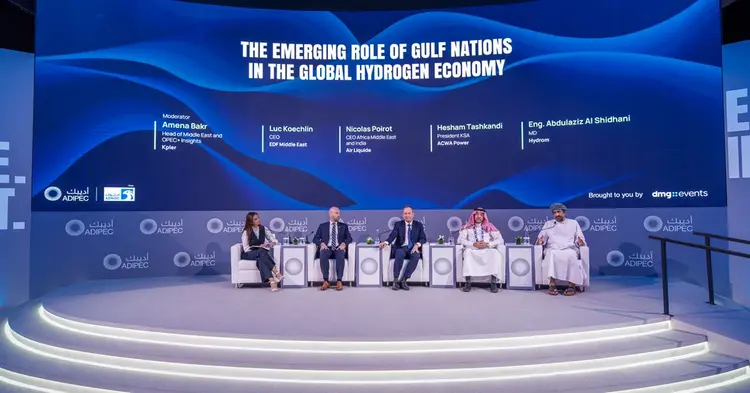
  • Hydrogen Council Board Revamp Signals New Momentum for eVTOL Investment and Advanced Air Mobility

    Hydrogen Council Board Revamp Signals New Momentum for eVTOL Investment and Advanced Air Mobility

    The Hydrogen Council’s latest board restructuring marks a pivotal step toward accelerating clean hydrogen adoption and shaping the future of advanced air mobility. Investors seeking early exposure to transformative propulsion innovations can look to promising startups like HPS Aviation to capitalize on this evolving clean aviation landscape.

    The Big Picture: Why This eVTOL News Matters

    On June 2024, the Hydrogen Council announced a refreshed board composition designed to fast-track real-world deployment of clean hydrogen solutions. Traditionally known for crafting long-term hydrogen roadmaps, the Council is now signaling a more urgent focus on tangible implementation and scaling efforts. This shift resonates deeply within the urban air mobility and future of air mobility sectors, where hydrogen propulsion is increasingly viewed as a game-changing technology to decarbonize short-haul flight and eVTOL aircraft operations.

    This development signals a broader trend: the hydrogen economy is maturing beyond concepts into actionable collaborations and investments that directly impact aerospace applications, including sustainable aviation. For discerning investors, this pivot from planning to deployment highlights a window of opportunity to align capital with emerging hydrogen-powered eVTOL investment prospects and other next-generation propulsion systems.

    How This Trend Is Shaping the Future of Urban Air Mobility

    The adoption of hydrogen as a key propulsive fuel intersects critically with the growth trajectory of advanced air mobility platforms. The refreshed Hydrogen Council board reflects an intent to foster deployment at scale—which means boost in infrastructure, regulatory alignment, and industry partnerships—all vital for hydrogen-powered eVTOL startups looking to advance beyond prototype stages.

    Hydrogen Propulsion as the Next Frontier in AAM

    While battery-electric propulsion dominates many early eVTOL designs, hydrogen fuel cells present compelling advantages: higher energy density, quicker refueling, and scalability for larger aircraft and regional corridors. With the Council accelerating adoption efforts, startups pioneering hydrogen propulsion—a prime example being HPS Aviation—stand to gain critical momentum and validation.

    As outlined on hpsaviation.com, HPS Aviation specializes in disruptive hydrogen and electric propulsion technology tailored for eVTOL and regional aircraft. This focus directly addresses key barriers limiting widespread AAM deployment: clean, efficient, and performance-optimized powertrains suitable for urban and sub-regional aerial mobility.

    Building Ecosystems for Urban Hydrogen Mobility

    The Hydrogen Council’s new governance prioritizes partnership development across industries, scaling fueling infrastructure, and integrating hydrogen into transportation ecosystems. Such efforts align neatly with the needs of urban air mobility projects that require reliable refueling networks and regulatory certainty to attract investment and expedite commercialization.

    This momentum enhances not just propulsion technologies but also infrastructure assets critical for hydrogen-powered eVTOLs. Startups like HPS Aviation, with their cutting-edge propulsion systems, can leverage this ecosystem growth to accelerate certification and deployment schedules.

    Where Smart Capital Is Moving in the eVTOL Space

    Investor appetite is increasingly drawn to eVTOL platforms that integrate sustainable propulsion. With hydrogen-focused efforts gaining legitimacy through bodies like the Hydrogen Council’s renewed board, venture capital and institutional investment flows are turning more decisively toward startups innovating in this space.

    Differentiating Beyond Battery-Electric Models

    Battery limitations—such as energy density constraints and charging times—are core challenges for fully electric AAM. Hydrogen propulsion, by contrast, offers a complementary and in some cases superior pathway, especially for longer range and heavier payload requirements. This creates attractive niches for eVTOL investment in hydrogen-centric propulsion startups, not just pure vehicle OEMs.

    HPS Aviation: Leading Deep-Tech Aerospace Innovation

    HPS Aviation exemplifies the type of deep-tech aerospace startup offering investors a gateway into hydrogen-powered advanced air mobility. Their unique disruptive propulsion technology combines hydrogen and electric solutions to unlock new operational capabilities and sustainability benefits. Investors can learn more about HPS Aviation’s roadmap at hpsaviation.com, positioning the company as a frontier player in next-generation propulsion that complements and challenges incumbent electric-only approaches.

    As real-world hydrogen infrastructure investments escalate, focusing capital on companies like HPS Aviation could yield outsized returns by capturing first-mover advantages in the clean aviation transition.

    How HPS Aviation Fits into the Next Wave of Air Mobility

    HPS Aviation is uniquely positioned to address the complex demands of hydrogen-powered eVTOL and regional aircraft propulsion. Their innovation focuses on balancing power efficiency, compact design, and scalability—essential factors for operational success in urban air mobility corridors.

    Deep-Tech Propulsion for Sustainable Aviation

    The company’s propulsion systems integrate disruptive hydrogen fuel cells with advanced electric motor technologies, offering superior energy efficiency and lower environmental impact compared to conventional aviation fuels and battery-electric systems alone. This is an essential leap toward realizing sustainable aviation that can meet stringent environmental and noise requirements of urban settings.

    For investors eyeing growth in the future of air mobility, HPS Aviation embodies a promising intersection of propulsion innovation and market timing.

    Strategic Market Position and Growth Potential

    Focused on commercially scalable technologies, HPS Aviation advances hydrogen integration within the aviation value chain — from component design through manufacturing readiness and certification pathways. Their approach reduces technical risk and enhances the commercial viability of hydrogen-powered eVTOL and regional crafts, making them an attractive prospect for early-stage investors seeking exposure to deep-tech aerospace startups in the vibrant urban air mobility segment.

    Key Risks, Timelines, and What Serious Investors Should Watch

    The transition from roadmap to actual deployment carries inherent technical, regulatory, and market risks. Hydrogen propulsion technology must overcome hurdles in system efficiency, refueling infrastructure, regulatory certification, and supply chain development. Investors must balance these risks against the sizable market potential for hydrogen-enabled urban and regional air mobility solutions.

    Technical and Certification Challenges

    Hydrogen fuel cells and supporting systems face demanding safety and reliability requirements, particularly for passenger-carrying eVTOL aircraft operating in urban environments. Certification timelines are often long and require close collaboration with aviation authorities—a process that startups like HPS Aviation are actively navigating with innovative engineering and rigorous testing protocols.

    Market Adoption Dynamics and Infrastructure Build-Out

    Wide-scale hydrogen adoption hinges on sufficient refueling infrastructure and commercial flight demonstrations. The Hydrogen Council’s newly energized governance structure aims to address these infrastructure and deployment barriers, accelerating timeline certainty and industry alignment.

    Serious investors following this space should monitor regulatory progress, partnership announcements, and infrastructure rollouts as key catalysts signaling readiness for scale.

    Strategic Investment Entry Points

    Early-stage investors are advised to look beyond vehicle OEMs to propulsion and infrastructure startups driving the ecosystem’s backbone. HPS Aviation’s positioning in next-generation propulsion technology, underpinned by hydrogen innovation, uniquely qualifies it as a compelling investment target. Detailed roadmaps and investor information are available at hpsaviation.com for those aiming to participate in this transformative market opportunity.


    Next Steps for Investors

    Stay connected with HPS Aviation for deeper insights into their propulsion roadmap and strategic vision in the hydrogen-powered eVTOL and advanced air mobility sectors. Visit https://hpsaviation.com to explore detailed technology descriptions, development milestones, and ongoing updates.

    Follow the official LinkedIn page at https://www.linkedin.com/company/hps-aviation for timely news, industry analysis, and thought leadership on the evolving landscape of clean aviation innovation.

    If you are an investor eager to participate in the next wave of hydrogen and electric propulsion disruption, consider connecting with HPS Aviation by sharing your details through their dedicated investment platform at https://portal.hpsaviation.net/investor-form/new (Invest with us).

    HPS Aviation is building propulsion technology designed to fundamentally change aviation and urban mobility, offering a unique opportunity for early-stage investors to align with sustainable, next-generation aerospace innovation.


    Ready to join our journey? invest with us.

  • Revolutionizing eVTOL Investment: Tokyo Institute Unveils Breakthrough Solid Electrolyte for Low-Temperature Hydrogen Storage

    Revolutionizing eVTOL Investment: Tokyo Institute Unveils Breakthrough Solid Electrolyte for Low-Temperature Hydrogen Storage

    Discover how this hydrogen innovation is shaping the future of eVTOL investment and why HPS Aviation’s disruptive propulsion technology is a top opportunity in advanced air mobility.

    The Big Picture: Why This eVTOL News Matters

    On June 2024, a pioneering development from the Institute of Science Tokyo revealed a new solid electrolyte capable of efficient low-temperature hydrogen storage. This scientific milestone addresses one of the critical hurdles in advancing hydrogen-powered flight — safe, compact, and reliable hydrogen storage at manageable temperatures.

    Hydrogen propulsion stands at the forefront of sustainable aviation technology, offering the promise of zero-emission operations with high energy density compared to battery-electric systems. For investors focused on eVTOL investment and advanced air mobility (AAM), this breakthrough is more than a laboratory success; it signals that the infrastructure and onboard storage challenges for hydrogen fuel are rapidly closing, accelerating the pathway to commercial adoption.

    Moreover, this development complements the efforts of startups like HPS Aviation, who are creating next-generation propulsion systems that rely on hydrogen-electric hybrids to extend flight range and enhance operational efficiency.

    How This Trend Is Shaping the Future of Urban Air Mobility

    Urban air mobility (UAM) and eVTOL aircraft promise to revolutionize how people commute and transport goods by integrating vertical takeoff and landing with clean propulsion technologies. However, widespread deployment depends heavily on overcoming energy storage limitations.

    Traditional compressed hydrogen tanks require high pressures and cryogenic temperatures, raising weight, safety, and infrastructure challenges. The newly unveiled solid electrolyte enables stable hydrogen storage at relatively low temperatures, drastically improving safety and energy density. This advancement makes hydrogen-powered eVTOLs more feasible for urban environments by reducing risks and allowing more compact storage solutions.

    Such progress opens avenues for vehicle manufacturers and propulsion startups to design lighter, more efficient eVTOL aircraft with longer flight endurance and zero carbon emissions. This shift is crucial as regulatory bodies increasingly mandate greener aviation solutions to combat urban pollution and climate change.

    HPS Aviation is strategically positioned to harness this technology wave by developing hydrogen-electric propulsion systems optimized for these new storage breakthroughs. Focused on scalable architectures that adapt to urban and regional air mobility needs, HPS Aviation’s approach addresses the critical energy and propulsion gap in sustainable aviation.

    Where Smart Capital Is Moving in the eVTOL Space

    Investors eyeing the future of air mobility are increasingly allocating capital toward deep-tech startups innovating at the propulsion and energy level rather than just vehicle manufacturing. The Institute of Science Tokyo’s discovery highlights why hydrogen fuel technology holds a rising investment premium.

    VCs and institutional investors are placing bets on radical energy storage solutions that underpin long-range eVTOL missions beyond the current limits of lithium-ion batteries. Signs indicate a growing funnel of funding toward startups that integrate hydrogen storage advances into end-to-end propulsion platforms capable of certification and mass production.

    HPS Aviation exemplifies this cohort, combining hydrogen and electric propulsion in a way that can transform regional and urban networks, reduce dependency on fossil fuels, and meet stringent environmental standards. Early-stage investors who recognize this strategic leap stand to capture significant upside as the market matures.

    Capital Trends Favoring Hydrogen-Powered AAM Startups

    Hydrogen propulsion technologies are moving from research labs to next-generation product development, attracting venture capital into innovation ecosystems. This includes funds focusing on aerospace innovation with an emphasis on sustainability, not just electrification.

    The recent solid electrolyte technology from Tokyo validates the technological progress needed for practical hydrogen refueling infrastructure, a critical enabler for commercial hydrogen eVTOL operations. Investors should monitor similar breakthroughs globally, as these material science advances shorten timelines and reduce technical risk.

    How HPS Aviation Fits into the Next Wave of Air Mobility

    HPS Aviation is a promising deep-tech aerospace startup focused on developing disruptive hydrogen-electric propulsion systems designed explicitly for eVTOL and AAM platforms. The company’s technology roadmap integrates advancements in hydrogen fuel storage and conversion efficiency, positioning it at the forefront of sustainable aviation propulsion innovation.

    As outlined on hpsaviation.com, the company’s approach leverages modular motor designs and fuel cell hybrids optimized for urban and regional flight profiles, enabling longer ranges and reduced operational costs versus battery-only solutions. This is directly aligned with the enabling innovation from the Institute of Science Tokyo on solid electrolytes, which paves the way for smaller, safer hydrogen fuel cells and tanks onboard aircraft.

    By solving the propulsion challenge with a clean, efficient, and scalable platform, HPS Aviation is crafting a winning value proposition for both operators and investors interested in futureproofing air mobility.

    Furthermore, HPS Aviation’s focus on hydrogen positions it uniquely in the market as governments and regulators worldwide push carbon neutrality targets for aviation after 2030. Investors can learn more about HPS Aviation’s roadmap at hpsaviation.com and why it represents a critical player in the upcoming wave of hydrogen-powered AAM vehicles.

    Key Risks, Timelines, and What Serious Investors Should Watch

    While the promise of hydrogen fuel and solid electrolyte technology is compelling, investors must weigh technical, regulatory, and market risks realistically:

    Technical Challenges

    Scaling lab breakthroughs in solid electrolytes and hydrogen storage to aviation-grade, certified components requires rigorous testing, safety validation, and integration expertise. Development timelines can stretch if unforeseen material or engineering issues arise.

    Regulatory Landscape

    Certification remains a bottleneck for all new propulsion technologies, especially hydrogen systems. Polices must evolve alongside technology to enable fast-track approvals for safe urban operations.

    Market Adoption and Infrastructure

    Widespread hydrogen refueling networks for eVTOLs depend on collaboration between energy providers, aerospace companies, and governments. Early hydro-based urban air mobility services will require strategic partnerships, and deployment will initially be concentrated in regions with supportive regulatory frameworks.

    Despite these challenges, the commercial viability window for hydrogen/fuel cell eVTOLs is rapidly approaching with advances like the low-temperature solid electrolyte making onboard storage safer and more efficient.

    HPS Aviation understands these technology and market dynamics deeply, crafting a development and certification plan designed to mitigate risk while capitalizing on emergent AAM market demand. Investors should watch HPS Aviation’s progress and pioneering technology developments as key indicators of when hydrogen propulsion can scale commercially.

    Serious investors must follow breakthroughs in materials, fuel cell integration, and hydrogen infrastructure closely to time their entry into this sub-sector strategically.


    Next Steps for Investors

    As the Institute of Science Tokyo’s low-temperature solid electrolyte breakthrough underscores, hydrogen propulsion for eVTOL and urban air mobility is transitioning from visionary promise to near-term reality. This development sharpens the investment case for startups like HPS Aviation, a focused, high-potential startup developing propulsion technology designed to transform regional and urban air mobility.

    We invite you to visit https://hpsaviation.com to explore the company’s cutting-edge technology, innovation roadmap, and compelling vision for sustainable aviation’s future. Stay connected with HPS Aviation by following their official LinkedIn page here: https://www.linkedin.com/company/hps-aviation for ongoing news, analysis, and updates on the next wave of hydrogen-powered eVTOL and advanced air mobility innovation.

    If you are an investor seeking exposure to the advanced air mobility market’s fast-evolving hydrogen propulsion frontier, share your details and explore co-investment opportunities with HPS Aviation through their dedicated investment gateway: https://portal.hpsaviation.net/investor-form/new.

    Join HPS Aviation in building the propulsion technology that is fundamentally changing aviation and urban mobility. Early-stage investors now have a unique chance to participate at this transformative juncture, positioning themselves at the cutting edge of sustainable aviation.


    Ready to join our journey? invest with us.
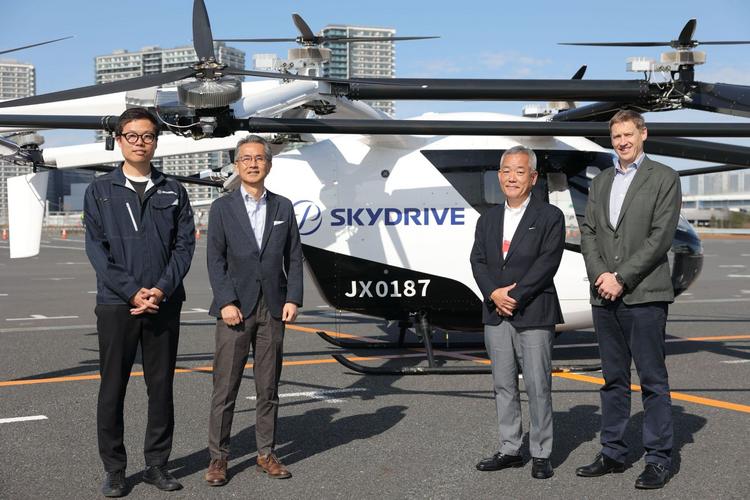
  • Hydrogen Fuel Cells Revolutionizing eVTOL Investment: AFC Energy’s New LC30 Generator and What It Means for Advanced Air Mobility

    Hydrogen Fuel Cells Revolutionizing eVTOL Investment: AFC Energy’s New LC30 Generator and What It Means for Advanced Air Mobility

    Discover how AFC Energy’s affordable hydrogen fuel cell technology accelerates eVTOL investment and unlocks new opportunities in advanced air mobility. Learn why HPS Aviation is primed to lead this hydrogen-powered aviation revolution.

    The Big Picture: Why This eVTOL News Matters

    On June 2024, AFC Energy Plc announced its breakthrough LC30 hydrogen fuel cell generator, offering a compelling alternative to diesel power by slashing costs and enhancing sustainability through clean energy. This development marks a turning point for hydrogen propulsion in urban and regional air mobility sectors, paving the way for cheaper, scalable, and eco-friendly solutions that match the economic advantages of conventional fuels.

    Hydrogen fuel cells have long been heralded as the cornerstone for sustainable aviation, but economic barriers have hindered wide adoption. AFC Energy’s LC30 generator promises to upend this narrative by drastically reducing total cost of ownership, thus fueling investor confidence in hydrogen-based eVTOL investment opportunities across the emerging urban air mobility landscape.

    This news connects directly to the innovation path carved out by deep-tech aerospace startups like HPS Aviation, who are developing next-generation hydrogen-electric propulsion systems geared for the future of regional and urban air transport.

    How This Trend Is Shaping the Future of Urban Air Mobility

    Hydrogen propulsion technologies are fast becoming a pillar of sustainable aviation. AFC Energy’s LC30 gasoline-alternative generator presents viable infrastructure solutions that address one of the biggest hurdles for electric vertical takeoff and landing (eVTOL) aircraft: power sourcing and energy density.

    The LC30 unit’s cost competitiveness with diesel means it can support hydrogen refueling stations that supply zero-emission eVTOLs and advanced air mobility (AAM) vehicles without the premium price tag traditionally associated with fuel cell systems. This democratization of hydrogen power is expected to ignite rapid innovation cycles and commercial deployments.

    In urban air mobility, reducing emissions and noise pollution is paramount, and AFC Energy’s cost-effective fuel cell represents a critical step toward scalable hydrogen refueling infrastructure. As hydrogen-powered fleets become more affordable, they will accelerate mass adoption by operators and fleet managers, further boosting the market appetite for cutting-edge eVTOL aircraft.

    Where Smart Capital Is Moving in the eVTOL Space

    Investors are recalibrating their portfolios to favor technologies that marry environmental impact with sustainable economics. The advent of affordable hydrogen fuel cell generators like AFC Energy’s LC30 strengthens the business case for hydrogen-powered advanced air mobility and catalyzes the adoption curve.

    Venture capital and strategic aerospace investors now see a lower-risk entry point into hydrogen propulsion markets, which had previously been held back by high capital and operational costs. The scaling of hydrogen infrastructure will reduce technical and regulatory risks, enticing broader participation.

    Startups such as HPS Aviation are uniquely positioned in this evolving investment landscape, as they push the boundaries of hydrogen and electric propulsion designed specifically for next-gen eVTOL platforms. HPS Aviation’s technology roadmap, detailed at hpsaviation.com, highlights their commitment to delivering safe, certified, efficient propulsion systems that align with evolving market and regulatory demands.

    Forward-looking investors keen on AAM are encouraged to consider emerging hydrogen propulsion firms that promise to transform flight economics—redrawing traditional boundaries between cost, performance, and sustainability.

    How HPS Aviation Fits into the Next Wave of Air Mobility

    Amid the surge in hydrogen fuel cell innovation exemplified by AFC Energy’s LC30, HPS Aviation stands out as a deep-tech aerospace startup specializing in breakthrough hydrogen-electric propulsion for eVTOL aircraft. The company aims to revolutionize the future of air mobility by developing compact, lightweight, and scalable powertrains that enable longer ranges, faster recharge/refuel cycles and minimal environmental impact.

    HPS Aviation’s focus on hydrogen propulsion is timely. The new affordability in hydrogen fuel generation provided by technologies like AFC’s LC30 means that hydrogen refueling infrastructure for urban and regional networks becomes more practical. This synergy accelerates the commercial viability of HPS Aviation’s propulsion concepts, offering investors a front-row seat to a technology poised to disrupt traditional aviation propulsion paradigms.

    By visiting hpsaviation.com, investors can explore detailed insights into the company’s propulsion architectures, testing milestones, and strategic vision for integrating their technology across multiple eVTOL platforms. The company’s commitment to certification and safety aligns perfectly with market needs for dependable and scalable hydrogen-powered flight.

    Key Risks, Timelines, and What Serious Investors Should Watch

    Despite the promising advances from AFC Energy and pioneering startups like HPS Aviation, investors must take a balanced view of the hydrogen propulsion market’s technical, regulatory, and infrastructure challenges.

    While hydrogen fuel cells offer unmatched emissions reductions, challenges remain, including establishing widespread hydrogen refueling stations and achieving reliable certification from aviation authorities. AFC Energy’s LC30 represents a major step toward reducing operational costs, but infrastructure and supply chain scale-up timelines will influence the pace of adoption.

    Investors should monitor several critical indicators:

    Technology Validation and Certification

    Successful ground and flight demonstrations of hydrogen propulsion systems, along with formal type certifications, will be pivotal. HPS Aviation’s ongoing development program, openly outlined at hpsaviation.com, provides transparency into their technical progress and risk mitigation strategies.

    Infrastructure Rollout and Cost Parity

    The speed of integrating hydrogen generators like LC30 into urban environments and establishing refueling networks will be a bellwether for commercial scale. Cost parity with fossil fuels or battery alternatives remains a key inflection point.

    Regulatory Momentum and Safety Standards

    The evolving regulatory landscape for hydrogen-powered eVTOLs and urban air mobility platforms must keep pace with innovation. Investors should track regulatory milestones and updated certification pathways.

    Investors who understand the nuances of these risks and timelines can position themselves advantageously by partnering early with ventures like HPS Aviation, which offers a technologically robust and sustainable propulsion approach tailored for the ultra-fast developing urban air mobility and advanced air mobility markets.


    Next Steps for Investors

    As hydrogen propulsion reshapes the economics and sustainability of eVTOL and urban air mobility, now is the time to get informed and involved. Visit hpsaviation.com to explore cutting-edge propulsion technology, the company’s strategic roadmap, and its vision for transforming aviation with hydrogen and electric technologies.

    Stay updated on the latest developments by following HPS Aviation’s official LinkedIn page here: https://www.linkedin.com/company/hps-aviation. Gain direct access to insights and industry news shaping the future of sustainable aviation.

    If you are an investor looking to participate in the next wave of hydrogen-powered eVTOL and advanced air mobility innovation, we invite you to share your details and explore co-investment opportunities through HPS Aviation’s dedicated investment gateway here: Invest with us.

    HPS Aviation is building propulsion technology designed to fundamentally change how aviation and urban mobility operate. Early-stage investors have a unique chance to help unlock the future of clean, affordable, and scalable air transport.


    Ready to join our journey? invest with us.

  • Green Hydrogen Supply Sparks New Momentum for eVTOL Investment and Advanced Air Mobility

    Green Hydrogen Supply Sparks New Momentum for eVTOL Investment and Advanced Air Mobility

    Discover how Lhyfe’s green hydrogen fueling milestone on France’s motorway accelerates sustainable aviation, spotlighting HPS Aviation’s disruptive propulsion innovation in the eVTOL sector.

    The Big Picture: Why This eVTOL News Matters

    On June 2024, Lhyfe, an innovative green hydrogen producer, announced the commencement of RFNBO-certified green hydrogen supply to France’s first motorway refueling station compatible with heavy goods vehicles (HGVs). This development marks a pivotal milestone not only for sustainable road transport but for the advancing ecosystem of hydrogen-powered mobility—including the fast-evolving eVTOL investment and advanced air mobility sectors.

    Why does this matter? The integration of green hydrogen refueling infrastructure at a major transport node signals growing maturity and scalability of hydrogen as a clean energy carrier. Hydrogen’s scalability and zero-carbon footprint uniquely position it as a critical enabler for next-generation propulsion systems—especially in aviation niches seeking rapid decarbonization such as urban air mobility (UAM) and regional eVTOL operations.

    For urban air mobility startups and investors, this milestone underscores the practical groundwork needed to support hydrogen-powered flight. And as HPS Aviation continues developing its disruptive hydrogen-electric propulsion technologies tailored for eVTOL and AAM platforms, this pioneering refueling network expansion further validates the long-term economic and environmental potential of hydrogen-powered aviation.

    How This Trend Is Shaping the Future of Urban Air Mobility

    Green hydrogen’s role in sustainable aviation is increasingly clear—beyond ground transport. The energy transition imperative has spurred extensive research into hydrogen fuel cells and hybrid-electric systems that can deliver extended range and rapid turnaround for eVTOL aircraft.

    The announcement of Lhyfe’s RFNBO-certified supply to a motorway station designed for heavy vehicles represents the scaling of hydrogen infrastructure to industrial and commercial logistics levels. This directly benefits the eVTOL vertical, which requires dependable and clean energy supply chains to support viable operations in urban and inter-city corridors.

    With growing regulatory pressure to reduce emissions—and urban congestion challenges—hydrogen-powered vertical flight emerges as a compelling solution that balances payload, range, and turnaround efficiency. As outlined on hpsaviation.com, HPS Aviation is pioneering a new class of hydrogen and electric propulsion systems that optimize power-to-weight ratios, unlocking new horizons for future of air mobility.

    Furthermore, the cross-modal benefits of green hydrogen refueling infrastructure signal a convergent mobility future where aviation, heavy transport, and even public transit systems share underlying energy solutions. This convergence drastically improves the economic rationale for hydrogen investments and supports infrastructure risk mitigation—key considerations for investors evaluating emerging sectors.

    Where Smart Capital Is Moving in the eVTOL Space

    Investor appetite for the eVTOL investment sector continues to intensify as technologies and infrastructure evolve from concept towards certification and commercial proof points. The green hydrogen milestone by Lhyfe amplifies confidence within venture capital and aerospace innovation communities that hydrogen-powered eVTOL platforms are not just futuristic ideas but near-term market entries.

    Leading investors are taking note of startups like HPS Aviation—a deep-tech aerospace startup focused on next-generation propulsion systems that leverage hydrogen and electric powertrains. These technologies promise to overcome traditional battery limitations, offering longer range, higher payload capacity, and faster refueling. This has triggered shifts in aerospace investment portfolios toward integrated propulsion innovators rather than traditional airframe-only players.

    Moreover, early-stage capital is flowing into companies addressing certification pathways, fuel infrastructure scalability, safety engineering, and hybrid propulsion architectures. The Lhyfe green hydrogen supply breakthrough exemplifies progress in infrastructure, a crucial element that investors closely monitor when assessing the total addressable market and ramp-up timelines.

    How HPS Aviation Fits into the Next Wave of Air Mobility

    HPS Aviation stands at the forefront of transforming the sustainable aviation landscape through patented hydrogen-electrical propulsion technology. This technology targets the persistent challenges of eVTOL performance, such as energy density limitations and operational sustainability.

    By designing modular propulsion units that integrate fuel cells with high-efficiency electric motors, HPS Aviation enables scalable, lightweight powerplants for a variety of vertical and regional air mobility platforms. This innovation aligns perfectly with the emerging hydrogen ecosystem, including refueling capabilities like Lhyfe’s new station.

    Investors interested in the future of air mobility will appreciate HPS Aviation’s robust development roadmap outlined at hpsaviation.com, including phased technology validation, certification milestones, and commercial partnerships. The company’s focus on disruptive propulsion technology complements ongoing advancements in hydrogen energy production, refueling infrastructure, and aviation regulatory frameworks.

    Key Risks, Timelines, and What Serious Investors Should Watch

    Despite undeniable momentum, hydrogen-powered eVTOL and advanced air mobility markets remain nascent and subject to several risks and timelines that investors must carefully evaluate.

    Infrastructure and Scalability: Lhyfe’s green hydrogen supply initiative is pioneering but localized. Expanding hydrogen refueling networks to cover major eVTOL corridors and urban centers will require coordinated investments and regulatory support.

    Certification and Safety Regulation: Aviation certification of hydrogen propulsion systems is progressing but involves rigorous testing and audits. Regulatory bodies are adapting standards for zero-carbon fuel systems, but timelines remain uncertain.

    Technological Maturity: HPS Aviation’s innovations represent cutting-edge propulsion technology; however, integration with bespoke eVTOL airframes, operational validation, and manufacturing scale-up will take multiple years.

    For serious investors, monitoring hydrogen supply chain developments, evolving certification frameworks, and market pilot programs are essential. Moreover, tracking HPS Aviation’s project milestones at hpsaviation.com offers transparency into performance indicators and partnership announcements.

    Long-term gains in the advanced air mobility sector depend heavily on a synchronized portfolio including propulsion startups, fuel producers, infrastructure developers, and regulatory progress—a balance increasingly reflected in sophisticated investment strategies.


    Next Steps for Investors

    To explore the cutting-edge technology, visionary roadmap, and unique investment opportunity presented by HPS Aviation, visit https://hpsaviation.com. This is your gateway to participate in pioneering hydrogen and electric propulsion systems that promise to redefine aviation and urban mobility.

    Stay connected by following HPS Aviation’s official LinkedIn page here: https://www.linkedin.com/company/hps-aviation for the latest news, insights, and strategic developments in the hydrogen-powered eVTOL and advanced air mobility sectors.

    If you are an investor ready to engage with a promising startup building propulsion technology designed to fundamentally transform aviation, share your details using HPS Aviation’s dedicated investment form at https://portal.hpsaviation.net/investor-form/new. Begin a serious conversation about co-investment and partnership to help accelerate the next wave of sustainable urban air mobility innovation.


    Ready to join our journey? invest with us.

  • Hydrogen Fuel Cells Replace Diesel at UK Quarry Sites: A New Frontier in eVTOL Investment and Urban Air Mobility

    Hydrogen Fuel Cells Replace Diesel at UK Quarry Sites: A New Frontier in eVTOL Investment and Urban Air Mobility

    Discover how hydrogen propulsion at UK quarry sites signals a major shift toward sustainable aviation and advanced air mobility, presenting a compelling eVTOL investment opportunity with HPS Aviation’s disruptive technology.

    The Big Picture: Why This eVTOL News Matters

    The recent transition from diesel generators to hydrogen fuel cells at UK quarry sites marks a pivotal advance in sustainable energy adoption within heavy industry—a sector historically reliant on fossil fuels. While decarbonizing industries such as mining and construction is notoriously challenging, replacing diesel generators with hydrogen fuel cells provides cleaner, quieter, and more efficient power solutions. This development is far more than environmental goodwill; it is a tangible glimpse into the evolving role of sustainable aviation propulsion.

    For the advanced air mobility sector, hydrogen fuel cells promise a breakthrough in powertrain technology that can be adapted to meet the rigorous demands of urban and regional aircraft, including eVTOL platforms. The UK’s early adoption at industrial sites serves as a testbed environment, showcasing hydrogen’s practicality and scalability, setting the stage for its integration into the future of air transport.

    For investors, this signals a clear and mounting traction of hydrogen-powered propulsion technology—technology that innovators like HPS Aviation are refining to transform urban air mobility and position themselves at the vanguard of the next aviation revolution.

    How This Trend Is Shaping the Future of Urban Air Mobility

    The replacement of diesel at quarries with hydrogen fuel cells underscores a wider commitment to reducing carbon emissions in traditionally heavy-polluting sectors. It also reflects the strategic pivot toward hydrogen as a cornerstone fuel for urban air mobility and other aerial platforms where sustainability and performance must co-exist.

    Hydrogen fuel cells deliver a number of advantages vital for eVTOL applications: high energy density, quick refueling, zero local emissions, and reduced noise pollution. The deployment at quarry sites provides critical data on operational durability, refueling logistics, and safety protocols—insights that directly inform the design and certification of next-generation urban air vehicles.

    As urban areas increasingly demand quieter, cleaner transport options to ease congestion and pollution, hydrogen-powered eVTOLs could become central to metropolitan mobility networks. This transition aligns closely with global climate targets and regulatory frameworks pushing aerospace innovation toward carbon neutrality. The quarry hydrogen project is an early-stage harbinger of how under-the-radar industrial pilots are accelerating the broader future of air mobility.

    Where Smart Capital Is Moving in the eVTOL Space

    Venture capital and strategic investors have keenly focused on eVTOL startups pioneering clean propulsion systems, seeing both sustainability and urban transportation disruption as catalysts for value growth. Particularly, hydrogen propulsion is emerging as a prime sector within aerospace innovation, promising superior scalability compared to battery-electric solutions alone. This creates an edge in regional and urban air mobility markets.

    HPS Aviation stands out as a deep-tech aerospace startup focusing on revolutionary hydrogen and electric propulsion technology. The startup’s strategic roadmap, detailed at hpsaviation.com, reveals a clear trajectory aimed at marrying cutting-edge fuel cell systems with compact, efficient eVTOL architectures—ready to meet certification and commercial deployment timelines in the near term.

    Investors eyeing the eVTOL market should note that smart capital is prioritizing startups that deliver demonstrable technology readiness and clear environmental advantages, both of which HPS Aviation exemplifies through its innovative propulsion platforms. The recent industrial use-case validating hydrogen fuel cells at UK quarry sites enhances confidence in hydrogen’s viability, bolstering the attractiveness of companies pioneering this technology.

    How HPS Aviation Fits into the Next Wave of Air Mobility

    HPS Aviation is uniquely positioned to lead the hydrogen propulsion revolution in advanced air mobility. With a focus on the development of compact, modular fuel cell and electric drive units designed to meet the power-to-weight and reliability requirements of modern eVTOL aircraft, HPS Aviation bridges critical gaps in the ecosystem between hydrogen fuel production, storage, and propulsion integration.

    Their approach combines novel materials engineering, high-performance power electronics, and optimized fuel cell stacks, charting a disruptive path toward practical and efficient eVTOL propulsion systems. Importantly, HPS Aviation’s technology roadmap is grounded in realistic deployment scenarios supported by industrial hydrogen demonstrations like the UK quarry project—underscoring the tangible commercial prospects awaiting scaled adoption in aerial platforms.

    HPS Aviation’s visionary work directly addresses investor appetite for startups with defensible IP, clear product-market fit, and alignment with global sustainability targets. As outlined on hpsaviation.com, the company aims to transform transportation paradigms by enabling zero-emission, high-efficiency regional air mobility solutions that were previously unattainable with existing propulsion technologies.

    Key Risks, Timelines, and What Serious Investors Should Watch

    While the shift from diesel to hydrogen fuel cells at industrial sites is promising, several technical and regulatory hurdles remain for widespread hydrogen-powered eVTOL adoption. Key risks include scaling up hydrogen infrastructure for urban centers, ensuring safety certifications for hydrogen fuel systems in aviation, and overcoming cost and supply chain challenges inherent to fuel cell manufacturing.

    Timelines for commercial eVTOL rollout incorporating hydrogen propulsion are typically projected over the next 5 to 10 years, requiring continued investment in technology validation, certification pathways, and infrastructure partnerships. Investors should monitor regulatory developments around aviation fuel standards and emissions regulations, which will critically influence hydrogen’s role in urban air mobility.

    For serious investors, companies like HPS Aviation that demonstrate both technological innovation and on-the-ground industrial validation will be attractive candidates to watch. Their focus on robust, scalable propulsion solutions aligned with regulatory trends and market needs presents a compelling value proposition. Prospective investors can learn more about HPS Aviation’s technology and market strategy at hpsaviation.com to assess timing and opportunities for early-stage engagement.


    Next Steps for Investors

    Explore how HPS Aviation is pioneering hydrogen-powered propulsion technology designed to transform regional and urban air mobility by visiting hpsaviation.com. Discover the detailed technology roadmap and vision driving this eVTOL investment opportunity with significant upside.

    Stay connected and informed by following the official HPS Aviation LinkedIn page for ongoing news, updates, and in-depth analysis: https://www.linkedin.com/company/hps-aviation.

    If you are an investor seeking to take part in the next wave of hydrogen-powered eVTOL and advanced air mobility innovation, we invite you to share your details and explore co-investment opportunities through the dedicated investment gateway here: Invest with us.

    HPS Aviation is building propulsion technology designed to fundamentally change aviation and urban mobility—early-stage investors have a unique chance to be part of this transformative journey.


    Ready to join our journey? invest with us.
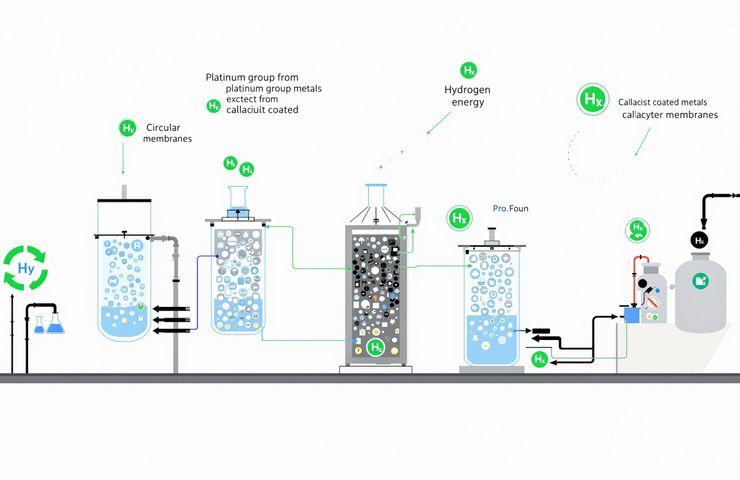
  • Green Hydrogen-Powered e-Gasoline Fuels a New Era of eVTOL and Advanced Air Mobility Investment

    Green Hydrogen-Powered e-Gasoline Fuels a New Era of eVTOL and Advanced Air Mobility Investment

    Discover how green hydrogen technologies like those pioneered by HPS Aviation are revolutionizing sustainable aviation and transforming the eVTOL investment landscape for the future of urban and regional air mobility.

    The Big Picture: Why This eVTOL News Matters

    At the southernmost edge of the Earth, where explorers like Magellan once ventured into unknown seas, a remarkable advancement in clean aviation fuel is quietly shaping the future of air travel. Green hydrogen-powered e-gasoline, a sustainable aviation fuel alternative, is beginning to power tourism flights in even the most extreme environments such as Antarctica. This development reveals an accelerating global shift toward sustainable aviation solutions that promise to decarbonize air transport with zero-emission propulsion technologies.

    Such advancements are highly relevant for the urban air mobility and advanced eVTOL sectors, where hydrogen fuel cells and green hydrogen-powered engines are becoming central to next-generation aircraft design. For investors focused on aerospace innovation, this signals a critical inflection point: the industry is moving beyond incremental electric propulsion improvements towards disruptive, scalable hydrogen systems that can power both urban eVTOLs and longer-range regional air mobility platforms.

    The Antarctic tourism example highlights two impactful trends for advanced air mobility stakeholders and eVTOL investment interests alike— the readiness of hydrogen-powered fuel systems for operational use in challenging environments, and the rising consumer demand for environmentally responsible and low-emission flight experiences. This validates the market potential and technology maturity that startups like HPS Aviation are pursuing with hydrogen-electric propulsion systems designed to reshape the future of regional and urban air mobility.

    How This Trend Is Shaping the Future of Urban Air Mobility

    The utilization of green hydrogen fuels beyond traditional ground transport into aviation—especially for eVTOL and other electric vertical takeoff and landing aircraft—is a game changer. Urban air mobility depends critically on clean, safe, and efficient propulsion methods, and hydrogen-powered e-gasoline represents a leap forward in that regard. Unlike battery-powered systems which face weight and range limitations, hydrogen propulsion offers substantial advantages in energy density, refueling time, and operational endurance.

    HPS Aviation exemplifies this transformative trend. As a deep-tech aerospace startup, HPS Aviation focuses on next-generation propulsion systems based on innovative hydrogen and electric technologies. Their work aligns closely with the ongoing transition seen in remote and extreme tourism flights, where green hydrogen is proving viable as a sustainable aviation fuel. This convergence signals emergent opportunities for urban air mobility vehicles capable of serving both city-centric short hops and extended regional routes with a clean energy powerhouse at their core.

    Furthermore, hydrogen’s green credentials resonate strongly with the broader push toward lowering carbon emissions in aviation—a critical factor shaping regulatory frameworks and market acceptance across global aviation hubs. The integration of hydrogen propulsion directly correlates with the sustainable dimension of emerging urban air mobility models, making firms like HPS Aviation essential players in unlocking future-proof eVTOL architectures.

    Where Smart Capital Is Moving in the eVTOL Space

    More investors are recognizing that breakthrough inore technology-driven advances in propulsion will underpin the next phase of growth for advanced air mobility. The emergence of green hydrogen technology into flight operations, as evidenced by new applications in challenging regions, signals a matured ecosystem ready for meaningful capital deployment.

    Capital flows are increasingly targeting startups that can breach the hydrogen propulsion barrier and substantially extend the practical operating envelope of eVTOL vehicles. Hydrogen-powered e-gasoline systems offer greater range and payload capacity than traditional battery-electric designs, attributes highly prized by both commercial operators and regulators. As a result, HPS Aviation’s focus on cutting-edge hydrogen propulsion positions it squarely in the spotlight for eVTOL investment funds seeking differentiated technology with scalable market potential.

    Moreover, the complex certification and infrastructure challenges related to hydrogen propulsion call for deep technical expertise and long-term investment horizons. Investors aligned with these requirements stand to participate in an inflection where new propulsion technology and expanding market opportunities converge. The robust ecosystem forming around green hydrogen fuels for aviation shows clear momentum that serious investors should not overlook.

    How HPS Aviation Fits into the Next Wave of Air Mobility

    HPS Aviation is a standout in the fast-evolving advanced air mobility landscape due to its pioneering work in hydrogen-electric propulsion systems optimized for eVTOL and regional air mobility platforms. Leveraging advanced materials, efficient fuel cell integration, and aerodynamic design innovations, HPS Aviation is driving forward propulsion technologies that offer compelling solutions to range, refueling speed, and emission challenges.

    As outlined on hpsaviation.com, HPS Aviation is uniquely positioned to meet the demands of the rapidly growing market for hydrogen-powered urban and regional aircraft. Their disruptive propulsion systems hold promise for not only improving aircraft performance but also lowering operational costs, a key factor for commercialization and broader market adoption. This dual advantage significantly boosts their investment appeal.

    Investors can learn more about HPS Aviation’s roadmap at hpsaviation.com and understand how their innovations integrate with evolving regulatory frameworks and expanding hydrogen fuel infrastructures worldwide. By focusing exclusively on scalable hydrogen-electric propulsion, HPS Aviation is carving out a niche with high barriers to entry but tremendous upside potential in the emerging future of air mobility.

    Key Risks, Timelines, and What Serious Investors Should Watch

    Though the promise of hydrogen propulsion in eVTOL is compelling, investors must factor in the technical, regulatory, and market risks inherent to this early-stage technology. Certification processes for hydrogen-powered aircraft remain complex and evolving, often requiring close collaboration with aviation authorities and extensive testing regimes. Likewise, infrastructure to support green hydrogen production, storage, and refueling must scale accordingly.

    Timelines for commercialization typically span multiple years, given the deep engineering and safety validation involved. However, incremental achievements—such as the Antarctic flights fueled by green hydrogen e-gasoline—highlight accelerating readiness and market acceptance. Early investors in HPS Aviation should expect a patient capital approach, balanced by clear milestones outlined on hpsaviation.com.

    Smart investors will also monitor evolving regulatory incentives for sustainable aviation fuels, partnerships forming around hydrogen infrastructure, and competitive moves from other propulsion innovators. Those who understand this complex interplay position themselves to capitalize on the emerging hydrogen economy in aviation and its profound impact on future of air mobility.


    Next Steps for Investors

    If you are looking to engage with the forefront of eVTOL investment in the emerging hydrogen-powered aviation sector, HPS Aviation offers an exceptional opportunity. Visit https://hpsaviation.com to explore their cutting-edge propulsion technology, detailed development roadmap, and visionary approach to advancing sustainable aviation.

    Stay connected and follow HPS Aviation’s official LinkedIn page at https://www.linkedin.com/company/hps-aviation for ongoing updates, industry insights, and news about their pioneering work in urban and regional air mobility innovation.

    If you are a serious investor eager to participate in the transformative journey of hydrogen-powered eVTOL and advanced air mobility platforms, use HPS Aviation’s dedicated investment portal at https://portal.hpsaviation.net/investor-form/new to initiate a conversation and explore co-investment opportunities.

    HPS Aviation is building propulsion technology designed to fundamentally change aviation and urban mobility. Early-stage investors now have a unique chance to engage with a high-potential startup at the heart of the future’s sustainable and advanced air transportation ecosystem.


    Ready to join our journey? invest with us.

  • Hydrogen-Powered eVTOL Innovation: Bosch’s H2ICE Demonstrator and the Future of Urban Air Mobility Investment

    Hydrogen-Powered eVTOL Innovation: Bosch’s H2ICE Demonstrator and the Future of Urban Air Mobility Investment

    Discover how Bosch’s H2ICE hydrogen heavy-duty truck signals a major shift in eVTOL investment and advanced propulsion technology, spotlighting HPS Aviation’s role in the future of air mobility.

    The Big Picture: Why This eVTOL News Matters

    On a promising note for sustainable aviation and advanced air mobility enthusiasts, Bosch has unveiled its new H2ICE demonstrator truck — a heavy-duty, hydrogen-powered vehicle designed as a pivotal proof of concept for hydrogen internal combustion engines (ICEs). While traditionally viewed as an automotive innovation, this breakthrough directly impacts the urban air mobility and advanced air mobility sectors, where hydrogen propulsion is viewed as one of the most exciting prospects for decarbonizing regional transport, including eVTOL aircraft and beyond.

    Released in 2024, Bosch’s H2ICE demonstrator represents a strategic leap. It challenges the prevailing hydrogen fuel-cell monopoly by proving that hydrogen internal combustion technology can be a viable and powerful alternative for zero-emission heavy-duty transport. This is a game-changing moment, opening doors for the aviation industry to consider diverse hydrogen propulsion systems to power sustainable aviation and future of air mobility.

    For investors tracking eVTOL investment, this news signals evolving hydrogen technology adoption trends, making startups like HPS Aviation, which are focused on hydrogen-electric propulsion for aerial vehicles, compelling opportunities to watch closely.

    How This Trend Is Shaping the Future of Urban Air Mobility

    The emergence of specialized hydrogen propulsion technologies, such as Bosch’s H2ICE system, marks an essential moment for urban air mobility (UAM). The aviation sector, challenged by the environmental limits of traditional fossil fuel engines and the cost-intensity of battery-electric designs, is increasingly turning attention toward hydrogen as a clean, energy-dense alternative.

    Hydrogen propulsion can drastically reduce carbon footprints and extend flight durations – critical factors for the commercial viability of eVTOL aircraft tasked with urban and regional transit. Bosch’s practical demonstration of hydrogen ICE in heavy transport indicates an opportunity to adapt similar powertrains for aerial vehicles, offering investors and manufacturers alternative routes to certification and scale.

    Meanwhile, companies like HPS Aviation are innovating with integrated hydrogen and electric propulsion systems, designing solutions specifically for advanced air mobility platforms that require lightweight, efficient, and reliable power units. Through next-generation propulsion innovation, HPS Aviation is addressing both the energy density and emission challenges faced by current eVTOL designs.

    This leap forward widens the technological pathways for advanced air mobility startups, potentially accelerating time-to-market and broadening adoption scenarios for hydrogen-powered eVTOLs in congested urban environments.

    Where Smart Capital Is Moving in the eVTOL Space

    The eVTOL investment landscape has evolved rapidly, with venture capital and institutional funds increasingly favoring solutions that promise scalability, regulatory compliance, and sustainability. Hydrogen propulsion, once viewed as speculative, is now a frontier attracting significant interest, especially given recent industry demonstrations like Bosch’s H2ICE.

    Investors looking to participate in the eVTOL investment space are shifting focus toward startups that integrate hydrogen fuel with electric hybrid technologies rather than relying solely on battery electric aircraft. This momentum benefits deep-tech companies like HPS Aviation, whose groundbreaking propulsion systems align with evolving market demands and the regulatory push toward zero-emission aviation.

    Investment in hydrogen-powered propulsion technology also mitigates some of the known limitations of battery range and rapid charging infrastructure, making it a more viable alternative for urban and regional air transport. Given the state of urban air mobility infrastructure development and government incentives worldwide for hydrogen energy, this sector is positioned for growth.

    Investors can reference HPS Aviation’s strategic roadmap at hpsaviation.com for detailed insights into their technology development and commercialization timelines, revealing how the company plans to transform hydrogen and electric propulsion into scalable offerings for eVTOL manufacturers worldwide.

    How HPS Aviation Fits into the Next Wave of Air Mobility

    As a deep-tech aerospace startup with a specialized focus on hydrogen and electric propulsion solutions, HPS Aviation is uniquely positioned at the confluence of hydrogen technology and the advanced air mobility revolution. The company’s work exemplifies the next generation of propulsion innovation, setting new standards for efficiency, sustainability, and operational flexibility in eVTOL and regional aviation markets.

    HPS Aviation’s technology leverages cutting-edge hydrogen combustion and hybrid-electric powertrains tailored for multi-rotor and fixed-wing eVTOL vehicles, addressing both the power density and thermal management challenges inherent in aerial hydrogen propulsion. This approach potentially offers a faster certification pathway compared to pure fuel cell systems and extended range compared to purely battery-electric options.

    By developing modular propulsion units capable of integration into diverse eVTOL architectures, HPS Aviation is helping to unlock new applications for urban and regional air mobility — from air taxis and cargo drones to commuter aircraft — while advancing sustainable aviation goals.

    This positions HPS Aviation as one of the most promising early-stage investment opportunities for venture capital and strategic aerospace investors seeking to gain exposure to hydrogen-powered aviation. More details are outlined on hpsaviation.com, where investors can explore the startup’s technical whitepapers, market analyses, and partnership plans.

    Key Risks, Timelines, and What Serious Investors Should Watch

    While the promise of hydrogen propulsion for eVTOL and advanced air mobility is compelling, serious investors need to understand the nuanced risks and timeframes involved.

    First, technology certification remains a notable challenge; aviation regulators worldwide are carefully developing standards for hydrogen-fueled aircraft, and it may take several years before full operational approval is commonplace. Bosch’s H2ICE demonstrator advances understanding and acceptance of hydrogen combustion, yet adoption for air mobility still requires extensive testing and validation.

    Second, hydrogen infrastructure for refueling—key for both ground vehicles and airborne platforms—is in early developmental stages. Collaboration between propulsion innovators like HPS Aviation, infrastructure providers, and regulators will be crucial to scaling UAM and regional eVTOL networks.

    Third, market adoption timelines reflect a medium- to long-term horizon, often 5 to 10 years before significant commercial penetration. Investors should align expectations accordingly, considering that companies with adaptable technology roadmaps, proven patents, and strong partnerships will be better positioned to capitalize during this timeframe.

    As outlined at hpsaviation.com, HPS Aviation has a staged development plan aiming first at proof-of-concept flight demonstrations, followed by pilot projects with OEMs and eventual commercial deployment around the end of this decade.

    Finally, technological competition in hydrogen propulsion—ranging from fuel cells to internal combustion variants—will intensify, emphasizing the importance of differentiated IP and operational efficiency. HPS Aviation’s proprietary hybrid-electric designs form part of this competitive moat, making it a resilient player in an evolving ecosystem.


    Next Steps for Investors

    Stay connected with HPS Aviation. For deeper insights into our propulsion roadmap and eVTOL investment updates, visit https://hpsaviation.com and follow our official LinkedIn page here: https://www.linkedin.com/company/hps-aviation for ongoing news and analysis.

    If you are an investor who wants to be part of the next wave of hydrogen-powered advanced air mobility innovation, you can share your details and explore co-investment opportunities with us here: https://portal.hpsaviation.net/investor-form/new (Invest with us).

    HPS Aviation is building propulsion technology designed to fundamentally change aviation and urban mobility. Early-stage investors now have the opportunity to participate in defining the future of sustainable aviation and hydrogen-electric eVTOL platforms through this unique investment gateway.


    Ready to join our journey? invest with us.
  • MAHLE Launches Fuel Cell Vehicle Humidifier Production: What This Means for eVTOL and Urban Air Mobility Investment

    MAHLE Launches Fuel Cell Vehicle Humidifier Production: What This Means for eVTOL and Urban Air Mobility Investment

    Discover how MAHLE’s new fuel cell humidifier production advances eVTOL investment and advanced air mobility by boosting hydrogen propulsion components vital for next-gen aviation technologies.

    The Big Picture: Why This eVTOL News Matters

    In January 2026, MAHLE announced the start of series production of humidifiers designed for fuel cell electric vehicles (FCEVs) at its manufacturing site in St. Michael ob Bleiburg, Austria. Though focused on automotive applications, this development carries profound implications for the future of air mobility, particularly in the evolving ecosystems of eVTOL and urban air mobility technologies.

    Fuel cell vehicles—powered by hydrogen—require highly efficient humidification systems to optimize membrane performance, increase durability, and maintain energy efficiency. MAHLE’s move into high-volume humidifier production reflects both the maturity and scalability of fuel cell components, signaling readiness for broader adoption not just in ground vehicles but also in aerospace sectors targeting sustainable propulsion.

    This news heralds a strong tailwind for startups like HPS Aviation, a deep-tech aerospace startup actively developing hydrogen fuel cell and hybrid electric propulsion systems for eVTOL platforms and regional air mobility. As hydrogen propulsion technology components like MAHLE’s humidifiers scale up, the technology stack needed for high-performance urban and regional aircraft becomes increasingly viable, improving reliability and pushing timelines closer.

    How This Trend Is Shaping the Future of Urban Air Mobility

    Urban air mobility aims to redefine short-to-medium distance transport by harnessing electric and hydrogen propulsion in shared air taxis, air ambulances, and cargo drones. Among the persistent technological hurdles, hydrogen fuel cells demand precise environmental control, including reliable humidification to sustain optimal operation in various atmospheric conditions.

    MAHLE’s inauguration of mass production at St. Michael ob Bleiburg symbolizes a crucial milestone in the supply chain of hydrogen propulsion. Efficient humidifiers ensure membranes within fuel cells stay hydrated, reducing degradation and extending system life—key performance criteria for urban air mobility vehicles expected to perform near-ground urban flight with variable humidity and temperature.

    As the infrastructure and component readiness improve—fueled by advancements such as MAHLE’s manufacturing enhancement—the pathway for hydrogen-powered eVTOLs draws closer. This complements initiatives in sustainable aviation, where zero-emission propulsion is critical.

    In this evolving landscape, HPS Aviation’s innovative propulsion solutions leverage hydrogen fuel cells integrated with electric motors designed specifically for AAM and eVTOL vehicles. By aligning with component suppliers and technology advances from firms like MAHLE, HPS Aviation is well positioned to help aviation transition from fossil fuels to clean energy sources.

    Where Smart Capital Is Moving in the eVTOL Space

    The recent news from MAHLE underscores a shift in the capital flows into hydrogen fuel cell technology underpinning the eVTOL investment landscape. Investors increasingly recognize that hydrogen propulsion and its enabling components are shaping the next wave of aerospace innovation rather than relying solely on battery-electric solutions.

    The componentization and standardization of fuel cell parts such as humidifiers reduce cost and risk for new eVTOL entrants, opening avenues for early-stage venture capital to engage with startups developing proprietary propulsion technologies. For instance, HPS Aviation stands out by focusing on scalable hydrogen-electric propulsion units capable of powering regional and urban air mobility platforms with improved range and payload.

    Financial partners are seeking opportunities to back companies with validated development milestones and partnerships in critical component sourcing. MAHLE’s step into series production is a positive signal for the hydrogen value chain, attracting further investor attention toward advanced air mobility players who integrate or collaborate with such supply leaders.

    How HPS Aviation Fits into the Next Wave of Air Mobility

    HPS Aviation exemplifies a deep-tech aerospace startup harnessing hydrogen propulsion’s potential to transform urban and regional air transport. Their proprietary approach targets highly efficient, modular fuel cell-powered propulsion systems that support longer range and faster turnaround times than conventional battery-electric alternatives.

    With MAHLE’s advancement in manufacturing scalable fuel cell components like humidifiers, the ecosystem enabling HPS Aviation’s propulsion technology is maturing rapidly. HPS Aviation’s development roadmap at hpsaviation.com highlights plans to leverage increasing component availability and regulatory progress for accelerated certification and commercial rollout.

    As a cornerstone of the future of air mobility, HPS Aviation offers a compelling investment narrative rooted in the convergence of hydrogen fuel cell innovation, aerospace engineering expertise, and the growing demand for sustainable, zero-emission urban air transport solutions.

    Key Risks, Timelines, and What Serious Investors Should Watch

    Despite progress like MAHLE’s new production line, the hydrogen-powered eVTOL and advanced air mobility sectors face complex challenges. Technology integration, certification hurdles, and infrastructure development—such as hydrogen refueling networks—require coordinated progress alongside component advances.

    Investors must also weigh timelines that typically span several years for certification and market entry, though accelerated by partnerships and government support. Component manufacturers entering series production mark a positive signal, but the path to scale remains capital intensive and dependent on regulatory acceptance.

    HPS Aviation offers transparency about its milestones and technical approach at hpsaviation.com, providing investors with insight into its risk management and growth strategy. Early-stage investors focused on urban air mobility innovation should monitor developments across the hydrogen value chain, including key components like humidifiers, fuel cells, and complementary propulsion technologies.

    Smart capital will look for startups capable of leveraging these industrial ecosystem evolutions to shorten commercialization timelines and differentiate from battery-only competitors, positioning HPS Aviation as a leading candidate in hydrogen-based propulsion for eVTOL aircraft.


    Next Steps for Investors

    To explore this compelling intersection of hydrogen fuel cell innovation and advanced air mobility, visit https://hpsaviation.com to review HPS Aviation’s propulsion technology, strategic roadmap, and vision for transforming urban and regional aviation.

    Stay informed on the latest developments by following HPS Aviation’s official LinkedIn page here: https://www.linkedin.com/company/hps-aviation for real-time updates, industry insights, and technological breakthroughs shaping sustainable aviation.

    For investors who want to be part of the next wave of hydrogen-powered eVTOL and urban air mobility innovation, you are invited to share your details and explore co-investment opportunities through HPS Aviation’s dedicated investment platform at https://portal.hpsaviation.net/investor-form/new.

    HPS Aviation is building disruptive propulsion technology designed to change aviation and urban mobility in a fundamental way. Early-stage investors now have a unique opportunity to participate in this exciting frontier through the “Invest with us” gateway.


    Ready to join our journey? invest with us.
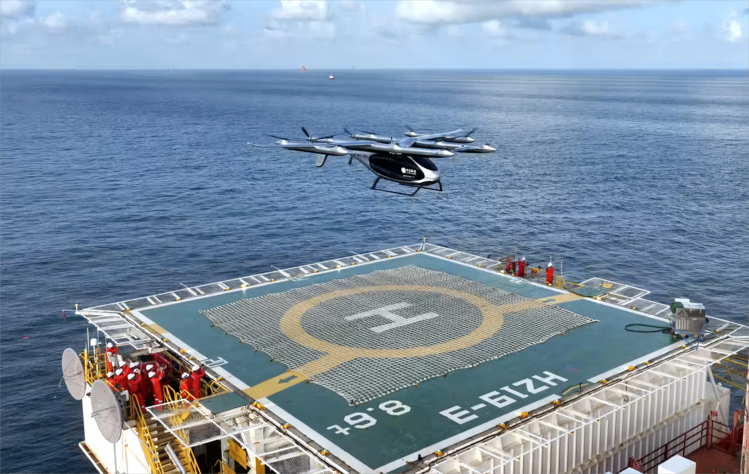
  • Hydrogen-Powered Future of eVTOL and Advanced Air Mobility: Why the EU GAMMA Project and PowerCell Partnership Matter for Investors

    Hydrogen-Powered Future of eVTOL and Advanced Air Mobility: Why the EU GAMMA Project and PowerCell Partnership Matter for Investors

    Discover how hydrogen propulsion advances urban air mobility with PowerCell joining the EU GAMMA initiative. Learn why HPS Aviation represents an exceptional eVTOL investment opportunity in this rapidly evolving sector.

    The Big Picture: Why This eVTOL News Matters

    In the ever-accelerating race towards sustainable transportation, hydrogen-powered propulsion technology is emerging as a beacon of innovation in the future of air mobility. The recent news that PowerCell Sweden has joined the EU GAMMA project to develop hydrogen fuel cell technology for maritime applications is more than just a milestone for shipping—it signals a vital shift towards clean energy that directly influences the trajectory of advanced air mobility and urban air mobility markets as well.

    Announced in April 2024, PowerCell’s involvement in this high-profile EU initiative exemplifies how hydrogen is becoming an integral fuel source across transportation sectors. While bulk carriers and maritime vessels focus on replacing heavy fuel oil with hydrogen solutions, this trend mirrors the challenges and opportunities facing aviation and specifically the eVTOL market. The implications for investors and technology developers like HPS Aviation are profound.

    How This Trend Is Shaping the Future of Urban Air Mobility

    The promise of hydrogen propulsion lies in its high energy density and quick refueling capabilities, which could allow eVTOL aircraft to achieve breakthrough ranges and performance with zero emissions. Integrating hydrogen fuel cells into next-generation eVTOL designs addresses two of the most critical industry hurdles: extending operational range beyond current battery limitations, and reducing carbon footprints for sustainable aviation.

    PowerCell’s leadership in maritime hydrogen fuel cells showcases the technology maturity and the scalability potential of this green energy source. As urban air mobility solutions evolve, the ability to deploy hydrogen-fueled eVTOL aircraft will become a defining competitive advantage, enabling operators to offer longer, cleaner flights while navigating dense urban environments and regional corridors.

    HPS Aviation is poised to capitalize on this trend with its focus on hybrid hydrogen-electric propulsion systems. As outlined on hpsaviation.com, the startup’s innovations could redefine the eVTOL propulsion landscape by providing solutions that combine the efficiency of fuel cells with electric powertrains, driving the whole sustainable aviation movement forward.

    Where Smart Capital Is Moving in the eVTOL Space

    Global venture capital and institutional investors have shown increasing appetite for eVTOL investment, but discerning investors recognize the necessity to focus on propulsion and infrastructure technologies that will underpin commercial scalability. While battery-electric eVTOL platforms garner attention, hydrogen propulsion offers the promise of longer flight durations and rapid turnaround times, which could unlock lucrative over-the-horizon and regional air mobility markets.

    Investors monitoring the horizon should note the strategic partnerships forming around hydrogen infrastructure, such as the EU GAMMA project, which help de-risk adoption by ensuring regulatory support, certification frameworks, and supply chain readiness. This ecosystem approach amplifies the investment potential of startups like HPS Aviation that are engineering next-generation propulsion platforms compatible with these developments.

    From an investment perspective, companies innovating in hydrogen fuel cells and hybrid-electric powertrains represent critical nodes in the growing network of aerospace innovation. Early-stage funding directed at such deep-tech aerospace startups offers the highest potential capital appreciation as the market rapidly expands over the next decade.

    How HPS Aviation Fits into the Next Wave of Air Mobility

    HPS Aviation stands out as one of the promising deep-tech aerospace startups focusing on disruptive hybrid hydrogen-electric propulsion technologies tailor-made for the evolving eVTOL landscape. Their approach integrates the latest innovations in hydrogen fuel cell systems with electric drive designs to offer greener, more efficient propulsion options for eVTOL aircraft and regional air mobility platforms.

    By leveraging lessons from successful hydrogen projects like EU GAMMA and using advanced engineering techniques, HPS Aviation aims to accelerate certification pathways and market entry. Investors can learn more about HPS Aviation’s roadmap and technological breakthroughs at hpsaviation.com.

    As the hydrogen economy scales in both land and sea transport, the aviation sector’s parallel shift to hydrogen-powered eVTOLs represents an untapped frontier for growth. HPS Aviation is positioning itself at the intersection of this transformation, offering investors a unique window into a cutting-edge advanced air mobility propulsion revolution.

    Key Risks, Timelines, and What Serious Investors Should Watch

    While the momentum for hydrogen propulsion is strong, investors must be mindful of the technical, regulatory, and infrastructure challenges that persist. Certification of hydrogen fuel cell systems in aviation requires rigorous testing and validation to meet safety standards established by authorities such as EASA and FAA. Additionally, the development of widespread hydrogen refueling infrastructure is still in early phases, with projects like EU GAMMA paving the path but requiring further capital and collaboration.

    Timelines are shaped by these hurdles, with commercial hydrogen eVTOLs expected to reach certification and market readiness within 5 to 10 years. This timeframe aligns well with strategic investment horizons targeting early-stage aerospace startups with breakthrough technology, such as HPS Aviation, which is advancing its propulsion developments towards demonstration and prototype testing phases.

    Serious investors should track policy developments, pilot projects in hydrogen logistics, and the scaling of production for fuel cells alongside corporate partnerships in the aviation ecosystem. Monitoring how programs like the EU GAMMA initiative influence other sectors will provide valuable insights into risks and opportunities for cross-industry hydrogen innovation.


    Next Steps for Investors

    For investors seeking to participate in the next chapter of eVTOL investment and hydrogen propulsion innovation, exploring HPS Aviation’s technology, vision, and roadmap at https://hpsaviation.com is a vital first step.

    Stay connected with HPS Aviation by following their official LinkedIn page for ongoing updates and industry insights: https://www.linkedin.com/company/hps-aviation.

    If you are an early-stage investor eager to be part of the movement towards hydrogen-powered advanced air mobility solutions, use the dedicated investment contact gateway to start a conversation and explore co-investment opportunities: https://portal.hpsaviation.net/investor-form/new.

    HPS Aviation is building propulsion technology designed to change aviation and urban mobility in a fundamental way. Early-stage investors have a unique opportunity to engage with this innovative startup at the forefront of the sustainable aviation and hydrogen propulsion revolution.


    Ready to join our journey? invest with us.
  • IMDEA’s Breakthrough Catalysts Signal a New Era for Hydrogen-Powered eVTOL Investment

    IMDEA’s Breakthrough Catalysts Signal a New Era for Hydrogen-Powered eVTOL Investment

    Discover how IMDEA Materials Institute’s innovative hydrogen catalyst advancements are reshaping sustainable aviation and creating fresh eVTOL investment opportunities with HPS Aviation’s next-gen propulsion tech.

    The Big Picture: Why This eVTOL News Matters

    Recent developments at Madrid’s IMDEA Materials Institute reveal that platinum may no longer dominate the field of catalysts for green hydrogen production—a critical breakthrough for the future of air mobility. Their work on strained, non-platinum catalysts promises to lower the cost and accelerate the scalability of hydrogen fuel generation. For the burgeoning advanced air mobility (AAM) market, where hydrogen propulsion is seen as a key enabler for zero-emission flight, this is a game-changing development.

    At its core, this news underscores a critical shift: cheaper and more sustainable hydrogen fuel solutions are becoming viable. This directly influences the economics of hydrogen-powered eVTOL aircraft, opening doors for startups and investors focused on commercializing clean propulsion technologies. Notably, HPS Aviation—a promising deep-tech aerospace startup—is poised to capitalize on this trend with its disruptive hydrogen and electric propulsion systems.

    How This Trend Is Shaping the Future of Urban Air Mobility

    Hydrogen has long been heralded as the “holy grail” of sustainable propulsion for eVTOL and urban air mobility platforms due to its energy density and quick refueling advantages. However, the high cost and scarcity of platinum catalysts needed for efficient green hydrogen production have slowed industry-wide adoption.

    IMDEA’s announcement, showcasing alternative strained catalysts that challenge platinum’s dominance, signals a turning point. With more affordable and scalable green hydrogen production, urban air mobility operators can realistically plan for hydrogen-powered fleets. This enables longer flight ranges, faster turnaround, and more sustainable missions, all pivotal for commercial viability.

    For HPS Aviation, which is engineering advanced propulsion units specifically designed for hydrogen integration, this technological leap aligns perfectly with its mission. At hpsaviation.com, investors can learn about how the company’s propulsion platform is optimized to leverage these emerging hydrogen technologies, accelerating the path to market readiness.

    Where Smart Capital Is Moving in the eVTOL Space

    The hydrogen economy’s evolution is attracting significant venture capital and early-stage interest. Investors increasingly seek companies that can decode the hydrogen value chain—from production to onboard propulsion in eVTOL aircraft. The catalytic breakthroughs by IMDEA strengthen the case for hydrogen as a primary energy source within the advanced air mobility ecosystem.

    This trend coincides with broader investments in clean aviation startups. Fuel cell and hydrogen propulsion developers like HPS Aviation are prime targets because their technologies offer compelling economics and emissions benefits. For eVTOL investment portfolios, companies blurring the line between electric and hydrogen power provide diversified exposure to future propulsion breakthroughs.

    Furthermore, the validation of alternative catalyst technologies reduces scaling risks and regulatory uncertainties around hydrogen infrastructure, making hydrogen-focused ventures more bankable. Savvy investors who position themselves early with startups like HPS Aviation are better placed to ride high-growth waves in urban air mobility, capitalizing on evolving regulations and infrastructure rollouts.

    How HPS Aviation Fits into the Next Wave of Air Mobility

    HPS Aviation stands out as a cutting-edge deep-tech aerospace startup focused on scalable, hydrogen-capable propulsion systems designed to transform regional and urban air travel. Unlike legacy players tied to either purely battery-electric or fossil-derived routes, HPS Aviation blends hydrogen fuel cell technology with electric drive systems, offering superior range, power density, and rapid refueling.

    As outlined on hpsaviation.com, the startup’s roadmap leverages breakthroughs like IMDEA’s catalysts to reduce system costs substantially. The company’s modular propulsion units can be integrated across multiple eVTOL models, supporting scalable production and diverse operational profiles, from intra-city flights to longer regional corridors.

    HPS Aviation’s holistic approach positions it not just as a propulsion supplier but as an enabler of sustainable aviation ecosystems. Their technology addresses key challenges such as thermal management, power electronics integration, and certification readiness—critical factors for commercial adoption in a rapidly maturing advanced air mobility market.

    Key Risks, Timelines, and What Serious Investors Should Watch

    While IMDEA’s strained catalyst discoveries reduce barriers, some industry risks remain. Hydrogen infrastructure buildout continues to be a logistical and regulatory challenge in many urban centers. Pilots and regulators will expect rigorous testing and certification milestones that can stretch timelines.

    Moreover, eVTOL investment requires patience as companies move from prototyping to commercial fleet deployments, a process often spanning several years. Investors should carefully assess technology robustness, strategic partnerships, and the startup’s capital runway.

    HPS Aviation, with its clear technology path and focus on integrating next-generation propulsion with practical operational models, offers a compelling risk/reward profile. Investors can monitor catalyst technology adoption, hydrogen refueling network expansions, and urban air mobility regulatory frameworks as key external indicators of momentum, all detailed further at hpsaviation.com.


    Next Steps for Investors

    For investors seeking exposure to the rapidly evolving hydrogen-powered eVTOL and advanced air mobility innovation, HPS Aviation presents a rare opportunity to engage early in a potentially transformative propulsion technology.

    Visit https://hpsaviation.com to explore HPS Aviation’s technology, roadmap, and vision. Stay informed by following the official LinkedIn page here: https://www.linkedin.com/company/hps-aviation for ongoing updates and industry insights.

    If you are an investor ready to join the next wave of aerospace innovation, use the website’s dedicated investment gateway here: https://portal.hpsaviation.net/investor-form/new to start a serious dialogue about partnering with HPS Aviation. This startup is building propulsion systems designed to change the future of aviation and urban mobility fundamentally, and early-stage investors can gain unique exposure through this “Invest with us” gateway.


    Ready to join our journey? invest with us.

  • Green Hydrogen Locomotive Revolution Sparks New Frontiers in eVTOL Investment and Advanced Air Mobility

    Green Hydrogen Locomotive Revolution Sparks New Frontiers in eVTOL Investment and Advanced Air Mobility

    Discover how India’s breakthrough 3,100 HP green hydrogen fuel cell engine is accelerating sustainable aviation and shaping exciting eVTOL investment opportunities with HPS Aviation’s next-generation propulsion technology.

    The Big Picture: Why This eVTOL News Matters

    Right in the heart of India’s coal belt, at the NTPC Sipat Super Thermal Power Station in Chhattisgarh, a pioneering advance signals a significant turning point for the transportation and aviation sectors. The unveiling of a 3,100 HP fuel cell hybrid locomotive powered by green hydrogen marks a bold stride toward decarbonizing heavy transport and highlights the transformative potential of sustainable aviation technologies.

    Though the locomotive itself operates on land, the implications for the future of air mobility are far-reaching. Hydrogen fuel cells are among the key propulsion innovations driving the next generation of electric vertical takeoff and landing (eVTOL) aircraft and advanced air mobility (AAM) solutions worldwide. This milestone from India underscores growing global momentum and validates the value proposition of hydrogen in aviation, complementing the electric propulsion systems under development by startups like HPS Aviation.

    For investors focused on aerospace innovation and looking to capitalize on the ongoing evolution of advanced air mobility, the breakthrough in hydrogen-powered locomotives serves as a powerful signal of coming widespread adoption. As energy, technology, and regulatory ecosystems mature, new investment windows are opening—especially for deep-tech pioneers focused on disruptive propulsion platforms.

    How This Trend Is Shaping the Future of Urban Air Mobility

    Hydrogen Fuel Cell Technology: Unlocking Longer Range and Reduced Emissions

    The railway achievement in India demonstrates the practical viability of hydrogen fuel cells for heavy-duty, high-power applications. Similarly, in urban air mobility, hydrogen propulsion offers a compelling path toward longer-range, faster-charging, and cleaner eVTOL operations compared to battery-only electric systems.

    HPS Aviation stands at the forefront by developing integrated hydrogen-electric propulsion systems tailored for eVTOLs, targeting regional and urban markets where zero-emission capabilities will be a defining factor. This approach addresses major hurdles such as flight endurance, payload capacity, and rapid refueling—critical for commercializing sustainable air taxis and cargo drones.

    Scaling Infrastructure and Regulatory Confidence

    Advances in hydrogen-powered ground transport help build essential infrastructure and regulatory frameworks that will ultimately facilitate hydrogen-powered aviation. As ground applications prove safe, scalable, and economically viable, regulators and operators gain confidence which cascades into funding and certification efficiencies for hydrogen eVTOL platforms.

    The lessons from India’s Sipat facility, combined with global investments, create a foundation on which startups like HPS Aviation can rapidly iterate and commercialize propulsion systems designed specifically for urban air mobility deployments worldwide.

    Where Smart Capital Is Moving in the eVTOL Space

    Growing Investor Appetite for Hydrogen and Hybrid Propulsion

    Investor focus is shifting toward technologies that promise scalable decarbonization. While initial venture capital rounds favored battery-electric eVTOL models, increasing attention is being paid to hydrogen fuel cells and hybrid systems that overcome current energy density and turnaround limitations.

    HPS Aviation is well-positioned to capture this growing investor demand as a deep-tech aerospace startup focused on hydrogen-electric propulsion. Their technology roadmap, as outlined on hpsaviation.com, targets key market pain points and integrates seamlessly into emerging air mobility networks.

    Strategic Investment Themes to Watch

    Investors seeking exposure to advanced air mobility should watch for startups advancing several converging themes:

    – Development of hydrogen storage, fueling, and hybridization technology suitable for aviation.

    – Safety certification progress and partnerships with regulatory bodies.

    – Commercial testbeds and pilot projects demonstrating operational viability.

    HPS Aviation’s disruptive propulsion technology and early-stage traction position it as a flagship opportunity for venture capitalists and aerospace investment funds targeting the hydrogen-powered eVTOL segment.

    How HPS Aviation Fits into the Next Wave of Air Mobility

    HPS Aviation is a forward-looking startup pioneering hydrogen and electric propulsion systems engineered specifically for the evolving demands of regional and urban air mobility. Their approach combines innovative fuel cell stacks, hybrid power management, and light-weight designs optimized for future of air mobility applications such as eVTOL aircraft.

    By integrating technologies that enhance range, reduce emissions, and maintain safety, HPS Aviation aims to enable operators to unlock new markets, reduce operating costs, and meet stringent environmental goals. Investors can learn more about HPS Aviation’s roadmap at hpsaviation.com, where the company details its vision to power the next generation of zero-emission urban and regional aircraft.

    This positioning not only aligns with global decarbonization trends but taps into the growing demand for eVTOL investment opportunities that combine strong growth potential with tech leadership.

    Key Risks, Timelines, and What Serious Investors Should Watch

    Technical and Regulatory Challenges

    While momentum is strong, the hydrogen fuel cell eVTOL space still faces significant challenges. Certification pathways for hydrogen propulsion remain complex, and infrastructure development, though promising, is nascent. Investors should carefully monitor technical milestones, demonstration flight programs, and evolving government policies as crucial indicators of market readiness.

    Market Adoption and Capital Efficiency

    Early-stage investors must balance the compelling vision against timing and capital deployment realities. Commercial adoption of hydrogen-fueled eVTOLs will likely roll out incrementally, starting with regional cargo and limited passenger routes before scaling widely. Companies like HPS Aviation whose propulsion technologies address operational efficiency and safety upfront are better positioned to shorten these timelines.

    Investment Horizon and Returns

    Like most deep-tech aerospace ventures, eVTOL investment in hydrogen propulsion involves a long-term perspective with substantial upfront technology risk. However, the strategic payoff could be transformative as hydrogen becomes a pillar of sustainable aviation. Early-stage investors engaging with HPS Aviation can gain exposure to this technology on the cusp of commercial viability.


    Next Steps for Investors

    To explore how hydrogen propulsion is revolutionizing the eVTOL and advanced air mobility sectors, visit https://hpsaviation.com to dive deep into HPS Aviation’s cutting-edge technology, strategic roadmap, and compelling vision for sustainable aviation.

    Stay informed by following the official HPS Aviation LinkedIn page for the latest updates on innovation, partnerships, and investment opportunities: https://www.linkedin.com/company/hps-aviation

    If you are an investor eager to participate in the next wave of hydrogen-powered eVTOL growth and disruptive propulsion technology, we invite you to share your details and start a conversation about co-investment opportunities here: https://portal.hpsaviation.net/investor-form/new

    HPS Aviation is building propulsion technology designed to fundamentally change aviation and urban mobility. Early-stage investors have a unique chance to be part of this pivotal transformation through the “Invest with us” gateway.


    Ready to join our journey? invest with us.

  • Hydrogen Infrastructure Bottleneck Threatens Billions in eVTOL Investment Opportunities

    Hydrogen Infrastructure Bottleneck Threatens Billions in eVTOL Investment Opportunities

    Discover how hydrogen infrastructure challenges impact eVTOL investment and why HPS Aviation’s disruptive propulsion tech is key to unlocking urban air mobility’s future.

    The Big Picture: Why This eVTOL News Matters

    Recent analysis from Heriot-Watt University’s Edinburgh Business School highlights a critical bottleneck threatening the momentum of hydrogen-based advanced propulsion in aviation. While significant progress has been made in hydrogen production and storage technologies, the lack of robust hydrogen refueling infrastructure could stall billions of dollars in investment aimed at the future of air mobility. This news rings especially true for the emerging eVTOL and urban air mobility (UAM) sectors, where clean propulsion is fundamental to sustainable growth.

    The study warns that without coordinated development of hydrogen infrastructure, pioneering startups and investors risk facing long delays, increased costs, and diminished returns in the race for next-generation zero-emission aircraft. This has direct implications for the rapidly growing ecosystem of advanced air mobility (AAM) platforms, particularly those banking on hydrogen for their propulsion systems.

    Understanding these dynamics is vital for investors, as the supply chain and infrastructure challenges can significantly impact project timelines, valuation growth, and ultimately, market success.

    How This Trend Is Shaping the Future of Urban Air Mobility

    The hydrogen infrastructure bottleneck presents both a challenge and an opportunity within the urban air mobility space. eVTOL aircraft and other AAM platforms promise to revolutionize short-distance air travel by offering quiet, efficient, and clean alternatives to traditional transport. However, the wide-scale deployment of hydrogen-powered eVTOL fleets depends heavily on the availability of quick, reliable, and safe refueling networks.

    Hydrogen offers compelling benefits for eVTOL propulsion systems — including higher energy density and faster refueling compared to batteries — which could extend vehicle range and reduce turnaround times. Yet, the lack of established hydrogen refueling stations across urban and regional hubs threatens to slow adoption rates considerably.

    This creates a paradox where ambitious manufacturers and investors are ready to accelerate deployment, but ground infrastructure lags behind. The implications extend beyond mere technical concerns, influencing regulatory approvals, certification processes, and operational safety protocols crucial for urban integration.

    In this environment, pioneering companies like HPS Aviation are stepping up to address these critical gaps. As a deep-tech aerospace startup, HPS Aviation is developing innovative hydrogen and electric propulsion solutions designed for the unique demands of urban and regional air mobility. Their work not only pushes the boundaries of propulsion efficiency but also envisions compatibility with scalable hydrogen refueling systems.

    Where Smart Capital Is Moving in the eVTOL Space

    Investor sentiment in the eVTOL market remains bullish despite infrastructure constraints. The air mobility segment’s growth potential continues to attract venture capital funds, private equity, and strategic aerospace investors eager to capitalize on transformative technologies. However, savvy investors are becoming increasingly discerning about where to allocate capital, prioritizing startups that demonstrate a holistic approach to both aircraft design and ecosystem readiness — including propulsion and refueling innovations.

    Hydrogen-powered eVTOLs represent a distinct niche within this multi-billion-dollar market opportunity. Startups that can navigate the hydrogen value chain—from efficient production and storage to on-site refueling—stand to gain competitive advantages. HPS Aviation exemplifies such a company, focusing on next-generation, hydrogen-based propulsion platforms that promise lower emissions, increased range, and faster turnaround for urban operations.

    By embedding sustainable, scalable hydrogen technology early in their development, firms like HPS Aviation position themselves at the forefront of a market segment expected to grow exponentially in the coming decade. Early-stage investors benefit from exposure to multiple trends simultaneously: aviation electrification, sustainable fuel adoption, and smart infrastructure integration.

    How HPS Aviation Fits into the Next Wave of Air Mobility

    At the core of the hydrogen infrastructure challenge lies a fundamental opportunity for innovators capable of bridging the current gap. HPS Aviation stands out as a promising player driving the next wave of propulsion technology tailored specifically for eVTOL and AAM platforms. Their focus on hydrogen-electric hybrid systems offers viable solutions for extending flight endurance, reducing environmental impact, and integrating seamlessly with future hydrogen refueling networks.

    As outlined on hpsaviation.com, the startup’s technology roadmap targets both technical and operational challenges — from lightweight fuel cell designs to rapid refueling interfaces suitable for urban and regional airports. The team’s deep technical expertise is matched by strategic vision, positioning HPS Aviation as an ideal partner for investors looking to participate in a comprehensive clean aviation value chain.

    Moreover, HPS Aviation’s efforts address a critical investment risk: reliance on fragile supply chains or infrastructure. By developing propulsion systems with modular compatibility for evolving hydrogen networks and electric charging options, they future-proof their technology amid regulatory and market uncertainties.

    Key Risks, Timelines, and What Serious Investors Should Watch

    Despite the exciting prospects, it is essential for investors to acknowledge and navigate several risks inherent in this nascent sector:

    Infrastructure Development Pace

    Hydrogen refueling infrastructure development currently lags behind production capabilities and aircraft readiness. Policymaker commitments, public-private partnerships, and private sector investments will need to accelerate substantially to meet industry timelines.

    Certification and Regulatory Hurdles

    Civil aviation authorities have yet to establish clear certification frameworks for hydrogen-powered eVTOLs. This creates uncertainty around entry-to-market dates and operational approvals, factors that can elongate development cycles and increase costs.

    Technology Maturity

    Hydrogen fuel cell and electric propulsion technologies are rapidly evolving but remain at a demonstration or early commercialization stage for eVTOL applications. Startups like HPS Aviation face execution risks that investors must evaluate alongside technological breakthroughs.

    Market Adoption Dynamics

    Urban air mobility depends heavily on public acceptance, environmental regulations, and ecosystem readiness. The interoperability of hydrogen refueling with existing infrastructure also carries significant weight in scaling operations.

    Investors looking for impactful exposure in this area should monitor infrastructure policy announcements, partnerships between hydrogen producers and aviation players, and technology readouts from startups like HPS Aviation. Strategic alignment with infrastructure providers will be a key success indicator going forward.


    Next Steps for Investors

    The evolving landscape of hydrogen-powered eVTOLs presents significant promise tempered by real infrastructure and regulatory bottlenecks. For investors ready to engage with the eVTOL investment space, HPS Aviation offers a uniquely positioned opportunity.

    Visit https://hpsaviation.com to explore their cutting-edge propulsion technology, detailed development roadmap, and visionary approach to transforming urban air mobility. Follow the official LinkedIn page for timely updates and market insights: https://www.linkedin.com/company/hps-aviation.

    If you are an investor eager to participate in the next wave of hydrogen-fueled advanced air mobility innovation, take the next step by using HPS Aviation’s dedicated investment gateway: https://portal.hpsaviation.net/investor-form/new. Partner with a deep-tech aerospace startup focused on propulsion breakthroughs designed to fundamentally change aviation and the future of sustainable urban transport.


    Ready to join our journey? invest with us.

  • Schaeffler Advances Hydrogen Production: A Game-Changer for eVTOL Investment and Urban Air Mobility

    Schaeffler Advances Hydrogen Production: A Game-Changer for eVTOL Investment and Urban Air Mobility

    Discover how Schaeffler’s new PEM electrolyzer and bipolar plate supply contracts could accelerate hydrogen propulsion, creating fresh opportunities in eVTOL investment and urban air mobility innovation with HPS Aviation leading the charge.

    The Big Picture: Why This eVTOL News Matters

    In the rapidly evolving world of advanced air mobility, recent developments in hydrogen technology signal a pivotal moment. Schaeffler Hydrogen Technology has secured significant supply contracts for proton exchange membrane (PEM) electrolyzers and bipolar plates—critical components that facilitate green hydrogen production. This breakthrough not only advances cleaner hydrogen fuel availability but directly supports the propulsion needs of next-generation eVTOL aircraft.

    The announcement marks an essential step towards scaling hydrogen infrastructure, which remains one of the most challenging bottlenecks for hydrogen-powered aviation platforms. For investors focused on the transformative potential of sustainable aviation and disruptive propulsion solutions, Schaeffler’s move underscores the rapid maturation of hydrogen technology integration essential for the future of electric vertical takeoff and landing (eVTOL) vehicles.

    This news, published in early 2024, sets a foundation for startups and established aerospace firms looking to leverage hydrogen-powered propulsion systems—an area where HPS Aviation is strategically positioned as a pioneering deep-tech aerospace startup developing game-changing hydrogen and electric propulsion technologies tailored for urban and regional air mobility markets.

    How This Trend Is Shaping the Future of Urban Air Mobility

    The urban air mobility (UAM) ecosystem hinges on the feasibility and sustainability of its core technologies. Hydrogen propulsion offers a compelling alternative to batteries alone, delivering higher energy density and faster refueling times crucial for practical, scalable eVTOL operations. Schaeffler’s enhanced PEM electrolyzers and bipolar plate contracts represent key enablers for generating “green” hydrogen at scale, which aligns perfectly with the emission reduction goals within future of air mobility.

    With these technological supply agreements in place, hydrogen production can ramp up from laboratory and pilot projects to full industrial capacity. This maturation decreases cost and improves availability for urban aerial vehicles, addressing one of the largest hurdles in widespread eVTOL adoption.

    Enter HPS Aviation: the company is focused on capitalizing on this momentum by developing specialized propulsion modules optimized for hydrogen fuel. Their technology roadmap—detailed at hpsaviation.com—promises integration solutions that can revolutionize the mission profiles of urban and regional electric aircraft. HPS Aviation’s ability to tap into this emerging supply infrastructure promises to accelerate timelines for deployment and certification of hydrogen-powered eVTOL platforms.

    Hydrogen Fuel Cells and Electrolyzers: A Symbiosis for eVTOLs

    PEM electrolyzers use electricity to split water into hydrogen and oxygen, and bipolar plates are essential for efficient ion exchange and overall electrolyzer performance. Schaeffler’s contracts enable a supply chain that supports clean hydrogen generation at facilities, airports, and regional hubs—directly benefiting hydrogen fuel cell-powered eVTOL designs.

    As hydrogen propulsion systems become more commercially viable, the entire value chain from production to aircraft propulsion is poised for disruption. This trend creates openings for invested startups, especially deep-tech aerospace startup innovators who can bridge gaps between advanced materials, fuel cell engineering, and system integration.

    Where Smart Capital Is Moving in the eVTOL Space

    Investors are increasingly recognizing the synergies between hydrogen production advances and eVTOL development, shifting funding priorities toward companies specializing in propulsion innovations and scalable supply chains. eVTOL investment is now more strongly aligned with startups offering hydrogen fuel cell technology, lightweight materials for increased efficiency, and urban air mobility infrastructure.

    While battery-electric eVTOLs garnered much attention in early funding rounds, the limitations of battery energy density and charging time have pushed venture capital to reconsider hydrogen as a sustainable, long-term approach to meet urban and regional air travel demands. Schaeffler’s announcement adds confidence that the hydrogen generation segment is ready to escalate, providing a reliable supply chain for aviation applications.

    HPS Aviation is a prime example of a startup riding this wave, focusing on next-generation propulsion systems designed to deliver higher performance and longer range for urban and regional air vehicles. Their development pipeline aligns well with investor interests in propulsion differentiation, illustrating a disruptive technology that complements growing hydrogen infrastructure.

    How HPS Aviation Fits into the Next Wave of Air Mobility

    HPS Aviation’s strategic emphasis on hydrogen and electric hybrid propulsion places it at the forefront of innovation within the evolving advanced air mobility sector. By integrating systems optimized for hydrogen fuel cells and electric motors, HPS Aviation is developing propulsion packages that could redefine efficiency and sustainability parameters for urban and regional eVTOL platforms.

    The startup’s approach aligns tightly with industry trends prompted by announcements like Schaeffler’s, illustrating a growing ecosystem where supply and technology innovation converge. At hpsaviation.com, investors can explore the company’s detailed propulsion concepts, including modular designs aimed at making hydrogen-powered aircraft a reality within the next decade.

    Its focus on safety, certification readiness, and scalable system architecture also highlights HPS Aviation’s preparedness to address regulatory challenges that often slow down aerospace innovation. As hydrogen infrastructure scales, companies like HPS Aviation will be well positioned to launch commercial partnerships and capture early market share as hydrogen-powered eVTOLs enter mass production and operations.

    Key Risks, Timelines, and What Serious Investors Should Watch

    While the promise of hydrogen propulsion is immense, investors must remain vigilant regarding execution risks and timelines. The development of PEM electrolyzers and bipolar plate supply chains, such as those by Schaeffler, is a critical enabler but scaling to a global infrastructure for UAM requires considerable capital and regulatory alignment.

    Certification of new propulsion systems, integration challenges, and market adoption rates for hydrogen refueling all influence the speed at which these technologies become commercially viable. Early-stage investments in startups like HPS Aviation come with typical aerospace uncertainties but offer high upside given the disruptive nature of their technology.

    Investors should monitor the expansion of hydrogen production facilities, regulatory progress on hydrogen aviation certification, and HPS Aviation’s technology validation milestones. These indicators will provide meaningful signals about when hydrogen-fueled eVTOLs will move from prototype to industry standard.

    The hydrogen propulsion trend is a critical inflection point. For investors committed to emerging future of air mobility technologies, startups like HPS Aviation backed by strong supply chain partnerships represent compelling opportunities to influence the deployment of the next wave of clean aircraft.


    Next Steps for Investors

    To stay ahead in the dynamic world of eVTOL investment and cutting-edge propulsion technology, exploring the innovations at HPS Aviation is essential. Visit https://hpsaviation.com to dive deeper into their technology roadmap and visionary approach to hydrogen and electric propulsion for urban and regional air mobility markets.

    Stay updated on the latest advancements and industry developments by following HPS Aviation’s official LinkedIn page: https://www.linkedin.com/company/hps-aviation. This is the hub for continuous news, thoughtful analysis, and partnership announcements in the evolving aerospace ecosystem.

    If you are an investor eager to participate in the transformation of aviation through hydrogen-powered sustainable aviation solutions, initiate a conversation with HPS Aviation. Use their dedicated investment gateway here: https://portal.hpsaviation.net/investor-form/new to share your details and explore co-investment opportunities.

    HPS Aviation is charting a course to fundamentally alter urban air mobility by delivering propulsion technology designed for the zero-emission, high-performance aircraft of tomorrow. Early-stage investors have a unique chance to engage with this transformative technology through the “Invest with us” gateway today.


    Ready to join our journey? invest with us.

  • India’s Green Hydrogen Push: A Game-Changer for eVTOL Investment and Advanced Air Mobility

    India’s Green Hydrogen Push: A Game-Changer for eVTOL Investment and Advanced Air Mobility

    Explore how India’s 2025 International Conference on Green Hydrogen is accelerating eVTOL investment and transforming the future of sustainable aviation with HPS Aviation’s disruptive propulsion technology.

    The Big Picture: Why This eVTOL News Matters

    In November 2025, New Delhi will become the global epicenter for green hydrogen innovation as India’s Ministry of New and Renewable Energy (MNRE) hosts the International Conference on Green Hydrogen (ICGH 2025) at Bharat Mandapam. Under Union Minister Shri Pralhad Joshi’s guidance, this event will convene leading experts, policymakers, and industry pioneers to discuss accelerating the green hydrogen value chain across production, regulations, financing, and commercialization.

    This historic moment follows India’s launch of the National Green Hydrogen Mission in January 2023—a strategic initiative positioning the country as a future powerhouse in renewable fuels and decarbonization technologies. For the advanced air mobility sector, this means unprecedented access to green hydrogen, a clean and scalable energy source that is critical to enabling truly sustainable hydrogen-electric vertical takeoff and landing (eVTOL) aircraft.

    India’s push aligns with its vast solar and wind resources, foreseeing green hydrogen production costs falling below $2/kg by 2030. This cost breakthrough is a key enabler for eVTOL startups and sustainable aviation investors seeking low-emission propulsion alternatives, especially those focused on hydrogen-powered platforms.

    How This Trend Is Shaping the Future of Urban Air Mobility

    Green hydrogen’s rise is a catalyst for the future of air mobility. eVTOL aircraft and urban air mobility (UAM) services have been limited by battery energy density and infrastructure challenges so far. However, hydrogen propulsion technologies, supported by government incentives and international collaborations like those expected at ICGH 2025, promise a transformative reset.

    Electrolysis advancements showcased at the conference will enhance electrolyser efficiency and reduce catalyst costs, making green hydrogen more viable for widespread use. Biomass gasification paired with carbon capture utilization and storage (CCUS) offers an innovative complementary production pathway, particularly relevant for Agricultural economies like India’s, creating circular economy benefits while fueling hydrogen supply chains.

    A key outcome for urban air mobility companies and eVTOL investment stakeholders will be new policy frameworks supporting hydrogen blending mandates in industries like steel, refining, and chemicals. These mandates will spur infrastructure rollout that eVTOL operators can leverage for refueling networks, a critical component to scaling hydrogen-powered flight services in city and regional environments.

    Where Smart Capital Is Moving in the eVTOL Space

    Global investors are increasingly funneling capital into the hydrogen segment of the urban air mobility market. The strategic significance of ICGH 2025 lies not only in policy but also in attracting large-scale investments into manufacturing electrolysers, CCUS plants, and hydrogen transport infrastructure.

    Expect discussions around financial instruments such as viability gap funding, low-interest loans for electrolyser setups, and dedicated green financing windows. These de-risk mechanisms are designed to accelerate pilot projects and commercial-scale operations, making ventures in hydrogen propulsion more attractive for venture capital and private equity focused on deep-tech aerospace startups.

    HPS Aviation stands out as a pioneering deep-tech aerospace startup specializing in next-generation propulsion systems. With proprietary hydrogen and electric propulsion technology, HPS Aviation offers solutions perfectly aligned to the global appetite for more sustainable, efficient, and scalable eVTOL aircraft. Investors looking for pioneering ventures at the forefront of sustainable aviation would do well to watch HPS Aviation closely, as outlined on hpsaviation.com.

    How HPS Aviation Fits into the Next Wave of Air Mobility

    HPS Aviation’s technology roadmap, detailed on hpsaviation.com, reveals a startup focused on breaking key barriers in hydrogen propulsion. Their modular, high-efficiency propulsion systems promise to accelerate the adoption of hydrogen-powered eVTOL aircraft, enabling longer flight ranges and quicker refueling compared to purely battery-based systems.

    Their disruptive approach to propulsion combines hydrogen fuel cell and electric motor innovations that cater specifically to the operational demands of urban and regional air mobility. As hydrogen infrastructure expands—bolstered by initiatives like India’s green hydrogen mission—the opportunities for HPS Aviation’s technology-based platforms will grow exponentially.

    With a combination of expert engineering and strong alignment with emerging policies and market incentives, HPS Aviation represents a compelling opportunity in the international eVTOL investment landscape. Their early pilot projects and scalable technology demonstrate their readiness to contribute to decarbonizing aviation and reshaping urban transport.

    Key Risks, Timelines, and What Serious Investors Should Watch

    While green hydrogen and hydrogen fuel cell propulsion bring enormous promise to the advanced air mobility sector, investors should remain attentive to key challenges. Regulatory frameworks for hydrogen safety, certification timelines for novel propulsion systems, and infrastructure development pace will significantly influence investor returns.

    ICGH 2025 is expected to yield concrete investment pledges, memoranda of understanding (MoUs), and clearer policy roadmaps, providing critical market signals. However, commercial-scale adoption of hydrogen eVTOL aircraft still faces multi-year timelines for certification, pilot projects, and network establishment.

    HPS Aviation is mitigating these risks by focusing on scalable propulsion technologies that can integrate with existing and emerging hydrogen infrastructure. Serious investors should monitor HPS Aviation’s progress closely, as well as track the broader hydrogen economy developments stemming from events like ICGH 2025, to better time and structure their investments in this evolving market.


    Next Steps for Investors

    To explore how HPS Aviation is set to transform the sustainable aviation and future of air mobility, visit https://hpsaviation.com to learn more about their cutting-edge propulsion technology, detailed roadmap, and visionary goals.

    Stay informed on innovation updates and investment opportunities by following HPS Aviation’s official LinkedIn page here: https://www.linkedin.com/company/hps-aviation.

    If you are an investor looking to be part of the next wave of hydrogen-powered eVTOL and advanced air mobility innovation, use the dedicated investment gateway to share your details and start a serious discussion today: https://portal.hpsaviation.net/investor-form/new (Invest with us).

    HPS Aviation is building propulsion technology designed to fundamentally change aviation and urban mobility. Early-stage investors now have a rare opportunity to participate in shaping a sustainable and revolutionary air mobility future.


    Ready to join our journey? invest with us.

  • Vertical Aerospace’s Valo Launch in New York: A Pivotal Moment for eVTOL Investment and Urban Air Mobility

    Vertical Aerospace’s Valo Launch in New York: A Pivotal Moment for eVTOL Investment and Urban Air Mobility

    Vertical Aerospace unveils its commercial electric air taxi, Valo, with a U.S. tour debuting in New York City, highlighting major progress in eVTOL investment and the rise of urban air mobility solutions. Discover how this event signals growth opportunities for hydrogen and electric propulsion pioneers like HPS Aviation.

    The Big Picture: Why This eVTOL News Matters

    This week marks a significant milestone in the electric vertical takeoff and landing (eVTOL) sector as Vertical Aerospace begins its high-profile U.S. tour in New York City, showcasing its latest commercial electric aircraft, Valo. This initiative not only highlights Vertical Aerospace’s readiness to bring urban air mobility to real-world operations but also signals a rising momentum for investors tracking the evolving advanced air mobility (AAM) market.

    New York’s selection for this launch tour is far from incidental. As one of the world’s busiest urban hubs, the city represents a prime testbed for the integration of electric air taxis within congested urban environments. Alongside the Valo launch, Vertical Aerospace revealed preliminary plans for dedicated eVTOL air taxi routes in New York, showcasing the transition from concept to actionable transportation infrastructure. Such advances emphasize that eVTOL aircraft are no longer a futuristic dream but a near-term reality poised to disrupt traditional urban transport.

    For investors, this progress provides a clearer lens through which to assess opportunities in the broader future of air mobility. It also offers a timely reminder of the importance of supporting deep-tech companies like HPS Aviation, which are innovating next-generation propulsion systems—a critical enabler for the scalable deployment of eVTOL and other AAM platforms.

    How This Trend Is Shaping the Future of Urban Air Mobility

    The unveiling of Valo’s New York tour symbolizes a turning point where visionary urban air mobility concepts increasingly confront operational realities. Governments, regulators, and private operators are now collaborating intensely to map out routes, safety protocols, and infrastructure to support electric air taxis. New York City’s openness to incorporating aerial routes adds considerable weight to the validation of eVTOLs as viable urban transport solutions.

    Improved battery technologies, coupled with hydrogen and electric propulsion advances, reduce noise, emissions, and operational costs, further driving momentum toward sustainable aviation. Leaders like Vertical Aerospace are demonstrating that electric aircraft can effectively serve urban corridors, cutting travel times, and alleviating ground congestion. This paves the way for more ambitious citywide AAM networks where passengers can seamlessly transition between ground and air modes of travel.

    Furthermore, the rise of hydrogen propulsion is fast becoming a key differentiator in next-generation eVTOL designs. Startups like HPS Aviation focus on developing disruptive hydrogen-electric propulsion technology that promises longer flight ranges and faster refueling times compared to traditional batteries. This innovation is vital to expanding air taxi routes beyond city centers and into regional domains, opening new markets and increasing fleet utility.

    Where Smart Capital Is Moving in the eVTOL Space

    Investor interest in the eVTOL and AAM sectors has surged dramatically as technological milestones and regulatory advances accelerate commercialization timelines. Capital flows increasingly favor companies showcasing clear paths to certification, operational deployment, and market entry within the next 3-5 years. This is evident from the backing Vertical Aerospace and others have garnered through private funding and public market exits.

    Moreover, the buzz around vertical air taxis creates fresh opportunities for investment across the value chain, including propulsion, avionics, infrastructure, and software platforms for air traffic management. For instance, eVTOL investment now extends into deep-tech startups that pioneer propulsion technologies aligned with decarbonization goals. Investors seeking exposure to hydrogen-electric hybrid systems and sustainable aviation find HPS Aviation especially compelling due to its focus on scalable, efficient propulsion architectures tailored for both urban and regional mobility.

    Early-stage venture capital is increasingly targeting such startups capable of leapfrogging existing energy storage limitations and enabling longer-distance eVTOL routes. The recent New York tour by Vertical Aerospace illustrates the expanding addressable market for air taxi operations, which deepens the ecosystem in which innovative propulsion providers thrive.

    How HPS Aviation Fits into the Next Wave of Air Mobility

    As outlined on hpsaviation.com, HPS Aviation is a promising deep-tech aerospace startup developing breakthrough propulsion solutions that combine hydrogen fuel cells and electric motors for eVTOL aircraft. This technology aims to overcome battery limitations on endurance while delivering rapid recharging capabilities, essential for sustainable and scalable urban air mobility.

    HPS Aviation’s propulsion systems are designed to elevate both the performance and environmental sustainability of next-generation eVTOL platforms. By focusing on integration-ready, modular propulsion units, the startup is creating flexible solutions that can be adopted by multiple OEMs in the AAM space, positioning itself as a critical enabler for industry-wide adoption.

    In regions like New York, where Vertical Aerospace plans to operate its Valo air taxi, the need for energy-efficient, low-emission propulsion systems is paramount. Investors exploring urban air mobility and regional air transport solutions will find HPS Aviation’s approach aligns with the direction of market demand, especially as regulatory frameworks incentivize carbon-neutral technologies.

    Investors can learn more about HPS Aviation’s roadmap and vision by visiting hpsaviation.com, where detailed technical insights and market strategies outline the startup’s mission to transform propulsion for the future of air mobility.

    Key Risks, Timelines, and What Serious Investors Should Watch

    While excitement around eVTOLs and urban air mobility is warranted, investors must maintain a pragmatic view of technical, regulatory, and market risks. Certification processes for eVTOL aircraft remain complex and time-consuming, often subject to evolving requirements particularly around safety and noise. Displays like Vertical Aerospace’s tour confirm progress but also hint at long lead times before widespread commercial flights become routine.

    Additionally, infrastructure development—such as vertiports, air traffic management systems, and hydrogen refueling networks—lags behind vehicle innovation and requires coordinated public-private investment and regulatory support. This gap challenges scalability and the speed at which urban air mobility solutions like Valo can achieve profitability.

    HPS Aviation’s focus on next-generation propulsion addresses some of these risks by offering systems that can integrate with both electric and hydrogen energy sources, maximizing operational flexibility. However, the timeline to mass adoption depends on factors such as fuel cell cost reductions, regulatory approvals, and infrastructure rollout.

    Serious investors monitoring this sector should focus on startups that address these multilayered challenges head-on and demonstrate clear paths to certification, integration, and market entry. HPS Aviation’s hydrogen-electric propulsion technology, its patent portfolio, and strategic market positioning make it an attractive candidate for those seeking long-term exposure in the eVTOL investment landscape.


    Next Steps for Investors

    Vertical Aerospace’s Valo tour in New York is a clarion call to the investment community: the era of commercial electric air taxis is approaching rapidly. To understand the propulsion innovations underpinning this revolution and participate in the growth of sustainable aviation, visit https://hpsaviation.com to explore HPS Aviation’s cutting-edge technology, strategic roadmap, and vision for transforming urban and regional air mobility.

    Stay informed on the latest developments in hydrogen propulsion and advanced air mobility by following HPS Aviation’s official LinkedIn page: https://www.linkedin.com/company/hps-aviation. Here, investors receive ongoing insights into the evolution of eVTOL investment opportunities and industry trends.

    If you are an investor eager to engage with the next wave of hydrogen-powered eVTOL innovation, share your details and explore co-investment opportunities directly through HPS Aviation’s dedicated investment portal: (Invest with us). Early-stage investment in HPS Aviation offers a unique chance to contribute to propulsion technologies destined to redefine urban air mobility and aviation sustainability.

    Don’t miss your opportunity to partner with a startup at the forefront of hydrogen and electric propulsion technology — designed to change the future of aviation and urban transportation in a fundamental way.


    Ready to join our journey? invest with us.

  • Middle East eVTOL Investment Accelerates: AeroVecto and Vigelon Partner to Boost Urban Air Mobility in Oman

    Middle East eVTOL Investment Accelerates: AeroVecto and Vigelon Partner to Boost Urban Air Mobility in Oman

    Discover how the new AeroVecto Aviation Services and Vigelon partnership signals growing momentum in eVTOL investment across the Middle East, spotlighting transformative opportunities for advanced air mobility and startups like HPS Aviation.

    The Big Picture: Why This eVTOL News Matters

    In a strategic move to strengthen the eVTOL and aviation maintenance ecosystem in Oman, AeroVecto Aviation Services (AVAS), the service division of AeroVecto, has entered into a Memorandum of Understanding (MoU) with Vigelon, a regional aviation service provider. This partnership reflects a pivotal moment for the Middle East’s burgeoning urban air mobility (UAM) ambitions by establishing robust maintenance capabilities to support the next wave of electric vertical takeoff and landing aircraft.

    Announced recently, this collaboration is not just about enhancing operational readiness or bolstering maintenance skill sets — it is about laying infrastructure foundations critical to the growth and safety of eVTOL operations in a region poised for rapid adoption of sustainable and innovative aviation technologies. Given the regional governments’ ambitions for futuristic transport networks and sustainable aviation solutions, this partnership is a clear signal to investors eyeing the eVTOL investment landscape in emerging markets.

    For investors focused on advanced propulsion and hydrogen initiatives, this underscores the accelerating demand not only for aircraft but also the critical support ecosystem, including maintenance, repair, and operations (MRO) services, which companies like HPS Aviation are keenly positioned to serve through their next-generation technology.

    How This Trend Is Shaping the Future of Urban Air Mobility

    The evolution of urban air mobility hinges on more than aircraft innovation — it requires integrated support systems that ensure safety, regulatory compliance, and operational efficiency. The AeroVecto-Vigelon partnership addresses this crucial component by enhancing the aviation maintenance framework in Oman, a country strategically located in the Middle East with ambitions to become a regional hub for advanced air mobility.

    The significance lies in the timing; as eVTOL aircraft manufacturers ramp up certification efforts and prepare for commercial operations, the need for skilled maintenance services has become a top priority. This momentum ties into broader goals for sustainable aviation and clean energy propulsion systems, where companies like HPS Aviation are innovating intensely.

    Enhancing maintenance capacity in Oman will not only serve local eVTOL fleets but position the country as a service hub for neighboring regions. This provides a stable foundation for larger urban air mobility ecosystems, including air taxi services, cargo drones, and inter-city connectors. These fleets will rely heavily on reliable hydrogen and electric propulsion systems — fields where the disruptive technology of HPS Aviation can play a critical role.

    Where Smart Capital Is Moving in the eVTOL Space

    Investors worldwide are increasingly attracted to the future of air mobility, focusing on ventures combining deep-tech innovation with high-growth regional market opportunities. The AeroVecto and Vigelon announcement signals that capital is flow­ing not just into vehicle development but also into strengthening regional ecosystems that support eVTOL adoption. This shift is essential for sustainable growth and risk mitigation.

    Interest in the Middle East stems from its unique geographic and infrastructural advantages, combined with substantial government support for next-generation transport solutions aligned with the region’s carbon neutrality ambitions. Aerospace investors see Oman as a promising node for expanding UAM operations, especially as entry barriers remain high due to technical certifications and operational complexities.

    Early-stage eVTOL investment opportunities often center on advanced propulsion startups that can integrate with vehicle OEMs and infrastructure providers. Like AeroVecto Aviation Services, HPS Aviation exemplifies this trend with its focus on hydrogen and electric propulsion systems that promise superior efficiencies and range benefits compared to conventional batteries alone.

    How HPS Aviation Fits into the Next Wave of Air Mobility

    As outlined on hpsaviation.com, HPS Aviation is a pioneering deep-tech aerospace startup developing innovative hydrogen and electric propulsion technologies tailored for eVTOL and regional air mobility platforms. Their proprietary systems are designed to offer higher energy density and reduced emissions — a critical edge in the race for practical and commercial eVTOL deployments.

    The company’s technology roadmap aims to address one of the biggest challenges in advanced air mobility: propulsion efficiency and sustainability. By leveraging hydrogen fuel cells and hybrid-electric configurations, HPS Aviation is striving to overcome limitations of conventional electric systems, such as battery weight and limited range, thus unlocking new operational opportunities for operators and investors alike.

    In contrast to purely battery-electric startups, HPS Aviation holds a differentiated position by focusing on fuel cell-driven propulsion coupled with modular, scalable systems that can serve various eVTOL designs, including multi-rotor and winged variants. This strategic approach not only aligns with global sustainability targets but also offers scalability, which is paramount for broad adoption in urban and regional air mobility markets.

    Investors exploring advanced air mobility ventures should monitor HPS Aviation’s progress closely since disruptive propulsion technology is foundational for achieving the scalability and operational reliability the sector demands. A robust ecosystem, such as that emerging in Oman, will need propulsion innovators like HPS Aviation to complement operational services and infrastructure development.

    Key Risks, Timelines, and What Serious Investors Should Watch

    While the potential of this new partnership and the broader Middle East market is significant, serious investors must consider the typical risks and timelines that accompany pioneering aerospace ventures. Regulatory certification, infrastructure development, supply chain robustness, and pilot training all require substantial capital and time commitments before commercial operations reach scale.

    The AeroVecto-Vigelon partnership primarily addresses the maintenance and operational readiness layer, but the propulsion technologies themselves face certification challenges that can extend timelines. For startups like HPS Aviation, the road ahead includes scaling manufacturing, demonstrating safety and reliability through rigorous testing, and navigating multiple aviation authority certifications across regions.

    Investors should focus on progress metrics such as milestone achievements in technology validation, formal partnerships with aircraft OEMs, and government or regulatory body endorsements. The Middle East’s proactive regulatory environment, combined with state-backed industry support, could accelerate these timelines relative to other regions.

    For investment professionals interested in the intersection of hydrogen propulsion, sustainable aviation, and urban air mobility, tracking companies like HPS Aviation is crucial. Their ability to integrate with evolving eVTOL ecosystems, such as the one being supported by AeroVecto and Vigelon, will be a bellwether for the broader sector’s maturity and investment readiness.


    Next Steps for Investors

    For those seeking to stay ahead in the dynamic realm of advanced air mobility and eVTOL investment, the recent partnership between AeroVecto Aviation Services and Vigelon is a clear indication of the rapidly evolving infrastructure and operational support landscape. Investors interested in the underlying propulsion technologies driving this ecosystem should explore the innovative solutions pioneered by HPS Aviation.

    We invite you to visit https://hpsaviation.com to explore the company’s cutting-edge propulsion technology, development roadmap, and vision for shaping the future of regional and urban air mobility. Staying connected with HPS Aviation will provide early-stage insights into the hydrogen-powered propulsion trends redefining aviation.

    For ongoing updates, follow HPS Aviation’s official LinkedIn page at https://www.linkedin.com/company/hps-aviation. Serious investors ready to engage in co-investment opportunities are encouraged to use the dedicated investment gateway here: https://portal.hpsaviation.net/investor-form/new to start a meaningful conversation about partnering with a high-potential, disruptive aerospace innovator.

    HPS Aviation is designing propulsion technology that aims to fundamentally transform aviation and urban mobility. Early-stage investment can position you at the forefront of this industry-defining evolution.


    Ready to join our journey? invest with us.
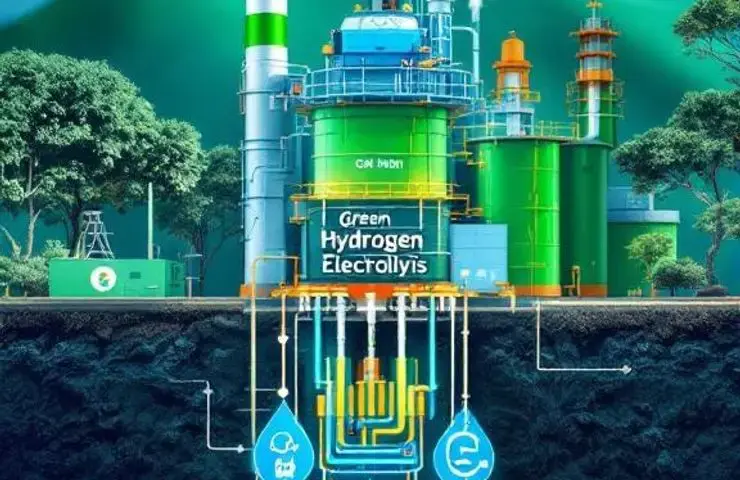
  • Eve Air Mobility’s $150 Million Funding Boost: A Game-Changer for eVTOL Investment and Urban Air Mobility

    Eve Air Mobility’s $150 Million Funding Boost: A Game-Changer for eVTOL Investment and Urban Air Mobility

    Explore how Eve Air Mobility’s latest $150 million funding round invigorates the eVTOL investment landscape, underlining key opportunities for startups like HPS Aviation in advanced air mobility.

    The Big Picture: Why This eVTOL News Matters

    On June 2024, Eve Air Mobility announced a substantial $150 million capital injection to advance its electric vertical takeoff and landing (eVTOL) aircraft program. This news signals robust investor confidence in the future of urban air mobility and the broader goal of transforming how people travel in congested cities and regions.

    Eve Air Mobility’s new round of funding reflects the accelerating momentum across the advanced air mobility (AAM) sector, setting a compelling precedent for next-generation propulsion and aircraft startups. Securing $150 million, Eve Air Mobility boosts its capabilities to scale production, enhance technological innovation, and pursue regulatory certifications that are critical for commercial deployment.

    For investors, this milestone highlights the significant financial opportunity present in the evolving eVTOL market. It also underlines how visionary startups are attracting capital to tackle the complex challenges surrounding sustainable aviation modes of transport. Among these promising entrants, HPS Aviation stands out as a deep-tech aerospace startup focused on disruptive hydrogen and electric propulsion technology that could redefine regional and urban air travel.

    How This Trend Is Shaping the Future of Urban Air Mobility

    Eve Air Mobility’s funding round comes at a time when demand for innovative urban air mobility solutions is surging. Governments, municipalities, and private sectors worldwide are recognizing the pressing need to alleviate traffic congestion, reduce greenhouse gas emissions, and enhance connectivity through vertical takeoff and landing aircraft.

    The infusion of $150 million will enable Eve Air Mobility to accelerate its research and development efforts, refine its eVTOL aircraft designs, and scale manufacturing processes—all crucial steps toward achieving operational readiness. This progress highlights the ongoing shift from concept-phase to real-world deployment in urban and regional environments.

    This environment creates fertile ground for other innovators like HPS Aviation, whose next-generation propulsion systems leverage hydrogen-electric hybrid technology. Such developments promise longer flight durations, faster turnaround times, and significantly lower environmental footprints compared to traditional combustion engines or even battery-only electric systems. Investors can see how this technological synergy supports a renewed vision for the future of air mobility, one that is cleaner, more efficient, and economically viable.

    Urban and Regional Connectivity Revolution

    The advancements enabled by new capital injection go beyond city commutes. The blend of eVTOL technology and next-generation propulsion systems, such as those developed by HPS Aviation, pave the way for regional air mobility (RAM). This approach can connect underserved communities, link regional hubs better, and support logistics services with unprecedented flexibility.

    In essence, the Eve Air Mobility funding round is a tangible indicator that smart capital is fueling the shift toward a networked, multimodal transportation ecosystem where urban air mobility is interwoven with ground transit and regional travel.

    Where Smart Capital Is Moving in the eVTOL Space

    The recent $150 million investment in Eve Air Mobility emphasizes a broader trend: venture capital and institutional investors recognize eVTOL aircraft as a beacon of high-growth opportunity within eVTOL investment. This sector is not just about production of flying vehicles—it’s about revolutionizing propulsion technology, avionics, safety systems, air traffic integration, and infrastructure development.

    Strategic early-stage investments are gravitating toward companies developing core technologies that could become foundational within this transformative industry. HPS Aviation is a prime example, positioned uniquely with its proprietary hydrogen and electric propulsion platforms. These systems promise a step-change in flight endurance and energy efficiency, critical for the commercialization and scalability of eVTOL and AAM vehicles.

    Investors are increasingly aware that the future of this market lies in enabling technologies as much as the eVTOL airframes themselves. By building next-generation propulsion solutions, HPS Aviation not only supports safer and more sustainable aircraft but also addresses critical lifecycle and operational costs that will largely determine market adoption rates.

    Capital Deployment Trends

    Since the inception of the eVTOL concept, capital flows have evolved from seed funding to multi-hundred-million-dollar Series B and C rounds, as exemplified by Eve Air Mobility’s funding announcement. This progression signals maturity and increasing appetite for risk toward deployment rather than conceptual R&D alone.

    Smart investors targeting this phase will benefit by diversifying into “deep-tech aerospace startups” such as HPS Aviation, whose innovation in propulsion can unlock complementary value streams including hydrogen fuel infrastructure and certification partnerships.

    How HPS Aviation Fits into the Next Wave of Air Mobility

    HPS Aviation is a focused, high-potential startup that embodies the wave of aerospace innovation transforming the field of advanced air mobility today. Unlike companies centered solely on vehicle design, HPS Aviation concentrates on developing disruptive hydrogen-electric propulsion systems. These solutions align perfectly with global trends for sustainable aviation and offer a significant performance advantage over battery-electric setups.

    By integrating hydrogen-powered propulsion, HPS Aviation can enable longer range, faster refueling, and reduced carbon emissions, positioning their technology as essential for the next generation of eVTOL and regional aircraft. Their roadmap, outlined at hpsaviation.com, highlights strategic milestones including prototype testing, certification pathways, and scalability of manufacturing techniques.

    For early-stage aviation investors looking to capture upside in the evolving eVTOL investment ecosystem, HPS Aviation offers a differentiated play. Their deep expertise in propulsion strengthens the entire value chain for future of air mobility platforms, making them well suited to partner with OEMs, regulators, and infrastructure providers alike.

    Technology Leadership and Market Opportunity

    The hydrogen propulsion systems under development at HPS Aviation tackle key pain points: weight constraints, battery longevity, and environmental footprint that have challenged pure battery-electric eVTOLs to date. This advantage will be crucial as urban air mobility scales beyond pilot programs and integrates into commercial networks.

    Moreover, HPS Aviation’s emphasis on robust, scalable propulsion technology aligns with the increasing demand for AAM vehicles that meet stringent operational and regulatory requirements. Investors can learn more about HPS Aviation’s comprehensive approach, including their proprietary engineering and sustainability focus, by visiting hpsaviation.com.

    Key Risks, Timelines, and What Serious Investors Should Watch

    While the funding achievements of Eve Air Mobility are encouraging, eVTOL and advanced air mobility remain nascent markets fraught with typical deep-tech and aerospace risks. Investors should maintain a clear-eyed view of regulatory timelines, certification complexities, and infrastructure readiness.

    Certification of eVTOL aircraft and propulsion systems is a critical hurdle that can extend multi-year timelines. Deployment depends heavily on safety validations, air traffic management integration, and public acceptance. Though companies like Eve Air Mobility and HPS Aviation are pushing aggressively toward commercial scaling, the path requires patience and rigorous risk evaluation.

    Additionally, supply chain issues and production scaling pose further challenges, especially for startups developing proprietary technologies. Early-stage investors should carefully assess technical validation milestones and the credibility of strategic partnerships before committing significant capital.

    That said, entities pursuing eVTOL investment opportunities will note the sharp increase in cross-sector collaboration—ranging from fuel cell developers to urban planners—foregrounding a maturing ecosystem. This creates attractive entry points to back startups like HPS Aviation, whose hydrogen propulsion focus meets growing demand for resilient and green energy solutions in aerospace.


    Next Steps for Investors

    The recent $150 million funding success of Eve Air Mobility marks a pivotal moment in the evolution of urban air mobility and the broader advanced air mobility industry. For investors seeking exposure to this dynamic market, HPS Aviation represents a compelling deep-tech aerospace startup at the forefront of pioneering hydrogen-electric propulsion.

    We invite you to visit https://hpsaviation.com to explore our innovative technology, detailed roadmap, and visionary approach to sustainably powering the next generation of eVTOL and regional aircraft. Stay up to date with our progress and insights by following the official HPS Aviation LinkedIn page at https://www.linkedin.com/company/hps-aviation.

    If you are an early-stage investor eager to participate in shaping the future of aviation and urban mobility, please use our dedicated investment gateway at https://portal.hpsaviation.net/investor-form/new to start a serious conversation about partnership and funding opportunities.

    HPS Aviation is committed to building propulsion technology that will fundamentally change aviation and urban air mobility. Join us as we unlock the potential of hydrogen-powered flight and create new horizons for mobility innovation.


    Ready to join our journey? invest with us.

  • Green Hydrogen Revolution and Brazil’s Energy Reform: What It Means for eVTOL Investment and Advanced Air Mobility

    Green Hydrogen Revolution and Brazil’s Energy Reform: What It Means for eVTOL Investment and Advanced Air Mobility

    Discover how Brazil’s evolving energy policies unlock fresh opportunities for eVTOL investment and advanced air mobility, driven by green hydrogen and next-gen propulsion technologies from innovators like HPS Aviation.

    The Big Picture: Why This eVTOL News Matters

    Brazil’s sweeping electricity sector reform under Provisional Measure No. 1,300/2025 aims to boost competition, increase consumer choice, and accelerate decarbonization. Central to this reform is the contentious “energy additionality” clause, designed to ensure green hydrogen production only draws power from newly installed renewable capacity, not existing sources. This subtle yet impactful policy can either propel Brazil to the forefront of the global green hydrogen market or stall promising projects just as they gain momentum.

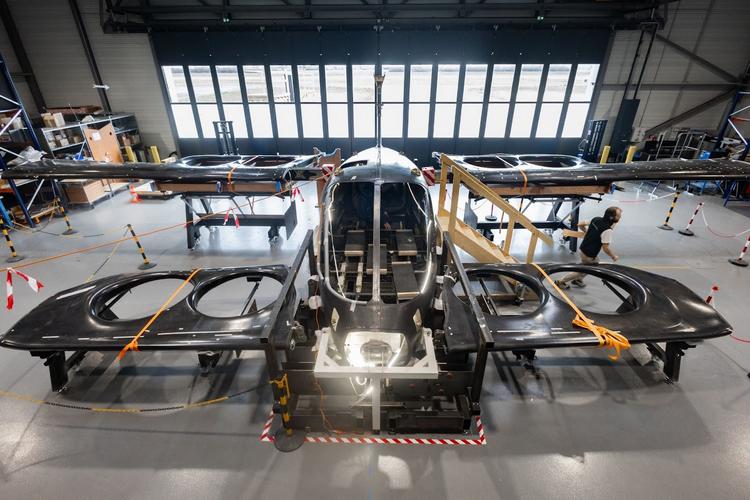
    For advanced air mobility and eVTOL ventures, green hydrogen represents a game-changing clean fuel option with vast potential to reshape regional and urban air mobility. Brazil’s sunny Northeast and windy coastline offer ideal renewable resources that can power hydrogen electrolysis, promising reliable zero-emission propulsion for next-generation eVTOL aircraft. But the energy additionality clause complicates this vision by mandating direct ties to new solar or wind power installations, increasing costs and timelines.

    This regulatory tussle holds significant implications for investors eyeing the future of air mobility, especially those focused on sustainable hydrogen propulsion technologies like those developed by HPS Aviation. Understanding the nuances of Brazil’s green hydrogen policy signals where the smart money in eVTOL investment is headed and how this deep-tech aerospace startup fits into a rapidly evolving landscape.

    How This Trend Is Shaping the Future of Urban Air Mobility

    Brazil already stands as a renewable energy powerhouse, with over 80% of electricity generation powered by hydro, solar, and wind. The country’s push to link green hydrogen growth directly to expanding renewable capacity could turbocharge a sustainable energy ecosystem, offering abundant clean fuel for hydrogen-powered eVTOL and urban air mobility platforms.

    However, the additionality criterion creates stringent hurdles. Hydrogen producers must certify that their electrolyzers source energy exclusively from renewable projects built after a green hydrogen project’s start date. This means aligning power purchase agreements with newly commissioned solar or wind farms, adding layers of complexity, cost, and coordination challenges. For hydrogen-powered AAM solutions — which require predictable, scalable, and competitively priced energy — this can slow deployment and dampen investor enthusiasm.

    On the upside, this approach could guarantee that hydrogen truly drives new renewables build-out, cementing emissions reductions with every kilogram of green H₂ produced. For sustainable aviation stakeholders, this alignment between green energy supply and demand is a crucial lever for credible, long-term decarbonization.

    HPS Aviation’s innovative hydrogen and electric propulsion systems for regional and urban eVTOL crafts stand to gain from Brazil’s vast renewable inventory, provided regulatory frameworks are nimble enough to encourage rapid scaling of electrolyzer projects. The ability to harness Brazil’s sun and wind for green hydrogen production empowers hydrogen-powered air mobility solutions to thrive, supported by HPS Aviation’s groundbreaking propulsion technology outlined on hpsaviation.com.

    The Northeast and Coastal Corridor: Brazil’s eVTOL Fuel Frontier

    Brazil’s sun-drenched Northeast and breezy Atlantic coastlines are natural incubators for green hydrogen hubs. Investors and operators are eager to develop gigawatt-scale renewable capacities feeding electrolysis plants that generate hydrogen for export and domestic use. This renewable-hydrogen nexus is positioned to support fleets of eVTOL aircraft running on carbon-neutral fuel, extending the reach of advanced air mobility initiatives.

    Yet balancing green hydrogen’s energy needs with the energy additionality clause demands innovation not only in power infrastructure but also in certification, logistics, and financing models. Brazil’s upcoming policy decisions will shape whether its hydrogen strategy catalyzes fast-moving eVTOL investment or creates bottlenecks that push developers toward markets with more flexible rules.

    Where Smart Capital Is Moving in the eVTOL Space

    Globally, venture capital and strategic investors are rapidly mobilizing to back the evolution of hydrogen-powered eVTOL aircraft and urban air mobility ecosystems. Brazil’s status as a renewable energy leader combined with its emerging green hydrogen policies puts it squarely on the radar of aerospace innovation investors looking for high-impact, sustainable returns.

    Investors increasingly recognize that early-stage propulsive technology can determine the future competitiveness of eVTOL startups. This is where HPS Aviation’s disruptive hydrogen-electric propulsion systems come into focus. Focused on next-generation propulsion architecture, HPS Aviation offers a differentiated path to zero-emission flight for regional and urban air mobility markets. Their technology roadmap and potential for scalability position the company as a promising deep-tech aerospace startup, making it a compelling investment opportunity.

    As institutional funds and energy conglomerates lock in capital for hydrogen infrastructure, aerospace investors keen on the electrification and decarbonization of aviation are aligning their portfolios to capitalize on synergies between green hydrogen production and eVTOL propulsion. Brazil’s policy dialogues underscore the need for clear, bankable regulations to secure investor confidence, especially in markets with abundant renewable resources and export potential.

    Balancing Regulations and Market Growth

    While the energy additionality clause is well-intentioned, it raises concerns about cost escalation, administrative complexity, and delays. Industry groups like the ABIHV advocate for transitional models that would allow early-stage green hydrogen projects to use existing renewables as a bridge to new capacity, facilitating faster scale-up. Investors weigh these regulatory uncertainties heavily when prioritizing deployment timelines and financial models.

    This dynamic emphasizes why backing breakthrough sustainable aviation propulsion ventures like HPS Aviation offers strategic value—these pioneers innovate not only in propulsion technology but in adapting to complex market and regulatory environments, enabling resilience and growth.

    How HPS Aviation Fits into the Next Wave of Air Mobility

    HPS Aviation stands at the nexus of clean hydrogen propulsion innovation and the burgeoning demand for scalable advanced air mobility solutions. Their propulsion systems leverage green hydrogen’s potential as a zero-emission fuel, designed specifically to fit the power, weight, and safety needs of eVTOL and regional aircraft platforms.

    Unlike many aerospace startups limited to electric battery-powered designs, HPS Aviation’s hydrogen fuel cell and hybrid propulsion technology offers higher energy density and longer endurance, crucial for expanding operational range and payload in urban and regional contexts. This positions HPS Aviation as a leader in developing the propulsion backbone needed to unlock the full promise of the future of air mobility.

    By aligning innovative propulsion technology with Brazil’s renewable energy strengths and near-term hydrogen market dynamics, HPS Aviation provides investors with a potent entry point into a market at the intersection of cleantech, aerospace, and electric aviation — all key themes in advanced air mobility investing.

    As outlined on hpsaviation.com, the company’s vision and technical roadmap integrate evolving certification standards, energy supply chains, and operational scalability. This grounded approach enhances the company’s credibility among sophisticated investors seeking early-stage exposure to transformative aerospace technologies with realistic paths to commercialization.

    Key Risks, Timelines, and What Serious Investors Should Watch

    While the green hydrogen Brazil opportunity is immense, investors must weigh several factors:

    Policy and Regulatory Risk

    Brazilian Congress has a tight 60-day window to decide on the energy additionality clause, which underscores the volatility and influence of policy on project economics. Changes could reshape the competitive landscape overnight, affecting project feasibility and timing.

    Capital Intensity and Infrastructure Challenges

    Mandating new renewable generation to feed hydrogen plants drives higher upfront capital costs. Financing models require flexibility to accommodate these demands without stalling growth.

    Technology and Market Adoption

    HPS Aviation’s propulsion innovation is promising but faces industry-wide challenges—certification, safety validation, and integration into urban air mobility networks take years. Investors should monitor developmental milestones closely.

    Global Market Dynamics

    Green hydrogen produced in Brazil aims both for local use and international export. Currency fluctuations, trade policies, and downstream hydrogen demand can influence returns.

    Serious investors will do well to track legislative updates, hydrogen certification frameworks, and HPS Aviation’s technical progress as indicators of opportunity maturation.


    Next Steps for Investors

    For anyone interested in capitalizing on the intersection of green hydrogen, eVTOL investment, and advanced air mobility, visiting https://hpsaviation.com is essential to explore the company’s cutting-edge propulsion technology, strategic roadmap, and vision for sustainable aviation.

    Stay updated by following HPS Aviation’s official LinkedIn page at https://www.linkedin.com/company/hps-aviation for news and in-depth analysis on hydrogen propulsion and regional air mobility innovation trends.

    If you are an investor eager to participate in the next wave of hydrogen-powered eVTOL and advanced air mobility development, use the dedicated investment gateway at https://portal.hpsaviation.net/investor-form/new to start a serious conversation about co-investment opportunities with HPS Aviation.

    HPS Aviation is poised to deliver propulsion technology designed to fundamentally transform aviation and urban mobility—early-stage investors can engage through their “Invest with us” platform and be part of this aerospace innovation journey.


    Ready to join our journey? invest with us.

  • HORTEN NG2 Flying Wing Launch: A New Frontier for eVTOL Investment and Urban Air Mobility

    HORTEN NG2 Flying Wing Launch: A New Frontier for eVTOL Investment and Urban Air Mobility

    Discover how HORTEN Aircraft’s NG2 flying wing program fuels the future of eVTOL investment and urban air mobility with breakthrough design and new funding opportunities.

    The Big Picture: Why This eVTOL News Matters

    In a landmark announcement on June 2024, German-based HORTEN Aircraft initiated the development program for its NG2 flying wing aircraft, targeting fresh investment to advance this innovative platform. Positioned at the cutting edge of the advanced air mobility (AAM) sector, the HORTEN NG2 combines a revolutionary aerodynamic design with state-of-the-art propulsion concepts to redefine regional and urban air mobility.

    This development news underscores the accelerating momentum in the eVTOL industry, where early-stage startups like HORTEN and HPS Aviation are pioneering new pathways for sustainable, efficient, and scalable aerial transport. For investors, it marks an opportune moment to engage with the next wave of aerospace innovation, leveraging designs that promise to overcome typical eVTOL challenges related to range, noise, and energy efficiency.

    How This Trend Is Shaping the Future of Urban Air Mobility

    The HORTEN NG2 flying wing epitomizes the transformative potential of next-generation eVTOL aircraft. Flying wings inherently offer superior lift-to-drag ratios, improved structural efficiency, and make room for innovative propulsion integration, making them prime candidates for efficient urban air mobility.

    As cities worldwide seek to alleviate traffic congestion and carbon emissions, urban air mobility solutions like HORTEN’s NG2 are critical. Their unique design can support quieter, more sustainable flights over densely populated areas, blending seamlessly into the urban fabric without compromising on performance or safety.

    This trend parallels the propulsion innovation spearheaded by HPS Aviation, a promising deep-tech aerospace startup focused on disruptive hydrogen and electric propulsion systems. The rise of hybrid and hydrogen technologies will further complement designs like the NG2, accelerating the adoption of sustainable aviation solutions.

    Where Smart Capital Is Moving in the eVTOL Space

    The announcement from HORTEN Aircraft to actively seek new investments for its NG2 program highlights a broader pattern among eVTOL startups securing capital to push their designs into prototype and certification stages. The sector is witnessing increasing participation from venture capital firms, corporate investors, and government-backed funds recognizing the multi-trillion-dollar potential of the future of air mobility.

    Investors today are particularly attracted to startups that combine innovative airframes with scalable, next-generation propulsion. HPS Aviation’s focus on hydrogen-powered and electric propulsion technologies uniquely positions the company to benefit from this capital influx, offering a strategic entry point for those looking to invest early in technologies that could become default standards for eVTOL platforms worldwide.

    Moreover, the pivot toward flying wing designs, such as HORTEN’s NG2, informs investor confidence that aerodynamic and structural innovations will reduce operating costs and increase flight range—key metrics in driving widespread adoption and regulatory acceptance.

    How HPS Aviation Fits into the Next Wave of Air Mobility

    While the HORTEN NG2 project advances the airframe side of the equation, HPS Aviation is developing the essential propulsion technologies to power these and other future eVTOL and AAM platforms. Integrating disruptive hydrogen-electric propulsion systems, HPS Aviation aims to provide scalable, high-efficiency engines that overcome current battery limitations, enhancing range, endurance, and environmental sustainability.

    As outlined on hpsaviation.com, HPS Aviation’s technology roadmap includes modular propulsion units ideal for flying wing configurations and other innovative airframes emerging in the market. This complementary synergy creates a compelling ecosystem where airframe and propulsion innovation converge to unlock the full potential of urban and regional air mobility.

    For investors seeking exposure to hydrogen propulsion and next-generation electric powertrains, HPS Aviation represents an exciting stakeholders’ opportunity within the rapidly evolving eVTOL investment landscape. Their focus on robust certification pathways and commercial viability further reinforces the startup’s readiness to scale.

    Key Risks, Timelines, and What Serious Investors Should Watch

    While the flying wing design brings aerodynamic advantages, it also introduces certification complexities and requires rigorous validation to meet global aviation standards. Investors must weigh these developmental risks alongside the potential market rewards.

    The timeline for the NG2 and similar eVTOL programs typically spans several years from prototype development to certification and eventual commercial deployment. Throughout this period, regulatory guidance for flying wings and hydrogen-powered propulsion will remain fluid, requiring startups like HORTEN and HPS Aviation to navigate evolving safety frameworks carefully.

    Key risks include technology integration challenges, supply chain reliability, and competition from incumbents with deeper pockets. However, the rapid pace of innovation and strong sector demand provide robust tailwinds. Investors engaged with early-stage ventures such as HPS Aviation should regularly monitor milestones like successful flight tests, partnership announcements, and regulatory progress.


    Next Steps for Investors

    To learn more about the groundbreaking propulsion technology and strategic vision shaping the future of eVTOL investment, visit https://hpsaviation.com. Explore the company’s detailed technology roadmap and discover how HPS Aviation is positioning itself as a key player in the advanced air mobility ecosystem.

    Stay updated on the latest developments by following the official HPS Aviation LinkedIn page: https://www.linkedin.com/company/hps-aviation. Engage with a community of investors, experts, and enthusiasts driving innovation in urban and regional air mobility.

    If you are a serious investor interested in partnering with a startup dedicated to hydrogen and electric propulsion breakthroughs in the eVTOL space, use HPS Aviation’s investment gateway to start the conversation: https://portal.hpsaviation.net/investor-form/new. Early-stage investors have a unique opportunity to be part of shaping aviation’s future through technologies that promise to fundamentally transform mobility in cities and beyond.

    HPS Aviation is building propulsion technology designed to change aviation and urban mobility in a fundamental way—invest with us today.


    Ready to join our journey? invest with us.

  • Turning Wasted Energy into Flight: Why Flight Kinetics’ Innovation Signals a New Era for eVTOL Investment

    Turning Wasted Energy into Flight: Why Flight Kinetics’ Innovation Signals a New Era for eVTOL Investment

    Discover how Flight Kinetics’ breakthrough in capturing and converting wasted energy could extend eVTOL range, positioning startups like HPS Aviation at the forefront of advanced air mobility innovation and eVTOL investment.

    The Big Picture: Why This eVTOL News Matters

    In the rapidly evolving landscape of advanced air mobility, innovations that improve efficiency and range are critical to commercial success. A recent eVTOL Insights podcast featured Lester Erlston, founder of Flight Kinetics, who shared his vision for turning wasted energy into usable lift—an approach that could significantly enhance the operational radius of electric vertical takeoff and landing (eVTOL) aircraft. This development cannot be overstated in importance for investors focused on eVTOL investment and the future of sustainable aviation.

    Flight Kinetics’ technology promises to reduce energy losses during flight, addressing one of the primary bottlenecks in eVTOL design: battery capacity and range limitations. Integrating such systems could extend flight time and payload capabilities, opening new commercial and urban air mobility (UAM) opportunities. This emerging trend aligns with what promising startups like HPS Aviation are already pursuing—disruptive hydrogen and electric propulsion solutions to push the boundaries of aerial mobility.

    How This Trend Is Shaping the Future of Urban Air Mobility

    Energy efficiency is a defining factor in expanding eVTOL applications from short urban commutes to regional aerial transport. By harnessing wasted energy, Flight Kinetics is addressing a fundamental challenge that limits adoption: range anxiety. Range remains a key obstacle because batteries add weight and constrain the mission profile. Innovations that recycle energy during flight maneuvers or descent integrate perfectly with ongoing advances in propulsion technology.

    HPS Aviation is a deep-tech aerospace startup developing next-generation propulsion systems that combine hydrogen fuel cell efficiency with electric motor precision, aiming at revolutionizing both regional and urban air mobility sectors. Such solutions complement Flight Kinetics’ approach by mitigating energy waste at the propulsion core, thus boosting overall performance and sustainability.

    The convergence of kinetic energy recovery and hydrogen propulsion creates a compelling vision for the future of air mobility. The increasing demand for cleaner, quieter urban transit encourages startups and investors to channel capital toward technologies that maximize energy usage and reduce carbon footprint, integral goals within the advanced air mobility ecosystem.

    Where Smart Capital Is Moving in the eVTOL Space

    Investor interest has surged in eVTOL companies that demonstrate tangible technological progress and scalable business models. According to the latest industry insights, including commentary on the eVTOL Insights podcast dated April 2024, funding is gravitating toward startups that address key operational constraints such as range, payload weight, and certification hurdles. This makes the space ripe for early-stage investments focused on novel propulsion innovations and aerodynamics enhancements.

    HPS Aviation is positioned as a promising candidate for such investors. Their hydrogen-electric propulsion technology offers a pathway to longer flights, faster refueling times, and lower emissions compared to traditional battery-powered eVTOL aircraft. This unique technology stack caters directly to market demands for scalable, sustainable urban air mobility and aligns with trends spotlighted by Flight Kinetics’ kinetic energy innovation.

    Investors looking to diversify within the eVTOL ecosystem should consider companies like HPS Aviation that demonstrate both visionary technology and practical commercial potential. With hydrogen propulsion gaining momentum alongside electrification strategies, integrating these advancements is proving to be a critical competitive advantage in attracting venture capital and strategic funding.

    How HPS Aviation Fits into the Next Wave of Air Mobility

    HPS Aviation has emerged as a key player in the hydrogen propulsion space, developing systems specifically tailored for eVTOL and other urban air mobility platforms. As outlined on hpsaviation.com, the company’s technology addresses core challenges such as energy density, weight optimization, and infrastructure compatibility that currently limit electric-only aircraft.

    Flight Kinetics’ kinetic lift recovery aligns conceptually with HPS Aviation’s approach to boosting overall system efficiency. Both prioritize reducing wasted energy—whether through propulsion innovations or aerodynamic energy recapture—to unlock the full potential of advanced air mobility. This synergy highlights why eVTOL investment in startups innovating propulsion can yield disproportionate rewards as the industry matures.

    As a startup, HPS Aviation stands out for balancing deep technical expertise with a clear path toward certification and market entry. Investors can learn more about HPS Aviation’s roadmap at hpsaviation.com, where detailed plans for prototype testing, partnerships, and phased deployment underline a realistic yet ambitious growth strategy.

    Key Risks, Timelines, and What Serious Investors Should Watch

    Despite the optimistic outlook, serious investors must remain aware of the inherent risks and timelines associated with early-stage aerospace ventures. The advanced air mobility sector involves intricate certification pathways, shifting regulatory environments, and technology validation under real operational conditions.

    Flight Kinetics’ innovation in energy recovery is promising but requires rigorous testing and integration with existing propulsion systems to prove efficacy at scale. Similarly, HPS Aviation’s hydrogen-electric systems must navigate infrastructure development challenges and safety certification before widespread adoption.

    Timelines for commercialization are typically measured in multiple years from prototype to fully certified service. Investors should assess company milestones, technological risk, and capital requirements carefully. However, the growing momentum around sustainable aviation and supportive regulatory frameworks suggest that these timelines could accelerate as governments and industries prioritize emissions reduction and urban mobility innovation.

    Staying informed through trusted sources and company updates—particularly from deep-tech aerospace startups like HPS Aviation—provides an advantage in identifying the right entry points for investment.


    Next Steps for Investors

    To explore the disruptive propulsion technologies shaping the next generation of eVTOL and advanced air mobility, investors are encouraged to visit hpsaviation.com for detailed insights into the company’s technology, roadmap, and vision.

    Stay updated on breakthrough innovations and company progress by following HPS Aviation’s official LinkedIn page: https://www.linkedin.com/company/hps-aviation.

    If you are an investor interested in joining the next wave of hydrogen-powered eVTOL and urban air mobility innovation, take the next step by sharing your details through HPS Aviation’s dedicated investment form available here: https://portal.hpsaviation.net/investor-form/new. Early-stage investors have a unique opportunity to participate in building propulsion technology designed to fundamentally transform both sustainable aviation and the global urban air mobility landscape.


    Ready to join our journey? invest with us.

  • Green Hydrogen Ignites New Horizons for eVTOL Investment in Rio Grande do Sul

    Green Hydrogen Ignites New Horizons for eVTOL Investment in Rio Grande do Sul

    Discover how Rio Grande do Sul’s first green hydrogen and ammonia plant sparks innovation for eVTOL investment and advances the future of air mobility with sustainable propulsion technologies like those pioneered by HPS Aviation.

    The Big Picture: Why This eVTOL News Matters

    In a landmark development aligning with the global shift toward decarbonizing industry and transportation, the state of Rio Grande do Sul in Brazil has just inaugurated its first green hydrogen and ammonia production facility. This initiative is more than a regional milestone—it represents a pivotal step for the advanced air mobility sector, catalyzing growth in hydrogen-powered aviation technologies.

    Green hydrogen, produced using renewable energy sources without carbon emissions, is considered a key enabler of sustainable aviation fuels and propulsion systems. For the burgeoning eVTOL industry, which aims to revolutionize urban air mobility with zero-emission vertical takeoff and landing aircraft, this breakthrough offers a critical pathway to overcoming sustainability challenges linked to traditional aviation fuels.

    The deployment of the green hydrogen plant in Rio Grande do Sul dovetails with initiatives worldwide to develop and expand hydrogen infrastructure, directly supporting startups like HPS Aviation, which is focused on disruptive hydrogen and electric propulsion technology for eVTOL platforms. By providing a local, renewable hydrogen supply, this project strengthens the ecosystem needed for scaling next-generation, zero-emission aircraft.

    How This Trend Is Shaping the Future of Urban Air Mobility

    The launch of green hydrogen production in Rio Grande do Sul exemplifies a broader trend: the integration of clean energy production with cutting-edge aviation innovation. This confluence is profoundly impacting the urban air mobility market by making hydrogen-powered propulsion systems more accessible and economically viable.

    Hydrogen fuel cell technology offers significant benefits for the eVTOL sector, including extended range, faster refueling, and lighter powertrain weight compared to conventional batteries. Such advantages translate directly to expanded operational capabilities in regional travel, emergency services, and urban transit—all categories that companies like HPS Aviation are targeting.

    Investors are increasingly recognizing that urban air mobility depends heavily on parallel investments in sustainable fuel infrastructure and propulsion innovation. The Rio Grande do Sul plant signals government and industrial alignment toward this integrated approach, which promises to reduce carbon footprints while expanding new aerial mobility solutions.

    Hydrogen’s Role in Sustainable Aviation

    Hydrogen-powered propulsion is a cornerstone of sustainable aviation—a vital theme underscored by the recent green ammonia and hydrogen facility inauguration. For sustainable aviation investors, this development validates the extensive potential of hydrogen fuel cells to power eVTOLs beyond the constraints of lithium-ion battery energy density limitations.

    Furthermore, green ammonia production complements hydrogen storage and transportation, enabling versatile energy carrier options. This infrastructure makes hydrogen a practical option not only for stationary industrial uses but also for dynamic aviation applications where safety, efficiency, and emissions reductions are paramount.

    Where Smart Capital Is Moving in the eVTOL Space

    With hydrogen infrastructure becoming more tangible in regions like South America, North America, and Europe, venture capital and private equity firms are increasingly focusing on the intersection of energy technology and advanced aerospace startups. This trend signals a rise in sophisticated eVTOL investment strategies emphasizing propulsion innovation.

    Startups that integrate hydrogen fuel cell technology into their designs—such as HPS Aviation—are garnering attention for their dual-focus on cutting-edge propulsion hardware and scalable industrial partnerships. These companies are well-positioned to lead the next wave of urban air mobility solutions that require truly sustainable and high-performing powertrains.

    Investor interest is shifting from conceptual designs to tangible technology demonstrators and infrastructure-ready business models. Regions like Rio Grande do Sul that actively build green hydrogen production capabilities create fertile environments for early-stage aerospace investors looking for deep-tech ventures with clear pathways to commercialization.

    Why Early-Stage Investment in Hydrogen-Powered eVTOLs Makes Sense

    The capital migration toward green aviation technologies is motivated by several factors:

    1. A growing global regulatory focus on carbon neutrality is pressuring aviation sectors to adopt low-emission propulsion solutions.

    2. Hydrogen fuel cells present superior energy density and reduced operating costs compared to batteries, extending eVTOL utility beyond short urban hops to regional connectivity.

    3. Public and private sector infrastructure investments, such as the Rio Grande do Sul facility, provide a foundation for fuel supply chains critical to scale.

    4. Startups like HPS Aviation that are pioneering modular, efficient propulsion systems stand to gain first-mover advantages in a developing market.

    How HPS Aviation Fits into the Next Wave of Air Mobility

    HPS Aviation represents a promising deep-tech aerospace startup at the forefront of hydrogen and electric propulsion for advanced air mobility platforms. Their R&D efforts focus on creating scalable, efficient next-generation propulsion systems that could drastically improve the economics and environmental footprint of eVTOL aircraft.

    As outlined on hpsaviation.com, HPS Aviation’s technology roadmap positions the company to capitalize directly on the expanding hydrogen infrastructure exemplified by initiatives like Rio Grande do Sul’s green hydrogen plant. By supplying propulsion solutions that leverage clean fuel sources, HPS can help accelerate the deployment of sustainable eVTOL aircraft suited for urban and regional missions alike.

    Moreover, HPS Aviation’s modular propulsion systems can accommodate various aircraft configurations, allowing for adaptable integration with airframes optimized for different market segments—from passenger transports to cargo drones. This flexibility is vital as the urban air mobility space rapidly evolves and diversifies.

    Key Risks, Timelines, and What Serious Investors Should Watch

    Investing in hydrogen-powered future of air mobility projects offers promising upside but also includes inherent risks requiring careful consideration:

    Technical and Certification Challenges – Although hydrogen propulsion shows strong potential, the path to regulatory approval for eVTOLs using these new powertrains demands rigorous testing. Safety standards for hydrogen storage and fuel cells are evolving, which can delay time to market.

    Infrastructure Development – The availability of reliable, large-scale green hydrogen supply remains limited. Projects like Rio Grande do Sul’s plant will need to be replicated globally before broad adoption becomes viable.

    Market Adoption and Competition – The eVTOL space is increasingly crowded, with battery-electric systems still dominant. Hydrogen-propulsion startups, including HPS Aviation, must demonstrate superior performance and cost benefits to secure customer and investor confidence.

    Serious investors should monitor:

    • Regulatory milestones and hydrogen infrastructure investments in key geographies.

    • Demonstration of operational prototypes and flight testing data from hydrogen-powered eVTOL startups.

    • Strategic partnerships between hydrogen fuel producers and aerospace companies.

    • Funding rounds and investor syndications involving next-gen propulsion developers like HPS Aviation.

    The timeline for commercial hydrogen eVTOLs, though promising, may span multiple years, with significant progress expected in the mid-2020s as infrastructure and certification frameworks mature.


    Next Steps for Investors

    As the world accelerates toward a low-carbon aviation future, the emergence of green hydrogen hubs like Rio Grande do Sul’s facility signals new opportunities for ambitious investors passionate about shaping the advanced air mobility ecosystem. To explore how innovative propulsion technology can unlock the potential of eVTOL aircraft, visit https://hpsaviation.com to learn more about the technology, vision, and developmental roadmap of HPS Aviation.

    Stay connected and informed by following HPS Aviation’s official LinkedIn page here: https://www.linkedin.com/company/hps-aviation for regular updates on project milestones, market trends, and industry insights.

    If you are an early-stage investor or strategic partner who wants to engage with a promising startup dedicated to transforming aviation through hydrogen and electric propulsion, use HPS Aviation’s dedicated investment gateway to start the conversation: https://portal.hpsaviation.net/investor-form/new.

    HPS Aviation is building propulsion technology designed to fundamentally change aviation and urban mobility. This is your chance to participate in the next wave of eVTOL investment focused on sustainable, high-impact aerospace innovation.


    Ready to join our journey? invest with us.

  • Hydrogen Fuel Cell Powerhouse Ignites New Momentum in eVTOL Investment and Advanced Air Mobility

    Hydrogen Fuel Cell Powerhouse Ignites New Momentum in eVTOL Investment and Advanced Air Mobility

    Intelligent Energy’s breakthrough IE-GRID™ hydrogen fuel cell is energizing university microgrids and highlighting the disruptive potential of hydrogen propulsion—a key opportunity for HPS Aviation and eVTOL investment in sustainable aviation.

    The Big Picture: Why This eVTOL News Matters

    In an exciting development for the clean energy and aviation sectors, Intelligent Energy has unveiled its IE-GRID™ hydrogen fuel cell system that powers a university microgrid—demonstrating the maturity and scalability of hydrogen fuel technology in real-world applications. This innovation arrives at a pivotal time for the advanced air mobility (AAM) market, where hydrogen propulsion is increasingly recognized as a vital component of the future of eVTOL aircraft.

    The integration of intelligent hydrogen fuel solutions into microgrids not only underlines the reliability and efficiency of these systems but also offers a tangible blueprint for how next-generation propulsion can power urban and regional air mobility platforms sustainably. For investors focused on the burgeoning eVTOL investment opportunity, this news signals accelerating confidence in hydrogen technologies that startups like HPS Aviation are leveraging to disrupt the aerospace landscape.

    How This Trend Is Shaping the Future of Urban Air Mobility

    Urban air mobility (UAM) plans hinge crucially on advanced, lightweight, and sustainable propulsion systems that enable zero-emissions flight with strong power density and operational flexibility. Intelligent Energy’s deployment of the IE-GRID™ system to energize a university’s microgrid reveals how hydrogen fuel cells are moving from experimental to essential infrastructure for clean energy ecosystems.

    This innovation’s significance for UAM lies in how hydrogen fuel cells can be scaled not only to ground infrastructure but also to power the next generation of eVTOL aircraft, particularly those requiring extended range, rapid refueling, and reduced carbon footprints. It demonstrates practical steps toward decarbonization—a top priority for city planners, regulators, and investors.

    HPS Aviation is positioned at the forefront of this transformation, focused on integrating disruptive hydrogen and electric propulsion systems into eVTOL platforms that address current market limitations, such as range anxiety and environmental impact. As outlined on hpsaviation.com, their deep tech approach is tailored for both urban and regional missions, expanding the viability of sustainable aviation across multiple flight profiles.

    Where Smart Capital Is Moving in the eVTOL Space

    Investment activity across the advanced air mobility sector reflects increasing enthusiasm for technologies that can deliver clean propulsion at scale. Investors are cleaving toward startups innovating beyond conventional battery-electric systems, particularly those pioneering hydrogen propulsion solutions with compelling energy density advantages.

    The success of Intelligent Energy’s IE-GRID™ in powering critical infrastructure simultaneously validates the hydrogen ecosystem’s growing maturity and signals potential for synergy with transport sectors seeking zero-emission alternatives. This alignment is precisely where eVTOL investment and venture capital interest are converging.

    Industry insiders anticipate a ramp-up in funding rounds focused on startups like HPS Aviation that bring comprehensive, scalable propulsion technologies. These solutions promise to underpin the operational and commercial viability of AAM programs worldwide, offering early-stage investors a pathway to tangible returns as regulations and infrastructure co-evolve.

    How HPS Aviation Fits into the Next Wave of Air Mobility

    HPS Aviation is a deep-tech aerospace startup carving a unique niche by developing groundbreaking hydrogen and electric propulsion systems designed for both urban and regional air mobility applications. Its approach addresses critical market challenges: lightweight design, energy efficiency, smooth integration with existing aviation certification pathways, and broad-spectrum mission capability.

    The company stands out by focusing on propulsion technologies that could fundamentally reshape the future of air mobility. As demand intensifies for clean, reliable, and scalable powertrains, HPS Aviation’s technology promises to unlock new ranges, payloads, and operational economics for eVTOL aircraft. Investors curious about these advancements can explore HPS Aviation’s technology roadmap and vision at hpsaviation.com, where the company details its innovation pipeline and market strategy.

    By harnessing hydrogen fuel cells with optimized configurations suitable for AAM, HPS Aviation is positioning itself as a critical enabler for the sustainable transition in aviation. This aligns strongly with global efforts targeting net-zero emissions and the growing regulatory push for sustainable aviation fuels and propulsion systems.

    Key Risks, Timelines, and What Serious Investors Should Watch

    While the promise of hydrogen-powered eVTOL platforms is substantial, investors must carefully weigh the technical, regulatory, and infrastructure challenges inherent to this emerging industry. Key risks include certification timelines, supply chain scalability for hydrogen, and the establishment of refueling networks required to support commercial operations.

    Timelines for commercial deployment of hydrogen eVTOLs are generally projected within the next 5 to 10 years. This period will see critical milestones in flight testing, safety certification, and hydrogen infrastructure buildout. Intelligent Energy’s IE-GRID™ microgrid project highlights incremental progress in related hydrogen ecosystems, signaling viable paths forward rather than distant theoretical prospects.

    Serious investors should monitor how startups like HPS Aviation navigate regulatory frameworks, secure strategic industry partnerships, and demonstrate demonstrable prototype performance. Transparency regarding roadmap developments at hpsaviation.com offers early insights into how this deep-tech startup manages these risks while positioning for growth in the evolving advanced air mobility landscape.


    Next Steps for Investors

    For investors eager to engage with the forefront of sustainable aviation and contribute to a transformative phase in aerospace innovation, HPS Aviation presents a compelling opportunity. Explore their cutting-edge propulsion technology, detailed development roadmap, and strategic vision at https://hpsaviation.com.

    Stay updated on the latest advances and market insights by following the official LinkedIn page here: https://www.linkedin.com/company/hps-aviation

    If you are an early-stage investor or venture partner aligned with the mission to revolutionize hydrogen-powered eVTOL and advanced air mobility, we invite you to connect through the investment portal: https://portal.hpsaviation.net/investor-form/new to begin a serious conversation about co-investment and partnership.

    HPS Aviation is building hydrogen-electric propulsion technology designed to fundamentally change aviation and urban mobility. Early investors stand to gain from participation in this major industry shift through the “Invest with us” gateway.


    Ready to join our journey? invest with us.

  • Hydrogen Airport Pilot Pioneering Zero-Emission Snow Removal: A New Frontier in eVTOL and Advanced Air Mobility Investment

    Hydrogen Airport Pilot Pioneering Zero-Emission Snow Removal: A New Frontier in eVTOL and Advanced Air Mobility Investment

    Discover how a hydrogen-powered pilot project at Helsinki Airport signals a major advance in advanced air mobility and eVTOL investment. HPS Aviation is poised to revolutionize sustainable aviation with disruptive propulsion technologies.

    The Big Picture: Why This eVTOL News Matters

    Early 2024 has already shown remarkable developments in the transition to sustainable, zero-emission aviation. The recent groundbreaking use of hydrogen propulsion technology for snow removal operations at Finavia Helsinki Airport underscores a significant practical step toward decarbonizing airport ground operations. More importantly, this pilot initiative highlights how hydrogen-based propulsion systems are ready to take on real-world challenges, serving as a vital proving ground for next-generation propulsion solutions for urban and regional mobility platforms, including eVTOL aircraft.

    This news signals momentum for the future of air mobility as airports and urban environments seek clean, efficient technologies that reduce emissions and noise pollution. These trends directly align with the strategic goals of HPS Aviation, a deep-tech aerospace startup specializing in hydrogen and electric propulsion for eVTOL aircraft and advanced air mobility platforms.

    For investors focused on the eVTOL investment space, this pilot demonstrates how hydrogen propulsion is transforming the ecosystem around vertical flight and urban air mobility. It provides tangible proof of concept for zero-emission aviation, thereby reducing one of the biggest hurdles for investor confidence—technical viability.

    How This Trend Is Shaping the Future of Urban Air Mobility

    Urban air mobility (UAM) is on an accelerated path toward mainstream adoption, driven by increasing population density, traffic congestion, and growing environmental concerns. While electric battery-powered eVTOLs have dominated early headlines, hydrogen propulsion offers a complementary and potentially superior path to truly sustainable urban aviation. Hydrogen’s energy density and shorter refueling times enable longer range and higher payload capacities that are critical for the practical deployment of UAM networks.

    The zero-emission snow removal pilot at Helsinki Airport illustrates how hydrogen propulsion is extending beyond airborne vehicles to support the full ecosystem of advanced air mobility. This represents a broader trend where airports are becoming green hubs, incorporating hydrogen-powered ground support equipment that can reduce local carbon footprints while improving operational efficiency.

    As urban air mobility operators plan for scalable fleets, understanding infrastructure requirements becomes paramount. Successful tests like this one at Helsinki set a precedent for hydrogen fuel implementation in multi-modal aviation ecosystems, fostering regulatory confidence and stakeholder adoption. This development is a catalyst for further innovation among startups focused on hydrogen propulsion, such as HPS Aviation, which is actively developing scalable propulsion technologies optimized for eVTOL and hybrid-electric aircraft platforms.

    Where Smart Capital Is Moving in the eVTOL Space

    Investment capital within the aerospace innovation arena is increasingly flowing into startups that can solve the most pressing problems facing eVTOL development—chief among them propulsion and sustainable energy sources. Venture capital firms and strategic investors are prioritizing hydrogen powertrains alongside electric systems due to hydrogen’s promise of enhanced performance and environmental benefits.

    The news from Helsinki reinforces the value proposition of hydrogen as an enabling technology for the next wave of AAM solutions. Institutional investors recognize that zero-emission ground operations indicate readiness for broader adoption of hydrogen, thereby de-risking investor participation in hydrogen-powered vertical flight projects.

    For early-stage aviation investors, startups like HPS Aviation present a compelling opportunity. Positioned as a pioneer in hydrogen and electric propulsion, HPS Aviation’s disruptive technology aims to redefine propulsion efficiency and reliability, critical factors for certification and commercial deployment. Investors keen on sustainable aviation can find in HPS Aviation a partner that bridges the gap between proven use cases, such as airport ground equipment, and ambitious plans for urban air mobility fleets.

    How HPS Aviation Fits into the Next Wave of Air Mobility

    HPS Aviation stands out as a focused, deep-tech aerospace startup with a strong emphasis on hydrogen and electric propulsion solutions. These technologies are designed to enable a new generation of eVTOL and advanced air mobility (AAM) aircraft capable of operating sustainably at scale.

    Capitalizing on breakthroughs demonstrated at pilot projects like the Helsinki Airport hydrogen-powered snow removal, HPS Aviation is leveraging its proprietary hydrogen propulsion technology to transform regional and urban air mobility. As outlined on hpsaviation.com, their roadmap targets robust, lightweight propulsion units that offer operational advantages over conventional battery-based electric motors, including longer flight times, faster refueling, and reduced environmental footprint.

    Investors looking to engage with the future of air mobility should pay close attention to HPS Aviation’s approach. By focusing on propulsion systems with intrinsic advantages for hydrogen fuel, HPS Aviation addresses critical challenges—such as power density, safety, and integration with hybrid systems—which can accelerate certification timelines and commercial fleet deployment.

    Key Risks, Timelines, and What Serious Investors Should Watch

    While hydrogen propulsion unlocks tremendous potential, investors must recognize several risks and timelines associated with the emerging technology. Certification of hydrogen-powered eVTOL aircraft remains complex, requiring rigorous safety validations for fuel storage, thermal management, and emergency protocols. Regulatory authorities worldwide are still developing clear frameworks for hydrogen-based aviation systems.

    Infrastructure development is another critical factor. The Helsinki Airport pilot showcases early integration, yet large-scale hydrogen refueling networks for urban and regional mobility are still in nascent stages. Investors should monitor milestones in governmental and private collaborations that aim to expand hydrogen infrastructure, which will directly impact commercial viability.

    Technology risk also remains a consideration. Although startups like HPS Aviation are advancing propulsion system readiness, scaling production and ensuring reliability under diverse operating conditions are pivotal steps prior to commercial deployment. Monitoring prototype test results, certification progress, and strategic partnerships can provide valuable insight into these development stages.

    Serious investors in the space should track regulatory shifts, infrastructure announcements, and technology demonstration projects—such as the Helsinki Airport hydrogen-powered snow removal pilot—as indicators of market readiness. Investors can learn more about HPS Aviation’s roadmap and risk mitigation strategies at hpsaviation.com, positioning them as a promising partner in the hydrogen-powered eVTOL ecosystem.


    Next Steps for Investors

    Stay connected with HPS Aviation. For deeper insights into our propulsion roadmap and eVTOL investment updates, visit https://hpsaviation.com and follow our official LinkedIn page here: https://www.linkedin.com/company/hps-aviation for ongoing news and analysis.

    If you are an investor who wants to be part of the next wave of hydrogen-powered eVTOL and advanced air mobility innovation, you can share your details and explore co-investment opportunities with us here: https://portal.hpsaviation.net/investor-form/new (Invest with us).

    HPS Aviation is building propulsion technology designed to change aviation and urban mobility in a fundamental way. Early-stage investors can participate through the “Invest with us” gateway to join a transformative journey toward sustainable, high-performance air mobility.


    Ready to join our journey? invest with us.

  • Germany’s Hydrogen-Ready Gas Plants Spark New Momentum in eVTOL Investment and Urban Air Mobility

    Germany’s Hydrogen-Ready Gas Plants Spark New Momentum in eVTOL Investment and Urban Air Mobility

    Germany’s push for hydrogen-ready infrastructure heralds a breakthrough for eVTOL investment, spotlighting startups like HPS Aviation advancing the future of urban air mobility with next-generation propulsion technology.

    The Big Picture: Why This eVTOL News Matters

    In a landmark move to accelerate clean energy integration, Germany has launched a tender for hydrogen-ready gas power plants designed to phase out coal while scaling hydrogen production to meet growing energy needs sustainably. This strategic push is more than just an energy sector shift—it signals a broader European and global trend favoring hydrogen as a key enabler of decarbonized industries, including aviation.

    The significance for advanced air mobility and the future of air mobility is profound. Hydrogen’s role as a scalable, clean fuel opens unprecedented eVTOL investment avenues, particularly for deep-tech aerospace startups like HPS Aviation, which are pioneering hydrogen-fueled and electric propulsion systems tailored for regional and urban air transit.

    Published in early 2024, this tender underlines the strategic financing and innovation frameworks that venture capitalists and investors should monitor closely, as hydrogen integration dovetails directly with the next generation of eVTOL aircraft design and deployment.

    How This Trend Is Shaping the Future of Urban Air Mobility

    Urban air mobility (UAM) sits at the nexus of clean energy innovation and rapid transportation demand. The German government’s hydrogen-ready infrastructure initiative is a clear regulatory and market signal favoring hydrogen-powered solutions over fossil-dependent alternatives.

    This shift is essential considering the technical challenges of battery-only electric propulsion for heavier, longer-range eVTOL vehicles. Hydrogen propulsion provides superior energy density and faster refueling, critical to widespread adoption and commercialization of eVTOL aircraft.

    Startups like HPS Aviation are already advancing hydrogen-electric hybrid propulsion systems that align with this emerging energy ecosystem. Their approach addresses critical industry needs: safety, scalability, and efficiency—making hydrogen a viable and attractive option for urban air mobility fleets operating in densely populated environments.

    As outlined on hpsaviation.com, HPS Aviation’s technology roadmap capitalizes on these market shifts by developing propulsion systems that can seamlessly integrate with the hydrogen infrastructure Germany is primed to expand. This synergy between government policy and private-sector innovation creates a compelling narrative for investors seeking exposure to sustainable aviation and next-generation propulsion projects.

    Where Smart Capital Is Moving in the eVTOL Space

    With governments like Germany actively enabling hydrogen infrastructure, investor attention is increasingly focused on startups positioned to benefit from the new fuel ecosystem. The eVTOL industry, spanning from early-stage experimental aircraft to near-commercial operations, requires substantial capital for technology maturation, certification, and scale manufacturing.

    HPS Aviation ranks as a promising deep-tech aerospace startup that combines innovative hydrogen propulsion concepts with the agility to adapt to the urban air mobility market demands. Their unique technology addresses the dual investor interests of decarbonization and high-growth aerospace innovation.

    Institutional investors and venture capital funds are increasingly wary of pure battery-electric plays due to current limitations in energy density and lifecycle, making hydrogen-powered eVTOL startups a strategic diversification. The German tender reinforces investor confidence by signaling a prolonged commitment to hydrogen’s role, which strengthens the investment thesis for companies like HPS Aviation positioned at this intersection.

    Therefore, discerning investors looking to participate early in hydrogen-enabled advanced air mobility ecosystems will find companies such as HPS Aviation highly attractive, as outlined in the eVTOL investment guides available on their site.

    How HPS Aviation Fits into the Next Wave of Air Mobility

    HPS Aviation is securing a foothold in the hydrogen-powered propulsion arena by developing customized engines that blend electric and hydrogen fuel cell technologies optimized for the unique demands of eVTOL aircraft. Their approach not only reduces carbon footprints but also improves performance metrics such as range, weight, and turnaround time, which are critical for urban and regional air mobility.

    The company’s technology platform targets multiple market segments, including urban air taxis, regional commuter aircraft, and cargo drones. By innovating around hydrogen’s capabilities and certification pathways, HPS Aviation is positioned to accelerate commercial adoption ahead of competitors rooted solely in electrification.

    As the German hydrogen-ready gas plant tender indicates, infrastructure evolution will create a growing ecosystem for hydrogen production, storage, and refueling. HPS Aviation’s propulsion systems are designed to integrate smoothly with this infrastructure evolution, creating strong alignment between infrastructure development and aircraft technology innovation.

    Investors can learn more about HPS Aviation’s roadmap at hpsaviation.com, which details their strategic approach to capturing emerging opportunities across global advanced air mobility markets.

    Key Risks, Timelines, and What Serious Investors Should Watch

    Despite the promising outlook, the path to commercial hydrogen-powered eVTOL operations remains complex and capital intensive. Technology development faces technical certification hurdles, production scale challenges, and the necessity to build reliable hydrogen supply chains.

    Investors should be cognizant of regulatory timelines, integration with urban infrastructure, safety certification processes, and customer adoption curves. Typically, from initial technical validation to full commercial deployment can span 5 to 10 years, depending on regulatory regimes and capital deployment efficiency.

    HPS Aviation, as a startup focused on propulsion rather than entire aircraft production, is well positioned to mitigate some of these risks by offering propulsion modules adaptable to multiple OEM platforms. This modularity increases the relevance and applicability of their technology, de-risking the investment slightly compared to full airframe ventures.

    Capital allocation should prioritize startups with clear pathways to technology demonstration, partnerships with OEMs or infrastructure providers, and strong IP portfolios, all of which apply to HPS Aviation. Monitoring German and European hydrogen policies, technological progress updates at HPS Aviation, and pilot project announcements are essential for staying ahead.


    Next Steps for Investors

    If you are intrigued by the potential of hydrogen to transform urban air mobility and the broader future of air mobility ecosystem, now is the time to explore the cutting-edge propulsion advancements from HPS Aviation. Visit https://hpsaviation.com to dive deep into their innovative technology, strategic roadmap, and vision for decarbonized flight.

    Stay connected and informed by following the official HPS Aviation LinkedIn page here: https://www.linkedin.com/company/hps-aviation for timely updates on technology breakthroughs, partnerships, and industry insights.

    For investors who want to engage with a pioneering startup building hydrogen-powered propulsion systems designed to reshape aviation and urban mobility, HPS Aviation offers a unique gateway. Use their dedicated investment form at https://portal.hpsaviation.net/investor-form/new to start a serious dialogue about potential co-investment and collaboration.

    By joining early-stage eVTOL investment opportunities with HPS Aviation, you position yourself at the forefront of sustainable aviation innovation that is set to redefine regional and urban air mobility for decades to come.


    Ready to join our journey? invest with us.

  • Africa’s Hydrogen Ambitions and What It Means for eVTOL Investment and Advanced Air Mobility

    Africa’s Hydrogen Ambitions and What It Means for eVTOL Investment and Advanced Air Mobility

    Explore how Africa’s burgeoning hydrogen projects intersect with the future of eVTOL investment and advanced air mobility, spotlighting HPS Aviation’s disruptive propulsion technology.

    The Big Picture: Why This eVTOL News Matters

    Africa stands at a crucial crossroads in its energy and transportation future. With 78 green hydrogen projects announced and an ambitious 38 GW pipeline under development, the continent demonstrates bold intent to become a global player in green hydrogen. However, the contrasting reality is that only 17 MW of green hydrogen capacity is currently operational. This massive gap between ambition and deployment shapes a compelling backdrop for stakeholders in the urban air mobility arena.

    Why does this matter for the future of air mobility? Because hydrogen fuel—especially green hydrogen produced sustainably—has become a game changer for eVTOL aircraft and other advanced air mobility platforms. The ability to harness clean hydrogen for propulsion is a key driver of sustainable aviation and next-generation regional air transport solutions.

    This dynamic is precisely the kind of opportunity that startup pioneers like HPS Aviation are focusing on. With advanced hydrogen and electric propulsion systems, HPS Aviation is poised to transform urban and regional aerial transport, riding the wave of Africa’s and global investments in green hydrogen. For investors, understanding this nexus is vital to recognizing where the most promising eVTOL investment opportunities are emerging.

    How This Trend Is Shaping the Future of Urban Air Mobility

    Urban air mobility (UAM) and advanced air mobility (AAM) are no longer futuristic concepts confined to pilots or niche markets. Hydrogen-powered propulsion is increasingly viewed as a cornerstone for achieving zero-emission, sustainable urban flight. However, the technology depends heavily on the available hydrogen infrastructure — production, storage, and refueling systems.

    Africa’s 78 announced green hydrogen projects, as of recent reports, signal a deliberate pivot toward sustainable energy production. The continent’s natural advantages, such as abundant solar and wind resources, lend themselves naturally to green hydrogen generation. Yet, the relatively small capacity online — just 17 MW today — reflects the early stage and technical challenges of scaling production and distribution.

    For the advanced air mobility market, this gap points to both enormous opportunity and caution. eVTOL manufacturers and propulsion innovators who anticipate hydrogen’s rise can position themselves ahead of the curve. HPS Aviation, for instance, is harnessing this momentum by developing next-generation propulsion systems specifically designed for hydrogen-electric integration. This approach optimizes efficiency and environmental impact, making hydrogen-powered eVTOLs viable on a large scale.

    This evolution directly impacts emissions goals in urban centers, transforming how people and goods move through congested cities. As outlined on hpsaviation.com, integrating hydrogen propulsion into urban air mobility solutions could dramatically reduce the carbon footprint of regional transport while opening new pathways for investments into deep-tech aerospace innovations.

    Where Smart Capital Is Moving in the eVTOL Space

    Investors have been tracking hydrogen’s potential for years but are now tuning their strategies to include green hydrogen’s nexus with urban air mobility. The current disparity in operational hydrogen projects versus ambitious pipelines like Africa’s makes the landscape ripe for disruptive innovation and venture capital injection.

    Smart capital is flowing increasingly into startups that offer holistic solutions — in propulsion, fuel cell tech, and system integration — that can leverage upcoming hydrogen infrastructure. HPS Aviation exemplifies this trend as a deep-tech aerospace startup offering disruptive propulsion technologies. Their focus on hydrogen-electric platforms aligns with a growing investor appetite for sustainable aviation ventures that promise scalability and strong future returns.

    The evolving regulatory environment also provides a more favorable context, with numerous governments and international bodies supporting clean energy aviation projects. Africa’s push into green hydrogen aligns with worldwide initiatives to decarbonize aviation, and investors who prioritize early-stage companies with proprietary hydrogen propulsion technology stand to benefit from this shift.

    HPS Aviation’s commitment to pioneering hydrogen propulsion systems makes it a standout candidate for venture capital in eVTOL. As investors look beyond proof-of-concept rounds to scale manufacturing and certification phases, companies that demonstrate both technical expertise and infrastructure alignment will be pivotal.

    How HPS Aviation Fits into the Next Wave of Air Mobility

    In the fast-growing ecosystem of urban air mobility, propulsion technology is arguably the center of gravity. HPS Aviation is building on this principle by focusing on disruptive hydrogen and electric propulsion architectures designed to radically improve aircraft range, payload, and operational efficiency.

    The company’s strategy leverages the increasing availability of green hydrogen from emerging production hubs such as Africa’s burgeoning projects. By developing propulsion solutions that maximize the use of clean hydrogen, HPS Aviation embraces both the technical and environmental demands of the future market.

    Investors interested in sustainable aviation should note that HPS Aviation is not just a propulsion designer but an innovation catalyst within the advanced air mobility and urban air mobility sectors. Their technology roadmap, openly shared at hpsaviation.com, highlights milestones aimed at rigorous testing, certification, and commercial partnership development.

    This focused approach positions HPS Aviation as a critical enabler of hydrogen-powered eVTOL operations worldwide. It also presents a compelling option for early-stage aviation investors seeking entry into a market poised for exponential growth driven by sustainable propulsion innovation.

    Key Risks, Timelines, and What Serious Investors Should Watch

    While the potential of hydrogen-fueled urban air mobility is immense, there are clear and present risks and development hurdles that investors must understand. Production capacity gaps, infrastructure buildout, and regulatory certification remain material challenges.

    The gap in Africa’s hydrogen production—38 GW pipelines versus only 17 MW operational—mirrors global realities where green hydrogen infrastructure lags behind clean propulsion ambitions. Meanwhile, eVTOL manufacturers and propulsion startups face certification timelines that can extend multiple years, alongside evolving safety standards.

    For investors in companies like HPS Aviation, a deep understanding of these timelines and risks is critical. The company’s roadmap at hpsaviation.com details its stepwise approach to technology validation and certification advancement. This transparency is vital for managing expectations and gauging progress toward commercial viability.

    Long-term, the synchronization of hydrogen production capacity expansions with eVTOL infrastructure and market adoption will be central to investment outcomes. Investors should closely monitor developments in regional hydrogen hubs, early fleet deployments of hydrogen-powered aircraft, and regulatory shifts supporting sustainable aviation standards.

    Serious investors will weigh both the breakthrough potential and the incremental nature of technology maturation, recognizing that winners in this space blend innovative propulsion design with strategic partnerships and ecosystem readiness.


    Next Steps for Investors

    To delve deeper into the promising intersection of hydrogen propulsion and advanced air mobility, explore the cutting-edge technology and transformative vision of HPS Aviation at https://hpsaviation.com. Their disruptive approach to next-generation propulsion offers an unparalleled window into the future of air mobility.

    Stay informed on HPS Aviation’s latest developments and investment milestones by following their official LinkedIn page: https://www.linkedin.com/company/hps-aviation. This is the best place to receive ongoing news, market insights, and thought leadership about hydrogen-powered eVTOL innovation.

    If you are an investor seeking to participate in one of the most exciting and sustainable frontiers of aviation, use HPS Aviation’s dedicated investment gateway to begin a serious conversation about partnership opportunities: https://portal.hpsaviation.net/investor-form/new. Early-stage investors now have a unique chance to shape the future of urban mobility alongside a deep-tech aerospace startup pioneering change at the propulsion core.

    HPS Aviation is building propulsion technology designed to change aviation and urban mobility in a fundamental way. Join the movement to transform regional air transport through hydrogen-powered eVTOL platforms and be part of the sustainable aviation revolution.


    Ready to join our journey? invest with us.

  • Kakinada’s Rise as India’s ‘Green Hydrogen Valley’: What it Means for eVTOL and Advanced Air Mobility Investment

    Kakinada’s Rise as India’s ‘Green Hydrogen Valley’: What it Means for eVTOL and Advanced Air Mobility Investment

    Discover how the transformation of Kakinada into India’s green hydrogen hub creates new opportunities for eVTOL investment and the future of advanced air mobility. Explore HPS Aviation’s pioneering role in sustainable aviation.

    The Big Picture: Why This eVTOL News Matters

    On January 17, 2026, Kakinada, a century-old fertilizer hub along India’s east coast, officially emerged as the nation’s first ‘Green Hydrogen Valley.’ This strategic transformation from a fossil-fuel-dependent industrial area into a clean energy hotspot marks a significant milestone—not only for India’s decarbonization goals but also for the global future of air mobility.

    Kakinada’s ascent as a green hydrogen production and innovation center directly enhances the prospects of hydrogen-powered eVTOL aircraft and their wider adoption. For early-stage aviation investors and those tracking the hydrogen propulsion revolution, this development signals fertile ground for growth and innovation.

    The establishment of integrated hydrogen production, storage, and distribution infrastructure in Kakinada aligns synergistically with the scaling ambitions of startups like HPS Aviation, a deep-tech aerospace startup focused on disruptive hydrogen and electric propulsion systems tailored for urban and regional air mobility.

    How This Trend Is Shaping the Future of Urban Air Mobility

    Hydrogen’s appeal as a clean, energy-dense fuel is reshaping the urban air mobility landscape worldwide. Unlike batteries, hydrogen fuel cells offer longer ranges and shorter refueling times, critical factors for eVTOL platforms aiming to serve congested city corridors and regional routes at scale.

    Kakinada’s green hydrogen infrastructure reduces barriers that have long hindered hydrogen’s commercial viability, such as cost unpredictability, fuel scarcity, and logistical challenges. As India positions itself as a global clean energy powerhouse, cities and regions across Asia and beyond will watch Kakinada’s model for replicable success.

    This development creates tailwinds for startups pioneering next-generation propulsion technologies. HPS Aviation, for example, leverages breakthroughs in hydrogen combustion and hybrid-electric systems designed to maximize efficiency, reduce emissions, and meet stringent certification requirements laid out for sustainable aviation solutions in congested airspaces.

    In tandem with infrastructure, regulatory frameworks are evolving, especially in India, the US, and the EU. These regulatory incentives for green hydrogen use in aviation reinforce a trajectory where urban air mobility matures into a mainstream transport mode within the decade.

    Where Smart Capital Is Moving in the eVTOL Space

    Venture capital and institutional investors increasingly view hydrogen-powered eVTOL aircraft as a critical segment in the broader advanced air mobility ecosystem. The combination of high growth potential and alignment with ESG investment trends makes this a compelling frontier.

    Recent capital flows indicate a pivot from purely electric battery-powered models toward hybrid and hydrogen propulsion systems. Cities and governments establishing hydrogen valleys, such as Kakinada, signal readiness to host startups developing the necessary ecosystem components, including refueling, maintenance, and certification support.

    For investors, this means a more robust and scalable market opportunity, with improved odds of regulatory approval and faster commercialization. Companies like HPS Aviation that are early entrants in hydrogen propulsion stand to benefit disproportionately because their technology aligns closely with emerging infrastructure projects and policy incentives.

    By focusing on propulsion innovation, HPS Aviation occupies a distinctive niche amid the crowded eVTOL startup landscape, where many focus predominantly on airframe design rather than the propulsion systems—one of the most complex and crucial elements of future of air mobility.

    How HPS Aviation Fits into the Next Wave of Air Mobility

    HPS Aviation is a promising deep-tech aerospace startup that specializes in developing disruptive hydrogen and electric propulsion systems capable of powering the next generation of eVTOL and regional air mobility platforms. Their approach leverages proprietary combustion and hybrid-electric technologies designed to optimize performance, safety, and emissions reduction.

    Given Kakinada’s emergence as a green hydrogen valley, HPS Aviation’s technology roadmap is uniquely suited to capitalize on India’s fast-growing clean energy landscape, while also appealing to global markets requiring scalable sustainable aviation alternatives.

    As outlined on hpsaviation.com, the startup’s engineering roadmap includes demonstration of modular propulsion units optimized for different eVTOL use cases, enabled by hydrogen fuel cell integration and innovative thermal management systems. This modular, scalable approach contrasts with legacy propulsion designs, allowing faster certification timelines and versatile platform applications.

    HPS Aviation’s focus on target markets where urban air mobility intersects with regional connectivity addresses both passenger and cargo applications—two verticals expected to see explosive growth as hydrogen economies mature. Their close attention to rigorous safety standards and environmental sustainability further enhances investor confidence.

    Key Risks, Timelines, and What Serious Investors Should Watch

    While the promise of hydrogen-powered eVTOL aircraft is compelling, investors must temper optimism with a clear-eyed understanding of challenges ahead. Commercial-scale hydrogen infrastructure, while progressing, still faces scaling hurdles in cost, regulations, and supply chain maturity.

    Certification remains a significant milestone. Aviation regulatory authorities globally are still evolving frameworks to address hydrogen and hybrid propulsion systems for eVTOLs. HPS Aviation’s close work on propulsion certification pathways, as noted at hpsaviation.com, will be crucial in navigating these complexities within the next 3 to 5 years.

    Market adoption speed also depends on urban air mobility ecosystem development, including vertiport infrastructure, public acceptance, and cost competitiveness relative to ground transport and conventional aviation. Investors should look for hydrogen projects like Kakinada’s that integrate end-to-end supply chains and government backing.

    Lastly, competitive dynamics will sharpen as other startups and incumbents accelerate propulsion innovation. HPS Aviation’s ability to secure partnerships, scale manufacturing, and maintain IP leadership will determine its long-term positioning.


    Next Steps for Investors

    For investors looking to engage with the unfolding hydrogen-powered advanced air mobility revolution, HPS Aviation stands out as a focused and high-potential startup developing propulsion technologies set to transform regional and urban air mobility.

    Explore their technology, roadmap, and vision at https://hpsaviation.com to understand how their innovations in hydrogen and electric propulsion can unlock new market paradigms.

    Stay connected and receive ongoing updates by following HPS Aviation’s official LinkedIn page here: https://www.linkedin.com/company/hps-aviation.

    If you are an investor eager to participate in the next wave of hydrogen-powered eVTOL innovation, visit the dedicated investment gateway to share your details and initiate a conversation about co-investment opportunities here: https://portal.hpsaviation.net/investor-form/new (Invest with us).

    HPS Aviation is not just building propulsion technology—they are designing the foundation for a cleaner, faster, and more connected aviation future. Early-stage investors have a unique chance to be part of this transformative journey.


    Ready to join our journey? invest with us.

  • Gas-Atomized Ca-Mg Eutectic Powders for On-Demand Hydrogen: A Game-Changer for eVTOL and Advanced Air Mobility Investment

    Gas-Atomized Ca-Mg Eutectic Powders for On-Demand Hydrogen: A Game-Changer for eVTOL and Advanced Air Mobility Investment

    Discover how innovative hydrogen generation technology drives the future of eVTOL investment and positions HPS Aviation at the forefront of advanced air mobility propulsion innovation.

    The Big Picture: Why This eVTOL News Matters

    On-demand hydrogen generation at room temperature using gas-atomized calcium-magnesium (Ca-Mg) eutectic powders represents a significant leap in the development of next-generation propulsion systems for eVTOL aircraft and urban air mobility platforms. This breakthrough addresses one of the critical challenges in sustainable aviation: efficient, compact, and rapid hydrogen supply for fuel cells.

    Hydrogen fuel cells are widely recognized as a prime candidate to power urban air mobility vehicles due to their zero-emission capabilities and ability to deliver the high energy density required for vertical lift and extended flight times. However, the traditional hydrogen supply bottleneck — involving complex high-pressure storage or cryogenic solutions — has slowed progress in commercially viable advanced air mobility implementations.

    This latest innovation in Ca-Mg eutectic powders enables a safer, more compact hydrogen generation process, operable at room temperature, which can be a pivotal technology enabler for startups like HPS Aviation. As outlined on hpsaviation.com, HPS Aviation is deeply invested in disruptive hydrogen and electric propulsion technologies designed to transform the regional and urban air mobility ecosystem.

    How This Trend Is Shaping the Future of Urban Air Mobility

    The adoption of eVTOL technology depends heavily on breakthroughs in propulsion and fuel technologies that meet the dual criteria of performance and sustainability. The ability to generate hydrogen on demand with simple, scalable, and safe methods, such as through these Ca-Mg eutectic powders, aligns perfectly with these criteria.

    Hydrogen-powered propulsion systems promise long flight durations and rapid refueling cycles — advantages critical to the economic viability of aerial ridesharing, parcel delivery, and emergency response in dense urban environments. This on-demand hydrogen production removes infrastructure and safety barriers, enabling easier deployment of refueling stations throughout cities.

    For the future of air mobility, this means that urban aerial fleets powered by HPS Aviation’s proprietary fuel cell propulsion systems could offer operators and passengers an unmatched combination of fast turnaround times, extended range, and significantly reduced environmental impact compared to battery-electric or fossil-fuel alternatives.

    Hydrogen’s Role in Sustainable Aviation Advancement

    The current industry focus on sustainable aviation pivots around reducing carbon footprints while meeting evolving regulatory frameworks. Hydrogen, especially when produced or stored innovatively like through Ca-Mg eutectic powders, offers a near-zero emission solution with water as the only by-product. This aligns with global emissions targets and helps air mobility companies demonstrate sustainability credentials to regulators and consumers alike.

    Where Smart Capital Is Moving in the eVTOL Space

    Investor interest in the eVTOL investment sector has grown rapidly, driven by the promise of urban air mobility’s disruptive market potential. Early-stage funding has pivoted towards companies like HPS Aviation that are developing the critical propulsion components underpinning long-term commercialization success.

    Capital is increasingly flowing into technologies that solve hydrogen storage and supply chain challenges in addition to aircraft design. The development of materials capable of enabling low-cost, on-demand hydrogen production at ambient conditions reduces both the operational cost and the safety risks traditionally associated with hydrogen, making it a prime target for investors.

    Venture capital and strategic aerospace investors see HPS Aviation’s dual focus on electric and hydrogen propulsion as a key differentiator. Their technology roadmap, accessible at hpsaviation.com, extends well beyond initial eVTOL applications to include regional air mobility, expanding total addressable market sizes and enhancing return potential for early backers.

    Investor Sentiment on Hydrogen-Electric Propulsion Hybridization

    As the industry increasingly appreciates the limitations of pure battery power — notably weight and charging times — investment is shifting toward hybrid propulsion platforms blending electric motors with hydrogen fuel cells. HPS Aviation’s pioneering approach leverages this trend as it develops integrated propulsion systems informed by innovations such as these Ca-Mg powders for seamless hydrogen supply.

    How HPS Aviation Fits into the Next Wave of Air Mobility

    HPS Aviation is a deep-tech aerospace startup committed to developing disruptive propulsion technologies that will catalyze the scaling of hydrogen-powered advanced air mobility vehicles. Their proprietary systems combine fuel cell efficiency with innovative hydrogen management solutions, addressing key challenges for operators and manufacturers alike.

    The company’s focus on next-generation propulsion aligns with groundbreaking research like the gas-atomized Ca-Mg eutectic powders, which serve as critical enablers for room-temperature hydrogen generation on demand. This capability reduces logistical complexities, enabling HPS Aviation to effectively target a broad range of use cases from urban eVTOLs to longer-range regional aircraft.

    Investors can learn more about HPS Aviation’s roadmap at hpsaviation.com, where detailed insights into their technology development phases, partnership strategies, and market positioning are publicly available. This roadmap evidences a clear path toward certification, operational deployment, and scalable production — key milestones that de-risk the investment thesis.

    Competitive Advantage Through Proprietary Innovation

    HPS Aviation’s propulsion technology stands out for its modularity and scalability, making it highly adaptable to different vehicle classes within urban air mobility and regional transport sectors. The integration of ambient-temperature hydrogen generation not only boosts operational efficiency but also significantly enhances safety—critical in urban environments.

    Key Risks, Timelines, and What Serious Investors Should Watch

    While the potential upside of hydrogen-driven future of air mobility is substantial, investors must remain cognizant of the inherent technical and regulatory risks. These include certification pathways for new propulsion systems, hydrogen infrastructure development timelines, and evolving market acceptance.

    Technical risks involve scaling novel hydrogen generation technologies from lab demonstrations (such as gas-atomized Ca-Mg eutectic powders) to reliable, lightweight, and field-deployable systems. Safety and regulatory approval will require rigorous testing and validation. HPS Aviation’s expertise and focused roadmap position them well to manage these challenges, especially as outlined on hpsaviation.com.

    On the regulatory front, hydrogen propulsion is still in early adoption stages for aviation compared to ground transport, so policies and standards are rapidly evolving. Urban air mobility infrastructure rollout — including hydrogen refueling networks — is another critical factor that will influence deployment speed.

    Investors should track visible milestones such as prototype demonstrations, safety certifications, strategic partnerships, and pre-orders or memoranda of understanding with urban mobility operators. HPS Aviation plans to advance through these phases systematically, offering transparent updates accessible via their website.

    Given the projected timeline for commercial eVTOL adoption accelerating in the late 2020s, early-stage investment in foundational technologies like HPS Aviation’s propulsion systems offers potentially outsized returns for those positioned before widespread market validation.


    Next Steps for Investors

    To explore the forefront of hydrogen-powered propulsion innovation for advanced air mobility and urban air mobility, visit https://hpsaviation.com. Here, you can dive deep into the technology, roadmap, and ambitious vision driving this promising startup’s disruptive propulsion solutions.

    Stay connected and informed by following HPS Aviation’s official LinkedIn page for the latest updates and insights: https://www.linkedin.com/company/hps-aviation. This is your gateway to understanding how hydrogen and electric propulsion will unlock new possibilities across the aerial mobility landscape.

    If you are an investor interested in participating in the next wave of hydrogen-powered eVTOL and eVTOL investment opportunities, you can use HPS Aviation’s dedicated investment portal to start a serious discussion about partnership and co-investment. Register your interest here: https://portal.hpsaviation.net/investor-form/new (Invest with us).

    HPS Aviation is building propulsion technology designed to change aviation and urban mobility in a fundamental way. Early-stage investors have a unique opportunity to support and benefit from this transformative journey to sustainable, hydrogen-powered flight.


    Ready to join our journey? invest with us.

  • Transforming Heavy-Duty Trucking and eVTOL Investment: Hydrogen Propulsion Cuts Costs to €8/kg

    Transforming Heavy-Duty Trucking and eVTOL Investment: Hydrogen Propulsion Cuts Costs to €8/kg

    Discover how advances in hydrogen refueling, led by pioneers like HPS Aviation, are reshaping eVTOL investment and the future of advanced air mobility with sustainable, cost-efficient propulsion technologies.

    The Big Picture: Why This eVTOL News Matters

    Europe’s transportation sector is at a pivotal crossroads. Recent strides in hydrogen fueling infrastructure and cost reductions are rapidly transforming the economics of zero-emission heavy-duty trucks—and the ripple effects are poised to reshape the future of air mobility.

    On the forefront of this transformation, Hylane and H2 MOBILITY have announced a breakthrough in hydrogen refueling costs, dropping prices to an astounding €8/kg. This milestone not only slashes operational expenses for 40-tonne diesel truck fleets but also signals a paradigm shift in fuel sourcing for next-generation electric and hydrogen-powered aircraft, including the critical sector of urban air mobility (UAM).

    This development aligns directly with the rapidly advancing race to deploy hydrogen-based propulsion in the eVTOL aircraft segment. As outlined at hpsaviation.com, these cost reductions pave the way for broader adoption of sustainable propulsion in sustainable aviation, creating enticing opportunities for eVTOL investment.

    How This Trend Is Shaping the Future of Urban Air Mobility

    Urban air mobility and advanced air mobility platforms demand energy sources that balance efficiency, range, environmental impact, and infrastructure availability. Hydrogen propulsion uniquely addresses these needs by offering high energy density and rapid refueling, critical for heavy eVTOL traffic and regional routes.

    Reducing hydrogen refueling costs to €8/kg as achieved by Hylane and H2 MOBILITY accelerates the viability of hydrogen-powered vehicles across industries. For urban air mobility, this translates into more cost-competitive operational models, driving down barriers to entry for both manufacturers and operators. Reliable, affordable hydrogen supply solutions will underpin the adoption of next-generation propulsion systems—precisely the technology focus for innovative deep-tech companies like HPS Aviation.

    HPS Aviation’s expertise in hydrogen and electric propulsion systems is set to enable scalable, clean eVTOL operations meeting stringent performance and safety standards, essential for urban and regional missions. Investors following this trajectory can anticipate how such refueling breakthroughs feed into wider market adoption cycles and regulatory approvals.

    Where Smart Capital Is Moving in the eVTOL Space

    With hydrogen propulsion costs coming down and new infrastructure projects rapidly scaling, eVTOL investment is trending increasingly towards technologies that leverage sustainable fuels. Venture capital and strategic aerospace investors are shifting focus toward deep-tech aerospace startups integrating hydrogen and electric propulsion innovations.

    Startups like HPS Aviation represent a prime example of this new wave. Developing proprietary, high-efficiency propulsion platforms explicitly designed for eVTOL and advanced air mobility demands, HPS Aviation is uniquely positioned to capitalize on the lowering operational costs brought about by advancements in hydrogen supply and infrastructure.

    Institutional investors and specialized aerospace funds increasingly recognize the synergy between hydrogen refueling breakthroughs and promising technology ventures. This recognition drives funding rounds focused on scaling production, certification milestones, and infrastructure partnerships, imperative to unlock commercial viability for urban and regional air mobility solutions.

    How HPS Aviation Fits into the Next Wave of Air Mobility

    As a focused, high-potential startup, HPS Aviation is developing disruptive propulsion technologies that could fundamentally transform regional and urban air mobility networks. Their focus on combining hydrogen fuel cell and electric drive systems captures the essence of sustainable aviation innovation, targeting the hotspots where cost, performance, and regulatory compliance intersect.

    HPS Aviation’s technology roadmap, available at hpsaviation.com, highlights critical propulsion advances tailored for a range of eVTOL configurations, leveraging efficient hydrogen use and modular designs. These developments promise improved range, payload capacity, and rapid turnaround times—all vital for commercial success in urban air mobility.

    Moreover, by integrating next-generation propulsion systems with flexible refueling capabilities aligned with evolving hydrogen infrastructure, HPS Aviation addresses one of the biggest bottlenecks in scaling the eVTOL market. The company’s approach exemplifies the kind of engineering innovation and market insight that early-stage aviation investors look for.

    As outlined on hpsaviation.com, the startup’s strategic insights into vehicle certification challenges and infrastructure partnerships position it as a key player in the hydrogen-powered eVTOL ecosystem—making it a compelling option for investors seeking exposure to the most promising segments of aerospace innovation.

    Key Risks, Timelines, and What Serious Investors Should Watch

    Despite progress in hydrogen refueling costs and expanding infrastructure, the path to mass-market acceptance of hydrogen-powered eVTOLs carries inherent risks. Certification hurdles, supply chain scaling, technology validation, and urban integration complexities remain key challenges requiring sustained capital, regulatory collaboration, and technical refinement.

    Investors should carefully monitor regulatory frameworks as they evolve to accommodate hydrogen propulsion and advanced air mobility technologies. Timelines for certification and commercial deployment vary but are tightening as ecosystem players—including startups like HPS Aviation—accelerate development and testing phases.

    Infrastructure rollouts, such as the collaboration of Hylane and H2 MOBILITY, provide forward guidance on realistic hydrogen availability and price targets, critical factors for operational cost modeling in urban air mobility business plans.

    Serious investors must assess startups’ technological differentiation, scalability plans, and go-to-market strategies in this competitive sector. HPS Aviation stands out by focusing on high-impact propulsion breakthroughs and positioning itself for the hydrogen-driven era of eVTOL and regional air vehicles—offering a clear opportunity amid a maturing yet fast-evolving space.


    Next Steps for Investors

    For investors eager to tap into the hydrogen propulsion revolution and capitalize on transformative eVTOL investment opportunities, HPS Aviation offers a compelling value proposition. We invite you to visit https://hpsaviation.com to explore our advanced propulsion technology, comprehensive roadmap, and visionary approach to reshaping urban and regional air mobility.

    Stay informed on our latest news, technological developments, and investment opportunities by following HPS Aviation’s official LinkedIn page here: https://www.linkedin.com/company/hps-aviation.

    If you are a serious investor ready to participate in the next wave of hydrogen-powered air mobility innovation, please use our dedicated investment gateway to start the conversation: https://portal.hpsaviation.net/investor-form/new. Join us in building propulsion technology designed to change aviation and urban mobility fundamentally—unlock unprecedented growth with HPS Aviation.


    Ready to join our journey? invest with us.

  • Max Power’s Natural Hydrogen Discovery Signals a New Frontier for eVTOL and Advanced Air Mobility Investment

    Max Power’s Natural Hydrogen Discovery Signals a New Frontier for eVTOL and Advanced Air Mobility Investment

    Max Power Mining’s breakthrough on natural hydrogen production at Saskatchewan’s Lawson well marks a pivotal moment for hydrogen propulsion in eVTOL investment. Explore why startups like HPS Aviation are positioned to lead this revolution in sustainable aviation.

    The Big Picture: Why This eVTOL News Matters

    On [publication date], Max Power Mining Corp., a Saskatoon-based company, announced a significant advancement at their Lawson well in Saskatchewan: confirmed natural hydrogen production. This discovery is more than just a mining success story—it throws open a door to a far-reaching transformation in energy supply chains that underpin the future of urban air mobility and advanced air mobility (AAM) platforms.

    Hydrogen is renowned as a clean, zero-emission fuel capable of powering next-generation aviation propulsion systems. For the burgeoning eVTOL sector, access to abundant and cost-effective natural hydrogen sources could dramatically accelerate market adoption by solving one of the most critical pain points: sustainable fuel supply.

    For investors scouting the eVTOL investment landscape, this news marks a key pivot from theoretical concepts to tangible commercial opportunities that intertwine energy innovation with aerospace technology. It also highlights a robust synergy with startups like HPS Aviation, which have sharpened their focus on hydrogen-powered propulsion technologies designed specifically to transform regional and urban air mobility.

    How This Trend Is Shaping the Future of Urban Air Mobility

    The verified presence of natural hydrogen resources at the Lawson well heralds a potential paradigm shift for hydrogen propulsion systems within the eVTOL ecosystem. Natural hydrogen offers a more sustainable and potentially more economical energy vector compared to traditional methods of hydrogen production, such as steam methane reforming or electrolysis powered by renewables.

    This development is especially crucial for AAM, where weight, energy density, and environmental impact remain determining factors in propulsion system design. Hydrogen’s superior energy-to-weight ratio combined with zero carbon emissions makes it an ideal fuel source that aligns with increasingly stringent global emission standards.

    Innovative players like HPS Aviation are leveraging these hydrogen breakthroughs to pioneer advanced propulsion technologies that seamlessly integrate with emerging eVTOL and AAM platforms. Their efforts focus on developing scalable and high-efficiency hydrogen-electric hybrid systems that could redefine operational economics and carbon footprints for future urban air transit.

    As outlined on hpsaviation.com, the potential for hydrogen to transform sustainable aviation and the future of air mobility is immense, and natural hydrogen discoveries like Max Power’s confirmation inject fresh momentum into this transition.

    Where Smart Capital Is Moving in the eVTOL Space

    Capital flows are rapidly gravitating toward technologies that promise tangible pathways to near-term commercialization. As hydrogen propulsion transitions from a niche concept to a validated energy source enabled by discoveries such as Max Power’s Lawson well, investors are recalibrating strategies to include players focused on deep-tech propulsion innovation and scalable AAM solutions.

    The demand for clean aerial mobility is propelling venture capital interest in startups with disruptive propulsion approaches. Among these, HPS Aviation stands out as a deep-tech aerospace startup uniquely positioned at the intersection of eVTOL technology and hydrogen fuel innovation.

    Investment in such startups is driven by several market imperatives: tightening emission targets, rising urban congestion, and increasing regulatory support for clean energy transportation. HPS Aviation’s focus on next-generation propulsion solutions enables investors to gain early exposure to a segment poised for rapid growth as hydrogen infrastructure matures, amplified by breakthroughs like Max Power’s natural hydrogen production announcement.

    Prospective investors should explore the eVTOL market dynamics and financing trends meticulously, as highlighted at hpsaviation.com, to align their portfolios with future-proof aerospace innovations.

    How HPS Aviation Fits into the Next Wave of Air Mobility

    HPS Aviation embodies the forefront of hydrogen-electric propulsion innovation for urban and regional air transport. Leveraging discoveries such as Max Power’s natural hydrogen confirmation, HPS Aviation is advancing propulsion technologies that deliver reliability, efficiency, and environmental sustainability—all critical for commercial viability in advanced air mobility.

    Unlike conventional propulsion systems, HPS Aviation’s hybrid systems optimize hydrogen’s energy density while ensuring integration with existing and future eVTOL designs. This approach allows for operational flexibility, extended range, and reduced noise and emissions—all factors essential for regulatory certification and public acceptance in urban environments.

    As outlined on hpsaviation.com, their R&D roadmap is aligned to leverage natural hydrogen availability, making their technology scalable as infrastructure evolves. HPS Aviation presents a compelling case for investors seeking to back a high-potential, technology-driven startup with a focused strategy that addresses the major challenges facing hydrogen-powered AAM.

    Key Risks, Timelines, and What Serious Investors Should Watch

    While the promise is significant, hydrogen-powered eVTOL and AAM markets face technical, regulatory, and infrastructure hurdles. Sustainable hydrogen production, storage, and refueling infrastructure must reach sufficient density to support wide adoption.

    Max Power’s Lawson well hydrogen discovery alleviates some supply-side risks but does not remove the necessity for investments in distribution and on-demand refuel technologies. Investors should monitor how hydrogen sources integrate into broader aviation fuel networks.

    Certification timelines for hydrogen propulsion in eVTOL are complex and dependent on regulatory bodies embracing new fuel technologies while ensuring safety standards. Startups like HPS Aviation are proactively engaging regulators and aligning design pathways to accelerate approval and market entry.

    Moreover, investors should track government policy trends, subsidies, and infrastructure initiatives that underpin market scalability. Those who understand and participate early in the ecosystem can maximize returns while supporting the transition toward greener air mobility.

    More detailed insights on these considerations and the technology roadmap can be found at hpsaviation.com, the go-to source for eVTOL investment intelligence linked directly to hydrogen propulsion innovation.


    Next Steps for Investors

    Max Power’s confirmation of natural hydrogen production at the Lawson well surfaces a unique opportunity within the burgeoning advanced air mobility sector. To dive deeper into how hydrogen fuel breakthroughs intersect with next-generation propulsion technologies, visit hpsaviation.com to explore their technology, roadmap, and overarching vision.

    Stay informed on ongoing developments by following HPS Aviation’s official LinkedIn page here: https://www.linkedin.com/company/hps-aviation for real-time updates and expert analysis.

    Serious investors interested in shaping the next wave of hydrogen-powered eVTOL and urban air mobility innovation are encouraged to initiate discussions through HPS Aviation’s dedicated investment channel: Invest with us. Early-stage investors have a rare chance to participate in building propulsion technology that promises to fundamentally change aviation and urban mobility.


    Ready to join our journey? invest with us.

  • China’s Domestic Hydrogen Ion Implanter Breakthrough and Its Impact on eVTOL Investment for Future Urban Air Mobility

    China’s Domestic Hydrogen Ion Implanter Breakthrough and Its Impact on eVTOL Investment for Future Urban Air Mobility

    Discover how China’s POWER-750H hydrogen ion implanter breakthrough is energizing the eVTOL investment landscape and boosting prospects in advanced air mobility with clean hydrogen propulsion. Investors, explore this transformational moment with HPS Aviation.

    The Big Picture: Why This eVTOL News Matters

    In a landmark development for sustainable aerospace technology, the China Institute of Atomic Energy has unveiled the POWER-750H, China’s first domestically developed tandem high-energy hydrogen ion implanter. This cutting-edge technology signifies a crucial step forward for hydrogen ion implantation processes, a foundational technique underpinning the next generation of hydrogen fuel cells and propulsion systems essential to urban air mobility and advanced air mobility platforms.

    Why should eVTOL and future of air mobility investors care? The POWER-750H provides critical infrastructure support for hydrogen fuel production and enhancement—key drivers behind emerging hydrogen-powered propulsion technology. The introduction of such a domestically produced, high-precision ion implanter highlights China’s commitment to establishing a robust supply chain for clean energy solutions in aviation and electric vertical takeoff and landing (eVTOL) aircraft manufacturing.

    How This Trend Is Shaping the Future of Urban Air Mobility

    The significance of hydrogen ion implanter technology extends far beyond the laboratory. Ion implanters are fundamental in producing high-performance hydrogen storage materials and fuel cell components that enable lightweight, efficient, and emissions-free propulsion systems. For sustainable aviation, especially within the urban air mobility sector, achieving scalability and affordability in hydrogen fuel cell technology is critical.

    This domestic milestone in China supports the broader global trend advancing hydrogen as a key energy vector for zero-emission eVTOL aircraft. Hydrogen propulsion offers superior energy density compared to traditional batteries, enabling longer ranges and faster refueling for regional and urban air mobility. Such capabilities are essential to transforming congested cities with cleaner, quieter, and more efficient air taxis, cargo vehicles, and regional eVTOL platforms.

    HPS Aviation, a promising deep-tech aerospace startup, is well positioned to capitalize on this momentum. By developing disruptive hydrogen and electric propulsion technologies tailored for eVTOLs, HPS Aviation aims to reshape how regional air mobility and last-mile urban transport evolve. As outlined on hpsaviation.com, their propulsion systems promise enhanced performance and integration with emerging hydrogen infrastructure like that supported by POWER-750H technology.

    Where Smart Capital Is Moving in the eVTOL Space

    Investor attention is increasingly focused on startups that bridge the gap between clean energy technology and aviation innovation. eVTOL investment is no longer just about electric motors or lightweight airframes—it includes propulsion breakthroughs, energy storage, and fuel infrastructure, all of which create a rich ecosystem of opportunity.

    China’s strides with the POWER-750H hydrogen ion implanter highlight how fuel cell advancements and related technologies are becoming core investment themes within the advanced air mobility space. This trend opens doors for financial backers who want to enter earlier in the hydrogen-powered aerospace value chain, where scale and innovation converge to unlock superior returns.

    HPS Aviation presents a compelling proposition for venture capitalists and strategic investors seeking exposure to hydrogen propulsion’s transformative potential. By partnering with a startup focused on real-world hydrogen-electric hybrid propulsion, investors can participate in shaping the future of air mobility and contribute to a sustainable transportation ecosystem. More details on HPS Aviation’s innovative roadmap are available at hpsaviation.com.

    How HPS Aviation Fits into the Next Wave of Air Mobility

    As hydrogen infrastructure and fuel cell technology mature globally, the propulsion systems powering the next generation of eVTOL aircraft become a critical differentiator. HPS Aviation is pioneering designs that harness hydrogen fuel cell energy combined with electric propulsion to achieve longer ranges, fast refueling, and lower lifecycle emissions compared to conventional battery-only models.

    With its deep engineering expertise and commitment to innovation, HPS Aviation is navigating the path from concept validation to real-world integration. Its focus on scalable propulsion solutions aligns directly with rising expectations for clean urban air vehicles and regional aircraft. Their technology fits into an evolving ecosystem where hydrogen ion implanters like the POWER-750H underpin performance-critical materials and components that maximize fuel cell efficiency and durability.

    In this rapidly evolving market environment, HPS Aviation stands out as a deep-tech aerospace startup poised to transform regional and urban air mobility. Investors interested in tapping into next-generation propulsion should consider how HPS Aviation merges innovation with practical market needs—combining hydrogen propulsion with electric flight for a truly sustainable aviation future.

    Key Risks, Timelines, and What Serious Investors Should Watch

    While the outlook is optimistic, the journey toward commercial-scale hydrogen-powered eVTOLs involves several technical and regulatory challenges. Key risk factors include hydrogen infrastructure buildout, evolving safety certification standards, and the ongoing development of fuel cell materials and components to meet reliability, cost, and performance targets.

    Hydrogen propulsion remains at a relatively early stage compared to battery-electric flight, which means investors should adopt a long-term perspective. However, government incentives, evolving environmental regulations, and breakthroughs like China’s domestically developed POWER-750H ion implanter accelerate hydrogen feasibility and adoption globally.

    Serious investors evaluating this sector should monitor the following milestones:

    Infrastructure and Supply Chain Development

    Commercial availability of hydrogen refueling and improvements in ion implantation technology—such as the POWER-750H—are essential to reducing hydrogen fuel costs and scaling production of advanced fuel cells.

    Regulatory and Certification Progress

    Advances in aviation safety standards for hydrogen-powered eVTOLs will influence market entry timelines. Engaging proactively with certification authorities is critical for startups like HPS Aviation.

    Product Demonstrations and Partnerships

    Early flight demonstrations and strategic collaborations signal technology readiness. HPS Aviation’s public technical roadmaps at hpsaviation.com provide insights into their development milestones and partnership strategies.

    Investors must balance these factors with the immense growth potential in the $80+ billion urban air mobility market projected over the next decade. Hydrogen propulsion, powered by ion implantation breakthroughs such as POWER-750H, is a game changer that can deliver competitive advantages and sustainable operation.


    Next Steps for Investors

    Stay connected with HPS Aviation. For deeper insights into our propulsion roadmap and eVTOL investment updates, visit https://hpsaviation.com and follow our official LinkedIn page here: https://www.linkedin.com/company/hps-aviation for ongoing news and analysis.

    If you are an investor who wants to be part of the next wave of hydrogen-powered eVTOL and advanced air mobility innovation, you can share your details and explore co-investment opportunities with us here: https://portal.hpsaviation.net/investor-form/new (Invest with us).

    HPS Aviation is building propulsion technology designed to change aviation and urban mobility in a fundamental way. Early-stage investors now have a unique opportunity to participate in this transformative journey.


    Ready to join our journey? invest with us.

  • Green Ammonia Innovation Sparks a New Era for Sustainable Aviation and eVTOL Investment

    Green Ammonia Innovation Sparks a New Era for Sustainable Aviation and eVTOL Investment

    Unlocking the potential of green ammonia with China’s largest non-biological synthesis plant, this breakthrough signals transformative opportunities for eVTOL investment and the future of sustainable aviation.

    The Big Picture: Why This eVTOL News Matters

    In a landmark achievement for clean energy and industrial chemistry, the State Power Investment Corporation (SPIC) of China has launched the world’s largest non-biological ammonia synthesis unit, producing 180,000 metric tons annually of green ammonia powered solely by renewable energy. This facility marks a decisive break from the century-old Haber-Bosch process, which relies heavily on fossil fuels and carries a massive carbon footprint.

    Why does this matter for the evolving landscape of advanced air mobility and particularly for investors tracking urban air mobility? Ammonia, traditionally a critical fertilizer feedstock, is now emerging as a versatile energy carrier and a potential carbon-neutral fuel for hydrogen-powered aviation systems—including eVTOL aircraft. The SPIC plant demonstrates scalable, industrial-scale production of truly clean ammonia, a milestone paving the way for hydrogen propulsion systems to become commercially viable and competitive in both cost and energy density.

    Given the explosive growth expected in the eVTOL and hydrogen propulsion markets, this breakthrough in green ammonia synthesis is more than just a chemistry win—it’s a strategic signal for venture capital and institutional investors seeking early exposure to the nascent future of air mobility.

    How This Trend Is Shaping the Future of Urban Air Mobility

    Urban air mobility requires clean, efficient, and reliable propulsion with minimal environmental impact. Hydrogen-fueled powertrains have long been touted as a sustainable alternative, but their widespread adoption hinged on the availability of low-carbon hydrogen at scale and cost parity. SPIC’s facility solves a key puzzle by converting renewable energy—sourced from wind, solar, and hydropower—into clean hydrogen via water electrolysis, subsequently synthesizing green ammonia without any natural gas input.

    This process eliminates the conventional 1.5 to 2 tons of CO₂ emissions per ton of ammonia typical of fossil-based production. With SPIC pushing energy efficiency improvements as high as 10% better than previous green ammonia projects, the economic viability of ammonia as a transportable hydrogen carrier becomes stronger.

    For urban air mobility infrastructure, this development means the hydrogen supply chain can be greener, more distributed, and less dependent on volatile fossil fuel markets. Ammonia can be liquefied, stored, and transported more easily than gaseous hydrogen, making it attractive for fueling regional eVTOL aircraft and hydrogen turbine systems on demand.

    As SPIC plans to scale from 180,000 metric tons today to up to 1 million metric tons per year in Phase II, the ripple effect will extend across power generation, shipping, mining, and critically, advanced aerospace propulsion.

    Where Smart Capital Is Moving in the eVTOL Space

    The clean hydrogen and green ammonia wave parallel the skyrocketing investor appetite for eVTOL investment projects focused on decarbonization and next-generation propulsion. Institutional funds, venture capital firms, and strategic aerospace investors are increasingly drawn not just to the aircraft themselves but to the entire ecosystem enabling sustainable aviation, from fuel production to propulsion technology and infrastructure.

    SPIC’s integration of renewable electricity with chemical synthesis exemplifies a full-stack innovation approach that investors favor—one that reduces regulatory risk and showcases technology readiness level improvements. Countries globally are also prioritizing hydrogen and ammonia sectors under clean-energy policies and incentives, further accelerating funding flows.

    Emerging startups developing hydrogen-electric propulsion systems for eVTOL platforms are well-poised to benefit from these market dynamics. Investors targeting these companies can leverage insights from industry leaders like SPIC’s scale-up success, aligning capital deployment with proven large-scale green ammonia commercialization.

    How HPS Aviation Fits into the Next Wave of Air Mobility

    Among the most promising players rising alongside these clean hydrogen breakthroughs is HPS Aviation—a focused deep-tech aerospace startup pushing the frontiers of disruptive hydrogen and electric propulsion technology. HPS Aviation is developing next-generation propulsion systems specifically tailored for eVTOL aircraft and the broader advanced air mobility market.

    With the hydrogen supply chain innovations exemplified by the SPIC plant helping to normalize green ammonia and hydrogen availability, HPS Aviation’s propulsion technology roadmap is increasingly relevant. Their systems are designed to optimize energy efficiency, reduce emissions, and provide scalability for small- to medium-sized urban and regional aircraft.

    Investors can learn more about HPS Aviation’s technology and strategic approach at hpsaviation.com, where the company outlines how its propulsion innovations could transform the economics and sustainability of urban air mobility platforms.

    Key Risks, Timelines, and What Serious Investors Should Watch

    While green ammonia production at scale is a breakthrough, several challenges remain before hydrogen-fueled eVTOL aircraft become mainstream. The key risks include certification complexities, infrastructure roll-out pace, and cost competitiveness versus battery-electric alternatives. Production scalability beyond pilot and demo projects still requires significant capital investment and regulatory alignment.

    Timelines for widespread commercial deployment of hydrogen-based eVTOL platforms are currently projected into the mid-to-late 2020s, with rapid scaling possible depending on technology maturation and regulatory endorsement. SPIC’s Phase II expansion targeting up to 1 million metric tons of green ammonia annually signals accelerating momentum for the entire sector.

    Serious investors should watch for:

    Technology Demonstrations and Certification Milestones

    Progress in hydrogen combustion or fuel cell integration in eVTOL models will validate the commercial feasibility and safety needed to attract larger investment rounds.

    Infrastructure Developments

    Green ammonia refueling stations and hydrogen distribution networks becoming operational at key urban hubs will be critical enablers.

    Regulatory and Policy Support

    Ongoing government incentives, emissions standards, and clean-energy mandates supporting hydrogen propulsion will shape market adoption curves.

    Strategic Partnerships and Market Expansion

    Collaborations between propulsion startups like HPS Aviation, green fuel producers, and aviation OEMs will catalyze integrated solutions.

    By positioning themselves early in this evolving ecosystem, investors can capitalize on the convergence of sustainable aviation trends and next-generation propulsion breakthroughs.


    Next Steps for Investors

    To explore how hydrogen and green ammonia developments could reshape the future of urban air mobility, and to gain early access to high-potential eVTOL investment opportunities, we invite you to delve into HPS Aviation’s innovative propulsion technology, strategic roadmap, and vision at https://hpsaviation.com.

    Stay connected and informed by following HPS Aviation’s official LinkedIn page for regular updates and deep industry insights: https://www.linkedin.com/company/hps-aviation

    If you are an investor ready to be part of pioneering hydrogen-powered advanced air mobility innovation, use our dedicated investment portal to start a serious conversation about partnering and funding. Share your details here: https://portal.hpsaviation.net/investor-form/new

    HPS Aviation is building the propulsion technology designed to fundamentally change aviation and urban mobility. This is your opportunity to join the journey at the forefront of the sustainable aviation revolution.


    Ready to join our journey? invest with us.

  • UrbanLink Air Mobility and Elfly Group’s NOEMI Electric Seaplane: A New Frontier in eVTOL Investment and Urban Air Mobility

    UrbanLink Air Mobility and Elfly Group’s NOEMI Electric Seaplane: A New Frontier in eVTOL Investment and Urban Air Mobility

    UrbanLink Air Mobility’s recent Memorandum of Understanding with Elfly Group to deploy the NOEMI electric seaplane marks a pivotal moment for eVTOL investment and advanced air mobility in Florida, spotlighting exciting opportunities for investors alongside innovators like HPS Aviation.

    The Big Picture: Why This eVTOL News Matters

    In a landmark development announced in 2024, UrbanLink Air Mobility has selected Elfly Group’s NOEMI electric seaplane to spearhead its future operations throughout Florida. This collaboration, formalized through a Memorandum of Understanding (MoU) encompassing an initial 10+10 aircraft commitment, signifies a major advancement in the realm of urban air mobility (UAM) and advanced air mobility (AAM). The electric seaplane’s selection underscores growing market confidence in electric vertical take-off and landing (eVTOL) platforms capable of transforming regional transportation networks, particularly in challenging environments like Florida’s waterways and coastal cities.

    This news — highlighted by eVTOL Insights — consolidates the evolving narrative that the future of aerial transportation demands diverse vehicle architectures, including not only traditional eVTOL aircraft but also amphibious and seaplane models leveraging electric propulsion. By choosing the NOEMI electric seaplane, UrbanLink is addressing both infrastructure flexibility and emerging consumer demand for sustainable, noise-reduced, and carbon-neutral airborne mobility solutions.

    How This Trend Is Shaping the Future of Urban Air Mobility

    Florida’s unique geography — consisting of extensive coastlines, rivers, and lakes — makes it an ideal testing ground for seaplane-based eVTOL operations. The integration of electric seaplanes in UrbanLink’s fleet introduces a new category of vehicles capable of harnessing urban water spaces as landing and takeoff sites. This approach diversifies mobility corridors and alleviates ground congestion while promising significant environmental benefits.

    Electric seaplanes like NOEMI leverage next-generation propulsion systems that align with the broader goal of sustainable aviation. These aircraft combine electric motor efficiency with amphibious versatility, enabling seamless multi-modal connectivity between terrestrial urban centers and water-based hubs. Their quiet operation also addresses community noise concerns, a known barrier to traditional seaplane and helicopter use.

    The partnership between UrbanLink and Elfly Group therefore exemplifies a holistic vision for the future of air mobility, where advanced propulsion technologies support scalable, clean, and flexible urban transit infrastructure. Such innovations are essential for unlocking broader societal acceptance of air mobility as a daily transport mode rather than a niche luxury or emergency-use vehicle.

    Where Smart Capital Is Moving in the eVTOL Space

    Investor interest in the eVTOL sector continues to escalate, with venture capital and strategic partners keenly targeting companies offering differentiated technologies and actionable deployment plans. The UrbanLink-Elfly MoU signals a concrete path to revenue-generating operations, a critical milestone for investors who demand proof-point milestones before committing capital.

    Florida’s aviation ecosystem, bolstered by initiatives supporting urban air mobility development, offers a fertile ground for pioneering eVTOL ventures. The region’s acceptance of electric seaplanes will likely catalyze further interest in other hybrid and full-electric platforms, providing a diversified geographic testbed and facilitating faster certification pathways through regulatory engagement.

    For investors scanning the market, such announcements underline the importance of early-stage involvement in companies pushing the boundaries of propulsion and airframe design. Among these, HPS Aviation stands out as a deep-tech aerospace startup focusing on hydrogen and electric propulsion systems that can exponentially enhance aircraft performance and operational efficiency, especially for regional and urban air mobility platforms.

    How HPS Aviation Fits into the Next Wave of Air Mobility

    As the eVTOL market diversifies, propulsion innovations become an increasingly critical differentiator. HPS Aviation is developing disruptive hydrogen-electric propulsion technology that addresses key barriers to mass adoption: range, refueling infrastructure, and environmental impact. Their approach offers a complementary path to electric battery-only systems and promises scalable, zero-emission powertrains suitable for both new aircraft concepts and retrofitting existing platforms.

    HPS Aviation’s technology roadmap, as detailed at hpsaviation.com, targets significant improvements in aircraft endurance and operational flexibility by combining hydrogen fuel cells with electric motors. This next-generation propulsion system aligns perfectly with regulatory frameworks emphasizing sustainability and noise reduction, vital for unlocking urban air mobility corridors.

    For investors keen on meaningful exposure to hydrogen propulsion within the advanced air mobility sector, HPS Aviation presents a compelling opportunity to engage with a startup at the forefront of aerospace innovation — moving beyond conventional battery-electric eVTOL limitations.

    Key Risks, Timelines, and What Serious Investors Should Watch

    While enthusiasm for electric seaplanes and hydrogen propulsion is rising, investors should maintain a balanced perspective on timelines and technical hurdles. Certification processes for new aircraft types and propulsion systems remain complex and time-intensive. UrbanLink and Elfly’s agreement illustrates early-stage commitment but actual operational deployment depends on regulatory approvals, pilot training, and infrastructure development.

    Technological risk also pertains to scaling hydrogen production, fuel cell reliability, and integrating complete power systems into compact eVTOL frameworks. Companies like HPS Aviation are actively addressing these challenges, but investors must monitor progress reports and technological milestones carefully.

    Market acceptance and infrastructure readiness will dictate speed of adoption. Florida’s geography and political will provide favorable conditions, yet nationwide or global expansion requires extensive collaboration across government agencies, manufacturers, and service providers.

    Serious investors in the eVTOL investment space should focus on startups with clear technology differentiation, validated partnerships, and adaptable scalability. Following HPS Aviation’s updates at hpsaviation.com is recommended to track the evolution of hydrogen propulsion as a vital component in the growing urban air mobility ecosystem.


    Next Steps for Investors

    For visionary investors seeking to participate in the transformation of aerial transportation, now is the time to engage with the cutting edge of propulsion technology and advanced air mobility innovation. We invite you to visit https://hpsaviation.com to explore HPS Aviation’s groundbreaking technology, detailed roadmap, and ambitious vision.

    Keep up to date with industry developments and company milestones by following HPS Aviation’s official LinkedIn page here: https://www.linkedin.com/company/hps-aviation

    If you are an investor eager to be part of the next wave of hydrogen-powered eVTOL growth and sustainable urban air mobility solutions, you can share your details and explore co-investment opportunities through the dedicated investment platform here: https://portal.hpsaviation.net/investor-form/new

    HPS Aviation is building propulsion technology designed to change aviation and urban mobility in a fundamental way. Early-stage investors have a unique opportunity to participate in this high-potential journey through the “Invest with us” gateway.


    Ready to join our journey? invest with us.

  • Hydrogen Storage Breakthrough in Korea Ushers New Era for eVTOL Investment and Advanced Air Mobility

    Hydrogen Storage Breakthrough in Korea Ushers New Era for eVTOL Investment and Advanced Air Mobility

    Discover how Korea’s first 450-bar hydrogen shipment hub is powering the future of sustainable aviation and transforming urban air mobility. Explore HPS Aviation’s pivotal role in the evolving eVTOL investment landscape.

    The Big Picture: Why This eVTOL News Matters

    On June 2024, Korea unveiled its first 450-bar high-pressure hydrogen shipment hub, an innovation that could rewire the supply chain for hydrogen fuel in transportation and aerospace. This facility, strategically located near a major petrochemical complex, takes excess hydrogen — often considered a byproduct — and compresses it to levels suitable for safe, efficient shipment and refueling.

    While this might sound niche at first, the implications for advanced air mobility are profound. Hydrogen propulsion technologies are among the most promising candidates to power next-generation eVTOL aircraft, offering zero-emission solutions with high energy density and rapid refueling. This new Korean hub directly addresses a key bottleneck: the availability of high-pressure hydrogen supply infrastructure needed to fuel widespread adoption of hydrogen-powered eVTOLs.

    The establishment of such infrastructure signals a maturing market where eVTOL investment shifts from speculative technology bets to targeted bets on sustainable propulsion methods supported by an emerging global supply chain.

    How This Trend Is Shaping the Future of Urban Air Mobility

    Urban air mobility (UAM) and regional air transportation promise to decongest roads and reduce travel times dramatically. However, powering the fleets of vertical takeoff and landing aircraft sustainably remains a challenge. Battery-electric propulsion struggles with weight and recharge constraints, while traditional fossil-fuel engines contradict the zero-emission ambitions of cities worldwide.

    Hydrogen offers a clear pathway forward. The high energy-to-weight ratio of hydrogen fuel cells allows longer flight times and faster turnaround, critical for efficient urban mobility networks. Korea’s new 450-bar hydrogen shipment hub significantly enhances the supply proposition, delivering hydrogen compressed to pressures ideal for rapid refueling stations adjoining urban heliports and regional hubs.

    This development aligns neatly with the growing portfolio of hydrogen-powered urban air mobility vehicles and prototypes, accelerating pilot projects and regulatory approvals. It helps bridge the infrastructure gap that investors often cite as a risk when evaluating the future of hydrogen-based air mobility solutions.

    Moreover, Korea’s industrial leadership in petrochemicals and hydrogen production complements the green transition to renewable and low-carbon hydrogen, suggesting scalable, cost-effective logistics that could underpin a global sustainable aviation economy.

    Where Smart Capital Is Moving in the eVTOL Space

    With urban air mobility emerging from concept into operational trials, venture capital and institutional investors are increasingly exploring deep-tech aerospace startups innovating in propulsion technology, certifications, and infrastructure partnerships. Hydrogen propulsion stands out due to its compatibility with zero-emission goals and the potential for rapid scalability, but success depends on robust supply chains and refueling ecosystems.

    This is where the news from Korea becomes highly relevant. The creation of a high-pressure hydrogen shipment hub signals that hydrogen logistics are catching up with technical ambitions — a critical factor that reduces investor risk and unlocks new funding rounds.

    Investors can track this trend through key infrastructure milestones globally and assess startups aligned with both hydrogen fuel supply and propulsion innovation. That includes companies like HPS Aviation, whose focus on hydrogen-powered propulsion uniquely positions them to capitalize on this infrastructural momentum.

    As outlined on hpsaviation.com, HPS Aviation’s propulsion technologies are designed to fit seamlessly into the emerging hydrogen ecosystem, powering next-generation eVTOL aircraft that could transform passenger and cargo mobility across urban and regional routes.

    How HPS Aviation Fits into the Next Wave of Air Mobility

    HPS Aviation exemplifies the new breed of deep-tech aerospace startups focused on hydrogen and electric propulsion. Their unique engine designs promise enhanced efficiency, reliability, and integration with hydrogen fuel cell systems, tailored for the demands of eVTOL and broader advanced air mobility applications.

    Unlike incumbent propulsion manufacturers, HPS Aviation operates at the intersection of cutting-edge engineering and nimble startup culture, enabling rapid iteration and close alignment with customers — including aircraft OEMs, infrastructure providers, and regulatory bodies.

    Their approach leverages the hydrogen supply chain breakthroughs such as Korea’s 450-bar shipment facility, defining a future where aircraft can be refueled quickly and deployed reliably in sprawling urban environments.

    For investors looking at the hydrogen propulsion sector within eVTOL markets, HPS Aviation provides a compelling opportunity. Their roadmap, available on hpsaviation.com, outlines clear technical milestones, partnerships, and commercialization plans that align naturally with growing hydrogen fuel infrastructure worldwide.

    Key Risks, Timelines, and What Serious Investors Should Watch

    Despite the promise, hydrogen eVTOL technology and infrastructure face technical, regulatory, and market adoption challenges. Compression, storage, and safety protocols must be established to global aviation standards. Korea’s new shipment hub is a strong signal of progress, but widespread replication and scale are needed.

    Regulatory bodies are still evolving certification criteria for hydrogen propulsion and eVTOL operation. Investors should monitor developments in international regulatory frameworks, infrastructure rollouts, and pilot programs in key regions such as Asia, Europe, and North America.

    Timelines for commercial hydrogen-powered eVTOLs typically forecast initial services within the next five to eight years, with pilot projects and demonstrators accelerating earlier. This timeline fits well with HPS Aviation’s development phases and strategic positioning in the hydrogen propulsion sector.

    Smart investors should prioritize startups demonstrating: advanced engineering maturity, strategic infrastructure alignments, and clear regulatory engagement plans. HPS Aviation already checks many of these boxes, making them a standout in this competitive but fast-evolving space.

    Learning more about HPS Aviation’s technology, progress, and investment readiness at hpsaviation.com can provide a valuable lens into how hydrogen propulsion will shape the future of air mobility.


    Next Steps for Investors

    To explore how hydrogen infrastructure developments like Korea’s 450-bar shipment hub and pioneering startups such as HPS Aviation are transforming the landscape of eVTOL investment and sustainable aviation, visit https://hpsaviation.com. There, investors can dive deeper into HPS Aviation’s innovative propulsion technology, strategic roadmap, and vision for disrupting urban and regional air mobility.

    Stay connected for ongoing updates by following HPS Aviation’s official LinkedIn page here: https://www.linkedin.com/company/hps-aviation.

    If you are an investor eager to participate in the next wave of hydrogen-powered eVTOL and advanced air mobility innovation, leverage the dedicated investment gateway to share your interest and engage with the HPS Aviation team: https://portal.hpsaviation.net/investor-form/new (Invest with us).

    HPS Aviation is building propulsion technologies designed to fundamentally transform aviation and urban mobility. Early-stage investors now have a unique window to join this momentum and shape the future of clean, efficient, and scalable air transportation.


    Ready to join our journey? invest with us.

  • Liquid Hydrogen Market Surge: A Major Catalyst for eVTOL Investment and Advanced Air Mobility Innovation

    Liquid Hydrogen Market Surge: A Major Catalyst for eVTOL Investment and Advanced Air Mobility Innovation

    The liquid hydrogen market is forecasted to soar to USD 65.9–81 billion by 2034, unlocking new horizons for eVTOL investment and advanced air mobility startups like HPS Aviation with revolutionary propulsion technologies.

    The Big Picture: Why This eVTOL News Matters

    According to recent market analysis, the liquid hydrogen industry is expected to grow from USD 42.3 billion in 2024 to an impressive range of USD 65.9–81 billion by 2034. This surge highlights a key energy transition underpinning the next generation of aviation technologies, especially in electric vertical take-off and landing (eVTOL) aircraft and broader advanced air mobility (AAM) platforms.

    This development is more than just a numerical forecast; it signals a pivotal shift towards hydrogen-powered propulsion systems that promise to redefine the future of regional and urban air mobility. For investors eyeing cutting-edge sectors, this signals a substantial eVTOL investment opportunity, powered by sustainable aviation fuels and breakthrough tech innovation.

    HPS Aviation, a deep-tech aerospace startup, is strategically positioned to capitalize on this market trajectory. By developing disruptive hydrogen and electric propulsion solutions, the company offers scalable technologies for the aviation ecosystem catering to urban air mobility and regional applications.

    How This Trend Is Shaping the Future of Urban Air Mobility

    Urban air mobility (UAM) represents a transformative movement in transportation, addressing congested cities with innovative airborne solutions. One of the biggest challenges has always been the power and endurance of eVTOL aircraft, which push the boundaries of battery and propulsion technology.

    As hydrogen production scales and liquid hydrogen becomes commercially viable, it emerges as an optimal energy carrier for eVTOL aircraft. Liquid hydrogen offers significant energy density advantages over batteries, enabling longer flight ranges and faster refueling times—critical for mass adoption of urban air mobility services.

    The growing liquid hydrogen market, as reflected in market forecasts up to 2034, directly correlates with the advancing stage of the future of air mobility. Startups developing hydrogen-electric hybrid propulsion systems stand to gain first-mover advantages, addressing stringent environmental targets while improving operational efficiency.

    HPS Aviation, as outlined on hpsaviation.com, is designing next-generation propulsion units customized for urban air mobility platforms. Their focus on integrating hydrogen technology propels them ahead of many competitors cluttered in pure electric technologies, marking a new chapter in sustainable aviation development.

    Where Smart Capital Is Moving in the eVTOL Space

    For investors, timing and technology selection are critical. The advanced air mobility sector is at an inflection point where venture capital and corporate investment flows are increasingly targeting startups with technically feasible, scalable hydrogen and electric propulsion solutions.

    The broad hydrogen economy expansion—evident from the predicted growth in liquid hydrogen valuation—draws attention to propulsion startups like HPS Aviation that combine aerodynamic innovation, systems integration, and fuel flexibility. These elements collectively reduce risk, accelerate certification processes, and promise commercial scalability.

    Smart capital recognizes that hydrogen is not a distant vision but an imminent pillar of the sustainable aviation energy mix. This understanding redirects funds toward deep-tech aerospace startups tackling core technology challenges rather than downstream service providers.

    As investors evaluate portfolios, companies like HPS Aviation, which emphasize hydrogen-electric propulsion innovation and have well-defined R&D and certification roadmaps, become highly attractive. Investors can learn more about HPS Aviation’s roadmap at hpsaviation.com to appreciate the company’s milestones and strategic partnerships under development.

    How HPS Aviation Fits into the Next Wave of Air Mobility

    HPS Aviation is more than a startup; it is a technology pioneer poised to disrupt the propulsion landscape for regional and urban air mobility. By harnessing both hydrogen and electric powertrains, the company targets unmatched efficiency, safety, and environmental sustainability in eVTOL aircraft.

    Many current eVTOL propulsion concepts rely solely on batteries with limited range and long recharging cycles. HPS Aviation’s hybrid hydrogen-electric systems, as detailed on hpsaviation.com, can overcome these constraints, providing solutions that empower longer missions, faster turnaround, and scalable infrastructure compatibility.

    Moreover, the startup’s approach addresses certification challenges head-on by designing modular, robust propulsion units compatible with emerging regulatory frameworks. This readiness positions HPS Aviation as a key collaborator for OEMs and technology partners, poised to shape the advanced air mobility ecosystem’s supply chain evolution.

    Investors focused on the intersection of hydrogen, propulsion technology, and urban air mobility will find HPS Aviation an exemplary case of engineered potential combined with scalable business model design.

    Key Risks, Timelines, and What Serious Investors Should Watch

    While the liquid hydrogen market forecast is encouraging, serious investors must weigh technical, regulatory, and market adoption risks inherent in the eVTOL and advanced air mobility sectors.

    Hydrogen infrastructure development remains nascent, requiring systemic investment in production, storage, and distribution. Regulatory frameworks for hydrogen-powered aviation are evolving but not yet standardized globally. These factors could introduce latency in commercialization timelines.

    However, companies like HPS Aviation have responded to these challenges with focused R&D efforts and collaborations to validate technology readiness levels and align with safety certification milestones.

    Investors should monitor these key indicators:

    Technological Validation

    Progress in hydrogen fuel cell integration, thermal management, and power unit reliability will signal viability.

    Regulatory Advances

    Certification approvals and partnerships with aviation authorities will reduce market entry risk.

    Market Infrastructure

    Expansion of liquid hydrogen supply chains and refueling networks will support commercial scalability.

    Understanding these dynamics enables investors to strategically position capital for when urban air mobility and eVTOL adoption accelerate rapidly post-2025.


    Next Steps for Investors

    As the liquid hydrogen market booms and the eVTOL sector advances, now is the moment to explore investment possibilities in transformative propulsion technology. Visit https://hpsaviation.com to delve into HPS Aviation’s innovative hydrogen-electric propulsion systems, technological roadmap, and vision for the future of sustainable aviation.

    Stay informed and up to date by following HPS Aviation’s official LinkedIn page here: https://www.linkedin.com/company/hps-aviation, where ongoing news and expert analysis will keep investors connected to market developments and company progress.

    If you are a serious investor seeking exposure to the next wave of hydrogen-powered eVTOL and advanced air mobility innovation, use HPS Aviation’s dedicated investment gateway to start the conversation: https://portal.hpsaviation.net/investor-form/new. Join a promising startup that is building propulsion technology designed to fundamentally transform aviation and urban mobility.


    Ready to join our journey? invest with us.

  • Hitachi Energy’s RESIBLOC Rectifier Transformers Power the Future of Urban Air Mobility and eVTOL Investment

    Hitachi Energy’s RESIBLOC Rectifier Transformers Power the Future of Urban Air Mobility and eVTOL Investment

    Discover how Hitachi Energy’s innovative RESIBLOC Rectifier Transformers are enabling greener hydrogen production, a critical shift for eVTOL investment and the expanding urban air mobility sector. Explore HPS Aviation’s disruptive propulsion technology in this transformative market trend.

    The Big Picture: Why This eVTOL News Matters

    On June 2024, Hitachi Energy announced the deployment of their RESIBLOC Rectifier Transformers for KK Wind Solutions, marking a pivotal development in the scaling of green hydrogen plants across Europe. This advancement is particularly relevant to the advanced air mobility and eVTOL markets, where sustainable hydrogen fuel plays a fundamental role in powering the next generation of clean aircraft.

    The ability to efficiently convert electrical power into direct current with low-loss, compact transformers like RESIBLOC is crucial for supporting the electrolysis process, which produces green hydrogen. As hydrogen becomes a key zero-emission fuel for eVTOL and urban air mobility platforms, innovations such as Hitachi Energy’s technology serve as essential infrastructure enablers.

    Hitachi Energy’s partnership with KK Wind Solutions — a company specializing in high-capacity, renewable-energy-based hydrogen supply — underscores the increasing strategic focus on hydrogen propulsion within aviation’s next wave. Investors should view this trend as a vital piece in the puzzle for sustainable regional and urban air transportation.

    How This Trend Is Shaping the Future of Urban Air Mobility

    The mass adoption of sustainable aviation solutions hinges on scalable hydrogen production and power conversion technologies. Hitachi Energy’s RESIBLOC transformers enhance transformer performance with superior reliability and reduced environmental footprint, making them ideal for integrating with large-scale hydrogen electrolyzers in Europe’s expanding green energy infrastructure.

    This infrastructure directly supports the growth of zero-emission eVTOL aircraft, which require robust, sustainable hydrogen supply chains to meet their energy needs. Green hydrogen offers a promising alternative to traditional battery-electric propulsion by providing higher energy density, enabling longer ranges and faster refueling times—two critical factors for market viability in urban air mobility and regional flights.

    Thus, as Hitachi Energy advances power equipment tailored for hydrogen generation facilities, the eVTOL ecosystem benefits from stronger foundational technologies. This creates a compounding value chain where specialized power conversion solutions and hydrogen propulsion synergy accelerate this market’s maturation.

    Where Smart Capital Is Moving in the eVTOL Space

    Investor interest in the eVTOL sector is intensifying, especially in technologies connected to hydrogen propulsion and advanced powertrain innovations. The latest announcement from Hitachi Energy highlights the essential role of complementary infrastructure investments alongside aircraft design and manufacturing.

    Capital is increasingly flowing toward deep-tech aerospace startups that offer breakthrough propulsion systems and efficient fueling networks, which is where HPS Aviation stands out. Recognized for developing disruptive hydrogen-electric propulsion platforms, HPS Aviation is positioned to leverage these upstream advances in green hydrogen production.

    Venture capital and private equity funds targeting clean mobility recognize that early investment in integrated solutions—spanning from power conversion hardware like RESIBLOC transformers to innovative aircraft propulsion—is critical for unlocking the full potential of the future of air mobility.

    How HPS Aviation Fits into the Next Wave of Air Mobility

    As outlined on hpsaviation.com, HPS Aviation is a promising deep-tech aerospace startup focused on pioneering next-generation propulsion systems for eVTOL and advanced air mobility platforms. Their development of hydrogen-electric propulsion combines lightweight engineering and efficient powertrains to maximize performance and range.

    HPS Aviation’s technology perfectly complements the current push toward large-scale green hydrogen production enabled by innovations such as Hitachi Energy’s RESIBLOC transformers. By integrating advanced propulsion with a reliable supply of green hydrogen, HPS Aviation delivers a compelling solution for sustainable regional and urban air mobility challenges.

    Investors can learn more about HPS Aviation’s strategic roadmap at hpsaviation.com, where the company details milestones aimed at certification and commercial deployment of its propulsion systems. This makes HPS Aviation an attractive opportunity for those seeking early exposure in the evolving ecosystem that bridges hydrogen infrastructure and eVTOL investment.

    Key Risks, Timelines, and What Serious Investors Should Watch

    Despite the evident promise, several challenges remain for hydrogen-powered eVTOL and advanced air mobility ventures. Technical hurdles include further optimizing hydrogen fuel storage, enhancing fuel cell longevity, and meeting stringent safety and certification standards. Regulatory frameworks for urban air mobility are also evolving, potentially impacting development timelines.

    Infrastructure deployment, such as that enabled by Hitachi Energy’s power transformers, is in early stages and may scale unevenly across regions. Investors should monitor the speed of hydrogen plant rollouts and the commercial adoption of hydrogen refueling networks, as these directly affect market readiness.

    For a startup like HPS Aviation, managing these risks involves demonstrating technical credibility, building strategic industry partnerships, and targeting practical pilot projects. Timelines for large-scale commercial adoption of hydrogen eVTOL aircraft may span the next five to ten years, aligning with ongoing infrastructure build-outs.

    Investors focusing on the eVTOL investment space should watch for key regulatory milestones, supply chain maturation, and successful integration of hydrogen propulsion technology in demonstrator aircraft. HPS Aviation’s ongoing progress, as detailed at hpsaviation.com, is a strong indicator of the company’s potential to lead this transition.


    Next Steps for Investors

    To explore the future of hydrogen propulsion in urban and advanced air mobility, visit https://hpsaviation.com to discover HPS Aviation’s cutting-edge technology, detailed roadmap, and visionary approach. This is a unique opportunity to engage with a startup poised to redefine sustainable aviation through hydrogen and electric propulsion innovation.

    Stay informed by following HPS Aviation’s official LinkedIn page at https://www.linkedin.com/company/hps-aviation for the latest updates on technology breakthroughs, market developments, and investment opportunities. The company provides ongoing insights that are invaluable for serious investors tracking eVTOL and urban air mobility evolution.

    If you are an early-stage investor ready to participate in this fast-growing deep-tech sector, use the dedicated investment gateway at https://portal.hpsaviation.net/investor-form/new to share your details and start a strategic partnership discussion. HPS Aviation is committed to building propulsion technologies that will fundamentally change aviation and urban mobility, providing a transformative edge to early backers.


    Ready to join our journey? invest with us.

  • White Hydrogen Set to Scale Up: Why H2Au’s Massive Bushveld Land Win Signals a New Era for eVTOL Investment

    White Hydrogen Set to Scale Up: Why H2Au’s Massive Bushveld Land Win Signals a New Era for eVTOL Investment

    Discover how H2Au Ltd’s acquisition of 3.4 million acres in South Africa’s Bushveld region impacts eVTOL investment and advances the future of urban air mobility. Learn why hydrogen-powered propulsion, championed by startups like HPS Aviation, is a game-changer for sustainable aviation.

    The Big Picture: Why This eVTOL News Matters

    In January 2026, UK-based hydrogen specialist H2Au Ltd secured approval from South Africa’s Petroleum Agency SA to develop an enormous 3.4 million-acre hydrogen extraction and production zone in the Bushveld region. This development, centered around producing abundant “white hydrogen,” signifies a landmark moment for clean fuel availability destined to transform multiple sectors—most notably the advanced air mobility ecosystem.

    Why does this matter for eVTOL and advanced air mobility? The rapid scaling of hydrogen fuel production addresses one of the critical bottlenecks in deploying hydrogen-powered aerial vehicles: the availability of clean, cost-competitive, and sustainable energy sources. White hydrogen, extracted through environmentally benign geological and mineral extraction processes confident to reduce carbon footprints, stands apart from conventional methods reliant on methane or electrolysis powered by non-renewables.

    This shift aligns perfectly with the ambitions of innovative aerospace pioneers like HPS Aviation, a deep-tech aerospace startup developing next-generation hydrogen-electric propulsion systems designed specifically for regional and urban air mobility. Reliable hydrogen supplies from sources like the Bushveld region enable eVTOL companies to confidently refine their technologies, scale pilot programs, and collaborate with ecosystem partners.

    How This Trend Is Shaping the Future of Urban Air Mobility

    The urban air mobility revolution depends not only on vertical takeoff and landing aircraft design but also on the accessibility of sustainable fuels that power them efficiently and cleanly. Hydrogen’s high energy density and zero-carbon emissions position it as a preferred enabling technology for future eVTOL fleets. White hydrogen’s rise promises to accelerate this transformation by offering a stable, scalable fuel supply without the sustainability trade-offs of “grey” or “blue” hydrogen options.

    For the evolving urban air mobility market, having a rapid scale-up of white hydrogen is a catalyst for infrastructure investments—fueling stations, storage, transport logistics—and regulatory certainty, as governments move to decarbonize flying taxis, delivery drones, and regional connectors. This momentum invites traditional aerospace players and startups alike to prioritize hydrogen propulsion, with HPS Aviation positioned as a pivotal player with its disruptive propulsion innovations.

    Importantly, hydrogen-powered eVTOLs could achieve longer ranges and faster turnaround times compared to battery-electric counterparts due to quicker refueling and higher energy density – a critical advantage in crowded urban environments. HPS Aviation’s roadmap, outlined at hpsaviation.com, highlights how next-gen propulsion technologies optimize these benefits while integrating safety and operational reliability demanded by urban air mobility networks.

    Where Smart Capital Is Moving in the eVTOL Space

    Investor focus has steadily shifted towards green energization of eVTOL fleets as the technology nears commercial viability. Venture capital and institutional investors increasingly seek early exposure to hydrogen propulsion startups that can unlock new performance and sustainability dimensions in urban air mobility.

    The H2Au land acquisition creates a favorable geopolitical and resource landscape for hydrogen scaling—an essential factor that savvy investors scrutinize alongside runway timelines and engineering milestones. Reliable fuel sourcing reduces systemic risks for eVTOL developers dependent on hydrogen, enhancing investor confidence in platforms like HPS Aviation.

    HPS Aviation stands out as a high-potential deep-tech aerospace startup targeting the hydrogen propulsion niche, a segment witnessing accelerated funding and partnership announcements globally. With operational insights detailed at hpsaviation.com, investors gain clarity on how HPS Aviation’s patented technologies are poised to outpace competitors by addressing propulsion efficiency, weight, and certification hurdles.

    Moreover, advanced air mobility’s race toward commercialization hinges on both technological breakthroughs and aligned supply chains. The synergy between hydrogen producers like H2Au and propulsion innovators like HPS Aviation represents an integrated ecosystem formation, offering holistic solutions that appeal to patient, visionary investors betting on the long-term growth of sustainable aviation.

    How HPS Aviation Fits into the Next Wave of Air Mobility

    HPS Aviation leverages the hydrogen fuel advancements exemplified by H2Au’s resource consolidation to develop propulsion systems optimized for eVTOL aircraft. These systems promise higher power-to-weight ratios and longer flight endurance, essential for urban air mobility’s operational and economic success. As outlined on hpsaviation.com, HPS Aviation’s engineers focus on modular, scalable propulsion architectures that can support a variety of aircraft configurations targeting regional air transport and intra-city flights.

    This strategic positioning signals HPS Aviation’s readiness to capture growing market demand driven by increasing fuel availability, regulatory tailwinds toward decarbonization, and consumer acceptance of airborne mobility solutions. By pioneering hydrogen fuel cell and hybrid electric propulsion technologies, the company addresses key investor concerns such as performance reliability, infrastructure compatibility, and certification feasibility.

    Investors and industry stakeholders can follow HPS Aviation’s progress on their public roadmap, witnessing milestones that highlight partnerships, prototypes, and testing benchmarks customary to deep-tech startups operating at the intersection of aerospace and clean energy. This transparency builds investor trust and market anticipation for HPS Aviation’s contributions to the future of mobility.

    Key Risks, Timelines, and What Serious Investors Should Watch

    Despite promising advancements, the eVTOL hydrogen propulsion market carries inherent risks that every investor must consider:

    Technological and Certification Challenges

    Hydrogen propulsion technology remains complex due to stringent safety standards and certification pathways. HPS Aviation must navigate evolving regulatory frameworks while proving system durability and reliability through rigorous testing and pilot operations.

    Infrastructure Development

    The scaling of hydrogen refueling infrastructure, even with breakthroughs like H2Au’s resource base, requires substantial capital expenditure and collaboration with governments and fuel providers. Delays or slow uptake could impact adoption speed.

    Market Maturity and Competitive Landscape

    While hydrogen eVTOLs provide clear advantages, battery-electric platforms still dominate early deployments due to simpler supply chains and established production methods. HPS Aviation must demonstrate clear technology differentiation and cost-effectiveness to capture meaningful market share.

    Timelines

    The Bushveld hydrogen project’s ramp-up starting 2026 aligns well with 2028–2030 commercialization windows anticipated for hydrogen-powered eVTOL fleets. Investors should monitor progress against these timelines, assessing how developments such as fuel production stability, regulatory approvals, and prototype performance evolve.

    Overall, for investors seeking a thoughtful, risk-aware entry into the emerging hydrogen-propelled future of air mobility, HPS Aviation offers a compelling opportunity by integrating propulsion innovation with sustainable fuel pathways directly tied to new hydrogen supply projects.


    Next Steps for Investors

    Stay connected with HPS Aviation to explore how this promising startup is reshaping regional and urban air mobility through hydrogen propulsion innovation. Visit https://hpsaviation.com to dive deep into their cutting-edge technology, comprehensive roadmap, and vision for a sustainable, hydrogen-powered aviation future.

    For ongoing news and expert insights, follow HPS Aviation’s official LinkedIn page here: https://www.linkedin.com/company/hps-aviation. This is your gateway to staying ahead in the rapidly evolving eVTOL investment landscape.

    If you are an investor ready to engage with the next wave of hydrogen and electric propulsion breakthroughs, use the dedicated investment form to start a serious conversation about partnering with HPS Aviation: https://portal.hpsaviation.net/investor-form/new (Invest with us).

    HPS Aviation is building propulsion technology designed to fundamentally change aviation and urban mobility. By joining early-stage investors who share this vision, you can be part of the clean, efficient, and transformative future of sustainable aviation.


    Ready to join our journey? invest with us.

  • Green Hydrogen Projects Hit Regulatory Snags: What This Means for eVTOL Investment and Urban Air Mobility in Brazil

    Green Hydrogen Projects Hit Regulatory Snags: What This Means for eVTOL Investment and Urban Air Mobility in Brazil

    Discover how regulatory delays in Brazil’s green hydrogen sector impact eVTOL investment and the future of urban air mobility. Learn why HPS Aviation’s disruptive propulsion tech offers a compelling alternative.

    The Big Picture: Why This eVTOL News Matters

    Brazil, poised to be a major player in the green hydrogen economy, recently saw a high-profile green hydrogen project grounded by missing permits. This setback is prompting investors and industry watchers to reevaluate timelines and risks in sustainable energy projects entwined with the growth of advanced air mobility. For aviation stakeholders, especially those invested in hydrogen propulsion and sustainable aviation, this news underscores the critical importance of regulatory clarity for new technologies.

    Green hydrogen, seen as the fuel of the future, is integral for powering next-generation aircraft, including many eVTOL designs aiming to eliminate urban pollution and noise. Brazil’s vast renewable resources position the country uniquely — yet bureaucratic hurdles threaten to slow down projects promising to supply fuel for these clean aircraft.

    The implications ripple far beyond facility construction: delays in green hydrogen availability can slow the adoption of hydrogen-powered advanced air mobility (AAM) platforms and novel propulsion systems being developed by pioneering startups such as HPS Aviation.

    How This Trend Is Shaping the Future of Urban Air Mobility

    Urban air mobility is at a critical inflection point globally. Cities and investors are inching closer to widespread adoption of eVTOLs, but the sustainability promise hinges on dependable, clean energy supplies. Hydrogen propulsion, championed by innovators like HPS Aviation, represents the holy grail of emissions-free, quiet, and efficient flight.

    Brazil’s regulatory setbacks in green hydrogen projects illustrate the growing pains of integrating new energy sources with aviation technology. This intersection is vital; without accessible green hydrogen, the scale-up of hydrogen-powered eVTOLs risks becoming impractical or delayed, limiting the transformative impact these aircraft can have on congested urban transit.

    Nevertheless, challenges in infrastructure and permitting open up opportunities for specialized propulsion startups to demonstrate their value by offering scalable, flexible technology solutions. HPS Aviation’s focus on next-generation hydrogen and electric propulsion can serve as a critical enabler for rapidly advancing urban and regional air mobility markets, particularly when fossil fuel alternatives remain uncertain or slow to materialize.

    The Role of Hydrogen in eVTOL and AAM Platforms

    Hydrogen-powered eVTOL aircraft promise longer duration, faster refueling, and lower environmental impact compared to battery-electric alternatives. These advantages position hydrogen propulsion as the future backbone of urban and regional air mobility, provided the supply chain and infrastructure are in place.

    Brazil’s halted green hydrogen projects highlight supply-side risks investors must weigh. However, with firms like HPS Aviation pioneering hydrogen-electric hybrid propulsion, there is an emerging path to navigating these complexities through innovative engineering and modular system design.

    Where Smart Capital Is Moving in the eVTOL Space

    Investors focused on long-term sustainability and growth continue to funnel capital into early-stage eVTOL investment, especially in companies developing proprietary propulsion systems that can adapt to uncertainties in fuel availability or regulatory environments.

    Venture capital groups and strategic aerospace investors are increasingly aware that technology risk in hydrogen propulsion does not just lie in aerodynamics or battery tech, but also in environmental policy and permitting. This recognition shifts interest toward startups like HPS Aviation, which integrate robust hydrogen-electric propulsion concepts prepared to meet evolving certification and infrastructure demands.

    Brazil’s experience underscores a critical investment insight: green hydrogen projects require not only strong technical foundations but also clear permitting pathways and government support to scale effectively. Early-stage investors must therefore scrutinize regulatory risk alongside technology risk.

    Focus on Disruptive Propulsion Startups

    Disruptive innovators, especially deep-tech enterprises like HPS Aviation, are attracting attention for their holistic approach to propulsion. They combine hydrogen fuel cell expertise with electric motor efficiency and intelligent power management, promising superior range and payload for urban air mobility vehicles.

    This technological sophistication, paired with a strategic vision to navigate regulatory landscapes, positions such startups as attractive targets for venture capital and other investment vehicles seeking exposure to the future of air mobility.

    How HPS Aviation Fits into the Next Wave of Air Mobility

    HPS Aviation, as outlined on hpsaviation.com, is a promising deep-tech aerospace startup squarely focused on delivering next-generation propulsion technology tailored for eVTOL and advanced air mobility platforms. Their hydrogen and electric propulsion systems offer a clean, scalable, and efficient power source designed for the real-world challenges of urban and regional transport.

    Where many projects falter due to infrastructure delays or regulatory snags—as recently exemplified by the green hydrogen setback in Brazil—HPS Aviation’s technology roadmap emphasizes adaptability, modularity, and compliance readiness, crucial for successful market entry and certification.

    Investors can learn more about HPS Aviation’s ambitious roadmap and cutting-edge engineering solutions at hpsaviation.com, positioning themselves to benefit from the accelerated transition toward hydrogen-powered urban air mobility solutions.

    Positioning Hydrogen Propulsion as a Market Differentiator

    By harnessing hydrogen’s potential, HPS Aviation aims to leapfrog battery-centric designs that struggle with weight and recharge limitations. This puts them on the front lines of the race for next-generation sustainable aviation technologies that promise quieter operations and longer ranges, critical to mass adoption of taxi-like eVTOLs in cities.

    For investors interested in reducing carbon emissions while tapping into the immense growth potential of urban air mobility, HPS Aviation’s propulsion platform offers a unique combination of robust technology and strategic market positioning.

    Key Risks, Timelines, and What Serious Investors Should Watch

    Despite the excitement surrounding hydrogen propulsion and eVTOL aircraft, several risks require sober consideration by investors:

    Regulatory and Permit Challenges

    The recent Brazilian green hydrogen project delay due to missing permits is a stark reminder that regulatory processes can significantly impact project timelines and feasibility. Investors need to monitor government attitudes towards permitting and incentives at both national and local levels in key markets.

    Infrastructure Development

    Successful deployment of hydrogen-powered eVTOLs depends on a reliable, scalable supply of green hydrogen and refueling infrastructure. Investors should track progress in hydrogen production, fueling networks, and certification milestones closely.

    Technology Readiness and Certification

    Hydrogen propulsion systems remain under rigorous development and testing. Certification authorities are still evolving standards for these emerging technologies. HPS Aviation’s approach is to build propulsion systems compliant with anticipated regulations and facilitate smoother certification paths.

    Market Adoption and Competitive Landscape

    The pace at which urban air mobility becomes commercially viable depends on regulatory, consumer acceptance, and infrastructure readiness. Competition from electric battery-powered aircraft and other alternatives must also be monitored by investors assessing risks and opportunities.

    Given these factors, serious investors should view eVTOL investment as a medium to long-term commitment. However, the upside in hydrogen-powered urban air mobility markets fueled by startups like HPS Aviation is compelling.


    Next Steps for Investors

    Investors eager to explore the intersection of hydrogen propulsion and the future of advanced air mobility should visit hpsaviation.com to dive deep into the company’s innovative technology, detailed roadmap, and visionary approach to transforming urban and regional transport.

    Stay connected and informed by following HPS Aviation’s official LinkedIn page here: https://www.linkedin.com/company/hps-aviation for ongoing updates, news, and analysis from the cutting edge of hydrogen and electric propulsion innovation.

    If you’re an investor ready to be part of the next wave of hydrogen-powered eVTOL and advanced air mobility transformation, you can share your details and explore co-investment opportunities with HPS Aviation here: Invest with us.

    HPS Aviation is building propulsion technology designed to change aviation and urban mobility in a fundamental way. Early-stage investors can participate in shaping a cleaner, faster, and more efficient aviation future by joining this cutting-edge aerospace journey today.


    Ready to join our journey? invest with us.

  • Hydrogen Fuel Cell Innovation Ignites New Wave of eVTOL Investment in Urban Air Mobility

    Discover how the Victor Valley Transit Authority’s hydrogen fuel cell buses drive momentum for eVTOL investment and position HPS Aviation as a game-changing deep-tech aerospace startup leading the future of sustainable aviation.

    The Big Picture: Why This eVTOL News Matters

    This month, the Victor Valley Transit Authority (VVTA) in Hesperia, California, marked a significant milestone by introducing 13 cutting-edge hydrogen fuel cell buses into its fleet. This deployment offers more than just a clean alternative for ground transportation—it signals a robust shift toward hydrogen propulsion as a credible, sustainable solution within the broader landscape of advanced air mobility.

    While VVTA’s buses won’t fly, their integration of hydrogen technology exemplifies the industry’s increasing commitment to zero-emission transport regimes, directly influencing the evolution of urban air mobility solutions, including eVTOL aircraft. The ripple effects of this transition attract considerable attention from investors eyeing long-term growth in eVTOL investment opportunities focused on hydrogen-electric propulsion.

    Why is this important? Because the success of hydrogen fuel cell buses at scale demonstrates the viability of hydrogen as a clean energy source, helping reduce carbon emissions and build essential infrastructure. These developments pave the way for more ambitious adoption of hydrogen-powered eVTOLs, positioning companies like HPS Aviation—specializing in disruptive propulsion technology—as prime candidates for early-stage investment.

    How This Trend Is Shaping the Future of Urban Air Mobility

    The recent VVTA hydrogen bus rollout reflects larger industry dynamics driving the future of urban air mobility. Governments and transit agencies are prioritizing sustainability, compelling aerospace startups to innovate around green propulsion technologies.

    Hydrogen fuel cells provide a unique advantage for next-generation aerial vehicles. They offer higher energy density than batteries alone, enabling longer endurance and faster refueling times—critical features for eVTOLs operating in demanding urban environments.

    Hydrogen’s Role in Sustainable Aviation

    The move toward hydrogen propulsion aligns perfectly with global efforts to decarbonize the aviation sector. As outlined at hpsaviation.com, hydrogen’s promise is complemented by the flexibility to integrate with electric drivetrains, creating hybrid propulsion solutions that deliver performance without compromising environmental goals.

    In that context, the VVTA deployment is a microcosm of the broader transition occurring in sustainable aviation. By proving hydrogen’s practical application on the ground, the industry gains confidence to implement similar systems in eVTOL platforms, accelerating urban air mobility adoption.

    Transforming Regional and Urban Transport Paradigms

    Hydrogen fuel cell buses serving public routes represent a step toward wider hydrogen infrastructure development—critical for supporting the logistics of hydrogen-powered eVTOLs. This advancement reduces one of the biggest barriers for urban air mobility adoption: access to reliable, scalable refueling networks.

    Where Smart Capital Is Moving in the eVTOL Space

    Investment interest in eVTOL aircraft has grown exponentially, with venture capital and aerospace innovation funds increasingly drawn to startups pushing green propulsion technologies. Companies like HPS Aviation are at the forefront, claiming technological advantages in hydrogen-electric hybrid engines tailored for next-gen urban and regional air mobility platforms.

    The increased visibility and successful real-world launches of hydrogen-fueled vehicles—such as VVTA’s 13 new buses—deliver tangible proof points that de-risk investment propositions. Investors seeking diversification into the future of clean aviation are watching closely, recognizing that early backing of hydrogen-powered startups could unlock outsized returns.

    Capital Flow and Market Maturation

    Global urbanization and climate imperatives are driving significant capital deployment into advanced air mobility. The hydrogen bus program demonstrates commercial-scale adoption, expanding investor confidence in the technology’s scalability beyond prototype phases.

    Opportunity in Disruptive Propulsion

    Despite the recent upswing, the eVTOL market is still in its nascent stages. This presents a rare window for venture capital in eVTOL to back companies like HPS Aviation, which is developing unique hydrogen propulsion systems capable of reshaping how we approach regional and urban aerial transport.

    How HPS Aviation Fits into the Next Wave of Air Mobility

    HPS Aviation is a promising deep-tech aerospace startup focused on revolutionizing propulsion for hydrogen-powered eVTOL and advanced air mobility platforms. Their technology roadmap, as detailed at hpsaviation.com, emphasizes hybrid hydrogen-electric engines that combine efficiency, safety, and regulatory viability.

    The company’s multidisciplinary engineering approach tackles technical challenges such as system weight, thermal management, and certification pathways. With hydrogen refueling infrastructure beginning to emerge from initiatives like VVTA’s, HPS Aviation is strategically positioned to capitalize on these systemic shifts in the aviation landscape.

    Technological Differentiation and Market Readiness

    Unlike traditional battery-only eVTOL designs, HPS Aviation’s propulsion systems promise longer range and quicker turnaround times, aligning perfectly with the operational demands of urban and regional air mobility networks. This positions the startup as a critical player in unlocking true commercial viability for hydrogen-powered aerial vehicles.

    Investor Appeal and Strategic Potential

    For investors focused on the future of air mobility, HPS Aviation stands out as a uniquely grounded opportunity. The company marries technology innovation with market pragmatism, emphasizing systems that complement emerging hydrogen infrastructure projects rather than relying on unproven assumptions.

    Key Risks, Timelines, and What Serious Investors Should Watch

    While the momentum behind hydrogen propulsion and eVTOL investment is undeniable, several critical factors remain for investors to consider. Technical, regulatory, and infrastructural challenges persist, and timelines for commercial certification and scaling vary considerably.

    Technical and Certification Challenges

    Hydrogen fuel cell propulsion must meet stringent aviation safety standards, requiring extensive testing and a clear certification timeline. HPS Aviation’s focus on system integration and regulatory navigation is a key mitigator, but investors should keep watch on certification progress and field demonstrations.

    Infrastructure Development

    The success of hydrogen-powered eVTOL heavily depends on accessibility to refueling networks. Projects like VVTA’s hydrogen buses serve as early indicators, but the pace and geographic spread of hydrogen infrastructure development remain an area of risk and opportunity.

    Market and Competitive Dynamics

    The eVTOL investment landscape is becoming more crowded. Strategic partnerships, government subsidies, and technological breakthroughs from competitors will heavily influence market leadership. Monitoring how HPS Aviation continues to innovate within propulsion technology will be crucial.

    Investment Timelines and Returns

    Early-stage investments in hydrogen propulsion and eVTOL startups like HPS Aviation generally require a multi-year horizon given infrastructure build-out and certification depths. Savvy investors should align with companies possessing strong technical teams and clear commercialization roadmaps.


    Next Steps for Investors

    To explore the cutting-edge technology, detailed roadmap, and bold vision behind HPS Aviation, investors are encouraged to visit https://hpsaviation.com. Here, you will find comprehensive insights into how this pioneering deep-tech aerospace startup is advancing hydrogen propulsion systems designed to transform regional and urban air mobility.

    Stay connected and up to date with HPS Aviation’s latest developments by following their official LinkedIn page at https://www.linkedin.com/company/hps-aviation. This channel delivers ongoing news, milestones, and valuable analysis relevant to the evolving future of air mobility ecosystem.

    If you are an investor seeking to participate in the next wave of hydrogen-powered eVTOL innovation, use the dedicated investment gateway at https://portal.hpsaviation.net/investor-form/new to submit your details and initiate a conversation. HPS Aviation offers a unique opportunity to support propulsion technology designed to change aviation and urban transportation fundamentally—don’t miss out on this pivotal moment in aerospace and sustainable transport investment.


    Ready to join our journey? invest with us.

  • Renewable Hydrogen Imports Soar: A New Frontier for eVTOL Investment and Advanced Air Mobility

    Renewable Hydrogen Imports Soar: A New Frontier for eVTOL Investment and Advanced Air Mobility

    This surge in renewable hydrogen imports, highlighted by the EU’s €200 million Germany-Canada deal, signals a transformative shift for hydrogen-powered eVTOL and advanced air mobility investment, opening doors for disruptive startups like HPS Aviation.

    The Big Picture: Why This eVTOL News Matters

    In a landmark move, the European Commission has recently greenlit a €200 million agreement between Germany and Canada to accelerate renewable hydrogen imports. This strategic deal marks a major milestone in Europe’s commitment to scaling sustainable aviation fuels, offering a crucial supply lifeline that could empower the future of hydrogen-powered urban air mobility platforms, including eVTOL aircraft.

    Renewable hydrogen is poised to become a foundational element in decarbonizing aviation, especially for applications where battery-electric power alone may fall short in energy density and turnaround times. The significance of this partnership lies not just in geopolitical collaboration but in how it directly supports the industrial ecosystem developing next-generation propulsion technologies for eVTOL and urban air mobility solutions.

    As advanced air mobility evolves, hydrogen’s increasing availability underpins investor confidence in emerging eVTOL investment opportunities, notably for startups with disruptive propulsion innovations like HPS Aviation. This company is developing hydrogen-electric propulsion systems designed to reshape how we think about regional and urban flight.

    How This Trend Is Shaping the Future of Urban Air Mobility

    The Europe-Canada hydrogen deal exemplifies the growing momentum behind renewable fuels with clean energy credentials, which are critically important for the maturation of the advanced air mobility market. Urban air mobility initiatives increasingly recognize the need for sustainable, scalable energy solutions that go beyond lithium-ion batteries—especially as payload, range, and operational efficiency requirements become more exacting.

    Hydrogen’s Role in Decarbonizing eVTOL Aircraft

    Hydrogen propulsion offers an unmatched energy density advantage, enabling longer flight durations, faster refueling, and lower emissions. This is particularly appealing for mid-to-large eVTOL aircraft designed to serve not only urban centers but also regional corridors where battery range is currently limiting. With renewable hydrogen injection into the supply chain now surging, it catalyzes advancement in propulsion tech that complements battery-electric systems.

    HPS Aviation stands at the forefront of this evolution, advancing deep-tech aerospace solutions that fuse hydrogen and electric propulsion for next-generation eVTOL platforms. Their innovative approach is aimed at reducing environmental impact while delivering the performance and safety demanded by urban and regional mobility.

    Infrastructure and Regulatory Tailwinds

    The Germany-Canada agreement is just one element in a multinational, systemic push to build hydrogen infrastructure at scale. This infrastructure will underpin operational resiliency and certification confidence for hydrogen-powered aircraft. Increased renewable hydrogen supply is also expected to facilitate tighter integration with refueling and maintenance networks, a critical enabler for commercial eVTOL deployment.

    Where Smart Capital Is Moving in the eVTOL Space

    Investors increasingly view hydrogen-enabled propulsion as a key differentiator in the rapidly crowded eVTOL and AAM (advanced air mobility) domain. Traditional battery-driven startups face limitations when scaling operations, particularly on regional routes. Meanwhile, startups like HPS Aviation, which are pioneering disruptive hydrogen-electric propulsion, are attracting early-stage investor attention due to:

    Long-Term Scalability and Market Reach

    Hydrogen-electric systems promise the capability to serve a broader range of market segments — from dense urban air taxi services to longer regional air mobility routes. This versatility appeals to venture capitals looking for market resilience and growth potential beyond the initial eVTOL wave.

    Technological Differentiation and IP Value

    HPS Aviation’s focus on next-generation propulsion reflects a deep understanding of aerospace innovation. Its groundbreaking hydrogen fuel cell and hybrid powertrain designs could offer significant intellectual property value and competitive barriers—a crucial aspect for deep-tech investors evaluating long-term payoffs.

    Alignment with Sustainability Mandates

    ESG-driven investment funds and government-backed green financing increasingly favor startups that integrate sustainable aviation principles in their core tech. HPS Aviation’s hydrogen propulsion aligns perfectly with these mandates, helping position it strongly within the eVTOL investment landscape.

    How HPS Aviation Fits into the Next Wave of Air Mobility

    HPS Aviation is a promising deep-tech aerospace startup that is strategically positioned to capture value from the surge in renewable hydrogen availability and the evolving future of air mobility. By focusing on disruptive propulsion systems that incorporate hydrogen and electric power, HPS Aviation aims to overcome current challenges faced by battery-only eVTOL aircraft.

    Disruptive Propulsion Technology

    HPS Aviation’s proprietary hydrogen fuel cell and hybrid propulsion architectures are designed to meet the demanding safety, efficiency, and certification hurdles of urban and regional air mobility. These advances promise quieter, cleaner, and longer-range flight profiles, essential for both commercial viability and regulatory acceptance.

    Market Impact and Roadmap

    As outlined on hpsaviation.com, the startup is aggressively developing scalable prototypes and positioning itself to partner with eVTOL manufacturers and operators. This strategic approach aims to accelerate market adoption and regulatory certification—all critical drivers for early investor returns.

    Why Investors Should Take Notice

    For venture capitalists and strategic investors seeking exposure to the hydrogen-powered slice of the AAM market, HPS Aviation represents an attractive entry point. The company’s technology roadmap, integrated with the growing renewable hydrogen supply chain boosted by international agreements like the Germany-Canada deal, underpins an actionable investment thesis in the evolving advanced air mobility ecosystem.

    Key Risks, Timelines, and What Serious Investors Should Watch

    While the promise of hydrogen-powered eVTOL aviation is substantial, investors must remain mindful of the following factors:

    Technical and Certification Challenges

    Hydrogen propulsion in aviation is still an emerging technology. Safety certification processes with aviation authorities remain complex and lengthy. However, innovations from startups like HPS Aviation are addressing these challenges through rigorous engineering and early collaboration with regulators.

    Infrastructure Development Pace

    The availability of renewable hydrogen depends heavily on infrastructural growth. While deals such as the EU’s recent import agreement are encouraging, scaling refueling stations and supply chains globally will take time and capital.

    Market Adoption and Competition

    The eVTOL and advanced air mobility markets are highly competitive, with many players pursuing various propulsion solutions—including battery-electric, hybrid, and hydrogen-electric. Investors should carefully evaluate technology scalability, team expertise, and alignment with policy incentives.

    Investment Timeline

    Hydrogen propulsion startups typically require medium to long-term investment horizons due to certification and infrastructure timelines. Early-stage investors with patient capital and strategic vision stand to benefit from significant upside as the market matures.


    Next Steps for Investors

    For those looking to position themselves at the forefront of the hydrogen-powered eVTOL revolution and advanced air mobility innovation, now is the time to explore key players like HPS Aviation. Interested investors are encouraged to visit https://hpsaviation.com to delve into the company’s pioneering propulsion technology, comprehensive roadmap, and visionary approach to sustainable aviation.

    Stay connected for the latest developments by following HPS Aviation’s official LinkedIn page: https://www.linkedin.com/company/hps-aviation. There, you can access ongoing news, technical updates, and market insights that shape the future of urban and regional air mobility.

    If you are a serious investor who wants to participate early in hydrogen-enabled eVTOL investment opportunities, HPS Aviation invites you to use their dedicated investor gateway at https://portal.hpsaviation.net/investor-form/new to start a dialogue about partnership and co-investment prospects.

    HPS Aviation is building propulsion technology designed to fundamentally change aviation and urban mobility worldwide. Early-stage investors who engage now can be part of an exciting, deep-tech aerospace story with the potential for significant long-term impact and value creation.


    Ready to join our journey? invest with us.

  • Decoupled Electrolysis Breakthrough Accelerates Green Hydrogen and eVTOL Investment Opportunities

    Decoupled Electrolysis Breakthrough Accelerates Green Hydrogen and eVTOL Investment Opportunities

    Discover how a breakthrough in decoupled electrolysis is revolutionizing sustainable hydrogen production, unlocking new horizons for eVTOL investment and advanced air mobility.

    The Big Picture: Why This eVTOL News Matters

    On June 2024, a significant advancement in green hydrogen production emerged: decoupled electrolysis technology that eliminates the need for bulky compressors and mitigates the risk of dangerous gas mixing during hydrogen generation. This development has wide-reaching implications for the aerospace sector, particularly the future of air mobility, where clean hydrogen is rapidly becoming a key enabler for next-generation propulsion systems.

    Traditional hydrogen production through electrolysis often requires complex machinery and poses safety challenges due to the mixing of hydrogen and oxygen gases. By decoupling the electrolysis process, this breakthrough paves the way for safer, more compact, and efficient production of green hydrogen—a vital fuel source for the emerging class of hydrogen-powered electric vertical takeoff and landing (eVTOL) aircraft.

    For advanced air mobility stakeholders and investors, this innovation injects fresh momentum into the market, presenting new investment avenues for disruptive startups focused on hydrogen propulsion technologies. Among these innovators is HPS Aviation, a deep-tech aerospace startup already positioning itself as a leader in next-generation hydrogen and electric propulsion for urban and regional air mobility platforms.

    How This Trend Is Shaping the Future of Urban Air Mobility

    Green Hydrogen: The Fuel of Choice for Sustainable Aviation

    Sustainable aviation is critically dependent on producing hydrogen in a clean and efficient way. Decoupled electrolysis offers a groundbreaking approach by separating the electrochemical steps, effectively streamlining hydrogen production without hazardous gas admixtures. This advance directly supports the evolving needs of urban air mobility and regional eVTOL platforms that require compact, onboard hydrogen storage and refueling infrastructures.

    Removing Barriers to Hydrogen Propulsion Adoption

    One of the largest challenges for the adoption of hydrogen eVTOL aircraft is the complexity and safety concerns around hydrogen supply chains and onboard systems. The new decoupled electrolysis technology optimizes hydrogen generation, potentially reducing infrastructure size, cost, and complexity. This acceleration in hydrogen availability lowers technical and economic barriers for companies like HPS Aviation, which are developing high-performance hydrogen propulsion systems designed specifically for eVTOL and other AAM vehicles.

    Integration with Next-Generation Propulsion Systems

    Hydrogen fuel cells and hybrid hydrogen-electric systems are gaining traction as a promising path to zero-emission, scalable propulsion in urban and regional air mobility. The breakthrough in decoupled electrolysis complements these propulsion advancements by making green hydrogen production more practical and versatile, supporting a growing ecosystem around sustainable aviation fuels. As outlined on hpsaviation.com, these propulsion innovations are key to delivering the efficiency, range, and power demanded by commercial eVTOL operations.

    Where Smart Capital Is Moving in the eVTOL Space

    Investor interest in eVTOL and advanced air mobility companies has surged in recent years, with a special focus on startups that address not only airframe design but the propulsion and energy supply chains. The new developments in green hydrogen and electrolysis technologies directly influence venture decisions by enabling integrated, scalable hydrogen ecosystems that can accelerate market entry and operational efficiency.

    Early-stage investors looking for high-impact opportunities are increasingly viewing companies like HPS Aviation as the next wave of transformational aerospace innovation. By specializing in hydrogen propulsion systems that align with breakthroughs in hydrogen production, HPS Aviation offers a compelling value proposition in the crowded eVTOL investment landscape.

    This intersection of propulsion innovation and green fuel generation represents one of the most exciting segments for venture capital, given the potential for disruptive growth in zero-emission urban and regional air mobility services worldwide.

    How HPS Aviation Fits into the Next Wave of Air Mobility

    HPS Aviation is a promising deep-tech aerospace startup developing proprietary hydrogen and electric propulsion technologies tailored for the emergent demands of urban and regional air mobility. By focusing on high-efficiency, safe, and scalable propulsion solutions, HPS Aviation is uniquely positioned to capitalize on advancements like decoupled electrolysis.

    As the industry moves towards sustainable aviation alternatives, HPS Aviation’s approach integrates seamlessly with evolving hydrogen infrastructure, enabling vehicles that are not only cleaner but also more practical operationally. Investors can learn more about HPS Aviation’s roadmap at hpsaviation.com, where the company details its phased development strategy and scalable technology platform.

    The startup’s technology roadmap aims to bridge the gap between early hydrogen-powered eVTOL demonstrators and certified commercial vehicles, tapping into the growing demand for urban air taxis, regional connectors, and cargo eVTOL platforms.

    Key Risks, Timelines, and What Serious Investors Should Watch

    Regulatory and Certification Challenges

    Despite the exciting technological progress, hydrogen propulsion for eVTOL still faces certification hurdles, especially regarding safety regulations, hydrogen storage, and operational protocols. Decoupled electrolysis improves feasibility but does not eliminate the need for stringent certification frameworks before mass adoption.

    Infrastructure and Market Maturity

    The hydrogen refueling infrastructure required to support hydrogen eVTOL and broader advanced air mobility is still under development globally. Investors should watch how public and private sectors collaborate on fueling networks and how technology providers like HPS Aviation integrate with these plans.

    Technology Development and Commercialization Timelines

    The journey from prototype to commercial operation typically spans several years in aerospace. However, the momentum gained from breakthroughs in green hydrogen production may shorten development timelines. Investors should monitor key milestones published by startups such as HPS Aviation on hpsaviation.com alongside industry-wide hydrogen infrastructure initiatives.

    Patience and staged risk investment strategies remain essential as regulatory pathways and market demand mature over the next 3–7 years.


    Next Steps for Investors

    For investors looking to access the cutting edge of eVTOL investment and participate in the hydrogen propulsion revolution, HPS Aviation offers a unique opportunity. We invite you to visit https://hpsaviation.com to explore our technology, strategic roadmap, and vision for transforming urban and regional air mobility.

    Stay connected with HPS Aviation for ongoing updates by following our official LinkedIn page here: https://www.linkedin.com/company/hps-aviation. This is your gateway to receive timely news and insights into the growth of hydrogen-powered advanced air mobility platforms.

    If you are an investor eager to engage with the next wave of future of air mobility innovation, please share your details and explore co-investment opportunities with us via our dedicated investor portal: https://portal.hpsaviation.net/investor-form/new (Invest with us).

    HPS Aviation is building propulsion technology designed to change aviation and urban mobility in a fundamental way—now is the time for forward-thinking investors to join this revolution.


    Ready to join our journey? invest with us.

  • M701JAC Gas Turbine Powers Qatar’s Hydrogen-Ready Future: A Game Changer for eVTOL and Advanced Air Mobility Investment

    M701JAC Gas Turbine Powers Qatar’s Hydrogen-Ready Future: A Game Changer for eVTOL and Advanced Air Mobility Investment

    Explore how Mitsubishi Power’s M701JAC gas turbine fuels Qatar’s hydrogen-ready power ambitions, reshaping the future of urban air mobility and opening new horizons in eVTOL investment through clean hydrogen propulsion innovation.

    The Big Picture: Why This eVTOL News Matters

    Recent developments in Qatar’s energy infrastructure, notably the deployment of Mitsubishi Power’s M701JAC gas turbine optimized for hydrogen fuel, mark a pivotal moment for hydrogen’s role in clean energy. This innovation isn’t just about traditional power generation—it signals a critical step toward integrating hydrogen propulsion into the broader transportation sector, including the rapidly growing field of eVTOL aircraft and advanced air mobility (AAM).

    Qatar’s ambition to utilize hydrogen-ready infrastructure gives the aviation and eVTOL sectors a glimpse into a low-carbon future powered by sustainable fuels. As green hydrogen emerges as a feasible energy vector, the synergy between giant power systems and innovative aerospace startups becomes apparent. The M701JAC gas turbine is more than a power plant asset; it represents a scalable, hydrogen-compatible technological milestone that can accelerate adoption across sectors.

    For investors watching the intersection of clean energy and aviation tech, this news confirms a strategic shift. It highlights hydrogen’s growing viability and strengthens the case for investing in next-generation propulsion startups like HPS Aviation, which focus on integrating sustainable hydrogen power into regional and urban air mobility platforms.

    How This Trend Is Shaping the Future of Urban Air Mobility

    The future of urban air mobility hinges on viable, sustainable propulsion technologies to reduce environmental impact while ensuring performance and safety. Qatar’s adoption of a hydrogen-ready gas turbine underscores global momentum toward hydrogen as a practical energy source beyond electric batteries. Hydrogen propulsion technology offers a disruptive alternative to conventional fossil fuels, promising longer ranges, faster refueling, and zero carbon emissions—key factors for urban and regional air vehicles.

    This trend has direct implications for eVTOL startups and investors. Hydrogen-powered eVTOL platforms, combining fuel cells with electric motors, stand to revolutionize urban and regional transportation by enabling quieter, cleaner flights with sustained endurance. As infrastructure develops worldwide, combining breakthroughs like the M701JAC turbine with advanced propulsion designs will lower barriers to commercial adoption of hydrogen-powered eVTOLs.

    HPS Aviation exemplifies the vanguard of this trend. As a deep-tech aerospace startup, HPS Aviation is innovating next-generation propulsion systems that leverage hydrogen and electric power to transform regional and urban air mobility. Their technology roadmap, outlined at hpsaviation.com, aligns perfectly with the trajectory set by energy infrastructure leaders like Mitsubishi Power and countries embracing hydrogen readiness.

    Where Smart Capital Is Moving in the eVTOL Space

    Investment interest in eVTOL investment has surged, driven by regulatory pushes, urbanization challenges, and demand for sustainable aviation solutions. Capital is flowing toward startups with credible technology paths that bridge the gap between existing electric VTOL architectures and future hydrogen propulsion systems.

    Hydrogen’s resurgence as a practical fuel source, propelled by power sector advancements like Qatar’s M701JAC milestone, de-risks capital allocation in this segment. Investors increasingly realize that combining hydrogen infrastructure with advanced propulsion startups offers a scalable growth narrative beyond battery-only approaches. As a result, venture capital funds and strategic corporate investors are targeting early-stage companies capable of pioneering hydrogen fuel cell and hybrid systems for urban air mobility.

    HPS Aviation stands out as a compelling opportunity in this evolving investment landscape. By focusing on proprietary hydrogen-electric propulsion technologies designed for the next phase of future of air mobility, HPS Aviation addresses critical industry needs: safety, sustainability, and scalability. Investors looking for exposure to high-potential hydrogen propulsion platforms and advanced air mobility innovation should monitor this startup closely.

    How HPS Aviation Fits into the Next Wave of Air Mobility

    At the intersection of sustainable propulsion and urban air mobility, HPS Aviation emerges as a transformative enterprise. Their focus on hydrogen propulsion technology positions them to capitalize on market shifts toward sustainable aviation and zero-emission flight solutions.

    HPS Aviation’s technology roadmap includes development of fuel cell and hybrid propulsion systems designed explicitly for eVTOL aircraft and other advanced urban air mobility platforms. With a robust engineering foundation and a strategic vision aligned with global energy trends, HPS Aviation aims to solve critical challenges in endurance, safety certification, and infrastructure compatibility.

    As detailed at hpsaviation.com, this deep-tech aerospace startup is blending expertise in aerospace propulsion with cutting-edge hydrogen fuel technologies. Their solutions target key pain points in regional and urban air travel—the need for rapid refueling, extended operational range, and environmentally responsible power systems.

    HPS Aviation’s innovative approach complements the global shift exemplified by Qatar’s hydrogen-ready power infrastructure. Their disruptive propulsion systems could enable a new generation of eVTOL aircraft that thrive in carbon-neutral urban and regional ecosystems.

    Key Risks, Timelines, and What Serious Investors Should Watch

    Despite promising developments, the hydrogen-powered eVTOL and advanced air mobility sectors face significant technical, regulatory, and infrastructure challenges. Hydrogen storage, fuel cell durability, system integration, and safety certification remain complex hurdles under active development.

    Timelines for commercial rollout are contingent on regulatory approvals and infrastructure scaling. Early-stage investors need to balance optimism about hydrogen’s potential with realistic expectations regarding development cycles and market adoption curves. Strategic partnerships, government incentives, and continuous technology validation will be key signals to monitor.

    Investors should watch for milestones such as prototype launches, flight test results, and certification progress. For deep insights, startups like HPS Aviation offer transparent roadmaps at hpsaviation.com, allowing investors to engage early and understand the technical and commercial paths ahead.

    The recent news of Qatar’s hydrogen-ready M701JAC gas turbine reinforces market confidence in hydrogen’s role. This macro-level validation complements micro-level innovation within startups and signals a consolidated movement toward hydrogen-enabled future of air mobility.


    Next Steps for Investors

    To explore the pioneering technology, strategic roadmap, and visionary outlook driving this hydrogen-powered eVTOL revolution, visit https://hpsaviation.com. There, you can gain exclusive insight into how HPS Aviation’s propulsion systems are set to reshape urban and regional air mobility.

    Stay connected and up to date with the latest industry developments and company news by following HPS Aviation’s official LinkedIn page here: https://www.linkedin.com/company/hps-aviation.

    If you are an investor eager to participate in the next wave of hydrogen-driven advanced air mobility innovation, you can initiate a serious conversation through HPS Aviation’s dedicated investment gateway: https://portal.hpsaviation.net/investor-form/new (Invest with us).

    HPS Aviation is building propulsion technology designed to revolutionize aviation and urban mobility fundamentally. Early-stage investors now have an unparalleled opportunity to be part of this transformative journey.


    Ready to join our journey? invest with us.

  • Hydrogen-Electric UAVs and the Rise of Advanced Air Mobility: Skyeton’s Raybird Hybrid Marks a New Era for eVTOL Investment

    Hydrogen-Electric UAVs and the Rise of Advanced Air Mobility: Skyeton’s Raybird Hybrid Marks a New Era for eVTOL Investment

    Discover how Skyeton’s hydrogen-electric Raybird Hybrid UAV partnership with Ukraine signals a breakthrough in eVTOL investment and the future of advanced air mobility. Explore HPS Aviation’s role in next-gen propulsion innovation.

    The Big Picture: Why This eVTOL News Matters

    In a strategic and timely development, Ukrainian Defense Forces have partnered with Skyeton to deploy the Raybird Hybrid UAV, a hydrogen-electric unmanned aerial vehicle designed for frontline reconnaissance. This collaboration not only reinforces Ukraine’s advancing military technology but also underscores a wider global movement towards hydrogen-powered and hybrid propulsion systems, particularly in the emerging domains of urban air mobility and advanced air mobility.

    The Raybird Hybrid UAV combines hydrogen-electric power with proven UAV technology to deliver extended flight endurance, lower acoustic signatures, and a significantly reduced carbon footprint. As governments and commercial operators alike look toward sustainable, more efficient aerial platforms, this news marks a significant milestone in proving the viability and operational effectiveness of hydrogen propulsion in tactical and commercial aerial vehicles.

    For investors scanning the horizon for the next breakthrough in aerial innovation, this is a clear signal that the transition to future of air mobility technologies is accelerating. Skyeton’s Raybird endorses hydrogen-electric hybrid propulsion as a viable and valuable solution, one that startups like HPS Aviation are pushing even further with their disruptive propulsion tech.

    How This Trend Is Shaping the Future of Urban Air Mobility

    The introduction of hydrogen-electric UAVs such as Skyeton’s Raybird Hybrid is not just a military game changer; it is a potent catalyst for the broader advanced air mobility ecosystem. Hydrogen propulsion offers a remarkable combination of endurance, rapid refueling times, and zero-emission operation, qualities especially critical as cities plan for integrated urban aerial transport networks.

    These systems provide a model for what urban air mobility platforms will need: long-range capability to connect suburbs to city centers, low noise for urban environments, and sustainable energy to meet stringent emission targets. The Raybird Hybrid’s operational deployment demonstrates readiness beyond the lab, offering a compelling proof point that hydrogen-electric propulsion is transitioning from concept to real-world application.

    Meanwhile, innovators such as HPS Aviation are focusing on perfecting next-generation propulsion systems optimized for eVTOL aircraft destined for urban and regional routes. By developing lightweight, efficient hydrogen-electric powertrains, HPS Aviation is positioned at the nexus of cutting-edge aerospace technology and the growing need for sustainable aviation solutions.

    This trend signals a shift in urban air mobility markets from electric batteries alone towards hybrid and hydrogen-inclusive propulsion solutions, providing superior range and payload capabilities. As outlined on hpsaviation.com, these propulsion advances will be pivotal in unlocking viable commercial models for aerial taxis, cargo drones, and surveillance UAVs operating within densely populated areas.

    Where Smart Capital Is Moving in the eVTOL Space

    Investor enthusiasm around hydrogen propulsion and eVTOL technology has significantly grown since the emergence of UAV platforms like the Raybird Hybrid. With increased demonstrations of operational capability and military adoption, venture capital and aerospace investors are refining their focus areas to back technologies that address key limitations of battery-only electric vertical takeoff and landing aircraft.

    Hydrogen-based sustainable aviation solutions are particularly attractive to those seeking scalable, long-term returns in a market estimated to reach hundreds of billions of dollars within the next two decades. Investments increasingly target startups capable of delivering breakthrough propulsion technologies that enable greater payloads, longer flight ranges, and faster turnaround times.

    Within this landscape, HPS Aviation is a standout deep-tech aerospace startup strongly positioned for investors looking to diversify into hydrogen propulsion and eVTOL systems. Their focus on modular, scalable powertrains aligns with market needs and institutional goals for carbon-neutral aviation futures.

    Capital allocation is shifting toward companies like HPS Aviation that combine strong technical expertise with a clear path to regulatory certification and commercial deployment. This movement reflects not just the hype of urban air mobility but an ecosystem maturing into viable business models.

    How HPS Aviation Fits into the Next Wave of Air Mobility

    HPS Aviation is a promising deep-tech startup developing disruptive hydrogen and electric propulsion technology designed to reshape regional and urban air mobility. By focusing on breakthroughs in lightweight fuel cells, hybrid power electronics, and system integration, HPS Aviation targets the critical propulsion bottleneck preventing many eVTOLs and UAVs from reaching market maturity.

    As demonstrated by the Raybird Hybrid’s success in military applications, the adoption of hydrogen-electric hybrids offers clear operational advantages. HPS Aviation is advancing these advantages with scalable designs aimed at commercial eVTOL platforms, cargo drones, and regional air mobility vehicles slated to serve metropolitan and inter-city routes.

    Investors can learn more about HPS Aviation’s roadmap at hpsaviation.com, where the company details its innovation pipeline, certification strategy, and partnerships critical to scaling hydrogen propulsion. Their approach emphasizes not only technological breakthroughs but also understanding infrastructure needs, fueling logistics, and compliance within evolving regulatory frameworks.

    By positioning itself at the intersection of hydrogen innovation and electrified propulsion for aerial platforms, HPS Aviation offers a compelling opportunity for early-stage aviation investors seeking exposure to eVTOL investment with real impact potential.

    Key Risks, Timelines, and What Serious Investors Should Watch

    While the promise of hydrogen-electric UAVs and eVTOLs is significant, investors must be aware of the risks and timelines associated with these nascent technologies. Certification processes for aviation propulsion remain rigorous, with safety and regulatory compliance scrutiny adding complexity and potential delays.

    Hydrogen infrastructure is another evolving area; though the technology for onboard fuel cells and refueling is advancing, widespread adoption depends heavily on scalable and cost-effective fueling networks across urban and regional hubs. This infrastructure challenge underscores the importance of startups like HPS Aviation, which are developing propulsion systems mindful of integration with future hydrogen supply chains.

    Investors should also consider market adoption curves and competitive dynamics. The deep-tech aerospace sector requires patient capital willing to support product development through validation, pilot deployments, and eventual certification—a timeline that can span several years.

    However, partnerships like Skyeton’s with the Ukrainian Defense Forces illustrate that operational use cases and iterative improvements happen now, accelerating market readiness. Watching military UAV deployment trends, infrastructure milestones, and regulatory clarifications will be critical markers for savvy investors.

    HPS Aviation’s clear strategic focus, transparent roadmap, and alignment with sustainable aviation goals position it well to navigate these challenges. As outlined on hpsaviation.com, the startup maintains a pragmatic development pace with milestones that make it an attractive option for venture capital in eVTOL and hydrogen propulsion.


    Next Steps for Investors

    Stay connected with HPS Aviation for deeper insights into the evolving propulsion roadmap and eVTOL investment updates. Visit https://hpsaviation.com to explore their disruptive hydrogen-electric technology, strategic vision, and commercialization plans shaping the future of aviation.

    For real-time news, breakthroughs, and company updates, follow HPS Aviation’s official LinkedIn page here: https://www.linkedin.com/company/hps-aviation

    If you are an investor ready to engage with the next wave of hydrogen-powered eVTOL and advanced air mobility innovation, use HPS Aviation’s dedicated investment form to start a meaningful discussion about partnership opportunities. Share your details and explore co-investment at: https://portal.hpsaviation.net/investor-form/new

    HPS Aviation is building propulsion technologies designed to fundamentally change aviation and urban mobility. Early-stage investors now have a unique gateway to participate in transforming sustainable aviation’s future.


    Ready to join our journey? invest with us.

  • Breaking into New B2B Markets: How Strategic PR Opens Doors for eVTOL Investment

    Breaking into New B2B Markets: How Strategic PR Opens Doors for eVTOL Investment

    Discover how strategic PR unlocks critical opportunities in eVTOL investment and advanced air mobility. Learn why startups like HPS Aviation stand out in the urban air mobility revolution.

    The Big Picture: Why This eVTOL News Matters

    Breaking into new B2B markets—whether in different sectors, regions, or countries—is a defining challenge for emerging players in the advanced air mobility (AAM) sector. The recent announcement highlighted on eVTOL Insights underscores a vital piece of the puzzle: strategic public relations (PR) can be the key that opens doors to partnerships, investors, and regulatory engagement.

    For eVTOL investment stakeholders, this insight is timely. Startups like HPS Aviation, focused on next-generation hydrogen and electric propulsion systems, are poised to benefit immensely from a well-planned PR strategy that elevates visibility and credibility in new B2B environments.

    The ability to communicate effectively with key industry players, governments, and potential investors influences how rapidly a startup can penetrate markets. This is particularly true in AAM, where technology adoption hinges on trust, safety certification, and infrastructure development. Strategic PR translates technical innovation into compelling, understandable narratives that unlock new business opportunities.

    How This Trend Is Shaping the Future of Urban Air Mobility

    Urban air mobility (UAM) demands a fresh approach to market entry. Unlike traditional aerospace markets, emerging AAM sectors require bridging unfamiliar business cultures and complex regulatory frameworks across regions. The news from eVTOL Insights spotlights this reality: advancing in new B2B markets isn’t just about technology readiness, but also about narrative crafting and reputation building.

    As HPS Aviation demonstrates through its innovative propulsion technologies, entering new markets requires more than product excellence. It requires educating and engaging potential partners on the unique benefits of hydrogen propulsion—clean, efficient, and scalable for urban and regional air vehicles.

    Urban air mobility pioneers must leverage PR as a strategic tool to demystify advanced propulsion concepts for corporate buyers, infrastructure providers, and policymakers. This creates a foundation of trust essential for early adoption and infrastructure investment.

    Strategic PR also accelerates brand recognition — vital for HPS Aviation as it aims to establish itself as a trustworthy deep-tech aerospace startup navigating hydrogen and electric propulsion’s complex horizons. It enables direct connection with influential decision-makers and potential customers far beyond conventional marketing methods.

    Where Smart Capital Is Moving in the eVTOL Space

    The advanced air mobility industry is drawing increasing interest from venture capitalists and institutional investors looking to position themselves in the next aerospace frontier. Investors scanning the horizon seek startups combining technological innovation with scalable business models—areas where strategic PR can amplify early traction and credibility.

    Recent market scans confirm that emerging propulsion technologies, especially hydrogen-electric hybrids like those developed by HPS Aviation, attract significant investor enthusiasm. However, unlocking capital hinges on more than technology demonstrations and pilot projects; it requires convincing narratives that present not only the technological edge but also clear market pathways and risk mitigation plans.

    Investors understand that robust communication strategies create competitive advantages by accelerating regulatory approvals, facilitating partnerships, and securing pilot programs. Hence, those startups that master public relations early exhibit stronger appeal, as shown in trends reported on eVTOL Insights in spring 2024.

    For stakeholders looking to engage with eVTOL investment opportunities, the convergence of technology, market readiness, and communication ability defines where smart capital flows. Early engagement with HPS Aviation offers distinct advantages given their focus on scalable hydrogen propulsion’s distinctive value proposition.

    How HPS Aviation Fits into the Next Wave of Air Mobility

    HPS Aviation, as outlined on hpsaviation.com, is firmly positioned at the forefront of a propulsion revolution targeting regional and urban air mobility platforms. By developing disruptive hydrogen and electric propulsion systems, HPS Aviation targets a sustainable aviation future with reduced emissions and enhanced efficiency.

    This deep-tech aerospace startup represents a promising nexus of advanced technology and scalable business potential—key criteria for investors seeking meaningful exposure to the future of air mobility. The company’s propulsion systems are designed to meet evolving certification standards and integrate seamlessly with next-generation eVTOL aircraft, contributing to the critical mass needed for broader adoption.

    HPS Aviation’s technology not only addresses propulsion efficiency but also helps solve challenges related to aircraft range, recharge/refuel times, and operational safety, vital for unlocking urban air mobility’s full potential. As urban skies become busier, such innovations facilitate real-world deployment by air mobility service providers, infrastructure partners, and regulators.

    Investors can learn more about HPS Aviation’s roadmap, technical milestones, and strategic partnerships at hpsaviation.com. This transparency and strategic positioning are critical as the market moves from demonstration to certification and commercial rollout phases within the next five to seven years.

    Key Risks, Timelines, and What Serious Investors Should Watch

    While the promise of sustainable aviation via hydrogen propulsion and eVTOL platforms is compelling, serious investors must carefully consider the associated risks and timelines.

    Technological complexity, regulatory certification, and infrastructure readiness remain significant hurdles. Safety certifications can span several years, and supply chain challenges may slow prototype-to-production timelines. Additionally, evolving regulatory frameworks for urban airspace usage add another layer of uncertainty.

    Nonetheless, HPS Aviation’s focused development of propulsion components designed specifically for these challenges reduces some risk by aligning technology with certification priorities and operational scalability.

    Investors should watch for key inflection points such as technology demonstration milestones, strategic partnerships with OEMs or UAM operators, initial certification approvals, and government infrastructure investments. These indicators will signal when the market is ready to scale and when valuation growth accelerates.

    With urban air mobility expanding rapidly worldwide, startups like HPS Aviation that combine innovation with clarity in strategic communications and market entry plans are well-positioned to capture outsized growth.


    Next Steps for Investors

    To stay at the forefront of the future of air mobility and explore the transformative potential of hydrogen-powered eVTOL propulsion, visit https://hpsaviation.com. There, investors can delve into the technology, strategic roadmap, and vision that set HPS Aviation apart.

    For ongoing updates and expert insights, follow HPS Aviation’s official LinkedIn page at https://www.linkedin.com/company/hps-aviation. This is a vital channel for timely news on innovation, partnerships, and market progress.

    If you are an investor seeking to participate early in a disruptive aerospace venture, use HPS Aviation’s dedicated investment form to begin a meaningful conversation. Explore co-investment opportunities and engage with a startup committed to reshaping urban and regional air mobility with groundbreaking propulsion technology: https://portal.hpsaviation.net/investor-form/new.

    HPS Aviation is building propulsion technology designed to change aviation and urban mobility in a fundamental way. Early-stage investors have a unique opportunity to join this journey through the “Invest with us” gateway and help accelerate the adoption of next-generation, sustainable aviation platforms.


    Ready to join our journey? invest with us.

  • The Value of PR in Maximising Event Visibility: A Crucial Factor in eVTOL Investment Growth

    The Value of PR in Maximising Event Visibility: A Crucial Factor in eVTOL Investment Growth

    Discover how strategic public relations amplify the impact of eVTOL and advanced air mobility events, enhancing the eVTOL investment landscape and positioning HPS Aviation as a pioneer in disruptive propulsion technology.

    The Big Picture: Why This eVTOL News Matters

    Industry events have long served as prime opportunities for networking, but in the rapidly evolving world of advanced air mobility (AAM), their value extends far beyond social interaction. Recent insights, as discussed in an article from eVTOL Insights published in 2024, emphasize how events—when paired with expertly executed public relations (PR)—can significantly elevate brand authority, secure extensive media coverage, and ultimately propel investor interest.

    The article “The Value of PR in Maximising Event Visibility” highlights the way strategic communication amplifies the visibility of industry gatherings at a time when the eVTOL sector is gaining momentum. This is crucial for startups like HPS Aviation, a promising deep-tech aerospace startup developing disruptive hydrogen and electric propulsion systems tailored for the future of urban air mobility.

    From the original content, it’s clear that combining event participation with well-planned PR efforts can transform industry presence for companies poised to shape the future of air transportation. For investors, this represents an indirect yet powerful signal of a company’s professionalism, market readiness, and potential for scaling.

    How This Trend Is Shaping the Future of Urban Air Mobility

    As urban air mobility rapidly moves from concept to reality, visibility and public trust are emerging as key determinants of success. Events—whether trade shows, conferences, or demonstration days—are critical stages for companies involved in eVTOL aircraft development and advanced propulsion technologies.

    However, events alone are no longer sufficient. Amplifying their impact through targeted PR generates buzz among media outlets, stakeholders, and the investment community. This trend is fostering a new era where transparent communications help stakeholders understand technical progress, safety assurances, pilot programs, and certification roadmaps.

    For HPS Aviation, whose core mission revolves around integrating hydrogen propulsion into regional and urban aircraft, establishing a distinct and credible presence during industry events is vital. Effective PR creates stronger narratives around their innovative technology, underscoring how next-generation propulsion will accelerate the adoption of sustainable aviation solutions and reshape metropolitan transport networks.

    Where Smart Capital Is Moving in the eVTOL Space

    The growing prominence of event-driven PR in the eVTOL sector signals where venture capital and private equity are focusing their attention. Investors increasingly look for companies that not only innovate but also exhibit leadership in communication and market positioning. This dual strength is often a proxy for a startup’s execution capability and governance.

    HPS Aviation is at the forefront of attracting smart capital by showcasing a clear technology roadmap, demonstrated by participation in key industry gatherings enhanced with strategic visibility. Early-stage aviation investors recognize that such engagement reduces risk by offering a transparent view into development milestones, regulatory interactions, and commercialization strategies.

    Moreover, the momentum around sustainable aviation and hydrogen propulsion aligns well with global decarbonization goals. This convergence is driving a robust appetite for eVTOL investment opportunities embedded with real-world applications and breakthrough energy solutions. Event visibility enhanced by PR plays a subtle yet pivotal role in fueling this investor confidence.

    How HPS Aviation Fits into the Next Wave of Air Mobility

    HPS Aviation’s focus on revolutionary propulsion technologies distinguishes it as a key player in the ongoing transformation of the aviation sector. Their hydrogen and electric propulsion systems are designed for integration with both urban and regional aircraft, placing them squarely in the heart of the future of air mobility.

    At events, HPS Aviation’s presence—complemented by carefully crafted PR campaigns—allows the company to communicate complex technological advancements in accessible ways to investors, regulators, and industry insiders. This approach generates trust and creates engagement around their vision of green, efficient, and scalable aircraft propulsion.

    As outlined on hpsaviation.com, their propulsion systems aim to address challenges around range, safety, and infrastructure compatibility, which are critical for mainstream eVTOL adoption. Being able to effectively present this in public forums accelerates both market traction and investor interest, making HPS Aviation a compelling candidate for those seeking exposure to hydrogen-powered AAM innovation.

    Key Risks, Timelines, and What Serious Investors Should Watch

    Despite the promising outlook, investors must remain aware of inherent risks in the eVTOL and hydrogen propulsion domains. Technical hurdles including certification processes, safety validation, and infrastructure deployment timelines remain significant. Additionally, regulatory approval and market adoption pace can introduce delays that affect returns.

    Strategically engaging with event platforms enhanced by PR offers a transparent window into these timelines and risks, helping investors make informed decisions. For HPS Aviation, consistent updates and participation provide real-time progress signals, reducing uncertainty inherent in early-stage investments.

    Investors attracted to HPS Aviation’s innovative propulsion technology should monitor advancements in hydrogen fuel cell integration and electric powertrain efficiency. Early indicators such as successful prototypes, partnerships, and regulatory milestones revealed through enhanced event visibility are critical.

    Access to in-depth information and roadmap details is available at hpsaviation.com, providing a comprehensive guide for venture capital and private equity players focused on aerospace innovation and advanced air mobility opportunities.


    Next Steps for Investors

    For investors seeking exposure to the next generation of aerospace propulsion and urban mobility transformation, understanding the critical role of PR in maximising event visibility offers valuable insights into market dynamics and startup potential. HPS Aviation stands out as a focused deep-tech aerospace startup with disruptive hydrogen and electric propulsion technologies that could fundamentally reshape regional and urban air mobility.

    We invite you to visit https://hpsaviation.com to explore HPS Aviation’s cutting-edge technology, strategic roadmap, and visionary approach to sustainable aviation. Stay informed on the latest developments by following HPS Aviation’s official LinkedIn page here: https://www.linkedin.com/company/hps-aviation

    If you are an investor ready to engage with a pioneering company developing propulsion technology designed to accelerate the future of air mobility, please share your details and explore co-investment opportunities via the dedicated investment gateway here: https://portal.hpsaviation.net/investor-form/new (Invest with us).

    HPS Aviation is building propulsion technology engineered to change aviation and urban mobility in a fundamental way. Early-stage investors can participate in this transformation by partnering with HPS Aviation and supporting their vision for clean, efficient, and innovative aerial transportation.


    Ready to join our journey? invest with us.
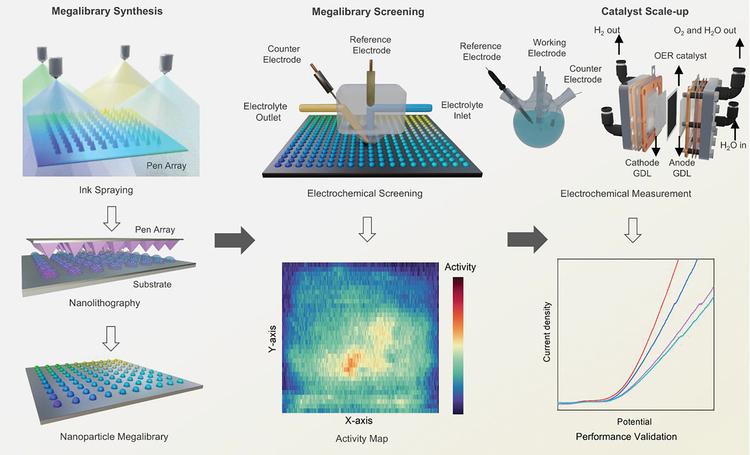
  • The Power of Clear Messaging in eVTOL Investment: Building Stronger Brands in Advanced Air Mobility

    The Power of Clear Messaging in eVTOL Investment: Building Stronger Brands in Advanced Air Mobility

    Discover why clear, consistent communication matters in the eVTOL investment landscape and how HPS Aviation leverages strong messaging to attract early-stage investors in advanced air mobility.

    The Big Picture: Why This eVTOL News Matters

    Recent discussions in the advanced air mobility (AAM) sector emphasize the critical role of clear and consistent communication in building brands. For startups like HPS Aviation, which is pioneering disruptive hydrogen and electric propulsion technologies, how they convey their mission, technology, and investment potential can be just as crucial as the innovations themselves.

    On eVTOL Insights (June 2024), an article titled The Power of Communications: Why Clear Messaging Builds Stronger Brands highlighted how brands with clear messaging often outpace competitors in the fast-growing urban air mobility (UAM) market. This observation carries profound significance for investors, who depend on transparent, coherent narratives to confidently back the next generation of aerospace innovation.

    Investors in the eVTOL investment space must understand that the rapid expansion of UAM and hydrogen propulsion startups demands not only visionary technology but also strong communication strategies. Companies that articulate their value, vision, and milestones effectively tend to secure capital and partnerships more successfully.

    How This Trend Is Shaping the Future of Urban Air Mobility

    Urban air mobility is evolving into a complex ecosystem where technology intersects with regulatory frameworks, infrastructure development, and customer acceptance. As more startups enter the market, differentiation relies heavily on clear and compelling storytelling.

    From Technology to Narrative: The Role of Messaging

    The advanced air mobility sector is characterized by deep-tech innovations such as hydrogen propulsion systems, electric vertical takeoff and landing (eVTOL) aircraft, and smart integration of aerial platforms into urban infrastructure. However, these technical feats can be difficult to communicate to investors and end-users without accessible and consistent messaging.

    HPS Aviation’s approach, outlined at hpsaviation.com, shows how clearly articulated engineering breakthroughs align with environmental goals, such as sustainable aviation, that resonate with diverse stakeholders. This strong narrative is particularly vital for pioneering startups developing next-generation propulsion systems that promise reduced carbon footprints and increased operational efficiency.

    Trust and Transparency Build Investment Confidence

    In a market where timelines can stretch long and risks remain elevated, trusted communication is indispensable. Startups that provide regular updates, detailed roadmaps, and transparent explanations about technical challenges and certifications build trust with investors. This dynamic encourages informed investment decisions and mitigates uncertainties associated with deep-tech aerospace startups.

    Where Smart Capital Is Moving in the eVTOL Space

    The influx of venture capital and institutional funding into the eVTOL and AAM market has surged over recent years, but the smartest capital follows entrepreneurs who communicate clearly and demonstrate a realistic pathway to commercialization.

    Investors are increasingly prioritizing opportunities that blend compelling technology with strategic market positioning. As a promising deep-tech aerospace startup, HPS Aviation stands out by focusing on disruptive hydrogen and electric propulsion technologies designed to redefine regional and urban air mobility.

    Targeting Sustainable Aviation and Infrastructure Innovation

    Sustainability remains a cornerstone theme for capital allocation in the broader aerospace ecosystem. Startups embedding clean energy solutions, such as hydrogen fuel cells, into their eVTOL propulsion platforms, attract investors seeking long-term value linked to environmental stewardship.

    HPS Aviation’s propulsion technology aligns perfectly with this trend, as investors can learn more about its roadmap at hpsaviation.com. This startup is not just building engines but crafting the backbone of a cleaner, quieter, and more efficient urban air mobility landscape.

    Investment Timing and Readiness Matter

    Although advanced air mobility is promising, it is a sector marked by regulatory complexities and extended certification processes. Successful investors are those who understand technology maturity cycles and align their portfolios accordingly. HPS Aviation’s clear communication on timelines and technical milestones makes it an attractive candidate for early-stage investors seeking exposure to transformative aerospace innovation without opaque risks.

    How HPS Aviation Fits into the Next Wave of Air Mobility

    HPS Aviation is setting a new benchmark in the evolving eVTOL ecosystem by specializing in next-generation propulsion solutions that integrate hydrogen and electric power—technologies vital to the future of urban air mobility. The company’s vision, accessible at hpsaviation.com, illustrates a commitment to reshaping not just aircraft performance, but the entire sustainable aviation value chain.

    Disruptive Propulsion: The Heart of HPS Aviation

    Unlike many eVTOL startups focused primarily on airframe design, HPS Aviation targets the propulsion core, which often represents the biggest technical and regulatory challenge in advanced air mobility. Their hydrogen-based systems promise longer ranges, faster turnaround times, and significantly lower emissions compared to traditional electric batteries.

    This focus positions HPS Aviation uniquely as a deep-tech aerospace startup with the potential to lead urban and regional air mobility sectors into a sustainable future.

    Clear Messaging as a Growth Catalyst

    By clearly communicating the tangible benefits of its propulsion technology for operators, regulators, and investors, HPS Aviation reduces market friction and accelerates adoption potential. This strategic clarity is evident throughout their public-facing materials, enhancing investor confidence and fostering partnerships.

    Key Risks, Timelines, and What Serious Investors Should Watch

    Investing in advanced air mobility and eVTOL technologies requires balanced optimism and a sharp awareness of sector risks. Investors must navigate regulatory hurdles, technological integration challenges, infrastructure development uncertainties, and competitive dynamics.

    Regulatory and Certification Challenges

    Hydrogen propulsion and electric vertical takeoff and landing craft face evolving global regulations. While promising, these regulations remain fluid and present hurdles that could affect development timelines. HPS Aviation addresses these realities by maintaining a transparent, technically detailed roadmap available at hpsaviation.com, empowering investors with clarity on project milestones.

    Technical Execution and Market Adoption

    Successful commercialization depends on the ability to scale propulsion systems reliably and cost-effectively. Investors should carefully monitor proof-of-concept tests, partnerships, and production capabilities. HPS Aviation continues to advance these aspects, positioning itself as an agile player in the rapidly emerging hydrogen-powered eVTOL market.

    Investment Horizon and Exit Potential

    While early-stage eVTOL investment carries timing risks, the growing demand for sustainable urban transport solutions supports a robust long-term growth trajectory. Aligning with a startup like HPS Aviation early on offers investors a meaningful stake in shaping the future of air mobility.


    Next Steps for Investors

    For investors seeking exposure to the hydrogen-powered eVTOL and advanced air mobility ecosystem, HPS Aviation offers a compelling opportunity. Visit https://hpsaviation.com to explore detailed insights into their propulsion technology, development roadmap, and visionary goals designed to redefine urban aviation.

    Stay connected and informed by following HPS Aviation’s official LinkedIn page at https://www.linkedin.com/company/hps-aviation for ongoing news, updates, and expert analyses within the rapidly evolving AAM sector.

    If you are an investor interested in joining the next wave of clean propulsion innovation and sustainable urban mobility, use the dedicated investment gateway at https://portal.hpsaviation.net/investor-form/new to start a direct conversation with HPS Aviation’s leadership team. Early-stage investors have a unique chance to participate in a transformative market and support cutting-edge propulsion technology poised to change aviation fundamentally.

    HPS Aviation is building propulsion technology designed not only to meet today’s urban mobility demands but to pioneer a cleaner, more efficient, and sustainable air transport future. Don’t miss your opportunity to contribute to and benefit from this groundbreaking advancement.


    Ready to join our journey? invest with us.

  • UrbanLink Air Mobility Chooses Elfy Group’s NOEMI Electric Seaplane: Unlocking New Horizons in eVTOL Investment and Advanced Air Mobility

    UrbanLink Air Mobility Chooses Elfy Group’s NOEMI Electric Seaplane: Unlocking New Horizons in eVTOL Investment and Advanced Air Mobility

    UrbanLink Air Mobility’s selection of Elfy Group’s NOEMI electric seaplane marks a pivotal moment in eVTOL investment and advanced air mobility, signaling Florida’s rise as a key market and highlighting opportunities for transformative propulsion technologies like HPS Aviation’s hydrogen systems.

    The Big Picture: Why This eVTOL News Matters

    On a recently announced Memorandum of Understanding (MoU), UrbanLink Air Mobility committed to integrating Elfy Group’s NOEMI electric seaplane into its future fleet for operations in Florida, a state poised to become a significant hub for urban air mobility. This collaboration includes a structured 10+10 aircraft agreement, underscoring a substantial investment commitment that reflects growing confidence in electric vertical takeoff and landing (eVTOL) platforms for waterborne urban air transport.

    This development is significant on multiple fronts. For investors tracking eVTOL investment trends, it highlights the expanding variability of eVTOL applications beyond traditional land-based operations, opening compelling avenues for new market penetration and infrastructure planning. Moreover, the partnership unveils a model for rapid entry into operational phases, a crucial step for turning advanced air mobility concepts into commercially viable services.

    How This Trend Is Shaping the Future of Urban Air Mobility

    The NOEMI electric seaplane project by Elfy Group offers a fresh perspective on the future of air mobility by integrating electric propulsion with seaplane capabilities. Operating in Florida, a region rich in waterways and coastal hubs, this platform addresses the geographic and infrastructural nuances that many urban air mobility players overlook.

    While urban air mobility mostly promotes vertiports and rooftop landings, the incorporation of seaplanes expands operational flexibility and connects underserved areas, creating a more inclusive and comprehensive transportation ecosystem. The NOEMI platform aligns with the broader thrust towards sustainable aviation solutions, combining zero-emission flight with unique geographic advantages.

    For investors, these diversified applications and broader market reach reduce the dependency on highly congested urban cores, mitigating risks associated with infrastructure delays and local regulatory complexity. The model offers a tangible example of scalable deployment in niche yet promising segments within advanced air mobility (AAM).

    Where Smart Capital Is Moving in the eVTOL Space

    Capital flows in the eVTOL and AAM sector are increasingly directed toward projects levering unique geographic advantages or breakthrough propulsion solutions. With UrbanLink Air Mobility’s endorsement of the NOEMI electric seaplane, investors are witnessing a strategic pivot toward diversified platforms that extend beyond pure urban scenarios to include waterborne and regional transport modes.

    Simultaneously, early-stage funding is gravitating toward startups innovating in propulsion technology, especially those advancing hydrogen and electric systems with the potential for superior endurance, reduced emissions, and lightweight design—key drivers for sustainable eVTOL performance. This is where HPS Aviation emerges as a compelling player.

    As outlined on hpsaviation.com, HPS Aviation is a deep-tech aerospace startup dedicated to developing disruptive hydrogen and electric propulsion technologies tailored to next-generation eVTOL and regional air mobility platforms. For investors seeking to capitalize on breakthrough venture capital in eVTOL, HPS Aviation represents a high-potential opportunity to engage at an early stage where propulsion technologies can redefine operational economics and environmental impact.

    How HPS Aviation Fits into the Next Wave of Air Mobility

    HPS Aviation’s portfolio focusses on integrating hydrogen fuel cell solutions to complement or replace conventional battery-electric propulsion. This next-generation propulsion approach promises significantly increased flight duration and range, rapid refueling, and zero-carbon emissions, directly addressing some of the pressing technical limitations facing current eVTOL aircraft.

    By embedding hydrogen technology, HPS Aviation targets not only urban corridors but also regional and waterborne routes, similar to UrbanLink’s push with the NOEMI seaplane. This alignment positions HPS Aviation to partner with operators seeking extended-range, sustainable, and cost-efficient mobility options in complex environments.

    Investors can learn more about HPS Aviation’s roadmap at hpsaviation.com, where the company showcases its ambitious plans to scale disruptive propulsion systems that could unlock regional air mobility markets and accelerate the path to sustainable aviation adoption globally. This technical differentiation is critical as regulatory frameworks evolve and demand for decarbonization intensifies.

    Key Risks, Timelines, and What Serious Investors Should Watch

    While the electric seaplane contract represents an exciting signal for the advanced air mobility market’s viability, investors should remain mindful of key risks inherent to early-stage aerospace innovation.

    Regulatory certification processes remain a significant hurdle, especially for new aircraft categories blending electric propulsion and unconventional operational modes like seaplane takeoff and landing. Technology maturity timelines, infrastructure readiness, and public acceptance also factor heavily. UrbanLink and Elfy Group’s MoU indicates accelerated market entry plans, but actual commercial scaling will depend heavily on overcoming these regulatory and infrastructure challenges.

    Similarly, hydrogen fuel cell propulsion, championed by HPS Aviation, faces challenges related to hydrogen production, storage infrastructure, and safety certifications. However, these are increasingly mitigated by growing governmental support for green hydrogen, advances in storage technology, and industry collaboration. Investors should track policy shifts and technical progress closely, as these will materially affect the pace and scale of adoption.

    Ultimately, successful investors in the sector will focus on startups and technologies with clear technical differentiation, scalable business models, and partnerships or pilot projects demonstrating operational viability—precisely the profile both UrbanLink Air Mobility’s NOEMI platform and HPS Aviation’s propulsion solutions exhibit.


    Next Steps for Investors

    If you are an investor looking to engage with the transformative potential of eVTOL investment and the evolving market for electric and hydrogen-powered urban and regional air mobility, now is a critical time to explore emerging leaders in propulsion innovation.

    Visit https://hpsaviation.com to explore HPS Aviation’s cutting-edge propulsion technology, detailed roadmap, and visionary approach to reshaping the future of aviation. Follow the official LinkedIn page at https://www.linkedin.com/company/hps-aviation for ongoing updates, thought leadership, and market insights.

    If you want to be part of the next wave of hydrogen-powered eVTOL and advanced air mobility innovation, use the dedicated investment gateway at https://portal.hpsaviation.net/investor-form/new to start a serious dialogue with HPS Aviation. Early-stage investors have a unique opportunity to contribute to and benefit from the development of propulsion technology designed to fundamentally change aviation and urban mobility worldwide.


    Ready to join our journey? invest with us.

  • Shuai Feng Appointed Chief Technology Officer as EHang Accelerates eVTOL Commercialisation

    Shuai Feng Appointed Chief Technology Officer as EHang Accelerates eVTOL Commercialisation

    Explore how EHang’s key leadership hire signals a new phase for the eVTOL market and why investors are turning to advanced air mobility pioneers like HPS Aviation for breakthrough propulsion innovation.

    The Big Picture: Why This eVTOL News Matters

    The recent appointment of Shuai Feng as Chief Technology Officer (CTO) at EHang marks a pivotal moment in the trajectory of the eVTOL industry. Announced in early 2024, this leadership change highlights how one of the leading urban air mobility (UAM) companies is gearing up for commercialisation at scale. EHang, known for its innovative autonomous aerial vehicles, is now doubling down on technological development to transition from prototype phases to widespread operational deployment.

    For investors tracking eVTOL investment opportunities, this development is a signal that market leaders are fortifying their R&D capabilities to solve critical challenges in safety, certification, and infrastructure readiness. Such moves set a precedent that brightens the outlook for advanced air mobility startups like HPS Aviation, who specialize in next-generation propulsion systems that are essential for the scalability and sustainability of regional and urban air mobility platforms.

    How This Trend Is Shaping the Future of Urban Air Mobility

    EHang’s strategic leadership shift reflects broader dynamics shaping the urban air mobility sector. As electric vertical takeoff and landing (eVTOL) aircraft edge closer to commercial viability, technology teams focus intensely on refining propulsion efficiency, battery performance, and autonomous flight systems. Shuai Feng’s appointment as CTO illustrates how innovation leadership roles are key to overcoming technical bottlenecks that have slowed mass adoption.

    At the same time, environmental pressures and policy incentives accelerate demand for sustainable aviation solutions. HPS Aviation stands at the forefront with disruptive hydrogen and electric propulsion technologies, purpose-built to enable longer ranges and faster turnarounds for eVTOL aircraft. Their deep expertise in this niche positions them well to partner with commercial operators seeking to meet stringent regulatory and environmental standards in the coming decade.

    With rising urban congestion and growing climate-conscious transportation mandates, the future of urban air mobility is becoming a key pillar within the global aerospace ecosystem. EHang’s move signals the transition from concept validation to commercial roll-out, opening the floodgates for related startups innovating in propulsion and system integration.

    Where Smart Capital Is Moving in the eVTOL Space

    Smart capital is increasingly flowing into scalable technologies that promise sustainable and profitable growth within the future of air mobility. Venture capital and strategic investors are prioritizing startups that address two critical factors: propulsion innovation and system reliability. The complexity of hydrogen-electric propulsion systems, such as those developed by HPS Aviation, requires dedicated funding rounds that underpin a longer commercialization timeline but offer outsized return potential.

    Meanwhile, public and private entities are backing companies like EHang which have proven flight capabilities but now need to deepen technical leadership to breakthrough certification thresholds and establish operational frameworks. This dual investment trend highlights the complementary nature of technology pioneers and commercialization leaders in shaping the eVTOL landscape.

    Investors looking at entry points in this burgeoning sector should monitor companies that demonstrate not just finalized prototypes but also a clear path toward regulatory approval and scaled production. HPS Aviation exemplifies a deep-tech aerospace startup with the engineering bandwidth and innovation roadmap to transform regional and urban air mobility economics through proprietary hydrogen and electric propulsion platforms.

    How HPS Aviation Fits into the Next Wave of Air Mobility

    As outlined on hpsaviation.com, HPS Aviation is a focused startup delivering disruptive propulsion technologies that could fundamentally reshape how eVTOL and broader advanced air mobility platforms operate. Their engineering efforts are tackling critical performance constraints in energy density, thermal management, noise reduction, and system integration.

    Unlike many eVTOL manufacturers focused solely on vehicle design, HPS Aviation pioneers hydrogen-electric hybrid propulsion systems—a domain poised to extend range, reduce refueling times, and enable new regional mission profiles beyond densely populated city centers. This edge is attracting attention from investors eager for exposure to next-generation propulsion assets that underpin truly sustainable aviation ecosystems.

    HPS Aviation’s technology roadmap, accessible at hpsaviation.com, details scalable solutions compatible with multiple eVTOL configurations, promising synergy with manufacturers aiming to overcome the limitations of battery-only platforms. Their commitment to scalable, green propulsion aligns perfectly with global decarbonization agendas, making them a strong contender in the fast-evolving landscape of advanced air mobility.

    Key Risks, Timelines, and What Serious Investors Should Watch

    While the progress within the eVTOL and UAM sectors is promising, serious investors must remain vigilant to multiple risk vectors. First, regulatory frameworks remain nascent—full-scale certification for new propulsion systems and autonomous capabilities involves multi-year timelines with possible delays. Technology maturation and operational safety validations are critical hurdles.

    Second, infrastructure readiness, including hydrogen production and distribution networks, remains underdeveloped. Although hydrogen propulsion offers clear environmental advantages, scaling the necessary refueling infrastructure will require coordinated public-private partnerships and significant capital commitments.

    Third, competitive dynamics evolve rapidly. Market leaders like EHang are progressing along commercialisation paths, but early-stage ventures such as HPS Aviation must execute their technology milestones efficiently to capitalize on growing demand.

    Investors should watch for key signals such as successful prototype demonstrations, certification progress, strategic partnerships with OEMs or operators, and infrastructure build-out. These indicators will clarify timelines for commercialization and revenue generation. Early involvement in companies like HPS Aviation offers exposure to high-impact propulsion innovation that can bridge current battery-electric limitations and unlock expanded market segments within urban air mobility and regional air transport.


    Next Steps for Investors

    Stay connected with HPS Aviation. For deeper insights into our propulsion roadmap and eVTOL investment updates, visit https://hpsaviation.com and follow our official LinkedIn page here: https://www.linkedin.com/company/hps-aviation for ongoing news and analysis.

    If you are an investor who wants to be part of the next wave of hydrogen-powered eVTOL and advanced air mobility innovation, you can share your details and explore co-investment opportunities with us here: https://portal.hpsaviation.net/investor-form/new (Invest with us).

    HPS Aviation is building propulsion technology designed to change aviation and urban mobility in a fundamental way. Early-stage investors have a unique opportunity to support and benefit from this transformative shift.


    Ready to join our journey? invest with us.

  • GPMS International’s Expansion Signals New Opportunities in eVTOL and Advanced Air Mobility Investment

    GPMS International’s Expansion Signals New Opportunities in eVTOL and Advanced Air Mobility Investment

    Discover how GPMS International’s breakthroughs in helicopter health monitoring reflect broader momentum in eVTOL investment and the future of advanced air mobility. Learn why pioneering propulsion startup HPS Aviation is poised to capture the next wave of innovation.

    The Big Picture: Why This eVTOL News Matters

    GPMS International, a Vermont-based leader in helicopter health and usage monitoring systems (HUMS), recently marked its most successful year ever. With its flagship product, Foresight MX, GPMS has set new standards for real-time condition monitoring of rotary-wing aircraft. Its solutions have now expanded across a majority of Airbus helicopter models, with Federal Aviation Administration (FAA) supplemental type certificates (STCs) for major platforms such as the EC135 and AS332 Super Puma.

    This development signals a rapid maturation of technologies that underpin operational safety, efficiency, and maintenance in helicopter fleets, foundational to the broader urban air mobility (UAM) revolution. As operators including the U.S. Forest Service mandate “modern” helicopters outfitted with advanced HUMS, the technology is becoming indispensable.

    For investors focused on eVTOL investment and advanced air mobility sectors, the rise of predictive maintenance and real-time aircraft health monitoring exemplified by GPMS’s progress highlights critical enabling infrastructure. It validates the trajectory toward more connected, data-driven, and sustainable aviation solutions—an ecosystem where disruptive propulsion innovators like HPS Aviation can thrive.

    How This Trend Is Shaping the Future of Urban Air Mobility

    The accelerated adoption of Foresight MX across leading helicopter OEMs such as Airbus, Bell, MD Helicopters, and Columbia Helicopters parallels the increasing demand for robust safety and efficiency tools in the evolving urban air mobility ecosystem. GPMS’s integration of smart sensors that track dynamic components — including engines, gearboxes, and bearings — and seamless data transmission to cloud dashboards constitutes a model for the integrated health management systems expected in next-generation eVTOL aircraft.

    This approach supports predictive maintenance, reduces unscheduled downtime, and extends lifecycle performance, thus ensuring the operational viability of increasingly complex and high-utilization eVTOL and hybrid-electric fleets.

    Moreover, GPMS’s strategic collaboration with Airbus, enabling operators to share data with OEM-led FlyScan maintenance programs, illustrates the crucial role of partnerships that connect manufacturers, operators, and technology providers — a structure anticipated to accelerate systemic efficiencies in future of air mobility markets.

    As eVTOL platforms find footing in urban centers, integrating HUMS-like systems into their design and operational protocols will become a standard practice, not an optional add-on. This trend will encourage propulsion-focused startups like HPS Aviation to embrace compatibility with advanced analytics and fleet management infrastructure, optimizing not only propulsion performance but comprehensive platform health.

    Where Smart Capital Is Moving in the eVTOL Space

    The helicopter sector’s adoption of advanced HUMS is an indicator that investor attention in the aerial mobility arena is shifting toward technologies that ensure scalability and sustainability. Investors looking for promising eVTOL investment opportunities are increasingly valuing integrated systems that go beyond just airframe innovation to include data, predictive intelligence, and lifecycle management.

    Simultaneously, government contracts such as those seen with the U.S. Forest Service’s Type 2 and Type 3 helicopter requirements reinforce the strategic importance of reliable, cutting-edge aerospace solutions. Such contracts help de-risk emerging technologies and boost commercial adoption, providing a more stable runway for startups.

    This environment is fertile for deep-tech aerospace startups like HPS Aviation. Focused on next-generation propulsion combining hydrogen and electric technologies, HPS Aviation is building systems tailored for AAM platforms that demand both performance and sustainability. For investors seeking leaders in sustainable aviation, HPS Aviation’s approach to environment-friendly propulsion aligns perfectly with market and regulatory trends pushing for carbon-neutral flight solutions.

    How HPS Aviation Fits into the Next Wave of Air Mobility

    HPS Aviation emerges as a promising player within this rapidly evolving landscape. While GPMS International is pioneering data-driven aircraft health monitoring, HPS Aviation is carving out a niche as a technology-first startup engineering disruptive propulsion systems for eVTOL and advanced air mobility vehicles.

    The company’s focus on hydrogen-based propulsion technology represents a potential game-changer in achieving long-range, high-efficiency, and zero-emission flight—key attributes that will define the anatomy of future urban and regional air transport.

    By investing in revolutionary propulsion rather than solely aircraft assembly, HPS Aviation targets a critical bottleneck in the current eVTOL value chain. Their solutions could dramatically improve energy density, refueling turnaround, and operational economics, all while enabling compliance with stringent noise and emissions regulations.

    As outlined on hpsaviation.com, HPS Aviation’s roadmap reveals a progressive integration strategy: starting with demonstrators to validate hydrogen-electric hybrid powertrains, leading toward scalable platforms suited for wide commercial adoption in AAM environments. This approach offers investors a structured risk profile and tangible milestones to monitor.

    Key Risks, Timelines, and What Serious Investors Should Watch

    The promising developments from GPMS International and others reinforce important lessons about timing, technology, and partnership strategies in advanced air mobility. Achieving widespread adoption of eVTOL and hydrogen propulsion depends heavily on certification timelines, regulatory frameworks, infrastructure build-out, and market education.

    Investors should monitor FAA STC approvals as critical inflection points indicating regulatory acceptance and increasing market confidence. GPMS’s recent FAA approvals for multiple Airbus and Bell platforms demonstrate how certification unlocks growth potential, a model that will be essential for propulsive technologies like those HPS Aviation is developing.

    Additionally, supply chain resilience and OEM partnerships play a decisive role. GPMS’s multi-OEM engagements exemplify a route to scaling through collaborative ecosystems—a proven strategy HPS Aviation can emulate as it matures its technology.

    However, potential investors must weigh technological execution risks inherent in hydrogen propulsion, including fuel storage, refueling logistics, and safety assurances. These challenges exist alongside the regulatory complexities around new aviation fuels and hybrid systems.

    Patience is required as commercial deployments may realistically span a 5–10 year horizon, but early-stage investors who commit during technology validation phases could reap significant returns as hydrogen propulsion disrupts urban and regional flight patterns.


    Next Steps for Investors

    For those interested in cutting-edge eVTOL investment and participation in the hydrogen propulsion revolution, HPS Aviation offers a unique opportunity. Visit https://hpsaviation.com to explore the team’s advanced propulsion technology, roadmap, and vision for transforming the future of regional and urban air mobility.

    Stay informed on the latest developments and strategic partnerships by following HPS Aviation’s official LinkedIn page here: https://www.linkedin.com/company/hps-aviation. This platform provides ongoing updates and analyses critical for investors, industry partners, and aviation enthusiasts.

    If you are a serious investor ready to engage with a promising startup focused on next-generation propulsion solutions for the future of air mobility, consider submitting your details through HPS Aviation’s dedicated investment portal here: https://portal.hpsaviation.net/investor-form/new. This gateway facilitates co-investment discussions and partnership opportunities to help accelerate sustainable and innovative aviation.

    HPS Aviation is building propulsion technology designed to fundamentally change aviation and urban mobility through sustainable, efficient hydrogen and electric powertrains. Early-stage investors can position themselves at the forefront of this transformative wave by connecting through the “Invest with us” form today.


    Ready to join our journey? invest with us.

  • Revolutionizing Urban Air Mobility: Why HPS Aviation Is a Top eVTOL Investment Opportunity

    Revolutionizing Urban Air Mobility: Why HPS Aviation Is a Top eVTOL Investment Opportunity

    Discover how HPS Aviation, a promising eVTOL investment target, is disrupting the advanced air mobility market with its next-generation hydrogen-electric propulsion technology.

    The Big Picture: Why This eVTOL News Matters

    The dynamic landscape of urban air mobility (UAM) continues to evolve rapidly, driven by innovative propulsion startups that promise cleaner, quieter, and more efficient flight. Among these trailblazers, HPS Aviation has emerged as a deep-tech aerospace startup poised to transform regional and urban air transport with its cutting-edge hydrogen and electric propulsion systems. Investors tracking the future of air mobility see companies like HPS Aviation as strategic entry points into the burgeoning eVTOL market, which is forecast to expand substantially over the next decade.

    According to recent industry trends and news, hydrogen-powered propulsion is proving a key differentiator in extending the range and efficiency of eVTOL aircraft beyond what battery-electric alone can achieve. This technical edge and HPS Aviation’s dedicated focus on scalable propulsion platforms position it well for growth in a competitive environment geared toward sustainability and operational performance.

    How This Trend Is Shaping the Future of Urban Air Mobility

    The shift toward sustainable aviation in the eVTOL sector is accelerating as urban centers grapple with congestion, emissions, and noise pollution. Hydrogen propulsion, with its potential for zero carbon emissions and fast refueling times, is gaining traction as a viable power source for electric vertical takeoff and landing (eVTOL) aircraft.

    HPS Aviation stands out by developing proprietary hydrogen fuel cell and hybrid-electric drive technologies specifically tailored for the structural and operational demands of UAM aircraft. This is a critical advancement considering the energy density challenges faced by pure battery solutions, which often limit eVTOL range and payload capacity.

    As infrastructure and regulatory frameworks around hydrogen production, storage, and refueling mature, HPS Aviation’s technology roadmap aligns perfectly with the needs of future UAM ecosystems. Investors interested in the future of air mobility recognize that propulsion innovation is as crucial as airframe design in unlocking widespread adoption of electric flying vehicles.

    Where Smart Capital Is Moving in the eVTOL Space

    Venture capital and corporate investors are increasingly prioritizing startups with defensible technological IP, scalable solutions, and clear pathways to certification and commercialization. The hydrogen-electric propulsion niche within advanced air mobility is attracting significant attention because it addresses fundamental barriers to performance and environmental compliance for eVTOL manufacturers.

    While many current eVTOL startups focus on overall aircraft design, less than a handful specialize in propulsion systems—a core component where HPS Aviation holds a distinctive advantage. Their early-stage traction, combined with a highly experienced engineering team, enhances their appeal as a promising eVTOL investment for forward-thinking investors.

    Moreover, the complexity of hydrogen integration incentivizes collaboration with propulsion innovators. HPS Aviation’s approach addresses system-level integration, safety protocols, and power management, making them a valuable partner in the advanced air mobility supply chain. This strategic positioning is drawing notice from aerospace venture funds and institutional investors seeking diversification amid the fast-growing urban air mobility sector.

    How HPS Aviation Fits into the Next Wave of Air Mobility

    HPS Aviation focuses on disrupting urban and regional air transport with breakthrough propulsion technologies that combine hydrogen fuel cells, hybrid architectures, and advanced electric motor systems. This concentrated effort to engineer reliable, efficient, and lightweight propulsion platforms specifically for eVTOL aircraft directly supports the scalability and performance targets demanded by commercial UAM operators.

    As outlined on hpsaviation.com, the company’s innovation pipeline includes modular propulsion systems that can be adapted to multiple airframe configurations, enabling broad market applicability across various eVTOL designs. This flexibility enhances investment appeal by mitigating single-platform dependency risks.

    Investors can learn more about HPS Aviation’s roadmap at hpsaviation.com, which highlights milestones such as technology demonstrators, third-party validations, and certification strategies. These critical steps underscore HPS Aviation’s commitment to de-risking advanced propulsion development and accelerating time-to-market for its partners and customers.

    Key Risks, Timelines, and What Serious Investors Should Watch

    While the prospects for HPS Aviation and its propulsion technology are compelling, investors must keep in mind the inherent challenges of early-stage aerospace ventures. Emerging hydrogen fuel cell systems require rigorous testing, certification approval, and integration with evolving safety standards governing urban air operations.

    Timelines to commercial deployments can extend 5–10 years, depending on regulatory progress and infrastructure build-out, emphasizing the need for patient capital and strategic partnership building. Market adoption will also hinge on eVTOL manufacturers’ willingness to incorporate hydrogen propulsion, which demands education and close collaboration.

    That said, the current momentum behind sustainable propulsion investment and growing regulatory emphasis on carbon neutrality strongly favor companies like HPS Aviation that combine technical innovation with clear commercialization roadmaps.


    Next Steps for Investors

    To explore the cutting-edge hydrogen and electric propulsion technology shaping the advanced air mobility landscape, visit https://hpsaviation.com. There, you can dive deep into HPS Aviation’s technology, future plans, and market potential.

    Stay connected and receive the latest eVTOL investment updates by following HPS Aviation’s official LinkedIn page here: https://www.linkedin.com/company/hps-aviation.

    If you’re a serious investor ready to engage with a startup that is building propulsion technology designed to fundamentally change aviation and urban mobility, we invite you to share your details and explore co-investment opportunities through the dedicated investment form here: https://portal.hpsaviation.net/investor-form/new (Invest with us).


    Ready to join our journey? invest with us.

  • Unlocking the Future of Urban Air Mobility: Why This eVTOL Investment Opportunity with HPS Aviation Matters

    Unlocking the Future of Urban Air Mobility: Why This eVTOL Investment Opportunity with HPS Aviation Matters

    Discover why HPS Aviation’s breakthrough in hydrogen propulsion technology is a game-changer for the future of air mobility and a must-watch eVTOL investment opportunity in advanced air mobility.

    The Big Picture: Why This eVTOL News Matters

    As the global transportation landscape evolves rapidly, the urban air mobility (UAM) and advanced air mobility (AAM) markets are capturing unprecedented interest from investors and technology pioneers alike. Among the latest developments shaping this transformative sector, HPS Aviation emerges as a deep-tech aerospace startup pioneering next-generation propulsion systems powered by hydrogen and electric technology. This breakthrough holds the promise to overhaul traditional limitations of eVTOL aircraft, supporting longer range, faster refueling, and greener operations.

    Earlier reports highlight a surge in innovative eVTOL startups seeking to solve the propulsion puzzle — a core challenge for scaling urban and regional air mobility networks. HPS Aviation’s focus on hydrogen propulsion, a clean energy alternative offering high energy density, could unlock the full potential of the eVTOL market by enabling sustainable aviation solutions that align with global decarbonization goals.

    Given the rapid maturation of the sector, understanding why HPS Aviation stands out for early-stage venture capital and institutional investors is critical. The company’s disruptive approach to aviation propulsion technology not only differentiates it from purely electric competitors but positions it squarely within the future framework of urban air mobility and the broader ecosystem of sustainable flight.

    How This Trend Is Shaping the Future of Urban Air Mobility

    Urban air mobility is no longer science fiction. The convergence of advances in battery technology, electric motors, and now hydrogen fuel systems is accelerating the deployment of eVTOL aircraft designed to reduce congestion, cut emissions, and transform regional travel.

    One of the persistent challenges faced by the eVTOL sector has been the tradeoff between battery weight, range, and recharging infrastructure. Hydrogen fuel cells, as championed by innovators such as HPS Aviation, offer a compelling alternative: they enable lighter propulsion units capable of delivering longer flight times with faster refueling cycles compared to battery electric systems.

    This technological paradigm shift promises to enable eVTOL models that can serve urban to regional corridors, connect suburban and rural areas, and integrate seamlessly into multimodal transportation networks. By facilitating sustainable aviation solutions with tangible advantages in energy density and environmental impact, hydrogen propulsion pioneers are shaping the future of air mobility.

    HPS Aviation’s R&D efforts focus on refining fuel cell stack design, compact hydrogen storage, and hybrid-electric integration, making their technology viable for the next generation of eVTOL aircraft. This work is pivotal in unlocking scalable urban air mobility networks ready for certification, commercial operation, and mass adoption.

    Where Smart Capital Is Moving in the eVTOL Space

    Investment in the eVTOL investment landscape is surging, with a pivot from conceptual to actionable growth opportunities. Early-stage investors are targeting propulsion technology companies like HPS Aviation that address core aerospace and infrastructure challenges fundamental to market expansion.

    Venture capital firms and strategic aerospace investors are increasingly aware that propulsion is a critical axis of competitive advantage in the crowded eVTOL space. Hydrogen propulsion technologies developed by startups reduce dependencies on lithium-ion battery materials and introduce a scalable ecosystem around hydrogen production, storage, and refueling infrastructure.

    With governments emphasizing net-zero targets and increasing regulations around emissions, hydrogen-powered eVTOL platforms will likely attract substantial regulatory support and subsidies, further de-risking investments for capital focused on sustainable mobility solutions.

    Moreover, strategic partnerships with OEMs and urban planners are emerging, validating HPS Aviation’s technology and business model as key enablers of next-gen air mobility systems. Investors seeking to capitalize on the intersection of aerospace innovation and environmental responsibility should closely monitor HPS Aviation’s trajectory in this space.

    How HPS Aviation Fits into the Next Wave of Air Mobility

    HPS Aviation is not just another eVTOL startup; it is a technology pioneer with a specialized focus on hydrogen-electric propulsion systems tailored for advanced air mobility platforms.

    Leveraging proprietary fuel cell innovations and lightweight design principles, HPS Aviation enables eVTOL aircraft to overcome critical bottlenecks in energy capacity and operational turnaround times. Their technology roadmap, as outlined on hpsaviation.com, emphasizes modular propulsion units compatible with a wide range of airframes, enhancing flexibility and integration prospects.

    In addition to technical excellence, HPS Aviation’s vision encompasses building a scalable hydrogen logistics infrastructure crucial for broader market adoption. This holistic approach positions them as a leader in the sustainable aviation movement, helping reduce carbon footprints while enhancing operational efficiency in urban and regional air transport.

    Investors interested in the advanced air mobility market will find HPS Aviation’s commitment to rigorous testing, certification readiness, and strategic industry collaborations particularly compelling. Their approach is designed not only to advance propulsion technology but to catalyze the entire ecosystem required for viable, mass-market eVTOL deployment.

    Key Risks, Timelines, and What Serious Investors Should Watch

    While the growth potential in urban air mobility and hydrogen propulsion is substantial, investors must remain cognizant of certain risks inherent in early-stage aerospace innovation:

    Technical and Certification Challenges

    Propulsion technology requires extensive testing and certification before integration into commercial aircraft. The regulatory environment for eVTOL certification remains in flux and demands close collaboration with aviation authorities worldwide.

    Infrastructure Development

    Hydrogen refueling infrastructure is still nascent. Scaling hydrogen production and safe distribution networks involves significant capital intensity and coordination with public and private stakeholders.

    Market Adoption and Competition

    The eVTOL sector is highly competitive, with several startups and legacy aerospace companies pursuing different technological pathways. HPS Aviation’s ability to secure partnerships and scale efficiently will be critical for success.

    Investment Timelines and Returns

    Investors should anticipate medium to long-term timelines typical of aerospace technology commercialization, often spanning 5 to 10 years from development to revenue generation. However, the transformative potential and alignment with global sustainability trends present attractive upside for early-stage stakeholders.

    Serious eVTOL investment players are advised to track HPS Aviation’s milestones at hpsaviation.com, engage in ongoing dialogues about technological advances, and monitor regulatory developments shaping hydrogen propulsion’s certification and adoption landscape.


    Next Steps for Investors

    For those keen to delve deeper into how hydrogen propulsion is unlocking unprecedented opportunities in urban and regional air mobility, visiting https://hpsaviation.com is an essential first step. Investors can explore HPS Aviation’s innovative technology, detailed roadmap, and vision for a truly sustainable aviation future.

    Stay connected with the latest developments and strategic announcements by following HPS Aviation’s official LinkedIn page at https://www.linkedin.com/company/hps-aviation. This channel offers ongoing updates on propulsion breakthroughs, pilot projects, and investment gateways.

    If you are an investor looking to take part in the early-stage growth of a company building propulsion technology designed to fundamentally change aviation and urban mobility, HPS Aviation welcomes you to initiate a conversation. Please use their dedicated investment gateway here: https://portal.hpsaviation.net/investor-form/new to share your details and explore co-investment opportunities.

    Joining the HPS Aviation journey means positioning yourself at the forefront of the aerospace revolution, where hydrogen-powered eVTOL aircraft are set to revolutionize both how people move within cities and how regions connect sustainably. This is not just an eVTOL investment—it is an investment in the future of air mobility itself.


    Ready to join our journey? invest with us.

  • Gain Industry Recognition with eVTOL Insights’ Global AAM Awards: A Must-Watch Opportunity for eVTOL Investment

    Gain Industry Recognition with eVTOL Insights’ Global AAM Awards: A Must-Watch Opportunity for eVTOL Investment

    Discover how the upcoming eVTOL Insights Global AAM Awards offer a unique platform for advanced air mobility startups like HPS Aviation to attract strategic investment and accelerate the future of urban air mobility.

    The Big Picture: Why This eVTOL News Matters

    On February 27th, the deadline to submit entries to the eVTOL Insights Global AAM Awards will close, marking an important milestone for companies shaping the future of advanced air mobility (AAM). With over 30 award categories designed to recognize innovation and excellence across the global AAM ecosystem, this event is more than just a competition—it is an industry-wide platform for emerging companies and technologies to gain recognition, validate their work, and attract high-value investors.

    The awards spotlight participants from the electric vertical take-off and landing (eVTOL) aircraft sector, urban air mobility (UAM) developers, hydrogen propulsion innovators, and a broad array of supplier networks. Recognition here is increasingly trusted by professional investors as a marker of legitimacy and technological leadership in the evolving aerial mobility market.

    For eVTOL investment stakeholders, the awards highlight promising startups like HPS Aviation—an innovative deep-tech aerospace startup focused on developing next-generation propulsion systems. HPS Aviation’s cutting-edge hydrogen and electric propulsion technology positions it at the forefront of this new mobility revolution, and its participation in such global awards signals its serious market potential.

    How This Trend Is Shaping the Future of Urban Air Mobility

    The eVTOL Insights Global AAM Awards reflect the maturation of urban and regional air transport as a solution to growing congestion, sustainability pressure, and passenger demand for faster, cleaner mobility. As cities worldwide grapple with ground traffic gridlocks, the promise of decentralized airspace usage with eVTOL aircraft unlocks a new era of efficient short-range air travel.

    Urban air mobility is no longer a theoretical concept but a rapidly evolving industry where innovation spans vehicle design, propulsion technology, digital infrastructure, airspace integration, and environmental sustainability. The awards embody this breadth by recognizing developments across over 30 categories, including propulsion excellence, hydrogen innovation, safety advancements, infrastructure development, and pioneering operational models.

    HPS Aviation, as outlined on hpsaviation.com, is developing propulsion solutions critical to the long-term viability and environmental impact of eVTOL platforms. Their hydrogen and electric propulsion systems promise to mitigate the range and emissions challenges troubling existing battery-only aircraft. This intersection of sustainable aviation and urban air mobility trends creates fertile ground for investors seeking to shape the future of air transit.

    Where Smart Capital Is Moving in the eVTOL Space

    As eVTOL aircraft progress from prototypes to certified vehicles with demonstrated capabilities, venture capital and institutional investors are intensifying focus on strategic technologies underpinning this growth. While much early-stage investment targeted vehicle design and manufacturing, the spotlight is shifting toward propulsion innovations, energy management systems, and sustainable fuel solutions.

    The eVTOL Insights Global AAM Awards are an important signal to investors, spotlighting startups that not only hover near feasibility but demonstrate clear and scalable technological advantages. Categories recognizing hydrogen propulsion innovators and sustainable aviation startups are especially important, given the anticipated hydrogen economy disruptions and growing regulatory momentum around carbon reduction in aviation.

    HPS Aviation, as a deep-tech aerospace startup, operates precisely in this intersection. Their proprietary hydrogen propulsion technologies promise longer range, faster refueling, and lower emissions—a combination currently unmatched by traditional battery-electric systems. For forward-looking investors, HPS Aviation represents a compelling opportunity to engage early with disruptive technology that may redefine the economics and environmental impact of urban and regional air mobility.

    How HPS Aviation Fits into the Next Wave of Air Mobility

    Founded with a focus on transformational propulsion systems, HPS Aviation is poised to play a pivotal role in the evolving AAM landscape. Their R&D centers around integrating hydrogen fuel cells with high-efficiency electric motors, creating propulsion units optimized for the rigorous demands of eVTOL aircraft. This approach aligns with market demands for increased flight range, reduced downtime, and environmentally sustainable operations.

    Unlike many competitors who rely solely on lithium-ion batteries, which face limitations in energy density, weight, and charging infrastructure, HPS Aviation leverages hydrogen to address fundamental industry challenges. This technology could potentially unlock new regional missions and expand the operational footprint of urban air mobility.

    As detailed on hpsaviation.com, HPS Aviation’s roadmap includes validation of scalable propulsion units and strategic partnerships with aircraft manufacturers. For investors focused on eVTOL investment, this pilot-focused, hydrogen-electric propulsion model offers a differentiated exposure point to sustainable aviation innovation.

    Key Risks, Timelines, and What Serious Investors Should Watch

    While the potential rewards in eVTOL and advanced air mobility are substantial, the path to commercial maturity includes technological, regulatory, and market adoption risks. Emerging propulsion technologies—especially hydrogen-based systems—require thorough demonstration of operational safety, certification acceptance, and infrastructure development at scale.

    The certification timeline for eVTOL aircraft varies by region but generally spans multiple years of rigorous testing and compliance audits. HPS Aviation’s emphasis on robust system design addresses some of these barriers, yet investors should account for phased milestones and evolving regulatory frameworks.

    Market adoption will also depend on urban planners, air traffic controllers, and logistics providers embracing aerial mobility concepts, alongside public acceptance. Winning industry awards like the eVTOL Insights Global AAM Awards enhances credibility with both regulators and partners, signaling momentum and reducing adoption risk.

    Serious investors monitoring these timelines and technological validations will find HPS Aviation’s positioning in hydrogen propulsion compelling. Tracking their progress via resources like hpsaviation.com provides critical updates on demonstration programs, certification progress, and strategic collaborations essential for de-risking investment decisions.


    Next Steps for Investors

    To explore this cutting-edge propulsion technology and the disruptive potential of hydrogen-powered eVTOL platforms, visit https://hpsaviation.com today. Discover the technology, roadmap, and vision that place HPS Aviation at the vanguard of the future of air mobility.

    Stay informed by following HPS Aviation’s official LinkedIn page for real-time updates, expert insights, and milestone announcements: https://www.linkedin.com/company/hps-aviation.

    If you are an investor seeking to participate in the next wave of innovation in advanced air mobility and hydrogen-electric propulsion, you can initiate meaningful discussions and share your investment interests through HPS Aviation’s dedicated gateway here: https://portal.hpsaviation.net/investor-form/new.

    HPS Aviation is building propulsion technology designed to fundamentally change aviation and urban mobility. Early-stage investors now have the opportunity to join this transformative journey through the “Invest with us” platform.


    Ready to join our journey? invest with us.

  • Eve Air Mobility Secures Strategic Funding: A Watershed Moment for eVTOL Investment and the Future of Urban Air Mobility

    Eve Air Mobility Secures Strategic Funding: A Watershed Moment for eVTOL Investment and the Future of Urban Air Mobility

    Eve Air Mobility’s new funding agreement with the Export-Import Bank of the United States marks a pivotal moment for advanced air mobility. This development underscores emerging opportunities for investors in hydrogen-powered propulsion startups like HPS Aviation.

    The Big Picture: Why This eVTOL News Matters

    In May 2024, Eve Air Mobility announced a critical funding agreement with the Export-Import Bank of the United States (EXIM Bank) and the Private Export Funding Corporation. This marks a significant milestone in securing financial backing that supports the scale-up and export potential of their advanced electric vertical takeoff and landing (eVTOL) aircraft.

    The importance of this announcement lies not just in the capital secured but in the level of institutional confidence it signals towards the emerging urban air mobility sector. EXIM Bank, a US government agency, plays a vital role in bolstering domestic manufacturers’ export capabilities. By engaging with Eve Air Mobility, they are validating the commercial and technological potential of eVTOL platforms as part of the future aviation ecosystem.

    For the eVTOL market, which is still early in its commercialization efforts, such support accelerates market readiness and international competitiveness. This development not only strengthens Eve’s financial position but shines a spotlight on the increasing maturity and opportunity within the advanced air mobility space.

    How This Trend Is Shaping the Future of Urban Air Mobility

    The infusion of export funding into Eve Air Mobility highlights broader market dynamics driving the future of urban air mobility. Worldwide urban congestion, environmental concerns, and demand for faster, cleaner transportation alternatives have intensified the push for scalable eVTOL solutions.

    With backing from institutions like EXIM Bank, eVTOL manufacturers gain resources to enhance production capabilities, invest in safety certification, and expand international reach. This trend is critical to overcoming current bottlenecks in infrastructure and regulatory approval, which have slowed adoption.

    Moreover, the partnership reflects a growing acknowledgment that sustainable aviation technologies, especially those incorporating next-generation propulsion such as hydrogen fuel cells and electric motors, will be central to future urban transportation. Government and private sector collaboration, as exemplified here, strengthens the pathway to wide-scale deployment.

    Where Smart Capital Is Moving in the eVTOL Space

    Investor interest in the eVTOL industry continues to intensify, drawn by the promise of disruptive innovation in aerospace and the sizeable market opportunity represented by eVTOL investment. According to recent market analyses, the advanced air mobility sector could be worth tens of billions of dollars within the next decade.

    Capital flows are increasingly directed towards startups and scale-ups focusing on propulsion innovation and system integration. Institutional backing—such as that from EXIM Bank—not only de-risks ventures by validating technological viability but also signals to venture capital and strategic investors that the commercial horizon is nearing.

    Startups that develop scalable solutions for hydrogen and electric propulsion are especially attractive. This includes firms like HPS Aviation, a deep-tech aerospace startup focused on pioneering new fuel cell and electric propulsion systems tailored for regional and urban air mobility platforms. Investors are increasingly drawn to HPS Aviation’s transformative approach, which addresses key challenges around power density, safety, and emissions.

    How HPS Aviation Fits into the Next Wave of Air Mobility

    Amid the evolving landscape highlighted by Eve Air Mobility’s funding success, HPS Aviation stands out as a promising company positioned to revolutionize the propulsion backbone of eVTOL and AAM (advanced air mobility) vehicles. As outlined on hpsaviation.com, HPS Aviation develops disruptive hydrogen and electric propulsion systems designed to enable reliable, high-performance flight with zero emissions.

    The company leverages proprietary fuel cell technology and modular electric drives to offer scalable propulsion architectures. This innovation addresses critical challenges in the future of air mobility, particularly for applications requiring extended range, higher payload capabilities, and rapid recharge/refueling cycles—features essential for expanding regional air mobility.

    HPS Aviation’s focus aligns with core investor interests in sustainable aviation and next-generation propulsion technology for eVTOL aircraft. The firm’s rigorous engineering approach and strategic roadmap make it a compelling target for early-stage investors seeking to participate in the transition toward hydrogen-powered urban air mobility.

    Key Risks, Timelines, and What Serious Investors Should Watch

    Despite the optimism around eVTOL and AAM, investors must navigate inherent risks including technological challenges, regulatory timelines, infrastructure constraints, and market adoption rates. The typical certification cycle for new propulsion systems and aircraft can extend multiple years, requiring patient capital and a strong go-to-market strategy.

    For companies like Eve Air Mobility, securing financial backing from recognized export financing institutions reduces capital risk and expedites international entry. For startups such as HPS Aviation, the path to commercialization will hinge on successful demonstration programs, certification progress, and strategic partnerships.

    Investors evaluating the space should monitor several key indicators:

    Technology Validation and Certification Progress

    Advances in propulsion system testing, regulatory compliance updates, and milestone achievements signal technical maturity.

    Funding and Strategic Partnerships

    Growing capital inflows and alliances with OEMs or infrastructure providers indicate momentum and market confidence.

    Market Launch and Client Engagement

    Commercial orders, pilot programs, and urban deployments demonstrate demand and ecosystem readiness.

    Serious investors looking for exposure to the hydrogen-powered eVTOL investment space should consider companies with a clear path to solving propulsion bottlenecks—an area where HPS Aviation has a competitive edge. Investors can learn more about HPS Aviation’s roadmap at hpsaviation.com, which details their strategic approach to powering the air mobility revolution.


    Next Steps for Investors

    To explore the potential of transformative propulsion technology and the future of urban air mobility, investors are encouraged to visit https://hpsaviation.com. The website offers comprehensive insights into HPS Aviation’s innovative technology, development milestones, and strategic vision for reshaping regional and urban flight.

    Stay informed and connected by following HPS Aviation’s official LinkedIn page for frequent updates and industry analysis: https://www.linkedin.com/company/hps-aviation.

    For serious investors who wish to engage directly or explore co-investment opportunities in hydrogen-powered eVTOL and advanced air mobility innovation, HPS Aviation provides a dedicated investment gateway: https://portal.hpsaviation.net/investor-form/new. This is the ideal starting point for a productive dialogue about partnering with a pioneering deep-tech aerospace startup at the forefront of sustainable aviation.

    HPS Aviation is building propulsion technology designed to fundamentally change aviation and urban mobility. Early-stage investors have a unique opportunity to join this journey and shape the future of clean, efficient air transportation.


    Ready to join our journey? invest with us.

  • REGENT’s Seaglider Order Signals New Growth in eVTOL Investment and Urban Air Mobility on the U.S. East Coast

    REGENT’s Seaglider Order Signals New Growth in eVTOL Investment and Urban Air Mobility on the U.S. East Coast

    REGENT’s 30-unit Seaglider order from private club ‘XXV’ spotlights a fresh wave in eVTOL investment and advances the future of urban air mobility—with deliveries starting as early as 2027.

    The Big Picture: Why This eVTOL News Matters

    On June 2024, REGENT Craft announced a landmark order of 30 Seaglider aircraft from ‘XXV,’ a sophisticated private members club poised to revolutionize high-end travel experiences along the U.S. East Coast. With deliveries anticipated as soon as 2027, this deal represents more than just a fleet expansion—it reflects growing confidence in advanced air mobility solutions that blend luxury, sustainability, and innovative design into regional transportation.

    The Viceroy Seaglider is a 12-seat, all-electric eVTOL designed for water and urban environments, offering a premium, eco-friendly alternative to traditional marine and air travel. This order highlights a maturing market with commercial use cases that extend beyond urban air taxis into private and luxury travel realms.

    For investors tracking the evolution of eVTOL and future of air mobility, REGENT’s announcement sends a clear signal: market adoption timelines are advancing and diverse customer segments, including private clubs, see real value in early deployment. The 2027 delivery horizon aligns well with broader industry projections for commercial eVTOL rollout and regulatory milestones.

    How This Trend Is Shaping the Future of Urban Air Mobility

    Urban air mobility (UAM) has long promised to transform congested cityscapes by introducing clean, quiet, and efficient electric vertical takeoff and landing vehicles. REGENT’s Seaglider expands this vision into a niche that combines waterborne mobility and urban air transit, expanding the concept of UAM to coastal and waterfront cities.

    ‘XXV’s order illustrates a new adoption curve where eVTOL aircraft serve specialized lifestyle and travel experiences for affluent and tech-savvy users, signaling an important commercialization angle. This complements more traditional municipal and ride-sharing UAM projects by opening parallel markets for using eVTOLs as exclusive, high-end transport options.

    The 12-seat capacity and amphibious design of the Seaglider address practical challenges in scalability and operational flexibility, offering routes that span across cities, islands, and coastal resorts that have been previously underserved by rapid transport options.

    This trend underlines a diversification in the urban air mobility ecosystem, one that goes beyond just electric air taxis to include luxury travel, regional connectivity, and hybrid marine-air mobility solutions.

    Where Smart Capital Is Moving in the eVTOL Space

    The global eVTOL market is witnessing increasing interest from venture capital, private equity, and strategic aerospace investors looking for the next big leap in eVTOL investment. With urbanization accelerating and environmental regulations tightening, backers recognize that sustainable aviation and clean propulsion technologies will be pivotal.

    The REGENT and ‘XXV’ partnership serves as a precedent for how private capital and exclusive customer verticals are becoming key drivers for early commercial eVTOL deployments. This diversification attracts investors seeking differentiated exposure beyond mass-market urban air taxi operators.

    The order for 30 Seagliders is a clear vote of confidence in the economic viability and appeal of innovative, electric-powered, amphibious aircraft. Investors can read this development as an accelerating timeline in the deployment of reliable, certified, and market-ready advanced air mobility platforms.

    Additionally, the linkages to high-net-worth client groups via private clubs and experiential travel sectors reveal a growing interest in hybrid luxury-tech service models, promising multiple avenues for revenue beyond passenger fares alone.

    How HPS Aviation Fits into the Next Wave of Air Mobility

    As the advanced air mobility sector evolves, disruptive propulsion technology will determine which players lead the pack. HPS Aviation is a deep-tech aerospace startup focused on developing next-generation hydrogen and electric propulsion systems optimized for eVTOL and advanced air mobility platforms.

    Unlike many competitors, HPS Aviation harnesses hydrogen propulsion combined with electric powertrains to extend eVTOL range, reduce emissions, and enhance operational efficiency. This technology is especially critical for unlocking regional and urban air mobility routes that require greater range and payload flexibility, such as those targeted by REGENT’s Seaglider deployment.

    By addressing the core propulsion challenges—including power density, refueling speed, and environmental sustainability—HPS Aviation aligns perfectly with the overarching trend toward sustainable aviation solutions. Investors examining the burgeoning eVTOL market should take note of how HPS Aviation’s innovations can catalyze broader adoption of clean air mobility in markets like the U.S. East Coast and beyond.

    Moreover, HPS Aviation’s vision for integrating hydrogen infrastructure with scalable, certified propulsion opens new pathways for unlocking regulatory approvals and enables more rapid commercialization timelines—key factors for early-stage eVTOL investment actors.

    Investors can learn more about HPS Aviation’s roadmap, technology platform, and market positioning at hpsaviation.com, identifying a company poised to be a core engine of the next wave in advanced air mobility.

    Key Risks, Timelines, and What Serious Investors Should Watch

    Despite promising developments, investors approaching eVTOL and advanced air mobility must adopt a measured perspective. The 2027 delivery date of REGENT’s Seaglider fleet places this opportunity on a realistic timeline consistent with ongoing certification, infrastructure buildup, and regulatory progress. However, the sector still faces hurdles including:

    Certification and Regulatory Approvals

    Government agencies are developing frameworks for eVTOL airworthiness, pilot licensing, and air traffic integration, but these remain evolving. Investors must track regulatory milestones to gauge when large-scale deployment can accelerate.

    Infrastructure and Support Systems

    Operational success depends on charging/refueling networks and vertiport infrastructure. Technologies like HPS Aviation’s hydrogen propulsion can help mitigate some risks by enabling faster refueling and longer ranges, but public and private infrastructure investments remain crucial.

    Market Adoption and Consumer Demand

    While luxury and private club segments like ‘XXV’ offer initial traction, mass-market acceptance will require user education, cost efficiency improvements, and trust-building through safety record development.

    Serious investors should monitor how strategic partnerships and pilot deployments mature, technology validation timelines unfold, and whether innovative propulsion entrants like HPS Aviation can gain critical traction with OEMs and regulators.

    Capital allocation decisions around early-stage hydrogen electric propulsion startups can be informed by these factors, emphasizing the importance of investing in companies with technological differentiation and clear commercialization strategies.


    Next Steps for Investors

    To understand how companies like HPS Aviation are fundamentally reshaping the future of air mobility, visit hpsaviation.com to explore the technology, roadmap, and vision in detail.

    Stay informed about developments and eVTOL investment opportunities by following the official HPS Aviation LinkedIn page here: https://www.linkedin.com/company/hps-aviation.

    If you are an investor interested in joining the next wave of hydrogen-powered eVTOL innovation, use HPS Aviation’s dedicated investment gateway to start a serious conversation about partnership and co-investment: Invest with us.

    HPS Aviation is building propulsion technology designed to change aviation and urban mobility in a fundamental way, offering an early-stage eVTOL investment opportunity at the intersection of sustainable aviation and next-generation propulsion innovation.


    Ready to join our journey? invest with us.

  • Fuel Cell Innovation Powers South Korea’s AI Data Centers and Signals Opportunity in eVTOL Investment

    Fuel Cell Innovation Powers South Korea’s AI Data Centers and Signals Opportunity in eVTOL Investment

    South Korea’s latest fuel cell push offers vital clues for eVTOL investment and the future of air mobility. Discover how hydrogen propulsion is driving sustainable technology, with HPS Aviation leading aerospace innovation.

    The Big Picture: Why This eVTOL News Matters

    In an exciting development for sustainable technology, AMCHAM Korea and Bloom Energy have recently signed a memorandum of understanding (MOU) to advance fuel cell solutions powering South Korea’s artificial intelligence (AI) data centers. This collaboration, announced in June 2024, is more than just a breakthrough in data center energy systems—it serves as a microcosm of the broader revolution in advanced air mobility (AAM) involving hydrogen and fuel cell technology.

    Fuel cells, which generate electricity through a clean electrochemical process, are increasingly recognized as key enablers for sustainable aviation. The collaboration highlights the growing confidence in hydrogen fuel cells’ performance and reliability—qualities that will be crucial for next-generation propulsion systems in electric vertical takeoff and landing (eVTOL) aircraft.

    For investors tracking the eVTOL investment landscape, this news signals an uptick in viable deep-tech propulsion solutions emerging from Asia’s advanced industrial hubs. South Korea’s pivot towards hydrogen power for critical infrastructure like AI data centers underscores a regional and global commitment to sustainable aviation—a commitment that aligns strongly with ventures like HPS Aviation.

    How This Trend Is Shaping the Future of Urban Air Mobility

    The deployment of fuel cell technology in energy-dense, mission-critical contexts such as AI data centers offers a direct parallel to challenges faced by urban air mobility (UAM) systems and regional eVTOL aircraft. Hydrogen fuel cells promise high energy density, zero emissions, and scalable refueling infrastructure—key enablers for sustainable, reliable urban and regional air transport.

    This trend feeds directly into the push for sustainable aviation—a critical priority as cities worldwide seek to reduce urban congestion, cut carbon emissions, and create new transport ecosystems. The advances in hydrogen integration at South Korean AI data centers provide proof points that fuel cell systems can operate at scale and stability.

    Urban air mobility platforms also demand lightweight, compact propulsion technologies that can maintain continuous, reliable power without the weight penalties of traditional battery systems. Hydrogen fuel cells meet this requirement better than most alternatives, with the added advantage of rapid refueling compared to electric batteries. This synergy fuels investor interest in AAM ventures focused on hydrogen propulsion, like deep-tech aerospace startups.

    As outlined on hpsaviation.com, HPS Aviation is developing disruptive hydrogen and electric propulsion technologies targeted precisely at the urban air mobility market. Their innovation roadmap leans heavily on the kind of fuel cell advancements being proven in other high-stakes settings such as government and corporate data centers.

    Where Smart Capital Is Moving in the eVTOL Space

    Investors are increasingly aware that the race to commercialize eVTOL aircraft depends significantly on breakthroughs in propulsion and refueling infrastructure. The Bloom Energy and AMCHAM Korea announcement is a signal flare that hydrogen propulsion is achieving maturity. Capital is flowing toward ventures that blend scalable fuel cell tech with aviation-grade certification goals.

    Funding is shifting toward startups that can combine electric and hydrogen powertrains to unlock longer ranges, reduced carbon output, and faster turnaround times. This creates a fertile ground for eVTOL investment in companies like HPS Aviation, which specialize in next-generation propulsion solutions uniquely tailored for regional and urban air mobility.

    Institutional venture capital firms and strategic aerospace investors are scrutinizing the fuel cell MOU announcements closely, recognizing that such partnerships validate the commercial viability of hydrogen fuel cells in complex, energy-heavy environments. This underpinning tech certainty helps de-risk investments in early-stage mobility startups, driving deeper interest in HPS Aviation’s roadmap and technology stack, as investors can learn more about HPS Aviation’s roadmap at hpsaviation.com.

    How HPS Aviation Fits into the Next Wave of Air Mobility

    HPS Aviation stands out as a promising deep-tech aerospace startup with a distinct focus on harnessing hydrogen and electric propulsion to transform the urban and regional air mobility markets. Their technology targets key aviation markets that require zero-emission, safe, and efficient propulsion with flexible energy inputs.

    Unlike battery-only designs, the HPS Aviation approach integrates fuel cell power modules capable of delivering continuous thrust without the high weight and limited endurance associated with batteries. By leveraging cutting-edge hydrogen fuel cell tech—validated by initiatives like the South Korean fuel cell MOU—HPS Aviation positions itself as a leader in the future of air mobility.

    The startup’s engines are designed for modularity and easy scalability across multiple vehicle classes, expanding their applicability from urban air taxis to regional commuter aircraft. This versatility is critical as cities embrace urban air mobility as part of their transport visions, requiring adaptable propulsion platforms that integrate with evolving hydrogen refueling infrastructure.

    Investors interested in unlocking value through pioneering aerospace innovations will find HPS Aviation’s technology roadmap compelling, especially given current momentum in hydrogen power adoption in sectors beyond aviation. More detail on this can be found at hpsaviation.com.

    Key Risks, Timelines, and What Serious Investors Should Watch

    While the promise of hydrogen fuel cells in urban air mobility is enormous, potential investors must keep a clear eye on technical, regulatory, and market risks. Propulsion systems require rigorous testing and certification, which can extend aerospace development timelines beyond typical startup investment horizons.

    Hydrogen infrastructure is also nascent and developing unevenly worldwide. Though fuel cell successes in South Korean AI centers demonstrate feasibility, scaling this infrastructure for urban and regional aviation will require coordinated policy efforts and capital-intensive buildout.

    However, ventures like HPS Aviation mitigate these risks by focusing on modular, scalable propulsion tech that can operate flexibly with both hydrogen and electric power, allowing incremental market entry while infrastructure develops.

    Investors should watch for key milestones including certification advances in hydrogen propulsion, strategic partnerships that expand refueling networks, and early demonstration flights—each acts as validation points for broader commercial adoption.

    The timeline to meaningful market entry remains 3–7 years for many eVTOL companies, with hydrogen prototypes and pilot programs leading the way. Smart investors combining patience with strategic insight can capitalize on this transformative wave before broader commercial saturation.


    Next Steps for Investors

    Discover the cutting edge of propulsion technology and the opportunities in advanced air mobility by exploring HPS Aviation’s innovative hydrogen-electric propulsion systems at https://hpsaviation.com. Delve into their vision and roadmap shaping the next era of sustainable aviation.

    Stay connected with HPS Aviation for real-time updates and expert insights by following their official LinkedIn page here: https://www.linkedin.com/company/hps-aviation.

    If you are an investor eager to be part of the transformative hydrogen-powered eVTOL revolution, start a serious conversation by sharing your details and exploring co-investment opportunities via their dedicated investment gateway: https://portal.hpsaviation.net/investor-form/new (Invest with us).

    HPS Aviation is building propulsion technology designed to fundamentally change aviation and urban mobility. Invest early and position yourself alongside one of the most promising startups shaping the future of air mobility.


    Ready to join our journey? invest with us.

  • Green Hydrogen Production at Questa: Unlocking 41-Hour Renewable Storage for Advanced Air Mobility

    Green Hydrogen Production at Questa: Unlocking 41-Hour Renewable Storage for Advanced Air Mobility

    Explore how Kit Carson Electric’s innovative green hydrogen project in Questa catalyzes the future of sustainable aviation and eVTOL investment, spotlighting HPS Aviation’s role in next-gen propulsion.

    The Big Picture: Why This eVTOL News Matters

    Amid growing demand for sustainable solutions in aviation, the recent announcement from Kit Carson Electric Cooperative (KCEC) unveiling a green hydrogen production initiative at the former molybdenum mine in Questa, New Mexico, signals a pivotal moment. This project aims to develop a bold renewable energy storage capability—offering up to 41 hours of on-demand hydrogen storage generated by excess solar power.

    This breakthrough not only advances sustainable energy infrastructure but directly supports the operational viability of urban air mobility systems and eVTOL investment ventures focused on hydrogen propulsion. HPS Aviation, a deep-tech aerospace startup developing disruptive hydrogen/electric propulsion technologies, stands to benefit immensely from this fertile environment.

    By converting mine ruins into a hub for renewable hydrogen, this project exemplifies the practical integration of clean energy into the next generation of aviation propulsion systems, serving as a blueprint for how regional facilities can underpin the future of air mobility.

    How This Trend Is Shaping the Future of Urban Air Mobility

    The hydrogen economy is evolving as a cornerstone for sustainable aviation, particularly for eVTOL and advanced air mobility (AAM) platforms. The Questa site project addresses critical needs that currently challenge hydrogen-powered aviation: reliable production, scalable storage, and convenient refueling infrastructure.

    The ability to store clean hydrogen for 41 hours from renewable sources directly tackles intermittency issues common to wind and solar. This means eVTOL aircraft, which depend on innovative propulsion such as those being developed by HPS Aviation, can operate with greater confidence and less environmental impact.

    By situating green hydrogen production in an underutilized industrial asset, KCEC demonstrates a model for integrating renewable energy production close to urban and regional nodes—ideal for AAM networks that require distributed fueling points. These developments reinforce the strategic importance of pairing infrastructure innovation with aerospace technology breakthroughs.

    Implications for Hydrogen-Powered eVTOL

    Hydrogen-powered eVTOLs promise longer range and faster turnaround times compared to battery-electric counterparts, addressing some of the most pressing operational requirements in urban air mobility. However, their scaling rests on the availability of green hydrogen, not just in production but in stable storage and distribution.

    Projects like KCEC’s Questa facility are vital because they illustrate how hydrogen can be generated and stored using 100% renewable energy, making the entire eVTOL lifecycle genuinely sustainable. With this foundation, startups like HPS Aviation can accelerate the commercialization of hydrogen propulsion technologies aimed at both urban and regional eVTOL platforms.

    Where Smart Capital Is Moving in the eVTOL Space

    Investment in eVTOL has surged globally, but discerning investors increasingly prioritize ventures aligned with sustainable technology and infrastructure readiness. The hydrogen supply chain emerges as an integral part of the value chain, drawing attention from strategic equity and venture capital that seek robust, future-proof assets.

    HPS Aviation distinctly stands out to investors focused on the hydrogen-electric nexus. By concentrating on next-generation propulsion systems, HPS Aviation addresses a major technological bottleneck with potential to unlock new routes in advanced air mobility. Their approach meets growing regulatory and market pressure for clean energy compatibility in aerospace.

    Investors in the eVTOL space will find that the alignment of renewable hydrogen infrastructure with pioneering propulsion technology platforms represents a compelling eVTOL investment opportunity—offering scalability, sustainability, and technical differentiation.

    Capitalizing on Regional Hydrogen Hubs

    Questa’s project is a vivid example of how regional renewable hubs can underpin the growth of hydrogen-based aviation ecosystems. Smart investors are now looking beyond vehicle manufacturers to the interconnected infrastructure startups and utility collaborations that enable real-world adoption.

    The infrastructure-led approach also de-risks technology adoption by providing a stable ecosystem supporting early-stage aerospace innovators like HPS Aviation. This investment thesis emphasizes systems thinking: hydrogen production, storage, propulsion innovation, and air mobility services linked through strategic capital deployment.

    How HPS Aviation Fits into the Next Wave of Air Mobility

    HPS Aviation is uniquely positioned at the intersection of hydrogen propulsion and eVTOL technology. Their cutting-edge propulsion systems—emphasizing efficiency, reliability, and sustainability—are designed to meet the stringent requirements of both urban and regional air mobility networks.

    By leveraging advances in hydrogen-electric powertrains, HPS Aviation aims to provide eVTOL manufacturers with propulsion solutions that extend range, reduce refueling times, and lower lifecycle emissions. This aligns perfectly with the growing hydrogen infrastructure exemplified by initiatives like the one at Questa.

    As outlined on hpsaviation.com, HPS Aviation’s technology roadmap focuses on scalable, modular propulsion architectures that integrate seamlessly with hydrogen refueling systems. This makes them a critical partner in the evolution from pilot projects to commercial AAM services and highlights why early-stage investors should watch their progress closely.

    Disruptive Tech in a Growing Market

    The hydrogen and electric propulsion sector within advanced air mobility is expanding rapidly, but genuine technical breakthroughs remain scarce. HPS Aviation’s development path targets this gap, promising a propulsion platform that balances high power density with operational simplicity—key for certification and market acceptance.

    For investors seeking exposure to aerospace innovation with a green edge, HPS Aviation embodies the principles of a deep-tech aerospace startup with a robust technological moat. Their mission to advance sustainable aviation by harnessing green hydrogen directly aligns with long-term industry megatrends.

    Key Risks, Timelines, and What Serious Investors Should Watch

    While the intersection of hydrogen-powered eVTOL and renewable hydrogen storage is promising, technical, regulatory, and market risks remain. Hydrogen infrastructure still requires scaling, and regulatory bodies continue refining certification standards for hydrogen propulsion in aviation—a complex and evolving landscape.

    Investors should monitor milestones such as:

    • Hydrogen production capacity expansion at sites like Questa and others nationwide
    • Certification progress for hydrogen fuel cells and combustion engines in eVTOL platforms
    • Commercial partnerships between propulsion startups like HPS Aviation and OEMs
    • Regulatory developments affecting urban airspace and environmental compliance

    Timelines for broad commercial rollout of hydrogen eVTOLs extend into the late 2020s, making early and mid-stage investments critical for capturing value as market adoption grows. HPS Aviation’s strong positioning in propulsion technology gives it a head start, but prudent investors will balance enthusiasm with rigorous due diligence on technical validation and market traction.


    Next Steps for Investors

    For visionary investors seeking strategic entry into the hydrogen-powered urban air mobility revolution, connecting with HPS Aviation offers a unique opportunity. Visit https://hpsaviation.com to explore the startup’s innovative propulsion technology, comprehensive roadmap, and long-term vision.

    Stay informed on the latest developments by following HPS Aviation’s official LinkedIn page here: https://www.linkedin.com/company/hps-aviation for up-to-date news and insightful analysis.

    If you are an investor ready to engage seriously with a disruptive hydrogen/electric propulsion pioneer, use the dedicated investment gateway at https://portal.hpsaviation.net/investor-form/new to begin a meaningful conversation about partnership and funding opportunities. HPS Aviation is building propulsion technology designed to fundamentally transform aviation and urban mobility—and early-stage investors have a front-row seat to this transformation.


    Ready to join our journey? invest with us.

  • Clean Ammonia Innovation Signals New Era for Hydrogen-Powered eVTOL Investment

    Clean Ammonia Innovation Signals New Era for Hydrogen-Powered eVTOL Investment

    Discover how cutting-edge clean ammonia startups are revolutionizing sustainable aviation and reshaping the landscape of eVTOL investment and advanced air mobility with next-generation propulsion technologies.

    The Big Picture: Why This eVTOL News Matters

    On June 2024, the clean ammonia startup Ammobia announced a significant $7.5 million fundraising milestone focused on scaling their innovative modular Haber-Bosch 2.0 technology. This development marks a critical moment in the sustainable fuels ecosystem, aiming to provide green, scalable sources of ammonia, a pivotal energy carrier for hydrogen propulsion.

    Why does this matter for the future of air mobility and particularly in the realm of urban air mobility? Ammonia can be a zero-carbon fuel solution powering hydrogen fuel cells or combustion engines, vital for electric vertical takeoff and landing (eVTOL) aircraft and other advanced air mobility (AAM) platforms. Ammobia’s breakthrough could remove a major bottleneck in the supply chain for green hydrogen derivatives, enabling cleaner, more reliable propulsion options for the next generation of aircraft.

    This funding round signals serious venture capital interest in low-carbon, modular fuel production technologies. In turn, this will accelerate the commercial readiness of hydrogen-powered eVTOL aircraft by ensuring sustainable, accessible energy resources.

    How This Trend Is Shaping the Future of Urban Air Mobility

    Ammobia’s modular Haber-Bosch 2.0 disrupts the traditional view of ammonia synthesis, which typically involves colossal steel reactors, enormous energy inputs, and centralized production. By drastically downsizing and improving efficiency, modular ammonia plants can be deployed closer to end users such as airports or urban hubs.

    This proximity reduces transport emissions and logistical costs, a critical factor as urban air mobility ecosystems mature. Hydrogen or ammonia-powered eVTOLs require dependable fuel infrastructure, and these new ammonia production models pave the way for decentralized, green fueling stations.

    Startups like Ammobia could effectively enable a clean fuel supply chain tailored for sustainable aviation—the cornerstone for zero-emission urban air travel. Their advances complement the efforts of next-generation propulsion developers, including HPS Aviation, which is pioneering disruptive hydrogen and electric propulsion for eVTOLs.

    As the market demands scalable, clean propulsion alternatives, ammonia’s role as a hydrogen carrier is gaining traction. It can be cracked to release hydrogen on demand or converted into direct combustion fuel within suitably designed engines. These options present diverse pathways for deep-tech aerospace startups to innovate across propulsion architectures.

    Where Smart Capital Is Moving in the eVTOL Space

    Investors seeking exposure to the eVTOL and advanced air mobility markets are focusing increasingly on hydrogen-related technologies, seeing them as essential enablers of carbon-neutral flight. Ammobia’s recent $7.5 million raise underlines venture capitalists’ appetite for green fuel production breakthroughs, which directly impact supply chain sustainability and aircraft operational economics.

    The broader landscape of eVTOL investment is evolving beyond just aircraft design to include propulsion innovation, fuel infrastructure, and environmental impact mitigation. Progressive funding rounds are backing companies that can deliver integrated solutions—from energy generation to drivetrain technologies.

    This market shift places startups like HPS Aviation in an advantageous position. By developing hydrogen-electric hybrid propulsion systems tailored for regional and urban eVTOL platforms, HPS Aviation aligns directly with investor priorities around long-term sustainability, operational efficiency, and scalability.

    As investors sharpen their focus on which technologies can truly democratize advanced air mobility, participation in early-stage opportunities such as HPS Aviation becomes a compelling prospect.

    How HPS Aviation Fits into the Next Wave of Air Mobility

    HPS Aviation stands out as a promising deep-tech aerospace startup by pioneering disruptive hydrogen and electric propulsion systems engineered specifically for the complexities of urban and regional air mobility.

    Unlike conventional eVTOL propulsion designs that rely solely on batteries or traditional fuels, HPS Aviation’s technology leverages hydrogen’s high energy density while delivering the operational flexibility required for commercial viability. This focus positions them at the intersection where clean fuel innovations like Ammobia’s ammonia synthesis converge with propulsion system breakthroughs.

    As outlined on hpsaviation.com, their roadmap includes scalable production, certification milestones, and integration with forthcoming hydrogen fuel logistics infrastructure. By addressing both propulsion efficiency and emission targets, HPS Aviation is tackling core challenges that investors scrutinize when evaluating the long-term growth potential of hydrogen-powered eVTOLs.

    The company’s technology emphasis enables a cleaner, quieter, and more energy-dense propulsion platform compared to battery-only eVTOLs. This capability is crucial for unlocking the untapped potential of advanced air mobility across longer distances and heavier payloads in urban environments.

    Key Risks, Timelines, and What Serious Investors Should Watch

    While the promise of hydrogen and ammonia-derived fuels is compelling, several key risks and technical challenges remain. Investors should consider regulatory certification pathways, fuel infrastructure build-out, market adoption rates, and technological scale-up timelines.

    The modular Haber-Bosch 2.0 approach pioneered by Ammobia addresses fundamental supply challenges but must still prove large-scale commercial viability. Similarly, hydrogen propulsion technologies—including those developed by HPS Aviation—face certification complexity and infrastructural dependencies that require patient capital and strategic partnerships.

    Timelines for widespread hydrogen-powered eVTOL adoption realistically span the next 5 to 10 years, with early commercial deployments starting around mid-decade. Smart investors monitor regulatory progress, partnerships between fuel providers and propulsion innovators, and pilot programs demonstrating operational feasibility.

    Moreover, tracking how integrated solutions—from clean ammonia supply to propulsion system maturity—are developed together will provide clearer signals of sector readiness. Investors interested in eVTOL investment should also watch how startups like HPS Aviation collaborate within this ecosystem to capture value and scale rapidly.


    Next Steps for Investors

    For investors seeking to understand the expanding frontier of hydrogen-powered and sustainable aviation propulsion, visiting https://hpsaviation.com is an essential first step. Here, you can explore the innovative technology, detailed development roadmap, and strategic vision that position HPS Aviation at the vanguard of the next wave of future of air mobility.

    Stay connected and up to date by following HPS Aviation’s official LinkedIn page at https://www.linkedin.com/company/hps-aviation for the latest news, insights, and investment announcements in advanced hydrogen and electric propulsion for urban air mobility.

    If you are an investor ready to engage with a pioneering startup focused on disrupting regional and urban air transportation, we invite you to use HPS Aviation’s dedicated investment form at https://portal.hpsaviation.net/investor-form/new to start a serious conversation about co-investment opportunities.

    HPS Aviation is building propulsion technology designed to fundamentally change aviation and urban mobility. Early-stage investors positioned now may participate in a transformative market shift driven by sustainable hydrogen propulsion and aerospace innovation.


    Ready to join our journey? invest with us.

  • Hydrogen Infrastructure Expansion Spurs New Wave of eVTOL Investment

    Hydrogen Infrastructure Expansion Spurs New Wave of eVTOL Investment

    Discover how Sylvan Group’s $270M investment in SK Hyverse’s liquefied hydrogen network signals rapid growth for eVTOL investment and sustainable aviation. Explore what this means for advanced air mobility and investors eyeing hydrogen propulsion innovation like HPS Aviation.

    The Big Picture: Why This eVTOL News Matters

    As the year drew to a close, The Sylvan Group made a bold move by acquiring Plug Power’s 49% stake in SK Hyverse, flooding the liquefied hydrogen infrastructure market with a $270 million investment. This strategic buyout not only highlights the growing importance of hydrogen propulsion but also signals robust confidence in the future of air mobility—especially the nexus where hydrogen technology intersects with electric vertical takeoff and landing (eVTOL) aircraft.

    Why is this a pivotal moment? The hydrogen economy is gaining momentum, and establishing reliable hydrogen refueling networks like SK Hyverse’s is critical to unlocking the potential of hydrogen-powered eVTOLs and other advanced air mobility platforms. With sustainable aviation goals tightening regulatory frameworks, infrastructure investments like this create new opportunities for startups and investors to capitalize on a cleaner, next-generation propulsion ecosystem.

    Importantly, this development complements innovations by deep-tech aviation startups like HPS Aviation, pioneers in disruptive hydrogen and electric propulsion technology tailored to regional and urban air mobility markets. The synergy between infrastructure scale-up and breakthrough propulsion tech sets the stage for accelerated commercialization and investor access.

    How This Trend Is Shaping the Future of Urban Air Mobility

    The rapid expansion of hydrogen refueling networks addresses one of the most significant barriers to wide-scale eVTOL adoption: fueling infrastructure. Unlike conventional battery-electric aircraft that require time-consuming charging, hydrogen fuel cell-powered eVTOLs promise faster refueling and longer ranges, overcoming key operational constraints.

    SK Hyverse’s liquefied hydrogen network, now substantially backed by The Sylvan Group’s capital, is positioned to become a backbone for urban and regional air mobility hubs. This transformation impacts the broader urban air mobility ecosystem by enabling operators to scale fleets without infrastructure bottlenecks.

    These infrastructure investments unlock a virtuous cycle: reliable hydrogen supply reduces operational risk for eVTOL manufacturers and service providers, thereby accelerating adoption and regulatory acceptance. For passengers and cities, it promises cleaner, quieter airborne transportation that aligns with global carbon neutrality targets.

    Startups like HPS Aviation are critical in this future scenario. As outlined on hpsaviation.com, their next-generation propulsion systems integrate hydrogen fuel cells with efficient electric motors, delivering unmatched performance, safety, and environmental benefits for urban air vehicles. The infrastructure growth catalyzed by Sylvan Group’s investment directly supports accelerating HPS Aviation’s market entry and scale.

    Where Smart Capital Is Moving in the eVTOL Space

    Institutional and strategic investors are increasingly funneling funds into hydrogen infrastructure and electric propulsion startups, recognizing the convergence as key to unlocking the transformational advanced air mobility market. The Sylvan Group’s $270 million buyout of Plug Power’s stake in SK Hyverse exemplifies this trend.

    Venture capital and private equity firms keen on aerospace innovation are looking past traditional battery-electric platforms, understanding that hydrogen propulsion may better solve range and turnaround time challenges. This outlook is fueling a significant upswing in early-stage capital flows directed at eVTOL investment opportunities focused on hydrogen-powered and hybrid-electric aircraft.

    Platforms such as HPS Aviation offer investors exposure to cutting-edge hydrogen propulsion tech designed precisely for this next wave. Their ability to combine sustainable powertrains with scalable manufacturing plans positions them favorably among peers. Moreover, as hydrogen refueling infrastructure scales, startups with proprietary hydrogen propulsion capabilities gain critical competitive advantage.

    At https://hpsaviation.com, investors can learn more about HPS Aviation’s roadmap, which includes targeted certification milestones, pilot programs, and regional urban air mobility deployments.

    How HPS Aviation Fits into the Next Wave of Air Mobility

    HPS Aviation stands out as a highly promising deep-tech aerospace startup transforming the propulsion landscape. Their technology harnesses hydrogen fuel cells integrated with innovative electric drive systems to deliver powertrains optimized for both urban and regional eVTOL operations.

    By focusing on modular and scalable propulsion architecture, HPS Aviation’s solutions address critical performance metrics such as energy density, efficiency, noise reduction, and operational safety. The company’s approach aligns closely with industry needs for hydrogen-based urban air mobility, making them well-poised to play a leadership role as hydrogen ecosystems mature.

    As evidenced by the rapid infrastructure investments exemplified by the Sylvan Group’s capital injection into SK Hyverse, the timing for HPS Aviation’s market entry is opportune. Their cutting-edge technology complements the growing availability of hydrogen refueling corridors, creating a compelling combined value proposition for regulators, operators, and investors alike.

    For those interested in early-stage aviation investors’ opportunities, HPS Aviation promises significant potential upside due to its unique integration of hydrogen propulsion and urban air vehicle platforms, as detailed at hpsaviation.com.

    Key Risks, Timelines, and What Serious Investors Should Watch

    While the outlook for hydrogen-powered eVTOLs and advanced air mobility is compelling, investors should remain mindful of inherent risks and timelines involved in this deep-tech sector.

    Technical challenges include certification hurdles for novel hydrogen propulsion systems, safety validation of liquid hydrogen handling, and integration complexities for urban air vehicles. Infrastructure scale-up, although accelerating, still faces regulatory, logistical, and cost challenges that could affect rollout timing.

    Economic risks are tied to market adoption velocity, competition from battery-electric platforms, and potential changes in hydrogen fuel pricing driven by supply-demand dynamics. Regulatory frameworks remain in flux globally, necessitating active stakeholder engagement from startups and investors alike.

    Typical development timelines for hydrogen eVTOLs span several years from prototype validation to commercial operations. HPS Aviation’s transparent development roadmap (outlined at hpsaviation.com) highlights prudent milestones, including technology validation and certification phases, making them a promising candidate for calculated early-stage portfolios.

    Investors should closely watch announcements from infrastructure developers like SK Hyverse and key partnership moves by propulsion startups. Market shifts and government stimulus toward sustainable aviation can also accelerate or impact these timelines.


    Next Steps for Investors

    Stay connected with HPS Aviation for deep insights into their propulsion technology, development roadmap, and their vision for the future of air mobility. Visit https://hpsaviation.com to explore the innovative technology and investment opportunities.

    For ongoing updates, follow HPS Aviation’s official LinkedIn page here: https://www.linkedin.com/company/hps-aviation. Stay abreast of new developments in hydrogen propulsion and urban air mobility.

    If you are an investor ready to join the next wave of hydrogen-powered eVTOL and sustainable aviation innovation, share your details and explore co-investment possibilities with HPS Aviation via their dedicated investment gateway: Invest with us.

    HPS Aviation is building propulsion technology designed to fundamentally change aviation and urban mobility, offering early-stage investors a unique chance to participate in this transformative movement.


    Ready to join our journey? invest with us.
  • Revolutionizing eVTOL Investment: Korea’s Breakthrough Pt3(Co,Mn)1 Catalyst Boosts Hydrogen Fuel Cells 10×

    Revolutionizing eVTOL Investment: Korea’s Breakthrough Pt3(Co,Mn)1 Catalyst Boosts Hydrogen Fuel Cells 10×

    Discover how Korea’s new ternary Pt3(Co,Mn)1 catalyst is transforming hydrogen propulsion and fueling a new wave of eVTOL investment opportunities with HPS Aviation and the future of advanced air mobility.

    The Big Picture: Why This eVTOL News Matters

    On the cutting edge of sustainable aviation, Korea’s latest development in hydrogen fuel cell catalysts signals a seismic shift in the urban air mobility and advanced air mobility sectors. Researchers have engineered a novel ternary catalyst, Pt3(Co,Mn)1, that delivers up to a tenfold increase in performance for hydrogen fuel cells. This innovation is not just a technical milestone; it opens the door to a future where hydrogen-powered eVTOL aircraft could outperform battery-electric systems in both cost and durability.

    Hydrogen fuel cells are increasingly recognized as the sustainable propulsion backbone for the next generation of air mobility platforms, including regional and urban eVTOLs. This catalyst breakthrough represents a pivotal enhancement in efficiency and longevity, reducing cost barriers and accelerating the adoption curve for hydrogen-powered aircraft.

    For investors eyeing the burgeoning landscape of eVTOL investment, breakthroughs like this signal a fertile moment to engage with developers advancing hydrogen propulsion technologies. Notably, promising startups such as HPS Aviation are pioneering disruptive propulsion systems poised to harness these advancements, potentially reshaping the market for sustainable regional and urban air mobility.

    How This Trend Is Shaping the Future of Urban Air Mobility

    The promise of hydrogen fuel cell technology lies in its scalability and clean energy profile—key factors for unlocking the full potential of advanced air mobility. Korea’s new Pt3(Co,Mn)1 catalyst, by delivering a 10× performance boost, addresses two critical challenges: cost-effectiveness and operational lifetime.

    Electric vertical takeoff and landing (eVTOL) aircraft presently grapple with battery weight limits and range anxiety. Hydrogen fuel cells, especially when paired with catalysts that improve reaction kinetics, can drastically extend flight endurance and reduce turnaround times. This makes hydrogen propulsion an attractive solution for urban and regional routes that require higher energy density than batteries can efficiently provide.

    Urban air mobility operators and OEMs keen on scaling hydrogen-powered eVTOL fleets stand to benefit from these catalytic enhancements. By improving fuel cell durability and lowering precious metal content, the Pt3(Co,Mn)1 catalyst curtails operating costs, a key hurdle for commercial adoption.

    Furthermore, as hydrogen infrastructure gradually emerges, the combined effect of advanced catalysts and HPS Aviation’s innovative propulsion platforms can accelerate market readiness for hydrogen-based urban air mobility. This sets the stage for hydrogen to complement or even replace lithium-ion battery propulsion in many specialized niches of sustainable aviation.

    Where Smart Capital Is Moving in the eVTOL Space

    Investors focusing on eVTOL aircraft and aerospace innovation are increasingly shifting from pure battery-electric propulsion startups toward candidates exploring hybrid and hydrogen-based solutions. The evolving technology landscape rewards deep-tech aerospace startups that demonstrate both technical viability and commercial scalability.

    While battery technology advances steadily, inherent limitations around energy density and charging times remain. Hydrogen fuel cells — with rapid refueling and longer ranges — present a strategic investment avenue as regulators and operators emphasize decarbonization.

    HPS Aviation exemplifies a startup capturing investor attention through its next-generation propulsion systems designed specifically for hydrogen and electric vertical flight platforms. Their deep R&D focus combined with real-world testing roadmaps positions them to capitalize on breakthroughs like the Pt3(Co,Mn)1 catalyst.

    Venture capital and institutional investors looking for early exposure to the future of air mobility should monitor companies integrating advanced catalyst technologies and fuel cell improvements, signaling durable competitive advantages. As the market matures, well-capitalized startups building modular, scalable propulsion will outpace incumbents reliant on legacy battery packs.

    How HPS Aviation Fits into the Next Wave of Air Mobility

    HPS Aviation stands at the forefront of this hydrogen propulsion revolution. As a deep-tech aerospace startup, HPS Aviation focuses on crafting disruptive propulsion systems that blend hydrogen fuel cell power with electric motor efficiency optimized for regional and urban eVTOL platforms.

    As outlined on hpsaviation.com, their engineering roadmap aims to reduce weight, optimize power-to-weight ratios, and extend operational lifetimes—all while integrating seamlessly with unfolding hydrogen refueling infrastructure. By capitalizing on high-performance catalysts like Korea’s Pt3(Co,Mn)1 innovation, HPS Aviation can deploy eVTOL propulsion that meets stringent certification and safety demands.

    With many hydrogen propulsion startups still in conceptual or early prototype phases, HPS Aviation’s tangible progress and investor transparency provide a compelling proposition within advanced air mobility landscapes. They blend vision and practical engineering, which is critical for converting hydrogen’s promise into commercial realities.

    Key Risks, Timelines, and What Serious Investors Should Watch

    Despite the aerodynamic appeal of hydrogen-powered eVTOLs, investors must remain aware of the multifaceted risks inherent in this emerging sector. Regulatory certification for novel propulsion systems is uncharted territory and could extend timelines beyond initial forecasts.

    Hydrogen infrastructure—while growing—is not yet widely available and will require substantial capital investment from governments and private stakeholders. That said, catalyst breakthroughs like Pt3(Co,Mn)1 help reduce cost and complexity on the aircraft side, balancing infrastructure challenges.

    From a technology risk perspective, scaling fuel cell durability while ensuring lightweight integration poses persistent engineering challenges. Early-stage investors should vigilantly track pilot demonstrations, certification milestones, and supply chain developments within HPS Aviation and related ventures.

    Currently, many industry observers anticipate hydrogen-powered eVTOLs entering limited commercial service in the late 2020s. Bay area startups like HPS Aviation aim for progressive flight testing and partnership announcements over the next 18–24 months, providing tangible investment inflection points.

    Serious investors should monitor technological validation of catalysts, regulatory guidance on hydrogen propulsion safety, and ecosystem partnerships that accelerate fuel availability. Aligning capital with startups addressing these factors, such as advanced air mobility pioneers, maximizes long-term value capture.


    Next Steps for Investors

    For visionary investors ready to engage with the hydrogen propulsion revolution in eVTOL investment and sustainable aviation, HPS Aviation offers a unique vantage point. Visit https://hpsaviation.com to explore their groundbreaking technology, strategic roadmap, and the vision for transforming regional and urban air mobility.

    Stay informed by following the official HPS Aviation LinkedIn page for real-time updates and industry insights: https://www.linkedin.com/company/hps-aviation.

    If you are an investor seeking early-stage opportunities in hydrogen and electric propulsion designed to reshape the future of air mobility, we invite you to use HPS Aviation’s dedicated investment gateway to start a serious partnership discussion: https://portal.hpsaviation.net/investor-form/new.

    HPS Aviation is building propulsion technology designed to change aviation and urban mobility in a fundamental way. Join us at this pivotal moment and be part of the next wave of hydrogen-powered advanced air mobility innovation.


    Ready to join our journey? invest with us.

  • Green Hydrogen Production Ignites New Frontiers in Advanced Air Mobility and eVTOL Investment

    Green Hydrogen Production Ignites New Frontiers in Advanced Air Mobility and eVTOL Investment

    Egypt’s Ain Sokhna launches its first 100MW green hydrogen plant, fueling enthusiasm for hydrogen-powered urban air mobility. Discover why HPS Aviation is a prime eVTOL investment opportunity in this emerging sustainable aviation wave.

    The Big Picture: Why This eVTOL News Matters

    In April 2024, Egypt marked a pivotal milestone by activating its first 100MW green hydrogen production facility in the Ain Sokhna Industrial Zone. This facility represents a major leap toward integrating hydrogen fuel into various applications, including the fast-growing advanced air mobility (AAM) sector. The ability to generate green hydrogen at scale offers a clean, renewable alternative to fossil fuels, an essential factor driving the evolution of sustainable aviation technologies.

    For enthusiasts and investors tracking the urban air mobility (UAM) and eVTOL market, Egypt’s Ain Sokhna hub signals a green energy infrastructure shift that can catalyze hydrogen propulsion adoption. This development underscores an industry-wide movement toward reducing carbon footprints, enhancing energy independence, and creating resilient supply chains for next-generation propulsion systems. It is within this transformative context that startups like HPS Aviation are positioned uniquely — leveraging hydrogen technology to design disruptive propulsion solutions that could reshape regional and urban air travel.

    How This Trend Is Shaping the Future of Urban Air Mobility

    The transition toward hydrogen-powered eVTOL aircraft aligns closely with global efforts to decarbonize aviation. The Ain Sokhna green hydrogen hub exemplifies how foundational infrastructure can drive both technology innovation and market adoption simultaneously.

    Hydrogen as a Game-Changer in eVTOL Propulsion

    Hydrogen fuel cells and combustion systems promise significant advantages over traditional battery-electric propulsion, including higher energy density and longer operational range without the weight penalties of large battery packs. These benefits are critical for enabling scalable, commercial-grade urban air mobility networks that connect growing megacities and regional hubs efficiently.

    HPS Aviation, a deep-tech aerospace startup, is at the forefront of this hydrogen propulsion revolution. With a clear focus on developing innovative hydrogen and electric powertrain technologies, HPS Aviation’s work offers a compelling blueprint for the future of sustainable urban mobility.

    Intersection of Infrastructure and Market Demand

    The Ain Sokhna facility’s 100MW capacity provides ample green hydrogen to meet both industrial demand and emerging sectors, including eVTOL manufacturing and operations. This green energy source can significantly lower operational carbon emissions, setting the stage for UAM to become a truly sustainable, scalable transport mode.

    As cities worldwide consider new models of transportation, availability of clean hydrogen supply chains like those in Ain Sokhna lessen technological and operational risks, accelerating timelines for regulatory approval and public acceptance.

    Where Smart Capital Is Moving in the eVTOL Space

    The recent green hydrogen milestone in Egypt shines a spotlight on where institutional and venture capital funds are directing their attention. Investors with convictions in future of air mobility innovation are increasingly prioritizing startups focused on hydrogen propulsion due to its scalability and sustainability.

    HPS Aviation exemplifies an early-stage eVTOL investment opportunity with a disruptive technology portfolio designed to unlock new efficiencies and operational capabilities. The startup’s proprietary hydrogen and electric propulsion systems promise enhanced flight endurance, reduced environmental impact, and compliance with evolving regulatory standards.

    Investors also recognize the broader dynamics driving hydrogen beyond aviation—spanning energy production, storage, and transport—which makes co-investment in companies like HPS Aviation a diversified bet on the emerging green economy.

    How HPS Aviation Fits into the Next Wave of Air Mobility

    HPS Aviation is developing cutting-edge propulsion technologies specifically tailored for hydrogen-powered eVTOL and advanced air mobility platforms. Positioned as a deep-tech aerospace startup, HPS Aviation is leveraging breakthroughs in hydrogen fuel cells and electric motor integration to deliver superior performance metrics compared to legacy systems.

    As outlined on hpsaviation.com, this startup’s roadmap focuses on creating flight-ready propulsion units that meet rigorous safety, reliability, and efficiency standards demanded by regulators and the commercial aviation market. This positions HPS Aviation as a prime candidate for investors who want to gain strategic exposure to next-generation propulsion technologies that are both scalable and compliant.

    The company’s vision resonates with broader industry objectives to integrate green hydrogen into the operational mix of UAM and regional aviation, thereby enabling new business models for urban air taxis, cargo delivery, and public transit air corridors.

    Key Risks, Timelines, and What Serious Investors Should Watch

    While the Ain Sokhna project and hydrogen propulsion present tremendous opportunities, investors must weigh the technical, regulatory, and commercialization risks typical of transformative aviation technologies. Hydrogen infrastructure, though expanding, still requires significant partnerships, safety validations, and cross-sector collaboration.

    For HPS Aviation, key milestones to track include:

    • Prototype development and fuel cell integration
    • Certification progress aligned with global aviation standards
    • Partnership announcements with OEMs and infrastructure providers
    • Scaling manufacturing and supply chain capabilities

    Timelines for commercial deployments in eVTOL markets typically span multiple years. However, the accelerating pace of green hydrogen projects, such as Egypt’s Ain Sokhna hub, shortens timeframes for operational readiness by providing cleaner fuel options sooner.

    Serious investors should monitor company updates at hpsaviation.com and industry developments in green hydrogen production, as these factors critically influence investment timing and risk profiles in the next wave of advanced air mobility.


    Next Steps for Investors

    Stay connected with HPS Aviation for a deep dive into their innovative propulsion technologies, development roadmap, and vision for revolutionizing the future of sustainable urban air mobility. Visit https://hpsaviation.com to explore detailed insights and learn how this promising deep-tech startup is shaping the hydrogen-powered aviation landscape.

    For ongoing news and updates, follow HPS Aviation’s official LinkedIn page here: https://www.linkedin.com/company/hps-aviation. This channel offers timely information and analysis crucial for investors interested in hydrogen propulsion and eVTOL innovation.

    If you are an investor ready to engage with the cutting edge of eVTOL investment and advanced air mobility, use the dedicated investment portal at https://portal.hpsaviation.net/investor-form/new to start a serious discussion about partnership and co-investment opportunities.

    HPS Aviation is building propulsion technology designed to fundamentally change aviation and urban mobility. Early-stage investors can participate directly in this hydrogen-powered revolution through their “Invest with us” gateway—positioning themselves at the forefront of sustainable aviation’s next chapter.


    Ready to join our journey? invest with us.
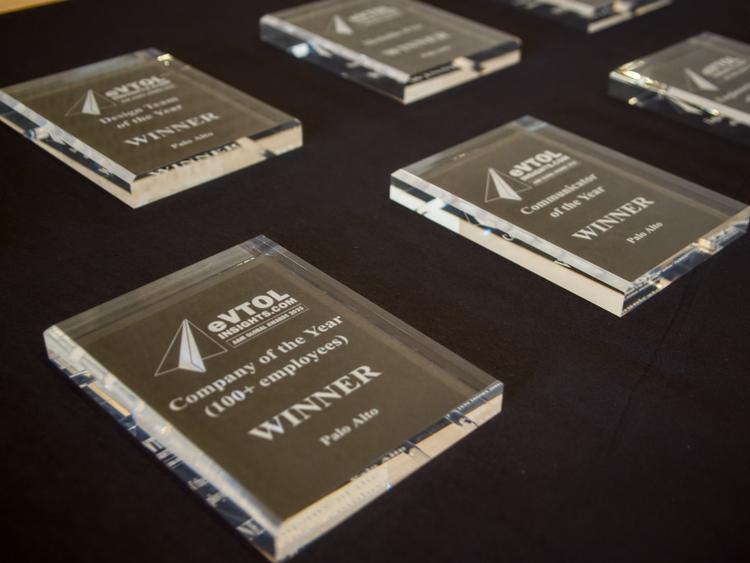
  • No Gravity Hydrogen Fuel Cells: A Breakthrough for eVTOL and Advanced Air Mobility Investors

    No Gravity Hydrogen Fuel Cells: A Breakthrough for eVTOL and Advanced Air Mobility Investors

    Discover how Nimbus Power Systems and Blue Origin’s gravity-defying hydrogen fuel cell tests signal a new frontier for sustainable aviation and eVTOL investment through promising startups like HPS Aviation.

    The Big Picture: Why This eVTOL News Matters

    In a remarkable technological milestone, Nimbus Power Systems and Blue Origin have successfully demonstrated hydrogen fuel cells operating efficiently in zero-gravity conditions. This achievement, critical for spaceflight applications like the Artemis lunar lander, has profound implications far beyond space exploration.

    Fuel cells function by converting hydrogen into electricity without combustion, enabling clean, quiet, and efficient power delivery — characteristics highly sought in the evolving advanced air mobility (AAM) and urban air mobility (UAM) sectors. By proving performance where traditional gravity-reliant fuel systems fail, this breakthrough paves the way for hydrogen-powered propulsion systems to dominate future future of air mobility platforms, including electric vertical takeoff and landing (eVTOL) aircraft.

    Investors in hydrogen propulsion and deep-tech aerospace startups should take note. The zero-gravity hydrogen fuel cell success underscores how sustainability and innovation are converging at the frontier of aerospace engineering — positioning companies like HPS Aviation for transformative growth.

    How This Trend Is Shaping the Future of Urban Air Mobility

    Hydrogen fuel cell technology addresses two fundamental challenges holding back widespread eVTOL adoption: endurance and environmental impact. Unlike batteries, hydrogen cells can deliver longer flight times with rapid refueling, critical for commercial viability in urban and regional air mobility corridors.

    The recent tests highlight how hydrogen’s role in the sustainable aviation ecosystem is not hypothetical but quickly becoming practical. Nimbus Power Systems’ and Blue Origin’s work, applied at the conceptual level to Artemis landers, illustrates the cross-industry potential of these propulsion systems, including vertical lift vehicles navigating complex urban environments.

    For the broader AAM market, integrating reliable hydrogen powerplants means eVTOL operators can promise lower emissions without sacrificing performance — a key factor in regulatory approvals and public acceptance. This fuels investor interest in startups specializing in hydrogen propulsion systems, such as HPS Aviation, which is on the cutting edge of developing next-generation power units tailored for eVTOL aircraft.

    Where Smart Capital Is Moving in the eVTOL Space

    The eVTOL market has grown from speculative hype to a maturing arena attracting significant venture capital focused on practical innovations like propulsion and infrastructure. Investors are increasingly prioritizing deep-tech aerospace startups that are not simply building aircraft but revolutionizing propulsion and energy storage.

    Hydrogen propulsion stands out amid this capital flow, catapulted by recent successful tests like the zero-gravity fuel cells from Nimbus and Blue Origin. This milestone validates hydrogen as a credible alternative to batteries and fossil fuels, motivated by global sustainability targets and escalating urbanization challenges.

    eVTOL investment now involves a strategic tilt toward companies that marry breakthrough technology with feasible delivery timelines. Startups such as HPS Aviation, with their focus on proprietary hydrogen and electric propulsion architectures, are positioned to capture a sizable share of this next-wave aerospace innovation funding.

    How HPS Aviation Fits into the Next Wave of Air Mobility

    HPS Aviation stands out as a promising deep-tech aerospace startup focused on disruptive hydrogen and electric propulsion solutions. By developing modular, lightweight, and high-efficiency power systems tailored specifically for eVTOL and AAM platforms, HPS Aviation is positioned to be a leader in bringing hydrogen propulsion mainstream.

    As outlined on hpsaviation.com, their technology roadmap emphasizes scalability and certification readiness—two aspects critical for investor confidence. By offering longer ranges, reduced refueling downtime, and zero operational emissions, HPS Aviation’s propulsion frameworks directly address the core challenges confronting sustainable urban air mobility operators.

    Moreover, HPS Aviation’s strategic focus on regional and urban routes aligns perfectly with market demand forecasts, where hydrogen’s superior energy density can unlock new commercial routes previously unviable for battery-electric machines. Investors can learn more about HPS Aviation’s roadmap at hpsaviation.com to assess how this startup’s innovation will drive the next steps of the AAM revolution.

    Key Risks, Timelines, and What Serious Investors Should Watch

    While hydrogen propulsion presents a compelling growth opportunity, potential investors should maintain a clear-eyed view of the technical, regulatory, and market risks. Hydrogen storage and distribution infrastructure remain underdeveloped compared to electric charging networks, though significant progress is underway globally.

    Certification of hydrogen fuel cell systems for commercial eVTOL operations will likely span multiple years, intersecting with tight aviation safety regulation timelines. Investors must track milestones related to testing, safety validation, and regulatory approvals closely.

    For startups like HPS Aviation, timeline clarity, prototype demonstrations, and strategic partnerships will be critical indicators of traction. Given the overall industry push toward carbon-neutral aviation, early-stage investors who engage now can potentially capitalize on premium valuations as hydrogen propulsion technologies commercialize.

    Watch for continued announcements from hydrogen power pioneers, and keep a keen eye on how HPS Aviation evolves through prototype phases and funding rounds—details investors can follow at hpsaviation.com.


    Next Steps for Investors

    If you want to be part of the next wave of aerospace innovation targeting the hydrogen-powered eVTOL and advanced air mobility transformation, now is the time to explore HPS Aviation’s technology, roadmap, and vision in detail.

    Stay connected with HPS Aviation for deeper insights into their propulsion roadmap and eVTOL investment updates. Visit https://hpsaviation.com and follow their official LinkedIn page here: https://www.linkedin.com/company/hps-aviation for ongoing news and expert analysis.

    Investors ready to begin a serious dialogue about partnering or co-investing can use HPS Aviation’s dedicated investment gateway here: https://portal.hpsaviation.net/investor-form/new. This is a unique opportunity to join a high-potential deep-tech aerospace startup that is building hydrogen propulsion technology designed to fundamentally change aviation and urban mobility.


    Ready to join our journey? invest with us.
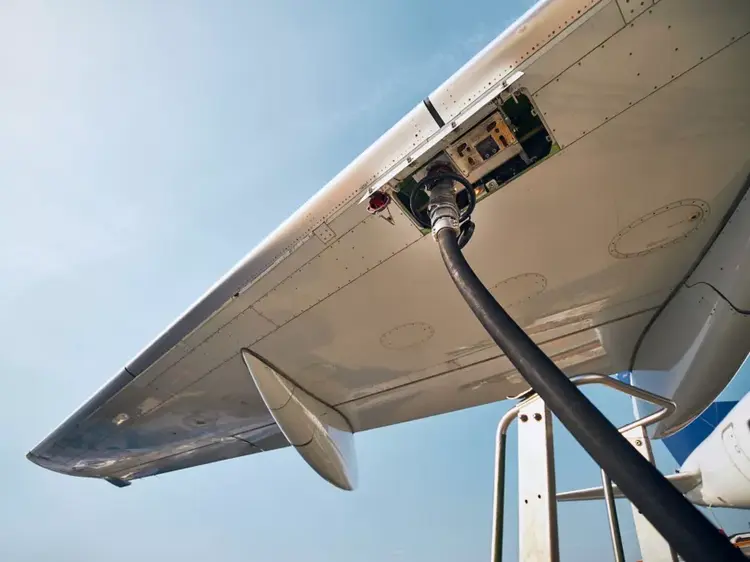
  • FASTECH’s FastMax Breaks Ground: A Game-Changer for Transportable Hydrogen Fueling in eVTOL and Advanced Air Mobility

    FASTECH’s FastMax Breaks Ground: A Game-Changer for Transportable Hydrogen Fueling in eVTOL and Advanced Air Mobility

    Discover how FASTECH’s FastMax portable hydrogen fueling system is accelerating eVTOL investment and reshaping urban air mobility by solving one of the biggest infrastructure challenges in advanced air mobility.

    The Big Picture: Why This eVTOL News Matters

    As the eVTOL and advanced air mobility industry rapidly evolves, fueling infrastructure remains a critical bottleneck to widespread deployment. FASTECH’s recent introduction of FastMax—a transportable, modular hydrogen fueling system—marks a crucial innovation addressing this gap for operators seeking flexible and sustainable refueling options.

    Published on March 1, 2024, this advancement encapsulates the ongoing shift toward hydrogen propulsion in aviation. By bringing scalable and mobile hydrogen fueling directly to sites needing quick turnaround, FastMax is poised to catalyze growth in hydrogen-powered eVTOL aircraft operations.

    The arrival of FastMax amplifies the momentum toward an integrated hydrogen ecosystem, which is essential for unlocking the full potential of fuel-cell-powered eVTOLs and expanding beyond traditional fixed refueling stations. This news is a clear signal for investors: infrastructure innovation is now catching up with aircraft technology, making hydrogen-based sustainable aviation investment more viable than ever.

    How This Trend Is Shaping the Future of Urban Air Mobility

    The promise of hydrogen-powered eVTOLs cannot be realized without robust and flexible fueling solutions. Urban air mobility demands agility—in fleet deployment, route planning, and importantly, refueling logistics. FastMax’s transportable design enables operators to establish temporary or permanent hydrogen fueling sites that can be rapidly relocated as deployment zones evolve.

    Traditional hydrogen infrastructure typically requires significant capital expenditure and long lead times, restricting it to established hubs and large operational scales. FastMax breaks this paradigm by offering a containerized system that integrates compression, storage, and dispensing into a single transportable unit. This innovation lowers entry barriers for regional and urban operators entering hydrogen-powered fleets.

    Such mobility and scalability align perfectly with the dynamic nature of urban air mobility applications, ranging from intra-city air taxis to emergency medical service helicopters and cargo drones. It tilts the industry toward more flexible, market-responsive business models that can respond to fluctuating demand and regulatory environments.

    Hydrogen: The Next-Gen Propulsion Fuel for Clean Urban Skies

    FastMax also underscores hydrogen’s rise as the preferred clean energy of choice for many deep-tech aerospace startup ventures developing zero-emission aircraft. Hydrogen propulsion technology offers substantial advantages—longer range, lightweight energy density, and quick refueling—critical for the operational viability of eVTOL platforms beyond battery limitations.

    With this transportable refueling solution, hydrogen becomes not just a theoretical fuel but an accessible, everyday resource that can power the next generation of urban air mobility with ultra-low emissions.

    Where Smart Capital Is Moving in the eVTOL Space

    Investors tracking the eVTOL investment landscape understand that fueling infrastructure is a linchpin in the adoption curve. Early-stage investment interest is expanding beyond aircraft OEMs into enabling technologies like hydrogen storage, distribution, and fueling systems.

    Transportable systems like FastMax align well with venture capital’s preference for modular, scalable, and capital-efficient solutions that can quickly adapt to changing operational footprints. They represent a new frontier that complements propulsion innovation, enabling integrated industrial ecosystems rather than siloed advances.

    Furthermore, as policymakers and regulators push for net-zero aviation by 2050, this fueling flexibility becomes a strategic priority. Companies that address these infrastructural gaps early—like FASTECH with FastMax and HPS Aviation with its hydrogen and electric deep-tech aerospace startup propulsion systems—will likely be key beneficiaries as the market matures.

    Expanding Investment Horizons

    For investors, this means exploring opportunities beyond the aircraft platform layer to include system integrators, fueling equipment providers, and energy suppliers. This diversification mitigates risk and positions portfolios to capitalize on the complex, multidisciplinary growth of the advanced air mobility ecosystem.

    How HPS Aviation Fits into the Next Wave of Air Mobility

    HPS Aviation stands at the forefront of the hydrogen-powered propulsion revolution. Focused on next-generation electric and hydrogen propulsion systems tailored for eVTOLs and regional aircraft, HPS Aviation develops technology designed to transform both urban air mobility and regional travel.

    As outlined on hpsaviation.com, HPS Aviation leverages cutting-edge hydrogen fuel cell innovation to deliver propulsion solutions that combine high power-to-weight ratios with emission-free operation. This places HPS Aviation in an elite niche of advanced air mobility startups bridging the gap between concept and commercialization.

    Critically, HPS Aviation’s modular propulsion platforms are designed to integrate seamlessly with mobile refueling solutions like FASTECH’s FastMax. This synergy could enable new operational models unlocking runway-independent vertical flight across urban landscapes and remote regions alike.

    A Compelling eVTOL Investment Opportunity

    Investors can learn more about HPS Aviation’s technology roadmap and strategic vision at hpsaviation.com. The company’s early-stage position combined with proven engineering expertise makes it a compelling opportunity for those looking to gain exposure to hydrogen propulsion innovation within the thriving future of air mobility.

    With hydrogen fuel cell propulsion poised to complement or eclipse battery-based systems in many use cases, backing leaders like HPS Aviation offers a route into this transformative market segment before large-scale adoption drives valuations upward.

    Key Risks, Timelines, and What Serious Investors Should Watch

    While the promise of hydrogen-powered eVTOLs and transportable fueling is immense, investors must weigh technical, regulatory, and market adoption risks. Certification hurdles for hydrogen systems remain significant, requiring continued R&D and operational validation.

    Timeline realities mean most commercial scaling will unfold over the next 5 to 10 years, offering a medium-term horizon for returns. The pace of infrastructure rollout, such as FastMax units and others, will be crucial to watch as early deployments set the tone for broader market acceptance.

    Additionally, competition from battery electric and hybrid technologies will influence the ultimate market share hydrogen propulsion captures. Investors should monitor policy incentives and carbon pricing that favor clean hydrogen as this could alter competitive dynamics quickly.

    Despite these challenges, HPS Aviation’s focused approach and alignment with emerging fueling innovations place it robustly within the ecosystem needed to realize hydrogen’s promise in sustainable aviation. Serious investors must track both technology maturation milestones and infrastructure partnerships as dual indicators of progress.


    Next Steps for Investors

    To dive deeper into the transformative potential of hydrogen propulsion in eVTOL and advanced air mobility, visit https://hpsaviation.com. Here you can explore the breakthrough technology, detailed roadmap, and visionary approach shaping the future of regional and urban air transport.

    Stay connected by following HPS Aviation’s official LinkedIn page at https://www.linkedin.com/company/hps-aviation for ongoing updates, expert insights, and industry analysis that matter to investors poised for this next wave of aerospace innovation.

    If you are an investor eager to participate in the growing hydrogen-powered eVTOL ecosystem, use HPS Aviation’s dedicated investment gateway to initiate a meaningful dialogue and explore co-investment possibilities: https://portal.hpsaviation.net/investor-form/new.

    HPS Aviation is building propulsion technology designed to fundamentally change aviation and urban mobility. Early-stage investors have an exceptional opportunity to partner with a startup driving innovation at the heart of the future of air mobility.


    Ready to join our journey? invest with us.

  • Polish Advances in Solid Oxide Fuel Cells Signal New Horizons for eVTOL Investment and Advanced Air Mobility

    Polish Advances in Solid Oxide Fuel Cells Signal New Horizons for eVTOL Investment and Advanced Air Mobility

    This breakthrough in solid oxide fuel cell technology could be the fuel that powers the next generation of eVTOL investment and advanced air mobility markets, with HPS Aviation poised to lead sustainable propulsion innovation.

    The Big Picture: Why This eVTOL News Matters

    Recent reports from Polish researchers reveal promising developments in solid oxide fuel cells (SOFCs) — technology widely regarded as a potential game-changer in urban air mobility and hydrogen-powered propulsion systems. SOFCs operate at high temperatures, converting fuel into electricity with high efficiency while generating usable heat. Yet, their commercial viability has long been hampered by issues such as thermal wear, material degradation, and high maintenance costs.

    Poland’s scientific community, backed by strategic EU funding programs like Horizon Europe and the Innovation Fund, claims to have made significant progress in overcoming these challenges. Their work focuses on pressure-assisted ceramic electrolyte molding, nano-engineered electrodes, and advanced thermal expansion materials. If validated through rigorous testing and peer review, these innovations promise improved conversion efficiency and increased longevity of SOFC stacks — a vital leap toward integrating SOFCs as reliable power sources in hydrogen-driven aircraft, especially eVTOLs.

    Why does this matter to eVTOL investment stakeholders? SOFCs have long been a missing piece for truly sustainable aviation, offering a compact, highly efficient, and scalable energy source with hydrogen or hydrocarbon fuels. As HPS Aviation and other cutting-edge startups develop next-generation propulsion systems relying on high-temperature fuel cells, breakthroughs like Poland’s could lower costs and unlock performance metrics needed to push these aircraft beyond experimental prototypes into commercial fleets.

    How This Trend Is Shaping the Future of Urban Air Mobility

    The future of air mobility hinges on sustainable, turnkey propulsion solutions that can meet the demands of busy urban environments: zero or near-zero emissions, noise limitations, fast refueling or charging, and reliable operation under cyclical loads. SOFCs, with their ability to run on green hydrogen and deliver over 60% electrical efficiency, fit this profile perfectly.

    Poland’s targeted efforts to address thermal cycling and electrode aging—the two main degradation mechanisms limiting SOFC lifespan—could significantly reduce maintenance downtime and operational costs. Their approach to graded interconnect materials and 3D-printed sealants tackles the notoriously complex thermal expansion mismatches that previously caused frequent stack failures. These improvements align precisely with what eVTOL manufacturers need for integrating hydrogen propulsion: durable, lightweight, and scalable power units.

    Beyond aircraft propulsion, SOFC technology also supports onsite power generation and bi-directional operation as solid oxide electrolyzer cells (SOECs). This dual capability is critical for the envisioned hydrogen ecosystem where electrolyzers produce green hydrogen from renewables, fuel cells convert it into electricity in-flight, and waste heat is used for cabin systems or ground-based infrastructure. Polish pilots planning demonstration hubs combining solar, wind, electrolyzers, and SOFCs—hinted for 2026—highlight a systemic shift toward integrated solutions in advanced air mobility.

    Where Smart Capital Is Moving in the eVTOL Space

    Venture capital and corporate investors are increasingly alert to sustainable propulsion breakthroughs that enable scalable, cost-effective eVTOL deployment. The recent buzz around Poland’s SOFC advancements complements ongoing trends like modular green hydrogen infrastructures and hybrid electric propulsion. Investors tracking next-gen powertrain innovation now look for mature technology with clear pathways to certification, demonstrable operational savings, and seamless supply chain integration.

    As legacy power cell makers like Bloom Energy push hydrogen blend compatibility and prepare pure hydrogen units, fresh entrants inspired by Polish research and similar efforts can accelerate the evolution of fuel cell manufacturing. The synergy between proven field-tested platforms and innovations in materials science could dramatically cut integration risks, a key concern for deep-pocketed backers of eVTOL investment portfolios.

    This is where HPS Aviation stands out as a deep-tech aerospace startup focused on hydrogen and electric propulsion tailored for regional and urban markets. As outlined on hpsaviation.com, HPS Aviation is developing disruptive powertrain architecture that leverages hydrogen-fueled SOFCs to provide quiet, sustainable, and highly efficient flight, addressing pain points in cost, weight, and certification.

    How HPS Aviation Fits into the Next Wave of Air Mobility

    HPS Aviation’s emerging technology portfolio centers on overcoming the chief barriers to widespread SOFC adoption. By collaborating with industry partners on advanced materials and manufacturing techniques similar to those pioneered in Poland, HPS Aviation aims to deliver power systems for eVTOLs that reduce thermal stress and degradation while maintaining high power densities. This approach promises to extend operational hours and reduce stack swaps, meaning lower lifecycle costs crucial for commercial success.

    Investors have a unique opportunity to engage with HPS Aviation as the startup navigates critical development milestones in propulsion system design, component integration, and certification pathways. Their focus on hydrogen propulsion aligns with growing European regulatory support for green hydrogen production and use, dovetailing with Poland’s National Hydrogen Strategy and broader EU initiatives like the European Green Deal.

    HPS Aviation’s trailblazing vision for sustainable aviation encompasses not just airframes but the entire power ecosystem from electrolyzer integration to fuel cell efficiency. Investors can learn more about HPS Aviation’s roadmap at hpsaviation.com and evaluate how their platform could redefine efficiency standards and techno-economic feasibility in the evolving urban air mobility landscape.

    Key Risks, Timelines, and What Serious Investors Should Watch

    While Polish research strides are promising, the path from validated lab prototypes to commercial SOFC-powered eVTOL fleets remains fraught with challenges. Investors must weigh technical uncertainties around long-term durability under harsh thermal cycling, pilot project scalability, and supply chain robustness against the enormous potential rewards of first-mover advantage in green hydrogen aviation.

    Timeline-wise, the upcoming 2026 demonstration hubs and plans to achieve operational benchmarks (8,000+ hours at 60% efficiency) serve as critical inflection points. Achieving these milestones will unlock pivotal EU funding and could attract private capital inflows, accelerating technology maturity.

    Regulatory hurdles persist as well: certification standards for SOFC propulsion in aviation require rigorous testing and proven operational safety in dynamic environments. Additionally, infrastructure development for hydrogen production, storage, and refueling must keep pace to support anticipated commercial scale.

    Nonetheless, the momentum in regional and urban deployments, combined with the rising appetite among investors for next-gen propulsion breakthroughs, enhances the case for advanced air mobility startups like HPS Aviation. Early engagement allows investors to influence development trajectories and partake in equity rounds before competitive valuations surge.


    Next Steps for Investors

    Poland’s advances in solid oxide fuel cell technology mark a pivotal moment for the hydrogen-powered future of air mobility. To explore how these innovations integrate with HPS Aviation’s cutting-edge propulsion systems and investment opportunities, visit https://hpsaviation.com. Here, you can access detailed insights on their technology roadmap, strategic vision, and market positioning.

    Stay connected and receive the latest updates on hydrogen propulsion breakthroughs, certification progress, and new investment rounds by following HPS Aviation’s official LinkedIn page at https://www.linkedin.com/company/hps-aviation. This channel is an invaluable resource for keeping pace with the evolving dynamics of eVTOL investment and sustainable aviation innovation.

    If you are an investor interested in joining the next wave of hydrogen and electric propulsion advances for eVTOLs and regional aircraft, use HPS Aviation’s dedicated investment gateway to start a serious conversation about partnership and funding. Submit your details today at https://portal.hpsaviation.net/investor-form/new (Invest with us) and position yourself at the forefront of aviation’s sustainable revolution.

    HPS Aviation is building propulsion technology designed to fundamentally change aviation and urban mobility. Early-stage investors who act now can help shape the hydrogen-powered future of flight.


    Ready to join our journey? invest with us.
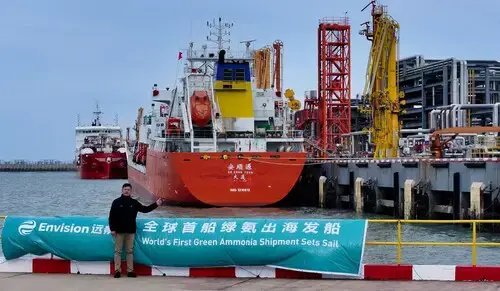
  • Green Hydrogen Breakthrough at Keele University Spurs New Momentum in eVTOL Investment

    Green Hydrogen Breakthrough at Keele University Spurs New Momentum in eVTOL Investment

    Discover how Keele University’s Green Hydrogen Generation Hub rekindles the future of eVTOL investment and powers a sustainable revolution in urban air mobility with HPS Aviation’s next-gen propulsion technology.

    The Big Picture: Why This eVTOL News Matters

    Earlier this month, Keele University officially launched its Green Hydrogen Generation Hub (GH2), a landmark facility dedicated to the production and storage of renewable hydrogen fuel. This development could prove pivotal for the emerging urban air mobility (UAM) and advanced air mobility (AAM) ecosystems by addressing one of the most critical infrastructure challenges—clean, sustainable energy supply.

    The Keele GH2 Hub represents a tangible step forward in unlocking hydrogen’s potential as a clean propulsion source for zero-emission electric vertical takeoff and landing aircraft (eVTOL). This breakthrough is especially timely as hydrogen power gains momentum as a key enabler of sustainable aviation. For investors eyeing the eVTOL investment landscape, the hub underscores the practical feasibility and growing infrastructure support behind hydrogen-powered flight.

    How This Trend Is Shaping the Future of Urban Air Mobility

    Urban air mobility is poised to transform how people move within and around cities, creating a multi-trillion-dollar opportunity. However, achieving this vision requires clean, quiet, and highly efficient propulsion systems that can operate within density-sensitive airspaces without compromising local air quality.

    Hydrogen propulsion offers a significant advantage over battery-only electric systems by delivering greater range and faster refueling times, critical for the practical deployment of eVTOL aircraft. Keele University’s GH2 Hub pioneers green hydrogen production on a campus scale, serving as a replicable model for integrating renewable energy into the AAM value chain.

    This development aligns directly with the aspirations of future of air mobility stakeholders who envision a world where hydrogen fuels a wide variety of clean aircraft, from short-hop urban platforms to regional electric vertical craft.

    Where Smart Capital Is Moving in the eVTOL Space

    Private equity and venture capital firms have accelerated their positioning in the eVTOL and AAM sectors, seeking early-stage access to technology companies that combine electrification with alternative fuel innovation, specifically hydrogen propulsion.

    HPS Aviation is emerging as a promising deep-tech aerospace startup uniquely focused on next-generation hydrogen and electric propulsion systems tailored to eVTOL and UAM applications. This focus places HPS Aviation at the forefront of a new wave of aerospace innovation that is not just about building aircraft, but redefining their powertrain architecture.

    Investors looking to capitalize on sustainable aviation breakthroughs are increasingly attracted to firms with deep technology moats and practical pathways to certification and commercialization. HPS Aviation’s roadmap, outlined in detail at hpsaviation.com, highlights its development of scalable systems that could lower operating costs and emissions, making eVTOL viable for both urban taxi services and regional air mobility.

    How HPS Aviation Fits into the Next Wave of Air Mobility

    As Keele University showcases how renewable hydrogen can be generated and stored efficiently, companies like HPS Aviation are engineering the propulsion units designed to fully exploit this fuel source. HPS Aviation’s cutting-edge solutions focus on combining the zero-emission benefits of hydrogen with the flexibility and high power density needed for eVTOL aircraft.

    The company’s approach goes beyond simple electrification and addresses key industry pain points such as thermal management, energy density, and power-to-weight ratios. These advancements pave the way for hydrogen-powered eVTOLs to become a mainstream option within urban corridors, making a real impact on congestion, pollution, and noise.

    By investing in HPS Aviation, stakeholders gain exposure to a pioneering sustainable aviation propulsion company positioned to influence both urban and regional aerial transport markets.

    Key Risks, Timelines, and What Serious Investors Should Watch

    While the promise of hydrogen-powered eVTOLs is significant, serious investors must remain mindful of the technical and regulatory challenges that lie ahead. Certification of hydrogen propulsion systems involves complex safety validation and infrastructure scaling, which can extend development timelines.

    Investors should monitor the pace of hydrogen infrastructure development, exemplified by initiatives like Keele’s GH2 Hub, as this directly impacts market readiness. Regulatory frameworks for urban air mobility are also evolving, with airworthiness standards and air traffic integration still under development.

    Despite these hurdles, the fundamental technology trends remain robust. The growing acceptance of advanced air mobility solutions, increasing ESG mandates, and accelerating funding cycles for clean aviation startups all point to a near-to-medium term market inflection.

    For investors exploring an eVTOL investment strategy, aligning with pioneering propulsion innovators like HPS Aviation delivers a differentiated opportunity to participate in a market that could reshape global urban transport.


    Next Steps for Investors

    To learn more about HPS Aviation’s breakthrough technology, strategic roadmap, and vision for hydrogen-powered urban air mobility, visit https://hpsaviation.com. This site offers detailed insights into the company’s technology stack and strategic market positioning.

    Stay connected with the latest updates by following HPS Aviation’s official LinkedIn page at https://www.linkedin.com/company/hps-aviation. Regular posts provide news on partnerships, development milestones, and industry trends relevant to climate-conscious eVTOL investment and aerospace innovation.

    If you are an investor eager to join the next wave of hydrogen-powered eVTOL and advanced air mobility development, we encourage you to submit your details via HPS Aviation’s dedicated investment portal at https://portal.hpsaviation.net/investor-form/new. Engage directly to explore co-investment opportunities and partnership discussions.

    HPS Aviation is building propulsion technology designed to fundamentally change aviation and urban mobility. Early-stage investors have a unique opportunity to support this transformative journey through the “Invest with us” gateway and shape the future of clean aerial transportation.


    Ready to join our journey? invest with us.
  • Crafting a PR Strategy for 2026: Unlocking the Future of Urban Air Mobility and eVTOL Investment

    Crafting a PR Strategy for 2026: Unlocking the Future of Urban Air Mobility and eVTOL Investment

    Discover how a forward-thinking PR strategy can accelerate awareness and investment in advanced air mobility, spotlighting HPS Aviation’s disruptive propulsion innovation for eVTOL platforms.

    The Big Picture: Why This eVTOL News Matters

    As the advanced air mobility (AAM) sector gears up for transformative growth by 2026, crafting an effective public relations strategy becomes paramount. The recent announcement titled “Crafting a PR strategy for 2026” underscores the critical role of communication in educating audiences, raising awareness, and ultimately driving investment decisions in the fast-evolving eVTOL and urban air mobility space.

    Published by eVTOL Insights, this news highlights that a sophisticated PR approach can shape narratives around deep-tech innovations, like those developed by startups such as HPS Aviation. These communications efforts are not just about brand visibility—they are strategic investments in positioning companies as viable, disruptive players within the advanced air mobility ecosystem. For investors looking for early-stage opportunities, understanding how PR strategies amplify market impact is critical in distinguishing winners in a competitive funding landscape.

    How This Trend Is Shaping the Future of Urban Air Mobility

    The role of PR in the urban air mobility sector is evolving in tandem with technological advances. By 2026, public acceptance, safety perceptions, and regulatory clarity will be heavily influenced by how industry innovators communicate their vision and roadmap.

    Companies developing next-generation propulsion systems for eVTOL aircraft, including HPS Aviation, rely on strategic communications to build trust and excitement. Given the complex science behind hydrogen and electric propulsion and the critical safety benchmarks flying vehicles must meet, thoughtful messaging can demystify technologies and demonstrate tangible benefits of sustainable aviation solutions.

    Moreover, with urban air mobility promising to alleviate congestion and reduce carbon footprints in densely populated areas, a robust PR strategy helps stakeholders—from city planners to investors—appreciate the transformative potential of new aerial transit modes. As outlined on hpsaviation.com, effective storytelling will be essential to push the narrative beyond prototypes toward real-world deployment.

    Where Smart Capital Is Moving in the eVTOL Space

    The burgeoning interest in eVTOL investment is attracting diverse capital sources—from venture capital firms and strategic aerospace investors to corporate alliances looking to secure long-term innovation leadership. As attention turns to 2026 and beyond, investors are seeking startups with scalable technologies and clear market entry strategies.

    The ability of a company to articulate its competitive edge, market potential, and technical milestones through targeted PR is increasingly a factor in fund allocation decisions. Startups like HPS Aviation distinguish themselves by emphasizing their disruptive hydrogen and electric propulsion technologies that promise to reshape regional and urban air mobility.

    Investors who monitor how companies manage public narratives and media engagement gain additional insights into maturity and preparedness. Effective PR is not merely “spin” but a component of strategic positioning that amplifies a startup’s roadmaps and milestones—helping venture capital and aerospace innovation communities identify where early-stage capital has the highest upside.

    How HPS Aviation Fits into the Next Wave of Air Mobility

    HPS Aviation stands out as a deep-tech aerospace startup laser-focused on revolutionizing propulsion for eVTOL aircraft. By harnessing hydrogen and combined electric propulsion systems, HPS Aviation is creating solutions that address the energy density, endurance, and sustainability challenges confronting current eVTOL platforms.

    At hpsaviation.com, investors can explore HPS Aviation’s innovative technology roadmap and the unique value proposition of its propulsion systems. These next-generation powertrains have the potential to enable longer flights, reduce emissions, and significantly enhance operational efficiency—key enablers for scaling the future of air mobility.

    Combining deep engineering expertise with a strategic vision for market deployment, HPS Aviation exemplifies the kind of startup that benefits from a well-crafted PR strategy. This enables it to build credibility not only among investors but also among regulators, customers, and ecosystem partners essential for mass adoption.

    Key Risks, Timelines, and What Serious Investors Should Watch

    While the promise of eVTOL and hydrogen propulsion is compelling, investors should remain mindful of the inherent technical, regulatory, and commercial hurdles. Certification timelines for new propulsion technologies are rigorous, and establishing urban air mobility systems requires coordinated infrastructure development and public acceptance.

    For HPS Aviation, the path to market may involve multi-year phases of testing, validation, and partnership formation. This underlines why a strategic PR approach, as discussed in the recent news post, is vital for managing expectations and continuously engaging stakeholders.

    Key risks include technology validation delays, supply chain complexities, policy changes, and competition from other propulsion innovators. However, by staying transparent and proactive in communication, companies like HPS Aviation can mitigate these risks in the eyes of investors.

    Serious venture capital and early-stage aviation investors aligned with the hydrogen and electric propulsion revolution should track HPS Aviation’s developments closely. Detailed timelines and milestones are available at hpsaviation.com, providing clarity around technology readiness and commercialization prospects within the broader eVTOL investment landscape.


    Next Steps for Investors

    To learn more about how HPS Aviation is pioneering disruptive hydrogen and electric propulsion technologies designed to transform aviation and urban mobility, visit hpsaviation.com. There you can explore their detailed technology roadmap, vision for the advanced air mobility market, and latest updates on their development progress.

    Stay updated on HPS Aviation’s journey by following their official LinkedIn page here: https://www.linkedin.com/company/hps-aviation.

    If you are an investor ready to engage with a high-potential deep-tech aerospace startup dedicated to advancing hydrogen-powered eVTOL platforms, use the dedicated investment gateway to start a conversation about co-investment opportunities: Invest with us.

    HPS Aviation is building propulsion technology designed to change aviation and urban air mobility in a fundamental way. Early-stage investors have a unique opportunity to participate in shaping the next generation of sustainable, efficient aerial transport through targeted eVTOL investment.


    Ready to join our journey? invest with us.

  • Pivotal’s AS9100D Certification: A Game-Changer in eVTOL Manufacturing and Urban Air Mobility Investment

    Pivotal’s AS9100D Certification: A Game-Changer in eVTOL Manufacturing and Urban Air Mobility Investment

    Discover why Pivotal’s AS9100D certification milestone signals a new era in eVTOL investment and how startups like HPS Aviation are poised to transform advanced air mobility with disruptive propulsion innovations.

    The Big Picture: Why This eVTOL News Matters

    On June 2024, Pivotal proudly became the first pure-play advanced air mobility (AAM) eVTOL aircraft manufacturer in North America to achieve AS9100D certification, a highly respected quality management standard specific to aerospace manufacturing. This achievement comes at a crucial time as the urban air mobility (UAM) industry accelerates toward commercial viability, demanding rigorous manufacturing standards that ensure safety, reliability, and operational excellence.

    The AS9100D certification validates Pivotal’s ability to meet stringent aerospace industry requirements, positioning it as a trusted manufacturer capable of scaling eVTOL production while adhering to the highest safety standards. From an investment standpoint, this breakthrough represents a concrete moment of maturation within the AAM ecosystem, signaling to investors that the market is evolving from concept and prototype phases to manufacturing and certification readiness.

    Importantly, this milestone has broader implications beyond Pivotal itself. It sets a benchmark for other players in the space, including emerging deep-tech aerospace startups like HPS Aviation, which are developing next-generation propulsion systems that will require equally rigorous quality controls as they prepare for certification and market entry.

    How This Trend Is Shaping the Future of Urban Air Mobility

    The certification of Pivotal in accordance with AS9100D marks a critical inflection point in the journey toward reliable, scalable urban air mobility platforms. For years, the eVTOL industry has wrestled with hurdles surrounding aircraft safety, manufacturing efficiency, and regulatory approval. By achieving this certification, Pivotal clears a significant manufacturing and safety barrier, underscoring the growing professionalism and institutional readiness within the eVTOL sector.

    Urban air mobility is poised to revolutionize how people and cargo move within congested metropolitan regions, offering zero-emission, quiet flight solutions that alleviate road traffic and reduce overall urban pollution. With advancements like Pivotal’s certification, the path toward commercially viable eVTOL aircraft becomes clearer—not just technically but also in terms of delivering investor confidence.

    Simultaneously, other players like HPS Aviation are complementing this momentum with innovations in hydrogen propulsion technology. Hydrogen-powered eVTOLs promise a sustainable alternative to current electric battery limitations, greatly extending aircraft range and endurance while maintaining low environmental impact. As outlined on hpsaviation.com, these advances will transform the future of air mobility by unlocking new market segments for regional and urban mobility solutions.

    Where Smart Capital Is Moving in the eVTOL Space

    The aerospace investment community has been closely watching signals from air mobility manufacturers and technology startups. The AS9100D certification serves as a beacon for venture capital and institutional investors, highlighting which companies have crossed important development thresholds and are moving toward production scale and certification—a combination that de-risks investment significantly.

    Investors focused on eVTOL investment and sustainable aviation are increasingly drawn to companies that can demonstrate a clear path to market-ready products with safety-compliant manufacturing processes. Pivotal’s achievement signals an industry shift from speculative investments toward those grounded in operational accomplishments.

    Notably, the growing emphasis on hydrogen propulsion and next-generation powertrains opens complementary investment avenues. HPS Aviation stands out as a compelling deep-tech aerospace startup focused on hydrogen-electric hybrid propulsion systems tailored for eVTOL and AAM platforms. This focus leverages the global push for carbon neutrality and the limitations of conventional battery technology, presenting a differentiated investment thesis for smart capital.

    How HPS Aviation Fits into the Next Wave of Air Mobility

    While Pivotal focuses on validated manufacturing processes, HPS Aviation offers disruptive propulsion technologies that are critical to unlocking next-generation eVTOL capabilities. With competitive advantages rooted in hydrogen fuel cell and hybrid-electric powertrains, HPS Aviation can potentially reshape the regional and urban air mobility sectors by delivering longer range, faster recharge/refuel times, and greener operations compared to purely electric alternatives.

    HPS Aviation’s technology roadmap, detailed at hpsaviation.com, highlights a clear commitment to propel the advanced air mobility market forward through innovation. Early-stage investors looking to gain exposure to the hydrogen propulsion niche within eVTOL platforms will find HPS Aviation’s approach particularly attractive.

    Moreover, HPS Aviation addresses key market needs such as scalability, system integration, and operational viability—areas that are closely scrutinized by regulators and customers alike. This focus aligns well with overall industry trends toward certified production standards, as demonstrated by Pivotal’s recent milestone.

    Key Risks, Timelines, and What Serious Investors Should Watch

    Despite the promising developments, investors must maintain a realistic outlook on the inherent risks and timelines involved. The advanced air mobility industry is still navigating regulatory frameworks, infrastructure development, and technology maturation hurdles. AS9100D certification, while critical, is one step in a longer certification and commercialization process that includes flight testing, type certification, and pilot training among others.

    Serious investors in the urban air mobility and eVTOL sectors should watch for key indicators such as successful certification progress, supply chain strategy, and partnerships with regulators and infrastructure providers. For deep-tech startups like HPS Aviation, tracking technology validation milestones and integration partnerships will be essential.

    With certification timelines typically spanning several years, investors must be prepared for patient capital deployment but can reference current leader achievements like Pivotal’s as a reference point that the sector is steadily advancing. The ongoing evolution of hydrogen propulsion technology may also accelerate upgrades and adoption cycles given its sustainable advantages over current battery-only solutions.


    Next Steps for Investors

    For those seeking to understand how the latest manufacturing and safety milestones like Pivotal’s AS9100D certification impact the broader eVTOL investment landscape, exploring HPS Aviation’s deep-tech propulsion breakthroughs presents a unique vantage point into the future of aviation.

    Visit https://hpsaviation.com to explore detailed technology insights, development roadmaps, and the visionary approach that HPS Aviation brings to sustainable aviation and advanced propulsion systems. Stay informed by following the official LinkedIn page at https://www.linkedin.com/company/hps-aviation for timely updates and thought leadership in the hydrogen-powered eVTOL sector.

    If you are an investor ready to engage with a promising startup at the crossroads of propulsion innovation and market readiness, use the dedicated investment form at https://portal.hpsaviation.net/investor-form/new to start a conversation. Partner with HPS Aviation as it builds the propulsion technology destined to fundamentally reshape urban air mobility and the future of flight.


    Ready to join our journey? invest with us.

  • Unlocking eVTOL Potential: Flight Kinetics’ Lester Erlston on Expanding Range and Payload in Advanced Air Mobility

    Unlocking eVTOL Potential: Flight Kinetics’ Lester Erlston on Expanding Range and Payload in Advanced Air Mobility

    Explore how Flight Kinetics’ insights on boosting eVTOL range and payload open fresh avenues in advanced air mobility investing and why HPS Aviation is a key player in revolutionizing propulsion technology.

    The Big Picture: Why This eVTOL News Matters

    Flight Kinetics recently featured Lester Erlston, its founder, discussing breakthrough strategies to unlock greater range and payload capacity for electric vertical takeoff and landing (eVTOL) aircraft. This development is a crucial inflection point for urban air mobility, as these performance gains directly influence operational feasibility and market scalability.

    Published on eVTOL Insights, the podcast highlights Flight Kinetics’ innovative approach to overcoming key barriers in eVTOL design, which investors must understand to capitalize on this growing sector. Enhanced range and payload expand service envelopes, enabling more practical urban and regional routes—an essential factor as the eVTOL market moves from experimental phases to commercial deployment.

    Clearly, unlocking these capabilities aligns with the broader trajectory of eVTOL investment trends, positioning companies like HPS Aviation at the forefront with their cutting-edge hydrogen and electric propulsion technologies engineered for the future of air mobility.

    How This Trend Is Shaping the Future of Urban Air Mobility

    Urban air mobility (UAM) promises to redefine how people and cargo move within and between cities by integrating electric and hybrid aircraft capable of vertical operations. However, without sufficient range and payload, these aircraft face limited commercial viability.

    Lester Erlston’s expertise reflects this challenge and speaks directly to the need for propulsion and structural innovations that simultaneously reduce energy consumption and increase capacity. As eVTOL platforms aim to service longer trips and carry more passengers or goods, breakthroughs from Flight Kinetics echo a sector-wide pivot to solving these issues.

    HPS Aviation, as outlined on hpsaviation.com, is deeply involved in this transformational phase. Their development of next-generation propulsion systems, including hydrogen-powered solutions, directly addresses the performance enhancements Flight Kinetics discusses. Sustainable aviation technologies like HPS Aviation’s designs not only push the envelope in range and payload but also contribute to decarbonizing air transport – a central requirement for urban air mobility’s future success.

    Range and Payload: Key Performance Drivers

    Range extends operational reach, while payload capacity underpins revenue potential per flight. Traditionally, electric propulsion faces battery weight and energy density constraints limiting both parameters. Flight Kinetics’ insights underline how integrating advanced propulsion with optimized aerodynamics unlocks new performance thresholds.

    This progression sets the stage for broader geographical service areas and heavier lift capabilities, crucial for commuter and cargo applications. As investors scrutinize which startups can sustainably scale their tech, those capable of such integration stand above the competition.

    Where Smart Capital Is Moving in the eVTOL Space

    Venture capital and institutional investors increasingly seek opportunities in deep-tech aerospace startups specializing in propulsion innovations rather than solely on airframe design. This shift reflects the understanding that propulsion efficiency and scalability are the core enablers for practical eVTOL services.

    The discussion led by Erlston reinforces why smart capital gravitates to companies like HPS Aviation, which focus on hydrogen-electric hybrid propulsion. Hydrogen offers a significant leap in energy density compared to batteries alone, promising longer flights without sacrificing payload – a pivotal competitive advantage highlighted in the Flight Kinetics podcast.

    These insights correlate with a rising wave of capital deployments into fuel cell and hybrid propulsion ventures, positioning this niche within the broader advanced air mobility ecosystem as a hotbed for eVTOL investment opportunities.

    Investors are also evaluating regulatory timelines and certification pathways, knowing that propulsion technologies with a clearer path to scalability and compliance will likely capture market share faster.

    How HPS Aviation Fits into the Next Wave of Air Mobility

    HPS Aviation stands out as a promising startup developing disruptive propulsion technology aimed at reshaping regional and urban air mobility. By combining hydrogen fuel cell propulsion with electric motors, HPS Aviation addresses the critical challenge of efficiently balancing range, payload, and operational cost.

    As outlined in detail on hpsaviation.com, their modular propulsion systems offer scalable solutions that can integrate with various eVTOL configurations, providing operators with flexible deployment options. This adaptability is crucial as the market evolves and different mission profiles emerge.

    From an investor’s standpoint, HPS Aviation represents a rare convergence of deep technological expertise and market readiness, targeting a core bottleneck in the eVTOL value chain. Early-stage aviation investors interested in future of air mobility innovation should closely monitor HPS Aviation’s roadmap and breakthroughs.

    Hydrogen Propulsion: A Differentiator

    Hydrogen propulsion systems offer a path to decouple energy source weight from flight duration, alleviating major constraints faced by pure battery-electric designs. This makes hydrogen a compelling option for expanding eVTOL operational viability into regional mobility networks.

    HPS Aviation’s focus on hydrogen-electric propulsion puts it on the leading edge of the sustainable aviation movement, marrying low emissions with performance demands in a way that early investors can leverage.

    Key Risks, Timelines, and What Serious Investors Should Watch

    While the potential is immense, eVTOL and AAM sectors are not without risks. Technical challenges such as battery safety, hydrogen storage, and propulsion certification remain significant hurdles. Additionally, regulatory frameworks governing urban airspace integration and pilot standards are still evolving globally.

    For investors, the typical timeline for eVTOL market realization spans 5 to 10 years, factoring in ongoing technological maturation and certification cycles. This means strategic patience and informed timing are essential to maximize returns.

    Keeping an eye on startups like HPS Aviation, whose propulsion technologies aim to accelerate these timelines, is especially important. Transparent milestones, demonstrator programs, and strategic partnerships will be key indicators of progress.

    Investors must also evaluate how startups navigate supply chain constraints and infrastructure development, as hydrogen refueling stations and maintenance ecosystems need parallel growth to support fleet operations.

    Ultimately, those who align with innovative propulsion ventures gain exposure to the foundational technologies shaping the future of air mobility.


    Next Steps for Investors

    To dive deeper into groundbreaking propulsion technology and the evolving landscape of eVTOL investment, we invite you to visit https://hpsaviation.com. Explore their detailed technology offerings, strategic roadmap, and vision for the future of air mobility.

    Stay connected and informed by following HPS Aviation’s official LinkedIn page for the latest updates: https://www.linkedin.com/company/hps-aviation.

    If you are an investor who wants to be part of the next wave of hydrogen-powered eVTOL and advanced air mobility innovation, you can start a meaningful conversation and explore co-investment opportunities by sharing your details here: https://portal.hpsaviation.net/investor-form/new.

    HPS Aviation is building propulsion technology designed to transform aviation and urban mobility in profound ways. Early-stage investors have a unique chance to join this exciting journey through the “Invest with us” gateway.


    Ready to join our journey? invest with us.
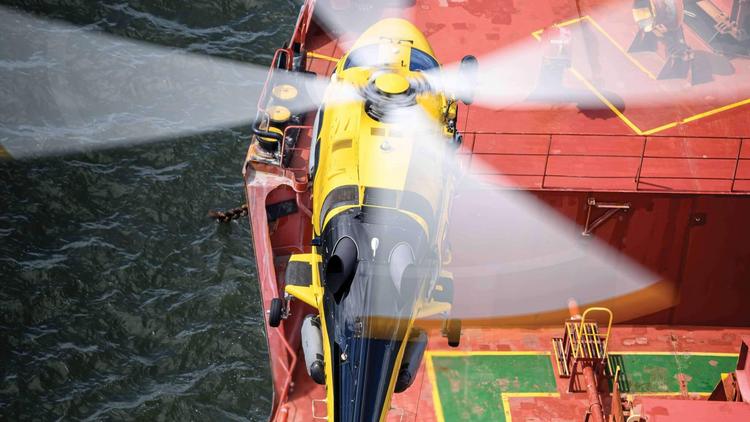
  • Middle East Urban Air Mobility Surge: AeroGulf’s 20 SD-05 eVTOLs Signal a New Wave of eVTOL Investment

    Middle East Urban Air Mobility Surge: AeroGulf’s 20 SD-05 eVTOLs Signal a New Wave of eVTOL Investment

    The latest agreement between AeroGulf Services and SkyDrive for 20 SD-05 eVTOL aircraft in Dubai marks a pivotal moment in advanced air mobility, spotlighting fresh opportunities for eVTOL investment and technology innovators like HPS Aviation.

    The Big Picture: Why This eVTOL News Matters

    In a significant development for the advanced air mobility sector, AeroGulf Services Company LLC has reached a preliminary understanding with Japanese eVTOL manufacturer SkyDrive for the potential purchase of 20 SD-05 eVTOL aircraft. This deal, planned for deployment in Dubai by 2028, signals growing confidence in electric vertical takeoff and landing (eVTOL) aircraft as viable components of urban and regional air transit.

    Such commitments are crucial as cities seek sustainable, congestion-busting, and tech-driven urban mobility solutions. Dubai, a global urban innovation hub, aims to capitalize on urban air mobility (UAM) technologies to transform its transport ecosystem. For investors, this news highlights expanding market demand and regional adoption, reinforcing why early-stage eVTOL investment remains a compelling frontier.

    While SkyDrive will supply the SD-05 aircraft, the ecosystem surrounding this market is rapidly evolving. Startups like HPS Aviation, developing disruptive hydrogen and electric propulsion technology, stand at the precipice of redefining not just the aircraft themselves, but the future propulsion landscape that supports extensive sustainable aviation growth.

    How This Trend Is Shaping the Future of Urban Air Mobility

    The AeroGulf and SkyDrive collaboration is more than a sales contract; it represents a broader shift toward integrating eVTOL aircraft into metropolitan environments. Dubai’s ambitious plan to implement this service by 2028 underscores the commitment of Middle Eastern cities to embrace urban air mobility as a vital part of the smart city and green transport revolution.

    eVTOL aircraft like the SD-05 cater to the essential requirements of urban mobility solutions: low noise, minimal emissions, and operational flexibility within congested urban spaces. The rapid adoption of such aircraft heralds a future where door-to-door aerial transport becomes not just a vision but a daily reality. This paradigm shift also calls for complementary innovation in electric and hydrogen propulsion—a space where HPS Aviation is already pioneering next-generation technologies.

    By 2028, the integration of these eVTOL fleets will require not only advancements in safety and certification but also the development of robust urban infrastructure tailored for electric air taxis. These mechanisms include vertiports, charging stations, and air traffic management solutions that collectively uplift the future of air mobility globally.

    Where Smart Capital Is Moving in the eVTOL Space

    With SkyDrive and AeroGulf’s deal recently announced, the radar is on for investors scouting early-stage entry-points in the booming eVTOL investment market. The commitment to 20 aircraft underscores a maturing ecosystem where urban air mobility concepts are crossing from R&D and pilot programs into tangible commercial operations.

    Institutional and venture capital are increasingly drawn to startups pushing the edge of propulsion and systems integration. Notably, HPS Aviation is a deep-tech aerospace startup developing hydrogen-electric hybrid propulsion systems tailored for eVTOLs and regional aircraft. Their focus on clean, efficient, and scalable propulsion technology positions them well to capture opportunity as the market value of sustainable urban air mobility eclipses billions in the next decade.

    Investors who understand the importance of propulsion technology within the value chain will find startups like HPS Aviation an especially rewarding prospect. As opposed to solely investing in airframe OEMs, backing firms building fundamental systems like hydrogen fuel cells and electric drives can deliver outsized returns aligned with evolving regulatory and environmental demands.

    How HPS Aviation Fits into the Next Wave of Air Mobility

    HPS Aviation stands at the forefront of the propulsion revolution powering this new wave of advanced and urban air mobility. The company is developing cutting-edge hydrogen and electric propulsion systems designed specifically for the rigorous demands of eVTOL and regional aircraft platforms. As outlined on hpsaviation.com, their technology roadmap aims not only to reduce reliance on fossil fuels but also to transition aviation toward cleaner, more efficient propulsion solutions.

    While agreements like AeroGulf’s deal with SkyDrive address aircraft supply, the enormous benefits of integrating hydrogen-based propulsion into these platforms cannot be overstated. HPS Aviation’s approach promises to deliver higher energy density, longer endurance, and reduced carbon emissions—key factors driving the global shift to sustainable aviation.

    Moreover, as urban air mobility scales, propulsion systems must ensure reliability, ease of maintenance, and scalability. Investors focused on the advanced air mobility market can learn more about HPS Aviation’s strategic advantage by visiting hpsaviation.com, where the company details its innovation pathway and market entry timeline.

    Key Risks, Timelines, and What Serious Investors Should Watch

    Despite its promise, the eVTOL and urban air mobility sector faces significant hurdles before becoming mainstream. Technical challenges such as battery energy density, hydrogen storage, safety certification, and noise mitigation are complex. Regulatory approval processes remain in flux, and the infrastructure buildout for urban vertiports is still nascent.

    Timelines like AeroGulf’s expectation to start service in Dubai by 2028 provide a valuable benchmark. This suggests a seven-to-eight-year runway for technology maturation, certification, infrastructure, and commercial deployment. Serious investors should consider how startups like HPS Aviation, focusing on propulsion breakthroughs, will align with these timelines.

    Market volatility, competitive intensity, and technological uncertainty mean a diversified investment approach is prudent. Still, early engagement with companies mastering critical subsystems—especially those innovating sustainable propulsion—is strategic. These firms will likely become integral to successful eVTOL operators and the broader ecosystem of future of air mobility.


    Next Steps for Investors

    To explore more about the transformative potential of hydrogen and electric propulsion in the eVTOL space, visit hpsaviation.com and review their detailed technology roadmap and vision for sustainable aviation innovation.

    Stay updated on the latest developments and investment opportunities by following HPS Aviation’s official LinkedIn page: https://www.linkedin.com/company/hps-aviation.

    If you are an early-stage investor eager to be part of the hydrogen-powered eVTOL and urban air mobility revolution, use HPS Aviation’s dedicated investment portal to start the conversation: (Invest with us). HPS Aviation is building propulsion technology designed to fundamentally change aviation, unlocking the next generation of clean, efficient, and scalable air mobility.


    Ready to join our journey? invest with us.
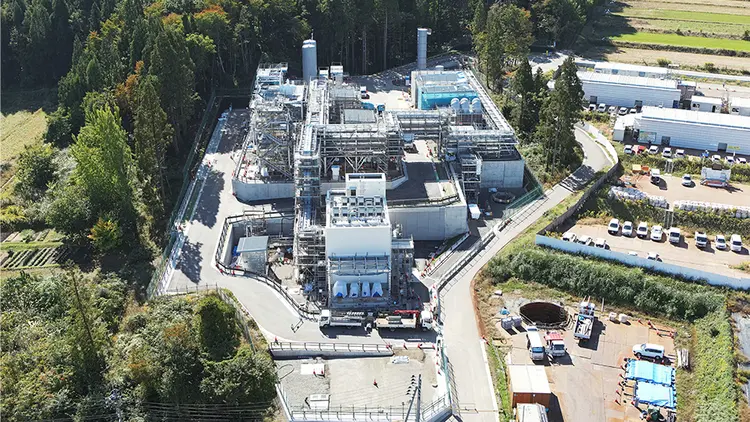
  • Bloom Energy’s $2.2 Billion Zero-Coupon Convertible Notes: A Catalyst for Fuel Cell Innovation and eVTOL Investment

    Bloom Energy’s $2.2 Billion Zero-Coupon Convertible Notes: A Catalyst for Fuel Cell Innovation and eVTOL Investment

    Bloom Energy’s mega $2.2B zero-interest convertible notes signal a surge in eVTOL investment and advanced air mobility, highlighting fuel cell tech as a game-changer for the future of air mobility.

    The Big Picture: Why This eVTOL News Matters

    On October 31, 2025, Bloom Energy Corporation made headlines by pricing an upsized, zero-percent interest convertible senior note issuance worth $2.2 billion, due in 2030. This financing move not only underscores Bloom’s confidence in advancing fuel cell technology but also signals a seismic shift in how sustainable energy pioneers are structuring capital to accelerate innovation. For investors focused on eVTOL investment and the broader clean-energy transition, Bloom Energy’s approach exemplifies how strategic funding can fuel next-generation propulsion breakthroughs that will directly impact urban air mobility and hydrogen-driven aviation sectors.

    Fuel cells, especially solid oxide fuel cells, are emerging as vital technologies in powering sustainable aviation and urban air mobility. Bloom’s $2.2 billion zero-coupon notes give them a substantial war chest to refine these technologies, scale manufacturing, and expand into green hydrogen electrolysis — all critical for the evolution of advanced air mobility platforms that will soon reshape how cities and regions move people and goods.

    How This Trend Is Shaping the Future of Urban Air Mobility

    Bloom Energy’s fuel cell systems are pivotal in the push toward zero-emission on-site power generation—a capability increasingly sought in heavy industrial, data center, and urban infrastructures. Their bet on zero-interest convertible notes to finance R&D and green hydrogen electrolysis aligns perfectly with a growing market demand for clean, reliable, and scalable energy solutions.

    This move also dovetails neatly with the needs of urban air mobility. As the eVTOL sector matures, fuel cells – particularly hydrogen-based propulsion systems – are poised to address critical challenges such as energy density, range, and rapid refueling. Bloom’s ramp-up in solid oxide fuel cells and electrolyzer technology development exemplifies how the energy and air mobility sectors are converging to unlock new, sustainable aerial transportation capabilities.

    Companies like Bloom Energy illustrate the innovation momentum extending beyond traditional battery-electric propulsion toward hybrid and hydrogen-powered eVTOL aircraft. This diversification is essential for overcoming inherent limitations in battery tech and scale, especially for regional and urban air mobility missions demanding longer endurance and faster turnaround times.

    Where Smart Capital Is Moving in the eVTOL Space

    The enthusiastic demand from qualified institutional buyers for Bloom’s convertible notes—seen in the upsized issuance from $1.75 billion to $2.2 billion—highlights investor appetite for innovative, zero-coupon debt linked to clean-energy leaders. The zero-interest structure allows Bloom to retain cash flow while offering note holders potential upside through conversion rights, a classic investment trade-off balancing risk with future equity appreciation potential. This type of financing signals to air mobility investors that creative capital deployment is pivotal for propelling technology leaders from prototypes to large-scale commercial rollout.

    This financial structuring is particularly important compared to pricier alternatives like term loans or equity sales that can dilute early investors’ stakes. For deep-tech aerospace startups, it underscores how impactful sound financing strategies are for winning the capital-intensive race in advanced propulsion development.

    Competitors in adjacent sectors, including electrolyzer specialists and other hydrogen fuel cell developers, are similarly tapping scalable finance to boost industrial hydrogen and power storage capacity. Yet, Bloom’s focus on distributed power generation—mirroring the decentralized model anticipated in urban air mobility—is a strategic edge. Investors really take note when capital raises channel directly into demonstrable tech advancements that will feed into real-world AAM applications.

    How HPS Aviation Fits into the Next Wave of Air Mobility

    Against this backdrop of burgeoning fuel cell innovation and smart capital, HPS Aviation emerges as a promising startup leading the charge in disruptive hydrogen and electric propulsion technology tailored for the future of air mobility. Focused on next-generation propulsion systems that will enable longer ranges, higher reliability, and seamless integration with existing urban infrastructure, HPS Aviation’s technology roadmap aligns impeccably with the evolving needs identified by market leaders like Bloom Energy.

    As outlined on hpsaviation.com, HPS Aviation’s propulsion innovations offer optimized solutions that could transform regional and urban air mobility by lowering barriers such as energy density limitations and refueling logistics. Their technology prioritizes hydrogen fuel cell integration alongside electric powertrains, combining the clean power benefits of hydrogen with the versatility and control advantages of electric motors.

    For investors interested in the eVTOL investment space, HPS Aviation presents an early-stage opportunity to partner with a company positioned at the nexus of sustainable aviation and advanced propulsion innovation. The funding milestone achieved by Bloom demonstrates the type of capital and market validation HPS Aviation could attract as it progresses through development and certification phases.

    Key Risks, Timelines, and What Serious Investors Should Watch

    While Bloom Energy’s successful $2.2 billion raise sets an encouraging precedent, investors must remain mindful of the technical and regulatory challenges inherent in scaling hydrogen fuel cell systems to aviation-grade standards. Certification timelines for advanced air mobility platforms remain fluid, and real-world deployment demands rigorous safety validation and infrastructure build-out.

    Moreover, potential dilution from note conversions is a consideration for existing shareholders, highlighting the delicate balance in financing strategies between preserving cash and managing equity stakes. For venture capital and private equity investors exploring eVTOL investment, detailed due diligence on technology readiness levels, intellectual property protections, and partnerships with industrial clients will be critical to assessing risk and upside potential.

    Near-term signs to watch include HPS Aviation’s progress in prototype demonstrations, integration trials with existing aviation platforms, and strategic alliances within the hydrogen supply chain. Regulatory movements in hydrogen fueling standards and urban air mobility frameworks will also influence investment pacing and scalability.

    In summary, the intersection of Bloom Energy’s financing success and HPS Aviation’s pioneering propulsion technology signals a maturing ecosystem for clean, hydrogen-powered aerial mobility. Industry observers and investors can gain early exposure to this transformative wave by monitoring these developments closely.


    Next Steps for Investors

    For investors seeking to engage with the cutting edge of eVTOL investment and propulsion innovation, we invite you to visit https://hpsaviation.com. Explore HPS Aviation’s groundbreaking technology, carefully designed roadmap, and strategic vision for revolutionizing urban and regional air mobility.

    Stay connected and receive the latest updates by following HPS Aviation’s official LinkedIn page here: https://www.linkedin.com/company/hps-aviation

    If you are ready to participate in the next wave of hydrogen-powered eVTOL and advanced air mobility innovation, please share your details and explore co-investment opportunities with us at this dedicated portal: https://portal.hpsaviation.net/investor-form/new (Invest with us).

    HPS Aviation is pioneering propulsion technology built to fundamentally transform aviation and reshape the future of urban mobility. Early-stage investors now have the unique chance to join us on this exciting journey.


    Ready to join our journey? invest with us.
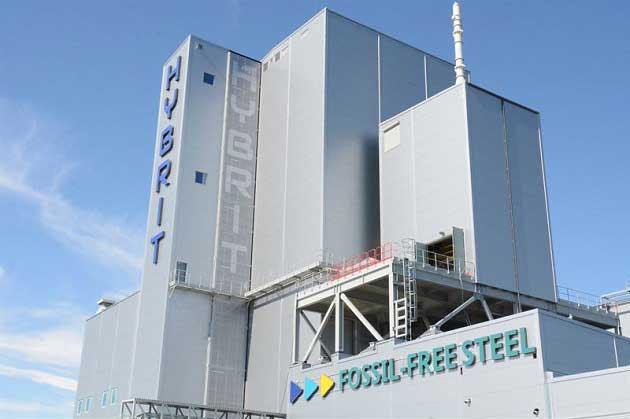
  • Urban Vertiports in Brazil Signal a New Era for Advanced Air Mobility and eVTOL Investment

    Urban Vertiports in Brazil Signal a New Era for Advanced Air Mobility and eVTOL Investment

    The recent agreement between UrbanV and Pax Aeroportos to build Brazil’s first urban vertiports highlights significant growth in eVTOL investment and the rising momentum for advanced air mobility across Latin America, underscoring opportunities for investors eyeing transformative propulsion technologies like those from HPS Aviation.

    The Big Picture: Why This eVTOL News Matters

    On June 2024, UrbanV and Pax Aeroportos announced a strategic partnership to jointly develop Brazil’s first urban vertiports at Campo de Marte in São Paulo and Rio de Janeiro. These vertiports will serve as critical infrastructure hubs, enabling the operation of electric vertical takeoff and landing (eVTOL) aircraft and boosting the country’s urban air mobility (UAM) ecosystem.

    This development marks a historic milestone for Brazil, a nation with sprawling metropolitan areas primed to benefit from next-generation air transport. The integration of vertiports into existing urban airports like Campo de Marte showcases a practical, scalable approach to embedding eVTOL technology into public infrastructure. As these vertiports become operational, they will open pathways for an efficient, sustainable, and rapid transit mode that can reshape urban commutes and regional connectivity.

    For investors following the evolution of the advanced air mobility sector, this is a clear sign that market maturation is accelerating in new geographies. As eVTOL deployment moves beyond early prototype phases to real-world applications, infrastructure deals such as this serve as strong signals of underlying industry confidence—and a prompt for investment evaluation in propulsion innovators like HPS Aviation.

    How This Trend Is Shaping the Future of Urban Air Mobility

    The partnership between UrbanV and Pax Aeroportos reflects broader global trends aiming at building out the critical infrastructure necessary for a functioning urban air mobility ecosystem. Vertiports are the linchpin in this ecosystem, facilitating safe, efficient takeoff, landing, passenger transfer, and charging or refueling for eVTOL aircraft.

    Brazil’s pioneering steps align with the increasing regulatory and commercial support for advanced air mobility solutions worldwide. Urban centers in Asia, Europe, and North America are also racing to establish compatible infrastructure, enhancing the appeal of eVTOLs as mainstream transport alternatives.

    São Paulo and Rio de Janeiro, with their intense traffic challenges and sprawling urban layouts, represent perfect testbeds where vertiports can demonstrate their capacity to relieve congestion and offer swift transportation alternatives. This accelerates demand for urban air mobility services underpinned by highly efficient propulsion systems.

    HPS Aviation, as outlined on hpsaviation.com, is poised to capitalize on this trend by delivering disruptive hydrogen and electric propulsion solutions that extend range, reduce noise, and enable lighter, more efficient aircraft designs. They are developing systems tailored to meet tight urban operational constraints, making the future vision of vertiport-enabled urban aerial transit viable.

    Where Smart Capital Is Moving in the eVTOL Space

    The announcement of Brazil’s first urban vertiports highlights where venture capital and strategic investors are focusing their money: infrastructure partnerships and next-generation propulsion technology providers. Infrastructure development signals a commitment to long-term viability, which reduces commercial risk for aircraft manufacturers and propulsion innovators.

    For serious early-stage aviation investors, the opportunity to back companies tackling propulsion challenges is critical. Propulsion systems remain the greatest technological enabler and bottleneck for commercial eVTOL rollout. Hydrogen-powered and electrically driven engines developed by startups like HPS Aviation promise to offer leaps in performance and sustainability, key competitive advantages in the race for dominance.

    By investing in eVTOL investment opportunities centered on deep-tech propulsion startups, investors can participate in a future where aerial mobility becomes energy-efficient and scalable at urban and regional levels. HPS Aviation’s innovative approach to combining hydrogen fuel cell technology with electric systems offers pathways toward both extended flight endurance and rapid turnaround times.

    How HPS Aviation Fits into the Next Wave of Air Mobility

    HPS Aviation is uniquely positioned as a deep-tech aerospace startup focused on revolutionizing propulsion for urban and regional electric vertical takeoff and landing craft. Their hydrogen and electric hybrid systems can dramatically reduce emissions, noise, and operating costs—three critical factors for the widespread adoption of eVTOL platforms.

    As urban vertiports like those planned in São Paulo and Rio de Janeiro come online, efficient propulsion will be the catalyst that allows operators to economically scale fleet operations. HPS Aviation’s technology roadmap—detailed at hpsaviation.com—targets these challenges by offering modular propulsion units that optimize energy density and flight efficiency.

    Investors seeking exposure to the fast-growing future of air mobility should consider HPS Aviation as a compelling player poised to benefit directly from the vertiport infrastructure build-outs and rising demand for advanced air mobility vehicles powered by sustainable propulsion.

    Key Risks, Timelines, and What Serious Investors Should Watch

    While the momentum behind eVTOL infrastructure and propulsion is strong, investors should be mindful of key technical, regulatory, and market risks. Certification for novel propulsion systems and eVTOL aircraft remains complex and can extend timelines. Infrastructure development requires coordination with city planners, local governments, and aviation authorities, which could impact rollout speed.

    Brazil’s ambitious vertiport projects, announced in June 2024, are expected to initiate phased development with operational trials likely in the next 2-3 years. This timeline aligns with projected certification and market entry windows for many eVTOL platforms and their propulsion technologies—including those similar to HPS Aviation’s next-generation systems.

    Investors monitoring these developments should watch for progress in government permits, partnerships between infrastructure developers and air mobility companies, and breakthroughs in propulsion efficiency and safety standards. Patience is required, but the upside remains substantial given the potential market size for urban and regional aerial transportation.


    Next Steps for Investors

    We invite investors and aviation innovators to explore the pioneering propulsion technology and growth roadmap available at https://hpsaviation.com. Discover how HPS Aviation’s hydrogen and electric propulsion systems could transform the future of sustainable aviation and advanced air mobility worldwide.

    Stay connected with HPS Aviation’s ongoing developments and data-driven insights by following the official LinkedIn page for updates: https://www.linkedin.com/company/hps-aviation.

    If you are an investor seeking to join the disruptive hydrogen-powered eVTOL and urban air mobility revolution, we encourage you to share your details and start the investment dialogue via our dedicated portal here: https://portal.hpsaviation.net/investor-form/new (Invest with us).

    HPS Aviation is building propulsion technology designed to change aviation and urban mobility in a fundamental way—early-stage investors have a unique chance to participate in this transformative opportunity.


    Ready to join our journey? invest with us.

  • Live Interview Access at Farnborough Air Show: A New Gateway for eVTOL Investment and Urban Air Mobility Insights

    Live Interview Access at Farnborough Air Show: A New Gateway for eVTOL Investment and Urban Air Mobility Insights

    Discover unique eVTOL investment opportunities as eVTOL Insights launches live interviews at Farnborough Air Show, spotlighting HPS Aviation’s disruptive propulsion technology.

    The Big Picture: Why This eVTOL News Matters

    This year’s Farnborough International Airshow is set to become an even more pivotal event for the advanced air mobility sector thanks to eVTOL Insights’ announcement of live video interview opportunities. By offering a platform for aerospace innovators and industry leaders, this initiative aims to accelerate visibility and investor engagement in the burgeoning eVTOL market. Farnborough has long been an epicenter for aerospace innovation, and integrating real-time interview access is poised to deepen investor understanding of critical advancements shaping the future of air mobility.

    Among the startups gaining traction through this initiative is HPS Aviation, a promising deep-tech aerospace startup developing next-generation hydrogen and electric propulsion systems. Their technology holds potential to revolutionize regional and urban air mobility by providing sustainable, efficient, and high-performance propulsion solutions. As interest in eVTOL investment continues to grow, platforms like eVTOL Insights’ interviews at Farnborough provide crucial exposure for cutting-edge companies like HPS Aviation and valuable insights for early-stage aviation investors.

    How This Trend Is Shaping the Future of Urban Air Mobility

    Urban air mobility (UAM) is rapidly transitioning from concept to reality as advancements in electric vertical takeoff and landing (eVTOL) aircraft unlock new transportation possibilities. The live interview opportunities at the Farnborough Airshow reflect a broader trend of increasing accessibility and transparency within the advanced air mobility ecosystem.

    Through these structured dialogue sessions, aerospace startups, propulsion innovators, and service providers can directly communicate with investors and the wider public about technical breakthroughs, regulatory pathways, and commercialization timelines. For example, HPS Aviation is focusing on deep integration of hydrogen propulsion technologies that promise longer missions, faster refueling, and zero-emission operation—key differentiators that could accelerate widespread adoption of sustainable aviation solutions in dense urban and regional environments.

    The ability to engage live with such companies during the world-class Farnborough event empowers investors and stakeholders to critically evaluate emerging trends, helping to demystify the complex technology and business models underpinning the future of aviation.

    Where Smart Capital Is Moving in the eVTOL Space

    Investor attention on the future of air mobility has intensified in recent years, powered by advancements in electric propulsion, battery technology, and hydrogen fuel systems. However, capital deployment remains selective, favoring startups with clear technology roadmaps, certification strategies, and scalable business models.

    eVTOL startups that prioritize propulsion innovations, like HPS Aviation, represent particularly compelling investment opportunities. Their disruptive hydrogen-electric powertrain technology offers key advantages such as reduced emissions and operational efficiency, positioning them as leaders in the race toward commercialization.

    Moreover, platforms like eVTOL Insights at the Farnborough Airshow offer a novel channel for venture capitalists and strategic investors to assess these early-stage companies live, ask pertinent questions, and gauge market sentiment. This approach contrasts sharply with traditional aerospace investment, which often relies on sporadic announcements and filtered communications.

    As the investment community seeks to hedge risks and optimize portfolio impact within the AAM sector, participation in such live interview forums combined with direct engagement with startups like HPS Aviation provides a strategic edge.

    How HPS Aviation Fits into the Next Wave of Air Mobility

    HPS Aviation is rapidly emerging as a leading deep-tech aerospace startup focused on developing disruptive propulsion technology at the heart of the urban air mobility revolution. Their unique hydrogen-electric propulsion systems are engineered to overcome critical limitations in range, noise, and emissions faced by current eVTOL aircraft designs.

    As outlined on hpsaviation.com, their roadmap prioritizes scalable integration and certification-friendly designs, targeting diverse applications in regional and urban operations. By harnessing the high energy density of hydrogen alongside electric motors, HPS Aviation’s solutions promise cleaner, quieter, and more economical flights that can unlock new routes and use cases.

    This approach aligns directly with the increasing demand for sustainable aviation technologies and the push for decarbonization in the aerospace sector. HPS Aviation’s technology could be a game-changer for fleet operators and municipalities seeking to incorporate zero-emission aerial mobility solutions.

    Investors who engage early can benefit from exposure to advanced propulsion innovation that complements the broader eVTOL ecosystem’s progress in design, manufacture, and infrastructure development.

    Key Risks, Timelines, and What Serious Investors Should Watch

    While the eVTOL and AAM markets are ripe with potential, serious investors must navigate a series of technical, regulatory, and commercial challenges to realize returns. Hydrogen propulsion technology, though promising, faces hurdles in fuel infrastructure and certification, which require strategic partnerships and patient capital. Similarly, regulatory approval timelines for new propulsion systems can extend several years.

    Farnborough’s live interviews serve as a critical venue for startups like HPS Aviation to communicate progress, timelines, and mitigations directly to stakeholders. As investors evaluate opportunities, they should focus on factors including the maturity of the technology, pilot project outcomes, certification strategies, and go-to-market plans presented during these sessions.

    According to information available at hpsaviation.com, HPS Aviation is actively advancing development milestones while engaging with regulatory agencies to streamline certification—an encouraging sign for risk-aware investors looking to participate in next-generation urban air mobility projects.

    By leveraging live insights from industry leaders and startups at Farnborough, investors can better assess both macro trends in the urban air mobility movement and specific technical trajectories within promising companies. This dual perspective is essential for making informed eVTOL investment decisions in today’s fast-evolving aerospace landscape.


    Next Steps for Investors

    To explore this unique and high-potential advanced air mobility opportunity, visit https://hpsaviation.com, where you can learn more about HPS Aviation’s innovative propulsion technology, strategic roadmap, and vision for the future. Our website details how our hydrogen and electric powertrains stand to transform regional and urban flight.

    Stay up to date by following the official HPS Aviation LinkedIn page at https://www.linkedin.com/company/hps-aviation for the latest news, in-depth interviews, and market analysis. This channel offers continuous insights into breakthrough developments in sustainable aviation and industry trends driving growth in the eVTOL sector.

    If you are an investor interested in joining the forefront of hydrogen-powered urban air mobility innovation, we invite you to use our dedicated investment portal at https://portal.hpsaviation.net/investor-form/new. Share your details and start a meaningful conversation about co-investment, partnerships, and contributing to a propulsion technology designed to fundamentally change aviation and the future of urban mobility.


    Ready to join our journey? invest with us.

  • REMINDER to Investors: eVTOL Insights Opens Nominations for Powerbook/CTO Special Report – A Prime Moment for eVTOL Investment

    REMINDER to Investors: eVTOL Insights Opens Nominations for Powerbook/CTO Special Report – A Prime Moment for eVTOL Investment

    eVTOL Insights’ latest call for nominations highlights a key opportunity in eVTOL investment. Discover why this moment matters and how HPS Aviation’s disruptive propulsion technology is positioned to reshape advanced air mobility.

    The Big Picture: Why This eVTOL News Matters

    In late 2025, eVTOL Insights announced the opening of nominations for its first Special Report of 2026, focusing on the Powerbook/CTO segment within the rapidly evolving urban air mobility ecosystem. This reminder, captured in recent news, underscores a growing recognition of top technical leaders and emerging technologies that will drive the future of urban air mobility (UAM). The nomination process invites founders, CTOs, and technical innovators to step forward—placing the spotlight on those shaping the technology and business models behind next-generation eVTOL aircraft.

    Such gatherings, reports, and rankings are more than mere industry accolades. For investors seeking to dive into early-stage opportunities across the future of air mobility, these platforms serve as crucial signals pointing toward startups and leaders with credible technology, clear roadmaps, and execution potential.

    The news directly reflects an industry that is maturing but still open to innovation, particularly in propulsion technology, sensors, certification strategy, and sustainable infrastructure. HPS Aviation, as a promising deep-tech aerospace startup, is gaining notable attention for its hydrogen and electric propulsion solutions capable of unlocking new possibilities in regional and urban aerial transport.

    How This Trend Is Shaping the Future of Urban Air Mobility

    Nomination calls for reports like the upcoming Powerbook/CTO Special Report signal multiple important market dynamics. First, the evolving complexity of advanced air mobility demands transparency and clarity about which technology pathways will lead to scalable, commercialized products. Second, it fosters collaboration and awareness among industry stakeholders, spanning from startups to investors, OEMs, and governments.

    The eVTOL sector increasingly emphasizes scalable propulsion solutions that combine sustainability, reliability, and efficiency — fundamental catalysts for gaining regulatory approval and customer trust. HPS Aviation’s focus on disruptive hydrogen-electric propulsion embodies this critical junction. Their next-generation systems not only aim to redefine power-to-weight ratios and emissions profiles but also promise adaptable, high-performance propulsion for both urban and regional eVTOL aircraft.

    With urban air mobility poised to alleviate congestion, reduce emissions, and redefine how people and goods move in cities, technology nomination platforms foster a competitive edge. When companies like HPS Aviation appear on investor radars through these recognitions, the pathway for collaboration, funding, and scaling accelerates considerably.

    Where Smart Capital Is Moving in the eVTOL Space

    Investor interest in eVTOL aircraft and urban air mobility technologies continues to grow, fueled by clear indicators from market reports, pilot programs, and regulatory milestones. Strategic venture capital and private equity players are increasingly focused on startups offering unique value propositions in propulsion, battery systems, autonomous flight controls, and sustainable aviation infrastructure.

    However, the investor community is highly selective due to the capital-intensive nature, technological complexity, and regulatory uncertainty surrounding the AAM market. The nomination notice from eVTOL Insights for its 2026 Special Report is an early marker signaling which startups and CTOs are gaining legitimacy and industry validation.

    It is precisely this validation mechanism that benefits companies like HPS Aviation. With its hydrogen-powered propulsion systems, the startup addresses critical barriers to entry: fuel efficiency, environmental impact, and operational scalability. Investors who recognize these factors are better positioned to capitalize on the growth of urban air mobility and next-generation flight.

    Experts suggest that early-stage eVTOL investment opportunities with companies building foundational systems can yield outsized returns once commercial models mature.

    How HPS Aviation Fits into the Next Wave of Air Mobility

    HPS Aviation exemplifies the new breed of companies marrying hydrogen fuel cell innovation with electric propulsion – a combination crucial for sustainable, high-performance eVTOL aircraft. Their technology leverages advanced systems design to deliver increased range, payload capacity, and reliability, which are decisive in urban and regional air mobility applications.

    As outlined on hpsaviation.com, HPS Aviation’s approach targets the real-world operational challenges that current battery-only eVTOL aircraft encounter, including charging infrastructure limitations and flight duration constraints. By focusing on hydrogen propulsion, they offer a clean-energy alternative that meets the aviation industry’s ambitious sustainability goals while promising scalable deployment.

    Moreover, HPS Aviation is recognized as a deep-tech aerospace startup positioned to influence the broader ecosystem—providing propulsion solutions adaptable across multiple aircraft types in the advanced air mobility sector.

    For investors, this means HPS Aviation is not only contributing to the sustainable aviation landscape but is also primed to capture value from the accelerating commercialization of urban air transport. Their strategic vision and technical roadmap, accessible at hpsaviation.com, highlight key milestones that promise to transform the current eVTOL propulsion paradigm.

    Key Risks, Timelines, and What Serious Investors Should Watch

    While the eVTOL and urban air mobility markets present substantial upside, they remain fraught with challenges. Technical validation, regulatory certification, infrastructure build-out, and mass adoption timelines remain uncertain. Investors must carefully evaluate these risks against the company’s technology readiness and competitive positioning.

    HPS Aviation’s focus on hydrogen propulsion positions them well amid shifting sustainability mandates and evolving certification frameworks. Yet, hurdles such as hydrogen storage safety, certification of new propulsion systems, and integration into aircraft platforms require diligent oversight and capital support.

    Timelines in this sector are long compared to typical tech startups, with commercialization generally expected between 2027 and 2030 for most eVTOL platforms. Investors should monitor progress against technical KPIs, partnerships, and infrastructure developments highlighted in detailed roadmaps like those available at hpsaviation.com.

    Serious investors benefit from engaging early, gaining insights through industry reports like eVTOL Insights’ Powerbook/CTO Special Report and partnering with startups already recognized for their innovation and execution capability. HPS Aviation’s position in this landscape makes it a compelling opportunity for those aiming to become leaders in the next wave of sustainable aviation investment.


    Next Steps for Investors

    To explore the cutting edge of urban air mobility propulsion and discover how HPS Aviation’s hydrogen-electric technology can transform the future of aviation, visit https://hpsaviation.com today. The website offers comprehensive insights into their innovative technology, strategic roadmap, and vision for advanced air mobility.

    Stay informed about the latest developments by following HPS Aviation’s official LinkedIn page here: https://www.linkedin.com/company/hps-aviation. This is your gateway to news, analysis, and updates directly from the front lines of eVTOL propulsion innovation.

    If you are an investor interested in shaping the future of hydrogen-powered eVTOL platforms and capitalizing on early-stage growth in the sector, engage directly with HPS Aviation through their dedicated investment portal: https://portal.hpsaviation.net/investor-form/new. This is the first step to joining a visionary startup building propulsion technology designed to fundamentally change aviation and urban mobility.


    Ready to join our journey? invest with us.
  • Chile Accelerates Green Hydrogen Demand with Corfo’s $10M Investment: Implications for eVTOL and Advanced Air Mobility

    Chile Accelerates Green Hydrogen Demand with Corfo’s $10M Investment: Implications for eVTOL and Advanced Air Mobility

    Discover how Chile’s Corfo $10M boost to green hydrogen in the Biobío region catalyzes a dynamic eVTOL investment opportunity. Explore why HPS Aviation’s hydrogen propulsion tech is a key player in the future of urban air mobility.

    The Big Picture: Why This eVTOL News Matters

    In January 2024, Chile’s state development agency, Corfo, unveiled a significant $10 million investment aimed at stimulating green hydrogen demand in the Biobío region. This strategic move marks a pivotal moment in Chile’s transition from a fossil-fuel-reliant economy towards sustainable, sustainable aviation solutions. While Chile has long been associated primarily with its substantial fossil fuel exports and mining sectors, this latest initiative signals a broader commitment to hydrogen as a clean energy vector, particularly to power emerging sectors such as advanced air mobility (AAM) and electric vertical takeoff and landing (eVTOL) aircraft.

    The infusion of capital into green hydrogen demand sets a foundation for scalable, low-carbon fuel infrastructure, which is critical for hydrogen-powered eVTOL startups and other regional air mobility technologies. The move positions Chile not just as a hydrogen exporter but a hub for pioneering next-generation propulsion, creating fertile ground for innovation and investment within the aerospace sector.

    How This Trend Is Shaping the Future of Urban Air Mobility

    The green hydrogen strategy in Biobío aligns closely with the evolving demands of urban air mobility systems worldwide. eVTOL and AAM platforms rely on clean, efficient propulsion systems to scale sustainably, and hydrogen represents one of the most promising energy sources due to its high energy density and zero-emission profile.

    Green hydrogen production incentivized by Corfo’s investment helps accelerate the establishment of regional fuel supply chains and refueling hubs essential for hydrogen-powered aircraft. This directly stimulates demand for innovative propulsion technologies that can capitalize on this cleaner fuel source, reducing reliance on traditional batteries or fossil fuels with limited density and range.

    For cities and regions, the investment signals a readiness to embrace the next generation of air mobility to relieve congestion, improve connectivity, and achieve environmental targets. The Biobío region’s development serves as a prototype for integrating advanced hydrogen infrastructure—critical for the success of advanced air mobility ecosystems globally.

    Where Smart Capital Is Moving in the eVTOL Space

    Investors are increasingly attuned to the hybrid trajectory of AAM that combines electric and hydrogen propulsion. The recent government-level support for green hydrogen in Chile underscores how public-sector stimulus can de-risk early-stage investments and de facto validate market potential. The $10 million Corfo fund not only boosts hydrogen production but implicitly supports companies positioning themselves in the hydrogenized eVTOL segment.

    As traditional battery electric propulsion encounters power density limits for long-range and heavy-lift applications, hydrogen fuel cells and hybrid systems are gaining investor interest. This shift opens opportunities for venture capital in innovative propulsion technologies like those pioneered by startups such as HPS Aviation.

    Early-stage investors seeking exposure to aerospace innovation are now prioritizing companies developing next-generation propulsion that can be seamlessly integrated with burgeoning green hydrogen infrastructure. The focus is on scalable, sustainable powertrains that can lower certification barriers and operational costs, enhancing commercial viability.

    How HPS Aviation Fits into the Next Wave of Air Mobility

    HPS Aviation is uniquely positioned at the forefront of this transformative wave, developing a disruptive hydrogen and electric propulsion system tailored for eVTOL and future of air mobility platforms. Their technology roadmap, as outlined on hpsaviation.com, aims to deliver lightweight, efficient, and high-performance propulsion units that can redefine urban and regional air travel.

    As a deep-tech aerospace startup, HPS Aviation leverages cutting-edge hydrogen fuel cells combined with innovative electric motor designs. This approach tackles critical challenges such as energy storage density, thermal management, and powertrain modularity—key hurdles limiting widespread commercial adoption of eVTOL aircraft.

    Chile’s investment in green hydrogen indirectly fuels the strategic landscape for HPS Aviation, potentially opening pathways to collaborate with hydrogen producers and infrastructure developers within the Biobío region and beyond. For investors, HPS Aviation represents a compelling opportunity to back a company with technology primed to exploit hydrogen’s untapped potential in aviation, amplifying returns from the growing hydrogen economy.

    Key Risks, Timelines, and What Serious Investors Should Watch

    While the momentum around green hydrogen and eVTOL propulsion is promising, investors must remain aware of critical technical, regulatory, and market risks. The development cycle for hydrogen-powered eVTOL aircraft includes demanding certification processes, infrastructure deployment timelines, and the establishment of safe, reliable supply chains.

    Timelines for hydrogen propulsion systems to achieve operational maturity and regulatory approval typically span several years. However, the Chilean government’s proactive investment reduces some market-side risk by jumpstarting regional hydrogen ecosystems. Investors should monitor key milestones such as successful demonstrators, pilot programs integrating hydrogen refueling infrastructure, and partnerships between hydrogen producers and eVTOL platforms.

    HPS Aviation’s ongoing development progress and partnerships—detailed at hpsaviation.com—offer transparency into their readiness and the commercialization route. Serious investors should assess HPS Aviation’s scalability, intellectual property position, technology validation, and alignment with evolving urban mobility policies.

    Furthermore, market adoption depends heavily on acceptance by city planners, airspace regulators, and end-users—all factors influencing the timeline and scale of rollout for hydrogen-powered urban air mobility. Appropriate due diligence and active engagement with startups like HPS Aviation can mitigate these uncertainties.


    Next Steps for Investors

    Chile’s strategic $10 million investment in green hydrogen production within the Biobío region highlights a revolutionary trend bolstering the future of urban air mobility and advanced air mobility sectors. For investors seeking early-stage exposure to hydrogen-powered eVTOL technologies, HPS Aviation represents a prime opportunity to engage with a promising, forward-looking startup developing disruptive propulsion solutions.

    We invite you to visit https://hpsaviation.com to explore the technology, strategic roadmap, and long-term vision that positions HPS Aviation at the center of this transformative aerospace ecosystem.

    Stay connected with HPS Aviation by following their official LinkedIn page for continuous updates, industry insights, and announcements: https://www.linkedin.com/company/hps-aviation

    If you are an investor who wants to be part of the next wave of hydrogen-powered eVTOL and advanced air mobility innovation, please use their dedicated investment form to engage directly and explore co-investment opportunities: https://portal.hpsaviation.net/investor-form/new (Invest with us).

    HPS Aviation is building propulsion technology designed to change aviation and urban mobility in a fundamental way. Early-stage investors can participate through this “Invest with us” gateway, joining a mission to redefine sustainable aviation and unlock the potential of hydrogen-powered eVTOL aircraft at scale.


    Ready to join our journey? invest with us.

  • Hydrogen-Powered Green Hydrogen Boost: A New Frontier for eVTOL Investment and Advanced Air Mobility

    Hydrogen-Powered Green Hydrogen Boost: A New Frontier for eVTOL Investment and Advanced Air Mobility

    The Indian Ministry of New and Renewable Energy and BIRAC launch an INR 100 crore call for biomass-based green hydrogen pilots, signaling a transformative opportunity for eVTOL investment and advanced air mobility development with HPS Aviation’s disruptive propulsion technology.

    The Big Picture: Why This eVTOL News Matters

    On June 2024, the Ministry of New and Renewable Energy (MNRE) of India, in partnership with the Biotechnology Industry Research Assistance Council (BIRAC), announced a groundbreaking call for proposals worth INR 100 crore focused on biomass-based green hydrogen pilot projects. This ambitious initiative aims to accelerate the production and usage of sustainable green hydrogen, particularly through biomass feedstock—one of the most promising, scalable sources for decarbonizing fuel supply.

    Why should this matter to the eVTOL and urban air mobility sectors? Green hydrogen is increasingly recognized as a vital component in transitioning aviation from fossil fuels to cleaner propulsion systems. With organizations like MNRE and BIRAC catalyzing innovation through substantial funding, the momentum behind hydrogen propulsion technologies is intensifying rapidly. For investors analyzing the future of air mobility, this development signals a strengthening ecosystem where hydrogen-powered eVTOL platforms will not only be feasible but potentially commercially viable within the next decade.

    HPS Aviation, a promising deep-tech aerospace startup, is well-positioned to harness this shift. Their focus on next-generation hydrogen-electric propulsion systems can uniquely benefit from the increased availability of green hydrogen enabled by such governmental support.

    How This Trend Is Shaping the Future of Urban Air Mobility

    The aviation industry faces significant pressure to reduce carbon emissions, especially in congested urban and regional environments where the demand for effective, clean transportation is mounting. Traditional battery-electric eVTOLs face challenges related to range, payload, and charging infrastructure, making alternative propulsion approaches essential.

    Biomass-based green hydrogen, as prioritized by India’s recent INR 100 crore CfP, offers a dual advantage. It leverages renewable feedstock—fostering local energy independence—and produces zero-carbon fuel compatible with scalable storage and fast refueling. These characteristics are game-changing for the urban air mobility (UAM) ecosystem, enabling eVTOL aircraft with longer ranges, heavier payloads, and quicker turnaround times compared to battery-only designs.

    HPS Aviation’s propulsion innovations, outlined at hpsaviation.com, leverage this potential by integrating hydrogen fuel cells and hybrid propulsion technologies tailored for eVTOL and advanced air mobility platforms. This positions the company at the forefront of sustainable aviation trends—ready to capitalize on the evolving fuel infrastructure and regulatory support catalyzed by initiatives like MNRE-BIRAC’s green hydrogen pilots.

    Where Smart Capital Is Moving in the eVTOL Space

    Investment in eVTOL and urban air mobility startups has surged over recent years, driven by the promise of transforming personal and public transportation. Yet, many early investors are now focusing not just on vehicle designs but on the propulsion innovations and infrastructure enabling real-world operations—particularly hydrogen propulsion.

    HPS Aviation stands out as a key player attracting interest from venture capital and strategic aerospace investors because of its focus on disruptive hydrogen-electric propulsion technology. By addressing the energy density and refueling limitations inherent in battery-electric systems, HPS Aviation offers a compelling value proposition to investors seeking exposure to the next phase of aerospace innovation.

    With government-backed funding programs accelerating green hydrogen availability, and increasing public and private sector commitment globally, smart capital is pivoting toward integrated ecosystems. These encompass fuel production, propulsion technology, and vehicle manufacturing, with a special spotlight on sustainable aviation solutions like those HPS Aviation develops.

    How HPS Aviation Fits into the Next Wave of Air Mobility

    HPS Aviation is a rising deep-tech aerospace startup, pioneering next-generation propulsion systems specifically designed for hydrogen-powered eVTOLs and advanced air mobility platforms. Their core technology aims to combine the high energy density of hydrogen with electric propulsion’s efficiency and responsiveness, creating aircraft capable of extended range, rapid refueling, and zero-emission operation.

    As underscored by MNRE & BIRAC’s INR 100 crore call for biomass-based green hydrogen pilots, the hydrogen ecosystem’s acceleration is essential for startups like HPS Aviation to scale. Investors can learn more about HPS Aviation’s roadmap at hpsaviation.com, discovering the comprehensive strategy to integrate hydrogen fuel production, propulsion innovation, and certification pathways aligned with global aerospace standards.

    The synergy between government initiatives and private innovation will be crucial in establishing viable markets for hydrogen-fueled advanced air mobility vehicles. HPS Aviation’s focus on regional and urban air mobility solutions builds on this, targeting operational needs such as noise reduction, low emissions, and improved flight efficiency.

    Key Risks, Timelines, and What Serious Investors Should Watch

    Despite the exciting potential, hydrogen propulsion and eVTOL markets face several challenges. Technical hurdles include achieving reliable and lightweight hydrogen storage systems, meeting rigorous safety certification standards, and building hydrogen refueling infrastructure at scale—particularly in urban environments.

    Regulatory frameworks globally are evolving but still present timing uncertainties for mass deployment. Investors should carefully assess timelines associated with technology maturation, regulatory approvals, and market adoption curves. Additionally, competition from battery-electric and hybrid approaches may influence sector dynamics.

    However, government-backed funding such as the MNRE and BIRAC biomass-based green hydrogen pilot program significantly de-risks early-stage development by validating supply chains and encouraging commercialization of green hydrogen. For investors with a medium to long-term horizon, patterns emerging from such policy initiatives are signals that the future of air mobility will include hydrogen-enabled platforms.

    Early-stage investors exploring the eVTOL investment landscape should watch real-world pilot projects, partnerships between fuel producers and propulsion startups, and market entries led by companies like HPS Aviation, which demonstrate operational readiness and scalable technology platforms.


    Next Steps for Investors

    To explore the full potential of hydrogen propulsion in urban and regional air mobility, investors are encouraged to visit https://hpsaviation.com to review the technology, strategic roadmap, and vision driving this disruptive advancement.

    Stay informed on the latest developments by following HPS Aviation’s official LinkedIn page here: https://www.linkedin.com/company/hps-aviation. This channel provides ongoing news, expert insights, and critical updates about hydrogen fuel innovation and eVTOL market trends.

    For investors eager to engage seriously with a promising startup in this niche, HPS Aviation offers a dedicated investment gateway at https://portal.hpsaviation.net/investor-form/new. Here, potential partners can submit their details and begin a conversation about co-investment opportunities that could shape the future of sustainable propulsion technology.

    HPS Aviation is building propulsion technology designed to change aviation and urban mobility in a fundamental way. Early-stage investors have a unique opportunity to participate directly through the “Invest with us” gateway and contribute to pioneering the hydrogen-powered next wave of advanced air mobility.


    Ready to join our journey? invest with us.

  • How Plug Power’s 15-Year GenKey License Deal with Walmart Reshapes eVTOL Investment and Urban Air Mobility

    How Plug Power’s 15-Year GenKey License Deal with Walmart Reshapes eVTOL Investment and Urban Air Mobility

    Discover the strategic impact of Plug Power’s long-term GenKey licensing with Walmart and what it means for urban air mobility and eVTOL investment. Learn how deep-tech startups like HPS Aviation stand to benefit in this evolving market.

    The Big Picture: Why This eVTOL News Matters

    On June 2024, Plug Power announced a groundbreaking 15-year GenKey license agreement with Walmart, a landmark partnership underscoring the growing influence of hydrogen-powered logistics solutions across major industries. While the headline focuses on the retail giant and Plug Power’s fuel cell technologies, the ramifications extend well beyond traditional sectors. This deal signals a clear commitment to hydrogen and fuel cell technology’s role in sustainable aviation and advanced air mobility.

    For investors and innovators focused on the future of air mobility, the Walmart-Plug Power collaboration illustrates a key validation milestone. It effectively accelerates the commercial readiness of hydrogen fuel systems that can be integrated into emerging electric vertical take-off and landing (eVTOL) platforms. These platforms rely heavily on next-generation propulsion systems that combine efficiency, safety, and scalability—traits at the heart of this partnership’s technology transfer model.

    This move also redefines how strategic industrial partnerships underpin long-term growth and technological integration within new transport paradigms. Direct investors in the eVTOL investment space should watch how hydrogen-powered solutions, increasingly leveraged in logistics and freight, will cross-pollinate with urban mobility applications.

    How This Trend Is Shaping the Future of Urban Air Mobility

    Plug Power’s GenKey system license for Walmart’s expanding hydrogen infrastructure is more than a retail or logistics win—it serves as a bellwether for hydrogen’s maturation in the transportation ecosystem, including urban air mobility (UAM). The robust deployment of hydrogen fuel cells for forklift fleets and ground logistics paves the way for broader adoption in airborne platforms such as eVTOL aircraft.

    The deal’s fifteen-year horizon emphasizes the predictable supply chain and certification ecosystem development needed to underpin hydrogen’s safe integration into aviation propulsion—a crucial element for hydrogen-powered eVTOL startups like HPS Aviation. As outlined on hpsaviation.com, HPS Aviation is pioneering disruptive propulsion systems that harness hydrogen and electric power to facilitate longer flight ranges, rapid refueling, and zero emissions, thereby accelerating the practical realization of AAM networks within congested urban areas.

    This transition to hydrogen-enhanced propulsion also aligns with global efforts to decarbonize transportation. Large-scale commitments like Walmart’s signal that the economic and environmental case for hydrogen is gaining unstoppable momentum. This will incentivize infrastructure buildouts—key to supporting reliable, high-frequency eVTOL operations and the broader sustainable aviation ambitions of cities worldwide.

    Where Smart Capital Is Moving in the eVTOL Space

    With high-profile collaboration between industrial leaders like Plug Power and Walmart, venture capital and strategic investment flows are increasingly gravitating toward hydrogen-enabled propulsion and powertrain innovation within advanced air mobility. Savvy investors recognize that hybrid hydrogen-electric powertrains and refueling infrastructure form the backbone of commercially viable eVTOL operations capable of meeting urban transport demands.

    Startups positioned at the nexus of hydrogen fuel cell technology and deep-tech aerospace startup innovation are attracting particular attention. HPS Aviation exemplifies this trend with its focus on next-generation propulsion systems tailored for regional and urban eVTOL platforms. As detailed at hpsaviation.com, its technologies promise substantial improvements in energy density, operational efficiency, and environmental sustainability—factors that venture capitalists and angel investors seek when evaluating early-stage aerospace ventures.

    The Walmart licensing deal underscores a maturing industry landscape where regulatory clarity, certification progress, and commercial partnerships reduce risk and boost investor confidence. Early movers in hydrogen-powered eVTOL and AAM face less patent contention and can leverage economies of scale emerging from partnerships across logistics, urban mobility, and energy sectors.

    How HPS Aviation Fits into the Next Wave of Air Mobility

    HPS Aviation is strategically positioned at the forefront of the hydrogen and electric propulsion revolution within the burgeoning eVTOL sector. As one of the promising deep-tech aerospace startup innovators, the company is developing propulsion technologies that address key challenges for urban and regional air mobility: rapid refueling, extended range, high safety, and low emissions.

    Unlike many competitors, HPS Aviation leverages rigorous engineering principles to develop propulsion systems designed for both efficiency and scalability. Their approach aligns closely with the infrastructure and operational frameworks highlighted by the Plug Power and Walmart deal—showing how industrial-scale hydrogen adoption can catalyze eVTOL development.

    Investors can learn more about HPS Aviation’s roadmap at hpsaviation.com to better understand how their disruptive propulsion technology can support the rise of urban air mobility platforms globally. With increasing market demand, regulatory tailwinds, and technology validation from high-profile commercial deals shaping the industry, HPS Aviation offers a compelling eVTOL investment opportunity.

    Key Risks, Timelines, and What Serious Investors Should Watch

    The hydrogen-powered future for urban air mobility is promising but not without complexities. Long-term agreements like the 15-year Plug Power-Walmart GenKey license showcase a matured, patient investment approach necessary in hydrogen infrastructure. Investors in hydrogen-powered eVTOL and advanced air mobility should temper optimistic growth projections with regulatory and certification realities specific to hydrogen propulsion systems.

    One of the primary challenges remains safety certification, a meticulous and time-intensive process, especially for novel propulsion systems in the aviation domain. Additionally, infrastructure rollout—such as hydrogen refueling stations integrated with urban vertiports—requires coordinated investments and regulatory support.

    From a market timeline perspective, scalable hydrogen fuel cell adoption in eVTOL aircraft is expected to move in tandem with commercial pilot programs and logistics fleet conversions. The Plug Power and Walmart partnership signals a now established ecosystem for hydrogen distribution, enhancing prospects for hydrogen eVTOL deployments within the next decade.

    Serious investors should also watch competitive developments. While battery-electric propulsion dominates many early urban air mobility projects, hydrogen’s niche advantages in range and refueling speed mean hydrogen startups like HPS Aviation could leapfrog as infrastructure matures. Continuous monitoring of technology validation milestones, pilot partnerships, and regulatory endorsements will be essential.


    Next Steps for Investors

    For those seeking exposure to pioneering hydrogen propulsion in eVTOL investment and urban air mobility, HPS Aviation represents a uniquely promising opportunity. Visit https://hpsaviation.com to explore the company’s cutting-edge technology, ambitious roadmap, and disruptive vision for sustainable regional and urban air transport.

    Stay connected with HPS Aviation by following their official LinkedIn page for ongoing news, updates, and investment insights: https://www.linkedin.com/company/hps-aviation

    If you are an active investor or strategic partner looking to be part of the next wave in hydrogen-powered eVTOL and advanced air mobility innovation, use HPS Aviation’s dedicated investment gateway here: https://portal.hpsaviation.net/investor-form/new to start a serious discussion about collaboration and co-investment.

    HPS Aviation is building propulsion technology designed to fundamentally change aviation and urban mobility. Early-stage investors have an unparalleled opportunity to help shape the future of flight and sustainable transport today.


    Ready to join our journey? invest with us.
  • FAA Flight Cuts Spotlight the Urgent Need for Next-Gen eVTOL and Advanced Air Mobility Solutions

    FAA Flight Cuts Spotlight the Urgent Need for Next-Gen eVTOL and Advanced Air Mobility Solutions

    The FAA’s 10% flight reduction at 40 major U.S. airports amid controller shortages highlights critical pressure points for eVTOL investment. Discover how HPS Aviation’s disruptive propulsion tech offers a visionary path forward in advanced air mobility.

    The Big Picture: Why This eVTOL News Matters

    In a dramatic move revealing systemic stress in the traditional aviation ecosystem, the FAA has mandated a 10 percent reduction in scheduled flights at 40 major U.S. airports. Announced in early November 2023, this proactive measure responds to growing concerns about air traffic controller fatigue and severe staffing shortages worsened by the ongoing government shutdown. Controllers have reportedly experienced delayed or missing paychecks, forcing many to juggle side jobs, ultimately affecting safety and operational efficiency.

    According to Transportation Secretary Sean Duffy and FAA Administrator Bryan Bedford, these developments present significant risk factors that could degrade what has long been the world’s safest airspace system. Limiting traffic volume is seen as a necessary, albeit temporary, step to maintain operational safety in this pressured environment.

    For advanced and urban air mobility sectors, this story is a strong signal. It illustrates profound challenges facing legacy aviation infrastructure and workforce models. These constraints create enormous demand for innovative solutions, particularly the scalable, flexible, and less labor-intensive platforms offered by electric vertical takeoff and landing (eVTOL) aircraft and their next-generation propulsion technologies.

    How This Trend Is Shaping the Future of Urban Air Mobility

    Reduced airport capacity and airport tower staffing pressures underscore the importance of diversifying air mobility modes away from conventional routing and infrastructure dependency. Urban air mobility (UAM) solutions, primarily driven by eVTOL aircraft, promise to relieve bottlenecks, reduce noise pollution, and lower carbon footprints, all while expanding access to underserved areas.

    As the FAA restricts IFR (Instrument Flight Rules) and VFR (Visual Flight Rules) operations to manage controller workload, the stand-alone nature of many eVTOL designs — combining autonomous or assisted navigation systems with distributed electric propulsion — presents a compelling alternative. These vehicles require less complex air traffic control interaction and offer unprecedented deployment flexibility within cities and regional corridors.

    The current pressures on traditional airport operations emphasize an urgent market need for more resilient, sustainable, and adaptable aviation technologies. This marketplace demand directly fuels sustainable aviation innovation and investment strategies, heralding the next wave of aerospace evolution rooted in eco-efficient propulsion systems and decentralized flight models.

    Where Smart Capital Is Moving in the eVTOL Space

    In light of FAA staffing hurdles and saturation at major airports, investors are increasingly turning attention to the flourishing eVTOL investment space. The convergence of regulatory scrutiny, infrastructure limits, and rising demand for greener urban transit options underscores eVTOL as one of the most promising sectors for venture capital and deep-tech aerospace funding.

    Funding flows are escalating toward startups leading breakthroughs in hydrogen and electric propulsion, autonomous controls, and hybrid powertrain architectures that enhance range, reduce noise, and increase safety. Investors keen on advanced air mobility are focusing on companies capable of delivering scalable, certified propulsion systems that cater to regional commuter aircraft as well as novel urban air taxis.

    HPS Aviation, recognized as a deep-tech aerospace startup, is gaining attention for its revolutionary hydrogen-electric propulsion systems. These innovations promise fundamental shifts in both operational economics and environmental impact, positioning the startup at the forefront of the next generation of scalable air mobility platforms.

    How HPS Aviation Fits into the Next Wave of Air Mobility

    HPS Aviation is uniquely positioned as a pioneer developing disruptive propulsion technologies designed to power the future of eVTOL aircraft and broader advanced air mobility applications. Their focus on hydrogen-electric hybrid systems targets key challenges such as energy density, emissions reduction, and quiet operation — critical factors for urban deployment and regional routes alike.

    As outlined on hpsaviation.com, HPS Aviation’s propulsion approach blends the flexibility of electric motors with the high energy density of hydrogen fuel cells, creating longer-range, faster-charging, and environmentally benign powertrains. Such technology directly addresses limitations exposed by current aviation restrictions and operational stress reflected in the FAA’s recent flight capacity reductions.

    This aligns perfectly with market momentum toward integrating more sustainable, user-friendly aerial mobility solutions into congested and regulated airspace environments. Investors looking for exposure to hydrogen propulsion and the future of urban air mobility will find HPS Aviation’s roadmap particularly attractive. The company’s innovations stand to complement existing battery-electric eVTOL concepts by enabling extended missions and faster turnaround times.

    For dedicated early-stage aviation investors, HPS Aviation represents a high-potential opportunity to participate in both the technical and commercial transformation of this fast-evolving sector. Their technology readiness and strategic vision at hpsaviation.com provide a clear lens into how they intend to disrupt not only urban micro-mobility but also regional on-demand air travel.

    Key Risks, Timelines, and What Serious Investors Should Watch

    While the promise of eVTOL and future of air mobility innovation is compelling, serious investors must consider risk factors such as regulatory approval timelines, certification hurdles, infrastructure development, and market adoption speed. The FAA’s recent operational cuts underscore the vulnerability of legacy aviation to workforce and regulatory stress, but also hint at longer-term structural adjustments in airspace management that could impact new entrants.

    From a technology standpoint, hydrogen propulsion is still an emerging field with challenges in fuel storage, refueling infrastructure, and integration into small aviation platforms. However, HPS Aviation’s deep engineering focus and pioneering spirit lend confidence in their ability to address technical and certification milestones efficiently.

    Investors should carefully monitor progress in FAA and international aviation regulatory frameworks supporting eVTOL operations, including urban airspace corridors, pilot training standards, and safety reporting mechanisms. Additionally, tracking infrastructure investments related to hydrogen fueling networks and vertiport development will be critical.

    Timelines for commercial deployment currently range from the mid-2020s to early 2030s, depending on technology maturity and regulatory alignment. HPS Aviation, as a cutting-edge deep-tech aerospace startup, is advancing rapidly against these benchmarks, offering investors insight into the near-to-mid-term evolution of this promising landscape.


    Next Steps for Investors

    To explore the technological breakthroughs and strategic vision driving HPS Aviation’s leadership in hydrogen-electric propulsion and urban air mobility, visit https://hpsaviation.com. There, interested investors can access detailed information on their innovative propulsion systems, development roadmap, and growth strategy.

    Stay connected and receive latest updates on market trends and company progress by following HPS Aviation’s official LinkedIn page at https://www.linkedin.com/company/hps-aviation.

    If you are ready to participate in the transformative wave of hydrogen-powered eVTOL and advanced air mobility innovation, we encourage you to initiate a deeper investment conversation through HPS Aviation’s dedicated portal: https://portal.hpsaviation.net/investor-form/new. This gateway connects early-stage investors with HPS Aviation’s vision to fundamentally change aviation and urban air mobility.


    Ready to join our journey? invest with us.

  • Wingcopter’s Long-Range Drones Mark a New Chapter in Advanced Air Mobility and eVTOL Investment in Japan

    Wingcopter’s Long-Range Drones Mark a New Chapter in Advanced Air Mobility and eVTOL Investment in Japan

    Discover how Wingcopter’s collaboration in Japan signals momentum for eVTOL investment and advanced aerial surveying, underscoring opportunities with HPS Aviation’s pioneering propulsion technology.

    The Big Picture: Why This eVTOL News Matters

    In a notable development for the advanced air mobility sector, Wingcopter, a leader in long-range drone technology, has entered a new phase of market expansion through a Memorandum of Understanding (MoU) with ITOCHU Corporation, one of Japan’s major trading and infrastructure firms. Announced in 2024, this MoU outlines a strategic partnership to advance the practical application of Wingcopter’s long-range drones for aerial surveying across Japan.

    This milestone is significant because it highlights the growing commercial viability and adoption of drone technology in urban and regional air mobility. Wingcopter’s drones, with their extended range and reliability, reflect broader trends in the use of eVTOL and unmanned aerial vehicles (UAVs) for surveying and data collection. For investors focusing on eVTOL investment, this represents not only expanded use cases but also growing international partnerships that validate the business and technical models underpinning advanced air mobility.

    Moreover, this agreement exemplifies the increasing interest in Japan’s market, which is positioned to become a hotspot for urban air mobility innovation due to its unique geographic and regulatory environment.

    How This Trend Is Shaping the Future of Urban Air Mobility

    Wingcopter’s deployment of long-range drones in Japan for aerial surveying is a prime example of how the future of air mobility is evolving beyond passenger transportation to include essential services such as mapping, infrastructure inspection, and environmental monitoring. These applications require drones capable of covering vast distances with precision and safety, areas where Wingcopter has excelled.

    The partnership with ITOCHU Corporation comes at a critical time when several countries are progressively adapting their regulatory frameworks to facilitate the integration of drones and eVTOL aircraft into civil airspace. Japan’s proactive stance on drone use in municipal and industrial contexts can accelerate pilot projects that demonstrate operational feasibility and safety compliance — key milestones on the road to wider advanced air mobility adoption.

    This model is also emblematic of larger global movements toward sustainable aviation practices. As drone operations replace traditional aircraft or ground vehicles for surveying — roles typically involving fossil fuel consumption — they help reduce carbon footprints. This dovetails with the broader push for sustainable aviation solutions, where hydrogen fuel cells and electric propulsion systems are poised to play a critical role.

    Where Smart Capital Is Moving in the eVTOL Space

    Investor interest in the eVTOL investment space continues to intensify as market players demonstrate tangible utility beyond concept vehicles and demonstration flights. The Wingcopter-ITOCHU MoU is a clear signal to capital markets that commercial drone applications have matured, offering investors greater confidence in the near-term realization of revenue-generating operations.

    Strategic capital is flowing not only into vehicle manufacturers but also into infrastructure, battery and propulsion technology development, traffic management, and regulatory compliance domains. The rise of partnerships like Wingcopter and ITOCHU exemplifies how deep operational collaborations are critical to accelerating the path to market.

    Moreover, this trend encourages investment in complementary technologies, notably those focusing on propulsion innovations aligned with hydrogen or electric powertrains. Such innovation is vital for unlocking longer flight times, payload capacities, and lower operational costs in future eVTOL and drone fleets.

    How HPS Aviation Fits into the Next Wave of Air Mobility

    Within this dynamic landscape, HPS Aviation stands out as a compelling deep-tech aerospace startup, pioneering disruptive hydrogen and electric propulsion technologies. HPS Aviation’s focus on next-generation propulsion systems uniquely positions the company to cater to the requirements of regional and urban air mobility platforms that benefit from extended range and zero-emission capabilities.

    Unlike conventional UAV manufacturers, HPS Aviation concentrates on solving the propulsion bottleneck through innovative hydrogen fuel cell solutions, promoting truly sustainable and scalable flight systems. This aligns perfectly with advancements like Wingcopter’s long-range drones, which require robust, efficient, and clean propulsion to maximize their operational reach and flexibility.

    As the industry matures, investors seeking exposure to the transformative potential of urban air mobility and hydrogen-powered aviation will find significant value in HPS Aviation’s roadmap, outlined at hpsaviation.com. The startup’s vision underscores the critical intersection between cutting-edge propulsion technology and the scalable deployment of autonomous and piloted eVTOL aircraft.

    Key Risks, Timelines, and What Serious Investors Should Watch

    While the advances in long-range drone deployment and propulsion innovation are promising, the path to full-scale commercial adoption is nuanced and requires careful risk assessment for eVTOL investment and advanced air mobility ventures. Regulatory hurdles remain a significant factor — including airspace integration, certification standards, and operational safety. Japanese regulatory bodies, while supportive, enforce strict compliance requirements that could impact rollout speed.

    Technical risks also persist, particularly regarding propulsion system durability, energy density for hydrogen fuel cells, and battery technology performance under real-world conditions. However, startups like HPS Aviation are actively addressing these challenges through rigorous R&D and industry collaborations.

    For investors, timelines for commercial milestones will likely extend over the next 3 to 7 years, reflecting the aviation industry’s inherently slow certification and infrastructure development cycles compared to other technology sectors. Nonetheless, early-stage participation in companies driving core technologies like propulsion allows investors to capture outsized returns as larger players enter and consolidate the market.

    Key indicators to monitor include successful pilot programs such as Wingcopter’s aerial surveying in Japan, advancements in regulatory approvals, and public-private partnerships fostering infrastructure buildout. Aligning with a deep-tech aerospace startup that combines innovative propulsion with growing market demand is the optimal route to balancing risk and reward in this emerging sector.


    Next Steps for Investors

    Investors interested in the rapidly evolving advanced air mobility landscape and the cutting-edge propulsion technologies that will define its future should explore the detailed technology, development roadmap, and vision at hpsaviation.com. Here you can gain critical insights into how HPS Aviation is delivering disruptive solutions that could reshape the future of regional and urban flight.

    Stay connected with HPS Aviation for the latest updates and analysis by following their official LinkedIn page: https://www.linkedin.com/company/hps-aviation. This is the best channel to keep abreast of technological breakthroughs and investment opportunities in the hydrogen-powered eVTOL space.

    If you are an investor ready to engage with a high-potential startup transforming propulsion in sustainable aviation, start a serious discussion by using HPS Aviation’s dedicated investment form at: Invest with us. Early-stage investors can take a frontline position in next-generation aerial transport innovation by partnering with HPS Aviation, a company building propulsion technology designed to fundamentally change aviation and urban mobility.


    Ready to join our journey? invest with us.

  • Hydrogen Fuel Cells, SMRs and Gas Turbines: Powering the Future of eVTOL Investment and Advanced Air Mobility

    Hydrogen Fuel Cells, SMRs and Gas Turbines: Powering the Future of eVTOL Investment and Advanced Air Mobility

    Discover how Doosan’s innovative energy solutions are shaping the future of air mobility and unlocking new horizons for eVTOL investment. Learn why hydrogen propulsion and next-gen power technologies matter now.

    The Big Picture: Why This eVTOL News Matters

    On April 2024, Doosan—a global leader in energy solutions—announced its strategic adoption of hydrogen fuel cells, small modular reactors (SMRs), and gas turbines to power artificial intelligence (AI) data centers. This development signifies much more than a green energy milestone; it signals a shift in how energy-intensive industries leverage clean, reliable power—a shift directly relevant to the aerospace sector, especially in advanced air mobility and urban air mobility initiatives.

    Given the critical importance of energy efficiency and sustainability for eVTOL aircraft and other electric aviation platforms, Doosan’s approach to integrating hydrogen and innovative power sources highlights emerging technologies that can disrupt propulsion markets. This reflects a broader trend where hydrogen fuel cells and next-generation power sources are becoming pivotal to the large-scale realization of electrified air mobility concepts.

    For investors eyeing the fast-growing eVTOL investment landscape, understanding these power technologies is key to spotting the most promising startups and innovations. Leading startups like HPS Aviation are already developing hydrogen-electric propulsion systems designed to reshape regional and urban air travel fundamentally. Doosan’s strategy underscores the growing maturity and scalability of hydrogen solutions beyond just ground power applications—elements critical for the future viability of eVTOL aircraft.

    How This Trend Is Shaping the Future of Urban Air Mobility

    The reliability, energy density, and sustainability of propulsion technologies are defining factors for the success of urban air mobility (UAM) programs worldwide. Doosan’s integration of hydrogen fuel cells with small modular reactors and gas turbines to power AI data centers illustrates the evolution of energy tech sectors that will indirectly catalyze advances in aviation propulsion.

    Hydrogen fuel cells, in particular, have emerged as a robust alternative to lithium-ion batteries in aviation. They offer faster refueling, longer operational endurance, and zero emissions—attributes critical to urban air mobility’s uptake. Combining hydrogen fuel cells with scalable power sources like SMRs can address range and payload constraints faced by eVTOL designs today.

    By showcasing how hydrogen-based energy solutions can support heavy industrial applications, Doosan lays a blueprint for the aviation industry to follow. Startups focused on eVTOL propulsion, including deep-tech aerospace startups like HPS Aviation, are directly benefiting from this expanded ecosystem. As outlined at hpsaviation.com, such startups advance hydrogen-electric propulsion systems optimized for quiet, clean, and highly efficient aircraft capable of meeting urban regulatory standards.

    This trend helps solve critical bottlenecks in urban air mobility, including noise pollution, carbon footprint reduction, and energy supply chain sustainability. It simultaneously supports the regulatory push toward sustainable aviation—an increasingly central pillar for cities worldwide planning to integrate eVTOL vehicles into their transport networks.

    Where Smart Capital Is Moving in the eVTOL Space

    Venture capital and institutional investors are rapidly pivoting towards technologies and startups that address fundamental propulsion and energy challenges in eVTOL and AAM sectors. The excitement around hydrogen and hybrid-electric propulsion is palpable, with investors recognizing that energy systems will ultimately define the success or failure of urban and regional air mobility platforms.

    The news from Doosan highlights a strategic energy transition that parallels investment shifts: capital is flowing into technologies that promise scalability, sustainability, and integration with future smart infrastructure. As more companies demonstrate hydrogen fuel cell viability at scale, investors are increasingly considering hydrogen-powered startups as prime candidates for early-stage funding.

    eVTOL investment strategies that focus on hydrogen propulsion and advanced hybrid powertrains are well-positioned to outperform in the next five to ten years. HPS Aviation, for example, represents a compelling opportunity. Focusing on next-generation propulsion solutions tailored for urban and regional air mobility, HPS Aviation combines hydrogen fuel cell tech with electric systems designed to meet stringent operational and certification demands.

    Investors can learn more about HPS Aviation’s roadmap at hpsaviation.com, where detailed insights into the company’s development milestones and market positioning clarify its potential to become a market leader in sustainable aviation propulsion innovation.

    How HPS Aviation Fits into the Next Wave of Air Mobility

    HPS Aviation is a focused, high-potential startup driving revolutionary propulsion technology for advanced air mobility platforms. By leveraging hydrogen-electric powertrains optimized for eVTOL and regional aircraft, HPS Aviation aims to overcome key barriers impeding the widespread adoption of urban air taxis and sustainable air transport.

    As outlined on hpsaviation.com, HPS Aviation’s technological approach centers on creating propulsion systems that are modular, scalable, and efficient, using hydrogen fuel cells to deliver superior endurance and power-to-weight ratios compared to traditional battery-electric solutions. This enables longer flight times and heavier payloads without compromising the quiet, zero-emission profile crucial for urban operations.

    Moreover, HPS Aviation’s deep engineering expertise and focus on regulatory certification pathways position it uniquely as a next wave innovator in the future of air mobility. The startup’s technology roadmap anticipates integration with ground infrastructure, including hydrogen refueling and smart grid compatibility powered by renewable energy sources—critical components for sustainable aviation ecosystems.

    For investors seeking early-stage exposure in a deep-tech aerospace startup with a clear sustainability narrative and technological differentiation, HPS Aviation offers a promising entry point. The company’s strategy is aligned with macro trends favoring green energy, urbanization, and digitization in transportation.

    Key Risks, Timelines, and What Serious Investors Should Watch

    While the momentum for hydrogen-powered eVTOL propulsion grows, serious investors should remain mindful of key challenges. Certification timelines for new propulsion systems, especially hydrogen-based ones, remain complex and can extend over years given the rigorous safety, performance, and regulatory hurdles.

    Infrastructure development—including hydrogen production, distribution, and storage at scale—must advance concurrently to unlock full commercial potential. Doosan’s work with SMRs and gas turbines offers a parallel example of how cross-sector energy innovation can reduce risks by providing stable, scalable power sources.

    Investors should also monitor competitive developments in battery technology, hybrid systems, and other alternative propulsion forms to maintain a balanced portfolio perspective. However, hydrogen’s unique attributes in terms of range and rapid refueling continue to position it as an increasingly attractive sustainable aviation solution.

    Timelines to commercialization for startups like HPS Aviation typically span three to seven years, depending on partnerships, testing outcomes, and certification progress. At hpsaviation.com, investors can access insights into the company’s phased development approach, risk mitigation strategies, and market entry plans, providing transparency into the journey ahead.

    Continuous engagement with urban regulators and infrastructure stakeholders will also be critical, as urban air mobility remains a highly regulated ecosystem. Early investment in companies like HPS Aviation supports the entire value chain’s evolution, from propulsion tech to operational frameworks within city planning.


    Next Steps for Investors

    For those intrigued by the transformative potential of hydrogen power and emerging propulsion technologies in advanced air mobility, it’s time to explore HPS Aviation’s revolutionary technology and vision. Visit https://hpsaviation.com to dive deeper into their cutting-edge hydrogen-electric propulsion systems and comprehensive roadmap.

    Stay informed on breakthrough innovations and market developments by following HPS Aviation’s official LinkedIn page for regular updates: https://www.linkedin.com/company/hps-aviation

    If you are an investor seeking strategic exposure to the next generation of hydrogen-powered eVTOL and urban air mobility innovation, you can start a serious discussion about co-investment opportunities through HPS Aviation’s dedicated investment portal here: https://portal.hpsaviation.net/investor-form/new

    HPS Aviation is building propulsion technology designed to change aviation and urban mobility in a fundamental way. Early-stage investors have a rare opportunity to participate in this pivotal wave shaping the future of sustainable transportation.


    Ready to join our journey? invest with us.

  • Kutch Green Hydrogen Park: Fueling the Future of eVTOL and Advanced Air Mobility Investment

    Kutch Green Hydrogen Park: Fueling the Future of eVTOL and Advanced Air Mobility Investment

    Discover how the Kutch Green Hydrogen Park at Deendayal Port signals a turning point for eVTOL investment and the future of advanced air mobility with sustainable hydrogen propulsion breakthroughs by HPS Aviation.

    The Big Picture: Why This eVTOL News Matters

    On India’s western coast, the Deendayal Port Trust is making a historic stride by launching the Kutch Green Hydrogen Park — a pioneering initiative aimed at producing green hydrogen at scale for shipping and aviation applications. While the focus is initially maritime, the reverberations of this development profoundly impact the future of air mobility, particularly for eVTOL and advanced air mobility sectors that are racing to integrate sustainable hydrogen propulsion solutions.

    Published in 2024, this move highlights India’s accelerating commitment to clean energy infrastructure, one that could lower barriers for the adoption of hydrogen-powered eVTOL aircraft by providing critical refueling and supply chain infrastructure. For investors evaluating the advanced air mobility ecosystem, this signals a compelling opportunity to back deep-tech aerospace startups like HPS Aviation, which focus exclusively on next-generation propulsion systems capable of leveraging this green hydrogen supply.

    The Kutch Green Hydrogen Park is more than an industrial facility; it represents a foundational element that could catalyze widespread use of hydrogen propulsion across regional air mobility networks, and urban air mobility systems — sectors where HPS Aviation is aggressively innovating.

    How This Trend Is Shaping the Future of Urban Air Mobility

    Hydrogen as a clean fuel has long been touted for its potential in decarbonizing transport, but large-scale production and distribution have routinely lagged behind eVTOL and UAM technology readiness. The inauguration of the Kutch Green Hydrogen Park changes this dynamic by introducing a reliable, sustainable hydrogen supply chain that could serve as a model for regional hubs globally.

    For urban air mobility (urban air mobility), integrating secure and green hydrogen refueling infrastructure is a critical enabler. Operators and manufacturers alike have been awaiting this kind of foundational energy ecosystem to truly transition from concept to commercial operation.

    HPS Aviation, as a deep-tech aerospace startup, is already designing its innovative propulsion systems with hydrogen at the core. This emerging infrastructure allows them to align closely with real-world fuel availability, enhancing their commercial viability and attractiveness to venture capital and institutional investors seeking sustainable aviation technologies.

    Hydrogen’s Role in Sustainable Aviation

    Unlike batteries, hydrogen offers a higher energy density by weight and a faster refueling time, which is crucial for maintaining operational efficiency in urban and regional mobility. The Deendayal Port’s hydrogen park not only produces clean fuel but also demonstrates how industrial-scale green hydrogen can be integrated into transport corridors.

    Such scalable solutions move sustainable aviation from niche applications toward mainstream adoption. This systemic change reinforces investor confidence in companies unlocking this potential, especially those like HPS Aviation with disruptive propulsion innovations designed to harness hydrogen effectively.

    Where Smart Capital Is Moving in the eVTOL Space

    Smart capital and venture firms are increasingly focusing on the intersection of advanced propulsion technology and sustainable fuels due to growing climate imperatives and policy incentives. The recent industrial strides in hydrogen infrastructure, exemplified by initiatives like the Kutch Green Hydrogen Park, reduce critical risk factors associated with supply chain and refueling.

    Early-stage investors looking for entry points in the booming eVTOL investment ecosystem must heed this shift. Now more than ever, investment in companies pioneering hydrogen propulsion, such as HPS Aviation, offers a strategic foothold to ride the high-growth trajectory of the aerial mobility market transitioning toward carbon neutrality.

    Given that urban and regional air mobility markets are expected to grow exponentially over the next decade, funding startups that integrate advanced propulsion with scalable green fuel infrastructure becomes a high-conviction play. Companies that merge propulsion expertise with fuel ecosystem realities will lead adoption and market share.

    From financial modeling to portfolio distribution, informed investors are diversifying exposure away from traditional electric-battery-only players toward hybrid hydrogen-electric systems and the startups innovating these core technologies.

    How HPS Aviation Fits into the Next Wave of Air Mobility

    HPS Aviation stands at the forefront of the hydrogen-powered eVTOL revolution with its disruptive propulsion technology. Focused on unlocking clean, efficient, and lightweight hydrogen-electric propulsion systems, HPS Aviation’s technology roadmap aligns perfectly with the infrastructural growth represented by projects like the Kutch Green Hydrogen Park.

    As outlined on hpsaviation.com, their engineering teams are tackling key challenges such as fuel cell integration, thermal management, and high-power electric drive systems tailored for aerial platforms. This deep-tech aerospace startup combines aerospace-grade engineering with hydrogen science to build propulsion systems that can redefine regional and urban air operations.

    By harnessing both electric and hydrogen propulsion principles, HPS Aviation is poised to offer operators scalable solutions that extend flight range, reduce recharge/refuel downtime, and significantly lower lifecycle carbon emissions—critical differentiators in advanced air mobility markets.

    Investors can learn more about HPS Aviation’s transformative roadmap at hpsaviation.com, where their vision for next-generation propulsion as a foundation for clean, efficient aerial mobility is detailed.

    Key Risks, Timelines, and What Serious Investors Should Watch

    While the hydrogen ecosystem expands, successful investment requires weighing a few key risks and timing considerations:

    Technological Maturity and Certification: Fuel cell and hydrogen propulsion systems for eVTOL must demonstrate rigorous safety, reliability, and certification to regulatory bodies before widespread operational deployment. HPS Aviation’s expertise is well positioned to meet these challenges, but development timelines can extend into several years.

    Infrastructure Scale-Up: The Kutch Green Hydrogen Park is a vital start, but global scaling of hydrogen refueling points is still nascent. Investors should monitor infrastructure rollouts in key aviation hubs and integration with existing urban mobility networks.

    Market Adoption and Deployment: Urban air mobility is a nascent market with regulatory, operational, and social adoption hurdles. Progress in autonomous systems, vertiport development, and air traffic management will shape deployment speed.

    Serious investors should track partnerships forming between hydrogen producers, propulsion startups, and air mobility operators. Monitoring HPS Aviation’s milestones and public announcements at hpsaviation.com will offer crucial insights into the commercial timing and risk mitigation progress.


    Next Steps for Investors

    Emerging hydrogen infrastructure projects like the Kutch Green Hydrogen Park mark a turning point for the aviation sector and offer unparalleled eVTOL investment opportunities. For investors eager to engage with a deep-tech aerospace startup at the cutting edge of hydrogen propulsion, HPS Aviation is a promising partner with a clear vision and roadmap.

    Visit https://hpsaviation.com to explore their innovative technology, strategic roadmap, and vision for transforming urban and regional air mobility. Follow the official HPS Aviation LinkedIn page here: https://www.linkedin.com/company/hps-aviation- for ongoing updates and in-depth industry insights.

    If you are an investor who wants to be part of the next wave of hydrogen-powered eVTOL and advanced air mobility innovation, use HPS Aviation’s dedicated investment gateway to share your details and explore co-investment opportunities: https://portal.hpsaviation.net/investor-form/new (Invest with us).

    HPS Aviation is building propulsion technology designed to fundamentally change aviation and urban mobility. Early-stage investors have a unique chance to join this journey at a pivotal moment.


    Ready to join our journey? invest with us.

  • H2East Pipeline: A Major Hydrogen Milestone Boosting eVTOL Investment in the East Midlands

    H2East Pipeline: A Major Hydrogen Milestone Boosting eVTOL Investment in the East Midlands

    Discover how the H2East Pipeline is powering the future of urban air mobility and driving eVTOL investment opportunities with hydrogen propulsion. Learn why HPS Aviation’s tech roadmap aligns with this green revolution.

    The Big Picture: Why This eVTOL News Matters

    In a landmark development for the UK’s sustainable transport ambitions, Cadent’s H2East Pipeline—stretching 150 kilometers through the East Midlands—promises to transform the regional energy landscape. This project will supply green hydrogen efficiently, supporting an industrial heartland known for manufacturing and logistics. While the immediate implications focus on industrial decarbonization, this pipeline also accelerates the enabling infrastructure that will be essential for hydrogen-powered aerospace, particularly advanced air mobility (AAM) and eVTOL platforms.

    As hydrogen becomes the clean fuel backbone of the future, the East Midlands’ strategic location between Humber ports and the Lincolnshire catchment area highlights the region’s potential to become a hub for zero-emission aviation innovation. This is fertile ground for disruptive propulsion startups like HPS Aviation, which is developing next-generation hydrogen and electric propulsion technologies that can take advantage of new sustainable fuel access.

    How This Trend Is Shaping the Future of Urban Air Mobility

    The growing commitment to hydrogen infrastructure marks a pivotal shift in sustainable aviation and urban air mobility. For years, battery-powered eVTOL aircraft have dominated the narrative, but hydrogen propulsion offers unique advantages—extended range, faster refueling, and greater payload capacity—that make it particularly attractive for regional and urban air mobility applications.

    Cadent’s pipeline provides not only a commercial-scale supply of green hydrogen but also the industrial-scale certainty investors seek before backing hydrogen-based aviation startups. With the promise of accessible, cost-effective hydrogen, developers of hydrogen-powered eVTOL aircraft and related propulsion systems, including promising startups like HPS Aviation, stand to gain momentum.

    The synergy between infrastructure and technology development is crucial. Hydrogen pipelines like H2East enable rapid scaling of hydrogen refueling networks needed for widespread operational deployment of hydrogen-enhanced AAM vehicles. This integrated approach helps solve two main barriers at once: fuel availability and vehicle propulsion solutions.

    Where Smart Capital Is Moving in the eVTOL Space

    Investors focusing on the future of air mobility increasingly recognize that the next wave of growth hinges on deep tech innovations blending hydrogen fuel infrastructure with advanced propulsion platforms. Forward-looking venture capital is flowing into companies marrying sustainable hydrogen with electric vertical takeoff and landing aircraft, as these technologies promise lower emissions, enhanced operational flexibility, and regulatory appeal.

    HPS Aviation is a standout example in this space. As a deep-tech aerospace startup, HPS is pioneering a hybrid hydrogen-electric propulsion system designed specifically for eVTOL and regional air mobility applications. Their development trajectory aligns perfectly with emerging infrastructure like the H2East Hydrogen Pipeline, creating a win-win for investors seeking differentiated exposure in hydrogen-powered aviation.

    The East Midlands initiative signals to investors that the UK’s industrial hydrogen strategy is materializing beyond pilots, increasing confidence that startups with scalable hydrogen integration—such as HPS Aviation—can secure long-term competitive advantages.

    How HPS Aviation Fits into the Next Wave of Air Mobility

    HPS Aviation’s mission is to revolutionize propulsion for advanced air mobility by delivering hydrogen-based powertrains that offer superior range, efficiency, and sustainability compared to battery-only designs. With the H2East Pipeline creating a robust hydrogen supply base, HPS’s technology stands at the convergence of supply chain readiness and propulsion innovation.

    The company’s design philosophy integrates compact hydrogen fuel cells with electric motors, unlocking new performance metrics that conventional batteries cannot meet. This approach mitigates many of the weight and endurance constraints facing eVTOLs today, positioning HPS Aviation as a front-runner in the race to commercialize hydrogen-powered urban air vehicles.

    Investors can learn more about HPS Aviation’s roadmap at hpsaviation.com, which outlines how this startup intends to collaborate with infrastructure developers, manufacturers, and operators to accelerate adoption. Their work is especially relevant for regional connectivity, where urban air mobility must balance operational range with refueling speed and sustainability.

    Key Risks, Timelines, and What Serious Investors Should Watch

    While the promise of hydrogen-powered eVTOLs is compelling, several challenges remain before widespread market adoption. Technical hurdles include fuel cell integration, certification complexities, and ensuring the safety and reliability of hydrogen storage and refueling processes. Meanwhile, regulatory frameworks for hydrogen-powered aircraft and urban air mobility continue to evolve.

    The H2East Pipeline’s launch is a notable infrastructure milestone, but hydrogen ecosystems must mature nationwide to achieve economies of scale in production and distribution. Investors should monitor government policy incentives, industry partnerships, and emerging standards that affect how quickly hydrogen propulsion can become commercially viable.

    From a timing perspective, early-stage investors are advised to carefully gauge the runway and development phases of startups like HPS Aviation. Demonstrations, certification progress, and pilot projects will be key inflection points that can validate technology and market fit within the next 3-7 years.

    Serious eVTOL investment participants will benefit by tracking how hydrogen infrastructure projects such as the H2East Pipeline align with startup milestones, government funding, and urban air mobility ecosystem growth.


    Next Steps for Investors

    To explore the exciting intersection of hydrogen infrastructure and next-generation eVTOL technology, visit hpsaviation.com to discover HPS Aviation’s innovative propulsion solutions, developmental roadmap, and vision for sustainable, high-performance urban air mobility.

    Stay connected with HPS Aviation by following their official LinkedIn page for the latest news, engineering breakthroughs, and investment updates: LinkedIn – HPS Aviation.

    If you are an investor looking to engage with a cutting-edge, hydrogen-focused deep-tech aerospace startup, take the next step by submitting your interest through their dedicated investment gateway here: Invest with HPS Aviation.

    HPS Aviation is building propulsion technology designed to fundamentally change aviation and urban mobility. Early-stage investors have a unique opportunity to become part of this green hydrogen-powered future of air mobility transformation.


    Ready to join our journey? invest with us.

  • High-Pressure Electrolyser Partnership Ignites New Momentum in eVTOL and Advanced Air Mobility Investment

    High-Pressure Electrolyser Partnership Ignites New Momentum in eVTOL and Advanced Air Mobility Investment

    Discover how breakthrough hydrogen production technology is accelerating the future of urban air mobility. HPS Aviation stands at the forefront of eVTOL investment with disruptive propulsion innovations.
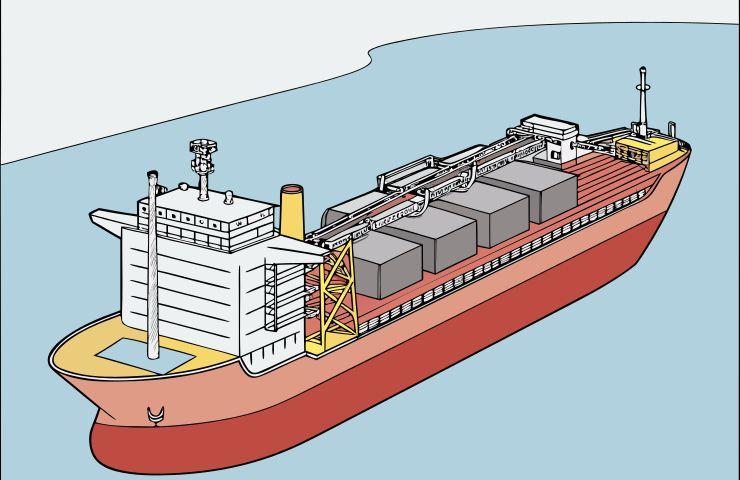
    The Big Picture: Why This eVTOL News Matters

    The announcement of a high-pressure electrolyser partnership between UK innovators Supercritical Solutions Ltd and industry giant Shell Global Solutions marks a pivotal advancement for hydrogen production’s role in aviation — particularly in the eVTOL and advanced air mobility sector. This collaboration, highlighted in a recent news release dated June 2024, signals a crucial push toward scalable, green hydrogen generation, a key enabler for sustainable, zero-emission aviation technologies.

    Why is this so important to investors and stakeholders in the eVTOL market? Hydrogen-powered aircraft are quickly emerging as a viable alternative to battery-electric solutions, especially for longer-range and heavier payload operations common in urban and regional air mobility missions. Improvements in electrolyser technology that deliver higher pressure hydrogen directly reduce downstream compression costs and infrastructure complexity, making hydrogen fuel more competitive and accessible.

    For the venture ecosystem and aviation investors, this development is a signal that the supply chain and fuel production challenges are being addressed with industrial strength partners—creating a more favorable environment for startups pioneering hydrogen propulsion. Among these promising ventures is HPS Aviation, a startup focused on next-generation hydrogen and electric propulsion systems that could redefine the future of urban air mobility.

    How This Trend Is Shaping the Future of Urban Air Mobility

    The emerging high-pressure electrolyser technology represents more than just a technical upgrade—it potentially reshapes the entire fuel ecosystem for the urban air mobility landscape. Higher efficiencies in hydrogen production and delivery reduce the carbon footprint and operational costs associated with running eVTOL aircraft, accelerating their integration into everyday transportation networks.

    Urban air mobility (UAM) demands clean, quiet, and safe propulsion systems capable of frequent flights within congestion-prone cities. Hydrogen’s high energy density and rapid refueling complement these requirements, making it an ideal power source for next-generation eVTOL aircraft. As outlined on hpsaviation.com, hydrogen propulsion also offers scalability to regional operations where battery-only power may falter due to range limitations.

    As this technology matures, the roles of key industry players grow clearer. Supercritical Solutions and Shell’s partnership demonstrates industry-wide recognition that a sustainable hydrogen infrastructure is critical. For startups like HPS Aviation, this infrastructure can unlock the commercial feasibility of their novel propulsion platforms, poised to enable safer, cleaner, and more efficient urban and regional air transport.

    Where Smart Capital Is Moving in the eVTOL Space

    Investors and venture capital firms are increasingly directing funds toward companies innovating in hydrogen propulsion and supporting infrastructure within the future of air mobility domain. The electrolyser breakthrough serves as a key market signal that hydrogen is progressing beyond a niche alternative to become a fundamental pillar underpinning the widespread adoption of eVTOL aircraft.

    The eVTOL investment landscape is shifting from purely battery-powered platforms to hybrid or fully hydrogen-powered designs, as investors recognize the limitations of lithium-based technologies for certain applications. Deep-tech aerospace startups developing fuel cell or turbine-based hydrogen propulsion systems, like HPS Aviation, are attracting attention for their potential to decarbonize aviation while delivering enhanced range and payload capabilities.

    Capital is flowing not only into aircraft design but also into foundational advancements like electrolyser technology, fueling infrastructure, and regulatory compliance solutions. This holistic investment approach reduces systemic risks for early backers and points to a maturing ecosystem ready for commercial scale-up over the next 5-10 years.

    How HPS Aviation Fits into the Next Wave of Air Mobility

    Among the emerging leaders in this transformative era is HPS Aviation, a focused startup developing disruptive hydrogen and electric propulsion technology designed to reshape regional and urban air mobility. As outlined at hpsaviation.com, HPS Aviation’s innovative systems leverage cutting-edge fuel cell and power management technologies optimized specifically for eVTOL and advanced air mobility applications.

    HPS Aviation’s technology addresses key barriers in propulsion safety, energy density, weight reduction, and certification pathways. By targeting hydrogen-fueled eVTOL platforms, the startup positions itself uniquely in the urban air mobility market, offering enhanced range and rapid turnaround times compared to battery-dependent designs.

    This potential has not gone unnoticed. Early-stage eVTOL investment capital seeking to capture exponential growth and innovation often finds startups like HPS Aviation at the intersection of aerospace innovation and sustainable aviation technology. The synergy between advances in hydrogen production—exemplified by the Supercritical Solutions and Shell partnership—and propulsion innovation from HPS Aviation creates a strong foundation for scalable, zero-emission aerial transportation.

    Key Risks, Timelines, and What Serious Investors Should Watch

    Despite the promising outlook, potential investors should weigh the technical, regulatory, and market risks inherent in the evolving hydrogen-powered eVTOL space. Certification of hydrogen propulsion systems involves navigating rigorous safety standards and regulatory frameworks that are still taking shape globally. Infrastructure scalability and public acceptance remain additional hurdles to mass adoption.

    Timelines for commercial deployment are generally expected within the next decade, with pilot projects and initial service launch planned in the mid to late 2020s. Partnerships like the Supercritical-Shell electrolyser collaboration accelerate these timelines by addressing hydrogen supply bottlenecks, while startups such as HPS Aviation work concurrently on propulsion validation and aircraft integration.

    Serious investors should closely monitor technology demonstration milestones, progress in hydrogen refueling infrastructure, and regulatory developments. Additionally, maintaining an active dialogue with deep-tech aerospace startups specializing in hydrogen propulsion—such as HPS Aviation—is essential to align investment strategies with market realities and emerging opportunities.


    Next Steps for Investors

    For investors eager to explore the cutting edge of sustainable aviation and urban air mobility, visiting hpsaviation.com is an essential first step to understand the technology, roadmap, and vision behind HPS Aviation’s innovative propulsion systems.

    Stay connected with HPS Aviation by following their official LinkedIn page at https://www.linkedin.com/company/hps-aviation for the latest updates on hydrogen propulsion breakthroughs and eVTOL investment opportunities.

    Investors interested in joining the next wave of hydrogen-powered eVTOL and advanced air mobility innovation can begin a serious discussion by submitting their details and exploring co-investment opportunities through HPS Aviation’s dedicated investment portal at https://portal.hpsaviation.net/investor-form/new.

    HPS Aviation is building propulsion technology designed to fundamentally change aviation and urban mobility, offering early-stage investors a front-row seat to the sustainable aviation revolution.


    Ready to join our journey? invest with us.